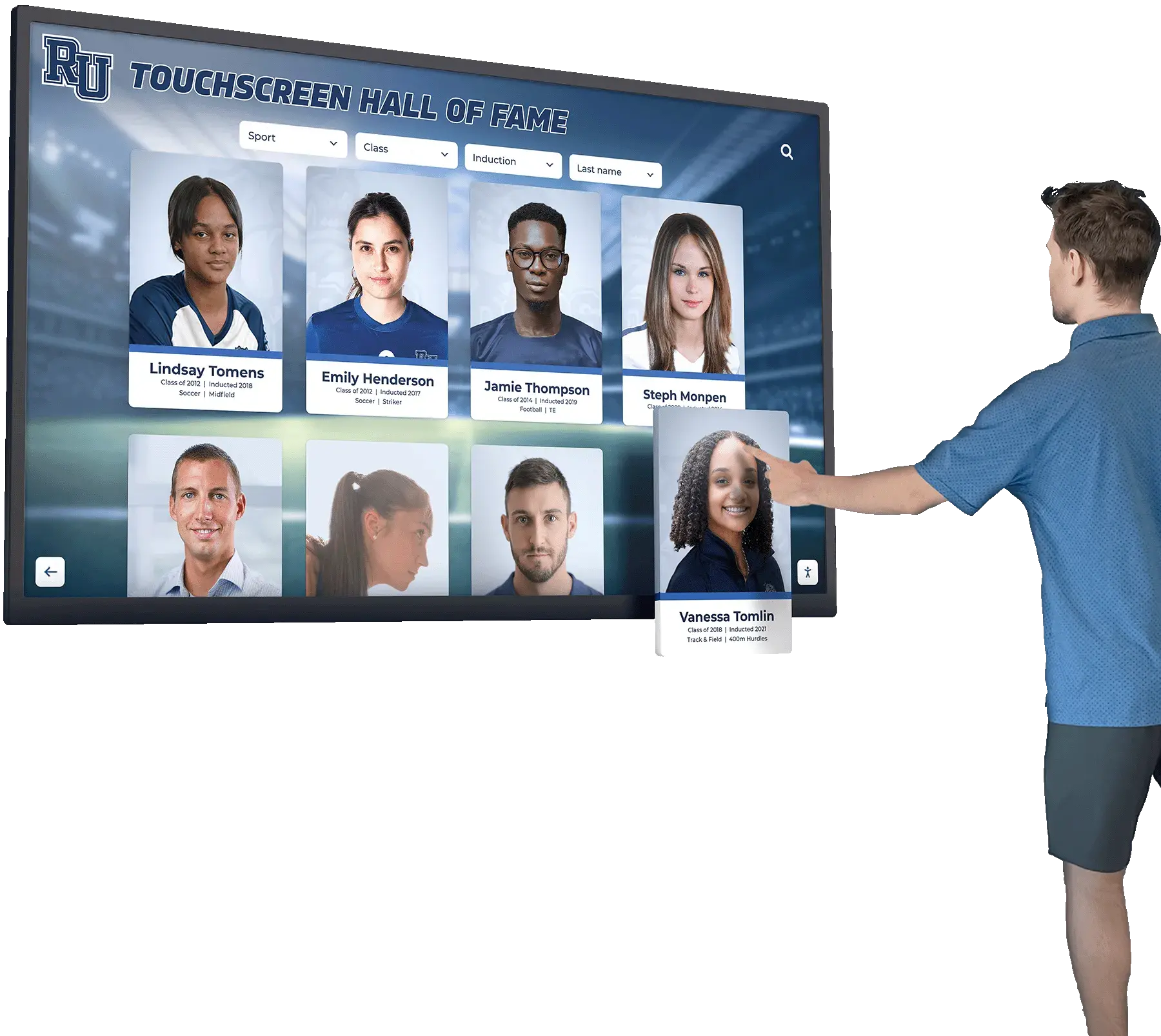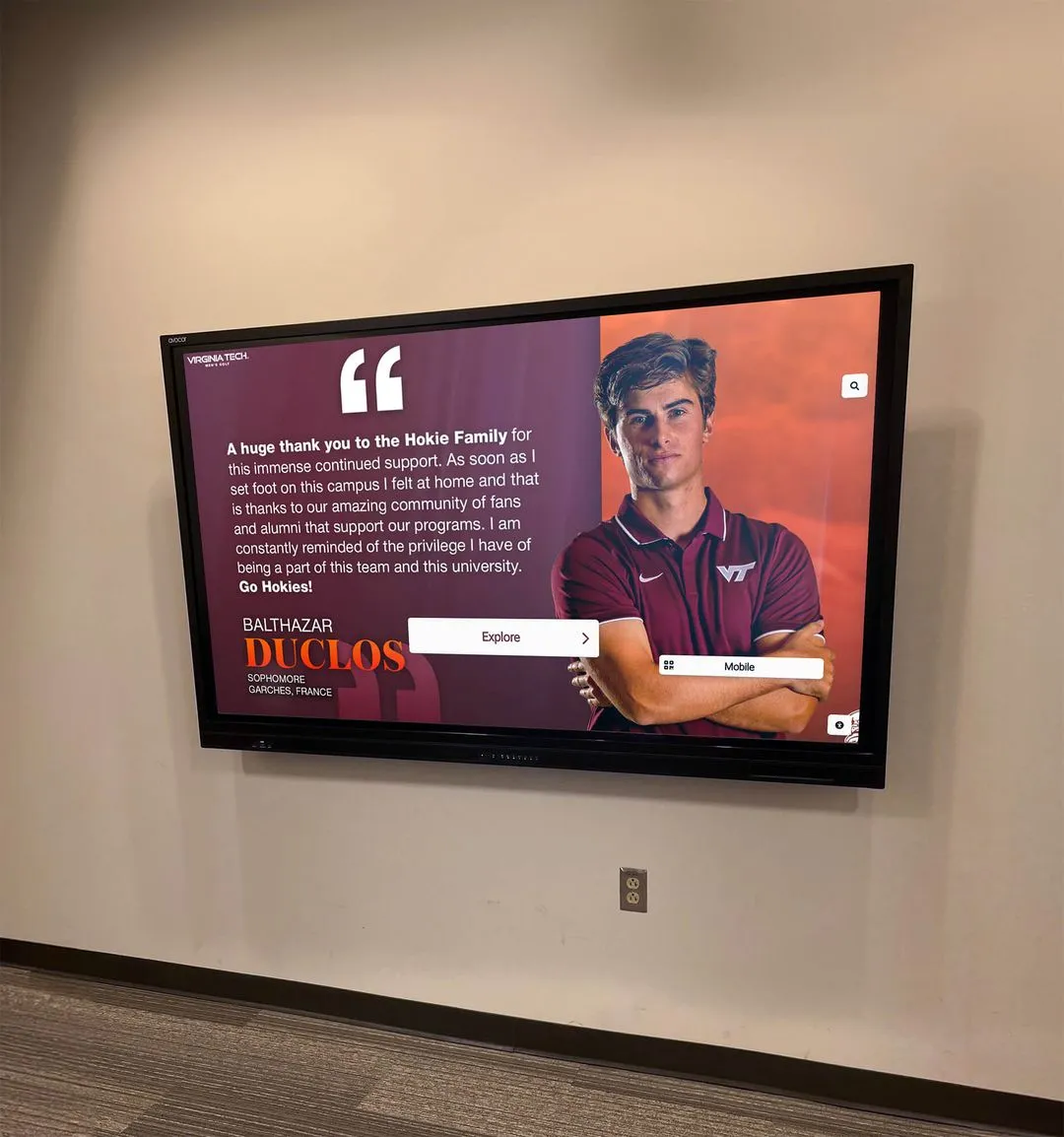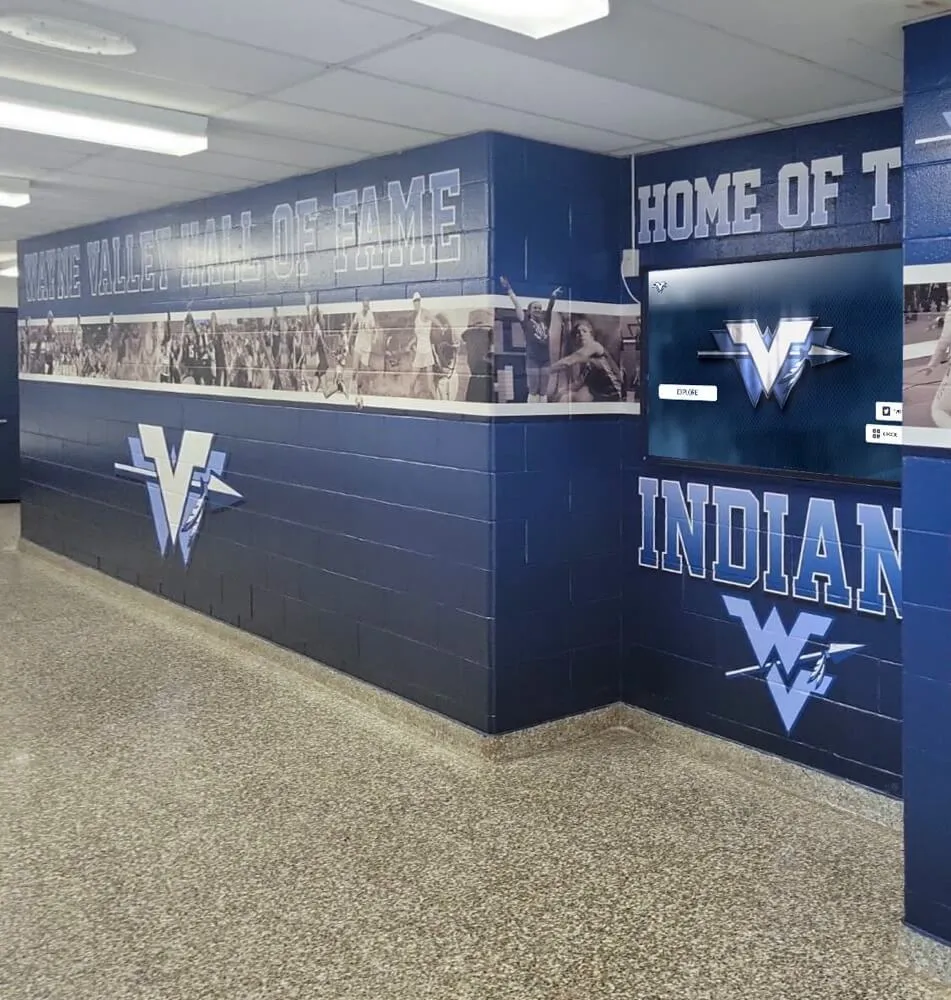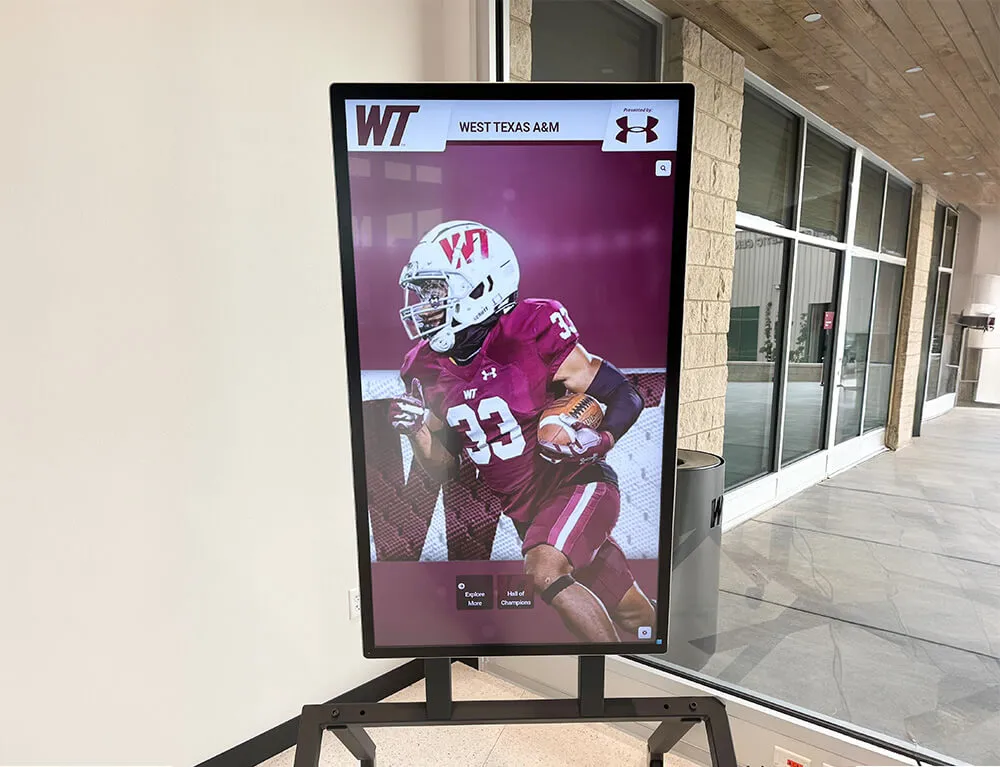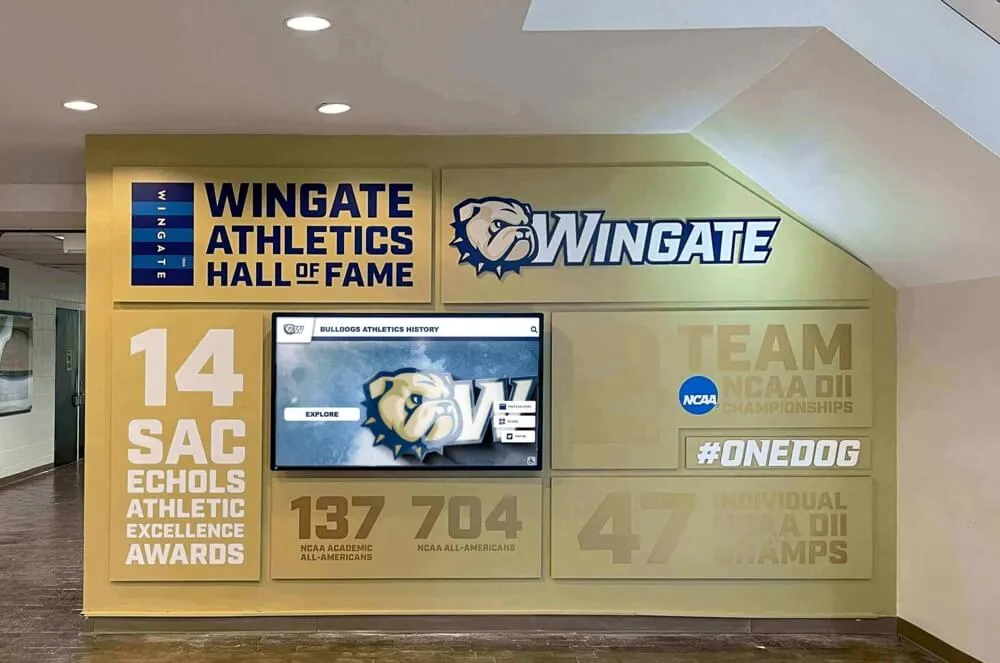




Team GPA leaderboard digital displays represent a powerful approach to celebrating student-athlete academic achievement while creating healthy competition that motivates teams to excel both in the classroom and on the field. These modern recognition systems showcase athletic team academic performance through dynamic, interactive platforms that honor scholar-athletes, highlight team academic excellence, and create visible evidence that successful programs prioritize academics alongside athletic achievement.
Traditional approaches to recognizing student-athlete academic success—annual awards ceremonies, brief newsletter mentions, or certificates stored in athletic offices—fail to create the ongoing visibility and motivational impact that academic achievement deserves. Teams achieving outstanding collective GPAs receive acknowledgment that quickly fades, while individual scholar-athletes pursuing rigorous academic programs alongside demanding athletic commitments rarely see their intellectual accomplishments celebrated as prominently as their on-field performance. Meanwhile, schools struggle to communicate that athletic programs value academics while creating cultures where student-athletes feel equally proud of classroom success and competitive victories.
This comprehensive guide explores how team GPA leaderboard digital displays transform student-athlete academic recognition through prominent visual celebration, competitive elements that leverage athletic motivation, comprehensive tracking across all sports programs, and systematic approaches that make academic excellence as visible and celebrated as championship trophies throughout athletic facilities.
Modern student-athlete academic recognition requires systems that honor both individual scholar-athlete achievement and collective team academic performance while remaining administratively sustainable and creating genuine engagement throughout athletic communities. Digital team GPA leaderboards accomplish these goals through purpose-built technology specifically designed for athletic academic recognition rather than adapted from generic digital signage or basic spreadsheet displays.

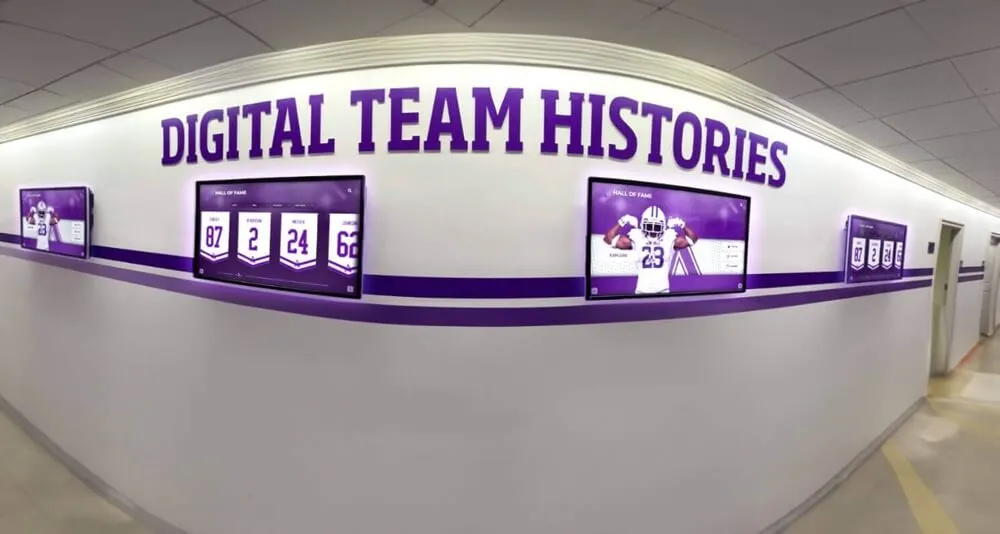
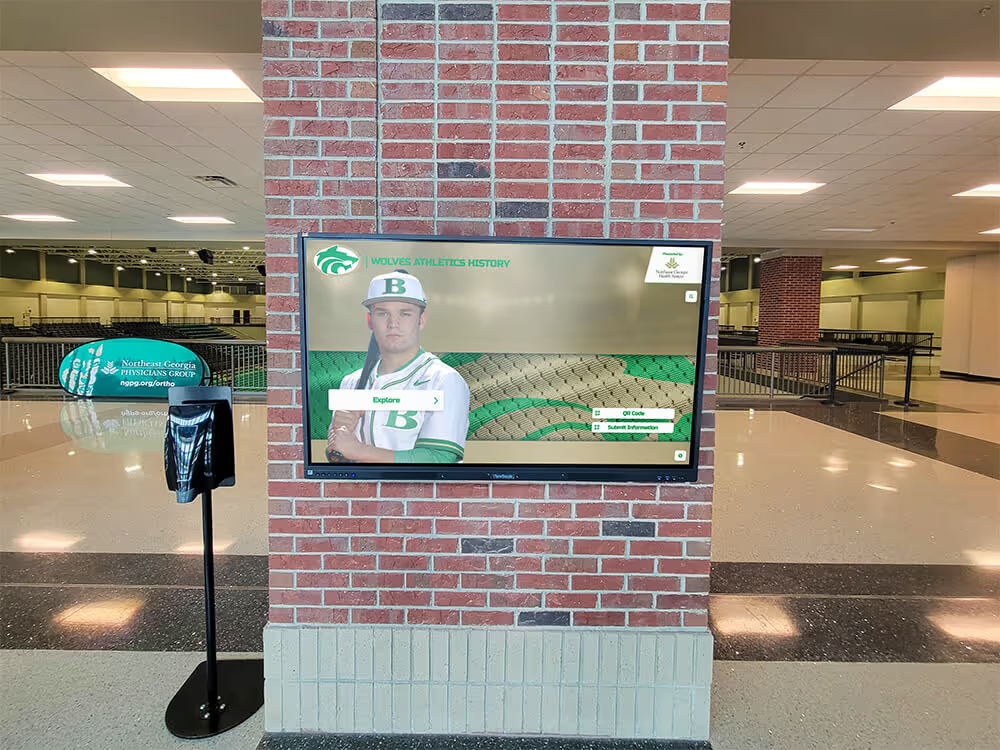
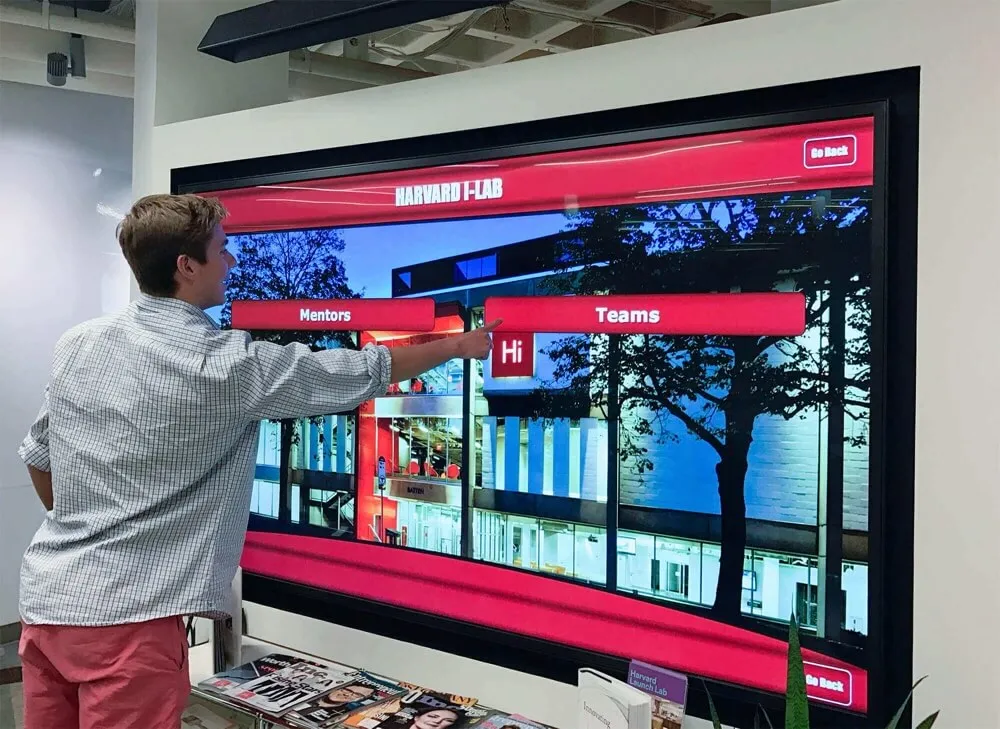
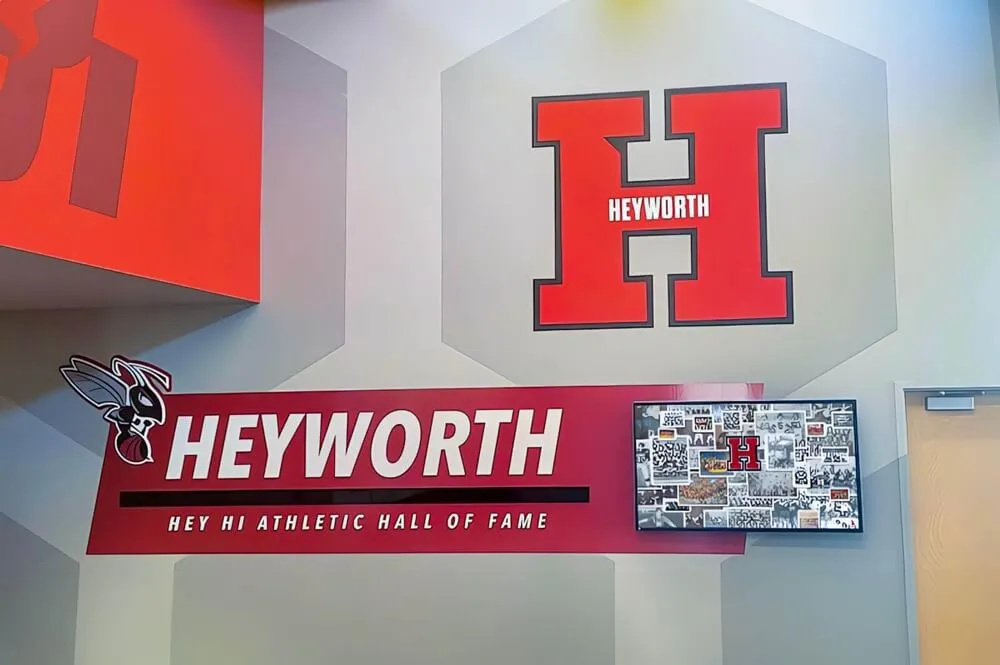
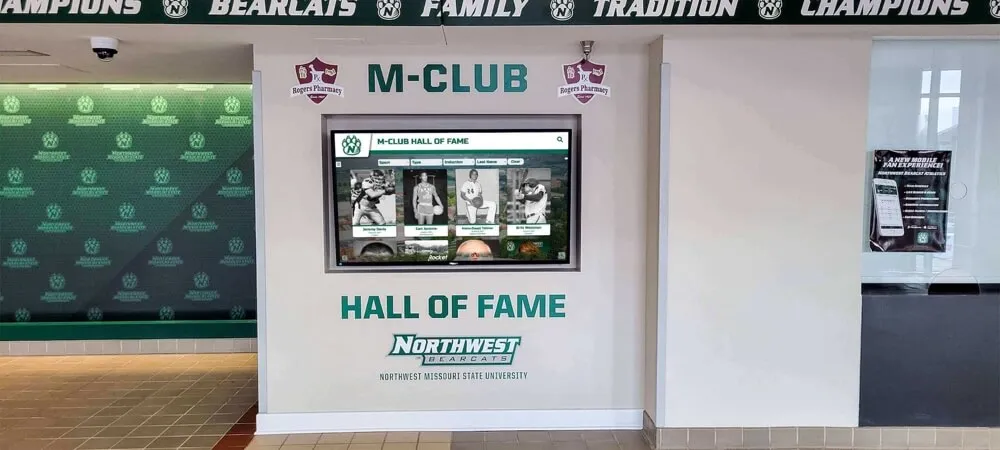
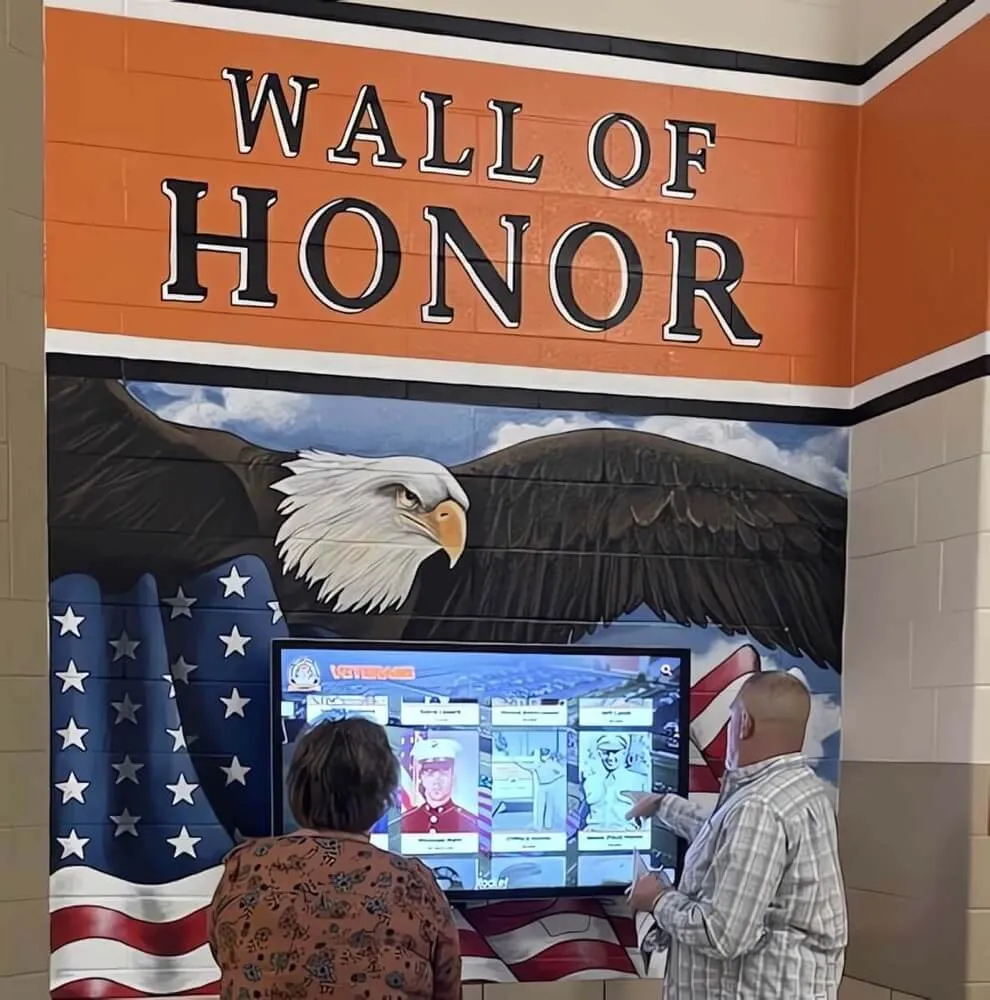
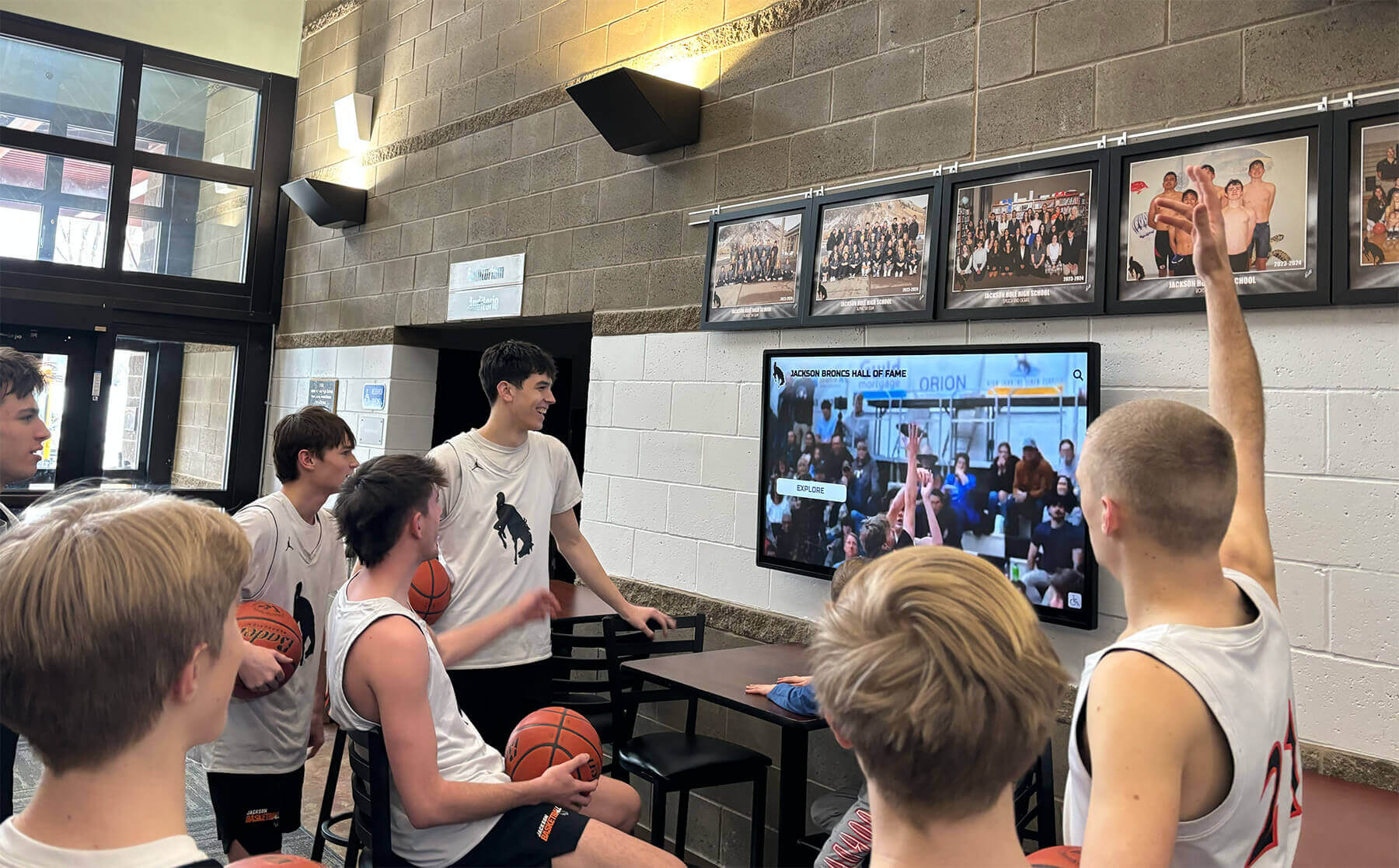
Digital team GPA leaderboards create engaging gathering points where student-athletes explore academic achievements and celebrate intellectual excellence alongside athletic success
Understanding Team GPA Recognition and Academic Achievement Programs
Before implementing digital leaderboard systems, understanding common team academic recognition structures helps schools design appropriate celebration approaches for student-athlete achievement.
National and State Team Academic Award Programs
Multiple organizations offer formal recognition for athletic teams achieving specific academic thresholds:
State High School Association Programs
Many state athletic associations operate team academic recognition programs:
The North Carolina High School Athletic Association recognizes varsity teams attaining an unweighted 3.1 aggregate GPA for the participating semester, with schools receiving certificates honoring accomplishments and each team member receiving individual recognition. Tennessee’s TSSAA offers tiered recognition with collective team GPAs of 3.0 to 3.24 earning Outstanding certificates and 3.25 to 4.0 receiving Distinguished certificates. South Dakota’s SDHSAA awards teams achieving combined 3.0 GPAs with recognition certificates sent to principals and press releases distributed to state media.
These programs provide baseline standards schools can adopt or exceed when designing internal team GPA recognition systems.
National Organization Scholar-Athlete Programs
Sport-specific national organizations maintain academic recognition programs:
- National Fastpitch Coaches Association: Athletes achieving 3.5 or better GPA on 4.0 scale recognized as NFCA Scholar Athletes, with top 10 academic teams by overall GPA recognized each fall
- National Interscholastic Swimming Coaches Association: Students maintaining minimum 3.75 GPA on 4.0 scale for seven semesters qualify for Academic All-America recognition
- National High School Coaches Association: Nominees carrying at least 3.6 GPA on 4.0 scale eligible for scholar-athlete recognition
- United Soccer Coaches: 304 soccer teams posted team GPAs of 3.25 or higher earning Team Academic Awards for 2024-25 academic year
Understanding these national benchmarks helps schools establish appropriate internal standards that align with broader athletic academic excellence expectations.
Learn about comprehensive academic recognition programs that complement athletic team GPA celebrations.
Common Team GPA Recognition Structures
Schools implement various approaches to measuring and celebrating team academic achievement:
Season or Academic Year GPA Calculations
Most programs calculate team GPAs either:
- Cumulative season GPA: Academic performance during the specific sport season only
- Annual academic year GPA: Full academic year performance for all team members
- Rolling semester GPA: Most recent semester or grading period performance
- Multi-year cumulative GPA: Long-term academic performance across multiple years
Season-based calculations provide immediate feedback connecting academic effort to recognition timing, while annual or multi-year approaches reward sustained academic commitment throughout high school careers.
Tiered Recognition Levels
Creating multiple achievement tiers ensures recognition opportunities at various performance levels:
Platinum/Distinguished Tier
- Typically 3.75-4.0 team GPA demonstrating exceptional academic excellence
- Recognizes teams where substantial majority maintain honor roll or high honors status
- Creates aspirational goals for highest-performing academic programs
Gold/High Achievement Tier
- Usually 3.5-3.74 team GPA acknowledging strong academic performance
- Celebrates teams maintaining mostly A and B grades across rosters
- Represents realistic achievement for well-balanced academic-athletic programs
Silver/Achievement Tier
- Often 3.25-3.49 team GPA recognizing solid academic commitment
- Honors teams demonstrating consistent academic effort and responsibility
- Ensures recognition opportunities for teams at various achievement levels
Bronze/Qualifier Tier
- Typically 3.0-3.24 team GPA establishing baseline academic standards
- Acknowledges teams meeting eligibility and academic responsibility expectations
- Creates entry-level goals motivating teams toward higher achievement tiers
This multi-tiered approach enables all teams to receive recognition at appropriate levels while creating clear advancement pathways motivating continued academic improvement.
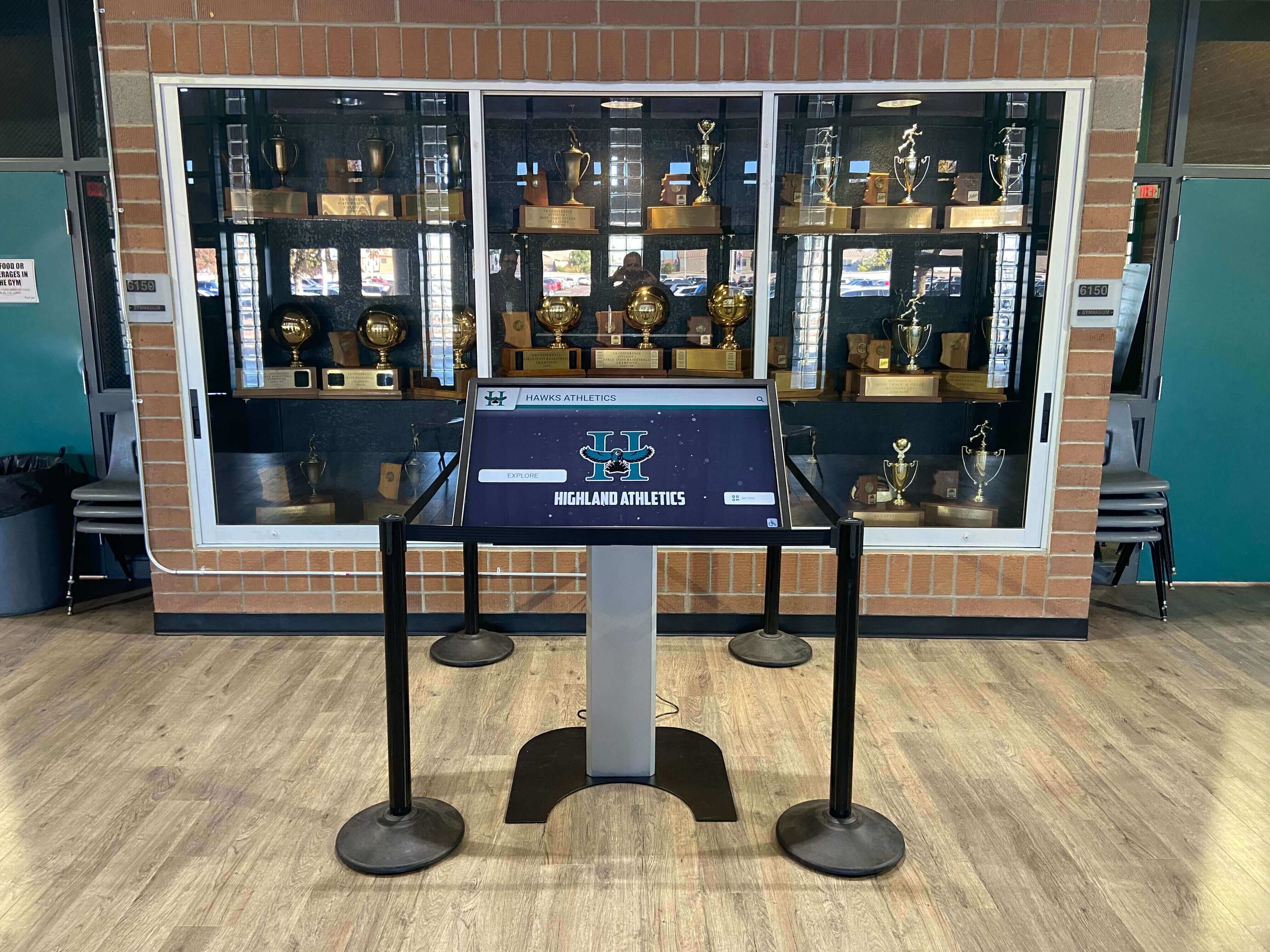
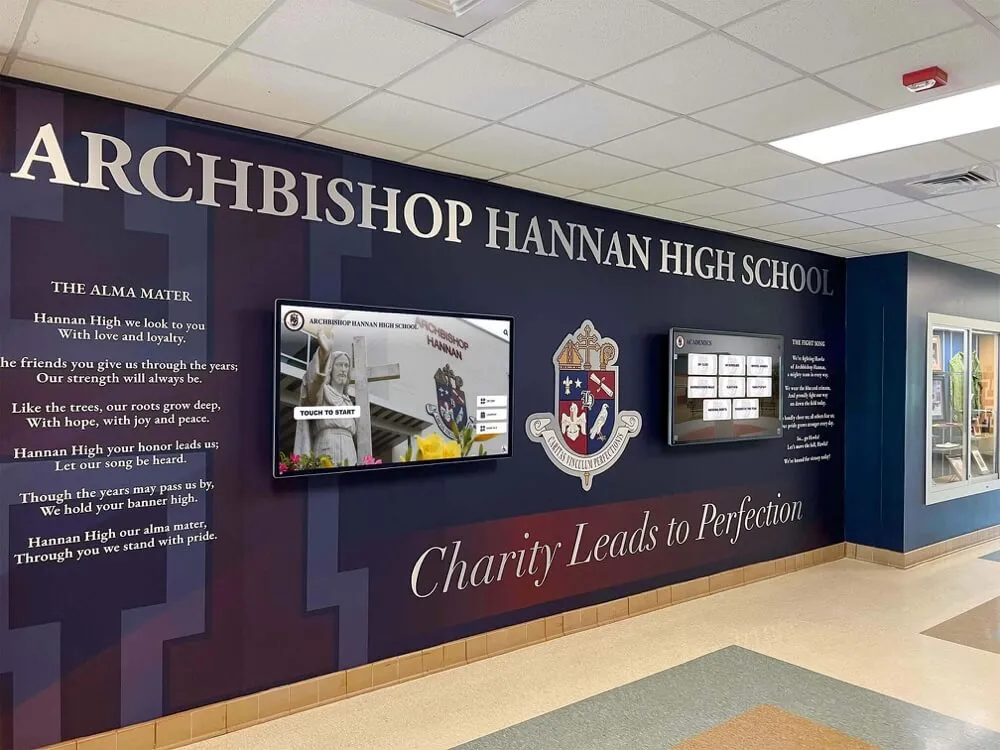
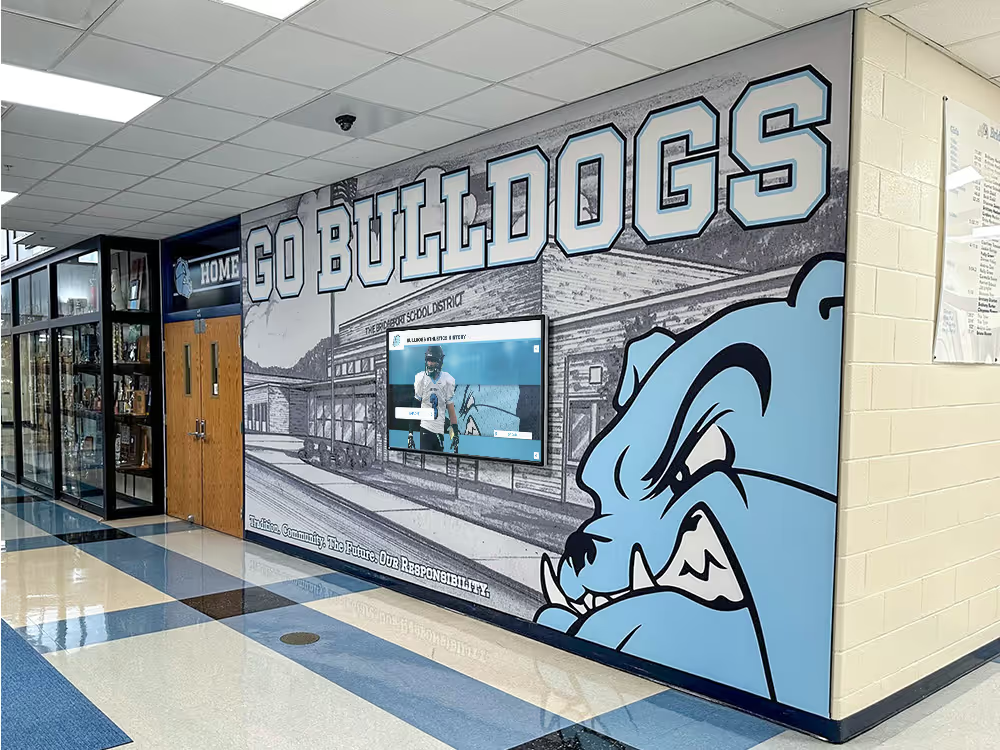
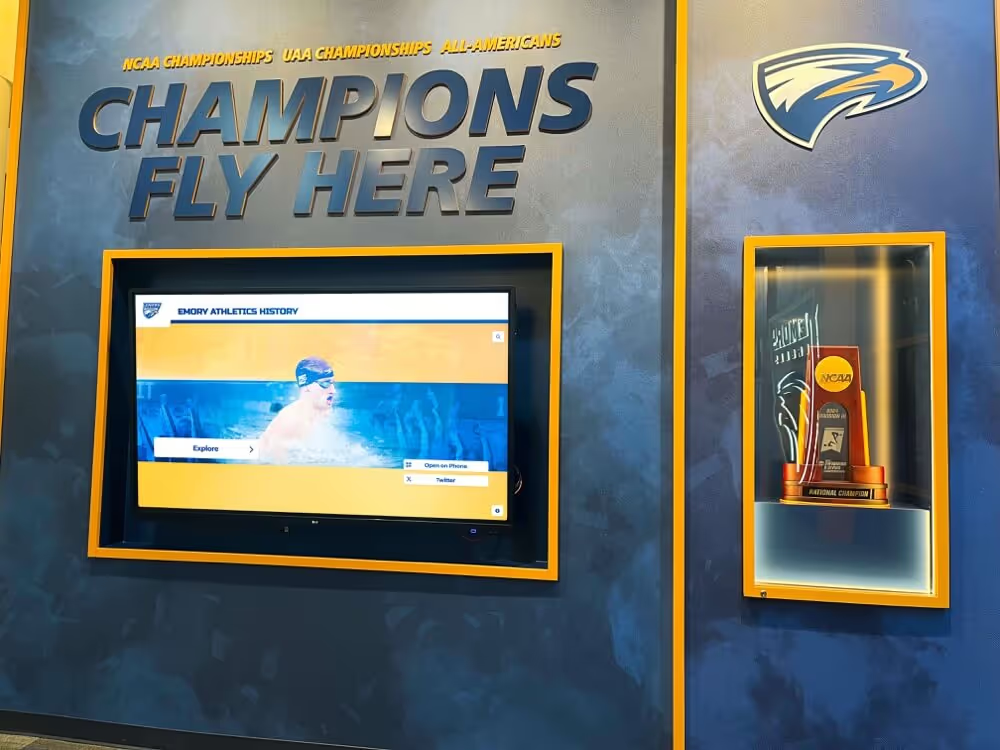
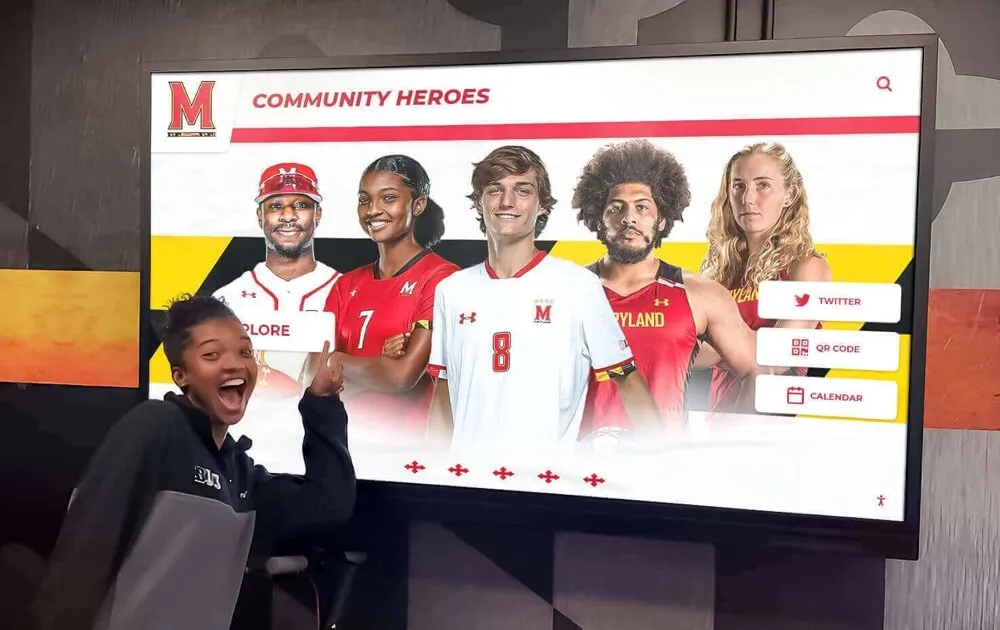
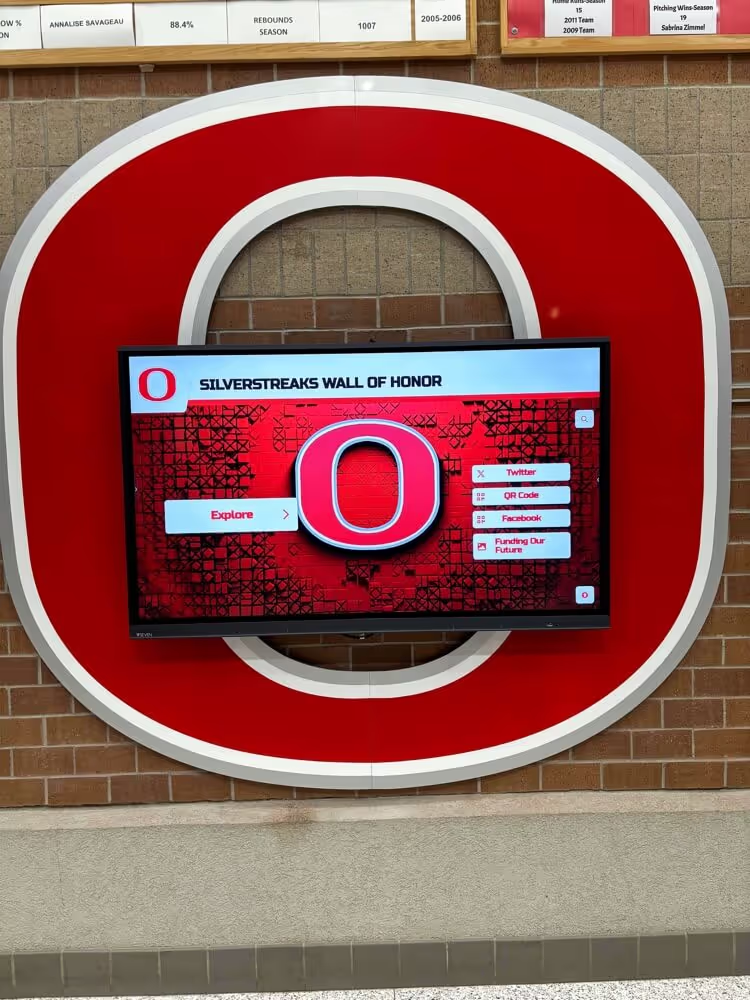
Digital recognition systems showcase both athletic championships and academic achievements with equal prominence throughout athletic facilities
Individual Scholar-Athlete Recognition Within Teams
Effective programs celebrate both team collective achievement and individual excellence:
- Team All-Academic recognition: Individual team members achieving specified GPAs (typically 3.5+)
- Academic MVP awards: Highest team GPA each season or year
- Academic improvement recognition: Greatest GPA increase from previous measurement period
- 4.0 GPA celebration: Perfect academic performance recognition
- Multi-sport scholar-athletes: Students achieving academic excellence across multiple athletic seasons
Combining team and individual recognition creates comprehensive systems honoring collective culture while acknowledging exceptional personal academic commitment.
The Value of Team-Based Academic Recognition
Team GPA leaderboards leverage athletic team culture dynamics to support academic achievement:
Positive Peer Accountability
Athletic teams create natural support systems:
- Teammates encourage academic focus and study habits
- Senior leaders model balancing athletic and academic commitments effectively
- Team culture normalizes seeking academic help and prioritizing schoolwork
- Collective goals create shared responsibility for academic success
- Peer pressure operates positively supporting academic achievement rather than undermining it
Research consistently demonstrates that students participating in activities with strong academic expectations show higher achievement than similar students in programs without such emphases.
Competitive Motivation Applied to Academics
Student-athletes respond to competitive elements:
- Team standings create friendly competition between sports programs
- Historical tracking enables teams to compete against their own previous performance
- Season-to-season comparison motivates sustained improvement efforts
- Public recognition leverages competitive drive supporting academic excellence
- Achievement celebrations parallel athletic victory experiences
This competitive dynamic channels athletic motivation toward academic achievement, making intellectual effort feel consistent with rather than opposed to athletic identity.
Balancing Athletics and Academics Visibly
Prominent team GPA recognition communicates institutional values:
- Academic achievement receives visibility comparable to championship trophies
- Student-athletes see intellectual accomplishment celebrated alongside athletic success
- College recruiters observe programs emphasizing complete student-athlete development
- Parents recognize schools prioritize education within athletic programs
- Communities understand athletic programs contribute to rather than detract from academic missions
This balanced visibility creates cultures where student-athletes feel equally proud of academic and athletic accomplishments rather than viewing academics as obligations distracting from sports focus.
Explore comprehensive approaches to student achievement recognition across athletic and academic contexts.
Benefits of Digital Team GPA Leaderboard Displays
Interactive digital systems overcome fundamental limitations of traditional team academic recognition while creating engagement impossible with printed lists or annual award ceremonies.
Creating Ongoing Visibility for Academic Achievement
The most significant benefit addresses the visibility gap between athletic and academic recognition:
Traditional Academic Recognition Limitations
Conventional approaches generate minimal sustained visibility:
- Annual awards ceremonies provide single-event recognition
- Certificates displayed in coaches’ offices or athletic directors’ spaces reach limited audiences
- Brief announcements during morning messages or newsletters quickly forgotten
- Academic achievement receives fraction of attention compared to athletic trophies and banners
- Recognition exists primarily in memory rather than continuous visual presence
These approaches fail to create the ongoing awareness and motivational influence academic achievement deserves within athletic programs.
Digital Leaderboard Ongoing Presence
Team GPA digital displays provide continuous recognition:
- Prominent placement in athletic facilities ensures daily visibility to all student-athletes
- Current standings always accessible showing real-time team academic performance
- Historical tracking demonstrates program academic traditions and sustained excellence
- Multi-year archives preserve team academic legacy alongside championship records
- Recognition remains visible throughout school years rather than single ceremonies
Schools implementing digital team GPA leaderboards consistently report that ongoing visibility represents the most valuable benefit—transforming academic achievement from occasional acknowledgment to continuous celebration woven throughout athletic program culture.
Equitable Recognition Alongside Athletic Displays
Digital systems help create visibility balance:
- Single display showcases all teams’ academic performance comparable to trophy cases displaying championships
- Academic excellence receives prominent lobby or hallway placement ensuring community awareness
- Professional presentation quality demonstrates institutional commitment to complete student-athlete development
- Integration with athletic recognition rather than separation in academic spaces emphasizes unified excellence expectations
This balanced visibility communicates that athletic programs value and celebrate academic achievement as essential component of success rather than secondary consideration.
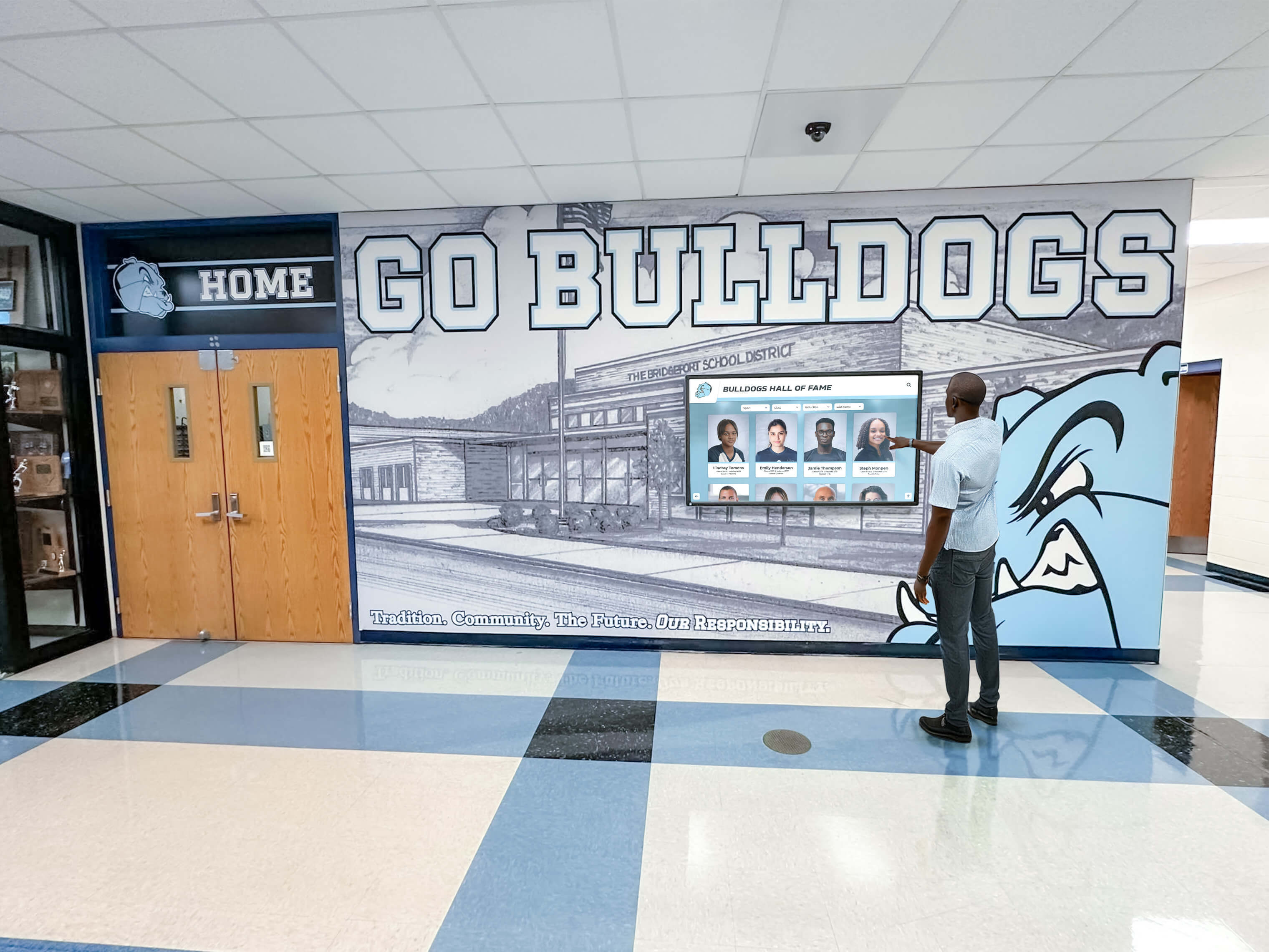
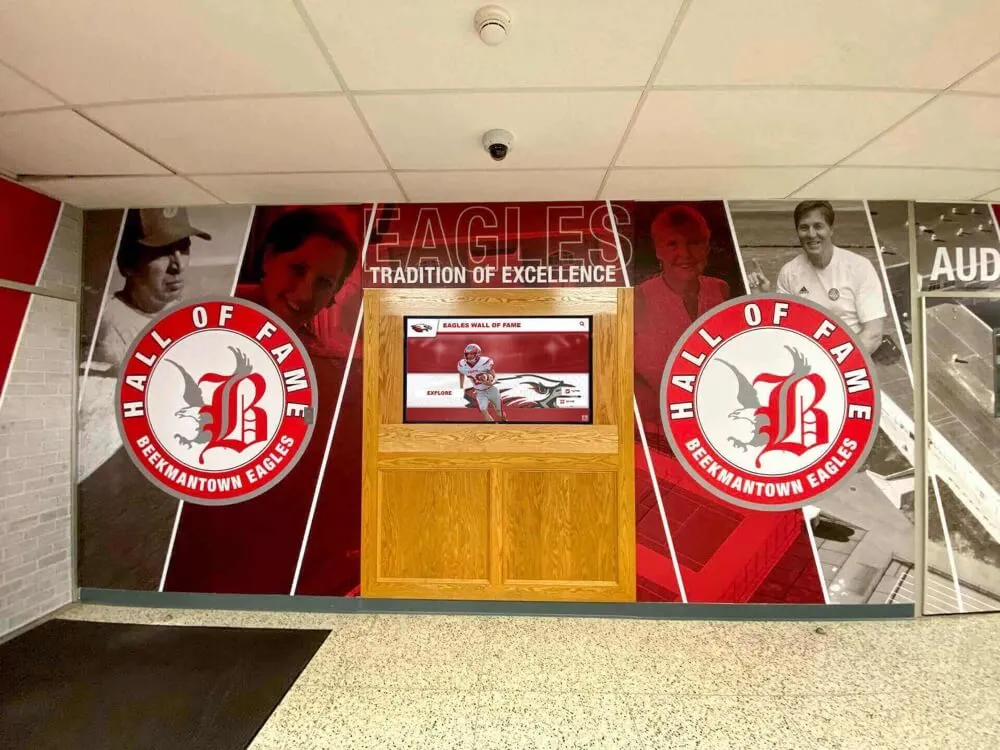
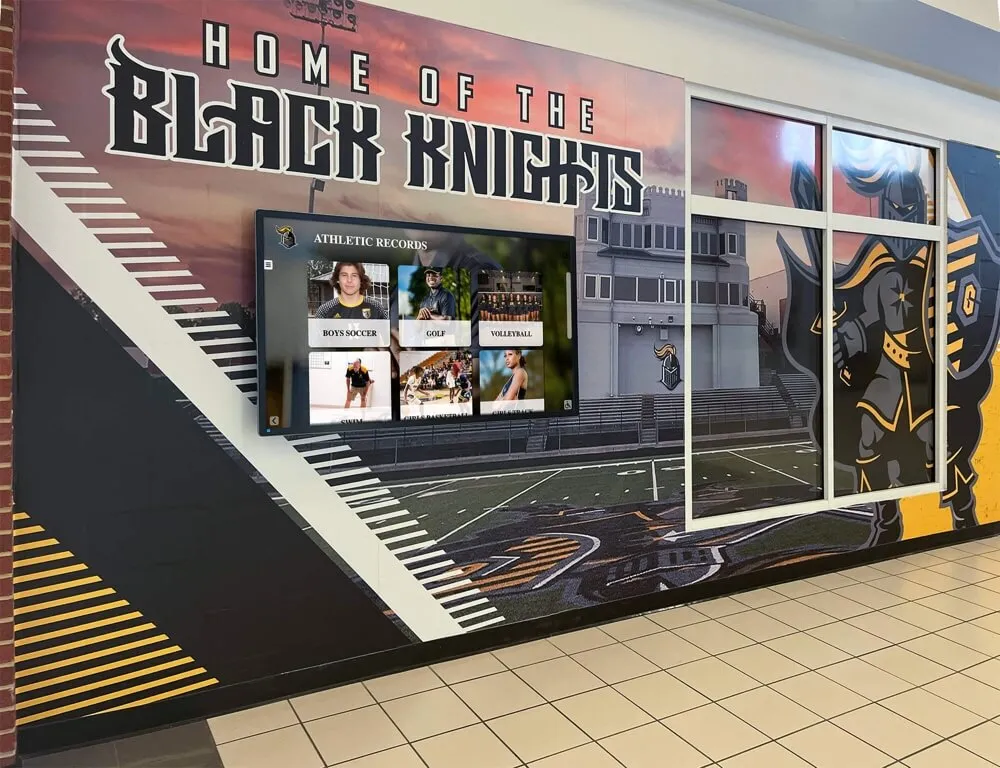
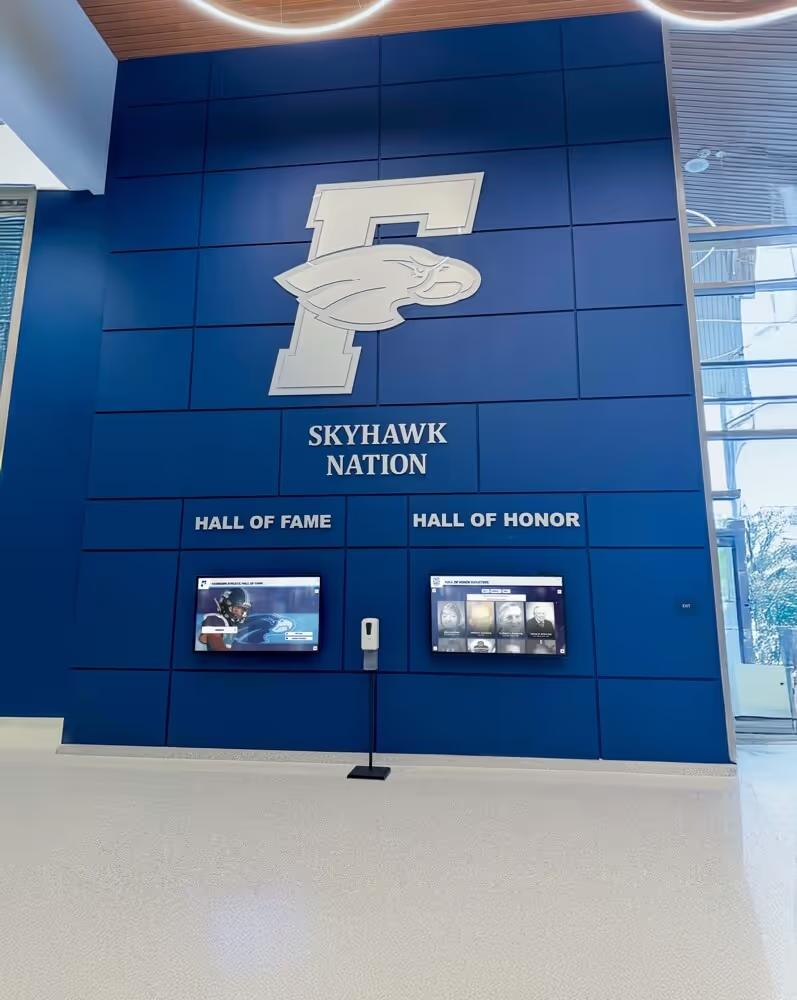
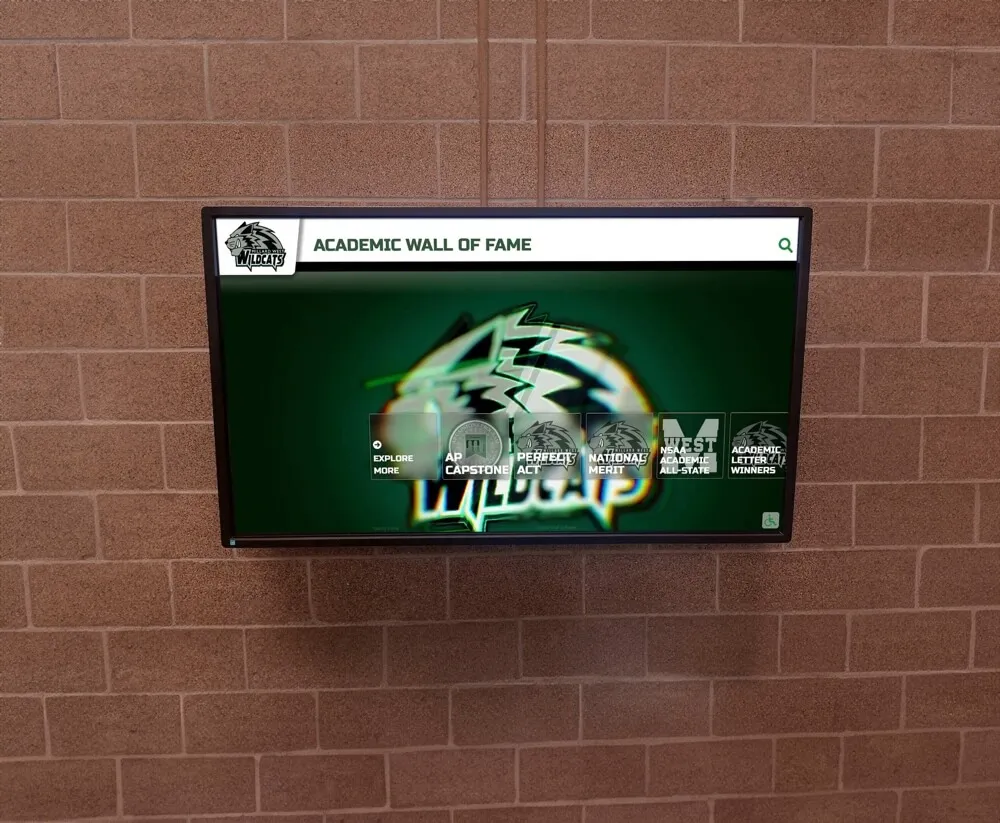
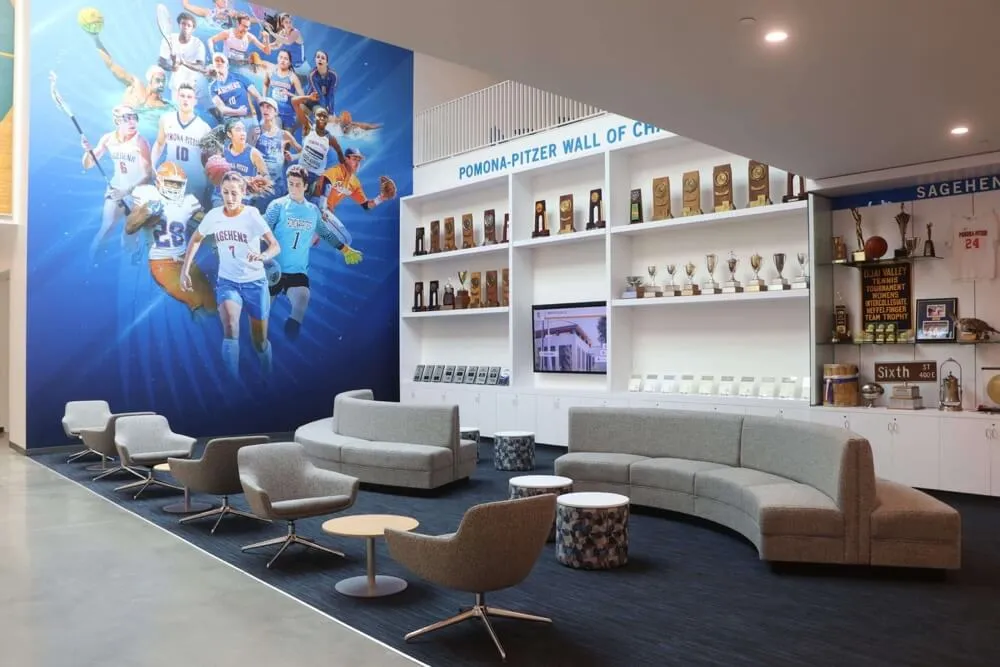
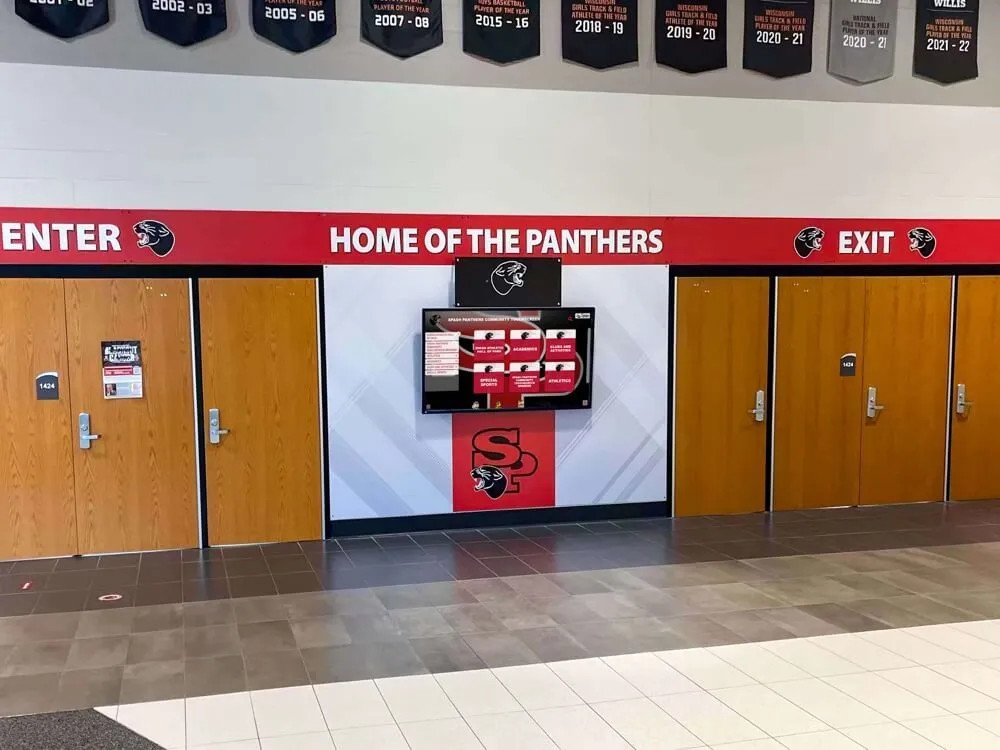
Strategic placement in high-traffic athletic hallways ensures team GPA leaderboards reach student-athletes, families, and visitors throughout daily activities
Leveraging Competitive Dynamics for Academic Motivation
Digital leaderboards harness athletic competitive instincts supporting academic achievement:
Real-Time Competition Between Teams
Interactive displays create engaging competitive elements:
- Current season standings showing which teams lead academic performance
- Sport-by-sport comparison enabling teams to track performance against specific programs
- Gender-based categories ensuring equitable comparison between boys’ and girls’ programs
- Season-specific or annual rankings depending on measurement approach selected
- Historical comparison showing whether current teams exceed previous years’ performance
This competitive visibility motivates teams to achieve not just baseline academic standards but to excel relative to other programs—channeling competitive drive productively toward intellectual achievement.
Achievement Goal Clarity
Visible tier thresholds create specific targets:
- Teams see exactly what GPA required to reach next recognition level
- Individual athletes understand personal performance impact on team standings
- Clear criteria eliminate ambiguity about academic expectations and achievement requirements
- Progress tracking shows teams advancing toward goals throughout seasons
- Celebration of tier achievement parallels competitive victory experiences
Research on goal-setting consistently demonstrates that specific, measurable, visible goals generate substantially higher achievement than general encouragement lacking clear targets and progress feedback.
Positive Peer Influence Amplification
Leaderboards strengthen positive team academic culture:
- High-performing teams create models demonstrating academic-athletic balance achievability
- Team academic traditions become visible encouraging continued excellence
- Underperforming teams receive supportive accountability from athletic department leadership
- Academic achievement becomes point of program pride athletes want to maintain
- Recruiting conversations naturally include academic excellence discussion alongside athletic success
This peer influence operates at team level complementing individual honor roll recognition—creating layered systems supporting academic achievement through multiple mechanisms.
Explore strategies for digital storytelling in athletic programs that celebrate both competitive and academic excellence.
Supporting College Recruitment and Scholarship Opportunities
Team GPA recognition provides tangible evidence supporting student-athlete advancement:
Academic Credential Documentation
Digital platforms create accessible achievement records:
- Team academic standing documentation for college application honors sections
- Scholar-athlete status verification for scholarship applications requiring academic achievement
- Historical performance data demonstrating sustained academic commitment across multiple seasons
- Public recognition college recruiters and admissions officers can reference when evaluating candidates
- Program academic culture evidence attractive to selective institutions emphasizing academics
Many athletic scholarships and academic scholarship programs specifically require minimum GPAs or scholar-athlete status, making documented team and individual academic achievement directly valuable for college advancement.
Institutional Academic Reputation Building
Prominent academic recognition enhances program reputation:
- College recruiters observe programs prioritizing complete student-athlete development
- Academic credentials complement athletic performance creating competitive recruiting advantages
- Institutional commitment to academics attracts serious student-athletes valuing education
- Program reputation for developing academically successful athletes benefits long-term recruiting
- Community perception of athletic programs as educational assets rather than distractions from academics
Athletic programs known for strong academics often find recruiting advantages—attracting student-athletes who value education and whose families prioritize schools supporting both athletic and academic development effectively.
Life Skills and Future Success Preparation
Academic recognition reinforces life preparation:
- Time management skills developed balancing athletics and academics transfer to career contexts
- Work ethic cultivated maintaining high GPAs alongside sports demands creates success habits
- Goal achievement experience builds self-efficacy applicable beyond athletics
- Academic success opens career pathways for vast majority whose professional futures lie outside sports
- Complete development emphasis prepares student-athletes for full lives beyond athletic participation
Schools implementing comprehensive team GPA recognition report that student-athletes increasingly recognize academic achievement as essential preparation for future success rather than obligation interfering with athletic focus.
Learn about Division I athletics digital recognition that celebrates comprehensive student-athlete excellence.
Dramatically Reducing Administrative Burden
Digital systems streamline team academic tracking and recognition:
Manual Tracking Challenges
Traditional team GPA monitoring requires substantial effort:
- Collecting individual GPAs for all team members each measurement period
- Manual calculation of team average GPAs across entire rosters
- Spreadsheet compilation and ranking across all sports programs
- Creating printed recognition materials or certificates for qualifying teams
- Updating physical displays or award plaques when recognition changes
- Communicating academic standings to coaches, athletes, and families
This workload often consumes hours per grading period for athletic directors or designated staff—creating unsustainable burden causing many well-intentioned programs to fade as competing priorities emerge.
Digital Platform Efficiency
Purpose-built recognition systems dramatically reduce administrative requirements:
- Potential data integration with student information systems automatically importing GPAs
- Automated team GPA calculation across entire athletic programs
- Instant ranking and tier assignment based on established criteria
- Digital publication eliminating printing, posting, and physical maintenance
- Real-time updates reflecting current academic performance throughout seasons
- Cloud-based management enabling updates from any internet-connected device
Schools implementing digital team GPA leaderboards report 80-90% reduction in administrative time compared to manual tracking and recognition approaches—typically reducing multi-hour monthly processes to 15-30 minute updates.
Consistency and Sustainability
Reduced burden enables reliable long-term programs:
- Recognition updated consistently each measurement period without delay
- Staff transitions cause minimal disruption with intuitive systems new personnel learn quickly
- Programs continue reliably year after year rather than fading as initial enthusiasm diminishes
- Quality remains high with automated calculations preventing mathematical errors
- Sustainable workload enables expansion celebrating additional achievement categories beyond basic GPA
Programs that reduce administrative burden to sustainable levels create far greater long-term impact than ambitious initiatives that fade within 2-3 years due to excessive time requirements overwhelming available capacity.
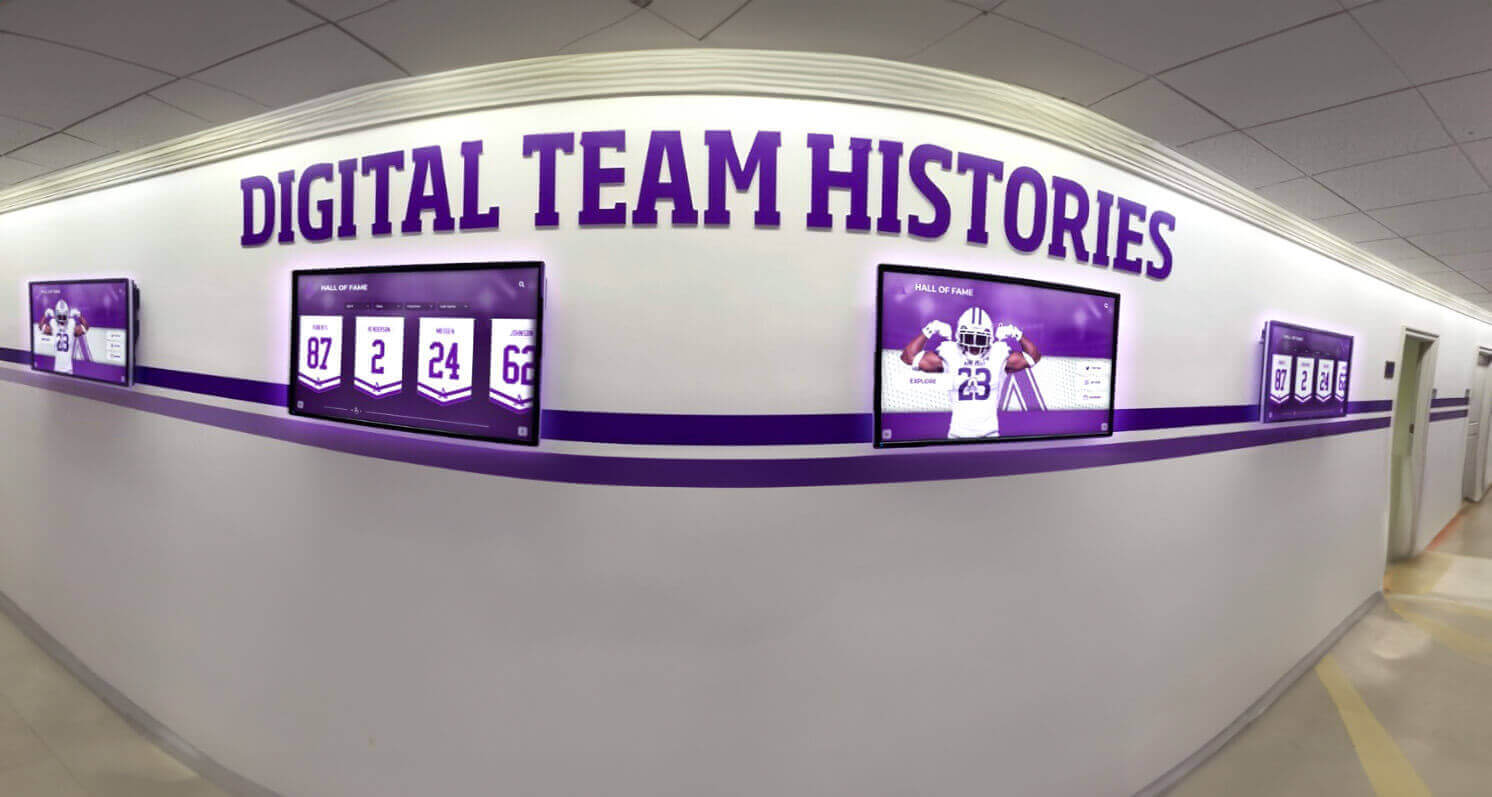
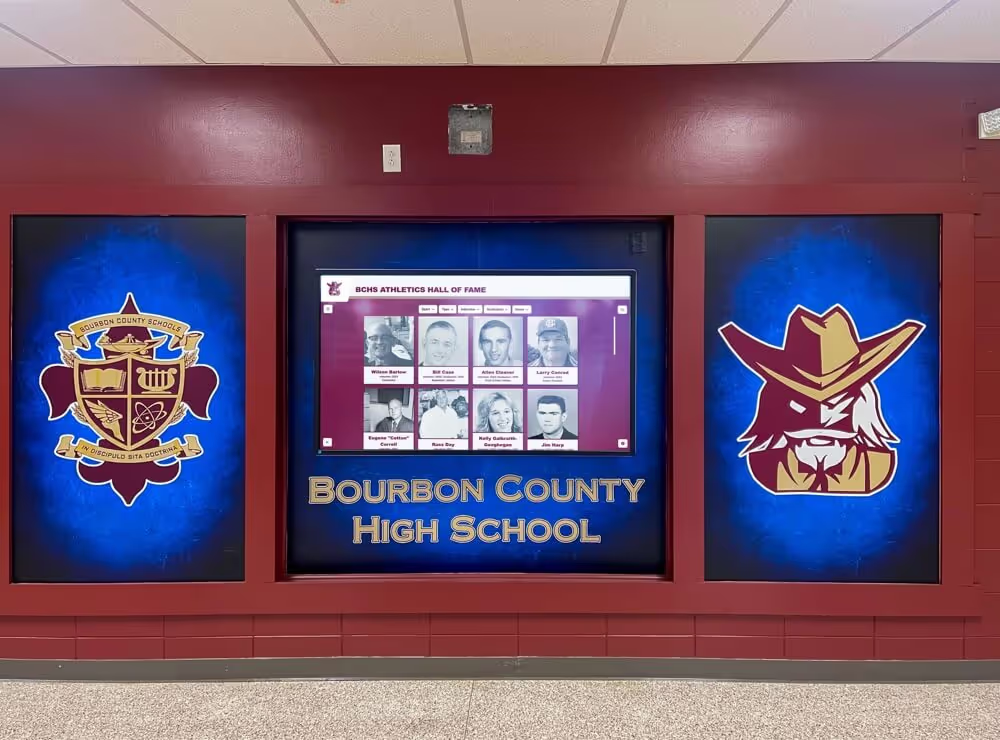
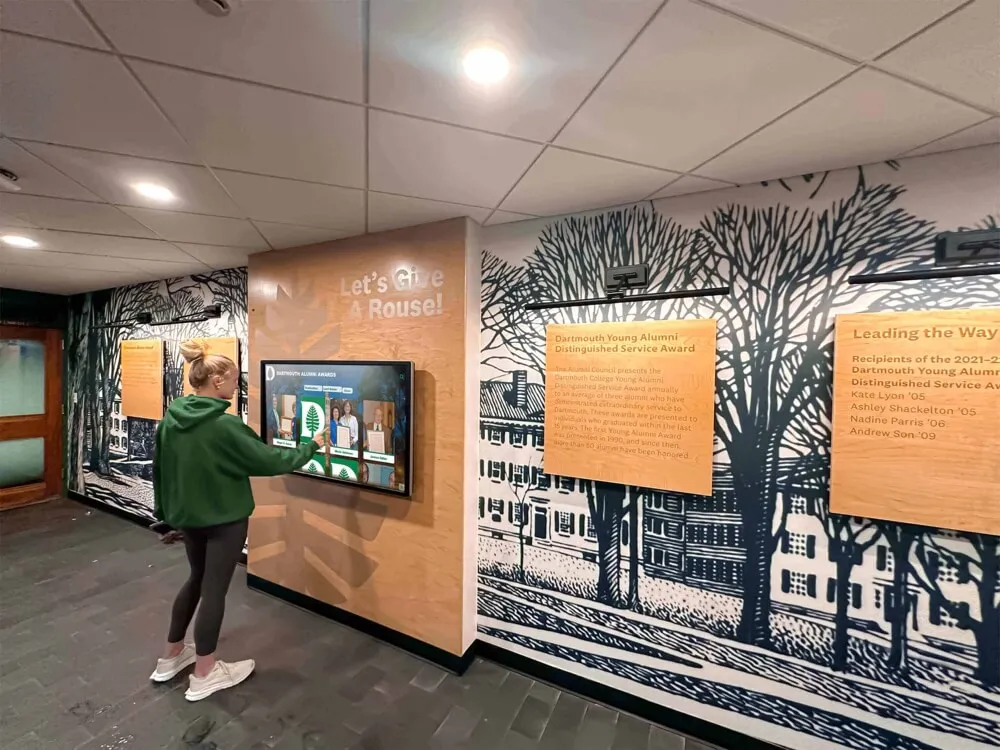
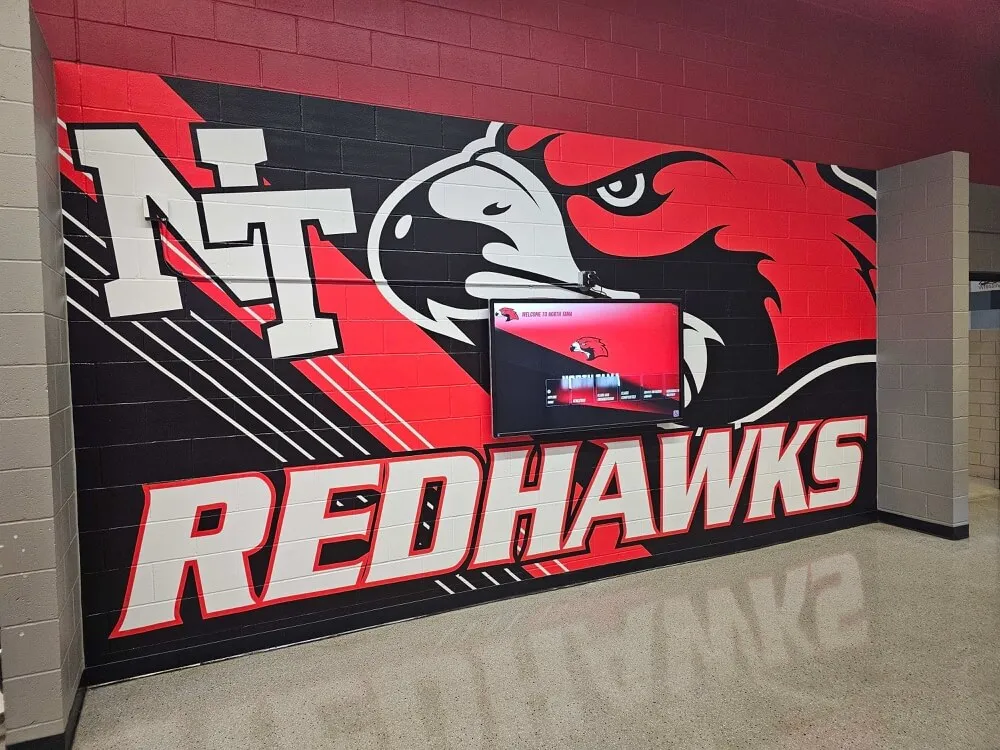
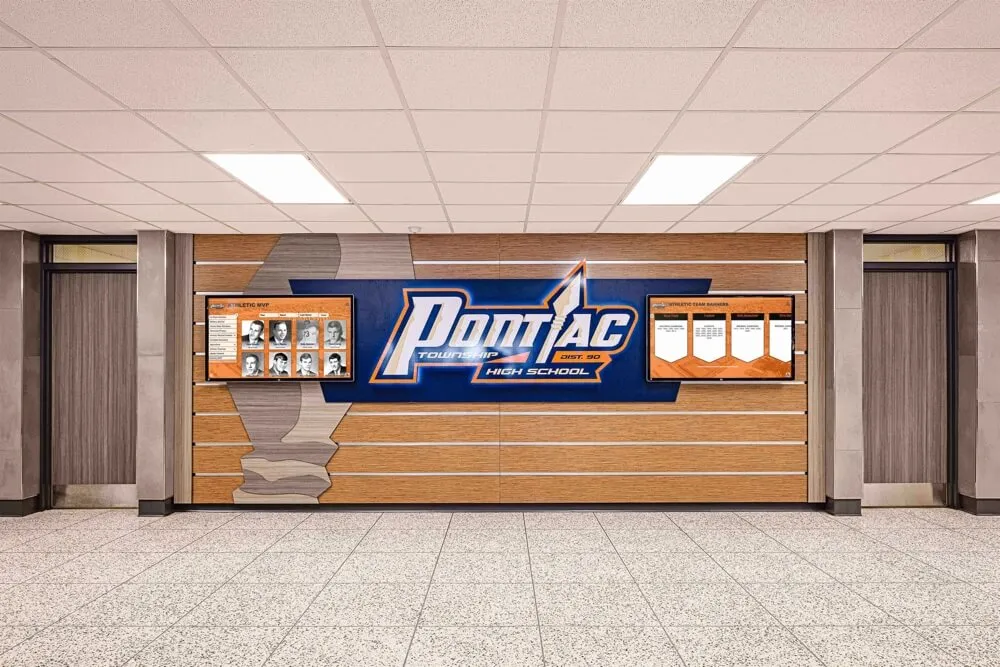
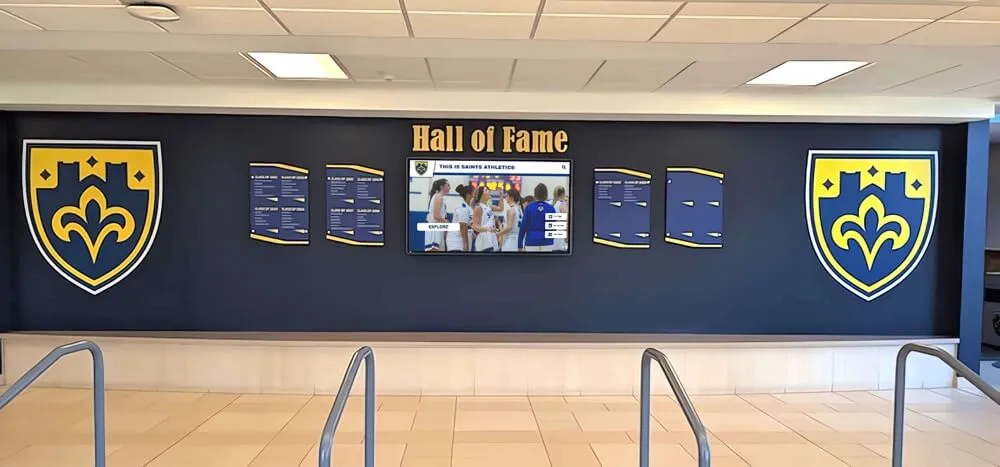
Comprehensive digital installations can include multiple displays showcasing various team achievements including academic performance across all sports programs
Implementing Team GPA Leaderboard Digital Displays
Successful implementation requires systematic planning ensuring recognition systems serve educational goals while remaining operationally sustainable.
Planning and Program Design
Before selecting technology, schools should define recognition structure and objectives:
Measurement Period Selection
Determine when team GPAs will be calculated and displayed:
Semester or Trimester Basis
- Aligns with report card schedules providing regular recognition opportunities
- Captures broader academic performance beyond just sport season timeframes
- Enables comparison across seasons occurring in different academic periods
- Provides multiple recognition points throughout school year
Season-Based Calculation
- Connects academic performance directly to specific sport participation
- Creates immediate relevance for in-season athletes
- Enables focused academic support during demanding athletic commitments
- Rewards academic achievement during most challenging balancing periods
Rolling Annual Basis
- Tracks cumulative performance across full academic year
- Reduces short-term fluctuation impact on recognition
- Rewards sustained academic commitment throughout entire year
- Provides comprehensive picture of program academic culture
Many schools find semester-based recognition balanced between frequency and meaningful measurement periods, while using annual cumulative GPAs for major award determinations.
Tier Structure and Criteria Development
Establish achievement levels appropriate for your student-athlete populations:
Data Analysis for Appropriate Standards
- Review historical team GPA data identifying typical performance ranges
- Ensure standards challenge teams while maintaining achievability
- Consider demographic factors and resource availability affecting realistic expectations
- Align with state association or national program criteria when applicable
- Set thresholds ensuring recognition available at multiple levels
Recognition Level Design
- Create 3-4 achievement tiers enabling differentiated recognition
- Establish entry-level standards most teams can achieve with reasonable effort
- Set top-tier thresholds requiring exceptional academic commitment
- Space tiers appropriately avoiding clustering teams in single categories
- Define recognition tied to each tier (certificates, announcements, special privileges)
Inclusion Criteria Determination
- Define minimum roster participation requirements (typically 75-100% of team)
- Address student-athlete transfer or mid-season roster change impacts
- Establish special education or modified curriculum inclusion approaches
- Create policies for teams with very small rosters affecting statistical reliability
- Determine individual minimum GPA requirements affecting team eligibility
Thoughtful criteria development ensures recognition programs feel fair, achievable, and meaningful rather than arbitrary or discouraging.
Stakeholder Engagement and Buy-In
Successful programs involve key constituencies in planning:
- Athletic director leadership ensuring recognition aligns with athletic program mission and values
- Coach input providing perspective on student-athlete motivation and achievable standards
- Counseling staff offering insights about academic support integration with recognition
- Academic administrators ensuring consistency with broader school academic expectations
- Student-athlete representatives sharing perspectives on meaningful recognition formats
- Parent athletic booster organizations identifying potential support or funding opportunities
Collaborative planning builds organizational commitment while ensuring programs meet diverse stakeholder needs effectively.
Learn about comprehensive athletic recognition program development strategies.
Technology Selection and Installation
Choosing appropriate hardware and software determines long-term program success:
Display Hardware Considerations
Several factors affect display selection and placement:
Physical Format Options
- Wall-mounted displays in athletic facility lobbies or main entrances
- Freestanding kiosk systems in high-traffic hallway or commons areas
- Integration with existing digital signage networks in athletic spaces
- Multiple displays showing team GPAs alongside other athletic recognition
- Display size balanced between visibility, space availability, and budget constraints
Optimal Placement Locations
- Athletic facility main entrances ensuring all student-athletes see recognition daily
- Locker room hallways or common areas where teams gather regularly
- Weight room or training facility spaces used across all sports programs
- Athletic administrative areas where families visit for paperwork and meetings
- Gymnasium lobbies or hallways connecting to competition venues
Strategic placement ensures team GPA leaderboards reach intended audiences consistently rather than becoming isolated in spaces few community members visit regularly.
Technical Requirements
- Commercial-grade displays designed for extended daily operation in high-traffic environments
- Reliable network connectivity for cloud-based content management and updates
- Adequate electrical infrastructure meeting code requirements
- Protective enclosures for unsupervised locations preventing damage or vandalism
- ADA-compliant mounting ensuring accessibility for all community members
Software Platform Selection
Recognition software determines functionality and administrative ease:
Essential Platform Capabilities
- Team roster management organizing athletes by sport and season
- Automated or simple manual GPA calculation and team average computation
- Configurable tier thresholds and recognition level assignment
- Leaderboard display showing team rankings across programs
- Historical tracking preserving multi-year team academic performance records
- Individual scholar-athlete recognition within team contexts
Advanced Features to Consider
- Data import capabilities from student information systems reducing manual entry
- Trend visualization showing academic performance changes over time
- Customizable display templates matching school branding and colors
- Web accessibility extending leaderboard visibility beyond physical displays
- Integration with broader digital recognition systems celebrating all achievements
- Mobile responsiveness ensuring smartphone and tablet access
- Analytics tracking engagement and recognition program effectiveness
Solutions like Rocket Alumni Solutions provide comprehensive platforms specifically designed for athletic recognition including team GPA leaderboards, combining essential features with school-focused support ensuring successful implementation.
Explore touchscreen software selection factors for athletic recognition applications.
Installation and Integration
Professional implementation ensures reliable operation:
- Licensed electrician work meeting all code requirements and safety standards
- Secure mounting preventing theft, damage, or safety hazards in athletic environments
- Integration with existing athletic recognition displays creating cohesive presentation
- Staff training on content management, updates, and basic troubleshooting
- Testing and quality assurance before public launch
- Documentation of update procedures and responsibility assignments
Schools should budget 10-15% of hardware costs for professional installation ensuring reliable long-term operation rather than attempting DIY approaches risking improper mounting or connectivity problems.
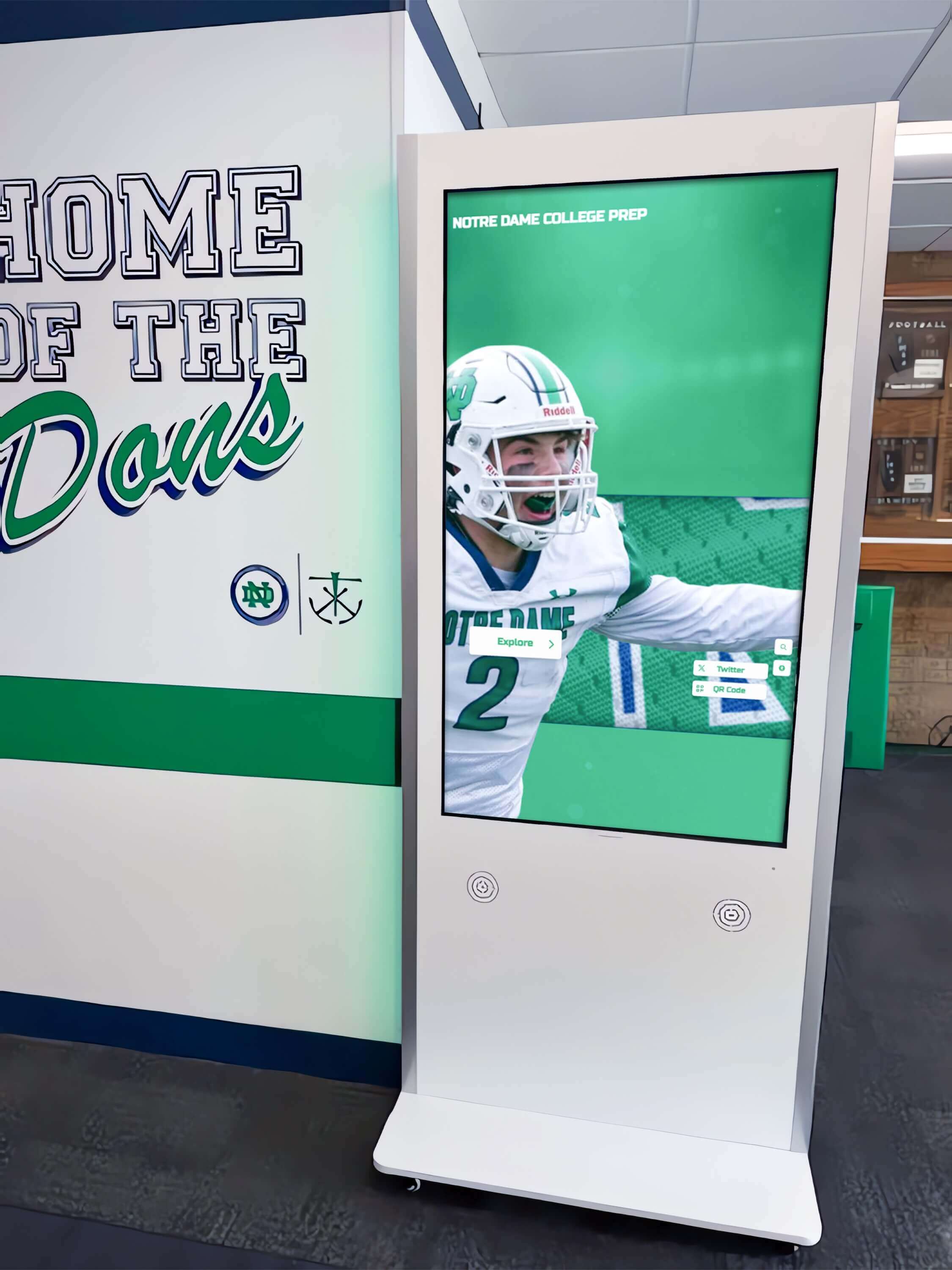
Professional freestanding kiosk installations provide complete team GPA leaderboard solutions without requiring wall mounting or extensive construction modifications
Content Development and Recognition Structure
Creating engaging leaderboard displays requires systematic information organization:
Team Academic Data Collection
Establishing efficient data gathering workflows:
Individual GPA Collection
- Coordination with registrar or counseling offices for GPA reports
- Roster verification ensuring all team members included appropriately
- Privacy compliance following FERPA requirements for academic records
- Data validation preventing calculation errors from incorrect information
- Regular update schedule aligned with report card or progress report timing
Team Calculation Methodology
- Simple average of all team member GPAs (most common approach)
- Weighted average accounting for student credit hours or course loads
- Median GPA reducing impact of statistical outliers
- Minimum participation requirements (typically 75%+ of roster)
- Treatment of incomplete grades, transfers, or mid-season changes
Clear, consistent calculation methodology ensures fair comparison across teams and seasons while maintaining program credibility.
Historical Data Compilation
Creating context enhances current recognition:
- Previous season or year team GPAs for same programs enabling comparison
- Multi-year historical tracking showing program academic traditions
- Record team GPA achievements identifying benchmarks for current teams
- Individual team progression tracking showing improvement or consistency over time
- All-time leading teams creating historical context and aspirational standards
Historical data transforms single-period snapshots into meaningful narratives about program academic cultures and sustained excellence.
Display Content Design
Effective leaderboards present information clearly:
Current Season/Year Standings
- Ranked list showing team order by GPA from highest to lowest
- Team names, current GPA, and recognition tier clearly indicated
- Visual differentiation between achievement tiers through color coding or icons
- Sport and gender identification ensuring appropriate categorization
- Measurement period clearly labeled (Fall 2025, 2024-25 School Year, etc.)
Achievement Tier Indicators
- Visual badges, ribbons, or icons representing each achievement level
- Tier threshold GPA requirements clearly displayed
- Celebratory language emphasizing achievement (Distinguished, Outstanding, Achievement)
- Count of teams achieving each tier showing program-wide success distribution
Historical Context
- Previous period comparison showing improvement, consistency, or decline
- Multi-year trend visualization demonstrating long-term academic culture
- Record achievement highlighting for teams exceeding previous bests
- All-time team rankings providing historical perspective
Individual Scholar-Athlete Recognition
- High achievers within each team highlighted when appropriate
- Perfect 4.0 GPA students called out for exceptional achievement
- Academic improvement recognition for greatest growth
- Multi-sport scholar-athletes noted demonstrating year-round academic commitment
Comprehensive content creates engaging displays that tell complete stories about team academic excellence rather than simple numerical lists.
Learn about effective design approaches for touchscreen experiences that engage users effectively.
Launch and Promotion Strategies
Effective promotion maximizes awareness and motivational impact:
Launch Event Planning
Formal unveiling creates memorable experiences:
- Timing coordinated with end of first measurement period or academic awards ceremony
- Invitations to teams achieving recognition, coaches, and families
- Athletic director remarks emphasizing program academic priorities and values
- Interactive demonstration enabling attendees to explore leaderboard displays
- Photo opportunities for high-achieving teams with their recognition displayed
- Social media coverage extending event reach beyond physical attendees
- Local media invitations highlighting program emphasis on student-athlete development
Successful launch events position team GPA leaderboards as significant program investment reflecting athletic department commitment to complete student-athlete success rather than simply new technology installation.
Multi-Channel Communication
Systematic promotion ensures community awareness:
Athletic Program Communications
- Coach meetings explaining recognition program and motivational intentions
- Team meetings discussing academic expectations and achievement opportunities
- Parent meetings or emails describing recognition programs and family support importance
- Athletic booster presentations emphasizing program comprehensive excellence focus
- Recruitment materials highlighting academic culture alongside competitive success
School-Wide Visibility
- Morning announcement features when teams achieve recognition milestones
- Newsletter articles profiling high-achieving teams and individual scholar-athletes
- Social media campaigns celebrating team academic excellence regularly
- Website features showcasing team GPA leaderboards and scholar-athlete profiles
- Integration into back-to-school night and open house presentations
External Community Engagement
- Local newspaper submissions announcing high-achieving teams each period
- Community organization presentations at Rotary, Chamber, or civic groups
- College coaching clinics highlighting program academic development emphasis
- Alumni engagement showing tradition of student-athlete academic excellence
- Donor communications demonstrating athletic program educational value
This multi-channel approach ensures team GPA recognition reaches all constituencies rather than remaining isolated within athletic department despite substantial program investment.
Ongoing Recognition Activities
Sustaining visibility beyond initial launch:
- Celebration assemblies or events each measurement period unveiling updated standings
- Team achievement announcements during home competitions recognizing scholar-athlete excellence
- Incentive programs linking academic achievement to special privileges or rewards
- Academic improvement challenges encouraging teams below standards to elevate performance
- End-of-year recognition banquets honoring sustained team academic excellence
- Photo displays in athletic facilities showcasing current leaderboard standings
Regular activities maintain team GPA recognition visibility and relevance throughout school years rather than fading into background after initial launch excitement diminishes.
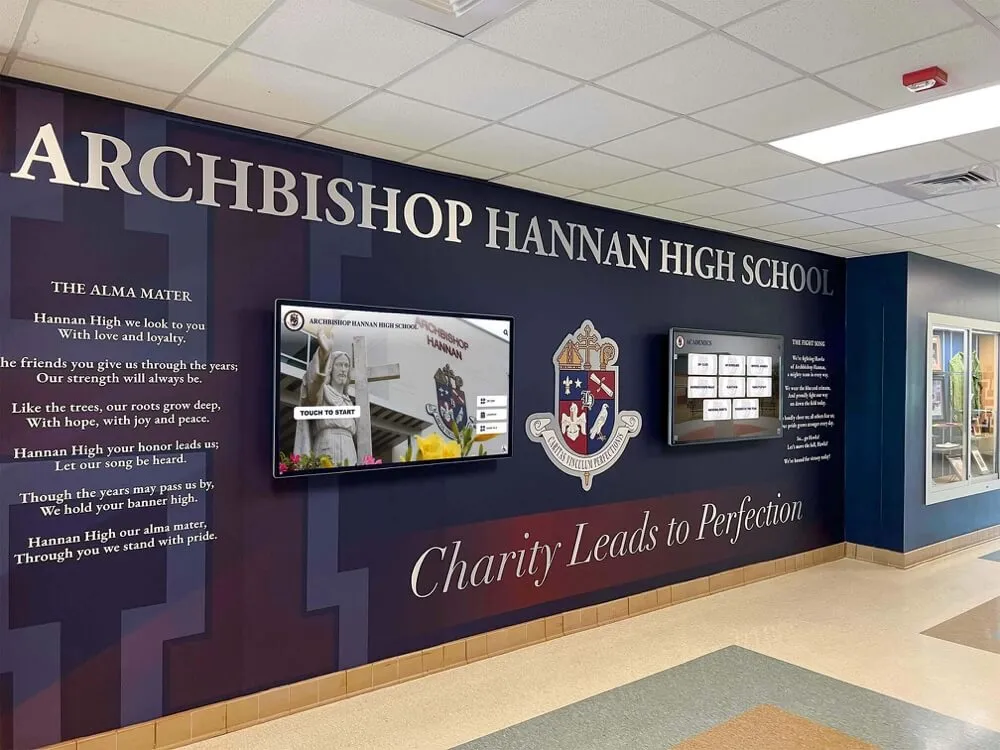
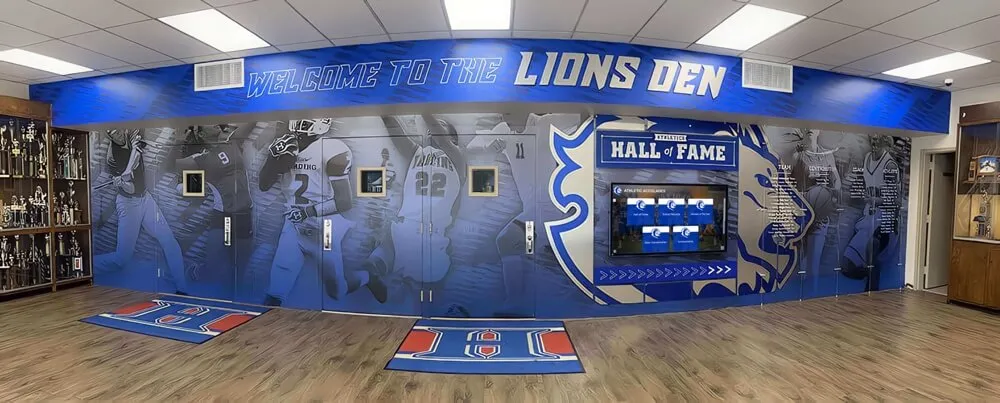
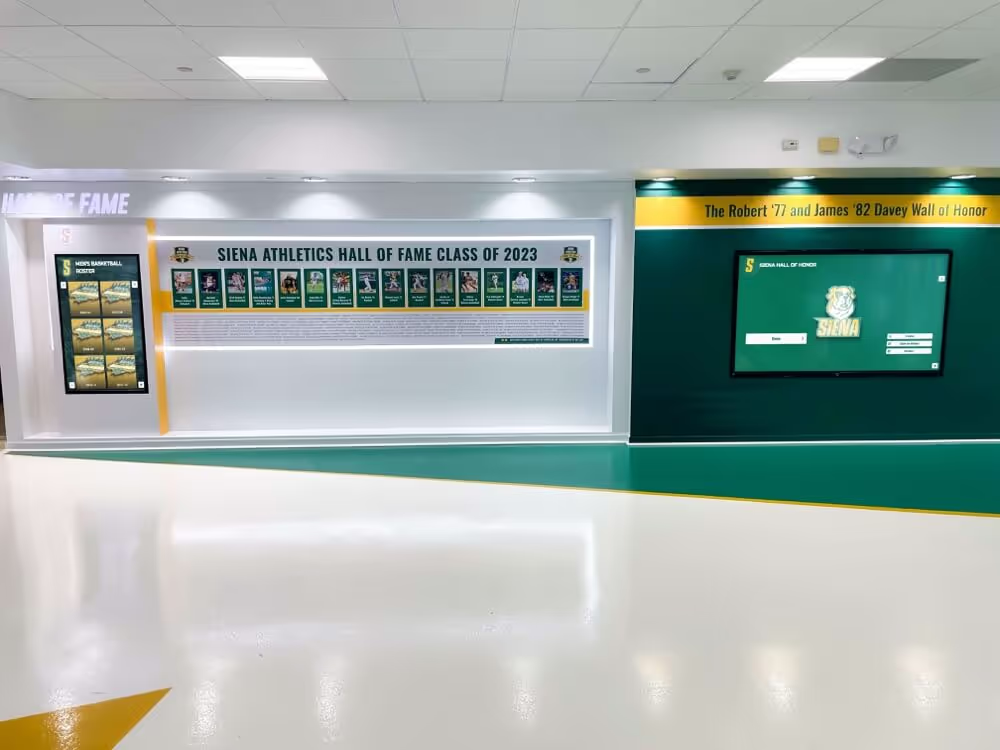
Professional recognition installations integrating multiple displays with school branding create impressive athletic celebration spaces honoring both competitive and academic excellence
Maximizing Team GPA Leaderboard Impact
Beyond basic implementation, strategic approaches amplify recognition effectiveness and student-athlete achievement outcomes.
Integrating Academic Support with Recognition
Connecting visible achievement gaps to systematic support:
Targeted Academic Assistance Programs
Recognition data informs intervention:
- Teams below target thresholds receive proactive academic support offers
- Study hall programs or tutoring specifically for struggling teams
- Academic check-ins during season ensuring athletes maintain eligibility and achievement
- Connection with general school academic support services
- Individual student-athlete academic plans addressing specific needs
- Coach involvement in academic monitoring and encouragement
Digital leaderboards make needs visible enabling timely, appropriate support rather than waiting for eligibility crises or season-ending academic failures.
Peer Mentoring Between Teams
Leveraging high-achieving teams to support others:
- Scholar-athlete mentors from successful teams working with developing programs
- Study strategy sharing sessions led by teams achieving highest GPAs
- Upperclassmen modeling effective time management and academic prioritization
- Cross-team study groups connecting student-athletes across sports programs
- Team captain academic leadership training emphasizing culture-building
This peer support multiplies recognition value—transforming celebration into active development system improving achievement across broader student-athlete populations.
Coach Education and Accountability
Ensuring coaching staff support academic achievement:
- Professional development on academic motivation and student-athlete support strategies
- Regular academic progress reviews as component of coaching responsibilities
- Recognition criteria incorporated into coaching evaluation processes
- Resource provision enabling coaches to support athlete academic success effectively
- Culture expectation that coaches emphasize academics alongside athletic development
Coach engagement proves essential—student-athletes respond most effectively when athletic leadership reinforces rather than conflicts with academic priorities.
Learn about athletic program academic support integration strategies.
Creating Incentives and Rewards for Achievement
Tangible benefits motivate academic excellence:
Team Achievement Rewards
Celebrating team success meaningfully:
- Special recognition banners hung in gymnasium or athletic facilities
- Team photograph displays in prominent athletic spaces
- Certificates or trophies for teams achieving top-tier recognition
- Special team privileges (equipment priority, facility scheduling preferences)
- Athletic department award ceremonies honoring academic achievement alongside competitive success
- Financial support for team bonding activities or end-of-season celebrations
Meaningful rewards demonstrate institutional commitment to academic achievement as genuine priority rather than simply stated value without supporting action.
Individual Scholar-Athlete Benefits
Recognizing exceptional student-athletes within teams:
- Academic all-conference nominations for qualifying GPAs
- Letters or certificates added to student academic portfolios
- Special scholar-athlete recognition nights during competitions
- Academic honor cords, pins, or patches for letter jackets
- Featured profiles in game programs and competition materials
- Priority access to college recruitment assistance and recommendation letters
Individual recognition complements team celebration—ensuring exceptional scholar-athletes receive appropriate acknowledgment for outstanding personal achievement.
Progressive Recognition Programs
Building upon year-over-year achievement:
- Multi-year achievement tracking for programs maintaining standards consecutively
- Legacy recognition for teams establishing sustained academic excellence traditions
- Record achievement celebrations when teams exceed all previous benchmarks
- Hall of fame or permanent recognition for historically outstanding team academic performance
- Historical comparison emphasizing improvement and growth regardless of absolute achievement level
Progressive systems create long-term motivation extending beyond single-season achievement to building enduring program academic cultures.
Explore comprehensive student-athlete recognition approaches that celebrate diverse achievements.
Measuring Program Effectiveness
Regular assessment ensures recognition achieves intended educational outcomes:
Quantitative Success Metrics
Objective measurement tracking program impact:
Participation and Achievement Data
- Total teams achieving each recognition tier showing program-wide success distribution
- Percentage of athletic program meeting or exceeding target standards
- Trend analysis showing team GPA improvement or consistency over time
- Comparison with pre-implementation baseline data assessing recognition impact
- Correlation between recognition visibility and team academic performance changes
Individual Student-Athlete Achievement
- Overall GPA trends across student-athlete population after implementation
- Participation rates in advanced coursework among student-athletes
- Academic eligibility rates and ineligibility incident reduction
- Graduation rates for student-athletes compared to general population
- College enrollment and scholarship rates for student-athlete graduates
Program Culture Indicators
- Survey data on student-athlete perception of academic importance
- Coach feedback on team academic culture and priority shifts
- Parent perception of athletic program academic emphasis and support
- College recruiter feedback on program academic reputation
- Community understanding of athletics as educational asset
Qualitative Assessment Methods
Stakeholder feedback complements quantitative data:
Student-Athlete Perspectives
- Focus groups discussing team GPA recognition motivational impact
- Individual interviews with scholar-athletes about academic-athletic balance
- Team discussions about academic culture and peer support effectiveness
- Suggestions for program improvements from athlete perspectives
- Assessment of whether recognition creates helpful or unhelpful pressure
Coach and Staff Feedback
- Coach evaluation of recognition program administrative feasibility
- Observations about team culture shifts related to academic emphasis
- Suggestions for additional support needs identified through recognition
- Assessment of recognition impact on recruiting conversations
- Feedback on display effectiveness and visibility in athletic spaces
Family and Community Input
- Parent surveys about program academic emphasis and communication
- Community perception of athletic program educational value and priorities
- Booster organization feedback on recognition program support opportunities
- College recruiter observations about program academic culture and reputation
- Alumni perspectives on student-athlete academic achievement compared to their eras
Continuous Improvement Processes
Using assessment systematically:
- Annual program review analyzing trends and achievement patterns
- Criteria adjustment based on achievement distribution and equity analysis
- Support program refinement addressing identified needs
- Display design enhancement based on engagement observation
- Stakeholder communication improvement informed by feedback
Regular assessment enables continuous improvement ensuring team GPA recognition remains effective, equitable, and aligned with evolving educational goals while demonstrating program value to boards, administrators, and community stakeholders.
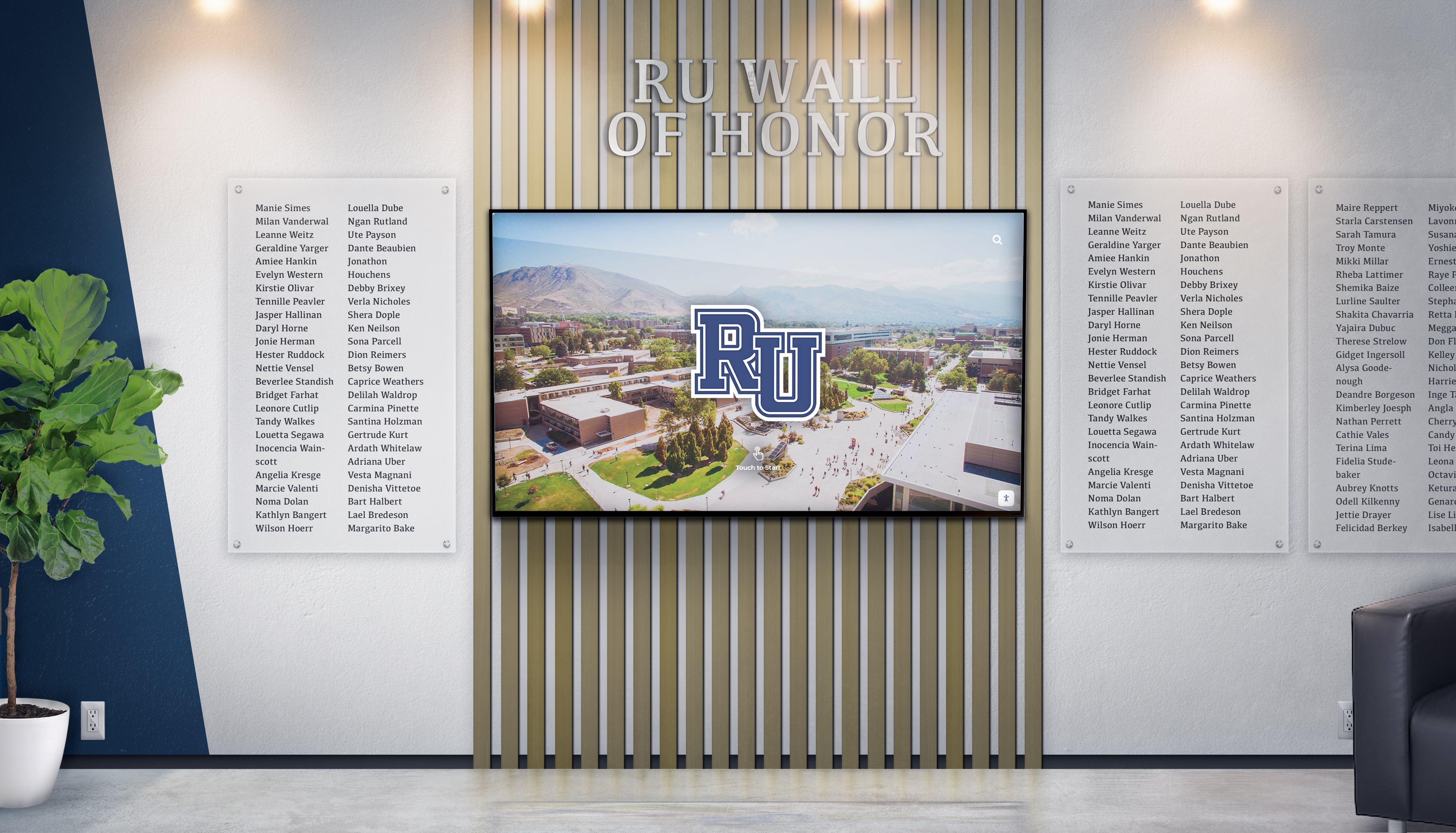
Integrated recognition systems celebrate diverse student-athlete achievement across athletic, academic, and leadership categories while maintaining cohesive professional presentation
Special Considerations and Best Practices
Several additional factors enhance team GPA leaderboard effectiveness and program sustainability.
Ensuring Equity and Inclusion in Recognition
Monitoring recognition patterns ensuring fair celebration:
Participation Equity Analysis
Regular assessment of achievement distribution:
- Recognition rates across boys’ and girls’ sports programs comparing gender equity
- Achievement patterns among different sports identifying potential systemic disparities
- Seasonal variation analysis (fall, winter, spring sports) revealing timing impacts
- Roster size considerations ensuring small and large teams compete fairly
- Sport-specific academic demand factors (season length, travel, practice schedules) affecting achievement opportunity
Addressing Systemic Barriers
When analysis reveals disparate patterns, examining contributing factors:
- Academic support resource distribution ensuring equitable access across programs
- Schedule and practice demands impacting study time availability
- Academic eligibility monitoring and early intervention effectiveness
- Coach education and engagement varying across programs
- Team academic culture development differing between programs
Recognition data illuminates equity issues requiring programmatic attention beyond recognition itself—informing broader athletic department support system improvements.
Inclusive Recognition Design
Ensuring diverse achievement pathways:
- Multiple tier levels creating recognition opportunities at various achievement levels
- Improvement recognition celebrating growth regardless of absolute GPA
- Individual scholar-athlete acknowledgment within lower-performing teams
- Context consideration for teams with unique academic challenges
- Celebration of effort and commitment alongside achievement outcomes
This ensures student-athletes across all programs see meaningful recognition opportunities rather than resignation that only certain sports can realistically achieve academic honors.
Learn about inclusive recognition program design supporting diverse populations effectively.
Privacy and Student Record Compliance
Balancing celebration with appropriate information protection:
FERPA Compliance Requirements
Educational privacy law governs academic record disclosure:
Directory Information Considerations
- Honor roll status may be considered directory information requiring annual parent notification of disclosure rights
- Clear opt-out procedures for families with privacy concerns
- Team GPA as aggregate statistic typically permissible without individual student consent
- Individual GPA disclosure requiring explicit consent when identified to specific students
Recommended Privacy Practices
- Display team GPAs without listing individual student GPAs publicly
- Celebrate scholar-athletes by name without publishing specific GPAs
- Obtain annual consent for any individual academic performance recognition
- Work with district legal counsel ensuring complete compliance
- Respect family opt-out requests without penalty or pressure
- Clear policies documented and communicated consistently
Sensitive Information Handling
Appropriate discretion in recognition approaches:
- Avoid highlighting or drawing attention to low-performing teams
- Frame recognition positively emphasizing achievement rather than shaming deficiency
- Private communication about support needs rather than public identification
- Individual student academic challenges addressed confidentially
- Recognition celebrating success rather than creating pressure or embarrassment
Team GPA recognition should motivate and celebrate achievement while respecting student dignity and privacy—never becoming source of public embarrassment or inappropriate pressure.
Budget Considerations and Funding
Realistic planning considers all cost components:
Complete Investment Understanding
Comprehensive budget includes:
Initial Implementation Costs
- Display hardware and installation ($3,000-10,000 depending on size and configuration)
- Software platform licensing or subscription (varies, often $500-2,500 annually)
- Initial program design including criteria development and communication materials
- Staff training on system administration and update procedures
- Launch event and promotional campaign expenses
- Historical data compilation if creating multi-year archives
Ongoing Annual Costs
- Platform subscription renewals or licensing fees
- Display maintenance and occasional technical support
- Staff time for updates each measurement period (typically 30-60 minutes)
- Recognition rewards (certificates, banners, special events)
- Promotional campaign production and distribution
- Program assessment and continuous improvement activities
Funding Source Strategies
Multiple approaches help schools afford recognition investments:
- Athletic department budget integration: Including recognition in annual program budgets
- Booster organization support: Partnering with parent groups for one-time hardware purchases
- Academic support budget allocation: Leveraging existing student support funding for motivation programs
- Local business sponsorship: Connecting with community businesses supporting student success
- Grant applications: Pursuing educational technology or student support program funding
- Phased implementation: Starting with basic displays before adding advanced features
- Multi-purpose displays: Using hardware for team GPAs plus other athletic recognition maximizing utility
Many schools discover digital team GPA leaderboards offer superior long-term value compared to traditional paper-based systems requiring ongoing printing, manual tracking labor, and limited visibility—making digital approaches actually more economical long-term despite higher initial investment.
Explore digital recognition program funding and budget strategies.
Conclusion: Building Academic Excellence Through Team Recognition
Team GPA leaderboard digital displays represent powerful investment in student-athlete development, athletic program culture, and educational mission fulfillment. When schools systematically celebrate team academic achievement through prominent digital displays, competitive leaderboard structures, and strategic integration with academic support, they create environments where intellectual excellence becomes central to athletic identity rather than secondary obligation competing for student-athlete attention and effort.
The strategies explored throughout this guide provide complete frameworks for building team academic recognition systems that honor collective achievement while remaining administratively sustainable, financially realistic, and aligned with educational goals. From understanding national scholar-athlete programs and designing appropriate tier structures to selecting purpose-built technology and measuring program effectiveness, these approaches transform occasional academic award ceremonies into systematic celebration woven throughout athletic program culture.
Ready to transform how your athletic program celebrates team academic achievement? Modern digital recognition solutions help schools honor student-athlete excellence comprehensively while motivating continued success and building cultures where academics and athletics complement rather than compete. Solutions like Rocket Alumni Solutions provide comprehensive platforms specifically designed for athletic recognition including team GPA leaderboards, offering intuitive management, engaging displays, and systematic approaches that make academic excellence visible and celebrated throughout athletic facilities.
Whether establishing your first team academic recognition program or modernizing existing approaches, start with clear planning that establishes appropriate standards, select technology matching your needs and resources, develop systematic update processes ensuring sustainability, and implement comprehensive communication creating awareness and motivational impact throughout athletic communities.
Your student-athletes deserve recognition systems that celebrate academic achievement as prominently as championship trophies—building athletic cultures where rigorous academics represent essential component of program excellence rather than distraction from competitive focus. With thoughtful planning, appropriate technology selection, and consistent implementation, you can create team GPA leaderboards that motivate academic excellence, support complete student-athlete development, and demonstrate that successful athletic programs prepare students for full lives extending far beyond sport participation.
The most important elements aren’t budget size, facility quality, or program history—they’re genuine commitment to student-athlete academic development, systematic implementation ensuring consistent recognition year after year, and sustained effort making academics central to athletic culture rather than peripheral concern. Your student-athletes invest tremendous time and energy in their athletic pursuits; ensuring they invest equally in academic development represents not just educational responsibility but preparation for successful futures where vast majority will define themselves through careers rather than sports accomplishments.
Start planning your team GPA leaderboard digital display today, and create the academic excellence culture your student-athletes deserve. Explore comprehensive approaches to athletic facility recognition or learn more about digital recognition program development to begin your student-athlete academic celebration transformation.