Team Captain Speech: Inspiring Examples and Tips for Leading Your Sports Team
- Home /
- Digital Hall of Fame Insights & Resources /
- Team Captain Speech: Inspiring Examples and Tips for Leading Your Sports Team
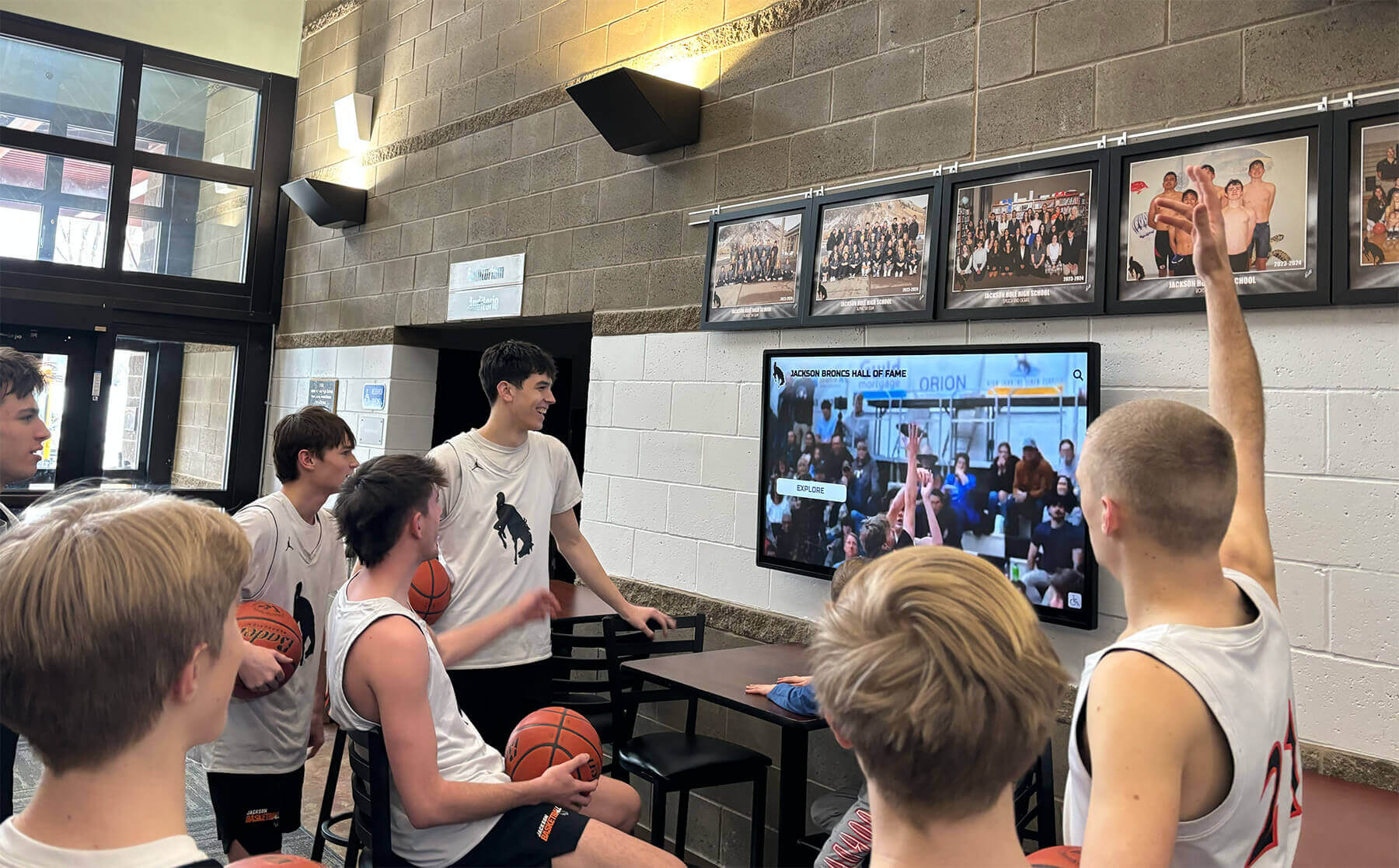
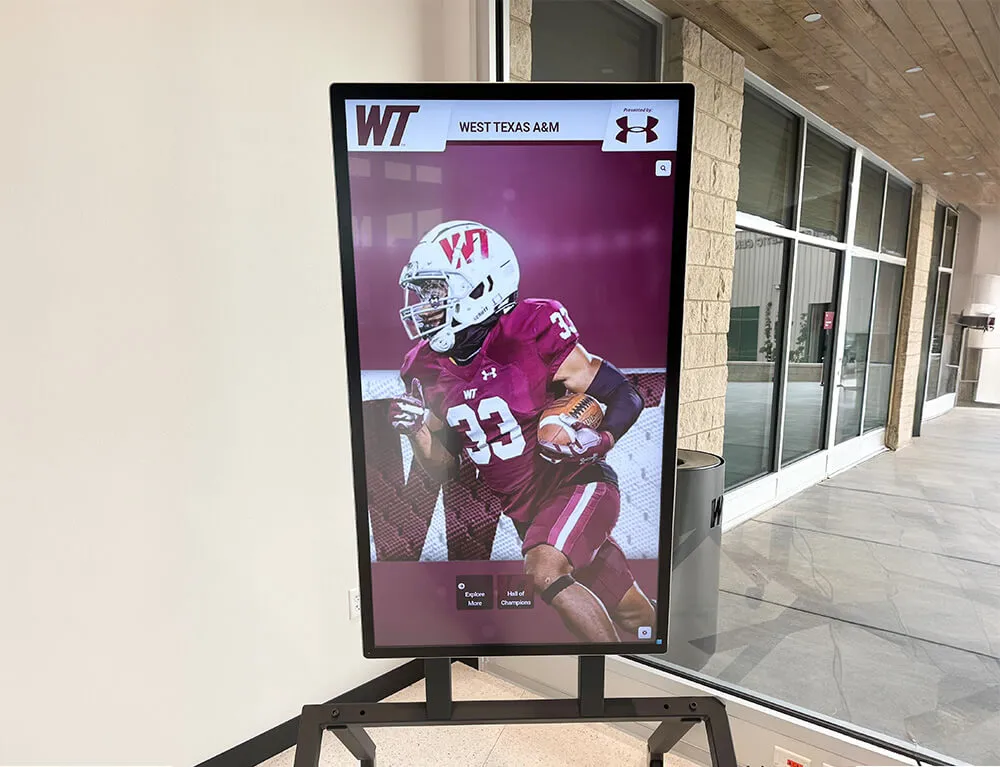
The Easiest Touchscreen Solution




Live Example: Rocket Alumni Solutions Touchscreen Display
Interact with a live example (16:9 scaled 1920x1080 display). All content is automatically responsive to all screen sizes and orientations.
A well-crafted team captain speech serves as one of the most powerful moments in any athletic season—the opportunity for student leaders to set the tone, articulate shared values, and inspire teammates toward collective excellence. Whether delivered at the season’s opening practice, a preseason team meeting, or during challenging moments throughout the year, effective captain speeches unite teams around common purpose while establishing leadership credibility that carries through the entire season.
Yet many newly-elected captains struggle with what to say and how to say it authentically. How do you inspire without sounding clichéd? What balance of seriousness and humor works best? Should you focus on past achievements, future goals, or present commitment? How do you address teammates who may be friends off the field while establishing on-field authority? What makes a speech memorable rather than forgettable?
This comprehensive guide provides student-athlete leaders, coaches, and athletic directors with practical frameworks for crafting and delivering impactful captain speeches—from understanding your role and identifying core messages through structuring content effectively, incorporating authentic examples, and delivering with confidence that inspires genuine team commitment.
Team captains occupy unique positions in athletic programs—they’re not coaches with formal authority, yet they’re expected to lead; they’re teammates and friends, yet they must hold peers accountable; they represent the team to coaches and administrators while advocating for teammates’ needs. The captain speech represents the first public moment where these complex dynamics come into focus, establishing whether a captain will lead effectively or struggle to balance competing demands throughout the season.

Great team captains connect current athletes to program tradition while inspiring excellence in the present season
Understanding the Captain’s Role and Purpose
Before crafting your speech, understanding what effective captaincy entails helps you communicate authentic leadership rather than generic motivational phrases.
What Team Captains Actually Do
Successful captains fulfill multiple overlapping responsibilities:
Leadership On and Off the Field
Captains model excellence in visible and behind-the-scenes moments:
- Arriving early, staying late, and demonstrating work ethic that sets team standards
- Maintaining focus and intensity during practice when coaches aren’t watching
- Supporting struggling teammates through performance slumps or personal challenges
- Celebrating others’ successes genuinely rather than competing for individual recognition
- Managing team dynamics and addressing conflicts before they escalate
- Representing the team professionally in school, community, and competitive settings
Effective captains understand that authority comes from daily example rather than titles or speeches.
Communication Bridge Between Coaches and Players
Captains facilitate two-way communication:
- Conveying coaching expectations and strategies to teammates
- Providing coaches with honest feedback about team morale and concerns
- Addressing issues directly with coaches before they become team-wide problems
- Explaining coaching decisions that teammates might not initially understand
- Advocating for teammates’ needs while respecting coaching authority
- Creating psychological safety where players feel heard and valued
This intermediary role requires diplomacy and judgment that many young leaders develop gradually throughout their tenure.
Culture Keeper and Standards Enforcer
Captains protect team culture:
- Holding teammates accountable to established standards without becoming autocratic
- Addressing behavior that undermines team goals or violates team values
- Maintaining consistent standards regardless of performance level or personal relationships
- Recognizing when to handle issues privately versus when to involve coaches
- Preserving positive traditions while remaining open to productive changes
- Building inclusive environments where all teammates feel they belong
Understanding how to build positive school culture within athletic programs helps captains create environments where all team members thrive.
Setting the Right Tone for Your Speech
Your speech’s opening moments establish whether teammates will engage or tune out:
Authenticity Over Perfection
Teams respond to genuine communication:
- Speak in your natural voice rather than adopting artificial formality
- Share honest reflections about what the opportunity means to you
- Acknowledge nervousness or emotion if you feel it—teammates respect vulnerability
- Avoid clichés unless you can deliver them with fresh perspective
- Reference specific team experiences rather than generic sports metaphors
Teammates can immediately detect whether you’re being real or performing a role you think captains should play.
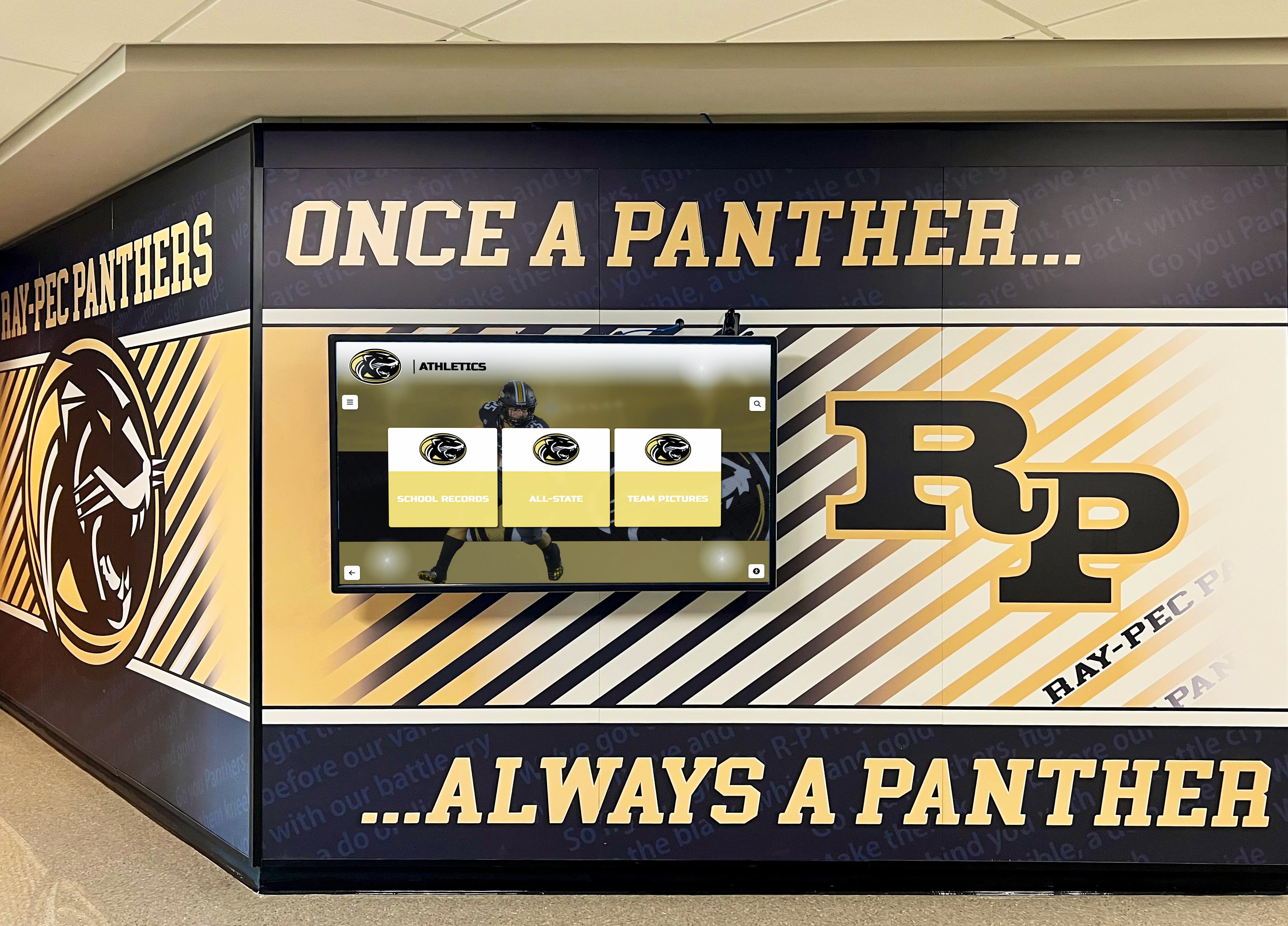
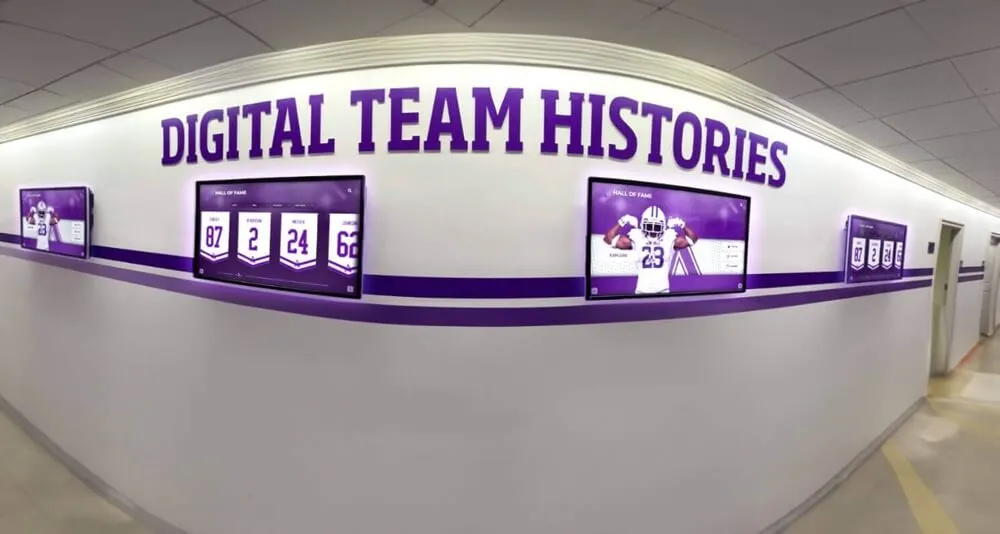
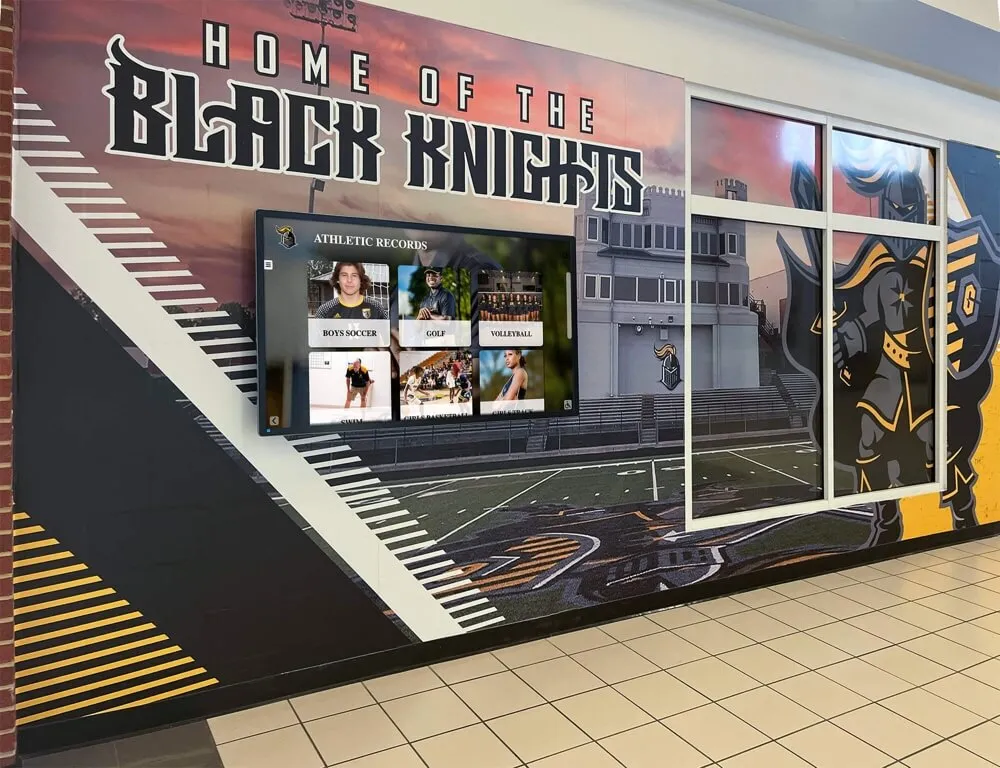
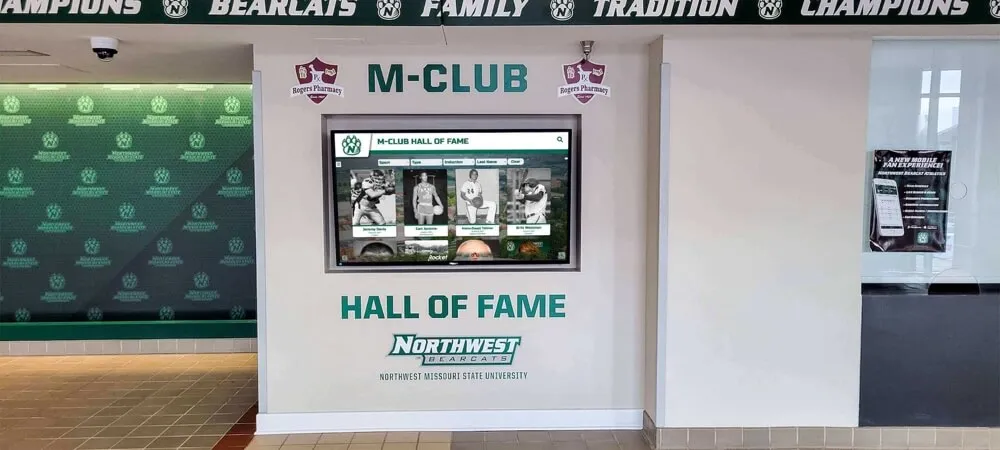
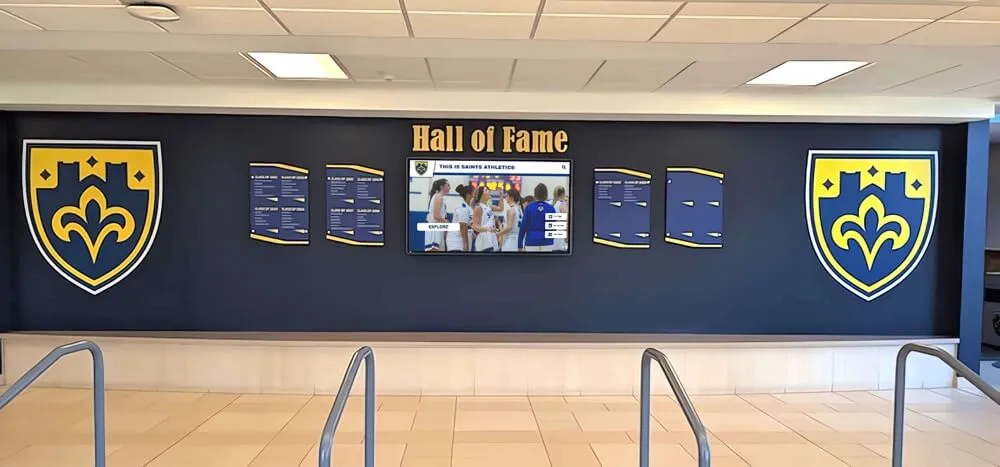
Program displays remind captains and teammates of the standards they're building together
Balance Between Challenge and Encouragement
Effective speeches combine high expectations with genuine support:
- Articulate ambitious team goals while acknowledging the work required
- Challenge teammates to exceed past performance without dismissing previous achievements
- Express confidence in the team’s potential while staying grounded in reality
- Address areas needing improvement without becoming critical or negative
- Recognize individual strengths across the roster rather than focusing only on stars
The best captain speeches leave teammates feeling simultaneously challenged and capable.
Core Messages Every Captain Speech Should Address
While each captain’s speech reflects individual personality and team circumstances, certain themes consistently resonate across sports and competition levels.
Gratitude and Humility
Begin by acknowledging what the captaincy means:
Thanking Teammates for the Opportunity
Express genuine appreciation:
- “I’m honored that you’ve trusted me with this responsibility. Being your captain means more to me than any personal achievement this season.”
- “Thank you for believing in me. I don’t take this lightly—I’m committed to earning your trust every single day.”
- “I’m grateful for this opportunity, but I also know that leadership isn’t about a title. Every one of us leads this team through our daily choices and effort.”
Gratitude establishes humility and reminds everyone that leadership is earned continuously, not conferred once.
Recognizing Coaches and Support Systems
Acknowledge those who make the program possible:
- Coaches investing countless hours in player development
- Parents providing transportation, financial support, and encouragement
- Athletic trainers keeping athletes healthy and treating injuries
- School administrators supporting the athletic program
- Community members attending games and supporting the team
Recognition demonstrates awareness that individual success depends on collective support systems.
Shared Values and Team Identity
Articulate what your team stands for:
Defining Core Team Values
Identify 3-5 non-negotiable principles:
- Work Ethic - “We will outwork every team we face, starting in practice today”
- Accountability - “We hold ourselves and each other to high standards because we care about this team’s success”
- Resilience - “Adversity will test us this season—our response defines who we are”
- Unity - “We compete together, support each other through challenges, and celebrate as one team”
- Integrity - “We represent our school, our families, and ourselves with character on and off the field”
Specific values give teammates concrete standards to uphold when challenges arise. Programs that establish strong athletic recognition programs reinforce these values by celebrating athletes who exemplify them consistently.
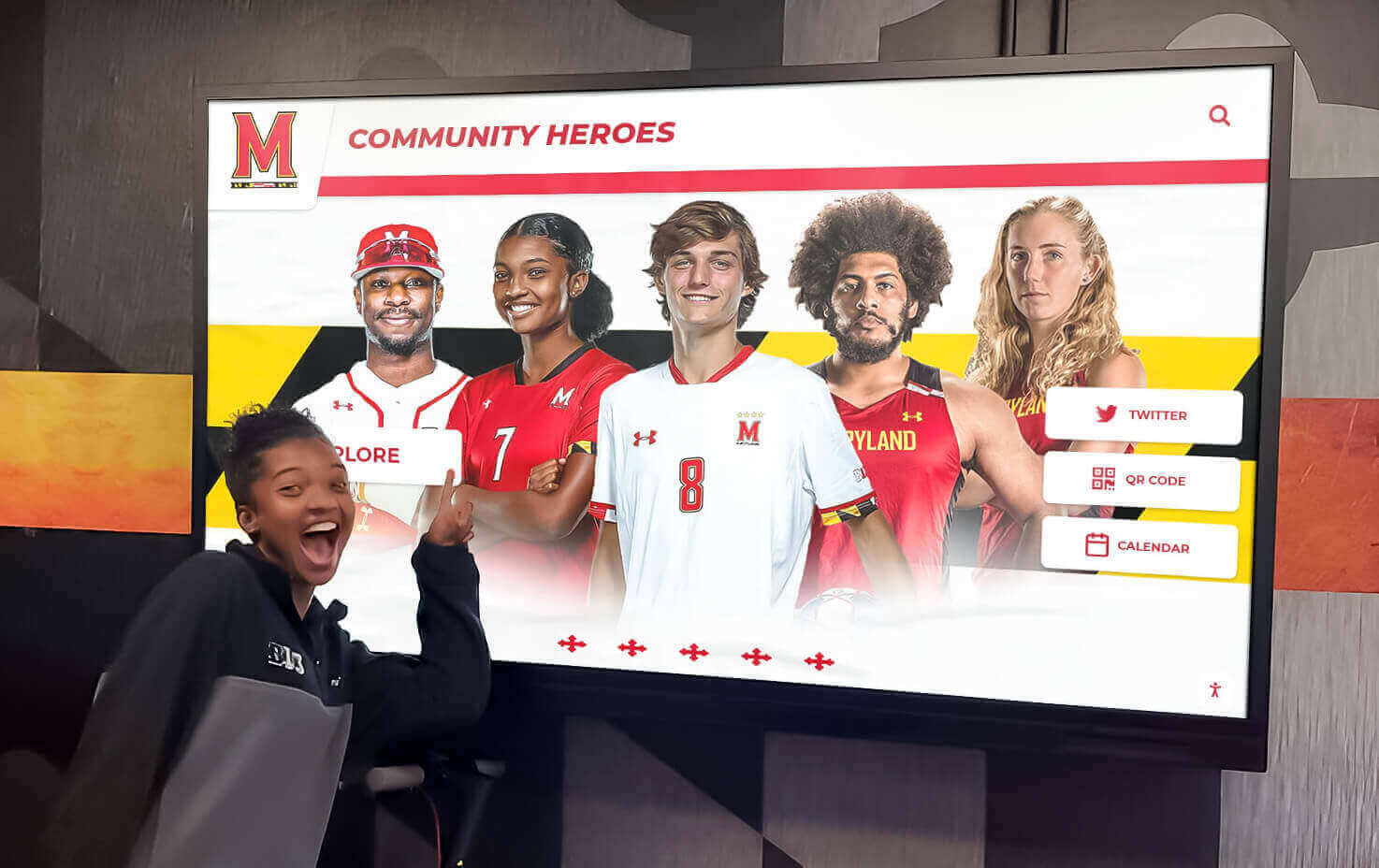
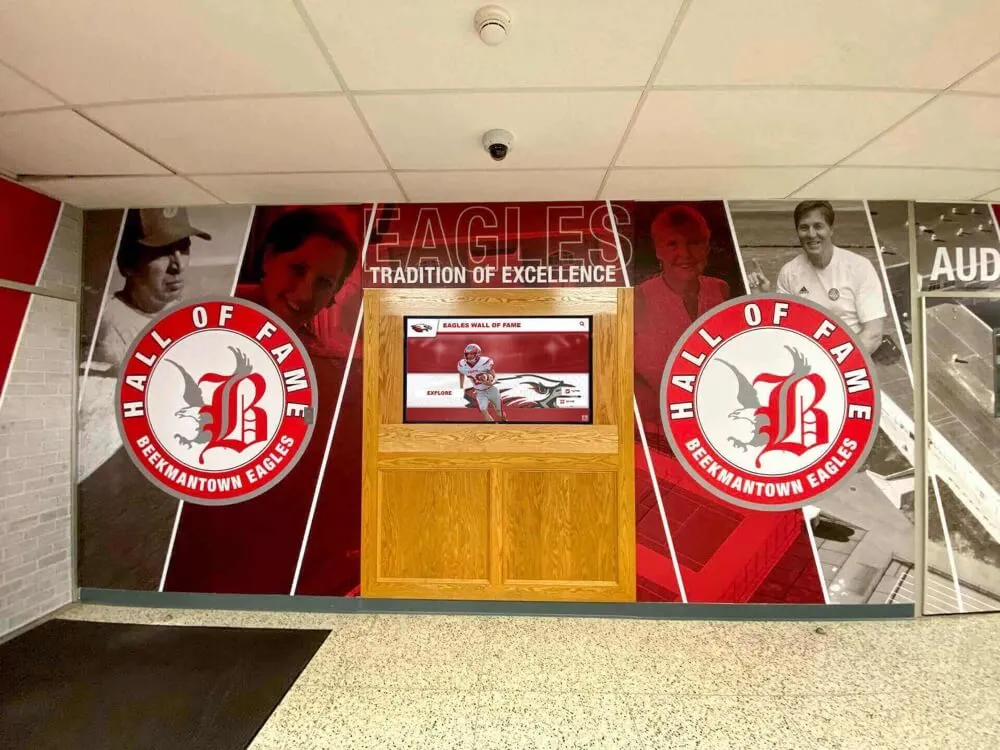
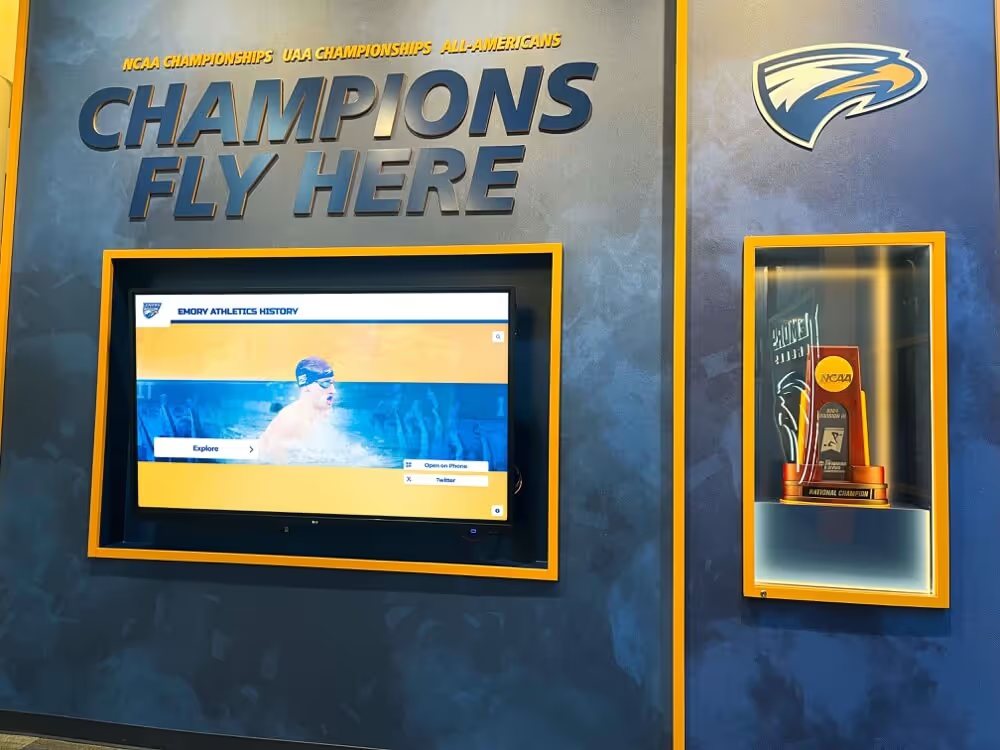
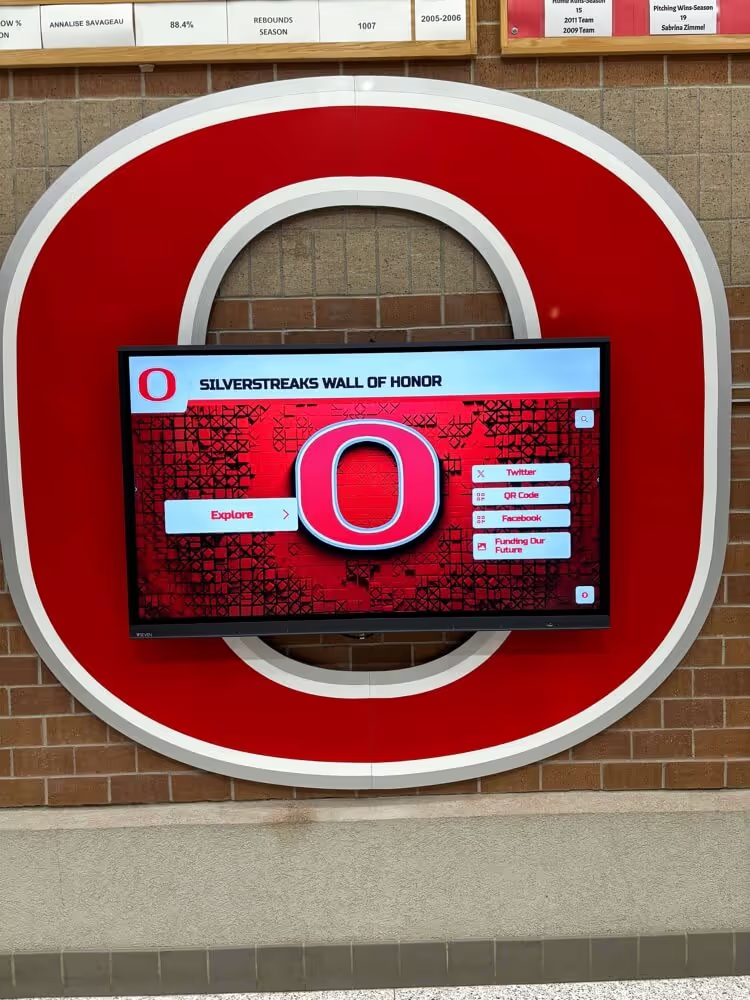
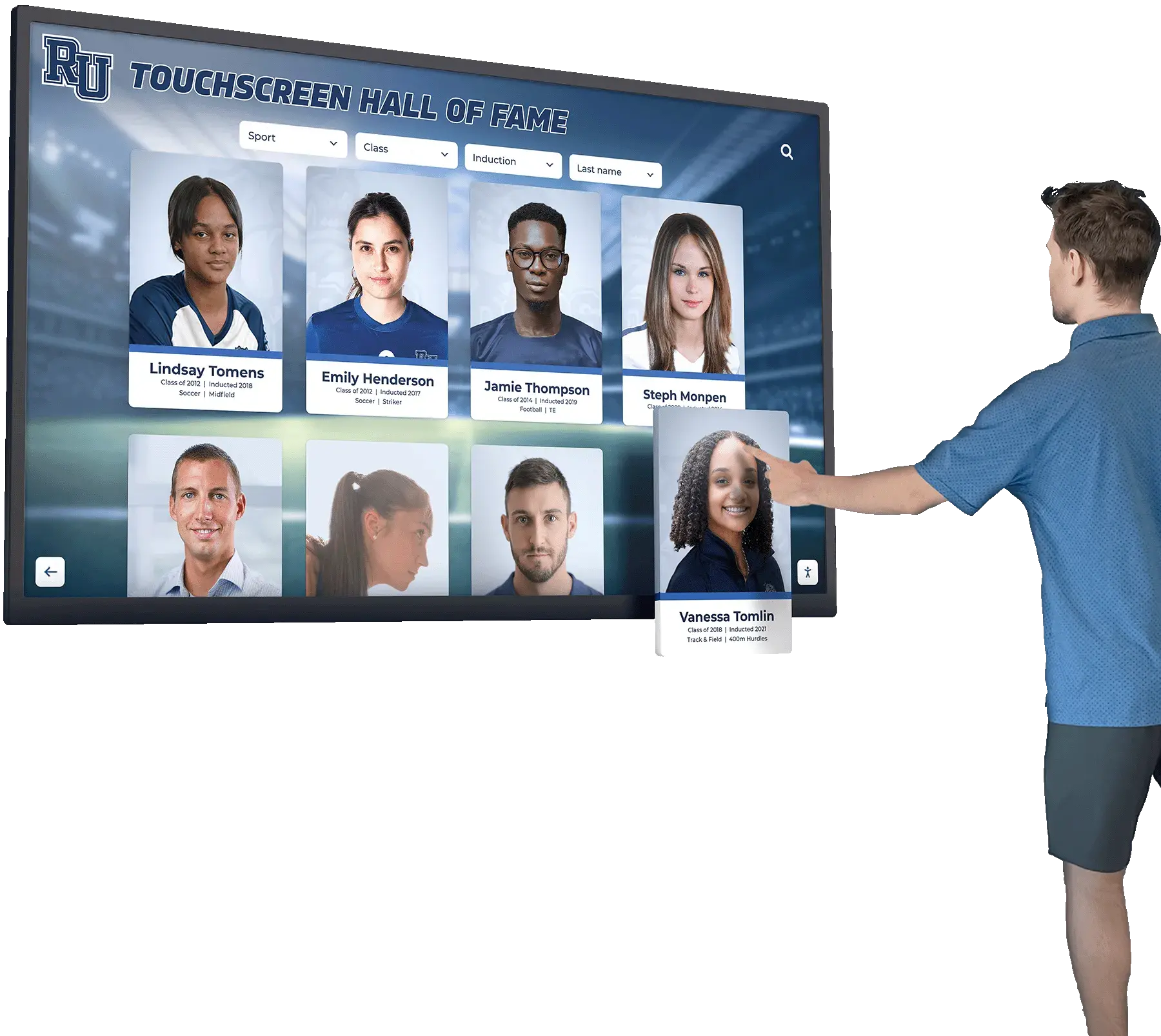
Digital recognition systems celebrate athletes who demonstrate team values and leadership throughout their careers
Connecting to Program Tradition
Link current season to larger program narrative:
- Reference successful teams or individual athletes who modeled desired values
- Acknowledge standards established by previous captains and senior classes
- Identify program traditions worth preserving and continuing
- Position this season as the next chapter in an ongoing story
- Recognize that current athletes are building legacy for future teams
Connection to tradition gives meaning beyond individual seasons while reminding athletes they’re part of something larger than themselves.
Specific Goals and Expectations
Move from values to concrete objectives:
Performance Goals
Articulate measurable targets:
- Championship aspirations (conference, district, state level)
- Win-loss targets or improvement benchmarks
- Statistical objectives (team or individual performance metrics)
- Quality competition victories that demonstrate program growth
- Post-season qualification or advancement goals
Specific goals focus effort and provide clear success indicators, though they should be ambitious yet realistic based on roster talent and competition level.
Process Commitments
Define daily habits that produce results:
- Practice intensity and competitive approach to drills
- Punctuality and preparation standards
- Film study and strategic understanding expectations
- Strength training and conditioning participation
- Academic performance and classroom behavior
- Off-season training and skill development commitment
Process goals create controllable daily actions that eventually produce outcome goals, while giving teams concrete ways to measure daily success regardless of competition results.
Personal Leadership Commitment
State what you will do as captain:
Specific Captain Responsibilities
Make concrete promises:
- “I commit to communicating clearly with all of you—if something’s bothering you or you have questions, I want to hear it”
- “I will model the work ethic I’m asking from you, every single practice and competition”
- “I promise to celebrate your successes as enthusiastically as my own—we win together”
- “I will address issues directly and honestly rather than letting problems fester”
- “I’m committed to being the same leader during wins and losses—you’ll get consistent leadership regardless of circumstances”
Specific commitments create accountability while showing you’ve thought seriously about what effective leadership requires.
Many programs recognize captain contributions through end-of-year student awards that celebrate leadership alongside athletic performance.
Structuring Your Team Captain Speech
Effective speeches follow clear organizational patterns that build toward impactful conclusions.
Opening Strong: First 30 Seconds
Your opening determines whether teammates engage or mentally check out:
Effective Opening Approaches
Choose openings that grab attention:
The Gratitude Opening “Standing here as your captain is the greatest honor of my athletic career. Thank you for trusting me with this responsibility—I promise to earn it every day this season.”
The Challenge Opening “We have a choice to make today. We can have a season like every other season, or we can commit to something special—something that people will remember long after we graduate.”
The Story Opening “Three years ago, I was a freshman sitting where some of you are now, nervous and unsure if I belonged on this team. The captains that year taught me what it means to be part of something bigger than yourself…”
The Question Opening “Why are we here? I mean really—why do we show up every day, push through exhaustion, sacrifice free time? I think it’s because…”
Avoid generic openings like “Hi everyone” or “I’m excited to be your captain”—get immediately to content that matters.
Middle Section: Developing Your Core Messages
The speech body delivers your main themes:
Organizing Around 3-4 Key Points
Limit your speech to core messages:
- Our team identity and values
- This season’s specific goals
- What I’m asking from each of you
- What you can expect from me
More than four points dilutes focus and makes speeches unmemorable. Deep is better than broad.
Using Specific Examples and Stories
Abstract concepts need concrete illustrations:
- Instead of “work hard,” describe what maximum effort looks like in your sport
- Instead of “be a good teammate,” share a specific example of excellent teammate behavior you’ve witnessed
- Instead of “overcome adversity,” reference a past team challenge and how it was navigated
- Instead of “represent the program well,” detail what that means in specific situations
Stories and examples make values tangible while making speeches more engaging.
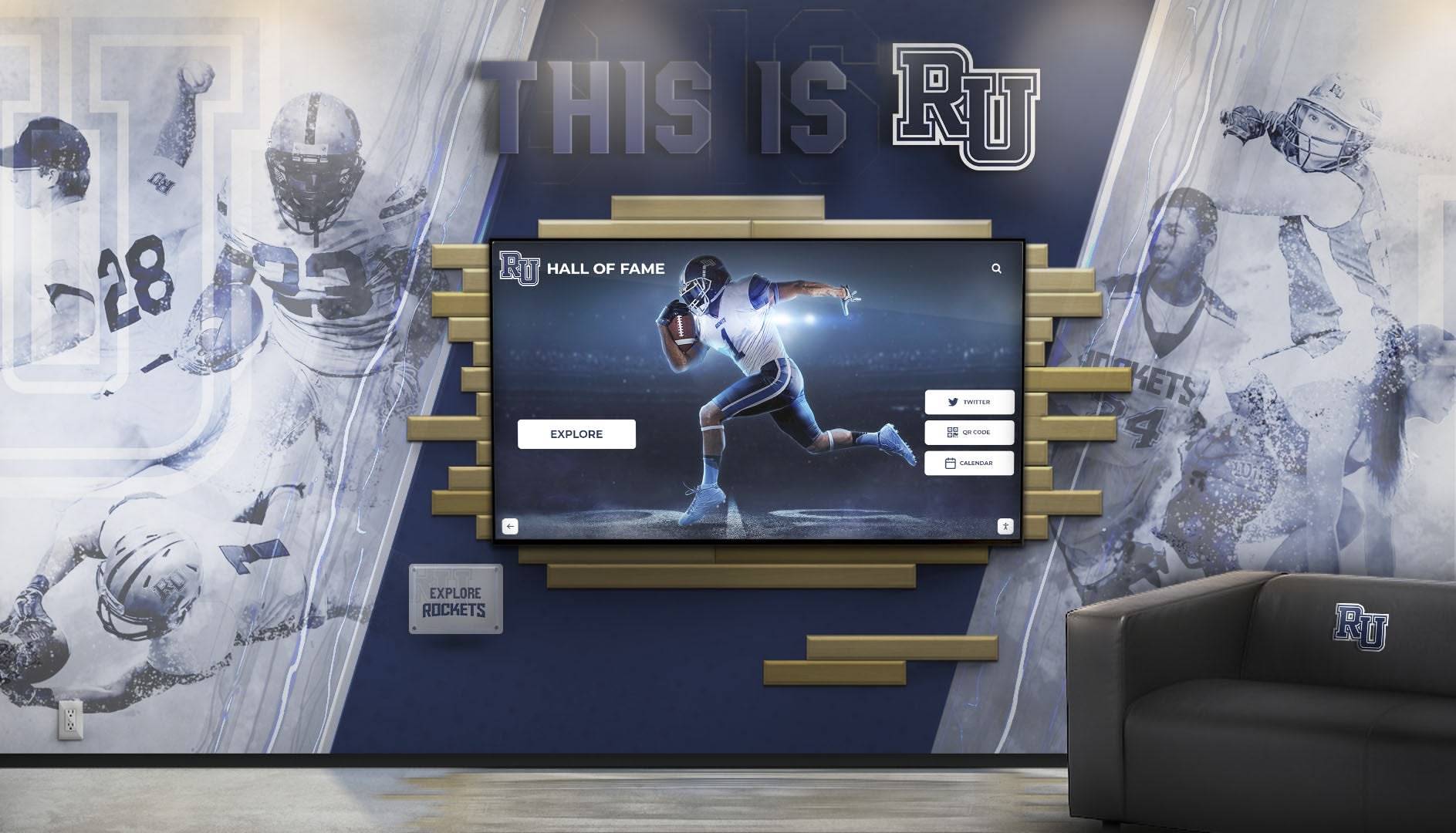
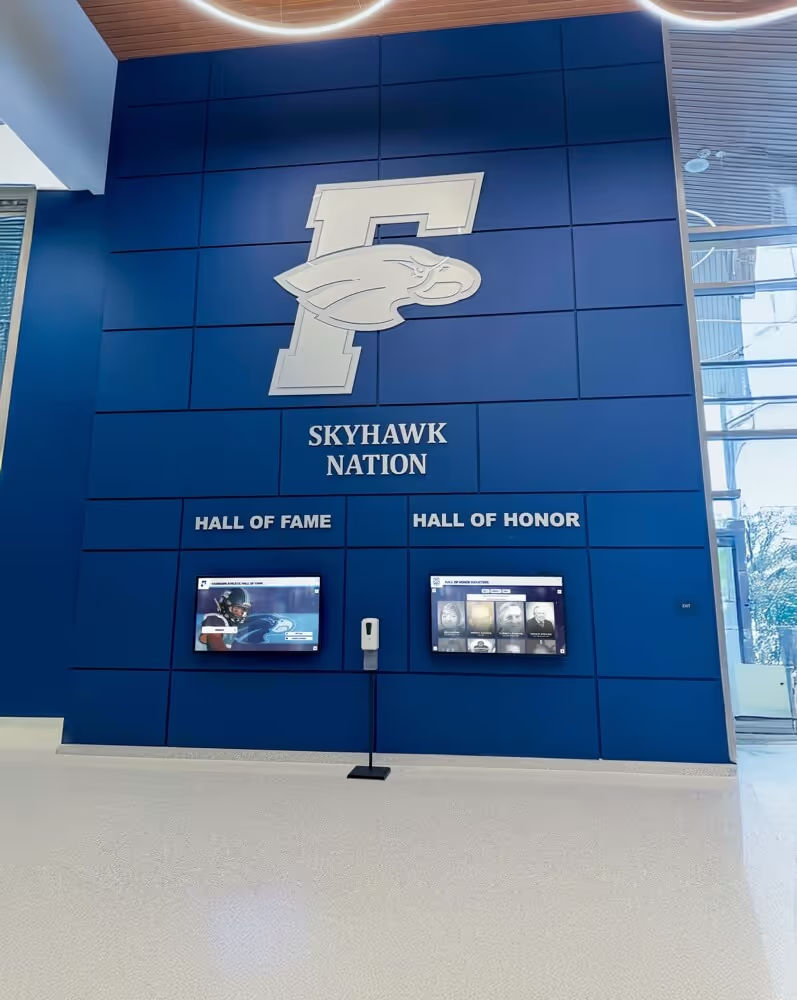
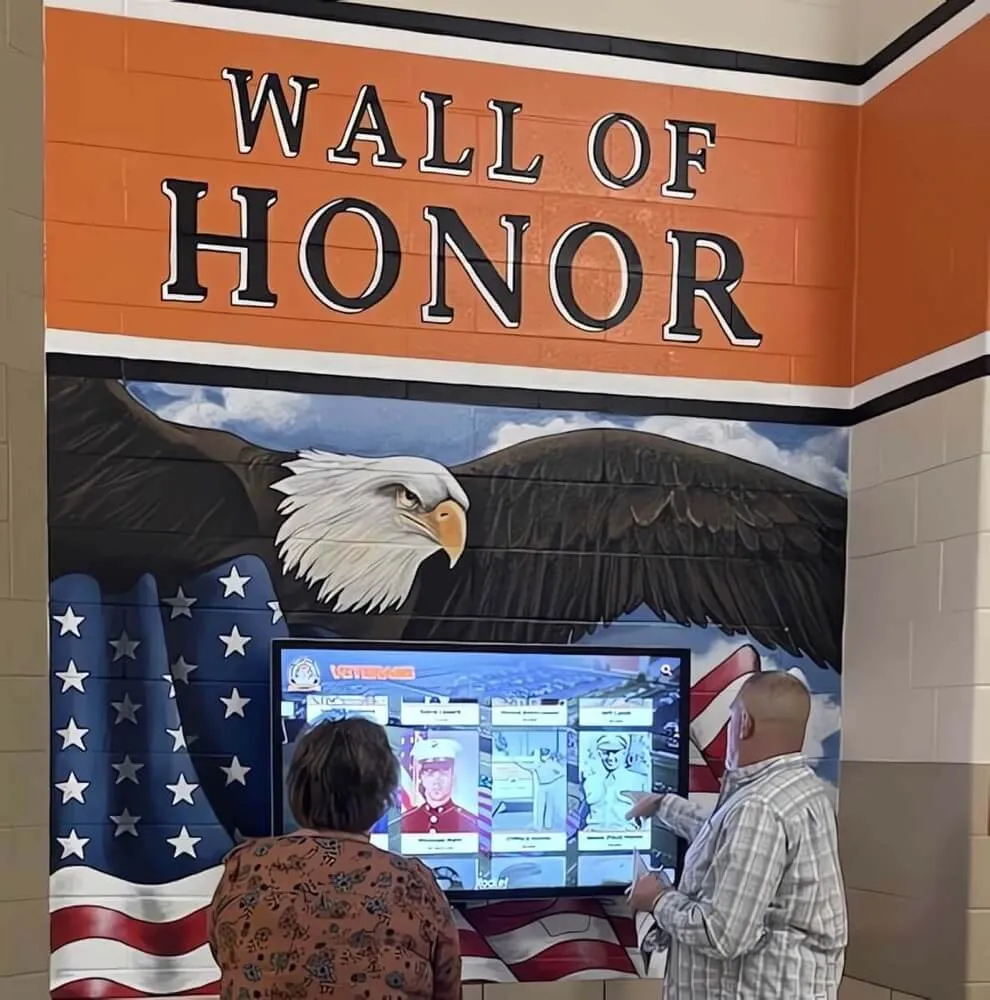
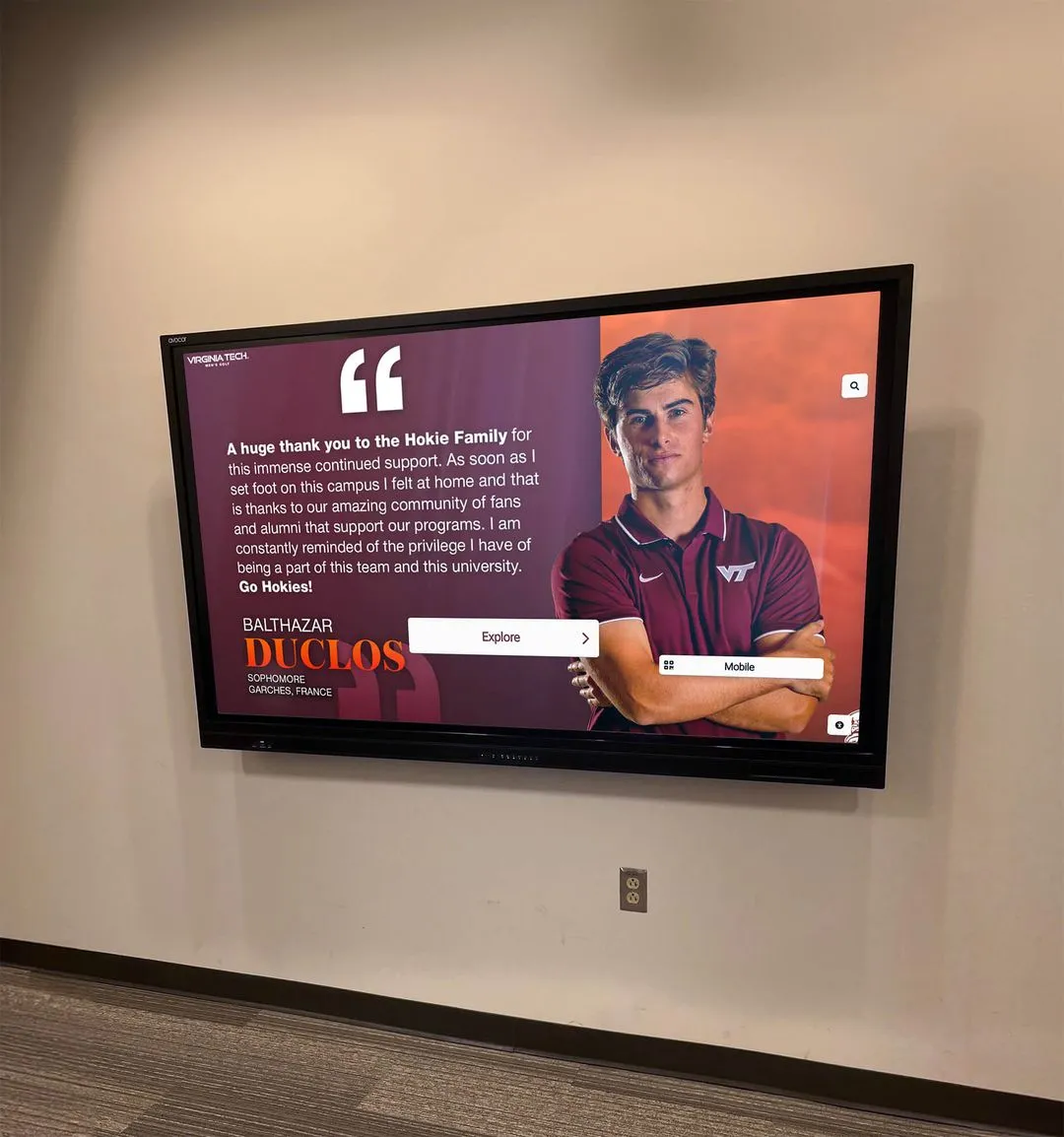
Recognition displays preserve stories of team excellence that captains can reference in speeches
Closing Strong: Final Impact
Endings create lasting impressions and calls to action:
Effective Closing Approaches
End with power and clarity:
The Commitment Close “Here’s my promise to you: I will give this team everything I have, every single day. And I’m asking you to do the same. If we all commit to excellence in our individual roles, we’ll accomplish things we can’t even imagine yet.”
The Unity Close “We’re not just a collection of individual athletes—we’re a team. When we step on that field together, we compete as one. Your success is my success. Your struggles are my struggles. We rise together or we don’t rise at all.”
The Challenge Close “This season will test us. There will be moments when continuing is harder than quitting. But those are the moments that define championship teams. I challenge each of you—and myself—to be the athlete who fights through when it gets hard.”
The Vision Close “Picture the last game of our season. Whatever that looks like—celebration after a championship, tears after a hard-fought loss, pride in how far we’ve come—let’s make sure we can look at each other and say we gave everything we had. Let’s make this season one we’re proud of for the rest of our lives.”
Avoid trailing off or ending with “So, yeah, that’s it.” Plan your final sentence and deliver it with conviction.
Team Captain Speech Examples by Sport and Situation
While every speech should reflect your authentic voice, these examples provide frameworks you can adapt:
Pre-Season Team Captain Speech Example
Context: First full team meeting before official practice begins
“Thank you for electing me as your captain. This isn’t something I take lightly—it’s the honor of my high school athletic career, and I’m committed to earning your trust every day this season.
I want to start by acknowledging what we’re all thinking: last season didn’t end the way we hoped. Losing in the district semifinals hurt. But that pain is either going to define us or refine us—and that’s our choice to make starting today.
This season, I want our team to be known for three things:
First, relentless effort. We might not have the most talented roster in our conference, but we can absolutely be the hardest-working team. That means competing in every drill, every conditioning session, every moment—not just when coaches are watching.
Second, genuine accountability. We hold each other to high standards because we care about this team’s success. That means speaking up when a teammate isn’t meeting our standards, and being receptive when someone challenges you to be better.
Third, uncommon unity. We support each other through mistakes, celebrate each other’s successes, and refuse to let anything divide this team. What happens in this locker room stays in this locker room—we protect each other and this program.
Here’s what you can expect from me: I will model the work ethic I’m asking from you. I will communicate clearly and honestly. I will celebrate your successes as enthusiastically as my own. And I will address issues directly rather than letting them fester.
What I’m asking from each of you is simple but not easy: commitment. Commitment to showing up ready to work every day. Commitment to putting team goals ahead of individual statistics. Commitment to representing this program with integrity on and off the field.
We have an opportunity to do something special this season. But it starts with the choices we make today, tomorrow, and every day after. Let’s build something we’re proud of. Let’s make this a season we remember for the rest of our lives.”
Mid-Season Motivational Speech Example
Context: Team struggling with losses or internal challenges
“I want to talk honestly with all of you about where we are right now. Our record isn’t what we hoped it would be at this point. Some of you are frustrated. Some are doubting whether we can turn this around. Those feelings are valid—I’ve felt them too.
But here’s what I know: we have a choice right now that will define this season. We can let frustration divide us, start pointing fingers, and mail in the rest of our season. Or we can decide that these challenges are building something inside us—resilience, character, unity—that will matter long after this season ends.
The teams I remember and respect aren’t always the ones with the best records. They’re the teams that fought through adversity together. The teams that refused to quit when things got hard. The teams that demonstrated character when it would have been easier to make excuses.
I’m asking each of you to make a decision: are you all in for the rest of this season? Not half-committed while keeping one foot out the door. Not going through the motions. Actually all in—bringing maximum effort, supporting each other unconditionally, and competing like our pride is on the line every game.
If you’re all in, I need you to show it starting at practice tomorrow. Compete in every drill. Encourage teammates who are struggling. Hold each other accountable. Leave everything on that field.
We still have games to play. We still have an opportunity to salvage this season and build something meaningful. But only if we make that choice together, right now. I’m all in. Who’s with me?”
Many successful programs maintain their culture through challenging seasons by recognizing effort and character through academic recognition programs that celebrate student-athletes holistically.
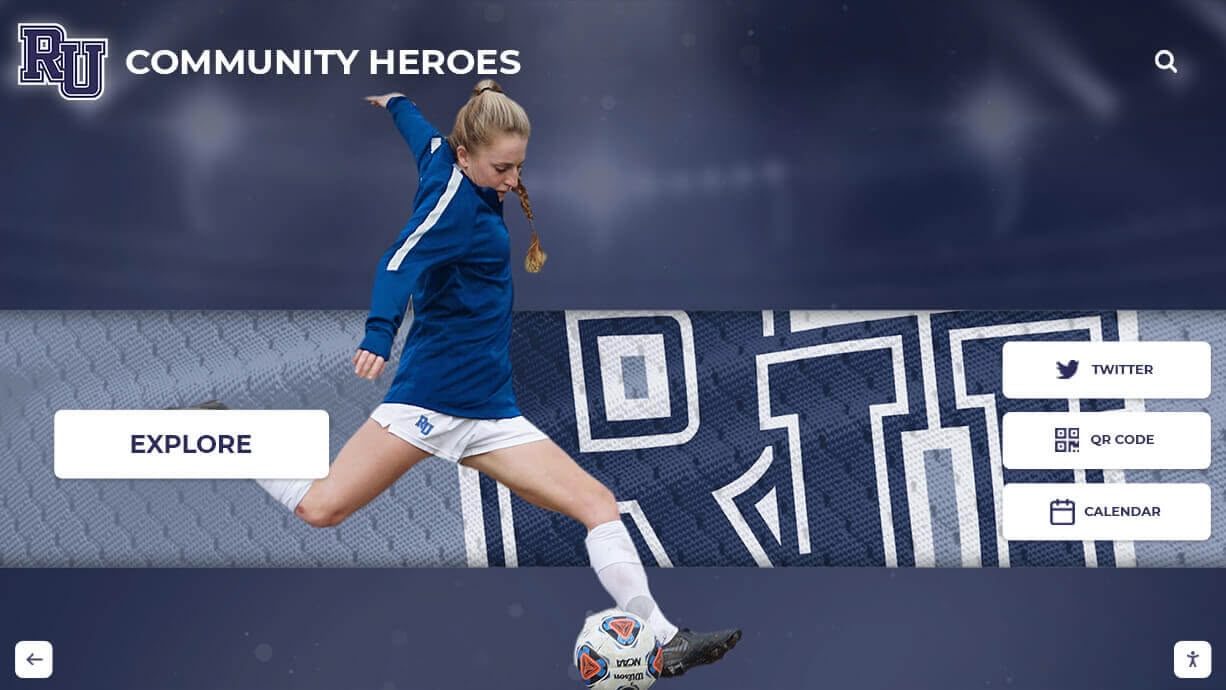
Spring sports captains inspire teammates during crucial competitive seasons
Senior Night or Season Finale Speech Example
Context: Final home game or emotional end-of-season moment
“As we prepare for our final home game, I want to take a moment to reflect on what this season has meant.
To my fellow seniors: we’ve spent four years building this program. We’ve celebrated championships and endured heartbreaking losses. We’ve made lifelong friendships and created memories we’ll carry forever. Whatever happens in tonight’s game, I’m proud to have competed alongside each of you. Thank you for making these four years unforgettable.
To our underclassmen: tonight isn’t goodbye—it’s a passing of the torch. The program we’re leaving in your hands is stronger than the one we inherited. You’ve learned what it takes to compete at this level. Now it’s your responsibility to preserve our traditions while building new ones. Make us proud.
To our coaches: thank you for investing in us as athletes and people. The lessons you’ve taught extend far beyond this sport. The standards you’ve maintained have made us better. We’re grateful.
Tonight, we play for everyone who has supported this program—our families, our school, our community. But most importantly, we play for each other. Let’s make this final home game one that represents everything we’ve built together.
Whatever the scoreboard says when time expires, let’s walk off that field knowing we gave everything we had. Let’s compete with joy, with intensity, and with gratitude for the opportunity to wear this uniform one more time.
Thank you for the best four years of my life. Let’s go finish this the right way.”
Programs that implement senior night gift ideas create meaningful moments for outgoing leaders while building traditions younger athletes will value.
Practical Tips for Delivering Your Speech Effectively
Content matters, but delivery determines whether your message lands:
Preparation and Practice
Invest time in speech preparation:
Write It Out First
Even if you don’t read verbatim:
- Writing clarifies thinking and ensures logical flow
- Identifies awkward phrasing or unclear sections before delivering
- Helps you memorize key phrases and transitions
- Provides security if nervousness causes mental blanks
- Allows seeking feedback from coaches or trusted teammates
Most effective speakers write complete drafts even if they ultimately deliver extemporaneously.
Practice Out Loud Multiple Times
Rehearsal builds confidence and identifies problems:
- Practice alone first to work out phrasing and timing
- Rehearse in front of a mirror to observe body language
- Time yourself to ensure appropriate length (3-5 minutes typically)
- Practice in the actual delivery location if possible
- Ask a coach, parent, or friend to listen and provide feedback
Athletes practice skills hundreds of times before competition—speeches deserve similar preparation.
Memorize Key Sections, Not Entire Speech
Find the right balance:
- Memorize opening and closing statements for confident delivery
- Know your main points and supporting examples thoroughly
- Allow middle sections to flow naturally rather than reciting robotically
- Have note cards available if needed, but try to minimize referring to them
- Focus on knowing content deeply rather than exact wording
Authenticity matters more than perfection—teammates can tell if you’re delivering memorized lines versus speaking from conviction.
Physical Delivery Elements
Non-verbal communication amplifies or undermines your message:
Voice Projection and Pacing
Technical vocal elements matter:
- Speak loudly enough for everyone to hear comfortably without straining
- Vary your pace—slow down for emphasis, maintain energy for motivational sections
- Pause strategically to let important points land
- Avoid “ums,” “likes,” and verbal fillers through practice
- Project confidence even if you feel nervous
Record yourself practicing to identify vocal habits you might not notice otherwise.
Eye Contact and Body Language
Physical presence reinforces leadership:
- Make eye contact with different teammates throughout the speech rather than staring at one spot
- Stand up straight with shoulders back—posture communicates confidence
- Use natural hand gestures to emphasize points without becoming distracting
- Avoid closed body language like crossed arms or hands in pockets
- Move intentionally if speaking in a large space, but avoid pacing nervously
Your physical presence should communicate the confidence and conviction your words express.

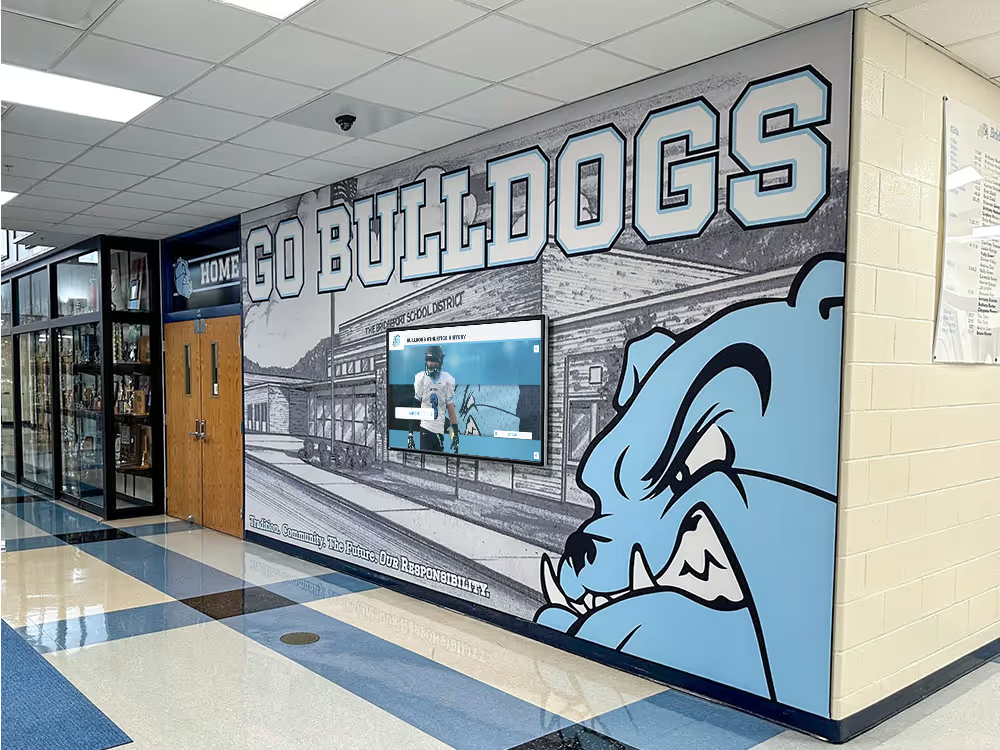
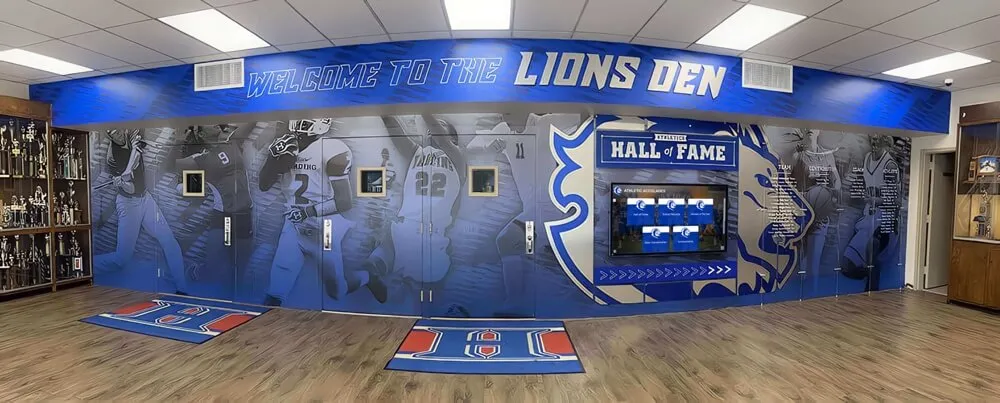
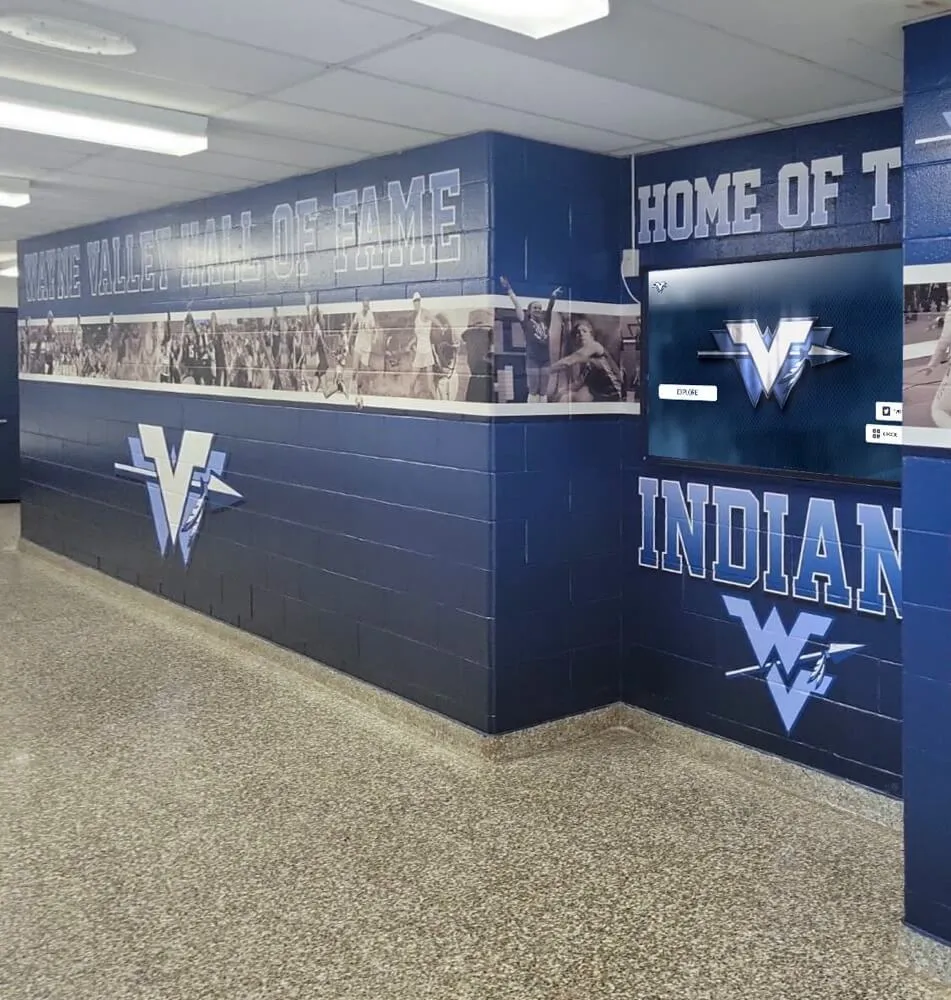
Modern athletic facilities create professional environments where leadership moments feel significant
Managing Nervousness and Emotion
Even confident speakers feel nervous before important speeches:
Acknowledge That Nervousness Is Normal
Reframe anxiety productively:
- Recognize that nervousness signals you care about doing well
- Remember teammates want you to succeed—they’re supportive, not critical
- Use breathing techniques to manage physical symptoms
- Accept that some nervousness actually enhances performance and energy
- Know that nervousness typically decreases after the first minute
Most nervousness is invisible to audiences—you feel it more than others observe it.
Plan for Emotional Moments
Some speeches touch on emotional subjects:
- If discussing injured or lost teammates, prepare for emotion and give yourself permission to pause
- Keep water nearby if your voice tends to tighten when emotional
- Have a contingency plan if you become too emotional to continue (a co-captain could step in)
- Remember that authentic emotion resonates—teammates appreciate genuine feeling
- Focus on the message rather than worrying about emotional control
Coaches and teammates respect authenticity—you don’t need to hide all emotion to be effective.
Common Mistakes to Avoid
Learn from typical pitfalls that undermine captain speeches:
Speaking Too Long
Respect your audience’s attention span:
Problems With Lengthy Speeches
- Teammates mentally check out after about 5 minutes
- Important points get lost in excessive detail
- Energy and engagement decrease as time extends
- You risk appearing self-indulgent rather than team-focused
Solution: Aim for 3-5 Minutes Maximum
- Edit ruthlessly to include only essential content
- Trust that less is more—one powerful story beats three mediocre ones
- Remember teammates retain core messages better from concise speeches
- Save detailed conversations for one-on-one interactions
If you can say it in three minutes, don’t use five.
Being Overly Generic
Avoid clichés that could apply to any team:
Generic Phrases to Avoid
- “We need to give 110%”
- “There’s no I in team”
- “Win one for the Gipper”
- “Leave it all on the field”
- Generic motivational quotes from famous athletes
Make It Specific to Your Team
- Reference actual team experiences and inside stories
- Name specific goals unique to your season
- Acknowledge your team’s particular strengths and challenges
- Speak in your authentic voice rather than sounding like a motivational poster
Teammates respond to authentic specificity, not generic inspiration.
Making It About Yourself
Remember the speech’s purpose:
Self-Focused Mistakes
- Lengthy personal athletic accomplishment recitations
- Focusing on what captaincy means to you rather than team goals
- Name-dropping personal achievements or college recruitment
- Dominating speech time when multiple captains should share
Team-Focused Approach
- Acknowledge the honor briefly, then shift focus to the team
- Share personal stories only when they illustrate broader points
- Frame your captain role as service to the team rather than personal achievement
- If multiple captains, coordinate to divide topics and share time equitably
Your job is to inspire them, not impress them.
Failing to Follow Through
Words without action undermine credibility:
The Speech-Action Gap
- Making commitments you don’t keep damages leadership credibility permanently
- Teammates notice immediately when captains don’t model stated values
- Holding others accountable while exempting yourself creates resentment
- Every statement in your speech becomes a standard you must maintain
Ensuring Follow-Through
- Only commit to specific actions you’re genuinely prepared to maintain
- Recognize that your speech becomes the standard teammates will measure you against
- Build accountability systems for yourself (check in with coaches, ask co-captains for feedback)
- Understand that maintaining consistency across the entire season matters more than an inspiring speech
Your speech matters, but your daily actions matter more.
Supporting Captain Leadership Throughout the Season
Coaches and athletic directors can support effective captain leadership:
Providing Leadership Development
Formal support strengthens captain effectiveness:
Leadership Training Opportunities
Invest in captain preparation:
- Pre-season leadership workshops or conferences
- Team-building activities that develop captain facilitation skills
- Reading materials on effective leadership and team dynamics
- Opportunities to shadow or learn from previous successful captains
- Regular coach check-ins about leadership challenges and strategies
Many captains receive titles without receiving actual leadership training—formal development significantly improves effectiveness.
Ongoing Mentorship
Coaches serve as leadership mentors:
- Private conversations about team dynamics and captain concerns
- Guidance on handling difficult teammates or situations
- Permission to make mistakes and learn from leadership challenges
- Feedback on what’s working and what needs adjustment
- Support during particularly difficult moments or decisions
Captains need confidential space to discuss leadership challenges without undermining authority with teammates.
Creating Recognition Systems
Programs that honor leadership build stronger cultures:
Captain Legacy Recognition
Preserve and celebrate captain contributions:
- Team captain recognition boards or displays acknowledging each year’s leaders
- Senior awards specifically recognizing exceptional captain leadership
- Captain photos, quotes, or leadership principles displayed in athletic facilities
- Alumni captain networking opportunities connecting past leaders with current ones
- Documentation of each captain class’s contributions to program history
Implementing comprehensive athletic recognition through digital displays helps programs celebrate leadership alongside athletic achievement.
Season-Long Leadership Visibility
Maintain leadership focus beyond opening speeches:
- Recognition of specific captain actions demonstrating stated values
- Opportunities for captains to address team throughout season, not just at beginning
- Visible captain contributions acknowledged in team communications and media
- End-of-season captain reflections or letters to underclassmen
- Documentation of leadership development for college applications and recommendations
Recognition systems remind captains their leadership matters while demonstrating to underclassmen what effective leadership looks like.
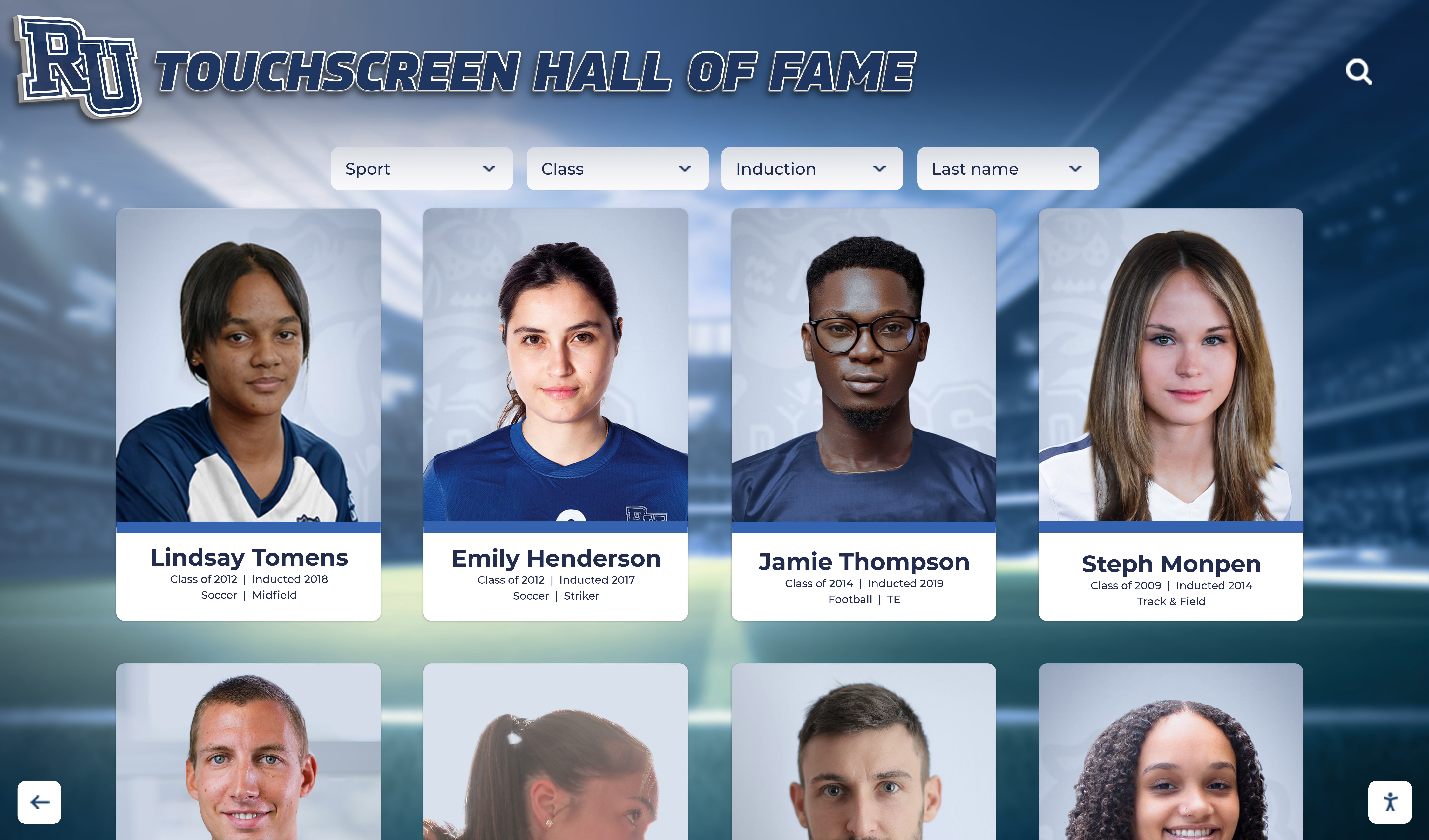
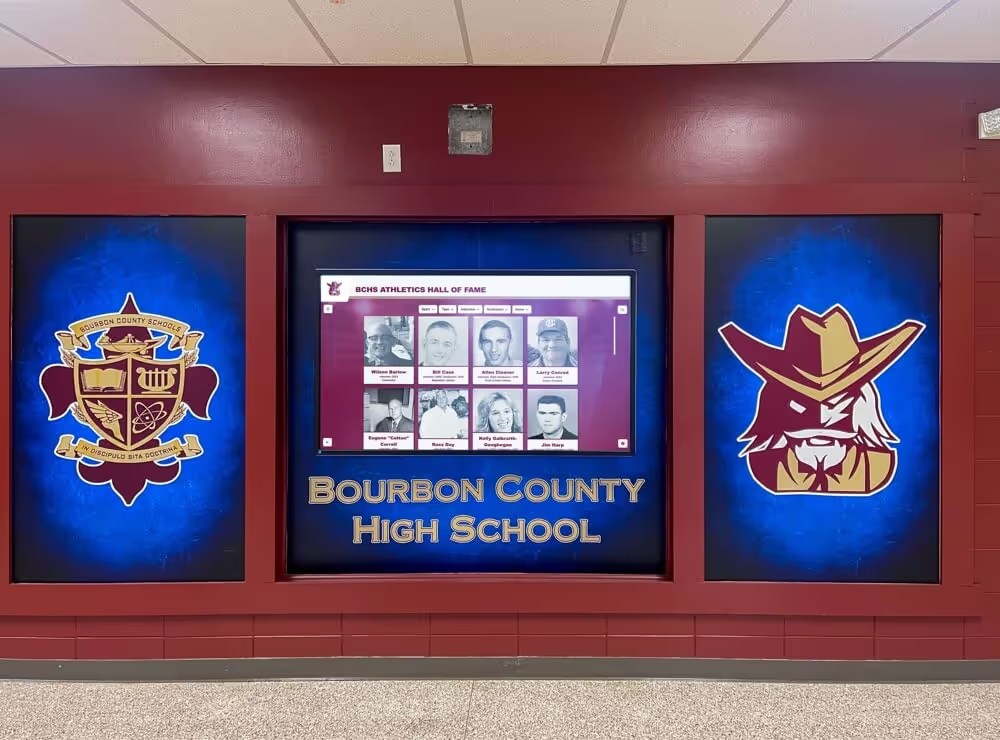
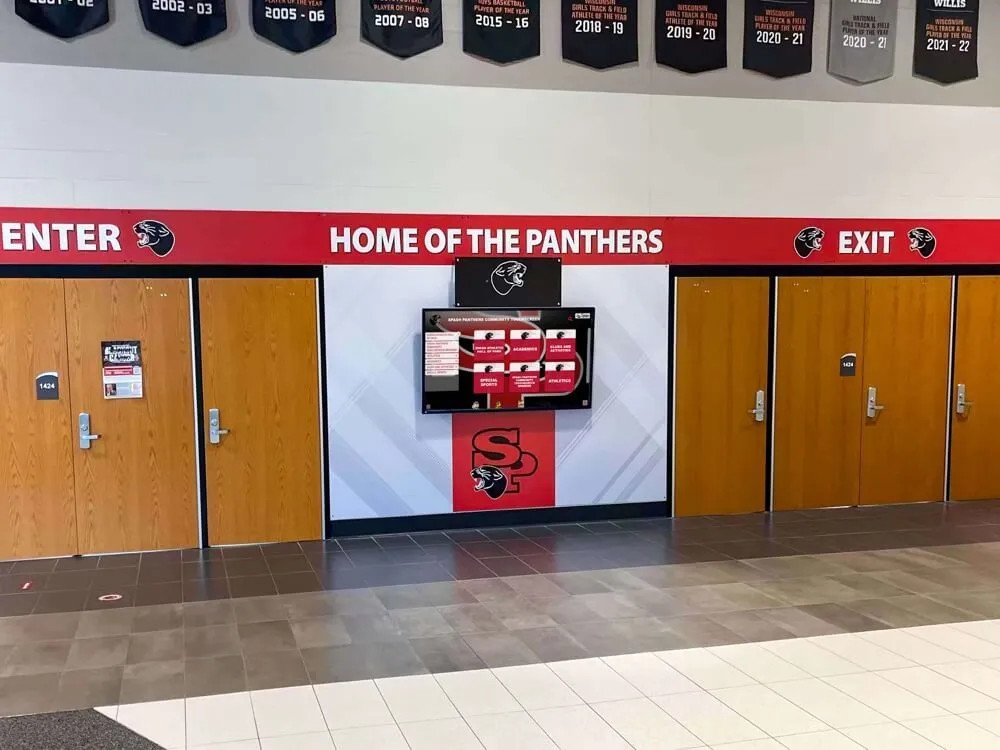
Digital recognition systems preserve captain contributions as part of lasting program history
Building Lasting Leadership Impact
Effective team captain speeches represent more than single moments—they establish expectations, articulate values, and create frameworks that guide teams through entire seasons. The best speeches inspire immediate commitment while providing reference points teammates return to during challenging moments throughout the year.
Yet speeches alone don’t create effective leadership. Words must be backed by consistent daily action, authentic relationship-building, and willingness to serve teammates through both celebration and adversity. Great captains understand their speeches represent the beginning of their leadership impact, not the totality of it.
For coaches and administrators, supporting captain development through leadership training, ongoing mentorship, and meaningful recognition creates stronger team cultures while preparing young leaders for future roles. Programs that invest in leadership development find that captain effectiveness compounds across seasons as traditions of strong leadership become self-sustaining program characteristics.
Whether you’re a newly-elected captain preparing your first speech, a coach developing team leaders, or an athletic director building comprehensive programs, remember that leadership development serves purposes far beyond athletic achievement. The communication skills, emotional intelligence, accountability practices, and servant leadership mindsets developed through team captaincy transfer to every future context—academic, professional, community, and family. By taking captain leadership seriously, we prepare young people for meaningful impact throughout their lives.
As you prepare to lead your team, speak from authentic conviction about what matters most. Challenge your teammates toward excellence while supporting them through inevitable struggles. Model the daily commitment your words describe. And trust that leadership developed through athletics builds character and capabilities that endure long after final games conclude.
Preserve Your Team’s Leadership Legacy
Looking to create lasting recognition for team captains and program leaders? Rocket Alumni Solutions provides digital recognition displays and interactive touchscreen systems that celebrate leadership alongside athletic achievement, preserving your program’s history while inspiring future generations of student-athlete leaders. Our solutions integrate seamlessly into athletic facilities, creating professional environments where leadership moments feel significant and captain contributions are honored permanently.
Live Example: Rocket Alumni Solutions Touchscreen Display
Interact with a live example (16:9 scaled 1920x1080 display). All content is automatically responsive to all screen sizes and orientations.