Student Section Themes: 50+ Spirit Week Ideas to Build School Identity and Game-Day Recognition
- Home /
- Digital Hall of Fame Insights & Resources /
- Student Section Themes: 50+ Spirit Week Ideas to Build School Identity and Game-Day Recognition
The Easiest Touchscreen Solution




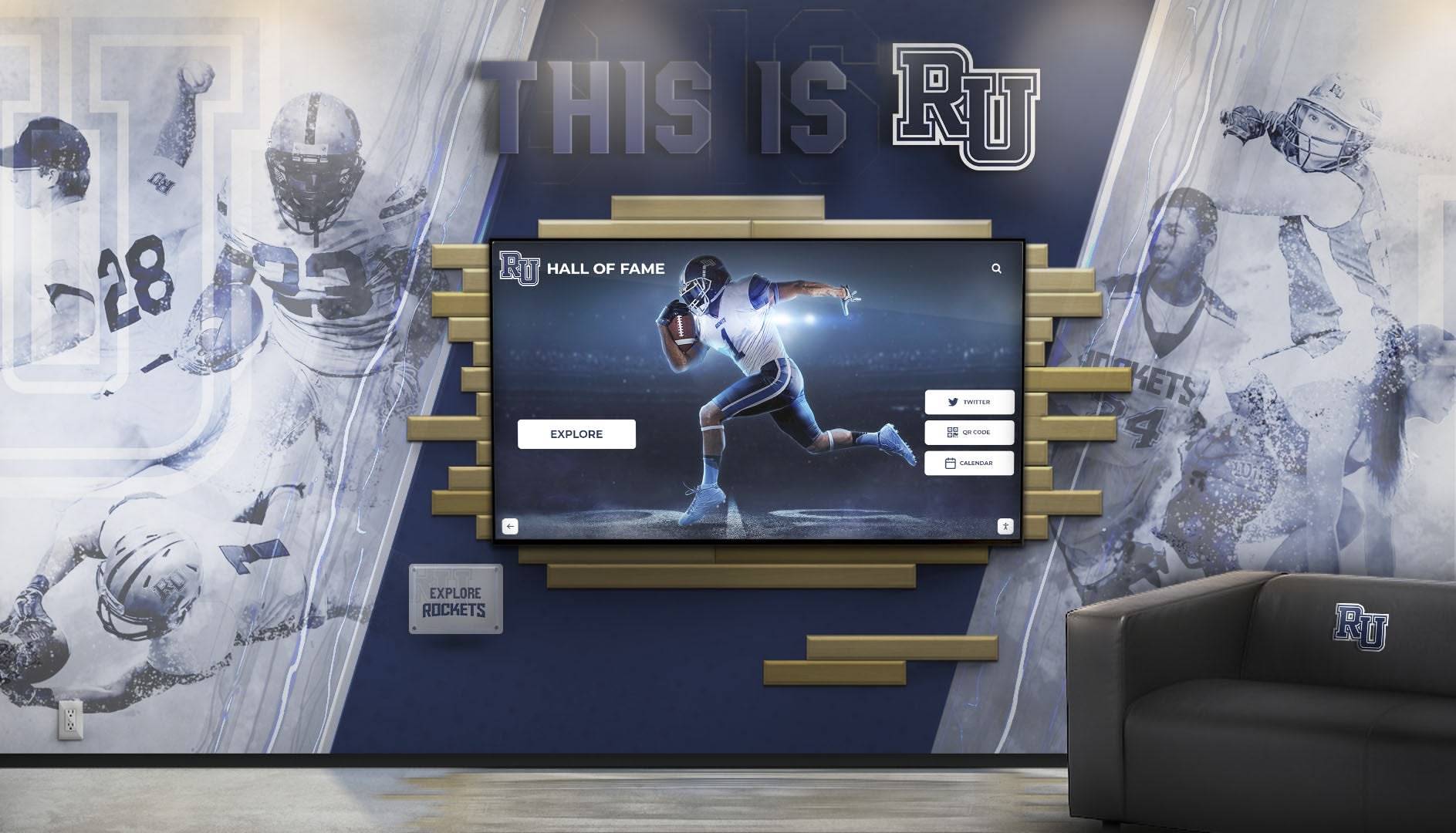
Live Example: Rocket Alumni Solutions Touchscreen Display
Interact with a live example (16:9 scaled 1920x1080 display). All content is automatically responsive to all screen sizes and orientations.
Student section themes do more work than filling the bleachers with color. They create a shared language for school identity—one that students carry into alumni life and that athletic directors can point to as proof of a culture worth preserving. When schools pair strong game-day themes with the infrastructure to archive those moments, a single themed night transforms from a one-time spectacle into a chapter in the program’s permanent record.
This guide delivers more than 50 student section theme ideas organized by category, along with a practical framework for turning those game-day moments into long-term school identity assets.
Student section themes anchor the most visible expressions of school culture. The right theme fills bleachers, generates shareable photos, and creates the kind of collective energy that alumni describe decades later as “what made our school feel like home.” Getting those themes right—and then preserving what they represent—is the full-circle work of a school spirit program.

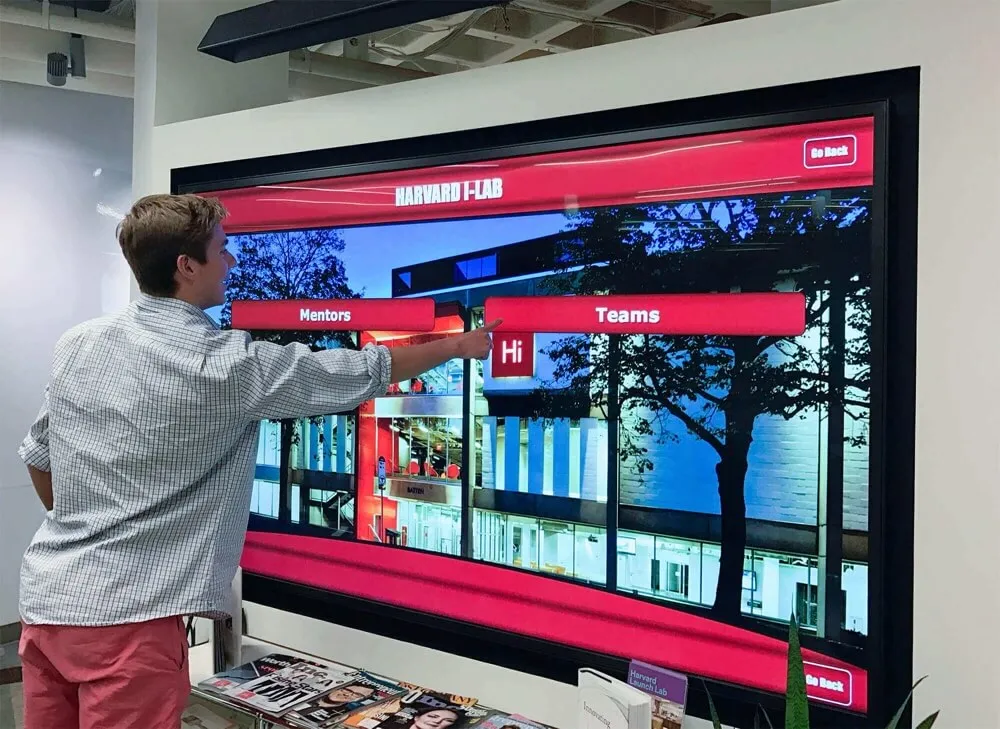
Schools that invest in game-day culture invest equally in the systems that preserve it—connecting the energy of the bleachers to the permanence of the hallway
Program Snapshot: Student Section Theme Systems
| Program Element | Details |
|---|---|
| Primary audience | Current students, student government, athletics staff, alumni |
| Theme categories | Color events, decades, pop culture, opponent takeovers, local pride, seasonal |
| Best occasions | Homecoming, rivalry games, playoff runs, spirit week, senior night |
| Execution lead time | 2–4 weeks for coordinated rollouts; 1 week minimum for basic themes |
| Documentation method | Designated student photographers, official school accounts, media day sessions |
| Recognition integration | Digital display archives, hall of fame photo galleries, spirit walls |
| Alumni connection | Past themes shared as institutional memory on touchscreen history timelines |
| Content shelf life | Indefinite when archived digitally; tied to specific seasons and opponents |
Student section culture lives and dies on coordination. The theme is only as powerful as the number of students who show up wearing it—which means every great theme needs a clear plan for communication, photo capture, and long-term storage.
Why Student Section Themes Build Lasting School Identity
A themed student section tells the visiting team and the home community something specific: this school has a culture. It shows that students organized, coordinated, and showed up together with intention.
That collective act—more than the specific costume or color—is what gets remembered. Schools with strong spirit tradition wall programs understand this: the theme itself fades, but the evidence that a student body showed up together does not.
Three outcomes a strong theme system produces:
Identity consistency across classes. When a school runs a version of its Blackout Night every homecoming, alumni from fifteen years back recognize it immediately. The specific players change; the tradition endures.
Recruitment and community signaling. A student section packed with matching colors in a well-lit gymnasium makes an impression on incoming freshmen and visiting families. It’s one of the most visible indicators of a healthy school culture.
Archivable content. A well-executed themed night produces dozens of usable photos—for social media, for the yearbook, and for the recognition wall displays that schools increasingly use to showcase their program history.
Schools with active pep rally and game-day programming consistently report stronger student attendance at non-marquee events—because students who show up for a themed game become habitual fans.
50+ Student Section Themes Organized by Category
Color and Uniform Themes
Color themes are the highest-participation category. No costume required—just a commitment to show up in the right shade.
- Blackout Night — Every student wears black; visitor contrast is stark and visually striking
- Whiteout — Classic winter playoff tradition, borrowed from pro sports
- Gold Rush — School gold from head to toe, especially powerful under stadium lights
- Crimson Tide — Deep red creates a wall of color that photographs dramatically
- Blue Steel — Solid royal blue from the lower row to the top of the student section
- Neon Night — Bright yellows, greens, and pinks; works especially well for evening games
- Tie-Dye Takeover — Coordinated tie-dye that signals fun rather than formality
- Camo Night — Camouflage pattern; popular at schools with strong military community ties
- Two-Tone Split — Half the section wears one color, half wears another; creates a split visual effect
- School Colors Marathon — Each class section wears one of the school’s colors; combined effect is the full palette
Decade and Era Themes
Decade themes reward creativity, span the entire student body, and generate the most social media traction because no two outfits are identical.
- 1950s Sock Hop — Poodle skirts, leather jackets, and saddle shoes
- 1960s Woodstock — Tie-dye, bell-bottoms, peace signs
- 1970s Disco Night — Sequins, platforms, and wide collars
- 1980s Night — Neon spandex, leg warmers, and big hair; consistently the most popular decade theme
- 1990s Throwback — Windbreakers, scrunchies, and vintage sports gear
- 2000s Nostalgia — Von Dutch hats, low-rise jeans, and frosted tips
- Retro Jersey Night — Students wear throwback jerseys from any sport or team
- Vintage School Night — Students dress as students from a specific decade in school history
- Old Hollywood Glamour — Black-tie attire in the student section creates unexpected contrast with athletics
- Wild West Night — Cowboy hats, boots, and flannel; popular in rural and suburban programs alike
Pop Culture and Movie Themes
Pop culture themes work best when they connect to a current release or a timeless franchise the entire school recognizes.
- Superhero Night — Students dress as their favorite hero; coordinated rows by hero type
- Movie Villain Night — Often more visually interesting than heroes; generates strong photos
- Western Night — Sheriff badges and cowboy gear combined with school colors
- Disney Night — Family-friendly, high-participation; works well for events open to younger siblings
- Video Game Night — Costumes drawn from current gaming culture
- Reality TV Night — Students parody current reality TV clichés
- Cartoon Characters Night — Classic animated characters; broad age-group recognition
- Space Explorer Night — Astronaut suits, silver jackets, and NASA-inspired gear
- Jungle Safari Night — Animal prints and explorer hats
- Fairytale Night — Princes, princesses, and storybook villains; particularly strong at co-ed schools
Spirit and Pride Themes
These themes put the school identity front and center without requiring a costume.
- Hometown Heroes Night — Students wear gear from local college or professional teams
- Future Grad Night — Students wear gear from their target college or trade program
- Senior Night Tribute — Underclassmen wear custom shirts honoring the senior class roster
- Program History Night — Throwback jerseys and photos celebrating a specific championship year
- Alumni Recognition Night — Students wear gear honoring an alum who has achieved post-graduation success
- Mascot Takeover — Every student dresses as a version of the school mascot
- Family Legacy Night — Students wear gear from a sibling’s or parent’s class year
- Hall of Fame Tribute Night — Jerseys and portraits honoring inducted athletes on display at the entrance
- School Colors Century — Annual tradition marking the school’s colors across every class year displayed together
- Spirit Championship Wall — Student section organized by class, each row displaying a different season’s championship year
These themes connect directly to athletic hall of fame programming that schools can build into their broader recognition infrastructure.
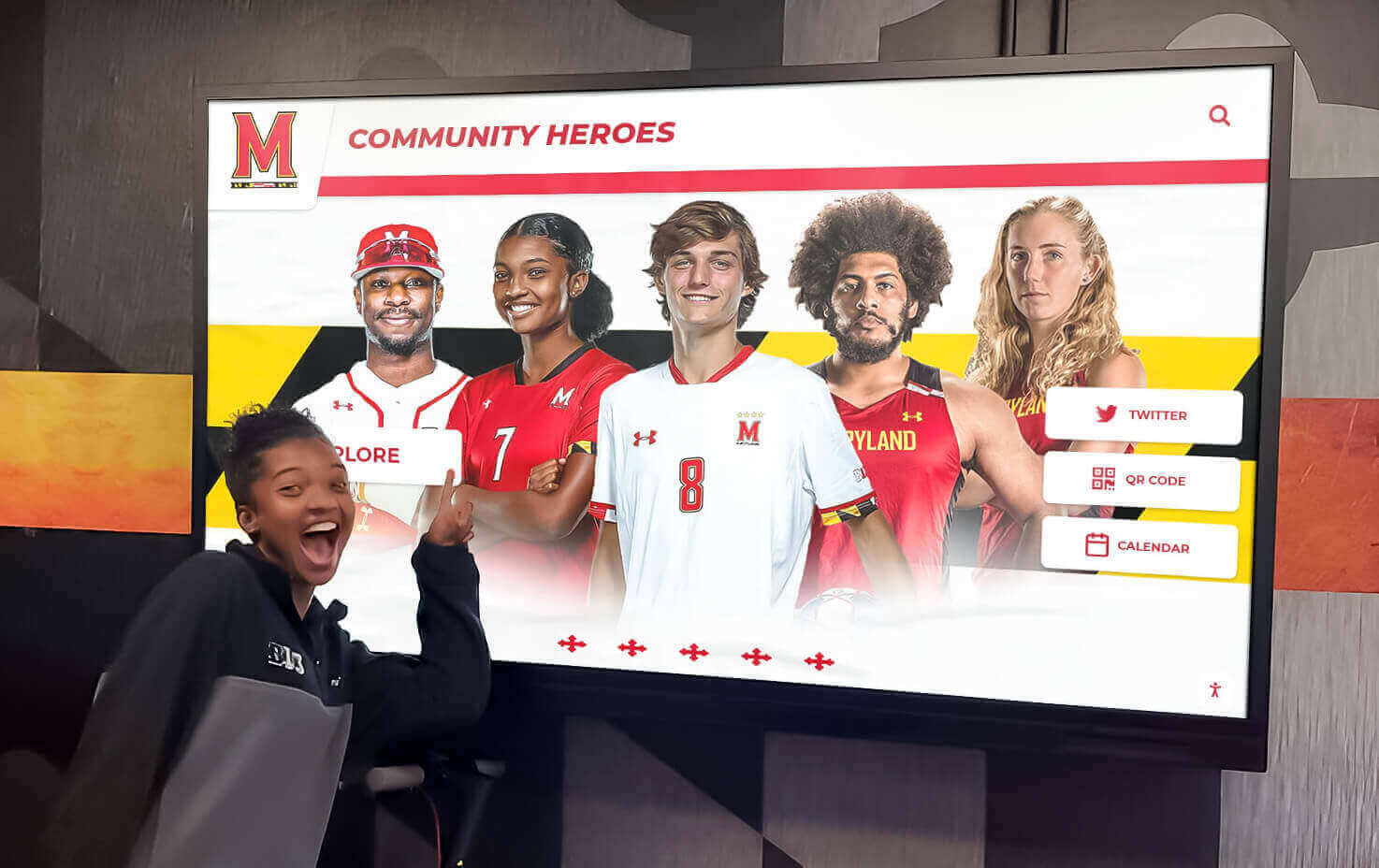
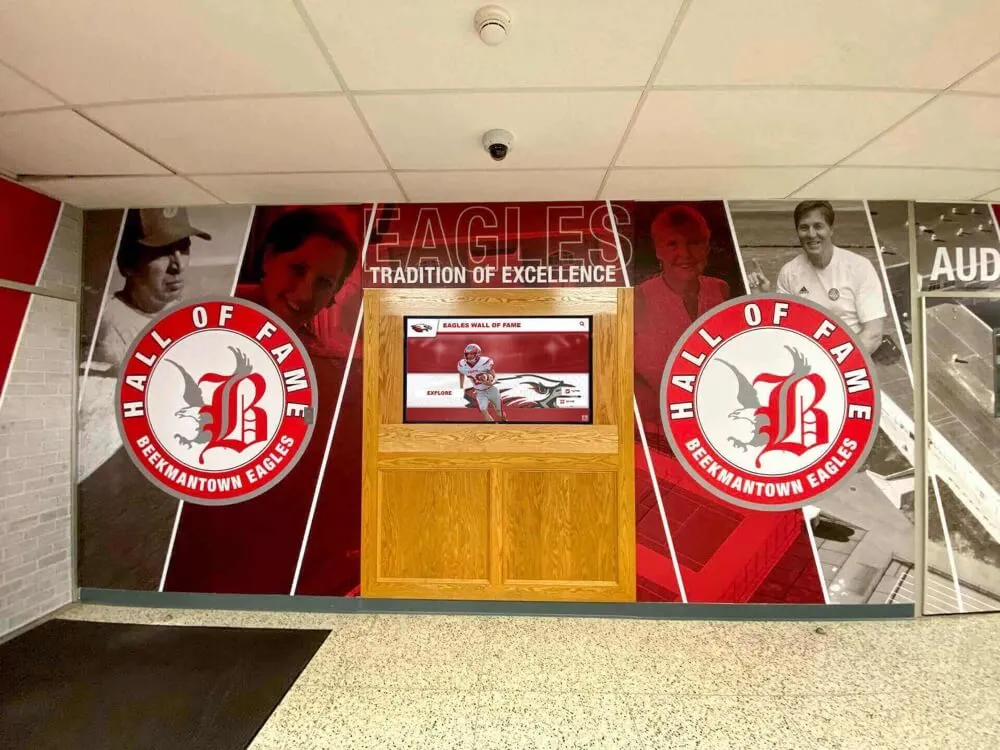
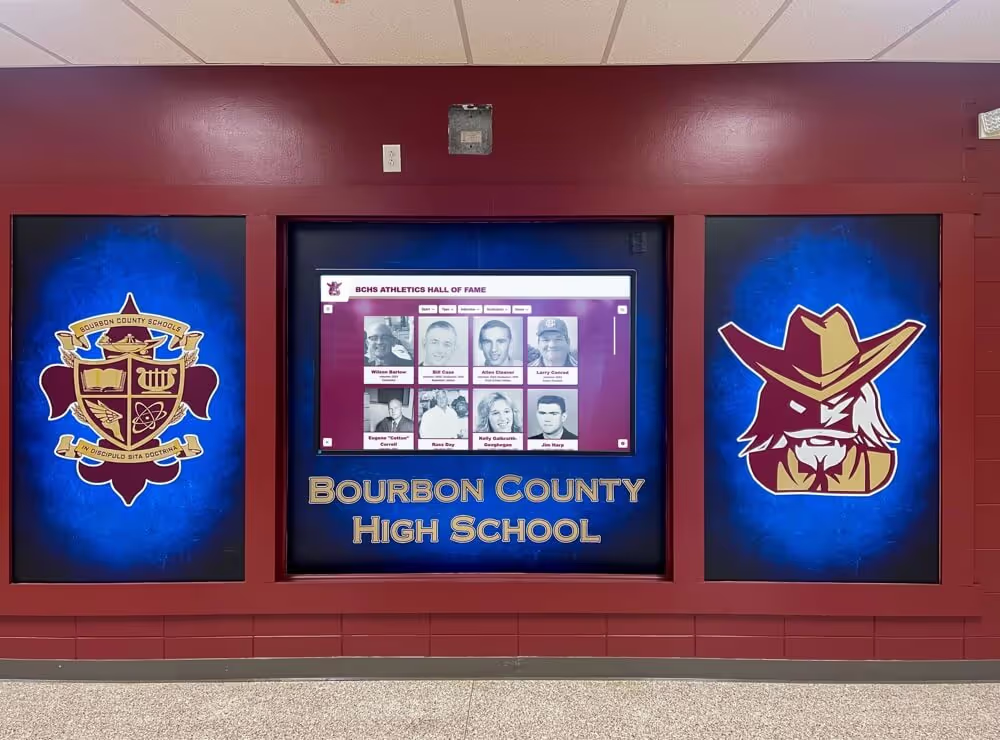
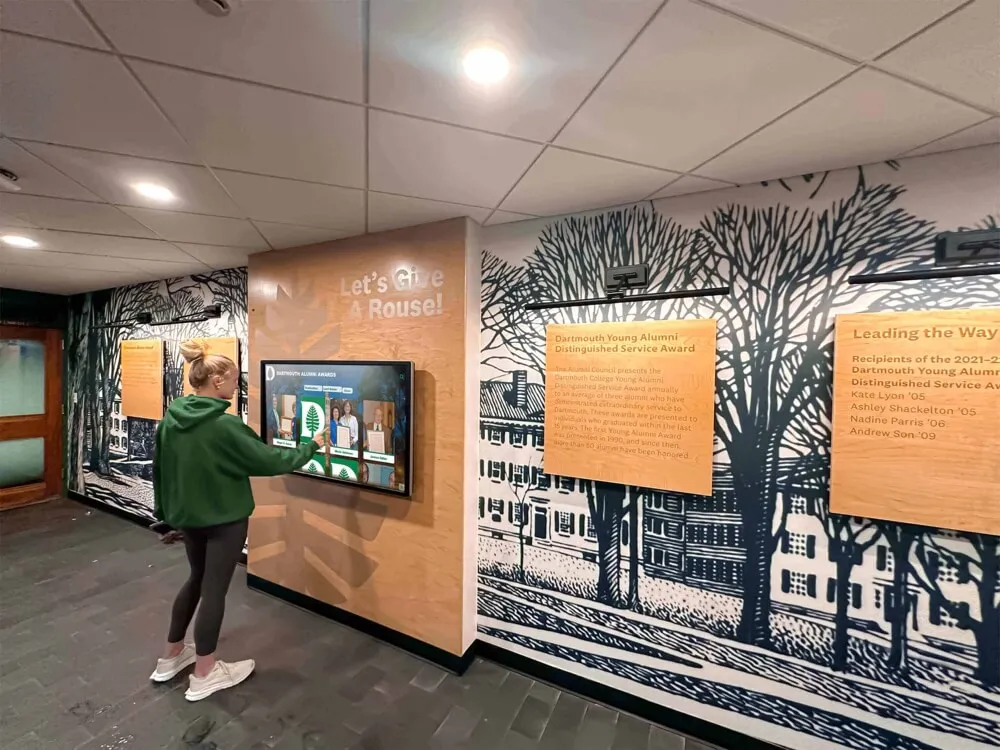
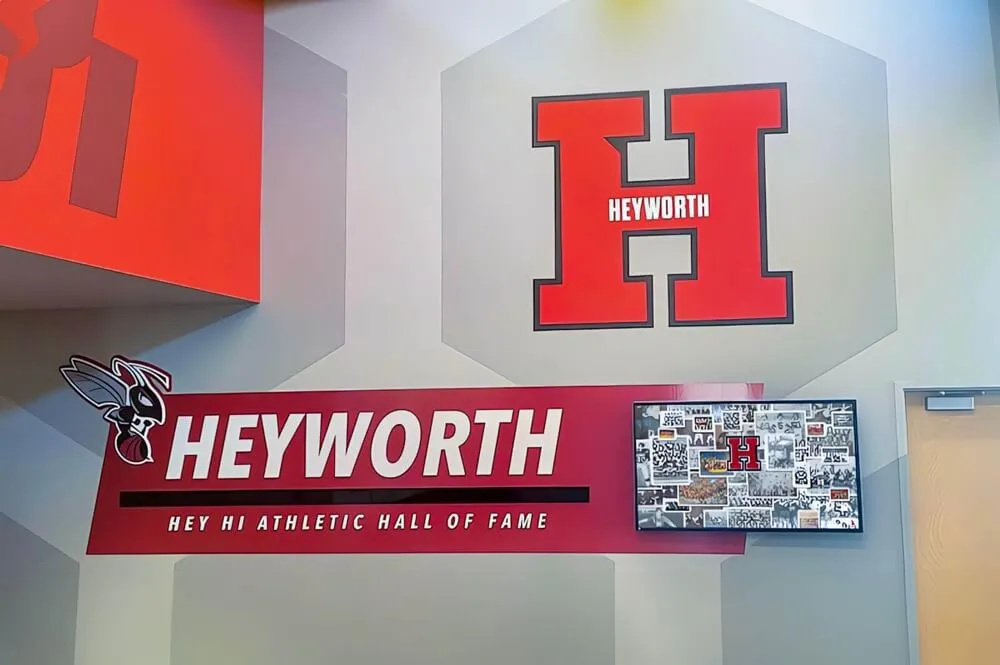
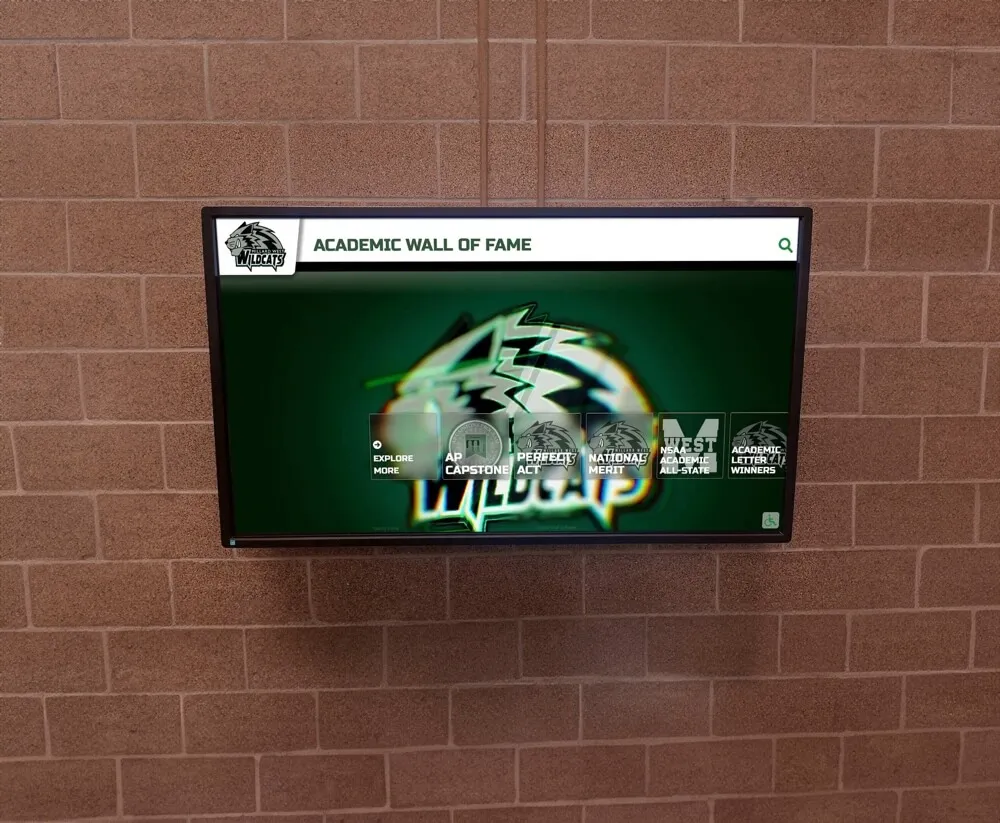
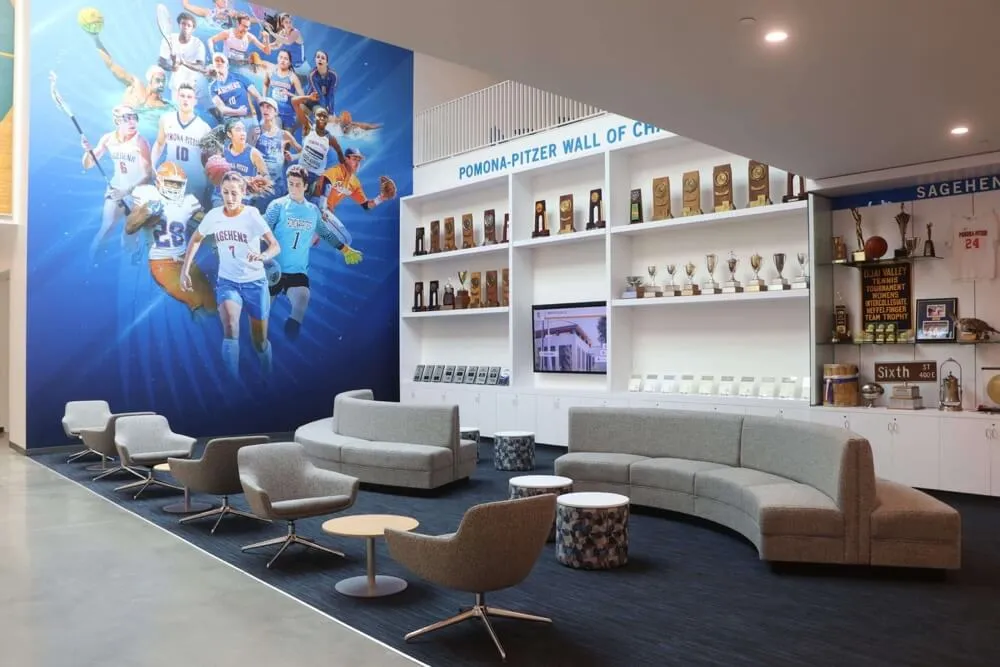
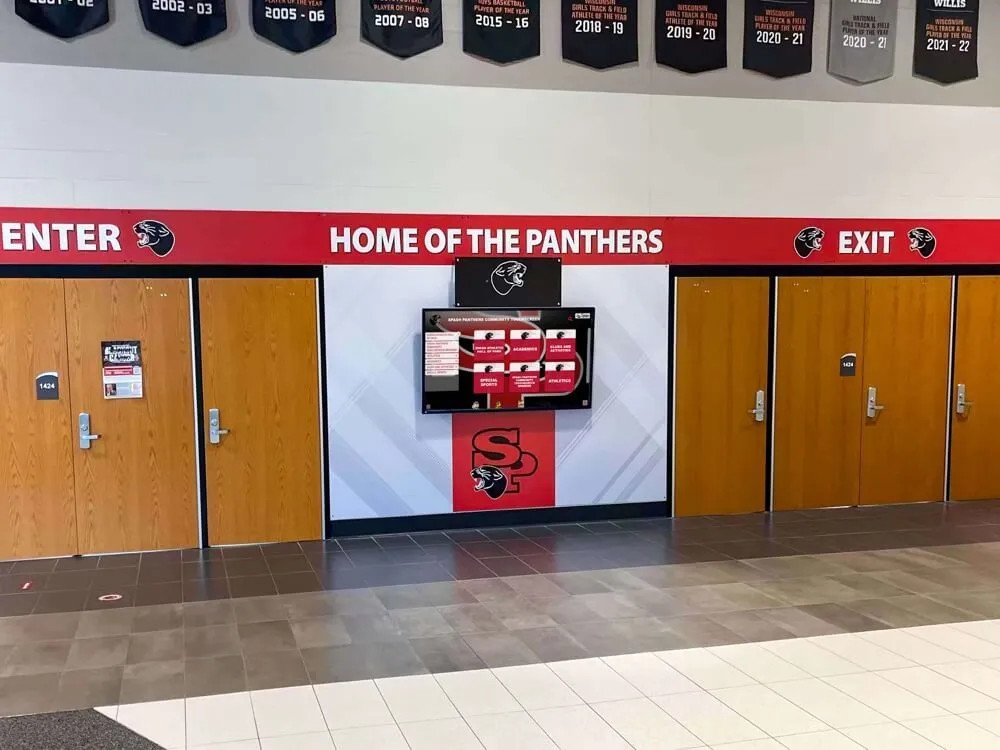
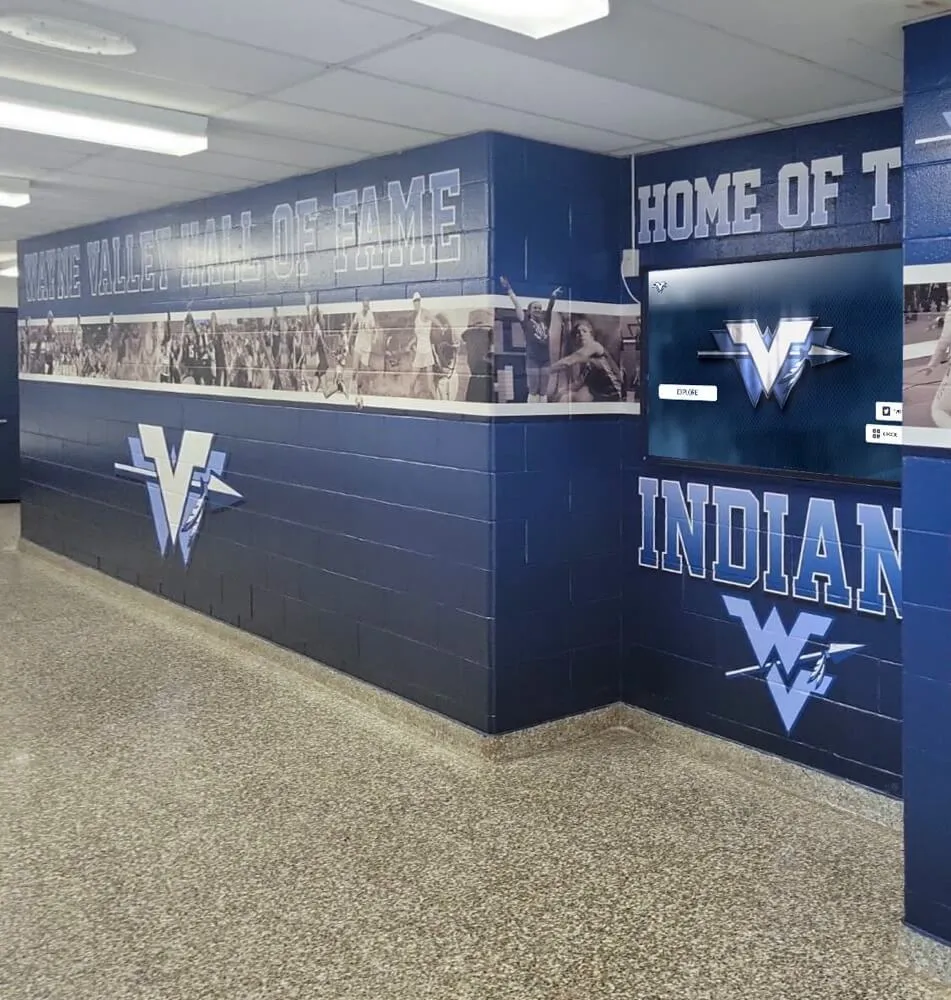
Recognition displays that connect student section culture to athletic legacy create a continuous thread between game-day energy and institutional history
Opponent and Rivalry Themes
- Blackout the Rival — Specific to rivalry games; all black signals intensity
- Home Team Pride — Exaggerated versions of school colors as a direct contrast to visiting colors
- Prediction Board Night — Students hold signs predicting game outcomes; photo-friendly
- Color War Challenge — Student section color intentionally mirrors and outshines the visiting school’s palette
- Rivalry History Wall — Event program includes a display of all-time head-to-head record, displayed at entrance
Holiday and Seasonal Themes
- Halloween Night — Costumes allowed; judged for creativity by student government
- Christmas in July — Holiday sweaters at the first fall game
- Valentine’s Day Red-Out — All-red bleachers for February basketball or wrestling
- St. Patrick’s Day Green Night — Coordination easy; maximum participation
- Patriotic Night — Red, white, and blue for fall opener or Armed Forces appreciation games
Local Pride and Community Themes
- First Responders Night — Students honor local emergency services with themed gear
- Farm Night — Rural schools celebrate agricultural identity with overalls and plaid
- Military Appreciation — Camouflage, dog tags, and recognition of students with military family members
- Hometown History Night — Students wear gear tied to local landmarks, industries, or traditions
- College Signing Showcase — Seniors reveal college commitments via themed shirts; underclassmen wear target school gear
How to Execute Student Section Themes Effectively
The gap between a well-conceived theme and a packed student section is almost always a logistics problem. Themes fail when the announcement is too late, the dress code is too complicated, or there’s no visible social proof that other students are participating.
A practical execution checklist:
3–4 weeks out: Announce the theme through every channel available—announcements, student government social accounts, hallway posters, and parent communications. The earlier the announcement, the more students can prepare.
2 weeks out: Publish a visual guide showing exactly what “counts” as the theme. Ambiguity kills participation. A single reference image shared on the school’s Instagram does more than three paragraphs of description.
1 week out: Student government members publicly commit to wearing the theme. When visible leaders participate, broader participation follows.
Game day: Designate a photographer for the student section specifically—not just general game coverage. The photos taken from behind and above the section, showing the coordinated mass of students, are the images that get shared, archived, and eventually displayed.
Post-game: Upload, tag, and store photos in a system that will still be accessible in five years. Game-day photos that live only on individual phones disappear. Those uploaded to a school archive become permanent institutional assets.
Schools with organized sports media day protocols apply the same discipline to game-day student section documentation—treating the student section as a program worth capturing, not just a backdrop.
Connecting Game-Day Themes to Recognition Walls
The most underused opportunity in student section programming is the bridge between game-day energy and long-term recognition.
Schools that build strong alumni engagement programs treat every themed game as a contribution to the school’s documented identity. A photo from this year’s Blackout Night goes into the same display system that holds a photo from Blackout Night fifteen years ago—and the cumulative effect is a visual record of a living tradition.
This matters for alumni engagement. When a graduate walks back into a school and sees their class’s Blackout Night photo displayed alongside the current one, they experience an immediate connection to the institution that no newsletter can replicate.
Four specific ways to integrate student section content into recognition displays:
Seasonal photo galleries. Every themed game produces photos. A digital display in the main lobby or gymnasium hallway can rotate through that season’s game-day images on a continuous loop, updated after each game.
Theme archive timelines. A timeline display showing twenty years of Homecoming Blackout Night photos builds a visual history of how the student section tradition evolved. When the student body can see that this tradition predates them by a decade, it feels less like a one-time event and more like something to maintain.
Individual student recognition. For events like Senior Night Tribute themes, the student section becomes a vehicle for recognizing specific students. Photos from that night—with identified seniors visible—can feed directly into senior recognition displays that honor the graduating class.
Championship connection. When a big themed game coincides with a playoff run or title, the student section photos become part of the championship narrative. A championship banner display that includes student section photos alongside the banner itself tells a more complete story than hardware alone.
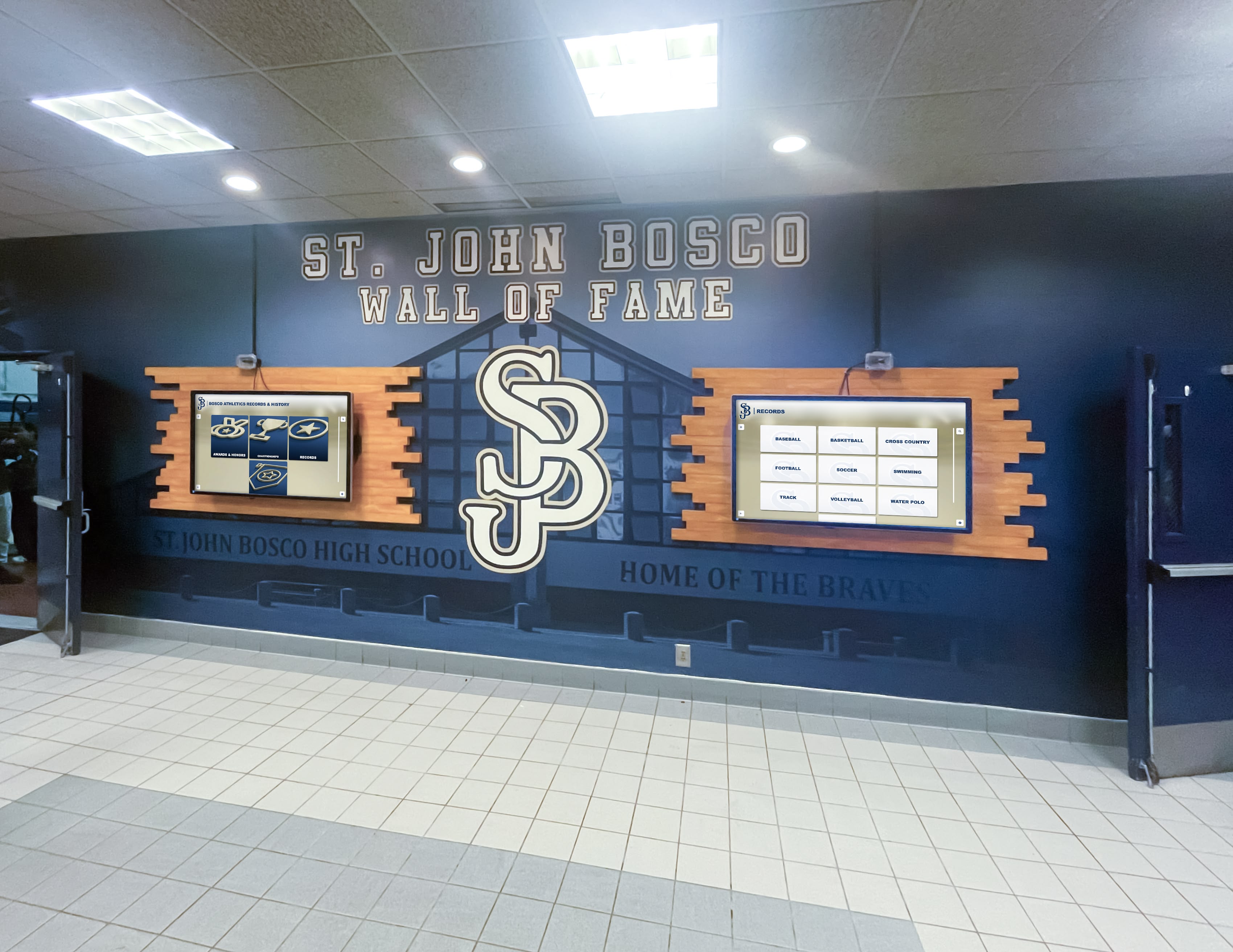
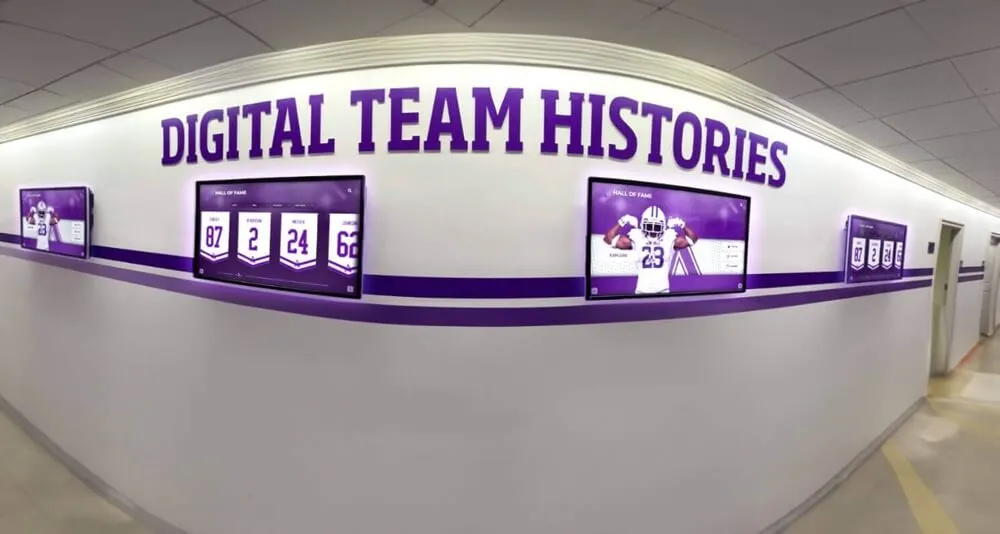
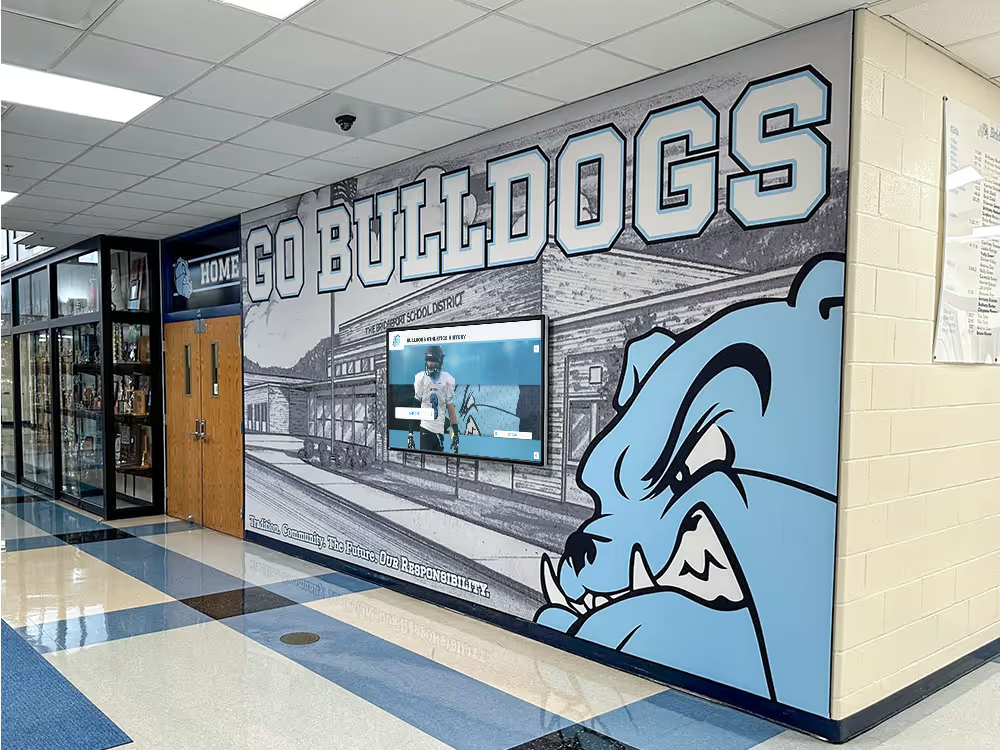
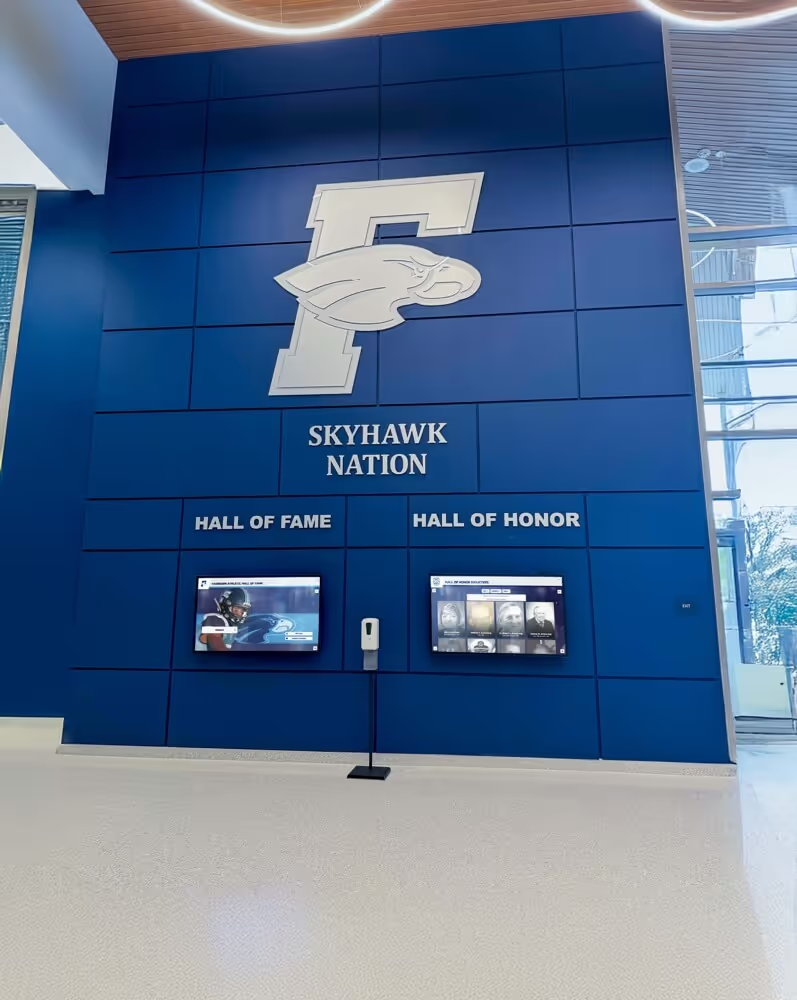
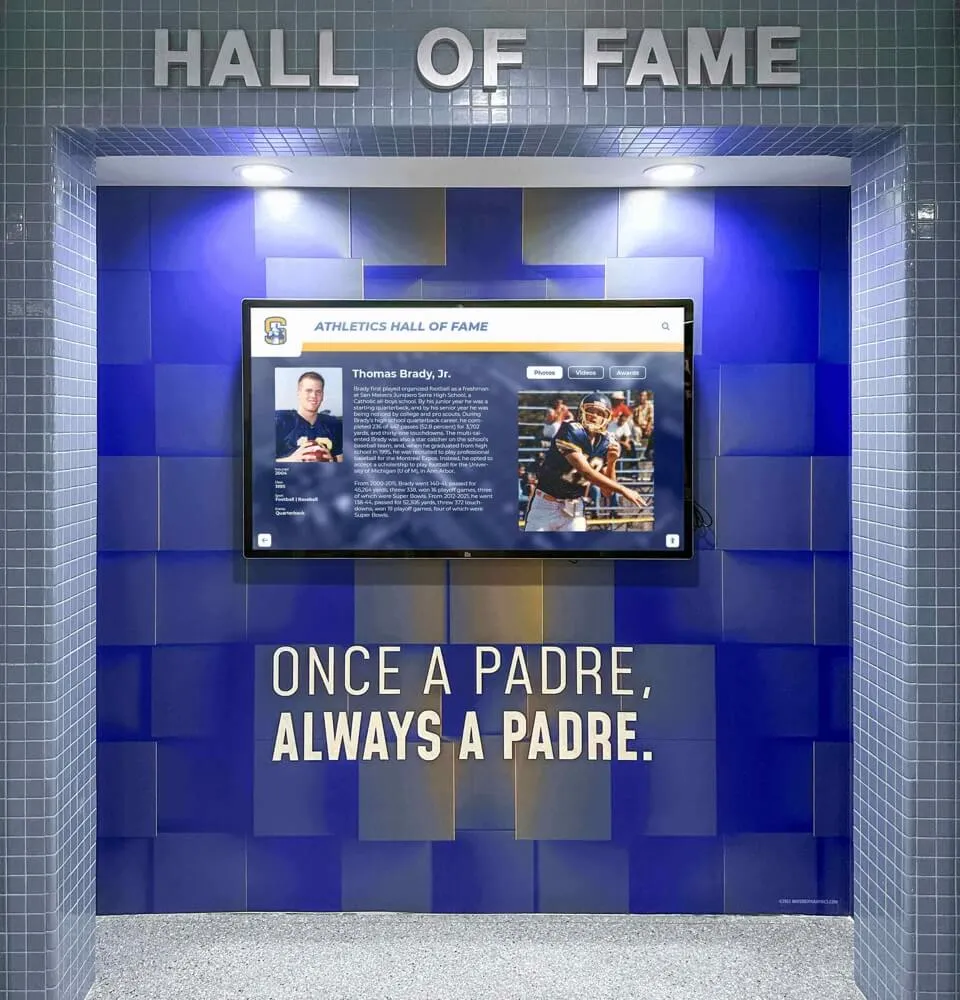
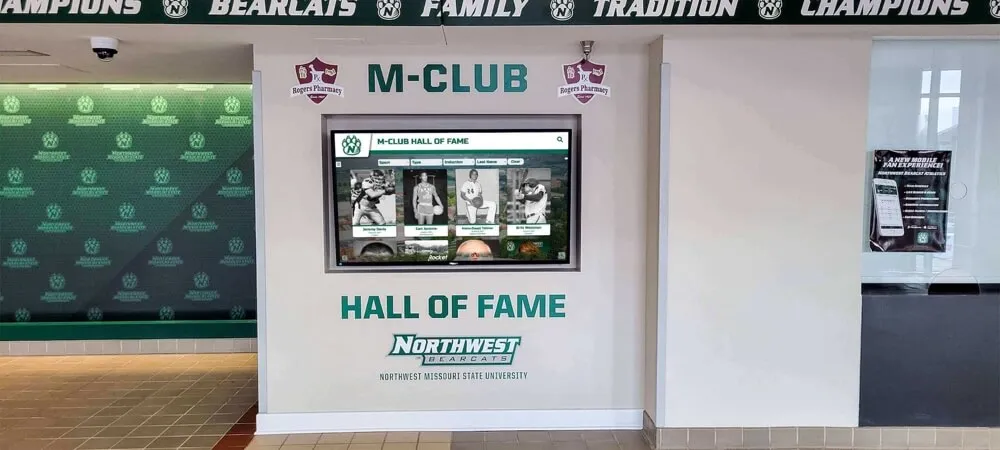
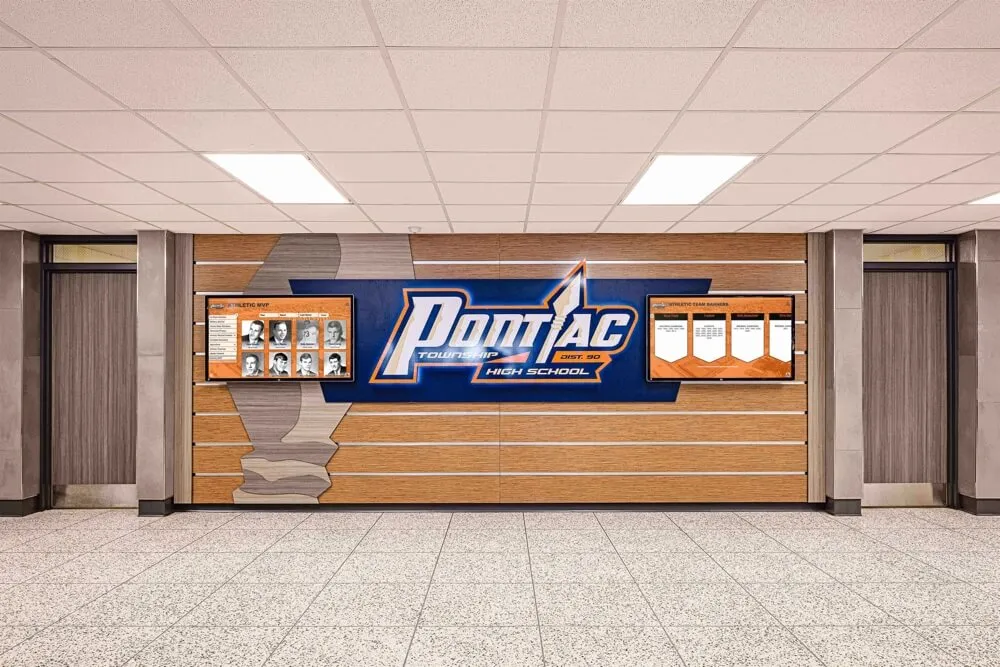
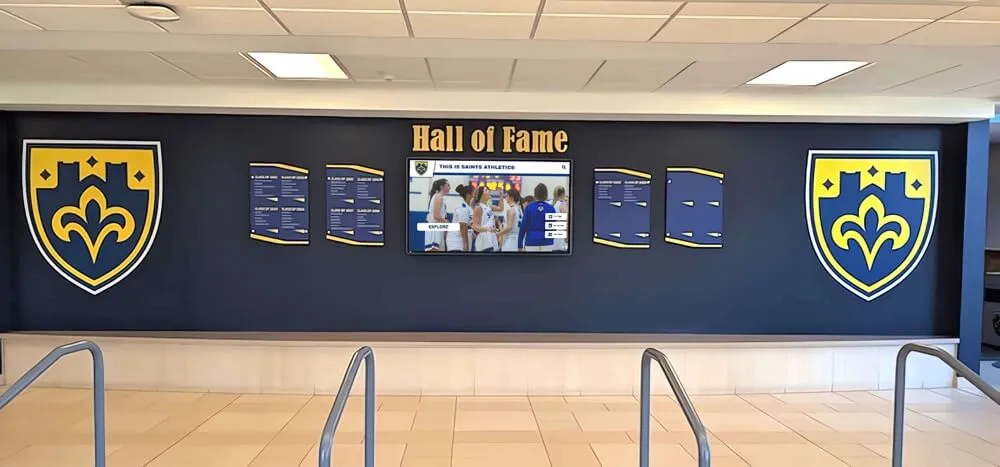
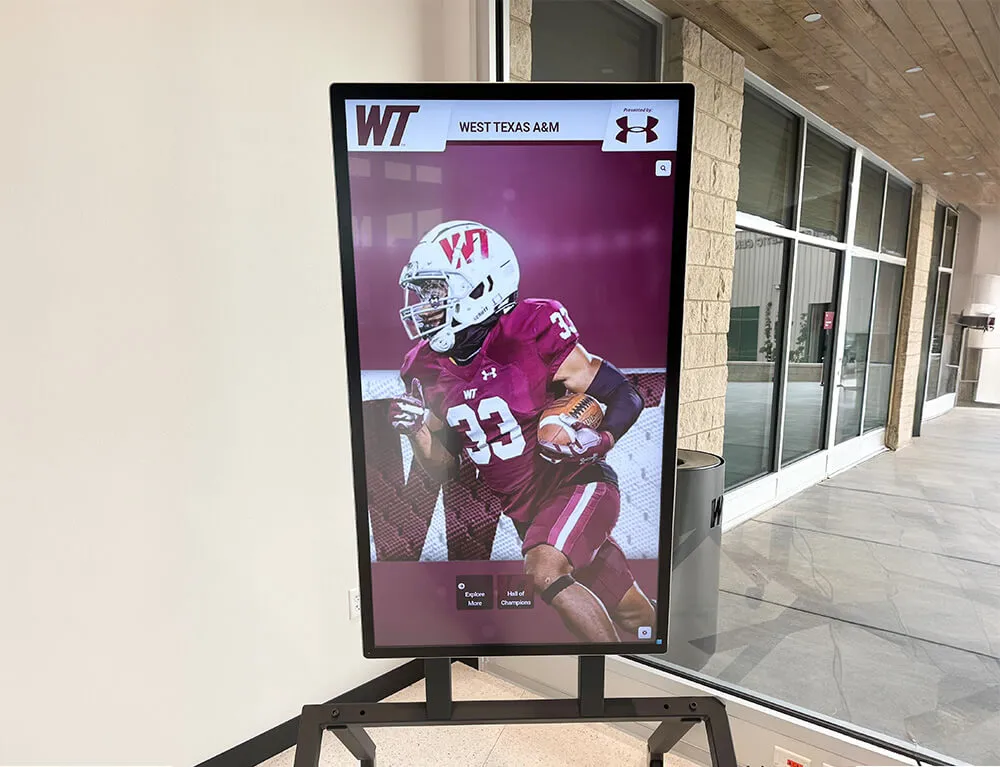
Dual-screen hallway displays give schools room to show both athlete recognition and student section culture side by side
Student Section Themes and Homecoming Week Integration
Homecoming week is the most natural moment to integrate student section themes into a full-week spirit program. Each day of the week builds toward the game-day theme—and the game-day theme serves as the visual peak of the entire week’s effort.
A coordinated homecoming week might look like:
| Day | Spirit Week Theme | Student Section Connection |
|---|---|---|
| Monday | Pajama Day | “Dream Season” social posts teasing the game-day theme |
| Tuesday | Decade Day | Preview the main theme if it’s era-based |
| Wednesday | Twin Day | Student section “match” commitment posts on social |
| Thursday | School Colors Day | Full school color preview; builds to game-day intensity |
| Friday | Game Day | Main student section theme; full documentation effort |
Homecoming traditions that anchor spirit week programming to an actual game create the strongest combination of community engagement and recognizable identity—because the week’s energy has an endpoint that produces permanent photo documentation.
Game-Day Photography Archives and Digital Displays
A student section photo taken at this year’s homecoming game is most valuable on three timelines: immediately (social media), seasonally (yearbook), and permanently (recognition wall archive).
Most schools handle the first two well. The third—permanent archiving in a display system that remains accessible years later—is where programs fall short.
What a permanent archive requires:
Consistent naming and tagging. Photos stored as “IMG_4523.jpg” cannot be searched or identified five years from now. A consistent naming convention—year, event, theme, section—allows future staff to find specific images without scrolling through thousands of files.
A centralized storage system. School photo archives that live on individual staff computers are lost when those staff members leave. Centralized cloud-based storage that transfers with the school’s digital assets is the only reliable long-term solution.
Display infrastructure that can accommodate new content. Physical displays—framed photos on a wall—fill up. Digital touchscreen systems can hold unlimited content and can be updated remotely without construction or reprinting. For schools building student achievement tracking systems, the same infrastructure that tracks academic milestones can hold game-day photo galleries.
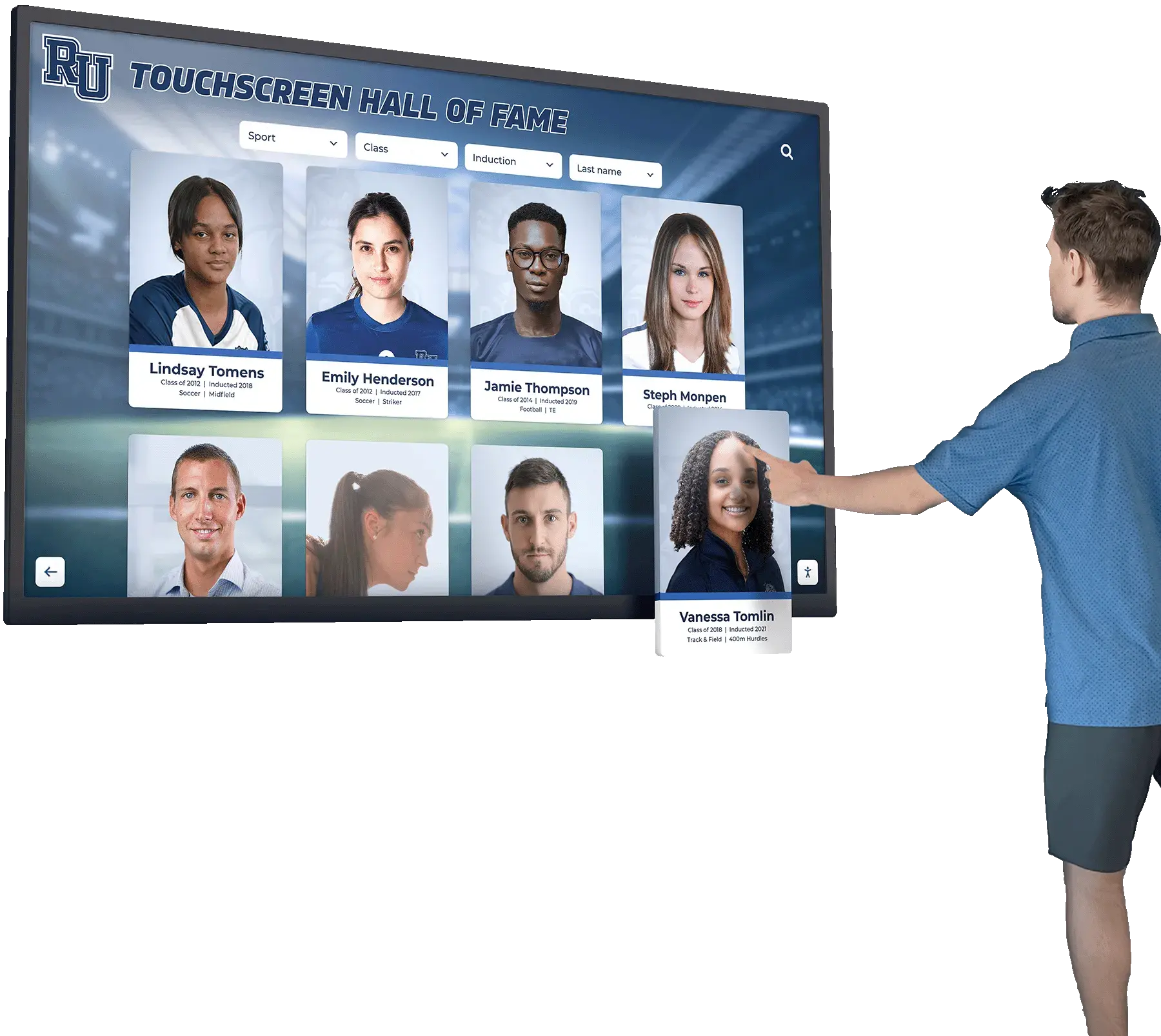
Schools using Rocket Alumni Solutions’ platform add game-day galleries directly to their touchscreen displays through a cloud-based CMS. Student section photos upload from any device, appear on the lobby screen within minutes, and are stored permanently alongside every other season’s content—no physical space limit, no reprint costs, no lost photos when staff turns over.
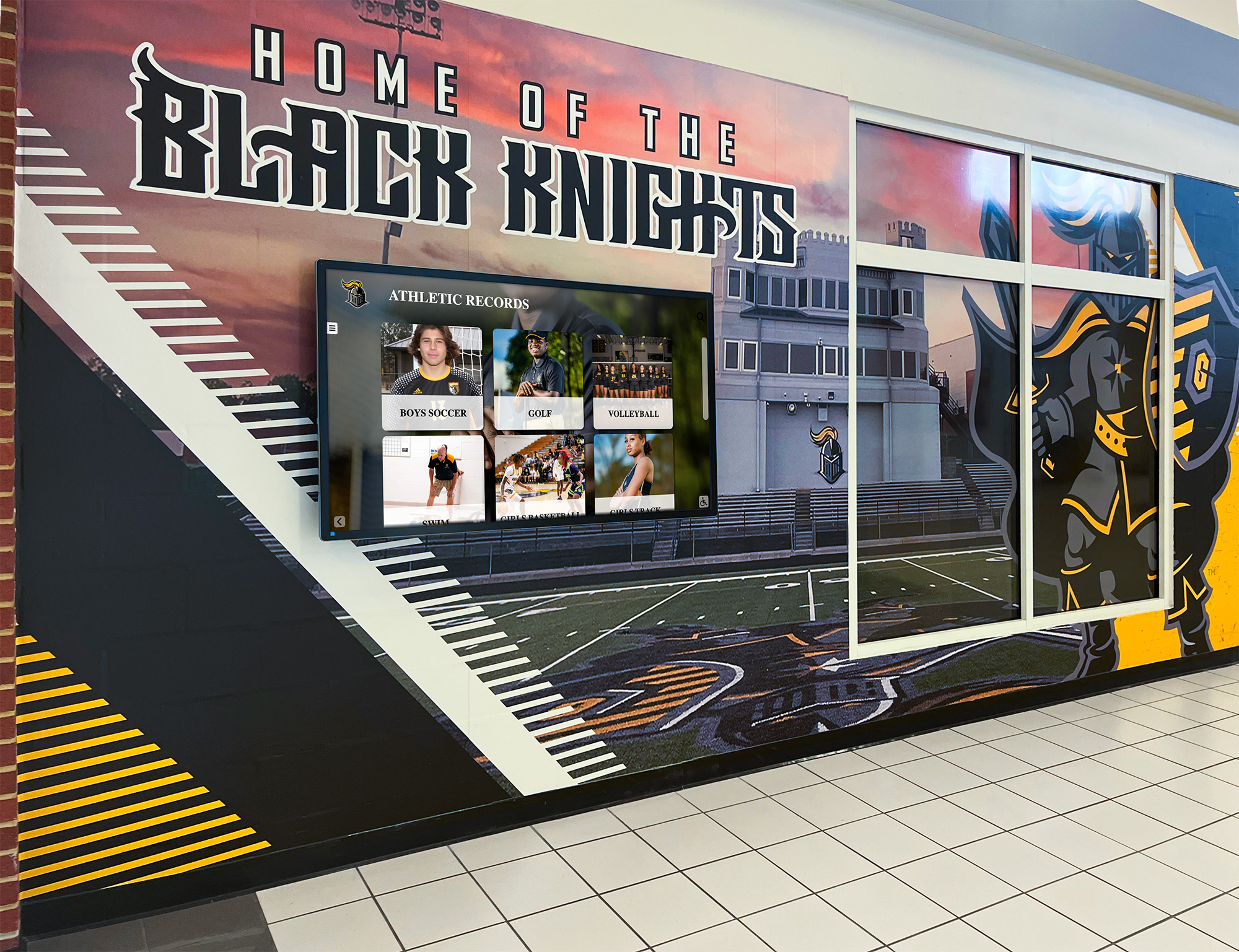
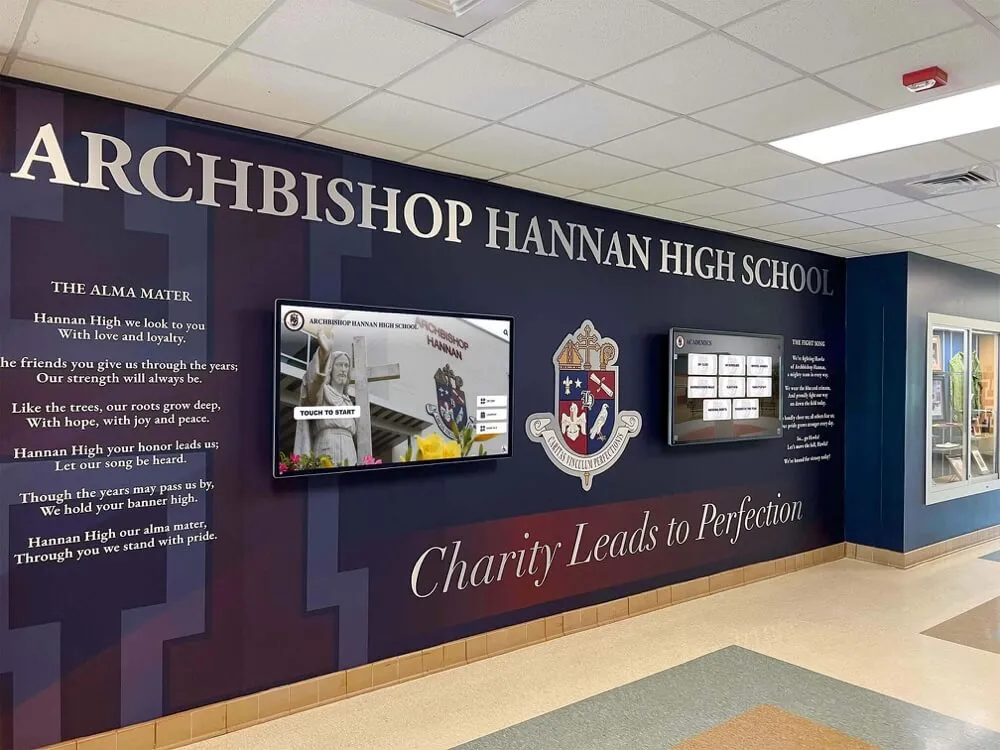
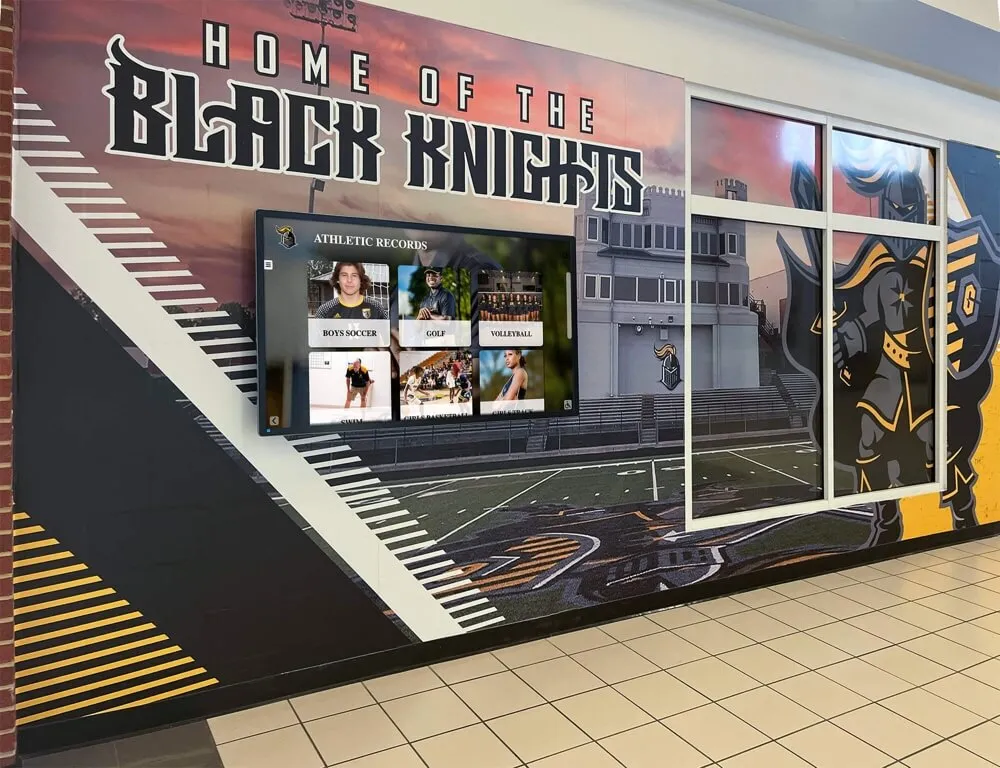
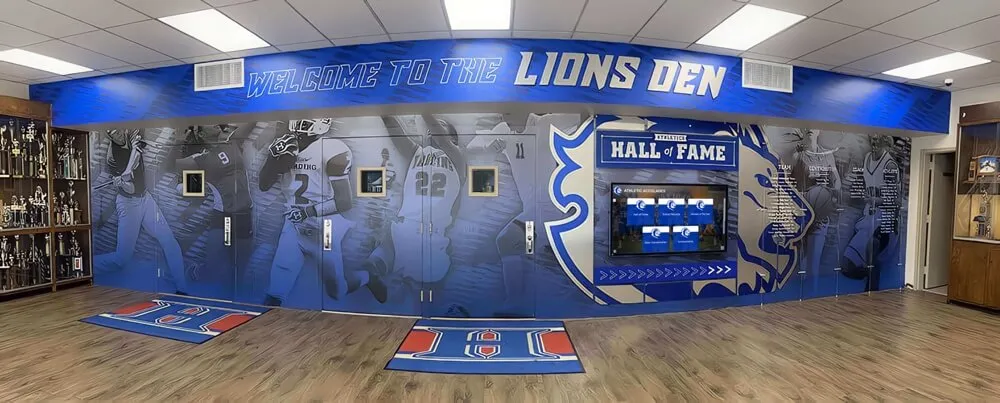
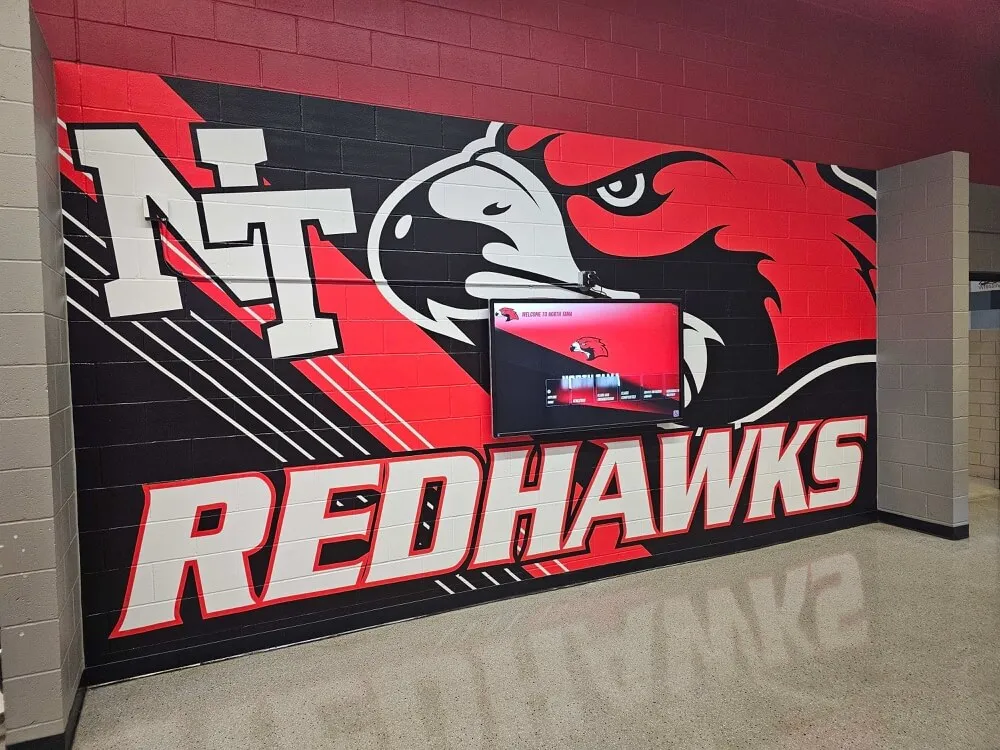
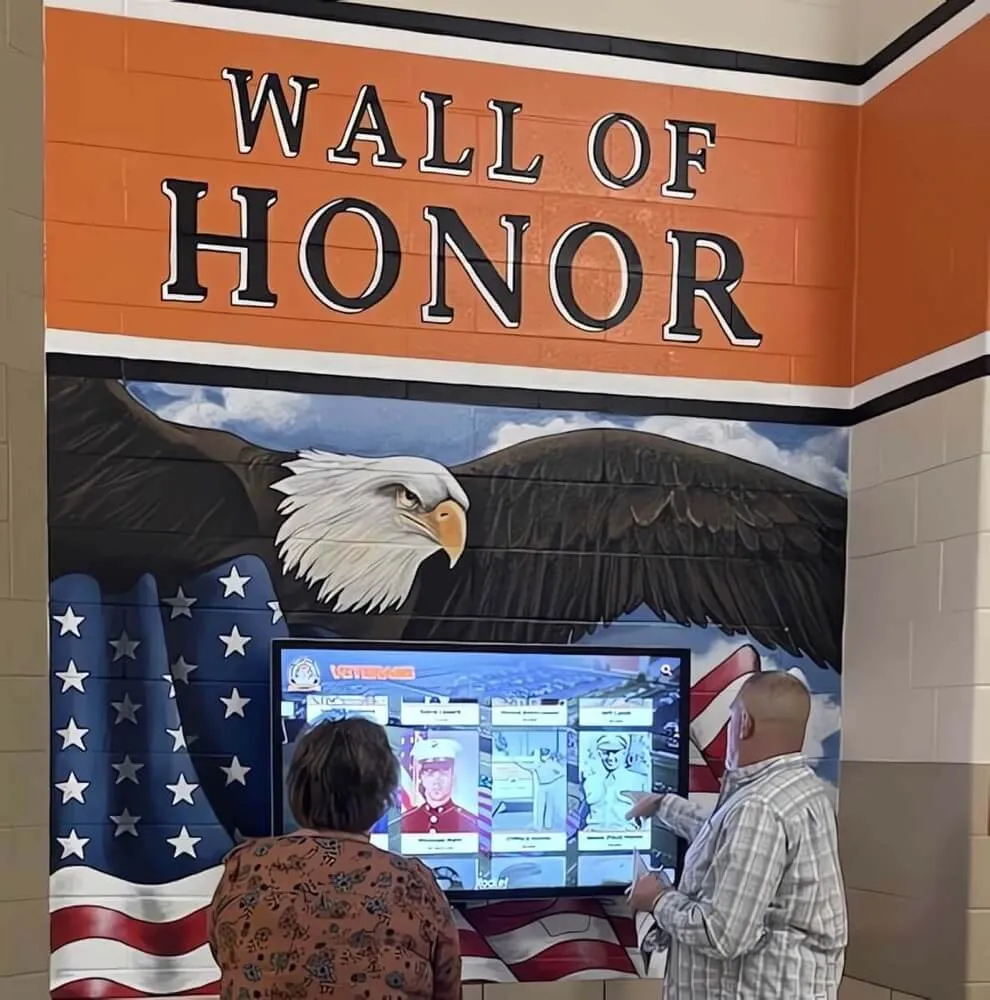
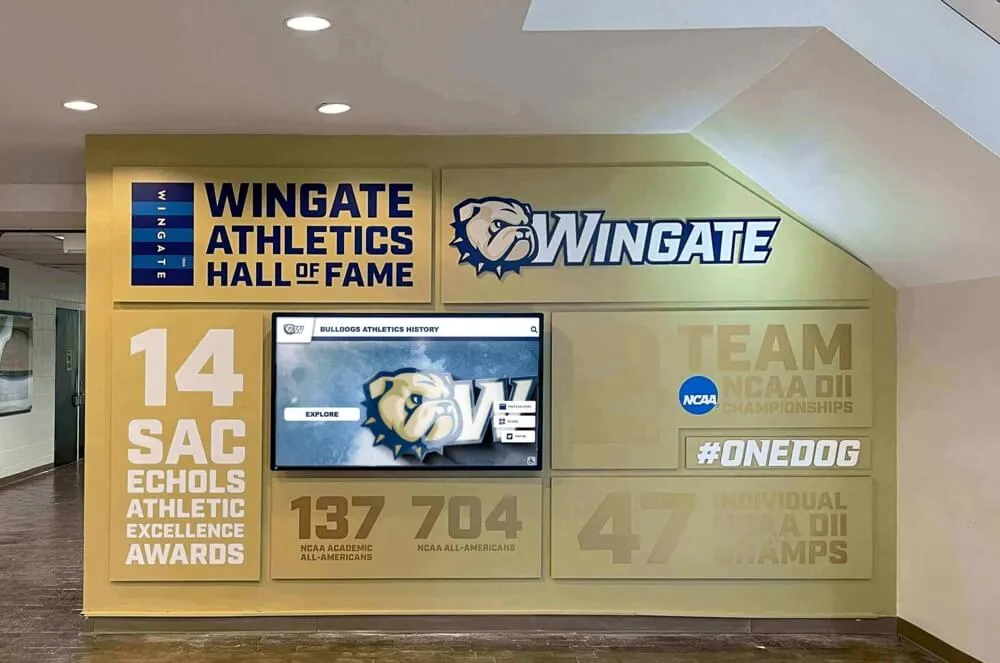
Combining painted murals with digital record boards gives schools the permanence of tradition alongside the flexibility of updated content
Display Integration: Where Student Section Content Lives Best
Not all display locations serve student section content equally. A few principles for placement:
Main lobby or atrium. The highest-traffic area in any school building—seen by students daily, by visitors on event nights, and by alumni when they return. Student section photos displayed here signal that the school values its fan culture, not just its athletic results.
Gymnasium or arena entrance. The approach to the game venue is the right moment to show students what they’re walking into and what traditions they’re continuing. A display showing ten years of Blackout Night photos at the gymnasium entrance primes students to participate before they find their seats.
Athletic hallway. Schools with dedicated athletics corridors often include trophy case areas alongside recognition walls. Adding a student section gallery to this corridor places fan culture in the same visual context as championship hardware—a signal that both contribute to the school’s identity.
Library and common areas. For schools where athletics and academics are both core identity pillars, displaying student section content in shared academic spaces signals that school spirit isn’t siloed in the gymnasium.
The goal is to make student section themes visible outside game context—so that students who weren’t there can see what they missed, and students who were there can point to it as something they were part of.
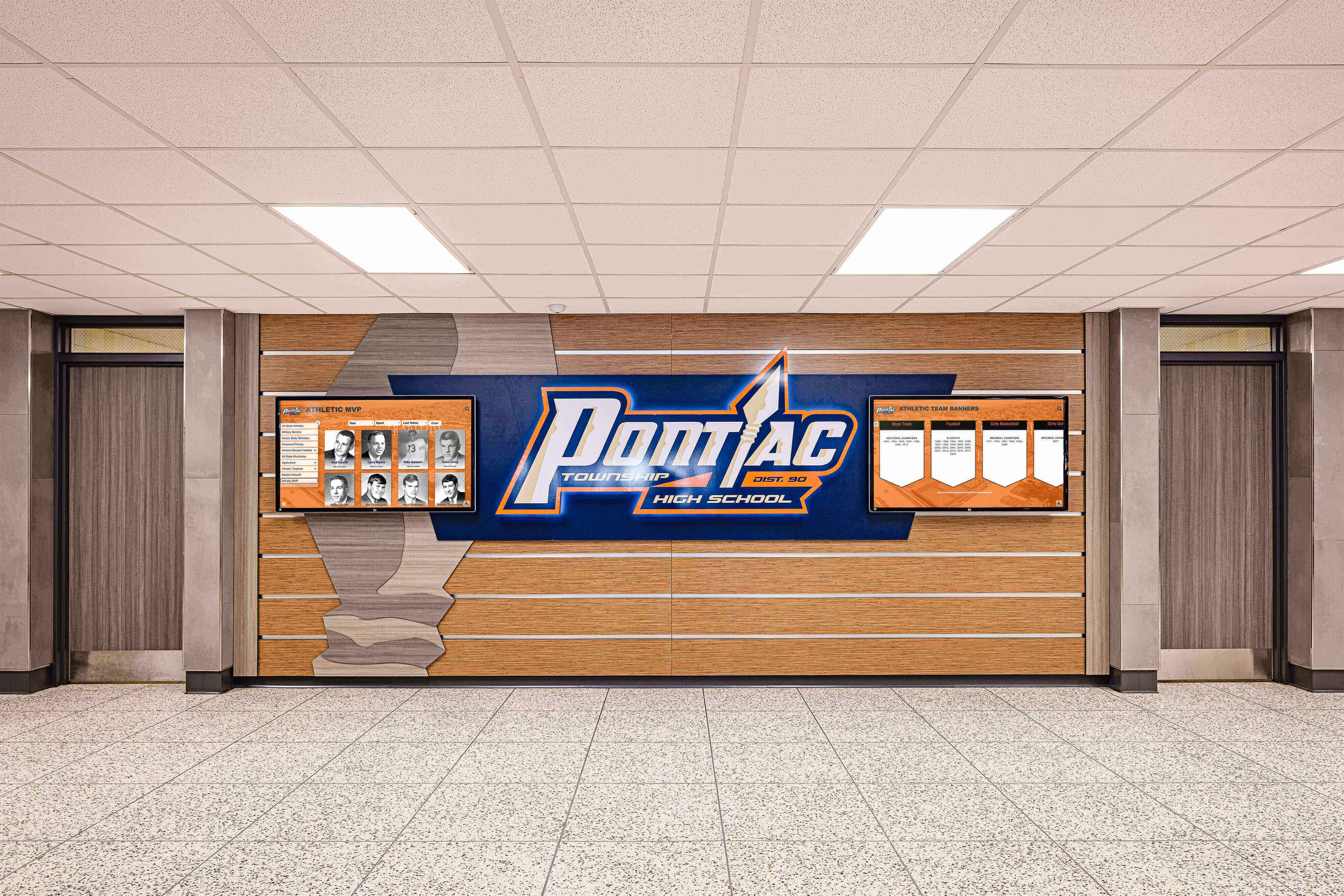
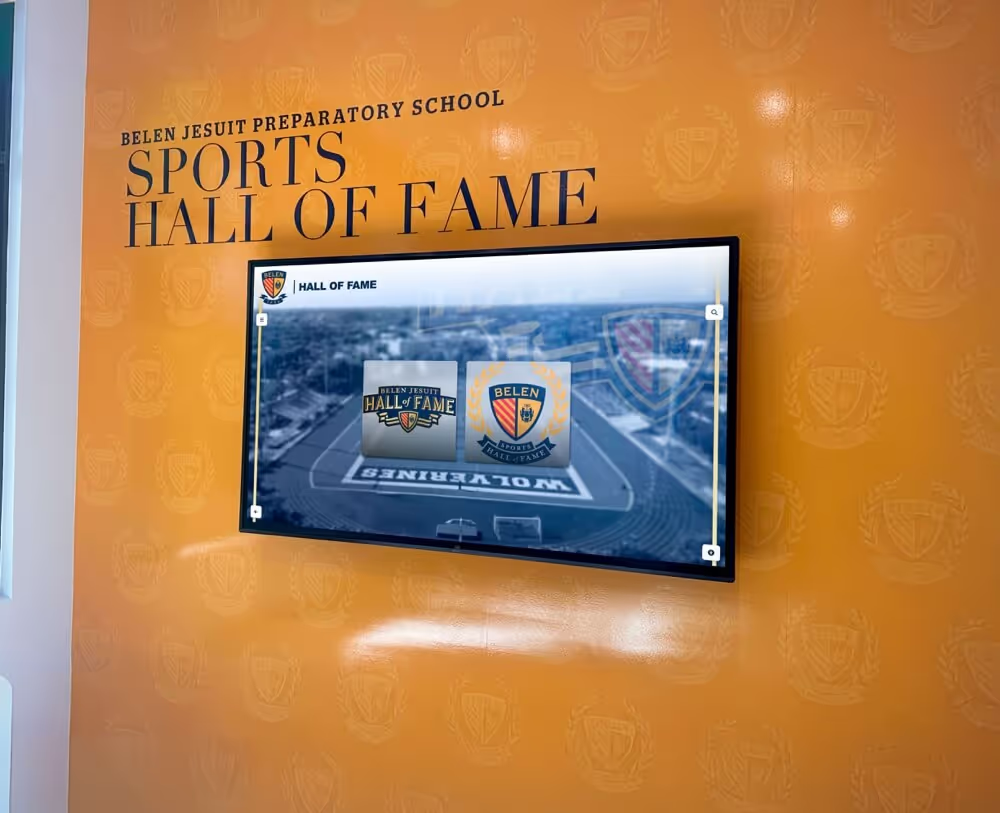
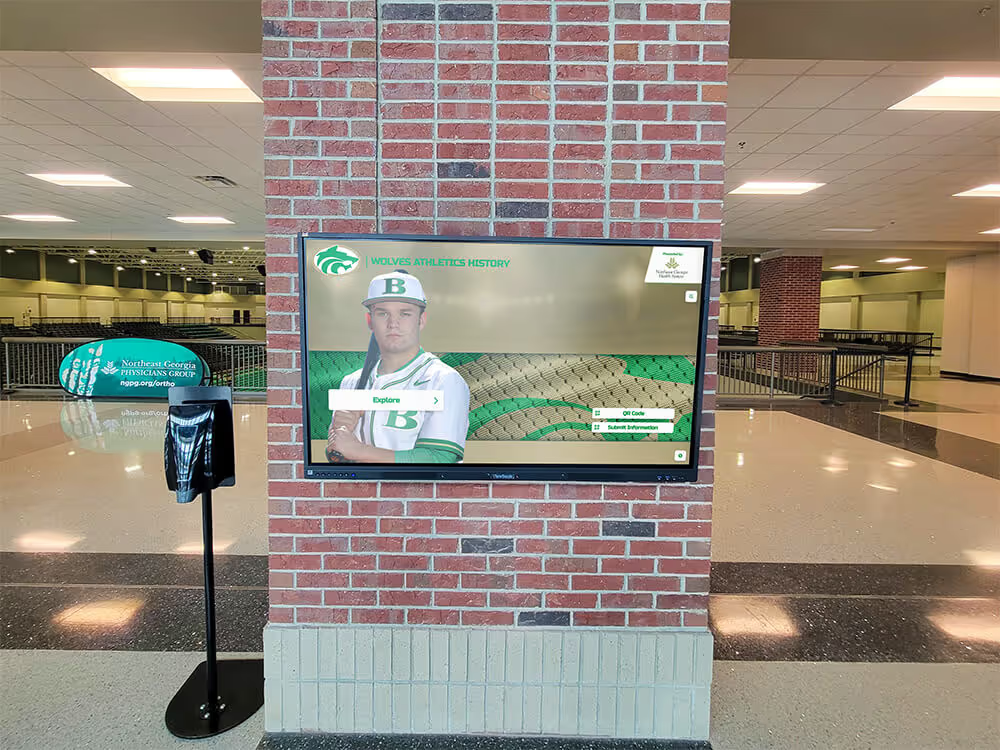
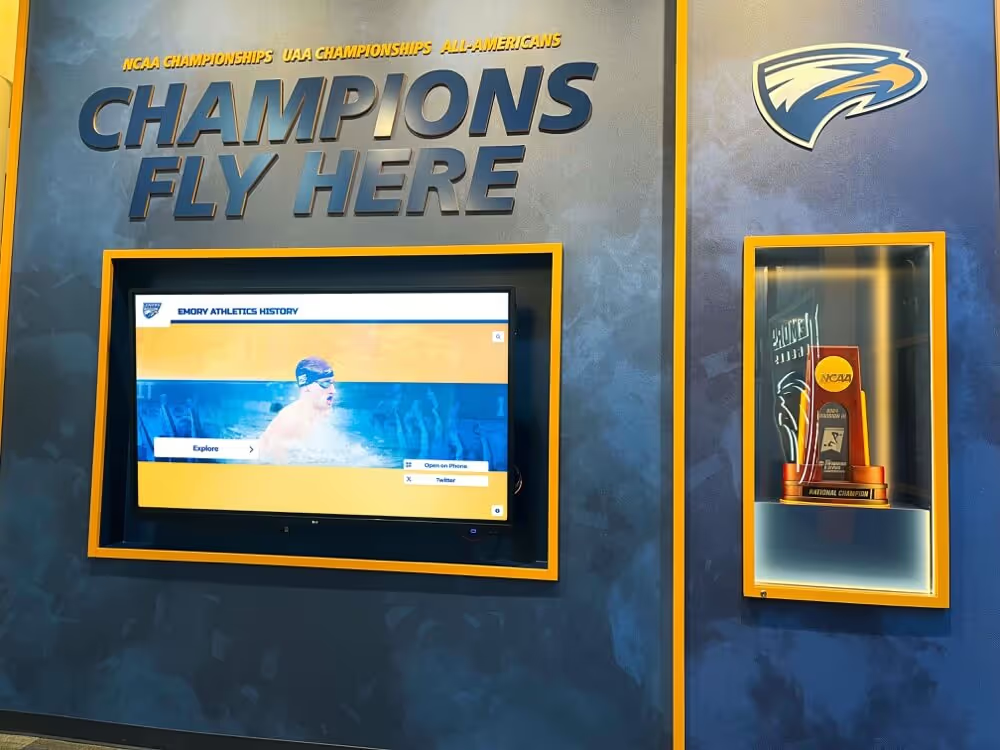
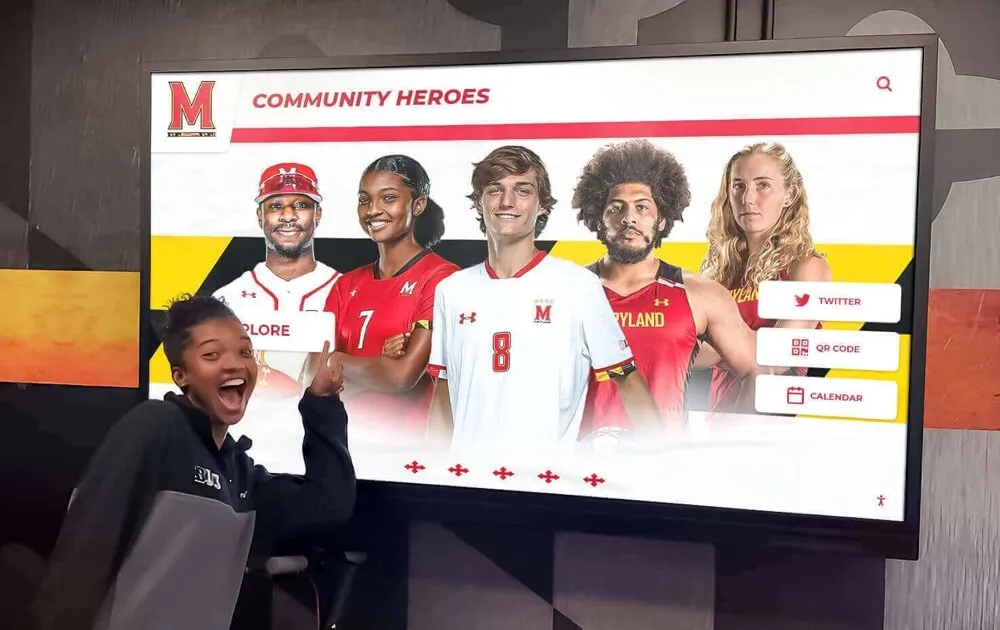
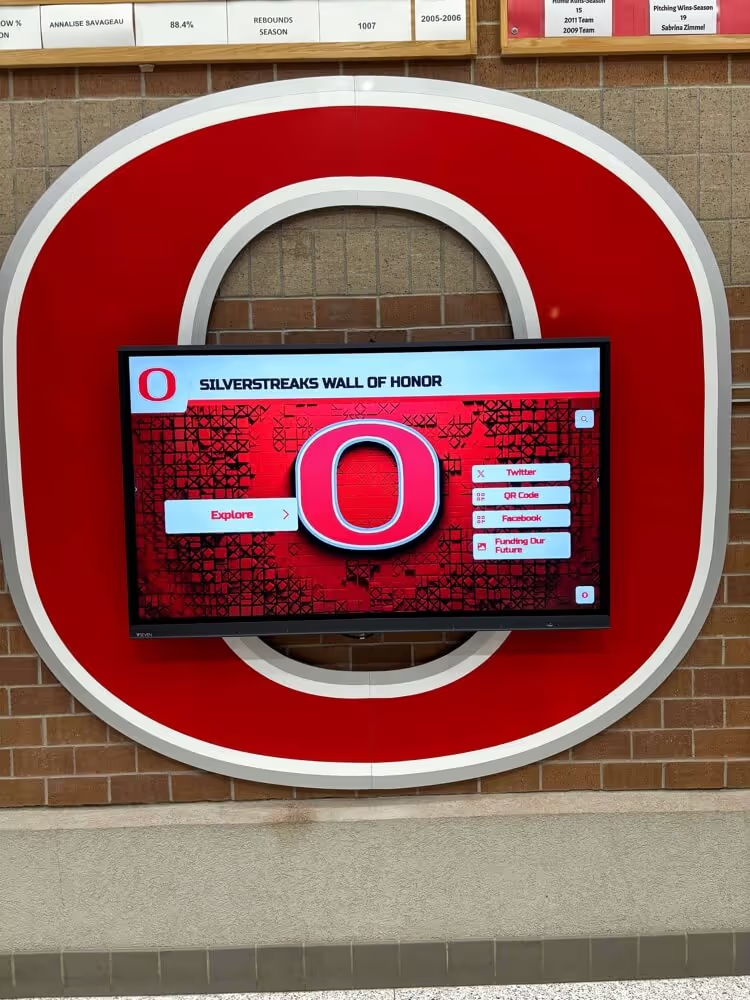
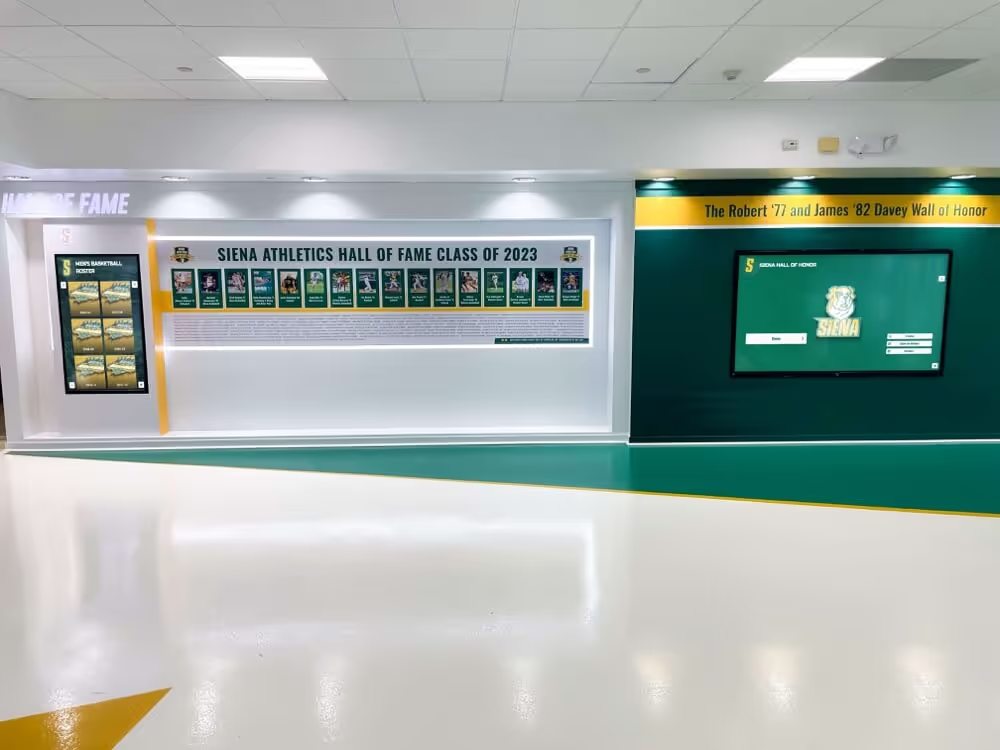
Athletic honor walls that incorporate game-day culture alongside individual achievement create a more complete picture of what the school values
Reusable Planning Template: Annual Student Section Theme Calendar
Copy and adapt this framework for planning a full athletic season’s themed game schedule:
Fall Season (Weeks 1–10)
| Week | Game Type | Proposed Theme | Photo Lead | Archive Target |
|---|---|---|---|---|
| Week 1 | Season Opener | Future Grad Night | [Name TBD] | Season gallery |
| Week 3 | Home Conference | Blackout Night | [Name TBD] | Theme archive |
| Week 6 | Homecoming | School Colors Pride | [Name TBD] | Homecoming archive |
| Week 8 | Senior Night | Senior Tribute Theme | [Name TBD] | Senior class archive |
| Week 10 | Rivalry Game | Rivalry Blackout | [Name TBD] | Rivalry history wall |
Winter Season (Weeks 11–22)
| Week | Game Type | Proposed Theme | Photo Lead | Archive Target |
|---|---|---|---|---|
| Week 12 | Basketball Opener | Red-Out | [Name TBD] | Season gallery |
| Week 15 | Conference Night | Decade Night (80s) | [Name TBD] | Theme archive |
| Week 18 | Senior Night | Senior Tribute | [Name TBD] | Senior archive |
| Week 22 | Playoff Run | Whiteout | [Name TBD] | Championship archive |
Spring Season (Weeks 23–32)
| Week | Game Type | Proposed Theme | Photo Lead | Archive Target |
|---|---|---|---|---|
| Week 24 | Baseball Opener | School Spirit Rally | [Name TBD] | Season gallery |
| Week 28 | Rivalry Weekend | Color Block | [Name TBD] | Rivalry archive |
| Week 32 | State Qualifier | Championship Neon | [Name TBD] | Championship archive |
Frequently Asked Questions About Student Section Themes
What is the most popular student section theme? Blackout Night consistently generates the highest participation rates across schools because the costume requirement is minimal—one piece of black clothing qualifies—while the visual effect is dramatic. It photographs well, it’s easy to communicate, and it works for any sport. Schools that run Blackout Night annually report that it becomes self-sustaining: students know to expect it and prepare without extensive prompting.
How far in advance should a student section theme be announced? A minimum of two weeks is required for reasonable participation in costume-based or coordination-heavy themes. For simple color themes, one week is workable. The announcement timing matters less than the number of times the theme is communicated—a theme announced once two weeks out will underperform a theme announced repeatedly across multiple channels starting three weeks out.
How do schools handle students who can’t afford costumes for themed nights? The best-designed themes require minimal or zero spending. Color themes (Blackout, Whiteout, Red-Out) require only a single piece of clothing in the right shade—most students own one. For decade or costume themes, student government can organize a “costume swap” where students loan items to each other. Schools that have faced this question explicitly often note that the answer is built into the theme design: accessible themes outperform expensive ones regardless of socioeconomic context.
What’s the best way to photograph a student section for archiving? Two positions produce the most useful archive photos: a shot from behind and above the section (showing the coordinated mass of students as a single visual unit) and photos from the floor or field level looking up into the section. Both require a designated photographer with access and a clear assignment. Phone photos taken from within the student section rarely produce archive-quality images.
How can schools connect student section themes to their hall of fame program? The most direct connection is the theme itself: a Hall of Fame Tribute Night, where the student section wears jerseys or holds portraits honoring inducted athletes, creates a live display that becomes a photo for the archive. Beyond that, annual game-day photos organized by season tie naturally to a hall of fame timeline—every season that produced a championship or a memorable themed night can be represented in both the athletic record and the student section gallery.
Conclusion: Themes Create Culture; Archives Preserve It
Student section themes are the visible surface of school identity. The energy in the bleachers, the color coordinated across hundreds of students, the photo that captures the moment—these are the things people remember. But they only matter long-term if they’re preserved.
Schools that build the archive infrastructure alongside the theme calendar end up with something more than a good game-day atmosphere. They end up with documented evidence of a culture that persists across graduating classes—a tradition that current students can see themselves joining and that alumni can see themselves as part of, no matter how many years have passed.
That’s what the best recognition programs do: they make temporary moments permanent. Every Blackout Night, every Whiteout, every Decade Night Throwback is another chapter in a story the school can tell about itself. The question isn’t whether those moments matter—it’s whether the school is building the systems to keep them.
Ready to turn your game-day student section culture into a permanent part of your school’s recognition story? Rocket Alumni Solutions builds interactive digital displays for schools that archive every season’s photos, connect game-day energy to hall of fame tradition, and give every student a place in the institution’s permanent record—touchscreen systems that update remotely, display beautifully, and hold unlimited content without physical space constraints.
Live Example: Rocket Alumni Solutions Touchscreen Display
Interact with a live example (16:9 scaled 1920x1080 display). All content is automatically responsive to all screen sizes and orientations.