



Student of the Month award programs have become cornerstone recognition initiatives in schools nationwide, celebrating students who demonstrate outstanding academic performance, character, leadership, and citizenship. Each month, schools identify and honor exceptional students whose dedication and positive contributions exemplify institutional values, creating visible role models that inspire peers while building cultures where excellence becomes aspirational across the entire student body.
Yet many schools struggle to implement Student of the Month programs that achieve meaningful impact beyond brief announcements. Recognition often remains limited to certificates handed out during morning announcements, names posted temporarily on bulletin boards, or photos hung briefly in hallways before being replaced by next month’s recipients. These fleeting acknowledgments fail to create the sustained visibility and celebration that maximize motivational impact while preserving institutional recognition history.
This comprehensive guide explores evidence-based strategies for designing, implementing, and sustaining Student of the Month award programs through clear selection criteria, engaging recognition formats, digital display systems, and systematic celebration approaches that appropriately honor individual achievement while inspiring continued excellence throughout school communities.
Effective Student of the Month recognition extends far beyond simply identifying exemplary students—it creates comprehensive systems that celebrate diverse forms of excellence while ensuring recognition remains meaningful, equitable, and aligned with educational values that schools work to instill in all students.

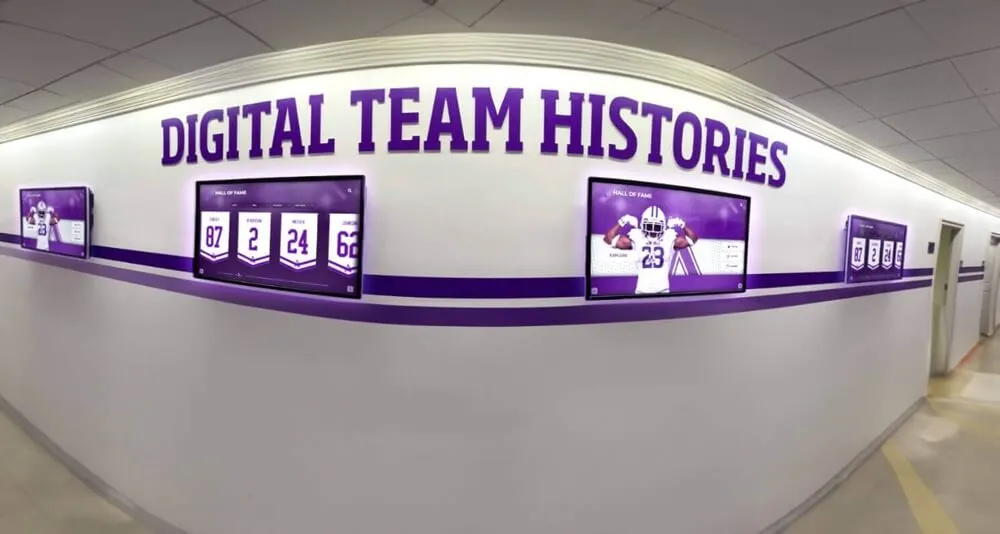
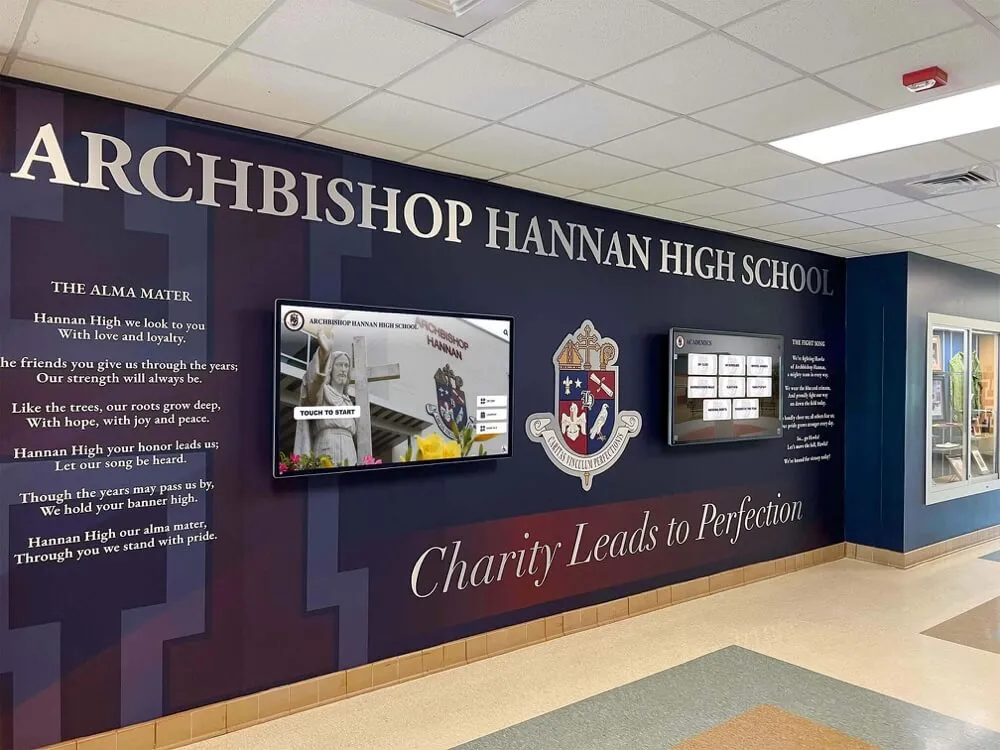
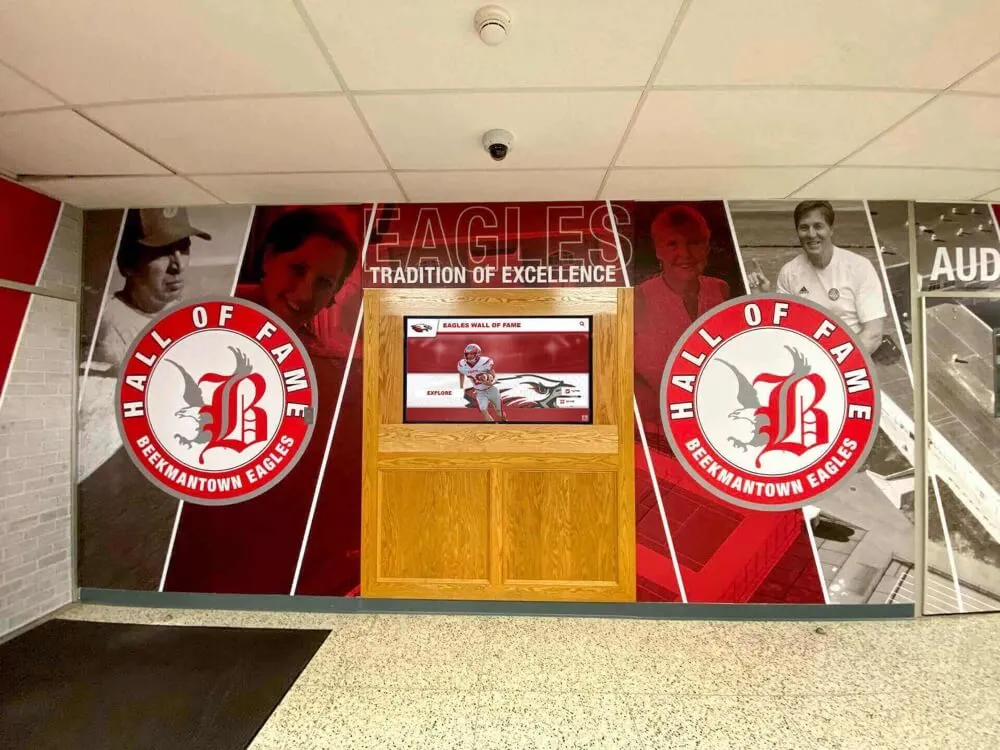
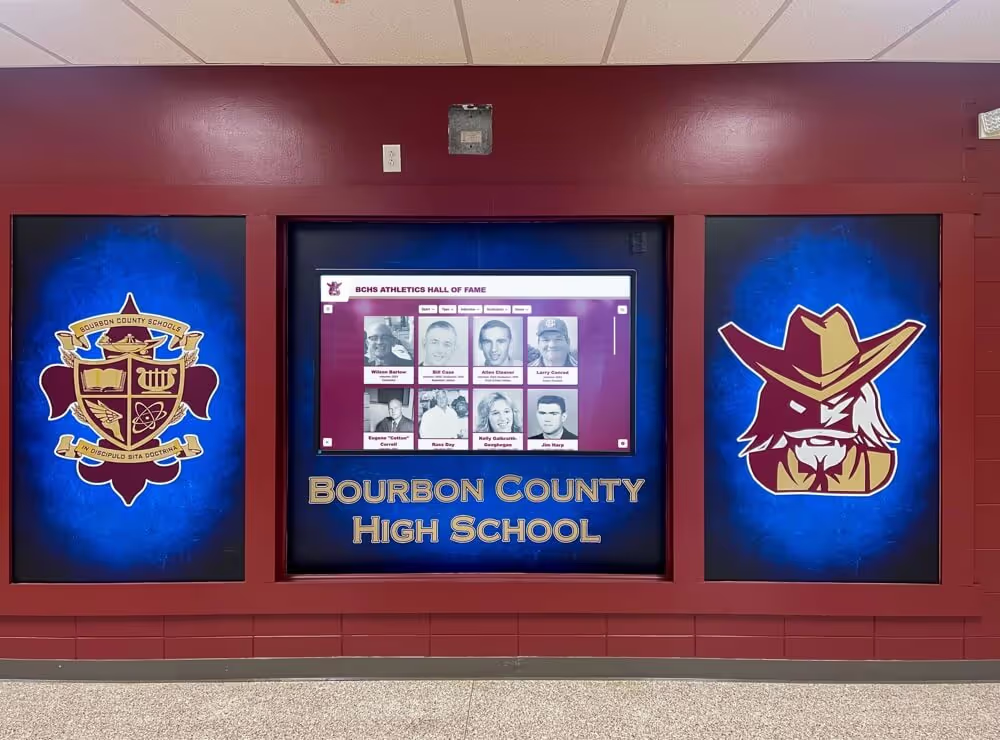
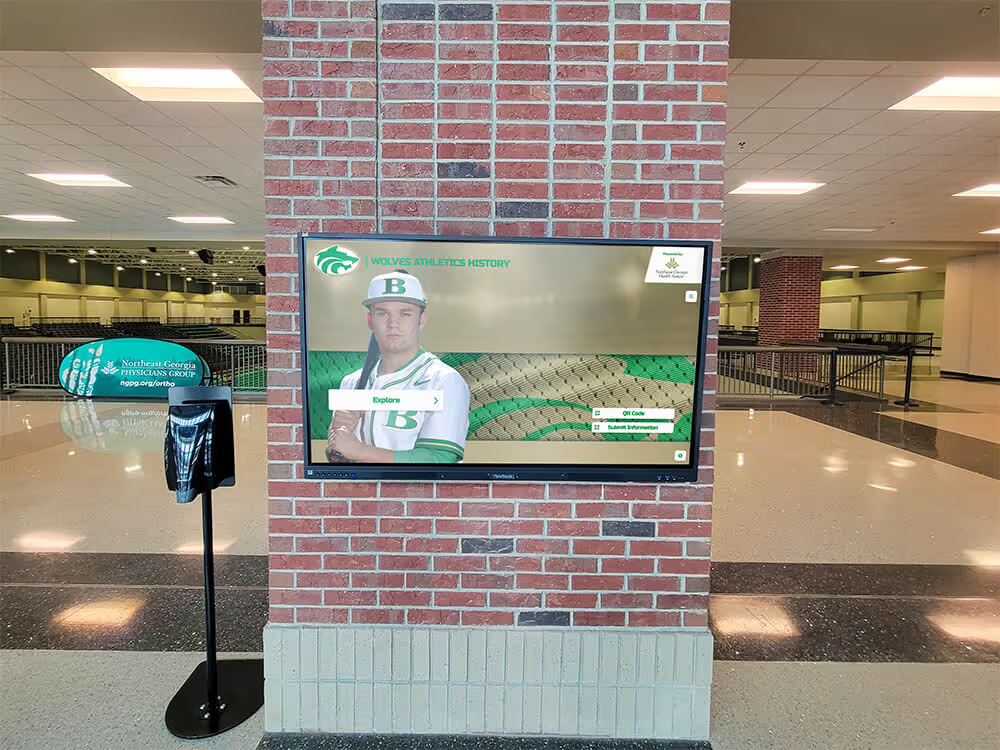
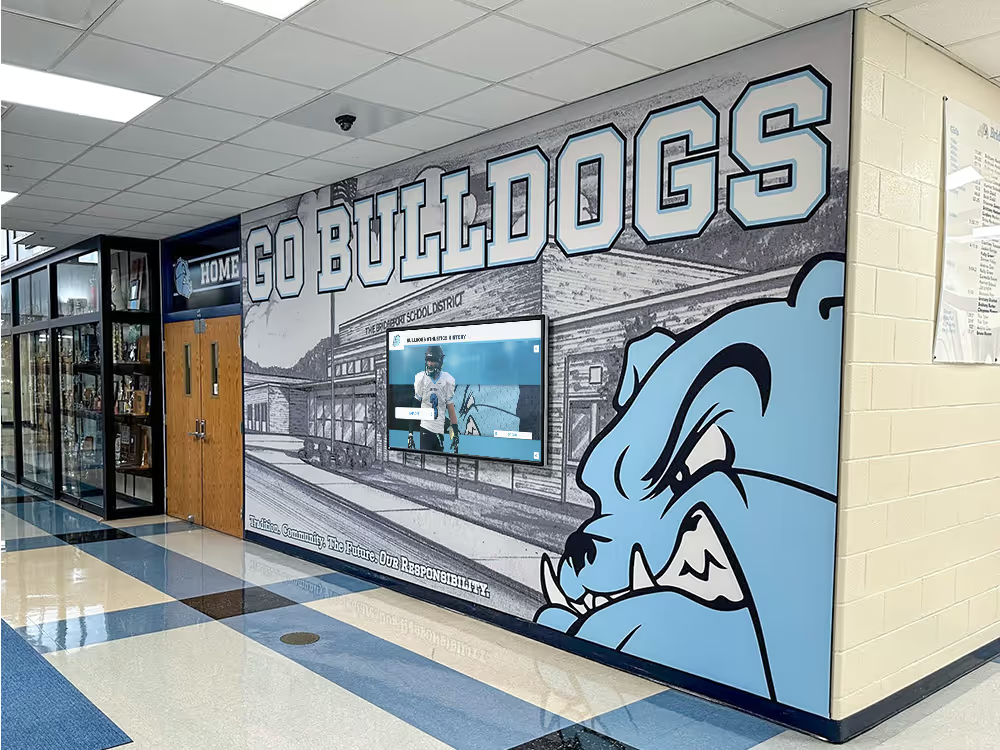
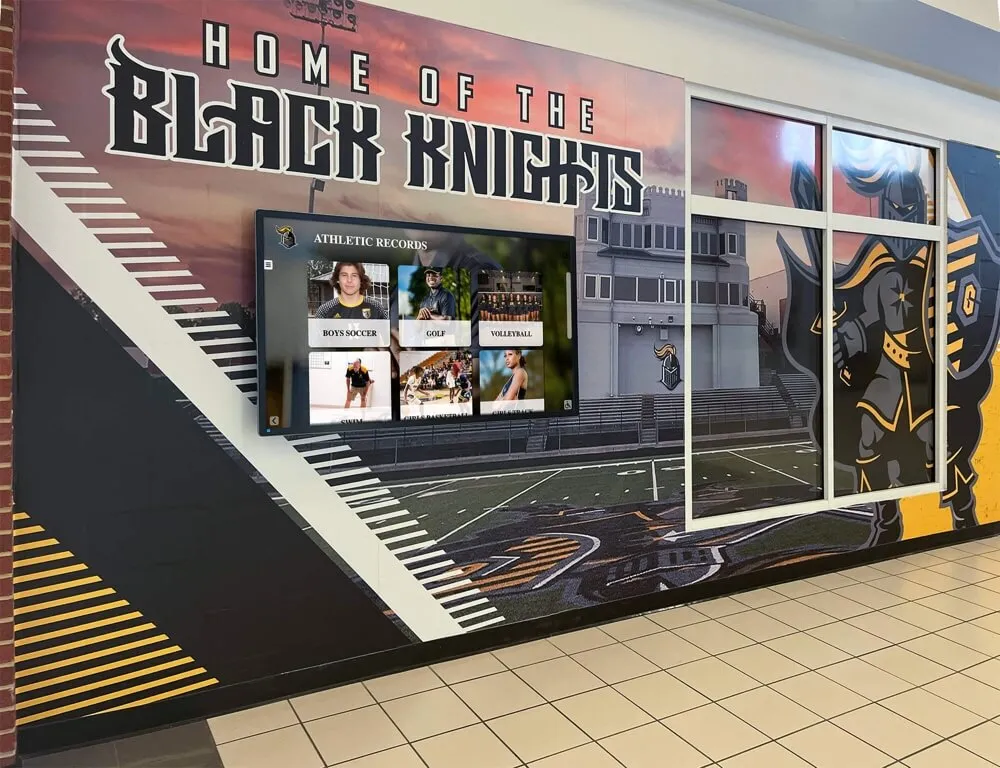
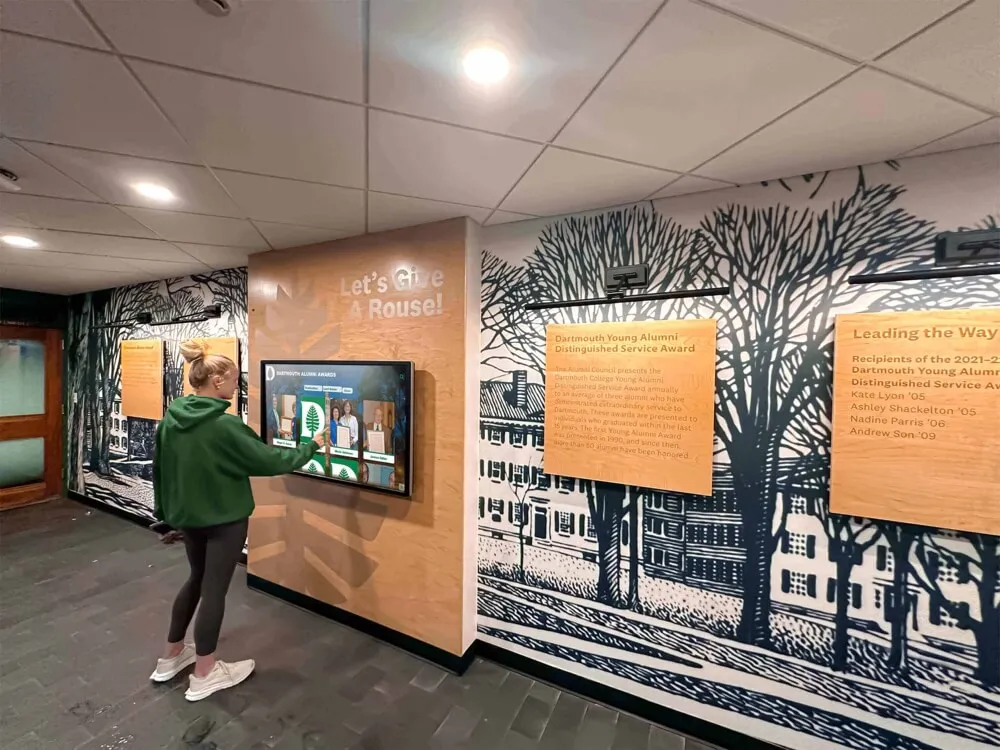
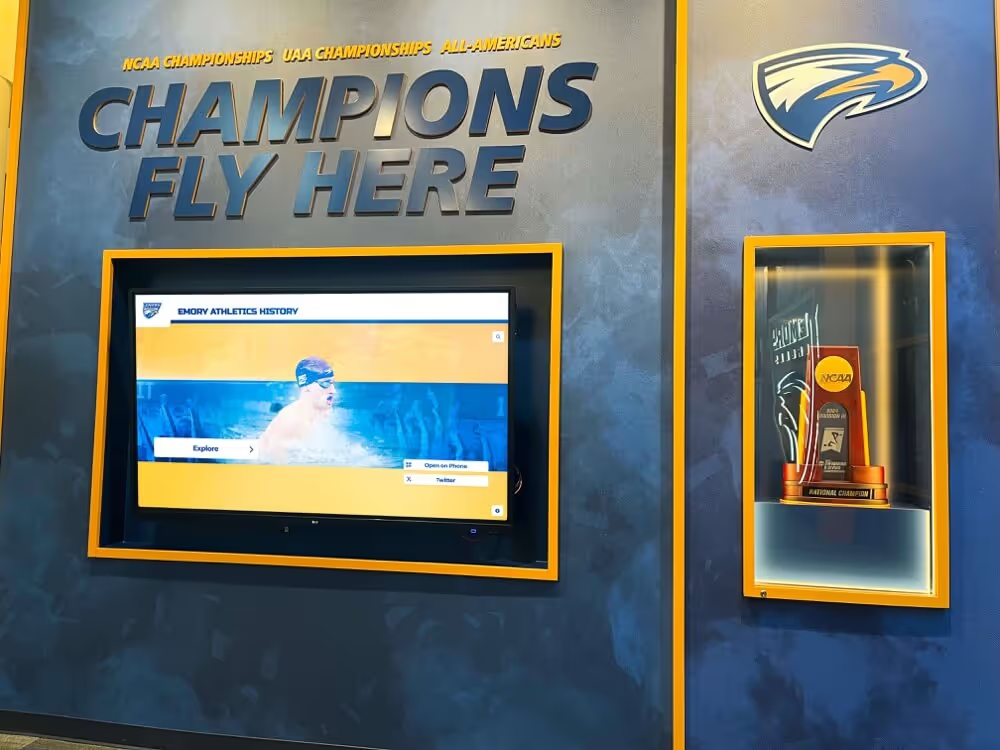
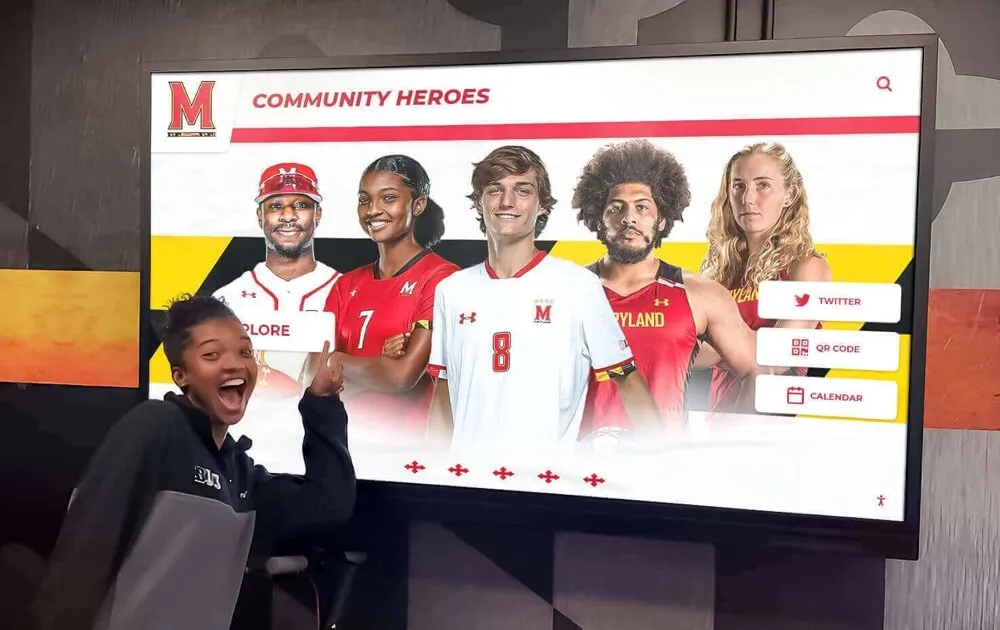
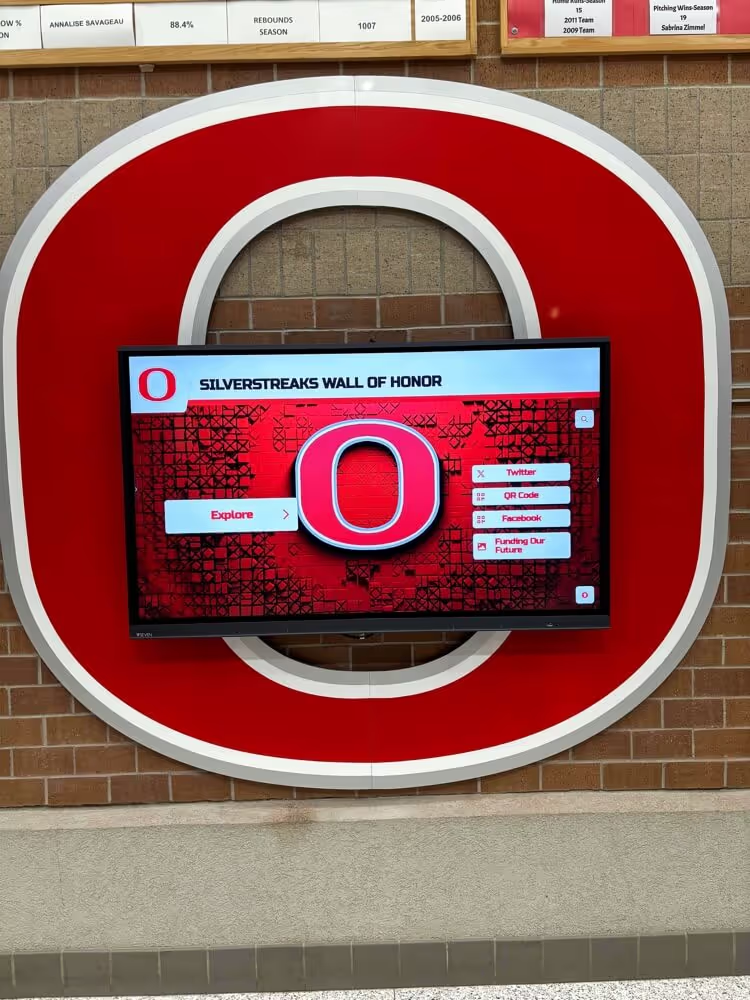
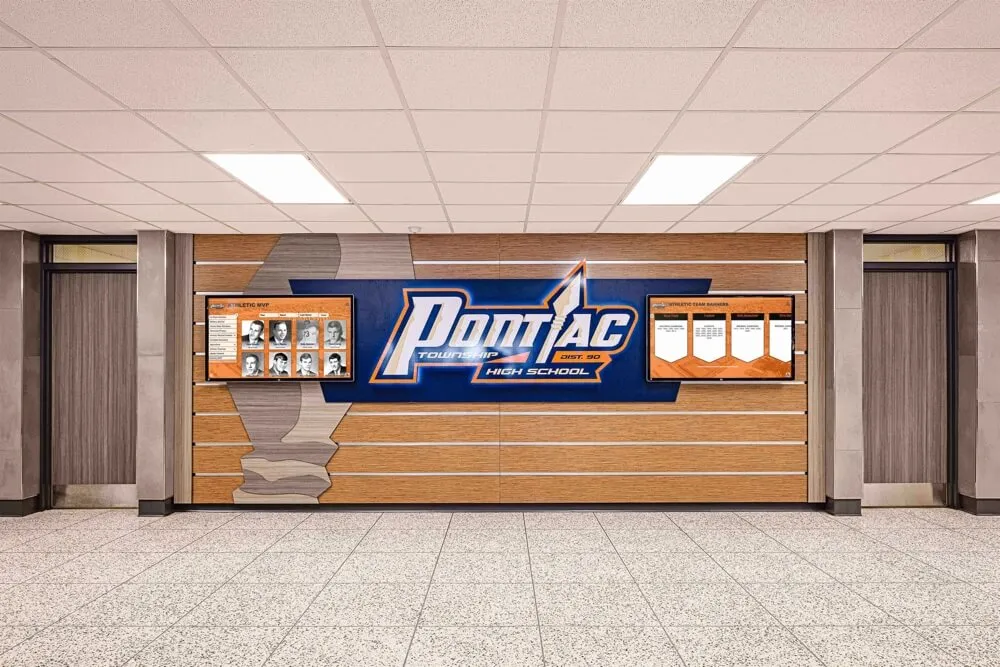
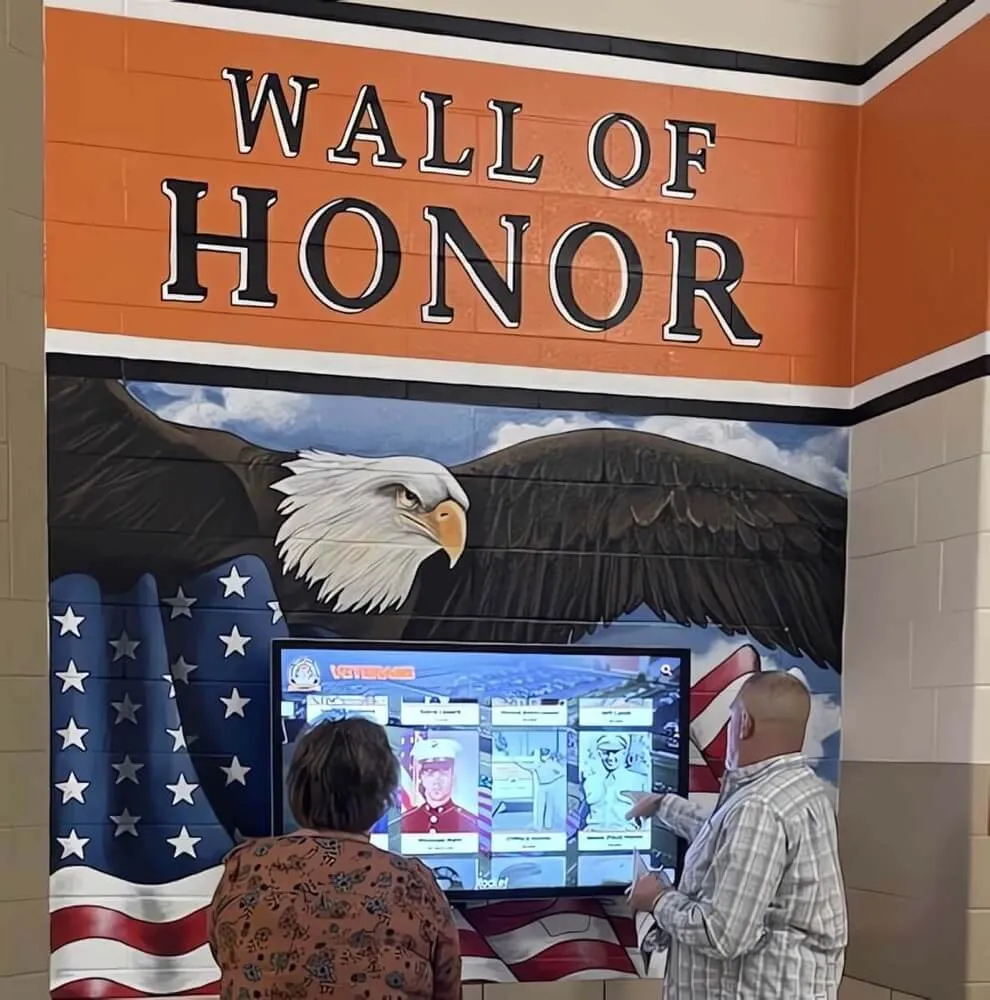
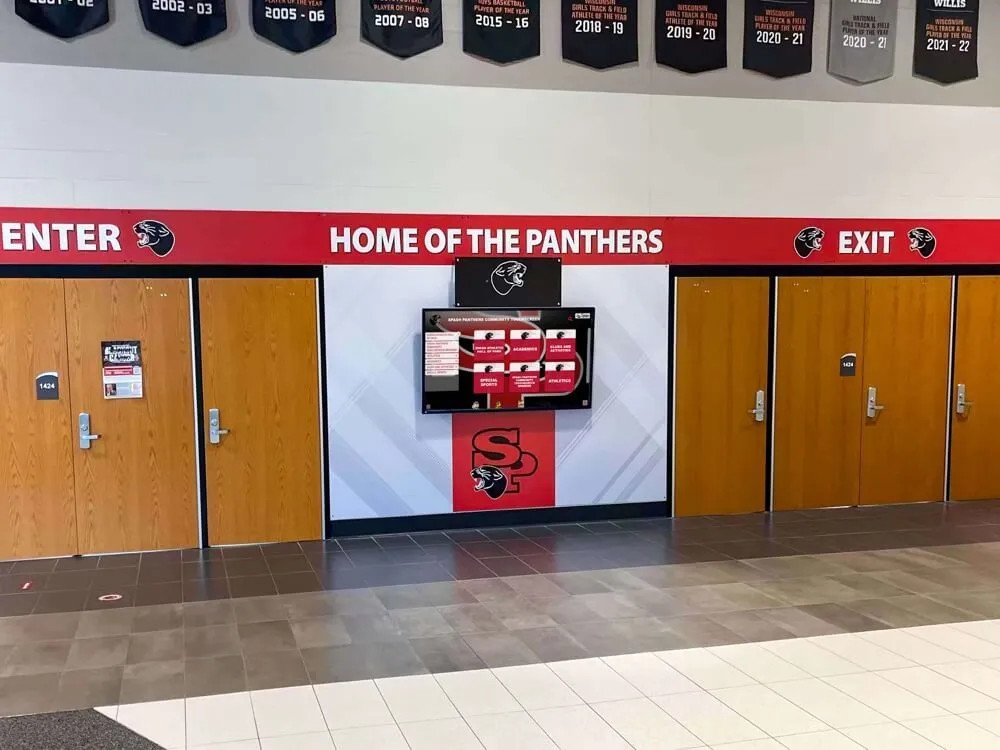
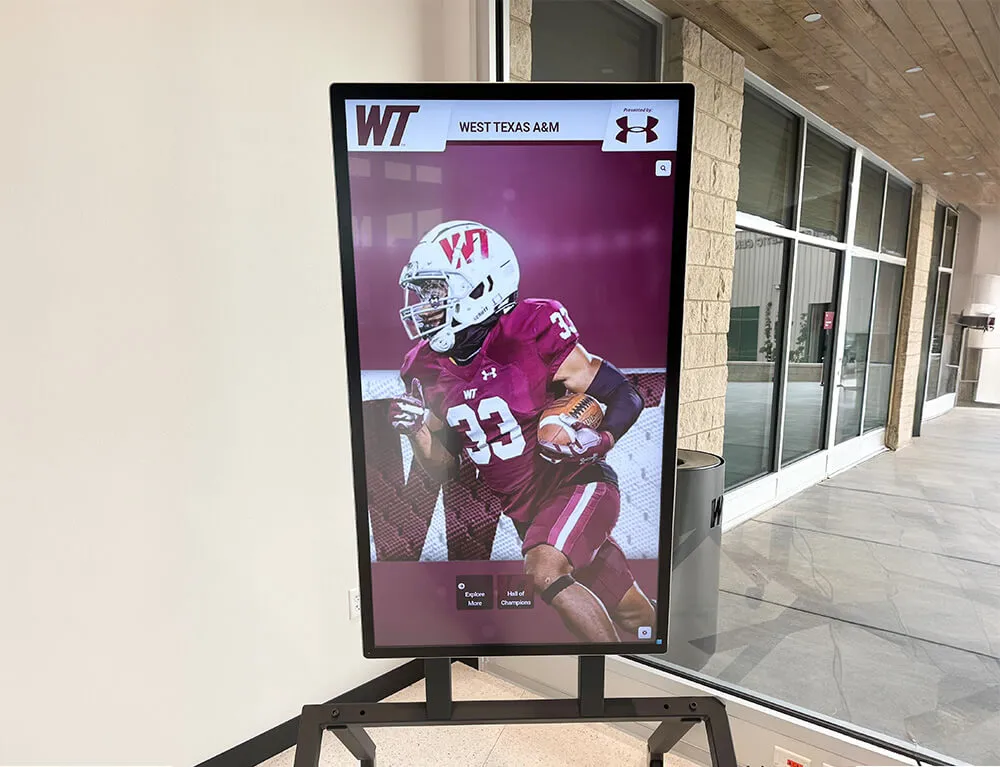
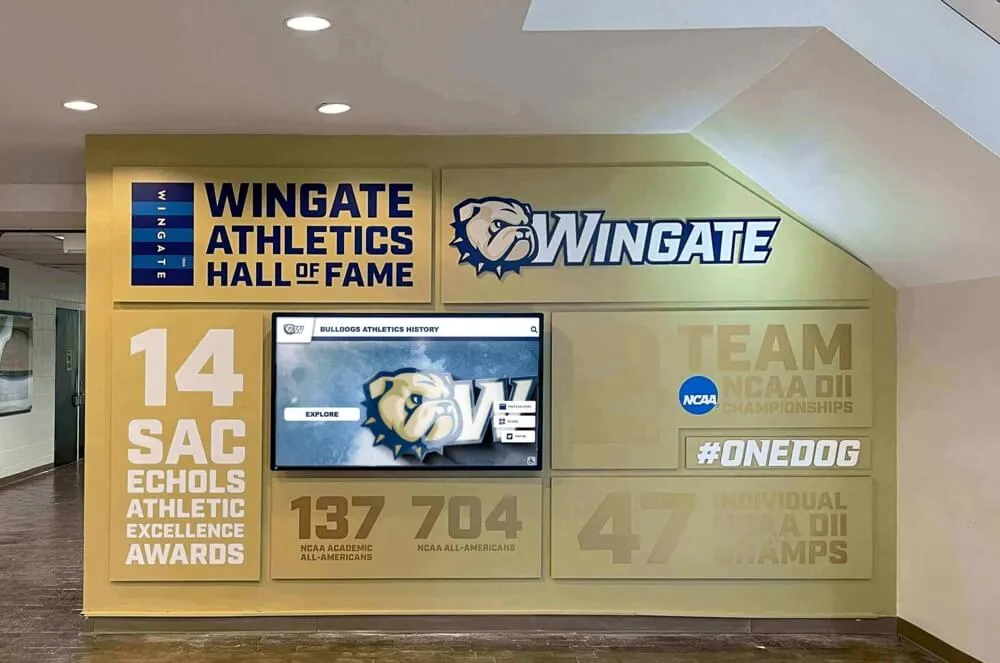
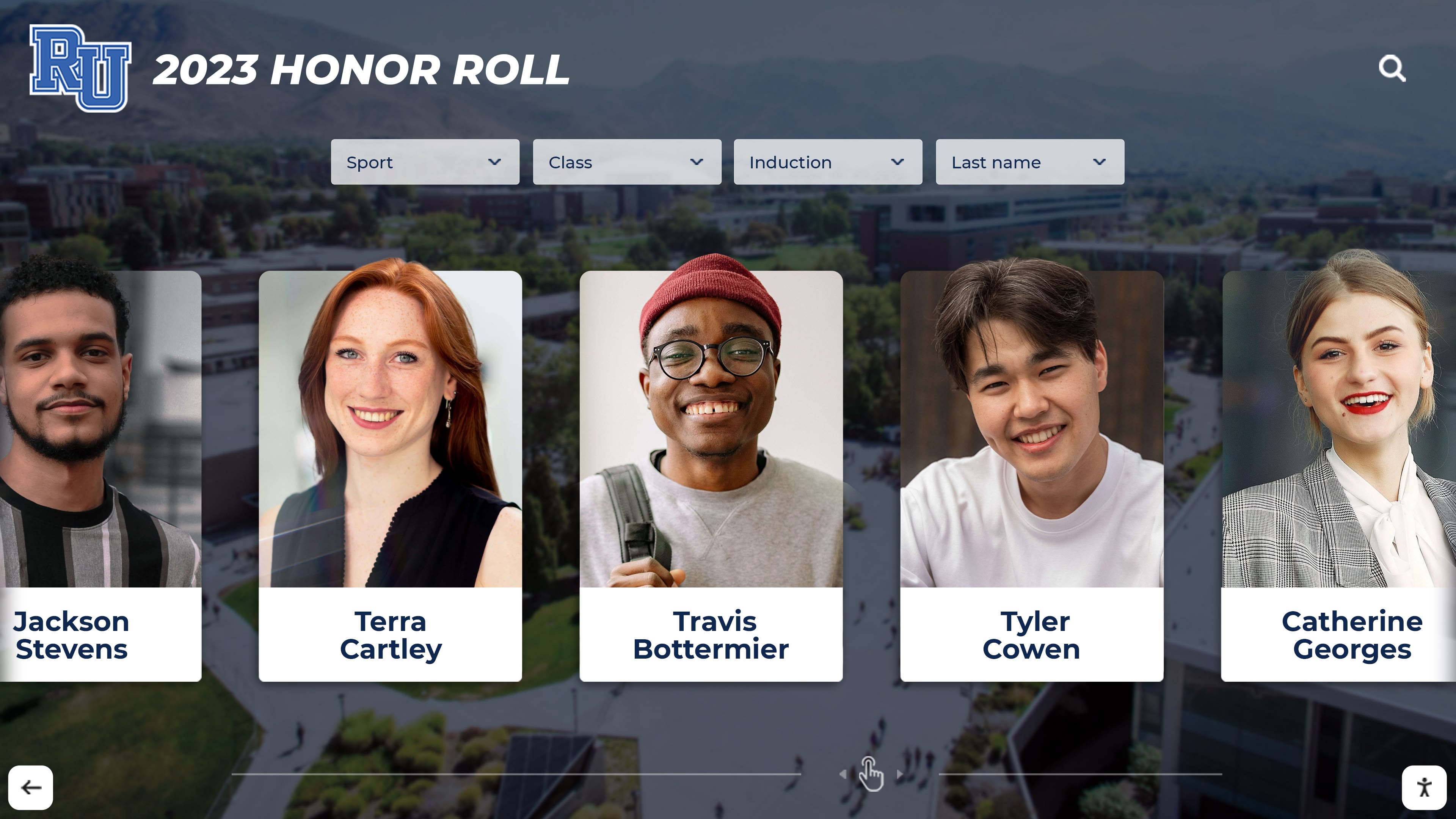
Modern digital displays transform Student of the Month recognition into prominent, professional celebrations that preserve achievement history
Understanding Student of the Month Awards
Before implementing recognition programs, understanding common structures and purposes helps schools design approaches aligned with specific institutional goals and student populations.
The Purpose and Value of Monthly Student Recognition
Creating Visible Role Models
Student of the Month programs place spotlight on students embodying school values:
- Academically excellent students demonstrating intellectual achievement
- Character-driven students showing integrity, kindness, and citizenship
- Leadership-focused students taking initiative and inspiring peers
- Service-oriented students contributing positively to school community
- Well-rounded students balancing multiple dimensions of excellence
By honoring diverse achievement forms monthly, schools communicate that multiple pathways to recognition exist, ensuring students with varied strengths find opportunities for acknowledgment.
Building Achievement-Oriented School Culture
Systematic monthly recognition contributes to broader cultural development:
Research from educational psychology shows that schools with prominent student recognition programs report 22-28% higher overall achievement motivation compared to schools with minimal or inconsistent acknowledgment practices. Regular visibility of recognized students creates social proof that excellence is achievable, reducing negative peer pressure sometimes associated with academic achievement while making positive behaviors aspirational across student populations.
Learn about comprehensive academic recognition programs that complement Student of the Month initiatives.
Common Recognition Models
Single School-Wide Recognition
Many schools select one student monthly representing the entire institution:
- Creates highly prestigious recognition with significant meaning
- Enables detailed celebration and comprehensive acknowledgment
- Simplifies selection process and administrative requirements
- Provides clear aspirational goal for all students
- Works well for smaller schools where recognition feels attainable
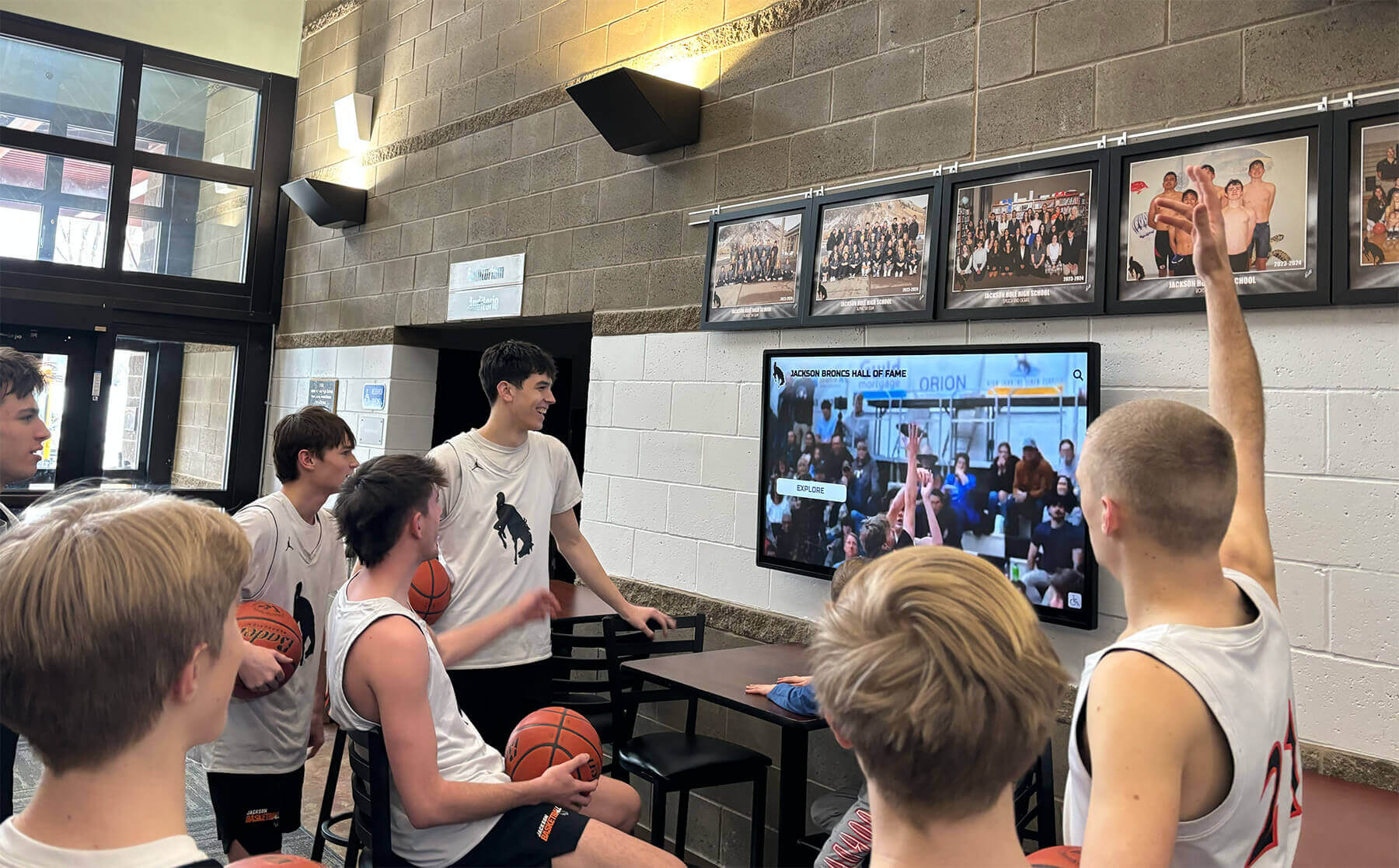
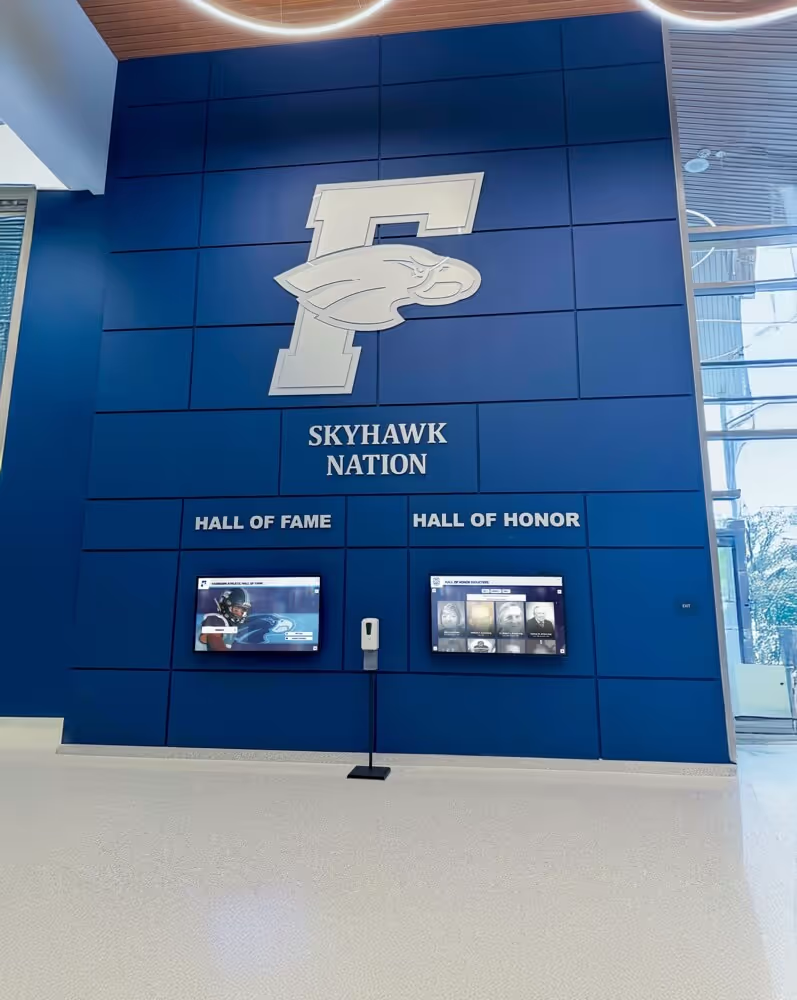
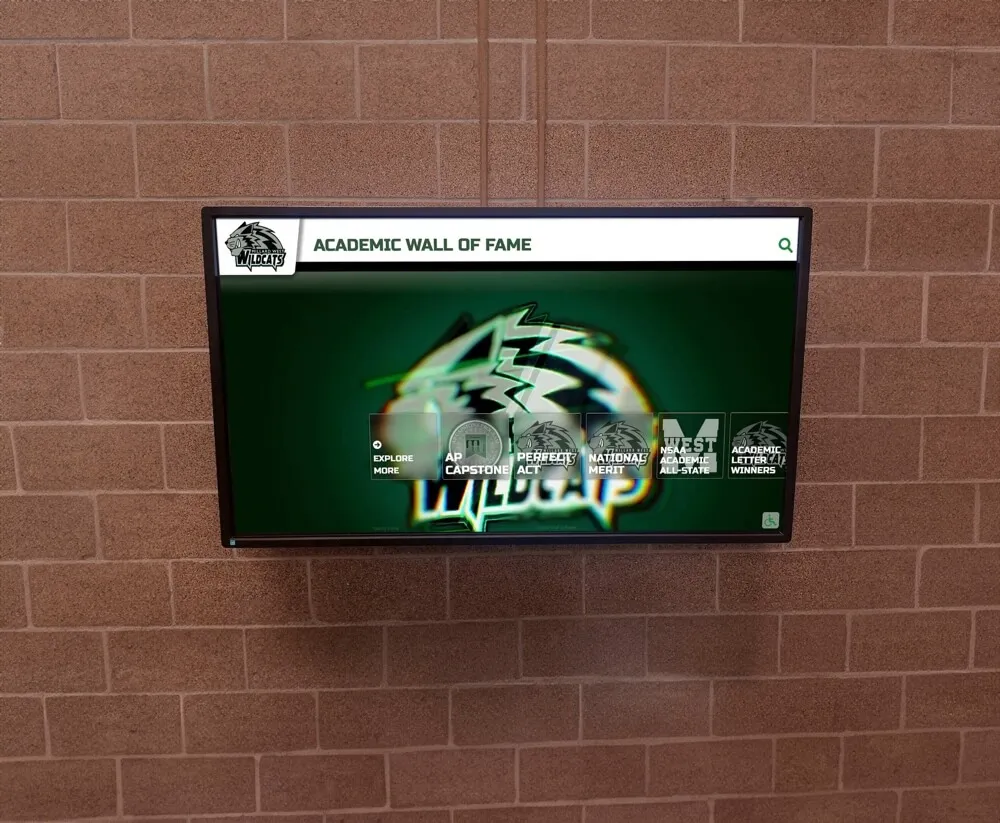
Interactive displays create gathering points where students explore peer achievements and celebrate excellence
Grade-Level Recognition
Schools recognize one outstanding student per grade each month:
- Ensures representation across all grade levels
- Creates multiple recognition opportunities monthly
- Reduces competition among students at different developmental stages
- Enables age-appropriate criteria and selection approaches
- Particularly effective in larger schools where single recognition feels unattainable
Department or Subject-Area Recognition
Some schools honor students in specific disciplines:
- Math Student of the Month recognizing numerical excellence
- English/Language Arts Student of the Month celebrating literacy achievement
- Science Student of the Month honoring scientific inquiry and achievement
- Social Studies Student of the Month recognizing historical understanding
- Arts Student of the Month celebrating creative expression
- Physical Education Student of the Month honoring wellness and athletics
This approach ensures diverse student strengths receive systematic recognition while encouraging students to pursue excellence in areas of particular interest or talent.
Character Trait Recognition
Schools rotate monthly themes focusing on specific character dimensions:
- September: Leadership Student of the Month
- October: Service Student of the Month
- November: Gratitude Student of the Month
- December: Kindness Student of the Month
- January: Perseverance Student of the Month
- February: Citizenship Student of the Month
Rotating themes ensure recognition encompasses diverse character dimensions while teaching students about valued qualities through prominent monthly examples. Explore building positive school culture through systematic recognition.
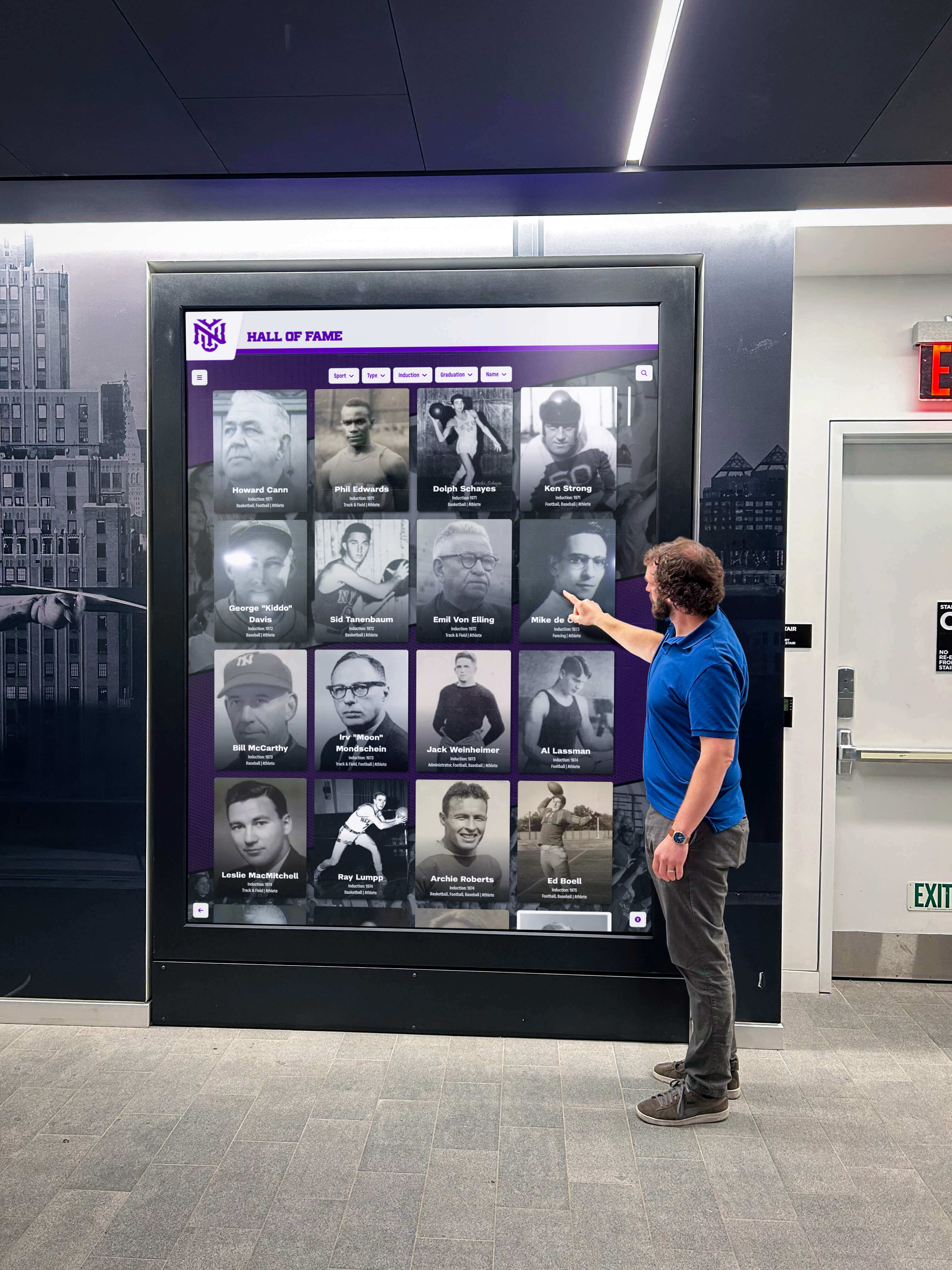
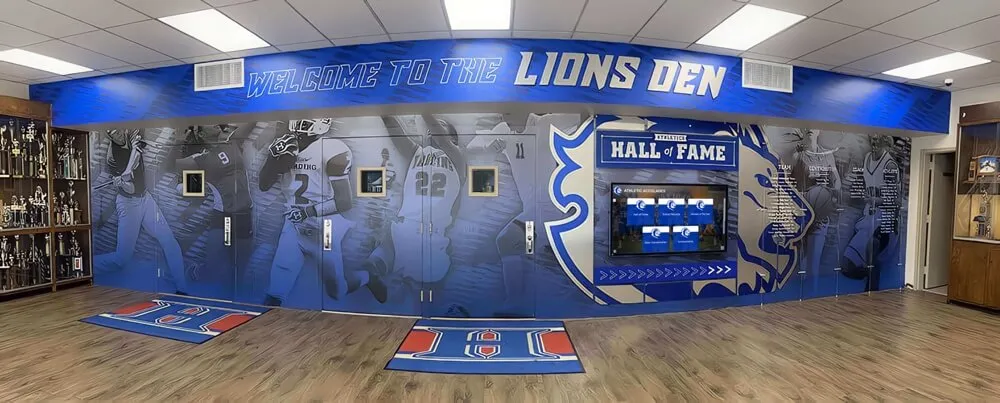
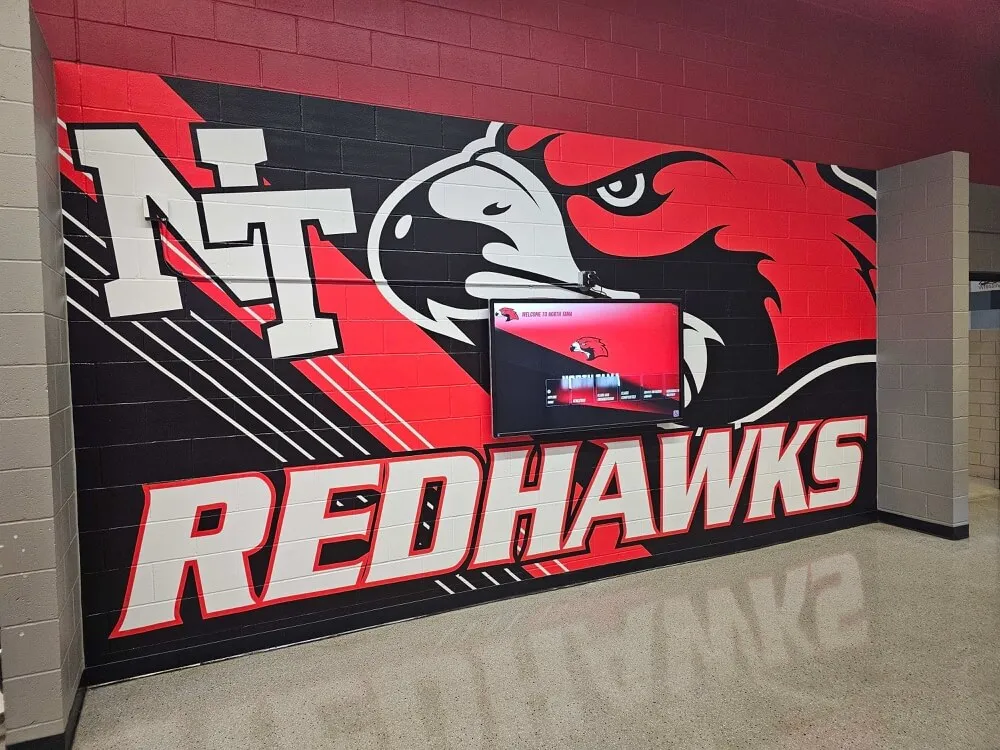
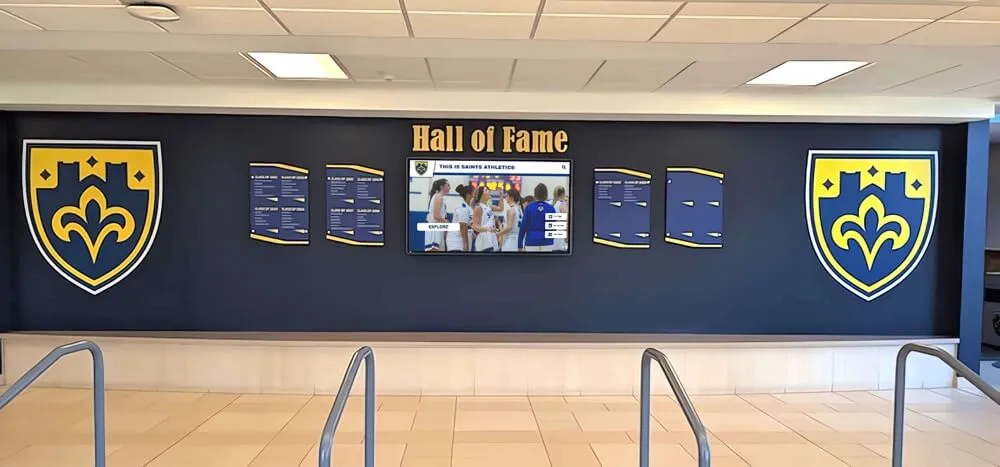
Prominent lobby recognition ensures student achievement receives visibility from entire school community and visitors
Developing Effective Selection Criteria
Clear, transparent criteria ensure Student of the Month recognition feels fair, meaningful, and aligned with institutional values.
Multi-Dimensional Selection Standards
Academic Achievement Criteria
While not solely academic, most programs incorporate achievement measures:
- Current grade point average or marking period performance
- Improvement trends showing academic growth
- Participation quality in classroom activities
- Assignment completion and work quality
- Academic challenge-seeking through advanced coursework
- Subject-specific excellence in particular disciplines
Academic criteria should reflect achievement relative to individual ability and circumstances rather than absolute performance only, ensuring students at various levels find recognition attainable.
Character and Citizenship Standards
Non-academic qualities often carry equal or greater weight:
- Respectful behavior toward peers and adults
- Positive contributions to classroom environment
- Integrity and honesty in academic work
- Responsibility and reliability in commitments
- Kindness and empathy toward others
- Conflict resolution skills and peaceful problem-solving
Schools should define character criteria specifically enough for consistent evaluation while remaining broad enough to encompass diverse demonstrations of positive character.
Leadership and Initiative Indicators
Recognition often highlights students demonstrating leadership:
- Initiative in helping peers academically or socially
- Leadership in extracurricular activities or clubs
- Positive influence on peer behavior and choices
- Problem-solving and creative thinking
- Goal-setting and independent achievement pursuit
- Advocacy for positive school changes or initiatives
Leadership criteria should acknowledge both formal leadership roles and informal positive influence that creates impact regardless of title or position.
Learn more about comprehensive student recognition approaches beyond single dimensions.
Nomination and Selection Process Design
Nomination Source Options
Schools employ various approaches for identifying candidates:
Teacher Nomination Systems
- Staff members nominate students meeting criteria
- Department meetings discuss potential recognition recipients
- Anonymous submission processes reducing bias
- Rotating nomination responsibilities across staff
- Required justification supporting nominations
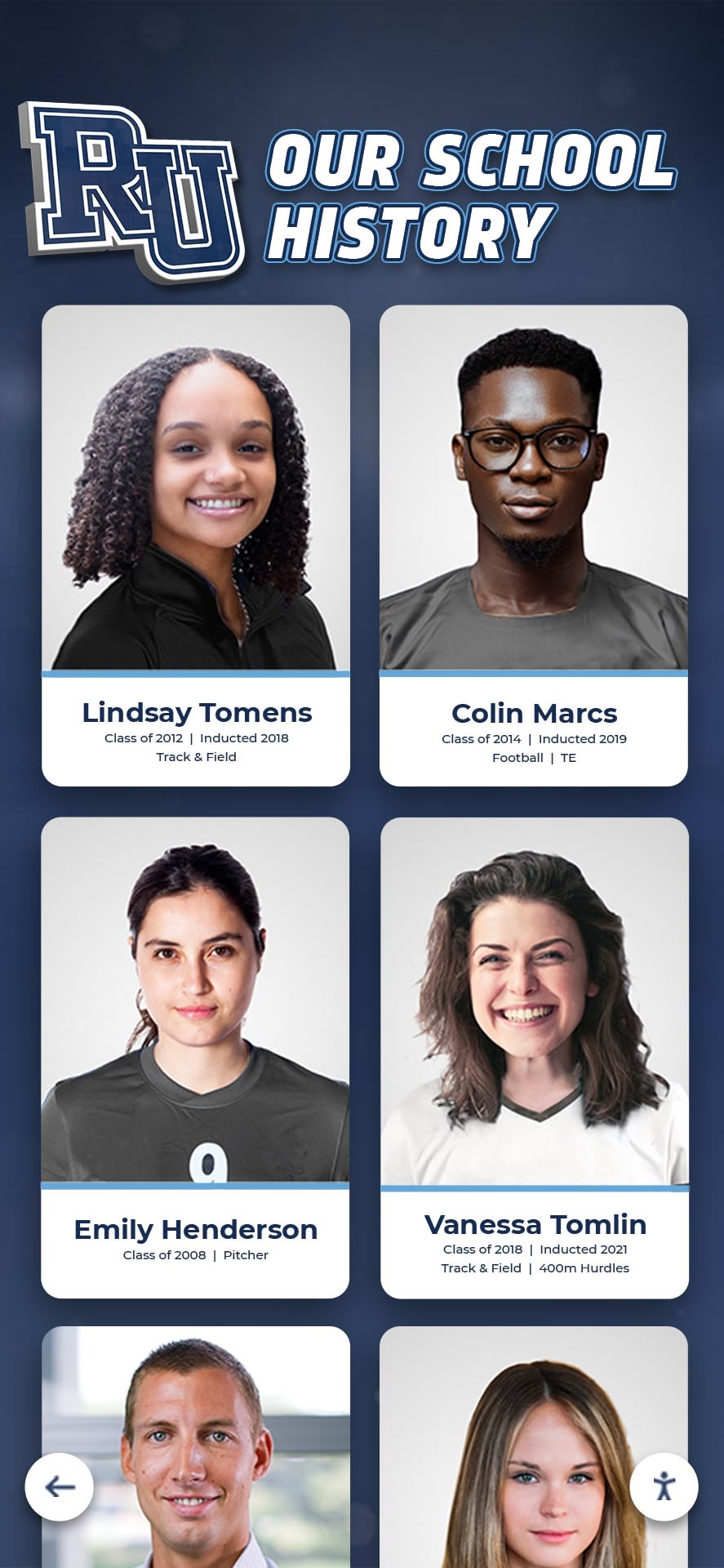
Comprehensive recognition systems preserve achievement history across entire school careers
Peer Nomination Approaches
- Students nominate classmates demonstrating excellence
- Teaches recognition of positive qualities in others
- Reduces perception of recognition as solely adult-determined
- Creates student investment in recognition program
- Requires clear guidelines preventing popularity contests
Self-Nomination Options
- Students submit applications highlighting achievements
- Develops self-advocacy and reflection skills
- Ensures students without advocates receive consideration
- Requires guidance counselor or staff review preventing inappropriate selections
- Works well for older students with developed self-awareness
Selection Committee Structures
Final decisions typically involve committees ensuring fair evaluation:
- Principal or administration leadership ensuring institutional alignment
- Counselors providing holistic student perspective
- Multiple teachers offering diverse viewpoints
- Student representatives when appropriate for developmental level
- Rotating committee membership preventing consistent bias
Clear rubrics or evaluation tools help committees apply criteria consistently across months and student populations, ensuring fairness and transparency.
Celebrating and Presenting Student of the Month Recognition
How schools celebrate recipients significantly affects program impact and motivational value for recognized students and aspiring peers.
Recognition Ceremony and Announcement Approaches
Monthly Recognition Assemblies
Formal monthly celebrations create significant acknowledgment:
- Brief assembly or program dedicated to Student of the Month
- Principal or administrator announcement with achievement details
- Certificate or plaque presentation with photo opportunity
- Brief student speech or interview when age-appropriate
- Peer applause creating positive community celebration
- Family invitation enabling shared pride and recognition
Even 10-15 minute monthly assemblies significantly elevate recognition impact compared to brief announcements, signaling that student achievement merits dedicated celebration time.
Morning Announcement Recognition
Daily visibility throughout the recognition month maintains awareness:
- Initial announcement describing student and achievements on first day
- Daily reminders with different achievement highlights throughout month
- Student interview segments when possible
- Peer testimonials describing recognized student’s positive impact
- Final recognition on last day of month celebrating contribution
Sustained visibility throughout entire month rather than single-day acknowledgment maximizes motivational impact while building anticipation for next month’s recipient.
Classroom Visit Recognition
Personal acknowledgment in educational settings holds special meaning:
- Principal or administrator visits student’s classroom for announcement
- Presentation during homeroom or advisory period enabling peer celebration
- Brief remarks about specific achievements and exemplary qualities
- Certificate presentation with classmate applause
- Photo opportunity documenting recognition moment
- Display of recognition materials in classroom throughout month
This approach brings recognition directly into learning environment where students spend most time, maximizing peer awareness and impact.
Explore end of year awards that can complement monthly recognition programs.
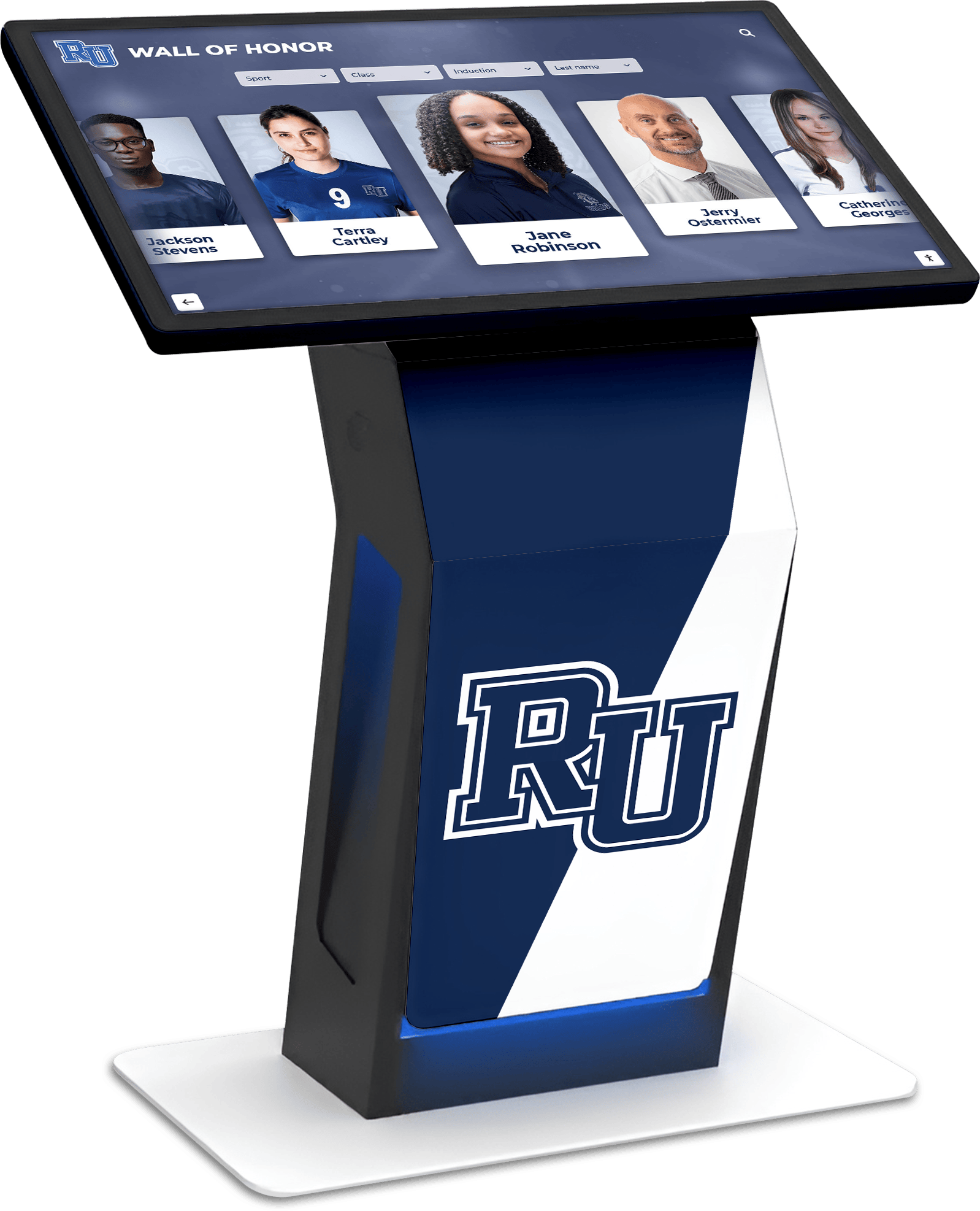
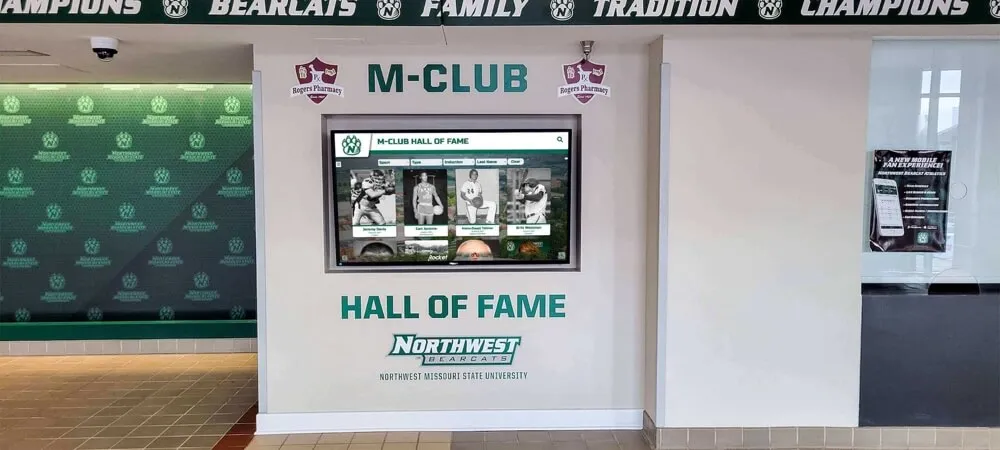
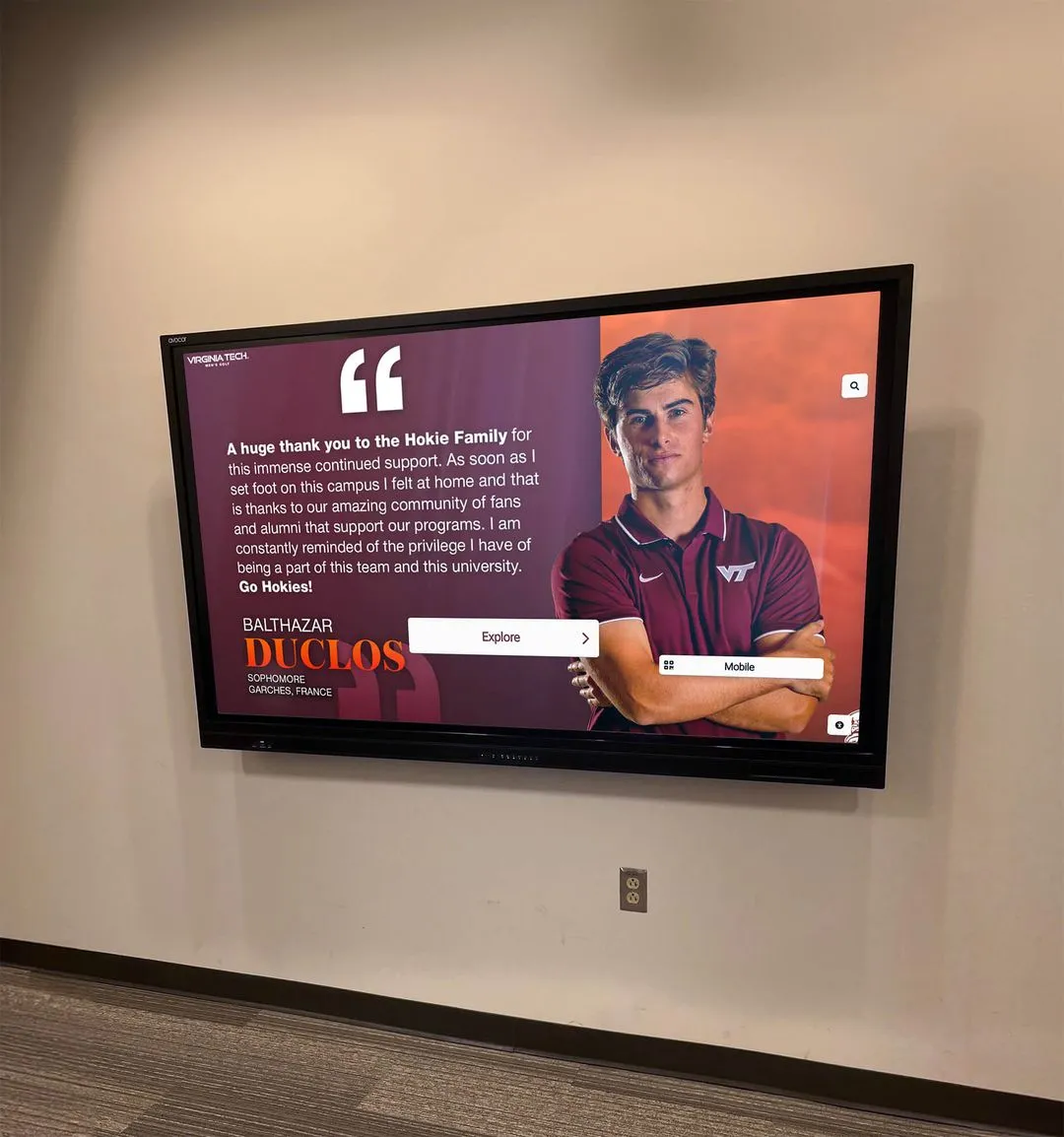
Purpose-built recognition kiosks provide professional platforms for exploring student achievements interactively
Tangible Recognition Materials
Certificates and Physical Awards
Traditional recognition items remain meaningful:
- Professional certificates suitable for display at home
- Engraved plaques or trophies for permanent keepsakes
- Medal or pin students can wear showing recognition
- Personalized congratulations letters from principal
- Recognition t-shirts or apparel items
- Gift cards or prizes when appropriate and equitable
Physical awards provide lasting reminders of achievement while creating family pride and visible symbols peers recognize throughout recognition month.
Special Privileges and Experiences
Non-material recognition can prove equally meaningful:
- Preferred parking space designated for Student of the Month
- Special lunch privileges or dining with administration
- Homework pass or assignment extension for recognized student
- Library book selection priority or checkout limit extension
- Event or activity privileges unavailable to general student body
- Leadership opportunity or special responsibility befitting recognition
These experiential rewards create unique memories and status symbols that students value while avoiding equity concerns associated with expensive material awards.
Media and Communication Features
Visibility amplifies recognition impact significantly:
- School website homepage features with photo and profile
- Social media posts celebrating recognized student and achievements
- Local newspaper submissions sharing recognition with community
- School newsletter articles profiling recipients
- Email announcements to entire school community
- Video features broadcast on school screens or channels
Multi-channel promotion ensures maximum visibility for recognition, extending impact far beyond students present for physical announcements.
Learn about school digital signage content that can highlight Student of the Month recipients.
Modern Digital Recognition Solutions
Traditional Student of the Month recognition faces limitations that digital systems effectively overcome while creating engaging experiences that preserve achievement history permanently.
Challenges with Conventional Recognition Displays
Temporary Physical Displays
Most schools post Student of the Month recognition on bulletin boards:
- Fleeting visibility lasting only until next month’s replacement
- Limited space accommodating only current recipient
- No preservation of historical achievement records
- Minimal engagement beyond brief glances
- Manual effort required for monthly updates
- Environmental waste from printed materials repeatedly replaced
Space-Constrained Recognition
Schools attempting permanent Student of the Month displays quickly encounter limitations:
- Physical walls or bulletin boards accommodate finite recognition
- Difficult choices about whose recognition remains visible long-term
- Historical achievements removed to make space for current recipients
- Inconsistent display quality as materials age and deteriorate
- Maintenance challenges keeping displays current and attractive
These limitations mean most Student of the Month achievement history disappears entirely, with no institutional record preserving recognition beyond students’ brief display months.
Explore how digital recognition displays overcome traditional limitations.

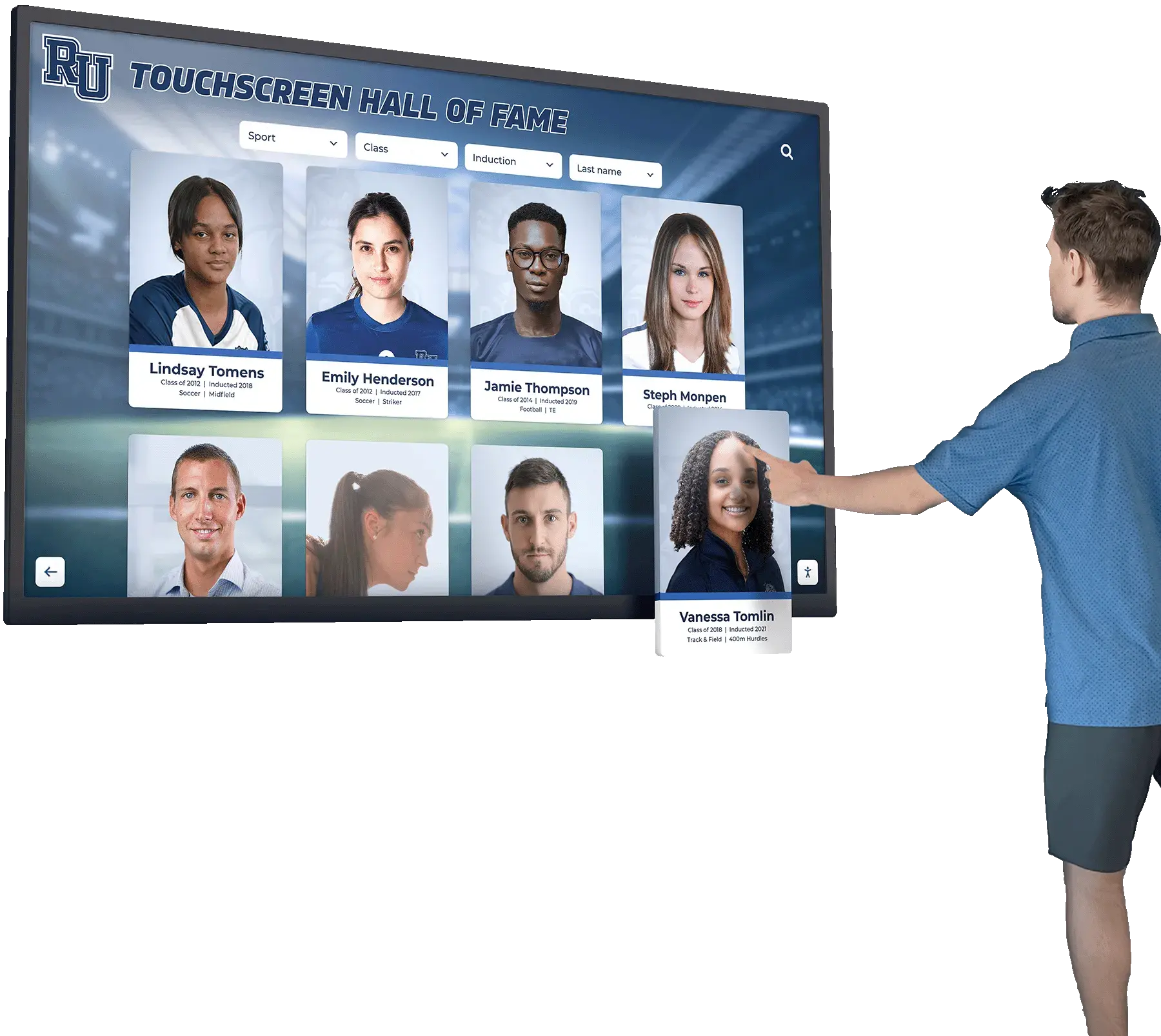
Touchscreen technology enables intuitive exploration of detailed student achievement information and profiles
Comprehensive Digital Display Solutions
Solutions like Rocket Alumni Solutions transform Student of the Month recognition through interactive systems that eliminate traditional constraints while creating engaging celebration experiences.
Unlimited Historical Recognition Capacity
Digital platforms showcase every Student of the Month throughout school history:
- Single display accommodates unlimited students across all months and years
- Current month’s recipient featured prominently while historical honorees remain accessible
- Complete archives preserving institutional recognition legacy across decades
- No need to remove previous recipients to display current honorees
- Search and filter functionality enabling quick access to any recipient
- Chronological browsing showing recognition history evolution over time
Schools report that permanent preservation represents the most valuable benefit, creating institutional memory impossible with space-limited traditional displays.
Rich Multimedia Student Profiles
Digital systems support comprehensive content beyond basic names and photos:
- High-resolution professional student photographs
- Detailed achievement descriptions explaining recognition rationale
- Subject-specific excellence highlighting particular strengths
- Character trait demonstrations with specific examples
- Leadership contributions and positive impact descriptions
- Student quotes or reflections on recognition and goals
- Teacher and peer testimonials describing impact
- Video messages or congratulations when available
This enriched content tells complete achievement stories rather than simply announcing names, helping younger students understand realistic paths to recognition while appropriately celebrating individual accomplishments.
Interactive Exploration Features
Touchscreen functionality creates engagement impossible with static displays:
- Search by student name for quick individual lookup
- Filter by month exploring particular time periods
- Sort by grade level viewing cohort recognition over time
- Subject-area filtering when using department-based programs
- Character trait sorting for theme-based recognition
- Year selection comparing different academic periods
- Random discovery features highlighting diverse historical recipients
Research demonstrates visitors engage with interactive recognition displays for 4-8 minutes on average compared to brief glances at static bulletin boards, dramatically increasing recognition impact and peer awareness.
Learn about interactive display technology transforming school recognition.
Web-Based Recognition Extensions
Remote Accessibility
Modern recognition platforms extend beyond physical displays:
- Web-accessible systems viewable globally
- Mobile-responsive design ensuring smartphone access
- Social sharing enabling students and families to celebrate
- Alumni worldwide can explore current recognition recipients
- Integration with school websites and information systems
- Email notifications alerting families about recognition
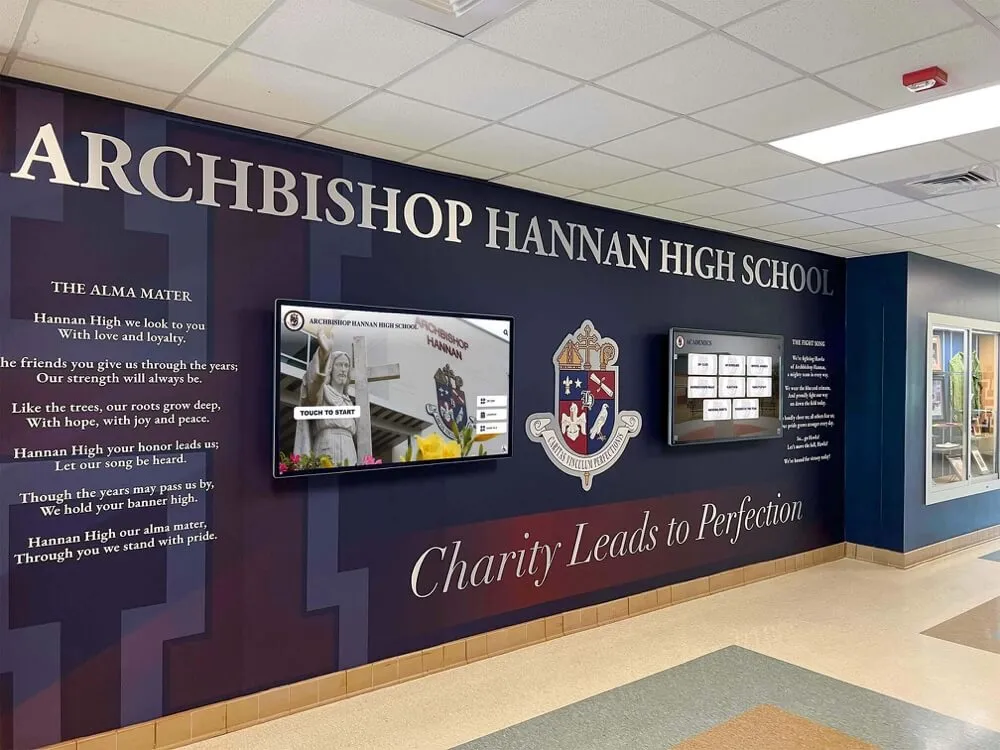
Professional recognition installations combining digital displays with school branding create impressive celebration spaces
This extended accessibility multiplies engagement exponentially, reaching thousands rather than only those physically present in school buildings.
Simplified Content Management
Cloud-based administration eliminates technical barriers:
- Remote updates from any internet-connected device
- Intuitive interfaces requiring no technical expertise
- Template-based profile creation ensuring consistent presentation
- Scheduled publishing coordinating with monthly recognition cycles
- Role-based permissions enabling appropriate staff access
- Automated backups preventing data loss
- Bulk import tools for migrating historical recognition records
Schools report 80-90% reduction in administrative time spent maintaining Student of the Month recognition after implementing digital systems compared to manual bulletin board updates.
Discover digital recognition wall planning for implementation strategies.
Implementing Effective Student of the Month Programs
Successful implementation requires systematic planning addressing all program dimensions from criteria development through sustained recognition over time.
Planning and Program Design
Establishing Program Goals and Scope
Before launching programs, clarify specific objectives:
- Celebrate diverse forms of student excellence and achievement
- Build positive school culture emphasizing valued behaviors
- Provide role models demonstrating attainable excellence
- Create inclusive recognition opportunities across student populations
- Support character education through visible exemplars
- Build institutional recognition history documenting legacy
- Engage families in student achievement celebration
Clear objectives guide all subsequent decisions about recognition frequency, selection criteria, celebration formats, and success measurement approaches.
Determining Recognition Structure
Based on school size and goals, select appropriate model:
- Single school-wide recognition for smaller schools or maximum prestige
- Grade-level recognition ensuring representation across developmental stages
- Department-based recognition honoring subject-specific excellence
- Multiple monthly recipients when student population supports it
- Rotating theme-based recognition emphasizing different character dimensions
- Combination approaches recognizing students across multiple dimensions
Consider piloting approaches with single recognition type before expanding to more complex structures requiring greater administrative coordination.
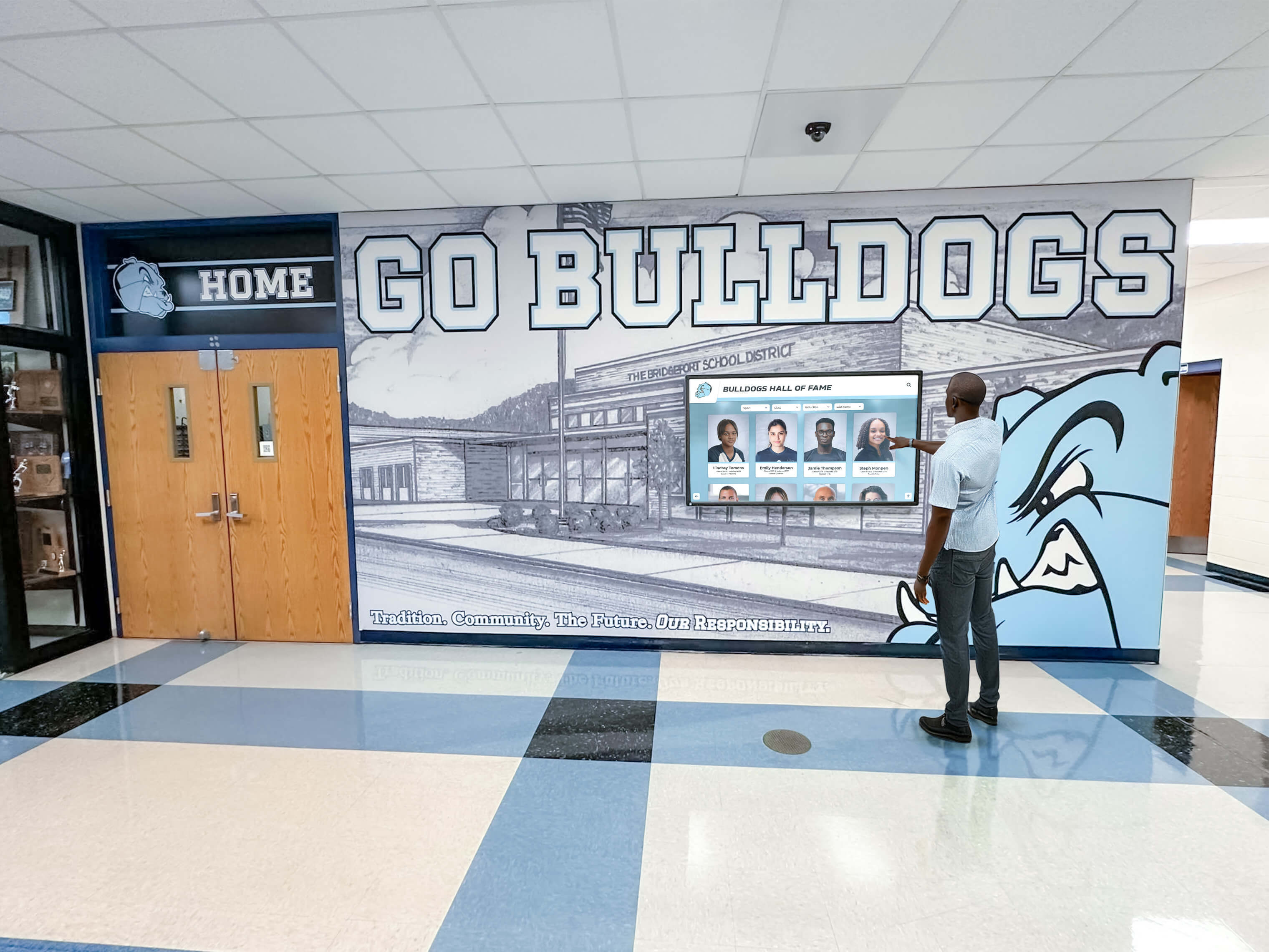
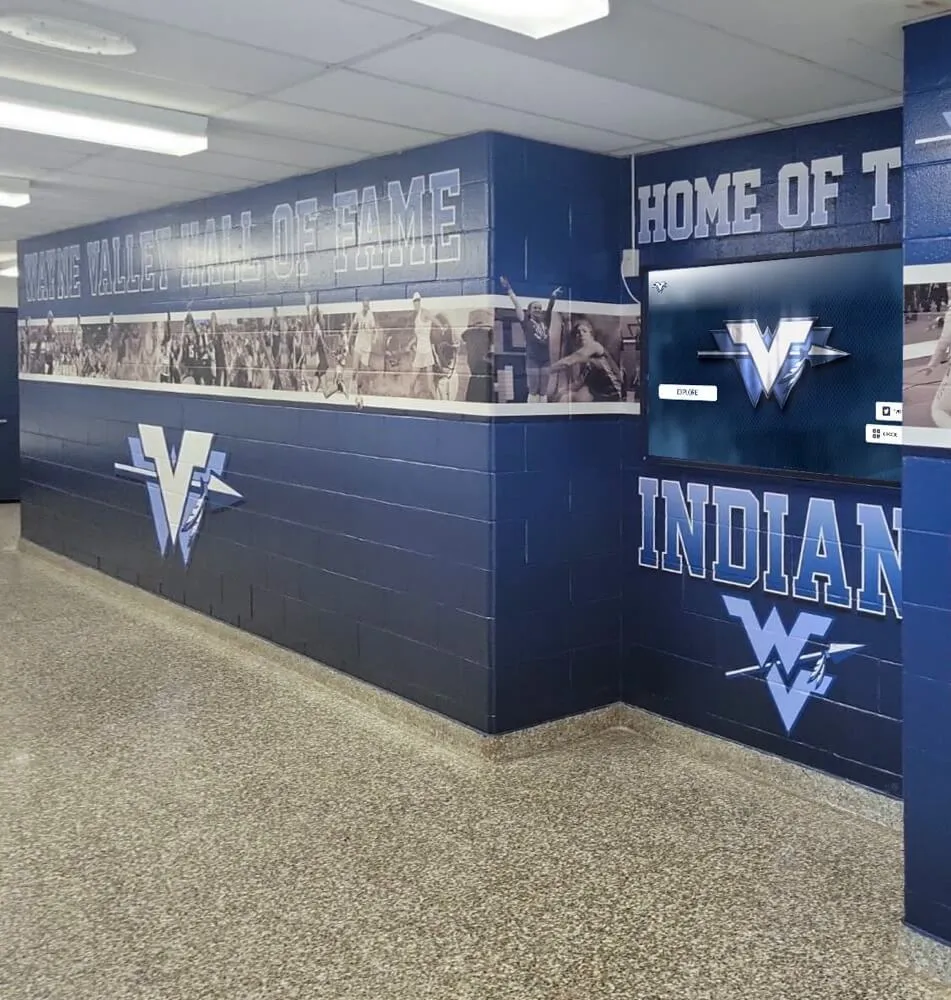
Strategic hallway placement maximizes recognition visibility throughout daily student movement
Selection Process Implementation
Creating Nomination Systems
Develop clear processes for identifying candidates:
Teacher Nomination Guidelines
- Specific nomination forms capturing achievement details
- Deadline dates ensuring adequate selection committee review time
- Evidence requirements supporting nomination claims
- Anonymous submission options reducing bias concerns
- Rotating nomination responsibilities ensuring broad participation
Selection Committee Protocols
- Regular monthly meetings on consistent schedule
- Rubric-based evaluation ensuring consistent criteria application
- Documentation of selection rationale for transparency
- Conflict of interest policies for committee members
- Appeal processes when appropriate for fairness
Student and Family Communication
- Clear explanation of nomination and selection processes
- Criteria publication ensuring transparency about expectations
- Multiple language versions for diverse family populations
- Accessible formatting for families with disabilities
- Regular reminders about program throughout school year
Transparent processes build stakeholder confidence that recognition decisions result from fair evaluation rather than favoritism or arbitrary selection.
Technology Selection and Installation
Digital Display Hardware Considerations
When implementing modern recognition systems:
Physical Display Options
- Wall-mounted touchscreens in main lobbies or commons areas
- Freestanding kiosk systems creating dedicated recognition stations
- Multiple smaller displays distributed across campus
- Display size balanced between visibility and budget
- Commercial-grade durability for high-traffic school environments
Technical Requirements
- Reliable internet connectivity for cloud-based management
- Professional installation ensuring secure mounting
- ADA-compliant placement for accessibility
- Protective solutions for unsupervised high-traffic locations
- Maintenance plans addressing technical issues promptly
Learn about digital wall of fame accessibility requirements and best practices.
Software Platform Selection
Choose recognition software matching school needs:
Essential Features
- Intuitive content management requiring no technical expertise
- Unlimited student capacity accommodating growth
- Comprehensive search and filtering capabilities
- Mobile and web-responsive design
- Professional templates creating polished presentations
- Multi-user administration with role-based permissions
- Integration options with existing school systems
Advanced Capabilities
- Social media integration enabling easy sharing
- Analytics tracking engagement and program effectiveness
- Custom branding matching school visual identity
- Video hosting for testimonials and messages
- Calendar integration for automated monthly transitions
- Parent notification systems
Solutions like Rocket Alumni Solutions offer comprehensive platforms specifically designed for educational recognition needs, combining essential features with school-focused support and unlimited capacity that grows with programs over time.
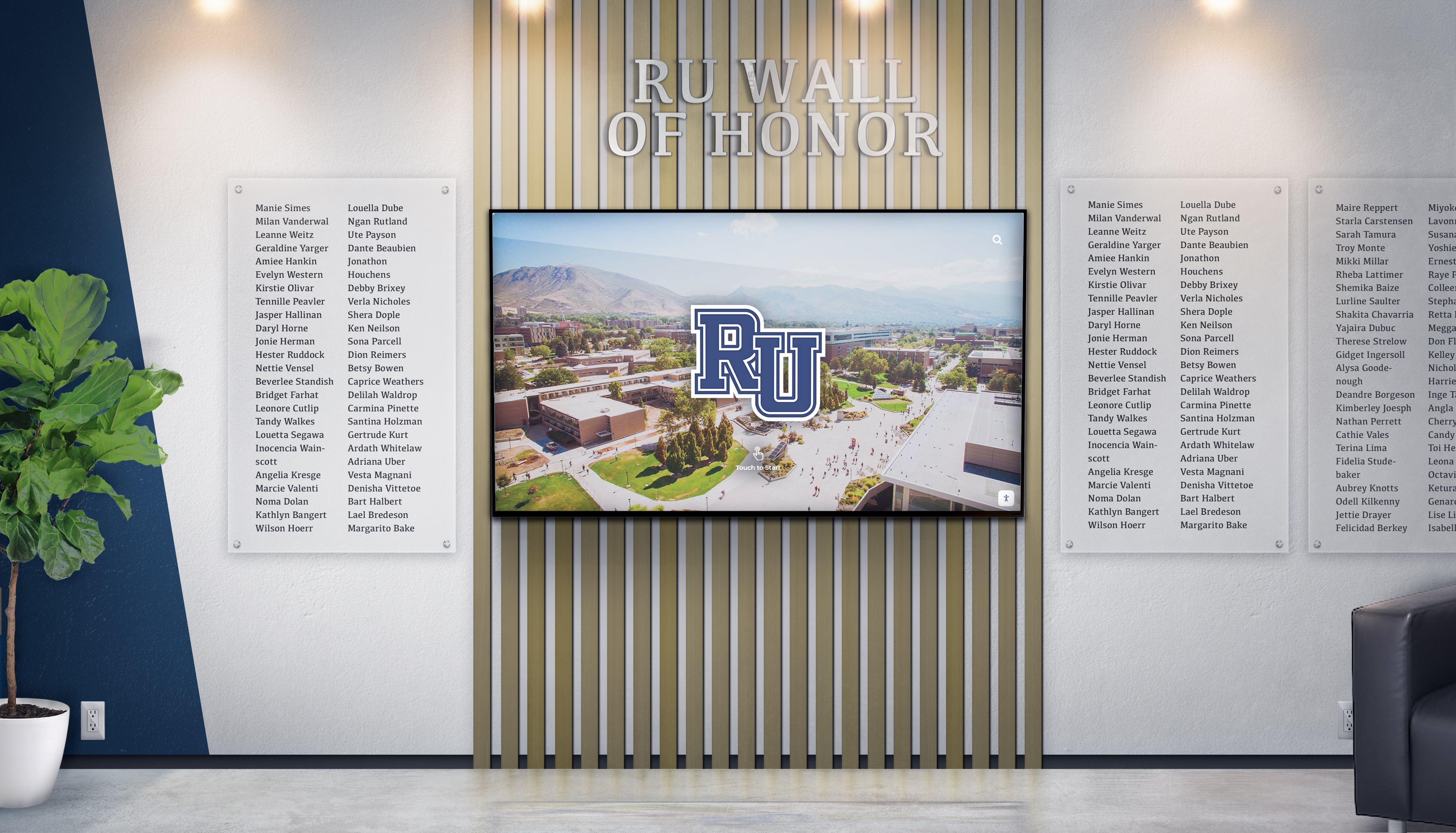
Hybrid recognition systems blend digital innovation with traditional elements creating comprehensive celebration spaces
Maximizing Program Impact and Engagement
Beyond basic implementation, strategic approaches amplify Student of the Month recognition effectiveness and motivational value.
Multi-Channel Recognition Communication
Social Media Celebration Strategies
Systematic social promotion extends recognition reach substantially:
Platform-Specific Approaches
- Instagram posts with student photos and achievement highlights
- Story features maintaining visibility throughout recognition month
- Facebook announcements tagged to reach family networks
- Twitter recognition with school and education hashtags
- LinkedIn posts connecting with professional community
- YouTube video features when resources permit
Content Timing and Frequency
- Initial announcement at month beginning introducing recipient
- Mid-month highlight features showing additional details
- Weekly milestone posts maintaining visibility
- Final recognition on last day celebrating contribution
- Historical throwback posts featuring previous recipients
Traditional Media Outreach
Complement digital promotion with conventional channels:
- Local newspaper submissions announcing monthly recognition
- Community magazine features profiling exceptional recipients
- School newsletter articles with detailed profiles
- Email announcements to entire school community
- Physical hallway banners or posters complementing digital displays
- Morning video announcements broadcast schoolwide
Multi-channel visibility ensures maximum awareness while demonstrating institutional commitment to celebrating student achievement prominently.
Learn about digital signage content strategies that highlight recognition.
Connecting Recognition to Academic Support
Peer Mentoring Opportunities
Leverage recognized students supporting peers:
- Matching Student of the Month recipients with mentees
- Study strategy workshops featuring recognition recipients
- Tutoring programs led by recognized students
- Panel discussions where recipients share success approaches
- Video resource libraries with achievement tips
- Drop-in support hours staffed by recognized students
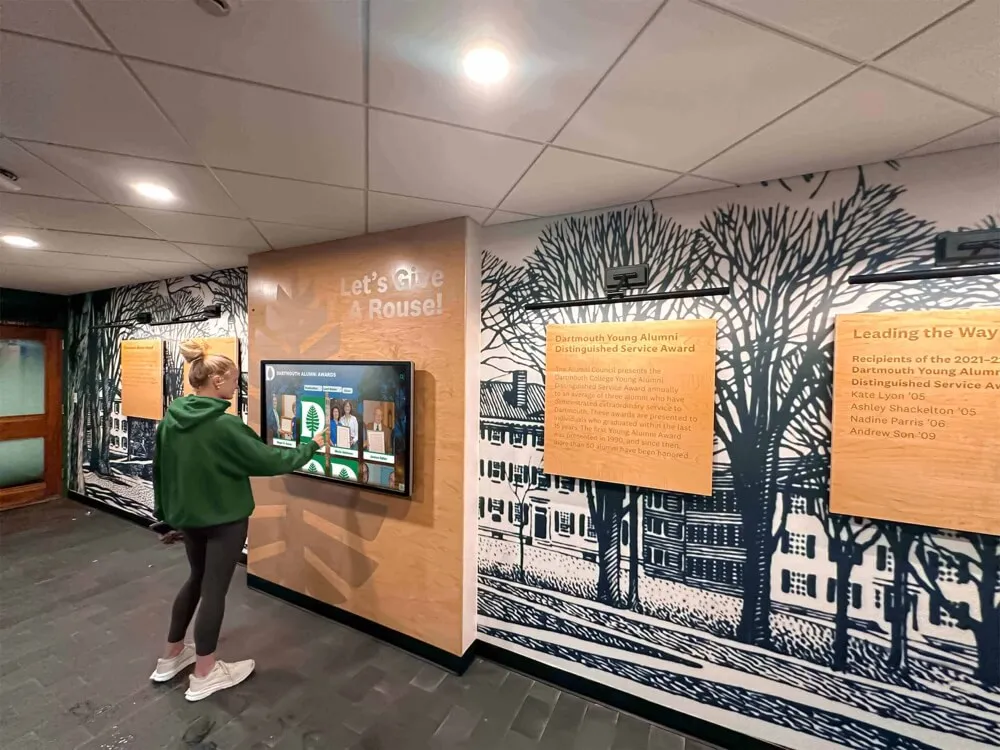
Interactive systems enable students to explore peer achievements and learn from role model strategies
These programs multiply recognition value by transforming passive acknowledgment into active support systems improving achievement across broader student populations.
Building Recognition into School Culture
Integrate Student of the Month throughout school life:
- Academic pep rallies celebrating intellectual achievement
- Open house and school tour highlighting of recognition recipients
- Awards ceremonies prominently featuring monthly recognition
- Graduation ceremony special acknowledgment of frequent recipients
- College decision day celebrating recognized students’ achievements
- Alumni events connecting past Student of the Month recipients
Sustained integration reinforces that student recognition represents core institutional value rather than peripheral acknowledgment program.
Program Assessment and Continuous Improvement
Quantitative Success Metrics
Measure program impact through objective data:
Participation and Selection Metrics
- Nomination volume and diversity across departments
- Demographic distribution ensuring equitable recognition
- Grade-level representation patterns over time
- Repeat recognition frequency and distribution
- Subject-area or character theme representation balance
Engagement Analytics
- Digital display interaction frequency and duration
- Web platform visits and profile page views
- Social media engagement rates and reach
- Recognition ceremony attendance trends
- Family response rates to communications
Cultural Impact Indicators
- Overall school climate survey results
- Student aspiration and motivation measures
- Peer perception of recognized students
- Behavioral indicator trends schoolwide
- Academic achievement pattern analysis
Qualitative Assessment Methods
Complement data with stakeholder feedback:
- Student surveys about recognition awareness and impact
- Recognized student reflections on experience and meaning
- Family satisfaction with recognition approaches
- Teacher observations about student motivation changes
- Community perception of school recognition culture
- Alumni perspective on long-term recognition value
Regular assessment enables continuous improvement ensuring programs remain effective, equitable, and aligned with educational goals.
Explore comprehensive student recognition that increases success research and approaches.
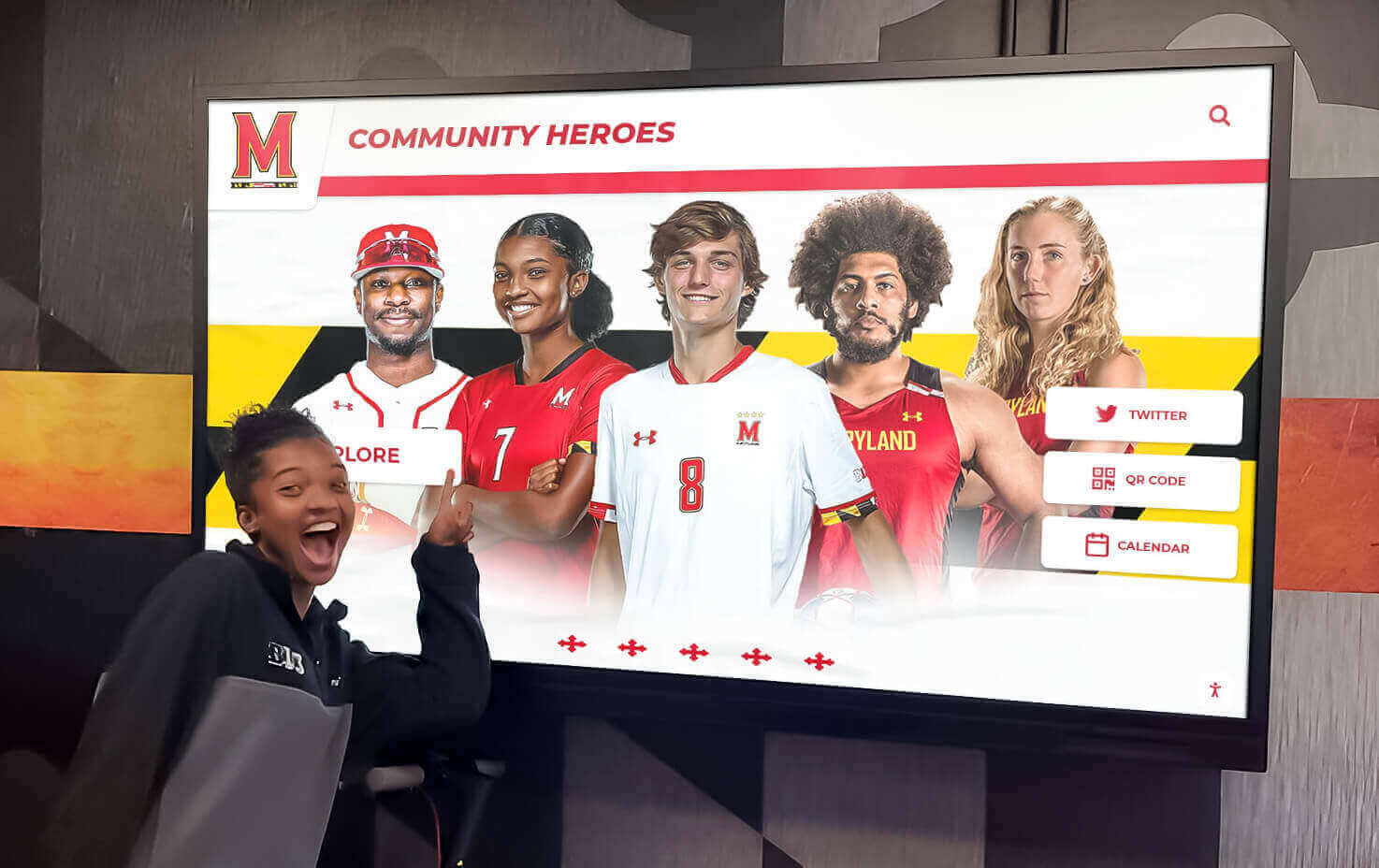
Visible recognition inspires younger students by showcasing achievable excellence from relatable peers
Special Considerations and Best Practices
Several additional factors enhance program effectiveness, sustainability, and inclusivity.
Ensuring Equity and Inclusivity
Diverse Recognition Representation
Monitor recipient patterns ensuring equitable opportunities:
- Demographic analysis by race, ethnicity, gender, and socioeconomic status
- English learner and special education student recognition rates
- Comparison with overall school demographics
- Grade-level representation balance
- Subject-area or character theme distribution
When analysis reveals inequitable patterns, examine contributing factors:
- Nomination accessibility and awareness across populations
- Criteria bias favoring particular student types
- Teacher familiarity and relationship patterns
- Communication effectiveness with diverse families
- Support resource availability affecting achievement patterns
Recognition programs should illuminate rather than mask achievement gaps requiring programmatic attention beyond recognition itself.
Multiple Pathway Opportunities
Ensure diverse students find realistic recognition paths:
- Academic excellence recognition for high-achieving students
- Improvement-based recognition celebrating growth from any starting point
- Character and citizenship recognition accessible regardless of grades
- Leadership recognition acknowledging various influence forms
- Service recognition honoring community contribution
- Specialized talent recognition in arts, athletics, or technical areas
This ensures students following different achievement trajectories and possessing varied strengths all find meaningful recognition opportunities throughout school careers.
Learn about inclusive academic recognition programs supporting all learners.
Managing Privacy and Family Preferences
Consent and Permission Protocols
Appropriate recognition respects privacy concerns:
- Photo release forms authorizing public display of images
- Recognition consent allowing name and achievement publication
- Social media sharing permissions for promotional use
- Annual permission renewal as students mature
- Clear opt-out processes for families with concerns
- No academic or social penalties for students choosing privacy
Accommodation Strategies
Respect family preferences while maintaining recognition:
- Private recognition alternatives for students declining public acknowledgment
- Partial participation options (internal display only, no social media)
- Name-only recognition without photos when families prefer
- Respect for circumstances requiring discretion
- Confidential recognition letters when appropriate
FERPA Compliance
Ensure all recognition complies with educational privacy regulations:
- Directory information notifications to families annually
- Clear opt-out procedures for directory information
- Achievement details requiring appropriate consent
- Social media posting protocols following district policies
- Documented permissions for personally-identifiable information
Work with district legal counsel ensuring complete compliance with applicable regulations while maintaining meaningful recognition programs.
Sustainability and Resource Management
Administrative Efficiency
Ensure programs remain manageable long-term:
- Clear staff role assignments preventing single-person dependency
- Reasonable time requirements for nomination and selection
- Simple processes reducing administrative burden
- Technology solutions automating routine tasks
- Documentation enabling smooth transitions with staff changes
- Annual process review identifying improvement opportunities
Budget Planning and Funding
Realistic budget considerations support sustainability:
One-Time Implementation Costs
- Digital display hardware and installation ($2,500-$12,000)
- Software platform licensing or annual subscriptions ($400-$2,500)
- Initial content development and training
- Recognition ceremony materials and setup
- Promotional material design and production
Ongoing Annual Costs
- Platform subscriptions or license renewals
- Monthly recognition materials and certificates
- Recognition ceremony refreshments or events
- Promotional campaign production
- Display maintenance and technical support
- Modest awards or recognition items
Funding Sources
- Operating budget integration in academic program funds
- Technology budget allocation for digital systems
- PTSA or parent organization support for hardware
- Local business sponsorship of recognition programs
- Grant applications for student recognition initiatives
- Alumni fundraising supporting current student celebration
- Phased implementation starting with web-based recognition
Digital recognition systems often provide superior long-term value compared to traditional displays requiring ongoing physical modification, printing, and manual update labor that accumulates substantial hidden costs over time.
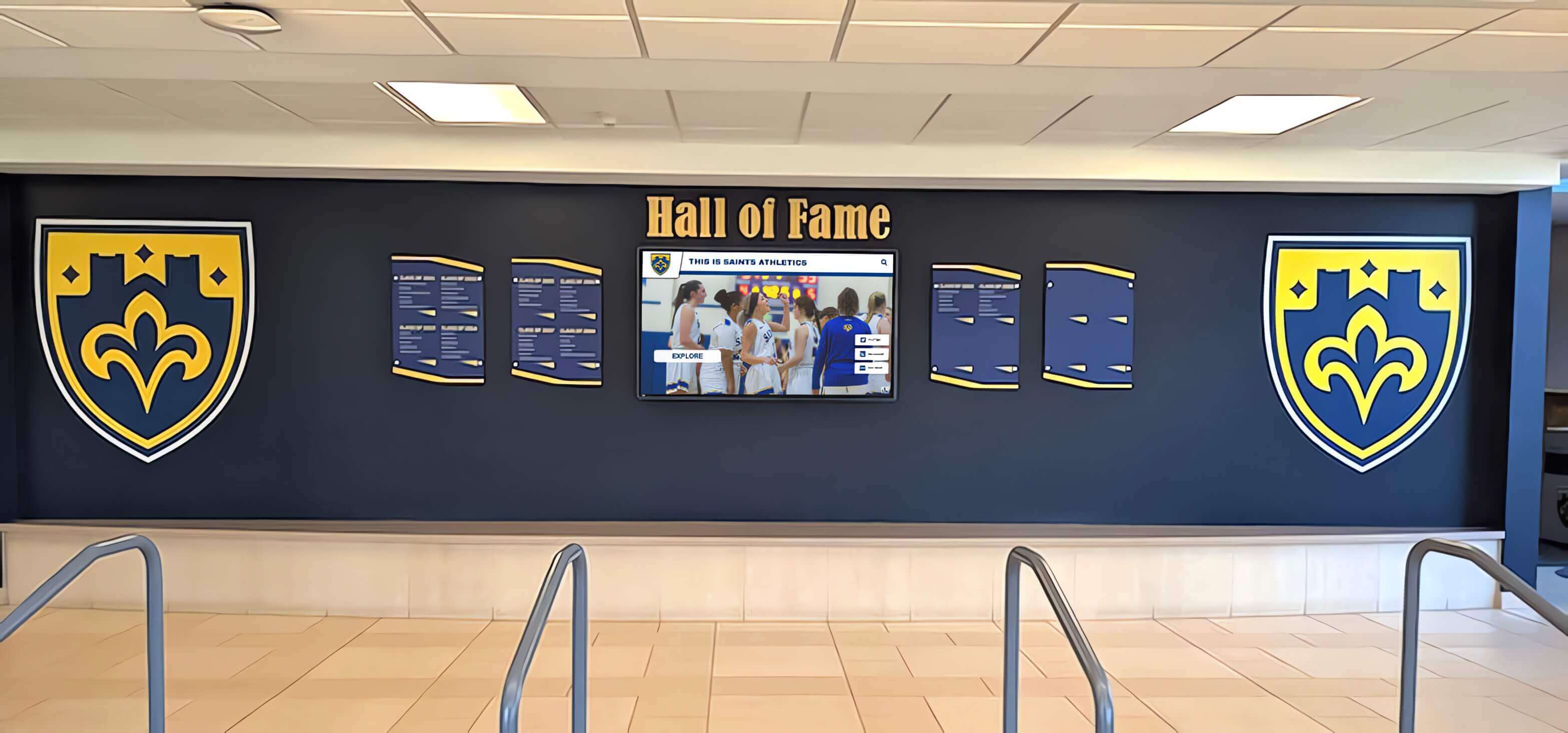
Professional recognition installations demonstrate institutional commitment to celebrating student achievement prominently
Adapting Programs for Different Educational Levels
Student of the Month recognition should align with developmental stages and institutional contexts across educational levels.
Elementary School Student of the Month
Developmentally Appropriate Recognition
Young students benefit from modified approaches:
- Frequent recognition ensuring more students receive acknowledgment
- Classroom-level Student of the Month before school-wide programs
- Emphasis on effort and character over absolute achievement
- Simple, concrete criteria young students understand
- Immediate recognition maximizing motivational impact
- Fun, engaging celebration formats appropriate for age
- Strong family involvement in recognition experiences
- Visual recognition young students can easily identify
Elementary-Specific Criteria
Focus on foundational skills and behaviors:
- Following directions and classroom expectations
- Kindness toward classmates and cooperation
- Effort and persistence on challenging tasks
- Responsible behavior and respect for others
- Positive attitude and enthusiasm for learning
- Helping others and demonstrating empathy
- Growth mindset demonstration through challenges
Middle School Student of the Month
Adolescent-Appropriate Recognition
Transitional years require careful design:
- Balance between visibility and not singling out achievers excessively
- Peer nomination opportunities increasing student ownership
- Character and citizenship emphasis as identity develops
- Recognition of diverse talents as interests emerge
- Connection between recognition and future opportunities
- Integration with advisory or homeroom structures
- Student voice in criteria and recognition format decisions
Middle School Focus Areas
Criteria aligned with developmental priorities:
- Academic achievement with growth emphasis
- Leadership development and initiative taking
- Positive peer influence and role modeling
- Service learning and community contribution
- Character demonstration through difficult situations
- Balancing multiple responsibilities effectively
- Resilience and persistence through challenges
Learn about student council ideas that engage middle school students.
High School Student of the Month
College and Career Connection
Secondary recognition prepares for post-graduation success:
- Recognition aligned with college application enhancement
- Documentation suitable for scholarship applications
- Connection between recognition and future opportunities
- Mentorship opportunities for recognized students
- Leadership roles in school programs for recipients
- Senior recognition honoring accumulated achievement
- Alumni network connections for recognized students
Comprehensive High School Criteria
Criteria reflecting mature achievement forms:
- Academic excellence including advanced coursework
- Sustained achievement consistency over time
- Significant leadership in school or community
- Service impact and volunteer commitment
- Overcoming obstacles and demonstrating resilience
- Positive influence on school culture
- Post-secondary preparation and planning
- Character demonstration in complex situations
Explore valedictorian recognition that can complement monthly student honors.
Conclusion: Building Excellence Culture Through Student of the Month Recognition
Effective Student of the Month award programs represent strategic investments in student motivation, positive school culture development, and character education mission fulfillment. When schools systematically celebrate outstanding students through professional recognition systems, comprehensive celebration approaches, and sustained multi-channel visibility, they create environments where excellence becomes aspirational, achievement is publicly celebrated, and diverse positive qualities receive the acknowledgment that reinforces their value throughout educational communities.
The strategies explored in this guide provide complete frameworks for building Student of the Month programs that honor diverse achievements while remaining administratively sustainable, financially realistic, and aligned with educational goals. From digital recognition displays that preserve achievement history permanently to interactive systems creating engaging exploration to web accessibility extending recognition impact globally, these approaches transform occasional announcements into systematic celebration woven throughout school culture.
Transform Your Student Recognition Program
Discover how modern digital recognition solutions can help you celebrate Student of the Month award recipients prominently while preserving achievement history and inspiring continued student excellence.
Request Your Free Custom DemoBuilding effective Student of the Month recognition requires moving beyond limiting bulletin board displays that disappear monthly and embracing comprehensive approaches that celebrate achievement prominently while preserving institutional recognition history. Digital platforms make permanent, engaging recognition achievable across unlimited students over decades, while systematic processes ensure consistent implementation reaching deserving students every month throughout school years.
Start where you are with recognition approaches you can implement immediately, then systematically expand to create comprehensive programs your students deserve. Every student who receives meaningful Student of the Month recognition develops stronger connection to school community and greater motivation to continue pursuing the positive qualities and achievements schools value most deeply.
Your outstanding students deserve recognition that appropriately honors their achievements while inspiring peers to pursue similar excellence. With thoughtful planning, appropriate technology, and consistent implementation, you can create Student of the Month programs that celebrate achievement as prominently as any accomplishment—building positive school cultures where excellence is aspirational, success is visible and celebrated, and every student feels motivated to demonstrate the character, achievement, and leadership that merits recognition.
Ready to begin transforming your Student of the Month program? Explore student recognition award programs or learn more about showcasing student achievement approaches to begin your recognition transformation today.