



Every successful school shares a common characteristic: students who step up as leaders, inspiring their peers, supporting school initiatives, and building communities where everyone feels empowered to contribute. Yet many educational institutions struggle to develop systematic leadership programs that prepare students for these essential roles while creating sustainable pathways ensuring every generation develops the skills our communities desperately need.
When leadership development happens accidentally—relying on a few naturally charismatic students while others never discover their potential—schools miss critical opportunities to build inclusive cultures where diverse voices shape decisions, more students develop essential skills, and young people learn that leadership isn’t about innate qualities but developed competencies accessible to everyone willing to engage and grow.
This comprehensive guide explores proven strategies for building student leadership programs that systematically identify, develop, and celebrate emerging leaders across all grade levels, backgrounds, and interest areas—creating environments where leadership becomes woven throughout school culture rather than confined to a select few traditional roles.
Effective student leadership programs extend far beyond student council elections and a few designated positions. They create comprehensive ecosystems encompassing formal governance structures, peer mentoring initiatives, committee leadership, event coordination, advocacy opportunities, and systematic recognition celebrating diverse leadership contributions while building pipelines ensuring continuous leadership development across all student populations.

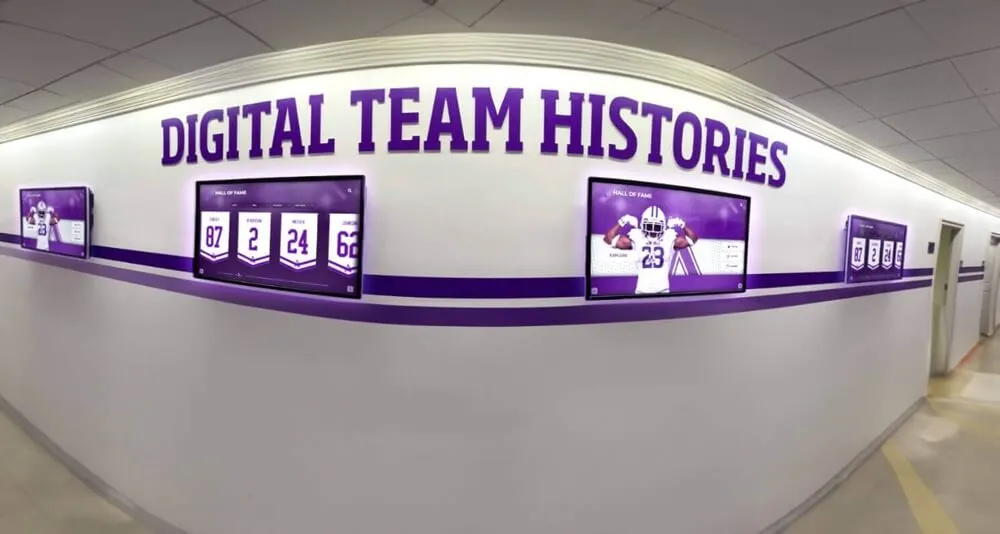
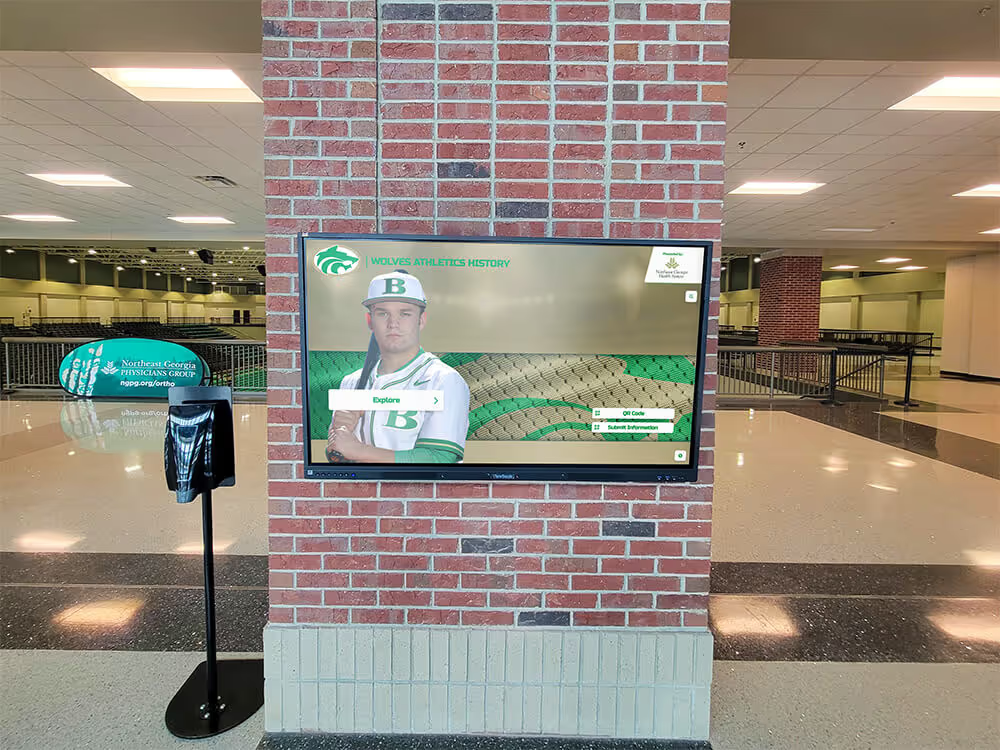
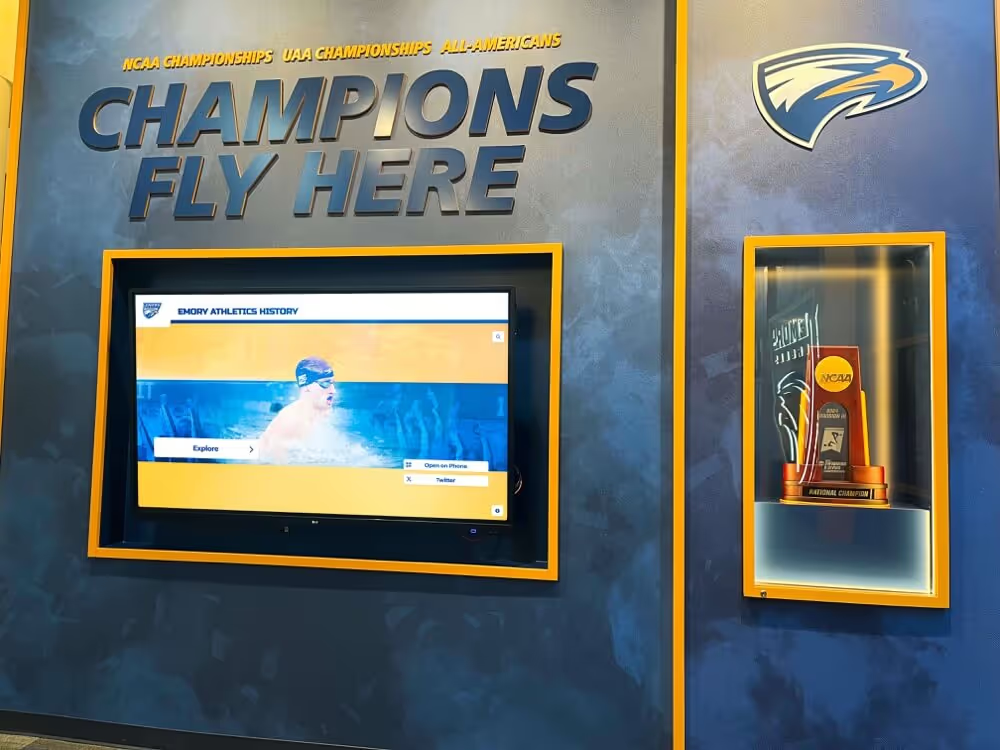
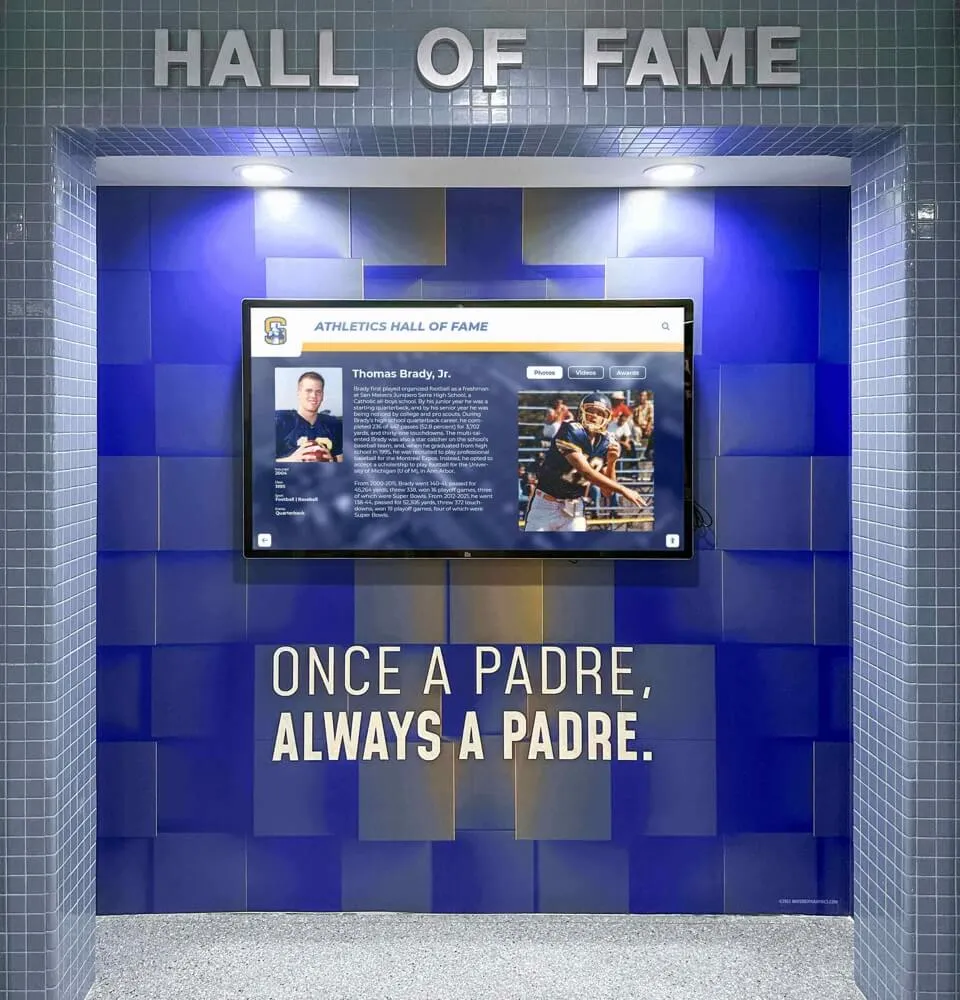
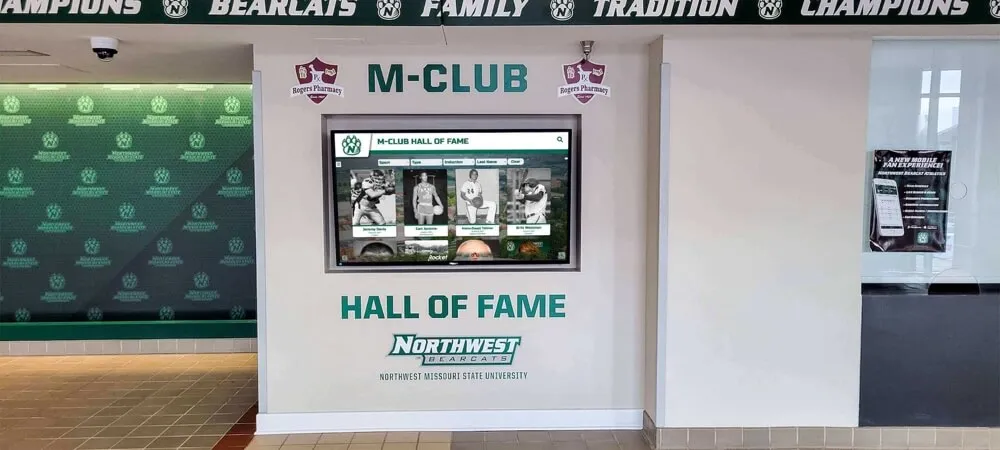
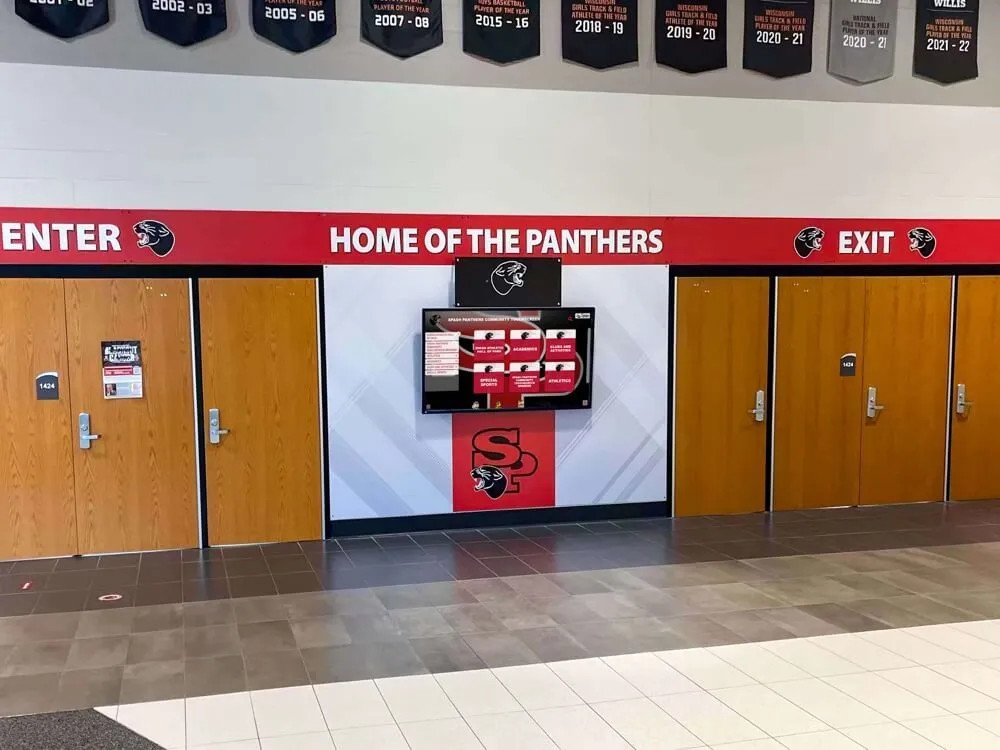
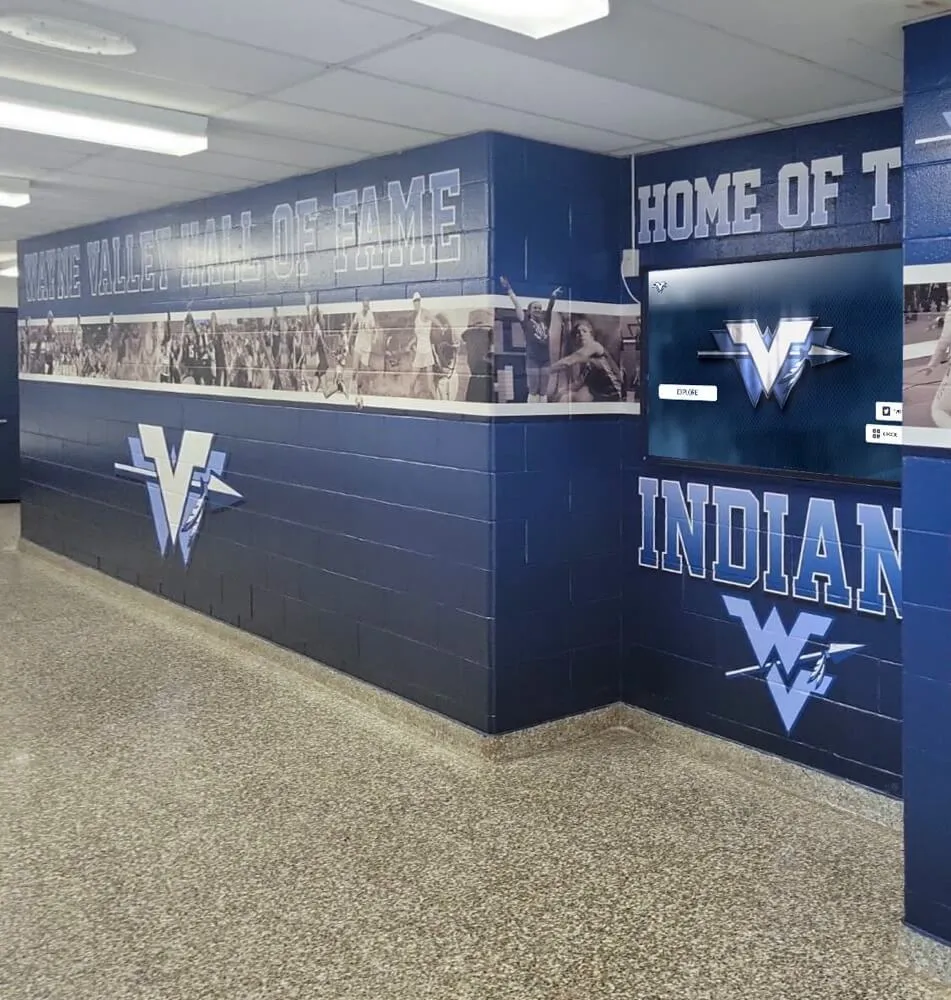
Visible leadership recognition inspires future participation by demonstrating that leadership roles are meaningful, celebrated, and accessible to all students
Understanding Comprehensive Student Leadership Programs
Before implementing specific initiatives, schools must understand what distinguishes comprehensive leadership development from traditional limited approaches that inadvertently exclude most students.
The Essential Components of Student Leadership Development
Effective programs share core elements that maximize participation while building genuine leadership competencies:
Multiple Leadership Pathways
Traditional approaches limiting leadership to student government create artificial scarcity suggesting only a few students can lead. Comprehensive programs recognize diverse leadership opportunities:
- Elected student government positions (class officers, student council representatives)
- Appointed committee chairs and special initiative leaders
- Peer mentoring and tutoring program leadership
- Activity and club officer positions across diverse interests
- Athletic team captainship and sports leadership
- Academic competition team leadership and subject ambassadors
- Event planning committees and special project coordinators
- Community service initiative leadership and volunteer coordination
- Restorative justice circles and peer mediation programs
- School improvement task forces addressing specific challenges
This multiplicity ensures leadership opportunities exist matching varied student interests, schedules, and developing skill levels—communicating that leadership takes many forms rather than following a single narrow definition.
Systematic Skill Development
Leadership requires competencies students develop through instruction and practice:
Core Leadership Competencies
- Communication skills (public speaking, active listening, written expression)
- Collaboration abilities (teamwork, consensus building, conflict resolution)
- Problem-solving approaches (critical thinking, creative solutions, decision-making)
- Project management fundamentals (planning, delegation, timeline management)
- Civic knowledge (governance structures, democratic processes, advocacy)
- Ethical reasoning (integrity, responsibility, service orientation)
Explore approaches to recognizing these developing skills in student government recognition programs.
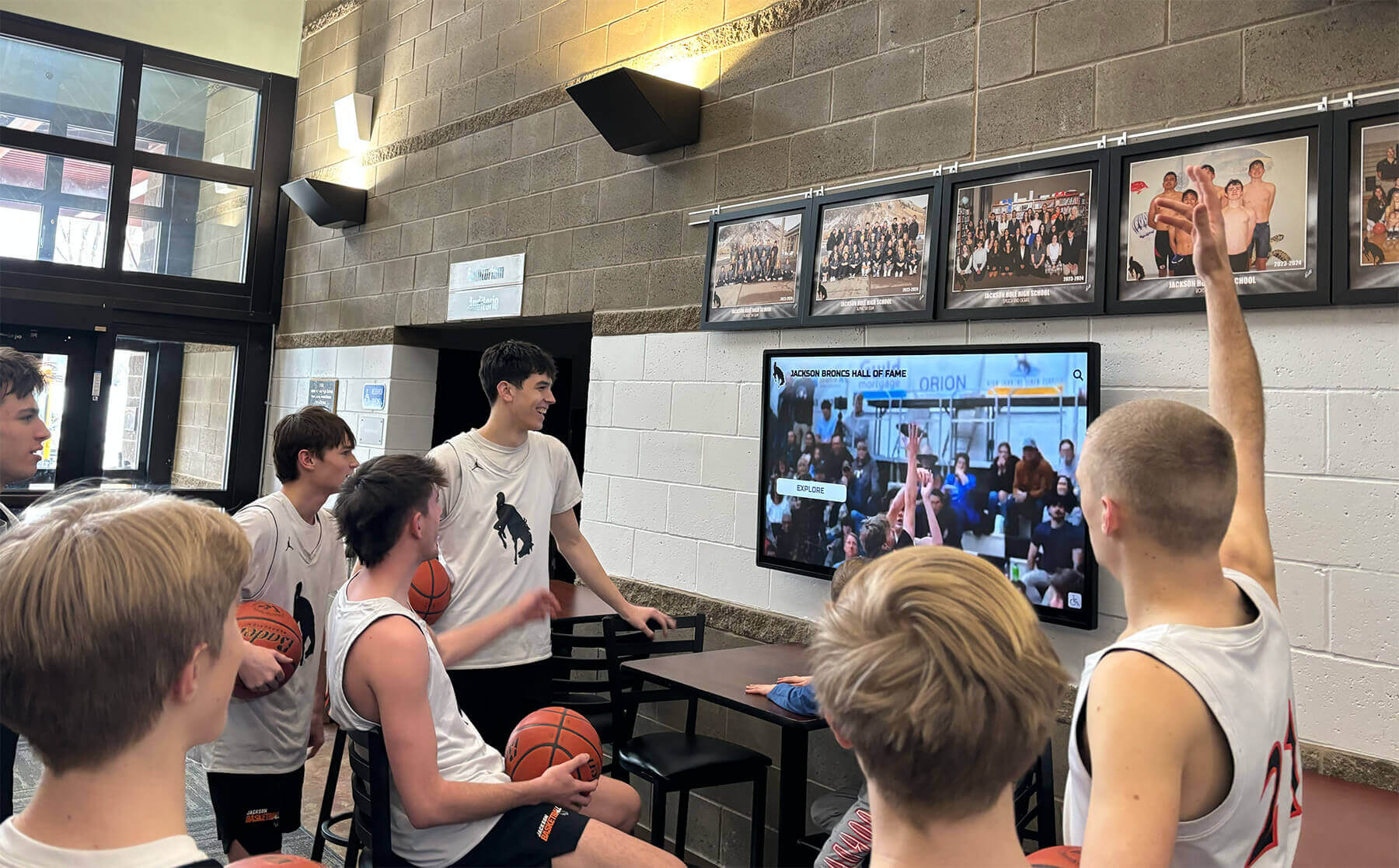
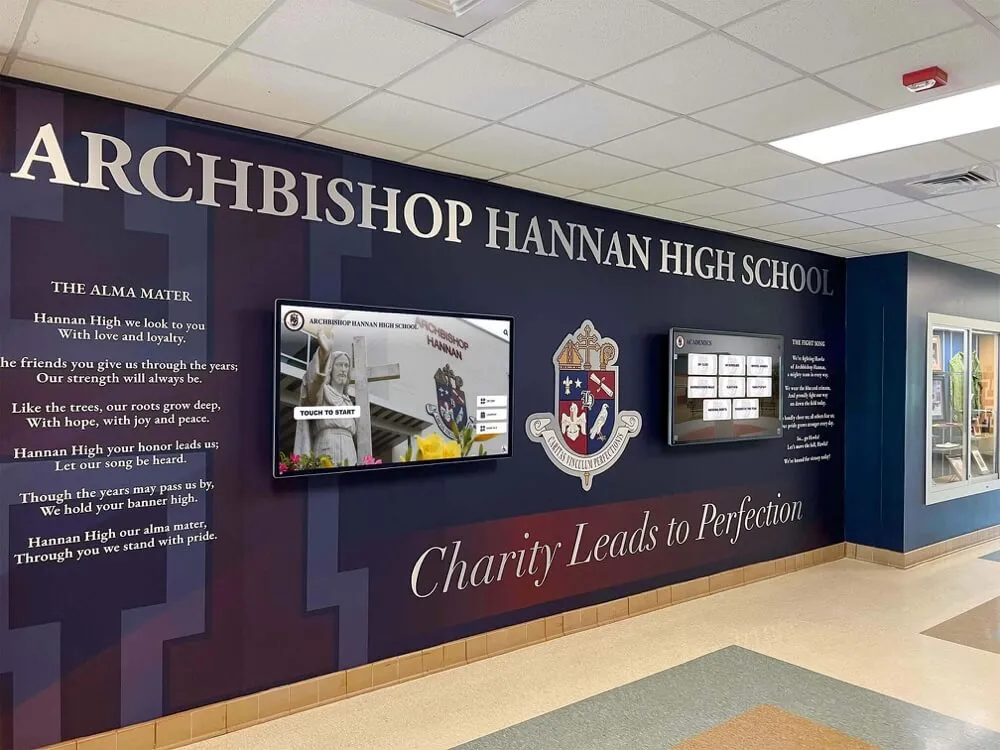
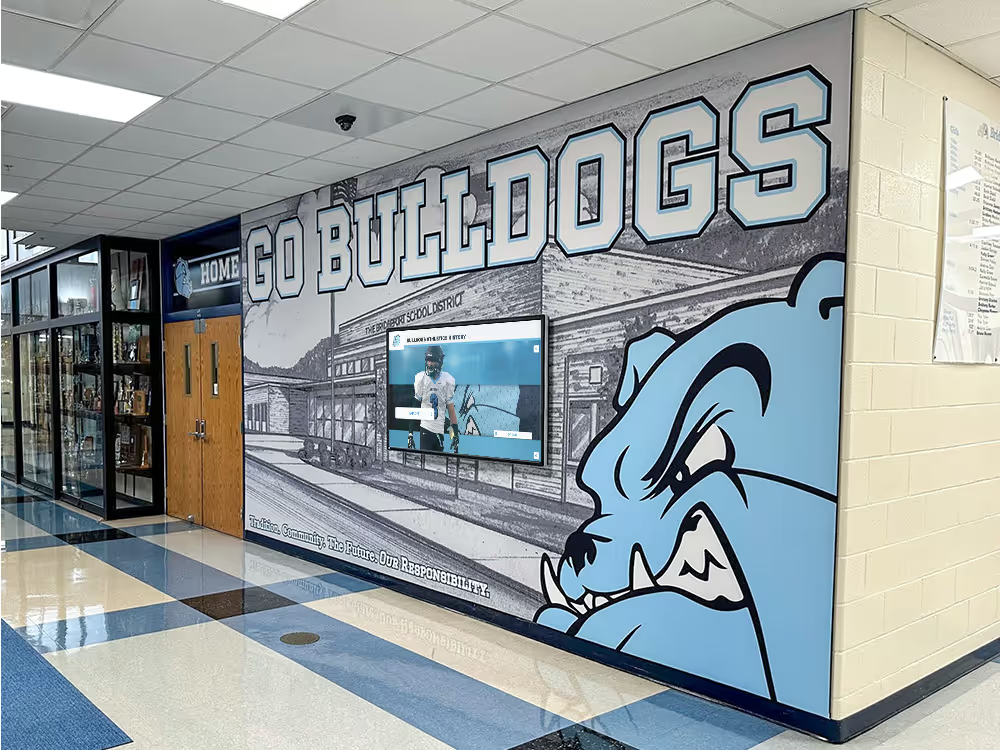
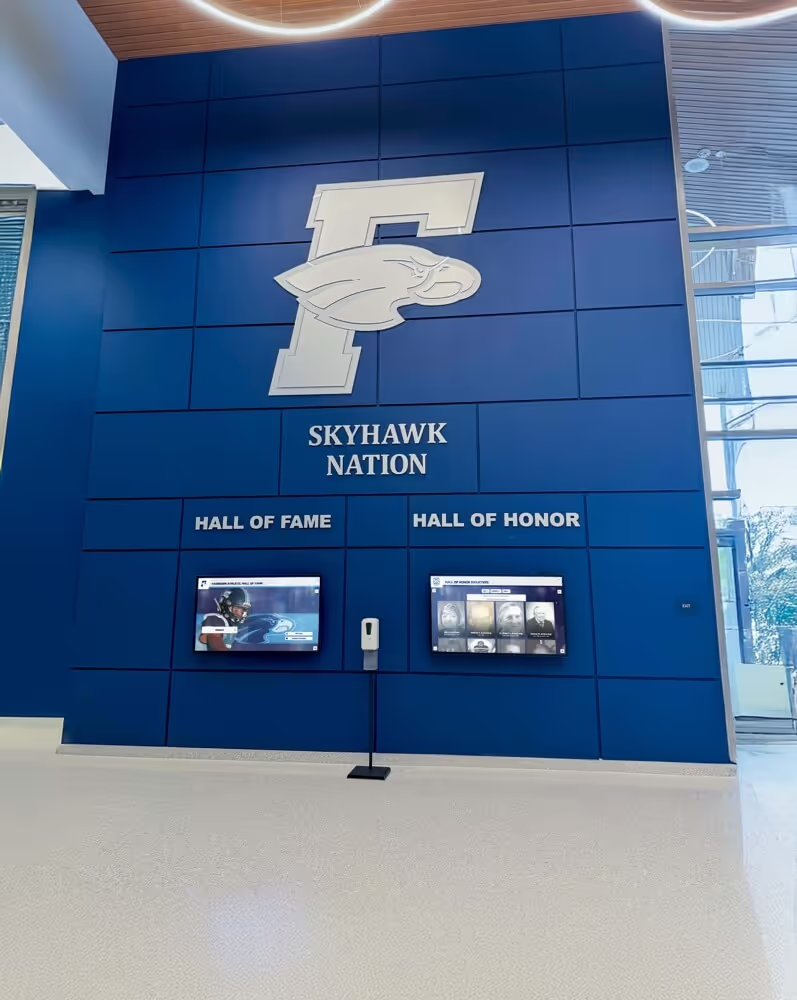
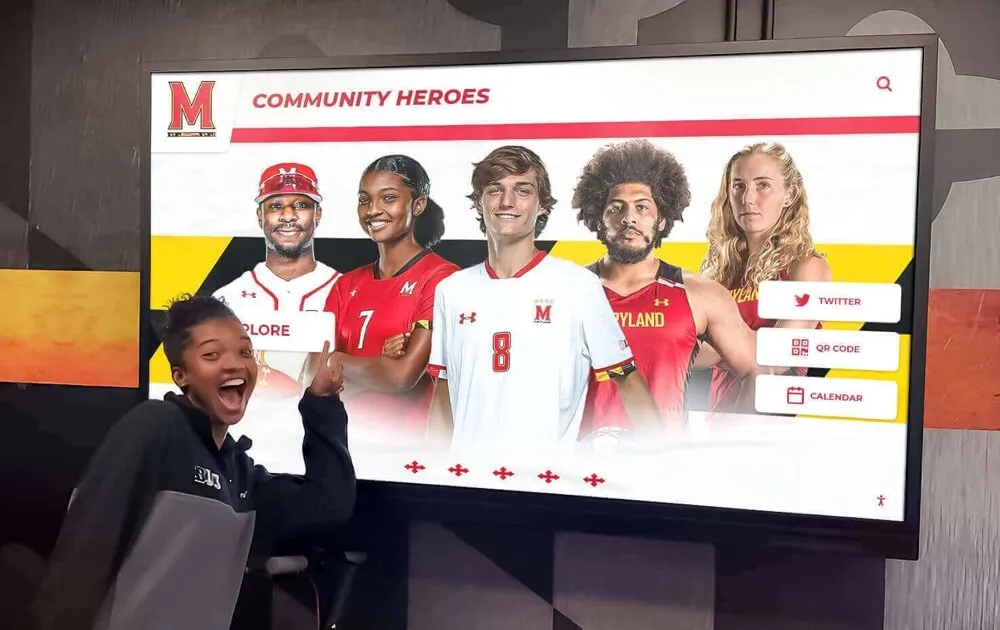
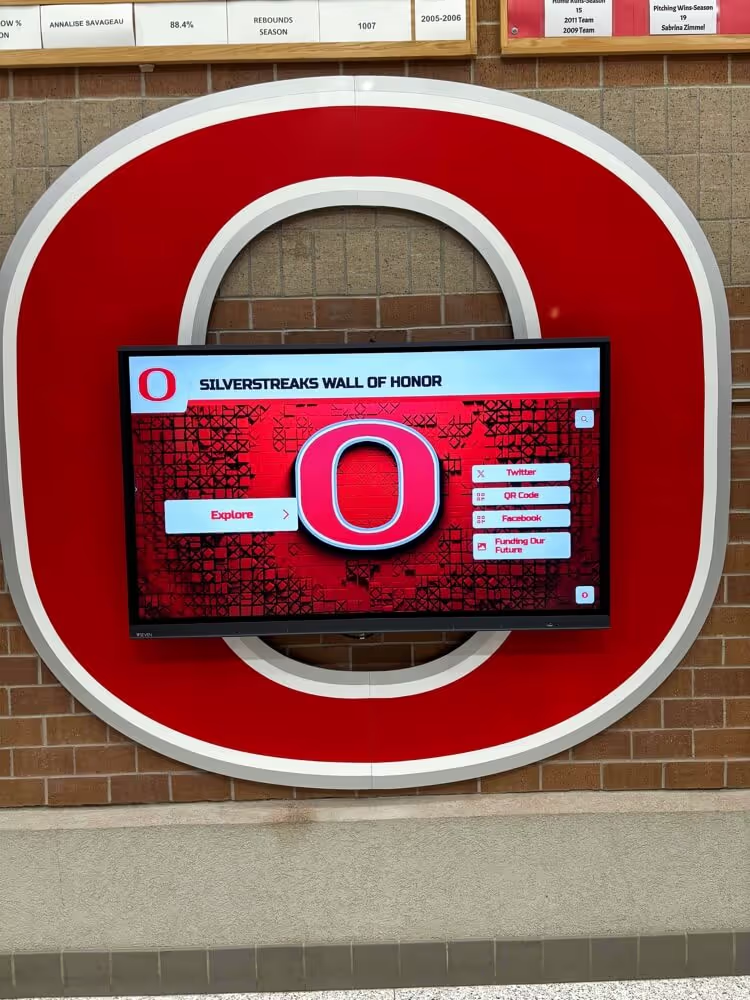
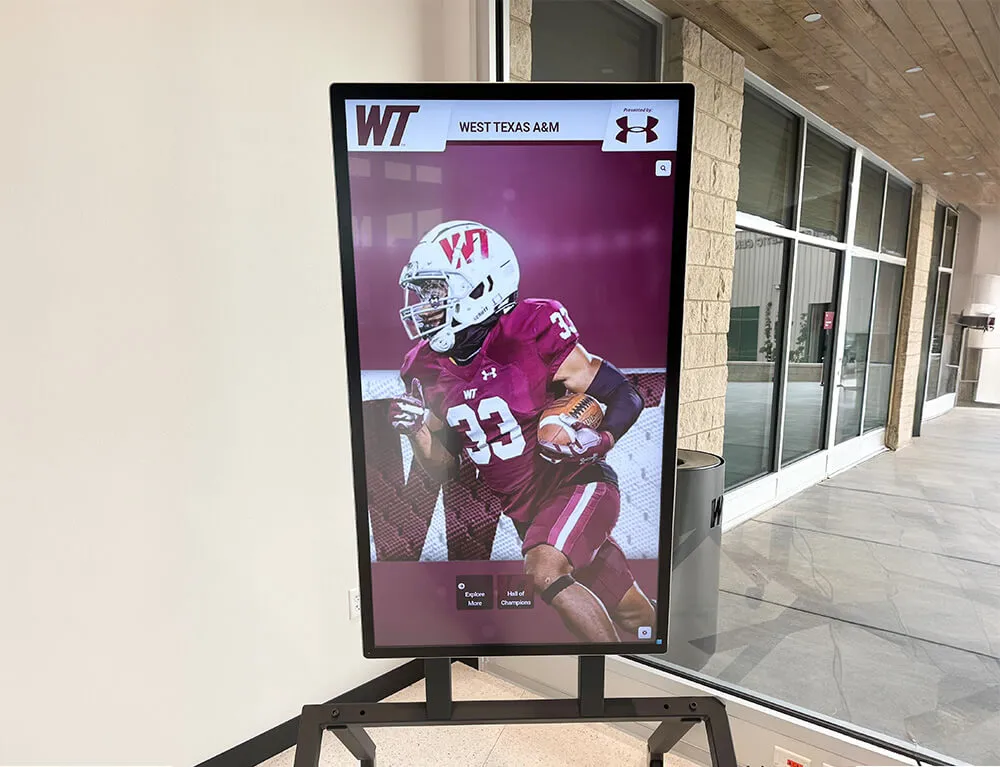
Interactive displays create opportunities for students to discover leadership pathways and explore what student leaders accomplish
Progressive Responsibility Structures
Leadership capacity builds through graduated experiences:
- Entry-level opportunities requiring minimal prerequisite experience
- Intermediate roles building on initial leadership exposure
- Advanced positions for experienced student leaders
- Mentorship expectations connecting experienced and emerging leaders
- Reflection processes enabling students to learn from experiences
- Portfolio development documenting leadership growth over time
This progression ensures students enter leadership pathways at appropriate levels while building toward more complex responsibilities as skills and confidence develop.
Why Student Leadership Programs Matter
Investment in comprehensive leadership development yields significant returns across multiple dimensions:
Academic and Behavioral Outcomes
Research consistently demonstrates leadership program participation correlates with improved student outcomes:
- Higher GPA and academic achievement among student leaders
- Increased school attendance and reduced disciplinary incidents
- Enhanced college application competitiveness through documented leadership
- Improved post-secondary persistence and graduation rates
- Greater career success attributed to developed competencies
- Stronger civic engagement persisting throughout adult lives
According to educational research, students who participate in leadership programs demonstrate 15-20% higher college enrollment rates compared to peers with similar academic credentials but without leadership experience, reflecting both skill development and the concrete application advantages leadership documentation provides.
School Culture and Climate
Student leadership transforms institutional culture:
- More positive school climate measures when students shape decisions
- Reduced peer conflict through student-led mediation and intervention
- Increased student voice in policies and practices affecting their lives
- Stronger school connectedness and sense of community belonging
- Enhanced staff-student relationships through collaborative problem-solving
- Visible demonstration that student perspectives matter to school leadership
Schools implementing comprehensive student leadership programs report measurable improvements in climate surveys, with students indicating they feel more valued, heard, and connected to their educational communities.
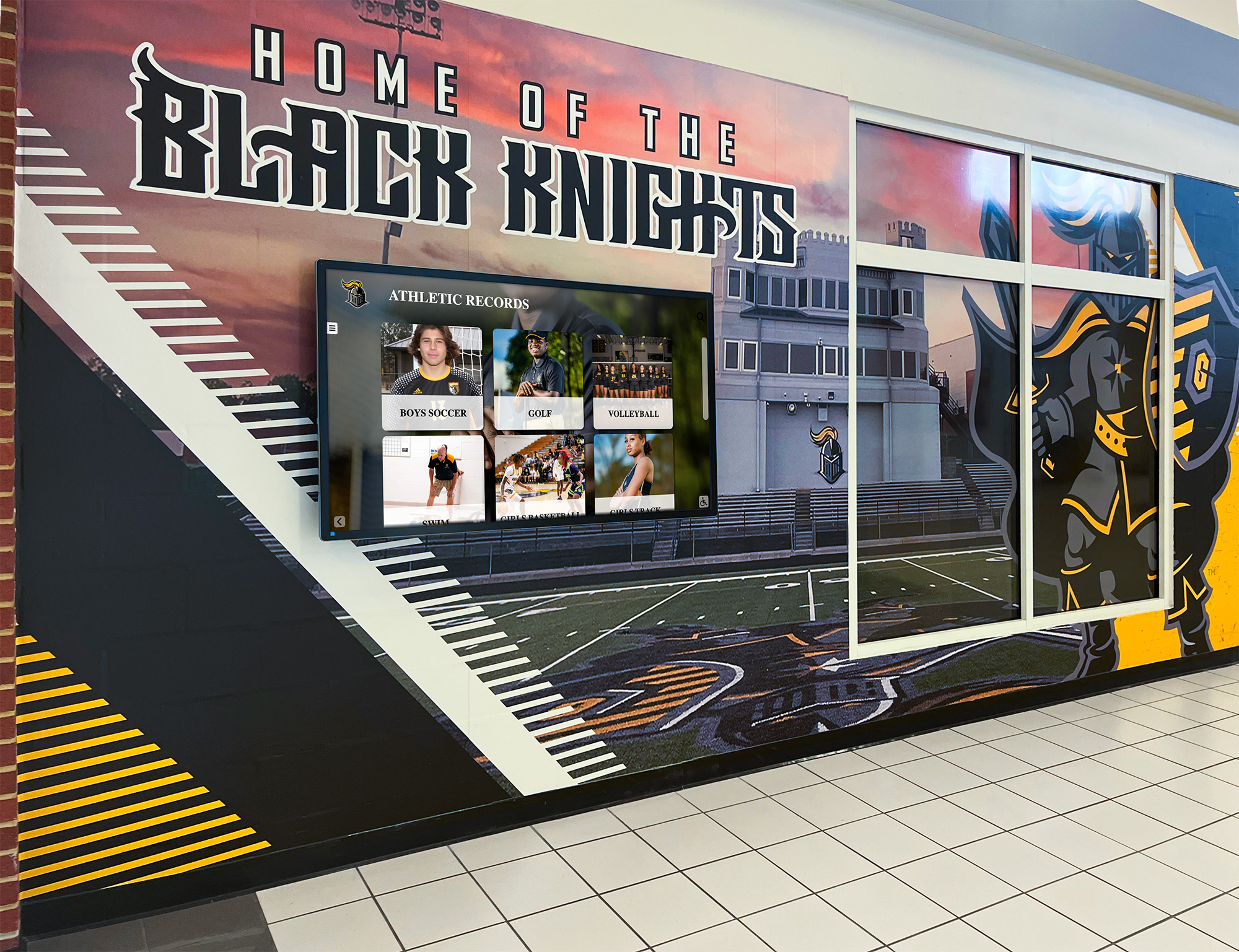
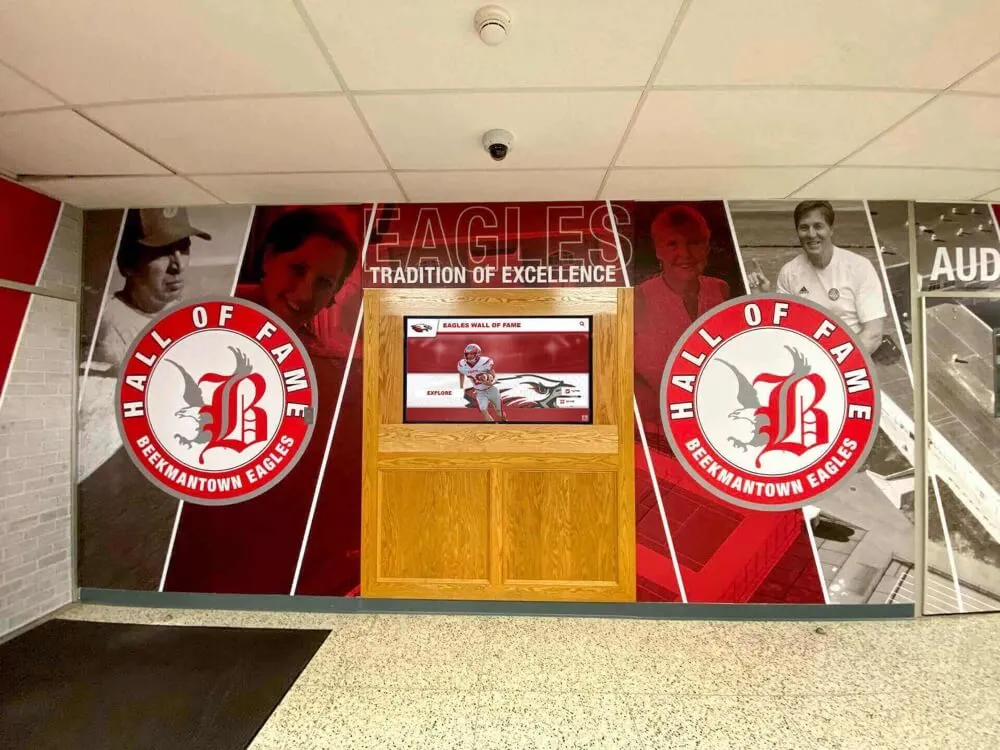
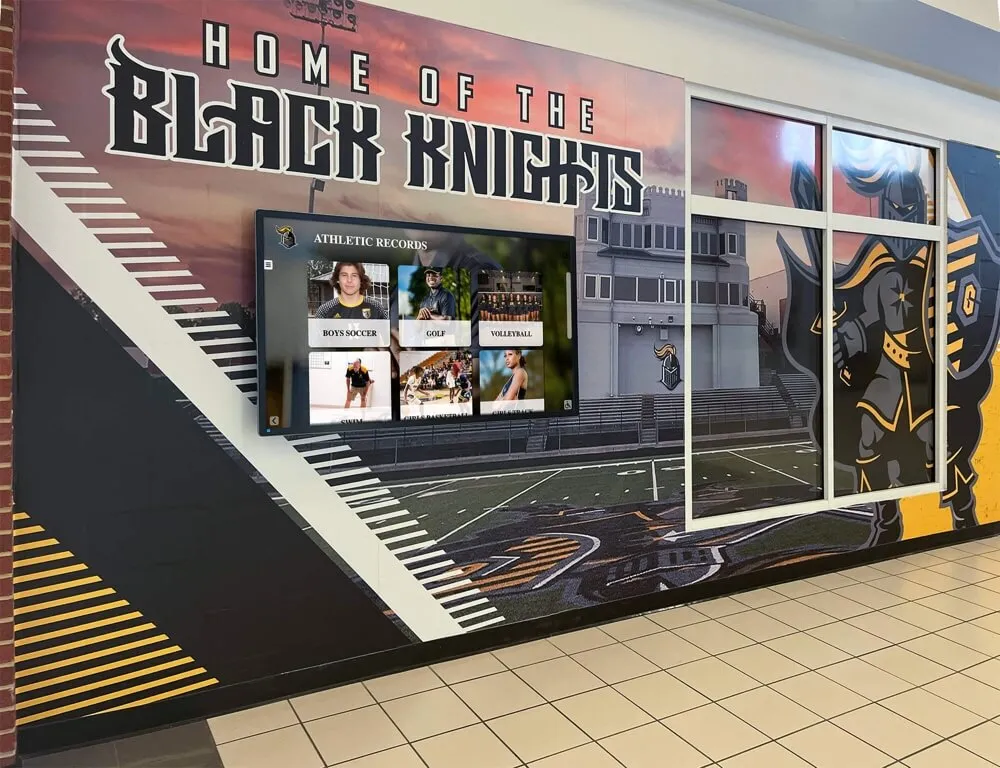
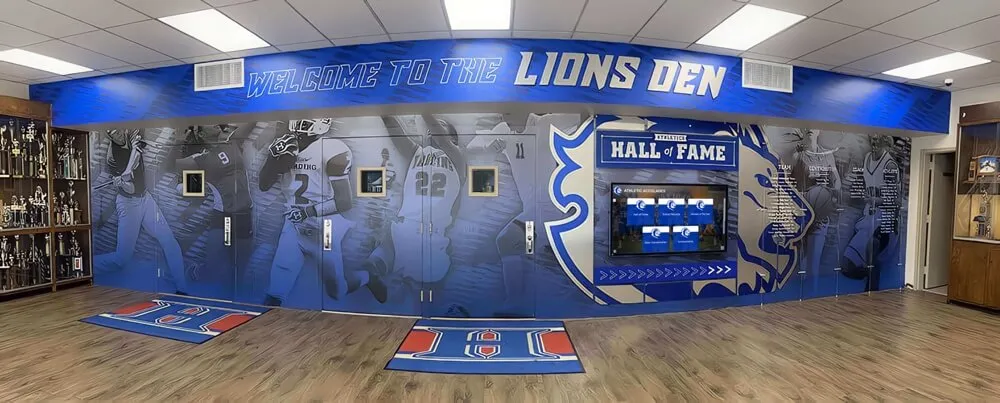
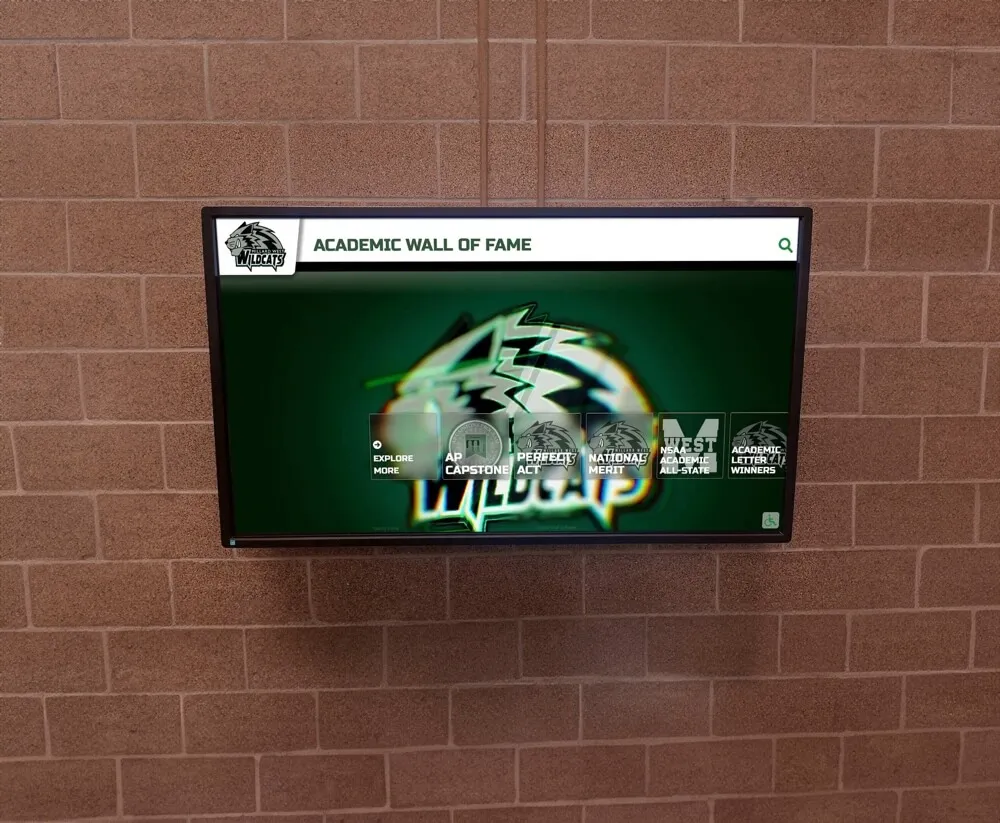
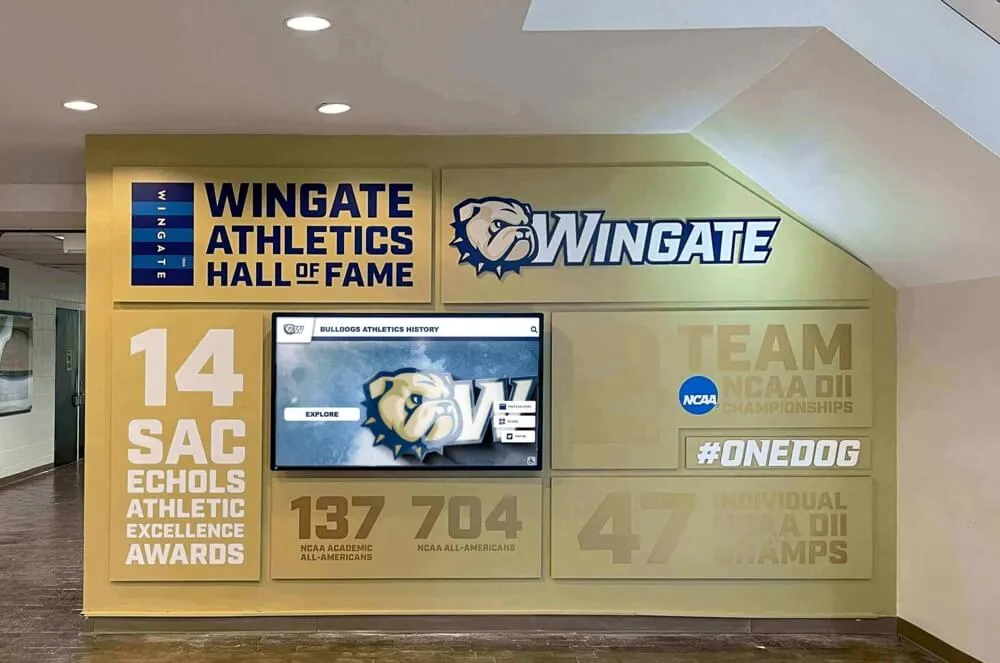
Strategic visual recognition throughout facilities communicates institutional commitment to student leadership and creates aspirational models
Equity and Access Development
When designed intentionally, leadership programs expand opportunity:
- Students from underrepresented backgrounds access leadership skill development
- First-generation college-going students build social capital and connections
- Quiet or introverted students discover leadership doesn’t require extroversion
- Students with diverse learning profiles find leadership pathways matching their strengths
- Multilingual students contribute unique perspectives strengthening programs
- Economic diversity in leadership challenges harmful assumptions about who can lead
This equity impact requires intentional design rather than assuming equal access automatically results from program creation—as explored later in this guide.
Building Formal Student Government Structures
Student government represents the most recognized leadership program component and requires thoughtful design ensuring meaningful engagement rather than ceremonial positions.
Designing Effective Student Council Systems
Strong student government structures balance representation, efficiency, and meaningful responsibility:
Representative Models
Several organizational approaches serve different institutional contexts:
Class-Based Representation
- Officers elected by each grade level (president, vice president, secretary, treasurer)
- Grade-level councils addressing class-specific interests and planning events
- Cross-class executive board coordinating school-wide initiatives
- Clear progression from underclass participation to senior leadership
- Distributed power preventing single-class dominance
Homeroom or Advisory Representation
- Representatives elected from each homeroom or advisory group
- Ensures geographic and demographic distribution across student body
- Creates manageable campaigning scope for all potential candidates
- Provides direct constituent connection enabling authentic representation
- Works particularly well in middle schools and smaller high schools
Hybrid Structures
- Combination of at-large positions elected school-wide
- Specific representatives from grade levels or constituencies
- Committee chairs appointed based on interest and expertise
- Balances broad school representation with specialized focus
- Accommodates varied school sizes and organizational needs
Learn about comprehensive recognition for class presidents and student leadership positions.
Ensuring Substantive Governance, Not Just Symbolism
Student government must exercise genuine authority creating real impact:
Meaningful Decision-Making Authority
Authentic governance requires actual power over substantive matters:
- Budget authority over student activity funds (typically $10,000-50,000+ annually)
- Policy input on rules directly affecting students (dress codes, cell phone policies, parking)
- Event planning and calendar influence (spirit weeks, homecoming, school traditions)
- Facility and space allocation decisions (common areas, student spaces)
- Curriculum feedback and course selection input
- Hiring process participation for student-facing staff when appropriate
- School improvement initiative leadership addressing identified needs
Schools should clearly define student government authority scope, eliminating ambiguity about what decisions students genuinely influence versus matters reserved for adult leadership.
Regular Communication with Administration
Meaningful governance requires systematic administrator engagement:
- Scheduled meetings between student leadership and principal/administration
- Student government presentation time at school board meetings
- Administrator attendance at student council meetings providing information and feedback
- Transparent communication about which student proposals can be implemented
- Honest explanation when student ideas cannot be adopted with genuine reasoning
- Follow-through on commitments made to student government building trust
This regular communication demonstrates institutional respect for student government while teaching realistic lessons about organizational decision-making, compromise, and advocacy within established structures.
Accountability and Reporting Systems
Student leaders need accountability mechanisms ensuring follow-through:
- Campaign platform documentation creating public record of promises
- Regular reporting to constituents about activities and accomplishments
- End-of-term presentations documenting achievements and lessons learned
- Digital recognition systems preserving leadership records and accomplishments
- Student evaluation of government effectiveness through surveys
- Transition documentation ensuring institutional knowledge transfers
Accountability reinforces that student government involves real responsibilities deserving serious engagement rather than résumé decoration requiring minimal effort.
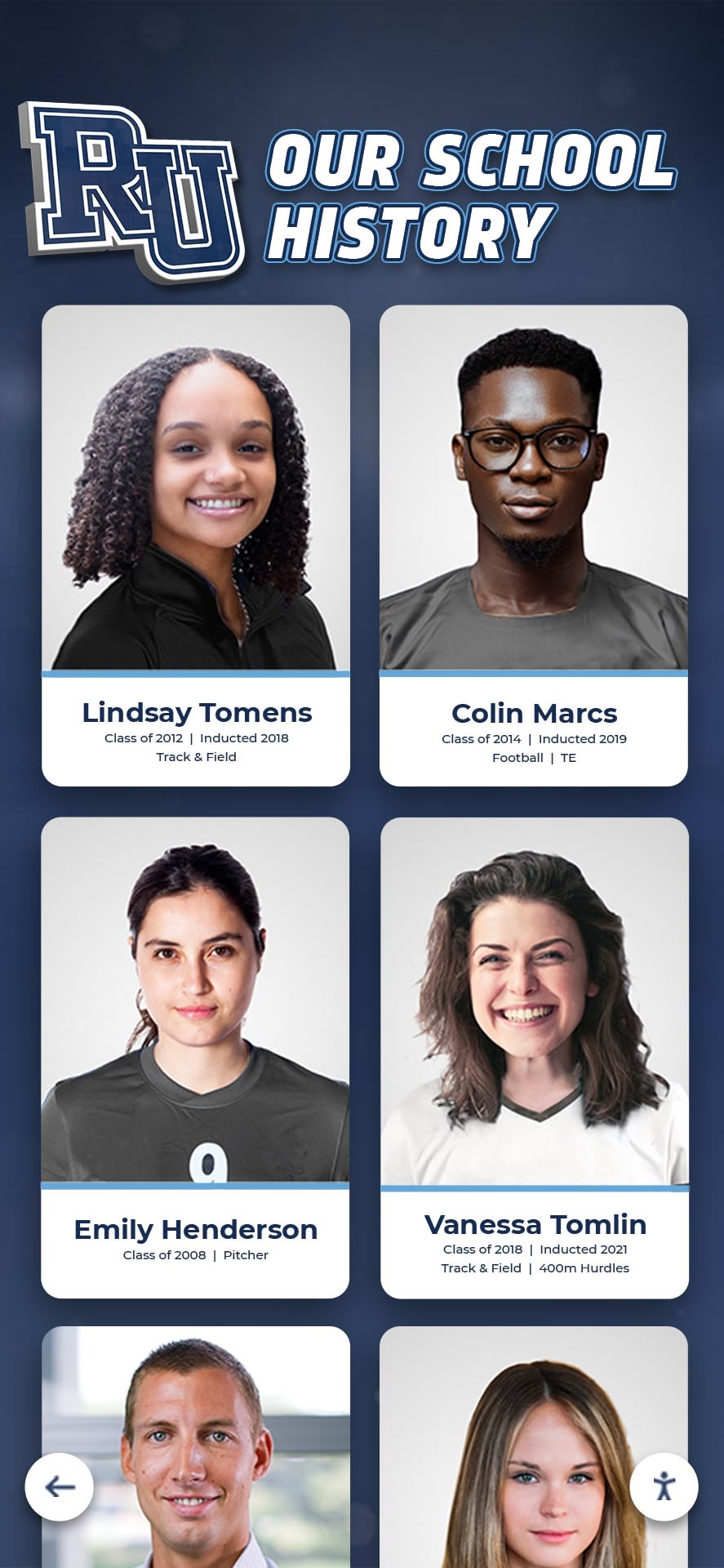
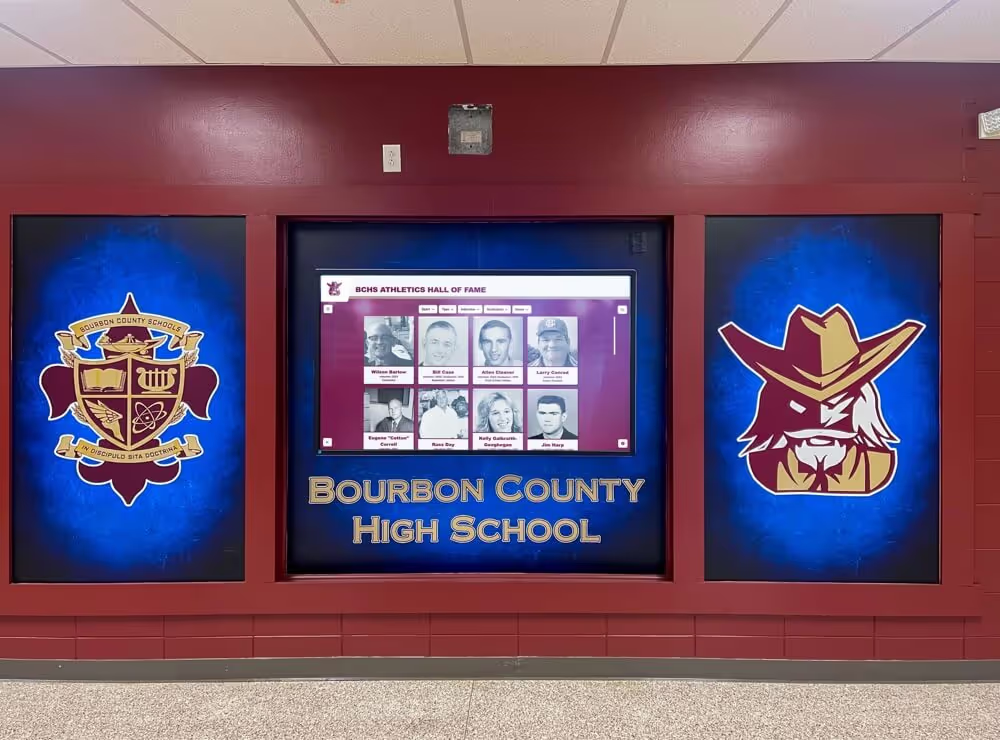
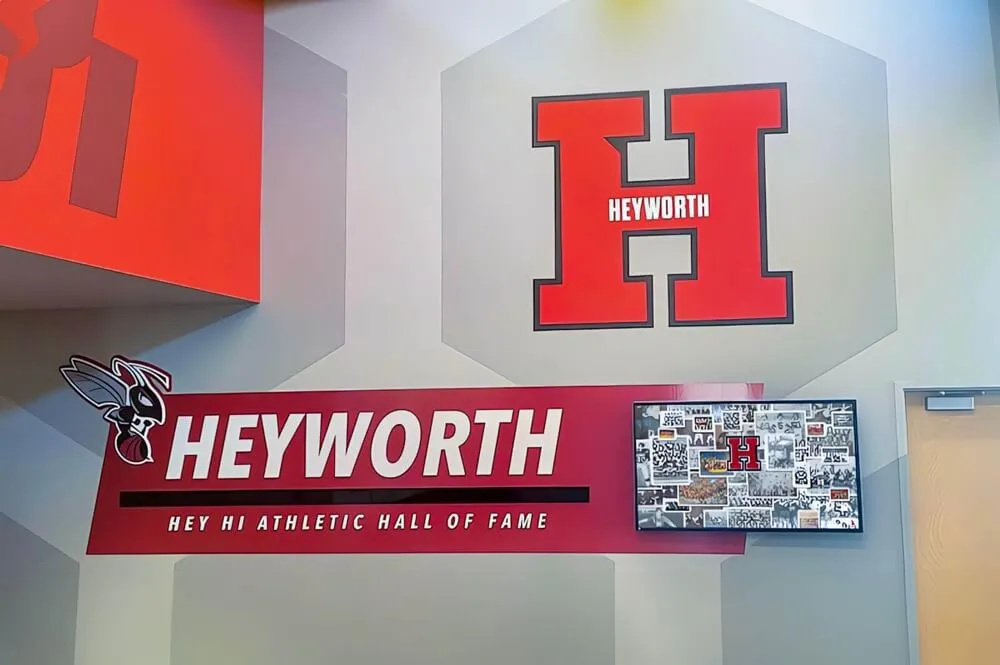
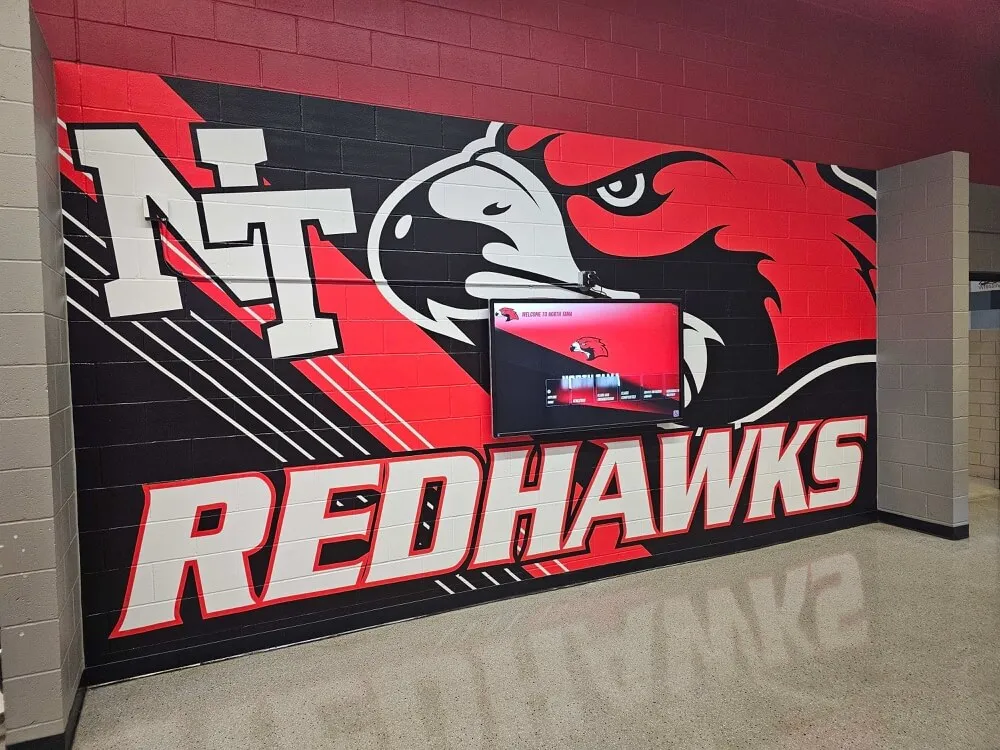
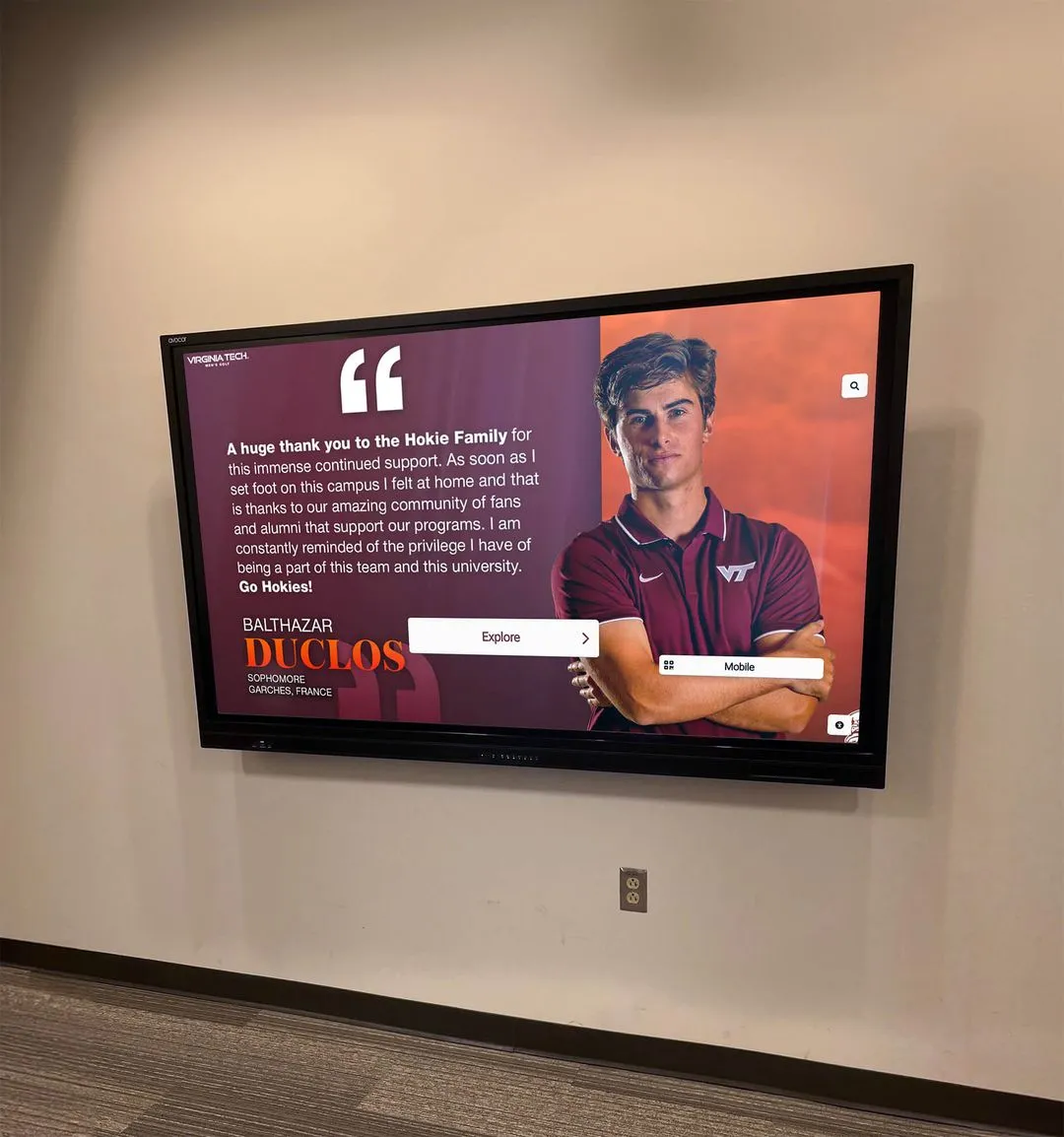
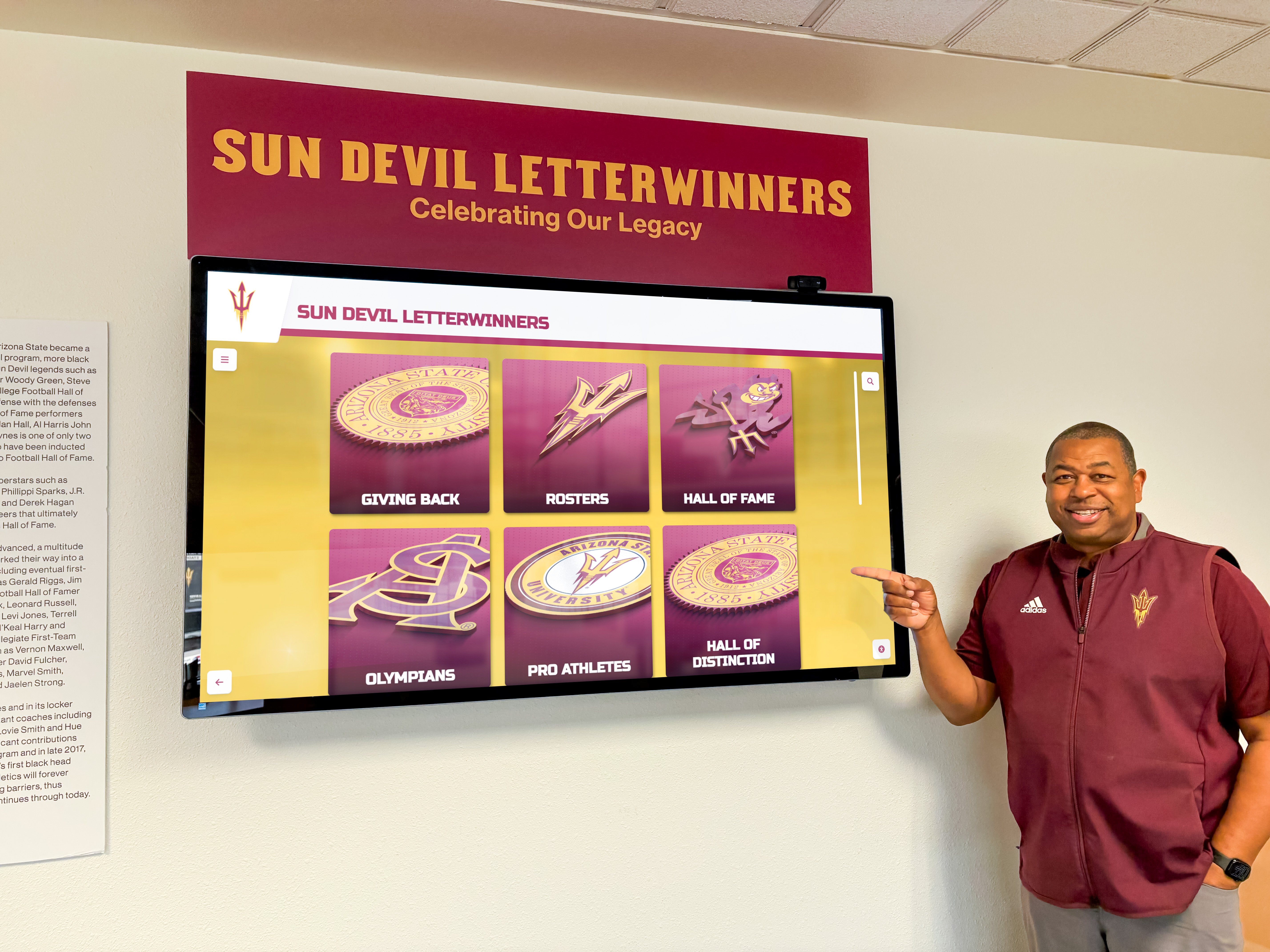
Individual leadership profiles celebrate specific contributions while documenting the comprehensive work student government accomplishes
Developing Diverse Leadership Opportunities Beyond Student Government
Comprehensive programs create multiple pathways ensuring all students find appropriate leadership opportunities matching their interests and developmental readiness.
Peer Mentoring and Tutoring Programs
Academic leadership develops essential competencies while supporting school improvement:
Structured Peer Tutoring
Formalized programs maximize impact:
- Subject-specific tutoring matching strong students with peers needing support
- Training for peer tutors in effective teaching strategies and communication
- Scheduled tutoring sessions during study halls, before/after school, or dedicated periods
- Recognition for tutors through service hours, awards, and documented leadership
- Assessment of tutoring effectiveness through tutee progress and feedback
- Integration with academic support systems and teacher collaboration
Peer tutoring develops leadership through teaching skills, patience, communication, and service orientation while providing genuine academic support supplementing teacher instruction.
Grade-Level Mentoring Programs
Upperclass students support newer students navigating school systems:
- Freshman orientation programs led by junior and senior mentors
- New student welcoming committees helping mid-year transfers integrate
- Advisory connections pairing experienced students with underclass advisees
- Academic planning support helping younger students make informed decisions
- Social navigation assistance teaching unwritten school culture norms
- Transition support at key moments (middle to high school, grade progressions)
Schools implementing systematic mentoring report improved freshman transition experiences, reduced early-year failure rates, and stronger school connectedness among students who might otherwise struggle with adjustment.
Committee and Initiative Leadership
Task-specific leadership creates focused opportunities developing project management skills:
Standing Committee Structures
Ongoing committees address persistent institutional needs:
School Spirit and Culture Committee
- Spirit week and pep rally planning energizing school community
- Homecoming coordination and tradition preservation
- School pride initiatives and branding development
- Athletic event support and student section organization
- Cultural celebration events honoring school diversity
Community Service Committee
- Service project identification and coordination
- Volunteer opportunity communication and student recruitment
- Partnerships with community organizations and nonprofits
- Service hour tracking and documentation
- Recognition events celebrating student volunteerism
Sustainability and Wellness Committee
- Environmental initiatives (recycling, energy conservation, campus beautification)
- Mental health awareness campaigns and resource promotion
- Healthy lifestyle advocacy and wellness programming
- Student safety initiatives addressing identified concerns
- Campus improvement projects enhancing physical environment
These standing committees create year-round leadership opportunities accommodating students whose schedules or preferences don’t align with elected positions.
Special Project Leadership
Time-limited initiatives develop intensive project management experience:
- Fundraising campaigns for specific causes or needs
- Awareness weeks addressing topics like bullying prevention or college preparation
- School improvement task forces solving particular challenges
- Event planning teams organizing major annual celebrations
- Student voice initiatives gathering peer input on school decisions
- Technology integration projects helping implement new systems
Special projects allow students to lead without multi-year commitments, creating accessible entry points for emerging leaders testing leadership interest while building initial experience.
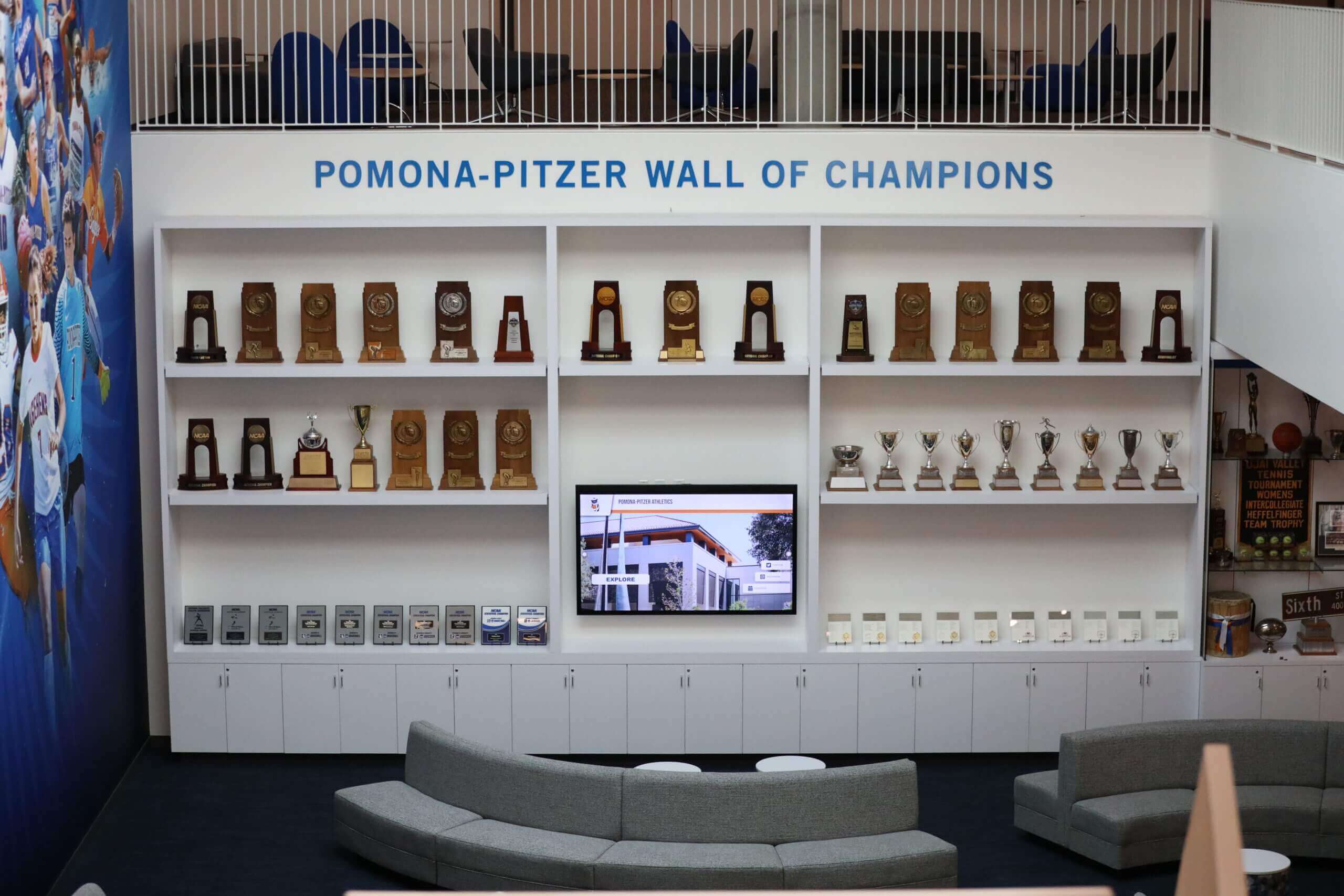
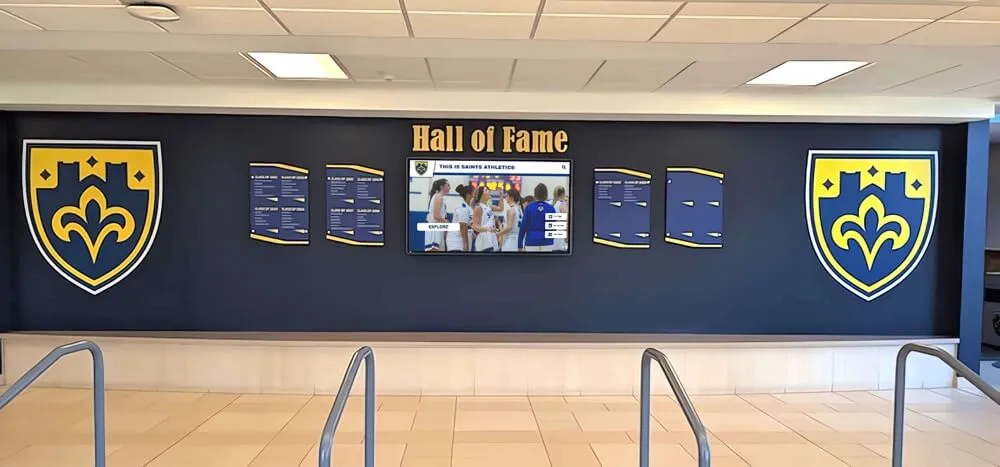
Strategic recognition areas create spaces celebrating diverse achievements including academic, athletic, and leadership accomplishments
Activity and Club Leadership Development
Extracurricular organizations provide natural leadership laboratories:
Club Officer Structures
Student organizations develop governance and organizational skills:
- President roles providing overall direction and external representation
- Vice president positions supporting presidents while preparing for succession
- Secretary responsibilities teaching record-keeping and communication
- Treasurer positions developing financial management and responsibility
- Committee chairs organizing specific club functions or events
- Membership coordinators focusing on recruitment and engagement
Schools should provide officer training across all clubs ensuring consistent leadership development regardless of specific organization focus.
Activity-Specific Leadership
Specialized programs create unique opportunities:
- Debate team captains developing argumentation and public speaking
- Drama production stage managers learning complex coordination
- School newspaper editors making editorial decisions and managing teams
- Yearbook leadership coordinating large-scale documentation projects
- Academic competition team captains in specialized subjects
- Performance ensemble leaders (band section leaders, choir officers)
These specialized leadership roles allow students to lead within passion areas while developing transferable skills applicable across contexts.
Creating Systematic Leadership Skill Development
Programs must intentionally build competencies rather than assuming leadership experience automatically develops skills.
Leadership Curriculum and Training
Formal instruction supplements experiential learning:
Core Leadership Training Components
Effective training addresses essential competencies:
Communication Skills Development
- Public speaking fundamentals and anxiety management
- Active listening techniques ensuring understanding
- Written communication clarity and professionalism
- Presentation design and delivery
- Difficult conversation navigation
- Media interaction and interview skills
Collaboration and Teamwork
- Meeting facilitation and agenda development
- Consensus building when perspectives differ
- Delegation strategies and accountability
- Conflict resolution and mediation
- Inclusive decision-making ensuring diverse voices
- Coalition building across different groups
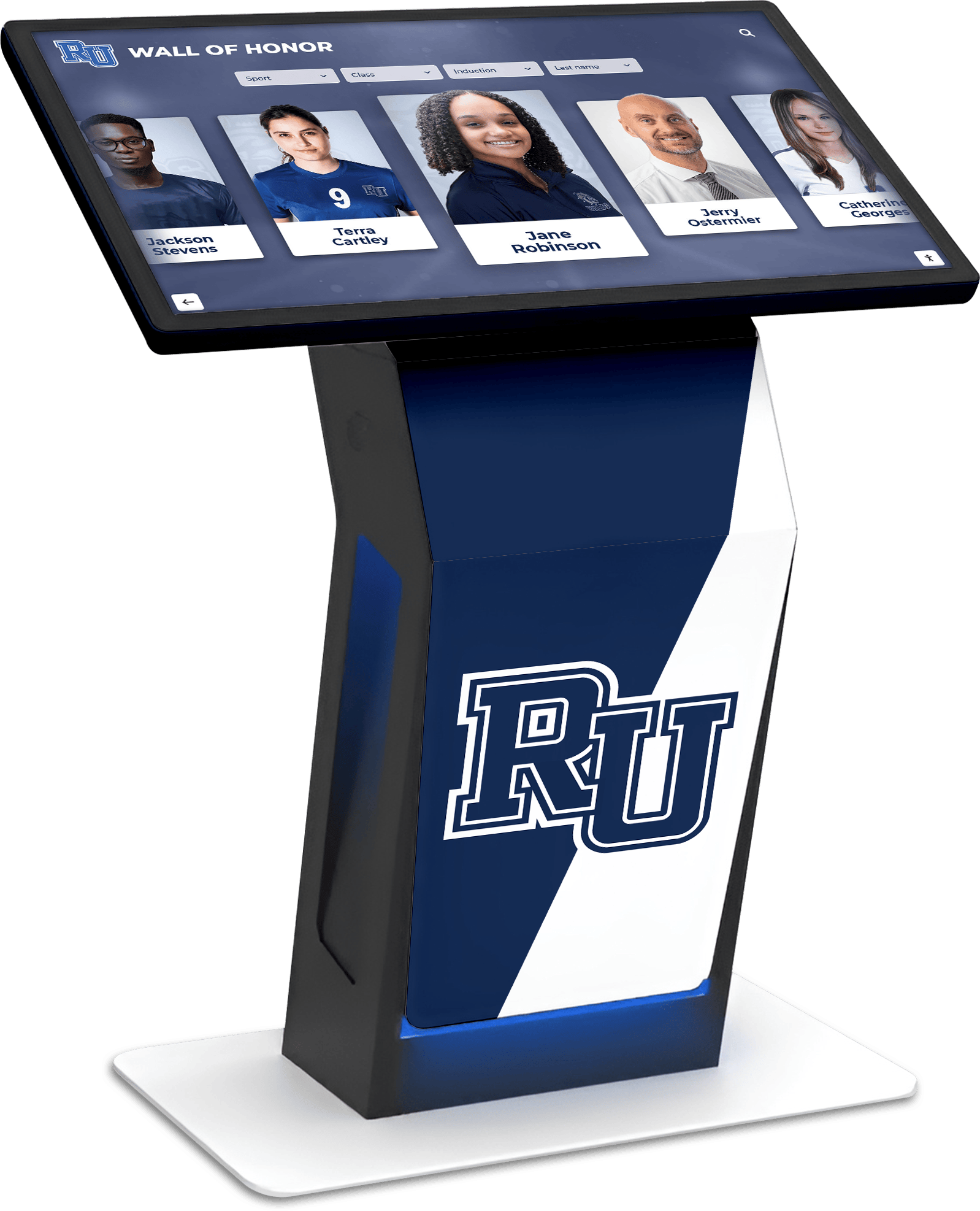
Modern recognition systems document leadership skill development, providing tangible records students reference for applications and future opportunities
Project Management Fundamentals
- Goal setting using SMART criteria
- Timeline development and milestone identification
- Resource allocation and budget management
- Progress monitoring and adjustment
- Evaluation methods assessing initiative success
- Documentation for institutional memory
Ethical Leadership
- Integrity in challenging situations
- Balancing competing interests and stakeholder needs
- Responsible decision-making considering broader impact
- Service orientation rather than self-interest
- Accountability and learning from mistakes
- Inclusive leadership ensuring marginalized voices are heard
Mentorship and Coaching Structures
Experienced leaders support emerging student leaders:
Adult Advisor Support
Faculty advisors provide essential guidance:
- Regular check-ins addressing challenges and celebrating successes
- Behind-the-scenes counsel on complex situations
- Connection to resources and institutional knowledge
- Advocacy within administrative structures when appropriate
- Coaching on leadership skills and development areas
- Long-term relationship providing continuity and perspective
Effective advisors balance support with allowing students to lead authentically, resisting urges to direct every decision while providing necessary guidance preventing serious mistakes.
Peer-to-Peer Mentorship
Student-to-student support creates authentic connections:
- Upperclass leaders mentoring students newly entering leadership roles
- Position-specific mentorship (current class president supporting successor)
- Informal leadership communities connecting student leaders across programs
- Group mentoring circles addressing common challenges collectively
- Leadership transition protocols ensuring knowledge transfers systematically
- Alumni connections linking current students with former school leaders
Peer mentorship develops both mentors (teaching, reflection, leadership) and mentees (learning, confidence, connection) while building leadership communities extending beyond individual programs.
Leadership Reflection and Portfolio Development
Systematic reflection maximizes learning from experience:
- Regular journaling about leadership experiences and lessons learned
- Goal-setting and progress assessment throughout leadership terms
- Portfolio documentation preserving accomplishments and growth
- Presentation opportunities sharing leadership journeys with others
- Recognition programs celebrating documented leadership development
- College application support leveraging documented experiences
This reflection transforms isolated activities into coherent leadership narratives demonstrating growth, learning, and developed competencies.
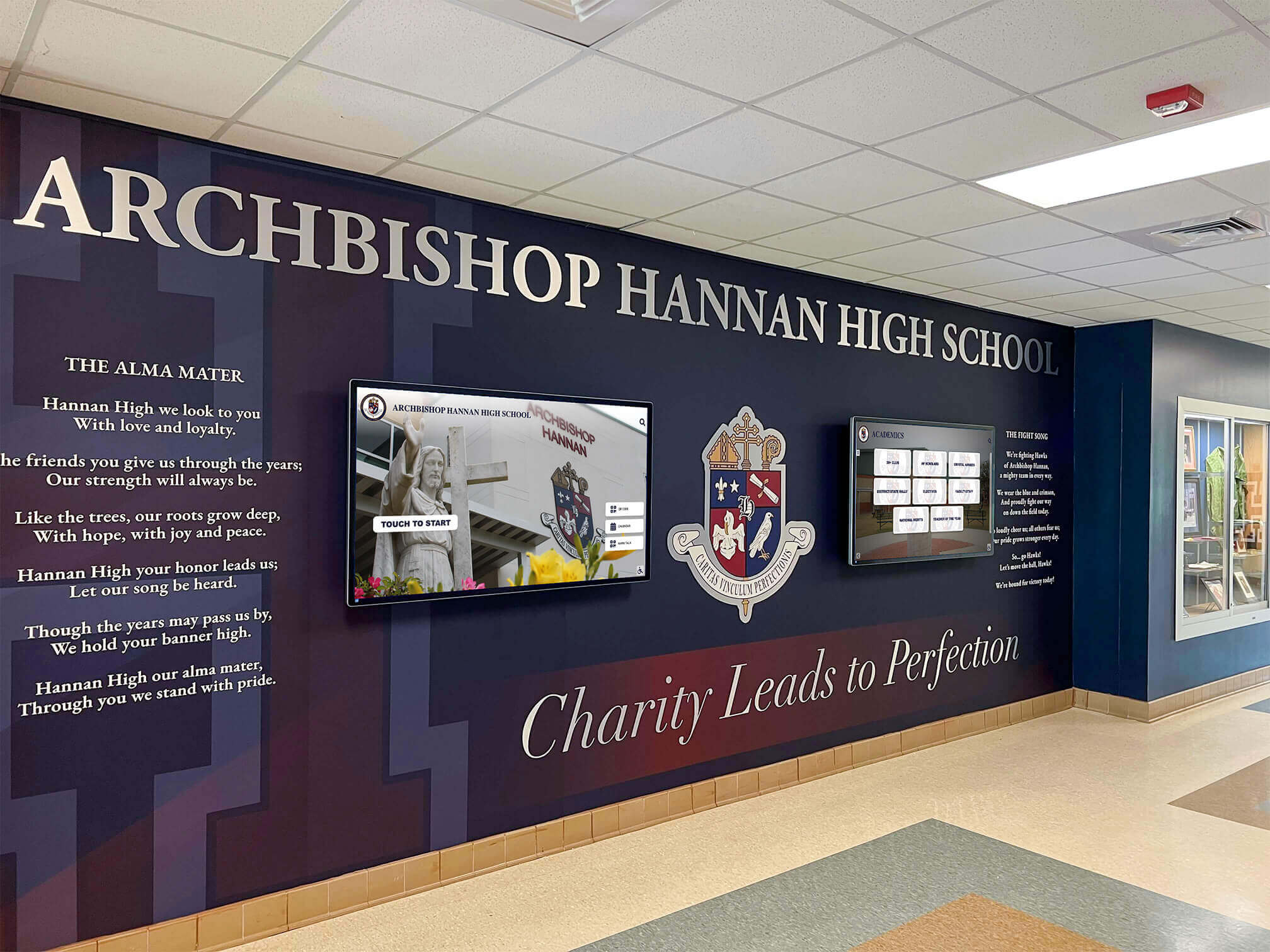
Coordinated visual identity incorporating leadership recognition creates comprehensive environments celebrating student achievement
Building Inclusive and Equitable Leadership Programs
Without intentional design, leadership programs inadvertently replicate existing privilege patterns, limiting access for underrepresented students.
Addressing Participation Barriers
Multiple factors prevent equitable leadership access:
Schedule and Time Constraints
Traditional leadership structures often exclude students with:
- After-school work obligations supporting families financially
- Transportation limitations preventing extended school day participation
- Family care responsibilities requiring immediate post-school presence
- Athletic or arts commitments consuming available discretionary time
- Multiple demanding factors limiting capacity for additional involvement
Program Design Solutions
- Flexible meeting times accommodating varied schedules
- Virtual participation options enabling remote engagement when necessary
- Micro-leadership opportunities requiring limited time commitments
- Recognition that leadership happens in various ways beyond meetings
- Financial support eliminating participation costs (travel, materials, events)
Social and Cultural Barriers
Subtle dynamics discourage some students from pursuing leadership:
- Perception that leadership positions belong to specific social groups
- Cultural differences in leadership expression and demonstration
- Language barriers for multilingual students or recent arrivals
- Confidence gaps affected by prior educational experiences
- Implicit bias in selection or election processes
- Limited visible role models from similar backgrounds
Equity-Focused Solutions
- Proactive recruitment targeting underrepresented populations
- Diverse pathways to leadership not requiring traditional campaigning
- Explicit messaging that leadership welcomes all students
- Adult advocacy supporting students facing discouragement
- Appointment opportunities when elections create barriers
- Celebration of diverse leadership styles beyond extroverted assertiveness
Learn about comprehensive approaches to student recognition programs that include leadership development.
Monitoring Participation Patterns
Regular assessment identifies equity gaps requiring attention:
Demographic Analysis
Systematic tracking reveals representation patterns:
- Leadership participation rates compared to overall student demographics
- Intersectional analysis examining multiple identity dimensions simultaneously
- Position type distribution showing whether certain groups concentrate in specific roles
- Progression patterns tracking who advances to higher-level leadership
- Historical trends showing whether equity improves over time
- Comparison with other school programs identifying broader patterns
Responsive Program Adjustment
Data should inform continuous improvement:
- Recruitment strategies targeting underrepresented populations
- Barrier removal addressing identified participation obstacles
- Structural changes creating more inclusive pathways
- Training addressing implicit bias in selection and support
- Success celebration highlighting diverse leaders as models
- Accountability ensuring equity remains central rather than peripheral concern
This ongoing assessment and adjustment cycle prevents programs from stagnating while unintentionally excluding students who would benefit from and contribute to leadership development.
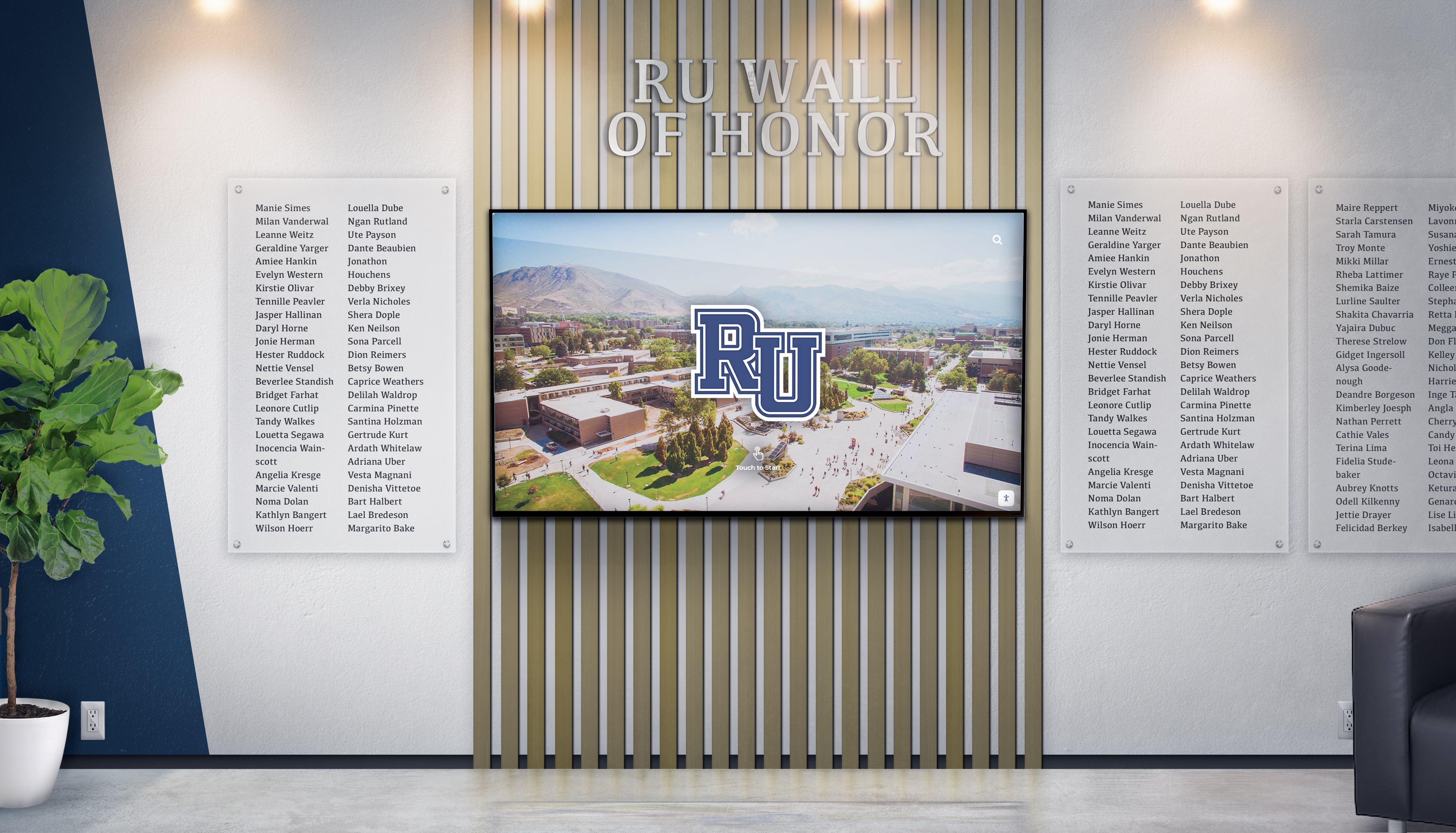
Integrated recognition systems celebrate diverse student leaders, communicating that leadership takes many forms and welcomes all students
Recognizing and Celebrating Student Leadership
Systematic recognition inspires continued and expanded leadership participation while honoring student contributions.
Traditional Recognition Approaches
Multiple methods acknowledge student leadership:
Formal Recognition Events
Ceremony and celebration create memorable experiences:
- Annual leadership awards banquets honoring outstanding service
- End-of-year recognition assemblies celebrating all student leaders
- Induction ceremonies for leadership programs and honor societies
- Senior recognition events acknowledging accumulated leadership
- Community presentations showcasing student leadership accomplishments
- School awards ceremonies integrating leadership acknowledgment
Written and Digital Recognition
Documentation preserves leadership records:
- Yearbook sections featuring student leaders and accomplishments
- School newsletter profiles highlighting individual leaders and initiatives
- Social media celebration of leadership activities and achievements
- Website recognition documenting student government and committees
- Local media coverage of significant student leadership initiatives
- College recommendation letter support emphasizing leadership experiences
These traditional methods provide important acknowledgment but often lack the capacity, accessibility, and engagement of modern digital recognition systems.
Digital Recognition Solutions for Student Leadership
Technology transforms leadership recognition through interactive, comprehensive systems:
Unlimited Recognition Capacity
Digital platforms eliminate physical space constraints:
- Document every student leader across all programs and years
- Preserve complete historical records from school founding through present
- Equal recognition for diverse leadership roles without hierarchy
- Comprehensive initiative documentation connecting leaders to accomplishments
- No requirement to remove previous leaders when adding current students
- Continuous expansion as leadership programs grow and diversify
Traditional trophy cases and bulletin boards accommodate perhaps 50-100 individuals before becoming cluttered. Digital systems showcase unlimited students ensuring every leader receives appropriate permanent recognition.
Rich Multimedia Leadership Profiles
Comprehensive content tells complete leadership stories:
- High-resolution photographs creating personal connection
- Position descriptions explaining specific responsibilities
- Initiative documentation detailing accomplishments and impact
- Personal statements sharing leadership motivations and lessons learned
- Advice for future leaders considering similar roles
- Video messages when resources and interest permit
- Links to related achievements or additional involvement
- Alumni updates showing leadership trajectory beyond school
This depth transforms simple name lists into inspiring archives demonstrating what student leaders actually accomplish and how leadership experiences shape development.
Interactive Exploration Features
Engagement capabilities impossible with static displays:
- Search functionality finding specific students or leadership positions quickly
- Filter by year, program type, or specific initiatives
- Browse options supporting both goal-directed and exploratory engagement
- Timeline views showing leadership evolution across school history
- Comparison features enabling analysis of different eras or approaches
- Mobile access extending recognition beyond physical campus
Solutions like Rocket Alumni Solutions provide purpose-built platforms specifically designed for educational recognition, combining these essential features with school-focused support and implementation assistance.
Administrative Efficiency
Cloud-based management dramatically reduces recognition burden:
- Single entry updates all displays and web platforms simultaneously
- Template-based profiles ensuring consistent professional presentation
- Bulk import capabilities efficiently adding entire leadership cohorts
- Simple interface requiring no technical expertise for updates
- Automated backup preventing data loss
- Scheduled publishing coordinating with leadership transitions
Schools report 70-85% reduction in time spent maintaining student leadership recognition after implementing digital systems—typically 1-2 hours annually compared to 5-10+ hours with traditional approaches.

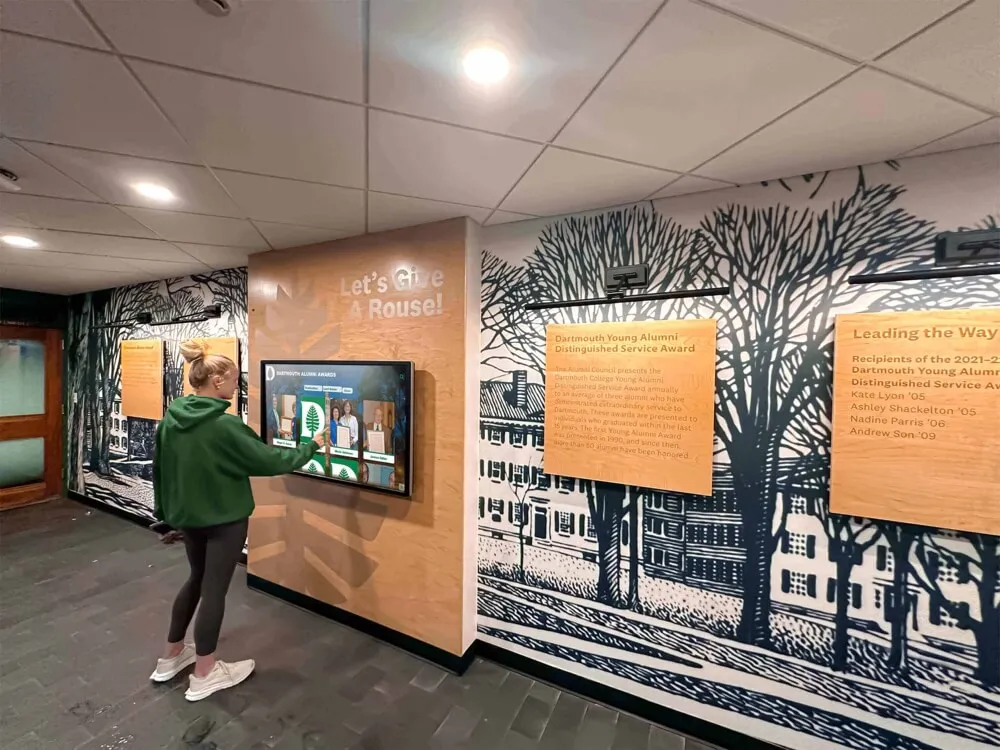
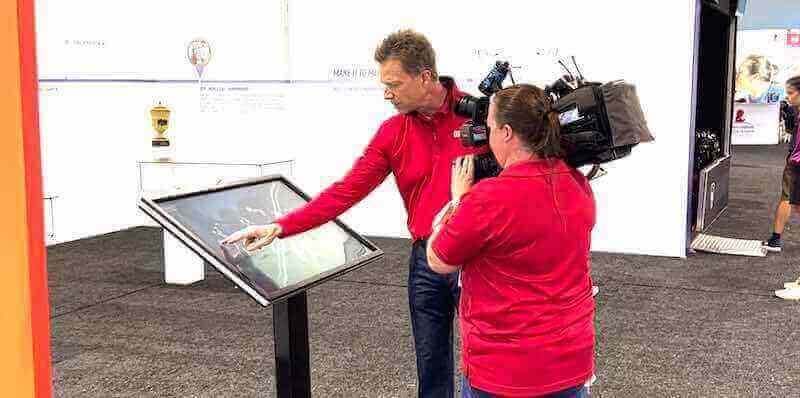
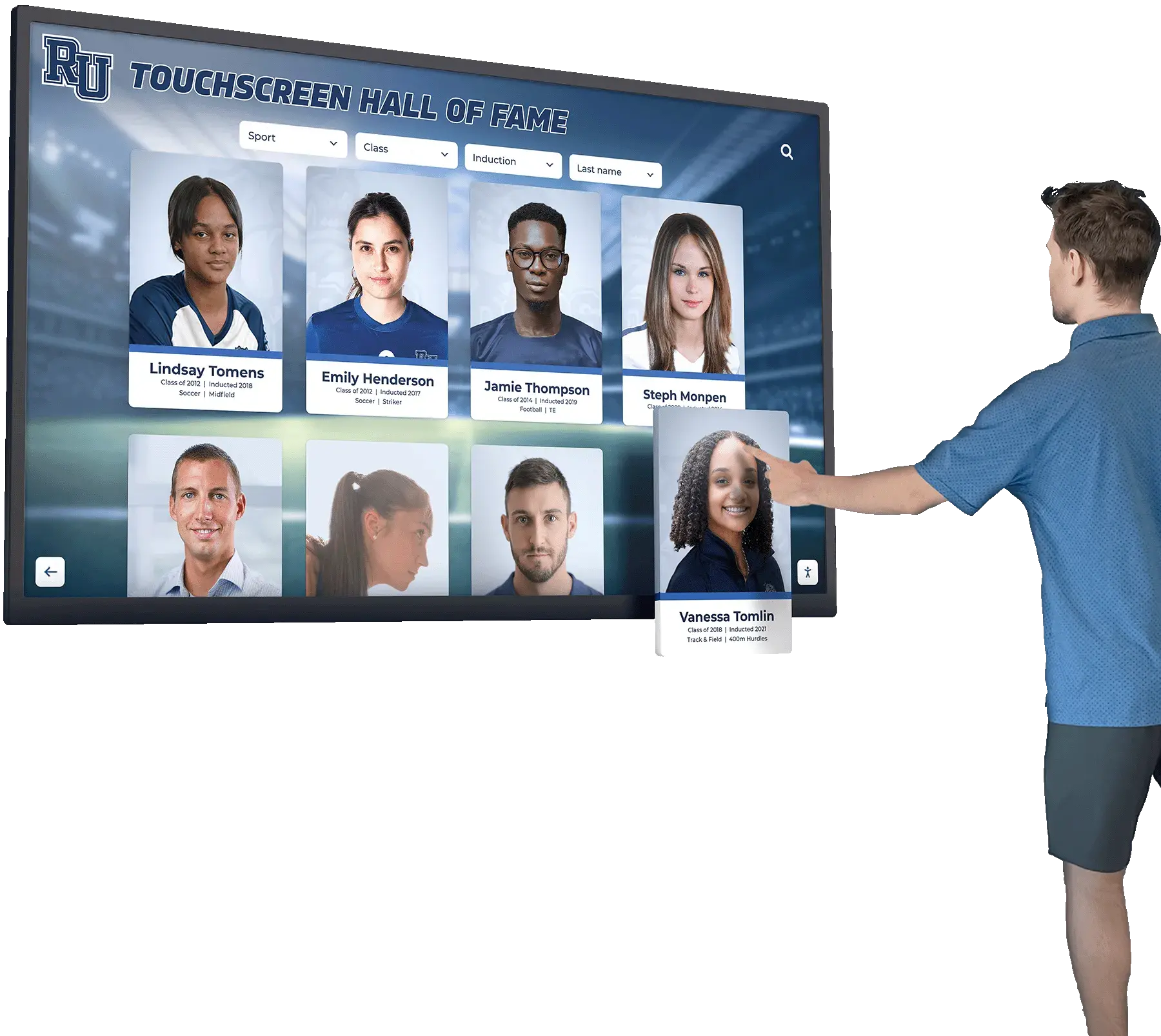
Intuitive touchscreen interfaces make exploring student leadership accessible and engaging, inspiring future participation
Measuring Student Leadership Program Effectiveness
Assessment ensures programs achieve intended goals while identifying improvement opportunities:
Quantitative Success Indicators
Participation Metrics
Numerical data reveals reach and equity:
- Number and percentage of students participating in leadership programs
- Demographic representation compared to overall student body
- Year-over-year participation trends showing growth or decline
- Position diversity showing variety of leadership opportunities
- Student persistence across multiple years or multiple programs
- Application and nomination rates for competitive positions
Outcome Measurements
Leadership program impact extends beyond participation:
- Academic achievement comparison between leaders and non-participants
- Attendance and behavioral data for student leaders
- College acceptance rates and scholarship attainment
- Post-secondary leadership continuation (college government, community involvement)
- Career trajectory data from alumni (when available)
- School climate survey results examining culture impacts
Program Health Indicators
Operational metrics assess sustainability:
- Advisor retention and satisfaction
- Budget utilization and resource efficiency
- Recognition system utilization and engagement analytics
- Event attendance and student body awareness
- Support from administration and school board
- Community perception and stakeholder satisfaction
Qualitative Assessment Methods
Stakeholder Feedback
Rich perspectives complement numerical data:
- Student leader surveys about program quality and development
- Non-participating student perceptions about leadership accessibility
- Staff observations of leadership program impact
- Family feedback about student growth through leadership
- Alumni reflections on how leadership experiences influenced lives
- Community stakeholder perspectives on student engagement
Program Observation and Analysis
Direct examination reveals quality dimensions:
- Meeting observations assessing substantive engagement versus symbolism
- Initiative quality evaluation examining impact and follow-through
- Skill development assessment tracking competency growth
- Equity analysis examining who benefits and who remains excluded
- Collaboration observation between programs and administration
- Recognition effectiveness through engagement and inspiration measures
Regular assessment enables data-driven improvement ensuring leadership programs evolve to meet changing student needs and institutional contexts while maintaining effectiveness and equity.
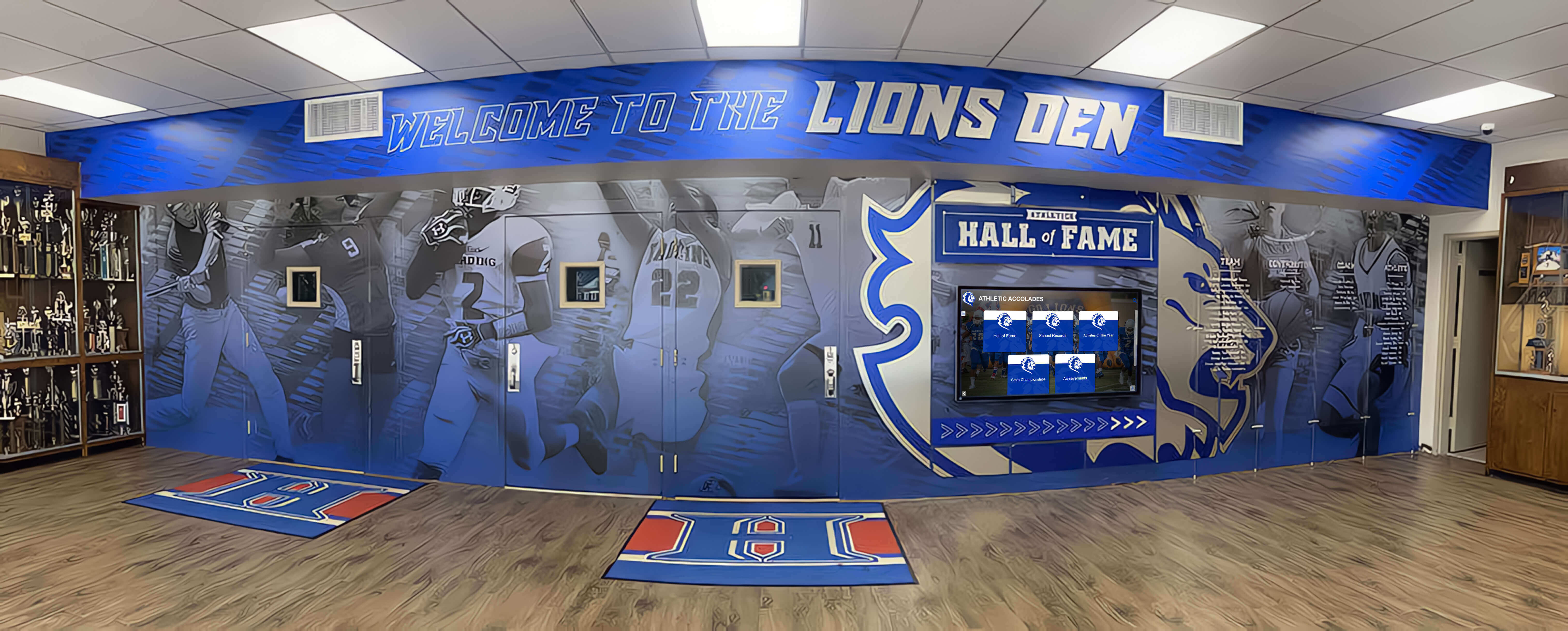
Heritage displays connecting current student leaders to historical predecessors build institutional identity and leadership culture
Implementation Roadmap for Comprehensive Student Leadership Programs
Systematic development ensures sustainable, effective programs rather than short-lived initiatives:
Year One: Foundation Building
Assessment and Planning
- Conduct comprehensive needs assessment examining current leadership landscape
- Analyze participation patterns identifying equity gaps and opportunities
- Survey stakeholders about priorities and desired outcomes
- Review resources and identify budget parameters
- Develop clear vision and goals guiding program development
Initial Program Development
- Design or enhance student government structures ensuring meaningful authority
- Create training curriculum addressing core leadership competencies
- Establish recognition systems celebrating diverse leadership
- Develop advisor support and professional development
- Launch pilot initiatives testing new approaches
Implementation and Adjustment
- Begin with achievable programs building momentum and demonstrating value
- Train staff advisors and student leaders in new systems and expectations
- Communicate opportunities widely ensuring awareness across student body
- Monitor initial implementation identifying challenges requiring attention
- Celebrate early successes building enthusiasm and support
Year Two: Expansion and Deepening
Program Enhancement
- Expand leadership pathways based on Year One learning and student interest
- Deepen skill development curriculum addressing identified needs
- Enhance recognition systems incorporating feedback and expanding reach
- Develop mentorship structures connecting experienced and emerging leaders
- Create assessment systems tracking outcomes and impact
Equity and Access Focus
- Implement recruitment strategies targeting underrepresented populations
- Address identified barriers preventing equitable participation
- Monitor demographic patterns ensuring improvement toward equity goals
- Provide additional support for students new to leadership contexts
- Celebrate diverse leaders as visible models inspiring broader participation
Year Three and Beyond: Sustainability and Continuous Improvement
Institutionalization
- Embed programs in regular school structures rather than depending on champions
- Develop succession planning ensuring leadership transitions don’t disrupt programs
- Create documentation enabling consistent implementation across staff changes
- Allocate ongoing budget ensuring financial sustainability
- Build community partnerships providing external support and resources
Ongoing Enhancement
- Regular assessment examining effectiveness and identifying improvement opportunities
- Program refinement based on data and stakeholder feedback
- Innovation piloting promising new approaches while maintaining core programs
- Alumni engagement connecting former student leaders with current students
- Excellence celebration showcasing student leadership achievements broadly
Leadership program transformation requires multi-year commitment rather than quick fixes, with sustained focus creating deep cultural shifts that genuinely embed leadership development throughout educational communities.
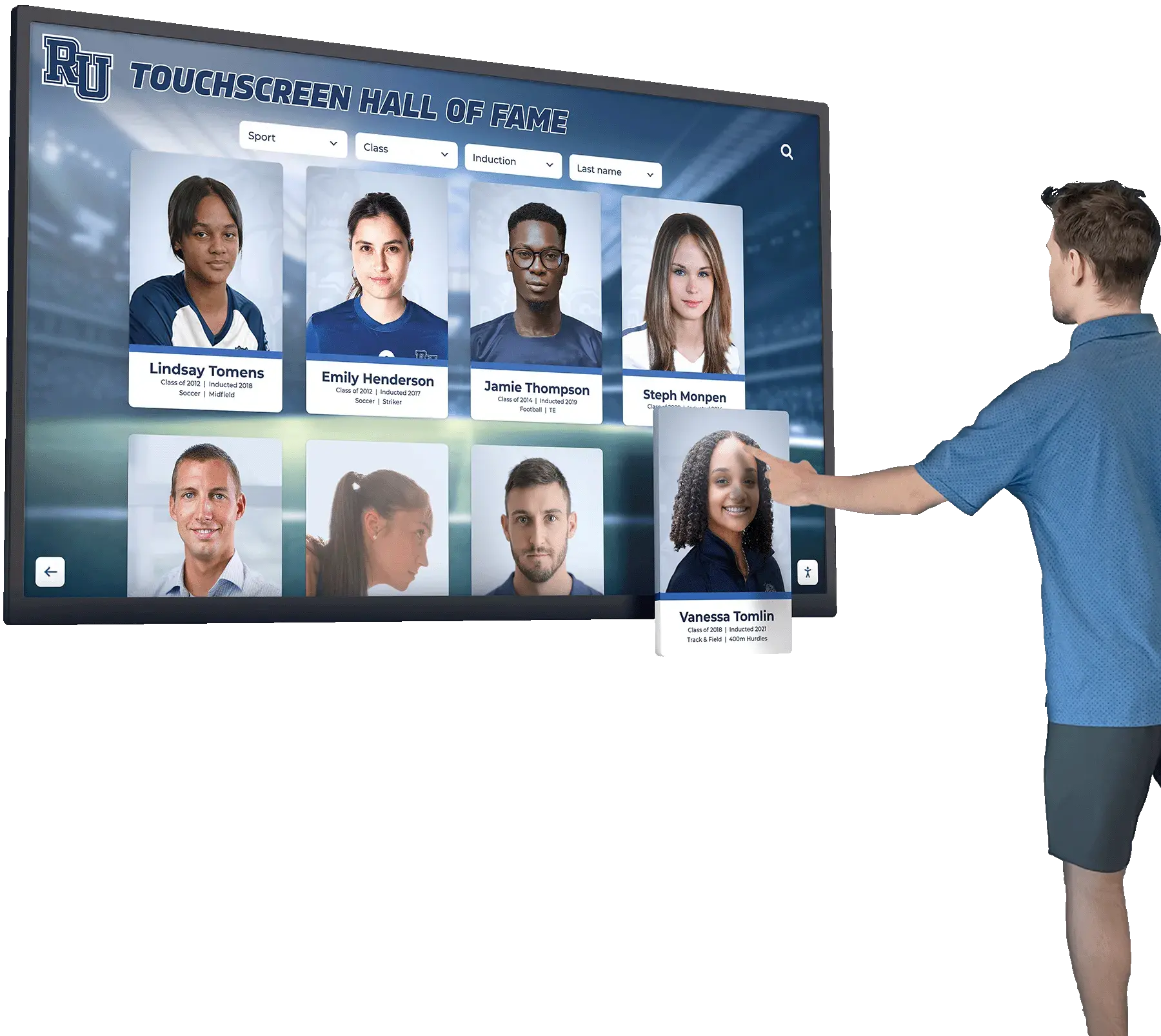
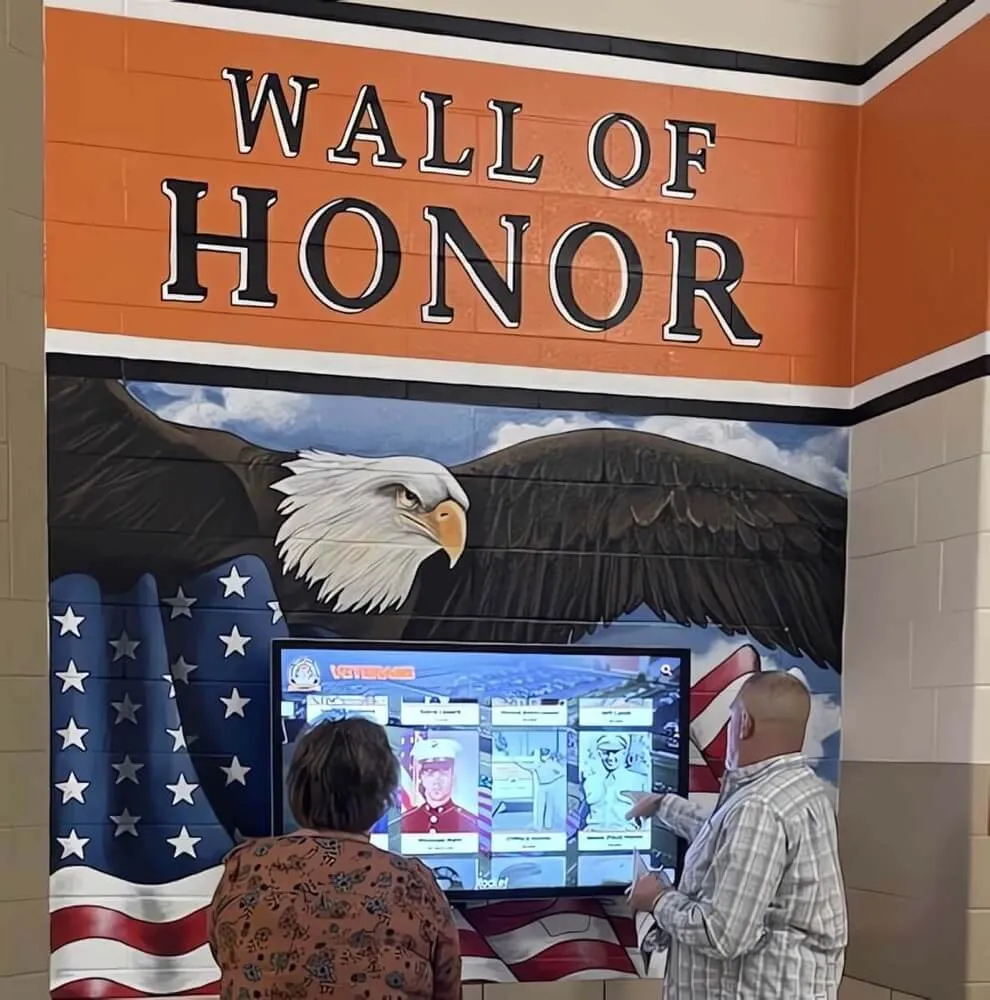
Professional touchscreen installations create engaging exploration experiences while preserving comprehensive leadership records
Overcoming Common Implementation Challenges
Schools implementing comprehensive leadership programs face predictable obstacles requiring strategic responses:
Resistance to Expanded Student Voice
Some stakeholders may resist genuine student authority:
Common Concerns
- Students lack maturity or expertise for meaningful decisions
- Student government might make “wrong” choices requiring reversal
- Sharing authority with students creates administrative complications
- Traditional approaches have worked adequately without significant change
- Resource constraints prevent expanding programs significantly
Strategic Responses
- Start with clear authority boundaries defining student decision-making scope
- Provide meaningful choices within appropriate parameters for developmental level
- Demonstrate through pilot initiatives that students make thoughtful decisions
- Frame leadership development as educational mission alignment
- Communicate successes widely building support through visible outcomes
- Acknowledge legitimate concerns while moving forward incrementally
Advisor Capacity and Sustainability
Leadership programs require substantial adult support:
Capacity Challenges
- Advisor workload concerns adding to already demanding responsibilities
- Limited compensation for leadership advising time
- Advisor burnout after several years of intensive engagement
- Difficulty finding qualified replacements when advisors change
- Competing priorities limiting focus on leadership programs
Sustainability Strategies
- Distributed advising sharing responsibilities across multiple staff
- Reasonable workload expectations preventing burnout
- Appropriate compensation recognizing significant time investments
- Co-advising models enabling knowledge transfer and preventing single-point failure
- Administrative support providing resources and addressing obstacles
- Digital recognition systems reducing administrative burden significantly
Budget Constraints
Financial limitations shouldn’t prevent leadership development:
Low-Cost High-Impact Approaches
- Leadership training utilizing existing staff expertise rather than external consultants
- Peer mentoring programs requiring minimal financial resources
- Digital recognition utilizing affordable modern platforms serving multiple purposes
- Student-led initiatives reducing dependence on adult planning and resources
- Community partnerships providing support without direct costs
- Grant opportunities specifically supporting leadership development
Strategic Investment Priorities
- Recognition systems inspiring participation and celebrating achievements
- Essential training resources developing fundamental competencies
- Advisor support ensuring quality and sustainability
- Pilot initiatives demonstrating value before broader investment
- Technology enabling efficiency and reach beyond traditional approaches
While comprehensive programs benefit from adequate resources, thoughtful design enables meaningful leadership development even within significant budget constraints.
Conclusion: Transforming School Culture Through Student Leadership
Comprehensive student leadership programs represent strategic investments in student development, school culture, and democratic preparation far exceeding the relatively modest resources required for effective implementation. When schools create multiple pathways ensuring diverse students access leadership opportunities, provide systematic skill development preparing students for complex challenges, establish genuine authority making student voice meaningful, and implement recognition systems celebrating accomplishments while inspiring future participation, they transform educational environments while preparing young people for active, informed civic engagement throughout their lives.
The strategies explored in this guide provide practical frameworks for building leadership ecosystems that honor diverse contributions, develop essential competencies, and create cultures where leadership becomes woven throughout school experience rather than confined to a few designated positions. From student government structures ensuring substantive governance to peer mentoring programs developing teaching and service skills, from systematic training building core competencies to digital recognition platforms celebrating unlimited leaders across all programs and years, these approaches create comprehensive systems accessible to all students regardless of background, experience, or initial confidence.
Celebrate Student Leaders with Modern Recognition Systems
Transform how your school honors student leadership through comprehensive digital recognition that inspires future participation, preserves institutional memory, and demonstrates that leadership matters. Discover how solutions like Rocket Alumni Solutions can help you build sustainable recognition systems celebrating every student leader while creating engagement impossible with traditional yearbook pages and bulletin boards.
Explore Leadership Recognition SolutionsSuccess requires authentic commitment to student voice, systematic implementation ensuring consistent execution year after year, equity focus guaranteeing access for underrepresented students, and recognition that leadership development represents educational mission rather than extracurricular enhancement. Your students deserve opportunities to develop leadership competencies preparing them for college, careers, and active citizenship—and your school benefits immeasurably from cultures where students feel empowered to contribute meaningfully to communities they help shape.
Start where you are with programs you can implement immediately using available resources and committed staff, then systematically expand creating comprehensive approaches your students deserve. Every student who develops leadership skills gains confidence, competence, and connection serving them throughout life. Every school that prioritizes leadership development creates more positive culture, better outcomes, and stronger communities.
Your next generation of leaders is waiting for opportunities to emerge, develop, and contribute. With thoughtful planning, genuine commitment to equity and access, systematic skill development, appropriate recognition celebrating diverse achievements, and sustained implementation building on successes while learning from challenges, you can create student leadership programs that truly transform lives and communities for generations to come.