



Student engagement stands as one of education’s most critical yet elusive challenges. The difference between schools where students actively participate, take ownership, and demonstrate genuine pride versus those where students simply comply or disengage entirely often comes down to systematic engagement strategies that create authentic connection rather than forced participation.
Research consistently demonstrates that engaged students achieve higher academic outcomes, exhibit fewer behavioral issues, demonstrate better social-emotional development, and maintain stronger connections to their schools long after graduation. Yet many administrators struggle to translate these insights into actionable strategies that genuinely increase student investment in school community and culture.
This comprehensive guide explores evidence-based student engagement strategies specifically designed to build authentic school pride and lasting connection—moving beyond superficial spirit activities to systematic approaches that fundamentally transform how students experience their educational institutions.
Student engagement doesn’t emerge from isolated pep rallies or occasional recognition ceremonies. It develops through consistent, intentional practices that communicate genuine value for every student, celebrate diverse contributions, create meaningful participation opportunities, and build environments where young people feel personally connected to something larger than their individual experience.

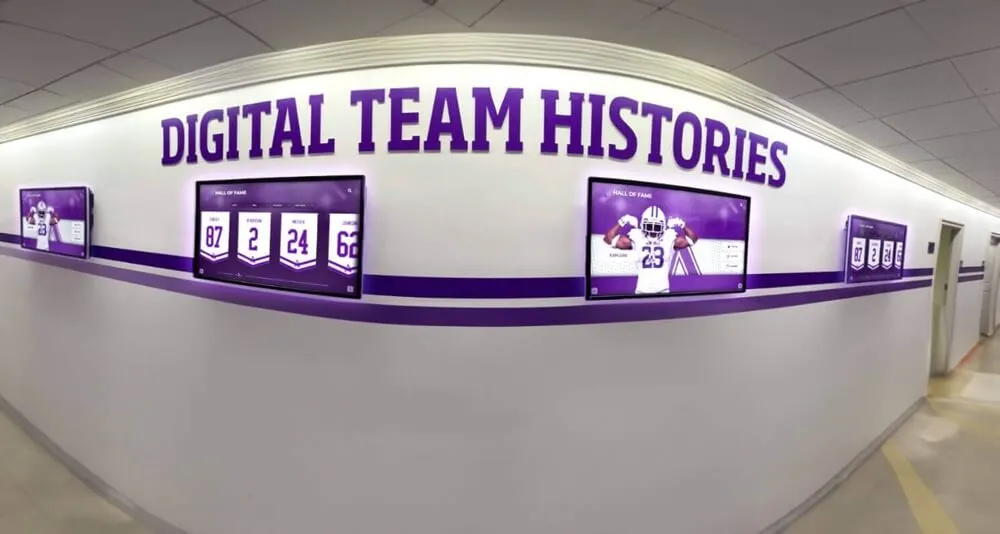
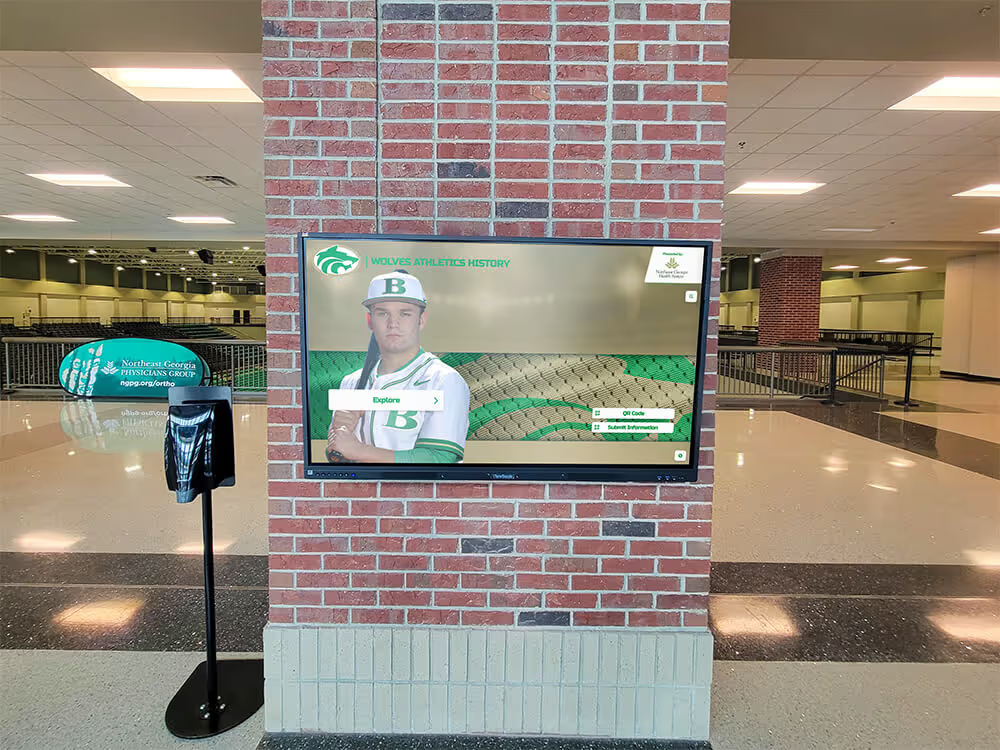
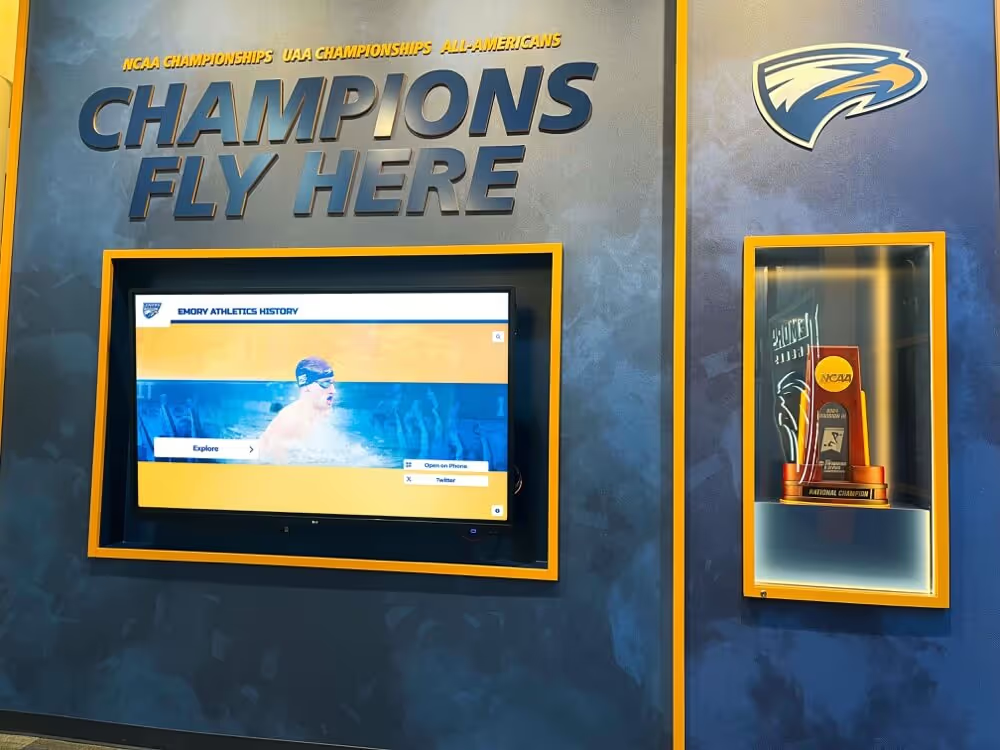
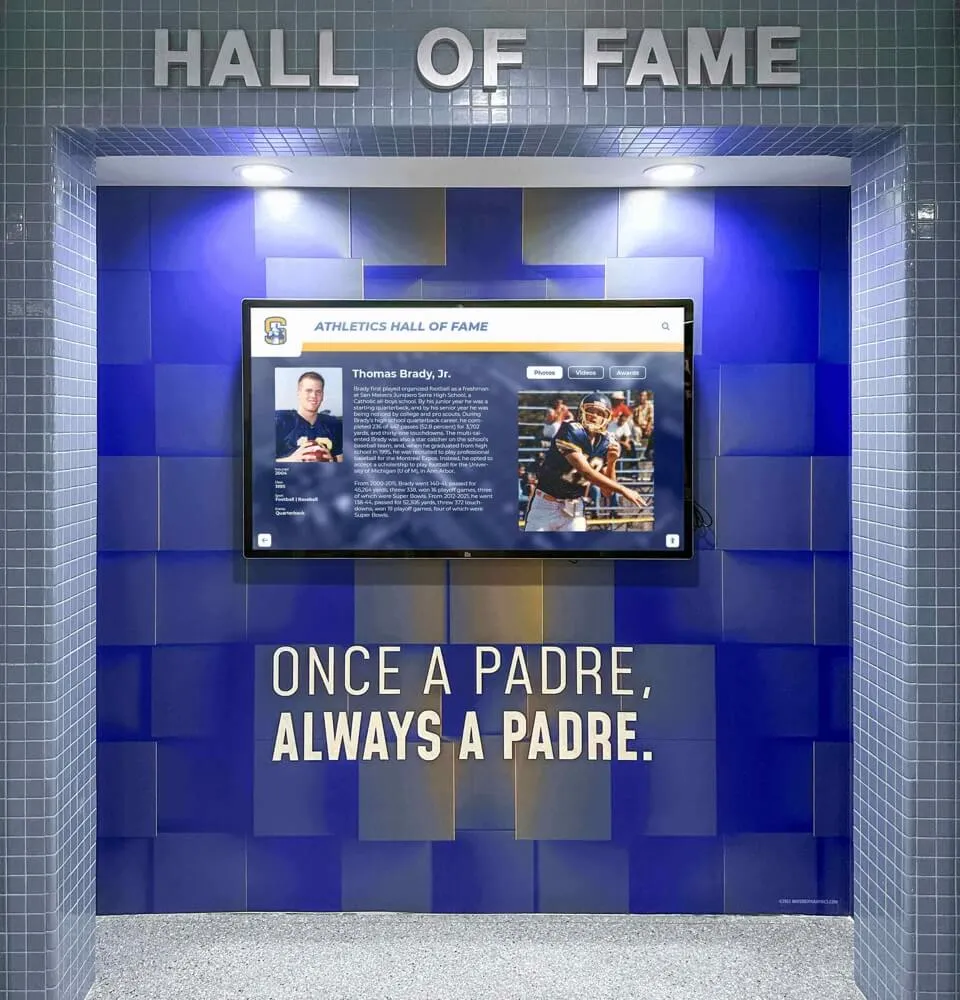
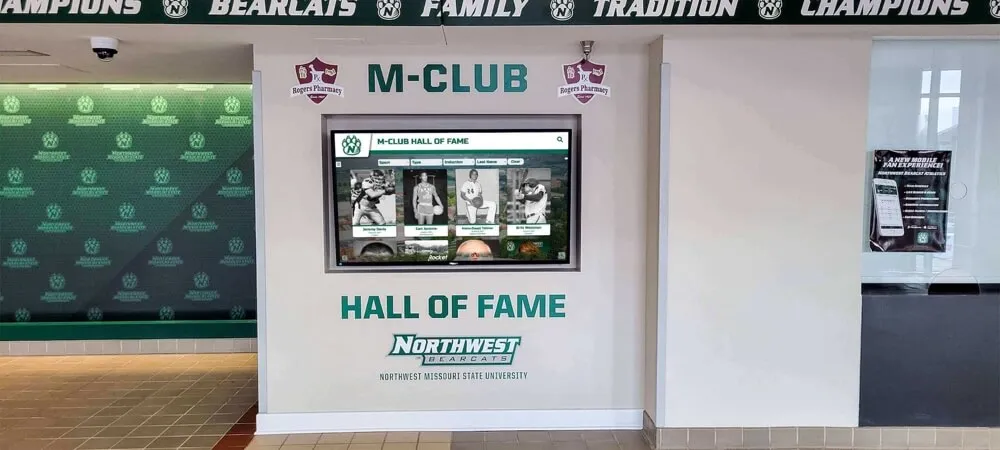
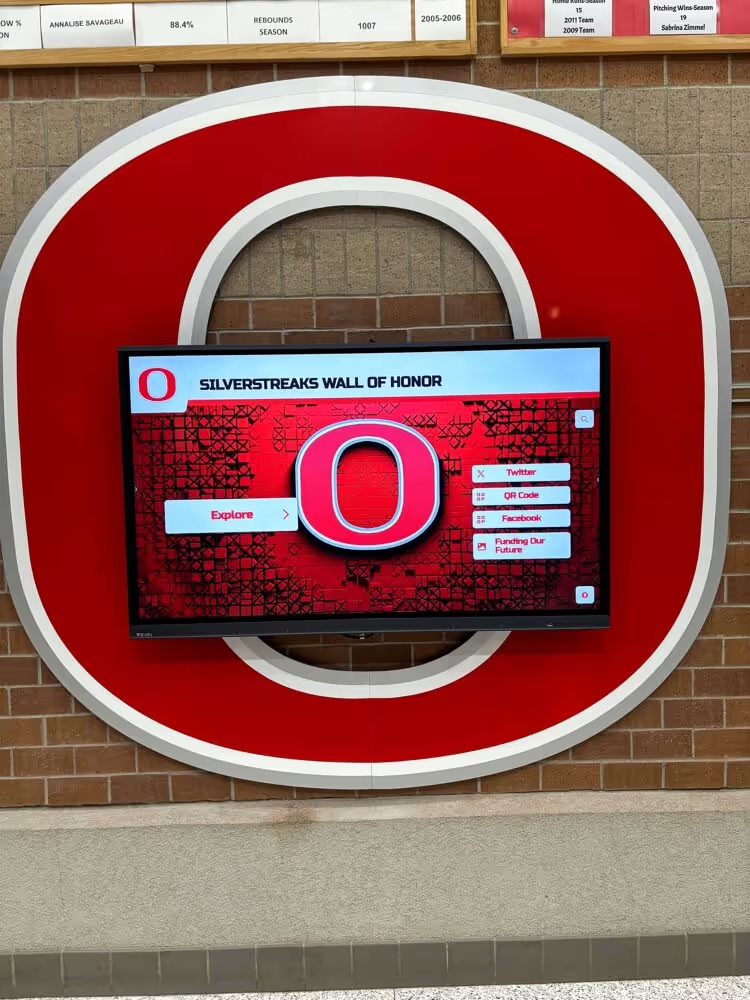
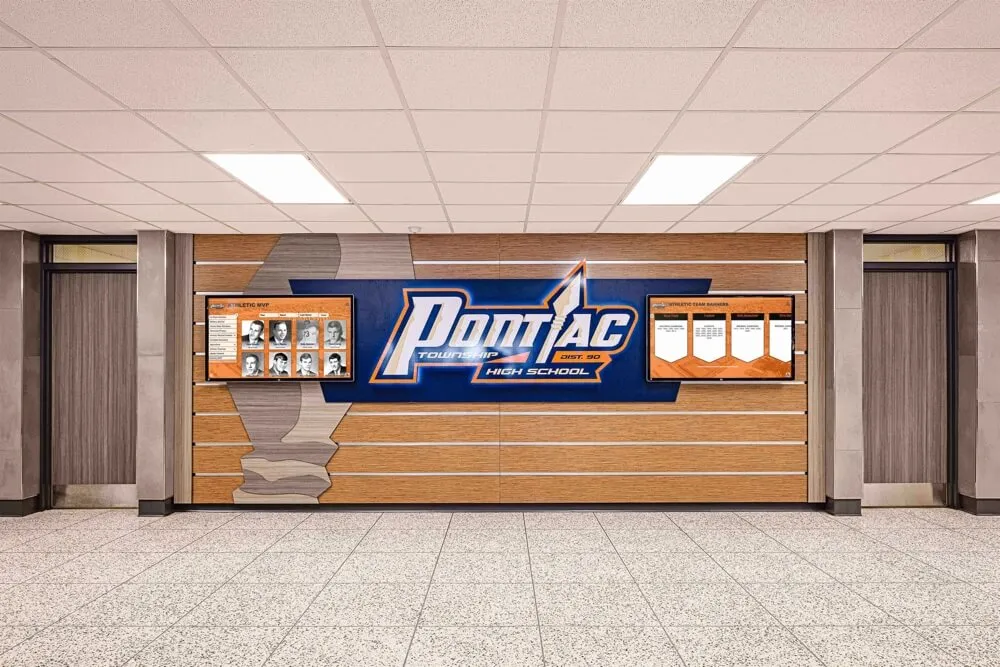
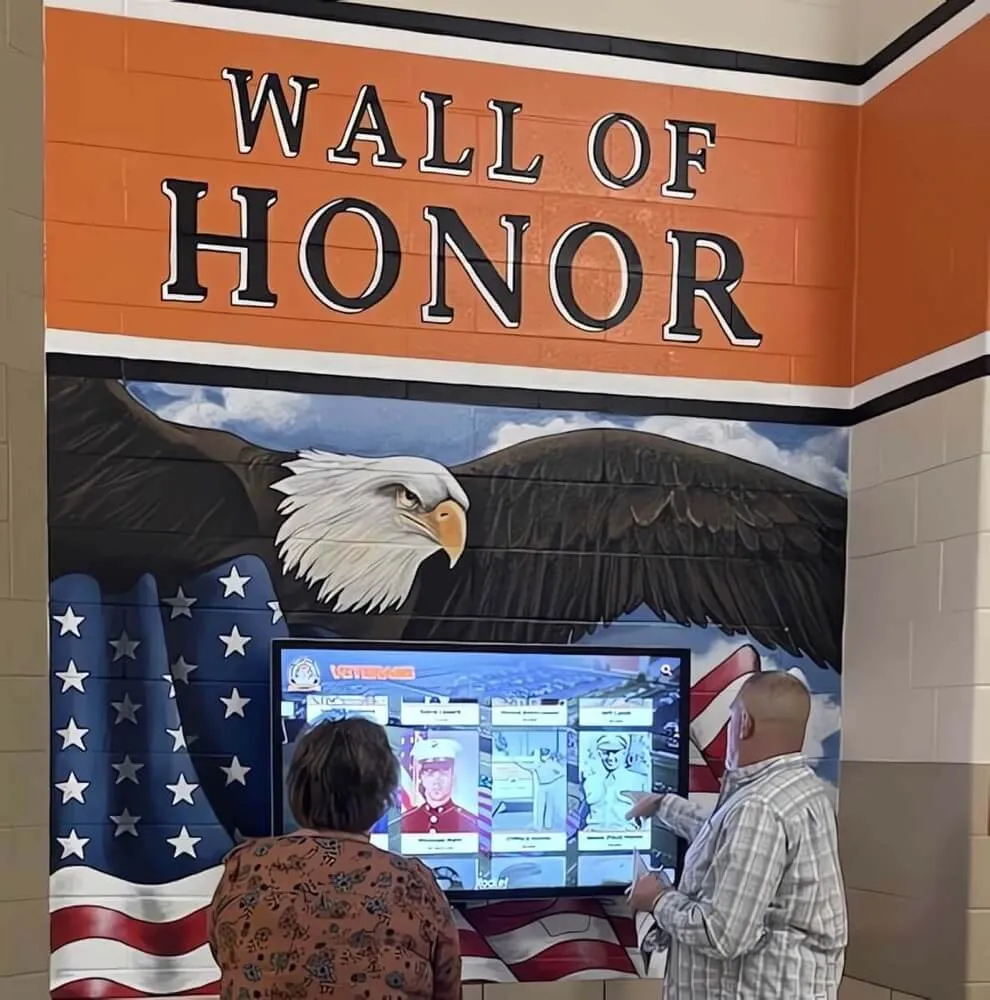
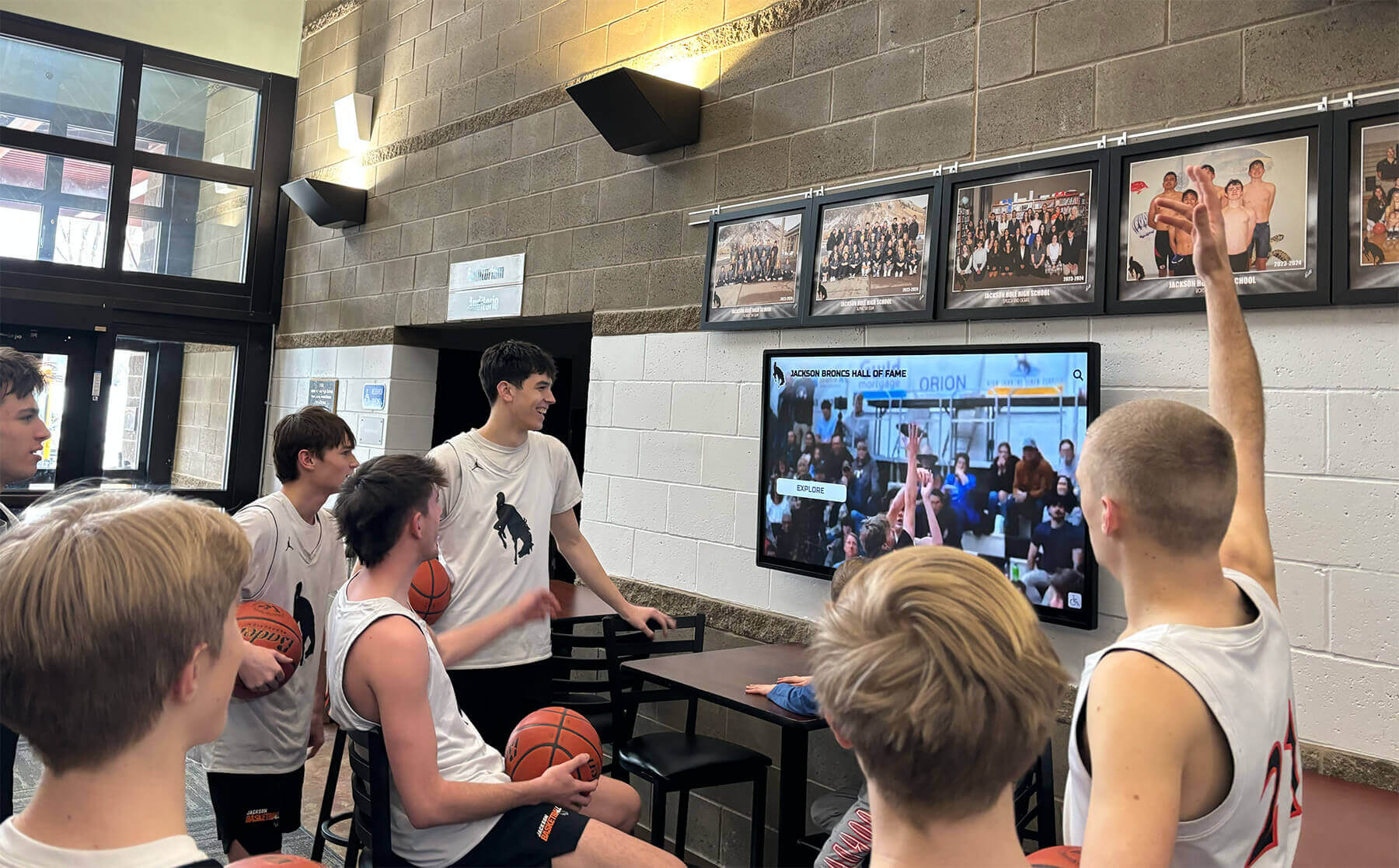
Interactive displays create organic engagement opportunities where students naturally explore achievements and connect with school culture
Understanding Student Engagement
Before implementing engagement strategies, educators must understand what constitutes genuine engagement and why it matters fundamentally to educational outcomes.
Defining Authentic Student Engagement
Student engagement encompasses far more than attendance or rule compliance—it represents students’ psychological investment in their educational experience.
Three Dimensions of Engagement
Research identifies three interconnected engagement dimensions that collectively predict student success:
- Behavioral Engagement: Active participation in academic and social activities including class involvement, extracurricular participation, and positive conduct
- Emotional Engagement: Affective reactions to school, teachers, peers, and academics including interest, enjoyment, sense of belonging, and school identification
- Cognitive Engagement: Psychological investment in learning involving self-regulation, strategic thinking, and willingness to exert effort understanding complex ideas
When these dimensions align, students demonstrate the sustained motivation and connection that drives both immediate achievement and long-term educational persistence.
Why Student Engagement Matters
Substantial research demonstrates that student engagement significantly impacts outcomes across multiple dimensions:
Academic Achievement
- Engaged students demonstrate 25-35% higher achievement on standardized assessments compared to disengaged peers
- Strong correlation between engagement levels and grades across all subjects
- Higher graduation rates for schools with systematic engagement initiatives
- Increased college enrollment and persistence for engaged high school students
Behavioral and Social-Emotional Outcomes
- Lower disciplinary referrals and suspension rates among engaged students
- Reduced absenteeism and improved attendance patterns
- Stronger peer relationships and social connection
- Better mental health outcomes and reduced anxiety
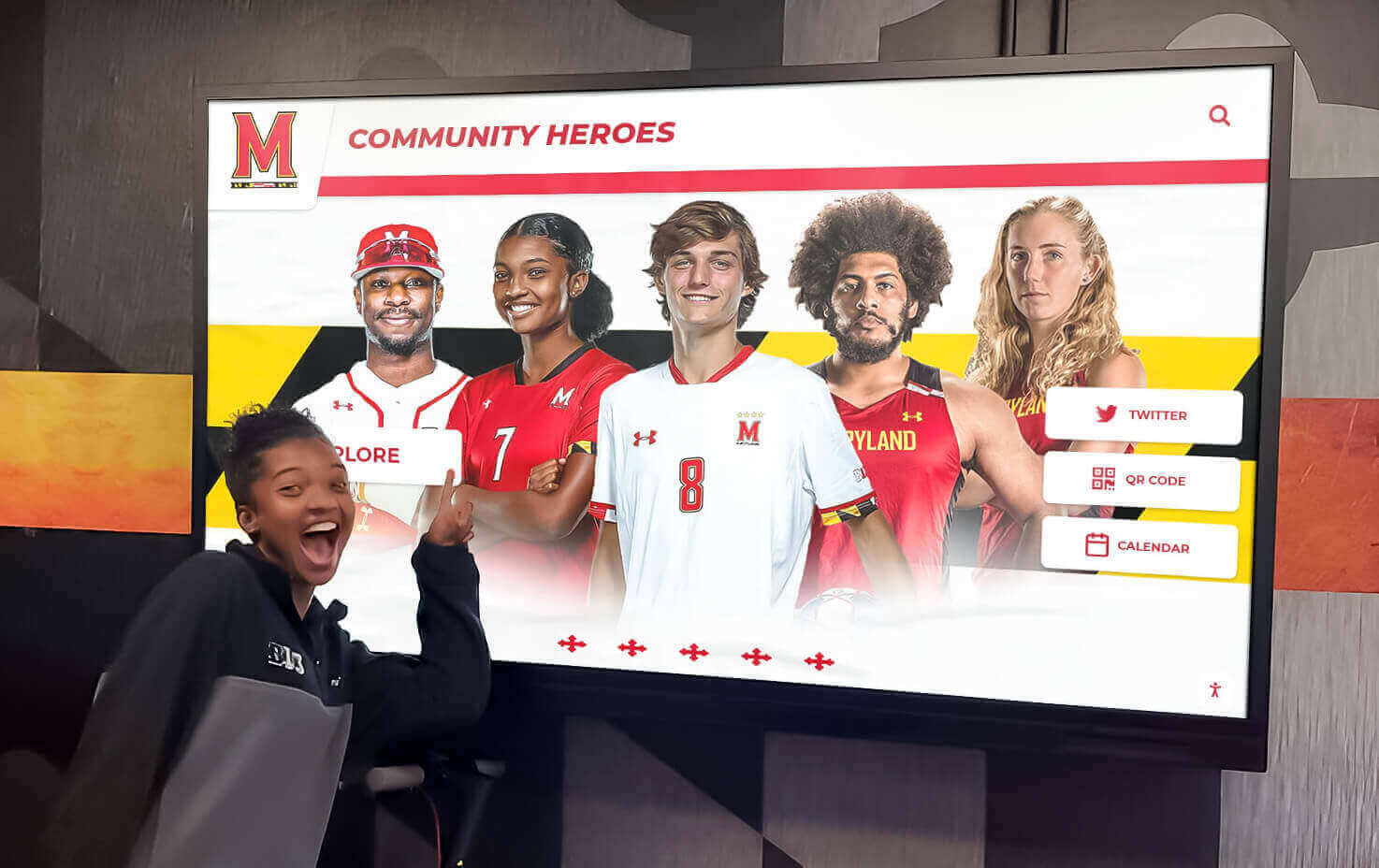
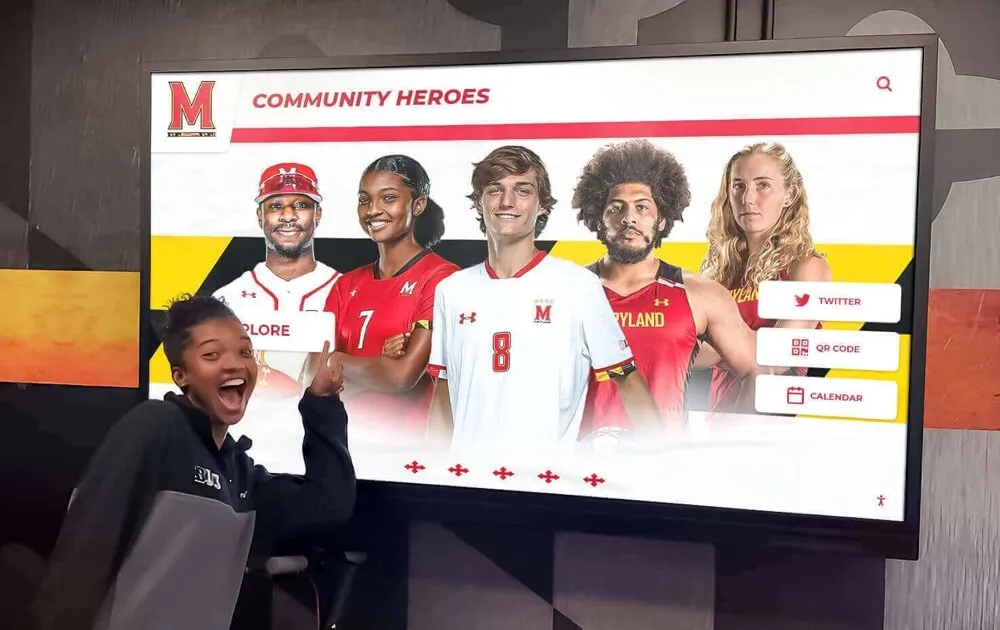
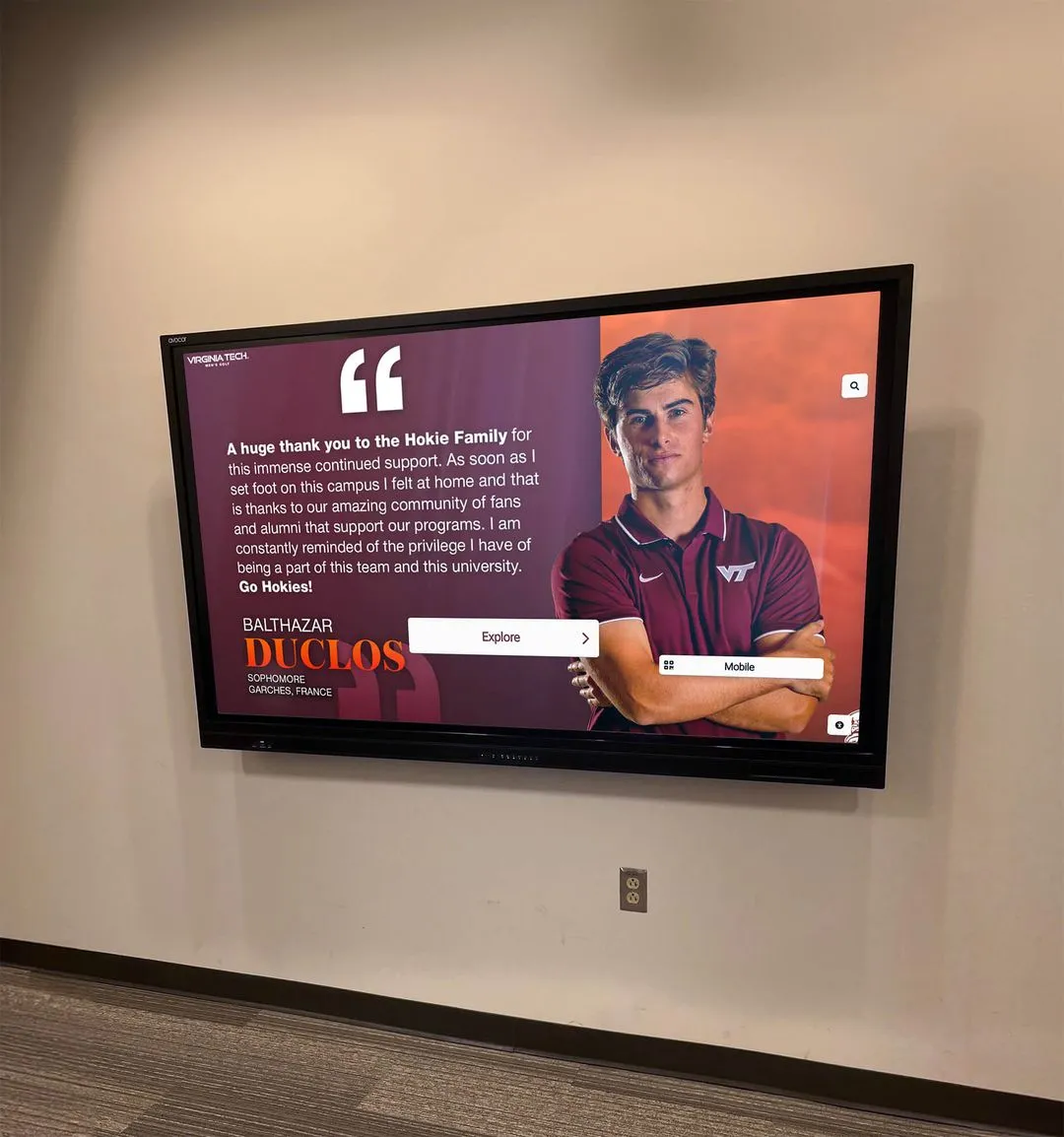
Personal recognition creates powerful engagement by demonstrating that individual contributions matter to institutional community
Long-Term Connection and Involvement
- Higher alumni engagement and giving rates for schools with strong student connection
- Increased likelihood of community involvement and civic participation
- Stronger lifelong identification with school and educational values
- More positive adult recollections of educational experience
These outcomes justify the substantial focus required for systematic engagement development. Schools cannot achieve their educational mission without first ensuring students are genuinely invested in the learning process and school community.
Strategy 1: Implement Comprehensive Recognition Programs
Recognition represents one of the most powerful yet underutilized tools for building student engagement and school pride.
Moving Beyond Traditional Recognition Limitations
Traditional recognition approaches suffer from significant limitations that actually undermine engagement for most students:
Problems with Exclusive Recognition
Many schools limit acknowledgment to narrow categories that exclude the majority of students:
- Academic recognition restricted to honor roll excluding students with growth or subject-specific excellence
- Athletic celebration limited to varsity championship teams ignoring individual achievement and developmental programs
- Arts recognition focused only on lead performance roles missing technical crews and supporting ensemble members
- Leadership acknowledgment confined to formal officer positions overlooking informal peer influence and service
When only 10-20% of students see themselves reflected in school recognition, the remaining 80-90% receive the implicit message that their contributions don’t matter to institutional community.
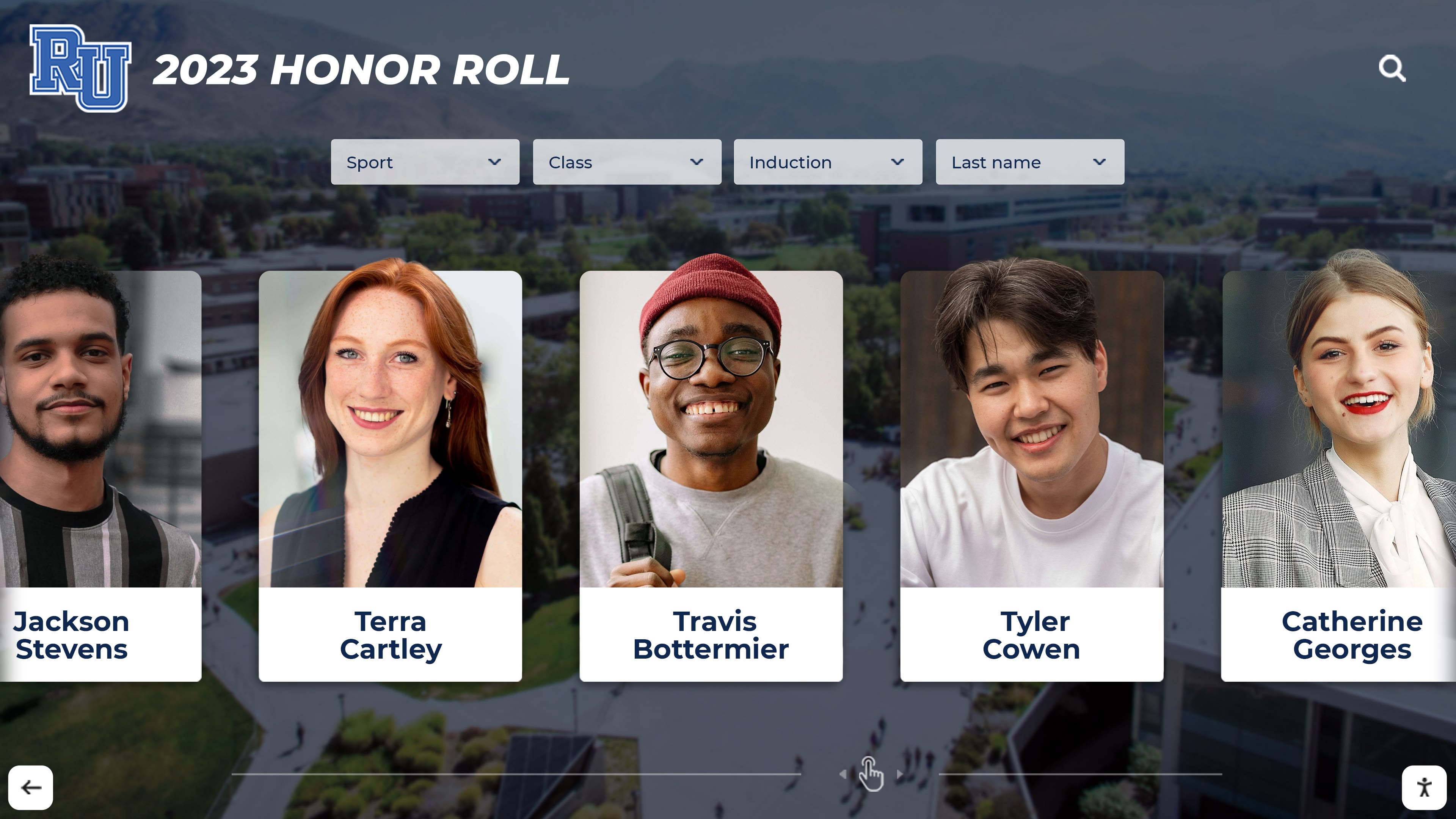
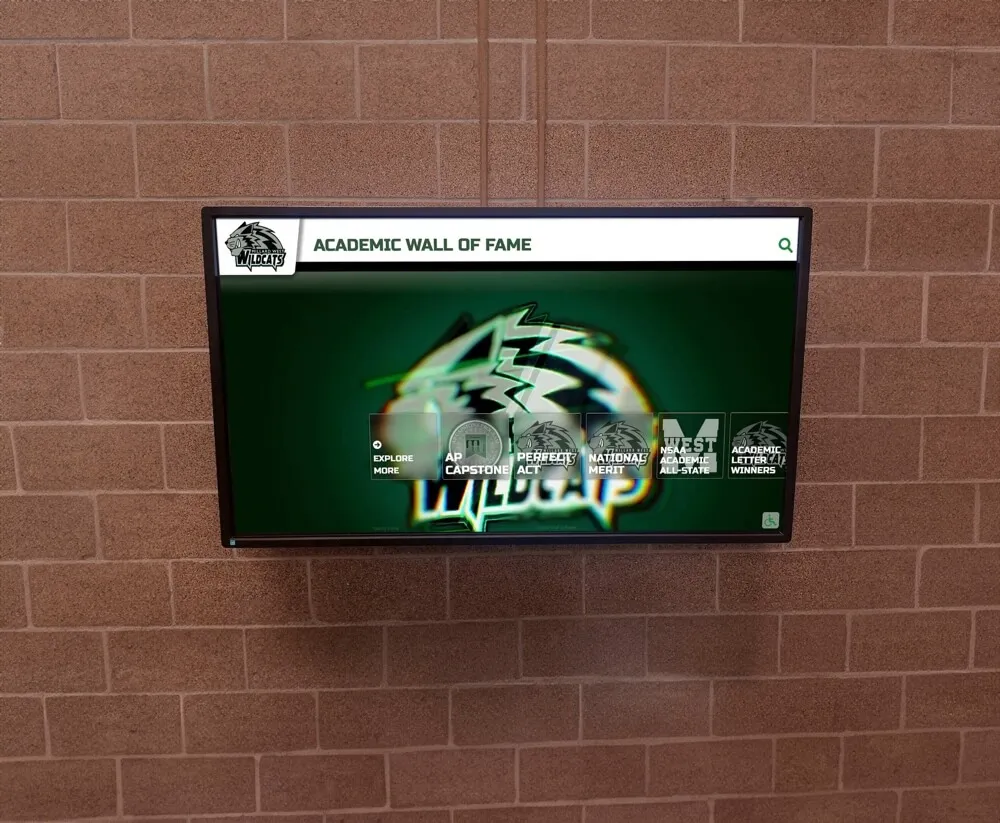
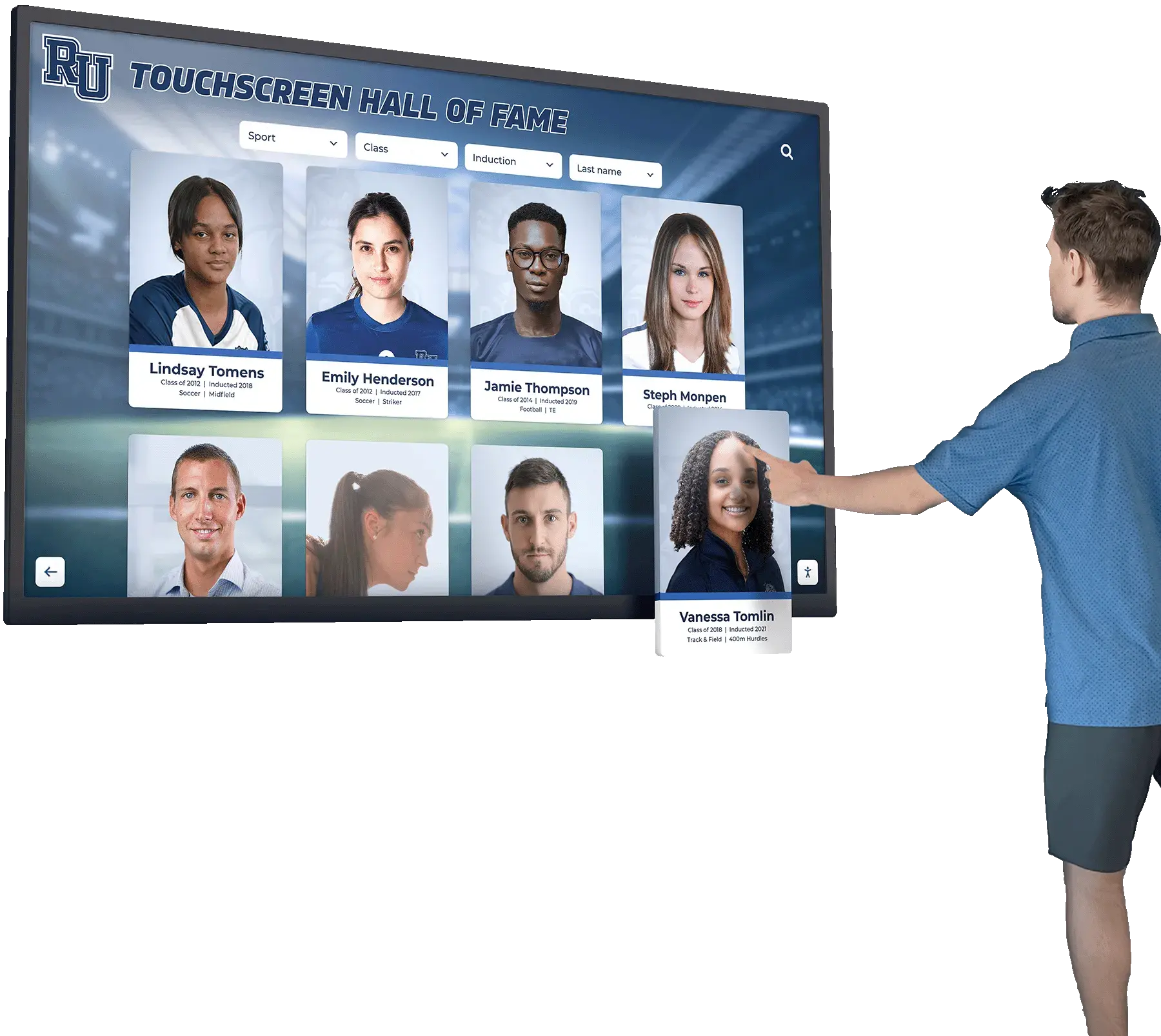
Individual student profiles celebrate specific achievements while communicating that every accomplishment receives appropriate acknowledgment
Creating Multi-Dimensional Recognition Systems
Effective academic recognition programs celebrate diverse accomplishments ensuring recognition opportunities exist for students across all performance levels and interest areas.
Academic Achievement Categories
Comprehensive academic recognition extends beyond traditional honor roll:
- Subject-specific excellence acknowledging highest achievement in individual disciplines
- Most improved recognition celebrating growth regardless of absolute performance level
- Perfect attendance awards demonstrating commitment and consistency
- Academic competition success including debate, quiz bowl, math team, science olympiad achievements
- Advanced Placement and dual enrollment honoring college-level course completion
- Career and technical education excellence recognizing professional certification and skill mastery
- Senior academic achievement highlighting cumulative GPA, class rank, and scholarship awards
This multi-tiered approach ensures students at all achievement levels find motivation through recognition rather than perceiving excellence as achievable only by elite performers.
Athletic and Activity Recognition
Comprehensive athletic recognition celebrates accomplishments across all programs and participation levels:
Sports Achievement
- Team championships and tournament advancement at all competitive levels
- Individual records and statistical achievement leaders
- All-conference, all-district, all-state, and all-American honors
- College athletic signing celebrations acknowledging commitment and achievement
- Sportsmanship and team leadership awards recognizing character
- Career achievement recognition for senior athletes across all sports
Arts and Extracurricular Success
- Theater production casts, technical crews, and student directors
- Music competition success and honor ensemble selections including all-state and all-region
- Visual arts exhibition participation and competition awards
- Forensics and speech competition achievements
- Academic team success across subject competitions
- Student government and class officer service
- Club and organization leadership recognition
When schools provide equal systematic visibility for diverse achievement categories, they communicate genuine commitment to comprehensive excellence rather than privileging specific domains.
Digital Recognition Solutions
Modern technology transforms recognition from static plaques with severe capacity limitations to engaging, comprehensive systems celebrating unlimited achievements.
Advantages of Digital Recognition Platforms
Solutions like Rocket Alumni Solutions address traditional recognition limitations while creating new engagement opportunities:
- Unlimited capacity ensuring all deserving students receive recognition regardless of achievement timing or physical space constraints
- Rich multimedia content including photographs, videos, biographical information, achievement documentation, and personal stories
- Interactive exploration enabling students to search, filter, discover classmate accomplishments, and see their own recognition
- Remote accessibility through web platforms extending recognition beyond those physically on campus
- Immediate updates allowing staff to add recognition promptly without physical installation delays or production timelines
- Professional presentation with consistent design maintaining recognition quality and institutional dignity
- Engagement analytics tracking which content students interact with most frequently
Schools implementing comprehensive digital recognition displays report that visibility motivates achievement more effectively than exclusive recognition that most students perceive as unattainable. When students know their accomplishments will receive genuine acknowledgment, engagement and effort increase substantially.
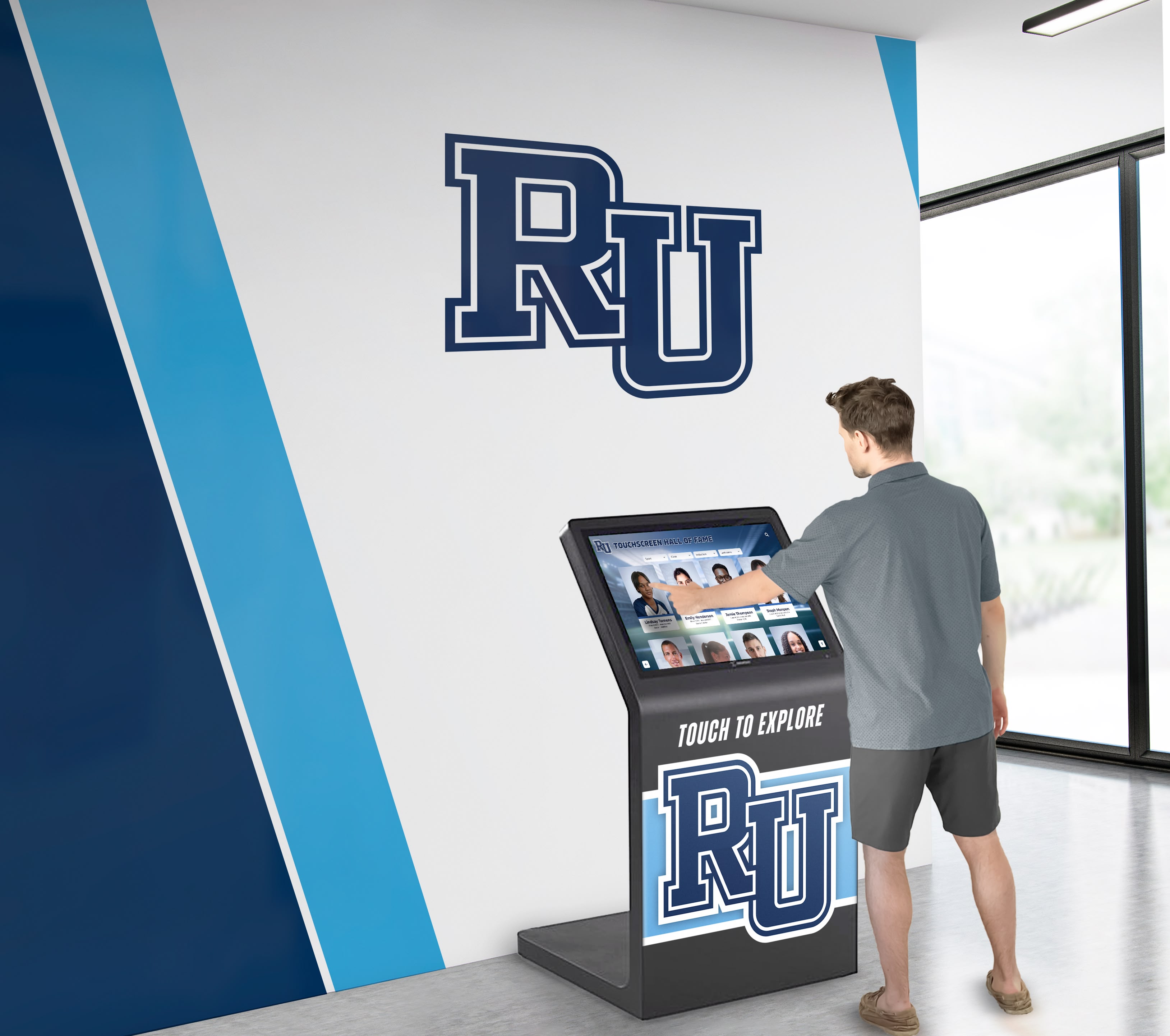
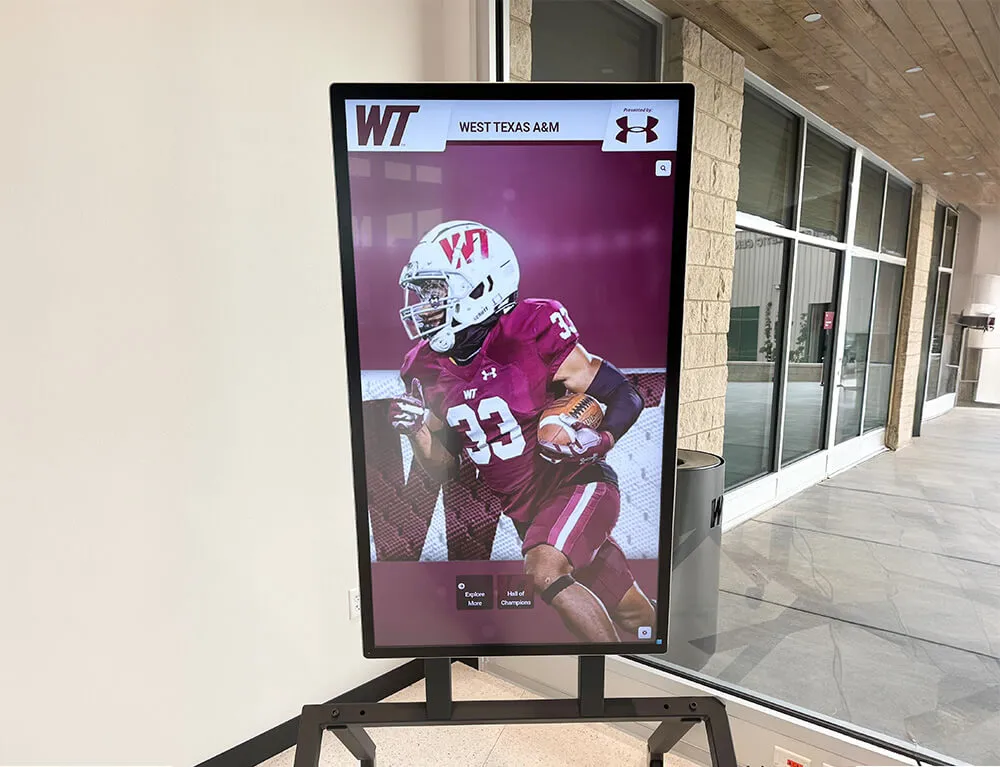
Freestanding interactive kiosks create flexible recognition installations in high-traffic areas where students naturally congregate
Strategy 2: Create Visual Pride Through Strategic Design
Physical environments communicate values powerfully through visual elements that shape how students experience their school daily and perceive institutional identity.
Developing Cohesive Visual Identity
Consistent visual identity strengthens community cohesion and institutional pride by creating recognizable, professional environments:
School Branding Elements
Professional design creates environments communicating excellence and pride:
- School colors integrated systematically throughout facilities creating cohesive identity
- Mascot imagery reinforcing institutional symbols and traditions
- Consistent typography and design language across all communications
- Professional signage and wayfinding systems guiding navigation
- Branded elements in classrooms, hallways, athletic facilities, and common areas
- Digital displays featuring dynamic branded content and school messaging
These visual elements may seem superficial, but research demonstrates that professional, cohesive design significantly influences how students perceive institutional quality and their own connection to school community.
Creating Destination Spaces
Strategic design transforms generic hallways and common areas into engaging environments celebrating school heritage, achievement, and culture:
- Athletic murals documenting program history, championships, and traditions
- Academic achievement walls showcasing intellectual excellence and scholar recognition
- Historical timelines connecting students to institutional legacy and evolution
- Alumni recognition highlighting notable graduates inspiring current students
- Performing arts displays celebrating creative accomplishments and productions
- Student work galleries showcasing exemplary projects and assignments
Schools implementing comprehensive visual identity programs report measurably increased student pride, improved behavior in common areas, and stronger emotional connection to institutional traditions.
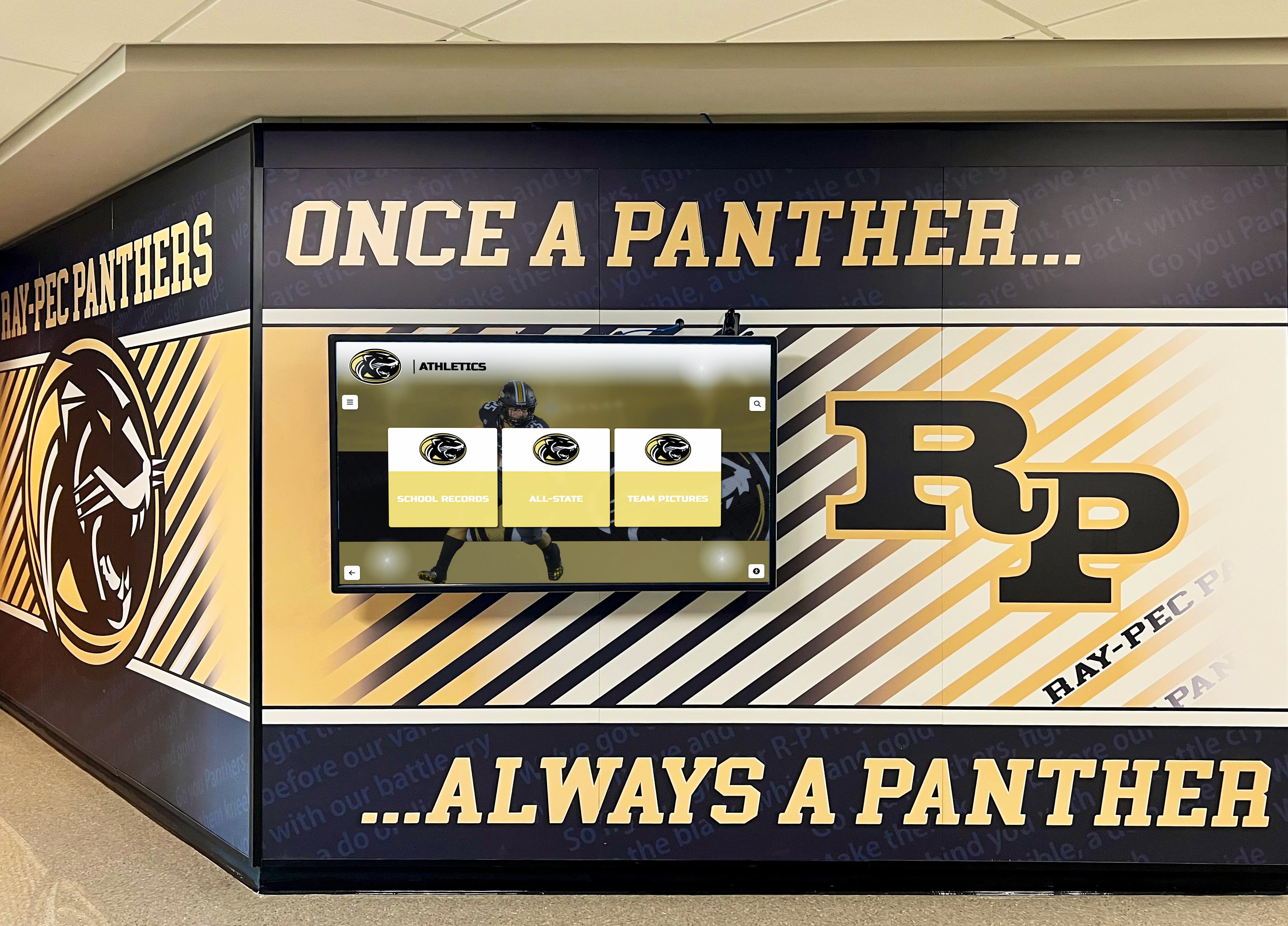
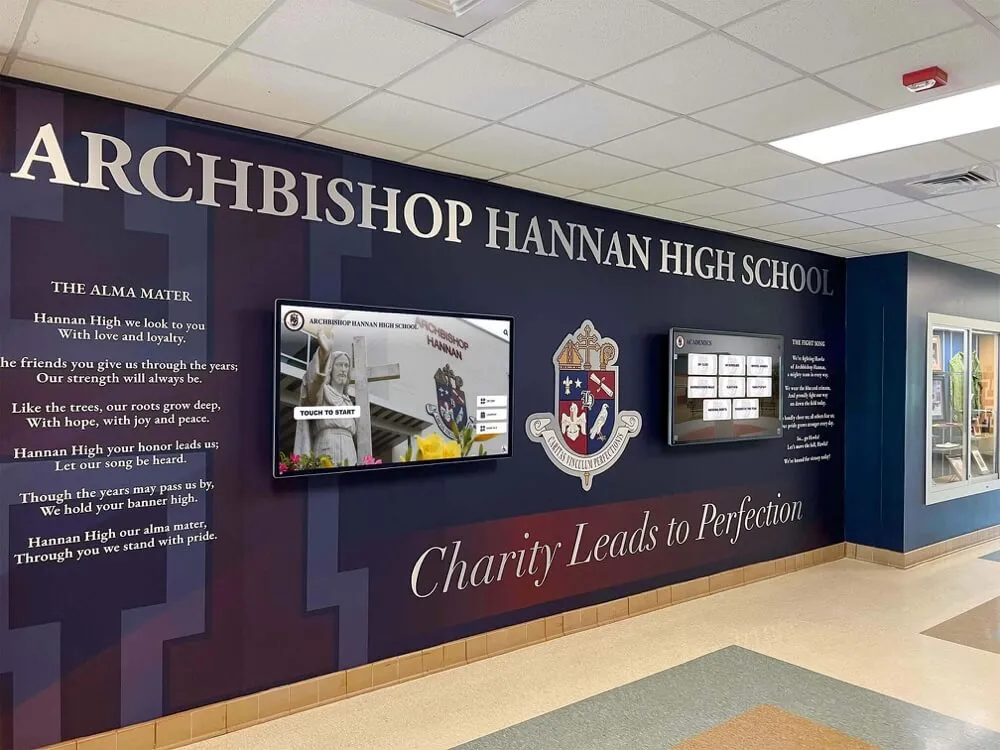
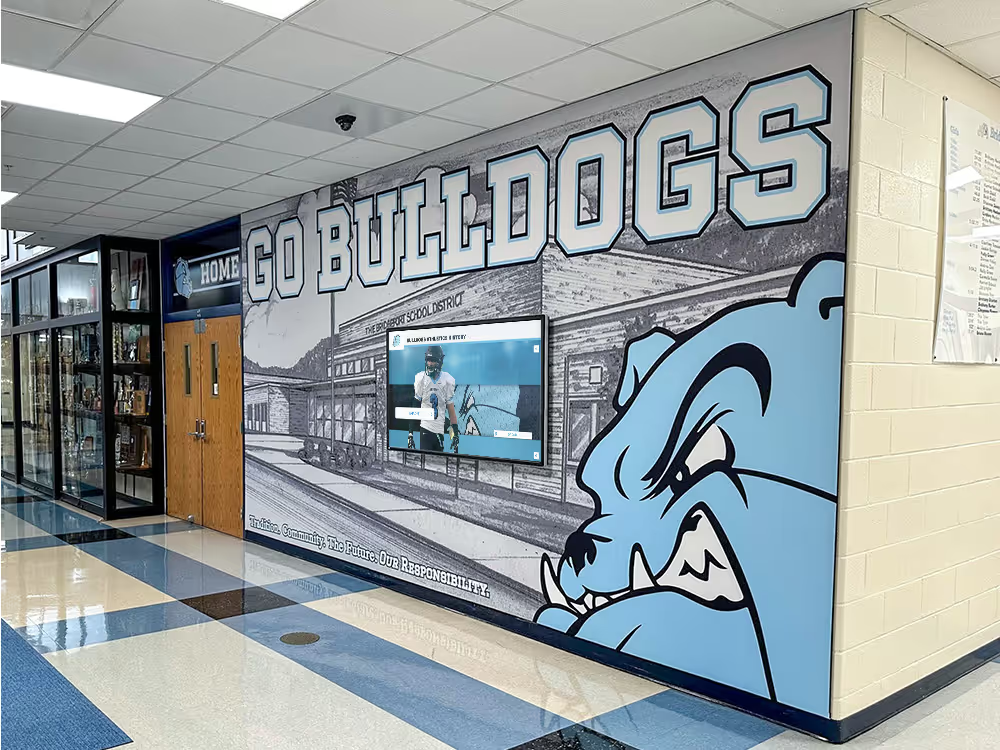
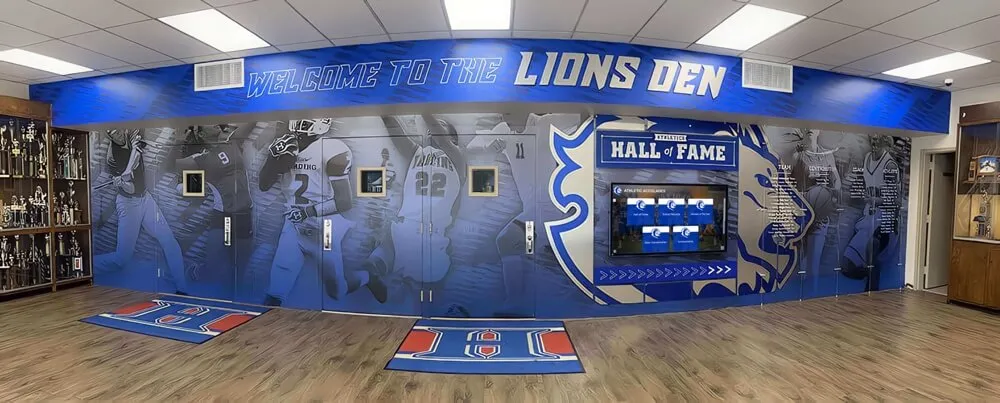
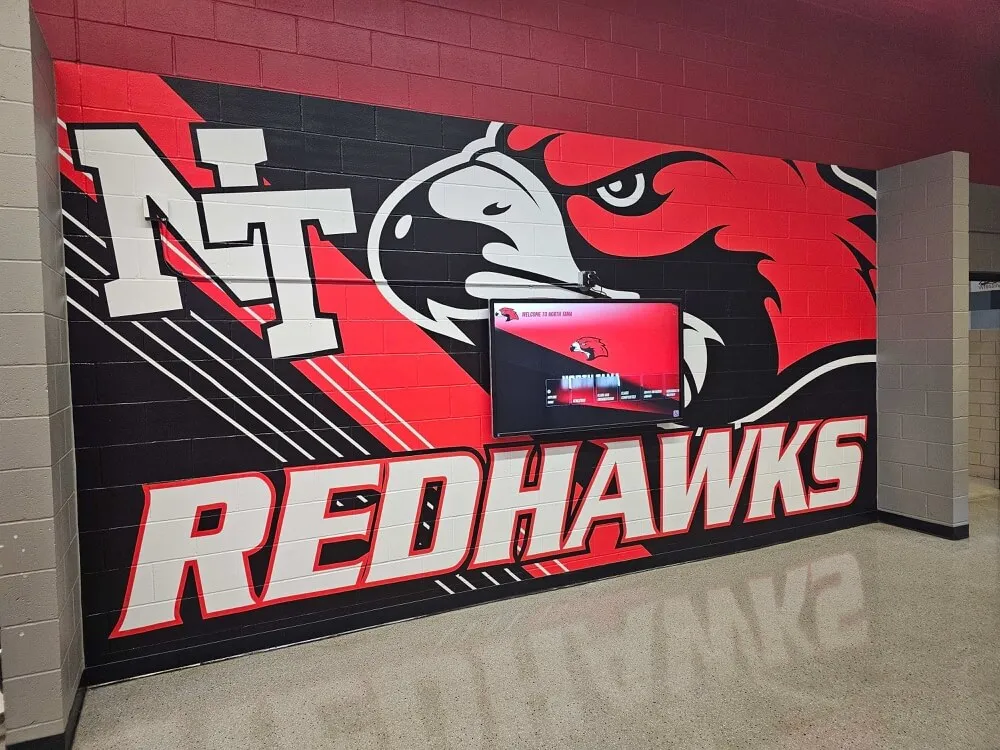
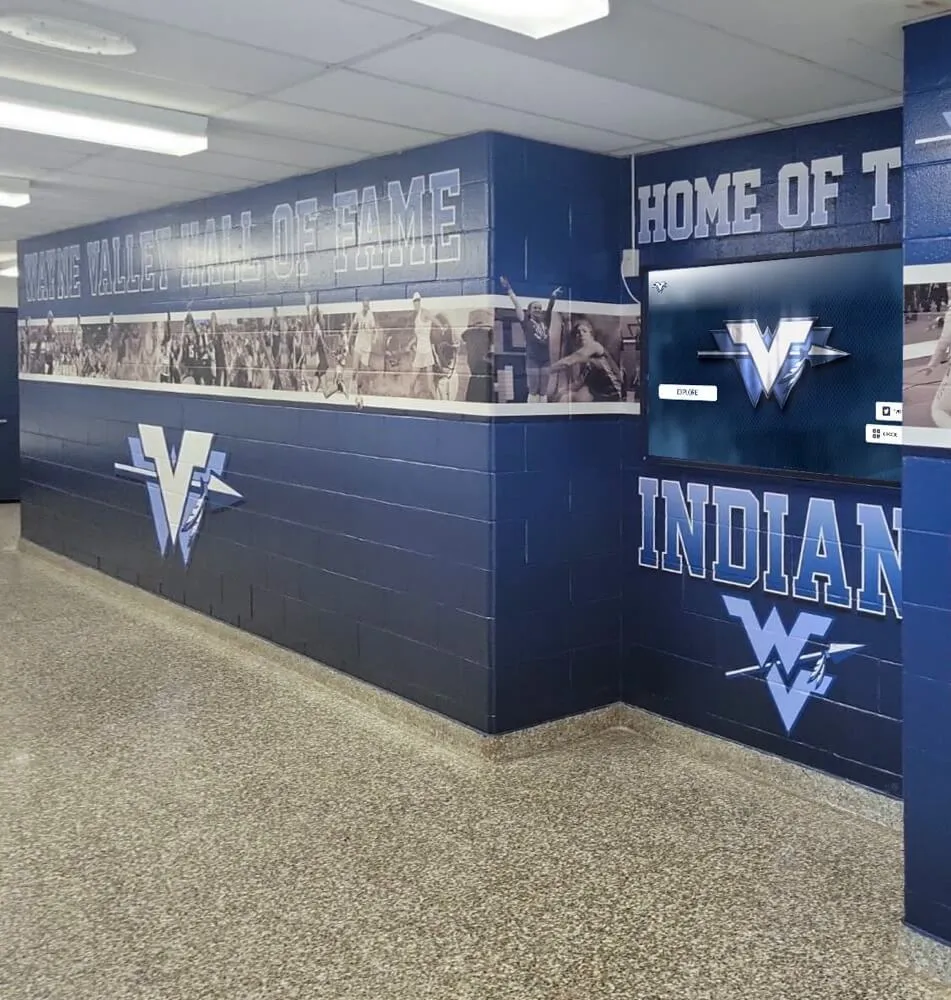
Coordinated murals and digital displays transform hallways into engaging spaces celebrating institutional identity and achievement
Heritage and Tradition Preservation
Connecting current students to institutional history strengthens identity and belonging by demonstrating they’re part of continuing legacy:
Historical Documentation and Archives
School history displays preserve institutional memory while inspiring current community members:
- Founding stories and early institutional development
- Notable alumni who achieved professional prominence or community impact
- Championship teams and significant athletic milestones across decades
- Academic program evolution and curricular innovations
- Facility development documenting campus transformation
- Community traditions and annual celebrations connecting past to present
Digital archiving systems make these historical resources accessible and engaging. Rather than static displays quickly becoming outdated, interactive presentations enable students to explore institutional heritage discovering personal connections to their own experiences and aspirations.
Strategy 3: Develop Meaningful Leadership Opportunities
Students demonstrate strongest engagement when they possess authentic agency over aspects of school experience rather than serving as passive recipients of adult-created programming.
Student Leadership Structures
Systematic leadership development prepares students while strengthening school community through student ownership:
Formal Leadership Positions
- Student government representing student voice in school decisions and policy discussions
- Class officers providing leadership within grade levels and organizing class-specific events
- Activity and club leadership developing organizational and management skills
- Peer mentoring programs pairing upperclassmen with younger students for guidance
- Student ambassadors representing school to prospective families, community members, and external audiences
- Athletic team captains demonstrating leadership responsibilities and team culture development
These structured opportunities develop leadership capacity while ensuring student perspectives genuinely inform school improvement efforts and cultural development.
Expanded Leadership Access
Move beyond limiting leadership to formal elected positions:
- Classroom leadership roles rotating among all students
- Project team leadership in academic contexts
- Event planning committees with open membership
- School improvement task forces including student representatives
- Peer tutoring and academic assistance programs
- New student orientation and welcome programs
- Community service initiative leadership
When schools democratize leadership access, more students develop ownership mentality and connection to institutional success.
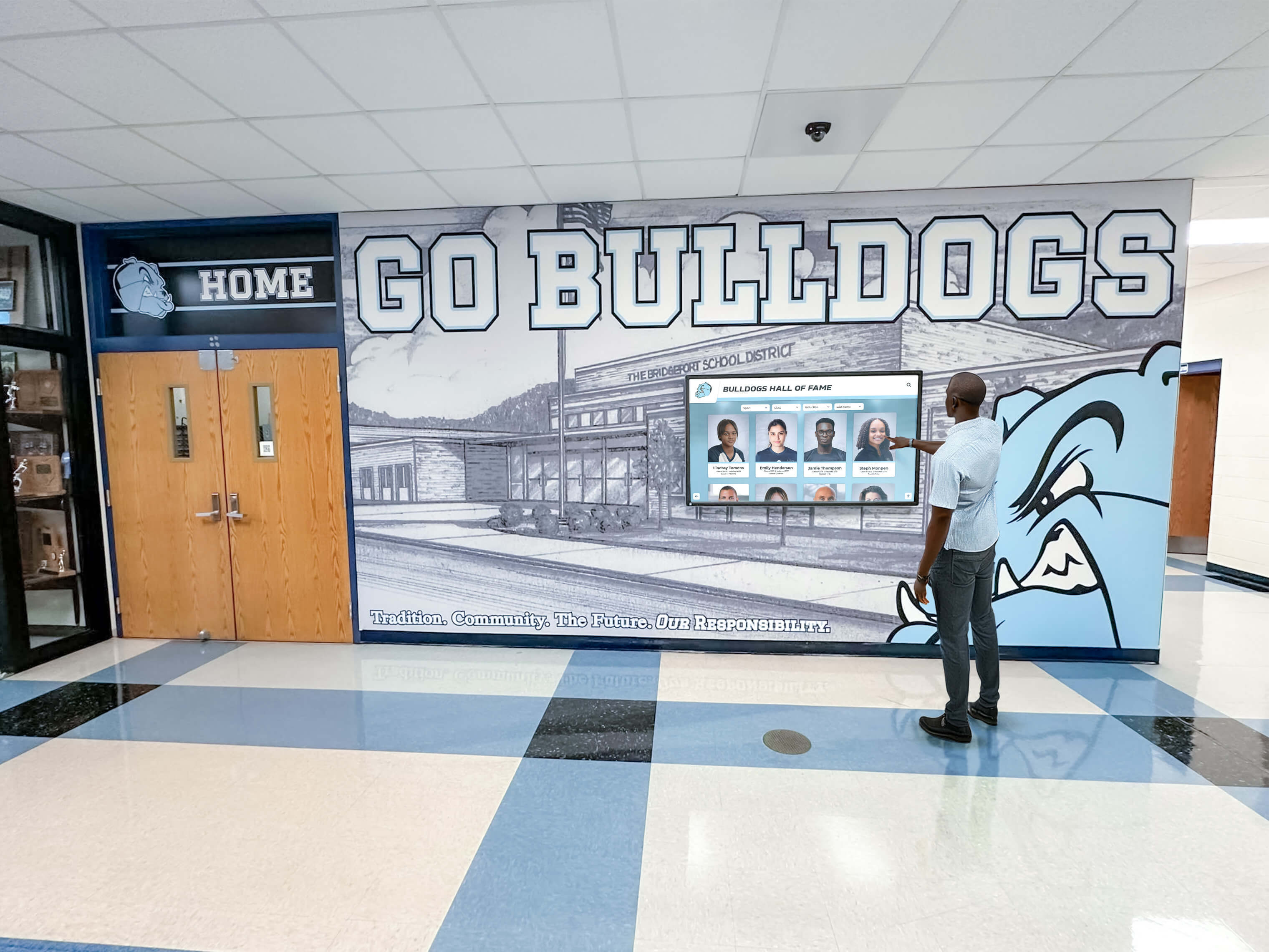
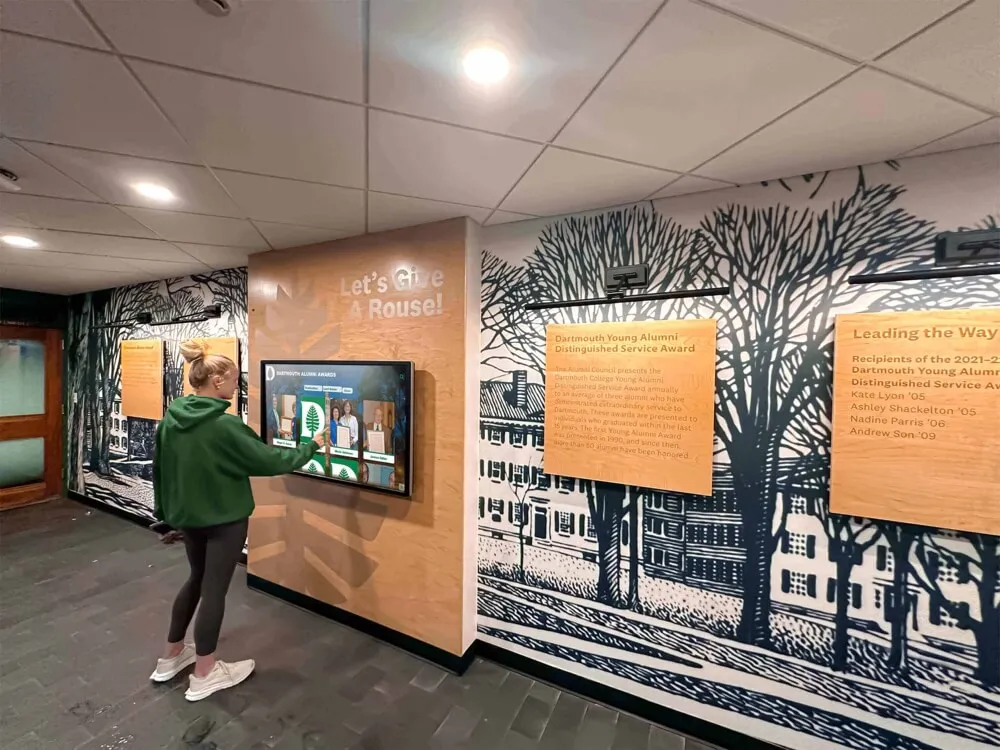
Self-directed exploration of school history and achievement creates personal connections to institutional tradition and culture
Student Voice in Decision-Making
Authentic engagement requires genuine influence over school policies and practices, not token consultation:
Mechanisms for Authentic Student Input
- Regular student surveys about school climate, culture, and improvement priorities
- Focus groups gathering qualitative feedback about specific issues and proposed changes
- Student representation on committees making real decisions affecting school operations
- Town hall forums where students discuss concerns directly with administration
- Suggestion systems enabling ongoing feedback with transparent response processes
- Student budget allocation for portions of activity funds or program development resources
Schools genuinely incorporating student voice demonstrate higher engagement, better climate measures, and more effective improvement initiatives addressing actual student needs rather than adult assumptions about priorities.
Strategy 4: Build Engaging School Traditions and Events
Shared experiences create community bonds and institutional memory that strengthen student identification with school identity and culture.
Signature Annual Events
Strategic events create defining moments in student experience while reinforcing institutional values:
Community-Building Celebrations
Recurring traditions create institutional identity and belonging:
- Homecoming celebrations connecting alumni and current students while celebrating school heritage
- Spirit weeks building school pride through themed participation and friendly competition
- Pep rally activities energizing school community and demonstrating collective support
- Academic recognition ceremonies celebrating intellectual achievement with ceremony comparable to athletics
- Athletic senior nights honoring graduating athletes across all sports
- Performing arts showcases demonstrating creative excellence through concerts, plays, art shows
- Community service days engaging students in civic contribution and social responsibility
These traditions create shared experiences that become defining memories of school experience while reinforcing institutional values and priorities students carry forward.
Recognition Ceremonies and Banquets
Formal recognition events communicate what schools genuinely value:
Effective recognition ceremonies celebrate achievement systematically across all domains:
- Academic awards ceremonies honoring intellectual achievement with dignity and celebration
- Athletic banquets celebrating seasonal accomplishments and building team culture
- Arts showcases featuring student performances, exhibitions, and creative accomplishments
- Character recognition honoring citizenship, service, leadership, and personal growth
- Graduation ceremonies marking milestone achievements with appropriate gravitas
These events create memorable experiences for honorees while communicating to all students what achievements schools genuinely celebrate and value beyond rhetoric.
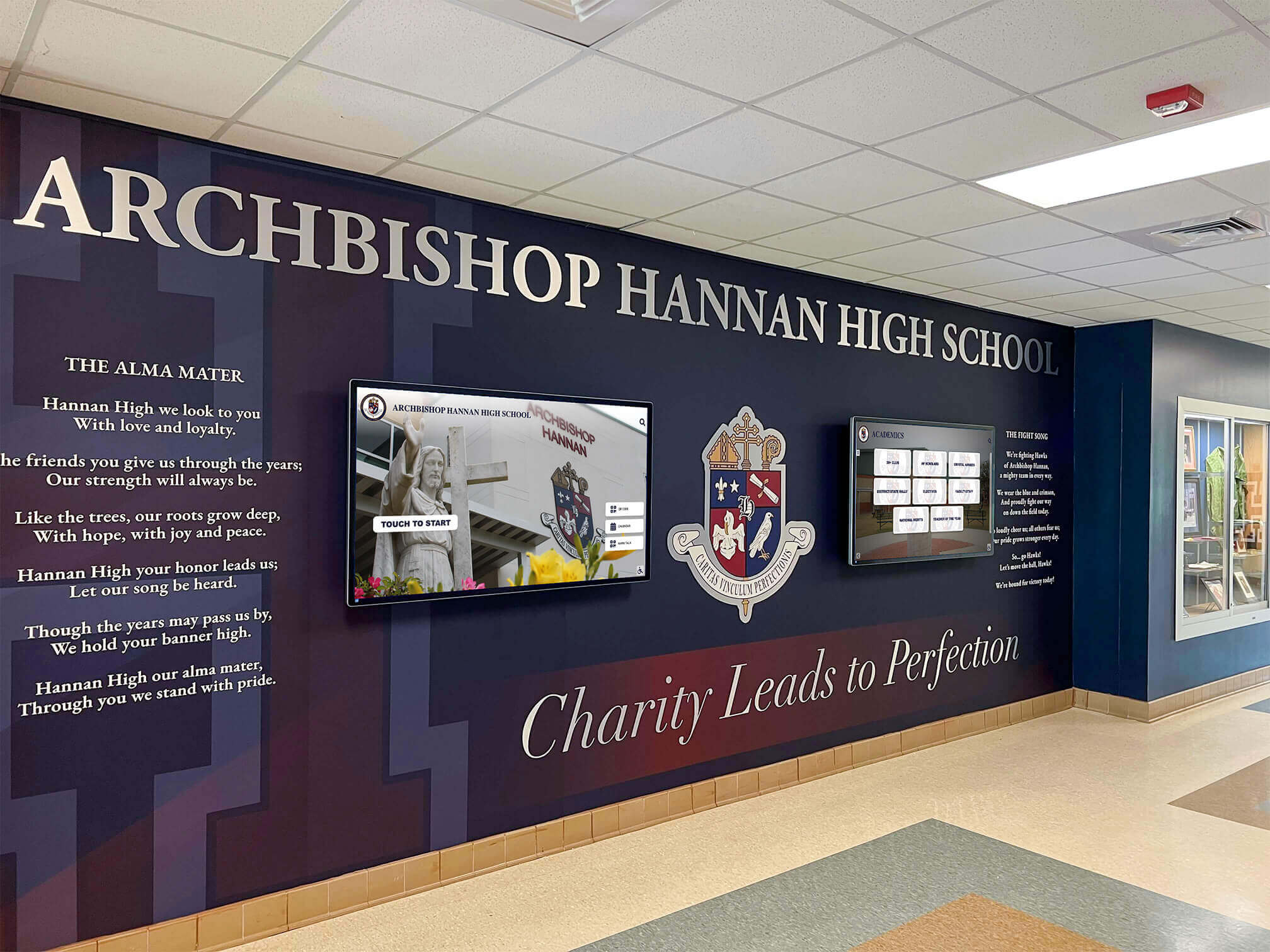
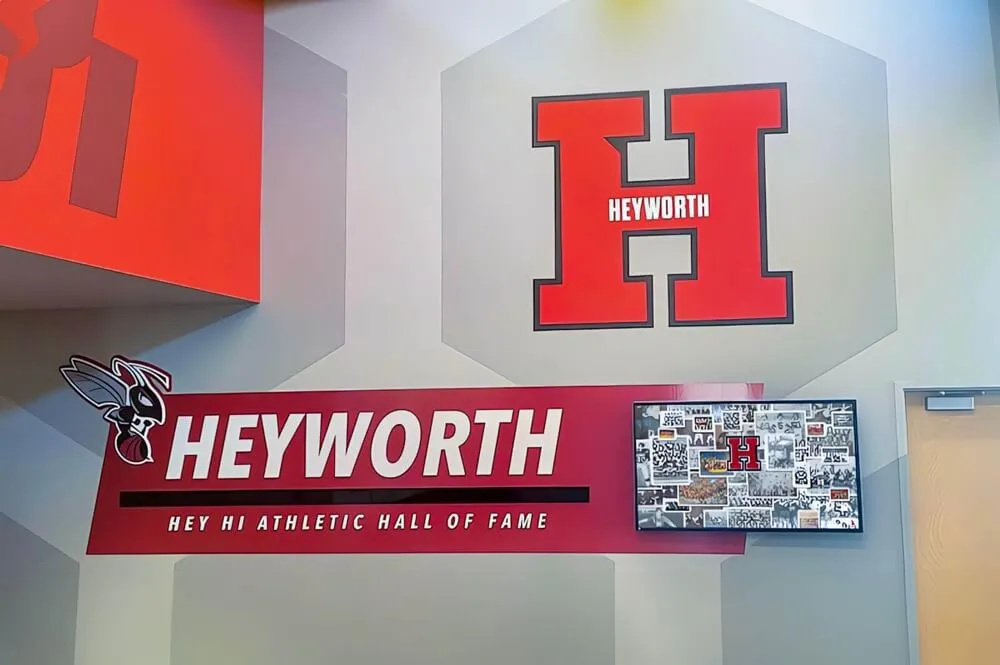
Professional entrance displays establish institutional identity and pride the moment students and visitors enter facilities
Grade-Level and Class Identity Building
Within-school identity strengthens overall institutional connection:
Class Unity Development
- Class t-shirts, colors, and mottos establishing grade-level identity
- Class competition structures in spirit activities and fundraising
- Class meetings addressing grade-specific concerns and planning activities
- Senior privilege systems acknowledging milestone status
- Freshman orientation programs building immediate connection
- Class composite displays documenting each grade’s journey through school years
Students who identify strongly with their graduating class demonstrate higher engagement with broader school community and maintain stronger alumni connections post-graduation.
Strategy 5: Create Inclusive Participation Opportunities
Engagement strategies must ensure all students find accessible entry points regardless of background, ability, or interest areas.
Diverse Activity Options
Comprehensive extracurricular programming ensures every student discovers meaningful participation opportunities:
Athletic Program Inclusion
- Multiple competitive levels (varsity, junior varsity, freshman) maximizing participation
- Intramural programs offering recreational athletic experience without competitive pressure
- Club sports and recreational athletics expanding options beyond traditional team sports
- Fitness and wellness programs accommodating all ability levels
- Manager and support roles for students unable to participate athletically
- Inclusive adapted athletics for students with disabilities
Arts and Academic Activities
Beyond athletics, diverse programs engage varied student interests:
- Performing arts including theater, choir, band, orchestra, dance team
- Visual arts programs and exhibition opportunities
- Academic competition teams across subjects (math, science, history, literature)
- Career and technical student organizations (DECA, FBLA, SkillsUSA, FFA)
- Special interest clubs spanning hobbies, identity groups, social causes
- Service organizations and community engagement opportunities
When schools invest equally in non-athletic programs, they communicate that engagement opportunities exist for all students regardless of athletic ability or interest.
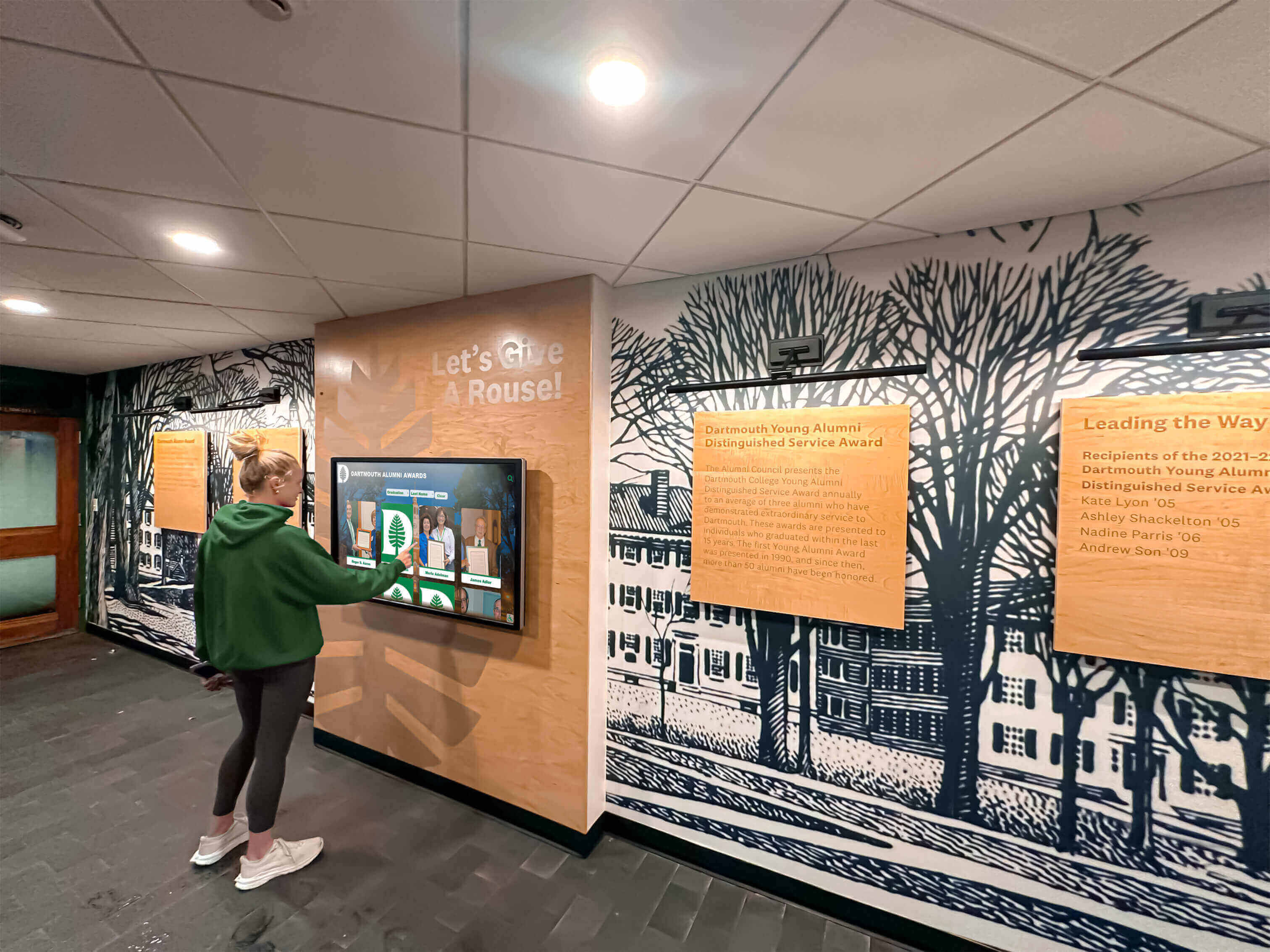
Interactive alumni displays inspire current students by demonstrating pathways from student participation to life achievement
Removing Participation Barriers
Intentional barrier reduction ensures activities remain accessible to all students:
Financial Accessibility
- Activity fee assistance or elimination for students with financial need
- Equipment and uniform lending programs
- Transportation coordination for students lacking personal transportation
- Flexible fundraising options accommodating different family circumstances
- Free or low-cost participation alternatives to expensive activities
Time and Schedule Accommodations
- Activity scheduling considering student work obligations and family responsibilities
- Multiple meeting time options for popular clubs and organizations
- Before-school, during-school, and after-school activity offerings
- Flexible participation structures allowing varied commitment levels
- Virtual participation options when appropriate for certain activities
Social and Emotional Accessibility
- Welcoming, non-intimidating introduction opportunities for new participants
- Explicit anti-bullying and inclusion policies in all activities
- Adult supervision ensuring safe, respectful environments
- Mentorship pairing experienced members with newcomers
- Recognition for participation and improvement, not just excellence
Strategy 6: Leverage Technology for Connection
Strategic technology integration creates engagement opportunities extending beyond physical school presence and traditional participation structures.
Interactive Digital Platforms
Modern students expect digital access and interactive experiences that static displays cannot provide:
Interactive displays enable student-driven exploration and connection:
- Self-directed achievement browsing where students discover classmate accomplishments
- Historical archive exploration connecting current students to institutional legacy
- Day-in-the-life content showcasing student experiences and school culture
- Interactive school history timelines documenting institutional evolution
- Achievement filtering by year, category, activity type, or other criteria
- Social sharing capabilities extending recognition beyond physical location
Web-Based Recognition Access
Digital platforms extend recognition beyond those physically present on campus:
- Mobile-responsive websites enabling smartphone access to recognition content
- Social media integration allowing students to share their achievements
- Alumni access connecting graduates to continuing institutional story
- Parent and family engagement through remote recognition viewing
- Searchable databases enabling easy discovery of specific individuals or achievements
These digital extensions increase recognition impact by enabling repeated viewing, social sharing, and continued engagement long after initial achievement.

Rich individual profiles featuring photos, statistics, and achievements create meaningful recognition that students actively seek to explore
Social Media and Digital Communication
Strategic digital communication strengthens connection and pride:
Positive Social Media Presence
- Regular celebration of student achievements across all categories
- Event coverage and behind-the-scenes content building excitement
- Student feature stories highlighting diverse experiences and perspectives
- School culture and tradition content reinforcing institutional identity
- Interactive content encouraging student participation and response
- Alumni spotlights demonstrating long-term impact of student engagement
Digital Recognition Sharing
Enable students to share their achievements through:
- Branded graphics celebrating individual and team accomplishments
- Achievement certificates and digital badges students can share
- Video highlight reels featuring student performances and competitions
- Digital yearbook content students access and share year-round
- QR code integration enabling quick access to full achievement details
When schools make sharing easy and encouraged, student recognition extends far beyond school walls through peer networks and family connections.
Strategy 7: Build Strong Student-Teacher Relationships
Engagement depends fundamentally on relationship quality between students and adults in school environment.
Intentional Relationship-Building Structures
Systematic approaches ensure all students develop meaningful adult connections:
Advisory Programs
- Small advisory groups pairing students with consistent adult advocates throughout school years
- Regular advisory meeting time for relationship building, mentoring, and personal check-ins
- Advisory curriculum addressing social-emotional development and school success skills
- Advisory-based competition and activities building group identity
- Parent communication coordinated through advisory system
Personalized Attention Systems
Beyond formal structures, intentional practices build connections:
- Greeting students by name in hallways and common areas
- Attending student activities and performances outside classroom context
- Personal notes or messages recognizing effort, improvement, or specific contributions
- One-on-one check-ins with students showing signs of disengagement
- Knowing and showing interest in students’ lives beyond academic performance
- Celebrating student birthdays, achievements, and significant life events
Research consistently identifies strong student-teacher relationships as the single most important factor in student engagement. Students work harder, behave better, and persist through challenges for teachers with whom they have positive relationships.
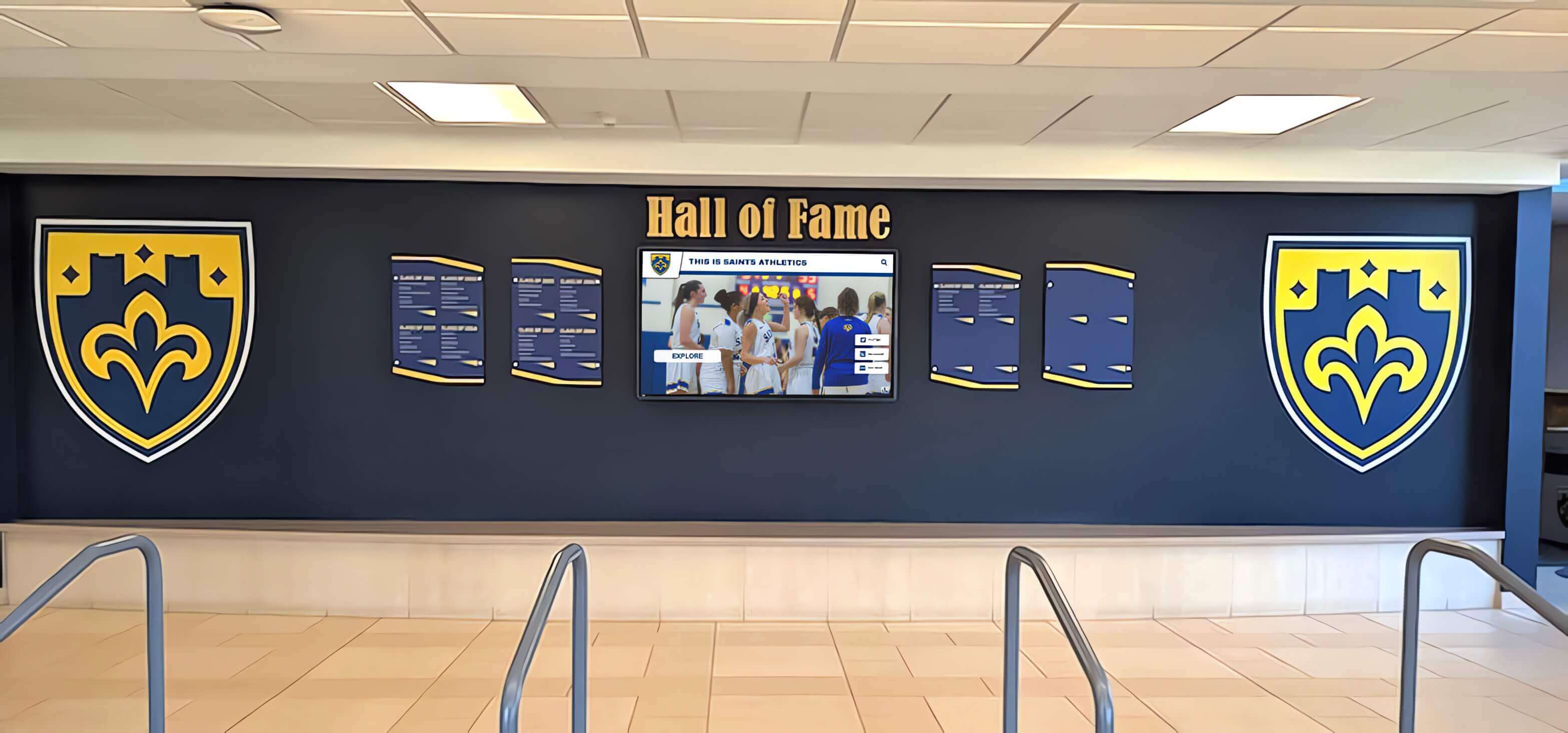
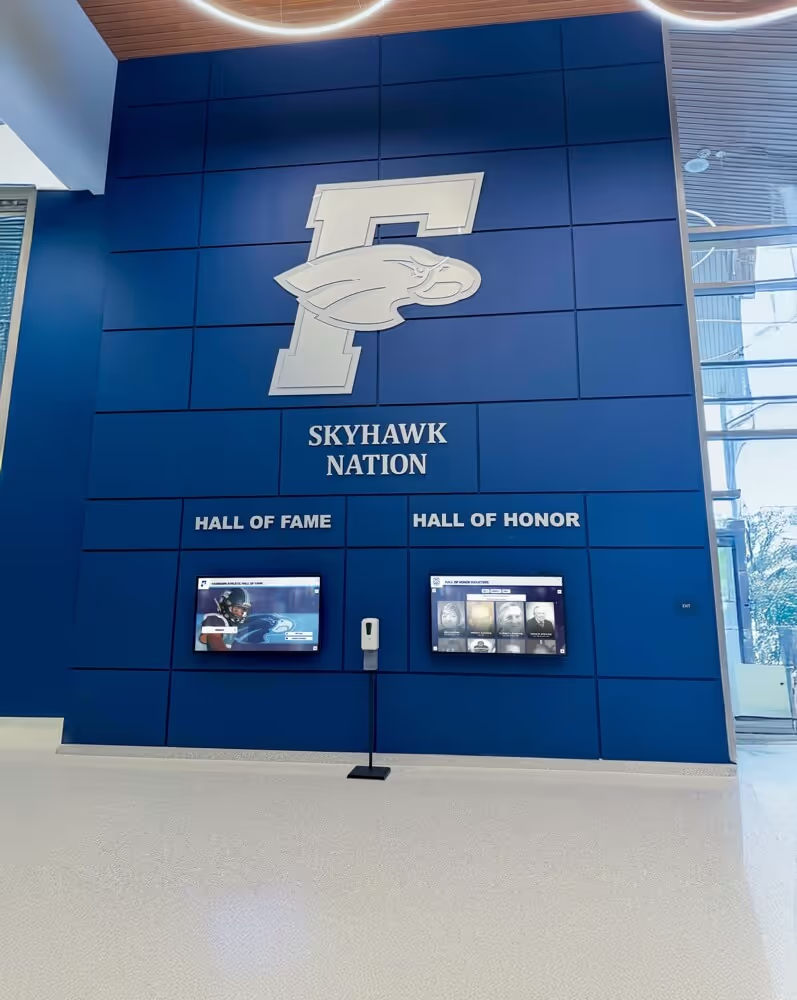
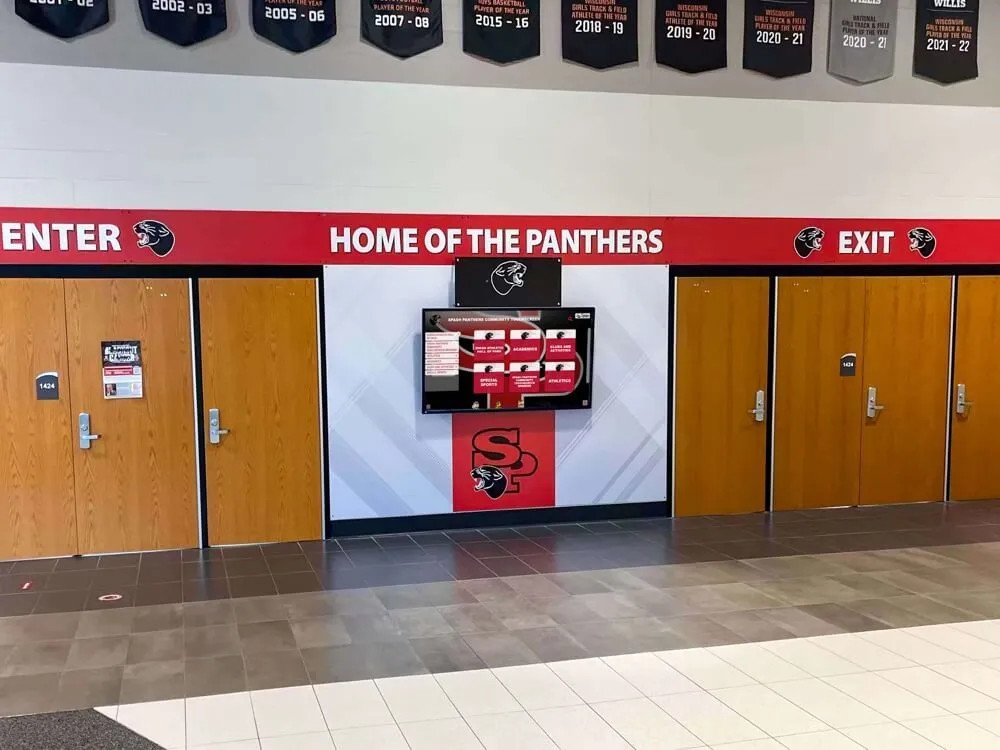
Strategic placement of recognition displays in main entrances ensures every student regularly encounters celebration of peer achievement
Teacher Investment in Student Activities
Adult presence at student activities communicates genuine interest and value:
Systematic Staff Attendance
- Administrator rotation ensuring leadership presence at diverse events, not just major athletics
- Staff sign-up systems ensuring all activities receive faculty support and attendance
- Teacher recognition for exceptional support of student activities and programs
- Department or team challenges encouraging collective attendance at events
- New teacher orientation emphasizing importance of attending student activities
Students notice which teachers attend their games, performances, competitions, and events. This visibility dramatically impacts student engagement in those teachers’ classes and overall school connection.
Strategy 8: Measure and Assess Engagement Systematically
Improvement requires systematic measurement identifying what’s working and what needs attention.
Engagement Assessment Tools
Multiple instruments assess different engagement dimensions providing comprehensive understanding:
Quantitative Engagement Metrics
- Student engagement surveys measuring behavioral, emotional, and cognitive dimensions
- Participation rates in extracurricular activities, athletics, arts, and clubs
- Attendance data tracking patterns and identifying disengagement early
- Disciplinary referral rates indicating behavioral engagement levels
- Academic performance data disaggregated by student populations
- Digital display interaction analytics showing which content engages students most
Qualitative Assessment Methods
- Focus groups exploring specific engagement dimensions in depth with diverse student groups
- Individual interviews gathering personal perspectives and experiences
- Student shadowing documenting actual daily experiences and engagement patterns
- Exit interviews with graduating seniors about engagement throughout school years
- Suggestion box or feedback mechanisms enabling ongoing anonymous input
Regular assessment enables data-driven decision making about engagement initiatives while demonstrating accountability for creating environments where all students thrive.
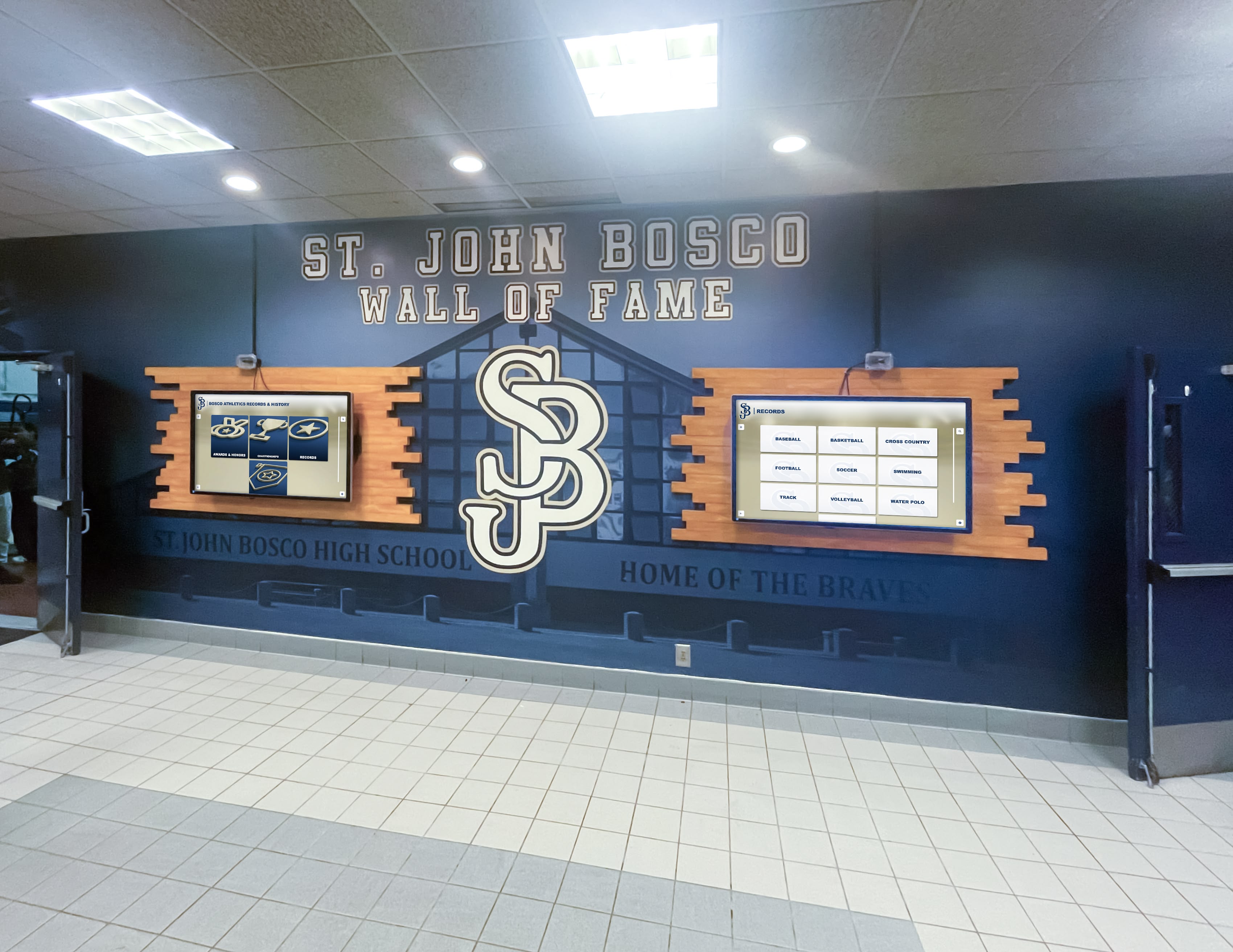
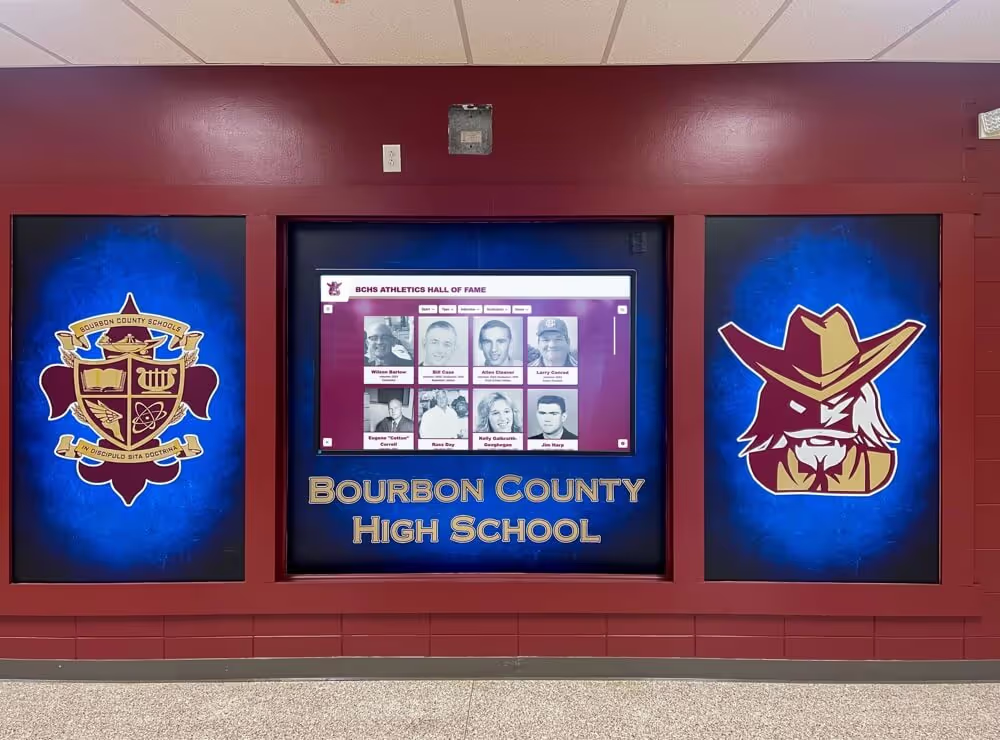
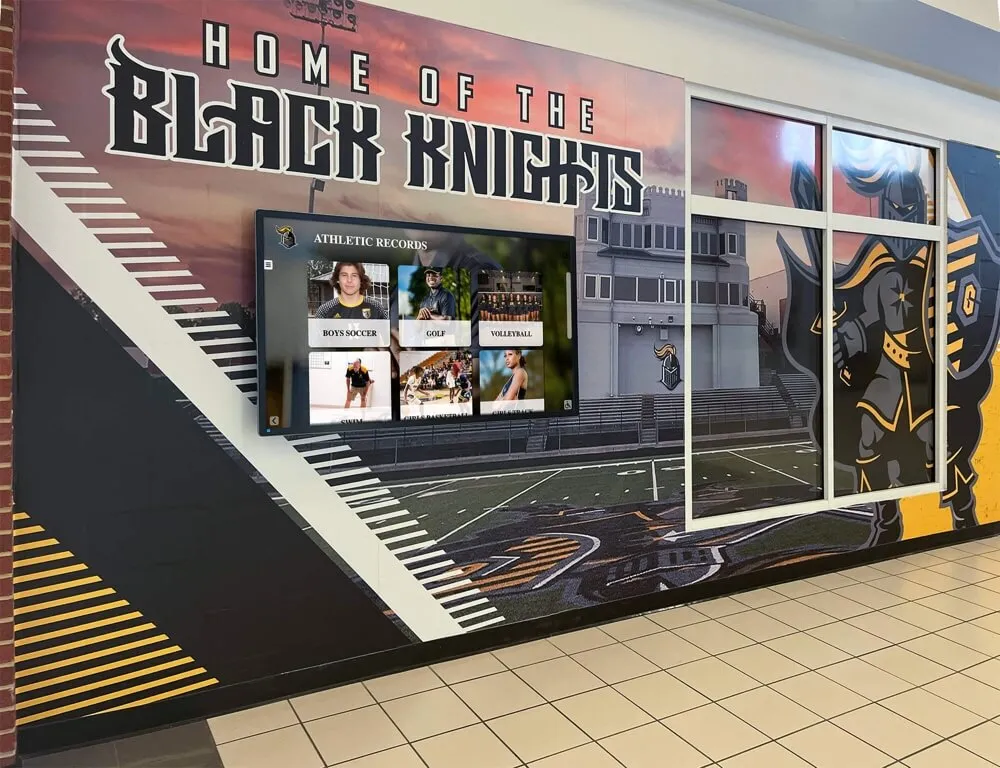
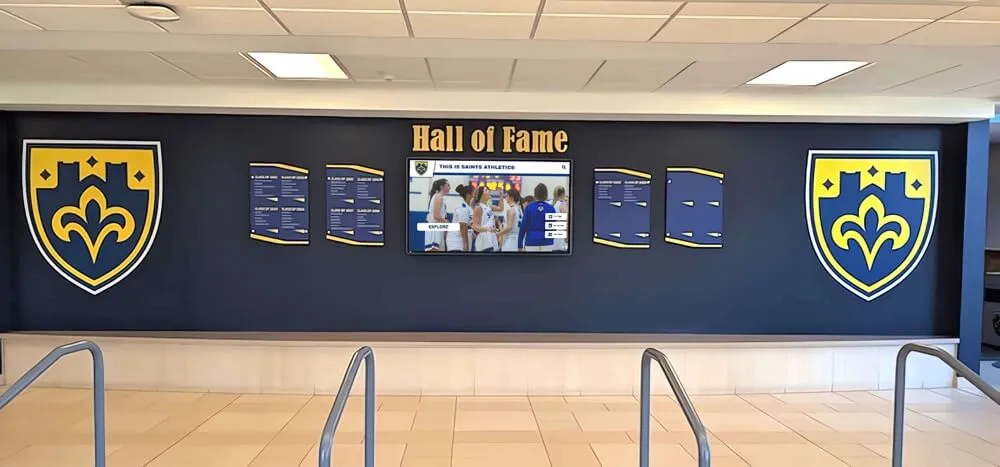
Multiple displays throughout facilities provide comprehensive recognition ensuring diverse achievements receive appropriate visibility
Using Data to Drive Continuous Improvement
Assessment data should inform strategic action planning:
Data-Informed Improvement Cycles
- Review engagement data identifying priority populations or areas needing attention
- Set specific, measurable engagement improvement goals with clear success indicators
- Implement targeted strategies addressing identified needs with appropriate resources
- Monitor progress through ongoing data collection and informal observation
- Adjust approaches based on implementation feedback and emerging insights
- Celebrate improvements while identifying next priorities for sustained focus
This continuous improvement approach ensures schools remain focused on genuine engagement enhancement rather than implementing disconnected initiatives without assessing actual impact on student connection and participation.
Implementation Roadmap for Engagement Transformation
Transforming student engagement requires systematic, multi-year commitment rather than isolated quick fixes:
Year One: Foundation Building
Initial implementation focuses on establishing core engagement systems:
- Conduct comprehensive engagement assessment identifying current strengths and priority areas
- Expand recognition programs to celebrate achievements beyond traditional honor roll and championship athletics
- Implement at least one new school-wide tradition or event with broad appeal
- Launch advisory or mentor program connecting all students with adult advocates
- Install digital recognition displays in high-traffic areas showcasing diverse student achievements
- Audit extracurricular offerings identifying gaps in participation access
Year Two: Deepening and Expanding
Second-year efforts deepen initial initiatives while expanding reach:
- Expand recognition programs based on Year One feedback ensuring broader student inclusion
- Develop additional leadership opportunities democratizing access beyond formal elections
- Enhance visual identity and facility design communicating institutional pride
- Launch or expand technology integration for engagement and recognition sharing
- Increase teacher investment in student activities through systematic support structures
- Address identified participation barriers through targeted resource allocation
Year Three and Beyond: Sustainability and Continuous Improvement
Long-term success requires sustainable systems and ongoing refinement:
- Institutionalize effective practices through policy, budget allocation, and job descriptions
- Mentor new students and staff in engagement expectations and participation opportunities
- Continuously assess and refine programs based on engagement data and student feedback
- Expand successful strategies while discontinuing ineffective initiatives
- Build alumni engagement systems maintaining connection beyond graduation
- Share successful strategies with broader educational community
Engagement transformation cannot happen quickly through isolated initiatives. Sustained focus over multiple years, with consistent messaging and authentic commitment from leadership, creates the deep cultural shifts that transform how students experience school and connect to institutional community.
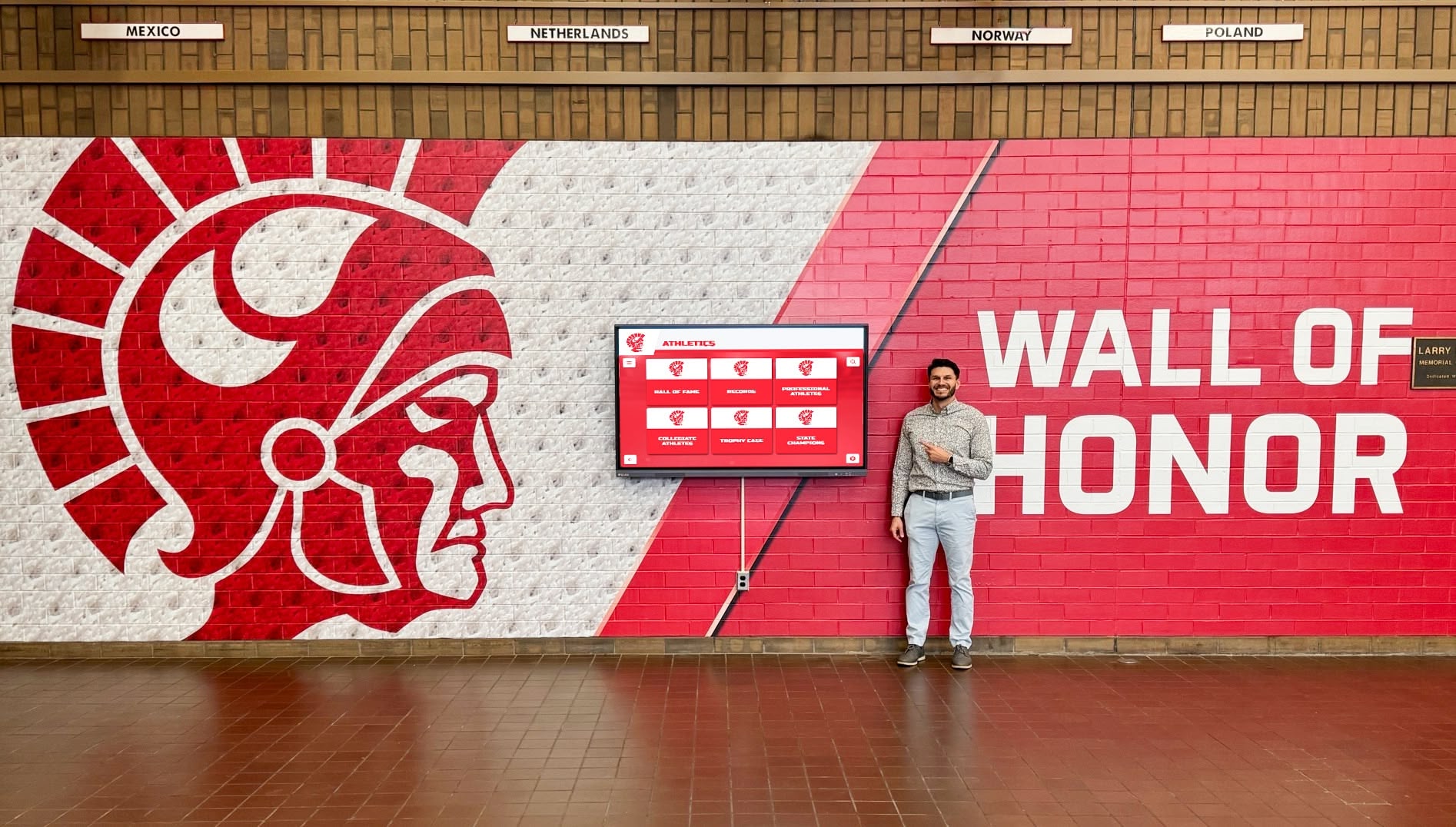
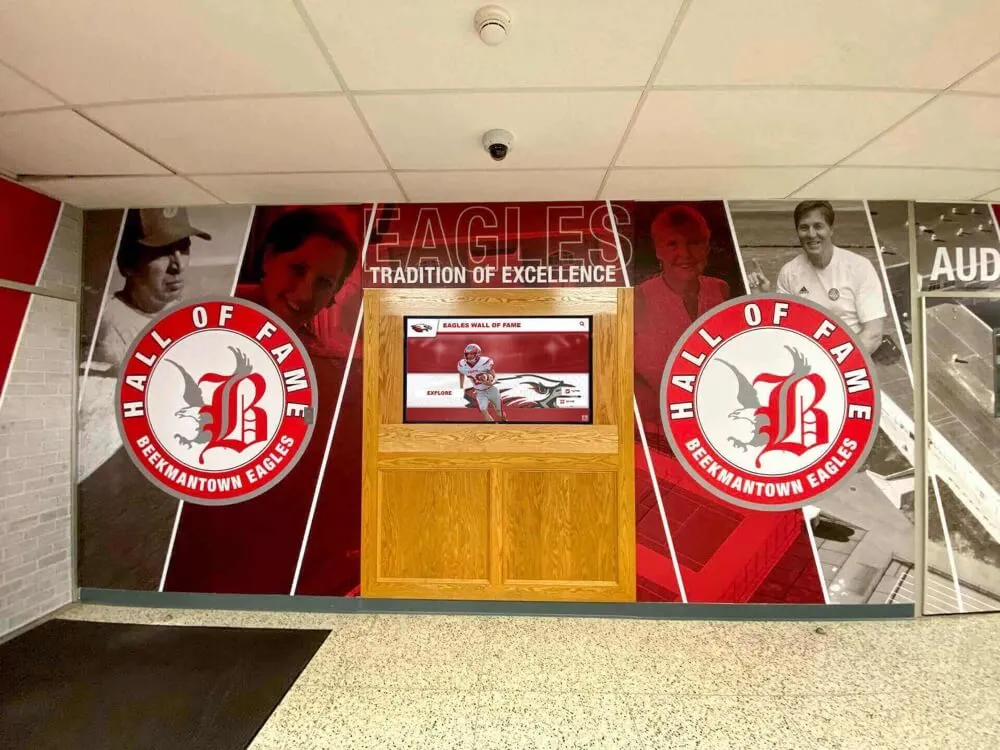
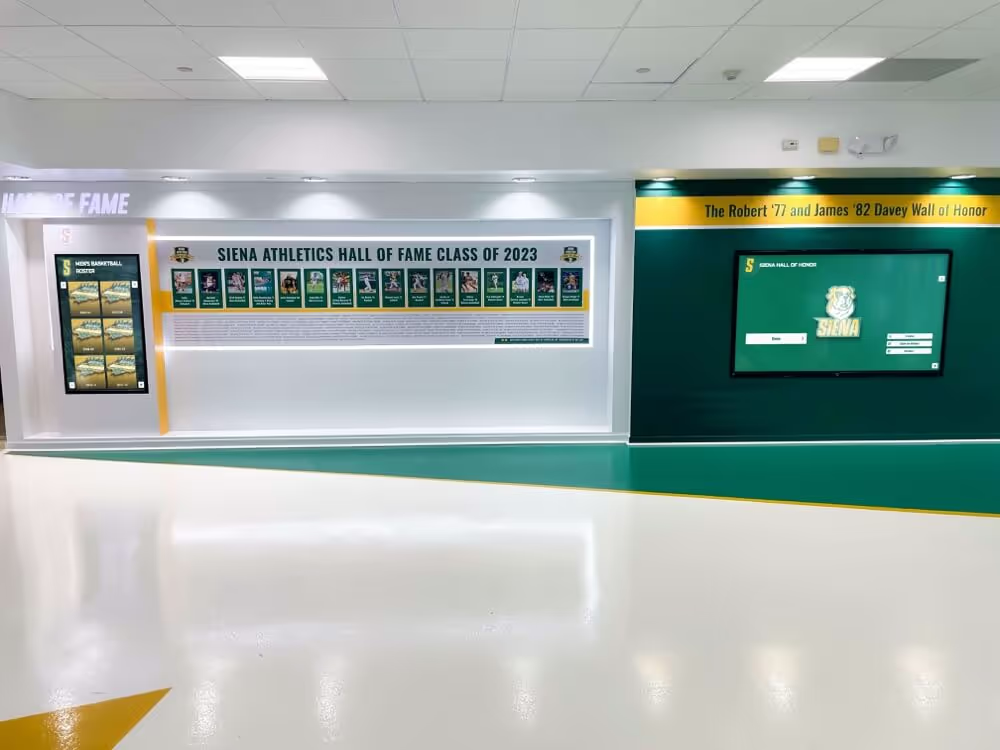
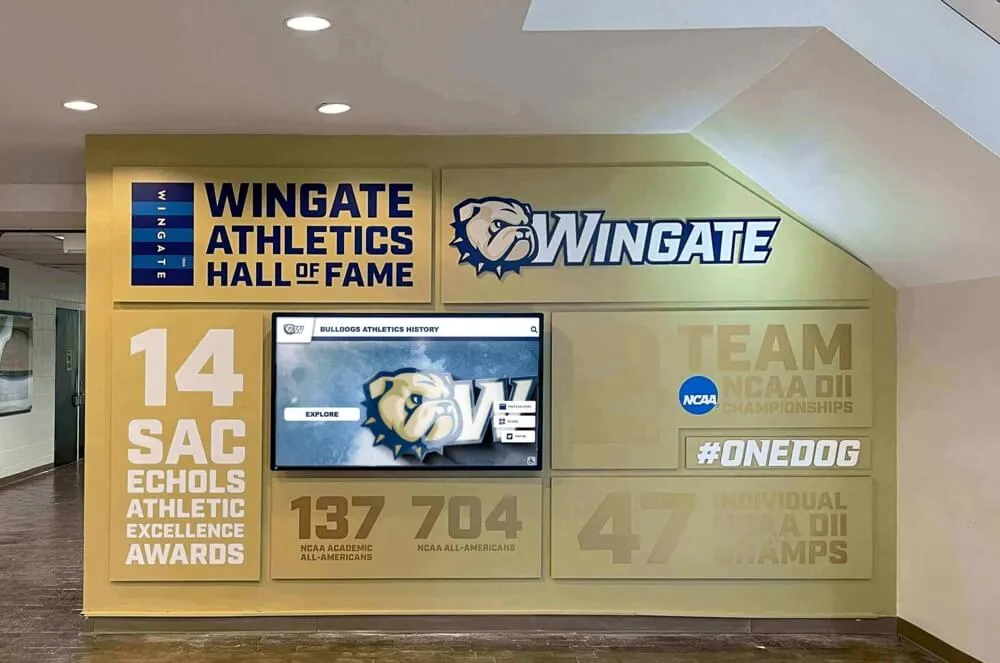
Visually prominent recognition displays in main hallways ensure achievement visibility becomes part of daily student experience
Overcoming Common Implementation Challenges
Schools implementing engagement initiatives face predictable challenges requiring strategic responses:
Limited Resources and Budget Constraints
Financial limitations shouldn’t prevent engagement improvement:
High-Impact Low-Cost Strategies
- Recognition programs can begin with simple systematic acknowledgment before technology investment
- Relationship-building requires intentional time and attention, not financial resources
- Tradition development costs minimal resources beyond coordination and communication
- Student leadership opportunities require adult mentorship, not substantial budgets
- Social media celebration is essentially free beyond staff time for content creation
While solutions like Rocket Alumni Solutions provide comprehensive platforms that transform recognition and engagement, fundamental engagement development begins with commitments requiring more intention than funding.
Staff Buy-In and Resistance
Not all educators immediately embrace engagement initiatives:
Building Staff Support
- Include teachers in planning processes ensuring practical implementation
- Communicate clear rationale connecting engagement to outcomes teachers care about
- Start with willing early adopters demonstrating effectiveness before requiring universal participation
- Provide adequate preparation time and resources preventing initiative from feeling like additional burden
- Celebrate staff efforts and recognize teachers who invest in student engagement
- Address legitimate concerns respectfully while maintaining vision and expectations
Sustainability Beyond Initial Enthusiasm
Many initiatives fade when initial excitement wanes:
Building Sustainable Systems
- Integrate practices into regular routines rather than treating as additional special programs
- Build expectations into job descriptions and performance evaluation systems
- Allocate dedicated time in schedules for engagement activities and relationship building
- Train all new staff in school culture expectations and engagement approaches
- Assign clear responsibilities with accountability measures ensuring follow-through
- Regularly communicate about engagement priorities keeping focus consistent
Conclusion: Creating School Culture Where Every Student Belongs
Student engagement represents far more than participation in activities or compliance with behavioral expectations—it reflects whether students feel genuinely valued, personally connected, and authentically invested in school community and culture. When schools approach engagement strategically through comprehensive recognition, meaningful leadership opportunities, inclusive programming, and systematic relationship-building, they create environments where students thrive academically, socially, and emotionally while developing strong institutional identification lasting long after graduation.
The strategies explored in this guide provide practical frameworks for transforming student engagement from abstract goal to concrete reality. From digital recognition systems that celebrate unlimited achievements to leadership structures that democratize influence, these approaches address multiple dimensions that collectively create authentic student connection and pride.
Ready to transform student engagement through comprehensive recognition that celebrates every achievement and builds authentic school pride? Modern recognition solutions help schools showcase diverse accomplishments, create interactive engagement opportunities, and build environments where students feel genuinely valued and connected. Solutions like Rocket Alumni Solutions provide comprehensive platforms specifically designed for educational institutions, combining unlimited recognition capacity with intuitive content management and professional hardware creating measurable impact on student engagement and institutional culture.
Whether beginning engagement transformation initiatives or enhancing existing programs, success requires authentic leadership commitment demonstrating engagement as true priority, systematic implementation maintaining consistency across school community, ongoing assessment driving continuous improvement based on actual impact, and recognition that engagement development represents multi-year journey requiring sustained focus rather than quick fix or isolated initiative.
Your students deserve school environments where they feel personally valued, authentically connected, and genuinely proud of their institutional community. With strategic planning, appropriate technology investment where beneficial, and authentic commitment to honoring every student’s contributions, you can create engagement and pride that truly transforms educational experience and produces lifelong positive outcomes.
Start with strategies you can implement immediately—expanding recognition beyond traditional categories, building stronger student-teacher relationships, creating more inclusive participation opportunities—then systematically build toward comprehensive approaches your students deserve. The most important element isn’t budget size or program sophistication—it’s genuine commitment to creating environments where every student matters and every contribution receives appropriate celebration.
Every student experiencing authentic engagement develops stronger academic outcomes, better social-emotional health, and more positive long-term life trajectories. Every graduate maintaining strong school connection becomes potential mentor, donor, and community advocate. Your school’s long-term impact depends on the engagement and pride you build—make creating authentic student connection your strategic priority and lasting legacy.