



Every school year, student council members face the same challenge: how do we make this year memorable? How do we engage students who seem disconnected? How do we build school spirit that extends beyond a few popular events? Student governments have incredible potential to shape school culture, but many struggle to move beyond traditional dances and spirit weeks.
The most successful student councils understand something essential—meaningful engagement comes from addressing real student needs while creating visible recognition and celebration that makes everyone feel valued. When student leaders implement strategic initiatives that combine social activities with authentic recognition, they transform school culture in ways that outlast their own tenure.
This comprehensive guide explores proven student council ideas that create lasting impact, practical implementation frameworks for initiatives that work, and recognition strategies that build the positive school culture every student government aspires to create.
Student councils serve as the voice of the student body, but their true power lies in their ability to create shared experiences that build connections across grade levels, social groups, and interests. The most effective student governments balance fun social programming with meaningful initiatives that address actual student concerns while establishing visibility systems that celebrate achievement and reinforce positive school culture.

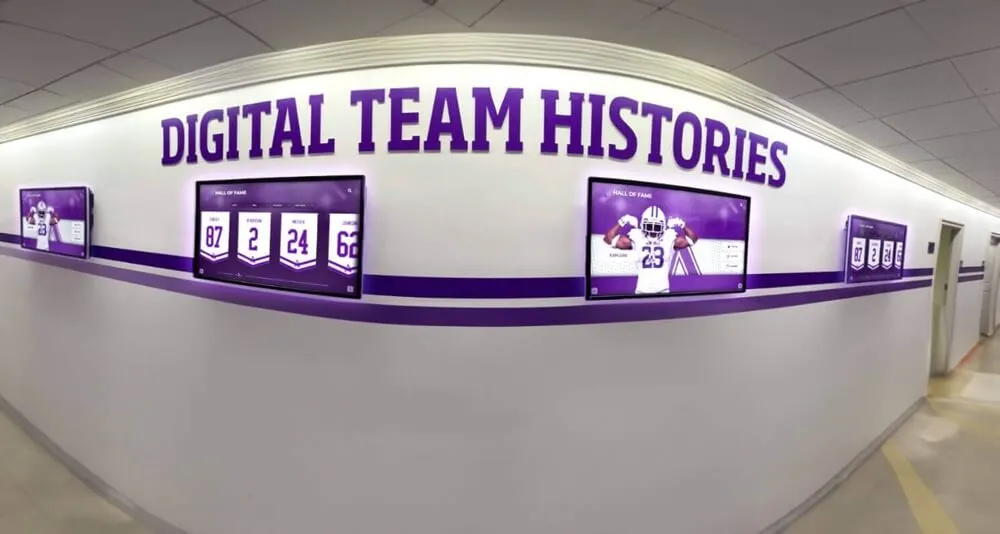
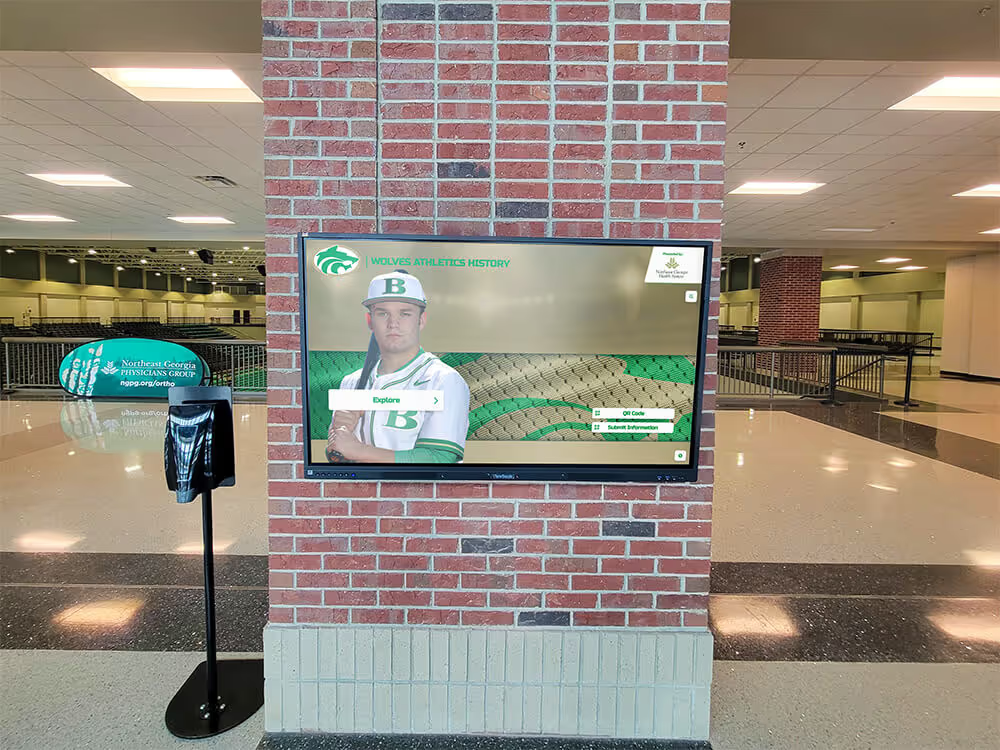
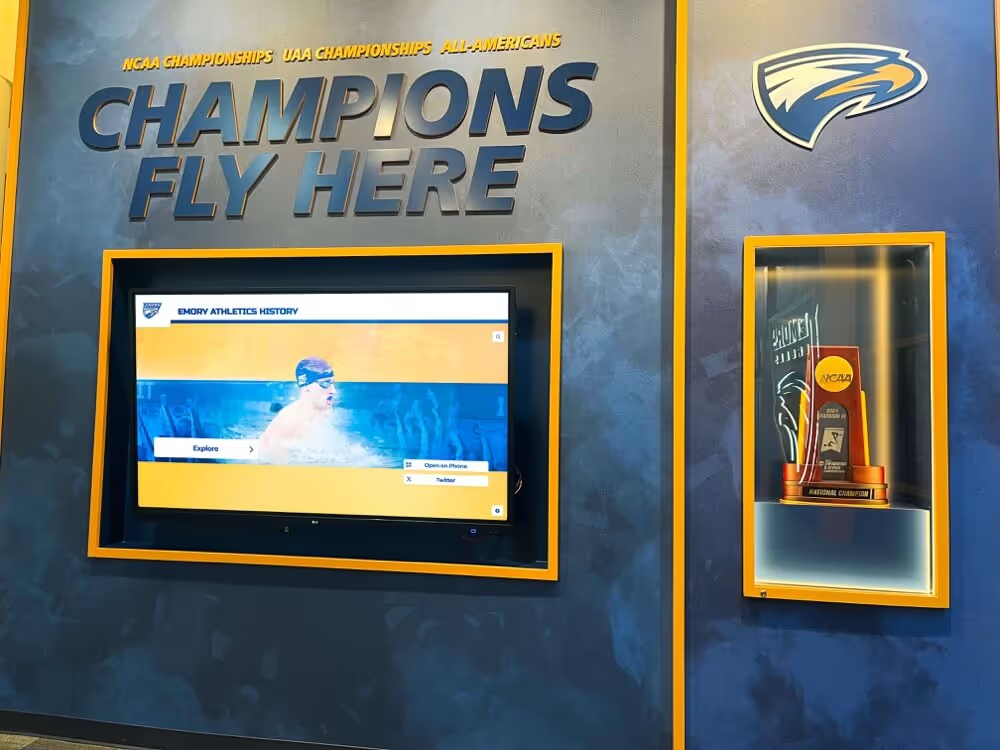
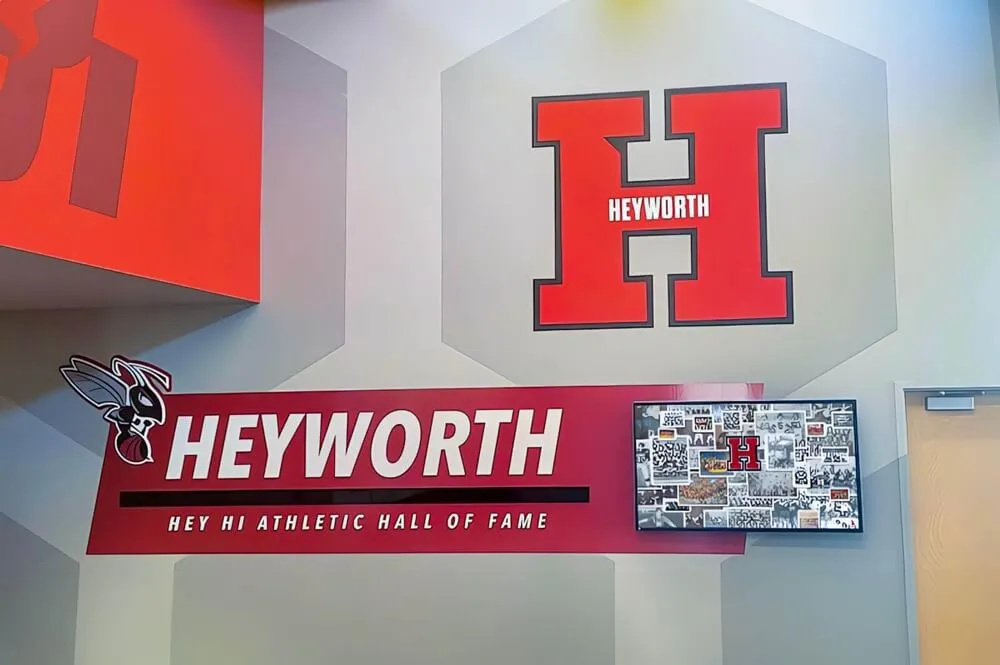
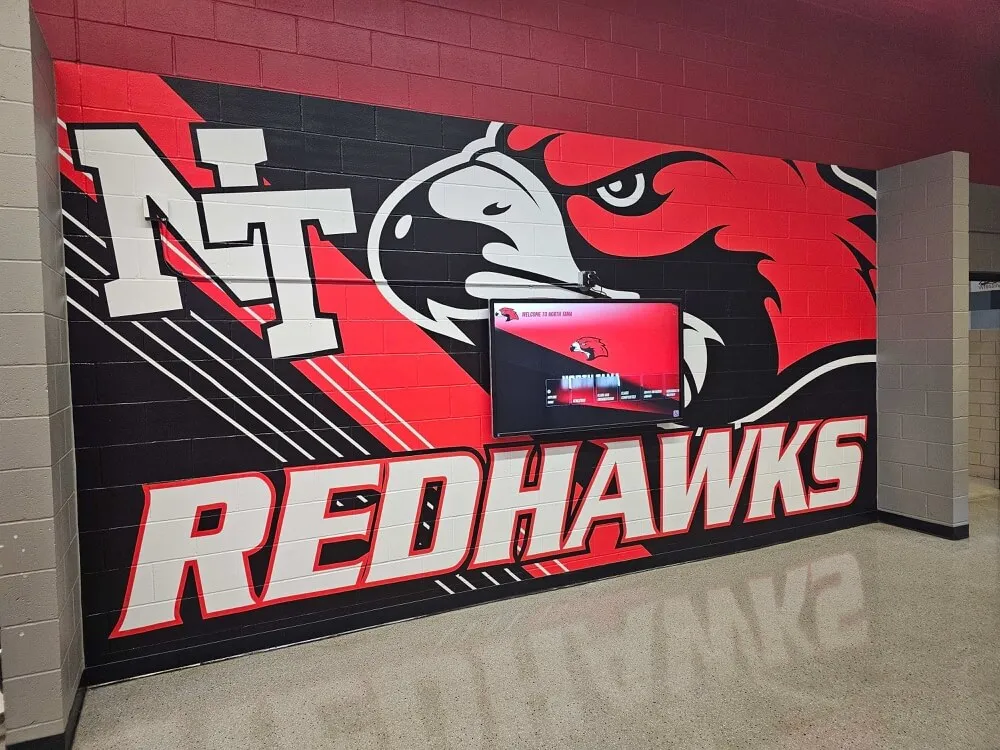
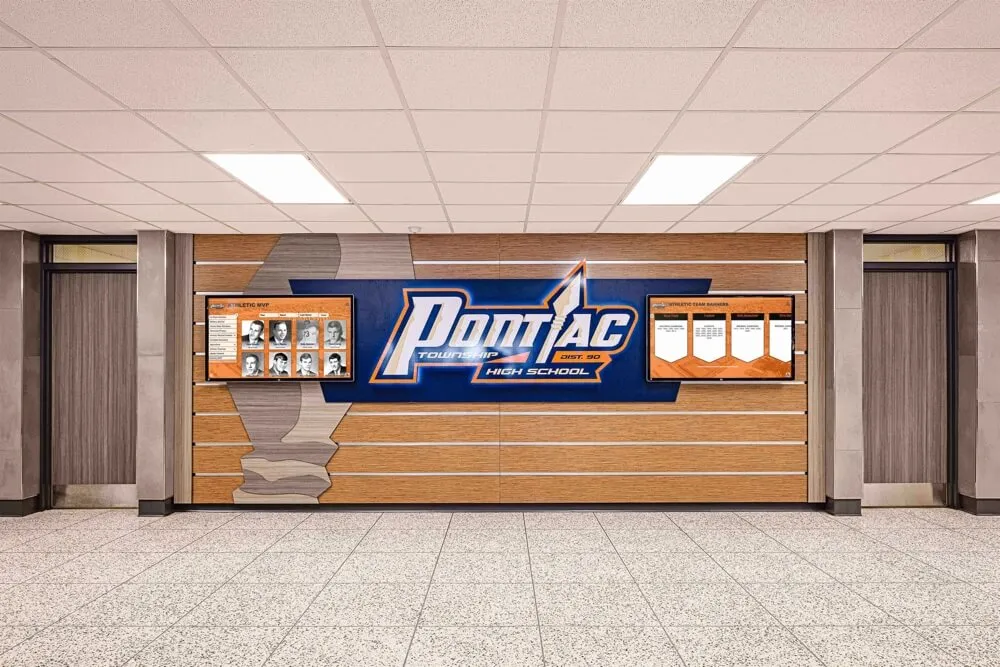
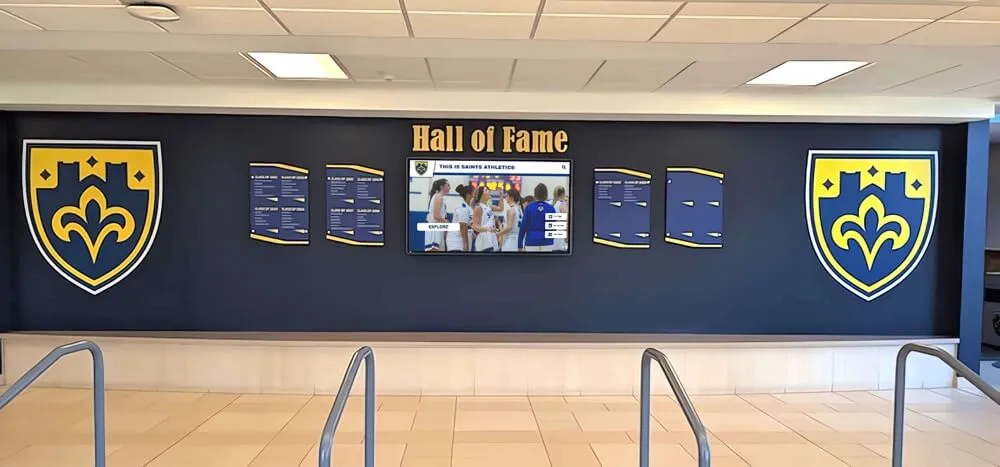
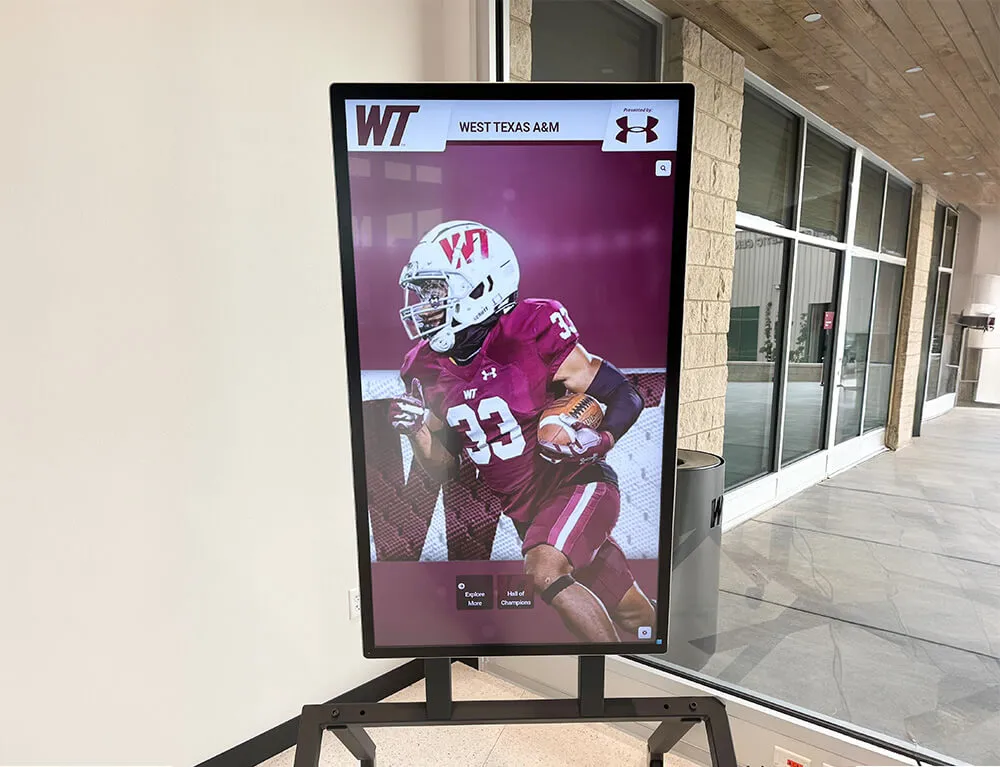
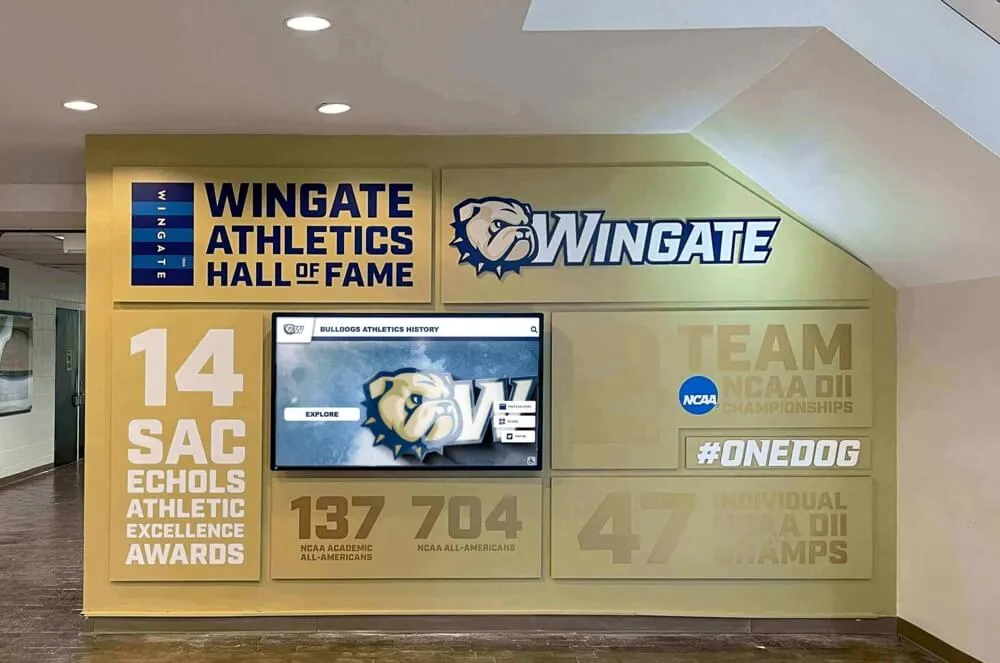
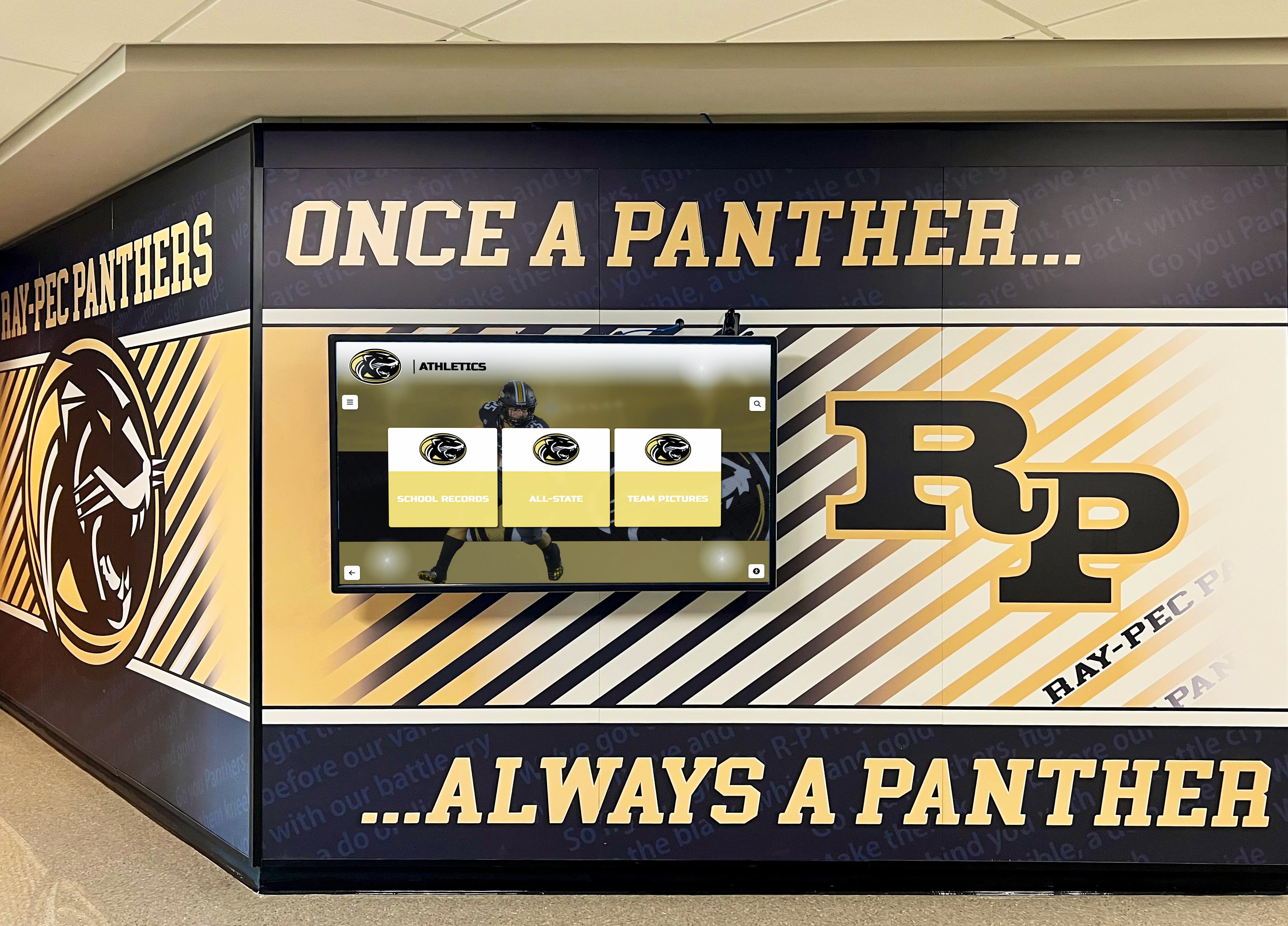
Modern schools integrate digital displays into hallway spaces to showcase student achievements and build school pride
Understanding Your Student Council’s Role and Impact
Before diving into specific activities, student leaders benefit from understanding the broader purpose and potential impact of student government.
The Core Functions of Effective Student Councils
Student government extends far beyond event planning—successful councils serve multiple essential functions:
Student Voice and Advocacy
- Representing student perspectives to administration and school board
- Identifying and communicating student needs and concerns
- Proposing policy changes that improve student experience
- Bridging communication gaps between students and adults
- Creating feedback mechanisms that capture authentic student input
School Culture Development
- Establishing positive traditions that define school identity
- Creating inclusive environments where all students feel welcome
- Building connections between diverse student populations
- Reducing cliques and social barriers through shared experiences
- Modeling leadership, respect, and community engagement
Community Building and Connection
- Planning events that bring students together across differences
- Creating opportunities for students to discover shared interests
- Strengthening relationships between students, staff, and families
- Connecting school activities to broader community needs
- Building lasting memories that strengthen alumni connections
Student councils that excel understand they’re not just planning activities—they’re intentionally shaping the culture and experience of their school community.
Setting Strategic Goals for Your Council Year
Random activity planning rarely creates lasting impact. Strategic councils begin their year by establishing clear goals:
Assessment and Goal-Setting Process
Start with understanding current reality:
- Survey students about what they want and need from student government
- Identify gaps in current programming and school culture
- Review what worked and didn’t work in previous years
- Understand budget constraints and resource availability
- Clarify administrative priorities and required initiatives
From this assessment, establish 3-5 major goals such as:
- Increase student participation in school activities by 25%
- Launch recognition program celebrating academic excellence
- Improve communication between student government and student body
- Create monthly community service tradition
- Establish new school tradition that builds class unity
Clear goals enable strategic planning ensuring activities connect to meaningful outcomes rather than random event scheduling.
Building an Effective Student Council Structure
Organizational structure determines execution capability:
Committee Structure
Divide responsibilities across focused committees:
- Spirit and Events - Pep rallies, dances, spirit weeks, game days
- Recognition and Awards - Honor programs, student spotlights, achievement celebration
- Community Service - Volunteer projects, charitable initiatives, civic engagement
- Communications - Social media, announcements, newsletter, promotion
- Budget and Fundraising - Financial planning, fundraising events, sponsorship
- Student Welfare - Representing student concerns, advocacy, school improvements
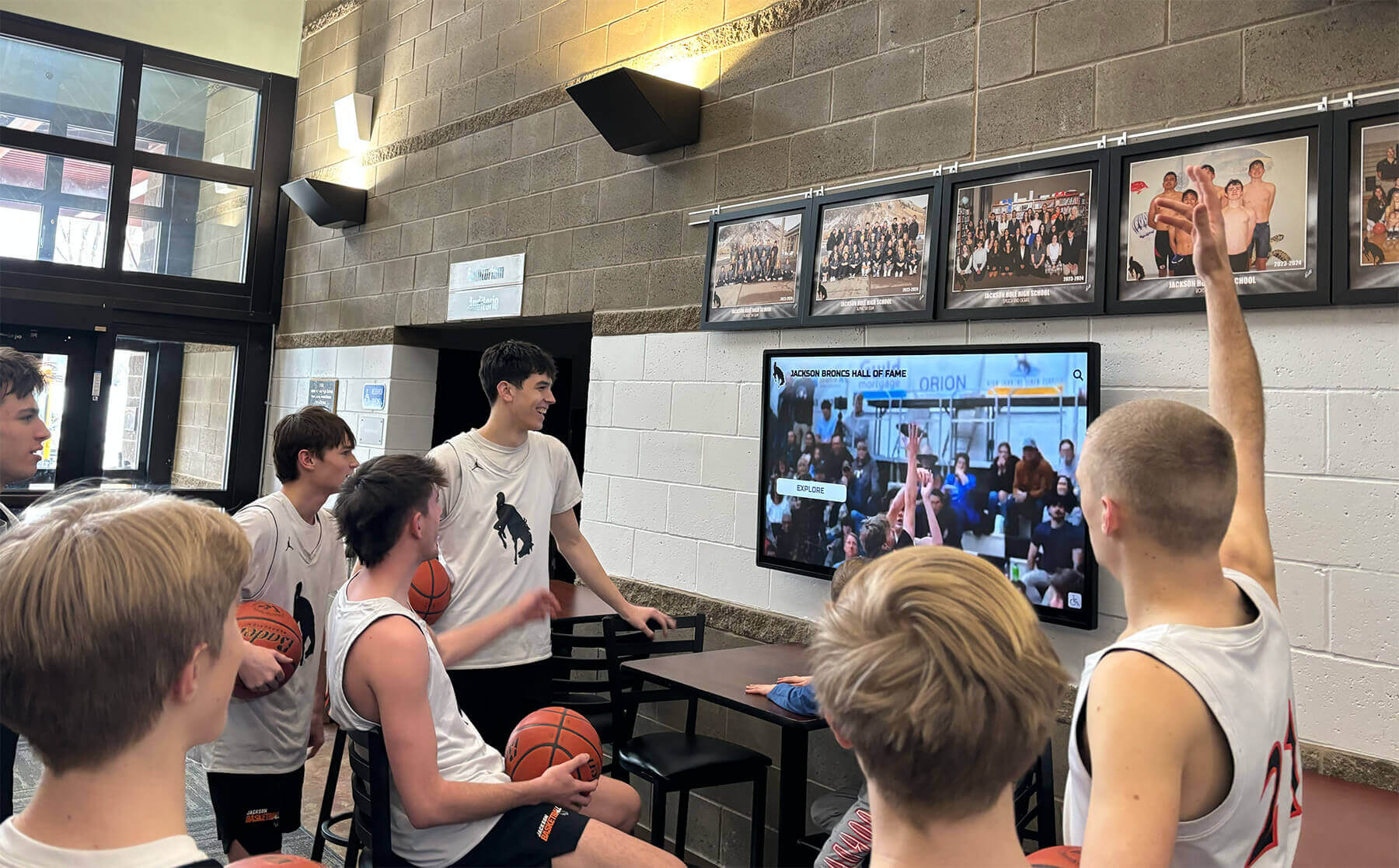
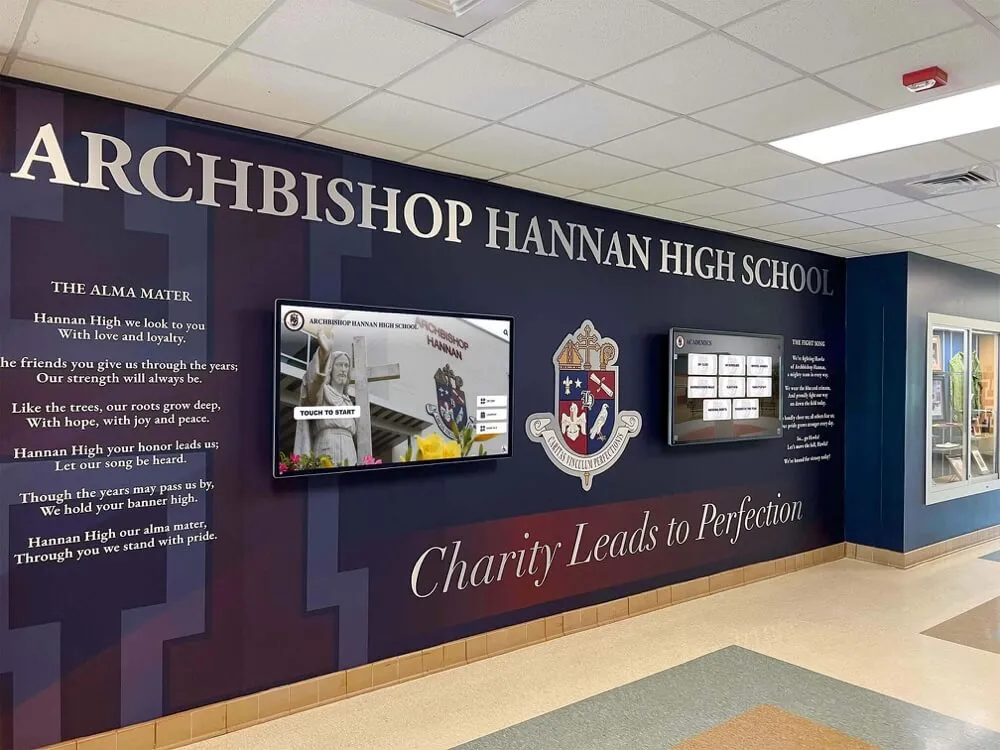
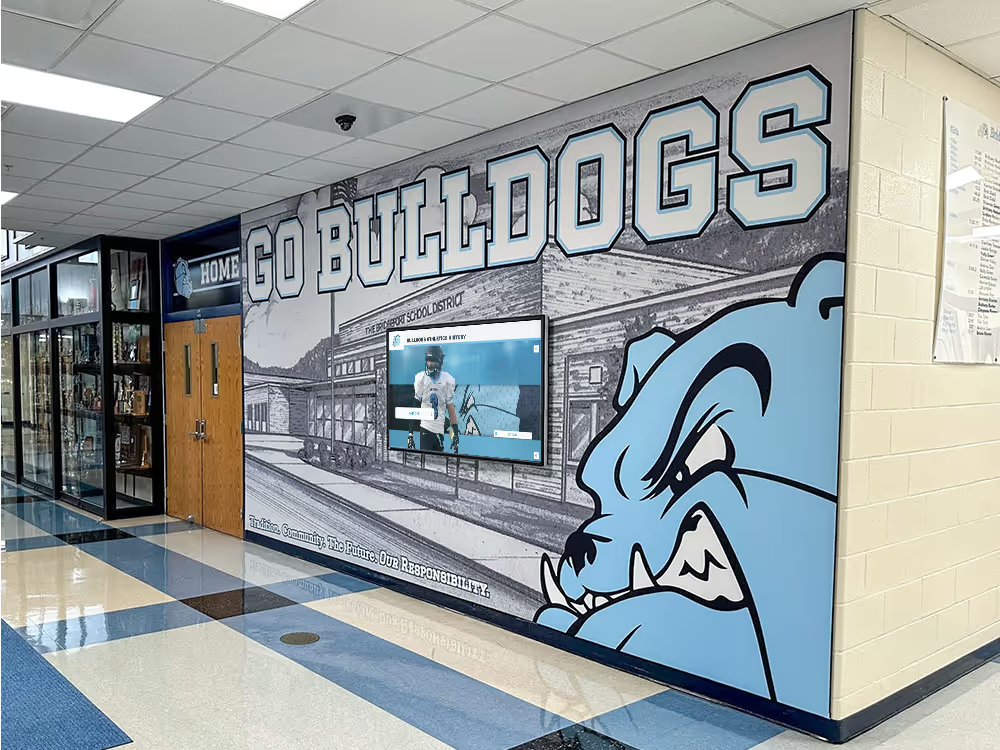
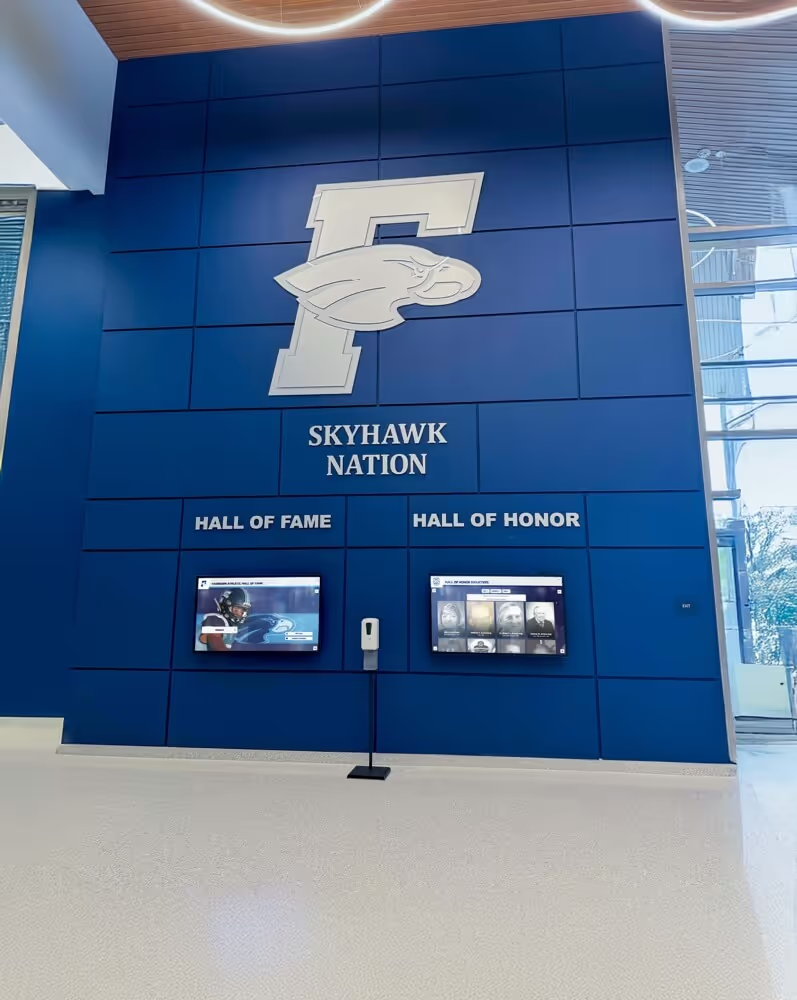
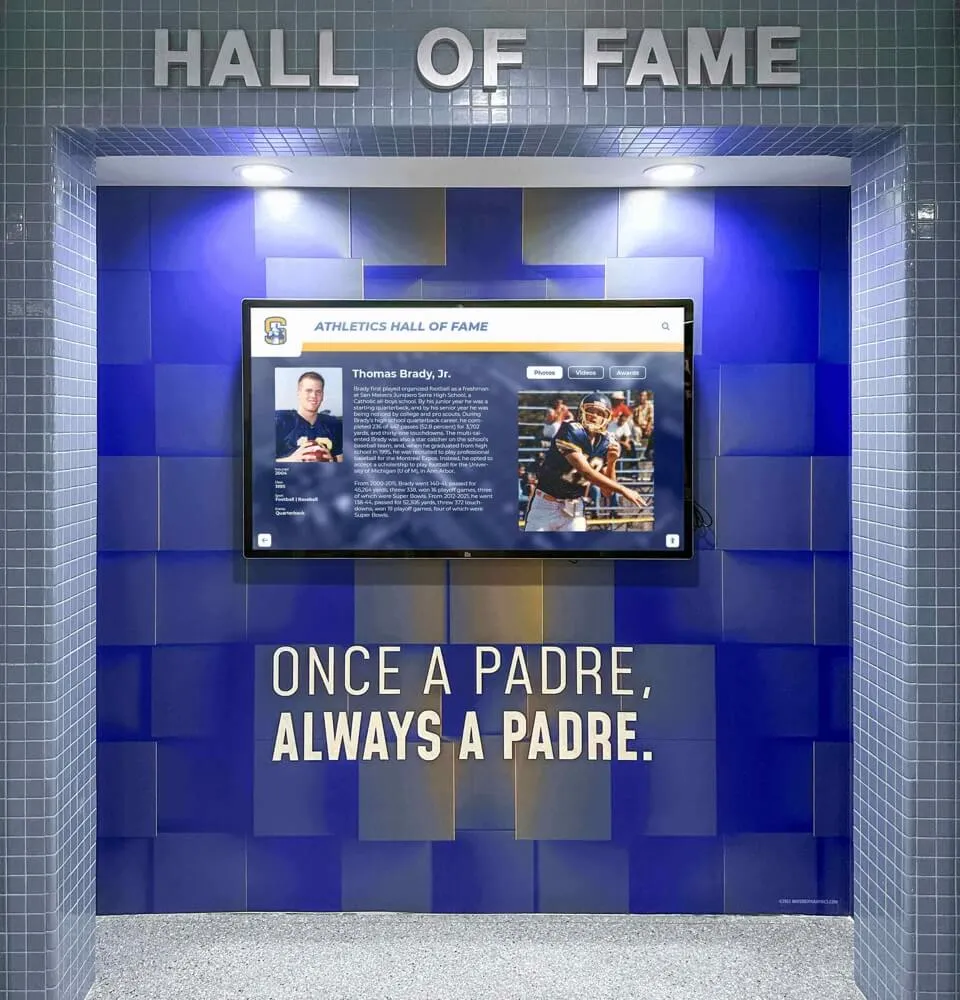
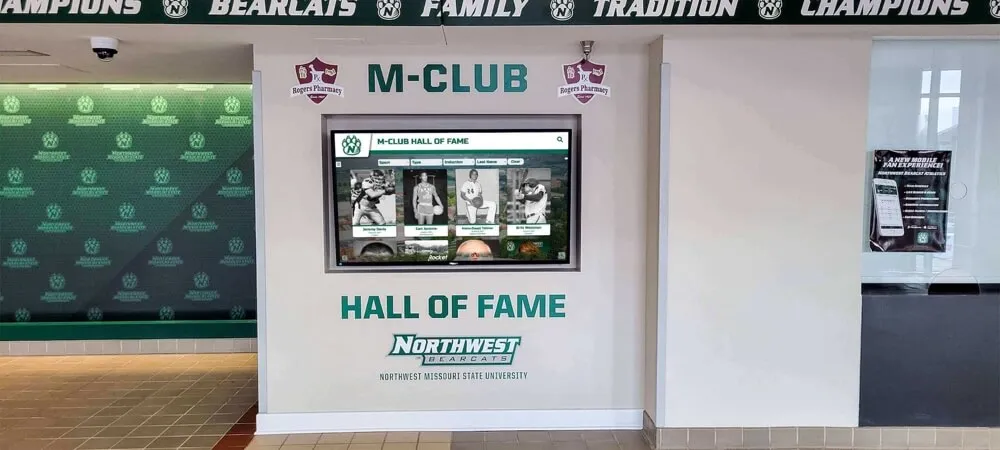
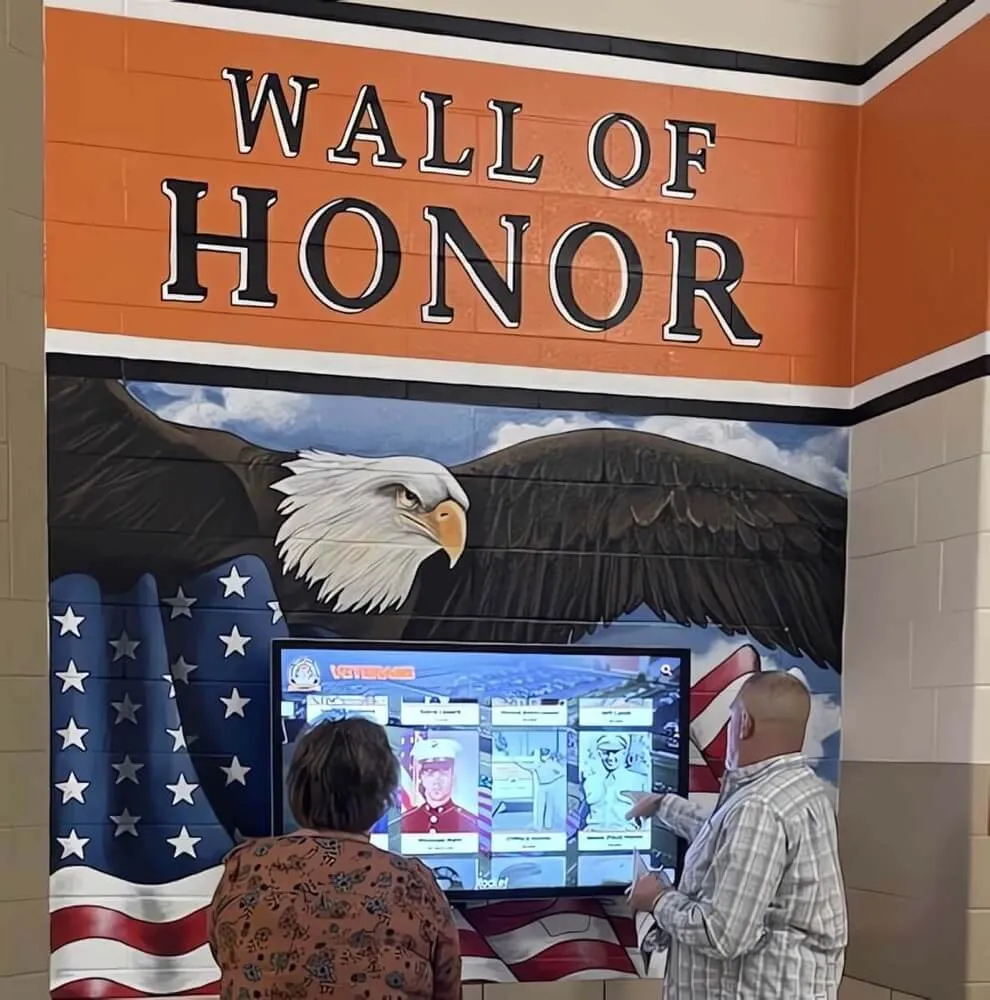
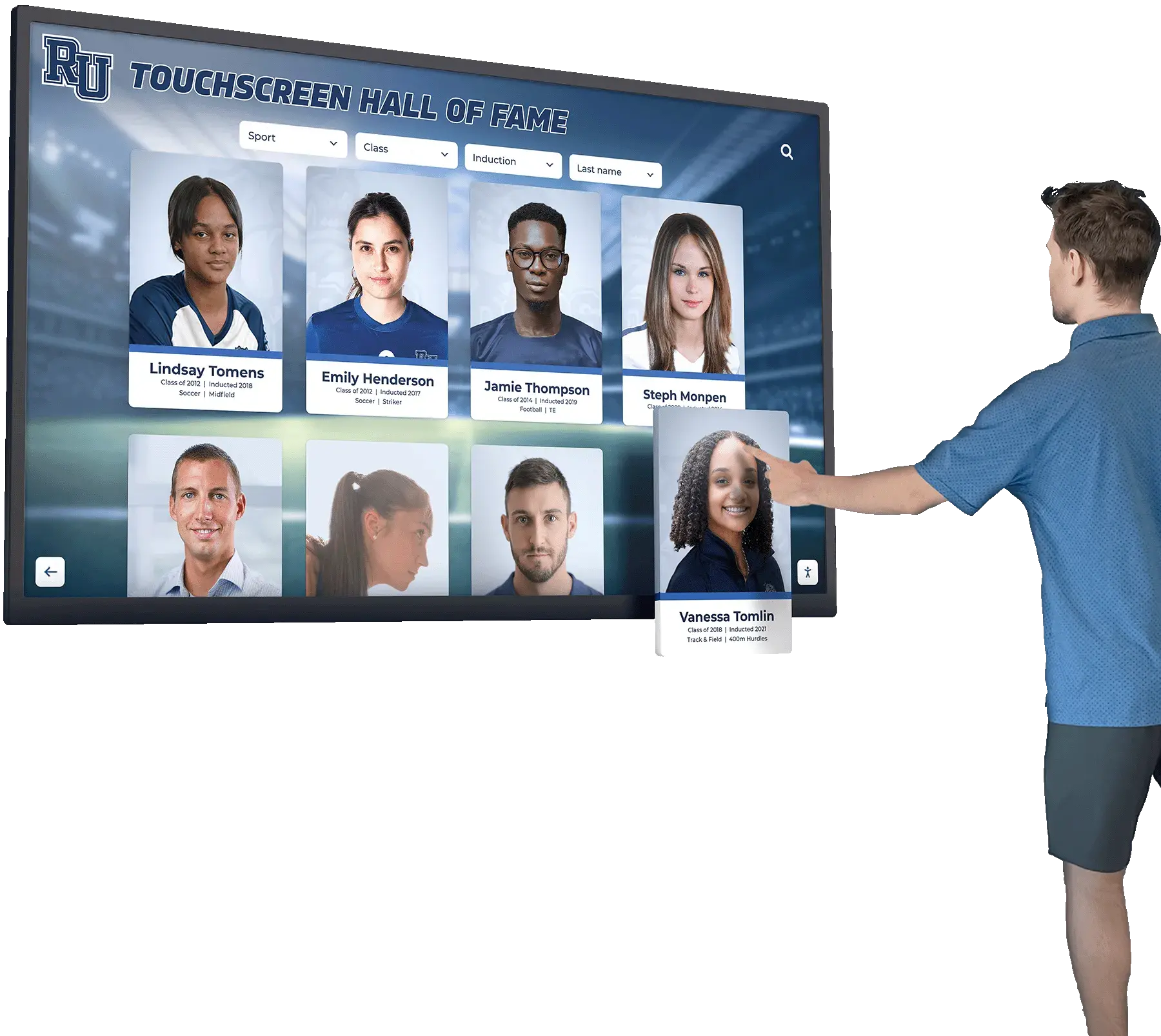
Interactive displays create gathering points where students connect with school achievements and community
Committee structure ensures dedicated focus on different initiative types while distributing workload across the council rather than overwhelming a few leaders.
Program Snapshot: Effective Student Council Initiative Framework
| Program Element | Details |
|---|---|
| Planning Phase | Summer planning retreat establishing year goals and major initiatives |
| Committee Structure | 5-7 standing committees with dedicated leadership and membership |
| Monthly Programming | Minimum 2-3 student-facing activities or initiatives per month |
| Communication Cadence | Weekly announcements, daily social media, monthly newsletter |
| Budget Allocation | 40% major events, 30% recognition programs, 20% community service, 10% communications |
| Assessment Frequency | Quarterly review of goals, monthly committee check-ins, post-event debriefs |
| Recognition Systems | Digital displays, social media features, ceremony events, tangible awards |
| Student Engagement Target | 70%+ student body participation in at least one initiative annually |
| Administrative Partnership | Regular meetings with principal/advisor, clear approval processes |
School Spirit and Engagement Activities
Traditional school spirit activities remain foundational to student council programming, but the most effective approaches modernize these classics.
Reimagining Spirit Week
Spirit weeks represent student council staples, but many schools repeat the same themes year after year with declining participation.
Fresh Spirit Week Concepts
Move beyond pajama day and twin day with themes that generate genuine excitement:
Decade Days Progressive Spirit Week
- Monday: Roaring ’20s
- Tuesday: Groovy ’70s
- Wednesday: Radical ’80s
- Thursday: Grunge ’90s
- Friday: Modern Day School Colors
This approach creates natural costume progression while providing easy participation options—students who can’t commit to full costumes can add era-appropriate accessories.
Career and Future Spirit Week
- Monday: Dream Job Day (dress as future career aspirations)
- Tuesday: College/Trade School Colors
- Wednesday: Entrepreneur Day (business attire)
- Thursday: Creative Careers (artistic expression dress)
- Friday: School Spirit Day
This format connects spirit participation to students’ actual interests and future goals while maintaining fun.
Global Culture Celebration Week
- Daily spotlight on different cultural traditions
- Food, music, dress, and customs from various cultures represented in student body
- Educational component integrated with fun participation
- Creates inclusive celebration of school diversity
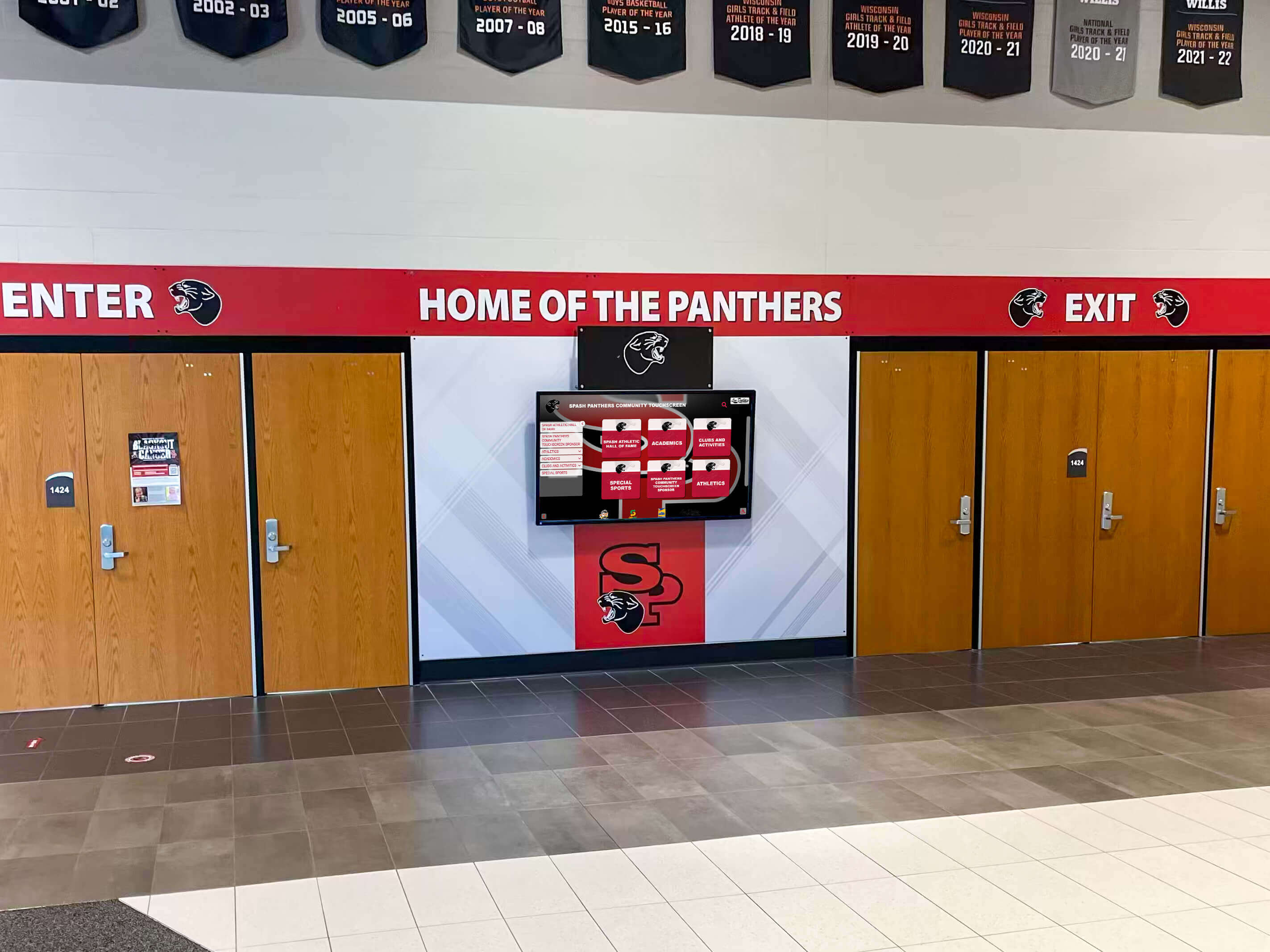
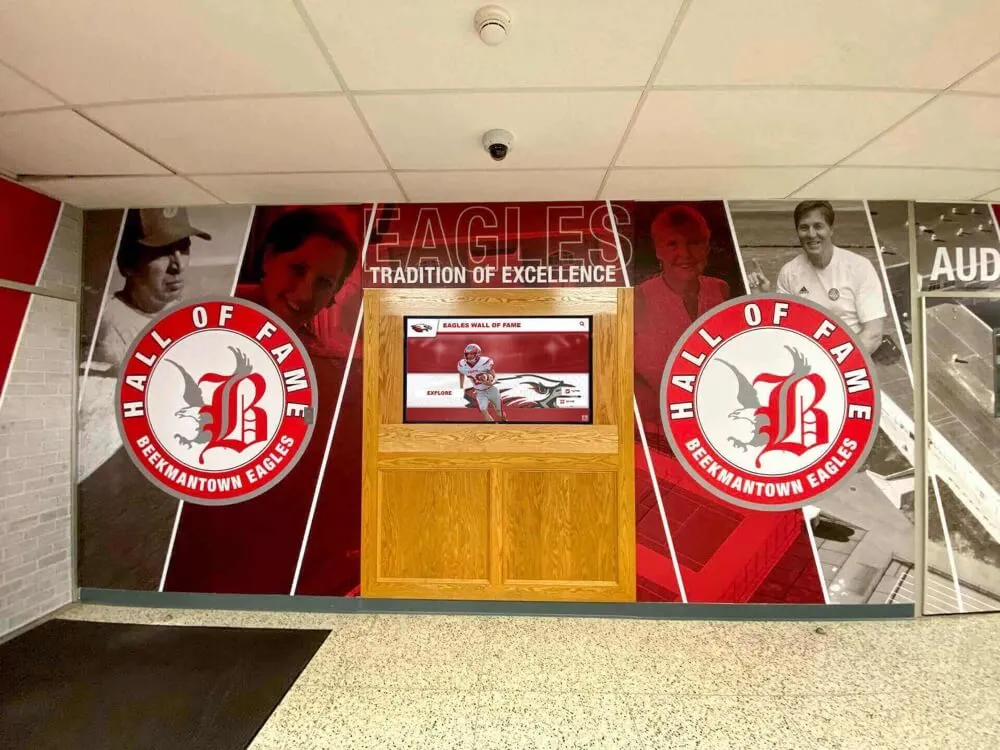
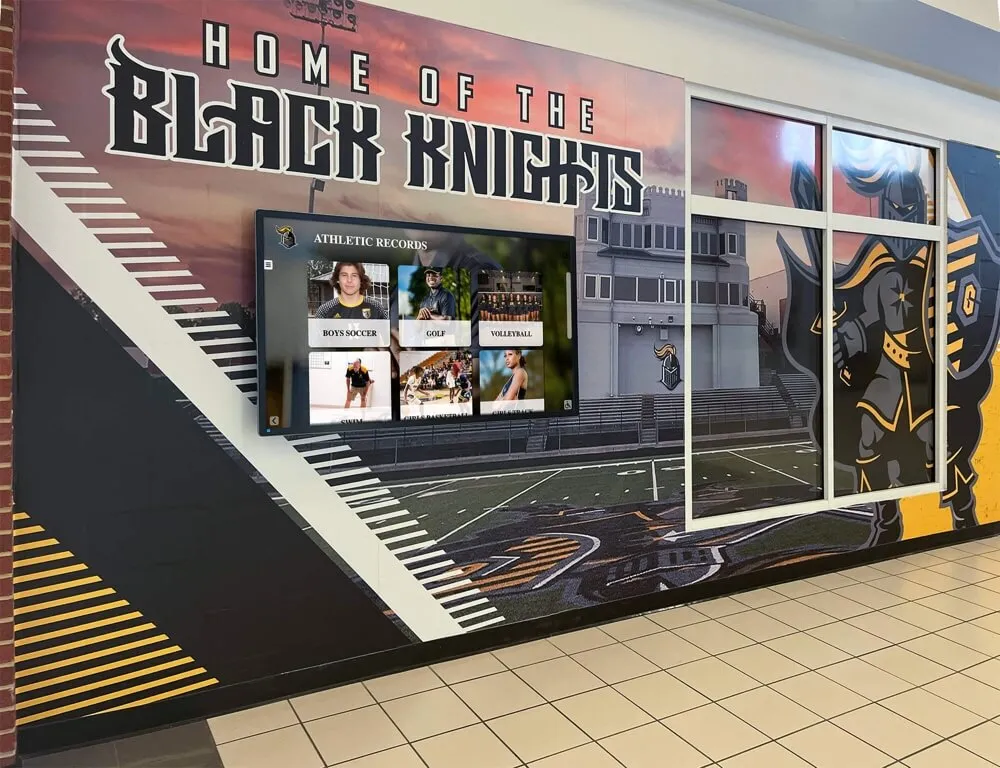
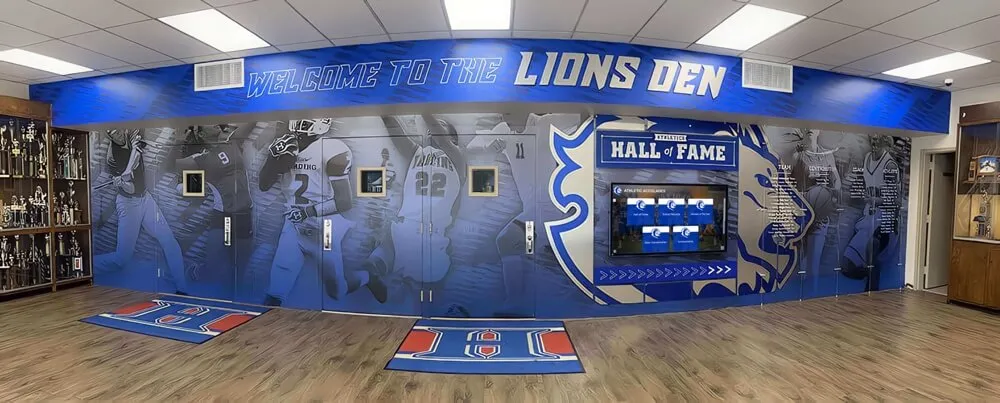
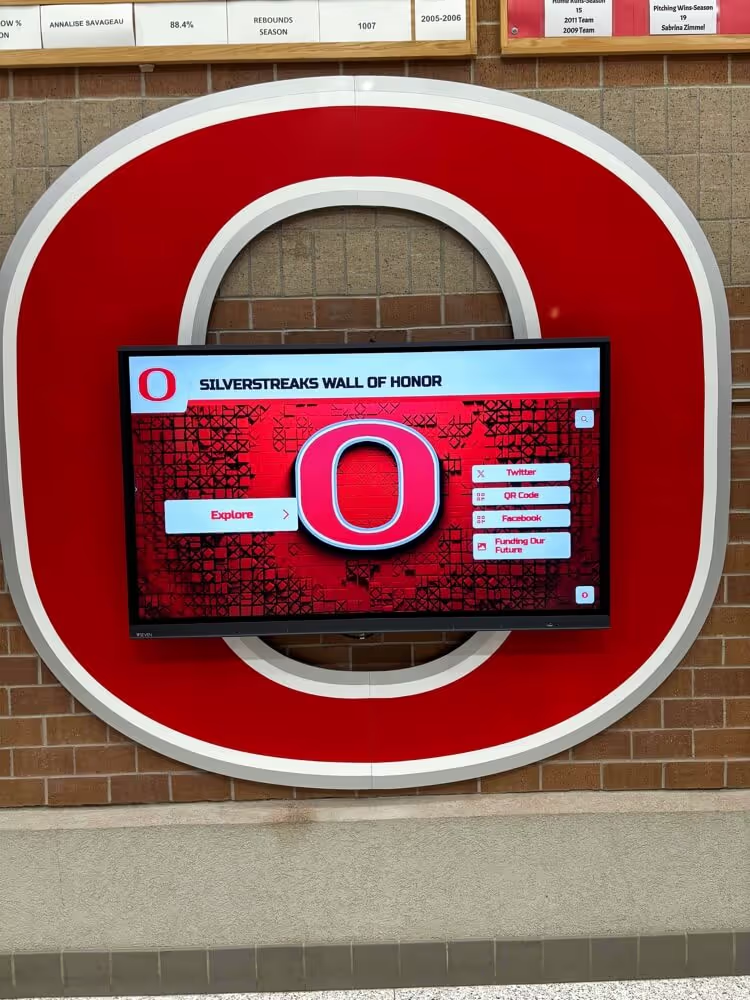
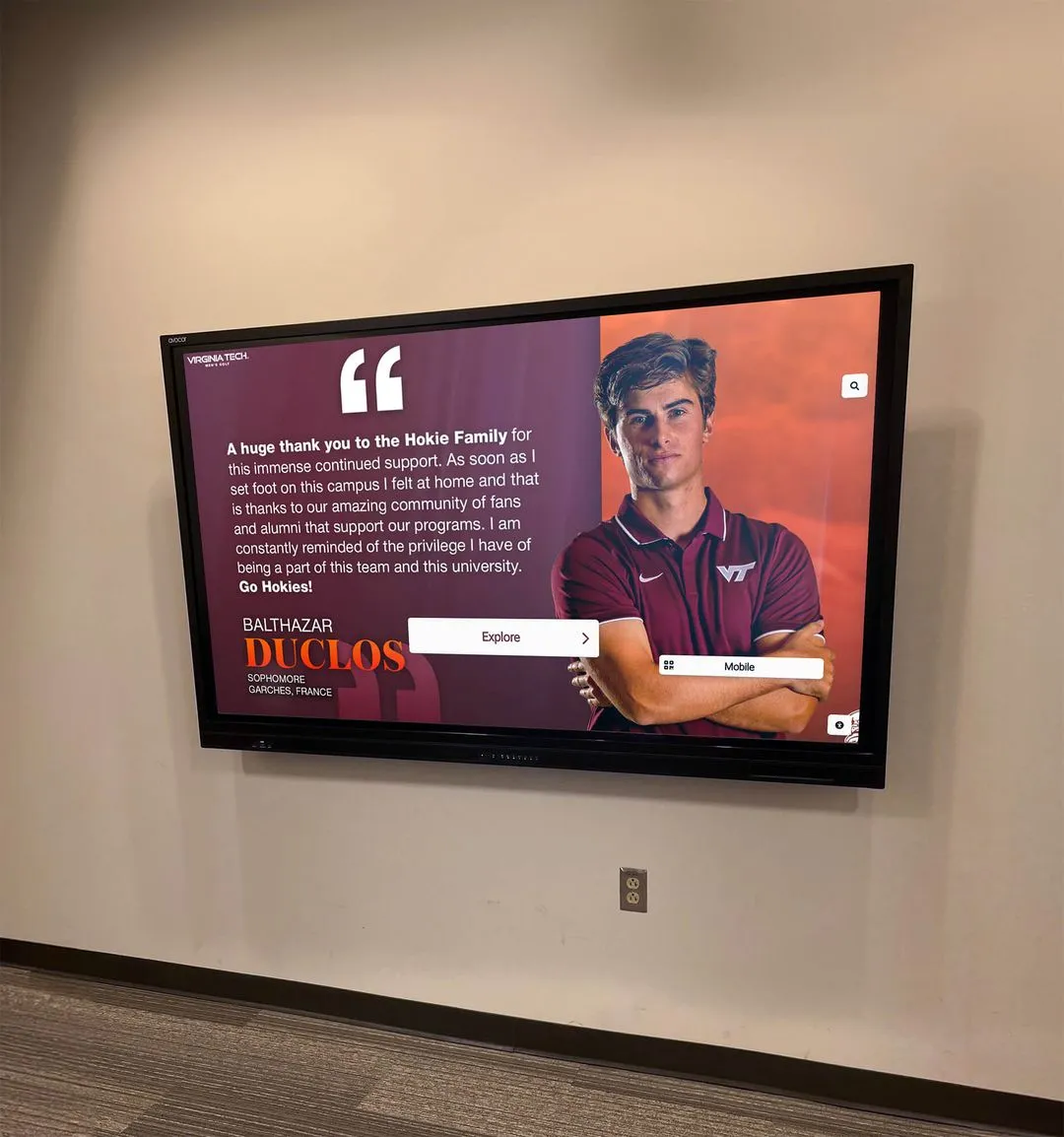
Prominent entrance displays welcome students daily while showcasing school pride and achievements
Implementation Tips for Maximum Participation
Boost spirit week engagement through strategic planning:
- Announce themes 3-4 weeks early allowing costume preparation time
- Create Instagram/TikTok content showing easy participation ideas
- Offer prizes for best dressed by grade level, not just individuals
- Document participation daily with social media features and hallway photo displays
- Include teachers and staff in participation for school-wide involvement
- Provide alternative participation options for students unable or uncomfortable with costumes
Participation increases dramatically when students see easy entry points and feel their participation will be recognized and celebrated.
Dynamic Pep Rally Programming
Pep rallies often follow predictable formats: cheerleader performance, band plays, coaches speak, students largely tune out. Transform these traditions into can’t-miss events.
Interactive Pep Rally Components
Grade Level Competitions
- Musical chairs elimination with representatives from each class
- Trivia contests about school history, staff, or current events
- Athletic challenges (free throw contest, relay races, obstacle courses)
- Creative challenges (dress up races, balloon games, team building)
- Class cheer competitions with crowd volume meters
Competition creates investment beyond passive watching—entire grade levels engage supporting their representatives.
Student-Staff Competitions
- Teachers vs. students athletic contests
- Talent show segments featuring surprising staff skills
- Dance battles between student council and teacher teams
- Trivia where students compete against beloved teachers
- Video game competitions on large screens
Students love seeing teachers in competitive, humanizing situations, while staff participation models school spirit and engagement.
Multimedia Integration
Modern pep rallies incorporate technology effectively:
- Highlight videos of recent athletic performances and achievements
- Student-produced promotional videos for upcoming games
- Live social media integration showing student posts during rally
- Interactive polls via text or app displayed on screens
- Throwback video segments showing historical school moments
Learn more about engaging school-wide celebrations through dynamic programming.
Innovative School Dance Concepts
While traditional homecoming and prom remain important, additional creative dance events diversify social programming.
Alternative Dance Formats
Decades Dance Series
- ’80s Neon Night with arcade games and classic hits
- ’90s Throwback with popular culture references
- 2000s Nostalgia celebrating early YouTube and flip phone era
- Rotating themes prevent repetitive formats
Activity-Based Dance Events
- Glow-in-the-dark dance with blacklights and neon
- Silent disco with wireless headphones offering multiple music channels
- Karaoke dance combining performance with dancing
- Battle of the Bands featuring student musicians
- Masquerade ball adding mystery element
Inclusive Dance Programming
Address common barriers to dance participation:
- Offer alternative activities in separate spaces for students who don’t enjoy dancing
- Create photo opportunities and games alongside dance floor
- Include food options beyond typical snacks
- Consider hosting shorter daytime “lunch dances” as lower-pressure alternatives
- Survey students about preferred music and formats before planning
Dances succeed when they feel inclusive rather than exclusive to certain social groups.

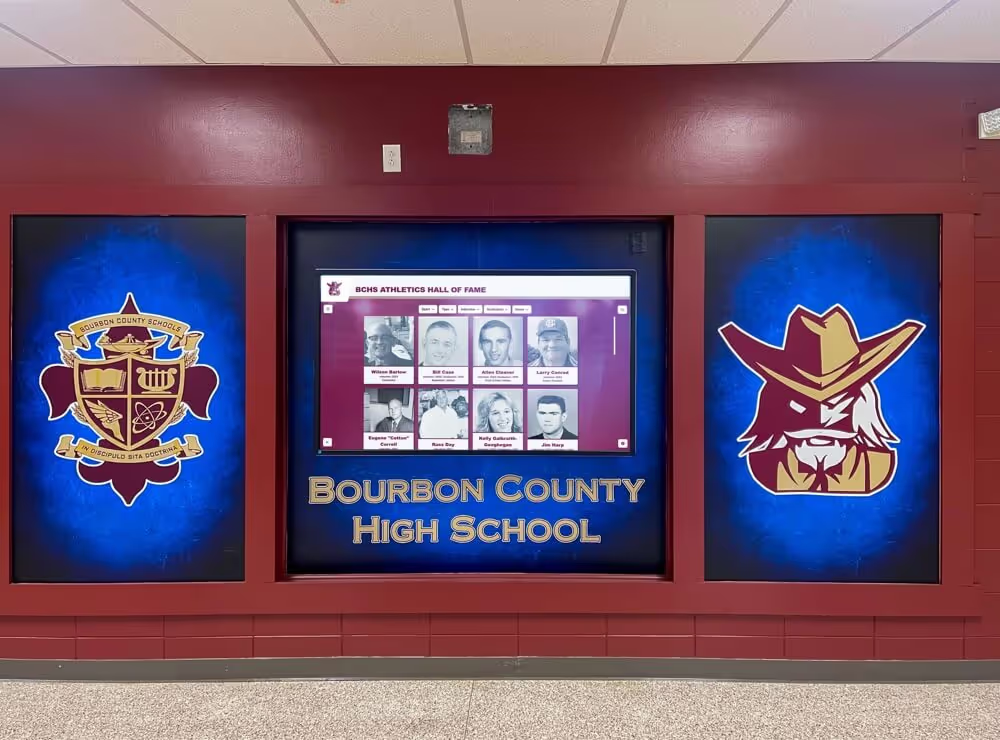
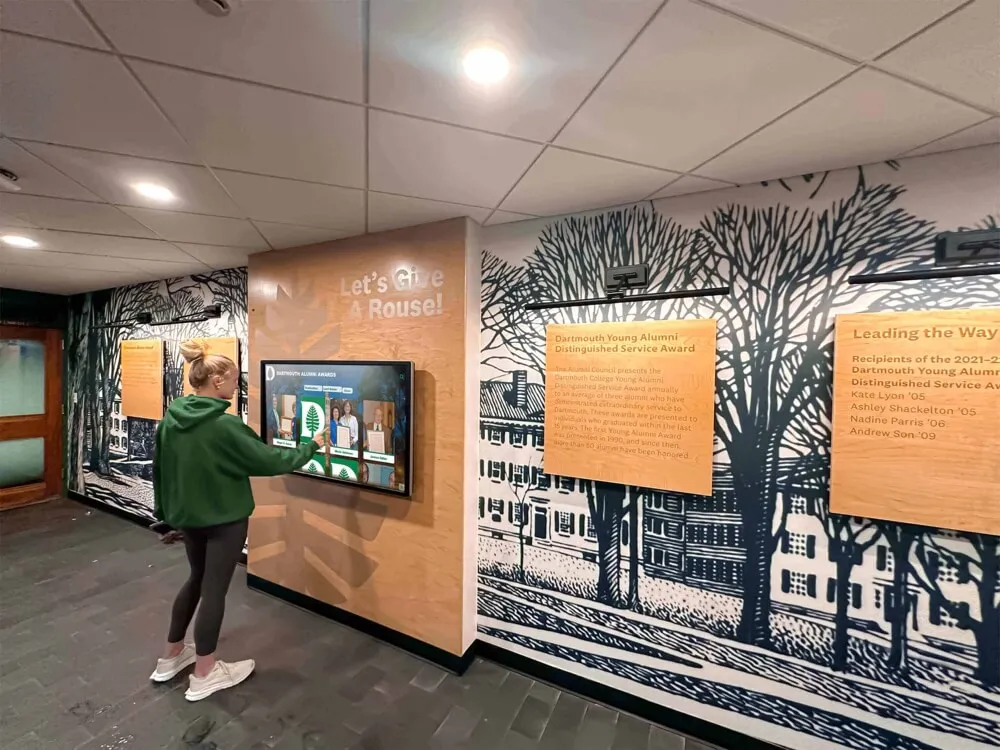
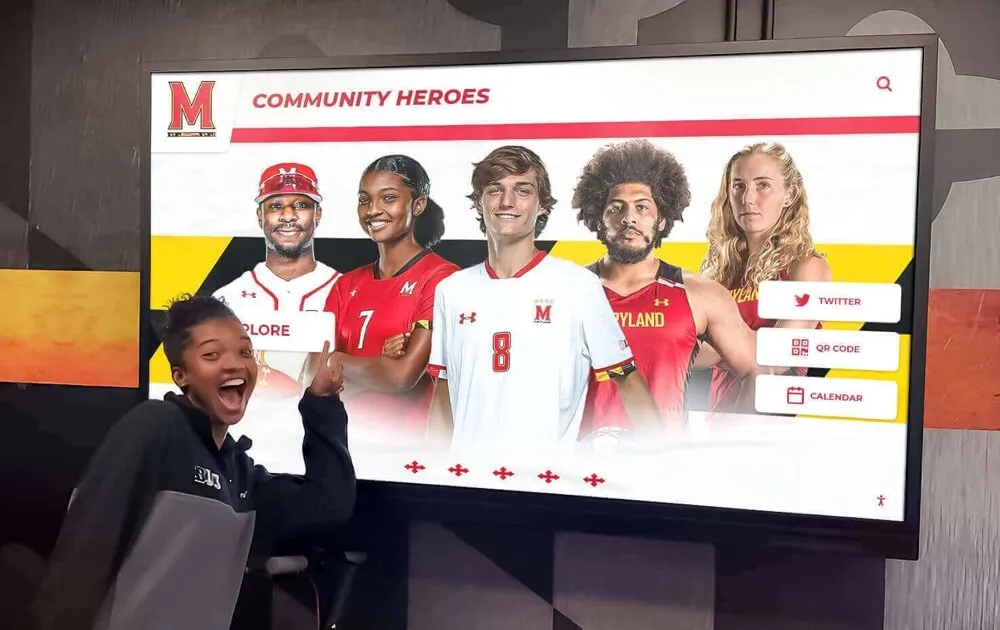
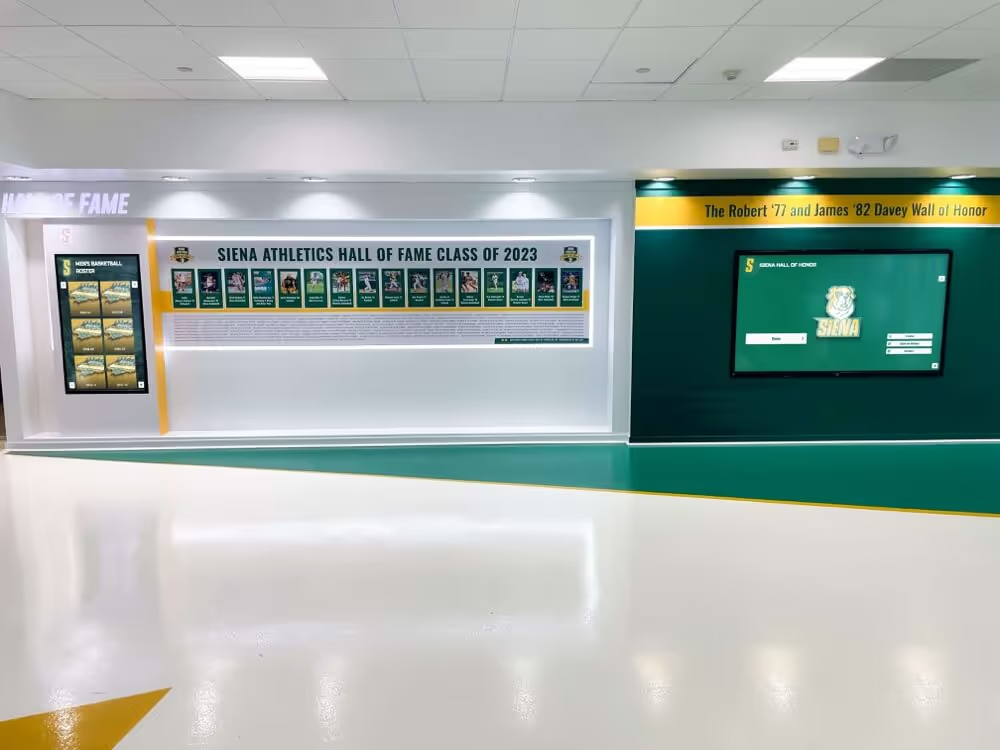
Modern councils use digital platforms to showcase student government members and build program visibility
Recognition and Achievement Celebration Programs
Student councils have unique power to establish recognition systems that celebrate excellence across all achievement dimensions—not just traditional academics and athletics.
Comprehensive Student Recognition Programs
Many schools inadvertently create cultures where the same high-achieving students receive all recognition. Strategic councils implement programs ensuring diverse students receive acknowledgment.
Student of the Month Programs
Move beyond teacher nomination to strategic recognition:
Category-Based Recognition Rather than single “student of the month,” recognize multiple students across categories:
- Academic Excellence (traditional achievement)
- Academic Improvement (growth focus)
- School Service (contribution and leadership)
- Peer Support (kindness and helping others)
- Creative Achievement (arts, writing, innovation)
- Athletic Achievement (sports excellence)
- Community Impact (service and civic engagement)
This approach ensures 5-7 students receive monthly recognition, creating opportunities across different strength areas.
Implementation Framework
- Nomination forms accessible to all staff and students
- Selection committee reviewing submissions monthly
- Recognition featuring photo displays in prominent school locations
- Social media celebration with student profiles and achievements
- Special parking spots, lunch privileges, or other tangible benefits
- Cumulative recognition at year-end ceremony
Explore comprehensive approaches in academic recognition programs that celebrate diverse achievements.
Digital Recognition Display Systems
Traditional recognition often fails due to space limitations—physical displays can only showcase limited numbers of students. Digital solutions eliminate these constraints.
Modern Recognition Platforms
Solutions like Rocket Alumni Solutions provide student councils with powerful tools for comprehensive recognition:
Unlimited Recognition Capacity
- Showcase unlimited students across all achievement categories
- No need to remove historical recognition to add new achievements
- All students receive equal display prominence regardless of recognition timing
- Comprehensive archives building over years preserve school achievement history
Engaging Interactive Features
- Students can search for themselves and friends on touchscreen displays
- Filter by achievement type, grade level, activity, or year
- Detailed profile pages telling complete achievement stories beyond names
- Photo galleries and video content bringing recognition to life
- QR code integration enabling smartphone access to complete profiles
Simple Management for Student Leaders Student council members can maintain recognition displays without technical expertise:
- Cloud-based content management accessible from any device
- Drag-and-drop interfaces requiring no design skills
- Scheduled publishing enabling advance preparation
- Role-based access allowing multiple council members to contribute
- Template designs ensuring professional appearance automatically
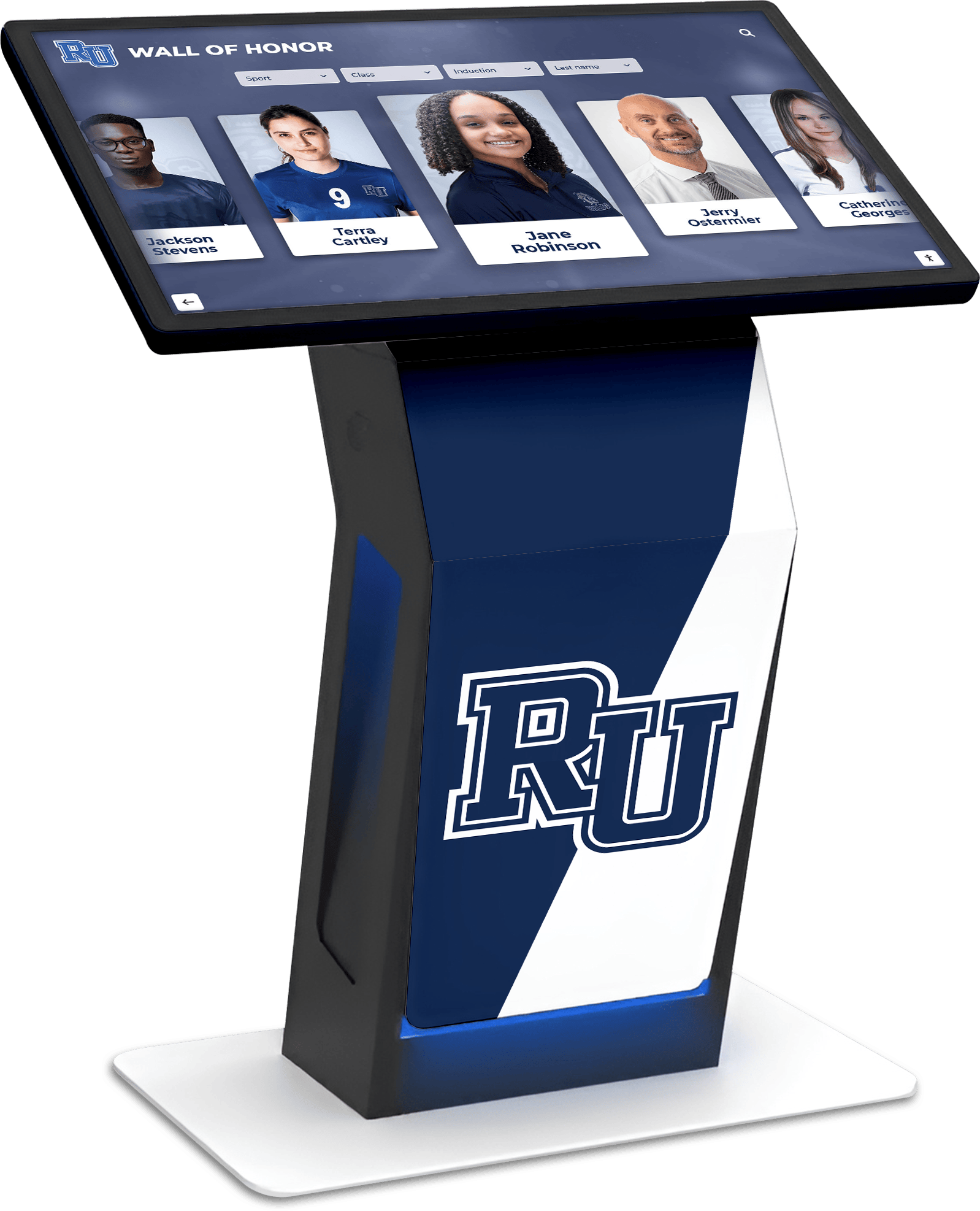
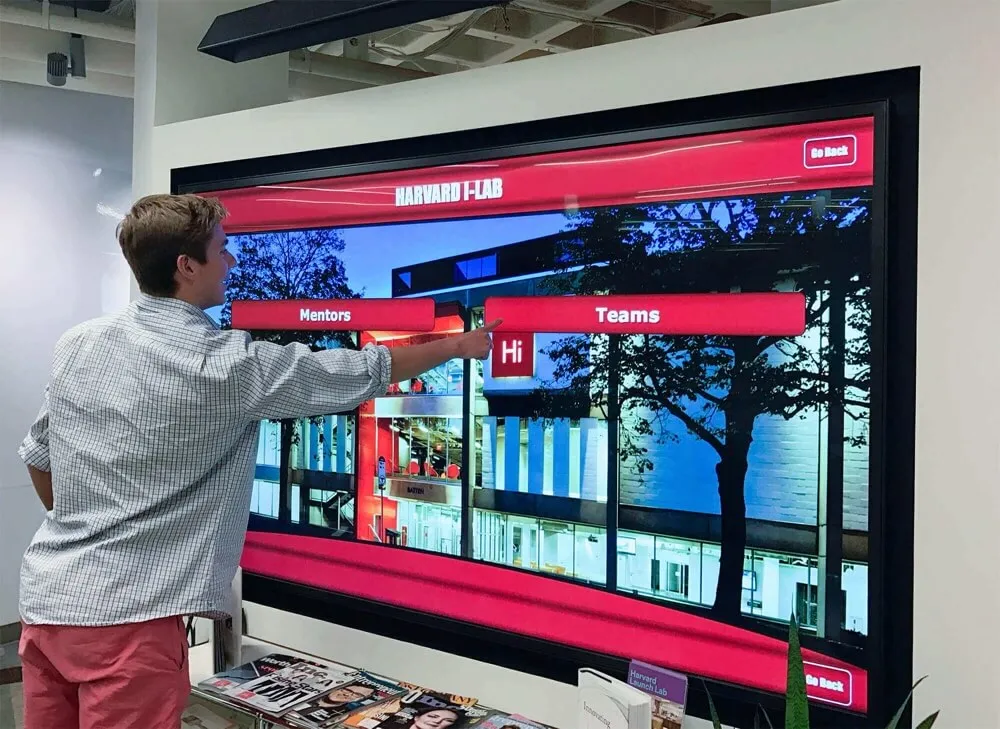
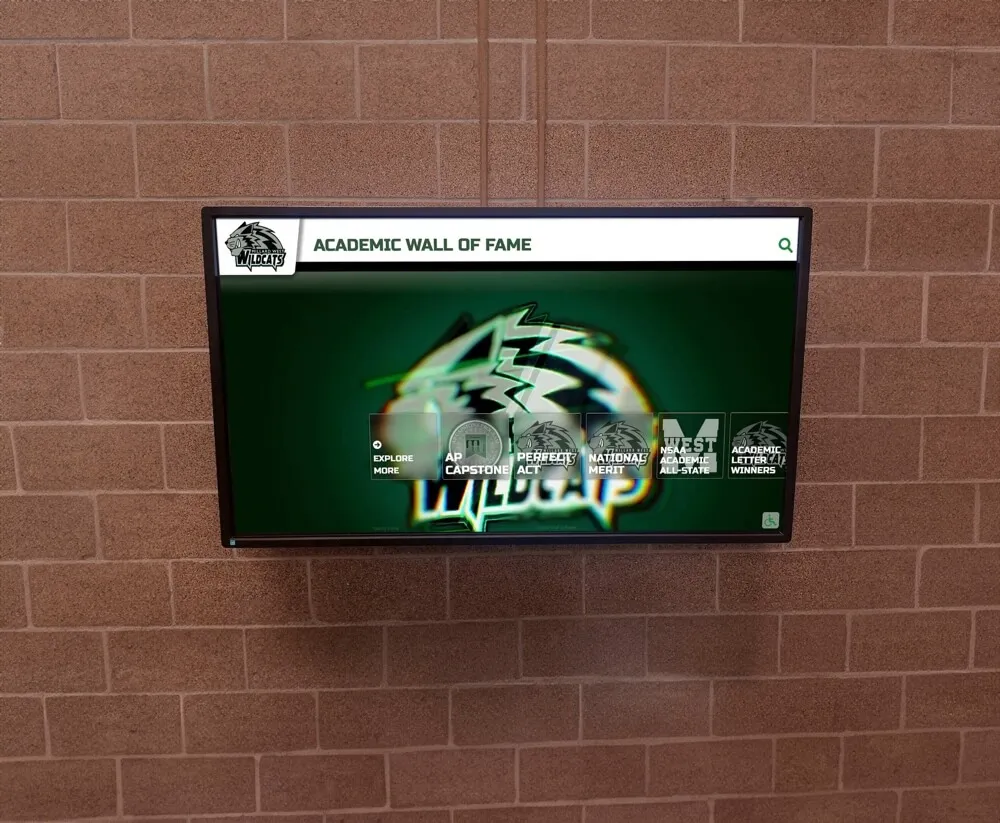
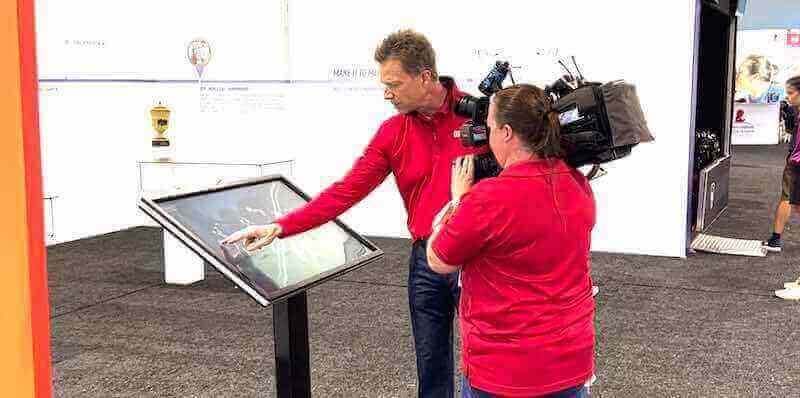
Interactive recognition kiosks enable councils to showcase unlimited student achievements in engaging formats
Digital displays address common student council frustrations—limited recognition space, outdated static displays, time-consuming manual updates, and difficulty measuring engagement. Schools report 300-500% increases in students recognized annually after implementing digital systems.
Learn more about digital recognition solutions for schools that empower student government programming.
Peer Recognition Initiatives
Some of the most meaningful recognition comes from peers rather than adults.
Peer-Nominated Recognition Programs
“Caught Being Awesome” Initiative
- Students nominate peers they observe doing kind, helpful, or impressive things
- Simple nomination forms or digital submissions
- Weekly recognition of nominated students through announcements
- Monthly drawings for prizes among all nominated students
- Creates culture of noticing and appreciating others
Senior Superlatives Reimagined Move beyond typical “most likely to succeed” categories to more inclusive recognition:
- Most Likely to Brighten Your Day
- Most Likely to Help You Without Being Asked
- Most Likely to Make You Laugh
- Most Likely to Inspire You
- Most Likely to Include Everyone
- Most Likely to Try Something New
Inclusive categories ensure more students receive recognition while celebrating character qualities beyond traditional achievement.
Community Service and Civic Engagement
Student councils demonstrate leadership by connecting school communities to broader needs through meaningful service initiatives.
Strategic Service Programming
Random service activities create limited impact. Strategic approaches build sustained engagement and measurable difference.
Adopt-a-Cause Model
Rather than scattered one-off projects, adopt specific causes for sustained focus:
Semester-Long Cause Focus
- Fall semester: Local food security (food drives, volunteer at food bank, fundraising)
- Spring semester: Environmental sustainability (campus recycling, community cleanup, awareness campaign)
Deep engagement with specific causes creates greater impact than superficial involvement in many areas.
Monthly Service Traditions
Establish predictable service opportunities becoming school traditions:
- First Friday: Local elementary school reading partners
- Second Saturday: Community park cleanup and maintenance
- Third Thursday: Senior center visits and intergenerational connections
- Fourth Friday: Animal shelter volunteering
Consistent schedules enable students to plan participation while building sustained volunteer relationships.
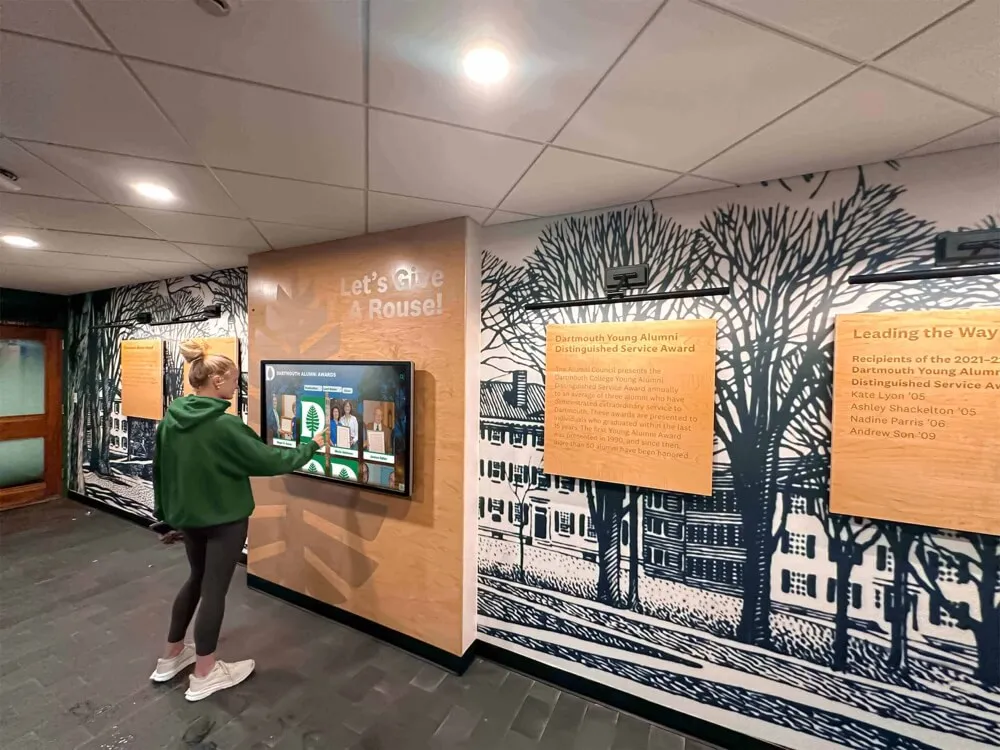
Digital displays can showcase community service achievements and build service-oriented school culture
School Improvement Projects
Student councils create lasting value through initiatives improving school environment.
Student-Led Improvement Initiatives
Campus Beautification Projects
- Mural creation in hallways or common spaces
- Garden development and maintenance
- Outdoor seating area creation
- Locker decoration initiatives
- Classroom supply drives
Visible improvements create ownership and pride while addressing real facility needs.
Technology and Resource Enhancement
- Fundraising for specific school needs (library books, athletic equipment, technology)
- Creation of study lounges or collaboration spaces
- Establishment of school supply pantries for students in need
- Development of peer tutoring programs and resource centers
Projects addressing genuine student needs demonstrate council effectiveness beyond social programming.
Explore building school pride through creative initiatives that create lasting impact.
Fundraising with Purpose
Strategic fundraising connects to specific, visible goals students support.
Goal-Oriented Fundraising Campaigns
Instead of generic fundraising, connect revenue to tangible objectives:
- “Fund the Field Trip” - Subsidizing educational trip costs for students who otherwise couldn’t afford participation
- “Light the Night” - Installing lighting for increased safety and extended facility use
- “Tech for All” - Providing devices or internet access for students without home technology
- “Scholarship Fund” - Establishing student-funded scholarships for graduating seniors
Clear connection between fundraising and concrete outcomes increases participation and reduces fundraising fatigue.
Creative Fundraising Events
Teacher Talent Show Students pay to watch teachers perform hidden talents—always a hit as students love seeing educators in different context.
Student vs. Staff Sports Tournaments Admission-based events where students compete against teachers in basketball, volleyball, or other sports.
Themed Auction Events
- Teacher service auction (lunch with favorite teacher, homework pass, class activity choice)
- Student talent/skill auction (tutoring, art creation, performance)
- Local business donation auction
Percentage Night Partnerships Partner with local restaurants donating percentage of sales on specific nights to school causes.
Communication and Engagement Strategies
Even excellent programs fail without effective communication ensuring student awareness and participation.
Multi-Channel Communication Approach
Students consume information across multiple platforms—effective councils use integrated strategies.
Social Media Presence
Student councils should maintain active platforms where students actually spend time:
Instagram Strategy
- Daily stories showing behind-scenes council work and upcoming events
- Grid posts for major announcements and event promotion
- Reels/TikTok-style videos showcasing school spirit and activities
- Student takeovers where different students control account daily
- Hashtag campaigns building school-specific trends
- Recognition posts celebrating student achievements
TikTok Presence
- Trending sound integrations connecting to school events
- Day-in-the-life content showing student council experience
- Event promotion through creative short videos
- Participation challenges encouraging student engagement
- Staff features humanizing teachers and administrators
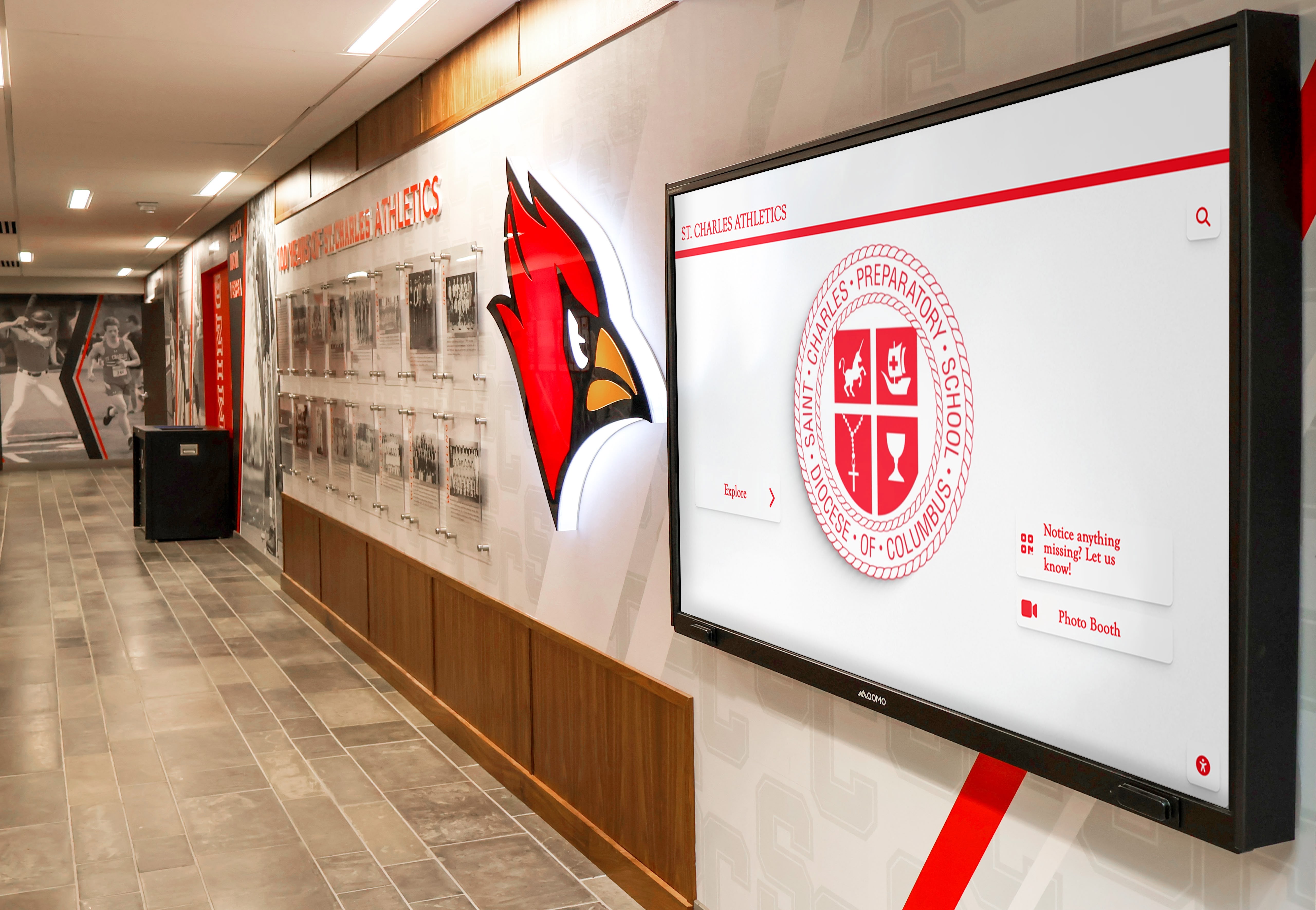
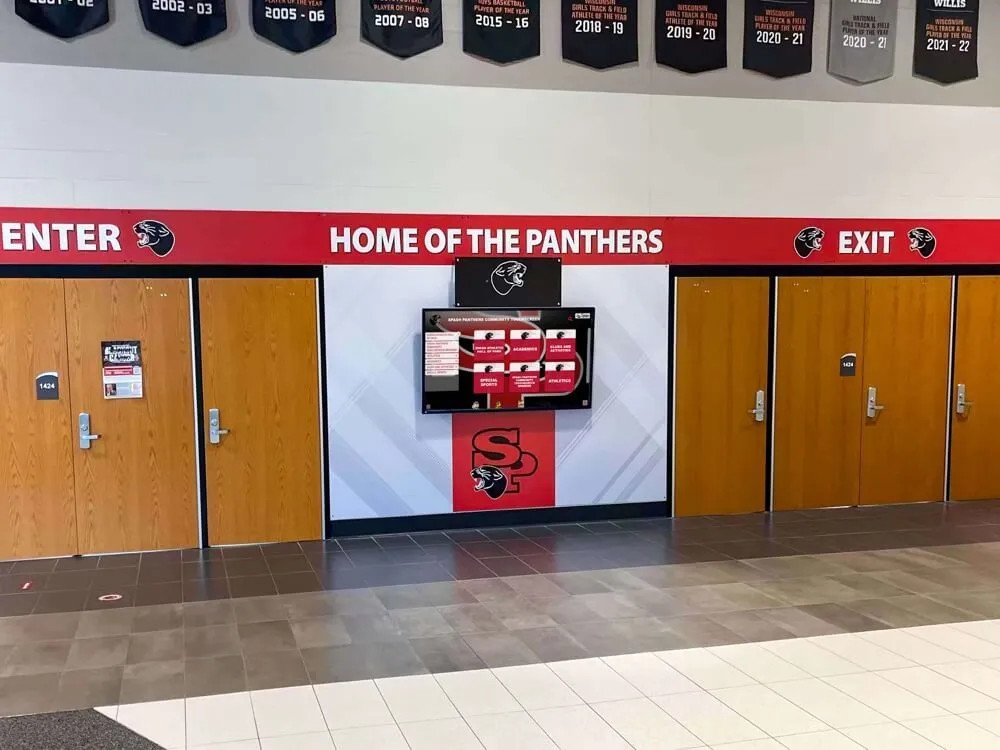
Branded hallway displays serve as consistent communication points for student government messaging
Traditional Communication Channels
Despite social media importance, traditional methods remain essential:
Morning Announcements
- Brief, energetic delivery of daily information
- Highlight upcoming events and deadlines
- Recognize recent achievements and winners
- Create recurring segments (Monday Motivation, Friday Features)
- Rotate announcers ensuring diverse voices
Digital Signage and Displays Hallway screens provide high-visibility communication:
- Rotating slides showing upcoming events and important dates
- Recognition spotlights featuring student achievements
- QR codes linking to event details or registration forms
- Countdown timers building anticipation for major events
- Real-time announcements and schedule changes
Learn about digital signage content strategies that maximize communication effectiveness.
Gathering and Acting on Student Feedback
Truly representative student government regularly solicits input beyond council membership.
Systematic Feedback Collection
Pulse Surveys Brief monthly surveys asking:
- What activities are students most excited about?
- What issues or concerns need council attention?
- How can we improve specific programs or events?
- What new initiatives would students like to see?
Short surveys (3-5 questions) generate higher response rates than lengthy forms.
Class Representatives and Ambassadors Designate ambassadors in each advisory/homeroom responsible for:
- Communicating student council information to their group
- Gathering feedback and concerns from their peers
- Reporting back to student council regularly
- Building connection between council and broader student body
Town Hall Forums Quarterly open forums where any student can:
- Ask questions to student council leadership
- Propose ideas or initiatives
- Voice concerns about school issues
- Provide feedback on recent events or programs
Visible feedback mechanisms demonstrate council commitment to representation beyond self-selected council members.
Special Events and New Traditions
Creating new traditions distinguishes excellent councils while building lasting school culture.
Establishing Annual Signature Events
Signature events unique to your school become traditions students anticipate yearly.
Examples of Memorable Signature Events
Senior Sunrise and Sunset Tradition
- Senior class gathering at sunrise on first day of senior year
- Matching gathering at sunset on last day before graduation
- Creates powerful bookend moments marking senior experience
- Generates emotional connection and memorable photos
Schoolwide Scavenger Hunt
- Elaborate hunt with clues throughout school and community
- Teams combining students from different grades
- Final prize reveal and celebration
- Can incorporate school history and local landmarks
Talent Showcase Series
- Quarterly talent shows celebrating diverse student abilities
- Different themes each showcase (music, comedy, dance, variety)
- Lowers pressure versus single annual event
- Creates more performance opportunities for students
Legacy Day
- Annual day where graduating seniors pass traditions to underclassmen
- Senior speeches sharing wisdom and school memories
- Symbolic passing of school items or responsibilities
- Recognition of senior contributions and achievements
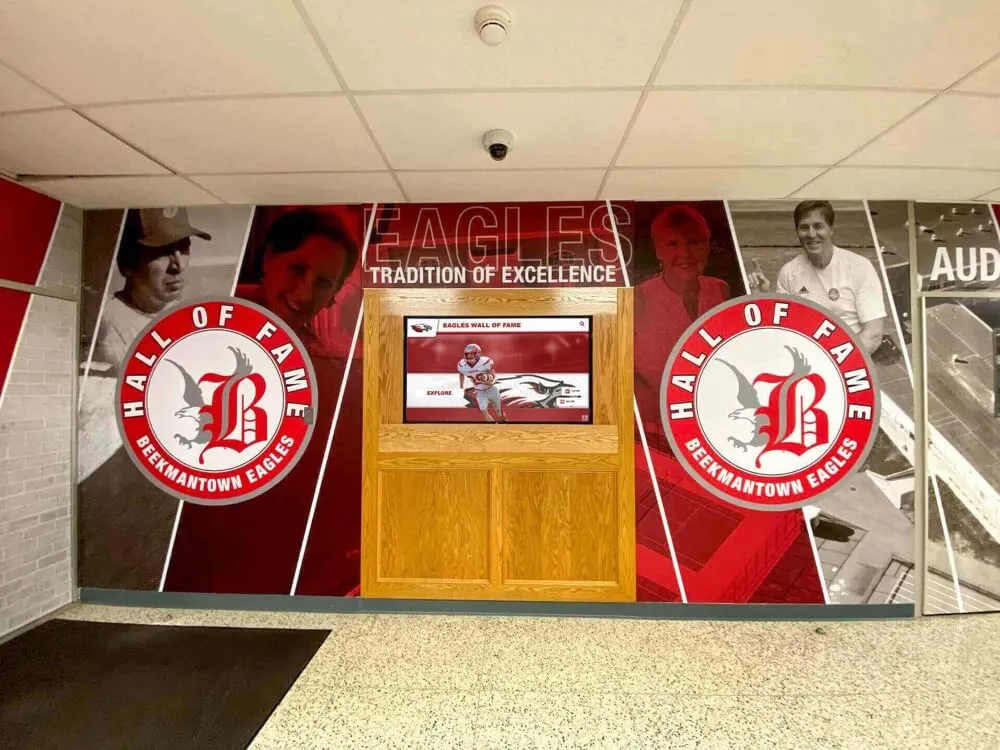
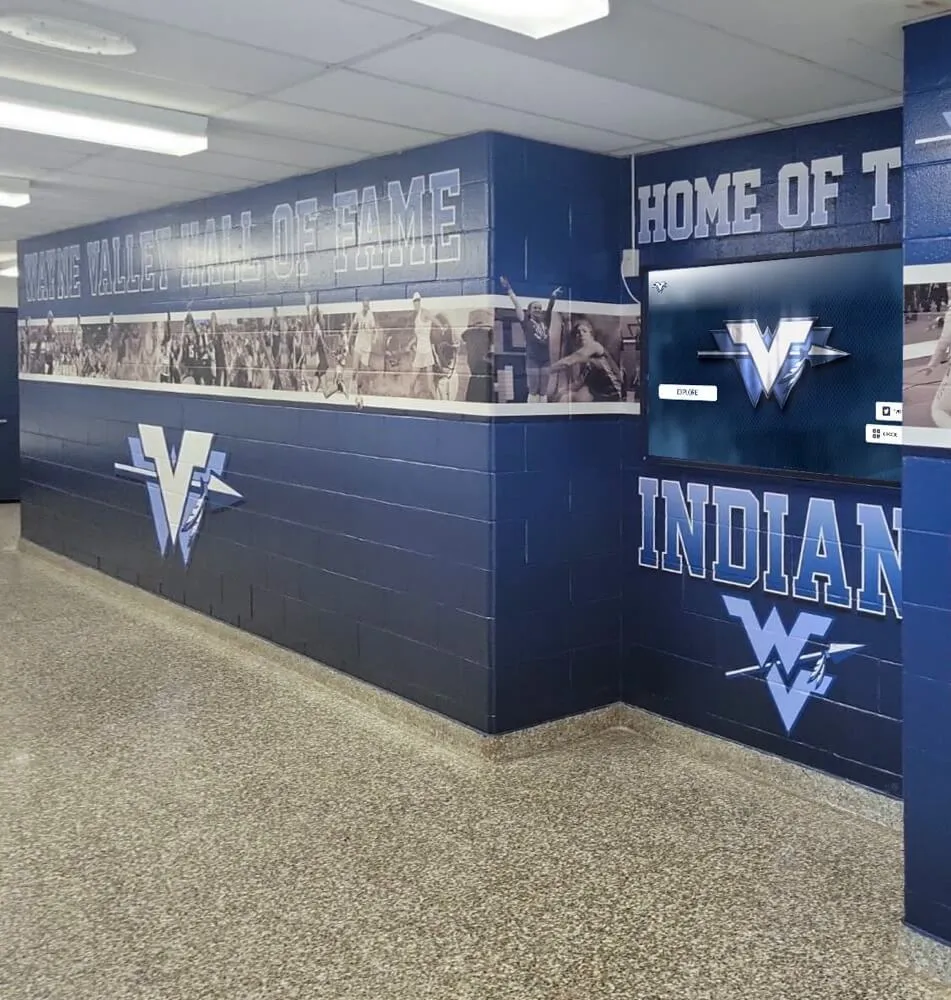
Permanent displays documenting school traditions and achievements build institutional memory
Cross-Grade Integration Activities
Many schools struggle with disconnection between grade levels. Strategic events build cross-grade relationships.
Mentorship and Connection Programs
Freshman Orientation Leadership Upper-class student council members lead orientation activities:
- Campus tours emphasizing helpful information
- Small group sessions answering freshman questions
- Team-building activities creating initial friend groups
- Connection to resources and support systems
- Follow-up check-ins throughout first semester
Cross-Grade Buddy Systems
- Pair upperclassmen with underclassmen for semester
- Structured monthly activities bringing buddy pairs together
- Creates natural cross-grade friendships
- Older students model positive behavior and school engagement
All-School Games and Competitions Design competitions requiring mixed-grade teams:
- Intramural sports leagues with grade diversity requirements
- Academic competition teams mixing grades
- Creative challenges (lip sync battles, escape rooms, amazing race)
- Service competitions tracking volunteer hours by mixed-grade teams
Cross-grade programming reduces age-based cliques while building schoolwide community.
Discover more about building inclusive school culture through strategic programming.
Execution Timeline and Management
Effective student councils follow systematic planning ensuring consistent programming without leader burnout.
Annual Planning Framework
Summer Planning Retreat Before school year begins, council leadership should:
- Review previous year successes and challenges
- Establish 3-5 major goals for upcoming year
- Map major events and initiatives to calendar
- Assign committee leadership and initial responsibilities
- Create preliminary budget allocations
- Develop communication strategies
Monthly Planning Rhythm
Establish consistent meeting structure:
- First Week of Month: Committee meetings planning specific initiatives
- Second Week: Full council meeting with committee reports and cross-functional coordination
- Third Week: Committee meetings focusing on execution and problem-solving
- Fourth Week: Full council meeting reviewing month outcomes and addressing issues
Predictable rhythms prevent last-minute scrambling while ensuring consistent attention to various initiatives.
Sustainable Workload Management
Council burnout undermines programs—strategic distribution prevents leadership exhaustion.
Delegation and Empowerment
Avoid concentration of all work among few leaders:
- Committee chairs have real authority and responsibility
- Task forces for specific events distribute work beyond standing committees
- Recruit non-council students to participate in planning and execution
- Partner with clubs and organizations sharing similar goals
- Engage parent volunteers and community partners for appropriate support
Project Management Tools
Simple systems prevent things falling through cracks:
- Shared calendars showing all events and deadlines
- Project management apps (Trello, Asana, Google Tasks) tracking initiatives
- Regular check-ins ensuring progress on commitments
- Clear documentation enabling smooth transitions between leaders
Student councils function best when work distributes equitably and systems support accountability.
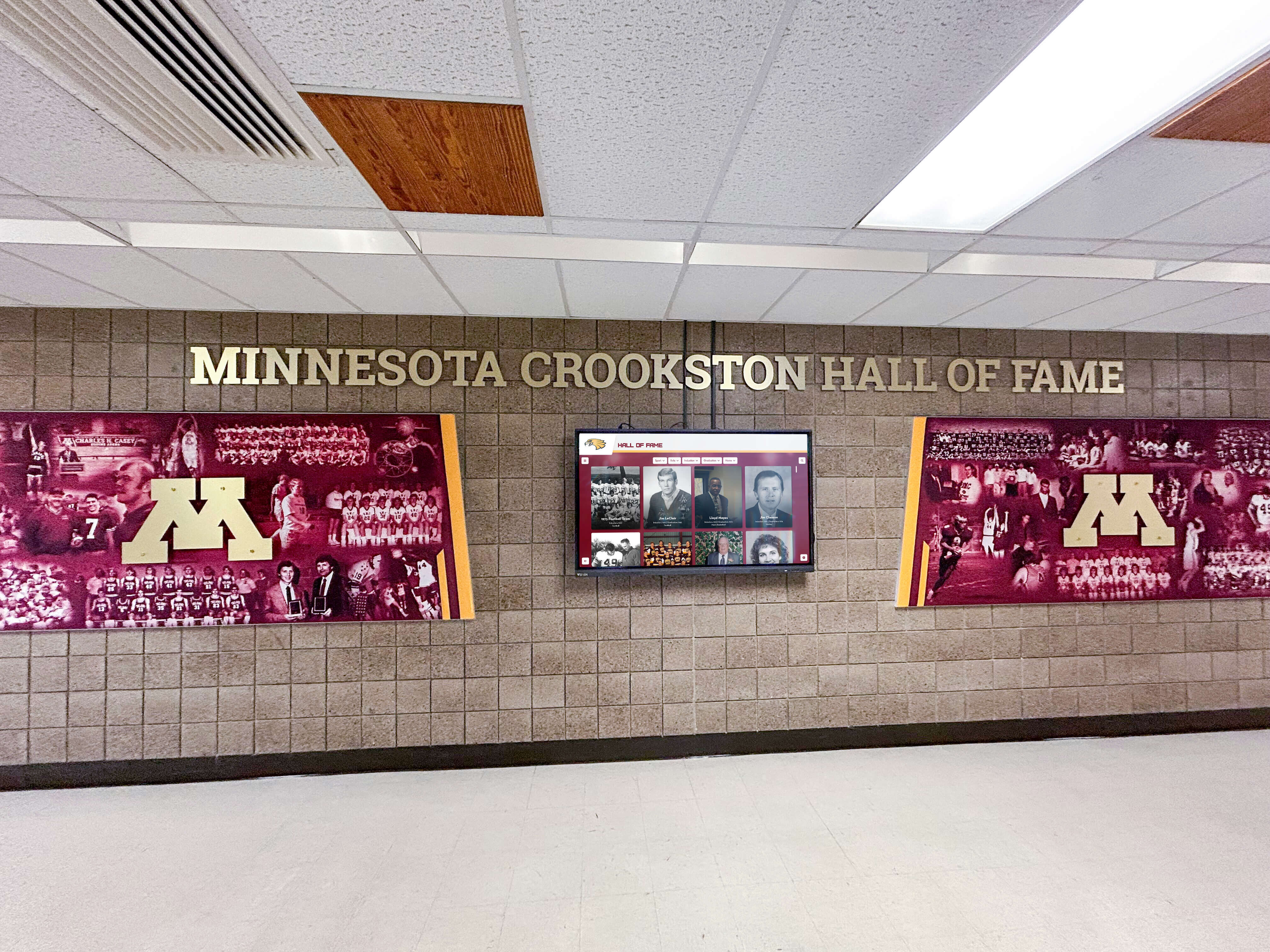
Dedicated council spaces with communication tools support effective planning and execution
Measuring Impact and Continuous Improvement
Strategic councils assess effectiveness and adjust based on data rather than assumptions.
Quantitative Metrics
Participation Tracking
- Attendance at events compared to total enrollment
- Percentage of student body participating in at least one initiative
- Comparative participation across different event types
- Demographic participation analysis ensuring equity
- Year-over-year trend comparisons
Engagement Indicators
- Social media engagement rates (likes, comments, shares, follows)
- Digital display interaction data (touchscreen usage, search queries)
- Fundraising results and donor participation
- Volunteer hour totals for service initiatives
- Nomination and submission numbers for recognition programs
Budget Performance
- Revenue versus expenses for each major initiative
- Cost per student for various programming types
- Fundraising efficiency (revenue per hour invested)
- Budget variance analysis identifying planning accuracy
Qualitative Assessment
Stakeholder Feedback
Regular surveys gathering perceptions:
- Student satisfaction with council programming and representation
- Faculty perception of council effectiveness and maturity
- Parent awareness of student government initiatives
- Administrative assessment of council impact on school culture
Post-Event Debriefs
After each major initiative, conduct structured evaluation:
- What went well? What specific aspects were successful?
- What challenges did we encounter? How did we address them?
- What would we do differently next time?
- What lessons apply to other future initiatives?
- How did outcomes compare to our goals?
Documentation enables institutional learning extending beyond current council members.
Continuous Improvement Cycle
Effective councils implement changes based on assessment:
- Quarterly goal review examining progress toward year objectives
- Mid-year adjustment based on first semester learning
- End-of-year comprehensive evaluation informing next year planning
- Leadership transition process ensuring knowledge transfer
Assessment proves value to stakeholders while driving genuine improvement beyond repeating previous years’ approaches.
Building Partnerships and Resources
Student councils multiply impact through strategic partnerships accessing resources beyond internal budgets.
Administrative Partnerships
Strong principal and advisor relationships enable ambitious programming:
Regular Communication
- Weekly brief meetings updating administration on plans
- Advance notice of any initiatives requiring approval
- Proactive problem-solving conversations before issues emerge
- Gratitude and recognition for administrative support
Collaborative Problem-Solving Position student council as solution partners:
- “We’ve heard students want X. Here’s our proposal for addressing it.”
- “Students are concerned about Y. Can we collaborate on improvements?”
- “We’d like to try Z initiative. What considerations should we address?”
Approaching administration as partners rather than adversaries builds trust enabling greater freedom.
Community Partnerships
Local businesses and organizations often eager to support student initiatives:
Business Sponsorships
- Event sponsorships providing funding or in-kind donations
- Discount partnerships for student activities
- Internship and career exploration opportunities
- Mentorship programs connecting students with professionals
Nonprofit Partnerships
- Collaborative service projects leveraging organizational expertise
- Guest speakers addressing relevant student issues
- Resource access (volunteer training, project materials, facilities)
- Joint fundraising benefiting both school and community causes
Alumni Engagement Recent graduates provide valuable perspective and support:
- Advice on effective programs and avoiding pitfalls
- Financial contributions to specific initiatives
- Career mentoring and college preparation support
- Return visits maintaining school connection
Community partnerships expand resources while building valuable relationships connecting students to opportunities beyond school walls.
Learn about strengthening community partnerships that benefit student programs.
Addressing Common Student Council Challenges
Even well-planned initiatives face predictable obstacles—proactive strategies minimize disruptions.
Low Participation and Apathy
Many councils struggle with student engagement despite extensive planning.
Participation Barriers and Solutions
Barrier: Students don’t know about events
- Solution: Multi-channel promotion 2-3 weeks before events
- Solution: Peer ambassadors spreading word through personal networks
- Solution: Incentivize early registration showing commitment level
Barrier: Events don’t appeal to diverse interests
- Solution: Vary programming types ensuring something for everyone
- Solution: Gather input through surveys before planning
- Solution: Offer multiple simultaneous activities at events
Barrier: Social anxiety or exclusion concerns
- Solution: Create buddy systems and structured interaction
- Solution: Include non-dancing activities at social events
- Solution: Make participation visible requirement-free
Barrier: Competing commitments (sports, jobs, other activities)
- Solution: Survey about timing preferences before scheduling
- Solution: Offer events at different times reaching different students
- Solution: Create flexible participation options
Systematically addressing barriers generates higher engagement than simply promoting harder.
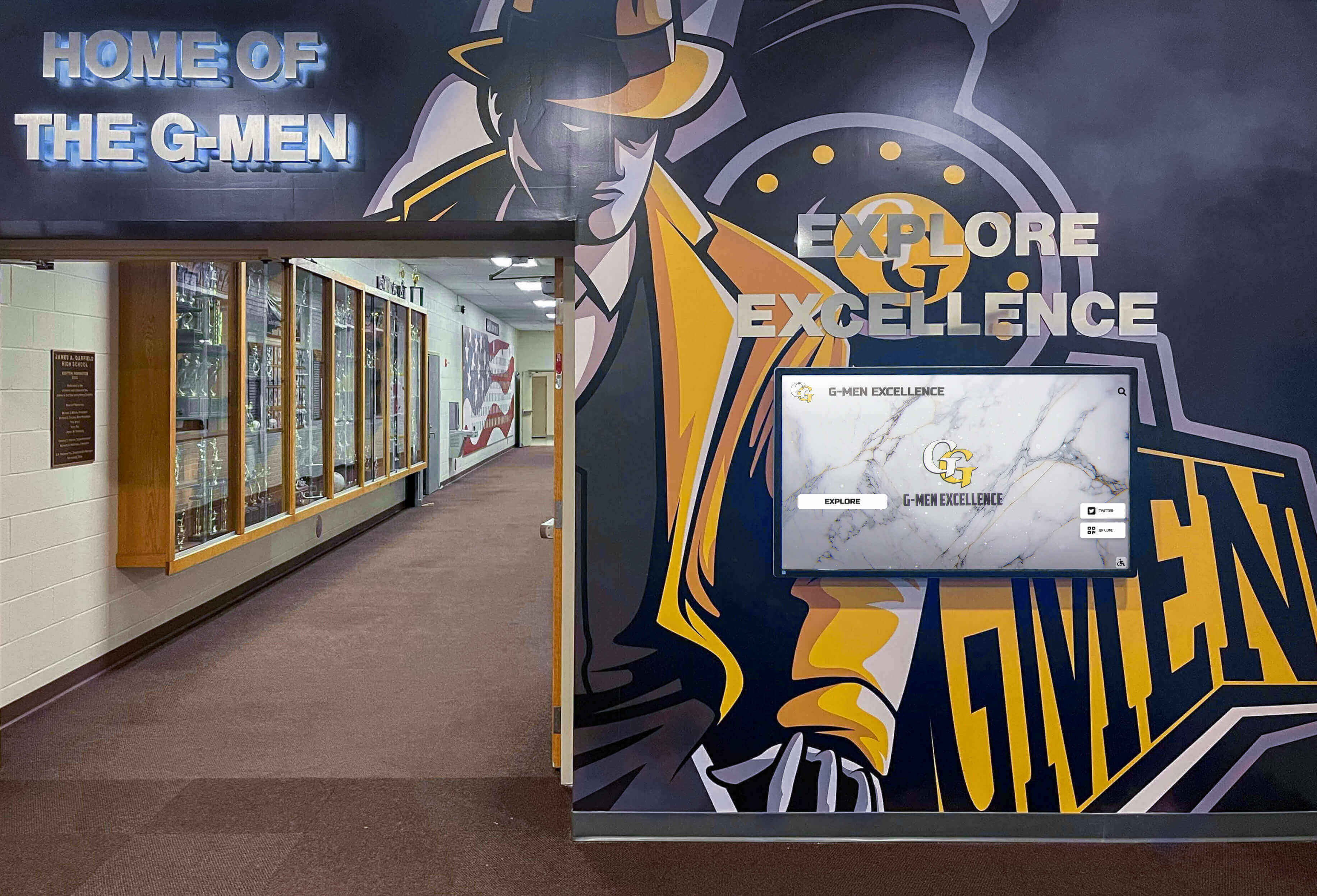
Welcoming school spaces with visible recognition create environments students want to engage with
Budget Constraints and Fundraising Challenges
Limited budgets force prioritization and creative resource development.
Maximizing Impact with Limited Funds
Free and Low-Cost High-Impact Activities
- Lunch-time games and competitions in cafeteria
- Hallway decorating competitions using donated materials
- Photo booth days with borrowed equipment or smartphones
- Social media challenges requiring no materials
- Recognition programs with digital displays instead of physical awards
Strategic Budget Allocation
- Invest in reusable materials serving multiple events
- Prioritize initiatives with highest participation potential
- Front-load spending on infrastructure (like digital displays) benefiting multiple years
- Partner with organizations covering specific initiative costs
Effective Fundraising Approaches
- Connect fundraising to specific visible goals
- Offer value exchange (entertainment, food, experiences) rather than just requests
- Leverage matching gifts from community partners doubling impact
- Recognize donors through digital donor recognition displays
Council Internal Conflicts and Dynamics
Student leadership involves navigating interpersonal challenges and disagreements.
Healthy Council Culture Practices
Clear Role Definition
- Written responsibilities for each position and committee
- Defined decision-making processes
- Conflict resolution procedures established proactively
- Regular check-ins addressing emerging tensions
Inclusive Decision-Making
- Rotate meeting facilitation preventing single-person dominance
- Use voting for major decisions when consensus isn’t reached
- Ensure all voices heard through structured input opportunities
- Document decisions and rationale creating clarity
Advisor Support Effective advisors:
- Guide without controlling, allowing student ownership
- Mediate conflicts while empowering student resolution
- Provide institutional knowledge and logistical support
- Celebrate successes and coach through failures
Strong internal culture enables councils to weather challenges while modeling effective leadership for broader school community.
Creating Your School’s Unique Student Council Legacy
While frameworks and ideas provide starting points, the most memorable student governments create initiatives authentically reflecting their specific school communities.
Identifying Your School’s Unique Needs and Opportunities
Community Analysis Questions
- What does our school do really well that we should celebrate and amplify?
- What gaps or needs do students consistently mention?
- What traditions have we lost that students wish existed?
- What makes our school different from others?
- What strengths can we build upon rather than trying to fix weaknesses?
Answers guide councils toward initiatives creating genuine resonance rather than copying other schools’ programs.
Innovation and Risk-Taking
The most impactful councils try new approaches despite uncertainty:
Thoughtful Experimentation
- Pilot new ideas on small scale before major investment
- Gather feedback from trial runs before full implementation
- Celebrate learning from unsuccessful initiatives
- Document both successes and failures for future council learning
- Take calculated risks with administrative support
Not every initiative succeeds, but councils avoiding all risk rarely create breakthrough programming.
Documentation and Institutional Memory
Create systems ensuring your work benefits future students:
Council Knowledge Base
- Detailed playbooks for successful annual events
- Contact lists for community partners and vendors
- Budget templates and cost estimates
- Post-event evaluations documenting lessons learned
- Timeline templates showing planning milestones
Digital Recognition Archives Modern digital recognition systems like Rocket Alumni Solutions automatically create historical archives ensuring current achievements become lasting institutional records. Future students can explore decades of accomplishment, understanding their place in continuing school tradition.
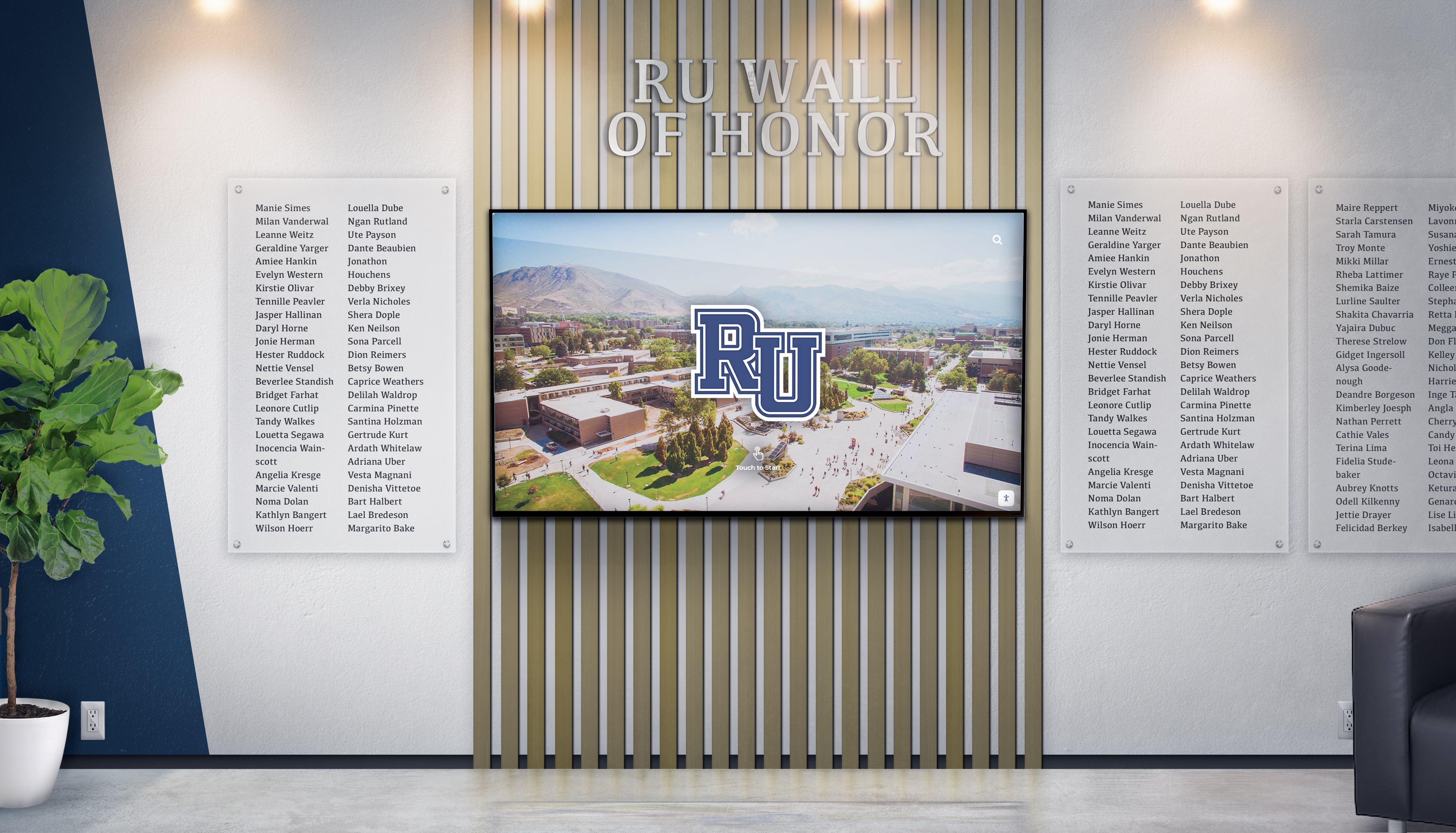
Recognition systems documenting achievements across years build institutional memory connecting generations
Conclusion: Building the School Community You Envision
Effective student council leadership extends far beyond checking off required events and activities. The most impactful student governments understand they’re architects of school culture—creating environments where diverse students feel welcomed, achievements receive celebration, service becomes valued, and shared experiences build community transcending individual differences.
The strategies explored in this guide provide comprehensive frameworks for student leaders ready to move beyond typical programming toward transformative initiatives creating lasting impact. From recognition programs celebrating diverse achievements to strategic service initiatives addressing real community needs, these approaches transform student government from social event planning to authentic leadership development.
Modern tools amplify student council impact in ways previous generations couldn’t access. Digital recognition displays eliminate space constraints that historically limited how many students could be celebrated, enabling comprehensive recognition programs showcasing every achievement type. Solutions like Rocket Alumni Solutions provide student leaders with professional platforms creating engaging, updateable displays that maintain freshness without constant manual effort—freeing council members to focus on strategy and connection rather than technical maintenance.
The difference between good student councils and truly exceptional ones often comes down to three factors: strategic vision connecting activities to meaningful goals, systematic implementation ensuring consistent quality execution, and visible recognition celebrating both achievements and the students driving positive change. When student governments master these elements, they create school cultures where everyone finds belonging, excellence receives appropriate celebration, and shared experiences build memories lasting long after graduation.
Your term as student council members provides unique opportunity to shape your school’s culture and your peers’ experience. Start with understanding genuine student needs and interests, implement programs addressing those needs strategically, communicate consistently across multiple channels, measure your impact honestly, and adjust based on learning. Most importantly, don’t be afraid to try new approaches—the most memorable student governments created traditions that didn’t exist before their leadership.
The programming frameworks, activity ideas, and implementation strategies in this guide provide starting points, but your school’s specific needs and your council’s unique strengths will shape what works best. Trust your instincts, gather regular feedback from students you serve, and remember that sustainable impact comes from consistent effort across time rather than occasional spectacular events.
Every positive change you create, every student you recognize, every tradition you establish contributes to school culture extending far beyond your own experience. Future student councils will build on foundations you establish, expanding and adapting your initiatives while creating their own innovations. That’s the true legacy of effective student leadership—not just the events you execute during your term, but the positive culture and valued traditions you establish for students who follow.