



Staff recognition programs create systematic approaches to acknowledging employee contributions, celebrating professional achievements, and demonstrating organizational appreciation for the individuals who drive institutional success. When implemented effectively, these programs strengthen workplace culture, improve retention rates, boost morale, and communicate that organizations value team members beyond their job performance metrics.
Yet many schools and organizations struggle with staff recognition. Traditional approaches—annual awards that acknowledge only top performers, sporadic appreciation gestures lacking consistency, generic recognition that feels impersonal, or programs focusing exclusively on longevity while ignoring daily contributions—often fail to create the comprehensive, meaningful recognition that builds thriving workplace cultures. Meanwhile, tight budgets, limited time for ceremony planning, and uncertainty about what recognition approaches truly matter to staff members create barriers preventing organizations from implementing effective programs.
This comprehensive guide explores staff recognition program best practices that honor all team members appropriately while remaining sustainable, meaningful, and aligned with organizational values. From systematic frameworks ensuring consistent recognition to digital display solutions that preserve appreciation permanently, these strategies help schools and organizations build recognition cultures where every staff member feels valued, supported, and celebrated for their unique contributions to institutional missions.
Effective staff recognition extends beyond annual appreciation luncheons—it creates engaging, inclusive systems that celebrate diverse contributions while building cultures where team members feel genuinely valued as essential partners in organizational success rather than interchangeable employees filling positions.

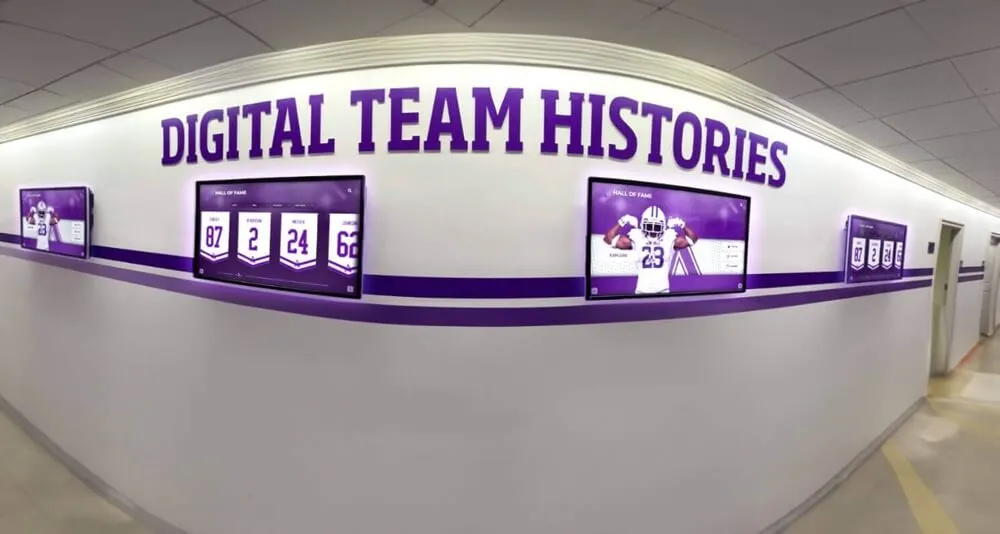
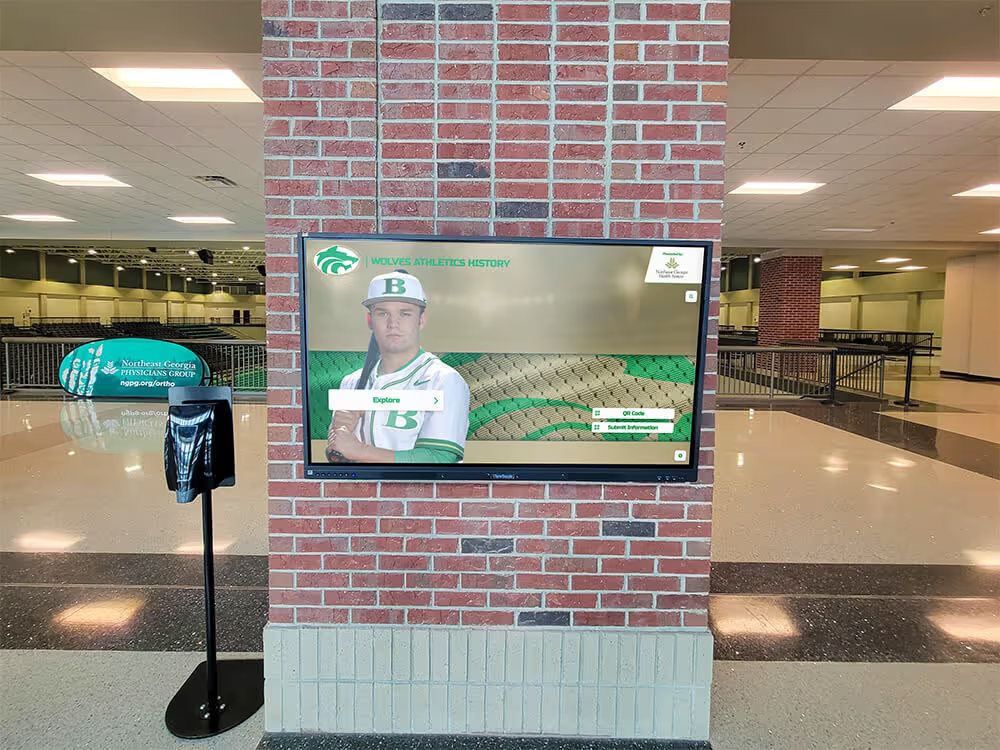
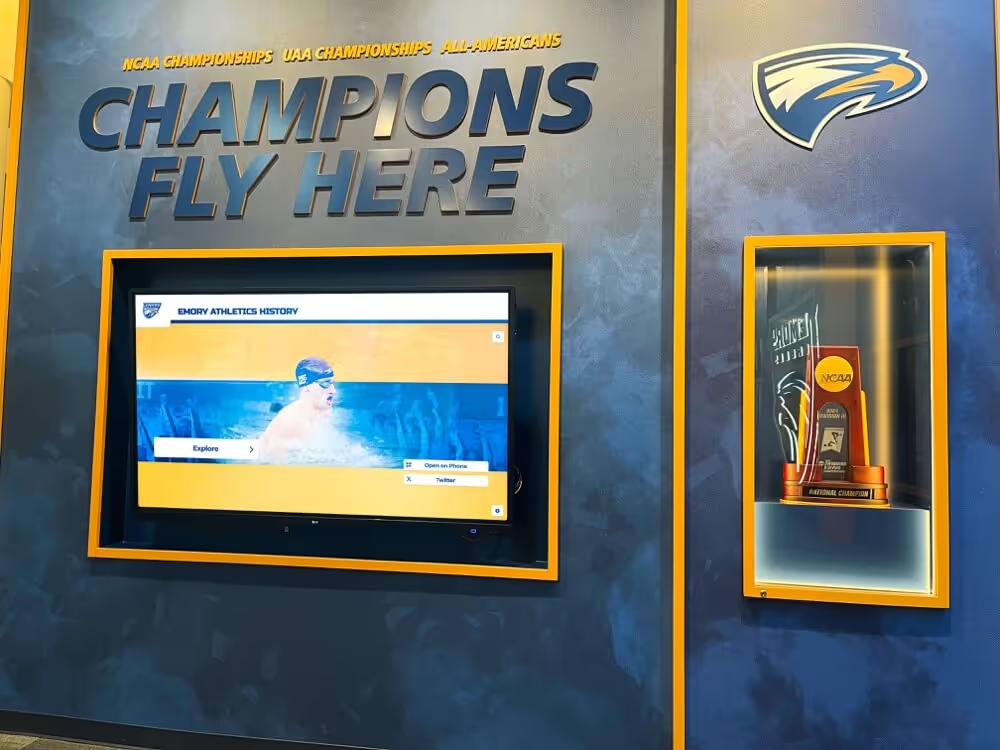
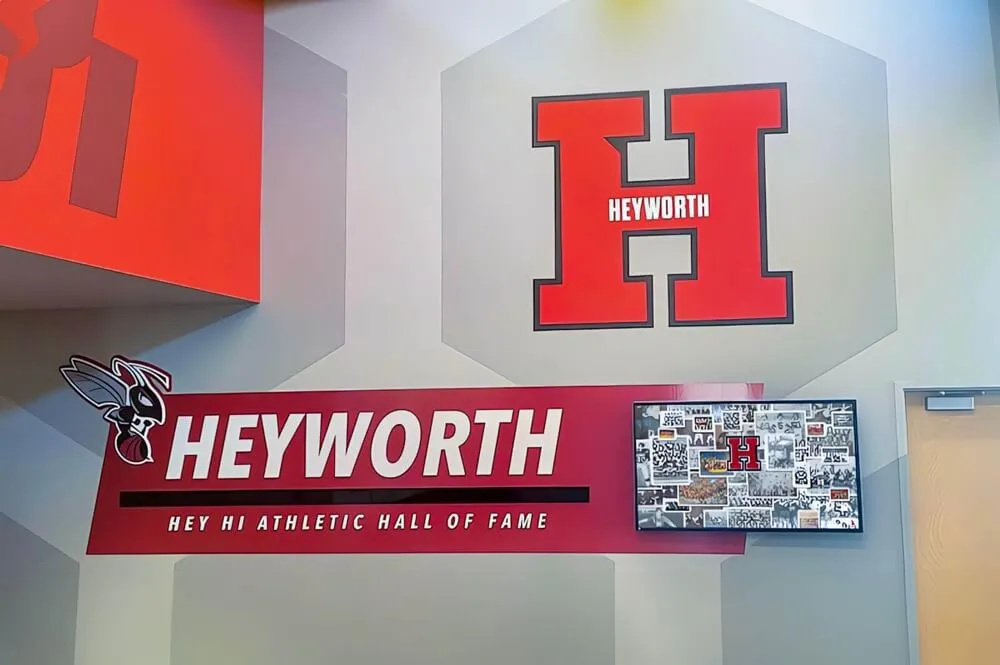
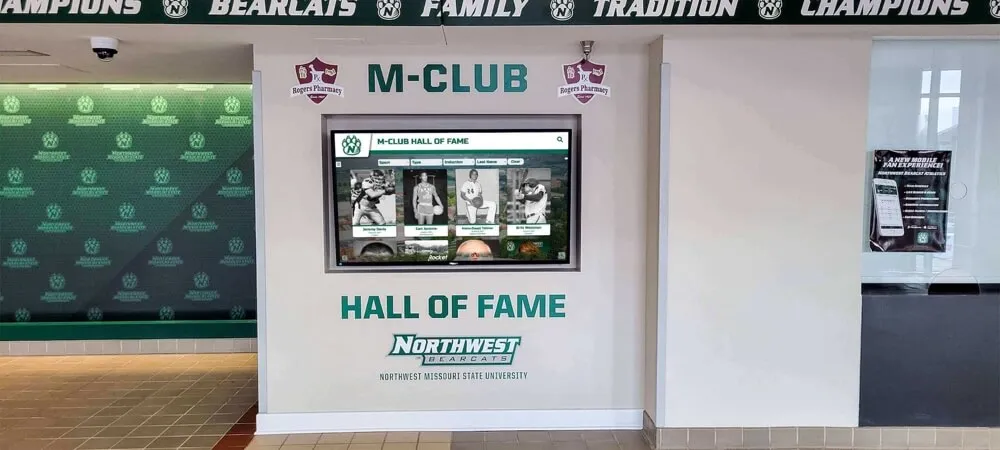
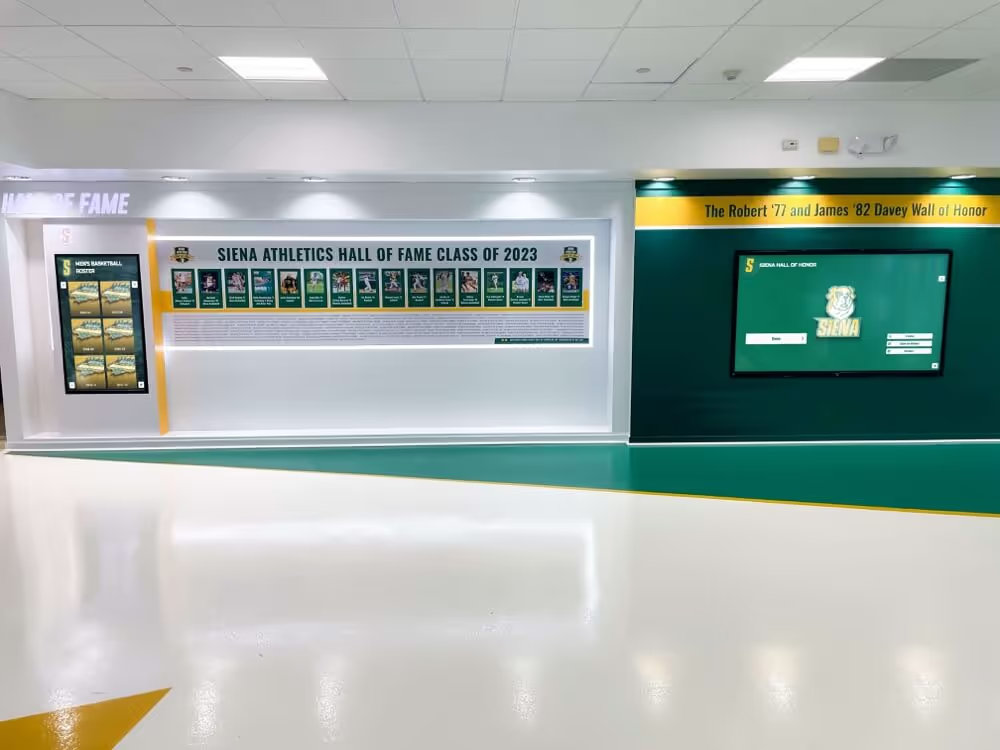
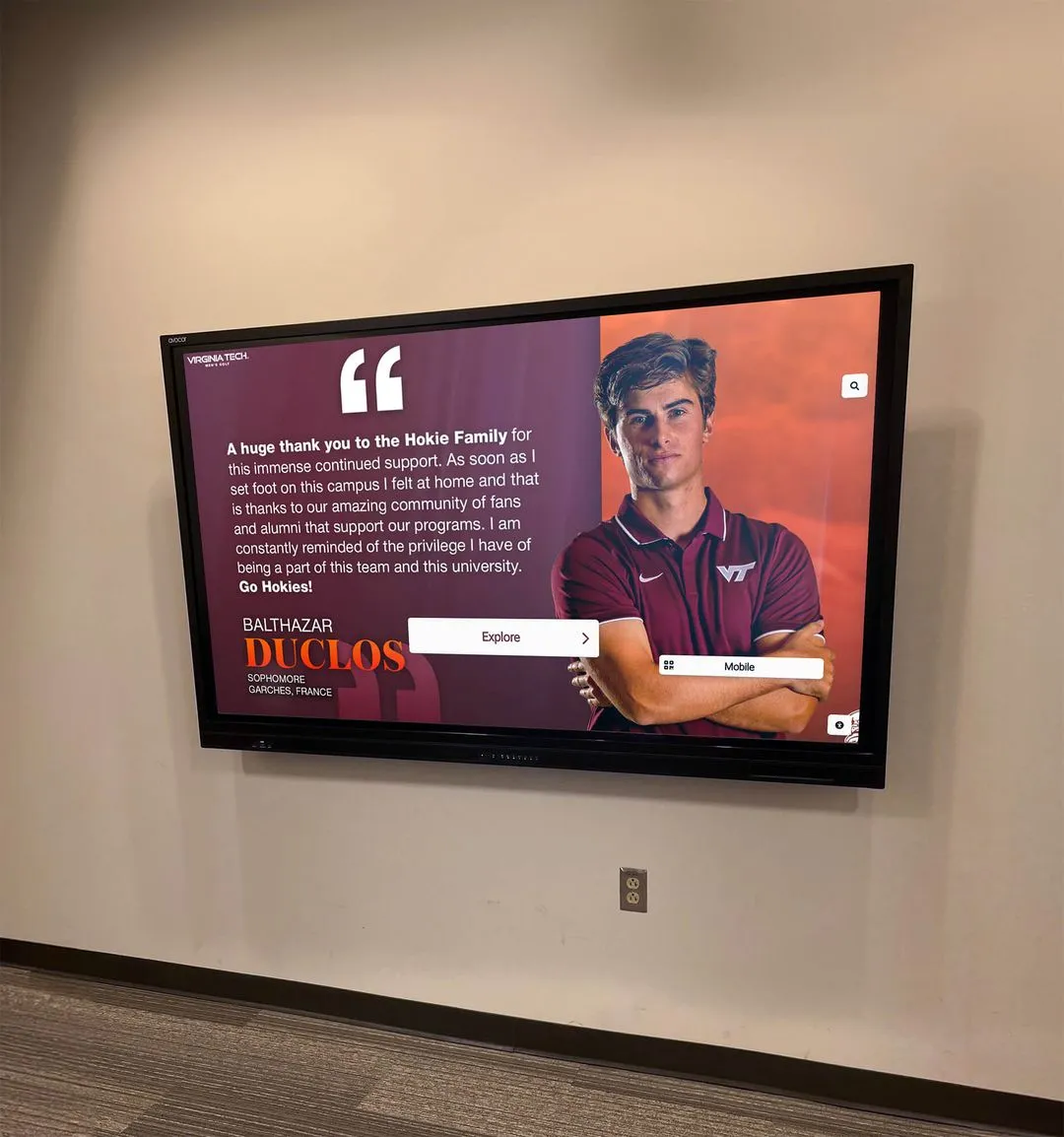
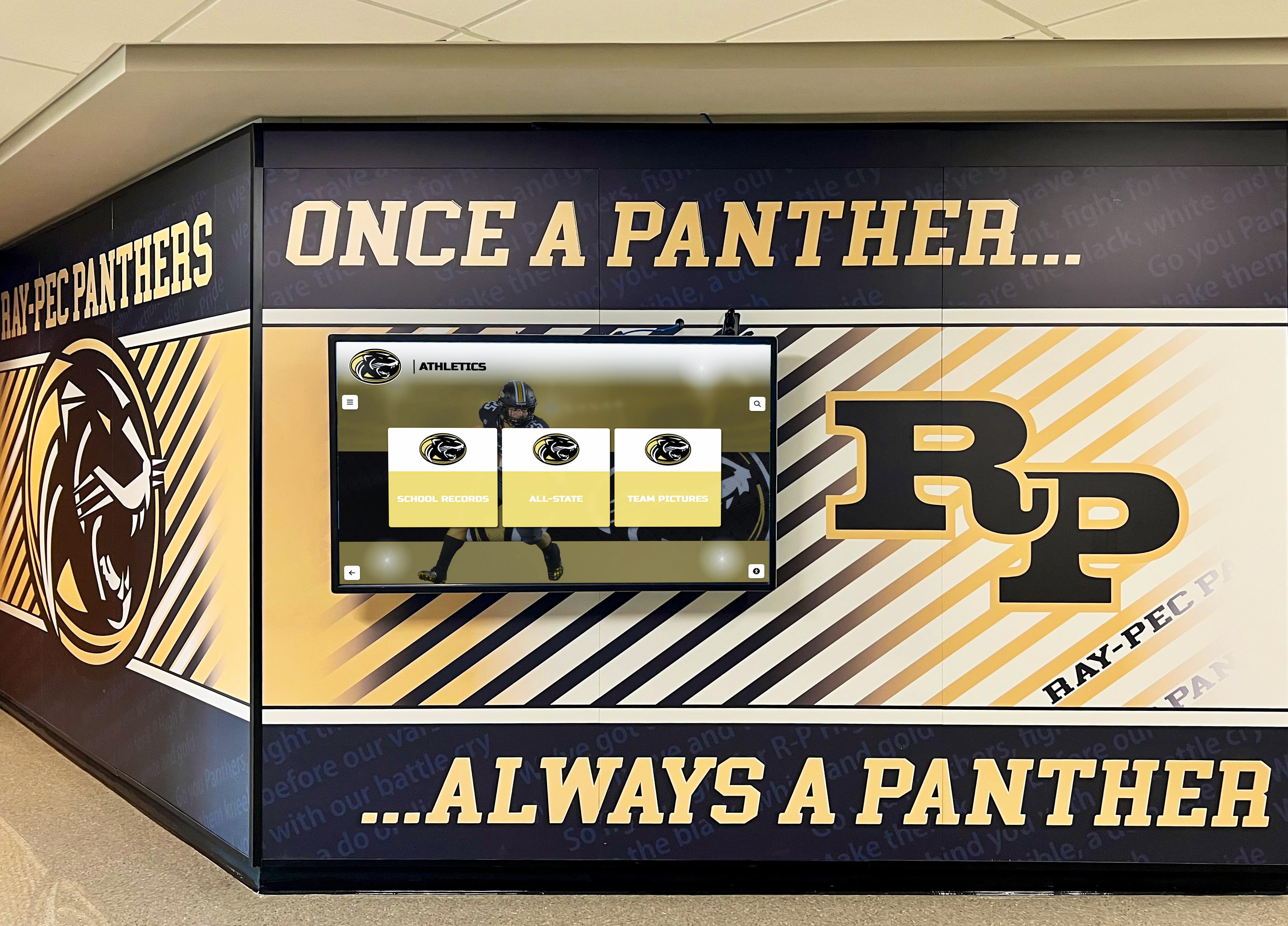
Modern recognition displays enable schools and organizations to celebrate staff achievements prominently in high-traffic areas
Understanding the Critical Importance of Staff Recognition
Before implementing recognition programs, understanding the substantial organizational and individual benefits helps administrators commit appropriate resources and design approaches that maximize positive impact.
Strengthening Retention and Reducing Turnover
The Retention Crisis in Education and Organizations
Schools and organizations across sectors face unprecedented staffing challenges. Education particularly experiences alarming turnover rates—research indicates approximately 8% of teachers leave the profession annually, with rates significantly higher among early-career educators. This turnover creates substantial costs including recruitment expenses, training investments, productivity losses during transitions, and institutional knowledge depletion when experienced staff depart.
While compensation remains important, research consistently demonstrates that feeling valued, appreciated, and recognized represents one of the strongest predictors of job satisfaction and retention intention. Staff members who feel their contributions go unnoticed or unappreciated actively seek employment elsewhere, regardless of salary levels. Recognition programs create the appreciation infrastructure that retains valuable talent by communicating that organizations notice and value their work.
Economic Impact of Recognition on Turnover
The financial implications of retention prove substantial. Replacing a teacher typically costs districts between $9,000 and $21,000 per departure when accounting for recruitment, hiring, training, and lost productivity. Organizations replacing departing staff face similar costs—often 50-200% of annual salaries depending on position complexity and specialization.
Effective recognition programs requiring modest investments—perhaps $50-200 per employee annually—generate remarkable returns by preventing even small percentages of turnover. Schools retaining just 2-3 additional teachers through improved recognition culture save substantially more than program costs, while gaining continuity benefits that financial calculations struggle to capture fully.
Building Long-Term Career Commitment
Beyond preventing immediate departures, recognition programs shape how staff members view long-term career prospects within organizations. Team members who feel consistently valued develop stronger organizational attachment, viewing institutions as career homes rather than temporary positions. This long-term commitment creates stability benefiting students, clients, and institutional effectiveness while reducing the constant churn requiring endless recruitment and training cycles.
Learn about comprehensive approaches to employee recognition that strengthen organizational culture and build lasting team commitment.
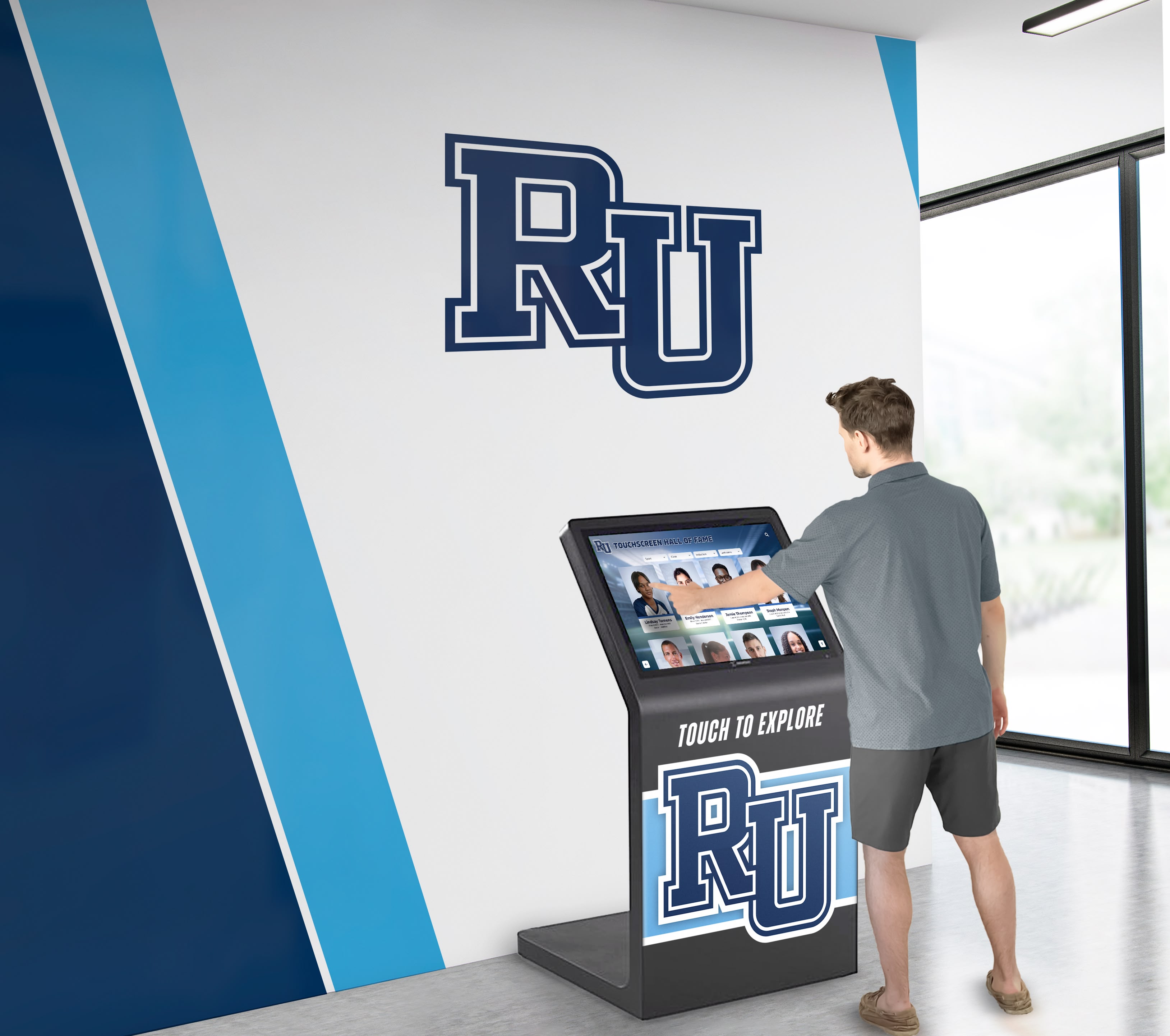
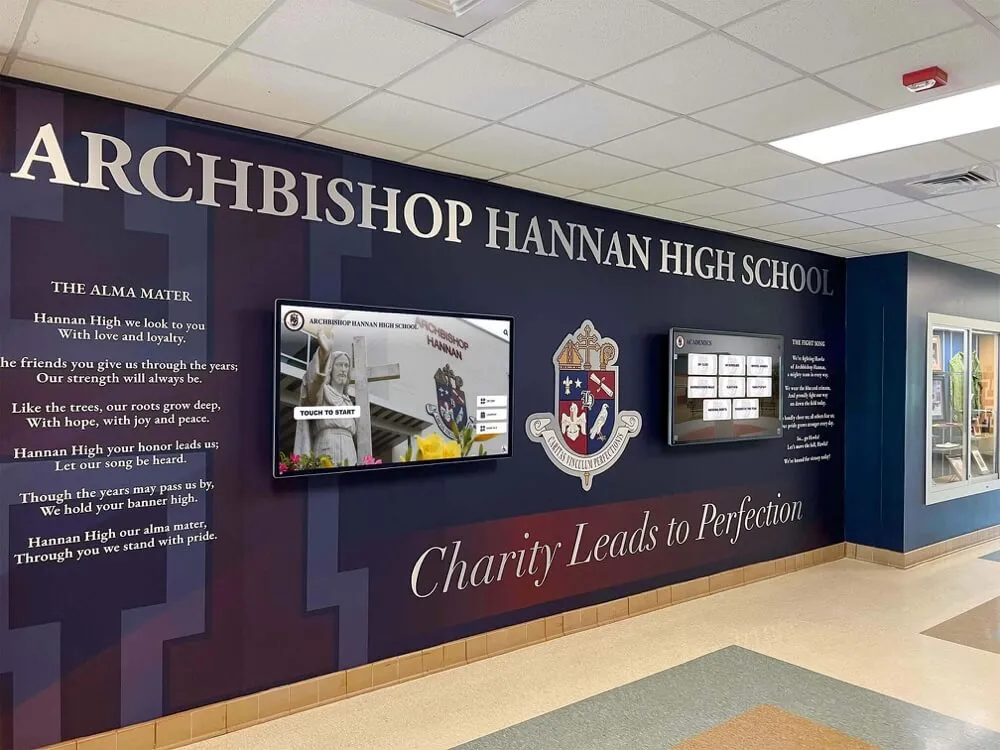
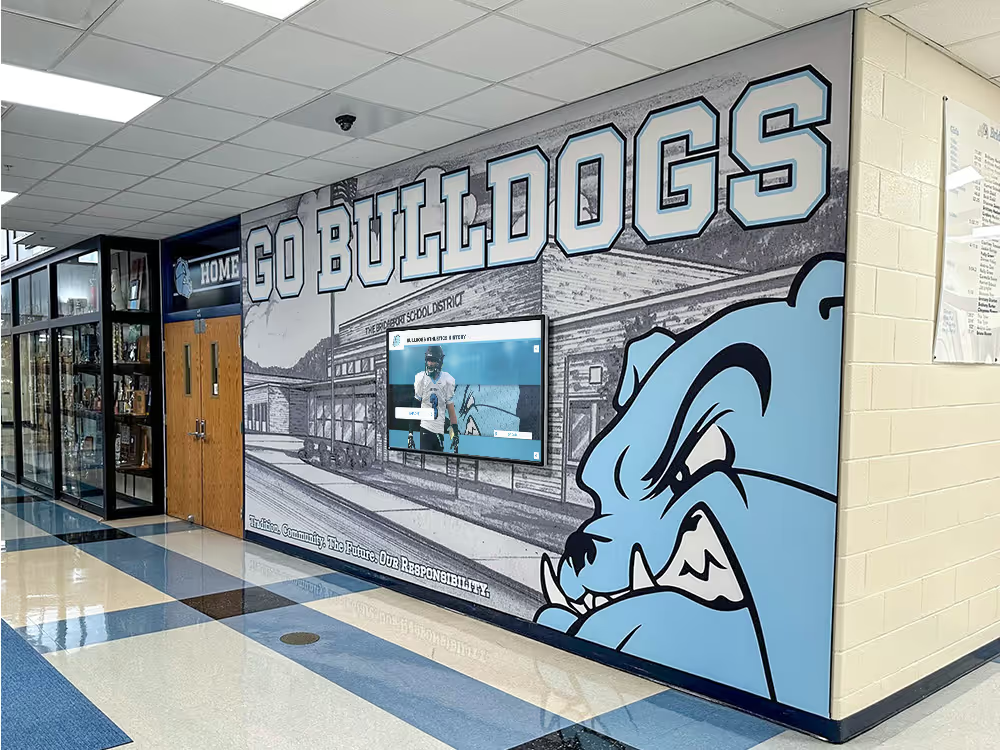
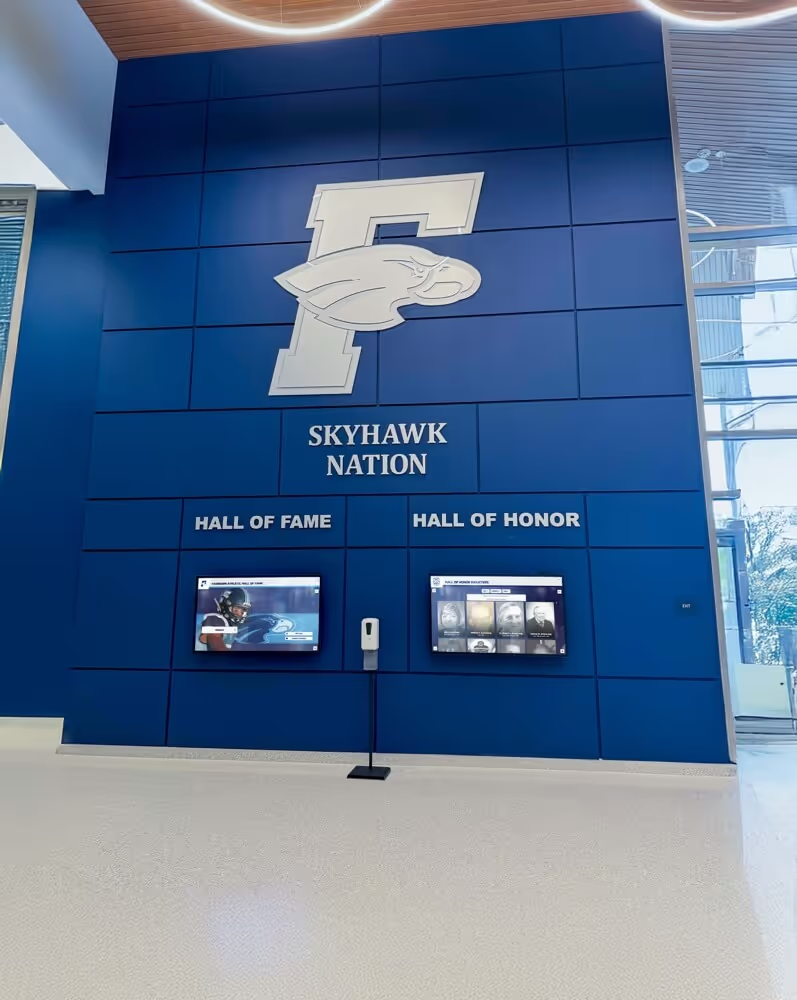
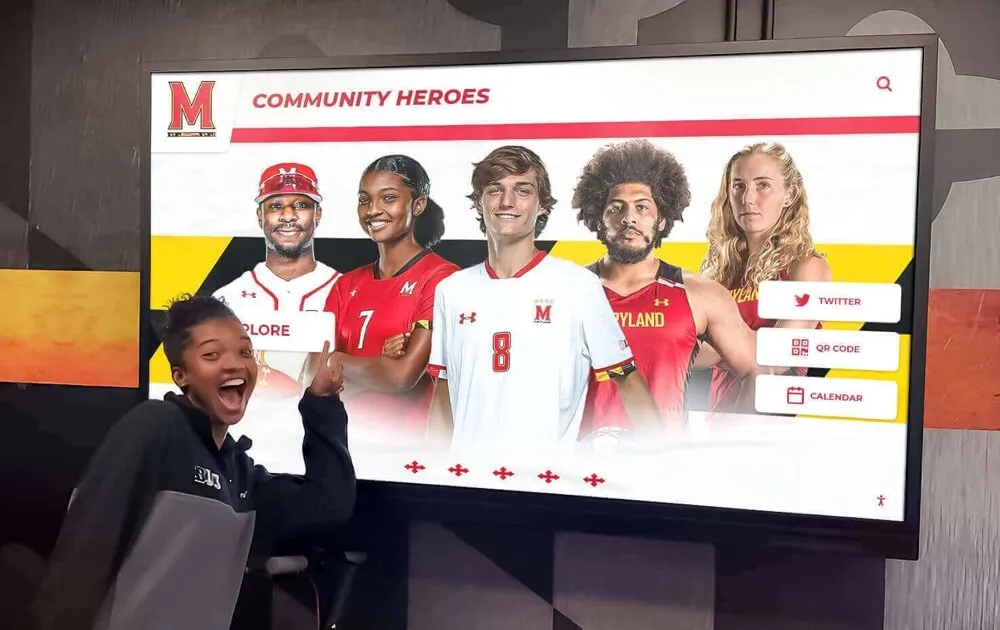
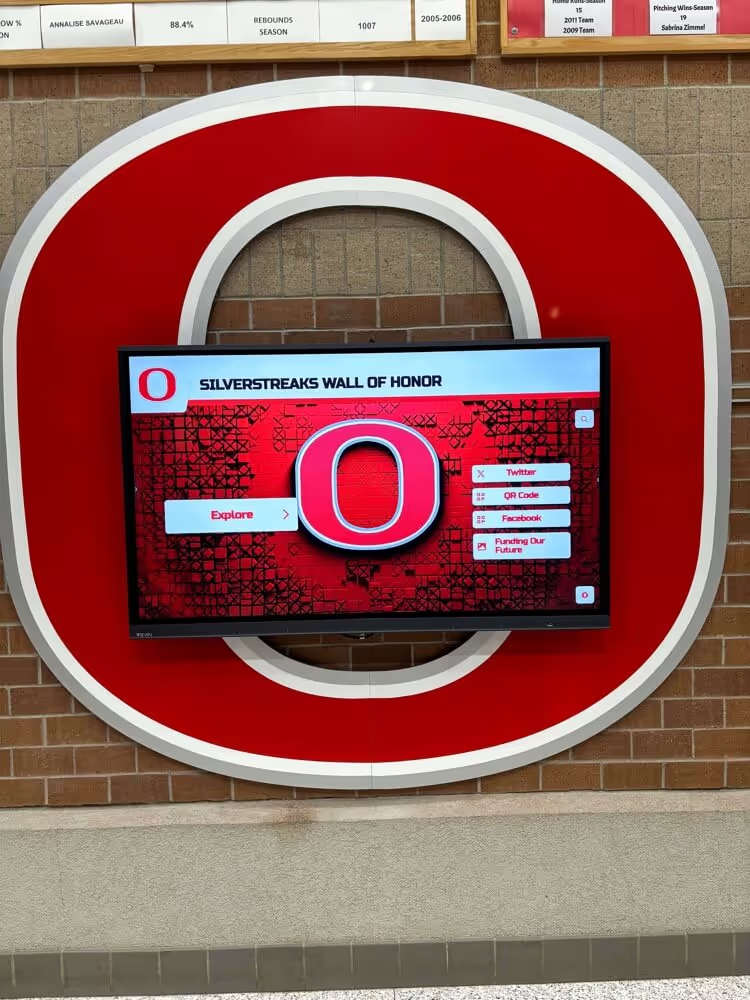
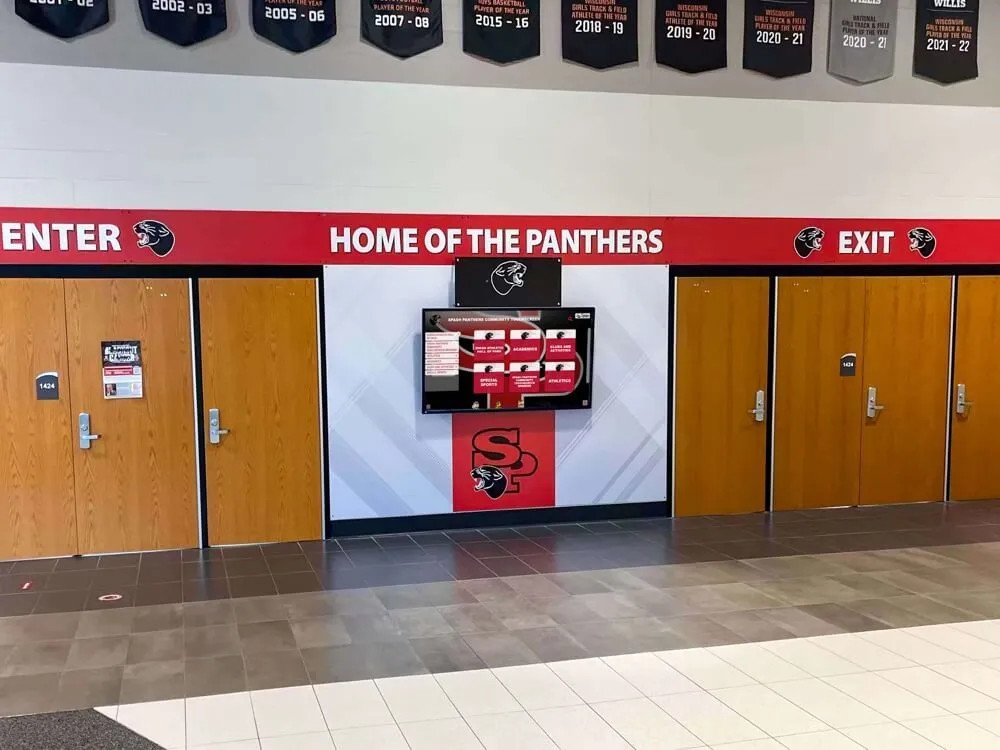
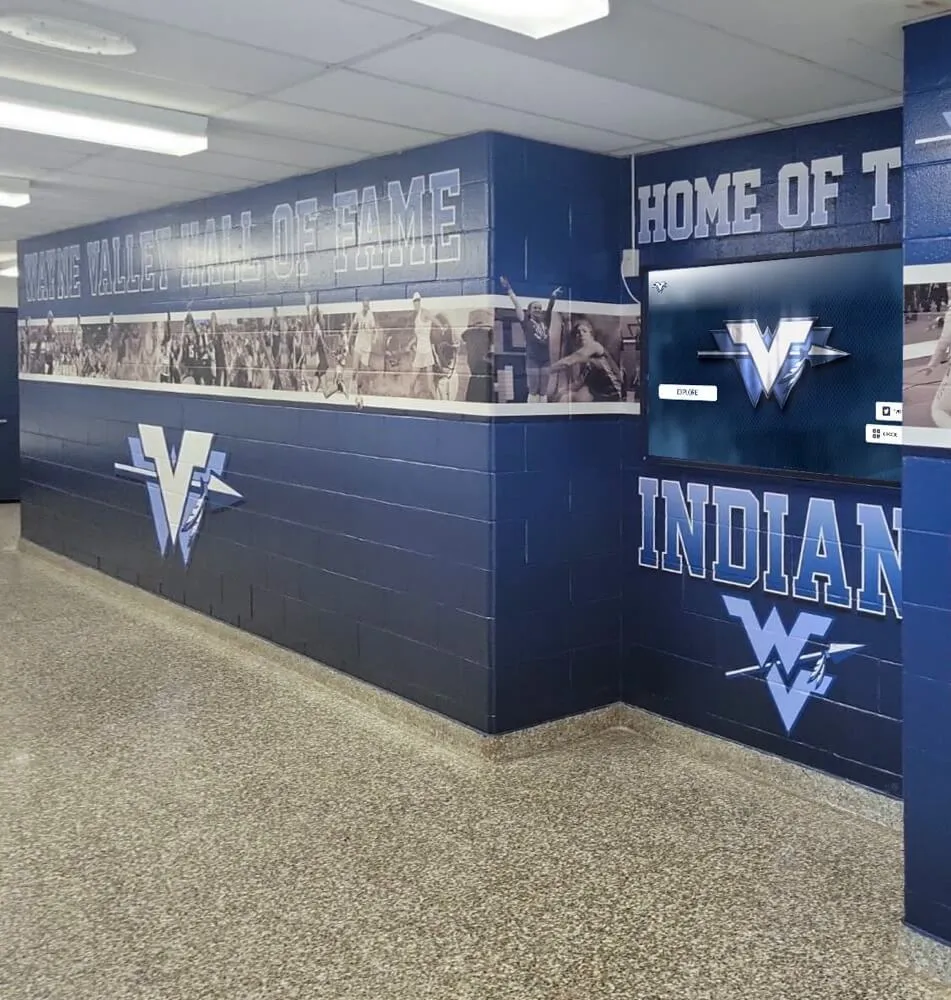
Interactive recognition technology creates engaging ways for organizations to honor staff achievements and contributions
Improving Workplace Culture and Morale
Creating Positive Work Environments
Workplace culture dramatically impacts daily experiences, productivity, collaboration quality, and overall job satisfaction. Organizations with strong recognition cultures report measurably higher employee engagement, more positive interpersonal relationships, greater willingness to support colleagues, and increased pride in organizational affiliation. These cultural improvements create virtuous cycles where positive environments attract quality candidates while inspiring current staff to higher performance levels.
Recognition programs contribute to positive culture by establishing norms where appreciation feels natural and expected rather than exceptional. When organizations systematically acknowledge contributions across all roles and levels, they communicate that every position matters and every team member deserves respect regardless of title, seniority, or visibility.
Reducing Burnout and Stress
Teaching and organizational work often involve high stress, emotional labor, and challenging demands that contribute to burnout—characterized by exhaustion, cynicism, and reduced professional efficacy. Recognition serves as a protective factor against burnout by providing emotional rewards that balance demanding work conditions. Staff members who feel appreciated demonstrate greater resilience during challenging periods, viewing difficulties as temporary obstacles rather than evidence of futile effort.
Schools implementing robust staff recognition programs report lower stress indicators, reduced sick leave usage, and improved mental health outcomes compared to similar institutions with minimal recognition practices. These benefits extend beyond individual wellness to organizational effectiveness as reduced absenteeism improves continuity and lowers substitute costs.
Fostering Collaboration and Team Cohesion
Recognition programs emphasizing collaborative achievements and peer appreciation strengthen team cohesion by creating shared positive experiences. When staff members participate in recognizing colleagues—writing appreciation notes, nominating peers for awards, or contributing to celebration planning—they engage in behaviors that build relationships and mutual respect. These connections improve collaboration quality as team members who feel valued by colleagues demonstrate greater willingness to support each other, share resources, and work together effectively.
Organizations encouraging peer-to-peer recognition report stronger departmental relationships, reduced interpersonal conflicts, and greater willingness to collaborate across traditional organizational boundaries that sometimes impede cooperation.
Discover strategies for building positive organizational culture through systematic recognition and celebration approaches.
Enhancing Professional Performance and Motivation
Reinforcing Desired Behaviors and Values
Strategic recognition programs function as powerful management tools by reinforcing behaviors and values organizations want to cultivate. When schools recognize teachers who implement innovative instructional strategies, they signal that innovation matters and encourage others to experiment creatively. Organizations highlighting collaborative team projects communicate that cooperation ranks among valued institutional priorities. This behavioral reinforcement proves more effective than policies alone because recognition provides positive motivation rather than merely compliance pressure.
Recognition specificity matters enormously—generic appreciation generates less impact than recognition explicitly connecting to particular actions, decisions, or approaches. Staff members receiving specific recognition understand exactly what behaviors earned acknowledgment, making future replication more likely.
Motivating Continuous Improvement
Recognition creates motivation for professional growth by demonstrating that organizations notice development efforts. Teachers pursuing additional certifications, staff members volunteering for leadership responsibilities, or employees improving skills through professional learning feel greater motivation when organizations acknowledge these improvement efforts publicly. This recognition validates that growth investments matter beyond personal satisfaction, encouraging continued development that benefits both individuals and institutions.
Organizations implementing recognition programs tied to professional development report higher participation rates in voluntary training, greater completion of advanced credentials, and increased engagement with institutional improvement initiatives compared to organizations lacking systematic development recognition.
Inspiring Excellence Across Teams
When organizations celebrate exceptional work publicly, they inspire broader excellence by making high performance visible and attainable. Staff members observing colleagues receiving recognition for outstanding contributions understand that excellence gets noticed and rewarded, motivating their own elevated performance. This inspiration proves particularly powerful when recognition highlights diverse excellence types—innovative teaching methods, exceptional student support, effective communication, collaborative leadership, or creative problem-solving—demonstrating multiple pathways to recognition rather than narrow achievement definitions.
Learn about comprehensive staff appreciation approaches that celebrate diverse contributions and inspire organizational excellence.

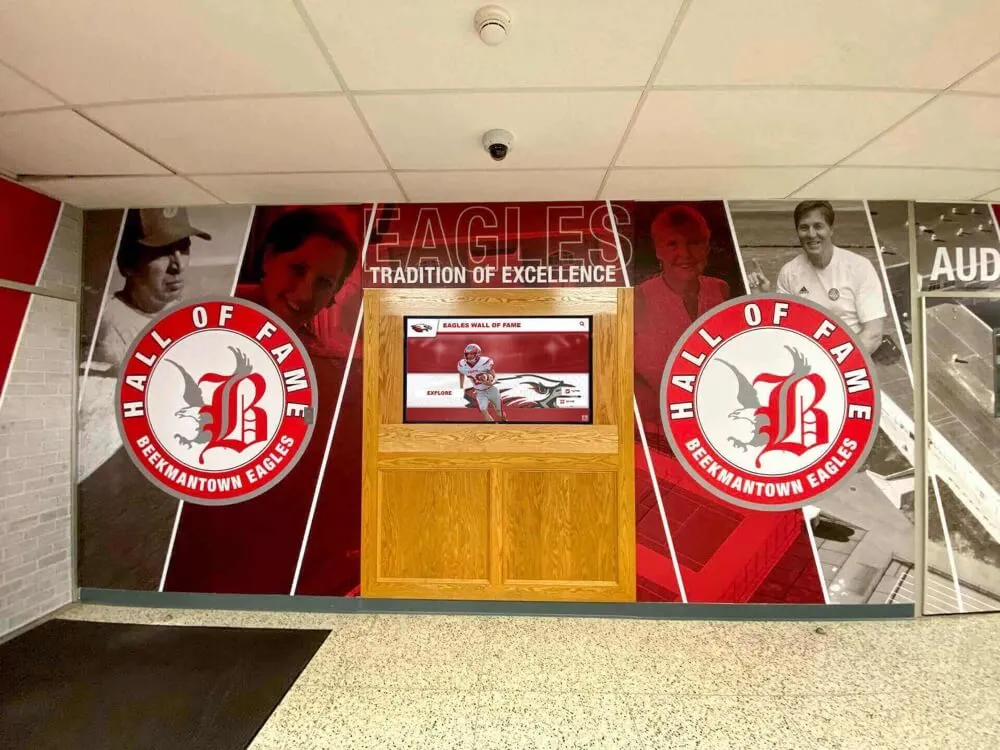
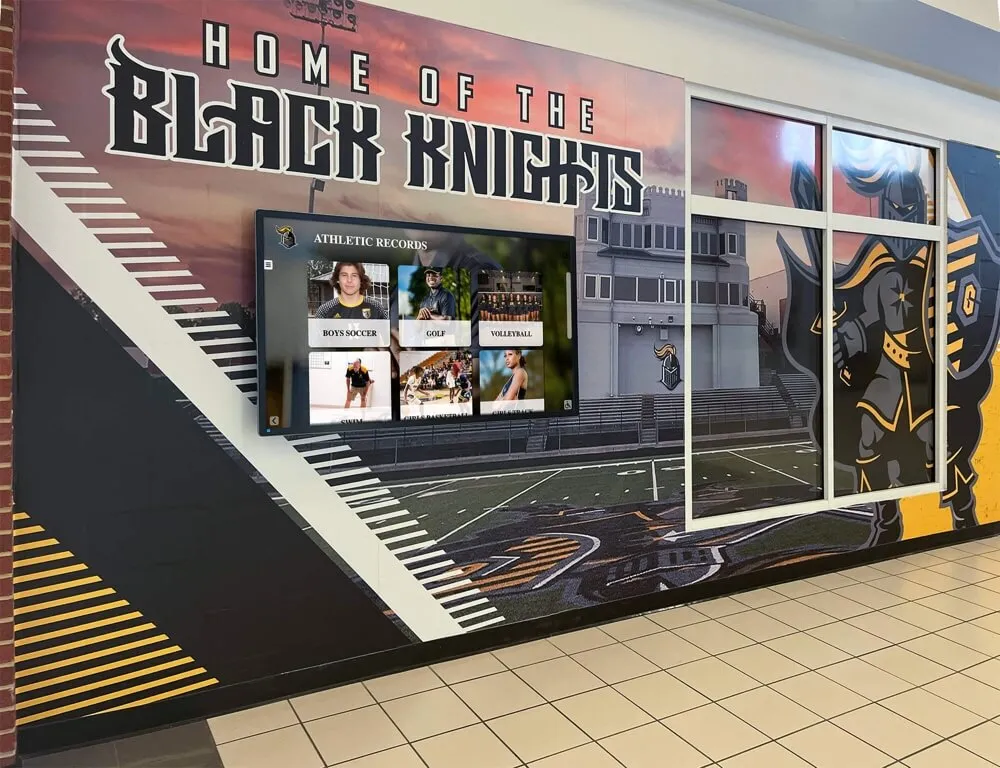
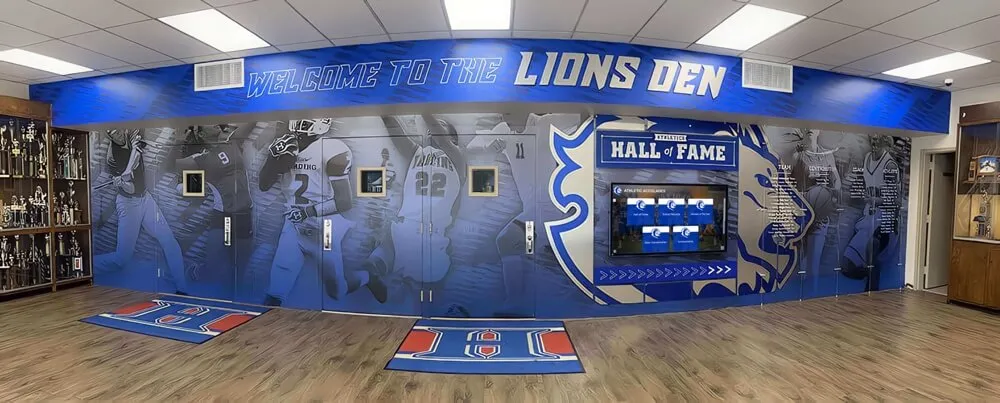
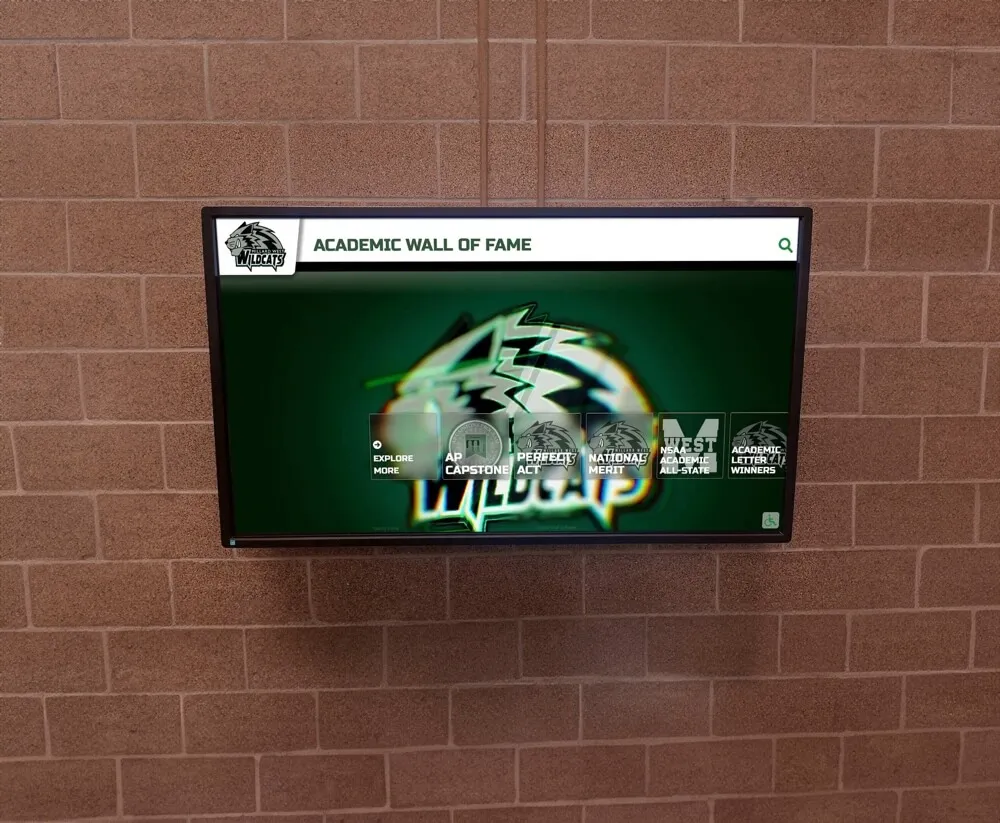
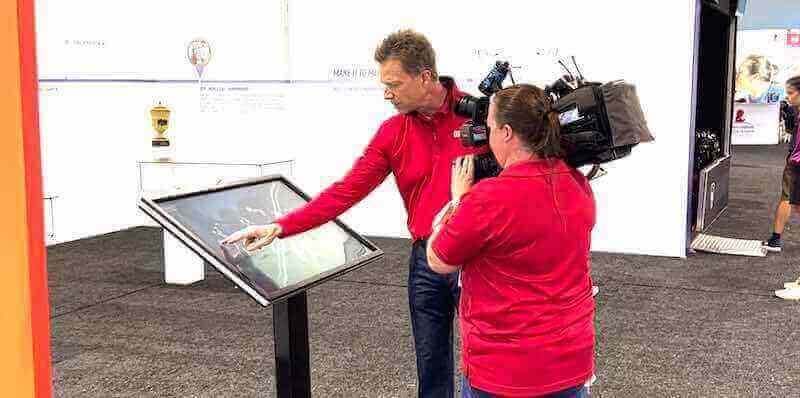
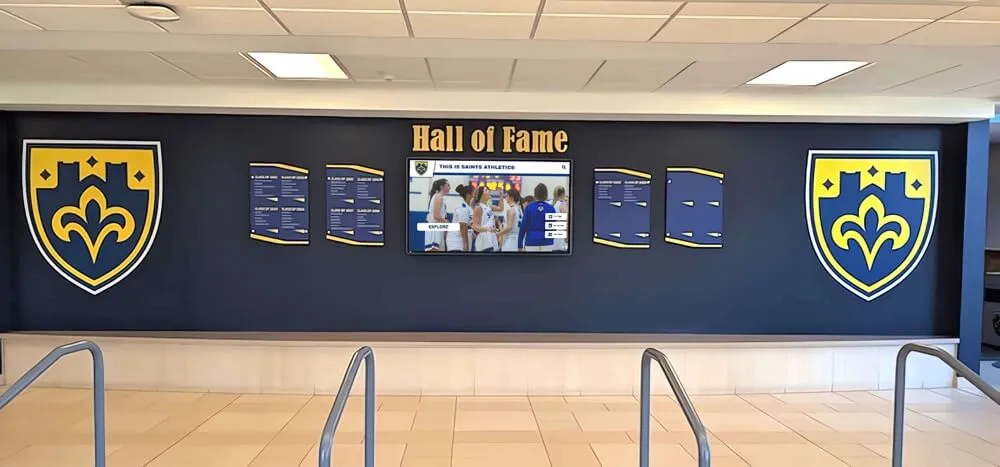
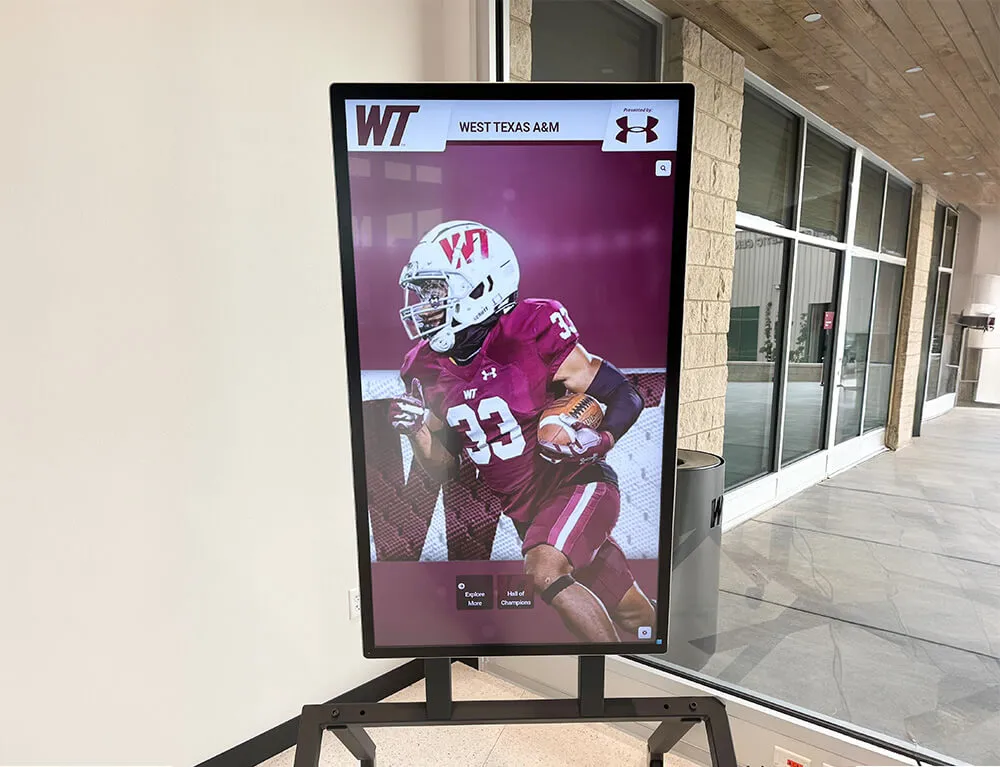
Prominent recognition displays communicate institutional commitment to honoring staff contributions across all roles
Program Snapshot: Staff Recognition Implementation Framework
| Program Element | Details |
|---|---|
| Program Scope | Comprehensive recognition covering all staff roles, departments, and contribution types |
| Recognition Frequency | Continuous year-round acknowledgment supplemented by formal quarterly or annual celebrations |
| Budget Allocation | $50-200 per staff member annually for comprehensive programs including awards, displays, and events |
| Recognition Categories | Service anniversaries, professional achievements, peer appreciation, innovation, collaboration, student impact |
| Delivery Methods | Digital displays, ceremony recognition, personal notes, peer nominations, surprise celebrations |
| Program Management | HR coordination, administrative oversight, or dedicated recognition committee with staff representation |
| Technology Integration | Digital recognition platforms enabling permanent display, easy updates, and broad visibility |
| Evaluation Metrics | Staff satisfaction surveys, retention rates, participation in recognition activities, program reach |
| Inclusivity Considerations | Ensuring all departments, roles, and contribution types receive equitable recognition opportunities |
Essential Components of Effective Staff Recognition Programs
Understanding what makes recognition meaningful helps organizations design programs that genuinely impact staff morale and retention rather than creating perfunctory gestures that feel hollow.
Authenticity and Specificity
Moving Beyond Generic Appreciation
Generic recognition—“Thank you for your hard work” or “We appreciate everything you do”—generates minimal impact because it lacks specificity demonstrating genuine awareness of individual contributions. Effective recognition explicitly identifies particular actions, decisions, achievements, or qualities being celebrated, showing that recognizers truly understand and value specific contributions rather than offering generic platitudes.
Compare these recognition approaches:
Generic Recognition: “Ms. Johnson is a great teacher who works hard. Thank you for your dedication.”
Specific Recognition: “Ms. Johnson redesigned her entire science curriculum this year to incorporate hands-on experiments that brought abstract concepts to life for students. Her dedication to creating engaging learning experiences resulted in measurable improvements in student understanding and enthusiasm for science. Her innovative approach inspired colleagues across the department to rethink their own instructional methods.”
Specific recognition creates substantially greater impact by demonstrating authentic awareness and appreciation for particular contributions.
Personalizing Recognition Approaches
Different individuals value different recognition forms. Some staff members appreciate public celebration during ceremonies or announcements. Others prefer private, personal acknowledgment through handwritten notes or quiet conversations. Effective programs accommodate diverse preferences by offering multiple recognition channels rather than assuming uniform approaches suit everyone equally.
Organizations can determine preferences through simple surveys asking staff members how they prefer receiving recognition, then respecting those preferences in delivery methods. This personalization demonstrates additional respect—not only recognizing contributions but doing so in ways recipients find most meaningful.
Timeliness Matters
Recognition delivered promptly after noteworthy contributions generates greater impact than delayed acknowledgment occurring weeks or months later. Immediate recognition demonstrates organizations notice contributions in real-time rather than belatedly acknowledging past achievements. While formal annual awards have value, supplementing them with ongoing recognition ensures staff members receive timely feedback and appreciation rather than waiting months for acknowledgment.
Schools can implement simple systems enabling administrators or peers to submit recognition nominations continuously throughout the year, with weekly or monthly acknowledgment cycles ensuring prompt delivery.
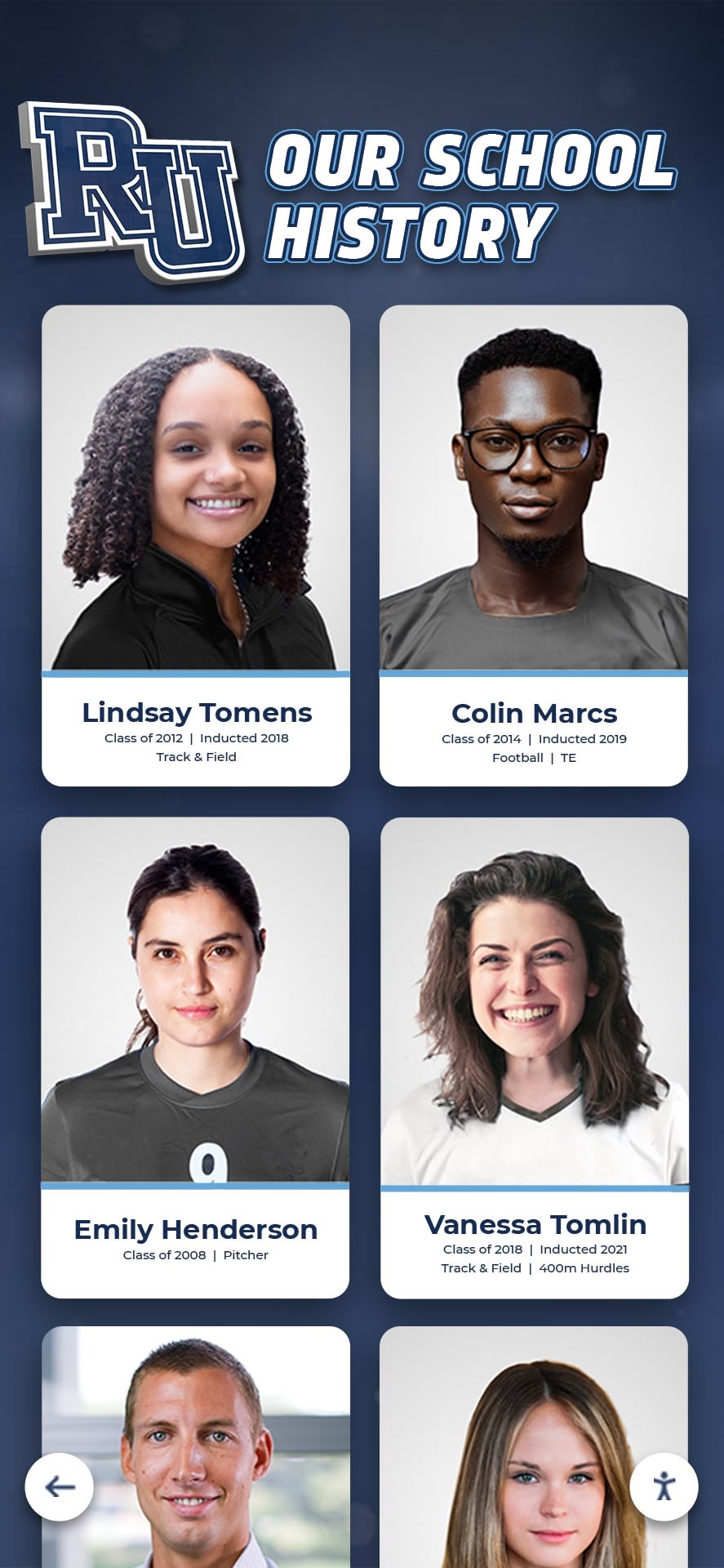
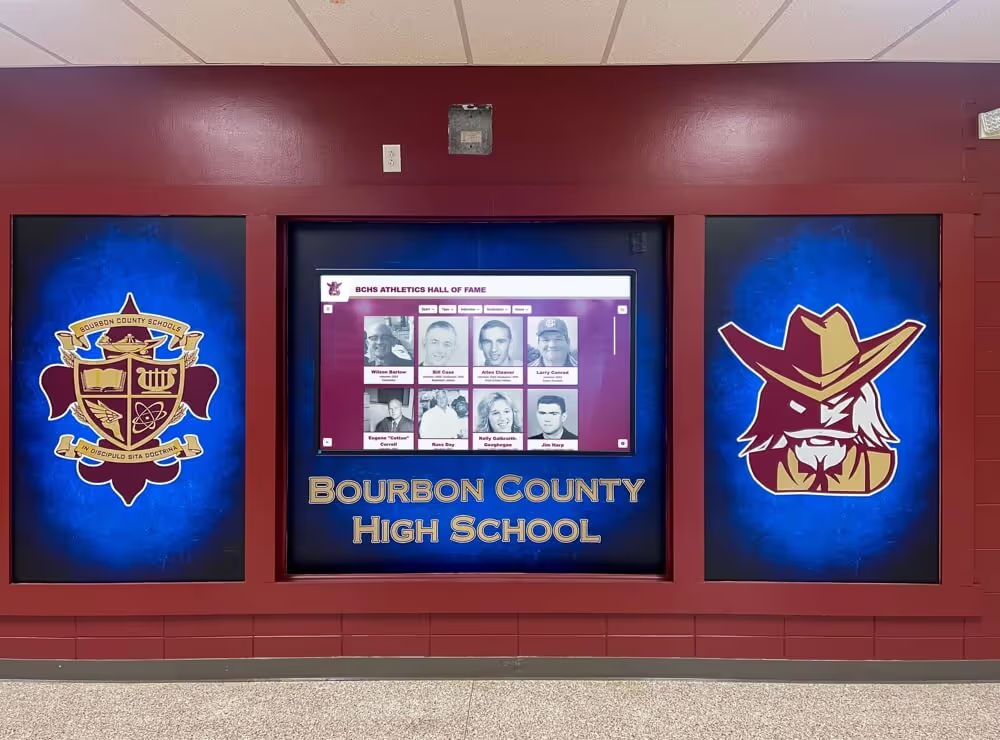
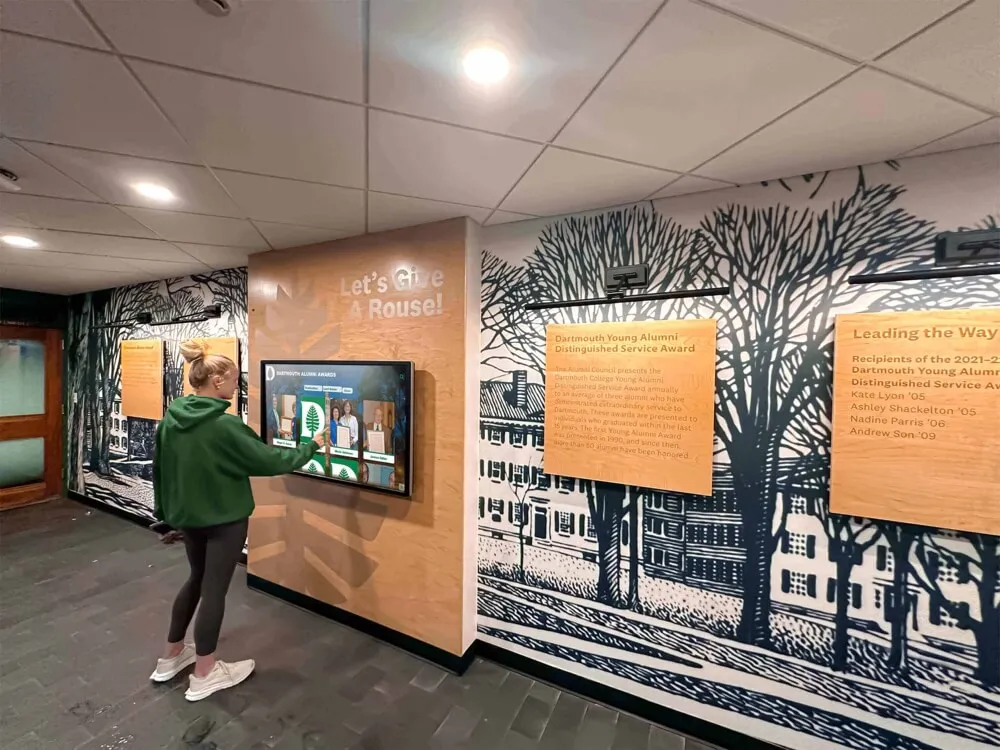
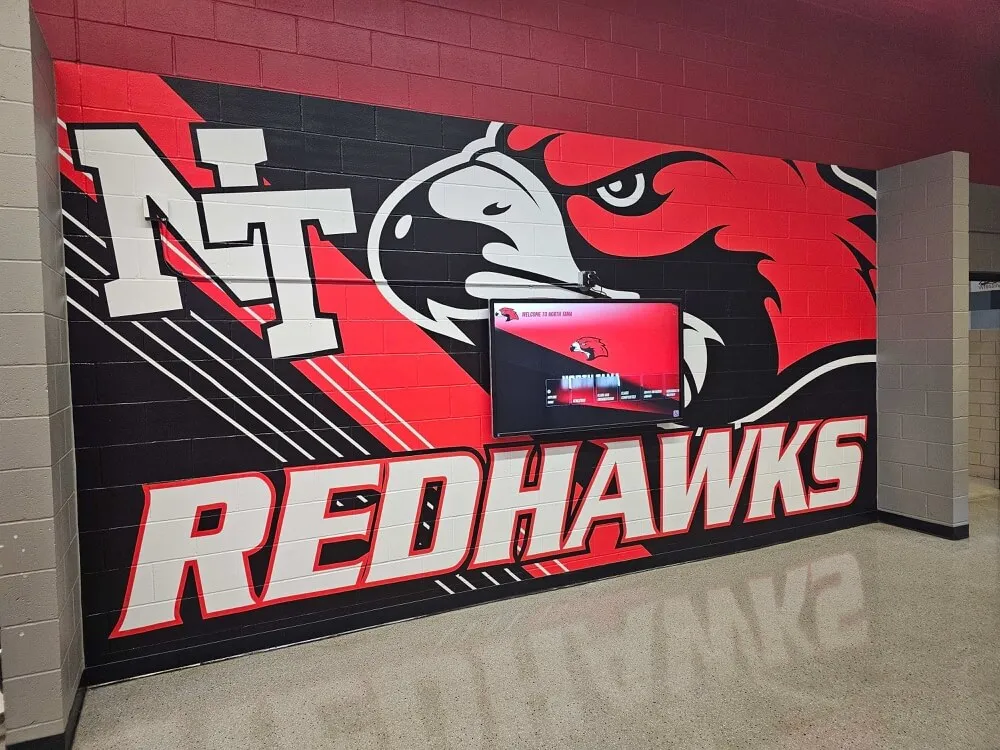
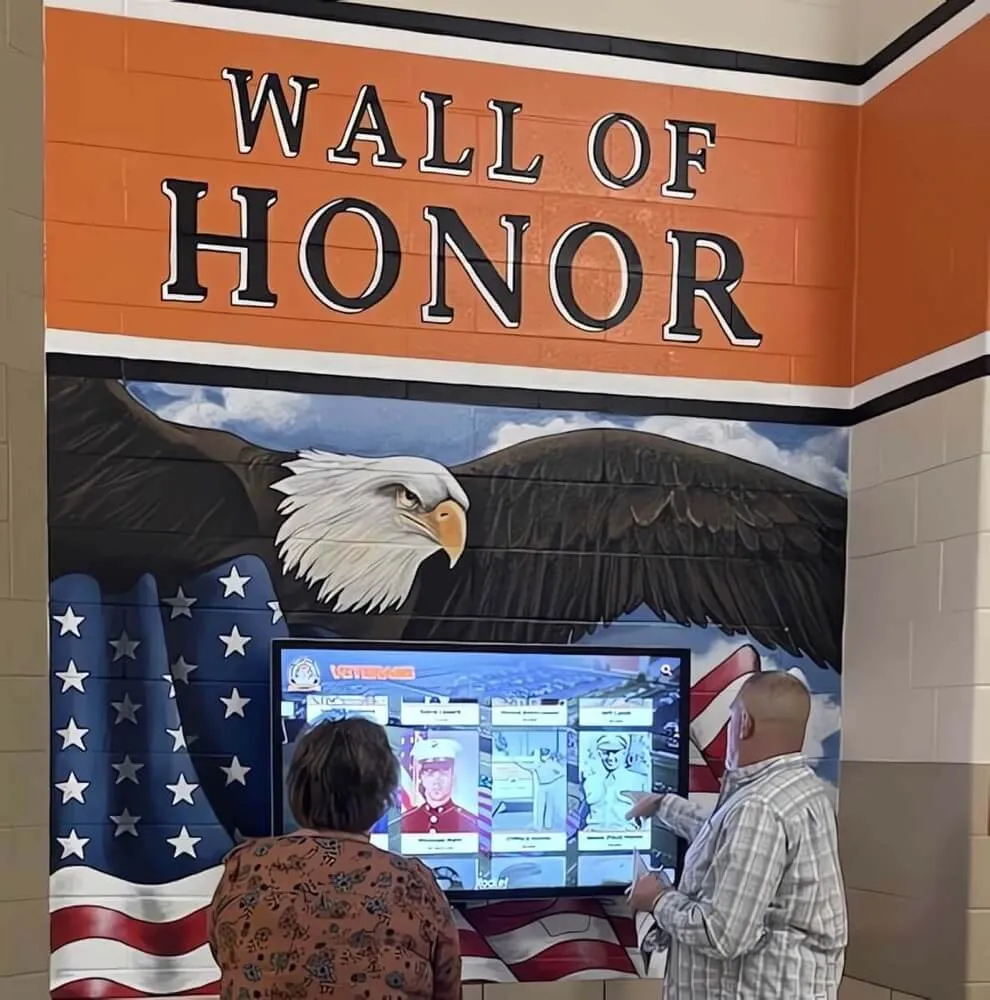
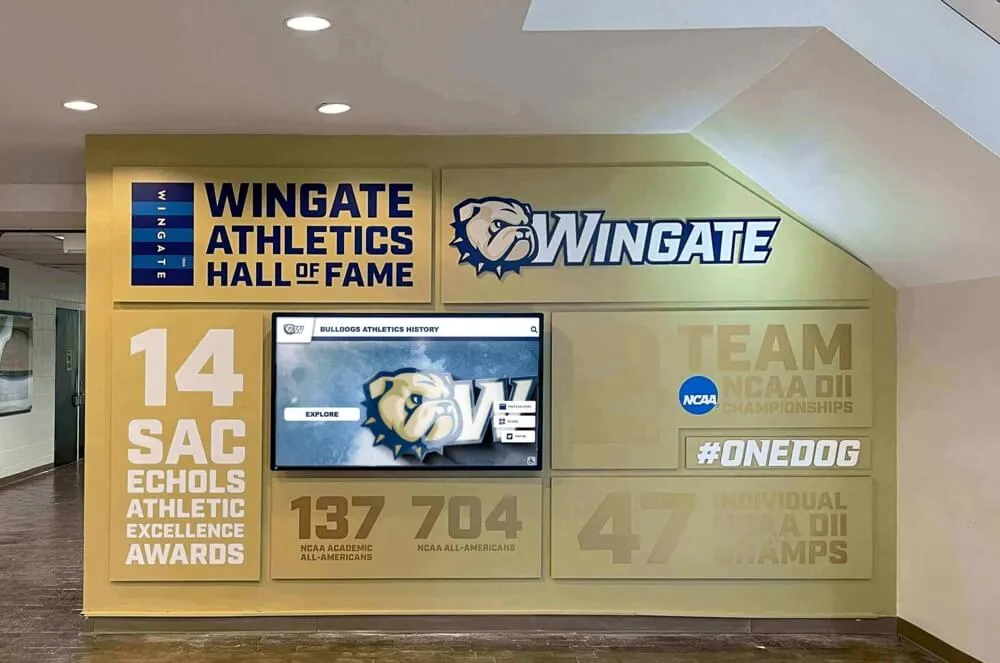
Professional recognition displays celebrating individual staff members create lasting appreciation artifacts that honor contributions permanently
Inclusivity Across All Roles and Departments
Recognizing Support Staff Contributions
Traditional recognition programs often overemphasize instructional or client-facing roles while undervaluing essential support positions. Custodial staff, food service workers, administrative assistants, maintenance personnel, transportation employees, and paraprofessionals contribute substantially to organizational success yet frequently receive minimal recognition compared to teachers, administrators, or professional staff.
Inclusive recognition programs deliberately ensure support staff receive prominent, meaningful acknowledgment for their critical contributions. This might include:
- Dedicated recognition categories celebrating facilities, operations, or administrative excellence
- Featuring support staff prominently in recognition displays alongside instructional staff
- Soliciting recognition nominations specifically for support positions to ensure they receive attention
- Including support staff representatives on recognition committees ensuring their perspectives inform program design
- Celebrating contributions unique to support roles rather than only recognizing those who exceed position boundaries
Balancing Recognition Across Departments
Organizations should monitor recognition distribution to prevent certain departments or teams from dominating acknowledgment while others receive minimal attention. Science departments shouldn’t consistently overshadow arts programs. Elementary teams shouldn’t receive disproportionate recognition compared to middle or high school staff. Administrative departments deserve recognition alongside instructional teams.
Tracking recognition patterns enables organizations to identify imbalances, then proactively solicit nominations from underrecognized areas ensuring equitable appreciation across the entire institution.
Celebrating Diverse Contribution Types
Excellence manifests in many forms beyond traditional achievement metrics. Comprehensive recognition programs celebrate:
- Innovation and Creativity - Implementing new approaches, solving problems creatively, developing unique solutions
- Collaboration and Teamwork - Supporting colleagues, working effectively across departments, building partnerships
- Mentoring and Leadership - Guiding newer staff, leading informal initiatives, developing others
- Student/Client Impact - Creating exceptional experiences, building relationships, demonstrating care
- Reliability and Consistency - Maintaining high standards daily, providing dependable support, demonstrating professionalism
- Community Building - Organizing events, fostering positive culture, connecting colleagues
- Continuous Improvement - Pursuing development, refining practices, embracing feedback
Recognizing diverse contribution types ensures staff members with different strengths all receive appreciation rather than only those excelling in narrow achievement categories.
Explore approaches for recognizing diverse organizational contributions across all roles and achievement types.
Consistency and Sustainability
Establishing Predictable Recognition Rhythms
Effective programs balance spontaneous recognition with systematic, predictable celebration cycles. Staff members should understand when formal recognition occurs, what categories exist, how nominations work, and what celebration formats look like. This predictability enables staff to nominate worthy colleagues, anticipate recognition opportunities, and view programs as reliable institutional commitments rather than inconsistent gestures dependent on administrator whims or available time.
Creating Manageable Administrative Processes
Recognition programs fail when administrative burden becomes unsustainable, causing programs to collapse or devolve into perfunctory gestures consuming staff time without generating meaningful appreciation. Sustainable programs incorporate:
- Simple nomination processes requiring minimal time or complexity
- Clear criteria and categories reducing subjective decision-making burden
- Technology platforms streamlining recognition delivery and display
- Distributed responsibilities preventing single individuals from bearing entire program weight
- Realistic scope matching available resources and time rather than overambitious plans inevitably failing
Schools should design programs requiring 2-4 hours monthly for coordination rather than ambitious initiatives demanding substantial ongoing administrative investment that proves unsustainable.
Building Programs That Survive Leadership Transitions
Recognition programs shouldn’t depend entirely on particular administrators’ personal priorities, disappearing when leadership changes. Sustainable programs become embedded institutional practices through:
- Written policies and procedures documenting program structures and processes
- Budget line items ensuring ongoing funding regardless of leadership preferences
- Committee structures distributing ownership beyond single administrators
- Technology investments creating infrastructure that persists across transitions
- Cultural norms where recognition becomes expected practice rather than optional gesture
Institutionalized recognition survives leadership changes by becoming organizational fabric rather than leader-dependent initiatives.
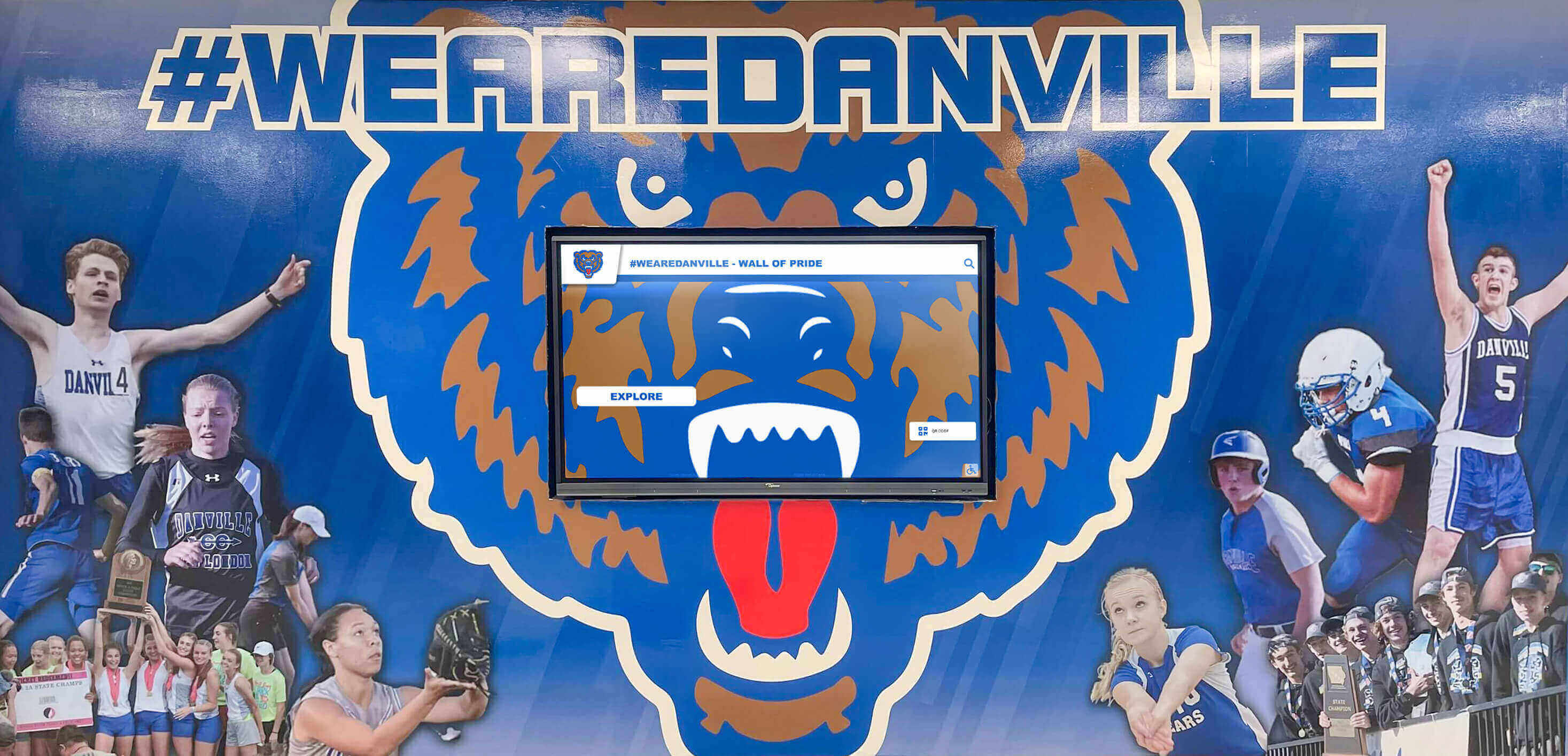
Branded recognition displays integrate institutional identity with staff appreciation, creating prominent celebration spaces
Strategic Recognition Categories and Award Types
Thoughtful category design ensures recognition programs accommodate diverse contribution types while maintaining clarity and meaning.
Service Anniversary Recognition
Celebrating Tenure Milestones
Longevity recognition honors staff members’ sustained commitment to organizations through service anniversaries at meaningful intervals—typically 5, 10, 15, 20, 25+ years. These milestones acknowledge the substantial investment veteran staff members make in institutions while demonstrating that organizations value loyalty and long-term dedication.
Service recognition typically includes:
- Public acknowledgment during ceremonies or events
- Commemorative gifts or awards appropriate to milestone significance
- Personal letters or messages from leadership expressing appreciation
- Inclusion in permanent recognition displays preserving service legacy
- Special privileges like additional professional development funds or parking spaces
Anniversary recognition proves particularly meaningful in education and nonprofit sectors where staff members often remain with organizations for entire careers, viewing positions as callings rather than merely jobs.
Designing Equitable Milestone Recognition
Organizations should establish clear, equitable milestone intervals and recognition approaches ensuring all staff members receive identical acknowledgment at equivalent service levels regardless of role, department, or status. First-year custodian’s 25-year anniversary deserves identical recognition to 25-year principal’s milestone—anything less communicates that tenure matters differently based on position rather than universal appreciation for sustained service.
Addressing Early-Career Appreciation
While traditional anniversary recognition emphasizes long tenure, programs should also acknowledge shorter-term milestones—completing first year successfully, reaching three-year mark demonstrating commitment beyond typical early-career turnover window, or achieving five years establishing mid-career stability. Early recognition communicates that organizations value newer staff members rather than reserving appreciation exclusively for veterans.
Learn about comprehensive service recognition approaches that honor contributions across career stages.
Achievement and Excellence Awards
Professional Accomplishment Recognition
Excellence awards celebrate outstanding performance, exceptional achievements, or distinguished contributions within particular timeframes—typically annually. These merit-based recognitions honor staff members demonstrating exemplary work quality, significant innovation, exceptional impact, or other distinguished characteristics meriting special acknowledgment.
Common achievement categories include:
- Teacher of the Year / Employee of the Year - Overall excellence across multiple dimensions
- Innovation Award - Implementing creative solutions or pioneering new approaches
- Student Impact Award - Exceptional influence on learner outcomes and experiences
- Collaboration Award - Outstanding teamwork and cross-functional partnership
- Rookie of the Year - Excellence among newer staff members
- Lifetime Achievement - Career-long distinguished contributions approaching retirement
Establishing Fair Selection Processes
Excellence awards require transparent selection processes maintaining credibility and fairness:
- Clear criteria defining what qualities or achievements warrant recognition
- Nomination processes allowing colleagues to identify worthy candidates
- Selection committees representing diverse organizational perspectives
- Evaluation rubrics providing structure for comparing nominees objectively
- Communication explaining selection rationale without revealing voting details
- Multiple award categories ensuring diverse excellence types receive recognition
Perceived fairness proves critical—awards generating controversy or favoritism concerns undermine recognition value regardless of recipient worthiness.
Balancing Competitive and Inclusive Recognition
While excellence awards necessarily involve selection among worthy candidates, programs should balance competitive recognition with inclusive appreciation. Organizations might limit competitive awards to 1-2 major categories annually while providing numerous other recognition opportunities accessible to broader staff populations. This balance honors exceptional achievement without creating cultures where only “winners” receive appreciation while others feel overlooked.
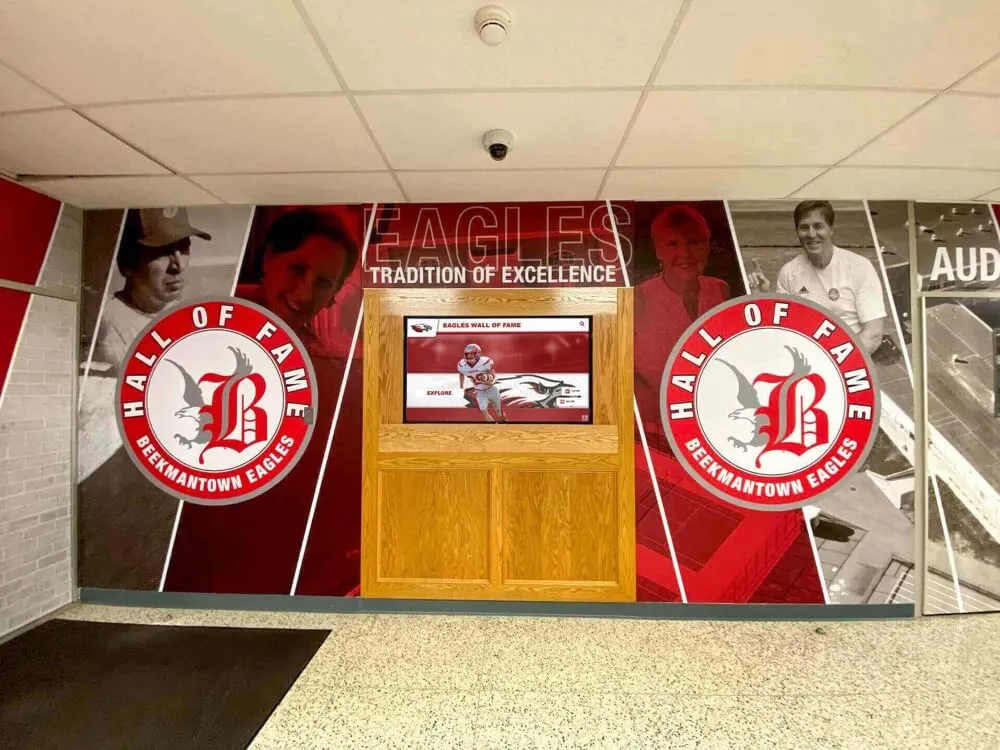
Professional recognition displays accommodate unlimited honorees over time, ensuring comprehensive staff celebration
Peer-to-Peer Recognition Systems
Empowering Colleague Appreciation
Peer recognition programs enable staff members to acknowledge and appreciate each other’s contributions directly rather than only receiving recognition from administrators. These programs prove particularly valuable because peer appreciation often matters more than supervisor recognition—acknowledgment from colleagues who understand work demands and witness contributions daily carries unique authenticity and meaning.
Effective peer recognition systems include:
- Appreciation Note Programs - Simple forms enabling staff to write brief recognition notes for colleagues
- Kudos Boards - Physical or digital spaces where staff post public appreciation messages
- Recognition Meetings - Brief sessions where staff members share appreciation for colleagues
- Peer Nomination Processes - Enabling staff to nominate colleagues for formal awards
- Random Acts of Recognition - Spontaneous acknowledgment of helpful actions or kind gestures
Facilitating Participation While Preventing Cliques
Organizations should design peer recognition encouraging broad participation rather than allowing recognition to concentrate among existing friendship groups or popular individuals. Strategies promoting equitable peer recognition include:
- Providing structured prompts helping staff identify recognition opportunities
- Monitoring patterns ensuring all staff receive peer recognition periodically
- Encouraging cross-departmental appreciation breaking down silos
- Celebrating peer recognition participation itself, motivating staff to acknowledge colleagues regularly
- Making peer recognition as simple as possible to maximize participation
Amplifying Peer Recognition Impact
Organizations should treat peer recognition seriously by:
- Sharing peer appreciation publicly during meetings or announcements
- Including peer nominations prominently in formal award processes
- Displaying peer recognition messages in prominent locations
- Acknowledging staff members who actively recognize colleagues, reinforcing participation
- Ensuring leadership references peer appreciation in formal recognition, validating its importance
When organizations treat peer recognition as valuable, staff members view participation as worthwhile rather than perfunctory gestures administrators ignore.
Discover comprehensive peer recognition strategies that strengthen team culture and workplace relationships.
Professional Development and Growth Recognition
Acknowledging Learning and Improvement
Recognition programs should celebrate staff members pursuing professional growth through:
- Completing advanced degrees or certifications
- Attending conferences or specialized training
- Implementing new skills or knowledge in practice
- Sharing learning with colleagues through presentations
- Leading professional development sessions
- Publishing research or professional writing
- Serving in professional organizations or committees
Growth recognition communicates that organizations value continuous improvement and development investments rather than only recognizing current performance levels or static excellence.
Supporting National Recognition and Awards
When staff members earn external recognition—national board certification, industry awards, professional distinctions, or competitive grants—organizations should amplify this achievement through internal celebration. This amplification serves multiple purposes: honoring individual accomplishment, inspiring colleagues toward similar pursuits, and showcasing organizational excellence attracting community support and quality candidates.
Organizations might:
- Announce external achievements prominently through multiple communication channels
- Include external recognition in permanent displays alongside internal awards
- Host celebration events honoring nationally recognized staff members
- Share achievements with media generating positive institutional publicity
- Provide financial rewards or benefits supplementing external recognition
This institutional pride in staff excellence strengthens culture while demonstrating that individual success benefits entire organizations.
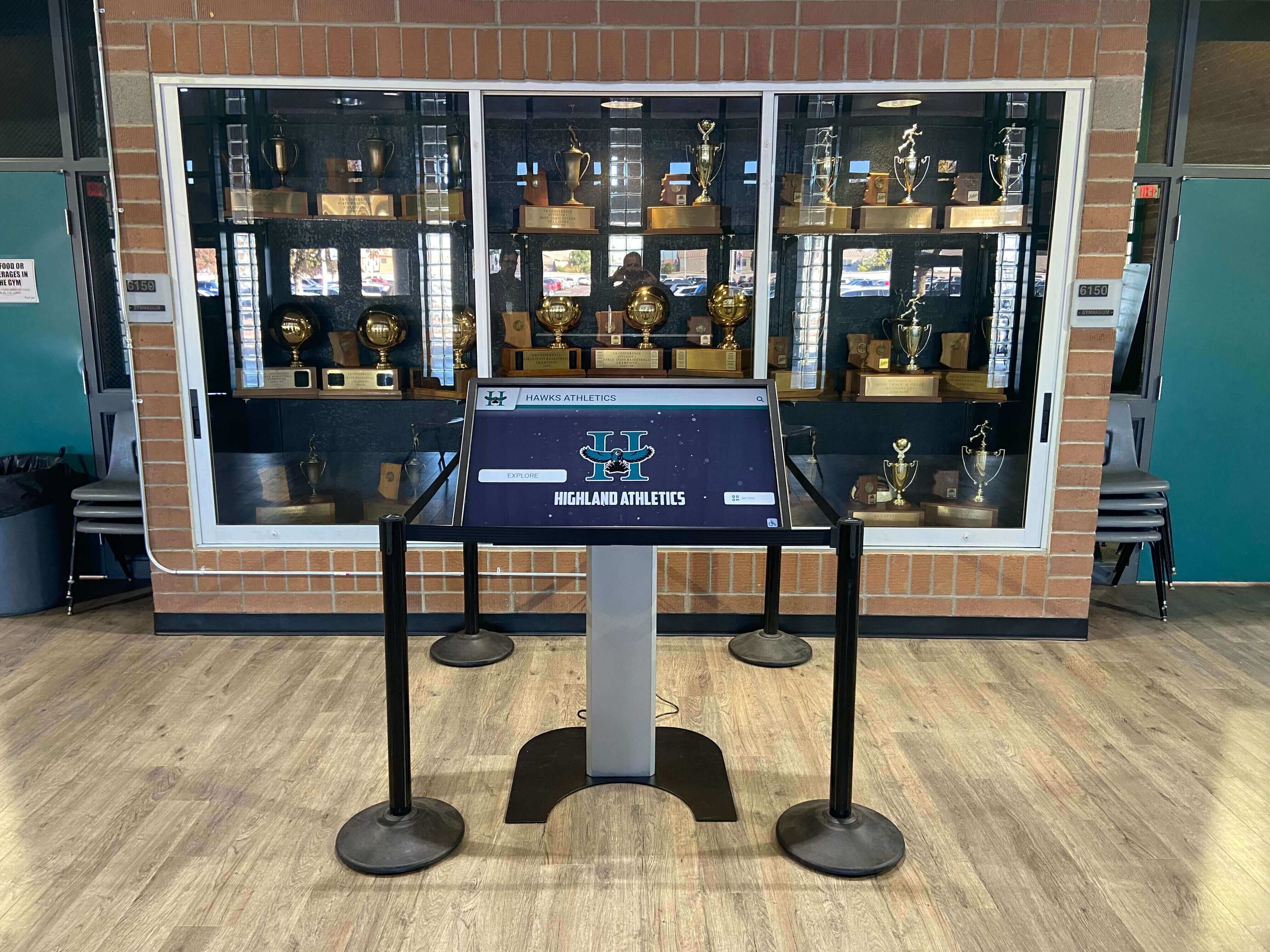
Modern recognition technology integrates seamlessly with traditional display spaces, expanding recognition capacity
Implementing Modern Digital Recognition Solutions
Technology-enhanced recognition addresses traditional limitations while creating engaging, permanent appreciation displays.
The Digital Recognition Advantage
Unlimited Recognition Capacity
Traditional recognition faces severe space constraints—physical walls accommodate finite plaques, ceremony agendas allow limited recognition time, newsletters fit only brief acknowledgments. These limitations force organizations to recognize selectively, acknowledging only major achievements or recent honorees while previous recognition disappears or gets removed to accommodate new additions.
Digital recognition platforms eliminate space constraints by accommodating unlimited staff profiles, achievements, and appreciation messages without physical limitations. This unlimited capacity enables organizations to:
- Preserve all recognition permanently rather than removing older acknowledgments
- Recognize achievements across all significance levels without rationing limited space
- Accommodate growing organizations without facilities renovation
- Include comprehensive information, photos, and stories rather than minimal text fitting physical plaques
- Update recognition continuously without production delays or installation work
Enhanced Visibility and Engagement
Digital displays in high-traffic locations—main entrances, lobbies, faculty lounges, cafeterias—provide prominent recognition visibility impossible with traditional approaches relegated to administrative hallway displays few people see. Interactive touchscreens enable staff members, visitors, students, and families to explore recognition actively by searching for individuals, browsing categories, or discovering colleagues’ achievements.
This interactivity creates engagement levels that static plaques cannot match—staff members enjoy finding their own recognition, exploring colleagues’ profiles, discovering shared connections, and experiencing organizational appreciation in dynamic, engaging formats.
Dynamic Content and Easy Updates
Traditional recognition requires substantial effort to update—engraving new plaques, scheduling installation, coordinating ceremony logistics, printing programs. These administrative burdens cause recognition delays or prevent programs from acknowledging achievements promptly.
Digital recognition platforms enable instant updates through intuitive content management systems. HR staff or recognition coordinators add new honorees, update information, correct errors, or refresh displays within minutes rather than weeks. This ease enables timely recognition while reducing administrative burden that often limits traditional program scope.
Solutions like Rocket Alumni Solutions provide specialized platforms designed specifically for comprehensive recognition applications—enabling schools and organizations to celebrate staff achievements with professional presentation, intuitive management, and engaging display that traditional approaches cannot match.
Selecting Digital Recognition Platforms
Essential Platform Capabilities
Effective digital recognition systems provide:
- User-Friendly Content Management - Intuitive interfaces enabling non-technical staff to update recognition easily
- Flexible Display Options - Customizable layouts accommodating diverse content types and organizational branding
- Robust Search and Filtering - Enabling visitors to find specific individuals or explore by category, department, or achievement type
- Multimedia Support - Accommodating photos, videos, documents, and rich content beyond text
- Mobile Responsiveness - Ensuring displays work effectively on touchscreens and web platforms
- Analytics Capabilities - Tracking engagement patterns revealing what recognition generates most interest
- Security and Privacy Controls - Protecting staff information while enabling appropriate public display
- Integration Options - Connecting with HR systems, websites, or communication platforms
Comprehensive platforms reduce administrative burden while ensuring recognition quality remains high across years and staff transitions.
Implementation and Content Development
Successful digital recognition deployment requires:
- Initial Content Creation - Migrating existing recognition or developing new profiles systematically
- Photo and Media Collection - Gathering high-quality images and materials for engaging displays
- Staff Training - Ensuring coordinators understand content management and update processes
- Launch Promotion - Building awareness encouraging staff exploration and engagement
- Ongoing Content Plans - Establishing processes for regular updates and fresh content
- Hardware Selection - Choosing appropriate touchscreen sizes, locations, and mounting approaches
Purpose-built recognition platforms like Rocket Alumni Solutions provide implementation support ensuring successful launches while offering ongoing assistance maintaining quality displays that honor staff effectively.
Learn about organizations’ experiences with modern digital recognition systems that combine unlimited capacity with professional presentation.
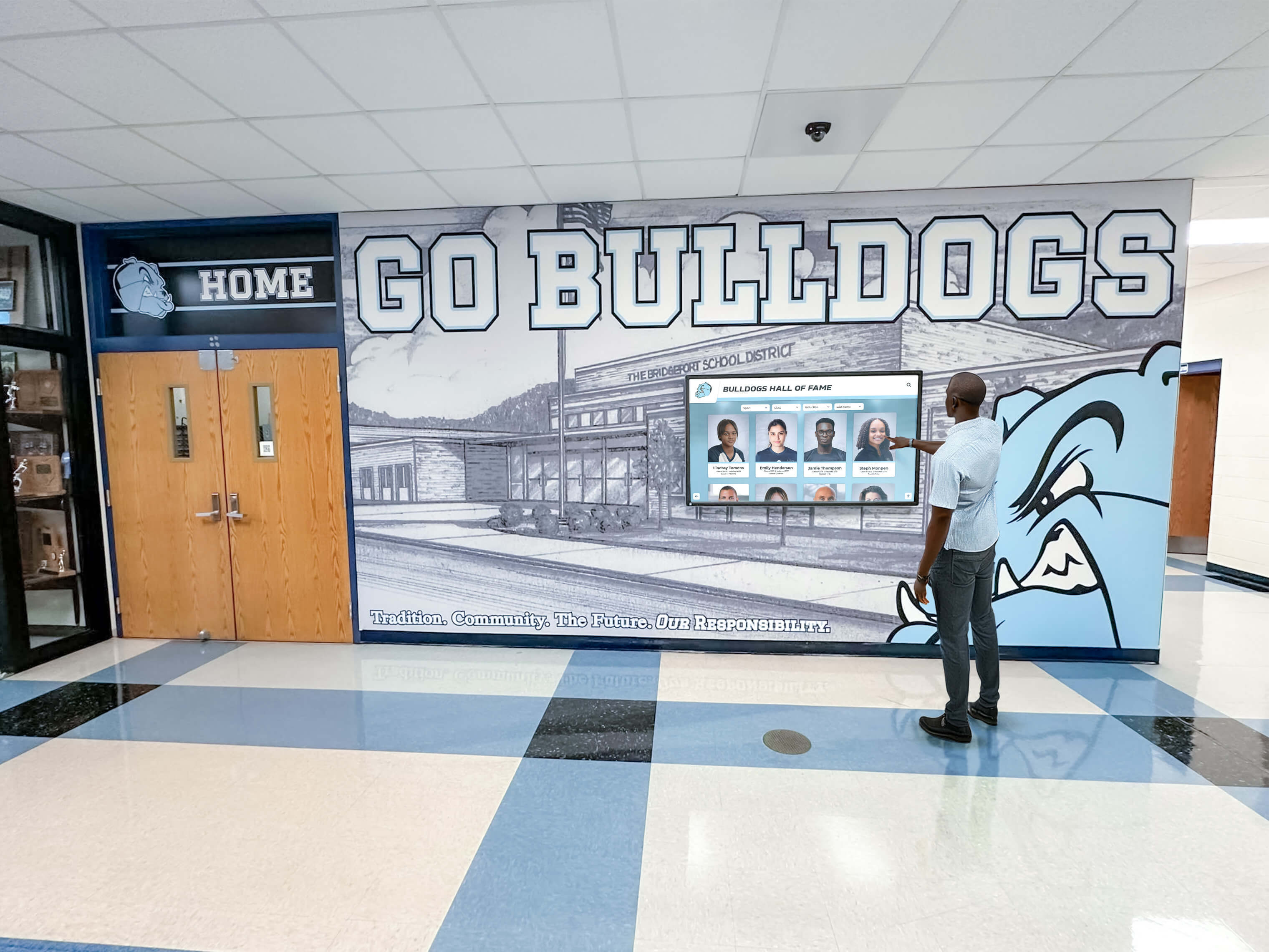
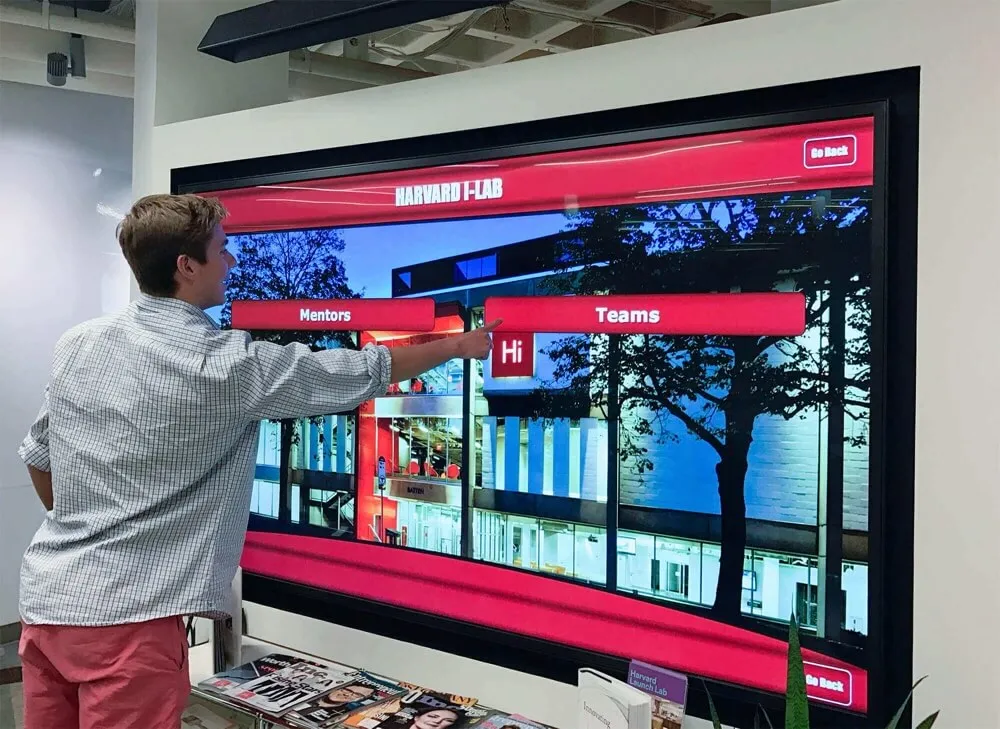
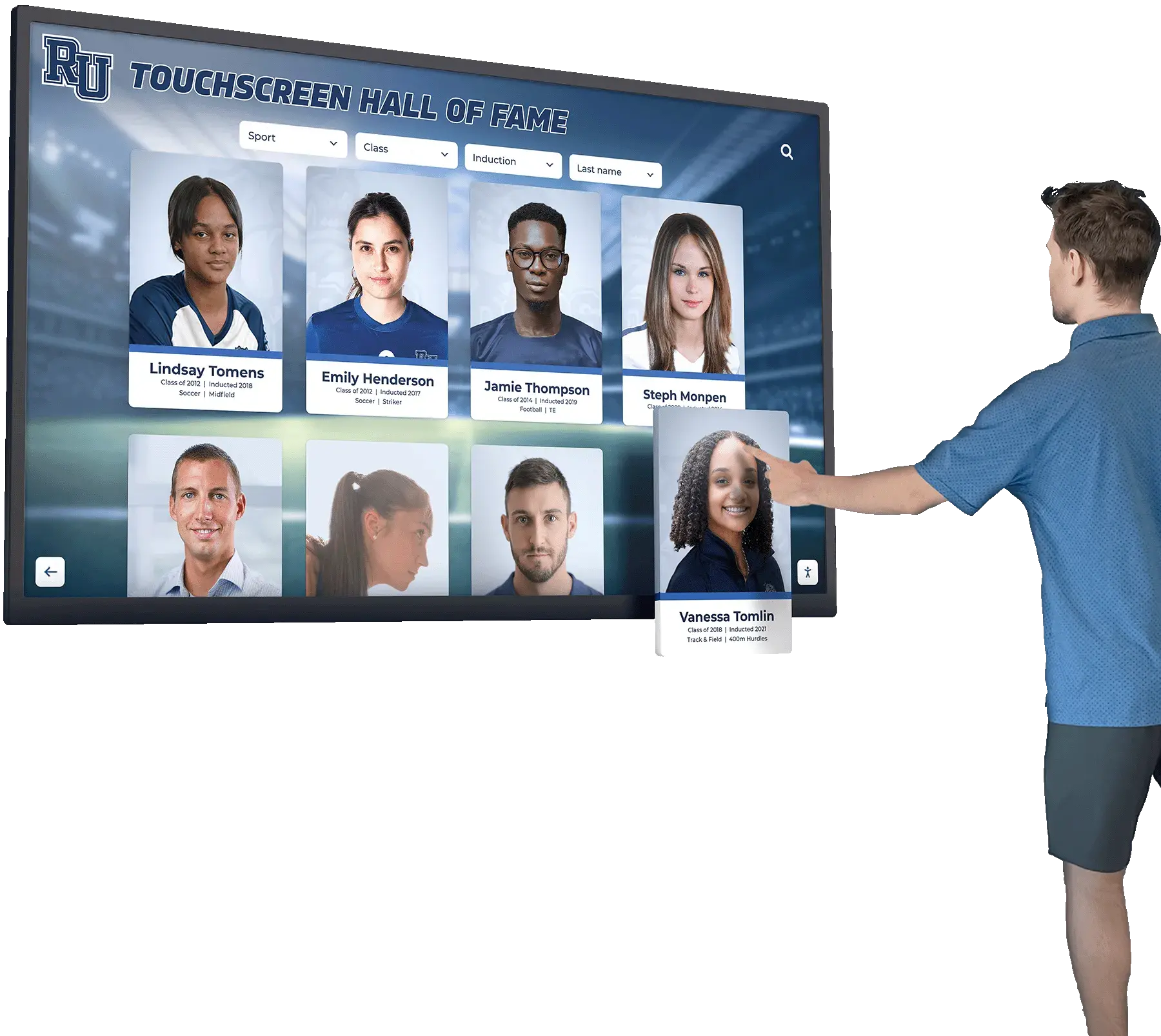
User-friendly recognition technology enables staff to explore colleagues' achievements and discover comprehensive organizational recognition
Hybrid Recognition Approaches
Combining Physical and Digital Recognition
Strategic organizations implement hybrid approaches leveraging both traditional and digital recognition strengths:
- Physical Awards - Providing tangible recognition artifacts staff members display in offices or homes
- Digital Displays - Ensuring permanent, visible, searchable recognition accessible to entire communities
- Ceremony Recognition - Creating memorable public celebration moments honoring achievements
- Web Platforms - Extending recognition beyond physical locations to reach remote staff and families
- Personal Communications - Supplementing public recognition with private appreciation notes
- Social Media Amplification - Sharing recognition through organizational channels broadening visibility
Hybrid approaches honor traditional recognition expectations while incorporating technology enabling comprehensive, sustainable, engaging staff appreciation exceeding what either approach achieves independently.
Integration with Existing Systems
Digital recognition should complement rather than replace valued traditions:
- Maintaining annual ceremonies while adding digital displays preserving recognition permanently
- Continuing individual awards while implementing digital platforms accommodating broader recognition
- Preserving service anniversary celebrations while creating permanent digital legacy records
- Sustaining personal notes and communications while adding public digital appreciation
Integration demonstrates respect for established practices while introducing innovations that enhance rather than disrupt recognition cultures staff members value.
Recognition Program Management and Sustainability
Effective programs require thoughtful administration ensuring consistent implementation and continuous improvement.
Establishing Recognition Committees
Committee Structure and Composition
Recognition committees distribute program responsibility while ensuring diverse perspectives inform decisions. Effective committees include:
- Administrative representatives providing leadership and resource support
- Staff representatives from multiple departments ensuring broad institutional input
- Support staff representation ensuring all roles receive appropriate attention
- Early-career and veteran staff members balancing diverse career stage perspectives
- Rotating membership preventing stagnation while maintaining continuity through staggered terms
Committees should meet regularly—monthly or quarterly—to review nominations, plan recognition events, evaluate program effectiveness, and discuss improvements.
Committee Responsibilities
Well-functioning committees manage:
- Reviewing recognition nominations and making selection decisions for competitive awards
- Planning recognition ceremonies and celebration events
- Monitoring recognition distribution ensuring equity across departments and roles
- Soliciting nominations proactively when areas receive insufficient attention
- Communicating recognition opportunities and processes to staff
- Evaluating program effectiveness through feedback collection and analysis
- Recommending improvements to recognition categories, processes, or approaches
- Coordinating with technology platforms or vendors managing digital recognition displays
Clear responsibility distribution prevents recognition from becoming single administrator’s burden inevitably failing when that individual leaves or faces competing priorities.
Budget Planning and Resource Allocation
Cost Components of Recognition Programs
Comprehensive programs require investment across multiple categories:
- Awards and Gifts - Physical recognition items, plaques, certificates, gift cards ($20-100 per award)
- Ceremonies and Events - Venue costs, catering, decorations, programs ($5-20 per attendee)
- Technology Platforms - Digital recognition system subscriptions or purchases ($500-5,000 annually)
- Display Hardware - Touchscreen displays, mounting, installation ($2,000-8,000 initial investment)
- Marketing and Communications - Promotional materials, announcements, program documentation ($200-1,000 annually)
- Administrative Time - Staff hours coordinating recognition, managing nominations, updating displays (2-4 hours weekly)
Total program costs typically range from $50-200 per staff member annually depending on scope, with comprehensive programs at larger organizations requiring higher per-person investments.
Securing Sustainable Funding
Organizations ensure program sustainability through:
- Budget Line Items - Dedicated recognition allocations preventing funding competition with other priorities
- Booster or Foundation Support - External funding from support organizations dedicated to staff appreciation
- Sponsorships - Local business partnerships supporting recognition events or awards
- Grant Funding - Targeted grants supporting staff development or wellness initiatives including recognition
- Cost-Effective Approaches - Focusing investments on high-impact recognition elements while minimizing expensive but low-value components
Strategic resource allocation maximizes recognition impact while maintaining fiscal responsibility even within tight budgets.
Explore recognition program funding strategies that balance comprehensive appreciation with budget constraints.
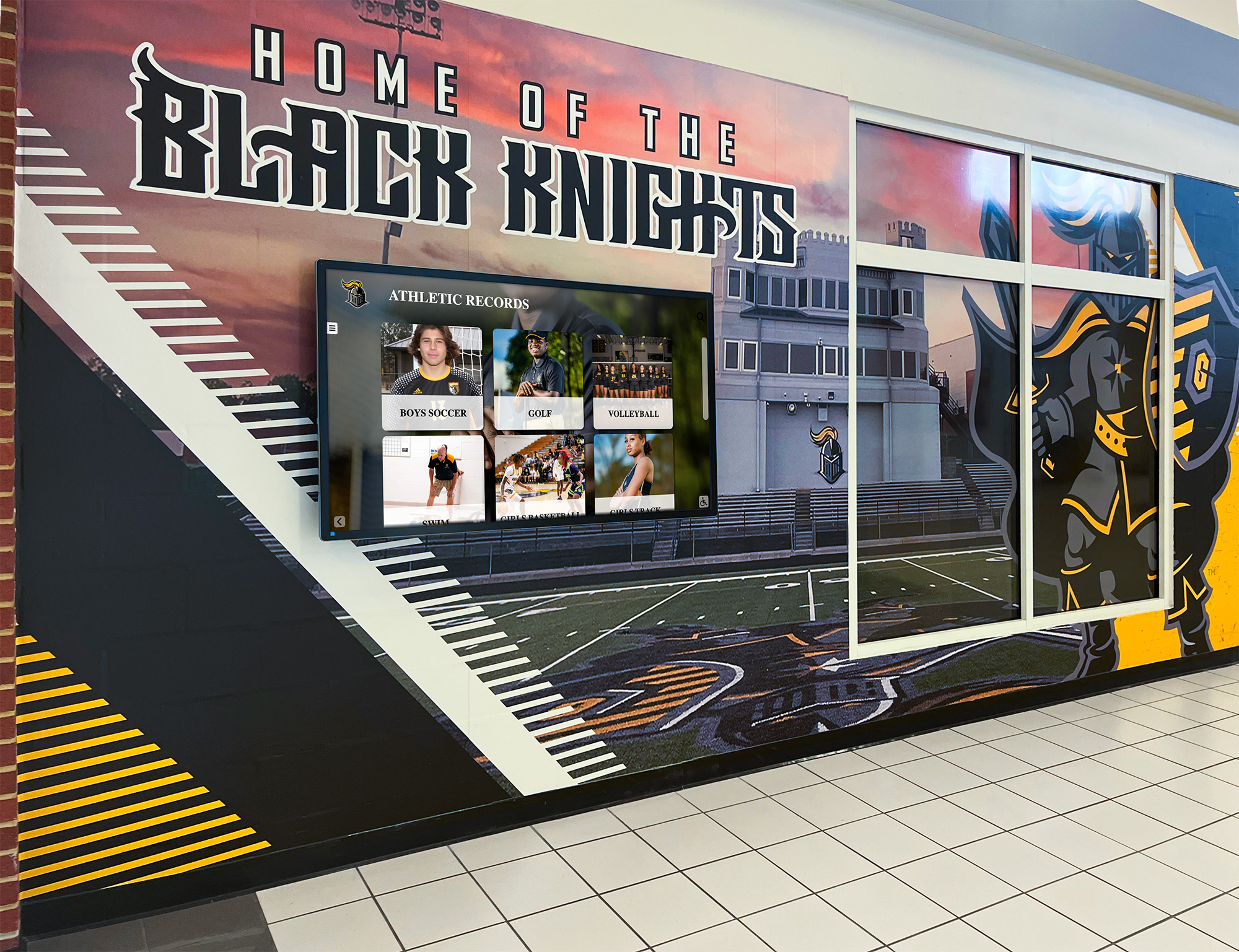
Strategic recognition placement in main hallways ensures daily visibility for staff, students, and visitors
Measuring Program Effectiveness
Quantitative Metrics
Data reveals program reach and impact:
- Participation Rates - Percentage of staff receiving recognition annually across all program components
- Recognition Distribution - Ensuring equitable acknowledgment across departments, roles, and demographics
- Retention Indicators - Tracking whether recognized staff demonstrate higher retention compared to unrecognized colleagues
- Nomination Participation - Measuring how many staff engage in peer nomination processes
- Event Attendance - Ceremony participation rates showing community investment in recognition
- Digital Engagement - Analytics revealing how frequently staff explore recognition displays
Systematic tracking enables evidence-based assessment demonstrating whether programs achieve participation and equity goals.
Qualitative Assessment
Experience quality matters beyond participation numbers:
- Staff Satisfaction Surveys - Asking whether recognition feels meaningful, authentic, and valued
- Program Feedback - Collecting suggestions for improvements or additional recognition categories
- Climate Indicators - Assessing whether recognition contributes to positive workplace culture
- Recognition Stories - Gathering narratives about how acknowledgment impacted individuals
- Exit Interviews - Learning whether recognition (or lack thereof) influenced departure decisions
Holistic assessment captures nuances that numeric data cannot fully reveal.
Continuous Improvement Processes
Systematic enhancement maintains program relevance:
- Annual program reviews evaluating effectiveness and identifying improvement opportunities
- Staff input sessions gathering recommendations and addressing concerns
- Benchmark comparisons with peer organizations revealing innovation opportunities
- Category adjustments ensuring recognition types match evolving organizational priorities
- Process refinements streamlining administration and reducing barriers
- Technology updates incorporating new capabilities enhancing recognition delivery
Regular evaluation prevents stagnation while demonstrating administrative commitment to excellence in staff appreciation.
Special Considerations for Educational Institutions
Schools face unique recognition challenges and opportunities requiring specialized approaches.
Teacher Appreciation Beyond Teacher Appreciation Week
Moving Beyond Single-Week Recognition
Many schools concentrate teacher recognition during designated Teacher Appreciation Week—a valuable tradition that nonetheless proves insufficient for comprehensive appreciation. Limiting recognition to annual week-long celebrations communicates that appreciation matters only during designated times rather than year-round commitments.
Effective schools supplement appreciation week with:
- Regular acknowledgment throughout the year maintaining continuous recognition rhythms
- Monthly teacher spotlights celebrating individual educators
- Weekly appreciation shoutouts during staff meetings
- Ongoing peer recognition encouraging colleagues to acknowledge each other regularly
- Milestone celebrations recognizing achievements as they occur rather than waiting for designated week
Year-round recognition communicates genuine appreciation rather than perfunctory gestures during socially expected occasions.
Meaningful Rather Than Trinket Appreciation
Teacher Appreciation Week sometimes devolves into token gestures—inexpensive gifts, food items, or branded merchandise generating minimal impact while consuming limited budgets. Teachers consistently report preferring meaningful recognition over nominal gifts:
- Personal, specific acknowledgment describing particular contributions and impact
- Professional resources like books, conference registrations, or classroom supplies
- Time gifts including coverage enabling planning time, shortened meetings, or early dismissal
- Public recognition celebrating achievements prominently before students, families, and communities
- Workplace improvements addressing frustrations like copier access, parking, or facility enhancements
Meaningful appreciation demonstrates authentic understanding of teacher needs rather than generic gestures checking appreciation boxes.
Learn about comprehensive teacher appreciation approaches extending beyond single-week celebrations to year-round recognition.
Recognizing All School Staff Members
Celebrating Support Staff Contributions
Schools must resist tendencies overemphasizing teacher recognition while undervaluing equally essential support staff. Custodians maintaining safe, clean learning environments; food service workers providing student nutrition; bus drivers ensuring safe transportation; administrative staff managing complex operations; paraprofessionals supporting struggling learners; maintenance personnel preserving facilities—all contribute critically to educational missions deserving prominent recognition.
Equitable school recognition programs:
- Include dedicated support staff recognition categories and awards
- Feature support staff prominently in displays alongside instructional staff
- Celebrate contributions unique to support roles rather than only recognizing exceptional efforts beyond position responsibilities
- Ensure support staff participate in recognition committees and celebration planning
- Communicate clearly that all roles matter equally to school success
Addressing Part-Time and Contracted Staff
Many schools employ significant part-time, substitute, contracted, or temporary staff members receiving minimal recognition despite important contributions. Recognition programs should extend to:
- Substitute teachers maintaining continuity during absences
- Part-time instructors or aides working reduced schedules
- Contracted specialists providing services through external organizations
- Student teachers and interns contributing to learning communities
- Volunteers offering time supporting school operations
Inclusive recognition ensures everyone contributing to educational missions feels valued regardless of employment status or hours worked.
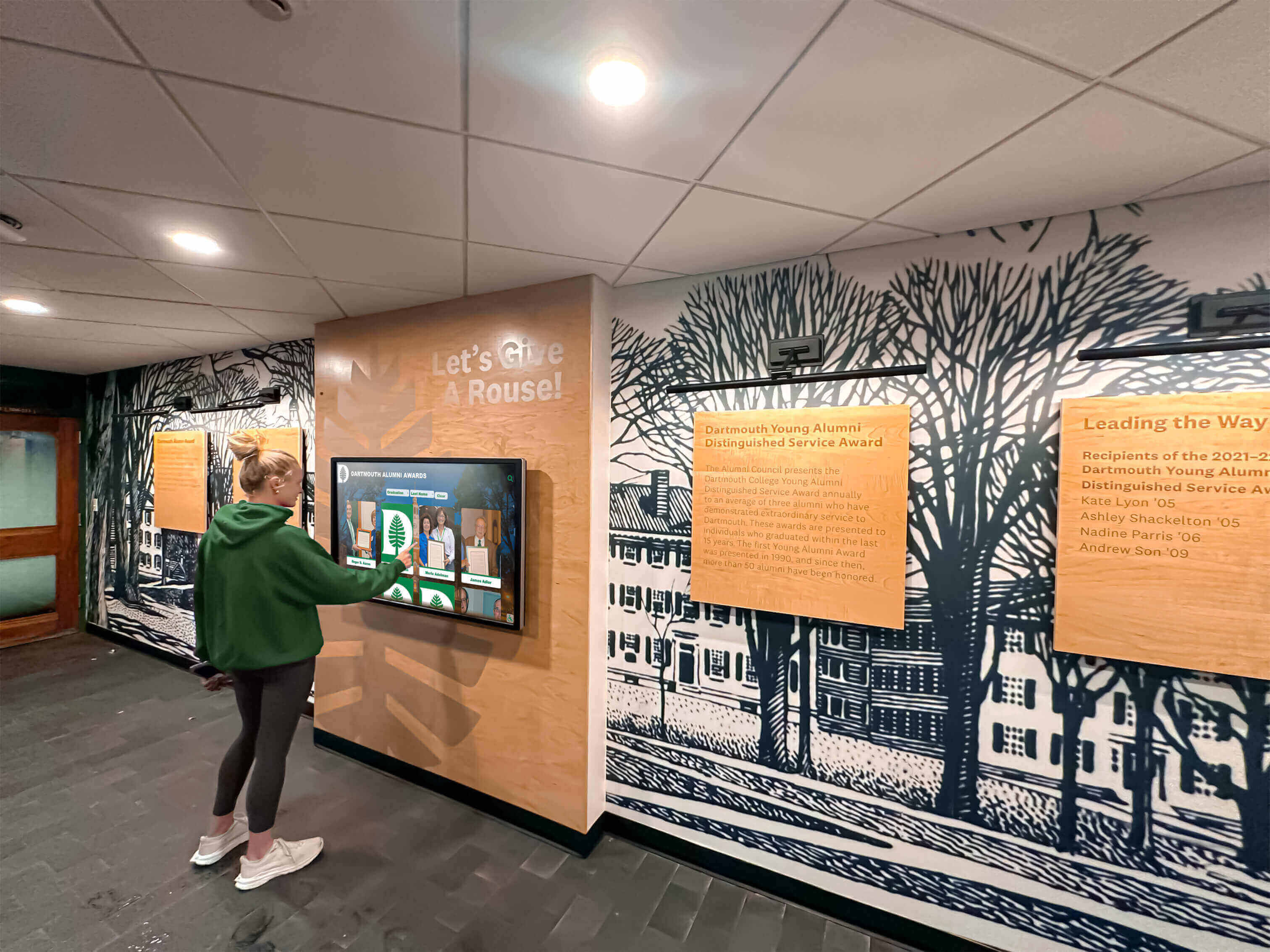
Interactive recognition displays engage entire communities—staff, students, families, and visitors—in celebrating achievements
Balancing Individual and Team Recognition
Celebrating Collaborative Achievements
While individual recognition proves important, schools should also acknowledge team accomplishments:
- Grade-level teams demonstrating exceptional collaboration and student outcomes
- Department initiatives improving instruction or student experiences
- Cross-functional project teams accomplishing complex improvements
- School-wide efforts achieving strategic goals or overcoming challenges
- Informal communities supporting each other through difficult periods
Team recognition reinforces that collective success matters as much as individual excellence while strengthening collaborative cultures essential for effective schools.
Preventing Recognition Fatigue
Over-recognition paradoxically diminishes impact—when every action receives acknowledgment, recognition loses special significance becoming expected rather than meaningful. Schools should balance:
- Regular, ongoing recognition maintaining appreciation visibility
- Special acknowledgment reserved for truly exceptional contributions or milestones
- Variety in recognition forms preventing predictable patterns that feel routine
- Appropriate recognition scale matching achievement significance rather than treating all accomplishments identically
Strategic recognition feels authentic rather than perfunctory obligations creating cynicism instead of appreciation.
Addressing Common Recognition Program Challenges
Even well-designed programs encounter predictable obstacles requiring thoughtful responses.
Managing Limited Budgets
High-Impact, Low-Cost Recognition
Effective recognition need not require substantial financial investment. Meaningful low-cost approaches include:
- Personal handwritten notes from administrators expressing specific appreciation
- Public acknowledgment during meetings, announcements, or newsletters
- Peer recognition programs requiring no financial investment
- Social media features highlighting staff achievements
- Leadership opportunities or professional responsibilities recognizing expertise
- Flexibility gifts like preferred parking, schedule preferences, or dress code exceptions
- Time gifts including coverage, planning periods, or meeting exemptions
These cost-effective approaches often generate greater impact than expensive gifts lacking personal meaning.
Prioritizing Recognition Investments
When resources limit comprehensive programs, prioritize:
- Technology investments in digital platforms providing unlimited long-term recognition capacity
- Personal recognition requiring time rather than money
- Service milestone acknowledgment honoring long-term commitment
- Major achievement celebration recognizing exceptional contributions
- Peer recognition infrastructure enabling colleague appreciation without financial investment
Strategic prioritization ensures limited resources generate maximum recognition impact.
Ensuring Fairness and Avoiding Favoritism Perceptions
Transparent Processes and Clear Criteria
Recognition programs lose credibility when staff perceive favoritism, bias, or politics influencing recognition decisions. Maintaining fairness requires:
- Written criteria clearly defining what merits recognition in each category
- Inclusive nomination processes enabling any staff member to identify worthy colleagues
- Diverse selection committees preventing single-person bias
- Transparent communication explaining selection processes without revealing voting details
- Consistent application of standards across all staff regardless of relationships or visibility
- Documentation supporting recognition decisions if questioned
Perceived fairness proves essential—even worthy recognition generates cynicism if processes seem biased or arbitrary.
Addressing Recognition Concentration
Organizations should monitor whether recognition repeatedly acknowledges same individuals while others receive minimal attention. This pattern—often unintentional—creates perceptions that organizations have favorites while undervaluing others’ contributions.
Strategies preventing concentration include:
- Limiting how frequently individuals can receive competitive awards within timeframes
- Tracking recognition distribution ensuring all departments and roles receive attention
- Proactively soliciting nominations from underrecognized areas
- Creating diverse recognition categories enabling different staff members to excel in different domains
- Distinguishing between different recognition types (service anniversaries, excellence awards, peer appreciation) with separate eligibility
Equitable distribution demonstrates that organizations value all staff members rather than repeatedly celebrating favored individuals.
Discover approaches for creating fair recognition systems that celebrate diverse contributions equitably.
Accommodating Diverse Recognition Preferences
Offering Recognition Choice
Staff members’ comfort with public recognition varies enormously. Effective programs provide options:
- Public ceremony recognition for those enjoying visibility and celebration
- Private acknowledgment through personal meetings or letters for those preferring discretion
- Digital display recognition maintaining permanent but less intense visibility
- Peer-shared recognition within departments rather than organization-wide announcements
- Opt-out mechanisms enabling staff to decline public recognition while receiving private appreciation
Respecting preferences demonstrates additional care—recognizing not just contributions but doing so in ways individuals find comfortable.
Cultural and Generational Considerations
Staff members from diverse cultural backgrounds or different generations may value different recognition forms. Older educators might prefer traditional plaques and ceremonies; younger staff might appreciate social media recognition or experience-based rewards. Some cultures emphasize collective team acknowledgment over individual celebration; others value personal recognition highly.
Organizations serving diverse populations should offer varied recognition approaches rather than assuming uniform preferences, periodically surveying staff about preferred recognition forms and adjusting programs accordingly.
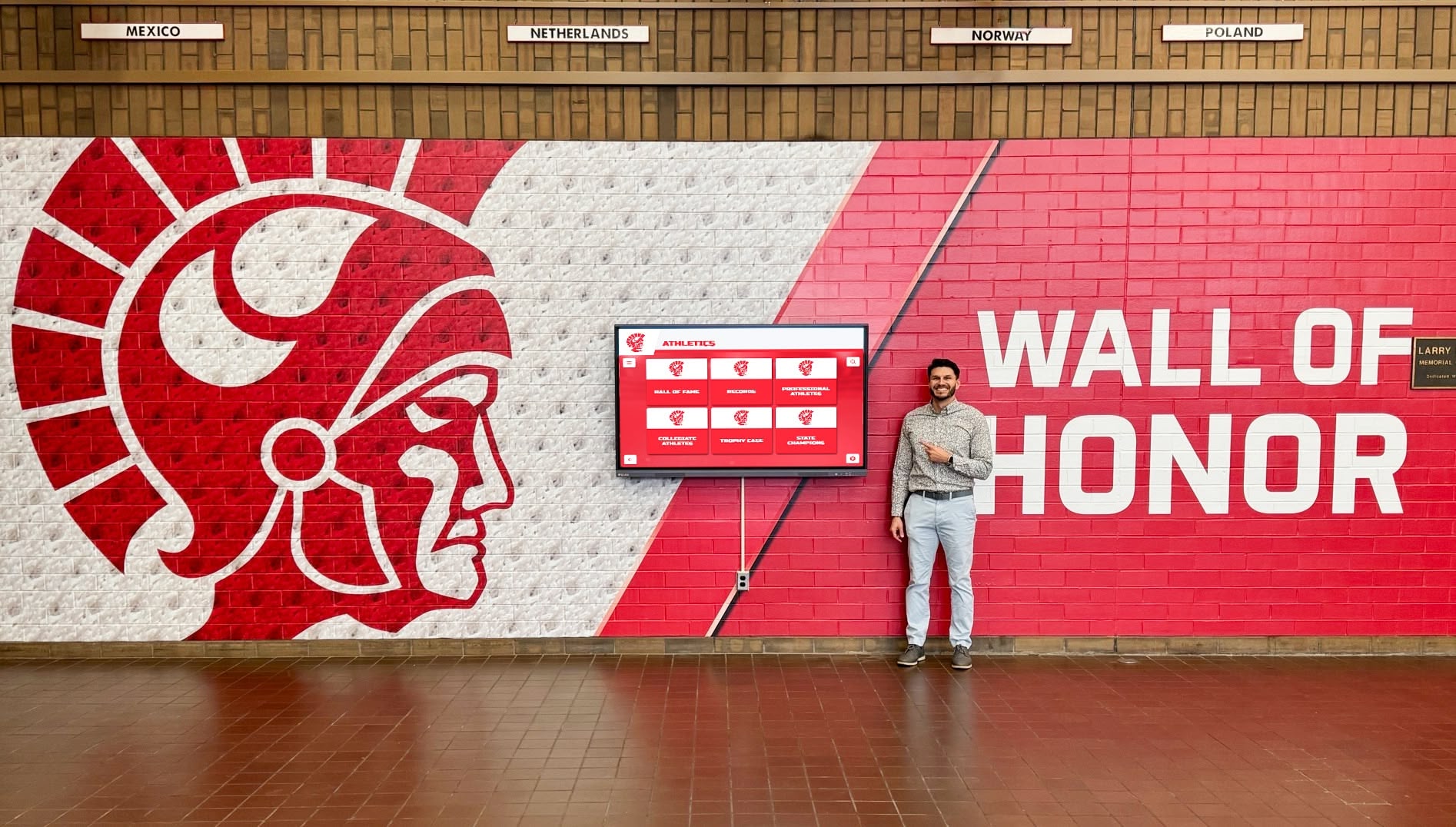
Prominent recognition displays in main corridors ensure maximum visibility for staff achievements and contributions
Future Trends in Staff Recognition Programs
Evolving workplace expectations and technology capabilities shape recognition program development.
Increased Personalization and Customization
Technology enables increasingly personalized recognition tailored to individual preferences, values, and motivations. Advanced systems might:
- Allow staff to indicate preferred recognition forms and delivery methods
- Recommend specific recognition opportunities based on contribution patterns
- Customize recognition messages incorporating personal details and specific achievements
- Enable staff to choose rewards or gifts matching individual interests from diverse options
- Provide recognition timing aligned with individual preferences rather than uniform schedules
Personalization demonstrates organizations know and care about individuals as unique people rather than applying one-size-fits-all approaches.
Integration with Professional Development
Recognition increasingly connects with growth and development rather than only acknowledging current performance. Future programs might:
- Link recognition to specific professional learning goals staff pursue
- Celebrate developmental milestones alongside performance achievements
- Provide professional growth resources as recognition rewards
- Spotlight how recognized staff developed skills and expertise over time
- Connect peer recognition with mentoring relationships and collaborative learning
This integration positions recognition as supporting continuous improvement rather than only celebrating static excellence.
Real-Time Recognition Platforms
Mobile technology enables immediate recognition rather than waiting for formal cycles:
- Smartphone apps allowing administrators or peers to send instant recognition
- Social platforms where staff acknowledge colleagues in real-time as contributions occur
- Digital displays automatically updating when new recognition gets submitted
- Notification systems alerting recognized staff immediately
- Analytics tracking recognition frequency ensuring equitable distribution
Real-time recognition provides immediate positive feedback strengthening connections between contributions and appreciation.
Enhanced Analytics and Program Optimization
Data analytics will increasingly inform recognition program design:
- Identifying which recognition types generate greatest impact on satisfaction and retention
- Revealing participation patterns showing who receives recognition and who remains underacknowledged
- Tracking engagement with digital recognition displays showing what content resonates
- Correlating recognition with performance indicators assessing program effectiveness
- Comparing recognition approaches across similar organizations identifying best practices
Evidence-based recognition optimization ensures programs generate maximum impact from available resources.
Conclusion: Building Recognition Cultures That Honor All Team Members
Staff recognition programs represent fundamental commitments to valuing the individuals who drive organizational success—recognizing that schools and organizations achieve missions not through abstract institutional capabilities but through dedicated team members contributing talent, effort, creativity, and care daily. When organizations invest in systematic recognition celebrating diverse contributions across all roles and departments, they create workplace cultures where everyone feels valued as essential partners rather than interchangeable employees filling positions.
The compelling case for recognition rests on both moral imperatives and practical benefits. Morally, people deserve acknowledgment for their contributions, efforts, and dedication—basic respect requiring organizations to notice and appreciate individuals rather than treating them as invisible infrastructure. Practically, recognition drives retention, strengthens morale, motivates performance, and builds positive cultures that benefit every organizational dimension from recruitment to outcomes.
Modern digital recognition technology enables comprehensive staff appreciation that traditional approaches cannot match—providing unlimited capacity accommodating all achievements, creating engaging interactive displays, ensuring permanent preservation of recognition, and simplifying administration enabling sustainable programs. Solutions like Rocket Alumni Solutions offer purpose-built platforms specifically designed for institutional recognition, combining professional presentation quality with intuitive management empowering organizations to honor team members effectively.
For administrators and organizational leaders, the question isn’t whether staff recognition provides value—evidence overwhelmingly confirms its positive impact on retention, satisfaction, and culture. The real question is whether organizations will invest sufficiently in recognition programs—providing resources, visibility, and sustained commitment that enable comprehensive appreciation for all team members whose contributions make institutional success possible.
Ready to transform staff recognition at your organization? Modern digital recognition solutions enable comprehensive platforms celebrating achievements across all roles, departments, and contribution types. Rocket Alumni Solutions provides specialized systems designed specifically for institutional recognition—offering unlimited capacity, professional presentation, intuitive content management, and engaging displays that honor every team member appropriately. With flexible platforms accommodating service anniversaries, excellence awards, peer recognition, and daily appreciation, these purpose-built solutions enable organizations to build recognition cultures where everyone feels valued.
Implementation begins with assessing current recognition gaps and staff preferences, continues through designing comprehensive programs celebrating diverse contributions, advances with adopting technology enabling sustainable permanent recognition, and sustains through ongoing commitment ensuring programs receive resources and visibility demonstrating they matter as much as other organizational priorities. Request your free custom demo to explore how digital recognition displays can appropriately honor your entire team’s excellence.
The most successful organizations don’t treat staff recognition as peripheral nice-to-have programs competing for attention against “real” institutional priorities—they embrace recognition as essential culture-building infrastructure fundamental to organizational effectiveness. These institutions celebrate team members authentically, invest in recognition quality, and communicate clearly that every role matters and every contribution deserves acknowledgment. Begin building that appreciation culture today—your staff members, students, clients, and broader communities all benefit when team members feel valued, supported, and celebrated for their essential contributions to institutional missions.