



Spring sports awards night represents one of the busiest—and most rewarding—events on an athletic director’s calendar. As baseball, softball, track and field, lacrosse, soccer, tennis, and golf seasons culminate simultaneously, the challenge becomes orchestrating comprehensive recognition that honors diverse achievements across multiple programs while managing compressed timelines, limited budgets, and facility constraints that make spring uniquely demanding.
Traditional approaches—separate banquets for each sport, generic participation awards, or rushed ceremonies squeezed between spring break and graduation—often shortchange athletes who dedicated entire seasons to competitive excellence. Parents attending multiple events face financial burden and scheduling conflicts. Coaches struggle to make individual sports feel special within combined formats. Athletic directors balance competing program needs while ensuring equitable recognition regardless of sport visibility or booster support.
This comprehensive planning guide addresses spring sports awards challenges systematically, providing frameworks for ceremony formats, award categories, venue coordination, budget management, timeline execution, and modern recognition technologies extending visibility beyond single-evening celebrations. Whether organizing your first combined spring sports night or refining established traditions, these strategies help create memorable recognition experiences honoring athletic achievement authentically while building sustainable programs manageable within spring’s compressed timeframes.
Spring sports present unique recognition challenges compared to fall and winter athletics—weather unpredictability affecting season schedules, academic calendar constraints with AP exams and graduation approaching, and multiple sports concluding simultaneously requiring coordinated celebration planning. Effective spring sports awards planning addresses these complexities while ensuring athletes across all programs receive recognition proportional to their commitment and achievement.

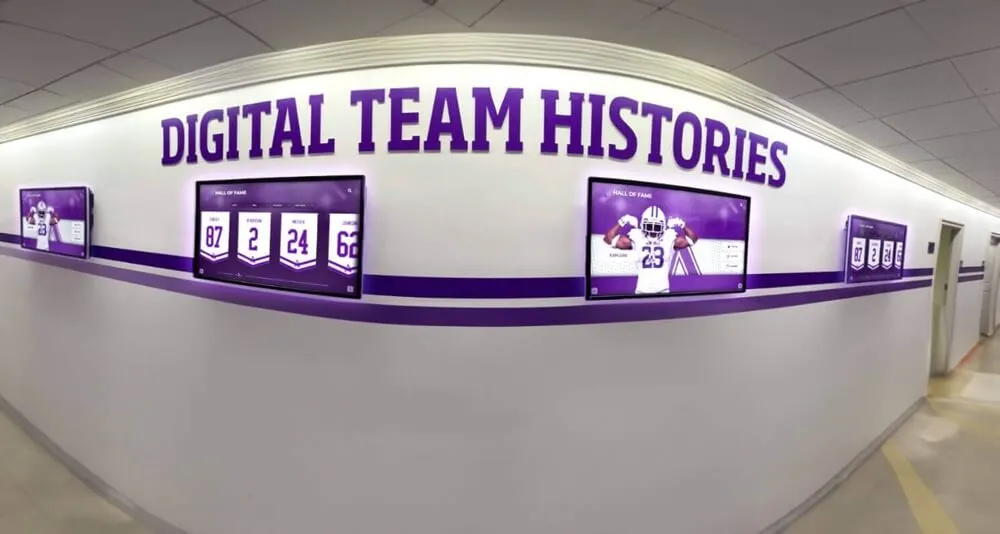
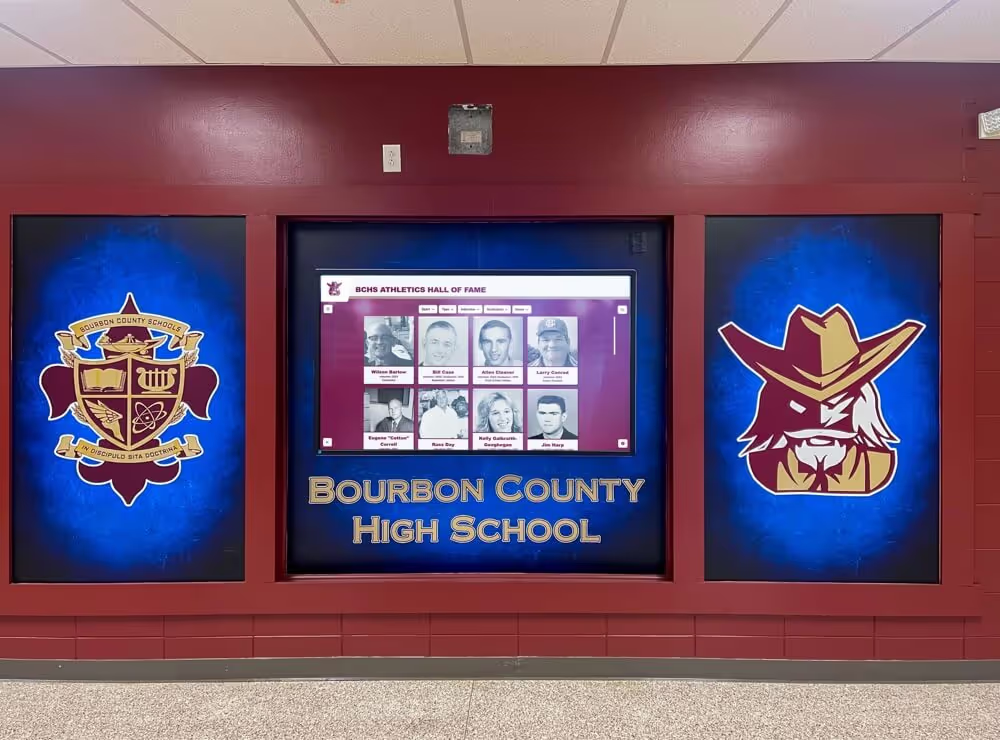
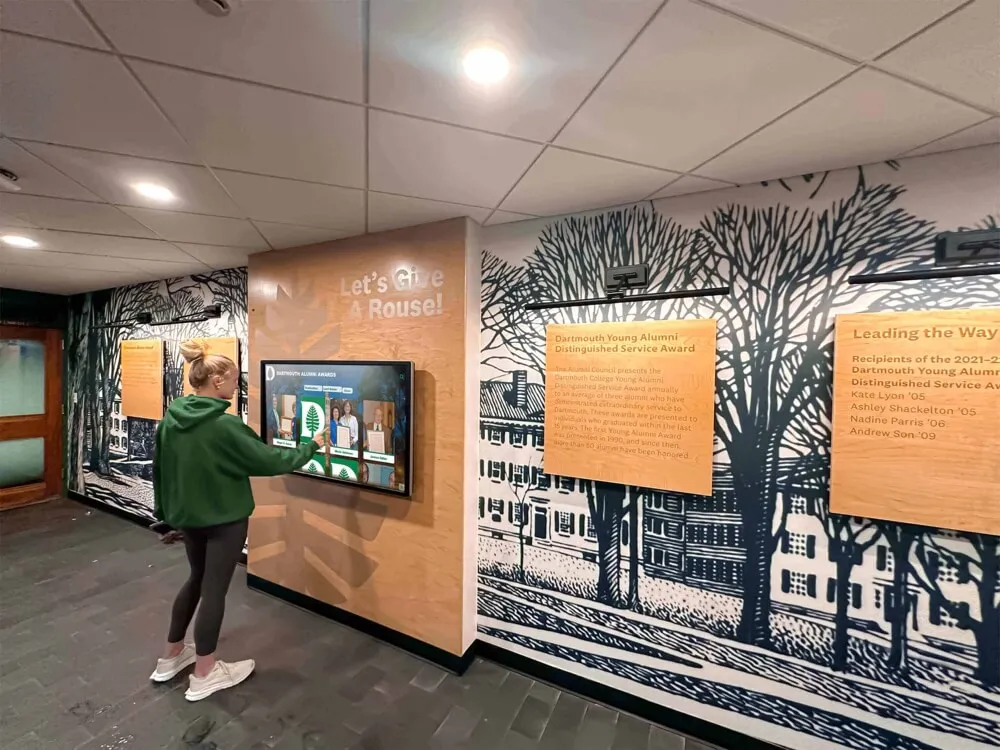
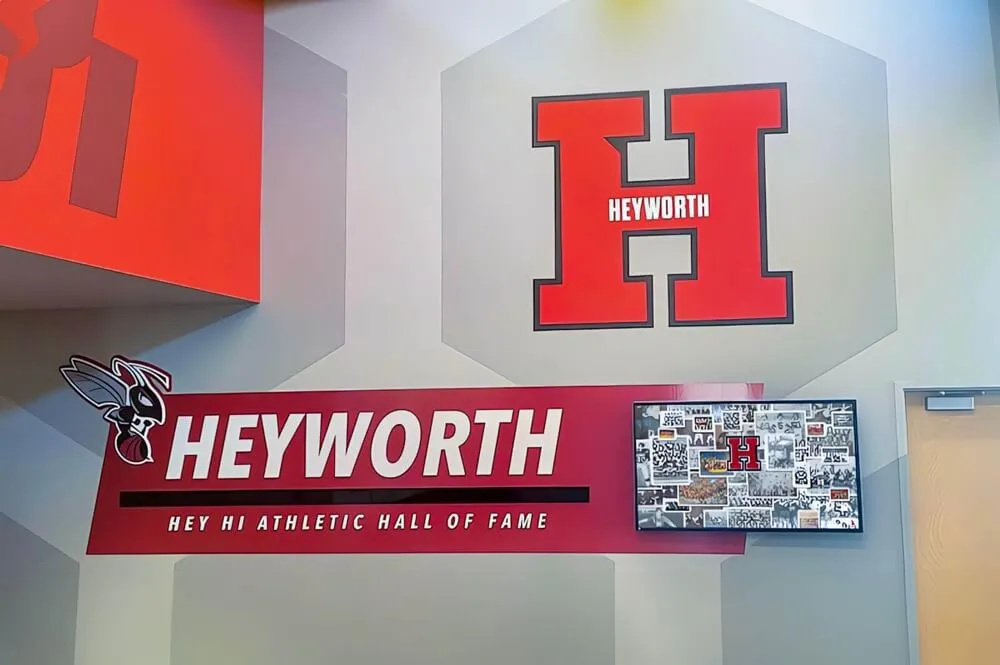
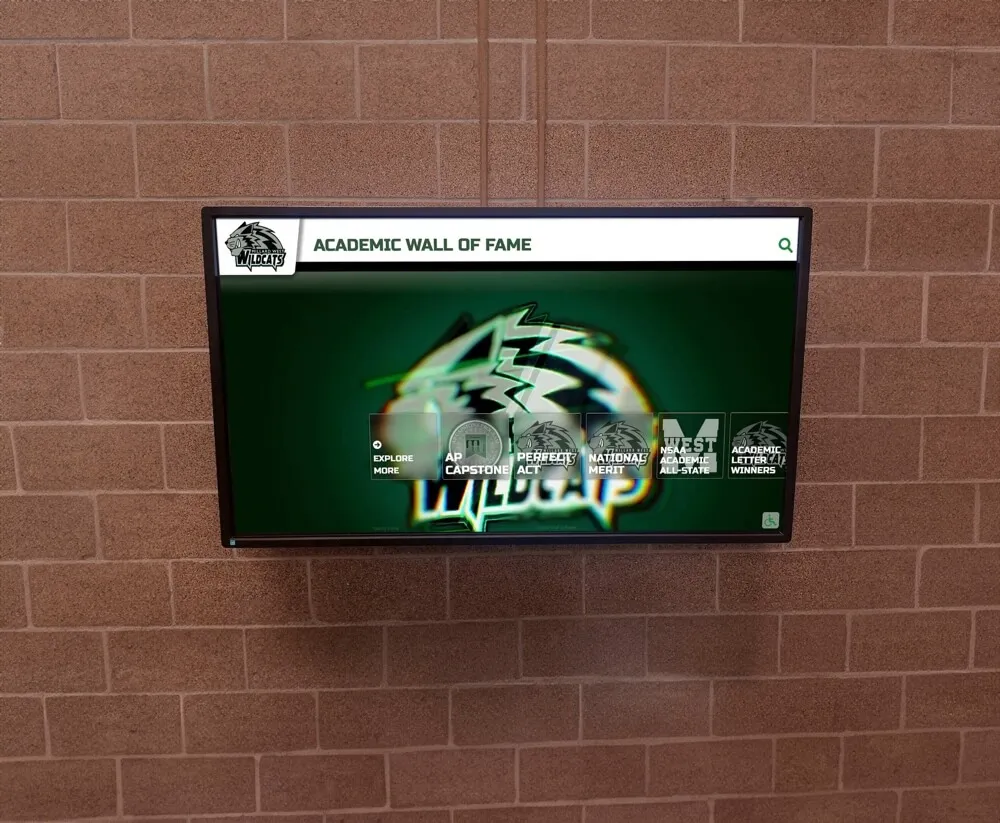
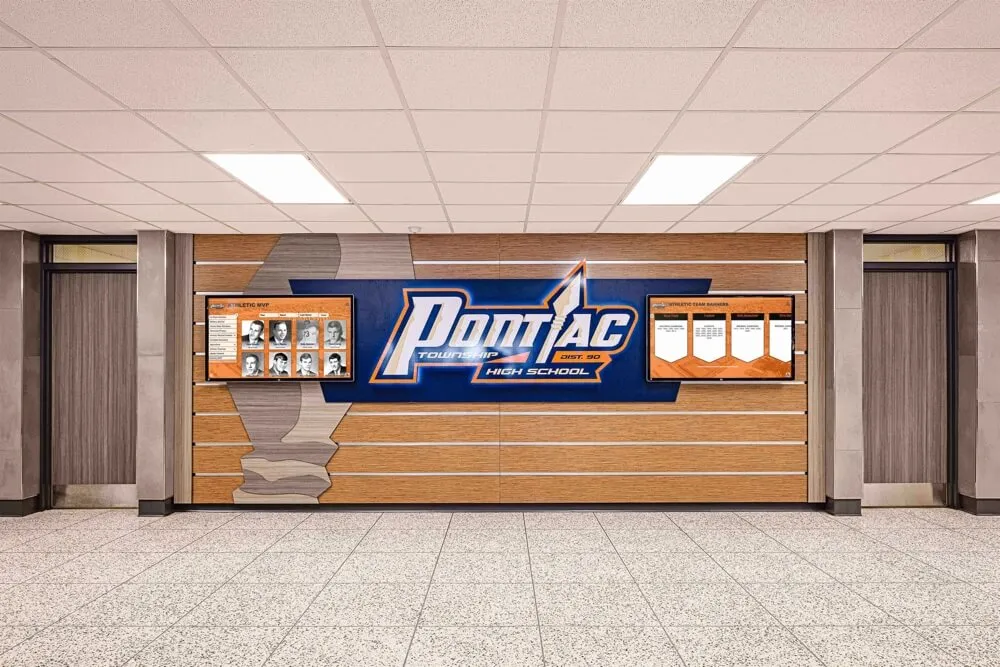
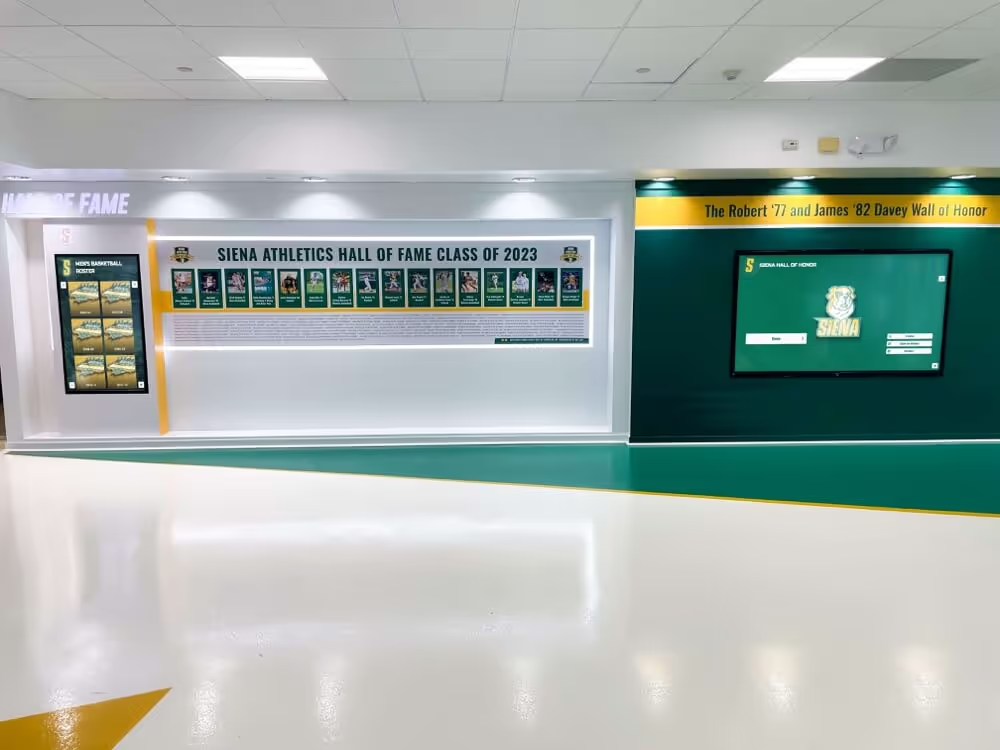
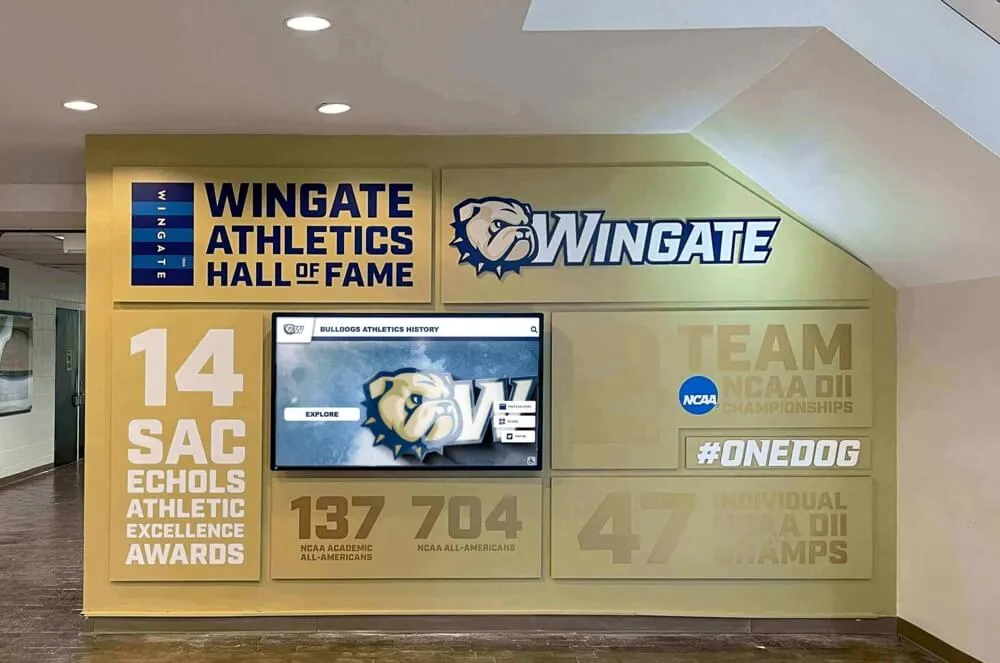
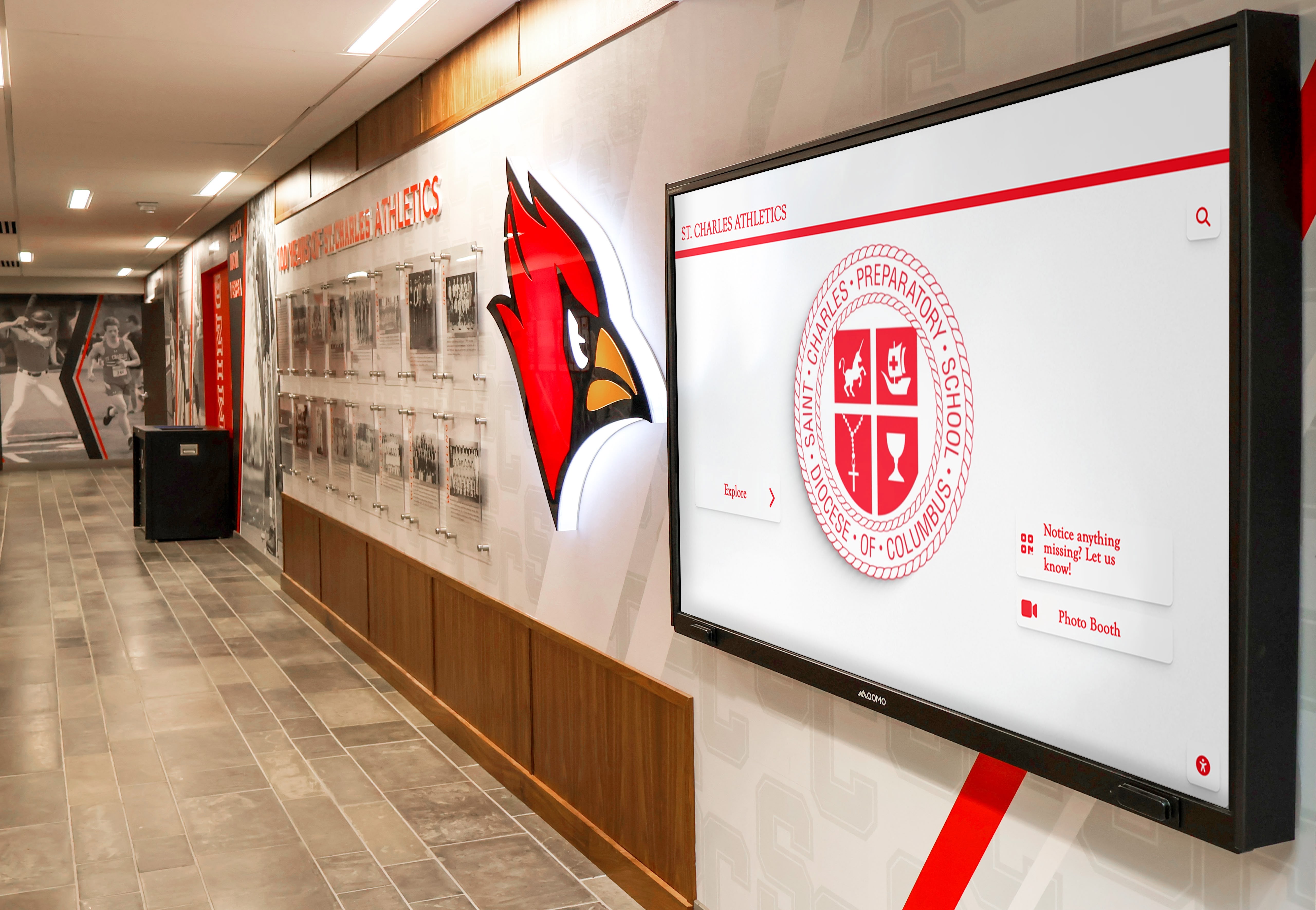
Permanent athletic displays provide year-round spring sports recognition complementing seasonal awards ceremonies with sustained visibility throughout facilities
Program Snapshot: Spring Sports Awards Recognition Framework
Understanding complete planning components helps athletic directors design comprehensive celebrations honoring achievements while remaining manageable to execute across multiple sports simultaneously.
| Program Component | Planning Timeline | Key Considerations |
|---|---|---|
| Format Selection | 10-12 weeks before season end | Combined vs. individual sport events, venue capacity, budget implications |
| Date Coordination | 8-10 weeks out | Academic calendar conflicts, facility availability, coach input, weather contingencies |
| Budget Development | 8-10 weeks out | Per-athlete costs, venue expenses, award procurement, revenue sources |
| Award Structure Design | 6-8 weeks out | Sport-specific categories, all-sport recognitions, selection criteria, equity across programs |
| Venue Booking | 6-8 weeks out | Capacity for all spring athletes and families, AV capabilities, catering options, accessibility |
| Award Ordering | 4-6 weeks out | Trophies, plaques, certificates, engraving specifications, delivery coordination |
| Program Development | 3-5 weeks out | Ceremony structure, speaker lineup, sport presentation order, timing estimates |
| Invitations & RSVP | 3-4 weeks out | Guest lists across sports, registration systems, meal counts, promotional materials |
| Final Logistics | 1-2 weeks out | Scripts, seating arrangements, technical rehearsals, volunteer coordination |
| Event Execution | Event day | Setup, registration, ceremony delivery, photography, multi-sport coordination |
| Post-Event Follow-up | 1-2 weeks after | Thank you communications, display updates, photo distribution, evaluation |
Spring Sports Awards Ceremony Format Options
Format decisions fundamentally shape recognition experiences—athletic directors must balance efficiency, program identity, budget constraints, and athlete expectations when structuring spring celebrations.
Combined Multi-Sport Recognition Event
Single ceremony honoring all spring athletes simultaneously:
Advantages of Combined Format
- Consolidated planning effort reducing administrative burden significantly
- Shared venue and catering costs lowering per-athlete expenses
- Single date simplifying family scheduling across multiple athlete households
- Athletic department unity showcasing comprehensive spring program excellence
- Efficient use of limited post-season scheduling window
- Larger audience creating impressive celebration atmosphere
- Reduced volunteer recruitment needed compared to multiple events
Combined Format Challenges
- Extended ceremony duration risking attendee disengagement
- Individual sports may feel diminished within larger program structure
- Sport-specific traditions difficult to preserve or execute
- Timing constraints limiting recognition depth for each program
- Coordination complexity managing multiple coaching staffs
- Unequal program sizes creating balance challenges
- Smaller sports potentially overshadowed by high-profile programs
Effective Combined Event Strategies
- Limit ceremony to 90-120 minutes maximum maintaining engagement
- Dedicate distinct program segments to each sport preserving identity
- Rotate sport presentation order annually ensuring fairness
- Include sport-specific video highlights showcasing season achievements
- Allow coaches individual time acknowledging team accomplishments
- Create sport-branded table groupings maintaining program community
- Schedule pre-ceremony social time enabling sport-specific gatherings
Understanding comprehensive spring sports season management helps athletic directors coordinate awards planning within broader program responsibilities.
Individual Sport-Specific Banquets
Separate ceremonies for each spring program:
Benefits of Sport-Specific Recognition
- Complete focus on individual program achievements and culture
- Flexibility for sport-appropriate ceremony length and format
- Preservation of established program traditions and rituals
- Intimate atmosphere strengthening team bonds and community
- Easier logistics managing single sport rather than coordination across programs
- Coach autonomy designing recognition matching program values
- Senior tributes receiving adequate time and emphasis
Individual Format Considerations
- Multiplied planning burden across numerous separate events
- Higher cumulative costs without shared venue and service expenses
- Family scheduling conflicts when multiple children participate different sports
- Extended calendar requirements finding dates for multiple events
- Volunteer fatigue supporting numerous ceremonies
- Potential attendance challenges for smaller or less-supported programs
- Inequitable experiences between well-funded and resource-limited sports
Individual Event Success Factors
- Stagger scheduling across 2-3 weeks preventing calendar overload
- Establish consistent standards ensuring equity across programs
- Share volunteer resources rotating support across events
- Coordinate vendor relationships achieving efficiency despite separate events
- Maintain athletic department presence at all sport celebrations
- Document event formats enabling future replication
- Support smaller programs ensuring quality regardless of booster involvement
Programs exploring baseball awards recognition can adapt sport-specific frameworks to spring sport contexts.
Hybrid Recognition Approach
Strategic combination of formats optimizing efficiency and program identity:
Combined Primary Ceremony with Sport-Specific Elements
- Main awards night recognizing major achievements across all sports
- Brief sport-specific team dinners or gatherings for community building
- Combined format for general recognition; separate moments for traditions
- Balances efficiency with program identity preservation
Tiered Recognition System
- Varsity programs receive individual sport banquets
- Sub-varsity levels participate in combined celebration
- Differentiation based on athlete age and program development
- Recognizes varying needs across competitive levels
Sport Grouping Strategy
- Combine related sports (track/cross country, baseball/softball)
- Natural program connections creating logical groupings
- Reduced coordination compared to all-sport combined format
- Maintains some sport-specific identity within shared celebration
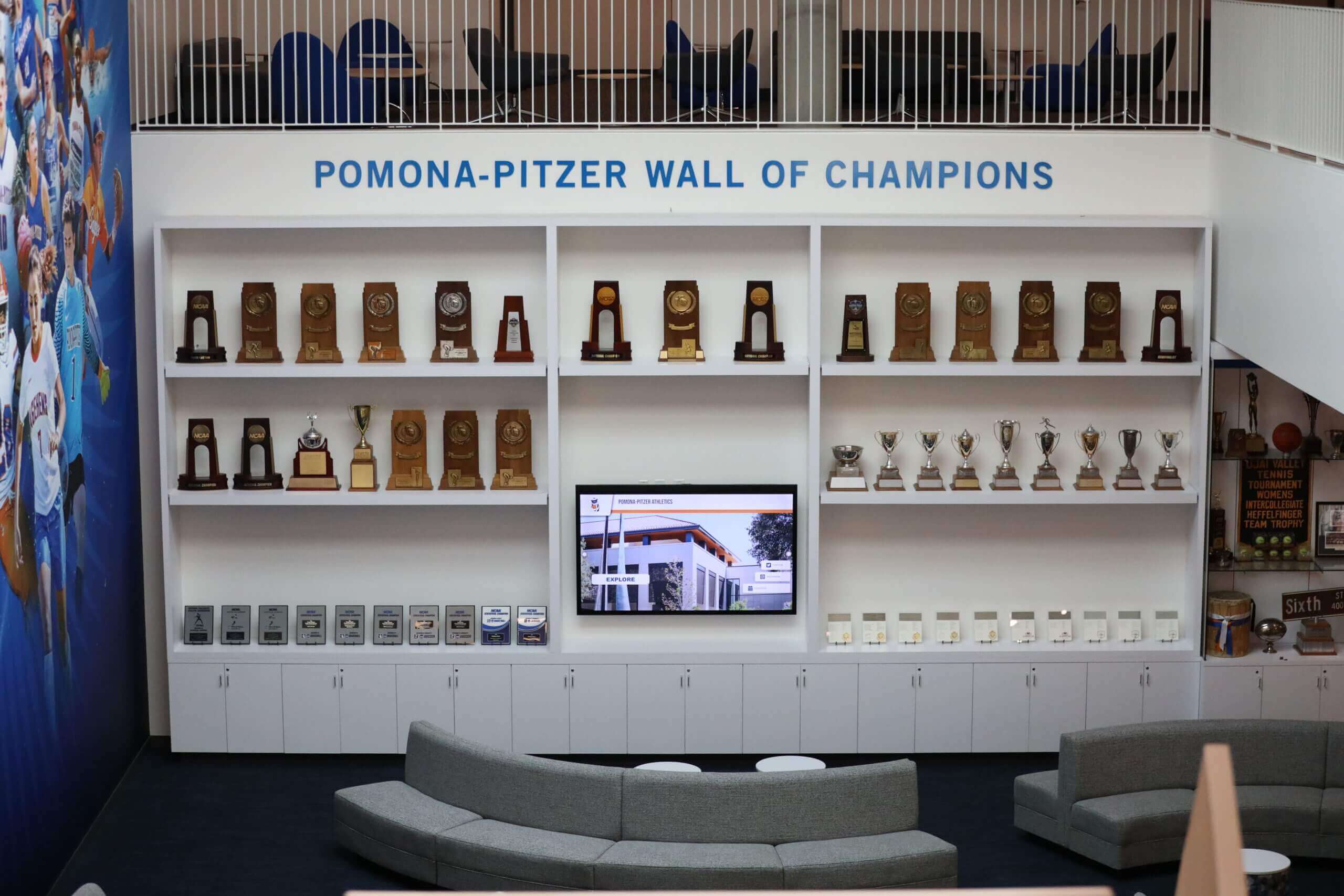
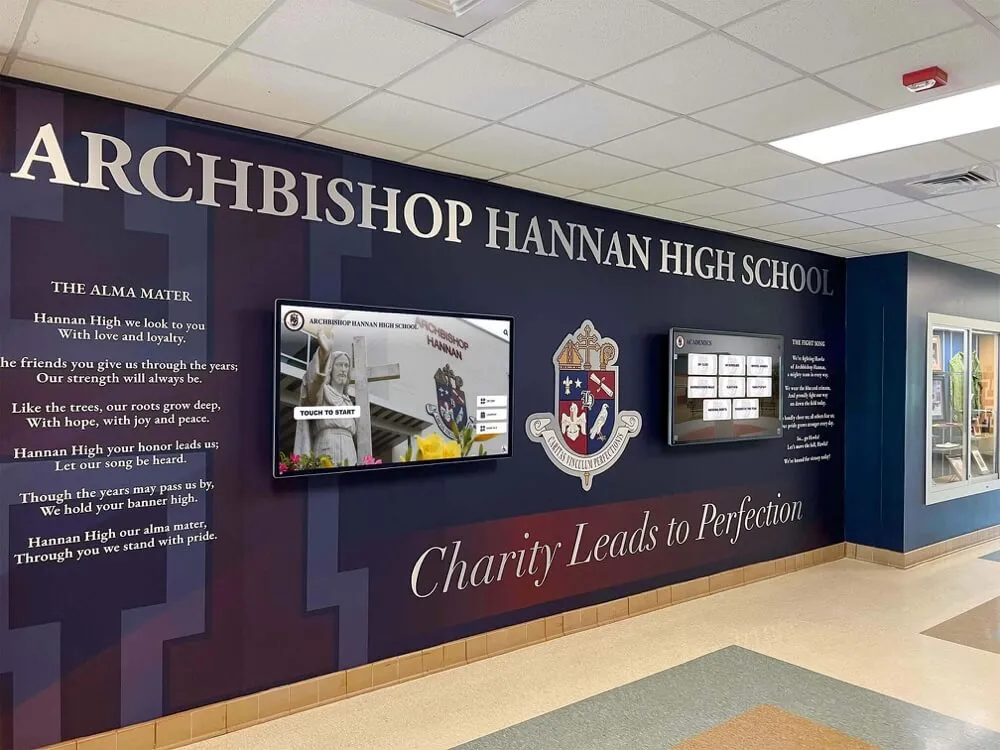
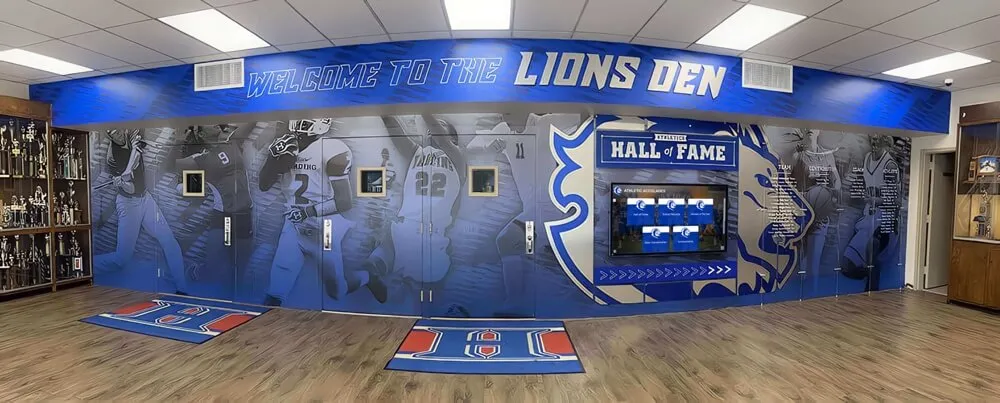
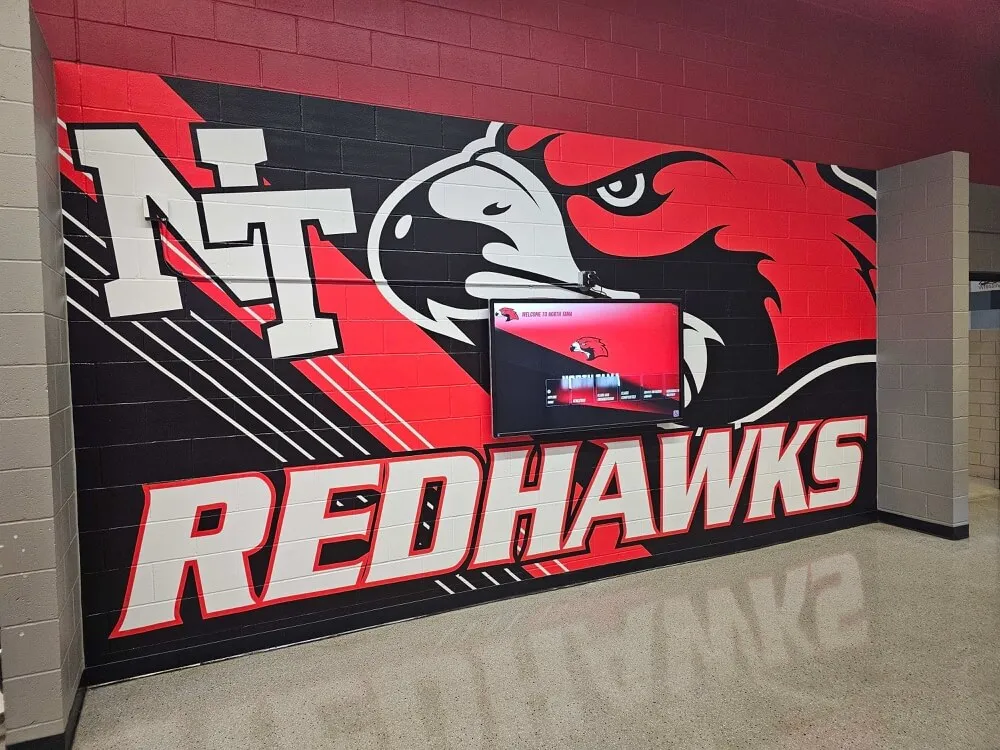
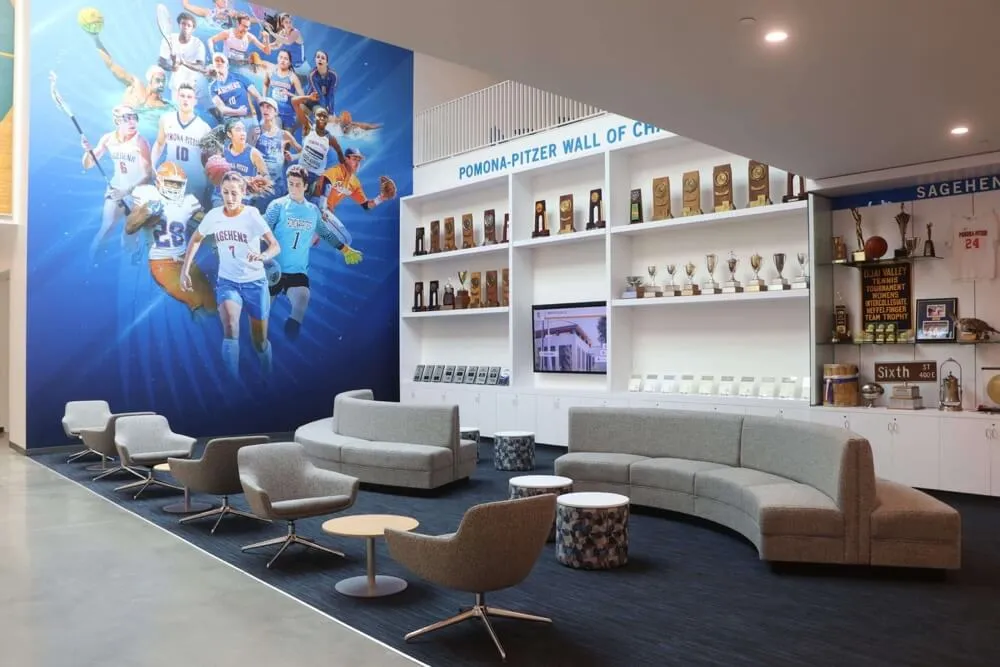
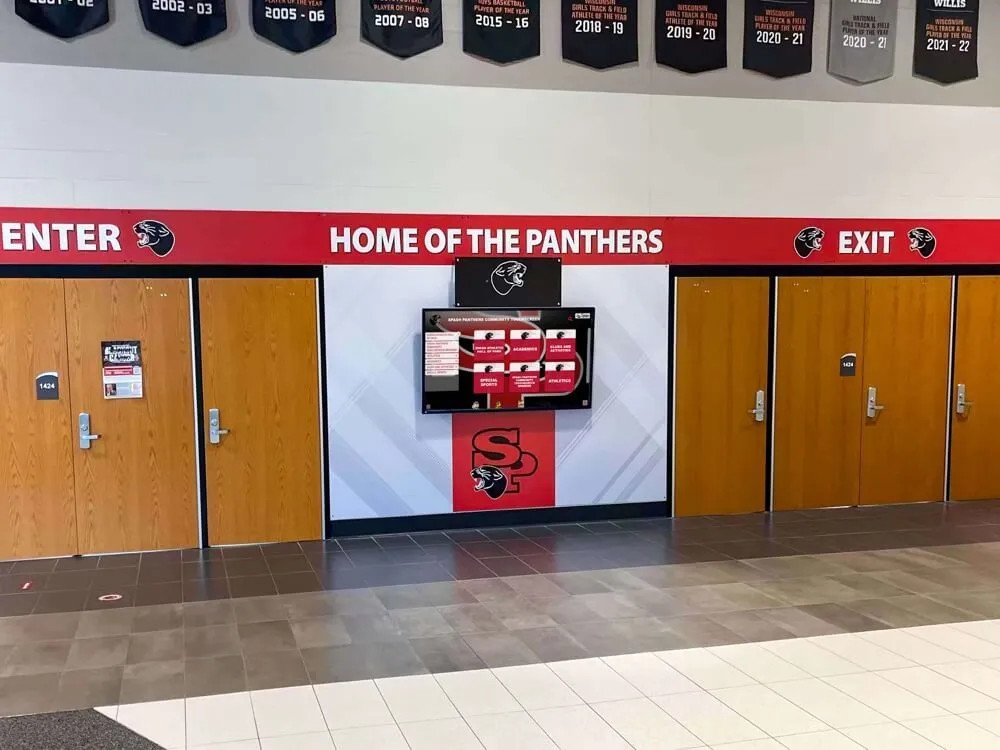
Trophy displays celebrating spring sports achievements create lasting recognition extending beyond seasonal awards ceremonies throughout athletic facilities
Award Categories for Spring Sports Recognition
Comprehensive award structures celebrate diverse contributions across performance, character, improvement, and leadership dimensions ensuring varied athlete recognition.
Universal Spring Sports Award Categories
Awards applicable across most spring athletic programs:
Most Valuable Player / Athlete of the Year
- Honors athlete contributing most significantly to team success
- Balances statistical achievement with leadership and intangible impact
- Typically determined through coaching staff evaluation and team input
- Most prestigious individual recognition in each sport program
- Consider separate offensive/defensive recognition in applicable sports
Most Improved Player
- Celebrates greatest skill development throughout spring season
- Particularly meaningful for athletes significantly expanding roles
- Recognizes dedication to improvement and coachable attitude
- Encourages growth mindset across all ability levels
- Often peer-nominated reflecting teammate observation of development
Coach’s Award
- Provides flexibility recognizing contributions outside standard categories
- Honors intangibles coaches particularly value or unique circumstances
- Celebrates behind-scenes contributions enabling team success
- Highly prestigious due to personal coach selection
- Acknowledges character qualities beyond athletic performance
Sportsmanship Award
- Celebrates gracious competition and respect for opponents
- Recognizes emotional control and positive competitive behavior
- Honors program values extending beyond winning outcomes
- Demonstrates character qualities communities value highly
- Often includes game official or opponent input when available
Academic Excellence Award
- Recognizes outstanding academic achievement during spring sports season
- Honors student-athletes balancing competition with classroom success
- Celebrates time management and complete student-athlete identity
- Minimum GPA threshold typically established (3.5-3.8 common)
- Demonstrates athletic department priorities beyond competitive outcomes
Leadership Award
- Acknowledges consistent positive leadership through words and actions
- Recognizes both vocal direction and leadership by example
- Celebrates influence on team culture and peer behavior
- Often peer-nominated reflecting genuine teammate respect
- Honors captains and emerging leaders across roster
Comprehensive cheerleading awards structures demonstrate creative recognition approaches adaptable to various spring sports contexts.
Sport-Specific Recognition Categories
Unique awards reflecting individual sport characteristics:
Baseball / Softball
- Golden Glove (defensive excellence)
- Silver Slugger (offensive production)
- Cy Young / Pitcher of the Year
- Ironman Award (durability, innings played)
- Clutch Performance Award
- Base Running Excellence
Track and Field
- Outstanding Field Event Athlete
- Outstanding Running Event Athlete
- Record Breaker Award (school, conference, state marks)
- Most Versatile Athlete (multiple event success)
- Relay Champion Recognition
- Point Scorer Award (team scoring contribution)
Soccer / Lacrosse
- Golden Boot (leading scorer)
- Defensive Player of Year
- Goalkeeper Award
- Assist Leader Recognition
- Ironman/Ironwoman (minutes played)
- Transition Play Excellence
Tennis
- Singles Champion
- Doubles Excellence
- Most Wins Recognition
- Sportsmanship (on-court conduct)
- Tournament Performance Award
- Team Player Award (dual match contributions)
Golf
- Low Medalist (scoring average)
- Most Improved Stroke Average
- Tournament Performance
- Course Management Excellence
- Mental Toughness Award
- Team Scoring Contribution
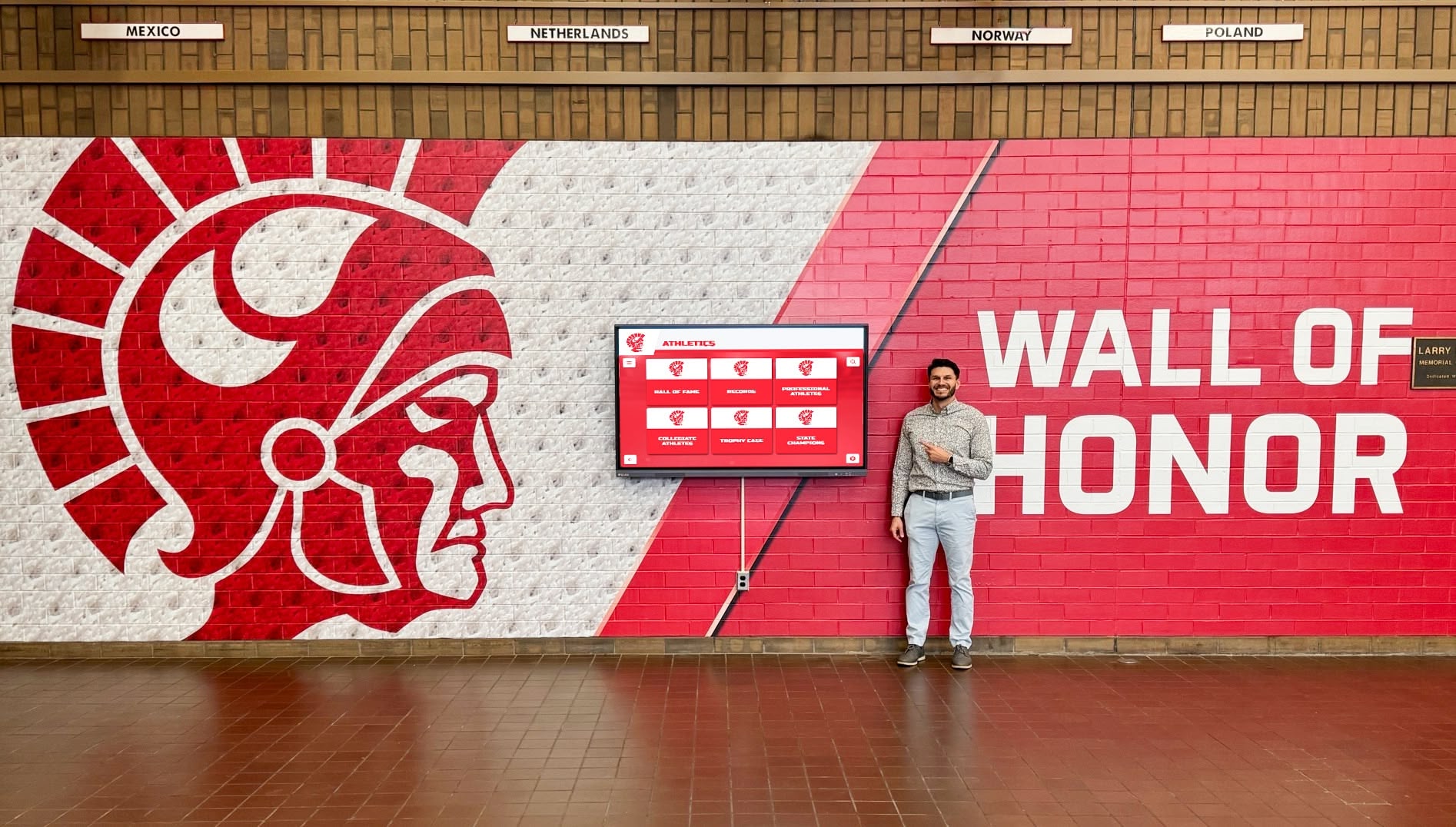
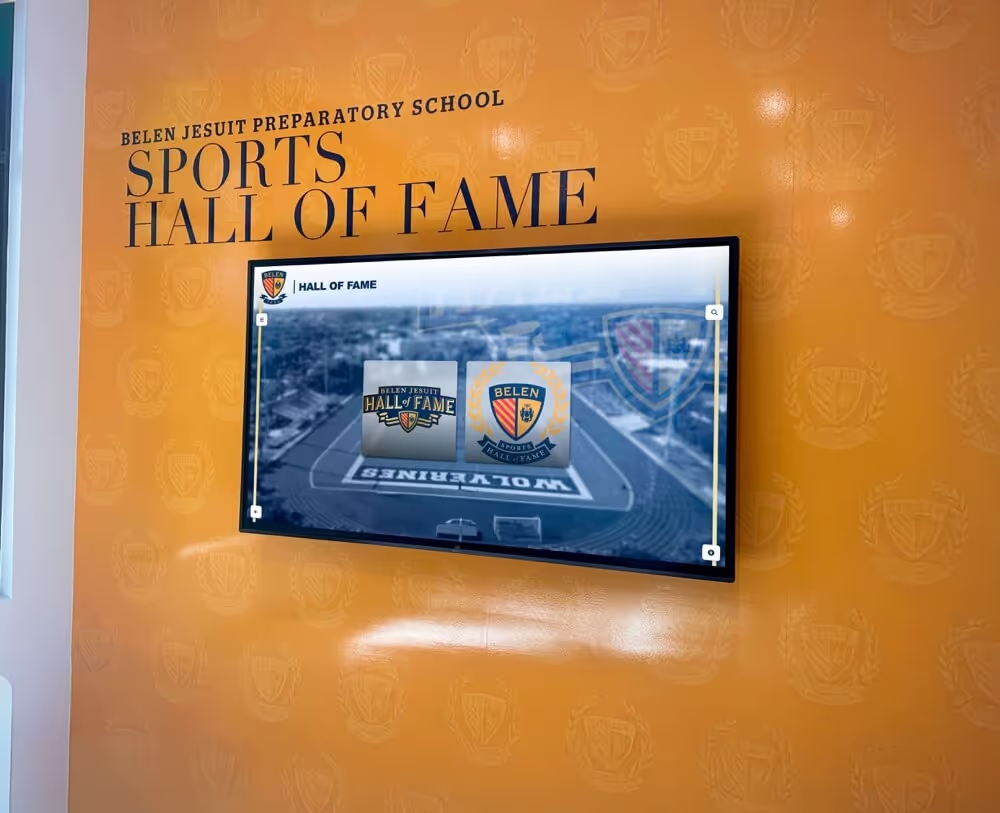
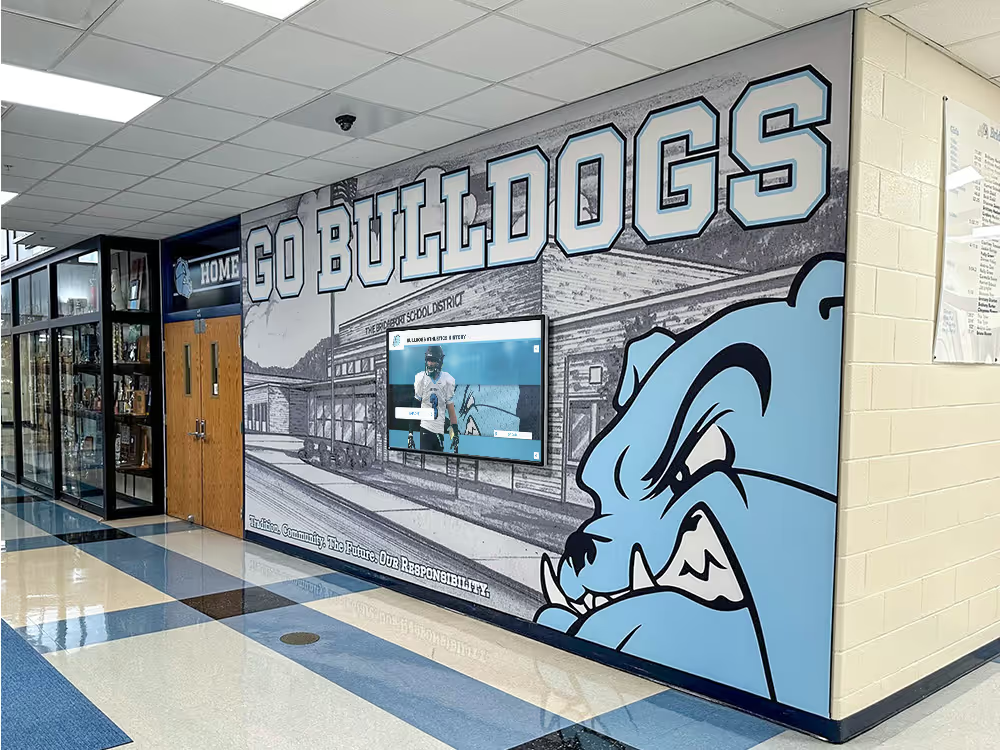
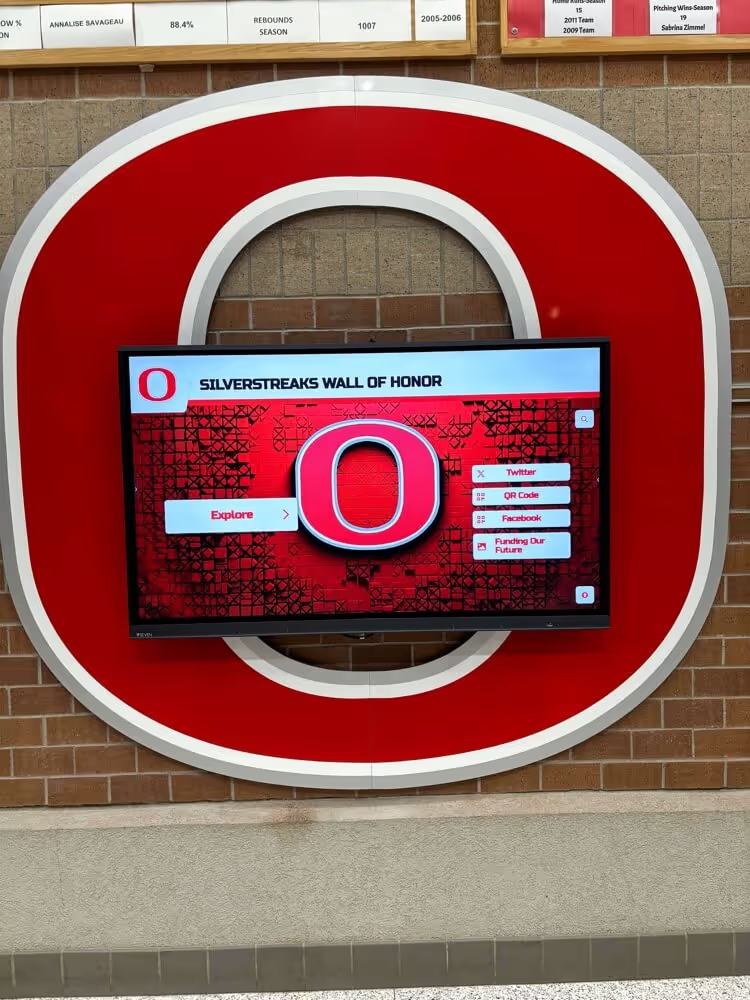
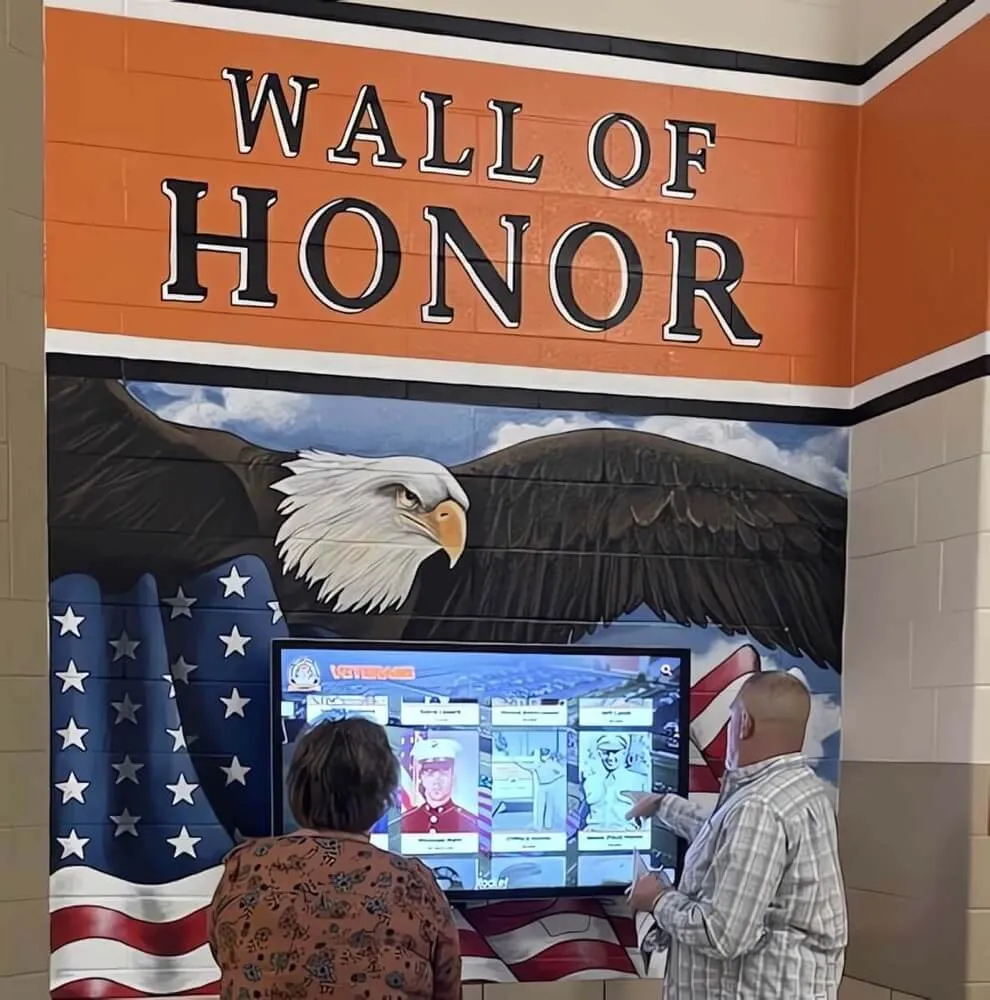
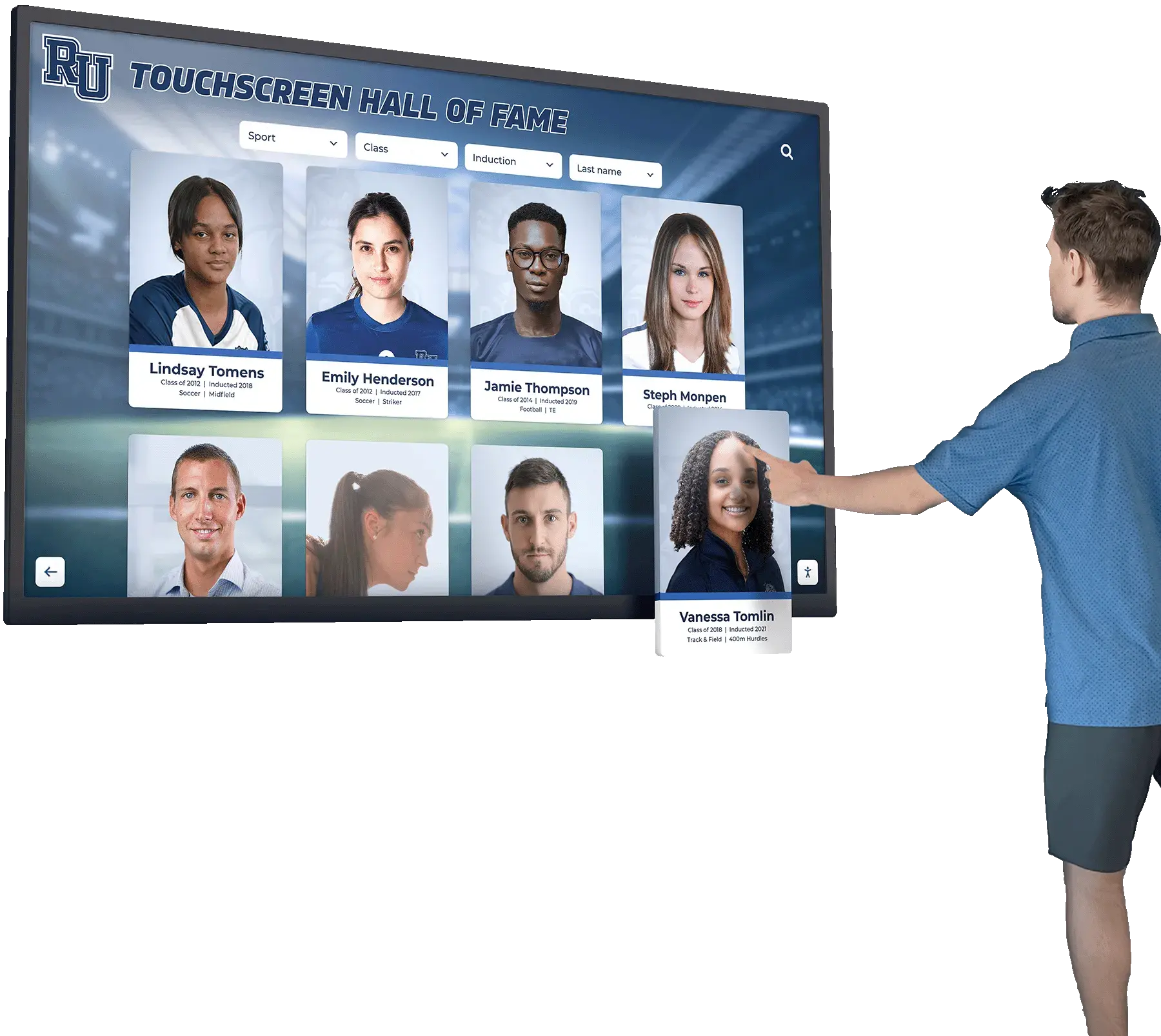
Interactive recognition displays enable spring sports athletes and families to explore comprehensive achievement records during awards ceremonies and throughout the year
All-Sport Recognition Categories
Awards spanning entire spring athletic department:
Spring Athlete of the Year
- Honors outstanding achievement across entire spring sports program
- Selection considers competitive excellence, leadership, academics, citizenship
- Creates department-wide recognition transcending individual sports
- Highly prestigious acknowledgment of complete student-athlete excellence
- Selection committee often includes athletic director, coaches, and administrators
Scholar-Athlete Recognition
- Department-wide academic excellence acknowledgment
- Typically requires minimum GPA across full academic year
- Honors athletes excelling in classroom while competing athletically
- May include different tiers (3.5+, 3.75+, 4.0) recognizing varying achievement
- Creates comprehensive list celebrating academic commitment
Sportsmanship Award
- All-sport recognition of exemplary conduct and character
- Reflects values across entire athletic department
- Selection based on coach nominations and administrator evaluation
- Represents athletic program to broader school community
- Emphasizes character development as core athletic department mission
Senior Athlete Recognition
- Acknowledges all graduating spring sport participants
- Celebrates multi-year commitment to athletic programs
- Includes reflections on athletic journey and future plans
- Special recognition for multi-sport senior athletes
- Creates closure for graduating student-athletes
Understanding senior night celebration approaches helps athletic directors coordinate season-ending recognition throughout spring programs.
Venue Selection and Logistics Coordination
Strategic venue choices significantly impact celebration quality while affecting budget, atmosphere, and execution complexity.
Venue Options for Spring Sports Awards
School Facilities
On-campus venues offering cost efficiency and convenience:
- Cafeteria, commons, gymnasium, or auditorium spaces
- No rental costs significantly reducing budget requirements
- Familiar environment comfortable for athletes and families
- Built-in AV equipment potentially available
- Convenient location maximizing community attendance
- May lack ambiance of dedicated event venues
- Requires setup and cleanup coordination
- Potential scheduling conflicts with end-of-year activities
Banquet Halls and Event Centers
Professional venues providing full-service capabilities:
- Dedicated event space with professional atmosphere
- Full-service catering reducing organizational burden
- Staff handling setup, service, and cleanup
- Established event experience and capabilities
- Various room sizes accommodating different capacities
- Higher costs but reduced planning complexity
- Creates special occasion feeling beyond school setting
- Professional presentation for prestigious recognition
Restaurants with Private Rooms
Hybrid approach balancing cost and quality:
- Private or semi-private dining spaces
- Professional food service without full banquet costs
- Appropriate for smaller programs or individual sports
- Informal atmosphere suitable for team celebrations
- Limited capacity may restrict family attendance
- Menu flexibility often more limited than catering
- Convenient option for sport-specific banquets
Outdoor Venues
Weather-permitting alternatives for spring celebrations:
- Pavilions, parks, or outdoor facilities
- Natural spring setting appropriate to season timing
- Casual atmosphere encouraging relaxed celebration
- Often lower costs than indoor professional venues
- Weather contingency planning absolutely essential
- Limited AV capabilities in most outdoor settings
- Requires significant logistical planning for outdoor service
Essential Venue Logistics
Capacity Planning Considerations
Accurate attendance estimation ensuring adequate space:
- Spring athlete count across all participating sports
- Family members (typically 3-5 per athlete for awards events)
- Coaching staff, support personnel, administrators
- Special guests (booster representatives, school board, community supporters)
- Comfortable seating preventing overcrowding
- Additional space for registration, displays, social areas
- 10-15% buffer above expected attendance for safety
Audio-Visual Infrastructure Requirements
Technical capabilities enabling quality presentation:
- Projection system or large displays for videos and presentations
- Sound system adequate for venue size ensuring all hear clearly
- Multiple microphones for emcee, speakers, coaches
- Media player connections supporting various file formats
- Adequate lighting control for presentations without excessive darkness
- Internet connectivity if displaying live content or streaming
- Technical support availability during event
- Backup equipment plans addressing potential technical failures
Accessibility and Accommodation Standards
Ensuring inclusive experiences for all attendees:
- Wheelchair accessible entrances, seating, and restroom facilities
- Parking accommodations for attendees with mobility challenges
- Dietary accommodations for various restrictions and allergies
- Clear signage directing attendees throughout venue
- Assistive listening systems for hearing-impaired attendees
- Family-friendly facilities including changing areas when needed
- Service animal accommodations when applicable
Programs coordinating comprehensive baseball senior night celebrations can integrate recognition frameworks into broader spring awards planning.
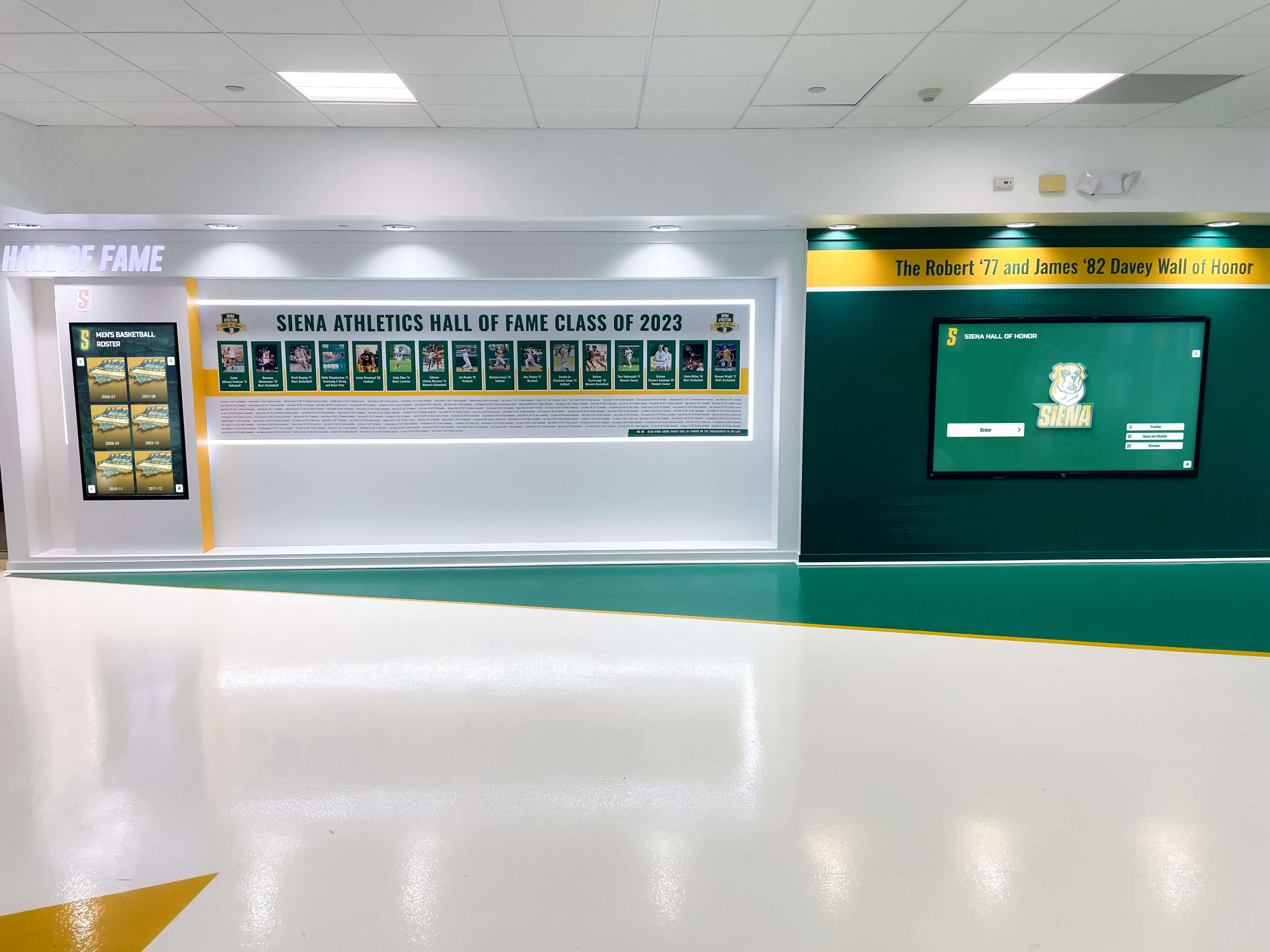
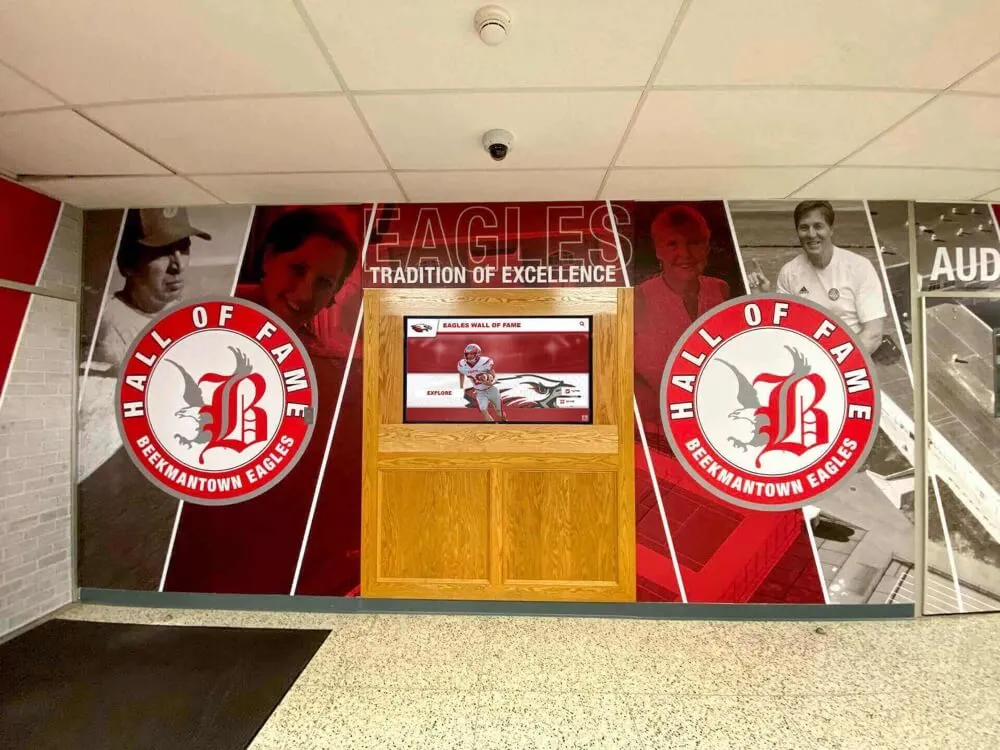
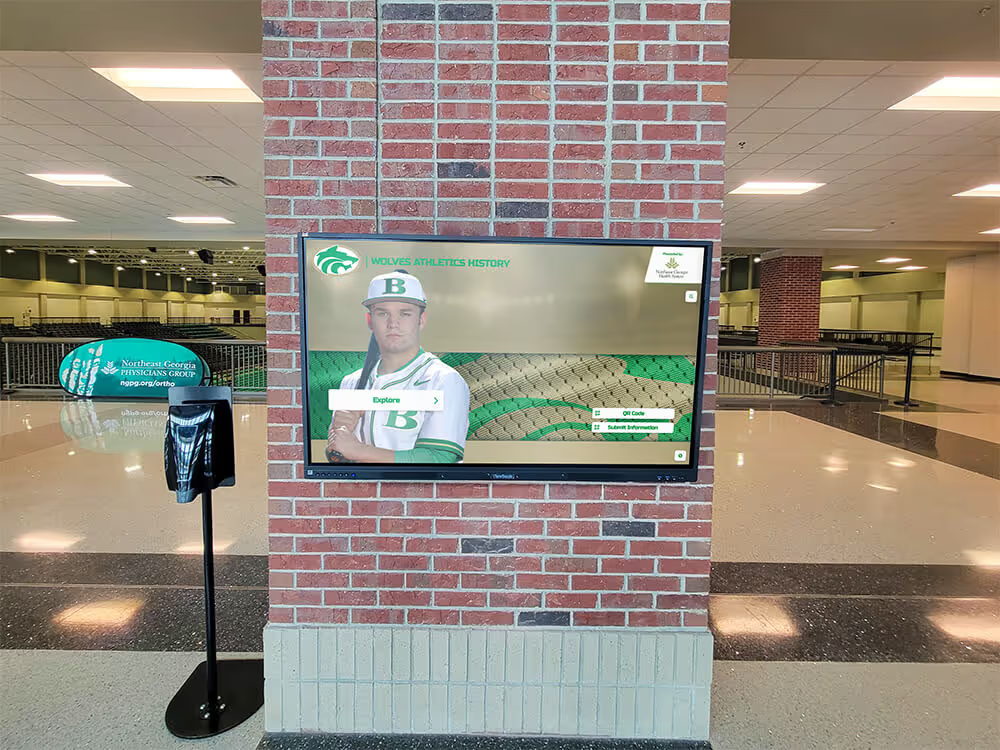
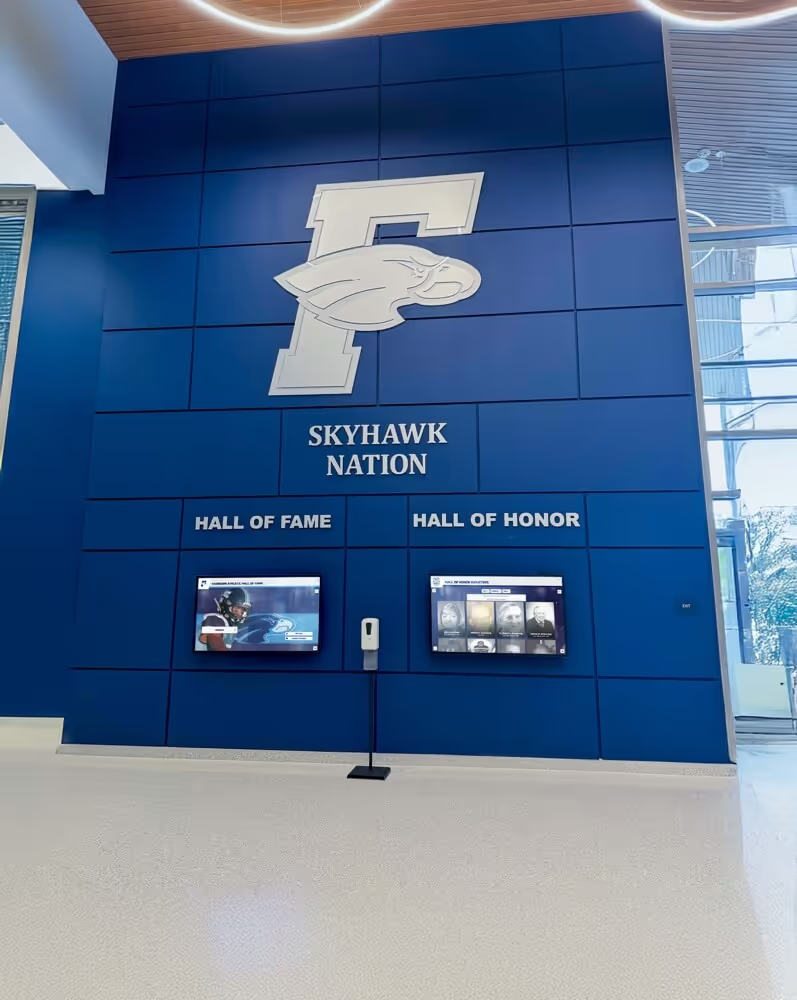
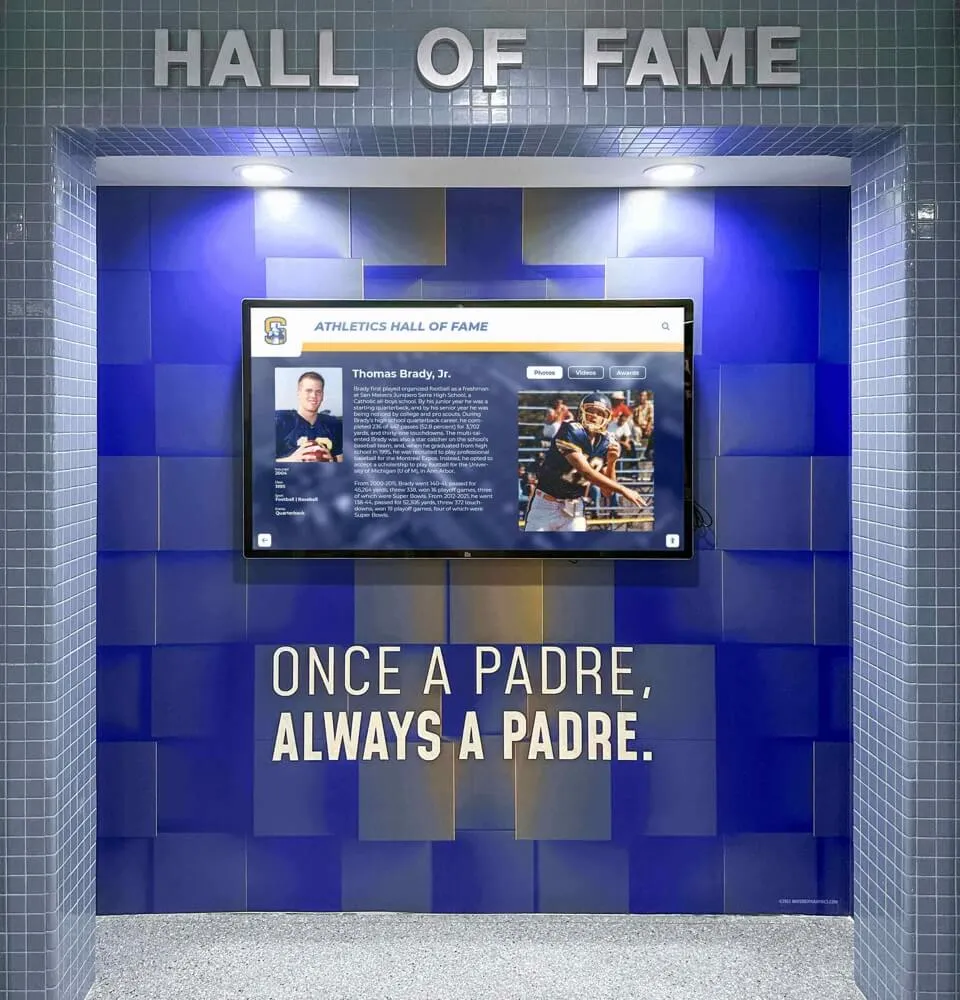
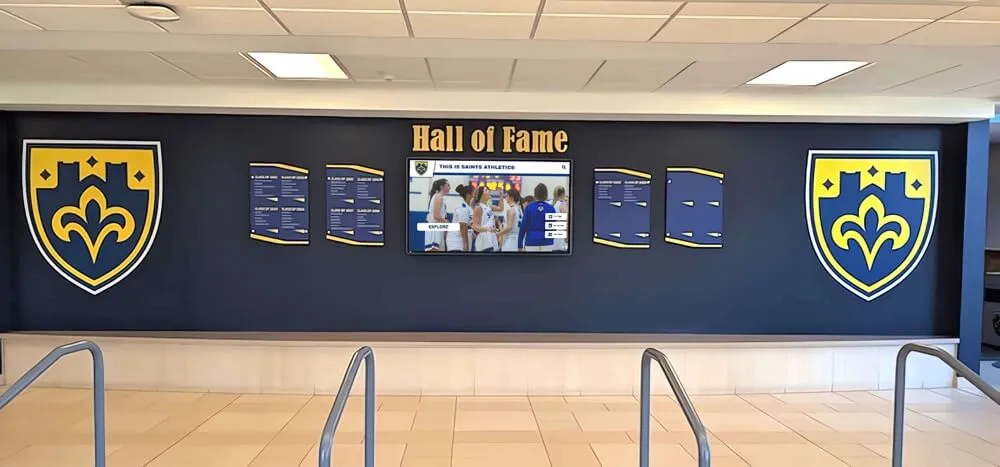
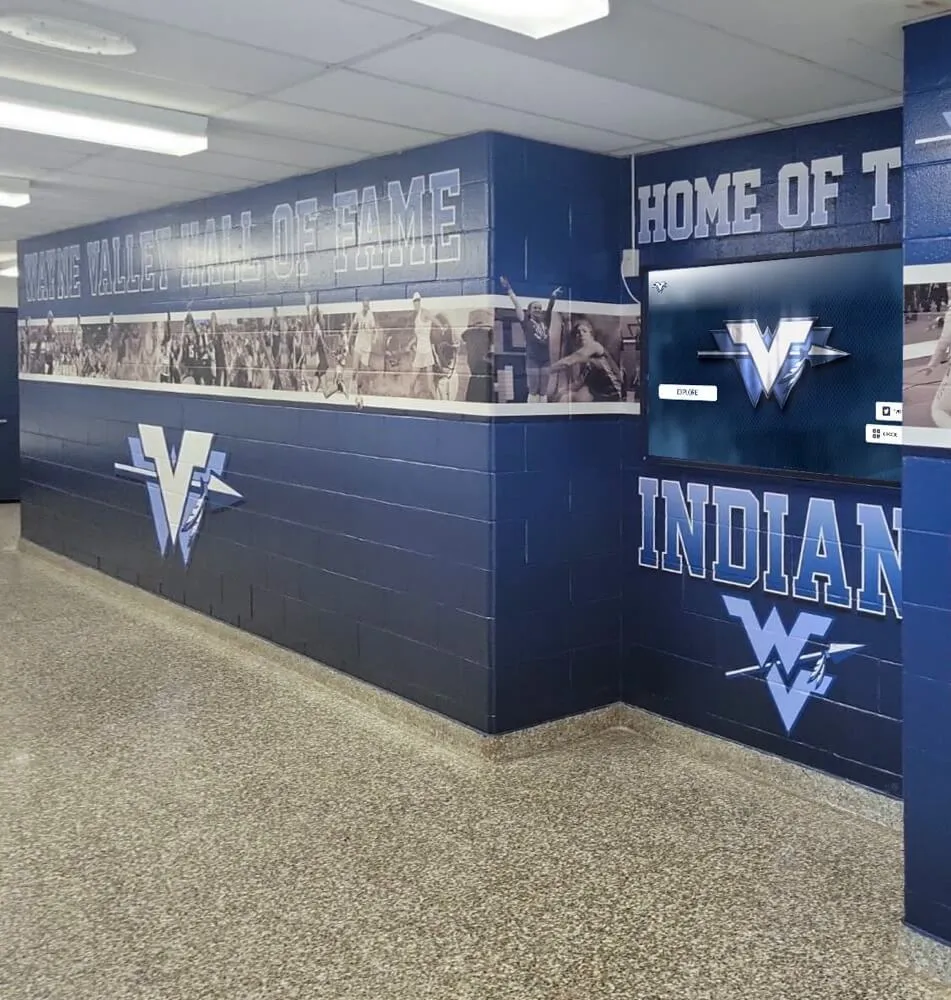
Permanent hall of fame installations ensure spring sports achievements remain visible year-round, building program prestige beyond seasonal awards ceremonies
Budget Development and Funding Strategies
Realistic financial planning enables quality spring sports recognition within available resources while ensuring equitable experiences across programs.
Typical Cost Components
Venue and Facility Expenses
- Rental fees for off-campus locations ($300-$3,000 depending on venue and capacity)
- Setup and breakdown services when required
- Parking fees or validation if applicable
- Insurance or damage deposits (typically returned after event)
- Facility coordinator fees for professional venues
Catering and Food Service
- Per-person meal costs ($12-$45 depending on format and menu)
- Service charges and gratuities (typically 18-22% of food costs)
- Beverage service including non-alcoholic options
- Dietary accommodation costs for special meal requests
- Dessert or additional food elements
- Catering delivery and service fees
Awards and Recognition Items
- Individual trophies or plaques ($15-$85 each depending on quality and size)
- Specialized awards for major categories
- Certificates or programs for all participants
- Senior special recognition items
- Coach appreciation gifts
- Team awards or traveling trophies
- Engraving services for personalization
Production and Event Materials
- Video production or editing services ($500-$2,500 for professional work)
- Printed programs or booklets ($2-$8 per copy)
- Decorations and table settings ($300-$1,000 total)
- Photography or videography services ($500-$2,000)
- Backdrop or signage for photos
- Digital presentation materials and slide development
Administrative and Miscellaneous
- Invitation printing and distribution costs
- Online registration platform fees when applicable
- Event coordinator compensation if professional services employed
- Emergency contingency fund (10-15% of total budget)
Budget Ranges by Format
- Combined spring sports recognition: $6,000-$15,000 total
- Individual sport banquets: $2,000-$6,000 per sport
- Hybrid approach with primary ceremony: $8,000-$18,000 total
- Casual team dinners: $1,200-$3,500 per sport
Revenue Sources and Funding Approaches
Traditional Funding Mechanisms
- Athletic department budget allocations for recognition programs
- Per-athlete participation fees collected during season registration
- Ticket sales to players, families, and supporters ($25-$50 per person typical)
- Booster club fundraising specifically supporting awards recognition
- Athletic department fundraising campaigns throughout year
- Parent organization contributions and support
- General fund allocations from school or district budgets
Sponsorship and Partnership Development
- Local business sponsorships supporting spring sports recognition
- In-kind donations (food, printing, photography services)
- Venue donated or discounted by community organizations
- Award donations from civic groups or alumni associations
- Equipment or service trades reducing cash requirements
- Multi-year sponsorship agreements providing predictable funding
Cost Reduction Strategies
- School facility use eliminating venue rental expenses
- Parent volunteer coordination reducing professional service needs
- In-house video production using available equipment and talent
- Digital programs eliminating printing costs entirely
- Student photographer volunteers providing event documentation
- Potluck elements supplementing professional catering
- Combined format sharing fixed costs across multiple sports
- Early booking discounts for venues and services
Understanding basketball awards frameworks provides cross-sport insights applicable to comprehensive spring recognition planning.
Content Architecture: Organizing Spring Sports Recognition Programs
Systematic organization ensures ceremonies remain engaging while covering essential recognition elements comprehensively across multiple sports.
Ceremony Structure for Combined Spring Sports Events
Pre-Event Social Time (30-45 minutes)
- Athlete and family arrival, check-in, informal connection
- Photo opportunities with sport-specific backdrops or team displays
- Highlight videos playing creating atmosphere across sports
- Sport-branded table assignments building program community
- Informal coach interaction with families before formal program
Opening Ceremony (10-15 minutes)
- Athletic director or principal welcome and context setting
- Overview of spring sports achievements across programs
- Recognition of administrators, coaches, supporters enabling success
- Introduction of ceremony format and timing expectations
- Establishment of celebration tone honoring diverse achievements
Sport-by-Sport Recognition Segments (40-60 minutes total)
Each sport receives dedicated time block including:
- Coach introduction and season overview (2-3 minutes)
- Season highlight video or photo montage (2-4 minutes)
- Individual award presentations with brief descriptions (varies by team size)
- Senior recognition for graduating athletes (integrated or separate)
- Coach closing remarks and appreciation (1-2 minutes)
Typical allocation: 8-12 minutes per sport depending on program size
All-Sport Recognition (15-20 minutes)
- Spring athlete of the year presentation
- Scholar-athlete recognition across programs
- All-sport sportsmanship or character awards
- Multi-sport athlete acknowledgment
- Special recognitions (state qualifiers, record breakers, significant milestones)
Athletic Director Closing Remarks (5-10 minutes)
- Reflection on collective spring season achievements
- Values and priorities emphasized across programs
- Appreciation for family support enabling participation
- Looking forward to future season expectations
- Emotional closure creating meaningful conclusion
Post-Ceremony Social Time (30-60 minutes)
- Extended celebration and informal connection
- Continued photo opportunities with awards
- Displays allowing exploration of season documentation
- Coach conversations and relationship building
Total program duration: 90-120 minutes for combined format
Individual Sport Banquet Program Structure
Focused format enabling deeper recognition within single program:
Social Gathering (20-30 minutes)
- Team arrival and informal bonding
- Photo opportunities for team and families
Meal Service (30-45 minutes)
- Formal or casual dining as appropriate to format
- Informal conversation and relationship building
Formal Program (45-60 minutes)
- Coach welcome and season reflection
- Extended season highlight presentation
- Individual award categories with detailed recognition
- Senior tributes with adequate time for emotion and reflection
- Team awards or special recognitions
- Coach closing remarks and future outlook
Post-Program Celebration (flexible)
- Continued gathering and team bonding
- Additional photos with awards and teammates
Digital Display Integration During Ceremonies
Technology enhancing recognition experiences:
Pre-Event Display Content
- Rotating athlete profiles from all spring sports
- Season statistics and achievement highlights
- Interactive exploration enabling early arrivals to engage
- Team photos and roster information
- Historical program context connecting current to past achievements
Live Ceremony Integration
- Real-time display of award recipients as announced
- Photo presentation during individual recognition
- Achievement statistics displayed during athlete acknowledgment
- QR codes enabling attendees to access detailed digital profiles
- Social media feed displaying family posts during celebration
Post-Event Accessibility
- Complete ceremony documentation added to digital archives
- Award recipient profiles updated with current recognition
- Event photography preserved alongside athlete records
- Searchable database enabling exploration beyond ceremony
- Family sharing capabilities extending celebration visibility
Understanding end-of-year banquet display approaches helps coordinate recognition technology throughout spring sports celebrations.
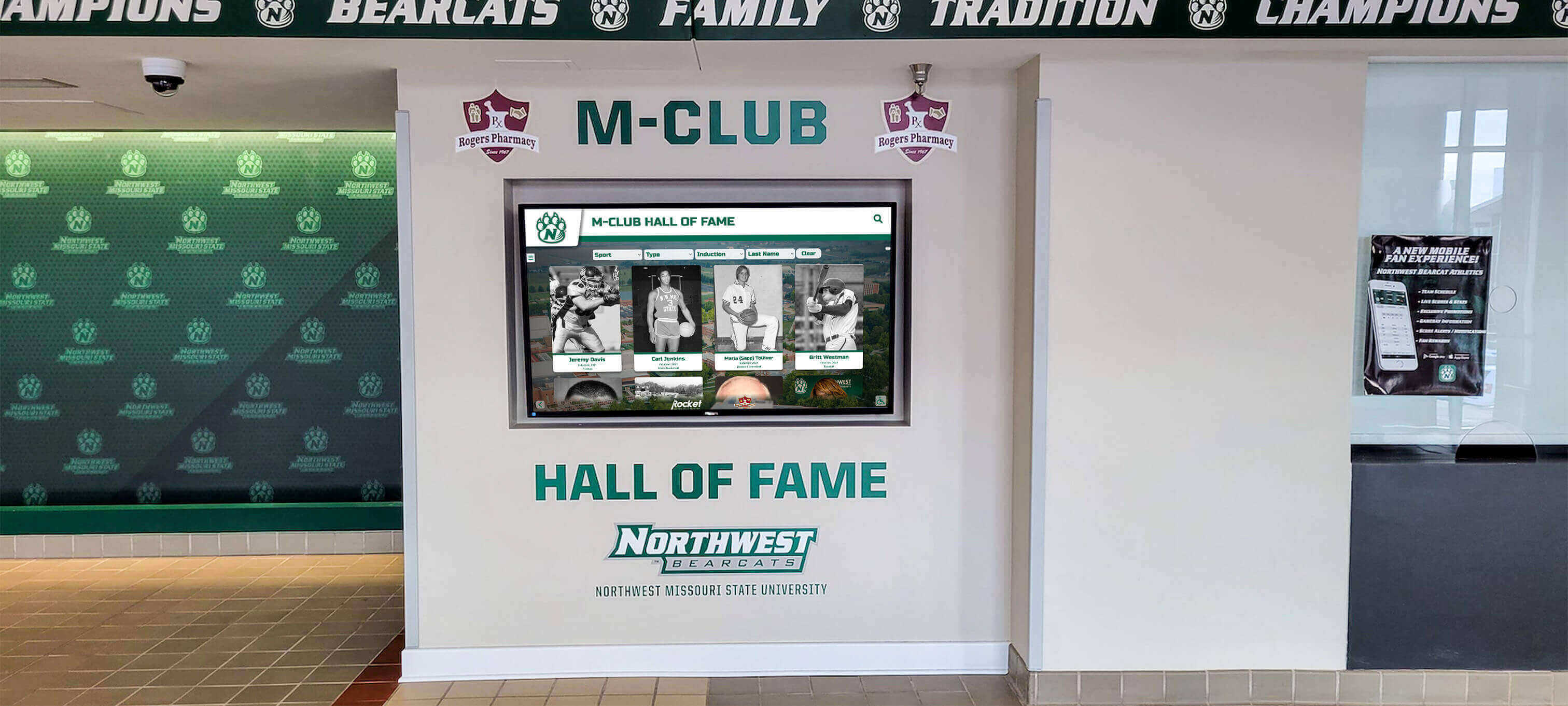
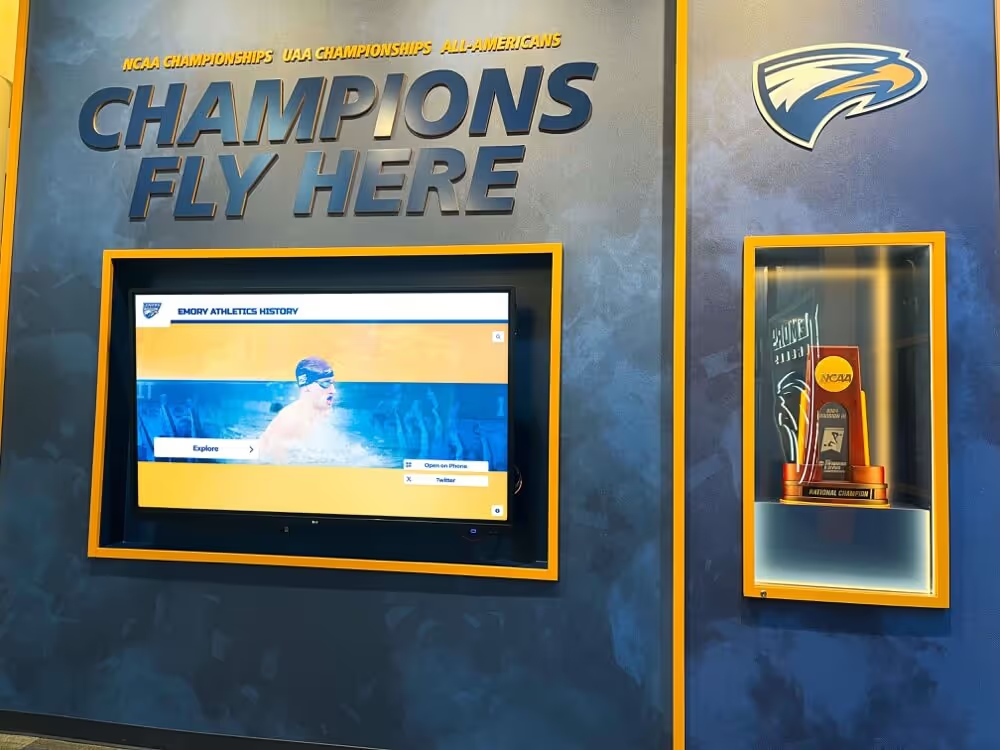
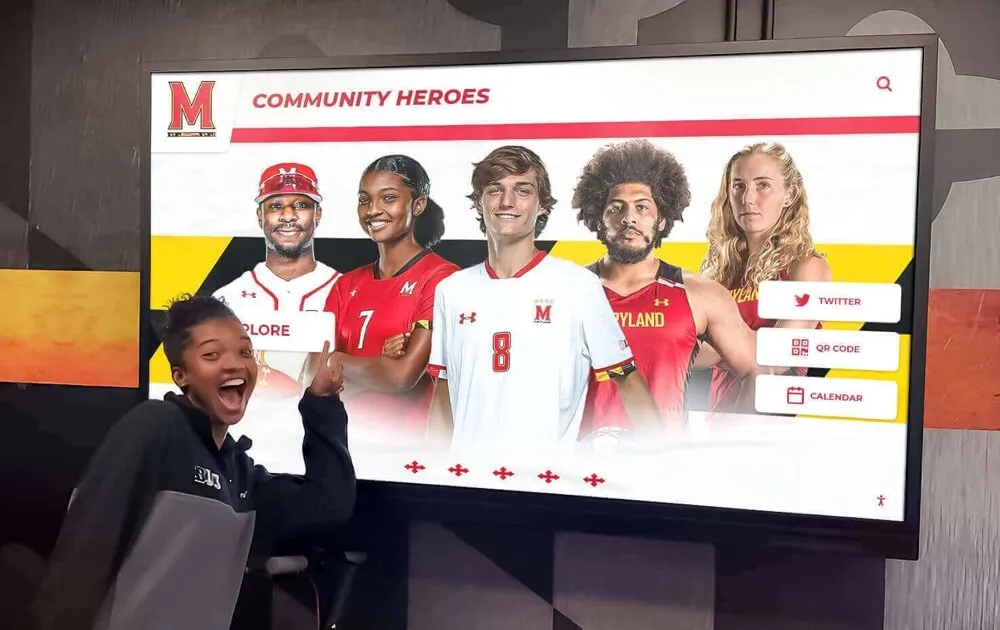
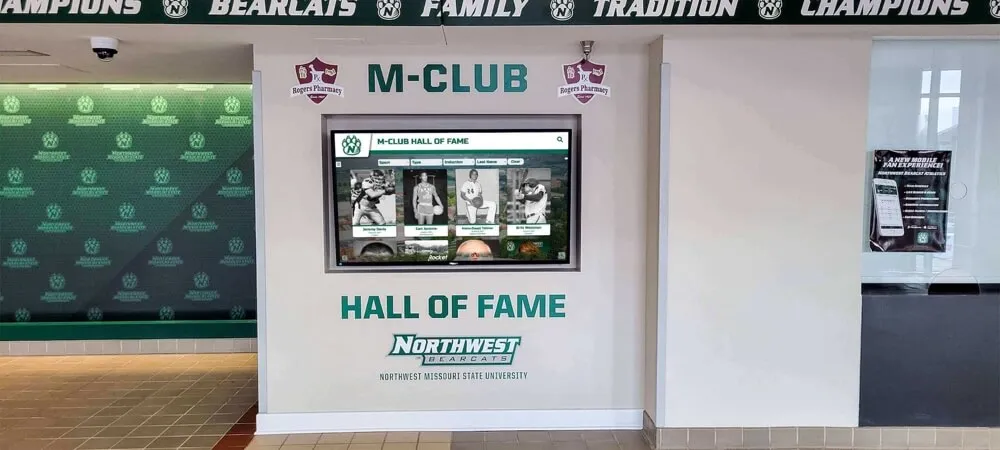
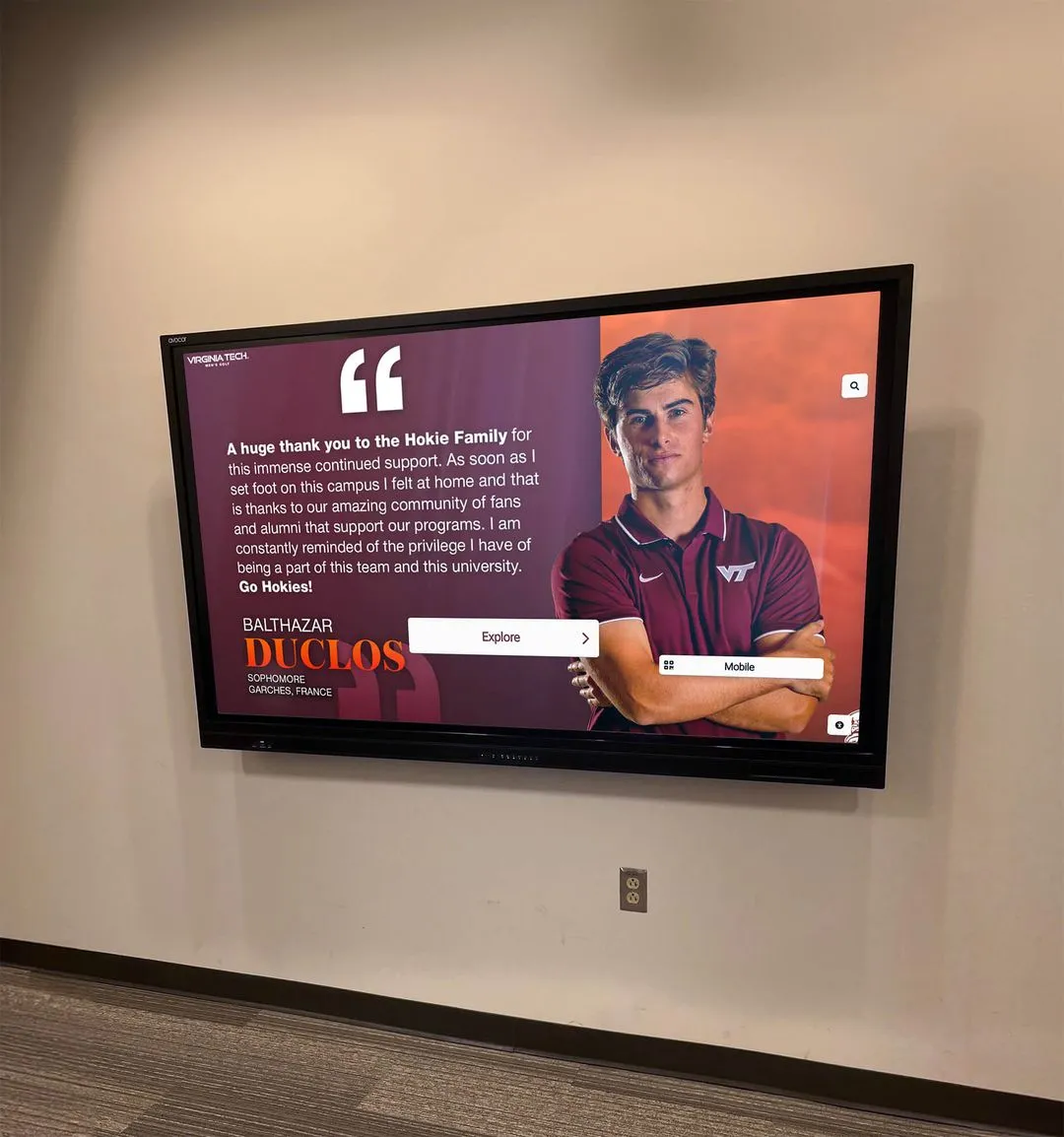
Collegiate-level digital recognition systems demonstrate sophisticated approaches adaptable to high school spring sports award programs
Execution Timeline: Spring Sports Awards Implementation
Strategic planning phases address compressed spring timelines ensuring quality recognition despite competing end-of-year demands.
Phase 1: Initial Planning (10-12 Weeks Before Season End)
Format Decision and Stakeholder Alignment
- Determine combined vs. individual format based on budget, tradition, capacity
- Consult with spring sport coaches gathering input and preferences
- Review previous year’s events identifying successes and improvement areas
- Establish planning committee including athletic department staff, coaches, parent representatives
- Secure administrative approval for chosen format and preliminary budget
- Define goals and desired outcomes for spring recognition program
Preliminary Budget and Date Selection
- Develop comprehensive budget covering all anticipated expenses
- Identify funding sources and revenue generation strategies
- Research preliminary venue options with capacity and cost information
- Coordinate with academic calendar avoiding conflicts with AP exams, graduation, proms
- Check facility calendars for availability on target dates
- Establish backup date options accounting for weather-related schedule changes
- Confirm coach availability for potential ceremony dates
Phase 2: Logistics Development (6-10 Weeks Before Event)
Venue Confirmation and Contract Execution
- Finalize venue selection based on capacity, budget, and atmosphere
- Review contracts carefully before commitment ensuring clear terms
- Confirm date reservation with deposit securing space
- Establish catering menu options and dietary accommodation procedures
- Verify audio-visual capabilities and technical support availability
- Confirm accessibility features meeting all attendee needs
Award Structure Finalization
- Design comprehensive award categories across all sports ensuring equity
- Establish clear selection criteria making processes transparent
- Determine evaluation methods involving coaches and appropriate stakeholders
- Communicate award structures to coaches and athletes providing clarity
- Order physical awards ensuring adequate delivery time before ceremony
- Coordinate engraving specifications personalizing recognition appropriately
Program Development Planning
- Design ceremony structure balancing engagement with time constraints
- Establish sport presentation order (rotating annually ensuring fairness)
- Identify speakers and confirm participation
- Plan video production timeline and content gathering processes
- Develop script framework with timing estimates for each segment
- Coordinate with coaches establishing individual sport segment plans
Phase 3: Final Preparation (2-6 Weeks Before Event)
Invitation Distribution and RSVP Management
- Finalize comprehensive guest lists across all spring sports
- Create and distribute invitations through appropriate channels (email, print, team communications)
- Establish RSVP deadline allowing adequate planning time
- Implement registration system tracking attendance and meal selections
- Sell tickets if applicable managing payment collection
- Communicate event details including date, time, location, dress code, parking
Content Production and Materials
- Complete season highlight video production across sports
- Gather photos for slideshows or displays
- Finalize award recipient selections maintaining confidentiality when appropriate
- Prepare award descriptions for ceremony presentations
- Design and print programs if using physical materials
- Create signage for registration, navigation, and displays
Technical Rehearsal and Volunteer Coordination
- Test all audio-visual equipment with actual presentation files
- Rehearse ceremony timing with key participants when possible
- Finalize seating arrangements and registration procedures
- Confirm volunteer assignments and responsibilities
- Review contingency plans for potential issues
- Coordinate with vendors confirming final details and timing
Phase 4: Event Execution and Follow-Up (Event Day Through 2 Weeks After)
Day-of Operations
- Arrive early allowing adequate setup time addressing issues
- Coordinate registration and seating as guests arrive
- Manage program timing maintaining schedule without rushing
- Capture comprehensive photo and video documentation
- Address issues professionally and efficiently as they arise
- Complete venue teardown and cleanup efficiently
Immediate Follow-Up (Within 1 Week)
- Send thank you communications to speakers, volunteers, vendors, supporters
- Distribute photos and videos to athletes and families
- Post social media content celebrating award recipients
- Submit information to local media with photos and results
- Update athletic department website with ceremony highlights
- Gather feedback from coaches and key stakeholders
Extended Follow-Through (Within 2 Weeks)
- Update recognition displays with current season achievements
- Add award recipients to permanent digital recognition systems
- Complete financial reconciliation and reporting
- Document lessons learned for future event improvement
- Archive all ceremony materials for historical preservation
- Begin preliminary planning notes for following year
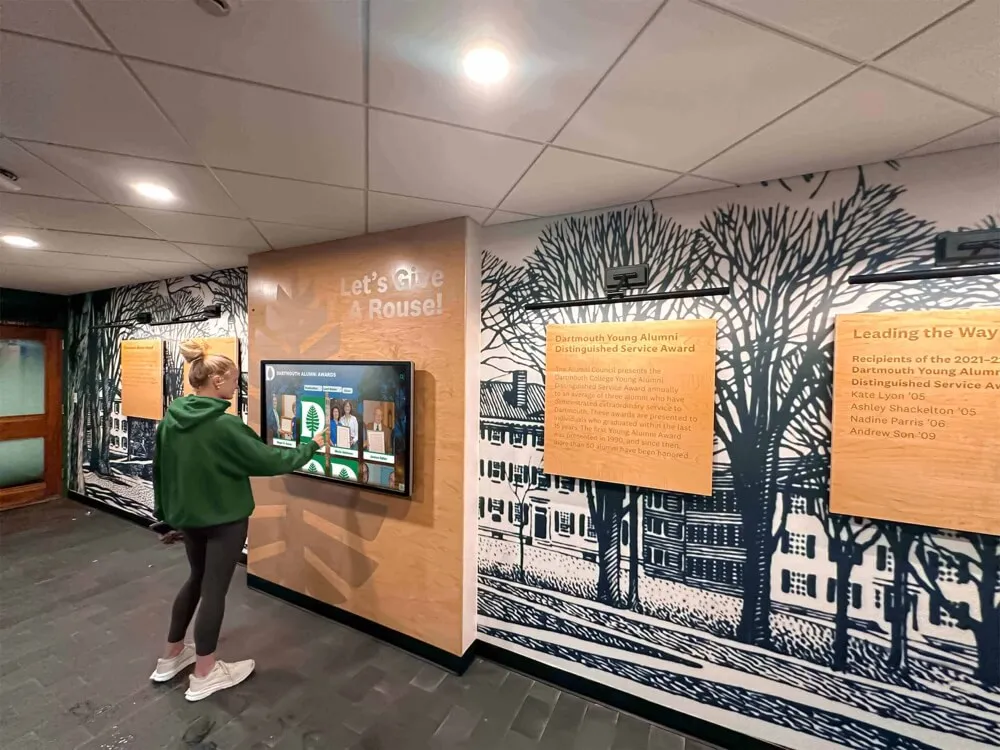
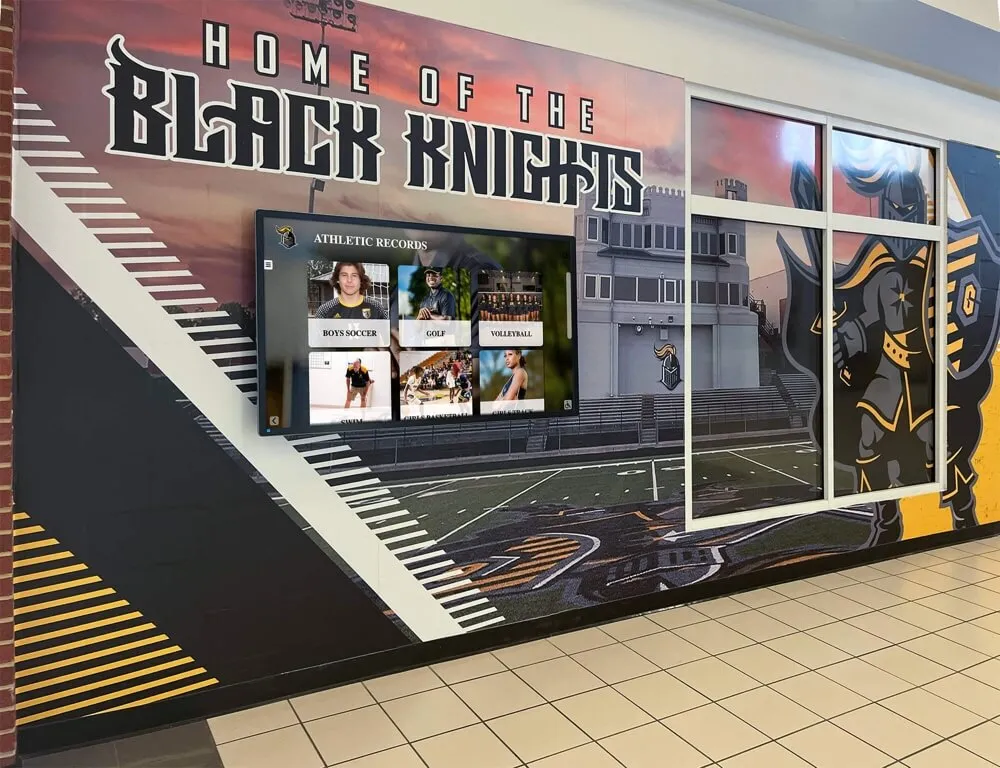
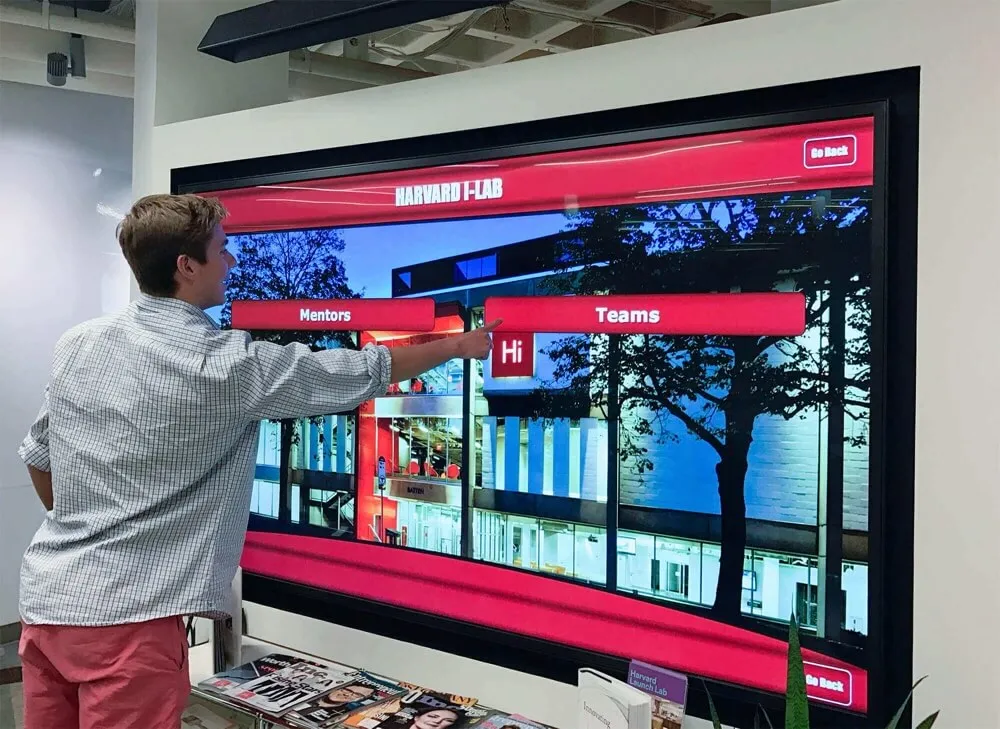
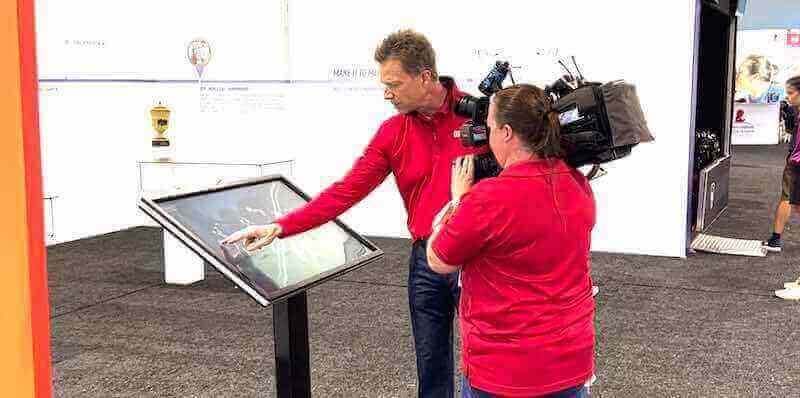
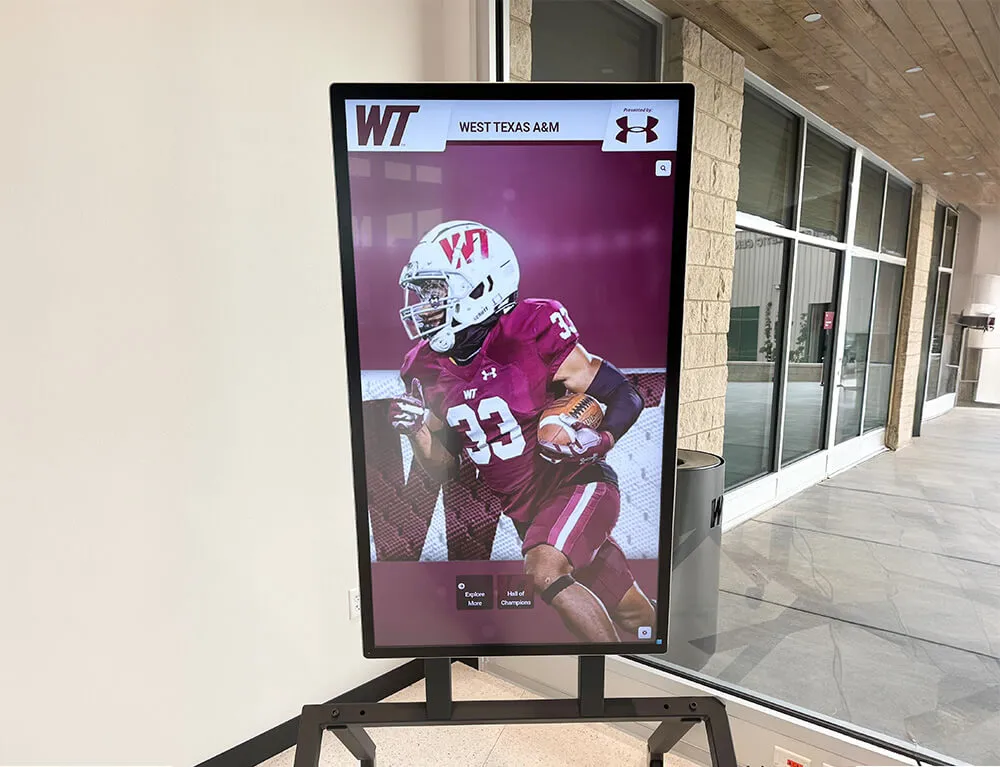
Interactive recognition systems enable ongoing spring sports achievement exploration extending celebration beyond single ceremony dates
Display Integration: Technology for Year-Round Spring Sports Recognition
Strategic technology implementation extends spring sports recognition beyond seasonal ceremonies into sustained visibility building program prestige.
Permanent Recognition Display Systems
Physical Display Location Strategy
Prominent placement ensuring maximum visibility:
- Main athletic facility entrances greeting all visitors
- Gymnasium lobbies connecting recognition with competitive spaces
- School hallways extending visibility beyond athletic areas
- Baseball/softball facility areas celebrating sport-specific achievements
- Track and field venue installations connecting recognition to competition
- Multi-purpose athletic spaces serving diverse program needs
Display Hardware Considerations
Technical specifications supporting effective recognition:
- 55-65 inch displays balancing visibility and budget effectively
- 75-86 inch installations creating impressive focal points in main lobbies
- Brightness specifications appropriate for ambient lighting conditions
- Touchscreen interactivity enabling exploration of comprehensive databases
- Protective enclosures for outdoor or high-traffic installations
- Professional mounting ensuring secure installation and optimal viewing
- Connectivity supporting remote content management without facility access
Software Platform Requirements
Comprehensive capabilities supporting spring sports recognition:
- Unlimited athlete profile capacity accommodating program growth
- Sport, season, and team organization structures
- Award and achievement documentation across categories
- Photo and video hosting without storage limitations
- Statistical tracking appropriate to various spring sports
- Search and filtering enabling intuitive content discovery
- Web accessibility extending recognition beyond physical displays
- Mobile-responsive design ensuring excellent smartphone experiences
- Cloud-based management eliminating local server requirements
- Scheduled publishing coordinating updates with season schedules
Recognition Content Organization
Spring Sports Profile Development
Comprehensive athlete documentation:
- Individual athlete profiles including photos, statistics, achievements
- Season rosters documenting complete team participation
- Award recipient recognition with category descriptions
- Record breaker acknowledgments celebrating milestone achievements
- Senior tributes preserving graduating athlete legacies
- Team photos and season documentation
- Coach profiles recognizing leadership contributions
Multi-Year Historical Preservation
Long-term recognition value:
- Historical team records spanning program history
- Alumni athlete profiles connecting past to present
- Championship documentation celebrating program peaks
- Coach legacy recognition honoring sustained excellence
- Facility dedication and milestone celebrations
- Record progression showing achievement evolution
- Decade retrospectives providing historical context
Dynamic Seasonal Content
Timely information complementing permanent recognition:
- Current season schedules and results
- Upcoming spring sports events and competitions
- Recent achievement highlights and athlete spotlights
- Live scoring during competitions when integrated
- Weather updates affecting outdoor spring sports
- Recruiting celebration for college-bound athletes
- Season preview content building anticipation
Solutions like Rocket Alumni Solutions provide purpose-built athletic recognition platforms specifically designed for spring sports programs, combining unlimited capacity with intuitive cloud management enabling athletic directors to maintain comprehensive recognition without technical expertise or ongoing IT support requirements.
Analytics and Engagement Measurement
Understanding recognition impact through data:
Display Interaction Tracking
- Touch interactions showing which content generates most interest
- Search queries revealing what information visitors seek
- Session duration indicating engagement depth
- Most-viewed athlete profiles identifying popular content
- Peak usage times informing content update schedules
- Sport-specific interest patterns guiding resource allocation
Web Platform Analytics
- Remote visitor traffic from families and community
- Geographic distribution showing reach beyond local attendance
- Device types informing mobile optimization priorities
- Social sharing activity indicating content resonance
- Return visitor rates demonstrating sustained engagement
- Popular content identifying most valued recognition types
Recognition Program Assessment
- Award ceremony attendance trends across years
- RSVP response rates indicating communication effectiveness
- Sponsor satisfaction and renewal rates
- Coach feedback regarding recognition effectiveness
- Athlete and family survey responses measuring satisfaction
- Budget efficiency analyzing cost per recognized athlete
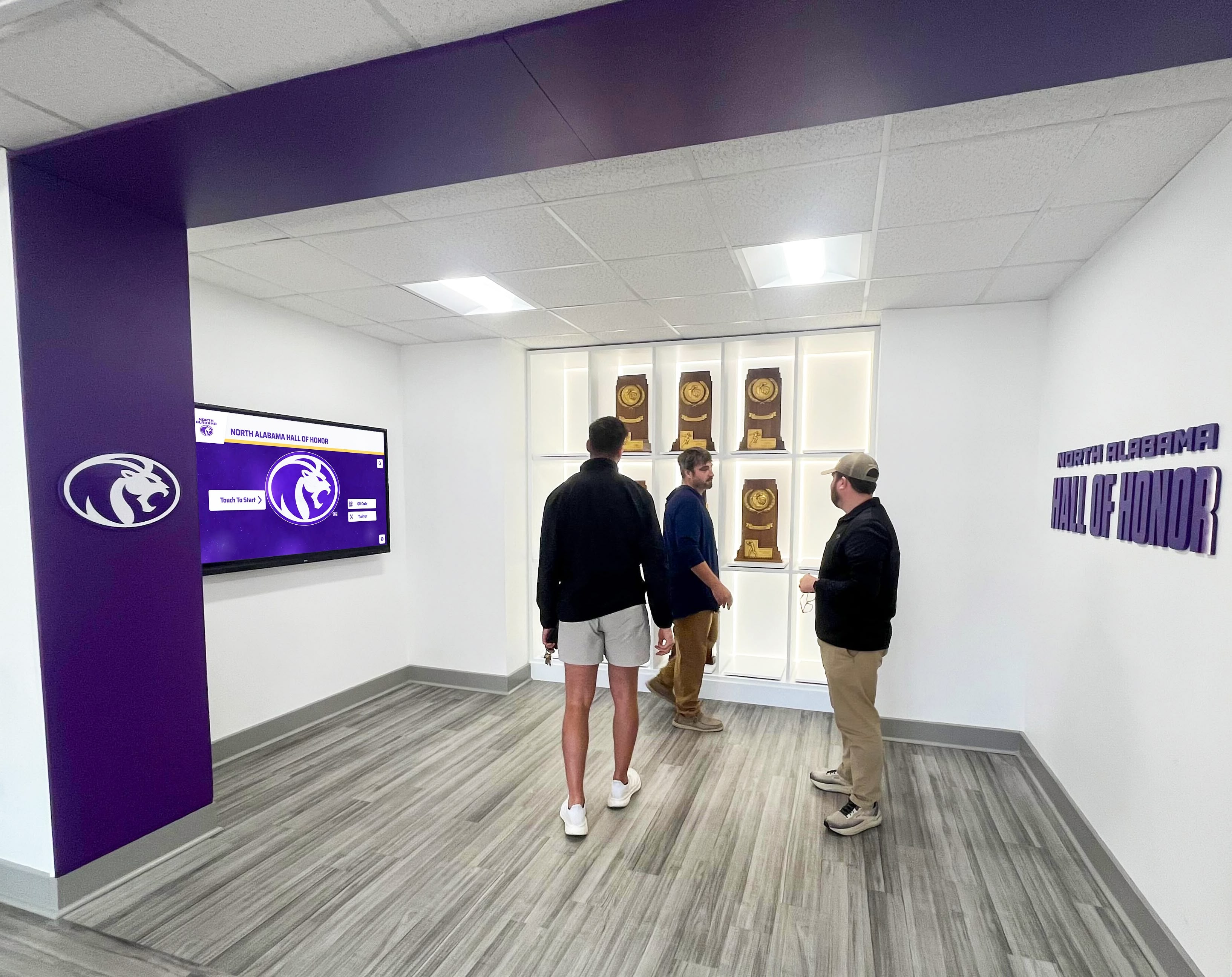
Community engagement with athletic recognition displays demonstrates how permanent installations extend spring sports celebration impact beyond ceremony attendees
Special Considerations for Spring Sports Recognition
Spring-specific factors require thoughtful approaches unique to season timing and competitive characteristics.
Weather and Schedule Unpredictability
Season Completion Uncertainty
Addressing spring’s weather challenges:
- Flexible ceremony scheduling with multiple backup dates
- Weather makeups affecting season conclusion timing
- Partial season completion when severe weather impacts schedules
- Tournament participation uncertain until qualification determined
- Award selection processes accommodating incomplete seasons
- Communication plans for date changes reaching all stakeholders
Academic Calendar Compression
End-of-year timing constraints:
- AP exam schedules limiting May availability
- Graduation ceremonies creating immovable conflicts
- Prom timing competing for student attention
- Final exam periods affecting student and family availability
- Spring break affecting season length and ceremony timing
- Summer employment start dates for seniors creating urgency
Multi-Sport Athlete Recognition
Balancing Multiple Sport Participation
Acknowledging athletes competing across seasons:
- Special recognition for athletes participating multiple spring sports simultaneously
- Award eligibility clarification when limited participation in each sport
- Coordination preventing athletes from receiving disproportionate recognition
- Celebrating time management and athletic versatility
- Understanding commitment challenges facing multi-sport participants
Seasonal Athlete Progression
Recognizing athletes competing across school year:
- Three-sport athlete acknowledgment celebrating year-round commitment
- Cumulative athletic achievement recognition spanning seasons
- Scholar-athlete status considering full academic year performance
- Leadership recognizing sustained influence across multiple programs
- Senior athlete career retrospectives including all sports participation
Equity Across Spring Sports
Resource Allocation Fairness
Ensuring equitable recognition regardless of sport profile:
- Consistent per-athlete award budgets across programs
- Equivalent recognition time during combined ceremonies
- Quality physical awards regardless of team budget
- Digital recognition ensuring unlimited capacity for all sports
- Volunteer support distributed equitably across programs
- Venue quality appropriate for all sports not just high-profile programs
Visibility and Attention Balance
Addressing varying sport profiles:
- Presentation order rotation ensuring fairness annually
- Media coverage encouraging balanced attention across sports
- Display prominence equal for all spring programs
- Booster support development for under-resourced sports
- Administrative presence at all sport celebrations regardless of size
- Community education valuing diverse athletic contributions
Understanding academic recognition program equity provides frameworks applicable to ensuring fairness across athletic recognition programs.
Conclusion: Building Sustainable Spring Sports Recognition Culture
Spring sports awards night represents far more than end-of-season formality—it articulates athletic department values, celebrates diverse achievements across multiple programs, strengthens coach-athlete-family relationships, and creates traditions defining institutional culture across coaching transitions and administrative changes. When approached systematically with attention to format optimization, award equity, efficient execution, and year-round visibility, spring recognition becomes foundational experience that athletes, families, and communities remember long after competitive seasons conclude.
The most effective spring sports awards programs balance efficiency with individual sport identity, celebrate achievement diversity across performance and character dimensions, ensure equitable recognition regardless of sport visibility or resources, coordinate systematically within compressed spring timelines, and create lasting visibility extending recognition impact beyond single ceremony dates into sustained program prestige building.
Ready to transform your spring sports recognition beyond single-event ceremonies? Modern digital recognition solutions provide comprehensive platforms showcasing achievements year-round, preserving athletic heritage permanently, and creating engaging interactive experiences that athletes, families, and communities explore repeatedly throughout years—all while eliminating physical display space constraints and manual update requirements consuming valuable athletic director time.
Whether implementing new recognition approaches or enhancing established spring traditions, success requires thoughtful format selection balancing efficiency with program identity, comprehensive award structures celebrating diverse contributions, systematic timeline execution managing compressed schedules, equitable resource allocation ensuring fairness across sports, and permanent display systems extending celebration beyond ceremony dates.
Discover how Rocket Alumni Solutions can help your athletic department create professional spring sports recognition displays showcasing achievements permanently, inspiring future athletes while honoring those who built program traditions through dedication and excellence across baseball diamonds, softball fields, tracks, courts, courses, and competition venues where spring sports excellence unfolds.
Your spring sports athletes deserve recognition celebrating competitive achievement, character development, academic excellence, and commitment demonstrated throughout demanding seasons juggling weather challenges, academic pressures, and simultaneous multi-sport schedules. With systematic planning addressing format optimization, award equity, budget realities, timeline constraints, and lasting visibility, you can create spring sports recognition experiences honoring participants authentically while building sustainable programs manageable within athletic director responsibilities extending far beyond single ceremony coordination.
The essential elements aren’t elaborate venues, expensive productions, or unlimited budgets—they’re genuine appreciation communicated authentically, diverse recognition acknowledging varied contributions across sports, equitable treatment ensuring fairness regardless of program profile, efficient coordination respecting compressed timelines, and sustained visibility ensuring achievements remain celebrated beyond single ceremony evenings. Start planning your spring sports awards program today, creating traditions that honor athletes appropriately while building sustainable recognition cultures celebrating excellence across all programs sharing the spring competitive season.