Sports Training Facility Essentials: What Every School Athletic Program Needs in 2026
- Home /
- Digital Hall of Fame Insights & Resources /
- Sports Training Facility Essentials: What Every School Athletic Program Needs in 2026
The Easiest Touchscreen Solution




Live Example: Rocket Alumni Solutions Touchscreen Display
Interact with a live example (16:9 scaled 1920x1080 display). All content is automatically responsive to all screen sizes and orientations.
Building a competitive athletic program requires more than talented athletes and dedicated coaches—it demands thoughtfully designed sports training facility infrastructure that supports athlete development, prevents injuries, builds team culture, and showcases program excellence. Yet many schools approach facility planning reactively, purchasing equipment piecemeal without comprehensive strategy, resulting in incomplete training environments that limit program potential.
The most successful athletic programs recognize that training facilities serve multiple strategic purposes beyond basic practice space. These environments must provide specialized equipment enabling sport-specific skill development, incorporate safety features protecting athlete wellbeing, display recognition elements that motivate current competitors while honoring past achievements, and create professional atmospheres that attract prospective athletes while building community pride.
This comprehensive guide explores the essential components every school sports training facility needs across equipment, technology, safety features, and recognition displays. From strength and conditioning fundamentals to digital achievement boards that celebrate athletes year-round, these investments create training environments that give programs competitive advantages while serving athletic departments for decades.
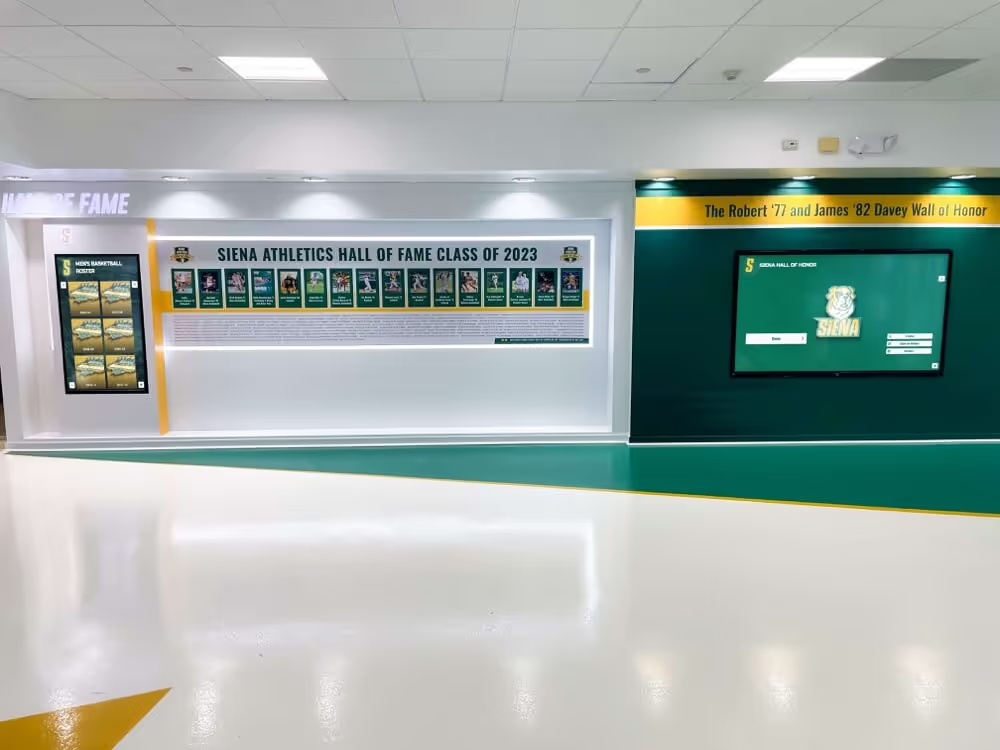
Effective sports training facilities extend far beyond basic playing surfaces and weight rooms—they create comprehensive athletic development ecosystems where athletes build physical capabilities, coaches implement strategic training protocols, and school communities connect with program traditions through visible recognition displays celebrating achievement across generations.

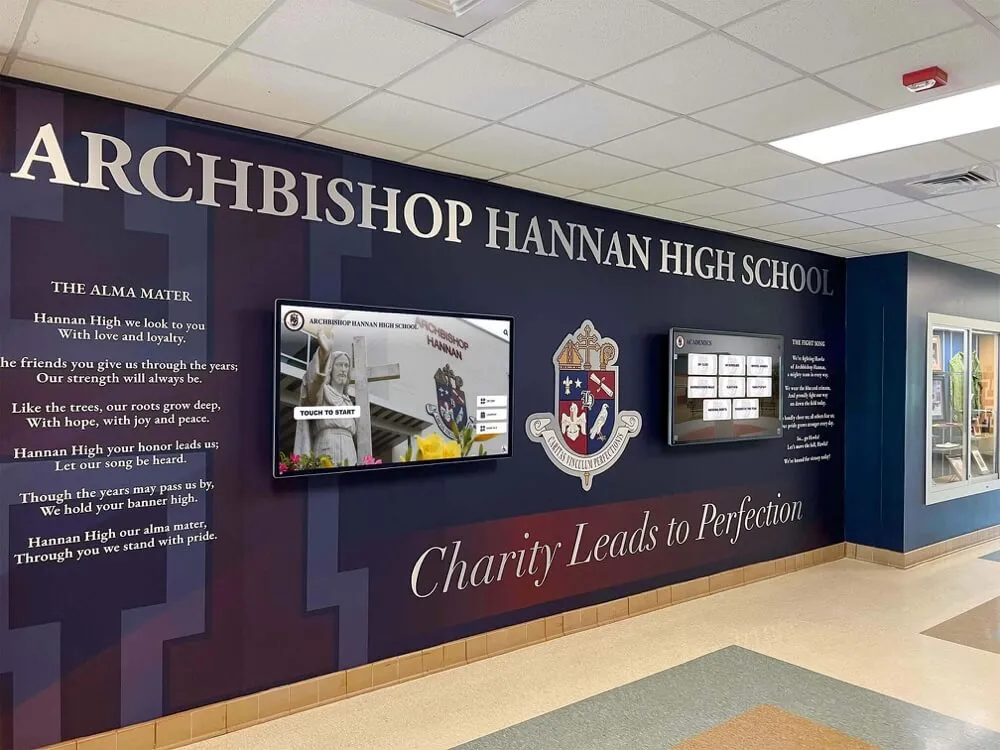
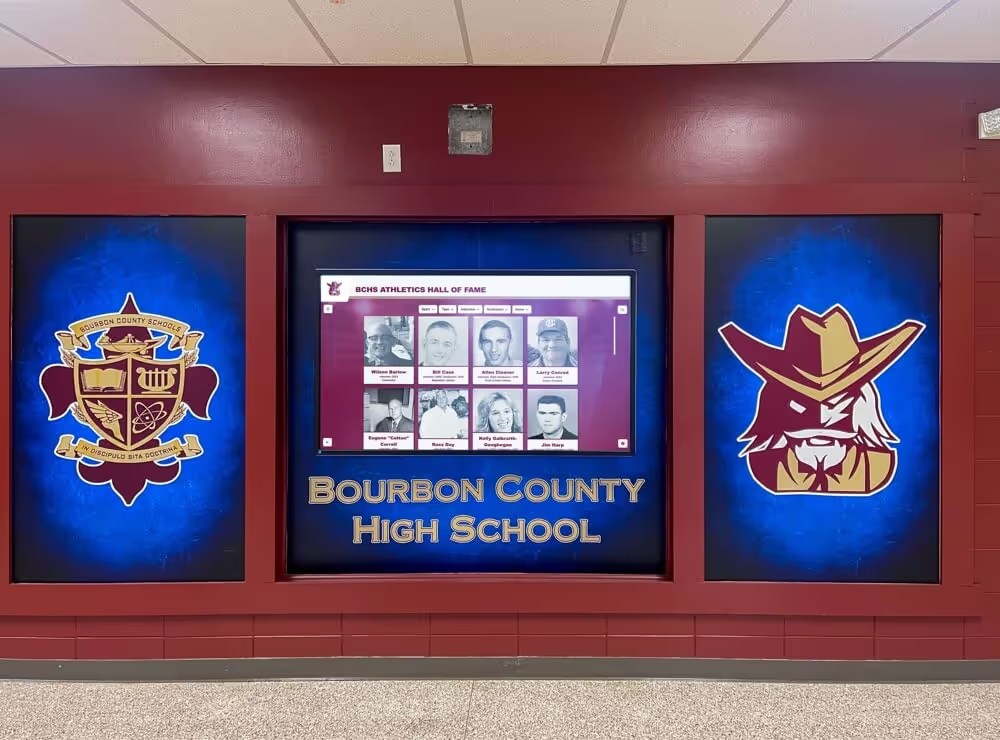
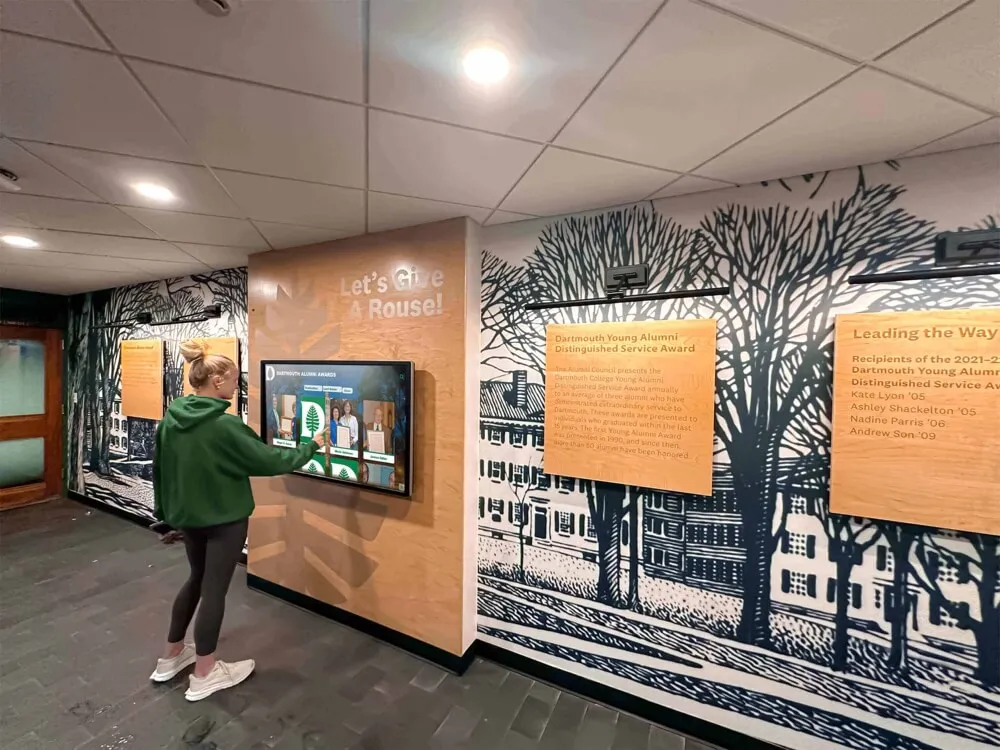
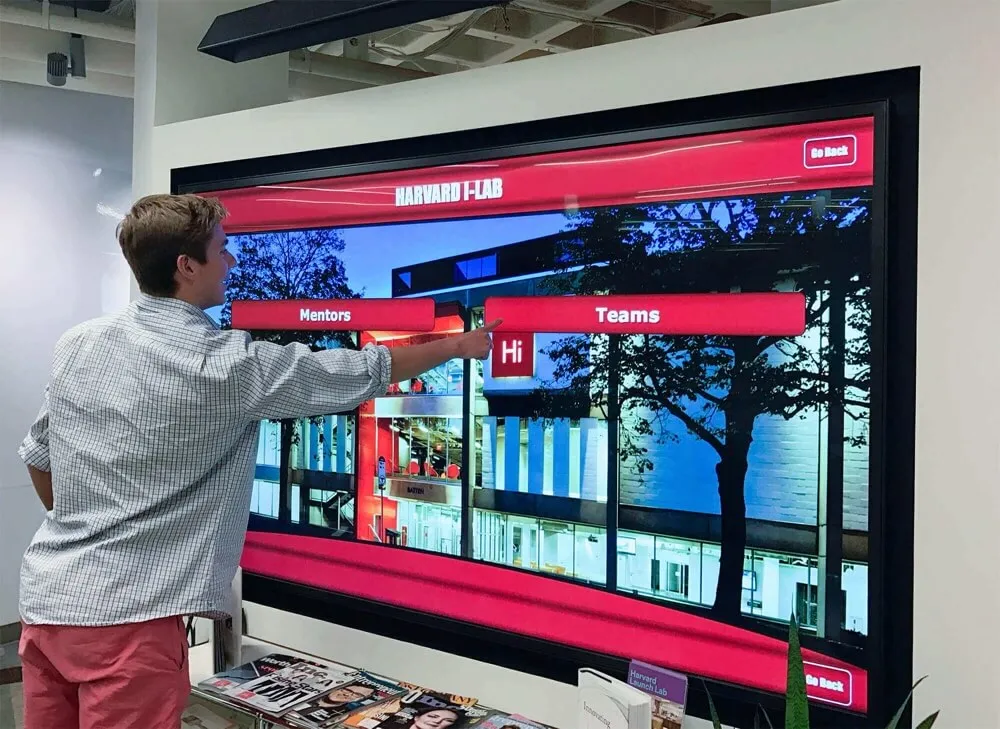
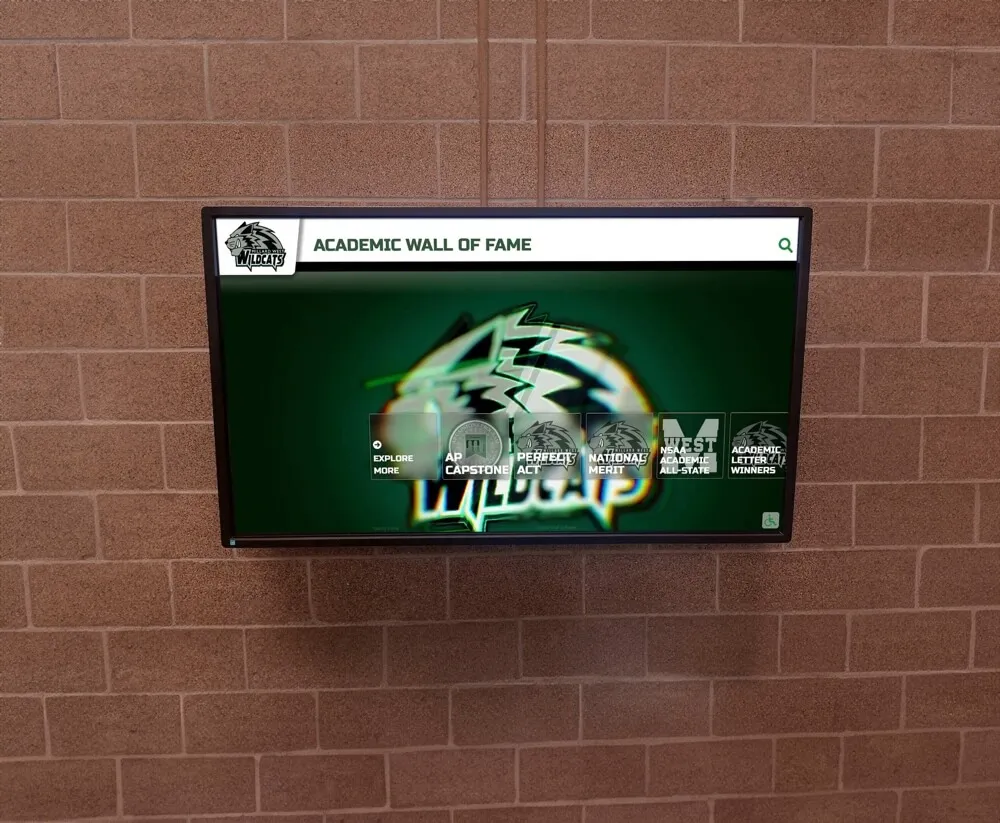
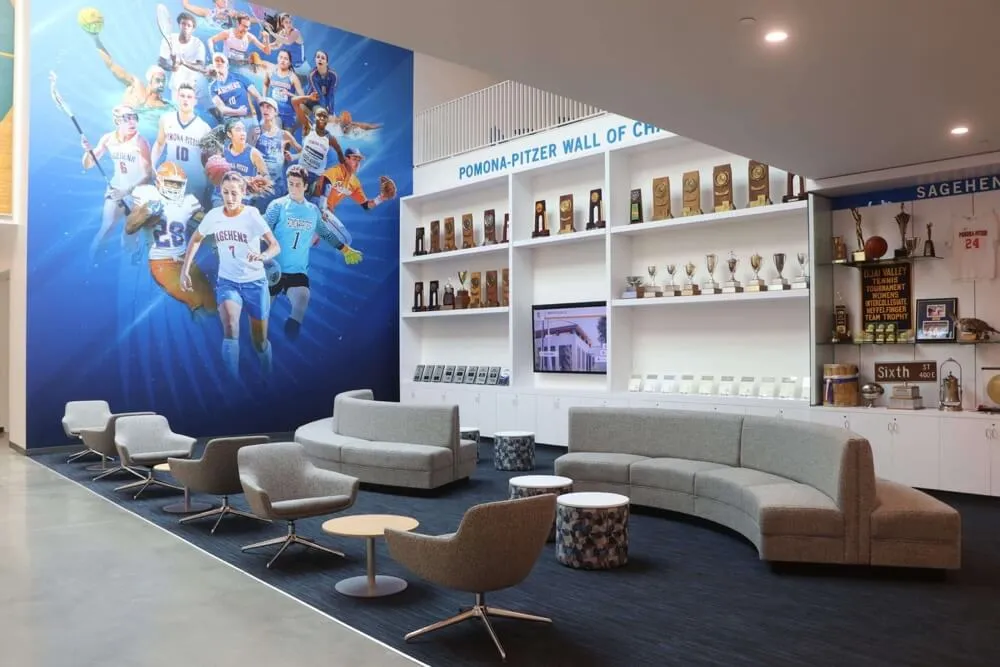
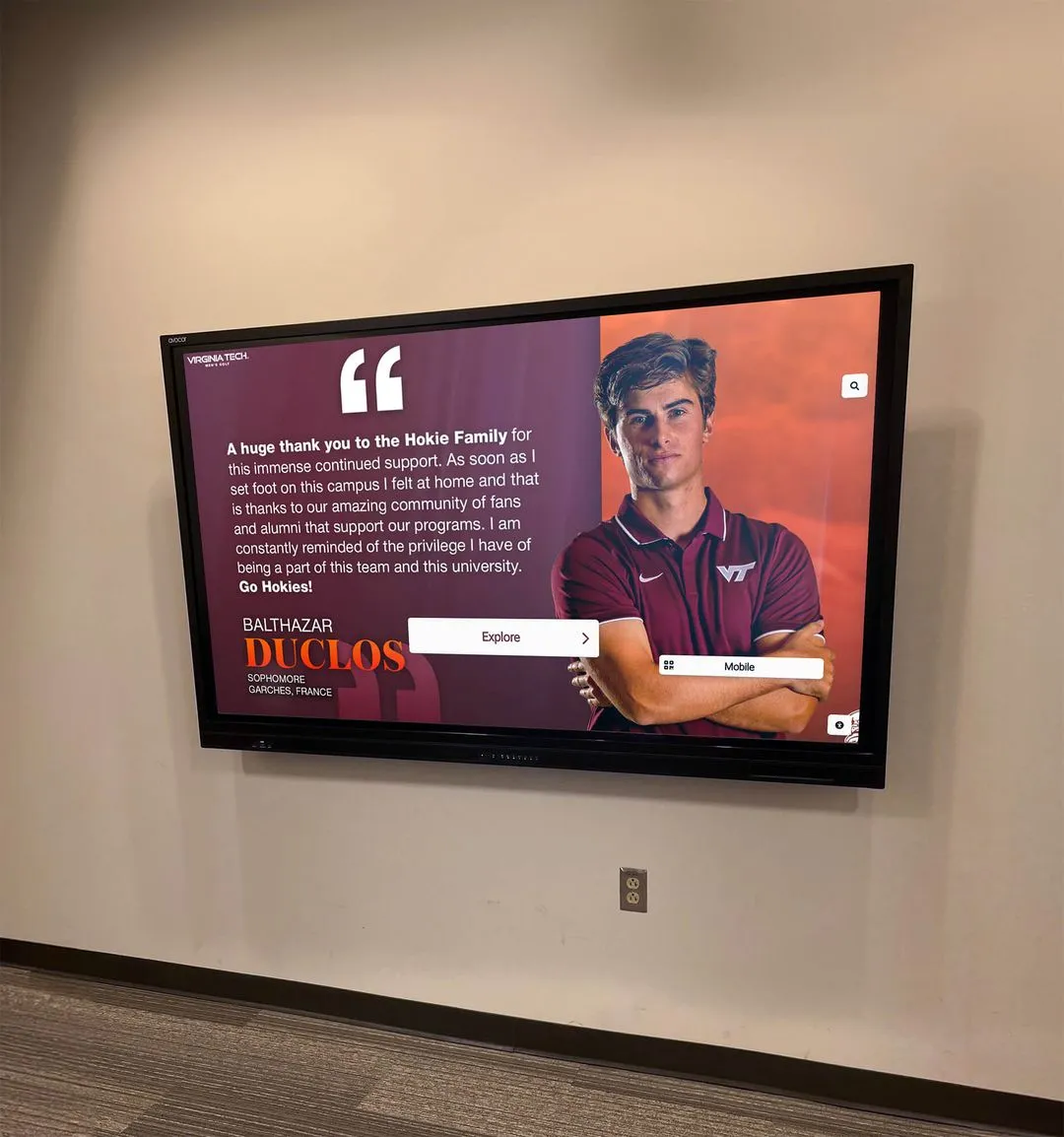
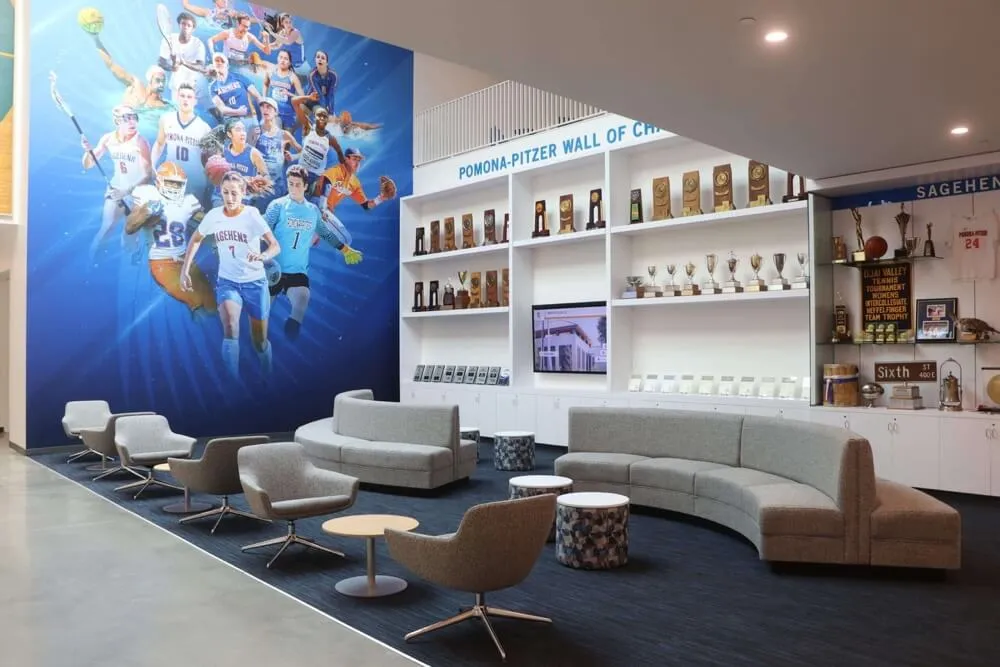
Comprehensive athletic facilities combine functional training spaces with recognition displays that build program culture and celebrate achievements
Understanding Modern Sports Training Facility Requirements
Before investing in facility improvements, understanding what distinguishes complete training environments from basic practice spaces helps athletic directors allocate resources strategically across competing priorities.
Core Facility Components
Successful sports training facilities incorporate five essential categories of infrastructure:
Training and Conditioning Spaces
Physical development areas providing athletes with specialized equipment and dedicated training zones separate from competitive playing surfaces. These spaces enable year-round skill development and strength building regardless of weather conditions or seasonal sport schedules.
Safety and Medical Infrastructure
Injury prevention and response capabilities including emergency equipment, first aid supplies, protective padding, and athlete monitoring systems that safeguard wellbeing during intense training sessions.
Recognition and Motivation Elements
Visual displays celebrating achievements, honoring traditions, and inspiring excellence through record boards, hall of fame installations, championship banners, and athlete spotlights that create motivational training environments.
Technology Integration
Digital systems enhancing training effectiveness, performance tracking, video analysis, and athlete communication while providing modern recognition platforms that engage current students and alumni communities.
Administrative and Support Facilities
Coaching offices, equipment storage, locker rooms, and maintenance areas enabling efficient program operations and professional environments that attract top talent.
According to research from the National Federation of State High School Associations (NFHS), schools investing strategically across all five categories create competitive advantages in athlete recruitment, injury reduction, and program culture development compared to institutions focusing exclusively on playing surface improvements.
Facility Planning Priorities
Athletic directors face difficult resource allocation decisions when budgets limit comprehensive facility development. Strategic planning helps sequence improvements for maximum impact:
Phase One: Safety and Functionality Essentials
Initial investments should prioritize athlete safety and basic training functionality:
- Emergency medical equipment and AED accessibility
- Proper conditioning equipment meeting safety standards
- Adequate lighting and climate control for year-round training
- Secure equipment storage preventing theft and damage
- Functional locker room facilities with proper ventilation
These foundational elements enable safe, consistent training regardless of other facility limitations.
Phase Two: Performance Enhancement Equipment
Once safety fundamentals are established, invest in sport-specific development tools:
- Strength training equipment supporting progressive overload
- Agility and speed development systems
- Sport-specific skill stations and practice equipment
- Video analysis technology for technique improvement
- Recovery and rehabilitation equipment
Phase Three: Culture and Recognition Elements
With functional training environments established, add motivational and cultural components:
- Championship banners and achievement displays
- Record boards tracking program milestones
- Hall of fame installations honoring traditions
- Team history documentation through digital displays
- Donor and supporter recognition acknowledging program investment
This phased approach ensures essential safety and training needs receive priority while building toward comprehensive facilities that develop athletes holistically across physical, mental, and cultural dimensions.
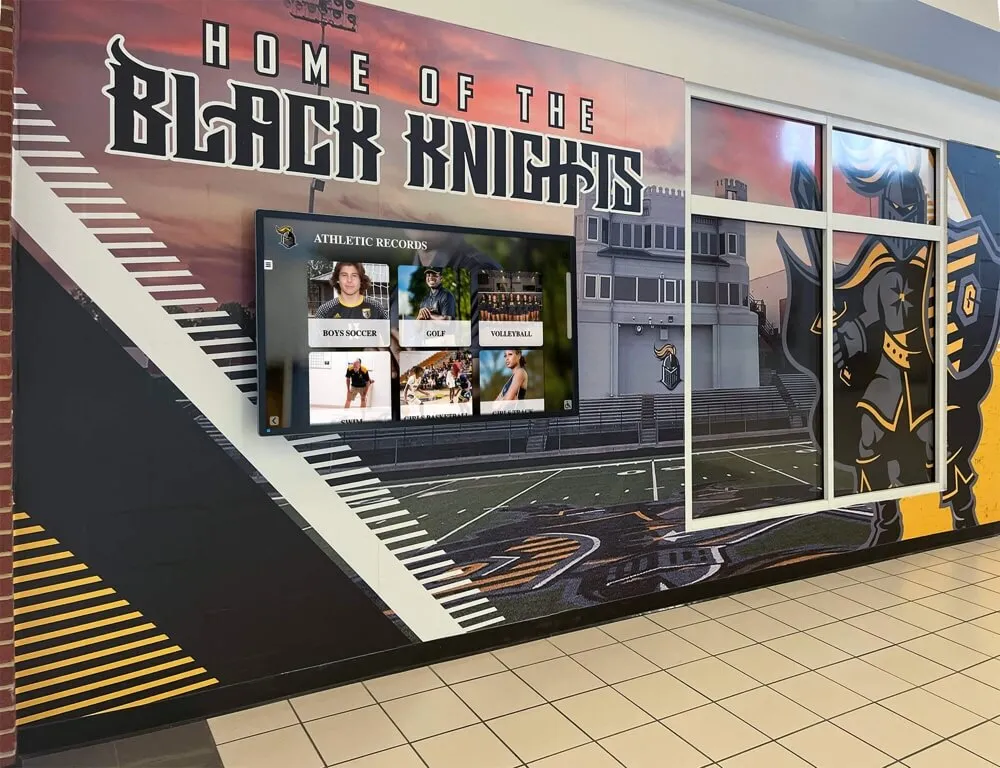
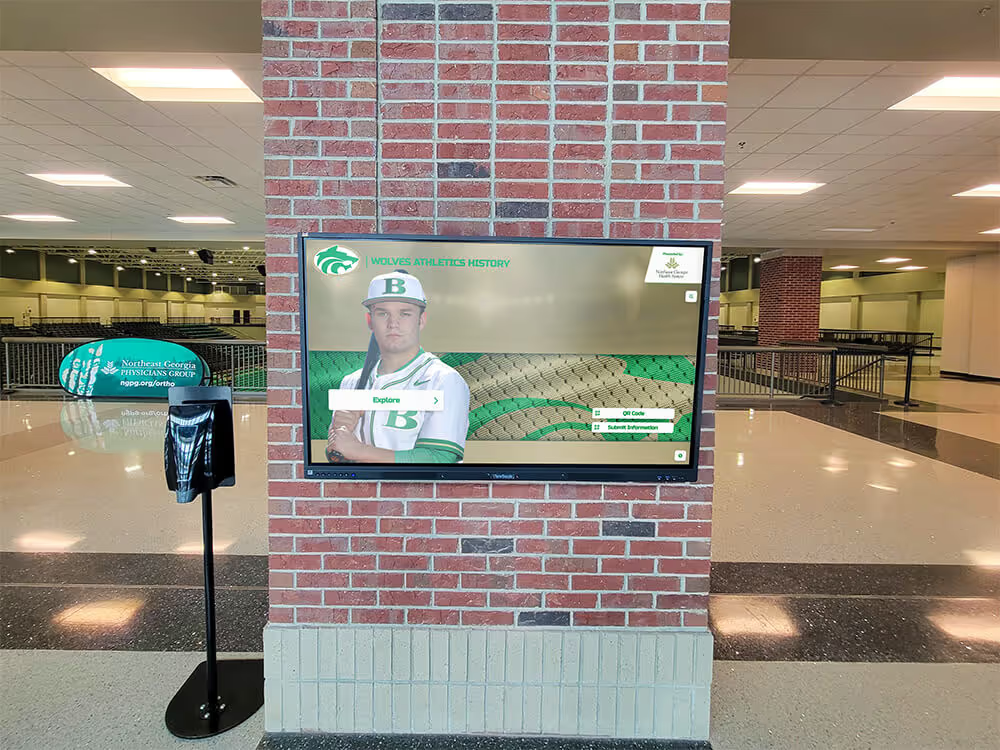
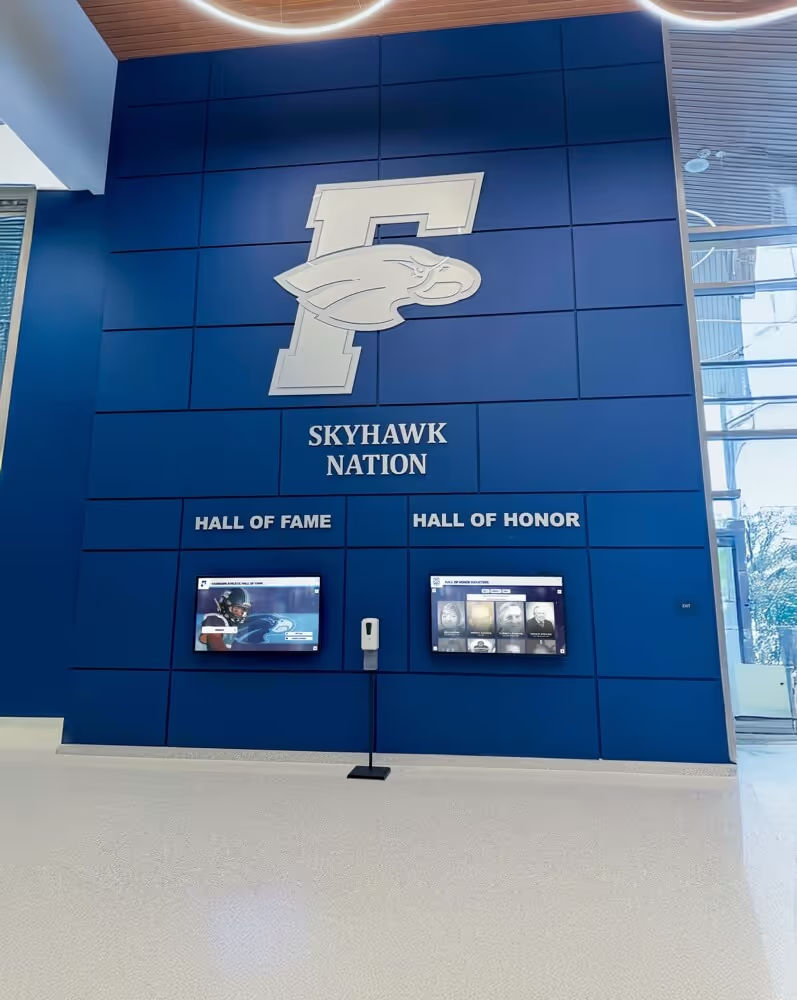
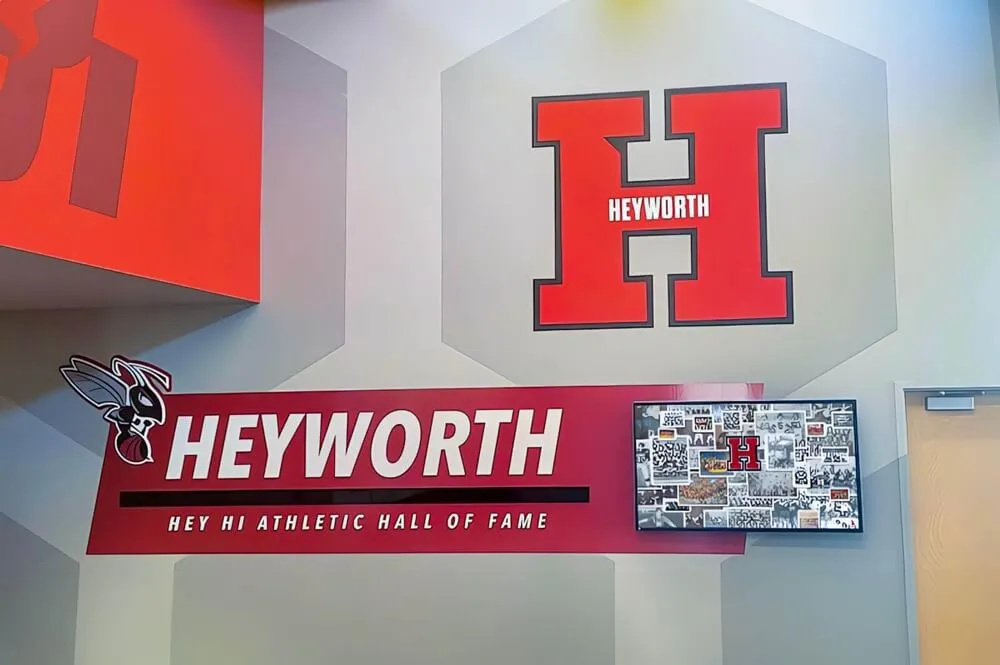
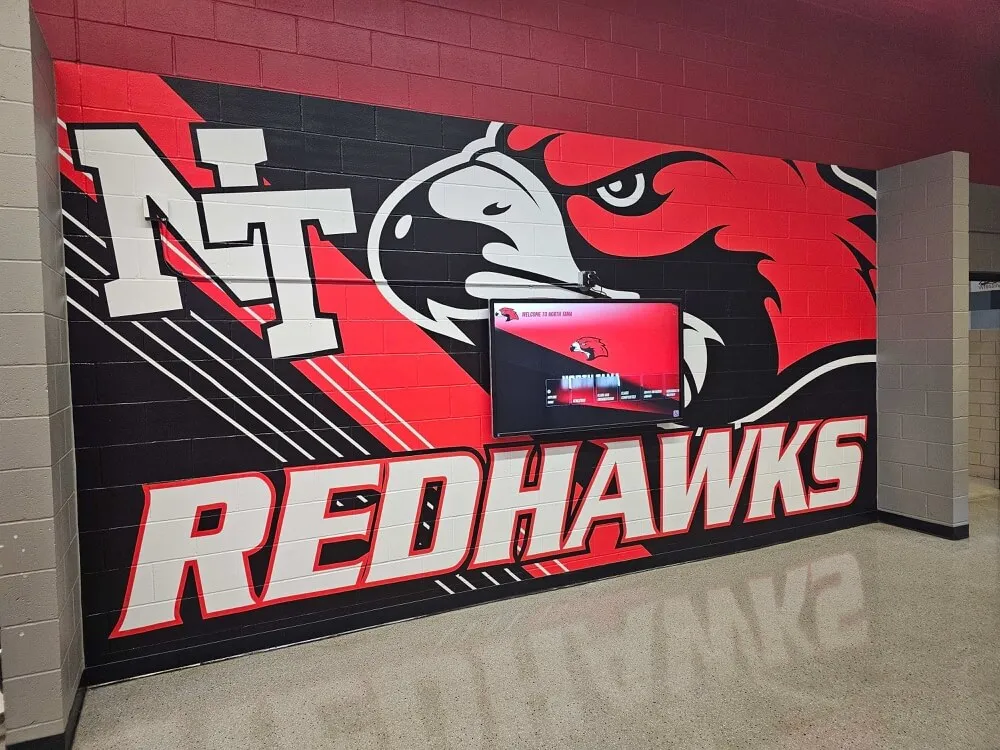
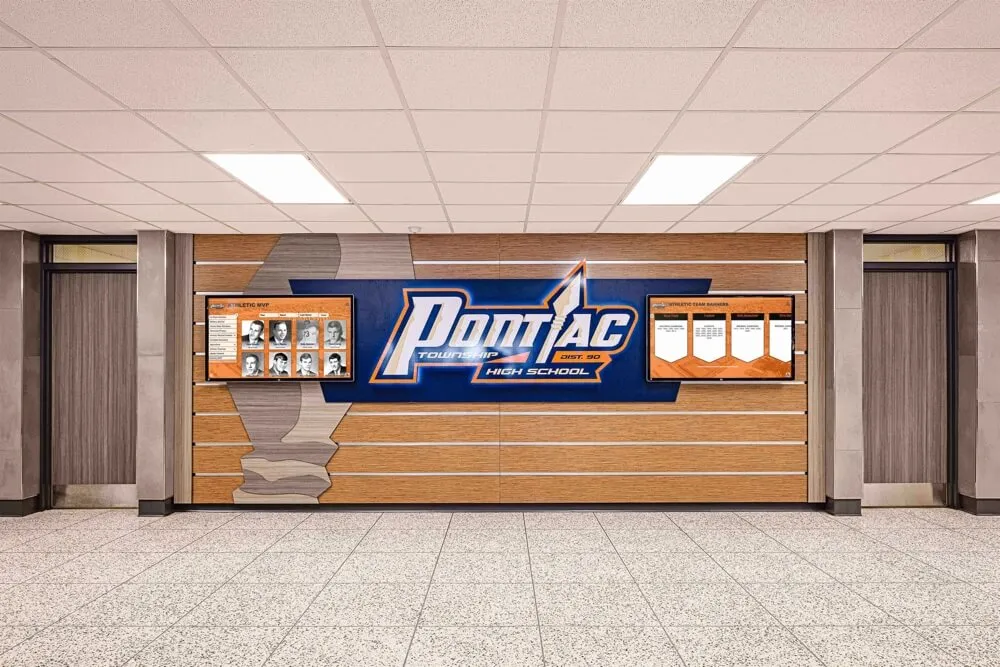
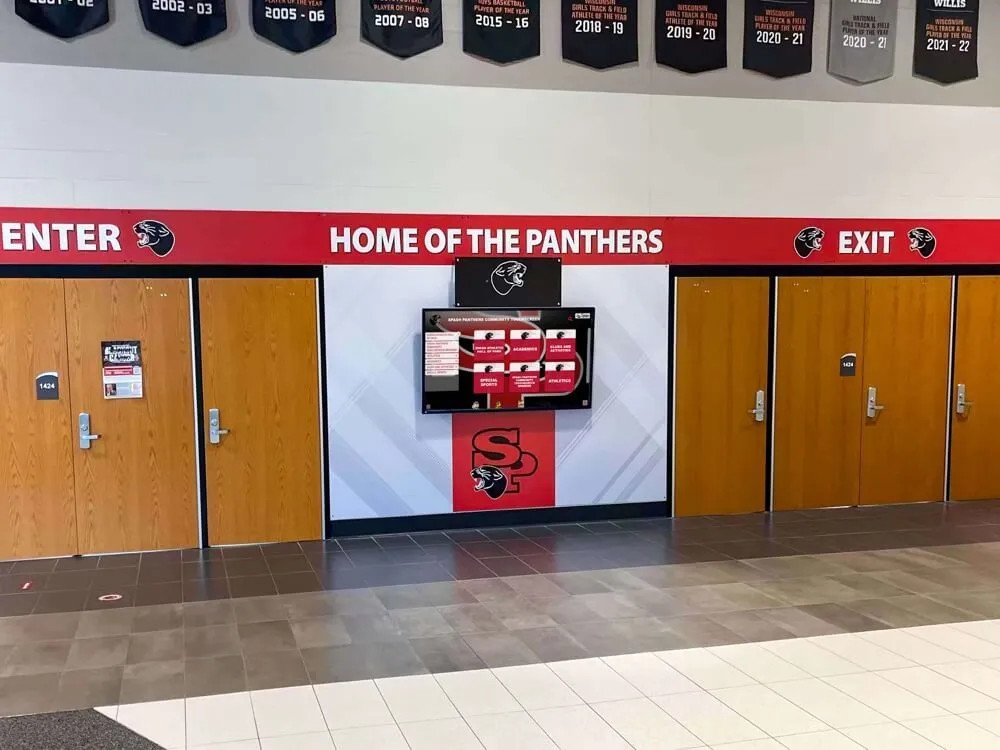
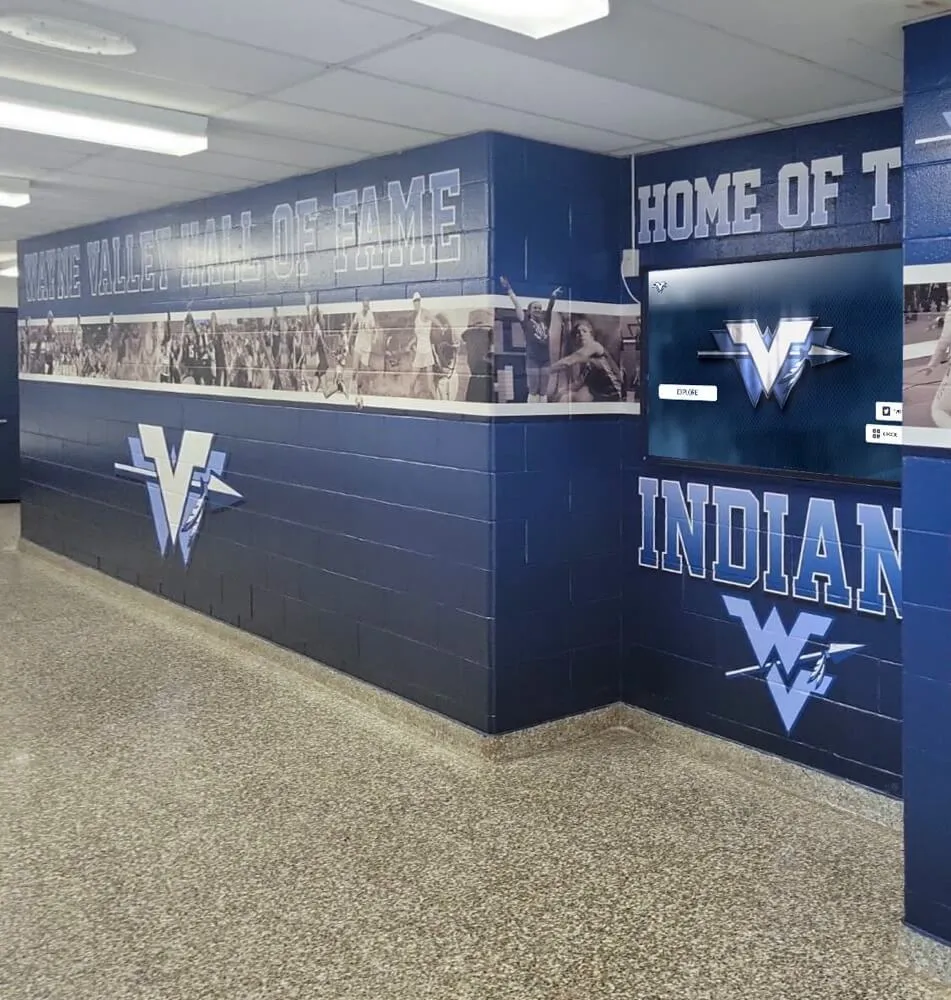
Digital record boards provide dynamic recognition of athletic achievements while creating motivational training environments
Essential Strength and Conditioning Equipment
Comprehensive strength and conditioning programs form the foundation of athletic development across all competitive sports, requiring specialized equipment that enables progressive training protocols.
Resistance Training Fundamentals
Every sports training facility needs core resistance equipment supporting major movement patterns:
Free Weight Systems
Traditional barbell and dumbbell equipment enabling fundamental strength development:
- Olympic barbell sets with appropriate weight plates (45 lb bars, bumper plates for safe dropping)
- Dumbbell sets ranging from 5-100+ pounds in incremental steps
- Power racks or squat stands with adjustable safety catches
- Flat and adjustable benches supporting various pressing angles
- Deadlift platforms with proper flooring protecting both equipment and facilities
Free weights remain essential despite advanced machine options because they develop stabilizer muscles, teach proper movement mechanics, and enable sport-specific power development that transfers directly to competitive performance.
Machine-Based Training
Guided resistance equipment providing safe, controlled movement patterns:
- Multi-station cable systems enabling diverse exercise variations
- Leg press and squat machines for lower body development
- Lat pulldown and row machines building back strength
- Chest press and shoulder press machines for upper body work
- Specialized machines targeting specific muscle groups (leg curls, extensions, calf raises)
Machines complement free weights by allowing isolated muscle development, providing safer training options for beginners, and enabling training when spotters aren’t available.
Functional Training Equipment
Modern athletic development emphasizes movement quality and sport-specific power over pure strength metrics:
Plyometric and Speed Development
Equipment enabling explosive power and quickness training:
- Plyometric boxes in multiple heights (12", 18", 24", 30")
- Agility ladder systems for footwork development
- Speed and resistance parachutes for sprint training
- Agility cone sets for change-of-direction drills
- Hurdle sets at adjustable heights
- Battle ropes for power endurance development
These tools develop the explosive capabilities that distinguish elite athletes from purely strong competitors, particularly in sports emphasizing speed, jumping, and directional changes.
Core and Stability Training
Equipment developing foundational strength and injury prevention:
- Stability balls in multiple sizes for core engagement
- Medicine balls ranging from 4-20+ pounds
- TRX or suspension training systems
- Resistance bands of varying tensions
- Balance boards and stability trainers
- Ab wheels and core-specific equipment
Core development prevents injuries, improves force transfer between upper and lower body, and enhances athletic performance across virtually all competitive movements.
Understanding comprehensive recognition wall ideas helps athletic directors plan motivational facility elements alongside functional equipment.
Cardiovascular Training Systems
Sport-specific conditioning requires diverse cardiovascular equipment matching competitive demands:
Aerobic Capacity Equipment
Traditional cardio machines supporting endurance development:
- Treadmills with variable speed and incline settings
- Stationary bikes (upright and recumbent options)
- Elliptical machines for low-impact training
- Rowing machines developing total-body conditioning
- StairMaster or step-climbing machines
These systems enable year-round conditioning regardless of weather while allowing precise intensity control and progress tracking impossible with outdoor training alone.
Sport-Specific Conditioning
Equipment mimicking competitive movement patterns:
- VersaClimber or similar vertical climbing systems
- Assault bikes or air bikes for high-intensity intervals
- Swimming pools or resistance pools for low-impact conditioning
- Indoor turf areas for sprint and agility work
- Sport-specific machines (ski ergs, swimming ergometers)
Matching conditioning equipment to sport-specific movement patterns improves training transfer and maintains technical movement quality during intense conditioning sessions.
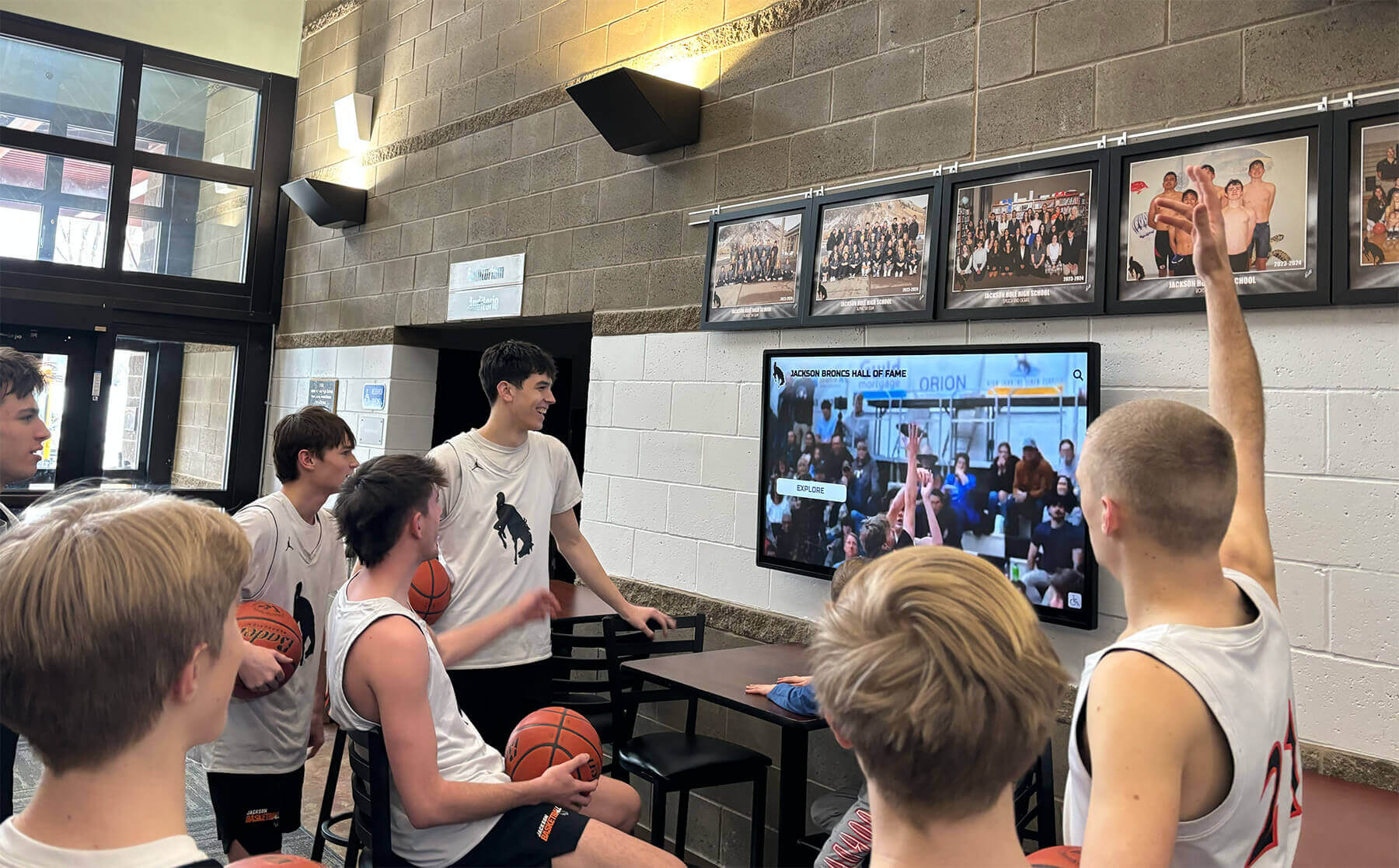
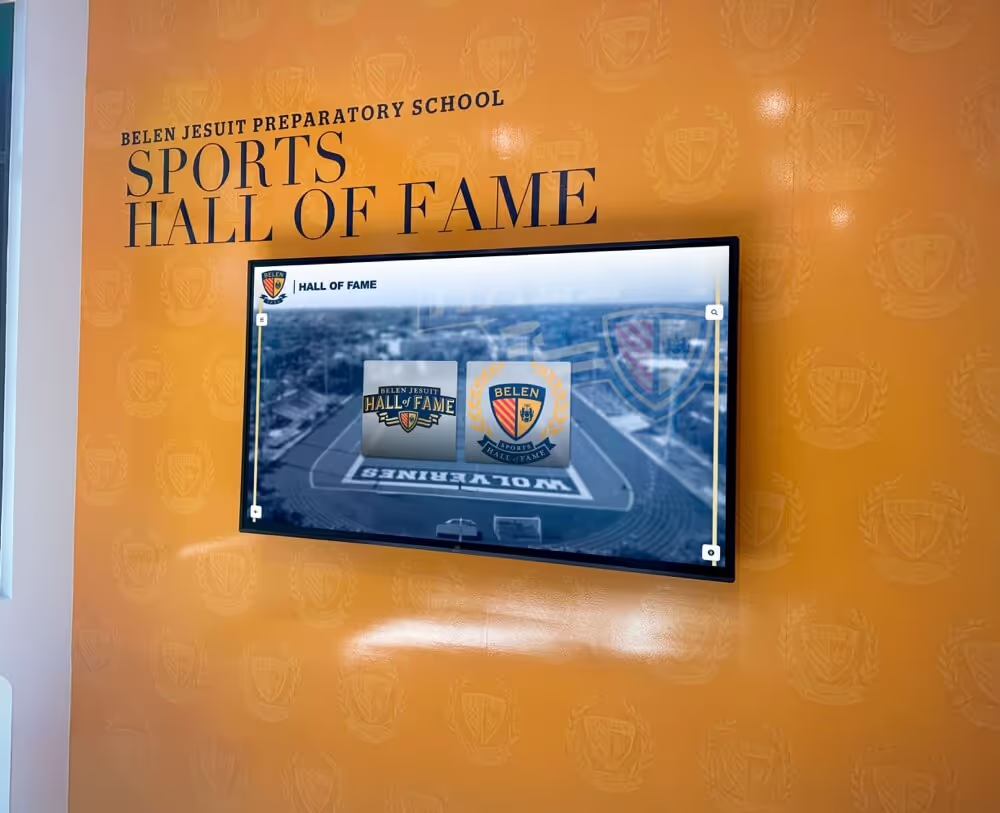
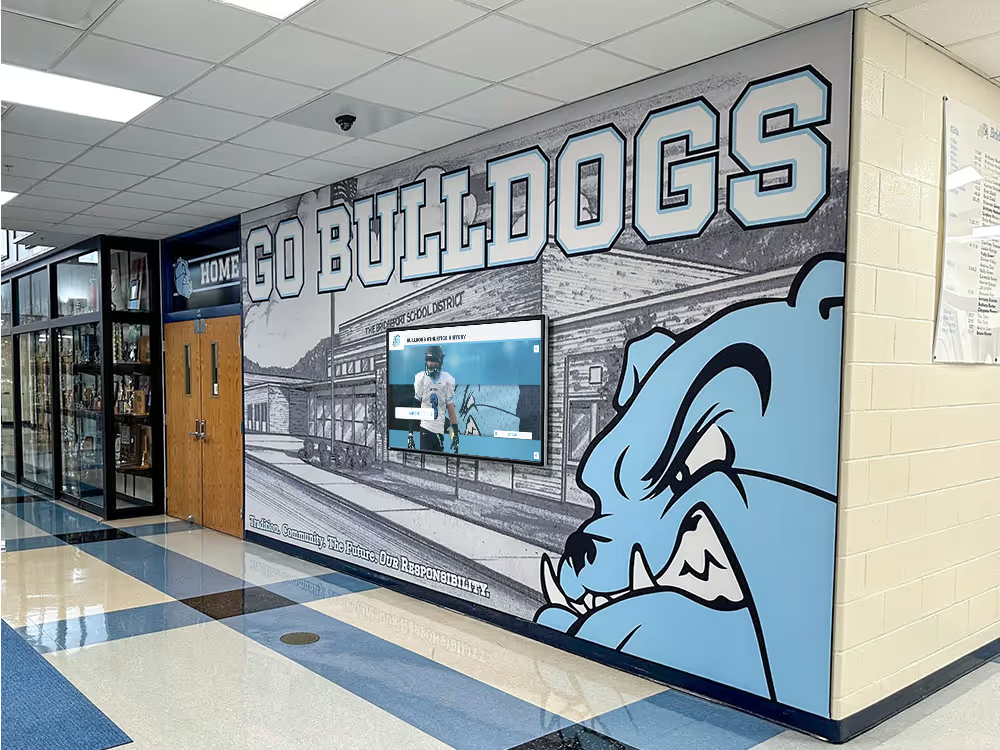
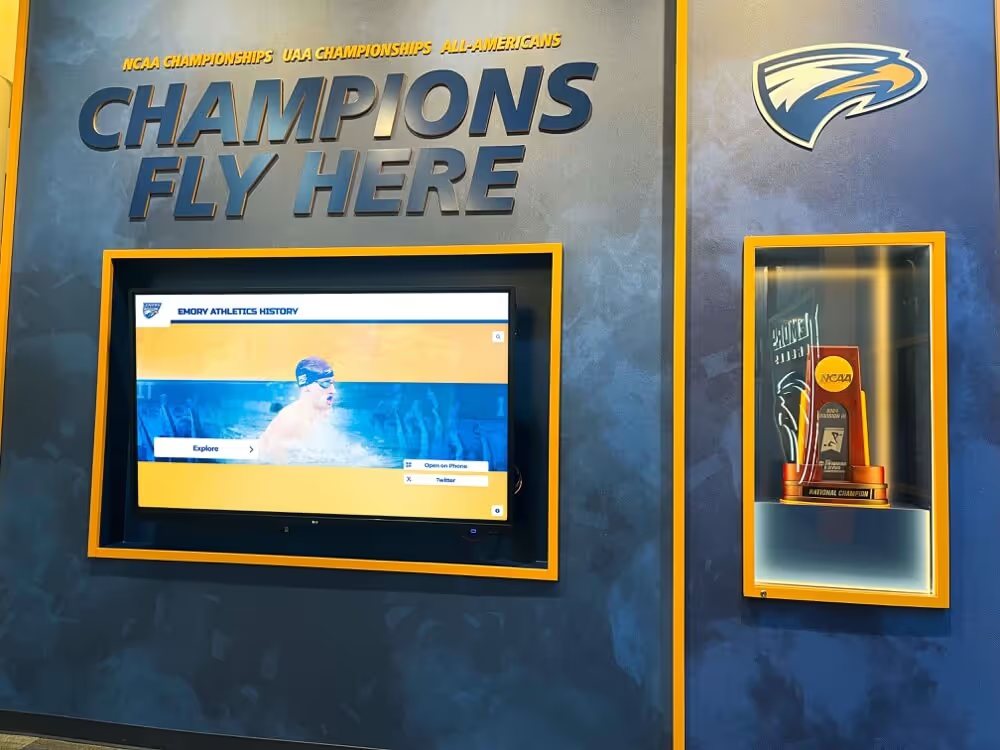
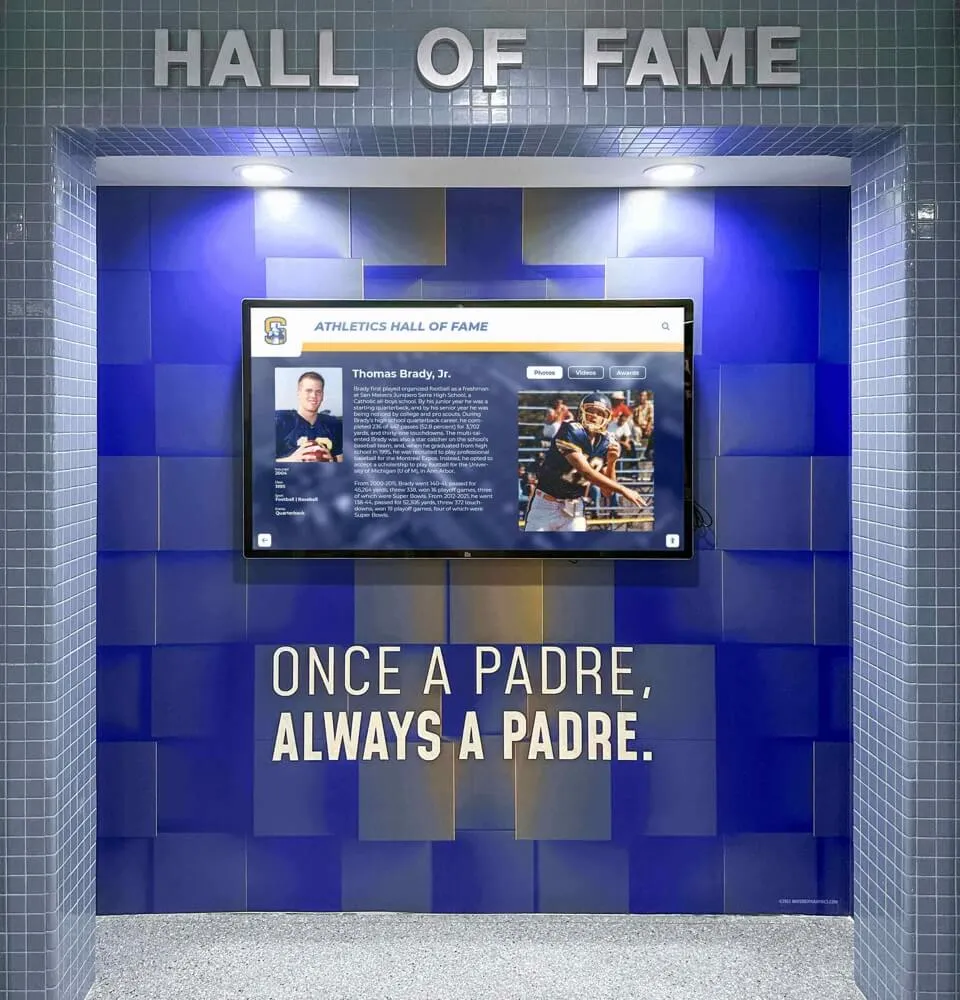
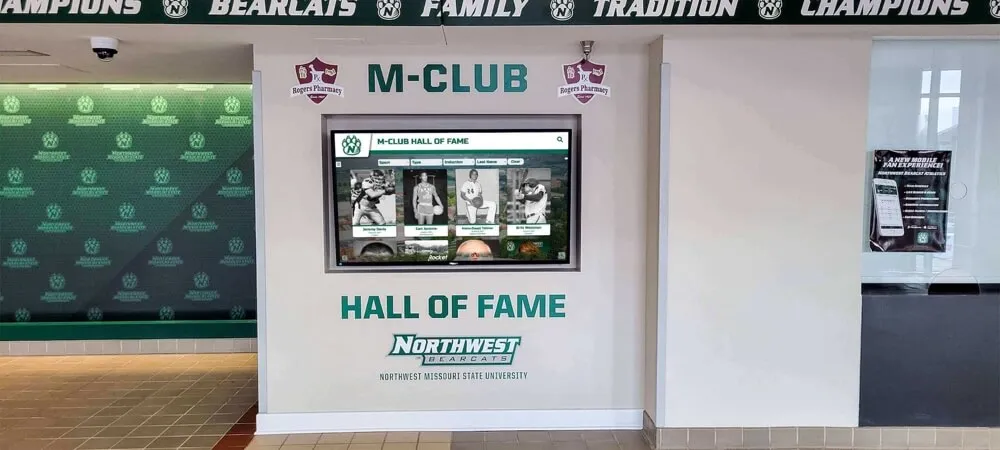
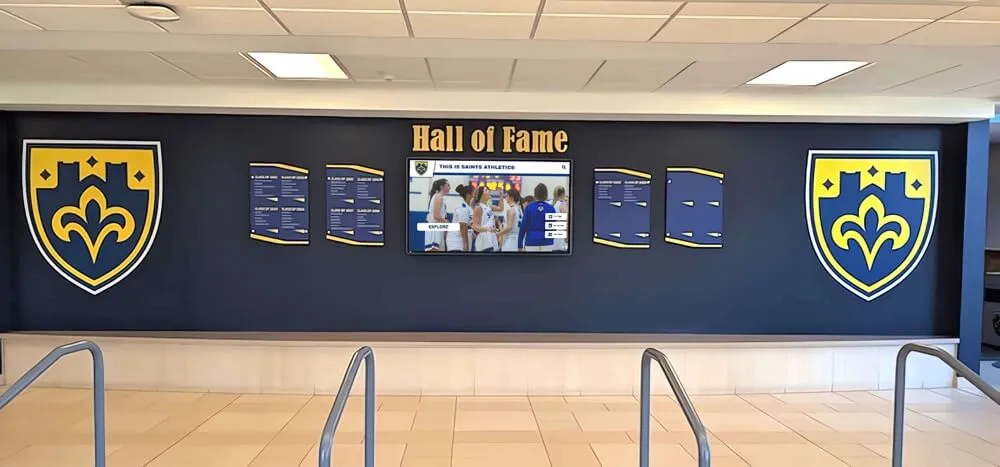
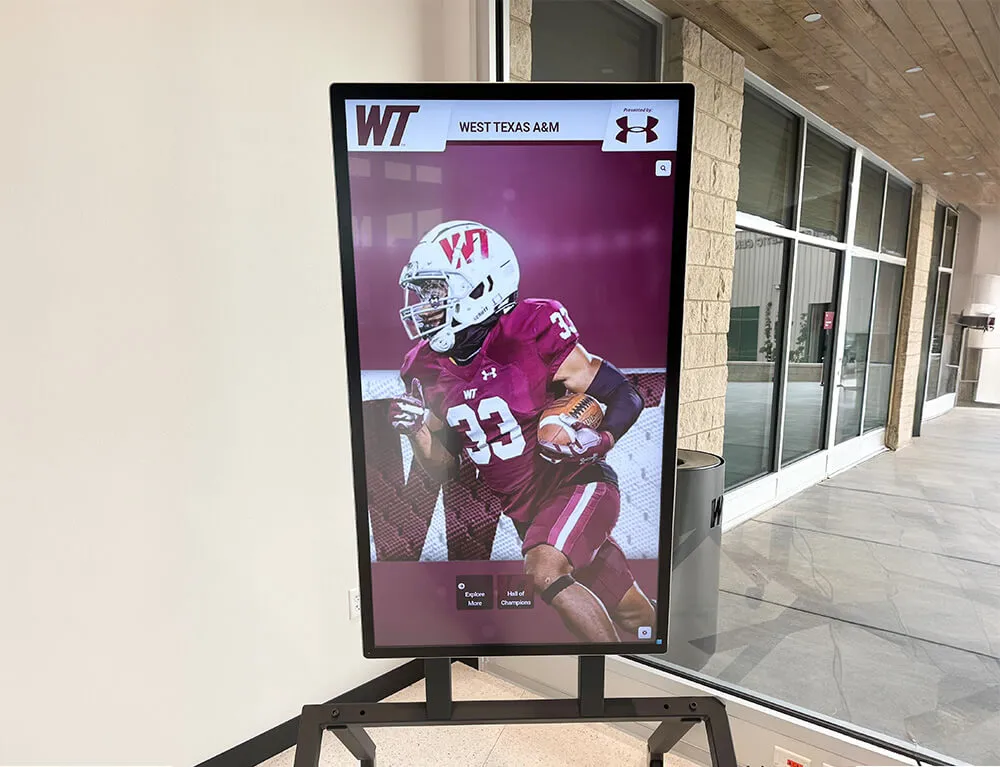
Digital displays showcasing game highlights and athlete achievements create engagement while celebrating program success
Safety and Medical Infrastructure
Protecting athlete health requires systematic safety equipment, emergency preparedness, and injury prevention infrastructure throughout training facilities.
Emergency Medical Equipment
Every sports training facility must maintain readily accessible emergency response capabilities:
Essential Emergency Equipment
Life-saving devices and supplies that must be immediately available:
- Automated External Defibrillators (AEDs) mounted in clearly marked, accessible locations
- First aid kits stocked according to OSHA guidelines and regularly inspected
- Emergency action plan documentation posted prominently throughout facility
- Emergency communication systems (phones, intercoms) for rapid response coordination
- Spine boards and cervical collars for catastrophic injury response
- Ice machines or instant cold packs for acute injury management
Research from the National Athletic Trainers’ Association indicates that AED accessibility within 3-5 minutes significantly improves survival rates for sudden cardiac arrest, making strategic placement throughout facilities critical rather than centralized storage.
Medical Supply Storage
Organized storage systems ensuring supplies remain accessible and properly maintained:
- Climate-controlled storage protecting temperature-sensitive items
- Clearly labeled organizational systems enabling rapid location
- Regular expiration date monitoring and replacement protocols
- Adequate backup quantities of frequently used items
- Secure storage preventing unauthorized access while maintaining emergency availability
Injury Prevention Infrastructure
Proactive facility design reduces injury risk during training and competition:
Protective Padding and Surface Treatment
Physical barriers and surface preparation preventing common injuries:
- Wall padding on hard surfaces near playing areas
- Padded goal posts, basketball standards, and field equipment
- Proper flooring materials with appropriate shock absorption (rubberized surfaces, wrestling mats, spring-loaded gym floors)
- Corner and edge protection on equipment and architectural features
- Designated warm-up and stretching areas with appropriate mats and surfaces
Environmental Controls
Climate and air quality management protecting athlete health:
- Adequate ventilation preventing air quality issues during intense training
- Temperature control maintaining safe training conditions year-round
- Humidity monitoring preventing heat-related illness during summer conditioning
- Proper lighting preventing vision-related accidents and enabling effective training
- Water fountain accessibility supporting hydration throughout facilities
Many athletic directors overlook the importance of coach appreciation recognition displays within training facilities, missing opportunities to honor coaching contributions while building program culture.
Athletic Training Room Essentials
Schools with dedicated athletic training staff require specialized treatment and rehabilitation spaces:
Treatment and Rehabilitation Equipment
Specialized tools enabling injury assessment and recovery:
- Treatment tables at appropriate heights for various therapeutic interventions
- Ice bath or cold therapy systems for recovery and acute injury management
- Electrical stimulation and ultrasound units for therapeutic applications
- Therapeutic exercise equipment (resistance bands, balance boards, etc.)
- Taping and bracing supplies for preventive and supportive applications
- HIPAA-compliant documentation systems for injury tracking
Rehabilitation Training Areas
Designated spaces enabling supervised return-to-play progressions:
- Separate rehabilitation zones away from full-intensity training areas
- Modified equipment appropriate for injured athlete training
- Video analysis systems documenting movement quality during rehabilitation
- Progress tracking systems demonstrating recovery milestones
- Communication protocols connecting athletic trainers, coaches, and medical professionals
Proper athletic training room infrastructure reduces injury duration, improves return-to-play outcomes, and demonstrates institutional commitment to athlete wellbeing that influences recruiting and family confidence.
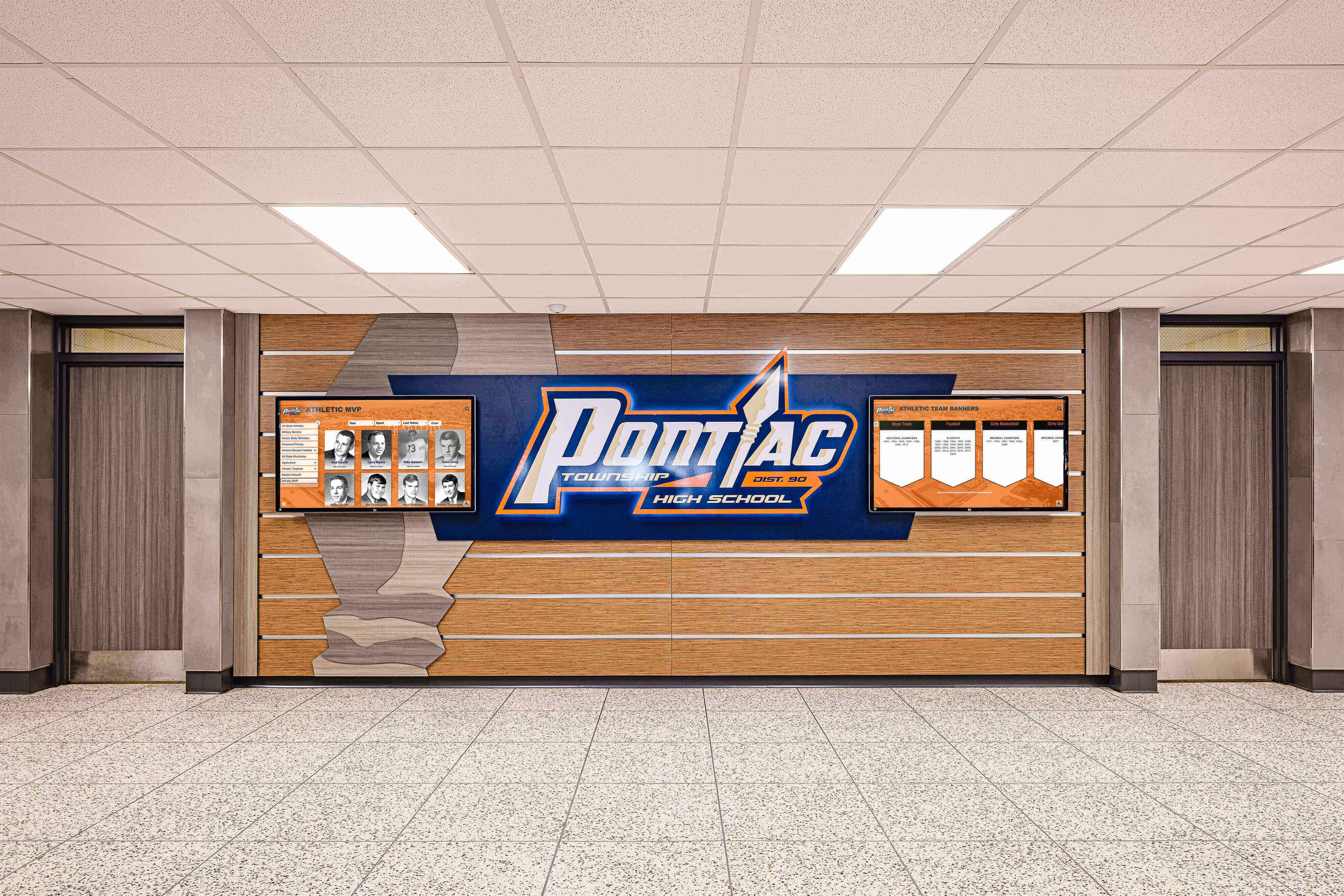
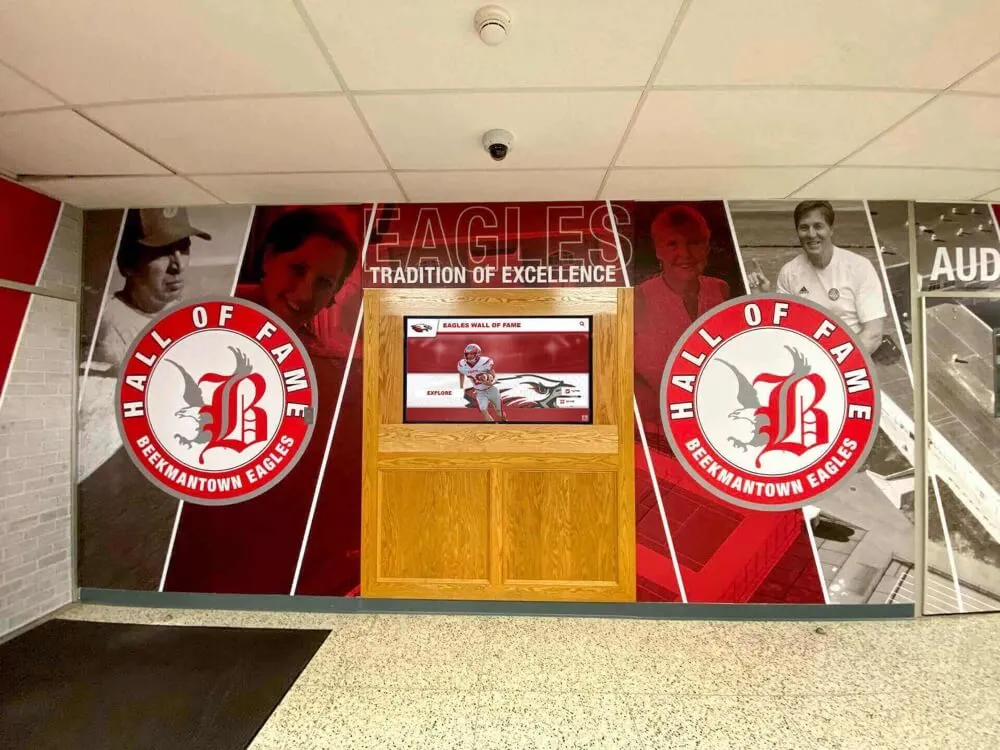
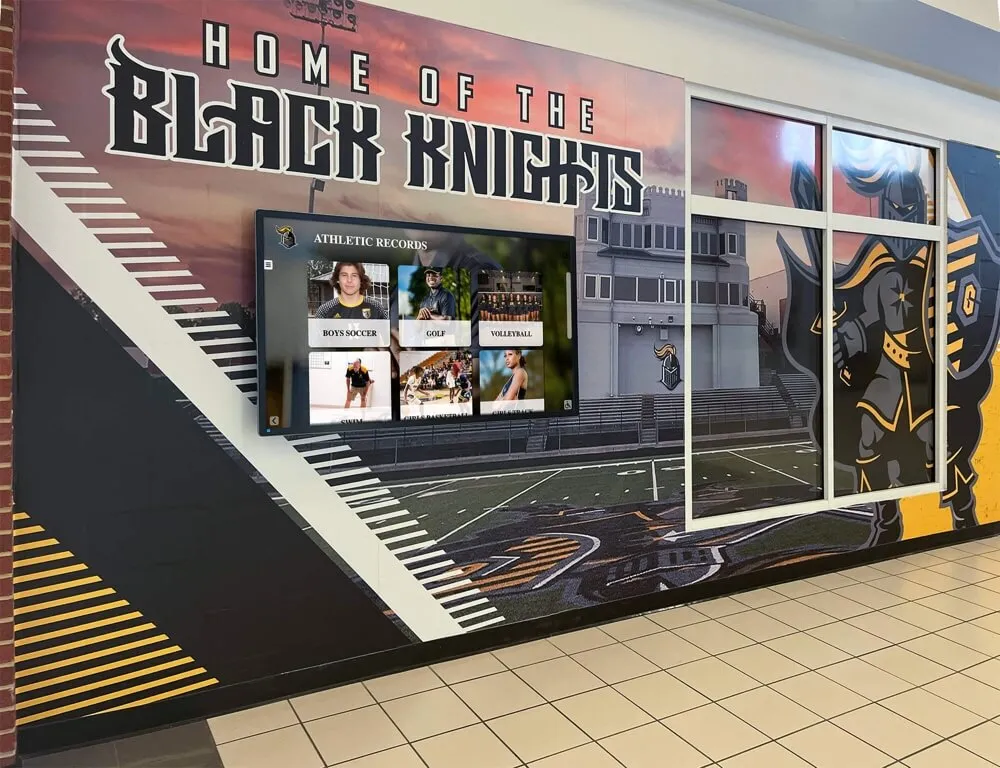
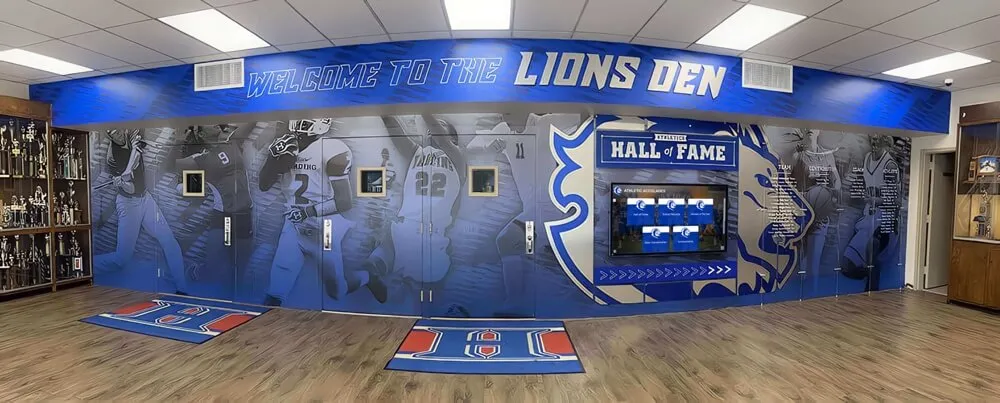
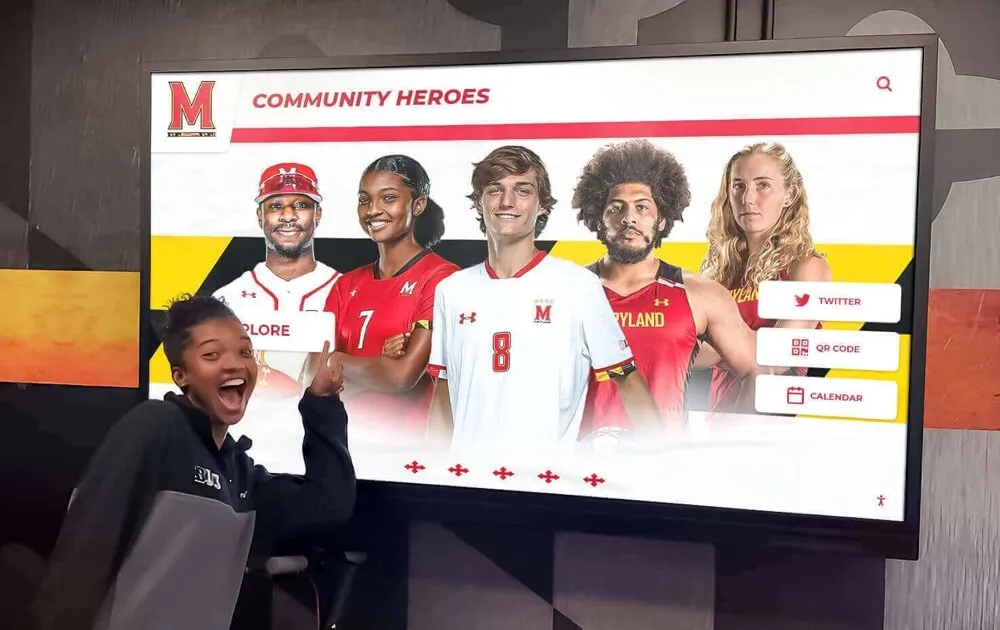
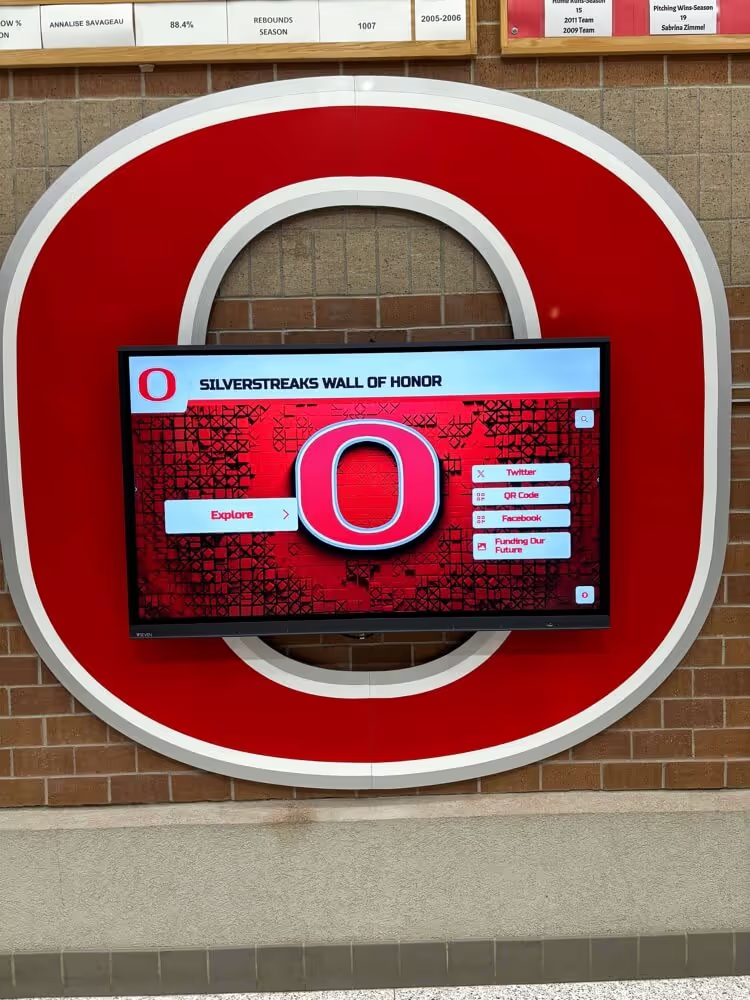
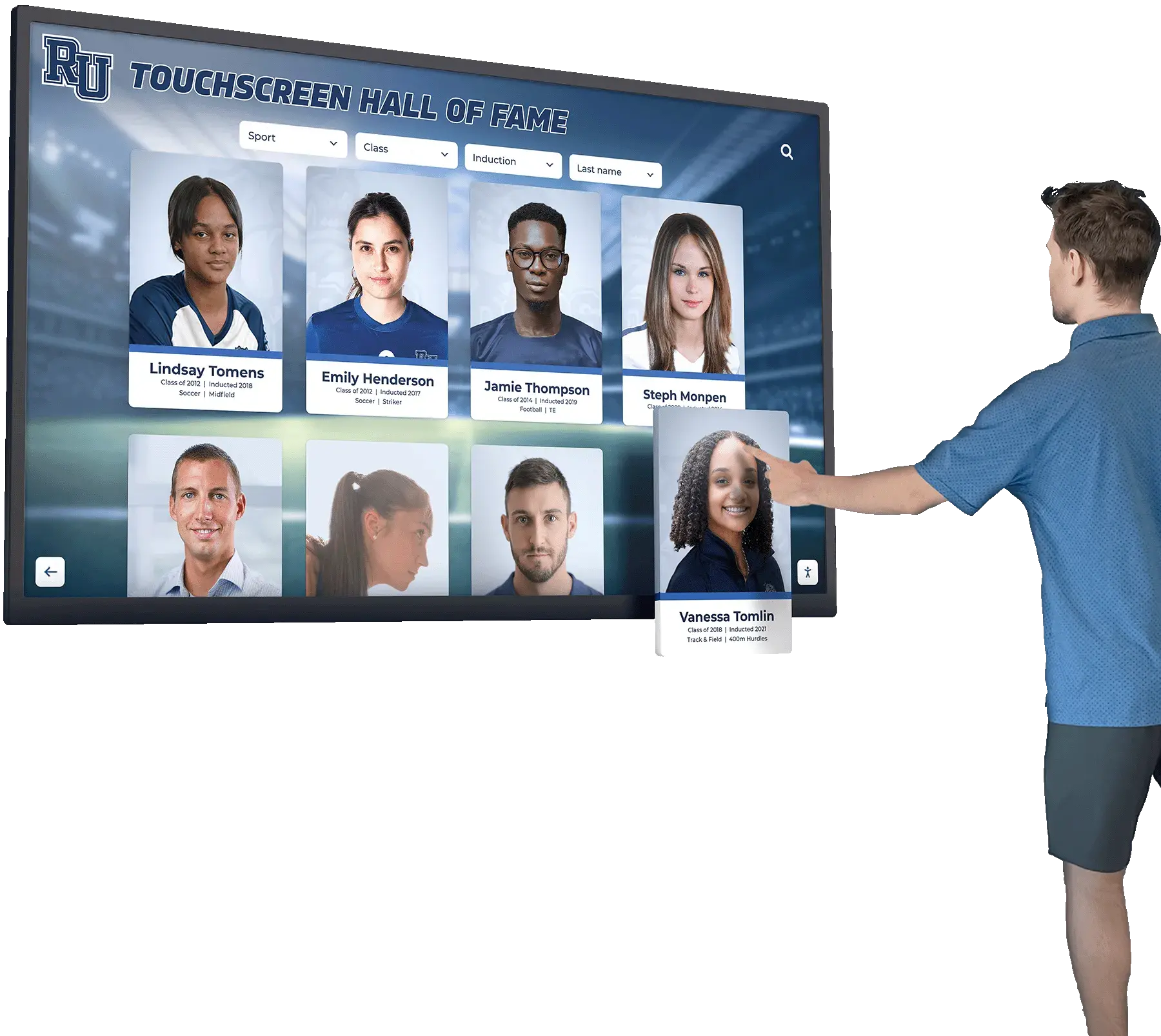
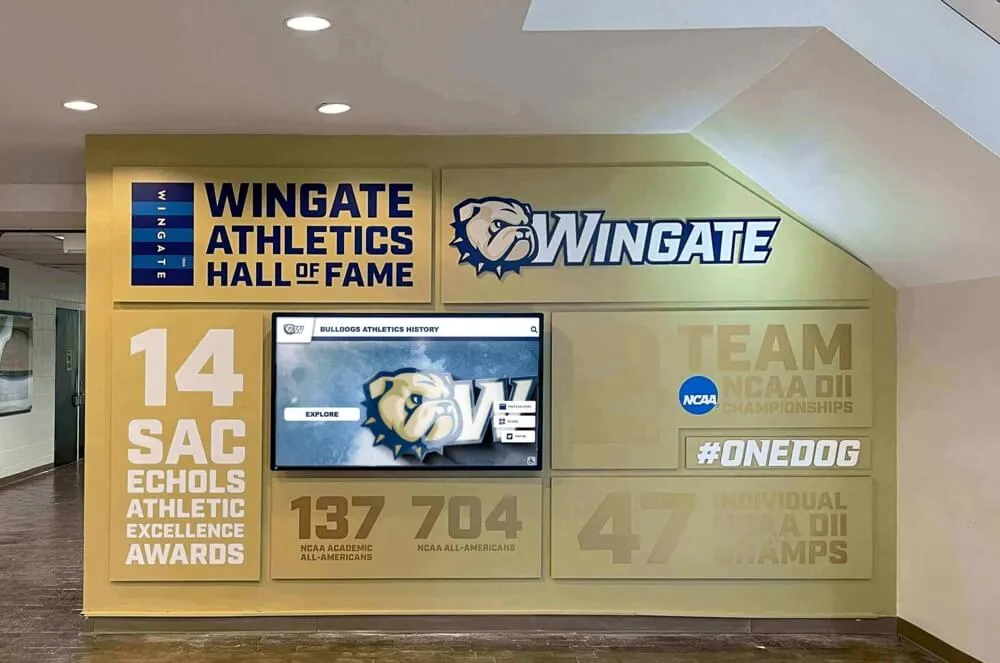
Dedicated recognition spaces celebrate athletic achievements while inspiring current athletes to pursue excellence
Recognition and Motivational Elements
Strategic recognition infrastructure transforms training facilities from purely functional spaces into motivational environments that celebrate achievement, honor tradition, and inspire excellence.
Achievement Display Systems
Visible recognition of program accomplishments creates competitive culture and connects current athletes to institutional legacy:
Championship and Achievement Banners
Traditional textile displays celebrating team and individual accomplishments:
- Conference championship banners documenting sustained competitive success
- State tournament and playoff achievement recognition
- Individual all-state and all-American athlete acknowledgment
- Team records and milestone achievements (undefeated seasons, winning streaks)
- Retired number displays honoring exceptional individual contributors
Banner displays work most effectively when organized systematically (chronologically or by achievement level) rather than randomly positioned, creating coherent visual narratives of program success that build pride among current athletes and visiting families.
Record Boards and Performance Tracking
Quantitative achievement documentation motivating record-breaking performances:
- School records organized by event, position, or category
- Season records distinguishing single-season achievements from career marks
- Facility records documenting performances at specific venues
- Team records celebrating collective achievements
- Historical context showing achievement progression across decades
Traditional static record boards require manual updates and often become outdated, creating perception challenges when displays show records set decades ago without acknowledging recent achievements.
Digital Recognition Solutions
Modern display technology enables dynamic, comprehensive recognition that remains current while accommodating unlimited achievement documentation:
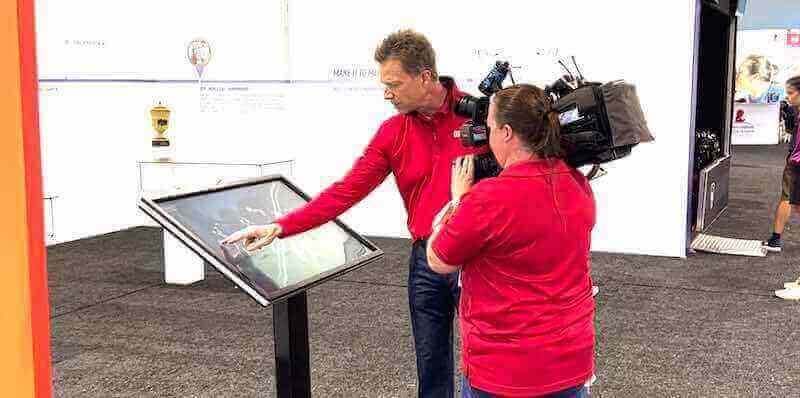
Interactive Touchscreen Displays
Digital systems providing expanded recognition capacity beyond physical wall space limitations:
- Searchable athlete databases documenting entire program histories
- Dynamic record boards updating automatically as achievements occur
- Multimedia integration showing game highlights, championship moments, and athlete profiles
- Donor and sponsor recognition acknowledging program supporters
- Team history documentation creating comprehensive program archives
Learn about high school alumni hall of fame displays that celebrate athletic traditions while engaging current students and alumni communities.
Digital Signage Networks
Connected display systems throughout facilities creating multiple recognition touchpoints:
- Lobby displays welcoming visitors while showcasing recent achievements
- Locker room screens providing motivational content and performance data
- Weight room displays showing athlete progress and training records
- Hallway installations celebrating current competitors and upcoming events
- Cafeteria and common area screens building schoolwide athletic awareness
Digital signage enables time-of-day programming showing schedules during school hours, achievement highlights after school, and event information before competitions, maximizing display value across multiple use cases.
Athlete of the Month and Spotlight Programs
Systematic recognition of current athletes maintains engagement beyond championship-focused displays:
Rotating Spotlight Displays
Dedicated spaces highlighting current competitors through structured programs:
- Athlete of the month recognition across multiple sports
- Academic athlete spotlights celebrating classroom success
- Senior athlete profiles documenting careers and future plans
- Newcomer showcases introducing first-year contributors
- Character award recognition honoring leadership and sportsmanship
Regular rotation keeps displays fresh while ensuring broad recognition across program rosters rather than exclusively focusing on star performers, building inclusive team culture where all contributors receive acknowledgment.
Understanding digital donor recognition displays helps athletic programs acknowledge financial supporters alongside athlete recognition.
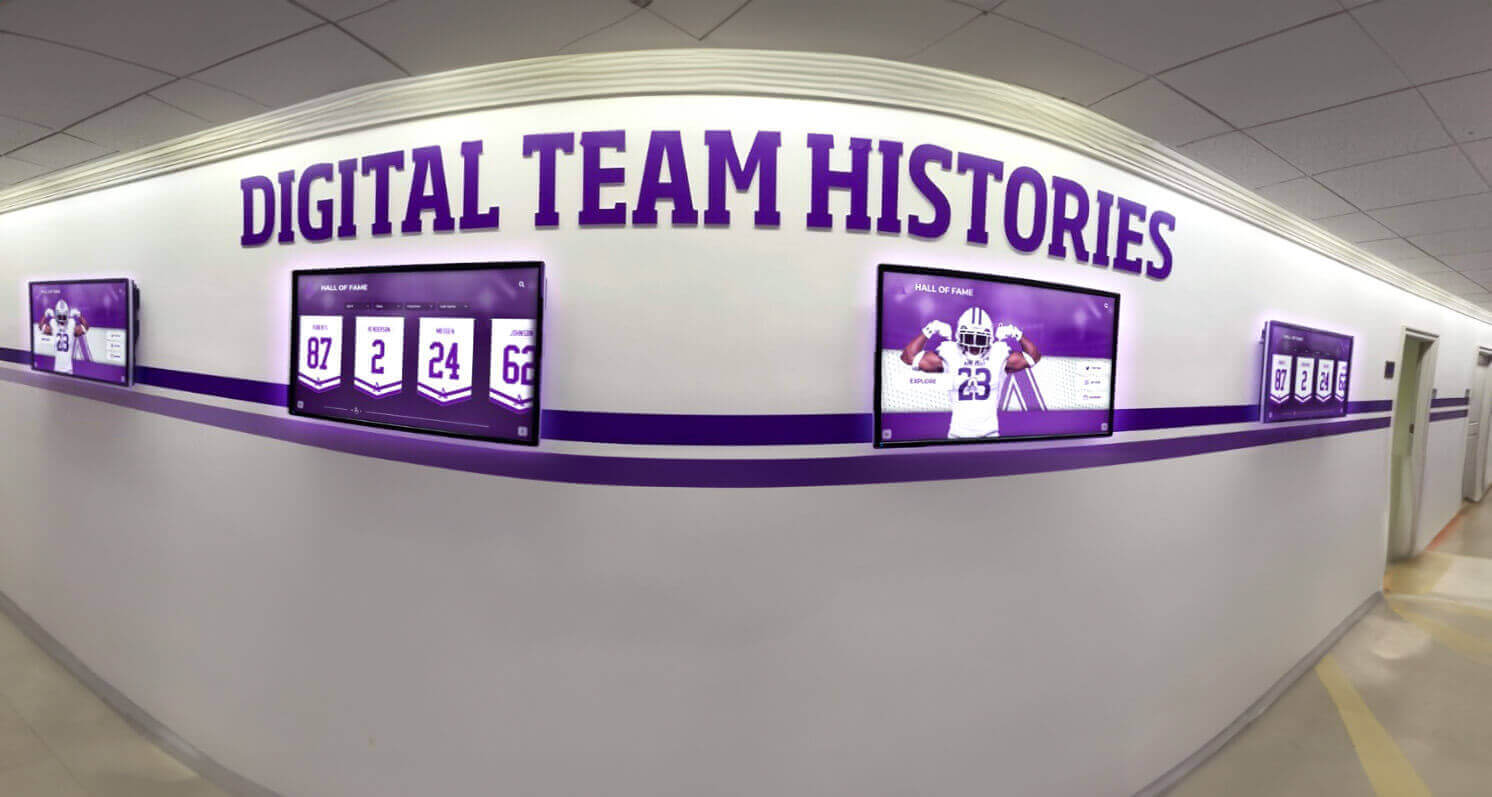
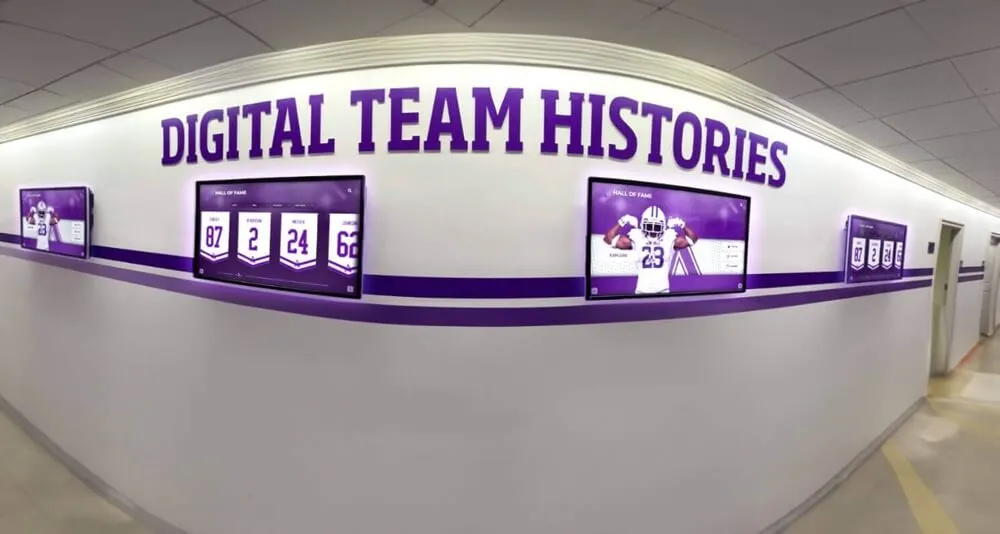
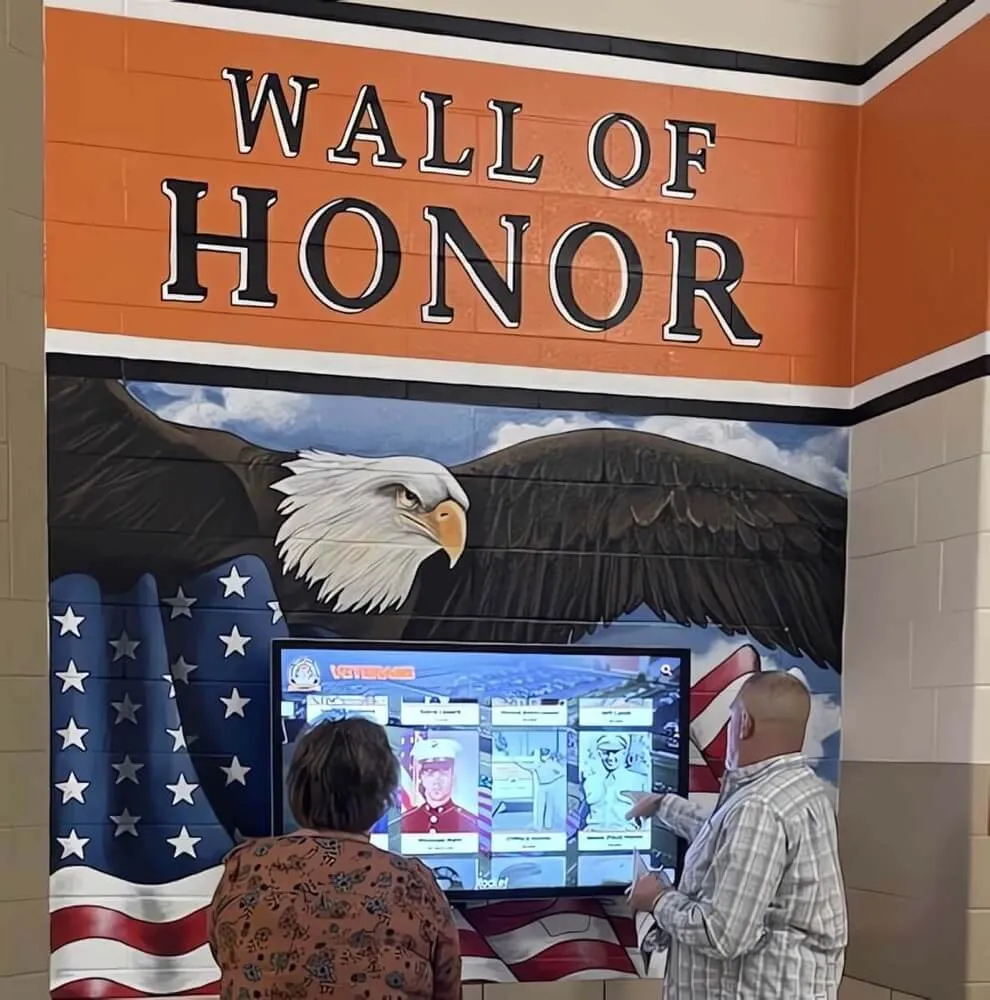
Comprehensive digital displays document team histories and achievements across multiple sports and decades
Technology Integration for Training Enhancement
Modern athletic development increasingly relies on technology systems that improve training effectiveness, enable performance analysis, and facilitate communication between coaches and athletes.
Video Analysis Systems
Visual feedback accelerates skill development and technique correction:
Recording and Playback Equipment
Technology capturing training sessions and competitive performances:
- Multiple camera angles documenting movement from relevant perspectives
- High-speed video capability for detailed movement analysis
- Portable systems enabling field, court, and facility recording
- Adequate storage capacity for multi-year video libraries
- Editing software enabling technique comparison and progress documentation
Video analysis transforms subjective coaching feedback into objective visual evidence that athletes can review independently, accelerating understanding and technique adoption compared to verbal instruction alone.
Analysis Software Platforms
Specialized applications enabling detailed movement study:
- Frame-by-frame playback for precise technique examination
- Side-by-side comparison showing proper technique versus athlete execution
- Drawing and annotation tools highlighting movement deficiencies
- Measurement capabilities quantifying angles, velocities, and positions
- Progress tracking documenting technique improvements across time
Schools implementing systematic video analysis report faster skill development, improved coaching communication, and enhanced athlete buy-in as competitors see objective evidence of their progress and remaining development opportunities.
Performance Tracking and Data Management
Quantitative monitoring systems document athlete development and inform training decisions:
Testing and Assessment Tools
Equipment measuring athletic capabilities across relevant dimensions:
- Timing systems for speed and agility assessment
- Force plates measuring power output and asymmetries
- Heart rate monitoring for conditioning intensity verification
- Jump measurement systems (contact mats, force plates, apps)
- Flexibility and mobility assessment protocols
- Strength testing equipment documenting force capabilities
Regular testing creates baseline data enabling coaches to verify training effectiveness, identify athlete strengths and weaknesses, and make evidence-based programming adjustments rather than relying solely on subjective observation.
Data Management Platforms
Software systems organizing athlete information and training documentation:
- Centralized databases tracking multiple athlete metrics across seasons
- Progress visualization showing improvement trends over time
- Workout planning and distribution platforms
- Communication systems connecting coaches and athletes
- Attendance and participation tracking
- Injury documentation and return-to-play monitoring
Technology platforms transform scattered information into organized systems that improve program efficiency, demonstrate coaching effectiveness, and provide accountability for both athletes and staff.
Many programs enhance athlete recognition through baseball senior night celebrations that honor departing athletes while building program traditions.
Administrative and Support Facilities
Operational efficiency and professional environments require dedicated administrative infrastructure supporting coaching staff and program management.
Coaching and Staff Spaces
Dedicated work areas enabling effective program administration:
Coaching Offices
Private workspaces providing essential coaching functions:
- Adequate desk space for planning, documentation, and administrative work
- Computer access with appropriate software for video analysis, communication, and data management
- Secure file storage for athlete records and program documentation
- Meeting space for one-on-one athlete conversations and parent communications
- Visual privacy for confidential discussions
- Phone and internet connectivity for recruiting and coordination
Shared coaching offices reduce space requirements while building collaboration among staff, though head coaches typically require some private space for administrative responsibilities and confidential discussions.
Meeting and Team Spaces
Areas enabling group instruction and team building:
- Video display capabilities for game film review and instruction
- Seating accommodating entire team rosters
- Whiteboard or presentation surfaces for tactical instruction
- Audio systems ensuring clear communication in larger spaces
- Climate control for extended meeting sessions
- Storage for program materials and resources
Team meeting spaces serve multiple functions beyond tactical instruction, providing venues for team meals, study sessions, leadership development, and culture-building activities that strengthen program cohesion.
Equipment Management Systems
Organized equipment handling reduces costs while ensuring proper resource availability:
Storage and Organization
Systematic approaches to equipment management:
- Dedicated storage rooms with climate control protecting expensive equipment
- Organizational systems (labeled shelving, numbered items, checkout protocols)
- Maintenance and cleaning areas with appropriate tools and supplies
- Adequate space preventing overcrowding that damages equipment
- Secure access preventing theft and unauthorized use
- Inventory tracking systems documenting equipment age and replacement needs
Well-organized equipment systems extend useful life, reduce loss and theft, ensure proper maintenance, and enable rapid setup for practices and competitions.
Laundry and Uniform Management
Facilities enabling proper uniform care and distribution:
- Industrial laundry equipment handling daily practice gear volumes
- Adequate drying and folding space
- Uniform storage organized by size and number
- Distribution and collection protocols
- Repair capabilities for minor uniform damage
In-house laundry capabilities significantly reduce uniform costs compared to outsourced services while enabling rapid turnaround for multi-day tournaments or weather-related uniform changes.
Facility Enhancement Budget Planning
Strategic facility development requires realistic budget planning that sequences improvements based on available resources and program priorities.
Cost Categories and Considerations
Understanding typical investment ranges helps athletic directors plan realistic improvement timelines:
Entry-Level Facility Improvements ($10,000-$50,000)
Initial investments creating functional training environments:
- Basic strength equipment (power rack, barbell sets, dumbbell sets, benches)
- Essential safety equipment (AEDs, first aid supplies, emergency signage)
- Simple recognition displays (championship banners, static record boards)
- Basic video recording equipment
- Organizational systems (equipment storage, administrative tools)
These foundational investments enable effective training and safety compliance at most schools.
Mid-Level Facility Development ($50,000-$200,000)
Comprehensive improvements creating competitive training environments:
- Expanded strength and conditioning equipment variety
- Digital recognition displays and interactive systems
- Advanced video analysis technology
- Athletic training room equipment and rehabilitation tools
- Climate control and facility environment improvements
- Professional signage and branding elements
Schools investing at this level create facilities that provide recruiting advantages and support high-level competitive programs.
Premium Facility Infrastructure ($200,000+)
Elite training environments rivaling collegiate facilities:
- Complete strength and conditioning centers with diverse specialized equipment
- Comprehensive digital display networks throughout facilities
- Advanced performance tracking and data management systems
- Dedicated athletic training rooms with full treatment capabilities
- Professional meeting rooms and coaching offices
- Custom architectural elements and facility branding
Premium facilities primarily benefit large schools with sustained competitive success and strong community financial support, though strategic planning can enable incremental development toward these standards across multiple years.
Funding Strategies
Creative resource development enables facility improvements beyond standard budgets:
Booster Club and Fundraising Revenue
Direct fundraising specifically targeting facility improvements:
- Capital campaigns with specific facility improvement goals
- Naming rights for facility areas or equipment recognizing major donors
- Alumni appeals connecting graduates to program advancement
- Corporate partnerships providing equipment or funding
- Crowdfunding campaigns engaging broader community support
Understanding employee appreciation strategies can inform recognition program development within athletic facilities.
Grant Opportunities and Institutional Support
External funding sources beyond local fundraising:
- State athletic association grants supporting facility safety improvements
- National fitness initiatives providing equipment or funding
- Corporate wellness programs donating equipment to schools
- Foundation grants supporting youth athletic development
- District capital improvement budgets including athletic facilities
- Bond measures funding comprehensive facility renovation
Combining multiple funding streams over several years enables comprehensive facility development that would be impossible through single-source funding alone.
Building Your Competitive Training Environment
Successful sports training facilities result from strategic planning that balances functional training needs with recognition elements, safety requirements with budget realities, and immediate improvements with long-term development vision.
Athletic directors should begin by assessing current facility strengths and gaps across safety, equipment, technology, and recognition categories. Prioritize investments that address immediate safety concerns while creating visible improvements that build momentum for sustained development. Engage coaching staff, booster clubs, and school administration in collaborative planning ensuring broad buy-in and diverse resource development.
Most importantly, recognize that facility development represents ongoing process rather than single project completion. Strategic annual improvements compound over time, transforming basic training spaces into comprehensive athletic development environments that serve programs for decades while giving your athletes every advantage in pursuing competitive excellence.
Transform Your Athletic Program Recognition
Ready to showcase your program’s achievements with professional recognition displays that motivate current athletes while honoring tradition? Rocket Alumni Solutions provides comprehensive digital recognition platforms designed specifically for school athletic programs.
Our interactive touchscreen systems enable unlimited athlete recognition, dynamic record boards that update automatically, multimedia achievement showcases, and donor acknowledgment displays—all through elegant installations that enhance facility environments while celebrating program excellence. From standalone lobby displays to integrated facility networks, we help athletic directors create recognition infrastructure that inspires athletes, engages communities, and preserves competitive legacies for generations.
Contact us today to discuss how modern recognition technology can transform your sports training facility into a comprehensive environment that develops champions while building lasting program pride.
Live Example: Rocket Alumni Solutions Touchscreen Display
Interact with a live example (16:9 scaled 1920x1080 display). All content is automatically responsive to all screen sizes and orientations.