Sports Memory Wall Ideas: How to Showcase Your School's Athletic Legacy in 2026
- Home /
- Digital Hall of Fame Insights & Resources /
- Sports Memory Wall Ideas: How to Showcase Your School's Athletic Legacy in 2026
The Easiest Touchscreen Solution




Live Example: Rocket Alumni Solutions Touchscreen Display
Interact with a live example (16:9 scaled 1920x1080 display). All content is automatically responsive to all screen sizes and orientations.
Every school accumulates decades of athletic achievement—championship seasons, record-breaking performances, legendary coaches, and student-athletes who exemplified excellence. Yet many athletic directors and facilities managers struggle with a persistent challenge: how do you create sports memory walls that honor this rich heritage comprehensively while working within limited wall space, tight budgets, and facilities that weren’t designed with recognition displays in mind?
Traditional approaches—cramped trophy cases that showcase only recent seasons, scattered plaques creating visual clutter, static displays requiring expensive updates, and limited space forcing difficult decisions about which achievements to preserve—fall short of creating the inspiring, comprehensive recognition systems that championship athletic programs deserve. Athletes who dedicate years to building program legacies merit recognition that celebrates their contributions permanently while connecting current competitors to institutional traditions.
This comprehensive guide explores innovative sports memory wall ideas ranging from traditional display approaches to cutting-edge interactive digital solutions, helping athletic administrators create recognition systems that preserve heritage authentically, maximize limited space effectively, and inspire future generations while honoring those who built distinguished athletic legacies worth celebrating.
Sports memory walls serve purposes beyond mere decoration—they preserve institutional heritage that might otherwise be forgotten, strengthen alumni connections by honoring contributions visibly, motivate current athletes through tangible examples of excellence, and create community gathering points where generations connect over shared athletic traditions. Administrators who approach these displays strategically create recognition systems that enhance school culture while operating sustainably across decades of program growth.

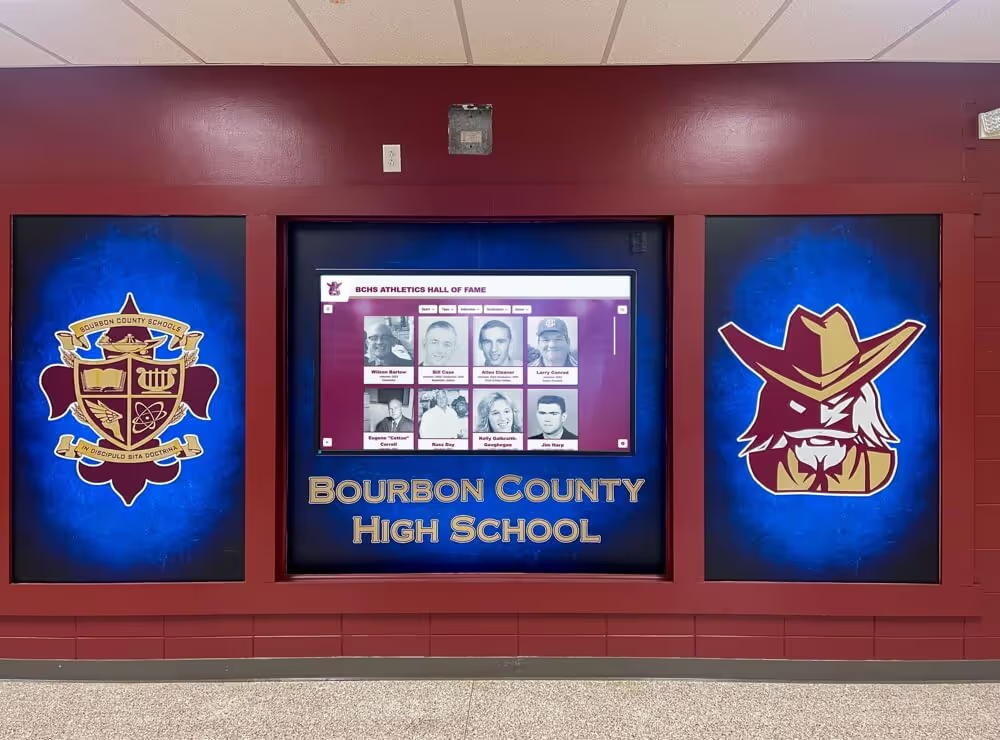
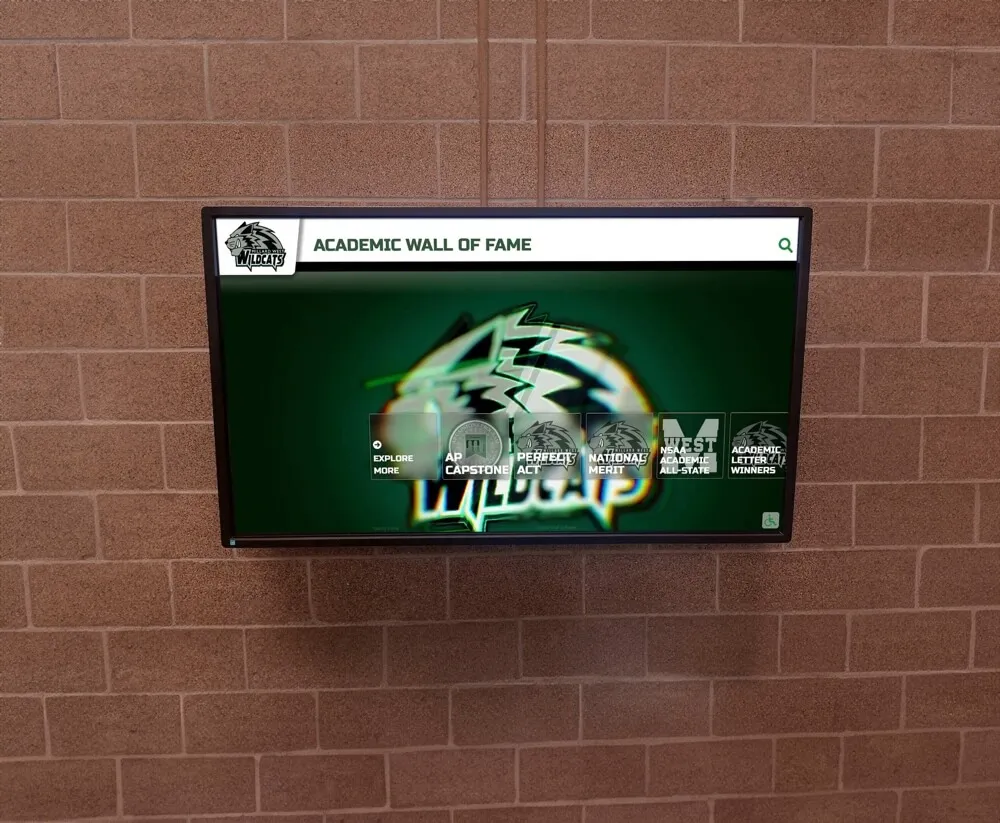
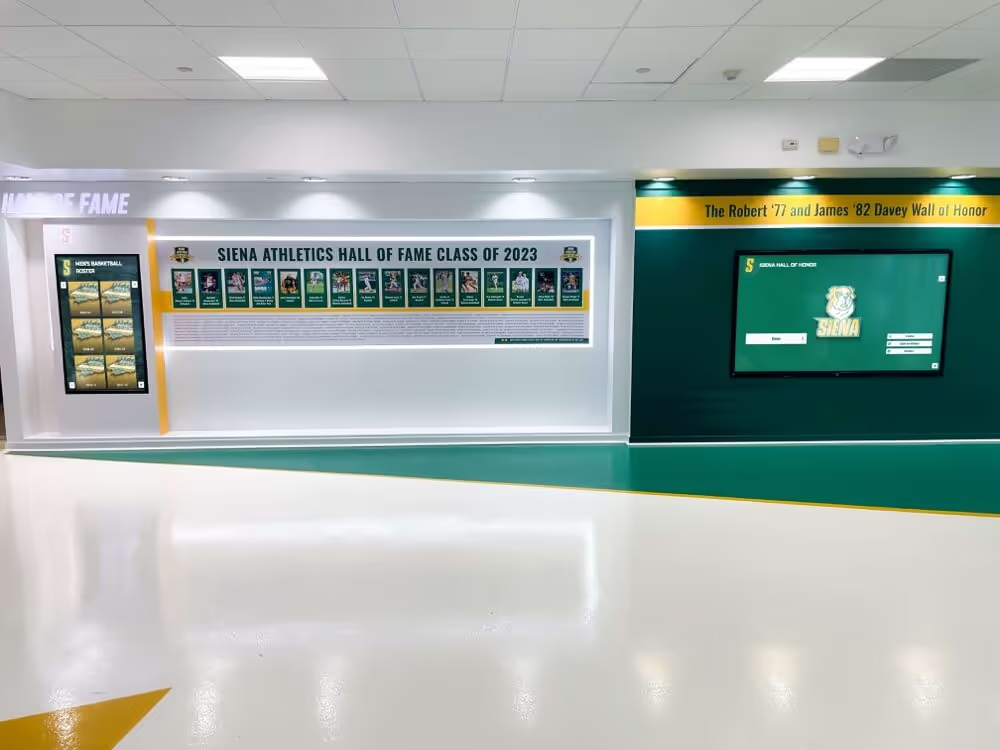
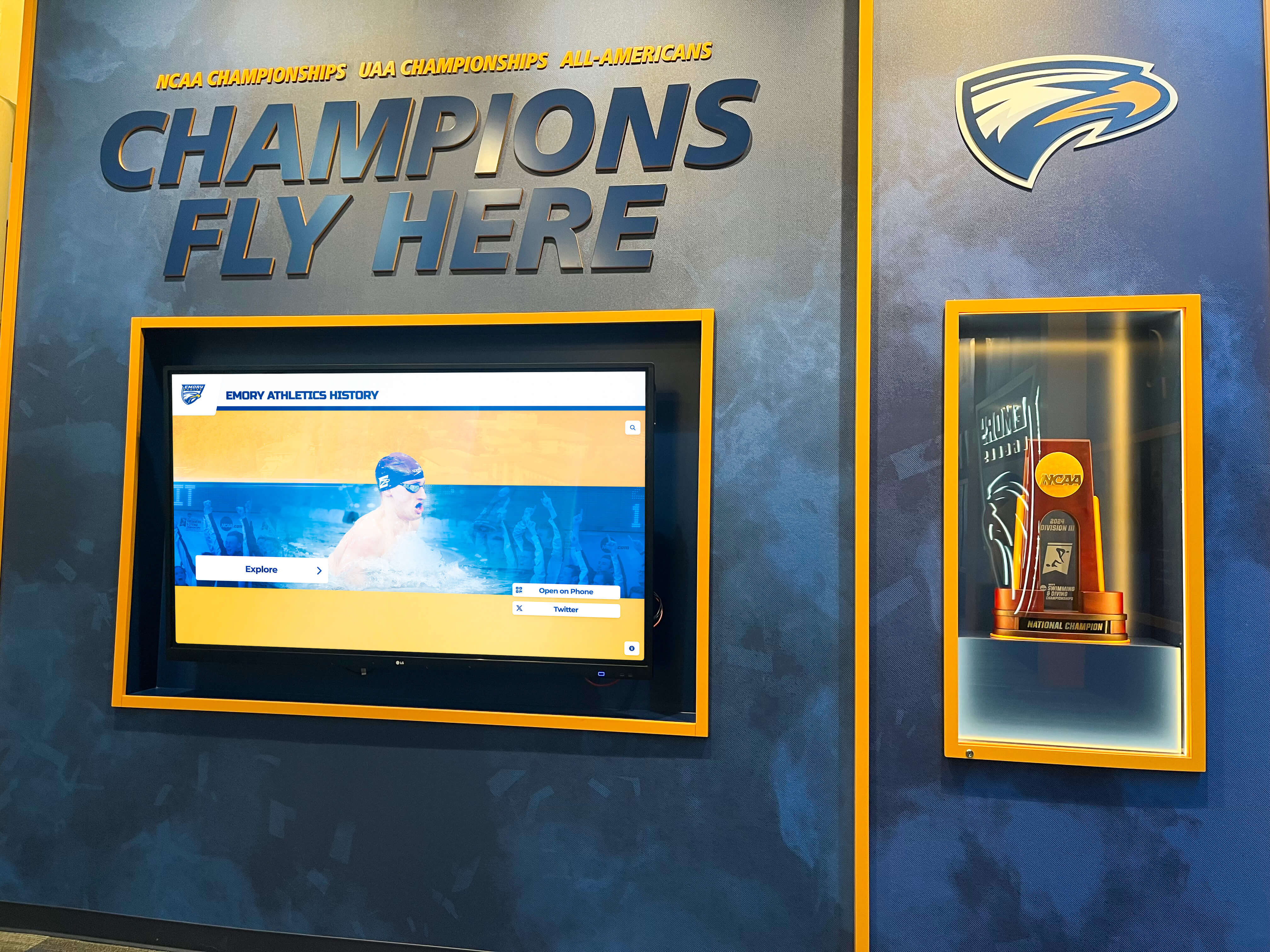
Effective sports memory walls combine multiple recognition elements to showcase championships, individual achievements, and program heritage comprehensively
Understanding Sports Memory Wall Components and Purposes
Before designing recognition displays, understanding core elements and strategic purposes helps administrators create comprehensive systems addressing multiple stakeholder needs.
Essential Memory Wall Functions
Successful sports memory walls accomplish several critical objectives:
Heritage Preservation and Historical Documentation
Memory walls protect athletic legacies from being lost:
- Championship team documentation preserving roster details and season statistics
- Record holder recognition showcasing all-time program performance standards
- Coaching legacy acknowledgment honoring leaders who built successful programs
- Facility history demonstrating venue evolution and improvement investments
- Historical context connecting current programs to foundational achievements
- Photographic archives providing visual documentation of program development
Without intentional preservation, institutional memory fades as administrators retire, athletes graduate, and physical records deteriorate—leaving future generations disconnected from rich traditions that took decades to build.
Current Athlete Motivation and Culture Building
Visible recognition creates powerful motivational environments:
- Performance standards clarifying what excellence within the program requires
- Achievement pathways showing how dedication translates to recognition
- Team culture reinforcement demonstrating values programs celebrate
- Competitive inspiration challenging current athletes to surpass historical marks
- Program pride development connecting individual effort to collective legacy
- Tradition understanding helping athletes appreciate institutional heritage
Athletes competing in facilities showcasing decades of excellence develop different perspectives about their roles—they’re not merely playing sports but contributing to ongoing legacies worth honoring.
Alumni Engagement and Connection
Memory walls strengthen relationships with former athletes:
- Recognition acknowledgment demonstrating appreciation for contributions
- Homecoming focal points creating gathering locations during campus visits
- Emotional connections reinforcing positive school associations
- Donation motivation by showcasing how recognition honors contributors
- Mentorship opportunities connecting current athletes with program legends
- Reunion centerpieces providing conversation starters and shared memories
Physical recognition creates tangible symbols demonstrating that schools value athletic contributions beyond graduation, strengthening bonds that support future fundraising, mentorship, and advocacy.
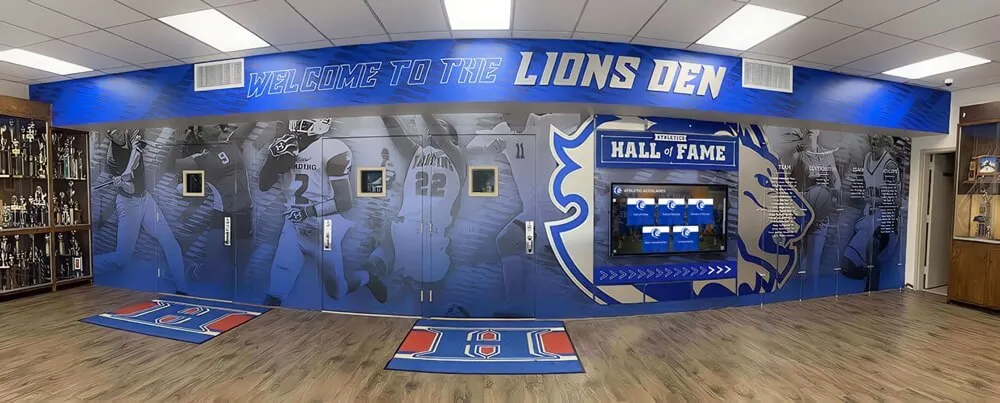
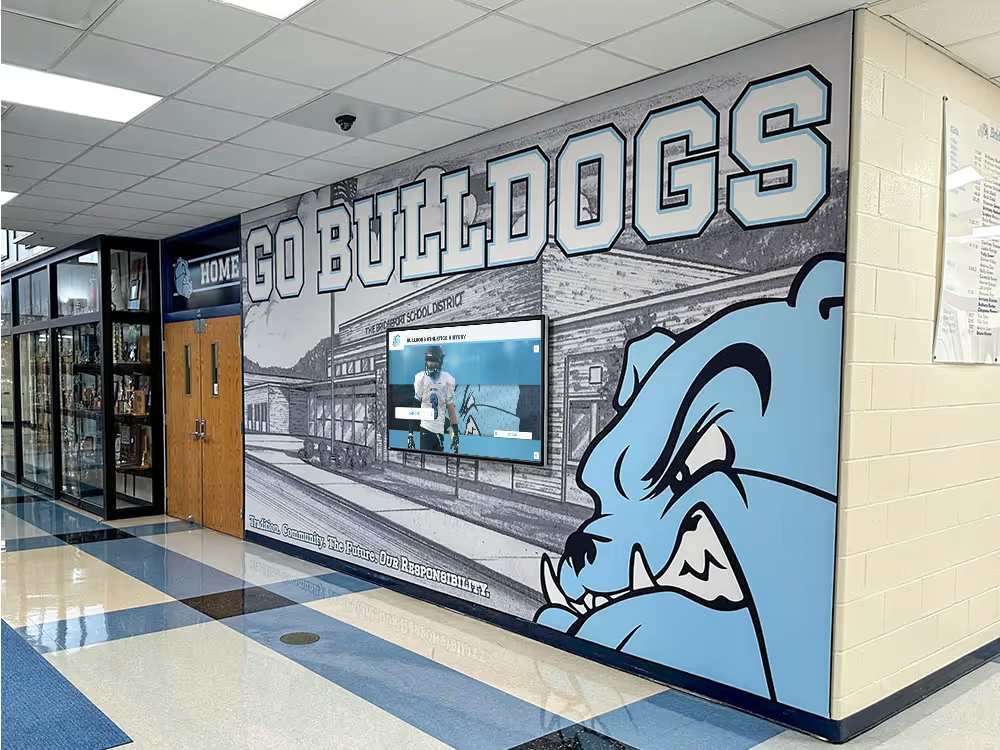
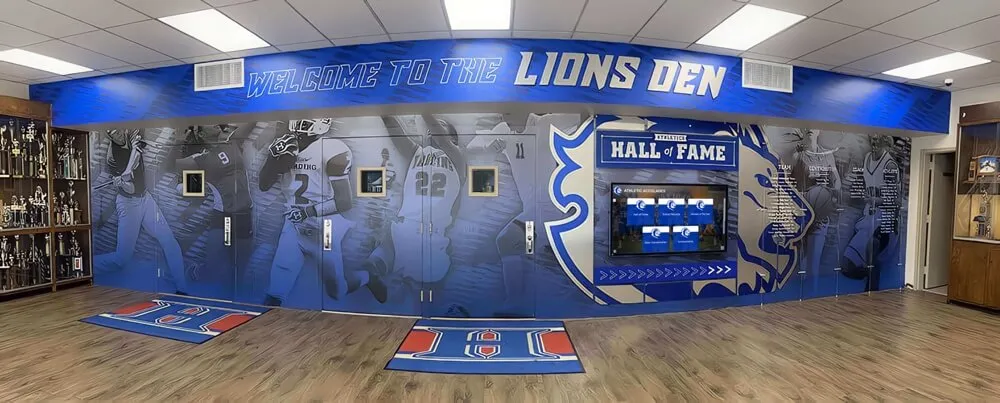
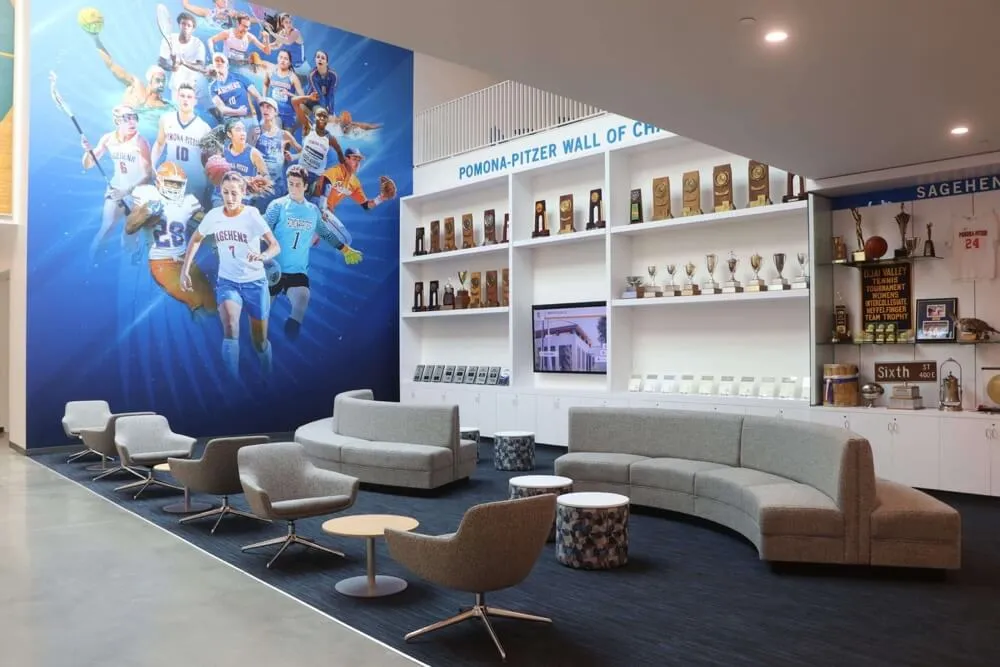
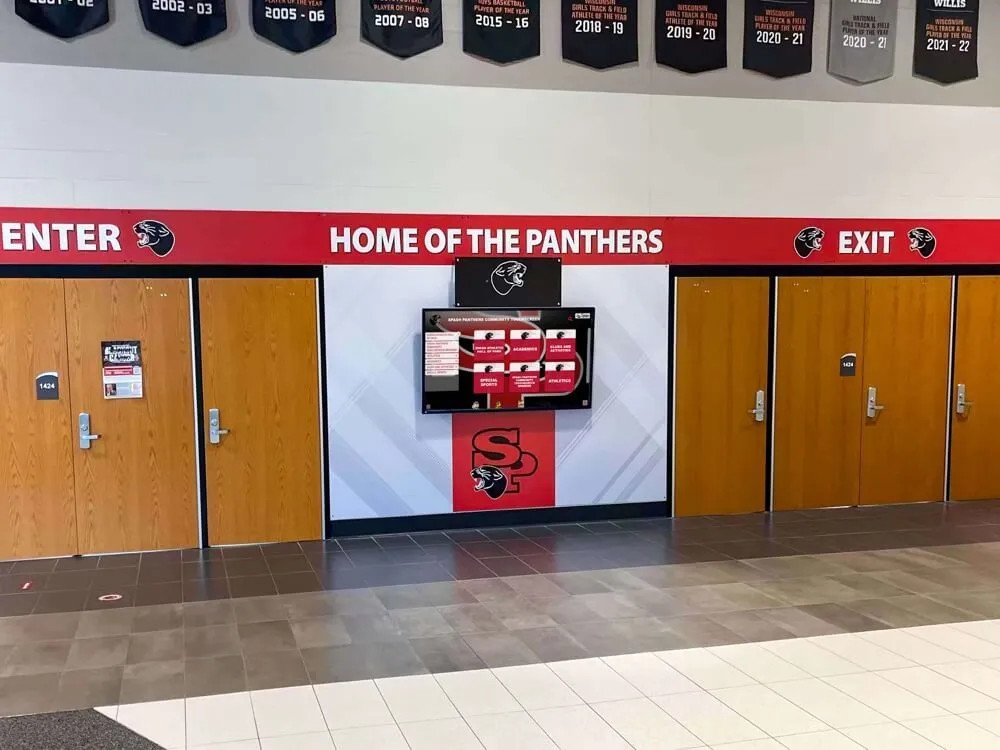
Traditional trophy cases combined with branded murals create visually striking recognition environments
Community Pride and Identity Expression
Athletic displays strengthen community culture:
- School identity reinforcement through visible athletic excellence celebration
- Visitor impressions during facility tours, recruitment visits, and community events
- Program marketing providing visual evidence of competitive success
- Donor recognition opportunities acknowledging financial support enabling achievements
- Media backdrops offering professional settings for press conferences and announcements
- Facility enhancement transforming utilitarian spaces into inspiring environments
Memory walls communicate institutional values and priorities to internal and external audiences, making abstract concepts like “tradition” and “excellence” concrete through visible documentation.
Explore comprehensive approaches to highlighting athletic achievements through digital displays that enhance recognition visibility.
Sports Memory Wall Ideas: Traditional Display Approaches
Classic recognition formats provide proven effectiveness while accommodating various budget levels and aesthetic preferences.
Trophy Case and Cabinet Displays
Physical trophy showcases represent the most familiar sports memory wall format:
Traditional Glass Case Systems
Standard cabinet approaches include:
- Wall-mounted cases - Shallow displays featuring trophies, plaques, and memorabilia against walls in hallways or lobbies
- Freestanding cabinets - Floor-to-ceiling units providing greater depth for larger trophies and three-dimensional items
- Recessed displays - Built-in installations creating flush, professional appearances within wall construction
- Rotating displays - Cases with revolving platforms showcasing items from multiple angles
- Lighted showcases - Illuminated displays highlighting items while preventing deterioration from excessive light exposure
- Climate-controlled cases - Specialized units protecting valuable or fragile historical items
Trophy cases excel at showcasing three-dimensional championship hardware and uniforms but require regular maintenance—glass cleaning, lighting replacement, and dust removal—while consuming substantial space as programs accumulate decades of achievements.
Display Organization Strategies
Effective trophy case arrangements consider several approaches:
- Chronological organization - Sequential arrangement showing program evolution across decades
- Sport-specific grouping - Dedicated sections for each athletic program’s achievements
- Championship clustering - Prominent placement for state, regional, or national title recognition
- Rotating exhibits - Periodic changes highlighting different sports, seasons, or achievement types
- Thematic displays - Arrangements focusing on specific eras, coaches, or milestone achievements
Thoughtful organization helps visitors navigate displays logically while ensuring all programs receive appropriate recognition rather than allowing dominant sports to overshadow smaller programs.
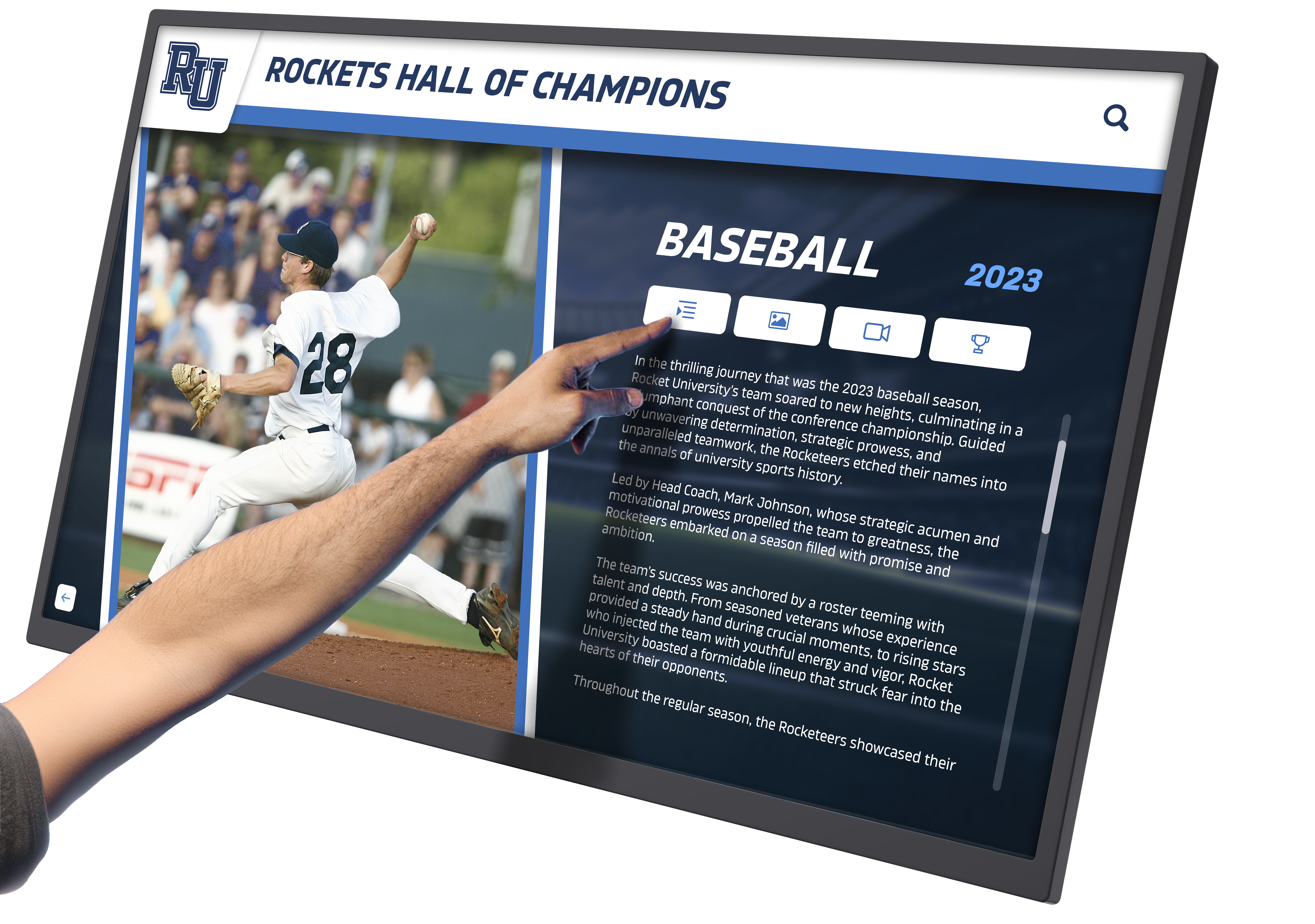
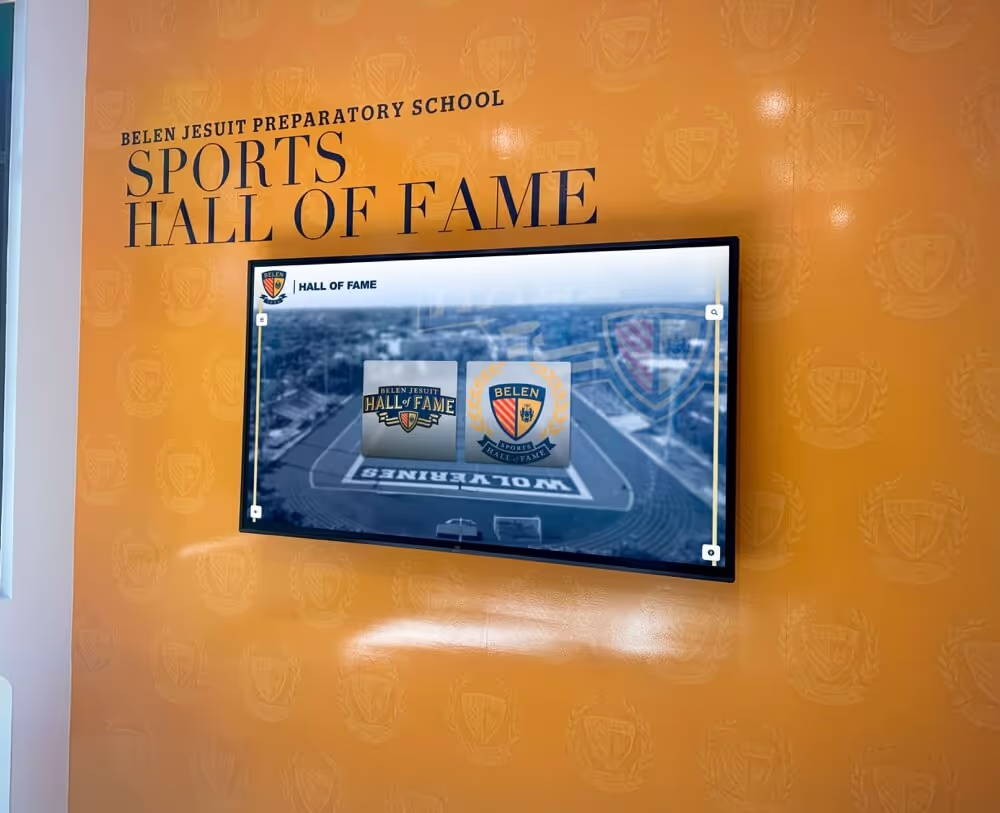
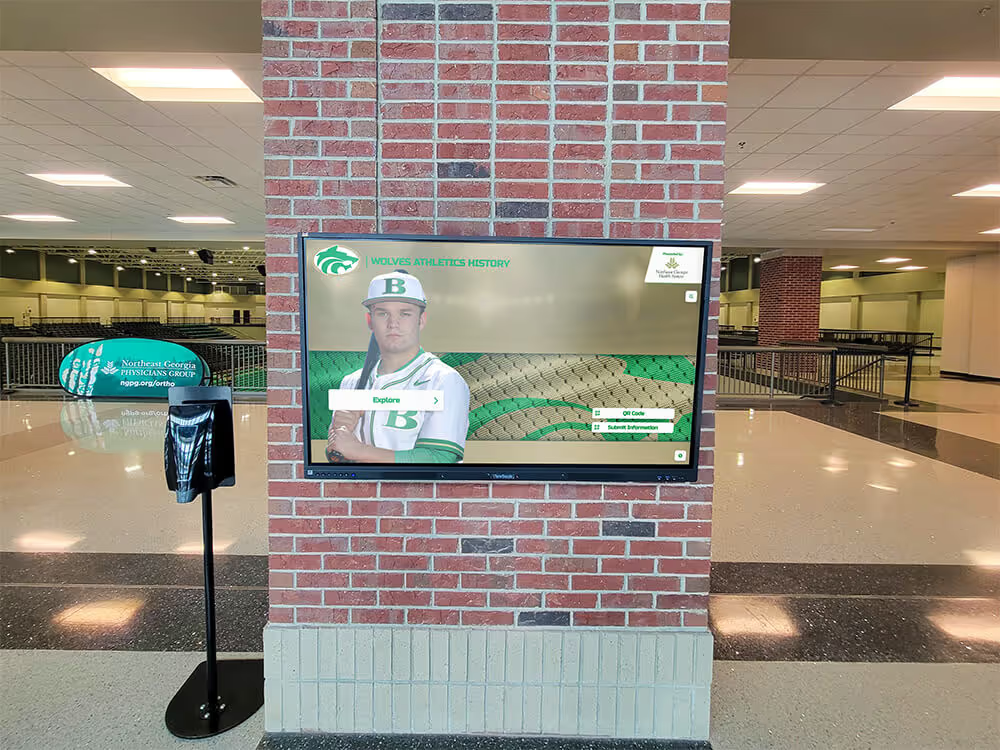
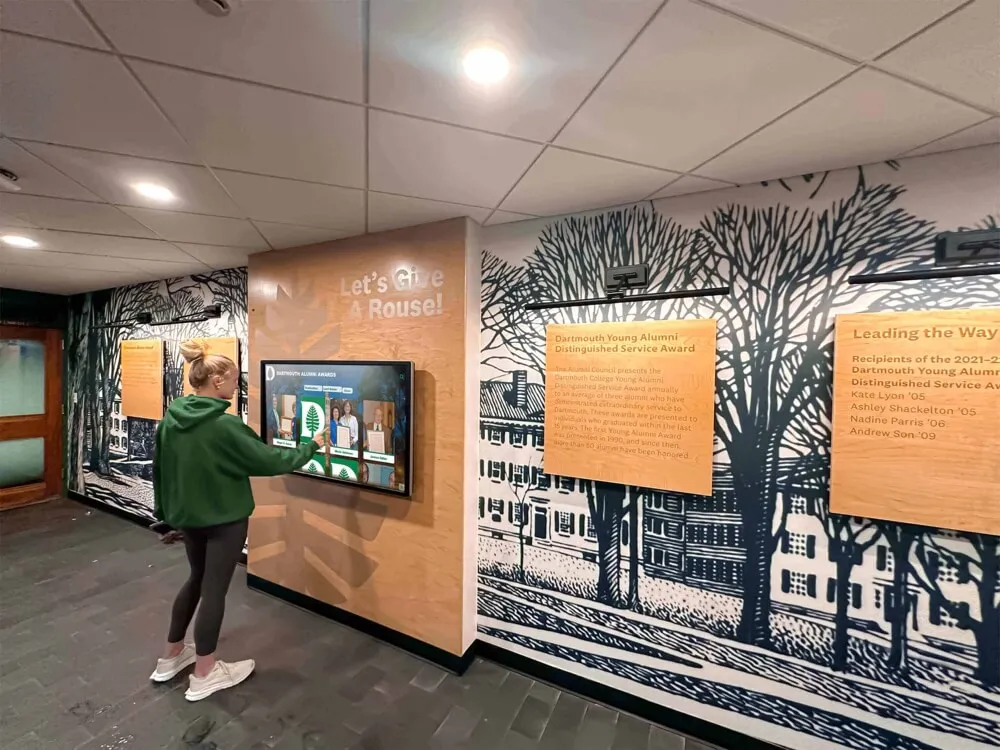
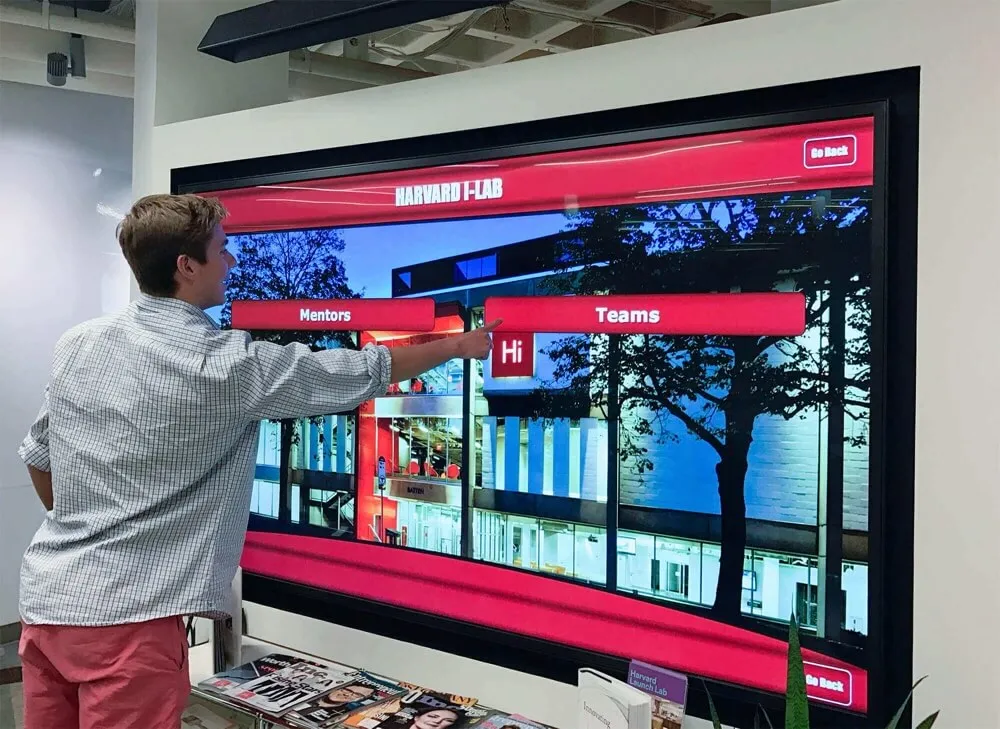
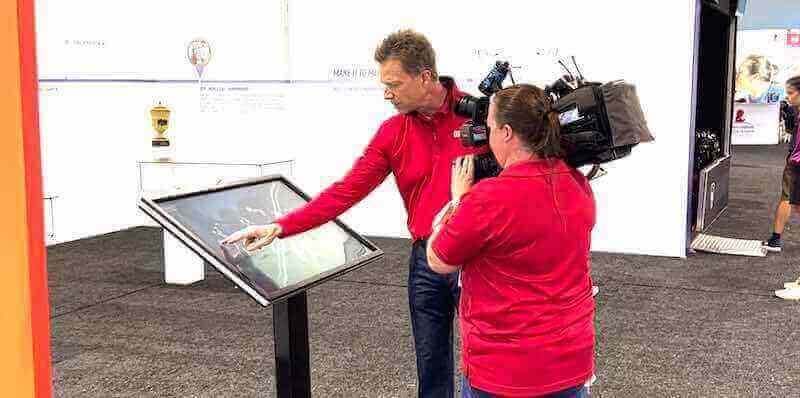
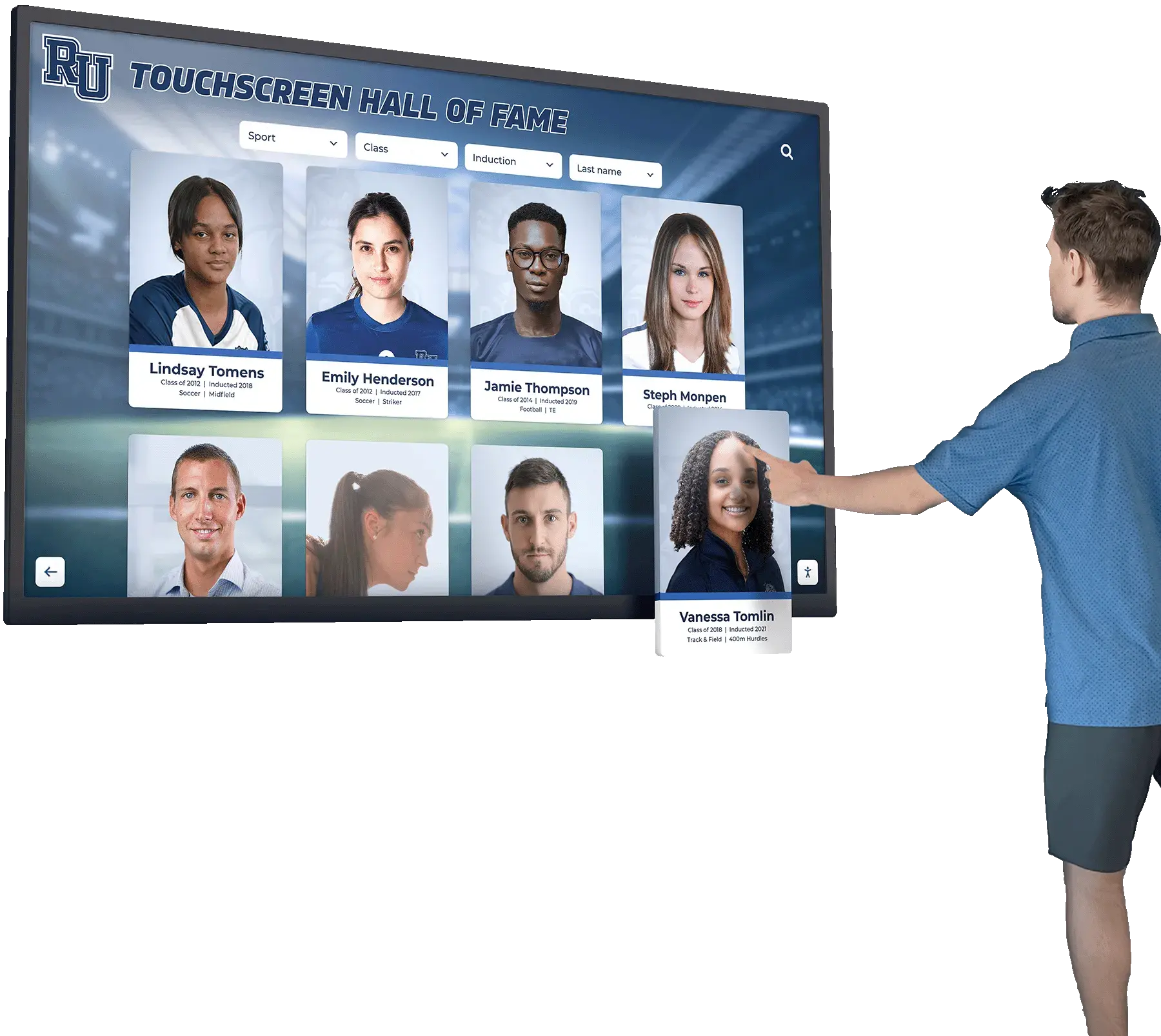
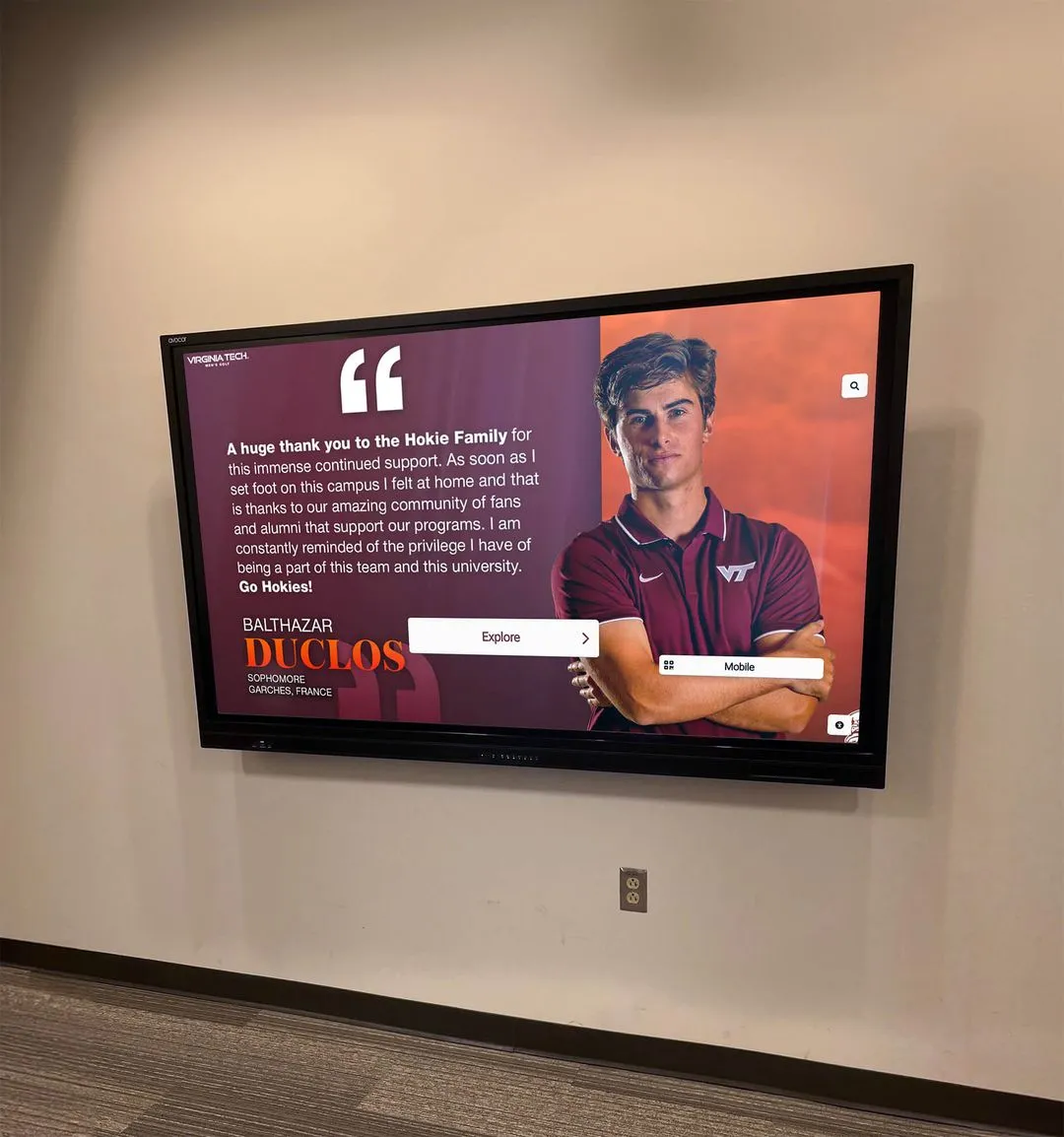
Interactive digital displays provide unlimited capacity for athlete profiles, statistics, and multimedia content that traditional cases cannot accommodate
Plaque Walls and Recognition Boards
Individual plaques create permanent, personalized recognition:
Plaque System Design Elements
Standard plaque walls typically feature:
- Uniform sizing - Standardized dimensions (typically 8"x10" or 9"x12") creating visual consistency
- Material consistency - Matching finishes (brass, aluminum, wood) maintaining professional appearance
- Engraving standards - Consistent fonts, sizing, and information formats across all plaques
- Mounting systems - Professional installation using concealed fasteners or frame arrangements
- Expansion planning - Wall layouts accommodating decades of future additions without redesign
- Accessibility compliance - Appropriate height placement ensuring visibility for all viewers
Individual plaques provide permanent, tangible recognition but consume substantial wall space—programs recognizing dozens of athletes annually quickly exhaust available surfaces.
Plaque Wall Categories and Arrangements
Common organizational approaches include:
- Hall of Fame Walls - Premium plaques honoring elite athletes meeting exceptional achievement standards
- All-Conference Recognition - Annual plaques documenting conference honor recipients
- Record Holder Boards - Category-specific displays showing all-time program leaders
- Championship Team Rosters - Complete team listings for title-winning squads
- Coaching Legacy Walls - Career achievement plaques honoring longtime program leaders
- Academic All-American Recognition - Separate displays celebrating scholar-athletes
Multiple plaque categories ensure comprehensive recognition while organizing information logically for viewers seeking specific achievement types.
Learn about effective baseball award ideas that complement permanent memory wall recognition.
Wall Murals and Graphic Displays
Artistic installations create visually striking recognition environments:
Mural Design Approaches
Branded wall graphics include:
- Mascot murals - Large-scale mascot imagery creating bold visual statements and photo opportunities
- Action photography - Life-size or oversized athlete images showcasing sports in action
- Timeline graphics - Historical progressions showing program development across decades
- Championship celebrations - Memorable moments from title seasons and significant victories
- Quote walls - Inspirational messages from legendary coaches or athletes
- Record boards - Graphic representations of statistical achievements and program records
Professional mural installations transform ordinary walls into inspiring environments while providing context for adjacent trophy cases or plaque displays.
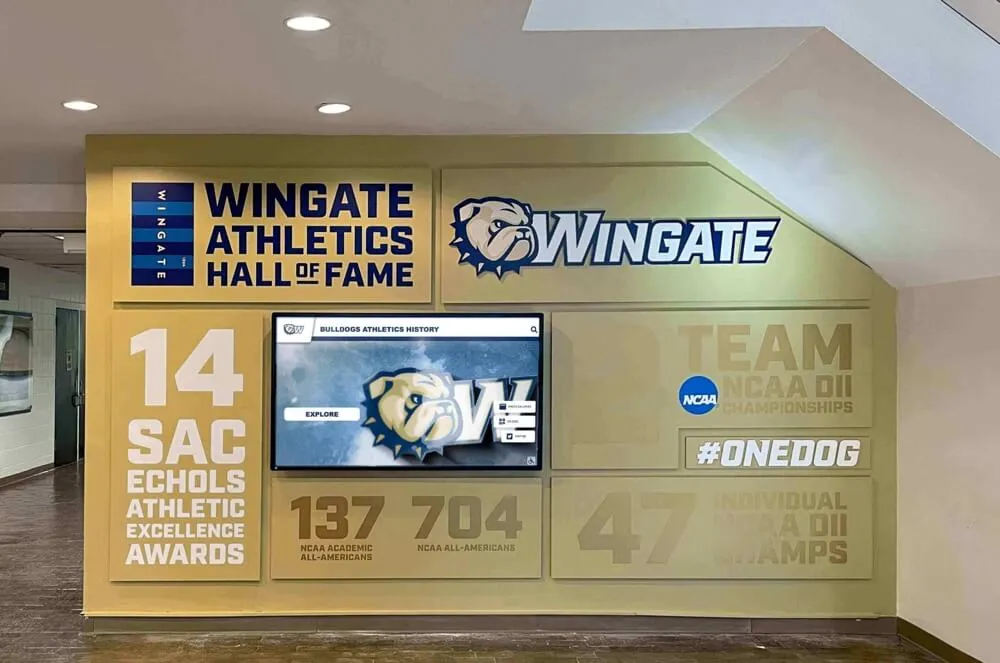
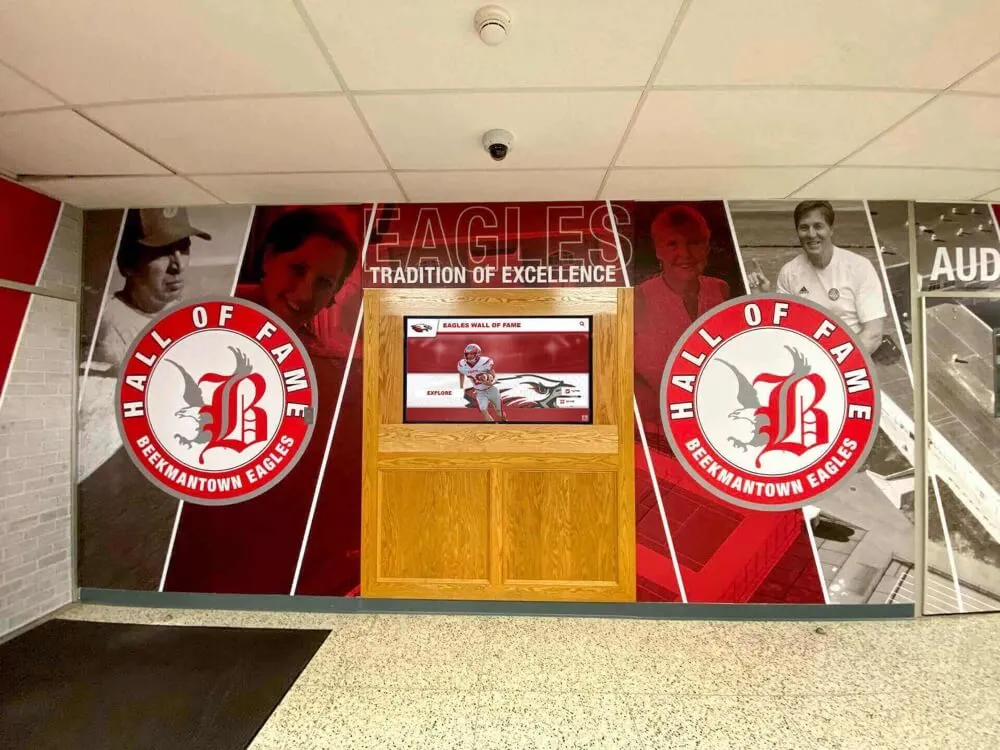
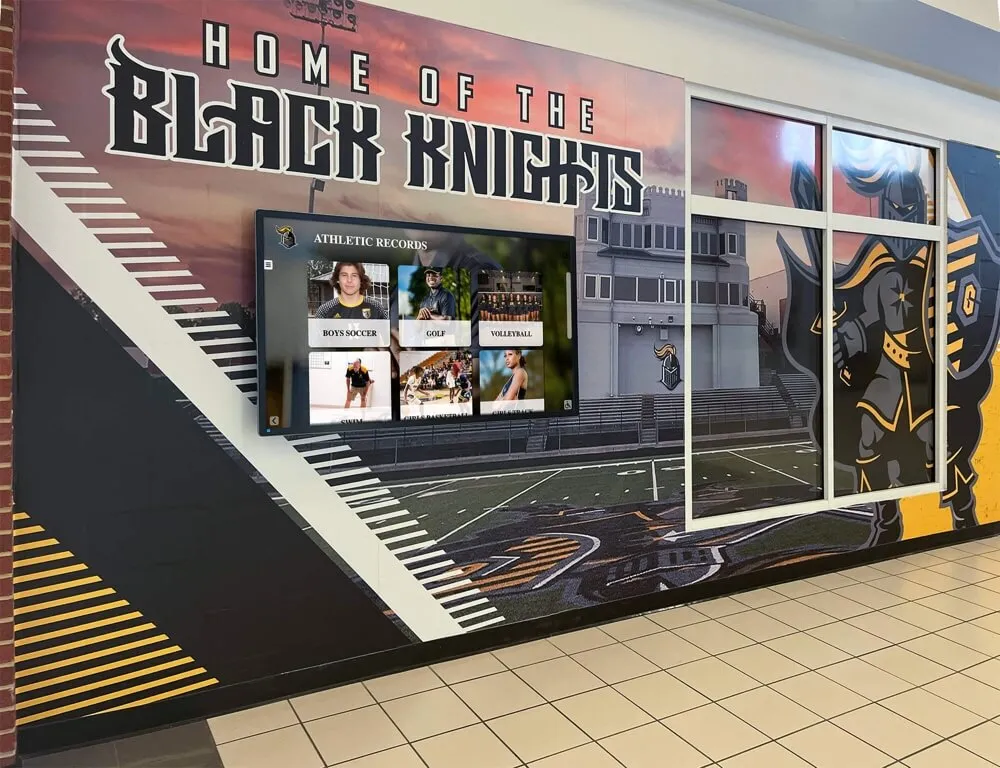
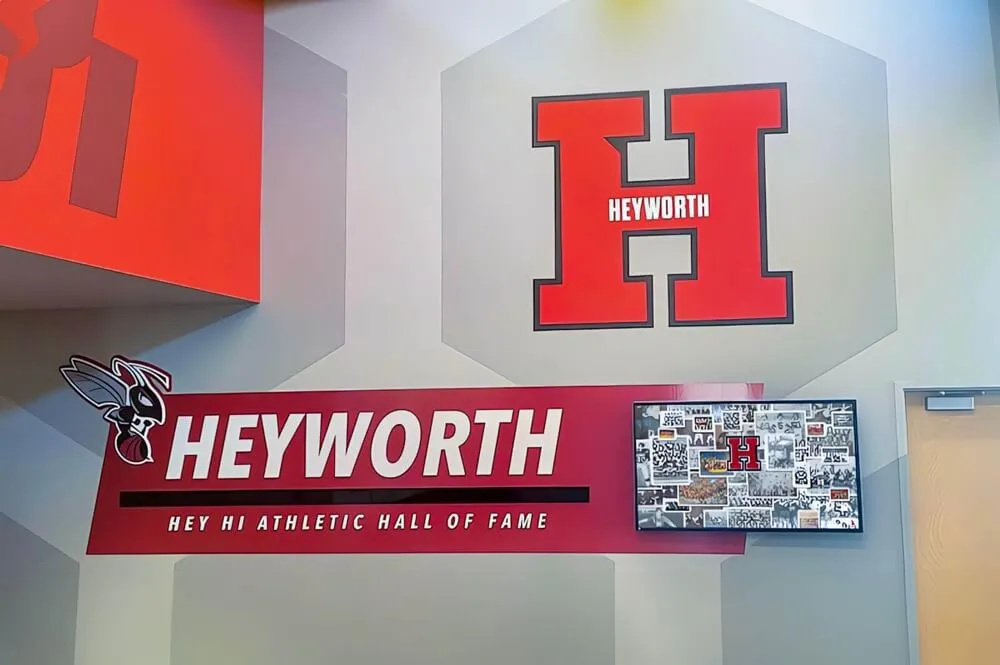
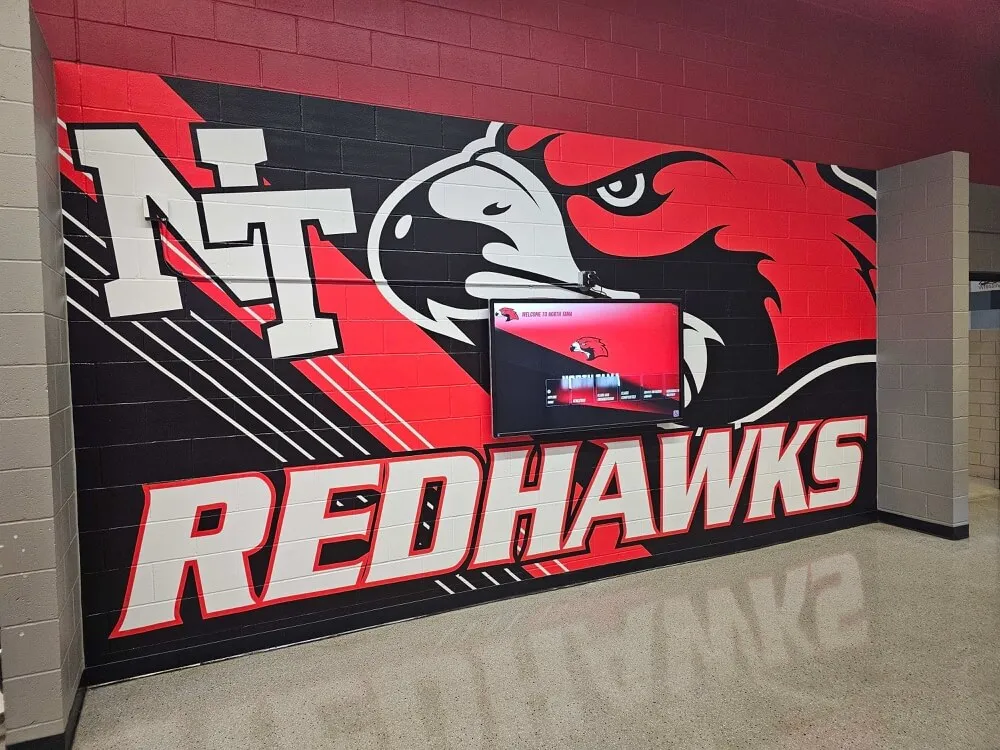
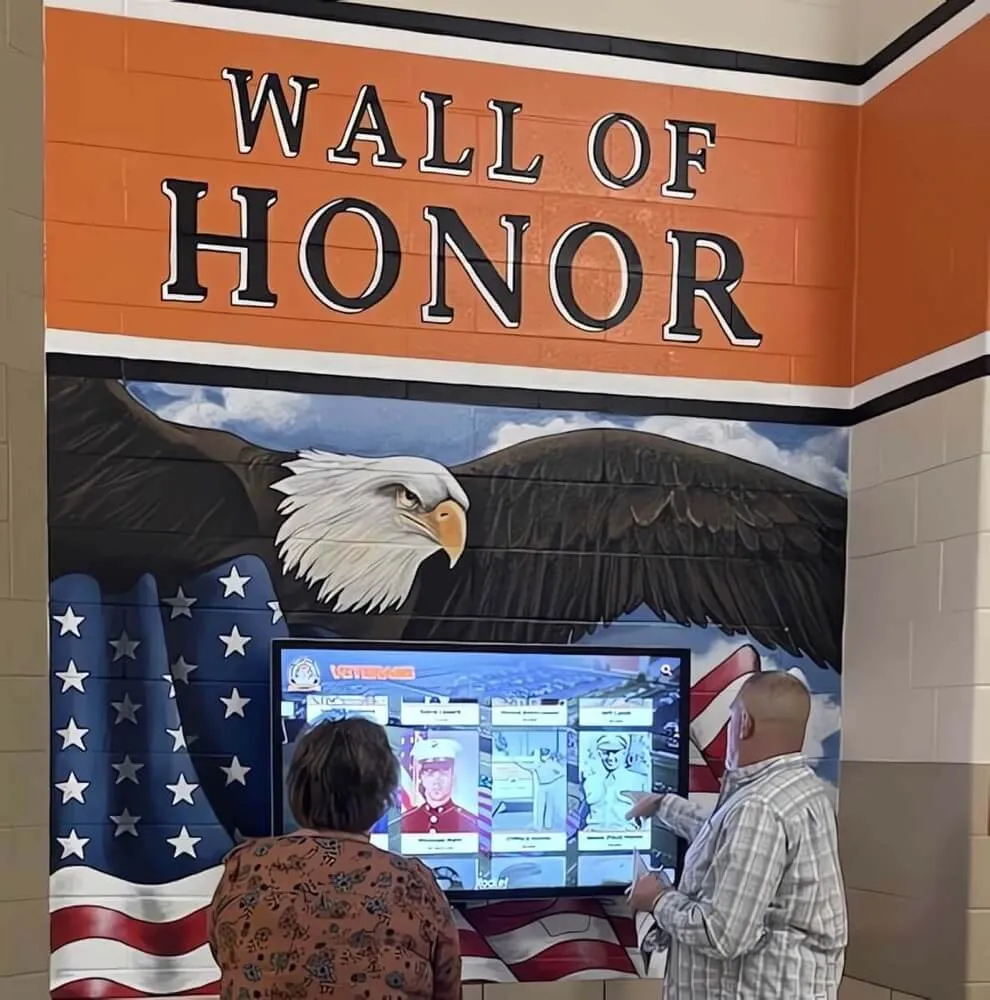
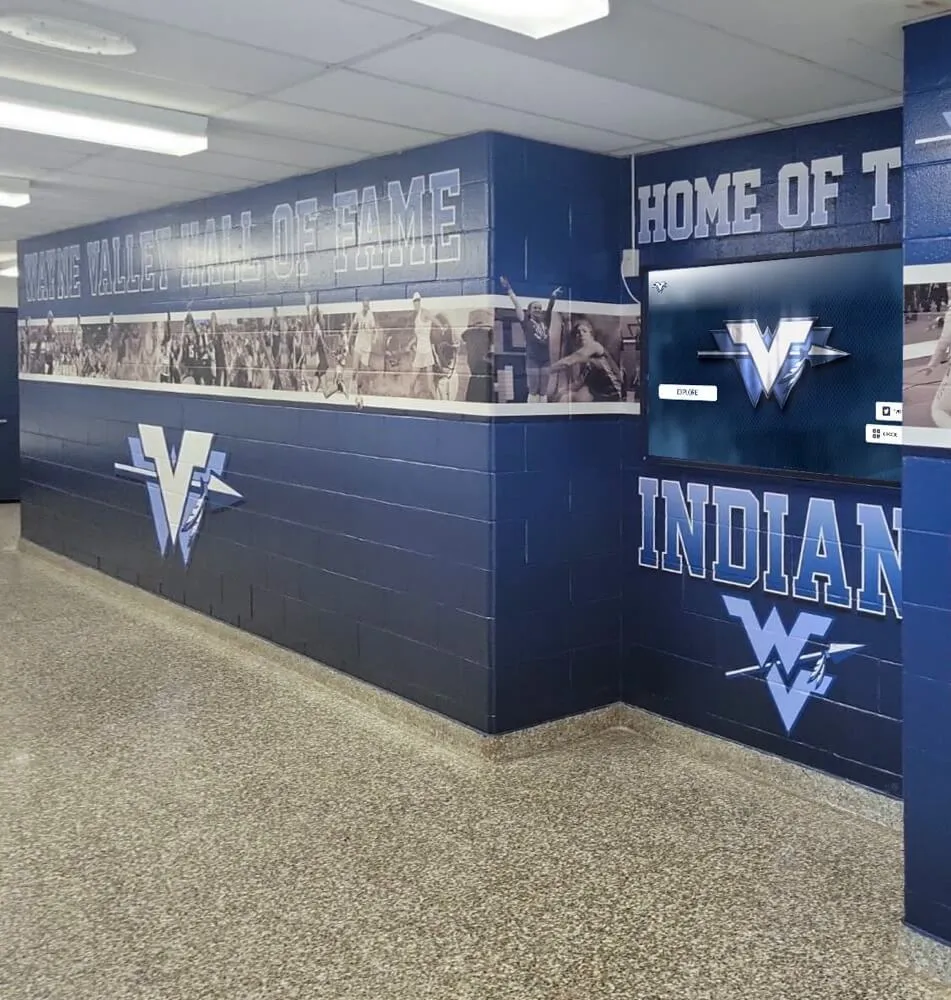
Branded walls combining mascot imagery with recognition elements create memorable visual impact in athletic facilities
Vinyl Graphics and Printed Materials
Cost-effective graphic solutions include:
- Removable vinyl decals enabling seasonal updates or temporary recognition
- Direct-to-wall printing creating permanent, high-resolution imagery
- Mounted photo panels showcasing championship moments and historical images
- Banner systems allowing flexible displays during specific seasons or events
- Floor graphics creating recognition elements in horizontal spaces
- Window graphics utilizing glass surfaces for recognition visibility
Graphic solutions prove particularly effective for programs with limited budgets or rental facilities where permanent construction isn’t feasible.
Sports Memory Wall Ideas: Modern Digital Solutions
Technology-based approaches address traditional display limitations while creating engaging, comprehensive recognition systems.
Interactive Touchscreen Memory Walls
Digital platforms provide unlimited recognition capacity and rich multimedia presentations:
Touchscreen Display Capabilities
Modern athletic recognition systems offer:
- Unlimited athlete profiles - Comprehensive databases accommodating thousands of athletes without physical space constraints
- Rich multimedia integration - Photos, videos, statistics, and biographical information exceeding static display capabilities
- Search and filter functions - Visitor-friendly navigation finding specific athletes, teams, or achievement types quickly
- Historical timeline views - Chronological presentations showing program evolution across decades
- Sport-specific showcases - Dedicated sections for each athletic program’s heritage
- Championship season deep-dives - Complete rosters, season statistics, and game-by-game results
- Real-time content updates - Immediate additions for current season achievements without physical renovation
- Analytics and engagement metrics - Data showing which athletes and stories generate most community interest
Solutions like Rocket Alumni Solutions provide specialized athletic recognition platforms combining unlimited profile capacity, professional design templates, and user-friendly content management enabling non-technical administrators to maintain comprehensive memory walls without ongoing vendor dependence.
Implementation and Integration Approaches
Digital memory walls accommodate various facility contexts:
- Wall-mounted displays - Flat-panel touchscreens installed like televisions in high-traffic areas
- Freestanding kiosks - Self-contained units with integrated computers and professional enclosures
- Hybrid installations - Digital displays combined with traditional trophy cases and plaque walls
- Mobile-responsive platforms - Web-based systems accessible on smartphones and tablets beyond physical displays
- Social media integration - Content sharing enabling community members to promote achievements
- Wayfinding integration - Recognition displays doubling as facility navigation and event information systems
Flexible implementation options enable schools to match display formats with facility constraints and aesthetic preferences while maintaining comprehensive digital recognition benefits.
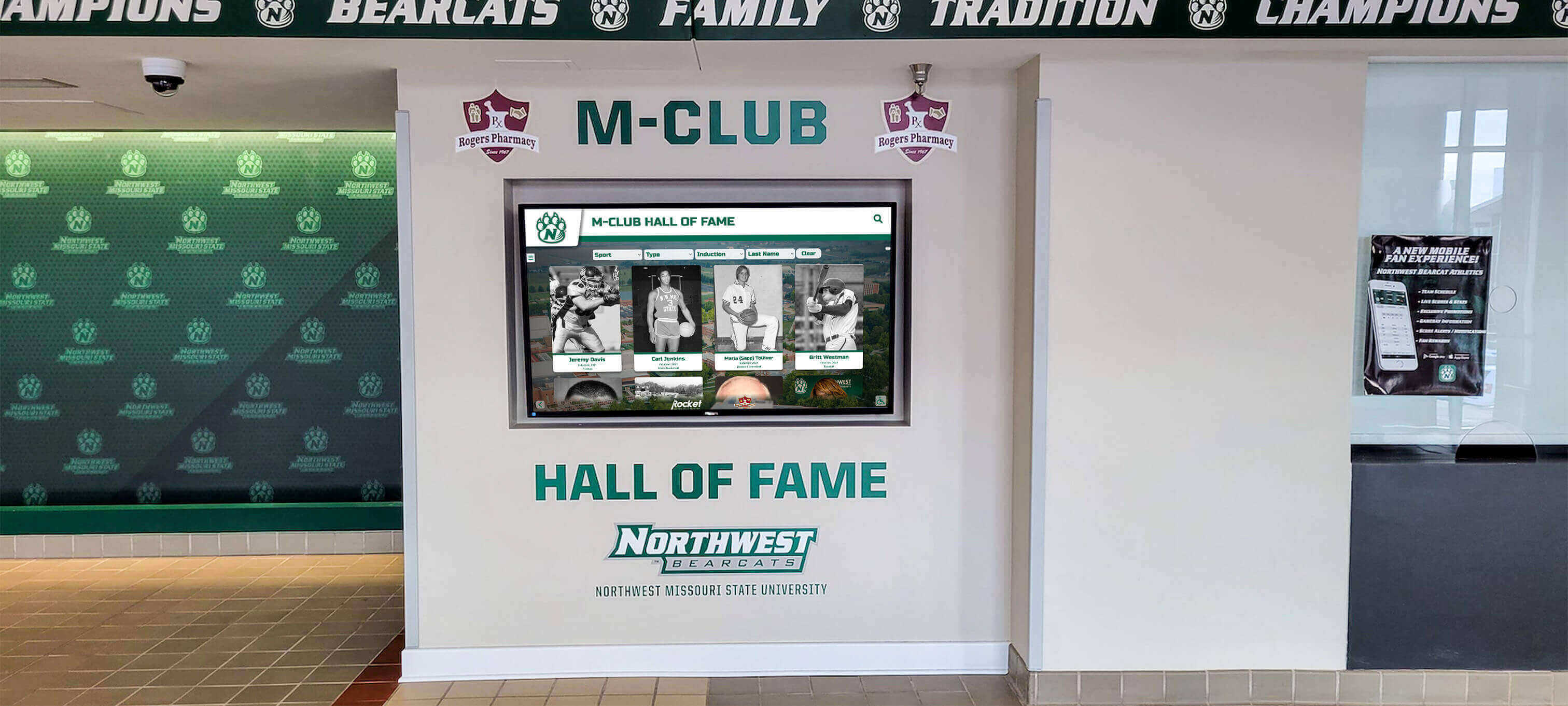
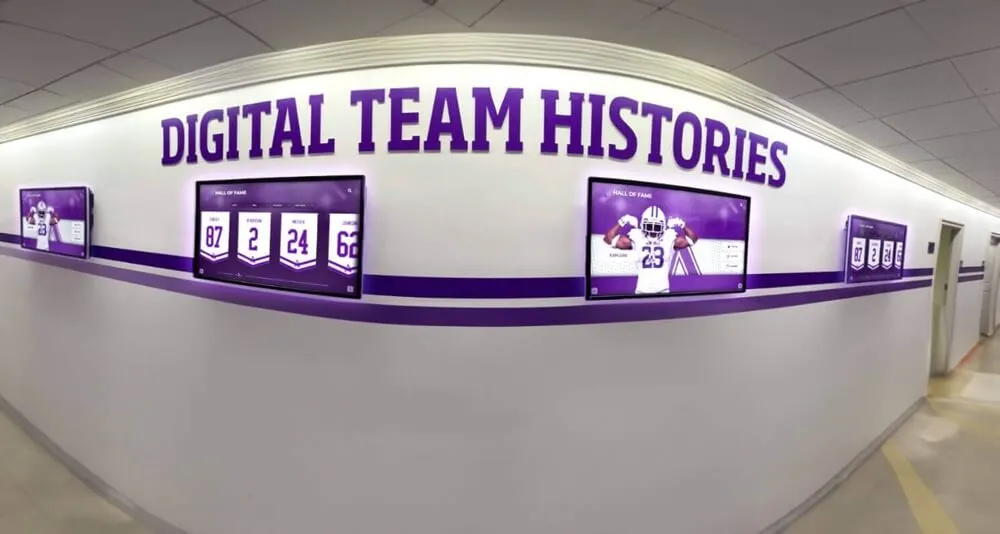
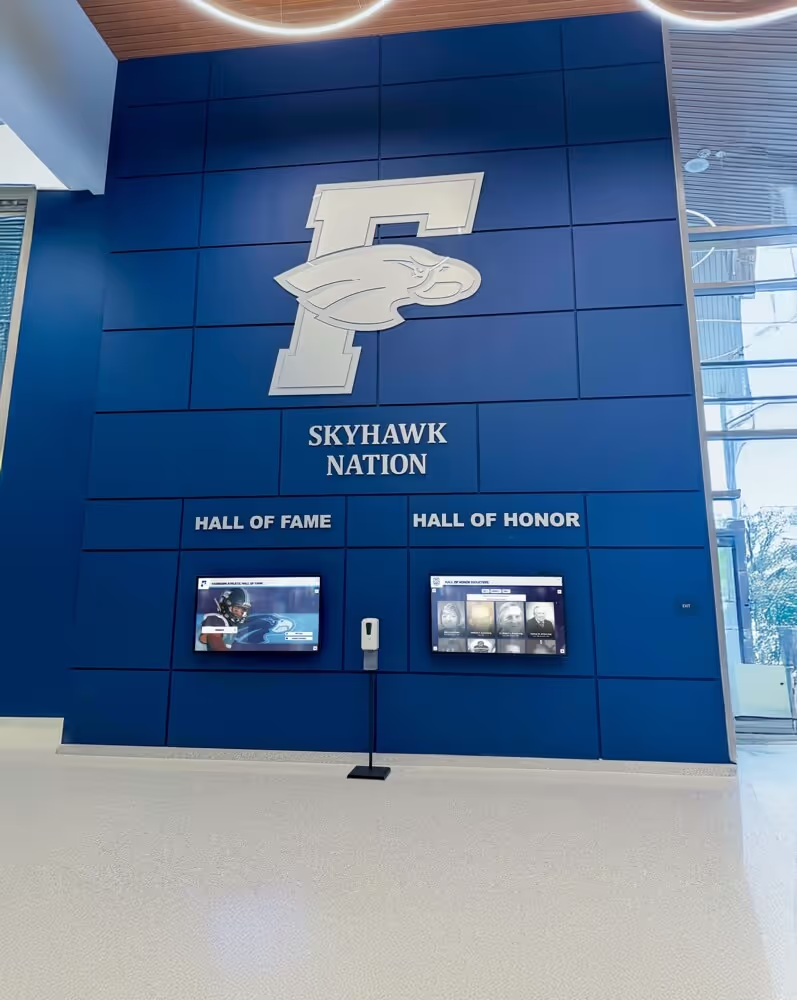
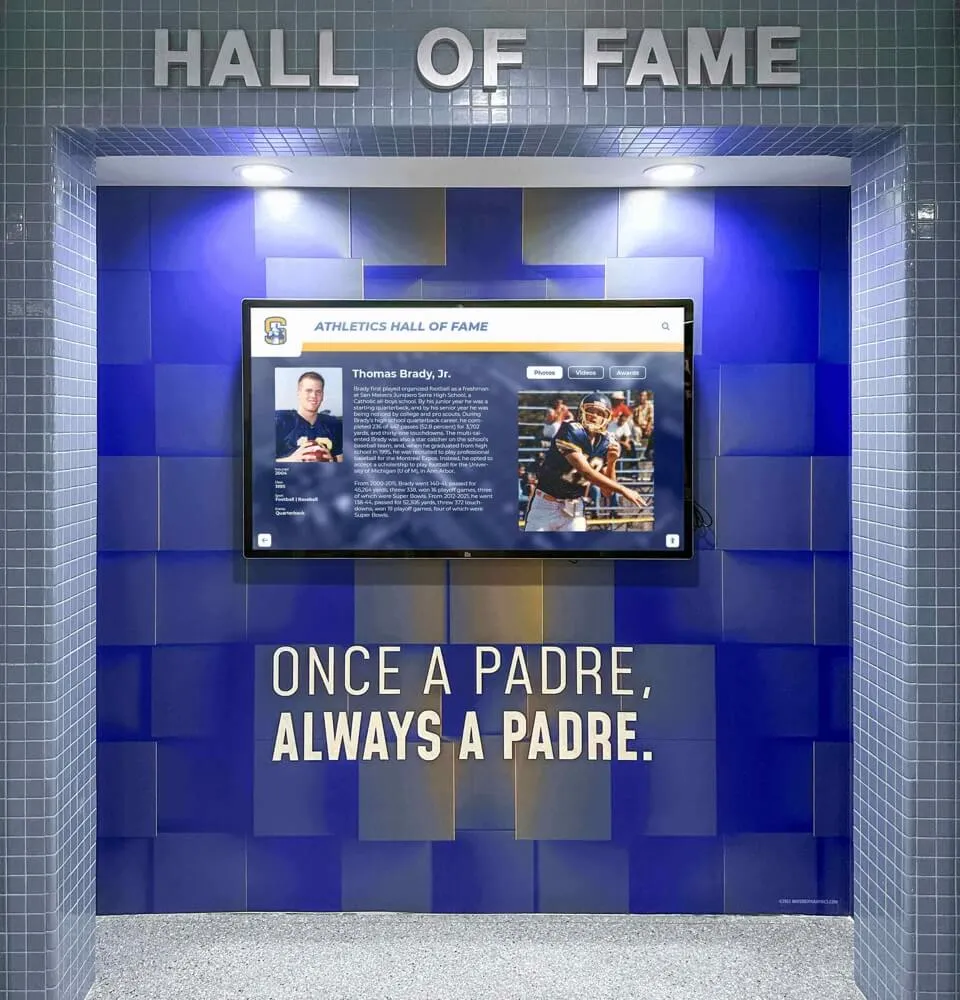
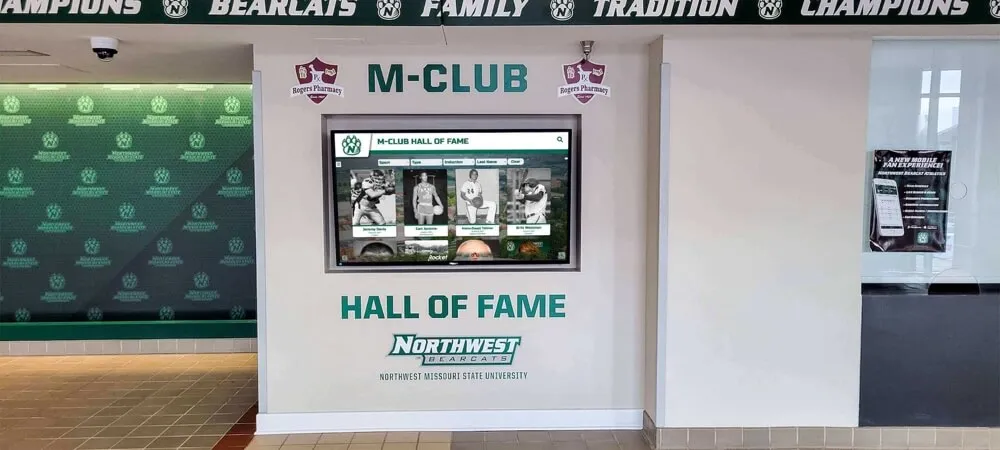
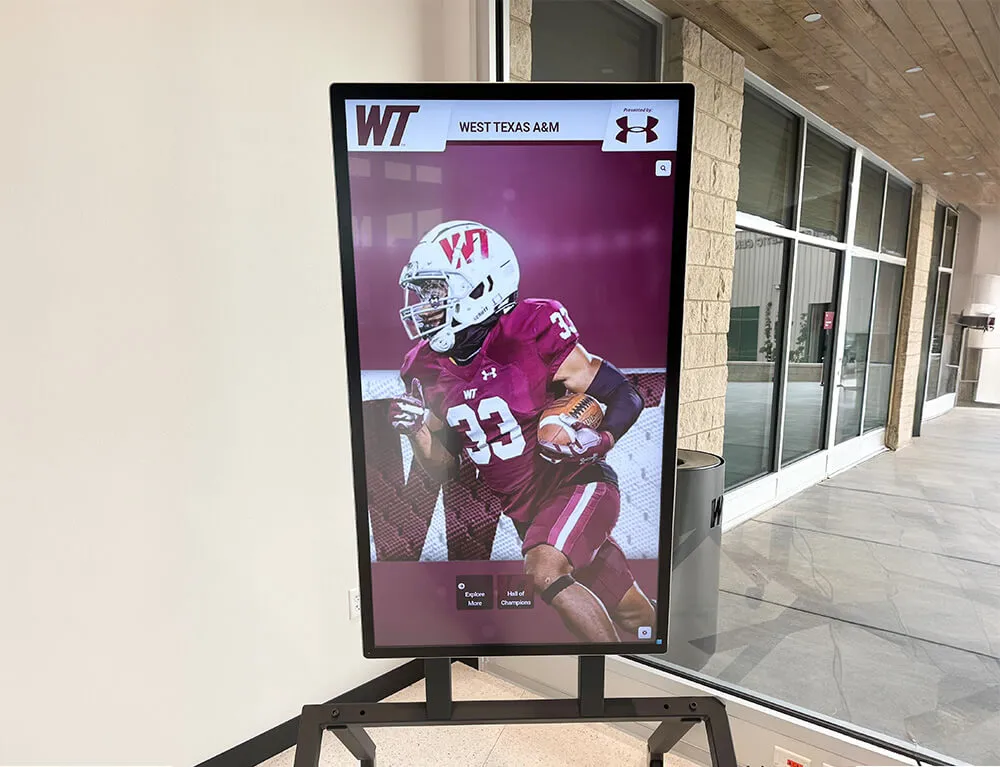
Digital recognition platforms enable comprehensive athlete profiles, statistics, and multimedia content impossible with traditional displays
Video Walls and Dynamic Digital Signage
Large-format displays create visually striking recognition presentations:
Video Wall Design and Content
Multi-screen installations provide:
- Highlight reel presentations - Continuous loops showcasing championship moments and memorable plays
- Photo slideshow rotations - Hundreds or thousands of historical images displayed across seasons
- Athlete feature spotlights - Rotating profiles highlighting different athletes weekly or monthly
- Live game streaming - Current competition broadcasts during events with historical content between seasons
- Donor recognition slides - Acknowledgment for financial supporters enabling facility improvements
- Upcoming event promotion - Schedule information and ticket sales for current season competitions
Video walls prove particularly effective in high-traffic lobbies and gathering spaces where passive viewing creates ambient recognition environments.
Technical Considerations
Successful video wall implementations require:
- Professional installation ensuring proper mounting, cabling, and power supply
- Content management systems enabling easy updates without technical expertise
- Scheduling functions rotating content types throughout days or seasons
- Brightness and viewing angle optimization for specific installation locations
- Maintenance access for screen cleaning and technical troubleshooting
- Budget planning for ongoing electricity costs and eventual screen replacement
While video walls require higher initial investments than static displays, their visual impact and content flexibility justify costs for many programs.
Discover how accessibility standards apply to touchscreen displays ensuring inclusive recognition for all community members.
Mobile and Web-Based Memory Walls
Digital platforms extend recognition beyond physical facility boundaries:
Online Athletic Heritage Platforms
Web-based systems provide:
- 24/7 access from anywhere enabling geographically dispersed alumni engagement
- Mobile optimization for smartphone and tablet browsing
- Search functionality helping visitors locate specific athletes or achievements quickly
- Share features allowing community members to promote favorite athletes on social media
- Comment sections enabling alumni to share memories and stories
- Integration with school websites creating seamless navigation between recognition and other content
- Permanent URLs for individual athletes facilitating direct linking from announcements
Online platforms prove particularly valuable during facility renovations when physical displays may be temporarily inaccessible or for athletic programs without dedicated facility space for traditional recognition.
QR Code Integration Strategies
Physical-to-digital connections include:
- QR codes on traditional plaques linking to expanded online profiles
- Stadium or gym signage with codes accessing historical information and statistics
- Printed programs featuring codes for athlete biographical details
- Banners and posters connecting physical displays to multimedia content
- Trophy case labels linking to championship season documentation and highlights
QR integration enables schools to maintain traditional physical recognition while leveraging digital platforms for comprehensive content depth traditional formats cannot accommodate.
Learn more about creating digital archives that preserve school history comprehensively.
Program Snapshot: Comprehensive Sports Memory Wall System
| Display Element | Recognition Scope | Update Frequency | Maintenance Requirements |
|---|---|---|---|
| Trophy Cases | Championship hardware, physical awards | Seasonal rotation | Glass cleaning, lighting, dust removal |
| Plaque Walls | Hall of fame, all-conference, record holders | Annual additions | Periodic cleaning, expansion planning |
| Wall Murals | Mascot branding, inspirational imagery | Multi-year permanence | Minimal, periodic touch-ups |
| Interactive Touchscreens | Unlimited athlete profiles, statistics, media | Real-time updates possible | Software updates, screen cleaning |
| Video Walls | Highlight reels, photo slideshows, event info | Weekly or seasonal content rotation | Content scheduling, screen maintenance |
| Online Platforms | Complete historical database accessible anywhere | Continuous additions and updates | Content management, hosting |
Designing Sports Memory Walls for Specific Athletic Contexts
Different facility types and program characteristics require customized recognition approaches.
Gymnasium and Arena Displays
Basketball and volleyball facilities offer unique recognition opportunities:
Court-Level Recognition Elements
Gymnasium memory walls leverage facility characteristics:
- Championship banners - Suspended from ceilings showcasing conference and state titles chronologically
- Retired jerseys - Framed uniforms honoring legendary athletes meeting exceptional standards
- Record boards - Large displays showing all-time scoring, rebounding, and assists leaders
- Lobby installations - Trophy cases and digital displays greeting visitors at main entrances
- Concourse graphics - Wall murals and photo displays in circulation areas around courts
- Locker room recognition - Internal displays motivating current athletes in team-only spaces
Court facilities benefit from vertical space utilization through banners and suspended displays that don’t consume valuable wall areas.
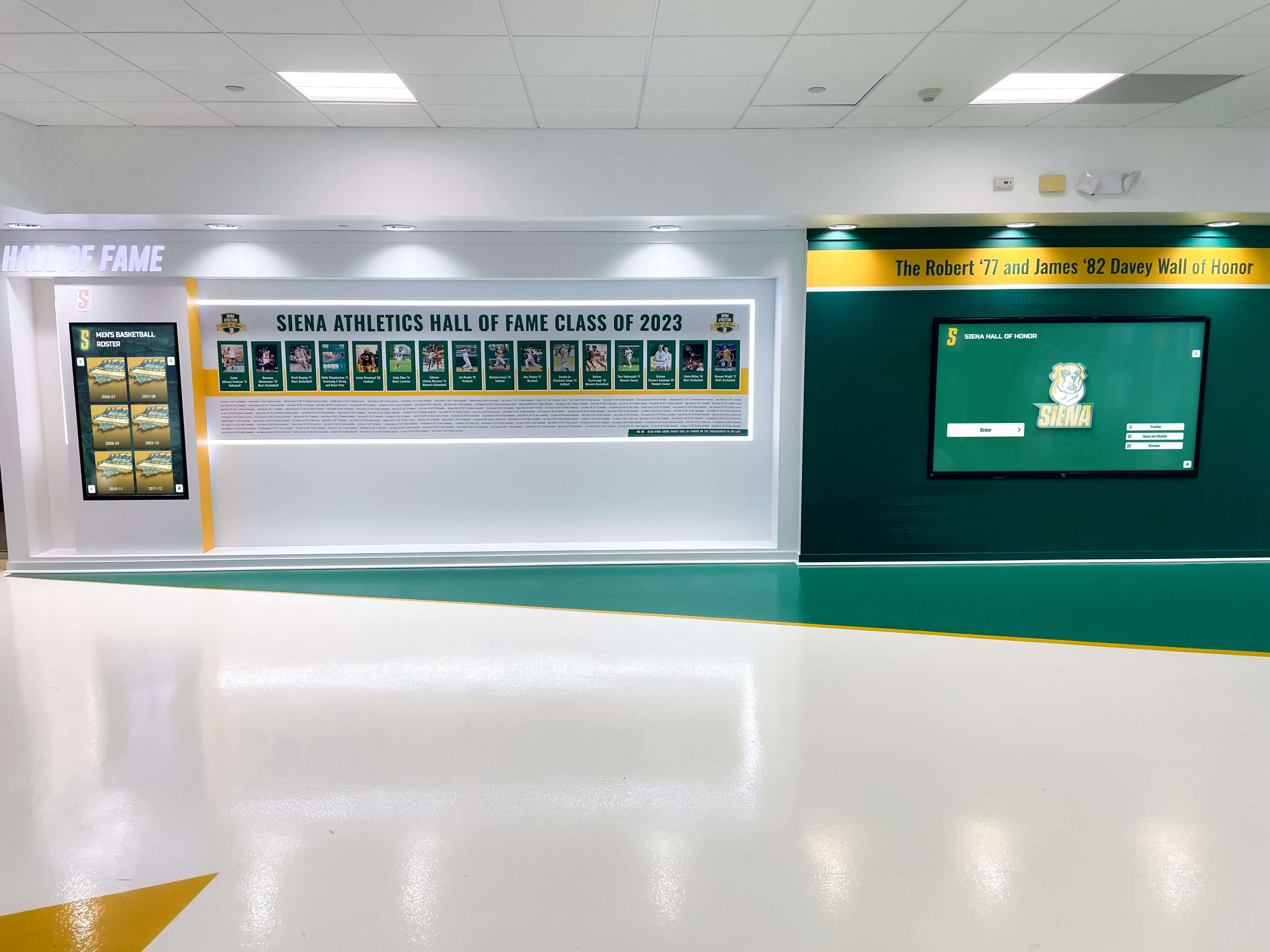
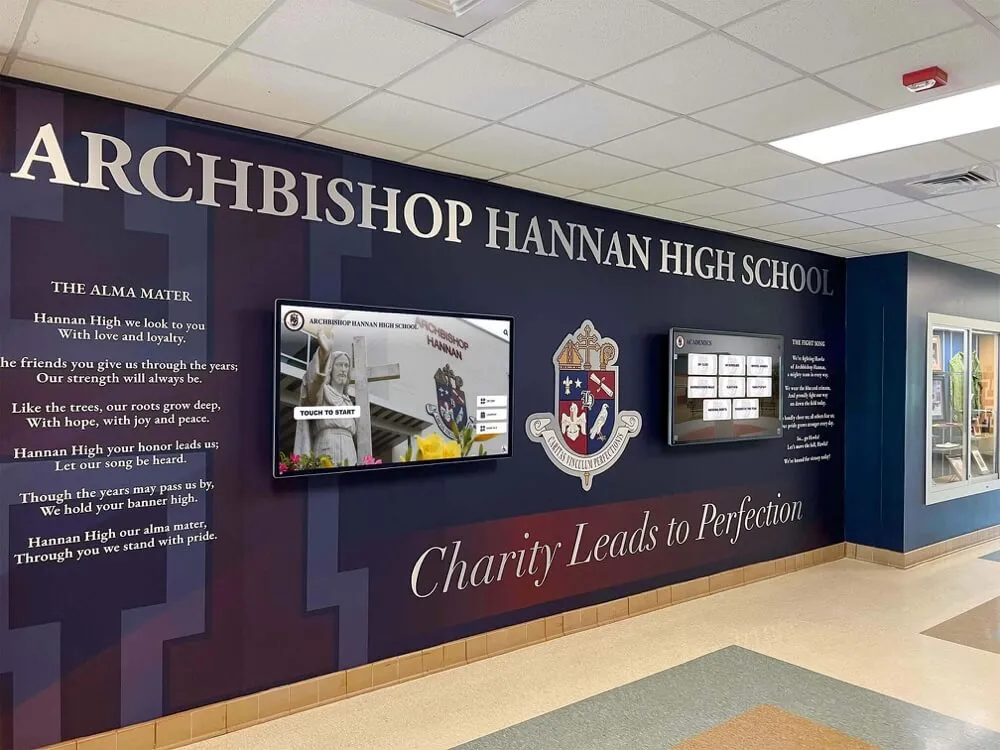
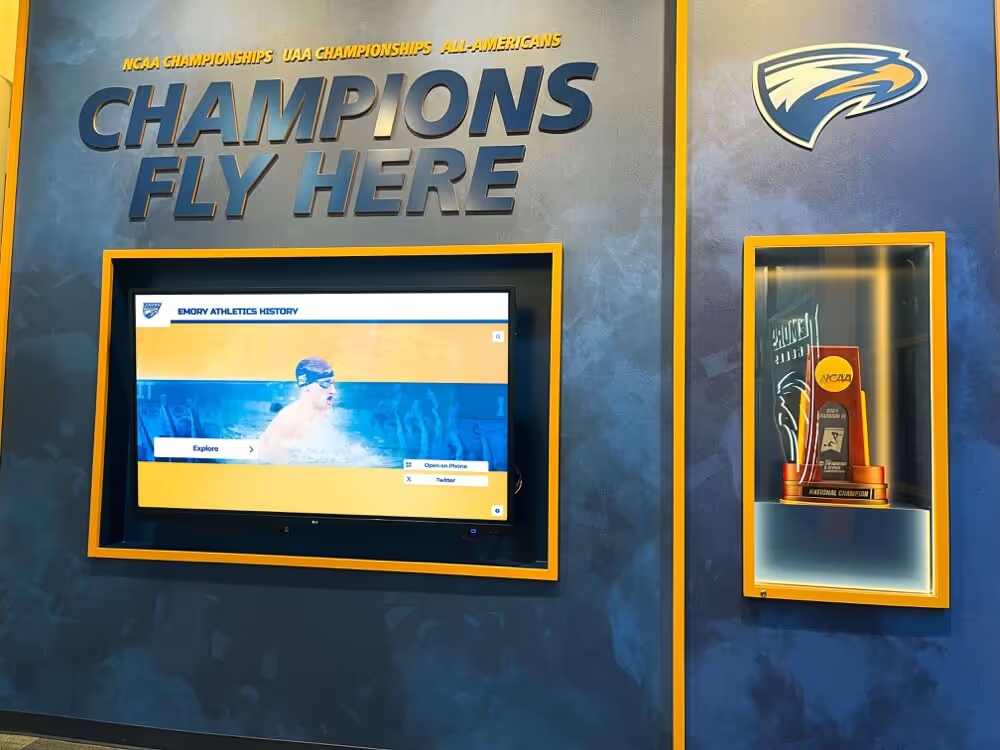
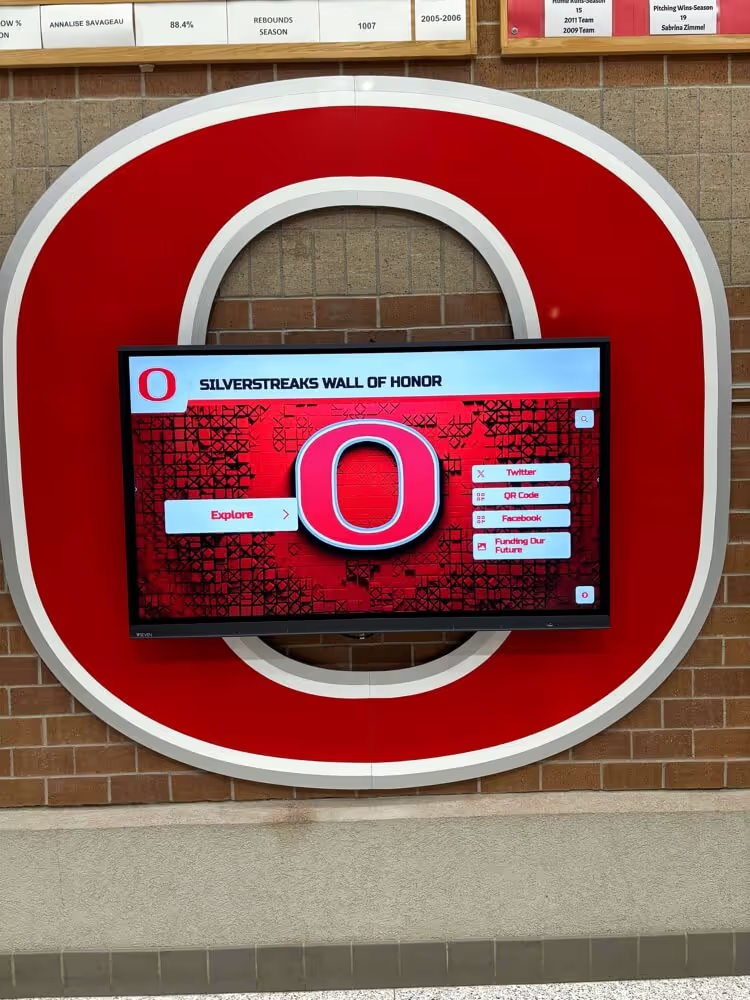
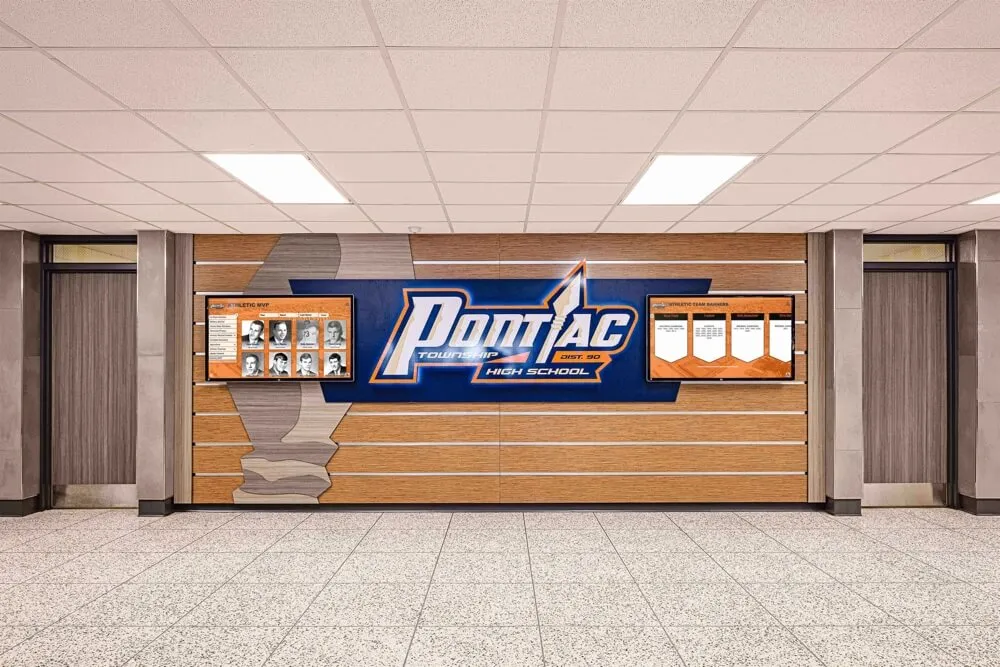
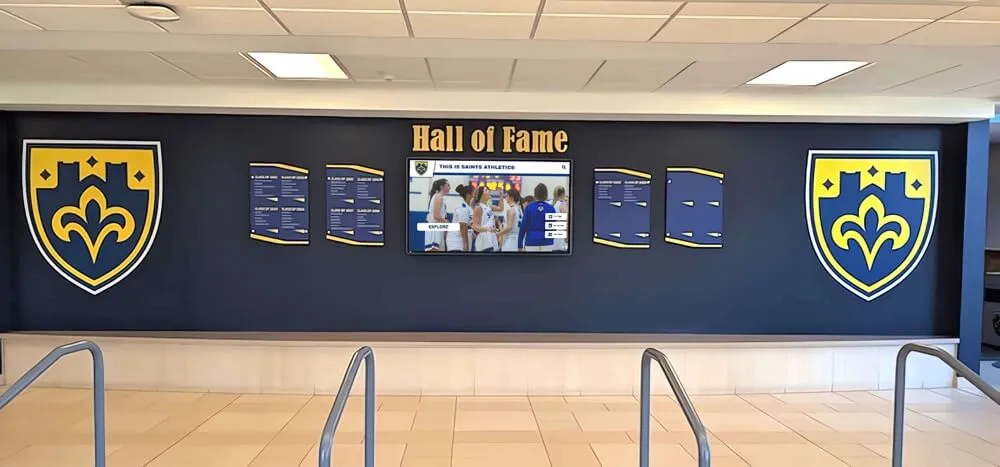
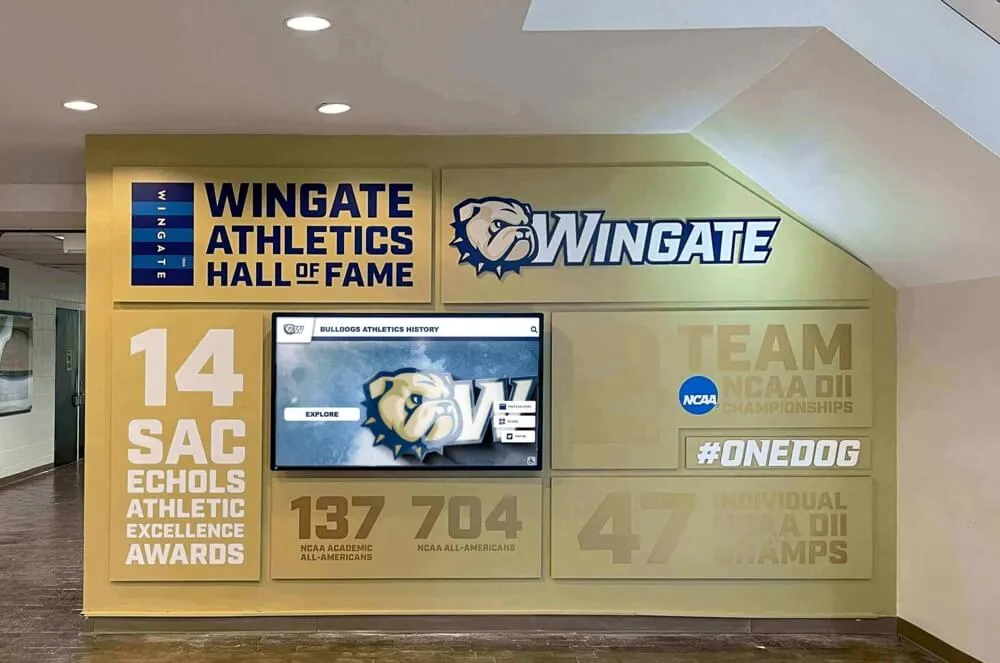
Multi-element displays combining plaques, graphics, and digital screens create comprehensive recognition in limited wall space
Football Stadium and Field House Memory Walls
Football facilities provide expansive recognition opportunities:
Stadium-Specific Display Approaches
Football venues accommodate large-scale recognition:
- Concourse hall of fame galleries - Extensive plaque walls utilizing long concourse corridors
- Press box displays - Elevated installations visible from field level during games
- Locker room tradition spaces - Internal recognition creating pre-game inspiration
- Stadium entry monuments - Prominent exterior installations marking facility entrances
- Field-level video boards - Game-day recognition presentations during competitions
- Field house lobbies - Year-round accessible displays in attached practice facilities
Football programs often accumulate substantial recognition content due to large rosters and decades of tradition, requiring comprehensive display solutions.
Multi-Sport Athletic Complexes
Facilities serving multiple programs require equitable recognition planning:
Balanced Recognition Strategies
Multi-sport complexes benefit from:
- Central hall of fame locations - Shared spaces honoring excellence across all athletic programs equally
- Sport-specific zones - Dedicated areas for each program’s unique heritage and achievements
- Rotating spotlight displays - Seasonal prominence for in-season sports with off-season background recognition
- Comprehensive digital platforms - Unlimited capacity ensuring all programs receive proportional acknowledgment
- Historical balance efforts - Intentional representation preventing dominant sports from overwhelming smaller programs
- Shared championship displays - Combined recognition for schools’ overall competitive success
Equitable recognition demonstrates institutional commitment to all athletic programs regardless of revenue generation or community visibility.
Hallway and Corridor Recognition
Common circulation spaces maximize recognition visibility:
Corridor Display Optimization
Hallway installations leverage traffic patterns:
- Eye-level placement - Displays positioned for comfortable viewing while walking
- Bilateral installations - Both sides of corridors utilized for comprehensive recognition
- Chronological progressions - Historical timelines flowing directionally through spaces
- Intersection focal points - Premium recognition at hallway intersections with maximum visibility
- Protective positioning - Placements avoiding damage from equipment transport and daily traffic
- Lighting considerations - Adequate illumination ensuring visibility without glare problems
Corridor recognition transforms utilitarian circulation spaces into heritage galleries while maximizing visibility during daily building use.
Explore how schools utilize interactive touchscreens during admission tours to showcase athletic programs effectively.
Content Development for Sports Memory Walls
Effective displays require thoughtful information curation and presentation:
Essential Profile Components for Athletes
Comprehensive athlete recognition includes:
Biographical Information
- Full name and graduation year
- Jersey number and position
- Years of participation (varsity, JV, freshman levels)
- Current location and occupation when available
- Post-high school athletic career (college, professional)
Achievement Documentation
- Career statistics and performance metrics
- All-conference and all-state selections
- Championship team memberships and roles
- Record-setting performances and milestones
- Special awards and individual honors
- Leadership positions (captain, team representative)
Multimedia Content
- High-quality action photography from competitions
- Senior portrait or historical headshot images
- Video highlights of significant performances
- Audio clips from interviews or acceptance speeches
- Newspaper clippings and historical documentation
- Social media content showing current connections
Rich content creates emotional connections while providing historical documentation that becomes increasingly valuable as decades pass.
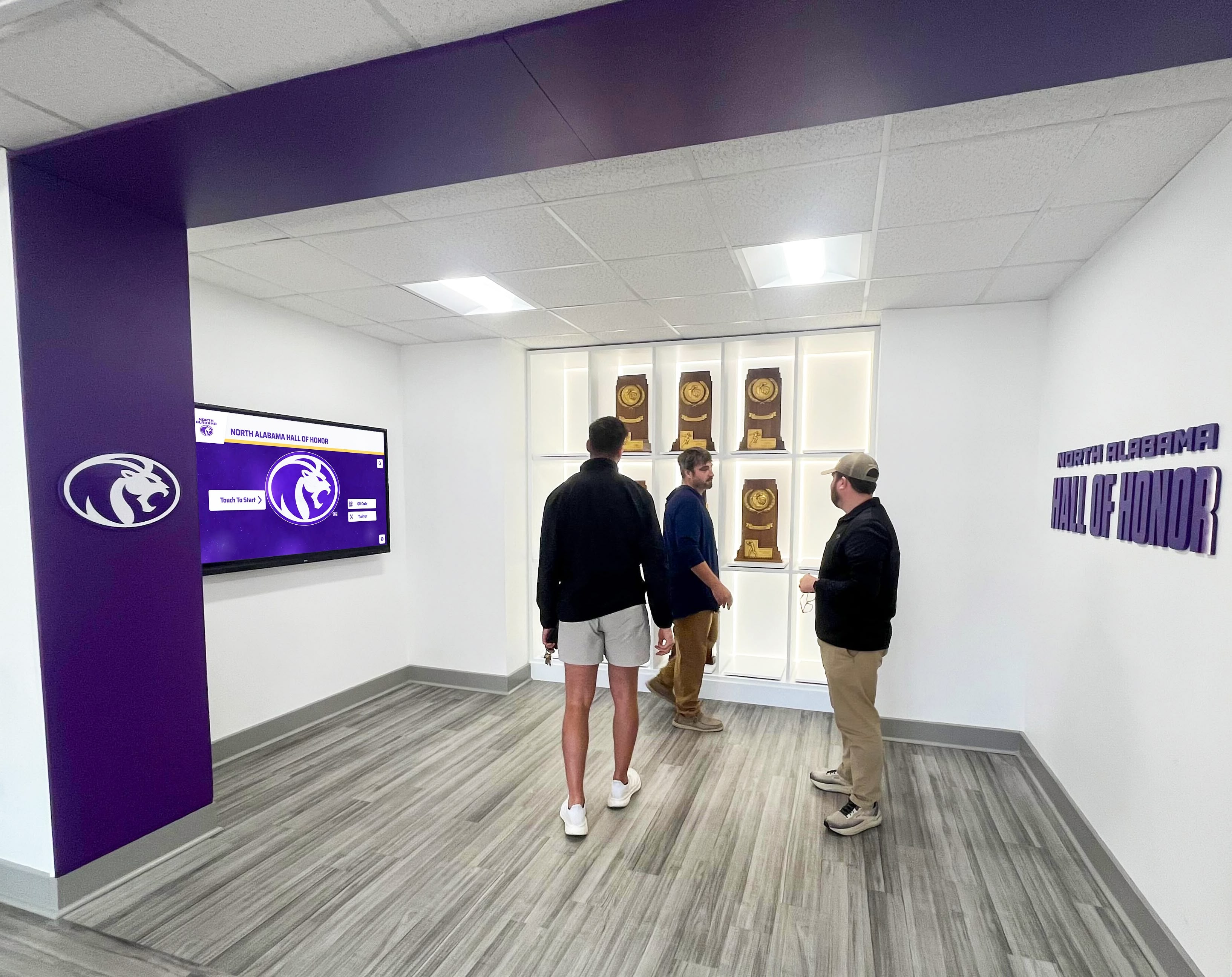
Effective memory walls create gathering spaces where community members connect over shared athletic heritage and traditions
Team and Championship Recognition
Preserving collective achievements requires systematic documentation:
Championship Season Content
Complete championship recognition includes:
- Full roster listings with jersey numbers and positions
- Season statistics showing individual and team performance
- Game-by-game results documenting the path to championships
- Tournament brackets and competition formats
- Championship game details, scores, and key moments
- Coaching staff recognition acknowledging leadership
- Season photographs showing teams and memorable celebrations
- Media coverage excerpts from newspapers and broadcasts
- Historical context explaining significance and challenges
Comprehensive team documentation ensures championship seasons receive recognition depth matching their significance.
Coaching Legacy Documentation
Long-tenured coaches merit recognition systems acknowledging sustained excellence:
Coaching Profile Elements
Thorough coach recognition includes:
- Years of service and tenure timeline
- Overall win-loss records and winning percentages
- Championship achievements at various levels
- Conference titles and tournament success
- Notable athletes coached and development achievements
- Coaching philosophy quotes and perspectives
- Facility improvements during tenure
- Professional recognition and honors received
- Impact on program culture and community
- Mentorship of assistant coaches who advanced to leadership
Coaching recognition demonstrates institutional appreciation for leaders who dedicate careers to building programs.
Budget Considerations for Sports Memory Walls
Financial planning ensures recognition programs remain sustainable across decades:
Traditional Display Cost Factors
Physical recognition system expenses include:
Initial Installation Investments
- Professional trophy cases ($2,000-$15,000 depending on size and customization)
- Individual plaques ($50-$200 each including engraving and mounting)
- Wall mural design and installation ($3,000-$25,000 for professional graphics)
- Construction modifications (electrical, mounting systems, wall preparation)
- Professional design services ensuring cohesive visual identity
- Initial content development and historical research
Traditional displays typically require higher upfront investments with lower ongoing costs compared to digital alternatives.
Ongoing Maintenance and Expansion
- Annual plaque additions for new inductees and achievements
- Glass cleaning and display maintenance labor
- Lighting replacement and electrical costs
- Periodic renovation as displays reach capacity or require refreshing
- Additional cases or wall sections as programs exhaust initial space
- Content updates, engraving corrections, and information additions
Budget planning should anticipate program growth requiring expansion investments within 10-15 years for successful athletic programs.
Digital Display Investment Analysis
Technology-based recognition involves different cost structures:
Digital Platform Expenses
- Hardware costs (touchscreens, computers, mounting systems: $3,000-$15,000)
- Software platform subscriptions or licenses (often $1,000-$5,000 annually)
- Initial content migration and profile development
- Professional installation and configuration
- Staff training on content management systems
- Network connectivity and ongoing internet access
Digital solutions often feature lower initial costs but require ongoing subscription expenses, creating different long-term financial models.
Return on Investment Considerations
Digital platforms provide value through:
- Unlimited capacity eliminating future expansion costs as programs grow
- Easy updates avoiding engraving and plaque replacement expenses
- Analytics demonstrating community engagement and usage
- Recruitment impact through comprehensive achievement showcases
- Alumni engagement supporting future fundraising and donations
- Reduced staff time for physical display maintenance
Schools should evaluate total cost of ownership across expected 10-15 year display lifespans rather than comparing only initial investments.
Learn about selecting appropriate touchscreen displays for schools based on specific institutional needs.
Implementation Timeline for Sports Memory Walls
Systematic planning ensures successful recognition system launches:
Phase 1: Planning and Design (Months 1-3)
Initial development includes:
- Stakeholder input gathering - Coaches, alumni, administrators, and booster clubs providing perspectives
- Budget development - Financial planning and funding source identification
- Space assessment - Facility analysis determining available locations and constraints
- Content inventory - Historical research identifying athletes, teams, and achievements to recognize
- Display format selection - Choosing traditional, digital, or hybrid approaches based on needs and resources
- Design concept development - Visual planning ensuring cohesive aesthetic aligned with institutional branding
- Vendor evaluation - Researching providers for cases, plaques, digital systems, or installation services
Thorough planning prevents costly mid-project changes while establishing clear expectations for all stakeholders.
Phase 2: Content Development (Months 3-6)
Information preparation includes:
- Historical research gathering athlete information, statistics, and achievements
- Photo collection and digitization of historical imagery
- Biographical research for comprehensive athlete profiles
- Statistical verification ensuring accuracy of records and claims
- Writing and editing biographical narratives and achievement descriptions
- Media production including video editing and audio recording
- Alumni contact for current information and profile verification
Content development often represents the most time-intensive implementation phase, particularly for programs with decades of history requiring documentation.
Phase 3: Installation and Launch (Months 6-9)
Physical implementation includes:
- Display manufacturing and production
- Facility preparation (electrical, mounting, wall finishing)
- Professional installation of cases, plaques, screens, or murals
- Digital system configuration and content upload
- Quality control testing and adjustment
- Staff training on maintenance and content management
- Launch event planning and community promotion
- Grand opening ceremony celebrating recognition program debut
Professional installation ensures quality results while launch events maximize community awareness and engagement.
Phase 4: Maintenance and Growth (Ongoing)
Sustained program management includes:
- Annual content updates adding new achievements and inductees
- Regular physical maintenance (cleaning, repairs, lighting)
- Periodic refresh cycles updating design elements as styles evolve
- Historical expansion efforts identifying overlooked early-era athletes
- Community engagement through social media and event integration
- Budget allocation for ongoing costs and future expansion
- Program evaluation assessing effectiveness and improvement opportunities
Systematic maintenance preserves recognition quality while continuous growth keeps displays current and relevant.
Addressing Common Sports Memory Wall Challenges
Proactive strategies help administrators navigate typical display obstacles:
Managing Limited Wall Space
Space constraints affect most athletic recognition programs:
Space Optimization Strategies
Effective approaches include:
- Vertical utilization - Extending displays to upper wall areas using tiered arrangements
- Rotating displays - Seasonal changes showcasing different sports or achievement types
- Digital platforms - Unlimited virtual capacity eliminating physical space constraints
- Selective criteria - Higher standards focusing limited space on exceptional achievements
- Hallway expansion - Utilizing corridor walls beyond primary athletic facilities
- Archival systems - Moving older content to digital archives while maintaining selective physical presence
Creative space management enables comprehensive recognition despite facility limitations.
Ensuring Equitable Sport Representation
Balanced recognition requires intentional planning:
Representation Best Practices
Fair approaches include:
- Proportional space allocation based on participation numbers
- Equivalent recognition standards across different sports
- Separate displays for each program ensuring dedicated visibility
- Digital platforms providing unlimited capacity for all programs equally
- Annual reviews monitoring representation balance across sports and genders
- Criteria preventing inadvertent bias toward certain sport types
Equity demonstrates institutional commitment to all athletic programs regardless of revenue or visibility.
Maintaining Historical Accuracy
Information integrity preserves credibility:
Verification Protocols
Quality control includes:
- Multiple source documentation for statistical claims
- Alumni consultation confirming biographical details
- Yearbook and newspaper cross-referencing for historical information
- Athletic department record verification
- Error correction processes when mistakes are identified
- Clear citation of information sources for future reference
Accuracy matters—recognition errors undermine credibility and can cause alumni relations problems.
Updating Content Regularly
Current information maintains relevance:
Content Management Systems
Effective approaches include:
- Annual addition schedules coinciding with banquets or athletic seasons
- Designated staff responsibility for content updates
- Digital platforms enabling immediate updates without physical renovation
- Alumni networks providing updated biographical information
- Automated reminders preventing update procrastination
- Quality standards ensuring new content matches existing presentation
Regular updates demonstrate ongoing commitment while keeping recognition current and engaging.
Explore alumni engagement strategies that leverage recognition systems effectively.
Sports Memory Wall Ideas for Specific Sports Programs
Different sports require customized recognition approaches reflecting unique characteristics:
Football Memory Walls
Football programs benefit from:
- Championship banners for conference, district, and state titles
- All-state player recognition for offensive and defensive honorees
- Career statistical leaders (rushing, passing, receiving, tackles, sacks)
- Coaching legacy displays honoring longtime program leaders
- Playoff appearance documentation showing competitive consistency
- College signing recognition celebrating athletes advancing to next level
- Rivalry game records and trophy acknowledgment
Basketball Recognition Displays
Basketball memory walls showcase:
- 1,000-point scorer club recognition for career scoring achievements
- Single-game and single-season scoring record holders
- Championship team rosters with season statistics
- All-tournament team selections and MVP awards
- Conference championship banners and tournament success
- Retired jersey recognition for legendary players
- Coaching milestone achievements (career wins, championships)
Baseball and Softball Memory Walls
Diamond sport displays feature:
- Career batting leaders (average, hits, home runs, RBIs)
- Pitching achievement recognition (wins, strikeouts, ERA, no-hitters)
- Championship season documentation with complete rosters
- All-conference and all-state player recognition
- College signing celebrations for advancing athletes
- Coaching tenure and achievement acknowledgment
- Historical field photographs showing facility evolution
Multi-Sport Athlete Recognition
Comprehensive programs honor athletes excelling in multiple sports:
- Dedicated multi-sport athlete displays
- Seasonal achievement documentation across different programs
- Cumulative letter-winner recognition
- Academic and athletic balance acknowledgment
- Historical context showing evolution of multi-sport participation
- College recruitment recognition when athletes continue multiple sports
Different sports require customized recognition respecting unique achievement metrics and program characteristics while maintaining consistent quality standards.
Learn about championship recognition through state tournament history displays celebrating competitive excellence.
Maximizing Sports Memory Wall Impact and Engagement
Strategic approaches increase recognition effectiveness:
Integration with Athletic Events
Game-day connections amplify recognition:
Event-Based Activation Strategies
Effective integration includes:
- Pre-game introductions of attending hall of fame members
- Halftime recognition presentations during basketball and football games
- Senior night connections between current athletes and historical predecessors
- Championship anniversary celebrations during relevant sport seasons
- Alumni game coordination bringing former athletes back to facilities
- Induction ceremonies timed with homecoming or significant competitions
- Social media campaigns featuring memory wall content during seasons
Event integration creates cross-generational connections while maximizing recognition visibility.
Recruitment and Admissions Applications
Recognition systems support program marketing:
Recruitment Utilization
Memory walls enhance recruitment by:
- Facility tour focal points showcasing program tradition and excellence
- Visual evidence of competitive success and athlete development
- Alumni success stories demonstrating advancement opportunities
- Program culture tangible demonstration through recognition values
- Comparative differentiation from competing schools
- Parent impression creation showing long-term institutional commitment
- Digital accessibility enabling remote prospect exploration
Prospective athletes evaluating programs assess recognition systems as indicators of institutional commitment and competitive standards.
Social Media and Digital Promotion
Online amplification extends recognition reach:
Digital Engagement Strategies
Effective approaches include:
- Weekly “Throwback Thursday” posts featuring historical athletes
- Anniversary recognition celebrating championship seasons decades later
- Current athlete comparisons to historical records building motivation
- Video content showing memory wall interactions and exploration
- Alumni spotlights with links to digital recognition profiles
- Hashtag campaigns encouraging community sharing and tagging
- Behind-the-scenes content showing memory wall development and updates
Social media extends recognition beyond facility walls while engaging geographically dispersed alumni communities.
Educational and Motivational Applications
Recognition supports broader institutional goals:
Academic Integration Opportunities
Memory walls enable:
- History class projects researching program heritage
- Math classes analyzing statistical trends and record progressions
- Communication courses documenting oral histories from alumni
- Business classes evaluating recognition program management
- Art and design programs contributing to display aesthetics
- Technology courses maintaining digital recognition systems
Educational integration demonstrates institutional value beyond athletics while creating authentic learning experiences.
Selecting Sports Memory Wall Solutions and Vendors
Informed decision-making ensures successful recognition investments:
Essential Evaluation Criteria
Administrators should assess:
Display Quality and Aesthetics
- Professional appearance matching institutional standards
- Material quality ensuring longevity and durability
- Design flexibility accommodating institutional branding
- Visual consistency across different recognition elements
- Scalability allowing program growth without aesthetic conflicts
Functionality and Usability
- Content management ease for non-technical staff
- Update flexibility enabling regular additions
- Search and navigation capabilities for user-friendly exploration
- Mobile compatibility extending access beyond physical displays
- Integration capabilities with existing school systems
Long-Term Sustainability
- Vendor stability and ongoing support commitment
- Maintenance requirements and associated costs
- Expansion options as programs grow
- Technical support responsiveness and quality
- Budget compatibility with institutional resources
Content Capacity
- Recognition depth possible within platform limitations
- Historical documentation comprehensiveness
- Multimedia integration supporting rich presentations
- Unlimited growth potential versus constrained capacity
Solutions like Rocket Alumni Solutions specialize in athletic recognition, providing purpose-built platforms designed specifically for sports memory wall applications along with implementation support, content development assistance, and ongoing technical support ensuring successful launches and sustained program quality.
Implementation Support Considerations
Vendor partnerships should provide:
- Initial content migration assistance
- Staff training on content management
- Design consultation ensuring effective layouts
- Technical installation coordination
- Ongoing support for questions and troubleshooting
- Regular platform updates maintaining security and adding features
- User community access for best practice sharing
Comprehensive vendor support reduces internal staff burden while ensuring professional results.
Learn about digital recognition system options applicable across multiple athletic contexts.
Conclusion: Creating Sports Memory Walls with Lasting Impact
Sports memory walls represent more than facility decoration—they preserve institutional heritage that connects generations, inspire current athletes through tangible examples of excellence, strengthen alumni relationships by honoring contributions visibly, and demonstrate institutional values regarding achievement, dedication, and community. Administrators approaching recognition displays strategically create systems that enhance school culture, operate sustainably across decades, and honor those whose commitment built distinguished athletic legacies worth celebrating permanently.
The most effective sports memory walls balance comprehensive recognition with aesthetic quality, combine traditional and digital approaches leveraging the strengths of each format, maintain accessibility ensuring all community members can engage with content, and evolve thoughtfully adapting to changing contexts while preserving core recognition principles. Whether implementing traditional trophy cases or adopting interactive digital platforms, successful displays share common characteristics—thoughtful content curation, professional presentation quality, equitable sport representation, and sustained community engagement.
As schools navigate evolving recognition expectations, digital platforms offer substantial advantages—unlimited capacity accommodating comprehensive historical documentation, rich multimedia storytelling, extended community reach beyond facility walls, and administrative efficiency enabling quality programs without excessive resource demands. Solutions like Rocket Alumni Solutions provide specialized platforms designed specifically for athletic recognition, combining professional presentation with user-friendly management that empowers schools to honor athletic excellence comprehensively while building traditions that strengthen school pride and community connection.
For athletic administrators ready to launch new recognition systems or enhance existing displays, systematic planning following frameworks outlined in this guide creates foundations for sports memory walls that celebrate achievement authentically while building traditions that inspire future generations toward excellence in competition, character, and citizenship. The investment in thoughtful memory wall development honors those who built athletic legacies while motivating current athletes to add their own chapters to continuing stories of program excellence.
Live Example: Rocket Alumni Solutions Touchscreen Display
Interact with a live example (16:9 scaled 1920x1080 display). All content is automatically responsive to all screen sizes and orientations.