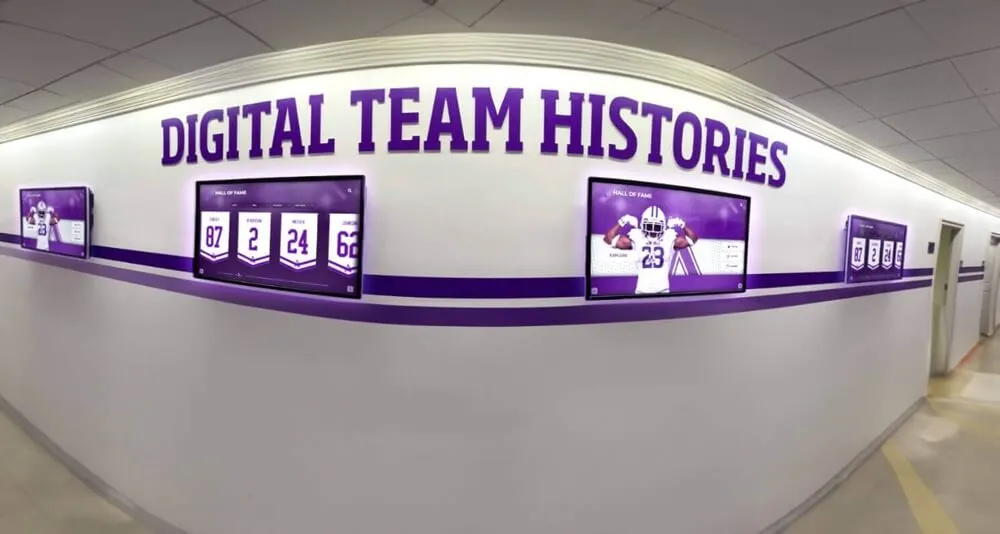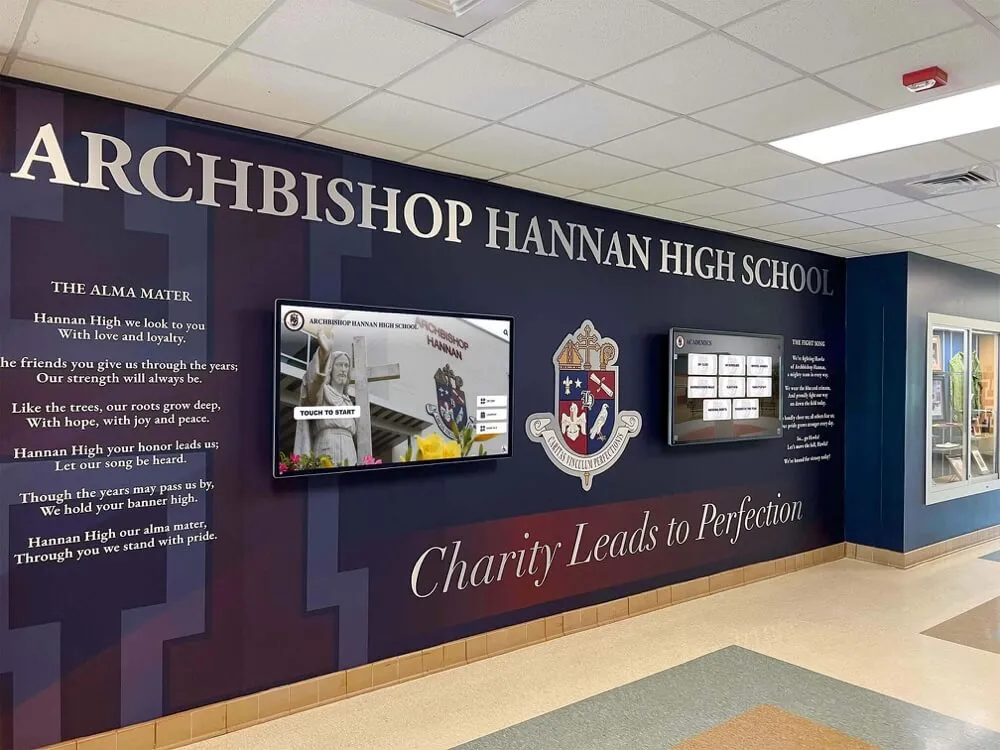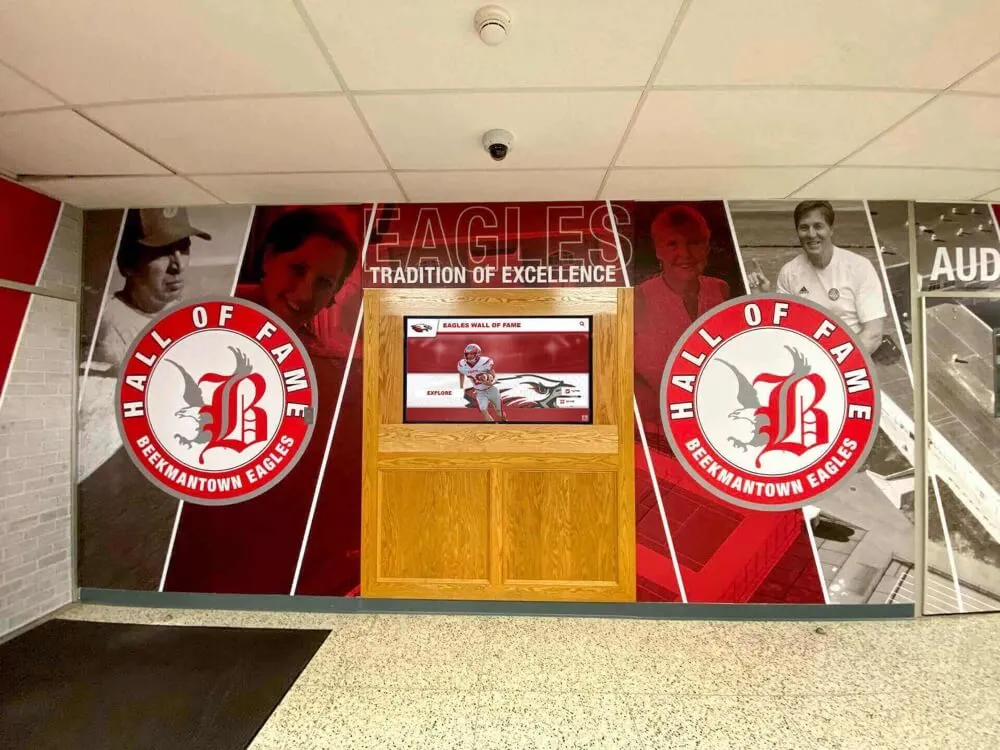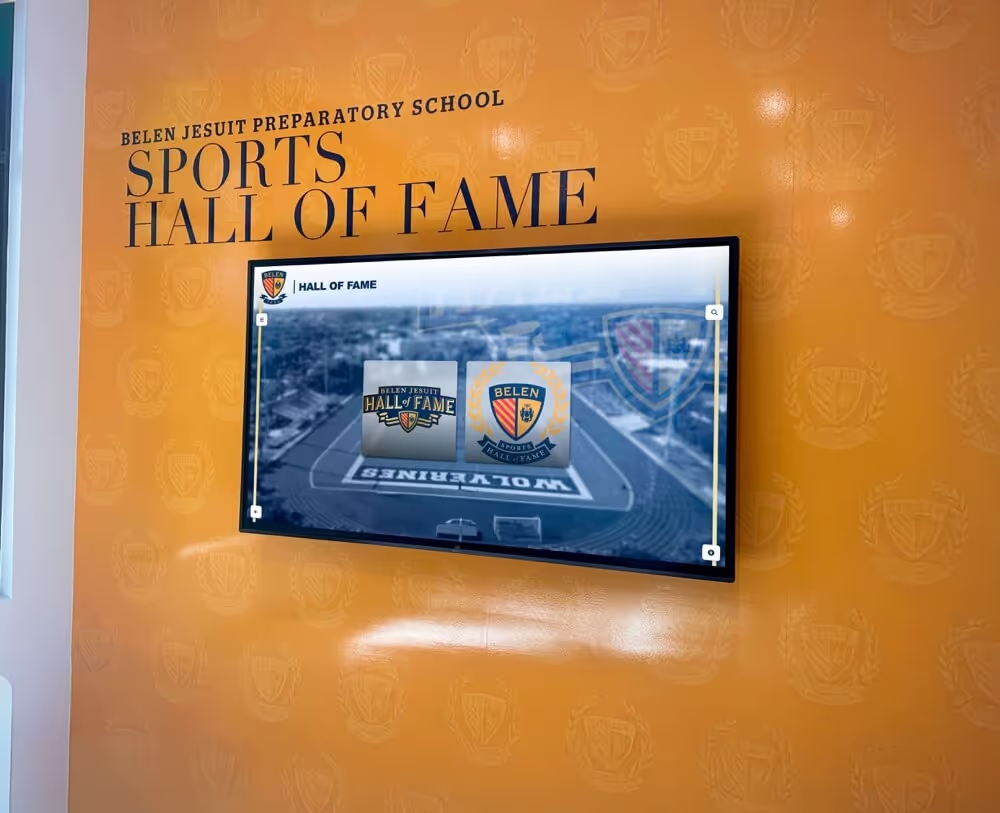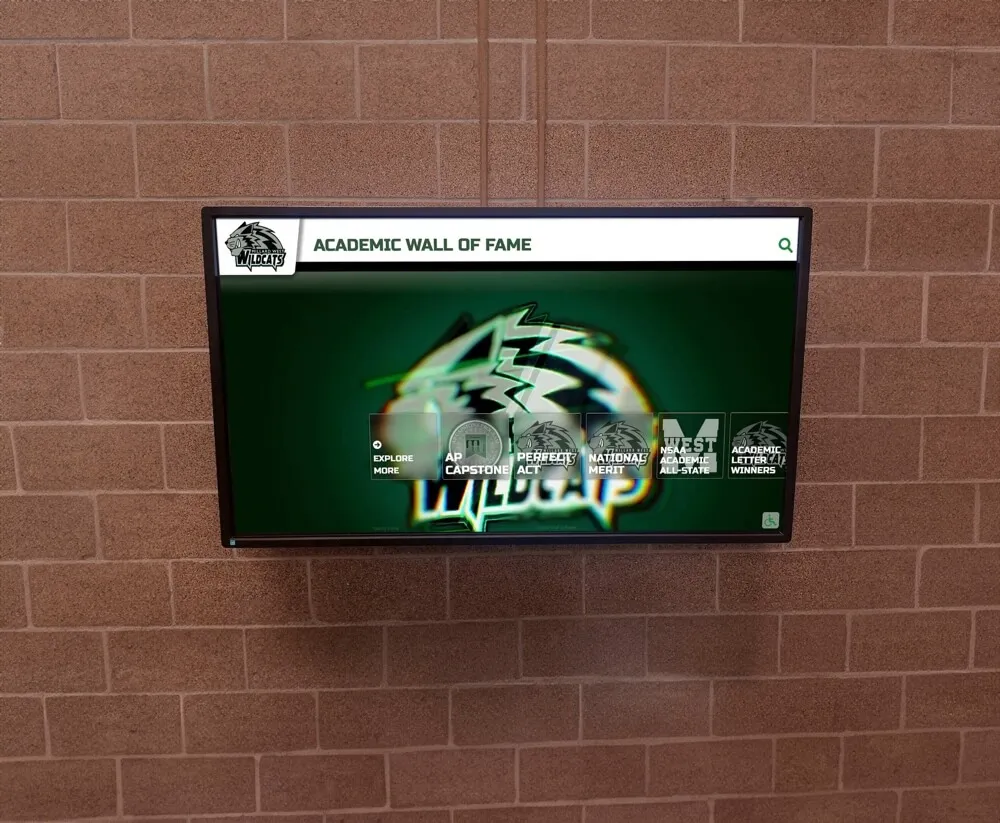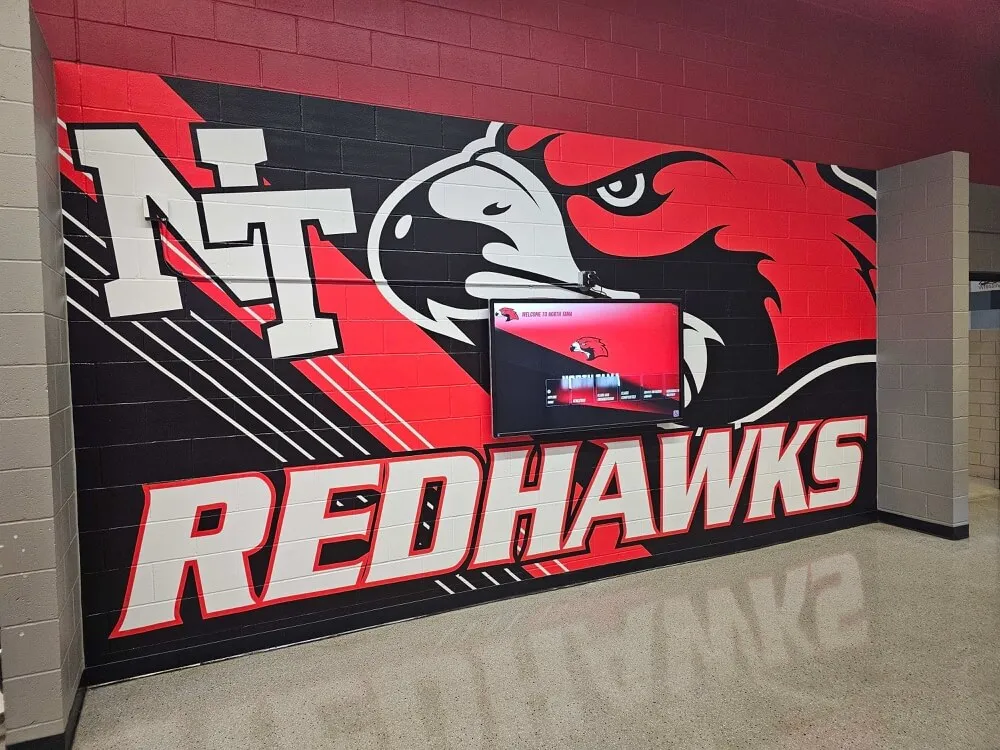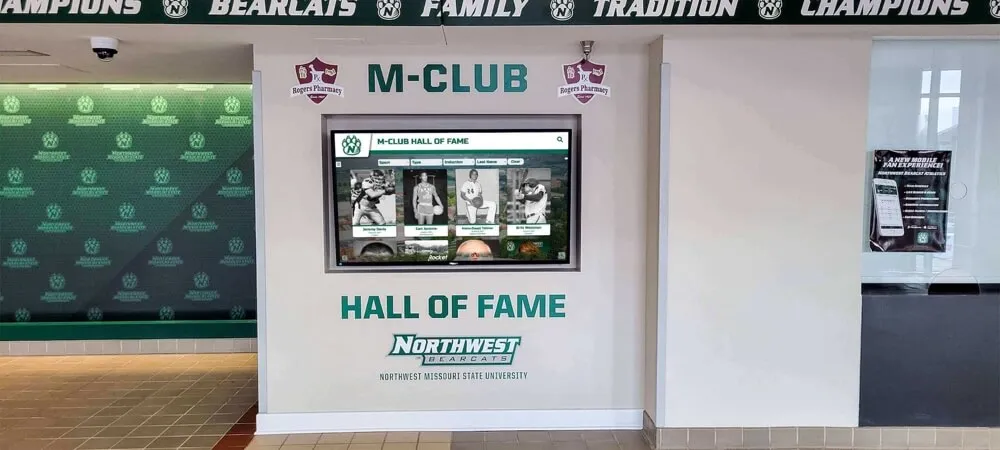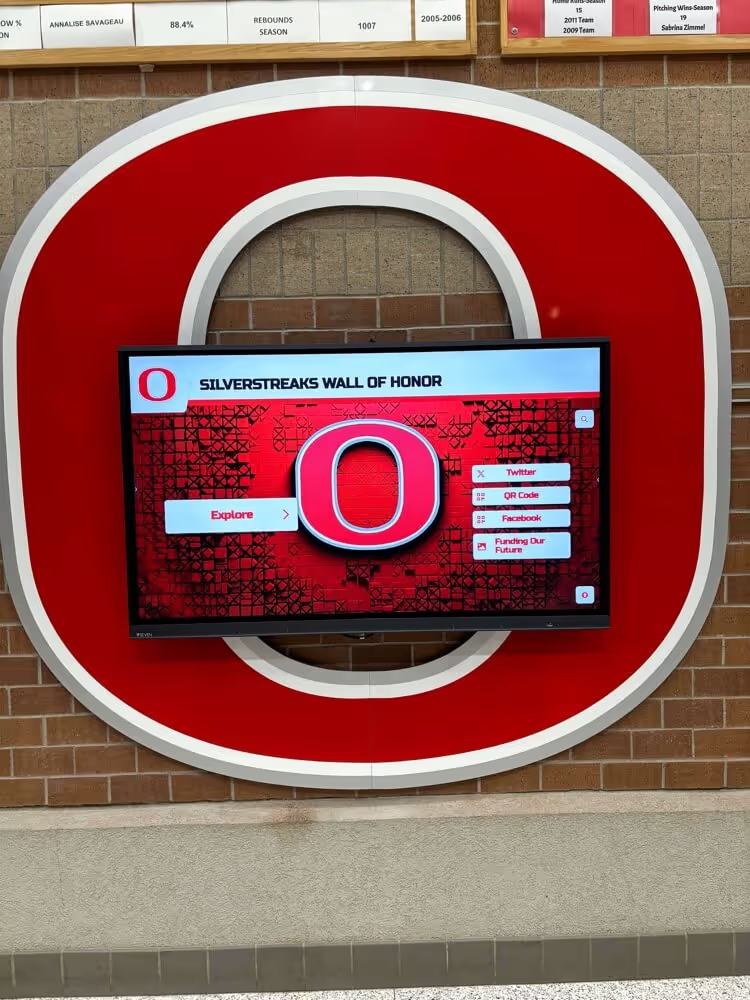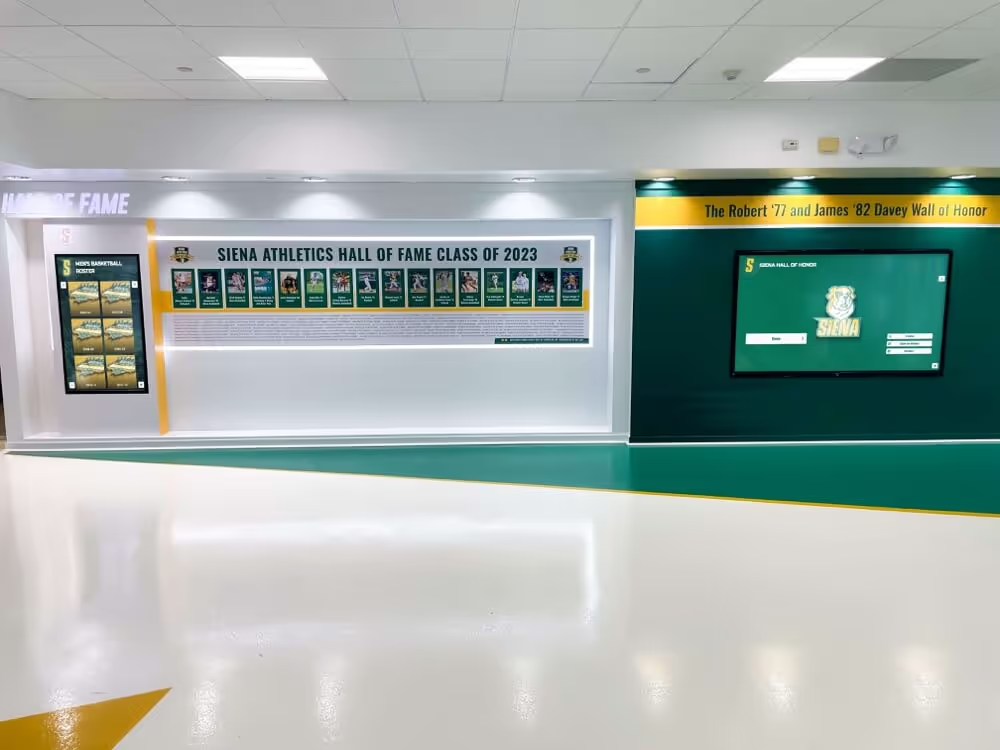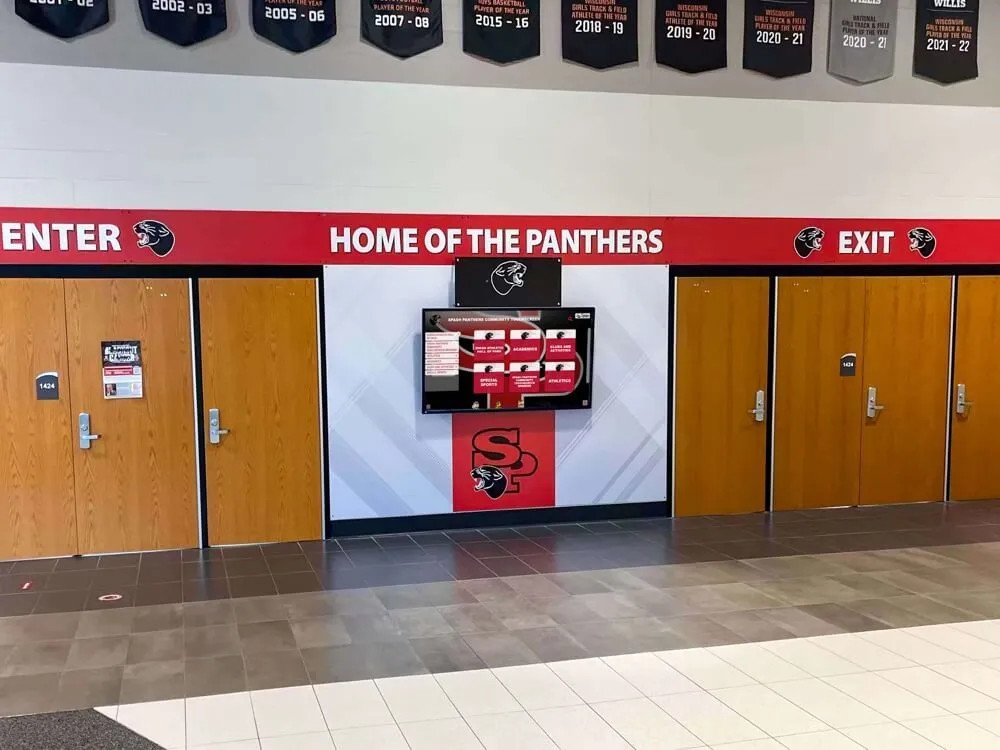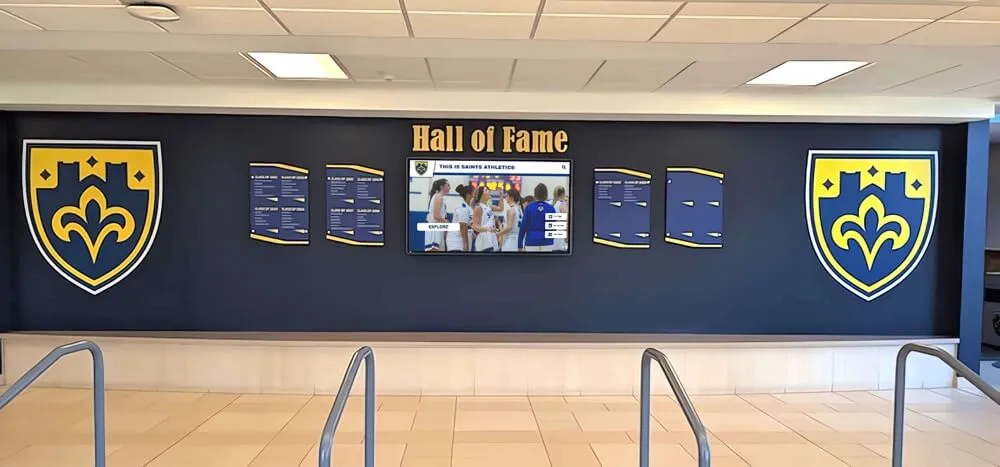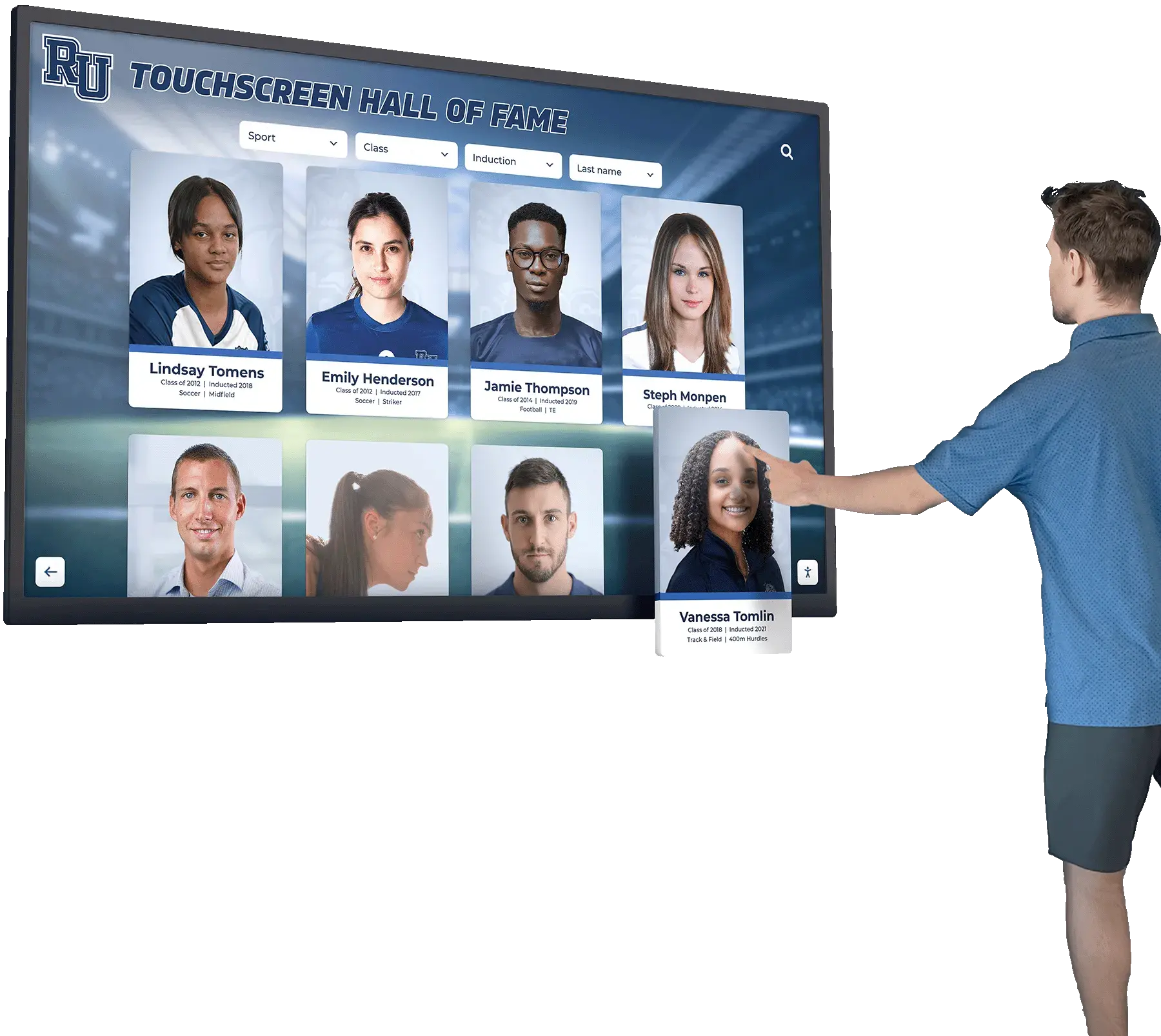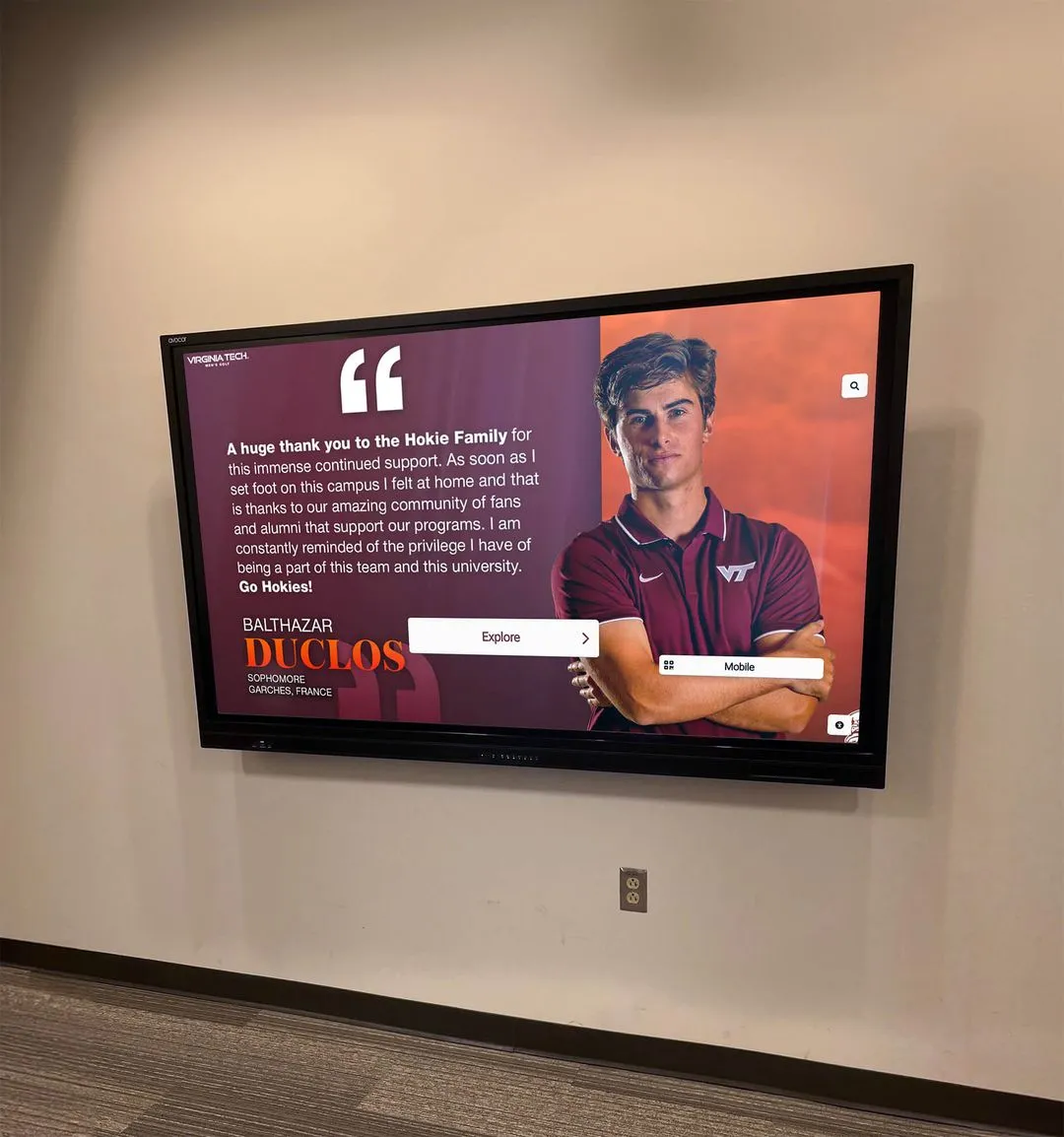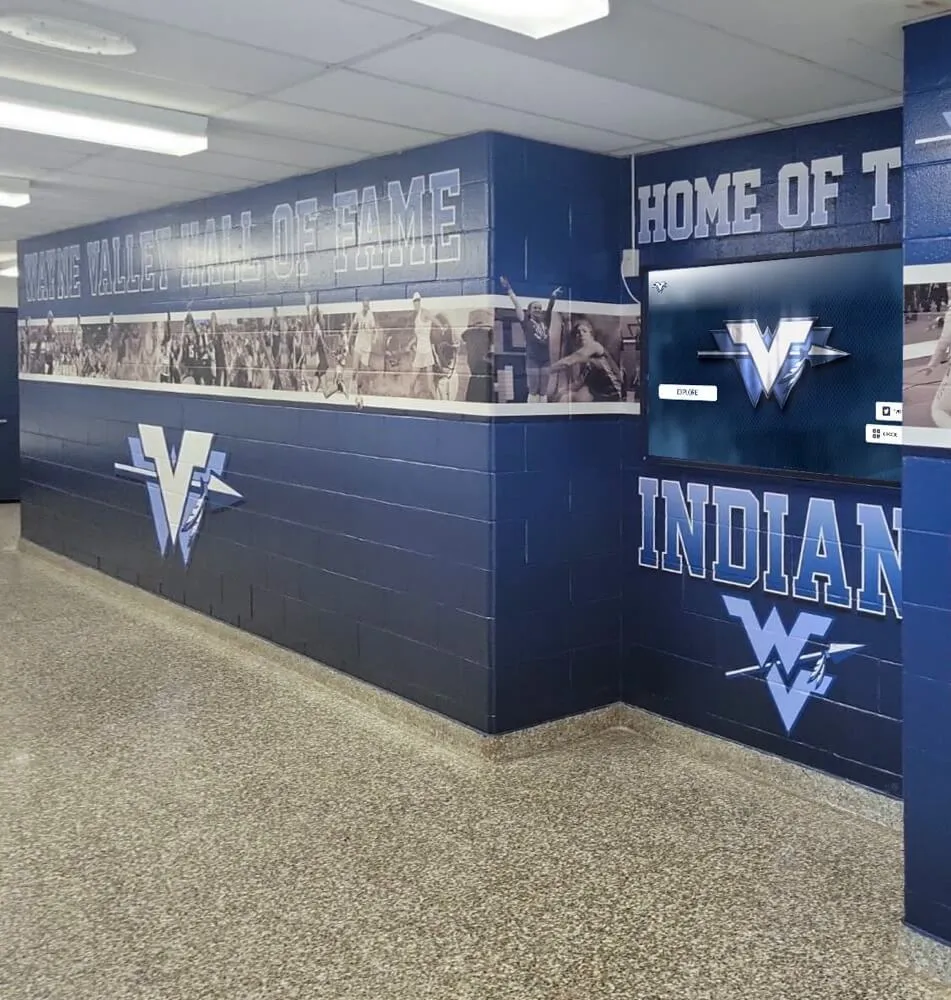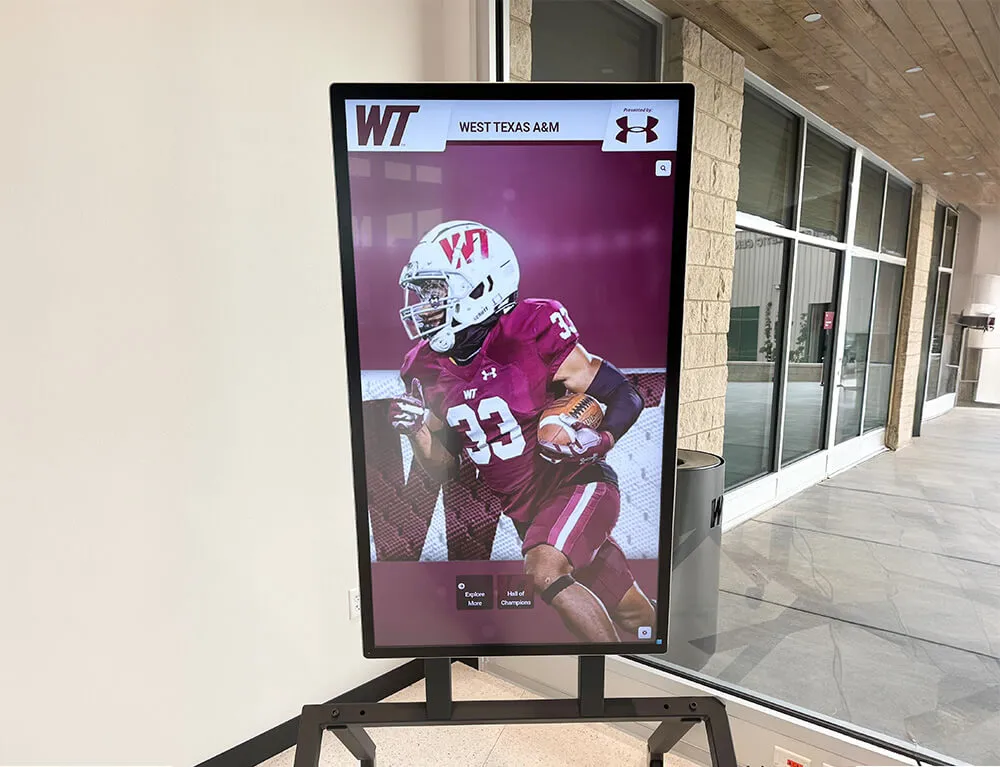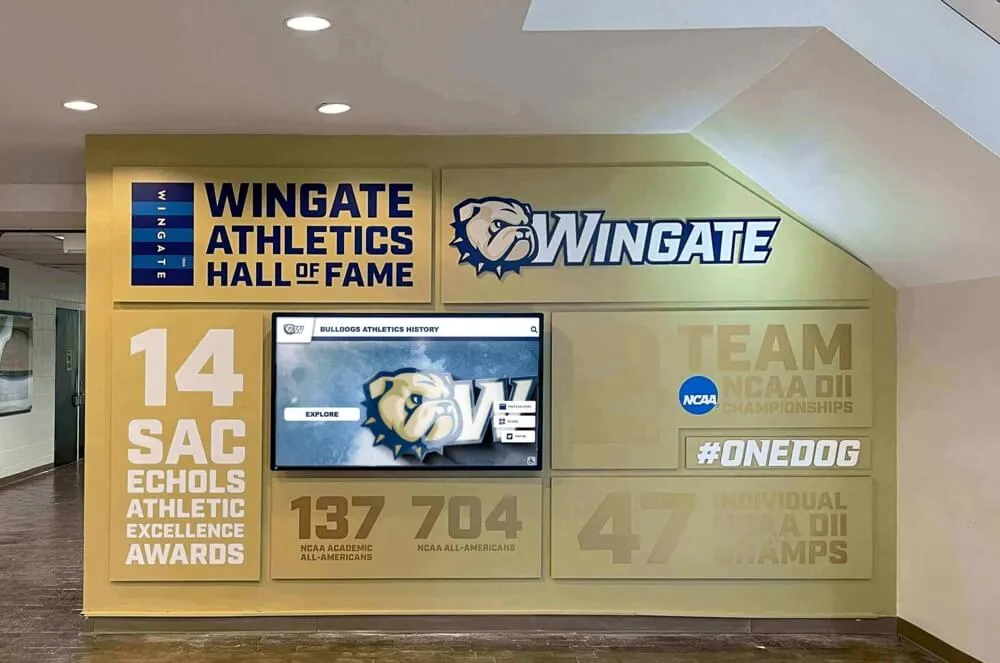




Every successful athletic program accumulates treasures worth preserving—championship jerseys worn by legendary athletes, trophies representing decades of competitive excellence, signed equipment from historic victories, and photographs capturing defining moments in program history. These sports memorabilia items tell your institution’s athletic story, connecting current students to past achievements and inspiring future generations through tangible evidence of what dedication and excellence can accomplish.
Yet most schools and organizations struggle with the same fundamental challenge: How do you display sports memorabilia effectively when you have limited wall space, growing collections, and diverse audiences who deserve access to your athletic heritage? Traditional trophy cases overflow with items, championship jerseys remain in storage rather than on display, and valuable historical artifacts sit forgotten in closets—creating missed opportunities to celebrate achievement and build program culture.
This guide presents comprehensive sports memorabilia display ideas that solve capacity problems, enhance visual impact, protect valuable items, and create engaging experiences connecting communities to athletic history. Whether you’re showcasing a single sport’s legacy or documenting multi-sport programs spanning decades, these strategies help schools and organizations display memorabilia appropriately while building sustainable recognition systems serving institutional goals effectively.
Understanding Sports Memorabilia Display Challenges
Athletic programs face distinct obstacles when developing effective memorabilia display systems that appropriately honor achievement while remaining practical and sustainable.
Limited Physical Display Space
Most schools encounter capacity constraints restricting memorabilia presentation:
Traditional Trophy Case Limitations
Standard hallway trophy cases create persistent problems:
- Fixed shelf space accommodating only 20-40 trophies depending on case dimensions
- New championship trophies displacing older achievements from visible display
- Overflow items relegated to storage areas where nobody sees them
- Athletic director decisions about which trophies “deserve” limited display space
- Inconsistent recognition as successful programs outgrow available capacity
- Multi-sport programs competing for identical limited display real estate
Jersey and Uniform Display Constraints
Framed jerseys require substantial wall space:
- Each framed jersey occupying 3-4 square feet of dedicated wall area
- Limited hallway wall space restricting displays to 10-15 jerseys maximum
- Prime location competition between different sports and achievement types
- Mounting limitations in older buildings with concrete or brick walls
- Climate control concerns in hallways without environmental regulation
- Visual clutter when multiple jerseys compete for attention simultaneously
Photograph and Document Presentation
Historical photographs and newspaper clippings present preservation challenges:
- Paper deterioration from light exposure, humidity, and handling
- Framed photograph costs exceeding $50-100 per item with quality materials
- Wall space requirements limiting display to small curated selections
- Accessibility problems as mounted items remain static and unchanging
- Documentation gaps when captions fail to provide adequate context
- Archival protection needs conflicting with visibility requirements
These capacity constraints force difficult decisions about which achievements receive recognition—creating inequitable systems that honor some accomplishments while relegating others to obscurity.

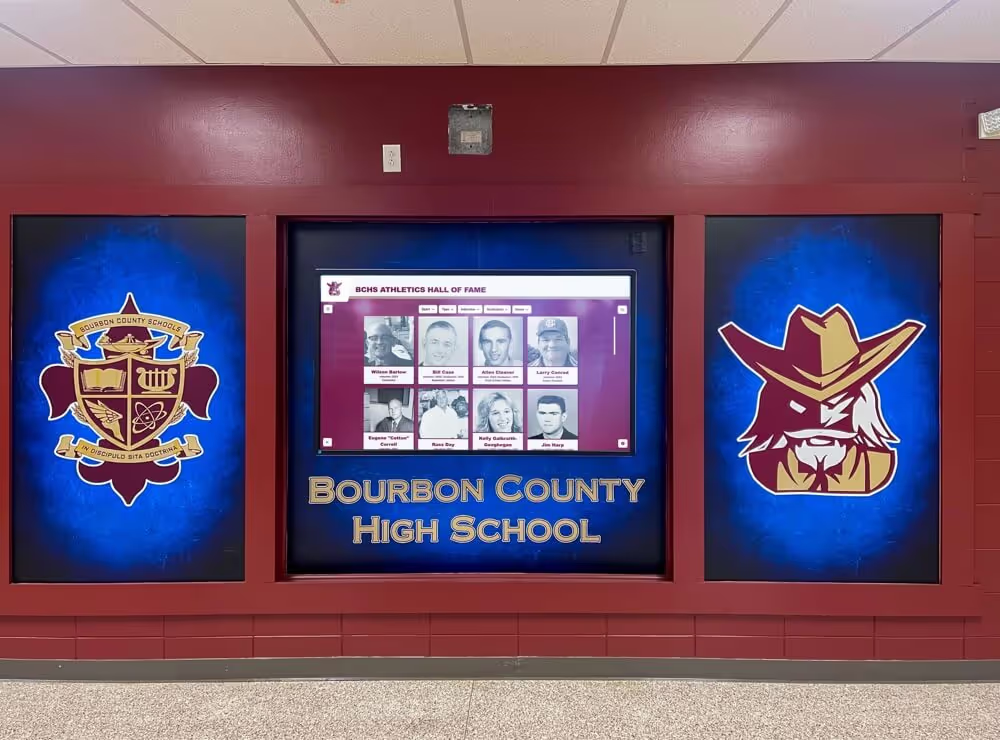
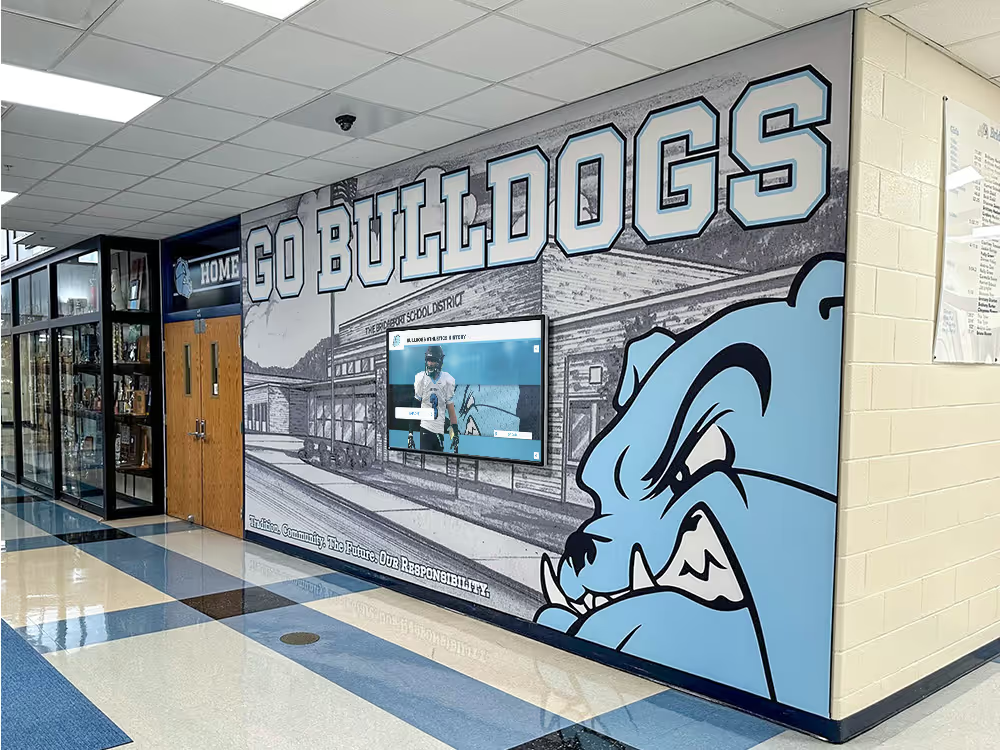
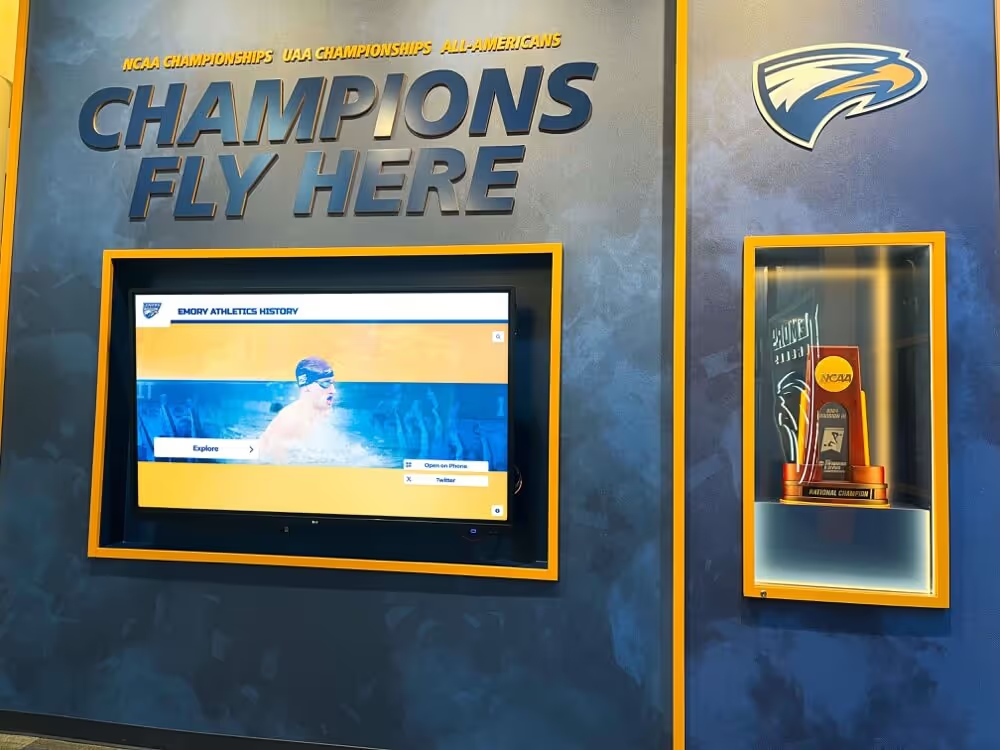
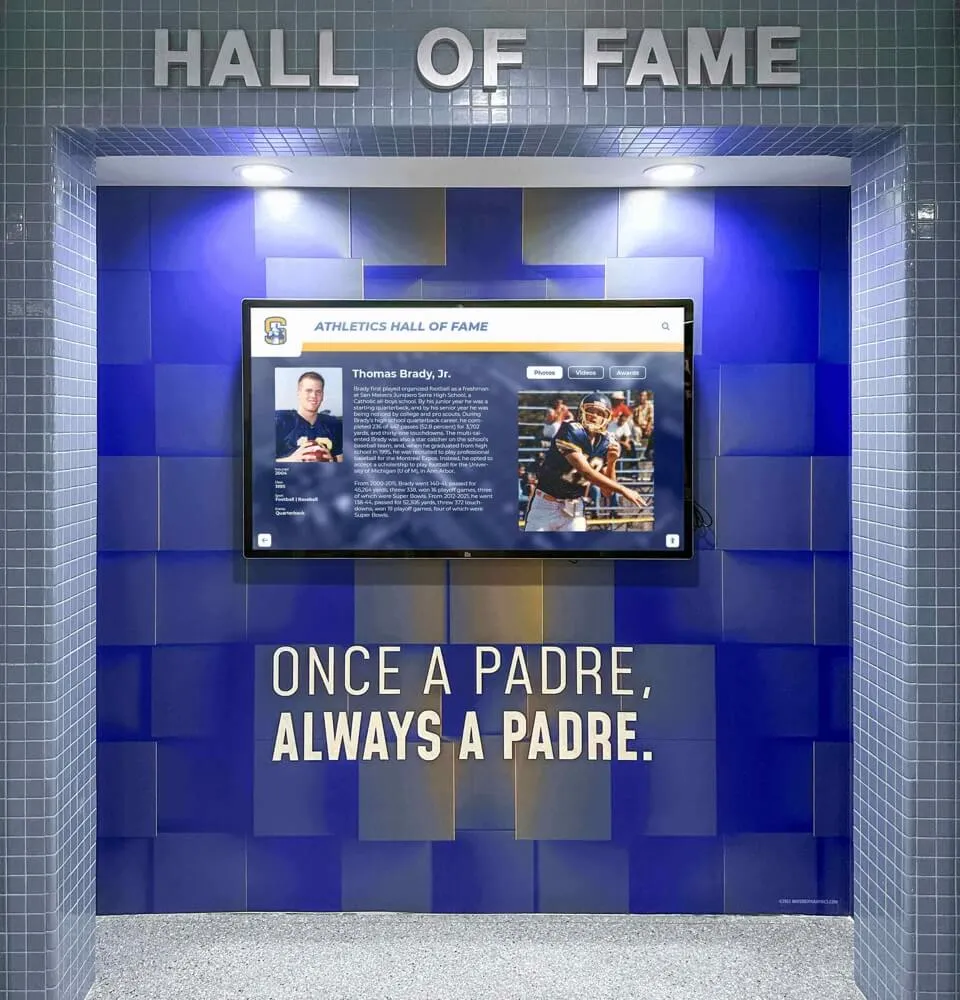
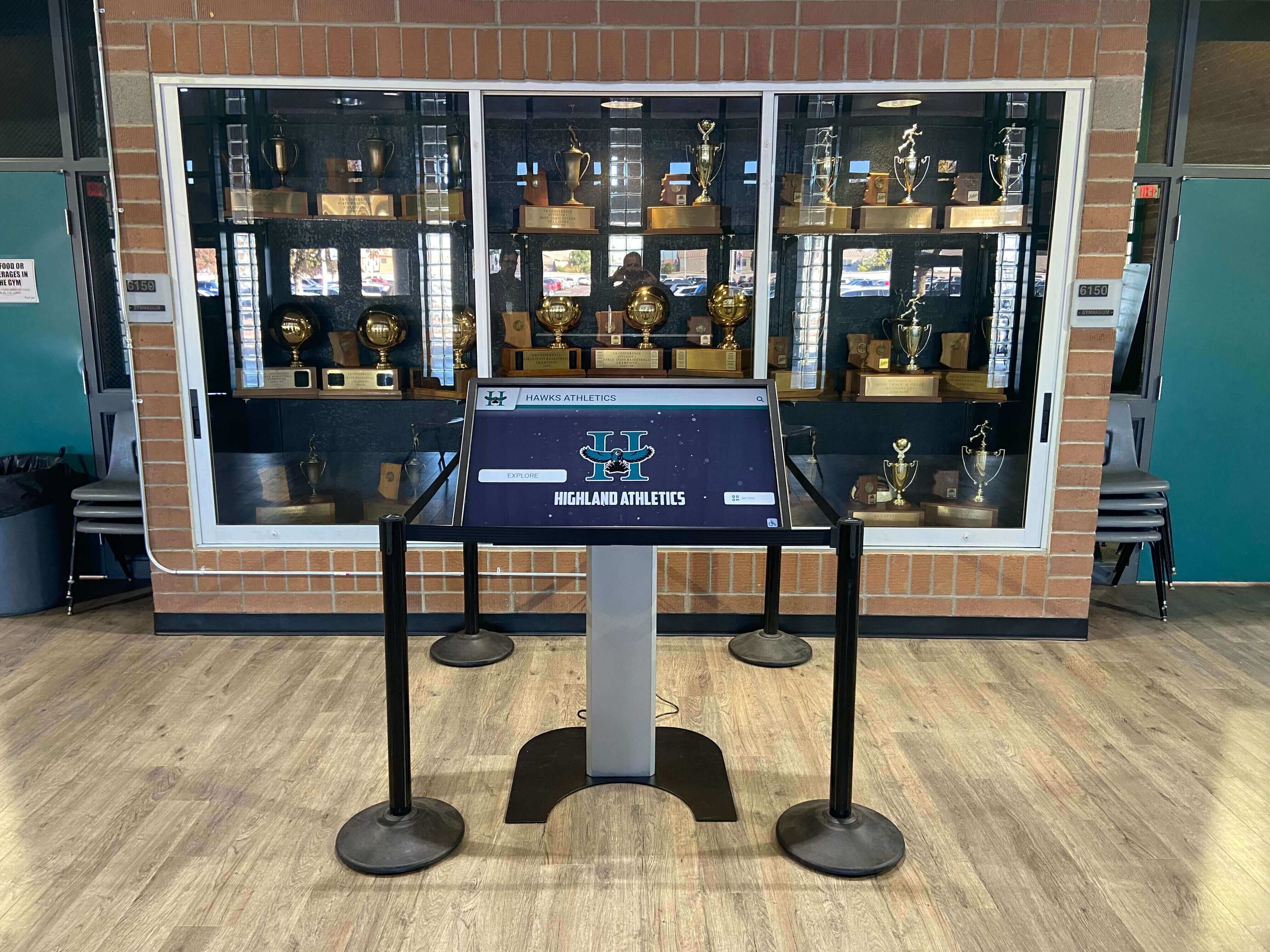
Integrating digital displays with traditional trophy cases solves capacity problems while maintaining physical memorabilia presentation
Preservation and Security Concerns
Valuable sports memorabilia requires protection from damage and theft:
Environmental Deterioration Risks
Improper display conditions damage irreplaceable items:
- Direct sunlight fading jerseys, photographs, and autographed equipment
- Humidity fluctuations causing deterioration in paper documents and leather items
- Temperature extremes degrading fabrics and adhesives over time
- Dust accumulation requiring regular maintenance and cleaning
- Poor ventilation promoting mold growth in enclosed display cases
- UV exposure destroying colors and materials gradually but permanently
Security Vulnerabilities
Open displays create theft and vandalism risks:
- Unlocked trophy cases allowing unauthorized access to valuable items
- Theft of championship rings, medals, and portable trophies
- Vandalism to jerseys, photographs, and display materials
- Insurance costs for valuable autographed memorabilia collections
- After-hours access concerns in buildings without comprehensive security
- Replacement impossibility for one-of-a-kind historical artifacts
Maintenance Requirements
Physical displays demand ongoing care:
- Regular cleaning preventing dust buildup on trophies and cases
- Periodic reorganization as new items join collections
- Glass cleaning maintaining visibility and professional appearance
- Lighting replacement and electrical maintenance for illuminated displays
- Lock repairs and hardware maintenance on aging display cases
- Content updates requiring physical access and manual labor
These preservation challenges create administrative burden while putting irreplaceable memorabilia at risk—discouraging comprehensive display programs and limiting what schools share publicly.
Explore solutions for traditional versus digital trophy case approaches that address preservation concerns.
Engagement and Accessibility Limitations
Static memorabilia displays fail to create meaningful engagement:
Passive Viewing Experiences
Traditional displays offer limited interaction:
- Brief glances at trophy cases as students pass in hallways
- No mechanism for learning stories behind championship trophies
- Missing context about athletes whose jerseys are displayed
- Inability to search for specific teams, years, or achievements
- No connection to video highlights or game documentation
- Alumni unable to explore memorabilia from distant locations
Limited Audience Reach
Physical displays serve only those visiting facilities:
- Prospective students unable to explore athletic heritage before campus visits
- Alumni living in distant cities disconnected from program history
- Community members without building access missing recognition
- Parents unable to show students program traditions and achievements
- Media lacking easy access to historical information and images
- Researchers needing comprehensive records for documentation projects
Minimal Educational Value
Display cases provide insufficient information:
- Small plaques offering limited context about displayed items
- No systematic organization helping viewers understand program evolution
- Missing connections between individual achievements and team success
- Absent narratives explaining significance of particular championships
- No comparative statistics showing achievement in historical context
These engagement limitations mean memorabilia collections serve primarily decorative functions rather than creating the educational and motivational impact they should deliver—representing missed opportunities to build program culture and institutional connection.
Traditional Sports Memorabilia Display Approaches
Schools have employed various conventional strategies for showcasing athletic achievements and preserving program history through physical displays.
Trophy Cases and Display Cabinets
Enclosed glass cases remain the most common memorabilia display method:
Standard Hallway Trophy Cases
Wall-mounted or freestanding cases offer secure display:
- Glass-enclosed cases protecting trophies from dust and handling
- Interior lighting highlighting displayed items effectively
- Adjustable shelving accommodating various trophy sizes
- Lock systems securing valuable championship hardware
- Typical dimensions: 6-8 feet wide, 6-8 feet tall, 12-18 inches deep
- Capacity: 20-40 trophies depending on item sizes and shelf configuration
Rotating Trophy Displays
Some schools implement rotation schedules managing limited space:
- Seasonal rotations featuring current sport’s historical achievements
- Anniversary displays celebrating program milestones periodically
- Quarterly updates maintaining fresh content and visitor interest
- Storage systems organizing non-displayed items systematically
- Documentation tracking which items displayed when
Themed Display Organization
Organize cases by logical categories:
- Sport-specific cases (football trophies, basketball championships, swimming medals)
- Achievement level grouping (state championships, regional titles, conference wins)
- Chronological organization showing program evolution over decades
- Team versus individual achievement separation
- Championship category clustering (undefeated seasons, tournament victories)
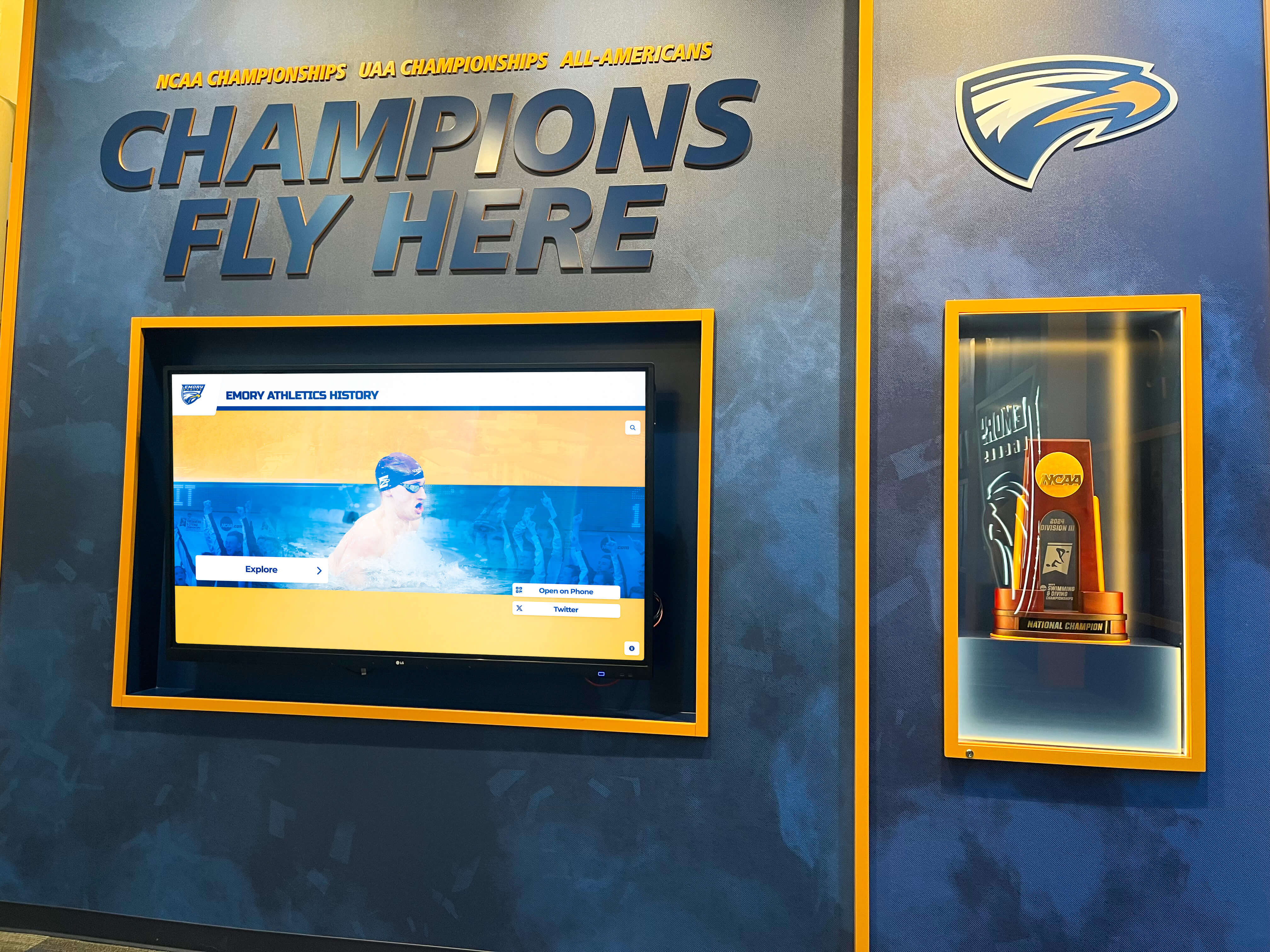
Traditional trophy walls create powerful visual impact but encounter inevitable capacity constraints as programs add championships
Jersey and Uniform Displays
Retired jerseys honor exceptional individual athletes and historic teams:
Framed Jersey Presentations
Professional framing creates museum-quality displays:
- Shadow box frames with UV-protective glass preventing deterioration
- Acid-free matting protecting fabric from yellowing and damage
- Jersey mounting techniques avoiding permanent alterations to garments
- Nameplate plaques documenting athlete name, years, and achievements
- Frame dimensions typically 3x4 feet for standard jerseys
- Professional framing costs: $150-300 per jersey depending on customization
Jersey Retirement Criteria
Establish clear standards determining which jerseys warrant permanent display:
- All-state or all-american recognition in respective sports
- State championship MVP or tournament outstanding performer awards
- School or conference record holders in specific statistical categories
- Program milestone achievements (1,000-point scorer, 100-win wrestler)
- Professional athletic career following high school or college competition
- Exceptional character and citizenship standards beyond athletic achievement
Alternative Jersey Display Methods
Beyond traditional framing options:
- Hanging jersey banners similar to professional arena displays
- Rotating jersey displays on mannequins in trophy cases
- Digital photograph displays showing jerseys alongside athlete profiles
- Jersey number retirement without physical garment display
- Combined displays featuring jersey fragments with larger historical presentations
Learn about high school sports banner design approaches for jersey and achievement recognition.
Wall of Fame Installations
Dedicated wall spaces create comprehensive athletic recognition displays:
Physical Wall Construction
Purpose-built recognition walls transform spaces:
- Custom millwork creating integrated display zones for multiple item types
- Built-in lighting highlighting displayed memorabilia effectively
- Combination of enclosed cases, open shelving, and jersey mounting areas
- Branded graphics and school colors creating cohesive visual identity
- Trophy shelves, photograph frames, and jersey displays in unified installation
- Construction costs: $5,000-15,000 depending on size and customization
Content Organization Strategies
Organize wall displays logically:
- Chronological left-to-right presentation showing program evolution
- Sport-by-sport sections grouping related achievements together
- Achievement level hierarchy placing state championships prominently
- Central focal points featuring most prestigious trophies or jerseys
- Symmetrical layouts creating balanced and professional appearance
Supporting Documentation
Enhance memorabilia with contextual information:
- Engraved plaques documenting championship teams and individual achievers
- Photograph collages showing teams or athletes in competition
- Newspaper clipping reproductions capturing media coverage
- Statistical summary boards presenting program record books
- Timeline graphics showing championships across program history
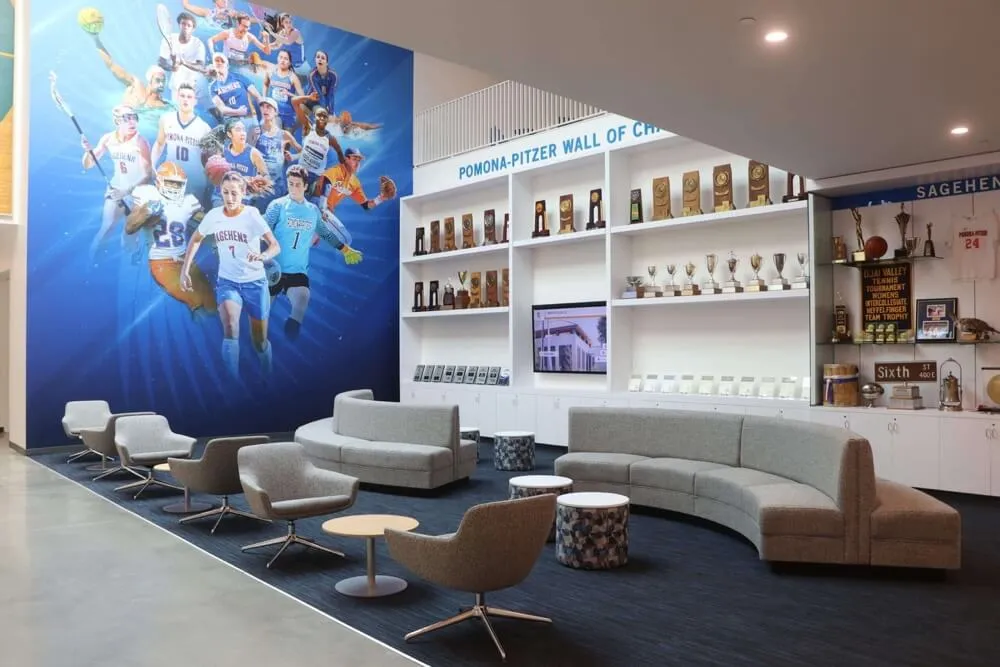
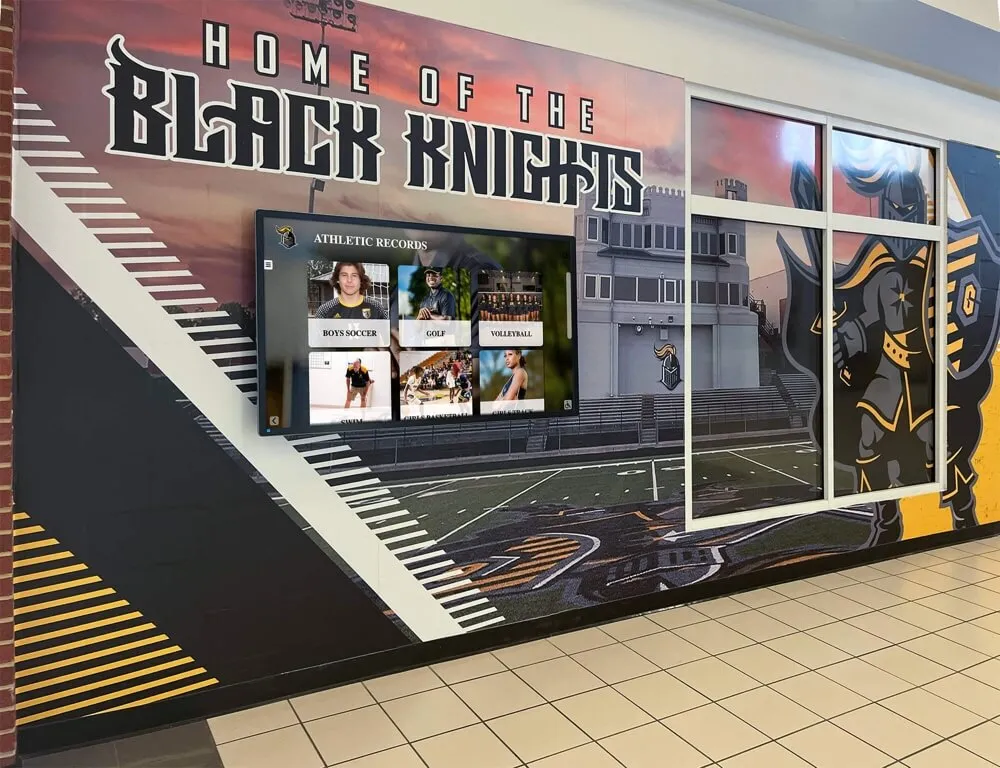
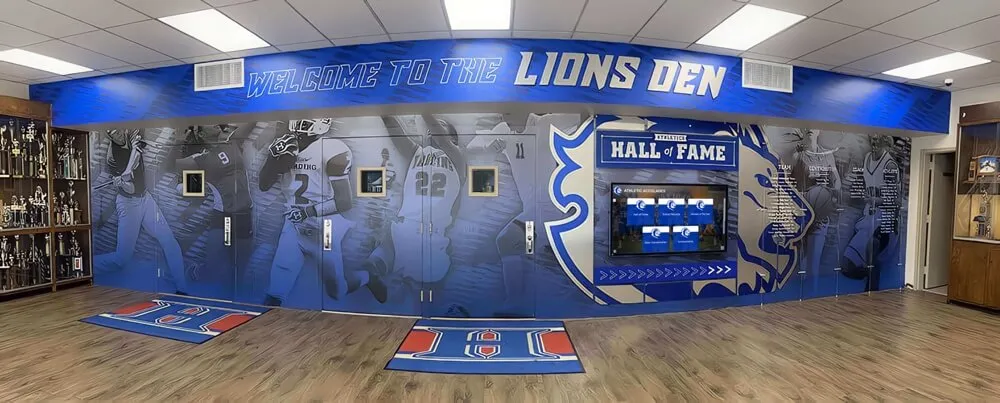
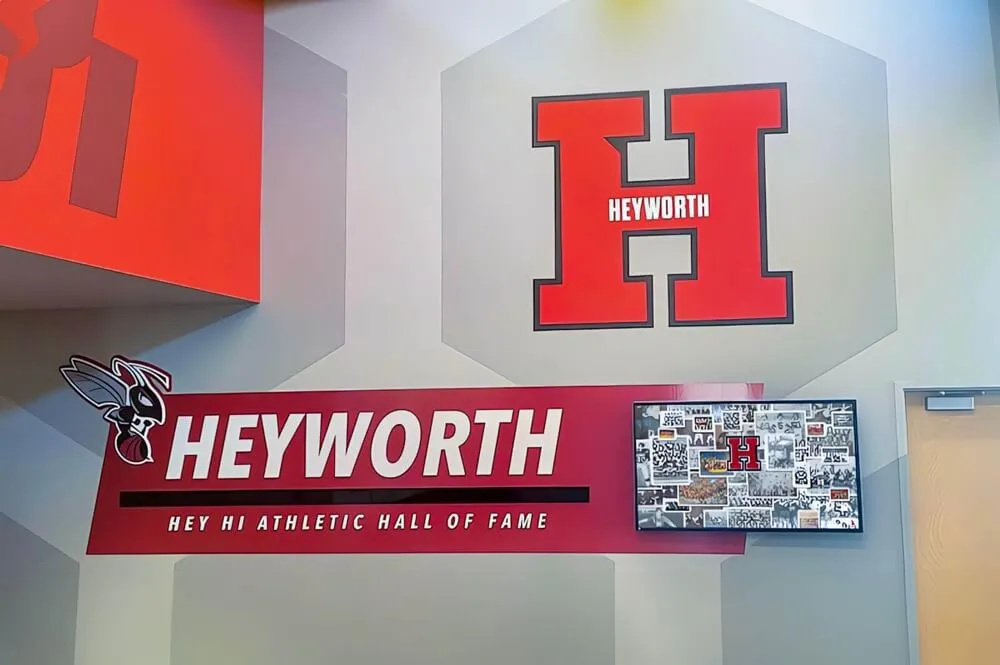
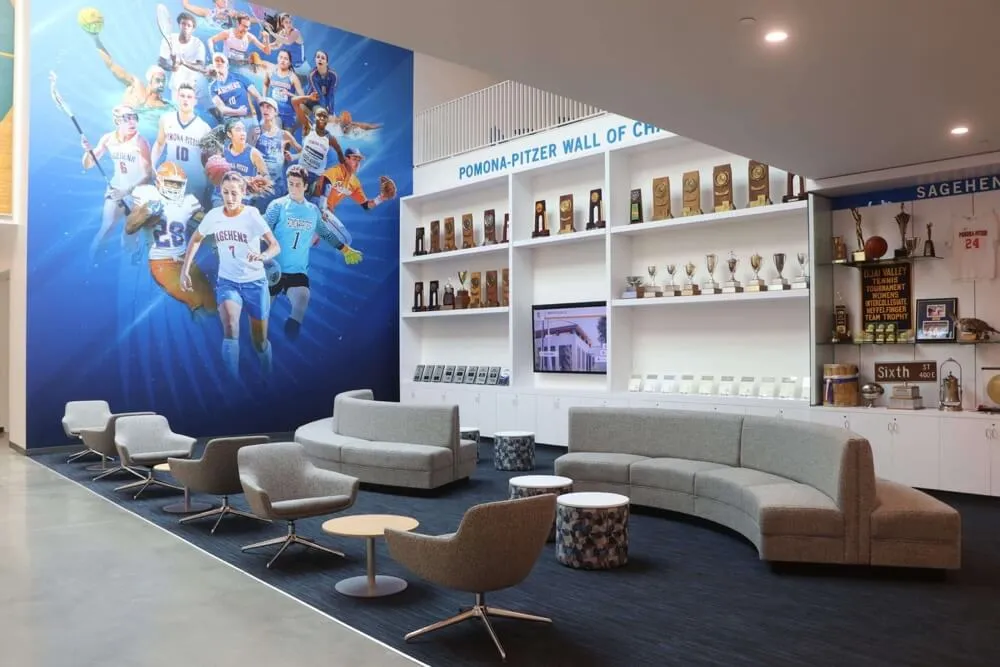
Dedicated athletic spaces allow comprehensive memorabilia displays combining trophies, photographs, and branded environmental design
Modern Digital Display Solutions
Contemporary technology solves traditional memorabilia display limitations while creating enhanced engagement impossible with physical artifacts alone.
Interactive Touchscreen Displays
Digital platforms provide unlimited capacity for showcasing athletic history:
Comprehensive Digital Archives
Touchscreen systems document complete program heritage:
- Unlimited athlete profiles regardless of physical display space
- Complete championship team rosters with individual athlete information
- Comprehensive trophy documentation including all awards and recognitions
- Digitized photograph collections preserving thousands of historical images
- Scanned newspaper articles, programs, and historical documentation
- Video highlight integration showing championship moments and historic games
Rich Multimedia Presentations
Digital displays present content impossible in physical cases:
- Game highlight videos capturing championship performances
- Athlete interview recordings preserving personal stories and memories
- Season recap videos documenting championship runs
- Historic radio or television broadcast clips
- Ceremony recordings showing trophy presentations and celebrations
- Contemporary and archival photographs showing program evolution
Intuitive Navigation and Discovery
Modern interfaces enable easy exploration:
- Searchable database finding specific athletes, teams, or championships instantly
- Sport filtering showing complete history for individual programs
- Year-based browsing exploring program achievements chronologically
- Achievement category sorting (state championships, records, awards)
- Alphabet-based athlete search locating individuals quickly
- Random highlight features surfacing interesting historical content
Discover how gym lobby touchscreen displays create digital trophy showcases with unlimited capacity.
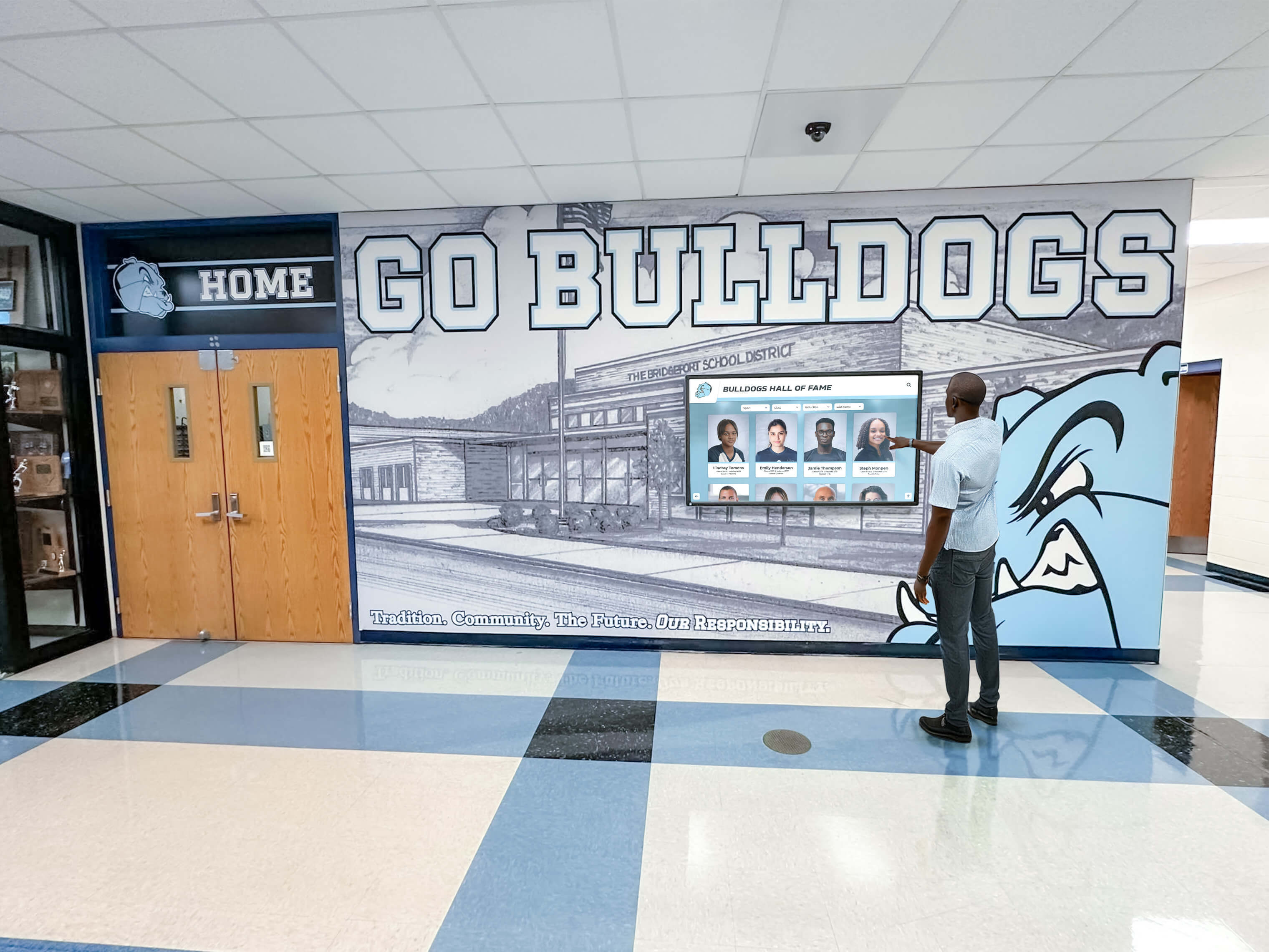
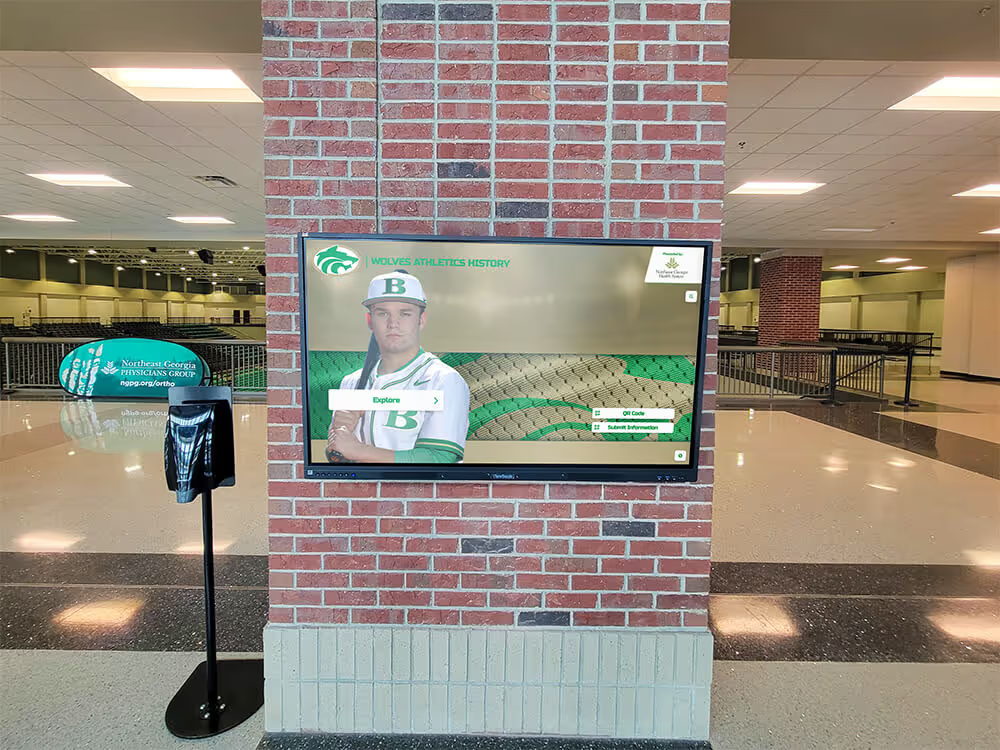
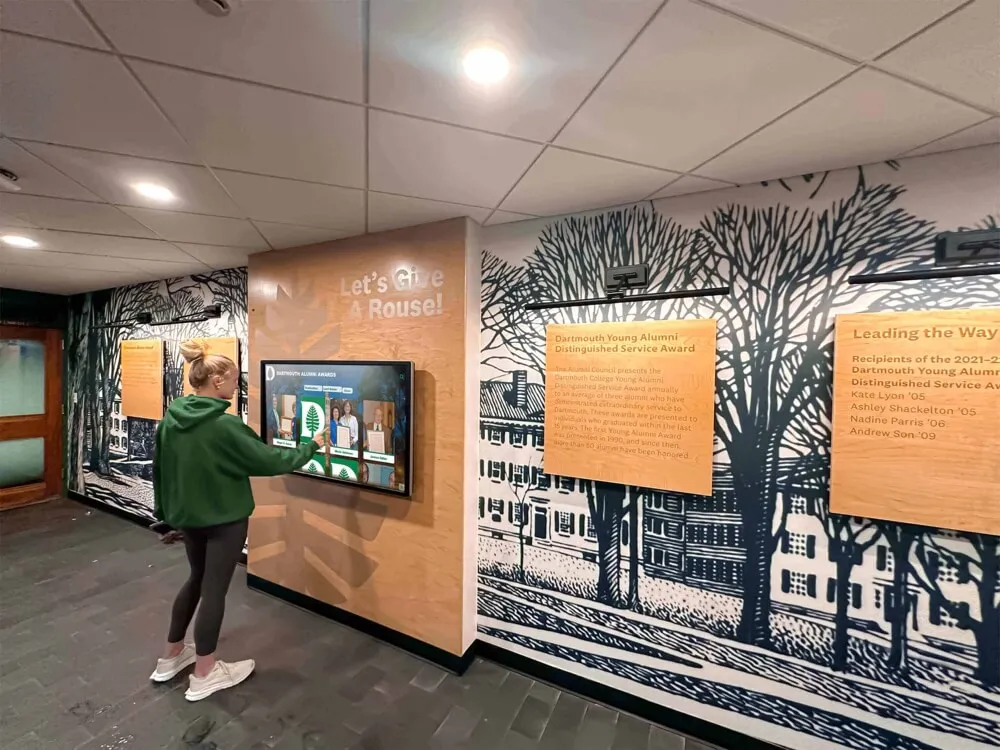
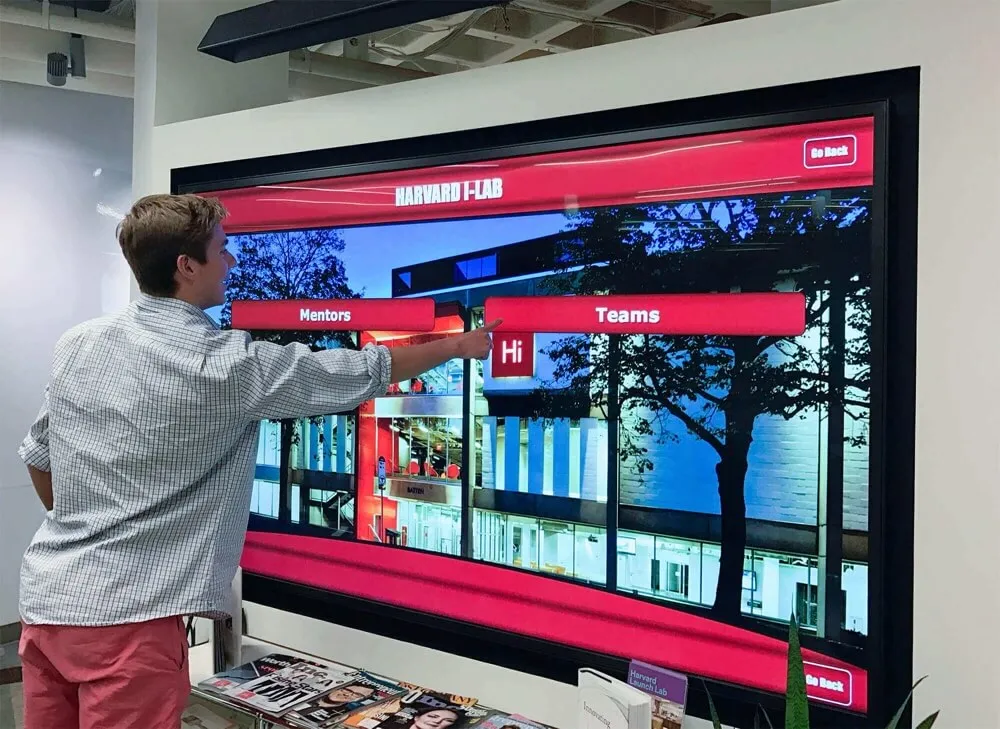
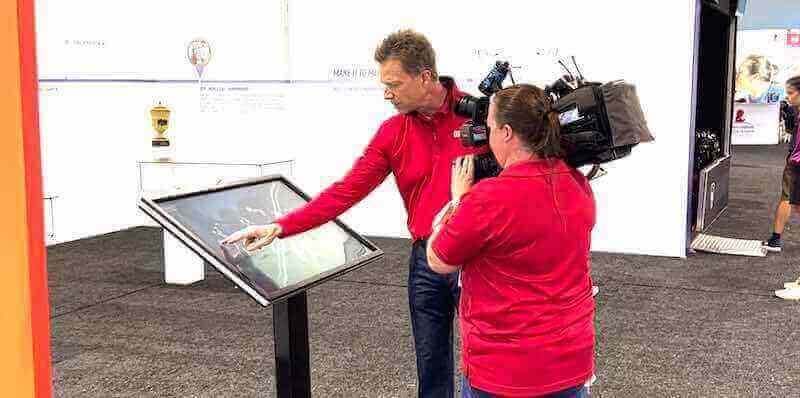
Interactive touchscreen displays enable active exploration of athletic history creating engagement impossible with static trophy cases
Digital Signage and Display Screens
Non-interactive screens provide dynamic content presentation:
Rotating Content Displays
Mounted screens showcase changing memorabilia presentations:
- Scheduled content rotation highlighting different sports seasonally
- Slideshow presentations featuring championship photographs
- Video loop displays showing game highlights and historic moments
- Anniversary content celebrating program milestones periodically
- Current season integration connecting historic and contemporary achievements
Information and Wayfinding Integration
Digital screens serve multiple purposes:
- Athletic calendar announcements alongside historical content
- Game day information with program history features
- Facility directories incorporating athletic recognition elements
- Recruitment messaging showcasing program excellence through memorabilia
- Multi-purpose displays balancing information and recognition functions
Content Management Flexibility
Cloud-based systems enable easy updates:
- Remote content updates without physical facility access
- Scheduled publishing automating seasonal content changes
- Multiple display management from single administrative interface
- Template-based design ensuring consistent visual presentation
- User permission systems controlling who updates content
Web-Based Digital Archives
Online platforms extend memorabilia access beyond physical facilities:
24/7 Global Accessibility
Web archives serve dispersed audiences:
- Alumni exploring program history from anywhere globally
- Prospective student-athletes researching program excellence remotely
- Media accessing historical information for stories and features
- Researchers documenting athletic history and achievements
- Community members celebrating local program heritage
- Family members discovering relatives’ athletic accomplishments across generations
Social Sharing and Engagement
Digital platforms enable content distribution:
- Individual athlete profile pages with unique URLs for sharing
- Social media integration spreading athletic recognition broadly
- Email sharing allowing alumni to forward favorite memories
- Embed capabilities for school websites and communications
- QR code linking from physical spaces to digital content
Searchable Historical Database
Web platforms provide research capabilities:
- Advanced search finding specific athletes, teams, or achievements
- Statistical databases documenting program records comprehensively
- Filterable content by sport, year, achievement type, or athlete
- Comparative statistics showing achievement context
- Downloadable data for research and documentation projects
Explore digital history archive solutions for preserving institutional athletic heritage.
Sports Memorabilia Display Content Architecture
Effective memorabilia displays require systematic content organization ensuring comprehensive coverage while enabling intuitive navigation and discovery.
Athletic Achievement Categories
Structure content by recognition types:
Championship Achievements
Document team competitive success:
- State championships with complete team rosters and coaching staffs
- Regional and conference championships showing competitive excellence
- Tournament victories and invitational titles
- Undefeated seasons and exceptional win-loss records
- Championship game recaps with statistics and highlights
- Trophy photographs and championship hardware documentation
Individual Athletic Honors
Recognize exceptional individual achievement:
- All-state and all-conference selections across all sports
- Individual state champions in track, swimming, wrestling, and other sports
- Academic all-state and scholar-athlete recognitions
- School and conference record holders in various statistical categories
- Awards received (Player of Year, MVP, All-American designations)
- Post-secondary athletic participation (college signings, professional careers)
Historic Milestones
Preserve program-defining moments:
- Program anniversary celebrations (50th, 75th, 100th seasons)
- Facility dedications and major construction projects
- Coaching milestone achievements (wins records, tenure recognitions)
- Notable individual game performances and records
- First championships in program or sport history
- Rivalry game achievements and memorable victories
Supporting Documentation
Provide context enriching memorabilia displays:
- Newspaper articles documenting championships and achievements
- Game programs from historic contests and championship events
- Statistical summaries showing seasonal and career records
- Photograph collections showing teams, athletes, and moments
- Ticket stubs, schedules, and ephemera preserving program history
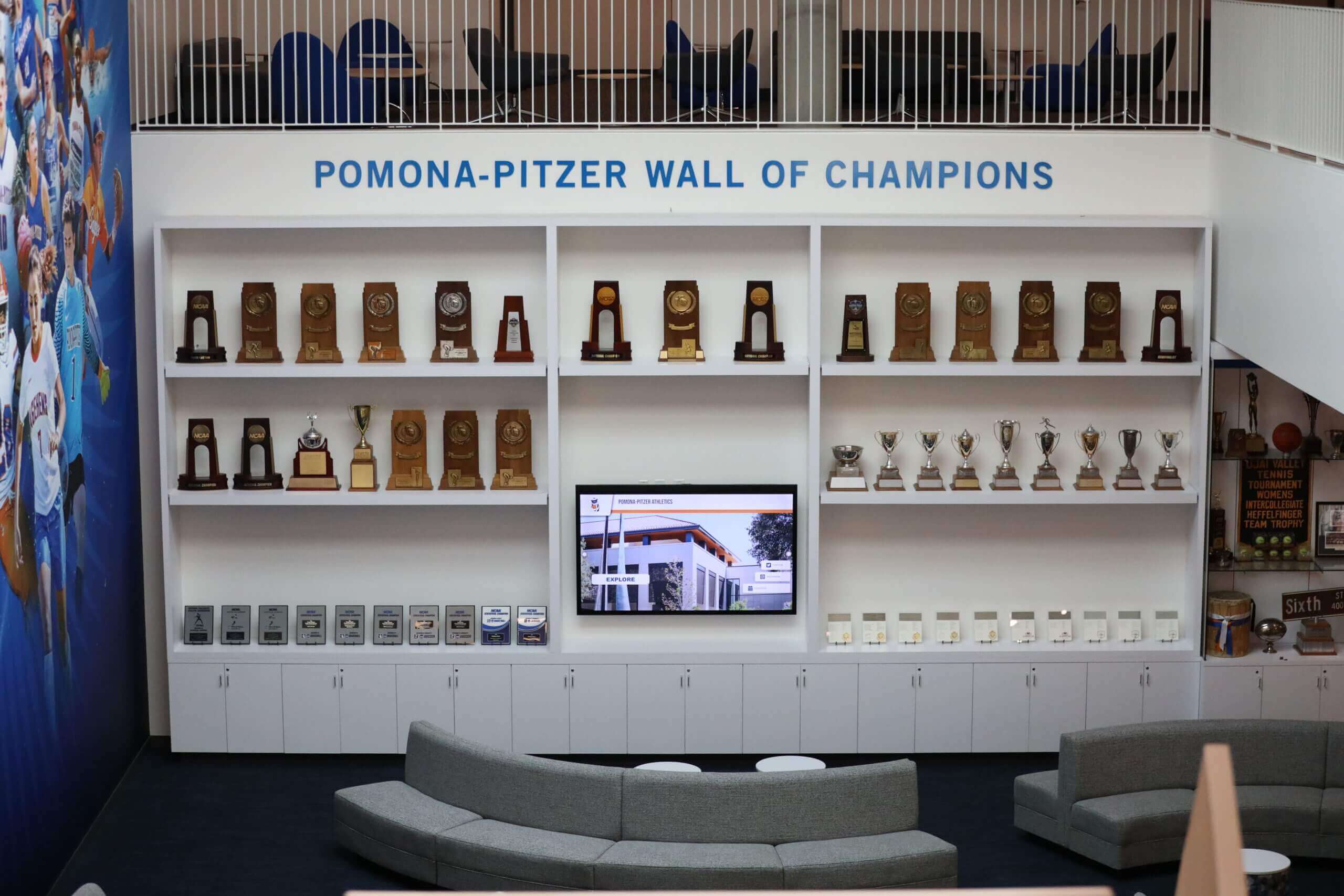
Comprehensive memorabilia displays integrate multiple artifact types creating immersive athletic heritage presentations
Content Profile Standards
Establish consistent information included across achievement types:
Team Championship Profiles
Document championships comprehensively:
- Championship level and year (2019 State Football Champions)
- Complete season record and playoff results
- Team roster with athlete names, positions, and grade levels
- Coaching staff identification and roles
- Season highlights and notable victories
- Championship game summary and statistics
- Photograph collections from season and championship game
- Trophy or championship hardware images
- Media coverage and notable recognition received
Individual Athlete Profiles
Honor exceptional athletes systematically:
- Full name and graduation year
- Sports participated in and positions played
- Athletic achievements and awards received
- Statistical accomplishments and records held
- Academic honors and extracurricular involvement
- Post-graduation athletic participation and career
- Memorable performances and defining moments
- Photographs from competition and ceremonies
- Personal statements or interview content when available
Historical Event Documentation
Preserve program milestone moments:
- Event description and historical significance
- Date and location information
- Participants and key individuals involved
- Photographs documenting the occasion
- Contemporary media coverage and documentation
- Long-term impact on program development
- Related artifacts and memorabilia from event
Memorabilia Documentation Checklist
Use this systematic approach ensuring comprehensive content capture:
Physical Artifact Documentation
- High-resolution photographs from multiple angles
- Detailed description including materials, dimensions, condition
- Provenance documentation (who provided item, when acquired)
- Historical context explaining significance
- Related individuals identified (athletes, coaches, donors)
- Conservation needs assessment for preservation planning
- Current physical location and storage conditions
- Insurance valuation for valuable items
Championship Documentation
- Official championship verification (certificate, trophy, medal)
- Complete team roster with verified names and details
- Season statistics and results documentation
- Championship game or event results and highlights
- Coaching staff identification and verification
- Media coverage collection (articles, broadcasts, photographs)
- Program or yearbook documentation from season
- Contemporary and archival photographs
Digital Asset Preparation
- Image scanning or professional photography completed
- Video digitization from original formats
- Document scanning with OCR for searchability
- Metadata tagging (names, dates, sports, events)
- Rights clearance for published materials
- Backup and archival storage implementation
- File organization following naming conventions
- Quality review ensuring presentation standards
This checklist provides reusable framework for systematically documenting memorabilia ensuring nothing important gets overlooked during content development.
See examples of trophy display case organization ideas and content strategies.
Hybrid Memorabilia Display Approaches
Most effective recognition systems combine traditional physical displays with modern digital platforms—leveraging strengths of each approach while solving limitations.
Strategic Physical Display Selection
Maintain selective physical memorabilia presentations:
Highest-Prestige Items Displayed Physically
Feature most significant achievements in trophy cases:
- State championship trophies and major tournament hardware
- Most recent championship items (current and previous 1-2 years)
- Historic milestone trophies (first championships, anniversary items)
- Exceptionally significant individual awards (All-American honors)
- Unique or visually impressive memorabilia items
- 15-25 premier items fitting available trophy case capacity comfortably
Rotating Physical Displays
Implement scheduled rotation schedules:
- Seasonal changes featuring current sport’s historical achievements
- Quarterly updates maintaining fresh content and visitor interest
- Anniversary rotations celebrating program milestones periodically
- Storage systems organizing non-displayed items systematically
- Documentation tracking display history and rotation schedules
Signature Physical Installations
Create focal point displays with permanent physical presence:
- Championship banner displays in gymnasium or arena settings
- Signature retired jerseys for program-defining athletes
- Dedicated memorial displays for significant program figures
- Entry displays creating immediate impression for visitors
- Historical timeline installations showing program evolution
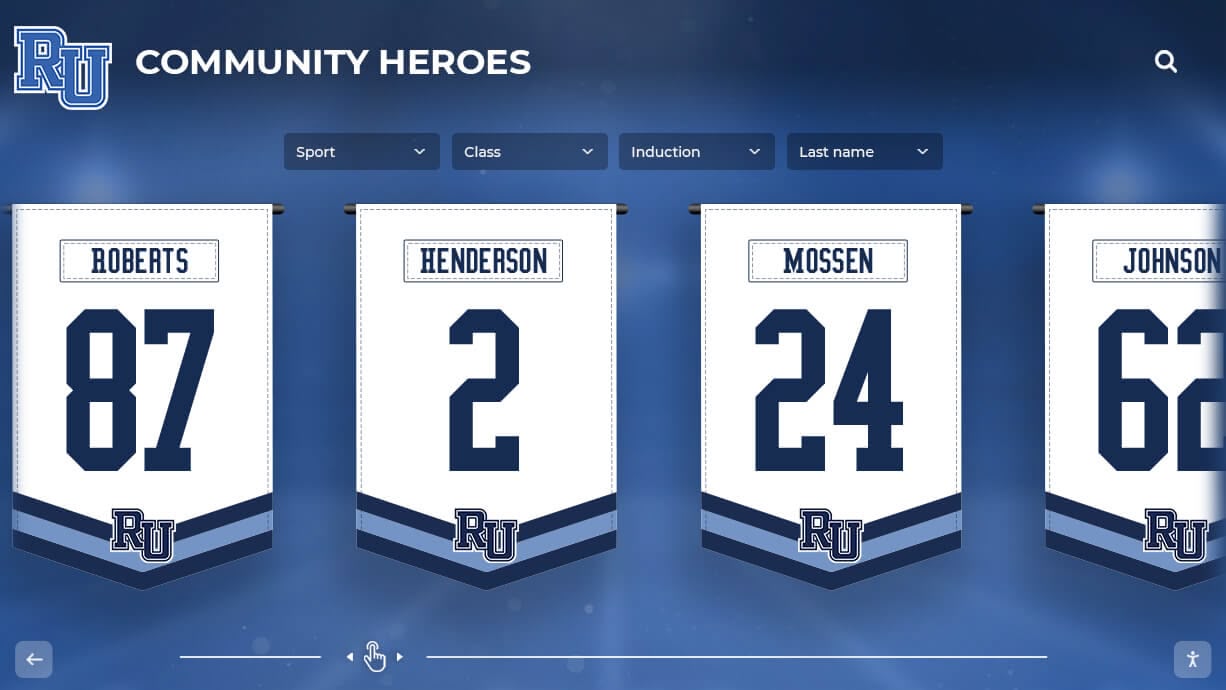
Selective physical jersey displays create visual impact while comprehensive digital documentation ensures every achievement receives appropriate recognition
Comprehensive Digital Documentation
Provide complete memorabilia archives digitally:
Every Item Documented Digitally
Include comprehensive collections regardless of physical display:
- All trophies and awards including those in storage
- Complete championship documentation across program history
- Every retired or honored jersey with athlete profiles
- Full photograph archives digitized and searchable
- All newspaper clippings and historical documentation
- Video footage and multimedia content from all available sources
Enhanced Digital Content
Provide information impossible in physical displays:
- Extended athlete biographies and personal stories
- Complete season statistics and game-by-game results
- Video highlights and game footage
- Multiple photographs showing different moments and perspectives
- Oral history interviews with athletes and coaches
- Contemporary news coverage and media documentation
Unified Digital Platform
Implement integrated systems serving all audiences:
- In-facility touchscreen displays for on-site exploration
- Web-based archive accessible from anywhere globally
- Mobile-responsive design supporting smartphone browsing
- Social sharing enabling recognition distribution
- Search and filtering enabling quick information discovery
Connected Recognition Ecosystem
Integrate physical and digital elements:
Physical-to-Digital Connections
Link traditional displays to comprehensive digital content:
- QR codes on or near trophy cases linking to complete digital collections
- Signage directing visitors to explore full memorabilia archives
- Printed materials including web addresses for extended exploration
- Trophy case plaques referencing digital platform for more information
- In-facility kiosks positioned near traditional display areas
Coordinated Visual Design
Create unified recognition environment:
- Consistent color schemes and branding across physical and digital displays
- Matching typography and design elements creating cohesion
- Coordinated content organization following same categories
- Unified naming conventions and terminology
- Complementary rather than competing design approaches
Integrated Content Strategy
Develop systematic approaches serving all display types:
- Single content development process supporting all presentation formats
- Shared asset libraries providing photographs for physical and digital use
- Coordinated update schedules maintaining current information across platforms
- Unified messaging about program excellence and heritage
- Strategic planning considering entire recognition ecosystem
This hybrid approach satisfies traditionalists valuing physical trophy cases while solving capacity problems through comprehensive digital documentation—enabling schools to honor unlimited achievements appropriately while maintaining meaningful tangible displays.
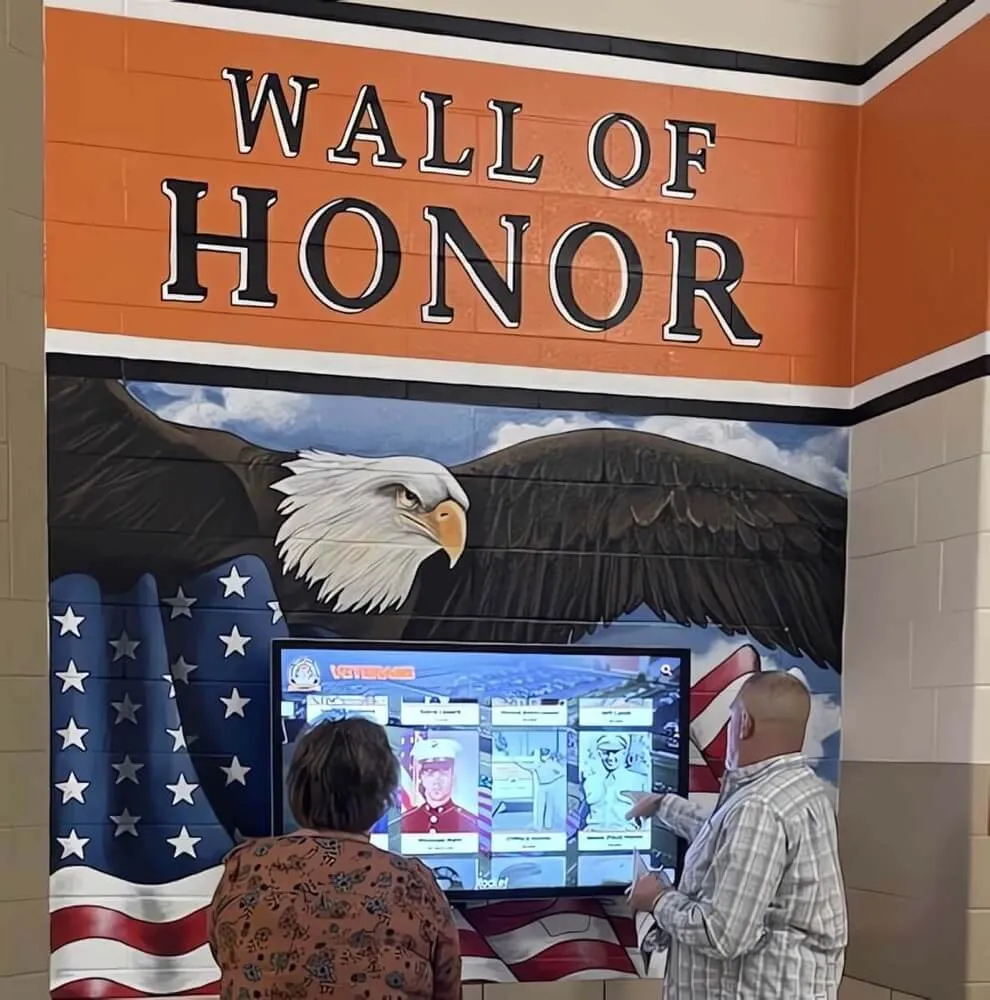
Learn how athletic walls of honor integrate physical and digital elements effectively.
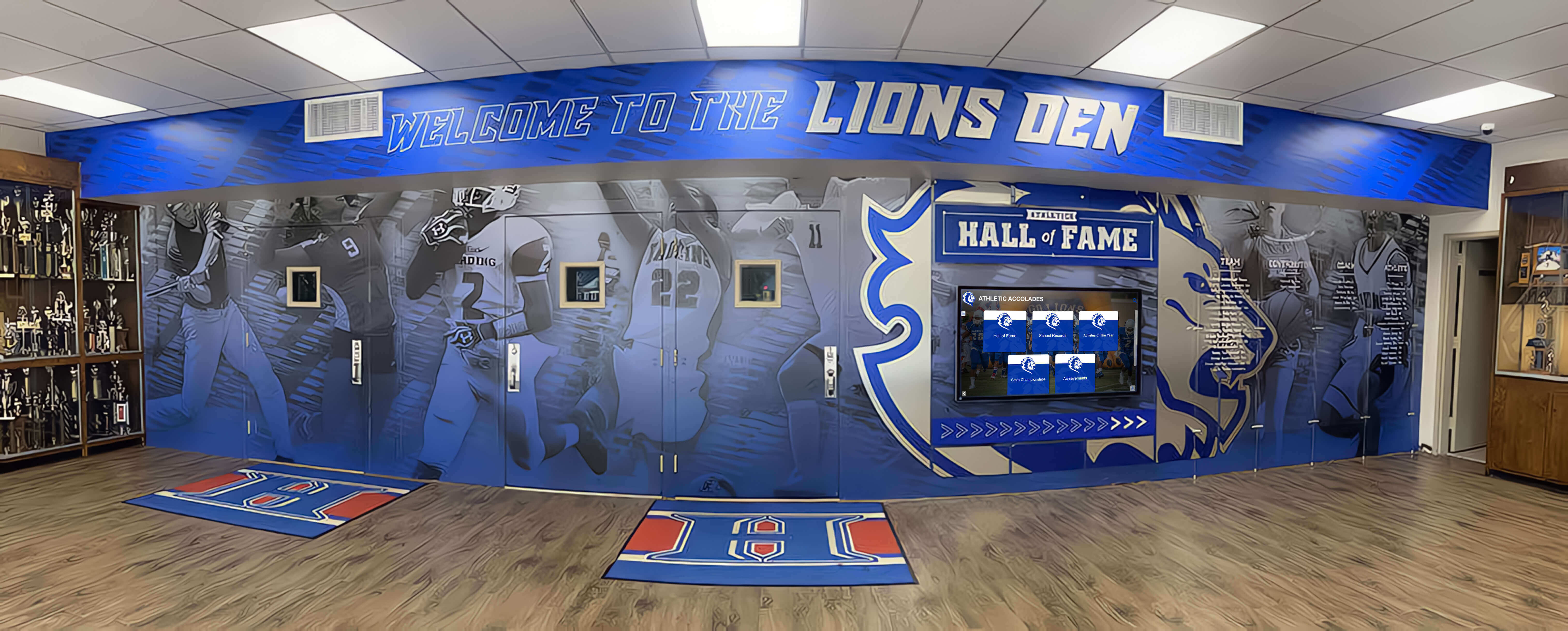
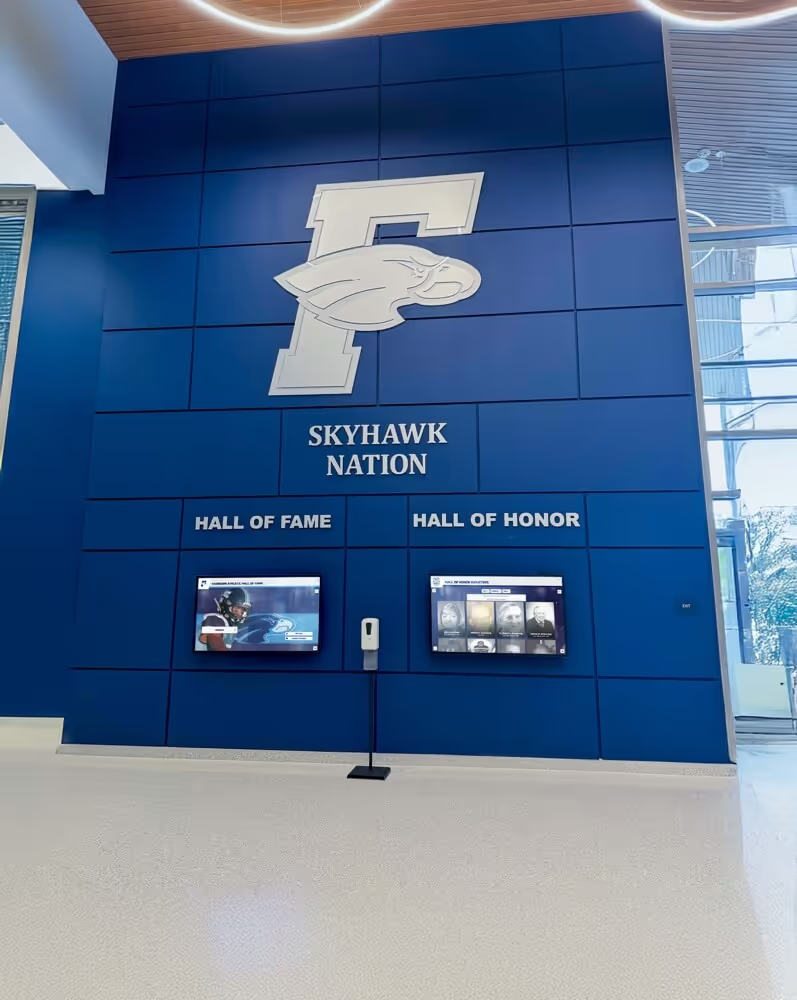
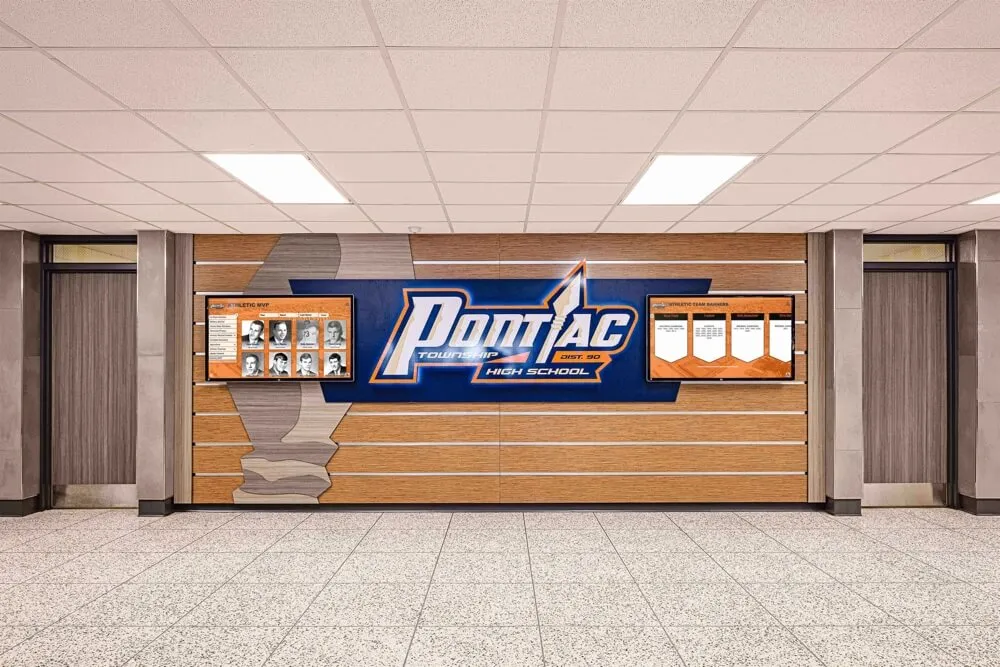
Hybrid recognition environments combine traditional trophy cases with digital displays creating comprehensive memorabilia showcases honoring unlimited achievements
Implementation Planning and Execution Timeline
Successful memorabilia display programs require systematic planning ensuring projects deliver desired outcomes while managing resources effectively.
Phase 1: Planning and Content Development (Months 1-3)
Memorabilia Inventory and Assessment
Document existing collections systematically:
- Physical inventory of all trophies, awards, and memorabilia currently held
- Condition assessment identifying preservation needs
- Significance evaluation determining display priorities
- Gap identification revealing missing documentation or artifacts
- Stakeholder consultation gathering additional items from alumni and community
- Storage audit understanding where items currently reside
Display Goal Definition
Establish clear program objectives:
- Primary audiences identified (current students, alumni, community, recruits)
- Key messages about program excellence and heritage
- Specific achievements and eras requiring emphasis
- Budget parameters and funding sources confirmed
- Success metrics defining program effectiveness
- Timeline requirements for completion phases
Content Strategy Development
Plan comprehensive memorabilia documentation:
- Achievement categories and organization schemes determined
- Profile standards established for consistency
- Historical research needs identified
- Photograph and video digitization requirements assessed
- Writing assignments distributed for athlete biographies and championship summaries
- Quality standards defined for all content types
Phase 2: Content Creation and Display Development (Months 4-6)
Artifact Documentation and Digitization
Capture memorabilia content systematically:
- Professional photography of trophies, jerseys, and three-dimensional items
- Document scanning preserving newspaper articles and paper materials
- Video digitization converting archival footage to modern formats
- Metadata tagging enabling search and organization
- Rights clearance for published materials requiring permission
- Quality review ensuring presentation standards met
Profile Writing and Information Development
Create supporting content:
- Athlete biography research and writing
- Championship team summaries documenting seasons
- Historical event narratives providing context
- Statistical compilation presenting records and achievements
- Interview collection preserving first-person stories
- Editorial review ensuring accuracy and consistency
Display Design and Construction
Build physical and digital presentation systems:
- Trophy case selection or construction if traditional displays planned
- Digital display hardware procurement and installation
- Software platform selection and customization
- Content template design creating visual consistency
- Navigation structure development enabling intuitive exploration
- User testing ensuring accessibility and usability
Phase 3: Installation and Launch (Months 7-8)
Physical Display Installation
Complete traditional memorabilia presentations:
- Trophy case mounting and lighting installation
- Memorabilia arrangement creating appealing compositions
- Jersey framing and wall mounting
- Plaques and identification materials installed
- Lighting adjustments optimizing visibility
- Final cleaning and preparation
Digital Platform Population and Testing
Deploy technology-based displays:
- Content upload to digital platforms
- Navigation testing and refinement
- Performance optimization ensuring responsive operation
- Staff training on content management systems
- Backup and security implementation
- Pre-launch quality assurance review
Launch Event and Promotion
Celebrate new memorabilia displays:
- Dedication ceremony inviting honored athletes and community
- Media coverage generating awareness and visitation
- Social media campaign promoting digital platforms
- Alumni communications encouraging exploration
- Student introduction and orientation sessions
- Documentation of launch for institutional archives
Phase 4: Ongoing Management and Updates (Ongoing)
Regular Content Updates
Maintain current and growing collections:
- New championship additions following each season
- Recent graduate athlete profiles for continuing recognition
- Milestone anniversary features celebrating program history
- Photograph additions as new images become available
- Rotating featured content maintaining visitor interest
Preservation and Maintenance
Protect memorabilia investments:
- Regular cleaning schedules for trophy cases and displays
- Climate monitoring preventing environmental damage
- Security system maintenance protecting valuable items
- Digital backup verification ensuring content preservation
- Software updates maintaining platform functionality
- Hardware maintenance addressing wear and technical issues
Program Assessment and Enhancement
Evaluate effectiveness and identify improvements:
- Visitor engagement monitoring through analytics
- Stakeholder feedback collection and review
- Content gap identification and remediation
- Feature enhancement based on user needs
- Budget planning for expansions and improvements
- Success metric evaluation measuring program impact
This phased approach manages memorabilia display development systematically—ensuring projects stay on schedule, meet budget parameters, and deliver recognition systems serving institutional goals effectively.
Explore professional sports venue recognition approaches demonstrating best practices.
Budget Considerations and Funding Strategies
Memorabilia display investments vary substantially based on approach—understanding cost factors enables realistic planning and appropriate funding development.
Traditional Physical Display Costs
Trophy Case Investment
Standard hallway cases require significant initial investment:
- Basic wall-mounted trophy case (6’W x 7’H x 1’D): $2,000-4,000
- Premium freestanding case with lighting (8’W x 8’H x 2’D): $4,000-8,000
- Custom built-in millwork displays: $5,000-15,000+ depending on scope
- Installation labor: $500-2,000 depending on complexity
- Lighting installation for cases without integrated systems: $300-800
Jersey Framing Expenses
Professional framing creates substantial per-item costs:
- Standard shadow box jersey frame: $150-250 per jersey
- Premium UV-protective museum-quality frame: $250-400 per jersey
- Custom framing with special matting and features: $400-600+ per jersey
- For programs displaying 15-20 jerseys: $3,000-8,000 total investment
Wall of Fame Construction
Dedicated recognition walls represent major capital projects:
- Custom millwork and built-in displays: $8,000-20,000
- Integrated lighting systems: $1,500-4,000
- Trophy shelving and jersey mounting hardware: $2,000-5,000
- Graphics, branding, and environmental design: $3,000-8,000
- Installation labor: $2,000-5,000
- Total wall of fame investment: $15,000-40,000+ depending on scope
Digital Display Platform Costs
Touchscreen Hardware Investment
Interactive displays require technology purchases:
- Commercial-grade touchscreen display (43"-55"): $1,500-3,500
- Mounting hardware and installation: $300-800
- Computing device (dedicated PC or media player): $400-1,200
- Extended warranty and support: $200-500 annually
- Multiple display installations multiply costs proportionally
Software Platform Expenses
Digital recognition requires ongoing software investment:
- Template-based DIY platforms: $500-2,000 annually
- Managed recognition platforms with content support: $2,000-5,000 annually
- Enterprise solutions with unlimited displays and features: $3,000-8,000+ annually
- One-time content development services: $3,000-10,000 depending on scope
- Ongoing content management and updates: $1,000-3,000 annually
Initial Content Development
Digitizing collections requires labor investment:
- Professional photography services: $1,000-3,000
- Document scanning and digitization: $500-2,000
- Video production and editing: $2,000-5,000
- Profile writing and research: $2,000-5,000
- Project management and coordination: $1,500-4,000
- Total initial content development: $7,000-20,000 depending on collection size
Funding Source Strategies
Internal Budget Allocation
Incorporate memorabilia displays in institutional budgets:
- Athletic department capital improvement budgets
- Facilities maintenance and improvement allocations
- Technology infrastructure investments
- Centennial or anniversary celebration budgets
- Multi-year capital plans spreading costs across fiscal periods
External Fundraising and Support
Engage supporters through targeted campaigns:
- Athletic booster club dedicated memorabilia display fundraising
- Alumni association heritage preservation initiatives
- Corporate sponsorships providing recognition display support
- Individual major donor opportunities and naming rights
- Memorial gift programs honoring deceased athletes or coaches
- Anniversary campaign fundraising tied to program milestones
Phased Implementation Approaches
Manage costs through staged development:
- Initial trophy case or limited physical display phase
- Digital platform implementation in subsequent year
- Content development spread across multiple budget cycles
- Feature enhancements added progressively over time
- Additional display locations added as funding permits
Value Analysis Considerations
Evaluate long-term costs versus benefits:
- Digital platforms eliminate ongoing framing costs for new jerseys
- Unlimited capacity prevents future expansion construction expenses
- Reduced maintenance compared to traditional trophy case cleaning
- Extended reach serving alumni and community beyond physical visitors
- Enhanced recruitment value attracting prospective student-athletes
- Improved program culture and institutional pride benefits
Many schools discover that comprehensive digital memorabilia investments deliver superior long-term value compared to continuing physical display limitations—while providing substantially richer recognition experiences honoring unlimited achievements appropriately and serving diverse stakeholder groups effectively.
Review additional trophy showcase display ideas and approaches for budget planning.
Conclusion: Preserving Athletic Heritage for Future Generations
Sports memorabilia represents tangible evidence of athletic excellence—championship trophies earned through dedication, jerseys worn during defining performances, photographs capturing historic moments, and artifacts documenting program heritage across decades of competition. These items tell your institution’s athletic story, connecting current students to past achievements and inspiring future generations through physical proof of what commitment and excellence can accomplish.
Yet effective memorabilia display requires more than simply placing trophies in cases or hanging jerseys on walls. Successful recognition programs balance multiple competing priorities: honoring unlimited achievements despite limited space, protecting valuable artifacts while making them accessible, creating engaging experiences beyond passive viewing, serving diverse audiences with different needs, and maintaining sustainable systems administratively practical across decades.
Modern sports memorabilia display solutions solve these challenges through strategic approaches combining the best elements of traditional and contemporary recognition methods. Selective physical displays maintain meaningful tangible presence for highest-prestige items while comprehensive digital platforms document complete collections with unlimited capacity. Interactive technology creates engagement impossible through static cases while preservation-quality archiving protects irreplaceable artifacts. Web accessibility extends recognition beyond facility walls while in-person installations create powerful on-site impact.
Whether you’re establishing new memorabilia display programs, expanding existing trophy cases, or reimagining athletic recognition comprehensively, the most important factor remains genuine commitment to honoring achievement appropriately. Your athletes earned those championships, awards, and recognition through extraordinary effort—they deserve memorabilia displays that celebrate accomplishments permanently, tell complete stories compellingly, and inspire future generations of student-athletes pursuing their own excellence.
Ready to create sports memorabilia displays that appropriately honor your athletic program’s heritage? Whether preserving existing collections or building comprehensive new recognition systems, solutions like Rocket Alumni Solutions provide specialized platforms designed specifically for athletic recognition needs—combining unlimited digital capacity with interactive touchscreen experiences, rich multimedia integration, and web accessibility that extends memorabilia showcase beyond physical facility boundaries. Start planning your athletic heritage preservation strategy today and create lasting recognition your program’s achievements deserve.
The trophy cases will always hold special significance displaying championship hardware creating immediate visual impact—that tradition remains valuable and meaningful. But comprehensive memorabilia recognition requires solutions honoring unlimited achievements, preserving complete program history, creating engaging exploration experiences, and serving diverse audiences from current students to distant alumni. Whether you’re showcasing football championships, basketball excellence, swimming achievements, or multi-sport program heritage spanning decades, understanding both traditional display approaches and modern technological innovations enables schools and organizations to build recognition systems that appropriately celebrate athletic achievement for generations to come.
Your memorabilia collection represents more than trophies and jerseys—it documents dedication, perseverance, teamwork, coaching excellence, and community support that produced competitive success. Those achievements deserve displays telling complete stories, honoring every participant, preserving legacies inspiring future athletes, and maintaining institutional connections across decades of athletic tradition. Begin planning your comprehensive sports memorabilia display strategy today—ensuring every achievement receives appropriate recognition while building sustainable programs serving your athletic department and community effectively throughout the decades ahead.