Sports Memorabilia Display Ideas: How to Showcase Trophies, Jerseys, and Awards
- Home /
- Digital Hall of Fame Insights & Resources /
- Sports Memorabilia Display Ideas: How to Showcase Trophies, Jerseys, and Awards
The Easiest Touchscreen Solution




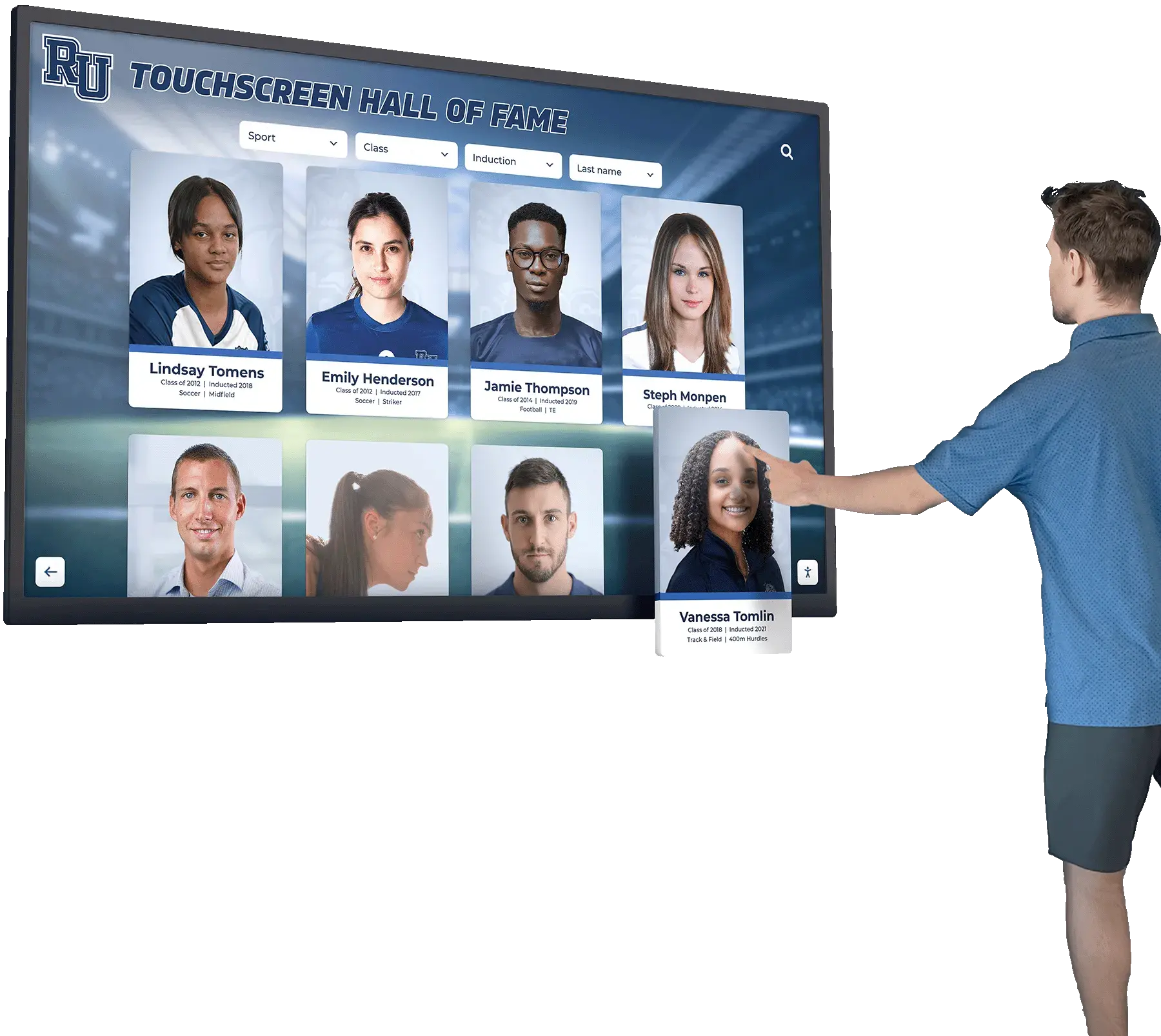
Live Example: Rocket Alumni Solutions Touchscreen Display
Interact with a live example (16:9 scaled 1920x1080 display). All content is automatically responsive to all screen sizes and orientations.
Championship trophies accumulate in storage closets. Game-worn jerseys sit folded in boxes. State championship plaques lean against walls in athletic offices. Across athletic programs nationwide, decades of hard-earned memorabilia—representing countless hours of dedication, memorable victories, and defining program moments—remains hidden from the students, athletes, and communities who should draw inspiration from these tangible reminders of excellence.
Yet displaying sports memorabilia effectively presents genuine challenges: limited wall space in high-traffic areas, security concerns with valuable items, preservation requirements protecting materials from damage, organizational systems accommodating continuous growth, and budget constraints limiting elaborate showcase options. Traditional trophy cases overflow quickly, framed jerseys demand significant wall space, and static displays become outdated as new achievements accumulate each season.
This comprehensive guide explores sports memorabilia display ideas spanning traditional approaches, modern digital solutions, creative mounting strategies, organizational systems, and preservation considerations. Whether you’re establishing a new athletic hall of fame or reimagining existing recognition displays, these frameworks help create showcases that honor athletic heritage authentically while inspiring current athletes to pursue similar excellence.
Sports memorabilia displays serve purposes extending beyond nostalgia—they establish program standards, connect current athletes to institutional heritage, strengthen community pride, recruit prospective students by demonstrating athletic excellence, and create physical spaces where generations gather around shared athletic traditions. Administrators and athletic directors who approach memorabilia display systematically create recognition environments transforming hallways into motivational spaces celebrating achievements while managing practical constraints effectively.

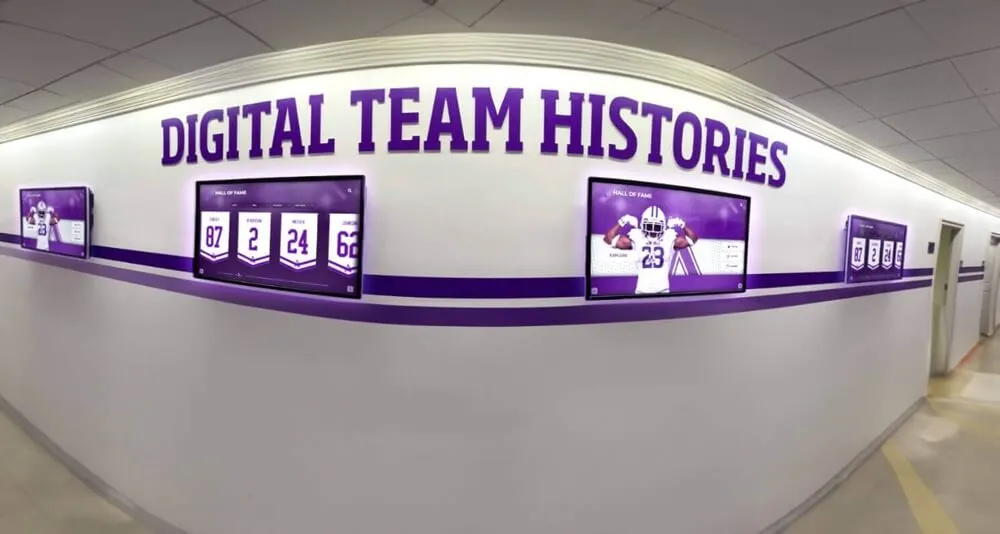
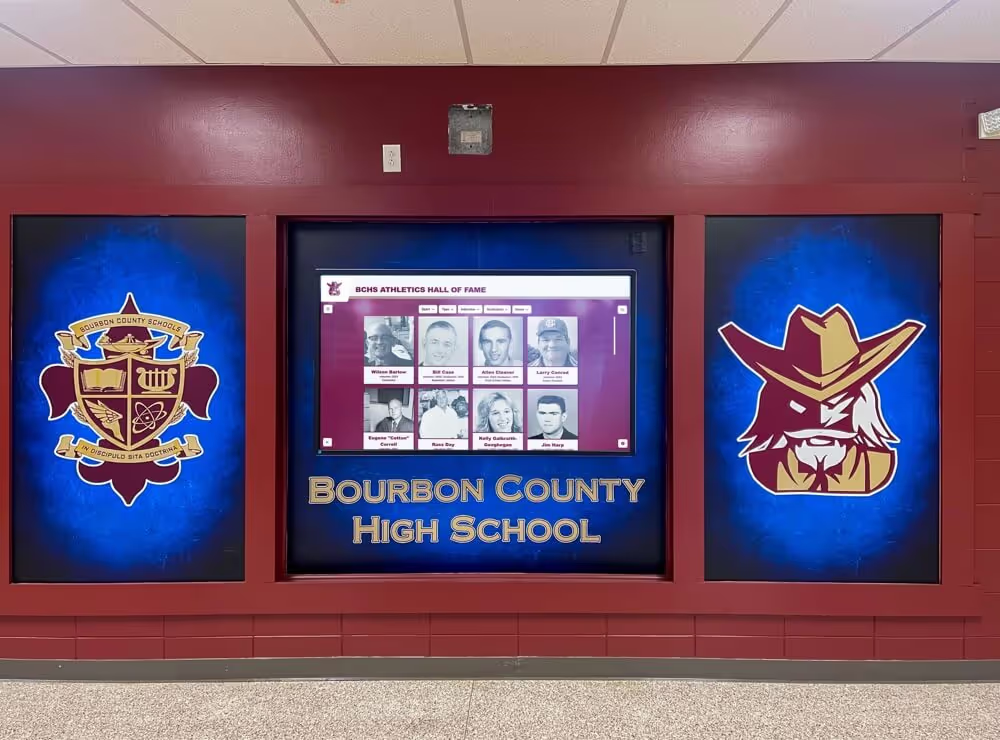
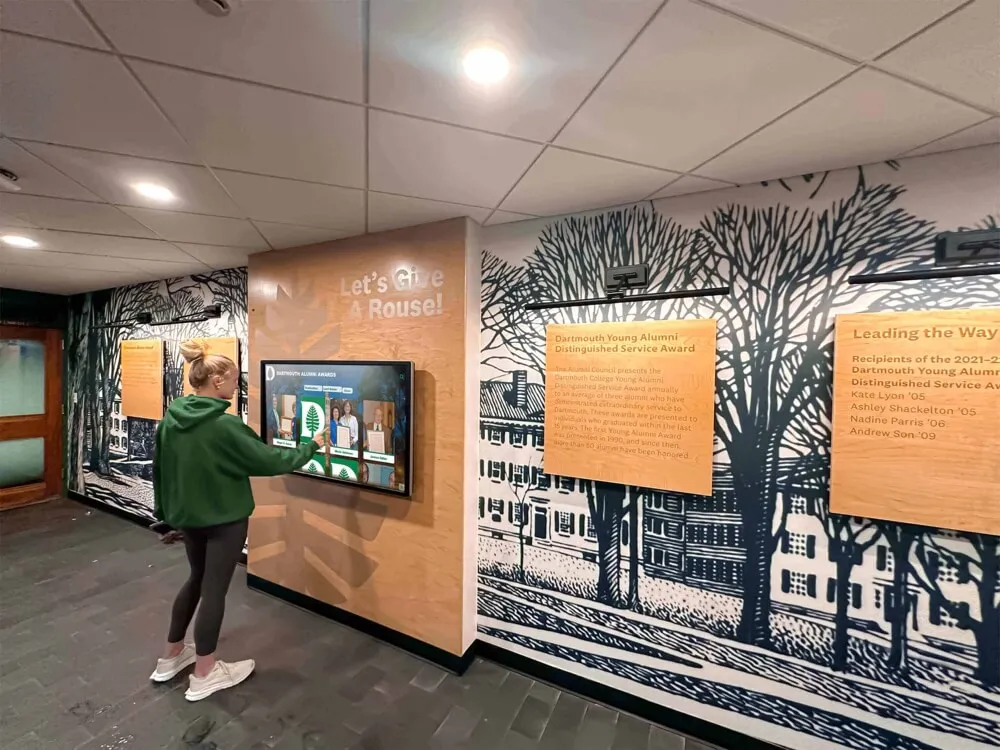
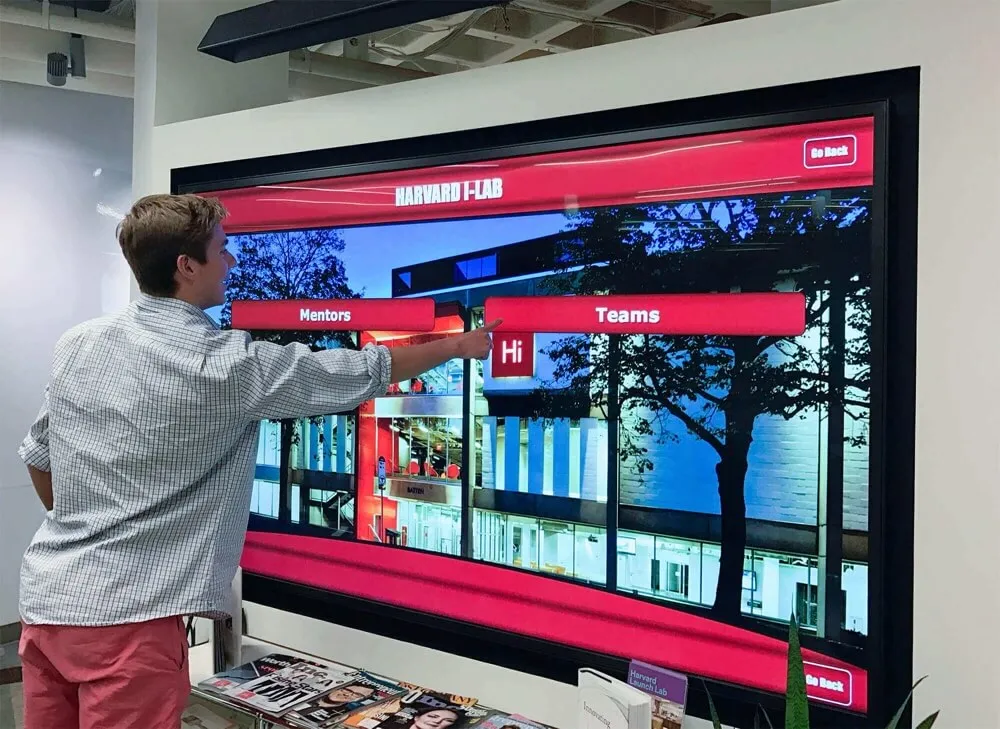
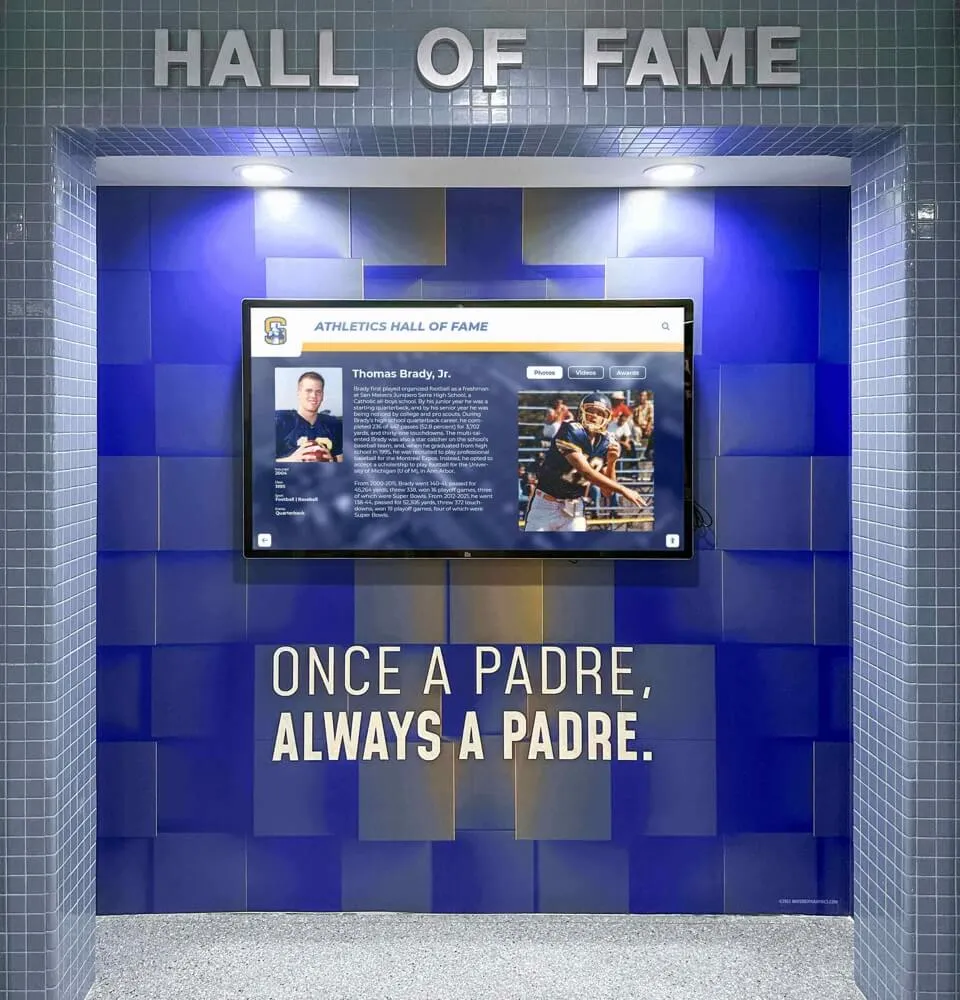
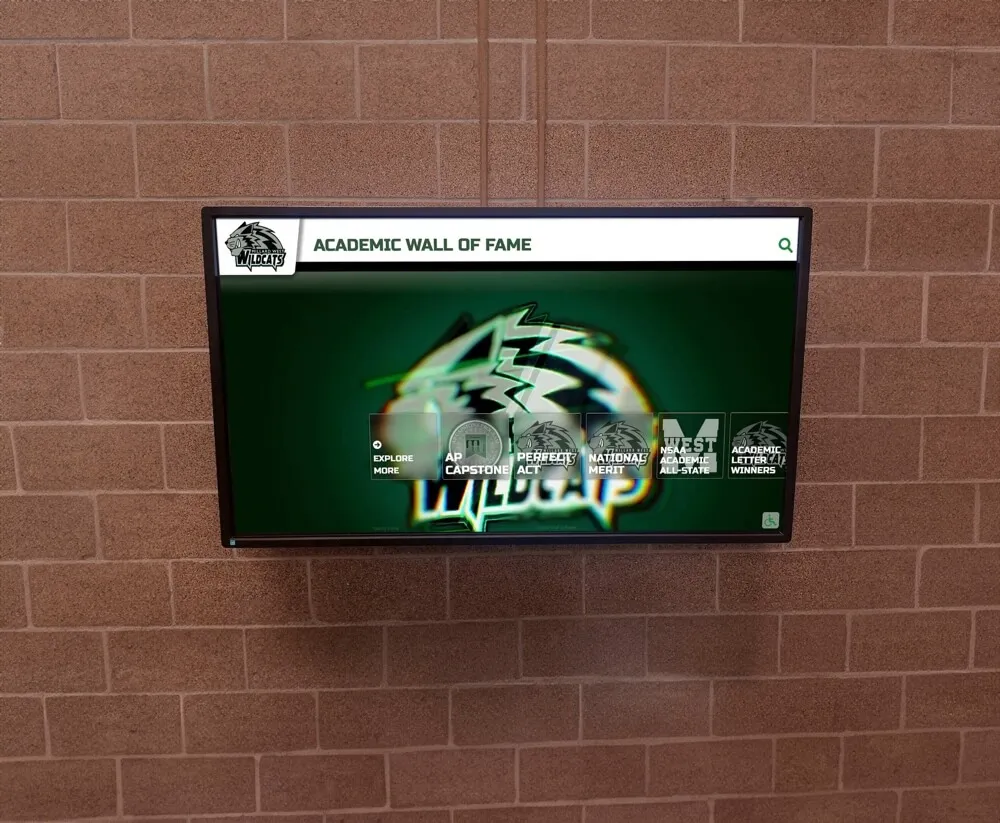
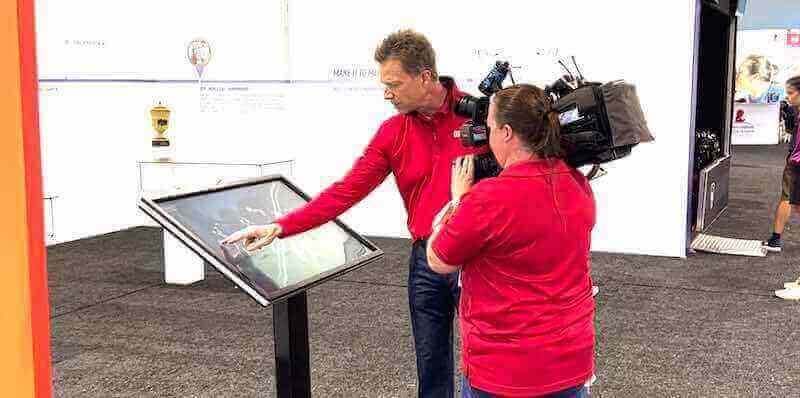
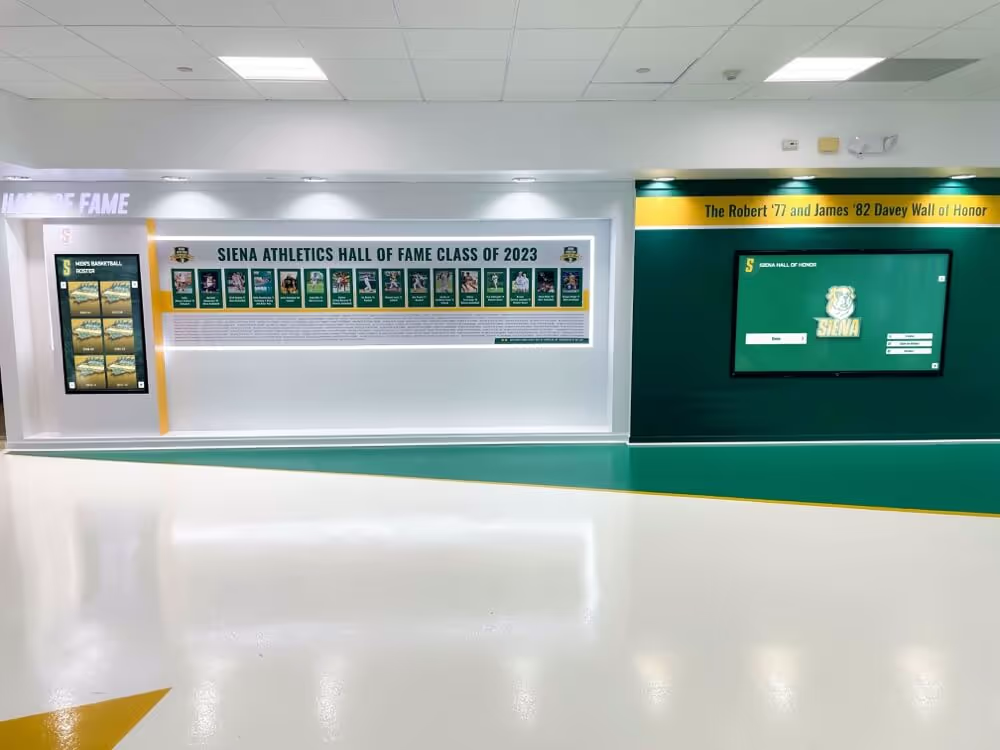
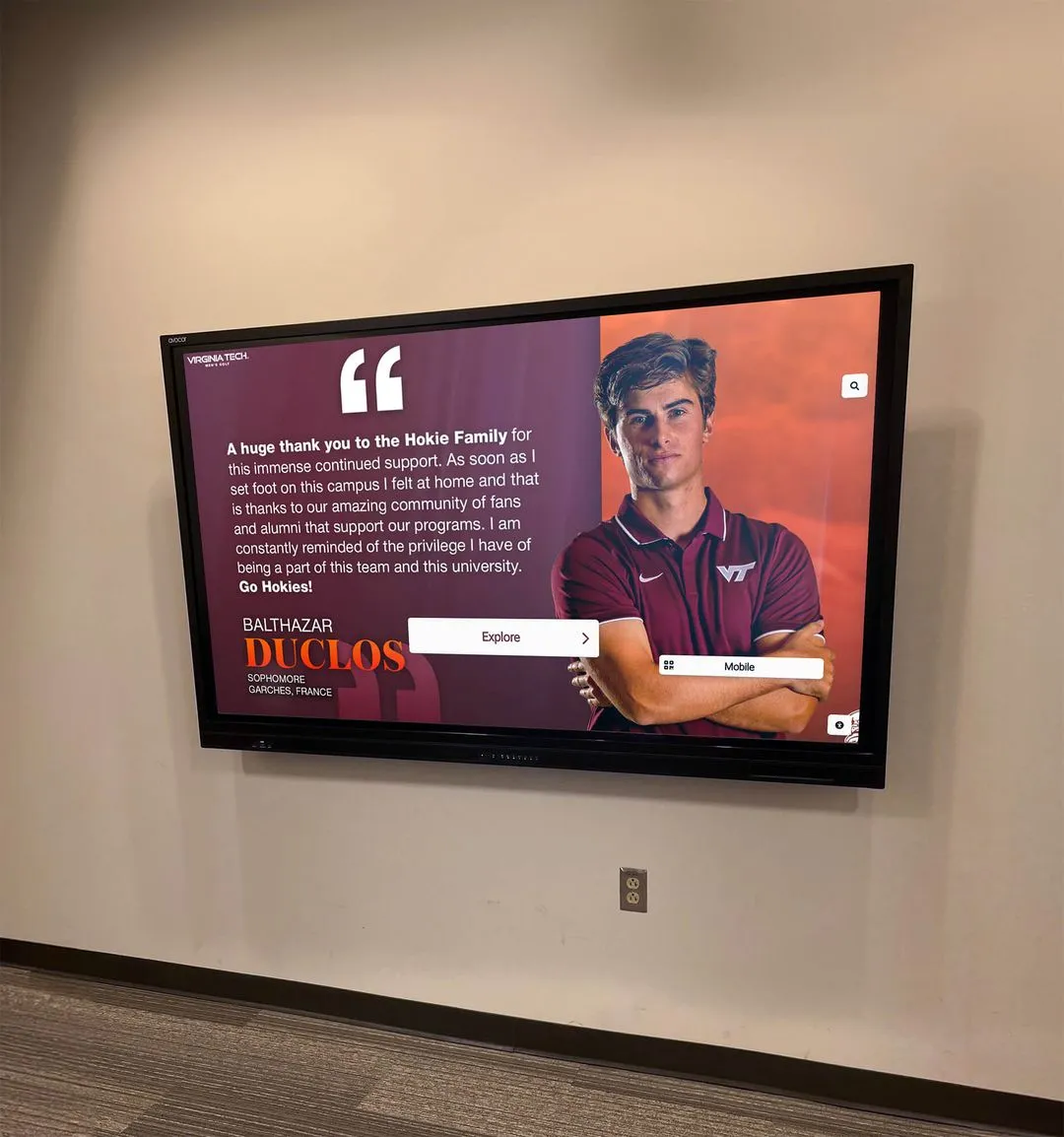
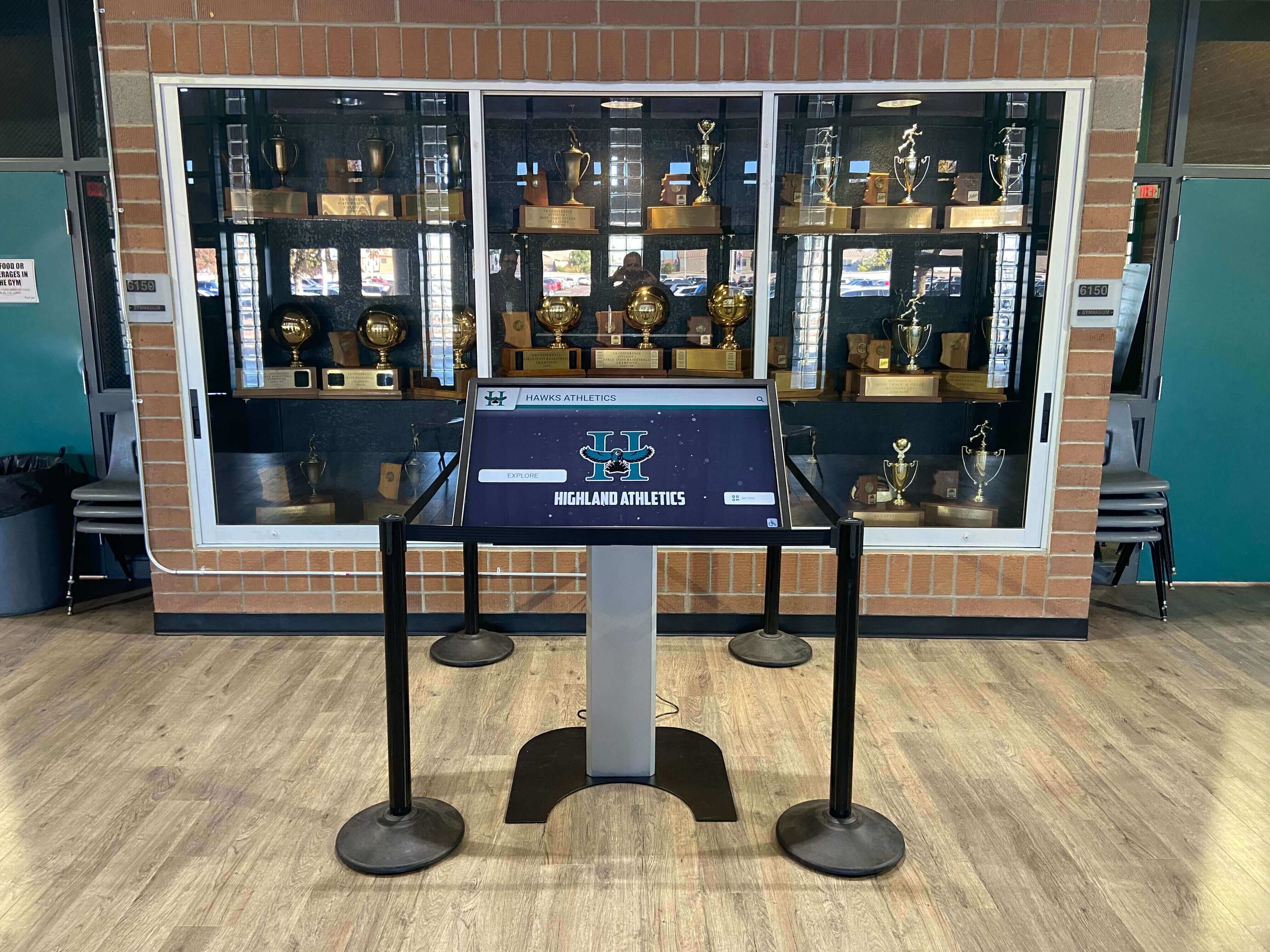
Modern sports memorabilia displays integrate digital technology with traditional trophy cases, expanding showcase capacity without requiring additional physical space
Understanding Sports Memorabilia Display Categories
Before implementing display strategies, understanding distinct memorabilia types helps programs design appropriate showcase approaches addressing specific preservation and presentation requirements.
Primary Memorabilia Types and Display Considerations
Athletic programs typically accumulate several distinct memorabilia categories:
Three-Dimensional Awards and Trophies
Physical awards present unique display challenges:
- Individual trophies from tournament championships and season recognition
- Team trophies celebrating conference and state championships
- Championship hardware including plaques, medals, and commemorative items
- Specialized recognition items like wooden oars, championship balls, or unique awards
- Tournament brackets and competition documentation requiring flat display surfaces
- Weight and stability requirements for larger trophies and substantial awards
Trophy displays must balance visibility with security while accommodating diverse sizes ranging from small individual medals to large team championship trophies requiring structural support.
Uniforms and Athletic Apparel
Textile memorabilia requires specialized presentation:
- Game-worn jerseys from record-setting performances or championship seasons
- Retired numbers honoring exceptional athletes who defined program eras
- Complete uniform sets preserving historical athletic program aesthetics
- Warm-up jackets, letterman jackets, and ceremonial athletic apparel
- Equipment items like championship caps, gloves, or position-specific gear
- Team banners and pennants representing championships or tournament appearances
Fabric items demand climate-controlled environments preventing deterioration while mounting systems must prevent stretching, fading, and damage from prolonged display.
Understanding digital trophy case solutions helps programs complement physical displays with unlimited digital showcase capacity.
Documentation and Photographic Materials
Visual records capture achievement context:
- Championship team photographs documenting roster compositions
- Action photographs capturing defining game moments and performances
- Newspaper clippings and press coverage celebrating achievements
- Game programs from significant competitions or rivalry matchups
- Statistical records and performance documentation
- Signed photographs and autographed memorabilia from notable alumni
Documentary materials provide narrative context transforming standalone trophies into complete stories while creating personal connections between displayed achievements and individuals who earned recognition.
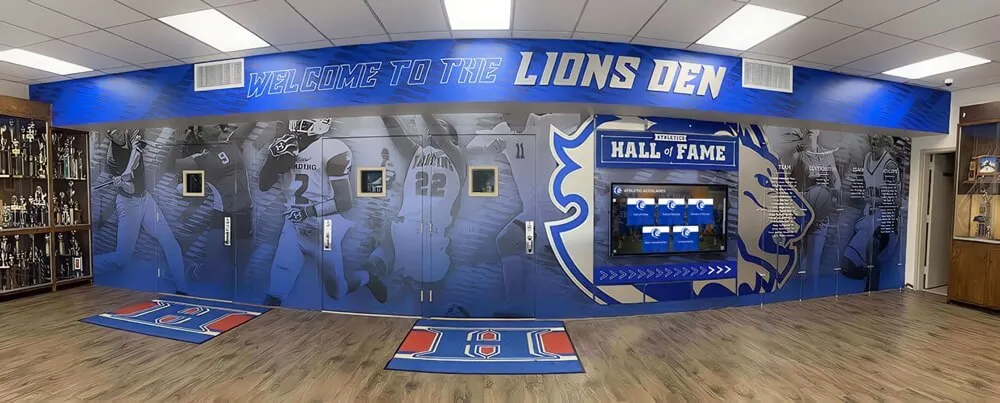
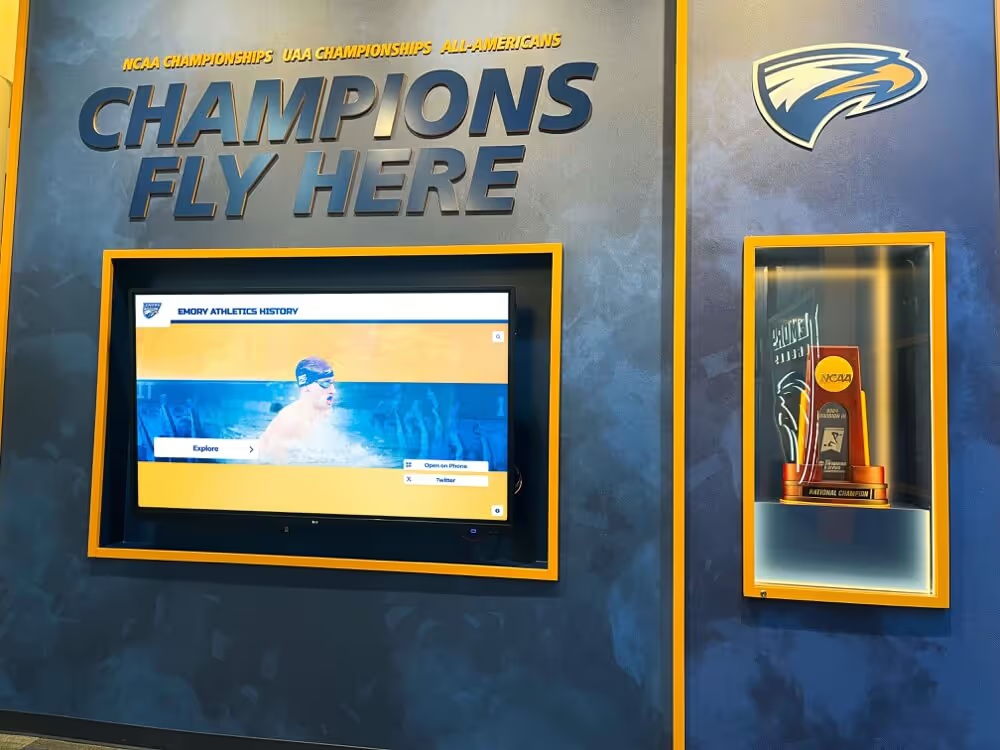
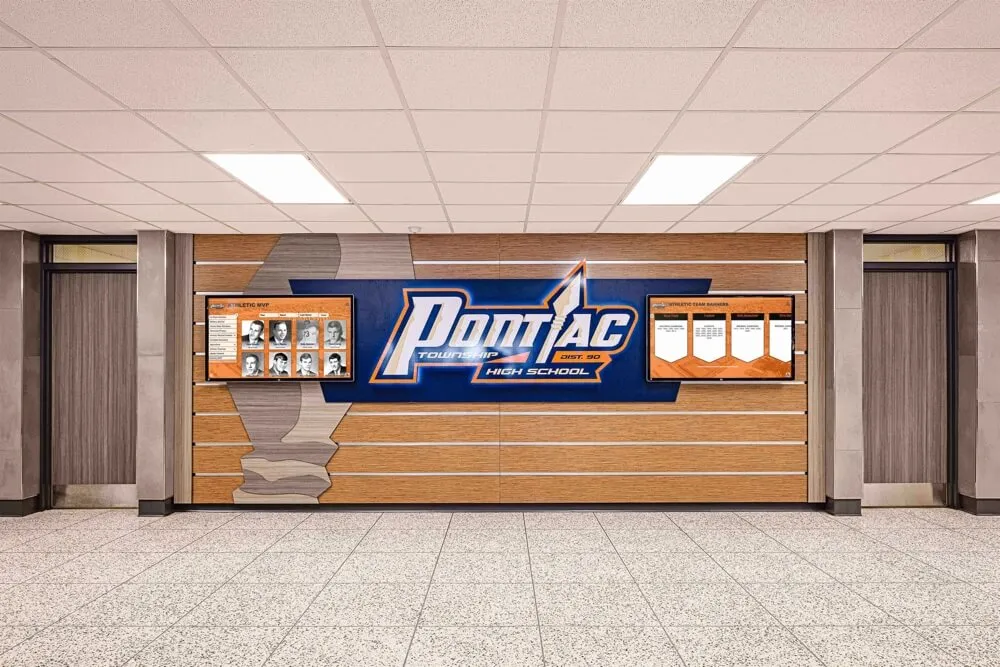
Traditional trophy cases remain effective when integrated with complementary wall displays creating comprehensive athletic heritage showcases
Display Planning Framework: Space, Budget, and Growth Considerations
| Planning Factor | Traditional Displays | Digital Displays | Hybrid Approaches |
|---|---|---|---|
| Initial Investment | $2,000-$15,000 for quality cases | $5,000-$25,000 for complete systems | $7,000-$30,000 combining both |
| Physical Space Required | High—cases occupy substantial wall/floor area | Minimal—single screen accommodates unlimited items | Moderate—strategic combination optimizes space |
| Capacity Limitations | Fixed—requires expansion when full | Unlimited—digital storage accommodates continuous growth | Flexible—physical showcases feature items, digital archives remainder |
| Maintenance Requirements | Periodic cleaning, lighting replacement | Content updates, software maintenance | Both physical and digital maintenance needs |
| Security Concerns | Vulnerable to theft, vandalism, or damage | No physical item exposure risks | Protects most valuable items digitally while showcasing select pieces |
| Flexibility for Updates | Labor-intensive rearrangement required | Instant content updates and reorganization | Easy rotation between physical and digital showcase |
Traditional Trophy Case Display Strategies
Physical trophy cases remain foundational display elements when designed thoughtfully and organized systematically.
Optimal Trophy Case Organization Systems
Effective organization transforms chaotic collections into coherent narratives:
Chronological Organization
Arranging memorabilia by achievement date creates historical progression:
- Oldest achievements at display beginning establishing program heritage
- Decade-by-decade arrangement showing program evolution across eras
- Clear date labeling enabling viewers to track athletic program development
- Historical context placement showing achievements relative to institutional history
- Graduation year organization connecting achievements to specific athlete classes
- Seasonal progression within years tracking fall, winter, and spring sport achievements
Chronological approaches work particularly well for established programs with substantial achievement histories spanning multiple decades.
Sport-Specific Sections
Organizing by athletic program creates focused recognition areas:
- Dedicated sections for major sports showing program-specific achievement depth
- Separate areas for fall, winter, and spring sports enabling seasonal organization
- Sport-specific championship hardware grouped together demonstrating sustained excellence
- Individual sport sections allowing focused recognition without cross-sport confusion
- Team versus individual sport separation accommodating different achievement types
- Combined sections for closely-related sports like track and cross country
Sport-specific organization helps programs with particularly dominant programs showcase depth while ensuring every sport receives dedicated recognition space.
Understanding state championship bracket display options provides frameworks for showcasing tournament achievements effectively.
Achievement Level Hierarchy
Arranging memorabilia by significance creates clear excellence standards:
- Top shelves reserved for state championships and highest achievements
- Middle sections showcasing conference championships and regional success
- Lower sections displaying participation trophies and seasonal recognition
- Prominent positioning for retired numbers and individual hall of fame recognition
- Central locations for most prestigious team championships
- Eye-level placement for achievements programs want emphasized most
Hierarchical organization communicates program values while establishing clear achievement tiers motivating athletes toward highest recognition levels.
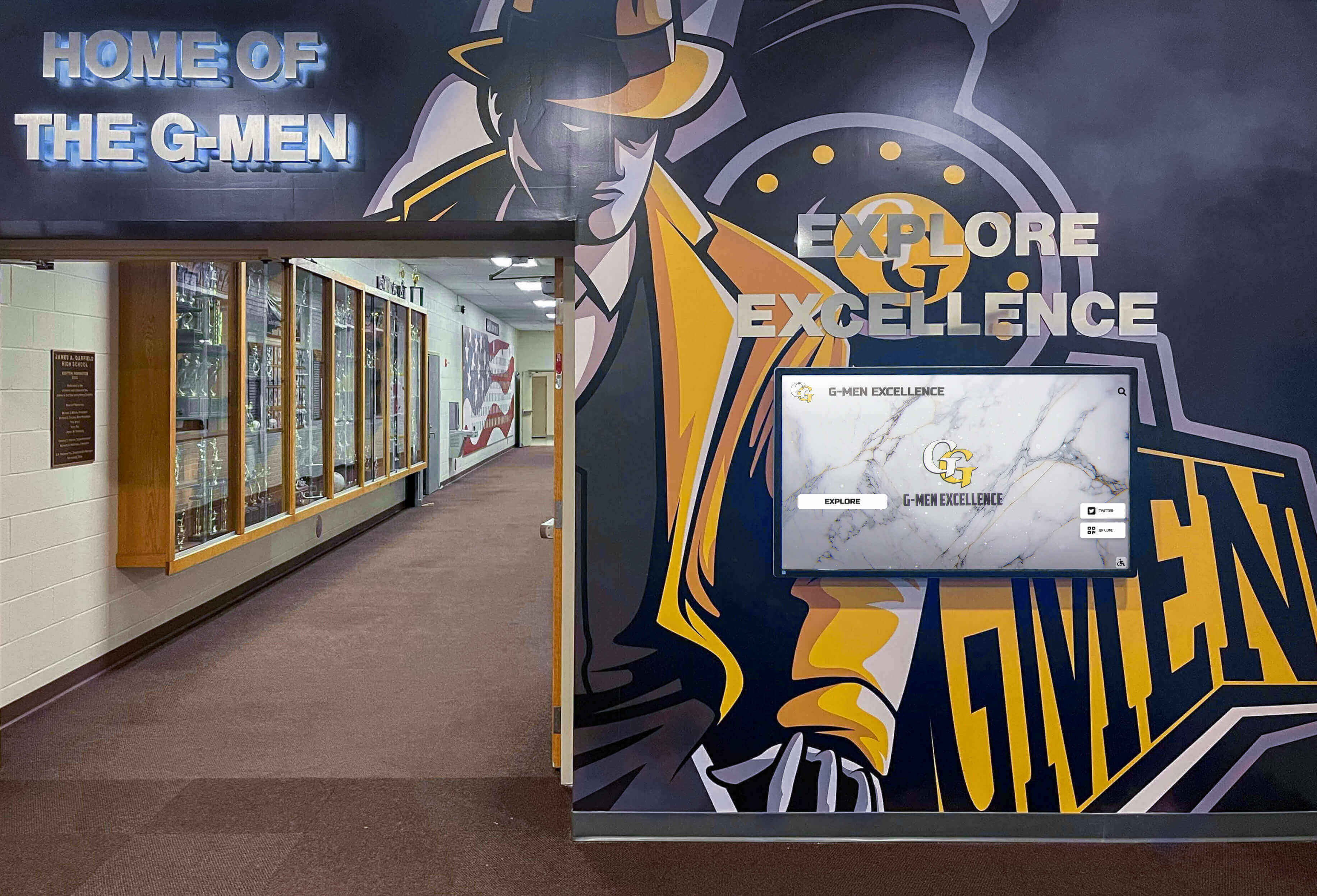
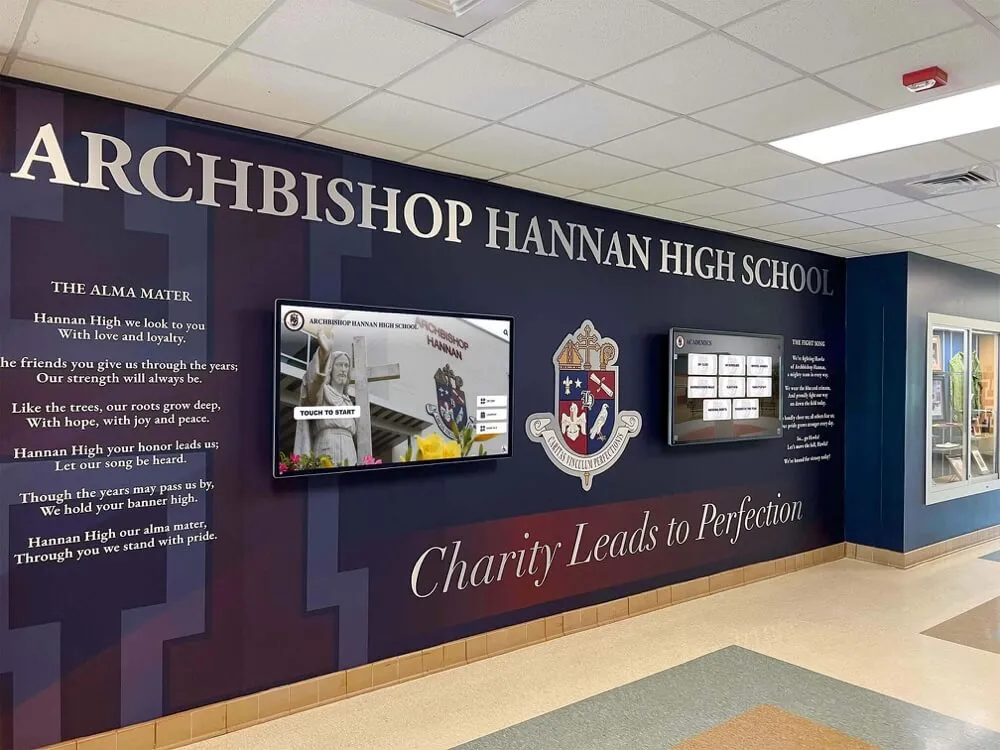
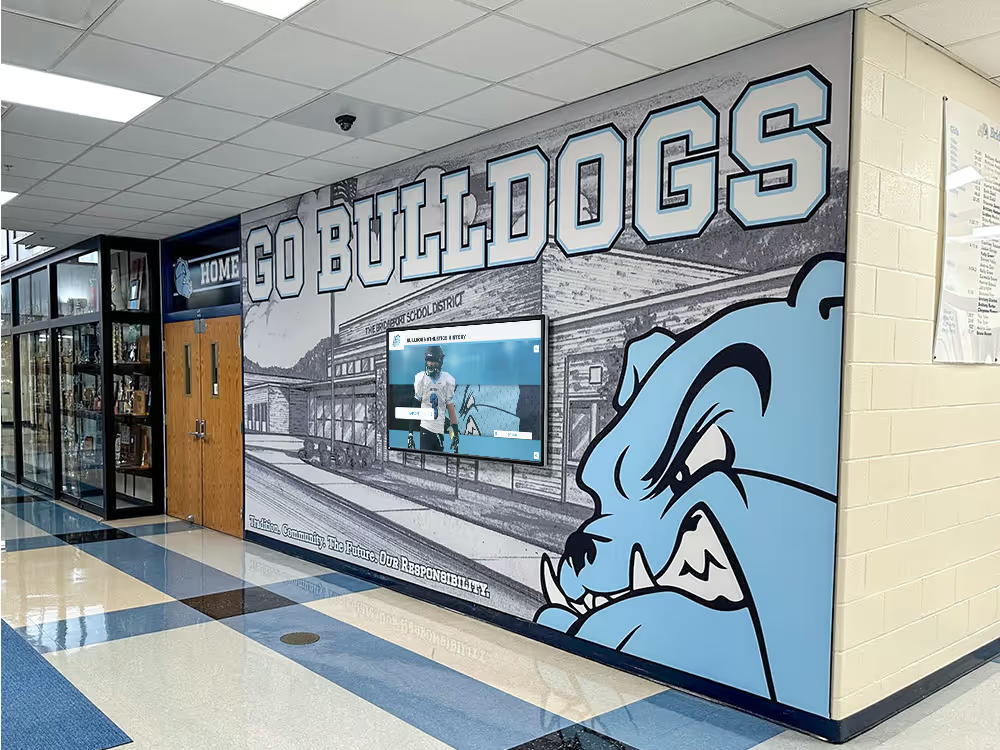
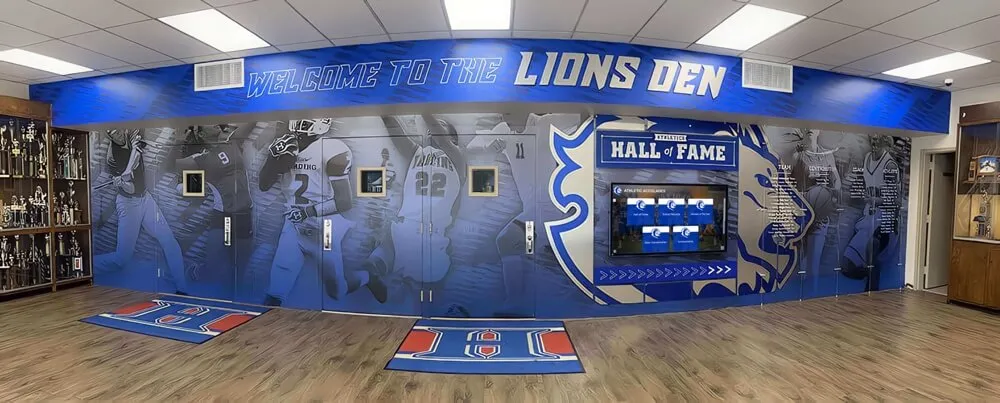
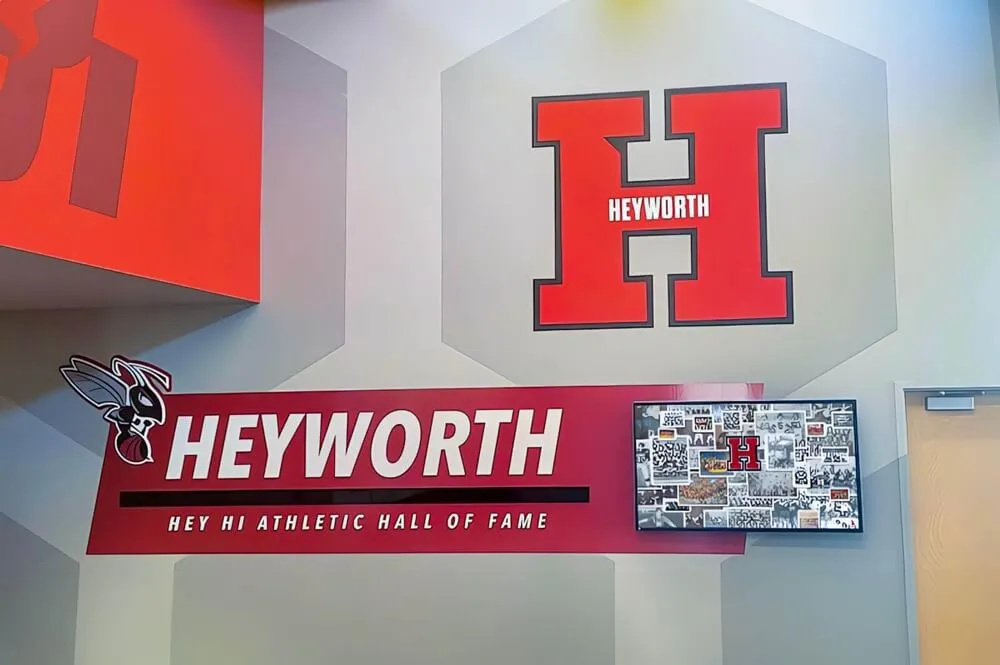
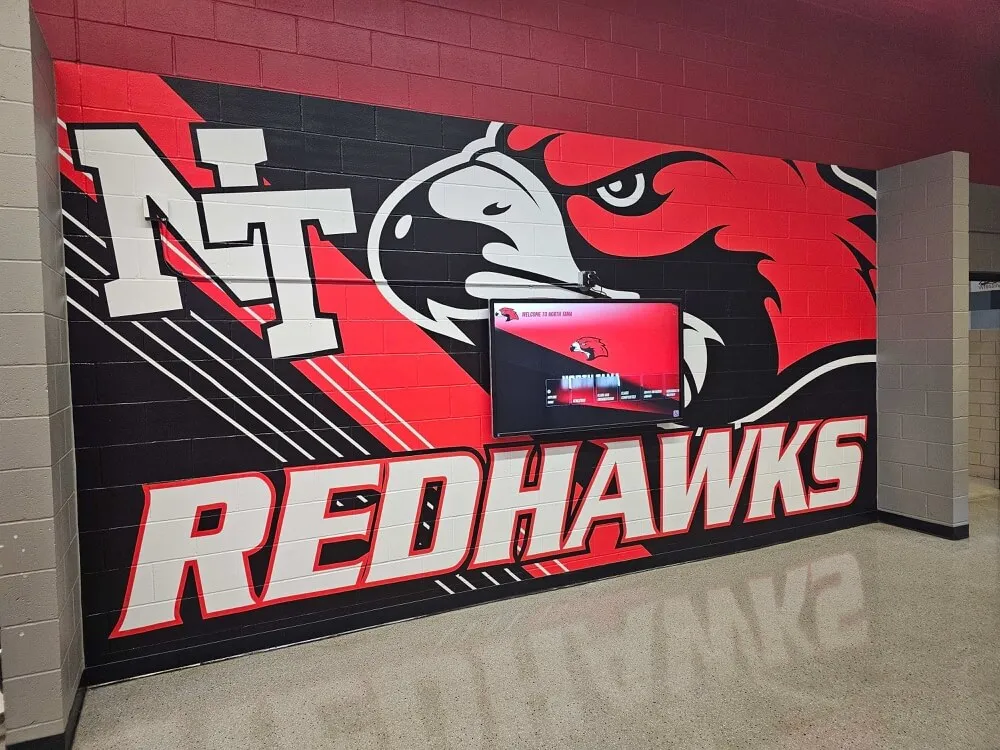
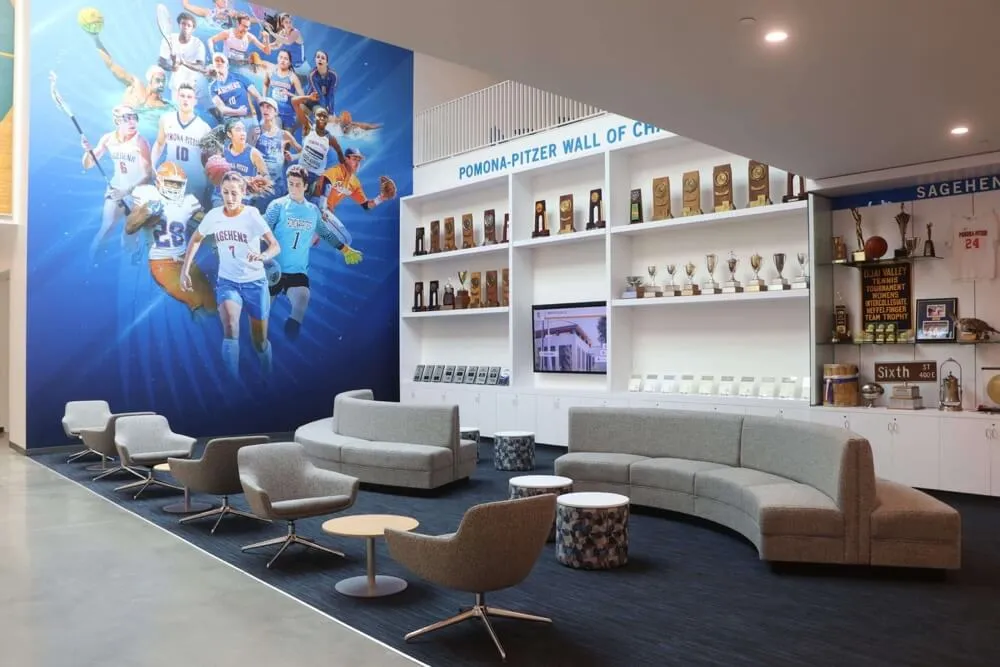
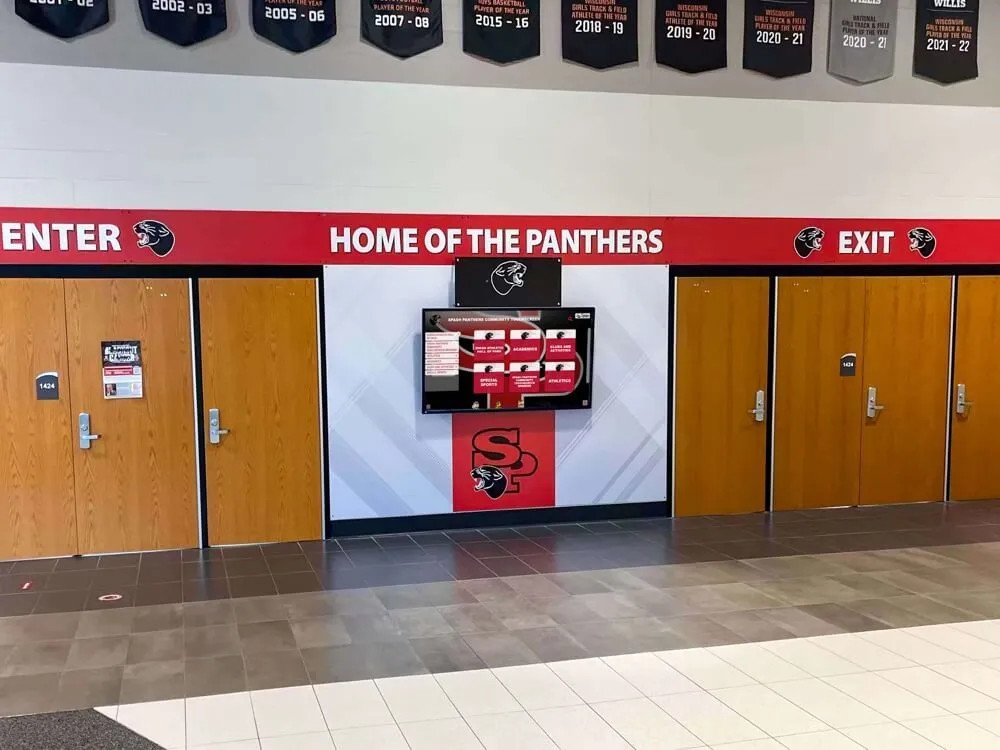
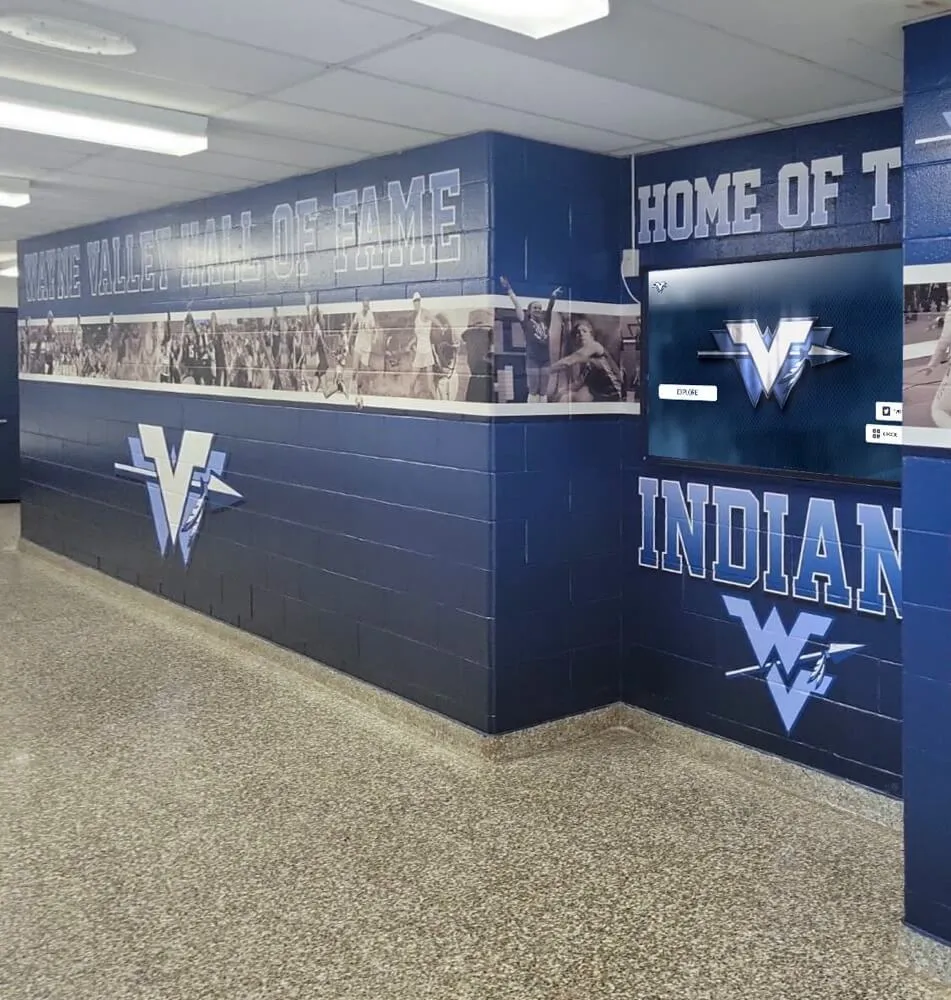
Comprehensive athletic displays combine branded murals, traditional trophy cases, and digital screens creating immersive recognition environments
Trophy Case Design and Placement Considerations
Strategic case selection and positioning maximizes display effectiveness:
Case Style and Construction Options
Physical case characteristics significantly impact presentation quality:
- Wall-mounted cases maximizing floor space while securing items at elevation
- Freestanding floor cases providing 360-degree visibility in open areas
- Corner cases utilizing otherwise-unused space efficiently
- Recessed wall cases creating seamless integration with architecture
- Glass front cases providing security while maintaining visibility
- Open shelving displays enabling easy access while requiring security considerations
Case construction should balance visibility with protection—tempered glass prevents damage while LED lighting enhances presentation quality without generating heat that deteriorates memorabilia.
Location Selection for Maximum Impact
Display positioning determines community engagement levels:
- Main entrance lobbies ensuring every visitor encounters athletic achievements
- Gymnasium hallways placing recognition where athletes practice and compete
- Athletic wing corridors creating dedicated athletic heritage zones
- Cafeteria areas leveraging high student traffic for continuous exposure
- Athletic director office areas showcasing achievements to visiting recruits and families
- Alumni gathering spaces connecting graduates to achievements from their eras
Effective locations combine high visibility with sufficient space allowing viewers to stop and engage rather than simply passing displays in narrow, congested hallways.
Comprehensive athletic facility design principles integrate memorabilia displays into broader athletic space planning approaches.
Jersey and Uniform Display Methods
Athletic apparel presents unique display challenges requiring specialized mounting approaches protecting materials while creating visual impact.
Professional Jersey Framing Techniques
Properly framed jerseys transform fabric into museum-quality displays:
Framing Materials and Methods
Quality framing requires specific materials:
- UV-protective glass preventing color fading from light exposure
- Acid-free matting preventing chemical deterioration of fabrics
- Padded backing boards maintaining jersey shape without stretching
- Conservation mounting using non-permanent attachment methods enabling future removal
- Shadow box frames accommodating jerseys with depth and dimension
- Museum-quality materials ensuring long-term preservation for valuable items
Professional framing represents significant investment—expect $150-$400 per jersey depending on frame quality, size, and customization complexity.
Jersey Display Composition Options
Beyond basic jersey mounting, creative compositions enhance presentations:
- Jersey with action photograph combining uniform with game moment capturing athlete wearing it
- Multiple jersey timeline showing program uniform evolution across decades
- Jersey with statistics including career achievements beside displayed uniform
- Retired number displays incorporating number significance explanation and athlete biography
- Championship jerseys with tournament bracket providing complete achievement context
- Signed jerseys with authentication including certificates of authenticity for autographed items
Composition approaches transform simple jersey displays into comprehensive athlete stories creating stronger emotional connections than uniforms alone provide.
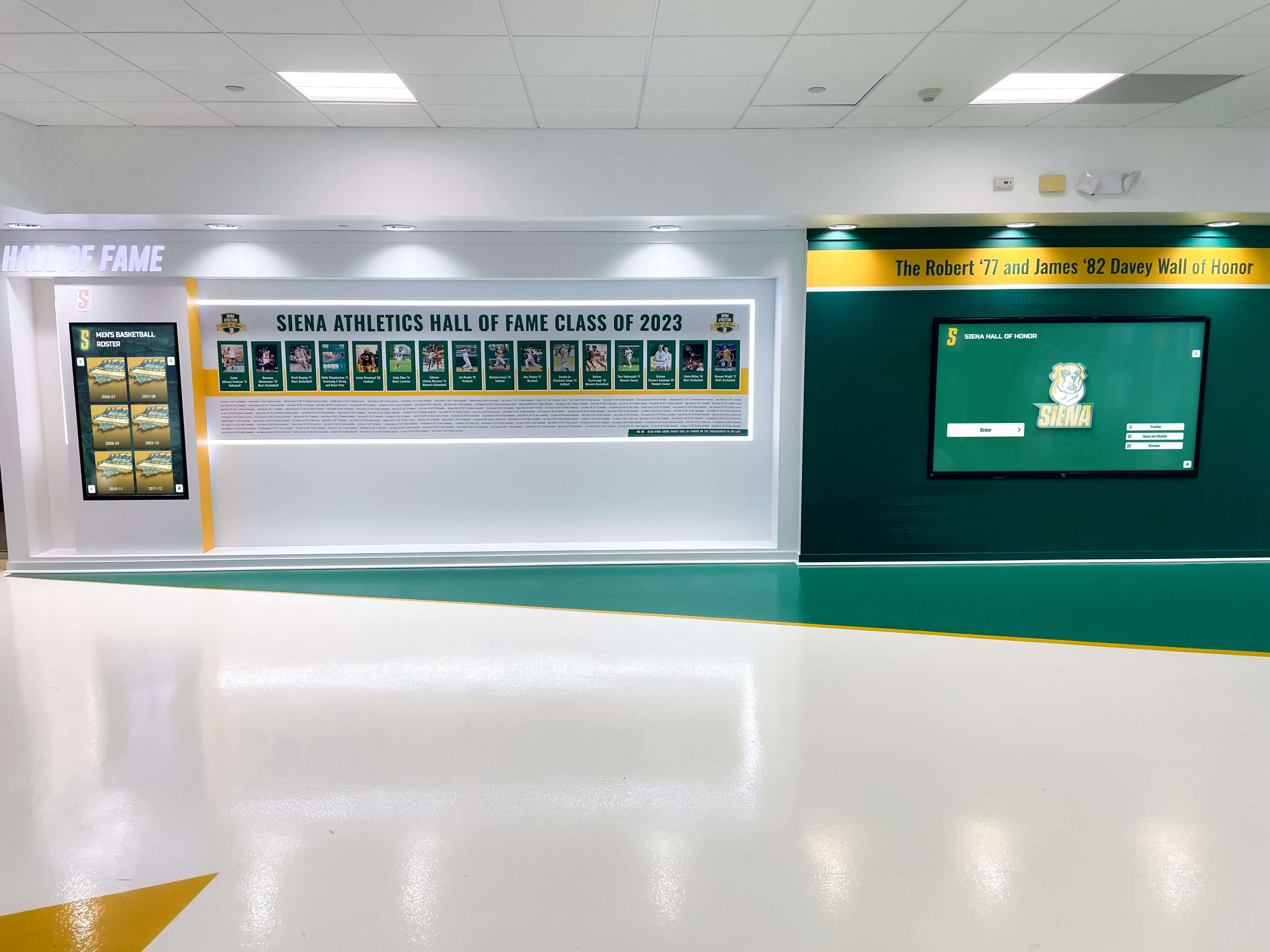
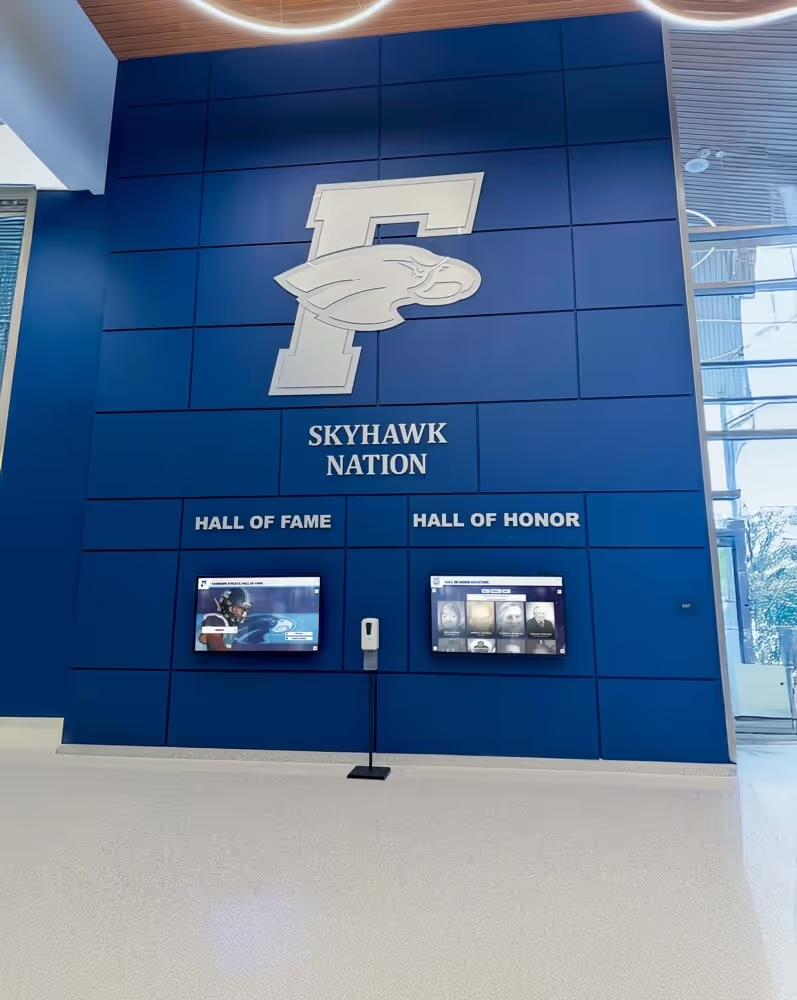
Wall-mounted displays accommodate jerseys, photographs, and achievement documentation in cohesive presentations celebrating athletic excellence
Alternative Jersey Display Approaches
Beyond traditional framing, creative mounting expands showcase options:
Mannequin and Form Displays
Three-dimensional presentation creates realistic representations:
- Full-size mannequins wearing complete uniforms including helmets and equipment
- Torso forms focusing presentation on jersey details without full-body distraction
- Suspended displays hanging jerseys from ceiling creating floating effect
- Rotating displays enabling viewing from multiple angles
- Sport-specific forms accommodating shoulder pads, protective equipment, or position-specific gear
- Grouped mannequin arrangements recreating team lineups or position groups
Mannequin displays require substantial floor space but create dramatic presentations particularly effective for football, hockey, and sports with distinctive protective equipment.
Wall-Mounted Hanger Systems
Simpler mounting approaches offer flexibility and cost efficiency:
- Commercial jersey hangers designed specifically for athletic apparel display
- Cable and rod systems enabling easy jersey rotation and updating
- Magnetic mounting systems for metal display surfaces
- Clipframe systems enabling jersey changes without complete disassembly
- Grid wall systems accommodating multiple jerseys with adjustable positioning
- Custom wooden hangers incorporating school branding and aesthetic details
Understanding senior night recognition approaches helps programs celebrate graduating athletes while potentially creating future memorabilia display opportunities.
Digital Display Solutions for Unlimited Showcase Capacity
Physical space limitations constrain traditional memorabilia displays, but digital solutions provide unlimited showcase capacity while offering engagement features impossible with static displays.
Interactive Digital Recognition Platforms
Modern touchscreen technology transforms memorabilia presentation:
Core Digital Display Capabilities
Contemporary digital recognition systems offer comprehensive features:
- Unlimited athlete profiles showcasing every recognized athlete regardless of physical space constraints
- High-resolution photographs displaying game action, team photos, and portrait images
- Achievement documentation including statistics, records, and championship details
- Video integration incorporating game highlights, championship moments, and athlete interviews
- Search and filter functionality enabling visitors to find specific athletes, teams, or time periods
- Social sharing features allowing visitors to share athlete profiles digitally
- Administrative dashboards enabling staff to update content without technical expertise
Digital platforms eliminate the “out of space” problem perpetually challenging physical trophy cases while enabling storytelling depth impossible with physical displays alone.
Content Management and Updates
Digital systems enable continuous evolution:
- Immediate updates adding new achievements without physical display modification
- Seasonal content rotation highlighting current sports during active seasons
- Historical content preservation maintaining complete achievement archives indefinitely
- Multi-media integration combining photos, videos, statistics, and biographical information
- Remote content management updating displays from any internet-connected device
- Template systems maintaining consistent presentation across hundreds of athlete profiles
- Bulk import capabilities efficiently adding large historical athlete databases
The ability to update instantly represents fundamental advantage over physical displays requiring manual rearrangement for every modification.
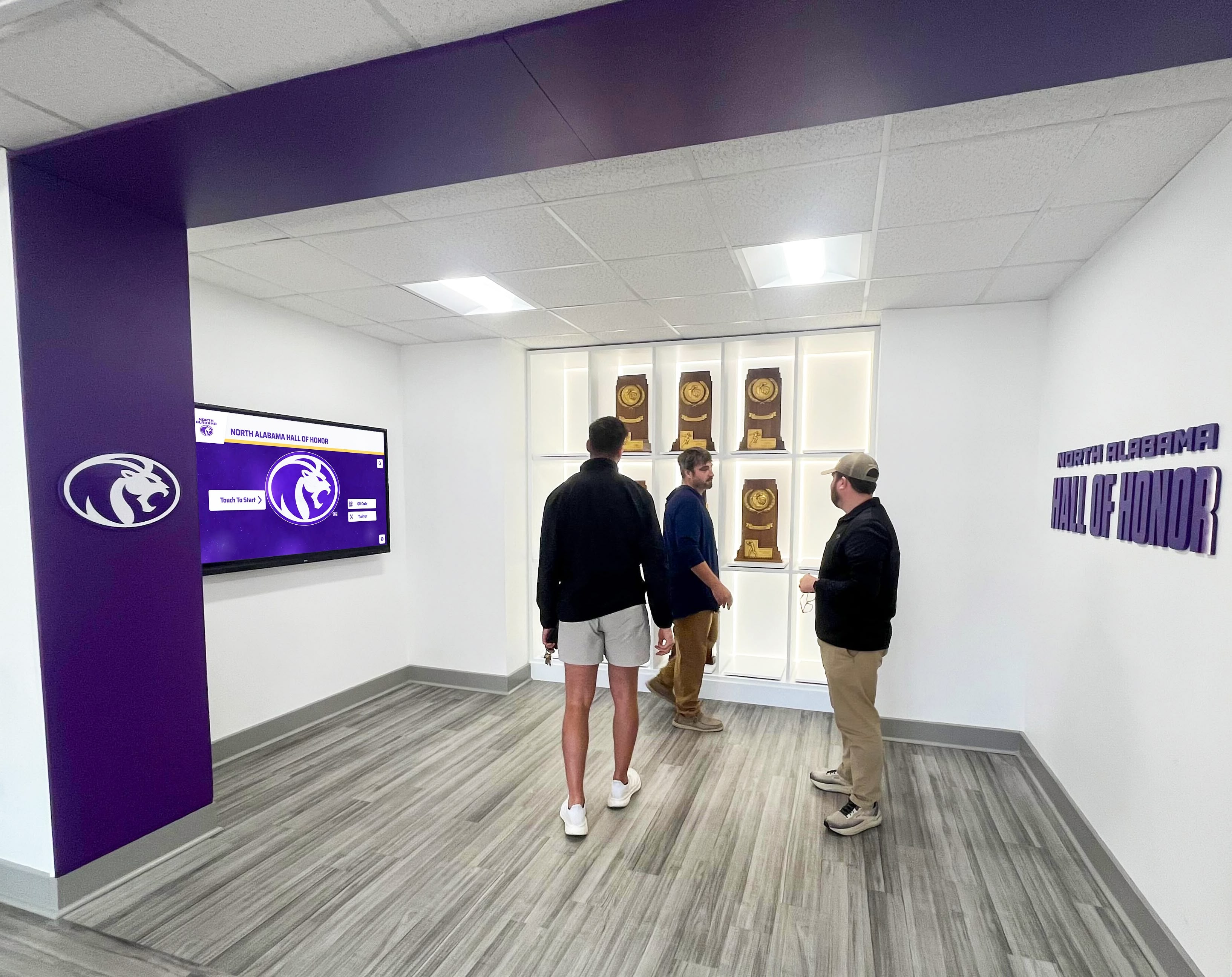
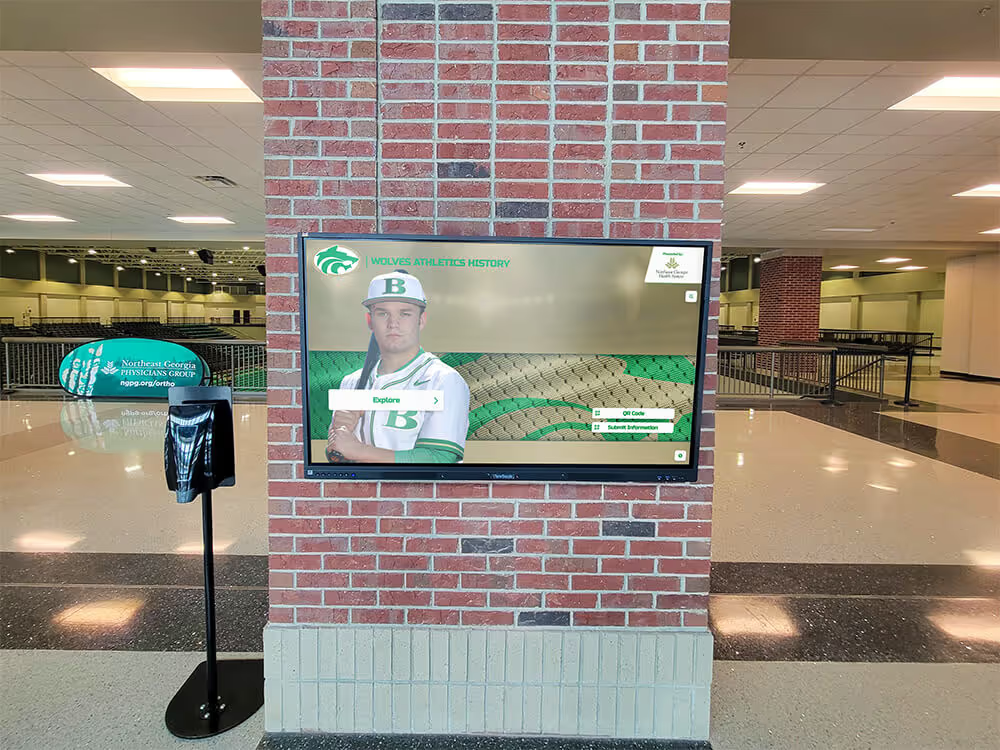
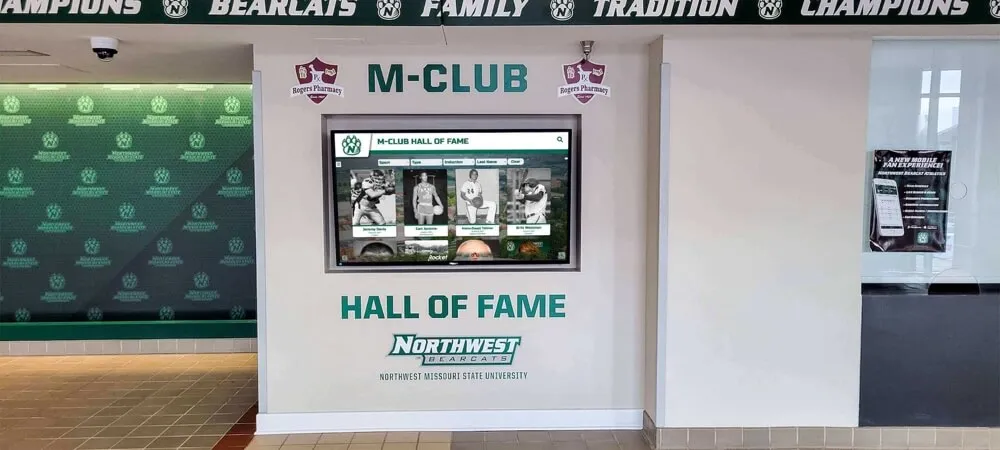
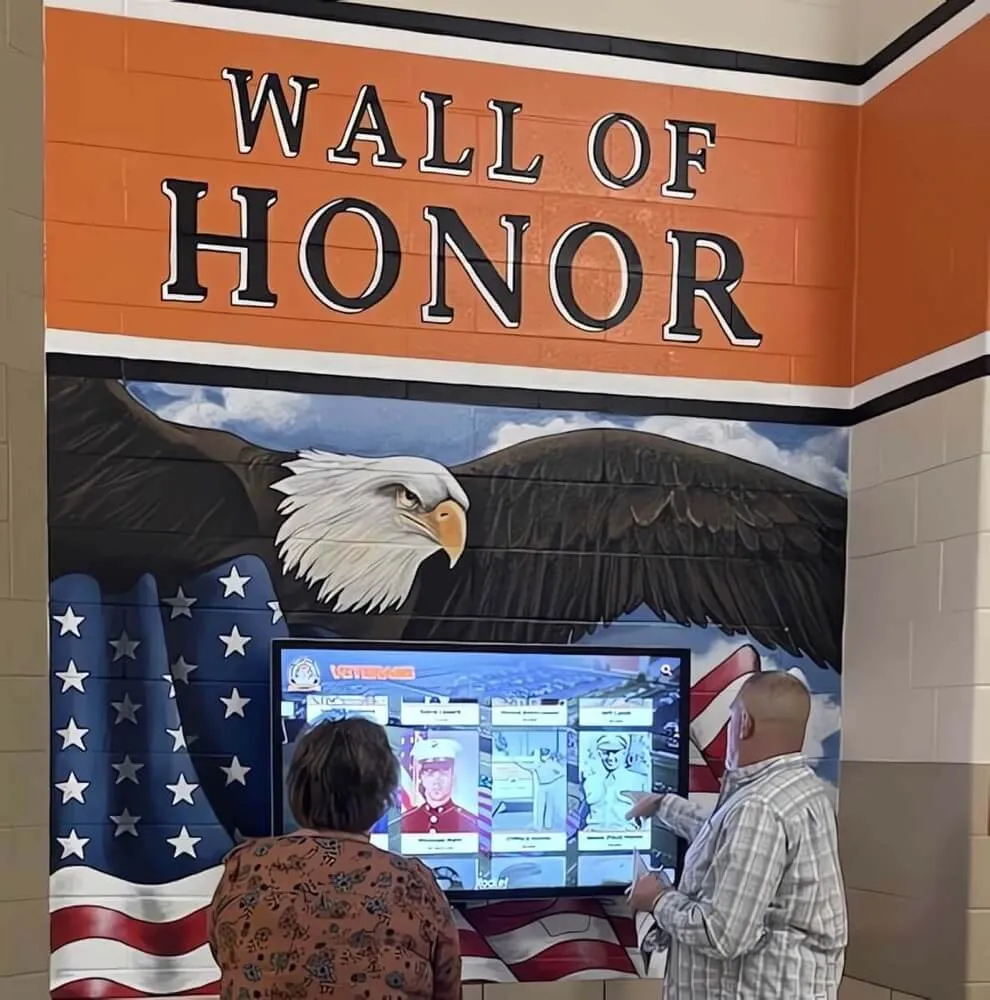
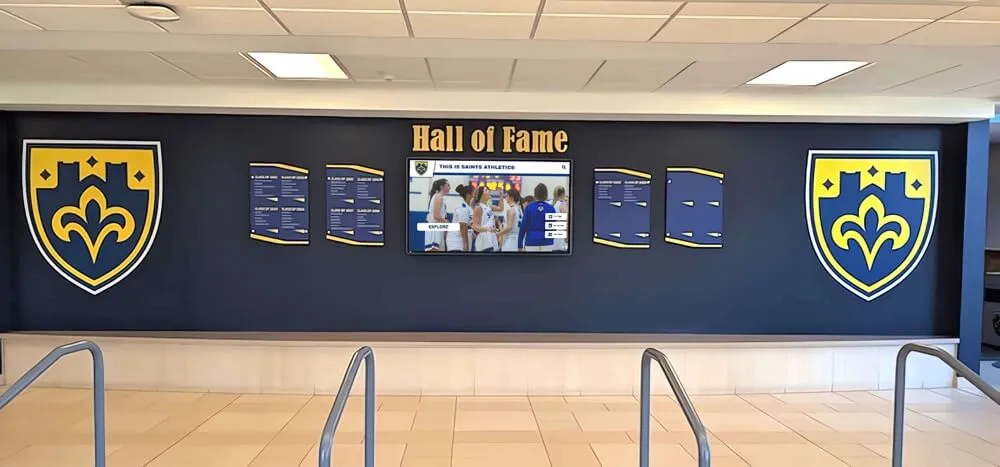
Effective memorabilia displays create gathering spaces where alumni, students, and community members connect over shared athletic heritage
Hybrid Display Strategies Combining Physical and Digital
The most effective contemporary displays integrate traditional memorabilia with digital enhancement:
Strategic Physical-Digital Integration
Thoughtful combinations leverage strengths of both approaches:
- Feature trophies physically showcasing most prestigious championships in traditional cases
- Archive remainder digitally preserving complete achievement records without space constraints
- Rotate physical displays periodically featuring different sports or eras while maintaining digital permanence
- Enhance physical items with digital context using adjacent screens providing achievement stories
- Create interactive trophy case labels with QR codes linking to detailed digital athlete profiles
- Preserve fragile items digitally displaying photographs of deteriorating memorabilia no longer suitable for physical display
Hybrid approaches satisfy stakeholders valuing traditional physical displays while addressing space limitations and providing comprehensive recognition digital systems enable.
Explore basketball record recognition approaches demonstrating effective integration of statistical achievements with visual recognition displays.
Preservation Best Practices for Sports Memorabilia
Proper preservation protects investment and ensures displayed items remain presentable across decades.
Environmental Controls and Material Protection
Athletic memorabilia faces multiple deterioration threats:
Light Exposure Management
Illumination enhances display effectiveness but accelerates deterioration:
- UV-filtering glass and acrylic blocking harmful wavelengths causing fading
- LED lighting systems generating minimal heat compared to incandescent alternatives
- Indirect lighting approaches illuminating displays without direct light exposure
- Timed lighting systems reducing exposure hours when areas are unoccupied
- Rotation schedules periodically replacing displayed items with archived alternatives
- Light level monitoring maintaining illumination below conservation thresholds
Jerseys and fabrics prove particularly vulnerable—colors fade noticeably when exposed to direct sunlight or high-intensity lighting over months.
Climate Control Considerations
Temperature and humidity fluctuations damage memorabilia:
- Consistent temperature maintenance avoiding expansion/contraction cycles damaging materials
- Humidity control preventing mold growth on fabrics and paper materials
- Closed display cases protecting items from airborne contaminants and physical contact
- Dust management through regular cleaning and sealed display environments
- Pest prevention especially important for textile items in storage
- Off-site archival storage for valuable historical items not currently displayed
Athletic facilities often lack museum-grade climate control, making enclosed cases particularly important for protection even when environmental systems exist.
Cleaning and Maintenance Protocols
Regular maintenance preserves display quality:
Display Case and Glass Cleaning
Visible presentation requires consistent attention:
- Weekly glass cleaning preventing fingerprint and dust accumulation
- Microfiber cloth usage preventing scratching during cleaning
- Glass-specific cleaning products avoiding residue and streaking
- Interior dusting quarterly accessing inside trophy case surfaces
- Hardware inspection ensuring mounting systems remain secure
- Lighting system maintenance replacing bulbs promptly and checking fixtures
Memorabilia Item Care
Displayed items themselves require periodic attention:
- Fabric inspection checking jerseys for deterioration or pest damage
- Trophy cleaning maintaining metal finishes on awards and plaques
- Photograph replacement when fading becomes noticeable despite protective measures
- Label updating replacing deteriorated descriptive text
- Rotation scheduling moving displayed items to archive and archived items to display
- Documentation photography creating records of items and arrangements
Understanding student award recognition programs helps programs expand recognition beyond athletics alone while maintaining consistent presentation quality.
Budget-Friendly Sports Memorabilia Display Ideas
Limited budgets need not prevent effective memorabilia presentation—creative approaches deliver impact without substantial investment.
Low-Cost Display Solutions
Strategic approaches maximize presentation quality while minimizing expenses:
DIY Display Options
Hands-on projects reduce costs substantially:
- Floating shelf installations creating clean, modern displays using simple hardware
- Grid wall systems from commercial displays providing flexible, reconfigurable mounting
- Picture ledge shelves enabling easy trophy rearrangement without permanent mounting
- Custom-built display cases using plexiglass sheets and lumber for fraction of commercial costs
- Painted accent walls creating visual impact behind shelving or mounted items
- String and cable systems suspending lighter items from ceiling or wall mounts
Basic construction skills and weekend time investment can create displays comparable to commercial alternatives at 25-40% of professional installation costs.
Creative Space Utilization
Maximizing existing space eliminates need for expensive expansions:
- Vertical wall space extending displays upward rather than outward
- Corner spaces utilizing three-dimensional areas often wasted
- Above-doorway spaces leveraging overhead areas for lightweight items
- Hallway end walls transforming dead-end spaces into focal points
- Stairwell walls creating vertical galleries along circulation routes
- Underutilized storage rooms converting spaces into dedicated memorabilia archives
Space optimization often proves more cost-effective than acquiring additional display cases or expanding physical facilities.
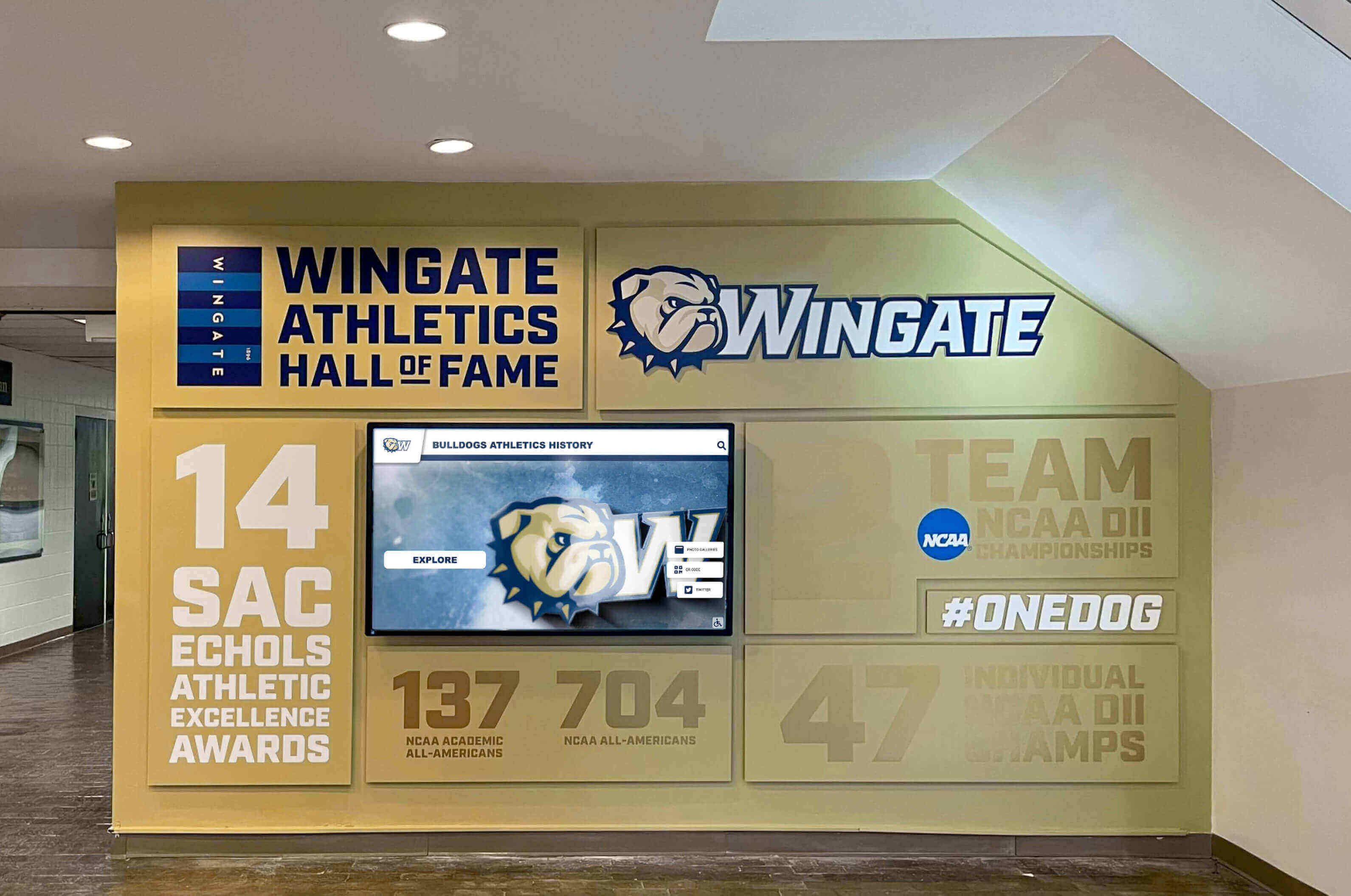
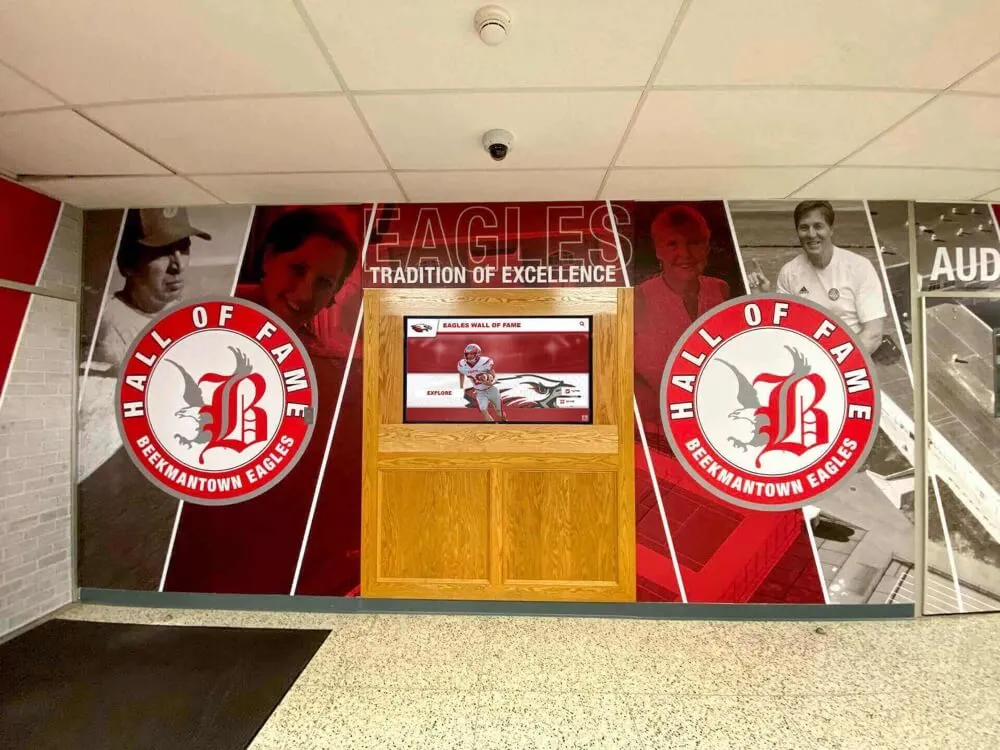
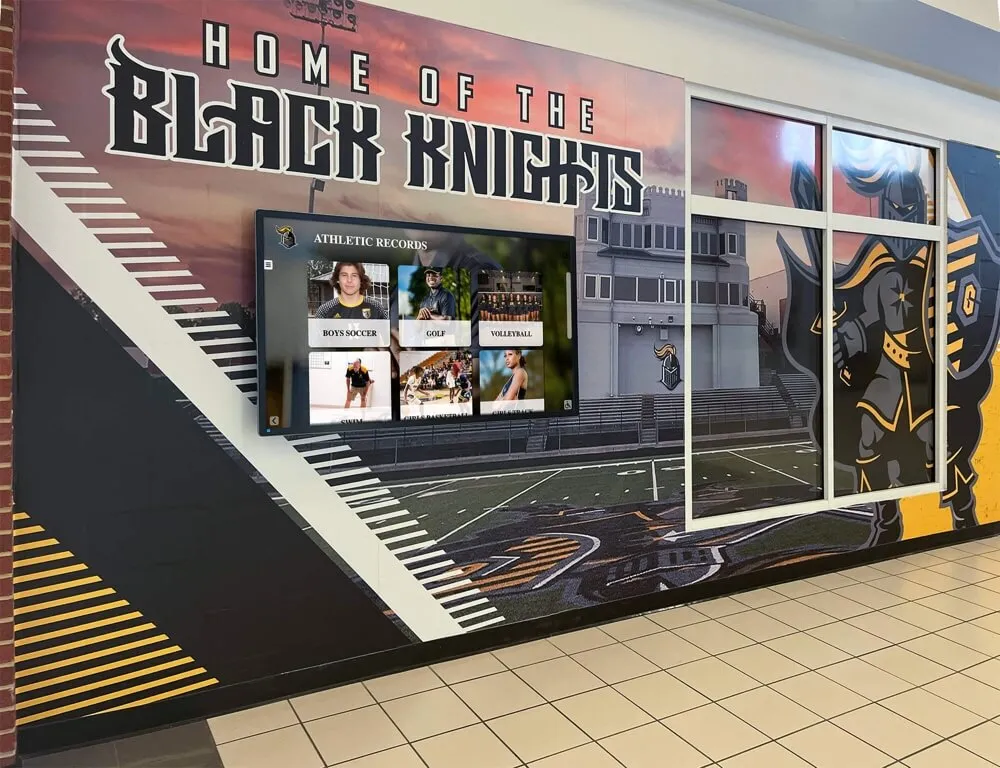
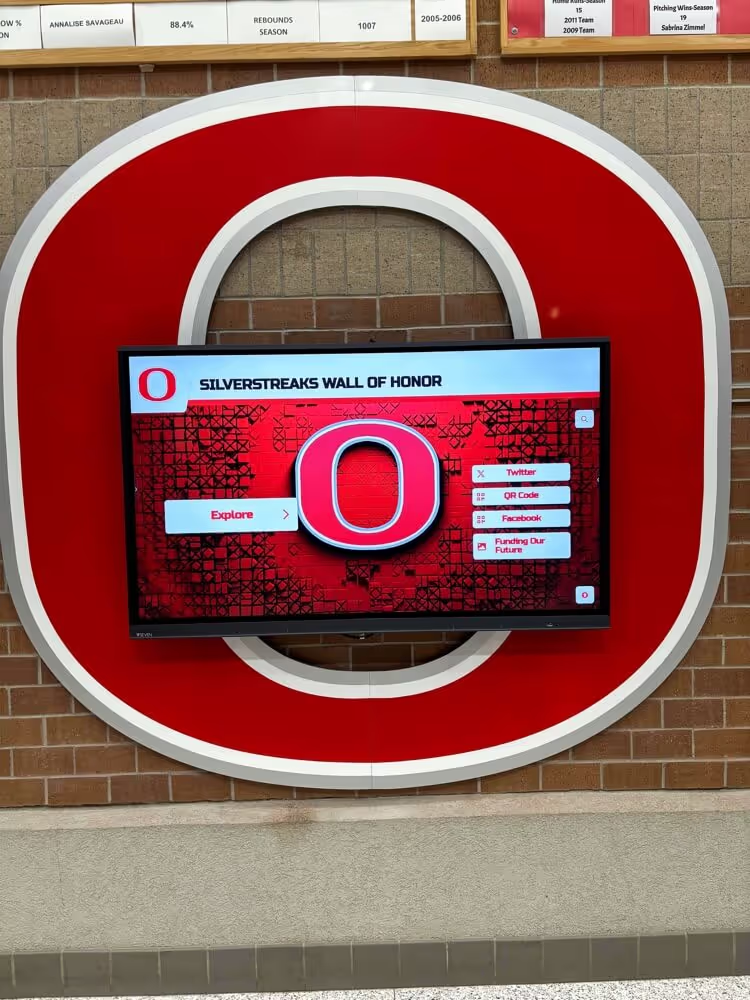
Lobby displays create prominent first impressions for visitors while establishing athletic excellence as central component of institutional identity
Community Resource Leveraging
External support reduces financial burden:
Volunteer and Donor Support
Stakeholder engagement provides resources beyond athletic budgets:
- Booster club fundraising specifically designated for display projects
- Parent volunteer labor for cleaning, installation, and maintenance tasks
- Alumni craftsmen donations providing professional carpentry, electrical, or design services
- Local business sponsorships funding displays in exchange for recognition
- Senior class legacy projects establishing displays as graduation gift to schools
- Eagle Scout projects utilizing community service requirements for display construction
Community involvement often yields superior results compared to contracted services while building stakeholder investment in athletic program success.
Explore hockey rink recognition approaches demonstrating sport-specific display strategies optimizing unique venue characteristics.
Organization Systems for Growing Collections
As athletic programs accumulate achievements, systematic organization prevents chaotic displays while accommodating continuous growth.
Cataloging and Inventory Management
Knowing what you have prevents duplication and loss:
Digital Inventory Systems
Tracking memorabilia requires systematic documentation:
- Photograph database of all items including close-ups showing condition
- Descriptive records including sport, year, achievement type, and recipient
- Storage location tracking for items not currently displayed
- Condition assessments documenting preservation state and maintenance needs
- Value estimates for insurance purposes and security prioritization
- Donor/source documentation acknowledging contributions and establishing ownership
- Display history tracking rotation schedules and exhibition records
Simple spreadsheets suffice for smaller programs while dedicated software systems serve institutions with extensive collections.
Physical Storage Organization
Items not actively displayed require accessible archiving:
- Clear plastic storage bins enabling visibility without opening
- Labeled storage systems identifying contents and dates
- Climate-controlled storage areas protecting materials during archiving
- Archival-quality tissue paper and acid-free materials for fabric items
- Shadow board systems in storage areas showing missing items still displayed
- Rotation schedules systematically cycling items between display and storage
Well-organized storage enables easy display rotation and prevents valuable items from being forgotten in disorganized closets.
Display Rotation Strategies
Systematic rotation maintains fresh presentations while managing space constraints:
Seasonal Sport Rotation
Aligning displays with active seasons maintains relevance:
- Fall sport displays September through November featuring football, soccer, volleyball
- Winter sport showcases December through March highlighting basketball, wrestling, swimming
- Spring sport presentations March through June celebrating baseball, softball, track
- Off-season archiving making space for currently-relevant athletic programs
- Permanent displays for all-time greatest achievements regardless of season
- Flexible sections accommodating special anniversaries or milestone celebrations
Seasonal rotation keeps displays relevant to current athletic activities while ensuring every program receives prominent recognition during its competitive season.
Understanding digital recognition display solutions helps programs evaluate technology options for dynamic content management and unlimited showcase capacity.
Special Memorabilia Display Projects
Beyond ongoing recognition, special projects create focal points celebrating specific achievements or themes.
Championship Season Showcases
Particularly successful seasons deserve comprehensive displays:
Multi-Element Championship Displays
Complete season stories require diverse materials:
- Tournament bracket showing championship path and margin of victory
- Team photograph with every player, coach, and support staff member
- Championship trophy or hardware earned through competition
- Game-worn jerseys from finals or championship-deciding contests
- Newspaper clippings and media coverage documenting achievement significance
- Season statistics showing dominance throughout campaign
- Action photographs from critical games or defining moments
- Coach quotes or player testimonials reflecting on achievement meaning
Comprehensive displays transform single trophies into complete stories connecting viewers emotionally to achievements.
Retired Number Installations
Honoring exceptional athletes through number retirement creates permanent legacy:
Retired Number Display Components
Number retirement ceremonies deserve permanent visual recognition:
- Large-scale jersey or number display suspended from rafters or mounted prominently
- Athlete biography explaining achievement leading to retirement honor
- Career statistics quantifying athletic excellence
- Championship contributions showing team success impact
- Post-graduation achievements including collegiate or professional advancement
- Ceremony photograph documenting retirement event
- Retired number list showing all honored athletes together
Retired numbers represent highest individual honor athletic programs bestow—displays should reflect this significance through prominent positioning and comprehensive presentation.
Explore approaches for recognizing all-state athletes through dedicated displays honoring highest individual achievement levels.
Creating Interactive Fan Experience Displays
Beyond static recognition, engaging displays create experiences strengthening community connections to athletic programs.
Stadium and Arena Display Integration
Venue displays reach audiences during peak engagement:
Pre-Game and Halftime Recognition
Competitive events provide captive audiences:
- Video board tributes to historic achievements and athletes
- Physical displays in main concourses and entrance areas
- Interactive kiosks enabling fans to explore athletic history during breaks
- Anniversary celebrations highlighting milestone dates and achievements
- Alumni athlete recognition bringing graduates back for game acknowledgment
- Comparative displays showing current team statistics against historical benchmarks
Game day represents optimal engagement opportunity—leveraging events for memorabilia promotion maximizes community exposure and impact.
Understanding athletic awards and celebration approaches helps programs create events showcasing achievements while building traditions.
Digital Archive Access
Making collections accessible beyond physical locations extends impact:
Online Athletic Heritage Platforms
Web-based access democratizes memorabilia engagement:
- Searchable athlete databases accessible from any device anywhere
- Digital trophy case featuring photographs of all physical awards
- Historical team rosters and season records documenting program history
- Scanned newspaper articles and media coverage preserving documentation
- Video archives of championship games and defining moments
- Alumni submission portals enabling graduates to contribute memories and materials
- Social media integration enabling sharing and engagement
Digital archives ensure memorabilia reaches audiences beyond those physically visiting display locations while creating permanent backup documentation protecting against loss.
Implementation Planning for Display Projects
Systematic planning prevents costly mistakes while ensuring displays meet institutional needs effectively.
Display Project Planning Timeline
| Planning Phase | Timeline | Key Activities |
|---|---|---|
| Needs Assessment | Months 1-2 | Inventory existing memorabilia, assess current displays, identify gaps and problems, survey stakeholders |
| Goal Setting | Month 2 | Define project objectives, establish budget parameters, determine success metrics, identify decision-makers |
| Research and Design | Months 3-4 | Explore display options, request vendor proposals, review comparable programs, develop conceptual designs |
| Approval and Fundraising | Months 4-6 | Present proposals to administration, secure funding commitments, finalize designs, order materials |
| Installation | Months 7-8 | Prepare installation locations, coordinate contractor schedules, oversee installation, address issues |
| Content Development | Months 7-9 | Photograph and catalog items, write descriptive labels, create digital content, organize materials |
| Launch | Month 9 | Unveil displays publicly, hold dedication ceremonies, promote through communications, gather feedback |
Vendor Selection Considerations
Choosing display partners significantly impacts outcomes:
Key Evaluation Criteria
Systematic vendor assessment prevents poor partnerships:
- Portfolio demonstrating experience with athletic memorabilia displays
- References from comparable institutions allowing direct feedback
- Warranty and service commitments ensuring long-term support
- Pricing transparency with detailed cost breakdowns
- Customization capabilities accommodating unique institutional needs
- Timeline commitments and installation scheduling flexibility
- Technology support for digital display systems
- Content development services assisting with athlete profiles and materials
The cheapest option rarely proves most cost-effective—total cost of ownership including maintenance, support, and longevity should guide decisions rather than initial purchase price alone.
Maintaining Display Relevance Across Decades
Initial installation represents only beginning—sustainable displays require ongoing management maintaining engagement and accuracy.
Content Update Schedules
Regular refreshment prevents displays from becoming dated:
Annual Update Cycles
Systematic refreshment maintains contemporary relevance:
- Post-season updates adding new championships and achievements
- Graduation additions recognizing newly-eligible hall of fame candidates
- Technology updates ensuring digital systems remain functional and secure
- Photograph refreshes replacing faded images
- Label corrections addressing discovered errors or outdated information
- Archive rotation bringing stored items to display while archiving currently-shown items
Annual attention prevents displays from appearing abandoned or neglected—dated “last updated” information signals institutional neglect rather than achievement celebration.
Display Assessment and Improvement
Periodic evaluation identifies enhancement opportunities:
Every 3-5 Year Comprehensive Reviews
Substantial reassessment enables strategic improvements:
- Stakeholder feedback collection from athletes, families, alumni, and visitors
- Physical condition assessment identifying maintenance or replacement needs
- Organization evaluation determining if arrangement remains effective
- Technology assessment for digital systems considering platform improvements
- Capacity planning as collections grow beyond current display space
- Budget planning for anticipated upgrades or expansions
Regular assessment ensures displays evolve with institutional needs rather than becoming static installations gradually losing effectiveness.
Transform Athletic Heritage into Inspirational Recognition
Sports memorabilia displays accomplish multiple institutional objectives simultaneously—they celebrate past achievements deserving recognition, inspire current athletes by establishing visible excellence standards, engage alumni through tangible connections to their competitive experiences, strengthen community pride by showcasing institutional success, and create gathering spaces where generations connect over shared athletic traditions.
Whether you’re establishing displays for the first time, upgrading outdated trophy cases, addressing space limitations with digital solutions, or seeking creative approaches within budget constraints, the frameworks explored throughout this guide provide systematic approaches transforming memorabilia collections from boxes in storage closets into purposeful recognition systems serving athletes and communities effectively.
The most successful sports memorabilia displays balance honoring heritage with managing practical constraints—they celebrate achievements authentically, organize collections systematically, preserve materials thoughtfully, accommodate continuous growth, and remain accessible to communities. Programs investing thoughtfully in memorabilia presentation create recognition environments that strengthen athletic culture while building institutional pride across generations.
Ready to transform your athletic achievements into inspirational displays? Explore comprehensive digital recognition solutions combining unlimited showcase capacity with engaging interactive experiences, enabling your program to celebrate every achievement without physical space limitations while creating displays that inspire excellence for decades.
Live Example: Rocket Alumni Solutions Touchscreen Display
Interact with a live example (16:9 scaled 1920x1080 display). All content is automatically responsive to all screen sizes and orientations.