



Sport end of year awards represent the culmination of months of training, competition, and team commitment—ceremonies where athletic directors, coaches, and communities recognize athletes for their dedication, skill development, leadership, and competitive achievements across all sports seasons. These recognition events serve multiple purposes beyond simple trophy distribution: they reinforce program values, motivate returning athletes, honor graduating seniors, acknowledge parent and volunteer support, and create lasting memories that define athletic careers.
Yet many athletic departments struggle with end-of-year recognition programs that feel repetitive, overlook deserving athletes, or fail to generate the enthusiasm these celebrations should inspire. Generic “most valuable player” and “most improved” awards get recycled across every sport without meaningful differentiation. Static trophy presentations lack the engagement that today’s athletes and families expect. Recognition focuses narrowly on competitive success while overlooking the character development, academic achievement, and community contribution that define comprehensive athletic programs.
This guide provides athletic directors and coaches with systematic frameworks for designing sport end of year awards programs that appropriately celebrate every athlete’s contributions while creating memorable recognition experiences that strengthen team culture and program pride.
Sport end of year awards should celebrate the complete athletic experience—competitive achievements, personal growth, academic excellence, leadership development, and team culture contributions—through recognition programs that honor every athlete’s unique journey while creating memorable celebrations that connect current teams to program heritage and future aspirations.

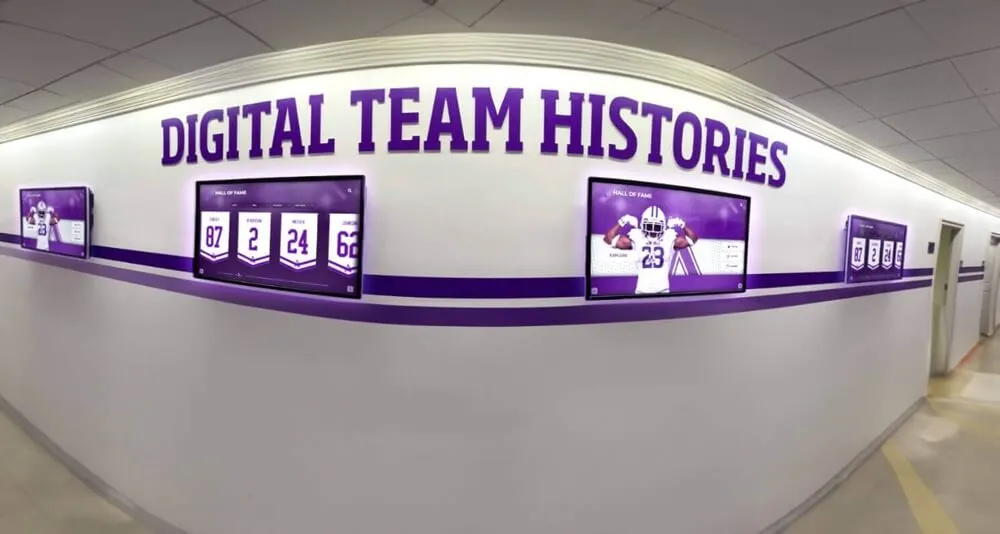
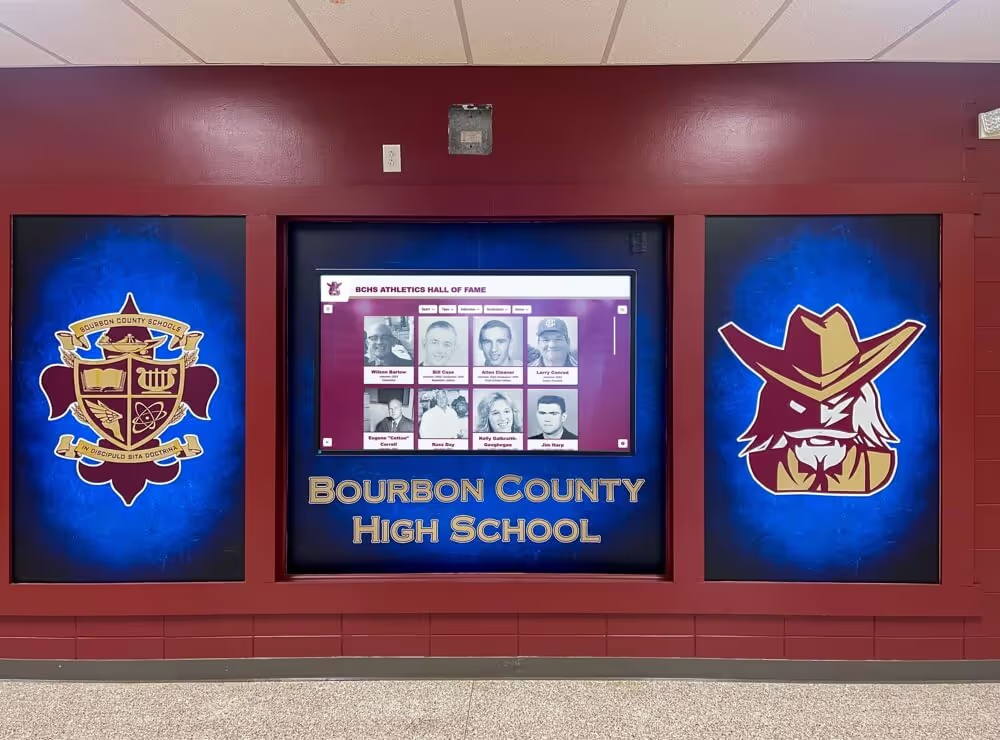
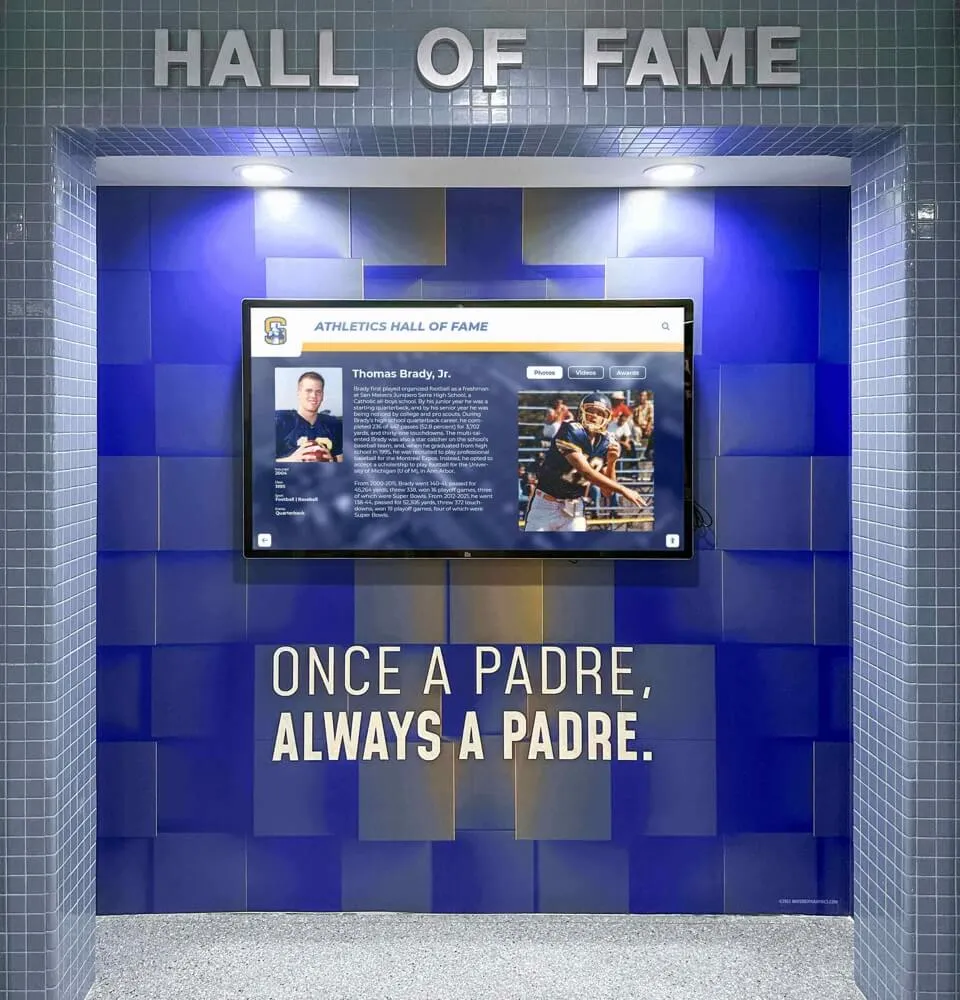
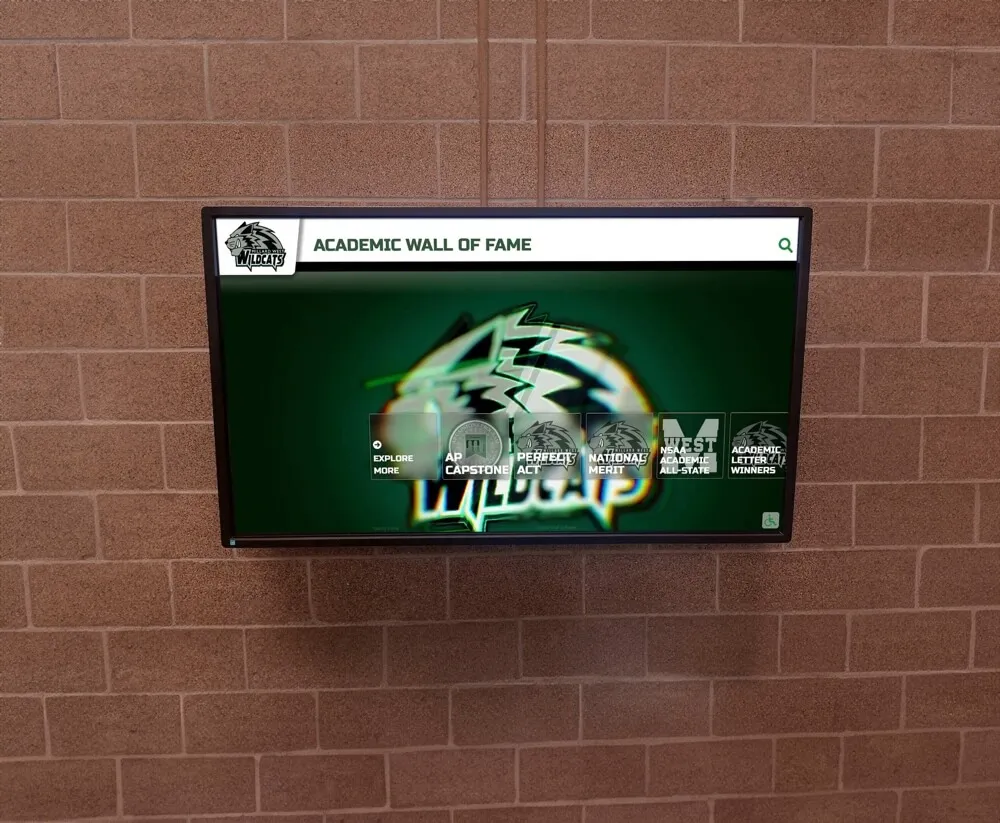
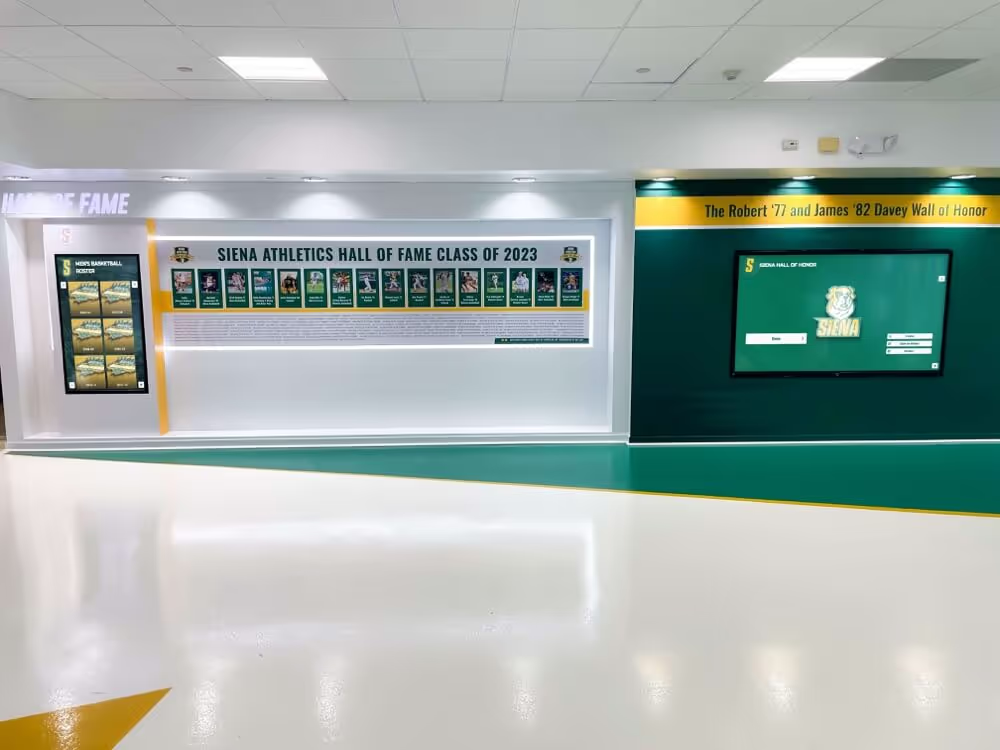
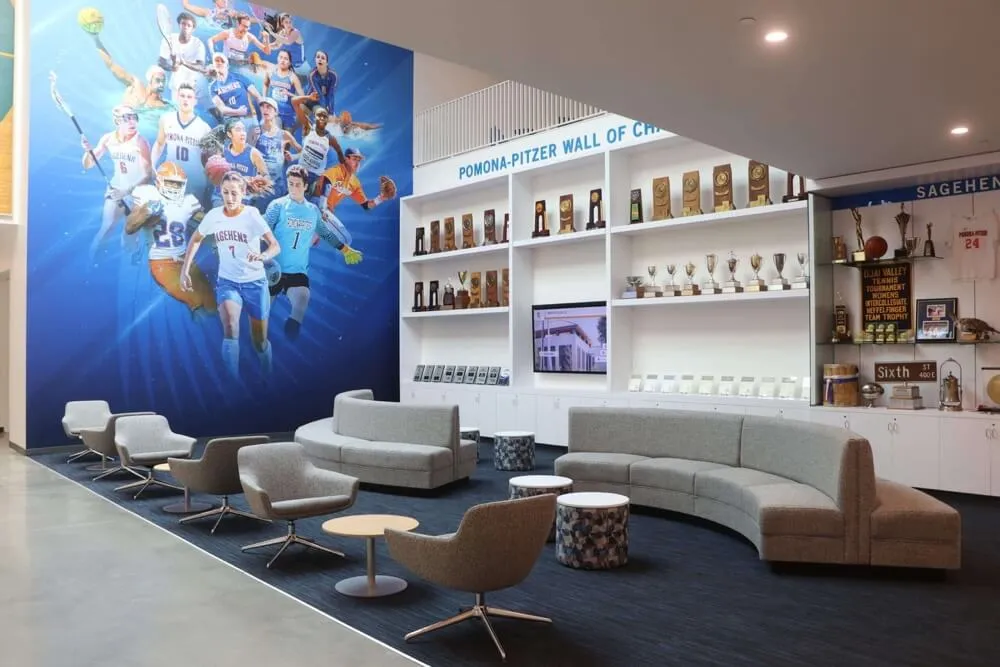
Professional athletic recognition spaces create environments celebrating program excellence and inspiring future achievement
Program Snapshot: Sport End of Year Awards
Understanding the scope and structure of comprehensive athletic awards programs helps schools design meaningful recognition approaches.
| Program Element | Details |
|---|---|
| Recognition Audience | All varsity and junior varsity athletes across all sports seasons (fall, winter, spring) |
| Event Timing | Season-specific banquets (within 2-4 weeks of season completion) or comprehensive year-end ceremony |
| Primary Participants | Athletes, coaches, athletic directors, families, boosters, administrators, team sponsors |
| Venue Options | School cafeterias, gymnasiums, community centers, restaurants, outdoor facilities for spring sports |
| Award Categories | Competitive achievement, statistical excellence, most improved, leadership, sportsmanship, academic achievement, senior recognition, coach awards |
| Content Requirements | Season highlights, team statistics, individual achievements, photo/video presentations, coach remarks, award presentations, senior tributes |
| Program Outcomes | Enhanced athlete motivation, program culture reinforcement, parent engagement, community visibility, tradition building, recruitment appeal |
| Recognition Duration | Individual banquets: 60-90 minutes; comprehensive ceremonies: 2-3 hours with multiple sport presentations |
Understanding Sport End of Year Award Categories
Before implementing awards programs, athletic directors should establish comprehensive recognition frameworks celebrating diverse accomplishments.
Competitive Achievement Awards
These traditional awards recognize athletes who contributed most significantly to team competitive success.
Most Valuable Player (MVP)
The cornerstone recognition in most sports programs:
- Recognizes athletes demonstrating greatest overall impact on team success
- Considers competitive performance, leadership, consistency, and clutch performance
- Selection criteria should balance statistics with intangible contributions
- Typically awarded to varsity athletes with significant playing time
- May include separate offensive/defensive MVP in applicable sports
Offensive and Defensive Player of the Year
Sport-specific categories recognizing specialized excellence:
- Football: separate offensive and defensive recognition for position-specific achievement
- Soccer: offensive (goals, assists) vs. defensive (shutouts, stops) excellence
- Basketball: scoring/playmaking vs. defensive intensity and rebounding
- Lacrosse, hockey, water polo: position-specific achievement recognition
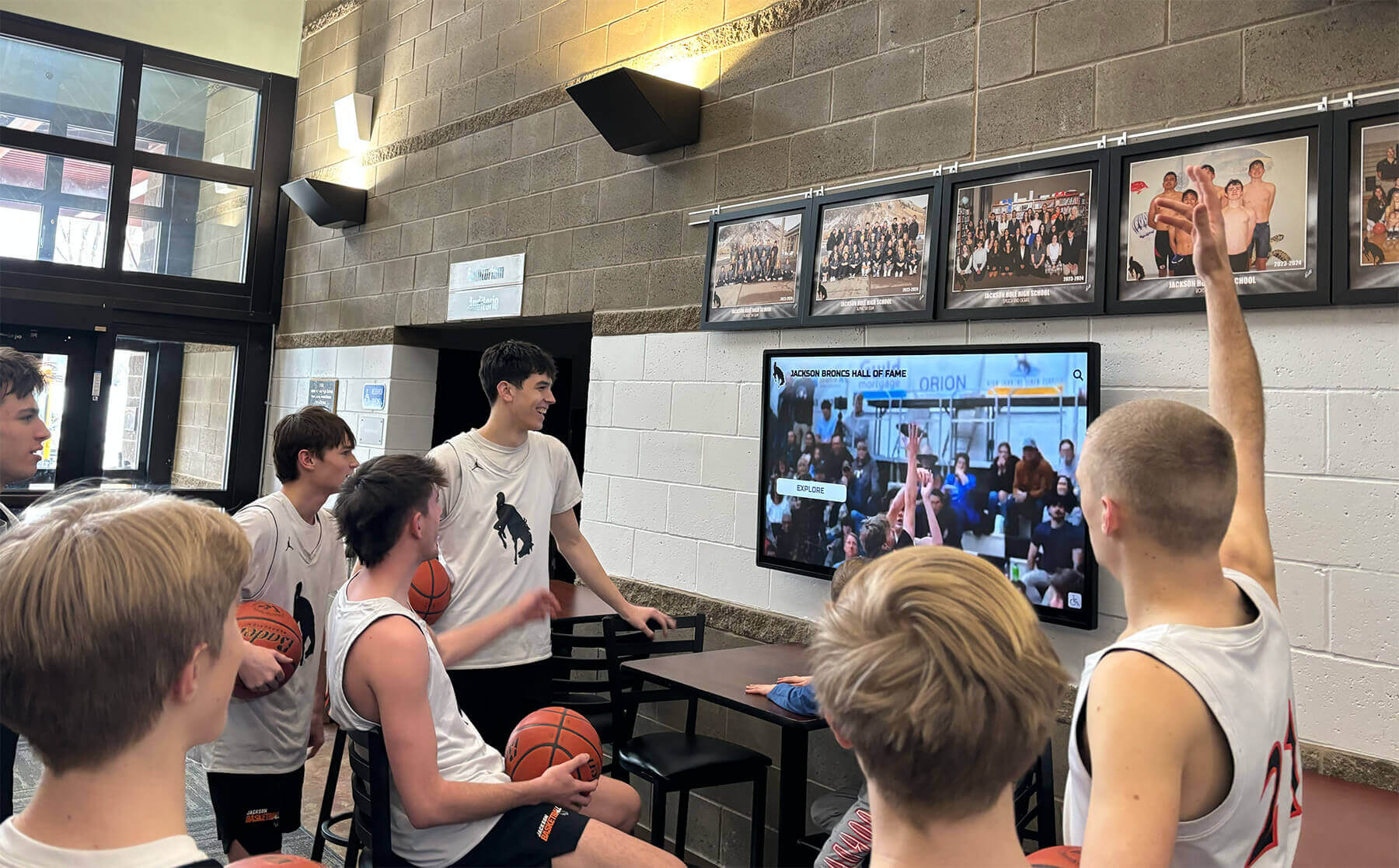
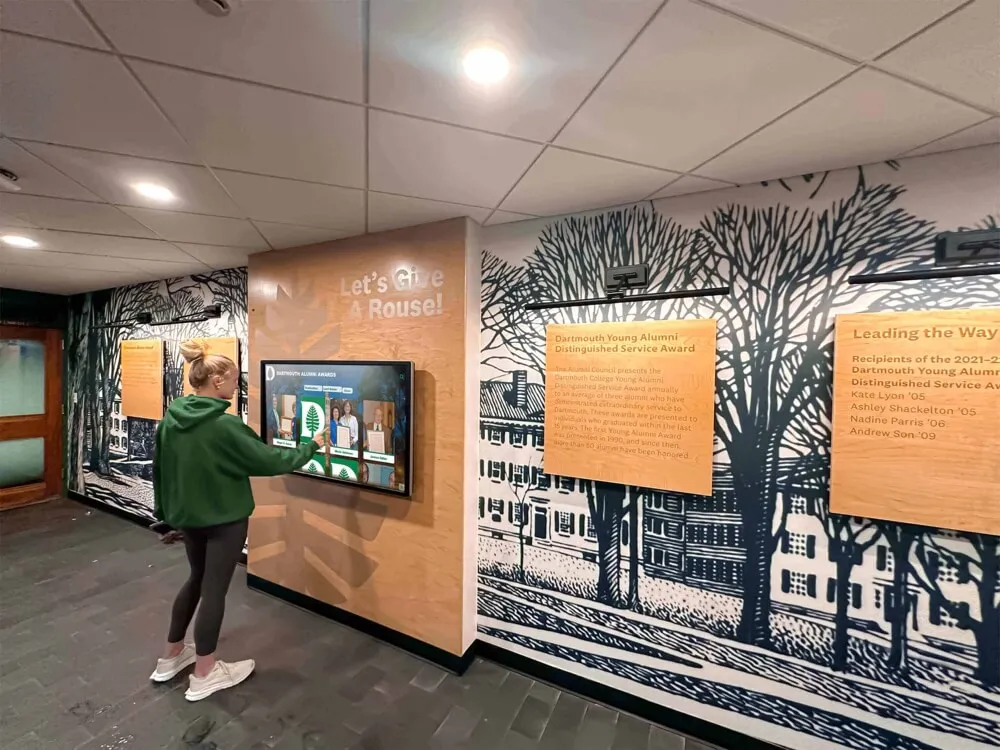
Interactive displays create engagement opportunities where athletes explore season highlights and individual achievements
Championship and Tournament Recognition
Celebrate athletes who excel in highest-pressure competitive moments:
- Tournament MVP recognizing excellence during post-season play
- Conference championship game standout performance
- State/regional tournament outstanding performer
- Record-setting performance in championship competition
- Clutch performer award for athletes delivering in decisive moments
Statistical Excellence Awards
Data-driven recognition celebrates measurable athletic achievement across sports.
Single-Season Record Breakers
Athletes establishing new program benchmarks:
- Points scored, goals, touchdowns, runs batted in
- Defensive statistics: tackles, saves, blocks, interceptions
- Individual performance records: fastest times, longest distances, highest marks
- Team-oriented statistics: assists, steals, offensive line pancake blocks
- Consistency records: consecutive games with success, error-free performances
Schools implementing comprehensive sports record boards ensure record-breaking performances receive lasting visibility beyond end-of-year recognition.
Career Achievement Milestones
Multi-year accomplishments deserving special recognition:
- 1,000-point scorers in basketball or hockey
- Career touchdown leaders in football
- Swimming event record progressions across four years
- Wrestling career win totals
- Track and field personal record improvements from freshman to senior year
Explore how schools celebrate 1,000 points scorer achievements through comprehensive recognition programs.
Statistical Leaders by Category
Position-specific or skill-specific recognition:
- Leading scorer across season
- Highest batting average, on-base percentage, slugging percentage
- Goalkeeper with best save percentage and goals-against average
- Track athlete with most event victories
- Wrestling pins leader and tournament match winner
Personal Growth and Development Awards
Beyond competitive statistics, recognition should celebrate character development and personal achievement.
Most Improved Player
Recognizing athletes demonstrating greatest skill development:
- Measured improvement from season beginning to end
- Athletes transitioning from bench to significant contributor
- Skill mastery enabling new position or role responsibilities
- Conditioning improvement enabling extended playing time
- Mental game development improving competitive performance
This category proves particularly meaningful for athletes who may never achieve MVP status but demonstrate work ethic and dedication coaches want to reinforce throughout programs.
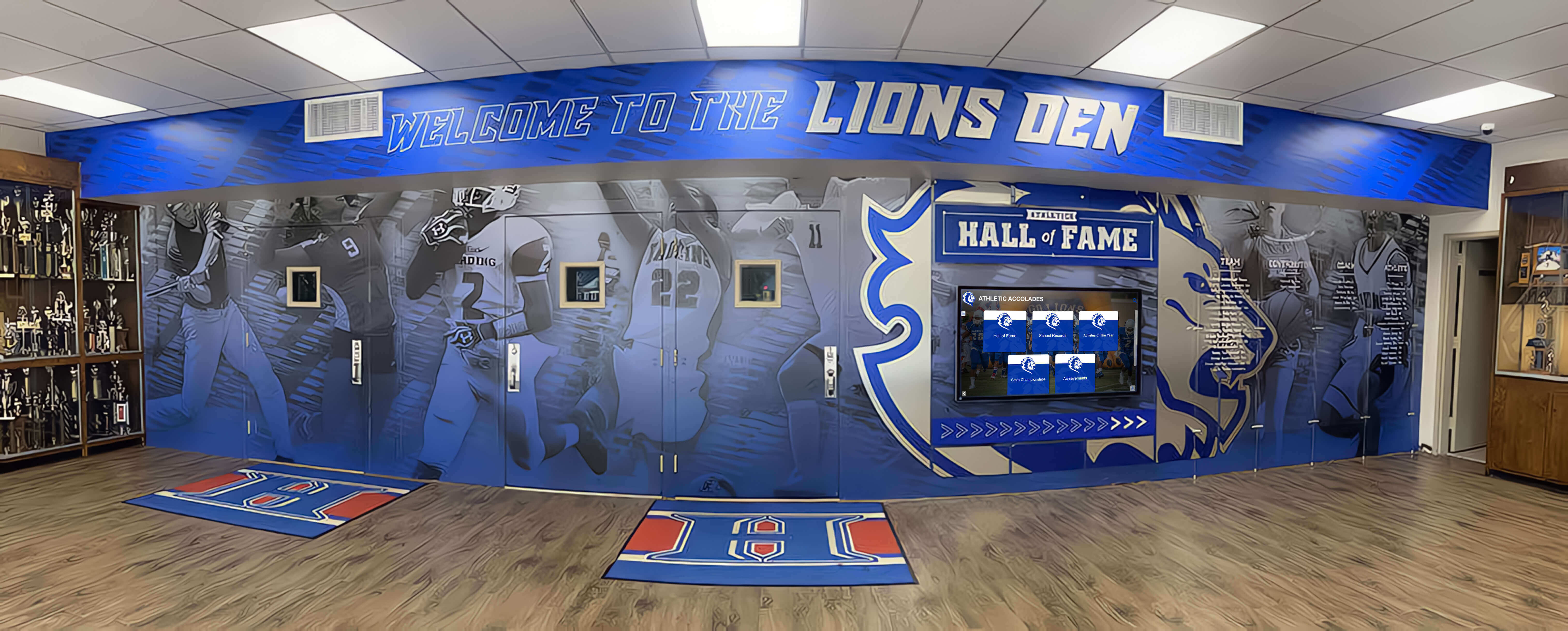
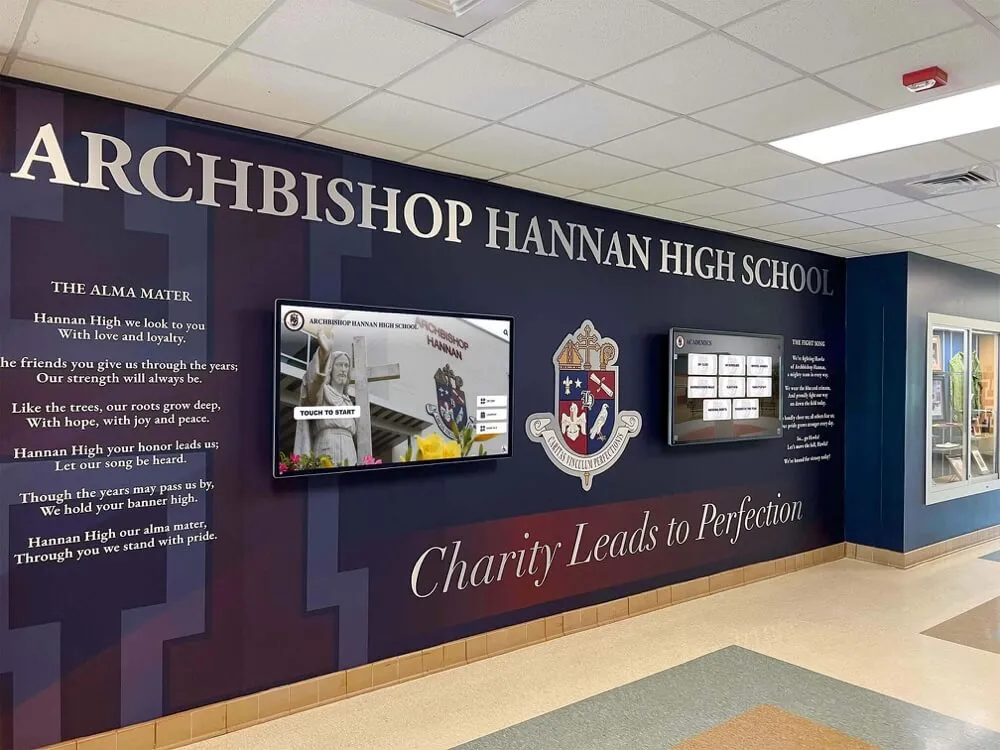
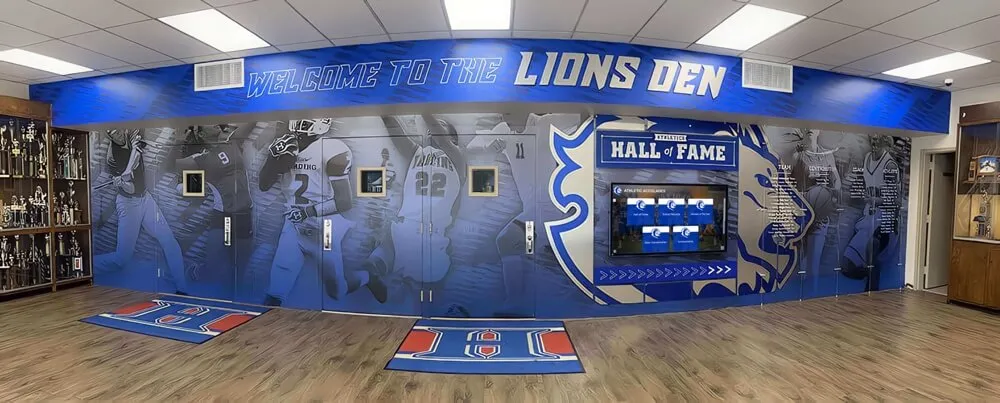
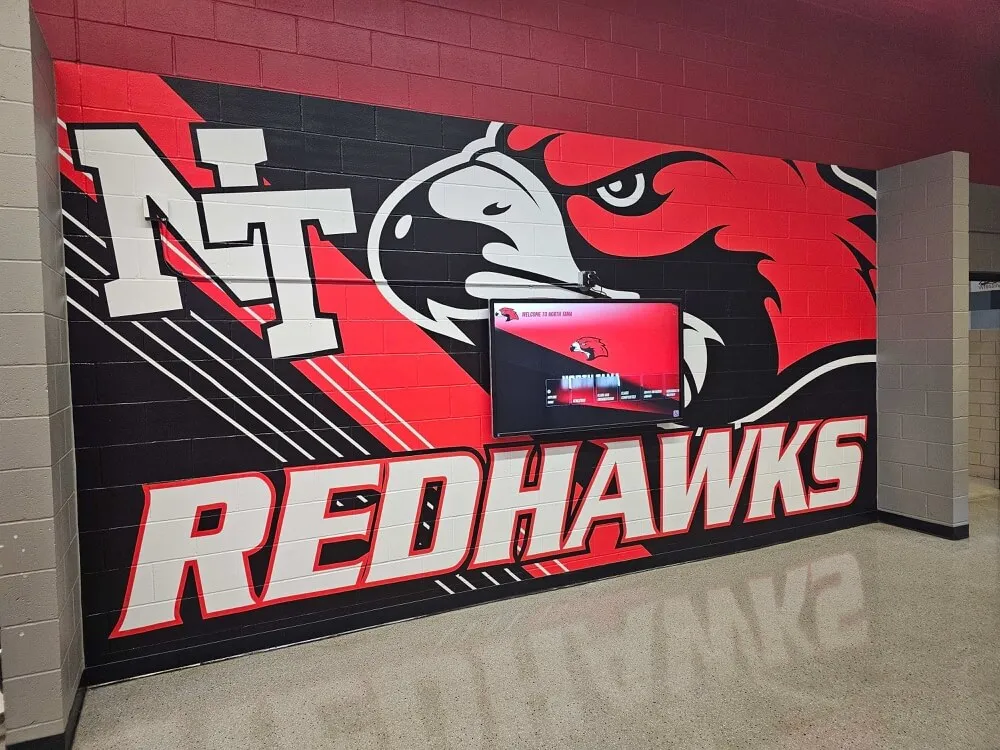
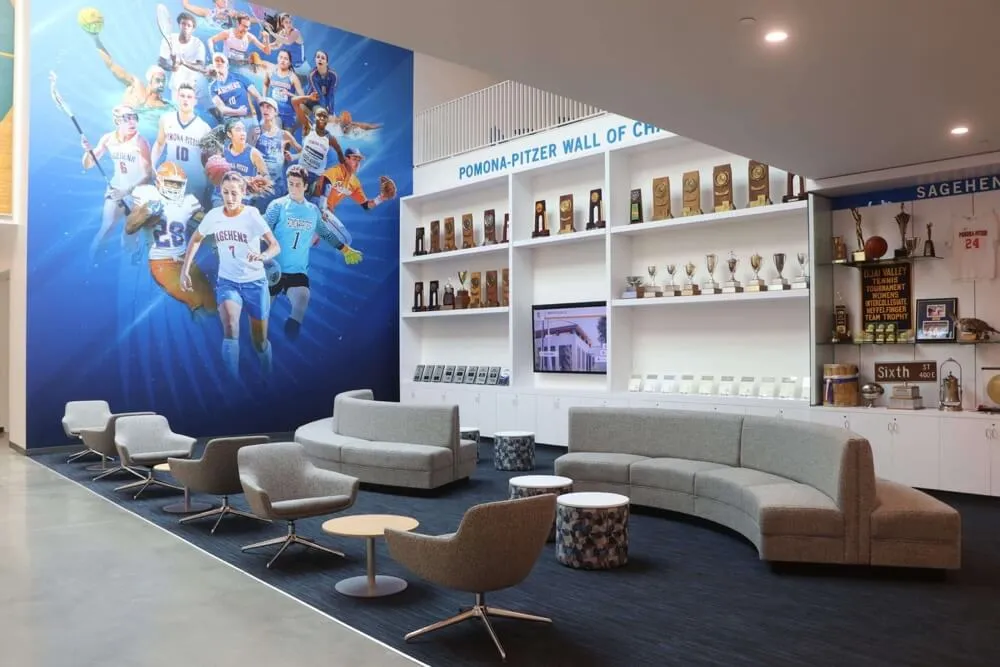
Comprehensive athletic recognition spaces combine visual storytelling with achievement display celebrating program heritage
Coaches Award
Subjective recognition honoring qualities coaches value most:
- Athletes exemplifying program values and team-first mentality
- Players demonstrating exceptional work ethic in practice
- Team members providing leadership and positive influence
- Athletes overcoming adversity with resilience and determination
- Individuals making significant sacrifices for team success
This award allows coaches to recognize athletes whose contributions exceed statistical measurement.
Rookie of the Year
First-year athlete recognition establishing program culture:
- Freshman making immediate competitive impact
- First-year varsity athletes adjusting to higher competition level
- Athletes new to sport demonstrating rapid skill development
- Recognition encouraging continued program participation
Leadership and Character Awards
These categories celebrate non-competitive contributions essential to team culture and program success.
Team Captain Recognition
Formal acknowledgment of leadership positions:
- Season captains selected by coaches or team voting
- Recognition of leadership responsibilities and team representation
- Acknowledgment of communication between coaches and athletes
- Special recognition for senior captains completing leadership tenure
Sportsmanship and Character Awards
Celebrating athletes embodying program values:
- Consistent demonstration of respect for opponents, officials, and teammates
- Positive attitude and encouragement regardless of playing time
- Conflict resolution and team unity contributions
- Community representation reflecting positively on program
- Integrity in academic and personal conduct
These character-based recognition programs communicate that athletic departments value personal development equally with competitive achievement.
Unsung Hero Award
Recognition for athletes making essential contributions without recognition spotlight:
- Athletes accepting reduced roles for team benefit
- Players providing scout team excellence improving starters
- Team managers and student assistants supporting program operations
- Athletes maintaining positive attitudes despite limited playing time
Academic Achievement Awards
Comprehensive athletic programs celebrate academic success parallel to competitive recognition.
Scholar-Athlete Awards
Recognition for athletes excelling in classroom and competition:
- Team GPA leaders maintaining highest academic standards
- Athletes balancing rigorous academic schedules with athletic commitment
- Academic honor roll athletes: Dean’s List, President’s List recognition
- Academic improvement celebrating GPA growth alongside athletic participation
Learn about comprehensive academic recognition programs for student-athletes that honor dual commitment to excellence.
Academic All-Conference and All-State Recognition
External academic honors deserving institutional celebration:
- Conference academic honor roll selections
- State athletic association academic recognition
- National Academic All-American nominations and selections
- Departmental academic awards received by athletes
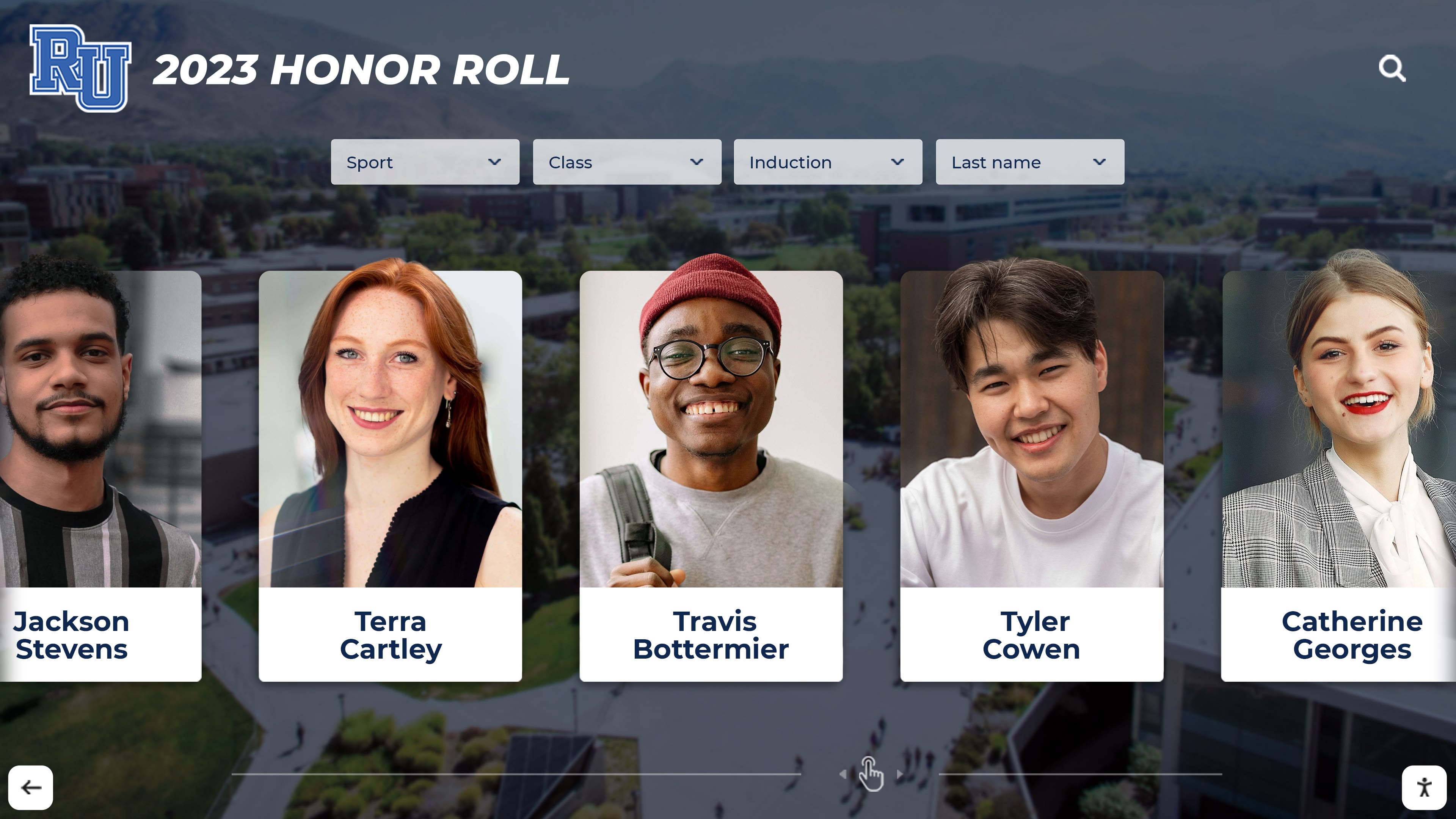
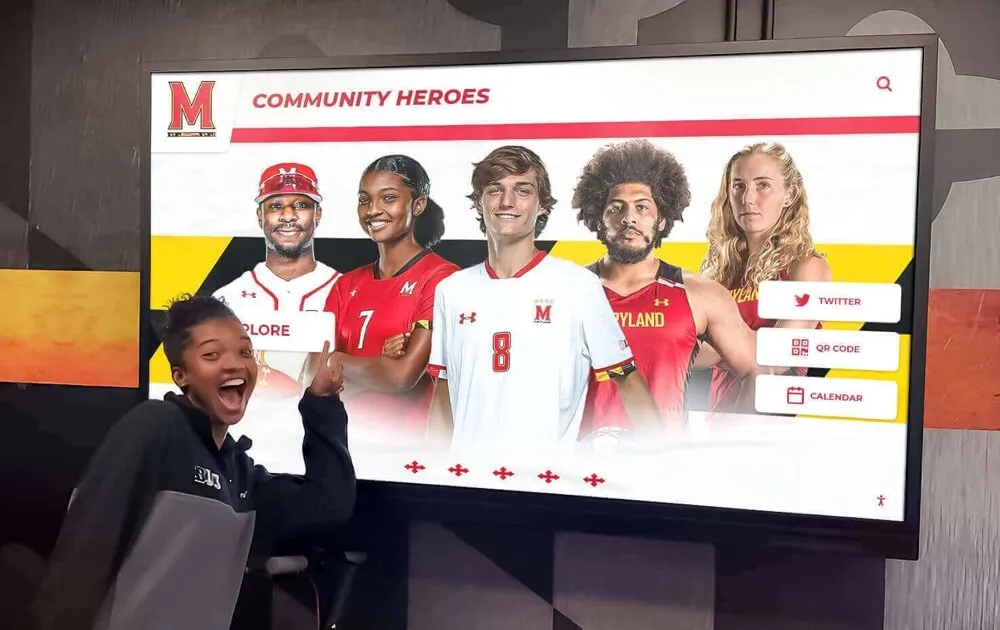
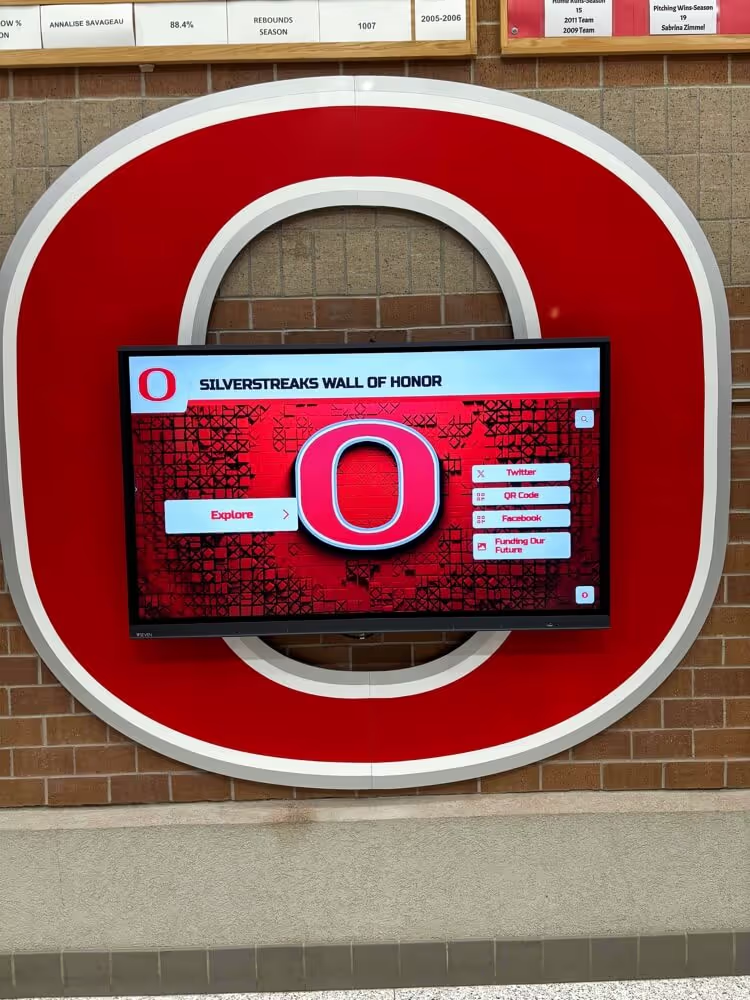
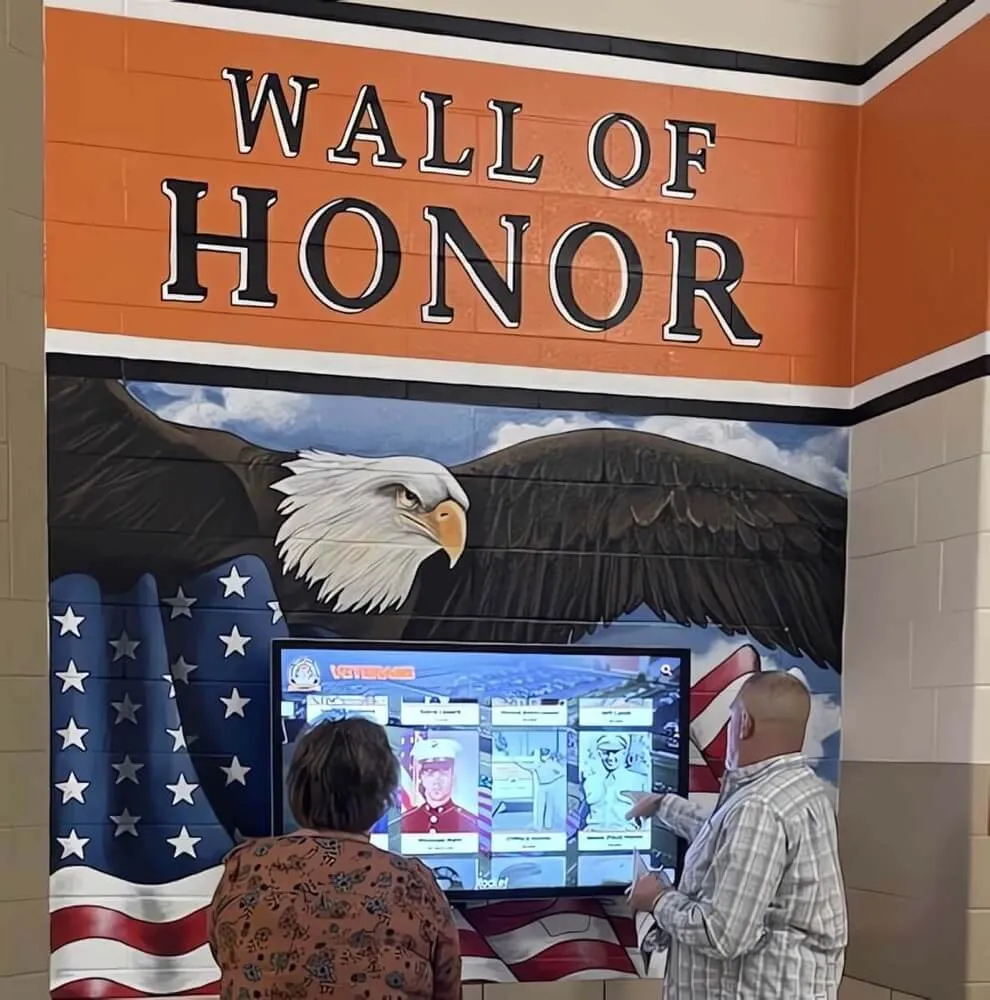
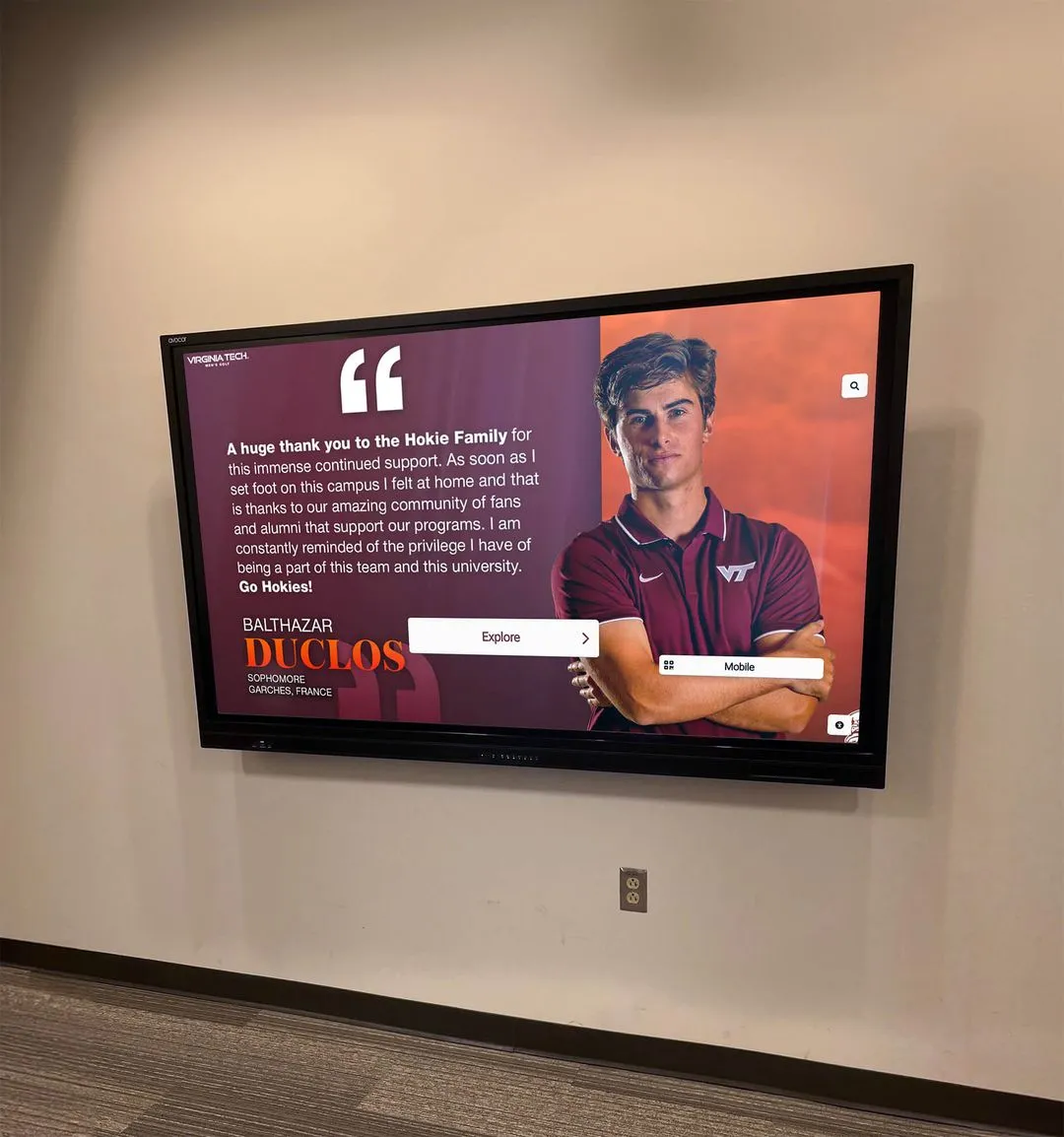
Individual recognition profiles celebrate specific achievements while communicating institutional commitment to academic excellence
Senior Recognition Awards
Graduating athletes deserve comprehensive acknowledgment of their program contributions.
Senior Award Presentations
Multi-dimensional recognition for completing athletic careers:
- Years of participation and sports competed
- Career statistical achievements and records
- Leadership roles and team contributions across years
- Memorable moments and signature performances
- Post-graduation plans: college athletics, military service, career paths
- Personal reflections from coaches about individual growth
Legacy and Impact Recognition
Special acknowledgment for seniors leaving lasting program influence:
- Program builders who elevated team competitiveness
- Culture setters establishing higher standards
- Mentors who developed younger athletes
- Community representatives bringing positive visibility
- Multi-sport athletes contributing across programs
20 Creative Sport End of Year Award Ideas
Beyond traditional recognition categories, creative awards add personality and engagement to athletic banquets while celebrating unique contributions.
Competitive Performance Awards
1. Clutch Performer Award
Recognizes athletes who consistently excel in pressure situations—game-winning performances, tournament excellence, or comeback contributions when outcomes hang in balance.
2. Iron Person Award
Celebrates durability and availability—athletes with perfect attendance records, those competing through minor injuries, or players logging highest participation minutes across season.
3. Breakout Performance Award
Honors single-game or tournament performances that exceeded all expectations—career-high statistical nights, unexpected victories, or performances elevating team success.
4. Versatility Award
Recognizes athletes who excelled in multiple positions, contributed across offensive and defensive roles, or demonstrated exceptional adaptability serving wherever team needed.
5. Game Changer Award
Celebrates athletes whose presence fundamentally altered competitive outcomes—defensive players forcing turnovers, specialists changing field position, or performers whose impact exceeded statistical measurement.
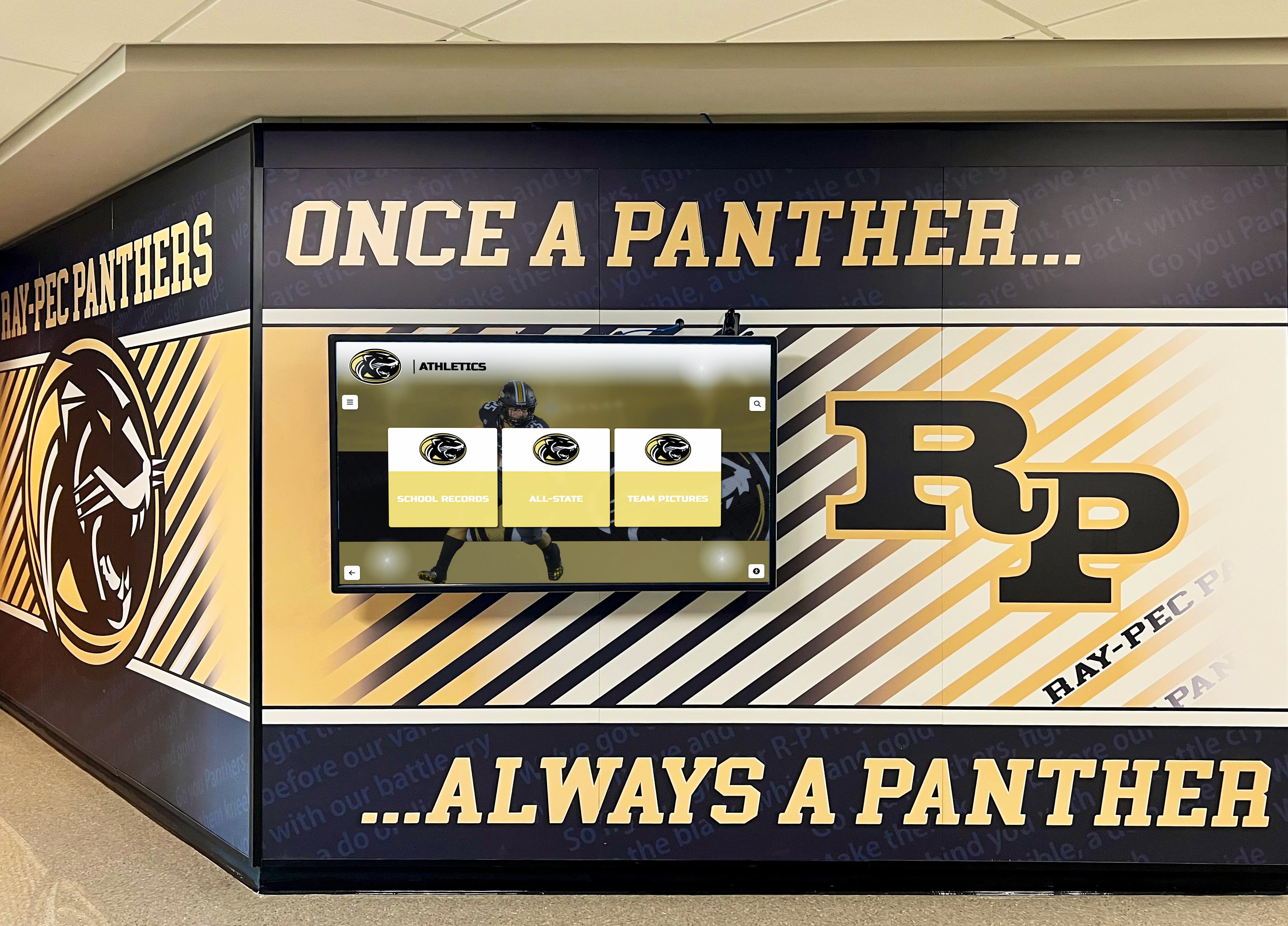
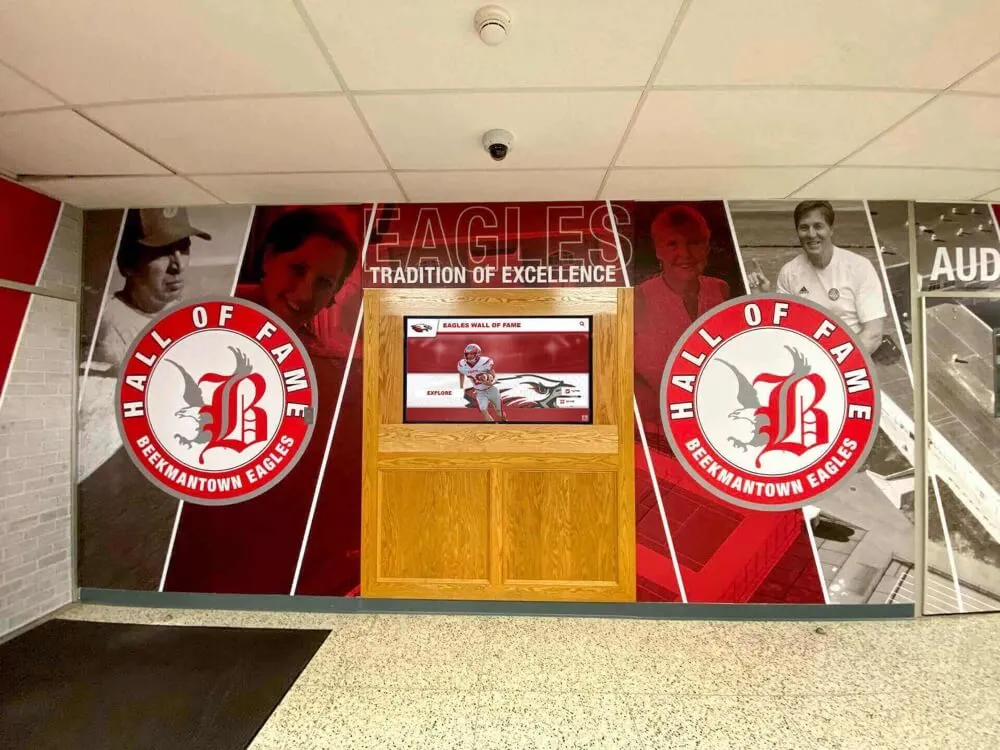
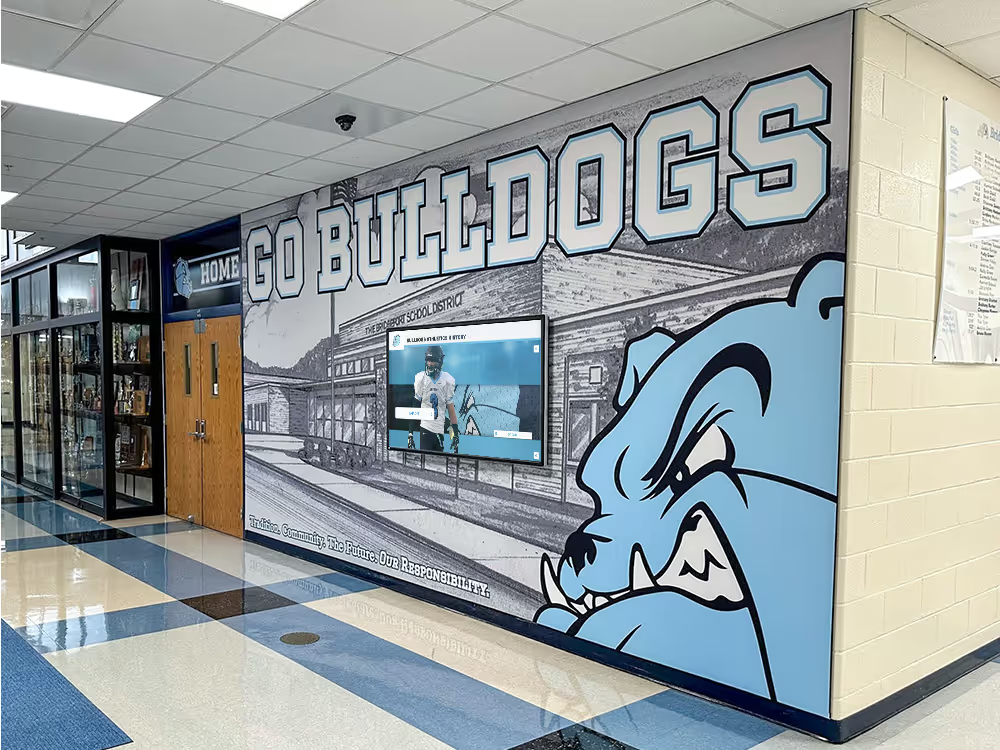
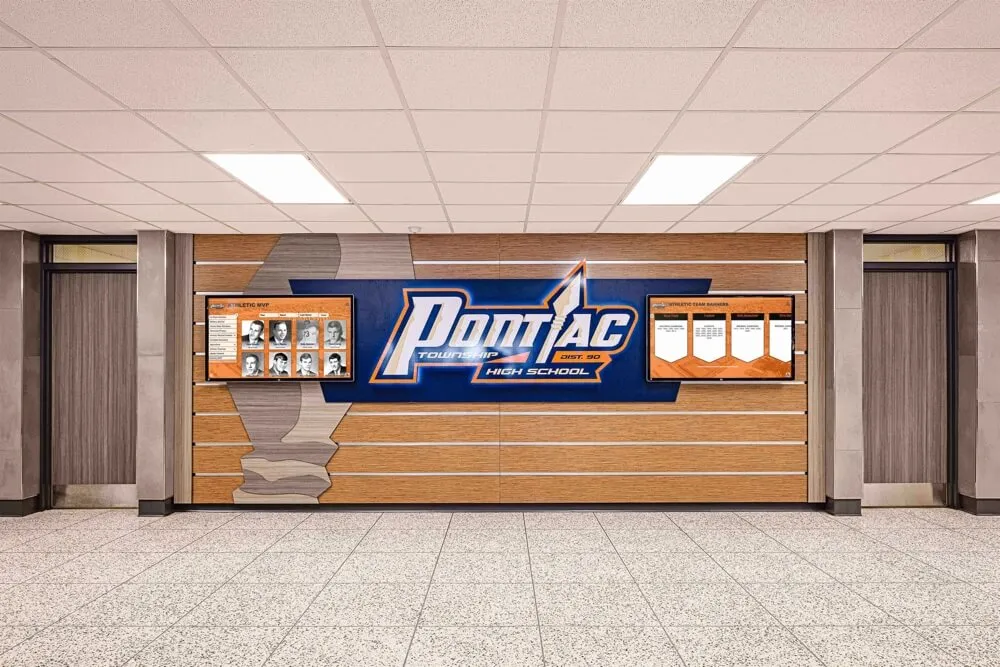
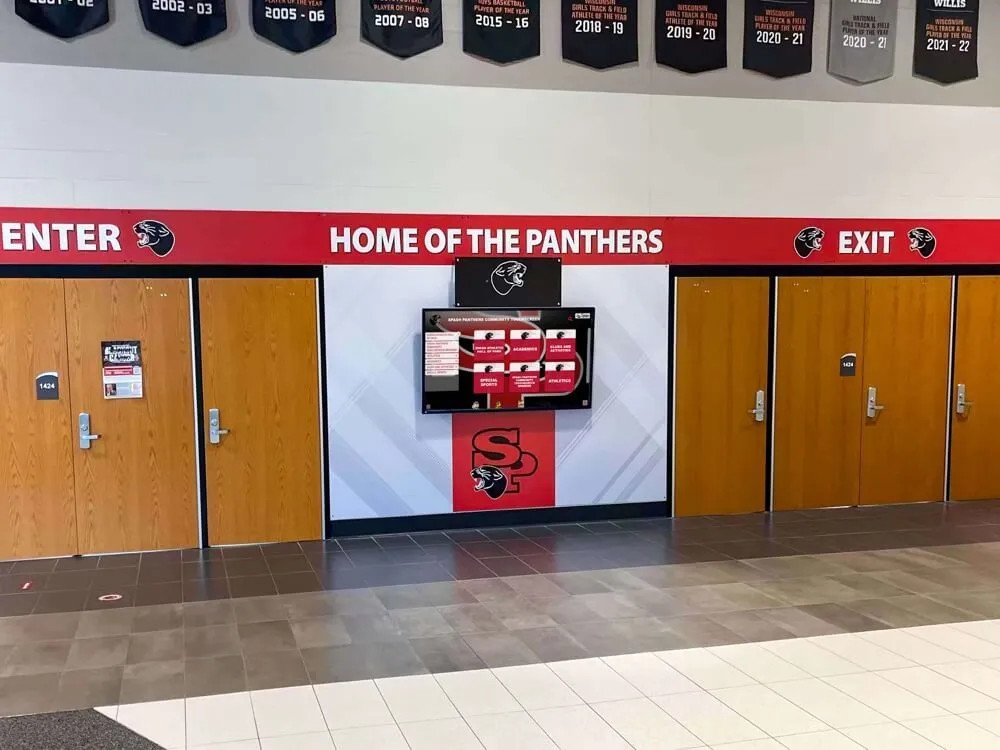
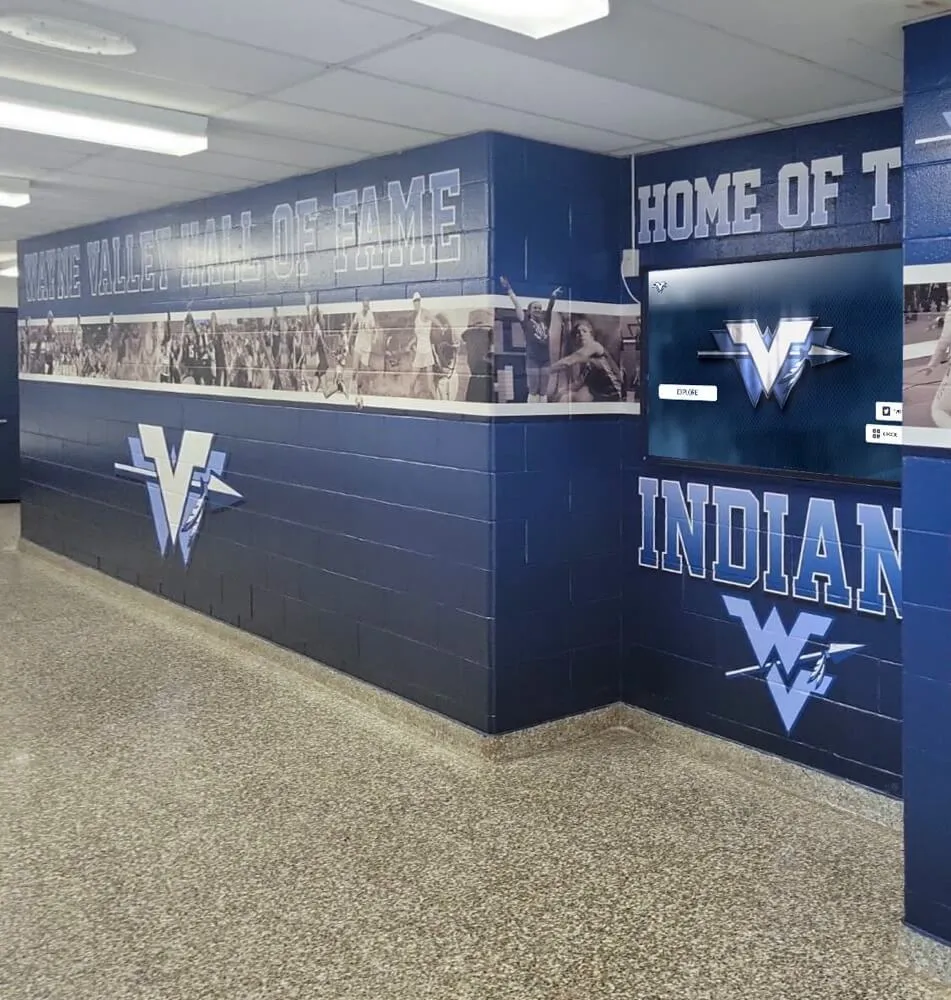
Athletic corridor displays create visible recognition celebrating program achievement throughout school facilities
Team Culture and Character Awards
6. Heart and Hustle Award
Recognizes maximum effort and energy regardless of natural talent level—athletes who dive for loose balls, sprint back on defense, or demonstrate infectious enthusiasm elevating team intensity.
7. Practice Player of the Year
Celebrates athletes whose daily practice excellence improves entire team—scout team performers, practice intensity setters, or athletes making teammates better through competitive training approach.
8. Teammate Award
Honors athletes voted by peers as best teammates—individuals supporting others, celebrating teammate success, providing encouragement, or creating inclusive team environments.
9. Program Ambassador Award
Recognizes athletes representing program with distinction—positive community interaction, respectful opponent relationships, exemplary conduct at tournaments, or positive social media presence.
10. Perseverance Award
Celebrates athletes overcoming significant obstacles—returning from injuries, maintaining commitment despite limited playing time, or demonstrating resilience through personal challenges.
Leadership and Influence Awards
11. Vocal Leader Award
Recognizes athletes providing consistent verbal leadership—communicating during competition, directing teammates, providing constructive feedback, or maintaining team focus.
12. Lead by Example Award
Honors athletes whose actions speak louder than words—work ethic, preparation consistency, professional conduct, or modeling program values through behavior.
13. Mentor Award
Celebrates upperclass athletes investing in younger player development—teaching skills, providing guidance, welcoming newcomers, or building program culture across grade levels.
14. Coach on the Field/Court Award
Recognizes athletes with exceptional game intelligence—reading opponents, making strategic adjustments, positioning teammates, or extending coaching influence during competition.
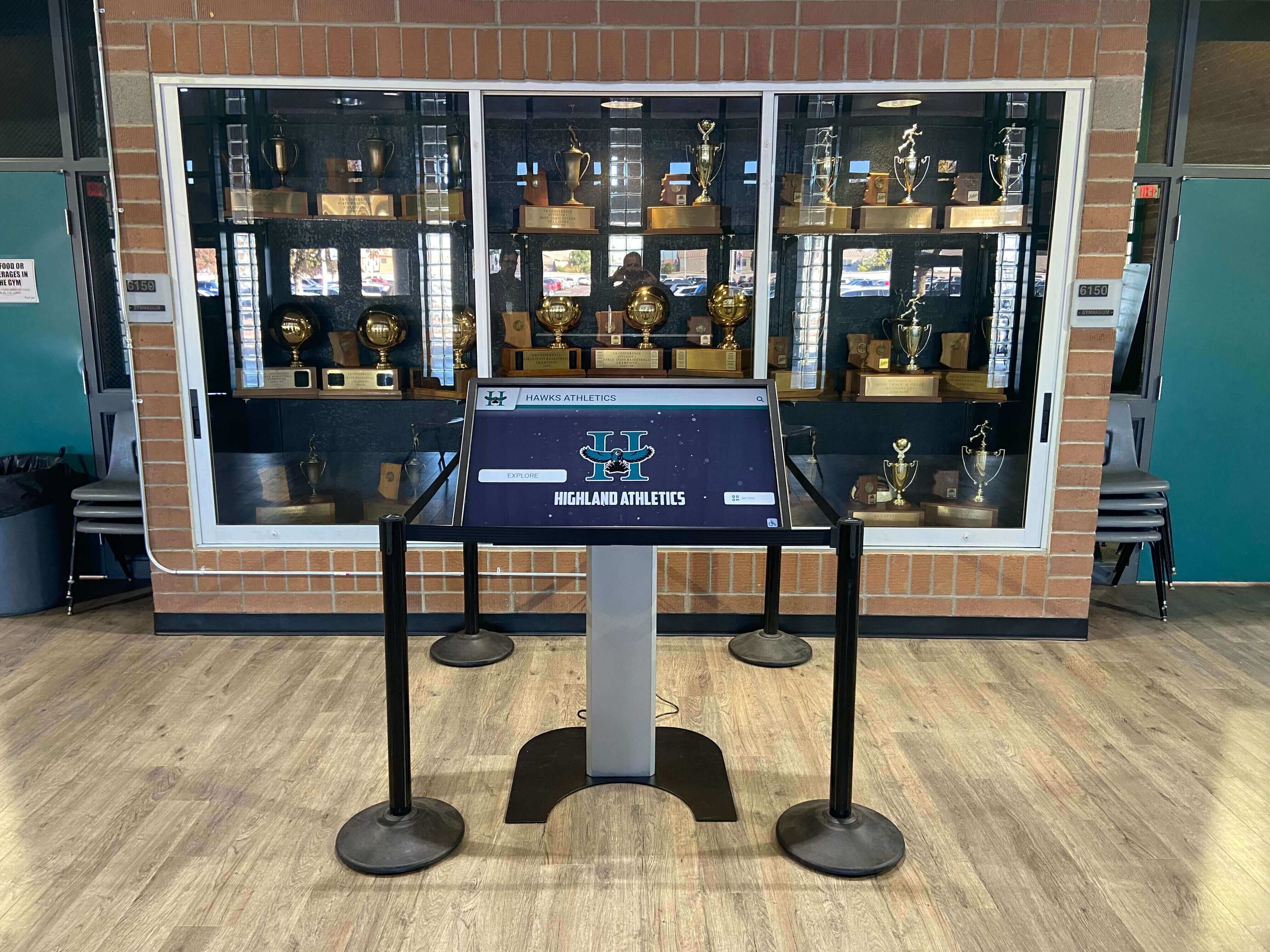
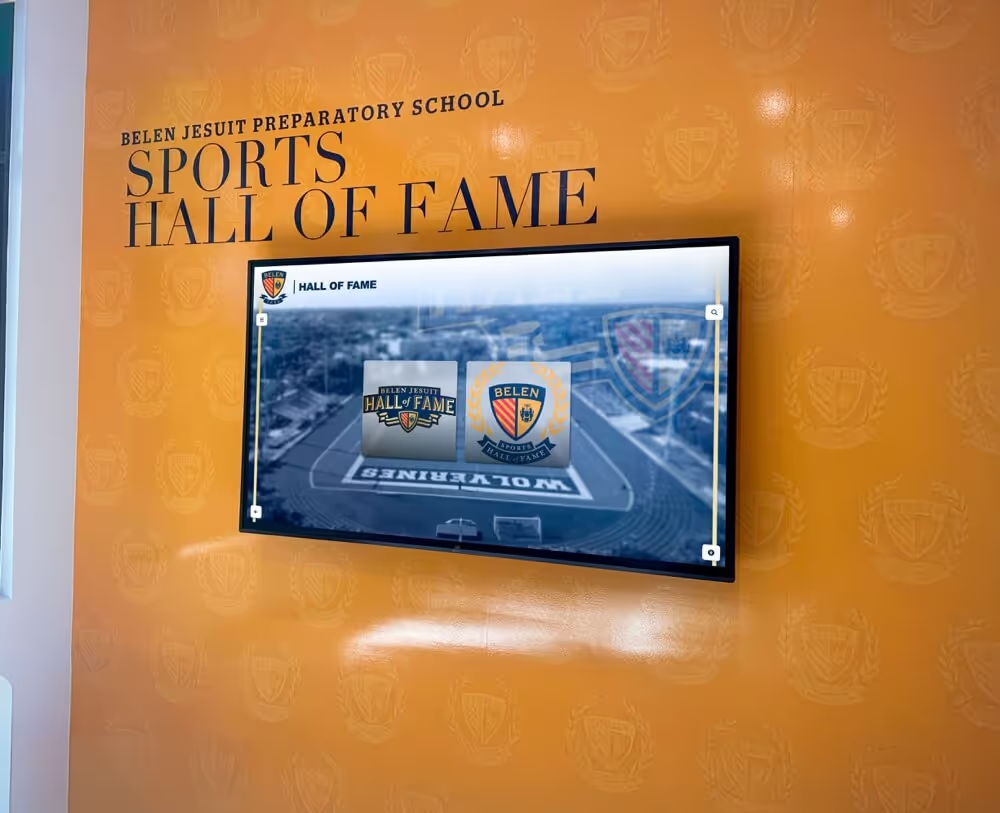
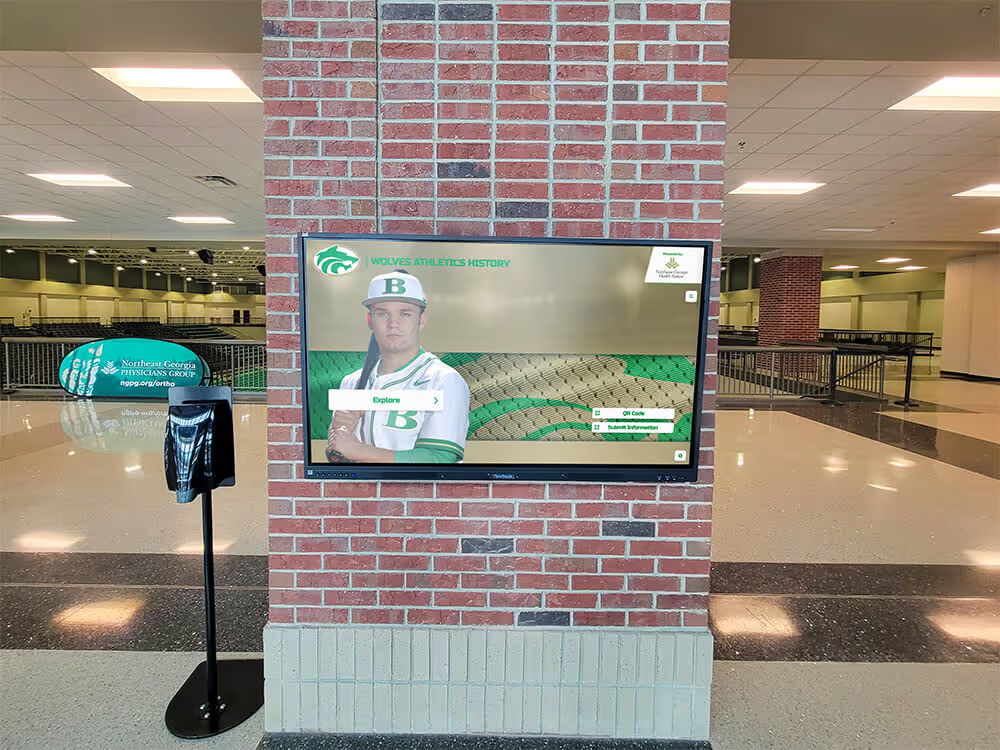
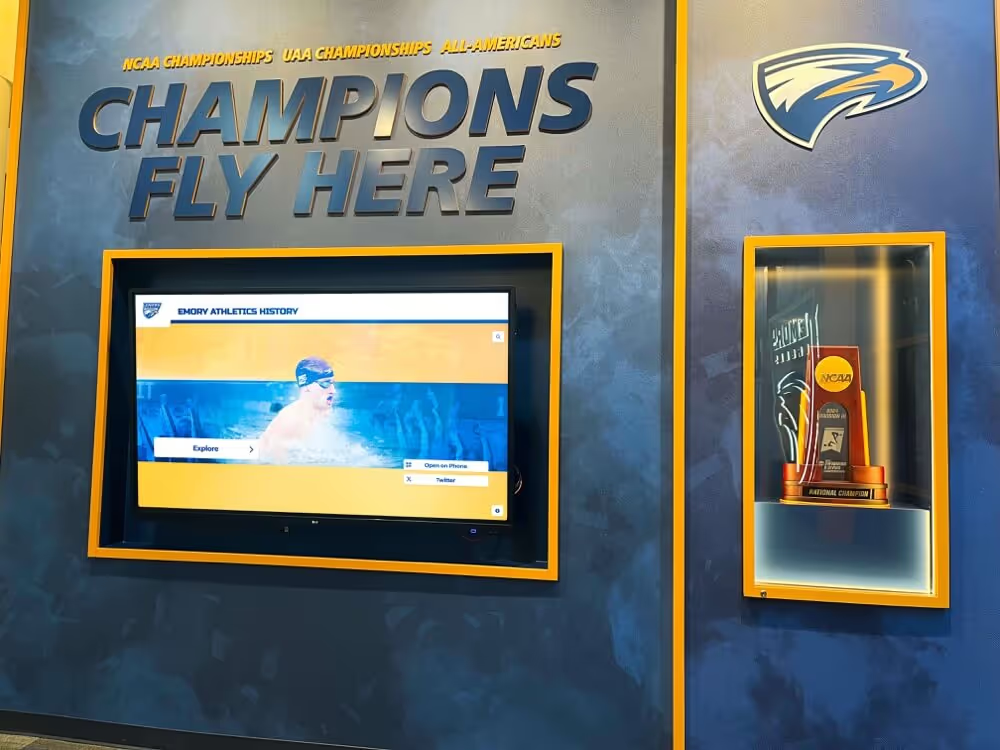
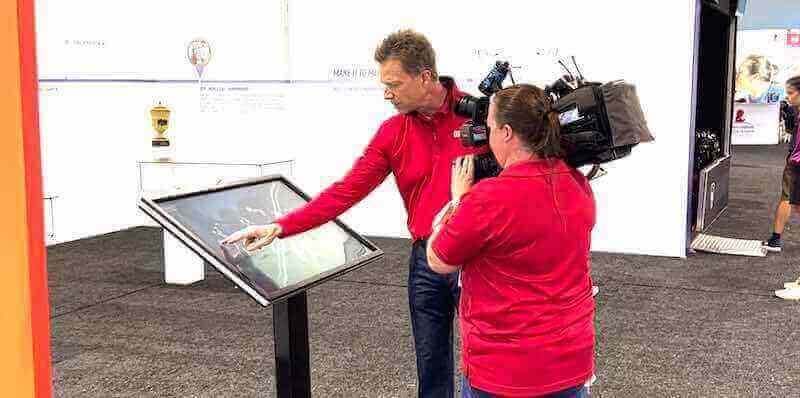
Interactive kiosks within trophy cases modernize traditional recognition enabling comprehensive achievement exploration
Fun and Memorable Awards
15. Best Celebration Award
Lighthearted recognition for most creative or enthusiastic scoring celebrations, victory traditions, or team celebration leadership.
16. Locker Room DJ Award
Celebrates athletes curating best pre-game playlists, maintaining team energy through music selection, or creating soundtrack for season success.
17. Social Media MVP Award
Recognizes athletes generating greatest positive engagement—highlight-worthy performances, creative content, program promotion, or building community following.
18. Bus Ride Entertainer Award
Honors athletes making travel memorable through humor, storytelling, games, or positive energy maintaining team morale during long trips.
19. Signature Move Award
Celebrates athletes known for specific skills, celebrations, or playing style quirks that became season-defining characteristics.
20. Rookie Mistake Recovery Award
Lighthearted recognition for first-year athletes who bounced back from memorable early mistakes to become valuable contributors—celebrating resilience and growth mindset.
Execution Timeline: Planning Comprehensive Awards Programs
Successful sport end of year awards require systematic planning beginning well before season completion.
Six to Eight Weeks Before Event: Initial Planning Phase
Establish Awards Committee
Create planning team ensuring comprehensive perspective:
- Head coach providing team and individual performance insight
- Assistant coaches representing different athlete groups
- Athletic director ensuring consistency across sports programs
- Senior athlete representatives providing peer perspective
- Booster club member coordinating volunteer support
Select Event Date, Time, and Venue
Strategic scheduling maximizes participation:
- Schedule 2-4 weeks after season completion maintaining momentum
- Avoid conflicts with other school events, religious holidays, or competing sports
- Select venues accommodating expected attendance with appropriate ambiance
- Consider budget constraints balancing quality presentation with financial sustainability
- Explore options: school facilities (free/low-cost), restaurants (catering included), community centers (moderate cost with flexibility)
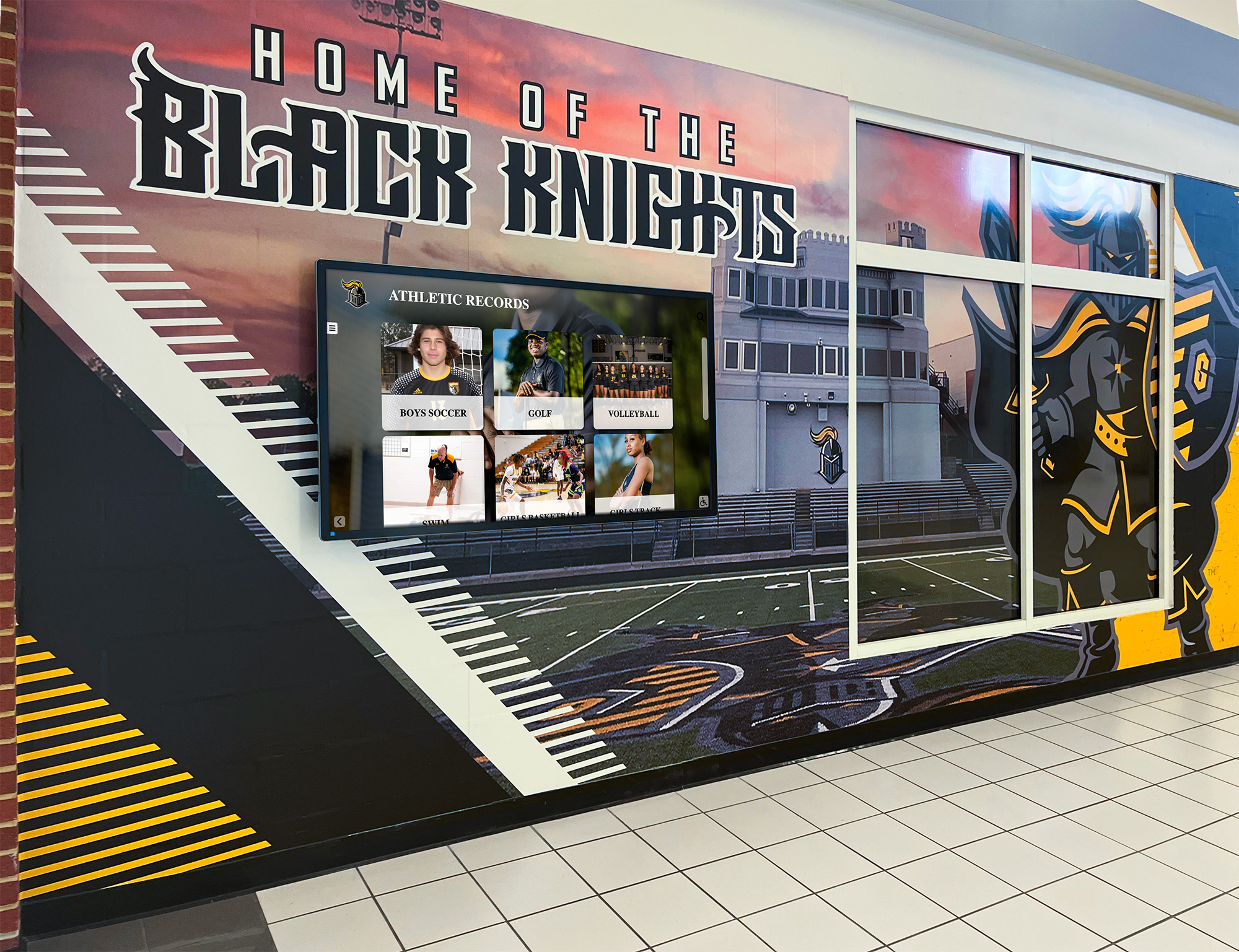
Athletic corridor installations create permanent recognition celebrating team records and individual achievements
Define Award Categories and Criteria
Establish clear frameworks ensuring fair selection:
- Identify 8-12 award categories balancing traditional and creative recognition
- Define specific criteria for competitive achievement awards
- Establish nomination and selection processes for subjective awards
- Determine whether awards recognize varsity only or include junior varsity athletes
- Decide student, coach, or combined voting approaches for peer-selected awards
Four Weeks Before Event: Selection and Planning Phase
Award Recipient Selection
Systematic evaluation ensures appropriate recognition:
- Compile statistical data for performance-based awards
- Gather coach input for subjective categories
- Conduct team voting for peer-selected recognition
- Review academic records for scholar-athlete awards
- Confirm external recognition (all-conference, all-state) for acknowledgment
- Maintain confidentiality preserving surprise and celebration
Event Program Development
Structure creates flow and appropriate pacing:
- Welcome and opening remarks from athletic director or head coach
- Season highlights presentation: statistics, memorable moments, team achievements
- Individual award presentations with brief description of recipient contributions
- Senior recognition segment with personalized tributes
- Coach remarks reflecting on season and acknowledging support
- Closing remarks and invitation to reception or photo opportunities
Multimedia Content Creation
Professional presentations enhance engagement:
- Season highlight videos incorporating game footage and celebrations
- Individual athlete recognition slides with photos and statistics
- Senior tribute presentations with career retrospectives
- Team photo displays and memorable moment collections
- Graphics and visual elements reinforcing team branding
Two Weeks Before Event: Final Preparation Phase
Communication and Invitations
Ensure maximum participation through systematic outreach:
- Formal invitations to athletes and families with RSVP tracking
- Special invitations to administrators, board members, and community supporters
- Booster club communication coordinating volunteer support
- Social media announcements building anticipation
- Meal count finalization for catering arrangements
Physical Award Procurement
Traditional recognition items require advance ordering:
- Trophies, plaques, or medals engraved with recipient names and categories
- Certificate printing for secondary recognition
- Team awards: varsity letters, pins, patches
- Senior gifts or commemorative items
- Coach appreciation gifts acknowledging leadership
Venue and Technical Setup
Environmental preparation ensures smooth execution:
- Room arrangement: seating, head table, award display area
- Audio-visual equipment: projector, screen, sound system, microphone
- Decorations reflecting team colors and season theme
- Registration/check-in area with programs and name tags
- Photography/videography arrangements capturing event for promotion
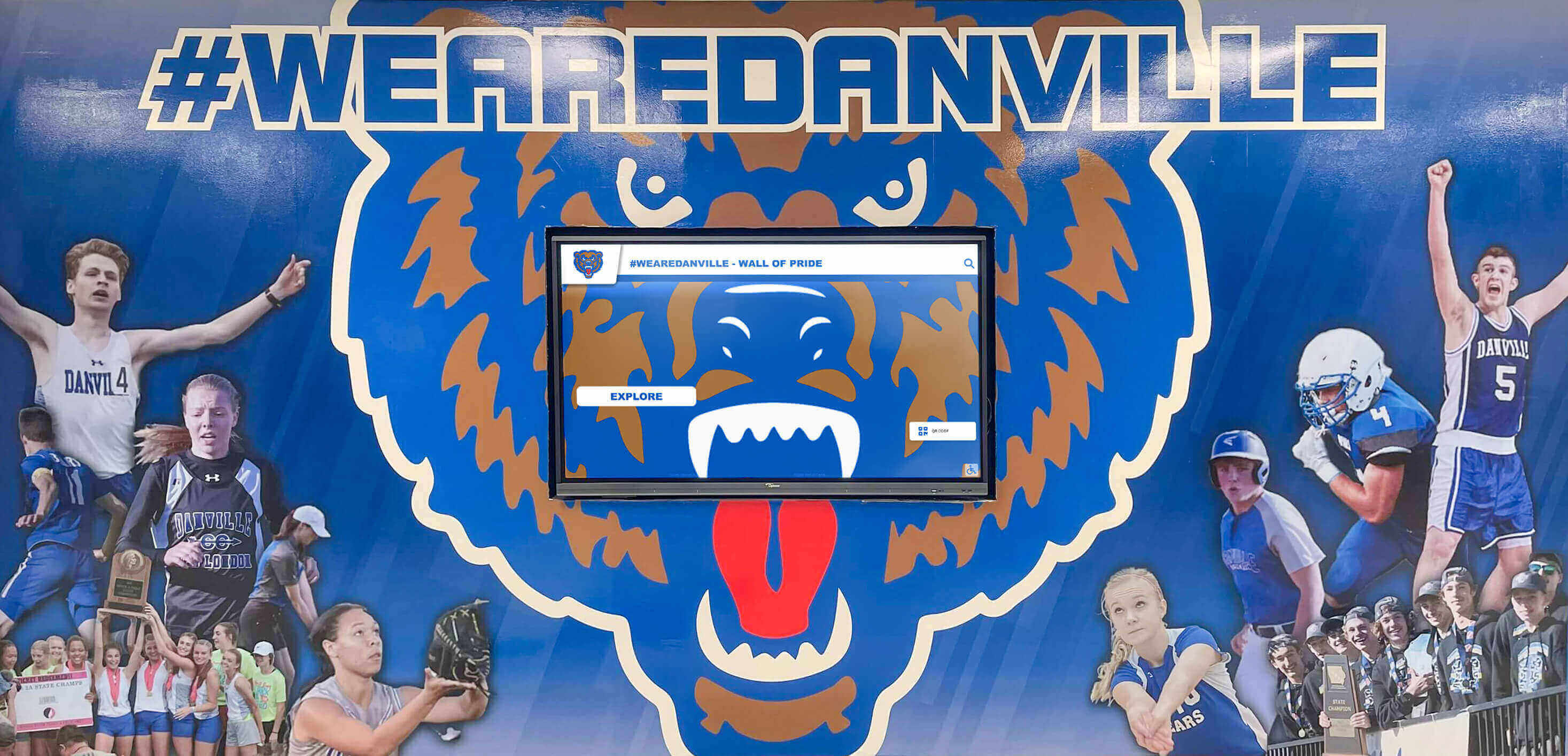
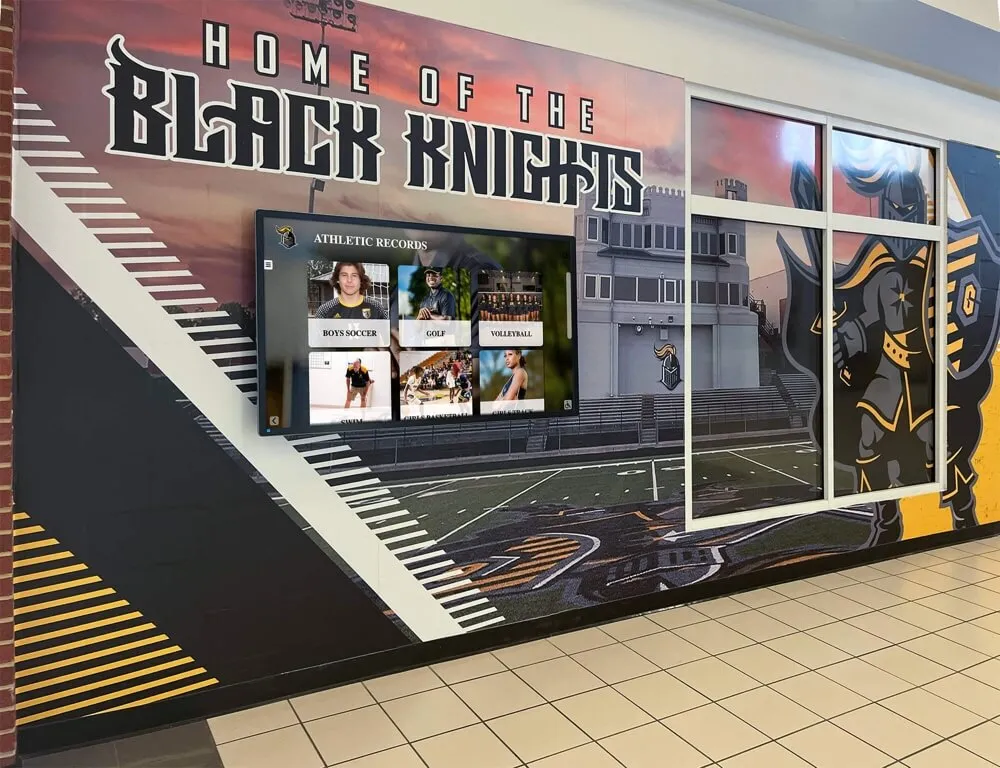
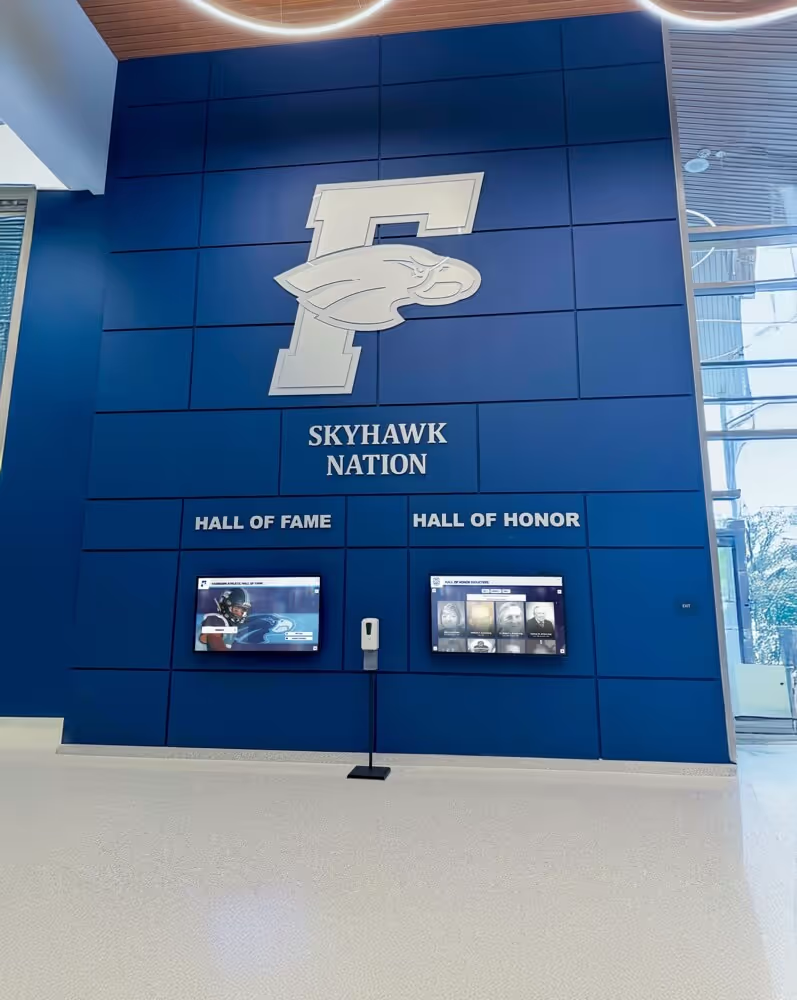
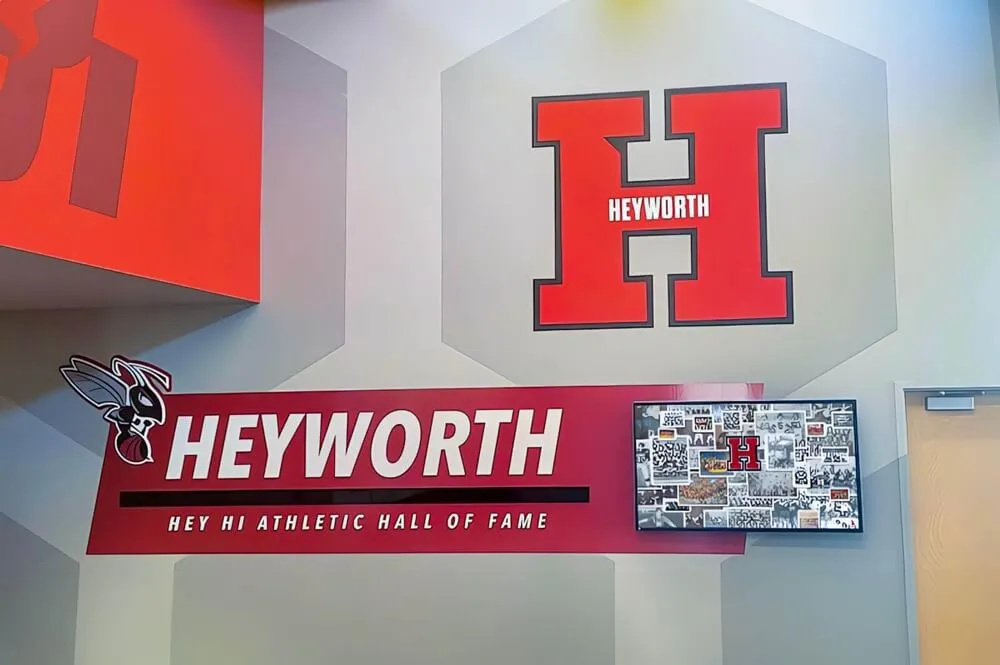
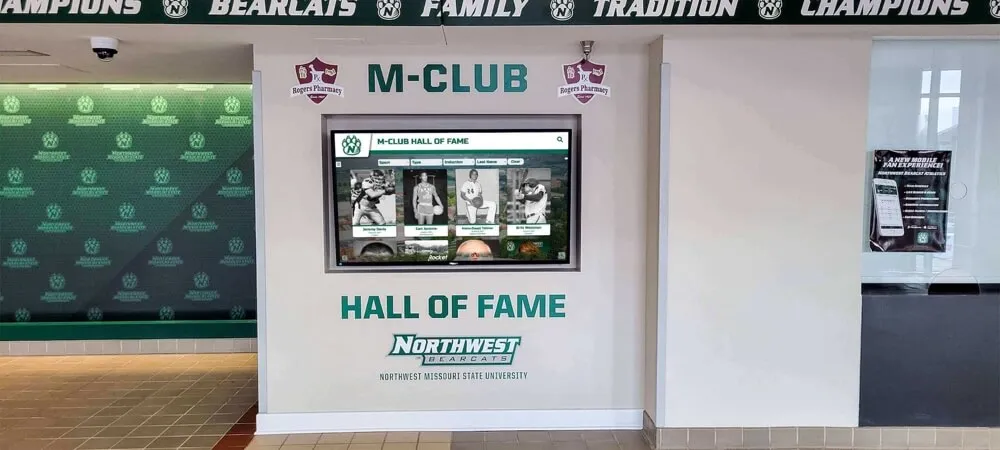
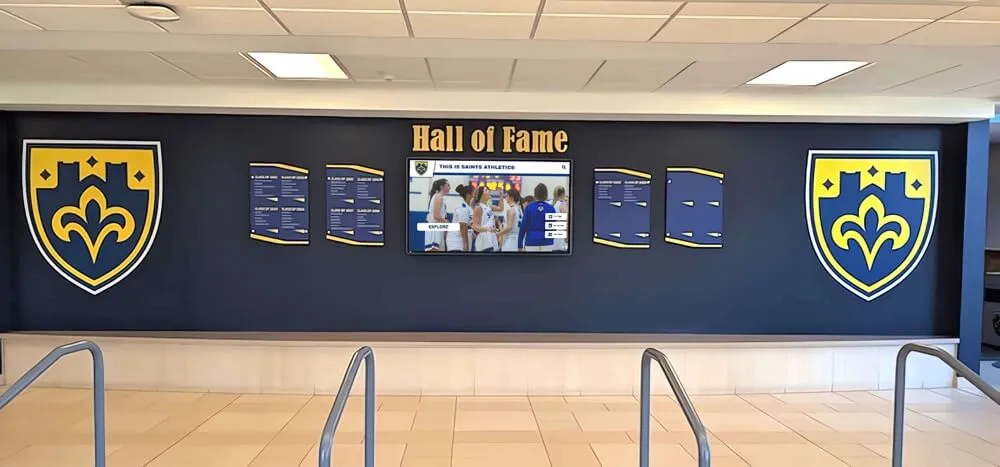
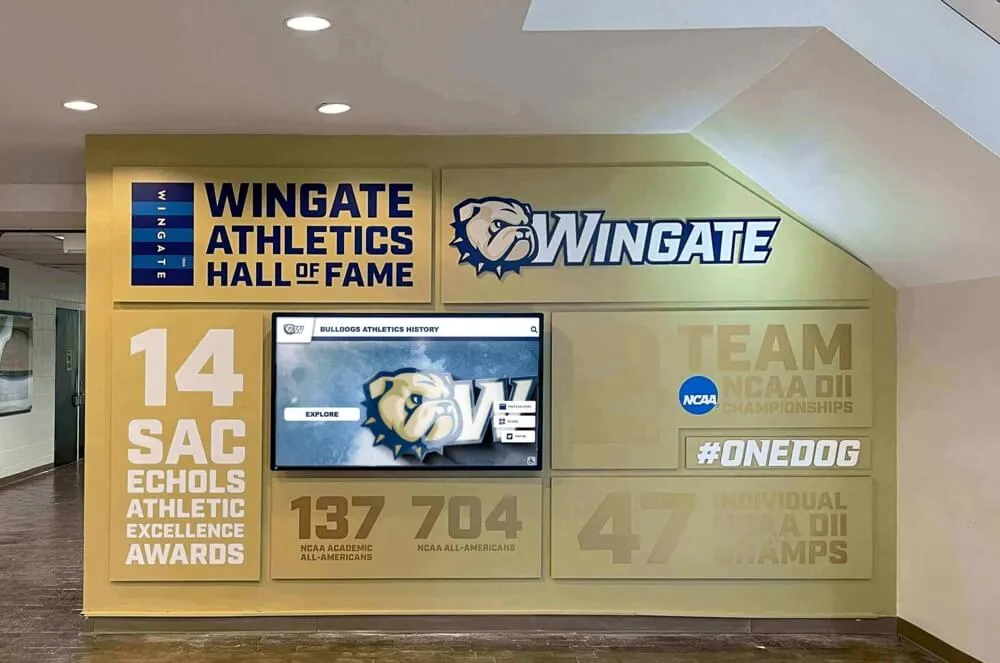
Branded athletic spaces combine visual identity with digital recognition creating memorable program environments
Display Integration: Creating Lasting Recognition Beyond Banquets
While end-of-year banquets create memorable celebration moments, comprehensive recognition extends beyond single-night ceremonies through permanent displays making achievements visible year-round.
Physical Display Limitations in Athletic Facilities
Traditional recognition faces practical constraints:
Space Limitations
- Trophy cases fill quickly with finite capacity
- Wall space competition among multiple sports programs
- Renovation and facility updates requiring display relocation
- Aging awards creating cluttered appearance
- Difficult decisions about which achievements receive visibility
Maintenance Challenges
- Dust accumulation and cleaning requirements
- Broken glass, damaged plaques, or missing awards
- Outdated information and incomplete records
- Inconsistent formatting across different award years
- Cost and time associated with physical updates
Digital Recognition Solutions for Athletic Programs
Modern technology addresses traditional limitations while creating engaging recognition experiences:
Comprehensive Achievement Documentation
Digital athletic recognition systems enable unlimited capacity celebrating every award recipient:
- All award categories across all seasons and sports
- Individual athlete profiles with photos and achievement details
- Team season records and championship documentation
- Historical archives connecting current and past programs
- Statistical leaders and record progressions across decades
Interactive Exploration and Engagement
Digital platforms create active discovery rather than passive viewing:
- Searchable databases enabling athletes to find specific awards or teammates
- Filtering by sport, season, award type, or graduation year
- Video integration featuring championship moments and highlight performances
- Social sharing enabling athletes to celebrate recognition beyond campus
- QR codes connecting physical trophies to comprehensive digital stories

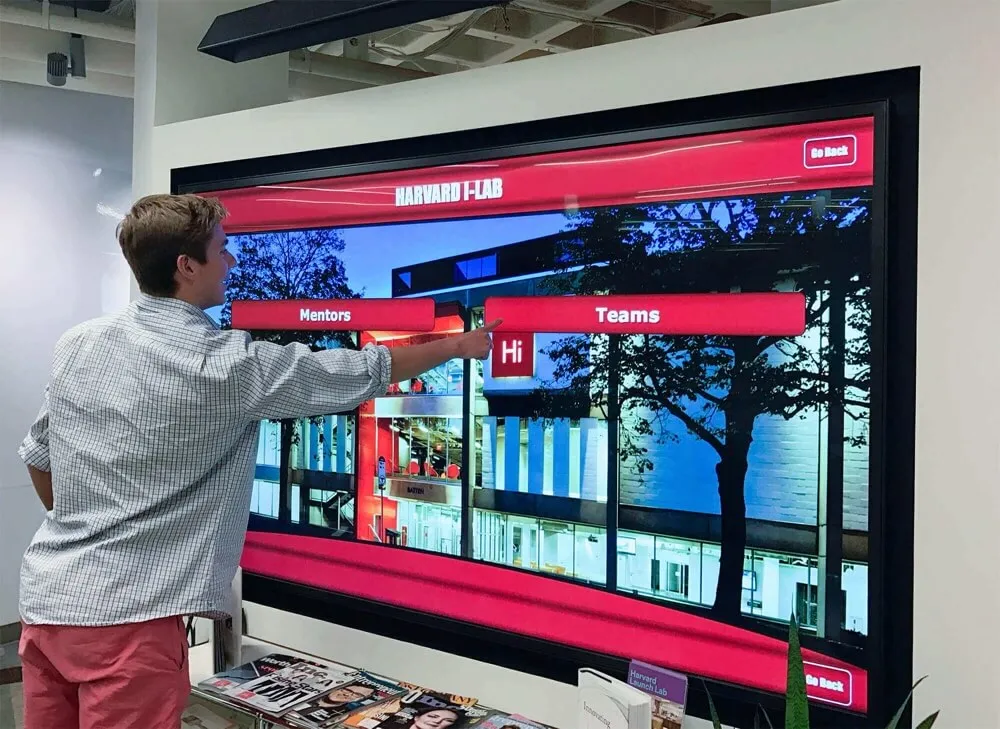
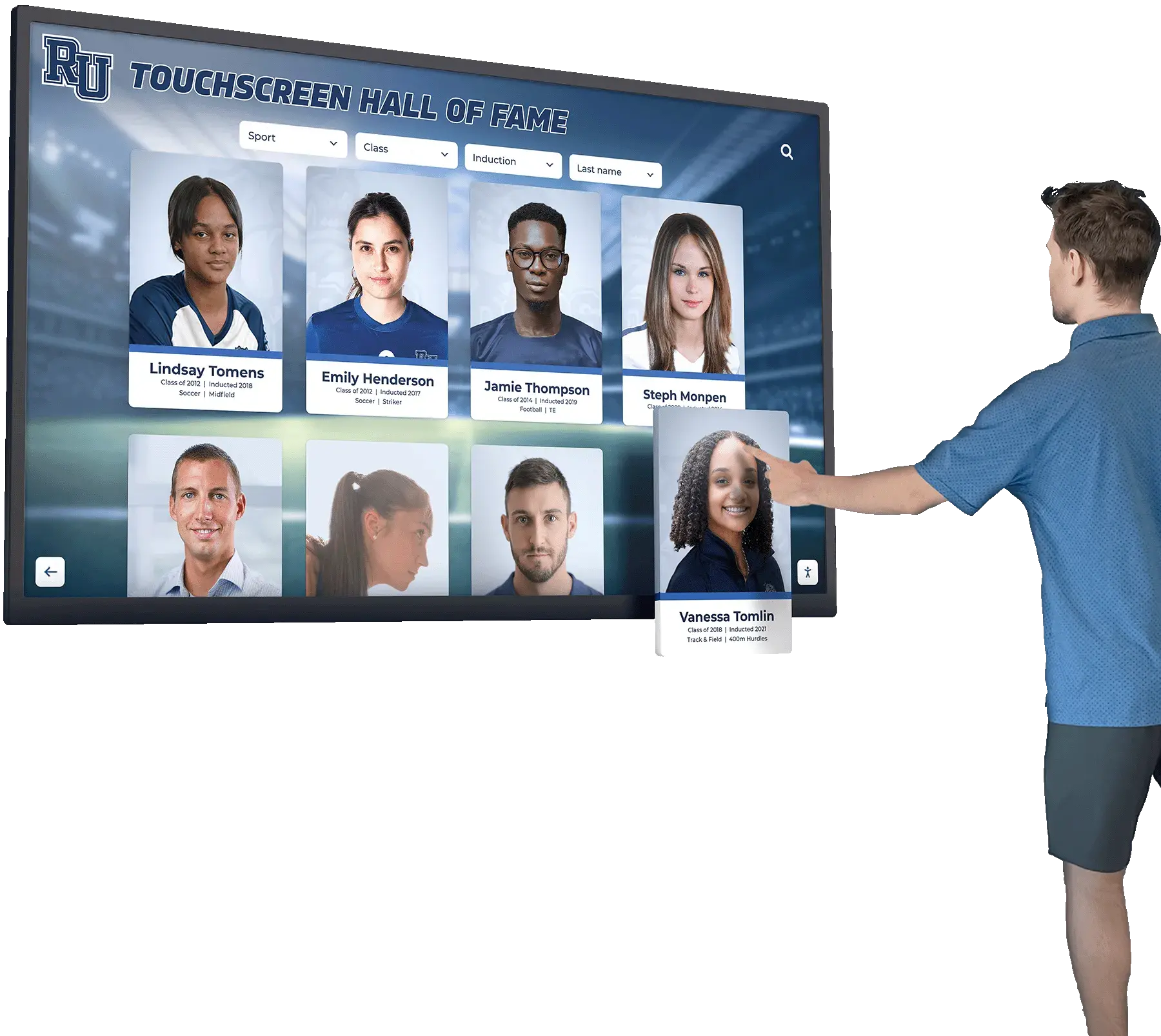
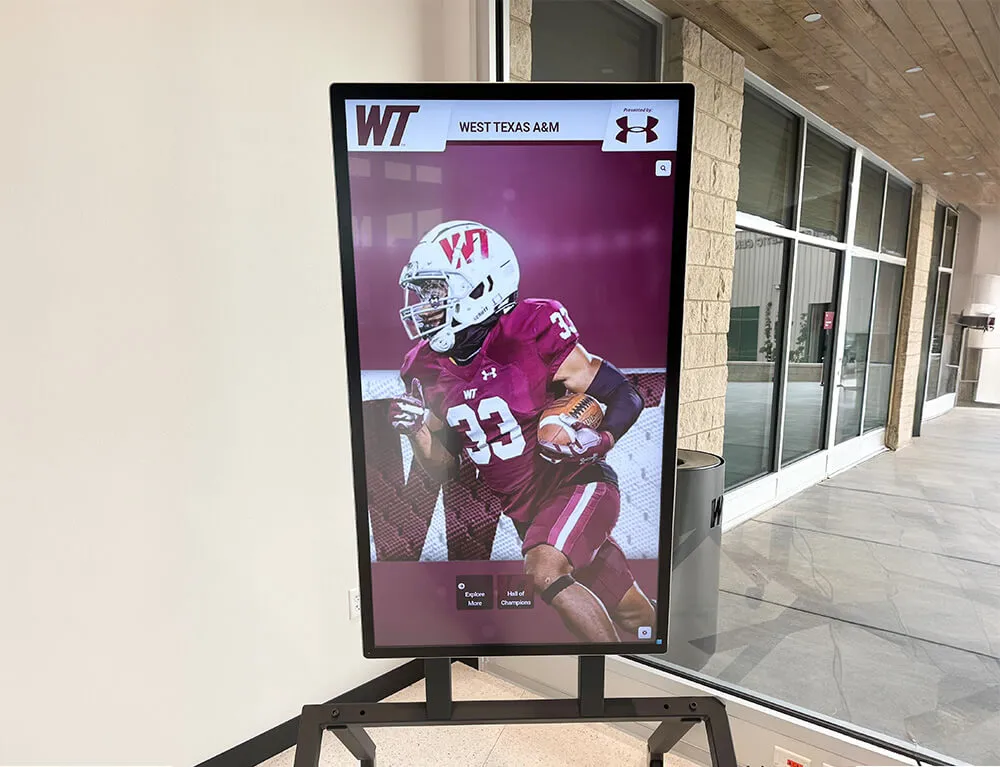
Intuitive touchscreen interfaces enable athletes and visitors to explore comprehensive award histories and individual achievements
Flexible Display Locations
Strategic placement maximizes recognition visibility:
- Athletic facility lobbies welcoming arrivals and parents
- Training centers where athletes spend daily time
- Main school corridors ensuring broader school community awareness
- Weight rooms motivating athletes during conditioning
- Conference rooms for recruiting presentations
Schools implementing interactive recognition displays report increased athlete engagement, enhanced program pride, and strengthened recruiting appeal as prospective athletes explore program achievement during campus visits.
Simple Content Management
Cloud-based administration eliminates technical barriers:
- Award updates immediately following banquets without installation delays
- Multiple administrator access enabling coaches to manage their sport recognition
- Template-based content entry ensuring consistent professional presentation
- Bulk import capabilities for comprehensive historical data
- Scheduled content enabling automatic seasonal displays
Integrating Traditional and Digital Recognition
Comprehensive approaches combine physical awards with digital amplification:
Physical Trophy Display with Digital Context
- Maintain trophy cases for major championships and team awards creating tangible presence
- Integrate QR codes connecting physical trophies to digital stories with comprehensive details
- Use digital displays adjacent to trophy cases extending recognition capacity
- Rotate physical displays seasonally while maintaining permanent digital access
Dual Recognition at Award Ceremonies
- Present traditional physical awards during banquets creating memorable moments
- Simultaneously update digital recognition platforms ensuring immediate visibility
- Share social media posts from digital profiles during ceremonies
- Project digital recognition screens during banquets showing historical context
Solutions like Rocket Alumni Solutions provide specialized platforms designed specifically for athletic recognition, combining professional touchscreen hardware with intuitive content management enabling athletic departments to celebrate unlimited achievements while creating engaging experiences that strengthen program culture and community pride.
Measurement: Assessing Awards Program Impact
Effective programs require evaluation ensuring recognition achieves intended outcomes.
Participation and Engagement Metrics
Quantitative measures indicating program success:
- Banquet attendance rates among athletes and families
- Year-over-year attendance trends showing growing engagement
- Social media engagement on award announcements and ceremony posts
- Digital display interaction data showing athlete and visitor exploration
- Photo sharing and digital award certificate distribution
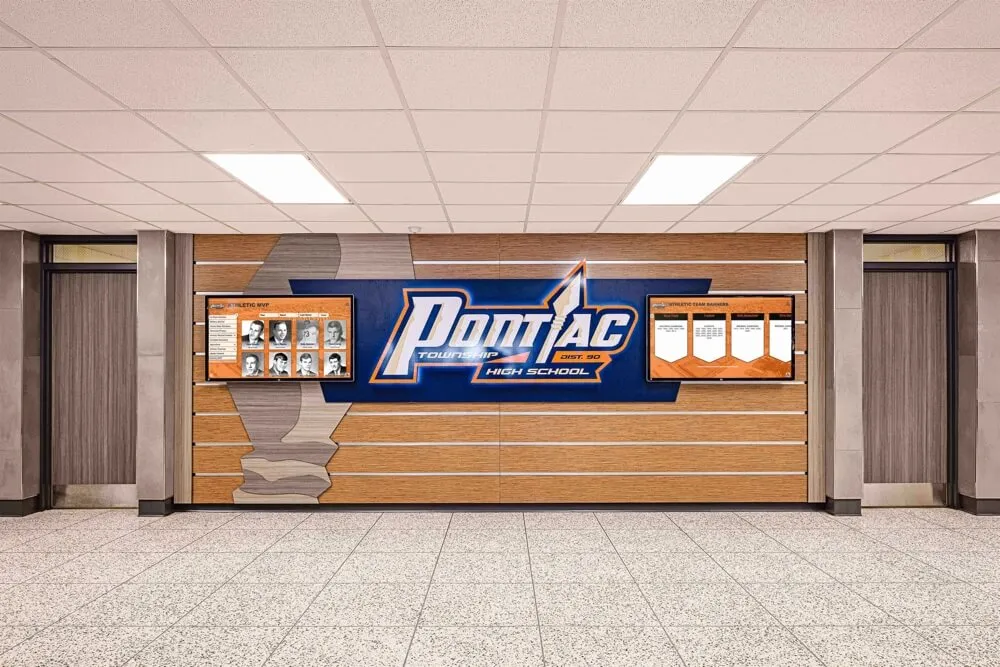
Athletic honor walls create destination spaces within school corridors celebrating program achievement
Cultural and Program Development Indicators
Qualitative outcomes demonstrating recognition effectiveness:
Athlete Motivation and Development
- Returning athlete participation rates showing program retention
- Athlete effort and engagement during subsequent seasons
- Improvement in team culture and athlete relationships
- Development of leadership behaviors among younger athletes
Program Visibility and Pride
- Community awareness of athletic achievements
- Parent satisfaction with recognition experiences
- Booster club growth and fundraising success
- Recruiting effectiveness attracting skilled athletes
Recognition Equity and Inclusiveness
- Distribution of awards across diverse athlete populations
- Recognition balance between star athletes and supporting contributors
- Participation by athletes across all sports in comprehensive programs
- Accessibility and accommodation ensuring all athletes can participate
Feedback Collection and Continuous Improvement
Systematic feedback drives program enhancement:
- Post-event surveys gathering athlete and parent input
- Coach debriefing sessions identifying improvement opportunities
- Comparison with peer athletic programs and best practices
- Award category evaluation determining relevance and meaning
- Budget analysis ensuring financial sustainability
Overcoming Common Implementation Challenges
Athletic directors and coaches face predictable obstacles when developing comprehensive awards programs.
Budget Constraints and Fundraising
Recognition programs compete for limited athletic department resources:
Cost-Effective Strategies
- Partner with booster clubs covering banquet costs through fundraising
- Seek local business sponsorships offsetting venue and award expenses
- Use team fundraising activities generating resources for recognition
- Implement tiered award approaches: trophies for major awards, certificates for secondary recognition
- Use digital recognition platforms providing unlimited capacity without per-award costs
Time Demands on Coaches and Athletic Directors
Awards program planning adds to already overwhelming responsibilities:
Efficiency Approaches
- Establish standing committees distributing planning responsibilities
- Create templates and checklists replicable across sports and seasons
- Use digital tools streamlining award selection and content management
- Schedule dedicated planning time rather than adding to existing overload
- Involve senior athletes and parent volunteers managing logistics
Maintaining Recognition Authenticity and Meaning
Generic awards lacking genuine meaning fail to motivate athletes:
Ensuring Award Significance
- Establish clear criteria connected to program values
- Limit recipient numbers maintaining award prestige
- Personalize recognition through specific achievement descriptions
- Balance inclusive participation with meaningful selectivity
- Connect awards to athletic and personal development goals
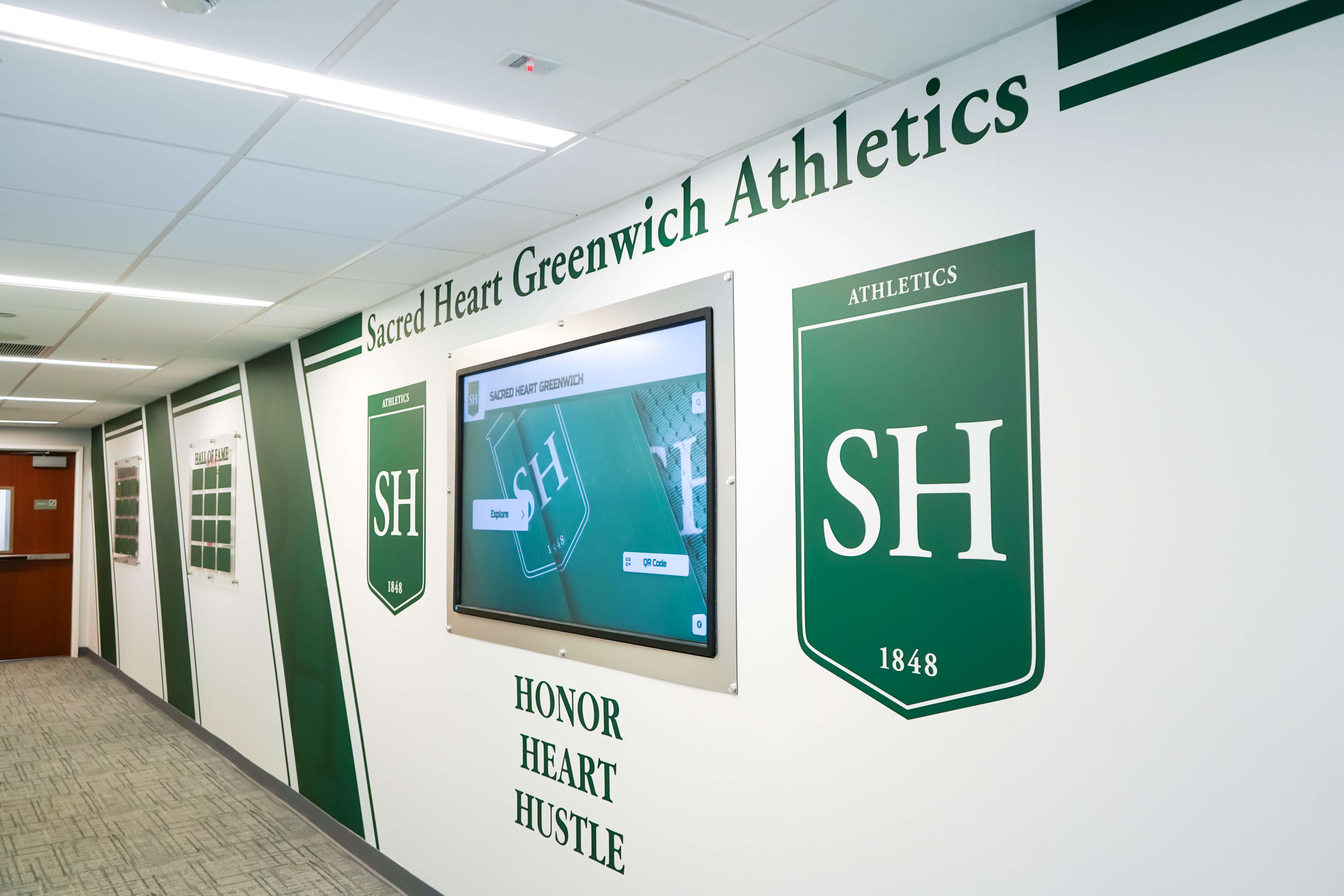
Sophisticated athletic displays create professional environments reflecting program excellence and institutional pride
Balancing Multiple Sports Programs
Schools with extensive athletic offerings struggle with equitable recognition:
Cross-Program Consistency
- Establish athletic department-wide award frameworks
- Ensure comparable recognition levels across all sports regardless of profile
- Coordinate scheduling avoiding conflicts between sport-specific events
- Share best practices among coaching staffs
- Celebrate fall, winter, and spring sports equally through comprehensive programs
Creating Awards Programs That Build Lasting Athletic Culture
Sport end of year awards represent far more than trophy distribution ceremonies—they communicate program values, motivate continued excellence, honor commitment and achievement, and create defining memories that athletes carry throughout their lives. When athletic departments approach end-of-year recognition strategically through comprehensive award categories, creative recognition ideas, professional presentations, and permanent displays extending beyond single-night ceremonies, they build athletic cultures that inspire excellence.
The frameworks, award ideas, and implementation strategies explored in this guide provide athletic directors and coaches with practical blueprints for transforming recognition from routine obligation to powerful program-building opportunity. From traditional MVP awards to creative character recognition, from statistical achievement to leadership celebration, comprehensive programs ensure every athlete receives appropriate acknowledgment for their unique contributions.
Ready to create athletic recognition that extends beyond end-of-year banquets? Modern recognition solutions help athletic departments celebrate unlimited achievements, preserve program heritage, and create engaging displays that strengthen team culture and inspire future excellence. Solutions like Rocket Alumni Solutions provide comprehensive digital platforms specifically designed for athletic recognition, combining professional touchscreen hardware with intuitive content management enabling coaches to update awards immediately while creating interactive experiences that athletes, families, and recruits explore throughout the year.
Whether planning your first comprehensive awards program or enhancing established traditions, success requires authentic commitment to celebrating every athlete’s journey—from star performers to supporting contributors, from competitive achievement to character development, from statistical excellence to leadership growth.
Your athletes invest countless hours in training, practice, and competition. They balance academic demands with athletic commitment. They represent your school and community with distinction. They deserve recognition programs that authentically celebrate their dedication and achievements while creating memories that define their athletic experience.
Start planning your next sport end of year awards program by establishing comprehensive recognition categories ensuring every athlete sees themselves in your awards structure. Create engaging ceremonies combining professional presentation with personal touches. Implement permanent recognition displays that extend celebration beyond single-night events. The most effective recognition doesn’t require massive budgets—it requires genuine commitment to honoring athlete contributions across all dimensions of athletic excellence.
Every award presented reinforces program values and motivates future achievement. Every athlete recognized feels valued and connected to something larger than individual performance. Your athletic program’s culture depends significantly on how you celebrate accomplishment and acknowledge effort—make recognition your strategic priority, and watch program pride, athlete motivation, and competitive excellence reach new heights.