



Every spring, millions of American students prepare for spelling bee competitions—from classroom contests through regional championships to the prestigious Scripps National Spelling Bee. These academic competitions celebrate linguistic mastery, etymology knowledge, and the dedication required to memorize thousands of challenging words. Yet spelling bee champions often receive fleeting recognition despite investing hundreds of hours mastering vocabulary that distinguishes elite spellers from their peers.
Spelling bee excellence represents extraordinary intellectual achievement worthy of celebration alongside athletic accomplishments and other competitive honors. Schools maintaining visible recognition of spelling champions—displaying past winners, regional qualifiers, and study club participants—create cultures valuing linguistic excellence while motivating future generations to pursue vocabulary mastery. When students see spelling achievements prominently celebrated, they understand that academic competition success receives lasting recognition equal to any other accomplishment.
This comprehensive guide explores grade-appropriate spelling bee word lists, proven preparation strategies, competition structures from classroom through national levels, and modern approaches to recognizing spelling excellence throughout school communities.
Effective spelling bee preparation requires systematic vocabulary development matched to student grade levels, understanding competition word patterns and etymology, and creating school cultures where linguistic achievement receives celebration inspiring continued excellence.

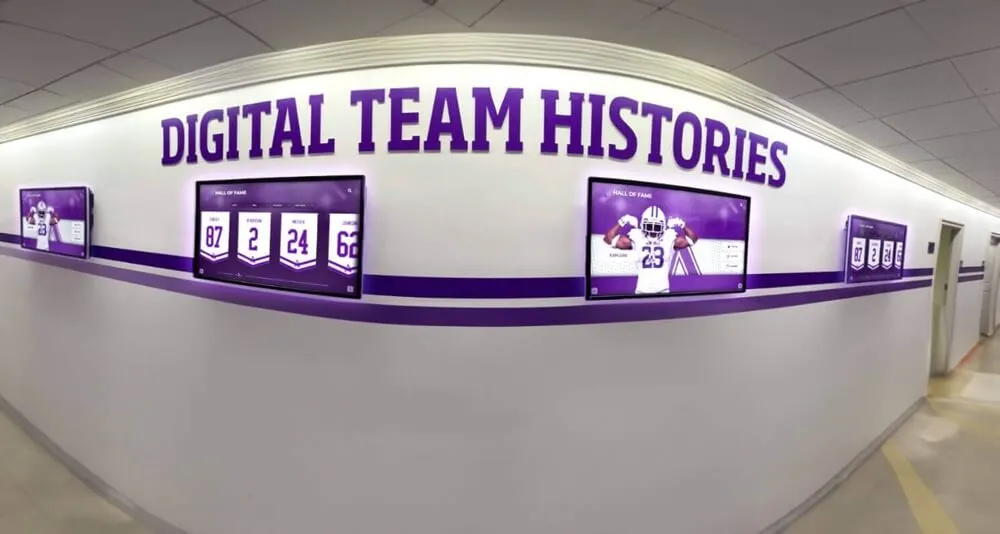
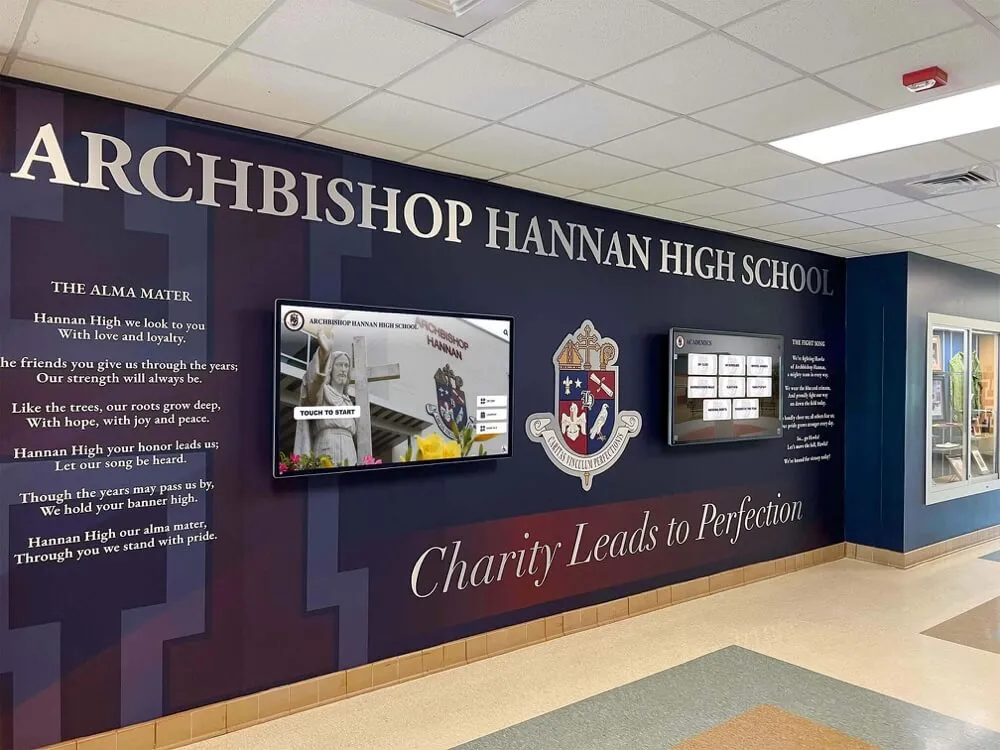
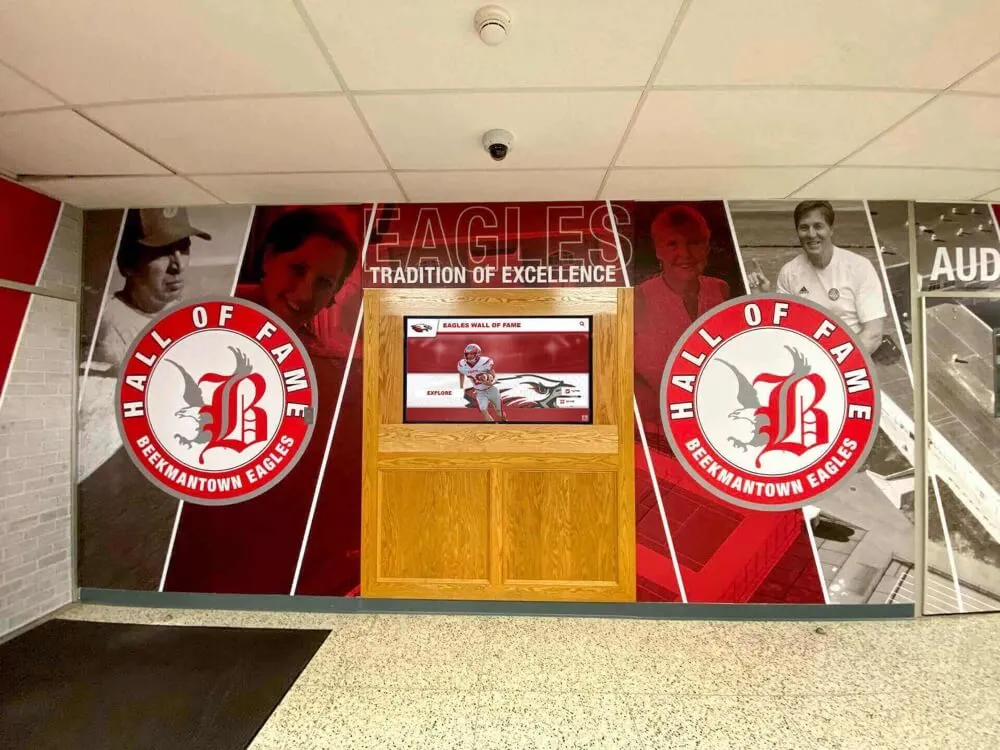
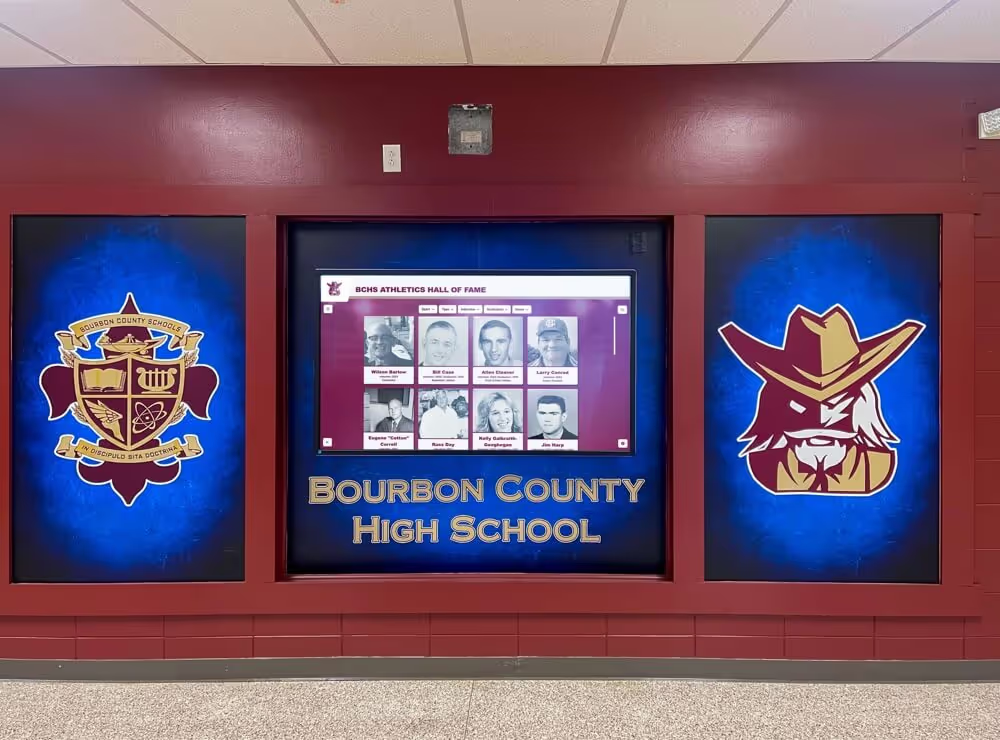
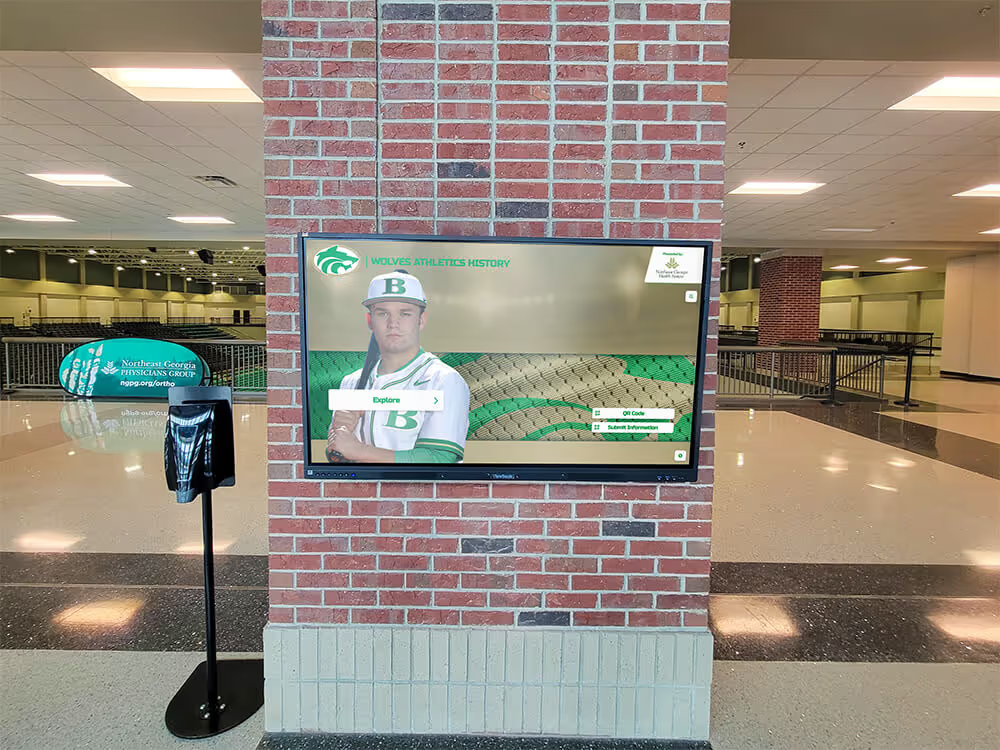
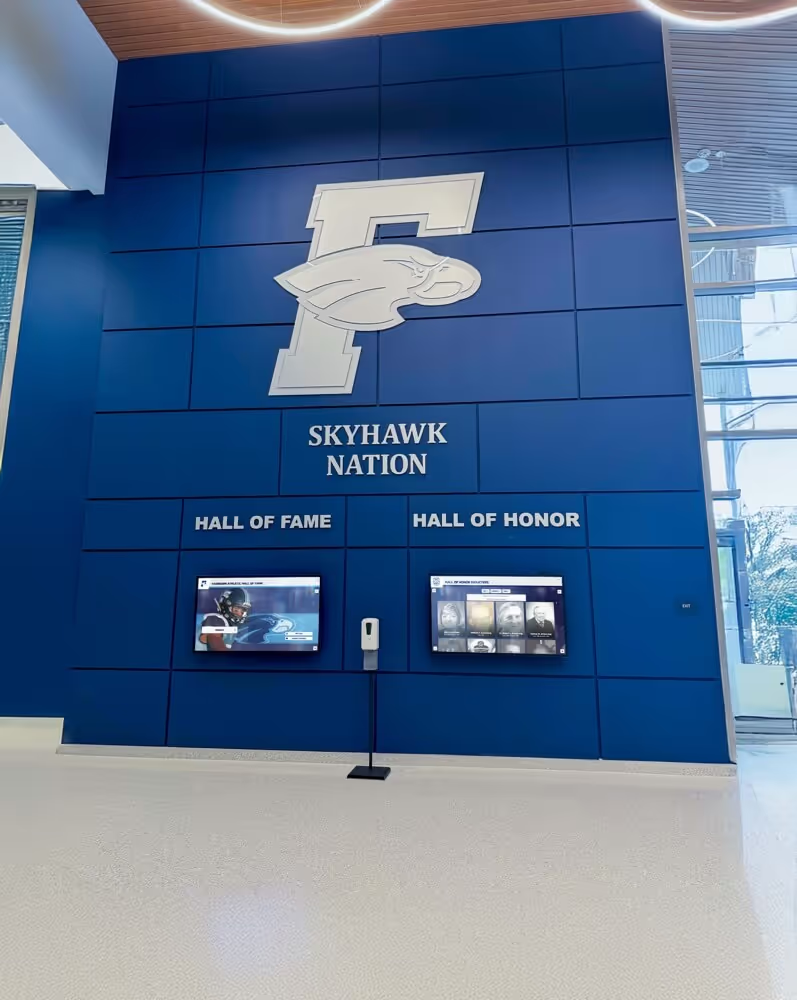
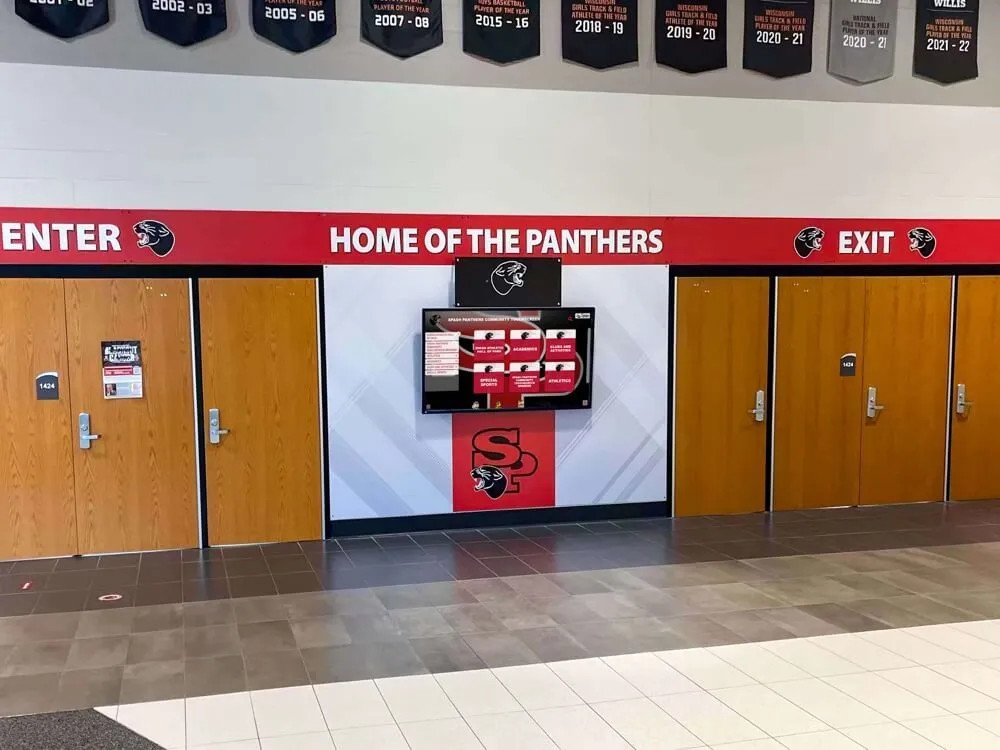
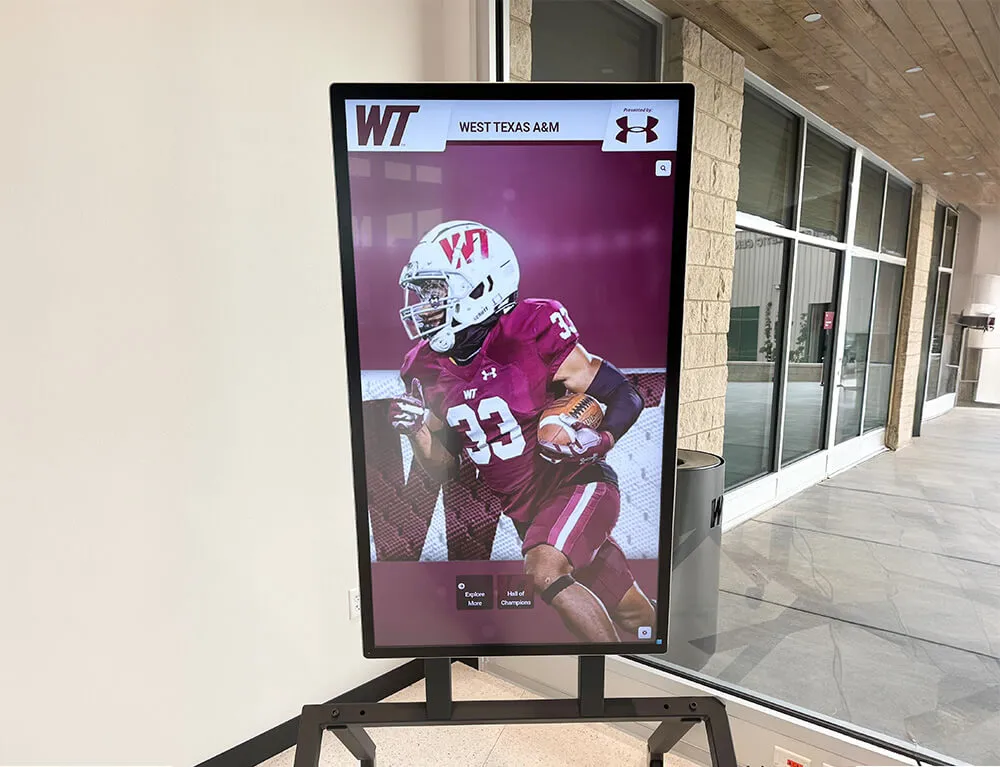
Modern recognition displays celebrate spelling bee champions alongside other academic achievements throughout school history
Understanding Spelling Bee Competition Structures
Spelling bee competitions follow hierarchical structures advancing elite spellers from classroom contests through increasingly prestigious championship levels.
Competition Levels and Advancement Pathways
Classroom Spelling Bees
Initial competitions occur within individual classrooms:
- Teachers organize periodic spelling contests using grade-appropriate word lists
- Winners advance to represent classes in school-wide competitions
- Participation builds foundational competition experience and confidence
- Low-pressure environments introduce spelling bee formats and procedures
- All students receive vocabulary development benefits regardless of advancement
School Spelling Bees
Building-level competitions determine school champions:
- Class winners compete representing their classrooms
- Schools typically conduct separate competitions by grade level or division
- Winners advance to regional or district competitions
- Participation typically occurs in January through March timeframe
- Recognition ceremonies celebrate school champions before broader community
Regional and District Competitions
Intermediate levels determine geographic area qualifiers:
- School champions compete against winners from surrounding schools
- Regional boundaries vary by sponsoring organizations and geography
- Multiple regional competitions may occur across large metropolitan areas
- Top performers advance to state or national qualifying events
- Increased competition intensity requires deeper vocabulary mastery
State and National Championships
Elite competitions crown champions at highest levels:
- State competitions determine state champions and national qualifiers
- Scripps National Spelling Bee represents most prestigious championship
- National competition features 200+ spellers from across America and international participants
- Extensive media coverage elevates champions to national recognition
- Championship rounds broadcast nationally demonstrating elite spelling mastery
Schools implementing comprehensive academic recognition programs celebrate achievement at all competition levels ensuring participation receives appropriate honor regardless of advancement distance.
Scripps National Spelling Bee Overview
The Scripps National Spelling Bee represents America’s preeminent spelling competition, tracing its history to 1925.
Eligibility and Qualification
- Students must be enrolled in eighth grade or lower
- Have not turned 16 before competition date
- Must win an officially enrolled Scripps regional competition
- Over 11 million students participate in Scripps programs annually
- Approximately 230-250 spellers advance to National Finals in Washington, DC
Competition Format and Rounds
National Finals feature multiple rounds testing diverse spelling knowledge:
- Preliminary rounds: Computer-based spelling and vocabulary tests
- Quarterfinals: Onstage spelling with judges and pronouncers
- Semifinals: Advanced difficulty words from diverse language origins
- Finals: Championship rounds broadcast on national television
- Multiple-day competition format building toward final championship
Prize Structure and Recognition
National Spelling Bee champions receive substantial prizes:
- Champion receives $50,000+ cash prize
- Educational grants and scholarship opportunities
- Comprehensive media recognition and national acclaim
- Trophy presentation and permanent recognition in Bee history
- Ongoing opportunities through alumni programs and public appearances

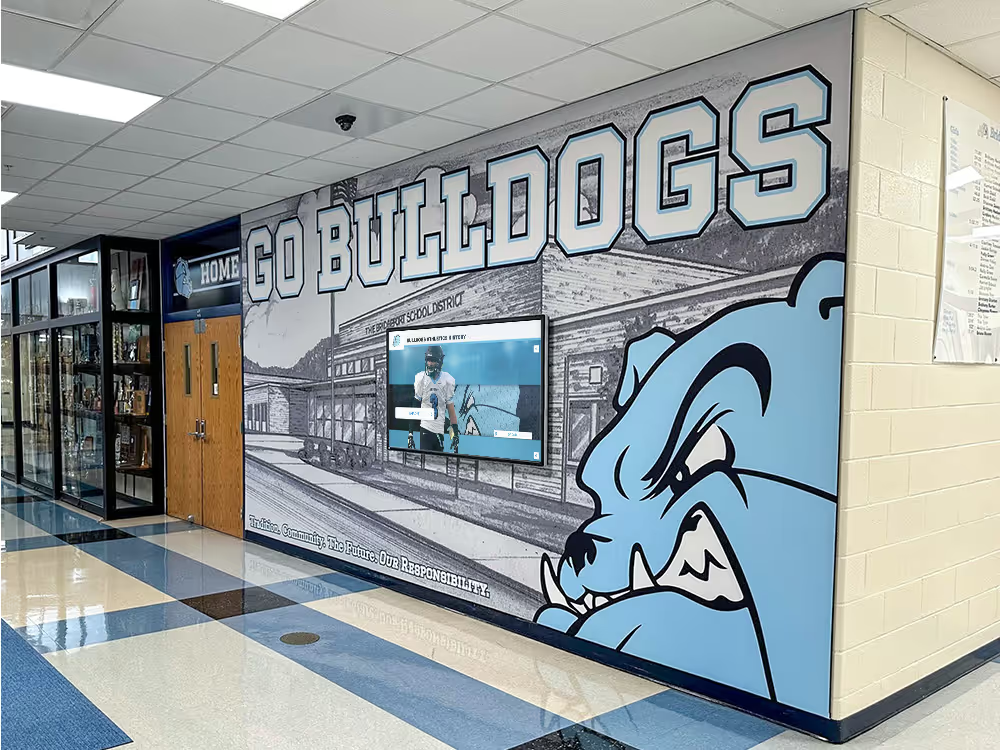
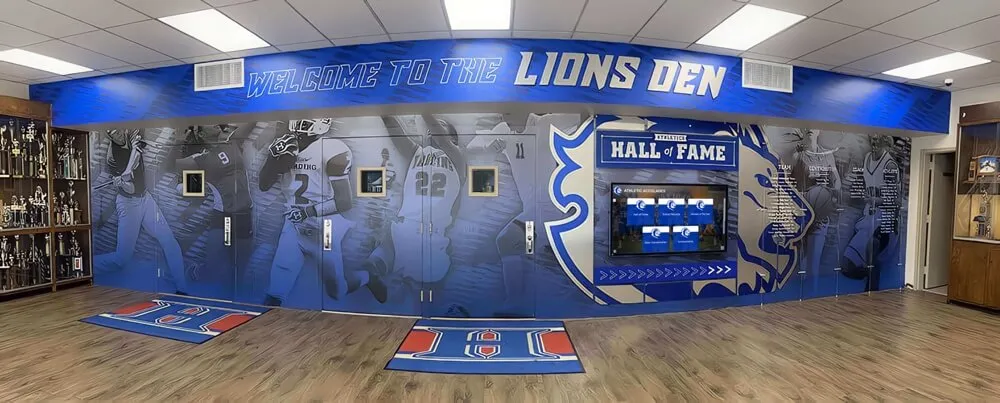
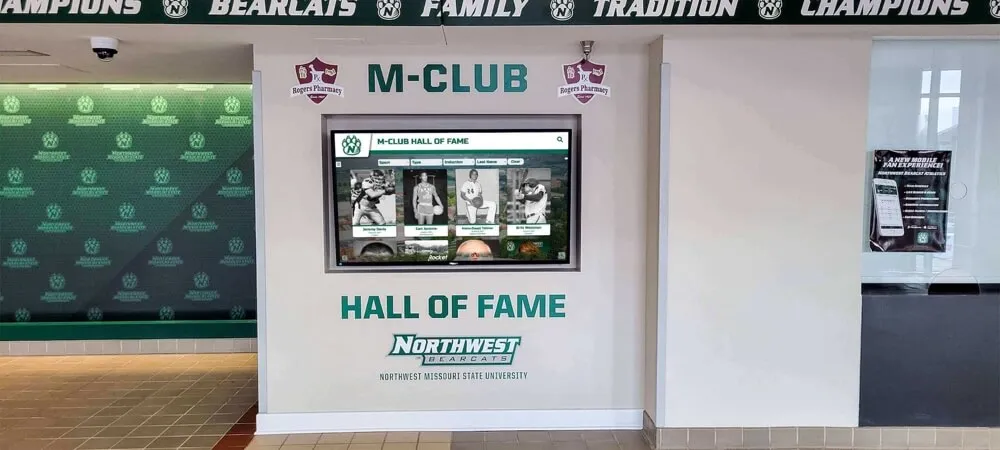
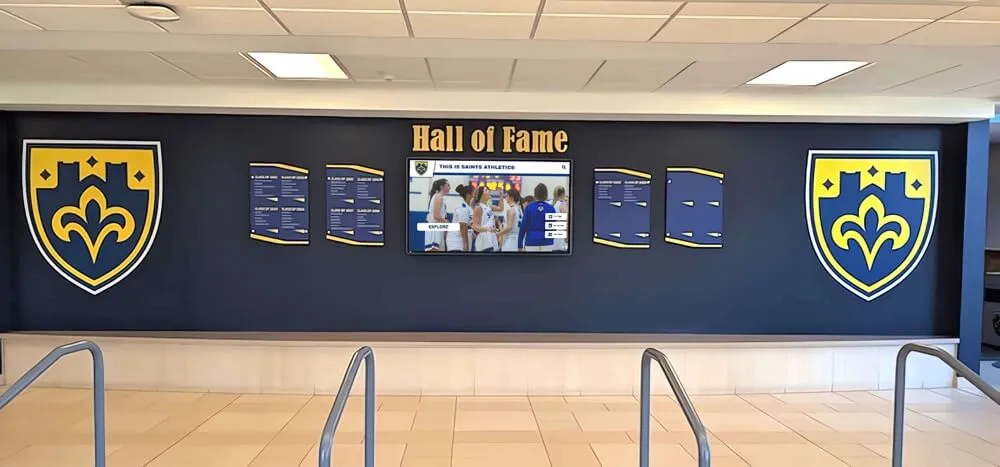
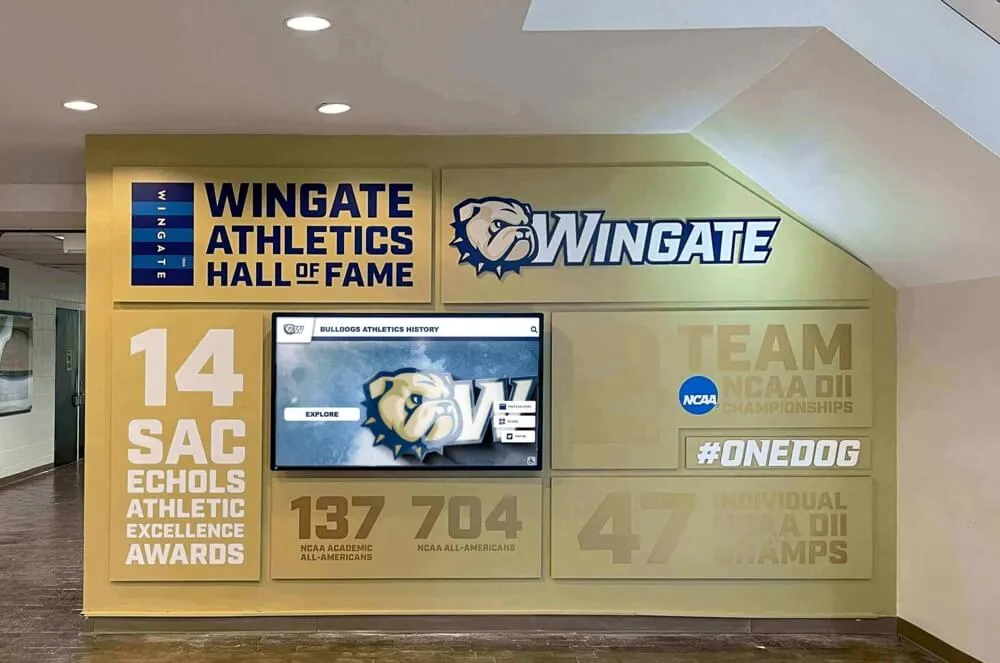
Digital displays enable schools to celebrate spelling bee participants with individual recognition profiles
Elementary Grade Spelling Bee Words (Grades 1-3)
Early elementary spelling focuses on phonetic patterns, common sight words, and foundational vocabulary building reading fluency.
First Grade Spelling Bee Words
Beginning spellers master basic phonetic patterns and high-frequency words:
Short Vowel Patterns
- cat, mat, hat, bat, rat
- pen, hen, den, ten, men
- big, dig, pig, wig, fig
- hot, pot, dot, lot, not
- cup, pup, up, sun, run
Beginning Blends and Digraphs
- ship, chip, shop, chop, shut
- when, what, whip, which, whale
- this, that, them, then, thick
- drip, drop, drum, drag, dress
- frog, from, free, frame, fresh
Common Sight Words
- they, have, said, what, were
- could, would, should, about, your
- come, some, done, one, once
- many, any, very, every, over
Study Strategy for First Grade
Focus on phonemic awareness and sound-pattern recognition:
- Practice sounding out words emphasizing beginning, middle, and ending sounds
- Use visual aids showing letter combinations and corresponding sounds
- Incorporate physical movement or hand motions reinforcing sound patterns
- Read books emphasizing target phonetic patterns providing contextual exposure
- Celebrate progress focusing on effort and growth rather than perfect spelling
Second Grade Spelling Bee Words
Second graders advance to more complex phonetic patterns and longer vocabulary:
Long Vowel Patterns
- cake, make, take, brake, shake
- tree, free, see, bee, knee
- bike, like, hike, strike, spike
- bone, cone, phone, stone, alone
- tube, cube, flute, prune, crude
R-Controlled Vowels
- farm, harm, charm, smart, start
- bird, third, shirt, first, thirst
- corn, born, torn, horn, storm
- burn, turn, church, nurse, purple
- gear, near, clear, year, fear
Common Prefixes and Suffixes
- unhappy, unkind, unable, untie, unfair
- replay, repay, redo, rewrite, reread
- helping, jumping, looking, playing, running
- quickly, slowly, kindly, safely, gladly
- bigger, smaller, faster, taller, shorter
Compound Words
- baseball, basketball, football, softball
- sunshine, rainbow, moonlight, daylight
- notebook, textbook, cookbook, handbook
- bedroom, bathroom, classroom, playroom
- outside, inside, upstairs, downstairs
Third Grade Spelling Bee Words
Third graders tackle multisyllabic words and more sophisticated vocabulary:
Multisyllabic Words
- animal, hospital, restaurant, library, important
- beautiful, wonderful, powerful, peaceful, grateful
- remember, September, November, December, calendar
- vacation, nation, station, motion, lotion
- telephone, microphone, saxophone, xylophone
Advanced Consonant Patterns
- caught, taught, daughter,aughter, laughter
- thought, brought, fought, bought, sought
- knife, knot, knee, knew, knight
- wrist, wrap, wrong, write, wrinkle
- science, scissors, scene, scent, muscle
Subject-Specific Vocabulary
- addition, subtraction, multiplication, division, fraction
- dinosaur, fossil, skeleton, habitat, extinct
- mountain, valley, ocean, desert, continent
- government, president, election, citizen, freedom
- character, setting, plot, author, paragraph
Understanding academic recognition structures helps schools celebrate spelling achievement alongside other elementary academic honors creating comprehensive recognition.

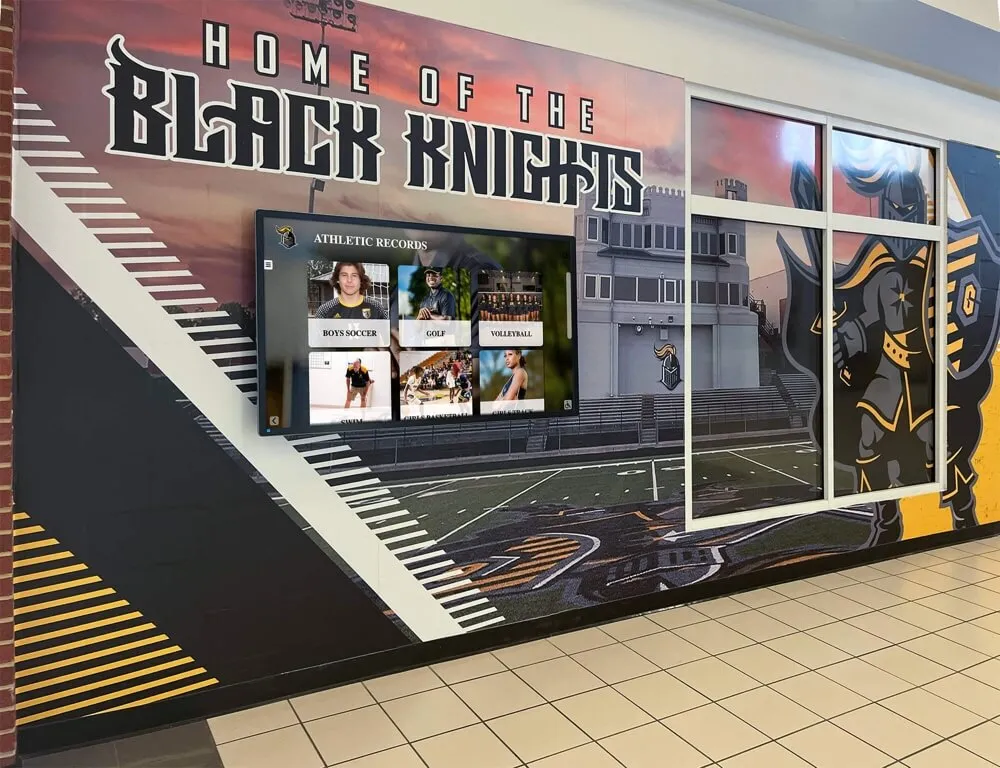
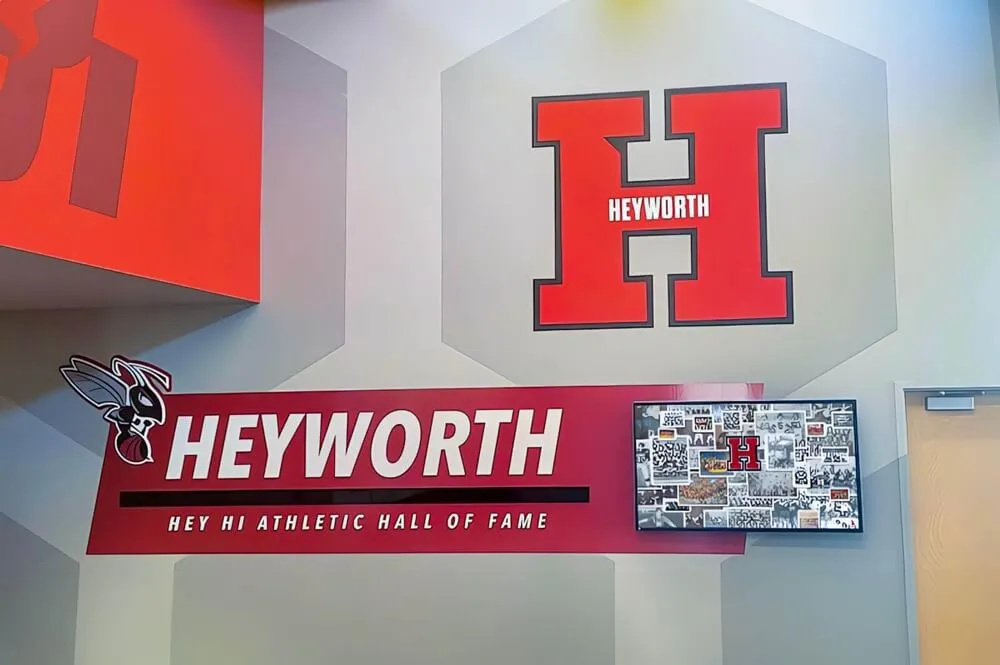
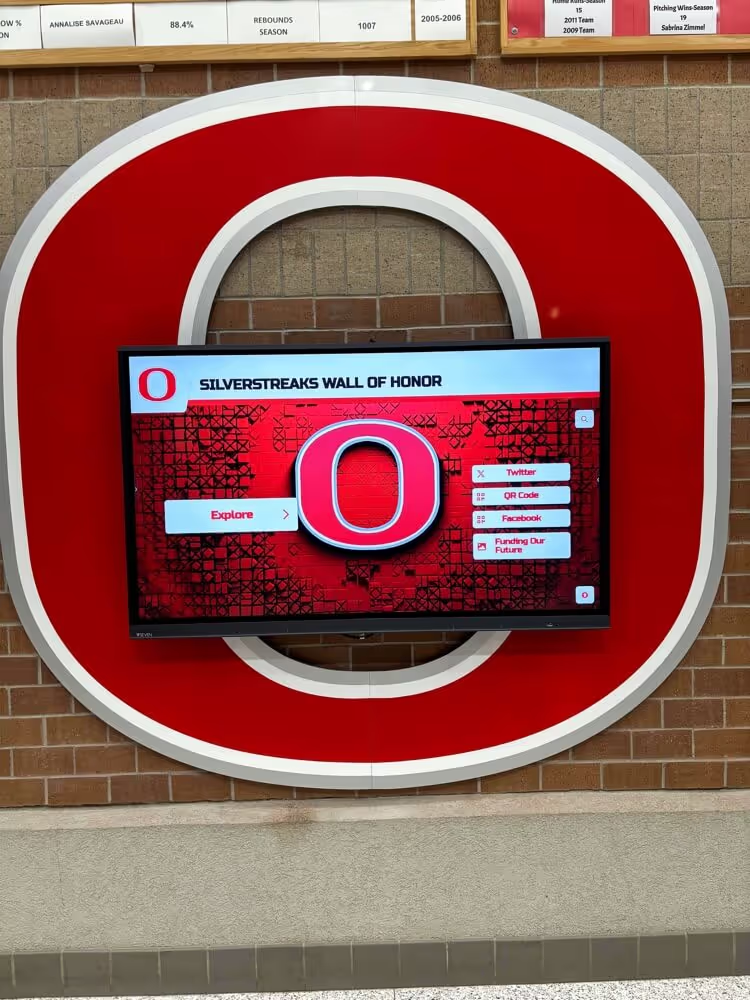
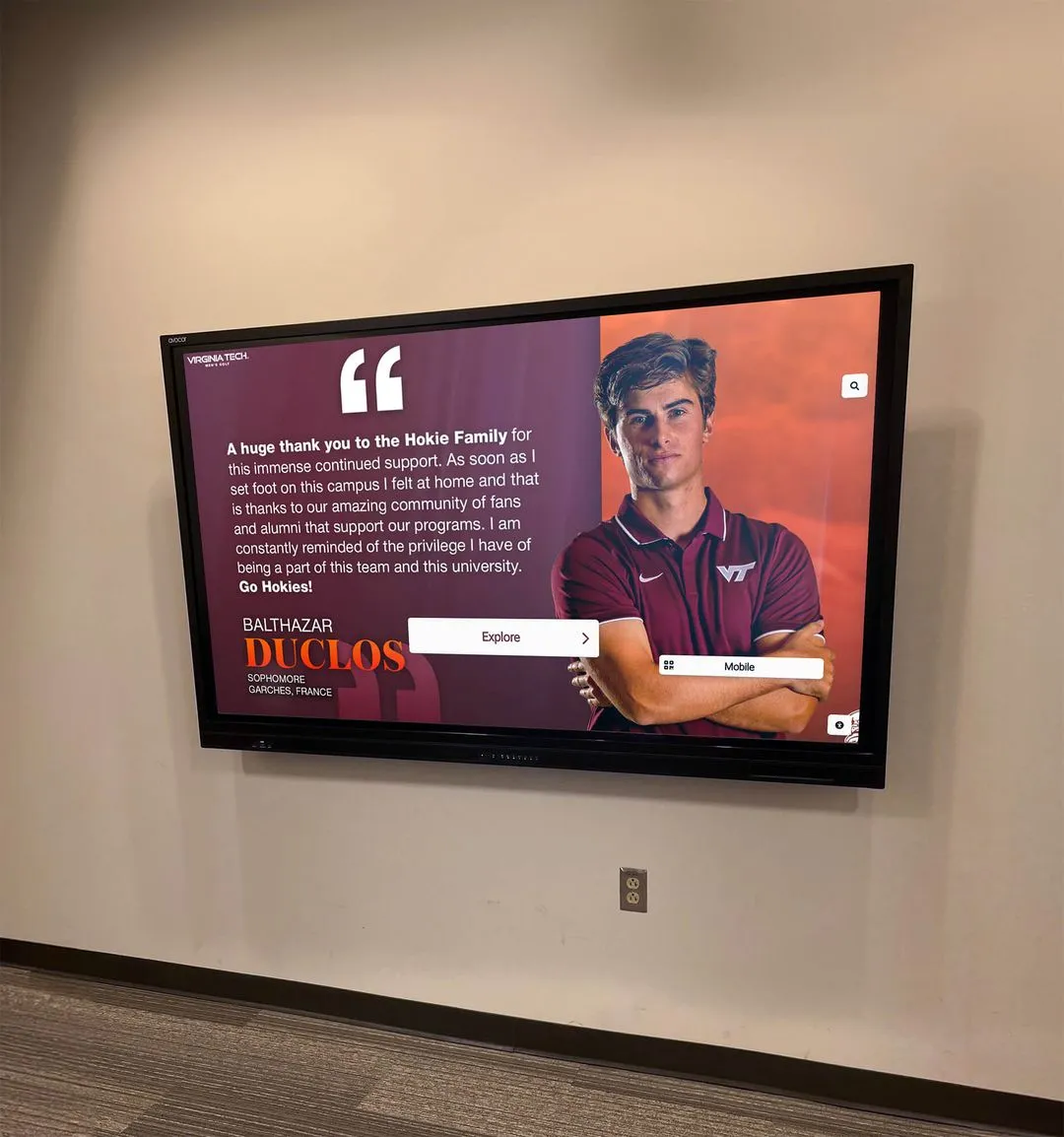
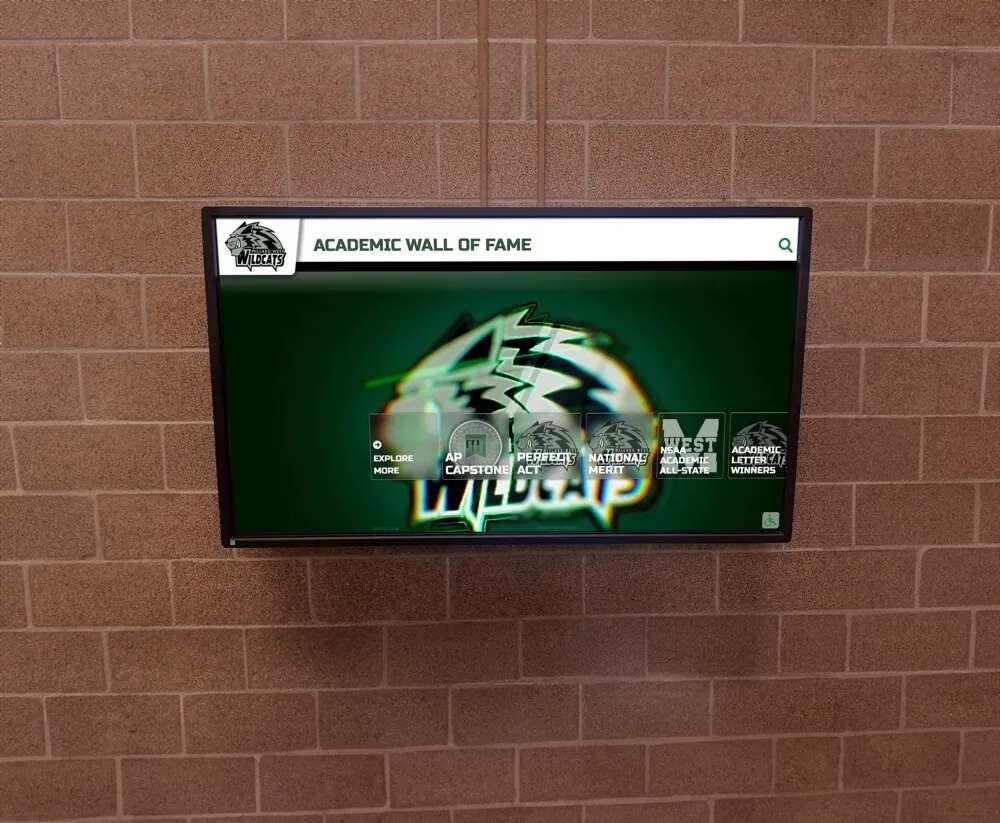
Interactive displays engage students in exploring academic achievements including spelling competition excellence
Upper Elementary Spelling Bee Words (Grades 4-6)
Upper elementary levels introduce etymology, Greek and Latin roots, and increasingly complex vocabulary requiring deeper linguistic understanding.
Fourth Grade Spelling Bee Words
Fourth graders expand vocabulary depth with academic and specialized terms:
Greek and Latin Roots
- photograph, telephone, microscope, telescope, autograph
- bicycle, tricycle, unicycle, recycle, motorcycle
- submarine, submerge, subway, subtract, substitute
- transport, portable, import, export, support
- predict, verdict, dictate, dictionary, contradict
Academic Vocabulary
- experiment, hypothesis, observation, conclusion, variable
- quotient, product, remainder, estimate, equivalent
- civilization, agriculture, architecture, democracy, republic
- adjective, adverb, pronoun, conjunction, preposition
- fiction, nonfiction, biography, autobiography, narrative
Challenging Homophones
- allowed/aloud, desert/dessert, principal/principle
- stationary/stationery, capital/capitol, complement/compliment
- council/counsel, site/cite/sight, weather/whether
- break/brake, piece/peace, plain/plane
- threw/through, waste/waist, whole/hole
Words with Silent Letters
- island, aisle, debt, doubt, subtle
- campaign, champagne, design, foreign, reign
- pneumonia, psychology, psychiatry, receipt, scissors
- knock, knuckle, knowledge, wrench, wrestling
- column, solemn, autumn, hymn, condemn
Fifth Grade Spelling Bee Words
Fifth graders encounter sophisticated vocabulary with complex spelling patterns:
Advanced Greek and Latin Derivatives
- democracy, autonomy, astronomy, economy, taxonomy
- geology, biology, psychology, mythology, anthology
- chronology, archaeology, genealogy, meteorology
- aquarium, aquatic, aquifer, aqueduct, aquamarine
- geography, geometry, geothermal, geology, geologist
Academic and Technical Terms
- denominator, numerator, perpendicular, parallel, diameter
- photosynthesis, chlorophyll, ecosystem, organism, camouflage
- amendment, constitution, legislative, executive, judicial
- simile, metaphor, personification, alliteration, onomatopoeia
- longitude, latitude, hemisphere, equator, meridian
Words from Other Languages
- fiesta, piñata, rodeo, plaza, tornado (Spanish)
- restaurant, ballet, bouquet, debris, plateau (French)
- pizza, opera, volcano, carnival, umbrella (Italian)
- kindergarten, delicatessen, hamburger, pretzel (German)
- karate, kimono, origami, tsunami, karaoke (Japanese)
Commonly Misspelled Challenge Words
- accommodate, embarrass, occurrence, necessary, separate
- definitely, conscience, conscience, recommend, privilege
- exaggerate, auxiliary, correspondence, maintenance, liaison
- entrepreneur, questionnaire, bureaucracy, sergeant, vacuum
- rhythm, miscellaneous, hierarchy, millennium, guaranteed
Sixth Grade Spelling Bee Words
Sixth grade represents the final elementary level before middle school advancement:
Latin Phrases and Academic Terms
- per capita, vice versa, et cetera, ad infinitum
- curriculum, memorandum, referendum, corrigendum
- alumni, alumni, cacti, fungi, stimuli
- criteria, phenomena, bacteria, media, data
- appendix, index, matrix, vertex, apex
Scientific and Medical Vocabulary
- chromosome, mitochondria, nucleus, cellular, membrane
- respiration, circulation, digestion, excretion, reproduction
- metamorphosis, adaptation, evolution, extinction, heredity
- pneumonia, laryngitis, bronchitis, tonsillitis, appendicitis
- pharmacy, antibiotic, diagnosis, symptoms, prescription
Advanced Etymology Patterns
- autobiography, bibliography, geography, photography, biography
- bicycle, tricycle, bicycle, recycle, encyclopedia
- telescope, microscope, periscope, stethoscope, kaleidoscope
- telephone, microphone, saxophone, megaphone, xylophone
- thermometer, barometer, speedometer, odometer, kilometer
Schools developing student achievement showcasing programs can include elementary spelling accomplishments within comprehensive K-12 recognition systems.

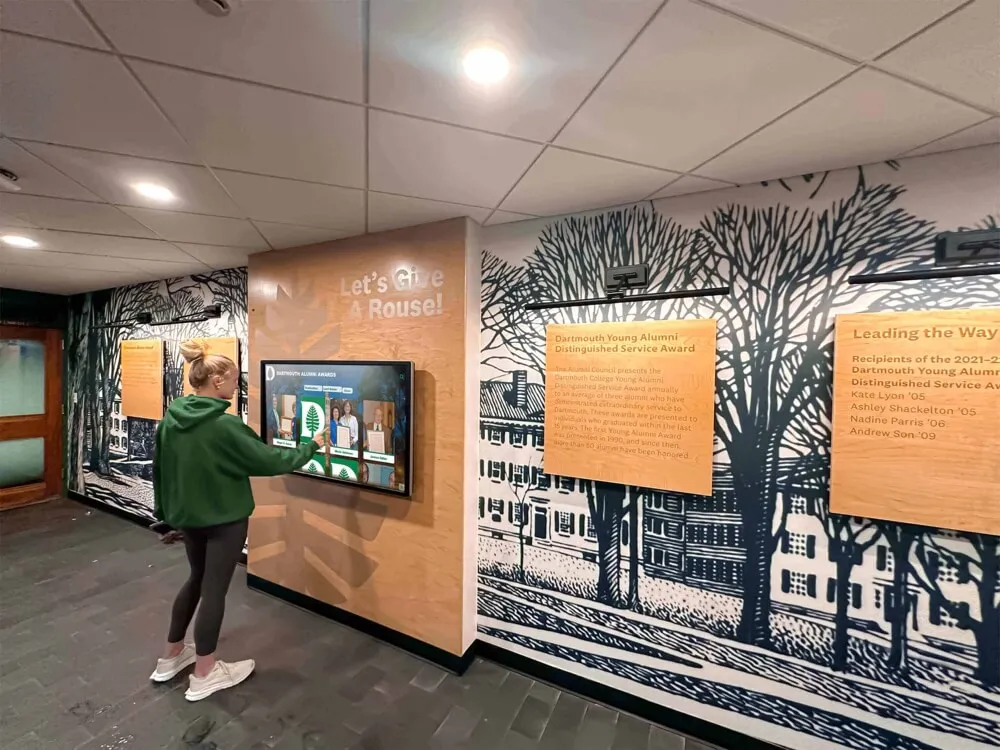
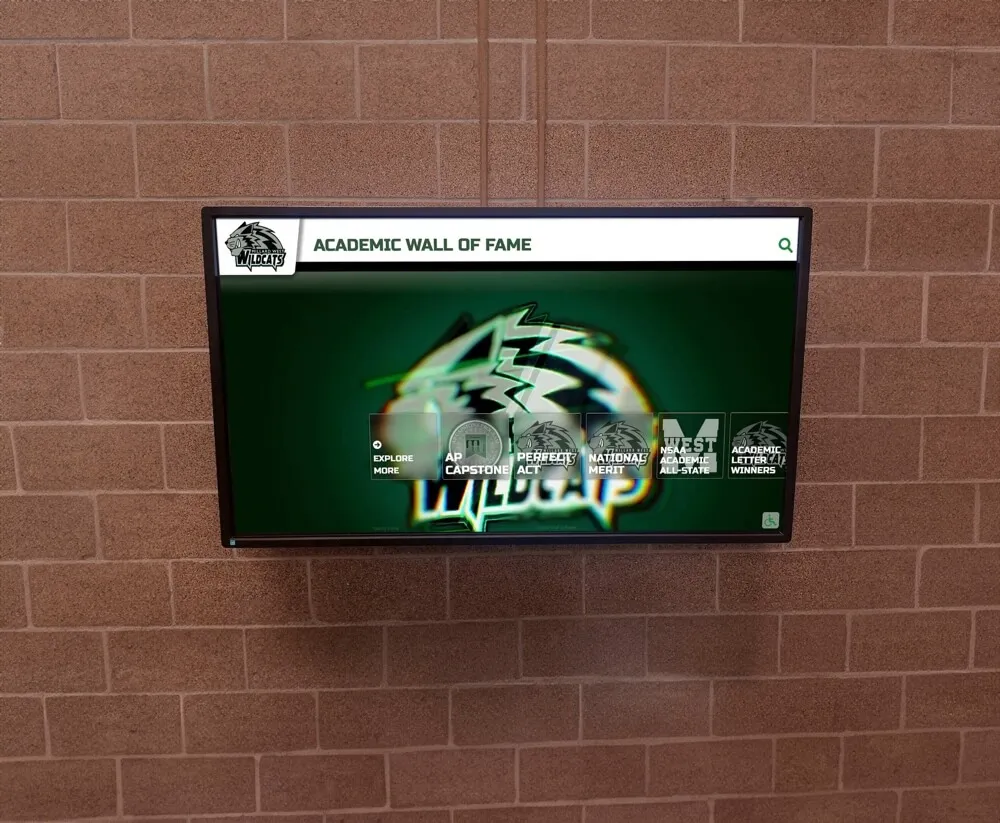
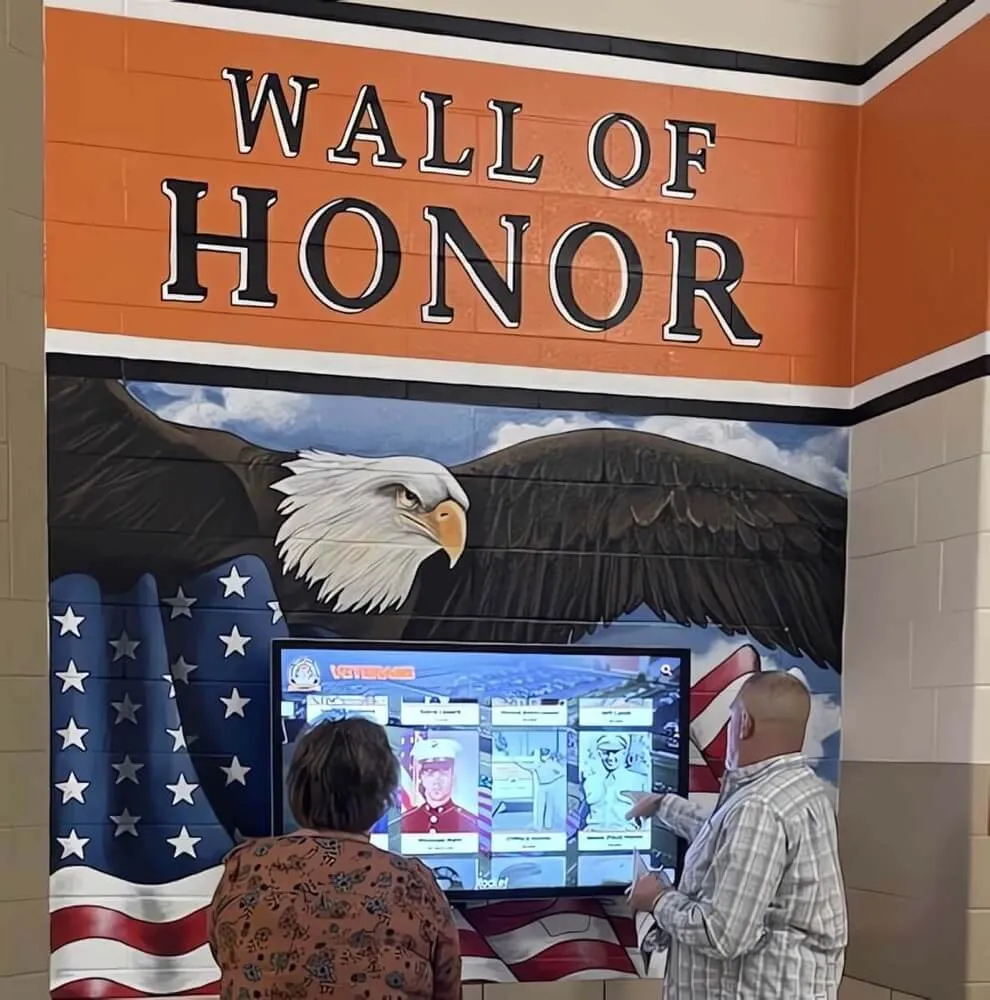
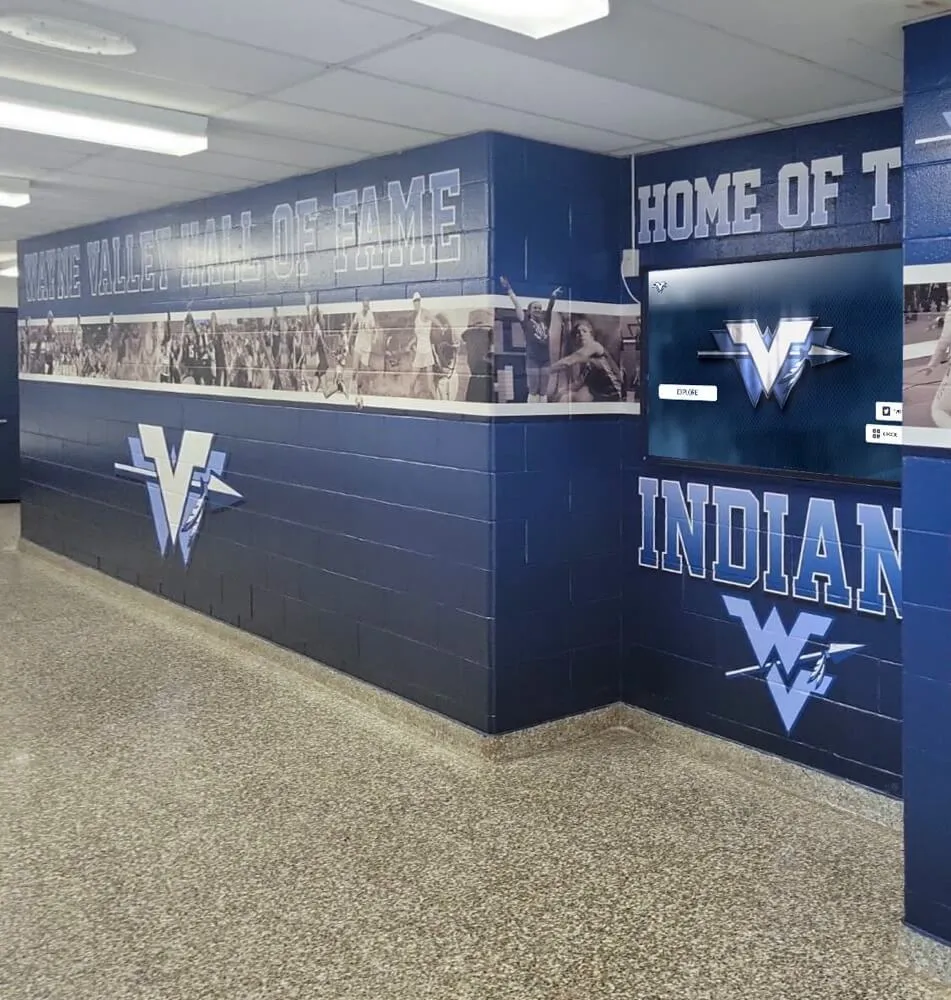
Accessible recognition displays enable students to explore the full range of academic competitions including spelling bees
Middle School Spelling Bee Words (Grades 7-8)
Middle school spelling reaches advanced difficulty with obscure vocabulary, complex etymologies, and words from specialized domains challenging even accomplished spellers.
Seventh Grade Advanced Vocabulary
Seventh graders encounter vocabulary appearing in literature, science, and sophisticated discourse:
Words from Classical Languages
- archipelago, euphemism, hyperbole, catastrophe, apostrophe
- analysis, paralysis, synthesis, hypothesis, metamorphosis
- anonymous, synonymous, homogenous, autonomous, monotonous
- democracy, aristocracy, bureaucracy, meritocracy, plutocracy
- philanthropy, misanthropy, anthropology, philosophy, theology
Sophisticated Academic Terms
- ambiguous, conscientious, ostentatious, pretentious, spontaneous
- indigenous, autonomous, simultaneous, instantaneous, extraneous
- preliminary, contemporary, complimentary, complementary, elementary
- adversary, anniversary, beneficiary, intermediary, itinerary
- consensus, prestigious, prestigious, contagious, contentious
Technical and Scientific Vocabulary
- photosynthesis, metamorphosis, precipitation, evaporation, condensation
- longitude, latitude, topography, cartography, geography
- chromosome, molecule, organism, ecosystem, biodiversity
- acceleration, momentum, velocity, trajectory, equilibrium
- democracy, legislation, judiciary, executive, constitution
Eighth Grade Championship-Level Words
Eighth grade spelling lists include championship-difficulty vocabulary:
Obscure but Pattern-Following Words
- onomatopoeia, bourgeoisie, entrepreneur, reconnaissance, liaison
- bureaucracy, hypocrisy, democracy, aristocracy, theocracy
- conscientious, surreptitious, superstitious, pretentious, contentious
- hemorrhage, synagogue, colleague, dialogue, epilogue
- psychology, physiology, archaeology, mythology, genealogy
Words with Unusual Spelling Patterns
- hemorrhage, rhododendron, rhythm, psyche, silhouette
- yacht, debt, subtle, receipt, pneumonia
- Wednesday, colonel, February, handkerchief, schedule
- conscience, conscious, science, ancient, efficient
- gauge, league, vague, fatigue, intrigue
Championship-Level Challenge Words
These represent the difficulty level appearing in state and national championships:
- bougainvillea, chrysanthemum, fuchsia, forsythia, eucalyptus
- antediluvian, pusillanimous, perspicacious, sagacious, loquacious
- discombobulate, onomatopoeia, accommodation, embarrassment, harassment
- scherenschnitte, ursprache, gesellschaft, schadenfreude, weltanschauung
- pneumonoultramicroscopicsilicovolcanoconiosis (longest word challenge)
Programs recognizing academic competition excellence often include spelling bee achievements alongside other prestigious academic honors like National Merit recognition.

Digital recognition systems showcase spelling competition achievements alongside traditional school-based academic honors
Proven Spelling Bee Preparation Strategies
Effective preparation extends beyond memorizing word lists, incorporating etymology study, strategic practice methods, and mental preparation techniques.
Etymology and Root Word Study
Understanding word origins dramatically improves spelling accuracy for unfamiliar vocabulary:
Common Greek Roots
- bio (life): biology, biography, antibiotic, symbiotic
- geo (earth): geography, geology, geometry, geothermal
- photo (light): photograph, photosynthesis, photogenic
- tele (far): telephone, television, telescope, telepathy
- graph (write): autograph, paragraph, telegraph, biography
Common Latin Roots
- dict (say): dictionary, predict, verdict, contradict
- port (carry): transport, portable, import, export
- scrib/script (write): describe, prescription, manuscript
- struct (build): construct, structure, destruction, instruct
- tract (pull): attract, subtract, contract, extract
Common Prefixes and Their Meanings
- anti- (against): antibiotic, antisocial, antipathy
- pre- (before): preview, prehistoric, precaution, predict
- post- (after): postpone, postscript, postgraduate
- sub- (under): submarine, subway, subtract, subconscious
- super- (above): superhero, supernatural, supervisor
Common Suffixes and Patterns
- -tion/-sion (noun): action, vision, education, division
- -able/-ible (adjective): capable, visible, probable, edible
- -ous/-ious (adjective): famous, curious, mysterious, anxious
- -ment (noun): government, movement, treatment, excitement
- -ly (adverb): quickly, slowly, carefully, beautifully
Practice Techniques and Study Methods
Systematic practice approaches maximize retention and build competition confidence:
Spaced Repetition Systems
- Review new words daily for first week after introduction
- Increase spacing to every 2-3 days after mastery demonstration
- Weekly review sessions for entire accumulated vocabulary
- Monthly comprehensive reviews ensuring long-term retention
- Focus additional practice on previously missed words
Multi-Sensory Learning Approaches
- Visual: Write words repeatedly, create flashcards, highlight patterns
- Auditory: Spell words aloud, listen to pronunciations, record practice sessions
- Kinesthetic: Trace letters in air or sand, type words, use hand motions
- Combined: Say words while writing them, teach words to others
- Association: Create memory aids, visualize word meanings, link to familiar words
Practice Competition Simulations
- Family spelling bees replicating competition pressure
- Peer practice groups taking turns as pronouncer and speller
- Timed practice sessions building stamina for long competitions
- Video recording practice identifying improvement areas
- Mock competitions with unfamiliar word lists testing adaptability
Digital Study Tools and Resources
Modern technology enhances spelling bee preparation:
- Spelling bee apps providing adaptive practice
- Online word lists with audio pronunciations
- Etymology databases explaining word origins
- Competition simulation software
- Video lessons teaching spelling strategies
Schools implementing comprehensive academic recognition celebrate both process dedication and competition outcomes motivating sustained student effort.
Mental Preparation and Competition Strategies
Psychological preparation proves as important as vocabulary mastery:
Competition Day Strategies
- Arrive early reducing stress and acclimating to environment
- Use relaxation techniques including deep breathing before competing
- Visualize successful spelling focusing on confidence
- Listen carefully to word pronunciation, definition, and language of origin
- Request word repetition, definition, usage in sentence, or alternate pronunciations when helpful
- Take time spelling mentally before beginning aloud
- Speak clearly and confidently maintaining steady pace
Handling Unknown Words
When encountering unfamiliar vocabulary during competition:
- Listen carefully for pronunciation clues suggesting spelling patterns
- Consider language of origin applying relevant spelling rules
- Break word into prefix, root, and suffix components
- Eliminate unlikely letter combinations
- Trust phonetic patterns and spelling intuition developed through practice
- Make educated guess rather than refusing to attempt
Building Resilience and Growth Mindset
- View mistakes as learning opportunities identifying knowledge gaps
- Celebrate improvement and effort regardless of competition placement
- Set personal goals beyond winning focusing on vocabulary growth
- Maintain perspective remembering spelling is one of many valuable skills
- Support fellow competitors creating collaborative rather than cutthroat culture
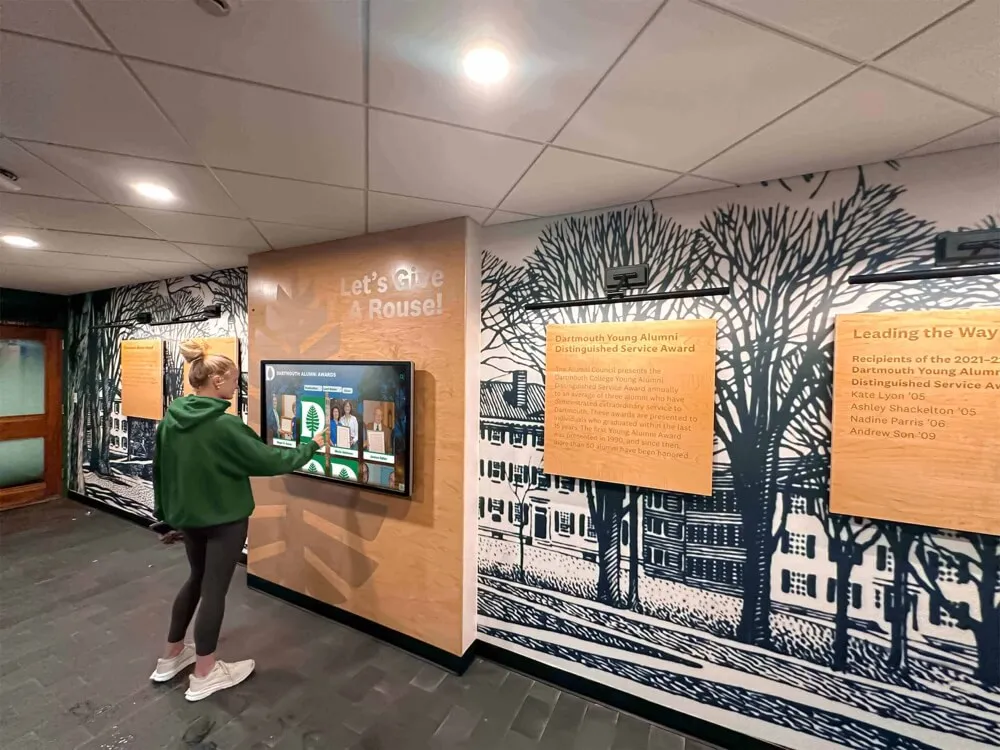
Modern recognition displays celebrate diverse academic achievements including competition excellence
Creating School Spelling Bee Programs
Schools implementing comprehensive spelling programs create cultures valuing linguistic excellence and academic competition.
Organizing Classroom and School Competitions
Effective spelling bee programs require thoughtful organization:
Timeline and Structure
- Fall semester: Introduce spelling lists, begin systematic study
- December-January: Conduct classroom-level spelling bees
- February: Organize school-wide championship competitions
- March: Support regional or state competition participation
- Spring: Recognize all participants and celebrate champions
Age-Appropriate Competition Formats
Early elementary competitions should emphasize participation and growth:
- Shorter word lists focused on grade-level vocabulary
- Written spelling components reducing performance anxiety
- Team spelling elements encouraging collaboration
- Multiple recognition categories beyond single winner
- Celebration ceremonies for all participants
Upper elementary and middle school competitions can increase rigor:
- Oral spelling matching regional and national formats
- Elimination rounds advancing top spellers
- Championship finals before school assemblies
- Timed components building competition stamina
- Advanced difficulty matching students’ preparation levels
Judging and Fairness
Establish clear procedures ensuring equitable competition:
- Multiple judges reviewing spelling accuracy
- Standard pronunciation and definition provision
- Consistent word difficulty progression
- Written rules accessible to all participants
- Appeals process for disputed rulings
Spelling Bee Study Programs and Clubs
Systematic preparation programs support student success:
After-School Spelling Clubs
- Regular meetings providing structured study and practice
- Peer learning environments building camaraderie
- Access to comprehensive word lists and study materials
- Practice competitions simulating real bee formats
- Mentorship from previous champions and adult advisors
Classroom Integration
- Weekly spelling instruction beyond competition preparation
- Etymology lessons connecting to literature and social studies
- Vocabulary development supporting reading comprehension
- Writing integration using challenging vocabulary contextually
- Cross-curricular connections showing word applications
Family Involvement and Support
- Parent information sessions explaining competition structures
- Home study materials and recommended practice schedules
- Family practice activities building shared learning experiences
- Communication about student progress and competition dates
- Volunteer opportunities supporting competition logistics
Schools can learn from student leadership recognition approaches that celebrate academic excellence alongside other achievement types.
Recognition and Celebration Programs
Comprehensive recognition honors spelling achievement appropriately:
During-Competition Recognition
- Public acknowledgment of all participants demonstrating courage competing
- Certificates for classroom champions and school competitors
- Finalist recognition for top 5-10 spellers at school level
- Champion awards including trophies, medals, or plaques
- Immediate celebration following competitions
Permanent Recognition Systems
Schools transitioning to digital recognition displays like Rocket Alumni Solutions create lasting celebration of spelling excellence:
- Unlimited capacity honoring all spelling bee participants across decades
- Champion profiles including photos, competition years, and achievements
- Regional and state qualifier recognition documenting advancement
- Video and audio content capturing competition moments
- Search functionality enabling students to find historical champions
- Social sharing features allowing families to celebrate achievements
- Remote accessibility extending recognition beyond campus
Traditional recognition approaches include:
- Trophy cases displaying spelling bee awards and champion names
- Hallway bulletin boards featuring current competition participants
- School newsletter and social media announcements
- Assembly presentations celebrating champions before peers
- Name plaques on permanent recognition walls
Post-Competition Follow-Up
- Thank-you notes to all participants recognizing their effort
- Feedback sessions identifying improvement areas for returning competitors
- Celebration events honoring achievement beyond competition day
- Media outreach promoting school spelling excellence to community
- Alumni connection helping past champions mentor current students
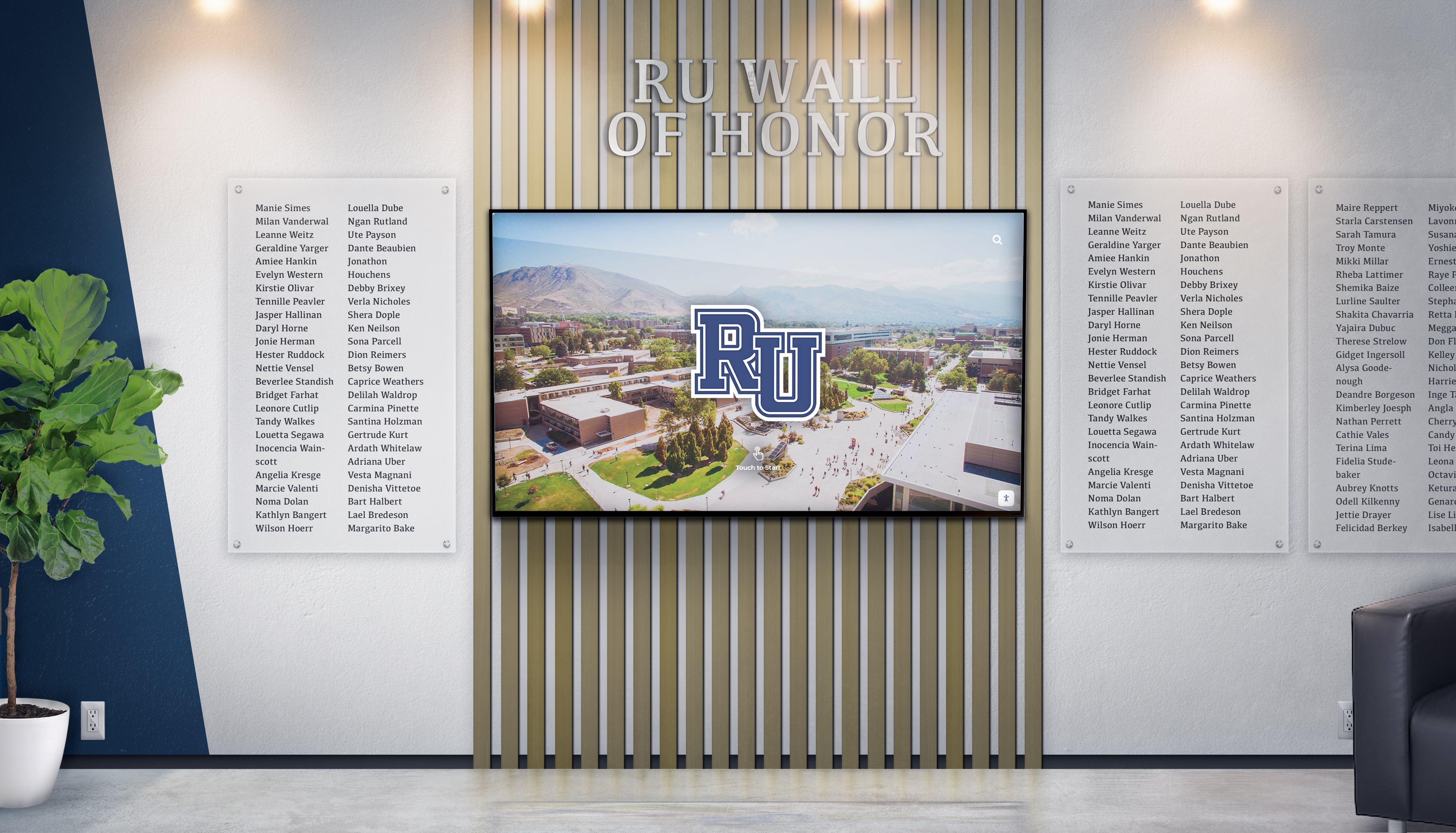
Integrated recognition systems combine digital displays with traditional elements celebrating spelling champions comprehensively
Spelling Bee Benefits Beyond Competition
Spelling bee participation develops valuable skills extending far beyond vocabulary memorization.
Academic and Cognitive Benefits
Enhanced Vocabulary and Reading Comprehension
Spelling preparation dramatically expands working vocabulary:
- Exposure to thousands of words beyond grade-level expectations
- Understanding of word meanings and contextual usage
- Improved reading fluency through sight word recognition
- Enhanced comprehension through vocabulary depth
- Academic advantage across all subject areas requiring reading
Improved Writing and Communication Skills
Spelling mastery supports written communication:
- Confidence using sophisticated vocabulary in writing
- Reduced reliance on simple, familiar words
- Enhanced ability to express complex ideas precisely
- Improved editing skills recognizing spelling errors
- Professional communication skills beneficial throughout life
Critical Thinking and Problem-Solving Development
Etymology study and spelling strategies build analytical skills:
- Pattern recognition identifying common spelling rules
- Logical deduction applying rules to unfamiliar words
- Problem-solving when encountering unknown vocabulary
- Strategic thinking balancing certainty with educated guessing
- Analytical skills transferable to mathematics, science, and other domains
Personal Development and Character Building
Confidence and Public Speaking Skills
Competition experience builds valuable personal skills:
- Comfort speaking before audiences reducing performance anxiety
- Confidence in academic abilities reinforcing self-efficacy
- Poise under pressure beneficial throughout personal and professional life
- Recovery skills bouncing back from mistakes and setbacks
- Leadership qualities developed through achievement
Work Ethic and Dedication
Spelling bee preparation teaches commitment:
- Sustained effort over months developing persistence
- Daily practice building discipline and routine
- Goal-setting experience pursuing long-term objectives
- Time management balancing spelling with other activities
- Delayed gratification working toward future competition success
Resilience and Growth Mindset
Competition outcomes teach valuable life lessons:
- Handling disappointment with grace and perspective
- Learning from mistakes without defining self-worth by outcomes
- Appreciating improvement and personal growth beyond winning
- Supporting peers celebrating others’ success genuinely
- Understanding that failure provides opportunities for growth
Programs recognizing diverse student achievement celebrate spelling bee participation alongside artistic, athletic, and other excellence types.
Social and Community Benefits
Peer Connection and Shared Experience
Spelling bee programs build community:
- Study groups creating friendships around shared goals
- Supportive culture where students encourage peers
- Shared experience of competition preparation and participation
- Lasting bonds formed through collaborative learning
- Alumni connections linking past and current spellers
School Pride and Community Recognition
Spelling excellence benefits entire school communities:
- Positive media coverage elevating school reputation
- Community pride in student academic achievement
- Increased support for academic programs demonstrating impact
- Attraction of academically-minded families to school
- Alumni engagement through spelling tradition connections
Pathway to Academic Scholarships and Opportunities
Competitive spelling can open doors:
- Spelling bee achievement strengthening college applications
- Demonstration of intellectual curiosity valued by admissions
- Foundation for debate, public speaking, and communication competitions
- Scholarship opportunities available to spelling bee participants
- Network connections through spelling bee alumni communities
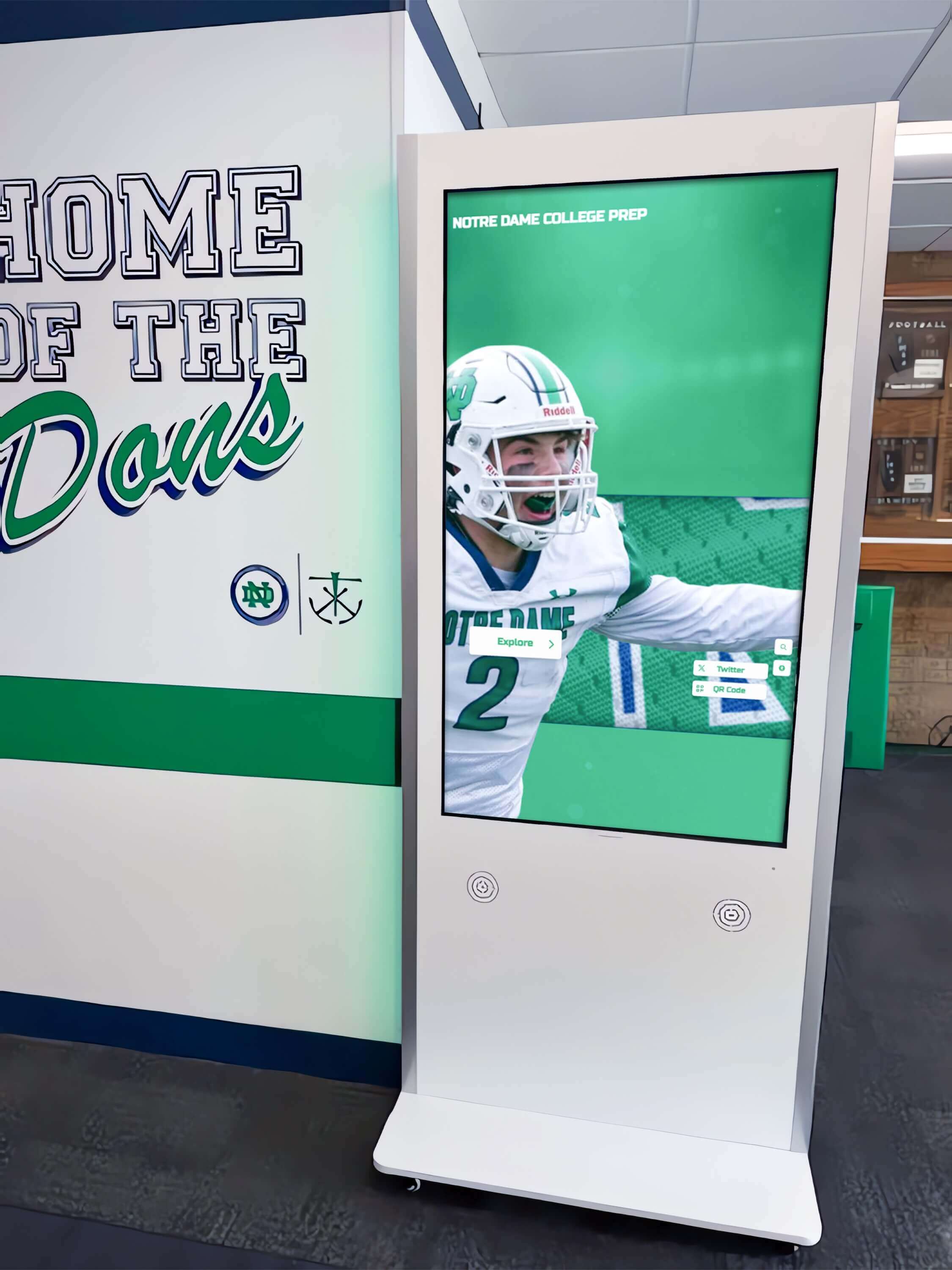
Strategic placement of recognition displays ensures spelling champions receive visibility matching other school achievements
Resources for Spelling Bee Preparation
Numerous high-quality resources support students, families, and educators preparing for spelling competitions.
Official Competition Resources
Scripps National Spelling Bee Materials
The Scripps organization provides comprehensive preparation resources:
- School Spelling Bee Study List: 450 words for school-level competition preparation
- Spell It! booklet with practice words and study tips
- School Pronouncer Guide for judges and competition organizers
- Online practice and games through spellingbee.com
- Historical word lists from past national competitions
State and Regional Spelling Bee Organizations
Local organizations offer relevant resources:
- State-specific study lists matching regional competition vocabulary
- Information sessions and workshops for students and educators
- Historical data about past competition words and patterns
- Networking opportunities connecting with other spelling families
- Rules clarification and competition format information
Recommended Books and Study Guides
Etymology and Word Origin References
- Webster’s Third New International Dictionary: Comprehensive reference with etymologies
- The American Heritage Dictionary: Excellent word origin information
- Vocabulary from Classical Roots series: Systematic Greek and Latin root instruction
- Word Roots series: Grade-level appropriate etymology workbooks
- The Dictionary of Word Origins: Fascinating explanations of word histories
Spelling Bee Specific Preparation Books
- Spell It! series by the Scripps National Spelling Bee
- How to Spell Like a Champ by Barrie Trinkle and Paige Kimble
- Words of Wisdom: Keys to Success in the Scripps National Spelling Bee
- The Spelling Bee Toolbox series organized by difficulty and patterns
- Hexco Academic spelling materials with comprehensive word lists
Digital Resources and Applications
Study Applications
- Spelling Bee Ninja: Adaptive practice with spaced repetition
- SpellPundit: Comprehensive study system with coaching
- Spell It! App: Official Scripps practice application
- Quizlet: User-created spelling flashcard sets
- Vocabulary.com: Etymology and meaning-focused vocabulary builder
Online Reference Tools
- Merriam-Webster Online: Pronunciations, definitions, and etymologies
- Dictionary.com: Comprehensive word information and usage
- Online Etymology Dictionary: Detailed word origin information
- Forvo.com: Native speaker pronunciations for unusual words
- YouTube: Video lessons on spelling strategies and etymology
Schools implementing student achievement documentation can utilize digital platforms celebrating spelling bee excellence alongside other academic accomplishments.
Conclusion: Celebrating Linguistic Excellence Through Spelling Bee Recognition
Spelling bee competitions celebrate linguistic mastery representing hundreds of hours of dedicated vocabulary study, etymology exploration, and mental preparation distinguishing elite spellers from their peers. These intellectual achievements deserve recognition matching athletic championships and other competitive accomplishments, ensuring students understand that academic excellence receives lasting celebration throughout school communities.
Whether students compete at classroom, school, regional, state, or national levels, their dedication to expanding vocabulary and understanding language origins develops valuable skills extending far beyond competition outcomes. Spelling bee participation builds confidence, critical thinking abilities, public speaking skills, and work ethic benefiting students throughout personal and professional lives regardless of competition placement.
Celebrate Spelling Bee Champions in Your School
Discover how modern digital recognition solutions enable your school to honor spelling bee participants, regional qualifiers, and champions through engaging displays that inspire future competitors and preserve linguistic excellence traditions.
Request Your Free Custom DemoSchools transitioning from limited trophy case space to unlimited-capacity digital recognition platforms transform spelling bee celebration. Solutions like Rocket Alumni Solutions enable comprehensive honoring of every competition participant throughout school history while creating interactive experiences showcasing champion profiles, competition achievements, and program legacy. When spelling excellence receives prominent visibility in hallways, lobbies, and school entrances—displayed alongside athletic championships and other competitive honors—schools send powerful messages about institutional values while motivating generations of students to pursue linguistic mastery.
Recognition systems celebrating spelling bee achievement create positive cycles where visible celebration inspires participation, dedicated preparation produces competitive success, and comprehensive honoring motivates continued excellence. Whether your school produces classroom champions preparing for their first competition or state finalists advancing toward national glory, every participant’s dedication deserves appropriate celebration demonstrating that academic competition receives equal honor to any other accomplishment.
Begin by implementing systematic spelling programs matching your students’ grade levels, providing high-quality study resources supporting thorough preparation, organizing inclusive competitions offering recognition at multiple achievement levels, and establishing permanent recognition ensuring spelling champions receive lasting celebration inspiring future generations. Your students’ linguistic achievements represent extraordinary dedication worthy of recognition equal to accomplishments in any domain—and with thoughtful planning and modern recognition solutions, you can create programs celebrating spelling excellence throughout your school community for decades to come.