



Intent: Define — Athletic administrators today face unprecedented demands managing complex sports programs while juggling scheduling, eligibility tracking, facility coordination, budget oversight, communication with stakeholders, compliance requirements, and recognition of athlete achievements. The right software products transform these overwhelming responsibilities into manageable workflows by automating repetitive tasks, centralizing critical information, streamlining communication, and providing data-driven insights that elevate program quality while reducing administrative burden.
Yet many athletic departments struggle with disconnected systems requiring duplicate data entry, manual processes consuming valuable time, inadequate visibility into program operations, limited communication tools creating stakeholder frustration, and missed opportunities to celebrate athlete accomplishments professionally. Athletic directors often piece together incomplete solutions or rely on outdated approaches because they lack clear guidance about which software products genuinely address their specific needs versus which merely create additional complexity without delivering proportional value.
This comprehensive guide explores 30 essential software categories athletic administrators should prioritize in 2025—from foundational scheduling and registration platforms through specialized compliance tracking, facility management, communication tools, and modern recognition display systems. Whether leading a small high school athletic program or managing Division I operations, these technology solutions help administrators work more efficiently, communicate more effectively, and create exceptional experiences for student-athletes, coaches, families, and communities.
Modern athletic administration requires sophisticated technology ecosystems addressing diverse operational needs across multiple program areas. According to market research, the sports management software sector reached approximately $10.20 billion in 2025, reflecting widespread recognition that appropriate technology investments deliver substantial returns through operational efficiency, enhanced stakeholder satisfaction, and improved program outcomes. Successful athletic administrators strategically select solutions aligned with their specific priorities, budgets, and organizational contexts rather than attempting to implement every available platform regardless of actual need.

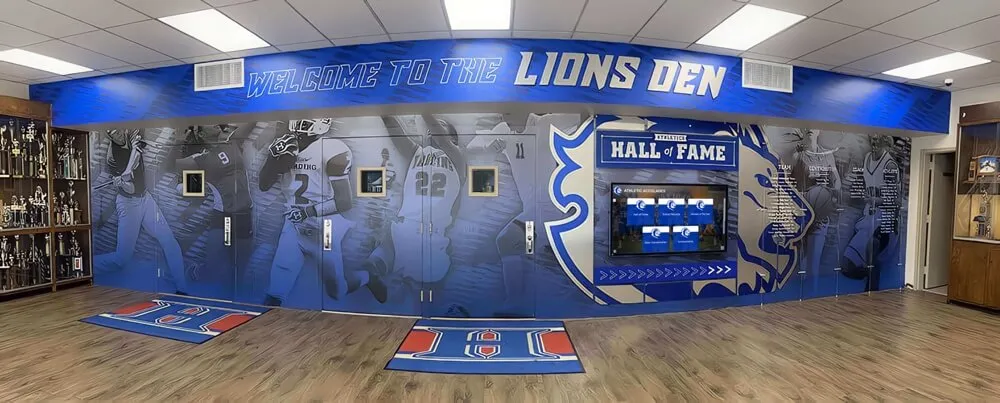
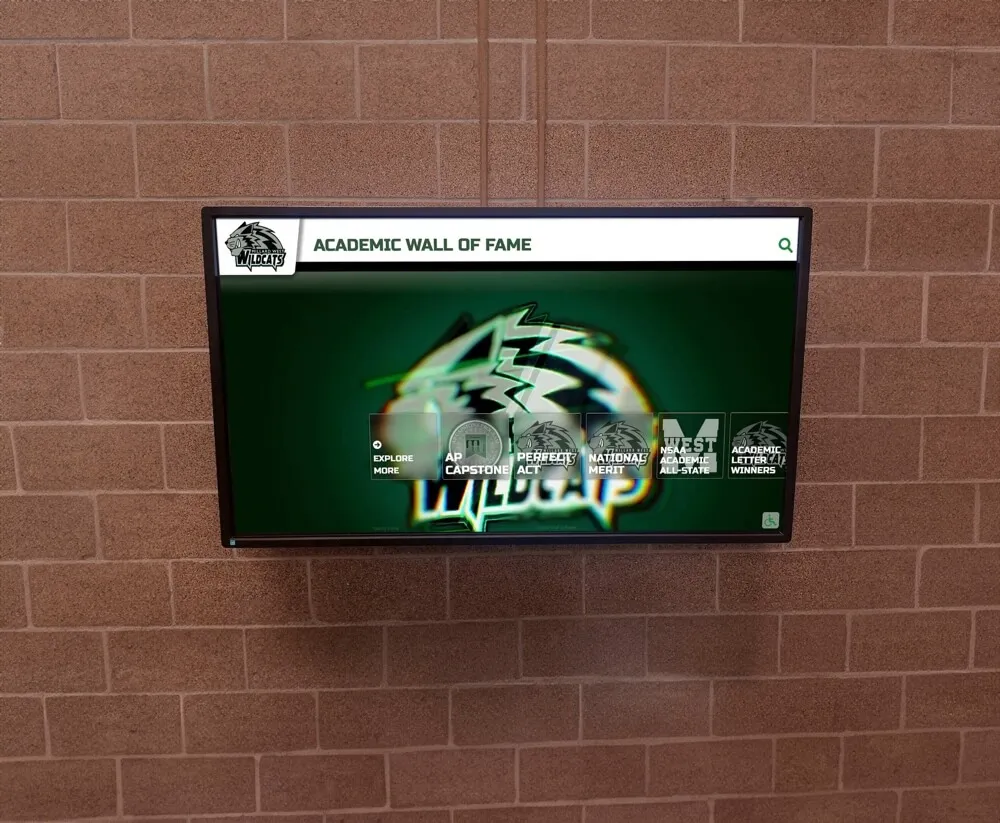
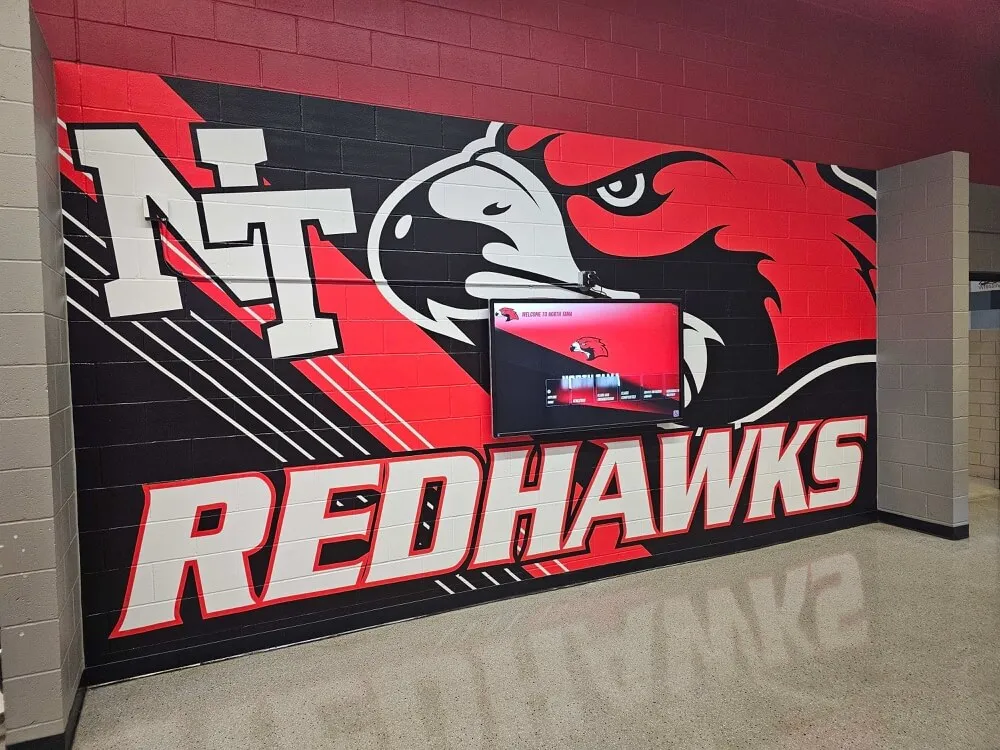
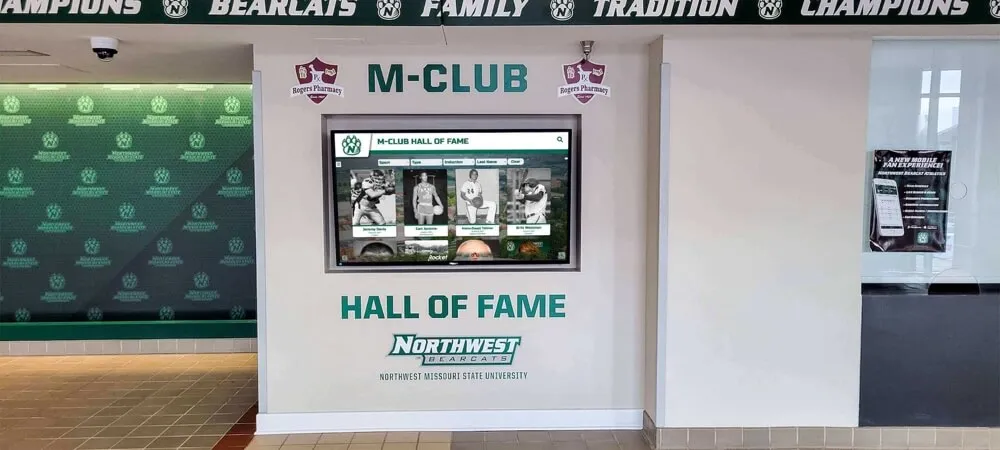
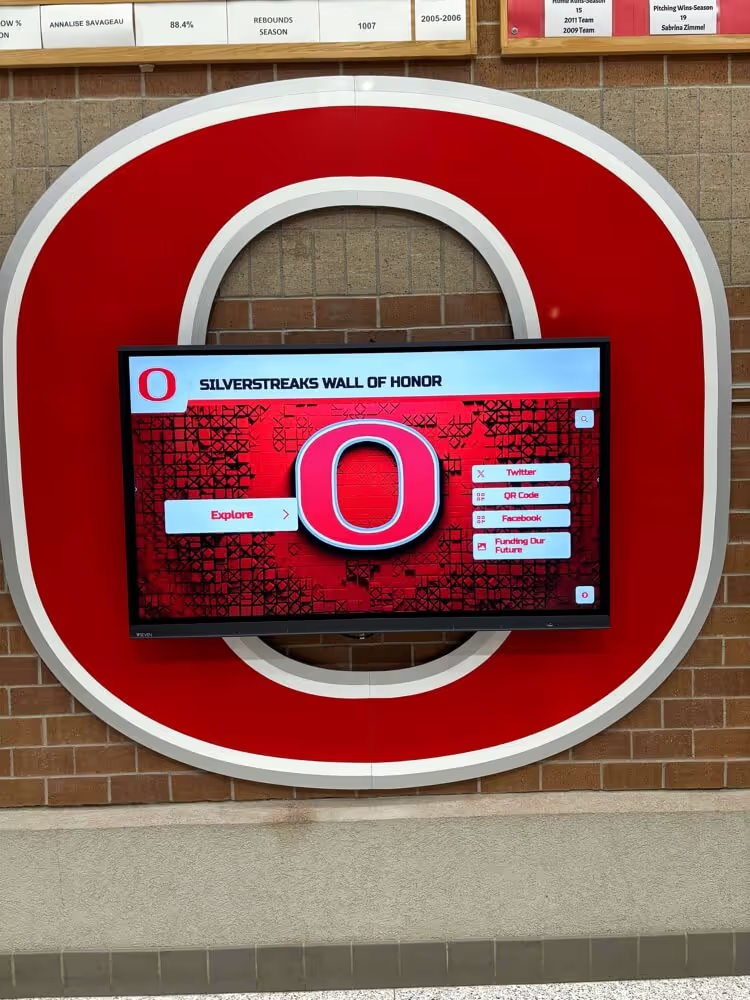
Modern software solutions help athletic administrators celebrate achievements while streamlining daily operations
Program Snapshot: Essential Software for Athletic Administration
Before exploring specific product categories, understanding the complete technology landscape helps athletic administrators assess priorities and allocate resources effectively.
| Program Element | Primary Purpose | Key Benefits | Typical Investment |
|---|---|---|---|
| Scheduling & Event Management | Coordinate games, practices, facilities, officials | Eliminates conflicts, saves planning time, improves communication | $2,000-$15,000 annually |
| Registration & Eligibility | Manage athlete enrollment, forms, payments, compliance | Centralizes data, automates verification, reduces paperwork | $3,000-$20,000 annually |
| Communication Platforms | Connect with athletes, parents, coaches, stakeholders | Improves engagement, reduces email overload, documents interactions | $500-$5,000 annually |
| Financial Management | Budget tracking, fundraising, ticketing, expenses | Enhances accountability, simplifies reporting, increases revenue | $1,000-$10,000 annually |
| Compliance & Eligibility | Track academic requirements, NFHS regulations, safety training | Prevents violations, documents requirements, protects programs | $2,000-$12,000 annually |
| Recognition Systems | Celebrate achievements through displays and digital platforms | Inspires athletes, engages alumni, showcases excellence | $5,000-$25,000+ initial investment |
| Performance Analytics | Track statistics, analyze trends, measure program health | Informs decisions, identifies opportunities, demonstrates impact | $3,000-$15,000 annually |
Category 1: Scheduling and Calendar Management Software
Coordinating athletic schedules represents one of the most time-consuming and complex administrative responsibilities, making robust scheduling platforms essential foundational investments.
1. Comprehensive Athletic Scheduling Platforms
Purpose-built athletic scheduling software eliminates the chaos of managing multiple sport seasons, facility availability, official assignments, transportation needs, and stakeholder communication through centralized platforms that prevent conflicts while saving hundreds of administrative hours annually.
Core Capabilities:
- Master calendar integrating all sports, facilities, and events
- Automated conflict detection preventing double-booking
- Official assignment and availability management
- Transportation coordination and bus scheduling
- Automated schedule distribution to coaches, athletes, families
- Mobile accessibility for real-time updates
Leading Solutions: BigTeams Schedule Star, Bound Scheduling, Aktivate Calendar Management, ArbiterSports Scheduling, FinalForms Scheduling
According to BigTeams, their scheduling platform helps athletic departments coordinate thousands of events annually while reducing administrative workload by up to 40% compared to manual spreadsheet approaches.
2. Facility and Space Management Systems
Athletic programs require systematic approaches to coordinate gymnasium access, field availability, weight room schedules, meeting spaces, and other limited resources across multiple sports and user groups.
Key Features:
- Visual facility calendars showing availability at a glance
- Booking requests and approval workflows
- Maintenance scheduling and facility condition tracking
- Equipment reservation management
- Usage analytics identifying optimization opportunities
- Integration with master athletic calendars
These systems prevent scheduling conflicts while maximizing facility utilization and creating clear processes reducing frustration for coaches competing for limited space.
3. Official Assignment and Payment Platforms
Managing sports officials requires specialized tools handling availability tracking, automatic assignment based on credentials, communication, and payment processing.
Essential Functionality:
- Official availability and qualification databases
- Automated assignment algorithms matching requirements
- Schedule acceptance and decline management
- Direct communication with assigned officials
- Payment tracking and processing
- Performance evaluation and feedback systems
Popular Platforms: ArbiterSports, DragonFly Officials Management, Bound Officials, Assignr
Many athletic conferences now require specific platforms for consistency across member schools, making official management software increasingly essential rather than optional.
Effective facility management software coordinates complex schedules across multiple sports and venues
Category 2: Registration and Eligibility Management
Systematic athlete registration, eligibility verification, and compliance tracking protect programs while reducing administrative burden associated with paper forms and manual verification processes.
4. Online Registration and Payment Systems
Digital registration platforms replace paper forms and manual data entry with streamlined online processes collecting athlete information, medical documentation, emergency contacts, and payments through single integrated workflows.
Critical Features:
- Customizable registration forms by sport and level
- Digital signature capture for required acknowledgments
- Integrated payment processing with fee schedules
- Document upload for medical clearances and forms
- Automated confirmation and receipt generation
- Roster compilation and export capabilities
Leading Platforms: FinalForms, BigTeams Registration, Bound Registration, PlanetHS, Register My Athlete
According to program administrators, digital registration reduces processing time by 60-80% while improving data accuracy and completeness compared to traditional paper approaches.
5. Eligibility and Compliance Tracking Systems
Athletic eligibility verification requires systematic monitoring of academic requirements, age restrictions, transfer rules, participation limits, and other regulatory requirements that vary by state association and competition level.
Key Capabilities:
- Academic eligibility monitoring with grade tracking
- Automated alerts when athletes approach ineligibility
- Transfer rule compliance documentation
- Physical examination expiration tracking
- Participation day/event counting
- State association requirement verification
- Historical eligibility documentation
These specialized systems prevent violations while creating clear audit trails demonstrating program compliance with all applicable regulations.
6. Digital Forms and Document Management
Athletic programs generate extensive documentation including participation agreements, concussion acknowledgments, code of conduct agreements, transportation permissions, media releases, and sport-specific requirement forms.
Essential Features:
- Template libraries for required forms
- Digital signature collection and verification
- Automated distribution for annual renewals
- Completion tracking and follow-up reminders
- Secure document storage and retrieval
- Integration with registration systems
Solutions like digital recognition platforms help administrators allocate limited resources effectively across technology investments and traditional program needs.
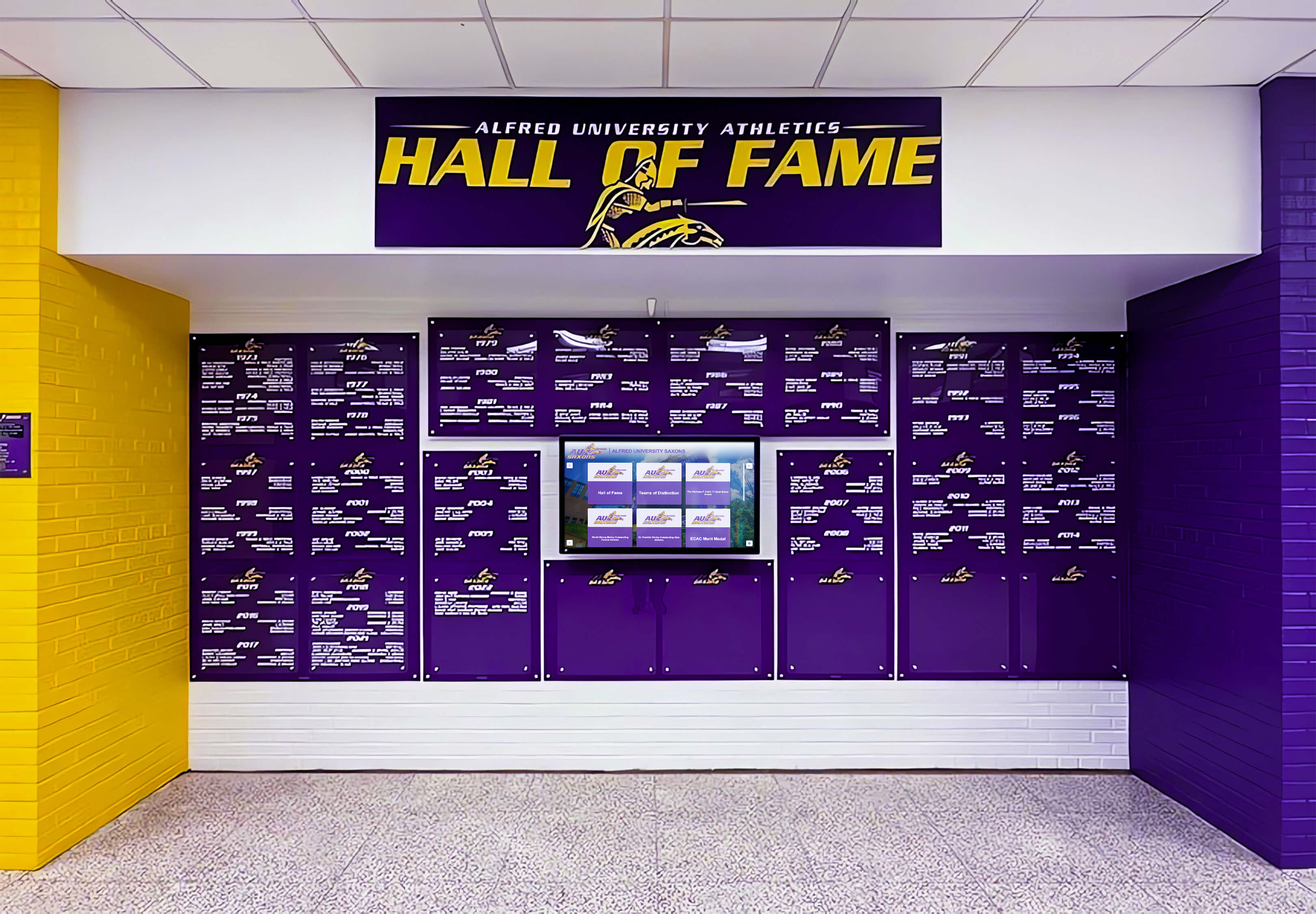
Professional systems manage complex registration requirements while maintaining comprehensive athlete records
Category 3: Communication and Engagement Tools
Effective communication with athletes, parents, coaches, officials, media, and community stakeholders requires sophisticated platforms managing diverse audiences and message types efficiently.
7. Multi-Channel Communication Platforms
Comprehensive communication tools enable athletic administrators to send announcements, schedule updates, emergency notifications, and routine messages through email, text, push notifications, and social media from centralized dashboards.
Core Functionality:
- Segmented contact lists by sport, grade, role
- Multi-channel message distribution (email, SMS, app)
- Scheduled messaging for advance planning
- Emergency alert capabilities with delivery confirmation
- Two-way messaging enabling replies and questions
- Message history and documentation
Popular Solutions: Remind, TeamSnap, SportsEngine, FinalForms Messaging, Bound Communications
Research indicates that athletic programs using dedicated communication platforms see 45-60% higher stakeholder engagement compared to those relying solely on traditional email approaches.
8. Team and Athlete Mobile Apps
Mobile applications provide coaches, athletes, and families convenient access to schedules, rosters, news, directions, and program information from smartphones without requiring website navigation or email searching.
Key Features:
- Personalized schedules by team and athlete
- Push notifications for updates and changes
- Roster and contact information access
- News feeds and program announcements
- Photo and video galleries
- Directions and venue information
- Game results and statistics
These apps transform stakeholder engagement by putting essential information literally in the palms of participants’ hands.
9. Athletic Website and Content Management Systems
Professional athletic websites serve as central information hubs showcasing programs, publishing schedules, sharing news, celebrating achievements, and promoting events to internal and external audiences.
Essential Capabilities:
- Mobile-responsive design for all devices
- Schedule publishing with automated updates
- News and announcement management
- Photo and video galleries
- Roster and coach profile pages
- Statistics and records displays
- Integration with recognition systems
Leading Platforms: FinalSite Athletics, VNN Network, Bound Fan Central, SportsEngine Websites
Explore comprehensive strategies for creating engaging digital recognition content that enhances athletic websites while celebrating achievements.

Professional communication platforms connect athletic departments with diverse stakeholder groups efficiently
Category 4: Financial Management and Revenue Generation
Athletic programs require systematic financial oversight managing budgets, tracking expenses, processing payments, selling tickets, and reporting to administrators and booster organizations.
10. Budget Management and Expense Tracking
Specialized budget platforms help athletic directors allocate resources across sports, monitor spending throughout fiscal years, track purchases against approved budgets, and generate financial reports for administrators.
Key Features:
- Sport-specific budget allocation and tracking
- Purchase order and approval workflows
- Real-time spending visibility against budgets
- Automated alerts when approaching limits
- Expense categorization and analysis
- Financial reporting and dashboards
These tools create transparency and accountability while preventing overspending and enabling data-informed resource allocation decisions.
11. Ticketing and Gate Management Systems
Online ticketing platforms generate revenue while eliminating cash handling, providing attendance data, and creating convenient purchasing experiences for fans attending athletic events.
Essential Capabilities:
- Online ticket sales with secure payment processing
- Season passes and multi-event packages
- Mobile ticketing with digital scanning
- Gate management and attendance tracking
- Revenue reporting by event and sport
- Customer database for marketing
- Integration with financial systems
Popular Platforms: GoFan, Bound Ticketing, Hometown Ticketing, TicketSpicket, Ludus
According to industry data, schools implementing digital ticketing see average revenue increases of 15-25% through improved convenience, reduced processing costs, and enhanced promotional capabilities.
12. Online Fundraising and Donation Platforms
Athletic booster clubs and programs increasingly rely on online donation platforms managing fundraising campaigns, processing contributions, tracking donors, and reporting revenue supporting athletic operations.
Core Functionality:
- Online donation pages with secure processing
- Campaign management for specific initiatives
- Recurring donation capabilities
- Donor recognition and acknowledgment
- Tax receipt generation and distribution
- Fundraising goal tracking and reporting
- Integration with financial systems
These platforms enable athletic programs to access broader donor bases while reducing administrative burden associated with manual donation processing.
13. Spirit Wear and Merchandise Sales Systems
Online stores selling team apparel, equipment, and branded merchandise generate revenue while eliminating inventory management, order fulfillment, and financial reconciliation challenges.
Key Features:
- Custom online storefronts with team branding
- Print-on-demand eliminating inventory risk
- Secure payment processing
- Automated order fulfillment and shipping
- Revenue share agreements with programs
- Customization tools for personalized items
These turnkey solutions enable athletic programs to offer professional merchandise operations without requiring inventory investments or fulfillment infrastructure.

Effective financial management enables athletic programs to allocate resources supporting excellence across all sports
Category 5: Safety, Medical, and Compliance Systems
Athletic administrators bear responsibility for athlete safety, injury documentation, emergency preparedness, and compliance with evolving regulations governing student-athlete welfare.
14. Injury Tracking and Medical Documentation Platforms
Systematic injury management requires specialized platforms documenting injuries, tracking treatment protocols, managing return-to-play processes, and generating reports demonstrating appropriate medical oversight.
Essential Capabilities:
- Injury report creation and documentation
- Treatment and rehabilitation tracking
- Concussion protocol management
- Return-to-play clearance workflows
- Medical staff communication and coordination
- Injury statistics and trend analysis
- Insurance claim documentation
Leading Solutions: DragonFly Med Central, Healthy Roster, TeamWorks Medical, AthleticTrainer.com
According to sports medicine professionals, proper injury documentation systems reduce liability risk while ensuring consistent application of evidence-based return-to-play protocols.
15. Concussion Management Systems
Specialized concussion tracking platforms address unique requirements surrounding baseline testing, injury recognition, symptom monitoring, graduated return-to-play protocols, and state-mandated reporting.
Key Features:
- Baseline cognitive testing administration
- Post-injury symptom monitoring
- Progressive return-to-play protocol management
- Medical clearance documentation
- State association reporting compliance
- Education module delivery for athletes and parents
These systems ensure programs implement current best practices while maintaining comprehensive documentation demonstrating appropriate concussion management.
16. Emergency Action Plan and Safety Management
Athletic programs require formalized emergency action plans, staff training documentation, emergency contact access, and incident reporting systems addressing medical emergencies, severe weather, facility issues, and other crisis situations.
Critical Functionality:
- Emergency action plan templates by venue
- Emergency contact databases
- Staff training tracking and certification
- Incident reporting and documentation
- Weather monitoring and alert systems
- AED location mapping
- Emergency equipment inventory management
Comprehensive emergency management systems create clear protocols while documenting preparedness efforts that protect programs during investigations following serious incidents.
17. Background Check and Clearance Management
Athletic departments must verify background checks, abuse prevention training, CPR certifications, and other clearances for coaches, volunteers, and staff members having contact with student-athletes.
Essential Features:
- Automated background check ordering
- Status tracking and expiration alerts
- Required training assignment and completion monitoring
- Clearance reporting for compliance verification
- Integration with state association requirements
- Historical records and audit trails
These systems prevent unauthorized individuals from accessing athletes while creating documentation demonstrating appropriate screening processes.
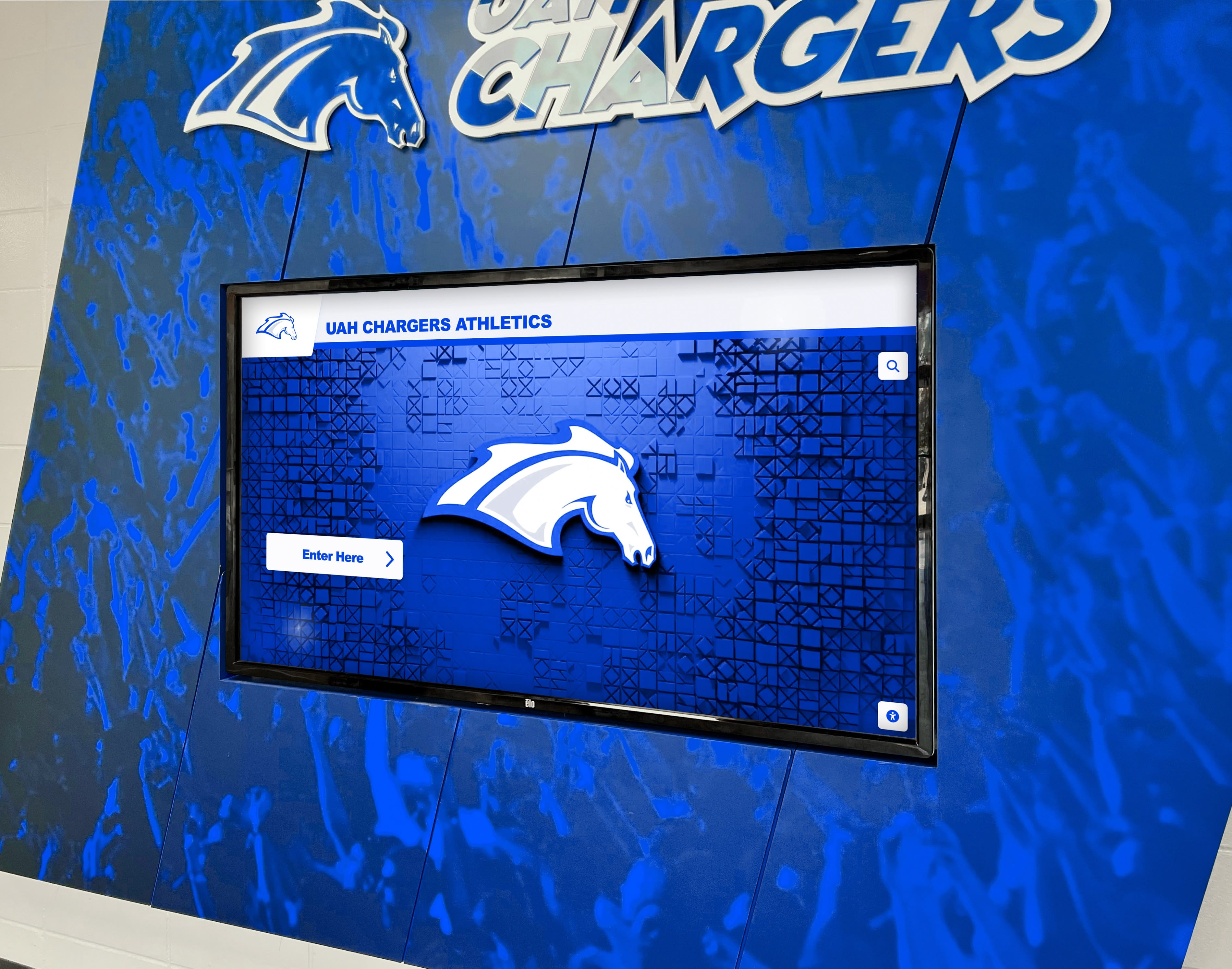
Comprehensive safety systems protect student-athletes while documenting program compliance with evolving regulations
Category 6: Performance, Statistics, and Analytics
Data-driven athletic administration requires platforms capturing performance metrics, tracking program health indicators, analyzing trends, and generating insights informing strategic decisions.
18. Statistics and Scorekeeping Software
Real-time statistics capture during competitions provides immediate data for coaches, accurate performance tracking for records, and engaging content for fans following events remotely.
Core Capabilities:
- Live statistics entry and calculation
- Cumulative season and career statistics
- Record identification and tracking
- Live scoreboard displays
- Real-time statistics publication to websites and apps
- Historical statistics database
- PDF scorebook generation
Popular Platforms: MaxPreps, GameChanger, iScore, StatCrew, ScoreVision
According to athletic directors, comprehensive statistics platforms save 5-10 hours weekly previously spent manually compiling statistics from paper scorebooks.
19. Video Analysis and Game Film Platforms
Video platforms enable coaches to capture games, break down film, create highlight packages, evaluate athlete performance, and share footage with athletes, recruiters, and families.
Key Features:
- Cloud-based video storage and organization
- Game breakdown and tagging tools
- Highlight reel creation
- Play analysis and notation
- Video sharing and access controls
- Integration with recruiting platforms
- Mobile accessibility
These tools enhance coaching effectiveness while providing athletes valuable resources for skill development and college recruitment processes.
20. Program Dashboard and Reporting Systems
Comprehensive analytics platforms aggregate data from multiple sources creating unified dashboards showing participation trends, program health metrics, financial performance, and other key indicators athletic administrators need to monitor.
Essential Functionality:
- Customizable dashboard creation
- Participation tracking by sport, demographic, season
- Financial performance monitoring
- Compliance status visibility
- Automated report generation
- Trend analysis and forecasting
- Executive summaries for administrators
These platforms transform raw data into actionable insights enabling proactive rather than reactive athletic administration.
Understanding how to measure athletic program success helps administrators select metrics and analytics tools aligned with institutional priorities.
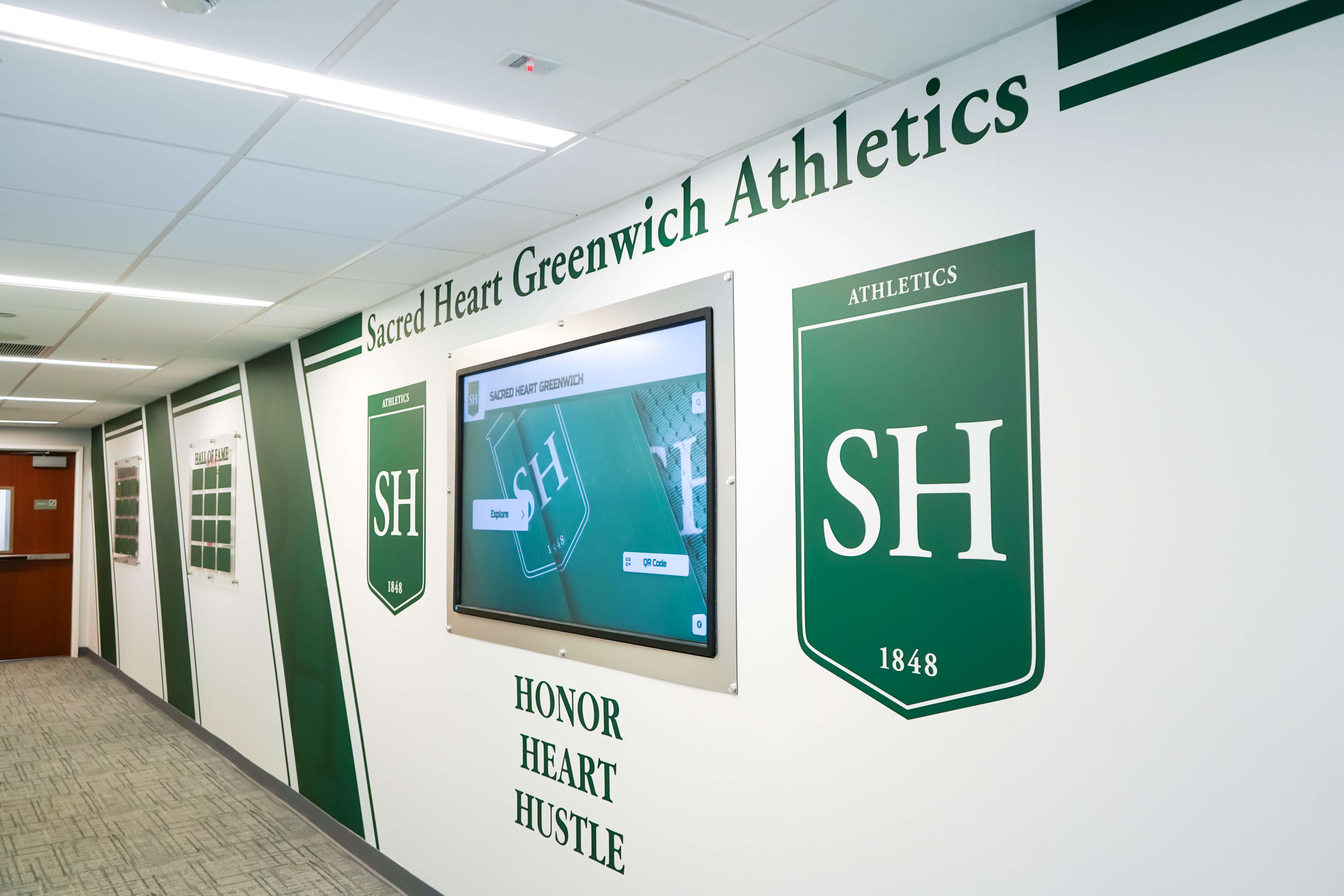
Analytics platforms transform athletic data into insights informing strategic program decisions
Category 7: Transportation and Travel Management
Coordinating athletic team transportation requires systematic approaches managing bus scheduling, driver assignments, trip planning, cost tracking, and compliance with transportation regulations.
21. Transportation Scheduling and Management Systems
Specialized transportation platforms coordinate vehicle availability, driver schedules, trip itineraries, departure times, and return logistics across multiple simultaneous events and teams.
Key Features:
- Vehicle and driver availability calendars
- Automated trip assignment and optimization
- Route planning and directions generation
- Departure and return time coordination
- Driver communication and confirmations
- Cost tracking by trip and sport
- Integration with athletic master calendars
Leading Solutions: Bound Transportation, DestinationOne, Traversa Ride Systems, TripSpark K-12
These platforms reduce administrative burden while improving transportation reliability and cost management.
22. Travel Coordination and Tournament Management
Multi-day tournaments and away competitions require comprehensive planning tools managing lodging reservations, meal arrangements, travel itineraries, budget tracking, and team logistics.
Essential Capabilities:
- Tournament schedule and bracket management
- Hotel room blocking and reservation tracking
- Meal planning and budget allocation
- Itinerary creation and distribution
- Travel expense tracking
- Parent and athlete communication
- Emergency contact information access
Systematic travel management reduces stress while ensuring teams arrive prepared with all necessary resources and information.
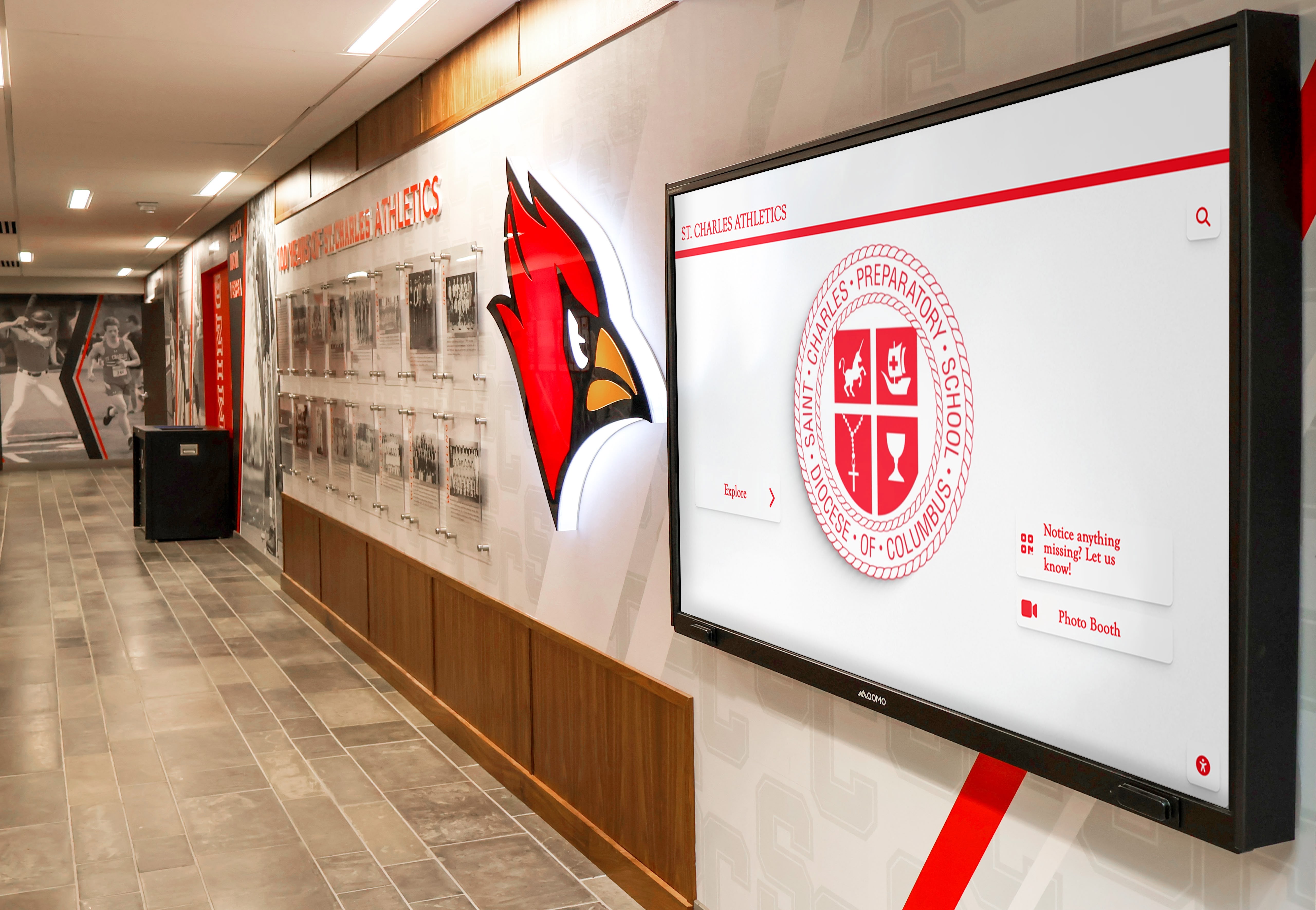
Effective transportation coordination ensures teams arrive ready to compete while managing costs efficiently
Category 8: Recognition and Achievement Celebration Systems
Celebrating athletic excellence through visible recognition programs inspires current athletes, engages alumni, showcases program quality, and reinforces institutional values around effort and achievement.
23. Digital Recognition Display Systems
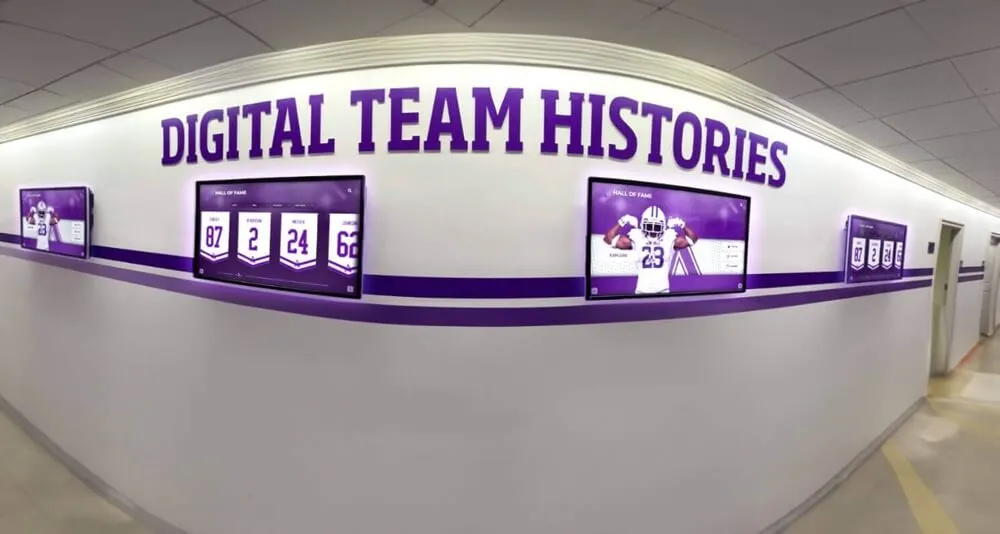
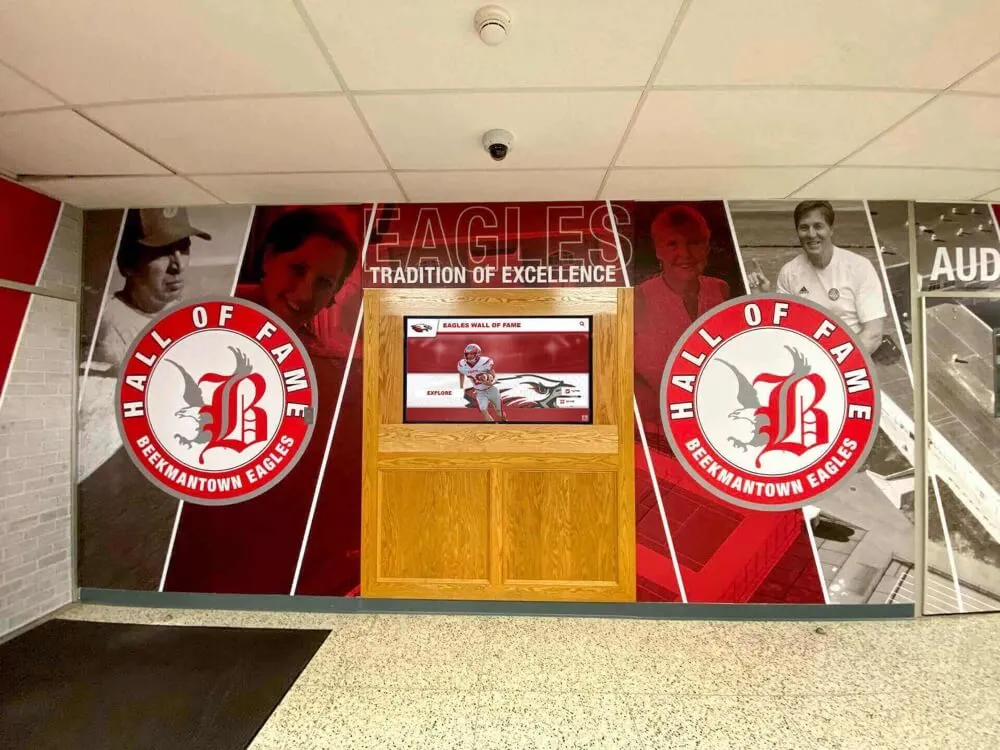
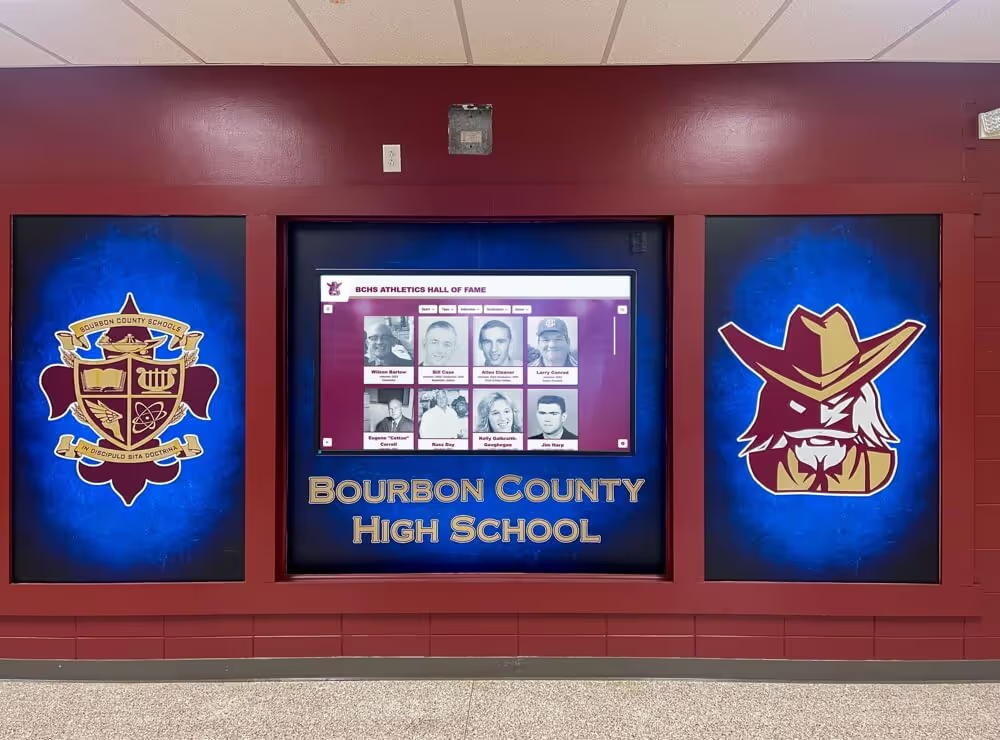
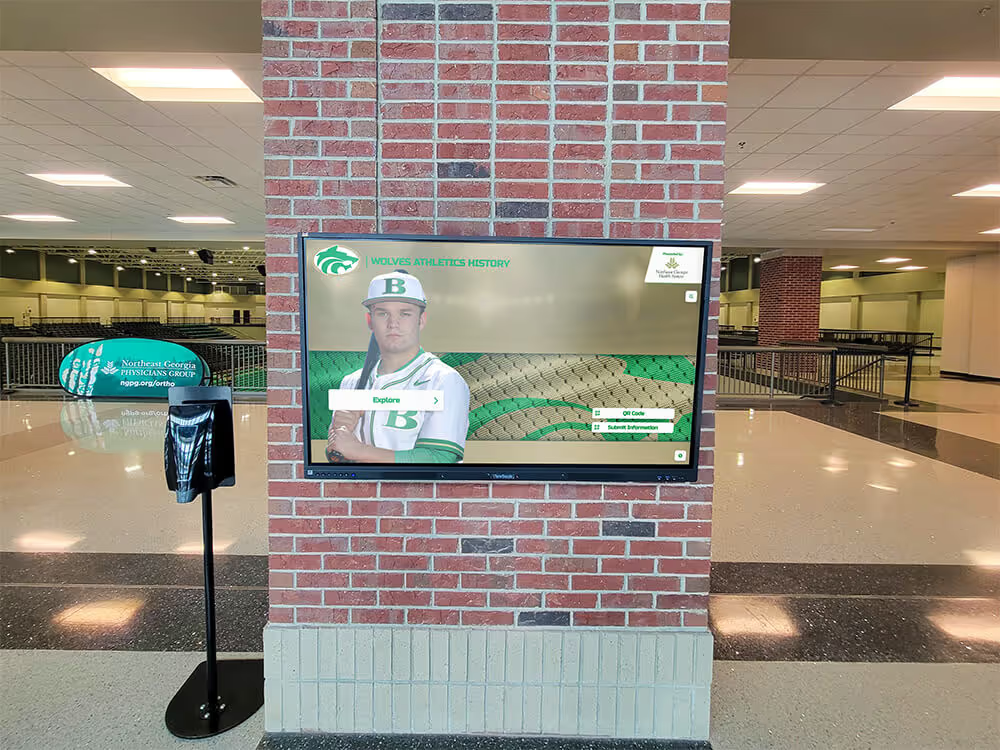
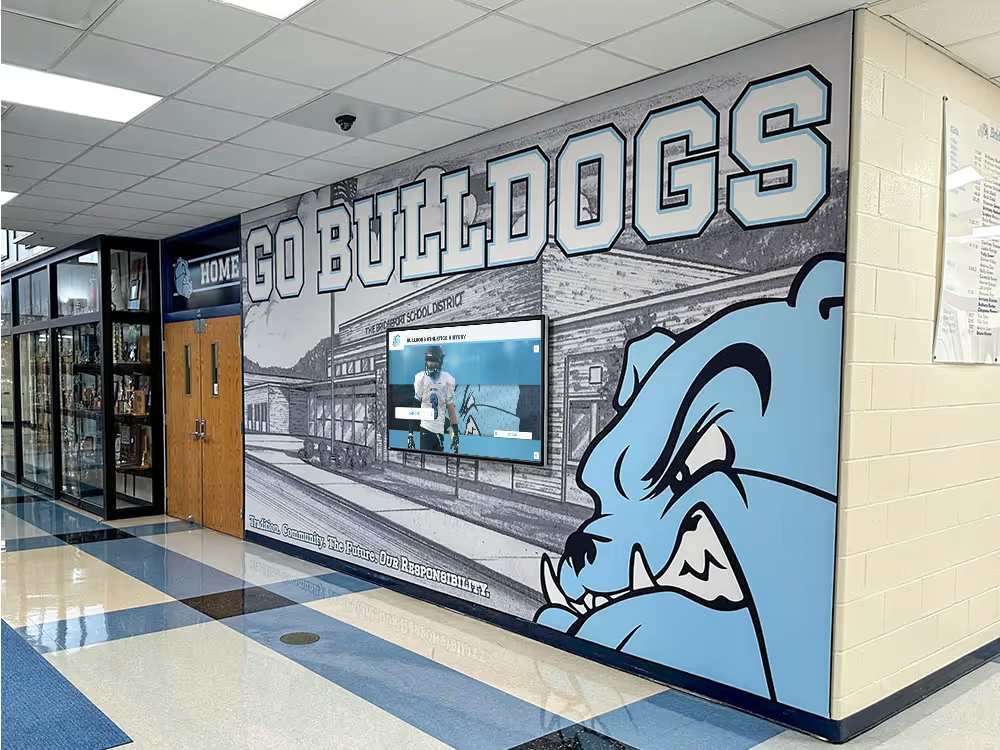
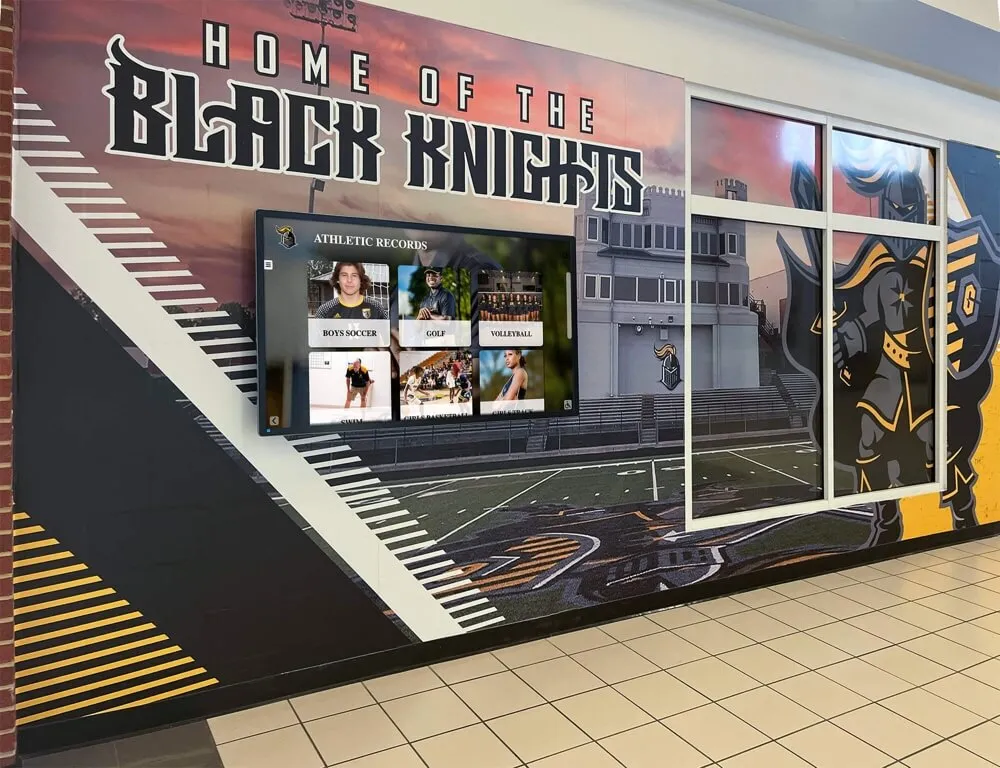
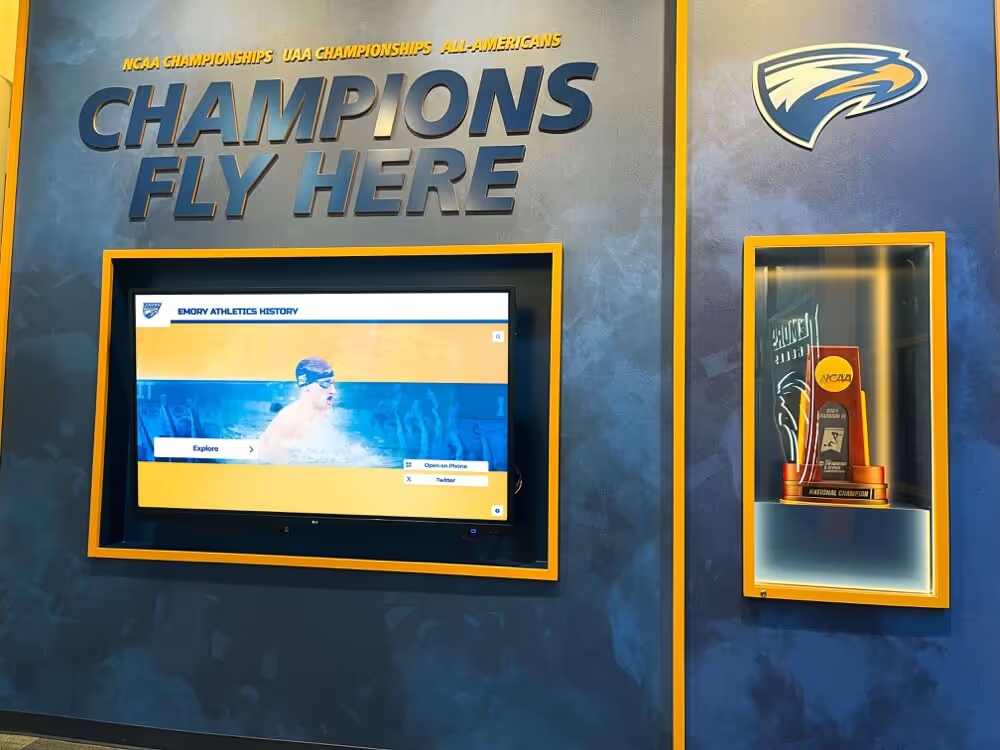
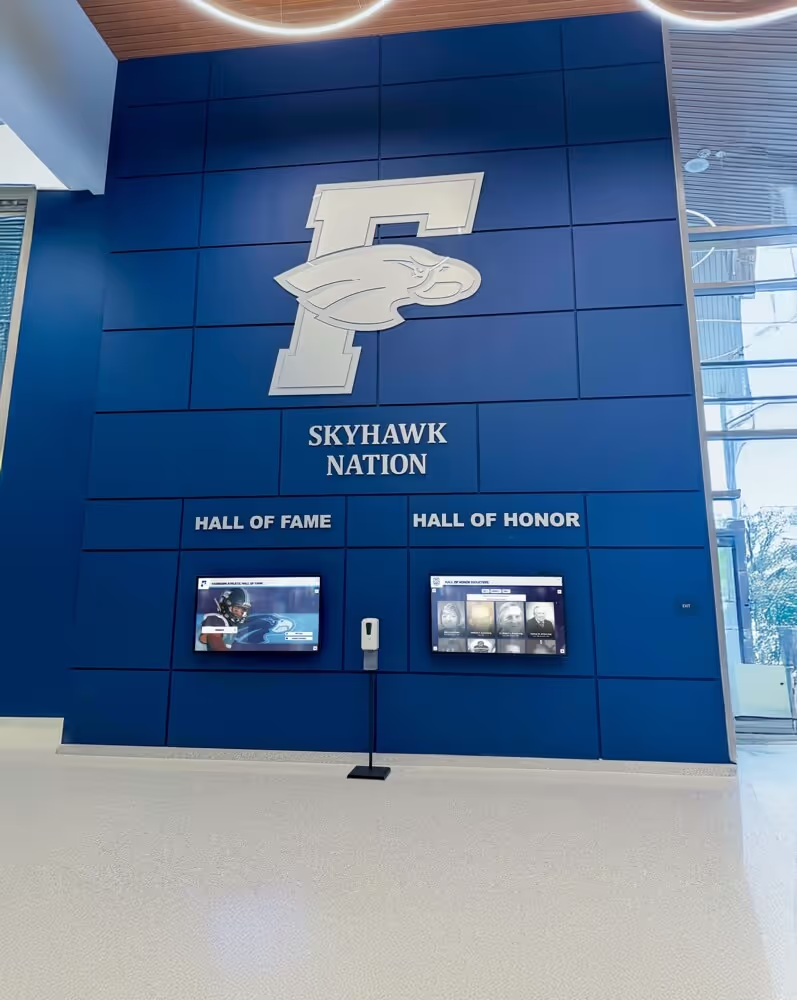
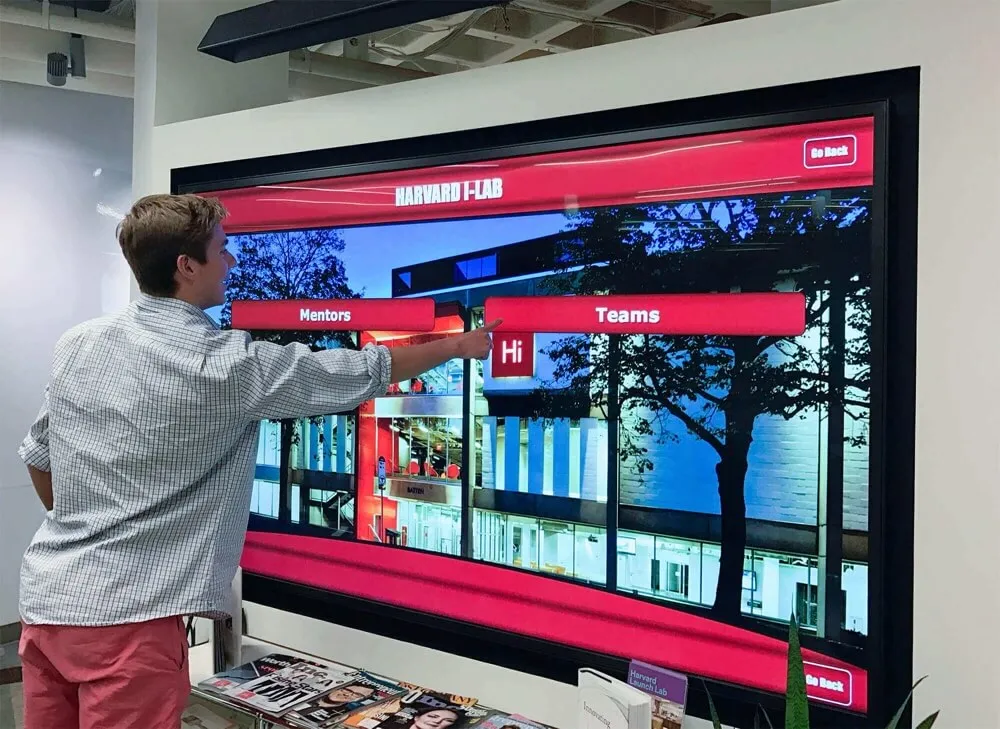
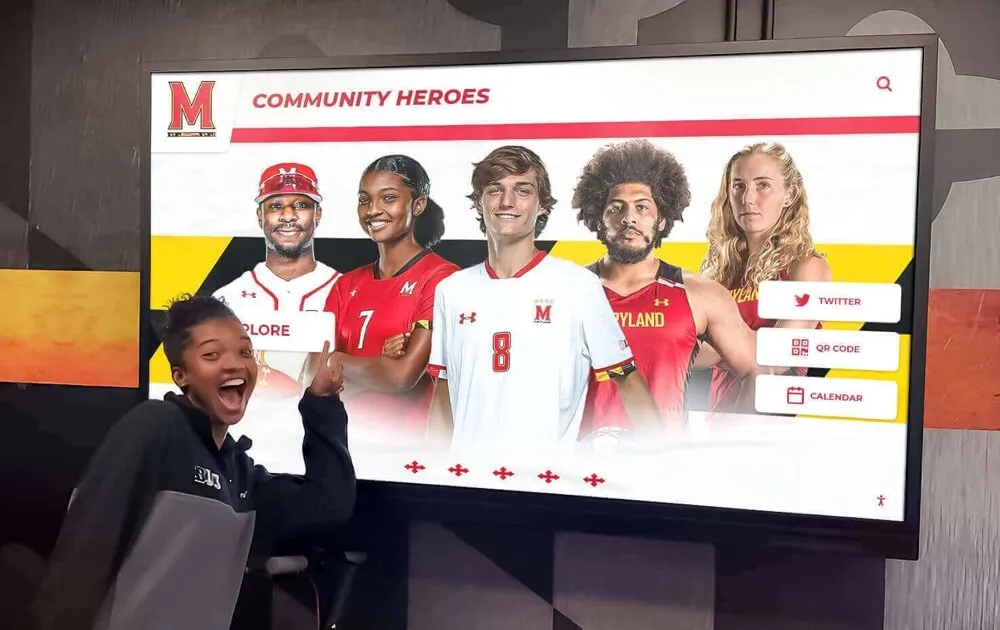
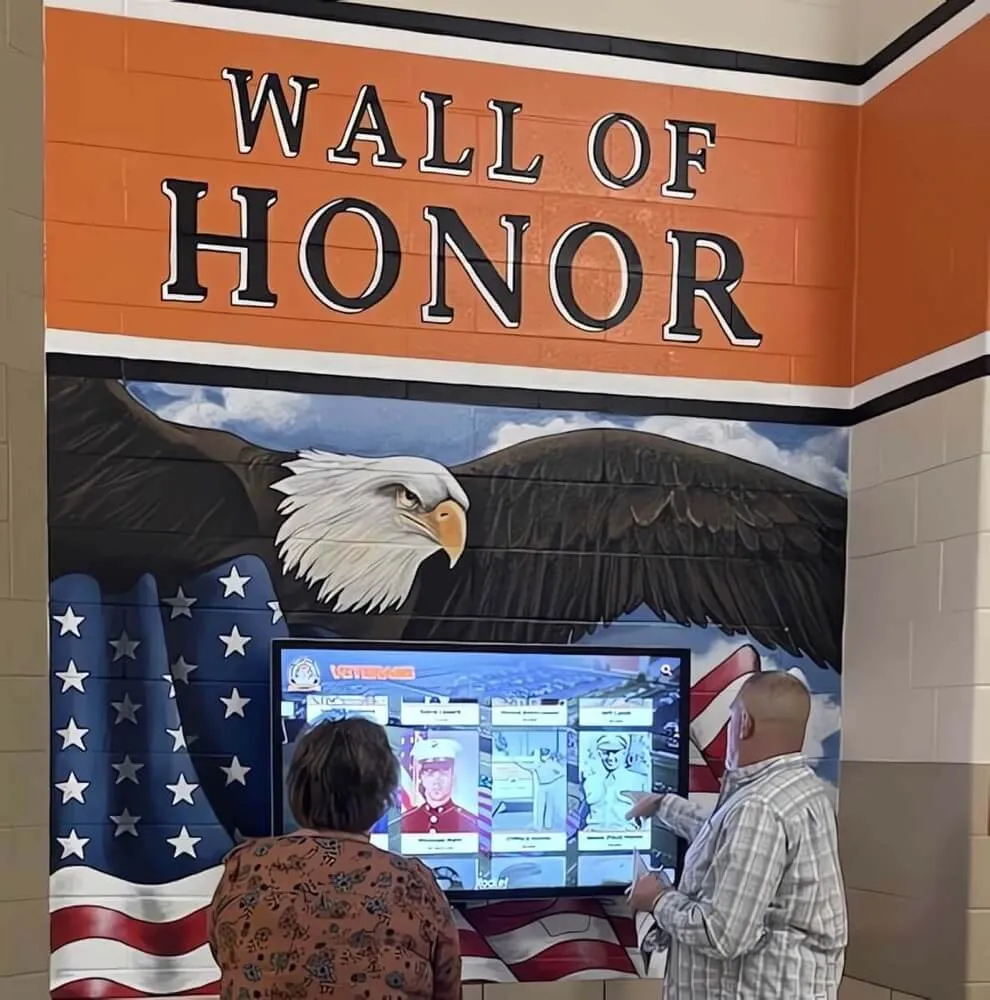
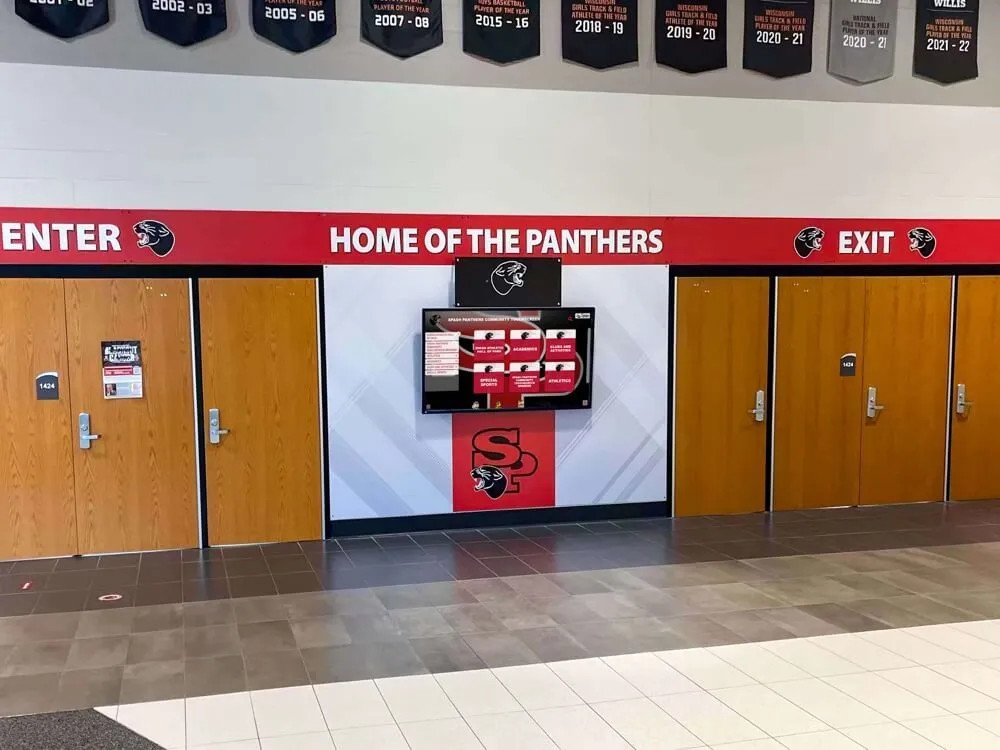
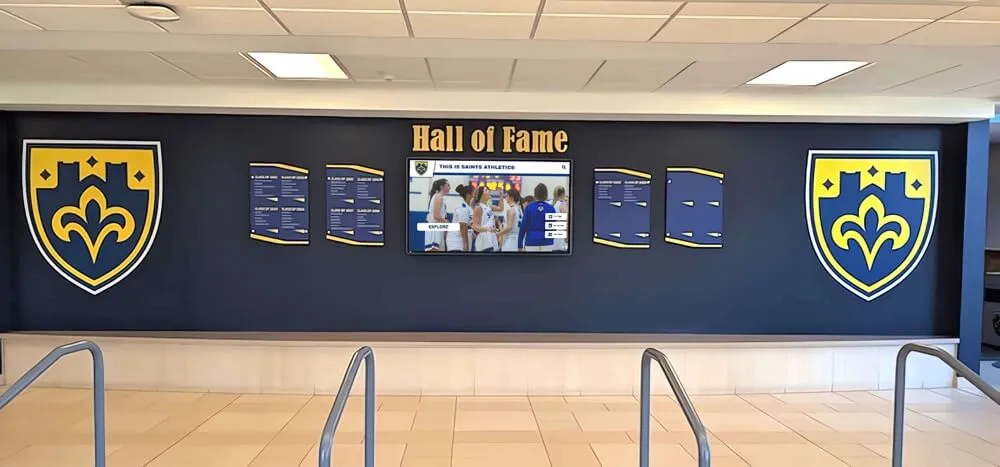
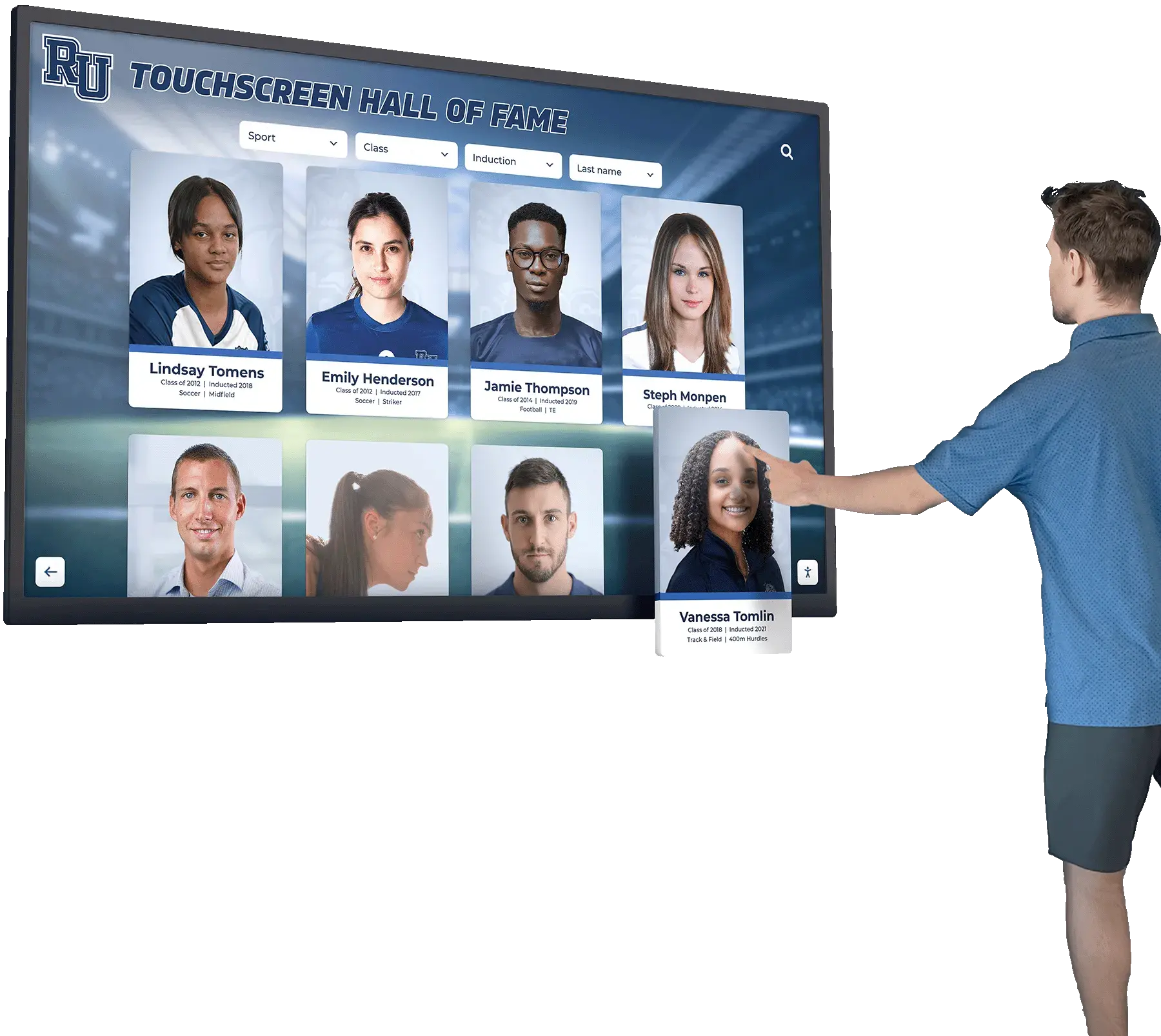
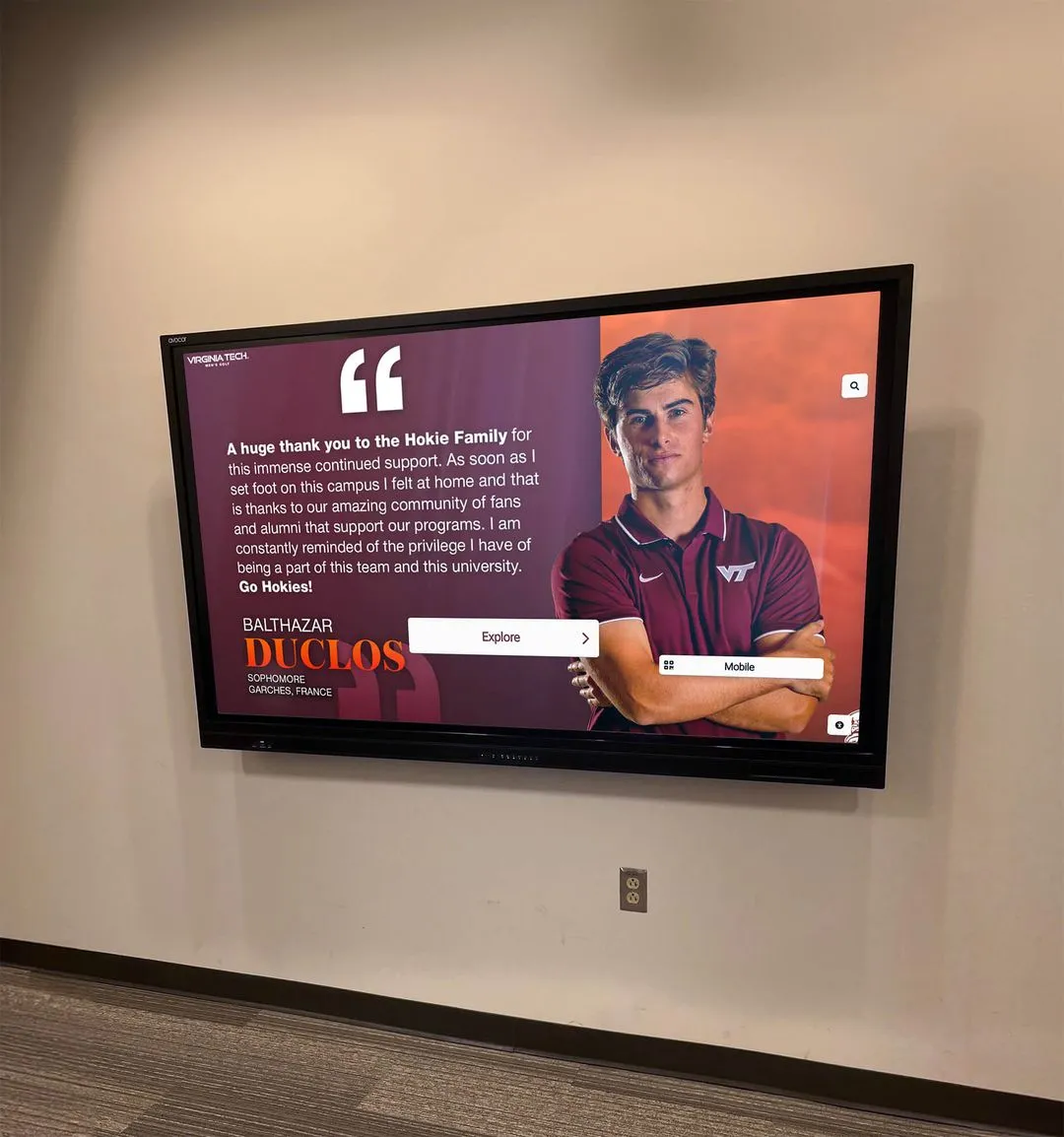
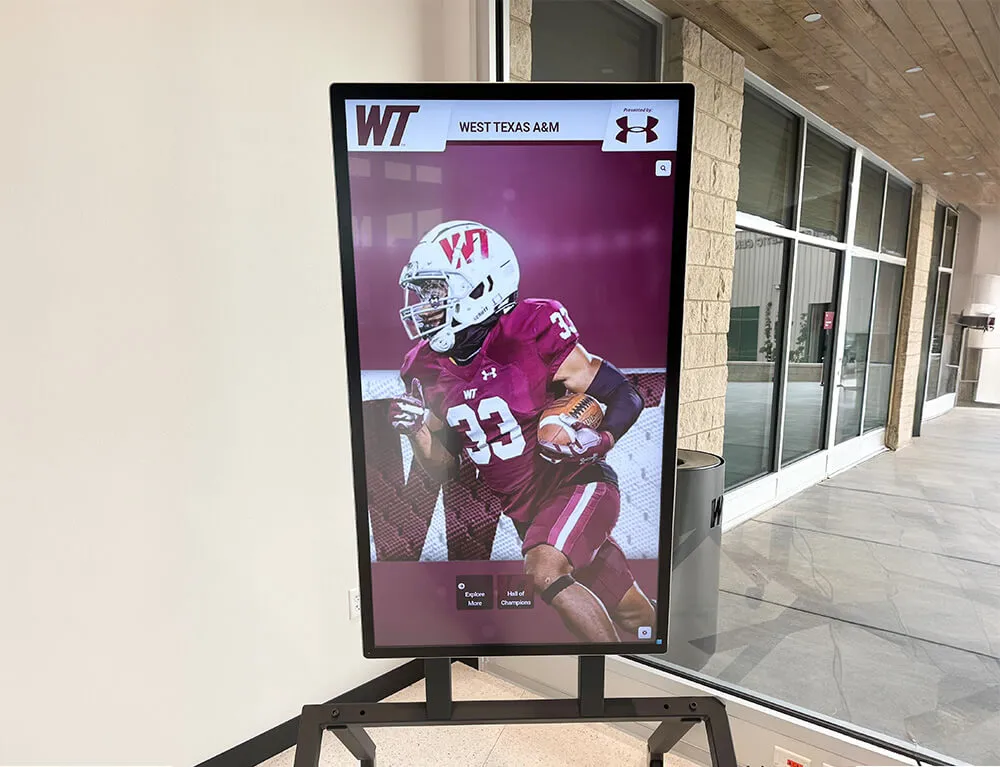
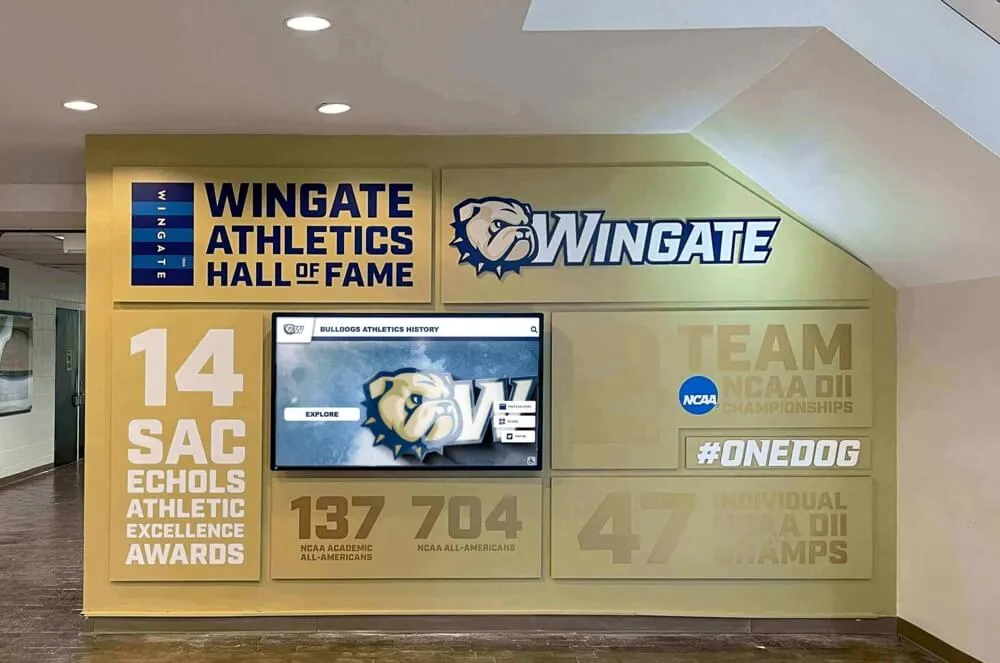
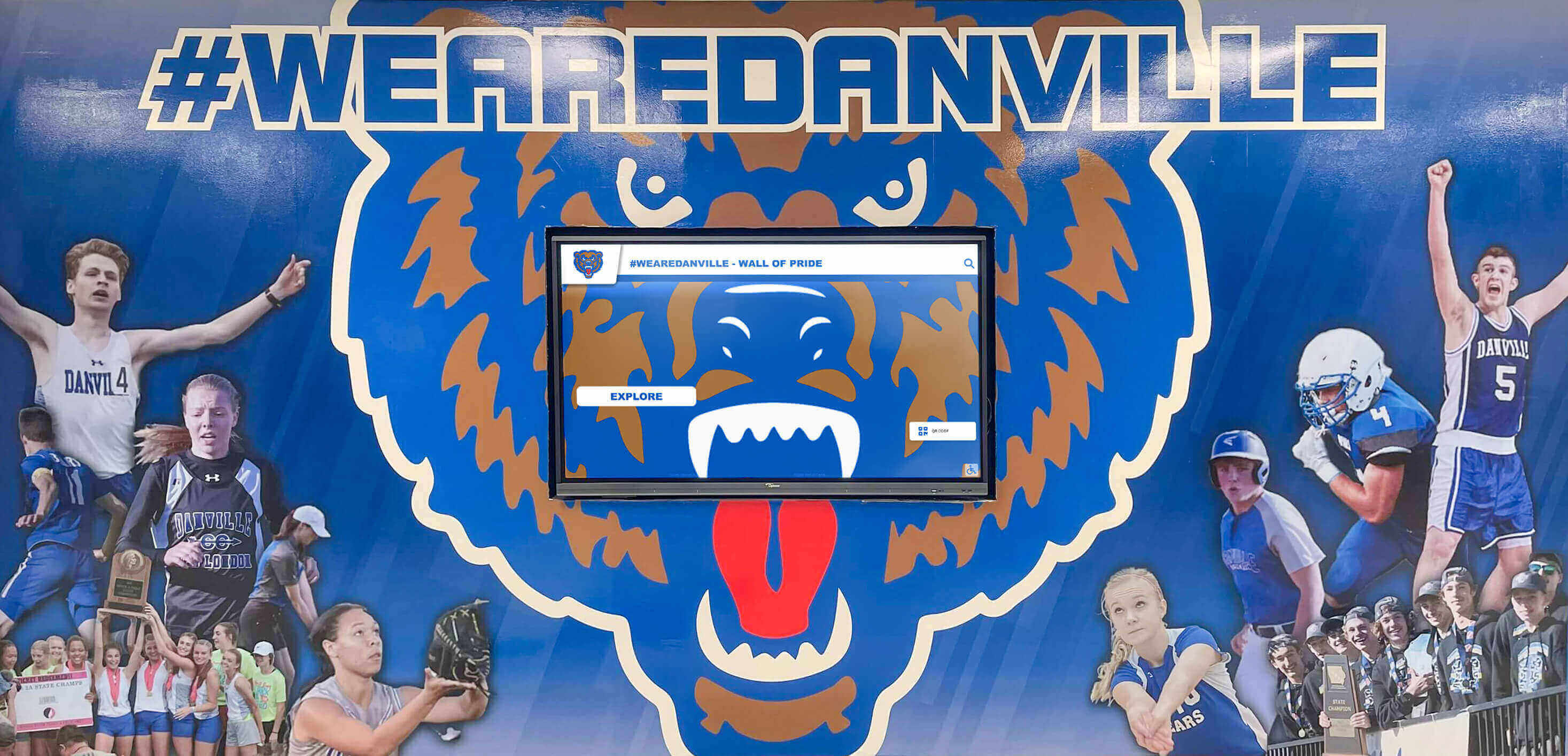
Modern recognition platforms transform how schools celebrate athletic achievements by enabling comprehensive display of records, honors, hall of fame inductees, championship teams, and individual accomplishments through interactive touchscreen displays and coordinated web platforms.
Core Capabilities:
- Unlimited recognition capacity eliminating space constraints
- Interactive touchscreen exploration
- Rich biographical content with photos and statistics
- Search and filtering functionality
- Remote content management and updates
- Integration with athletic websites
- Mobile-responsive web access
Leading Solution: Rocket Alumni Solutions provides purpose-built platforms specifically designed for educational athletic recognition, combining physical touchscreen installations with comprehensive web access creating unified recognition systems accessible throughout campuses and online.
Unlike traditional static plaques limited by physical space and impossible to update, digital recognition systems enable athletic directors to:
- Showcase unlimited athletes, teams, and achievements
- Update content instantly when new honors are earned
- Feature comprehensive statistics and biographical information
- Create engaging interactive experiences visitors explore independently
- Maintain consistent visibility for athletes across all eras
- Generate alumni engagement through accessible online archives
According to administrators implementing these systems, digital recognition displays generate significantly higher engagement than traditional approaches, with visitors spending 5-10 minutes exploring content versus brief glances at static walls.
Learn about comprehensive strategies for creating digital athletic recognition programs that celebrate excellence while inspiring current athletes.
24. Social Media Recognition and Content Systems
Strategic social media recognition requires systematic approaches managing content calendars, creating branded graphics, scheduling posts, engaging followers, and measuring impact across multiple platforms.
Key Features:
- Content calendar planning and scheduling
- Branded template creation
- Multi-platform posting (Twitter, Instagram, Facebook)
- Athlete and team tagging
- Performance analytics and engagement tracking
- Compliance with student-athlete regulations
- Archive and content library management
Popular Platforms: Hootsuite, Buffer, SocialPilot, Sprout Social
These platforms enable consistent, professional social media presence celebrating achievements while managing time investment efficiently.
25. Award Certificate and Recognition Item Management
Professional recognition programs require systems managing certificate creation, plaque ordering, trophy procurement, apparel customization, and distribution to athletes, coaches, and contributors.
Essential Functionality:
- Template libraries for certificates and awards
- Customization and personalization tools
- Vendor management and ordering
- Budget tracking by recognition category
- Distribution tracking and documentation
- Archives of previous awards
These systems ensure recognition programs maintain professional standards while streamlining logistics associated with physical award distribution.

Modern recognition systems create engaging experiences that honor achievements while inspiring excellence
Category 9: Compliance and Regulatory Management
Athletic programs must navigate complex regulatory landscapes including state association rules, Title IX requirements, NFHS standards, safety regulations, and institutional policies.
26. Title IX and Gender Equity Compliance Systems
Systematic equity monitoring requires platforms tracking participation opportunities, resource allocation, scholarship distribution, and other metrics demonstrating compliance with federal gender equity requirements.
Key Capabilities:
- Participation counting by gender and sport
- Resource allocation tracking and comparison
- Scholarship and financial aid monitoring
- Facility usage and access analysis
- Automated equity reporting
- Historical trend tracking
- Documentation for compliance reviews
Explore comprehensive approaches to ensuring athletic program equity across all sports and genders.
27. State Association and League Compliance Platforms
Athletic programs must comply with state high school association rules, conference requirements, NFHS standards, and local policies governing eligibility, participation limits, transfer rules, and operational procedures.
Essential Features:
- Rule database and reference library
- Eligibility verification and documentation
- Transfer rule compliance tracking
- Participation limit monitoring
- Required reporting submission
- Violation tracking and response documentation
These specialized platforms help athletic directors navigate complex regulatory requirements while maintaining comprehensive compliance documentation.
28. Coaching Education and Certification Management
Athletic programs must verify coaches complete required education, maintain current certifications, and fulfill continuing education requirements mandated by state associations and institutional policies.
Core Functionality:
- Certification status tracking by coach
- Expiration alerts and renewal reminders
- Required course assignment and completion monitoring
- Continuing education credit tracking
- Compliance reporting for administrators
- Integration with state association databases
These systems prevent uncertified coaches from participating while documenting program commitment to coaching education standards.
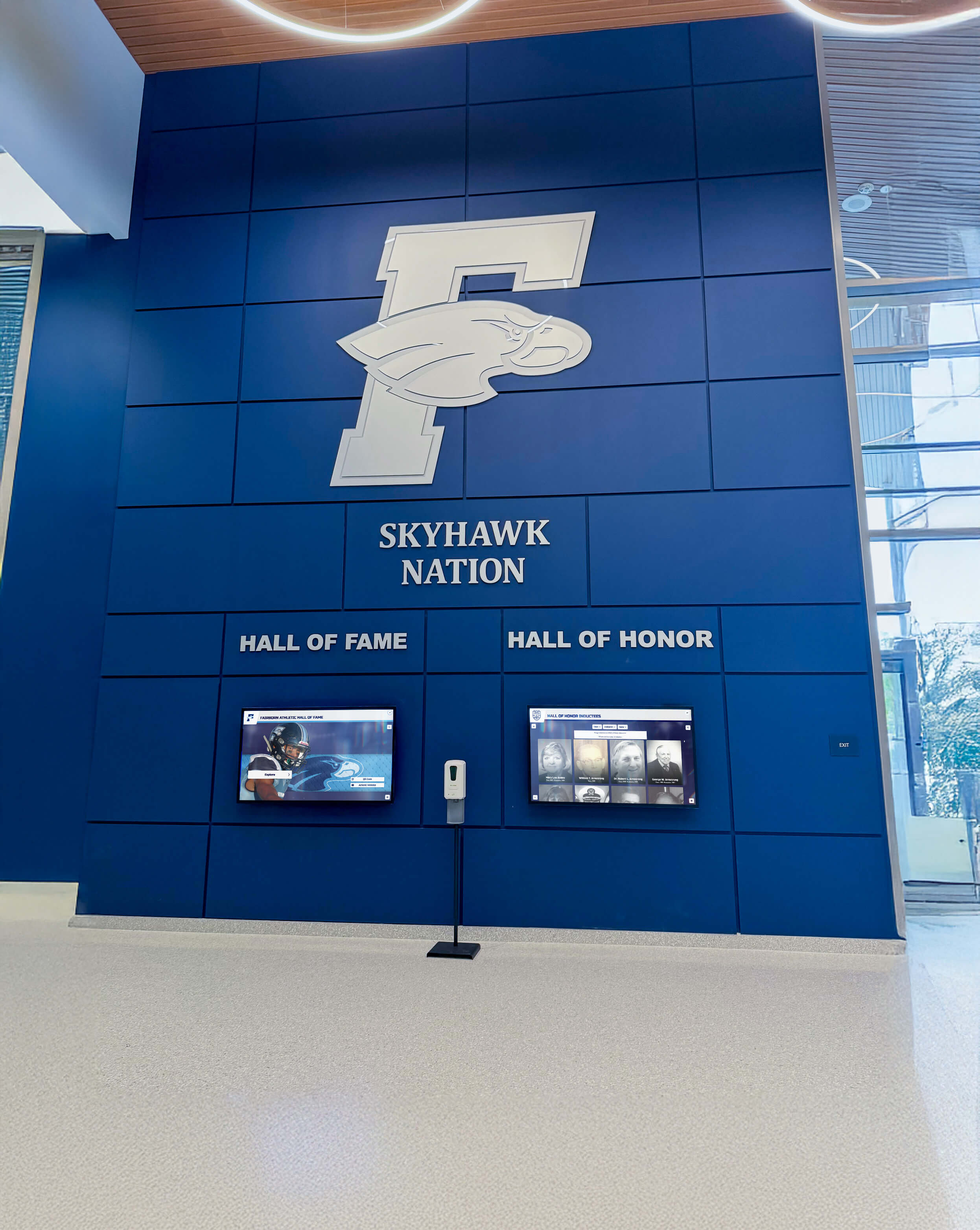
Comprehensive compliance systems protect programs while documenting adherence to complex regulatory requirements
Category 10: Specialized and Emerging Technologies
Beyond core operational systems, several specialized platforms address specific athletic administration needs or represent emerging technology categories.
29. Strength and Conditioning Management Platforms
Systematic athletic development requires platforms managing training programs, tracking athlete progress, monitoring workload, and coordinating strength and conditioning across multiple sports and seasons.
Key Features:
- Program design and exercise libraries
- Athlete assignment and scheduling
- Performance tracking and progress monitoring
- Workload management and fatigue monitoring
- Video demonstration libraries
- Communication with athletes and coaches
- Assessment and testing result tracking
Leading Solutions: TeamBuildr, TrainHeroic, CoachMePlus, Bridge Athletic
These platforms enhance training effectiveness while creating documentation demonstrating systematic athletic development approaches.
30. Recruiting and College Placement Support Systems
While primarily used by athletes and families, recruiting platforms increasingly integrate with high school athletic programs helping athletes navigate college recruitment while providing coaches tools supporting this process.
Essential Capabilities:
- Athletic profile creation and management
- Highlight video hosting and sharing
- College coach database and communication
- Recruitment event calendar
- Academic eligibility estimation
- Integration with statistics platforms
- Compliance with contact rules
Popular Platforms: NCSA, BeRecruited, FieldLevel, CaptainU
These systems support athletes pursuing college opportunities while providing athletic directors visibility into recruitment activities and outcomes.
Discover comprehensive approaches to showcasing college commitments that celebrate athletic and academic achievement.
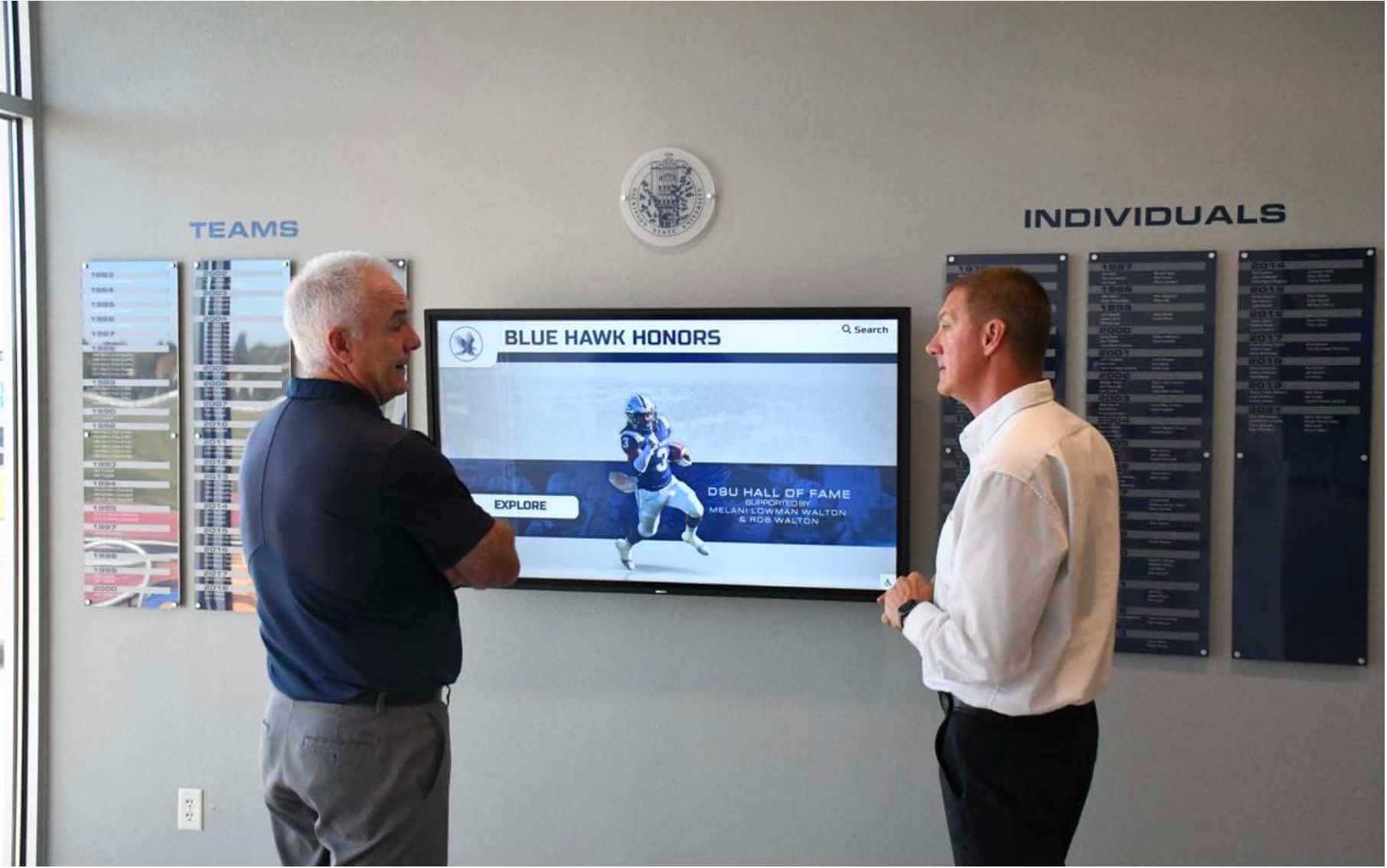
Specialized platforms address specific athletic administration needs beyond core operational systems
Building Your Athletic Technology Stack: Implementation Strategy
With 30+ software categories potentially relevant to athletic administration, strategic selection and implementation becomes critical for maximizing value while managing costs and complexity.
Prioritization Framework
Tier 1: Foundational Systems (Implement First)
- Scheduling and calendar management
- Registration and eligibility tracking
- Communication platforms
- Basic financial management
These core systems address fundamental operational needs that consume the most administrative time while touching all sports and stakeholders.
Tier 2: Enhanced Operations (Implement After Foundation) 5. Digital forms and document management 6. Statistics and scorekeeping 7. Transportation coordination 8. Injury tracking and safety systems
These platforms build upon foundational systems enhancing operational efficiency and program professionalism.
Tier 3: Strategic Enhancements (Implement As Resources Allow) 9. Digital recognition display systems 10. Advanced analytics and dashboards 11. Specialized sport-specific tools 12. Emerging technology categories
These investments elevate program quality and stakeholder experience after addressing core operational needs.
Integration Considerations
Data Integration Requirements Modern athletic technology stacks function most effectively when systems share data automatically:
- Registration systems feeding eligibility platforms
- Schedules synchronizing across communication tools
- Financial systems connecting with ticketing and fundraising
- Statistics platforms integrating with websites and apps
Prioritize solutions offering open APIs, established integration partnerships, or comprehensive platform ecosystems reducing duplicate data entry.
Single Sign-On and Access Management Athletic departments should implement unified authentication enabling coaches, athletes, and families to access multiple systems with single credentials, reducing password fatigue while enhancing security.
Mobile Accessibility Standards With coaches, athletes, and families increasingly accessing systems via smartphones, mobile-responsive design and native apps become critical selection criteria for all athletic technology investments.
Learn about creating comprehensive athletic program environments that integrate technology with physical spaces.
Budget Planning and Cost Management
Understanding Total Cost of Ownership Athletic technology investments include:
- Annual subscription fees (typically $2,000-$20,000 per platform)
- Implementation and setup costs
- Training and change management
- Ongoing support and maintenance
- Hardware for touchscreen displays or kiosks
- Staff time for content management and administration
Comprehensive budgeting accounts for complete multi-year costs rather than focusing exclusively on initial subscription fees.
Funding Strategies Athletic departments fund technology through:
- General athletic budgets
- Booster club support and fundraising
- Grant opportunities from state associations or foundations
- Cost savings from eliminated manual processes
- Revenue generation from improved ticketing and fundraising
- Shared costs across multiple schools in conferences or districts
Explore strategies for managing athletic budgets effectively while funding necessary technology investments.
Ready to modernize your athletic program through strategic technology investments? While operational systems address scheduling, registration, and communication needs, comprehensive recognition platforms like Rocket Alumni Solutions ensure your program celebrates athletic excellence as professionally as you manage daily operations.
Modern digital recognition displays complement operational software by showcasing achievements, inspiring current athletes, engaging alumni, and demonstrating program quality to prospective families—all through systems requiring minimal ongoing administration while delivering maximum visibility and impact.
Whether launching comprehensive technology initiatives or enhancing existing systems, start by identifying your highest-priority operational challenges, then select platforms delivering measurable value addressing those specific needs. Request your free custom demo or schedule a consultation to explore how the right technology stack can transform your athletic program administration.
Conclusion: Strategic Technology Enabling Athletic Excellence
Software products for athletic administrators have evolved from luxury conveniences into essential infrastructure enabling modern sports program management. The right technology stack transforms overwhelming administrative responsibilities into manageable workflows, frees valuable time for strategic leadership rather than manual data processing, enhances communication with all stakeholder groups, provides data-driven insights informing better decisions, and creates professional experiences elevating program quality across all sports.
Success requires strategic rather than haphazard technology adoption—identifying highest-priority needs, selecting appropriate solutions aligned with specific contexts, implementing systematically with adequate training and support, integrating systems to minimize duplicate data entry, and measuring value delivered against investments made. Athletic administrators should view technology as force multipliers enabling excellence rather than technological solutions seeking problems to solve.
The 30 software categories explored throughout this comprehensive guide address diverse athletic administration needs from foundational scheduling and registration through specialized compliance tracking, advanced analytics, and modern recognition systems. Not every athletic program requires every category, but every program benefits from systematic assessment identifying which platforms deliver proportional value given specific priorities, resources, and organizational contexts.
Begin your athletic technology journey by auditing current processes identifying the most time-consuming manual workflows, the greatest sources of stakeholder frustration, the largest compliance or safety risks, and the missed opportunities for celebrating excellence or engaging communities. Then prioritize solutions addressing those specific challenges rather than implementing platforms because they exist or competitors use them.
Your athletes, coaches, families, and communities deserve athletic programs operating as efficiently and professionally as possible given available resources. Strategic technology investments enable exactly that transformation—turning good intentions into systematic operations, manual processes into automated workflows, scattered information into centralized databases, limited recognition into comprehensive celebration, and administrative burden into strategic leadership opportunity.
The sports management software landscape will continue evolving with new platforms, enhanced capabilities, and emerging technologies creating additional opportunities. Athletic administrators who develop clear evaluation frameworks, maintain strategic perspectives, and focus relentlessly on solutions delivering measurable value for stakeholders will successfully navigate this complexity, selecting technology stacks that genuinely serve their programs rather than creating additional administrative burden without proportional benefit.
Start building your strategic athletic technology stack today by assessing current needs, researching appropriate solutions, securing necessary resources, and implementing systematically. The strategies, categories, and best practices explored throughout this guide provide everything needed to transform athletic administration through thoughtful technology adoption—enabling you to work smarter rather than harder while creating exceptional experiences for everyone participating in your athletic programs.
Sources
- BigTeams - Athletic Scheduling and Team Management Software
- DragonFly Athletics | Leading Athletic Management Software Solution
- High School Sports and Activities Management Software | Bound
- Athletic Department Software for Schools | Finalsite
- Aktivate | Modern Software to Manage Athletic Departments
- A Buyer’s Guide for Athlete Management System Software - SimpliFaster
- 18 Powerful Sports Management Software Tools That Save Time and Money
- United Soccer Coaches High School All-America