



Being selected as a student graduation speaker represents one of the highest honors your school can bestow—and one of the most challenging public speaking moments you’ll ever face. You’re tasked with capturing years of shared experiences, acknowledging diverse accomplishments, expressing gratitude appropriately, and inspiring futures—all within just a few powerful minutes that your classmates and their families will remember for decades.
Many student speakers struggle with where to begin. Should you open with a joke or stay serious? How do you balance humor with emotion? What anecdotes resonate without alienating anyone? How do you avoid clichés while still addressing universal themes? And most pressingly, how do you distill everything you want to say into a short, memorable speech that captures this momentous transition?
This comprehensive guide provides proven short graduation speech examples, structural frameworks, and practical strategies that help student speakers craft authentic messages worthy of this milestone—speeches that honor achievements, celebrate community, acknowledge growth, and inspire classmates as they step into uncertain but exciting futures.
The most effective student graduation speeches balance personal authenticity with universal themes, combining specific memories that trigger recognition and emotion with broader observations about shared experiences and futures. Student speakers who succeed at this delicate balance create memorable moments that resonate long after graduation day, reminding classmates of who they were, who they’ve become, and who they aspire to be.

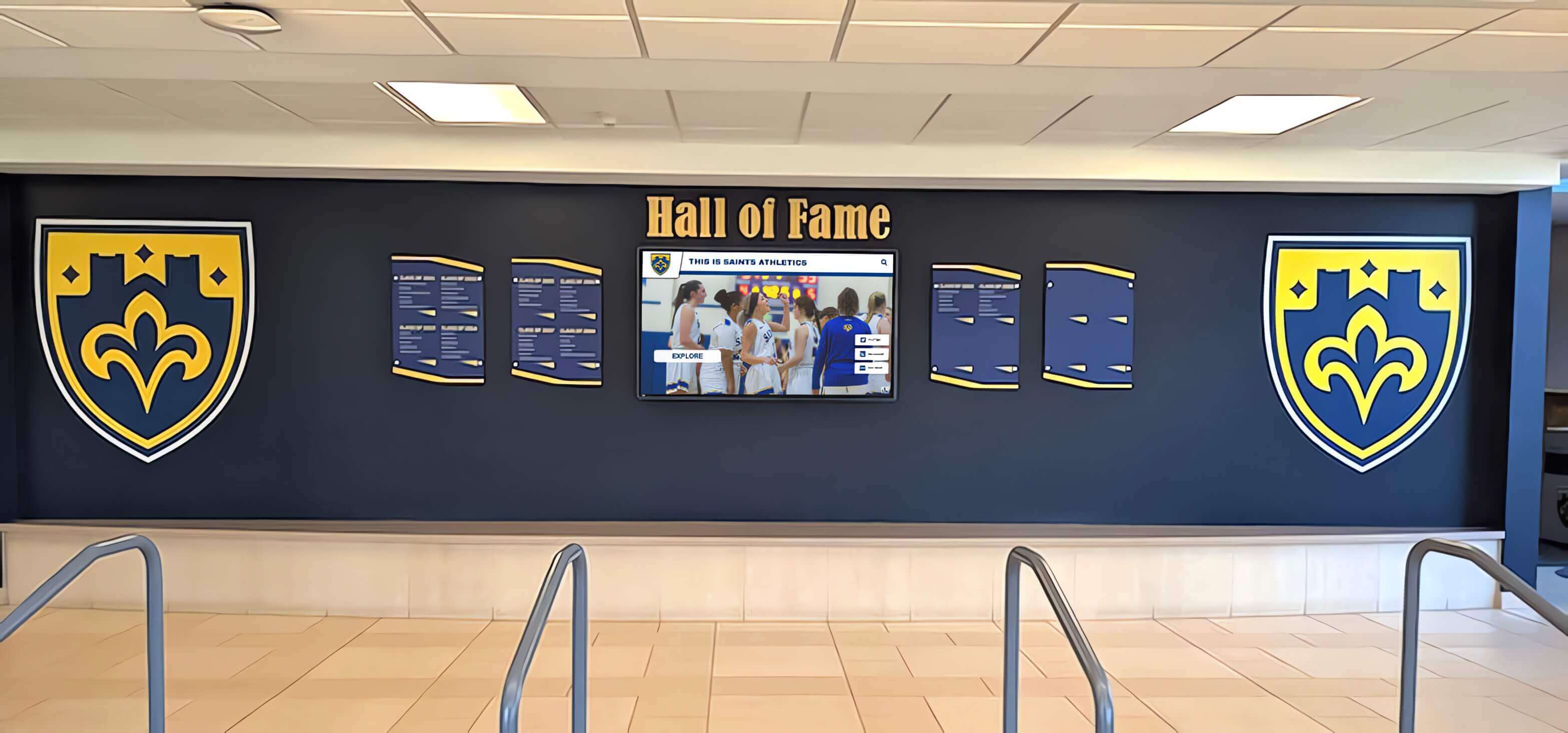
Graduation ceremonies represent the culmination of years of achievement, growth, and community—moments that deserve speeches as meaningful as the milestones themselves
Why Short Graduation Speeches Work Better
Understanding the strategic advantages of brevity helps student speakers craft messages that resonate rather than ramble.
The Power of Concise Communication
Research in public speaking consistently demonstrates that shorter speeches generate stronger audience engagement and retention:
Attention Span Realities
- Graduation ceremonies involve lengthy programs with multiple speakers and hundreds of names
- Audience attention peaks in the first 3-5 minutes of any speech
- Shorter speeches maintain energy and enthusiasm throughout the message
- Concise communication forces speakers to identify truly essential ideas
- Brevity signals respect for audience time and ceremony pacing
Memorability and Impact
- Audiences remember clear, focused messages better than rambling narratives
- Short speeches enable rehearsal leading to confident, polished delivery
- Concise communication creates quotable moments and shareable soundbites
- Focused messages avoid the common pitfall of trying to say everything and accomplishing nothing
- Impactful brevity leaves audiences wanting more rather than wishing for less
According to research from the National Communication Association, speeches under 5 minutes generate 60% higher audience recall of key messages compared to speeches exceeding 10 minutes—particularly relevant for graduation ceremonies where multiple speakers compete for audience attention.
Student Speaker Challenges
Student graduation speakers face unique pressures and constraints:
Diverse Audience Expectations
- Classmates expecting entertainment and authentic connection
- Parents and families wanting appropriate reverence and gratitude
- Faculty and administrators hoping for maturity and respect
- Younger siblings and children with limited attention spans
- Community members representing multiple generations and perspectives
Emotional Management
- Balancing humor with appropriate seriousness
- Maintaining composure while discussing emotional topics
- Acknowledging difficulties without dwelling on negativity
- Celebrating accomplishments without appearing arrogant
- Inspiring futures while honoring shared past experiences
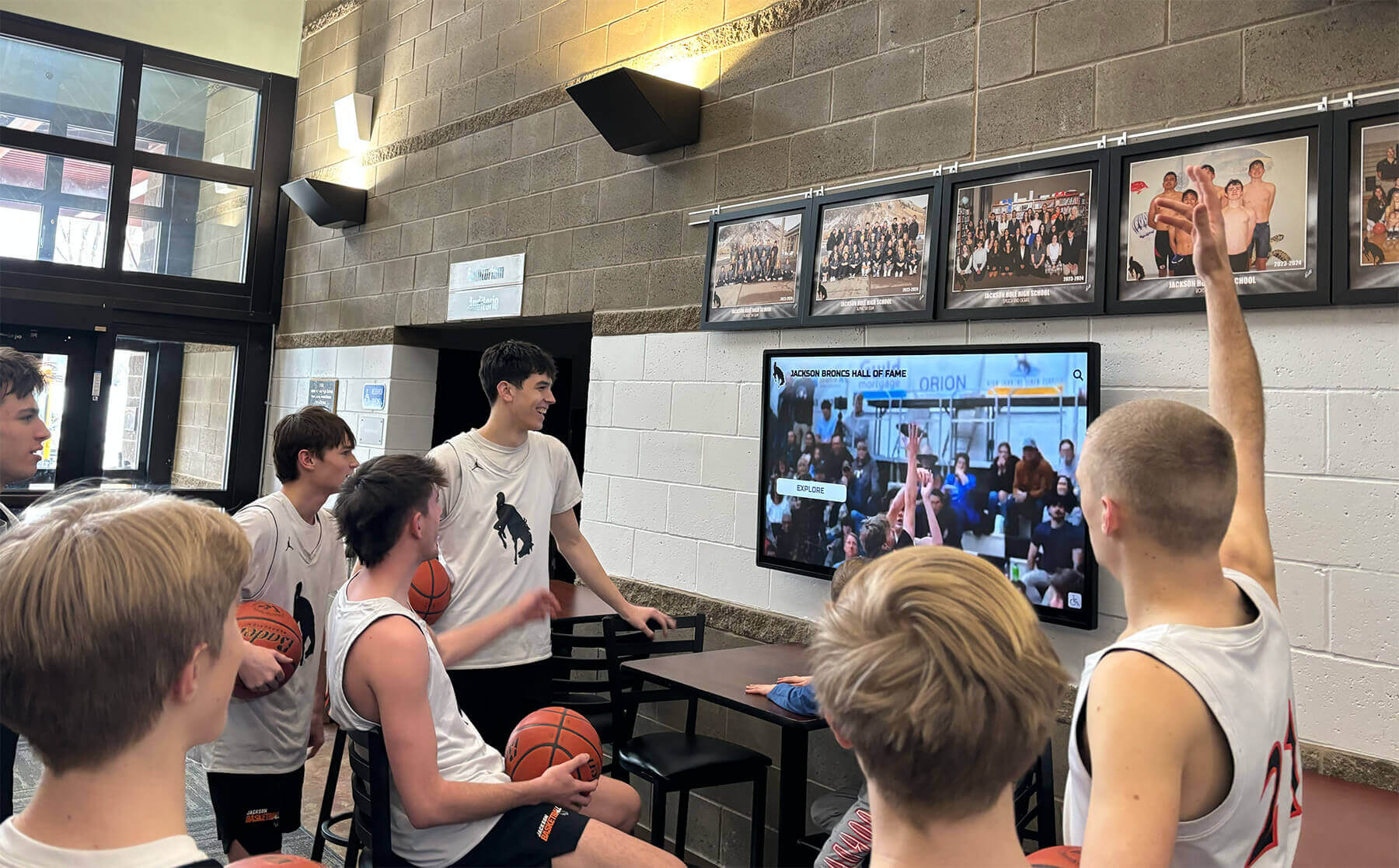
Graduation speeches connect shared memories and achievements to inspire futures—a delicate balance requiring authenticity and careful preparation
Time and Preparation Constraints
- Limited preparation time while managing finals and end-of-year obligations
- Pressure to represent entire class perspectives and experiences
- Need to balance originality with accessibility
- Requirement to satisfy school administration approval processes
- Technical considerations including microphone use and stage presence
When student speakers embrace brevity strategically, they transform these challenges into opportunities for creating memorable, impactful messages that honor the occasion appropriately.
Learn about comprehensive approaches to student recognition programs that celebrate achievements beyond graduation ceremonies.
Essential Elements of Effective Graduation Speeches
Before examining specific examples, understanding core components ensures your speech includes necessary ingredients for success.
Opening Strong: First Impressions Matter
The opening 30 seconds determine whether your audience engages or mentally checks out:
Effective Opening Strategies
The Unexpected Hook
- Surprising statistics or facts that challenge assumptions
- Provocative questions that spark immediate thought
- Unexpected confessions or personal admissions
- Counterintuitive observations about your class or experience
- Humor that catches audience off-guard in appropriate ways
The Shared Memory
- Specific moments that instantly trigger recognition
- Universal experiences your entire class navigated together
- Nostalgic references to earlier school days
- Callbacks to memorable teachers, events, or traditions
- Inside jokes that include rather than exclude
The Big Picture Frame
- Placing your class within larger historical or social context
- Connecting personal experience to universal human themes
- Acknowledging the significance of the current moment
- Recognizing challenges your generation faces uniquely
- Celebrating what makes your specific class special
Openings to Avoid
- Generic definitions (“Webster’s Dictionary defines graduation as…”)
- Obvious observations (“We’re all here today because we’re graduating”)
- Lengthy preambles before getting to the actual message
- Self-deprecating jokes that undermine your credibility
- Apologies for nervousness or inexperience
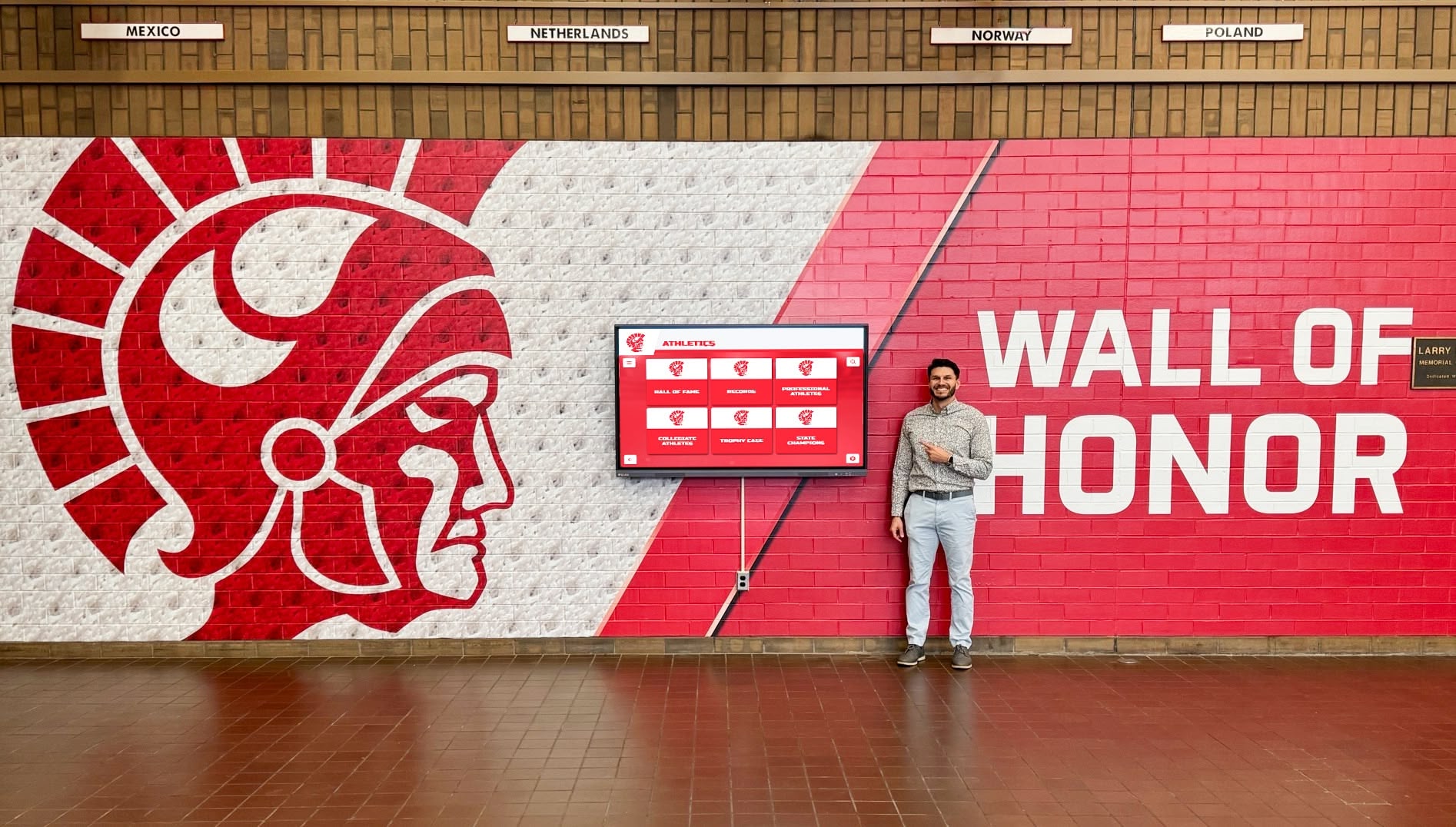
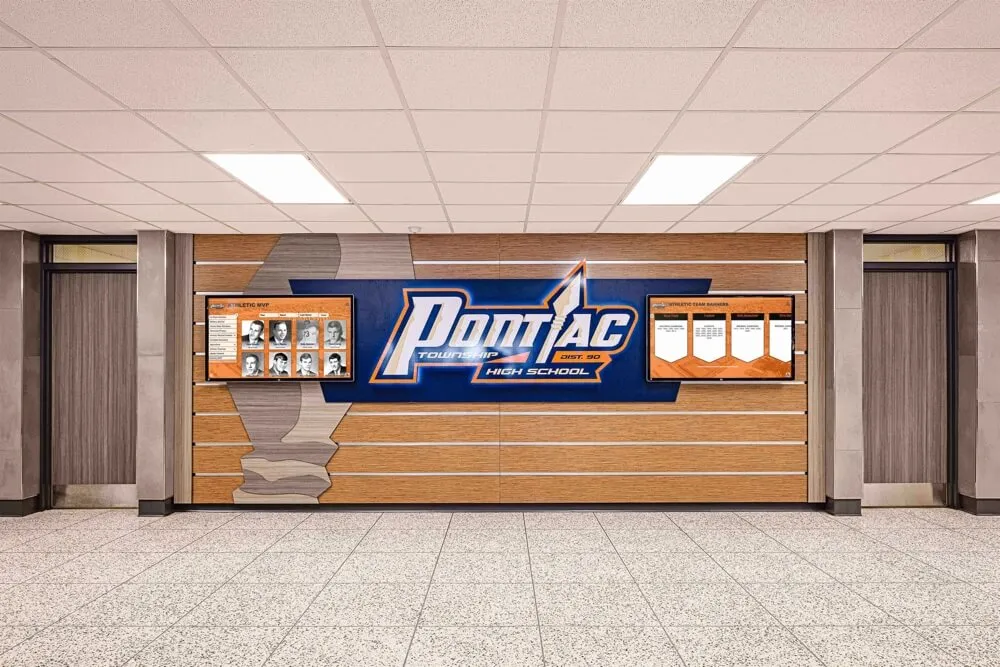
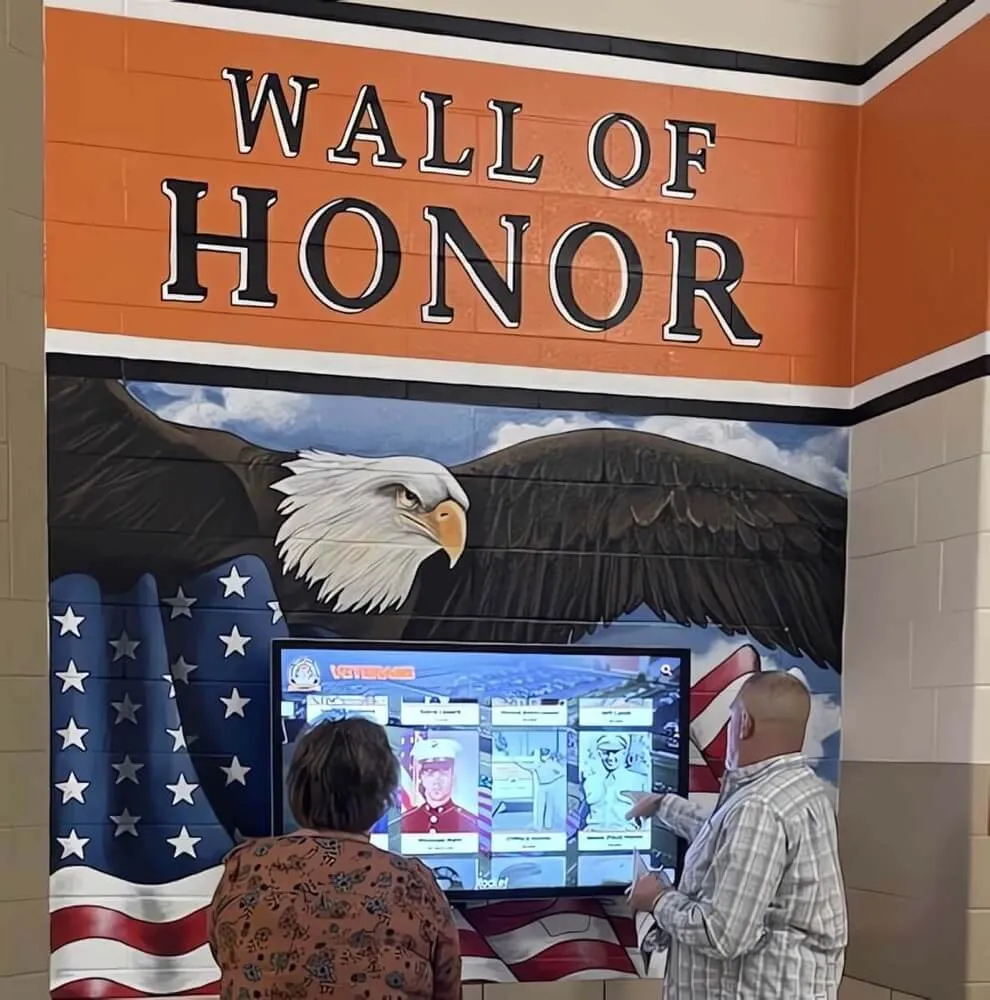
Opening strong captures attention immediately—like compelling recognition displays that draw viewers in with authentic stories and meaningful achievements
Body: Structure and Flow
The middle section requires careful organization maintaining momentum while developing key ideas:
Three-Point Structure The classic approach that works because it’s inherently balanced:
- Point One: Where We’ve Been - Acknowledging shared experiences and growth
- Point Two: Where We Are - Recognizing this transition moment and its significance
- Point Three: Where We’re Going - Inspiring future possibilities and ongoing connections
Journey Framework Narrative approach following your class’s evolution:
- Beginning: Who you were as freshmen/entering students
- Middle: Challenges faced, growth experienced, lessons learned
- End: Who you’ve become and what lies ahead
Challenge-Response Model Problem-solving structure highlighting resilience:
- The challenges your class faced (academic, social, pandemic-related, etc.)
- How you responded, adapted, and overcame together
- What these experiences taught you about yourselves and each other
- How these lessons prepare you for future obstacles
Thematic Approach Organizing around a central metaphor or concept:
- Choose a unifying theme (journey, growth, connection, transformation, etc.)
- Develop the theme through specific examples and observations
- Tie all elements back to the central metaphor throughout
- Conclude by extending the theme into the future
Discover strategies for celebrating academic excellence that student speakers can acknowledge in graduation messages.
Closing Powerfully: Lasting Impressions
Conclusions determine what audiences remember after your speech ends:
Effective Closing Techniques
The Call Forward
- Specific action or mindset you’re asking classmates to embrace
- Vision of who you can become together
- Commitment to maintaining connections and supporting each other
- Challenge to make meaningful impact in your respective communities
The Full Circle
- Returning to your opening hook or story with new insight
- Answering questions posed at the beginning
- Showing growth or perspective shift from opening to close
- Creating satisfying narrative completion
The Gratitude Moment
- Sincere acknowledgment of those who supported your class
- Specific thanks to teachers, families, staff who made this possible
- Recognition of sacrifices others made for your success
- Expressing appreciation without becoming overly sentimental
The Inspirational Send-Off
- Uplifting final thought that energizes and motivates
- Memorable quote or phrase classmates will remember
- Confident assertion about your class’s future impact
- Final words that capture the essence of your message
Closings to Avoid
- Abrupt endings without clear conclusion
- Introducing entirely new ideas in final moments
- Overly long thank-you lists that feel obligatory
- Clichéd phrases like “And remember, today is the first day of the rest of your lives”
- Apologizing or diminishing your own message
Learn about end-of-year awards ceremonies that complement graduation celebrations.
Short Graduation Speech Example #1: The Shared Journey (3 Minutes)
Opening:
“Four years ago, we walked through those doors as strangers pretending we knew exactly where we were going. Today, we walk out together, still not entirely sure of the path ahead—but this time, we’re not pretending. We know that uncertainty is part of the journey, and that’s actually what makes us ready.”
Body:
“We’ve spent these years becoming comfortable with being uncomfortable. Remember freshman year? Some of us got lost finding the cafeteria—on the second week. We stressed over assignments that, looking back, barely mattered. We worried about fitting in, standing out, measuring up, and keeping up.
Then something shifted. Maybe it was sophomore year when we stopped caring quite so much what everyone thought. Maybe it was junior year when we found our people—the ones who laughed at our weird jokes and showed up when things got hard. Maybe it was this senior year, when we finally figured out that we didn’t need to have everything figured out.
We’ve learned together. We learned that failure isn’t fatal—it’s feedback. We learned that asking for help isn’t weakness—it’s wisdom. We learned that different doesn’t mean wrong, and that our diversity makes us stronger, not weaker.
And we learned about resilience. Our class faced challenges that previous generations never imagined. We adapted. We persevered. We supported each other. And we made it here, together.”
Closing:
“So as we walk out those doors today, let’s make a pact. Let’s promise to stay curious, to keep growing, to support each other even when our paths diverge. Let’s promise to remember that we don’t have to have all the answers—we just have to be willing to keep asking the questions.
To the Class of 2026: we’ve got this. Not because we’re perfect, but because we’re prepared. Not because the journey will be easy, but because we’ve proven we can handle the hard parts together.
Congratulations, graduates. Let’s make the next chapter even better than the last.”
Graduation speeches celebrate shared journeys and collective achievements—the authentic connections that define a class's identity and legacy
Short Graduation Speech Example #2: Gratitude and Growth (2.5 Minutes)
Opening:
“Today isn’t really about endings—it’s about thank yous. Thank you to everyone who got us here, taught us here, supported us here, and believed in us here. Because none of us made it to this moment alone.”
Body:
“To our teachers: Thank you for seeing potential in us even when we couldn’t see it ourselves. Thank you for the extra help sessions, the extension deadlines when life got overwhelming, and the honest conversations about what we were capable of achieving. You didn’t just teach us subjects—you taught us how to think, question, and grow.
To our families: Thank you for the rides to school, the help with projects at midnight, the patience during the stress breakdowns, and the unconditional love even when we weren’t particularly lovable. You sacrificed so much to give us opportunities, and we don’t take that for granted.
To our friends—our classmates: Thank you for making these years memorable. For laughing with us during the good times and sitting with us during the hard times. For the study groups that turned into life conversations, for the inside jokes that nobody else will ever understand, and for accepting us exactly as we are.
And to those who kept everything running—our counselors, our staff, our administrators: Thank you for creating an environment where we could learn, grow, and become who we are today.
We’re standing here because of countless people who invested in us, believed in us, and refused to give up on us. That’s a profound gift, and it comes with a responsibility—to pay it forward, to invest in others the way others invested in us.”
Closing:
“So Class of 2026, as we leave here today, let’s carry forward the lessons we’ve learned and the gratitude we feel. Let’s be the kind of people who lift others up, who invest in potential, who believe in possibility.
Thank you to everyone who made this moment possible. And to my fellow graduates—congratulations. We made it. Now let’s go make everyone who believed in us proud.”
Explore approaches to academic recognition programs that honor the achievements graduation ceremonies celebrate.
Short Graduation Speech Example #3: Looking Forward (3 Minutes)
Opening:
“Everyone keeps asking us the same question: ‘What’s next?’ As if we’re supposed to have our entire lives figured out at eighteen. Here’s the truth—we don’t. And that’s not just okay, it’s exactly as it should be.”
Body:
“We’ve been trained to think success means having a plan—a detailed, step-by-step roadmap from here to some predetermined destination. But the most successful people didn’t follow straight lines. They zigged when they were supposed to zag. They tried things that didn’t work. They discovered passions they didn’t know existed. They stayed flexible, stayed curious, and stayed open to possibilities.
So instead of asking ‘What’s next?’ maybe we should be asking different questions:
What problems do I want to help solve? What makes me lose track of time? Who do I want to become? How do I want to contribute? What makes me come alive?
These questions don’t have simple answers. They require exploration, experimentation, and yes, probably some failure. But that’s what this next chapter is for—figuring it out as we go.
Our class has already proven we’re good at adapting. We’ve navigated challenges nobody saw coming. We’ve learned in person and virtually. We’ve stayed connected through circumstances designed to isolate us. We’ve shown remarkable resilience, creativity, and determination.
These aren’t just nice qualities—they’re essential skills for the future we’re entering. The world is changing faster than ever. The jobs we’ll have might not exist yet. The problems we’ll solve haven’t been identified. The technologies we’ll use are still being invented.
And we’re ready for it. Not because we know everything, but because we know how to learn. Not because we have all the answers, but because we know how to ask better questions.”
Closing:
“So Class of 2026, let’s embrace the uncertainty ahead. Let’s chase curiosity instead of certainty. Let’s measure success not by how closely we followed the plan, but by how authentically we lived the journey.
The world needs what we have to offer—our energy, our perspectives, our ideas, our passion. Let’s not wait until we feel ‘ready’ because you’re as ready as you’ll ever be. Let’s start now.
Congratulations, graduates. Your future is unwritten, which means you get to write it. Make it a good story.”
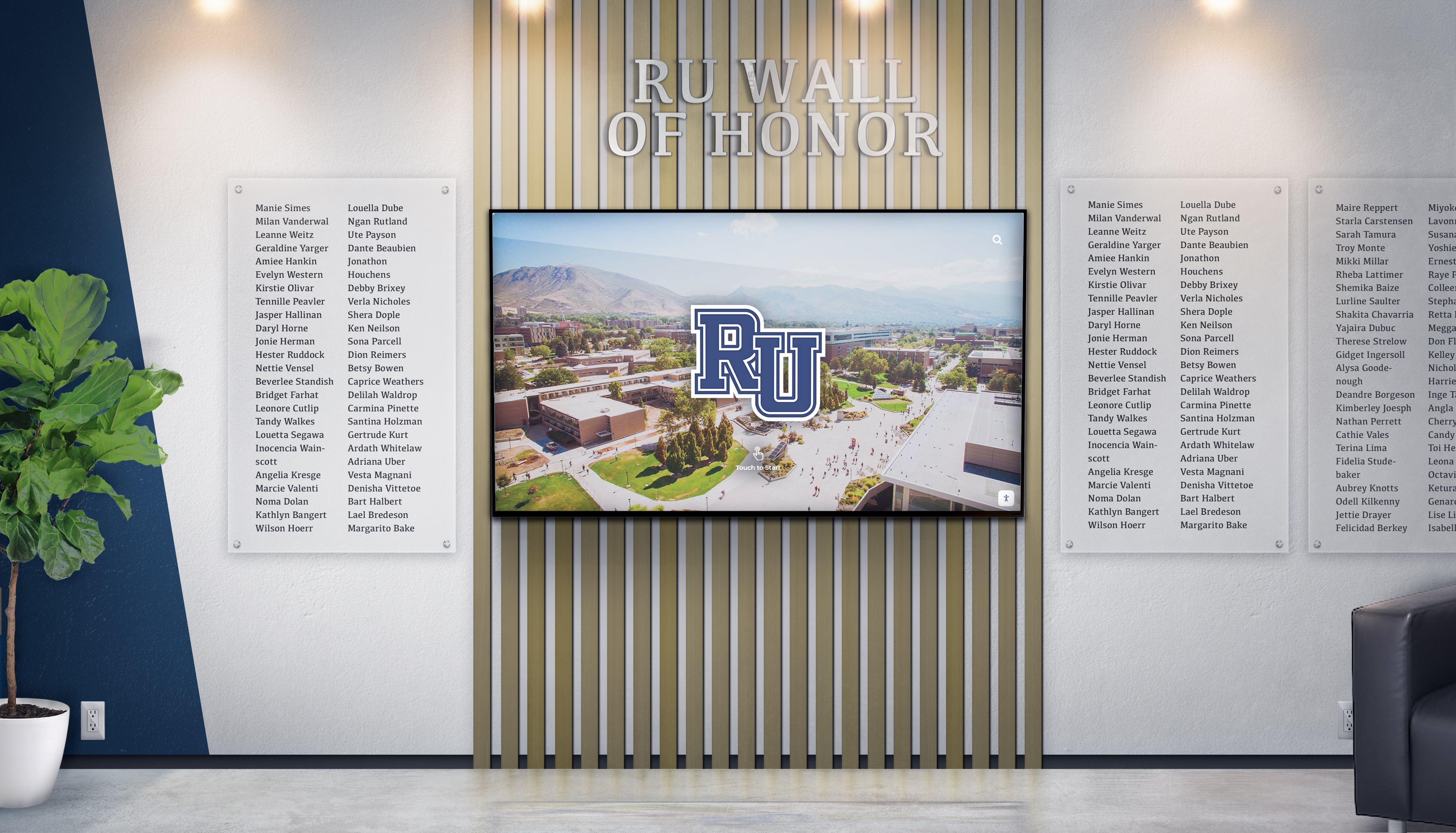
Looking forward while honoring the past—effective graduation speeches balance nostalgia with inspiration for the futures ahead
Short Graduation Speech Example #4: Lessons Learned (2.5 Minutes)
Opening:
“If I had to summarize everything we learned in four years, I’d say it comes down to three words we heard constantly: Show. Your. Work.”
Body:
“Remember math class? The teacher didn’t just want the right answer—she wanted to see how we got there. Show your work. It seemed tedious at the time, but it turns out that’s actually the most important lesson we learned.
Because life isn’t really about having the right answers—it’s about how you approach the problems. It’s about the work you show up for, the effort you invest, the process you trust, and the journey you embrace.
We’ve shown our work over these four years. We’ve shown our work in late-night study sessions and group projects where everyone actually contributed. We’ve shown our work on the field, on the court, on the stage, and in the studio. We’ve shown our work in difficult conversations about who we are and what we believe.
We’ve shown our work through our failures too. Because that’s when showing your work matters most—when things don’t go according to plan, when you don’t get the result you expected, when you have to try again differently.
Some of us showed our work by speaking up when something wasn’t right. Some showed it by showing up for teammates who needed support. Some showed it through creativity that challenged us to see things differently. Some showed it through quiet consistency—being the steady presence others could count on.
The specific work looked different for each of us, but we all showed up. We all put in the effort. We all trusted the process even when we couldn’t see the outcome.
And here’s what showing your work teaches you: Results matter, but so does integrity. Talent matters, but so does effort. Success matters, but so does character. The destination matters, but so does the journey.”
Closing:
“So as we leave here today, let’s keep showing our work. Let’s approach our futures with the same diligence, honesty, and commitment that got us to this moment.
When life asks for an answer, let’s show how we got there. When opportunities arise, let’s show up. When challenges emerge, let’s show resilience. When others need support, let’s show compassion.
To my fellow graduates: Congratulations on showing your work so beautifully these past four years. Now let’s take everything we’ve learned and show the world what we can do.
Class of 2026, we’ve got work to show.”
Learn about student council programs that develop leadership skills preparing students for graduation speaker roles.
Short Graduation Speech Example #5: Unity and Connection (3 Minutes)
Opening:
“Look around this room. Really look. Four years ago, most of us were strangers. Today, we’re a community. And that transformation—from individuals to us—that’s the real achievement we’re celebrating.”
Body:
“We came here as a collection of individuals—different backgrounds, different interests, different goals, different everything. And somewhere along the way, without really noticing it happening, we became something more. We became a class.
Not because we all agreed on everything. We didn’t. Not because we all liked the same things. We don’t. Not because we all had the same experiences. We haven’t.
We became a class because we showed up for each other. In ways big and small, we created a community.
We created it in classrooms where the smart kids helped the struggling ones, and the struggling ones asked the questions everyone else was afraid to ask. We created it at lunch tables where different friend groups mixed more than they separated. We created it at games and performances where we cheered for classmates we barely knew because they were ours.
We created it during the hard times—when someone lost a family member, when someone struggled with mental health, when someone felt alone. We showed up. Maybe awkwardly sometimes, maybe imperfectly, but we showed up.
We created it by learning from each other. The athlete who learned about theater from the drama kid. The artist who learned about athletics from the basketball player. The quiet kid who learned confidence from the outgoing one. The popular kid who learned depth from the thoughtful one.
We created it by making space for each other—for different identities, different perspectives, different ways of moving through the world. We didn’t always get it right. We made mistakes. We learned. We grew.
And we created it by choosing connection over competition, compassion over judgment, and understanding over assumption—not perfectly, not always, but often enough to become something more than a random collection of people born around the same time.”
Closing:
“This community we built—it doesn’t have to end today. The physical space of this school might be behind us, but the connections we forged, the support we showed each other, the community we created—that can continue if we choose it.
So let’s choose it. Let’s stay connected. Let’s keep showing up for each other even when it’s inconvenient. Let’s continue learning from each other even when we’re learning different things. Let’s remain a community even as our paths diverge.
Because the world needs more of what we created here—more connection, more compassion, more community. And we’ve proven we know how to build it.
Congratulations, Class of 2026. Thank you for being my community. Let’s never stop being each other’s.”
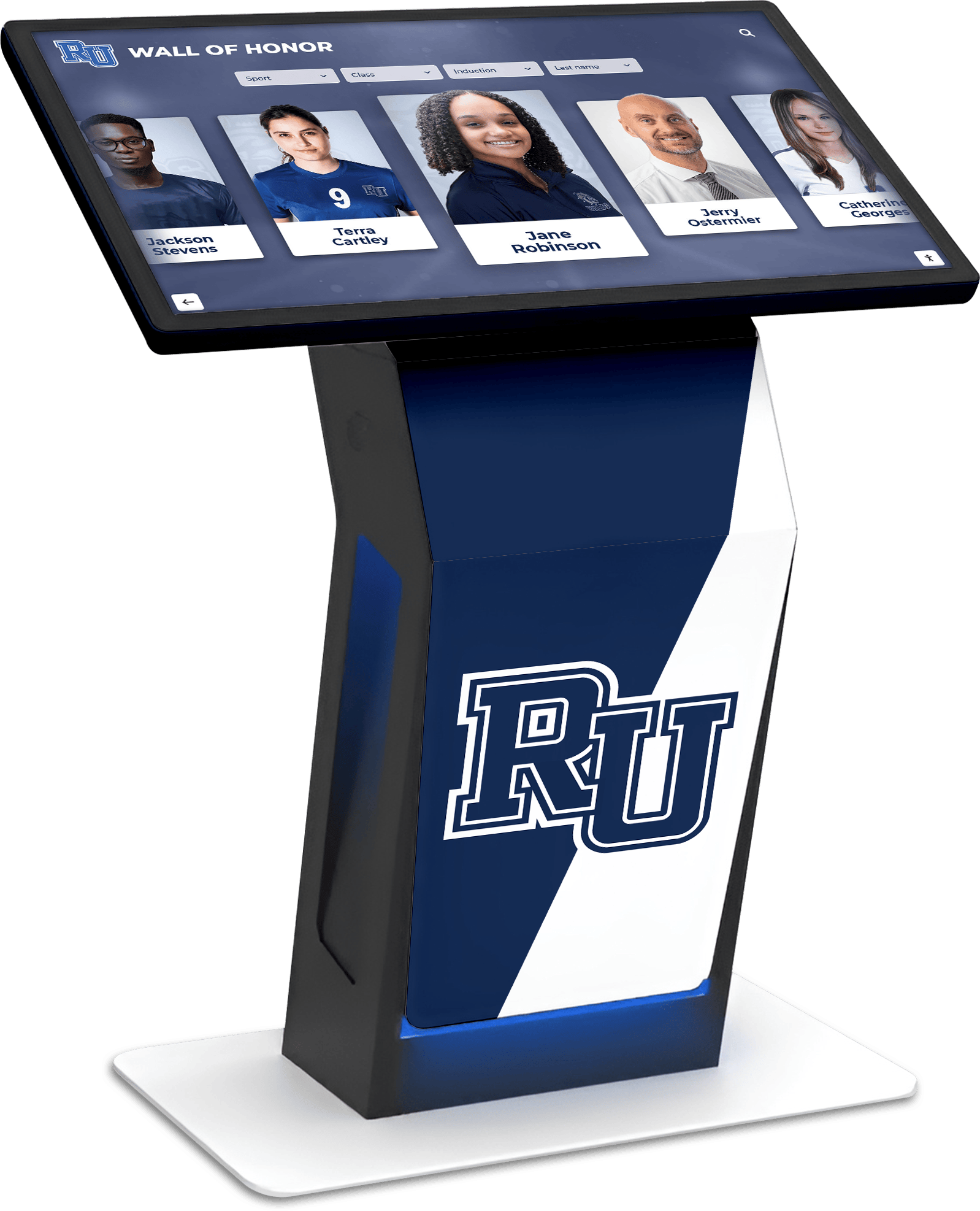
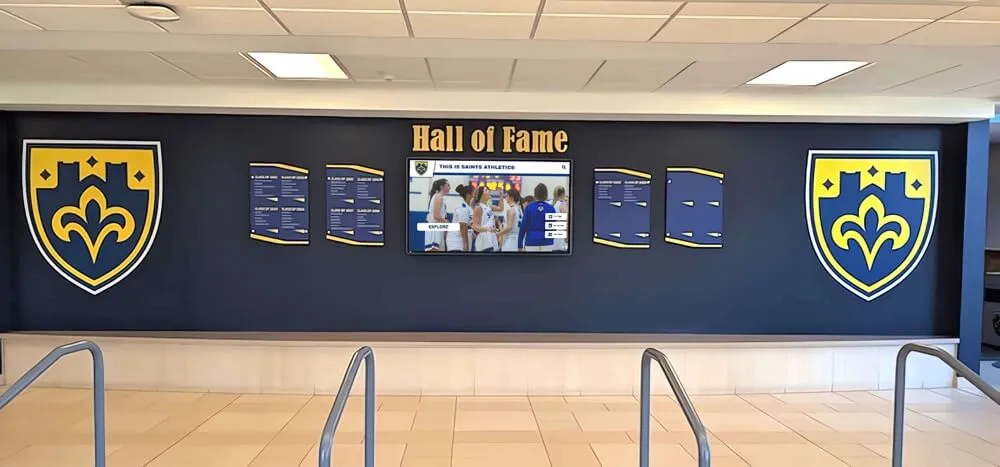
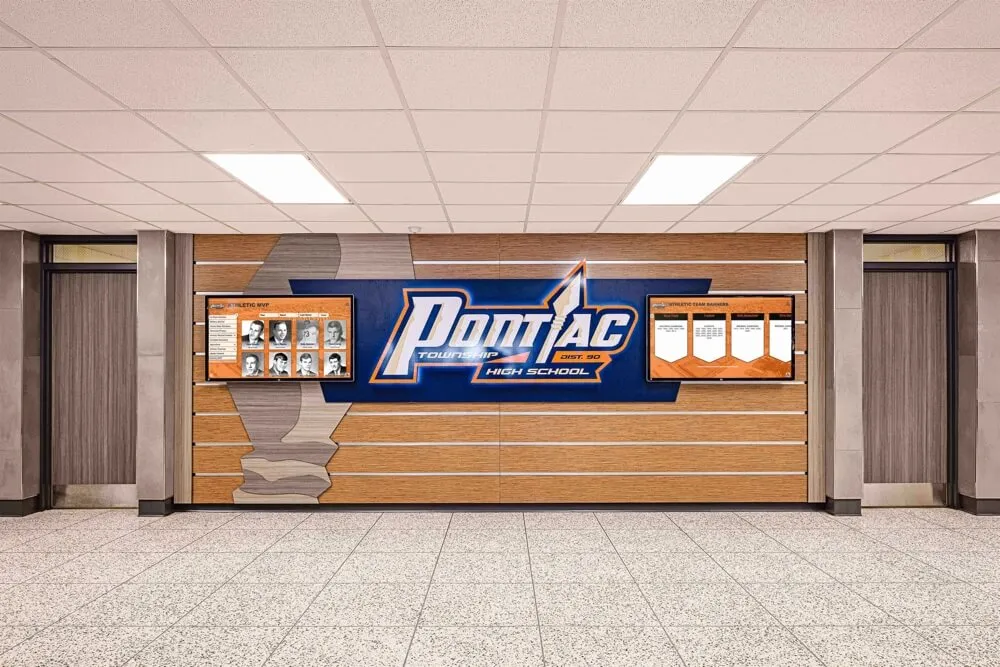
Like digital recognition systems that connect achievements to community, effective graduation speeches highlight how individual success emerges from collective support and shared experiences
Crafting Your Own Short Graduation Speech
Using these examples as inspiration, follow this systematic process for developing your authentic message.
Step 1: Brainstorm and Reflect
Key Questions to Explore
About Your Class
- What makes your class unique or special?
- What challenges did you collectively face and overcome?
- What shared experiences define your time together?
- What inside jokes or references would your classmates immediately recognize?
- What surprised you most about your class over these years?
About Growth and Learning
- What’s the most important lesson you learned?
- How have you changed since you started?
- What do you wish you’d known as a freshman?
- What will you miss most about these years?
- What are you most grateful for?
About the Future
- What excites you about what’s next?
- What worries you, and how can you reframe those concerns positively?
- What do you hope for your classmates?
- What legacy do you want your class to leave?
- What message would future you want to hear right now?
Collecting Material
- Journal freely about these questions without censoring yourself
- Interview classmates, teachers, and family members for their perspectives
- Review yearbooks, photos, and mementos triggering memories
- List specific moments, events, and experiences worth mentioning
- Identify themes emerging across multiple reflections
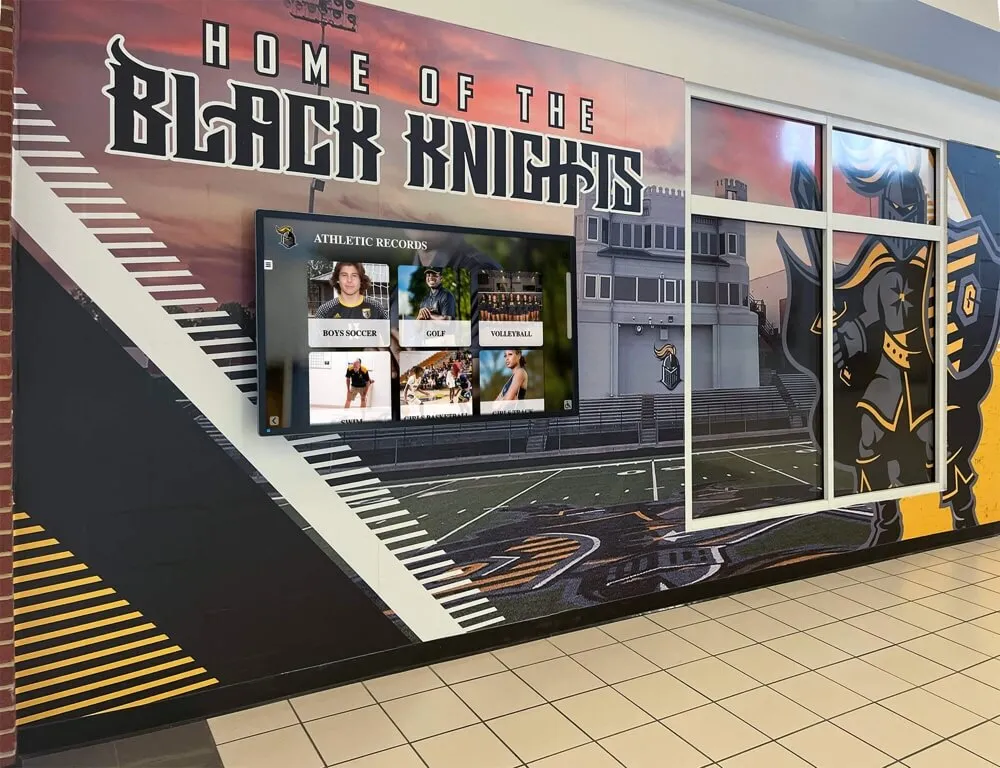
Brainstorming draws from shared experiences and collective memories—the authentic moments that make speeches resonate with audiences
Step 2: Choose Your Structure
Based on your brainstorming, select the organizational framework that best fits your message:
Structure Selection Guide
Choose Three-Point Structure if:
- You have distinct lessons or themes to highlight
- You want clear, easy-to-follow organization
- You’re emphasizing past-present-future progression
- You need a flexible framework accommodating various content
Choose Journey Framework if:
- You want to tell a narrative arc showing growth
- Your class experienced significant transformation
- You have compelling before-and-after contrasts
- You’re comfortable with storytelling approaches
Choose Challenge-Response Model if:
- Your class faced significant obstacles (pandemic, tragedy, major changes)
- You want to emphasize resilience and adaptation
- You have inspiring examples of overcoming difficulties
- Your message centers on growth through adversity
Choose Thematic Approach if:
- You have a strong central metaphor or concept
- You can connect various elements to a unifying idea
- You want something more creative and original
- You can sustain the theme throughout without forcing it
Explore recognition display content strategies that mirror effective speech organization—clear themes, compelling narratives, and authentic connections.
Step 3: Write Your First Draft
Drafting Guidelines
Opening Draft
- Write 3-5 different opening options exploring various approaches
- Don’t worry about perfection—generate options to choose from later
- Aim for 30-60 seconds maximum length
- Test each opening by reading it aloud
- Get feedback from trusted classmates or teachers
Body Draft
- Follow your chosen structure but remain flexible
- Include more content than you’ll ultimately need—edit down later
- Use specific examples and details rather than generalizations
- Vary your pacing with shorter and longer sentences
- Connect ideas with clear transitions
Closing Draft
- Write 2-3 different conclusion options
- Ensure your closing connects back to your opening somehow
- End with your strongest, most memorable statement
- Avoid introducing new ideas in the conclusion
- Leave your audience with clear emotion or action
Draft Length Targets
- Total speech: 2.5-3.5 minutes (375-525 words)
- Opening: 30-60 seconds (45-90 words)
- Body: 1.5-2.5 minutes (225-375 words)
- Closing: 30-45 seconds (45-70 words)
Step 4: Revise and Refine
Revision Checklist
Content Review
- Does every sentence serve a clear purpose?
- Have I included specific details rather than vague generalizations?
- Are my examples inclusive and representative of the whole class?
- Does my message feel authentic to who I am?
- Would my classmates recognize and relate to what I’m describing?
Structure Review
- Does my opening immediately grab attention?
- Do my ideas flow logically from one to the next?
- Have I maintained consistent focus on my central message?
- Does my conclusion provide satisfying resolution?
- Is my overall length appropriate (under 4 minutes)?
Language Review
- Have I eliminated clichés and overused graduation speech phrases?
- Am I using active voice rather than passive construction?
- Have I varied my sentence length and structure?
- Are my word choices accessible and conversational?
- Does my speech sound natural when read aloud?
Tone Review
- Is my balance of humor and seriousness appropriate?
- Have I avoided anything potentially offensive or divisive?
- Does my speech feel optimistic without being unrealistic?
- Am I appropriately humble while still being confident?
- Will this speech age well or is it too tied to specific current references?
Learn about creating meaningful recognition content that applies to both speeches and lasting displays.
Step 5: Practice and Polish
Rehearsal Strategies
Initial Practice
- Read your speech aloud multiple times privately
- Time yourself to ensure appropriate length
- Note where you stumble or lose momentum
- Identify difficult words or phrases to simplify
- Mark places for intentional pauses or emphasis
Feedback Practice
- Perform for trusted friends, family members, or teachers
- Ask for honest feedback about content, delivery, and impact
- Note which parts generate strongest reactions
- Identify confusing sections needing clarification
- Gather suggestions but maintain your authentic voice
Performance Practice
- Practice standing as you’ll stand during actual delivery
- Rehearse with microphone if possible
- Practice making eye contact with audience (or imagined audience)
- Work on managing nervousness through breathing and pacing
- Memorize opening and closing while keeping body on note cards for reference
Final Preparation
- Complete at least 5-10 full run-throughs
- Practice in front of a mirror observing body language
- Record yourself to identify verbal fillers (um, uh, like)
- Visualize successful delivery in the actual space
- Prepare backup note cards in case you need them
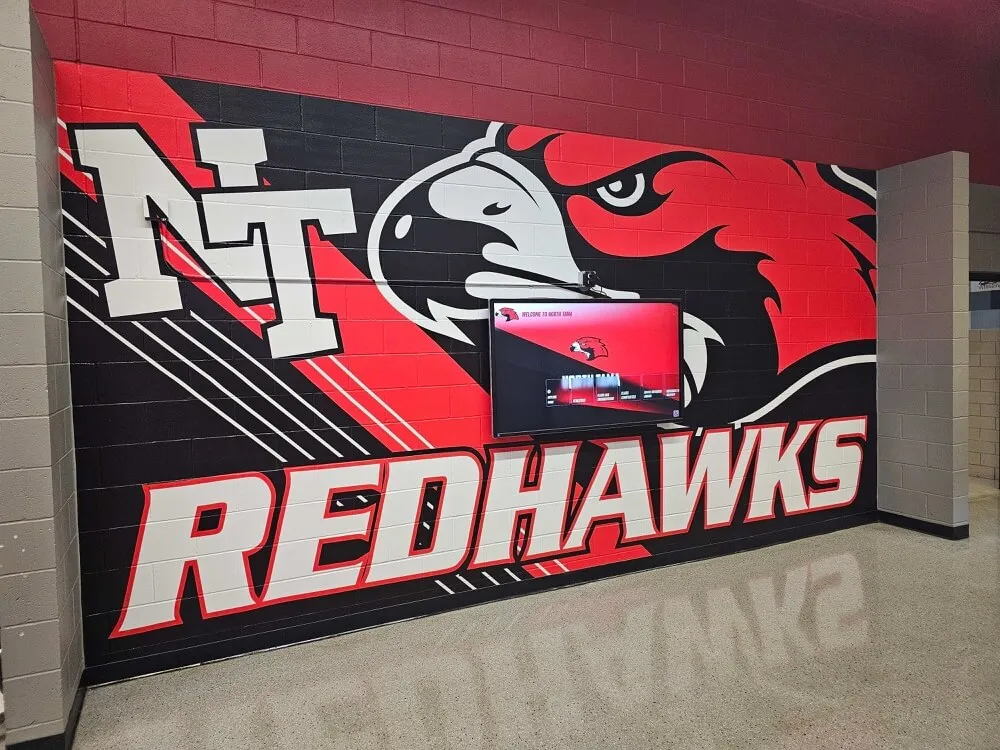
Practice transforms preparation into performance—rehearsal builds the confidence needed for memorable delivery
Common Graduation Speech Mistakes to Avoid
Learning what doesn’t work helps student speakers sidestep predictable pitfalls.
Content Mistakes
Being Too Generic The Problem: Speeches that could apply to any graduating class at any school lose impact through lack of specificity.
The Solution: Include details unique to your class, school, and experiences. Reference specific teachers, events, traditions, or inside jokes that trigger recognition and connection.
Trying to Please Everyone The Problem: Attempting to acknowledge every person, group, and constituency results in shopping-list speeches lacking focus or impact.
The Solution: Choose a clear message and trust that authentic, well-crafted speeches resonate even with people not explicitly mentioned.
Going Too Long The Problem: Exceeding 4-5 minutes loses audience attention and undermines even excellent content.
The Solution: Edit ruthlessly. Every sentence must earn its place. When choosing between including more content or being more concise, choose concise.
Dwelling on Negativity The Problem: Focusing excessively on difficulties, challenges, or problems creates depressing rather than inspiring tone.
The Solution: Acknowledge challenges briefly, then emphasize how your class responded, what you learned, and how you grew stronger.
Using Overused Quotes The Problem: Famous quotes from Dr. Seuss, Steve Jobs, or other frequently-cited sources feel stale and unoriginal.
The Solution: If using quotes, choose unexpected sources or paraphrase ideas in your own words. Your authentic voice matters more than borrowed wisdom.
Delivery Mistakes
Reading Robotically The Problem: Reading word-for-word from a script without inflection or natural delivery disengages audiences.
The Solution: Memorize key sections, especially opening and closing. Use note cards only for reference, maintaining eye contact with your audience.
Speaking Too Fast The Problem: Nervousness causes rushed delivery that audiences struggle to follow and absorb.
The Solution: Practice intentional pacing. Build in pauses for emphasis and audience processing. Remember that silence is powerful.
Lacking Energy The Problem: Monotone delivery or low energy makes even great content feel boring.
The Solution: Vary your vocal dynamics—pitch, pace, and volume. Show enthusiasm for your message through your delivery.
Ignoring the Audience The Problem: Staring at notes or avoiding eye contact creates disconnection between speaker and audience.
The Solution: Make regular eye contact with different sections of the audience. Speak to people, not at them.
Apologizing Excessively The Problem: Starting with apologies for nervousness or inadequacy undermines credibility and confidence.
The Solution: Own your role. Your selection as speaker means you earned this opportunity. Deliver your message with appropriate confidence.
Discover approaches to building school culture that create the community student speakers celebrate in graduation addresses.
Special Considerations for Different Graduation Contexts
Adapt your speech appropriately for your specific ceremony context and audience.
High School Graduation Speeches
Unique Considerations
Audience Composition
- Younger siblings and children likely present requiring appropriate content
- Parents and grandparents expecting certain traditions and reverence
- Community members representing multiple generations and perspectives
- Teachers spanning your entire educational journey from elementary through secondary
Content Emphases
- Coming-of-age themes appropriate to 17-18-year-old experience
- Acknowledging the jump from structured schooling to greater independence
- Balancing excitement about futures with appropriate humility about unknowns
- Honoring diverse post-graduation paths (college, work, military, gap year, etc.)
Tone Balance
- More formal than middle school but not rigidly serious
- Appropriate humor that doesn’t undermine the occasion’s significance
- Emotional authenticity without becoming overly sentimental
- Optimism grounded in realistic acknowledgment of challenges ahead
High School Speech Adaptations
- Reference specific teachers, administrators, and staff by name when appropriate
- Acknowledge parents’ role in getting you to this milestone
- Include nods to school traditions, mascots, and rivalries that define identity
- Address diverse post-graduation plans without privileging college-bound students
- Connect your class’s experience to school’s broader legacy and history
Learn about 8th grade graduation ideas that inform progressive transitions through educational milestones.
College and University Commencement Speeches
Unique Considerations
Audience Composition
- More geographically diverse families traveling significant distances
- Professional and accomplished parents expecting sophisticated content
- Faculty and administrators representing academic excellence and tradition
- Fellow students with higher independence and diverse life experiences
Content Emphases
- Intellectual growth and academic achievement
- Professional preparation and career readiness
- Global perspectives and broader social responsibilities
- Adult transitions and life-stage milestones
Tone Balance
- More sophisticated vocabulary and reference points
- Professional demeanor with authentic personality
- Confidence appropriate to advanced education completion
- Awareness of privilege and responsibility
College Speech Adaptations
- Reference specific professors, courses, or academic experiences
- Acknowledge research, internships, or real-world learning opportunities
- Address diverse majors without privileging certain fields
- Connect your class to university’s broader mission and values
- Acknowledge debt, sacrifice, and investment that made degrees possible
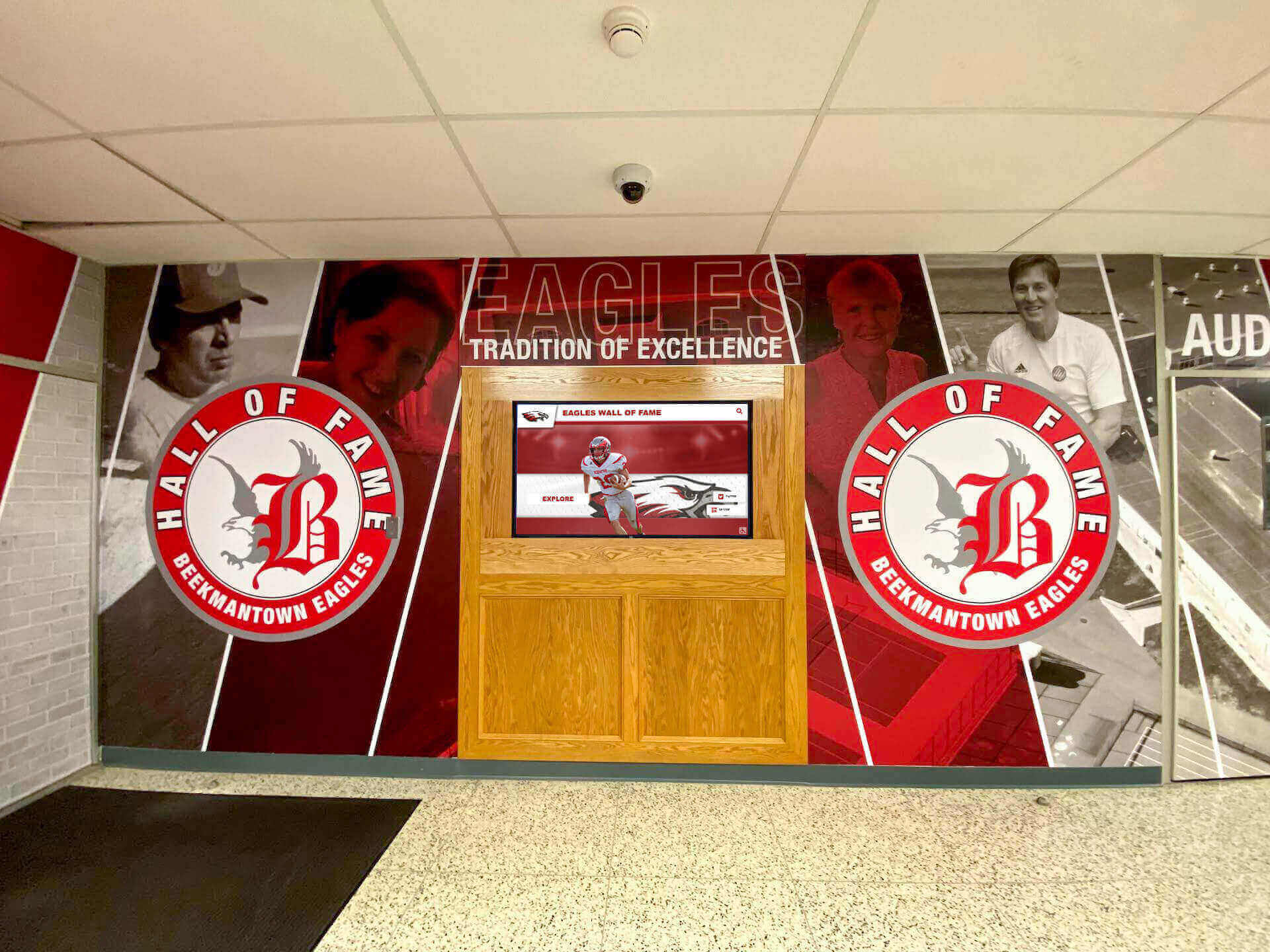
Different graduation contexts require tailored approaches—but authentic connection and meaningful messages transcend specific settings
Alternative Graduation Contexts
Virtual or Hybrid Ceremonies
Special Challenges
- Maintaining energy when not seeing all audience members in person
- Acknowledging online participants without alienating in-person attendees
- Managing technology distractions and limitations
- Creating connection despite physical distance
Adaptation Strategies
- Speak directly to camera periodically acknowledging remote viewers
- Use vivid language creating imagery for those watching screens
- Acknowledge the unusual circumstances appropriately
- Focus on themes of connection despite distance
Smaller Private School Graduations
Special Opportunities
- Deeper personalization acknowledging individual students by name
- Reference to shared experiences across smaller community
- Stronger emphasis on tight-knit relationships and familiarity
- Less formal tone appropriate to intimate gathering
Large Public School Graduations
Special Challenges
- Speaking to massive, diverse audience with varied experiences
- Maintaining attention in large venue with potential distractions
- Finding universal themes inclusive of all constituencies
- Managing time constraints in lengthy ceremony
Adaptation Strategies
- Focus on universally shared experiences (freshman year nerves, final exams, etc.)
- Use humor and energy maintaining engagement in large space
- Employ clear vocal projection and deliberate pacing
- Keep speech shorter given longer overall ceremony
Incorporating School Pride and Tradition
Effective graduation speeches honor institutional identity while maintaining broad appeal.
Acknowledging School Legacy
Historical Connection
- Reference founding principles or institutional mission
- Acknowledge notable alumni who came before you
- Connect your class to broader school tradition and history
- Recognize milestone anniversaries or significant institutional moments
Traditional Elements
- Honor specific school traditions, rituals, or customs
- Reference mascots, colors, or symbols representing identity
- Acknowledge rivalry traditions or friendly competitions
- Recognize signature events or annual ceremonies
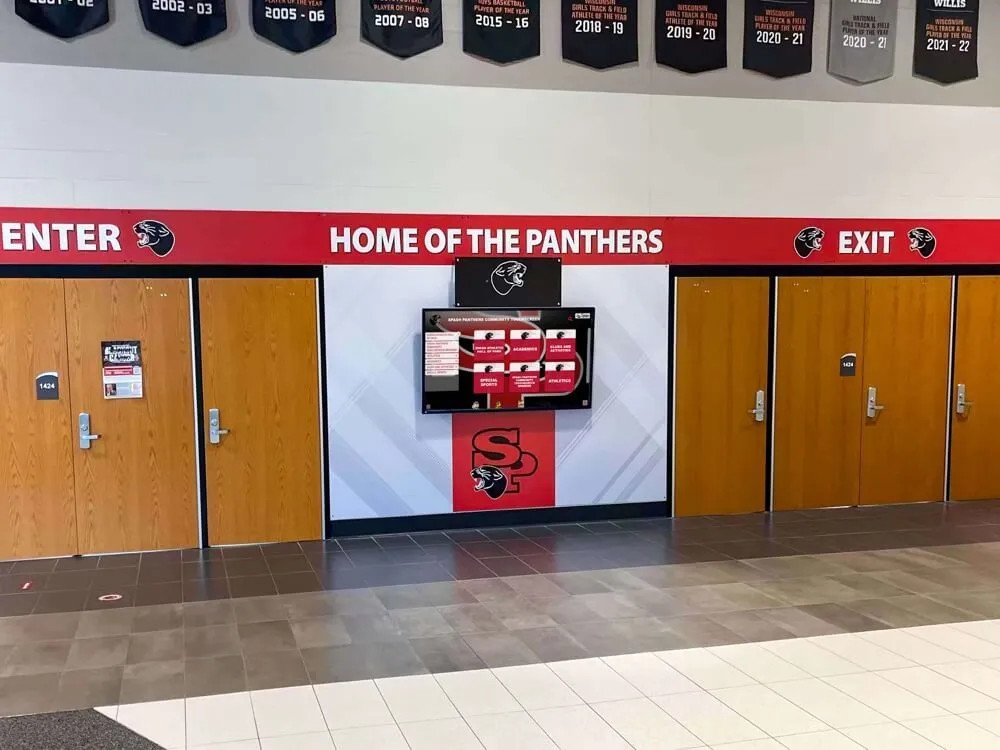
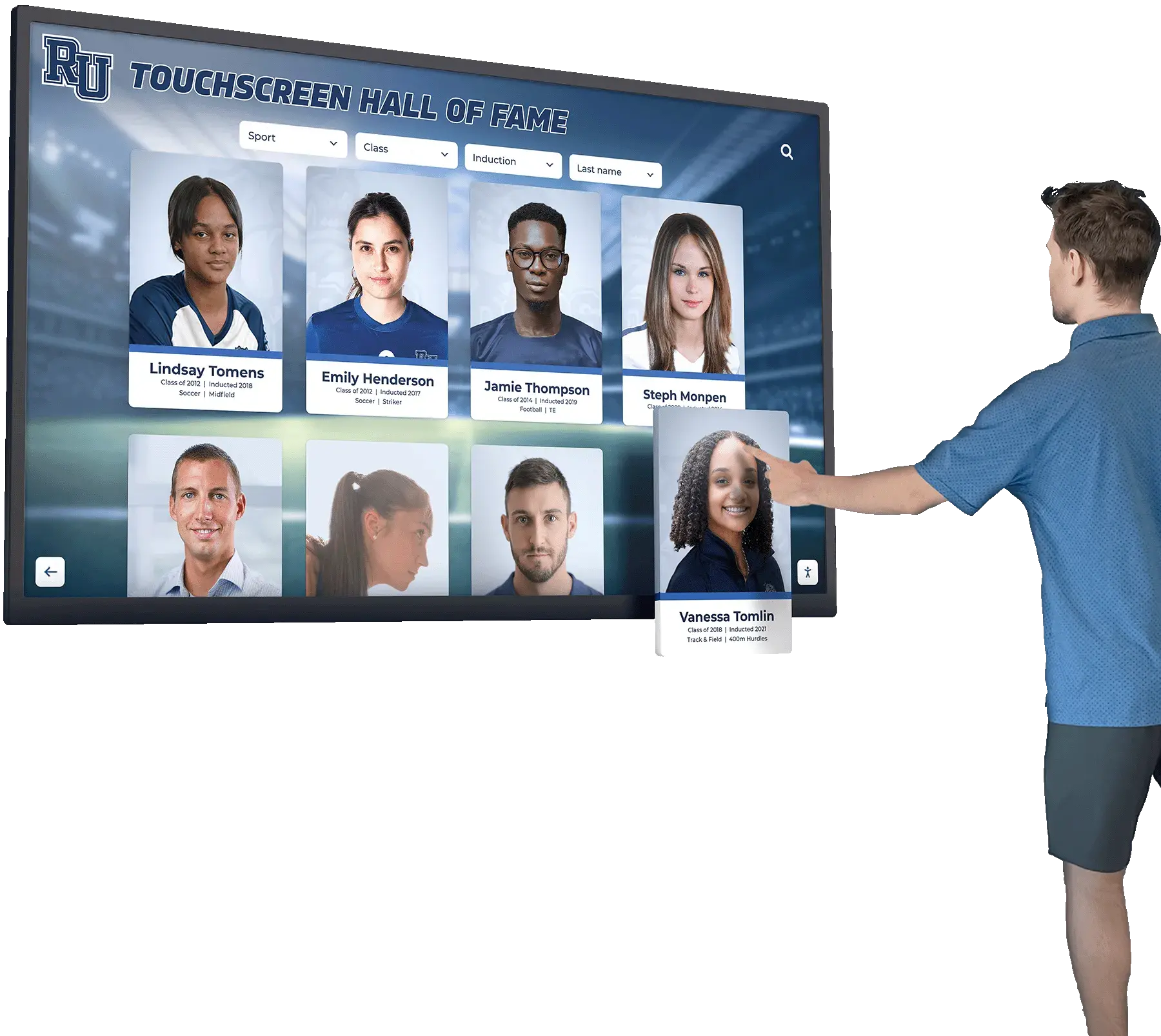
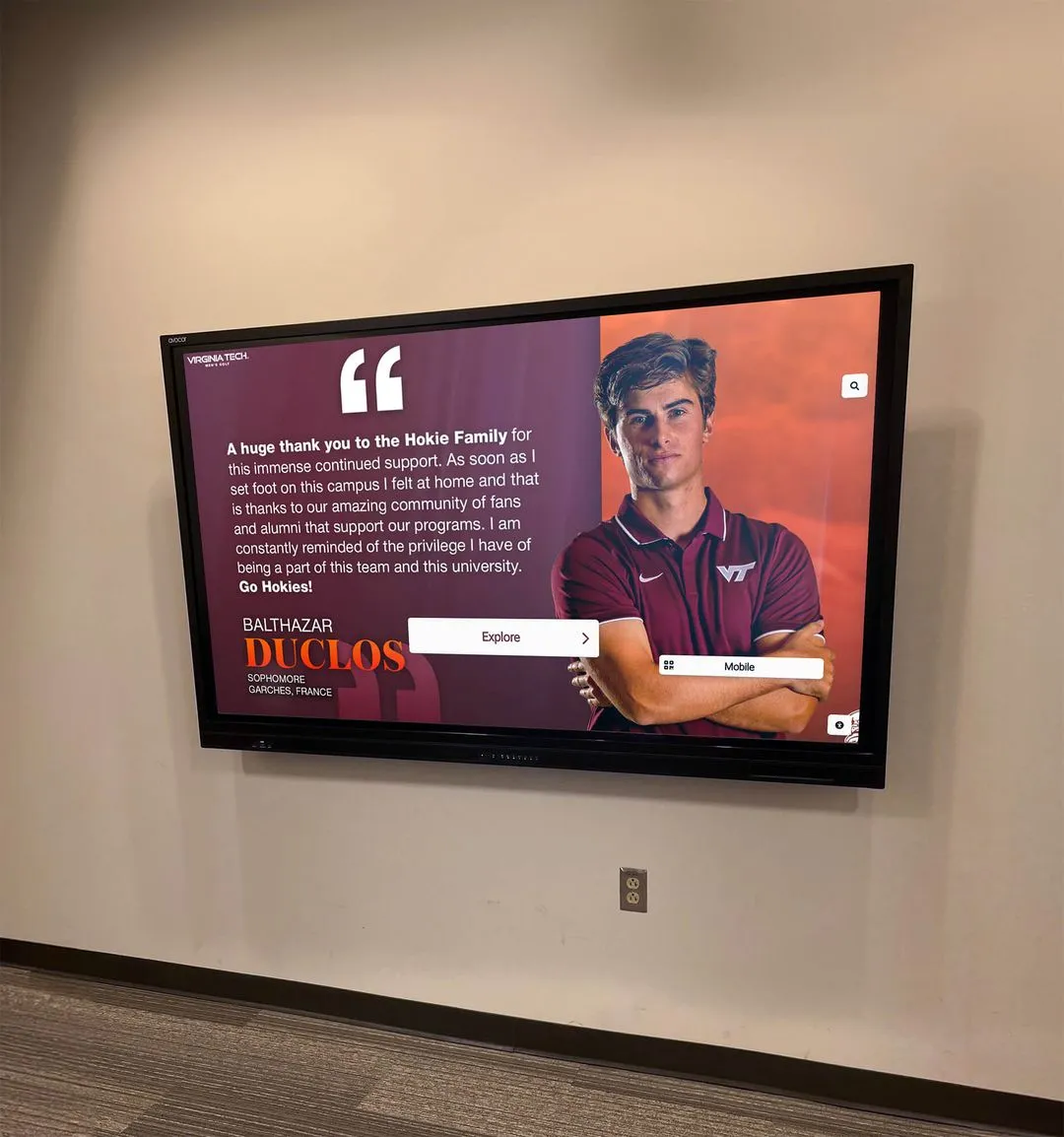
Solutions like Rocket Alumni Solutions help schools preserve and showcase these traditions through interactive digital displays that connect graduating students to the broader institutional story—creating permanent records of achievements, traditions, and community that graduation speeches celebrate in the moment.
Recognition of Excellence
- Celebrate distinguished faculty, staff, or administrators
- Acknowledge athletic championships, academic achievements, or arts excellence
- Recognize community service traditions or social responsibility initiatives
- Honor those who built and maintained the institution serving you
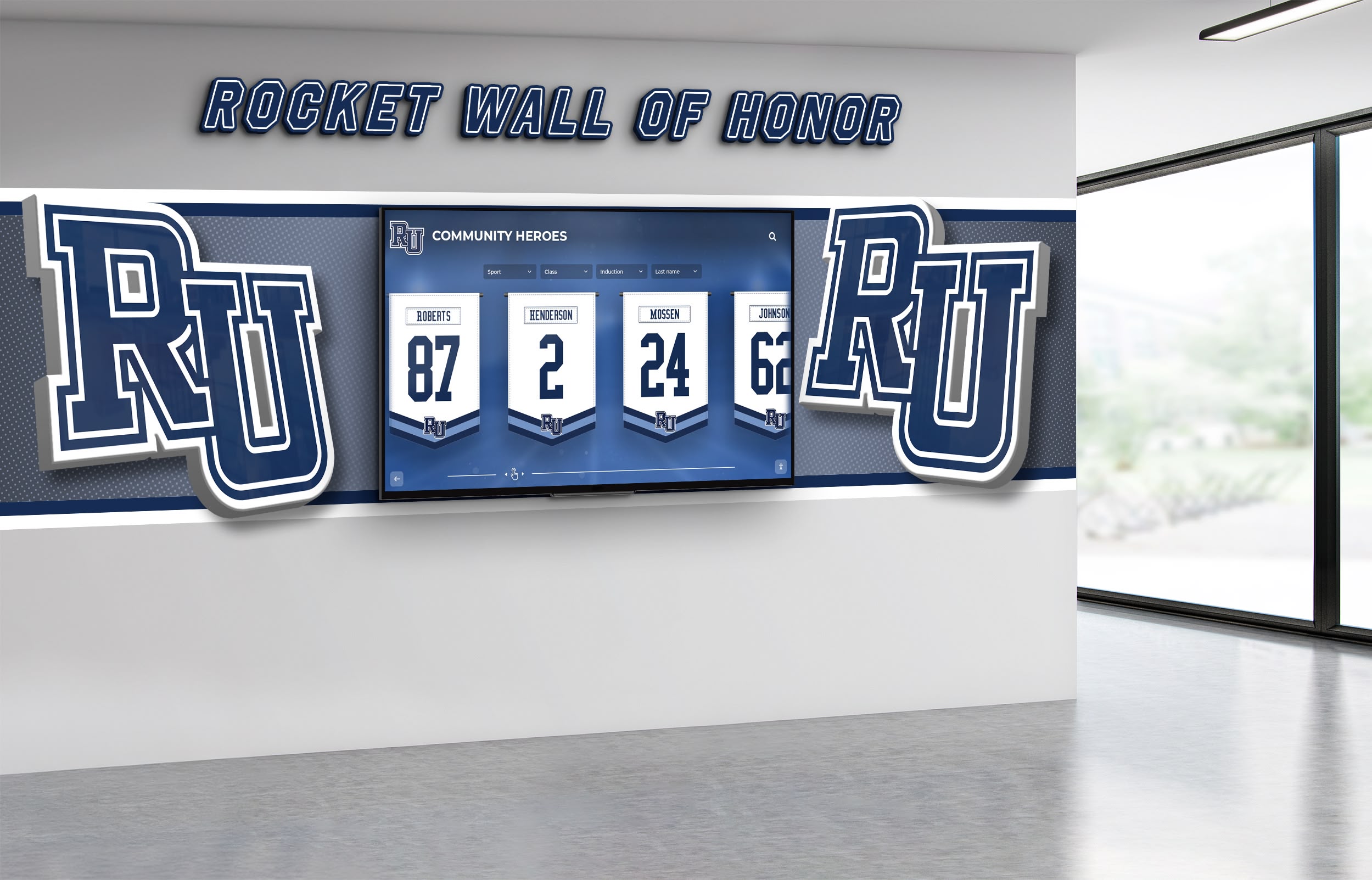
School pride and tradition form the foundation for meaningful graduation messages—connecting individual achievement to institutional legacy
Balancing Pride with Inclusivity
Avoiding Exclusion While celebrating your school, ensure your speech remains inclusive:
- Acknowledge diverse student experiences within your institution
- Recognize that not everyone had identical experiences or feelings
- Avoid assuming universal love of school—some had complicated relationships
- Include references accessible to all students, not just certain groups
- Celebrate community without erasing individual struggles or differences
Honoring All Paths
- Recognize diverse post-graduation plans equally
- Avoid privileging certain majors, careers, or next steps
- Acknowledge both traditional and non-traditional paths forward
- Celebrate individual definitions of success rather than imposing single vision
- Include students who struggled alongside those who excelled
Learn about comprehensive high school recognition programs that celebrate diverse achievements across all student constituencies.
Managing Nervousness and Performance Anxiety
Even confident speakers face graduation speech anxiety—strategic preparation helps manage nerves.
Pre-Speech Preparation
Mental Preparation
- Visualize successful delivery multiple times before the actual event
- Practice positive self-talk replacing anxiety with confidence
- Remember that your selection means people believe in your ability
- Focus on your message rather than yourself
- Accept that some nervousness is normal and can even enhance performance
Physical Preparation
- Get adequate sleep the night before
- Eat a light meal beforehand avoiding heavy foods
- Stay hydrated but avoid excessive caffeine
- Arrive early to familiarize yourself with the space
- Do light stretching or physical warm-ups releasing tension
Technical Preparation
- Test microphone and sound system before ceremony begins
- Have backup note cards even if you’ve memorized
- Know exactly where you’ll stand and how you’ll approach
- Confirm ceremony timing so you know when you’ll speak
- Have water available if needed
During Your Speech
Managing In-the-Moment Anxiety
If You Lose Your Place
- Pause, breathe, and check your notes calmly
- Your audience wants you to succeed and will be patient
- Resume from where you remember rather than starting over
If You Make a Mistake
- Keep going rather than calling attention to errors
- Small mistakes rarely register with audiences
- Your authentic recovery matters more than the slip itself
If You Get Emotional
- Pause and take a breath
- Emotion shows genuine connection to your message
- Your audience will appreciate authentic feeling
If Something Unexpected Happens
- Adapt gracefully to interruptions or surprises
- Light humor can defuse awkward moments
- Return to your message once distraction passes
Post-Speech Processing
Healthy Perspective
- Recognize that you’ll be more critical of your performance than audience was
- Accept compliments graciously rather than deflecting or apologizing
- Reflect on what went well rather than fixating on imperfections
- Understand that your willingness to be vulnerable and speak mattered immensely
- Celebrate completing this significant honor and responsibility
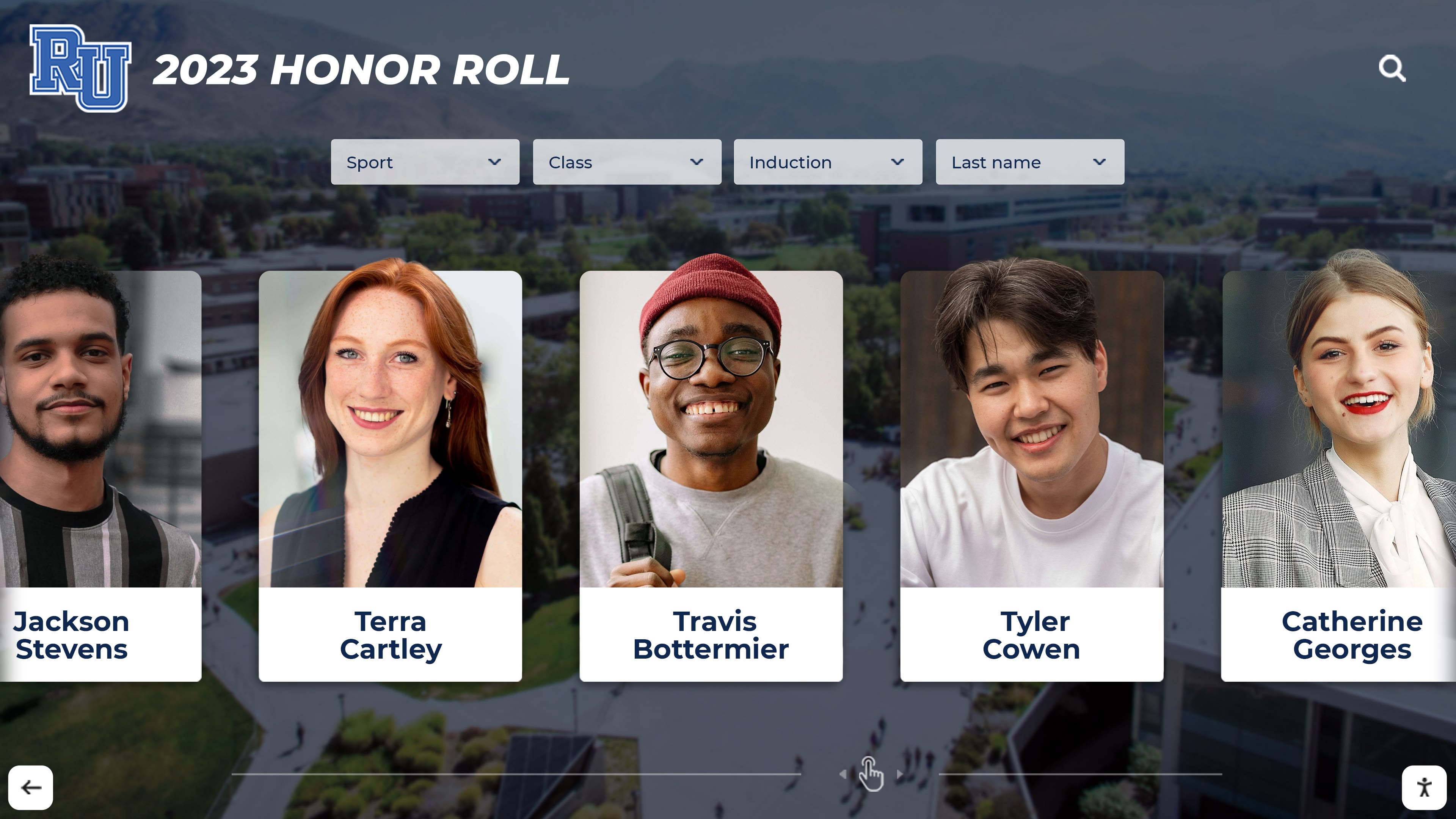
Managing performance anxiety requires preparation, perspective, and recognizing that authentic connection matters more than flawless execution
Creating Lasting Impact Beyond Graduation Day
Your speech can resonate long after the ceremony ends through thoughtful follow-through.
Documenting Your Message
Preserving Your Speech
- Save the written text as memento for yourself and classmates
- Request video recording if ceremony is being captured
- Share written version through class social media or communication channels
- Consider submitting to school newspaper or yearbook publication
- Keep personal copy to revisit in future years
Sharing Appropriately
- Post excerpts (not entire speech) on social media if desired
- Tag classmates mentioned or acknowledged
- Use ceremony hashtags connecting to broader conversation
- Share reflections on the experience and what it meant to you
- Express gratitude to those who helped you prepare
Continuing the Message
Living Your Words
- Hold yourself accountable to principles and commitments you articulated
- Maintain the connections and community you celebrated
- Follow through on any specific challenges or actions you proposed
- Let your speech inform how you engage with classmates going forward
- Revisit your message periodically as personal reminder
Building on Recognition Schools increasingly use digital platforms to preserve and showcase student achievements beyond individual ceremonies. Interactive recognition systems enable institutions to permanently honor graduation speakers, academic achievements, and student accomplishments—creating lasting tributes that extend the impact of graduation day celebrations.
These platforms connect current students with the achievements and messages of those who came before, creating continuity and inspiration across graduating classes. Your speech becomes part of a broader institutional story, inspiring future students as they approach their own graduation milestones.
Explore how digital recognition solutions preserve achievements and messages that honor graduating students.
Conclusion: Your Voice, Your Moment, Your Impact
Being selected as a student graduation speaker represents extraordinary honor and significant responsibility—the opportunity to speak for your class, to capture shared experiences in words, to acknowledge those who supported your journey, and to inspire futures still unwritten. The pressure can feel overwhelming, but remember that you were chosen precisely because your voice, your perspective, and your authentic message deserve to be heard.
The short graduation speech examples and frameworks explored in this guide provide starting points, but your most powerful asset is simply being yourself. Your classmates don’t need a perfectly polished, professionally-crafted speech—they need authentic words from someone who walked the journey alongside them, who understands what you’ve collectively experienced, who genuinely cares about where you’re going next.
Ready to honor your graduating class appropriately? While your speech captures this moment in words, consider how your school might preserve and celebrate these achievements permanently. Modern recognition solutions help educational institutions honor graduating students, preserve their accomplishments, and maintain connections as alumni begin their journeys. Solutions like Rocket Alumni Solutions provide comprehensive digital platforms specifically designed for schools and universities, combining unlimited recognition capacity with intuitive content management and professional displays that celebrate student achievement long after graduation day.
Trust your preparation, embrace your authenticity, and remember that your willingness to stand up and speak for your class matters more than perfect execution. Your message doesn’t need to be extraordinary—it needs to be honest, heartfelt, and true to who you are and what your class represents.
Your classmates will remember this day for the rest of their lives. Years from now, they’ll recall not just the ceremony itself but the feeling of that moment—the pride, the nostalgia, the excitement, the uncertainty, the connection. Your speech contributes to that collective memory, helping shape how your class understands this transition and remembers these years together.
So take a deep breath. You’ve earned this honor. You’ve done the preparation. You have something worth saying. Now go say it—with confidence, with authenticity, and with the knowledge that your voice matters precisely because it’s yours.
Congratulations on being selected as your class’s graduation speaker. Your classmates are lucky to have you representing them. Now make it count.