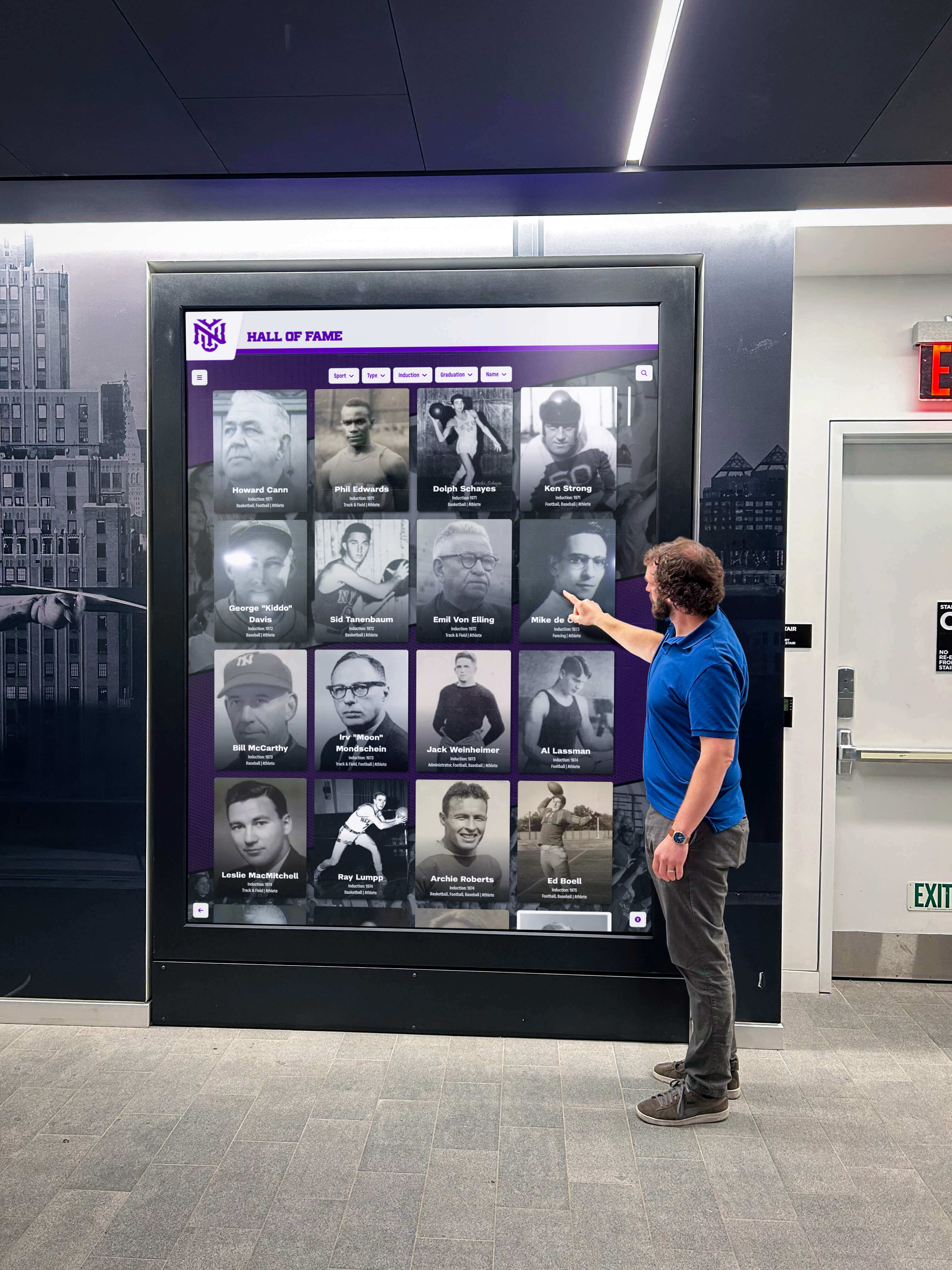




Senior living touchscreen awards and recognition programs represent a meaningful evolution in how assisted living communities, retirement villages, and senior care facilities celebrate residents, acknowledge community leaders, honor memories, and build belonging through digital displays that showcase achievements, committees, and the daily life that makes each community unique. As senior living facilities navigate increasing family expectations for transparency, growing emphasis on resident dignity and engagement, and the need to build thriving communities where residents flourish, touchscreen recognition technology addresses these challenges through purpose-built solutions designed specifically for senior living environments.
Modern senior living communities recognize that dignity, identity, and belonging directly impact resident wellbeing and satisfaction. Traditional recognition approaches—printed newsletters quickly outdated, bulletin boards cluttered and hard to read, static plaques requiring expensive updates, and limited visibility into community governance and activities—create gaps between the active community life facilities work to build and what residents, families, and visitors actually experience.
This comprehensive guide explores senior living touchscreen awards and recognition programs, examining 20 specific ideas including internal committees, parking committee recognition, neighbor of the week celebrations, in memoriam tributes, community directories, achievement awards, and implementation strategies that help senior living communities create environments where residents feel valued, families stay connected, and community identity flourishes through thoughtful digital recognition that honors every contribution.
Senior living communities face unique opportunities to recognize diverse contributions from residents, staff, volunteers, and families who collectively create thriving environments. Touchscreen technology elegantly addresses recognition needs by providing dynamic platforms that celebrate achievements, preserve memories, facilitate governance transparency, and build community identity while remaining accessible to populations with varying visual and cognitive abilities.

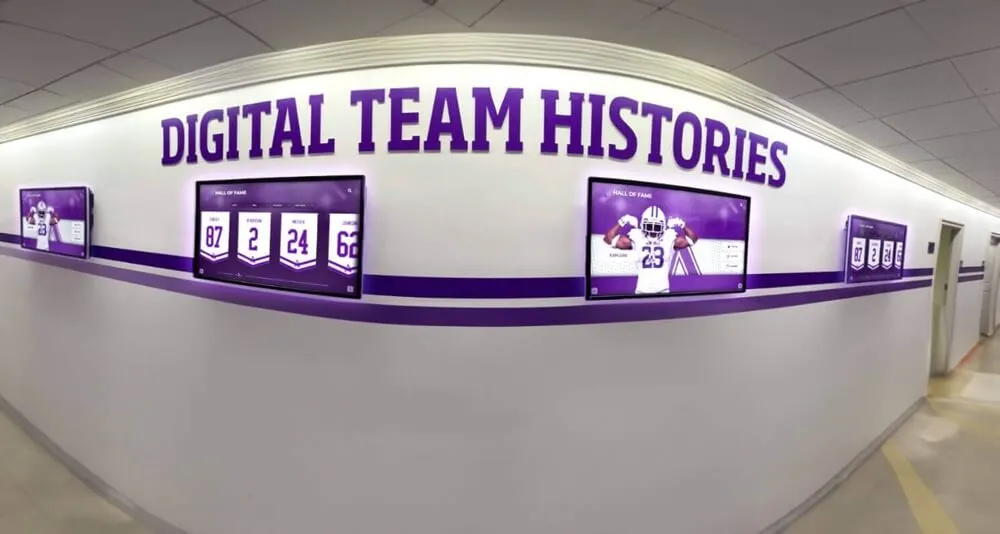
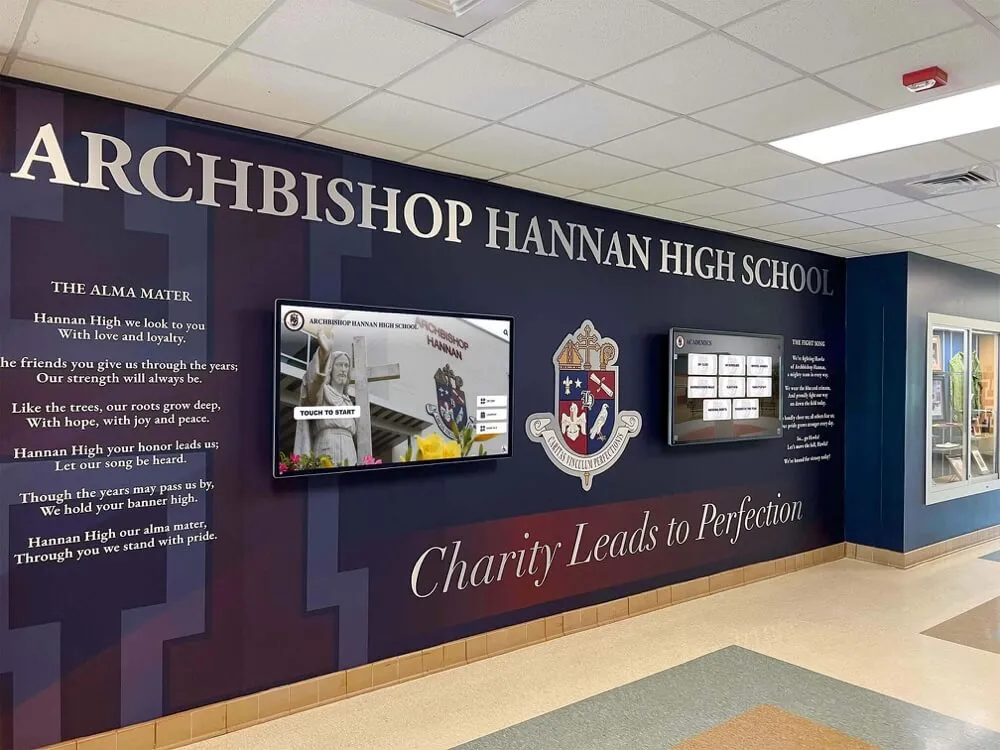
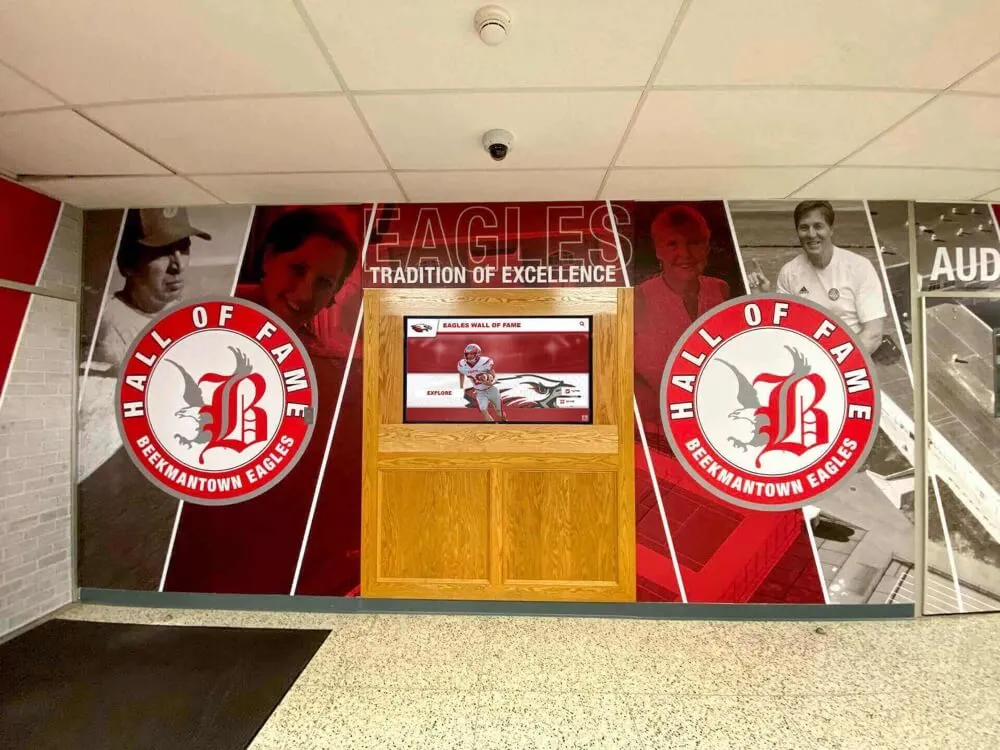
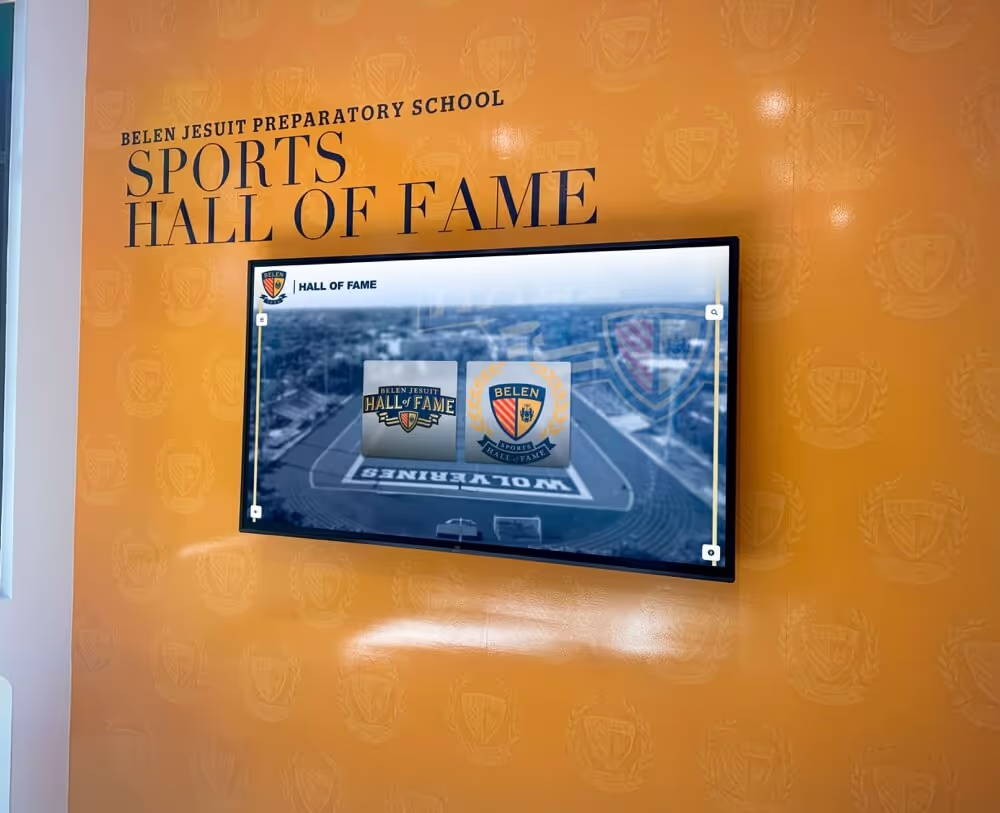
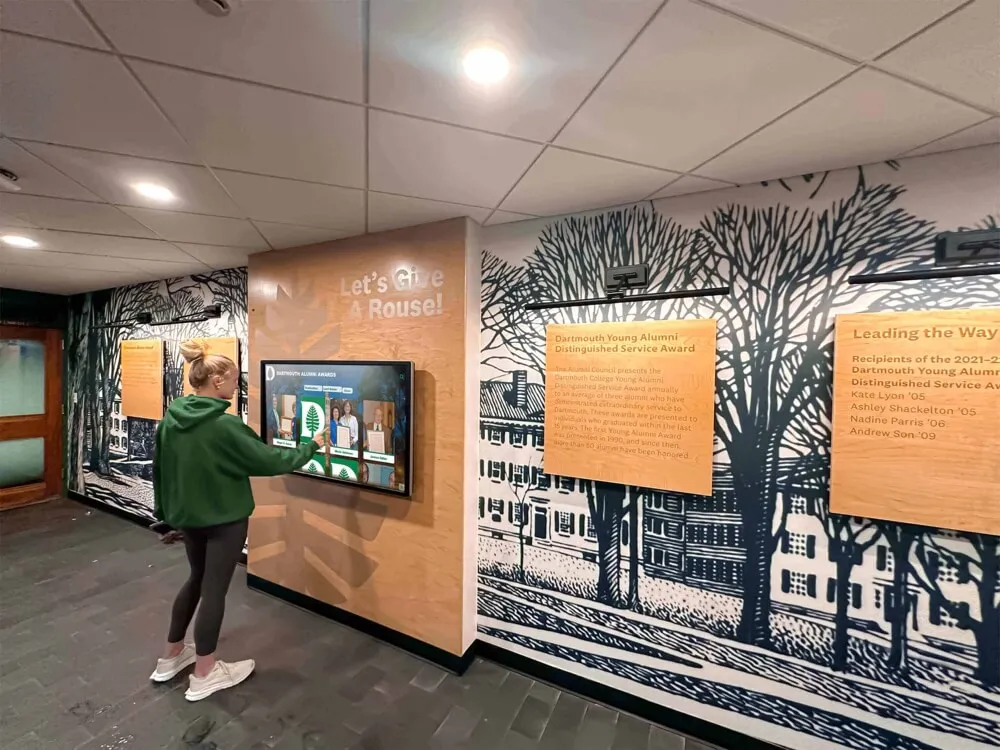
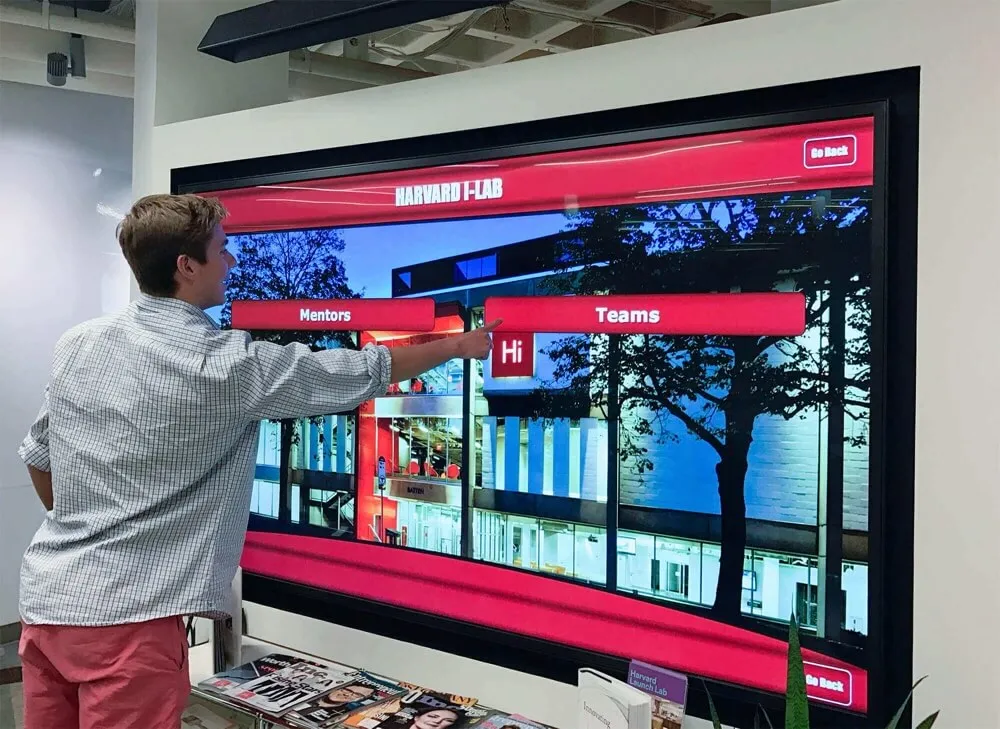
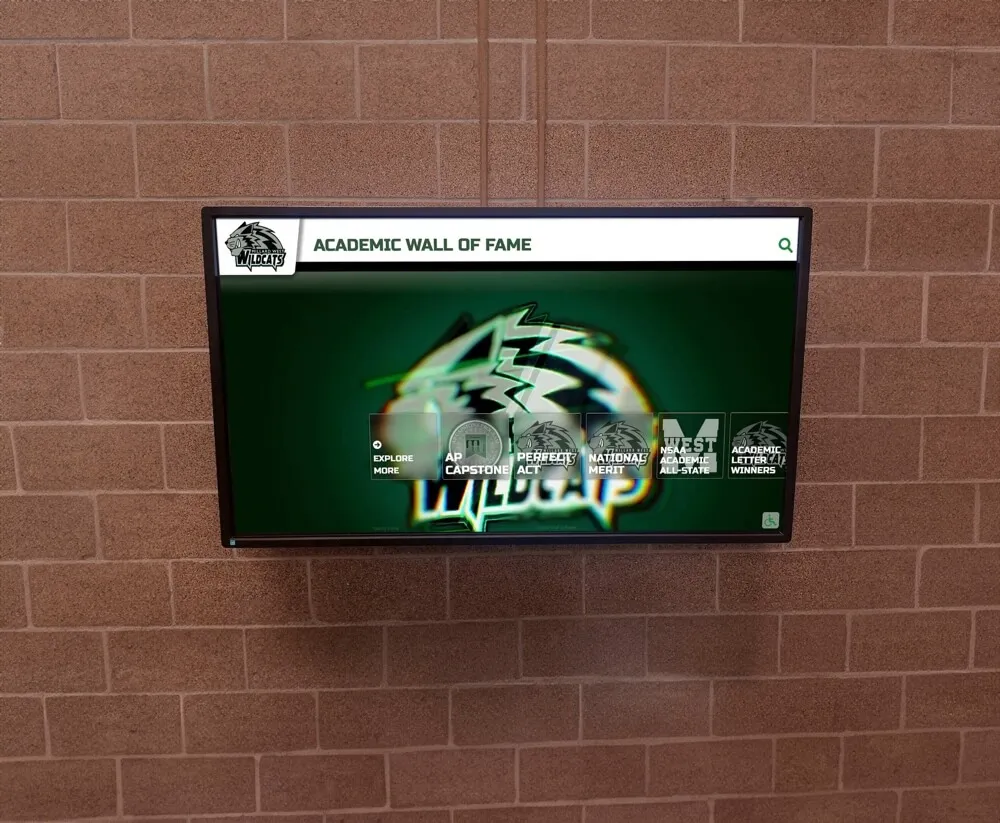
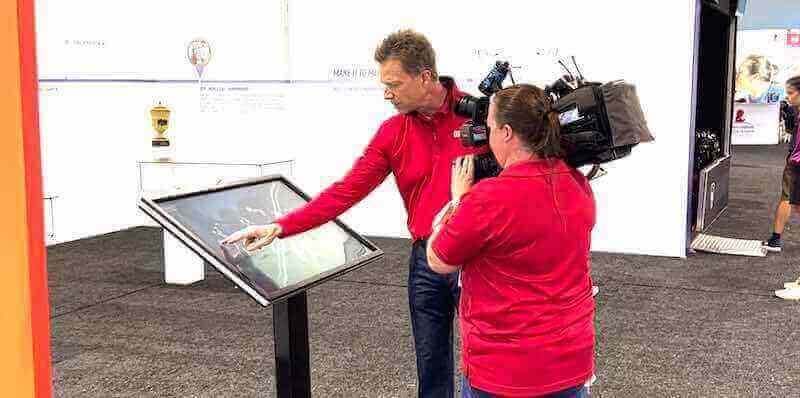
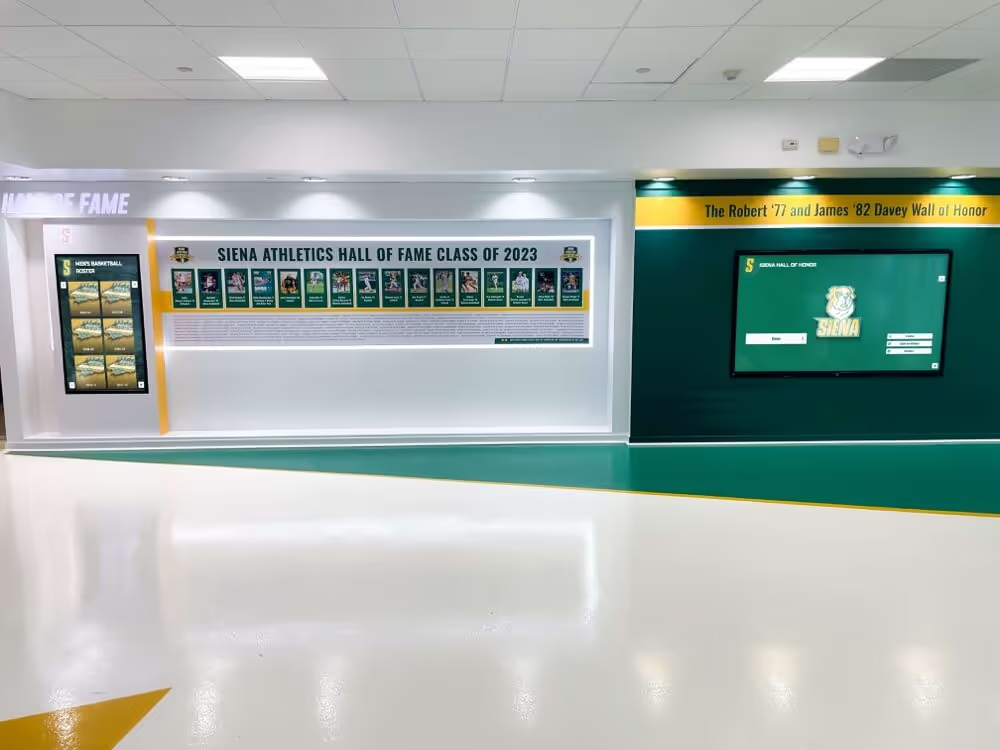
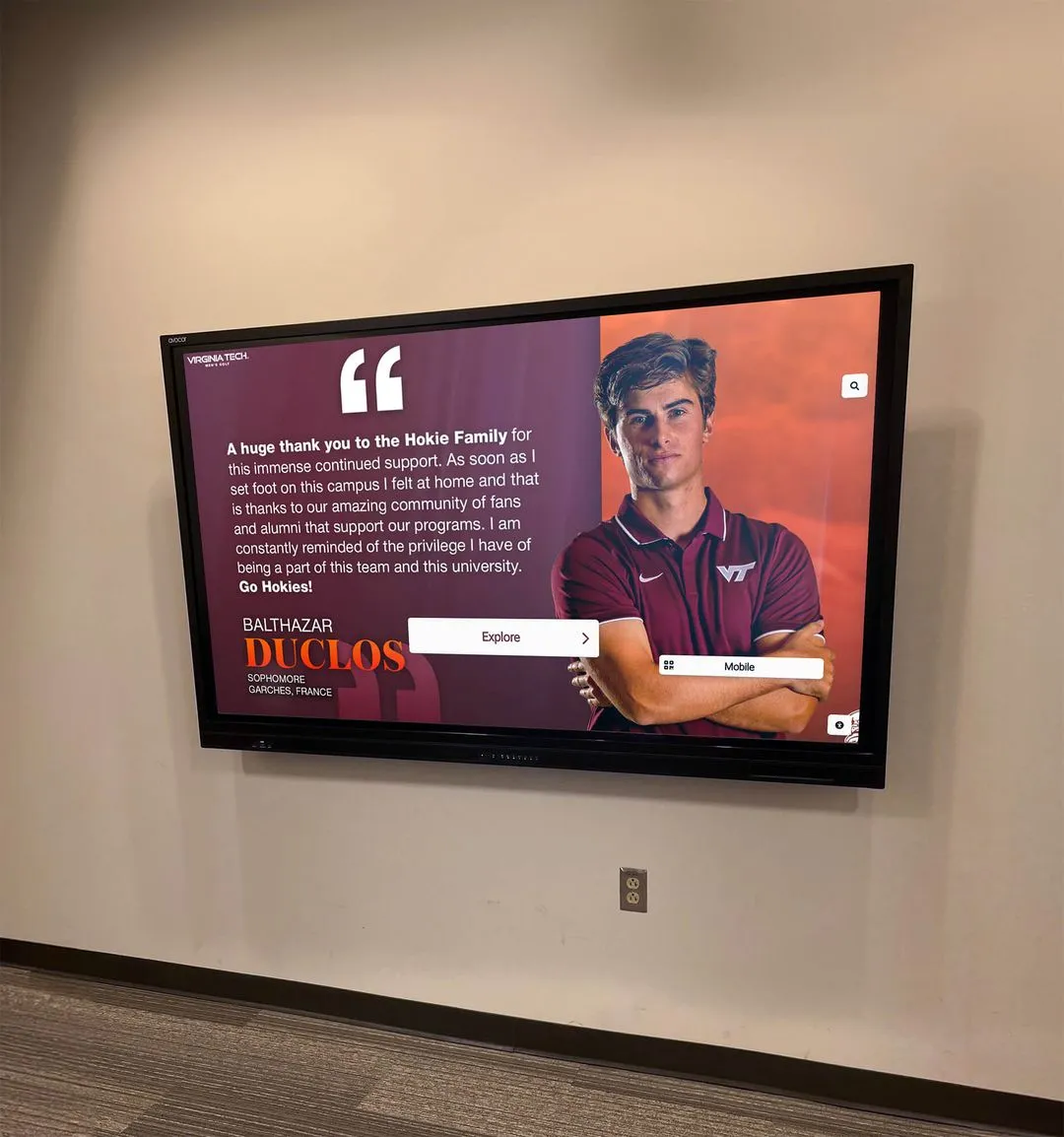
Interactive displays create welcoming environments that celebrate community members while providing accessible information for residents and families
Understanding Touchscreen Recognition in Senior Living Communities
Before exploring specific recognition programs, understanding what senior living facilities value most and how touchscreen technology serves these priorities provides essential context for effective implementation.
What Senior Living Communities Care About Most
Senior living facilities prioritize several fundamental values that shape their recognition programs and community culture:
Resident Dignity and Identity Preservation
Quality senior living honors individual identity and lifetime accomplishments:
- Preventing the loss of personal identity that many experience during transitions
- Recognizing professional careers, military service, and lifetime achievements
- Celebrating ongoing contributions to community life and governance
- Maintaining family connections and multi-generational heritage visibility
- Supporting emotional wellbeing alongside physical care through meaningful recognition
- Validating current engagement and continued purpose despite physical limitations
According to gerontology research, seniors who maintain strong sense of identity and purpose experience better health outcomes, higher satisfaction, and slower cognitive decline compared to those who feel their accomplishments and contributions go unrecognized in their living environments.
Open Governance and Resident Voice
Resident-centered communities prioritize meaningful participation in decision-making:
- Resident councils providing governance input and community representation
- Committee structures addressing specific concerns like parking, dining, activities
- Democratic processes ensuring resident voice shapes policies and operations
- Leadership recognition validating those who serve in governance roles
- Transparency about decision-making processes and committee activities
- Family awareness of how communities function and who represents residents
These governance structures combat the helplessness many seniors feel when losing independence, providing meaningful ways to influence their living environment and contribute expertise developed over long, accomplished lives.
Community Identity and Belonging
Strong communities create culture that residents, families, and staff value:
- Shared traditions celebrating holidays, milestones, and seasonal events
- Recognition of diversity reflecting varied backgrounds and experiences
- Intergenerational connections bringing young people into senior environments
- Volunteer appreciation honoring those who contribute time and talent
- Staff milestone recognition celebrating dedicated employees
- Social connections reducing isolation and building authentic relationships
Research consistently demonstrates that seniors in communities with strong identity and active social culture experience higher satisfaction, better health outcomes, and more successful aging compared to institutional environments lacking community cohesion and shared purpose.
Memory and Legacy Preservation
Honoring those who have passed and preserving community history matters deeply:
- In memoriam tributes providing dignified remembrance of former residents
- Legacy preservation capturing stories and wisdom from long lives
- Historical documentation showing how communities evolved over time
- Family heritage visibility connecting generations through shared history
- Memorial spaces providing comfort and acknowledging grief and loss
- Celebration of lives well-lived honoring individual contributions
These memorial functions serve both emotional and practical purposes, helping current residents and families process loss while preserving institutional memory that gives communities depth and character beyond immediate circumstances.
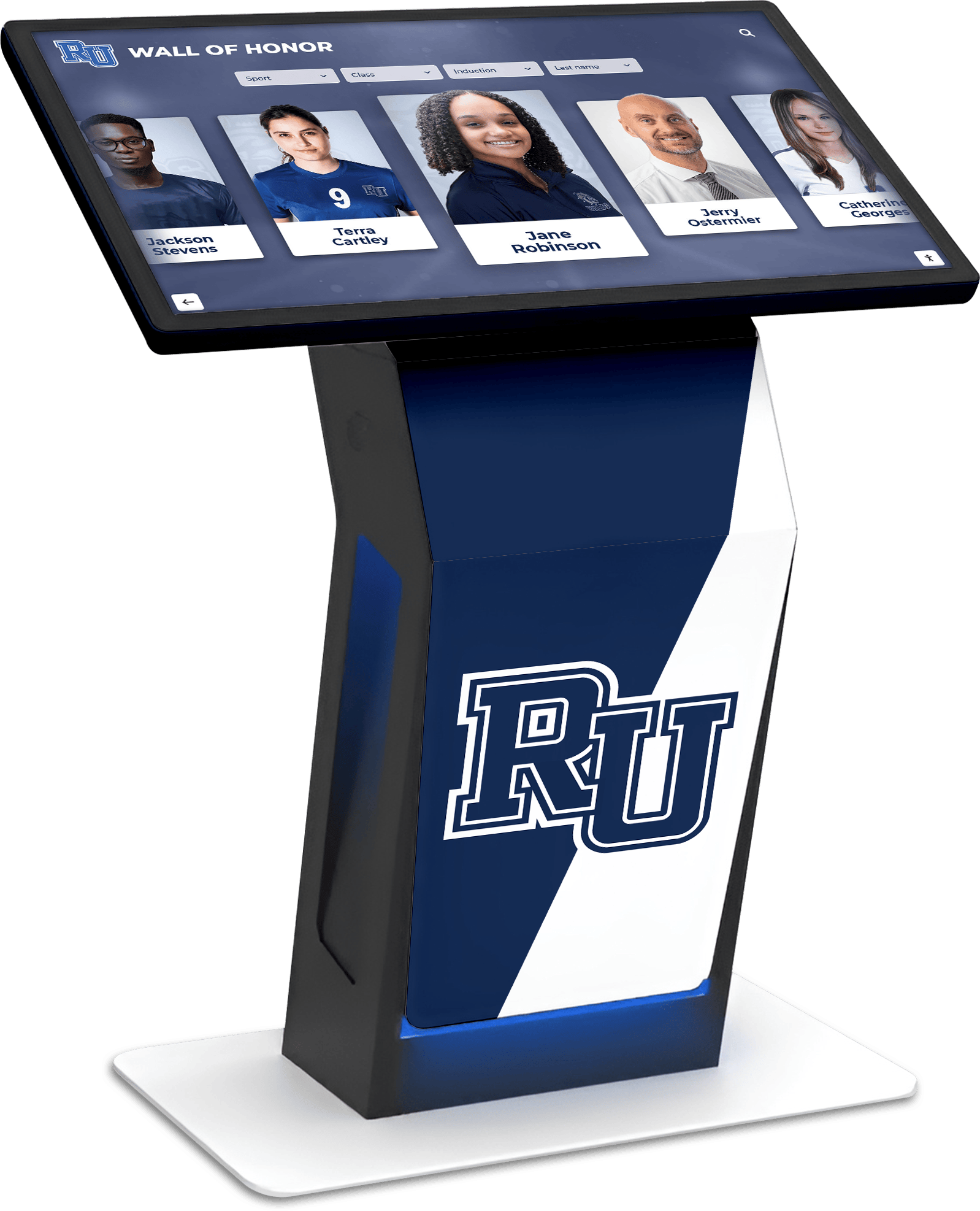
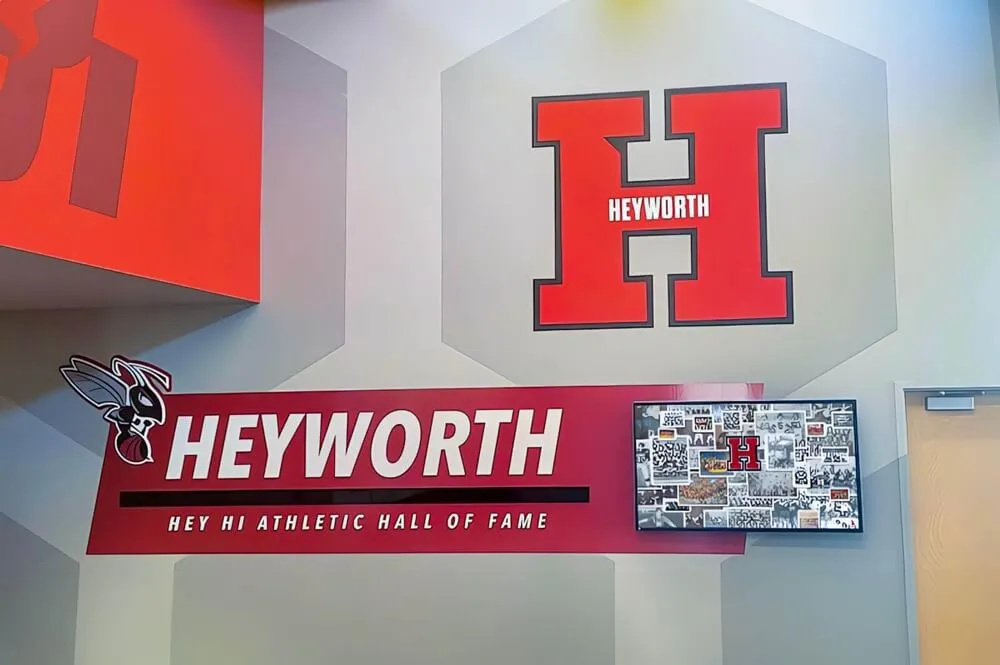
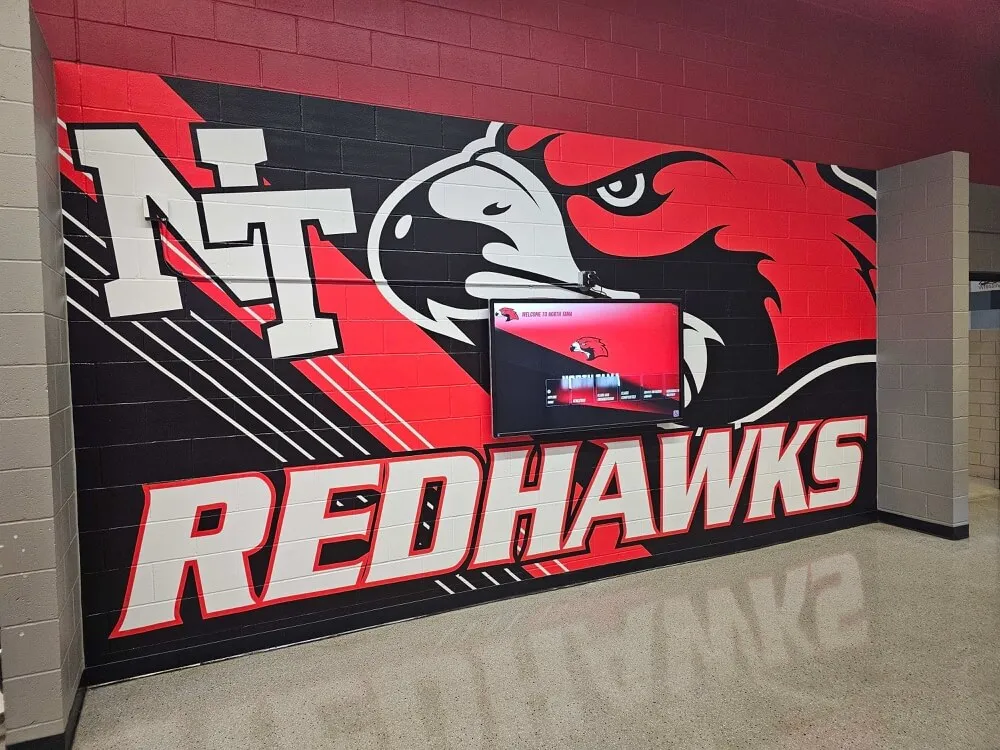
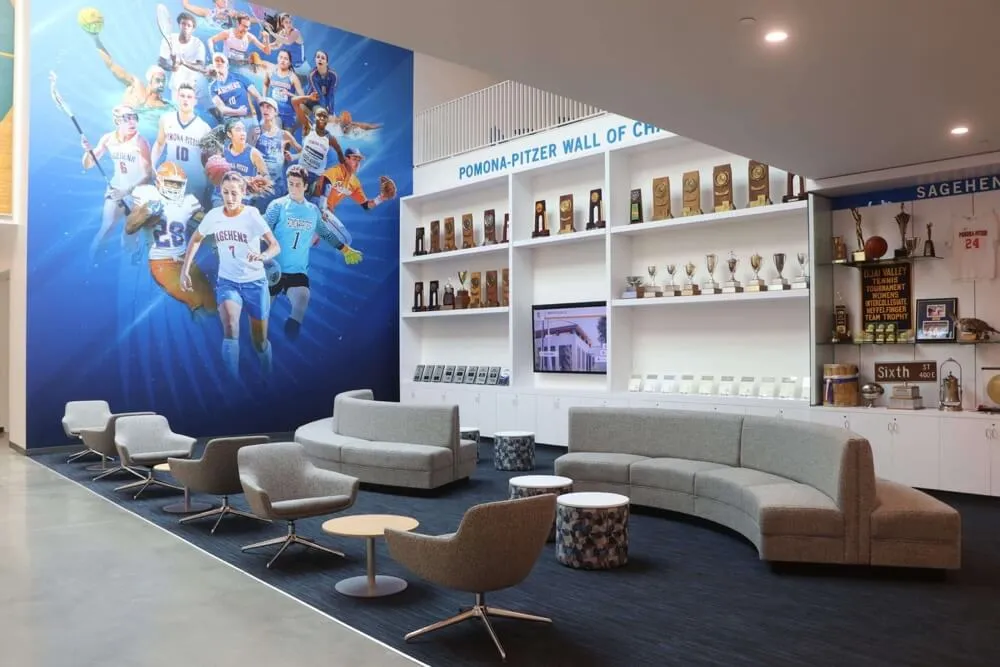
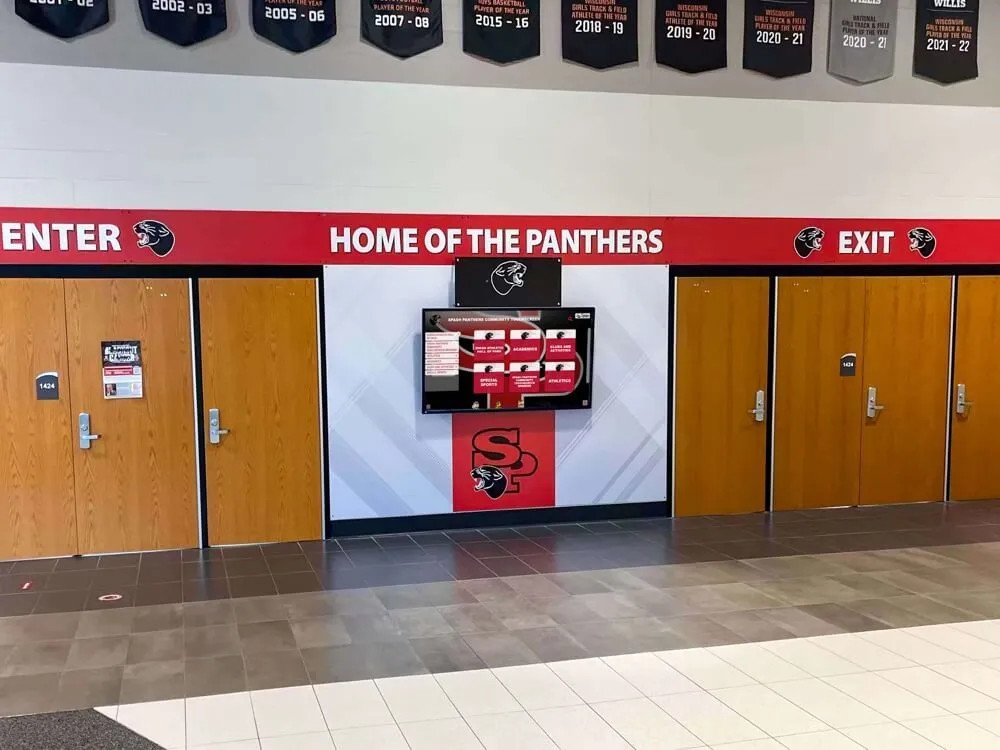
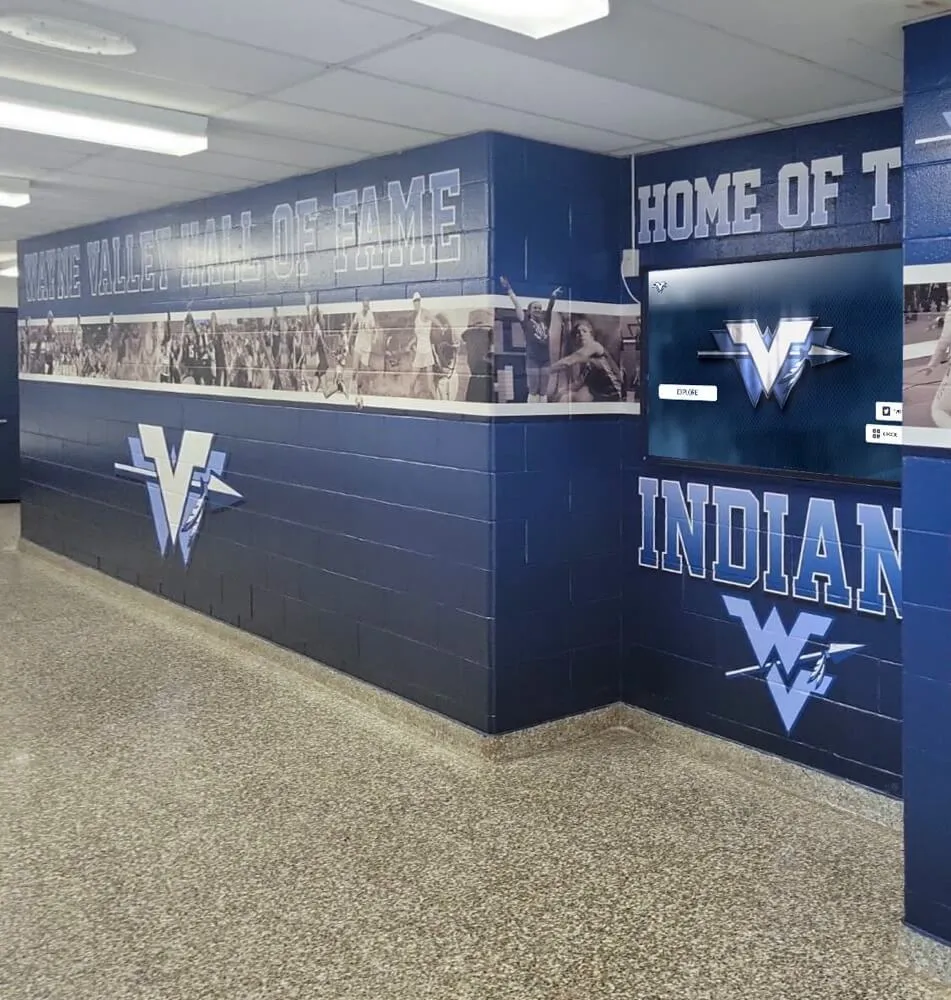
Professional kiosk installations serve multiple recognition functions from governance to memorials in senior living environments
How Touchscreen Recognition Serves Senior Living Values
Digital displays address senior living priorities more effectively than traditional recognition methods:
Accessibility for Aging Populations
Age-appropriate design ensures usability across ability levels:
- Large text sizes meeting vision standards for aging eyes (18-24pt minimum)
- High-contrast color schemes reducing eye strain and improving readability
- Simple touch interfaces accommodating arthritic hands and limited dexterity
- Audio options supporting visually impaired residents
- Consistent, predictable layouts reducing cognitive load for memory challenges
- Wheelchair-accessible mounting heights and clear floor space
- Staff-assisted modes enabling participation for all ability levels
According to research on technology adoption among older adults, appropriately designed interfaces achieve adoption rates exceeding 70% among seniors over 75, while poorly designed systems see less than 20% usage despite availability.
Dynamic Content Accommodating Frequent Changes
Senior communities experience constant transitions requiring flexible recognition:
- Committee membership changes reflecting elections and appointments
- Awards and recognitions occurring throughout the year
- Memorial updates as community members pass away
- Directory changes accommodating new residents and departures
- Event recognition celebrating ongoing activities and achievements
- Seasonal content reflecting holidays and changing programming
- Staff changes requiring directory and recognition updates
Traditional plaques and printed directories become outdated within weeks, creating maintenance burdens and inaccurate information that frustrates residents and families. Digital displays enable immediate updates ensuring accuracy and currency that static recognition cannot provide.
Comprehensive Recognition Within Space Constraints
Physical wall space limitations constrain traditional recognition:
- Hundreds of residents in large communities exceeding plaque capacity
- Multiple committees and organizations requiring representation
- Historical content spanning decades of community life
- Rotating recognitions highlighting different contributions throughout the year
- Detailed biographies impossible on physical plaques
- Photo galleries showcasing activities and events
- Video content capturing personalities and stories
Touchscreen displays provide unlimited virtual space enabling comprehensive recognition that physical walls cannot accommodate, ensuring every contribution receives appropriate visibility regardless of space limitations.
Family Connection and Remote Access
Modern families expect transparency and connection:
- Remote visibility into community life and governance for distant families
- Photo sharing showing engagement and activities
- Committee meeting summaries keeping families informed about decisions
- Memorial access enabling families to remember loved ones from anywhere
- Directory information facilitating communication and visits
- Event documentation demonstrating vibrant community life
- Real-time updates showing current activities and recognitions
Understanding comprehensive digital recognition approaches provides frameworks applicable across various organizational contexts including senior living communities.
20 Senior Living Touchscreen Recognition Ideas
Modern senior communities implement diverse recognition programs celebrating contributions, preserving memories, facilitating governance, and building identity through purposeful digital displays.
Governance and Committee Recognition
Visible leadership acknowledgment validates service while informing community about decision-making structures.
1. Resident Council Recognition
Showcase elected leadership representing resident interests:
- Council member profiles with photos, biographies, and contact information
- Terms of service showing election dates and upcoming positions
- Meeting schedules and agenda summaries keeping residents informed
- Accomplishments highlighting initiatives and improvements achieved
- Contact methods enabling resident communication with representatives
- Committee assignments showing who leads specific areas
- Historical council leadership preserving institutional memory
Resident councils provide essential governance functions in quality senior living, and visibility demonstrates respect for democratic processes while making it easy for residents to engage with their representatives about concerns and ideas.
2. Parking Committee Members
Recognize volunteers managing often-contentious parking policies:
- Committee member identification with photos and backgrounds
- Parking policies and procedures they oversee and enforce
- Recent decisions and policy changes with rationale
- Appeal processes and how residents request reviews
- Accomplishments improving parking fairness and efficiency
- Terms of service and upcoming openings
- Contact information for parking questions and concerns
Parking represents one of the most common sources of senior living disputes. Recognizing committee members validates their volunteer service while making governance clear and accessible to residents who may have questions or concerns about policies and enforcement.
3. Activities Committee Showcase
Celebrate volunteers who plan programming and events:
- Committee member profiles highlighting planning contributions
- Upcoming events and activities in development
- Request processes for residents to suggest programming
- Meeting schedules for residents interested in joining
- Accomplishments highlighting successful events and initiatives
- Collaboration with staff showing partnership approaches
- Feedback mechanisms enabling resident input on activities
Activities committees directly impact quality of life through programming that reduces isolation, builds connections, and creates the rich culture that distinguishes exceptional communities from institutional facilities providing only basic care.
4. Dining Committee Recognition
Honor those who work with food services on menus and quality:
- Committee member identification and dining backgrounds
- Menu planning input and resident preference incorporation
- Quality improvement initiatives and accomplishments
- Special diet accommodation efforts
- Vendor selection input when committees participate
- Feedback processes for broader resident dining concerns
- Meeting schedules and participation opportunities
Dining represents a central part of daily life in senior communities, and committee involvement ensures resident voices shape food service decisions affecting satisfaction and nutrition outcomes.
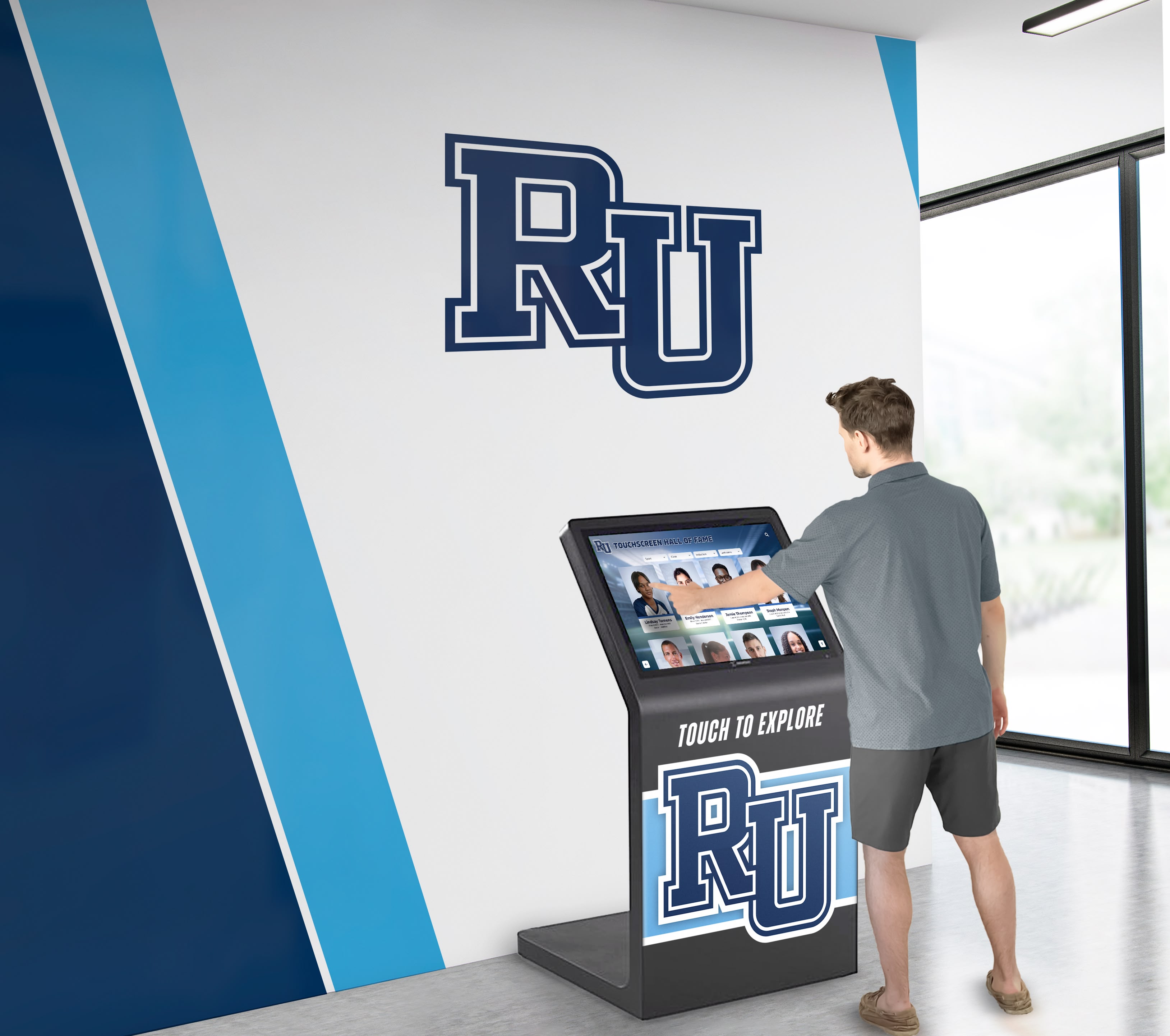
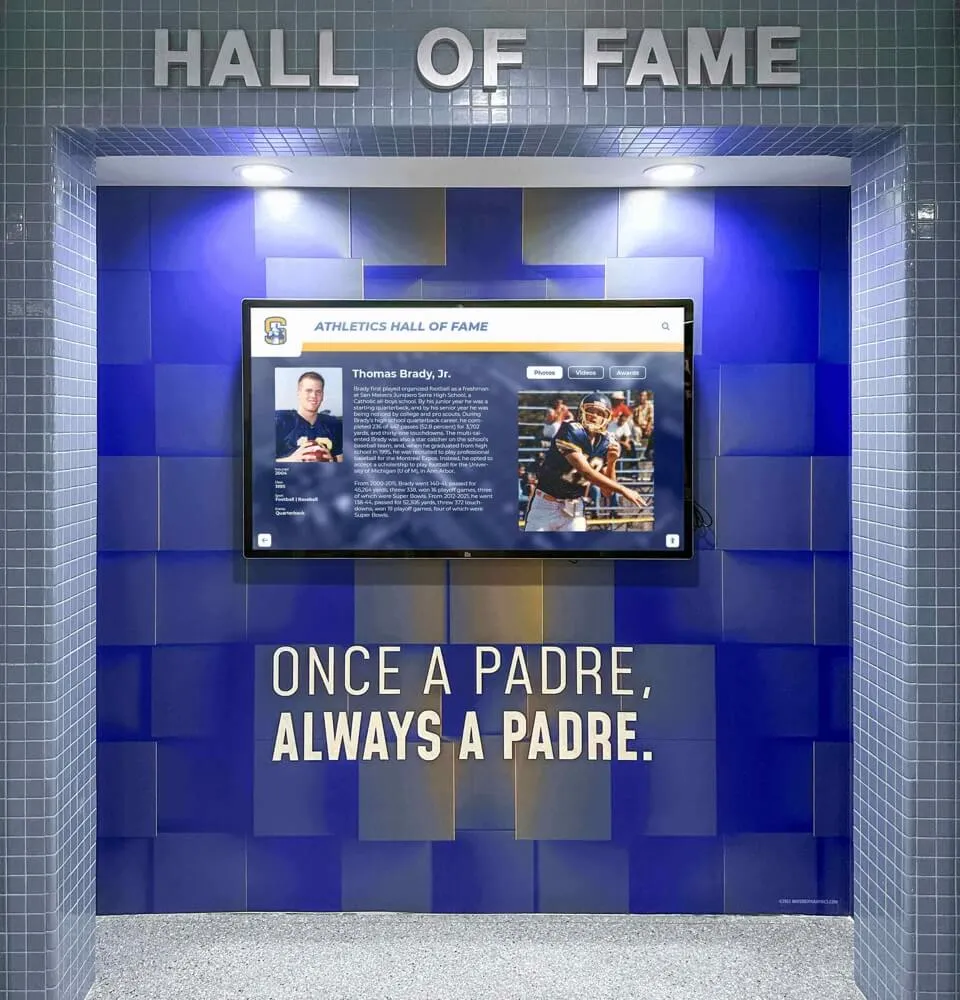
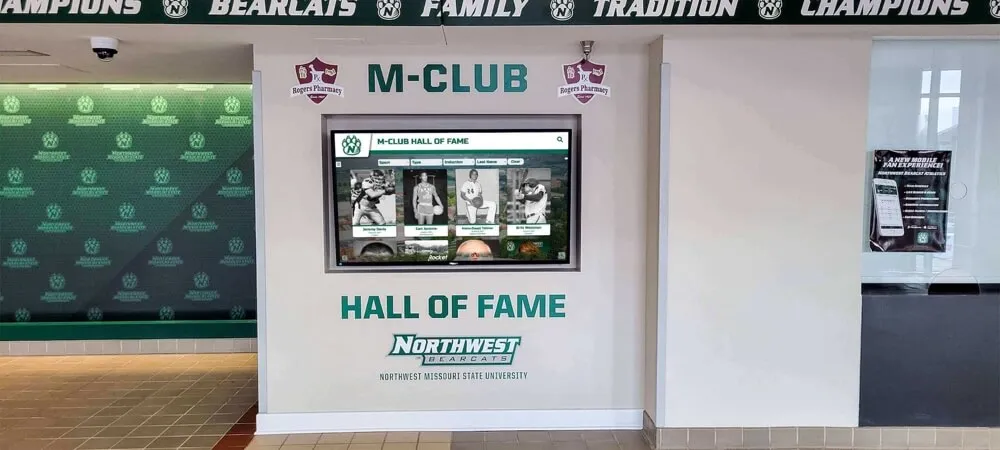
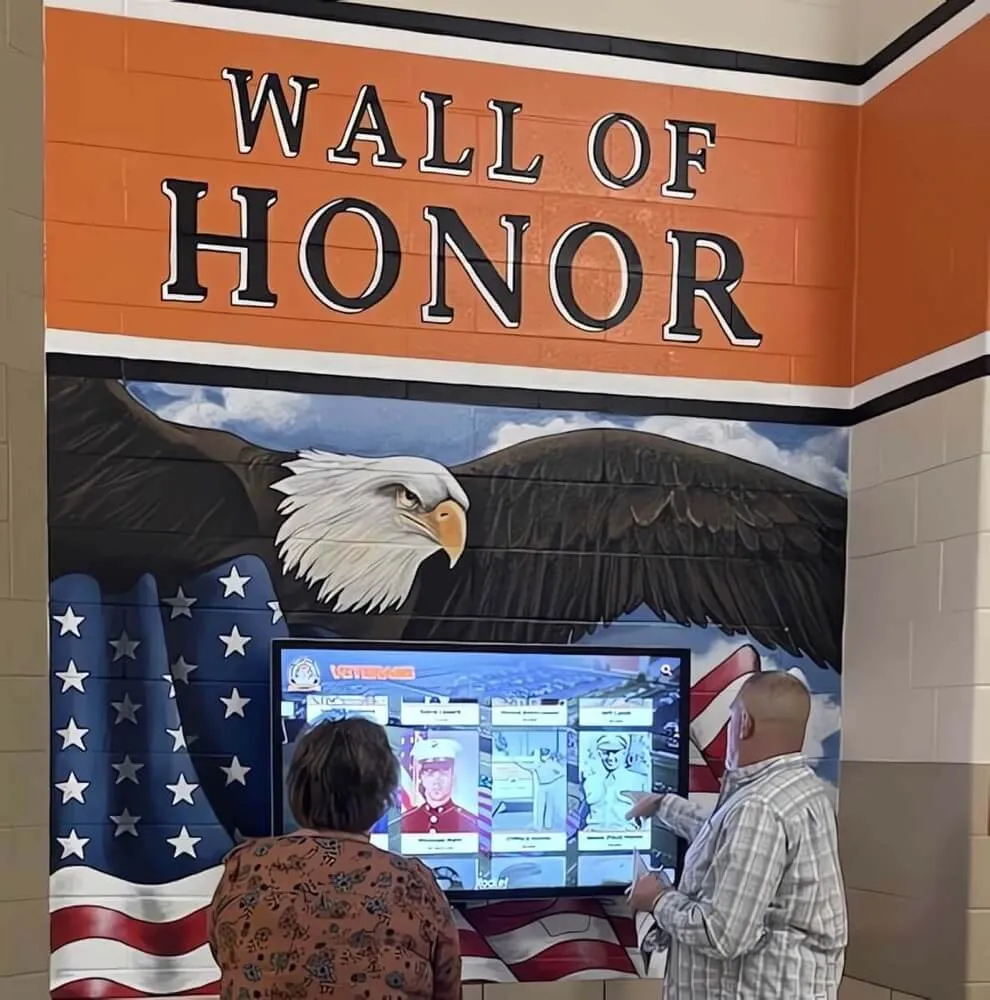
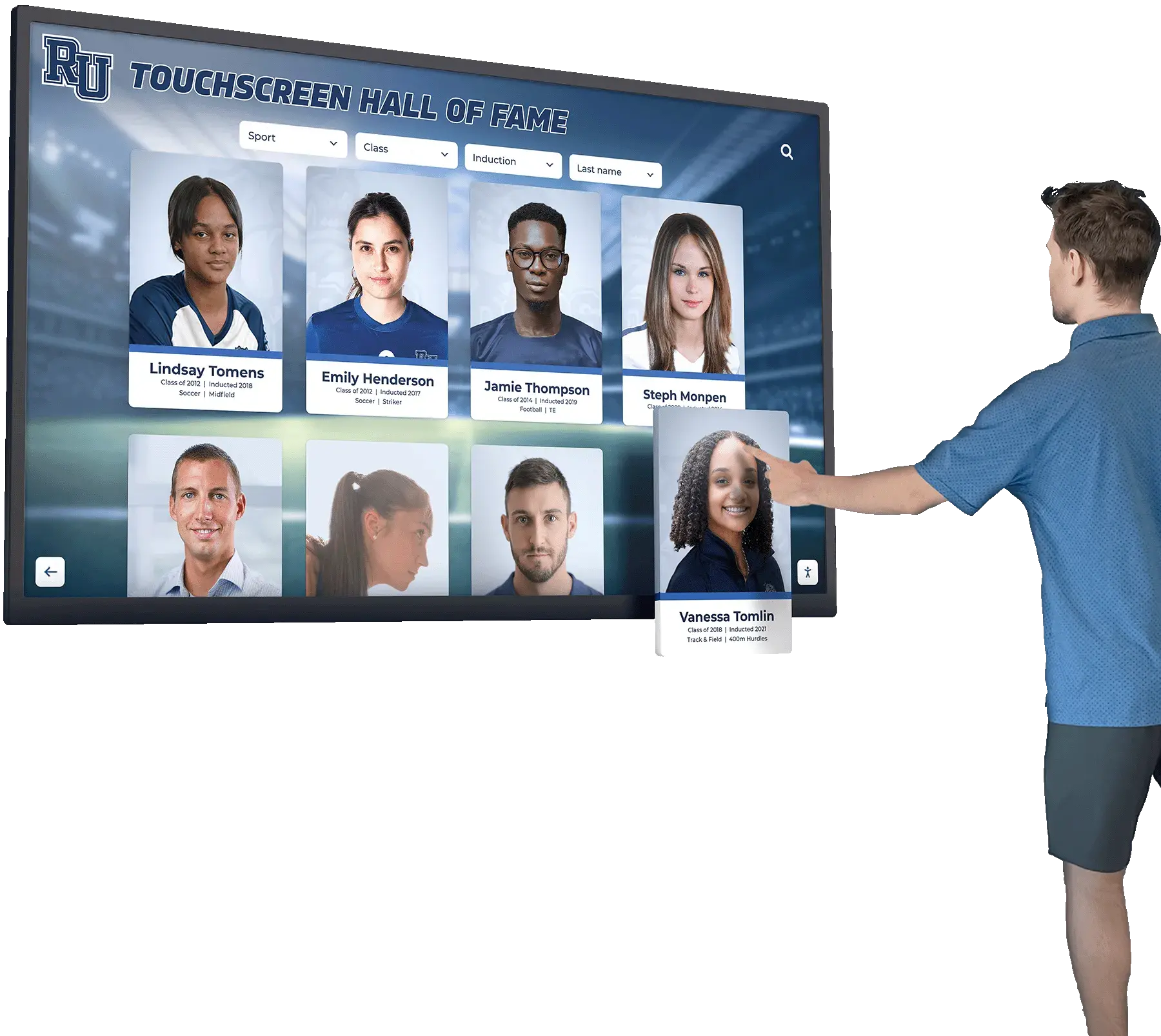
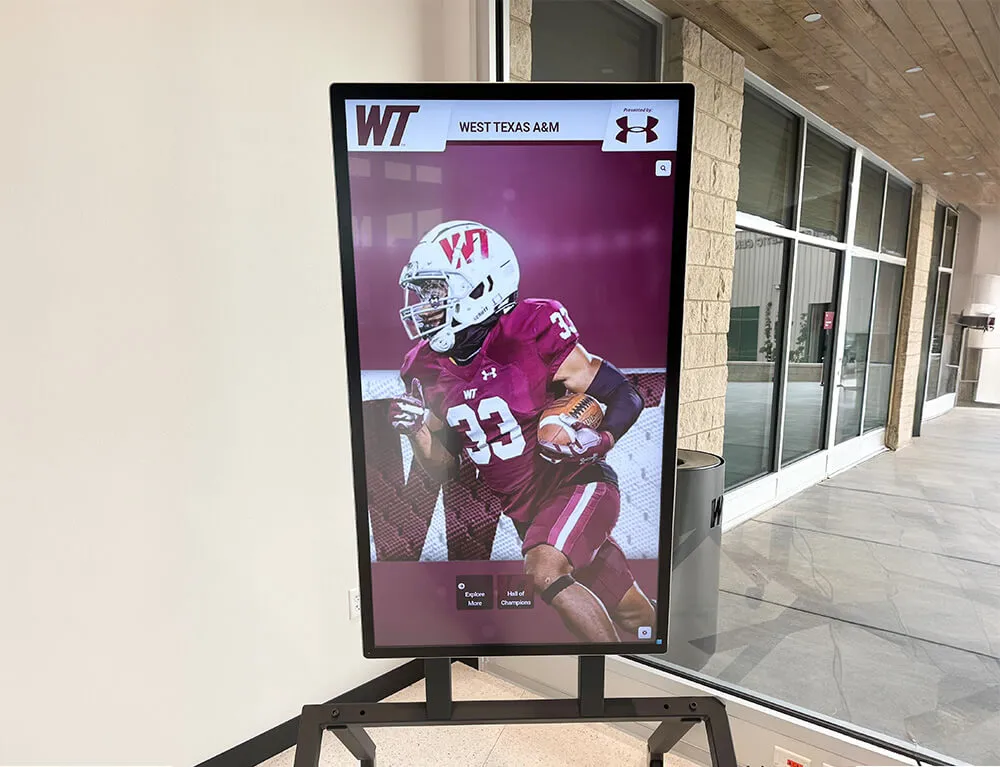
Accessible touchscreen interfaces enable residents to explore governance information and community recognition independently
Ongoing Recognition Programs
Rotating recognitions celebrate diverse contributions throughout the year.
5. Neighbor of the Week Celebrations
Weekly recognition building community connections:
- Featured resident profile with photo and biography
- Lifetime accomplishments and career highlights
- Family information and heritage background
- Hobbies, interests, and community involvement
- Favorite memories and wisdom to share
- Rotating selection ensuring everyone receives recognition
- Nomination process enabling peer recognition
This simple program ensures every resident receives personal recognition while helping community members learn about neighbors beyond casual interactions, building the relationships that create thriving communities rather than collections of isolated individuals.
6. Birthday and Anniversary Recognition
Celebrate personal milestones and longevity:
- Monthly birthday displays with photos and dates
- Anniversary recognition for long-term residents
- Milestone birthdays receiving special prominence (80th, 90th, 100th)
- Wedding anniversaries celebrating marriages
- Historical birthday information creating conversation starters
- Photo galleries from birthday celebrations
- Upcoming celebrations helping residents remember to acknowledge neighbors
These recognitions validate that personal milestones remain important despite advanced age, combating the invisibility many seniors feel while creating opportunities for social connection through celebration of others.
7. Volunteer of the Month Awards
Honor residents who contribute time and talent:
- Featured volunteer profile and contribution description
- Hours served and specific programs supported
- Impact statements showing difference made
- Call to action encouraging others to volunteer
- Volunteer opportunity listings showing needs
- Historical volunteer recognition preserving contribution records
- Nomination process enabling peer and staff recognition
Volunteer recognition validates ongoing purpose and contribution, demonstrating that residents continue making differences in others’ lives despite physical limitations that may have ended career participation.
8. Staff Member of the Quarter
Acknowledge dedicated employees who serve residents:
- Staff member profile with role and tenure
- Specific contributions and exceptional service examples
- Resident testimonials about care provided (with permissions)
- Career background and why they chose senior care
- Hobbies and personal interests humanizing staff members
- Tenure milestones celebrating long-term employees
- Team recognition for departments providing exceptional service
Staff recognition demonstrates appreciation while helping residents and families know the people providing care, building relationships and trust that distinguish exceptional facilities from those treating employees as interchangeable service providers.
Memorial and Legacy Recognition
Honoring memories and preserving legacies provides comfort while documenting community history.
9. In Memoriam Tributes
Dignified remembrance of community members who have passed:
- Photo and biographical information celebrating lives
- Dates of residence showing community connection
- Accomplishments and contributions during residency
- Family information and survivors (with permissions)
- Memorial service information for those wishing to pay respects
- Remembrance periods before transitioning to historical archives
- Digital guest book enabling condolence messages
According to grief counseling experts, community acknowledgment of loss provides comfort to fellow residents and families while helping survivors process grief through shared remembrance rather than isolated mourning.
10. Legacy Story Archives
Preserve wisdom and memories from long lives:
- Video interviews capturing residents’ stories and perspectives
- Oral histories documenting careers and life experiences
- Military service recognition with branch and service period details
- Career achievement summaries honoring professional contributions
- Family heritage stories connecting generations
- Historical event perspectives from those who lived through them
- Wisdom and advice residents wish to share with younger generations
These legacy archives serve multiple purposes: honoring individuals, preserving institutional memory, providing fascinating content that engages residents and families, and creating permanent records that outlive physical life—a form of immortality many seniors find deeply meaningful.
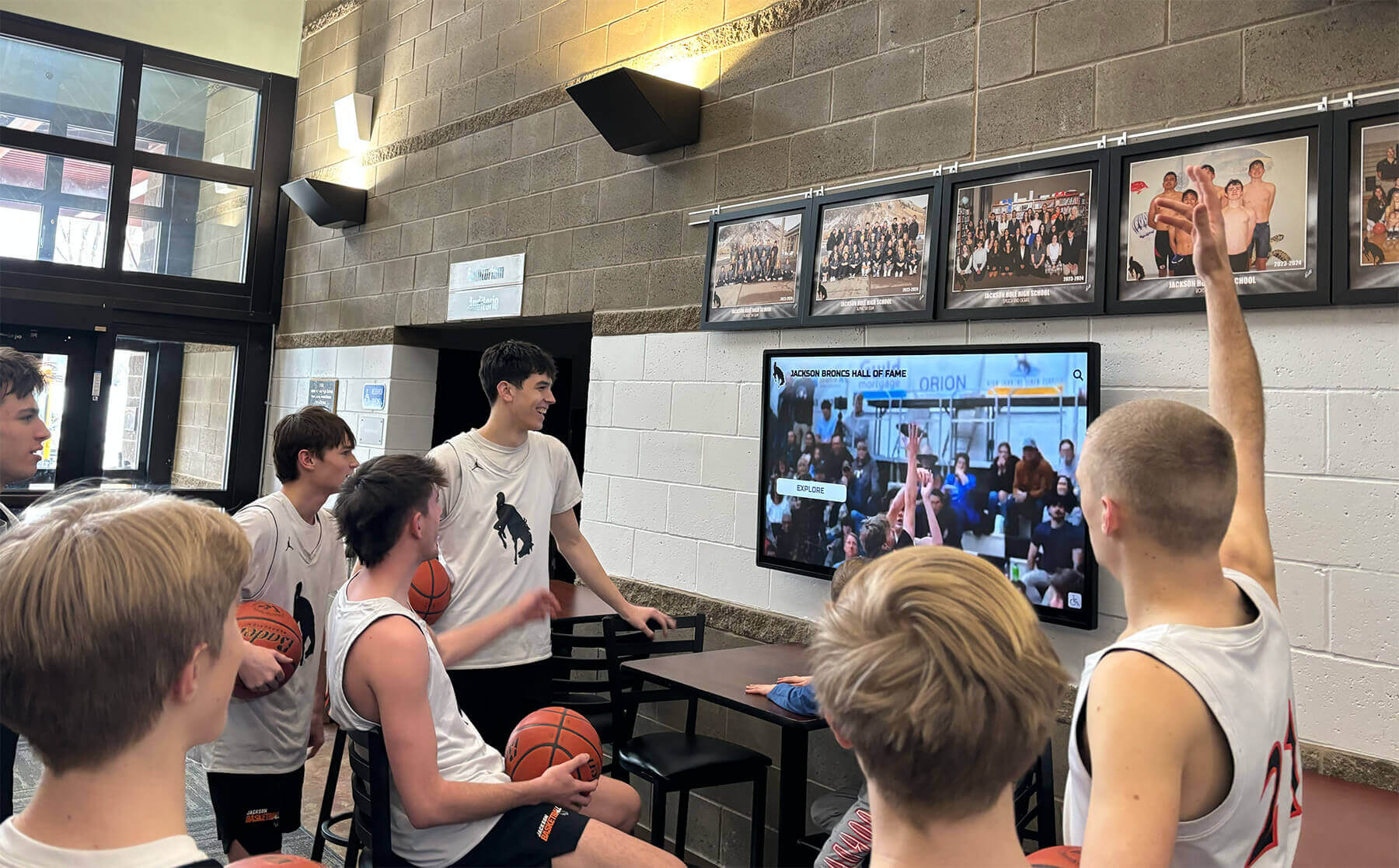
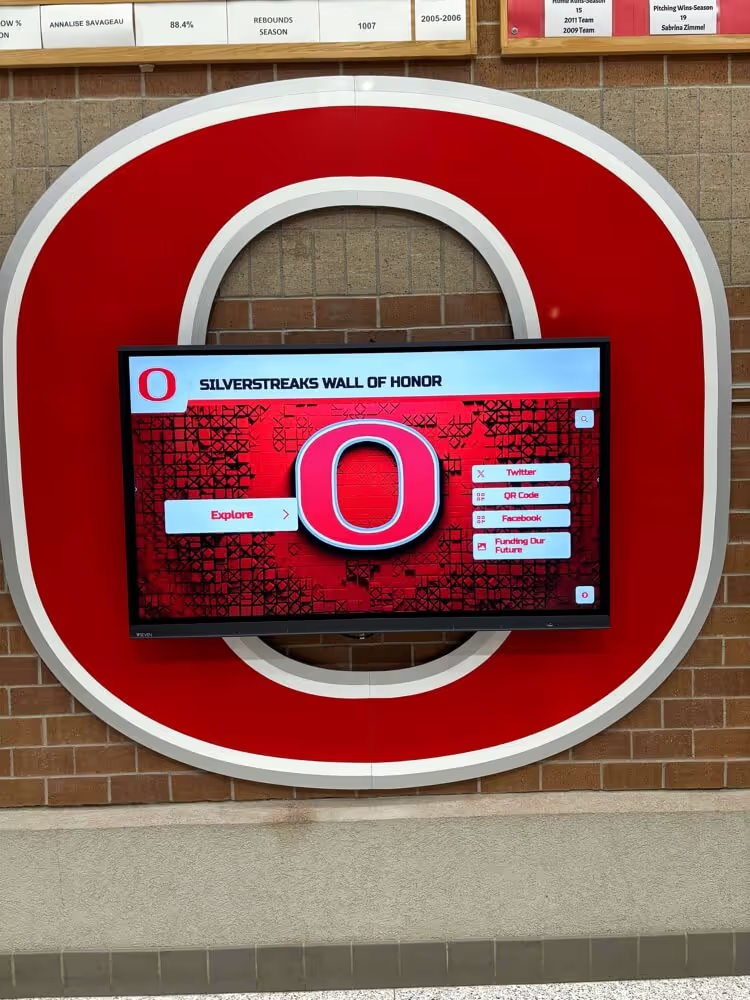
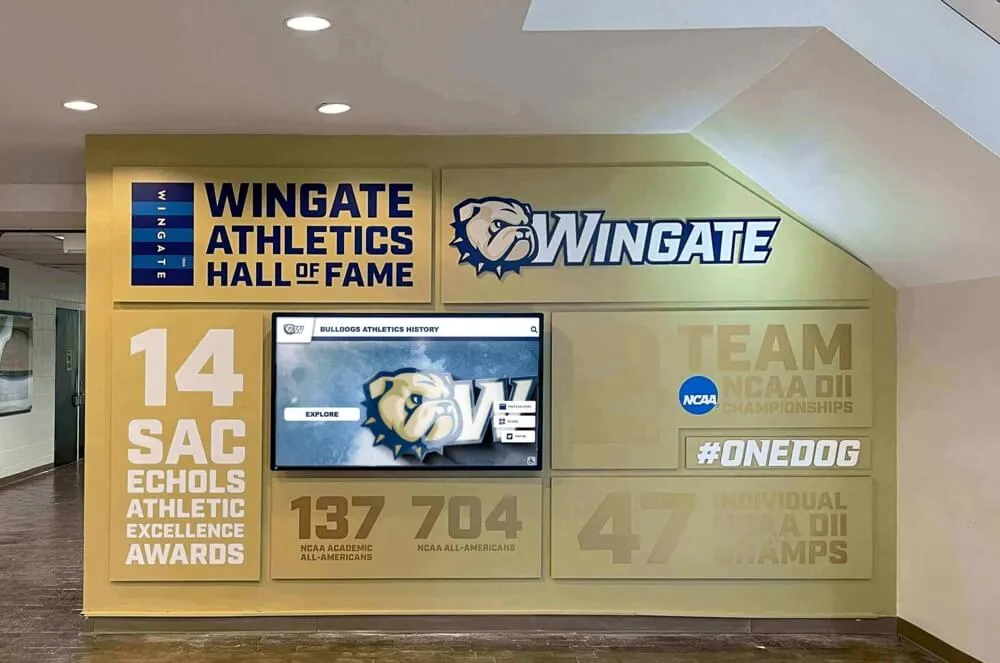
Digital displays create natural gathering points where community members share memories and celebrate lives together
11. Veterans Recognition Wall
Honor military service with dignity and detail:
- Branch of service, rank, and service dates
- Duty stations and deployments
- Awards, medals, and commendations received
- Military occupational specialties and roles
- Wartime service periods and theaters
- Photos in uniform when available
- Service impact and memorable experiences they choose to share
Many senior living residents served during World War II, Korea, Vietnam, and subsequent conflicts. Military recognition honors sacrifice while preserving historical perspectives from those who lived through defining moments in national history.
12. Career Achievement Recognition
Celebrate professional accomplishments and expertise:
- Career field and specific roles held
- Notable accomplishments and contributions to professions
- Years of service and retirement dates
- Professional organizations and leadership
- Licenses, certifications, and credentials earned
- Mentees and others they influenced
- Industries and companies where they made impacts
This recognition combats the loss of professional identity many retirees experience, validating that their careers mattered and their expertise remains valuable even after formal retirement.
Understanding approaches to employee recognition programs provides frameworks adaptable to senior living contexts recognizing residents’ career accomplishments.
Practical Information and Directories
Functional recognition serves daily needs while acknowledging community members.
13. Community Directory
Searchable resident and staff directories facilitating connection:
- Resident names with room numbers and contact preferences
- Privacy controls respecting individual comfort with visibility
- Staff directory with roles, departments, and contact information
- Extension listings for internal phone systems
- Email addresses when residents are comfortable sharing
- Emergency contacts for families and visitors
- Search functionality finding specific individuals quickly
Directories serve practical wayfinding purposes while implicitly recognizing everyone as valued community members whose contact information matters and deserves professional presentation.
14. New Resident Welcome Recognition
Celebrate recent arrivals and facilitate integration:
- New resident profiles with photos and backgrounds
- Previous homes and locations they moved from
- Interests, hobbies, and connection opportunities
- Family information they choose to share
- Welcome period (first 90 days) with special designation
- Integration suggestions helping them join activities
- Conversation starters facilitating social connections
New resident recognition serves dual purposes: validating newcomers while helping existing residents learn about and welcome arrivals, accelerating the social integration that determines whether seniors thrive or struggle in new environments.
15. Family and Visitor Information Center
Recognition through comprehensive family engagement:
- Family member photo galleries from visits and events
- Multigenerational heritage displays showing family connections
- Visitor information including directions, parking, and policies
- Activities calendar enabling families to plan visits around events
- Staff directory helping families know care teams
- Resident schedules showing availability for visits
- Communication tools enabling family messages and greetings
Family visibility demonstrates that residents remain connected to broader social networks beyond facility boundaries, validating relationships that continue despite residential transitions.
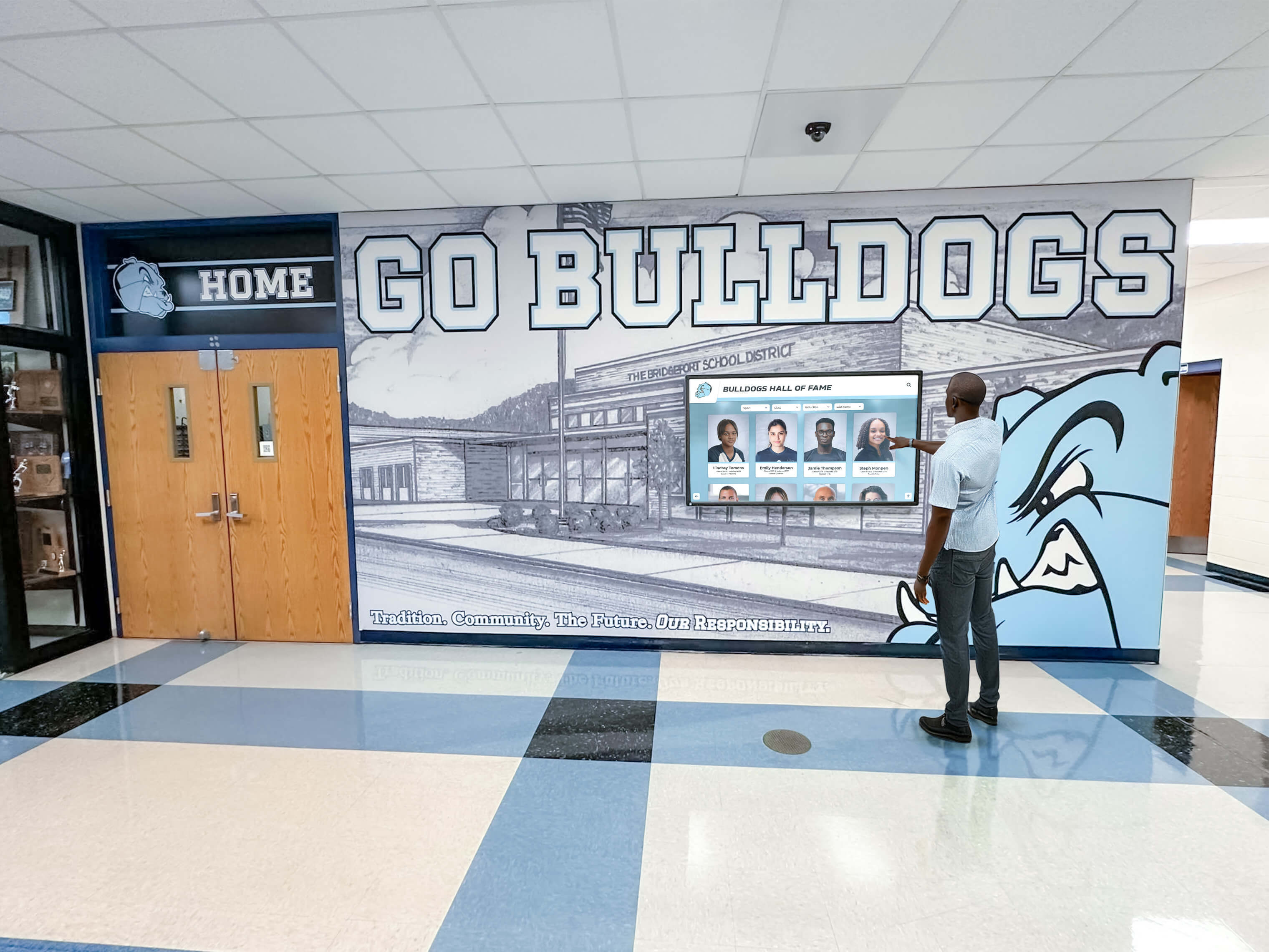
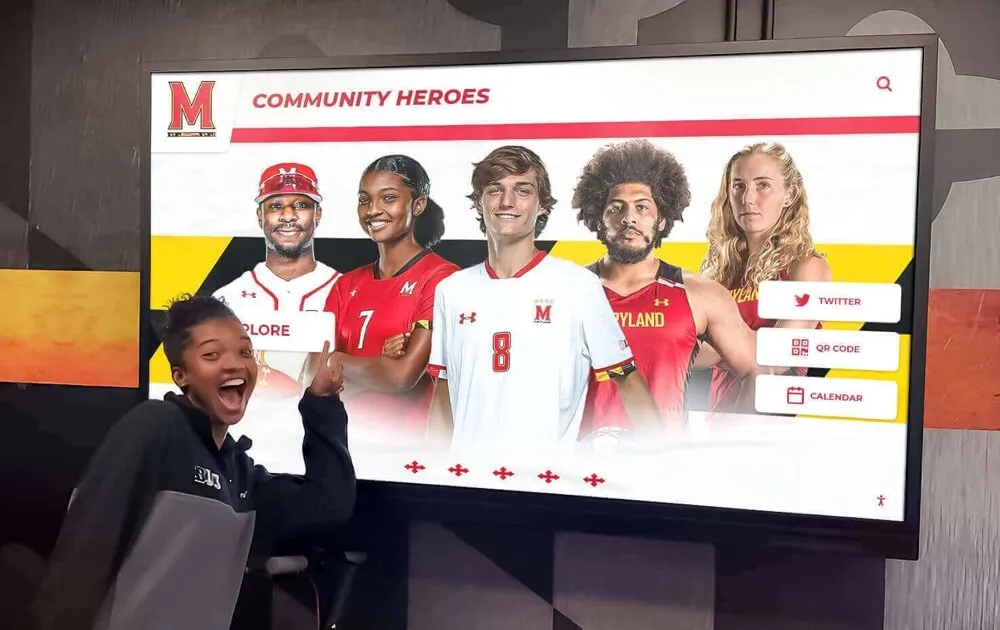
Intuitive directory interfaces help residents, families, and visitors navigate community information and connections easily
Achievement and Activity Recognition
Celebrating ongoing engagement and accomplishments validates continued purpose.
16. Activity Participation Recognition
Honor those who actively engage in community programming:
- Activity participation tracking showing engagement levels
- Perfect attendance recognition for regular participants
- New activity milestone recognition encouraging exploration
- Leadership roles in activity groups and classes
- Performance recognition from arts and music programs
- Competition participation and achievements
- Social connection metrics celebrating community building
According to gerontology research, activity participation strongly correlates with wellbeing, cognitive maintenance, and life satisfaction among seniors. Recognition reinforces engagement while encouraging others to participate more actively.
17. Educational Achievement Awards
Celebrate continued learning and skill development:
- Course completion recognition from educational programming
- Certification achievements in areas like technology or arts
- Workshop participation acknowledging learning commitment
- Teaching contributions when residents share expertise
- Book club leadership and discussion facilitation
- Language learning accomplishments
- Technology skill development recognizing digital adoption
Lifelong learning combats cognitive decline while providing purpose and achievement opportunities. Recognition validates that learning continues throughout life regardless of age.
18. Fitness and Wellness Milestones
Acknowledge health engagement and physical achievements:
- Exercise class participation and consistency
- Physical therapy progress and goal achievements
- Wellness challenge completion and team participation
- Walking program milestones (daily steps or distances)
- Strength improvement and functional gains
- Balance and fall prevention program completion
- Nutrition education participation
Physical wellness directly impacts quality of life and independence in senior populations. Recognition encourages engagement while celebrating progress that maintains function and prevents decline.
19. Creative Arts and Performance Recognition
Celebrate artistic expression and cultural contribution:
- Art show participation with displayed works
- Music performance recognition from concerts and recitals
- Theater and dramatic arts participation
- Craft program completion and skill development
- Writing program achievements including published works
- Photography competition winners and exhibitions
- Choir, band, or ensemble membership
Creative expression provides meaning, purpose, and joy while maintaining cognitive function and emotional wellbeing. Recognition validates artistic contributions while encouraging others to explore creative outlets.
Understanding academic recognition program structures provides frameworks adaptable to senior living achievement recognition contexts.
Community Builder Recognition
Acknowledging those who strengthen social fabric and culture.
20. Community Leadership and Special Contribution Awards
Honor exceptional service and significant contributions:
- Resident leadership in councils and committees
- Program creation and innovation by residents
- Mentorship of newer residents
- Conflict resolution and community harmony contribution
- Fundraising and charitable work organization
- Family engagement and intergenerational program leadership
- Special recognition for exceptional contributions
These highest honors recognize residents who go beyond participation to actively shape community culture and improve experiences for everyone, providing role models and demonstrating that leadership opportunities continue throughout life.
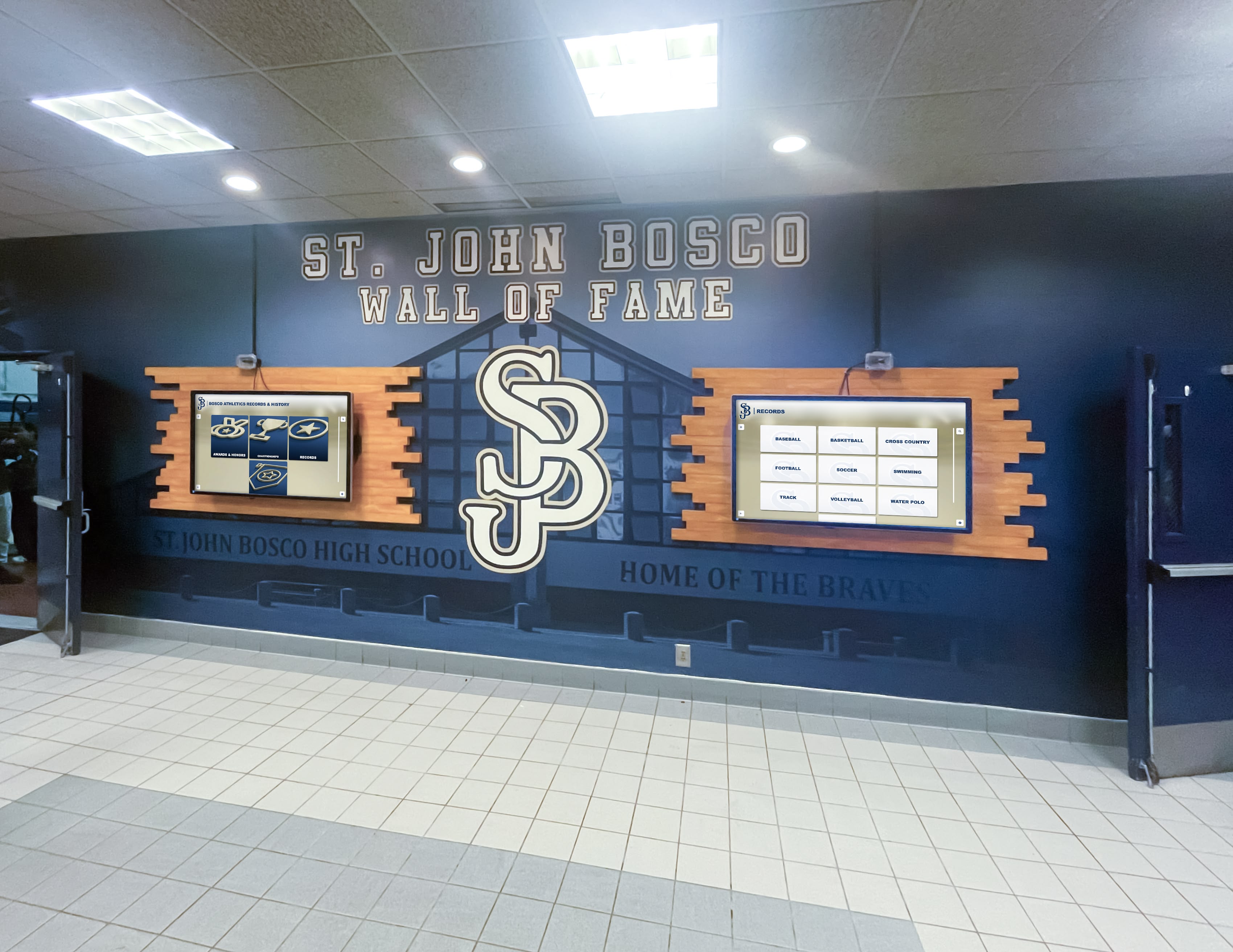
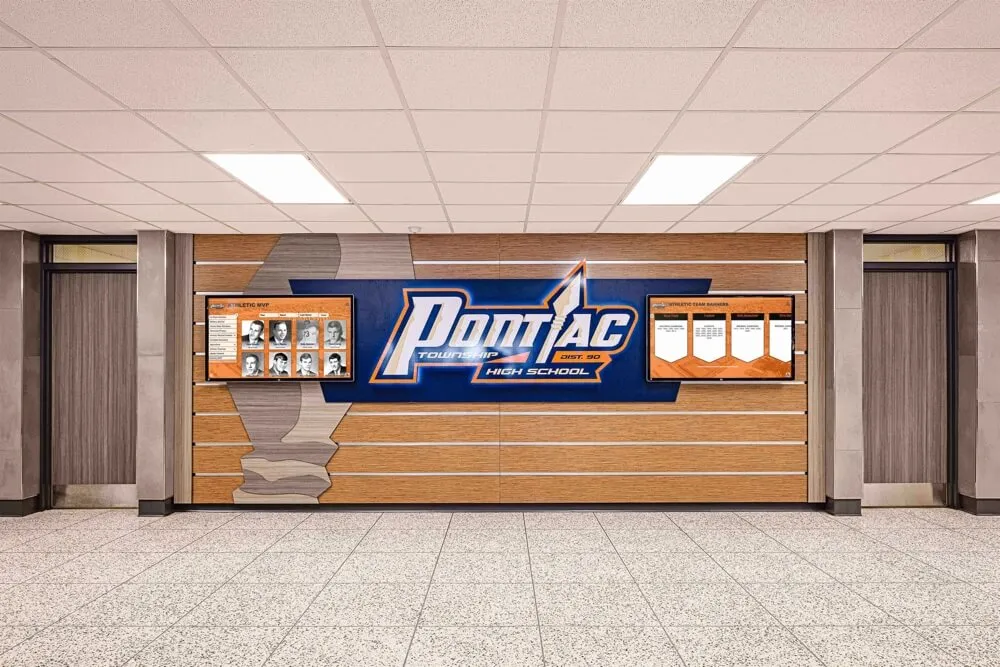
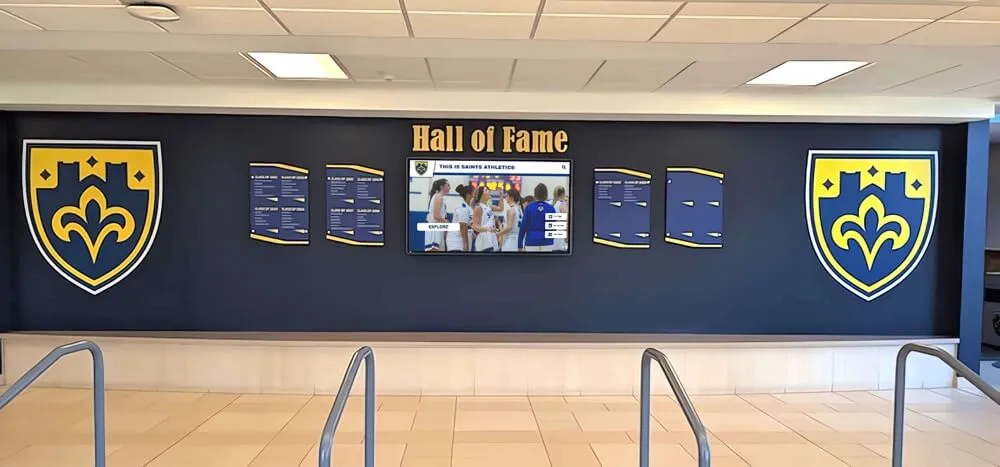
Coordinated displays throughout facilities provide comprehensive recognition while serving different functional purposes
Essential Features for Senior Living Touchscreen Recognition
Not all touchscreen systems serve senior populations effectively. Several capabilities distinguish appropriate senior living solutions from generic digital signage.
Senior-Appropriate Design and Accessibility
Age-friendly interfaces prove essential for effective recognition systems.
Large Text and High Contrast
Visual accessibility requirements for aging populations:
- Minimum 18-20pt text sizes for body content
- 24-36pt text sizes for headings and key information
- High contrast ratios (4.5:1 minimum) between text and backgrounds
- Sans-serif fonts like Arial or Helvetica providing clear letterforms
- Line spacing preventing text from appearing crowded
- Avoidance of all-caps text which proves harder to read
- Color choices considering common age-related vision changes
According to vision research, approximately 90% of adults over 65 experience some vision decline, making appropriate typography and contrast non-negotiable rather than optional refinements for senior-focused systems.
Simple, Clear Navigation
Cognitive accessibility requirements:
- Maximum three levels deep in navigation hierarchy
- Consistent button placement and behavior across all screens
- Clear “home” and “back” buttons always visible
- Icon-based navigation supplementing text labels
- Descriptive menu labels avoiding technical jargon
- Touch targets minimum 44x44 pixels accommodating limited dexterity
- Minimal scrolling with key information visible without navigation
Research on technology adoption among older adults demonstrates that navigation complexity represents the primary barrier to usage, with systems requiring more than three taps to reach information experiencing 60-80% lower adoption compared to simpler structures.
Memory Care Appropriate Options
Dementia-friendly features for cognitive impairment:
- Single-function displays avoiding overwhelming information density
- Familiar visual metaphors (calendars, clocks) providing orientation
- Staff-controlled content preventing resident frustration with complex interaction
- Calming color palettes reducing agitation
- Photo-based navigation using recognizable imagery rather than text
- Large, simple buttons minimizing confusion
- Optional simpler interfaces for memory care units
Memory care populations require specialized approaches ensuring displays provide helpful information without creating confusion or anxiety among residents who may not understand interactive technology.
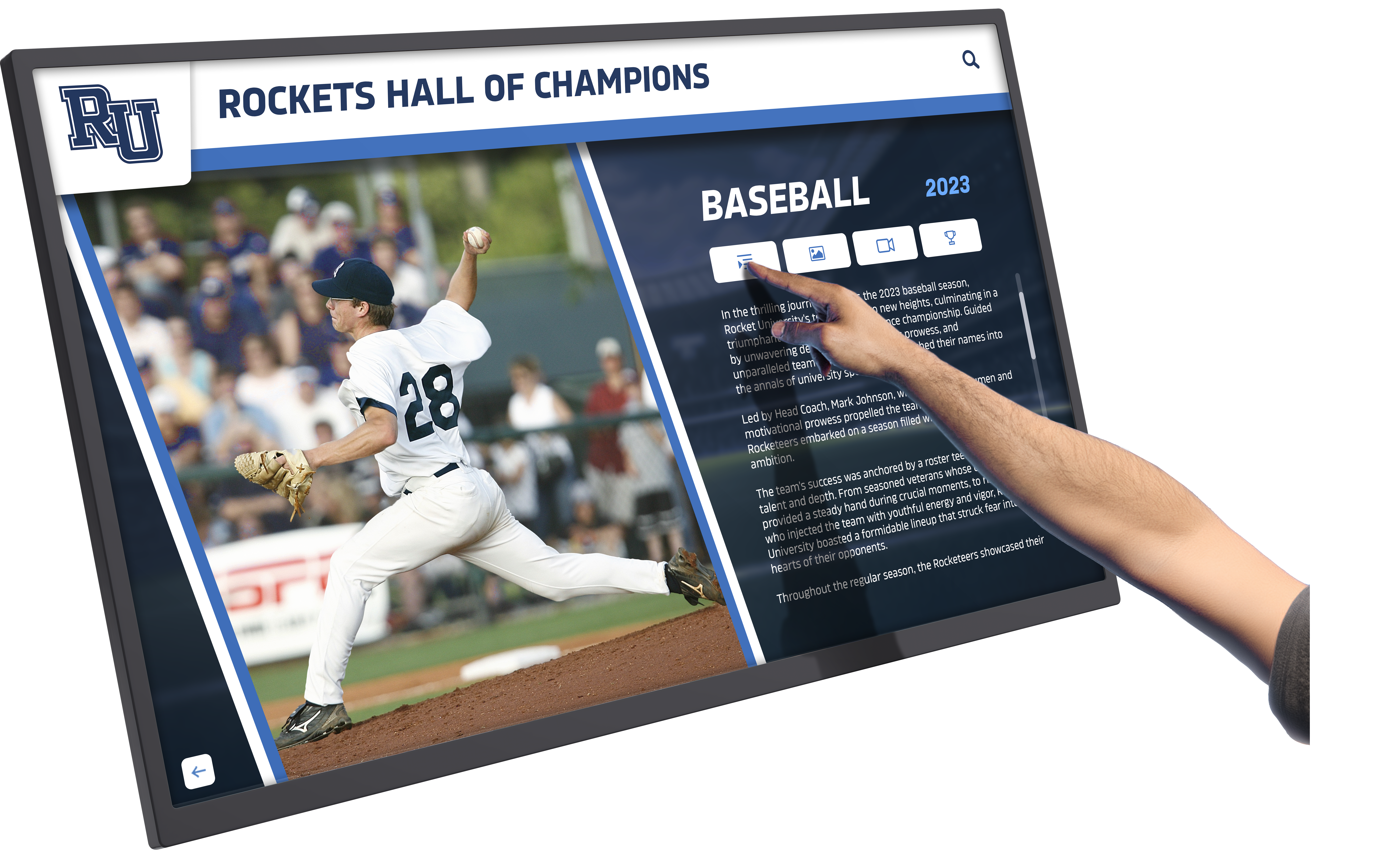
Responsive touchscreens with large text and simple interfaces ensure accessibility across varying ability levels
Privacy and Dignity Protection
Healthcare settings require careful information handling.
Resident Privacy Controls
Appropriate information protection:
- Opt-in rather than automatic inclusion in directories and recognition
- Easy opt-out procedures respecting changing preferences
- Limited personal information display protecting resident identities
- Health information exclusion maintaining HIPAA compliance
- Family contact restrictions per resident preferences
- Photo usage permissions with clear consent processes
- Regular permission reconfirmation as circumstances change
Healthcare facilities face strict privacy requirements and ethical obligations to protect vulnerable populations, making systematic permission management essential rather than optional.
Sensitive Content Handling
Appropriate presentation of difficult topics:
- Memorial content balancing remembrance with sensitivity
- Cognitive decline accommodation in activity recognition
- Physical limitation sensitivity in wellness recognition
- Financial privacy in donor or contribution recognition
- Family situation discretion avoiding assumptions
- Cultural sensitivity respecting diverse backgrounds and beliefs
- Staff training on privacy and dignity requirements
Quality senior living maintains dignity across all circumstances, requiring thoughtful content policies that recognize achievements and contributions without inadvertently highlighting limitations or losses that residents may find painful.
Remote Family Access and Web Integration
Modern families expect transparency and connection beyond physical visits.
Web Portal Extensions
Online access amplifying recognition reach:
- Web-accessible versions of all recognition content
- Mobile-responsive design working on smartphones and tablets
- Search functionality finding specific residents or categories
- Direct links to specific recognition enabling sharing
- Photo download allowing families to save personal images
- Social media integration when appropriate and permitted
- Email notifications alerting families to new recognitions
According to senior living industry research, facilities implementing family web portals experience 40-60% higher family satisfaction scores and 20-30% more frequent communication compared to facilities relying solely on on-site information access during visits.
Update Notification Systems
Proactive family communication:
- Email alerts when residents receive recognition
- Text message options for mobile communication
- RSS feeds enabling automated updates
- Social media posting with permissions
- Newsletter integration including recognition content
- Family portal dashboards showing recent recognitions
- Customizable notification preferences per family
These notification capabilities ensure families remain aware of parents’ or relatives’ activities, achievements, and recognitions even when distance prevents frequent visits, maintaining connection and involvement that supports resident wellbeing.
Comprehensive understanding of digital recognition wall implementation provides frameworks applicable to senior living recognition contexts.
Implementation Strategy for Senior Living Recognition Displays
Successful deployment requires thoughtful planning addressing technical, operational, and cultural factors unique to senior living environments.
Planning Your Recognition Display Program
Strategic groundwork prevents common pitfalls while ensuring systems serve community values.
Needs Assessment and Goal Definition
Clear objectives guide all decisions:
- Which community values deserve primary recognition emphasis?
- What governance transparency improvements would benefit residents most?
- How will recognition impact resident dignity and wellbeing?
- Which committees and organizations require visibility?
- What memorial and legacy functions matter to community culture?
- How will families benefit from recognition visibility?
- What staff capacity exists for content management and updates?
Facilities implementing displays without clear goals frequently discover underutilization or misalignment with actual needs, creating expensive investments that fail to deliver expected value or community impact.
Stakeholder Engagement and Input
Collaborative planning builds support and ensures relevance:
- Resident council involvement defining governance recognition priorities
- Committee chairs identifying recognition needs for their areas
- Family council input on content valuable to families
- Activities director perspective on programming recognition
- Executive director vision for community identity and culture
- Marketing input on family recruitment and satisfaction
- IT staff evaluation of infrastructure and support requirements
According to organizational change research, technology implementations involving diverse stakeholders in planning achieve 60-80% higher adoption and satisfaction compared to top-down initiatives lacking front-line input during design phases.
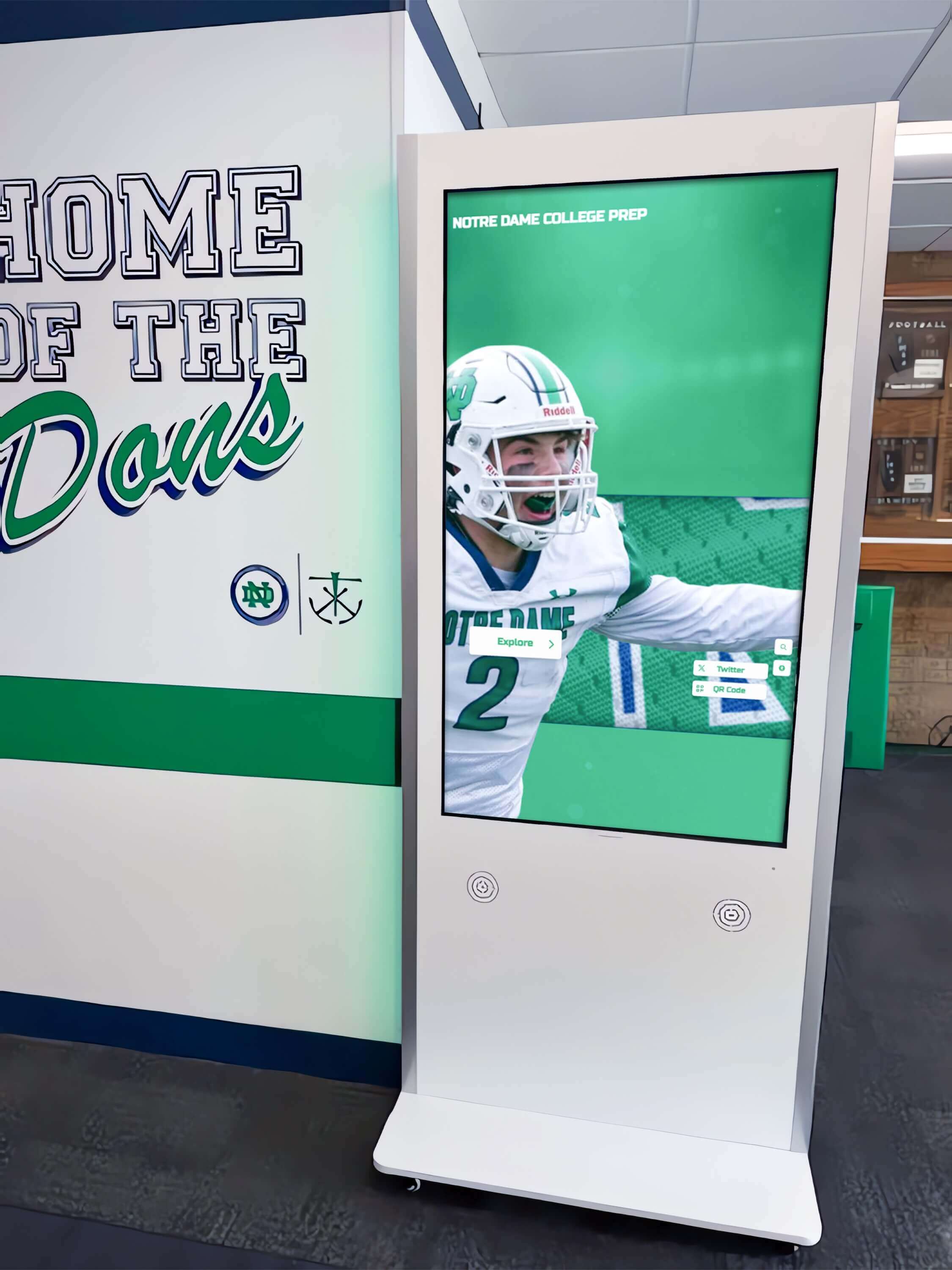
Professional installations integrate displays with facility architecture while ensuring accessibility and prominence
Location and Quantity Planning
Strategic placement affects recognition impact and utilization:
- Main entrance locations welcoming residents, families, and visitors
- Dining room areas where residents naturally gather daily
- Activity center locations contextualizing program participation
- Memory care unit entrances with appropriate content and interfaces
- Assisted living common areas serving different resident populations
- Multiple displays for large campus-style communities
- Private meeting spaces for governance and committee content
Research on digital display effectiveness demonstrates that placement in high-traffic, high-dwell areas generates 400-600% more interaction compared to peripheral locations, making thoughtful site selection essential for maximizing recognition value and community impact.
Content Development and Management Processes
Meaningful recognition requires comprehensive, well-organized content and sustainable update workflows.
Initial Content Development
Launch with sufficient depth demonstrating value:
- Complete directory information for current residents and staff
- All active committee rosters with member backgrounds
- Historical memorial content preserving institutional memory
- Recent activity participation and achievement recognition
- Upcoming programming calendar showing recognition opportunities
- Governance information including council composition and meeting schedules
- Staff recognition highlighting long-term employees and recent awards
Phased content development enables launching with core recognition while systematically adding depth over subsequent weeks, building sustainable systems rather than overwhelming launch preparations or delaying implementation waiting for complete content.
Sustainable Update Workflows
Realistic processes ensuring currency:
- Weekly committee and governance updates reflecting meetings and decisions
- Daily or weekly neighbor recognition rotations keeping content fresh
- Monthly birthday and anniversary updates in advance of celebrations
- Quarterly achievement recognition cycles acknowledging ongoing contributions
- Memorial updates within 24-48 hours of resident passing
- Annual directory reviews ensuring accuracy of contact information
- Template-based content reducing creation time and ensuring consistency
Facilities implementing clear update responsibilities with distributed content management sustain accuracy and freshness far more successfully than those expecting single administrators to maintain all content without systematic processes and collaborative support.
Privacy Permission Management
Systematic consent procedures:
- Written authorization for photo and name usage during admission
- Regular permission reconfirmation at annual reviews
- Easy opt-out processes clearly communicated to residents and families
- Memory care special considerations for legal guardian permissions
- Staff training on privacy requirements and permission verification
- Documentation systems tracking consent status for all residents
- Cultural sensitivity respecting diverse privacy expectations
Healthcare settings require heightened privacy awareness, making systematic permission management essential rather than optional for compliant, respectful technology implementation that maintains trust and dignity.
Understanding memorial wall design approaches provides frameworks for sensitive content presentation in senior living memorial contexts.
Technology Selection for Senior Living Recognition
Choosing appropriate systems ensures recognition displays serve community needs effectively and sustainably.
Hardware Considerations for Senior Environments
Physical equipment must accommodate senior living requirements.
Display Size and Mounting
Visibility requirements for aging populations:
- 43-55 inch displays for directory and wayfinding applications
- 55-65 inch displays for recognition galleries and photo content
- 32-43 inch displays for room-level or unit-specific recognition
- Portrait orientation often better for directory and list content
- Landscape orientation preferred for photo galleries and video
- Wall-mounted installations at ADA-compliant heights (48 inches maximum for touch controls)
- Freestanding kiosks providing stability and prominent visibility
Commercial-Grade Specifications
Durability requirements for continuous operation:
- 24/7 operation rating ensuring reliability for constant use
- 50,000-100,000 hour lifespans translating to 6-10+ years of service
- Capacitive touchscreens providing responsive, accurate interaction
- Anti-glare coatings reducing reflections in bright common areas
- Vandal-resistant construction appropriate for public spaces
- Antimicrobial surface treatments supporting infection control
- Easy-to-clean smooth surfaces enabling frequent disinfection
Consumer-grade displays lack durability for senior living applications, typically failing within 12-24 months under continuous operation. Commercial specifications ensure longevity that justifies technology investment and prevents frequent replacement disruptions.
Infection Control Features
Healthcare environment requirements:
- Antimicrobial coatings on touchscreen surfaces
- Smooth, seamless construction avoiding bacteria-harboring crevices
- Chemical resistance to harsh disinfectants used in healthcare
- Easy cleaning surfaces supporting frequent sanitation protocols
- Optional contactless interaction using QR codes or motion sensing
- Hand sanitizer placement adjacent to touchscreen locations
- Regular cleaning schedules as part of facility sanitation programs
According to infection control studies, high-touch surfaces in senior living facilities require either antimicrobial treatments or frequent disinfection to minimize disease transmission among immunocompromised populations.
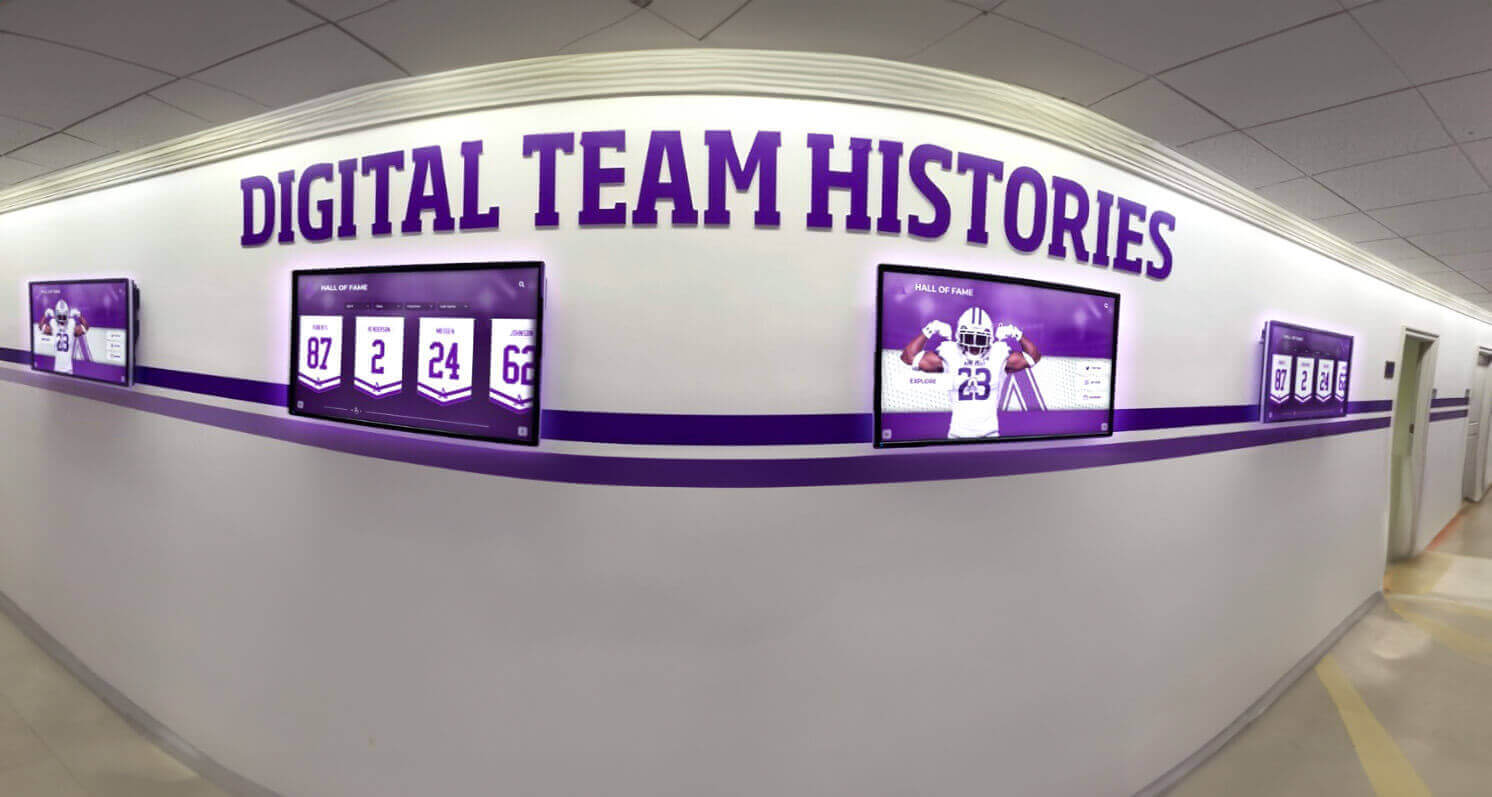
Strategic placement of multiple displays ensures comprehensive recognition reaches residents wherever they spend time
Software Platform Requirements
Purpose-built recognition software delivers better results than generic digital signage.
Essential Management Capabilities
Quality platforms provide:
- Intuitive content management requiring no technical expertise
- Template systems ensuring consistent professional presentation
- Media libraries organizing photos, videos, and biographical content
- Permission tracking documenting consent for all residents
- Multi-display coordination managing content across locations
- Scheduled publishing enabling time-based content rotation
- Preview functionality showing changes before publication
- Role-based permissions granting appropriate staff access levels
Solutions like Rocket Alumni Solutions provide comprehensive platforms adaptable for senior living recognition applications, combining intuitive content management with recognition and engagement features that support community building while enabling efficient administration that busy facility staff can sustain long-term without dedicated technical resources.
Senior Living Specific Features
Specialized capabilities for care environments:
- Memorial content management with appropriate sensitivity
- Committee and governance display templates
- Directory functionality with privacy controls
- Activity participation tracking and recognition
- Birthday and anniversary automation
- Family portal integration for remote access
- HIPAA-compliant data handling and security
- Multi-level care coordination across different facility units
Generic digital signage platforms lack these specialized features, requiring significant customization or compromising on functionality important for senior living recognition programs.
Comprehensive digital signage content strategies provide frameworks applicable to senior living recognition display management.
Measuring Success and Return on Investment
Assessment ensures recognition displays achieve intended goals while justifying continued investment.
Community Impact Metrics
Quantifying recognition program effectiveness:
Resident Satisfaction Indicators
- Recognition satisfaction scores in resident surveys
- Governance transparency perception improvements
- Sense of belonging and community connection measures
- Dignity and identity preservation feedback
- Activity participation rate changes after recognition
- Family satisfaction with communication and transparency
- Resident referral and recommendation improvements
Facilities implementing comprehensive recognition programs report 25-40% improvement in resident satisfaction scores related to community culture, dignity, and belonging, demonstrating measurable impact on perceived quality of life even when care delivery remains constant.
Governance and Participation Outcomes
- Committee volunteer applications and participation
- Resident council election participation rates
- Meeting attendance for governance bodies
- Resident voice and input frequency
- Policy awareness and understanding improvements
- Community decision-making satisfaction
- Leadership role applications and competition
These metrics demonstrate whether recognition successfully reinforces governance participation and resident voice or requires adjustment to achieve democratic engagement goals central to person-centered care philosophies.
Family Engagement Improvements
- Family portal adoption rates and usage frequency
- Visit frequency changes after recognition implementation
- Family event attendance patterns
- Remote information access metrics
- Communication satisfaction scores
- Referral rates from satisfied families
- Social media engagement with recognition content
According to senior living industry research, facilities implementing comprehensive family engagement platforms including recognition content experience 30-50% improvement in family satisfaction scores and 15-25% higher referral rates, demonstrating measurable marketing and reputation value beyond direct resident impact.
Operational Efficiency Benefits
Recognition systems deliver operational value beyond community culture:
Administrative Time Savings
- Reduced phone inquiries about committees, governance, and contacts
- Automated birthday and anniversary recognition replacing manual processes
- Directory maintenance efficiency improvements
- Memorial coordination streamlining during difficult periods
- New resident integration efficiency improvements
- Committee communication simplification
Facilities implementing comprehensive recognition systems report 10-20 hours weekly time savings in administrative functions related to directory management, governance communication, and recognition coordination, representing $15,000-$30,000 annual labor value at typical facilities.
Marketing and Occupancy Impact
- Prospective resident and family tour impressions
- Technology differentiation in competitive markets
- Positive online review mentions of recognition and culture
- Family referral rates from satisfaction
- Staff retention from improved culture
- Premium pricing justification through culture excellence
Quality recognition programs contribute to comprehensive community culture that attracts residents, satisfies families, and supports premium pricing by demonstrating commitment to dignity, governance, and person-centered care that distinguishes exceptional facilities from institutional competitors.
Understanding digital donor wall investment approaches provides frameworks for demonstrating recognition program value applicable to senior living contexts.
Best Practices for Senior Living Recognition Programs
Implementing strategies proven across successful senior communities helps maximize recognition impact and community benefits.
Content Quality and Dignity Standards
Recognition approaches must honor residents appropriately.
Biographical Depth and Personalization
Meaningful recognition requires substantive content:
- Comprehensive biographies capturing significant life details
- Career accomplishments with specific achievements and contributions
- Family heritage and multi-generational connections
- Community involvement and volunteer service
- Personal interests, hobbies, and passions
- Wisdom and perspectives they choose to share
- Photos throughout life showing personality and journey
Research on person-centered care demonstrates that detailed personalization communicates dignity and respect while providing fascinating content that engages residents, families, and visitors—creating recognition displays people actually want to explore rather than perfunctory listings that feel bureaucratic.
Inclusive Recognition Philosophy
Ensuring diverse contributions receive acknowledgment:
- Recognition opportunities for all residents regardless of ability level
- Accommodation for cognitive impairment in memory care populations
- Cultural sensitivity respecting diverse backgrounds and traditions
- Gender, racial, and ethnic diversity visible throughout recognition
- Socioeconomic diversity avoiding assumption that only certain backgrounds matter
- Varied achievement types from academic to athletic to artistic to service
- Current contribution emphasis alongside historical accomplishments
Quality communities create cultures where everyone feels valued, requiring conscious attention to recognition diversity that reflects actual community composition and avoids inadvertently suggesting that only certain types of people or accomplishments deserve acknowledgment.
Honest and Authentic Presentation
Maintaining credibility through accuracy:
- Factual information verified through multiple sources
- Permission verification for all personal information
- Appropriate language avoiding condescension or infantilization
- Honest memorial content celebrating lives without false perfection
- Real photos and stories rather than generic stock content
- Current information reflecting actual circumstances
- Error correction processes maintaining accuracy and trust
Residents and families quickly identify superficial or inaccurate recognition, undermining credibility and defeating recognition purposes. Quality programs prioritize authenticity over polish when necessary to maintain trust.
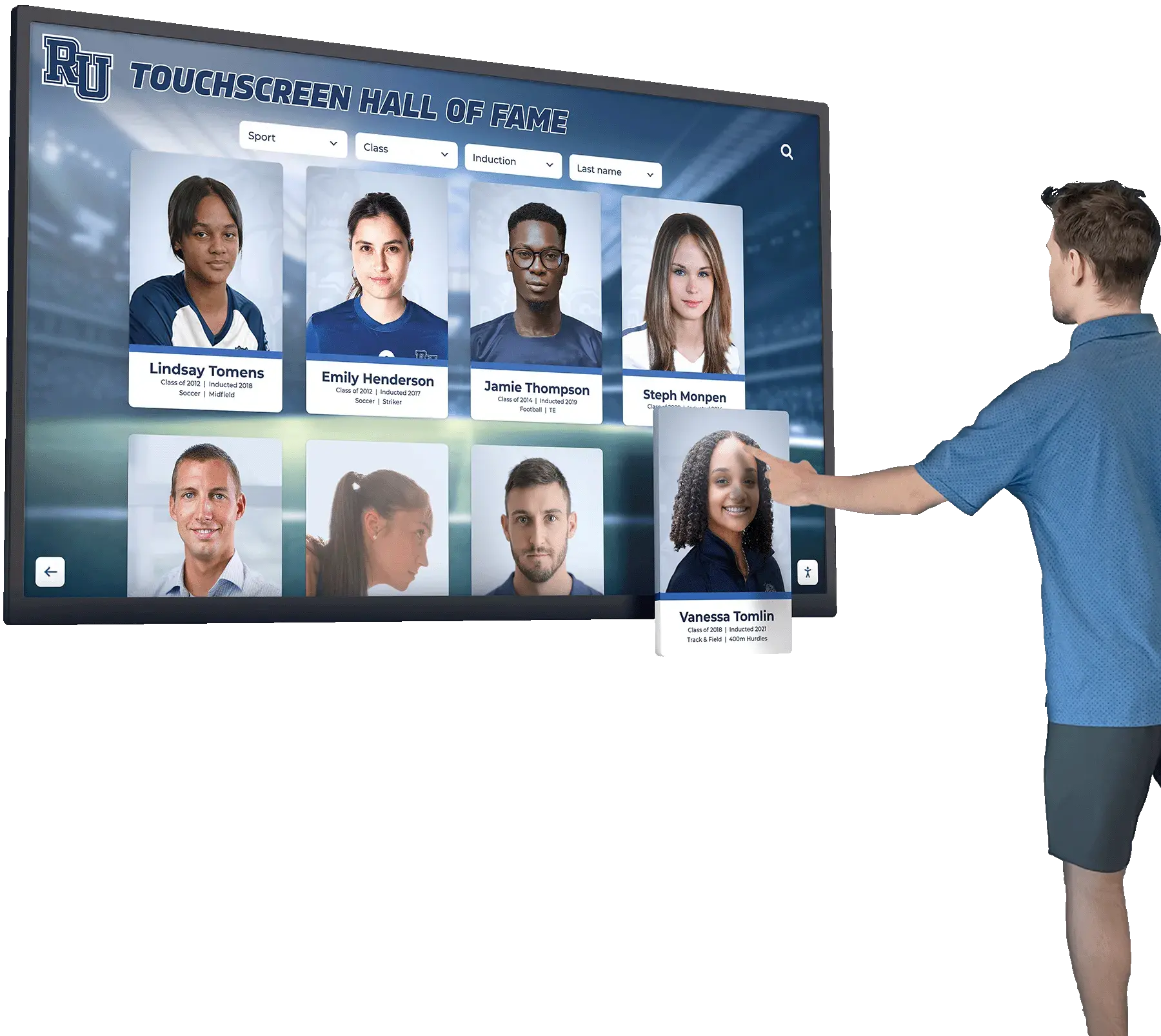
Intuitive interfaces enable residents of varying abilities to explore recognition content comfortably and independently
Sustainable Management and Continuous Improvement
Long-term success requires systematic approaches and ongoing refinement.
Distributed Content Management
Spreading responsibility ensures sustainability:
- Activities director managing participation recognition
- Governance liaison updating committee information
- Family coordinator managing memorial content
- Volunteer coordinator handling volunteer recognition
- Multiple staff members sharing birthday and milestone updates
- Resident volunteers contributing biography collection
- Clear responsibility matrices avoiding confusion or gaps
Single-person content management creates bottlenecks and unsustainable workload. Distributed models with clear responsibilities enable sustainable recognition programs that remain current and comprehensive without overwhelming individual staff members.
Regular Content Audits
Quality assurance processes:
- Quarterly reviews ensuring accuracy and currency
- Annual permission reconfirmation
- Biennial comprehensive content refresh
- Removal of outdated or no-longer-relevant information
- Addition of new recognition categories based on community evolution
- Technology feature utilization review identifying unused capabilities
- Resident and family feedback incorporation
These systematic reviews ensure recognition remains relevant, accurate, and effective rather than slowly degrading into outdated content that residents and families ignore.
Continuous Learning and Adaptation
Evolution based on experience:
- Usage analytics showing which recognition residents engage with most
- Satisfaction surveys identifying gaps or improvement opportunities
- Best practice sharing across communities for multi-facility organizations
- Technology updates providing new capabilities over time
- Staff training ensuring proficiency with management tools
- Vendor relationship maintenance accessing support and guidance
- Industry conference participation learning from other communities
Organizations committed to excellence view recognition programs as continuously improving rather than static implementations, using data and feedback to refine approaches based on actual community response and needs.
Understanding academic recognition program evolution provides frameworks for ongoing program refinement applicable to senior living contexts.
Conclusion: Building Dignity and Community Through Recognition
Senior living touchscreen awards and recognition programs represent meaningful technology enhancing dignity, preserving identity, facilitating governance, honoring memories, and building community belonging in assisted living facilities, retirement communities, and senior care environments. When facilities thoughtfully evaluate applications, implement senior-appropriate systems, develop comprehensive content, and manage recognition strategically, touchscreen displays transform from interesting possibilities to essential infrastructure delivering measurable value to residents, families, and community culture.
The 20 recognition ideas and implementation considerations explored throughout this guide provide frameworks for creating comprehensive programs serving senior living values effectively. From governance transparency and committee recognition to neighbor celebrations and memorial tributes, each application contributes to community culture where residents feel valued, families stay connected, and dignity flourishes throughout the aging journey.
Ready to explore how touchscreen recognition can enhance dignity and community at your senior living facility? Modern solutions help communities honor residents, facilitate governance, preserve memories, and build belonging that distinguishes exceptional care environments from institutional facilities. Whether implementing recognition displays for the first time or enhancing existing programs, success depends on clear value definition, appropriate technology selection aligned with senior needs, comprehensive content serving residents and families, and sustainable processes ensuring continued relevance and impact. Explore solutions designed to celebrate community members while supporting the person-centered care that defines quality senior living.
Your residents deserve environments that honor their identity, celebrate their contributions, preserve their legacies, and recognize their ongoing participation in community life. With thoughtful evaluation, appropriate technology selection, comprehensive content development, and sustained management, you can implement recognition programs that enhance satisfaction, strengthen culture, and position your facility as a community-focused environment where residents thrive with dignity throughout their senior years.
The most important consideration is not selecting the most sophisticated technology or implementing every possible feature—it is choosing solutions aligned with your community’s specific values, sustainable within your operational capabilities, and designed to serve your actual resident and family populations effectively. Your community deserves recognition technology that enhances quality of life while creating experiences that residents, families, and staff genuinely value. Start exploring touchscreen recognition options today, and create the dignified, connected, purposeful community your residents and families deserve.