



Senior class awards displays represent one of the most meaningful ways schools celebrate graduating students, honoring achievements ranging from academic excellence and athletic accomplishments to leadership qualities and personality traits that made each senior memorable. These recognition systems create lasting tributes to student success while providing inspiration for underclassmen and building institutional traditions that connect graduating classes across generations. When implemented effectively, senior awards displays transform from simple lists into comprehensive celebrations that appropriately honor the diverse talents, dedication, and unique characteristics that define each graduating class.
Traditional senior awards recognition—limited bulletin board space forcing selective display, paper certificates that end up in boxes rather than visible celebration, or award ceremonies where recognition exists only in the moment—fails to create lasting visibility matching the significance these achievements hold for students, families, and school communities. Schools struggle to showcase all deserving seniors equitably, balance formal academic recognition with personality-based superlatives, preserve award history across multiple years, and create displays that remain fresh and engaging rather than becoming overlooked background fixtures.
This comprehensive guide explores effective senior class awards display strategies, examining award categories that honor diverse achievements, display formats that create lasting visibility, digital recognition solutions eliminating space constraints, and implementation best practices ensuring recognition systems celebrate every graduating senior appropriately while building traditions that strengthen school culture and community pride year after year.
Senior class awards serve multiple essential purposes beyond individual recognition—they motivate underclassmen by showcasing achievable excellence, strengthen graduating class bonds through shared celebration, provide families with meaningful keepsakes commemorating high school achievements, and build institutional legacy documenting each class’s unique contributions and memorable personalities that collectively form school identity and tradition.

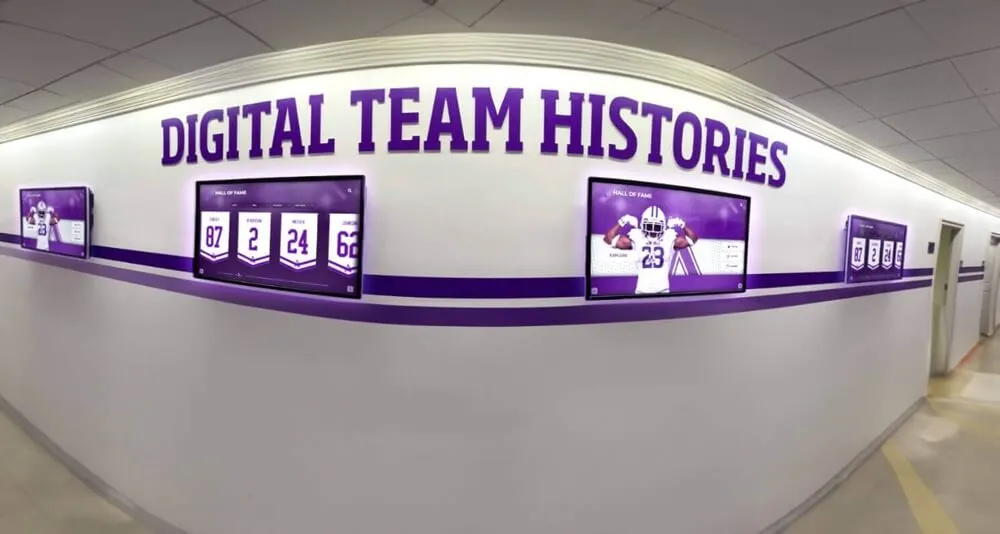
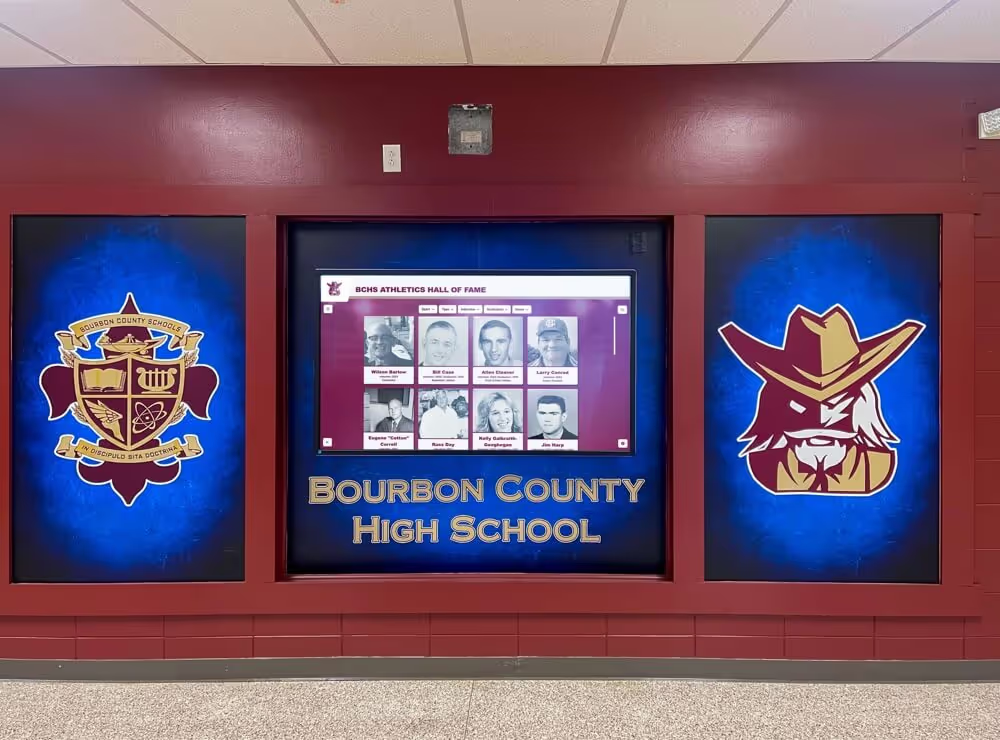
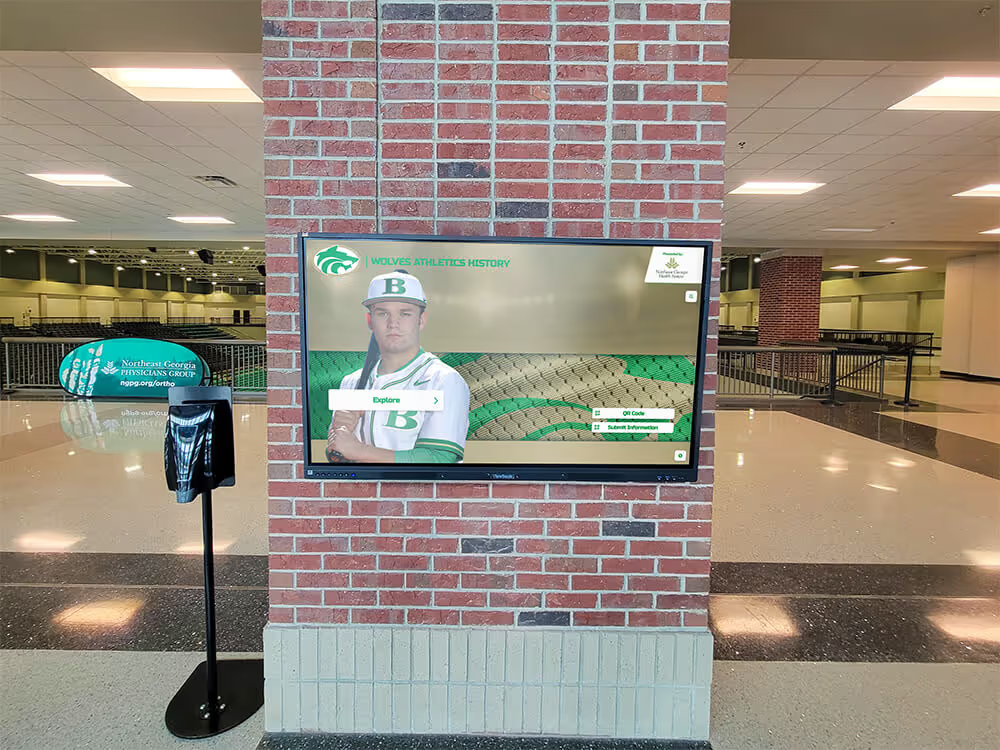
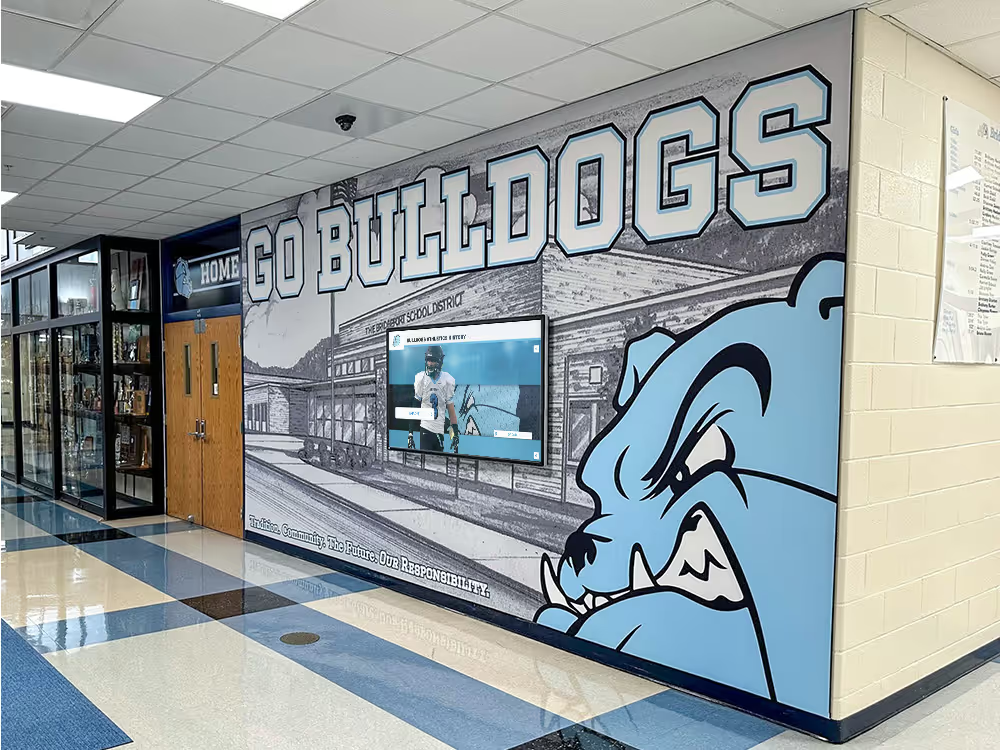
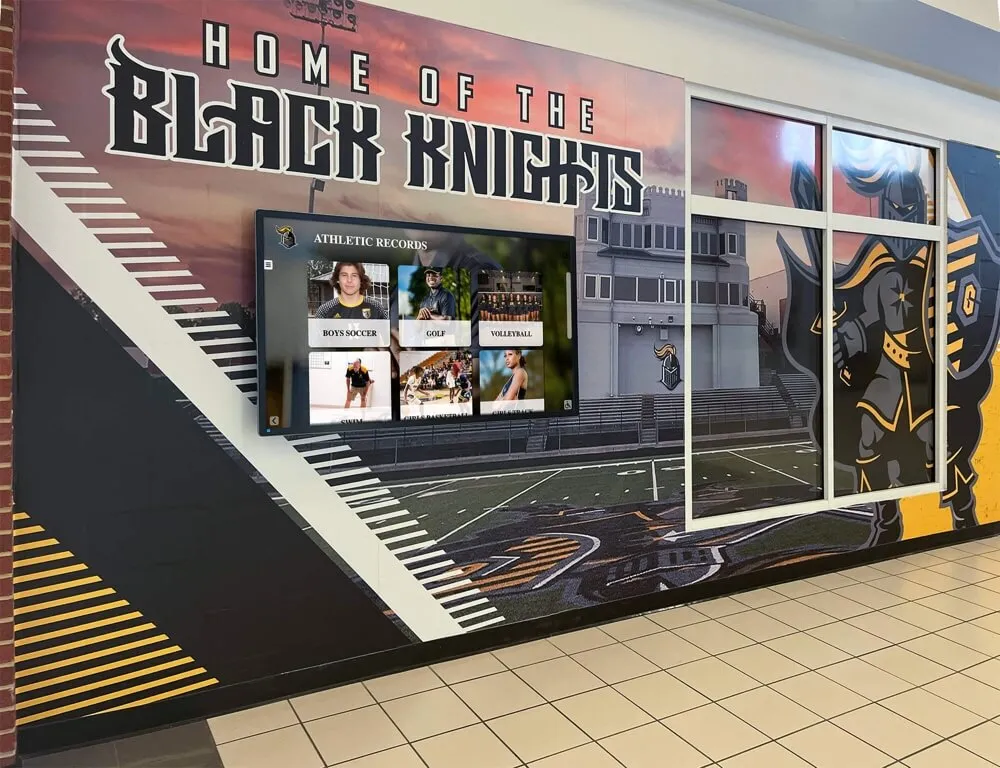
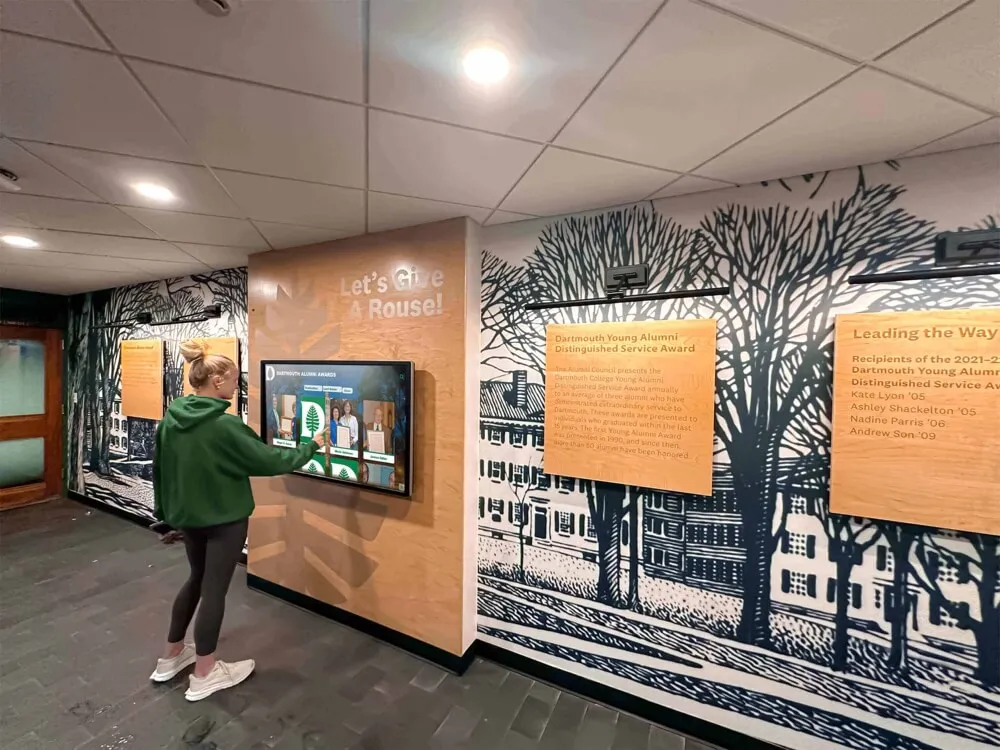
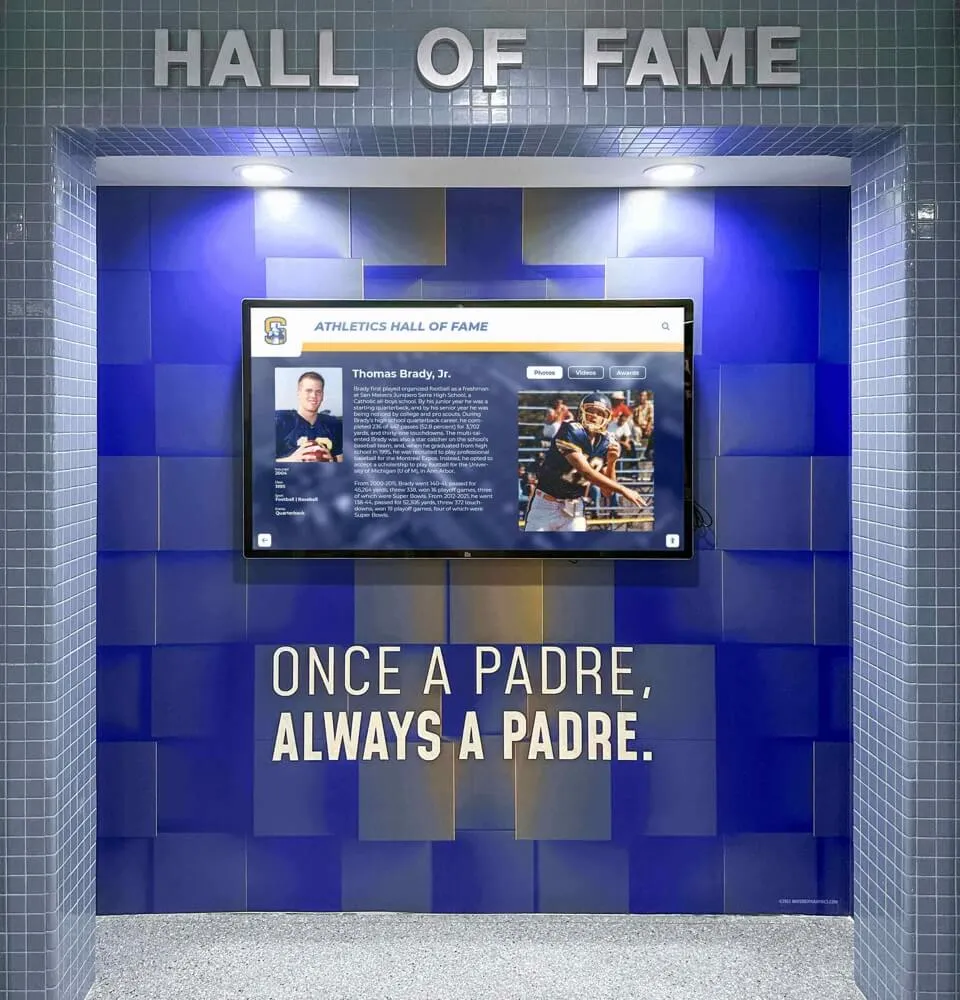
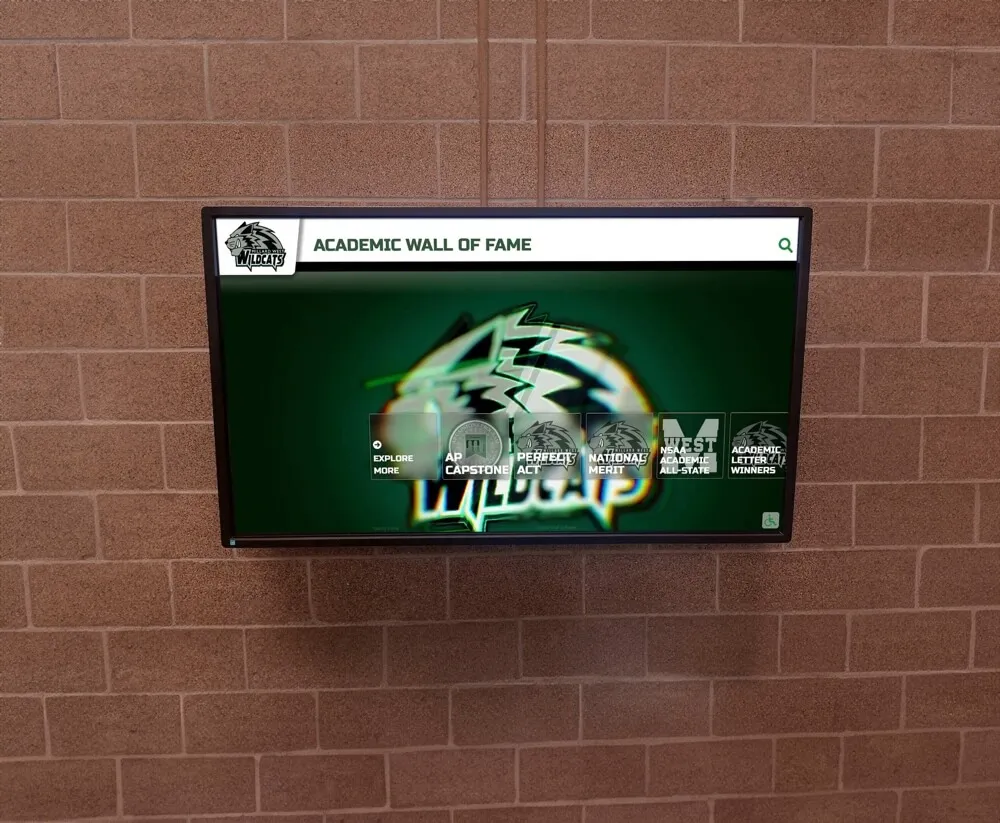
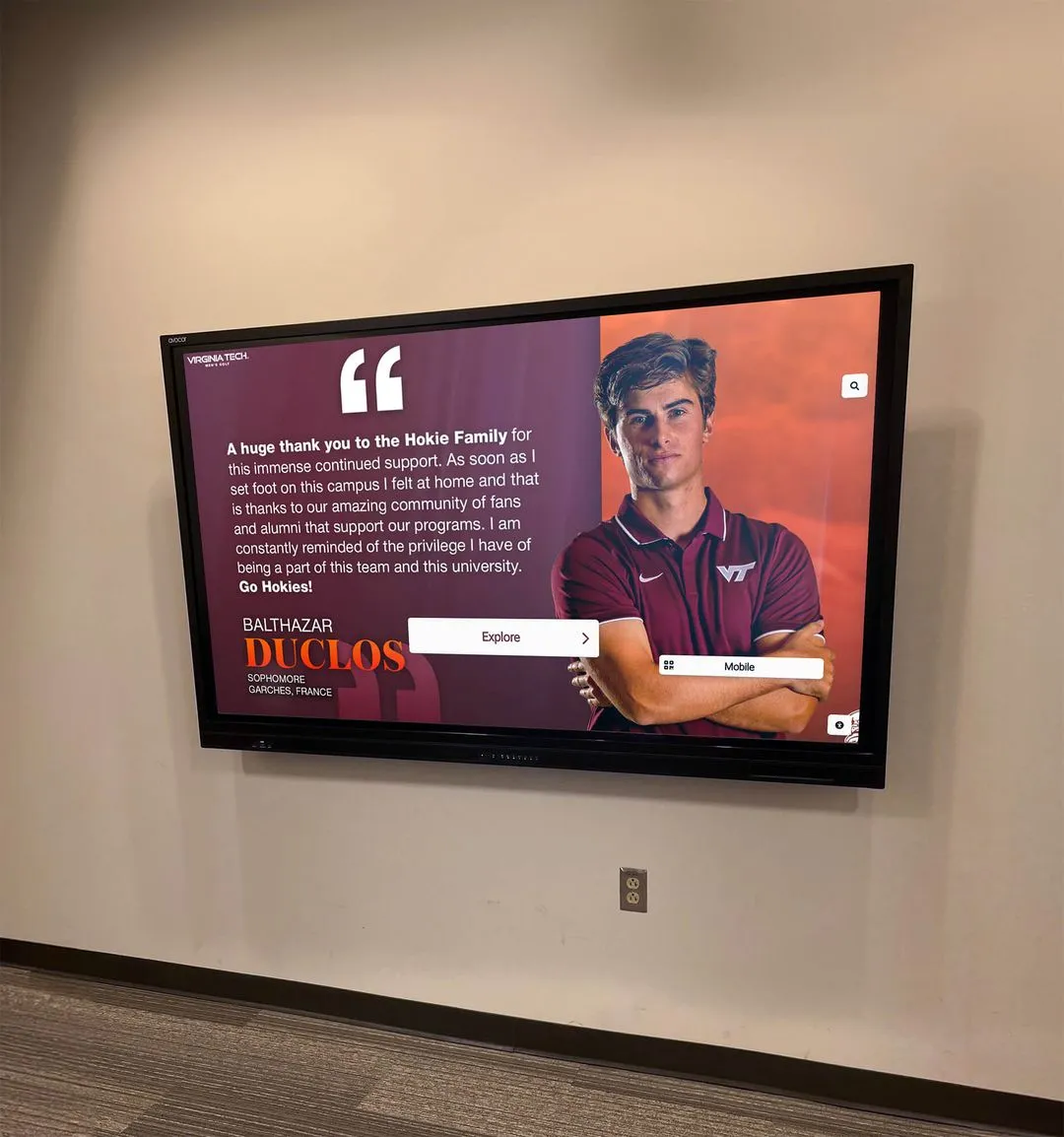
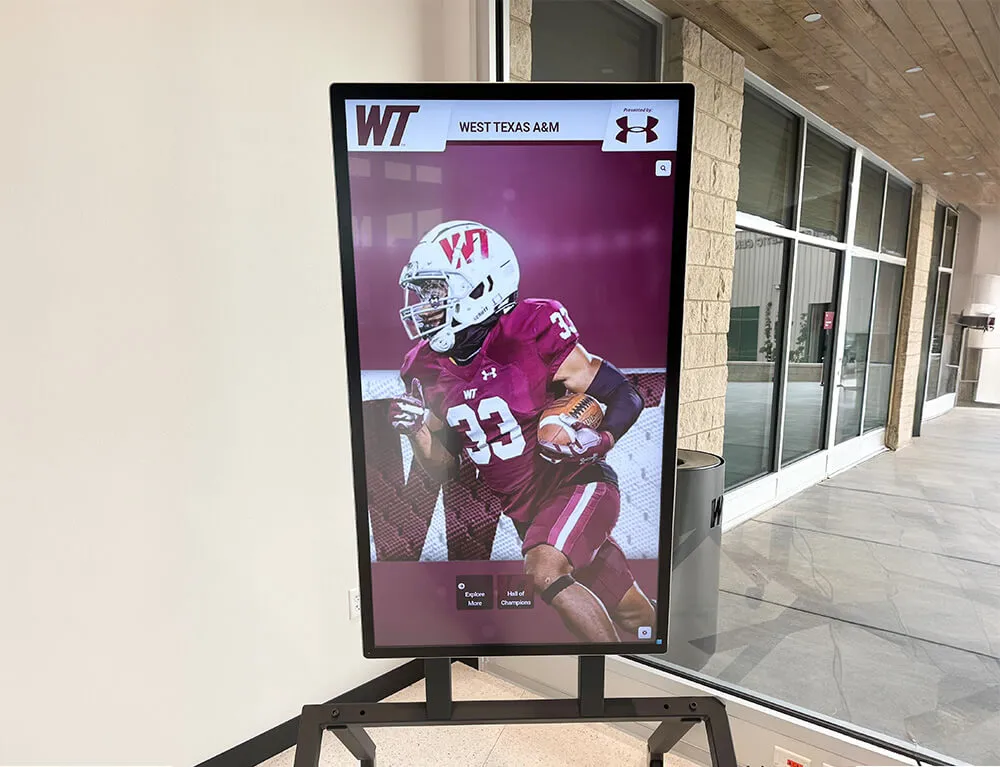
Modern digital displays create prominent, lasting celebration spaces for senior class awards that honor diverse achievements across entire graduating classes
Understanding Senior Class Awards Categories
Effective senior recognition encompasses multiple award types celebrating different dimensions of student achievement and personality, ensuring recognition opportunities exist for students representing diverse talents and contributions rather than limiting celebration to traditional high achievers exclusively.
Academic Excellence Awards
Formal academic recognition honors intellectual achievement and scholarly dedication:
Highest Achievement Recognition
The pinnacle of academic accomplishment deserves appropriate celebration:
- Valedictorian: Recognizing the student with the highest cumulative GPA throughout high school, typically calculated across all four years with weighted courses considered
- Salutatorian: Honoring the second-highest academic achiever, providing recognition for outstanding scholarship
- Honor Roll Distinction: Celebrating students maintaining consistent honor roll status across multiple semesters or years
- Perfect GPA Achievement: Special recognition for students maintaining 4.0+ GPAs throughout entire high school careers
- Academic All-State: State-level academic recognition for exceptional overall achievement
Research demonstrates that visible academic recognition creates measurable motivational impact for underclassmen, with students reporting stronger academic goal orientation when surrounded by prominent displays celebrating intellectual achievement. Schools implementing comprehensive academic recognition programs report improved achievement culture and increased advanced coursework enrollment.
Subject-Specific Excellence
Discipline-focused awards highlight particular academic strengths:
- Department awards for outstanding achievement in English, mathematics, science, social studies, world languages
- STEM excellence recognition for science, technology, engineering, and mathematics accomplishment
- Humanities distinction for exceptional literature, history, and social science achievement
- Fine arts recognition for visual arts, music, theater, and creative excellence
- Career and technical education (CTE) awards for specialized vocational program completion
Subject-specific recognition ensures students excelling in particular disciplines receive appropriate acknowledgment even when not achieving highest overall GPAs, creating multiple pathways to academic celebration that honor diverse intellectual strengths and interests.
Standardized Achievement Recognition
External assessment accomplishments deserve systematic celebration:
- National Merit recognition for PSAT/National Merit Scholarship Program achievement, including Scholars, Finalists, and Commended Students
- College Board National Recognition program awards acknowledging top-performing students through School Recognition Award, First-Generation Recognition Award, and Rural and Small-Town Recognition Award
- AP Scholar designations for Advanced Placement examination achievement across multiple exams
- Presidential Scholars recognition for distinguished graduating seniors receiving this prestigious national honor
- ACT/SAT achievement recognizing exceptional standardized test performance
According to College Board program requirements, the National Recognition Program honors approximately 60,000 students annually who demonstrate academic strength and earn scores that will make them stand out during the college admission process, making this increasingly important recognition warranting prominent display.
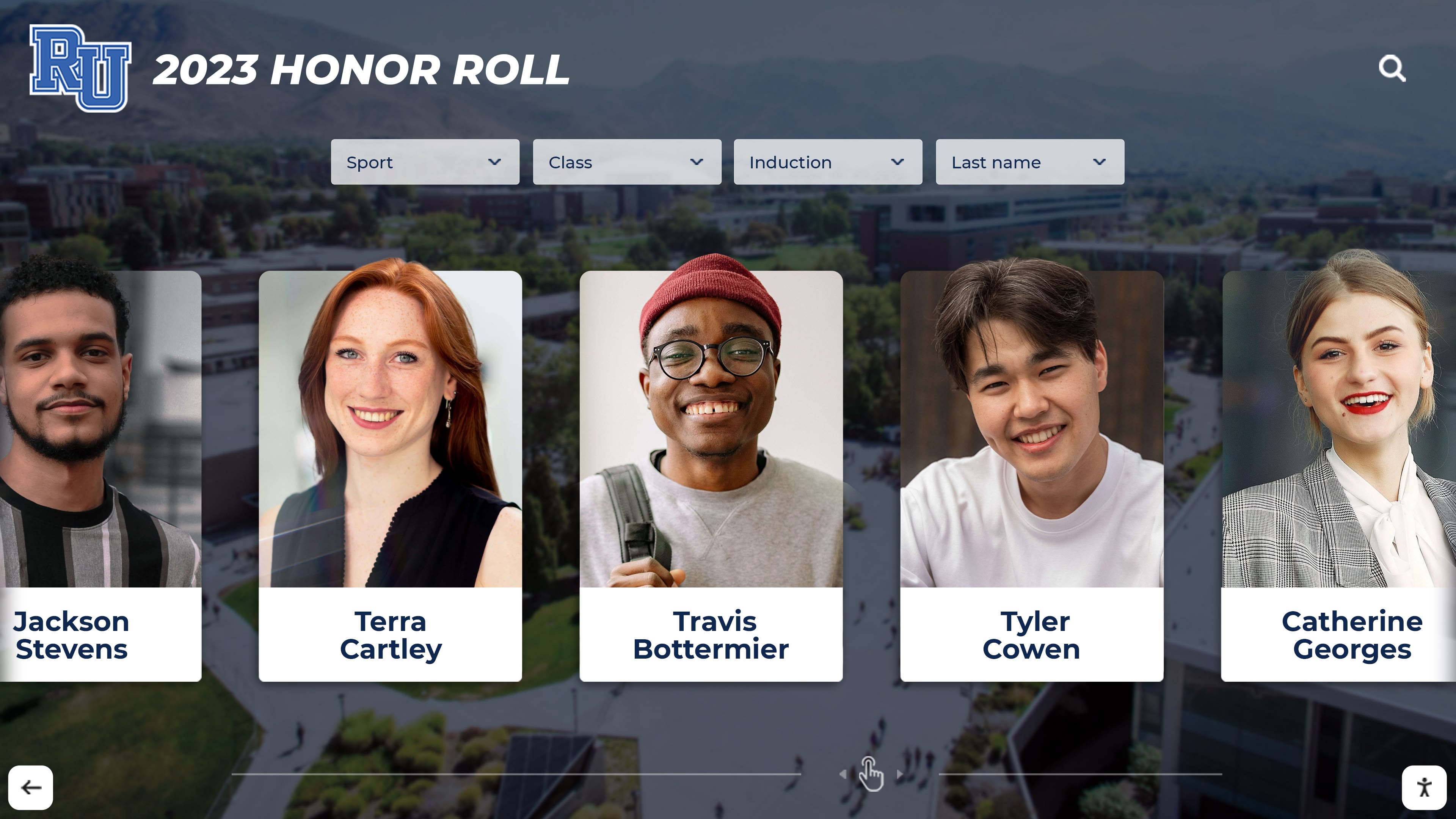
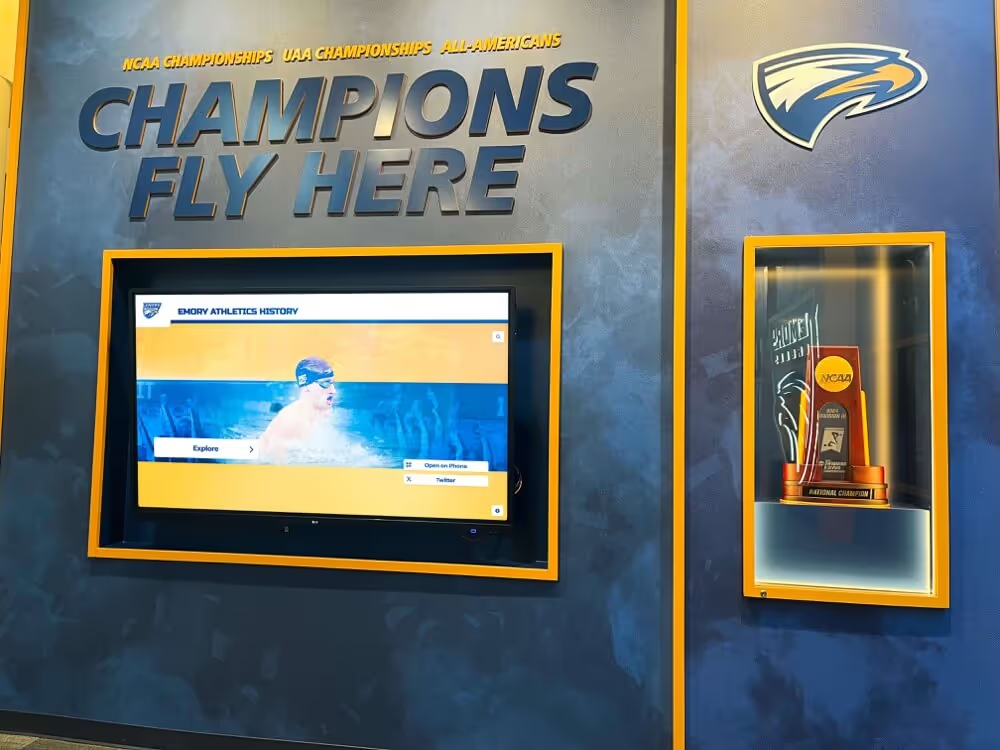
Individual achievement profiles create personalized recognition celebrating specific student accomplishments and academic journeys
Athletic and Extracurricular Recognition
Excellence extends far beyond classroom achievement:
Athletic Achievement Awards
Sports accomplishments deserve equal recognition visibility:
- All-Conference selections honoring student-athletes selected by league coaches as outstanding performers
- All-State recognition for athletes achieving state-level acknowledgment through performance and accomplishment
- Team MVPs and captains celebrating leadership and exceptional contribution to athletic programs
- Championship team members recognizing participation in conference, regional, or state championship teams
- Athletic letters and multi-sport athletes honoring sustained commitment across multiple seasons and sports
- Sportsmanship awards acknowledging character, leadership, and positive representation of school values
Schools implementing comprehensive athletic digital recognition systems report stronger athletic culture and increased sport participation as visible celebration demonstrates institutional commitment to athletic excellence comparable to academic achievement.
Performing Arts Excellence
Artistic talent and dedication warrant systematic recognition:
- All-State music selections for choir, band, and orchestra recognition
- Theater and drama awards for outstanding performances and theatrical contribution
- Visual arts competition achievements and exhibition selections
- Solo and ensemble recognition for individual musical excellence
- Thespian society honors acknowledging theatrical achievement and contribution
- Art show selections and competition placements at regional and state levels
Comprehensive recognition ensuring performing arts achievements receive prominence equal to athletic and academic accomplishments creates balanced school cultures valuing diverse excellence forms.
Leadership and Service Recognition
Character-based achievements reflect values schools seek to cultivate:
- Student government positions including student body presidents, class officers, and council leadership
- National Honor Society membership and officer positions
- Community service awards recognizing sustained volunteer commitment and community impact
- Club president recognition celebrating leadership across diverse extracurricular organizations
- Peer mentoring acknowledgment for students supporting classmates academically or socially
- Character awards honoring integrity, kindness, and positive influence
Research consistently demonstrates that students receiving leadership and character recognition show stronger civic engagement patterns throughout adulthood, making these awards particularly valuable for developing engaged citizens beyond merely acknowledging current achievement.
Senior Superlatives and Personality Awards
Beyond formal achievement, personality-based recognition celebrates characteristics making students memorable:
Classic Superlative Categories
Traditional superlatives remain popular for capturing class personality:
- Best All-Around: Recognizing well-rounded students excelling across multiple dimensions
- Most Likely to Succeed: Acknowledging students demonstrating drive, vision, and determination
- Most Athletic: Celebrating exceptional sports achievement and physical accomplishment
- Most Artistic: Honoring creative talent and artistic expression
- Best Smile and Best Eyes: Appearance-based recognition remaining popular
- Most Talkative and Class Clown: Personality traits making students distinctive
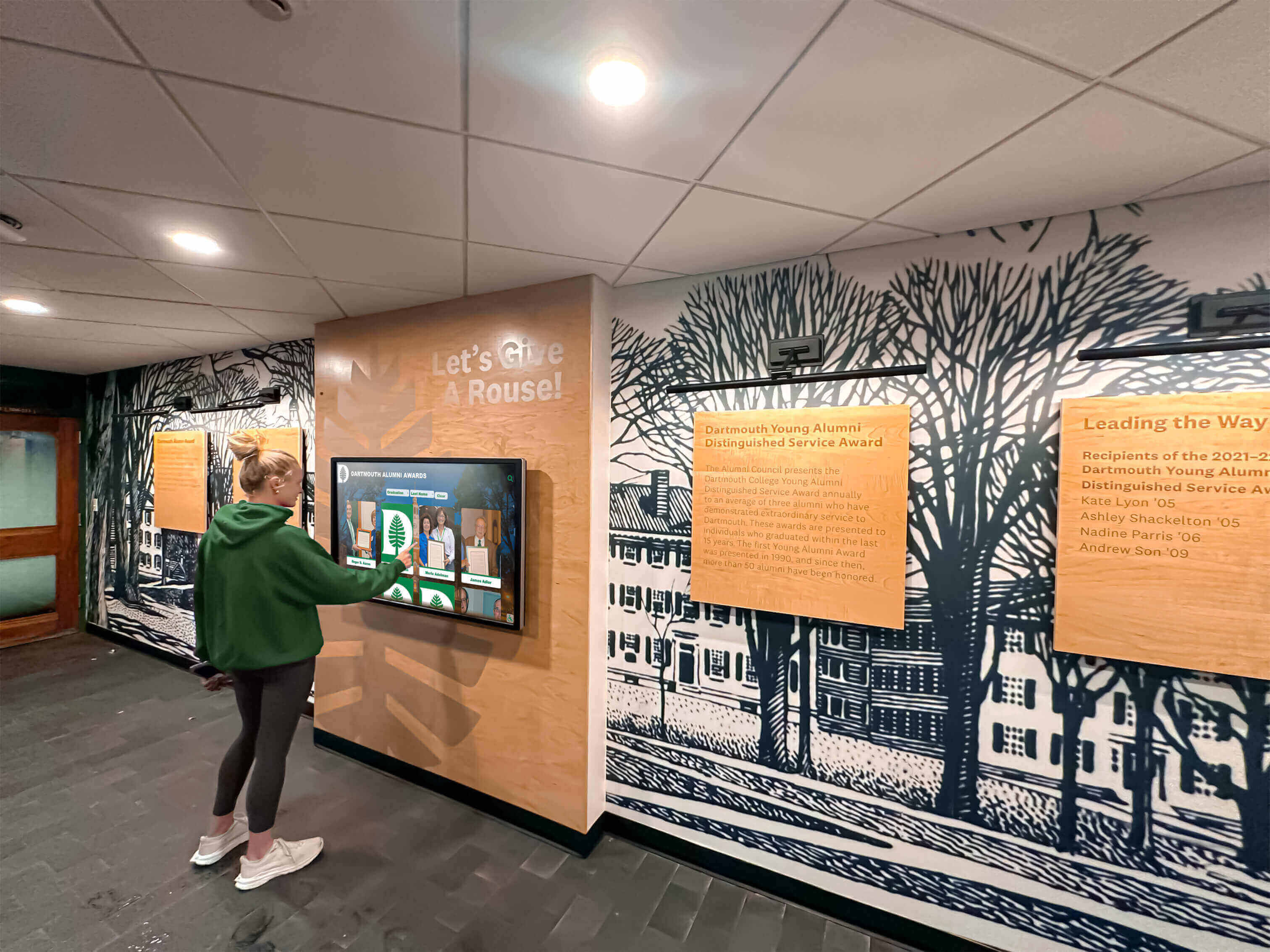
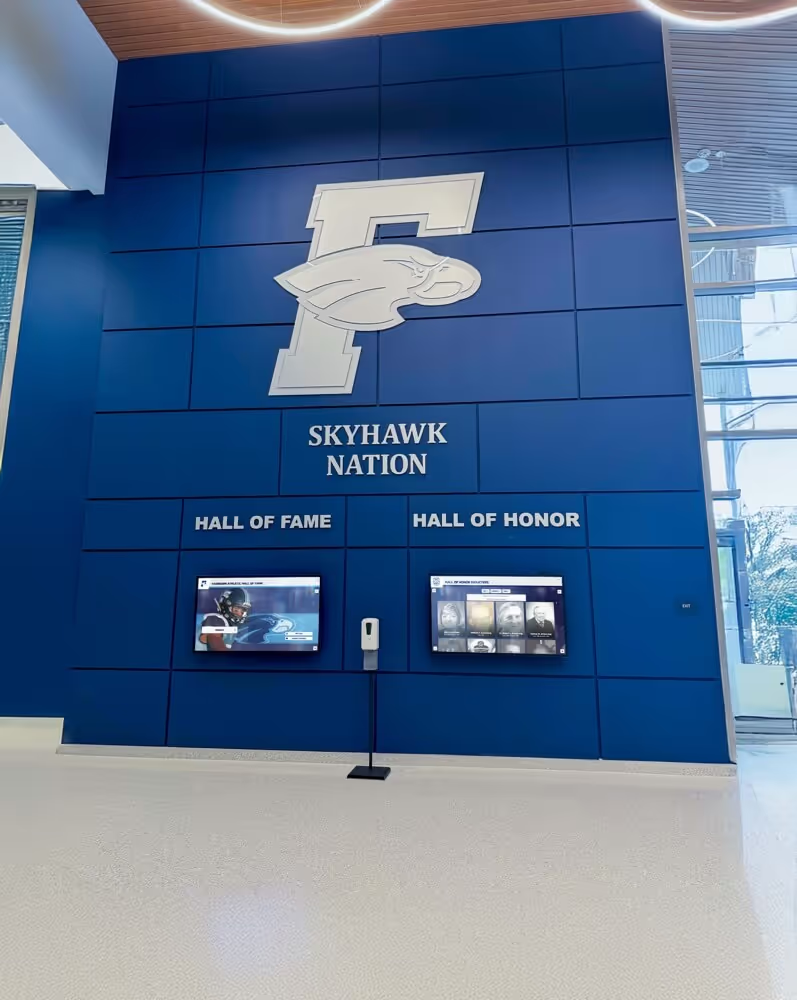
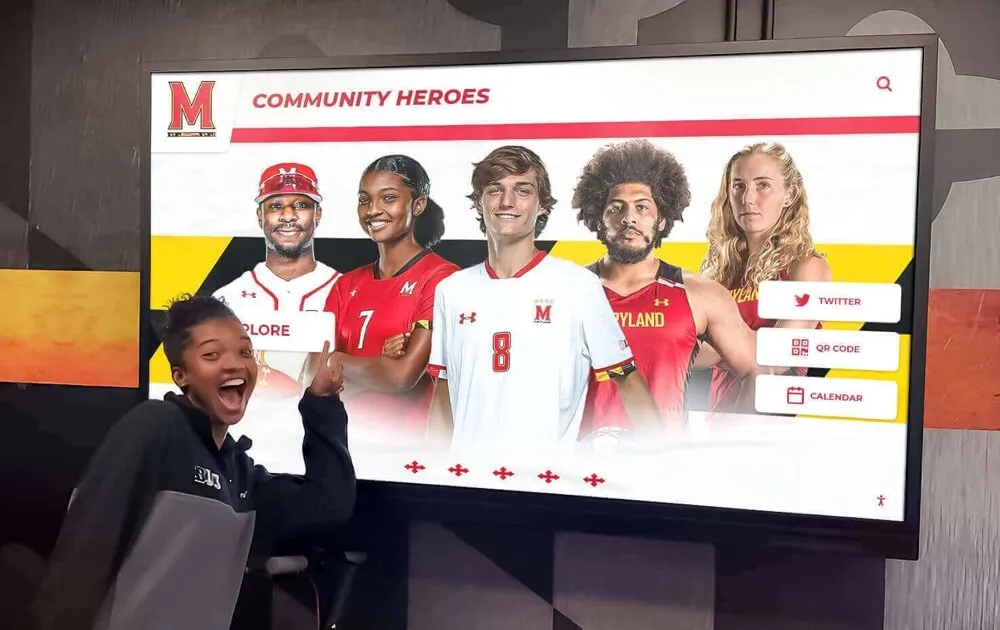
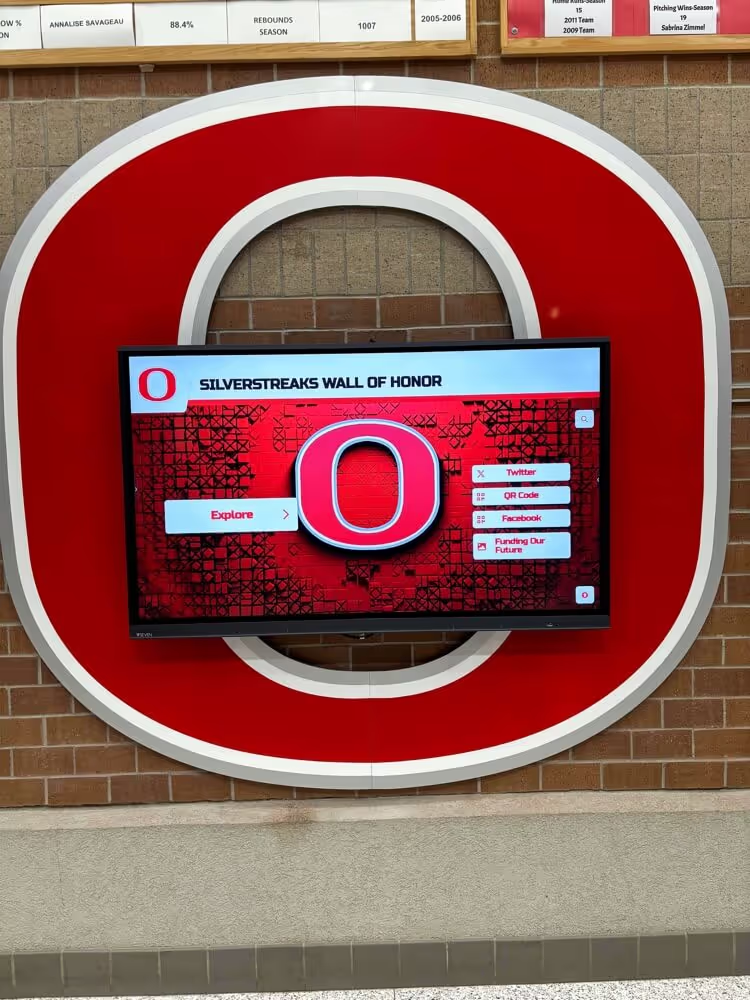
Interactive displays enable students to explore awards and recognition at their own pace while connecting with class legacy
Modern Inclusive Superlatives
Contemporary approaches emphasize inclusivity and diversity:
- Gender-neutral selection replacing traditional “one boy, one girl” voting structure
- Emphasis on achievement and character rather than purely appearance-based categories
- Broader range of categories ensuring more students receive recognition
- Peer-nominated rather than purely popularity-based selection
- Positive framing avoiding potentially hurtful or embarrassing categorizations
According to educational psychology research, students selected for peer-recognition awards report stronger sense of belonging and class connection, making thoughtful superlative programs valuable for building graduating class bonds and positive school culture.
Creative and Unique Award Categories
Schools increasingly develop distinctive awards reflecting specific community character:
- Technology and innovation recognition for students excelling in digital skills
- Environmental stewardship awards for sustainability leadership
- Cultural ambassador recognition for students promoting diversity and inclusion
- School spirit acknowledgment for students demonstrating exceptional pride and involvement
- Entrepreneurial achievement for students launching businesses or initiatives
- Social media influence recognition for positive digital leadership
Understanding diverse student achievement recognition approaches helps schools develop award programs honoring the complete range of student contributions and characteristics that collectively define graduating class identity.
Display Strategies for Senior Class Awards
Recognition impact depends substantially on visibility, accessibility, and presentation quality, requiring thoughtful display strategies that ensure awards receive appropriate prominence while remaining current and engaging year after year.
Traditional Physical Display Approaches
Conventional recognition formats remain common despite inherent limitations:
Trophy Cases and Recognition Walls
Physical displays occupy dedicated institutional spaces:
- Glass-fronted trophy cases displaying awards, plaques, and physical recognition artifacts
- Dedicated wall spaces with mounted plaques showing senior award recipients
- Framed certificates or printed recognition arranged in hallway galleries
- Composite photographs showing graduating classes with award annotations
- Recognition boards listing categories and recipients by graduating year
Benefits and Advantages
- Traditional formats meeting stakeholder expectations for formal recognition
- Physical artifacts creating tangible keepsakes for recipients
- Permanent installation demonstrating institutional commitment
- No technology requirements or ongoing digital maintenance needs
- Familiar formats widely understood across all constituency groups
Limitations and Challenges
Physical displays encounter substantial constraints affecting long-term sustainability:
- Space limitations forcing selective recognition as only limited students fit in available display areas
- Capacity constraints requiring removal of previous years’ recognition to accommodate current seniors
- Update difficulty necessitating physical replacement of plaques, printing, and mounting annually
- Visibility problems as static displays become overlooked background fixtures over time
- Maintenance challenges including cleaning, repair, and replacement of damaged physical elements
- Inflexibility preventing easy reorganization or expansion as award programs evolve
- Cost accumulation from continuous production of new physical recognition elements
Schools implementing traditional displays consistently report frustration that space constraints force difficult decisions about whose achievements receive permanent visibility, creating equity concerns when recognition capacity cannot accommodate all deserving students appropriately.
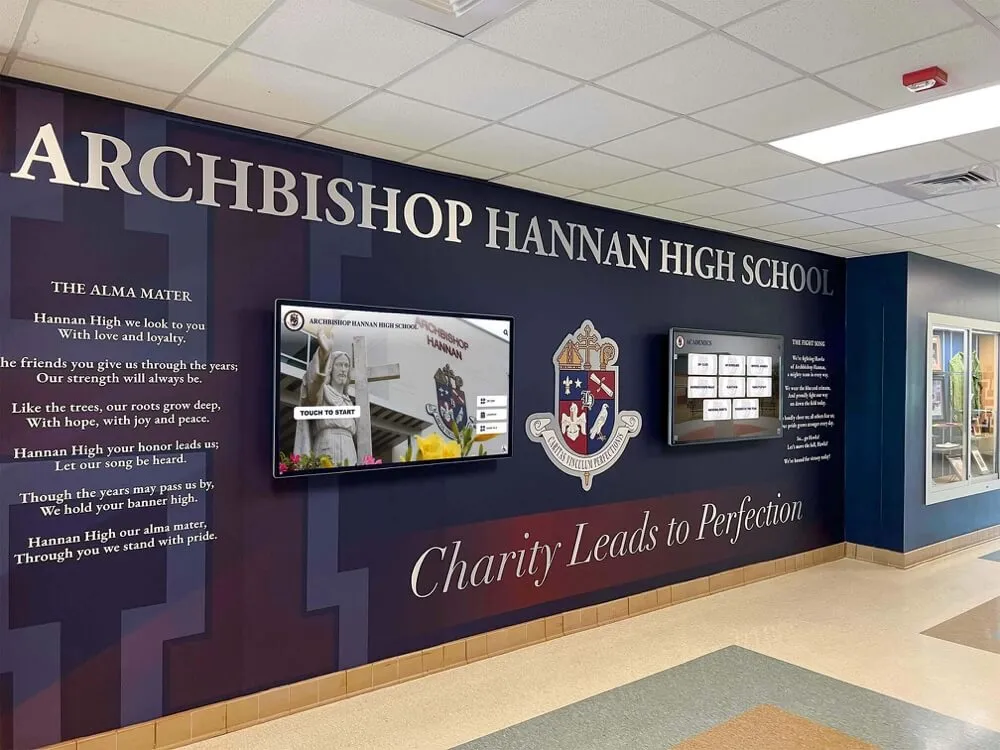
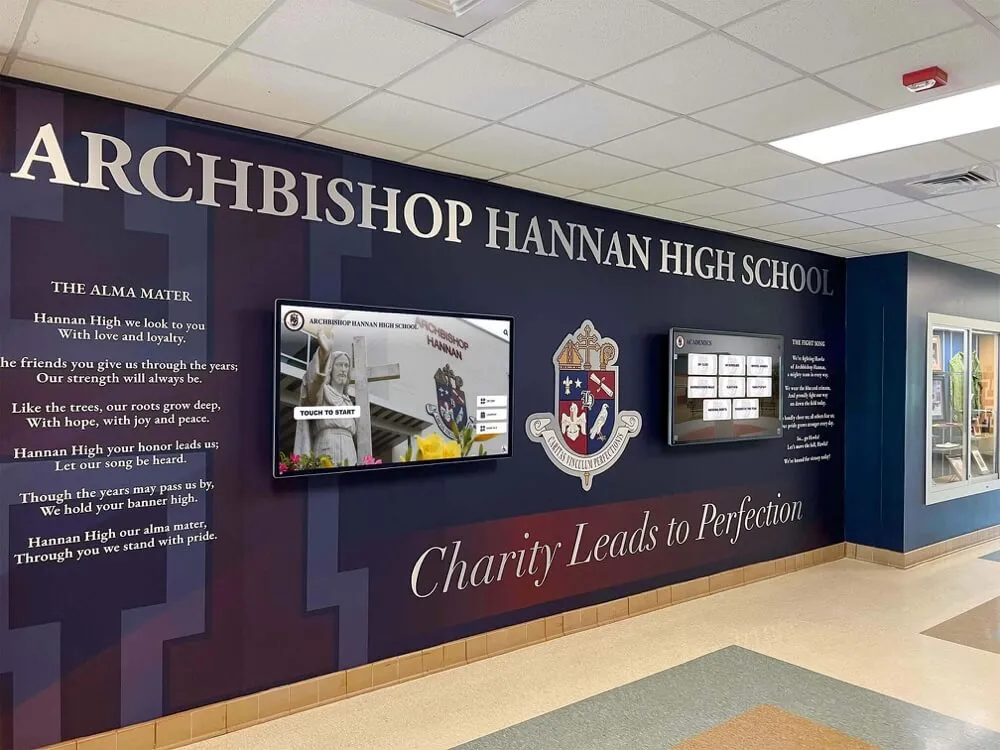
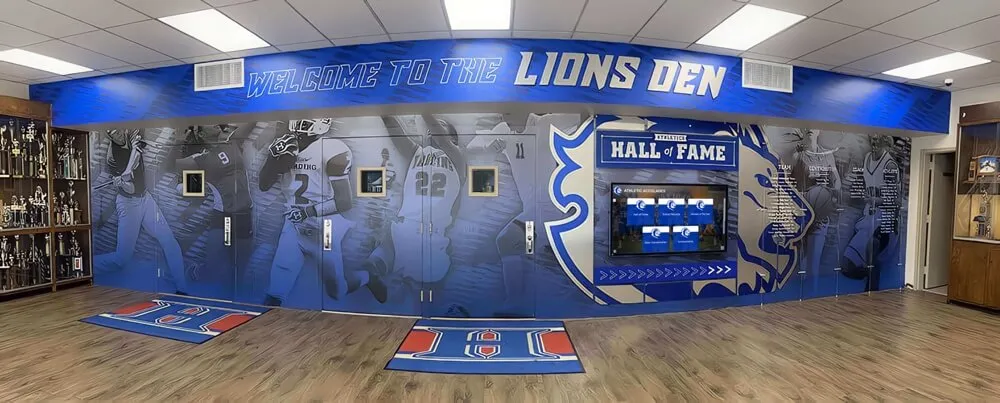
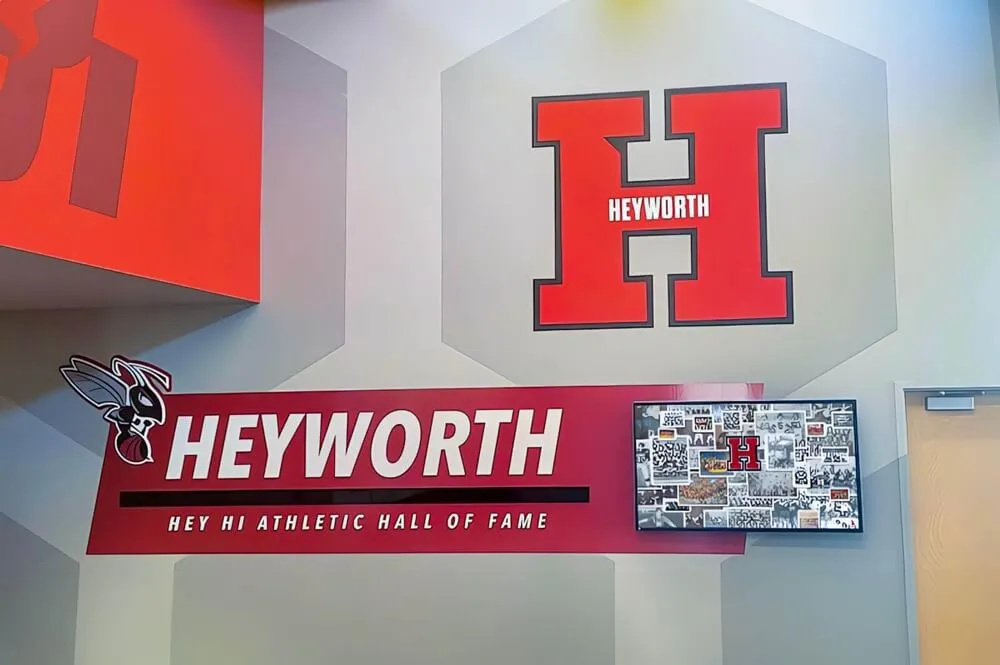
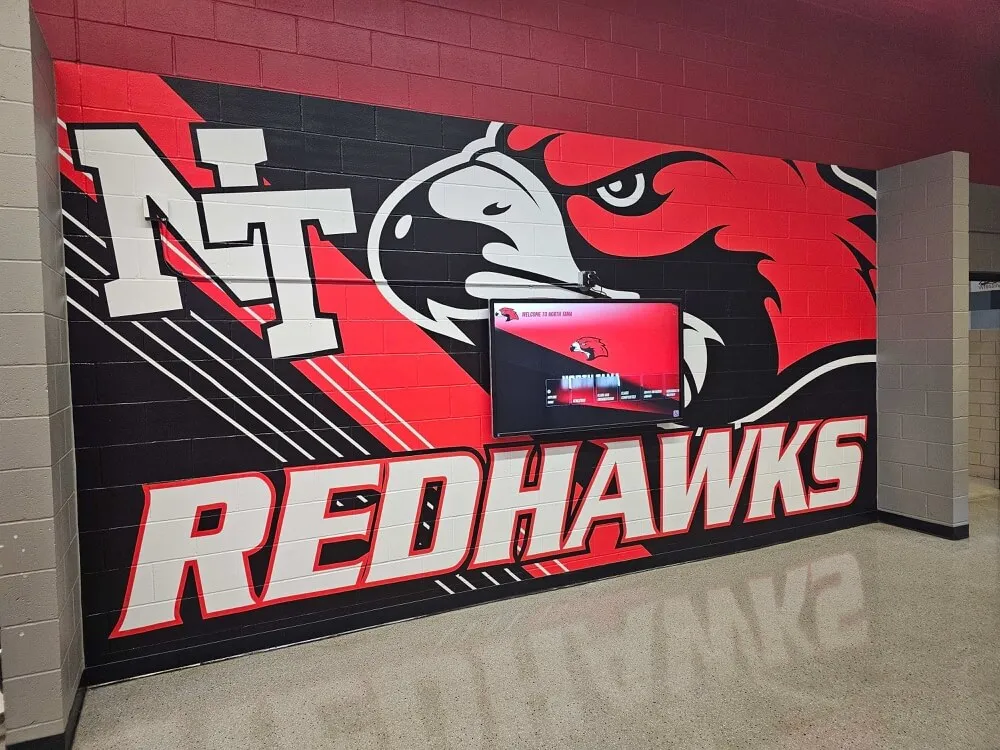
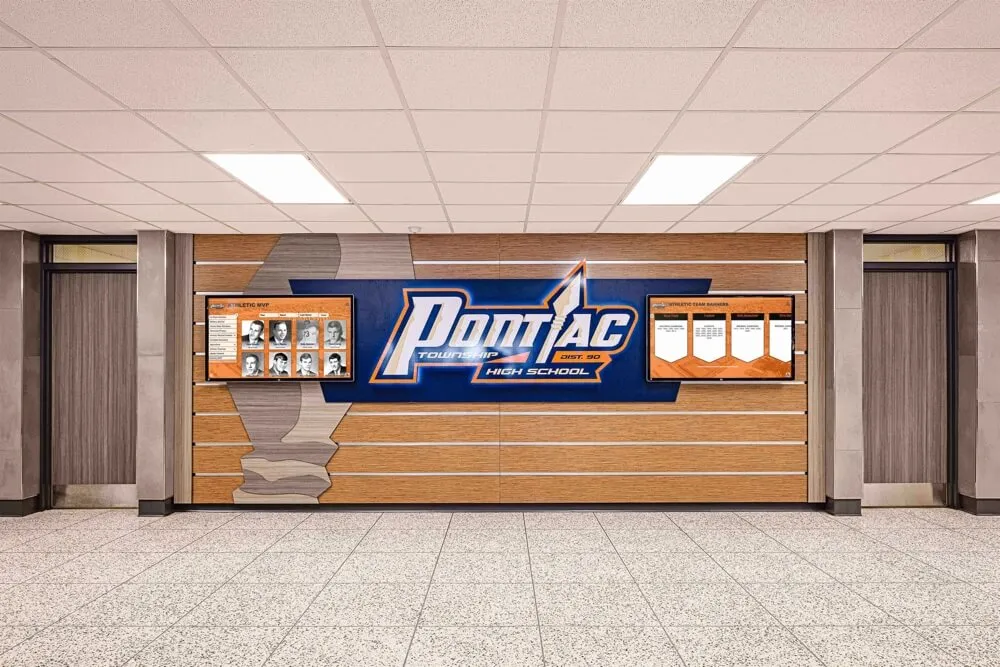
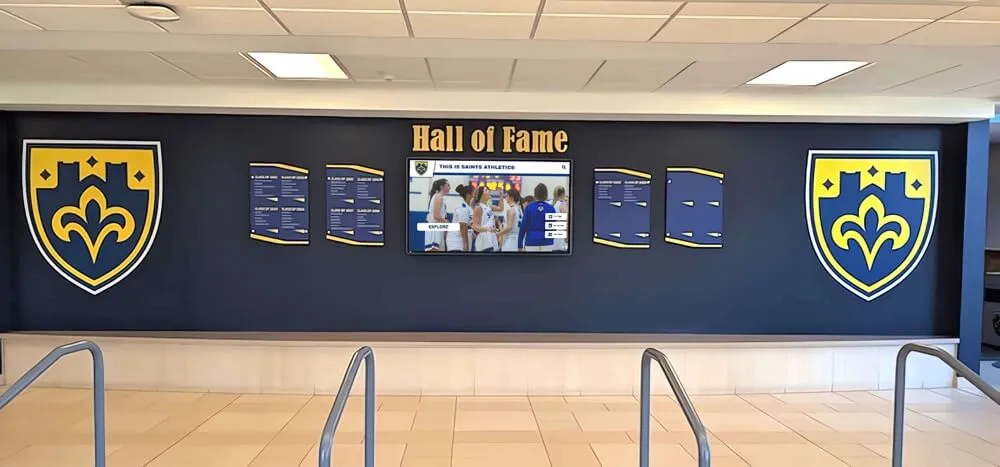
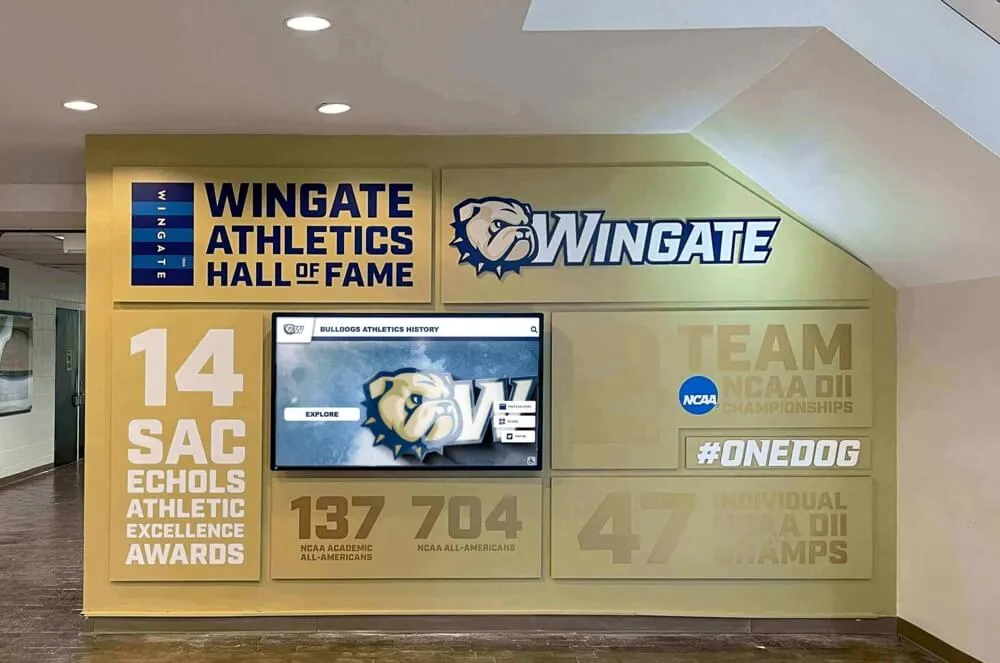
Modern school environments integrate digital recognition displays with traditional architectural elements creating impressive focal points celebrating student achievement
Digital Recognition Display Solutions
Modern technology eliminates fundamental limitations of physical recognition:
Interactive Touchscreen Systems
Purpose-built digital recognition platforms transform senior awards display:
Unlimited Recognition Capacity
- Single display accommodates unlimited senior award recipients across all categories without space constraints
- Complete historical archives preserving every graduating class recognition indefinitely
- No requirement to remove previous years’ awards to accommodate current seniors
- All award categories receive equal capacity and visibility
- Comprehensive documentation creating permanent institutional record accessible forever
This unlimited capacity proves particularly transformative for senior recognition, enabling truly equitable celebration where every award recipient across all categories receives appropriate visibility rather than selective display constrained by physical space availability.
Rich Multimedia Profiles
Digital platforms enable comprehensive recognition impossible with plaques:
- High-resolution student photographs creating personal connection and recognition
- Detailed achievement information including specific accomplishments and award criteria
- Student biographies or personal statements about high school experiences
- Future plans including college destinations and career aspirations
- Video messages or acceptance speeches when resources permit
- Multiple awards consolidated into single comprehensive student profile
- Teacher commendations or peer testimonials when appropriate
This rich content transforms simple name lists into meaningful celebrations honoring individual senior journeys while providing inspiration and guidance for underclassmen aspiring to similar achievement.
Interactive Exploration and Engagement
Touchscreen interfaces create active discovery rather than passive viewing:
- Search functionality finding specific students instantly by name
- Filter by award category exploring different recognition types
- Sort by achievement type highlighting specific accomplishments
- Browse by student interest area or future plans
- Random discovery features highlighting diverse achievers
- Multiple viewing modes accommodating different user preferences
- Extended engagement averaging 4-8 minutes versus seconds with static displays
Research demonstrates that interactive exploration creates substantially stronger motivational impact compared to passive recognition exposure, as active engagement builds deeper connection with achievement excellence and clearer understanding of recognition pathways.
Solutions like Rocket Alumni Solutions provide comprehensive digital recognition platforms specifically designed for school environments, combining unlimited capacity, rich multimedia profiles, intuitive interfaces, and sustainable content management that ensures recognition remains current and comprehensive without creating unsustainable administrative burden.
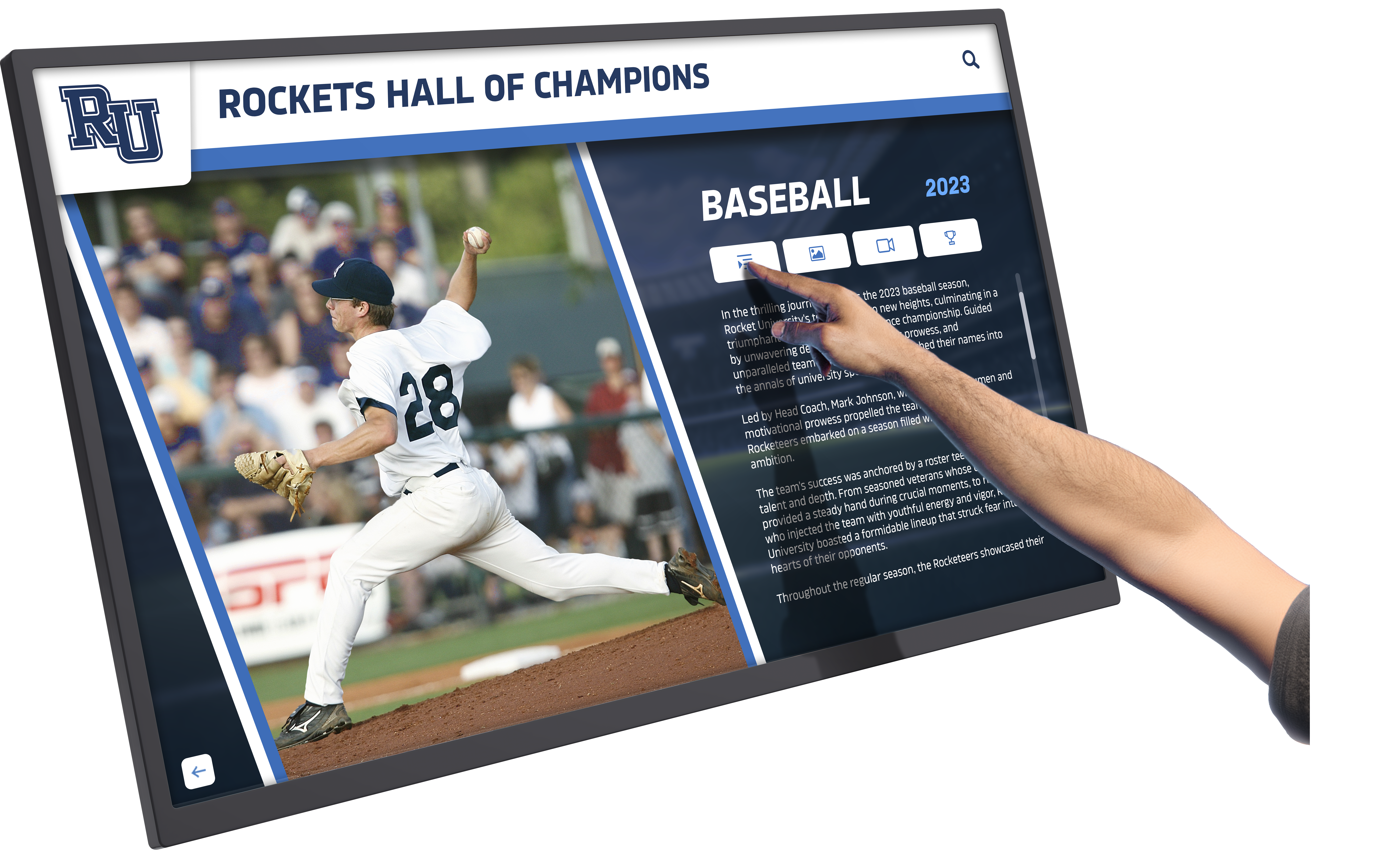
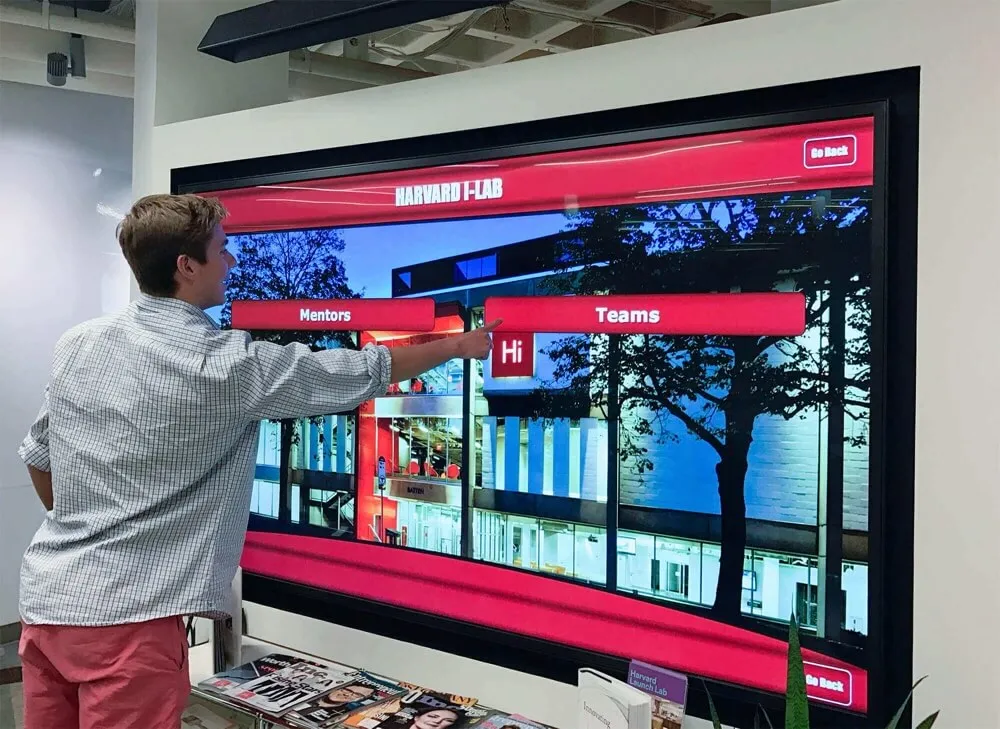
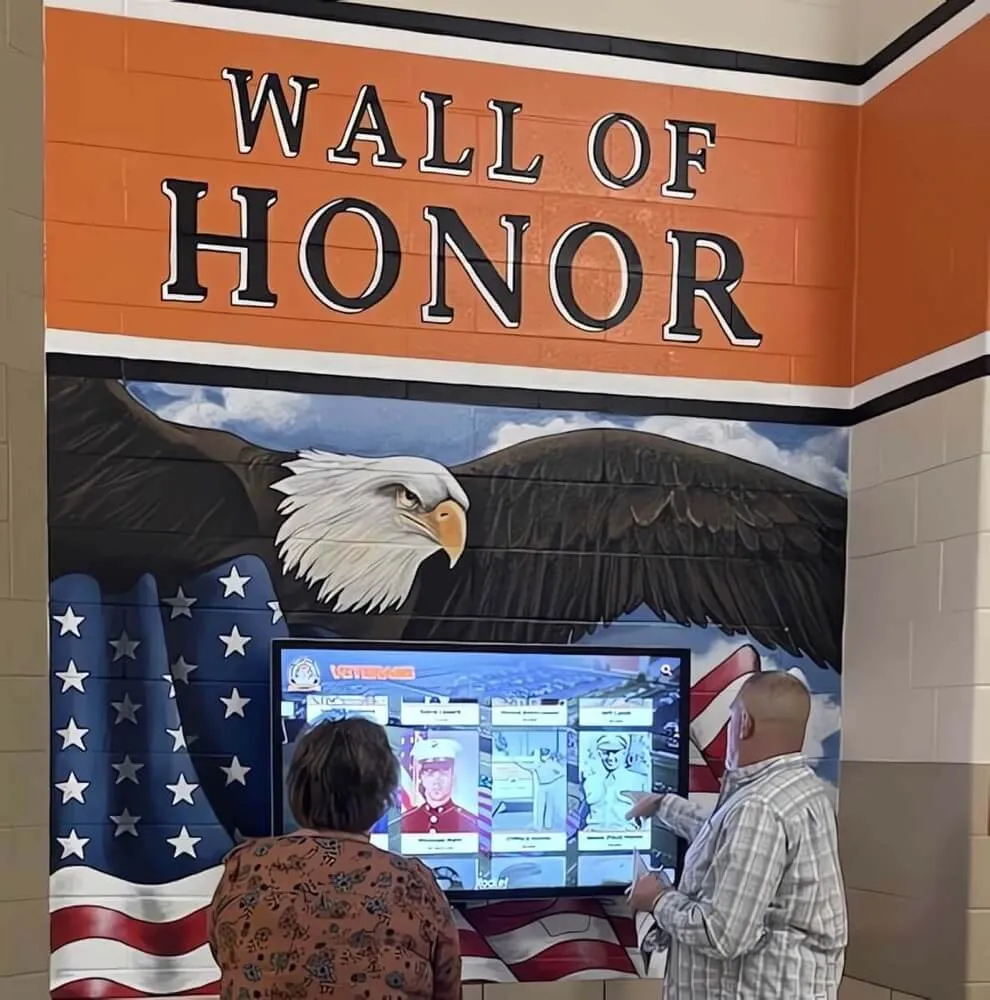
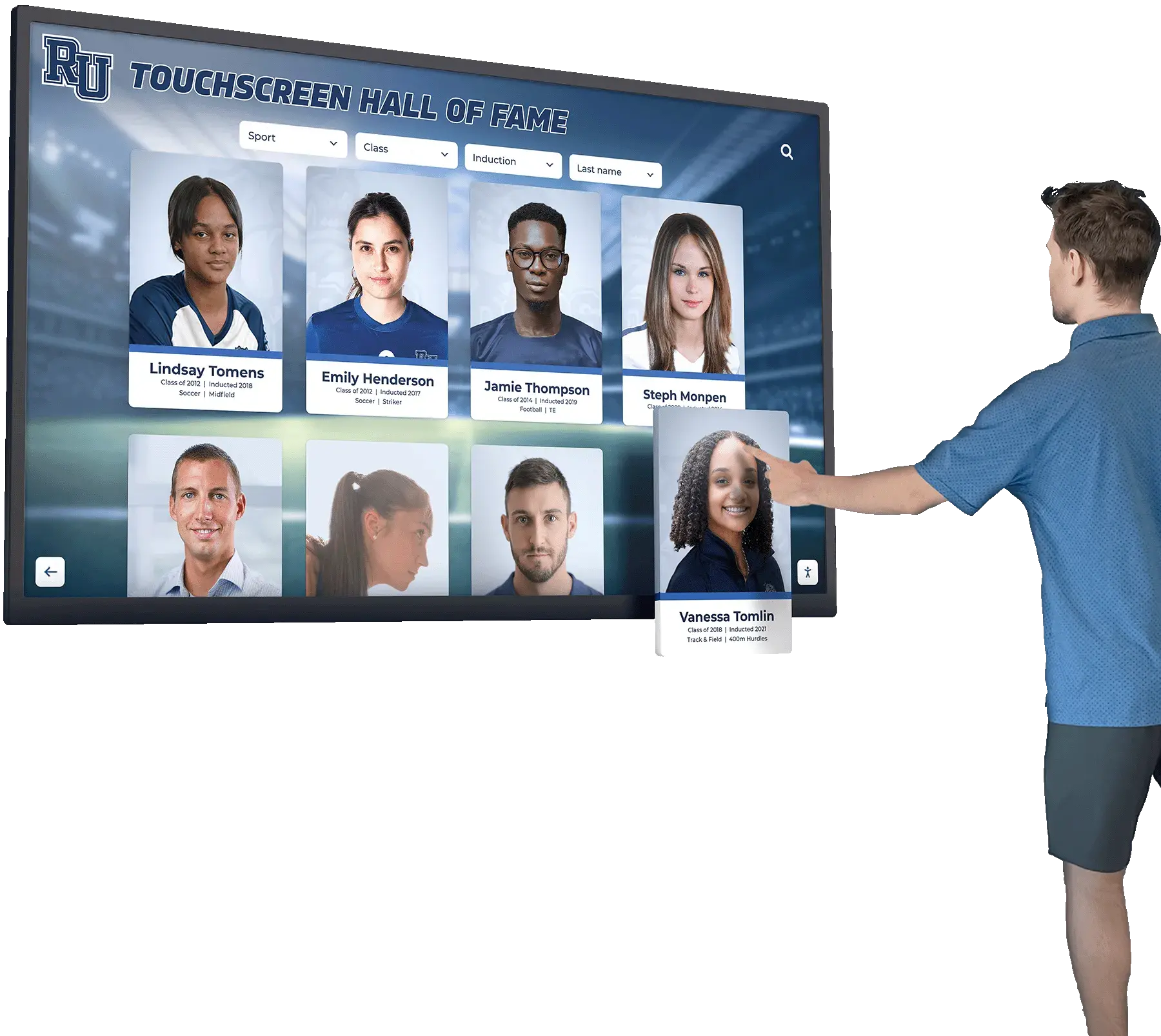
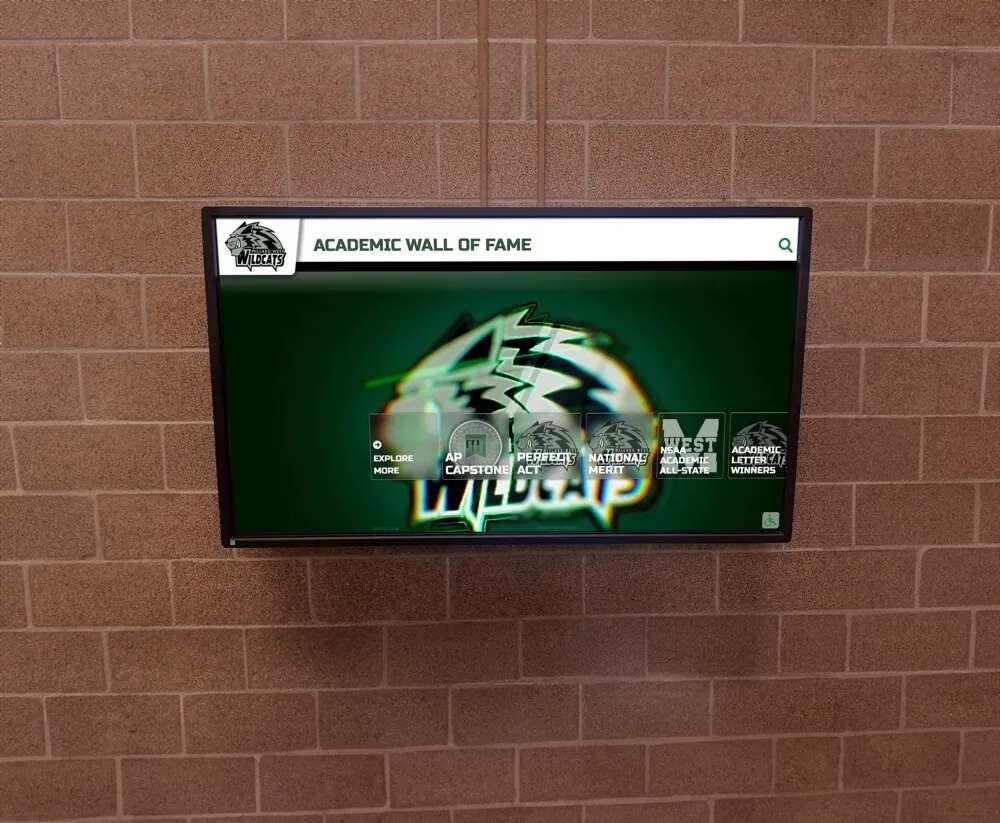
Responsive touchscreen technology enables intuitive exploration allowing students, families, and visitors to discover senior achievements through natural interaction
Web-Accessible Recognition Extensions
Comprehensive digital recognition extends beyond physical displays:
- Web-based platforms accessible from anywhere globally via internet connection
- Mobile-responsive design ensuring excellent smartphone and tablet experiences
- Social sharing capabilities enabling students and families to celebrate achievements broadly
- Alumni worldwide exploring current senior awards maintaining institutional connections
- Prospective families evaluating schools viewing authentic achievement evidence
- Integration with school websites providing prominent senior recognition placement
This extended accessibility means senior awards recognition reaches audiences of thousands rather than hundreds limited to campus visitors, multiplying motivational impact and community engagement exponentially while providing families convenient achievement documentation for college applications and scholarship portfolios.
Administrative Efficiency Benefits
Cloud-based content management dramatically reduces recognition maintenance burden:
- Remote updates from any internet-connected device without campus presence requirement
- Bulk import tools efficiently adding entire senior class simultaneously from spreadsheets
- Template-based profile creation ensuring consistent presentation automatically
- Instant publication updating all displays and web platforms immediately
- Role-based permissions enabling multiple staff members to contribute
- Automated backups eliminating manual record preservation burden
- 80-90% reduction in administrative time compared to physical display maintenance
This efficiency enables more comprehensive recognition rather than forcing selective display due to update burden, while making recognition programs sustainable even as staff workloads increase and personnel turnover occurs.
Understanding comprehensive approaches to digital student recognition provides frameworks for implementing effective systems that deliver lasting value.
Hybrid Recognition Approaches
Many schools successfully combine traditional and digital elements:
Complementary Display Strategies
Integrated approaches leverage strengths of multiple formats:
- Digital displays providing comprehensive recognition with unlimited capacity and rich content
- Physical awards or plaques for highest honors maintaining traditional tangible recognition
- Printed programs for senior awards ceremonies documenting all recipients
- Social media features amplifying recognition reach beyond physical campus
- Website integration extending recognition visibility to global audiences
- Traditional composite photographs complemented by digital interactive exploration
Strategic Placement Considerations
Location substantially affects recognition visibility and engagement:
- Main lobbies ensuring all visitors encounter senior recognition prominently
- Academic commons or library areas where students naturally gather
- Cafeteria locations reaching entire student population regularly
- Guidance office spaces where families visit for college planning
- Athletic facilities celebrating sports achievements in relevant context
- Performing arts spaces recognizing artistic accomplishments appropriately
Research demonstrates that recognition placed in high-traffic areas where students pass multiple times daily creates substantially greater awareness and motivational impact compared to isolated locations requiring intentional visits to view recognition.
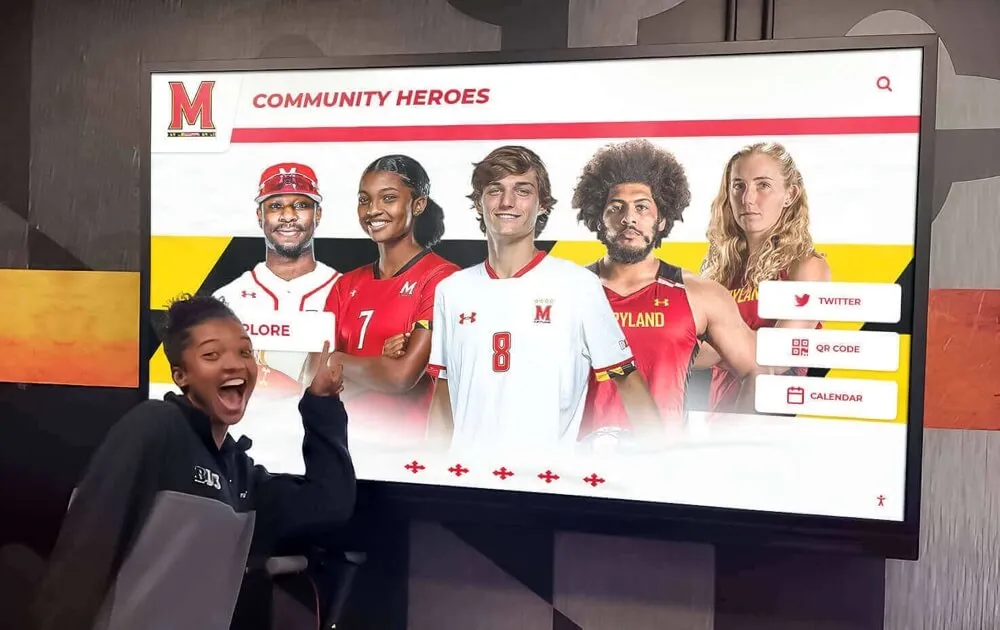
Strategic placement in student traffic patterns ensures regular recognition exposure that normalizes excellence and builds achievement-oriented culture
Implementing Effective Senior Awards Programs
Successful recognition requires systematic planning addressing award selection, nomination processes, presentation strategies, and sustainable management approaches.
Award Selection and Nomination Processes
Thoughtful procedures ensure fair, meaningful recognition:
Establishing Award Categories
Clear category definition prevents confusion and ensures comprehensive coverage:
- Balance formal achievement awards with personality-based superlatives
- Ensure sufficient categories that majority of seniors receive some recognition
- Create multiple pathways to recognition honoring diverse contributions
- Establish clear criteria defining qualification requirements for each award
- Review categories annually adjusting based on student population and feedback
- Consider student input about meaningful and desired recognition types
Educational research suggests that optimal senior award programs provide recognition opportunities for 60-80% of graduating classes across diverse categories, ensuring celebration feels inclusive rather than limited to traditional high achievers exclusively.
Nomination and Selection Methods
Fair processes build program credibility and acceptance:
Faculty Nomination for Achievement Awards
- Department teachers nominating students for subject-specific recognition
- Activity advisors nominating students for extracurricular achievement awards
- Athletic coaches nominating players for sports recognition
- Committee review ensuring consistency and fairness across departments
- Documented criteria applied consistently to all nominations
- Appeal or reconsideration processes for disputed selections
Peer Voting for Superlatives
- Democratic voting among senior class members for personality-based awards
- Anonymous ballots preventing peer pressure and popularity bias
- Clear instructions and category definitions ensuring informed voting
- Multiple nomination rounds ensuring diverse students receive consideration
- Faculty oversight preventing inappropriate or hurtful selections
- Inclusive voting structures moving beyond traditional gender-based categories
Hybrid Approaches
- Combination of faculty nomination and peer confirmation for certain categories
- Student nomination with faculty committee final selection
- Multiple voting rounds narrowing fields to final recipients
- Weighted voting combining peer input with faculty assessment
Transparent, fair selection processes prove essential for program acceptance and recognition meaning, as perceived favoritism or unclear criteria undermine achievement value for recipients and observers alike.
Timing and Communication
Strategic scheduling maximizes recognition impact:
- Award determination completing sufficient time before graduation for display creation
- Public announcements through multiple channels ensuring community awareness
- Individual notification providing recipients private acknowledgment before public recognition
- Family communication enabling appropriate celebration and attendance at ceremonies
- Underclassmen exposure to awards inspiring future achievement
- Integration with senior week activities and graduation ceremonies
Schools typically finalize senior awards 4-8 weeks before graduation, providing adequate time for physical or digital display creation, ceremony planning, and family notification while maintaining excitement and anticipation throughout culminating senior activities.
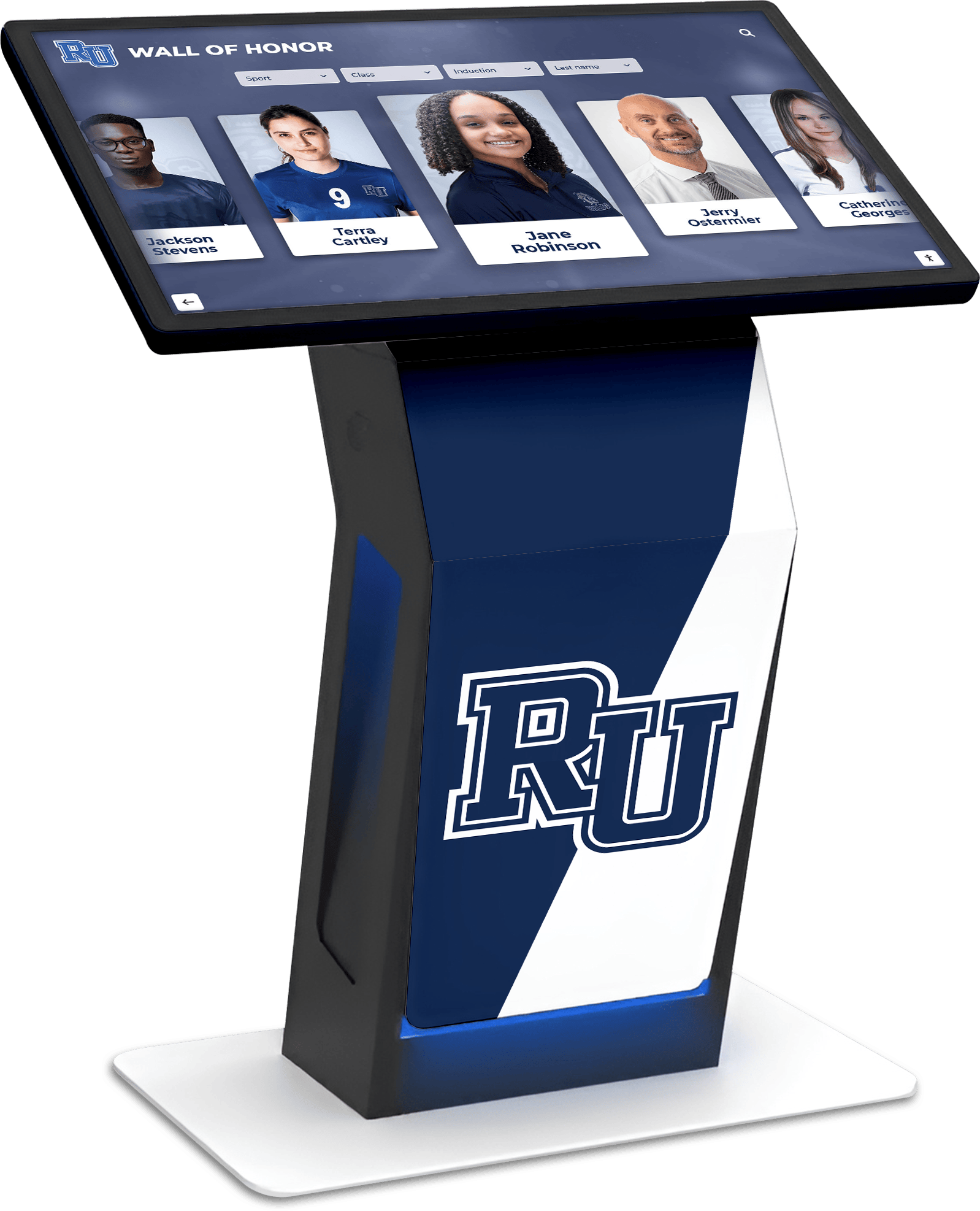
Professional kiosk installations provide complete digital recognition solutions without requiring wall mounting or extensive construction modifications
Recognition Ceremonies and Celebrations
Formal events create memorable experiences complementing permanent displays:
Senior Awards Night Planning
Dedicated ceremonies honor achievement systematically:
- Evening events enabling family attendance without conflicting with school day
- Comprehensive programs acknowledging all award categories and recipients
- Individual stage recognition providing public acknowledgment and celebration
- Distribution of physical certificates or plaques serving as tangible keepsakes
- Photography capturing recognition moments for family documentation
- Reception or celebration following formal program enabling informal connection
- Livestreaming or recording enabling extended family participation remotely
According to school tradition research, formal senior awards ceremonies rank among the most meaningful culminating high school events for students and families, providing closure and celebration that appropriately honors four years of dedication and achievement.
Graduation Ceremony Integration
Senior awards naturally connect with commencement:
- Recognition of valedictorian and salutatorian during graduation program
- Honor graduate designation based on cumulative GPA thresholds
- Honor cords, stoles, or tassels providing visible graduation day recognition
- Program notes listing major award recipients and special recognitions
- Special seating or processional position for honor graduates
- Brief speeches or remarks from top academic achievers
This integration ensures senior recognition receives prominence during graduation while maintaining ceremony focus on collective class achievement and milestone celebration.
Creating Lasting Documentation
Preserve recognition beyond the moment:
- Professional photography capturing award presentations and recipient portraits
- Video recording of ceremonies for archival preservation and family access
- Printed programs listing all recipients serving as historical documentation
- Social media posts celebrating individual and collective achievement
- School newspaper or yearbook features providing permanent published record
- Digital archives integrating with comprehensive senior recognition displays documenting complete class story
Comprehensive documentation ensures recognition impact extends beyond event attendance, creating resources families treasure while building institutional archives connecting graduating classes across decades.
Ensuring Equity and Inclusion
Recognition programs must serve all students appropriately:
Diverse Recognition Pathways
Multiple award types ensure broad access to celebration:
- Academic achievement recognition at multiple GPA thresholds, not exclusively highest achievers
- Improvement-based awards celebrating growth regardless of absolute achievement level
- Participation-based recognition acknowledging sustained commitment even without championship victory
- Character awards honoring qualities like kindness, integrity, and positive influence
- Specialized awards for unique talents or contributions reflecting specific school context
Research demonstrates that students who receive any meaningful recognition show stronger school connection and post-graduation success compared to those receiving no acknowledgment, making broad recognition opportunity more valuable than exclusive celebration of pinnacle achievement alone.
Avoiding Recognition Pitfalls
Thoughtful program design prevents common problems:
- Over-emphasis on appearance through excessive beauty-focused superlatives that reinforce superficial values
- Gender stereotyping via traditional categories that limit recognition to dated expectations
- Popularity contests where most-visible students monopolize all recognition regardless of merit
- Hurtful categories creating embarrassment or highlighting negative characteristics
- Economic bias where recognition requires participation in expensive activities limiting access
- Cultural insensitivity through categories that don’t resonate across diverse student populations
Educational leadership research emphasizes that recognition programs should build students up rather than creating hierarchies or reinforcing problematic social dynamics, requiring continuous evaluation ensuring awards serve positive developmental purposes for entire graduating classes.
Accessibility Considerations
Physical and digital recognition must accommodate all community members:
- Digital displays with ADA-compliant mounting heights accessible from wheelchairs
- Web platforms compatible with screen readers and assistive technologies
- Printed materials available in alternative formats when requested
- Ceremony venues with appropriate accessibility accommodations
- Translation services for multilingual families when relevant
- Closed captioning for video content and recordings
Comprehensive accessibility in digital recognition ensures all families can fully engage with senior awards celebration regardless of physical, sensory, or linguistic characteristics.
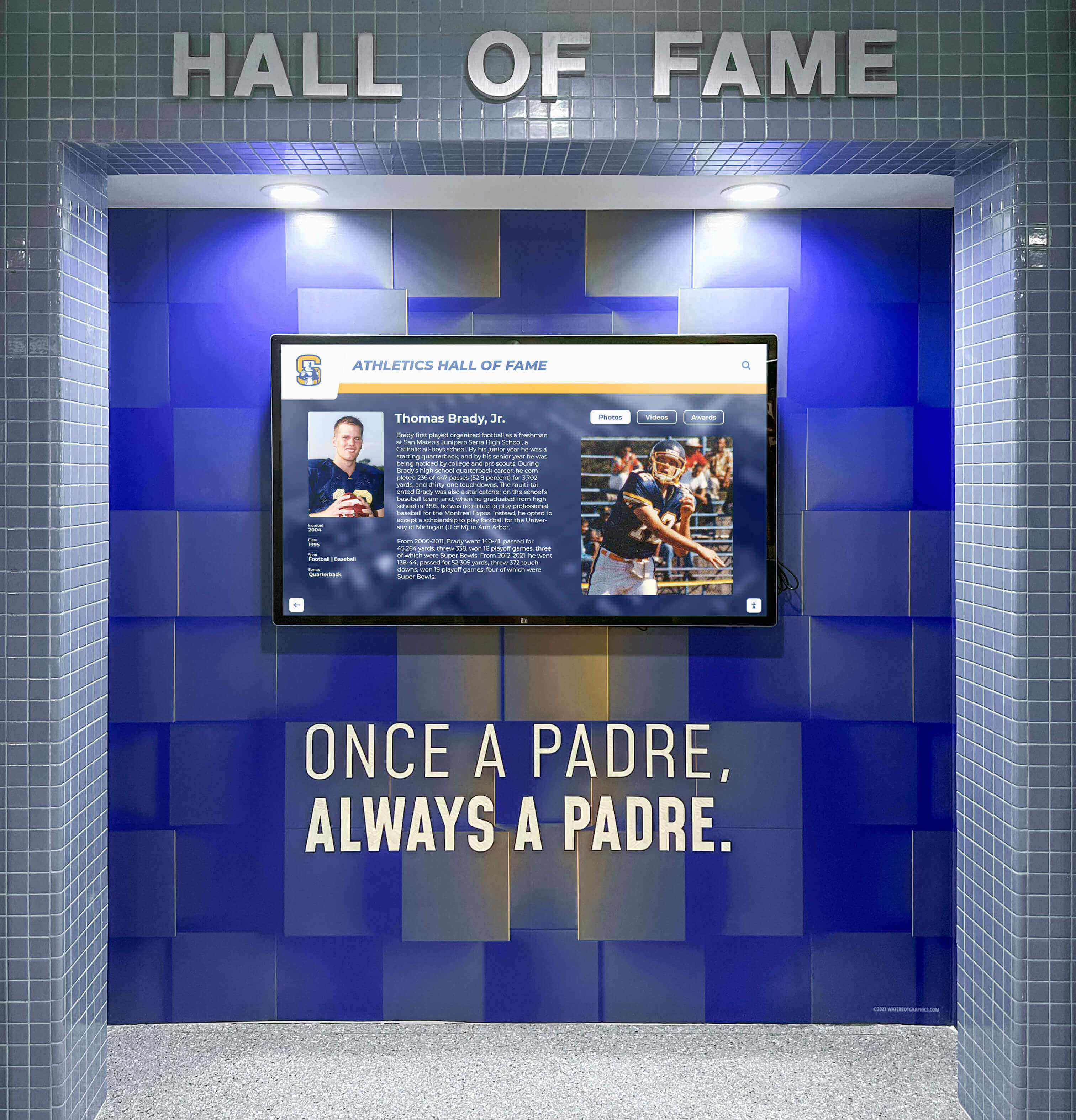
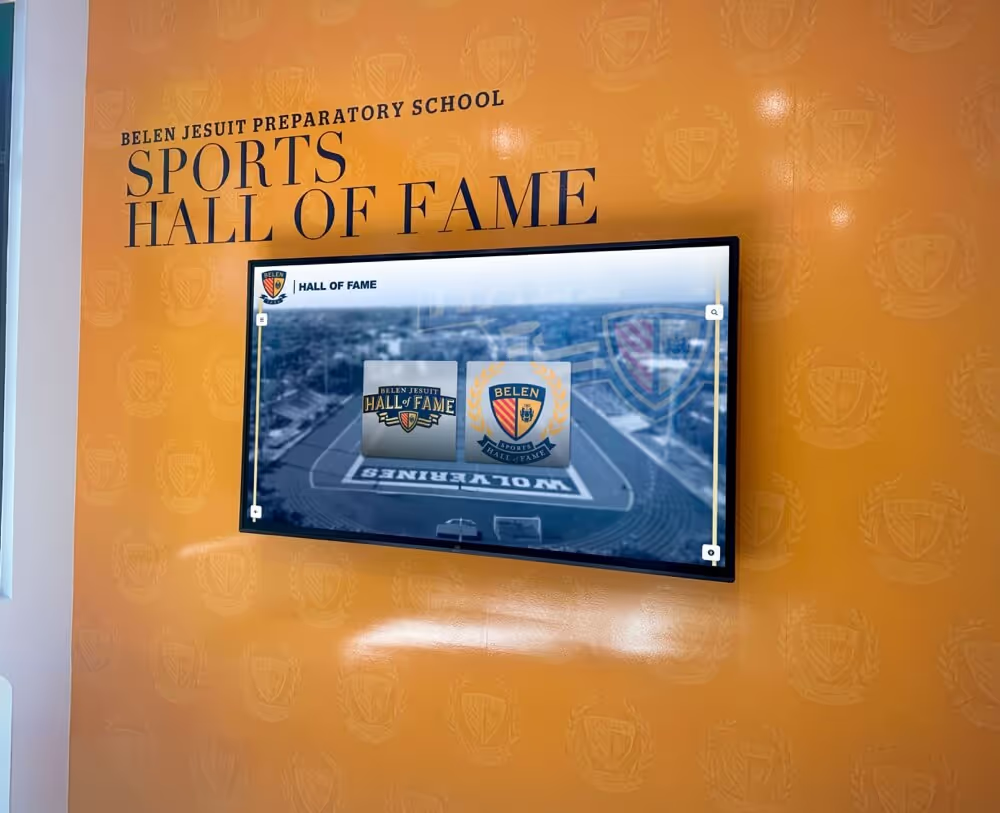
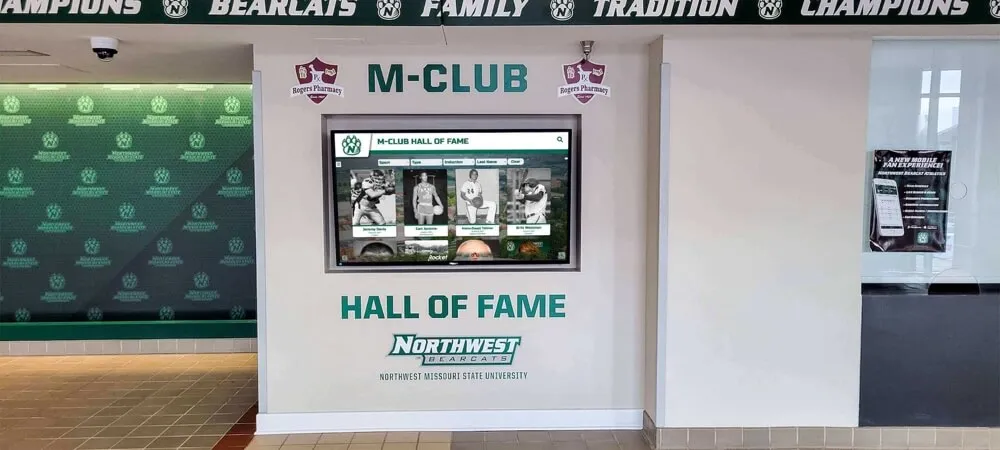
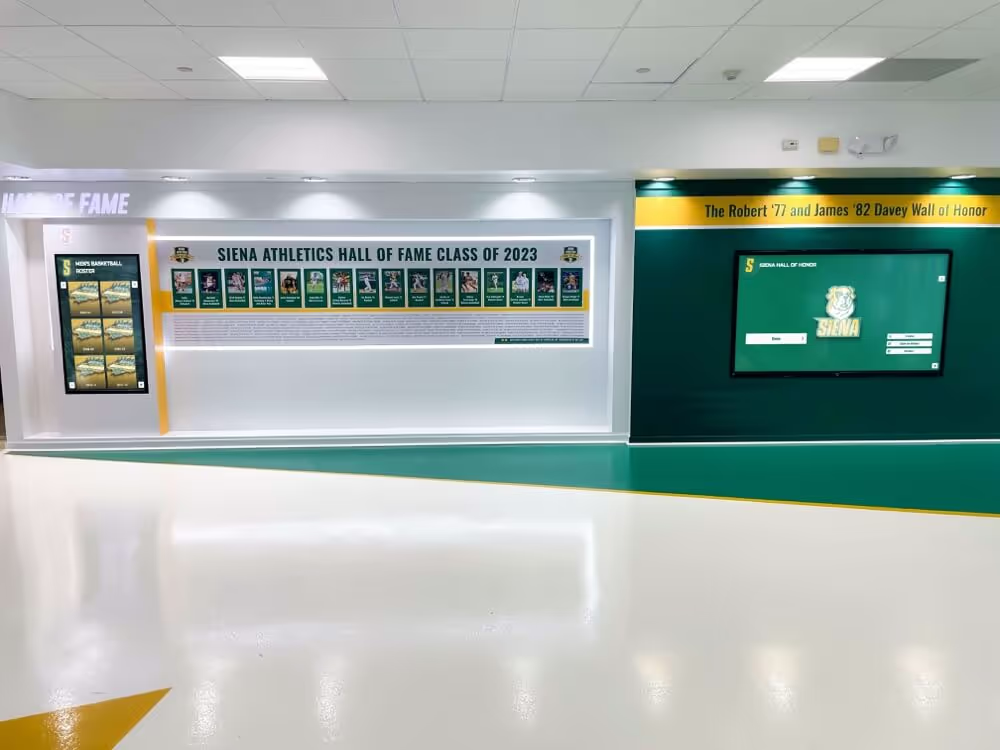
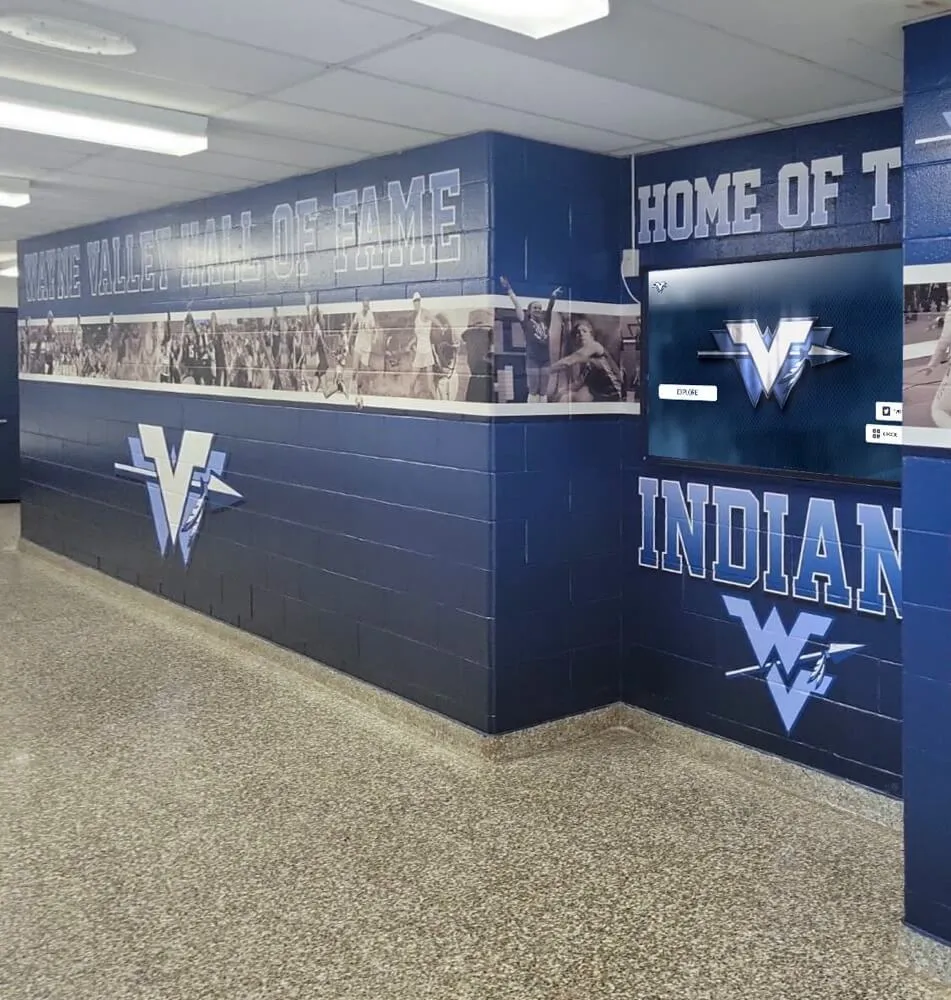
Professional display installations integrate seamlessly with existing school architecture while creating prominent recognition focal points
Content Development for Senior Recognition Displays
Engaging displays require high-quality content celebrating individual achievements meaningfully:
Essential Profile Information
Comprehensive recognition includes multiple content dimensions:
Core Biographical Elements
- Official student name and preferred name or nickname
- High-resolution professional photograph or senior portrait
- Graduation year and class designation
- Future plans including college destination, military service, or career pathway
- Major intended areas of study or career interest
Achievement Documentation
- Complete list of all awards received across categories
- Academic honors including GPA, honor roll status, and standardized test recognition
- Athletic achievements with specific sports, positions, and accomplishments
- Extracurricular involvement and leadership positions held
- Community service hours and significant volunteer contributions
- Special recognitions or unique accomplishments worthy of highlighting
Personal Statements and Reflection
- Student quotes about high school experience or memorable moments
- Advice for underclassmen based on senior perspective and experience
- Appreciation acknowledgments for teachers, coaches, family, or friends who supported success
- Personal goals or aspirations for future beyond high school
- Favorite memories or traditions that made high school experience meaningful
Rich, detailed content transforms simple recognition lists into comprehensive celebrations that honor complete student stories while providing inspiration and practical guidance for younger students aspiring to similar achievement.
Photography and Visual Standards
Strong visual elements enhance engagement substantially:
Photo Requirements and Quality
- High-resolution images (minimum 1000x1000 pixels) ensuring clarity on large displays
- Consistent professional quality across all student photographs creating cohesive presentation
- Authentic representation reflecting actual student appearance and personality
- Appropriate lighting and background ensuring students appear prominently
- Photo release permissions secured appropriately through established school processes
- Current images taken during senior year reflecting students at graduation age
Alternative Visual Content When resources permit, additional media creates richer recognition:
- Action photographs showing students engaged in award-related activities
- Group photos of teams, clubs, or organizations relevant to awards
- Achievement artifacts like certificates, medals, or accomplishment evidence
- Video messages from award recipients sharing experiences or advice
- Performance recordings for artistic or athletic achievement recognition
Schools should prioritize comprehensive high-quality photo coverage for all seniors before expanding to more sophisticated multimedia content, as consistent photography proves more valuable than elaborate media for limited student subsets.
Understanding effective digital recognition content strategies helps schools develop engaging displays that appropriately celebrate student achievement.
Privacy and Consent Considerations
Balance celebration with appropriate privacy protection:
Required Permissions
- Photo release authorizing public display of student images in recognition contexts
- Content approval processes enabling student and family review before publication
- Clear opt-out procedures for families with privacy concerns or preferences
- FERPA compliance in all information sharing and display practices
- Social media sharing permissions for broader promotional use when applicable
- Documented consent for all personally-identifiable information in public displays
Accommodating Privacy Preferences
- Alternative recognition formats for students declining public display
- Name-only recognition without photographs when families prefer
- Limited distribution options restricting recognition to campus displays only versus web publication
- Respect for family circumstances requiring discretion in particular cases
- No academic or social penalties for students choosing privacy over public recognition
Recognition should celebrate students who want public acknowledgment while respecting those preferring privacy, ensuring programs enhance rather than complicate family and student experiences during culminating high school moments.
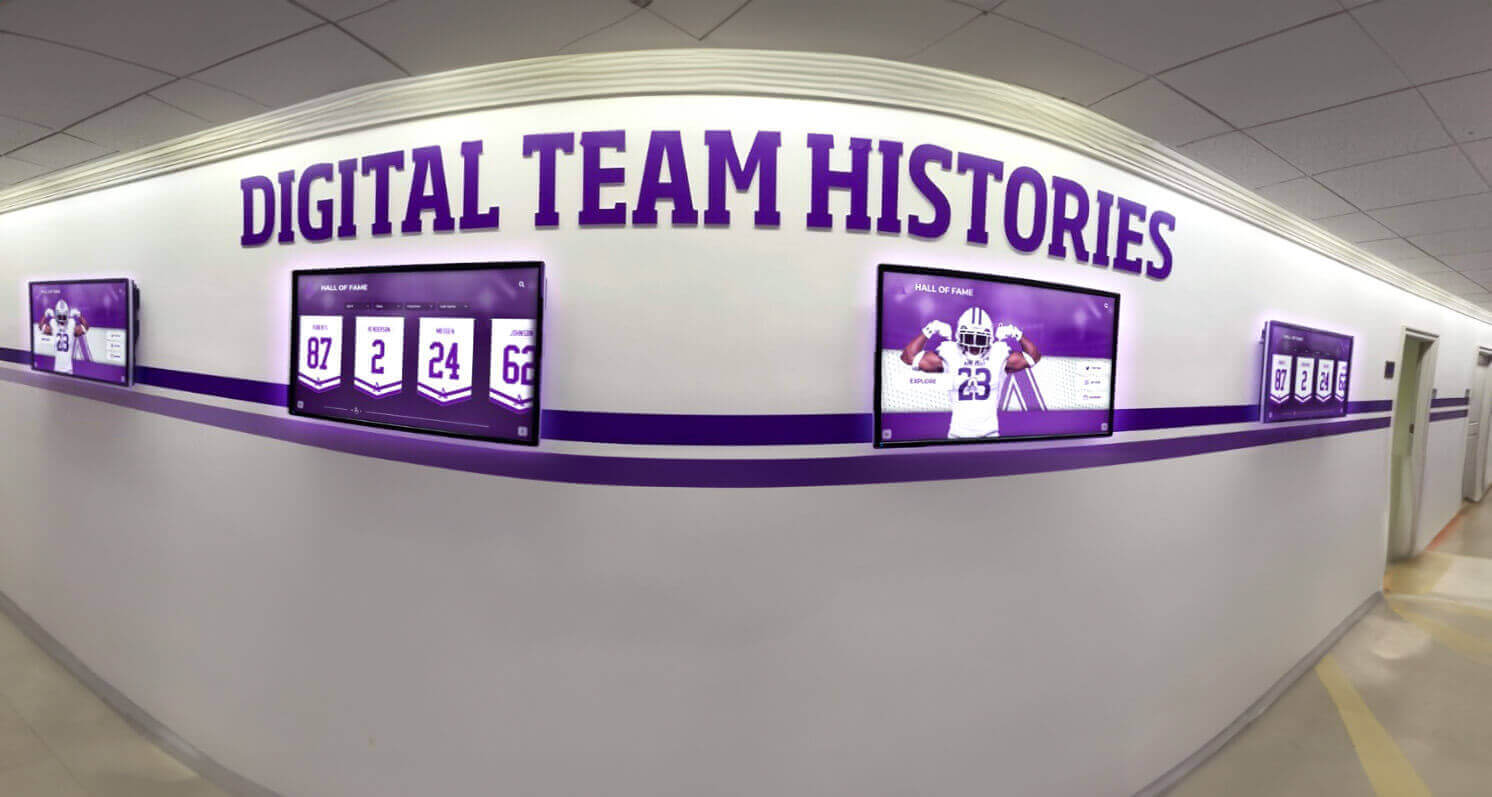
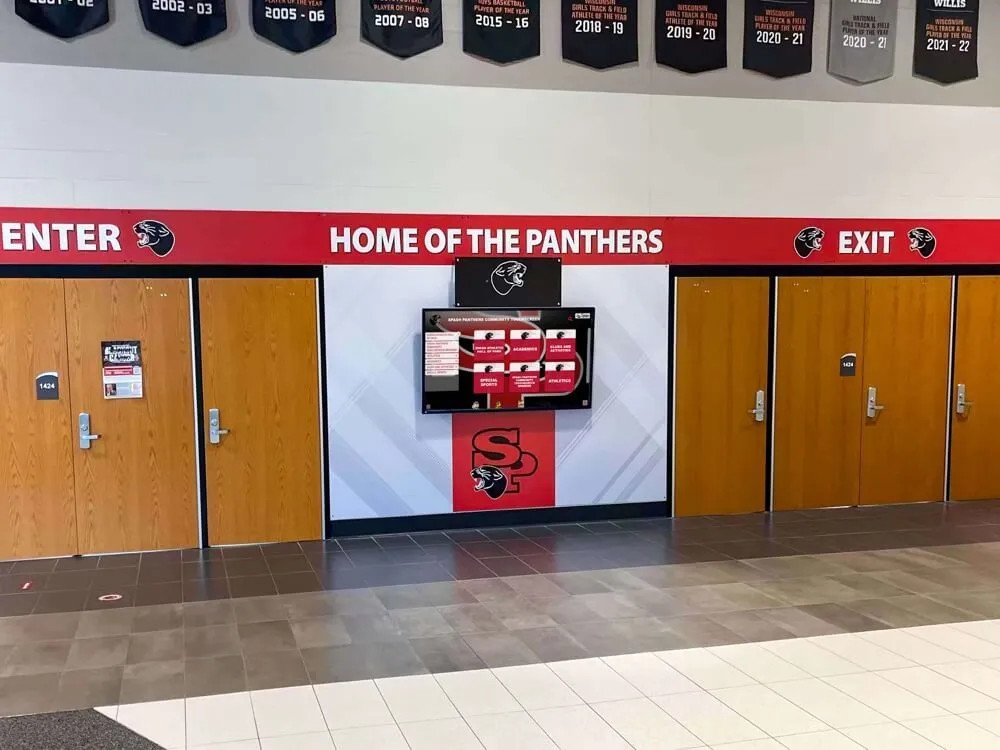
Multiple display installations throughout school facilities ensure recognition reaches diverse audiences in locations matching achievement context
Measuring Recognition Program Success
Regular assessment ensures senior awards achieve intended goals and justify resource investment:
Quantitative Success Metrics
Objective measurement provides accountability and improvement guidance:
Participation and Coverage Data
- Percentage of graduating seniors receiving at least one award across all categories
- Distribution of recognition across demographic groups ensuring equitable access
- Number of award categories utilized showing recognition comprehensiveness
- Multiple award recipients indicating well-rounded achievement celebration
- Year-over-year participation trend analysis demonstrating program evolution
- Comparison with similar schools understanding relative recognition comprehensiveness
Engagement Indicators
- Digital display interaction frequency showing how often community explores recognition
- Average session duration indicating depth of engagement with content
- Web platform visits and page views demonstrating extended recognition reach
- Social media engagement with senior recognition content and announcements
- Award ceremony attendance rates reflecting family and community interest
- Recognition-related inquiries demonstrating visibility and awareness
Academic and Cultural Impact
- Underclassmen academic performance trends following recognition program implementation
- Student survey responses about achievement awareness and motivation
- Advanced coursework enrollment rates potentially influenced by academic recognition visibility
- College acceptance and scholarship rates for recognized students
- Alumni engagement patterns comparing recognized versus non-recognized graduates
- School culture survey results relating to achievement celebration and student pride
Qualitative Assessment Methods
Complement quantitative data with stakeholder feedback:
Student Perspectives
- Graduate surveys about recognition meaningfulness and ceremony experience quality
- Underclassmen focus groups about motivational impact and aspiration development
- Feedback on award category appropriateness and selection process fairness
- Suggestions for new recognition types or program improvements
- Reflections on recognition equity and inclusiveness across student populations
Family and Community Input
- Parent surveys about ceremony quality and recognition visibility
- Alumni perspectives on recognition programs during their graduation experiences
- Community member feedback about institutional pride and achievement culture
- Employer or college representative input about recognition value and documentation
- Suggestions for recognition enhancement or expansion opportunities
Staff Assessment
- Teacher observations about cultural shifts and student motivation changes
- Administrator evaluation of program sustainability and resource requirements
- Counselor insights about recognition impact on student goal-setting and planning
- Activity advisor feedback about recognition influence on participation and leadership
- Support staff perspectives on display maintenance and update sustainability
Regular assessment enables continuous improvement ensuring senior awards programs remain effective, equitable, and aligned with evolving educational goals while demonstrating return on recognition investment to boards, administrators, and community stakeholders.
Comprehensive approaches to measuring student recognition effectiveness provide frameworks for systematic program evaluation.
Budget Considerations and Funding Strategies
Realistic planning considers all cost components while identifying funding sources:
Recognition Program Investment
Complete budget understanding prevents surprises:
Traditional Physical Recognition Costs
- Plaques and nameplates: $50-150 per recipient depending on materials and customization
- Trophy case installation or renovation: $3,000-15,000 depending on size and quality
- Framing and mounting for certificates or photographs: $25-75 per item
- Printing for programs, certificates, and announcements: $500-2,000 annually
- Award ceremony venue, refreshments, and materials: $1,000-5,000 depending on scale
- Photography and videography services: $500-2,000 for professional coverage
- Ongoing maintenance, cleaning, and replacement: $500-1,500 annually
Digital Recognition Platform Costs
- Display hardware and installation: $8,000-20,000 per location depending on size and specifications
- Software platform subscription: $1,000-4,000 annually covering unlimited students typically
- Initial content development and historical archive digitization: $2,000-6,000 one-time
- Custom design and branding integration: $2,000-5,000 one-time
- Staff training and implementation support: $1,000-3,000 included with some vendors
- Web integration and mobile optimization: typically included in platform subscription
- Ongoing content updates and management: minimal after initial setup with efficient systems
Hybrid Approach Investments Combining traditional elements with digital systems creates comprehensive recognition:
- Digital displays for comprehensive recognition with unlimited capacity: primary investment
- Select physical plaques for highest honors maintaining tangible tradition: limited scope
- Printed ceremony programs documenting all recipients: annual modest expense
- Photography for both physical and digital use: shared resource maximizing value
Many schools discover that digital recognition provides superior long-term economics despite higher initial investment, as unlimited capacity eliminates per-recipient costs while dramatically reducing ongoing labor and maintenance expenses that accumulate substantially over years.

Intuitive touchscreen interfaces enable users of all ages and technical abilities to explore recognition content through natural, familiar interaction patterns
Funding Source Strategies
Multiple approaches help schools afford recognition investments:
Operating Budget Integration
- Recognition programs as standard academic operating expense like textbooks or supplies
- Multi-year budget planning spreading digital display investment across fiscal years
- Technology budget allocation leveraging existing digital infrastructure funds
- Facilities budget integration for display installation and renovation projects
External Funding and Support
- Senior class fundraising with recognition display as lasting class gift to institution
- Parent organization support funding recognition enhancement projects
- Alumni association contributions honoring graduating classes and legacy preservation
- Local business sponsorship connecting community to student achievement celebration
- Grant applications pursuing educational recognition or technology funding
- Memorial donations dedicating recognition components in honor of community members
Phased Implementation Approaches
- Year one: Web-based recognition platform without physical displays testing concept and building content
- Year two: Single display installation in main lobby demonstrating value and generating support
- Year three: Additional displays in strategic locations expanding reach based on proven success
- Year four and beyond: Regular updates, expansion, and enhancement building comprehensive system
Strategic phased implementation spreads investment over time while enabling learning and refinement, reducing risk while building organizational confidence through demonstrated success before major resource commitment.
Understanding comprehensive approaches to budgeting digital recognition systems provides frameworks for schools facing resource constraints.
Special Considerations for Senior Awards Programs
Several factors require particular attention ensuring recognition serves students appropriately:
Balancing Tradition with Evolution
Senior awards programs must honor tradition while adapting to changing values:
Preserving Meaningful Traditions
- Maintaining long-standing award categories with deep institutional significance
- Continuing formal ceremonies that families anticipate and value
- Preserving historical records connecting current seniors with institutional legacy
- Honoring established recognition formats that alumni remember fondly
- Maintaining quality standards ensuring recognition prestige and meaning
Embracing Necessary Evolution
- Updating categories reflecting contemporary student achievement and values
- Removing outdated awards that no longer resonate or potentially harm
- Expanding recognition ensuring more diverse students receive acknowledgment
- Modernizing selection processes increasing transparency and perceived fairness
- Adopting inclusive language and structures respecting all students equally
Educational leadership research emphasizes that successful program evolution involves transparent communication about changes, stakeholder input in revision processes, and careful balance between honoring tradition and addressing legitimate concerns about equity, inclusiveness, and contemporary relevance.
Addressing Competition and Comparison
Recognition inevitably creates comparative dynamics requiring thoughtful management:
Minimizing Negative Competition
- Emphasizing multiple recognition pathways rather than single hierarchy of achievement
- Celebrating diverse accomplishment types rather than single definition of success
- Recognizing growth and effort alongside absolute achievement levels
- Highlighting collaborative accomplishments alongside individual recognition
- Avoiding excessive ranking or public comparison beyond necessary highest honors
Building Positive Achievement Culture
- Recognition inspiring aspiration rather than creating resentment or discouragement
- Modeling celebration of others’ success rather than jealousy or diminishment
- Connecting recognition with effort and choices students control versus innate characteristics
- Highlighting recognition pathways accessible to any student willing to work toward goals
- Creating celebration atmosphere where entire class shares in collective achievement
Research demonstrates that recognition programs emphasizing multiple pathways to celebration and honoring diverse achievement types create more positive motivational outcomes compared to narrow hierarchies suggesting only limited students deserve acknowledgment.
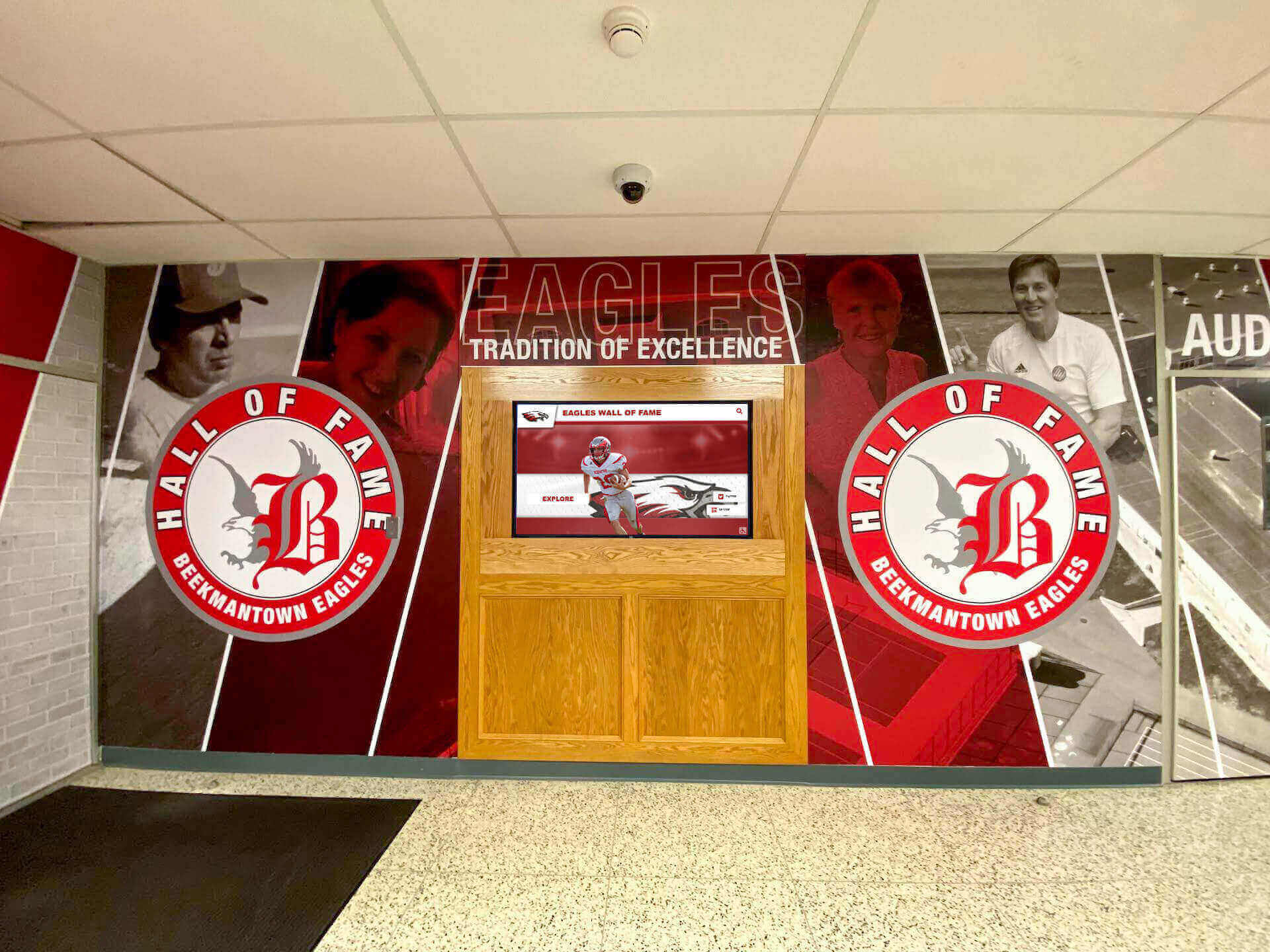
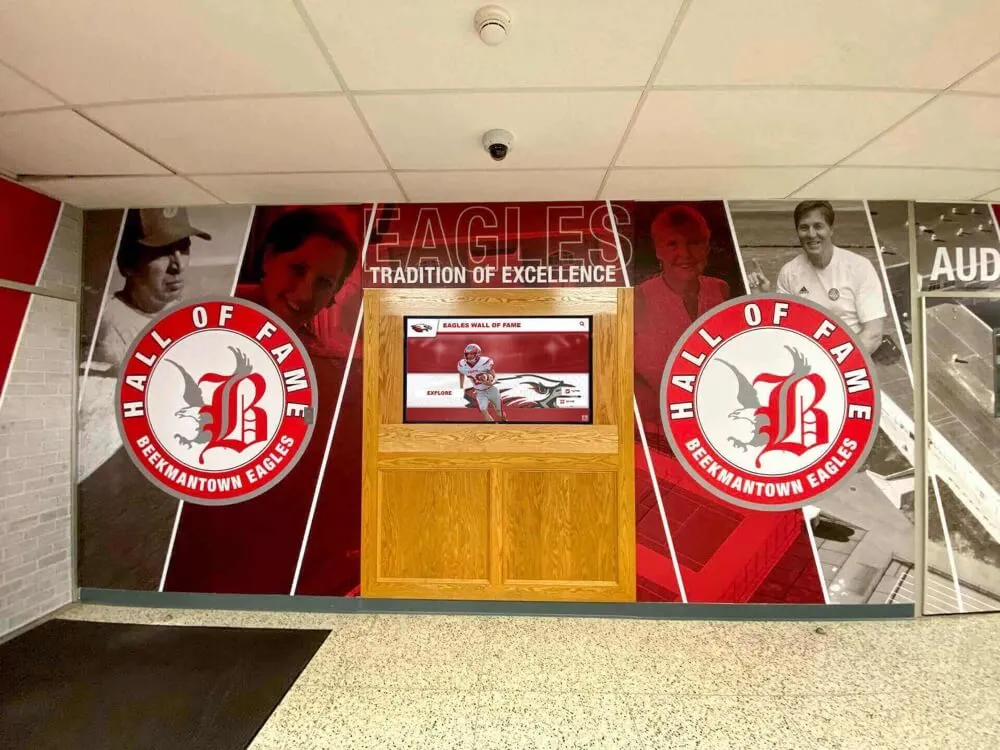
Comprehensive lobby installations integrate recognition displays with architectural elements and school branding creating impressive spaces celebrating achievement
Managing Sensitive Award Categories
Certain recognition types require particular thoughtfulness:
Appearance-Based Superlatives Traditional categories like “Best Smile” or “Best Eyes” remain popular but raise concerns:
- Some schools maintain these categories responding to student preferences and voting enthusiasm
- Others eliminate appearance-focused awards emphasizing achievement over physical characteristics
- Compromise approaches limiting appearance categories while maintaining some student-favorite options
- Clear guidelines preventing hurtful or inappropriate alternative categories from emerging
- Regular evaluation ensuring categories support rather than undermine student well-being
Controversial or Potentially Hurtful Categories Avoid recognition that embarrasses or highlights negative traits:
- “Most Likely to…” categories requiring careful consideration of implications
- Avoid awards highlighting academic struggle or difficulty
- Eliminate categories that could be interpreted as bullying or mockery
- Student input about what feels celebratory versus hurtful
- Adult oversight ensuring peer voting doesn’t become popularity contest or revenge mechanism
Gender and Identity Considerations Modern programs increasingly adopt inclusive approaches:
- Moving from “one boy, one girl” to “two students” for all categories
- Recognition language inclusive of all gender identities
- Categories not based on or limited by gender assumptions
- Allowing students to self-identify for relevant recognitions
- Consultation with students and families about inclusive practices
Educational best practices emphasize that recognition should build all students up rather than reinforcing problematic social hierarchies or creating winners at others’ expense, requiring continuous evaluation ensuring programs serve positive purposes for entire graduating classes.
Conclusion: Creating Lasting Legacy Through Senior Class Awards Recognition
Senior class awards displays represent meaningful opportunities to celebrate graduating students comprehensively while creating lasting visibility for achievements ranging from academic excellence to leadership qualities and memorable personality traits that collectively define each unique graduating class. When schools implement thoughtful recognition programs combining appropriate award categories, prominent display strategies, sustainable management approaches, and commitment to equity and inclusion, they create traditions that honor individual accomplishment while strengthening institutional culture and providing inspiration motivating future student achievement year after year.
The strategies explored throughout this guide provide comprehensive frameworks for developing or enhancing senior recognition systems that appropriately celebrate diverse achievements while remaining administratively sustainable, financially realistic, and aligned with educational values. From understanding award category options and establishing fair selection processes to implementing digital recognition solutions eliminating space constraints and measuring program effectiveness systematically, these approaches transform occasional senior acknowledgment into systematic celebration woven throughout graduation activities and institutional tradition.
Ready to transform how your school celebrates senior class achievements? Modern digital recognition solutions help schools honor graduating students comprehensively while inspiring underclassmen and building proud traditions connecting classes across generations. Solutions like Rocket Alumni Solutions provide comprehensive platforms specifically designed for school recognition needs, offering unlimited capacity for senior awards, rich multimedia profiles celebrating individual achievements, intuitive interfaces enabling easy exploration, and sustainable content management ensuring recognition remains current without creating unsustainable administrative burden.
Whether establishing your first comprehensive senior awards program or modernizing existing recognition approaches, success depends on thoughtful award category selection ensuring diverse achievement celebration, fair transparent processes building program credibility, prominent display strategies creating lasting visibility, and commitment to equity ensuring all deserving seniors receive appropriate acknowledgment regardless of background or achievement type.
Your graduating seniors deserve recognition appropriately honoring their achievements, dedication, and unique qualities that made their high school experiences memorable and meaningful. With thoughtful planning, appropriate technology selection when digital displays fit needs and resources, comprehensive content celebrating individual student stories, and sustained implementation creating reliable annual tradition, you can develop senior awards programs that celebrate intellectual and personal accomplishment as prominently as any other achievement—building pride, motivation, and institutional legacy benefiting students for generations to come.
The most important considerations aren’t budget size, facility quality, or program history—they’re genuine commitment to comprehensive student celebration, systematic implementation ensuring consistent execution year after year, inclusive approaches serving all students appropriately, and sustained effort making recognition central to graduation tradition rather than peripheral acknowledgment. Your seniors invested four years earning their achievements; investing appropriately in their recognition represents not just proper acknowledgment but strategic contribution to school culture and community that benefits current and future students immeasurably.
Start planning your senior class awards recognition enhancement today, and create the celebration traditions your graduating students deserve while inspiring continued excellence throughout your entire school community. Explore comprehensive approaches to end-of-year recognition ceremonies or learn more about high school graduate display strategies to understand effective recognition systems serving students meaningfully and sustainably.