



School talent shows represent more than entertainment—they provide crucial platforms where students discover confidence, showcase hidden abilities, and receive recognition for talents that traditional academics alone cannot capture. Yet many schools struggle to transform these events from chaotic auditorium gatherings into meaningful celebrations that honor diverse student abilities while creating lasting memories and program traditions.
Effective talent shows require thoughtful planning spanning audition processes, performance categories, technical production, audience engagement, and most importantly, systematic recognition ensuring participants receive acknowledgment extending far beyond single performance nights. When schools approach talent shows strategically, these events become cornerstone experiences building inclusive communities where students with vastly different abilities all discover opportunities to shine.
This comprehensive guide explores creative school talent show ideas addressing planning frameworks, performance categories, technical considerations, recognition strategies, and year-round visibility systems. Whether organizing your first talent show or enhancing established traditions, these approaches help create events that celebrate student performers authentically while inspiring continued artistic development and participation.
School talent shows serve multiple strategic purposes beyond entertainment: they identify students with exceptional abilities worthy of additional support, create inclusive environments where diverse talents receive equal celebration, strengthen school culture through shared positive experiences, and establish performing arts traditions that define school identity across years and graduating classes.

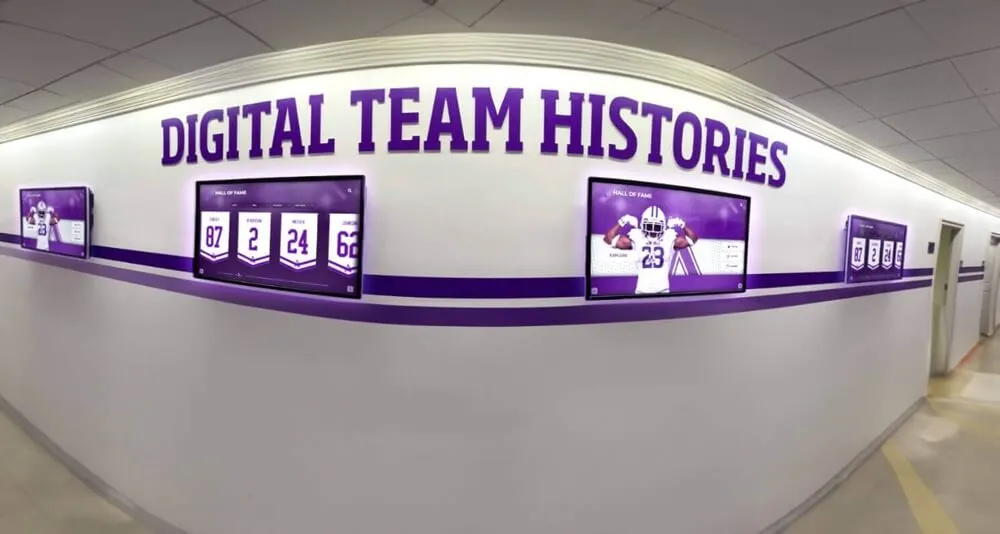
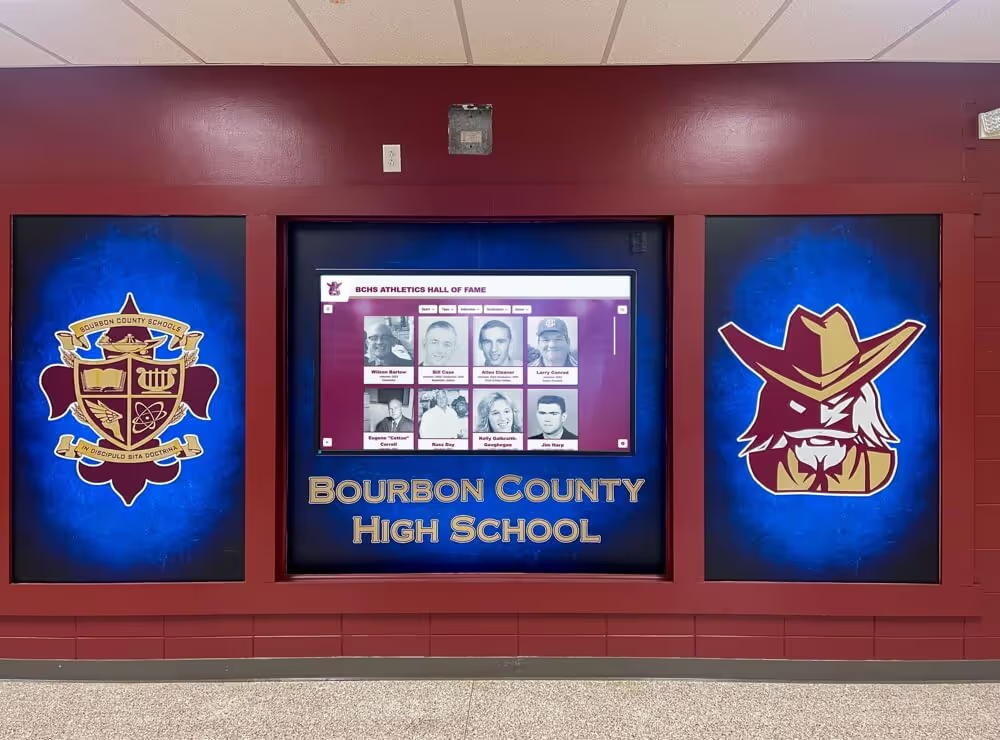
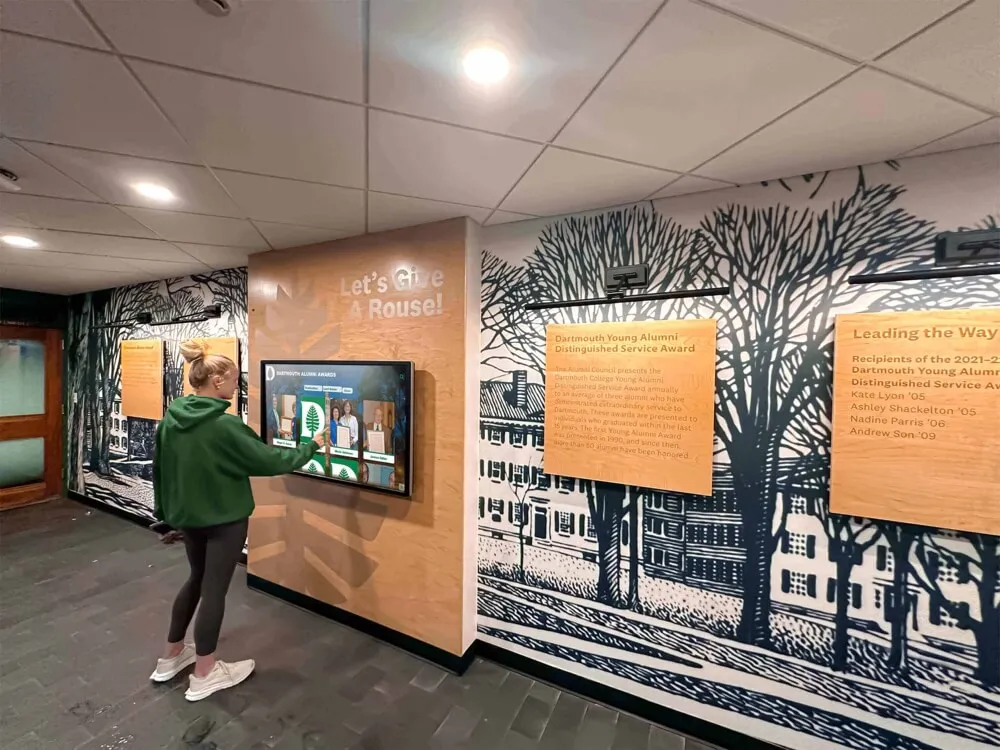
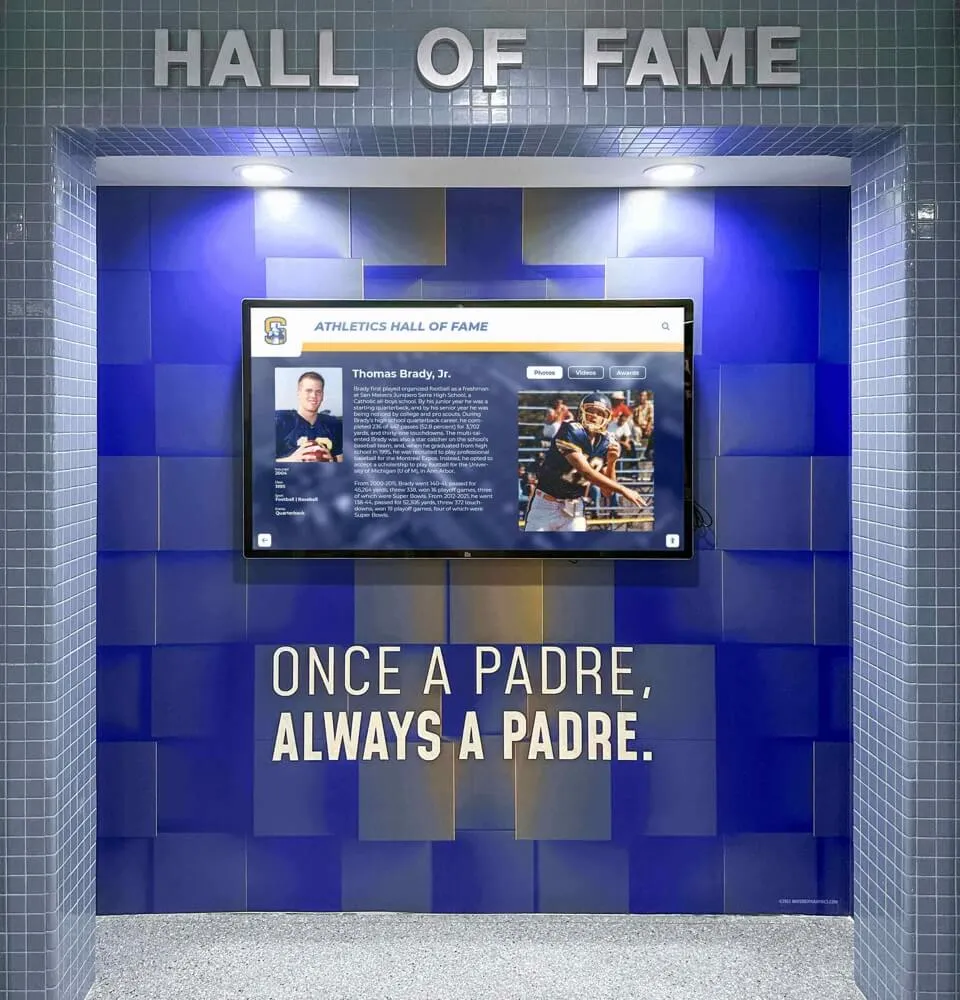
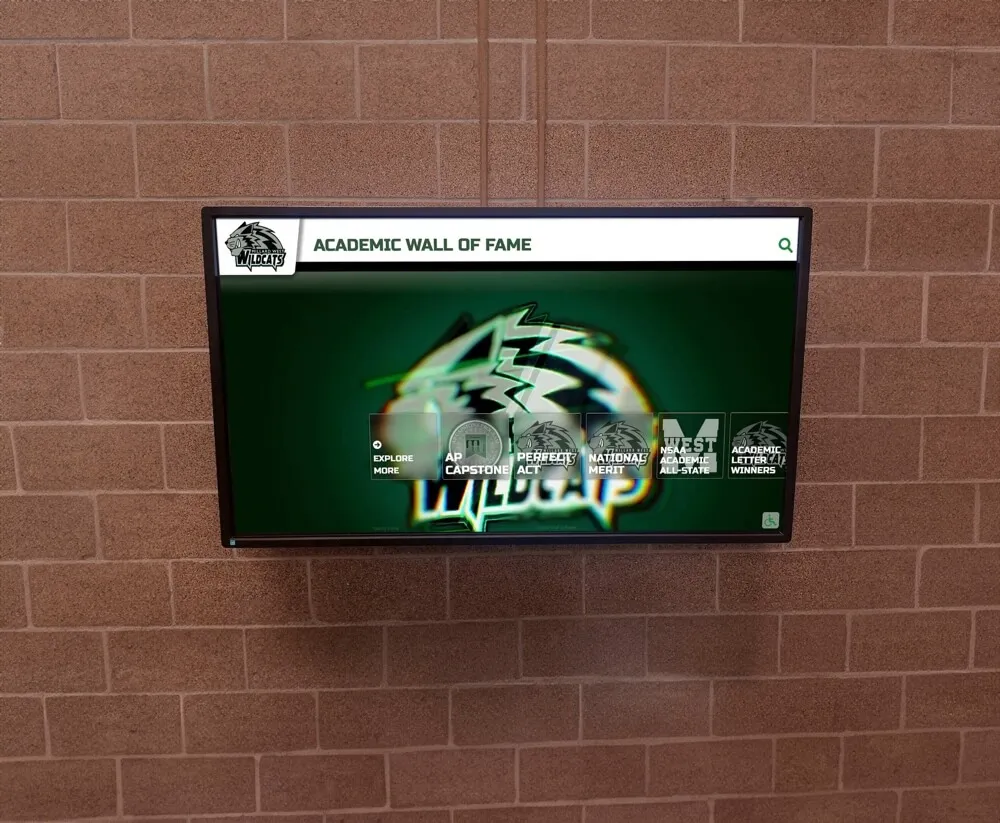
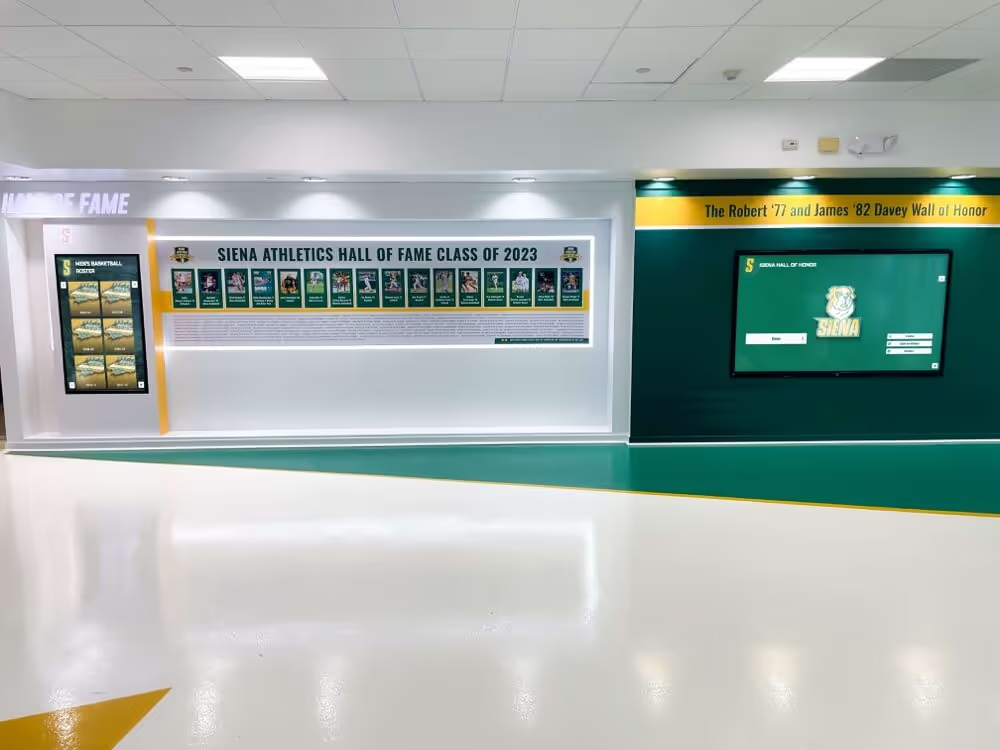
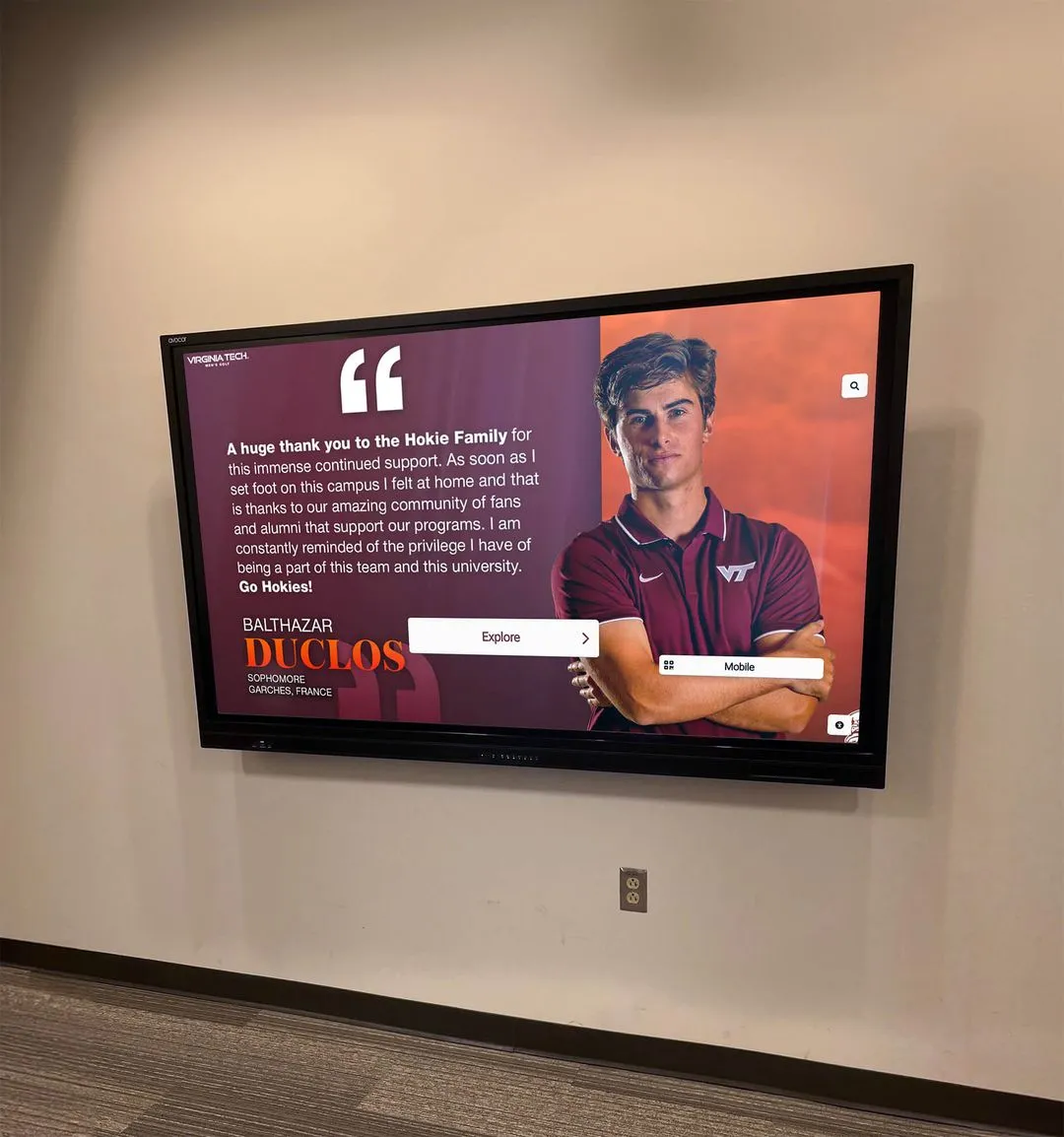
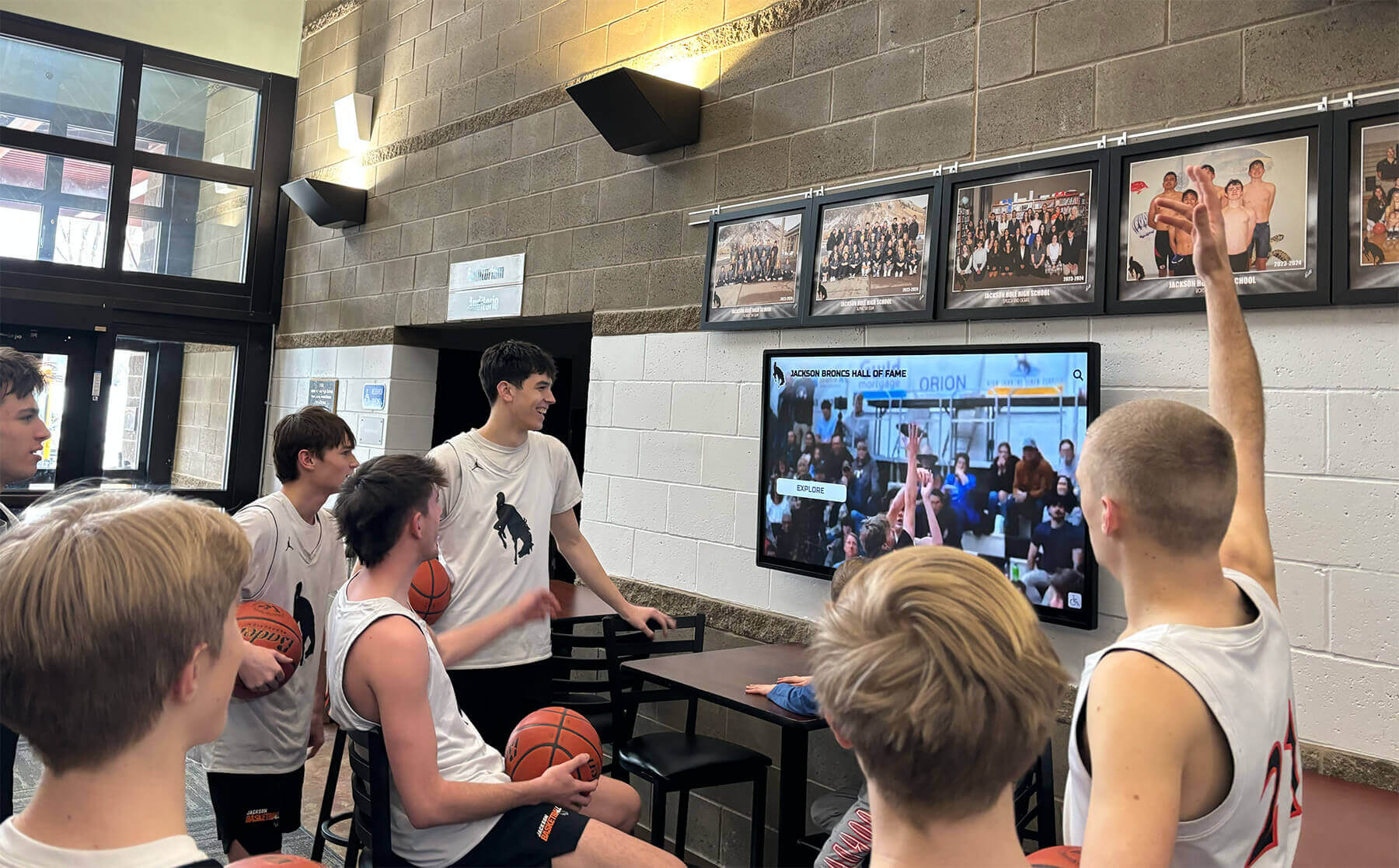
Digital displays enable schools to showcase talent show performances year-round, creating lasting recognition for student performers
Program Snapshot: Talent Show Planning Framework
Understanding complete planning components helps organizers design comprehensive events that honor student performers while remaining manageable to execute.
| Planning Component | Timeline | Key Considerations |
|---|---|---|
| Initial Concept Development | 10-12 weeks before event | Goals definition, budget determination, venue selection, committee formation |
| Performance Categories | 8-10 weeks out | Category selection, audition criteria, diversity considerations, accessibility planning |
| Audition Process | 6-8 weeks out | Application creation, audition scheduling, selection committee, feedback protocols |
| Program Development | 4-6 weeks out | Performance order, timing coordination, emcee preparation, video production |
| Technical Production | 3-5 weeks out | Sound, lighting, staging requirements, rehearsal scheduling, backup planning |
| Marketing and Promotion | 3-4 weeks out | Poster design, ticket sales, social media campaigns, community outreach |
| Final Rehearsals | 1-2 weeks out | Full run-throughs, timing adjustments, technical troubleshooting, performer preparation |
| Event Execution | Event day | Setup, sound checks, performer coordination, audience management, documentation |
| Post-Event Recognition | 1-2 weeks after | Photo/video distribution, recognition displays, feedback collection, archive creation |
Creative Performance Categories for School Talent Shows
Comprehensive category development ensures diverse student abilities receive appropriate platforms and recognition opportunities.
Traditional Performance Categories
Core categories forming the foundation of most talent show programs:
Vocal Performance (Solo and Group)
- Individual singers performing a cappella or with instrumental backing
- Duets and trios showcasing harmony and collaborative performance
- Small vocal ensembles demonstrating group coordination
- Choirs or larger groups presenting polished ensemble performances
- Various musical genres from classical to contemporary pop
Instrumental Music
- Solo instrumentalists across all instrument families
- Chamber groups and small ensembles
- Jazz combos and contemporary bands
- Piano performances ranging from classical to modern compositions
- String quartets, brass ensembles, and woodwind groups
- Unique instruments including bagpipes, accordion, or traditional cultural instruments
Dance Performances
- Ballet showcasing classical technique and artistry
- Contemporary and modern dance exploring creative movement
- Hip-hop performances demonstrating athletic skill and coordination
- Cultural dance preserving traditional forms and heritage
- Jazz, tap, and musical theater styles
- Partner dancing including ballroom, swing, or Latin styles
- Dance crews performing synchronized group choreography
Understanding end-of-year recognition approaches helps schools celebrate talent show participants alongside other student achievements throughout academic years.
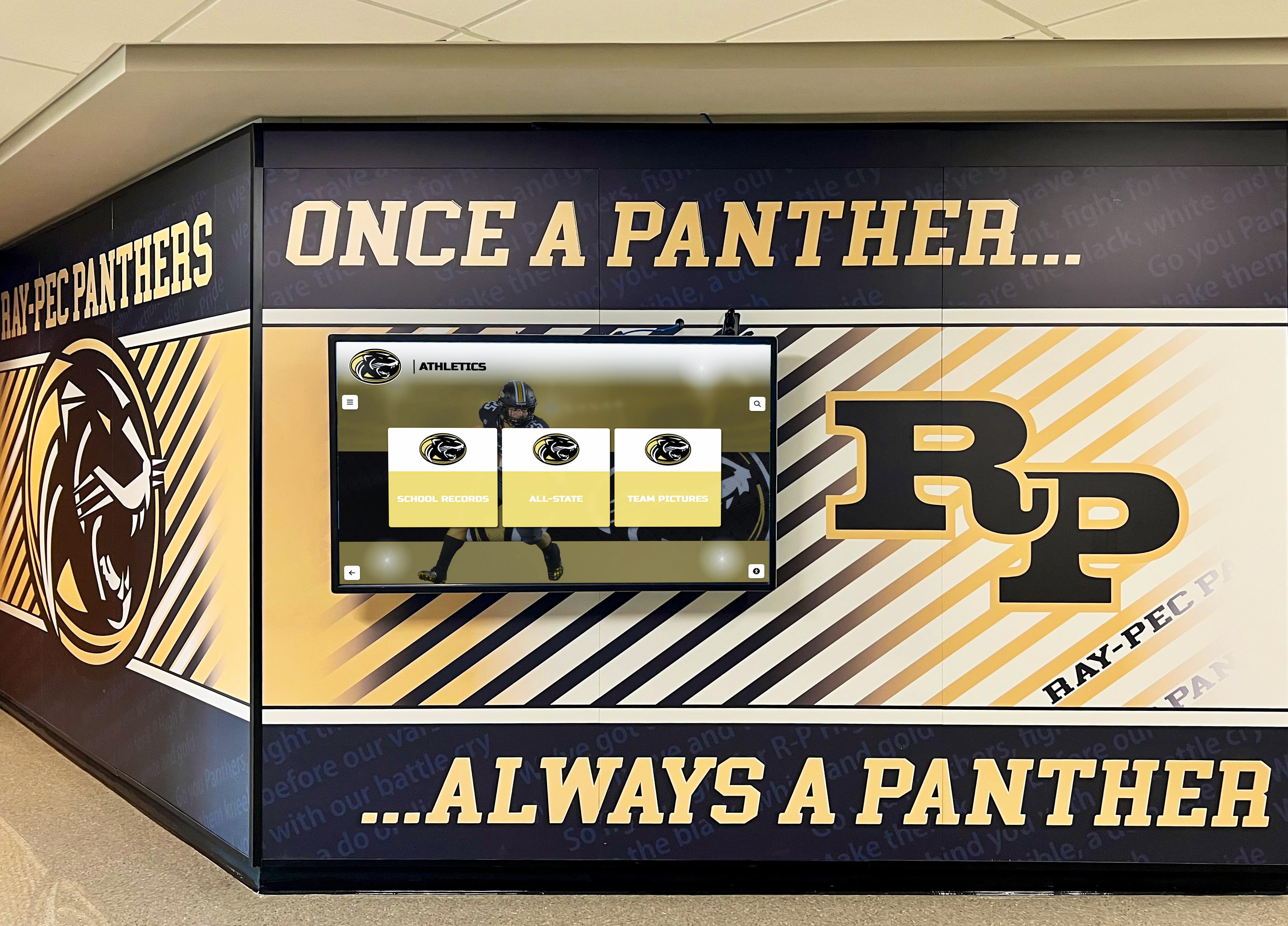
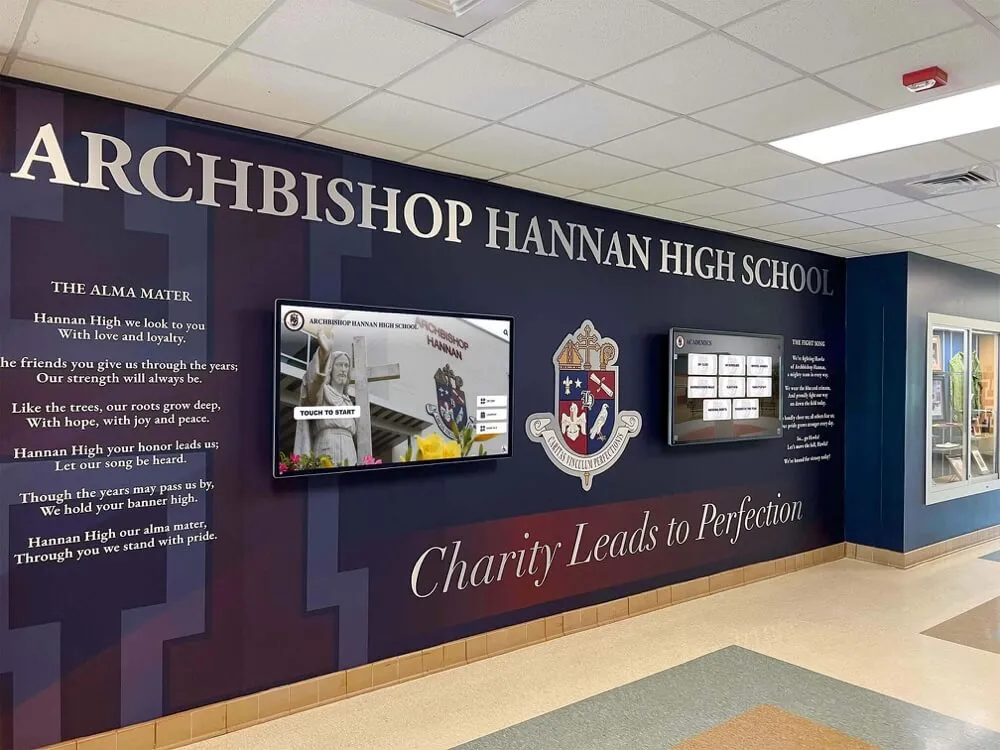
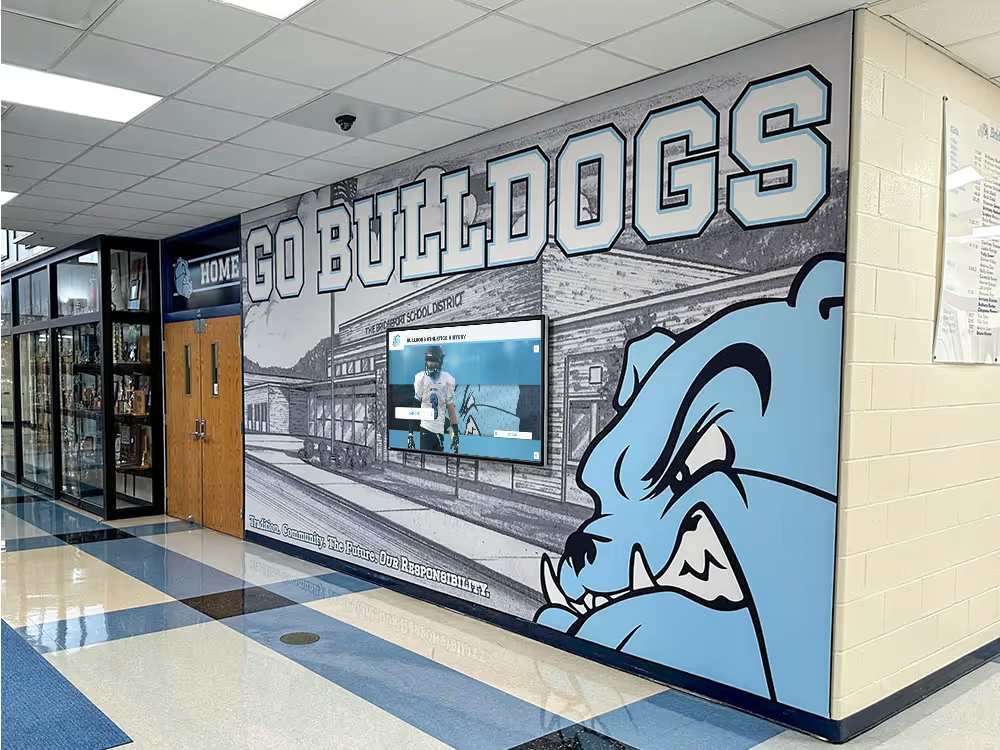
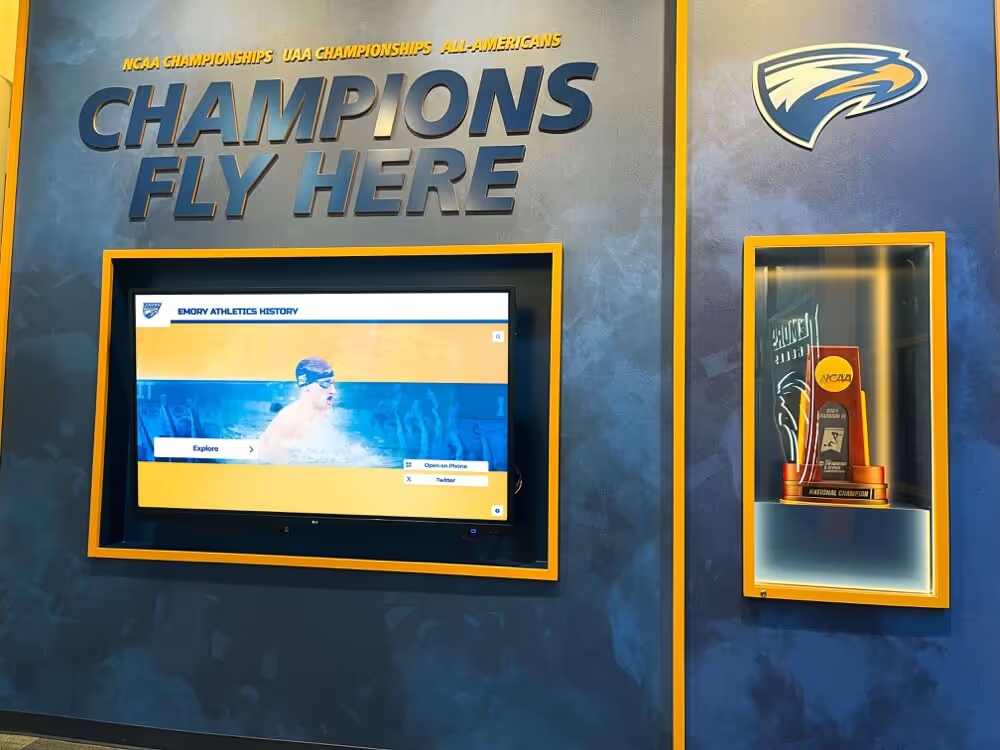
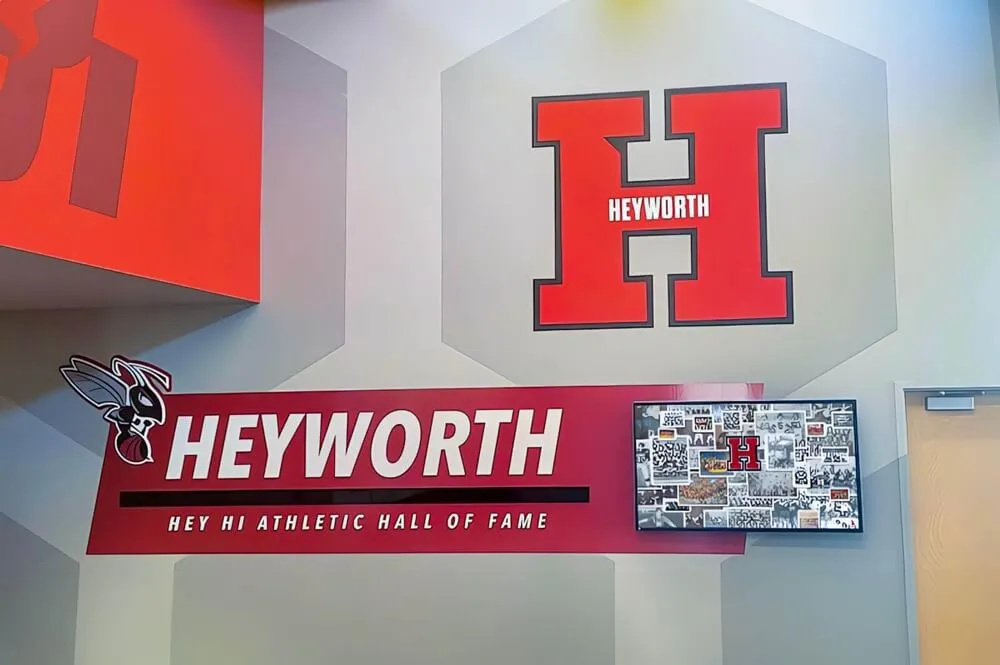
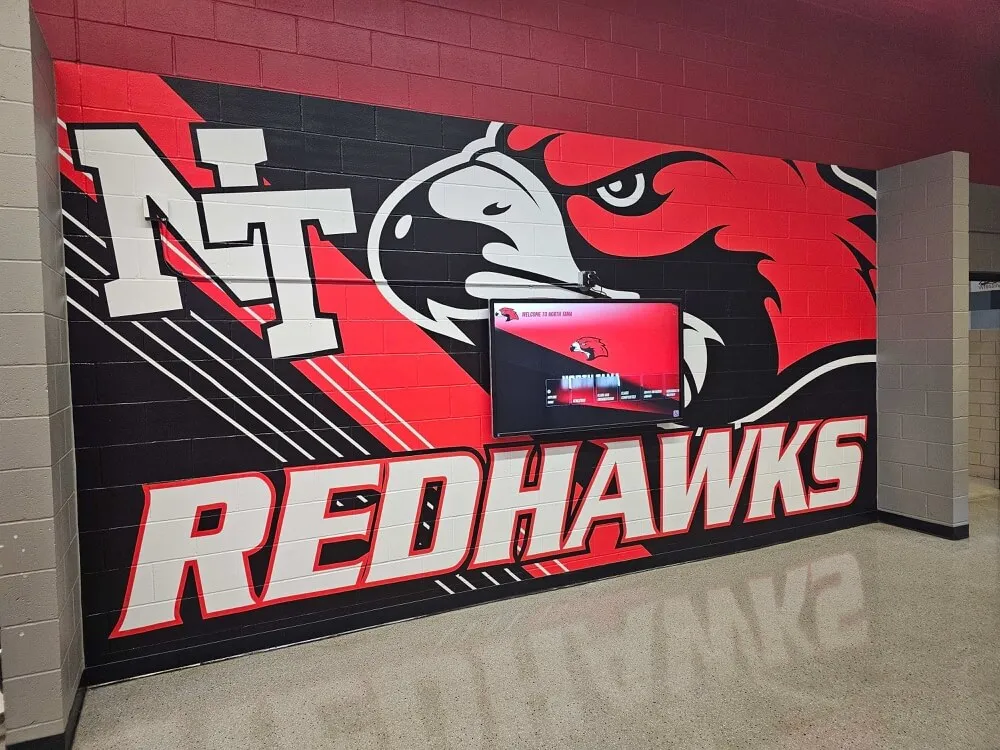
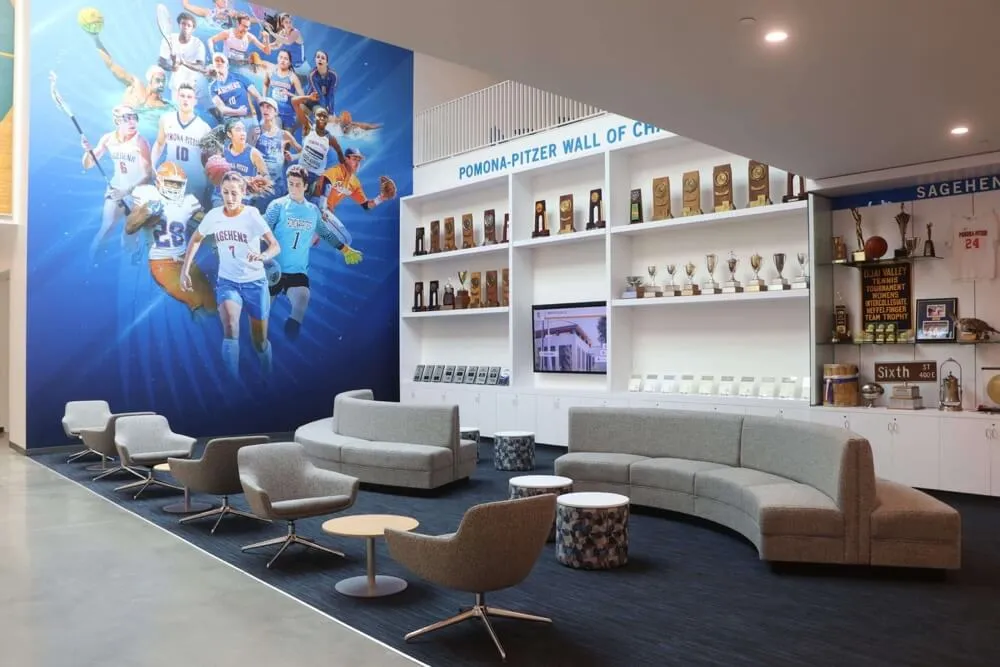
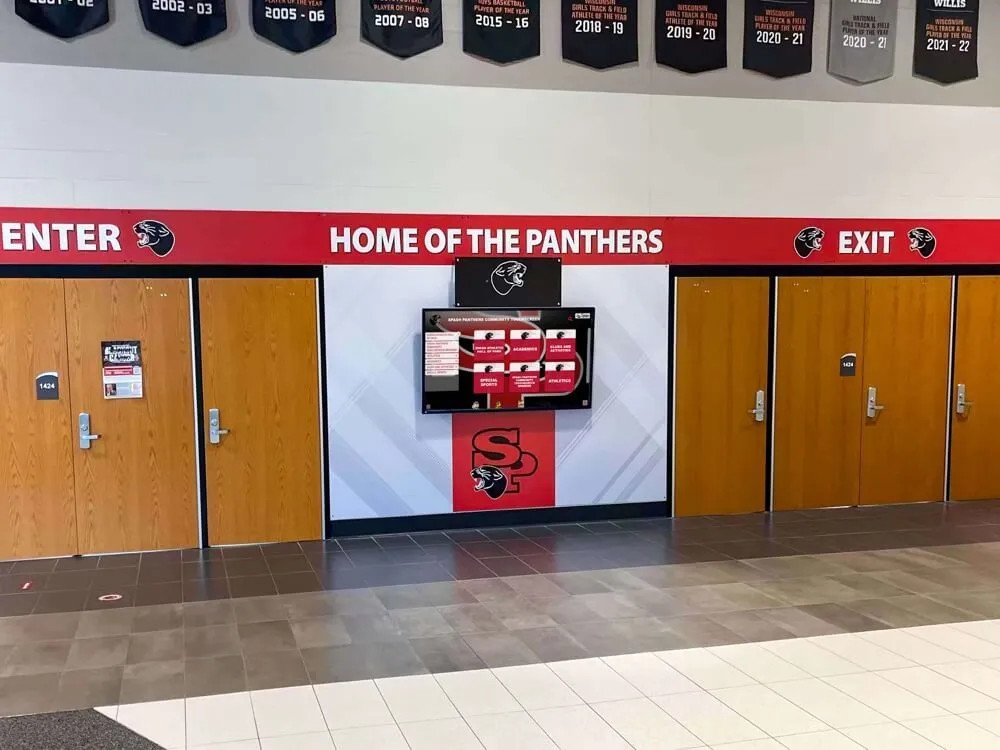
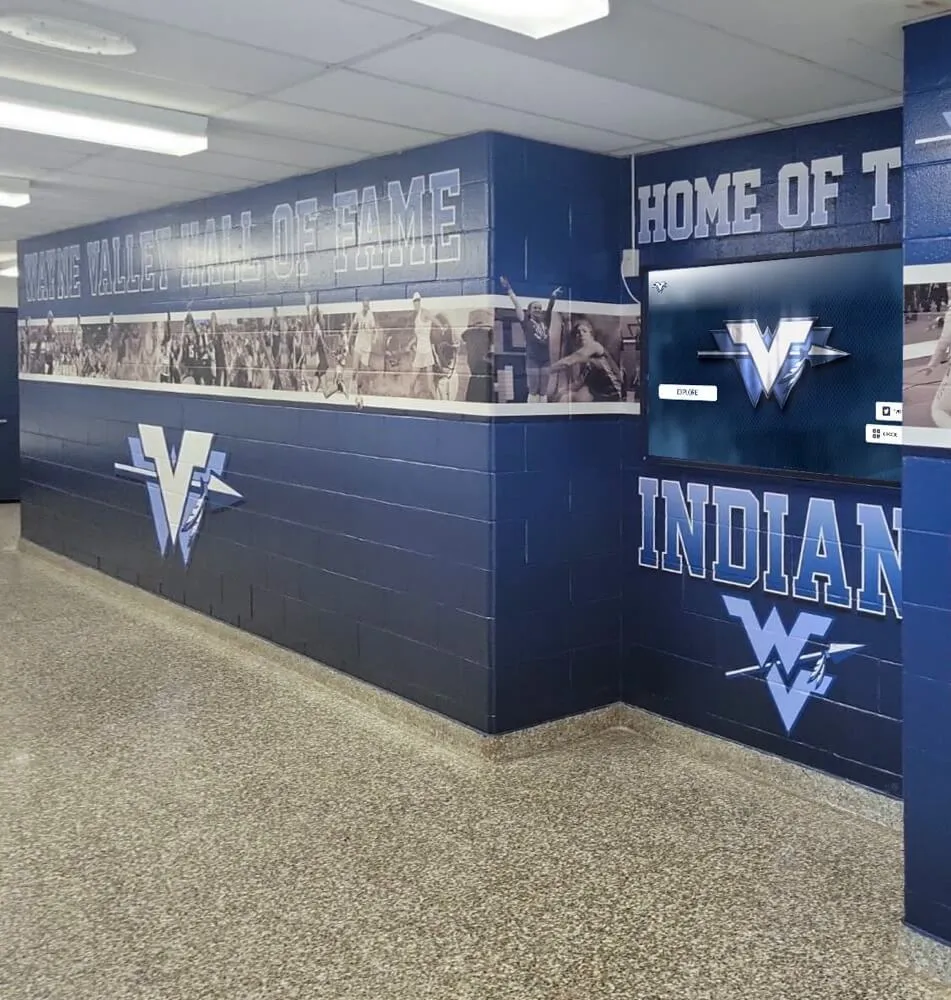
Prominent hallway displays ensure talent show performers receive visibility equal to athletic achievements, celebrating diverse student excellence
Specialized and Creative Categories
Expanding beyond traditional formats ensures broader student participation:
Theatrical Performance
- Monologues showcasing dramatic or comedic acting ability
- Original dramatic scenes or published scene excerpts
- Musical theater selections combining acting, singing, and dance
- Comedy sketches and improvisation demonstrations
- Character work and dialect performances
- Duo scenes highlighting partner chemistry and timing
Visual Arts Demonstrations
- Speed painting or drawing exhibitions
- Live sculpture creation showcasing artistic process
- Digital art demonstrations using tablets or computers
- Calligraphy and lettering performances
- Graffiti art or mural creation in real-time
- Photography portfolio presentations with narrative
Special Skills and Talents
- Magic and illusion performances creating wonder
- Juggling and circus skills demonstrating physical coordination
- Martial arts demonstrations blending athleticism with discipline
- Gymnastics and acrobatic performances
- Spoken word poetry and original monologues
- Beatboxing and vocal percussion
- DJ performances and music mixing
Academic and Intellectual Talents
- Debate demonstrations showcasing argumentation skills
- Science demonstrations making concepts engaging
- Mathematics exhibitions solving complex problems
- Language demonstrations showcasing multilingual abilities
- Robotics demonstrations with student-built machines
- Coding demonstrations showing software creation
Creative and Original Content
- Original song performances by student composers
- Original choreography showcasing creative movement invention
- Student-directed short films or video projects
- Original poetry and creative writing readings
- Comedy routines featuring original material
- Fashion design showcases with student-created garments
Explore comprehensive academic recognition programs that celebrate intellectual achievements alongside performing arts excellence.
Collaborative and Group Categories
Encouraging teamwork through ensemble performances:
Musical Ensembles
- Rock bands performing original or cover material
- A cappella groups creating full sound without instruments
- Orchestra sections presenting classical repertoire
- Jazz ensembles improvising and interpreting standards
- World music groups performing cultural traditions
Dance Groups and Teams
- Choreographed group routines requiring synchronization
- Dance crews competing or showcasing signature styles
- Flash mob performances surprising audiences
- Cultural dance groups preserving traditional forms
- Musical theater ensemble numbers
Theatrical Productions
- Short plays featuring multiple student actors
- Improvisation teams creating comedy spontaneously
- Readers theater presenting scripted material dramatically
- Musical scenes requiring acting, singing, and character work
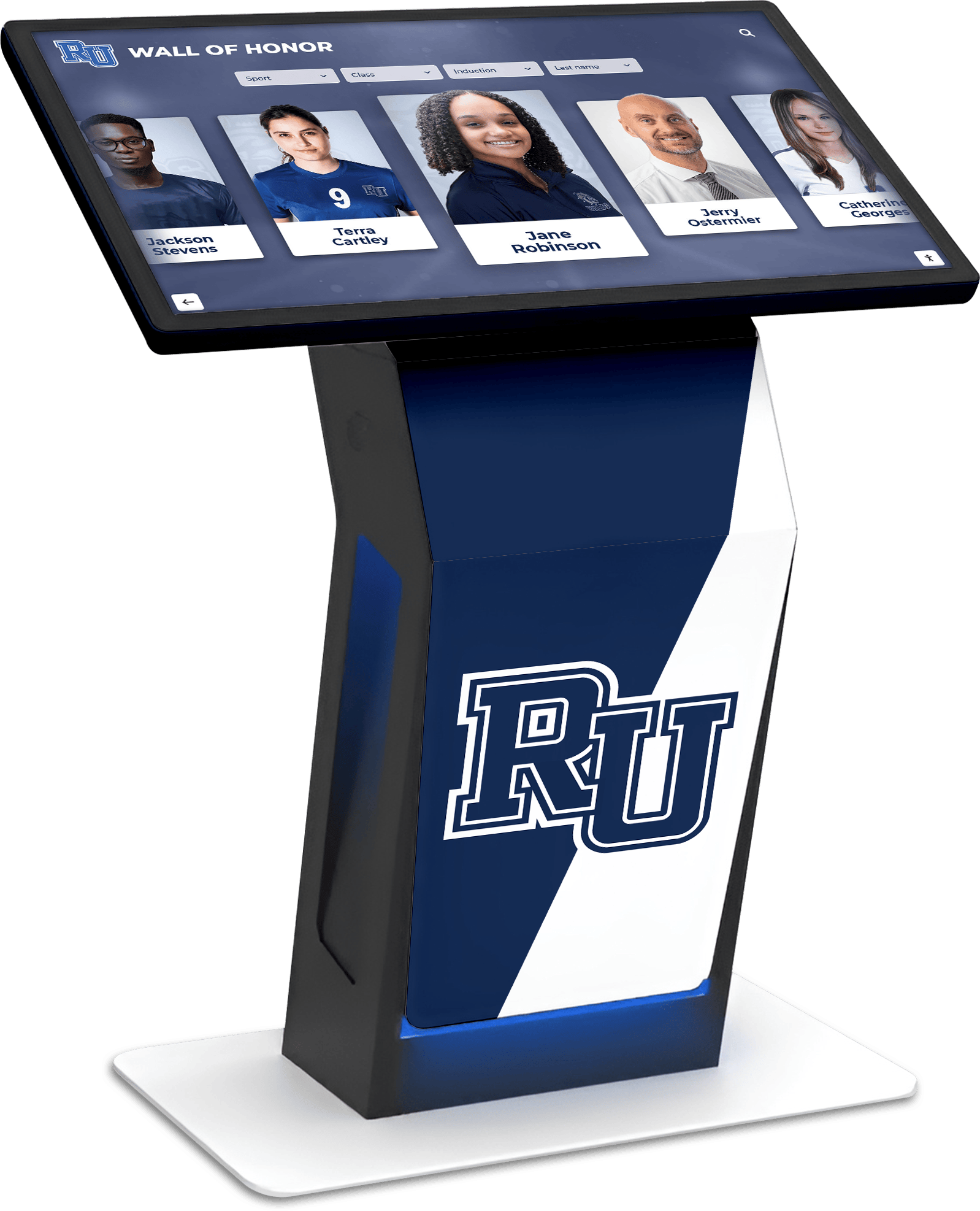
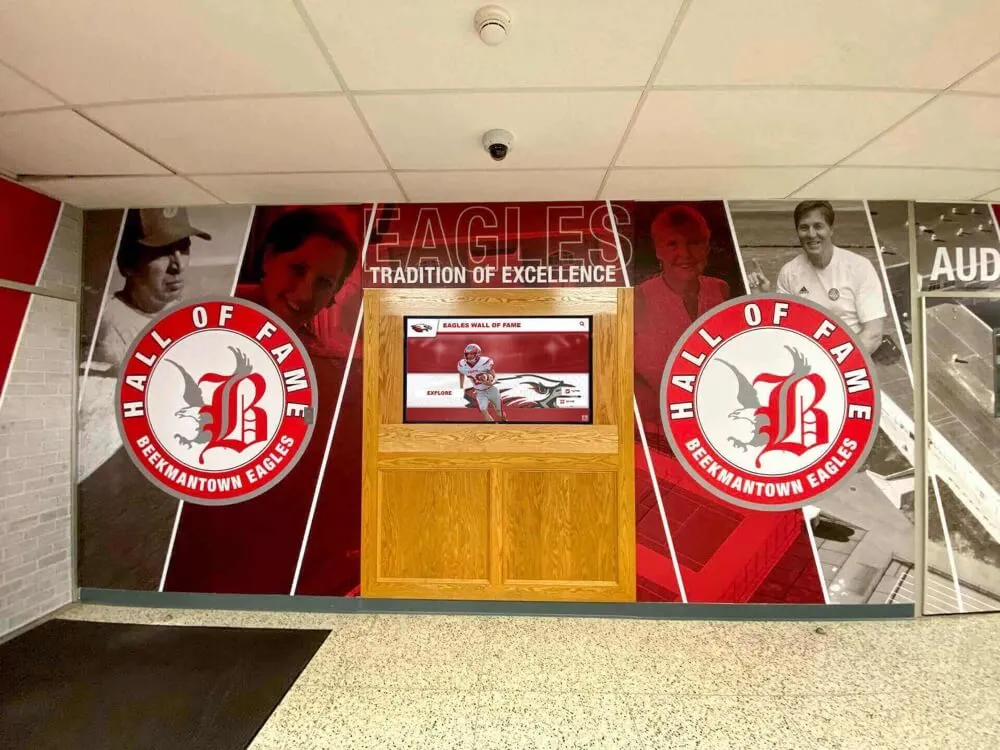
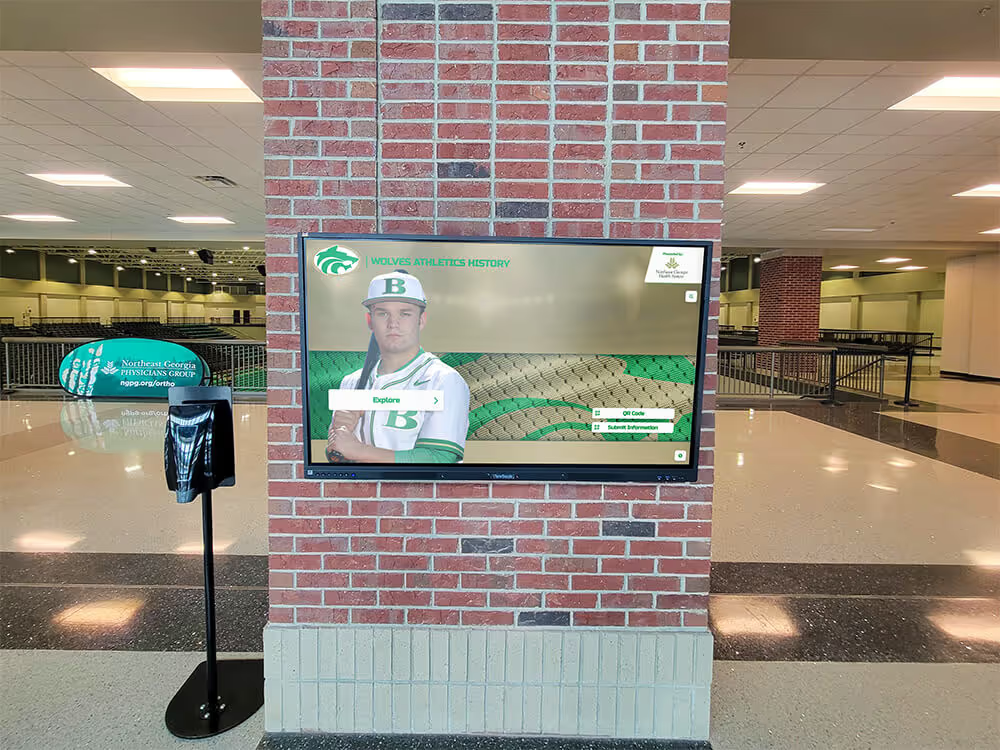
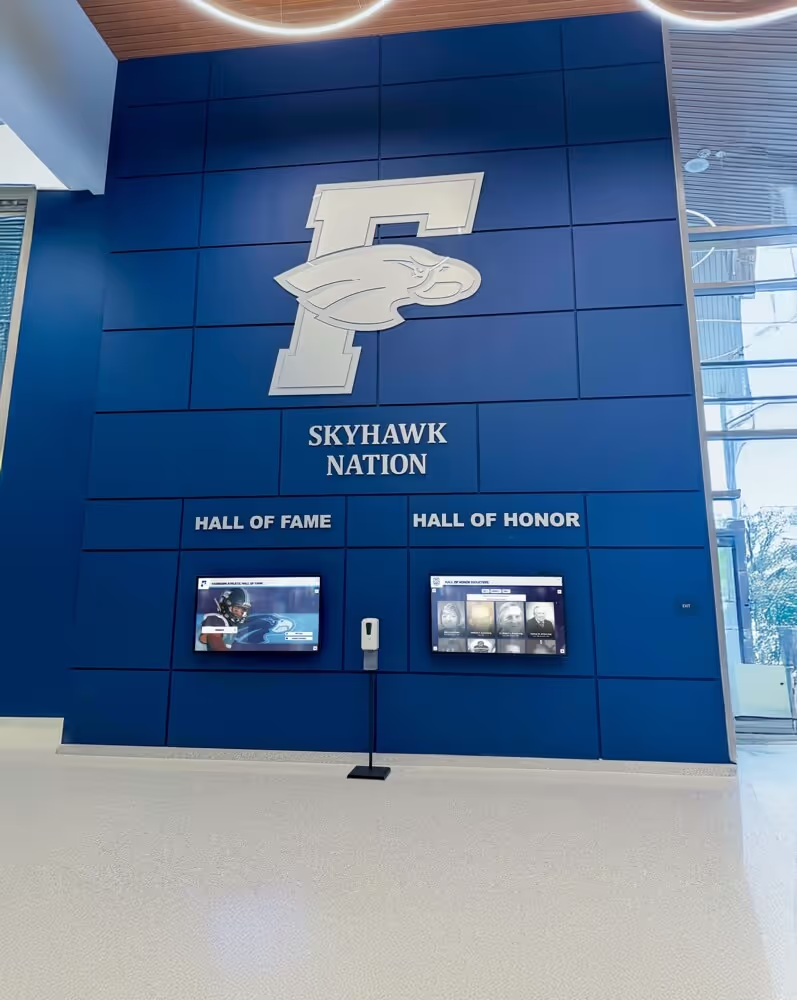
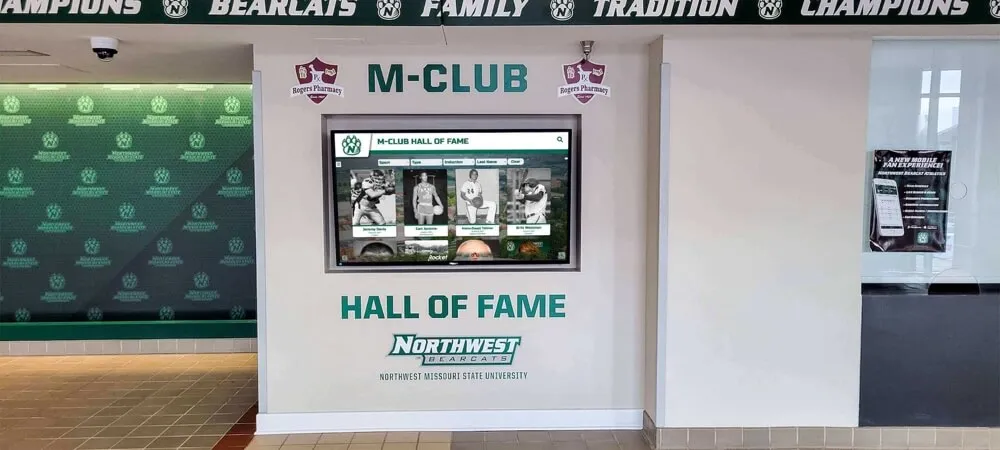
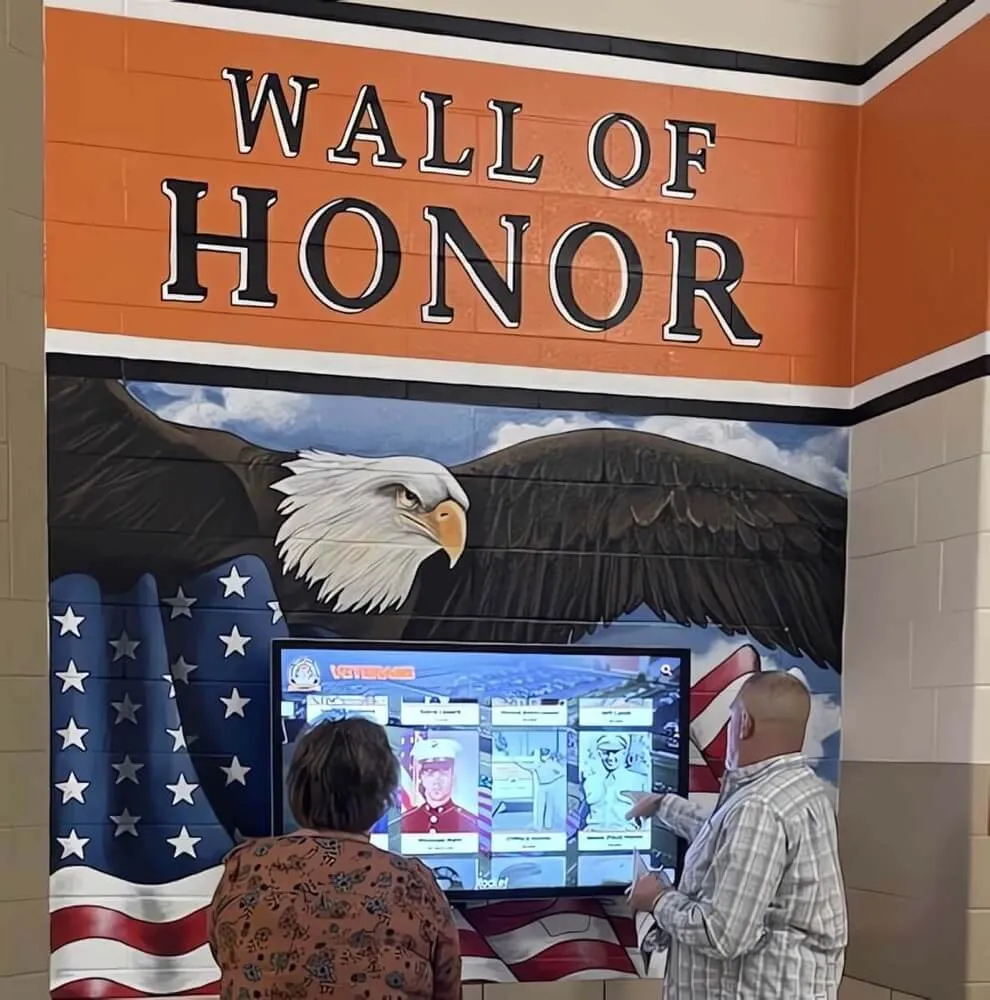
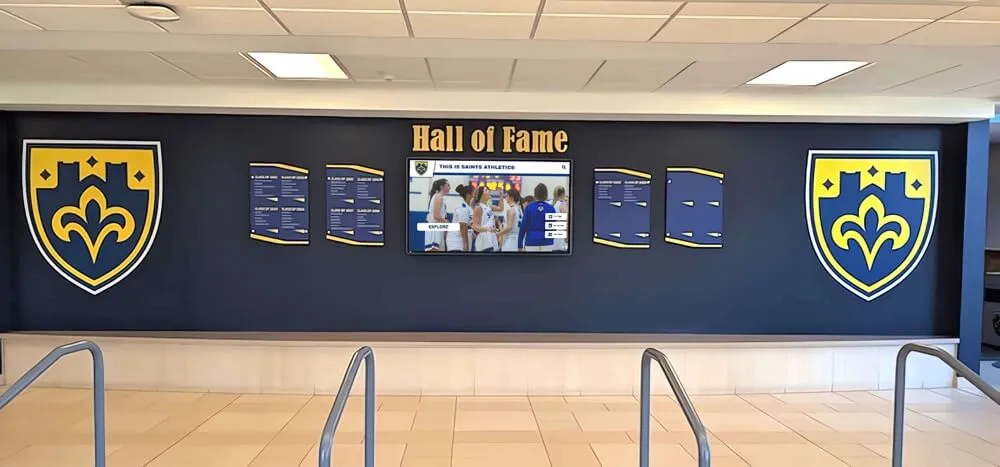
Interactive displays provide comprehensive platforms for documenting talent show participants and their performances year-round
Inclusive and Accessible Categories
Ensuring all students discover participation opportunities:
Beginner-Friendly Categories
- First-time performer divisions reducing pressure
- Group participation options supporting nervous individuals
- Teacher-student duets building confidence
- Peer mentorship performances pairing experienced with new performers
Adaptive Performance Categories
- Accommodations for students with physical disabilities
- Technology-assisted performances enabling broader participation
- Visual performance options for hearing-impaired students
- Described performances or audio-focused acts for vision-impaired students
Behind-the-Scenes Recognition
- Technical crew showcases highlighting production teams
- Emcee performances acknowledging hosting talents
- Stage management demonstrations showing coordination
- Costume and makeup design recognition
Audition Process and Performer Selection
Thoughtful audition approaches balance quality programming with inclusive participation opportunities.
Audition Structure Options
Open Performance Format (No Auditions)
- All interested students perform without selection process
- Longer show accommodating complete participant roster
- Guaranteed participation encouraging first-time performers
- May require multiple performance sessions or extended runtime
- Creates inclusive environment emphasizing participation over competition
Selective Audition Process
- Students audition for limited performance slots
- Quality-focused programming maintaining audience engagement
- Constructive feedback helping non-selected students develop
- Clear evaluation criteria ensuring transparent selection
- Potential for multiple tiers or showcases accommodating more students
Hybrid Approach
- Guaranteed participation for all auditioners in some capacity
- Featured performances for strongest auditions
- Multiple showcase events with different formats
- Opening number including all participants
- Behind-the-scenes roles for non-performing applicants
Audition Logistics and Best Practices
Application and Registration
- Clear application forms collecting essential information
- Performance description requirements explaining intended acts
- Technical need specifications for sound, lighting, or staging
- Music submission deadlines for backing tracks
- Parental permission forms for younger students
- Conflict identification preventing scheduling problems
Audition Evaluation Criteria
Transparent rubrics ensuring fair selection:
- Performance quality and technical execution
- Originality and creativity of presentation
- Stage presence and audience engagement
- Appropriateness for school environment
- Technical feasibility given available resources
- Diversity contribution to overall program balance
Feedback and Communication
- Constructive feedback for all auditioners regardless of selection
- Clear communication of decisions with rationale when requested
- Encouragement for future participation and development
- Connection to relevant clubs, classes, or mentorship opportunities
- Acknowledgment that rejection reflects program needs, not student worth
Understanding student recognition display approaches provides frameworks for celebrating talent show participants alongside other student leaders.

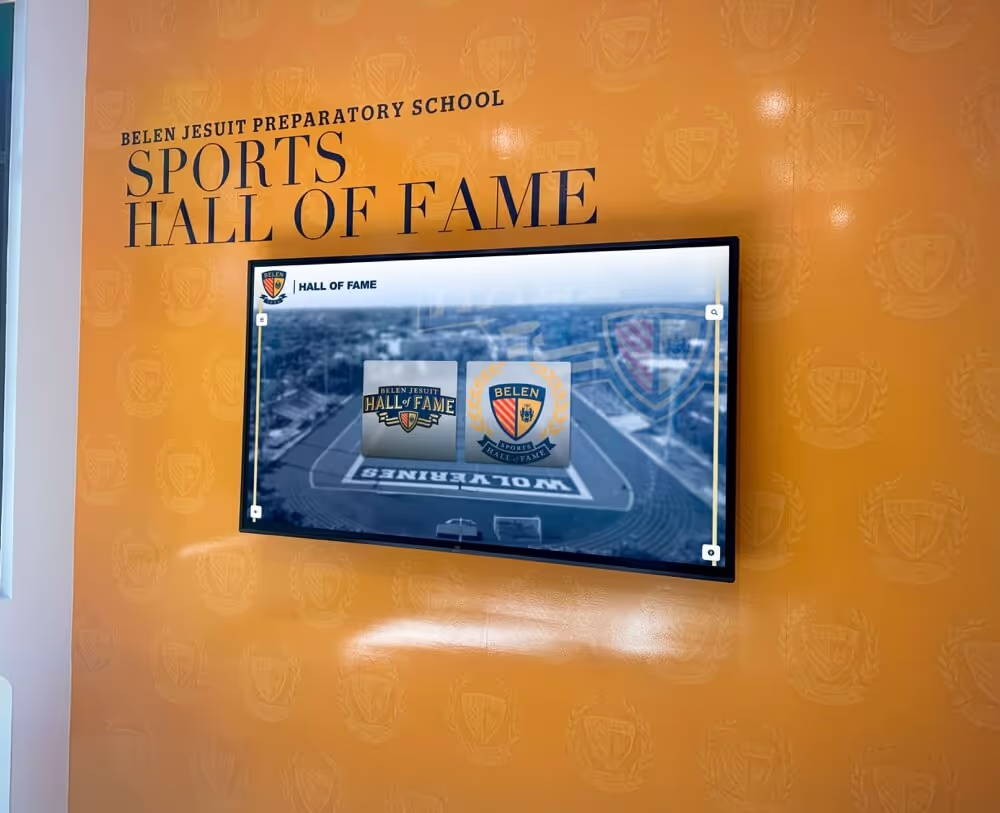
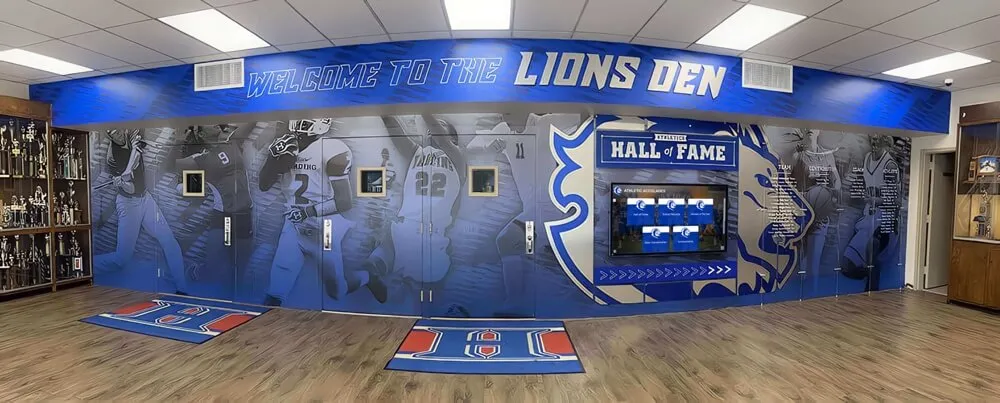
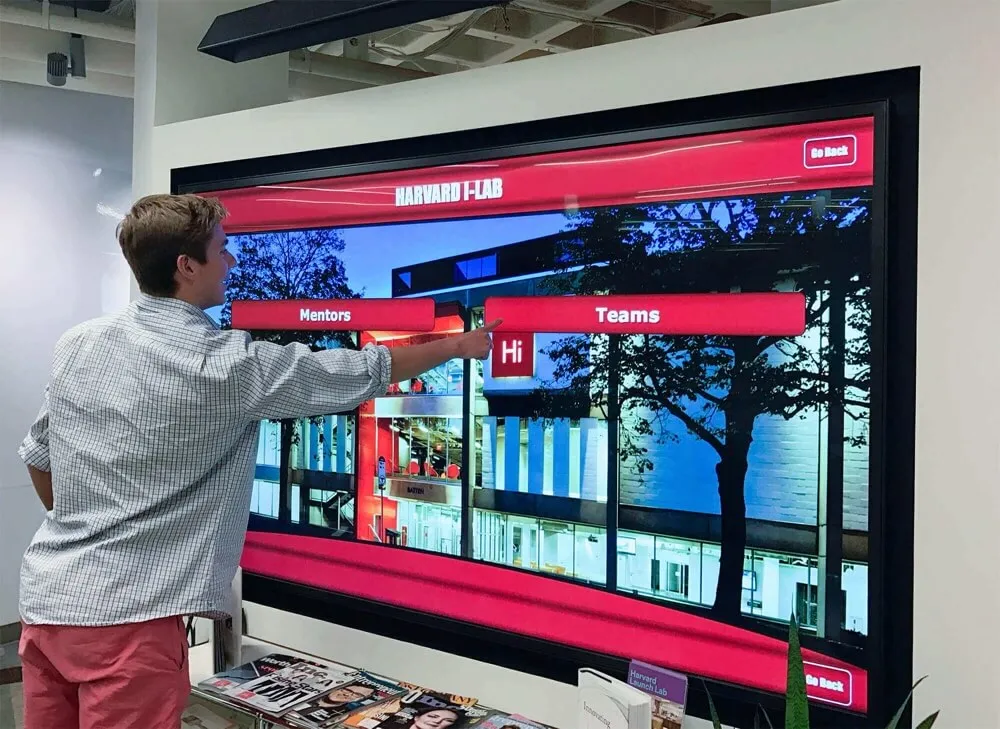
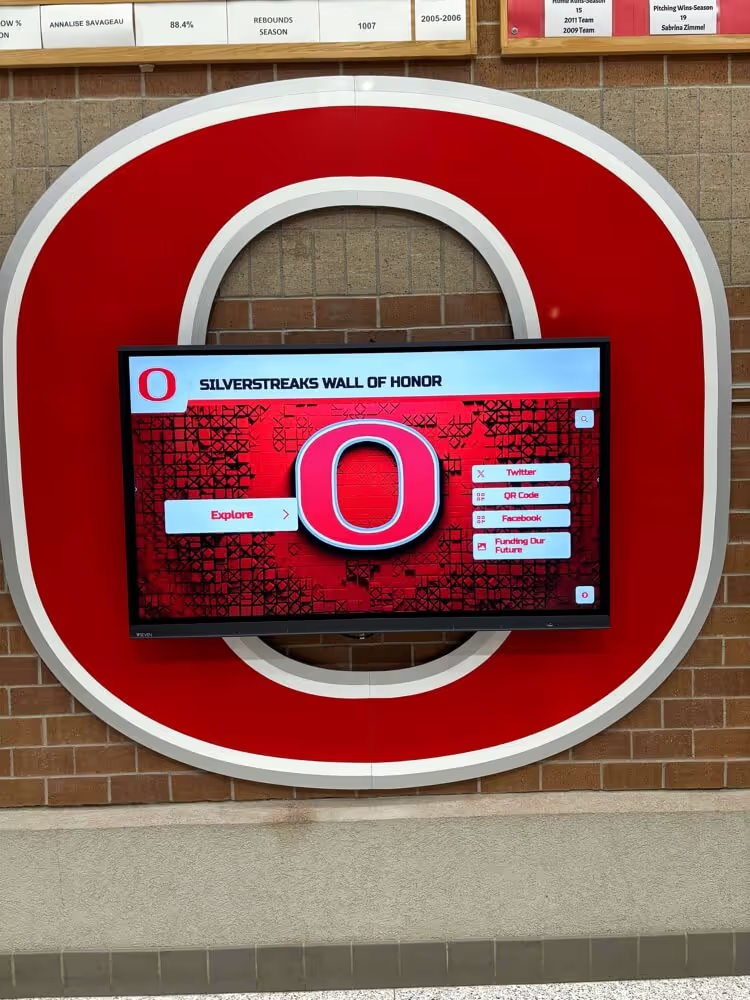
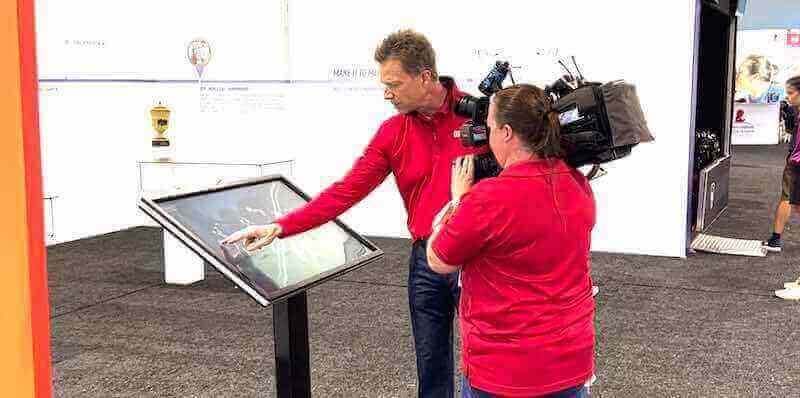
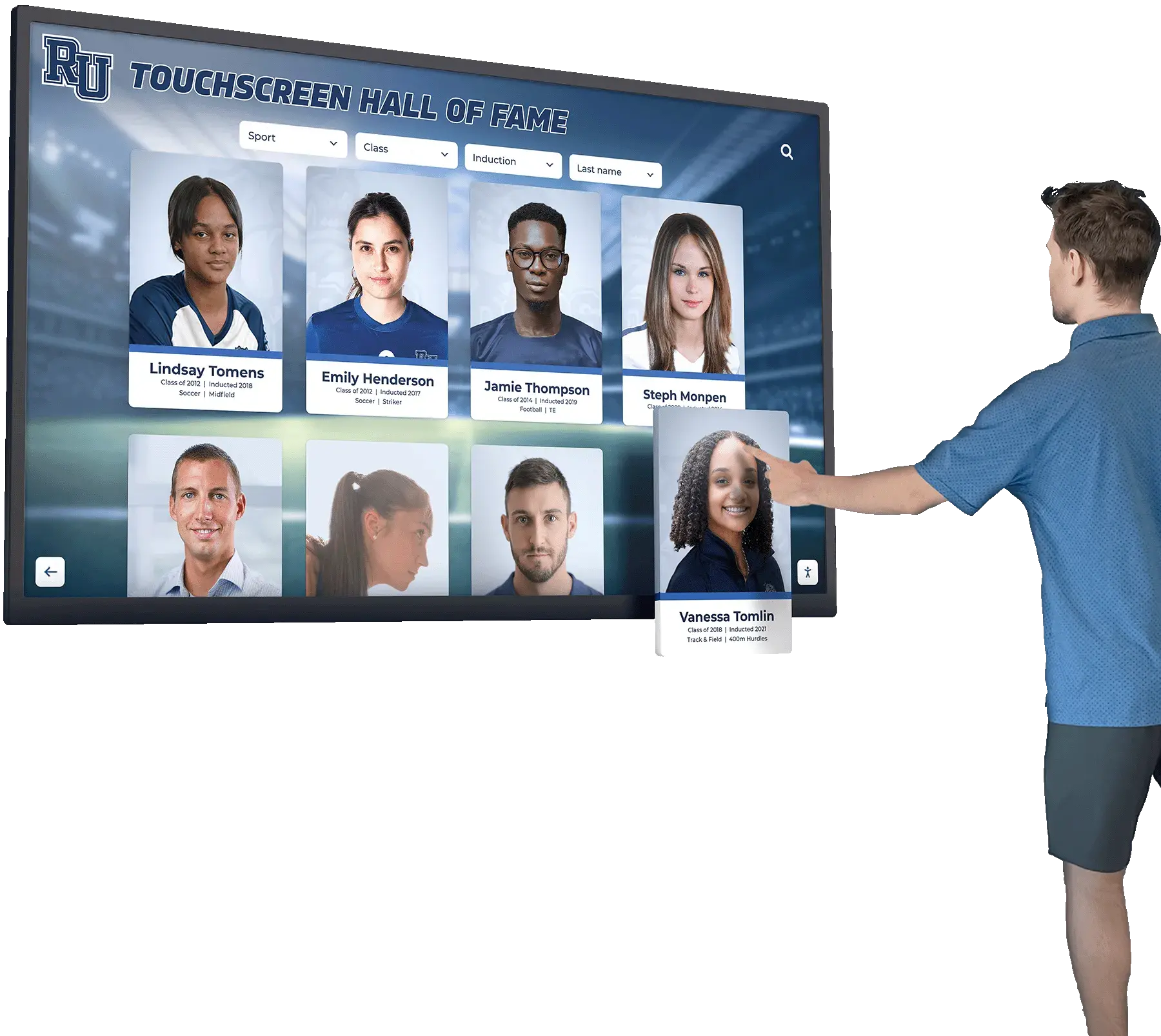
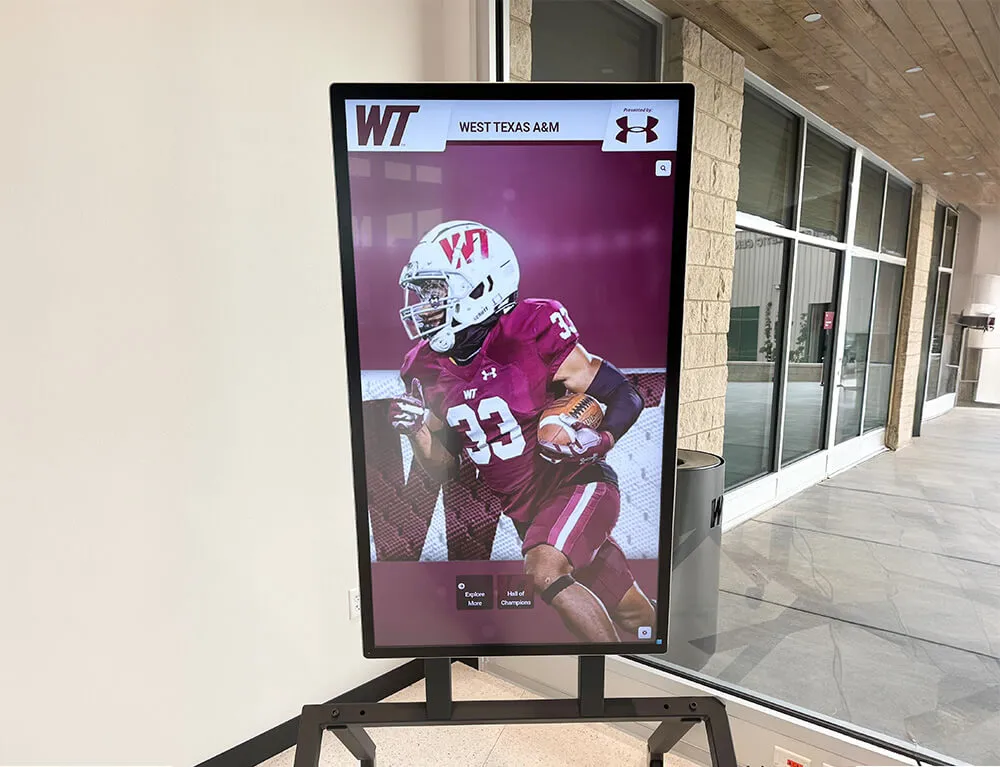
Touch-enabled interfaces make exploring performer profiles and talent show archives engaging for students, families, and visitors
Program Flow and Show Structure
Strategic program design creates engaging experiences that maintain audience attention while honoring all performers appropriately.
Performance Order Strategy
Opening Impact
- Strong opening act capturing attention immediately
- Upbeat, energetic performance setting positive tone
- Group numbers creating impressive visual impact
- Avoid placing nervous first-time performers at opening
Middle Section Pacing
- Alternating performance types preventing monotony
- Mixing high-energy and contemplative acts strategically
- Balancing solo performances with group numbers
- Considering technical transition needs between acts
- Strategic placement preventing similar acts from clustering
Closing Momentum
- Building toward memorable finale maintaining energy
- Saving strongest performances for concluding positions
- Group finale including all performers when possible
- Encore or surprise performances as special moments
- Avoiding ending with lengthy or slow-paced acts
Technical Transition Management
Minimizing dead time between performances maintains engagement:
Quick-Change Strategies
- Preset staging for multiple acts reducing changeover time
- Curtain drops or screen projections during transitions
- Emcee commentary filling gaps with performer introductions
- Video interludes showcasing school spirit or performer profiles
- Student stage crew efficiency through rehearsal and coordination
Sound and Lighting Coordination
- Pre-programmed lighting cues for each performance
- Sound checks completed before show preventing delays
- Backup music tracks preventing technical failure disasters
- Wireless microphone protocols ensuring availability
- Clear communication between performers and technical crew
Emcee and Hosting Considerations
Effective hosting elevates overall production quality:
Emcee Selection
- Charismatic students comfortable with public speaking
- Faculty members with strong stage presence
- Student-teacher duos creating dynamic partnerships
- Multiple emcees preventing fatigue and adding variety
- Comedy or entertainment value beyond simple introductions
Hosting Responsibilities
- Performer introductions providing context and excitement
- Transition entertainment maintaining audience engagement
- Sponsor acknowledgments when funding requires recognition
- Technical problem management maintaining positive atmosphere
- Energy maintenance through enthusiasm and genuine excitement
Explore school event planning strategies for additional frameworks creating memorable student experiences beyond talent shows.
Recognition and Celebration Approaches
Systematic recognition ensures talent show participation creates lasting positive impact beyond performance night.
During-Show Recognition Strategies
Inclusive Acknowledgment
- Applause and positive reinforcement for every performer regardless of skill level
- Standing ovations for particularly impressive or meaningful performances
- Audience participation elements creating interactive celebration
- Avoiding competitive elements that create winners and losers
- Emphasis on courage required to perform publicly
Special Recognitions
- First-time performer acknowledgment celebrating bravery
- Senior recognition honoring graduating students’ participation
- Repeat performer recognition celebrating sustained involvement
- Technical crew acknowledgment for behind-the-scenes contributions
- Faculty and staff performer recognition when applicable
Post-Show Awards and Honors
When schools choose to present awards, thoughtful approaches prevent negative impacts:
Award Category Considerations
If presenting awards, ensure diverse recognition:
- Best Overall Performance (audience or judge vote)
- Most Original Performance celebrating creativity
- Rising Star Award for promising younger performers
- Showmanship Award recognizing stage presence
- Technical Excellence for superior execution
- Fan Favorite determined through audience voting
- Ensemble Performance celebrating group coordination
Award Presentation Best Practices
- Multiple categories preventing single “winner” mentality
- Certificates or recognition for all participants
- Emphasis that awards reflect judges’ preferences, not absolute quality
- Acknowledgment that all performers deserve celebration
- Private award communication option reducing public comparison
Non-Competitive Recognition Approaches
Many successful programs avoid awards entirely:
- Universal participation certificates for all performers
- Photo opportunities with backdrops for all acts
- Performer showcase spotlights in school communications
- Equal recognition in programs and promotional materials
- Focus on celebration of courage and artistic expression
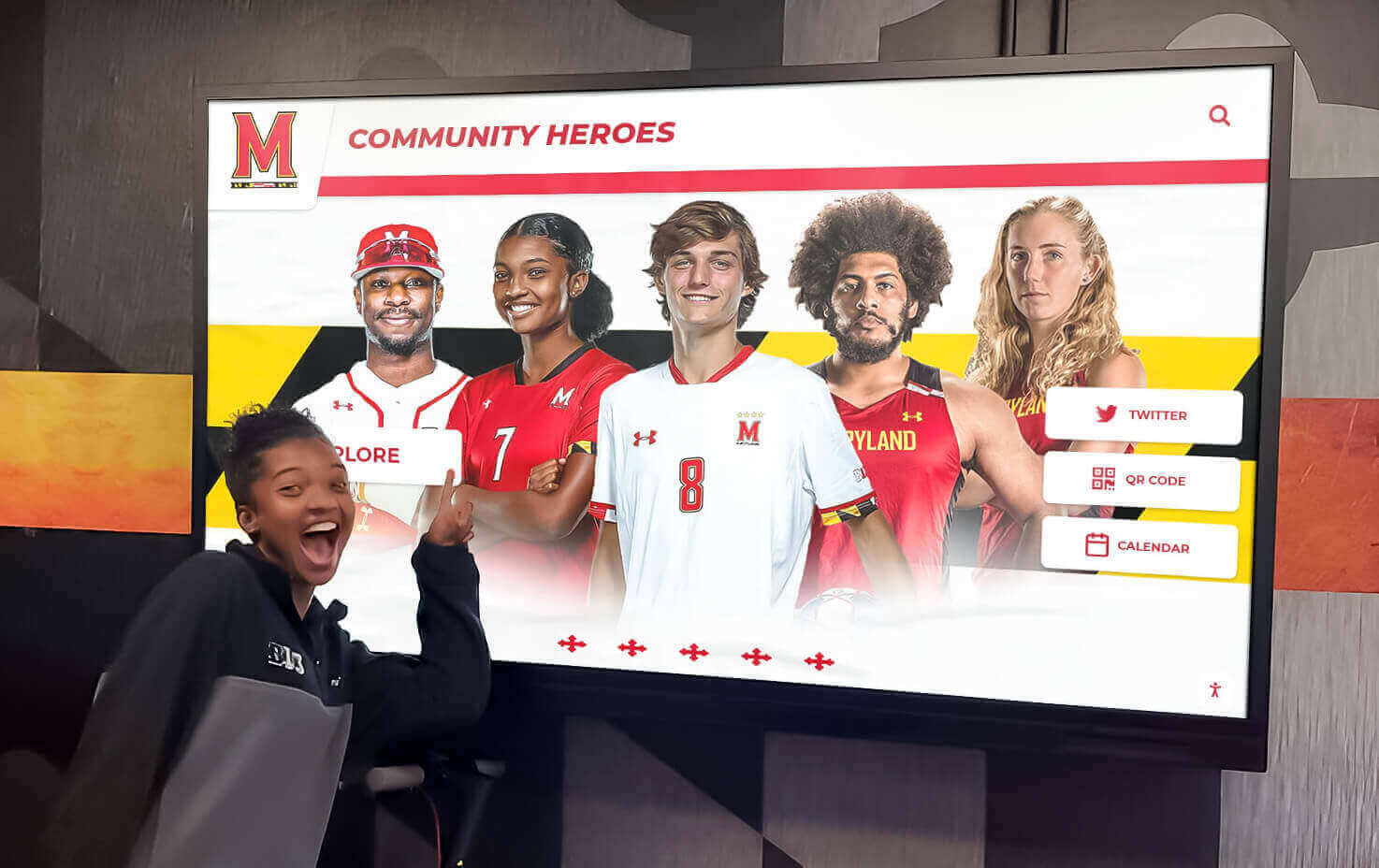
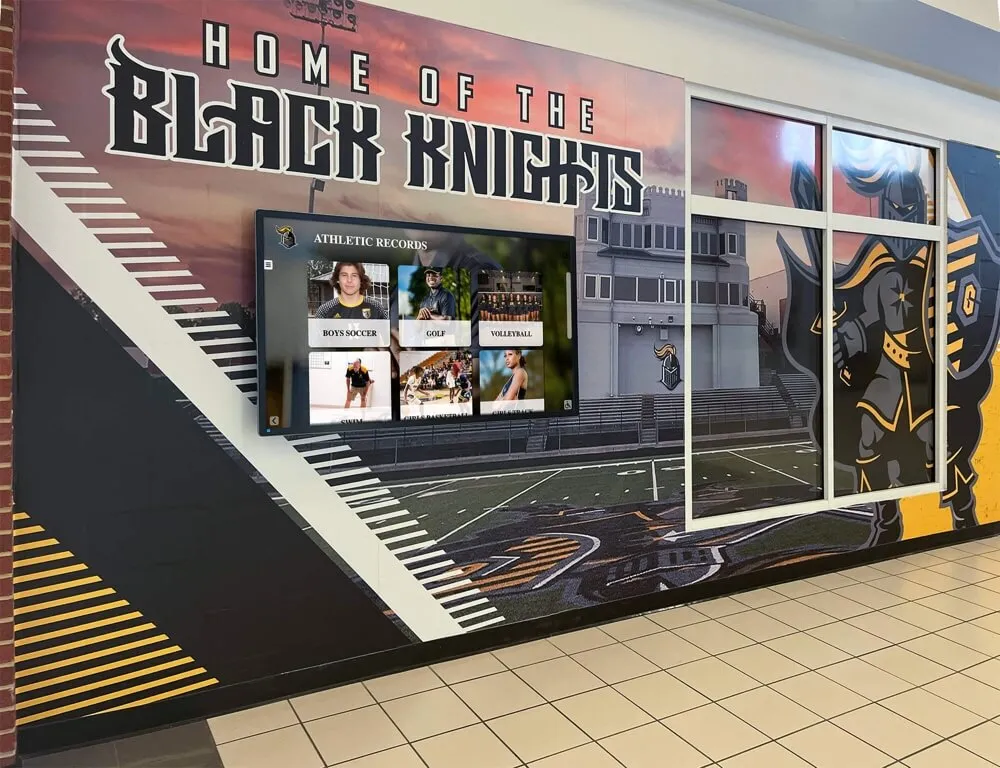
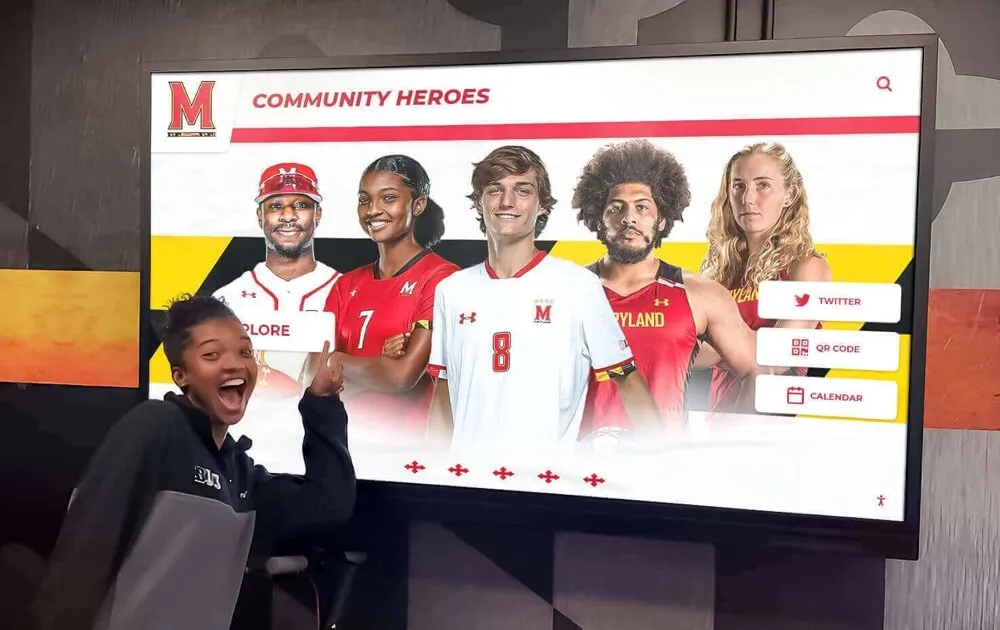
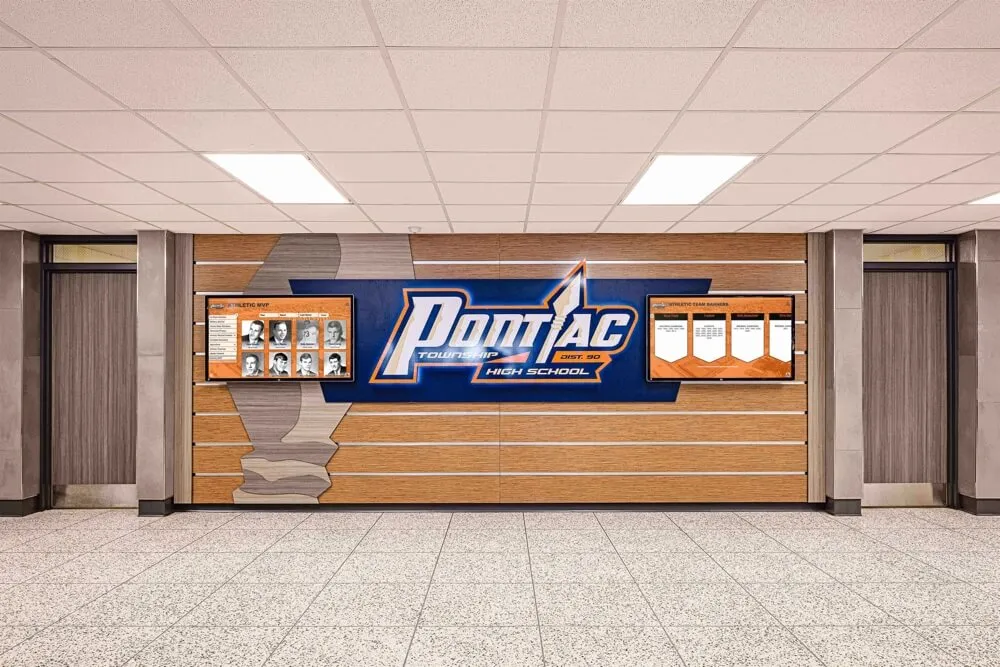
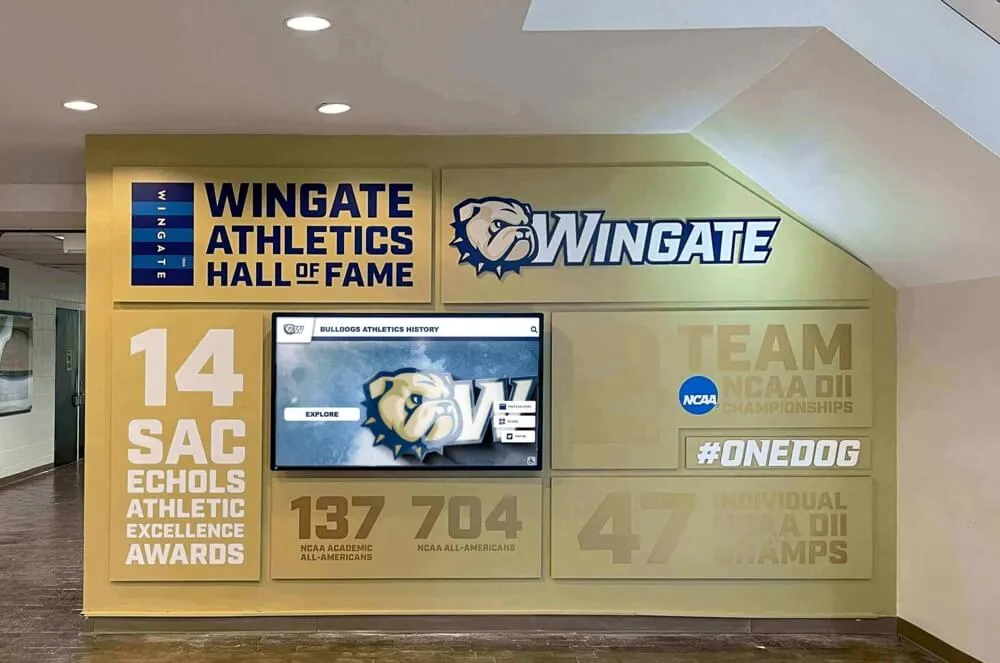
Digital displays showcase diverse student achievements, ensuring performing arts receive recognition equal to athletic accomplishments
Year-Round Performer Recognition
Extending visibility beyond single performance nights builds performing arts culture:
Digital Recognition Platforms
Modern systems provide comprehensive performer documentation:
- Individual performer profiles with photos and achievements
- Performance video archives preserving complete shows
- Photo galleries from rehearsals, backstage, and performances
- Searchable databases enabling discovery of specific acts or performers
- Historical archives showing talent show evolution across years
- Mobile accessibility enabling family viewing beyond school facilities
Solutions like Rocket Alumni Solutions enable schools to create comprehensive digital recognition platforms showcasing talent show performers alongside athletic and academic achievements, ensuring performing arts receive visibility equal to other accomplishments.
Physical Display Integration
- Hallway showcase areas featuring performer photos
- Trophy cases or display cabinets for talent show memorabilia
- Photo walls showing historical talent show moments
- Program archives documenting decades of performances
- Banner displays celebrating exceptional performances or milestones
Social Media Recognition
- Individual performer features on school accounts
- Video clip sharing highlighting memorable moments
- Behind-the-scenes content showing preparation process
- Performer interviews providing personal perspectives
- Alumni spotlight series showing where former performers are now
Program and Publication Recognition
- Yearbook sections dedicated to talent show documentation
- School newspaper features profiling performers
- Newsletters highlighting upcoming and past performers
- Website galleries preserving complete performance documentation
- Email communications celebrating participant achievements
Understanding digital display strategies helps schools maximize recognition visibility throughout facilities and communities.
Budget Development and Funding Strategies
Realistic financial planning enables quality talent shows within available resources while preventing cost barriers to participation.
Cost Components and Planning
Venue and Facility Expenses
- Auditorium rental if using external space ($500-$3,000)
- Facility staff costs for setup, operation, and security
- Insurance requirements for public performances
- Parking and accessibility accommodations
- Cleaning and maintenance fees
Technical Production Costs
- Sound system rental or upgrades ($300-$2,000)
- Lighting equipment and control systems ($500-$3,000)
- Staging and backdrop materials ($200-$1,500)
- Microphones and audio equipment ($200-$1,000)
- Projection and video equipment when needed
- Technical crew payment or stipends
Marketing and Promotion
- Poster design and printing ($100-$400)
- Digital advertising and social media promotion (often free)
- Program printing with performer information ($200-$600)
- Ticket design and printing ($50-$200)
- Promotional materials for school distribution
Documentation and Recognition
- Professional photography services ($300-$1,000)
- Videography and video production ($500-$2,500)
- Participation certificates and awards ($100-$500)
- Display materials for post-show recognition ($200-$800)
- Digital platform subscriptions for online recognition
Miscellaneous Expenses
- Emcee or host preparation materials
- Green room refreshments for performers
- Emergency supplies and first aid
- Contingency fund (10-15% of total budget)
Typical Budget Ranges
- Small school talent show: $1,500-$4,000
- Medium-scale production: $4,000-$10,000
- Large elaborate showcase: $10,000-$20,000+
Funding Sources and Revenue Generation
School Budget Allocations
- General activity funds supporting student events
- Fine arts department budgets
- Student government or class funds
- Discretionary principal or administration funds
Revenue Generation
- Ticket sales to audience members ($5-$15 typical)
- Concession sales during intermission
- Program advertising from local businesses
- Sponsorship packages from community supporters
- Online viewing passes for livestream access
External Funding
- Parent organization or PTA contributions
- Booster club support for arts programs
- Local arts council grants
- Community business sponsorships
- Crowdfunding campaigns for specific needs
- Alumni donations supporting performing arts
Cost Reduction Strategies
- School facility use eliminating rental expenses
- Student technical crew reducing professional costs
- In-house video production using available equipment
- Digital programs eliminating printing expenses
- Parent volunteer coordination reducing service needs
- Borrowing or sharing equipment with other schools
- Multi-show approach spreading costs across performances
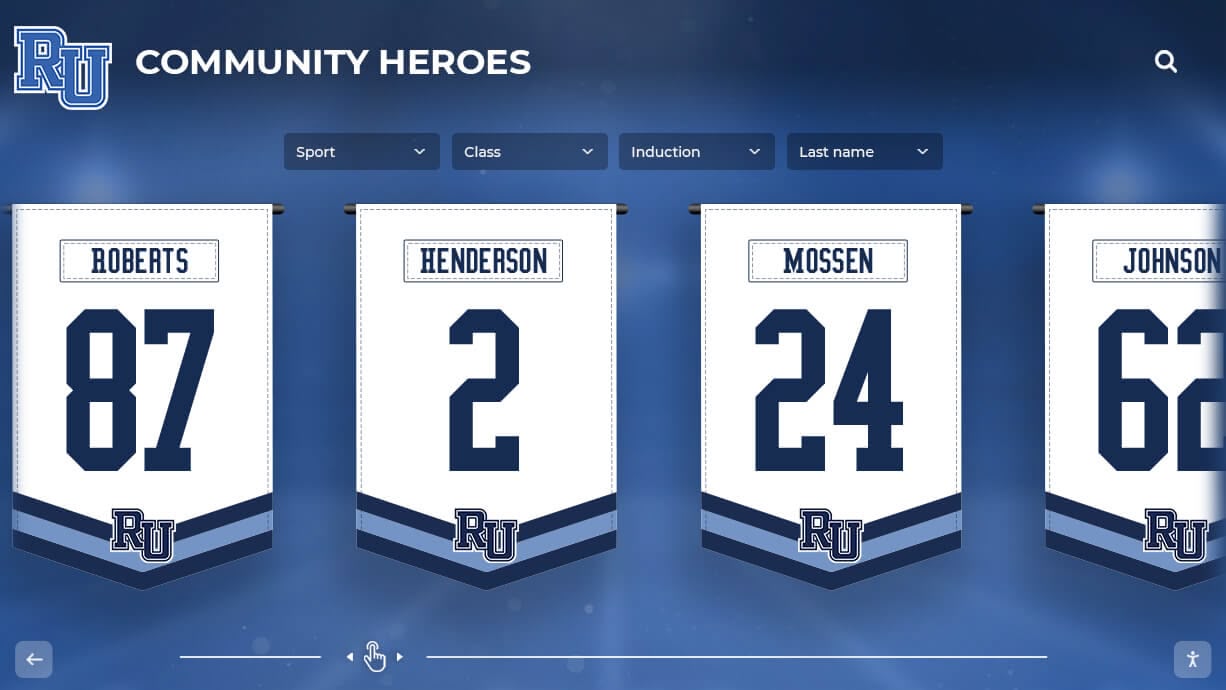
Banner displays create prominent visibility for recognized students, applicable to both athletic and performing arts achievements
Technical Production and Backstage Management
Professional-quality technical production elevates performances while supporting nervous students effectively.
Sound System Requirements
Essential Audio Equipment
- Main speakers adequate for venue size
- Stage monitors enabling performers to hear themselves
- Mixing board with sufficient channels for all acts
- Wireless and wired microphone options
- Direct input connections for instruments
- Backup equipment preventing complete failure
Sound Management Best Practices
- Pre-show sound checks for every performer
- Volume consistency across different act types
- Feedback prevention through proper microphone technique
- Music playback systems supporting various formats
- Clear communication between sound operator and stage
- Emergency backup plans for technical failures
Lighting Design Basics
Fundamental Lighting Elements
- General stage wash providing base visibility
- Spotlights highlighting individual performers
- Color options creating mood and atmosphere
- Backlighting preventing performer silhouettes
- Dimming capabilities for transitions
- Emergency lighting for safety compliance
Lighting Coordination
- Pre-programmed cues for each performance
- Manual override capabilities for adjustments
- Clear communication with stage management
- Rehearsal time establishing all lighting changes
- Backup plans for equipment failures
Stage Management and Coordination
Backstage Organization
- Performance order posted visibly for all performers
- Green room or waiting area for performers
- Clear traffic flow preventing backstage congestion
- Props and equipment organization systems
- Quick-change areas when needed for costumes
- Emergency supplies and first aid access
Performance Coordination
- Stage managers cueing performers and technical elements
- Communication systems between all crew positions
- Props and set piece tracking systems
- Curtain coordination for transitions
- Timing monitoring ensuring show stays on schedule
- Problem-solving protocols for unexpected situations
Understanding digital display technical requirements helps schools plan comprehensive recognition installations showcasing talent show performers year-round.
Audience Engagement and Experience
Strategic approaches ensure audiences enjoy shows while supporting all performers enthusiastically.
Creating Positive Audience Culture
Pre-Show Expectations
- Clear communication about appropriate audience behavior
- Explanation that all performers deserve enthusiastic support
- Encouragement to cheer loudly for every act
- Prohibition on negative comments or booing
- Photography and recording guidelines
- Social media posting expectations during show
During-Show Engagement
- Emcee encouragement of consistent audience enthusiasm
- Interactive elements inviting audience participation
- Call-and-response segments creating connection
- Audience voting or reaction elements when appropriate
- Energy maintenance through emcee personality
Supporting Nervous Performers
- Extra encouragement for visibly nervous students
- Acknowledgment of courage required to perform publicly
- Redirection if audiences seem restless or inattentive
- Celebration of growth moments beyond polished performance
Accessibility and Inclusion
Physical Accessibility
- Wheelchair-accessible seating and pathways
- Assistive listening devices for hearing-impaired attendees
- Sign language interpretation when possible
- Visual accommodations for vision-impaired audience members
- Accessible restroom facilities
Performance Accessibility
- Described video or audio description options
- Captioning for spoken word performances
- Sensory-friendly performance options for autism spectrum attendees
- Quiet spaces for individuals needing breaks
- Service animal accommodations
Multiple Performance Options
Expanding access through varied formats:
Matinee and Evening Shows
- Daytime performances for elementary student audiences
- Evening shows for families and community
- Multiple casts enabling more student participation
- Reduced pressure through smaller audience options
Livestream and Recording
- Online viewing enabling geographically distant family viewing
- Recording preservation creating lasting documentation
- Accessibility for individuals unable to attend in person
- Social media clip sharing extending performance reach
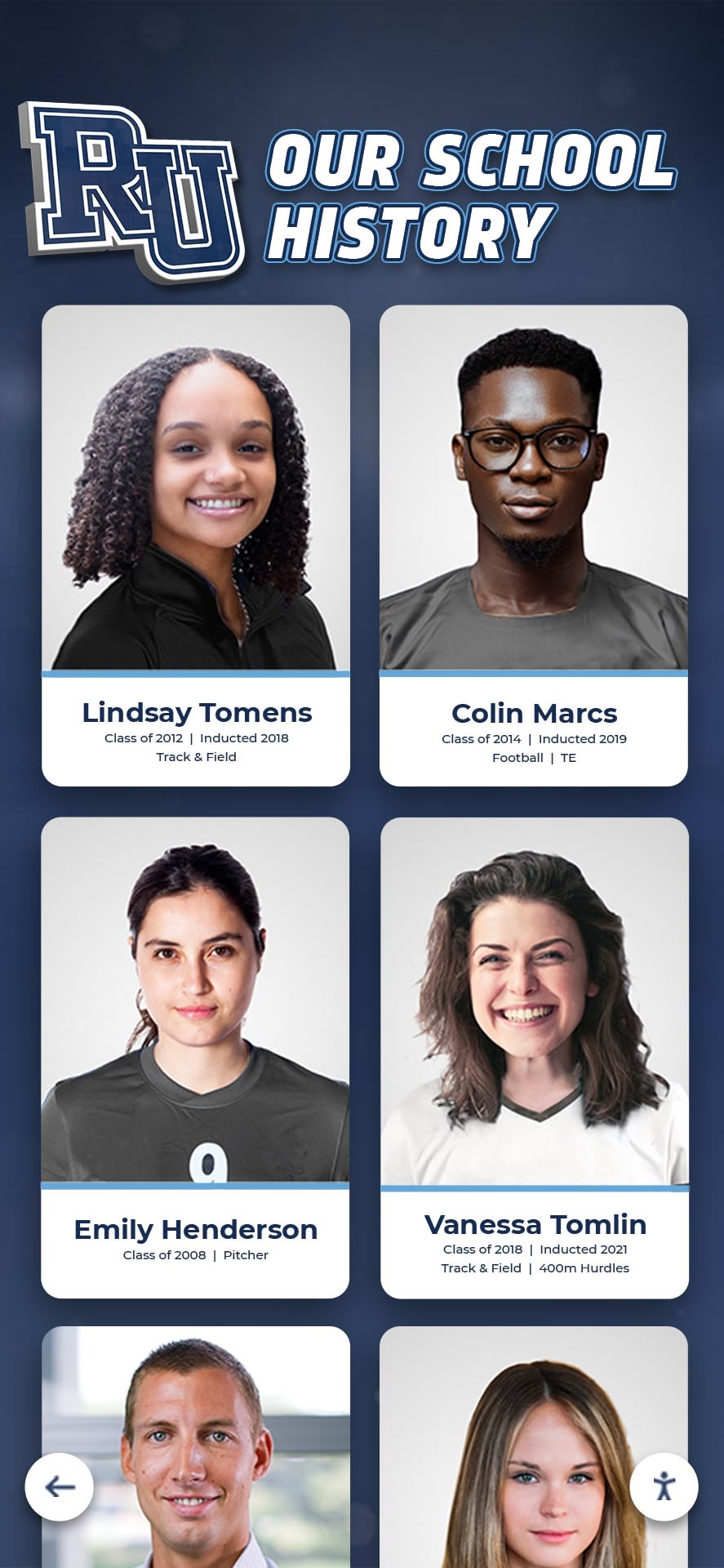
Comprehensive documentation preserves talent show heritage while connecting current performers to traditions they inherit and continue
Building Sustainable Talent Show Traditions
Long-term program development creates enduring performing arts culture beyond single annual events.
Establishing Program Identity
Brand and Identity Development
- Consistent naming creating recognition and tradition
- Logo or visual identity appearing on all materials
- Color schemes or design elements creating cohesion
- Taglines or mottos expressing program values
- Annual themes providing creative frameworks
Tradition Building Elements
- Opening or closing rituals performed at every show
- Alumni performer spotlights connecting past to present
- Performance categories or awards consistent across years
- Historical acknowledgment showing program evolution
- Signature elements making show distinctive
Student Leadership and Ownership
Organizing Committee Roles
- Student coordinators managing various planning aspects
- Technical crew students operating sound, lights, and stage
- Marketing team students promoting event
- Hospitality students managing green room and backstage
- Documentation students photographing and recording
Skill Development Opportunities
- Leadership training for organizing students
- Technical skill building for production students
- Communication skill development for emcees
- Creative skill advancement for performers
- Organizational skill practice across planning process
Multi-Year Performer Development
Progression Pathways
- Freshman showcase introducing new students to performing
- Skill-level-appropriate categories reducing intimidation
- Mentorship programs pairing experienced with new performers
- Workshop opportunities developing skills between shows
- Connection to arts classes, clubs, and external programs
Alumni Engagement
- Featured alumni performer returns and guest appearances
- Alumni mentorship of current students
- “Where are they now” features showing life after graduation
- Historical documentation showing multi-generational participation
- Alumni support and funding of current programs
Understanding alumni recognition approaches provides frameworks for maintaining talent show participant engagement after graduation.
Content Architecture: Organizing Talent Show Materials
Systematic documentation ensures talent show memories persist while supporting future planning efficiency.
Planning Documentation System
Pre-Event Organization
- Master timeline with all planning milestones
- Budget tracking showing all income and expenses
- Vendor contracts and contact information
- Performer registration database with all applications
- Technical requirements list for each performance
- Committee meeting notes and decision records
Performance Documentation
- Complete performer roster with contact information
- Detailed performance descriptions and requirements
- Running order showing precise timing
- Script with all emcee content and transitions
- Technical cues for lighting, sound, and stage management
- Emergency contact information for all participants
Performance Preservation
Video and Photo Archives
- Professional or student-created performance recordings
- Backstage and preparation documentation
- Audience shots showing community engagement
- Technical crew documentation acknowledging contributions
- Green room and interpersonal moment captures
- Organized storage enabling future access
Written Documentation
- Programs preserving performer information
- Reviews or articles from school publications
- Social media posts and community reactions
- Evaluation notes for future improvements
- Budget reconciliation and financial reports
- Participant feedback surveys and results
Digital Archive Management
Searchable Database Creation
- Performer profiles documenting participation across years
- Performance categorization enabling discovery
- Video and photo galleries organized by year and performer
- Alumni tracking showing long-term program impact
- Statistical information about participation trends
Platform Integration Benefits
- Unlimited storage capacity preventing space constraints
- Remote accessibility enabling broader community viewing
- Search functionality supporting specific content discovery
- Social sharing capabilities extending recognition reach
- Analytics showing which content generates most interest
Explore digital archive development for comprehensive approaches to preserving institutional history including talent show traditions.
Addressing Common Talent Show Challenges
Proactive problem-solving prevents issues while creating positive experiences despite inevitable complications.
Managing Nerves and Performance Anxiety
Pre-Show Support Strategies
- Rehearsal opportunities familiarizing performers with venue
- Breathing and relaxation technique instruction
- Positive visualization exercises
- Peer support systems pairing nervous performers
- Faculty presence providing encouragement
- Perspective reminders emphasizing bravery over perfection
During-Show Support
- Backstage calming spaces for nervous performers
- Encouragement from stage managers and crew
- Emcee handling of mistakes with grace and humor
- Audience priming to support all performers enthusiastically
- Quick recovery protocols if performances falter
Technical Problem Management
Prevention Through Preparation
- Multiple rehearsals revealing potential issues
- Backup equipment for critical systems
- Technical crew training on troubleshooting
- Contingency plans for various failure scenarios
- Simple setups reducing complexity when possible
Real-Time Problem Solving
- Emcee entertainment during unexpected delays
- Clear crew communication enabling rapid response
- Calm demeanor preventing performer panic
- Flexible program order allowing adjustment
- Graceful acknowledgment when problems occur
Balancing Participation and Quality
Finding Appropriate Balance
- Clear audition criteria when selection necessary
- Multiple performance opportunities accommodating more students
- Varied showcase formats serving different purposes
- Quality standards appropriate to student development levels
- Recognition that process matters as much as product
Inclusivity Considerations
- Open shows or showcases alongside selective performances
- Behind-the-scenes roles for non-performing participants
- Multiple performance nights expanding capacity
- Class or grade-specific shows reducing pressure
- Emphasis on growth and courage rather than perfection
Understanding recognition program challenges helps schools celebrate performing arts systematically despite resource constraints.
Conclusion: Building Talent Show Programs That Celebrate Student Excellence
School talent shows represent strategic opportunities extending far beyond entertainment—they create platforms where students discover confidence, showcase abilities that traditional academics cannot capture, receive recognition for diverse talents, and experience what performing arts can offer their personal development. When approached systematically with attention to inclusive participation, thoughtful recognition, and year-round visibility, talent shows become transformative experiences students remember for lifetimes.
The school talent show ideas explored throughout this guide provide comprehensive frameworks for creating events that celebrate student performers authentically. From diverse performance categories ensuring all talents receive platforms to thoughtful audition processes balancing quality and inclusion to recognition strategies extending beyond single performance nights, these approaches address multiple dimensions collectively creating positive performing arts environments where students thrive.
Ready to create talent show recognition that celebrates your student performers with the visibility and permanence they deserve? Modern digital recognition solutions provide comprehensive platforms showcasing performing arts achievements year-round, preserving talent show heritage permanently, and creating engaging interactive experiences that students, families, and communities explore repeatedly throughout years.
Whether implementing new talent show traditions or enhancing existing programs, success requires diverse performance categories ensuring broad participation, thoughtful recognition honoring courage and growth, systematic documentation preserving memories, and year-round visibility through displays building performing arts prestige equal to athletic programs.
Discover how Rocket Alumni Solutions can help your school create professional recognition displays showcasing talent show performers alongside academic and athletic achievements, ensuring performing arts receive equal celebration while inspiring future student participation and artistic development.
Your student performers demonstrate remarkable courage stepping onto stages, sharing talents publicly, and risking vulnerability for artistic expression. Comprehensive talent show programs honoring these contributions create school cultures where diverse abilities receive celebration, students discover confidence through creative outlets, and performing arts traditions inspire generations of future participants.
The essential elements aren’t budget size, venue quality, or production sophistication—they’re genuine appreciation for student bravery, inclusive approaches ensuring all talents find platforms, thoughtful recognition extending beyond performance nights, and sustained visibility ensuring talent show achievements remain celebrated across years. Your students possess extraordinary talents waiting for opportunities to shine—comprehensive talent show programs provide the stages they need and the recognition they deserve.