



School rivalry history digital timelines transform legendary athletic competitions from fading memories into dynamic interactive experiences that preserve traditions, celebrate historic moments, and unite communities around shared passion. High school rivalries represent some of the most cherished traditions in American education—competitions where entire communities gather annually to celebrate not just athletic excellence, but generations of tradition, civic pride, and local identity. Some rivalries stretch back over a century, like Norwich Free Academy versus New London High School, which began in 1875, while others have developed into regional phenomena drawing tens of thousands of spectators annually.
Yet many schools struggle to adequately preserve and showcase these remarkable traditions. Historic game results scatter across dusty yearbooks in forgotten storage rooms, memorable moments exist only in the fading memories of aging alumni, trophy case space limits recognition to recent championships, and younger students remain disconnected from the rich heritage that previous generations created. Meanwhile, powerful stories that could inspire current athletes and strengthen community bonds go untold, and opportunities to engage alumni through visible recognition of their contributions remain unrealized.
This comprehensive guide explores how schools can create digital timeline displays that preserve rivalry history comprehensively, celebrate memorable moments through multimedia storytelling, engage current students with traditions spanning generations, and strengthen community connections around shared athletic heritage that transcends individual seasons or teams.
Effective rivalry history timelines accomplish multiple strategic objectives simultaneously—preserving institutional memory before it disappears with aging alumni, inspiring current athletes by connecting them to continuing traditions, engaging alumni through visible recognition of their contributions, demonstrating school pride and community identity, and creating compelling narratives that strengthen spirit across generations.

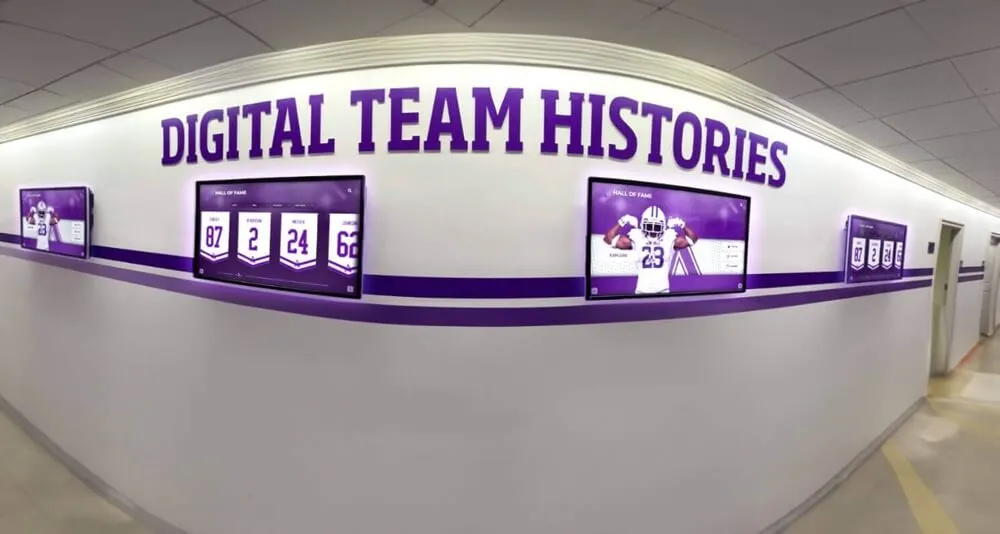
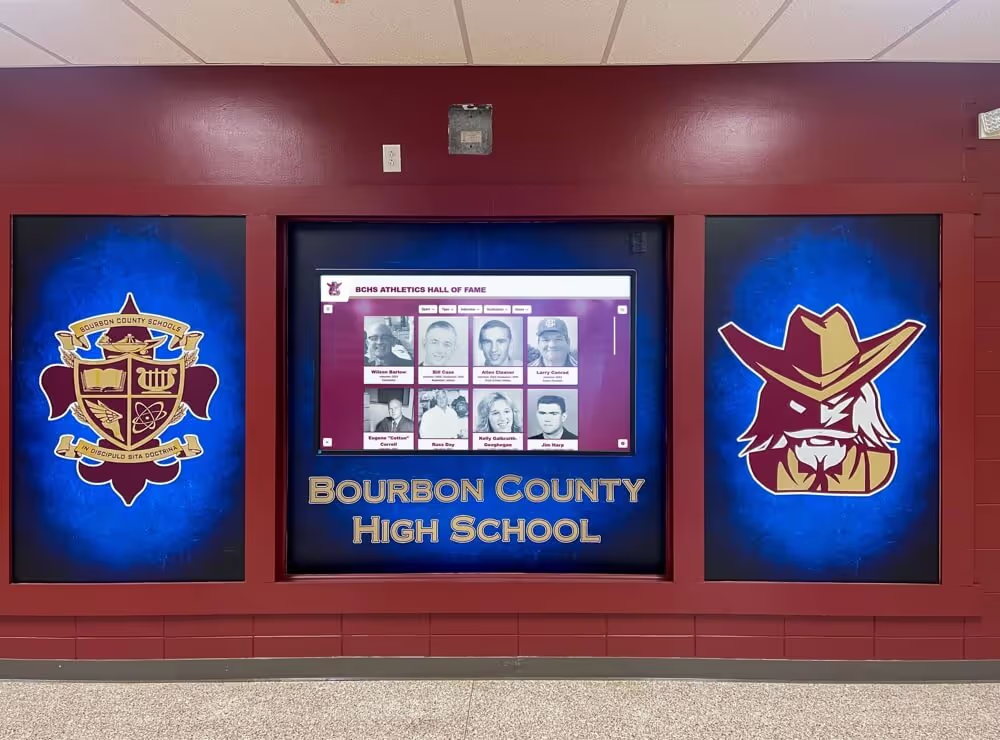
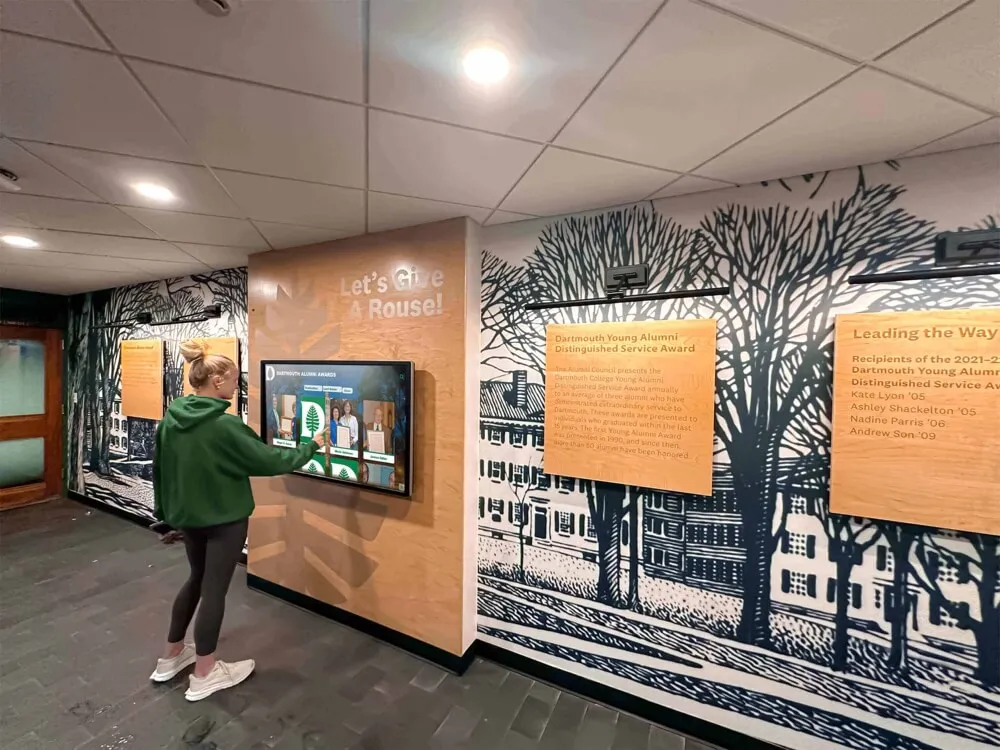
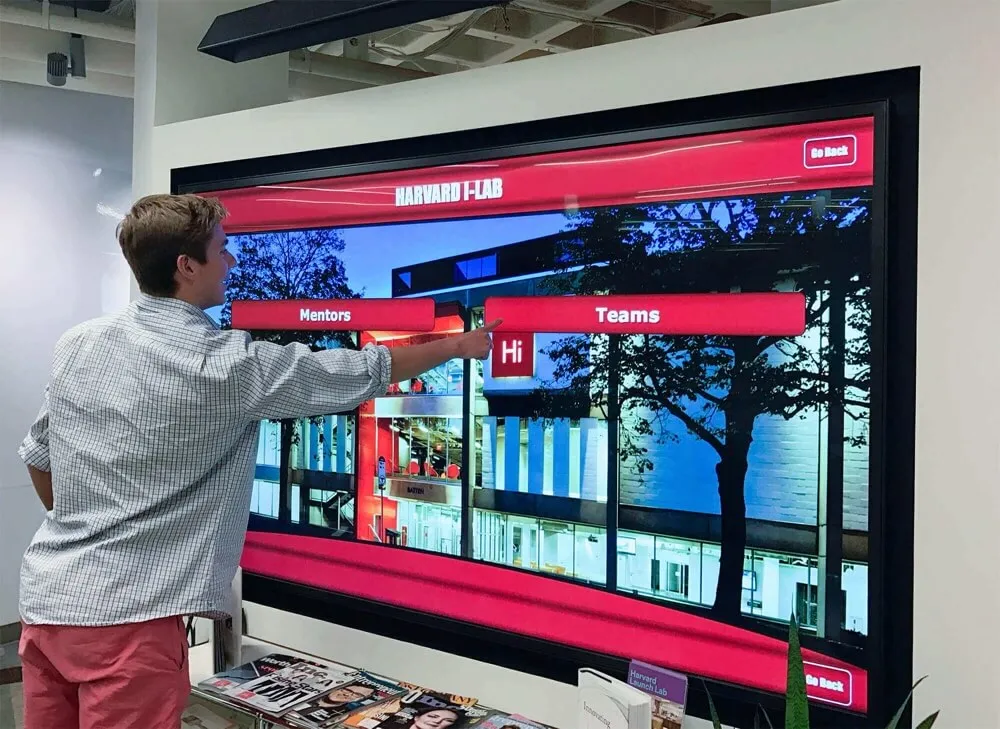
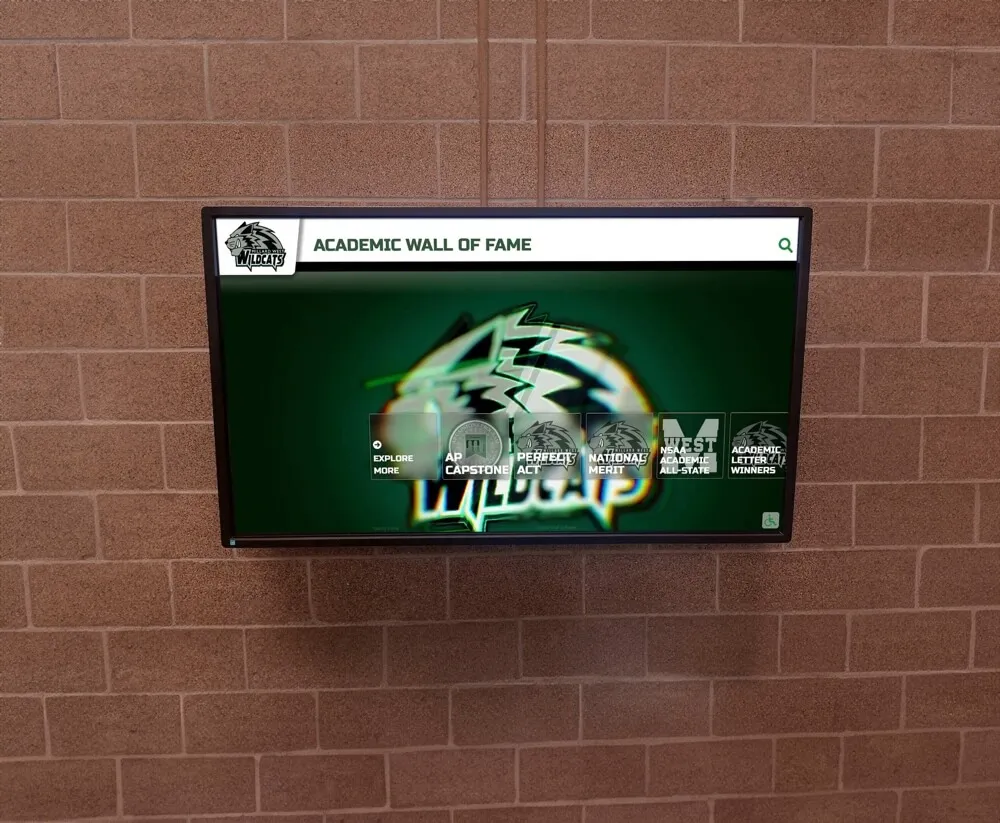
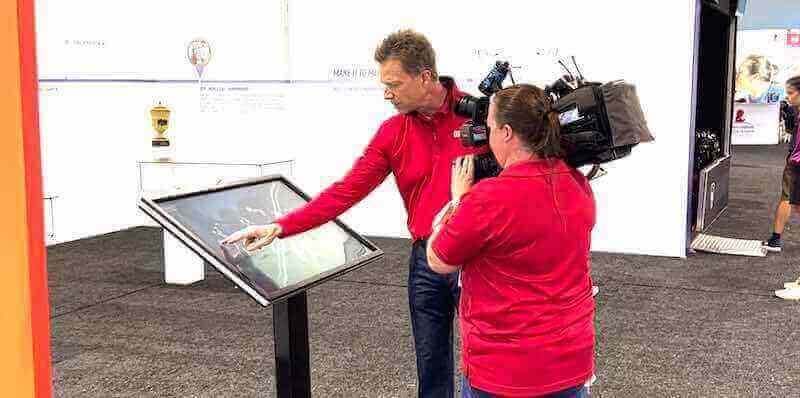
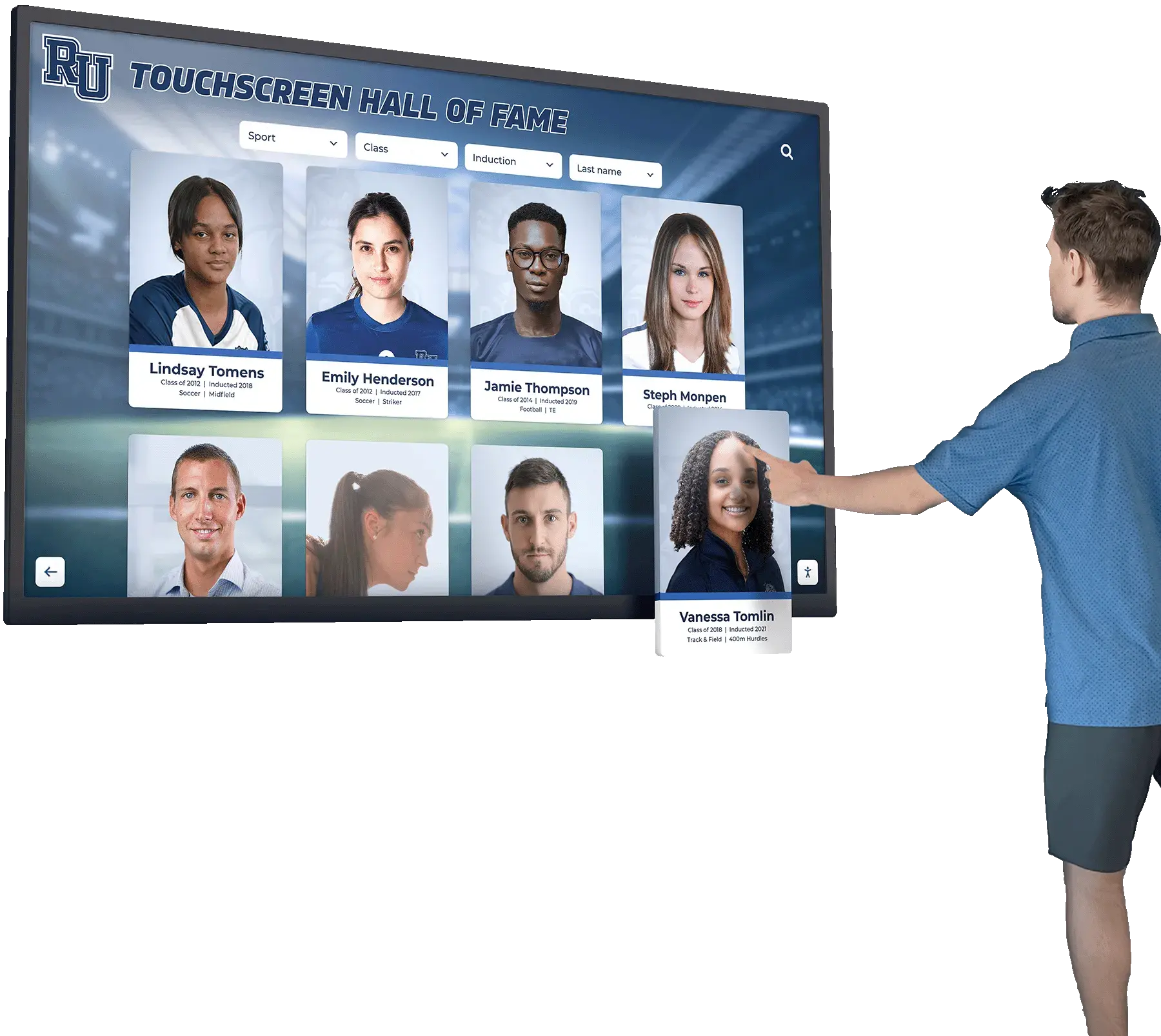
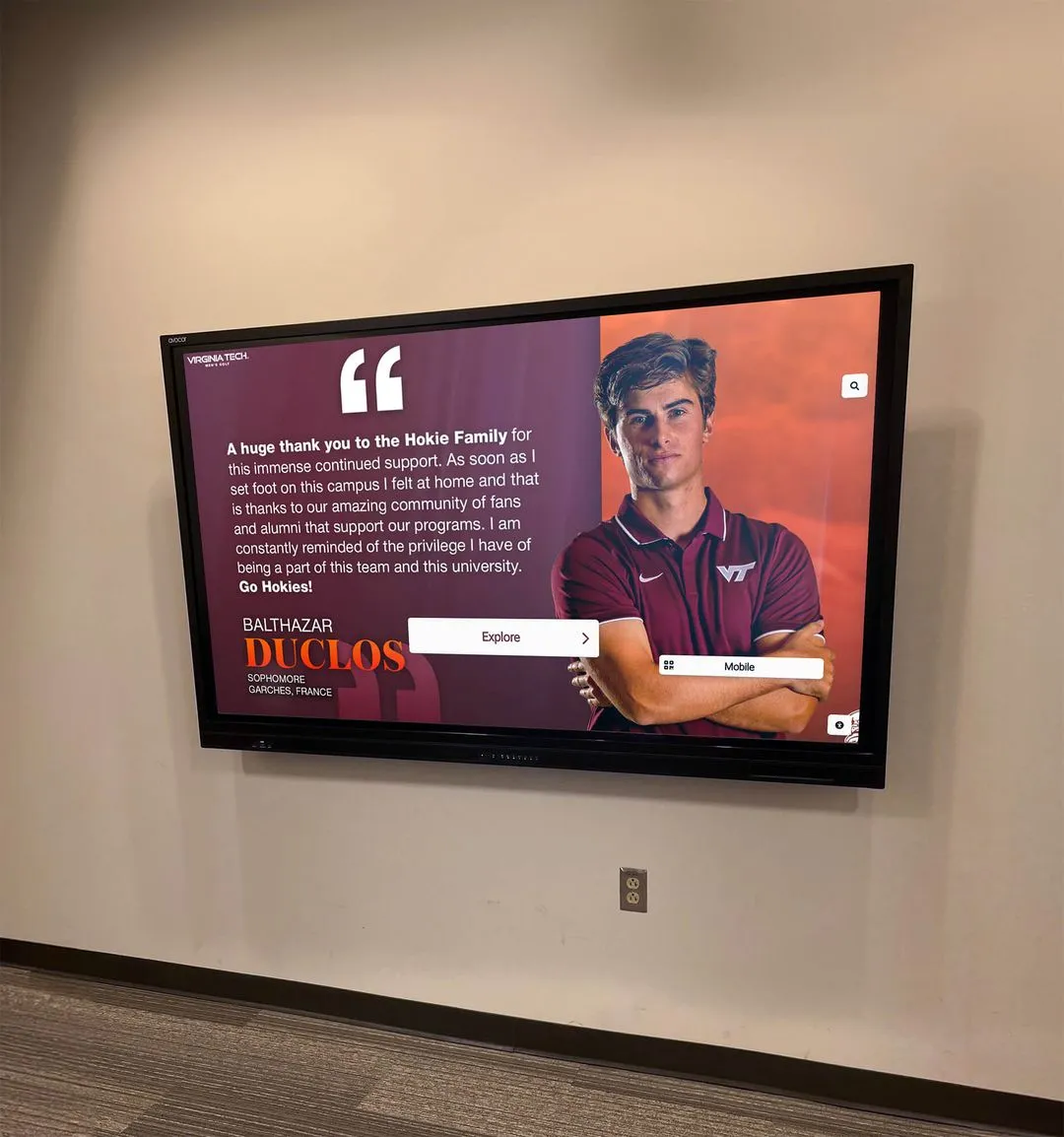
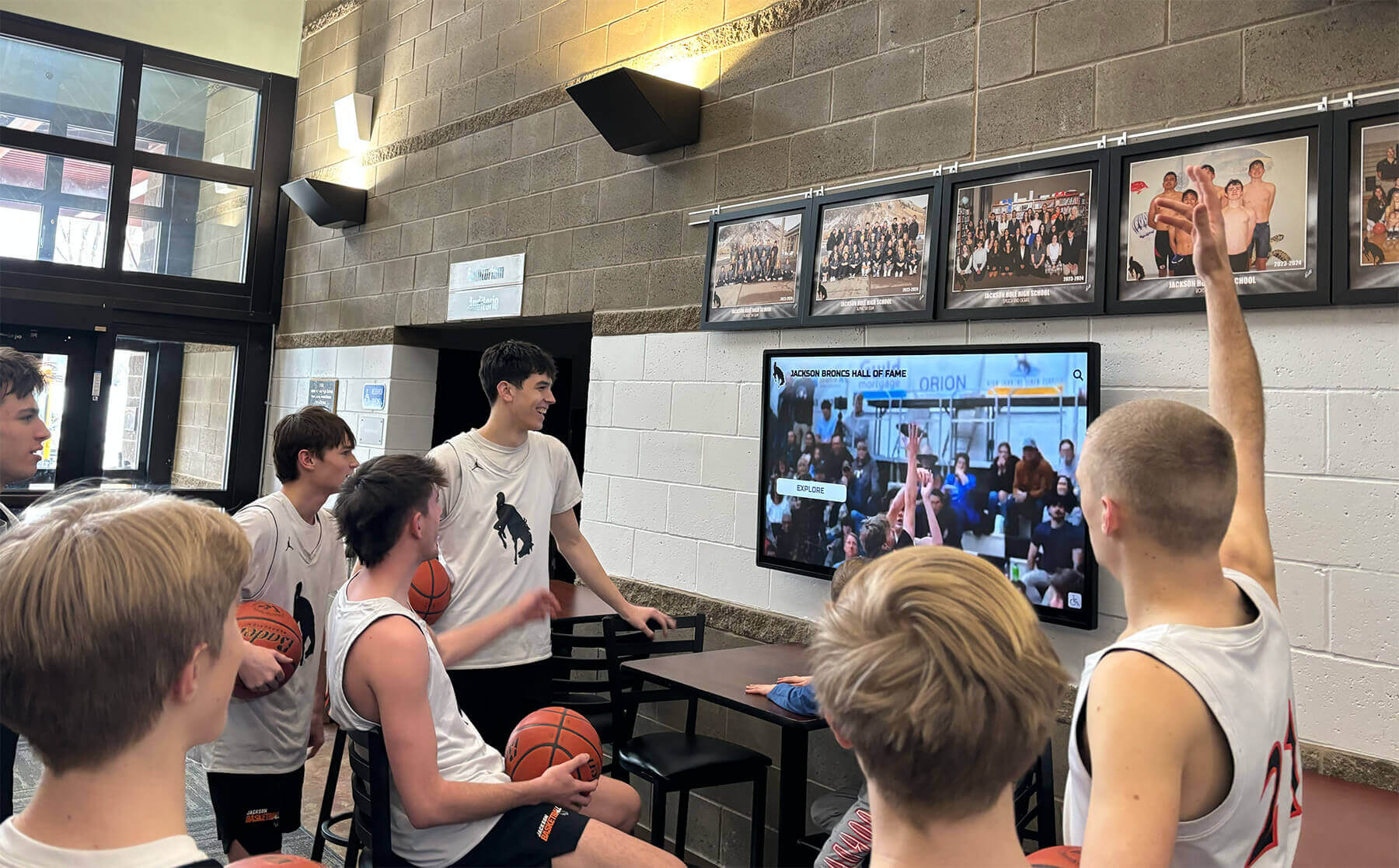
Interactive digital displays enable students to explore decades of rivalry history through video highlights and memorable moments
Understanding School Rivalry Traditions and Their Cultural Significance
Before implementing digital timeline displays, schools benefit from understanding what makes rivalry traditions meaningful, why they deserve comprehensive preservation, and how modern technology enables recognition impossible with traditional static approaches.
What Defines Legendary School Rivalries
Core Characteristics of Enduring Competitions
School rivalries that achieve legendary status typically share essential characteristics creating emotional resonance beyond simple athletic competition:
Geographic Proximity and Community Identity
- Schools located in neighboring communities or within single metropolitan areas
- Towns where civic identity connects deeply to school athletic success
- Generations of families attending competing schools within same regions
- Business communities divided in loyalties during rivalry weeks
- Media coverage treating games as community events transcending sports sections
- Economic impacts from rivalry games driving local business during game weeks
Historical Depth and Continuity
- Competitions continuing annually for decades or even a century or more
- Multiple generations of families participating as athletes, students, or spectators
- Traditions and rituals developing around rivalry weeks creating unique customs
- Historical moments achieving legendary status within community memory
- Alumni maintaining emotional connections to rivalries decades after graduation
- Institutional records carefully preserved recognizing rivalry game significance
Balanced Competition and Memorable Moments
- Relatively even win-loss records creating sustained uncertainty and tension
- Championship implications frequently riding on rivalry game outcomes
- Dramatic finishes and unexpected results becoming community legends
- Individual performances in rivalry games defining athletic careers
- Coaching matchups adding personality and strategic intrigue
- Playoff implications frequently decided by rivalry game results
According to Sports Illustrated, which maintains rankings of America’s top high school football rivalries, the best competitions draw tens of thousands of fans annually and generate media attention typically reserved for collegiate or professional sports, demonstrating the cultural significance these traditions hold within communities.
Historical Context of American School Rivalries
Evolution Across Generations
School athletic rivalries developed alongside American education, creating traditions now spanning multiple centuries:
Late 19th Century Origins (1870s-1890s)
The oldest continuous high school football rivalry began in 1887 between Boston Latin School and English High School, while Norwich Free Academy and New London High School in Connecticut played their first game on May 12, 1875, establishing what many consider America’s oldest high school rivalry. These early competitions often featured limited rules, minimal equipment, and community-wide participation that laid foundations for traditions continuing today.
Early 20th Century Expansion (1900s-1940s)
As high school athletics became more organized with state associations and standardized rules, rivalry traditions intensified. Many of America’s most storied rivalries established regular annual games during this period. Wellesley High School and Needham High School began their rivalry in 1882, becoming the oldest public school rivalry in the United States and continuing uninterrupted for over 140 years.
Post-War Golden Era (1950s-1970s)
The mid-20th century represented the golden age of high school athletics when rivalries achieved peak community significance. Friday night football games became central community events, with rivalry weeks featuring parades, pep rallies, and celebrations involving entire towns. Many traditions still observed today—victory bells, traveling trophies, community decorations—originated during this era of maximum community investment in school athletics.
Modern Era Challenges and Innovations (1980s-Present)
Contemporary rivalries face challenges including declining community cohesion, increased entertainment competition, and changing demographics. However, recognition of historic significance has grown, with organizations like the UIL in Texas honoring legendary rivalries and communities increasingly valuing tradition preservation through commemorative events, documentary projects, and permanent recognition displays.
Learn about comprehensive approaches to displaying school history that include rivalry traditions within broader institutional narratives.
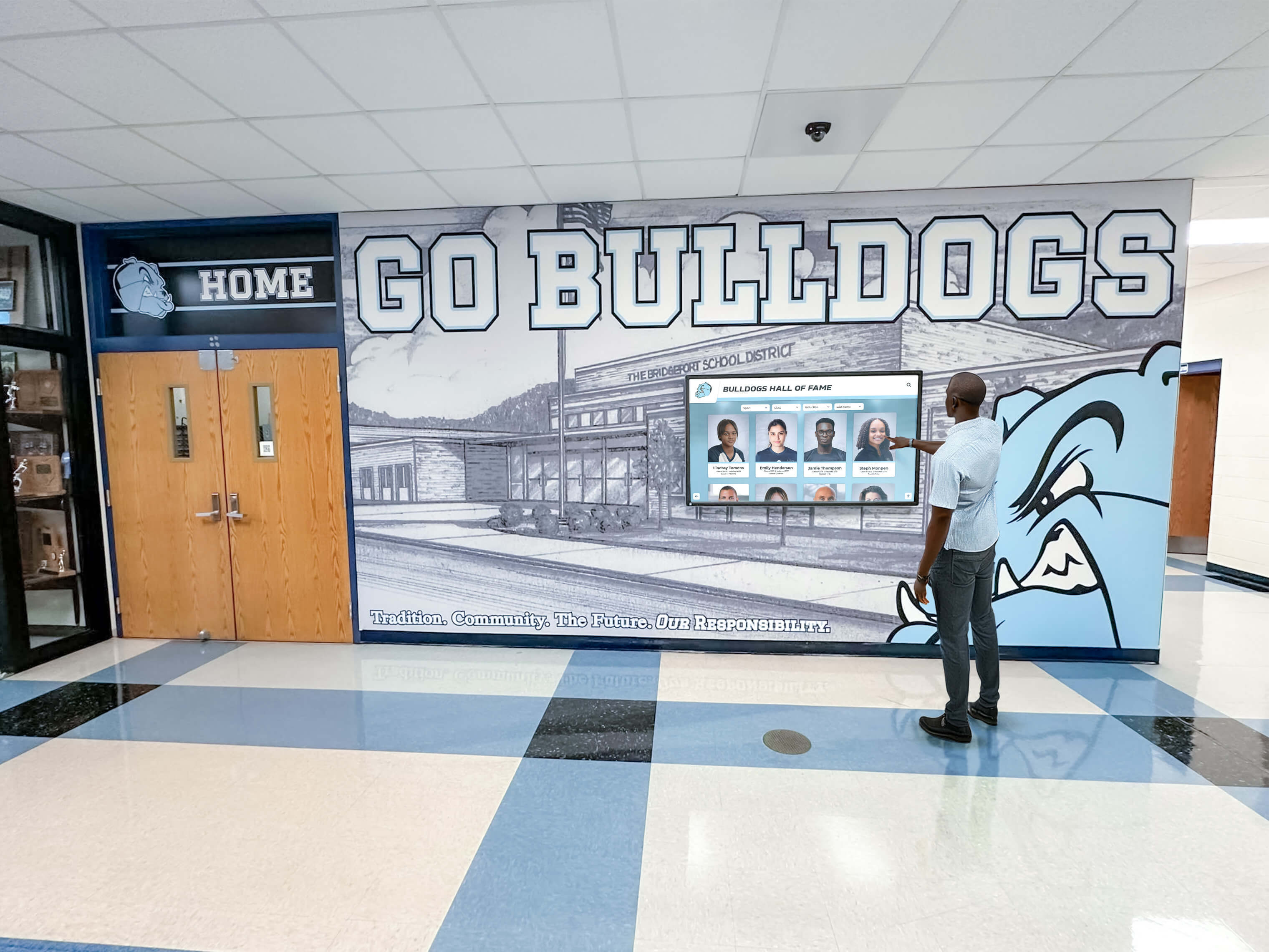
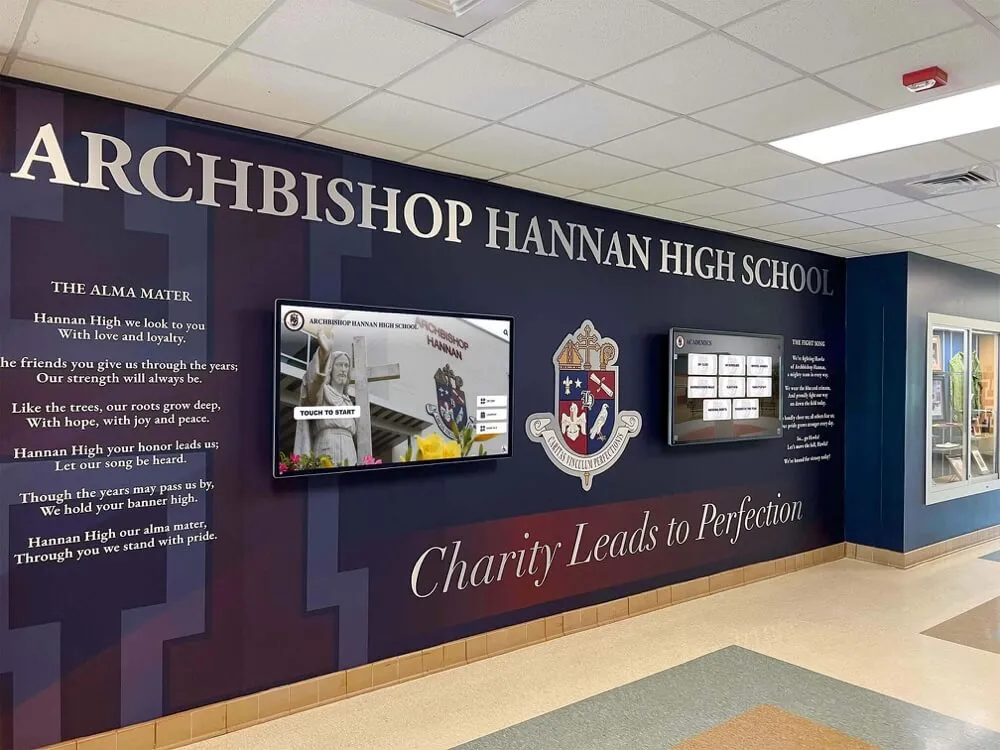
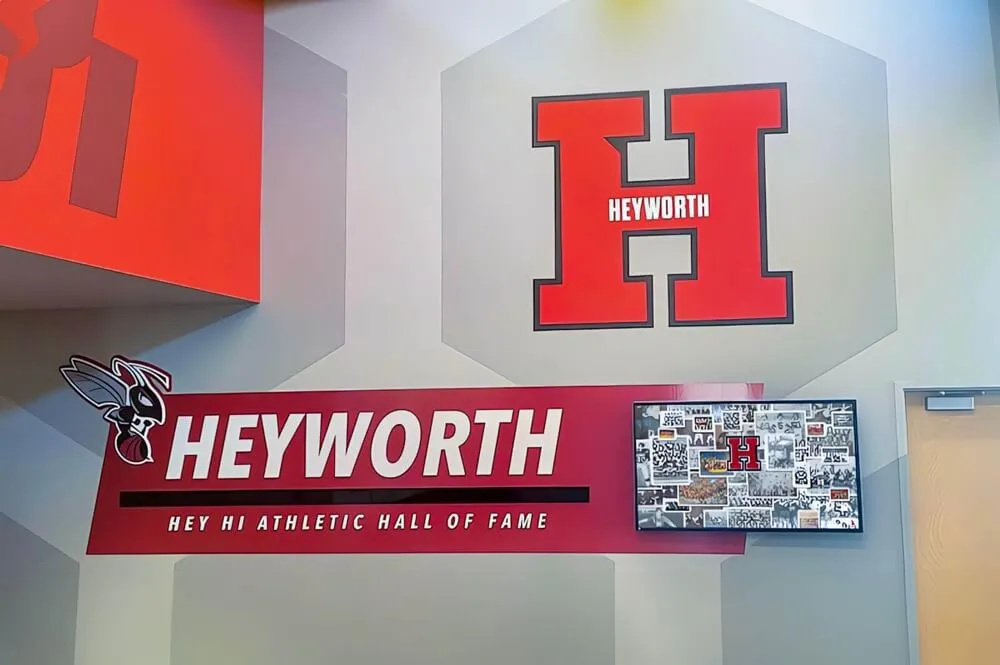
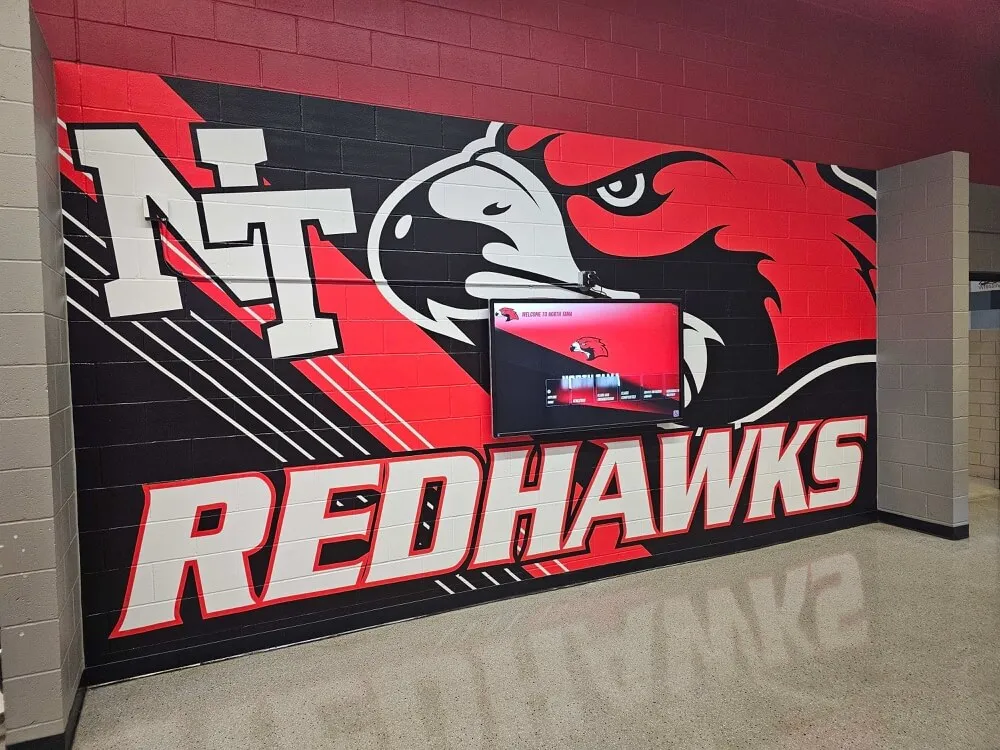
Digital recognition systems enable comprehensive documentation of rivalry history accessible to students, alumni, and community members
Why Traditional Rivalry Recognition Approaches Fall Short
Static Display Limitations
Conventional recognition methods prove inadequate for comprehensive rivalry preservation:
Physical Space Constraints
- Trophy cases fill quickly, forcing removal of older achievements to accommodate recent championships
- Wall plaques document only championship seasons, ignoring meaningful moments from other years
- Limited space requires selective recognition of only most prominent games or players
- Historic photographs remain in storage rather than being displayed due to space limitations
- Expansion requires expensive construction rather than simple content additions
Content Depth Restrictions
- Static displays show only basic information like scores and dates without context or storytelling
- No capacity for video highlights capturing memorable plays or emotional moments
- Historical photographs static without ability to show multiple angles or moments from single games
- Limited biographical information about key contributors beyond names and positions
- Context about rivalry significance or game circumstances rarely included due to space constraints
Accessibility and Engagement Challenges
- Physical displays accessible only to those present in specific school locations
- Alumni cannot access rivalry history after graduation without visiting campus
- No search functionality enabling visitors to find specific seasons, players, or moments
- Passive viewing generating brief glances rather than sustained engagement
- Information unchanged for years despite new rivalry chapters being written annually
Preservation Vulnerabilities
- Physical materials deteriorate over time requiring expensive replacement or restoration
- Photographs fade and documents become fragile without proper archival conditions
- Information loss when institutional knowledge holders retire or pass away
- Fire, water damage, or vandalism potentially destroying irreplaceable materials
- Reorganizations or renovations resulting in disposal of historical materials deemed burdensome
Many schools discover that decades of rivalry history exist primarily in scattered yearbooks, aging newspaper clippings, and the memories of alumni rather than in accessible, preserved formats that current students can explore and future generations can access.
Benefits of Digital Timeline Displays for Rivalry History
Modern interactive timeline technology addresses traditional limitations while creating unprecedented opportunities for comprehensive rivalry preservation and community engagement.
Unlimited Content Capacity Without Physical Constraints
Comprehensive Historical Documentation
Digital timelines eliminate space constraints that force selective recognition:
- Document every rivalry game across complete history spanning decades or centuries
- Include all memorable moments regardless of whether teams won championships that season
- Recognize individual performances from athletes who may not have achieved all-conference status
- Preserve coaching tenures, memorable calls, and community traditions alongside game results
- Add new content continuously as rivalries continue without removing older history
- Accommodate diverse content types including game results, statistics, photos, videos, and stories
Schools with rivalries spanning 50, 75, or 100+ years can comprehensively document every chapter rather than selecting only a few highlighted seasons for limited physical space. This comprehensive approach ensures that all generations receive recognition and that the full rivalry story gets told rather than abbreviated versions emphasizing only recent decades.
Multiple Narrative Dimensions
Digital platforms enable exploration across various organizational approaches:
- Chronological browsing showing rivalry evolution year by year across complete history
- Championship seasons highlighted with expanded documentation and celebration
- Individual athlete profiles recognizing key contributors regardless of team success
- Coaching eras documenting leadership continuity and strategic evolution
- Memorable moments capturing specific plays, games, or performances achieving legendary status
- Statistical leaders showcasing record holders across various achievement categories
- Tradition documentation preserving rituals, celebrations, and community customs
This multi-dimensional organization ensures various audiences find personally meaningful content—alumni can locate their specific seasons, current athletes discover record holders to pursue, coaches access historical strategic insights, and community members explore traditions they remember or learn about legendary moments they missed.
Explore approaches to developing college history timelines that apply equally to high school rivalry documentation.
Rich Multimedia Storytelling Creating Emotional Connections
Video Highlights Bringing History to Life
Digital timelines incorporate video content impossible with traditional displays:
Historic Game Footage
- Championship-deciding plays from rivalry games across decades
- Last-second field goals, buzzer-beaters, or comeback victories achieving legendary status
- Defensive stands or key turnovers changing game trajectories
- Historic broadcasts preserving period commentary and crowd reactions
- Complete game archives enabling comprehensive exploration beyond single highlights
Athlete and Coach Interviews
- First-person reflections on memorable rivalry moments and career experiences
- Coaches explaining strategic approaches specific to rivalry preparations
- Alumni sharing how rivalry games shaped their educational experiences
- Community leaders discussing rivalry significance within broader civic identity
- Cross-generational perspectives showing rivalry evolution through different eras
Ceremonial and Tradition Documentation
- Pep rally footage showing community celebration building toward games
- Trophy presentation ceremonies following rivalry victories
- Community celebrations and parades during rivalry weeks
- Senior night ceremonies recognizing graduating athletes during rivalry games
- Halftime shows, band performances, and crowd traditions
Historical Context and Storytelling
- Documentary-style content explaining rivalry origins and evolution
- Era-specific context helping modern audiences understand historical circumstances
- Community interviews discussing rivalry significance beyond athletic competition
- Comparison videos showing how facilities, uniforms, and playing styles evolved
- Anniversary retrospectives celebrating rivalry milestones and achievements
Research on museum visitor engagement demonstrates that video content generates 3-5 times longer engagement compared to static text or photographs, with multimedia storytelling creating emotional connections that strengthen memory retention and institutional attachment.
Photography Archives Preserving Visual History
Comprehensive photo galleries enhance timeline value:
- Action photography capturing signature plays and athletic performances
- Candid shots revealing athlete personality and team chemistry
- Crowd photographs documenting community participation across generations
- Historical facility images showing stadium evolution and game-day atmosphere
- Victory celebrations preserving emotional moments following memorable wins
- Portrait photography of coaches, athletes, and key contributors
- Community decoration photos showing rivalry week traditions
Digital platforms accommodate thousands of photographs impossible to display physically while enabling zoom functionality allowing detailed examination of group photos, historical uniforms, or facility details that small physical prints cannot convey effectively.
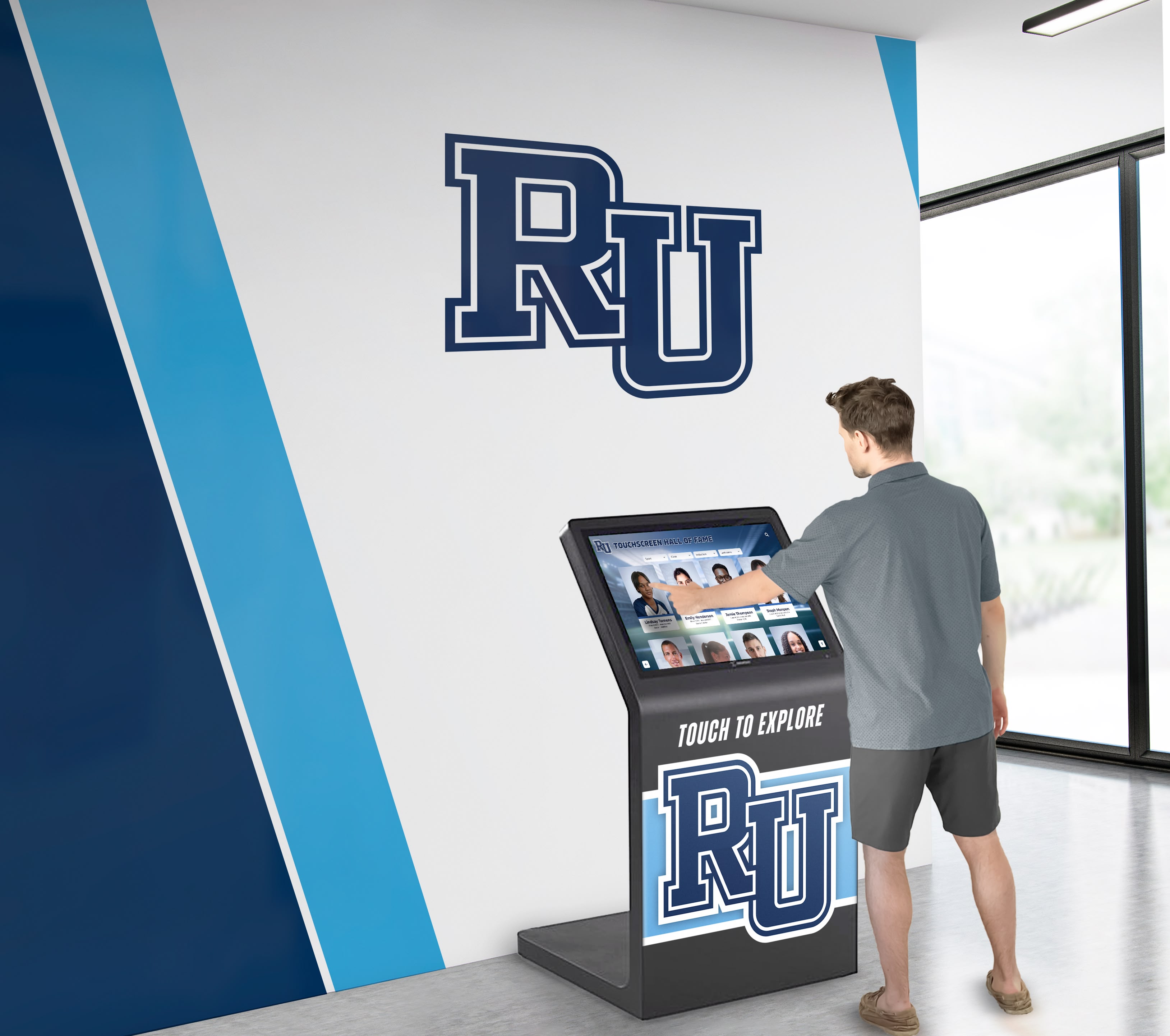
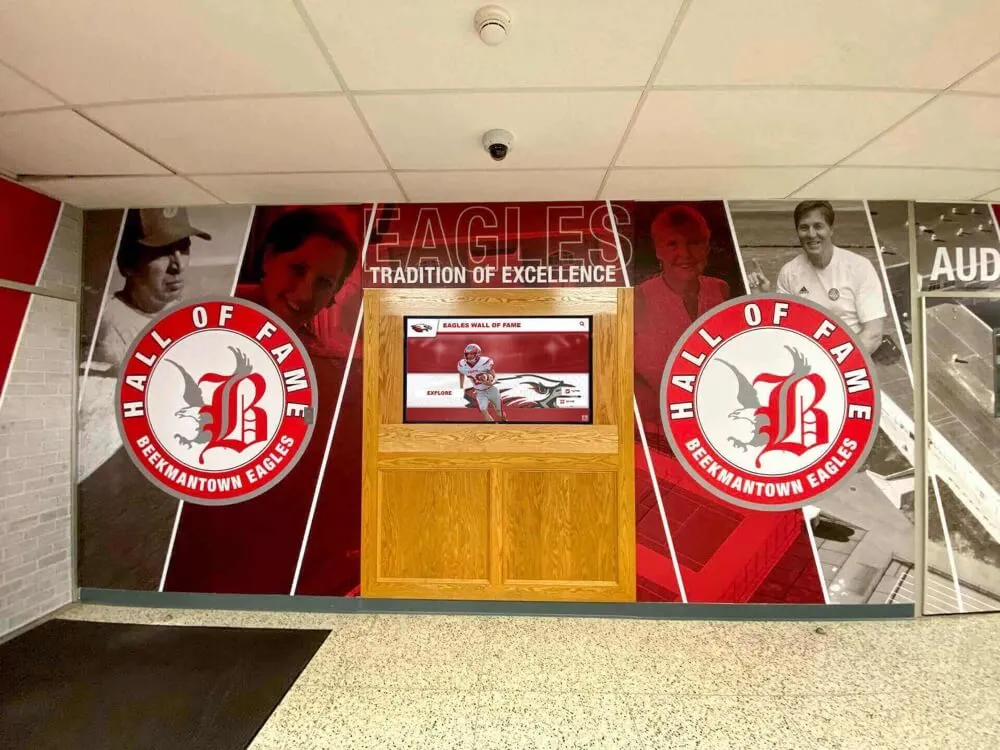
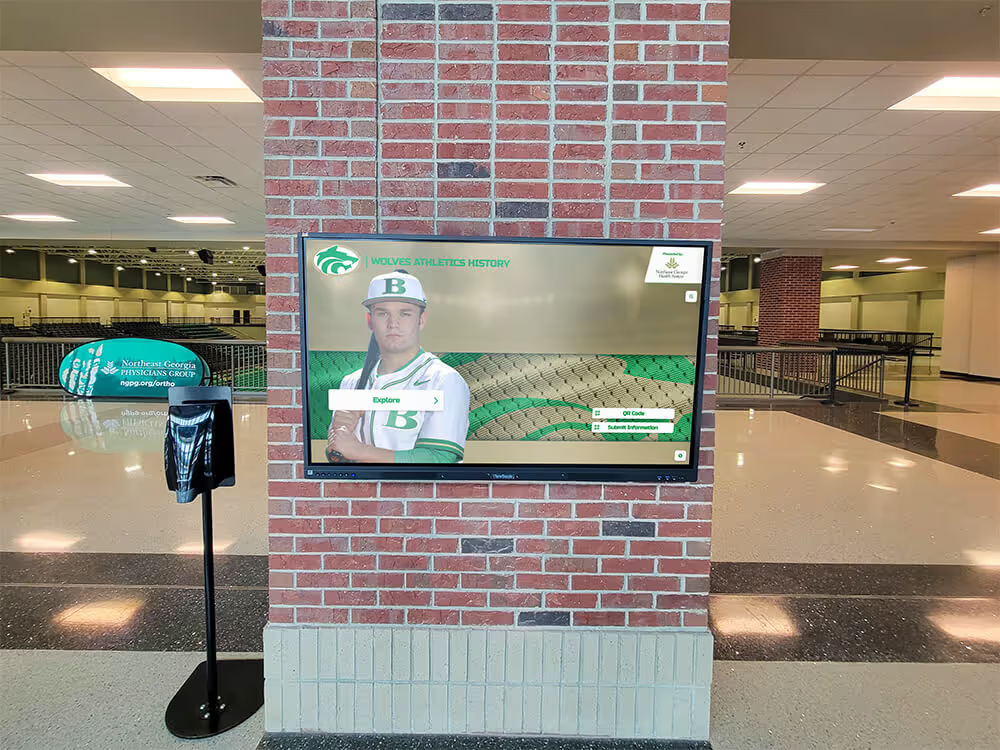
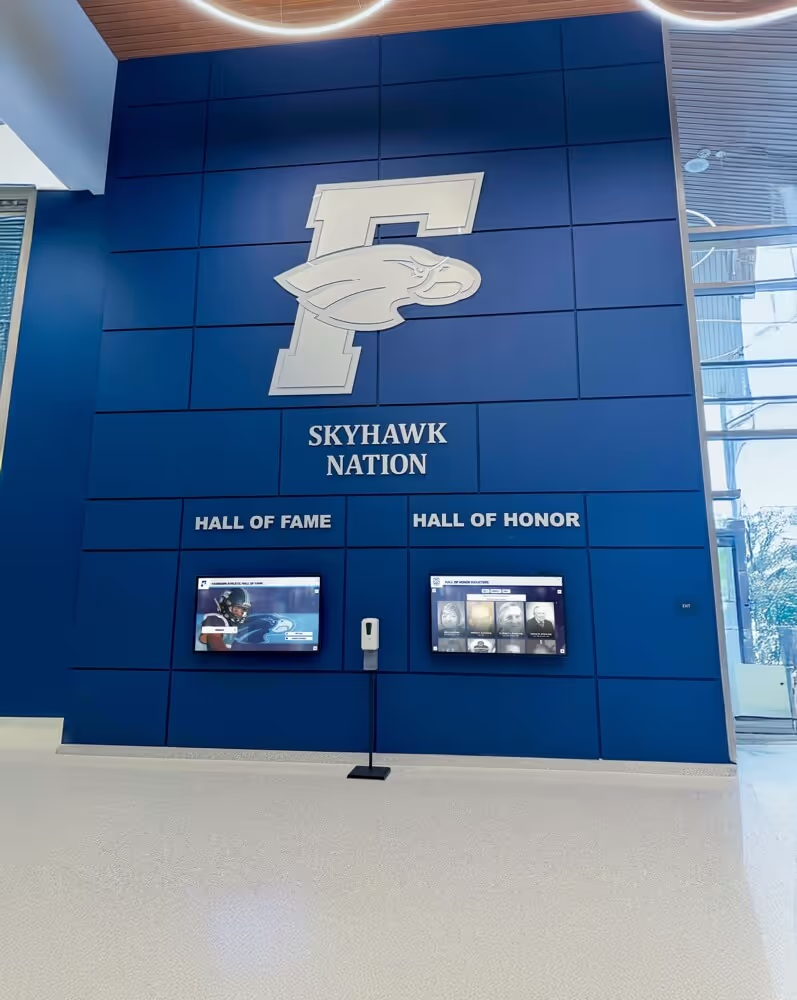
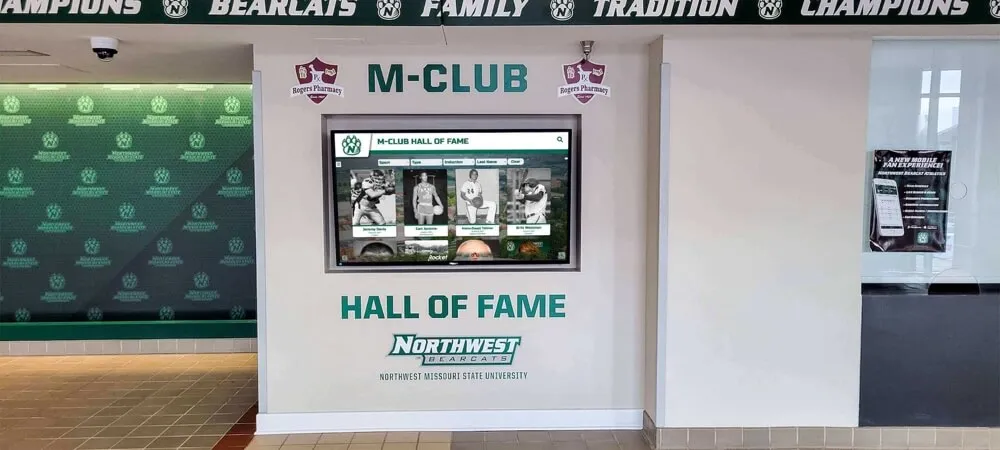
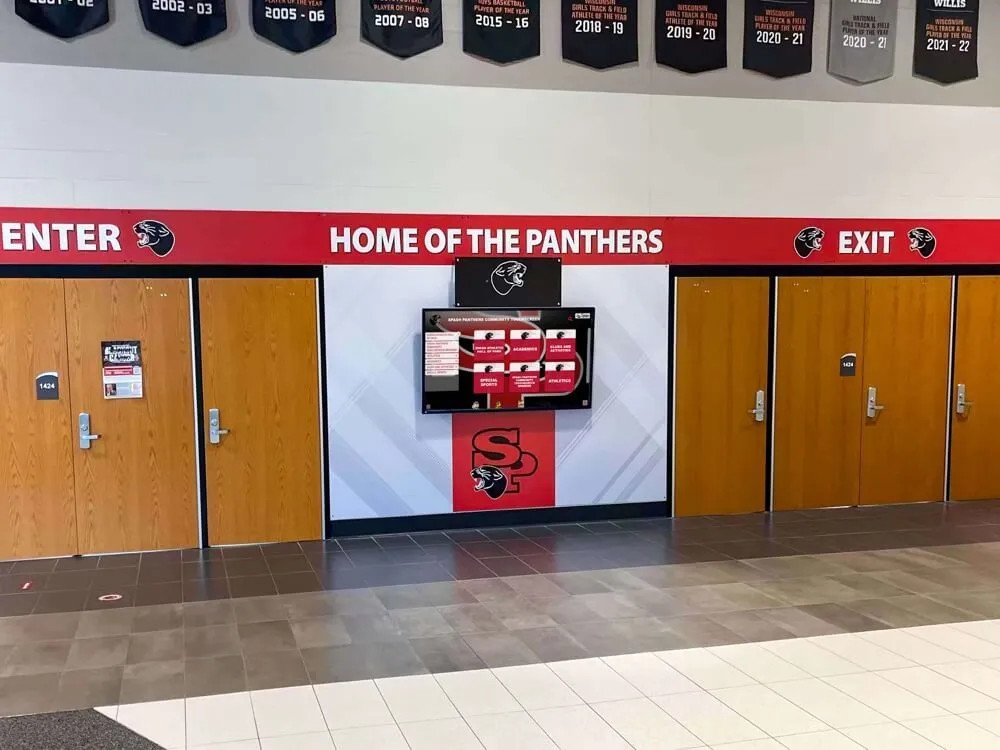
Strategic placement of interactive displays in high-traffic areas ensures rivalry history reaches broad audiences including students, alumni, and visitors
Enhanced Engagement and Interactive Exploration
Search and Discovery Capabilities
Interactive systems enable personalized exploration impossible with static displays:
Powerful Search Functionality
- Find specific athletes, coaches, or seasons instantly across complete timeline
- Search by year quickly accessing particular graduation classes or seasons
- Locate championship seasons or significant milestone games immediately
- Discover record holders or statistical leaders across various categories
- Search opponent results examining performance against specific rivals
Intelligent Filtering Options
- Filter by decade viewing rivalry evolution across distinct eras
- Show only championship seasons or playoff-qualifying years
- Focus on specific sports examining football, basketball, or other rivalry dimensions
- Highlight individual athletes, teams, or memorable moments
- Display statistical achievements or record-breaking performances
Related Content Connections
- Explore teammates and classmates from particular seasons
- View coaching tenures and all seasons under specific leadership
- Discover family connections across multiple generations
- Browse similar achievements or comparable statistical performances
- Navigate between related rivalry moments across different seasons
This interactive exploration transforms passive viewing into active discovery, with visitors spending 5-12 minutes exploring content that interests them personally rather than scanning static displays for 15-30 seconds before moving on.
Social Sharing Amplifying Recognition Impact
Digital platforms extend recognition reach beyond physical locations:
- Alumni share personal rivalry moments or seasons through social media
- Current students discover and celebrate legendary performances
- Community members post historical content during rivalry weeks building anticipation
- Families identify relatives across multiple generations participating in rivalries
- Media outlets reference historical achievements during rivalry game coverage
- Recruitment materials showcase rich traditions attracting prospective students
This organic sharing creates ongoing publicity while strengthening emotional connections as individuals publicly associate themselves with school traditions and achievements.
Preserving Institutional Memory Before It Disappears
Urgency of Historical Documentation
Many schools face imminent loss of irreplaceable rivalry history:
Aging Alumni and Institutional Knowledge
- Community members with first-hand memories of historic games are aging
- Photographs and memorabilia remain in private collections rather than school archives
- Coaches and administrators who maintained informal historical records retire
- Newspaper archives deteriorate or get discarded during organizational transitions
- Video footage stored on obsolete formats (VHS, film reels) deteriorates without digitization
Material Deterioration and Loss
- Photographs fade and negatives degrade without proper archival storage
- Newspaper clippings become brittle and illegible over decades
- Trophies tarnish or sustain damage from improper storage
- Yearbooks deteriorate or disappear as schools discard incomplete collections
- Fire, water damage, or facility renovations result in disposal of historical materials
Implementing digital timeline projects creates systematic approaches to historical collection, digitization, and preservation before these materials and memories disappear permanently. Many schools launching comprehensive documentation discover alumni eager to contribute photographs, programs, and personal memorabilia they’ve preserved for decades, creating richer archives than institutions could develop through internal resources alone.
Learn about approaches to finding and preserving school sports records before they’re lost to time and deteriorating materials.
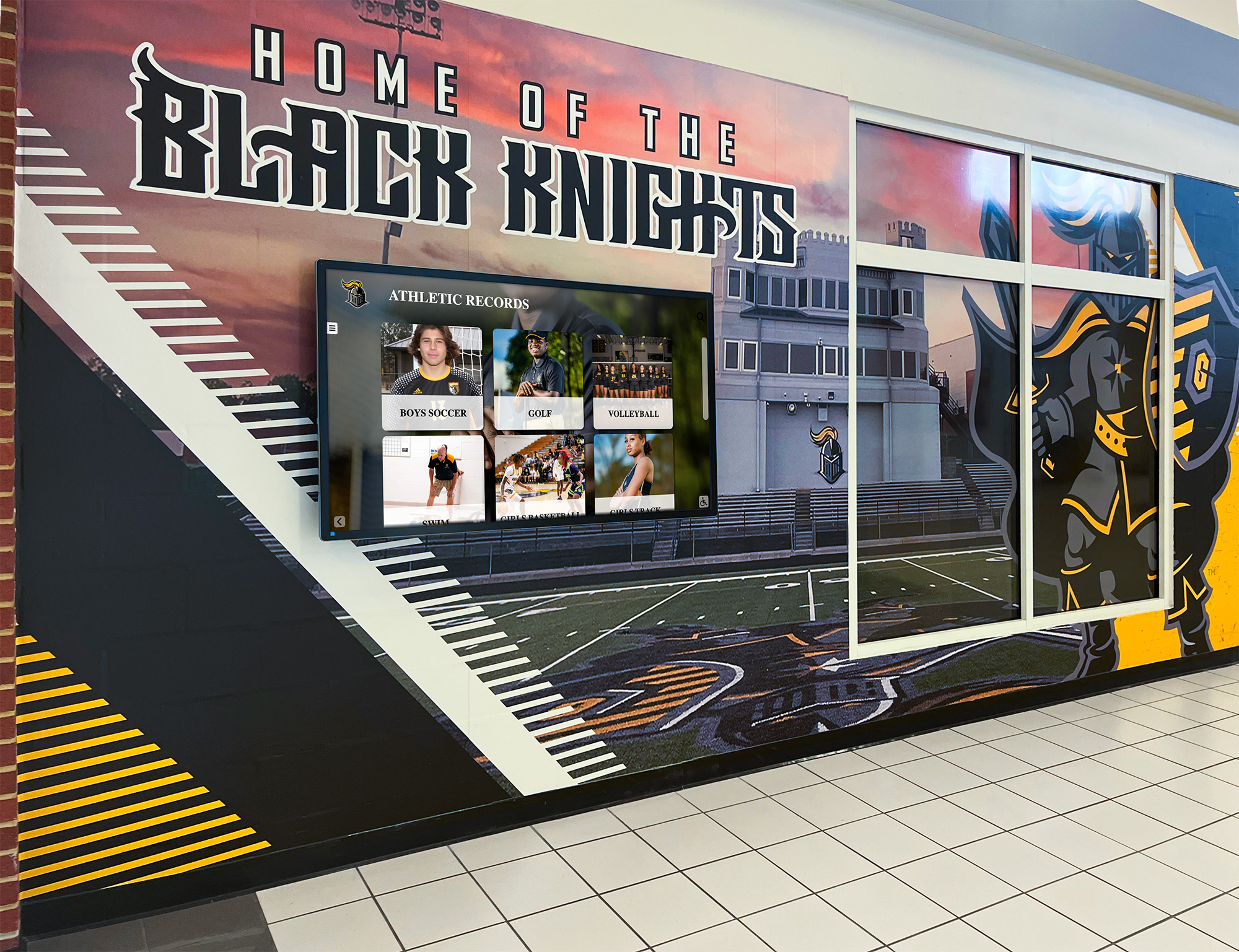
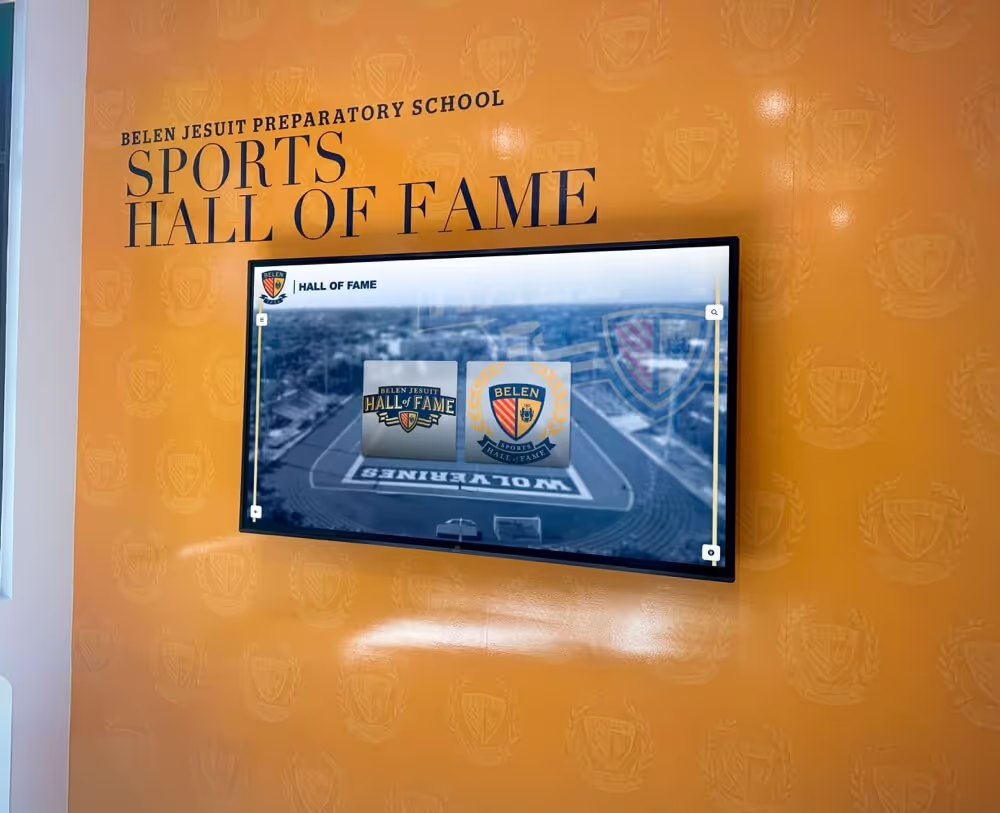
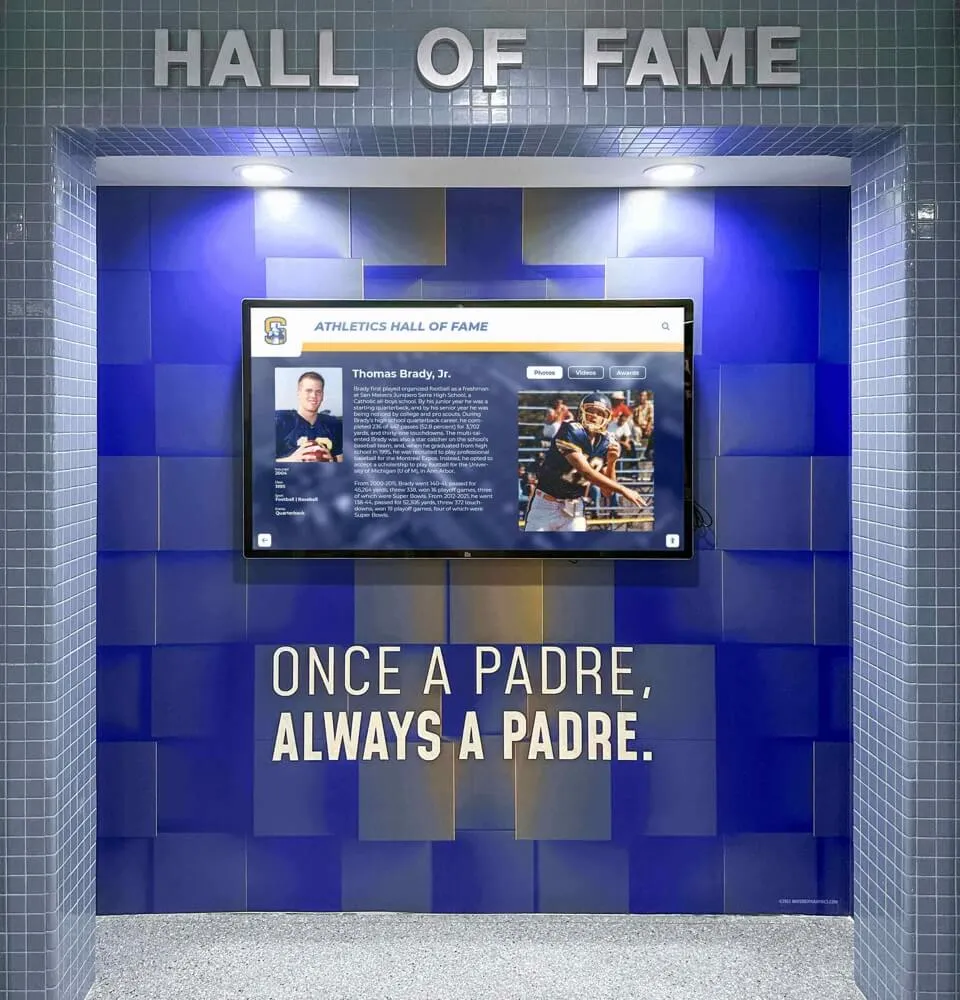
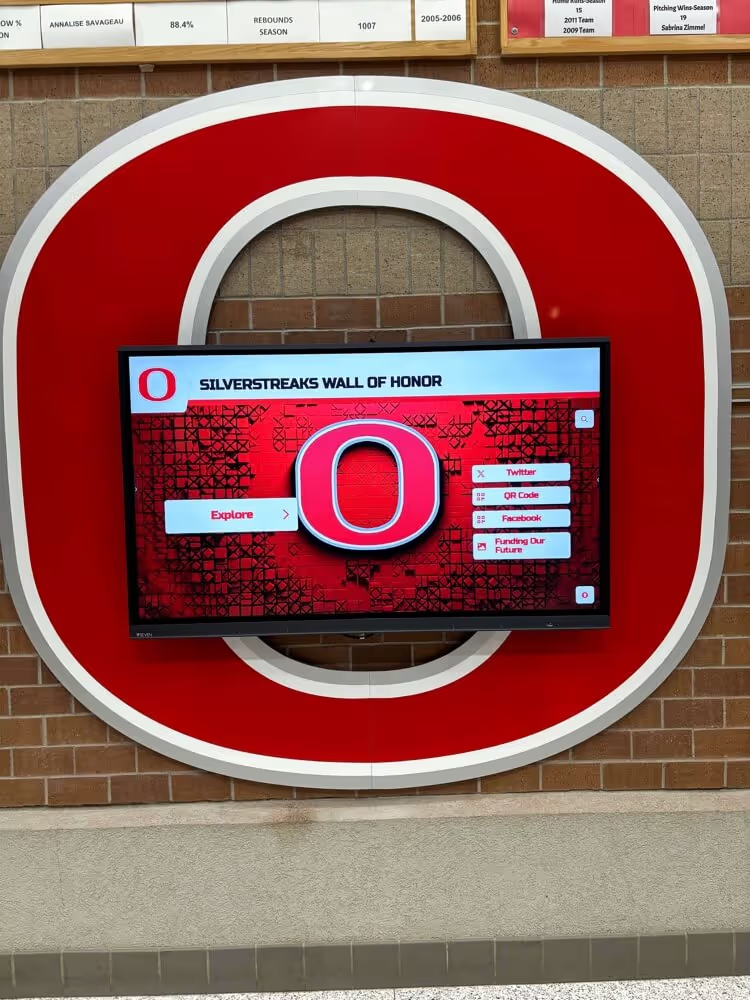
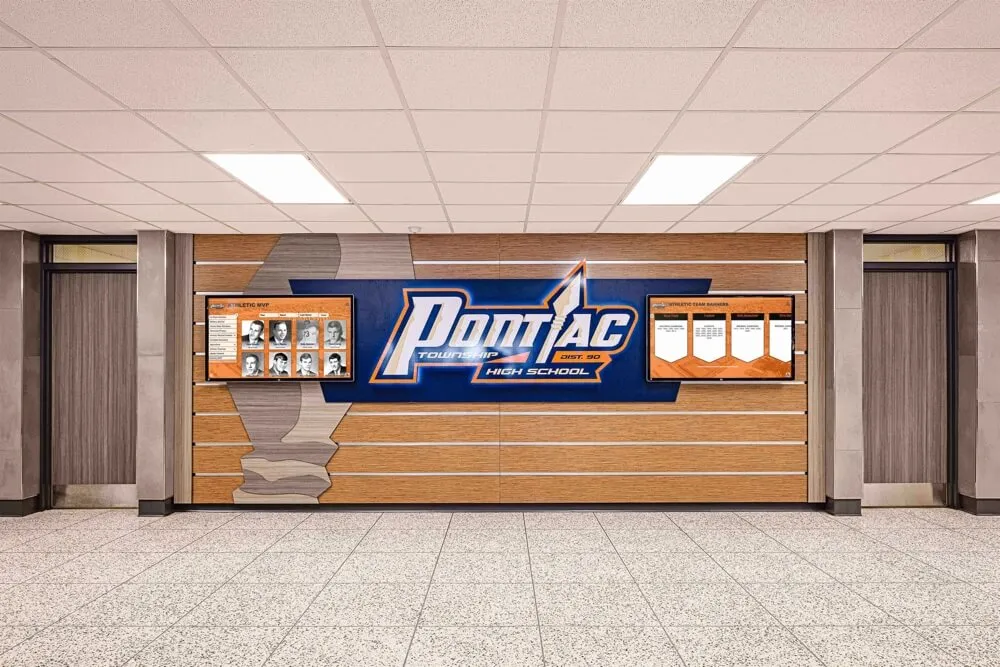
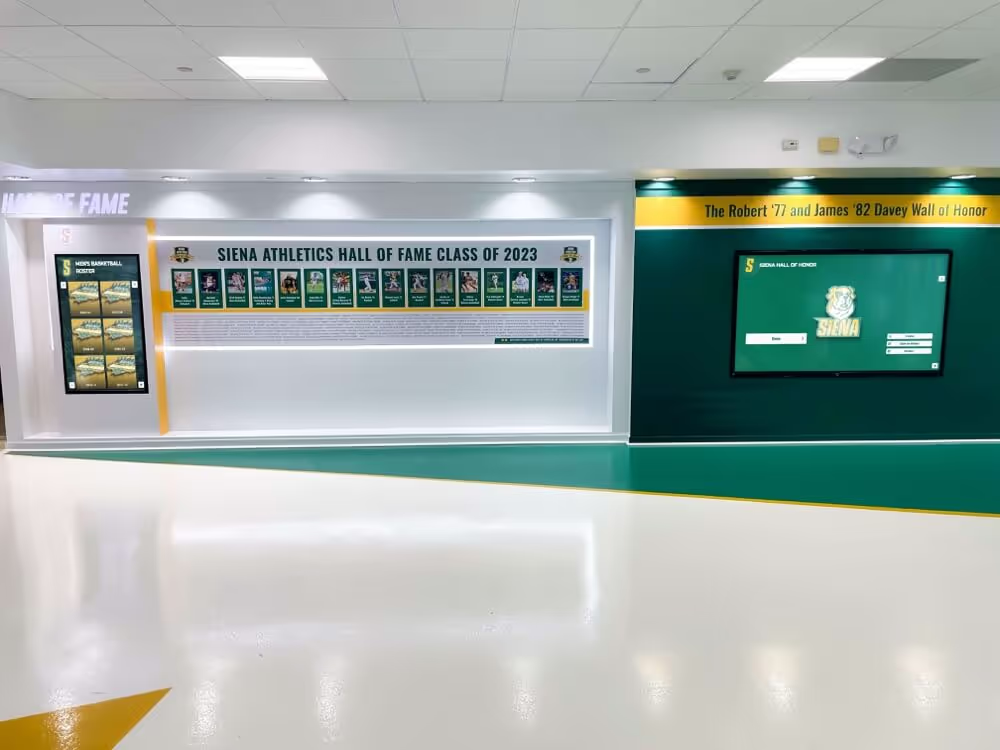
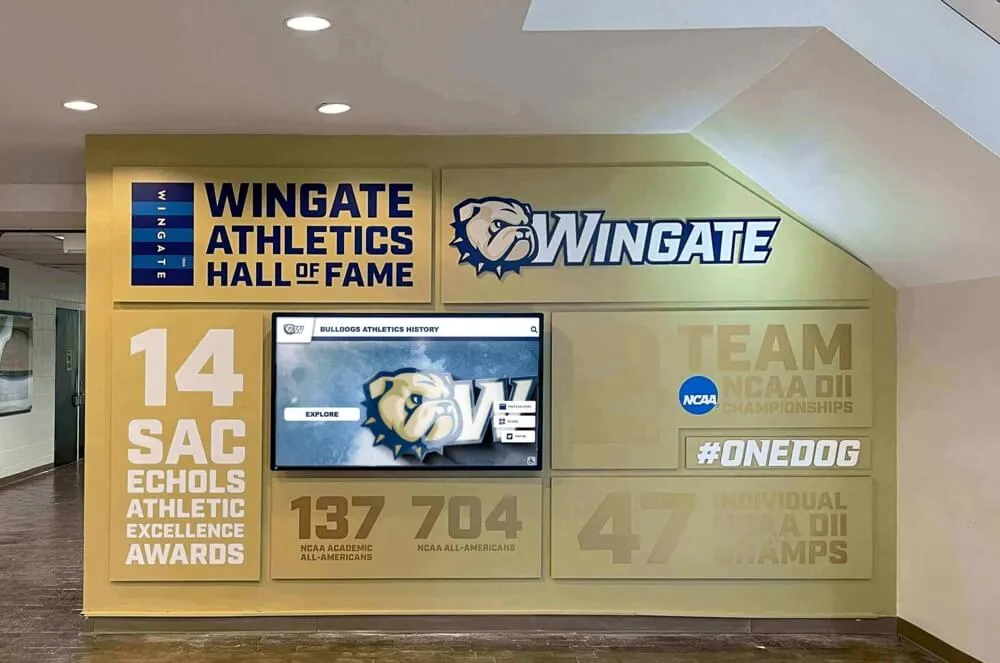
Modern recognition displays combine traditional school aesthetics with digital capacity for unlimited achievement documentation
Creating Effective Rivalry History Digital Timelines
Successful timeline implementation requires systematic planning addressing content collection, technology selection, organization strategies, and ongoing management ensuring timelines remain valuable for decades.
Content Collection and Historical Research
Systematic Approach to Gathering Materials
Comprehensive timelines require diverse materials from multiple sources:
School Archives and Records
- Yearbook collections documenting teams, rosters, and season results
- Athletic department records containing game results and statistics
- Historical photographs from official school archives
- Video footage from school media programs or archives
- Administrative records documenting facility construction, coaching hires, and program history
- Trophy room inventories and award documentation
Media Archives
- Local newspaper coverage from rivalry games across decades
- Radio broadcast recordings preserving play-by-play commentary
- Television footage from games receiving broadcast coverage
- Sports magazine articles featuring rivalry traditions or memorable games
- Documentary projects exploring rivalry history or community significance
Community and Alumni Contributions
- Personal photograph collections from alumni spanning different eras
- Game programs, tickets, and ephemera from family collections
- Video footage families recorded at games across decades
- Written memories and first-person accounts of memorable moments
- Scrapbooks and personal archives documenting individual careers
- Statistical records maintained by dedicated community historians
Crowdsourced Historical Collection
Many successful timeline projects implement systematic community engagement:
- Social media campaigns requesting historical materials and memories
- Alumni association outreach to specific class years with documentation gaps
- Community scanning events where people bring materials for digitization
- Oral history interview programs capturing memories before they’re lost
- Family outreach identifying multi-generational participation in rivalries
- Hometown newspaper partnerships accessing archival photograph collections
Schools implementing comprehensive collection campaigns often discover remarkable materials—game footage recorded by families on 8mm film in the 1960s, complete statistical records maintained by devoted fans across decades, or photographs capturing moments no official archive documented but that community members treasured in personal collections.
Digital Timeline Technology and Platform Selection
Hardware Considerations for Physical Displays
On-campus installations require appropriate professional equipment:
Touchscreen Display Specifications
- Commercial-grade displays rated for continuous operation and public use
- 55-65 inch screens for individual exploration in moderate-traffic areas
- 65-75 inch displays for high-visibility lobby or entrance installations
- Capacitive touchscreen technology providing responsive smartphone-like interaction
- 1080p or 4K resolution ensuring legibility for detailed statistics and text
- Protective glass withstanding intensive daily interaction without damage
- 300-500 nit brightness specifications ensuring visibility in various lighting conditions
Installation Location Strategies
- Main school entrances where students, visitors, and alumni pass daily
- Athletic facility lobbies creating natural connections between past and present teams
- Hallways connecting to gymnasiums capturing pre-game and post-game traffic
- Alumni centers or designated heritage spaces for extended exploration
- Library or media center locations supporting research and educational use
- Cafeteria or common areas where students gather during free time
Infrastructure Requirements
- Reliable high-speed internet connectivity for cloud-based content management
- Power infrastructure supporting 24/7 operation or scheduled activation
- Wall mounting or freestanding kiosk enclosures appropriate to locations
- Network security protocols protecting public-facing systems
- Remote monitoring capabilities alerting maintenance teams to technical issues
Solutions like Rocket Alumni Solutions provide comprehensive platforms specifically designed for school recognition, combining specialized software with professional hardware recommendations and implementation support ensuring successful long-term programs.
Software Platform Requirements
Purpose-built timeline systems offer features generic tools lack:
Recognition-Specific Functionality
- Timeline database systems organizing events chronologically across decades or centuries
- Rich multimedia support for photographs, videos, statistics, and documents
- Intuitive public search and filtering enabling personalized discovery
- Biographical profile systems for athletes, coaches, and key contributors
- Team and season organization connecting individuals to broader narratives
- Web accessibility extending timeline reach beyond physical campus locations
Content Management Capabilities
- Web-based administration requiring no specialized technical expertise
- Bulk upload tools efficiently adding entire teams or seasons
- Template systems ensuring consistent professional presentation
- Approval workflows maintaining content quality before publication
- Scheduled publishing coordinating updates with announcements or events
- Media library management organizing thousands of photos and videos
- Version control and backup systems protecting against accidental deletions
Long-Term Sustainability Features
- Cloud hosting eliminating local server maintenance and infrastructure costs
- Automatic software updates maintaining security and compatibility
- Multi-user access supporting distributed content management across staff and volunteers
- Analytics tracking engagement patterns and demonstrating program value
- Vendor support and training ensuring successful operation
- Platform stability and vendor longevity avoiding orphaned systems
Organizations should prioritize platforms specifically designed for educational recognition rather than attempting to adapt generic digital signage, website builders, or presentation tools that lack essential features and create unsustainable management burdens requiring constant technical intervention.
Explore comprehensive digital hall of fame touchscreen guide covering technology selection considerations for educational institutions.
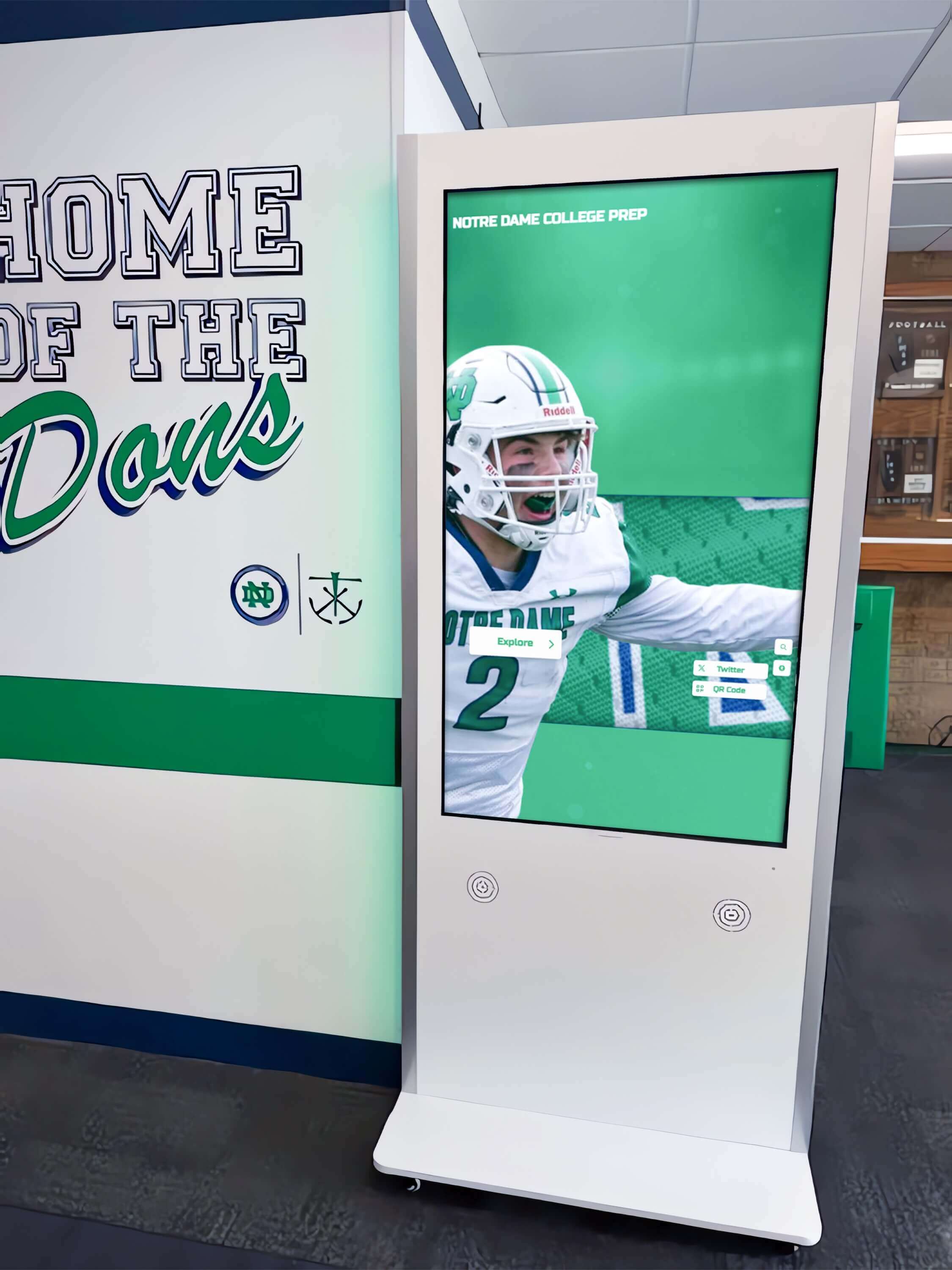
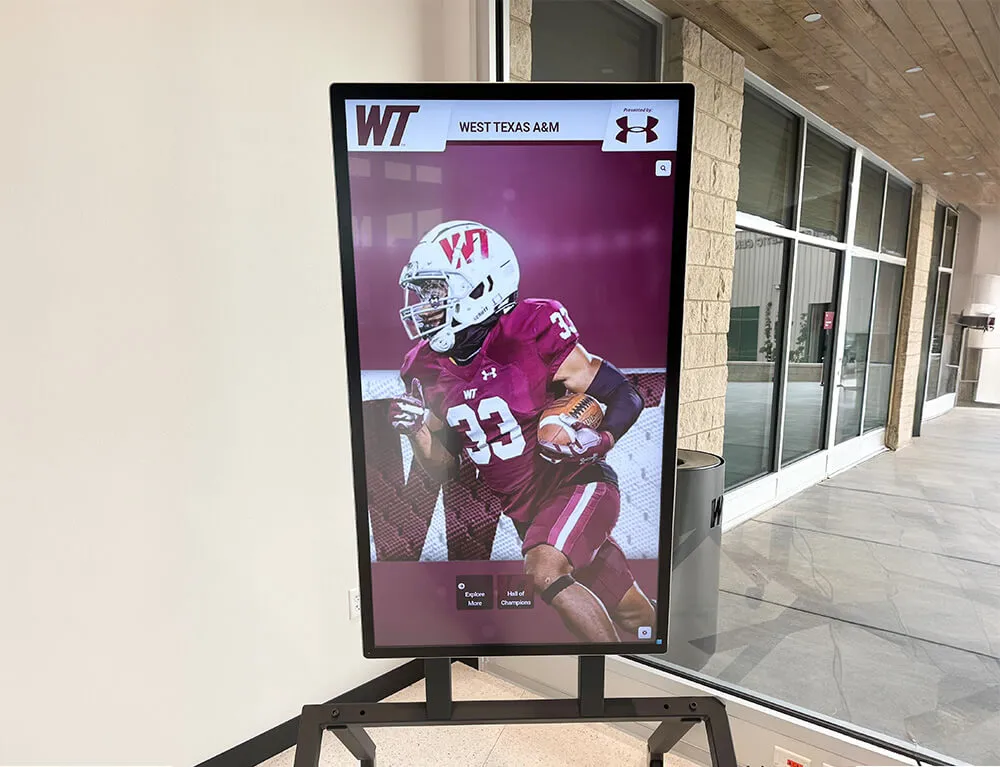
Freestanding kiosk installations provide professional timeline displays without requiring wall mounting in historic facilities
Timeline Organization and Content Structure
Effective Approaches to Rivalry Documentation
Multiple organizational strategies serve different exploration preferences:
Chronological Timeline Navigation
Year-by-year organization creates comprehensive historical narrative:
- Complete game results for every rivalry contest across entire history
- Season records and overall performance context surrounding rivalry games
- Rosters and team composition for each season
- Coaching staff and leadership documentation
- Statistical summaries showing individual and team performance
- Facility and uniform evolution visible across decades
- Historical context explaining era-specific circumstances or significance
This chronological approach enables linear exploration discovering how rivalries evolved, how playing styles changed, and how different generations contributed to continuing traditions.
Thematic Content Galleries
Topic-based organization highlights particular rivalry dimensions:
Championship Seasons
- Conference titles decided by rivalry game outcomes
- Playoff qualification secured through rivalry victories
- State championships won by schools during particular rivalry eras
- Undefeated seasons including rivalry game successes
- Dynasty periods showing sustained excellence across multiple years
Memorable Moments
- Last-second victories or dramatic finishes
- Upset victories against heavily favored rivals
- Record-breaking individual performances
- Significant streak beginnings or endings
- Weather-affected games creating unique circumstances
- Controversial moments or legendary referee decisions
- Community celebration moments following historic victories
Statistical Leaders and Records
- All-time rushing leaders, scoring leaders, or statistical champions
- Single-game performance records set during rivalry contests
- Career achievement milestones reached in rivalry games
- Team records for points, defense, or other statistical categories
- Coaching records and milestone victories against rivals
- Attendance records and community participation achievements
Traditions and Customs
- Trophy histories and traveling symbols of rivalry supremacy
- Pre-game rituals and traditions observed by teams or communities
- Halftime shows and band performances unique to rivalry weeks
- Community decoration customs transforming towns during rivalry weeks
- Parade traditions and pep rally formats specific to rivalries
- Victory celebrations and post-game customs
- Superstitions and beliefs surrounding rivalry preparations
Individual Athlete Profiles
Recognition extending beyond team narratives to personal stories:
- Detailed biographies of athletes making significant rivalry contributions
- Career statistics and achievement documentation
- Post-graduation accomplishments demonstrating long-term success
- Multiple family generations participating in same rivalries
- Athlete reflections and interview content
- Photographs spanning careers from freshman through senior seasons
- Awards and recognition received during or after high school careers
This multi-layered organization ensures all visitors find personally meaningful content while enabling comprehensive exploration revealing connections and patterns across rivalry history that isolated game-by-game documentation might obscure.
Creating Compelling Narrative Content
Beyond Scores: Telling Complete Stories
Effective timelines balance factual documentation with engaging storytelling:
Context and Significance Explanation
Rather than simply listing “Warriors 28, Tigers 21” with no additional information, compelling entries provide:
- Championship implications explaining what was at stake beyond single game results
- Historical context noting whether result broke streaks or established new patterns
- Weather conditions or unique circumstances affecting games
- Coaching matchup backgrounds adding personal dimensions to competitions
- Individual performance highlights spotlighting key contributors
- Community atmosphere descriptions conveying emotional significance
- Long-term impact discussing how particular games influenced future seasons
First-Person Perspectives and Memories
Personal accounts create emotional connections statistics alone cannot generate:
- Athlete reflections on preparing for and experiencing rivalry games
- Coach insights into strategic approaches specific to rivalry preparations
- Alumni memories connecting personal identity to rivalry participation
- Community leader perspectives on rivalry significance beyond athletics
- Family stories spanning multiple generations participating in same rivalries
- Student body memories of pep rallies, celebrations, and traditions
- Official perspectives from administrators or longtime staff members
Visual Storytelling Through Photography and Video
Rich media content brings historical narratives to life:
- Action photography sequences showing key plays developing
- Before/after comparisons revealing facility or uniform evolution
- Crowd reaction shots conveying emotional atmosphere at games
- Victory celebration photographs preserving euphoric moments
- Video highlights enabling viewers to experience rather than just read about legendary plays
- Historical broadcast footage preserving period commentary and excitement
- Interview videos adding personal voices to written narratives
Schools implementing comprehensive storytelling discover that well-documented timelines become community treasures generating organic sharing, stimulating reunion conversations, and creating pride that strengthens school spirit across generations.
Learn about effective digital storytelling approaches for athletic programs that enhance rivalry history presentation.
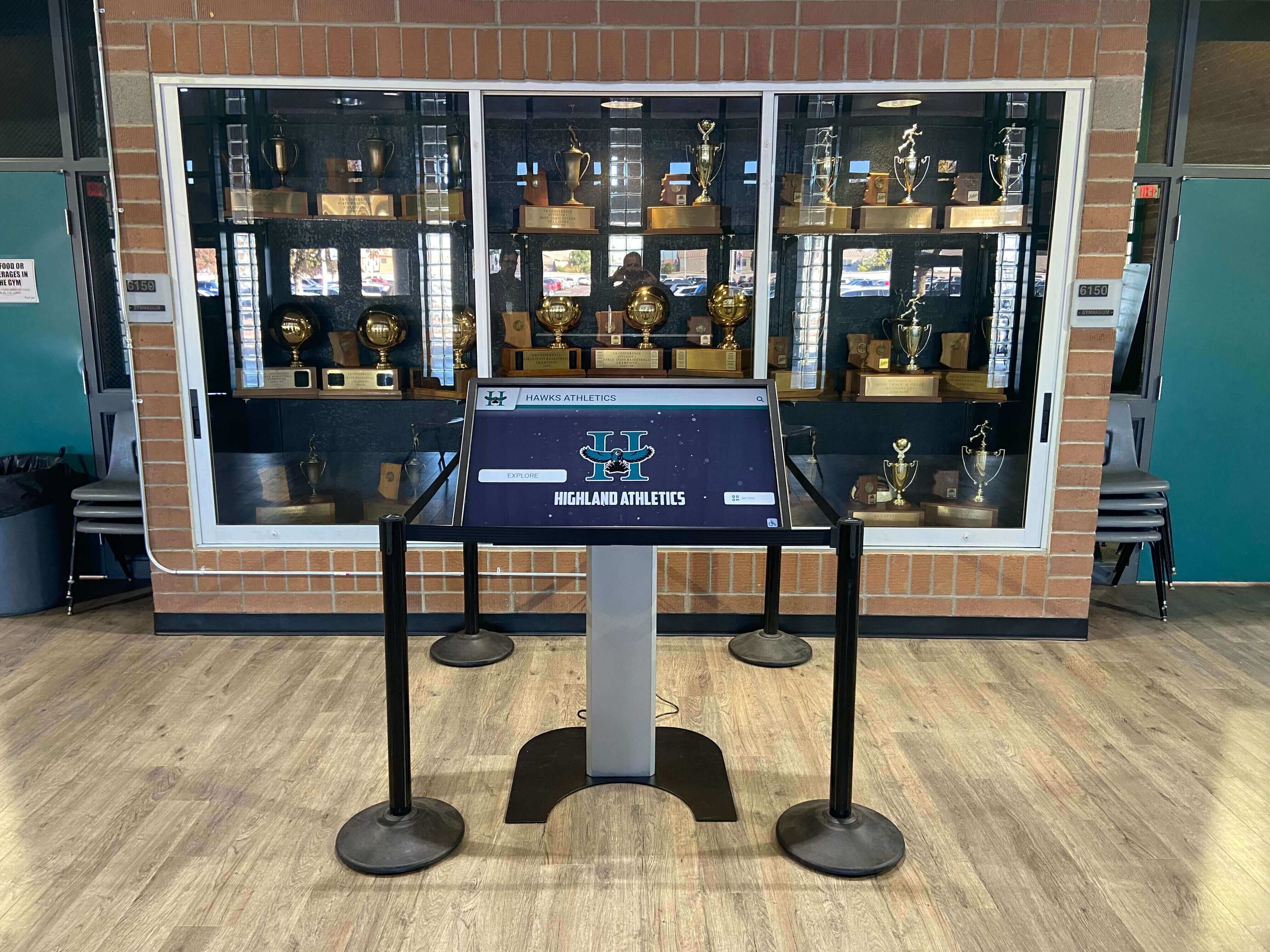
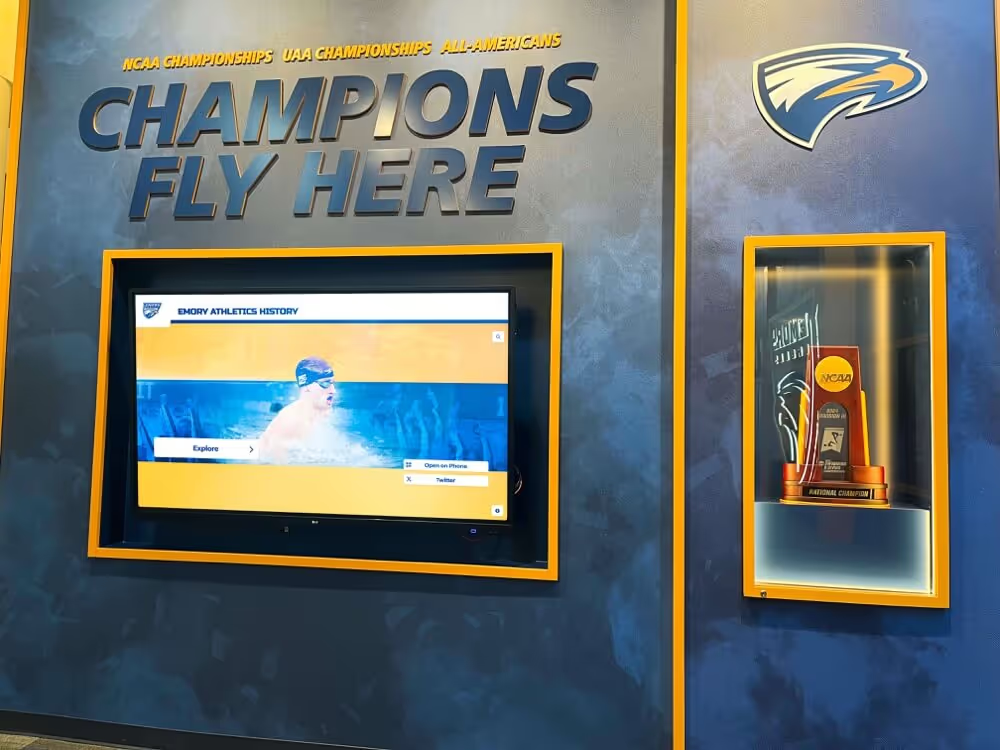
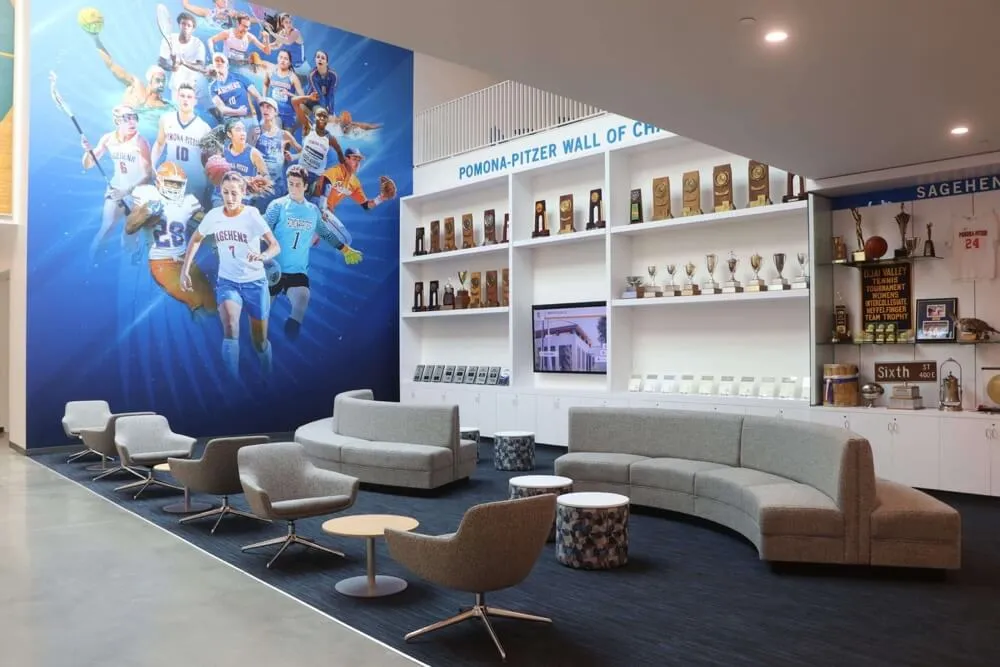
Digital displays effectively complement physical trophy cases, extending recognition capacity while preserving traditional aesthetics
Best Practices for Rivalry Timeline Content and Management
Following proven approaches ensures timelines achieve maximum impact while remaining sustainable across years of operation.
Maintaining Historical Accuracy and Appropriate Context
Verification Standards and Quality Control
Timeline content requires careful fact-checking ensuring reliability:
Statistical Accuracy
- Cross-reference game results against multiple sources including yearbooks, newspapers, and official records
- Verify individual statistics against team totals ensuring internal consistency
- Acknowledge incomplete records or uncertain information rather than presenting estimates as facts
- Cite sources enabling future researchers to verify information independently
- Establish correction processes addressing errors discovered after initial publication
Biographical Information Verification
- Confirm athlete names, graduation years, and biographical details
- Verify post-graduation accomplishments through reliable sources
- Contact families or individuals directly when possible for personal information
- Acknowledge gaps where information proves unavailable despite research efforts
- Respect privacy concerns regarding sensitive personal information
Historical Context and Interpretation
Appropriate contextualization helps contemporary audiences understand past events:
- Explain rule differences that affected earlier games compared to modern competition
- Provide social context helping audiences understand different eras appropriately
- Acknowledge controversial moments honestly while avoiding sensationalism
- Balance celebration of victories with respectful recognition of opponents
- Present historical traditions that may seem dated through era-appropriate perspective
- Connect rivalry moments to broader school and community history
This commitment to accuracy builds credibility while ensuring timelines serve as reliable historical resources rather than entertaining but unreliable collections of stories and statistics.
Creating Inclusive Recognition Across Rivalries
Comprehensive Documentation Beyond Featured Games
Effective timelines recognize rivalry dimensions beyond most prominent contests:
Multi-Sport Rivalry Recognition
- Football rivalries typically receive most attention but basketball, volleyball, soccer, and other sports often have equally meaningful traditions
- Non-revenue sports sometimes feature even longer continuous rivalry records
- Individual sport competitions like wrestling, track, or swimming deserve documentation
- Arts competitions including band, choir, or drama adding non-athletic rivalry dimensions
- Academic competitions like quiz bowl, debate, or robotics extending rivalry spirit
Inclusive Athlete Recognition
- Star athletes receive attention naturally but role players contribute meaningfully to team success
- Female athletes deserve equal recognition with male athletes across sports
- Different eras receiving equal attention rather than emphasizing recent decades
- Diversity of contributors reflecting school demographic evolution across history
- Non-athletic contributors including coaches, trainers, managers, and support staff
Community Perspective Balance
- Both schools’ perspectives represented fairly in historical documentation
- Rivalry respect maintaining competitive spirit without demeaning opponents
- Community traditions from both sides documented and honored
- Shared history acknowledging that rivalries strengthen both communities
- Alumni from both schools sometimes collaborating on historical preservation
This inclusive approach ensures timelines celebrate rivalry traditions comprehensively while demonstrating values of sportsmanship, respect, and community that should characterize educational athletics regardless of competitive intensity.
Sustainable Content Management and Updates
Systematic Approaches to Ongoing Timeline Maintenance
Long-term timeline value requires manageable maintenance workflows:
Scheduled Regular Updates
- Add current season results immediately after rivalry games conclude
- Incorporate athlete profiles for graduating seniors participating in rivalries
- Update statistical leaders when records fall during current seasons
- Publish anniversary content celebrating historical milestone moments
- Rotate featured content highlighting different rivalry eras periodically
Event-Driven Content Development
- Championship season documentation expanded beyond regular rivalry game entries
- Coaching changes documented with tenure summaries and career achievements
- Facility renovations recorded showing evolution of rivalry game venues
- Reunion events potentially generating historical material submissions
- Community anniversary celebrations prompting historical research
Community Contribution Management
- Establish clear submission processes for families offering historical materials
- Implement review workflows ensuring quality before accepting contributed content
- Create acknowledgment systems recognizing contributors appropriately
- Develop digitization standards for processing physical materials
- Build donor permission systems protecting legal rights and personal privacy
Technical Maintenance and Platform Management
- Regular backup systems preventing data loss from technical failures
- Security updates maintaining protection against cyber threats
- Performance monitoring ensuring optimal user experience
- Analytics review identifying popular content and usage patterns
- Vendor communication maintaining support relationships
Assigning clear responsibilities prevents timelines from becoming outdated while distributing maintenance burden across multiple people rather than overwhelming single administrators attempting to manage comprehensive programs independently.
Explore approaches to showcasing state championships that demonstrate ongoing content management best practices for recognition programs.
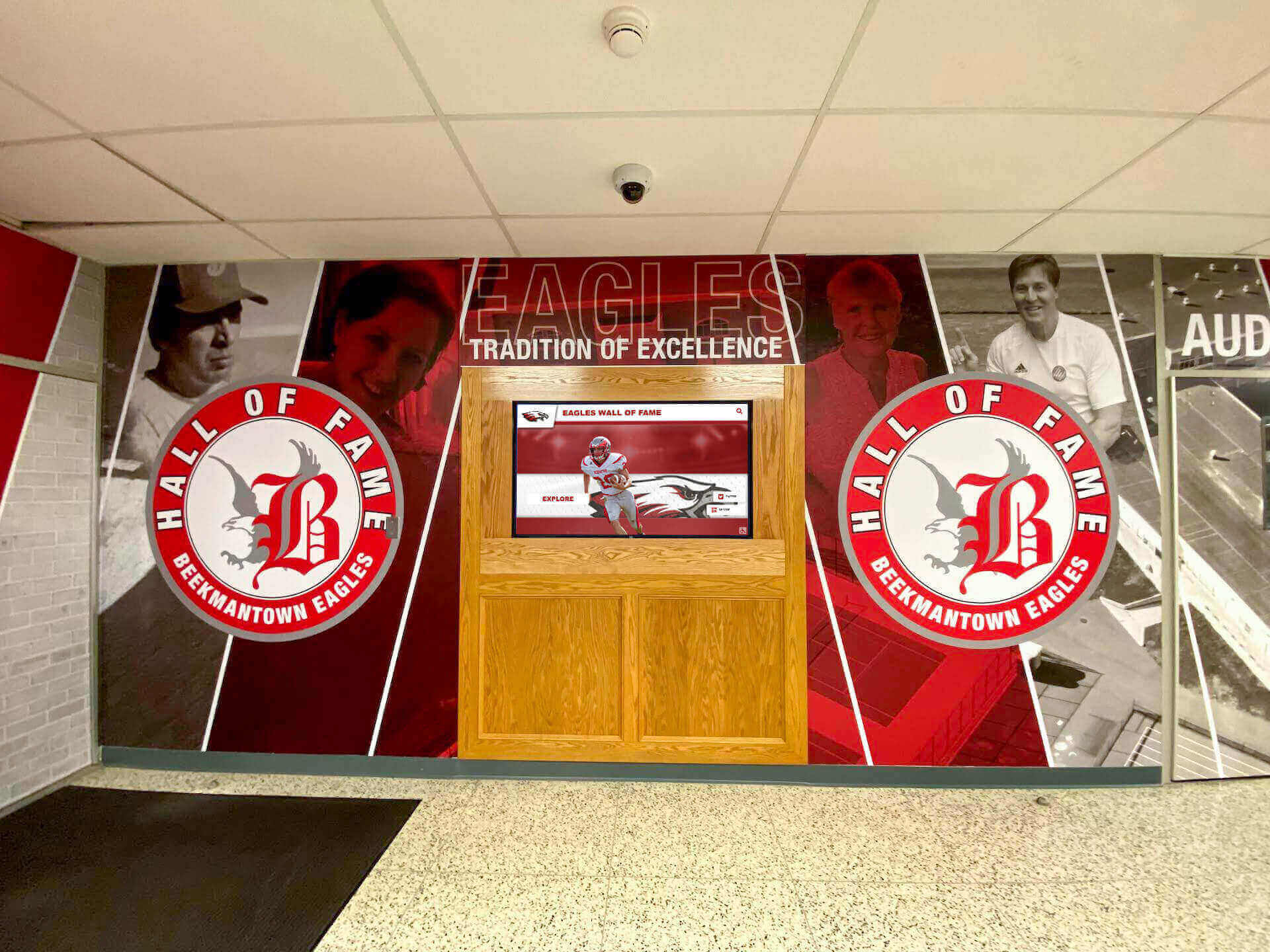
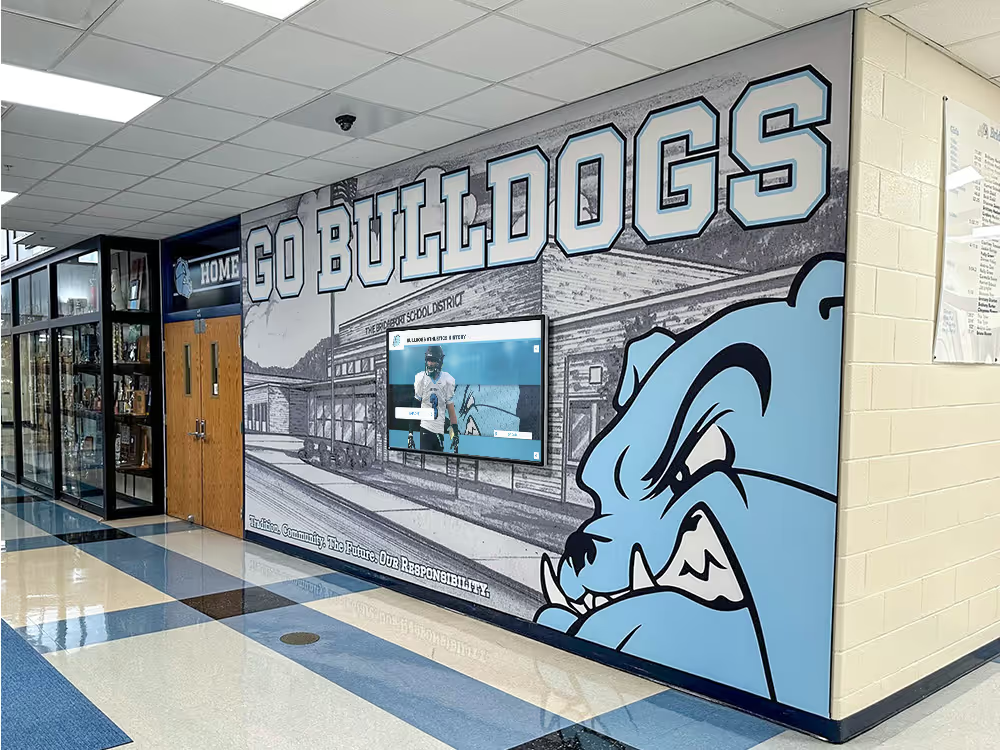
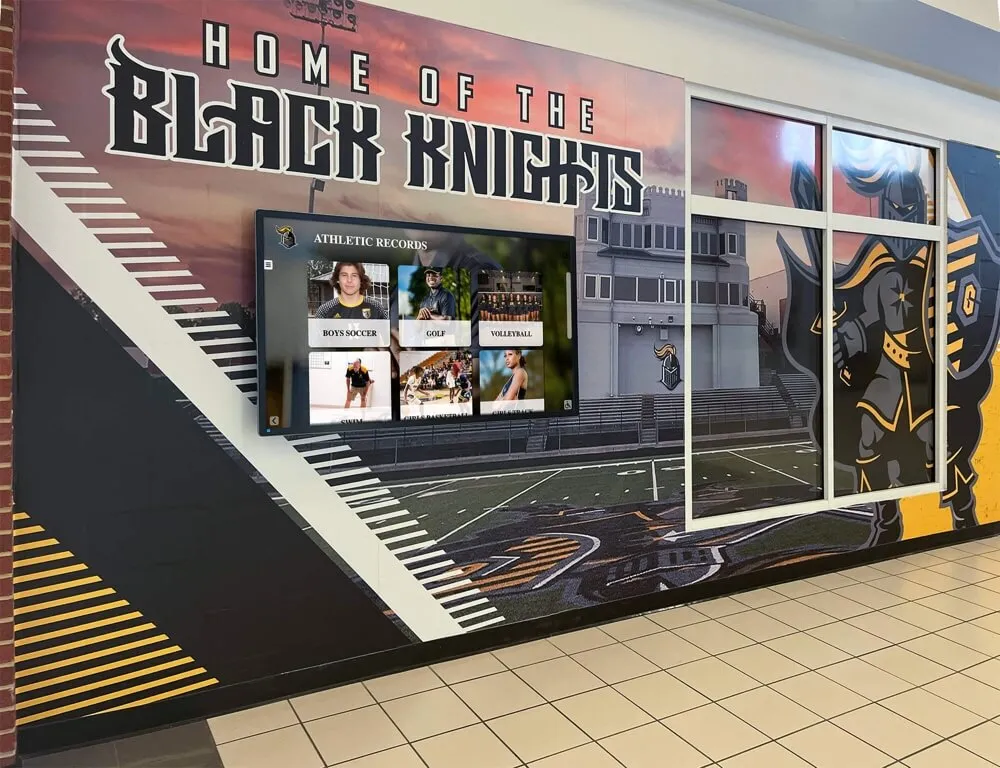
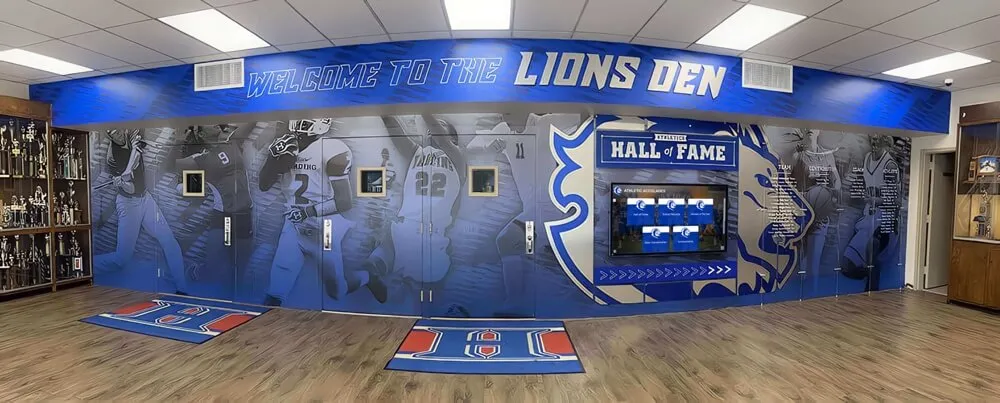
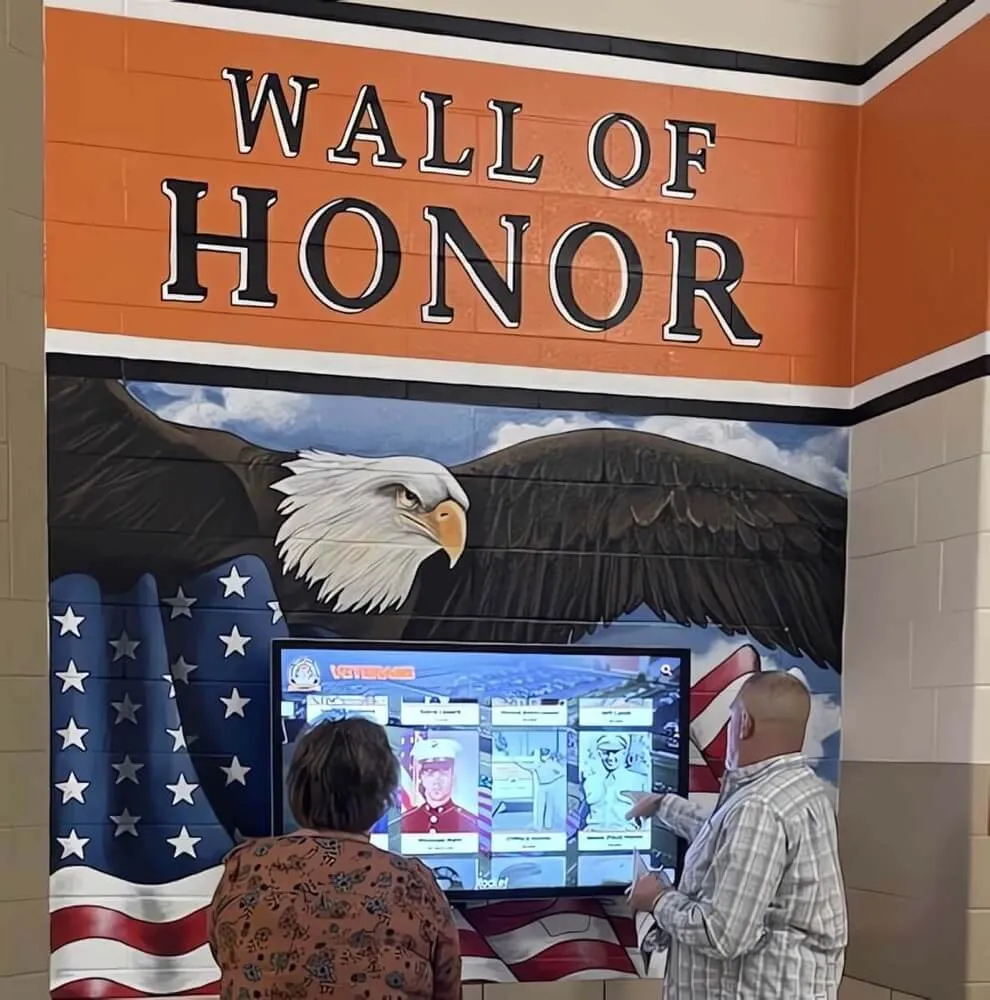
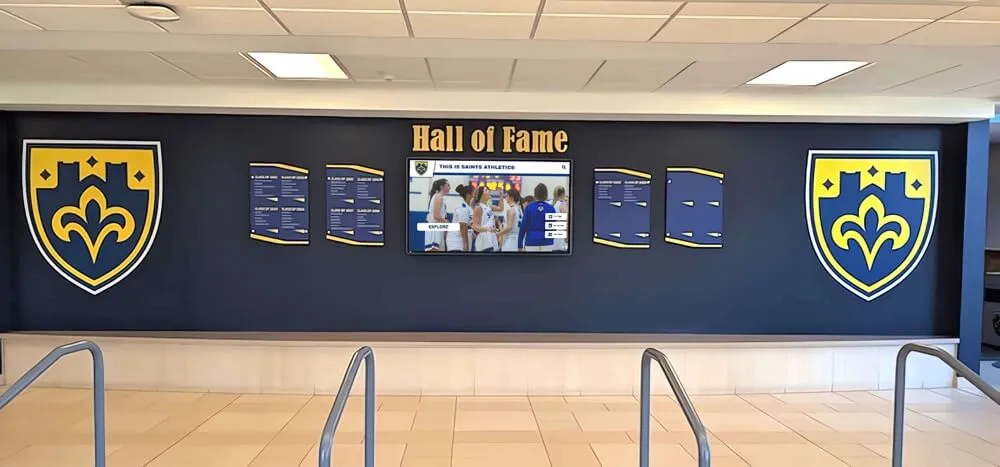
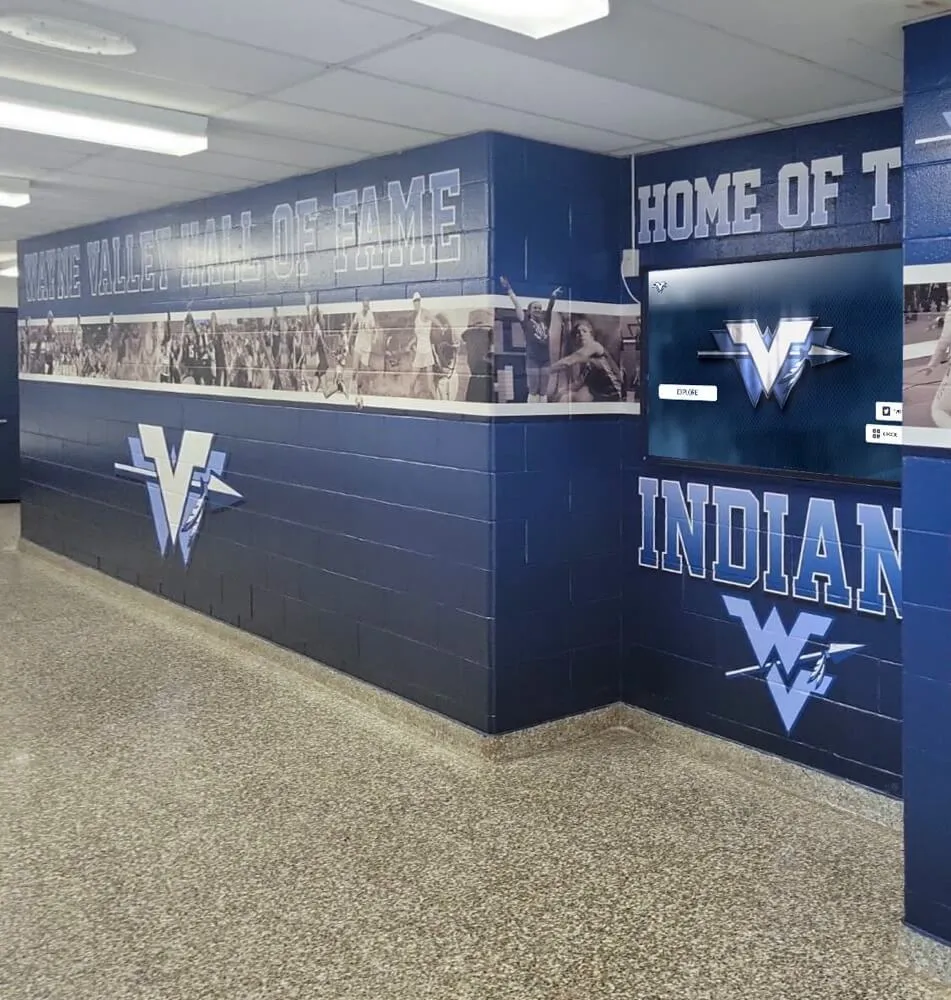
Comprehensive recognition installations combine traditional mural aesthetics with digital display capacity for complete historical documentation
Engaging Current Students with Historical Rivalry Traditions
Digital timelines create greatest impact when they actively connect current students with historical traditions rather than serving only as historical archives for alumni reflection.
Educational Integration and Curriculum Connections
Academic Applications of Rivalry History
Timeline content supports learning across multiple subject areas:
History and Social Studies
- Local history projects examining rivalry evolution within broader community development
- Primary source analysis using newspaper articles, photographs, and oral histories
- Comparative studies analyzing how rivalries reflected changing social values across decades
- Economic impact research examining rivalry games’ effects on local businesses
- Cultural anthropology studying community rituals and traditions
- Research papers exploring rivalry significance within educational history
English and Language Arts
- Creative writing assignments imagining experiences of historical athletes
- Journalistic writing covering rivalry games as contemporary reporters
- Research and citation skill development using timeline content as reliable sources
- Oral history interview projects creating new content for timeline addition
- Poetry or creative expression inspired by rivalry traditions and memorable moments
- Media literacy analysis examining how rivalry coverage evolved across eras
Mathematics and Statistics
- Statistical analysis examining performance trends across decades
- Probability calculations based on historical win-loss records
- Data visualization creating charts and graphs from rivalry statistics
- Comparative analysis identifying patterns across coaching tenures or eras
- Record projection estimating when historical achievements might be surpassed
- Game simulation modeling based on historical performance data
Physical Education and Athletics
- Strategy analysis comparing historical approaches to modern techniques
- Training evolution examining how athlete preparation changed across eras
- Rules evolution showing how game regulations affected competition
- Equipment and safety improvements visible across rivalry history
- Coaching philosophy analysis studying different leadership approaches
- Performance analysis comparing eras accounting for contextual differences
This academic integration ensures rivalry timelines serve educational purposes beyond simple recognition while helping students develop personal connections to traditions through active engagement rather than passive observation.
Building School Spirit Through Historical Connection
Traditions Inspiring Current Participation
Well-presented history strengthens current student investment:
Pre-Rivalry Week Historical Promotion
- Daily historical highlights shared through announcements or social media during rivalry week buildup
- “This Day in Rivalry History” features creating anticipation as game approaches
- Historical video highlights screened during pep rallies or in common areas
- Social media challenges encouraging students to explore timeline and share discoveries
- Trivia contests testing student knowledge of rivalry traditions and memorable moments
- Historic jersey or uniform day connecting current students visually to past teams
Creating Personal Connections to Tradition
- Current athletes discovering and learning about players who wore their jersey numbers
- Students finding relatives who participated in rivalries during previous generations
- Coaches connecting current preparation strategies to historical approaches
- Freshmen discovering what graduates from their class years accomplished
- Transfer students learning school traditions as part of community integration
- New families understanding community identity shaped by rivalry traditions
Motivational Applications
- Record boards showing current athletes what achievements remain within reach
- Comeback stories from historical games inspiring resilience when teams face adversity
- Underdog victories demonstrating that outcomes aren’t predetermined by regular season records
- Senior legacy discussions connecting graduation to joining historical tradition
- Championship team videos showing reward for consistent preparation and teamwork
- Coaching speeches or player interviews revealing mental preparation approaches
These connections transform history from abstract past into living tradition that current students see themselves continuing, strengthening motivation and pride while ensuring traditions persist across generations.
Learn about comprehensive state championship trophy case displays that combine historical recognition with current achievement celebration.
Alumni Engagement Through Rivalry Recognition
Digital timelines create powerful alumni engagement tools when designed to facilitate discovery and emotional reconnection with school experiences.
Personal Discovery and Memory Activation
Finding Yourself in School History
Alumni engagement increases dramatically when individuals easily locate personal connections:
Search and Filtering for Personal Exploration
- Search by name finding all mentions across rivalry game rosters, statistics, and stories
- Graduation year filtering isolating specific class years for reunion planning or personal nostalgia
- Position or role filters helping alumni locate teammates or similar athletes
- Season selection enabling quick navigation to personally significant years
- Championship team identification connecting individuals to broader success narratives
Social Sharing and Community Connection
- Share profile links with classmates and teammates via social media platforms
- Tag friends in historical photographs or game highlights
- Comment on entries sharing personal memories or additional context
- Correct or supplement information contributing to historical accuracy
- Share accomplishments with families who may not have attended games personally
- Connect with former teammates maintaining relationships decades after graduation
Generational Discovery
- Find parents, grandparents, or other relatives who participated in same rivalries
- Compare statistics or experiences across family generations
- Identify siblings, cousins, or extended family throughout rivalry history
- Discover family legacy patterns in athletics or school participation
- Share family traditions connecting multiple generations to school identity
Research on alumni engagement demonstrates that personal recognition visible within broader institutional narratives creates stronger emotional connections than generic institutional messaging, with alumni who discover themselves in school histories showing 3-5 times higher engagement rates and philanthropic support compared to those who never see personalized recognition.
Reunion Planning and Alumni Event Support
Timeline Applications for Alumni Programming
Rivalry history timelines support alumni relations objectives:
Reunion Weekend Engagement
- Featured displays during reunion weekends highlighting honored class years
- Customized content showing that class’s rivalry game results and achievements
- Photo booth integration capturing reunion photos alongside historical displays
- Scavenger hunt activities guiding alumni through timeline exploration
- Memory sharing stations where alumni record reflections for archive inclusion
Homecoming and Athletic Event Enhancement
- Historical content featured during homecoming week celebrating traditions
- Pre-game displays in lobbies or concourses for early-arriving fans
- Halftime video highlights connecting current games to historical moments
- Post-game celebration contexts for victory traditions with historical roots
- Rivalry week activation maintaining alumni interest during builds to annual games
Development and Fundraising Applications
- Heritage displays during major gift cultivation events
- Recognition opportunities connecting donations to timeline content expansion
- Campaign materials incorporating historical imagery and narratives
- Donor engagement showing how contributions preserve important traditions
- Planned giving conversations connecting legacy values to heritage preservation
Communication Content Generation
- Newsletter content featuring historical highlights and anniversary recognition
- Social media content maintaining year-round alumni engagement
- Website features driving traffic and demonstrating institutional vibrancy
- Email campaigns built around historical moments or milestone anniversaries
- Video content for alumni communications and institutional marketing
These applications demonstrate timeline return on investment beyond simple historical preservation, creating tools actively supporting advancement objectives and strengthening lifelong alumni connections.
Explore comprehensive alumni gathering area design approaches that incorporate historical recognition within broader alumni engagement strategies.
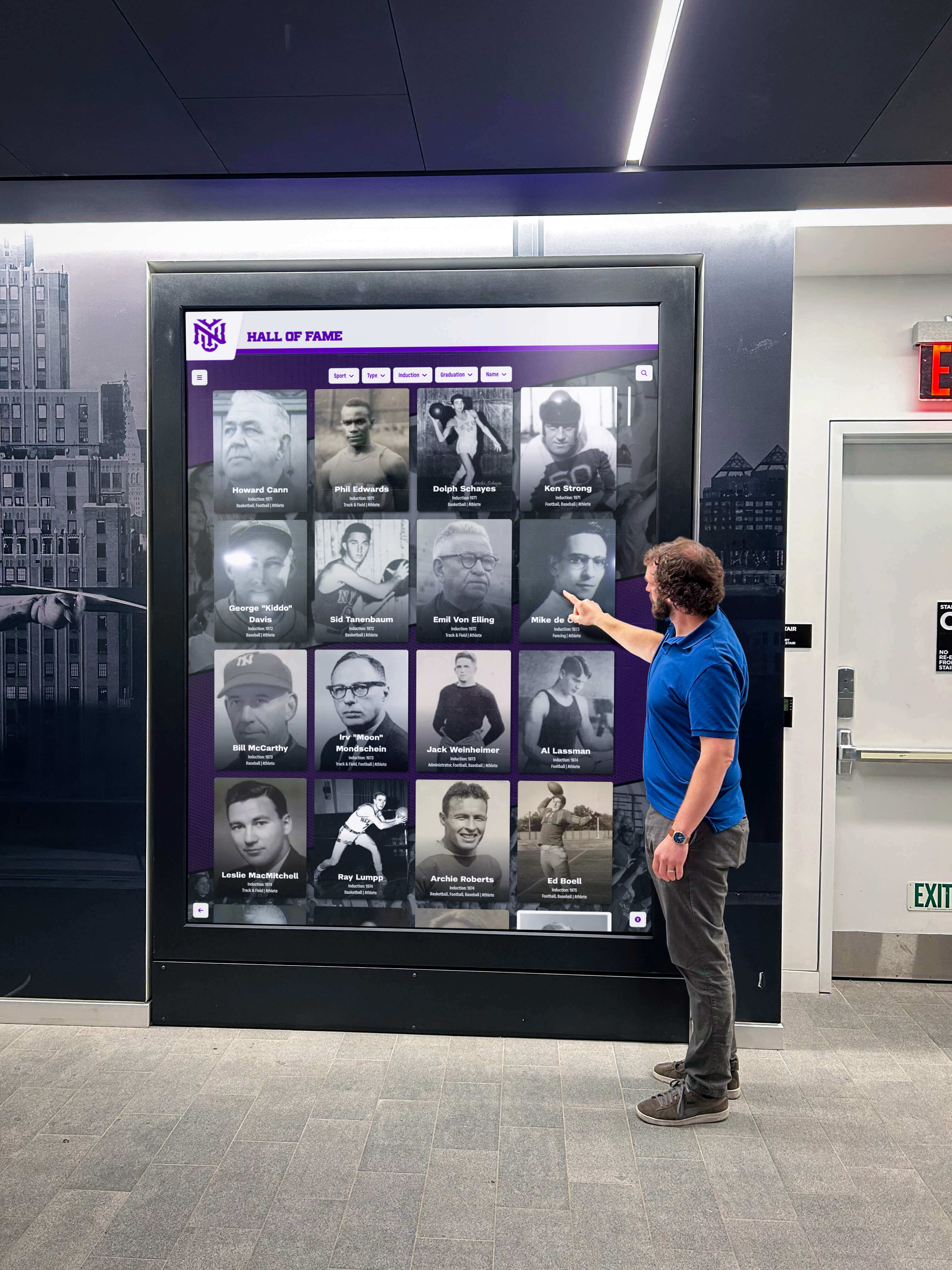
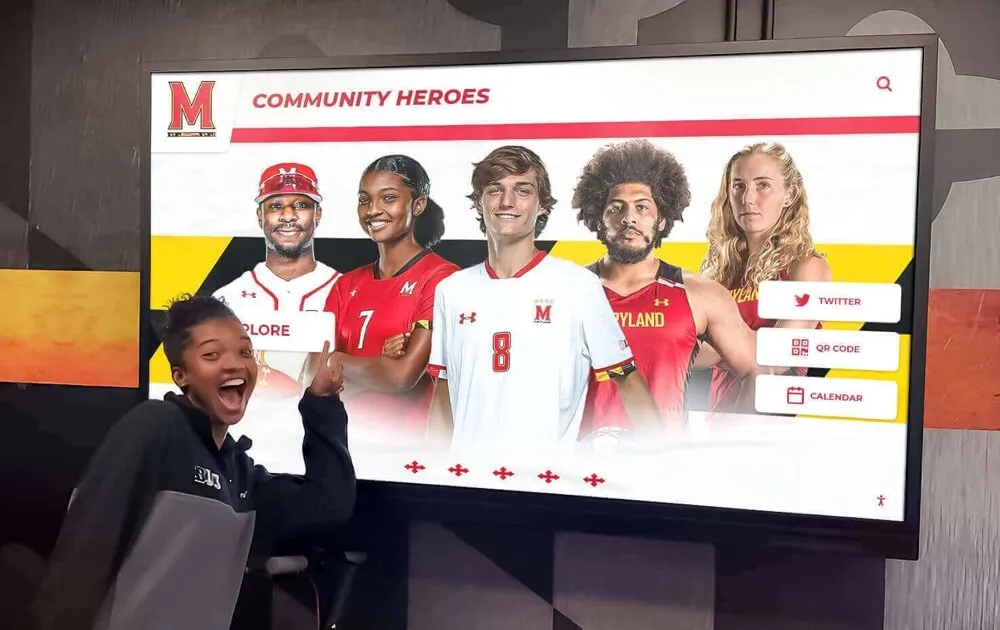
Alumni visitors enthusiastically engage with interactive displays enabling discovery of personal achievements and memories from their school years
Measuring Timeline Success and Demonstrating Value
Regular assessment ensures rivalry timeline programs achieve intended goals while justifying resource investment to stakeholders.
Engagement Metrics and Usage Analytics
Quantitative Measurement of Timeline Impact
Digital platforms provide detailed engagement data:
Physical Display Interactions
- Total interaction counts showing overall timeline usage
- Average session duration indicating depth of engagement versus brief touches
- Popular content identification revealing which eras or features attract most interest
- Search query analysis showing what visitors seek most frequently
- Peak usage times informing content scheduling and maintenance planning
- Repeat visitor patterns indicating sustained interest rather than one-time curiosity
Web Platform Analytics
- Unique visitors and page views measuring online reach
- Geographic distribution showing where alumni and fans access content
- Device analytics revealing whether audiences primarily use desktop, tablet, or mobile
- Referral sources identifying what communications drive timeline traffic
- Social sharing frequency demonstrating organic promotion through user networks
- Content popularity rankings guiding development priorities
Comparative Benchmarking
- Year-over-year growth showing increasing engagement and adoption
- Comparison to other school recognition programs demonstrating relative success
- Engagement rates relative to overall school population or alumni body
- Social media metrics compared to other institutional content
- Alumni survey responses assessing timeline awareness and satisfaction
This quantitative assessment demonstrates program value while identifying opportunities for improvement through evidence-based decision making rather than assumptions about what content or features audiences prefer.
Qualitative Impact Assessment
Beyond Numbers: Meaningful Outcomes
Successful timelines generate qualitative impacts less easily measured:
Student and Athlete Feedback
- Student surveys assessing timeline awareness and engagement
- Athlete testimonials describing how historical content motivated performance
- Coach reflections on timeline utility for team building and tradition emphasis
- Focus groups exploring how timelines influenced school spirit and pride
- Academic teacher feedback on timeline utility for educational applications
Alumni Response and Testimonials
- Reunion attendee feedback on timeline enhancement of experience
- Alumni testimonials sharing emotional responses to discovering themselves in content
- Social media comments and reactions demonstrating enthusiasm
- Volunteer participation rates for historical content contribution
- Giving rates and donor testimonials mentioning heritage preservation
Community Recognition
- Media coverage of timeline launch or significant content additions
- Community member usage during open facilities events
- Visitor testimonials from prospective families during school tours
- Awards or recognition from educational technology or historical preservation organizations
- Peer institution interest and inquiries about implementation approaches
Organizational Impact
- School spirit assessments showing increased pride and identity
- Rivalry game attendance trends following timeline implementation
- Athletic participation rates potentially influenced by tradition visibility
- Alumni engagement metrics across multiple dimensions
- Advancement outcomes potentially influenced by heritage recognition
These qualitative outcomes often prove more meaningful than quantitative metrics alone, with individual testimonials about meaningful personal discoveries or inspired athletic performances demonstrating timeline value in ways usage statistics cannot fully capture.
Conclusion: Preserving Rivalry Traditions for Future Generations
School rivalry history digital timelines transform treasured traditions from fading memories into dynamic interactive experiences accessible to current students, devoted alumni, and future generations who will continue these remarkable traditions. Rivalries represent some of the most meaningful threads in educational fabric—competitions where athletic excellence, community pride, and multi-generational tradition unite in powerful expressions of local identity and school spirit.
Yet without systematic preservation, these traditions risk diminishing as alumni age, physical materials deteriorate, and younger generations remain disconnected from heritage that previous communities created. Digital timeline technology addresses these threats while creating unprecedented opportunities for comprehensive recognition, engaging storytelling, and widespread accessibility impossible with traditional static approaches.
The most successful timeline implementations combine thorough historical research with appropriate technology platforms, comprehensive content with engaging multimedia presentation, chronological documentation with thematic storytelling, and professional design with authentic school character. Institutions that prioritize these elements create heritage experiences that honor the past while inspiring present communities and preserving traditions for future athletes who will add their own chapters to continuing rivalry narratives.
Ready to preserve your school’s rivalry traditions through modern digital timeline displays? Comprehensive recognition solutions help schools celebrate decades or centuries of competition while creating engaging experiences that connect students, alumni, and communities with shared heritage. Solutions like Rocket Alumni Solutions provide platforms specifically designed for educational recognition, combining intuitive content management with professional hardware recommendations and implementation support ensuring successful long-term programs.
Whether launching your first comprehensive rivalry documentation or enhancing existing recognition systems, the key is selecting technology aligned with your strategic goals, ensuring platforms provide features your specific needs require, and implementing solutions sustainable within your operational capabilities and resources.
Your school’s rivalry traditions deserve presentation matching their significance—accessible to all community members, searchable by anyone interested, enriched with multimedia bringing legendary moments to life, professionally designed reflecting school identity, and continuously expanding as new memories and achievements join the ongoing narrative of athletic excellence and community pride.
The right timeline approach makes comprehensive implementation straightforward while ensuring solutions that engage communities for generations to come. Your rivalry possesses unique stories worth preserving and celebrating. Digital timeline technology makes comprehensive, engaging heritage preservation achievable and sustainable for decades as your rivalry continues creating new chapters worthy of the traditions that came before.
Start by documenting what exists, engaging alumni who remember what formal archives may have missed, selecting technology platforms designed specifically for educational recognition, and implementing systems that honor your rivalry’s unique character while making its remarkable history accessible to everyone who shares passion for these treasured traditions.