



School buildings serve as the physical foundation for educational excellence, yet many facilities struggle with aging infrastructure, outdated technology, inefficient layouts, and spaces that no longer reflect contemporary learning needs or celebrate student achievements effectively. Strategic school renovation creates modernized environments that enhance educational outcomes, improve safety and accessibility, reduce operational costs, and inspire students, staff, and communities through thoughtfully designed spaces that honor tradition while embracing innovation.
Facilities managers and administrators face complex decisions when planning school renovations. Limited budgets require prioritizing investments that deliver maximum impact. Occupied buildings demand minimal disruption to daily operations. Diverse stakeholder expectations—from teachers needing functional instructional spaces to parents expecting safe environments to students wanting inspiring surroundings—create competing priorities requiring careful balance. Meanwhile, aging mechanical systems, outdated technology infrastructure, and deferred maintenance accumulate into overwhelming renovation scopes that challenge even well-resourced districts.
This comprehensive guide explores practical school renovation ideas that modernize educational facilities across all key areas—from learning spaces and technology integration to safety enhancements and recognition displays. These proven strategies help administrators create environments that support contemporary education while remaining financially sustainable, operationally realistic, and genuinely valued by the school communities they serve.
Modern school renovation extends beyond basic repairs and maintenance—it reimagines educational spaces as dynamic environments that actively support teaching innovation, enhance student engagement, strengthen community connection, and celebrate achievements in ways that inspire excellence across generations.

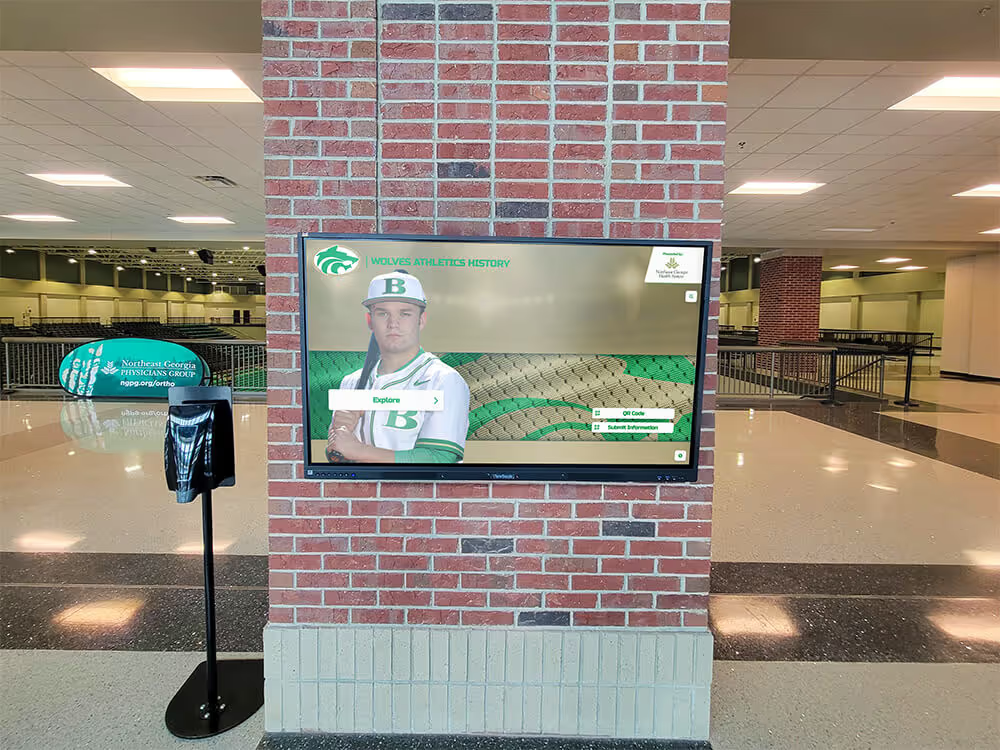
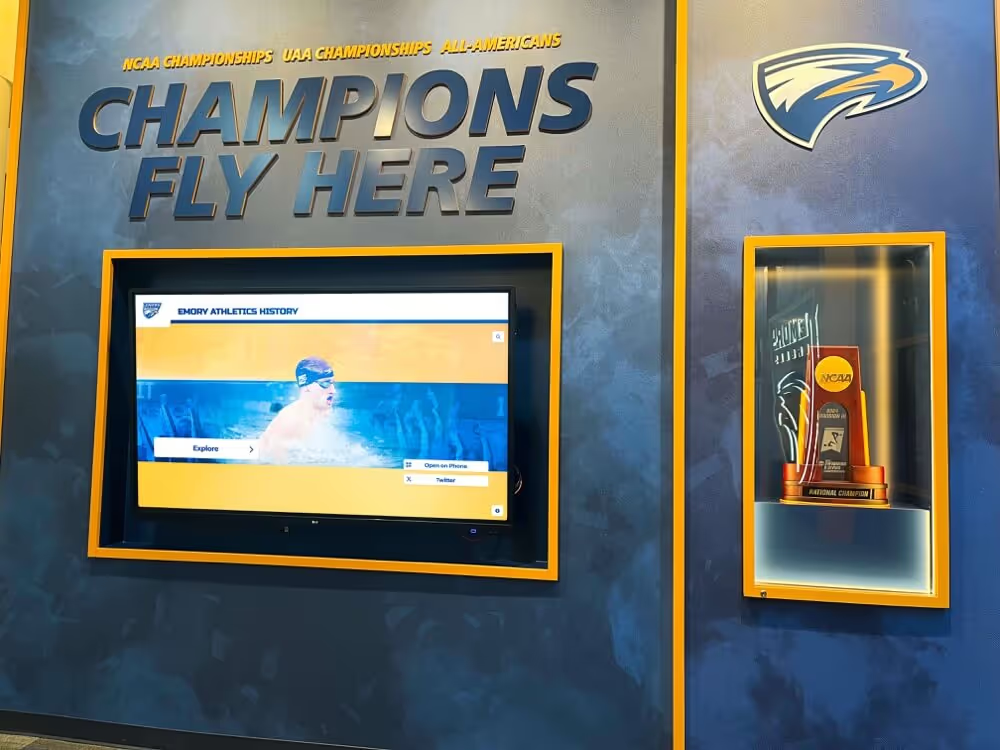
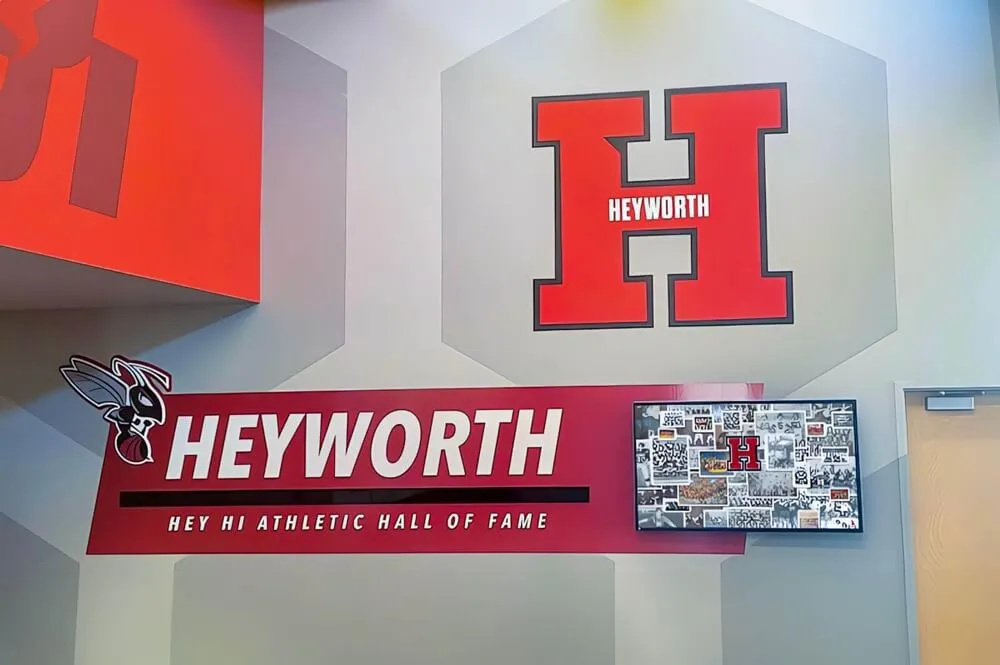
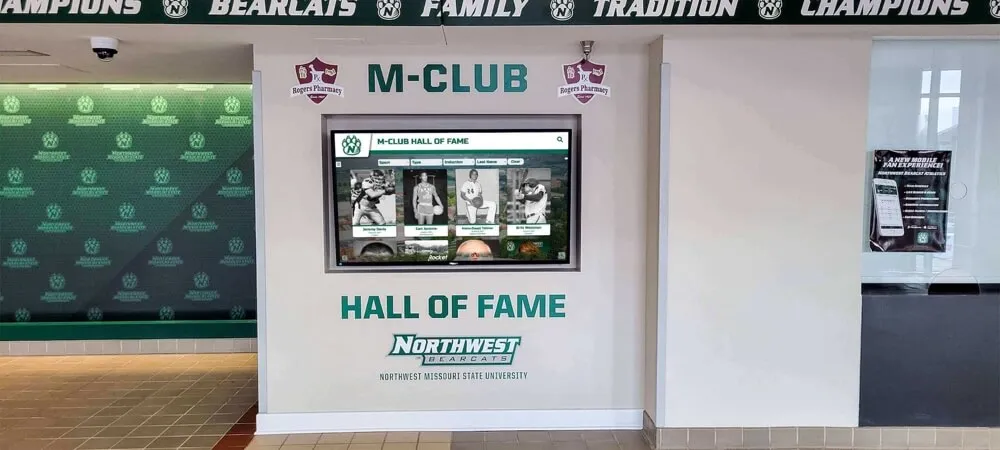
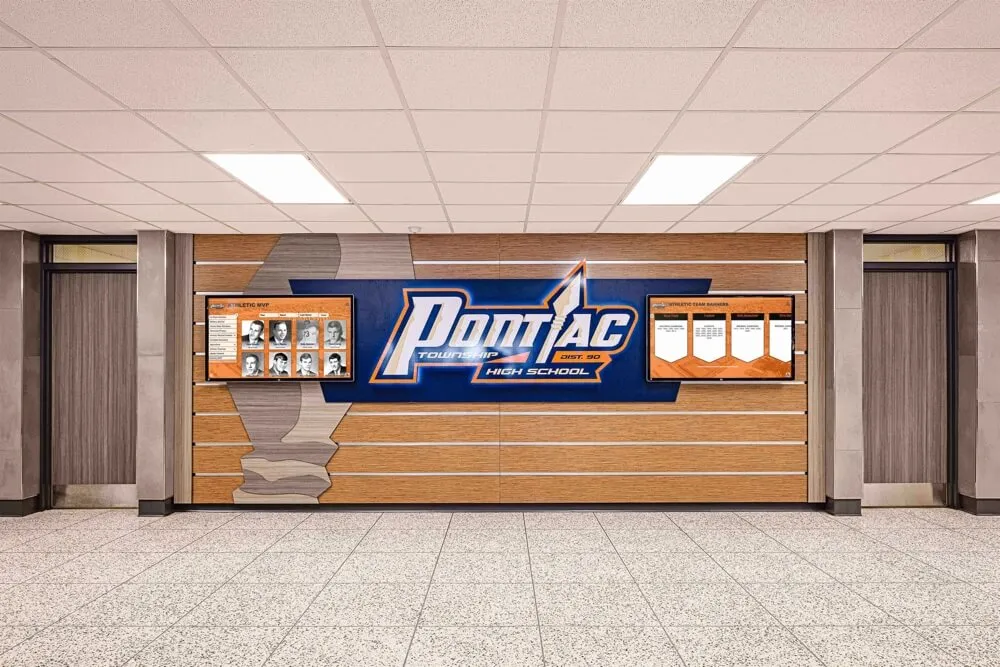
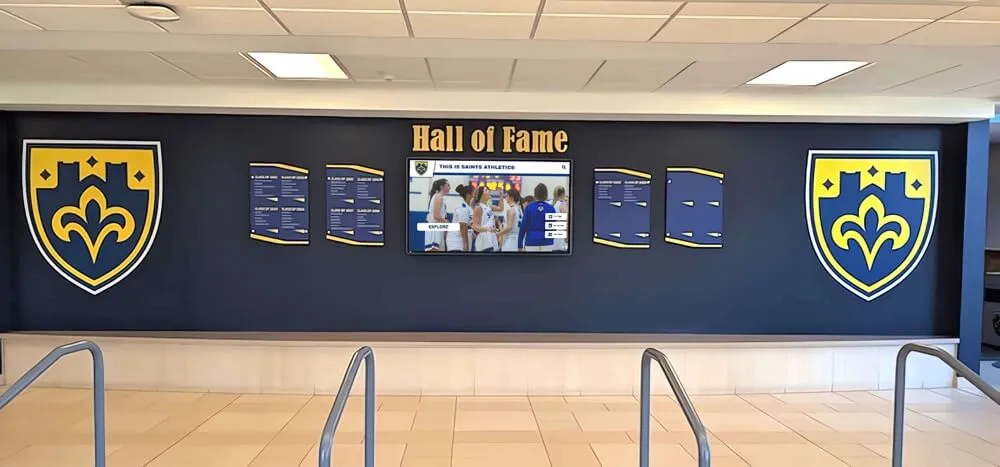
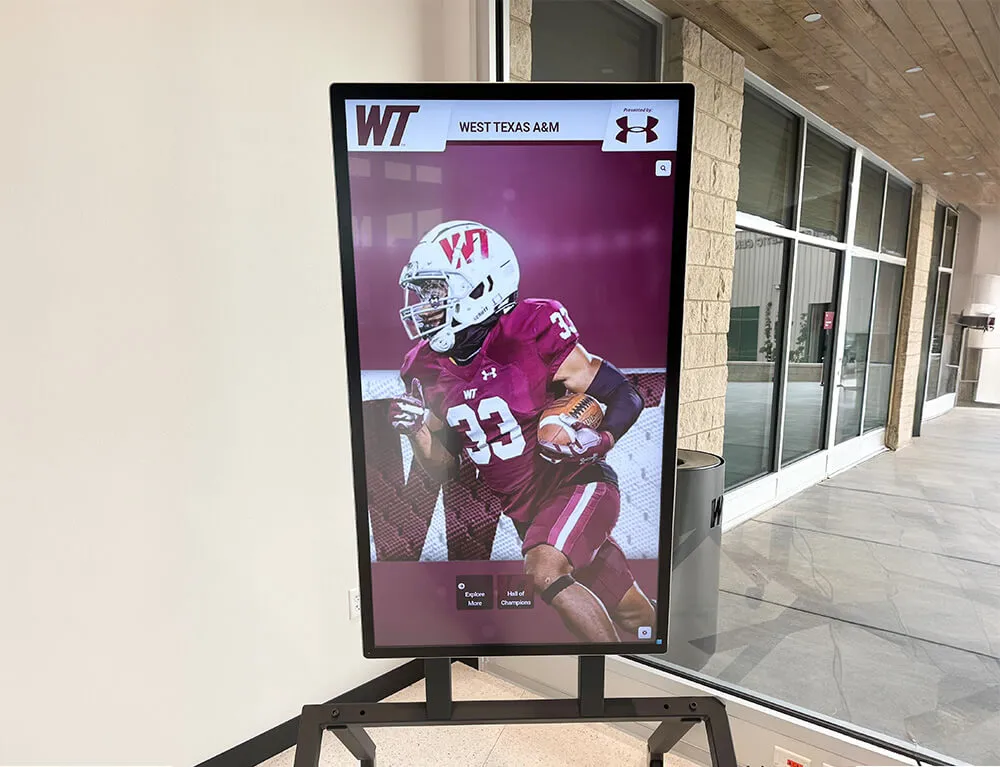
Contemporary school renovations successfully blend institutional tradition with modern technology to create welcoming, functional spaces
Understanding the Strategic Value of School Renovation
Before examining specific renovation ideas, understanding the comprehensive benefits helps administrators build stakeholder support and justify investment priorities during budget planning processes.
Enhancing Educational Outcomes Through Improved Learning Environments
The Physical Environment Impact on Learning
Research consistently demonstrates that physical learning environments significantly influence educational outcomes. Natural lighting improves test scores by 7-18% compared to artificially lit classrooms. Proper acoustics enhance speech intelligibility critical for language acquisition and comprehension. Temperature control maintains cognitive function—students in properly climate-controlled spaces show measurably better concentration and performance than those in uncomfortable environments. Flexible furniture arrangements enable diverse teaching methods including collaborative group work, individual study, and project-based learning that rigid traditional classroom layouts cannot accommodate effectively.
Schools investing in evidence-based facility improvements consistently report academic gains, improved student engagement, reduced behavioral issues, and higher standardized test performance compared to similar schools with aging, unrenovated facilities. These educational improvements justify renovation investments by demonstrating that physical spaces function as teaching tools themselves, not merely containers for instruction.
Creating Spaces That Support Contemporary Pedagogy
Modern teaching methods require physical environments that traditional classrooms never anticipated. Project-based learning needs spaces for extended work display and collaborative team areas. Technology-integrated instruction requires reliable electrical infrastructure, wireless connectivity, and flexible furniture allowing seamless transitions between digital and traditional activities. STEM education benefits from maker spaces, laboratory areas, and demonstration zones that static classroom arrangements cannot provide.
Renovation projects incorporating flexible learning spaces enable teachers to implement research-based instructional strategies more effectively, translating directly into improved student outcomes and preparing learners for contemporary workforce demands requiring collaboration, creativity, and technological fluency.
Improving Safety, Security, and Accessibility
Modernizing Safety Infrastructure
School safety remains the paramount concern for parents, staff, and administrators. Renovation projects provide opportunities to implement contemporary safety standards including controlled entry systems, secure vestibules separating public access from instructional areas, improved sight lines eliminating hidden corners, enhanced lighting in hallways and parking areas, and upgraded fire suppression systems meeting current codes.
Modern security technology integration—including strategically placed cameras with appropriate privacy protections, emergency communication systems enabling instant facility-wide alerts, and access control systems managing building entry—creates safer environments while remaining non-intrusive to daily educational activities. These safety improvements provide peace of mind for communities while addressing security concerns that older facilities cannot adequately manage.
Ensuring ADA Compliance and Universal Accessibility
Many older school buildings predate Americans with Disabilities Act requirements or contain grandfathered spaces not meeting current accessibility standards. Renovation projects must address accessibility systematically—installing ramps and elevators providing barrier-free access to all levels, widening doorways accommodating wheelchairs and mobility devices, creating accessible restroom facilities, and ensuring instructional spaces work for students with diverse physical needs.
Beyond legal compliance, universal design principles create spaces that work better for everyone. Wider hallways reduce congestion during passing periods. Clear sight lines benefit all students, not just those with visual impairments. Adjustable-height technology and furniture accommodate different body sizes and abilities, creating more inclusive learning environments that serve diverse student populations effectively.
Explore comprehensive approaches to creating accessible school environments that combine visual impact with universal access considerations.
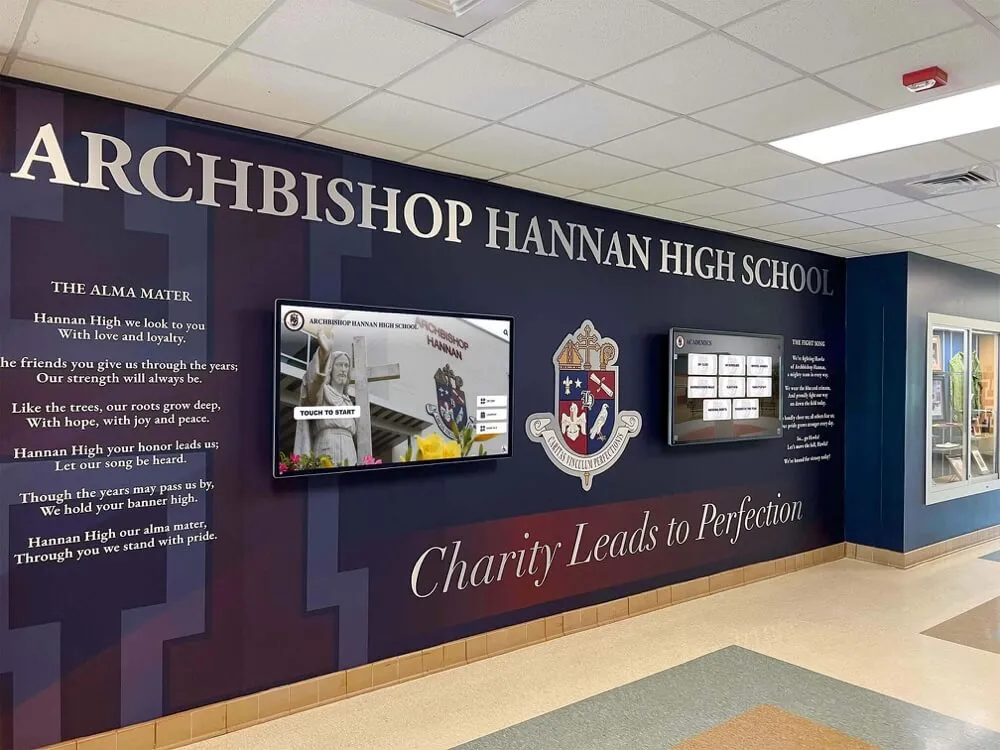
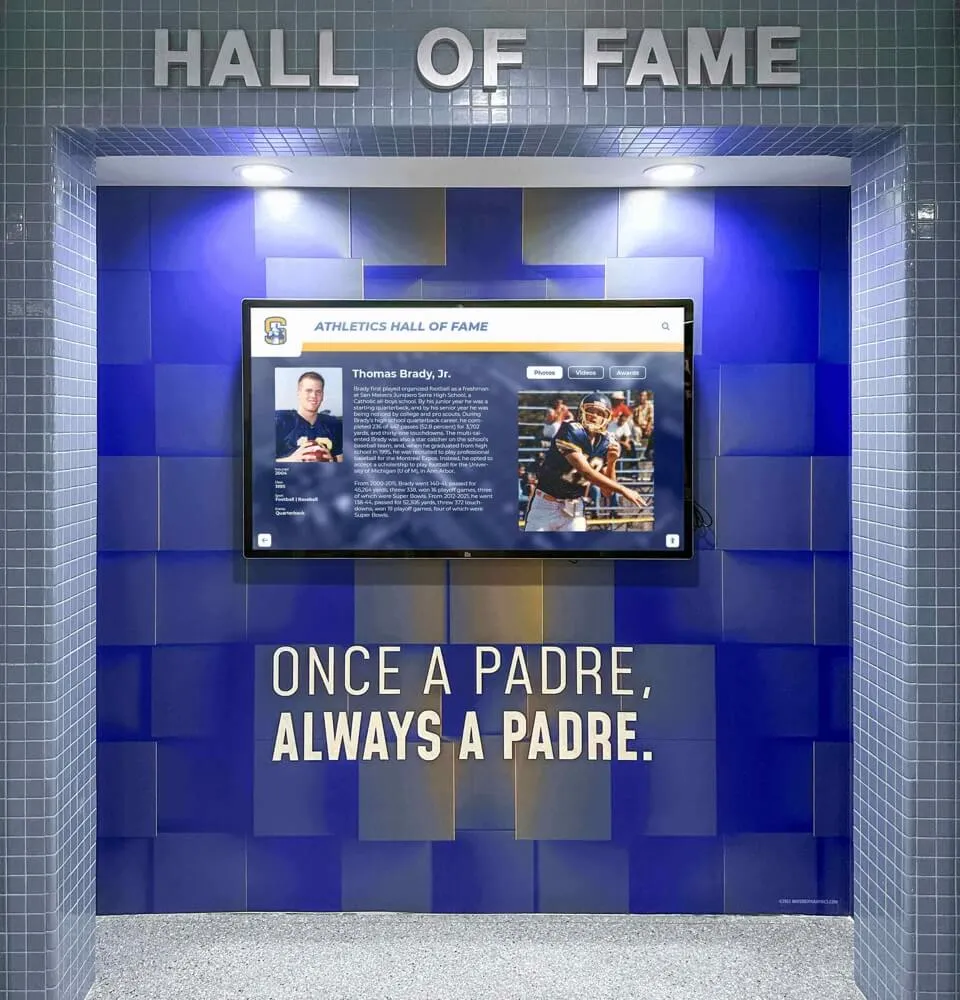
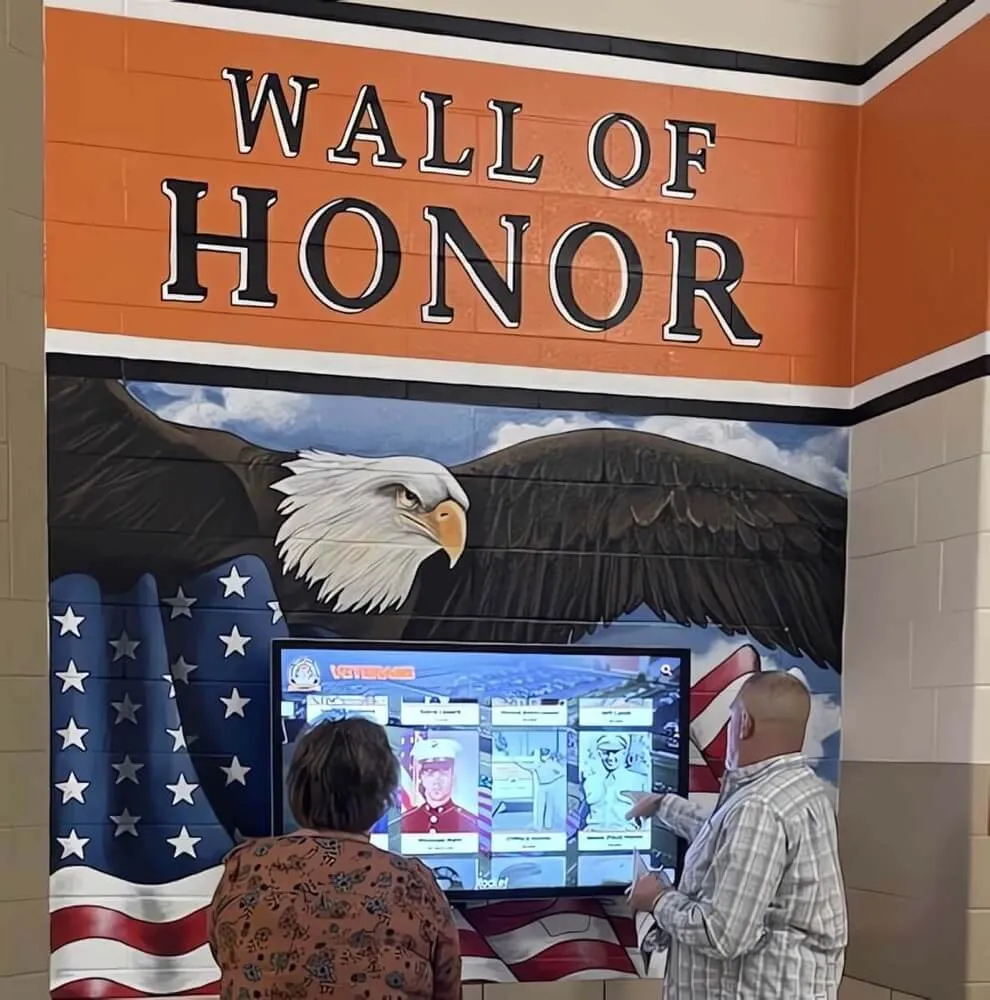
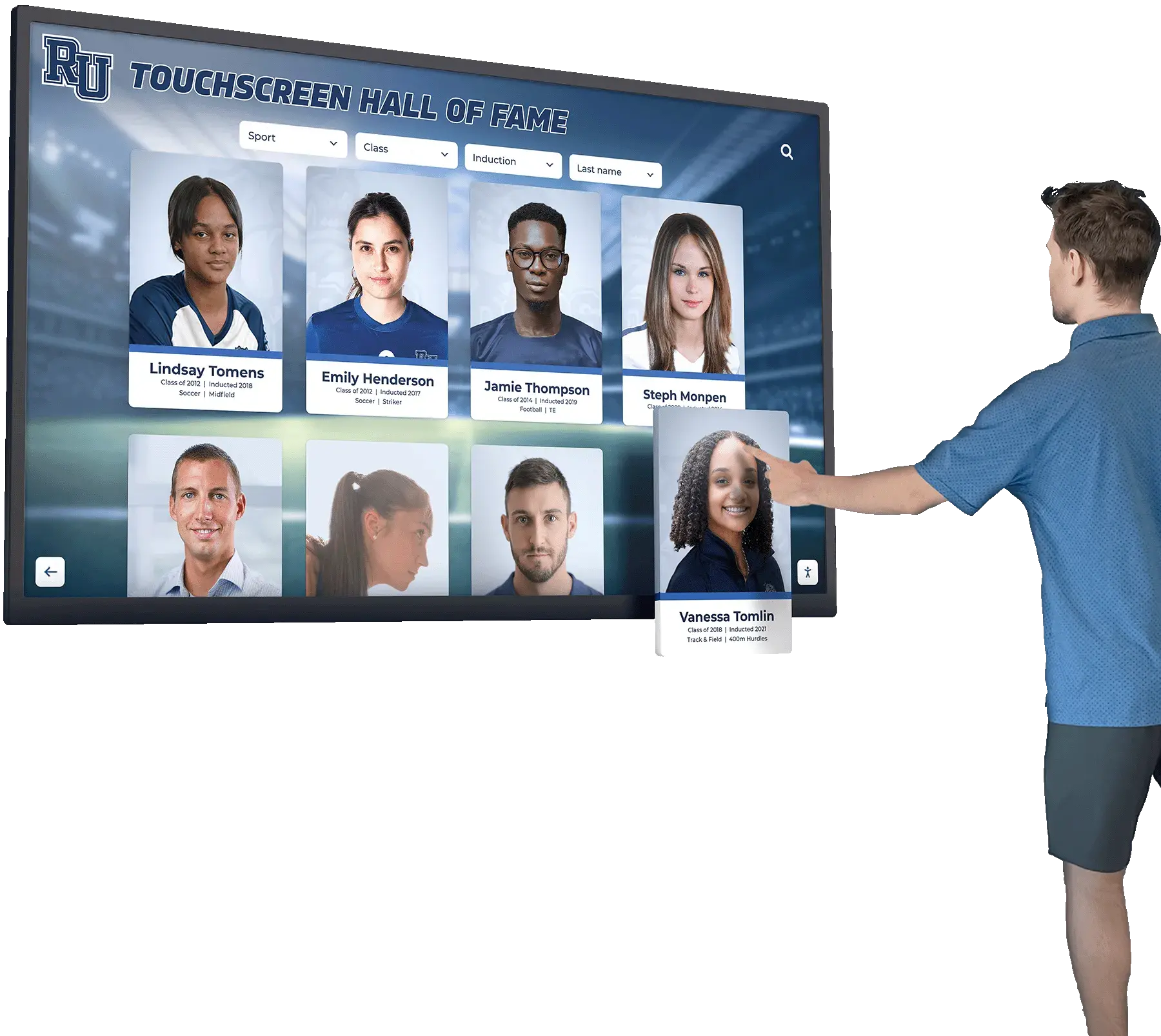
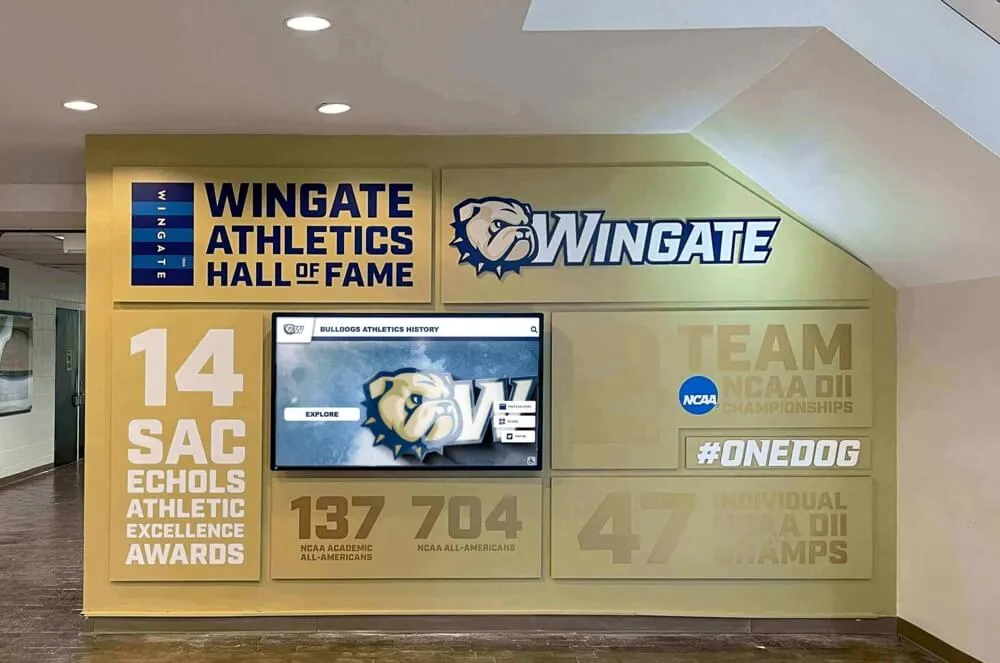
Modern renovation projects strategically incorporate interactive technology that engages students while celebrating institutional history and achievement
Reducing Long-Term Operational Costs
Energy Efficiency and Sustainability
Aging school buildings often consume excessive energy through inefficient HVAC systems, poor insulation, single-pane windows, and outdated lighting. Strategic renovation investments in energy-efficient systems generate substantial long-term savings—LED lighting reduces electricity costs by 50-75% compared to fluorescent fixtures while improving light quality. High-efficiency HVAC systems cut heating and cooling expenses by 20-40% while providing better environmental control. Improved building envelopes through insulation upgrades and window replacement reduce energy loss substantially.
Districts investing in energy-efficient renovations typically see payback periods of 5-10 years through reduced utility costs, with savings continuing for decades. These operational savings free budget resources for educational programs rather than excessive utility bills, while reducing environmental impact through lower energy consumption.
Extending Building Lifespan Through Strategic Maintenance
Deferred maintenance compounds over time—small roof leaks become structural damage, aging boilers fail catastrophically requiring emergency replacement, and deteriorating exterior surfaces allow moisture infiltration causing interior damage. Strategic renovation addressing accumulated maintenance needs prevents these escalating problems while extending overall building lifespan by decades.
Comprehensive renovation projects typically cost significantly less than new construction while achieving similar functionality improvements. Districts choosing strategic renovation over building replacement typically save 40-60% compared to new construction costs, making modernization financially practical for resource-constrained districts unable to fund complete rebuilding projects.
Renovation Snapshot: Comprehensive School Modernization Framework
| Renovation Area | Key Considerations |
|---|---|
| Learning Spaces | Flexible furniture, technology integration, natural lighting, acoustic treatments, collaborative zones |
| Common Areas | Welcoming entries, recognition displays, cafeteria modernization, media center updates, student gathering spaces |
| Athletic Facilities | Equipment updates, locker room improvements, spectator amenities, field house renovations, digital recognition |
| Technology Infrastructure | Wireless networking, device charging, interactive displays, upgraded electrical, structured cabling systems |
| Safety Enhancements | Controlled entry, security cameras, emergency communication, improved lighting, sight line optimization |
| Accessibility | Barrier-free access, elevator installation, restroom upgrades, universal design principles, assistive technology |
| Mechanical Systems | HVAC upgrades, energy-efficient lighting, building automation, plumbing modernization, electrical capacity |
| Exterior Updates | Building envelope, parking lots, landscaping, signage, outdoor learning spaces, athletic field improvements |
| Budget Allocation | Prioritize safety and infrastructure (40-50%), learning space improvements (30-40%), aesthetic updates (10-20%) |
Modernizing Learning Spaces for Contemporary Education
Classroom and instructional space renovation creates the foundation for educational improvement by providing environments that actively support diverse teaching methods and learning styles.
Flexible Classroom Design
Adaptable Furniture and Layouts
Traditional classroom furniture bolted in rows served lecture-based instruction effectively but creates barriers for collaborative learning, project-based activities, and differentiated instruction. Modern classroom renovation incorporates mobile furniture including lightweight desks easily reconfigured into various arrangements, collaborative tables supporting group work, flexible seating options accommodating different learning preferences, and vertical surfaces enabling presentation and brainstorming throughout the room rather than only at the front.
These flexible environments enable teachers to adapt spaces quickly for different activities—transforming from traditional rows for direct instruction to collaborative clusters for group projects to seminar circles for discussion-based learning. Students benefit from environments that accommodate diverse learning styles while teachers gain instructional flexibility that rigid furniture arrangements cannot provide.
Technology-Enabled Instruction
Contemporary learning requires seamless technology integration. Renovation projects should incorporate robust wireless infrastructure supporting hundreds of simultaneous device connections, sufficient electrical outlets and charging stations eliminating dead batteries disrupting learning, interactive flat panels replacing aging projectors while enabling collaborative digital work, document cameras facilitating hands-on demonstrations, and flexible mounting systems allowing technology repositioning as needs evolve.
Effective technology integration focuses on supporting instruction rather than displaying gadgets—equipment should disappear into normal teaching flow rather than creating barriers requiring technical expertise to operate successfully. Teacher input during renovation planning ensures technology choices match actual instructional needs rather than theoretical possibilities that remain unused after installation.
Specialized Learning Environments
STEM and Maker Spaces
Science, technology, engineering, and mathematics education benefits tremendously from dedicated spaces designed for hands-on exploration. Renovation projects can transform underutilized areas into maker spaces featuring fabrication equipment including 3D printers, laser cutters, and basic woodworking tools, engineering design zones with building materials and prototyping supplies, robotics work areas requiring floor space and power for competitions preparation, and computer science labs with adequate device counts and screen sharing capabilities.
These specialized spaces communicate institutional commitment to STEM education while providing environments that traditional classrooms cannot accommodate effectively. Schools investing in dedicated STEM spaces report increased student participation in related coursework, improved competition performance, and higher rates of students pursuing technical careers and majors.
Collaborative and Small Group Areas
Learning increasingly happens through collaboration requiring spaces beyond traditional classrooms. Renovation can create breakout rooms adjacent to classrooms for small group instruction without disrupting main instruction, collaboration zones in hallways featuring tables and whiteboard surfaces transforming circulation spaces into productive learning areas, alcoves and niches providing semi-private spaces for partner work and individual concentration, and open commons areas supporting project-based learning requiring extended work display and team meetings.
These supplementary spaces increase total available instructional area without building additions while providing the variety of environments that contemporary education requires for maximum effectiveness.
Learn about innovative learning space design approaches that enhance campus navigation and support diverse educational activities.
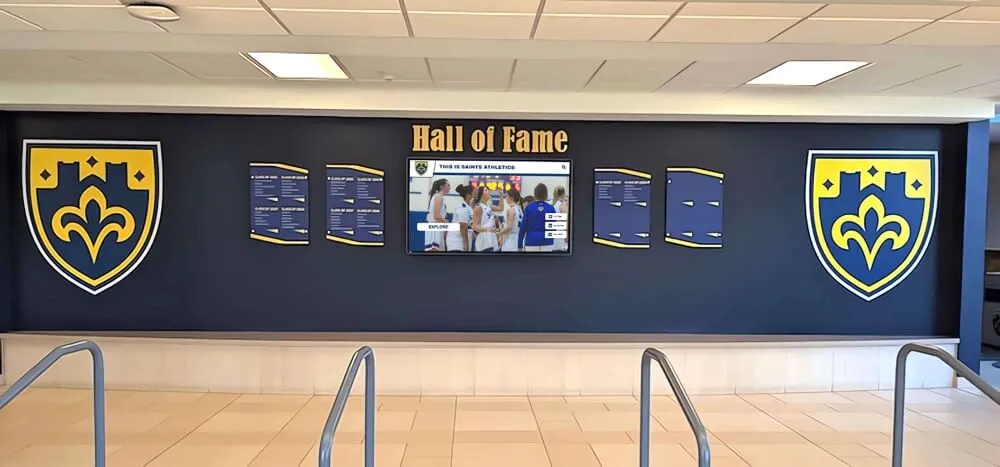
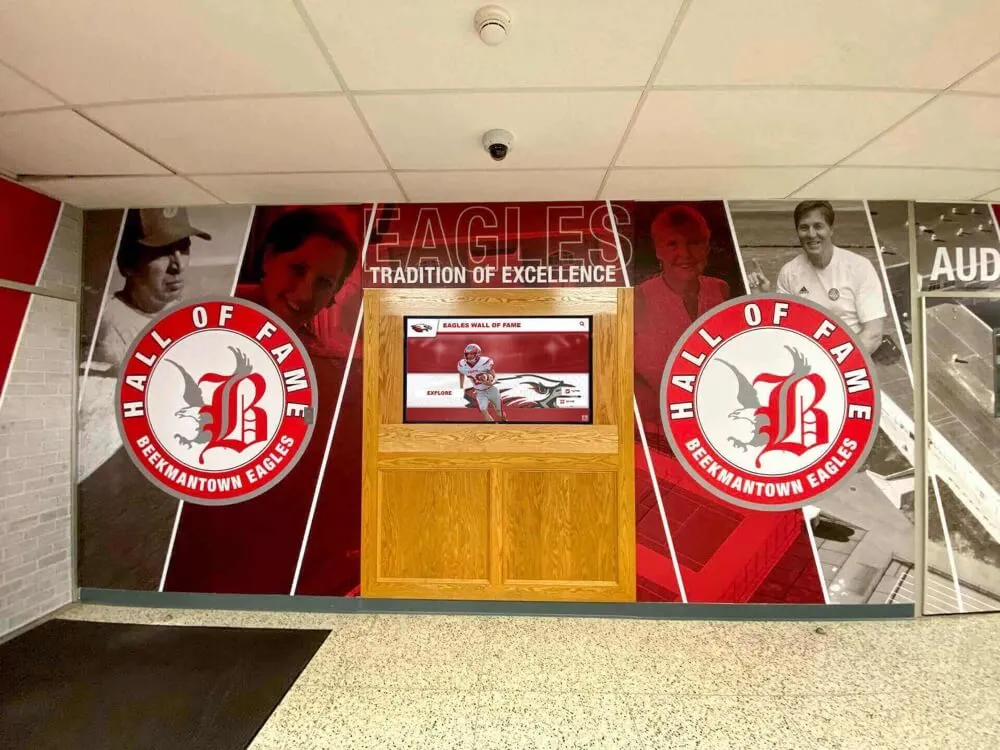
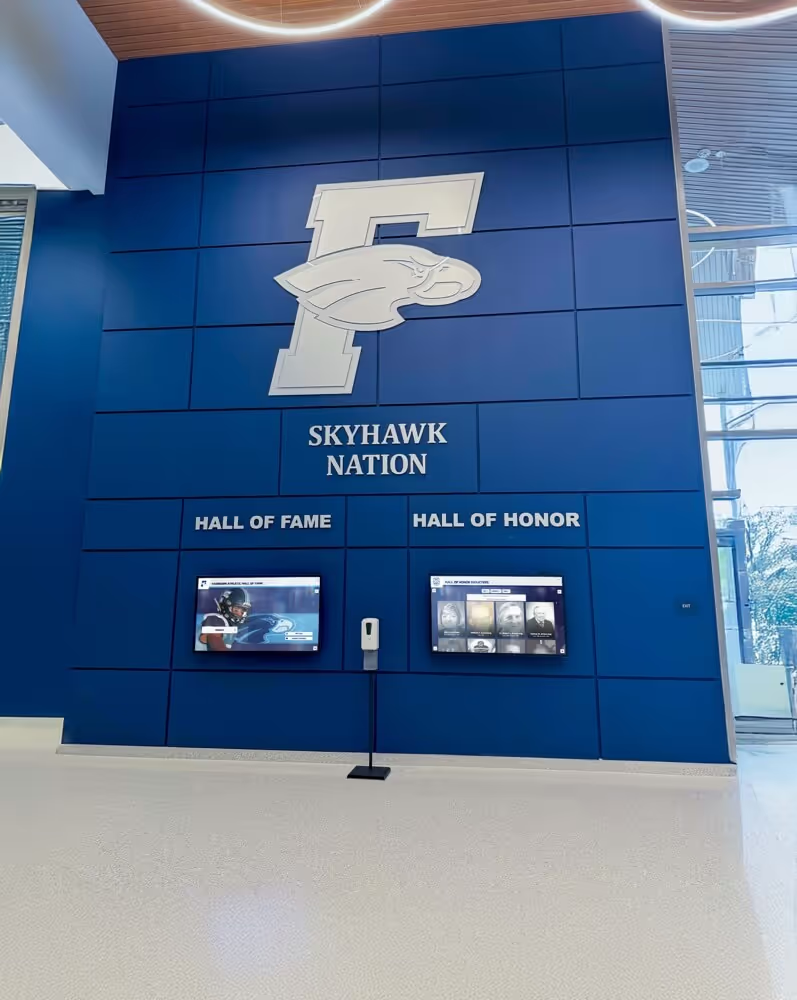
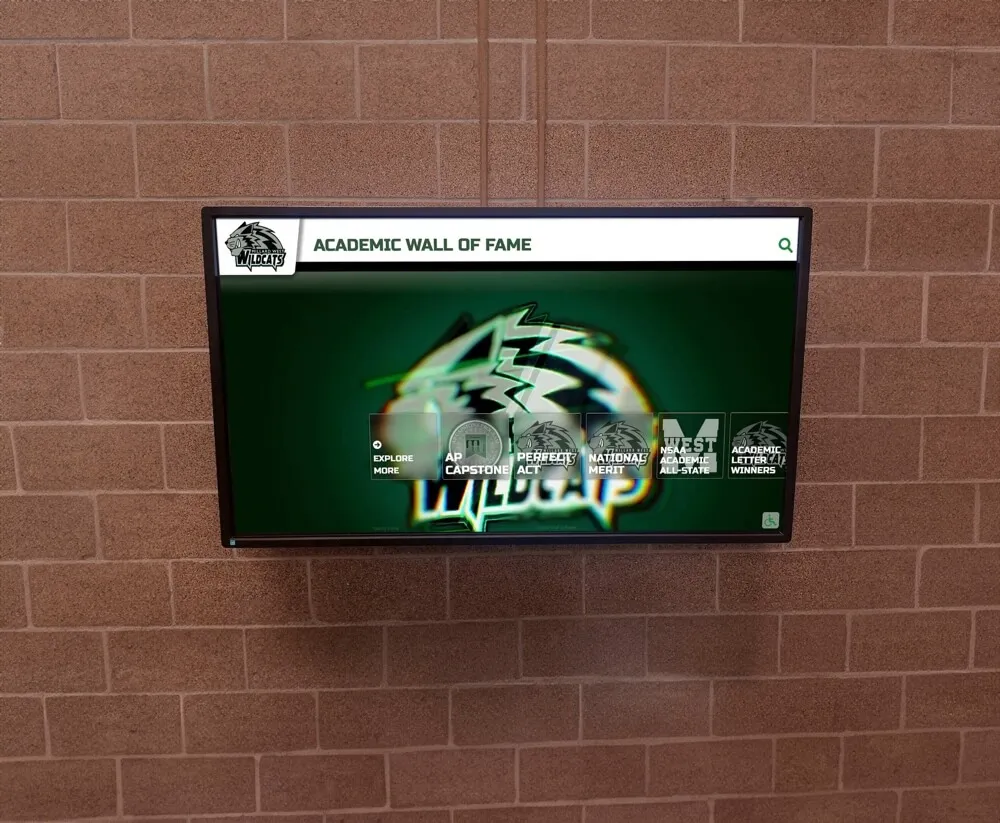
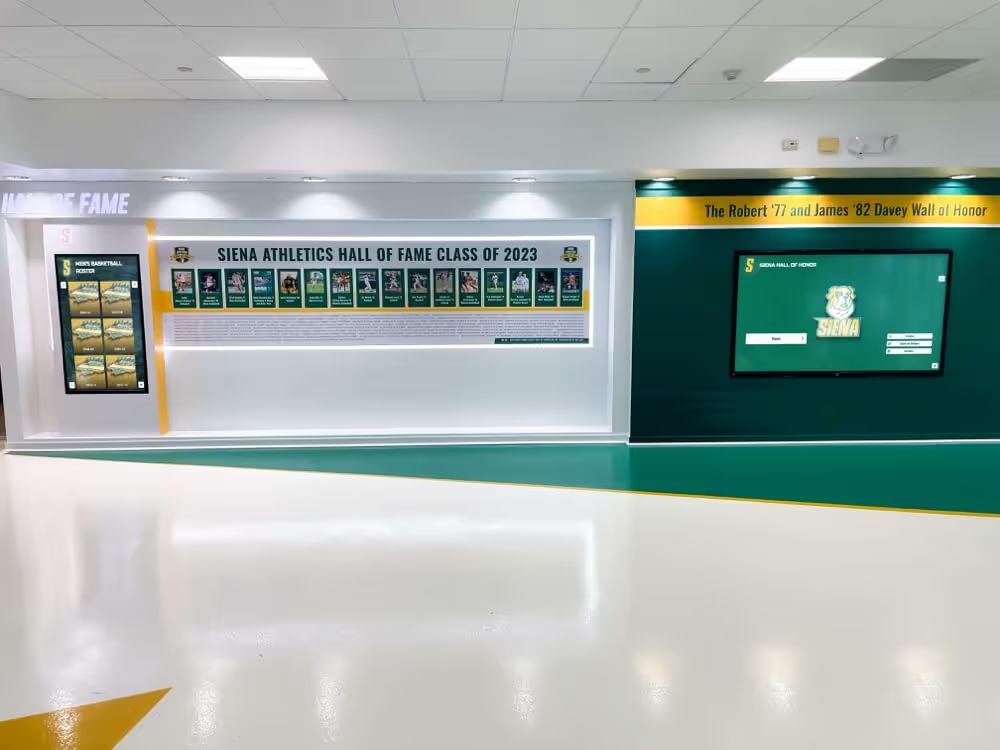
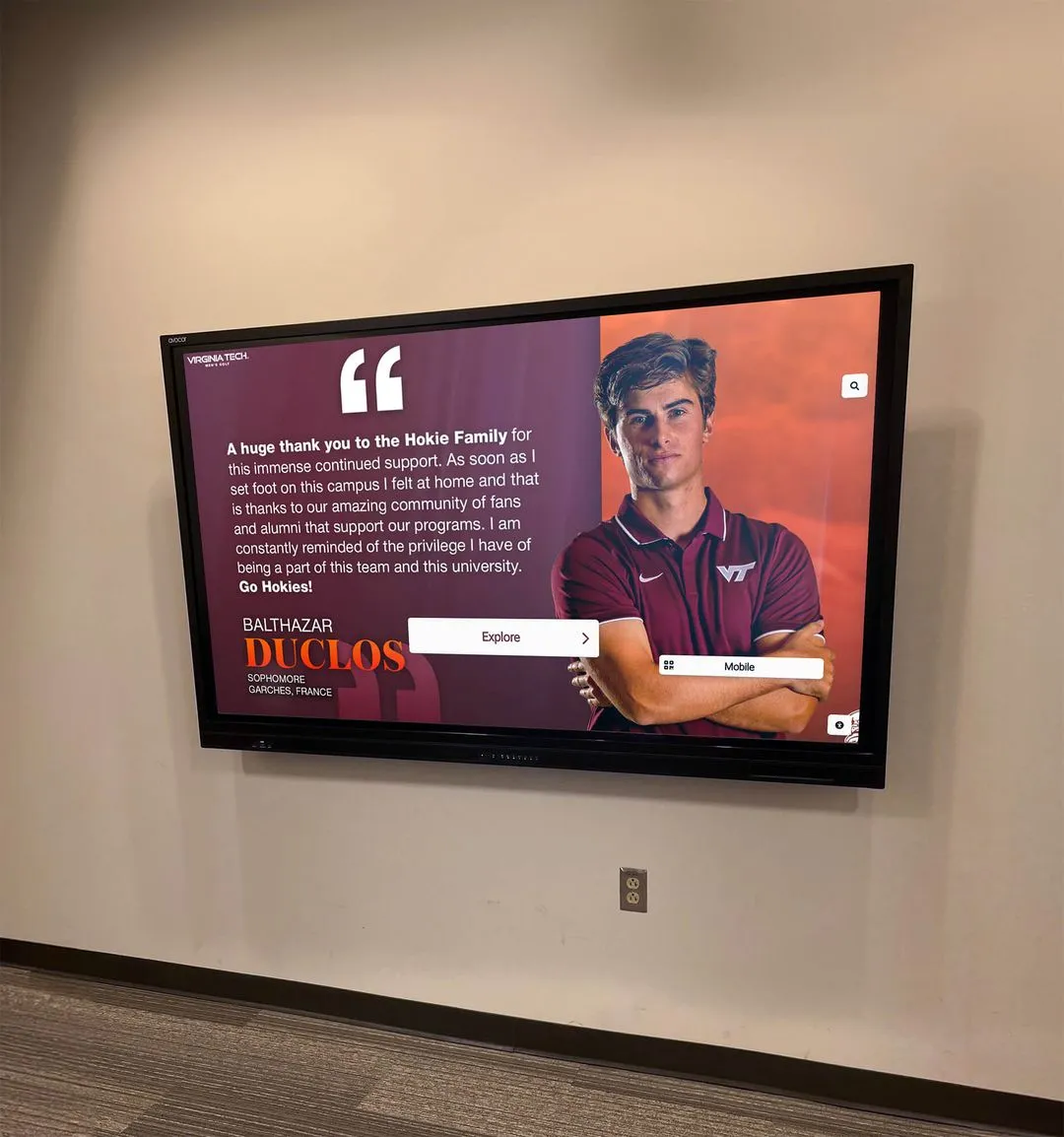
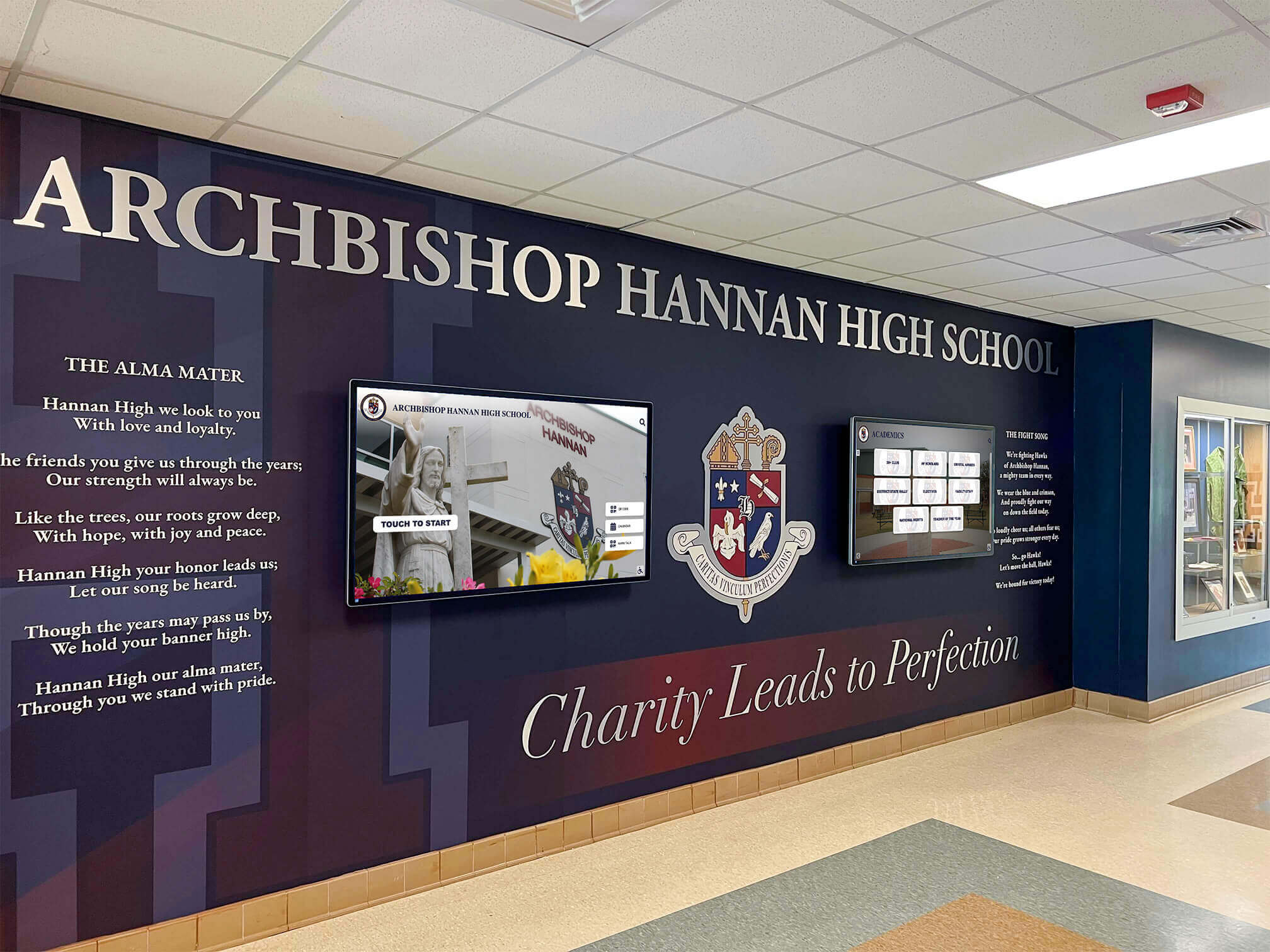
Strategic renovation integrates modern recognition technology while preserving traditional design elements that maintain school identity
Transforming Common Areas Into Community Gathering Spaces
School common areas—lobbies, cafeterias, media centers, and hallways—serve critical functions beyond circulation, functioning as community gathering spaces that shape school culture and visitor impressions.
Creating Welcoming Entry Experiences
Main Lobby Renovation
School entrances create first impressions for visitors, prospective families, and community members while serving as daily gathering spaces for students and staff. Modern lobby renovation should incorporate controlled entry vestibules separating public access from secure instructional areas, administrative offices positioned for visibility and visitor management, comfortable seating areas creating welcoming waiting spaces, improved lighting combining natural and artificial sources, and prominent school branding reinforcing institutional identity.
Lobbies also provide ideal locations for recognition displays celebrating student achievement, staff excellence, and institutional history. Digital displays in prominent entrance locations communicate that the school values accomplishment and honors those who contribute to educational excellence while creating engaging focal points that transform generic lobbies into distinctive spaces reflecting unique school culture.
Wayfinding and Campus Navigation
Larger school facilities challenge visitors, substitute teachers, and even students navigating complex buildings. Renovation projects should incorporate comprehensive wayfinding systems including clear directional signage using intuitive symbols and multiple languages, color-coding systems helping orient users through visual cues, room numbering that follows logical patterns, and digital directories showing campus maps and event information.
Effective wayfinding reduces confusion, improves safety by ensuring people can locate exits and key areas during emergencies, and creates more welcoming environments for visitors who might otherwise feel lost or uncertain navigating unfamiliar facilities.
Cafeteria and Food Service Modernization
Creating Inviting Dining Environments
School cafeterias frequently receive minimal design attention, resulting in institutional atmospheres that feel more like utility spaces than community gathering areas. Renovation can transform cafeterias through improved lighting reducing the harsh fluorescent glare common in older facilities, varied seating options including different table sizes and styles accommodating diverse group sizes, acoustic treatments reducing overwhelming noise levels, fresh paint and updated finishes creating more pleasant environments, and improved circulation patterns reducing congestion during high-traffic serving periods.
These improvements enhance the dining experience while supporting cafeteria spaces that function beyond meals—serving as study halls, meeting spaces, and community gathering areas during evenings and weekends when schools host public events.
Food Service Equipment and Efficiency
Behind-the-scenes food service improvements increase operational efficiency while supporting healthier meal programs. Kitchen renovation considerations include energy-efficient cooking equipment reducing utility costs, improved food storage and refrigeration meeting health codes, serving line reconfiguration speeding service and reducing wait times, upgraded ventilation systems improving air quality, and point-of-sale systems enabling efficient meal payment and free/reduced lunch program management.
Efficient food service operations improve student nutrition by reducing barriers to meal participation while freeing cafeteria staff from inefficient workflows that waste time and increase operational costs.
Media Center Transformation
From Traditional Libraries to Learning Commons
School libraries have evolved from primarily book repositories into dynamic learning commons supporting diverse activities. Media center renovation should create varied spaces including quiet study areas with individual carrels for concentrated work, collaborative zones with flexible furniture for group projects, presentation practice rooms with recording capabilities, maker spaces featuring creative technology, and comfortable reading areas with varied seating options.
Modern media centers balance book collections with digital resources, incorporating technology seamlessly while maintaining the reading and research functions that remain central to educational missions. Successful renovations create flexible spaces serving multiple purposes rather than single-function rooms that sit empty when not in primary use.
Discover how digital recognition technology can transform lobbies and common areas into dynamic spaces celebrating achievement.
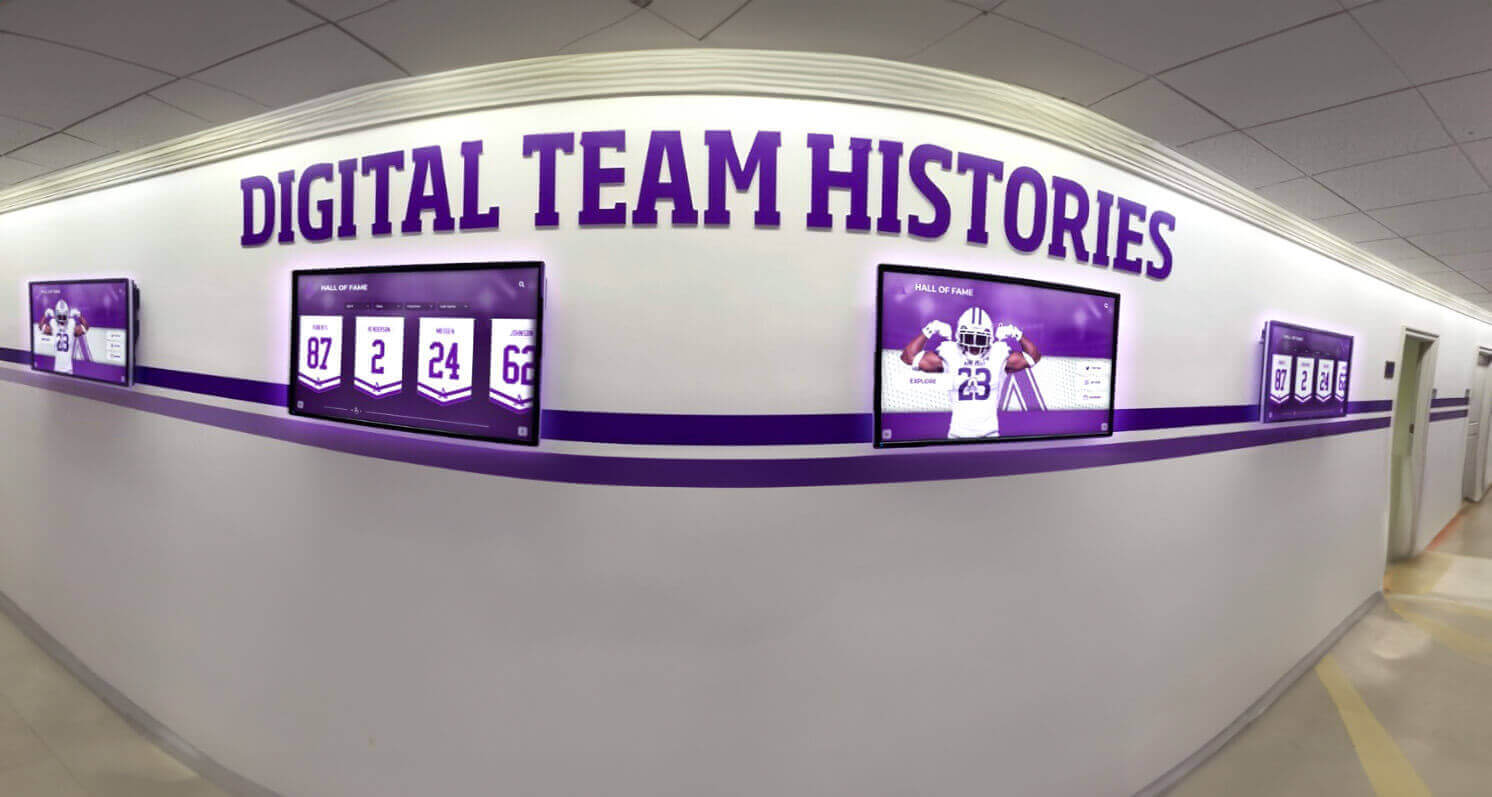
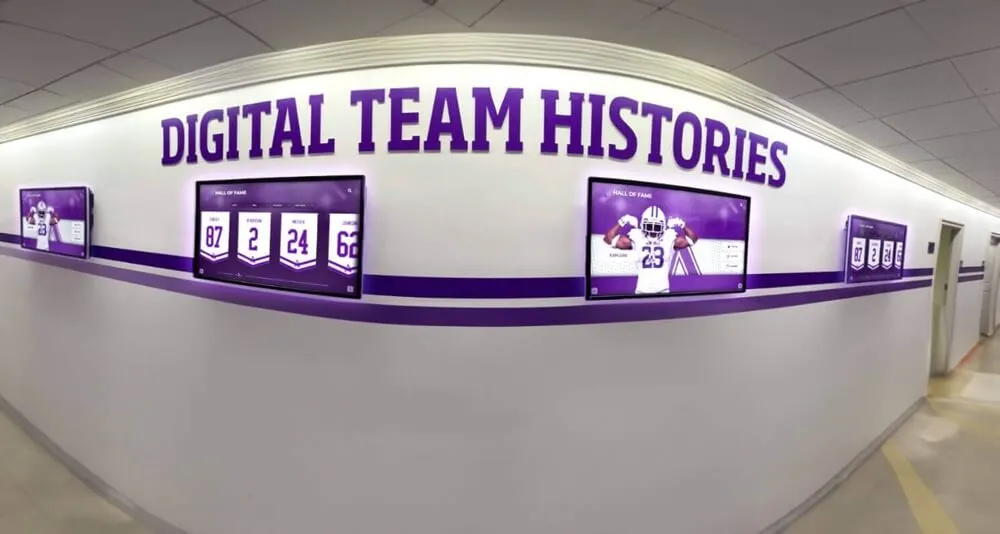
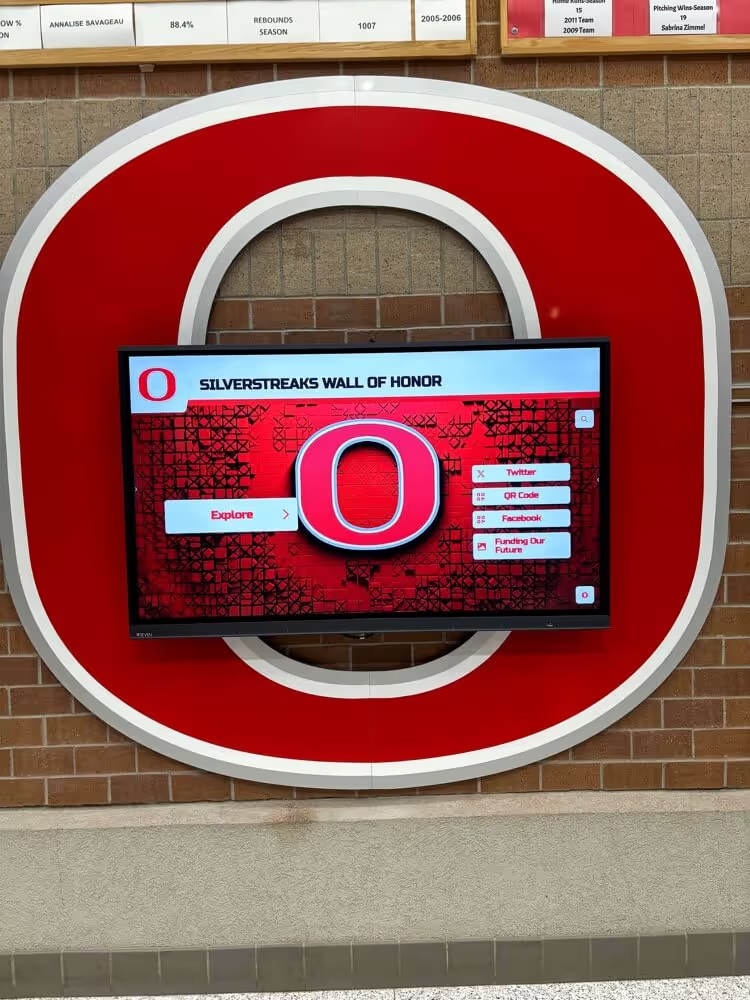
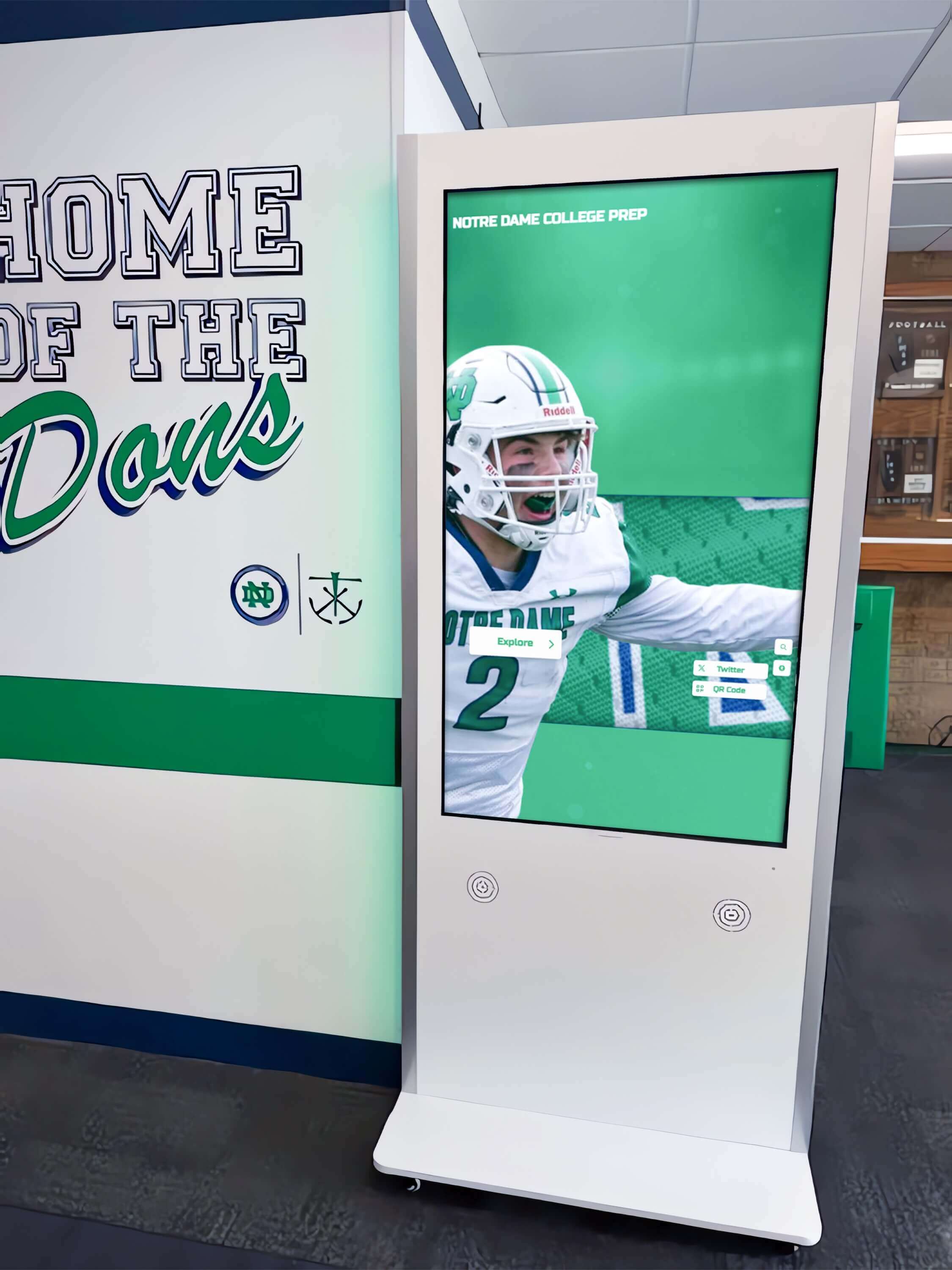
Contemporary school renovations leverage previously underutilized hallway spaces for engaging digital content that connects students with institutional heritage
Upgrading Athletic Facilities and Recreation Spaces
Athletic facilities significantly impact school pride, community engagement, and student participation in extracurricular activities. Strategic renovation creates spaces that honor athletic tradition while meeting contemporary needs.
Gymnasium and Field House Improvements
Court and Floor Renovation
Athletic playing surfaces endure substantial wear requiring periodic replacement. Gymnasium renovation should address floor refinishing or replacement with modern synthetic surfaces offering better shock absorption, updated court markings accommodating multiple sports, improved lighting providing better visibility for play and spectators, bleacher repair or replacement ensuring safety and comfort, and wall padding protecting athletes during play.
Modern gymnasium renovation also considers multi-purpose use—incorporating systems allowing quick conversion between athletics, assemblies, and community events maximizes facility value while ensuring spaces remain productive rather than single-purpose areas used only during competitions.
Locker Room Modernization
Locker facilities in older schools often feature outdated fixtures, poor ventilation, and inadequate space for contemporary needs. Locker room renovation priorities include updated plumbing and fixtures reducing water waste, improved ventilation systems eliminating moisture and odor issues, adequate storage for equipment and personal items, team meeting spaces supporting coaching and player development, and training areas featuring appropriate equipment and treatment capabilities.
These improvements enhance athlete experience while supporting programs that build character, teamwork, and personal development beyond pure athletic skill cultivation.
Outdoor Athletic Space Updates
Field and Track Improvements
Outdoor athletic facilities require ongoing investment maintaining playability and safety. Renovation considerations include synthetic turf installation reducing maintenance while extending usable seasons, track resurfacing meeting competition standards, field lighting enabling evening practices and events, spectator amenities including bleachers and press boxes, and concession and restroom facilities improving event hosting capabilities.
Districts investing in quality outdoor facilities report increased participation in athletics, improved recruitment as facilities influence family school choices, enhanced community engagement through event hosting, and better booster club support as stakeholders appreciate visible facility improvements.
Outdoor Learning and Recreation Spaces
Not all outdoor space renovation focuses purely on competitive athletics. Consider creating outdoor classrooms with shaded seating and whiteboard surfaces, nature trails and gardens supporting science education, physical fitness circuits encouraging active lifestyles, and amphitheaters hosting performances and community gatherings.
These varied outdoor spaces expand usable instructional area while supporting wellness initiatives and environmental education that contribute to well-rounded educational programs.
Athletic Recognition and Trophy Display Modernization
Updating Traditional Trophy Cases
Traditional trophy cases in school lobbies and hallways face practical limitations—they accommodate limited physical awards before becoming cluttered and overwhelming, require constant dusting and maintenance, make older achievements invisible as new trophies displace previous years, and provide no context or storytelling beyond basic plaques identifying award recipients and dates.
Modern school renovation increasingly incorporates digital recognition solutions that overcome these limitations. Digital displays can showcase unlimited achievements without physical space constraints, feature photos and videos bringing recognition to life, enable easy updates adding new accomplishments throughout the year, provide searchable databases allowing visitors to find specific athletes or teams, and maintain accessibility standards that physical cases often violate.
Solutions like those from Rocket Alumni Solutions transform traditional static trophy cases into dynamic recognition platforms that honor all achievement levels—from individual athlete accomplishments to team championships to record-breaking performances. These systems integrate seamlessly into renovation projects, providing modern recognition capabilities that enhance school pride while preserving institutional heritage.
Creating Recognition Zones
Beyond standalone trophy cases, consider designing comprehensive recognition zones that celebrate multiple achievement categories. Athletic lobbies can feature digital displays showcasing current team rosters and schedules, historical achievement databases, coach profiles and philosophies, and sponsor recognition honoring booster club supporters. These zones transform circulation spaces into engaging destinations that strengthen community connection with athletic programs while inspiring current students through visible evidence that excellence receives lasting recognition.
Learn about innovative approaches to athletic recognition that balance tradition with modern technology capabilities.
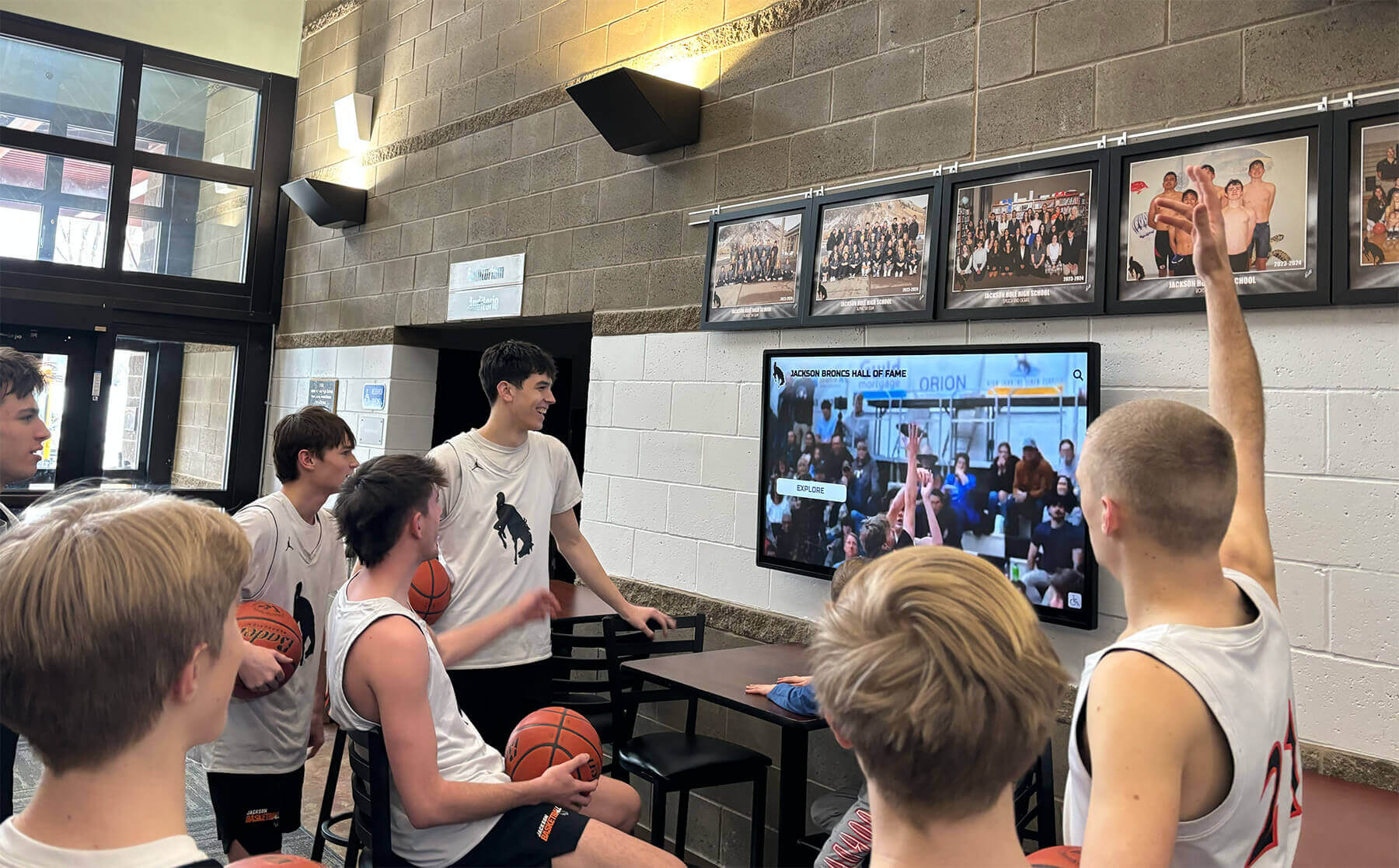
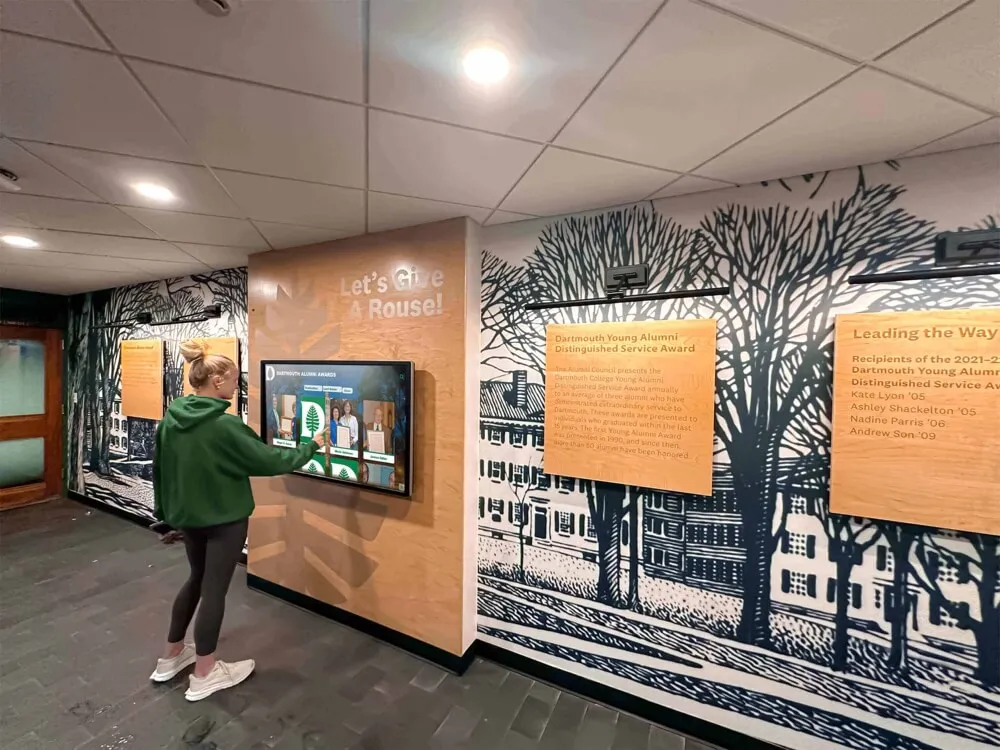
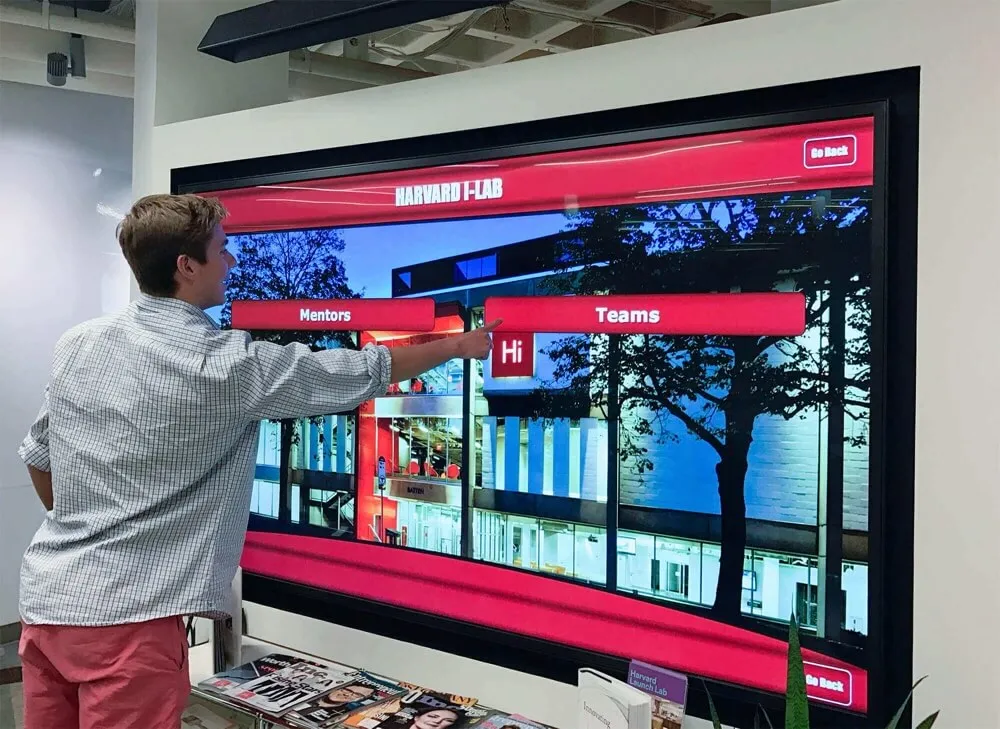
Interactive recognition technology creates opportunities for students to engage with their own achievements and school history in meaningful ways
Integrating Technology Infrastructure Throughout Facilities
Technology infrastructure forms the invisible foundation enabling contemporary education, requiring comprehensive planning during renovation to avoid costly future upgrades.
Network and Connectivity Improvements
Wireless Infrastructure
Modern schools require robust wireless networks supporting hundreds or thousands of simultaneous device connections as students, staff, and visitors access online resources throughout the day. Renovation projects must incorporate enterprise-grade wireless access points providing comprehensive coverage, sufficient bandwidth supporting video streaming and collaborative applications, network segmentation separating instructional, administrative, and guest access, and redundancy ensuring connectivity remains available even during equipment failures.
Adequate wireless infrastructure investment during renovation prevents the common problem of insufficient capacity frustrating users and limiting instructional technology effectiveness despite significant device investments.
Electrical System Upgrades
Contemporary electrical demands far exceed original capacity in older school buildings. Renovation must address electrical capacity increases supporting modern loads, sufficient outlets throughout spaces eliminating extension cord tangles and trip hazards, dedicated circuits for high-draw equipment preventing breaker trips, surge protection preventing equipment damage, and emergency power systems maintaining critical operations during outages.
Comprehensive electrical upgrades cost substantially less when completed during renovation than when added piecemeal later as capacity problems emerge during normal operations.
Interactive Display Technology
Classroom Presentation Systems
Modern classrooms require digital presentation capabilities that traditional projectors cannot provide effectively. Interactive flat panel displays offer superior image quality in normal lighting conditions, enable touch-based interaction supporting collaborative work, integrate with wireless presentation systems allowing seamless device sharing, and require minimal maintenance compared to projector bulb replacement and filter cleaning.
These systems transform instruction by enabling teachers to manipulate content dynamically, annotate directly on displayed materials, and facilitate student presentation and collaboration without technical barriers that interrupt learning flow.
Digital Signage and Communication
Beyond classrooms, digital displays throughout school facilities improve communication and engagement. Hallway screens display daily announcements, upcoming events, emergency alerts, and student work. Commons areas feature content celebrating achievements, sharing news, and recognizing contributors. Administrative offices use displays for visitor information and wayfinding guidance.
Centralized management systems enable efficient content updates across multiple displays, ensuring information remains current without requiring individual screen access. These communication improvements keep school communities informed while reducing paper waste from printed announcements and posters.
Security and Safety Technology
Access Control and Monitoring
Modern school security requires integrated technology systems including controlled entry systems with video intercoms for visitor verification, electronic locks enabling facility-wide lockdown capabilities, security cameras providing monitoring and incident documentation, and integrated alert systems coordinating communication during emergencies.
Renovation provides the ideal opportunity to install structured cabling and mounting infrastructure supporting these systems cohesively rather than adding components haphazardly as security concerns emerge.
Explore comprehensive approaches to campus technology integration that enhance both functionality and user experience.
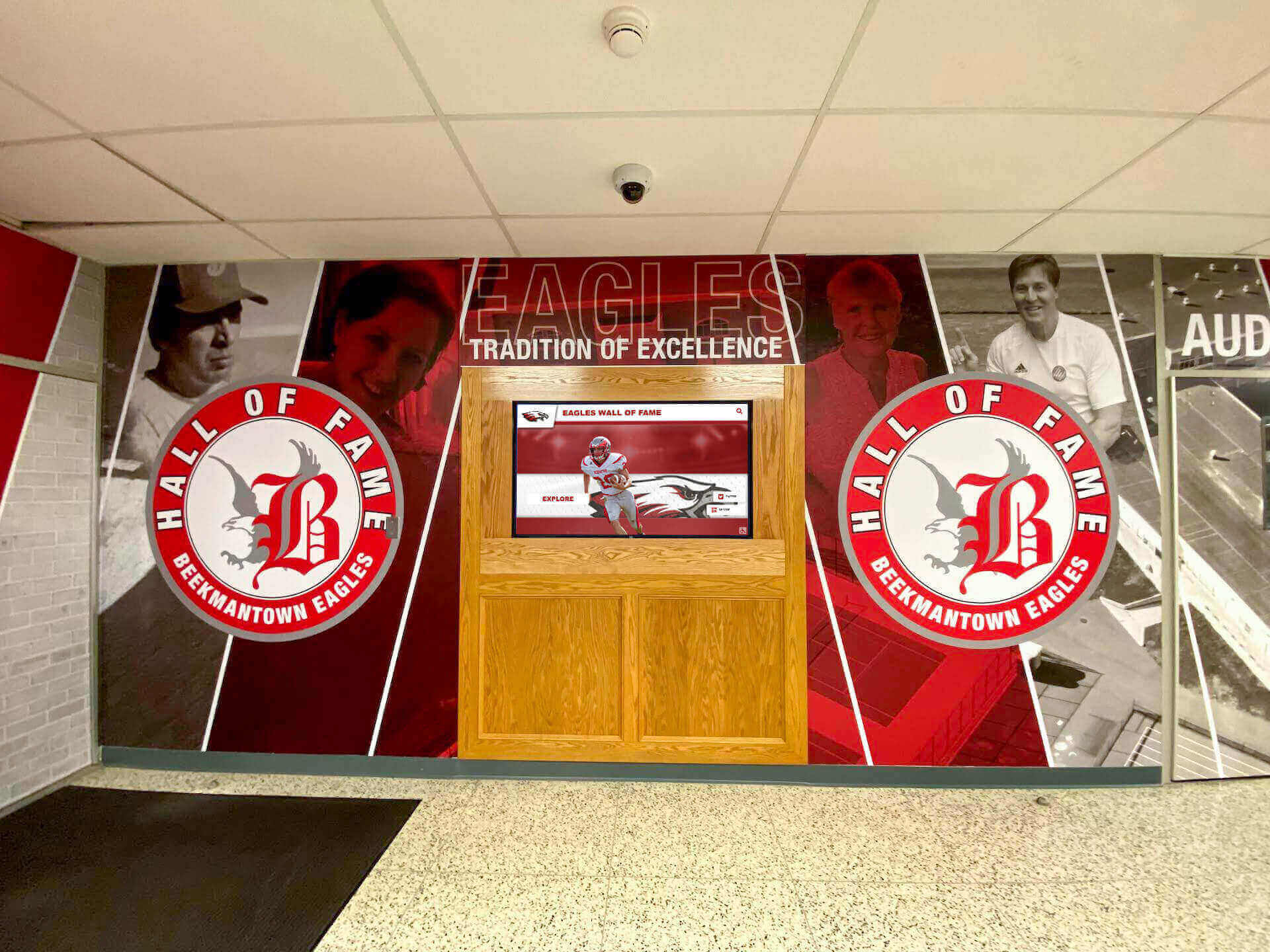
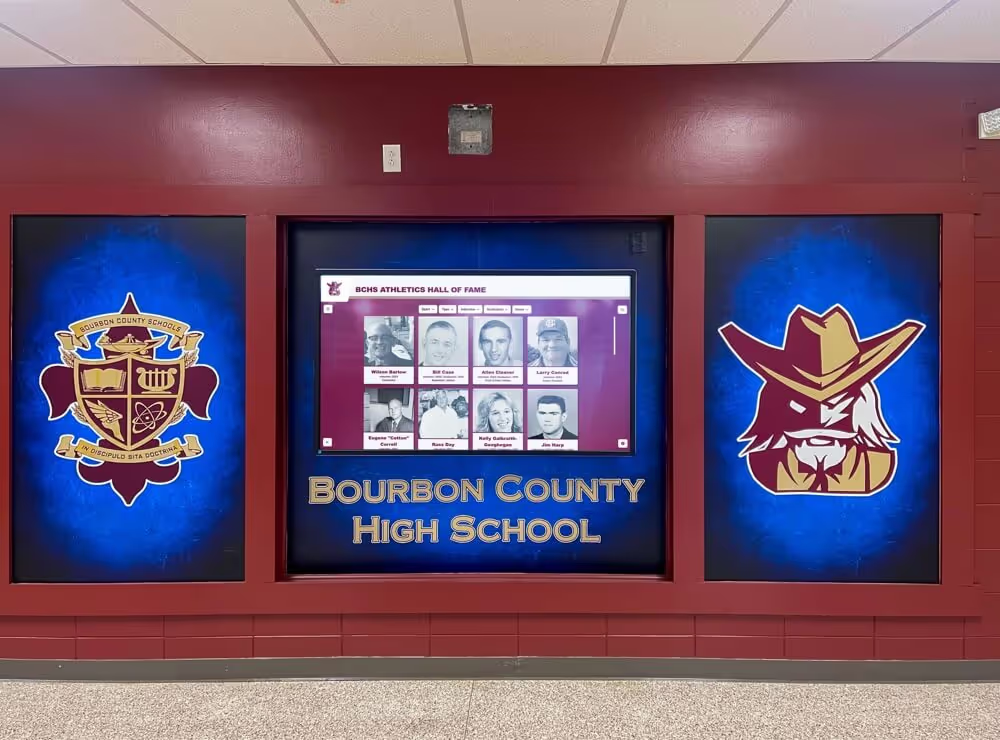
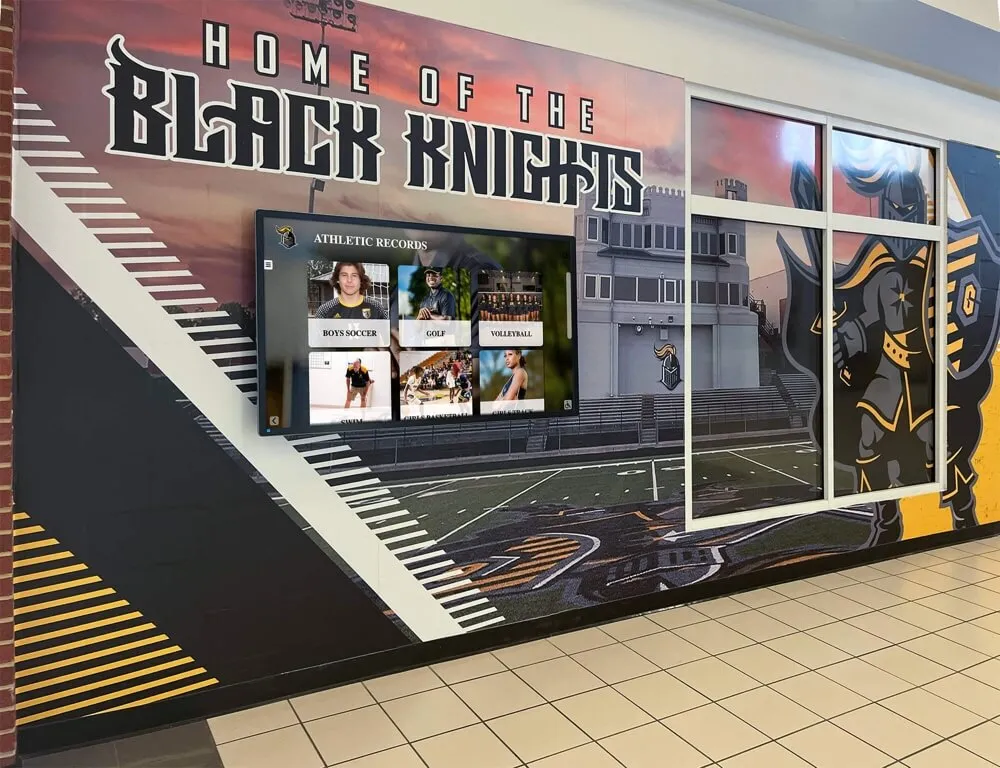
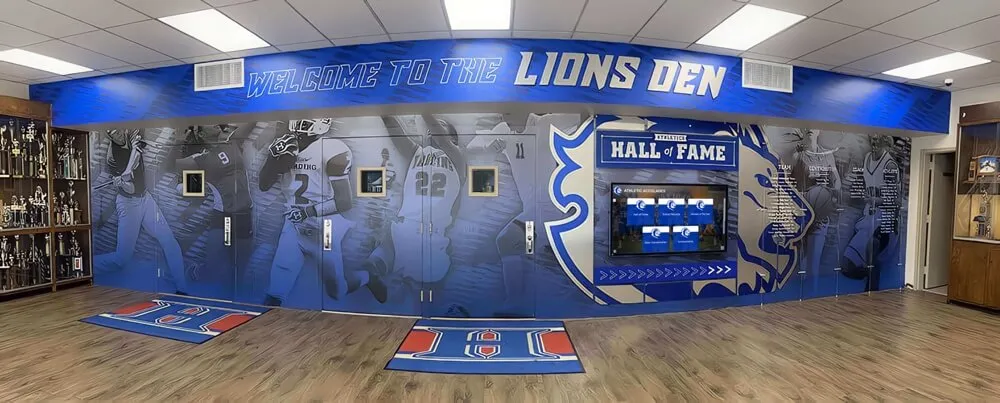
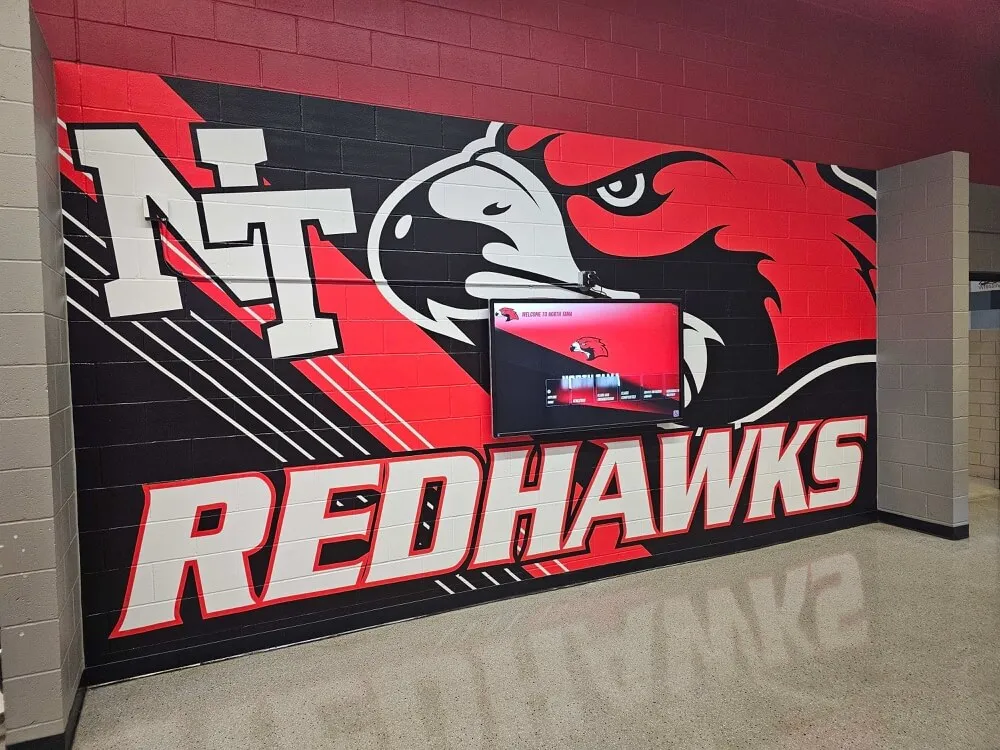
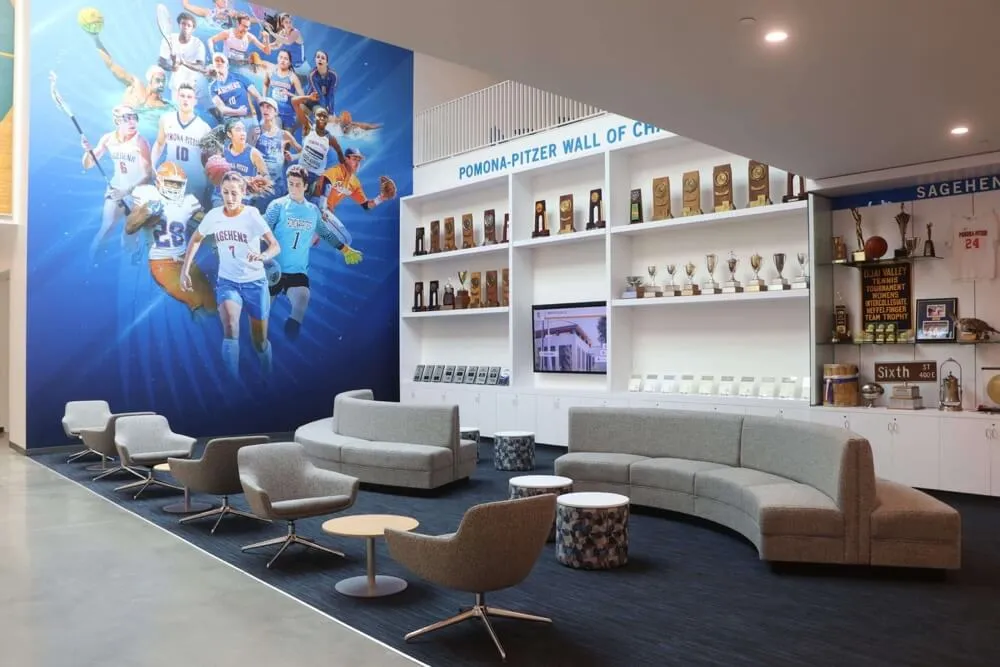
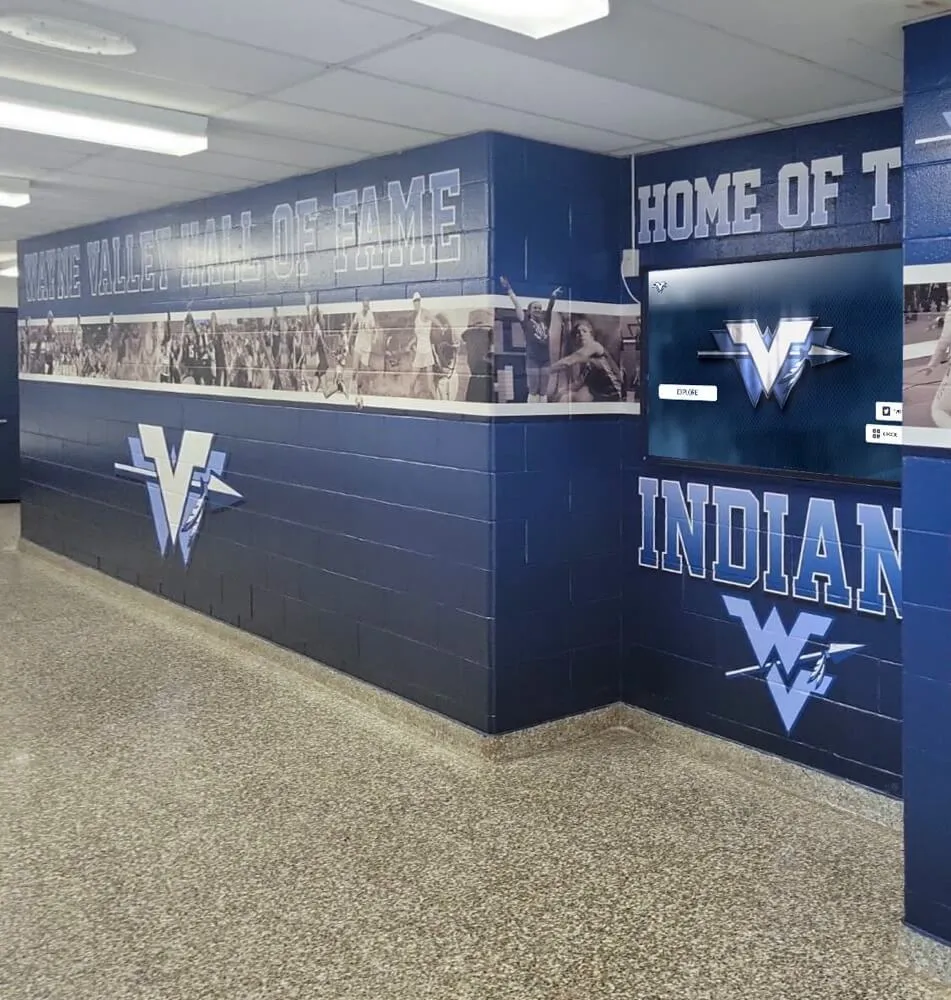
Effective renovation projects combine traditional design elements like murals and branding with modern digital capabilities for maximum visual and functional impact
Prioritizing Accessibility and Universal Design
Comprehensive renovation must ensure all students, staff, and community members can access and utilize school facilities regardless of physical abilities.
Barrier-Free Access
Vertical Circulation Improvements
Multi-story school buildings require elevator access providing barrier-free routes to all levels. Renovation projects must evaluate existing elevator capacity and condition, install new elevators in buildings lacking vertical accessibility, ensure platform lifts provide access to stage areas and raised platforms, and create ramps with appropriate slopes for wheelchair navigation at entrance points and level changes.
These improvements benefit everyone—not just wheelchair users but also staff moving equipment, parents with strollers, and anyone temporarily using crutches or canes recovering from injuries.
Sensory and Cognitive Accessibility
Creating Inclusive Environments
Universal design extends beyond physical mobility to accommodate diverse sensory and cognitive needs. Renovation should incorporate acoustic treatments reducing overwhelming reverberation for students with auditory processing challenges, varied lighting options accommodating light sensitivity, visual contrast supporting navigation for vision-impaired users, clear signage with symbols and images benefiting non-native speakers and emerging readers, and quiet spaces providing refuge for students requiring periodic sensory breaks.
These inclusive design elements create better environments for all users while specifically supporting students with disabilities who increasingly receive services in general education settings rather than segregated special education facilities.
Digital Accessibility
Technology That Works for Everyone
Technology integration during renovation must include accessibility features ensuring all users can benefit. Interactive displays should mount at accessible heights allowing wheelchair users to reach all controls, support text-to-speech capabilities assisting visually impaired users, provide adjustable contrast and text sizes accommodating various visual abilities, and integrate with assistive technologies including screen readers and alternative input devices.
Digital recognition platforms and informational displays must meet WCAG 2.1 AA accessibility standards, ensuring that students with disabilities can explore achievement databases and school information independently without requiring assistance.
Learn about accessibility considerations for digital recognition systems that ensure inclusive experiences for all users.
Enhancing Energy Efficiency and Sustainability
Sustainable renovation reduces long-term operational costs while demonstrating environmental stewardship to students and communities.
HVAC and Climate Control
Efficient Mechanical Systems
Heating, ventilation, and air conditioning represent the largest energy expense in most school facilities. Renovation should prioritize high-efficiency boilers and chillers reducing fuel consumption, variable frequency drives adjusting system output to actual demand, improved control systems enabling zone-based temperature management, heat recovery systems capturing waste heat for productive use, and regular filter replacement schedules maintaining efficiency.
These improvements create more comfortable learning environments with better temperature control while reducing energy waste through optimized system operation.
Lighting Upgrades
LED Conversion and Controls
Lighting represents another major energy expense offering substantial savings potential. LED fixture installation reduces electricity consumption by 50-75% compared to fluorescent lighting while providing better color rendering and longer equipment life. Occupancy sensors automatically turn off lights in unoccupied spaces preventing wasted illumination. Daylight harvesting systems dim artificial lights when natural light provides sufficient illumination.
Combined lighting improvements typically reduce electricity costs by 40-60% with payback periods of 3-5 years through energy savings, making these among the most financially attractive renovation investments available.
Building Envelope Improvements
Reducing Energy Loss
Older school buildings often waste substantial energy through poorly insulated walls and roofs, single-pane windows, and air leaks around doors and penetrations. Strategic building envelope renovation includes insulation upgrades in walls, roofs, and crawl spaces, window replacement with energy-efficient glazing, door replacement eliminating gaps and improving weather sealing, and air sealing addressing gaps and penetrations throughout the building.
These improvements reduce heating and cooling loads substantially while creating more comfortable interior environments with fewer drafts and better temperature consistency.
Planning and Executing Successful Renovation Projects
Effective renovation requires careful planning, stakeholder engagement, and project management ensuring work completes on schedule, within budget, and with minimal operational disruption.
Needs Assessment and Prioritization
Systematic Facility Evaluation
Comprehensive renovation planning begins with honest facility assessment identifying all needs including deferred maintenance, code compliance gaps, capacity constraints, and desired improvements. Engage stakeholders systematically—teachers identify instructional space limitations, custodial staff highlight maintenance challenges, security personnel note safety concerns, and students provide user perspectives often overlooked by adults.
This inclusive assessment process creates comprehensive needs inventories informing prioritization decisions. Not every need can receive immediate attention, but systematic documentation ensures important items don’t fall through cracks while visible but less critical items consume limited resources.
Phasing and Sequencing
Minimizing Operational Disruption
Most school renovation occurs while buildings remain occupied, requiring careful sequencing minimizing instructional disruption. Consider summer construction schedules for major projects affecting classrooms, phased approaches completing work in sections while instruction continues elsewhere, temporary relocation strategies moving affected programs to alternate spaces, and comprehensive communication keeping school communities informed about schedules and impacts.
Successful renovation requires balancing urgency with operational realities—sometimes slower timelines accepting gradual improvement prove more practical than ambitious schedules creating unacceptable disruption to daily operations.
Budget Development and Funding
Realistic Financial Planning
Renovation budgets must account for complete project costs including design and engineering fees, construction materials and labor, project management oversight, temporary relocations and swing space, technology and equipment, contingency reserves for unforeseen conditions, and ongoing operational impacts during construction.
Funding sources might include capital reserve funds, state matching programs, bond referenda, energy savings performance contracts, and grant programs supporting specific improvements. Districts often blend multiple funding sources to achieve comprehensive renovation that single sources cannot support alone.
Explore strategies for funding comprehensive facility improvements through community partnerships and innovative financing approaches.
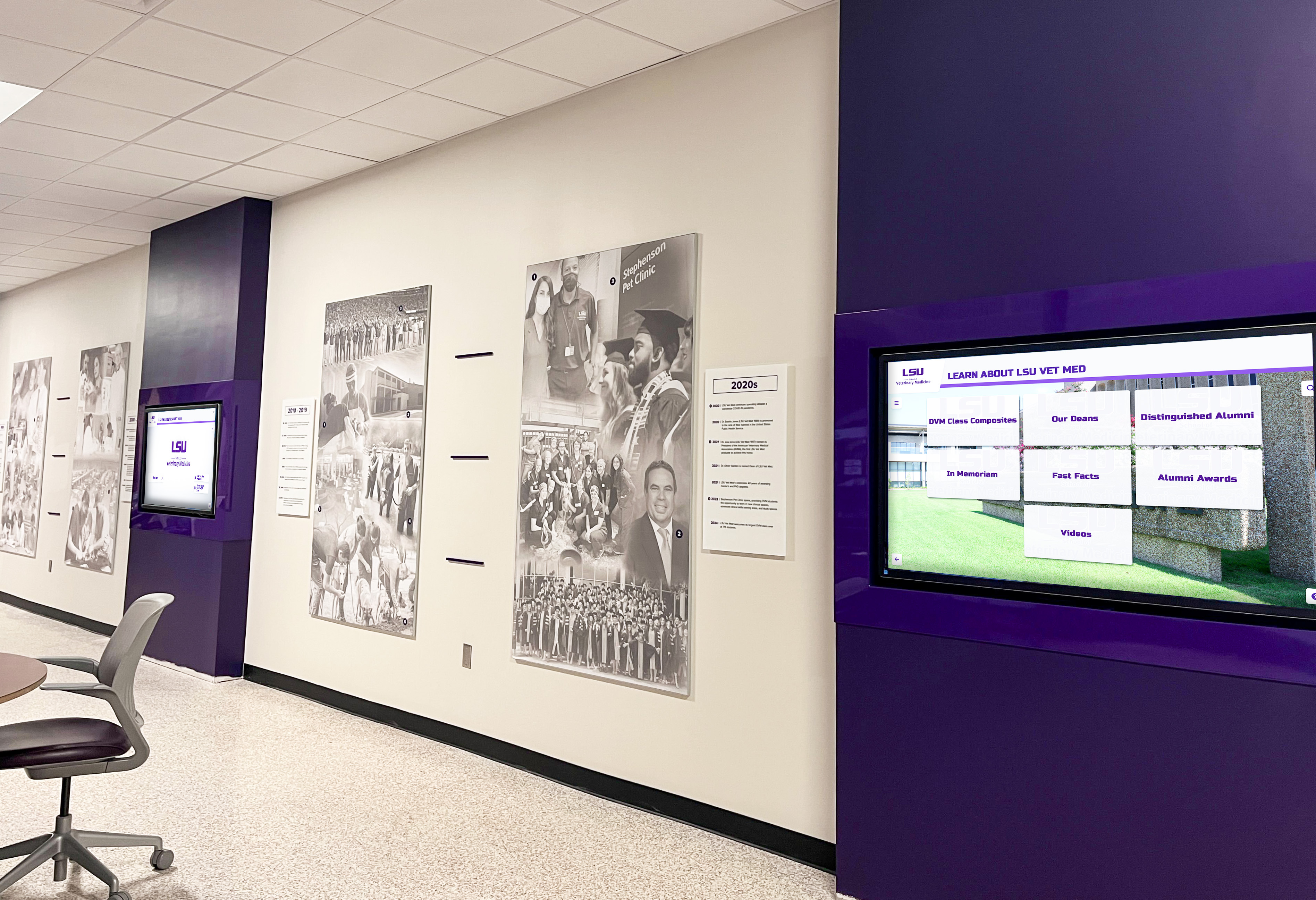
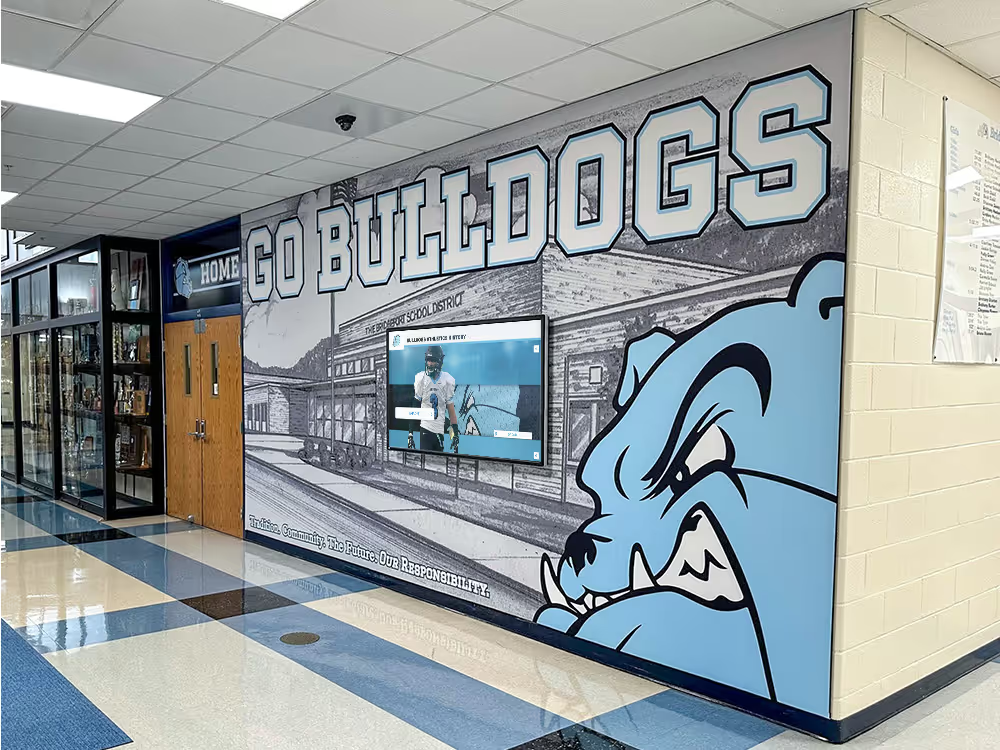
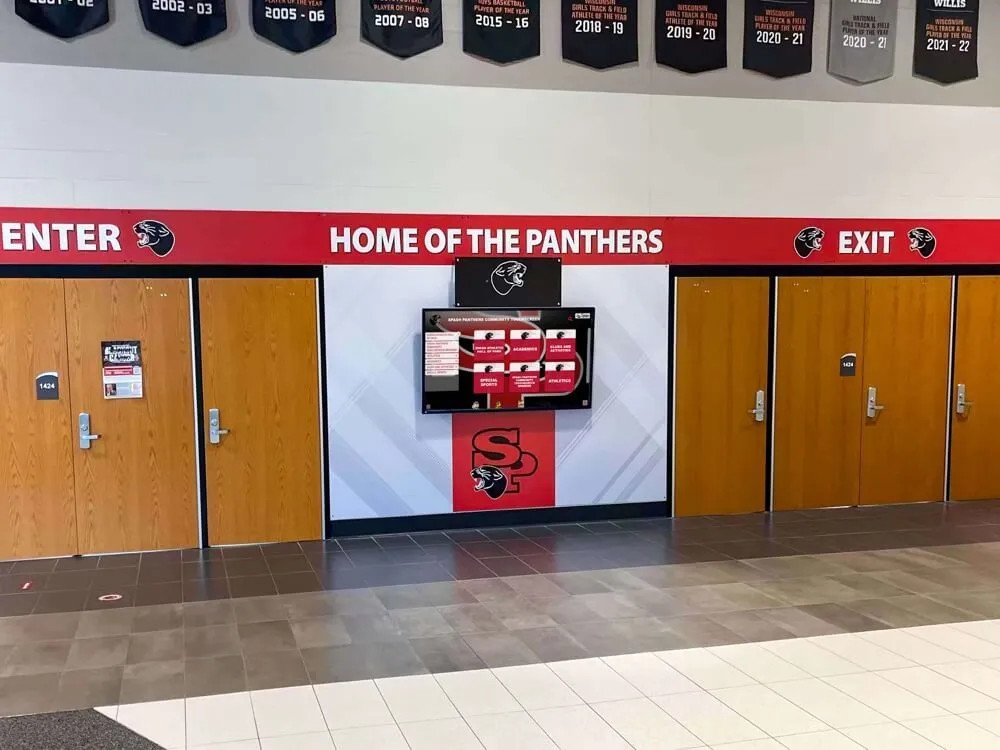
Contemporary renovation transforms institutional hallways into branded environments that reinforce identity while providing functional digital communication capabilities
Execution Timeline: School Renovation Implementation Phases
Strategic renovation follows systematic phases ensuring comprehensive planning, effective execution, and successful long-term outcomes.
Phase 1: Assessment and Planning (3-6 months)
Building Understanding
Begin with comprehensive facility assessment identifying structural conditions, mechanical systems status, code compliance gaps, accessibility barriers, and desired improvements. Engage stakeholders gathering input from all user groups. Develop preliminary priorities balancing immediate needs with long-term vision.
Conduct feasibility studies evaluating renovation approaches versus replacement options, estimating costs, and projecting schedules. Engage architects and engineers for professional evaluation and conceptual design development. These planning investments prevent costly mistakes during implementation while building stakeholder support through inclusive processes.
Phase 2: Design Development and Budgeting (4-8 months)
Creating Detailed Plans
Translate conceptual priorities into detailed design documents including architectural drawings, mechanical and electrical specifications, technology infrastructure plans, and furniture and equipment specifications. Develop comprehensive cost estimates supporting budget development and funding applications.
Conduct design reviews with stakeholder groups ensuring plans meet actual needs rather than theoretical requirements that miss practical realities. Refine designs based on feedback, balancing ideal solutions with budget constraints and operational feasibility.
Phase 3: Funding and Approval (2-12 months)
Securing Resources
Pursue identified funding sources including bond referenda requiring voter approval, grant applications with specific deadlines, state matching programs requiring documentation, and partnerships generating supplementary support. Bond campaigns require substantial community education efforts explaining needs, costs, and expected benefits.
Secure necessary approvals including board authorization, state department reviews for funded projects, permitting from local authorities, and competitive bidding for contractor selection as required by procurement regulations.
Phase 4: Construction and Implementation (6-24 months)
Executing the Work
Construction timelines vary dramatically based on project scope—simple classroom updates might complete during summer breaks while comprehensive renovations require multi-year, multi-phase approaches. Maintain regular communication with school communities about schedules, temporary disruptions, safety protocols, and progress updates.
Conduct regular progress meetings with contractors, architects, and school leadership ensuring work proceeds on schedule and budget. Address unforeseen conditions and change orders promptly, documenting decisions and maintaining project documentation.
Phase 5: Commissioning and Occupancy (1-3 months)
Ensuring Quality and Function
Before occupying renovated spaces, conduct comprehensive testing and commissioning including mechanical system testing verifying performance, technology validation ensuring networks and systems function properly, furniture installation and arrangement, safety inspections confirming code compliance, and final walkthroughs identifying punch list items requiring correction.
Provide training for staff operating new systems, maintaining equipment, and utilizing upgraded spaces effectively. Proper training prevents equipment damage and ensures renovation investments deliver intended benefits rather than sitting unused because users lack comfort with new systems.
Phase 6: Evaluation and Adjustment (Ongoing)
Continuous Improvement
Post-occupancy evaluation identifies what works well and what needs adjustment. Gather user feedback systematically, monitor energy consumption and operational costs validating projected savings, address minor issues before they become major problems, and document lessons learned informing future renovation phases or projects at other facilities.
Successful renovation extends beyond ribbon-cutting ceremonies to ensuring spaces continue serving intended purposes effectively as needs evolve and users gain familiarity with upgraded environments.
Display Integration: Modernizing Recognition Through Digital Technology
Recognition displays in school renovations deserve particular attention as they significantly impact school culture, community pride, and student inspiration while presenting opportunities for dramatic modernization.
Traditional Trophy Case Limitations
Understanding Current Constraints
Physical trophy cases that served schools effectively for generations now struggle with contemporary recognition needs. They accommodate limited awards before becoming cluttered, hide older achievements behind newer additions, require physical access for updates complicating maintenance, exclude digital elements like photos and videos that bring recognition to life, and often violate accessibility standards by mounting behind glass at heights wheelchair users cannot access.
Many schools renovating facilities continue defaulting to traditional cases without considering whether they remain the best solution for contemporary recognition needs.
Digital Recognition Advantages
Transforming Achievement Celebration
Digital recognition platforms overcome traditional limitations while adding capabilities that physical displays cannot provide. They showcase unlimited achievements without physical space constraints, enable easy updates adding new accomplishments remotely without facility access, feature rich multimedia including photos, videos, and comprehensive biographical information, provide searchable databases allowing visitors to find specific individuals or achievements instantly, maintain accessibility meeting WCAG standards, and integrate sponsor recognition supporting booster club fundraising.
Modern platforms from providers like Rocket Alumni Solutions enable schools to preserve complete historical archives while continuously adding new recognition, ensuring that achievements from decades past remain visible and accessible rather than disappearing into storage as newer awards displace older ones.
Implementation Considerations
Planning Digital Recognition Integration
Successful digital recognition integration during renovation requires considering display placement in high-traffic areas maximizing visibility, network connectivity enabling content updates and remote management, electrical infrastructure supporting always-on operation, physical mounting matching architectural aesthetics, content planning for initial launch, and ongoing management processes ensuring displays remain current rather than showing outdated information that undermines credibility.
Districts implementing digital recognition during renovation report significant benefits including increased community engagement as visitors spend substantial time exploring achievement databases, enhanced school pride as students see their accomplishments prominently featured, improved fundraising as digital sponsor recognition provides tangible visibility for booster club supporters, and operational efficiency as remote updates eliminate labor-intensive physical display maintenance.
Learn about comprehensive digital recognition implementation strategies that transform traditional trophy cases into dynamic achievement platforms.
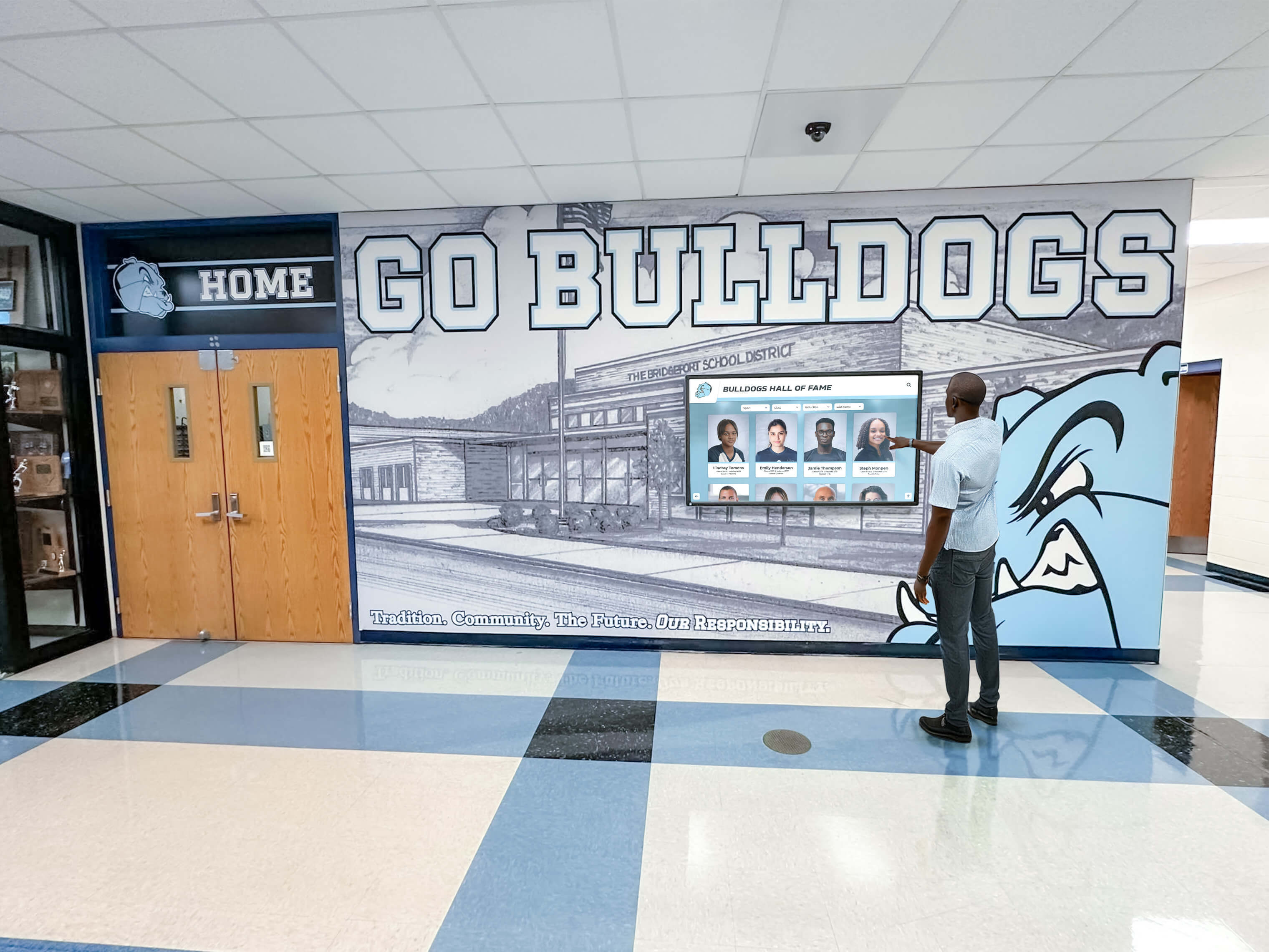
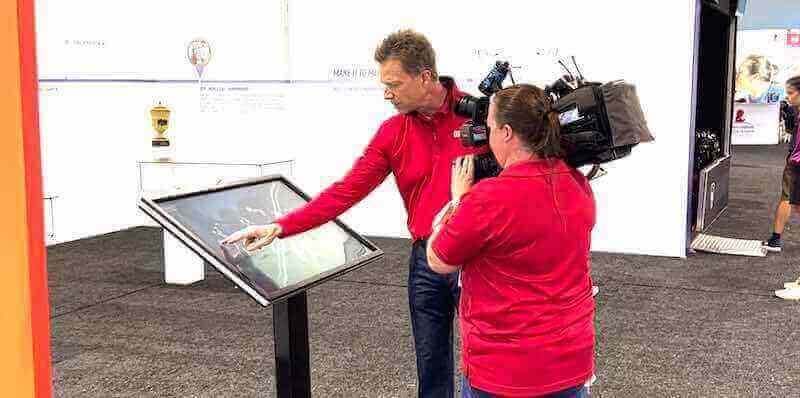
Modern recognition technology creates engaging, interactive experiences that connect community members with institutional history and current achievements
Measuring Renovation Success and Long-Term Impact
Comprehensive evaluation ensures renovation investments deliver intended benefits while identifying opportunities for continuous improvement.
Quantitative Performance Metrics
Tracking Measurable Outcomes
Successful renovation should demonstrate measurable improvements including reduced energy consumption validating efficiency upgrades, improved student attendance and academic performance suggesting better learning environments, increased program participation as upgraded facilities attract students, enhanced community satisfaction measured through surveys, reduced maintenance costs as modern systems require less frequent repair, and improved safety indicators including reduced injuries and security incidents.
Systematic data collection before and after renovation enables objective assessment of whether projects achieved intended goals or whether adjustments might improve outcomes.
Qualitative Impact Assessment
Understanding User Experience
Beyond numbers, successful renovation improves daily experiences for building occupants. Gather qualitative feedback through stakeholder surveys, focus groups with diverse users, observation of space utilization patterns, and anecdotal reports from staff and students.
This qualitative assessment often reveals unexpected benefits or persistent problems that quantitative metrics miss—teachers discovering that flexible furniture dramatically improves classroom management, students reporting that improved commons areas reduce social tensions, or visitors commenting that recognition displays created memorable connections with school history.
Long-Term Sustainability
Ensuring Lasting Value
Renovation success extends across decades, not just initial years. Ensure lasting value through systematic maintenance preserving improvements, regular technology updates preventing obsolescence, flexible design accommodating evolving needs, comprehensive documentation supporting future work, and ongoing stakeholder engagement maintaining support for continued facility investment.
Districts viewing renovation as ongoing commitment rather than one-time project achieve substantially better long-term outcomes than those allowing upgraded facilities to gradually deteriorate through deferred maintenance and inadequate system updates.
Conclusion: Creating 21st Century Learning Environments Through Strategic Renovation
School renovation represents far more than cosmetic updates and basic repairs—it creates the physical foundation supporting educational excellence, student achievement, and community pride that defines successful educational institutions. Strategic modernization addressing learning spaces, technology infrastructure, safety systems, accessibility barriers, and recognition displays transforms aging facilities into contemporary environments that inspire students, empower teachers, and engage communities.
Effective renovation requires comprehensive planning that systematically assesses needs, prioritizes investments delivering maximum impact, engages stakeholders throughout processes, and executes projects professionally while minimizing operational disruption. Districts approaching renovation strategically create facilities that support contemporary education while remaining financially sustainable and operationally practical for resource-constrained public institutions.
As schools plan renovation projects, opportunities to modernize recognition systems deserve particular consideration. Digital platforms overcome the limitations of traditional trophy cases while adding capabilities that physical displays cannot provide—unlimited achievement capacity, rich multimedia integration, remote content management, and accessibility compliance. These systems transform recognition from static displays into dynamic platforms that honor all achievement levels while strengthening connections between current students and institutional heritage.
Ready to modernize your school’s recognition displays during your next renovation? Request your free custom demo to see how digital recognition technology transforms traditional trophy cases into engaging platforms that celebrate unlimited achievements while integrating seamlessly into contemporary facility designs that honor your school’s unique identity and heritage.