



School mascots serve as visible ambassadors of institutional identity, rallying students and communities around shared pride during athletic events, pep rallies, community appearances, and championship celebrations. Yet behind every energetic sideline performance and spirited gymnasium entrance stands significant investment in specialized costume equipment requiring thoughtful procurement decisions and disciplined maintenance protocols. Athletic directors, booster clubs, and spirit coordinators tasked with purchasing or replacing school mascot costumes face critical choices affecting both immediate budget constraints and long-term program sustainability.
The right mascot costume combines professional appearance, performer safety, durability through countless appearances, and authentic representation of school identity—while the wrong choice creates ongoing frustration through poor visibility, inadequate ventilation, premature deterioration, or character design misalignment with community expectations. Beyond initial purchase, successful mascot programs implement systematic care protocols ensuring costumes remain presentable, hygienic, and functional across multi-year lifecycles rather than deteriorating rapidly through neglect or improper maintenance.
This comprehensive guide addresses every dimension of school mascot costume procurement and stewardship: evaluating costume types and construction quality, navigating sizing and fitting requirements, budgeting for complete systems, establishing care and cleaning protocols, managing performer safety, coordinating with broader spirit initiatives, and planning long-term replacement cycles. Whether purchasing your program’s first mascot costume or upgrading worn equipment, these frameworks ensure investments serve athletic programs effectively while representing school communities proudly.
School mascot costumes represent visible commitments to spirit, identity, and community—investments deserving professional evaluation, strategic purchasing, and disciplined stewardship ensuring they inspire pride throughout extended service lives.

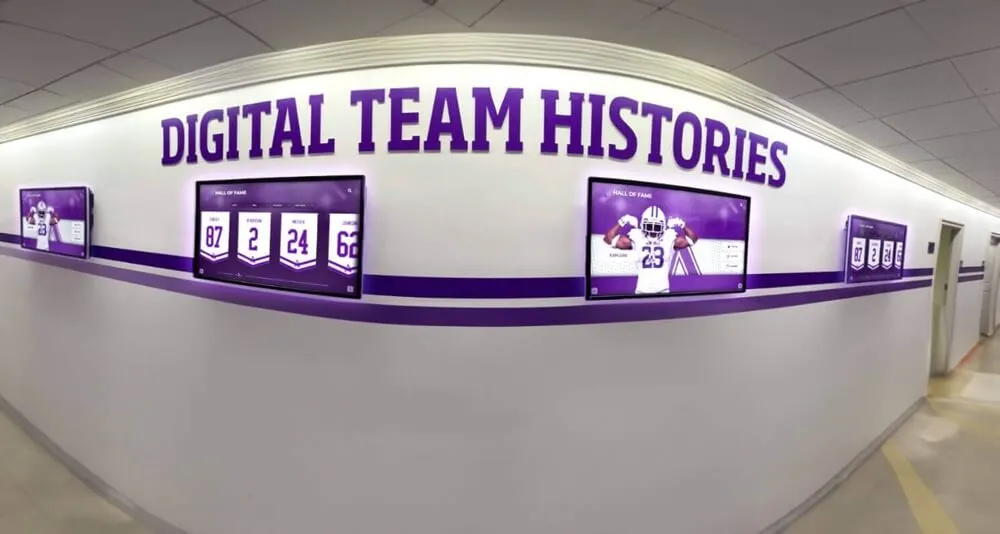
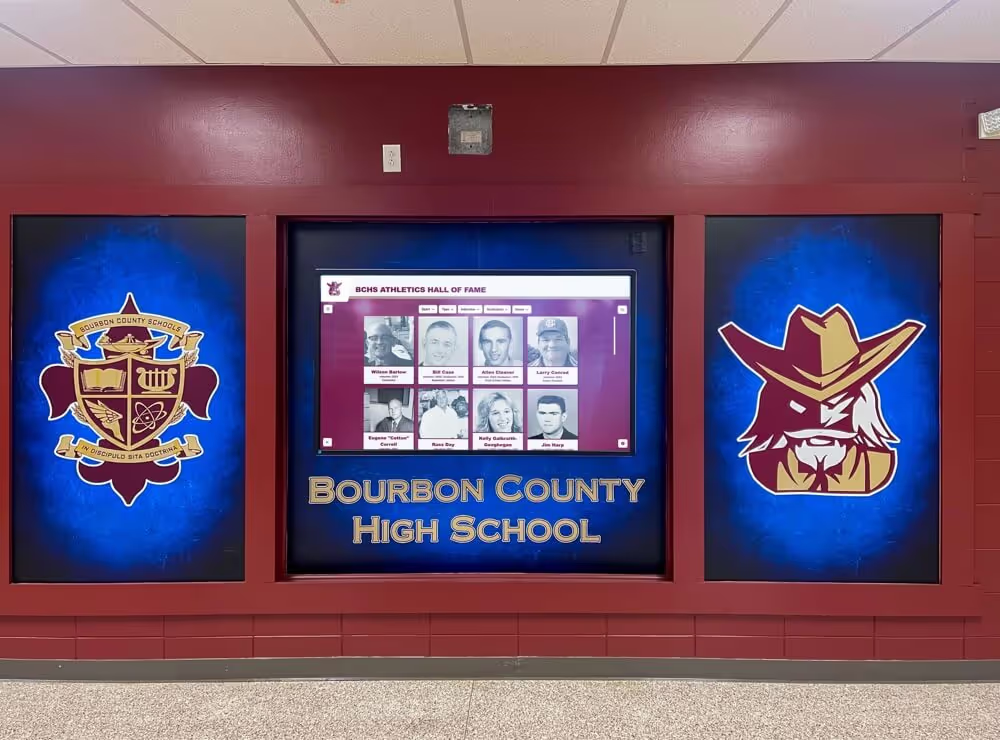
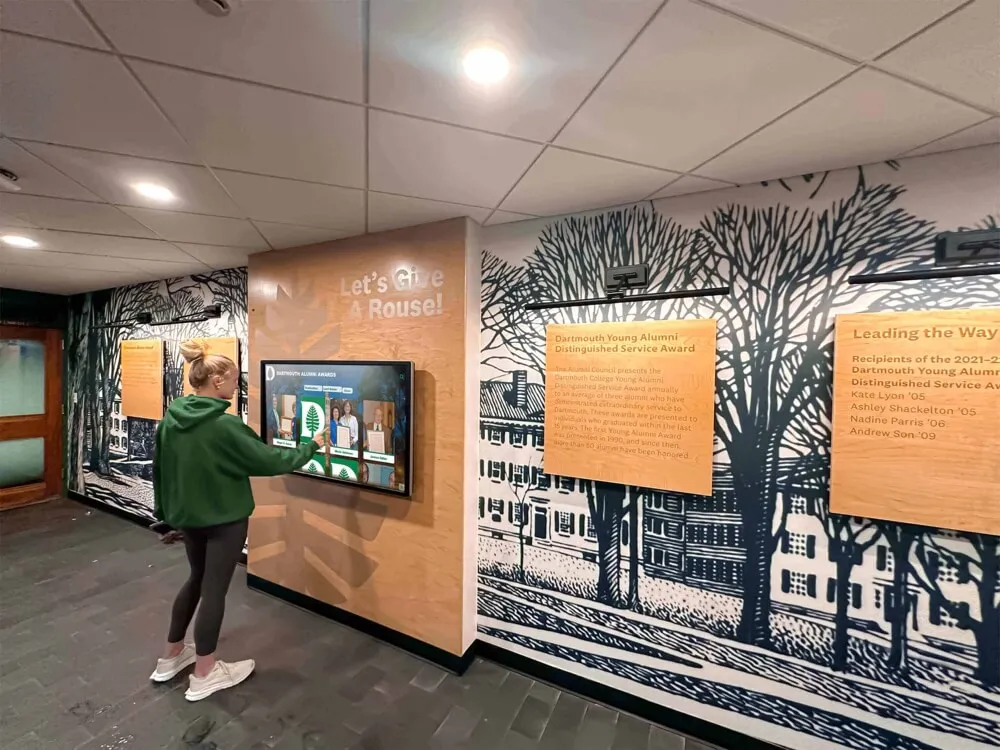
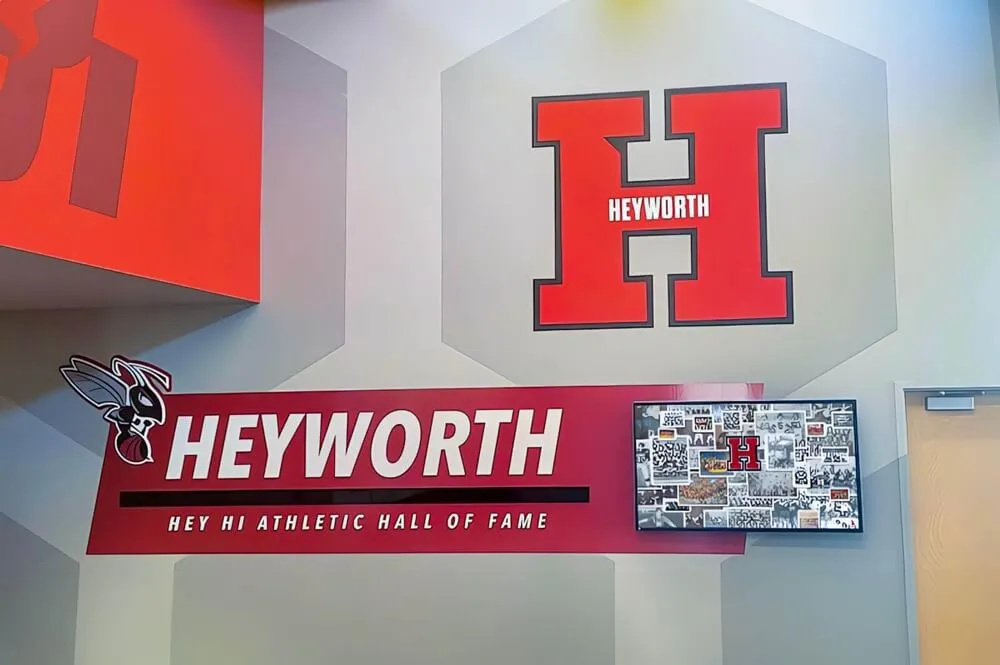
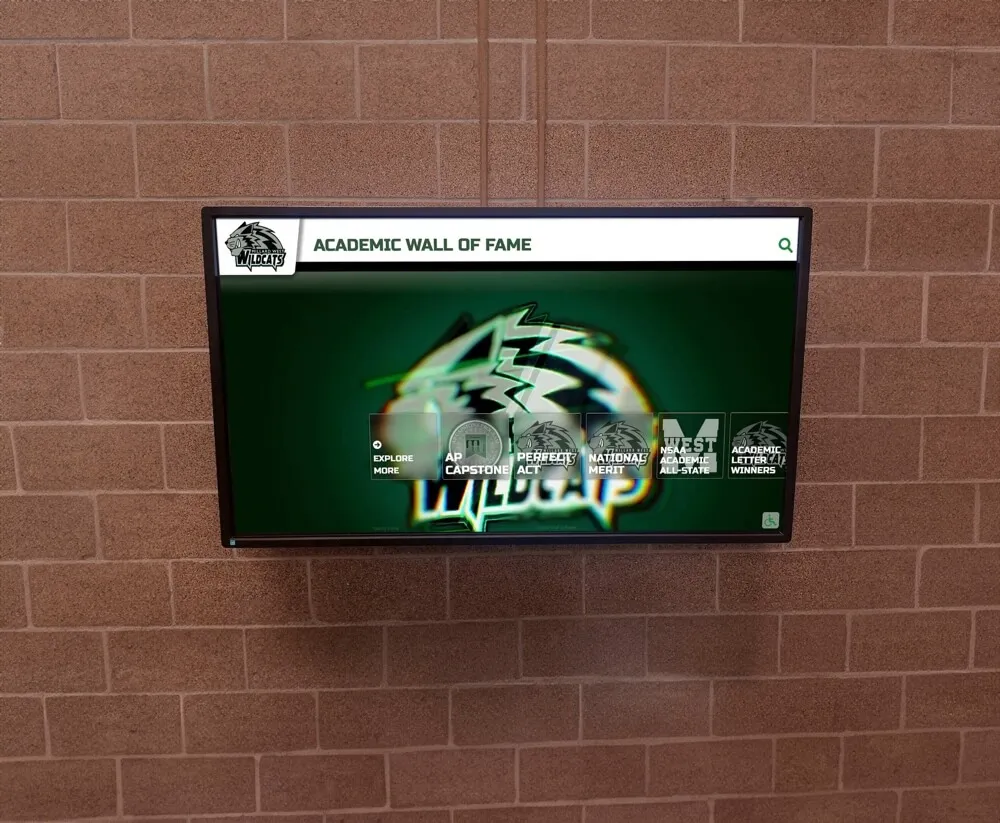
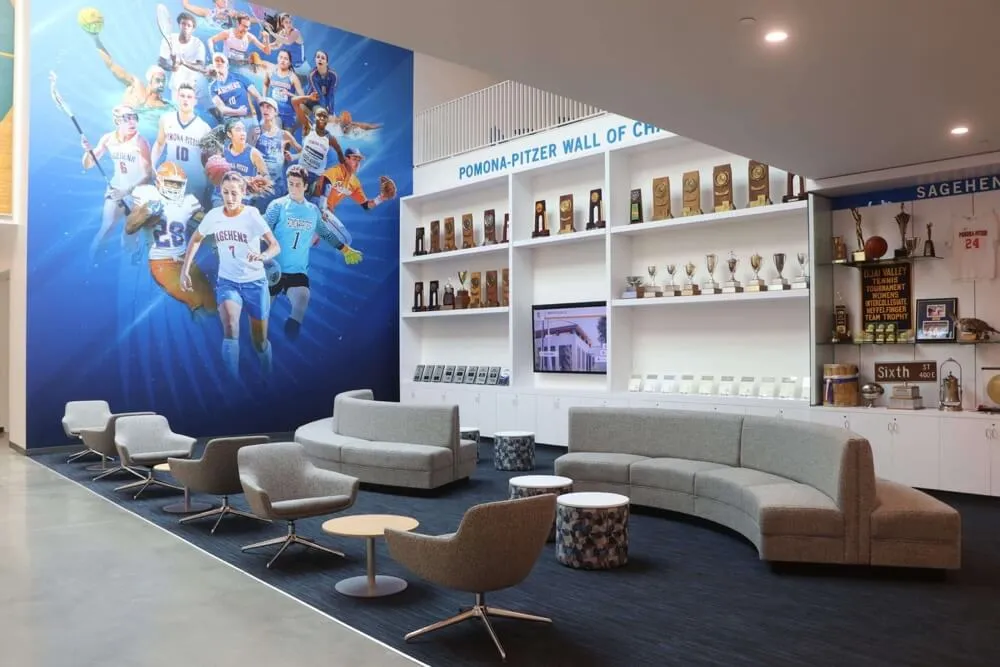
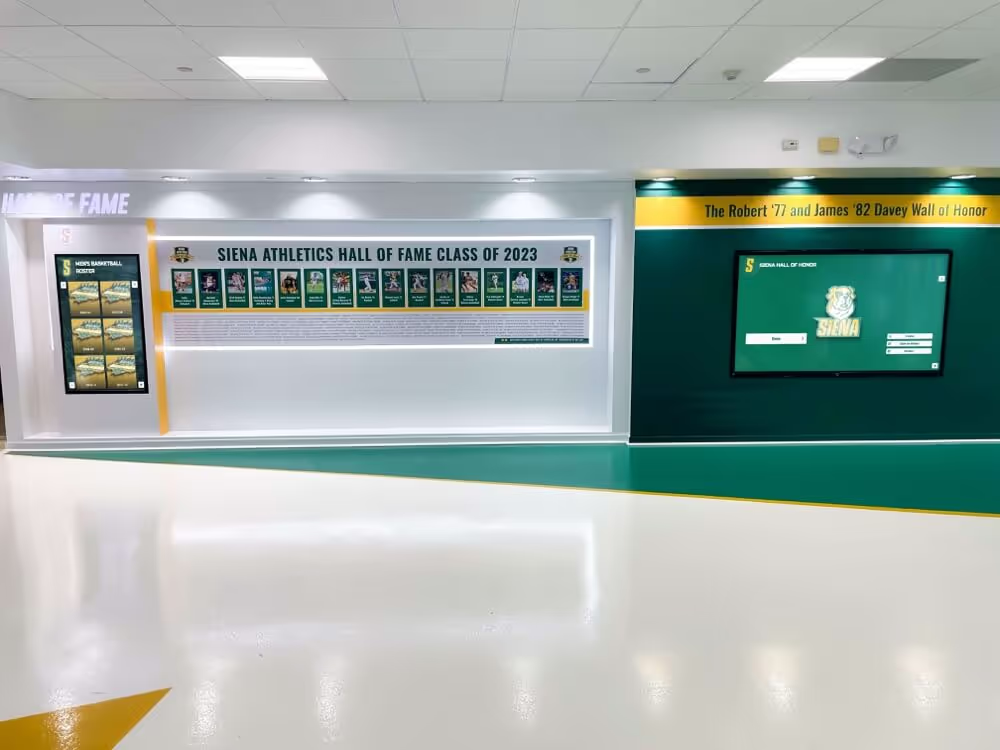
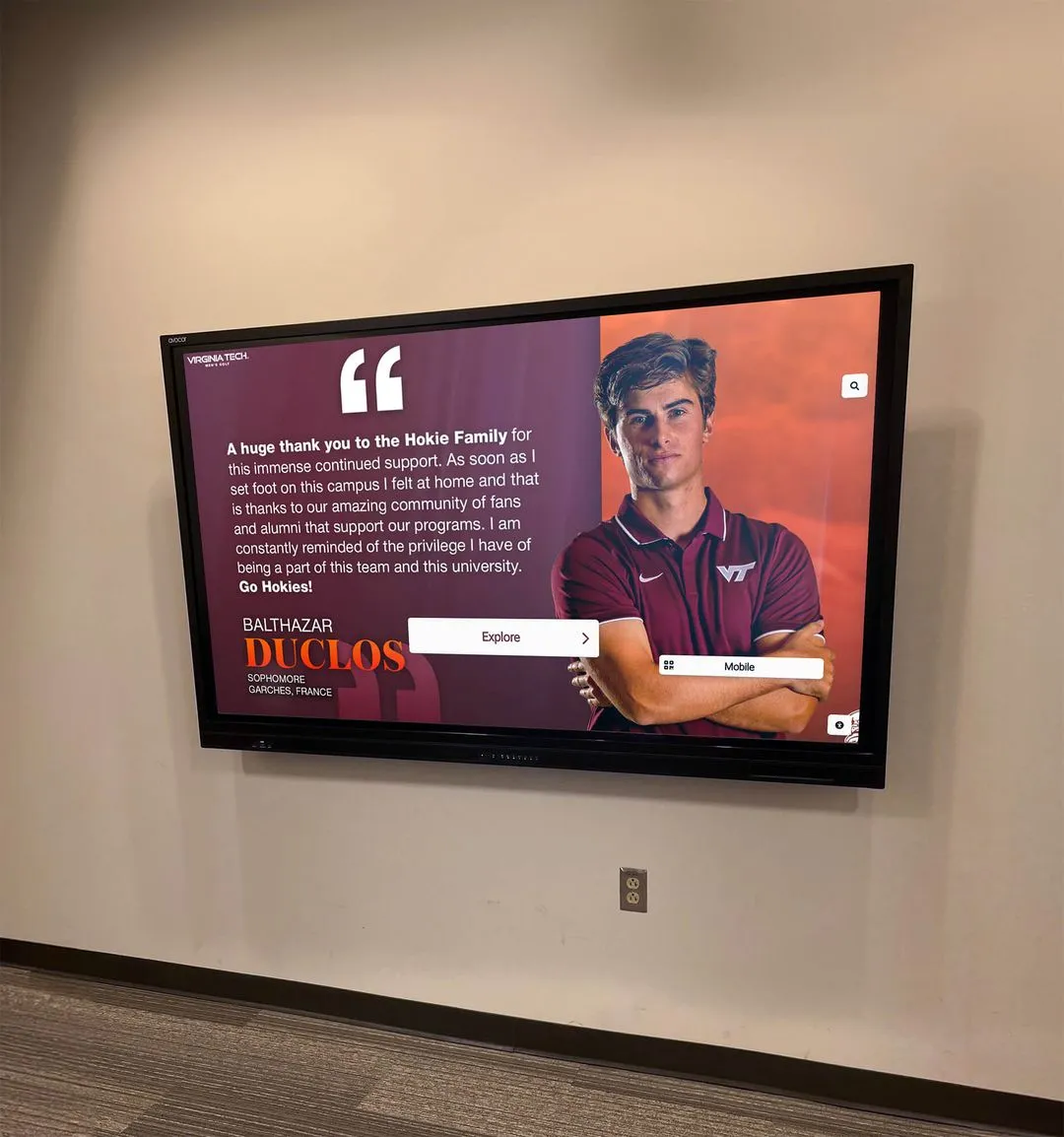
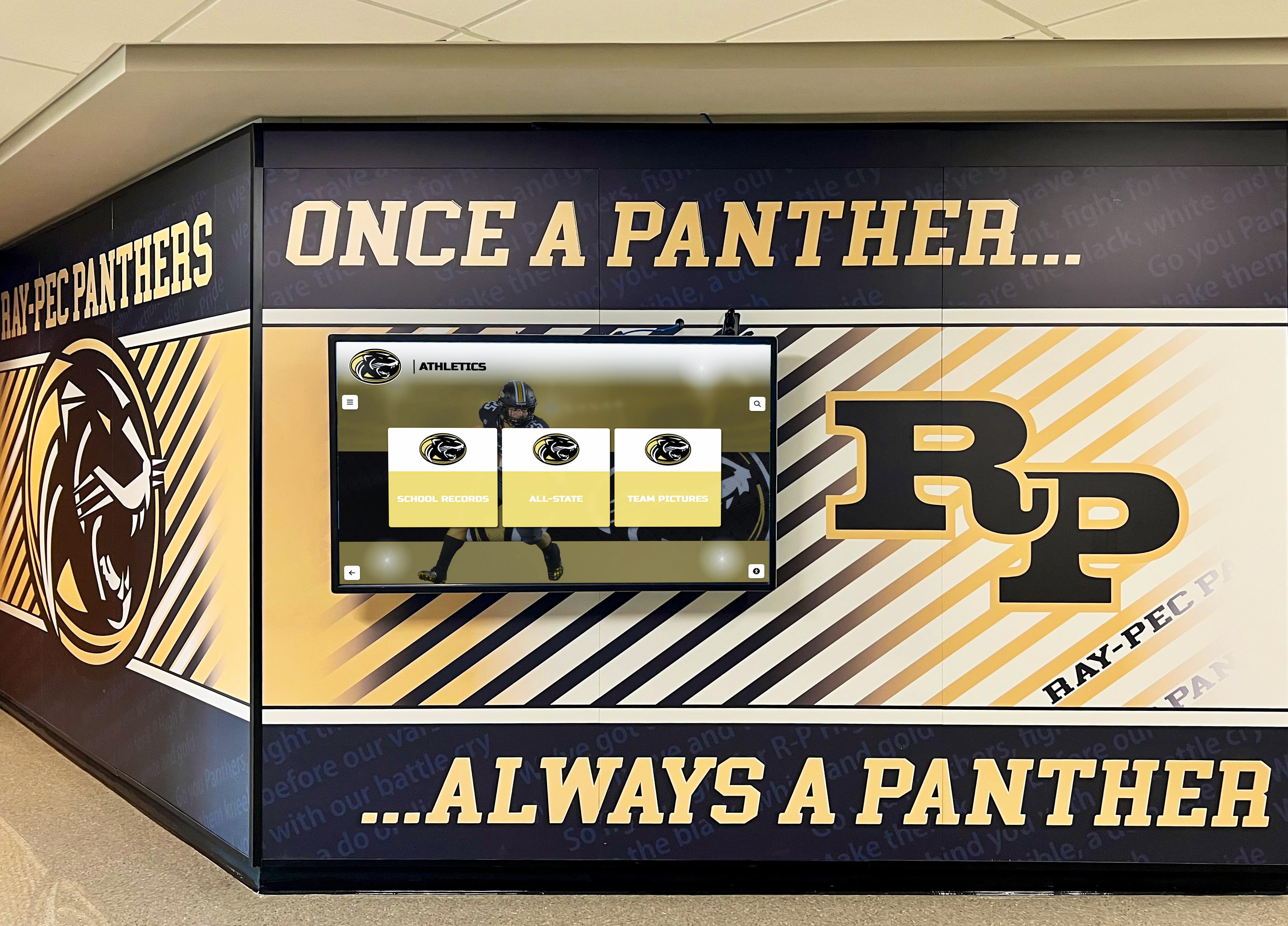
School identity and mascot themes create cohesive environments celebrating athletic tradition and community spirit
Program Snapshot: Mascot Costume Investment and Management
Primary Stakeholders
- Athletic directors managing spirit budgets
- Booster clubs funding spirit programs
- Cheer and spirit coordinators supervising performers
- Facilities staff handling storage and maintenance
- School administrators approving purchases
- Student performers wearing costumes
Costume Components Addressed
- Full-body character suits and heads
- Partial costumes and accessories
- Undergarments and cooling systems
- Storage containers and maintenance equipment
- Safety equipment and visibility aids
- Backup pieces and replacement parts
Key Outcomes
- Professional appearance representing school pride
- Performer safety through proper ventilation and visibility
- Extended costume lifespan through proper care
- Budget efficiency through strategic purchasing
- Community engagement through consistent character presence
- Program sustainability through systematic replacement planning
Investment Timeline
- Research: 4-6 weeks (vendor evaluation, quotes, design approval)
- Design and Production: 8-16 weeks (custom orders)
- Fitting and Training: 1-2 weeks (performer preparation)
- Service Life: 3-7 years (depending on quality and care)
- Maintenance: Weekly cleaning during active seasons
Understanding School Mascot Costume Types
Strategic costume selection begins with understanding available options matching program needs and budget realities.
Full-Body Character Mascot Costumes
Complete Mascot Systems Professional full-body costumes provide comprehensive character representation:
- Sculpted foam head with integrated vision system
- Full-body suit with detailed fur, feathers, or fabric covering
- Hand and foot pieces completing character appearance
- Internal harness system distributing weight appropriately
- Ventilation components managing performer heat
- Customized design reflecting specific school character
- Durable construction withstanding athletic environment demands
- Professional finishing creating polished appearance
Full mascot systems typically range from $2,000-$8,000 depending on complexity, customization level, materials quality, and manufacturer reputation. Premium systems incorporate advanced ventilation, superior vision systems, and construction techniques extending service life significantly compared to budget alternatives.
Construction Quality Tiers
Understanding quality differences guides appropriate investment:
Entry-Level Systems ($2,000-$3,500)
- Basic foam construction with standard fur materials
- Limited customization to stock character designs
- Standard ventilation and vision systems
- 2-4 year service life with proper care
- Suitable for occasional use or budget-constrained programs
Mid-Range Professional ($3,500-$6,000)
- Enhanced sculpting with detailed character features
- Custom design matching specific school mascot
- Improved ventilation and cooling systems
- Reinforced construction in high-wear areas
- 4-6 year service life with maintenance
- Appropriate for regular athletic season use
Premium Elite Systems ($6,000-$10,000+)
- Museum-quality sculpting and finishing
- Advanced cooling technology and breathable materials
- Superior vision systems ensuring performer safety
- Lightweight construction reducing performer fatigue
- Extensive customization matching precise specifications
- 6-8+ year service life with proper stewardship
- Designed for heavy use across multiple events weekly
Programs appearing at numerous athletic events throughout seasons benefit significantly from premium investment, while schools with limited mascot appearances may achieve adequate results through mid-range options.
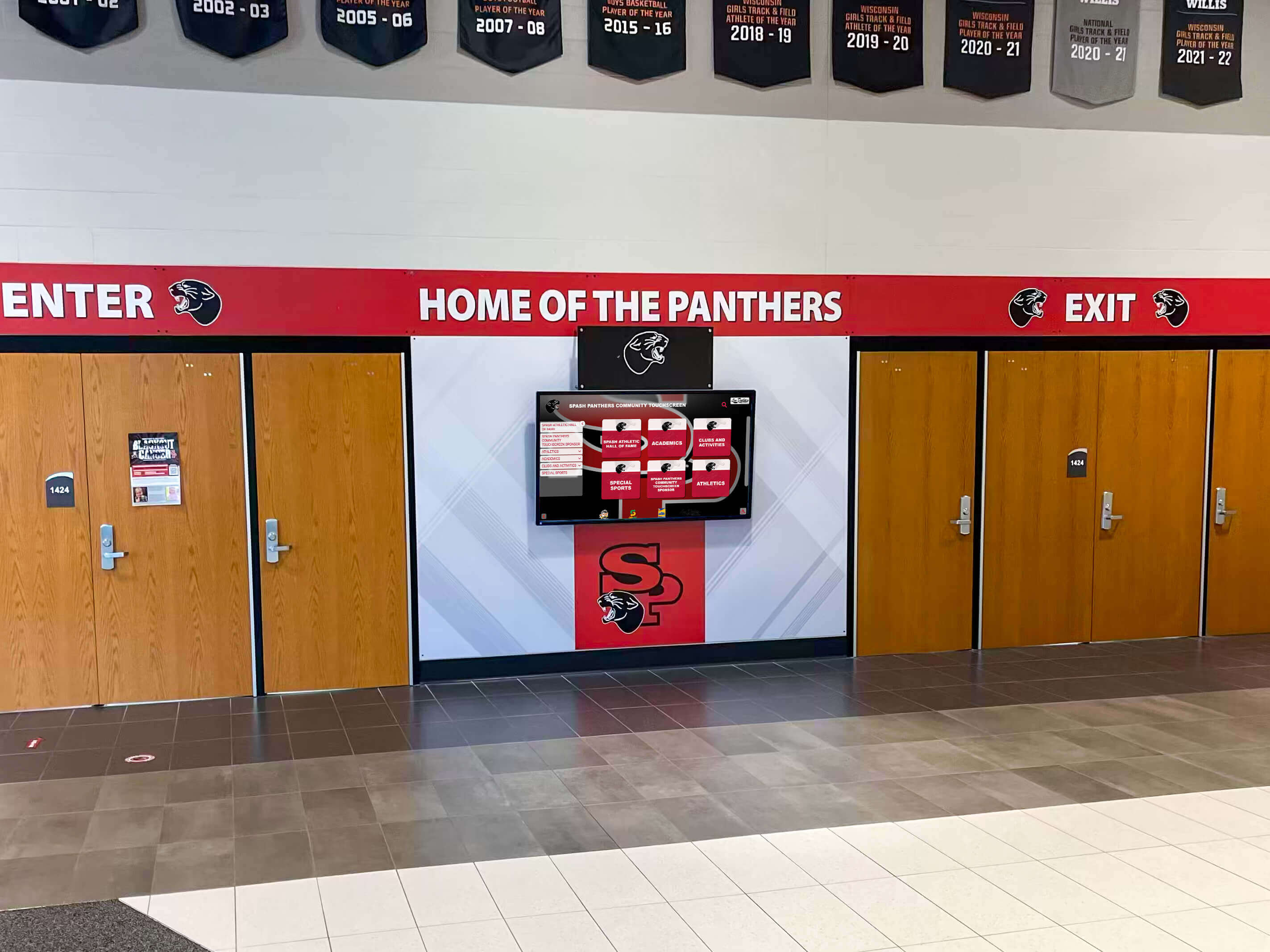
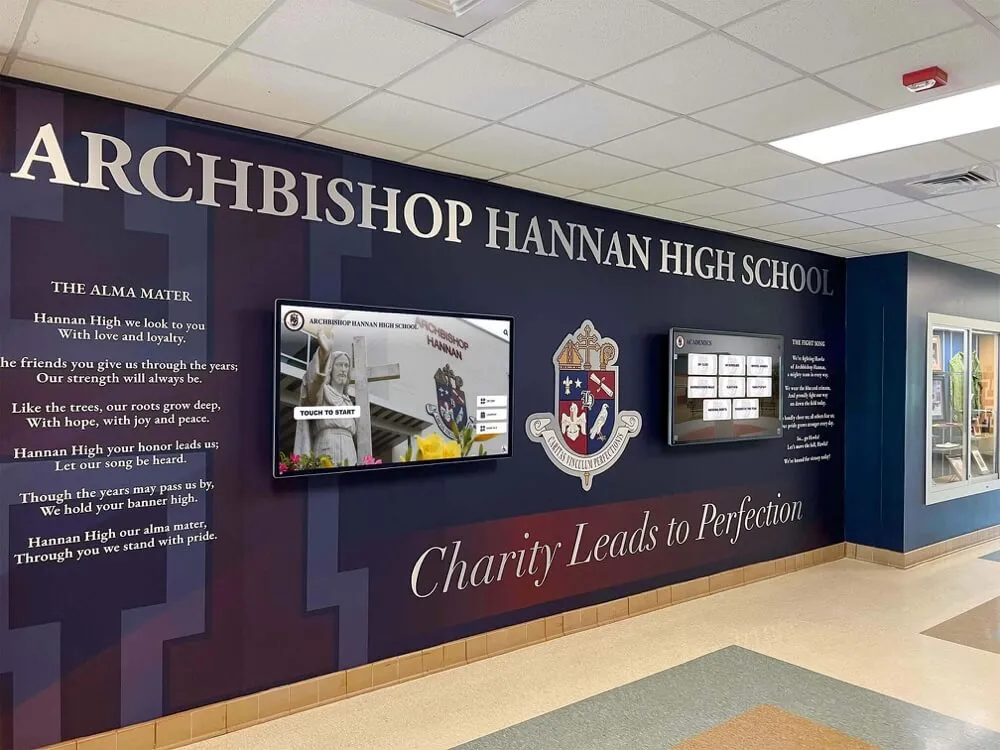
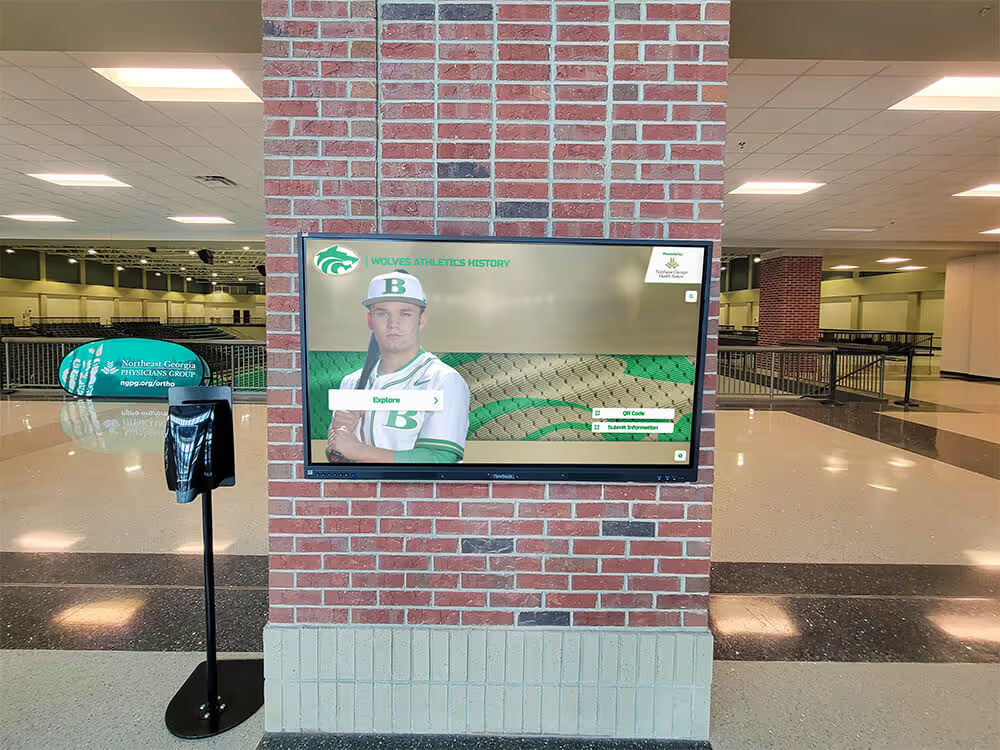
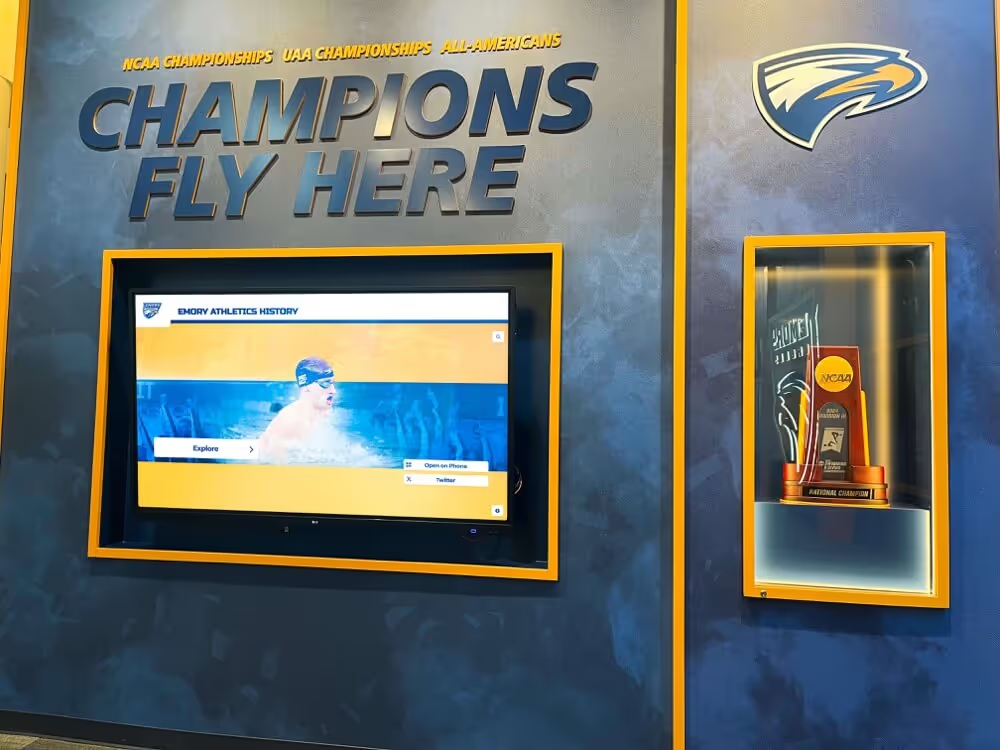
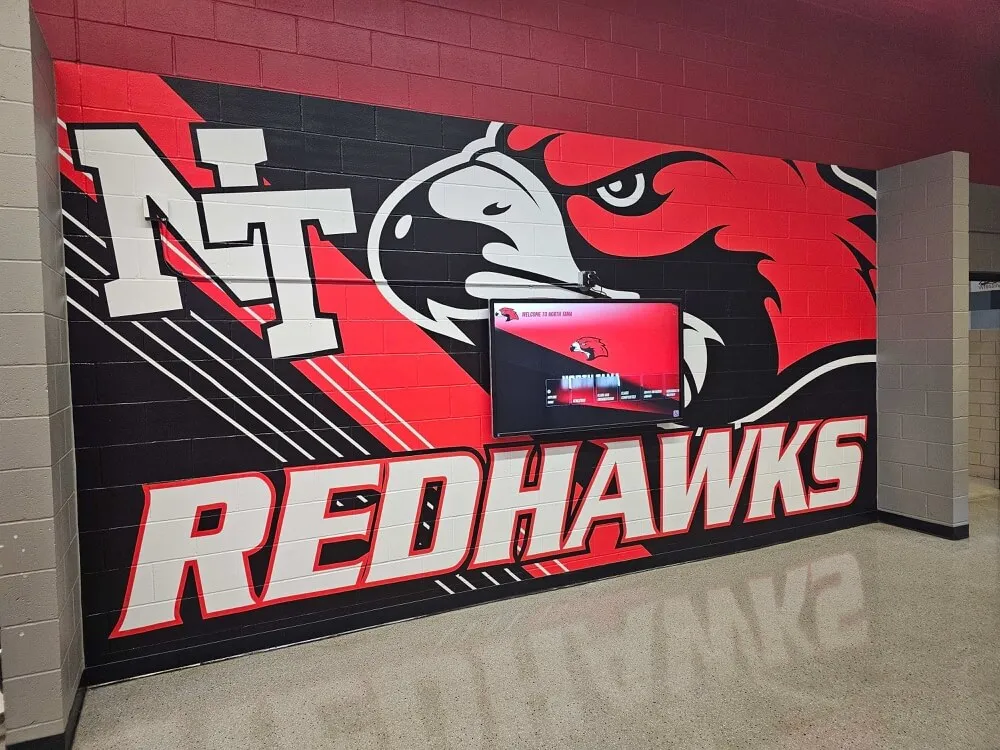
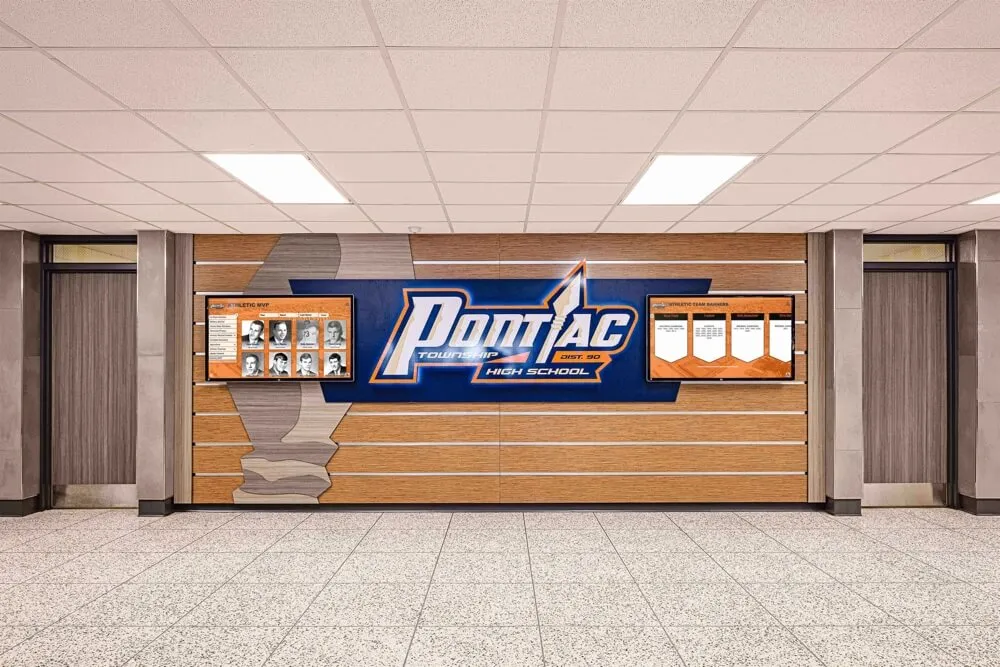
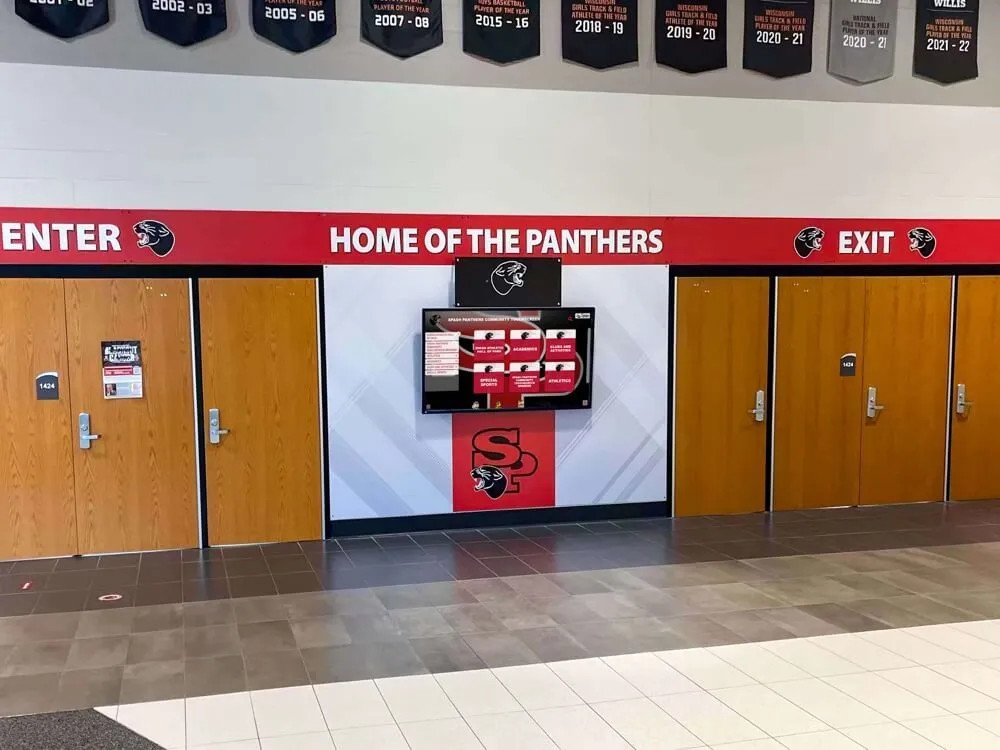
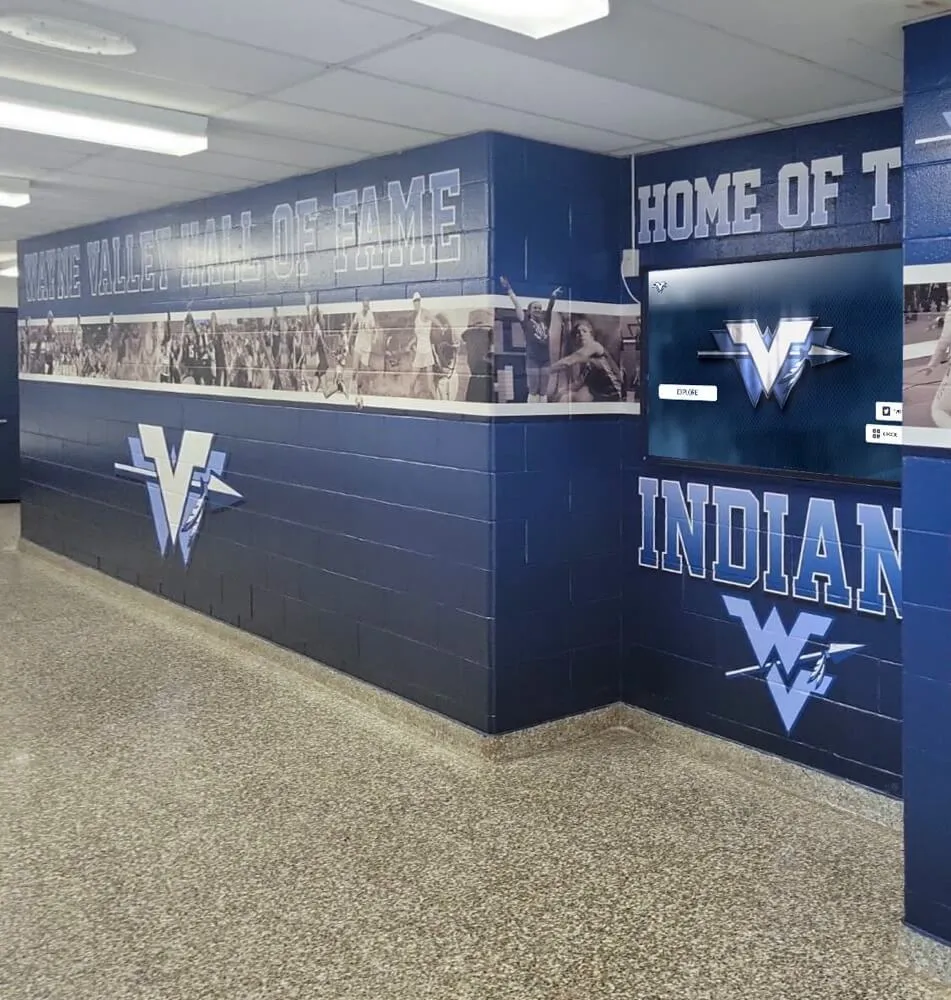
Mascot identity extends throughout school environments creating cohesive community recognition and spirit
Partial Costumes and Hybrid Systems
Head-and-Accessories Configurations Some programs implement partial systems:
- Professional sculpted mascot head
- School-colored athletic wear (jerseys, warm-ups)
- Character-appropriate accessories (tail, paws, wings)
- Branded apparel maintaining school identity
- Lower cost compared to full-body systems
- Greater performer comfort in warm environments
- Easier cleaning and maintenance requirements
- Professional appearance with reduced investment
Partial systems typically cost $1,000-$3,000 and work effectively for indoor athletic events where full-body costumes create excessive performer heat while maintaining recognizable character presence.
Inflatable Mascot Costumes
Alternative technology offering distinct advantages:
- Battery-powered fan creating internal air pressure
- Lightweight construction reducing performer fatigue
- Excellent ventilation through continuous airflow
- Compact storage when deflated
- Lower cost ($800-$2,500) compared to traditional foam
- Limited character detail compared to sculpted options
- Noise from internal fan during operation
- Dependency on battery power limiting appearance duration
Inflatable systems suit budget-conscious programs or supplementary mascot options for simultaneous multi-location appearances during large events.
Understanding athletic program recognition systems helps administrators coordinate mascot programs with broader spirit initiatives effectively.
Mascot Costume Sizing and Fitting
Proper sizing ensures performer safety, costume longevity, and professional appearance.
Performer Measurement and Accommodation
Critical Size Specifications Manufacturers require detailed measurements:
- Performer height range (costumes accommodate 5-10 inch variation)
- Weight capacity ensuring structural integrity
- Head circumference determining helmet sizing
- Shoulder width affecting body suit fit
- Inseam measurement for proper leg proportions
- Arm length ensuring hand piece alignment
Most professional costumes accommodate performer height ranges (e.g., 5'6"-6'2") rather than single individuals, enabling multiple students to share performance responsibilities throughout years without requiring costume replacement as performers graduate.
Multi-Performer Considerations
Programs rotating performers benefit from adjustable features:
- Internal harness systems with adjustment straps
- Removable padding accommodating size variations
- Elastic waistbands providing flexibility
- Adjustable helmet suspension systems
- Multiple undergarment sizes for different performers
- Documentation of adjustment procedures for consistent setup
Planning for performer turnover during initial purchase prevents future compatibility issues requiring expensive costume modifications or premature replacement.
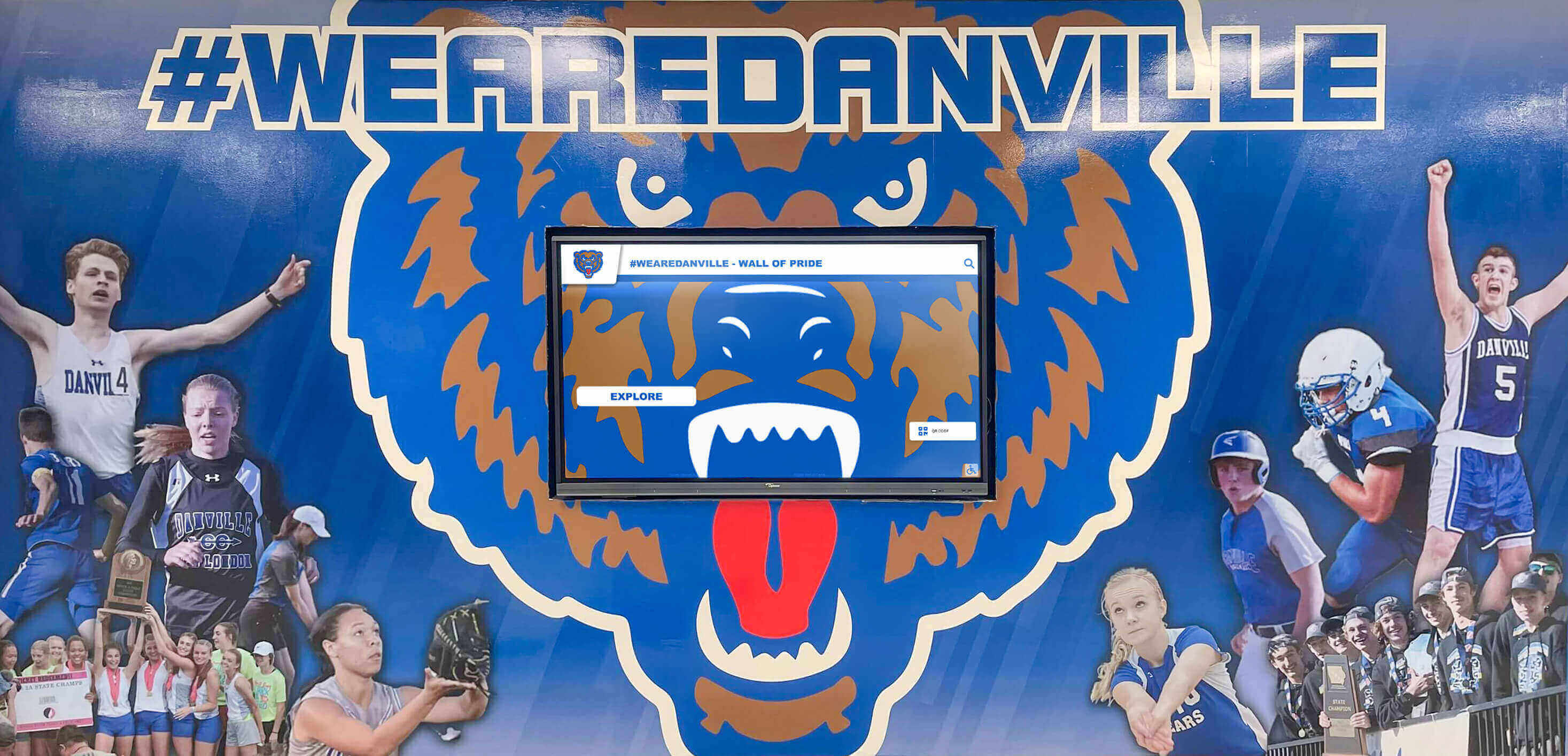
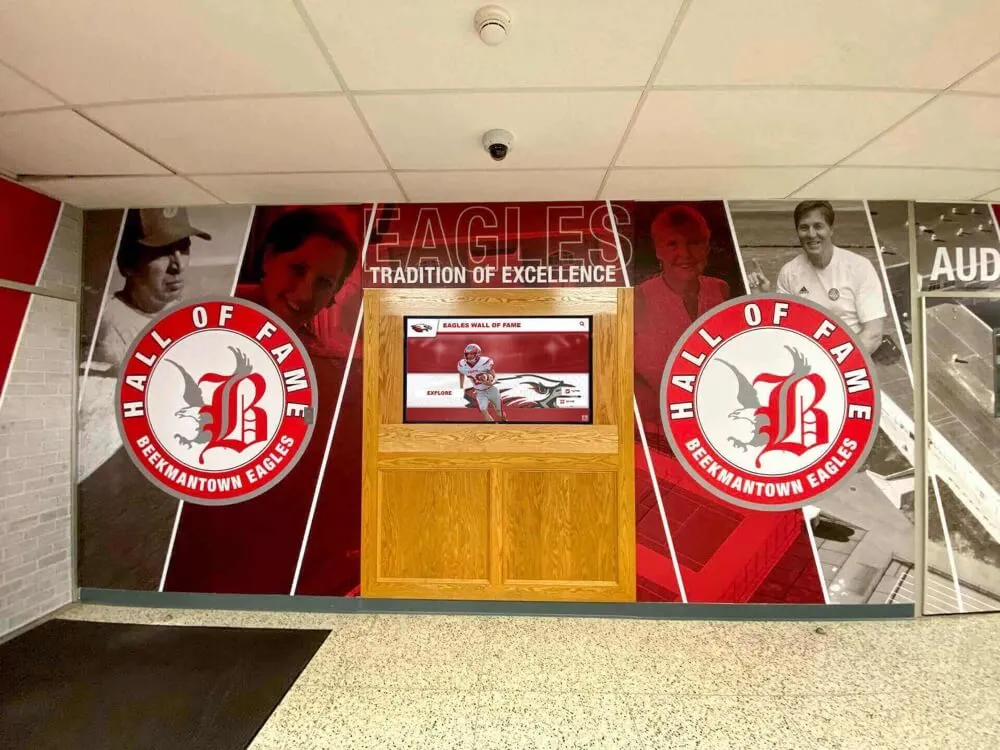
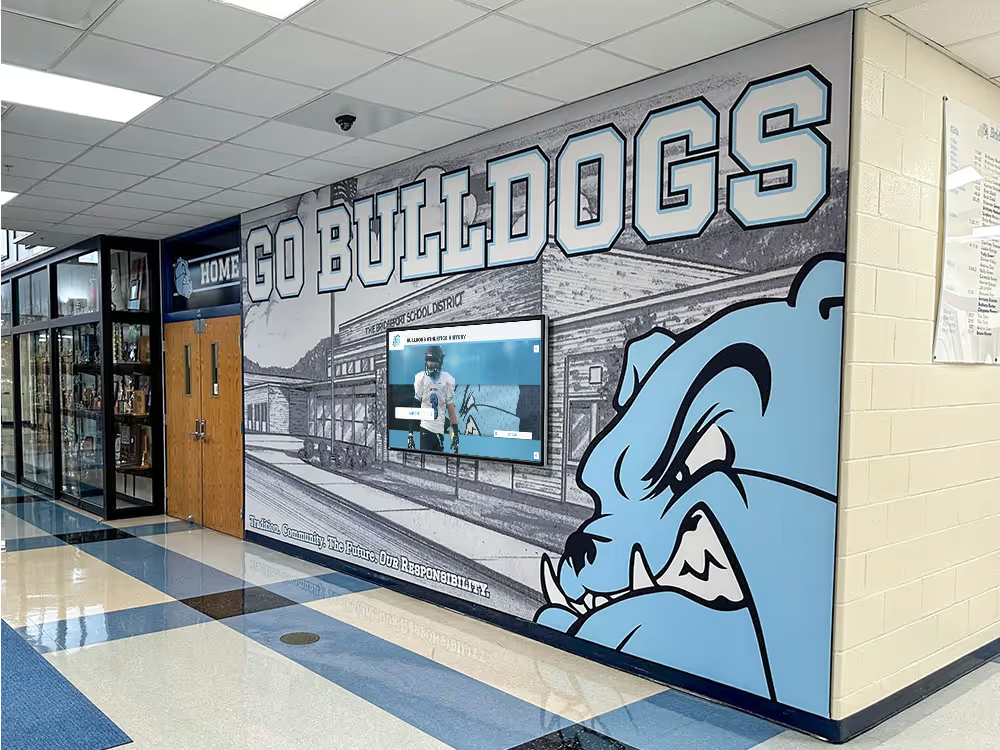
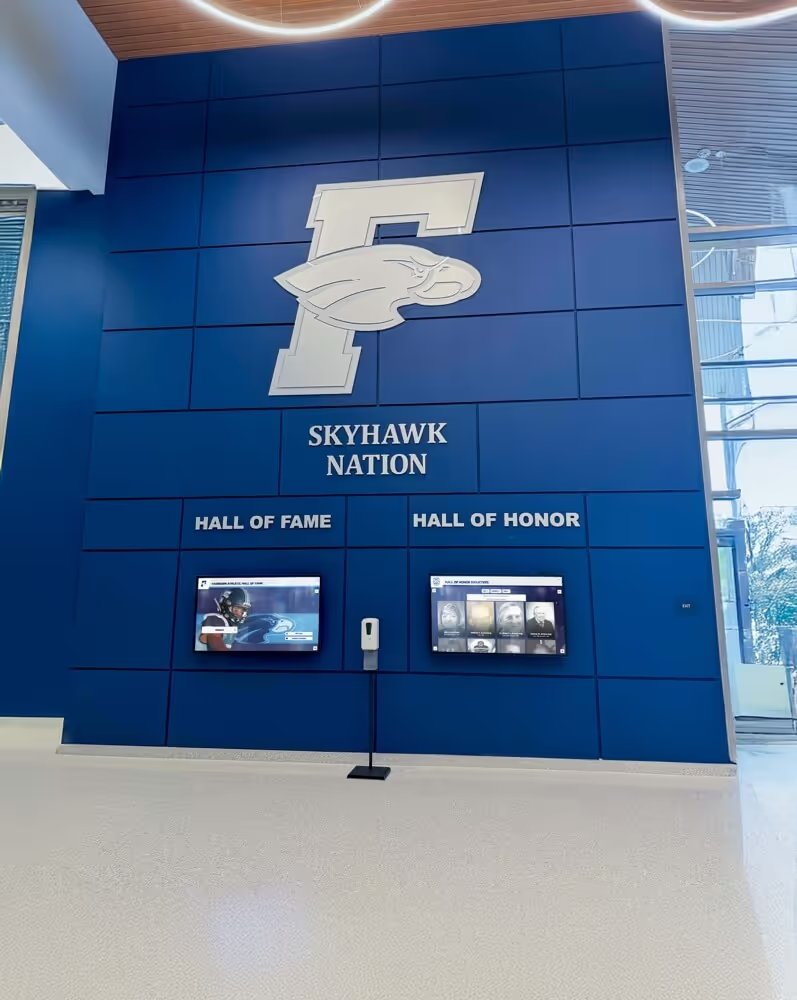
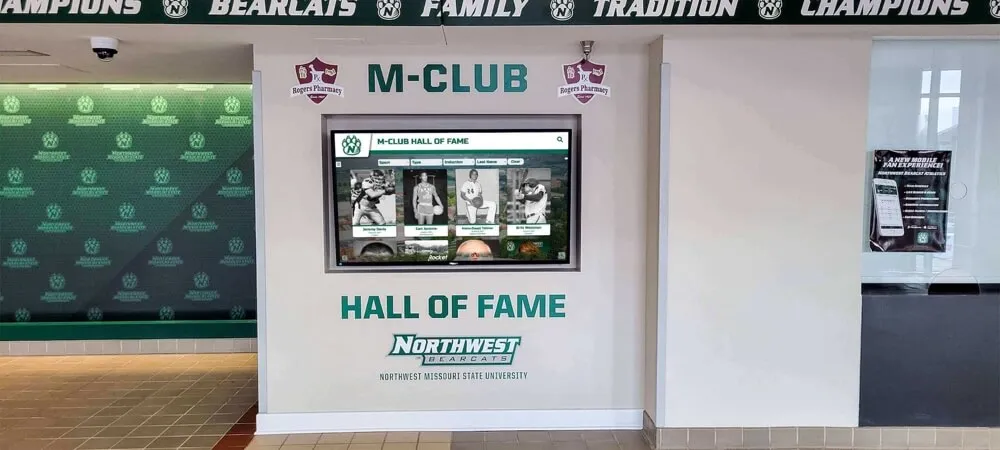
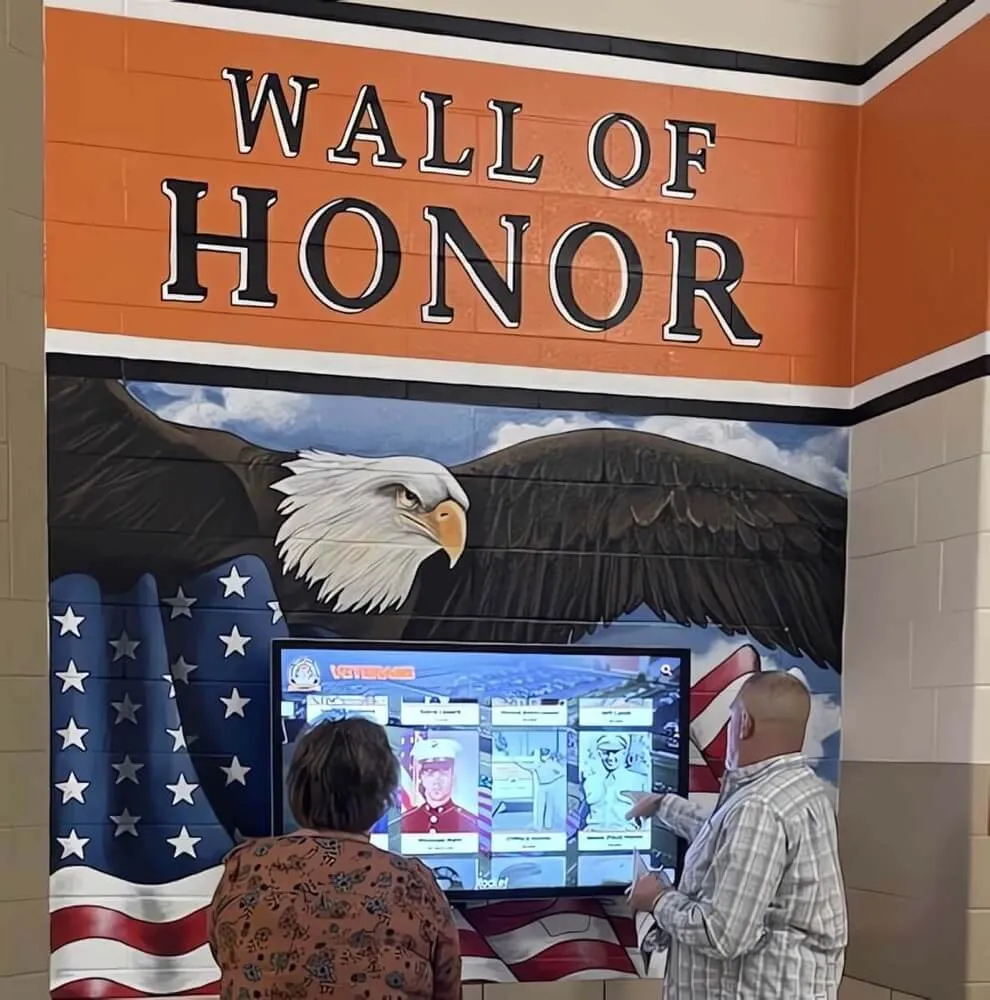
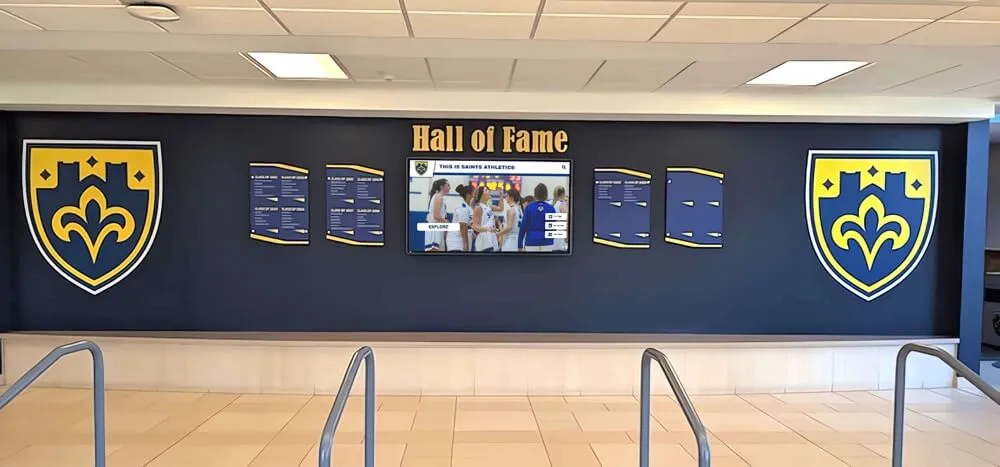
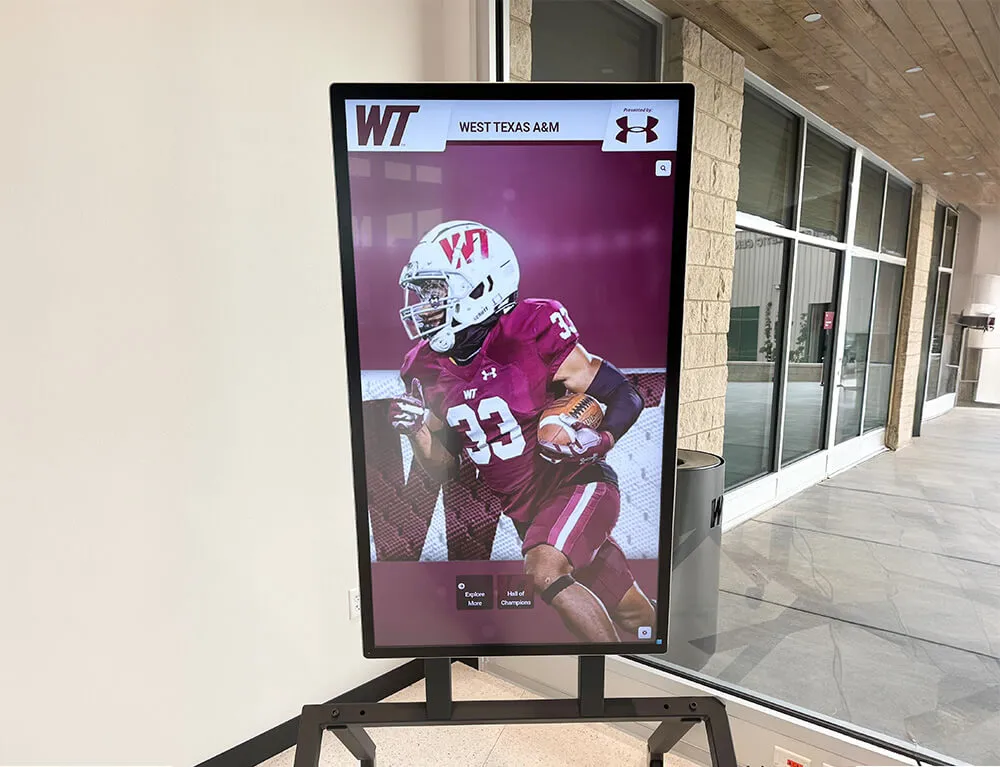
Strong mascot identity integrated throughout athletic facilities builds program pride and community recognition
Safety and Visibility Requirements
Vision System Evaluation Critical safety component requiring careful assessment:
- Screen mesh vision panels providing adequate sight lines
- Hidden eye positioning maintaining character appearance
- Peripheral vision capability for crowd navigation
- Ventilation integration preventing vision fogging
- Easily accessible cleaning for sweat and moisture
- Emergency removal procedures if vision becomes obstructed
Programs must test vision systems thoroughly before purchase, having prospective performers evaluate sight lines in gymnasium or stadium environments where mascots will perform regularly.
Ventilation and Cooling Features
Essential comfort and safety systems:
- Multiple air vents strategically positioned
- Breathable materials in head and body construction
- Optional cooling vest systems for summer performances
- Fan-assisted ventilation in premium costumes
- Moisture-wicking undergarment recommendations
- Heat stress monitoring protocols for performers
- Maximum performance duration guidelines
Athletic directors should establish clear performance time limits (typically 15-20 minute intervals) with mandatory rest breaks, regardless of costume quality, preventing heat-related performer illness during warm-weather events.
Comprehensive athletic facility design approaches integrate mascot storage and changing areas into broader facility planning.
Budget Planning for Mascot Costume Programs
Strategic financial planning ensures quality investment within institutional constraints.
Complete System Cost Analysis
Initial Purchase Investment Comprehensive budgeting includes often-overlooked components:
Costume Components
- Primary mascot costume system: $3,000-$8,000
- Backup head piece (recommended): $800-$1,500
- Replacement hands/feet: $200-$400 pair
- Character-appropriate accessories: $150-$500
Support Equipment
- Cooling vest or ice pack system: $50-$200
- Undergarments (moisture-wicking): $30-$80 per set (need 3-4)
- Storage container or garment bag: $100-$300
- Cleaning supplies and equipment: $75-$150
- Transportation bag for away events: $50-$150
Facility Requirements
- Secure storage space with ventilation
- Changing area near performance locations
- Cleaning and drying space
- Minor repair supplies and tools
Total Initial Investment: $4,500-$12,000 depending on quality tier and program scope.
Funding Sources and Strategies
Revenue Stream Identification Creative financing approaches ease budget pressure:
- Booster club fundraising designated for spirit programs
- Alumni association contributions honoring school traditions
- Local business sponsorships with mascot appearance agreements
- Student activity fee allocations for school spirit
- Capital campaign inclusion for comprehensive athletic facility projects
- Memorial or legacy gift opportunities honoring school supporters
- Mascot appearance fees for community events
- Spirit merchandise sales with portion designated for costume fund
Many programs successfully fund complete mascot systems through targeted fundraising campaigns presenting costume investment as tangible, visible spirit program enhancement generating broad community support.
Multi-Year Replacement Planning
Sustainable programs budget proactively:
- Annual costume maintenance fund: $300-$500
- Replacement reserve accumulation: $500-$800 annually
- Expected replacement cycle: 5-7 years
- Inflation adjustment in long-term projections
- Emergency repair fund for unexpected damage
- Enhancement budget for program growth
Setting aside modest annual amounts prevents future scrambling for large replacement investments while ensuring costumes receive proper maintenance extending service life.
Schools implementing comprehensive recognition programs understand digital trophy case benefits complementing mascot programs through permanent celebration of achievements.
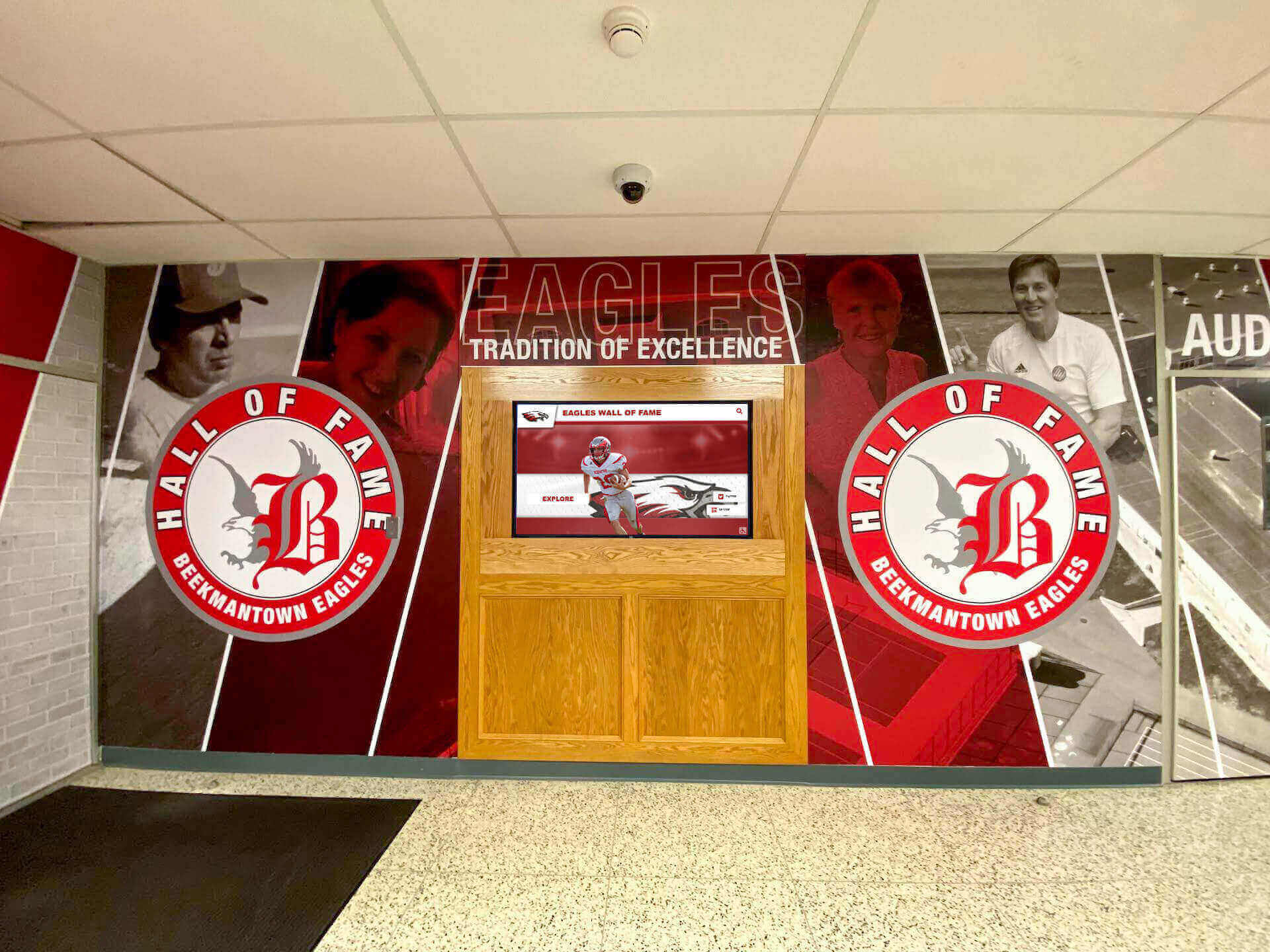
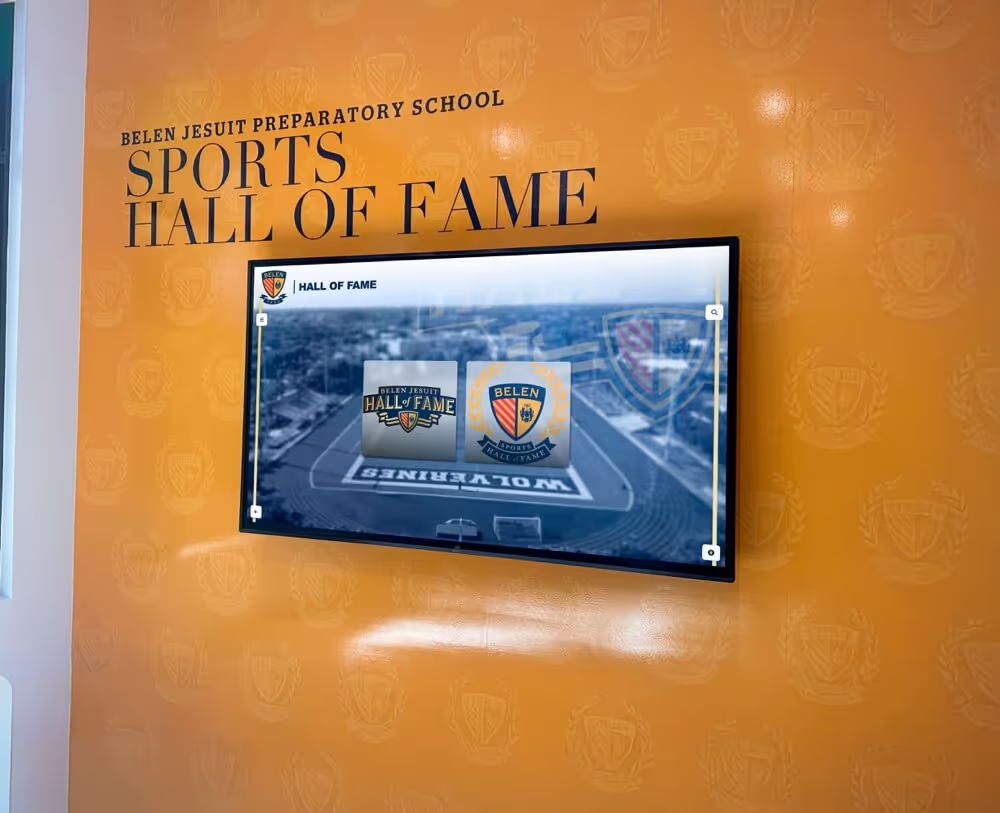
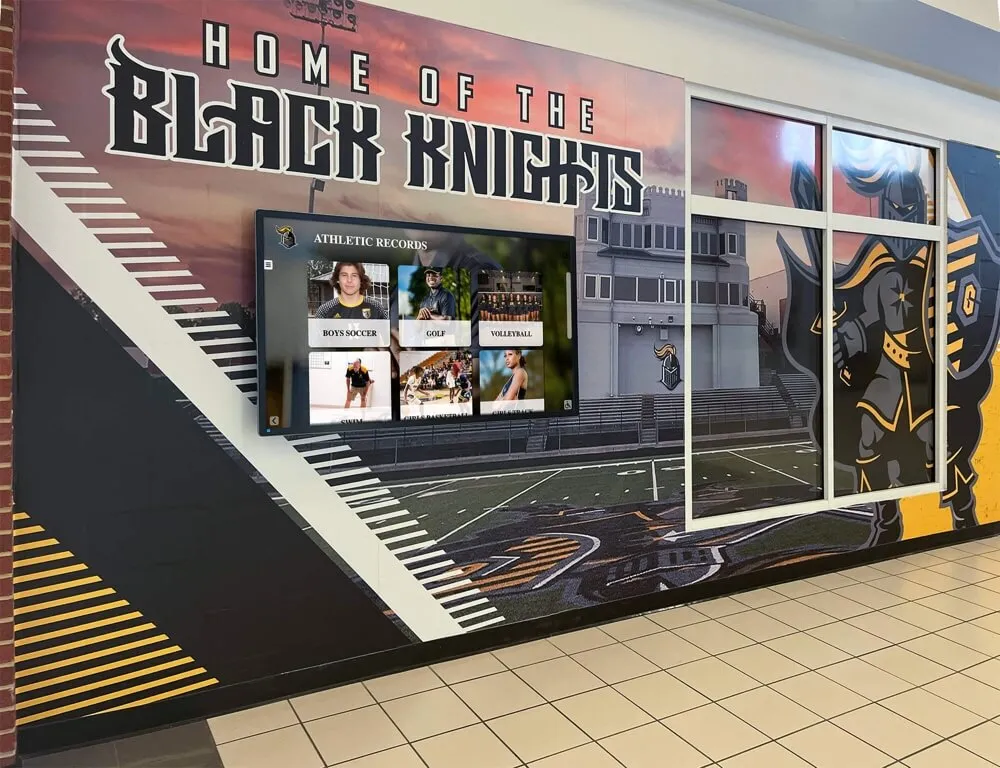
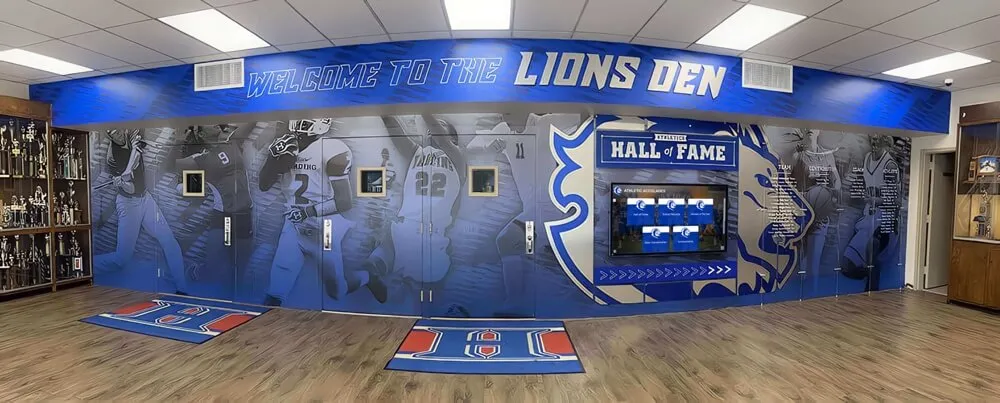
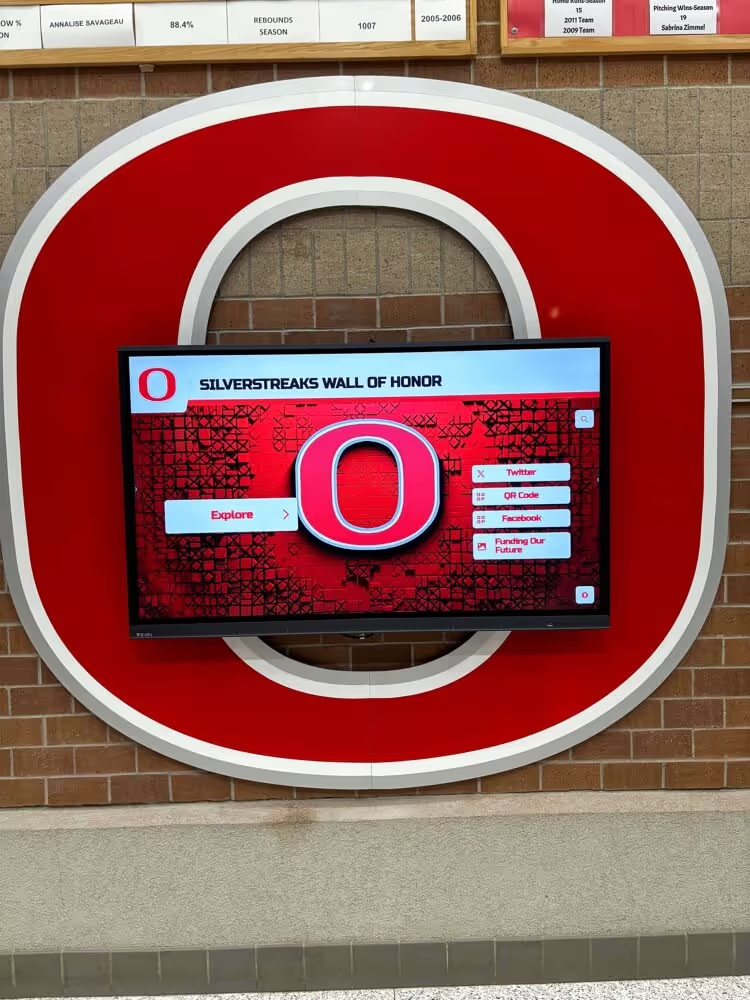
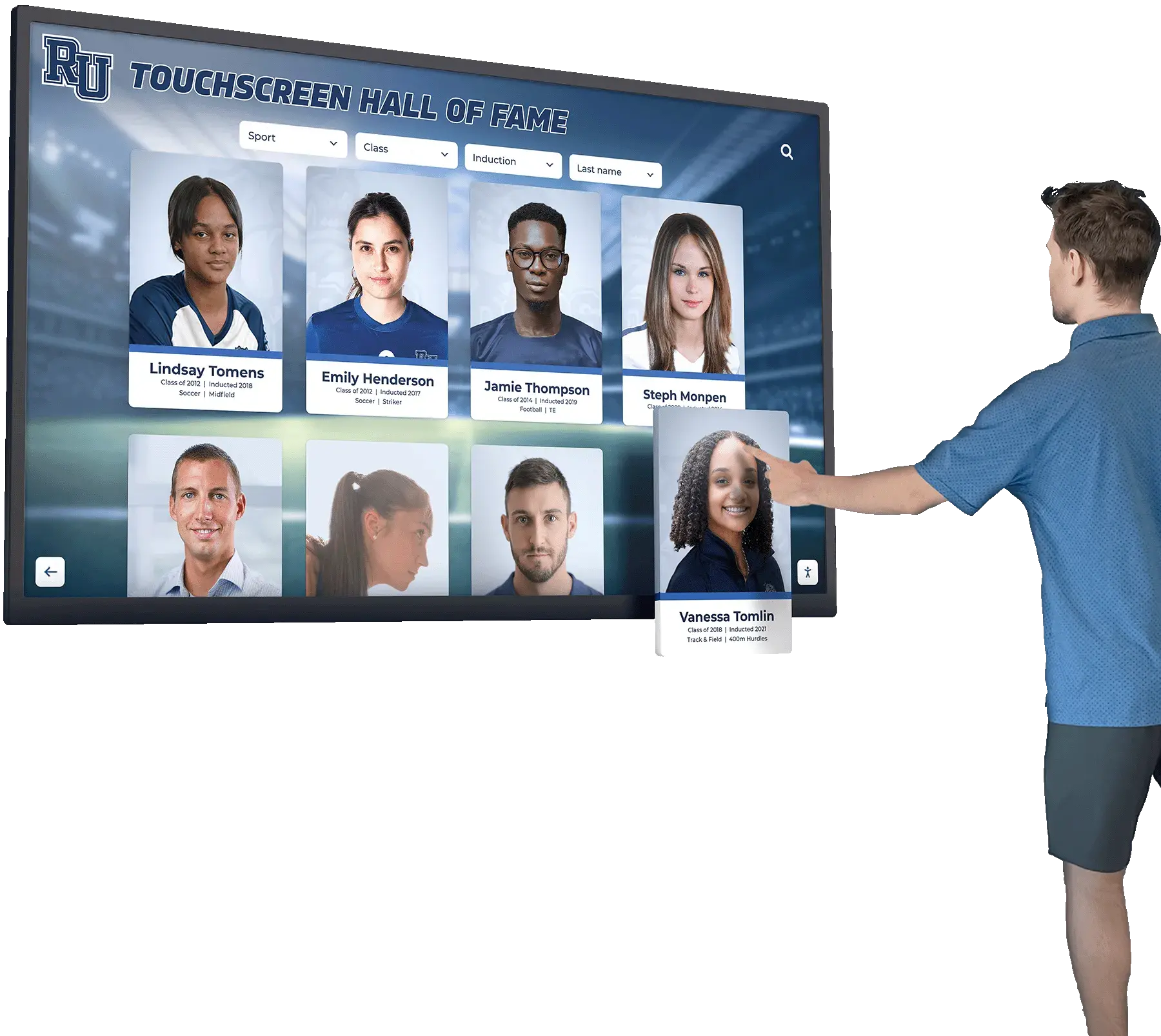
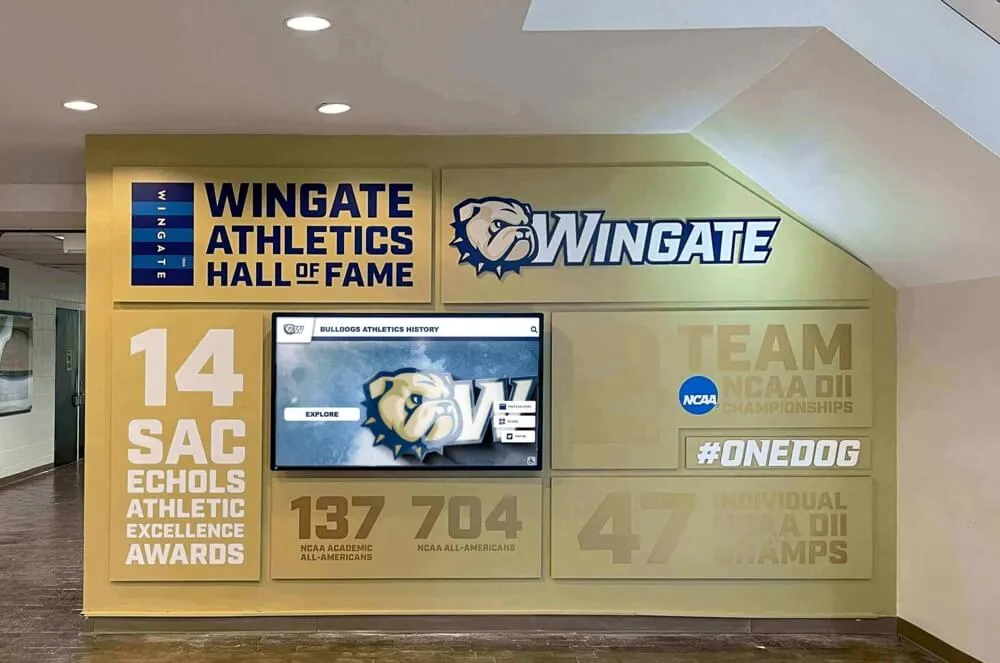
Coordinated school identity systems integrate mascot themes with recognition displays celebrating community achievement
Selecting Mascot Costume Vendors
Vendor evaluation significantly impacts investment success and long-term satisfaction.
Manufacturer Research and Comparison
Reputation and Experience Assessment Evaluate potential vendors systematically:
- Years in business and industry standing
- Portfolio of completed school mascot projects
- References from similar-size athletic programs
- Online reviews and customer testimonials
- Better Business Bureau rating and complaint history
- Specialty in educational institutions versus generic costume work
- Design team credentials and creative capabilities
- Production capacity and typical lead times
Request detailed references from schools that have used costumes for 3+ years, specifically asking about durability, service quality, and manufacturer responsiveness to warranty issues or repair needs.
Design and Customization Capabilities
Critical creative evaluation:
- Original design development from school description
- Revision process and iteration allowances
- Design approval procedures before production
- Character personality expression matching school culture
- Trademark and copyright compliance for licensed characters
- Digital rendering quality showing final appearance
- Ability to match existing school branding and colors
- Accessory and special feature integration
Professional vendors provide detailed digital renderings from multiple angles before production begins, ensuring design alignment with school expectations and preventing costly dissatisfaction with finished products.
Warranty and Service Agreements
Coverage Understanding Comprehensive warranty evaluation:
- Construction defect coverage period (typically 1-2 years)
- Material failure protection terms
- Workmanship guarantee scope
- Normal wear exclusions and definitions
- Damage versus defect determinations
- Repair or replacement remedy options
- Shipping cost responsibility for warranty claims
- Response time commitments for warranty issues
Premium vendors stand behind construction quality with comprehensive warranties while budget manufacturers often provide limited coverage, creating potential long-term cost differences offsetting initial price advantages.
Post-Purchase Support Services
Ongoing relationship value:
- Repair services for damage beyond warranty
- Replacement part availability and pricing
- Cleaning and refurbishment services
- Performer training materials and guidelines
- Care instruction comprehensiveness
- Technical support accessibility
- Rush repair options for emergency situations
- Trade-in or upgrade programs for program growth
Vendors viewing costume sales as beginning rather than ending customer relationships provide superior long-term value through accessible support preventing minor issues from becoming program disruptions.
Mascot Costume Care and Maintenance
Systematic stewardship dramatically extends costume service life while maintaining professional appearance.
Daily and Event-Based Care Protocols
Post-Performance Procedures Establish mandatory routines after every appearance:
- Immediate interior drying with absorbent towels
- Head piece inversion allowing moisture evaporation
- Body suit hanging in well-ventilated area (never sealed in bag while damp)
- Inspection for tears, loose stitching, or component damage
- Spot cleaning of visible stains or marks
- Hand and foot piece airing and drying
- Undergarment removal and laundering
- Equipment checklist ensuring all components return to storage
Moisture represents the primary costume deterioration factor. Programs preventing mold, mildew, and odor through disciplined post-use drying extend costume life significantly compared to those allowing damp costumes to sit in sealed containers between uses.
Cleaning Frequency Guidelines
Establish appropriate cleaning cycles:
After Every Use
- Interior wiping with disinfectant wipes
- Spot cleaning visible exterior soiling
- Undergarment laundering
- Air drying in ventilated space
Weekly During Active Season
- Exterior surface brushing or vacuuming
- Detailed inspection for developing issues
- Minor repairs addressing loose components
- Refresher spray with costume-safe deodorizer
Monthly Deep Cleaning
- Hand washing with mild soap and cool water
- Thorough rinsing removing all soap residue
- Complete air drying (24-48 hours)
- Professional cleaning for costumes with non-washable components
Annual Professional Servicing
- Manufacturer refurbishment if available
- Professional costume dry cleaning
- Component replacement as needed
- Ventilation system inspection and cleaning
Programs maintaining consistent cleaning schedules prevent accumulated soil and perspiration from damaging materials while ensuring hygienic conditions for performers.
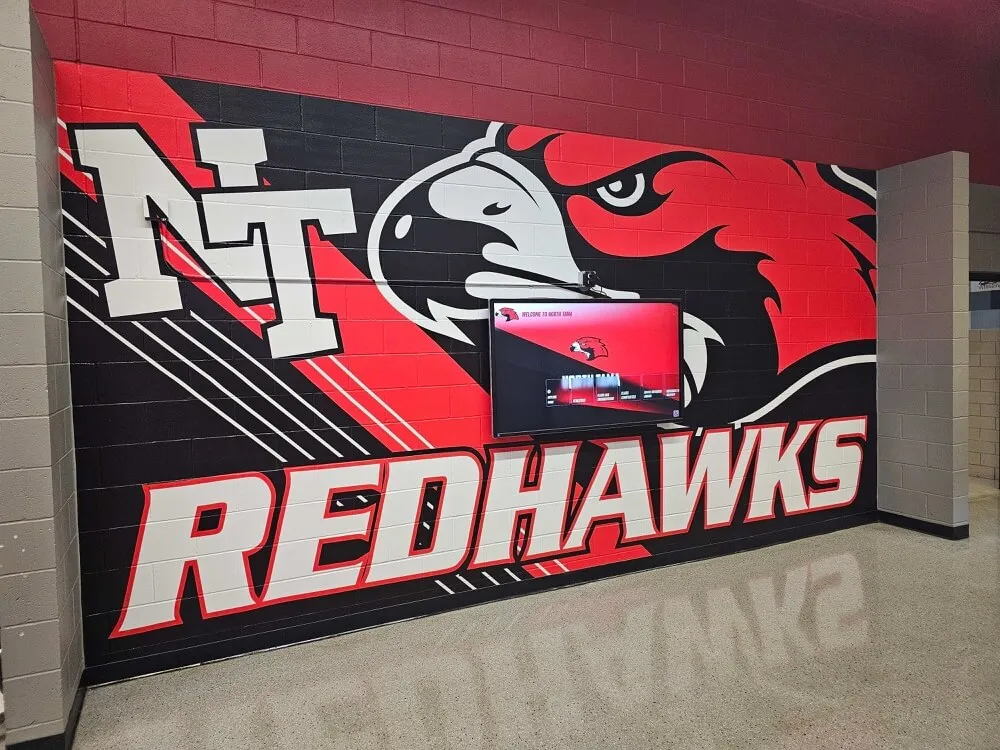
Mascot theming throughout school facilities creates unified identity supporting spirit programs and athletic traditions
Storage Best Practices
Environmental Controls Proper storage conditions prevent deterioration:
- Climate-controlled environment preventing extreme temperatures
- Humidity control avoiding mold and material breakdown
- Ventilated space allowing moisture dissipation
- Darkness preventing color fading from light exposure
- Pest control protecting against insect or rodent damage
- Security preventing theft or unauthorized use
- Accessibility for authorized spirit coordinators
- Adequate space preventing compression damage
Storage Configuration
Physical setup protecting costume integrity:
- Head pieces on wide supports preventing deformation
- Body suits on wide hangers preventing shoulder stress
- Feet and hands in breathable containers or bags
- Accessories organized in labeled storage bins
- Undergarments and cooling equipment separately stored
- Cleaning supplies and repair materials nearby
- Documentation including care instructions and vendor contacts
- Inventory system tracking all components
Schools lacking dedicated costume storage sometimes accommodate mascots in athletic equipment rooms or drama department costume storage, though these locations often present temperature, humidity, or pest control challenges requiring additional protective measures.
Effective booster club organization often assumes mascot costume stewardship responsibility within broader spirit program support.
Performer Safety and Training
Systematic performer preparation prevents injuries while ensuring quality appearances.
Performer Selection and Preparation
Student Recruitment Criteria Identify appropriate mascot performers:
- Physical fitness and stamina for costume demands
- Appropriate height and build for costume sizing
- Reliability and responsibility for equipment stewardship
- Enthusiasm and comfort with performance role
- Ability to handle heat stress and physical exertion
- Understanding of non-verbal communication and character portrayal
- Commitment to appearance schedule throughout season
- Willingness to follow safety protocols consistently
Programs benefit from recruiting multiple performers enabling rotation preventing individual performer exhaustion during long events while providing backup coverage when primary performers face schedule conflicts.
Comprehensive Training Programs
Prepare performers systematically:
- Safe costume donning and removal procedures
- Vision system orientation and limitation understanding
- Emergency exit procedures if vision becomes obstructed
- Character movement and gesture development
- Heat stress recognition and response protocols
- Crowd interaction safety guidelines
- Performance duration limits and mandatory breaks
- Equipment care and maintenance responsibilities
- Communication systems with handlers or spotters
- Event-specific considerations (stairs, obstacles, weather)
Thorough training prevents injuries while ensuring consistent, professional character portrayal that enhances rather than detracts from athletic event atmosphere.
Heat Stress Prevention
Performer Monitoring Protocols Establish mandatory safety systems:
- Performance duration limits (15-20 minutes maximum)
- Mandatory rest breaks in cool environments
- Hydration requirements before, during, and after performances
- Handler/spotter assignments monitoring performer condition
- Communication systems enabling performer distress signaling
- Indoor cooling area access for breaks
- Ice vests or cooling packs for warm weather events
- Weather-based performance cancellation thresholds
- Documentation of performer condition checks
Heat-related illness represents the most serious mascot performer safety risk. Athletic programs must prioritize performer wellbeing over appearance convenience, canceling mascot participation when conditions create unacceptable risks regardless of event importance or traditional expectations.
Emergency Response Preparation
Critical safety planning:
- First aid supplies and trained personnel at events
- Emergency costume removal procedures practiced regularly
- Athletic trainer awareness of mascot performer location
- Heat illness symptom recognition by handlers and staff
- Emergency medical services contact procedures
- Incident documentation and parent notification protocols
- Season-ending injury or illness backup performer availability
Comprehensive safety preparation prevents minor discomfort from becoming medical emergencies while demonstrating institutional commitment to student performer wellbeing.
Programs coordinating spirit initiatives often integrate mascot programs with award ceremony planning creating cohesive recognition experiences.
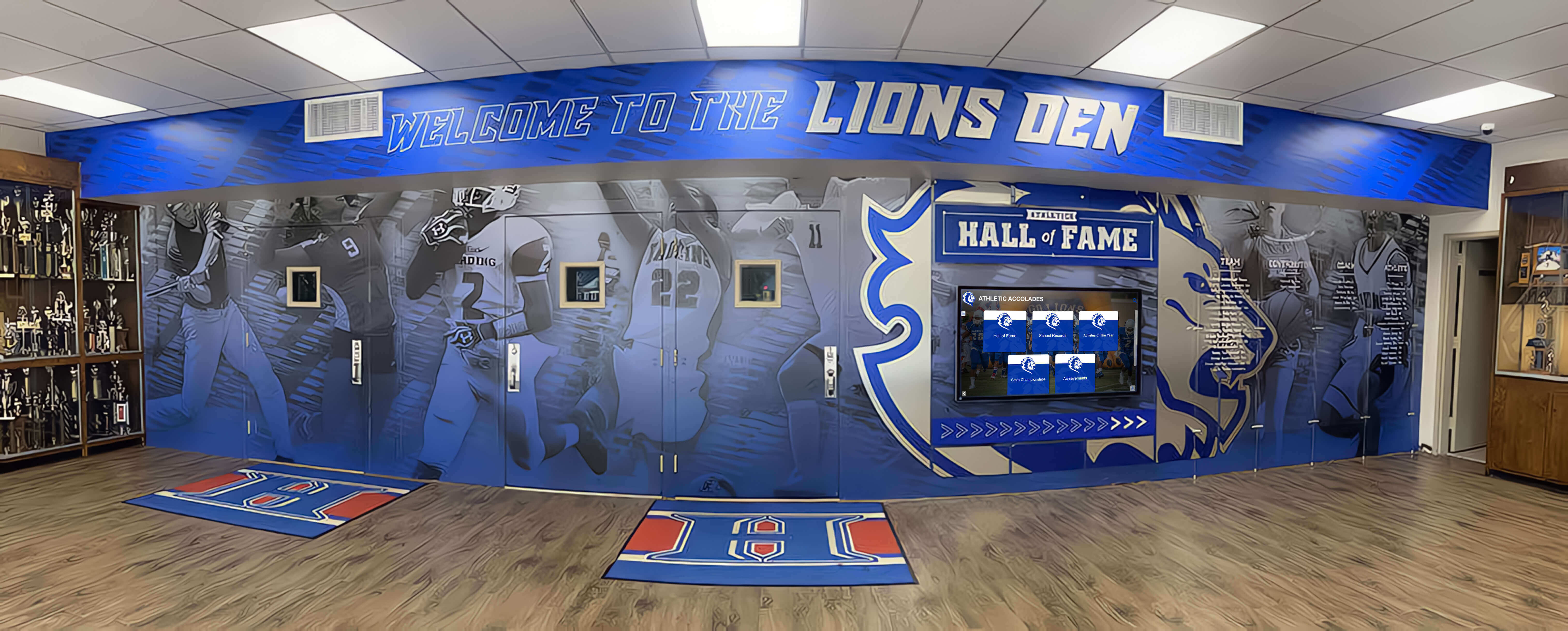
Comprehensive school identity programs integrate mascot themes with achievement recognition creating inspiring athletic environments
Repair and Refurbishment
Proactive maintenance extends costume service life significantly.
Common Damage and Repair Solutions
Typical Wear Patterns Anticipate predictable deterioration:
- Fur or fabric matting in high-contact areas
- Seam separation from movement stress
- Velcro failure requiring replacement
- Foam compression in frequently handled areas
- Vision screen loosening or tearing
- Hand and foot piece wear from ground contact
- Color fading from sunlight and washing
- Elastic deterioration in adjustment systems
Identifying developing issues early enables simple repairs preventing minor problems from becoming irreparable damage requiring expensive component replacement.
Basic Repair Capabilities
In-house maintenance addressing common issues:
- Thread and needle repair kit for minor seam separation
- Fabric adhesive for small tears in non-structural areas
- Replacement velcro installation
- Fur brushing and restoration techniques
- Vision screen cleaning and minor repair
- Elastic replacement in adjustment systems
- Stain treatment specialized for costume materials
Athletic directors should identify staff or parent volunteers with basic sewing skills willing to perform minor costume maintenance, preventing delays and expenses associated with vendor repair for simple fixes.
Professional Refurbishment Services
Manufacturer services restoring costumes:
- Complete cleaning and deodorizing
- Fur replacement or restoration in worn areas
- Structural foam repair or replacement
- Vision system upgrade or replacement
- Color restoration or touch-up
- Component replacement (hands, feet, accessories)
- Interior system repair or upgrade
- Comprehensive inspection and condition report
Professional refurbishment typically costs 15-30% of original costume price and can extend service life 2-4 additional years, offering superior value compared to premature replacement when costumes remain structurally sound but appearance-compromised.
Coordinating Mascots with School Spirit Programs
Effective mascot programs integrate with broader institutional identity initiatives.
Spirit Program Integration
Comprehensive Identity Systems Coordinate mascot programs with related initiatives:
- Cheerleading and dance team visual coordination
- Pep band and spirit squad joint appearances
- Student section organization and themes
- Social media promotion and content creation
- Community appearance scheduling and coordination
- Fundraising event mascot participation
- Elementary school visit programs building future enrollment
- Alumni event appearances connecting generations
Strategic coordination maximizes mascot program impact while distributing appearance demands across appropriate events rather than ad-hoc requests creating performer burnout.
Digital Recognition Integration
Modern schools connect physical mascot presence with permanent digital celebration:
- Mascot performer recognition on spirit displays
- Historic mascot photos in digital archives
- Championship and milestone documentation
- Community appearance photo galleries
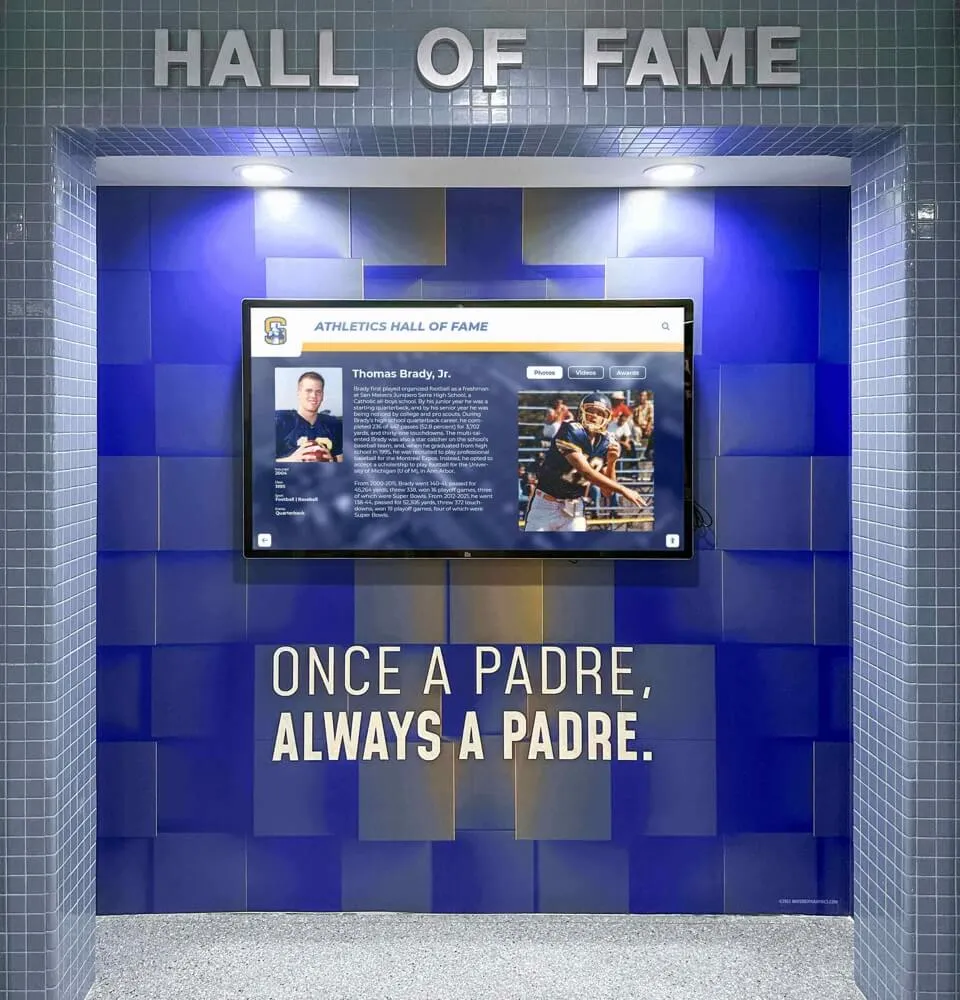
- Performer hall of fame acknowledging student contributions
- Spirit program evolution timelines
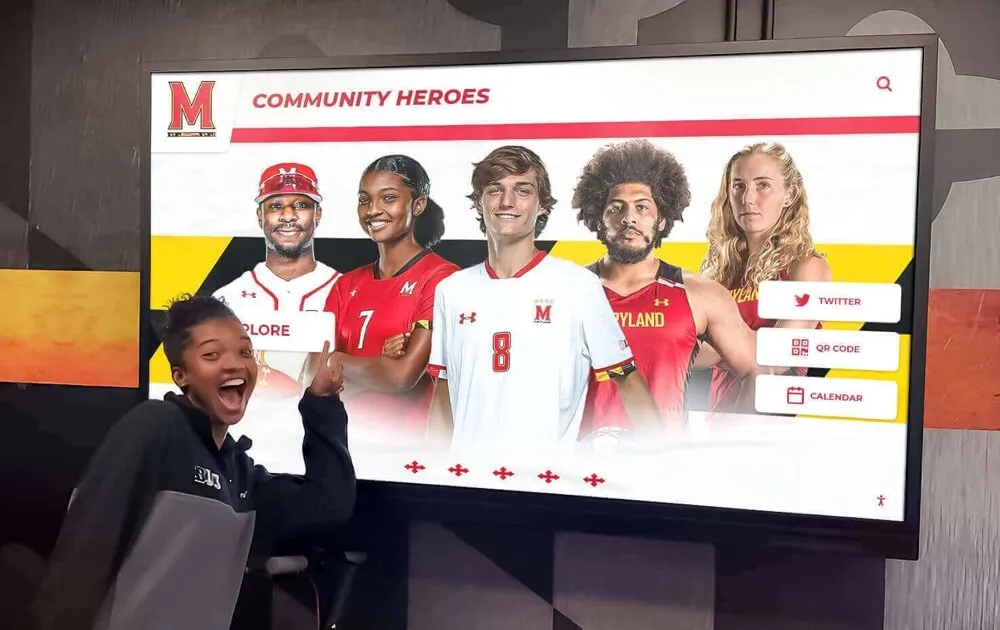
- Interactive displays showcasing school traditions
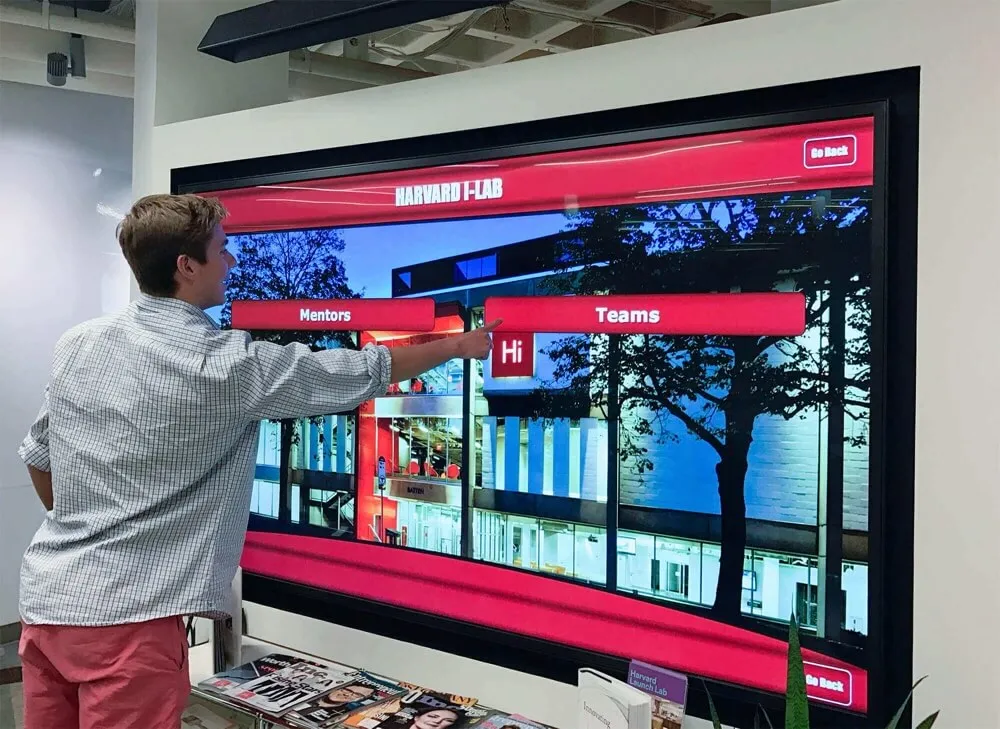
Solutions like Rocket Alumni Solutions enable schools to celebrate complete spirit program histories including mascot traditions, creating comprehensive institutional memory honoring everyone who contributed to school identity and community pride.
Understanding school spirit recognition systems helps programs integrate mascot initiatives with broader celebration of athletic achievement.
Trademark and Licensing Considerations
Character Rights Management Navigate intellectual property appropriately:
- Original character designs versus licensed properties
- Licensing fees for professional or collegiate character use
- Trademark registration protecting original school characters
- Vendor compliance with licensing requirements
- Unauthorized reproduction prevention
- Commercial use guidelines for fundraising
- Photography and media usage rights
- Community organization use policies
Schools adopting characters resembling professional teams or popular culture properties should engage legal counsel ensuring compliance with intellectual property law, as unauthorized character use exposes institutions to infringement claims and financial liability.
Planning Costume Replacement Cycles
Strategic lifecycle management prevents emergency purchases and budget surprises.
Service Life Assessment
Condition Evaluation Criteria Assess costume replacement timing:
- Structural integrity of foam and frame components
- Fur or fabric condition and appearance quality
- Vision system clarity and security
- Ventilation system functionality
- Performer safety equipment condition
- Repair cost approaching replacement threshold
- Community perception of costume condition
- Availability of replacement parts from manufacturer
Costumes warranting replacement before complete failure include those creating performer safety concerns through deteriorated ventilation or vision systems, those projecting poor institutional image through shabby appearance despite cleaning efforts, and those requiring repair costs exceeding 40-50% of replacement investment.
Proactive Replacement Planning
Strategic timeline development:
- Initial purchase date and expected service life
- Annual condition assessment documentation
- Replacement fund accumulation progress
- Design refresh opportunities updating character appearance
- Manufacturer relationship and current pricing
- Funding source coordination and approval timelines
- Performance gap planning ensuring continuous coverage
Schools planning costume replacement 12-18 months in advance accommodate design development, funding approval processes, and production timelines preventing program disruption when existing costumes reach end of service life.
Comprehensive athletic program recognition approaches explored in school lobby design coordinate mascot themes with facility aesthetics and recognition displays.
Design Evolution and Community Input
Refresh Versus Continuity Balance Navigate character updates thoughtfully:
- Community attachment to existing character design
- Opportunity for modest modernization maintaining recognition
- Complete redesign when changing school mascot identity
- Student and alumni input processes
- Design testing through renderings before commitment
- Gradual transition if introducing significant changes
- Documentation preserving mascot history and evolution
- Retired costume display or preservation
Mascot character designs evoke strong community sentiment. Schools considering significant design changes benefit from inclusive input processes ensuring broad support rather than administrator-driven decisions creating controversy or disappointment among students and alumni invested in existing character identity.
Conclusion: Strategic Investment in School Spirit Infrastructure
School mascot costumes represent significant institutional investments in visible spirit infrastructure connecting communities through shared identity and pride. When athletic directors, booster clubs, and school administrators approach mascot costume procurement systematically—evaluating quality tiers appropriately, budgeting comprehensively, selecting reputable vendors, implementing disciplined care protocols, prioritizing performer safety, coordinating with broader spirit initiatives, and planning replacement cycles proactively—these programs deliver sustained value inspiring students, engaging communities, and representing schools professionally throughout extended service lives.
The frameworks explored throughout this guide provide practical foundations for making informed mascot costume decisions balancing quality, budget realities, performer needs, and community expectations. From understanding construction quality differences justifying premium investment to establishing cleaning routines preventing premature deterioration, these practices ensure mascot programs succeed operationally while serving institutional spirit objectives effectively.
Ready to explore how digital recognition systems complement your spirit programs? Modern schools coordinate mascot traditions with comprehensive displays celebrating athletic achievement, school history, and community pride through engaging platforms accessible to students, families, and visitors.
Solutions like Rocket Alumni Solutions provide purpose-built platforms specifically designed for school recognition, enabling athletic programs to showcase championship achievements, honor distinguished athletes, celebrate spirit traditions including mascot performers, and maintain complete institutional memory through interactive displays that bring school identity to life permanently.
Digital recognition platforms complement physical spirit programs like mascots by creating year-round visibility for achievements that might otherwise fade from memory. When prospective students tour facilities, alumni return for events, or community members visit schools, these displays communicate comprehensive institutional excellence including spirit program strength and tradition—dimensions that mascots represent visibly during events but that require permanent documentation celebrating everyone who contributed to building school communities.
Whether showcasing homecoming traditions, recognizing student leadership, or documenting athletic achievements, comprehensive digital platforms enable schools to honor complete community contributions while maintaining professional presentation that traditional plaques and static displays cannot match.
Your school mascot deserves professional equipment maintained properly and integrated thoughtfully with broader spirit initiatives. With strategic purchasing, disciplined stewardship, and genuine commitment to performer safety and program excellence, you can implement mascot programs that serve communities effectively while inspiring pride that extends far beyond athletic event sidelines.
The most successful mascot programs share common characteristics: they invest in quality equipment appropriate for program demands, they establish systematic care protocols extending costume service life, they prioritize performer safety through proper training and monitoring, and they integrate mascot appearances with comprehensive spirit initiatives celebrating institutional identity authentically. Whether purchasing your first costume or planning replacement for worn equipment, professional evaluation and strategic implementation ensure investments deliver sustained value worthy of community support.
Start planning your mascot costume program today—creating spirit infrastructure that represents your school proudly while inspiring communities through visible, energetic celebration of shared identity and tradition.