



School assemblies represent powerful opportunities to recognize achievement, build community, and reinforce the values that define your institution’s culture. When students, staff, and sometimes families gather to celebrate accomplishments—whether academic excellence, athletic achievement, artistic talent, or character development—these moments create shared experiences that strengthen school identity and motivate continued excellence.
Yet many schools struggle to create assemblies that truly engage audiences. Generic recognition programs feel impersonal and rushed, lengthy presentations lose student attention, valuable achievements go unrecognized due to time constraints, and recognition that could inspire year-round remains visible only during brief ceremony moments. Meanwhile, students who deserve acknowledgment for diverse accomplishments beyond traditional metrics never receive the public celebration that would validate their contributions.
This comprehensive guide explores practical strategies for designing engaging school assemblies that celebrate student achievement across multiple dimensions while creating lasting recognition extending beyond single events into year-round visibility that builds institutional pride and motivates continuous excellence.
Effective school assemblies balance ceremony with engagement, honoring achievements authentically while maintaining audience attention through pacing, variety, and meaningful presentation. Schools that excel at assembly programs create systematic recognition opportunities across academic, athletic, artistic, service, and character dimensions—ensuring diverse student contributions receive appropriate celebration while building traditions that connect graduating classes across generations.

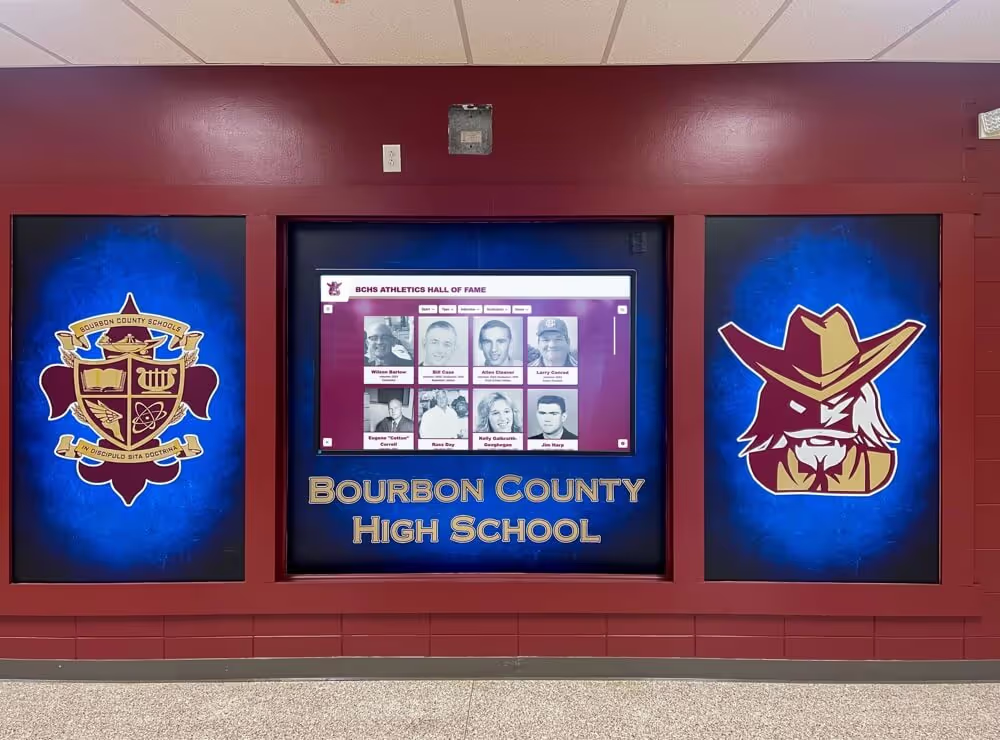
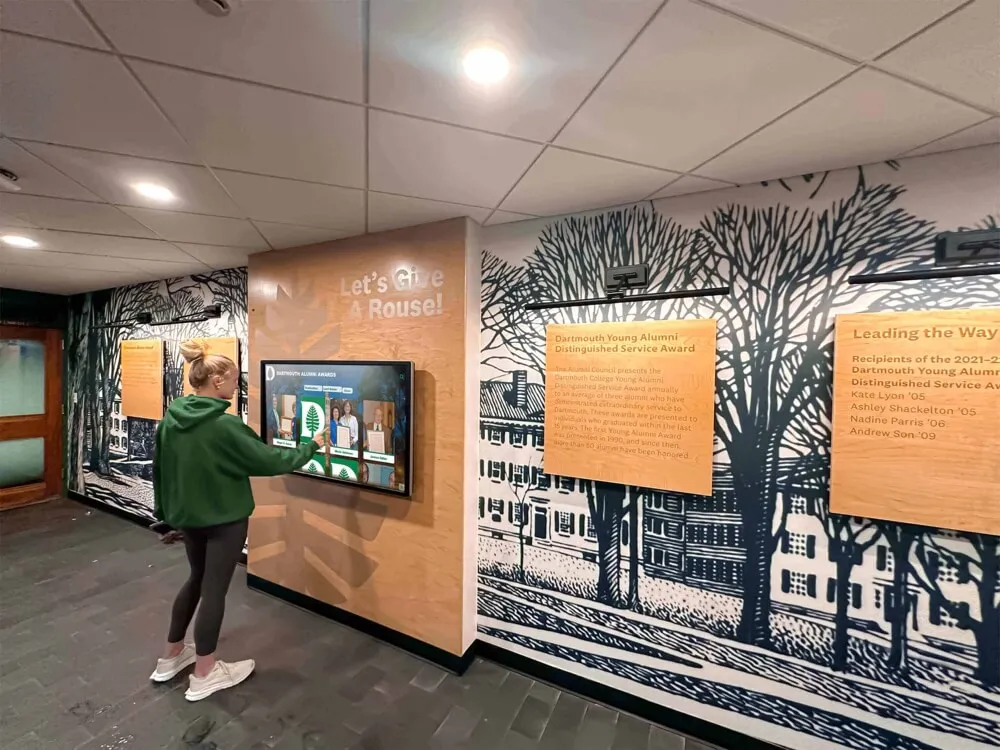
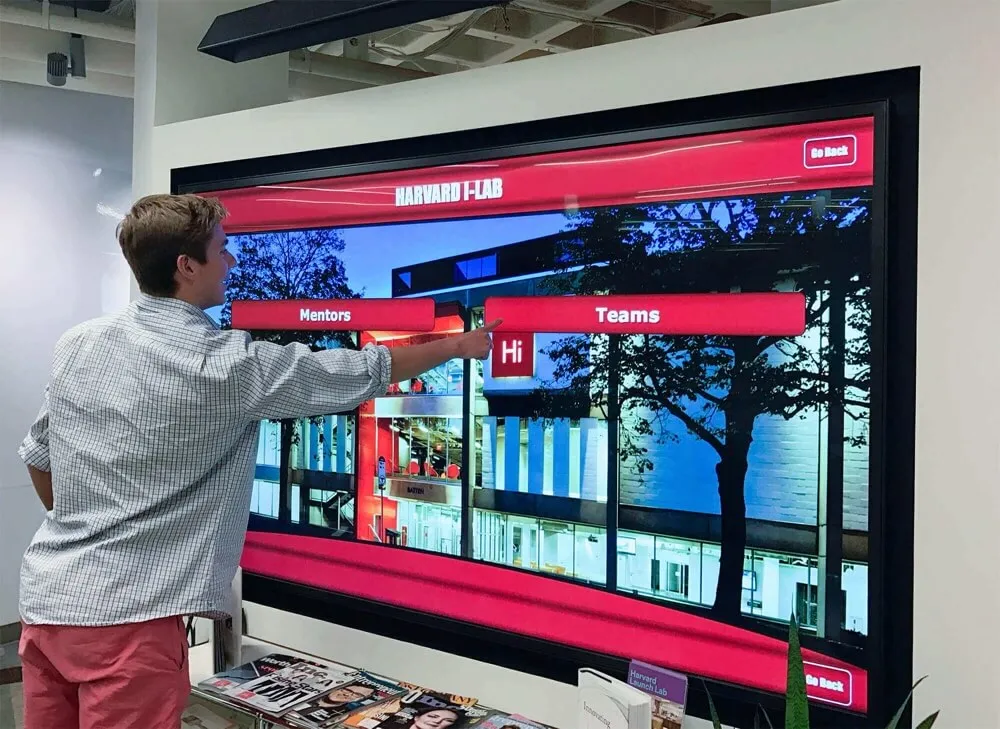
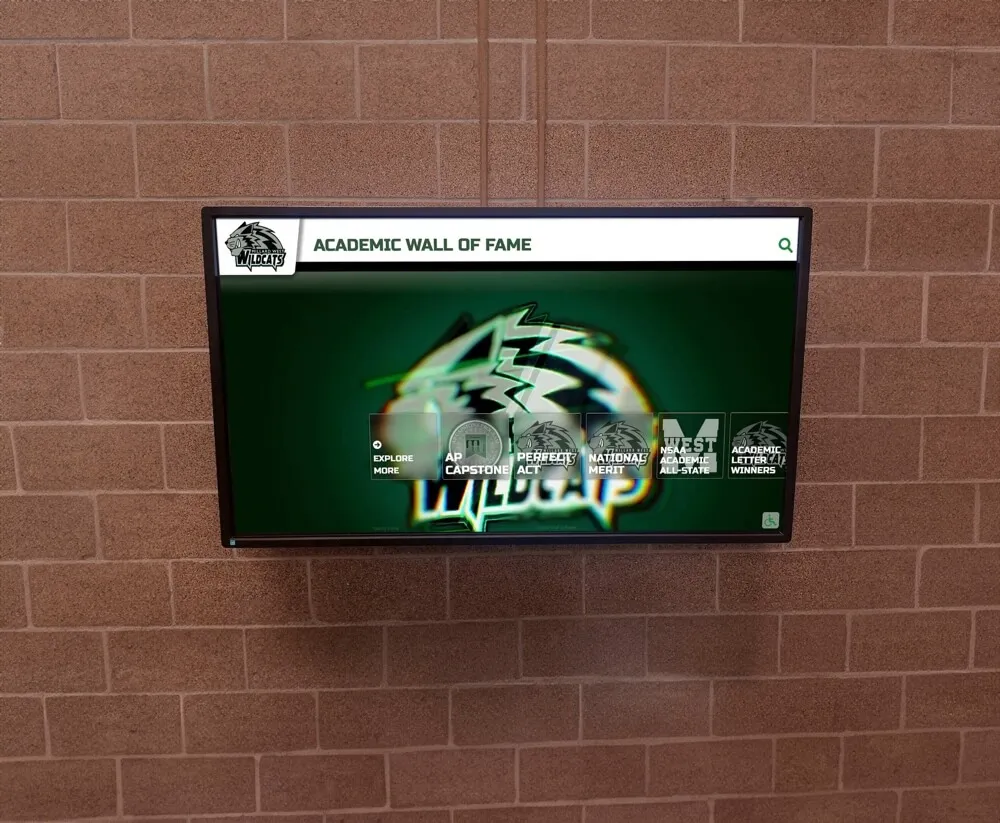
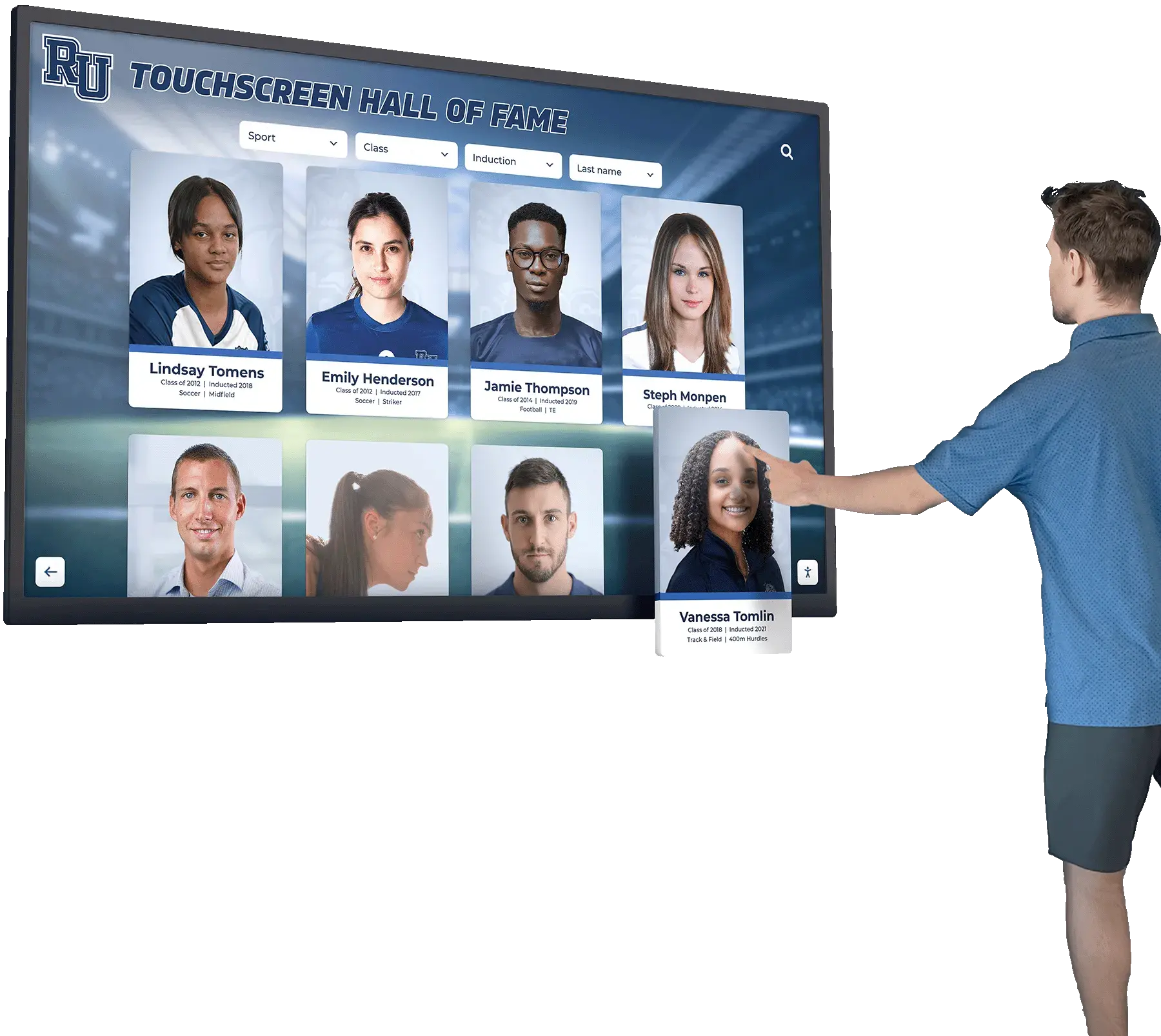
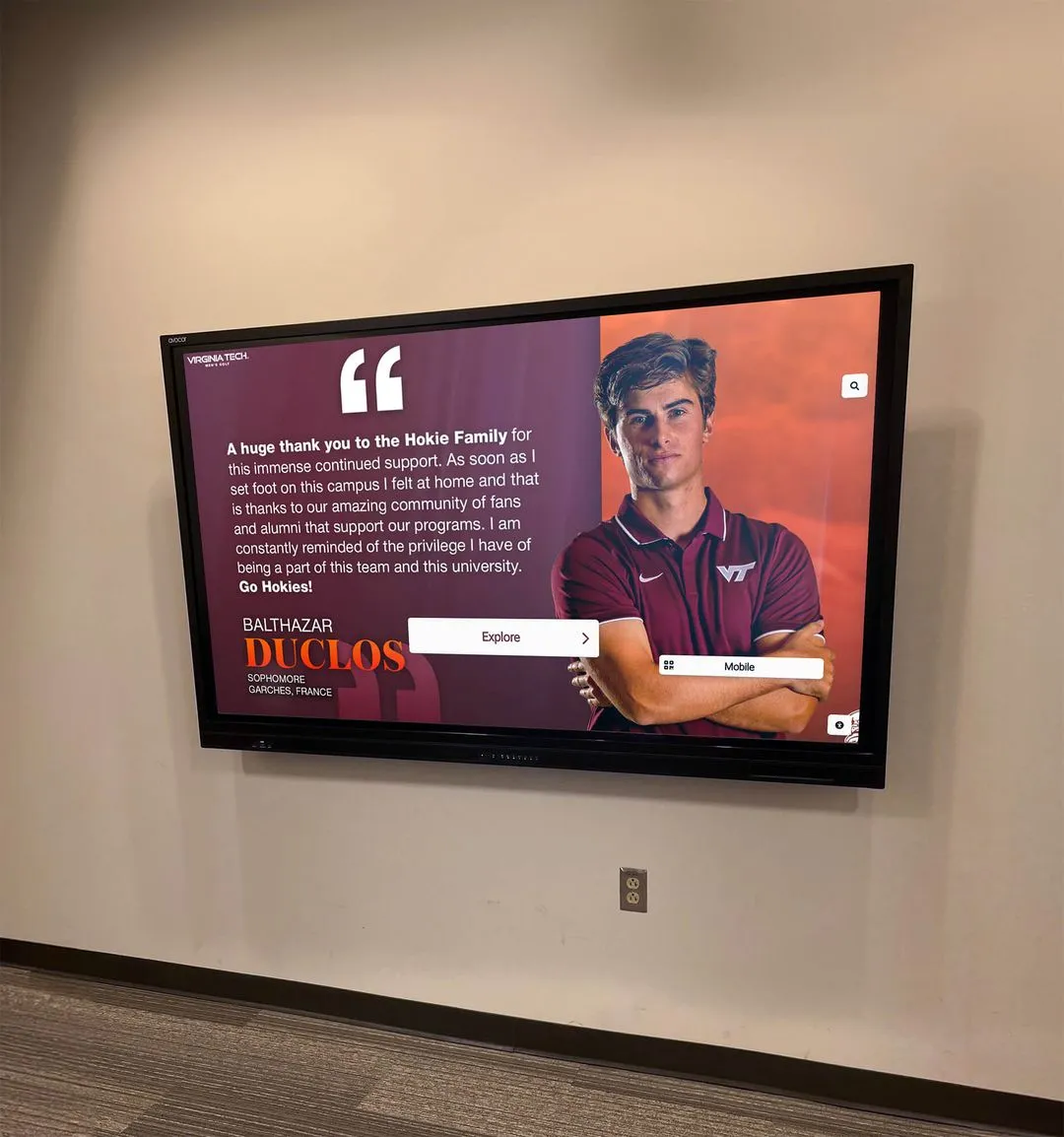
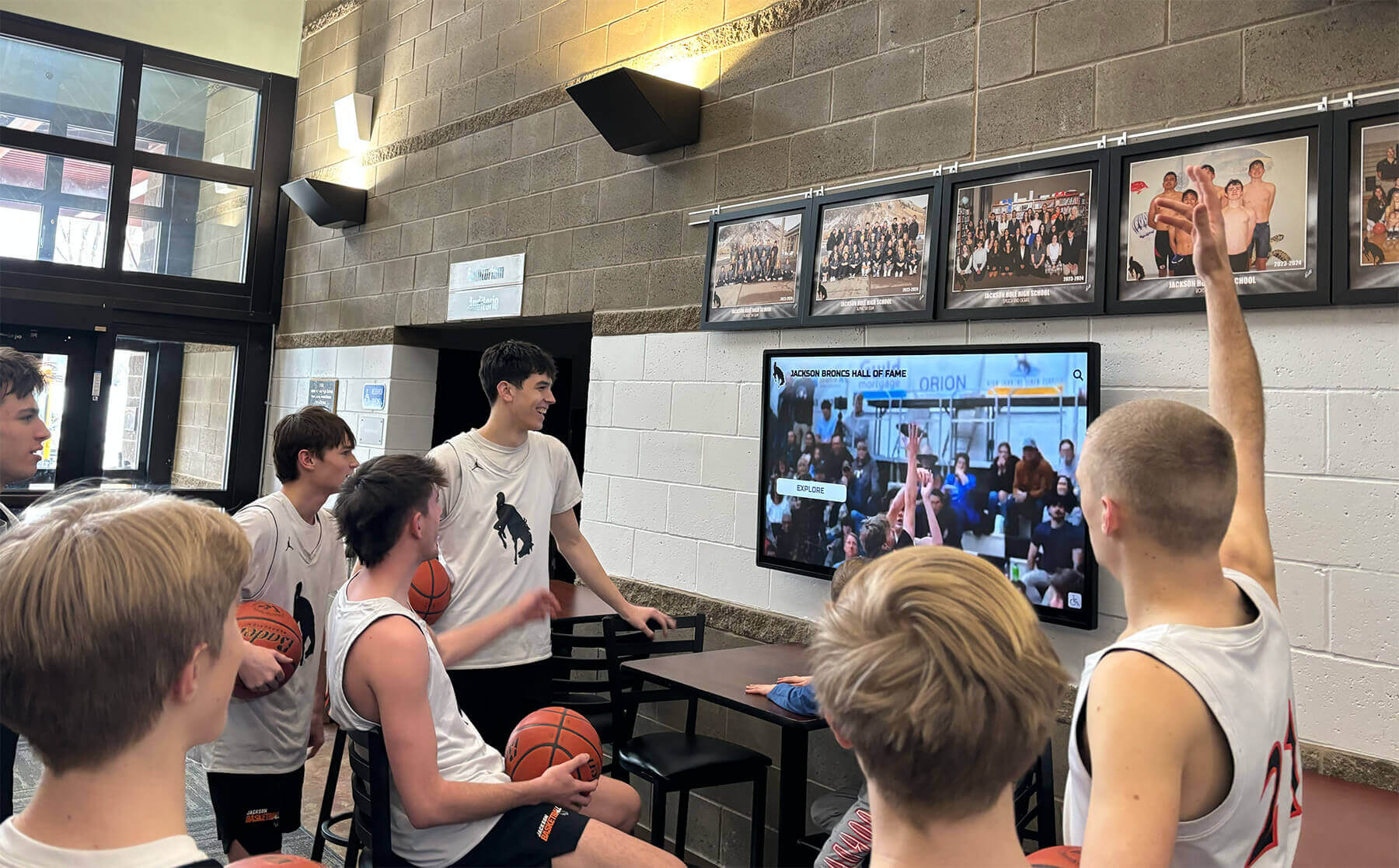
Modern recognition systems enable students to explore and celebrate achievements together, creating community around shared accomplishments
The Strategic Value of School Assemblies
Understanding how assemblies impact student motivation, school culture, and community perception helps administrators allocate appropriate planning resources and design effective programs.
Why Recognition Assemblies Matter
Research in educational psychology consistently demonstrates the powerful impact of public acknowledgment:
Student Motivation and Achievement
- Public recognition increases intrinsic motivation for continued excellence
- Visible achievement celebration creates positive peer pressure toward accomplishment
- Seeing diverse recognition pathways helps students identify personal success opportunities
- Ceremony acknowledgment provides memorable markers of significant milestones
- Recognition programs signal institutional values and priorities clearly
School Culture Development
- Regular assemblies create shared rituals building community identity
- Achievement celebration normalizes excellence as desirable and attainable
- Diverse recognition categories communicate inclusive values
- Systematic programs ensure consistent rather than arbitrary acknowledgment
- Traditions developed through assembly programs connect generations of students
According to research from the Association for Supervision and Curriculum Development, schools implementing systematic recognition assemblies demonstrate 25-35% increases in the behaviors and achievements they celebrate, while also seeing significant improvements in overall school climate and student engagement metrics.
Recognition Assembly Goals
Effective programs accomplish multiple objectives simultaneously:
Achievement Celebration
- Honor student accomplishments across academic, athletic, and co-curricular domains
- Acknowledge growth and improvement alongside absolute achievement
- Recognize character, service, and citizenship alongside traditional metrics
- Celebrate team and collaborative success not just individual excellence
- Validate diverse talents and contribution types
Community Building
- Create shared positive experiences strengthening school identity
- Build connections between grade levels and student groups
- Engage families when assemblies include parent attendance
- Strengthen staff-student relationships through acknowledgment rituals
- Generate school pride and positive institutional culture
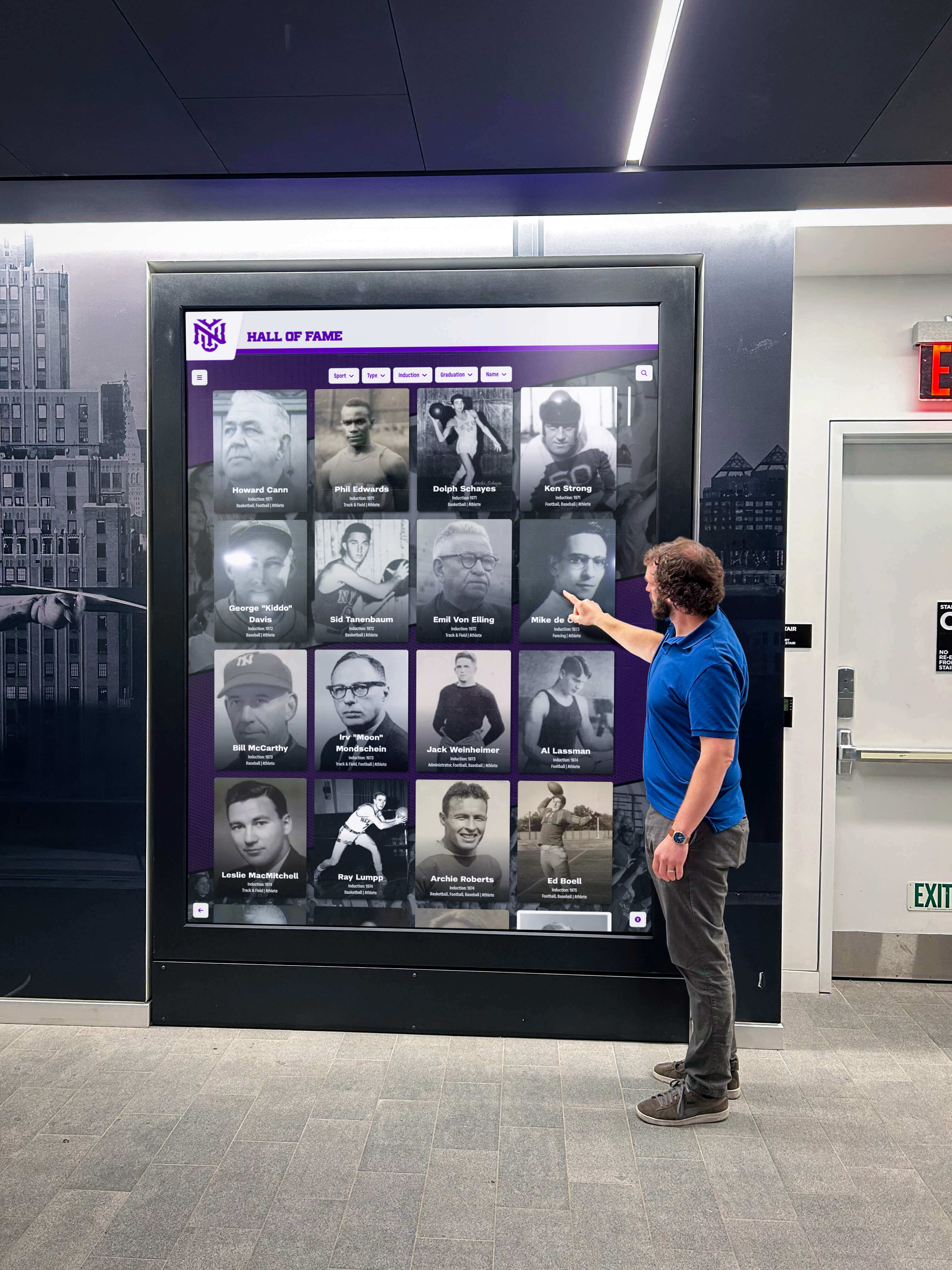
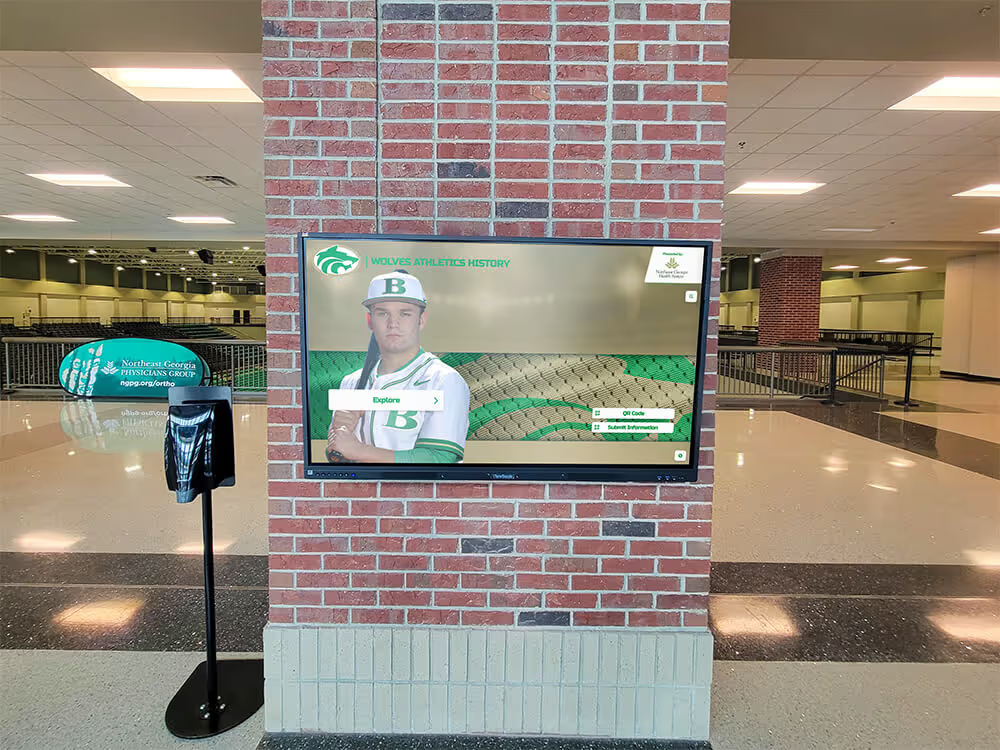
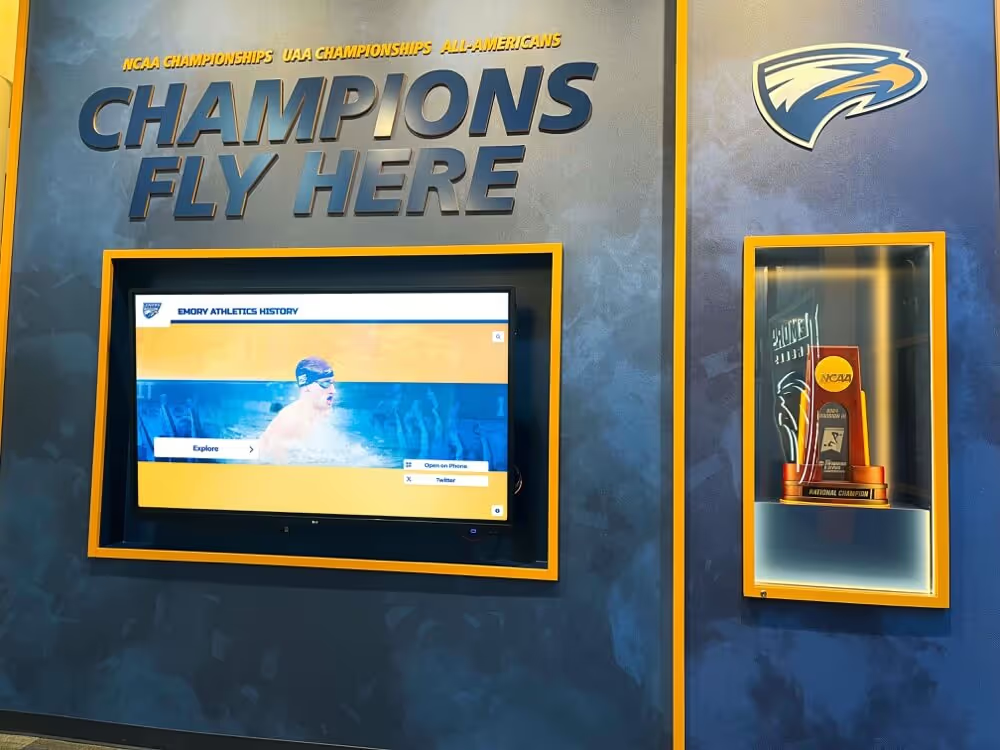
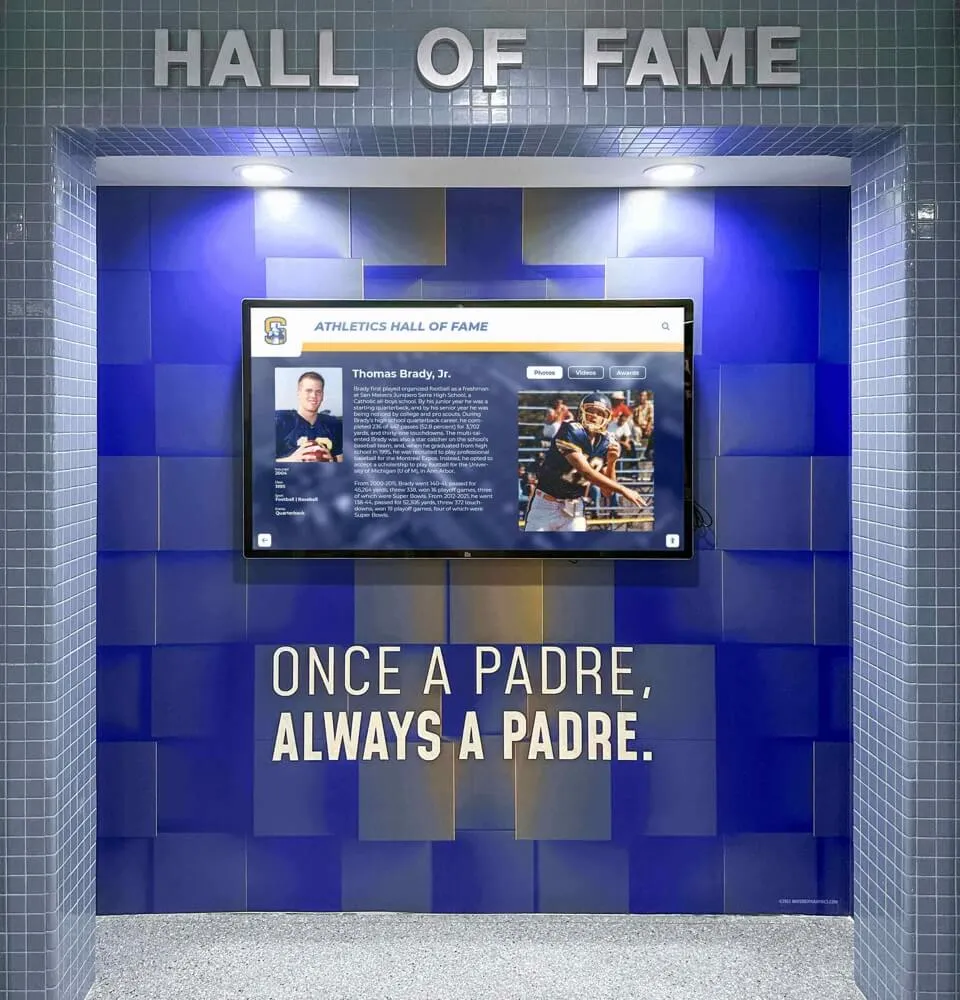
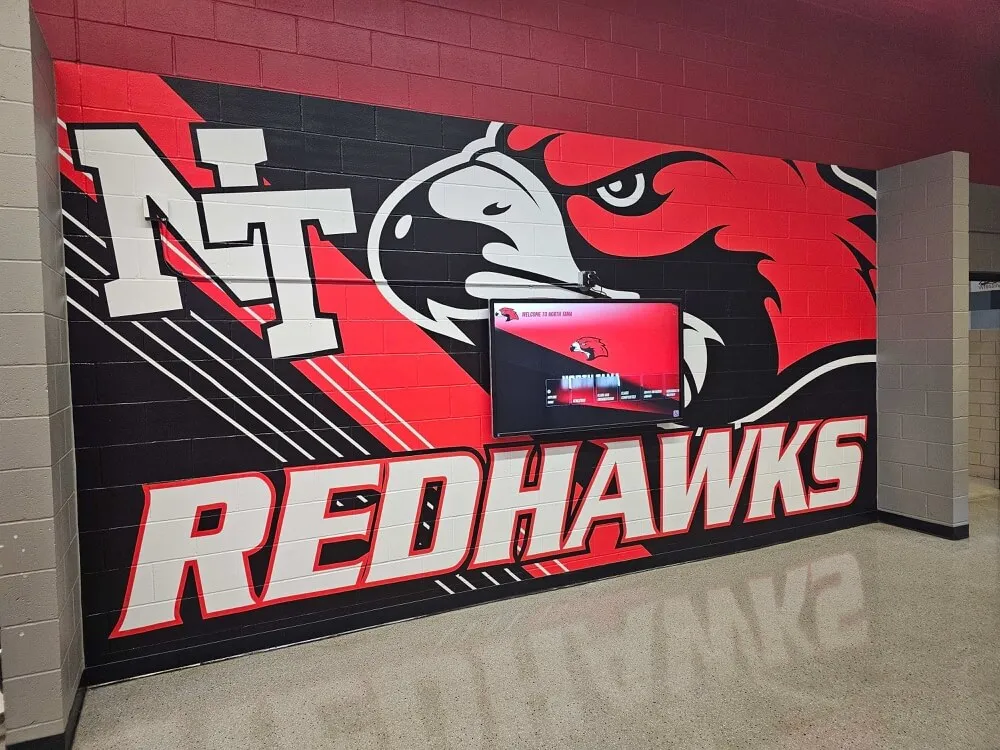
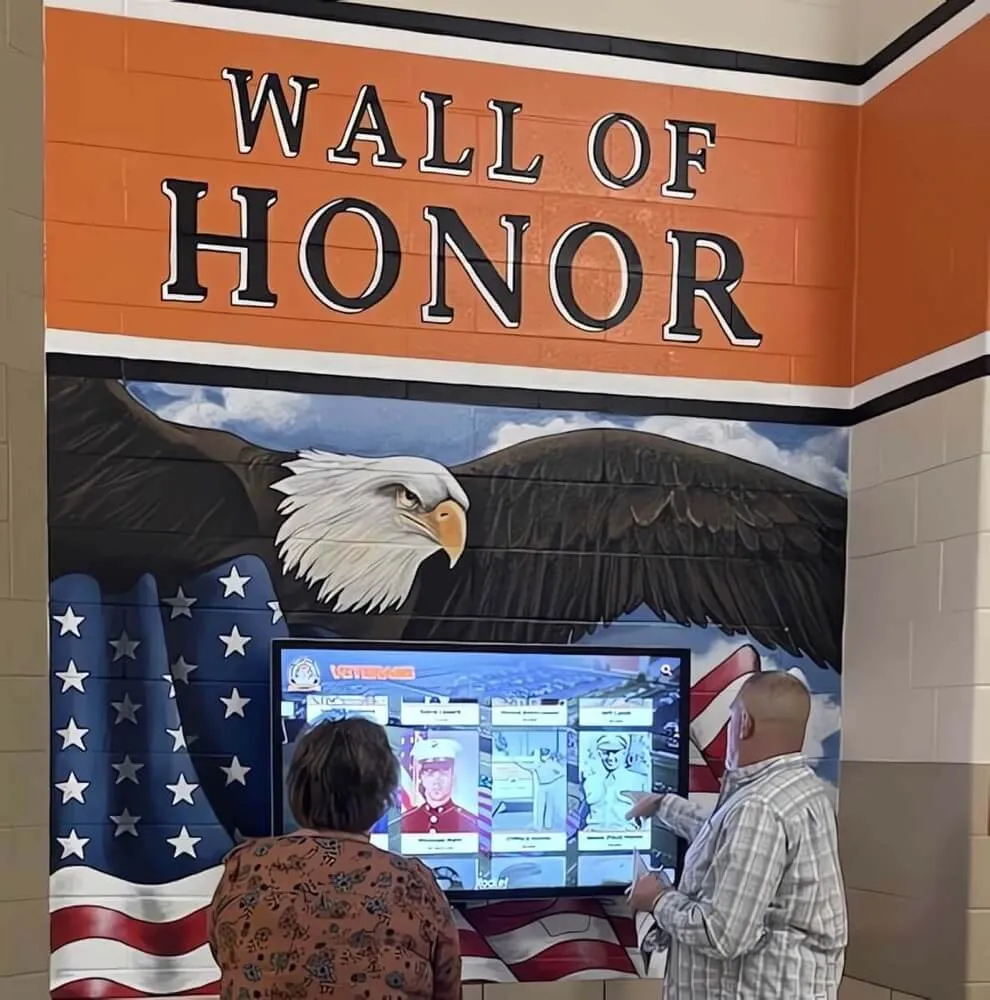
Interactive displays extend assembly recognition into daily visibility, allowing ongoing exploration of student achievements
Values Communication
- Articulate institutional priorities through what receives recognition
- Reinforce expectations for behavior and achievement
- Demonstrate commitment to diverse definitions of success
- Model respect, appreciation, and positive acknowledgment
- Create aspirational examples for developing students
When assemblies achieve these multiple goals efficiently, they justify the instructional time investment through significant positive impact on motivation, culture, and achievement.
Assembly Types and Frequency Planning
Strategic timing and purpose-driven formats ensure recognition remains meaningful while managing logistical constraints.
Academic Recognition Assemblies
Systematic celebration of intellectual achievement deserves regular dedicated time:
Honor Roll Recognition Ceremonies
- Quarterly or semester celebrations acknowledging grade point achievements
- Multiple honor levels ensuring recognition at various performance thresholds
- Growth awards for students achieving honor roll for first time
- Subject-specific recognition for excellence in individual disciplines
- Academic program approaches providing systematic frameworks
Testing and Competition Achievement
- Standardized test milestone recognition for SAT, ACT, AP exam excellence
- Academic competition success celebration for Olympiads, debates, quiz bowls
- National recognition program acknowledgment for College Board and other designations
- Subject-specific contest recognition across mathematics, science, humanities
- Regional and state competition achievements deserving celebration
End-of-Year Academic Excellence
- Comprehensive achievement recognition at year conclusion
- Department-specific awards acknowledging sustained excellence
- Cumulative GPA recognition across multiple years
- Senior academic legacy acknowledgment before graduation
- Special recognition for exceptional achievements warranting unique celebration
Learn about comprehensive student achievement recognition systems extending beyond assembly moments.
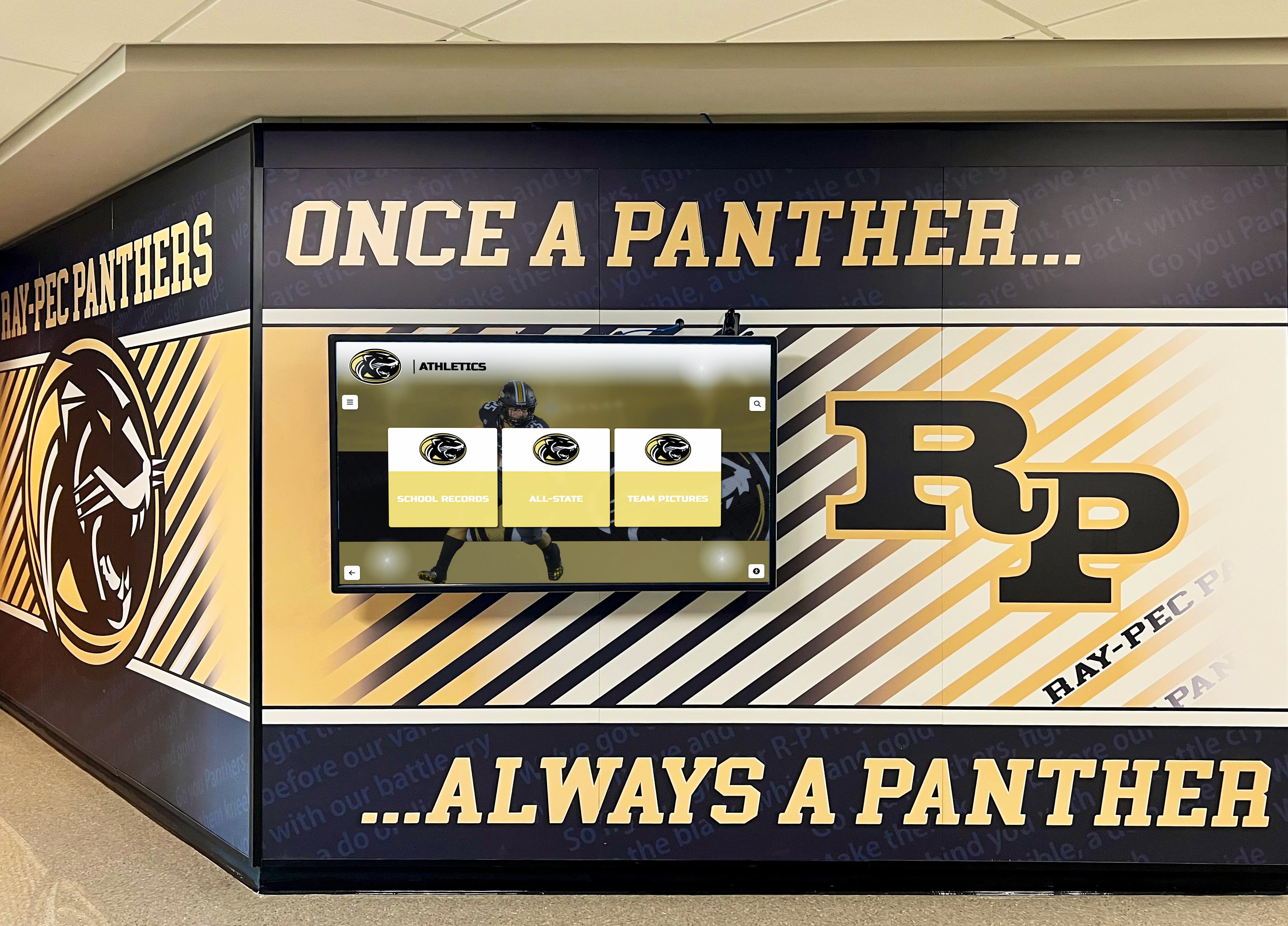
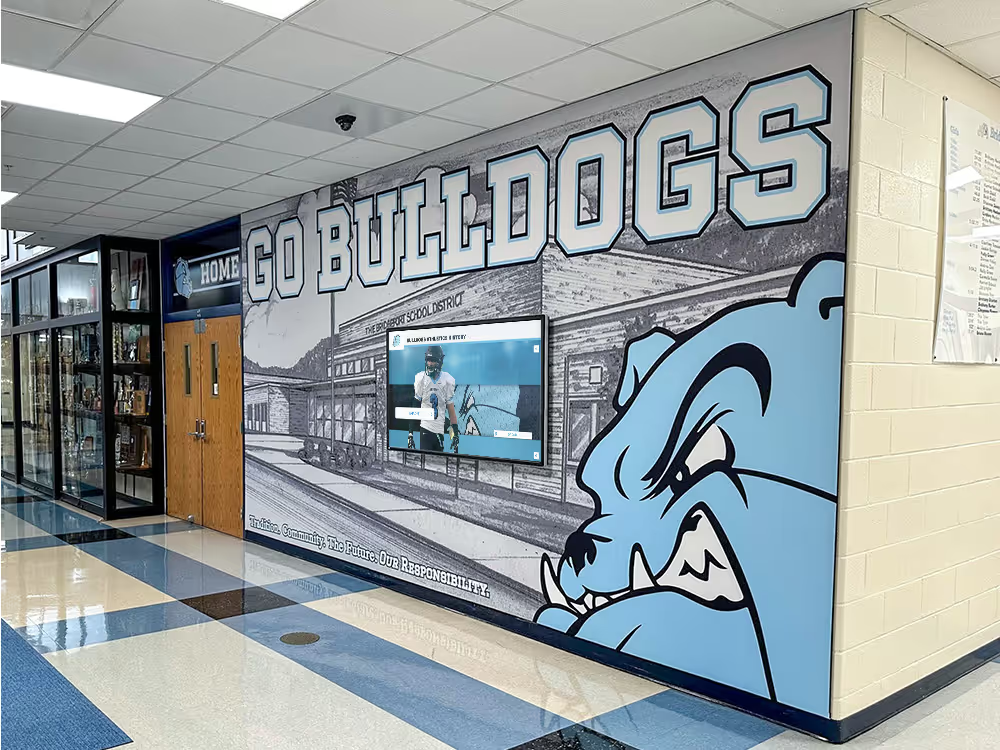
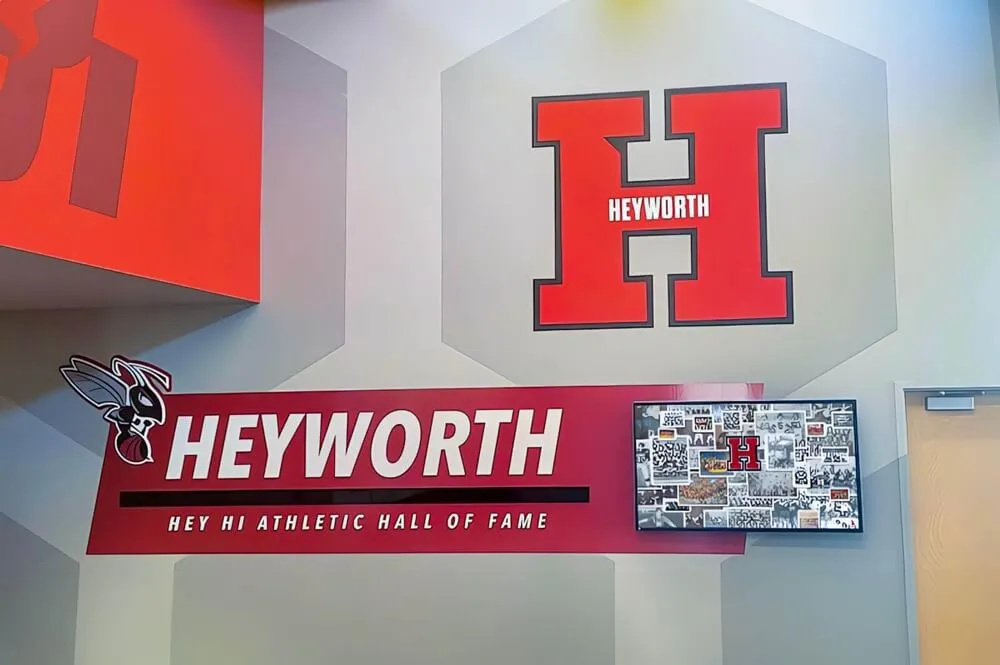
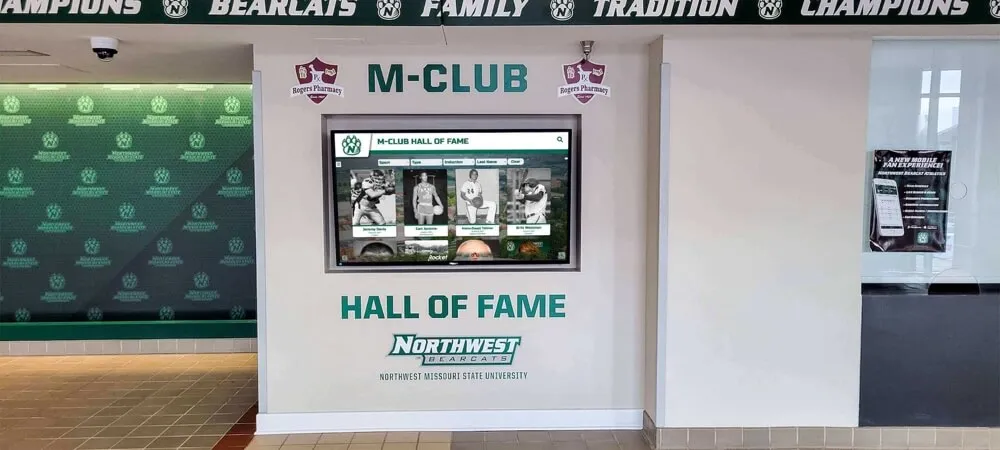
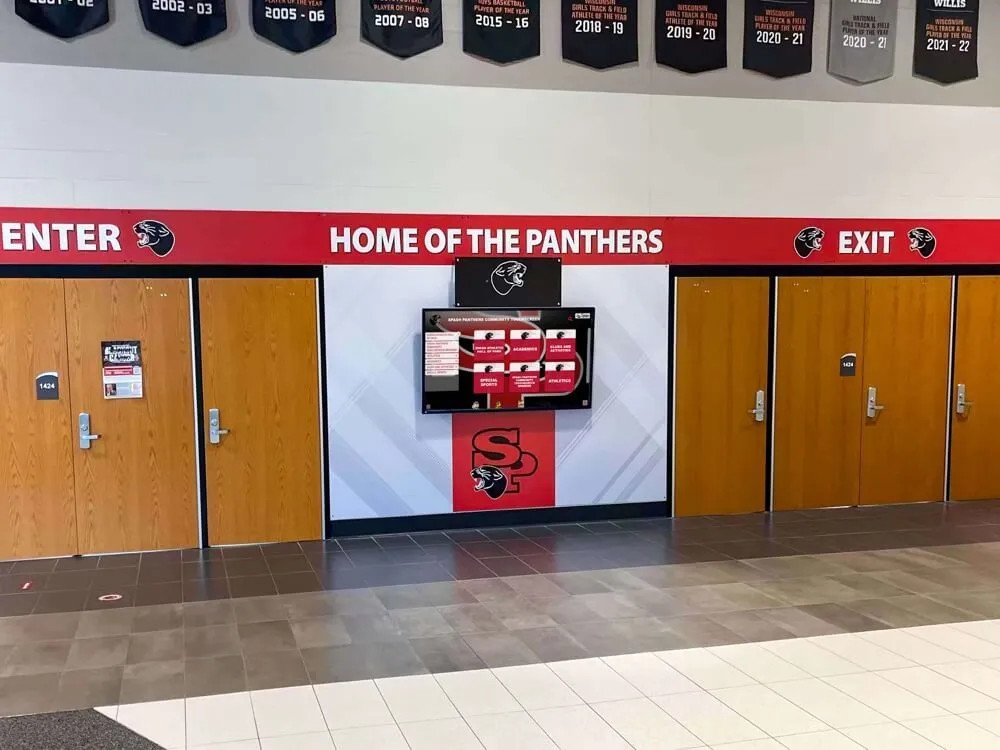
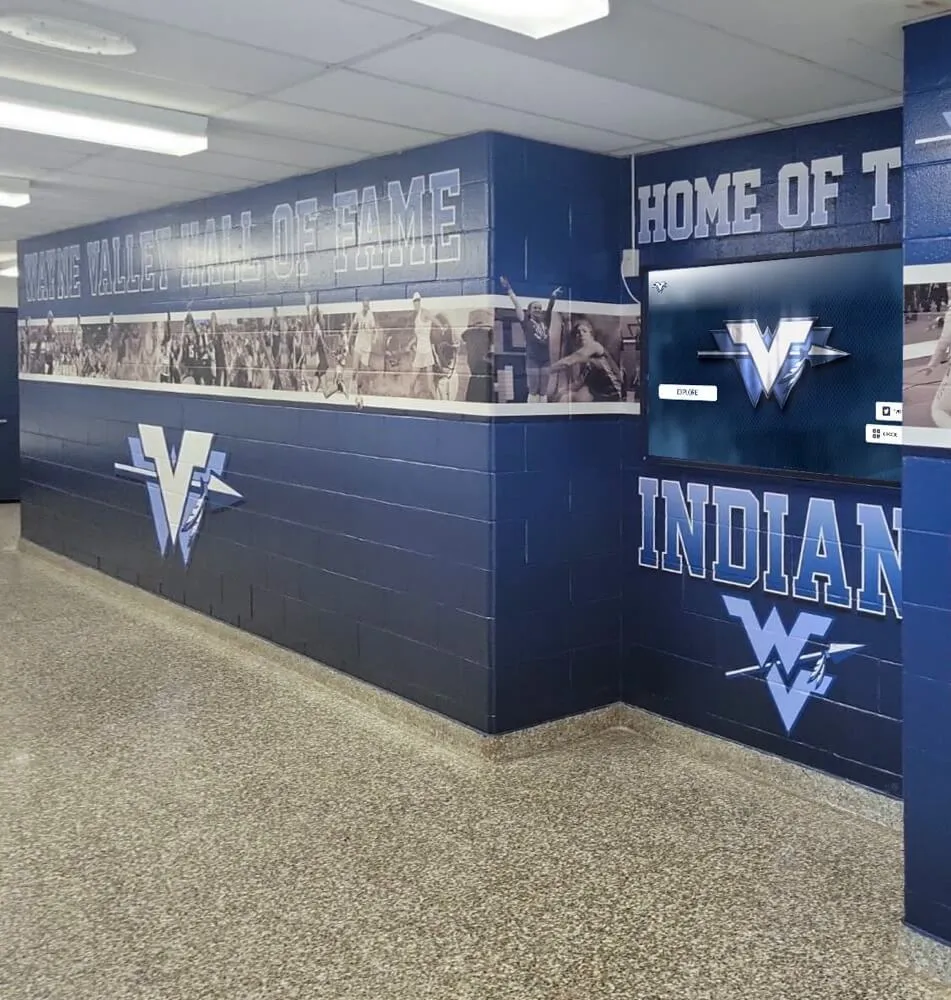
Hallway displays ensure assembly achievements remain visible year-round, reinforcing recognition through daily visibility
Athletic Recognition Assemblies
Sports achievements deserve systematic celebration honoring team and individual excellence:
Seasonal Sport Recognition
- Fall, winter, and spring athletic assembly celebrating season achievements
- Team championship and tournament success acknowledgment
- Individual athletic excellence awards and record-breaking performances
- All-conference and all-state athlete recognition
- Senior athlete acknowledgment honoring multi-year contributions
Significant Athletic Milestones
- State championship celebration assemblies for major victories
- Record-breaking individual performances deserving special recognition
- Unprecedented team achievements warranting dedicated acknowledgment
- National recognition and college signing celebrations
- Athletic hall of fame inductions for graduating standouts
Explore sports recognition approaches applicable to athletic assembly programs.
Character and Service Recognition
Values-based acknowledgment communicates priorities extending beyond performance metrics:
Citizenship and Character Awards
- Regular recognition for students demonstrating exemplary character
- Peer-nominated awards acknowledging positive influence
- Teacher-selected acknowledgment of growth and improvement
- Respect, responsibility, and integrity awards
- Anti-bullying and inclusion leadership recognition
Community Service and Volunteer Achievement
- Service hour milestone recognition at significant thresholds
- Project-based service acknowledgment for major initiatives
- Community partnership recognition celebrating student contributions
- Volunteer leadership awards for sustained commitment
- Class or grade-level service achievements
Attendance and Persistence Recognition
- Perfect attendance acknowledgment celebrating commitment
- Improved attendance recognition for students overcoming challenges
- Persistence awards honoring students continuing despite difficulties
- Re-engagement recognition for students returning after absences
- Grade progression celebration for students achieving advancement
Understanding diverse recognition approaches applicable to student acknowledgment programs.
Assembly Structure and Program Design
Thoughtful planning creates engaging experiences balancing recognition with attention management.
Optimal Assembly Length and Pacing
Duration Guidelines by School Level Elementary assemblies should run 30-40 minutes maximum:
- Shorter attention spans require compressed programming
- Frequent celebration creating more regular recognition opportunities
- Visual elements and movement maintaining younger student engagement
- Simple, clear recognition formats students understand easily
- Multiple small assemblies rather than single lengthy programs
Middle school assemblies function best at 40-50 minutes:
- Transitional attention spans requiring varied pacing
- Balance between comprehensive recognition and engagement maintenance
- Peer acknowledgment particularly meaningful at this developmental stage
- Technology integration appealing to digital-native audiences
- Student involvement in presentation and performance elements
High school assemblies can extend 50-70 minutes when well-structured:
- Mature audiences sustaining attention through longer programs
- Comprehensive recognition across diverse achievement categories
- Student-led elements increasing relevance and engagement
- Connection between recognition and post-graduation opportunities
- Senior class traditions creating memorable concluding experiences
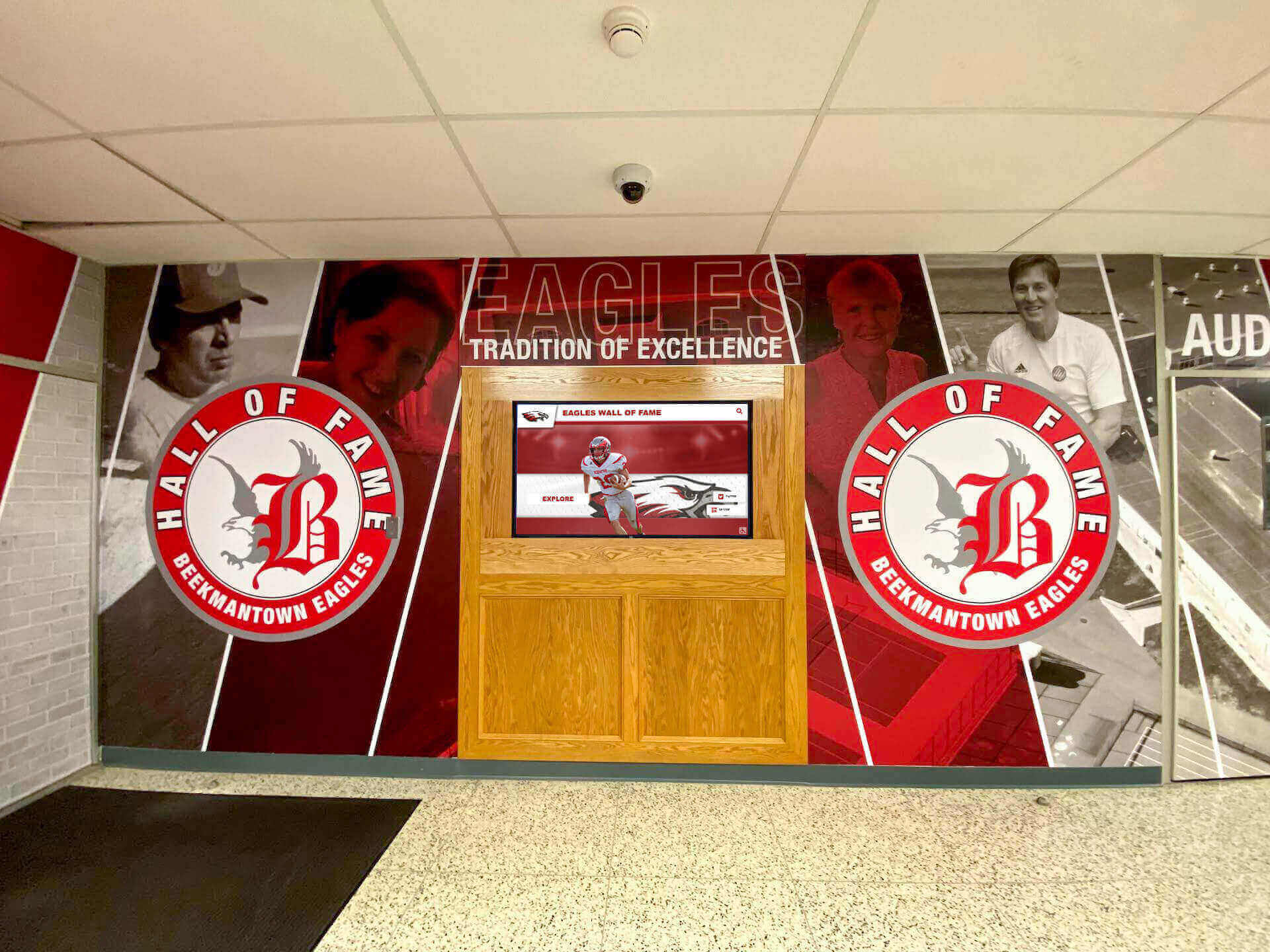
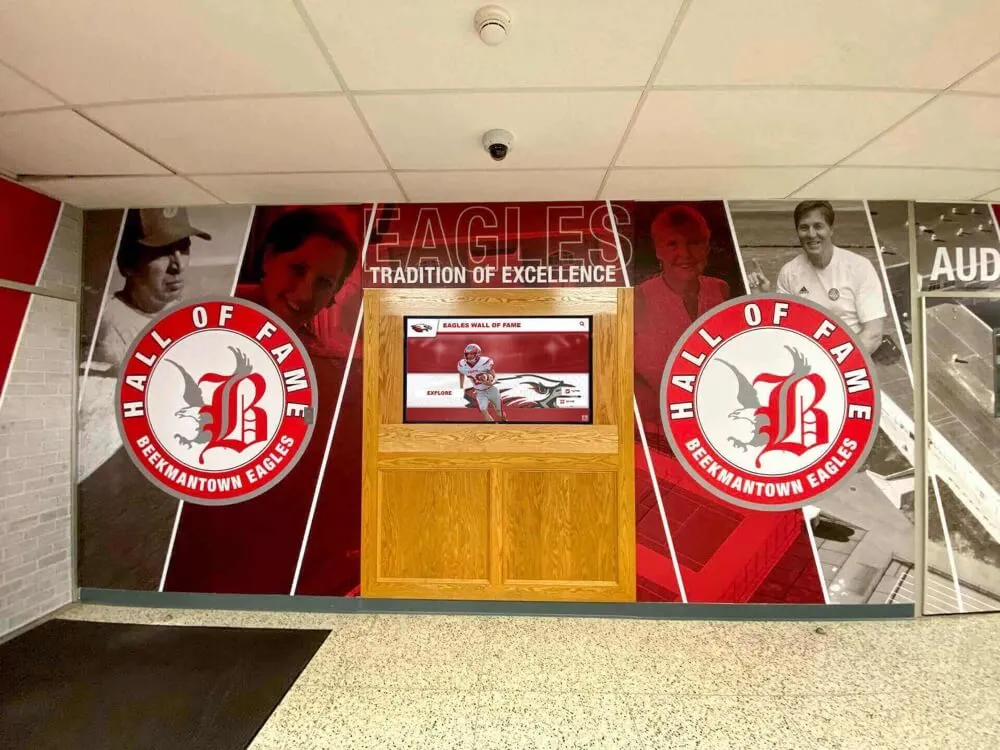
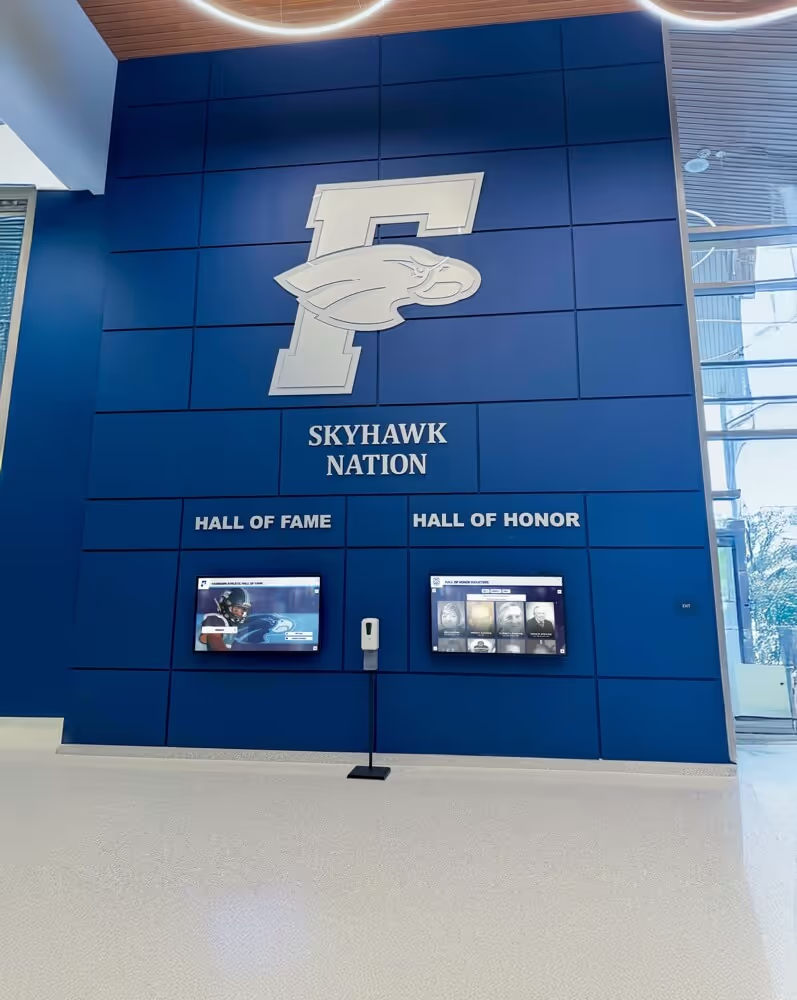
Entrance displays create immediate impression of achievement culture, setting tone for recognition assemblies
Engaging Program Elements
Dynamic Opening (3-5 minutes) Create immediate engagement preventing attention loss:
- Student-led welcome and purpose statement
- Brief inspirational video or multimedia presentation
- School song, chant, or ritual building community energy
- Administrative greeting connecting recognition to institutional values
- Clear program outline setting expectations
Recognition Segments (25-45 minutes) Structure acknowledgment maintaining pace and variety:
- Group recognition before individual achievements preventing excessive length
- Rotation between achievement types maintaining audience diversity interest
- Brief presenter remarks explaining award significance
- Student movement to stage or standing for acknowledgment
- Photography coordination capturing recognition moments
- Applause and celebration structured appropriately
Special Presentations (10-15 minutes) Feature elements adding variety and meaning:
- Student speaker sharing achievement journey or inspiration
- Video montages showcasing recognized students in action
- Performance elements from performing arts students
- Special guest speakers connecting recognition to broader impact
- Surprise elements or special announcements
Closing Rituals (3-5 minutes) Conclude meaningfully reinforcing messages:
- Final inspirational remarks from administration or student leaders
- Preview of upcoming recognition opportunities
- School tradition or ritual providing ceremonial conclusion
- Organized dismissal maintaining assembly professionalism
- Transition plan returning students to regular schedule
Learn about comprehensive event planning applicable to school assembly programs.
Award Categories and Recognition Dimensions
Comprehensive programs acknowledge diverse student contributions across multiple achievement dimensions.
Academic Excellence Categories
Grade Point Achievement
- Highest honor roll (4.0 GPA or equivalent)
- Honor roll (3.5-3.99 GPA ranges)
- Honorable mention (3.0-3.49 GPA thresholds)
- First-time honor roll recognition for new achievers
- Sustained achievement across multiple marking periods
Subject-Specific Excellence
- Departmental awards in mathematics, science, English, social studies
- World language proficiency and achievement
- Career and technical education certification acknowledgment
- Fine arts excellence in visual arts, music, theater, dance
- Physical education and health achievement
Testing and Competition Success
- Advanced Placement exam scores and AP Scholar recognition
- Standardized test achievements on SAT, ACT, PSAT
- Academic competition success in subject-specific contests
- Science fair, history day, and project-based achievements
- National recognition programs from College Board and others
Explore academic recognition frameworks for comprehensive program development.
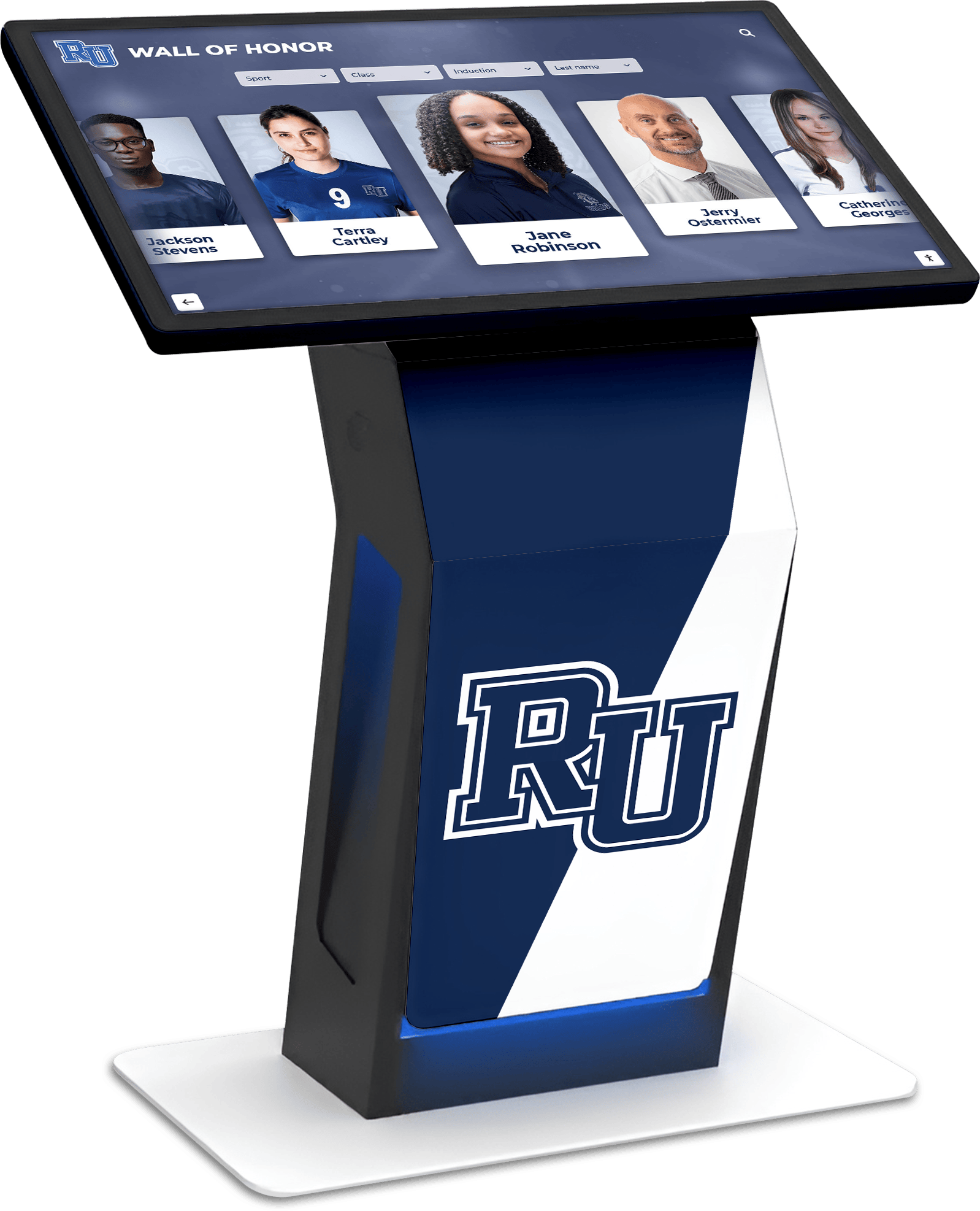
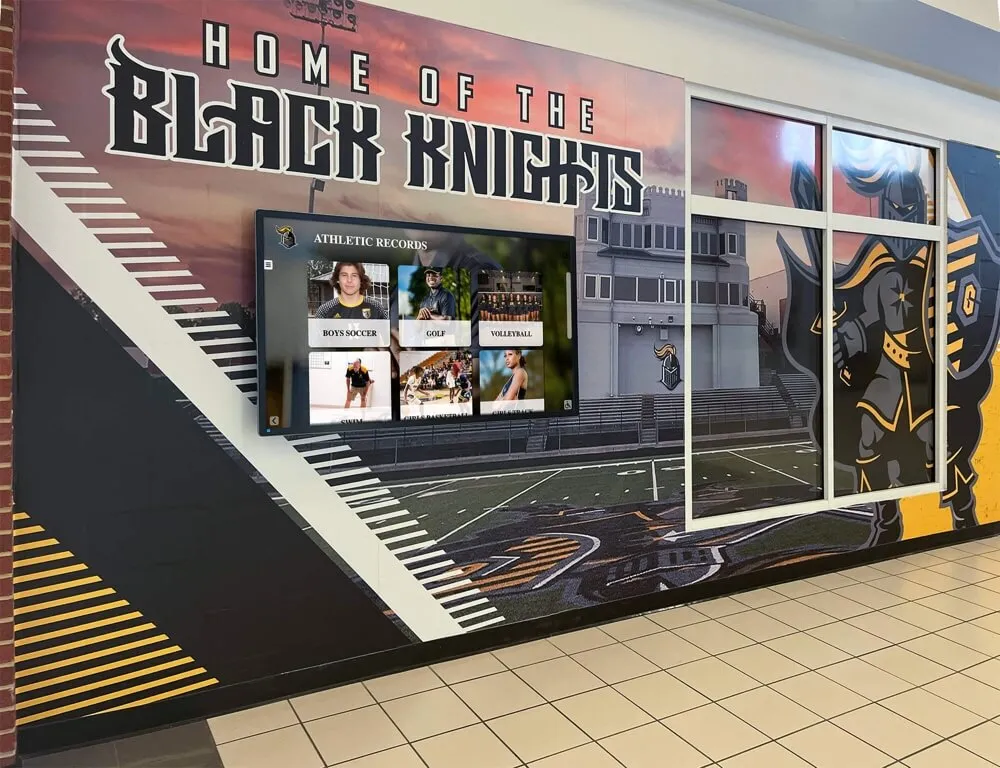
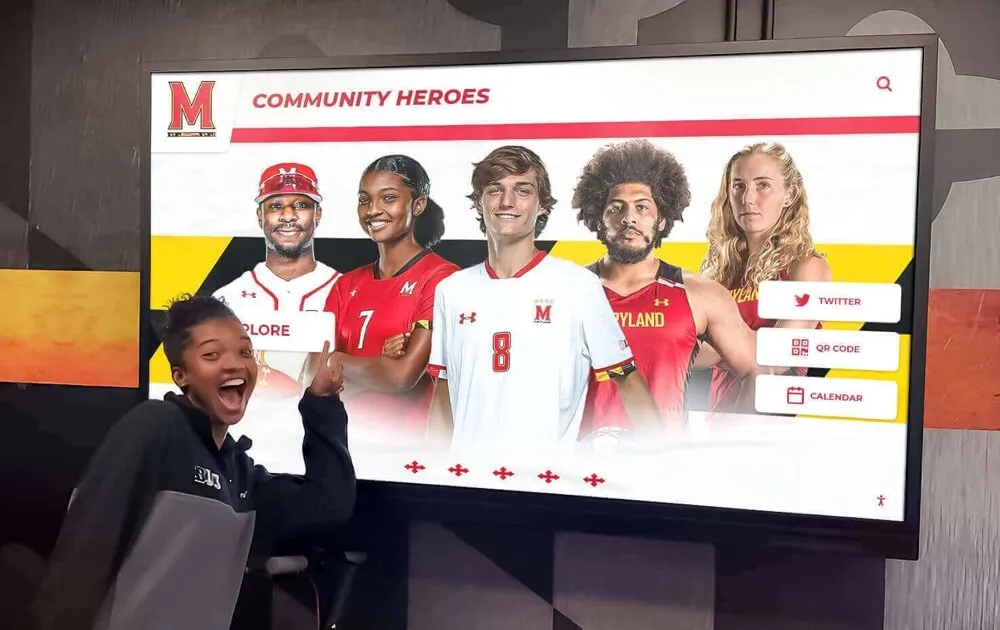
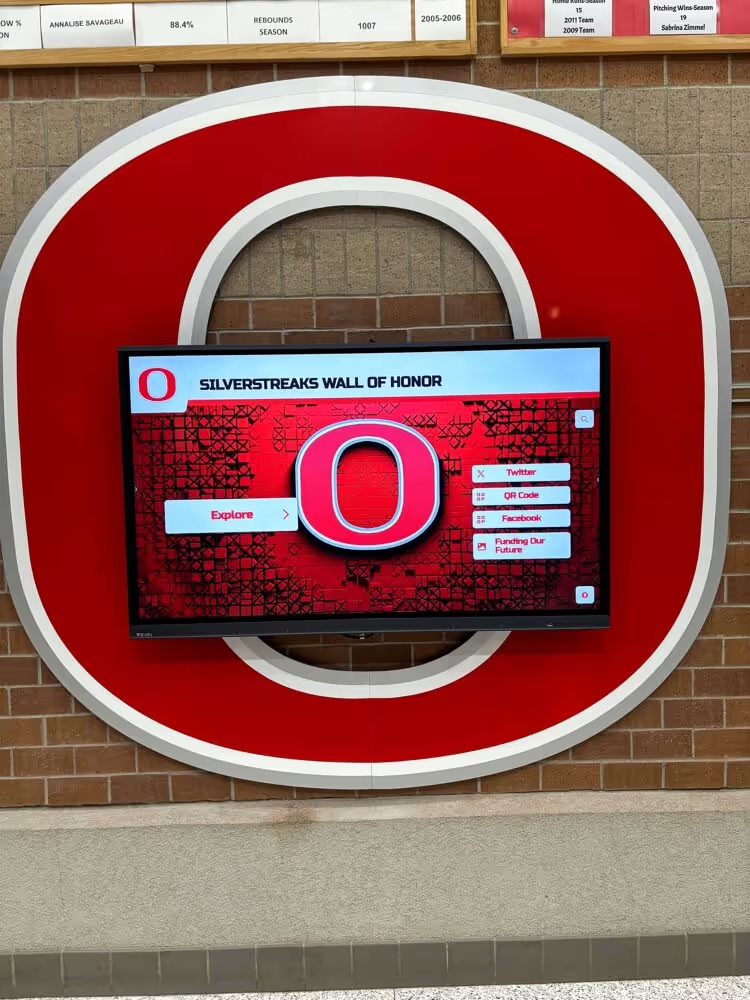
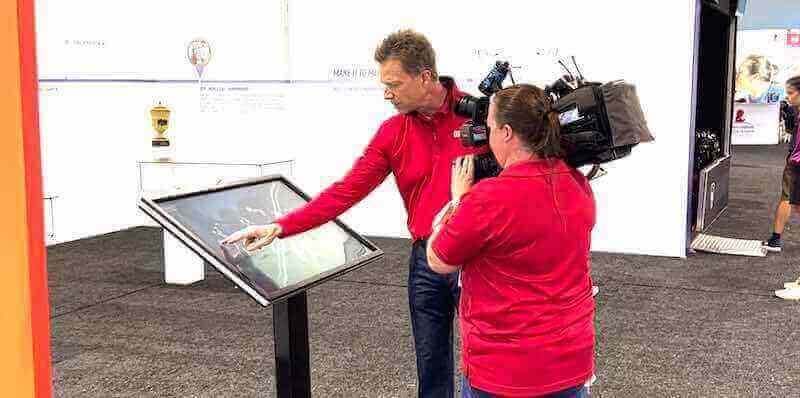
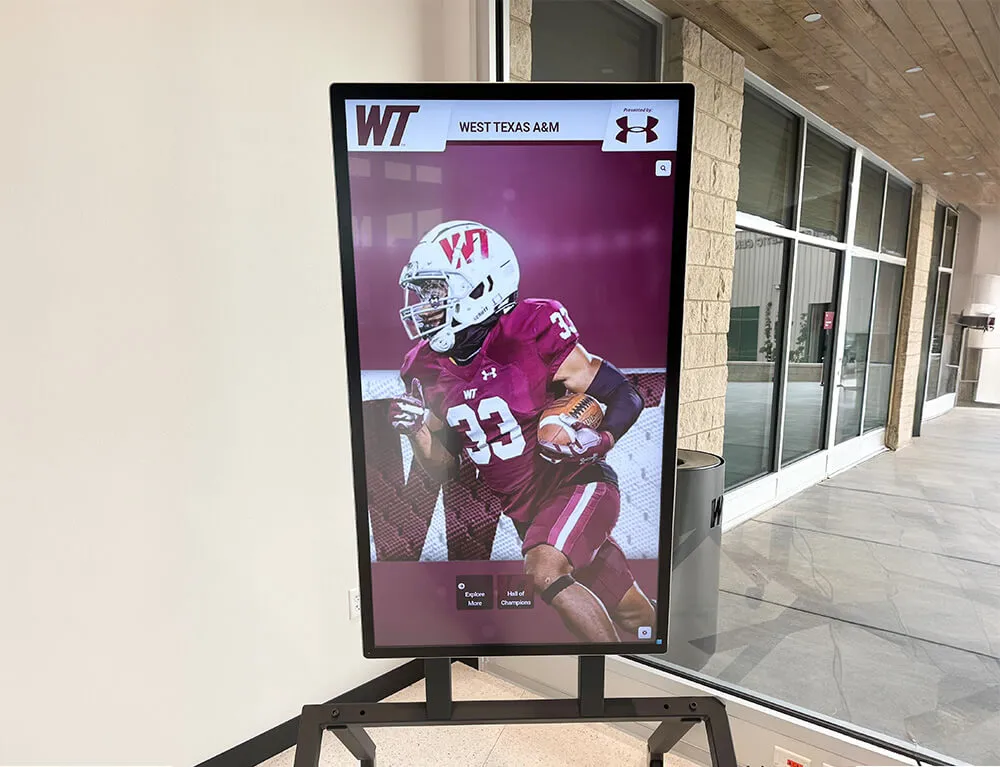
Flexible kiosk installations enable recognition display placement in assembly spaces and high-traffic areas
Athletic Achievement Recognition
Team Sport Accomplishments
- Conference championships and tournament victories
- Undefeated seasons or exceptional win-loss records
- State qualification and championship achievements
- Team sportsmanship and character awards
- Season milestone celebrations
Individual Athletic Excellence
- All-conference and all-region selections
- All-state and national recognition
- Record-breaking performances and milestone achievements
- Most valuable player and positional awards
- Multi-sport athlete recognition
Improvement and Participation
- Most improved athlete awards
- Rookie of the year recognition
- Commitment and attendance acknowledgment
- Student-athlete academic excellence
- Leadership and team-first mentality awards
Understanding athletic recognition systems helps develop comprehensive programs.
Arts and Activities Achievement
Performing Arts Recognition
- All-state and regional performing ensemble selections
- Solo competition achievements and awards
- Musical theater lead roles and significant participation
- Concert, recital, and performance excellence
- Student directing and technical theater contributions
Visual Arts Achievement
- Art competition recognition at local, regional, and national levels
- Gallery exhibition participation and selection
- Scholarship and collegiate program acceptance based on artistic merit
- Sustained excellence in visual arts coursework
- Student art featured in school or community spaces
Co-Curricular Activities
- Student government leadership and service
- Academic team and competition club success
- Publication and media production excellence
- Special interest club contributions and leadership
- School service and volunteer organization recognition
Learn about comprehensive student recognition across diverse achievement categories.
Presentation Strategies and Engagement Techniques
Maintaining student attention throughout recognition programs requires strategic presentation design.
Multi-Sensory Presentation Elements
Visual Enhancement Strategic visual elements increase engagement and memory:
- Large screens displaying recognized student photos during acknowledgment
- Video montages showcasing achievements in action
- Infographics and statistics illustrating program or team success
- Student work samples projected during academic recognition
- Before-and-after comparisons highlighting growth and improvement
Audio Integration Sound design supports programming and maintains energy:
- Appropriate background music during student stage movement
- Sport highlight videos with game audio
- Student and teacher recorded messages about recipients
- Performance clips from recognized arts students
- School songs and traditions reinforcing community identity
Kinesthetic Elements Movement and physical elements prevent passive viewing:
- Students walking to stage or standing for recognition
- Audience participation through cheers, chants, or responses
- Student presentation roles creating peer leadership
- Physical award presentation with handshakes and photos
- Grade-level or team group movements
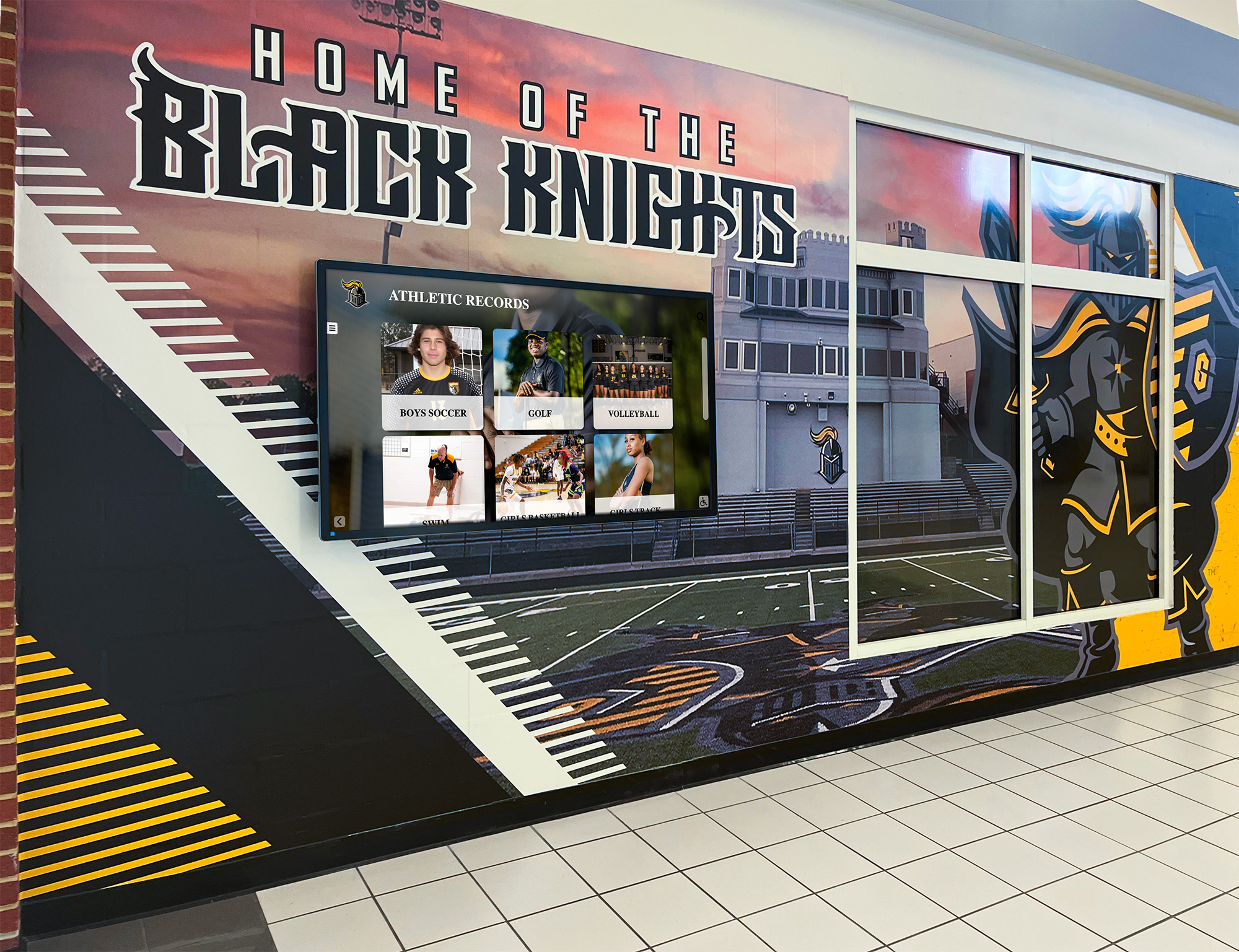
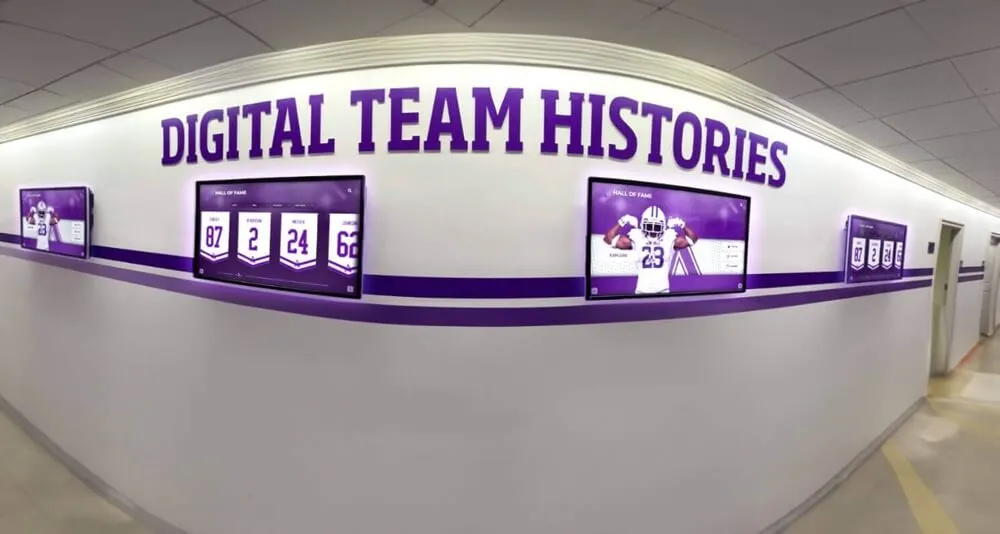
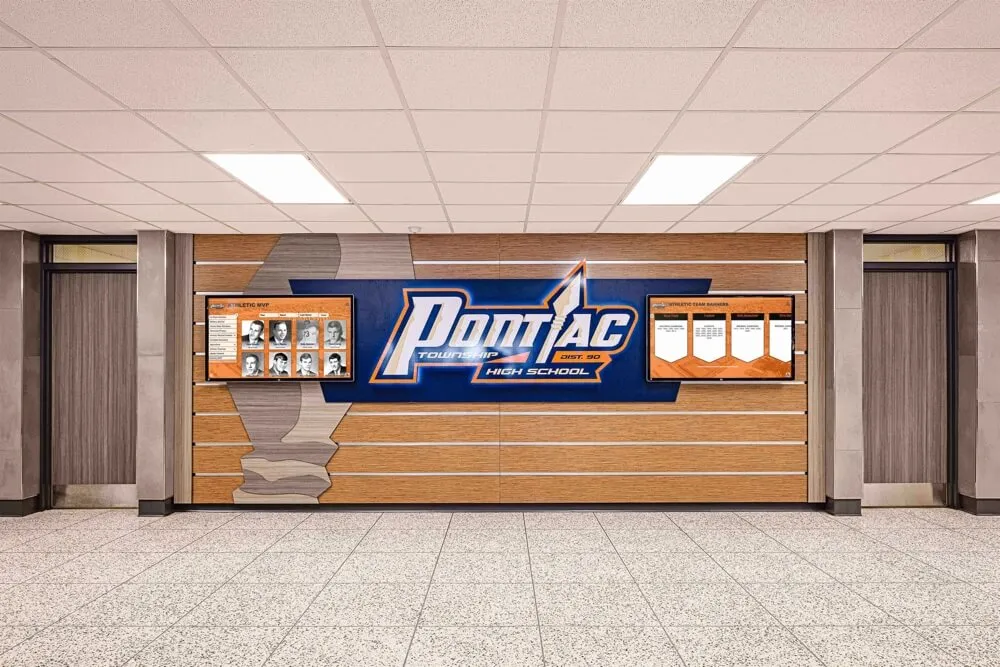
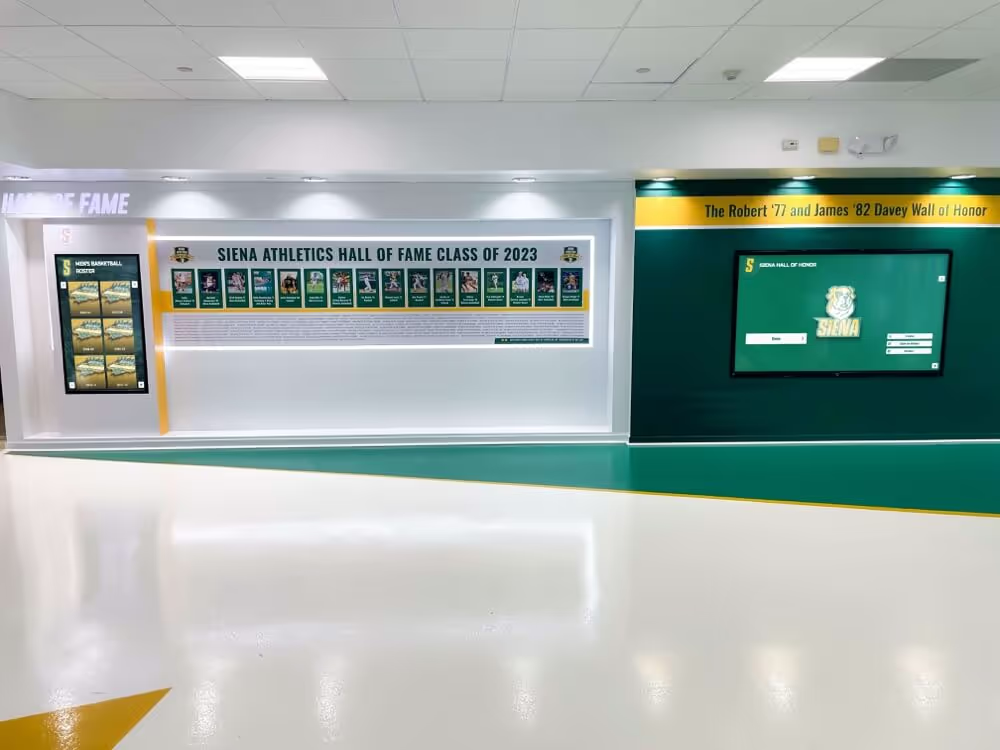
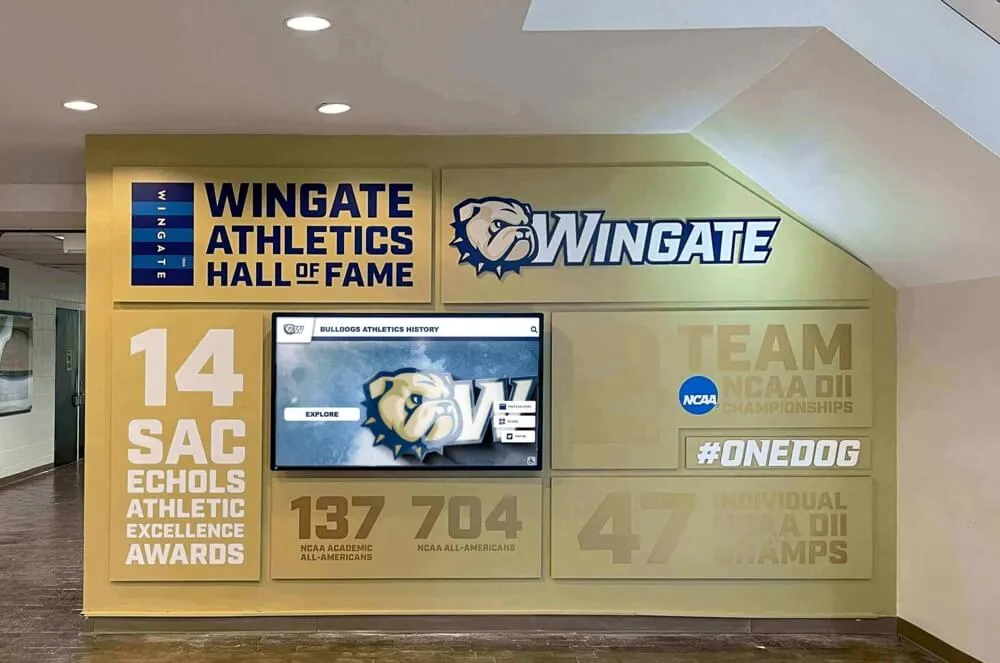
Comprehensive hallway installations combine traditional elements with digital systems for unlimited recognition capacity
Technology Integration for Modern Assemblies
Live Recognition Displays Digital systems transform assembly presentation capabilities:
- Real-time projection of recognized student profiles
- Searchable databases enabling immediate recognition finding
- Statistical displays showing achievement context
- Historical comparison showing record-breaking performances
- Social media integration when appropriate for student engagement
Interactive Elements Technology enables audience participation:
- Live polling or voting for certain awards when appropriate
- QR codes enabling post-assembly exploration of achievements
- Social media wall displaying appropriate student reactions
- Digital program distribution reducing printing costs
- Post-assembly photo galleries accessible via school platforms
Solutions like Rocket Alumni Solutions provide purpose-built recognition platforms designed for educational institutions, enabling seamless assembly integration with year-round visibility through interactive displays that eliminate traditional space constraints while providing comprehensive student achievement showcase capabilities.
Presentation Technology Professional equipment enhances assembly quality:
- High-quality projection or LED displays ensuring visibility
- Professional sound systems with wireless microphones
- Lighting design creating appropriate atmosphere
- Video production equipment capturing program for archives
- Streaming capabilities for remote family viewing when appropriate
Discover digital signage approaches for school assembly enhancement.
Extending Recognition Beyond Assembly Events
The most impactful recognition programs create visibility extending beyond ceremony moments into sustained acknowledgment.
Year-Round Recognition Display Systems
Traditional Display Limitations Physical constraints force impossible recognition choices:
- Trophy cases and wall space accommodate only limited achievements
- Static plaques require removing historical recognition for current additions
- Photo boards become cluttered or outdated quickly
- Manual updates require significant staff time
- Physical displays invisible to remote families and community
Digital Recognition Solutions Modern systems eliminate traditional limitations:
Digital recognition displays provide unlimited capacity showcasing comprehensive achievement:
- Single installation displays unlimited students across all recognition categories
- Searchable systems enabling students to find themselves and peers
- Photo, video, and detailed achievement documentation
- Remote family access through web-based platforms
- Simple cloud-based content management requiring no technical expertise
- Automatic updates eliminating manual maintenance burden
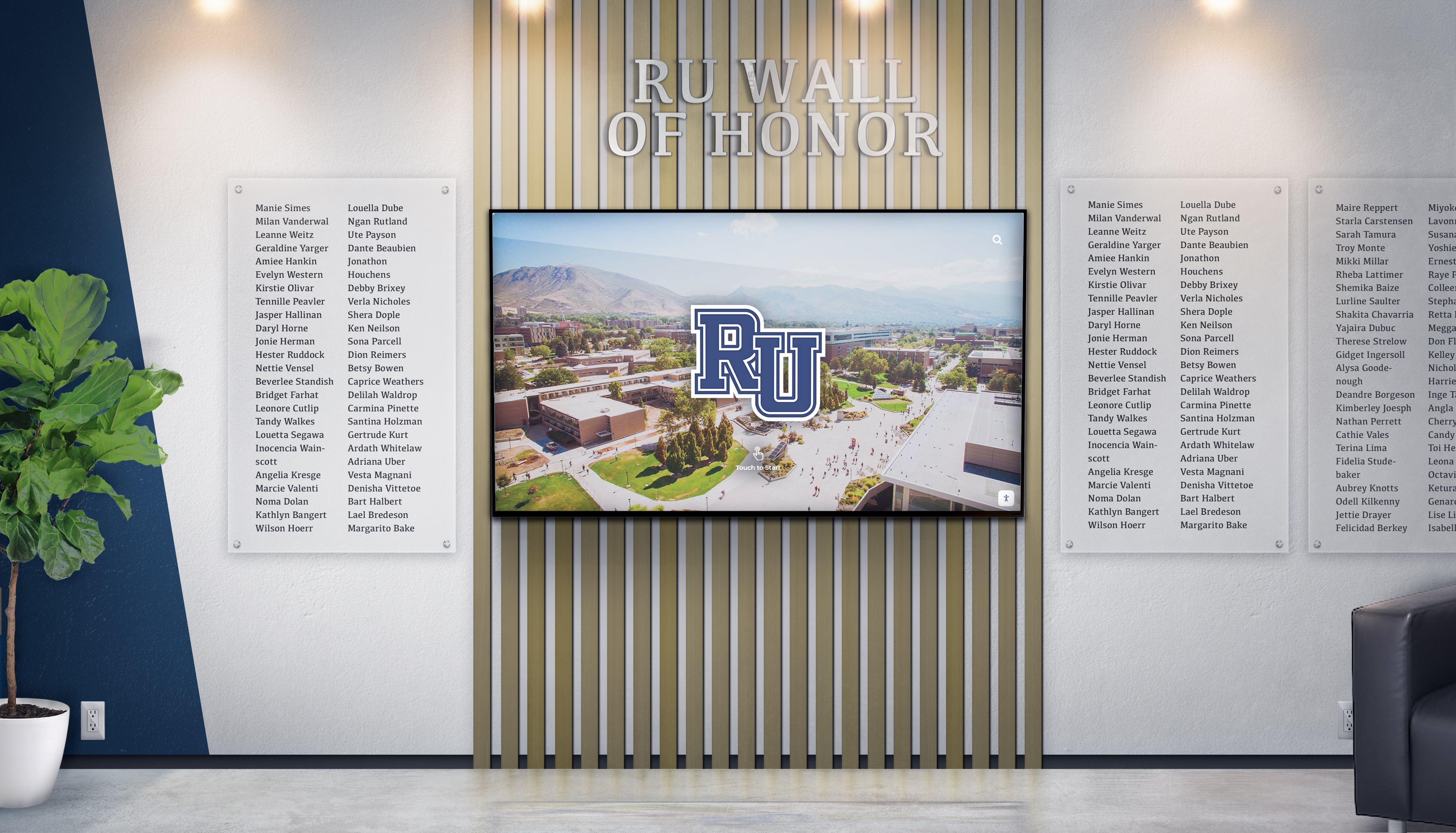
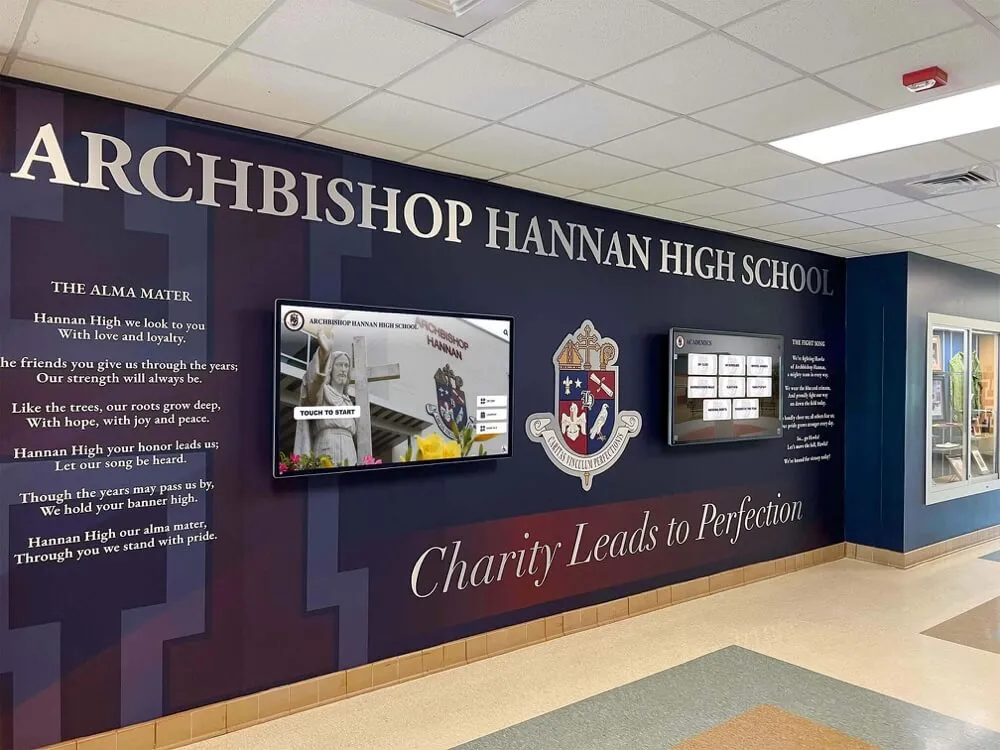
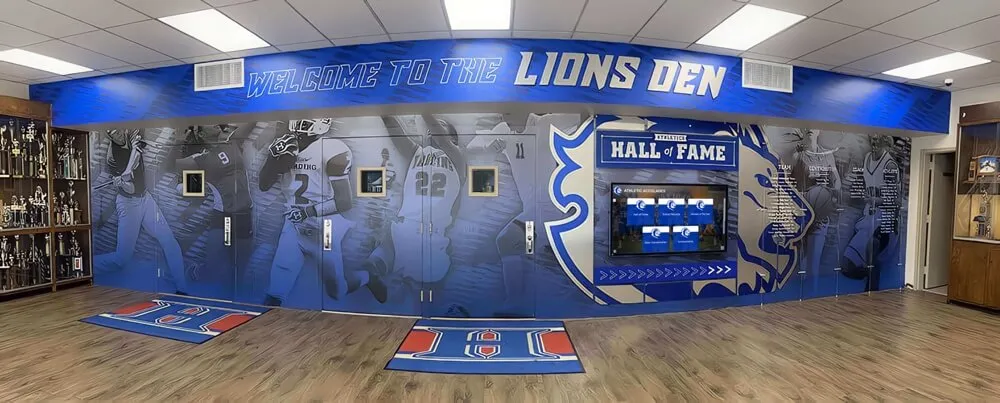
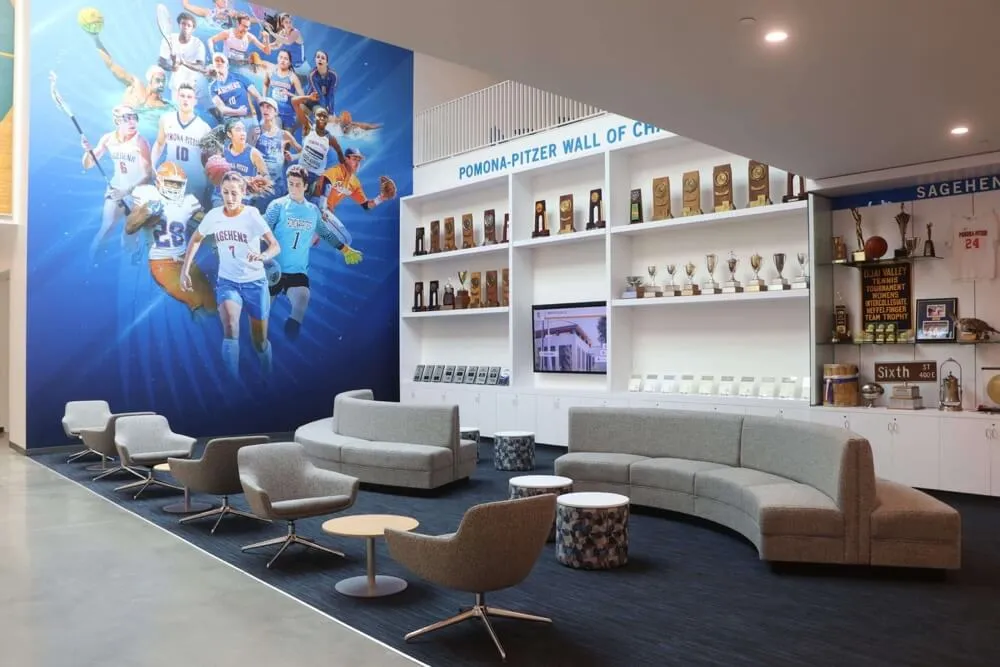
Integrated recognition systems combine digital flexibility with traditional elements creating comprehensive celebration spaces
Strategic Display Placement
High-Impact Locations Position recognition systems where maximum students encounter achievements daily:
- Main entrance lobbies creating immediate impression of achievement culture
- Cafeteria and commons areas where students congregate
- Athletic facility lobbies celebrating sports excellence
- Hallway intersections with high student traffic
- Outside main offices and administrative areas
- Library and learning commons spaces
Content Strategy Curate displayed recognition aligning with locations:
- Athletic facility displays emphasizing sports achievements
- Academic building lobbies highlighting intellectual excellence
- Performing arts wing installations showcasing artistic talent
- Main entrance displays rotating across all achievement types
- Grade-level hallways featuring class-specific accomplishments
Learn about strategic display implementation creating comprehensive recognition environments.
Web-Based Recognition Extensions
Online Recognition Platforms Digital presence extends recognition reach beyond physical campus:
- School website integration showcasing achievements
- Mobile-responsive displays accessible across devices
- Social sharing capabilities enabling student celebration
- Alumni access connecting current and historical recognition
- College counselor access for recommendation and transcript support
Communication Integration Connect recognition to systematic communication channels:
- Email announcements when students receive recognition
- Newsletter features highlighting assembly honorees
- Social media posts celebrating achievements with appropriate permissions
- School app integration providing immediate notification
- Parent portal updates connecting recognition to student records
Logistics Planning and Execution
Comprehensive planning ensures smooth assembly delivery while managing administrative requirements.
Pre-Assembly Preparation
Recognition Selection and Verification Accurate award determination prevents embarrassing errors:
- Data verification confirming achievement qualification
- Multiple staff review ensuring accuracy and fairness
- Student name pronunciation confirmation
- Photo collection and approval for displays
- Parent notification of recognition when appropriate
- Printed recognition lists for presenters with phonetic spellings
Physical Logistics Coordination Systematic planning prevents day-of problems:
- Venue setup with appropriate seating and staging
- Technology testing ensuring equipment functions properly
- Student movement plans managing stage access
- Photography positioning and permission protocols
- Award and certificate organization for efficient distribution
- Staff role assignments with clear responsibilities
Student and Staff Communication Clear expectations ensure smooth execution:
- Schedule adjustments communicated to teachers and families
- Student behavior expectations articulated clearly
- Presenter scripts and timing shared in advance
- Technical support staff briefed on requirements
- Substitute teacher coverage when teachers present awards
- Emergency plans for common problems
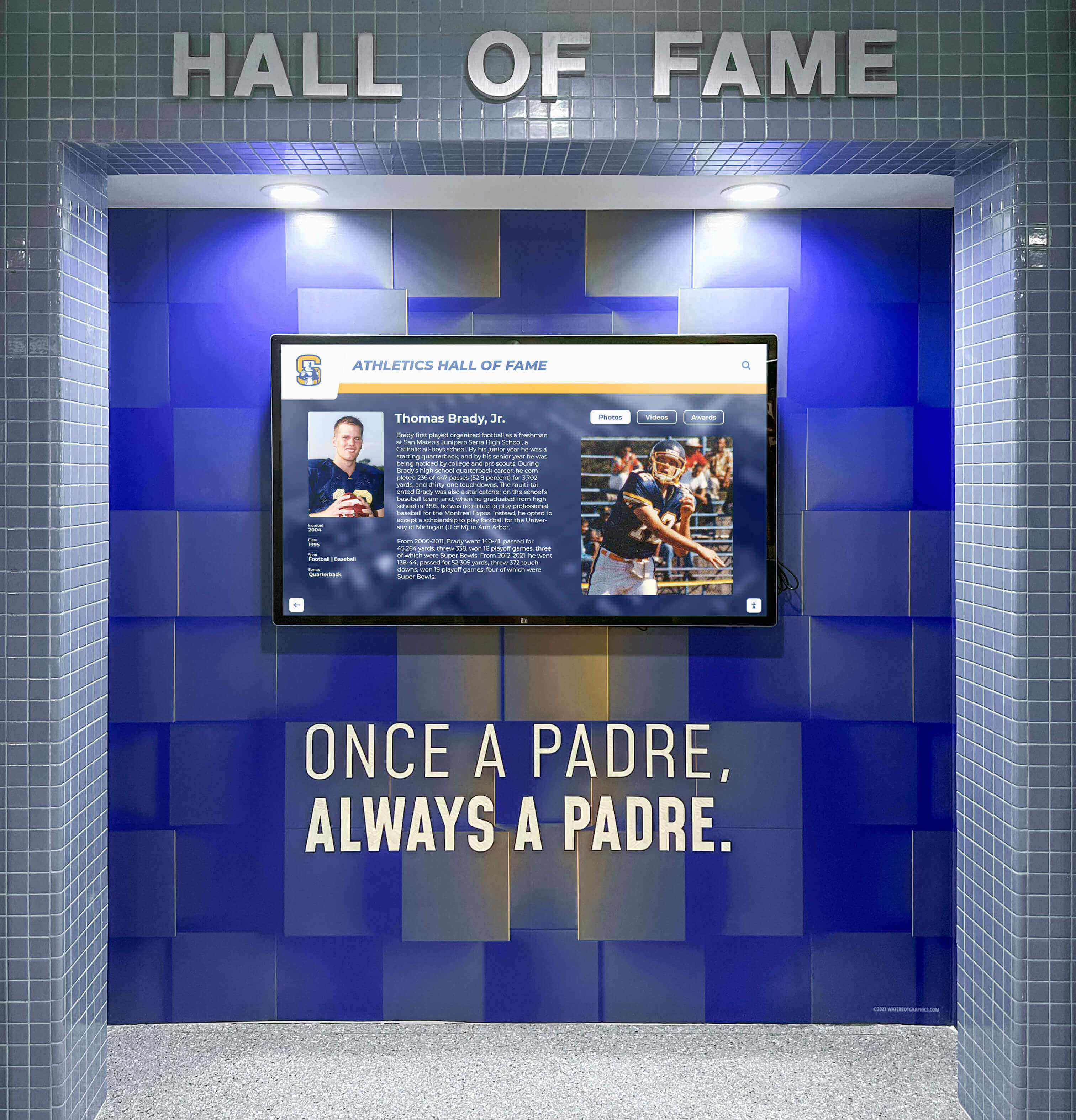
Athletic facility installations ensure sports achievements receive dedicated celebration in relevant program spaces
During Assembly Management
Flow Coordination Active management maintains program pace:
- Designated coordinator managing timing and transitions
- Communication system between backstage and presenters
- Student line organization preventing confusion
- Photography coordination ensuring recognition capture
- Problem-solving authority making real-time adjustments
- Backup plans for technology failures or timing issues
Audience Management Appropriate structures ensure respectful participation:
- Clear behavioral expectations communicated at assembly start
- Staff positioning throughout audience maintaining supervision
- Appropriate applause and celebration guidelines
- Attention redirection strategies when engagement wanes
- Respectful treatment of all recognized students emphasized
Post-Assembly Follow-Through
Recognition Documentation Systematic records preserve achievement history:
- Photo organization and archiving
- Award list documentation for permanent records
- Video recording storage and potential distribution
- Student file notation of recognition received
- Historical database updates for institutional archives
Display Updates Extend recognition visibility beyond assembly:
- Digital display content additions showcasing new achievers
- Trophy case updates with physical awards when applicable
- Bulletin board refreshes with recent recognition
- Website and social media updates celebrating honorees
- Classroom recognition extensions when appropriate
Explore digital showcase approaches for recognition program enhancement.
Special Assembly Types and Themed Programs
Beyond standard recognition assemblies, specialized formats serve specific purposes.
Welcome Back and Goal-Setting Assemblies
Year-Opening Programs Begin school year establishing positive culture:
- Administrative welcome and vision communication
- Introduction of new staff members
- School tradition and ritual reinforcement
- Goal-setting and expectation establishment
- Community-building activities
- Preview of year opportunities and events
Motivational Elements Inspire excellence from year beginning:
- Student or alumni speaker sharing achievement journey
- Video montages showing previous year highlights
- Teacher and staff introductions building connections
- School spirit building through chants and songs
- Recognition opportunities preview motivating participation
Milestone and Tradition Celebrations
Homecoming Assemblies Traditional celebrations reinforcing school spirit:
- Alumni recognition connecting past and present
- Sports team acknowledgment and pep rally elements
- Homecoming court introduction and celebration
- School history and tradition recognition
- Community building across grade levels
Learn about homecoming recognition approaches for tradition celebrations.
Senior Recognition Assemblies Honor graduating classes celebrating completed journeys:
- Senior accomplishment acknowledgment
- College acceptance and scholarship celebrations
- Leadership and legacy recognition
- Advice-giving tradition to underclassmen
- Emotional tribute recognizing class journey
Special Achievement Celebrations
Championship Recognition Assemblies Immediate celebration of significant victories:
- State championship team recognition
- Individual state champion acknowledgment
- Record-breaking performance celebration
- Community participation in achievement recognition
- Media coverage and public acknowledgment
National Recognition Programs Celebrate prestigious external achievements:
- National Merit Scholar recognition
- Presidential Scholar acknowledgment
- National competition achievement celebration
- Prestigious summer program selection recognition
- Significant scholarship award announcements
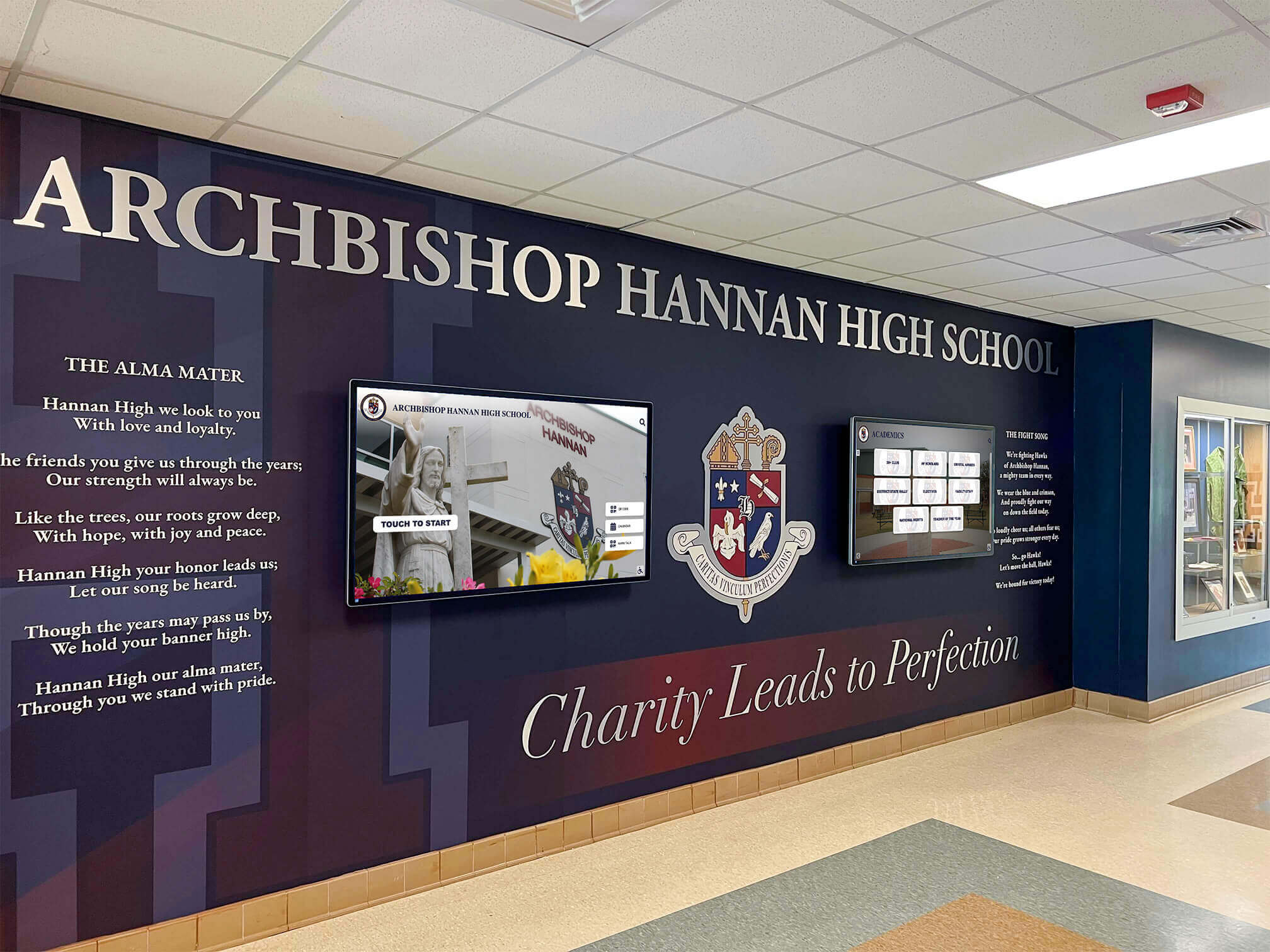
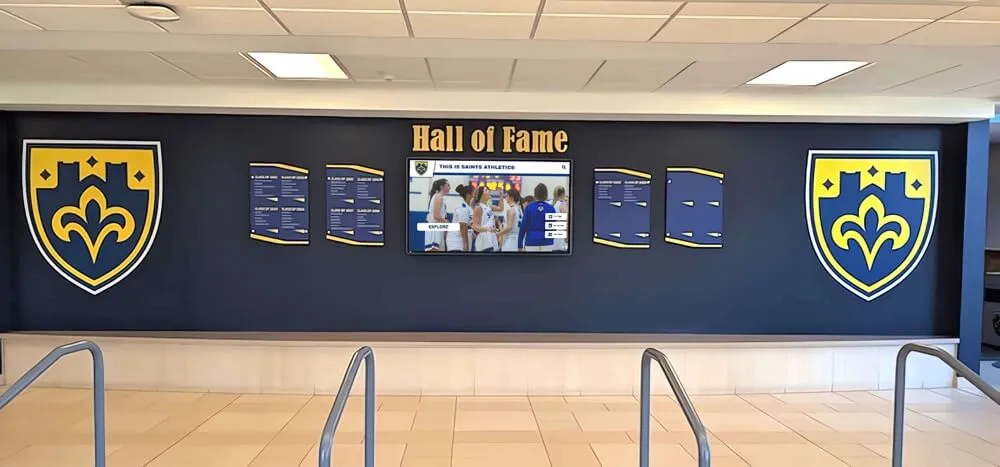
Coordinated display systems throughout lobbies create comprehensive impression of achievement culture and institutional excellence
Creating Inclusive Recognition Programs
Effective assemblies ensure recognition opportunities exist for students across all backgrounds and achievement profiles.
Equity in Recognition Design
Multiple Achievement Pathways Ensure diverse student accomplishment types receive acknowledgment:
- Absolute achievement recognition for highest performers
- Growth and improvement awards for significant progress
- Effort and persistence recognition valuing work ethic
- Character and citizenship awards beyond academic metrics
- Participation acknowledgment for engagement and contribution
Accessibility Considerations Inclusive planning serves all community members:
- Physical accessibility for students with mobility needs
- ASL interpretation or captioning for deaf/hard-of-hearing community
- Sensory-friendly assembly options for students with sensitivities
- Alternative recognition methods for students unable to attend
- Cultural responsiveness in recognition approaches and examples
Socioeconomic Inclusivity Recognition programs should create no financial barriers:
- No costs or fees required for participation
- School-provided recognition items and awards
- Equal celebration regardless of student resources
- Recognition criteria focusing on achievement not resources required
- Transparent selection processes preventing favoritism perceptions
Avoiding Recognition Pitfalls
Recognition Inflation Prevention Maintain meaning through appropriate standards:
- Clear criteria distinguishing recognition levels
- Meaningful thresholds preserving recognition value
- Balance between inclusivity and significance maintenance
- Regular evaluation of appropriate award criteria
Narrow Focus Avoidance Ensure comprehensive recognition breadth:
- Equal time and prominence for academic, athletic, and arts achievements
- Character and service recognition alongside performance metrics
- Diverse student representation across recognition categories
- Intentional tracking ensuring equitable recognition distribution
Understanding comprehensive recognition approaches ensures inclusive program development.
Measuring Assembly Program Effectiveness
Regular assessment ensures recognition assemblies achieve intended goals while justifying resource investment.
Quantitative Success Metrics
Participation and Coverage Track recognition breadth across student populations:
- Percentage of students receiving some recognition throughout year
- Distribution across grade levels and demographic groups
- Recognition frequency per student
- Number of recognition categories utilized
- Year-over-year participation trend analysis
Engagement Indicators Monitor assembly effectiveness maintaining attention:
- Student attention and behavior assessment during programs
- Post-assembly feedback surveys measuring perception
- Recognition-related conversation frequency following assemblies
- Social media engagement with assembly content
- Family attendance when assemblies include parent participation
Achievement Correlation Assess impact on behaviors being recognized:
- Achievement trends in recognized areas
- Participation rates in activities receiving recognition
- Improvement in areas receiving growth awards
- Student goal-setting influenced by recognition observation
- Long-term achievement trajectories for recognized students
Qualitative Assessment
Stakeholder Feedback Gather perspectives from multiple community members:
- Student surveys about recognition program awareness and impact
- Teacher assessment of assembly effectiveness and efficiency
- Parent perception of recognition program fairness
- Staff reflection on logistics and program quality
- Community feedback about institutional values communication
Cultural Indicators Observe broader impact beyond quantitative metrics:
- Changes in school culture and student motivation
- Peer attitudes toward achievement and recognition
- Student aspiration level changes
- Sense of belonging and community connection
- Behavior patterns relating to recognized values
Regular evaluation enables continuous improvement ensuring assemblies remain engaging, meaningful, and aligned with institutional goals.
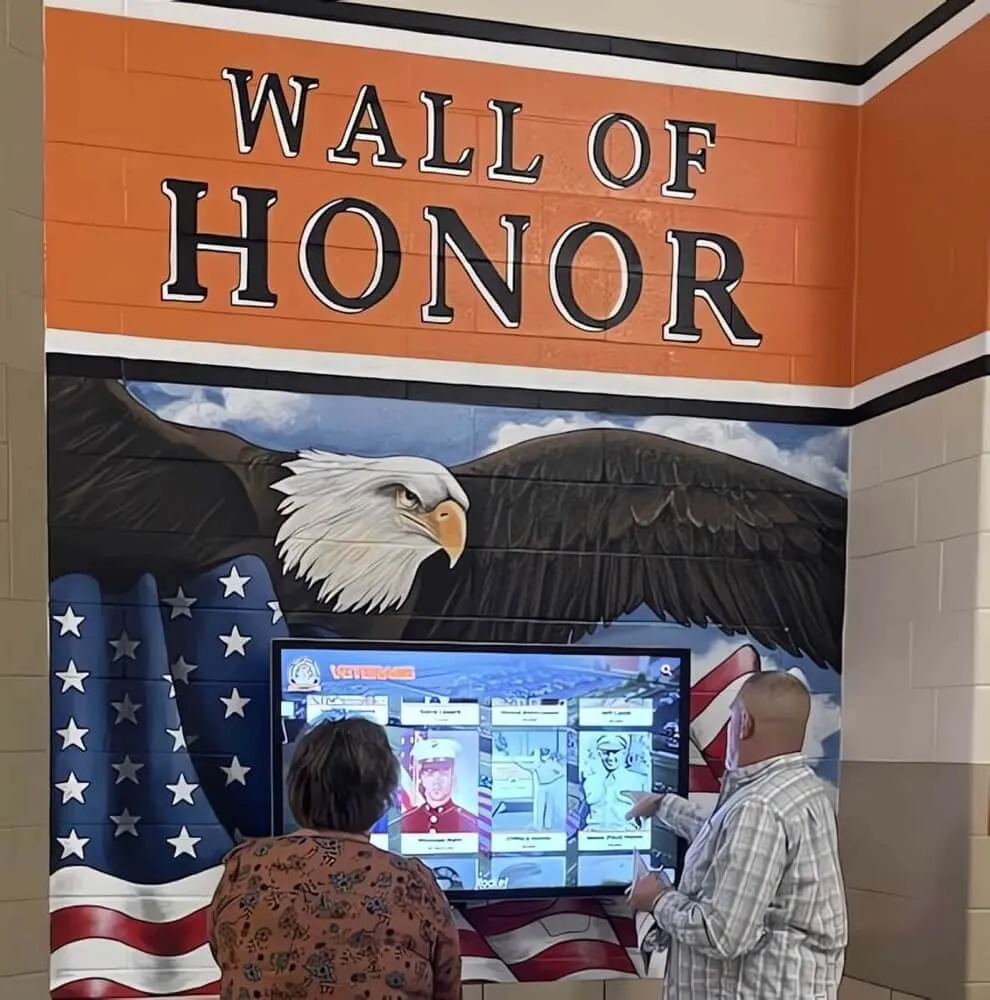
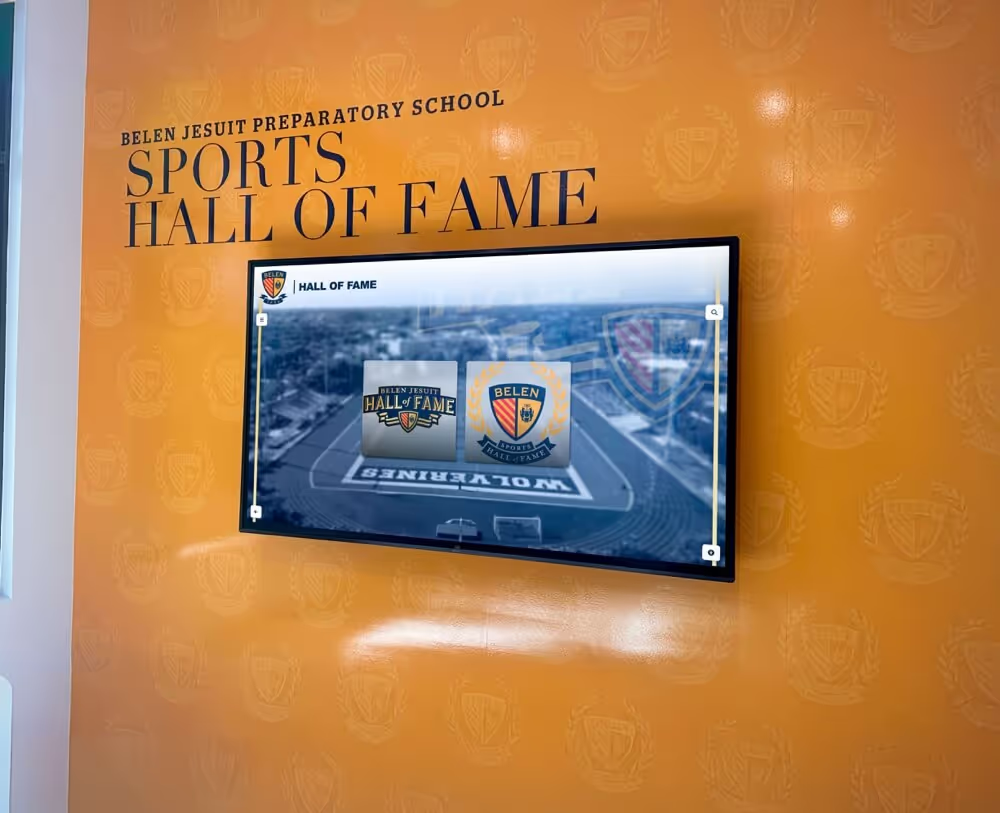
Entrance recognition displays communicate institutional values while welcoming community members and establishing achievement culture
Conclusion: Building Culture Through Systematic Recognition
School assemblies represent strategic opportunities extending far beyond time-filling events between instructional blocks—they articulate institutional values, honor diverse student contributions, build community connections, and create traditions defining school culture across administrative transitions and generation successions. When approached systematically with attention to engagement, inclusivity, and year-round visibility, recognition assemblies become foundational experiences strengthening motivation while building positive culture where diverse students find success pathways.
The most effective school assembly programs balance efficient recognition with engaging presentation, acknowledge varied achievement types across academic, athletic, artistic, and character dimensions, leverage modern technology extending recognition beyond ceremony moments, and create systematic rather than arbitrary acknowledgment ensuring deserving students receive appropriate celebration consistently.
Transform Assembly Recognition into Year-Round Visibility
Discover how modern digital recognition solutions extend assembly acknowledgment beyond single events into sustained visibility that builds school pride, motivates continuous excellence, and creates comprehensive achievement archives connecting generations of students.
Explore Recognition SolutionsBuilding effective school assembly programs requires moving beyond rushed, generic ceremonies toward thoughtful recognition systems celebrating diverse contributions while maintaining student engagement through pacing, variety, and meaningful presentation. Digital platforms eliminate traditional display constraints, enabling comprehensive achievement showcase across unlimited students and categories while providing year-round visibility impossible through assemblies alone.
Start with recognition programs you can implement immediately using existing resources, then systematically enhance toward comprehensive approaches your students deserve. Focus on clear criteria, diverse achievement acknowledgment, engaging presentation, and sustained visibility ensuring assembly recognition extends beyond ceremony moments into daily reinforcement building positive, motivating school culture.
Your students’ achievements deserve celebration that validates effort, inspires continued excellence, and builds the achievement-oriented culture where all students find success pathways. With systematic planning addressing recognition diversity, presentation quality, inclusive access, and lasting visibility, you can create assembly programs that honor participants authentically while strengthening school identity and community pride that sustains across years.
The essential elements aren’t elaborate productions or expensive technology—they’re genuine appreciation communicated authentically, systematic recognition ensuring deserving students receive appropriate acknowledgment consistently, engaging presentation respecting student time while maintaining attention, and sustained visibility ensuring achievements celebrated during assemblies remain visible throughout years inspiring future excellence. Begin planning your recognition assemblies today, creating traditions that celebrate achievement while building the positive culture where every student can succeed.