



Student-athletes across America face unique pressures—balancing rigorous training schedules with demanding coursework, managing game-day commitments alongside study sessions, and demonstrating excellence in both the classroom and competition. Scholar athlete awards recognize these exceptional individuals who refuse to choose between academic achievement and athletic success, instead pursuing both with equal dedication and achieving distinction in each arena.
These prestigious recognitions celebrate students embodying the ideal of the well-rounded student-athlete—individuals who maintain strong grade point averages while contributing significantly to athletic programs, demonstrate time management and discipline that enables success across multiple demanding domains, and serve as role models showing peers that academic and athletic excellence complement rather than compete with each other.
Understanding scholar athlete award criteria, benefits, and qualification processes helps students set appropriate goals, enables parents to support balanced achievement pursuits, and assists schools in creating recognition programs that honor students representing institutional values most completely. Whether pursuing school-level honors or national recognition programs, scholar athletes deserve celebration for accomplishments requiring exceptional commitment, character, and capability.
Scholar athlete awards serve multiple purposes beyond ceremonial recognition—they validate students’ commitment to balanced excellence, strengthen college applications by demonstrating well-rounded achievement, unlock scholarship opportunities specifically designated for academic-athletic achievers, and inspire younger students by providing visible examples showing that athletic participation and academic success reinforce rather than undermine each other.

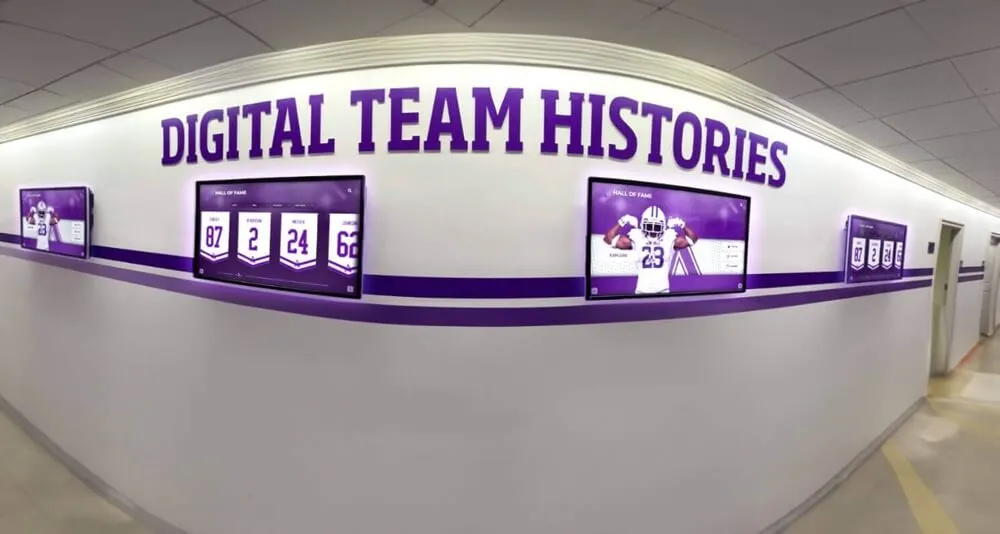
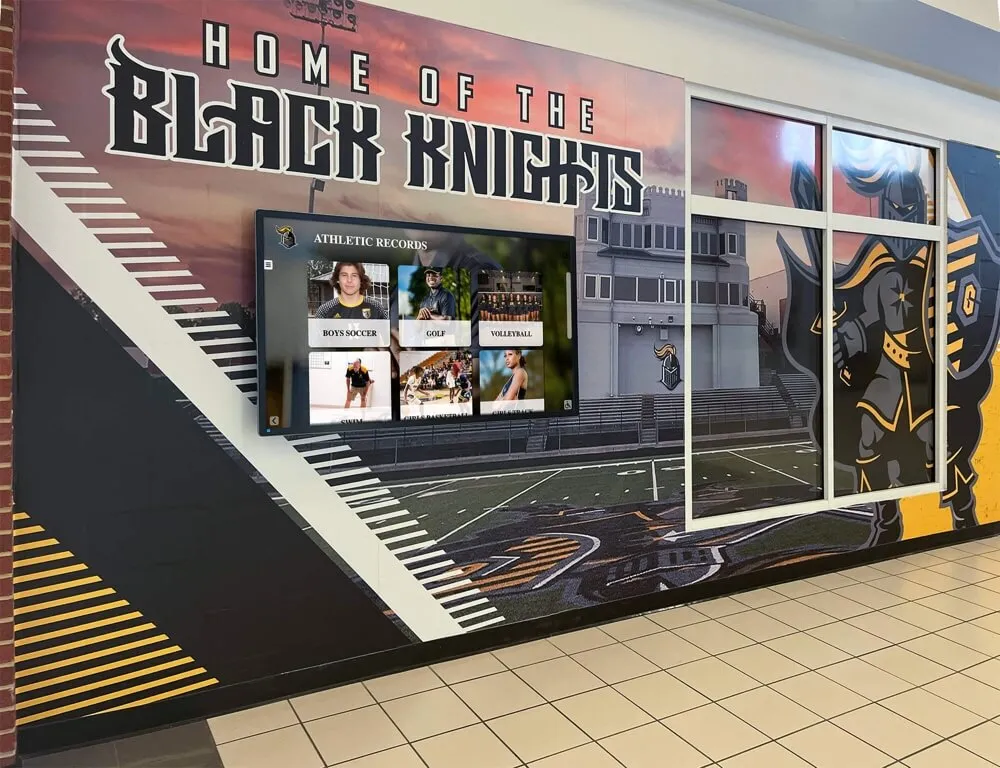
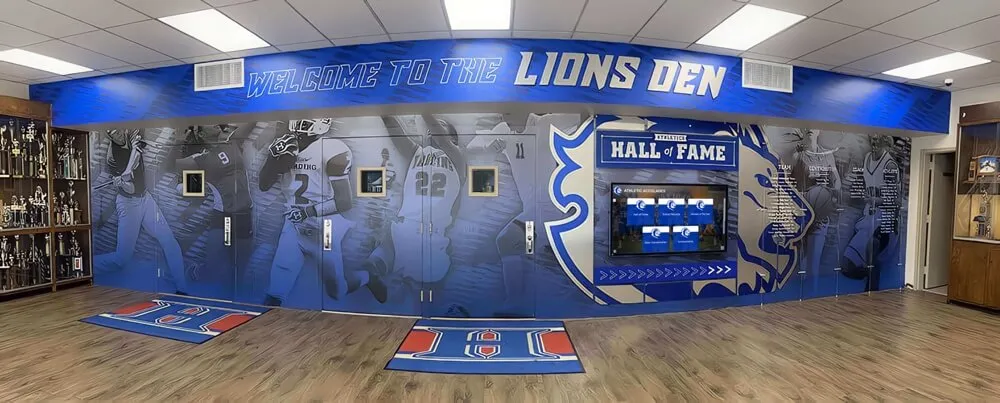
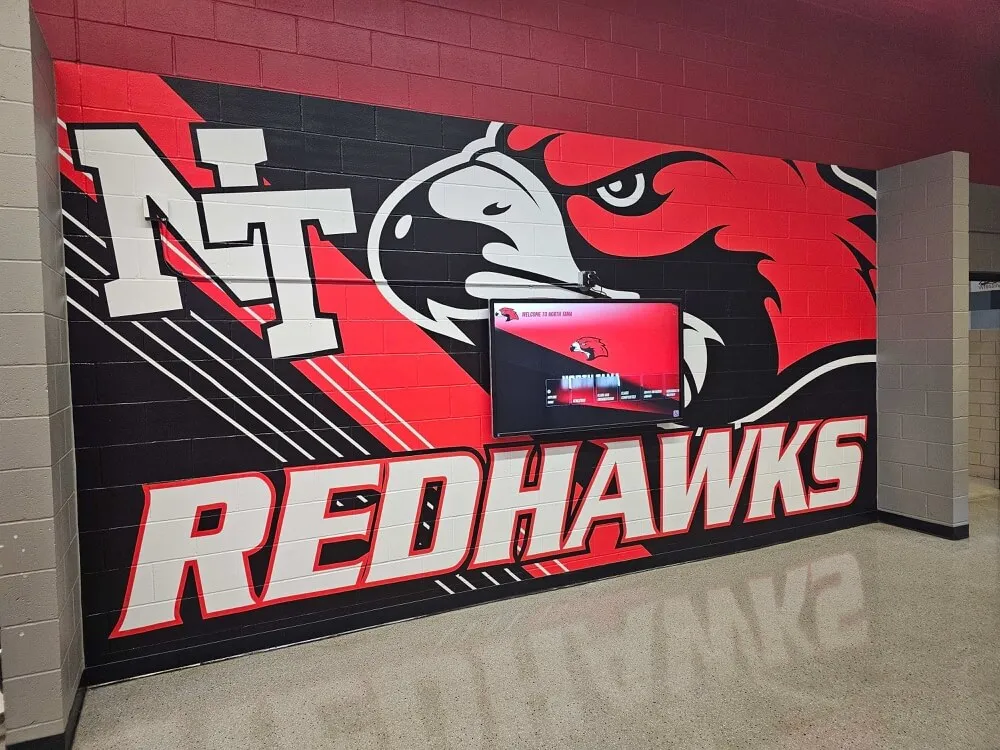
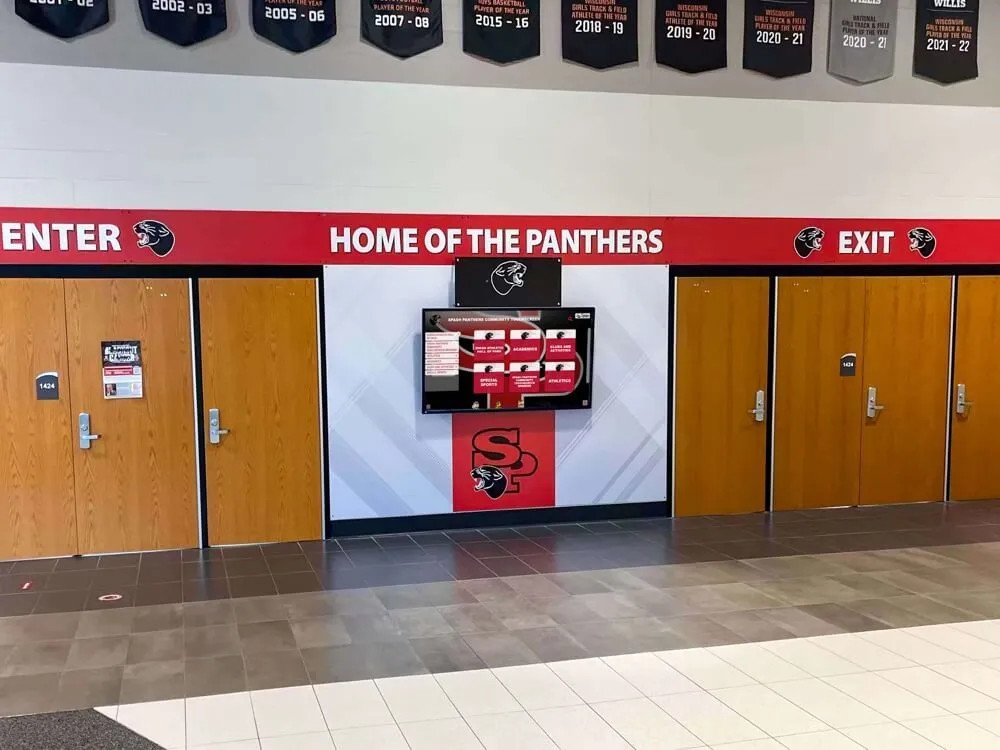
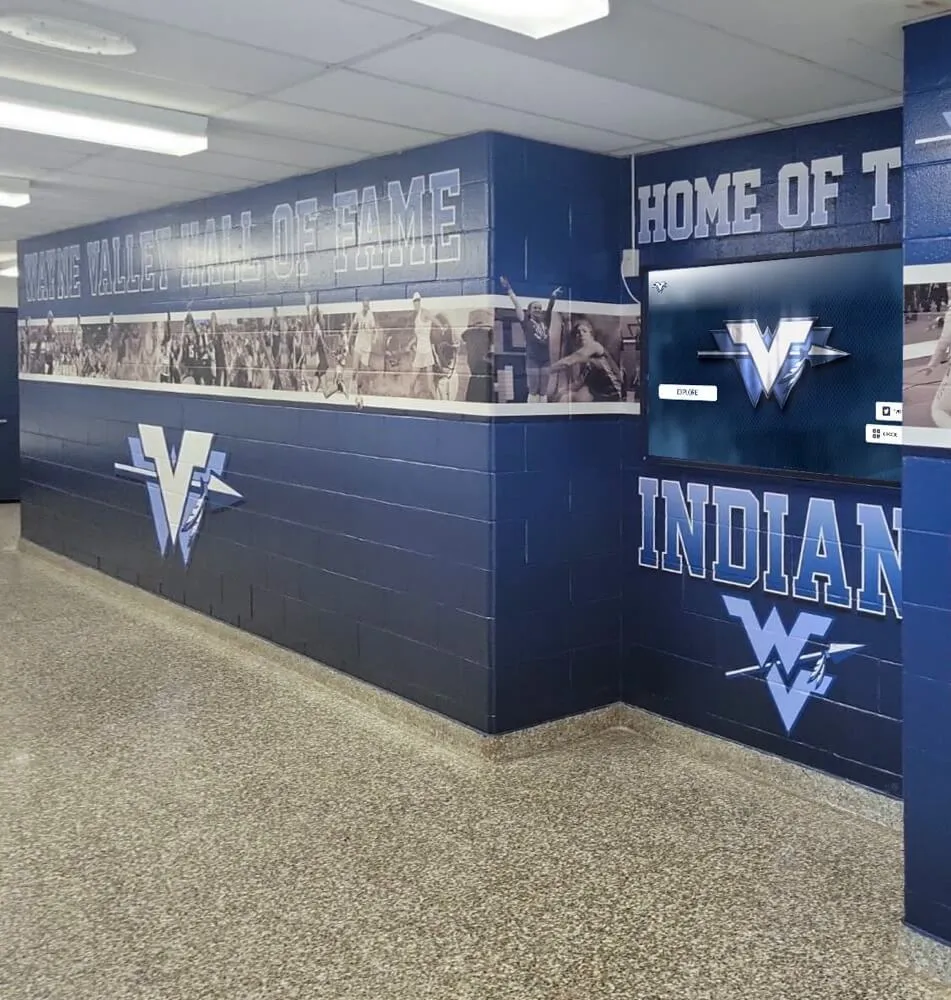
Modern recognition displays celebrate both athletic performance and academic achievement, honoring well-rounded student excellence
Program Snapshot: Scholar Athlete Award Recognition Framework
Understanding the landscape of scholar athlete recognition helps students navigate available opportunities strategically.
| Award Level | Typical Requirements | Recognition Scope | Application Impact |
|---|---|---|---|
| School-Based | 3.0-3.5+ GPA, varsity participation | Local recognition, certificates, ceremonies | Demonstrates commitment to coaches, local scholarship committees |
| Conference/League | 3.25-3.5+ GPA, conference competition | Regional athletic recognition | Shows achievement relative to competitive peer group |
| State Athletic Association | 3.5-4.0 GPA, varsity letter, citizenship | Statewide validation | Significant credential for state university applications |
| National Honor Societies | 3.5+ GPA, leadership, character evidence | National organization membership | Prestigious distinction recognized across college admissions |
| National Scholarship Programs | High GPA, test scores, athletic achievement | Competitive scholarship eligibility | Direct financial aid and enhanced admissions prospects |
What Is a Scholar Athlete Award?
Scholar athlete awards formally recognize students demonstrating exceptional achievement in both academic and athletic domains throughout their high school careers.
Core Definition and Purpose
Fundamental Recognition Elements
Scholar athlete awards typically acknowledge:
- Academic Excellence - Grade point averages demonstrating strong classroom performance
- Athletic Participation - Meaningful contribution to school athletic programs through competition
- Character Standards - Citizenship, sportsmanship, and conduct reflecting institutional values
- Balanced Achievement - Sustained commitment to both academic and athletic pursuits simultaneously
- Leadership Impact - Positive influence on teammates, peers, and school community
These programs operate on the philosophy that student-athletes who excel academically while competing athletically demonstrate time management, discipline, resilience, and commitment valuable throughout life.
Distinction from Single-Domain Recognition
Scholar athlete awards differ from purely academic or athletic honors:
- Academic awards (honor roll, National Honor Society) typically don’t require athletic participation
- Athletic awards (all-conference, MVP) generally focus on competition performance without academic thresholds
- Scholar athlete recognition specifically celebrates the intersection—students succeeding in both domains
This dual requirement makes scholar athlete awards particularly meaningful, acknowledging the additional complexity students navigate when pursuing excellence across multiple demanding activities.

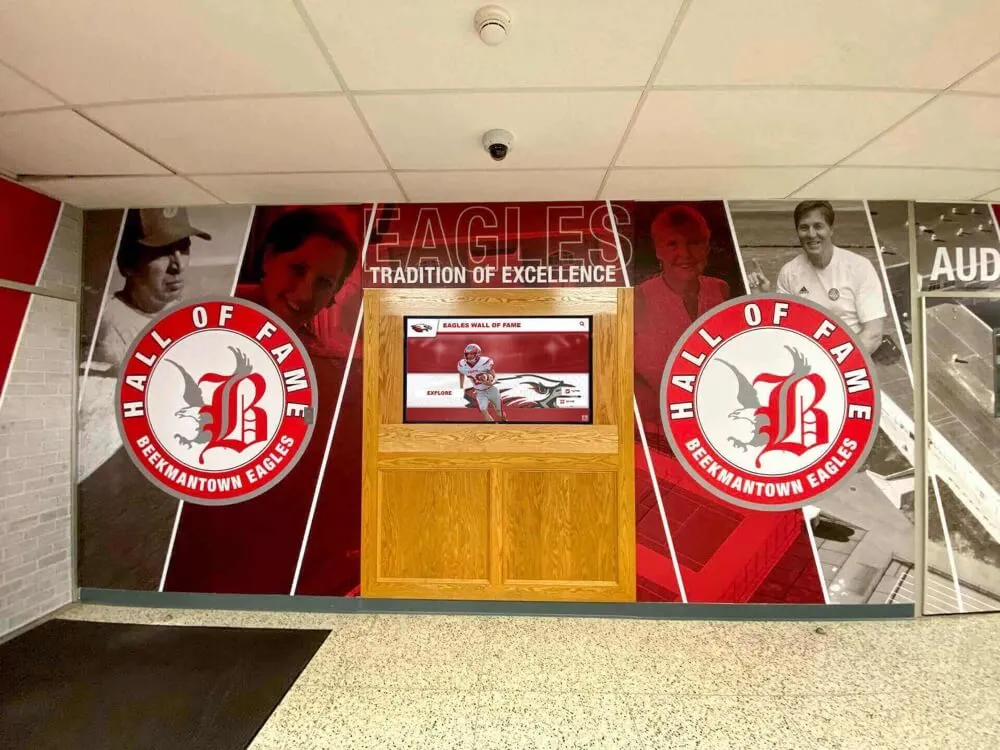
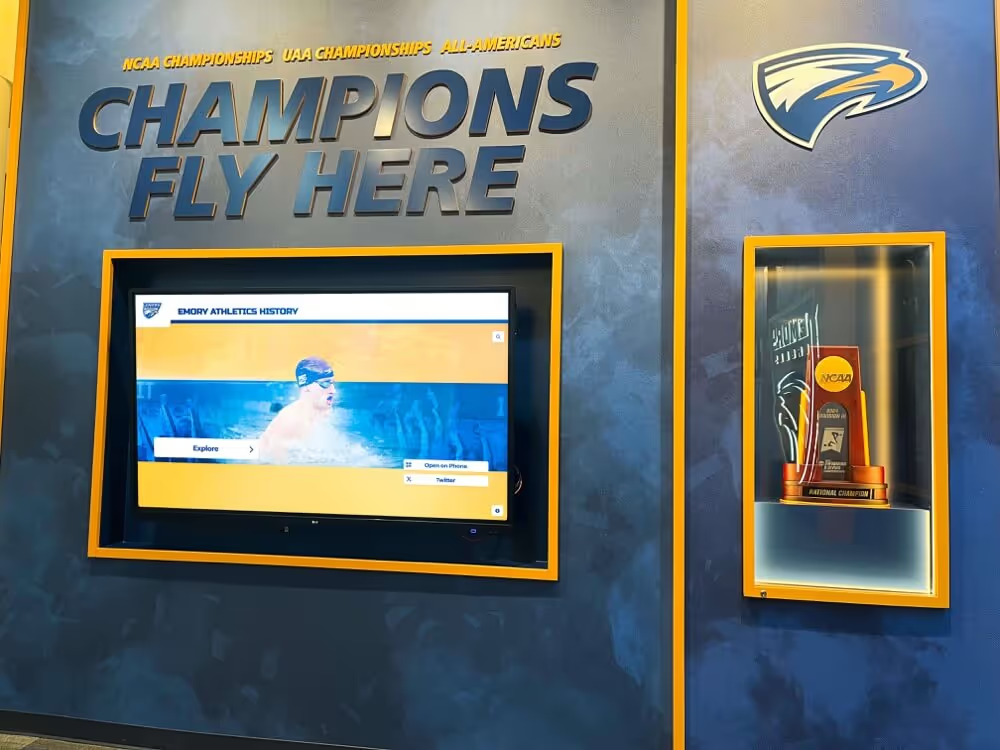
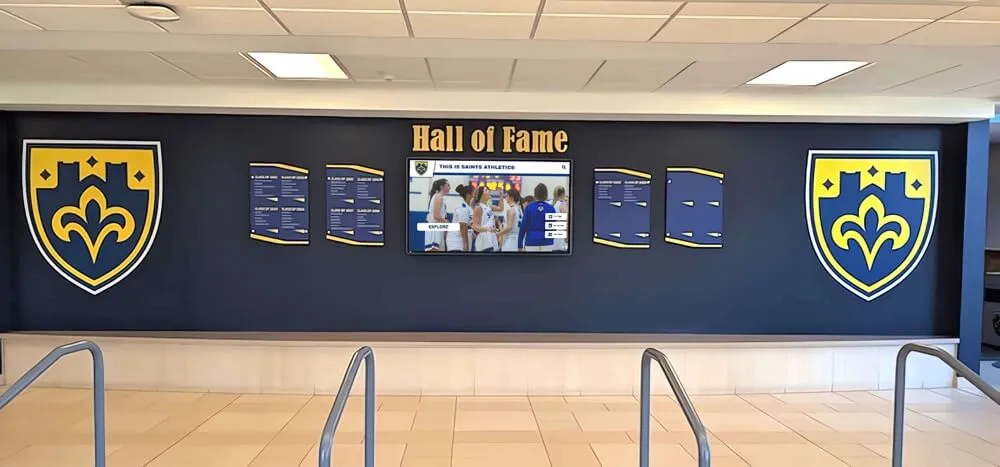
Comprehensive recognition displays showcase scholar athletes alongside purely athletic and academic honorees
Historical Context and Evolution
Development of Scholar Athlete Recognition
The scholar athlete concept evolved alongside increasing specialization in youth sports:
- Early 20th century viewed athletics as character-building complement to academics
- Mid-century growth of competitive athletics sometimes created academic-athletic tensions
- Late 20th century recognition that elite athletic programs needed academic standards
- Contemporary emphasis on holistic student development valuing multiple achievement dimensions
Modern scholar athlete awards reflect institutional commitments to developing well-rounded individuals rather than single-dimensional specialists.
Changing Standards and Expectations
Scholar athlete award criteria have evolved:
- Early programs used minimal GPA thresholds (2.0-2.5) simply ensuring basic eligibility
- Contemporary standards typically require 3.0+ GPAs demonstrating genuine academic commitment
- Competitive programs now expect 3.5-4.0 GPAs reflecting high academic achievement
- Additional requirements increasingly include citizenship, leadership, and character components
Rising academic standards reflect growing understanding that athletic and academic excellence complement each other when students develop time management, goal-setting, and discipline applicable across domains.
How Students Qualify for Scholar Athlete Awards
Qualification requirements vary by recognition level, but common elements guide students pursuing scholar athlete honors.
Academic Requirements and GPA Thresholds
Standard GPA Requirements by Award Level
Different programs establish varying academic standards:
School-Based Scholar Athlete Awards
- Minimum GPA: typically 3.0-3.25 on 4.0 scale
- Calculation period: cumulative GPA across all high school years or season-specific
- Weighting considerations: some programs use weighted GPAs crediting honors/AP courses
- Grade requirements: may specify no grades below certain thresholds (no Ds or Fs)
- Consistency standards: sustained achievement rather than single semester excellence
School programs often establish accessible thresholds encouraging broad participation while still requiring meaningful academic commitment beyond basic eligibility.
Conference and League Scholar Athlete Recognition
- Minimum GPA: typically 3.25-3.5
- Verification: school administrators certify academic records
- Eligibility timing: GPA calculated at season end or academic year conclusion
- Competition participation: must complete season in good standing
- Academic progress: must remain on track toward graduation
Athletic conferences recognize scholar athletes to celebrate academic achievement within competitive athletic contexts.
State Athletic Association Scholar Athlete Awards
- Minimum GPA: typically 3.5-4.0 (varies by state)
- Standardized calculation: states often specify weighted vs. unweighted
- Senior recognition: many programs honor graduating seniors exclusively
- Nomination process: schools nominate eligible students for state validation
- Certificate and medallion: formal recognition items for achievement acknowledgment
State-level recognition provides prestigious validation that strengthens college applications, particularly for in-state public universities.
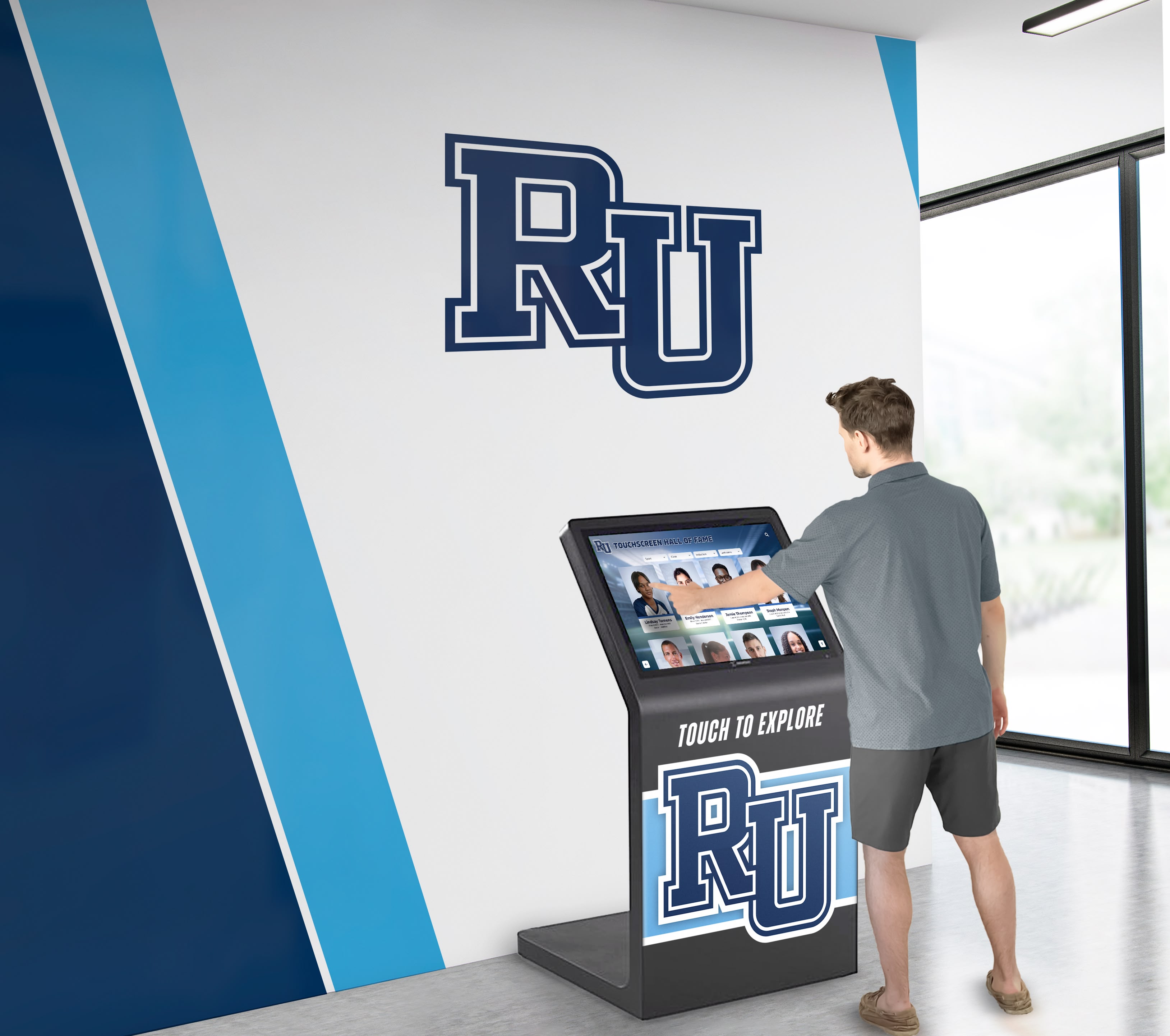
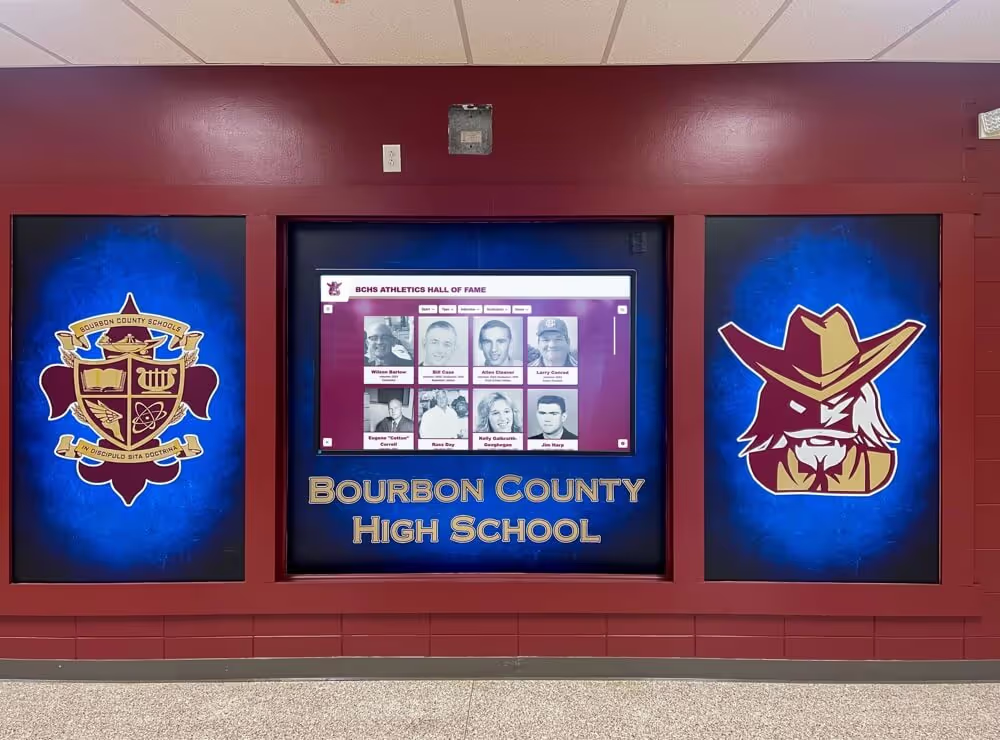
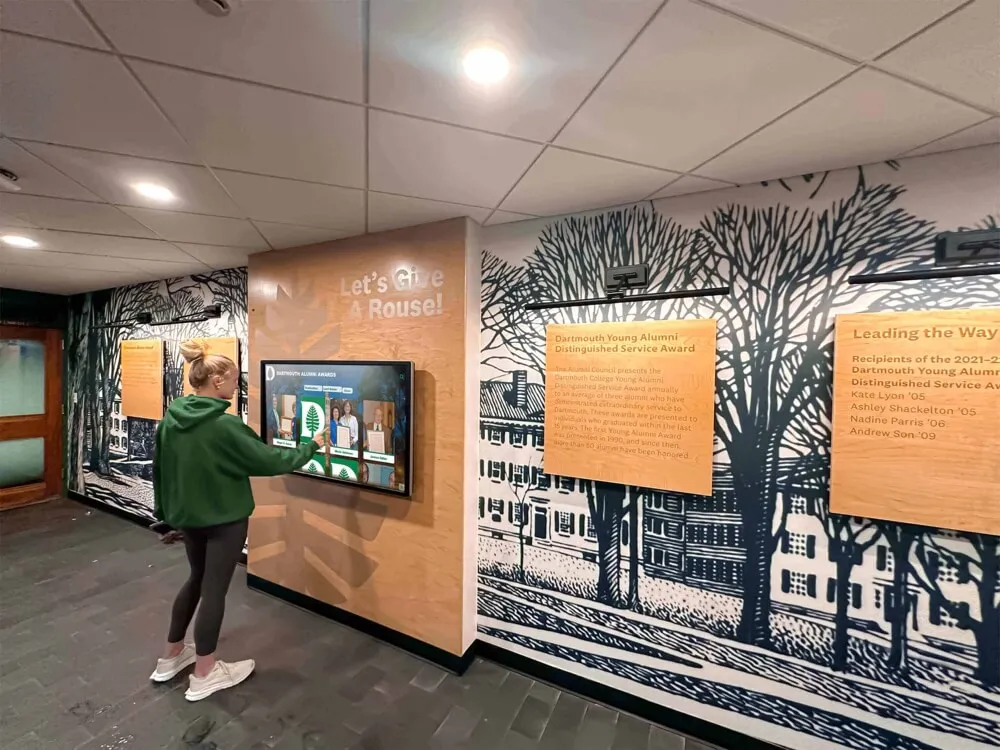
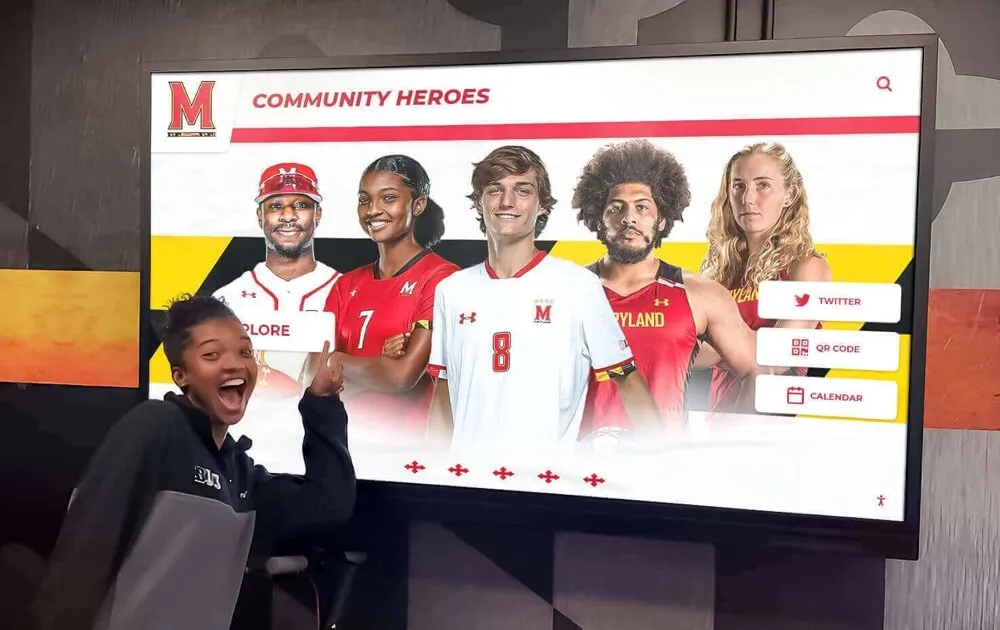
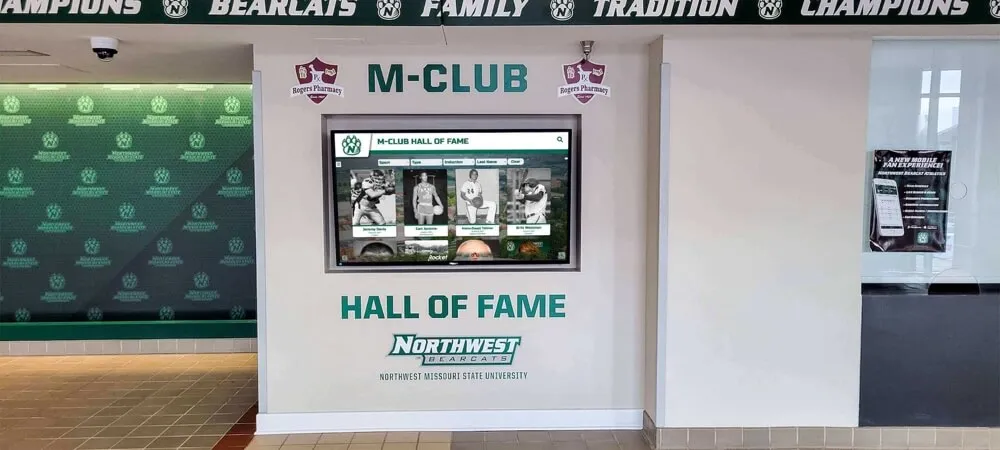
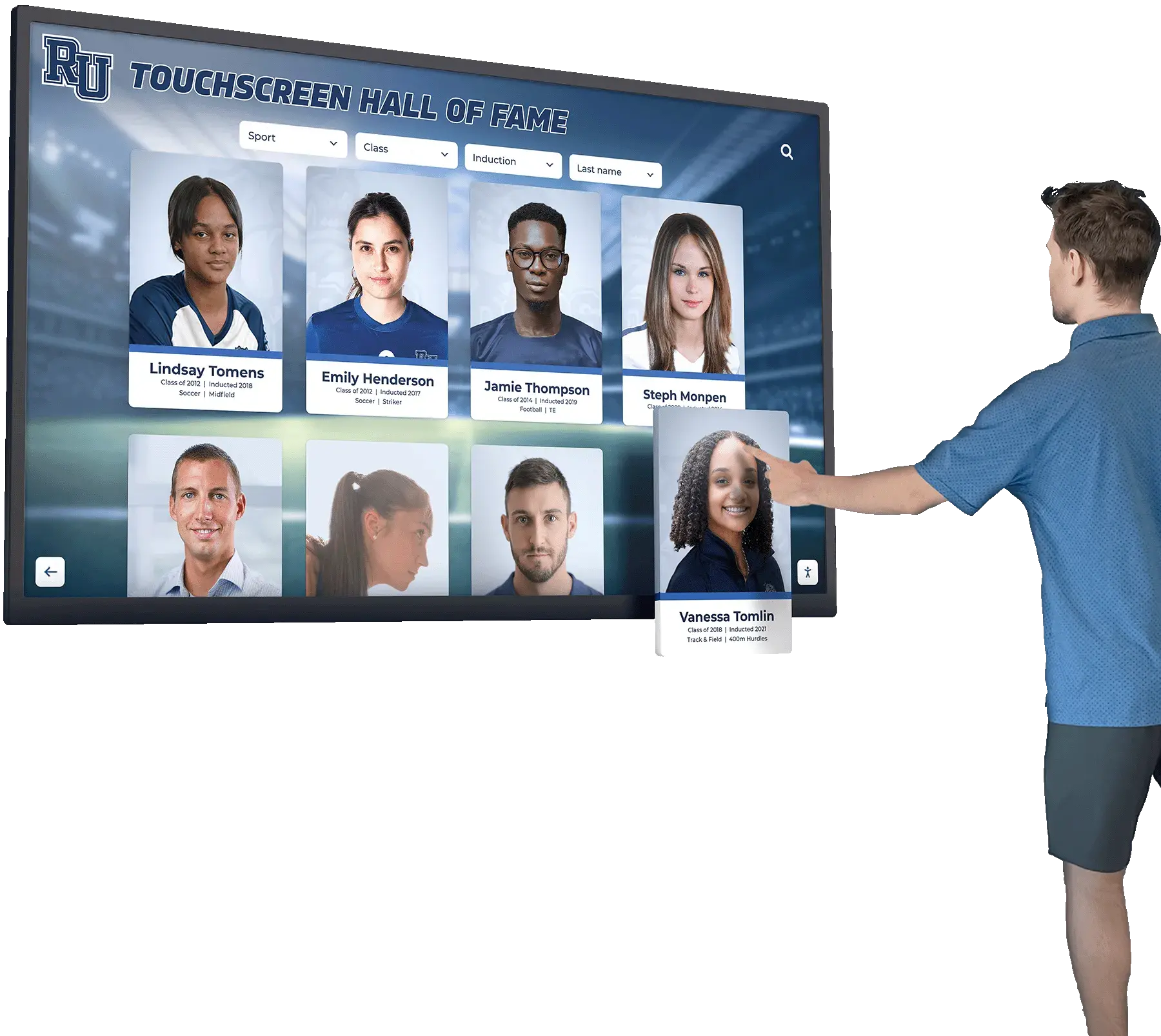
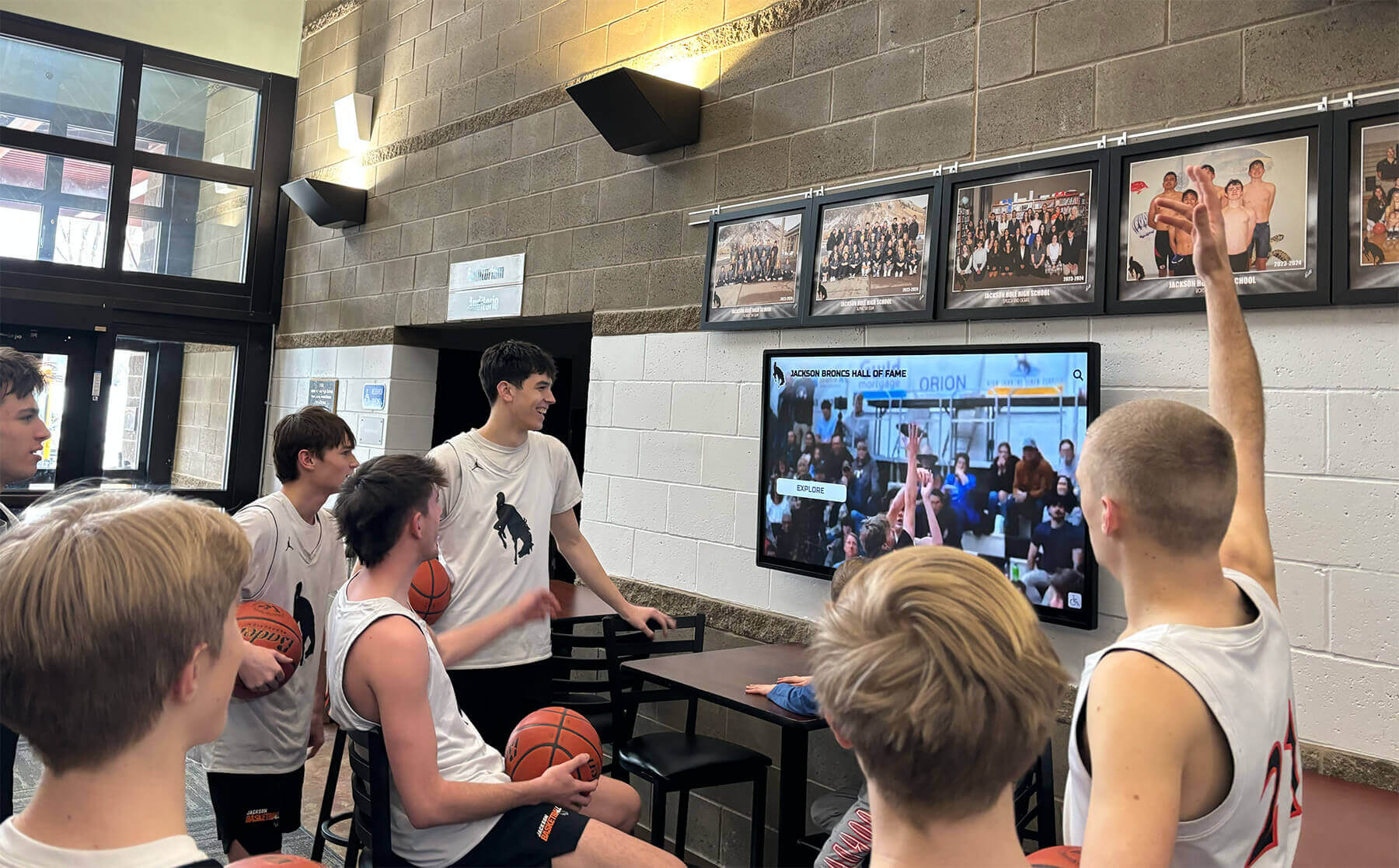
Interactive displays enable students to explore scholar athlete achievement criteria and recognize honored classmates
National Scholar Athlete Recognition Programs
- GPA requirements: typically 3.5+ minimum, often higher for competitive programs
- Standardized testing: some programs include SAT/ACT score components
- Class rank: may consider standing within graduating class
- Transcript review: comprehensive evaluation of course rigor and grades
- Academic honors: may reference AP courses, honor roll, or other academic distinctions
National programs set rigorous academic standards reflecting their prestige and competitive scholarship opportunities.
Athletic Participation Requirements
Varsity Participation and Contribution
Athletic requirements ensure genuine competitive involvement:
Participation Standards
- Varsity letter earning through season completion
- Minimum competition appearances (varies by sport and school)
- Team membership in good standing throughout season
- Practice attendance and commitment expectations
- Contribution to team success regardless of playing time statistics
Programs typically focus on participation commitment rather than athletic performance levels—recognition honors dedication and contribution, not just statistical achievement.
Multi-Sport Athlete Considerations
Students participating in multiple sports may receive:
- Enhanced recognition for sustaining academics across multiple seasons
- Multiple award eligibility (scholar athlete per sport)
- Additional points or consideration in competitive selection processes
- Leadership recognition for demonstrating sustained commitment
Multi-sport scholar athletes often receive particular recognition since they navigate academic demands while participating in athletics year-round.
Sport-Specific Requirements
Different sports may have varying participation standards:
- Team sports: minimum game appearances, practice participation
- Individual sports: competition entries, qualifying performances
- Season-long commitment: completion without disciplinary removal
- Coach verification: attestation of meaningful participation and good standing
Requirements ensure that scholar athlete awards recognize genuine athletic commitment rather than nominal team membership.
Schools implementing comprehensive athletic and academic recognition programs discover that celebrating scholar athletes alongside other achievers creates cultures valuing well-rounded excellence.
Character and Citizenship Standards
Behavioral and Citizenship Requirements
Scholar athlete awards typically require demonstration of:
Positive Character Traits
- Sportsmanship during competition—respecting opponents, officials, and rules
- Citizenship within school—contributing positively to school culture
- Leadership among peers—influencing teammates and classmates constructively
- Responsibility and accountability—meeting commitments and accepting outcomes
- Integrity and honesty—academic honesty and ethical conduct
Character requirements reflect understanding that scholar athletes serve as visible role models whose behavior influences school culture significantly.
Disqualifying Conduct and Violations
Programs establish standards preventing recognition of students with:
- Serious disciplinary violations or suspensions
- Academic dishonesty or integrity violations
- Athletic eligibility infractions or rule violations
- Criminal conduct or legal issues
- Behavior inconsistent with institutional values
Clear disqualification standards protect program credibility and ensure honorees genuinely exemplify qualities schools aim to celebrate.
Verification and Recommendation Processes
Character assessment often includes:
- Coach recommendations attesting to citizenship and sportsmanship
- Administrator review of disciplinary records
- Teacher input regarding classroom behavior and academic integrity
- Community involvement or service consideration
- Peer nominations or testimonials (some programs)
Multi-source verification prevents students with significant character concerns from receiving recognition inconsistent with scholar athlete award purposes.
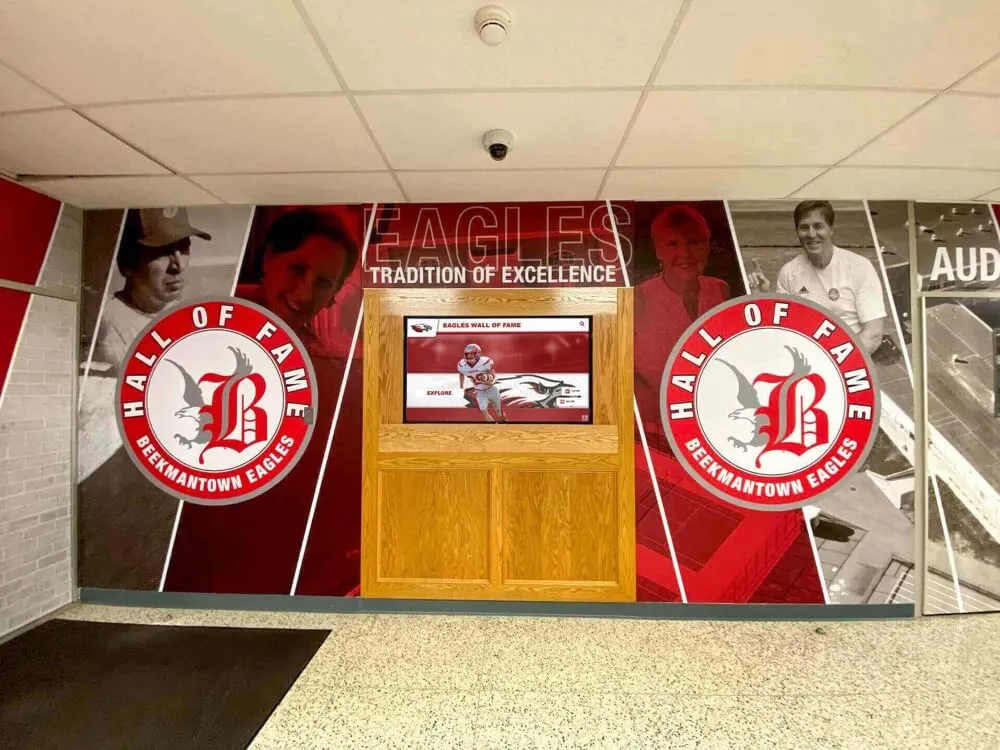
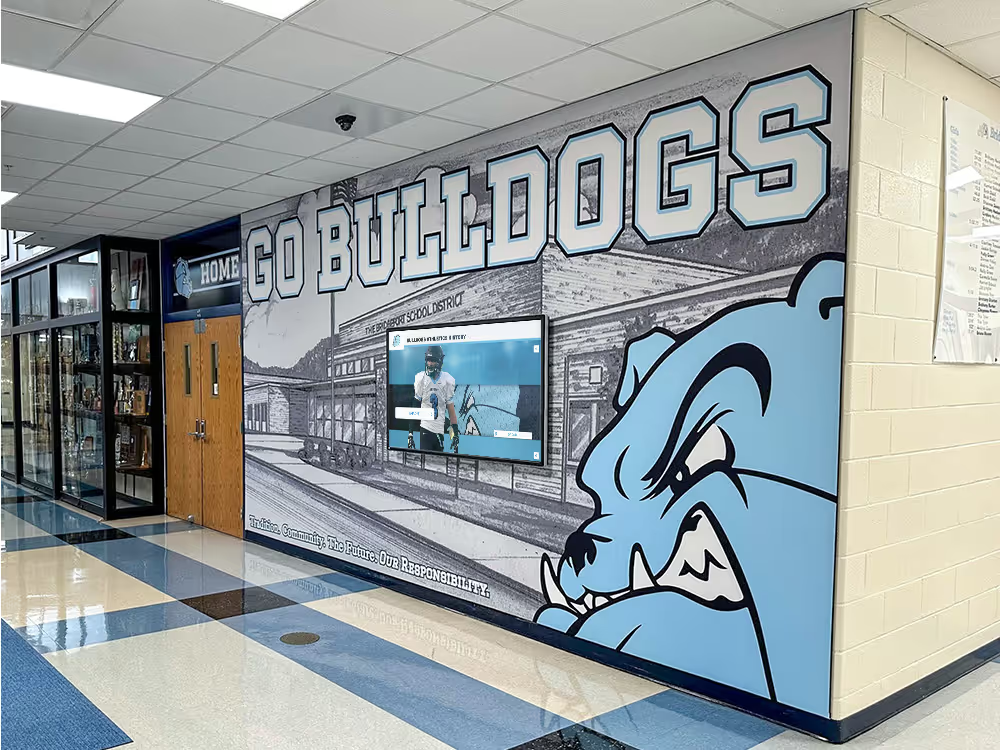
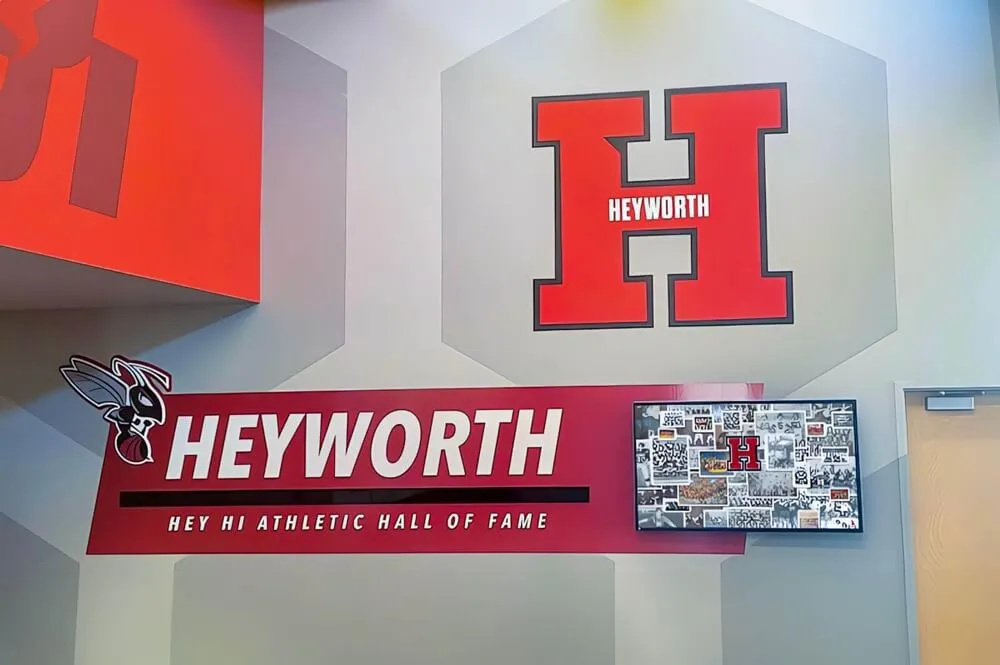
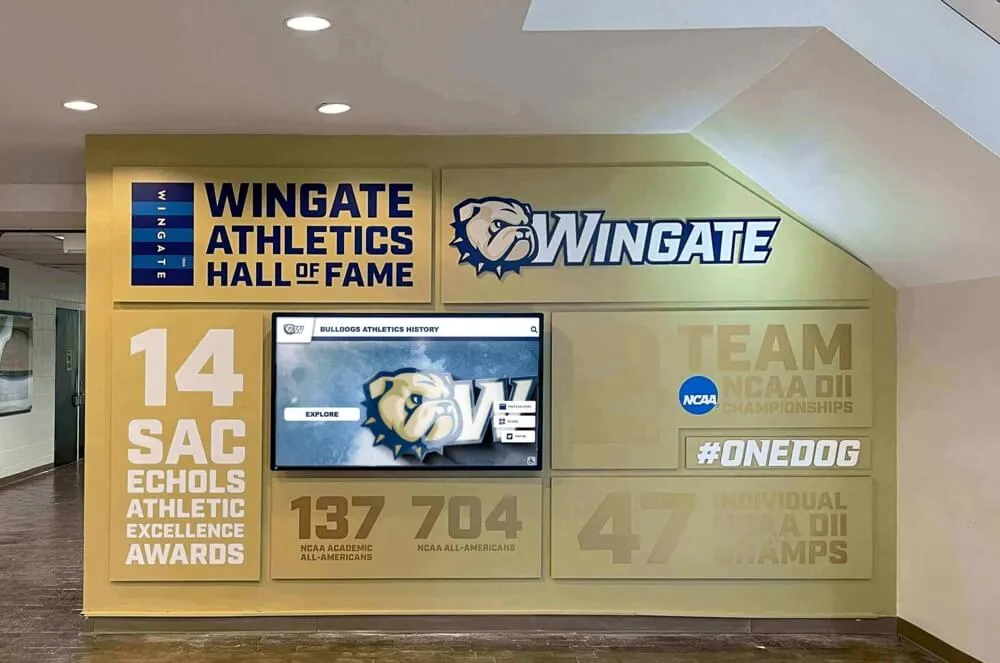
Permanent displays honor scholar athletes alongside other achievement categories in comprehensive recognition programs
Levels of Scholar Athlete Recognition
Scholar athlete awards exist across multiple levels, each offering distinct benefits and prestige.
School-Based Scholar Athlete Programs
Local Recognition Initiatives
Individual schools typically offer:
Seasonal Scholar Athlete Awards
- Recognition per sport season (fall, winter, spring)
- Certificates presented at athletic banquets or award ceremonies
- Public announcement during school assemblies or athletic events
- Name inclusion on scholar athlete display boards or digital recognition systems
- Notation on athletic records and student transcripts
Seasonal recognition acknowledges achievement in real-time, motivating continued excellence throughout high school careers.
Annual Scholar Athlete Honors
- Year-end recognition for students maintaining standards across multiple seasons
- Special designation for highest GPA among athletes
- Multi-sport scholar athlete recognition
- Senior scholar athlete awards honoring cumulative achievement
- Integration with graduation ceremonies or senior recognition events
Annual programs provide culminating recognition celebrating sustained commitment across multiple years.
Program Development and Implementation
Schools establishing scholar athlete programs should consider:
- Clear, published criteria accessible to all students and families
- Transparent verification processes ensuring fairness and accuracy
- Meaningful recognition visible within school community
- Coach involvement in identifying and nominating eligible students
- Athletic director coordination with counseling offices for GPA verification
- Budget allocation for certificates, awards, or recognition events
Well-designed programs operate consistently across years and coaching changes, creating traditions students aspire to join.
Explore how schools effectively recognize academic achievement among athletes through structured honor society and recognition programs.
Conference and League Scholar Athlete Recognition
Athletic Conference Programs
Many athletic conferences sponsor scholar athlete initiatives:
All-Conference Scholar Athlete Teams
- Minimum GPA requirements (typically 3.25-3.5)
- Nomination by member schools
- Conference-wide recognition at championship events or banquets
- Certificates or medals distributed through schools
- Notation in conference records and publications
Conference recognition validates achievement within competitive athletic contexts where students compete against recognized peer athletes.
League Scholar Athlete Standards
League programs often include:
- Sport-specific scholar athlete designations
- Academic all-league team selections
- Recognition alongside athletic all-league honors
- Published lists celebrating academic-athletic excellence
- Criteria aligning with state association standards
League recognition strengthens college applications by demonstrating achievement within competitive contexts coaches and admissions officers understand.
State Athletic Association Scholar Athlete Awards
State-Level Recognition Programs
State high school athletic associations typically offer:
State Scholar Athlete Medallions
- Awarded to graduating seniors meeting rigorous GPA standards (often 3.5-4.0)
- Limited number per school (sometimes based on graduating class size)
- Formal medallion or certificate from state association
- Recognition at graduation ceremonies
- Notation on state association records
State awards carry substantial prestige, particularly for students applying to in-state public universities where athletic associations have established credibility.
State Scholar Athlete Requirements by Example
Requirements vary by state but typically include:
- California - California Interscholastic Federation (CIF) Scholar Athlete awards require 3.5+ GPA
- Texas - University Interscholastic League (UIL) recognizes academic all-state athletes
- Florida - FHSAA Scholar Athlete program honors students with 3.5+ weighted GPAs
- Illinois - IHSA recognizes scholar athletes through scholastic achievement programs
- New York - NYSPHSAA offers scholar athlete awards to qualifying seniors
State programs reflect local athletic association priorities while maintaining rigorous academic standards.
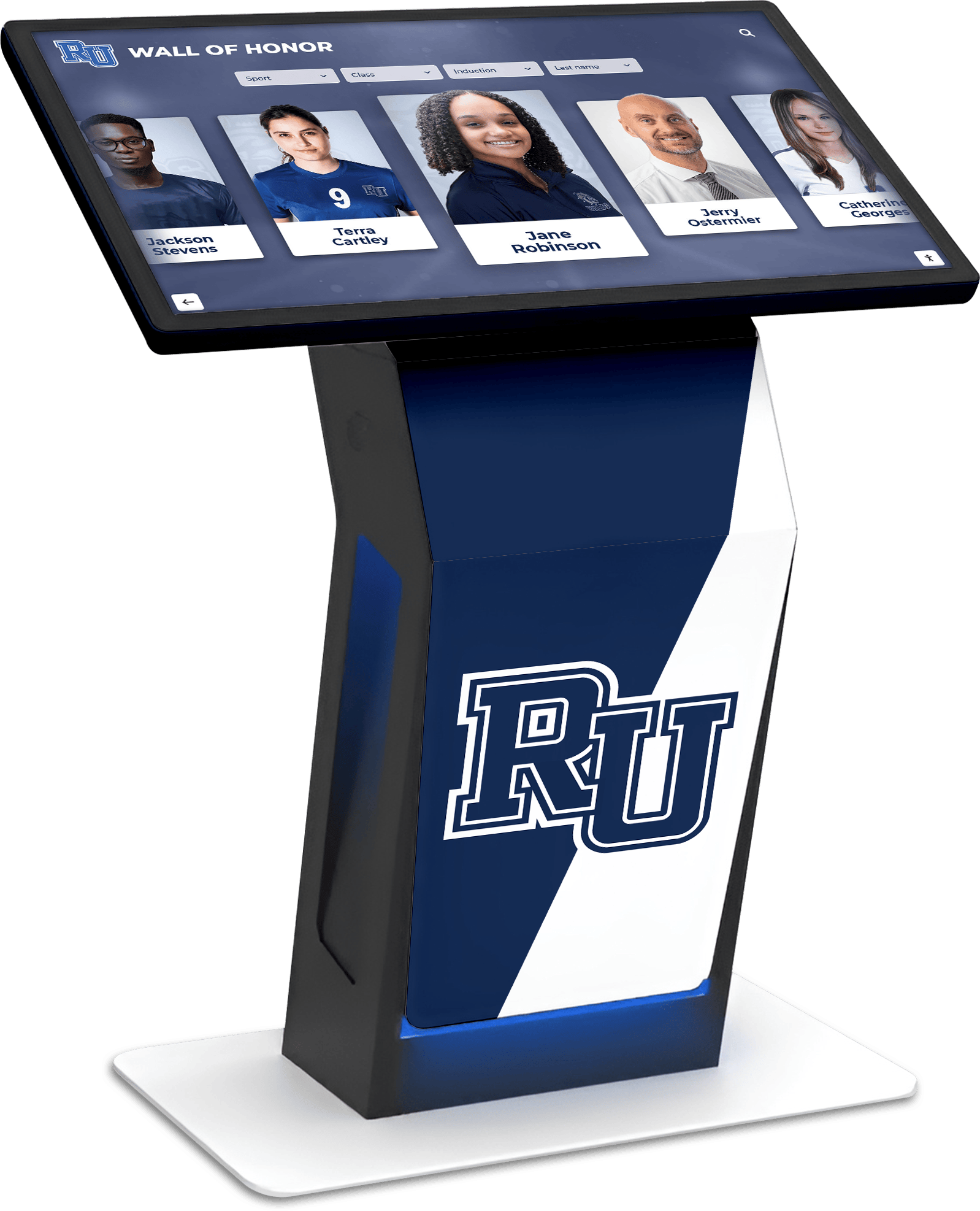
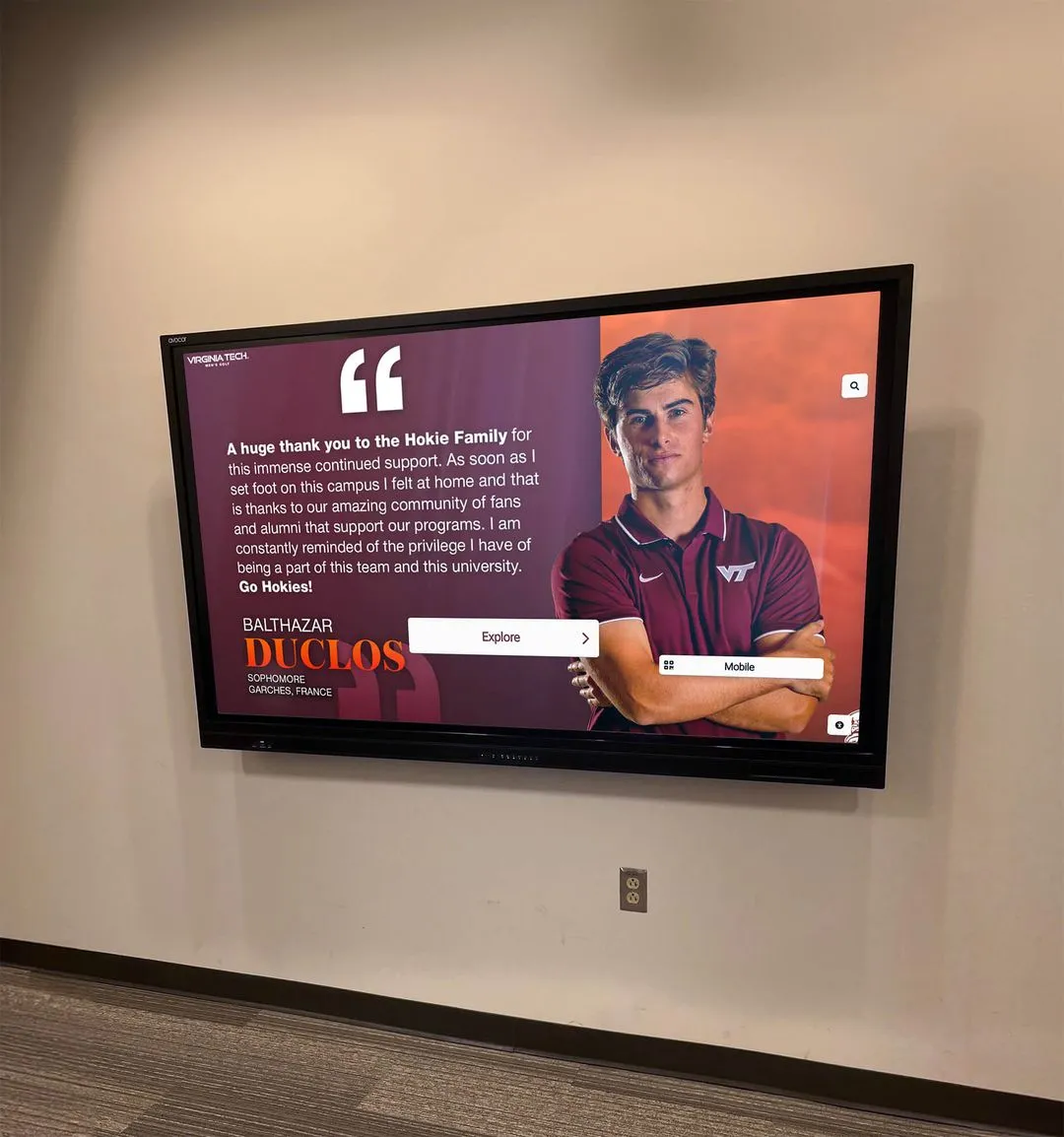
Digital recognition systems enable unlimited scholar athlete profiles with photos, achievements, and statistics
National Scholar Athlete Recognition Programs
Prestigious National Programs
Several national organizations sponsor competitive scholar athlete recognition:
National Football Foundation Scholar Athlete Program
- One of most prestigious national scholar athlete awards
- Recognizes high school seniors excelling in academics, athletics, leadership, and community service
- School nomination required (typically one nominee per school)
- Chapter-level scholarships (varies by NFF chapter location)
- National scholar athlete designation enhances college applications significantly
The NFF program sets high standards requiring exceptional achievement across multiple dimensions.
National Collegiate Athletic Association (NCAA) Scholar Athlete Programs
- Recognition for high school athletes committing to NCAA institutions
- Academic standards aligned with NCAA eligibility requirements
- Programs highlighting importance of academic preparation for college athletics
- Resources and tools for prospective student-athletes
NCAA initiatives emphasize academic preparation as foundation for successful college athletic careers.
National High School Coaches Association Programs
- Sport-specific scholar athlete recognition
- Academic achievement combined with athletic excellence
- Coach nomination and endorsement
- National database of scholar athlete honorees
Coach-driven programs connect athletic and academic achievement through mentor relationships.
National Honor Society - Athlete Recognition
While not exclusively for athletes, NHS membership combined with athletic participation creates scholar athlete profile:
- 3.5+ GPA requirement ensures strong academics
- Service, leadership, and character components align with scholar athlete values
- Athletic participation demonstrates time management and commitment
- Combined recognition particularly impressive to colleges
Students should explore how honor society membership complements athletic achievement in creating comprehensive achievement profiles.
Benefits of Scholar Athlete Recognition
Scholar athlete awards provide tangible advantages extending well beyond ceremonial recognition.
College Admissions Advantages
Application Profile Enhancement
Scholar athlete recognition strengthens college applications through:
Demonstrated Time Management and Discipline
- Admissions committees understand demands of balancing athletics and academics
- Success in both areas signals maturity, organization, and commitment
- Shows ability to handle demanding schedules typical of college life
- Indicates students who set priorities and manage competing demands effectively
Colleges actively seek students likely to succeed in rigorous academic environments while contributing to campus life—scholar athletes demonstrate both capabilities.
Well-Rounded Candidate Profile
- Distinguishes applicants in competitive admissions pools with many high-GPA students
- Demonstrates interests and commitments beyond academics alone
- Shows leadership potential through athletic participation
- Indicates ability to contribute to campus athletic programs or recreation
Scholar athlete recognition helps admissions officers see students as complete individuals rather than academic statistics alone.
Evidence of Institutional Values Alignment
- Demonstrates commitment to excellence valued by universities
- Shows perseverance and resilience overcoming challenges
- Indicates teamwork and collaboration skills from athletic participation
- Reflects character and integrity admissions committees actively seek
Awards validate claims students make in applications about work ethic, character, and achievement orientation.
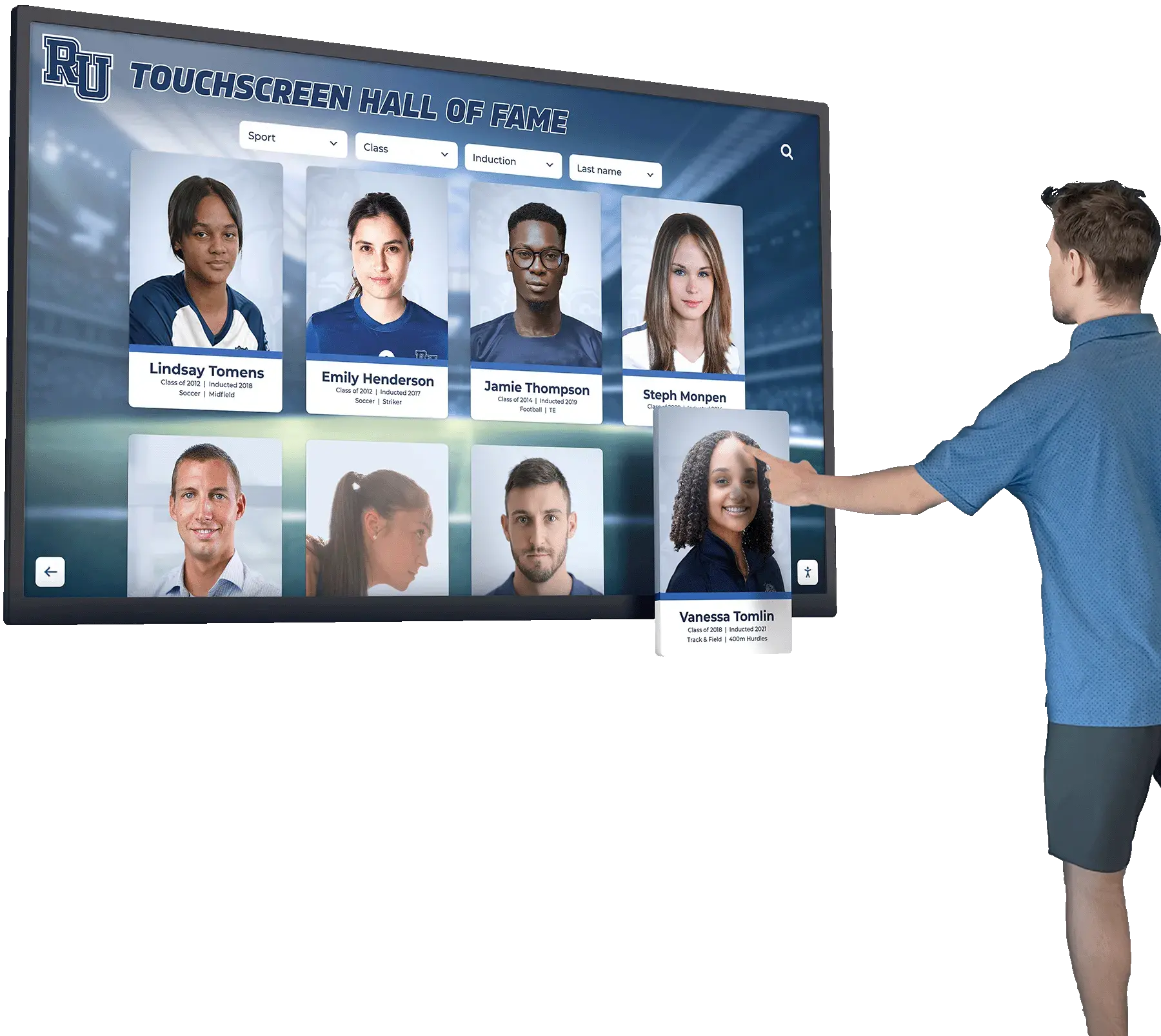
Comprehensive recognition displays showcase scholar athlete achievements alongside statistics and career highlights
Athletic Recruitment Considerations
For students pursuing college athletic participation:
- Academic credentials strengthen recruiting profiles
- Coaches recruiting student-athletes value academic qualifications
- Academic standards affect NCAA eligibility and admission to selective institutions
- Scholar athlete recognition signals academic readiness for college-level work
Even students not pursuing athletic scholarships benefit from demonstrating athletic participation didn’t compromise academic achievement.
Scholarship Opportunities
Scholar Athlete-Specific Scholarships
Numerous scholarship programs specifically target scholar athletes:
Local and Community Scholarships
- Booster clubs offering scholar athlete scholarships
- Community organizations recognizing well-rounded achievement
- Local foundations valuing academic-athletic excellence
- Business sponsorships celebrating commitment and character
Local scholarships often specifically seek scholar athletes representing community values.
Athletic Conference and Association Scholarships
- Conference-sponsored scholarships for academic all-conference athletes
- State athletic association scholarship programs
- League foundations supporting scholar athlete college attendance
- Sport-specific organizations offering academic achievement awards
Participation in recognized athletic programs opens scholarship opportunities unavailable to non-athletes.
National Scholar Athlete Scholarship Programs
- National Football Foundation scholarships ($1,000-$18,000+ depending on chapter)
- Wendy’s High School Heisman scholarship program
- NCAA postgraduate scholarships (for continuing athletes)
- Sport-specific national organization scholarships
Competitive national programs offer substantial financial assistance to exceptional scholar athletes.
Understanding end-of-year academic recognition programs helps students position themselves for maximum scholarship consideration.
General Merit Scholarships Enhanced by Scholar Athlete Status
Even scholarships not specifically designated for scholar athletes benefit from:
- Well-rounded achievement profiles selection committees value
- Demonstrated leadership and character through athletics
- Time management and discipline evident in balanced achievement
- Community involvement often required of team participation
- References from coaches complementing teacher recommendations
Scholar athlete recognition strengthens applications for broad scholarship opportunities evaluating overall achievement and character.
Personal Development and Life Skills
Transferable Skills Scholar Athletes Develop
Beyond external recognition, scholar athlete experiences build:
Time Management and Organization
- Balancing practice schedules with homework demands
- Planning study time around games and travel
- Meeting competing deadlines from coaches and teachers
- Developing systems for managing complex schedules
These organizational capabilities prove invaluable in college and professional careers with multiple simultaneous demands.
Resilience and Perseverance
- Overcoming setbacks in competition while maintaining academic focus
- Pushing through fatigue to complete assignments after practices
- Maintaining motivation across long seasons and challenging courses
- Learning to succeed in multiple domains despite obstacles
Scholar athletes develop mental toughness and persistence valuable throughout life.
Goal-Setting and Achievement Orientation
- Establishing academic and athletic objectives simultaneously
- Creating action plans for achieving targets in both areas
- Monitoring progress and adjusting strategies
- Celebrating accomplishments while setting new challenges
Experience achieving difficult goals in multiple areas builds confidence and capability for future endeavors.
Leadership and Collaboration
- Leading peers through example of balanced achievement
- Working within team structures toward common goals
- Communicating effectively with coaches, teachers, and teammates
- Resolving conflicts and building positive relationships
Leadership experiences from athletic participation complement academic achievement in developing well-rounded individuals.
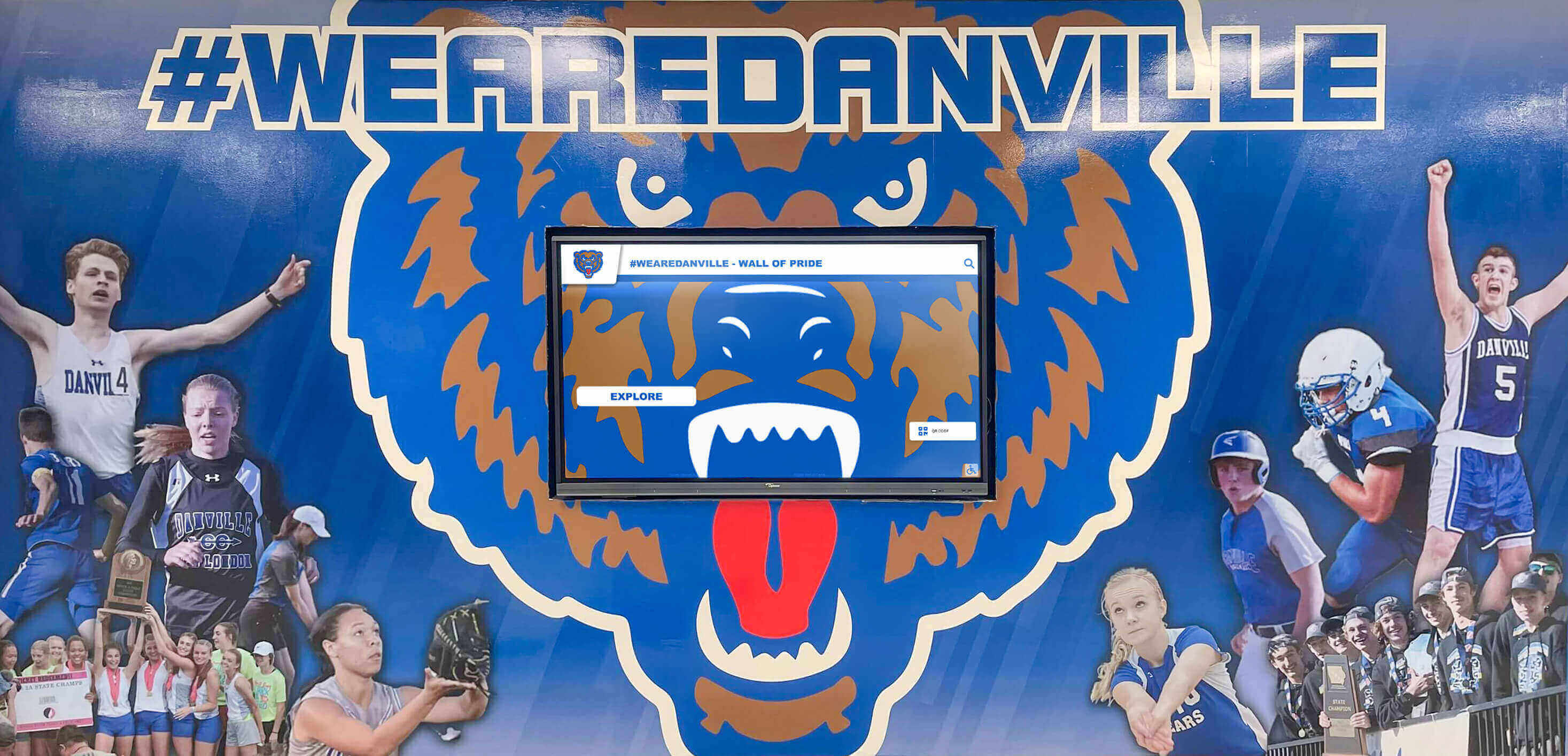
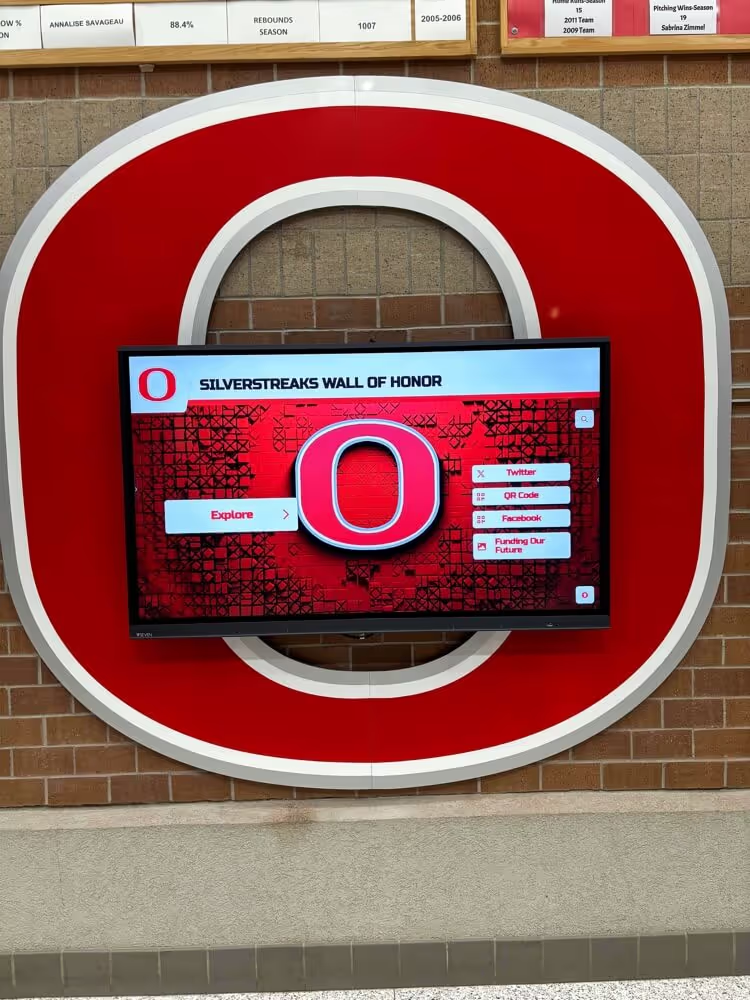
Prominent athletic displays celebrating scholar athletes reinforce institutional values and inspire current students
How Students Can Pursue Scholar Athlete Recognition
Strategic approaches help students maximize opportunities to earn scholar athlete honors.
Academic Strategies for Student-Athletes
Maintaining Strong GPAs During Athletic Seasons
Effective academic management includes:
Proactive Time Management
- Creating weekly schedules balancing practice, competition, homework, and study
- Identifying academic priorities each week and allocating appropriate time
- Using travel time and free periods productively for studying or homework
- Building buffer time for unexpected demands or challenges
- Communicating with teachers about schedule conflicts in advance
Planning prevents last-minute cramming and reduces stress from competing demands.
Leveraging Academic Support Resources
- Utilizing study halls and academic support programs schools offer
- Attending teacher office hours or extra help sessions
- Forming study groups with teammates or classmates
- Seeking tutoring assistance when struggling with concepts
- Working with academic counselors on course selection and workload management
Successful scholar athletes recognize that seeking help demonstrates maturity rather than weakness.
Strategic Course Selection
- Balancing rigorous courses with realistic workload assessment
- Distributing challenging courses across years rather than overloading single semesters
- Understanding how weighted vs. unweighted GPAs affect scholar athlete qualification
- Taking advantage of summer coursework to reduce year-round pressure
- Consulting with counselors about graduation requirements and GPA implications
Thoughtful planning enables students to challenge themselves academically while maintaining achievement standards during athletic seasons.
Communication with Teachers and Coaches
- Informing teachers of competition schedules and potential absences
- Discussing assignment due dates and requesting advance work when traveling
- Keeping coaches informed of academic struggles requiring adjusted practice participation
- Maintaining respectful, professional relationships with both teachers and coaches
- Being proactive rather than reactive when conflicts arise
Open communication enables support systems to work together rather than creating competition between academic and athletic demands.
Athletic Participation Strategies
Maximizing Athletic Contribution and Recognition
Scholar athlete candidates should:
Commit Fully to Athletic Participation
- Attending all practices and competitions unless excused
- Contributing positively to team culture and morale
- Demonstrating coachability and willingness to learn
- Supporting teammates regardless of personal playing time
- Maintaining physical conditioning and skill development
- Representing school and team positively in community
Meaningful athletic participation requires genuine commitment rather than minimal involvement for qualification purposes.
Understanding Sport-Specific Requirements
- Clarifying scholar athlete eligibility requirements with coaches early
- Tracking whether participation meets minimum standards (games played, practices attended)
- Documenting athletic achievements and statistics
- Obtaining coach verification or recommendations when required
- Ensuring athletic eligibility status remains clear throughout season
Proactive tracking prevents disappointment from assuming qualification without verifying specific requirements.
Multi-Sport Participation Considerations
- Evaluating whether multi-sport participation is academically sustainable
- Understanding that participation in multiple sports may enhance scholar athlete recognition
- Balancing year-round athletic commitment with academic workload capacity
- Communicating with multiple coaches about academic priorities and demands
- Recognizing that strategic single-sport focus may be appropriate for some students
Multi-sport participation offers recognition benefits but requires careful consideration of academic sustainability.

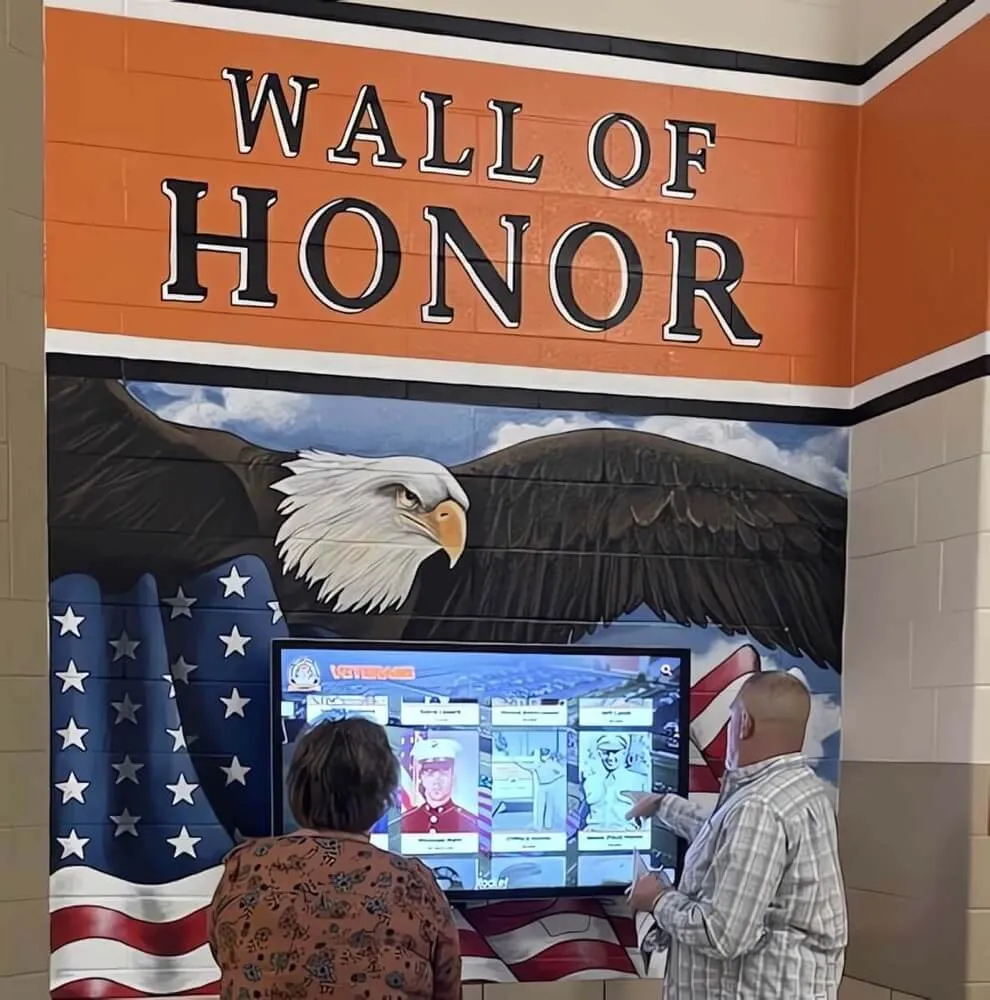
Hallway athletic displays celebrating scholar athletes reinforce institutional priorities visible to entire school community
Application and Nomination Processes
Navigating Scholar Athlete Award Applications
Students should:
Understand Available Programs and Deadlines
- Researching school, conference, state, and national scholar athlete programs
- Identifying eligibility requirements and application deadlines
- Determining whether awards require application or nomination
- Creating timeline for completing applications and gathering materials
- Following up with athletic directors or counselors about nomination processes
Proactive research prevents missing opportunities due to deadline ignorance.
Gathering Required Documentation
- Obtaining official transcripts showing GPA calculation
- Collecting athletic participation verification from coaches
- Securing recommendation letters from coaches, teachers, or counselors
- Documenting awards, honors, leadership roles, and community service
- Preparing personal statements explaining achievement or goals when required
- Organizing application materials systematically
Complete documentation strengthens applications and demonstrates organizational skills valuable to selection committees.
Working with School Administrators
- Consulting athletic directors about nomination processes and requirements
- Meeting with counselors to verify academic eligibility and GPA calculation
- Requesting that school personnel submit required verification forms
- Following up to ensure nomination materials submitted by deadlines
- Thanking administrators and coaches for support and recommendations
Positive relationships with school personnel facilitate nomination processes and strengthen support.
How Schools Recognize and Celebrate Scholar Athletes
Effective recognition programs honor scholar athletes meaningfully while inspiring future students toward balanced excellence.
Recognition Display and Visibility Strategies
Traditional Recognition Approaches
Schools commonly use:
Scholar Athlete Bulletin Boards
- Dedicated display areas listing current scholar athletes by sport and season
- Photos and biographical information about honorees
- GPA recognition alongside athletic statistics
- Updated seasonally or annually to reflect current recipients
- Located in high-traffic areas (athletic facilities, main hallways, cafeterias)
Visible displays ensure scholar athlete achievement receives recognition comparable to purely athletic accomplishments.
Trophy Cases and Award Showcases
- Special sections for scholar athlete awards and recognition
- Plaques honoring annual scholar athlete award recipients
- Integration with athletic achievement displays
- Historical recognition preserving scholar athlete tradition
- Perpetual awards listing names over multiple years
Physical recognition creates permanent record honoring scholar athlete achievement.
Athletic Banquet Recognition
- Special scholar athlete award presentations during end-of-season banquets
- Certificates, medals, or plaques presented by coaches or administrators
- Recognition speeches highlighting balanced achievement significance
- Family invitations celebrating accomplishments
- Integration with other athletic awards and recognition
Ceremonial recognition honors scholar athletes before athletic communities valuing their achievements.
Schools exploring modern recognition solutions can create memorable celebrations honoring diverse achievement types.
Digital Recognition Solutions
Modern Technology-Enhanced Recognition
Contemporary schools increasingly adopt:
Digital Hall of Fame Displays
- Interactive touchscreens showcasing scholar athlete profiles
- Unlimited capacity accommodating all qualifying students without space constraints
- Rich multimedia presentations including photos, videos, and achievement details
- Search functionality enabling students to locate themselves and peers
- Regular updates adding new scholar athletes without physical construction
- Integration with athletic and academic recognition programs
Solutions like Rocket Alumni Solutions provide specialized platforms enabling schools to showcase scholar athletes alongside other achievement categories in comprehensive recognition systems.
Website and Social Media Recognition
- Dedicated scholar athlete sections on school athletic websites
- Social media posts celebrating individual scholar athlete achievements
- Searchable databases allowing community members to explore scholar athlete rosters
- Digital certificates or graphics students can share with families and college applications
- Integration with school communication channels amplifying recognition reach
Digital recognition extends visibility beyond school buildings, connecting with families and broader communities.
Understanding digital recognition display options helps schools select solutions aligning with budget, space, and recognition goals.
Mobile-Accessible Recognition
- Smartphone-optimized displays enabling access anywhere
- QR codes in physical spaces linking to expanded digital profiles
- Mobile apps featuring scholar athlete directories and achievements
- Push notifications celebrating new scholar athlete designations
- Social sharing functionality allowing families to promote achievements
Mobile accessibility ensures recognition reaches students, families, and community members regardless of physical proximity to school.
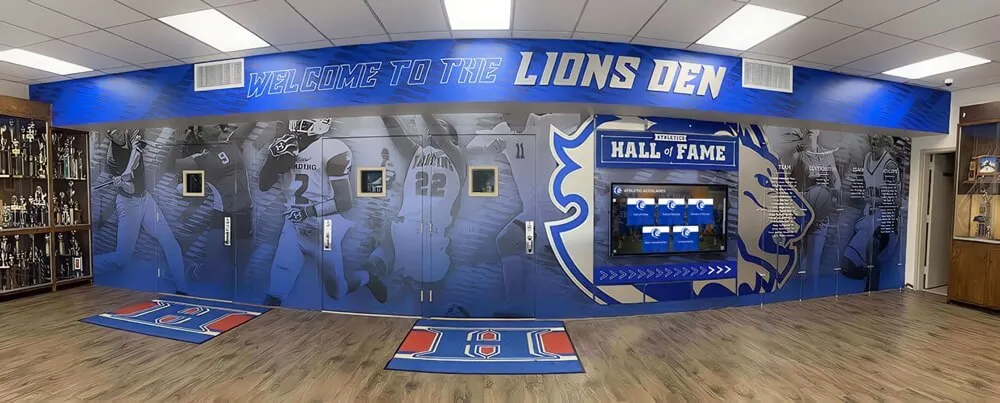
Integrated recognition spaces combine traditional trophy displays with digital systems celebrating comprehensive achievement
Program Development and Best Practices
Creating Effective Scholar Athlete Programs
Schools establishing or improving programs should:
Define Clear, Accessible Criteria
- Establishing GPA thresholds realistic for broad participation while maintaining standards
- Specifying athletic participation requirements (varsity letters, season completion)
- Clarifying character and citizenship expectations
- Publishing criteria prominently in student handbooks, athletic materials, websites
- Ensuring criteria remain consistent across sports and seasons
Transparent criteria enable students to set clear goals and prevent perceptions of favoritism or inconsistency.
Implement Systematic Verification Processes
- Coordinating between athletic directors and counseling offices for GPA verification
- Creating coach certification forms confirming athletic participation
- Establishing timeline for eligibility determination (end of season, year-end)
- Maintaining records documenting scholar athlete recognition over years
- Developing appeal processes for students questioning eligibility determinations
Systematic processes ensure fairness and accuracy while reducing administrative burden.
Provide Meaningful Recognition
- Balancing formality with celebration in recognition ceremonies
- Ensuring scholar athlete recognition receives prominence comparable to athletic awards
- Involving families in recognition events when possible
- Creating tangible recognition items (certificates, medals, plaques) students value
- Integrating scholar athlete recognition into graduation ceremonies for seniors
Recognition should honor achievement appropriately, creating memorable moments students and families cherish.
Promote Programs and Celebrate Achievements
- Educating students and families about scholar athlete programs and benefits
- Highlighting scholar athlete achievements in school communications
- Using recognition to inspire younger students toward balanced excellence
- Connecting scholar athlete recognition to college admissions and scholarship information
- Creating traditions around scholar athlete programs building institutional culture
Promotion ensures programs achieve maximum motivational impact while building traditions students aspire to join.
Schools can learn from comprehensive recognition program approaches celebrating diverse forms of student achievement.
Scholar Athlete Recognition in College Athletic Recruitment
Understanding how scholar athlete recognition affects college athletic recruitment helps students position themselves effectively.
NCAA Academic Requirements and Scholar Athlete Status
NCAA Eligibility Standards
College-bound athletes must meet:
- Minimum GPA requirements in NCAA-approved core courses (sliding scale based on test scores)
- SAT or ACT score minimums correlating with GPA
- Completion of 16 core course requirements across English, math, science, social studies
- NCAA Eligibility Center registration and transcript submission
- Amateur status verification
Scholar athlete recognition demonstrates students exceed minimum standards, signaling academic readiness for college-level work.
Academic Standards at Different Competition Levels
Athletic division affects academic expectations:
- Division I - Most rigorous academic standards; scholar athlete recognition particularly valuable
- Division II - Strong academic standards; scholar athlete status demonstrates serious commitment
- Division III - No athletic scholarships but high academic standards; scholar athlete recognition aligns with institutional priorities
- NAIA - Independent standards; scholar athlete recognition strengthens recruitment profiles
- Junior College - Varying standards; scholar athlete recognition aids transfer to four-year institutions
Scholar athlete status signals academic preparation valuable across all competition levels.
Communicating Scholar Athlete Achievement to College Coaches
Including Recognition in Athletic Recruitment Materials
Effective communication includes:
Athletic Resume and Profile Development
- Listing scholar athlete awards prominently in achievement sections
- Highlighting GPA and academic honors alongside athletic statistics
- Including academic all-conference or all-state designations
- Referencing National Honor Society or other academic organization membership
- Noting AP courses, honors classes, or advanced academic pursuits
Comprehensive profiles present students as well-rounded recruits coaches value.
Students developing recruitment materials can reference student athlete resume guidance for effective achievement presentation.
Communication with Coaches and Recruiters
- Proactively sharing academic achievements in initial contact with coaches
- Emphasizing commitment to excellence in classroom and competition
- Providing transcript and test score information demonstrating academic qualifications
- Discussing academic interests and intended majors showing genuine educational commitment
- Highlighting how academic preparation aligns with college program values
Scholar athlete recognition provides conversation topics distinguishing students in competitive recruitment environments.
Leveraging Academic Credentials in Recruitment
Academic strength creates advantages:
- Greater flexibility in admission to selective institutions with rigorous standards
- Enhanced appeal to coaches seeking team GPA improvement
- Reduced admissions risk for coaching staffs investing in recruits
- Academic scholarship opportunities supplementing athletic financial aid
- Stronger positioning for limited roster spots when athletic ability comparable to other recruits
Scholar athlete recognition differentiates recruits when athletic abilities appear similar.
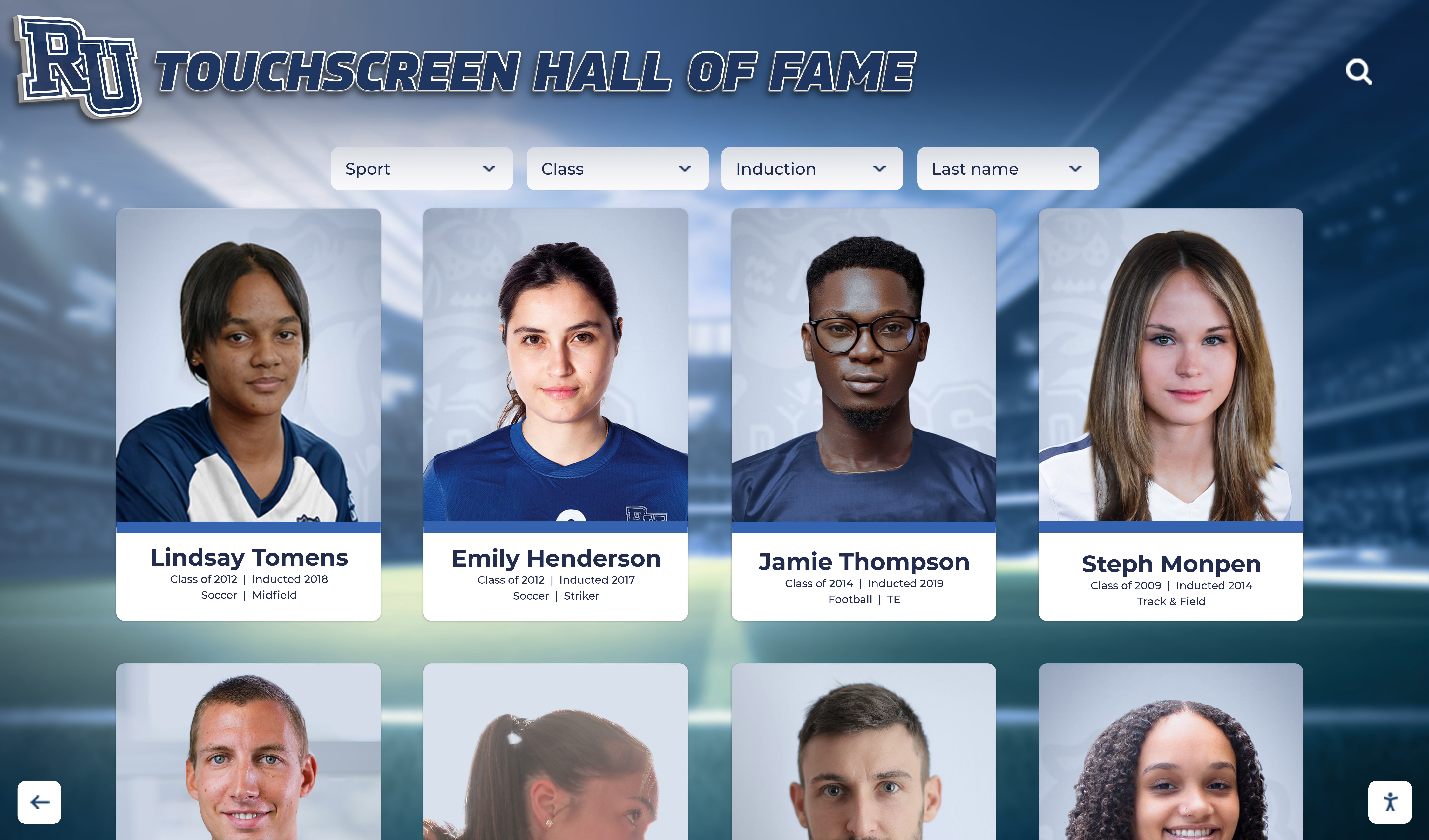
Grid-based athlete profile displays enable exploration of scholar athlete achievements alongside competition statistics
Common Challenges Scholar Athletes Face and Solutions
Pursuing scholar athlete recognition presents predictable challenges requiring proactive management.
Time Management and Workload Balance
Navigating Competing Demands
Scholar athletes commonly struggle with:
Challenge: Insufficient Time for Both Commitments
Athletic practices, competitions, and training consume 10-20+ hours weekly while rigorous coursework requires substantial study time. Students feel torn between athletic and academic demands.
Solutions:
- Creating detailed weekly schedules allocating specific time blocks to athletics, academics, and rest
- Using study halls, travel time, and free periods productively
- Prioritizing assignments by due date and difficulty, tackling challenging work when most alert
- Communicating with coaches about academic demands during particularly challenging weeks
- Learning to say no to social commitments or optional activities during peak demand periods
- Getting adequate sleep to maintain focus and energy across all activities
Successful scholar athletes develop sophisticated time management systems rather than relying on last-minute efforts.
Challenge: Travel and Competition Impact on Class Time
Athletic competition often requires missing classes for travel to away contests, tournaments, or championship events.
Solutions:
- Requesting assignments in advance before known absences
- Communicating proactively with teachers about upcoming absences
- Completing work ahead of departure when possible
- Using travel time for reading, studying, or assignment completion
- Arranging to take tests before travel or immediately upon return
- Maintaining organized records of assignment due dates and missed content
- Seeking peer notes or teacher assistance to catch up on missed instruction
Proactive communication and planning minimize academic impact of athletic travel demands.
Academic Pressure and Performance Anxiety
Managing Stress from Dual Performance Expectations
Challenge: Pressure to Maintain High GPAs During Athletic Seasons
Students pursuing scholar athlete recognition feel intense pressure to maintain GPA thresholds while navigating athletic demands, creating stress and anxiety.
Solutions:
- Setting realistic expectations based on personal capabilities and circumstances
- Focusing on genuine learning and understanding rather than grade obsession
- Seeking academic support (tutoring, teacher help) when struggling with content
- Maintaining perspective that occasional setbacks don’t define overall trajectory
- Developing healthy stress management techniques (exercise, mindfulness, sleep)
- Communicating with parents, counselors, or coaches about stress and pressure
- Remembering that colleges value well-rounded achievement, not perfection
Mental health and wellbeing should remain priorities alongside achievement pursuits.
Challenge: Perfectionism and Fear of Failure
High-achieving students often develop perfectionistic tendencies creating anxiety about any performance below personal standards.
Solutions:
- Recognizing that mistakes and setbacks provide growth opportunities
- Celebrating effort and improvement rather than only final outcomes
- Developing growth mindset viewing abilities as developable through work
- Seeking perspective from mentors, counselors, or coaches about realistic expectations
- Balancing high standards with self-compassion when facing challenges
- Focusing on controllable factors (effort, preparation) rather than outcomes alone
Resilience requires accepting that setbacks occur while maintaining commitment to continued growth.
Maintaining Athletic Performance While Prioritizing Academics
Balancing Athletic Development with Academic Commitments
Challenge: Limited Time for Skill Development and Training
Scholar athletes dedicating substantial time to academics may have less time for additional training, skill work, or athletic development compared to athletes making sports primary focus.
Solutions:
- Maximizing effort and focus during scheduled team practices
- Using offseason periods for skill development when academic demands lighter
- Communicating with coaches about training priorities given time constraints
- Integrating athletic conditioning into daily routines (cycling to school, active recreation)
- Accepting that balanced commitment may mean different athletic trajectory than single-focus athletes
- Recognizing that many college programs value well-rounded athletes with diverse capabilities
Athletic development and academic achievement can coexist when students maintain realistic expectations and maximize available training time.
Challenge: Coach or Teammate Pressure to Prioritize Athletics
Some coaches or teammates may explicitly or implicitly pressure athletes to prioritize athletics over academics, creating conflicts for scholar athletes.
Solutions:
- Communicating academic priorities and goals clearly with coaches early in season
- Involving parents or administrators if coaches create untenable academic-athletic conflicts
- Seeking programs and coaches valuing academic achievement alongside athletic success
- Remembering that NCAA rules require schools to support academic progress
- Understanding that college coaches recruiting scholar athletes value academic commitment
- Maintaining confidence that balanced approach aligns with long-term goals
Student-athletes should advocate for themselves when athletic demands compromise academic achievement unreasonably.
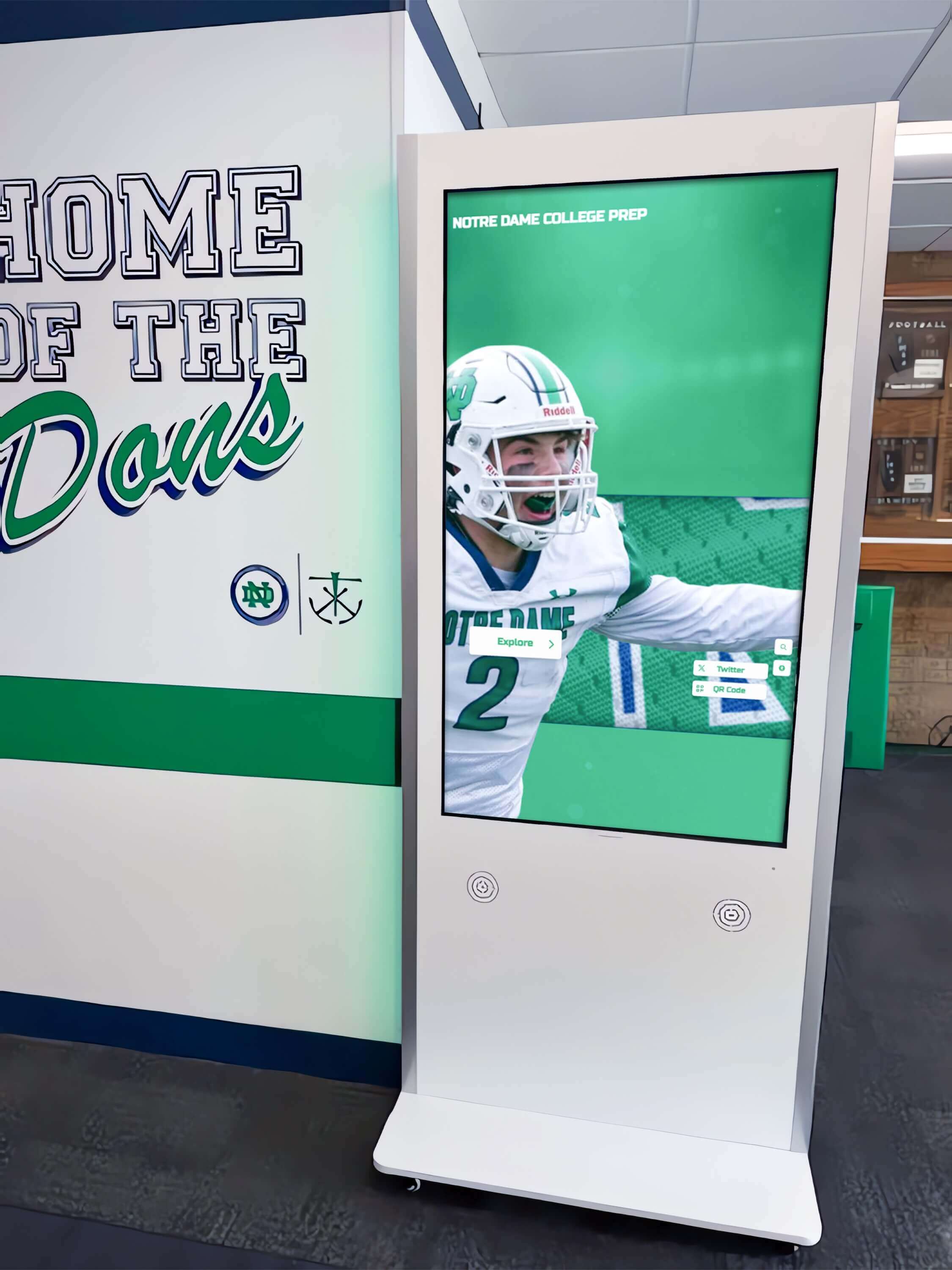
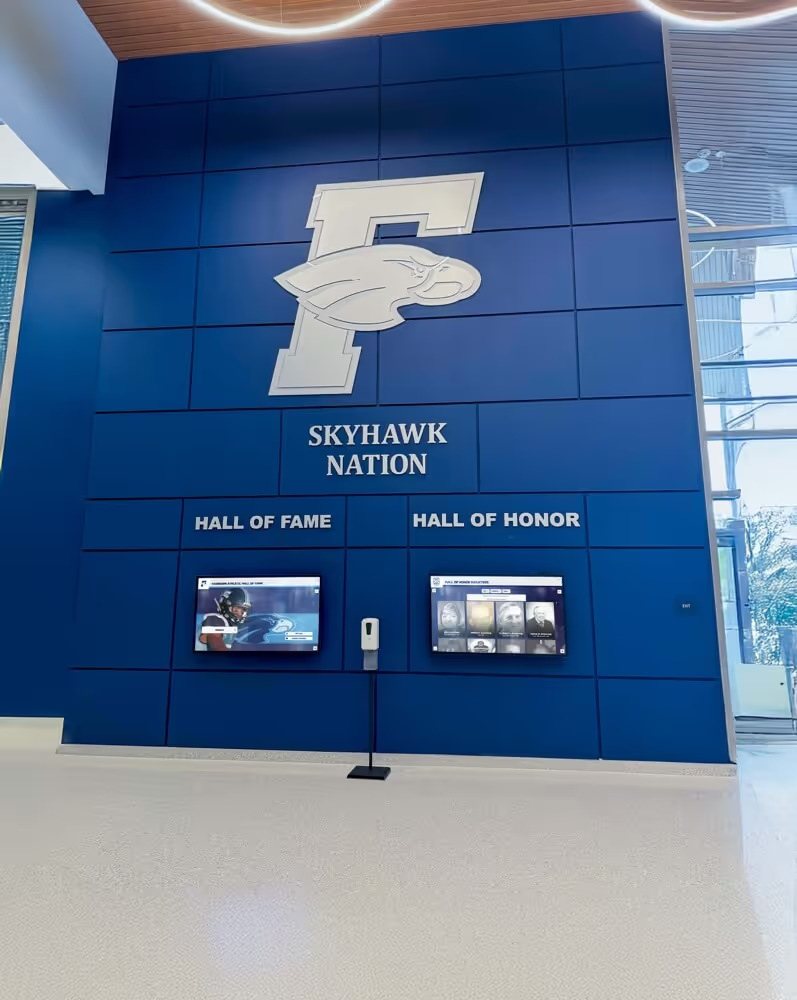
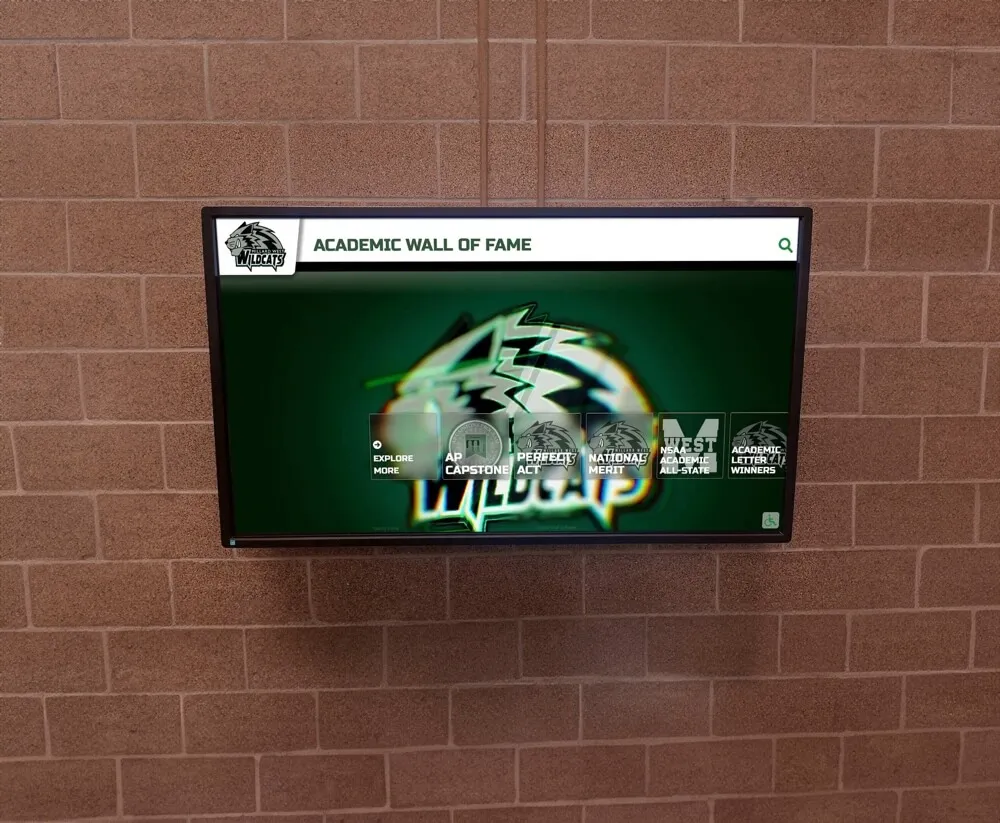
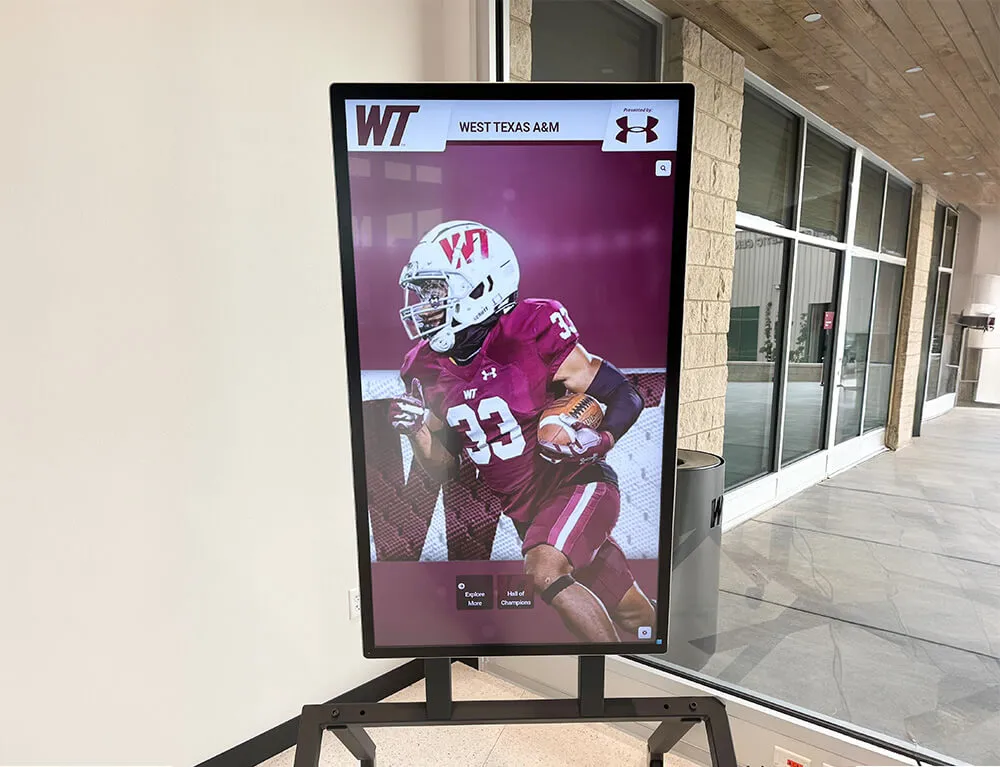
Freestanding kiosks in prominent locations ensure scholar athlete recognition receives high visibility throughout school community
The Future of Scholar Athlete Recognition
Scholar athlete programs continue evolving to reflect changing educational priorities and technological capabilities.
Emerging Trends in Academic-Athletic Recognition
Holistic Achievement Profiles
Modern recognition increasingly emphasizes:
- Broader definition of achievement beyond GPA and athletic statistics
- Character, leadership, and community involvement as recognition components
- Growth and improvement rather than only absolute achievement levels
- Resilience and overcoming challenges as valued dimensions
- Diverse achievement pathways reflecting different student strengths
Future programs will likely expand beyond traditional metrics to celebrate multidimensional student excellence.
Technology-Enhanced Recognition
Digital platforms enable:
- Comprehensive achievement portfolios documenting scholar athlete journeys
- Video highlights and multimedia storytelling bringing recognition to life
- Social media integration connecting recognition with broader communities
- Mobile accessibility ensuring recognition reaches dispersed audiences
- Data analytics showing scholar athlete program impact and outcomes
Technology removes space constraints limiting traditional recognition while creating engaging experiences impossible with static displays.
Integration with College Recruiting
Increasingly sophisticated connections between high school and college include:
- Digital portfolios streamlining communication between scholar athletes and college recruiters
- NCAA Eligibility Center integration with high school academic records
- Recruiting platforms highlighting academic credentials alongside athletic profiles
- Virtual recruiting environments where academic achievement receives equal emphasis with athletic performance
Scholar athlete recognition will likely become more visible in recruiting processes as platforms facilitate comprehensive profile sharing.
Expanding Recognition Beyond Traditional Metrics
Inclusion and Accessibility
Future programs should consider:
- Recognizing diverse participation types (managers, trainers, student athletic directors)
- Accommodating students whose athletic contributions differ from traditional competition roles
- Creating recognition tiers encouraging broad participation while honoring highest achievement
- Ensuring programs recognize achievement across all sports and participation levels
- Addressing equity concerns ensuring resources and recognition distributed fairly across programs
Inclusive programs celebrate diverse forms of athletic-academic excellence rather than narrow achievement definitions.
Life Skills and Character Development
Enhanced focus on:
- Leadership development as core component of scholar athlete programs
- Community service and civic engagement integration with recognition
- Career readiness and professional skill development
- Mental health awareness and wellbeing as achievement dimensions
- Social emotional learning outcomes alongside academic and athletic metrics
Future programs will likely emphasize scholar athlete development as complete individuals prepared for meaningful lives beyond high school athletics.
Conclusion: Celebrating Balanced Excellence Through Scholar Athlete Recognition
Scholar athlete awards represent more than combinations of GPA thresholds and athletic participation requirements—they celebrate students who refuse to accept false choice between academic and athletic excellence, instead pursuing both domains with commitment and achieving distinction demonstrating remarkable time management, discipline, and character. These recognitions honor individuals embodying institutional values most completely while serving as role models inspiring peers toward balanced achievement.
For students pursuing scholar athlete recognition, success requires strategic planning balancing rigorous academics with meaningful athletic participation, effective time management enabling consistent performance across both domains, and resilience maintaining commitment when facing inevitable challenges of dual pursuit. The benefits extend far beyond certificates and award ceremonies—scholar athlete recognition strengthens college applications, opens scholarship opportunities, develops transferable skills valuable throughout life, and validates achievements requiring exceptional dedication.
Celebrate Your Scholar Athletes with Modern Recognition
Discover how digital recognition platforms enable schools to honor unlimited scholar athletes with engaging displays showcasing academic achievement alongside athletic excellence—creating comprehensive profiles that inspire current students while preserving institutional heritage.
Explore Scholar Athlete Recognition SolutionsFor schools, creating effective scholar athlete recognition programs requires establishing clear criteria balancing accessibility with meaningful standards, implementing systematic verification processes ensuring fairness and accuracy, providing prominent visibility honoring achievements appropriately, and promoting programs effectively to inspire participation. Modern digital recognition solutions like Rocket Alumni Solutions enable schools to celebrate unlimited scholar athletes without space constraints, create rich multimedia profiles impossible with traditional plaques, and integrate academic-athletic recognition into comprehensive systems honoring diverse forms of student excellence.
Scholar athlete recognition programs ultimately serve institutional missions developing well-rounded individuals prepared for meaningful lives characterized by excellence, character, and contribution. When schools make balanced achievement visible through prominent recognition, they send powerful messages about values while motivating generations of students toward pursuing excellence across all endeavors—athletic fields and classrooms, competitive arenas and community service, individual achievement and team contribution. Scholar athletes represent ideals of educational institutions aiming to develop complete individuals, and recognition programs celebrating these exceptional students honor achievements truly deserving celebration.