



Standing as salutatorian represents one of the highest academic honors a student can achieve—recognition for four years of dedicated study, intellectual curiosity, and consistent excellence that placed you second in your graduating class. The salutatorian speech offers a unique opportunity to address your classmates, celebrate shared experiences, acknowledge the journey that brought everyone to graduation day, and inspire peers as they transition from high school to the next chapter of their lives.
Unlike the valedictorian, who typically focuses on academic achievement and future aspirations, the salutatorian speech often strikes a more personal, reflective tone—celebrating the collective journey, honoring the relationships that sustained the class through challenges, and acknowledging that success takes many forms beyond grade point averages. This distinction creates space for salutatorians to craft speeches that resonate emotionally while still recognizing the academic accomplishments that define this milestone moment.

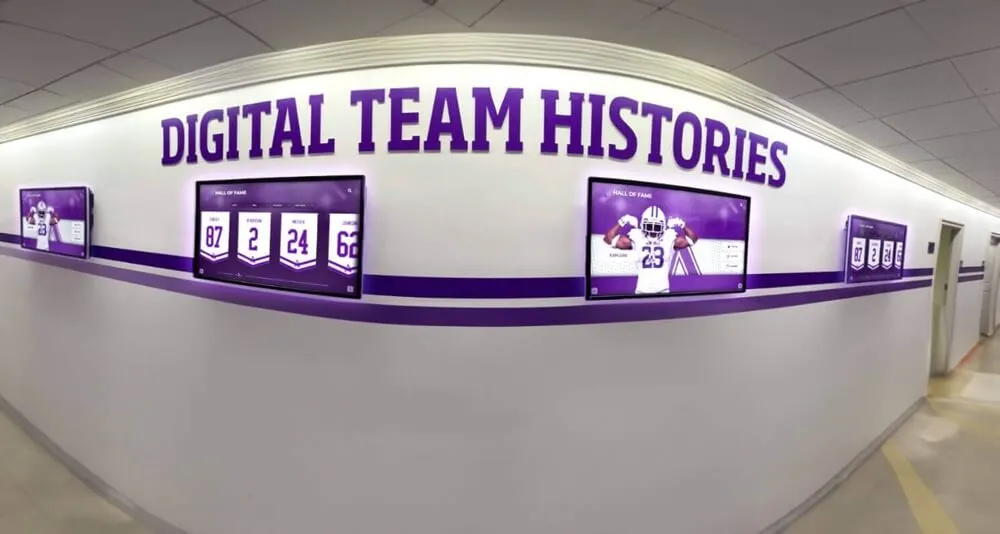
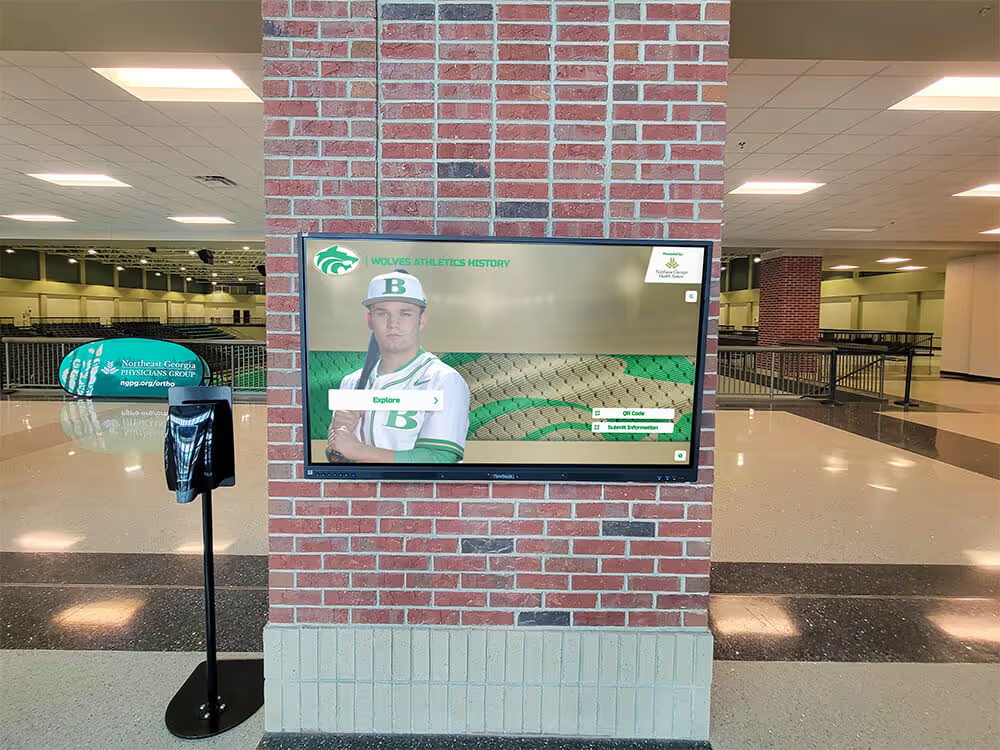
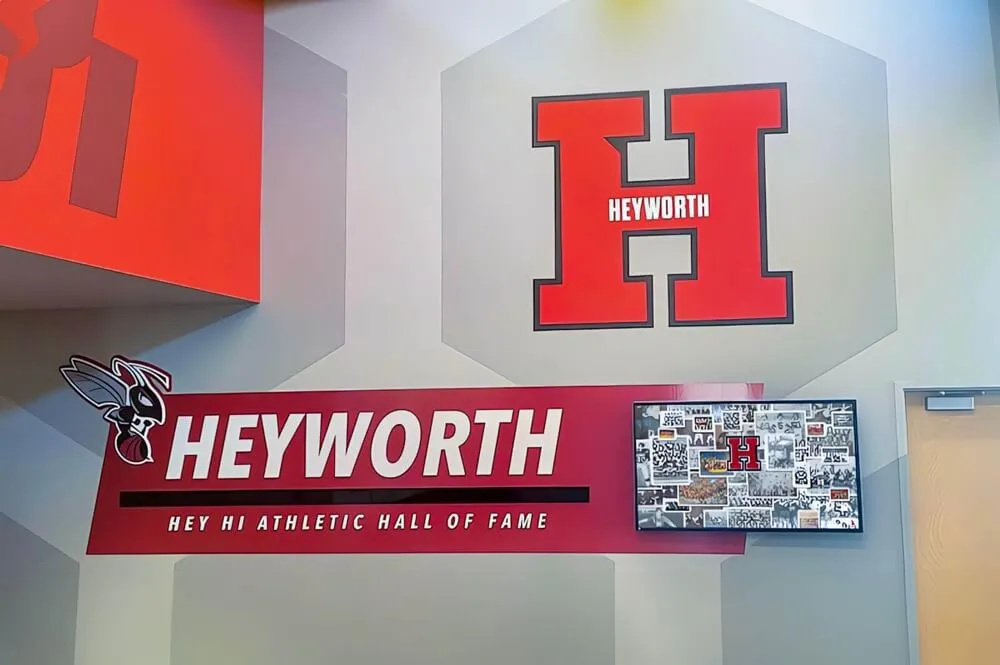
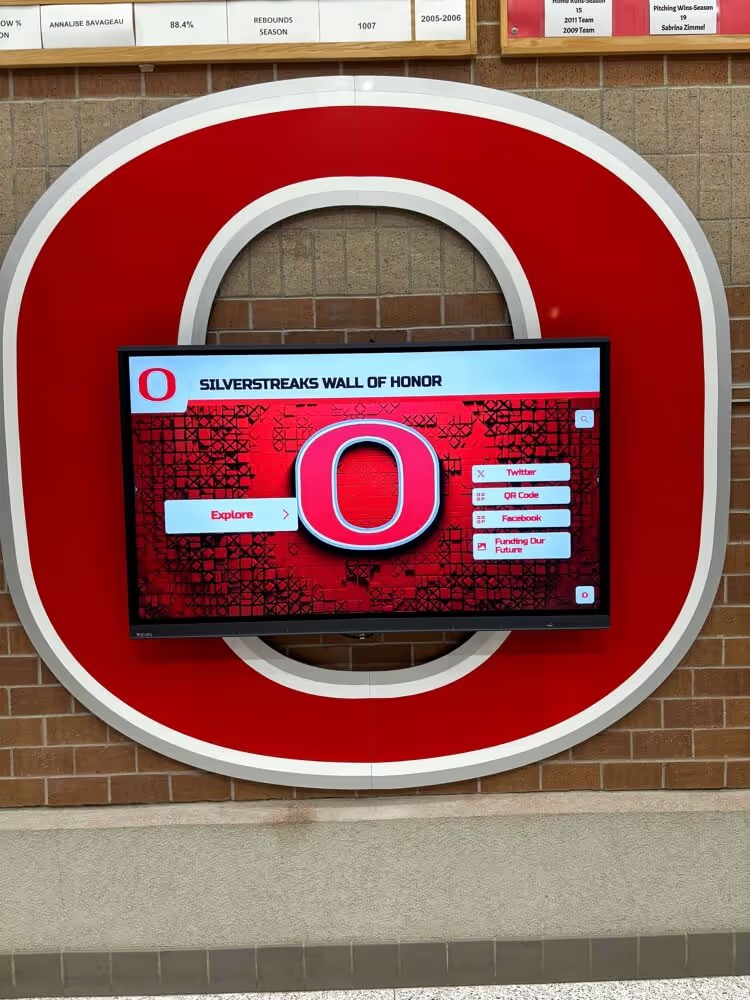
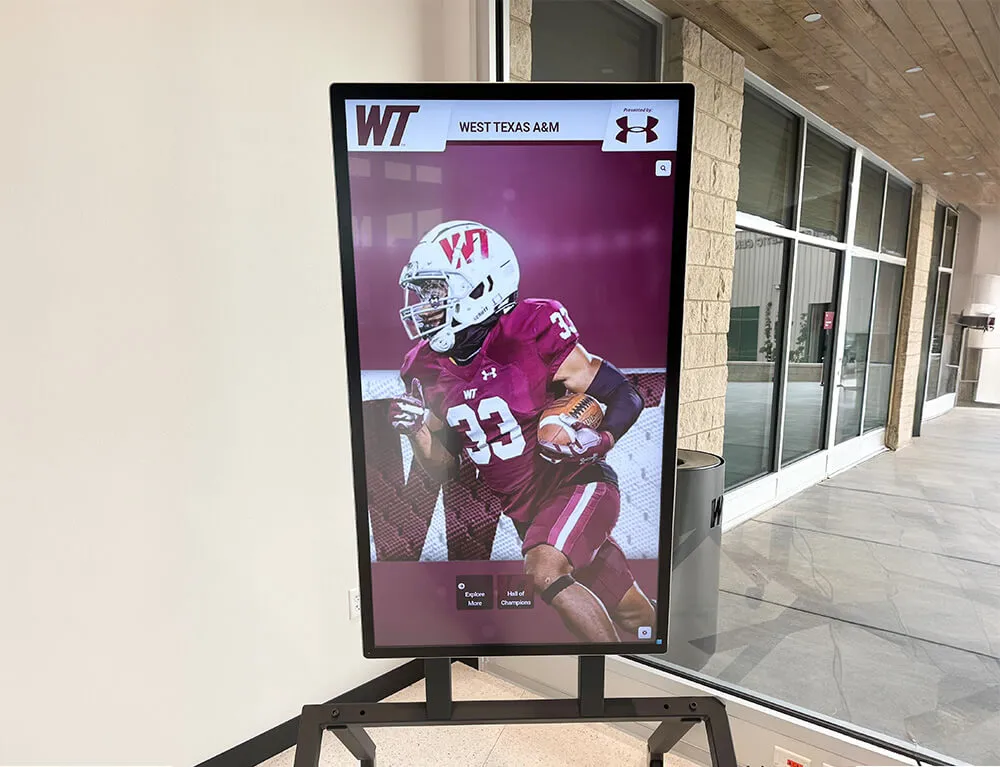
Academic recognition displays create lasting tributes to outstanding student achievement
Program Snapshot: Salutatorian Speech Fundamentals
Understanding the core components helps you structure an effective, memorable salutatorian speech.
| Component | Details |
|---|---|
| Typical Length | 5-7 minutes (approximately 750-1,050 words at conversational speaking pace) |
| Primary Audience | Fellow graduating seniors, with secondary audience of families, faculty, and community |
| Core Themes | Shared journey, collective achievement, gratitude, resilience, transition, hope for future |
| Tone | Warm, inclusive, reflective—more personal than formal valedictorian address |
| Delivery Context | Graduation ceremony, typically speaking before or after valedictorian |
| Key Goals | Unite classmates through shared experience, acknowledge diverse paths to success, inspire confidence for next chapter |
| Recognition Integration | Similar to how schools honor academic achievements permanently, speeches create lasting memories of this milestone |
What Makes a Great Salutatorian Speech
The most memorable salutatorian speeches share specific characteristics that distinguish them from generic graduation addresses:
Authenticity over perfection. Audiences connect with genuine emotion and personal truth, not polished platitudes. Your classmates want to hear YOUR voice reflecting on YOUR shared experiences—specific moments, inside jokes, and honest reflections that could only come from someone who lived through these four years alongside them.
Balance between celebration and reflection. Effective salutatorian speeches acknowledge both triumphs and struggles. The best path forward includes recognizing that the journey included difficult moments—failed tests, lost friendships, personal setbacks, global challenges—while celebrating how the class emerged stronger, wiser, and more resilient.
Inclusivity that honors diverse achievement. While you earned salutatorian status through academic excellence, great speeches acknowledge that your classmates excelled in countless other ways: athletics, arts, community service, leadership, kindness, humor, and friendship. Recognition comes in many forms, just as schools now celebrate diverse accomplishments through comprehensive student recognition programs.

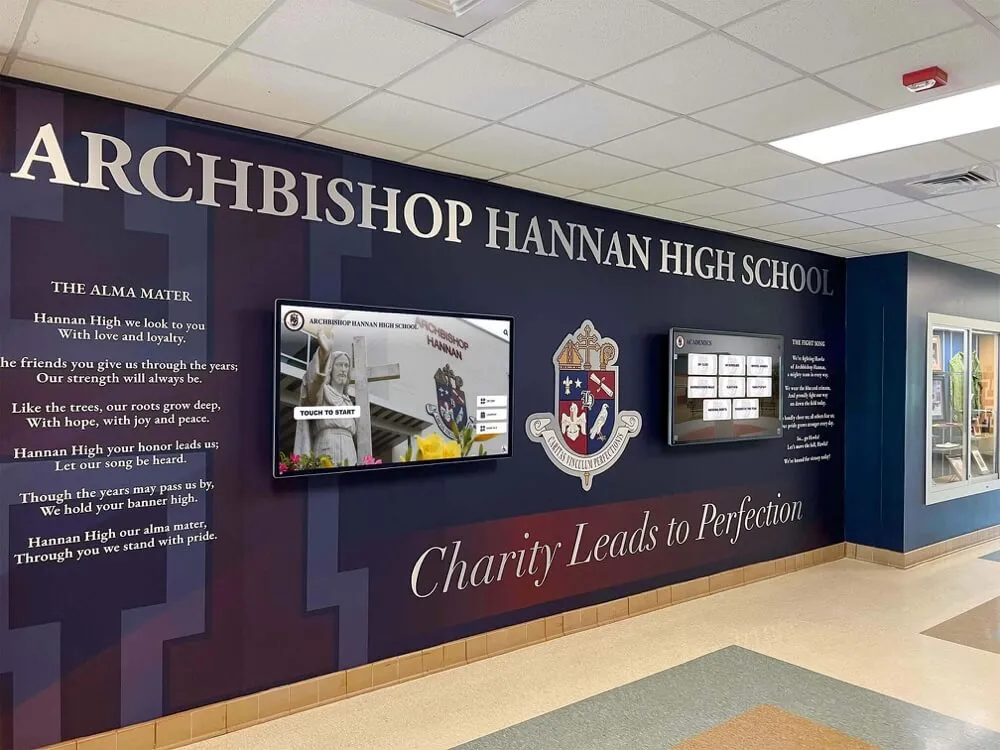
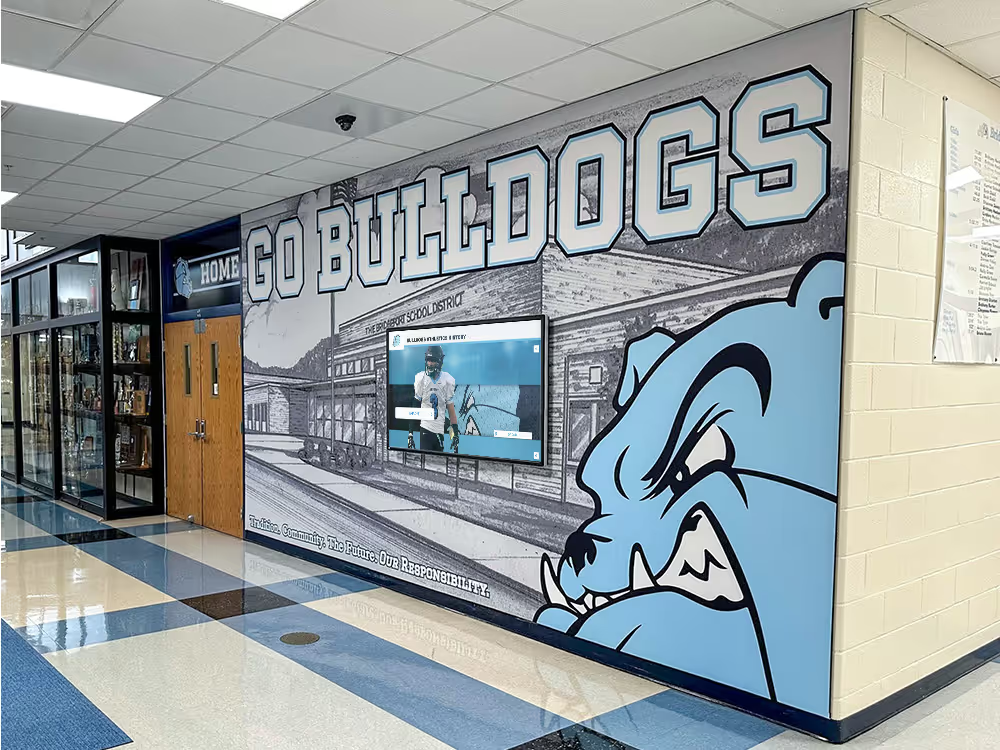
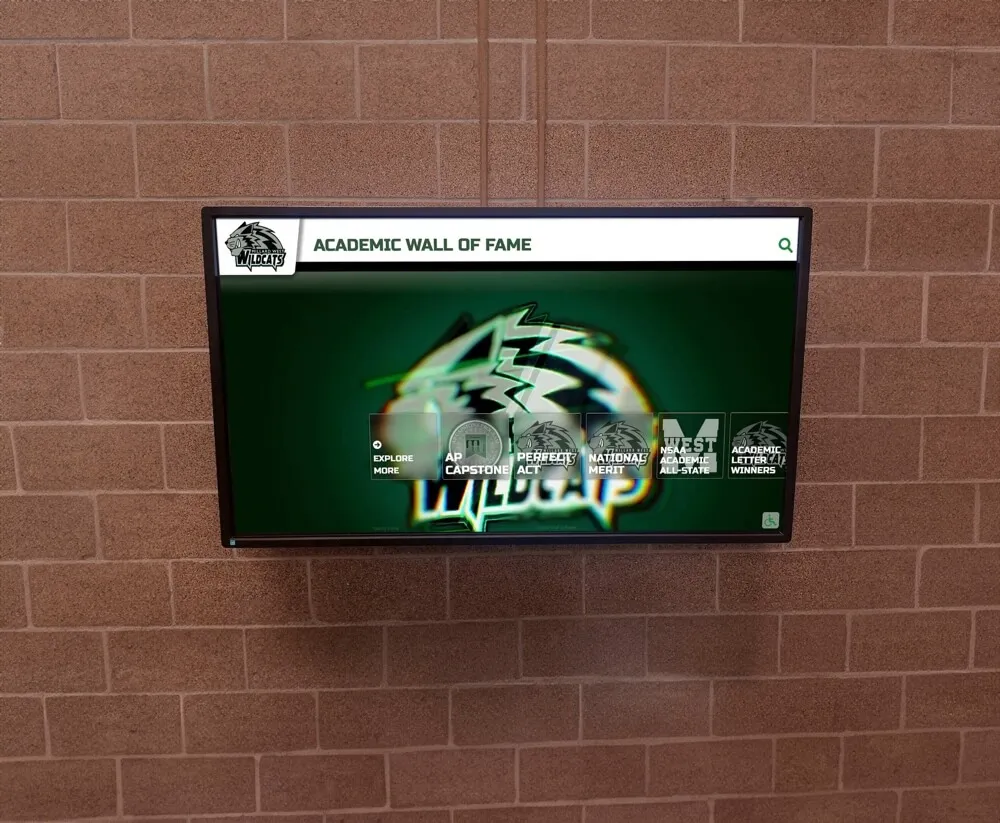
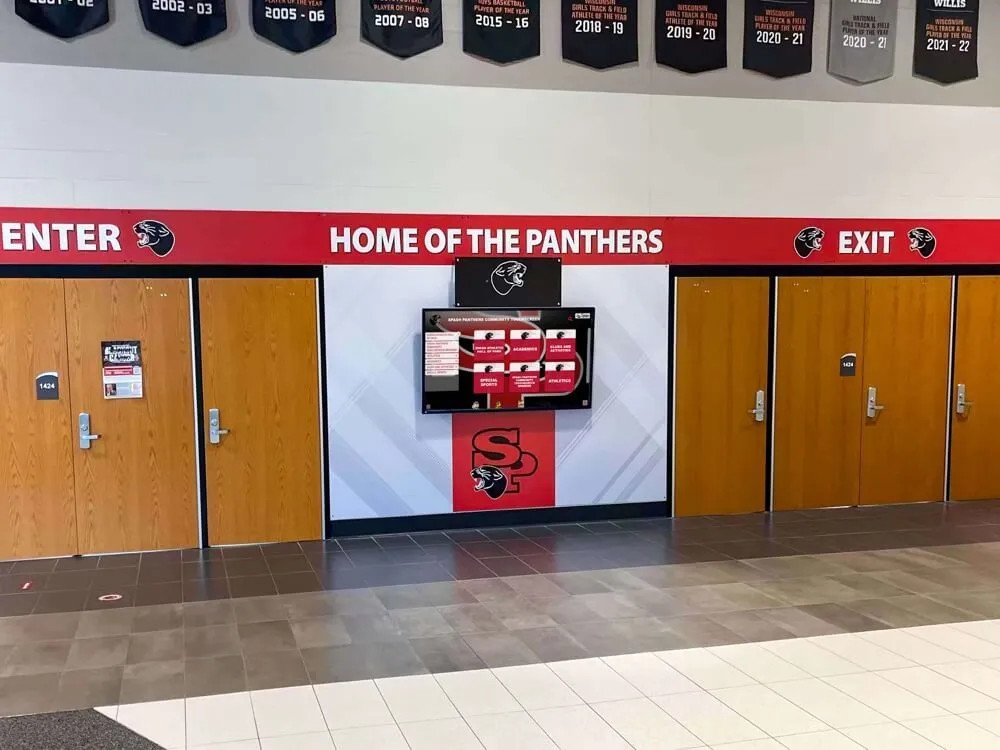
Modern recognition displays celebrate multiple dimensions of student excellence beyond traditional metrics
Forward momentum without toxic positivity. Graduates appreciate encouragement about their futures, but not empty promises that “everything will be perfect” or “just follow your dreams and success will come.” Honest optimism acknowledges uncertainty while expressing confidence in your classmates’ ability to navigate whatever comes next.
Gratitude without cliché. Thank the people who made this moment possible—parents, teachers, staff, friends—but do so with specific, meaningful acknowledgment rather than generic lists. One heartfelt example carries more weight than comprehensive name-checking.
Salutatorian Speech Structure: The Architecture of Impact
While no rigid formula guarantees success, this structure provides a proven framework you can adapt to your personal style and message:
Opening: Immediate Connection (45-60 seconds)
Start with something that immediately grounds the audience in the shared moment:
- Specific observation: “Looking out at all of you in caps and gowns, I keep thinking about how we looked on our first day of freshman year—younger, shorter, convinced we’d never figure out our locker combinations…”
- Relatable emotion: “I’ve been planning this speech for weeks, but standing here now, I realize nothing I prepared quite captures what it actually feels like to say goodbye to the only school most of us have known for four years…”
- Shared experience: “We’ve sat through approximately 720 days of classes together. We’ve eaten questionable cafeteria food, stressed over standardized tests, and complained about homework we’re secretly going to miss…”
Avoid opening with dictionary definitions (“Webster’s defines graduation as…”), famous quotes you didn’t personally select for meaningful reasons, or apologies for nervousness.
Body Section 1: Acknowledging the Journey (90-120 seconds)
Reflect on what the class experienced together, highlighting 2-3 specific shared moments or themes that defined your high school years:
- Major events that affected everyone (pandemic disruptions, school changes, community challenges)
- Universal experiences (the stress of college applications, the weird traditions unique to your school, how the class evolved from freshman year through senior year)
- Lessons learned collectively about resilience, adaptability, community, or growth
This section works best when it balances light humor with genuine reflection. You’re creating a shared narrative that helps classmates see themselves as part of something larger than individual achievement.
Schools that implement permanent recognition displays understand this same principle: achievement gains meaning when contextualized within the broader community story.
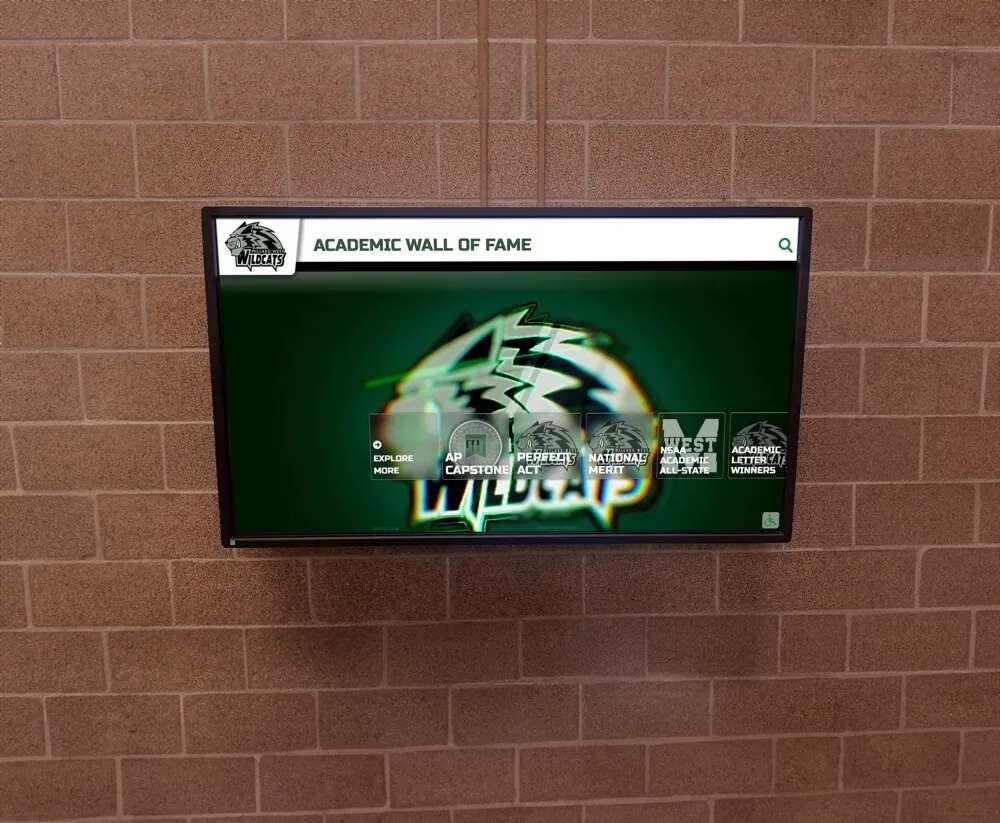
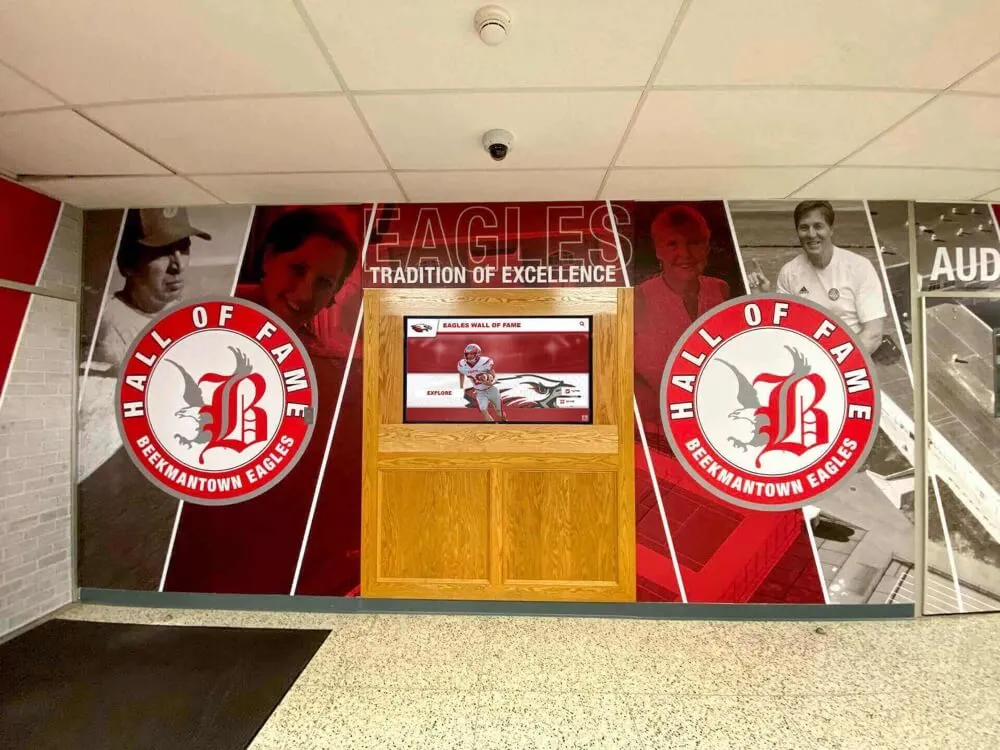
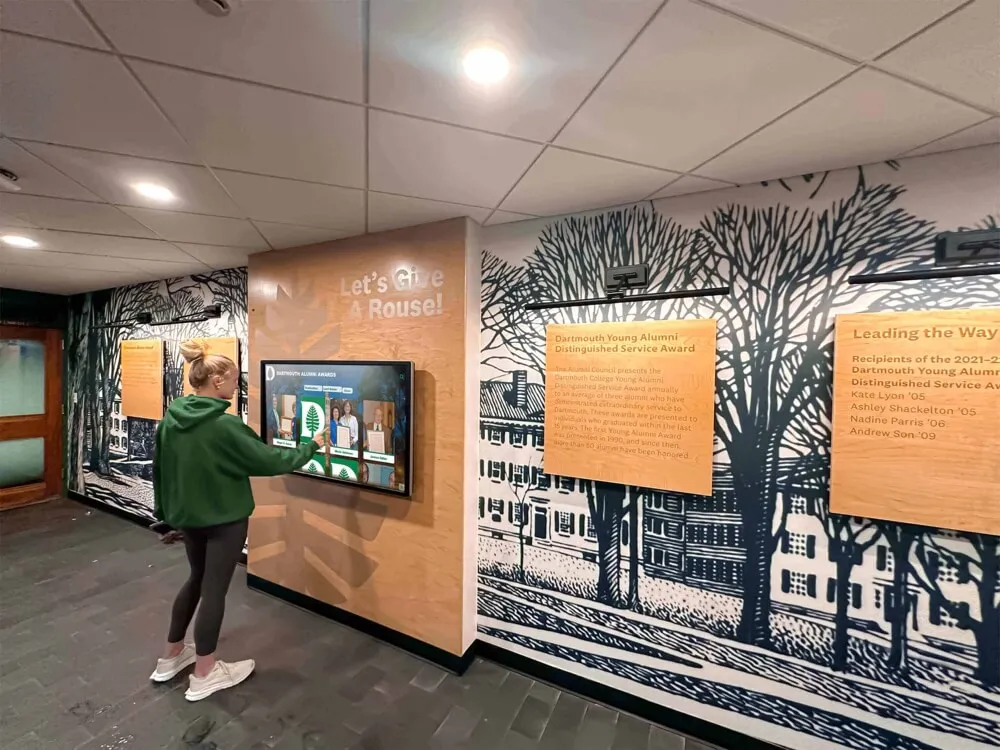
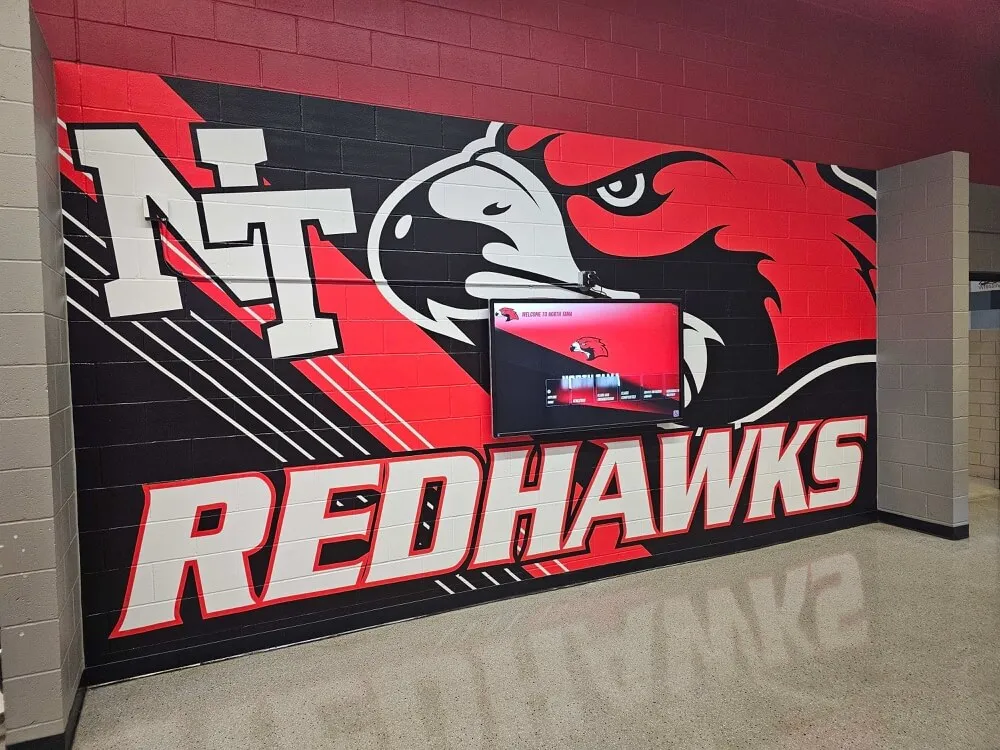
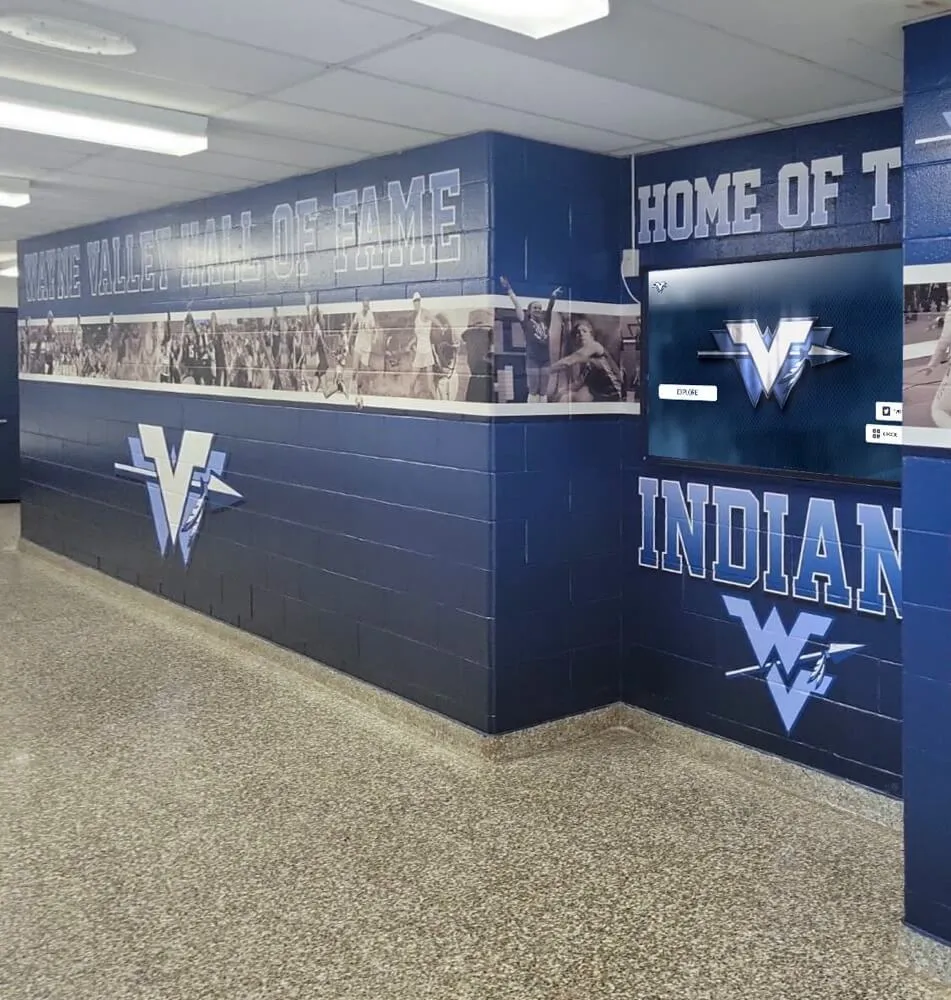
Permanent recognition systems create ongoing celebration of student accomplishments beyond graduation day
Body Section 2: Honoring Diverse Paths (90-120 seconds)
Acknowledge that while you’re speaking as salutatorian, academic ranking represents just one measure of success among many:
- Recognize classmates who excelled in other domains: arts, athletics, leadership, service, vocational programs, friendship, humor, kindness
- Acknowledge different post-graduation pathways: four-year colleges, community colleges, trade schools, military service, gap years, immediate workforce entry
- Emphasize that the class includes multiple forms of excellence, all of which deserve celebration
This section demonstrates humility and inclusivity—qualities that make salutatorian speeches more approachable than purely achievement-focused addresses. Similar to how comprehensive academic recognition programs celebrate diverse student accomplishments, effective speeches honor multiple definitions of success.
Body Section 3: Gratitude and Acknowledgment (60-90 seconds)
Thank the people who made this achievement possible, but do so meaningfully:
Instead of generic thanks (“I’d like to thank our teachers…”), offer specific acknowledgment:
- “To the teachers who answered our emails at 10 PM when we were panicking about assignments, who wrote countless recommendation letters, and who believed in us even when we didn’t quite believe in ourselves…”
- “To our parents and families who attended every event that mattered to us, who supported our dreams even when they worried about our choices, and who somehow managed to act interested when we explained our latest obsession…”
- “To our friends who became family—the people who made even the boring days bearable, who celebrated our wins and helped us survive our losses…”
One meaningful example beats five generic categories.
Conclusion: Forward Momentum (60-90 seconds)
Close with confidence about the future without making unrealistic promises:
- Acknowledge uncertainty about what comes next while expressing faith in the class’s ability to navigate it
- Offer one central piece of advice, wisdom, or hope you want classmates to carry forward
- Create a sense of conclusion while maintaining emotional connection
The strongest conclusions circle back to something from the opening, creating a sense of completeness. They end on an emotional high note without becoming melodramatic.

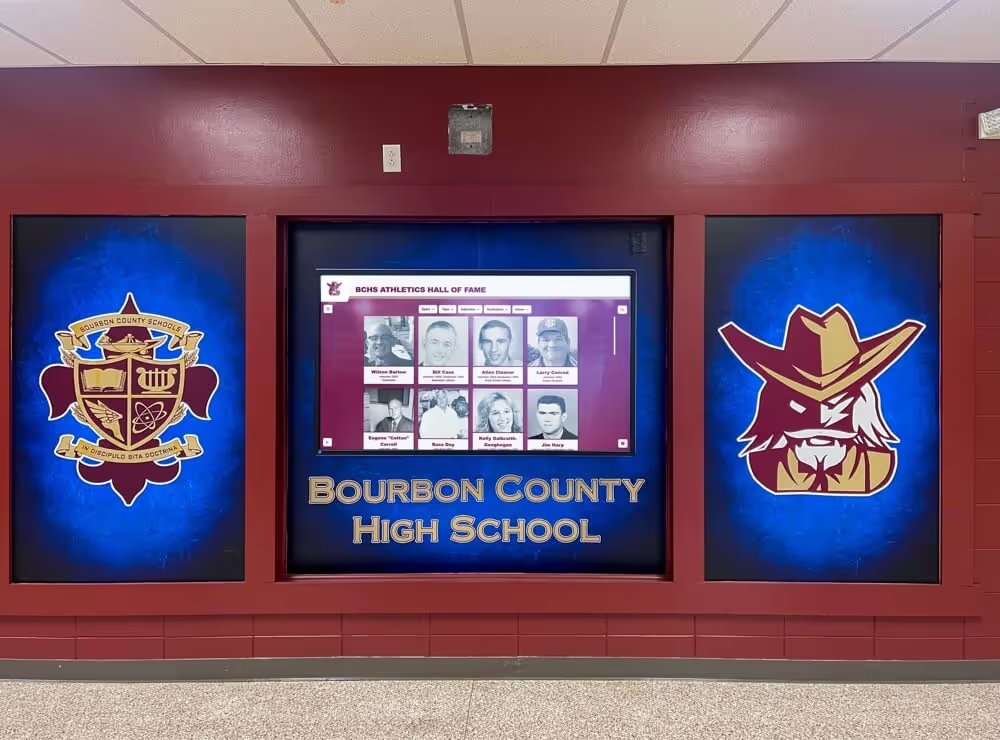
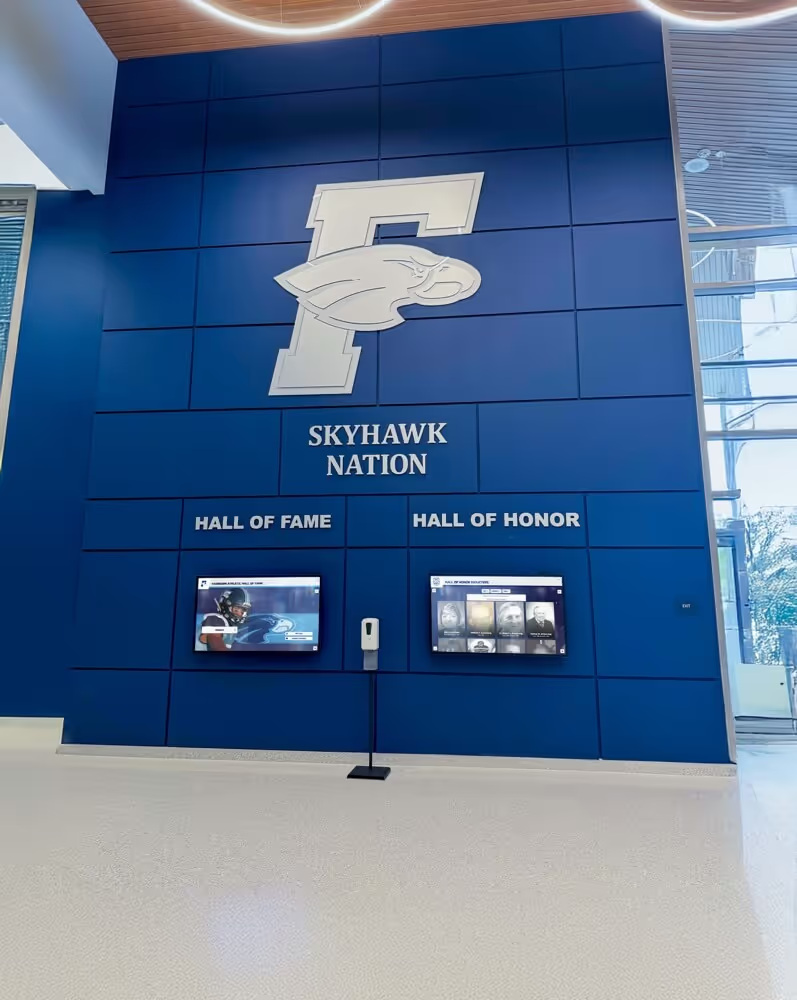
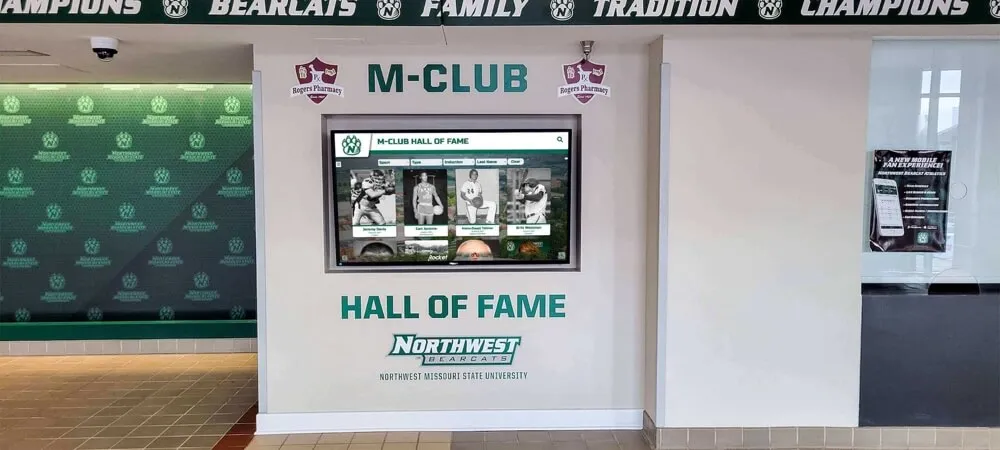
Hallway recognition displays extend the celebration of achievement throughout the academic year
Salutatorian Speech Examples: Learning from Effective Models
Studying effective salutatorian speeches helps you understand how abstract principles translate into concrete language. These abbreviated examples demonstrate different approaches:
Example 1: The Shared Journey Approach
“Four years ago, we walked into this building as freshmen—awkward, overwhelmed, convinced we’d never find our way to our third-period classes. Today, we walk out as graduates, somehow even more awkward, definitely still overwhelmed, but equipped with something far more valuable than a sense of direction: we’ve learned how to navigate uncertainty together.
We’ve been through a lot as a class. We’ve sat through fire drills in January, survived standardized tests that felt endless, and lived through a pandemic that changed everything about what we thought high school would be. We’ve celebrated victories—championship seasons, musical performances, debate tournaments, and yes, academic achievements that earned some of us honors and recognition we’ll carry forever.
But we’ve also survived losses. Not everyone who started this journey with us crossed the finish line. Some classmates moved away. Some faced challenges that made finishing harder than any of us could imagine. And through it all, we learned that showing up—for ourselves, for each other, for the work—matters more than perfection ever could.
As we leave today, I’m not going to stand here and promise that everything ahead will be easy, or that following your passion guarantees success, or that our generation will definitely save the world. What I will say is this: we’ve already proven we can handle more than we thought possible. We’ve adapted when everything changed. We’ve supported each other through challenges. We’ve learned that growth happens in the struggle, not just in the celebration.
So whatever comes next—whether you’re heading to college, joining the military, entering the workforce, or taking time to figure it out—go forward knowing you’re part of a class that never gave up, even when things got hard. Thank you, Class of 2026. We did it.”
Example 2: The Honest Reflection Approach
“Standing here as your salutatorian feels surreal, mainly because salutatorian essentially means ‘second place’—and if there’s one thing high school taught me, it’s that we’re way too obsessed with ranking people. But here’s what being salutatorian actually means to me: it means I spent four years caring deeply about learning, and that work is being recognized today. It does NOT mean I’m smarter than classmates sitting in these seats, or that my path forward is clearer, or that my achievements matter more than yours.
Some of you are graduating with athletic scholarships that required dedication I can’t imagine. Some of you created art that moved people, built community service projects that changed lives, or mastered vocational skills that will support you for decades. Some of you became the friends who held our class together—the people who made everyone feel included, who checked in when someone was struggling, who brought joy to ordinary days.
Academic achievement is one form of success. It’s the form that earned me this microphone today. But it’s not the only form that matters, and honestly, some of the most important things I learned in high school had nothing to do with my GPA: how to ask for help, how to accept failure and keep trying, how to show up for people even when I had my own problems, how to find meaning in work that felt difficult or boring.
To our teachers: you gave us so much more than curriculum. Thank you for seeing potential in us even when we couldn’t see it ourselves. To our families: thank you for supporting dreams that sometimes made no sense, for attending events that probably bored you, and for loving us through our most insufferable teenage years. To my classmates: thank you for making these four years memorable. You inspired me in more ways than you know.
We’re heading into a world that feels uncertain and complicated. But we’re heading there together—not literally, since we’re all going different directions—but in the sense that we’ll always be the Class of 2026, the group that made it through these specific four years at this specific school. That bond matters. Carry it forward, even as you build new communities and new identities. Congratulations, everyone. We earned this.”
Example 3: The Thematic Message Approach
“My speech today has one central theme: growth happens in unexpected places. When I look back on four years of high school, the moments that changed me most weren’t the ones I expected. They weren’t always the celebrated achievements or the recognized accomplishments. They were the small moments of struggle, surprise, and human connection that taught me who I am and who I want to become.
I grew when I failed a test I’d studied for and had to learn that preparation doesn’t always guarantee results. I grew when a teacher I respected challenged an opinion I held, making me defend my thinking instead of just accepting what I’d always believed. I grew when a classmate I barely knew reached out during a difficult time, teaching me that community appears in unexpected places.
Each of you has your own version of these stories—the unexpected moments that shaped you, the struggles that built strength, the failures that taught lessons no success could provide. As we celebrate today, we’re not just recognizing the achievements that appear on transcripts and awards ceremonies. We’re honoring every moment of growth that brought us here.
Whatever comes next for you—college, career, service, exploration—my hope is that you’ll continue seeking growth in unexpected places. Say yes to opportunities that scare you a little. Learn from people who see the world differently. Build communities with those who challenge and support you. Embrace failure as evidence you’re attempting things worth doing.
Thank you to everyone who supported us on this journey. Thank you to my classmates for four years of shared growth. And congratulations to the Class of 2026—may we continue learning, growing, and surprising ourselves with what we’re capable of achieving.”

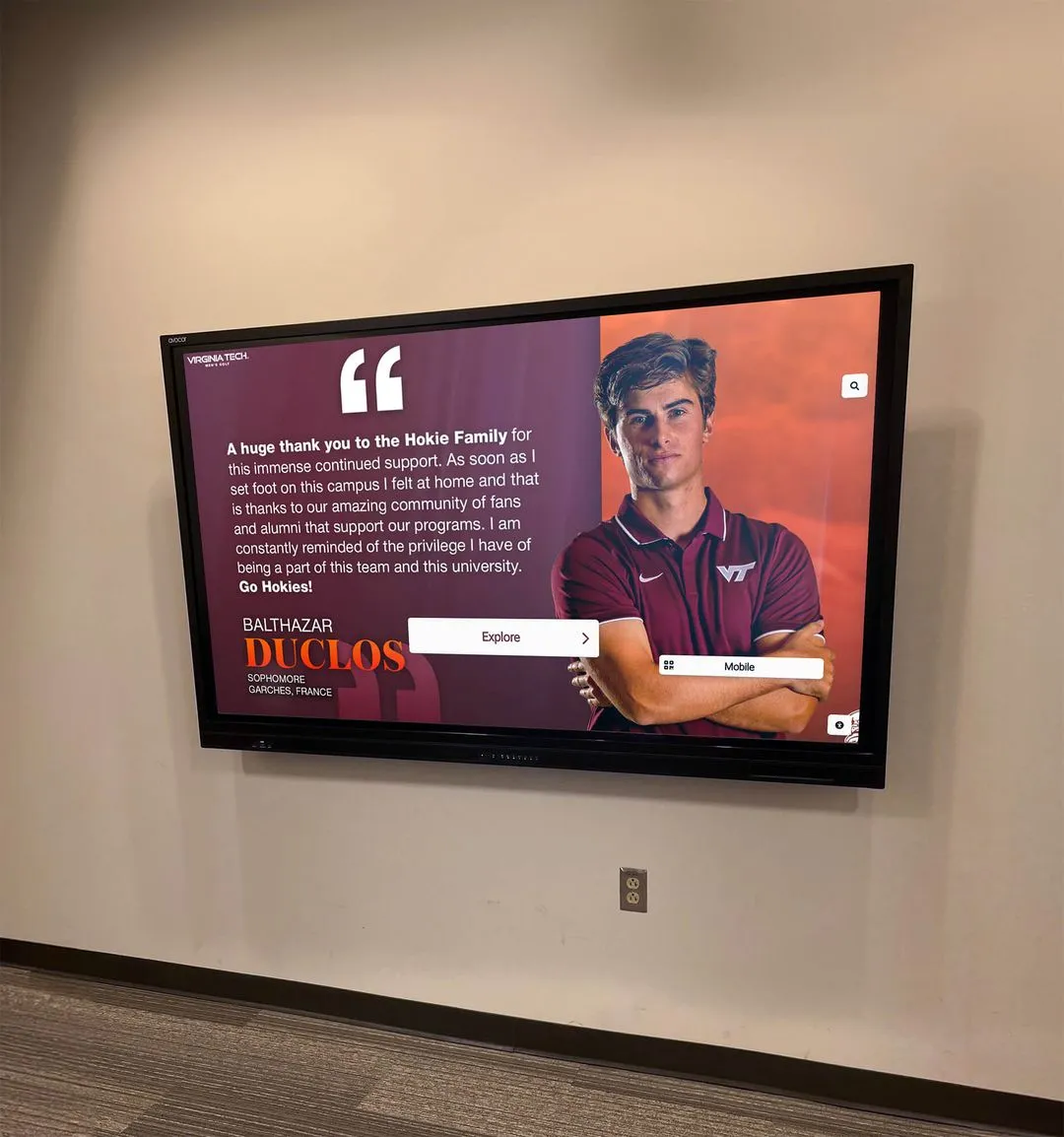
Interactive displays allow visitors to explore individual student stories and accomplishments in depth
Writing Your Salutatorian Speech: Practical Strategies
Transform the structure and examples above into your own authentic speech by following this writing process:
Step 1: Brainstorm Personal Material (Don’t Skip This)
Before writing any formal draft, spend 30-60 minutes brainstorming freely:
- What moments from high school actually mattered to you personally?
- What surprised you about these four years?
- What will you miss? What won’t you miss?
- What did your classmates teach you?
- What do you wish you’d known as a freshman?
- What are you genuinely worried about regarding the future?
- What are you genuinely excited about?
- Who made a difference you want to acknowledge?
Write everything down without editing. The most authentic material comes from this raw brainstorming, not from trying to write polished prose immediately. Much like how effective student recognition programs begin with understanding individual student stories, great speeches emerge from genuine personal reflection.
Step 2: Identify Your Central Message
Review your brainstorming and ask: “If my classmates only remember ONE thing from this speech, what should it be?”
Your central message might focus on:
- Resilience: “We’re stronger than we knew”
- Community: “We achieved more together than any individual could alone”
- Growth: “We’re not the same people who started this journey”
- Hope: “The uncertainty ahead is opportunity, not threat”
- Gratitude: “We’re standing here because others invested in us”
Everything in your speech should connect back to this central message somehow. If material doesn’t support or develop your main point, cut it.
Step 3: Draft Without Self-Editing
Write a complete rough draft from beginning to end WITHOUT stopping to edit, perfect sentences, or second-guess yourself. The goal is getting ideas on paper, not creating a finished product.
Time yourself: aim to write the full draft in 45-60 minutes maximum. Writing quickly forces you to rely on authentic voice rather than overthinking every phrase.
Step 4: Read Aloud and Revise for Spoken Language
Speeches succeed or fail in delivery, not on paper. Read your draft aloud—ideally to a small audience (family, friends, trusted teacher) but at minimum to yourself.
As you read, mark anything that:
- Sounds awkward or overly formal when spoken
- Makes you stumble or tongue-tied
- Feels emotionally dishonest or like you’re performing someone else’s words
- Runs too long (cut ruthlessly to stay under 7 minutes)
- Loses the audience’s attention (you’ll feel it when reading aloud)
Revise based on what you discover in performance, not based on what looks good on paper. Spoken language uses shorter sentences, more conversational transitions, and simpler vocabulary than written prose.
Step 5: Test for Specific Authenticity
Great speeches include specific details that could only come from YOUR school and YOUR class. Review your draft and highlight any sentence that could appear in a generic template speech from any school in America.
Generic: “We’ve been through a lot together.” Specific: “We’re the class that had to figure out how to take chemistry labs over Zoom, that created a TikTok account to share spirit week videos when we couldn’t gather in person, that painted senior parking spots for the first time in school history.”
Replace generic references with specific details. Specificity creates emotional connection.
Step 6: Honor Multiple Audiences
While your primary audience is fellow graduates, remember that families, teachers, and community members are also listening. Make sure your speech:
- Avoids inside jokes so obscure that 80% of the class won’t understand (some inside references work; too many alienate)
- Remains appropriate for all ages (graduation is not the time for edgy humor)
- Acknowledges the adults in the room at least briefly (they invested years in making this moment possible)
Step 7: Create a Delivery Script
Once your speech is finalized, create a version formatted for easy reading during delivery:
- Large font (14-16 point minimum)
- Double or triple-spaced
- Mark emotional pauses with “/” or “…”
- Highlight words you want to emphasize
- Number pages clearly in case they get shuffled
- Print on sturdy paper that won’t shake visibly if your hands tremble
Many salutatorians use note cards with key phrases rather than reading word-for-word. Choose whatever format makes you most confident while allowing eye contact with the audience.
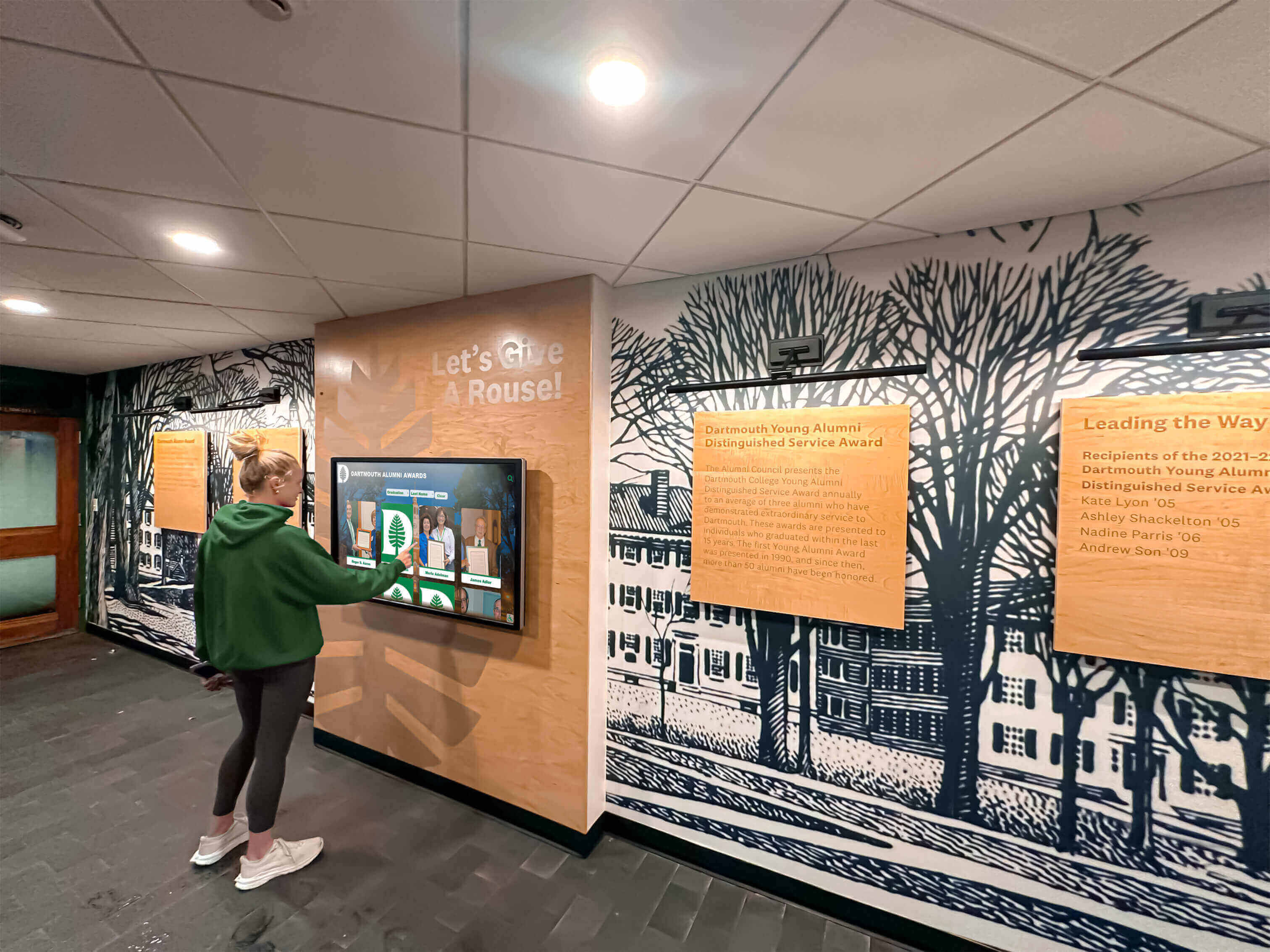
Modern recognition technology creates engaging ways for communities to explore and celebrate student achievement
Delivering Your Salutatorian Speech: Performance Tips
A well-written speech still requires effective delivery. These strategies help ensure your words land with maximum impact:
Practice Deliberately and Repeatedly
Don’t just read through your speech silently. Practice the actual performance:
- Week before ceremony: Practice full speech aloud 1-2 times daily
- Three days before: Practice in front of small audiences (family, friends) and request honest feedback
- Day before: Practice in the actual venue if possible, testing microphone and getting comfortable with the physical space
- Day of ceremony: Run through opening and closing once to solidify muscle memory
Practice should simulate actual conditions: stand while practicing, use your delivery script, speak at full volume, make eye contact with imaginary audience members.
Manage Speaking Pace and Breathing
Nervousness accelerates speaking pace, making speeches harder to understand and causing you to run out of breath mid-sentence.
Strategies for pace control:
- Build deliberate pauses into your script
- Take a full breath before starting each new section
- Speak 20% slower than feels natural in practice (you’ll speed up from nerves during actual delivery)
- If you feel yourself rushing, pause, take a breath, and resume at controlled pace
Remember: audiences need processing time. Pauses feel longer to speakers than to listeners. What seems like an awkward silence to you gives the audience time to absorb what you just said.
Make Genuine Eye Contact
Don’t read your entire speech with eyes glued to paper. Effective eye contact creates connection and demonstrates confidence.
Strategy: Look up at the end of each complete thought, make brief eye contact with different sections of the audience, then return to your script for the next sentence. You don’t need to memorize the speech—you just need to know it well enough to look up regularly.
Handle Emotion Authentically
If your speech includes emotionally resonant moments, you might find yourself tearing up during delivery. This is human and appropriate for graduation—audiences connect with genuine emotion.
However, if emotion threatens to completely overwhelm your ability to speak:
- Build in a pause where you can take a breath and regain composure
- Have water available if needed
- Remember that taking 10-15 seconds to collect yourself shows vulnerability, not weakness
- If you absolutely cannot continue, it’s okay to acknowledge it: “I need a moment…” audiences understand
Embrace Imperfection
You will make small mistakes during delivery: slight stumbles over words, minor deviations from your script, momentary loss of place. This is normal and rarely noticed by audiences who aren’t following along with written text.
When mistakes happen:
- Don’t apologize or draw attention to them
- Simply correct yourself naturally and continue
- Maintain confident posture and delivery
- Remember that authenticity matters more than perfection
Beyond the Speech: Permanent Recognition of Achievement
The salutatorian speech creates one powerful moment of recognition during graduation, but the achievements it celebrates deserve lasting acknowledgment. Schools increasingly use digital recognition displays to create permanent, evolving tributes to top academic achievers, valedictorians, salutatorians, honor roll recipients, and scholarship winners.
Unlike static plaques that quickly fill available wall space, modern touchscreen recognition systems allow schools to:
- Showcase each graduating class’s top academic achievers with individual profiles including photos, academic accomplishments, college destinations, and personal statements
- Create searchable archives where alumni can explore decades of academic excellence and see their own achievements permanently honored
- Update content easily as new classes graduate, ensuring recognition remains current without physical renovations
- Integrate graduation speech excerpts, ceremony photos, and other meaningful content that preserves the complete story of academic achievement
- Celebrate multiple dimensions of student success beyond class rank, including scholarship awards, specialized academic honors, and post-graduation accomplishments
These permanent recognition systems extend the impact of milestone moments like salutatorian speeches, ensuring that academic excellence remains visible and celebrated throughout school communities year after year. Students, families, and visitors can interact with recognition displays that honor both individual achievements and collective class success, creating ongoing inspiration for current students while preserving institutional memory for future generations.
Common Salutatorian Speech Questions
How long should a salutatorian speech be?
Aim for 5-7 minutes when delivered at a conversational pace, typically 750-1,050 words. Shorter is better than longer—audiences appreciate concise, impactful messages over exhaustive addresses. Verify time limits with your school’s ceremony organizers, as some schools set strict limits.
Should the salutatorian speech be funny or serious?
The best salutatorian speeches balance both. Include moments of appropriate humor that create connection and lighten the mood, but ground the speech in genuine reflection and meaningful content. Avoid attempting to write a comedy routine—you’re aiming for warmth and authenticity, not performance comedy.
What’s the difference between a valedictorian speech and a salutatorian speech?
While practices vary by school, valedictorian speeches traditionally focus more on academic achievement, future aspirations, and inspirational themes, while salutatorian speeches often adopt a more personal, reflective tone celebrating shared journey and collective experience. Salutatorians have freedom to be more inclusive and less achievement-focused than their valedictorian counterparts.
Can I use quotes in my salutatorian speech?
You can, but do so sparingly and only if the quote genuinely enhances your message. Avoid opening with quotes or relying on others’ words to carry your speech. If you do include a quote, explain why it matters to you personally rather than just dropping it in without context.
What if I get too emotional during my speech?
Genuine emotion is appropriate for graduation and creates connection with your audience. If you feel tears coming, pause, take a breath, and continue when ready. Audiences appreciate authenticity more than perfect composure. That said, practice emotional sections repeatedly so you build some resistance to being completely overwhelmed during actual delivery.
Should I acknowledge people by name in my salutatorian speech?
Acknowledge groups (teachers, families, friends) rather than extensive lists of individual names, with rare exceptions for people who had extraordinary impact on your entire class. Listing individual names often feels exclusionary to those not mentioned and consumes valuable speech time better used for meaningful content.
Do I need to memorize my salutatorian speech?
No. Most salutatorians use a written script or detailed note cards during delivery. The goal is knowing your speech well enough to make regular eye contact and speak naturally, not achieving word-perfect memorization. Focus on understanding your content deeply rather than memorization.
What should I wear when delivering my salutatorian speech?
Follow your school’s graduation ceremony dress code. You’ll typically wear your cap and gown over dress clothes. Check with ceremony organizers about specific requirements and whether you’ll be seated on stage where your outfit will be visible throughout the ceremony.
Final Thoughts: Making Your Moment Count
Delivering the salutatorian speech represents both an honor and an opportunity—the chance to address your class, acknowledge shared experiences, and create one final meaningful moment together before everyone disperses toward different futures. The speeches that resonate most deeply come not from attempting to be profound, funny, or inspirational, but from speaking authentically about what truly mattered during these formative years.
Your classmates don’t need you to have all the answers about what comes next, or to make promises about the future, or to deliver quotable wisdom they’ll remember forever. They simply need to hear someone who lived through these four years alongside them acknowledge the journey honestly, celebrate what you’ve accomplished together, and express confidence that whatever uncertainty lies ahead, you’re all equipped to handle it.
Write from the heart. Practice thoroughly. Speak authentically. And remember that earning salutatorian status already demonstrated your ability to rise to significant challenges—delivering this speech is simply one more opportunity to do exactly that. Your class is lucky to have you representing them at this milestone moment.
Congratulations on your achievement, and best of luck with your speech and all that follows.