



Intent: Define — A salutatorian speech represents one of graduation’s most meaningful moments by celebrating collective academic journey while acknowledging individual achievement, static ceremony programs with personally resonant storytelling, and routine commencement proceedings with authentic reflection that inspires audiences across generations. Whether you’re a salutatorian preparing your first major public address, an administrator supporting student speakers, or an academic advisor guiding speech development, this comprehensive guide provides proven frameworks for creating graduation remarks that honor achievement appropriately while delivering messages audiences remember years later.
Yet many salutatorians discover that effective graduation speeches require far more than summarizing high school experiences. Successful addresses demand thoughtful structure balancing personal narrative with universal themes, authentic voice avoiding clichéd platitudes common in student speeches, appropriate tone honoring the occasion’s significance without excessive formality, strategic content connecting past accomplishments to future aspirations, and genuine delivery transforming written words into memorable spoken moments. Students who rush toward quick drafts without addressing these critical elements typically deliver forgettable remarks—while those planning systematically create speeches that become cherished components of their school’s graduation tradition.
This complete salutatorian speech guide walks you through every phase—from initial brainstorming and content selection through structural development, writing techniques, delivery preparation, and platform preservation. Whether writing your first major address or refining draft remarks, these proven strategies ensure your speech delivers the meaningful reflection and inspiration your audience deserves.
Salutatorian speeches occupy unique positions within graduation ceremonies—representing significant academic achievement while creating opportunities for authentic student voice during formal institutional occasions. Students developing thoughtfully—with clear messaging goals, personal authenticity, appropriate structure, engaging delivery, and genuine connection to their classmates—create addresses that strengthen graduation significance, provide memorable insights for diverse audiences, honor collective journey alongside individual recognition, and deliver lasting value extending far beyond commencement day.

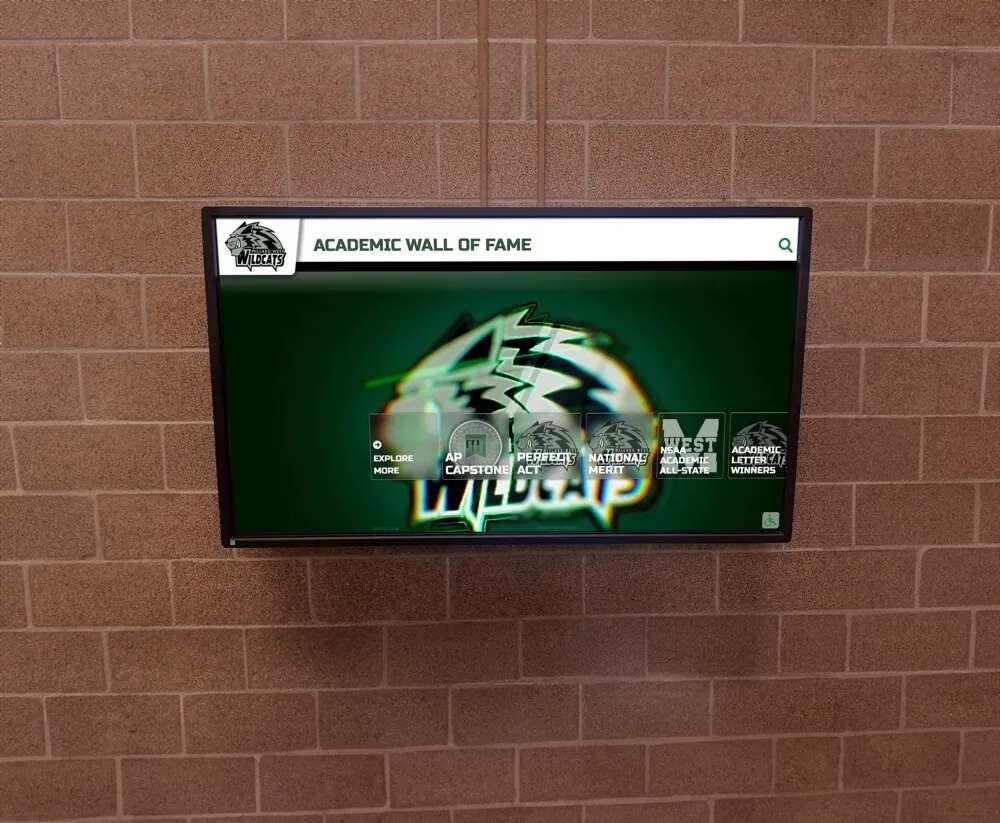
Academic achievements like salutatorian honors deserve lasting recognition—but ceremony speeches require careful planning to honor the moment appropriately
Program Snapshot: Salutatorian Speech Components
Before exploring detailed writing strategies, understanding the complete speech context helps students assess audience expectations and ceremony constraints shaping effective addresses.
| Speech Element | Description | Key Considerations |
|---|---|---|
| Target Audience | Graduating students, families, faculty, administrators, community members, younger students | Different audience segments require different message layers within single address |
| Typical Length | 3-7 minutes (approximately 450-1,050 words) | Schools specify time limits; brief focused speeches typically outperform lengthy addresses |
| Primary Purposes | Reflection on shared journey, acknowledgment of support systems, inspiration for future, celebration of achievement | Effective speeches balance multiple objectives rather than focusing narrowly |
| Delivery Context | Formal graduation ceremony, outdoor or indoor venue, microphone and podium, positioned near valedictorian speech | Environmental factors influence speaking approach and audience engagement |
| Content Expectations | Personal authenticity, appropriate humor, universal themes, forward-looking perspective, inclusive language | Schools may review drafts ensuring content aligns with institutional values |
| Preservation Methods | Video recording, printed programs, school archives, digital recognition displays, website publication | Achievement documentation extends speech impact beyond ceremony day |
Content Architecture: Building Effective Salutatorian Speeches
Salutatorian speeches organize graduation messages through structured frameworks specifically designed for meaningful academic achievement recognition and commencement inspiration:
Foundational Speech Structure
Effective graduation addresses follow clear organizational patterns ensuring message clarity and audience engagement:
Opening Section: Establishing Connection (30-60 seconds)
Your introduction sets speech tone while capturing immediate attention:
- Brief acknowledgment of the honor: “Good afternoon, and thank you for this privilege to address you as salutatorian”
- Audience greeting recognizing multiple groups present: “To the graduating class of [year], families, faculty, distinguished guests, and fellow students”
- Opening hook using relevant anecdote, meaningful quote, surprising statistic, or thought-provoking question
- Clear preview of your core message theme connecting past experiences to future possibilities
Avoid generic openings like “Today marks an important milestone” or “As we gather here today”—these phrases waste precious opening moments when audience attention peaks highest. Instead, lead with specific, memorable content immediately demonstrating your unique perspective.
Body Section: Developing Core Message (2-4 minutes)
The speech center develops your primary themes through:
Shared Journey Reflection
Acknowledge collective experiences binding your graduating class:
- Defining moments your class experienced together (challenges overcome, achievements celebrated)
- Growth demonstrated across high school years
- Specific examples illustrating broader themes
- Balance between nostalgia and forward focus
- Recognition of diverse achievement paths represented within your class
According to the National Association of Secondary School Principals commencement guide, effective student speeches typically feature three to four specific examples rather than attempting comprehensive coverage of entire high school experience.
Gratitude and Acknowledgment
Recognize support systems enabling graduation achievement:
- Teachers who challenged and supported academic growth
- Parents and families providing encouragement through difficulties
- Administrators creating learning environments fostering success
- Community members contributing to educational opportunities
- Fellow students who shaped your journey through friendship and collaboration
Lessons Learned Theme
Identify meaningful insights gained through high school experience:
- Personal growth moments teaching valuable lessons
- Failures or challenges revealing important truths
- Unexpected discoveries changing perspectives
- Skills or mindsets applicable beyond graduation
- Wisdom gained from teachers, mentors, or peers
Forward-Looking Inspiration
Connect past experiences to future possibilities:
- Acknowledge uncertainty while expressing optimism
- Universal values or principles guiding future decisions
- Encouragement for classmates facing different paths
- Call to action or challenge for graduating class
- Vision of positive impact your class can create
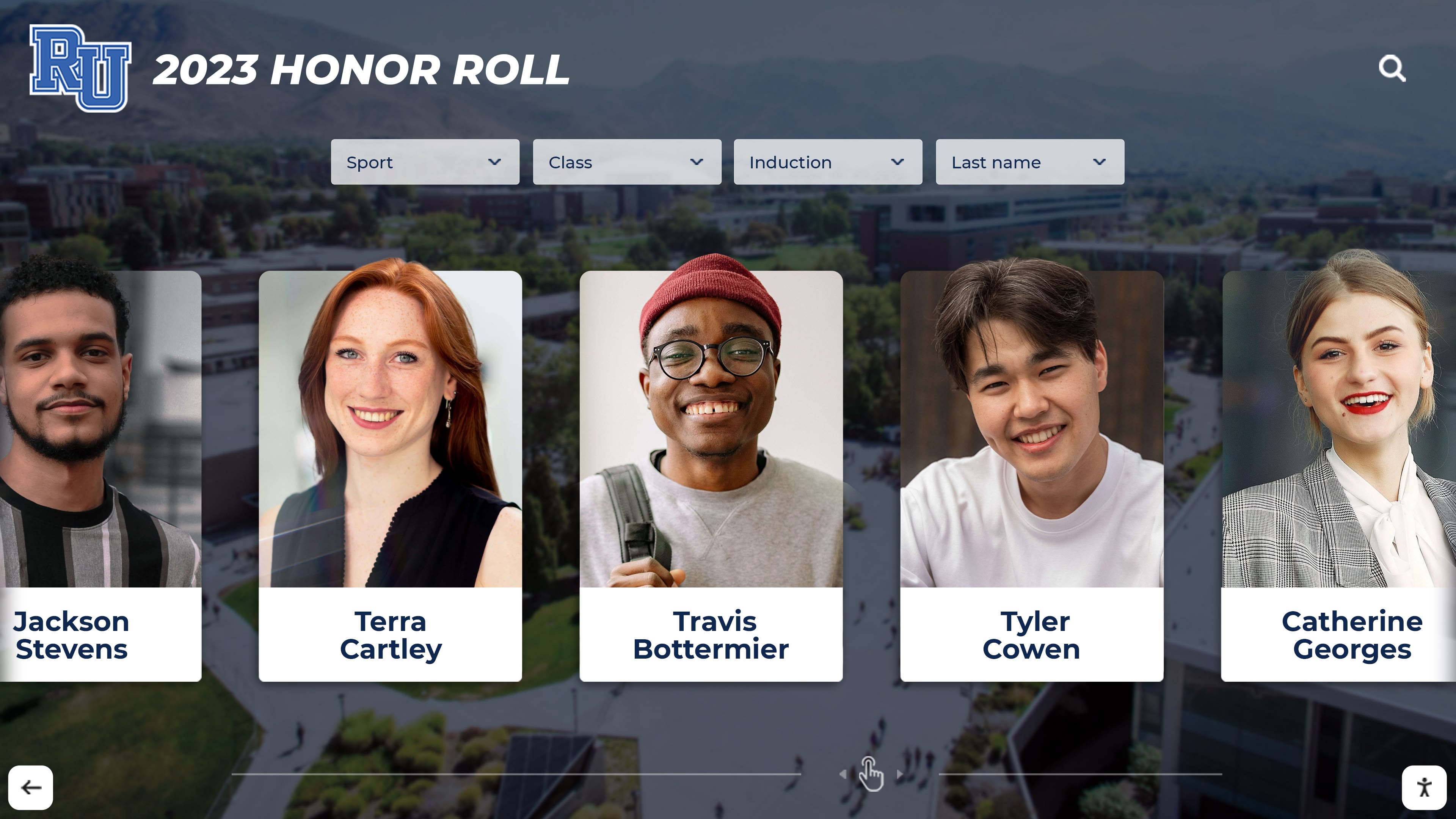
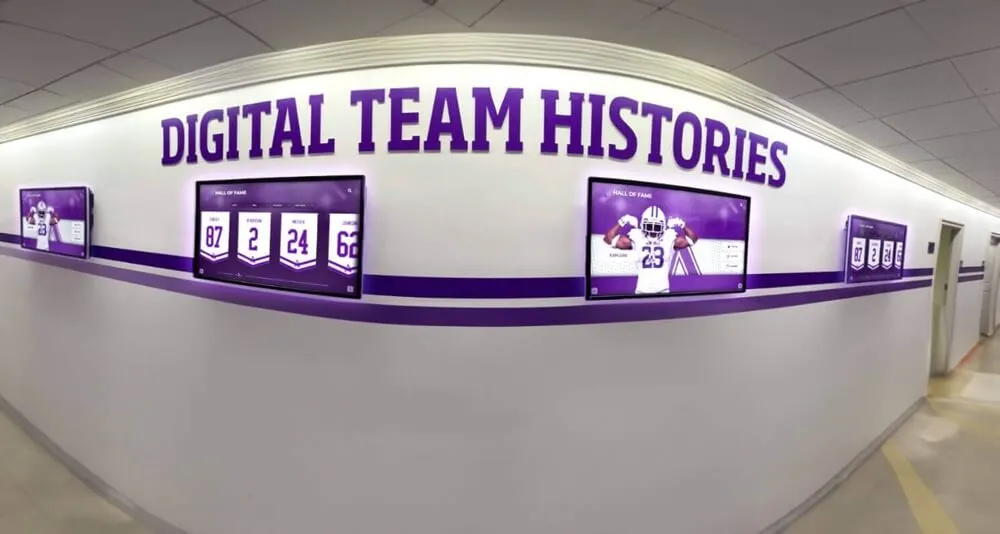
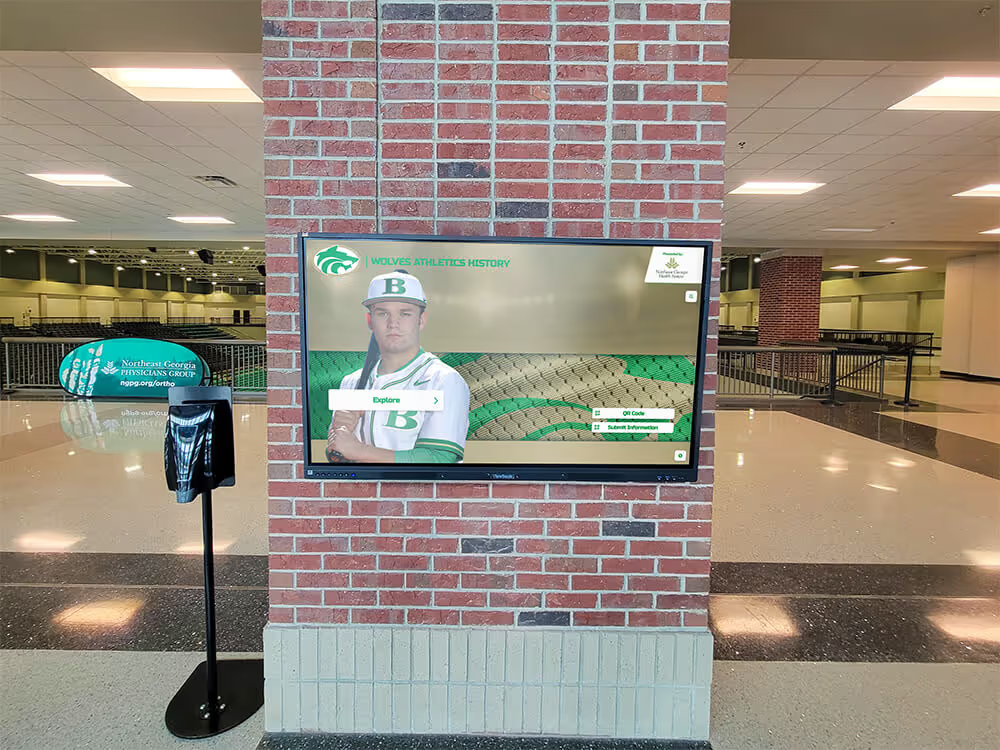
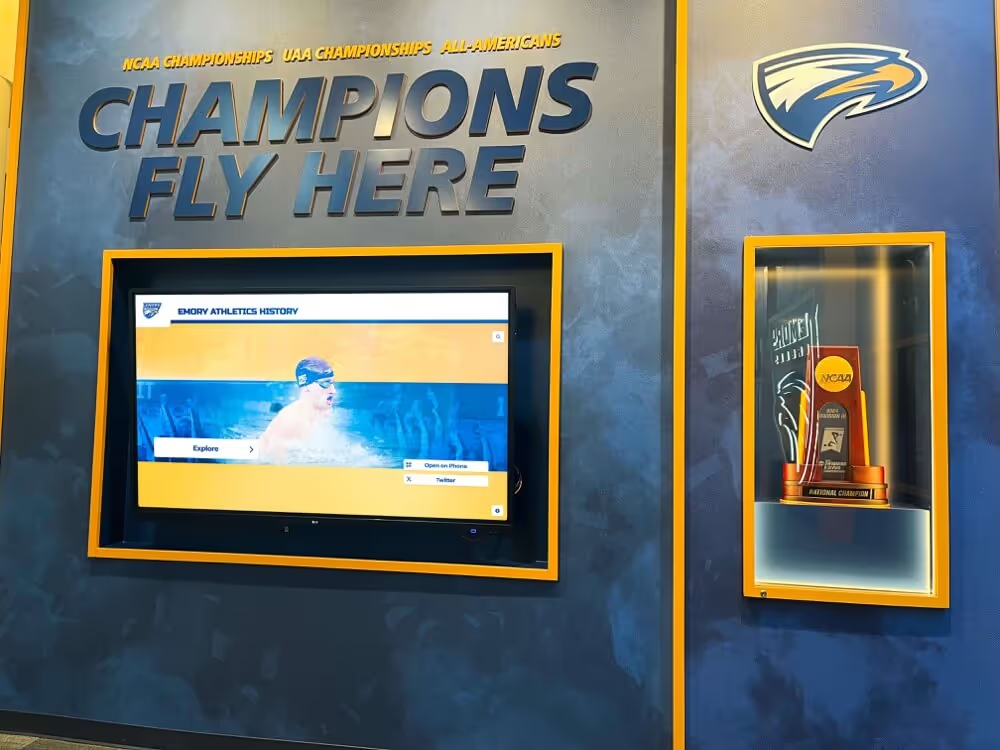
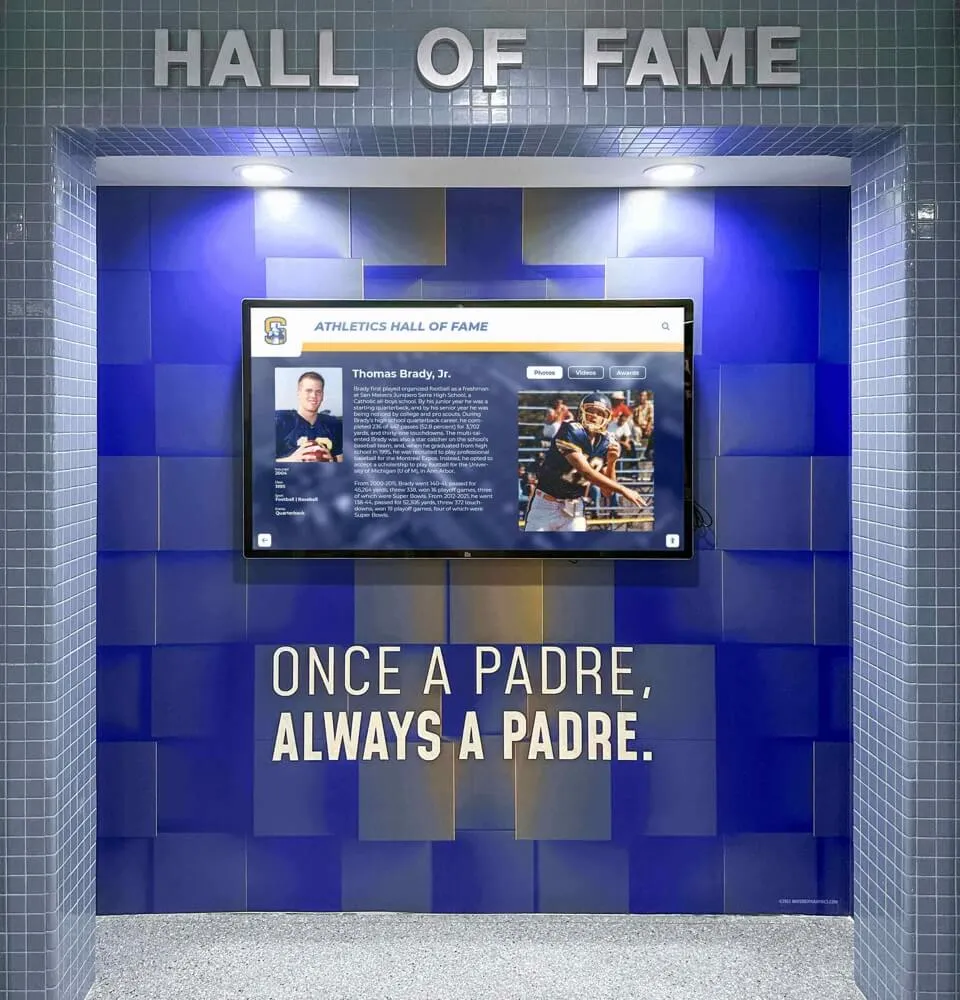
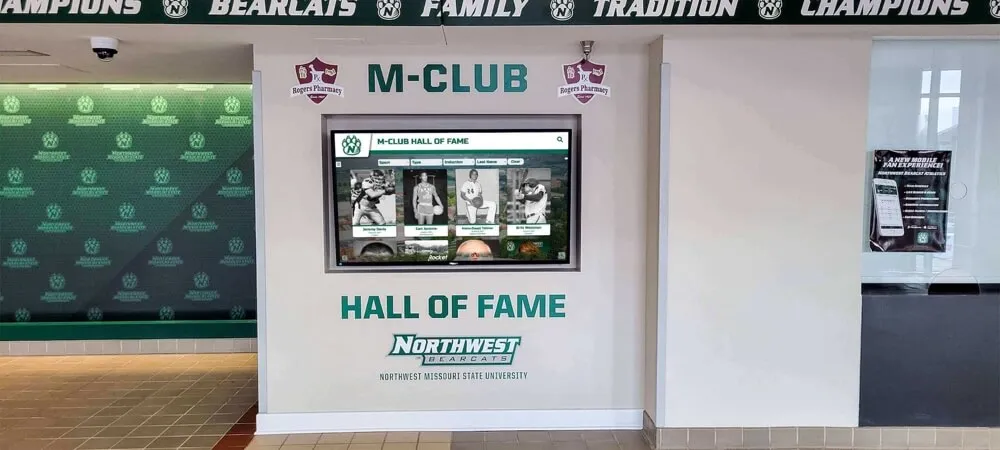
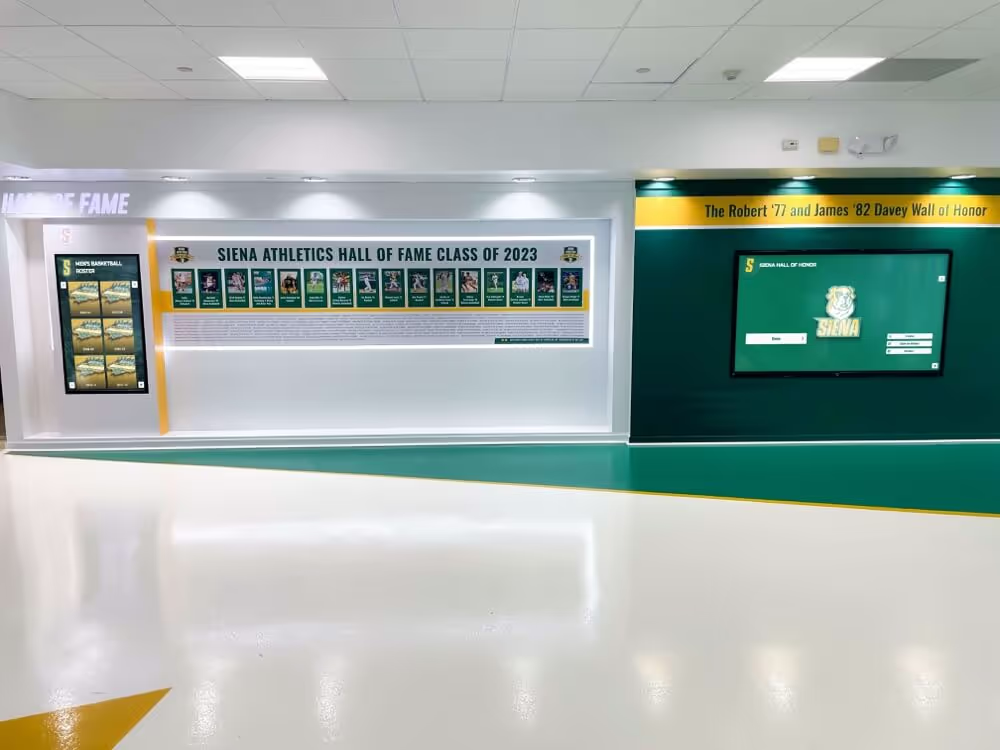
Academic honors like salutatorian recognition create lasting inspiration when preserved through comprehensive [student achievement displays](https://touchhalloffame.us/blog/student-engagement-strategies-modern-schools/?utm_source=organic&utm_medium=seo-auto&utm_content=halloffame-online&utm_campaign=salutatorian-speech&utm_term=seo)
Closing Section: Memorable Conclusion (30-60 seconds)
Your ending creates lasting impression after ceremony concludes:
- Brief recap of core message without repeating entire speech
- Final inspiring thought, call to action, or forward-looking statement
- Expression of confidence in your class’s future
- Acknowledgment of collective achievement and potential
- Thank you to audience for their attention and support
Strong conclusions often circle back to opening hooks, creating satisfying narrative arc—but avoid forced connections feeling artificial rather than organic.
Writing Techniques for Authentic Voice
Salutatorian speeches succeed when they sound genuinely like you rather than formal academic essays read aloud:
Conversational Tone Development
Write for speaking rather than reading:
- Use contractions naturally (“we’re” instead of “we are”)
- Vary sentence length avoiding monotonous rhythm
- Include rhetorical questions engaging audience mentally
- Employ strategic repetition emphasizing key themes
- Choose concrete, specific language over abstract generalities
- Test passages by reading aloud during drafting
Strategic Humor Integration
Appropriate humor enhances speeches without undermining significance:
- Self-deprecating moments showing humility and relatability
- Shared experiences your entire class recognizes
- Gentle observations about high school life specific to your community
- Situational humor acknowledging ceremony context
- Inside references your graduating class understands (used sparingly)
Avoid humor relying on: putting others down, inappropriate topics for formal occasions, references requiring extensive explanation, forced jokes feeling disconnected from your message, or excessive attempts at comedy overshadowing meaningful content.
Personal Story Selection
Specific anecdotes create emotional connection abstract language cannot:
- Choose stories representing broader truths relevant to entire class
- Include sensory details making moments vivid for listeners
- Explain why specific experiences mattered without over-explaining obvious lessons
- Balance personal narrative with universal applicability
- Limit individual stories to one or two rather than excessive personal focus
Your salutatorian position grants speaking authority—but effective speeches emphasize shared experience over individual accomplishment. Frame personal examples as representative of collective journey rather than self-focused celebration.
Content to Strategically Avoid
Certain common speech elements consistently undermine effectiveness:
Overused Graduation Clichés
Avoid phrases appearing in countless commencement addresses:
- “Today is not an end, but a beginning”
- “The future is ours for the taking”
- “We are the leaders of tomorrow”
- “This is just the first chapter of our lives”
- “We stand on the threshold of our future”
These phrases feel tired because graduates hear them repeatedly. Find fresh language expressing similar ideas in original ways reflecting your unique perspective.
Excessive Inside References
Inside jokes or references requiring explanation exclude audience segments:
- Parents and families unfamiliar with student culture specifics
- Younger students who weren’t present for referenced events
- Community members attending as guests
- Faculty members not directly involved in student experiences
Include enough specificity demonstrating authentic student voice without creating exclusive content alienating portions of your audience. When mentioning specific events or moments, provide brief context making references accessible.
Controversial or Divisive Topics
Graduation speeches unite rather than divide:
- Avoid political commentary or partisan perspectives
- Skip controversial social issues requiring nuanced debate
- Don’t critique specific teachers, administrators, or policies
- Exclude complaints or grievances about school experiences
- Refrain from exclusive religious references in diverse settings
Focus on universal values and shared experiences connecting rather than separating your diverse audience. Meaningful speeches inspire without requiring agreement on specific controversial issues.
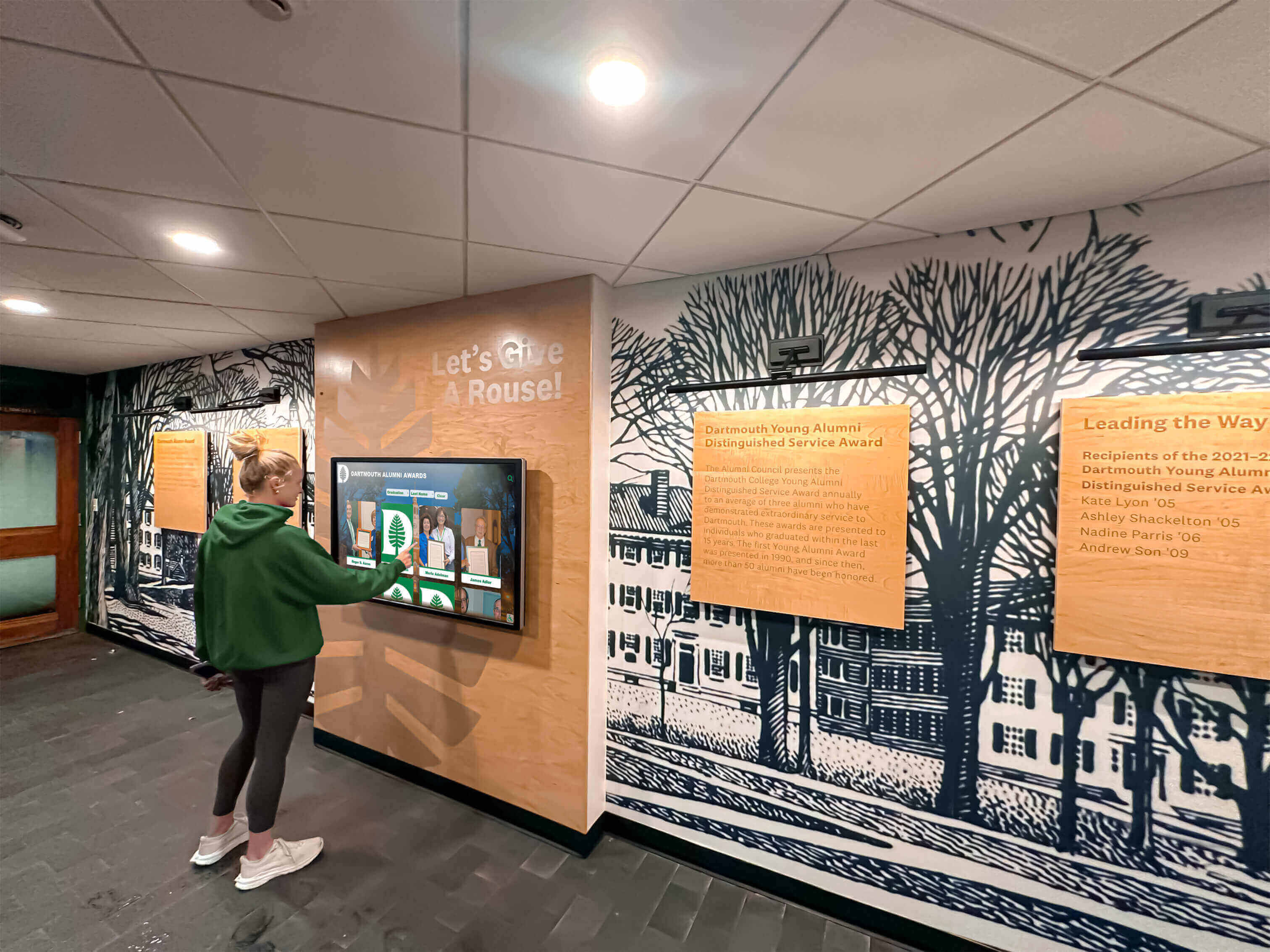
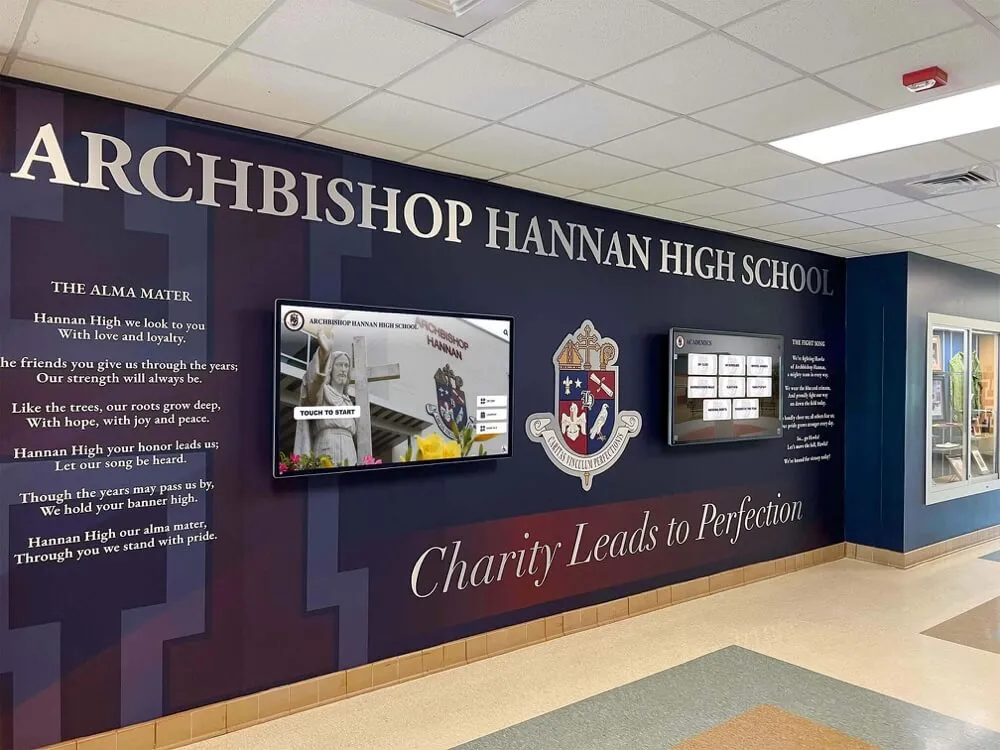
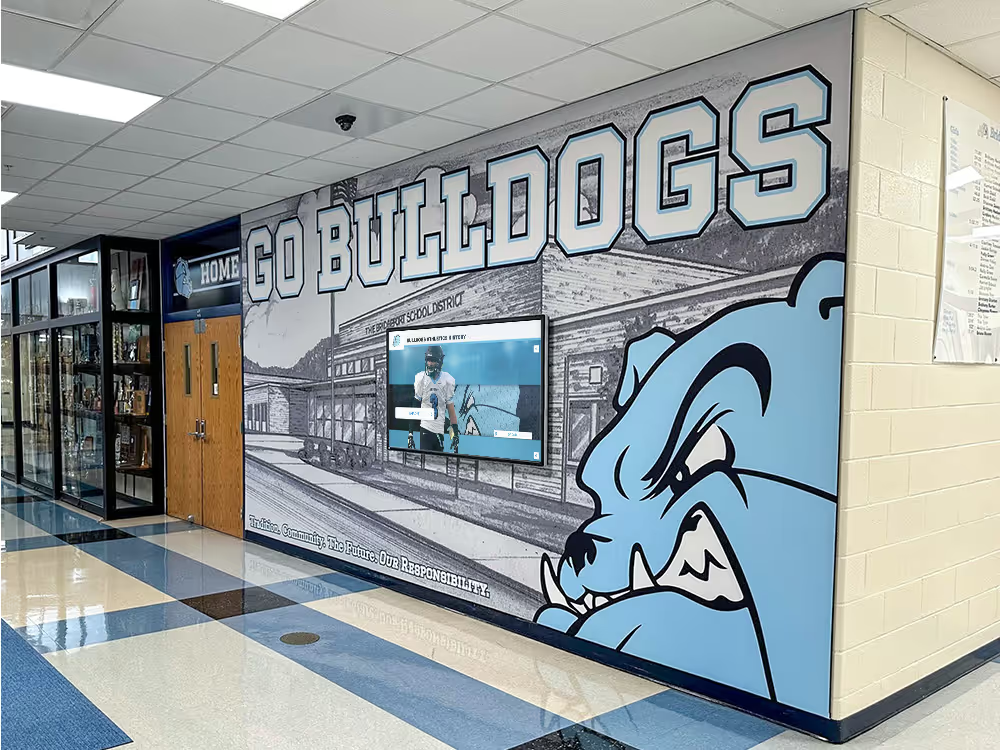
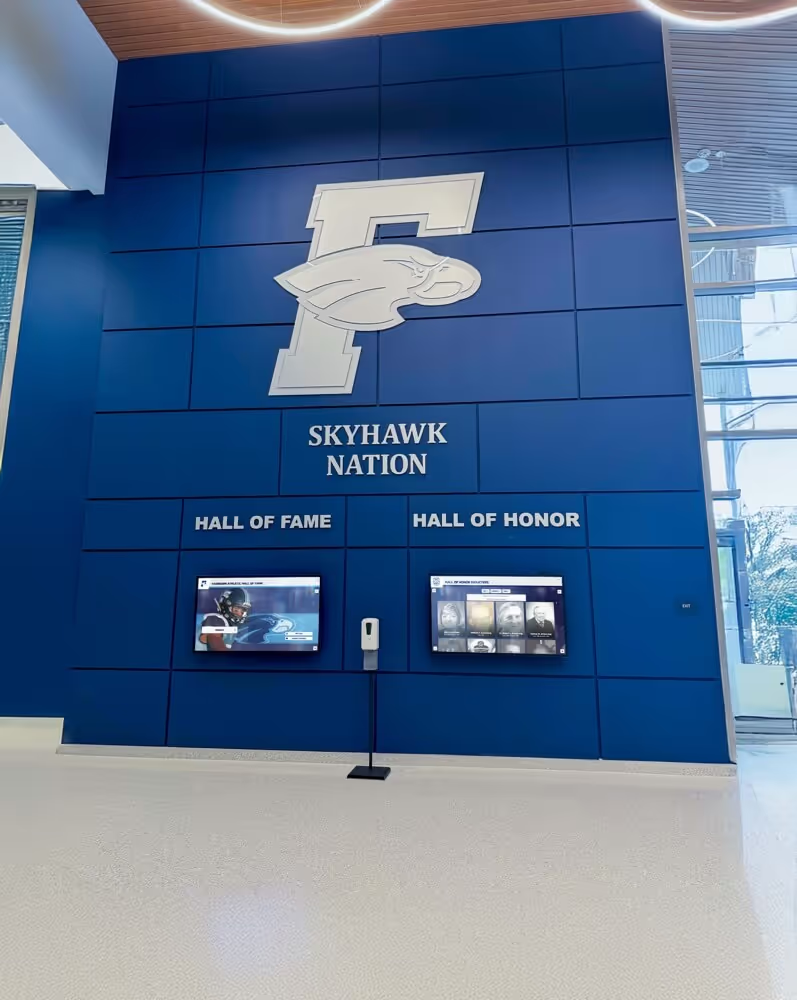
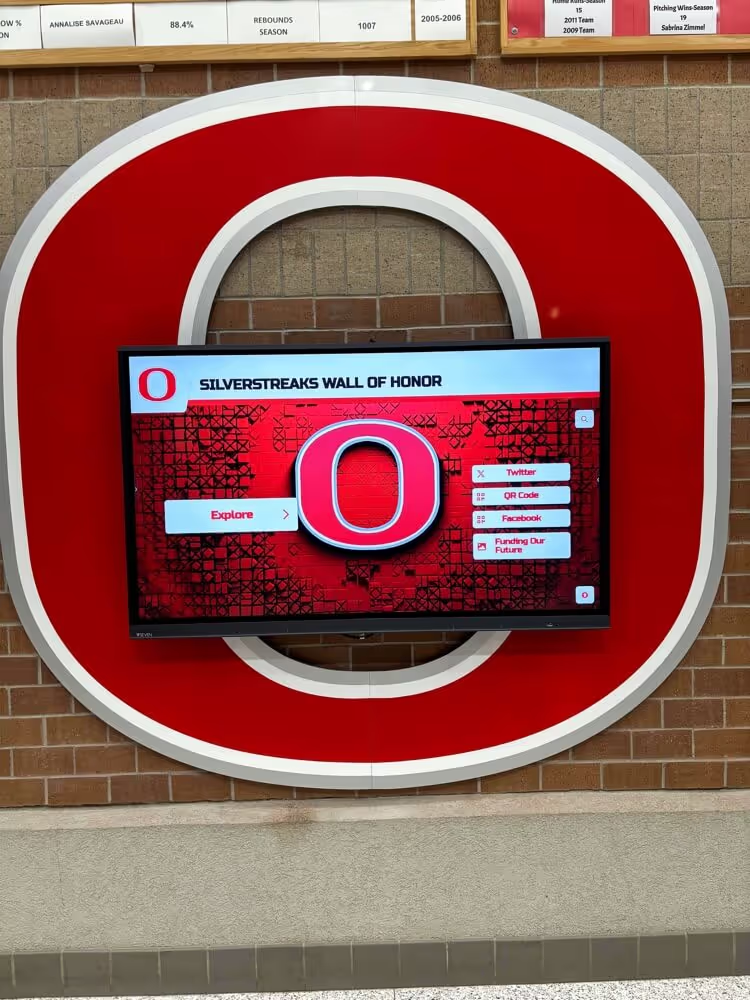
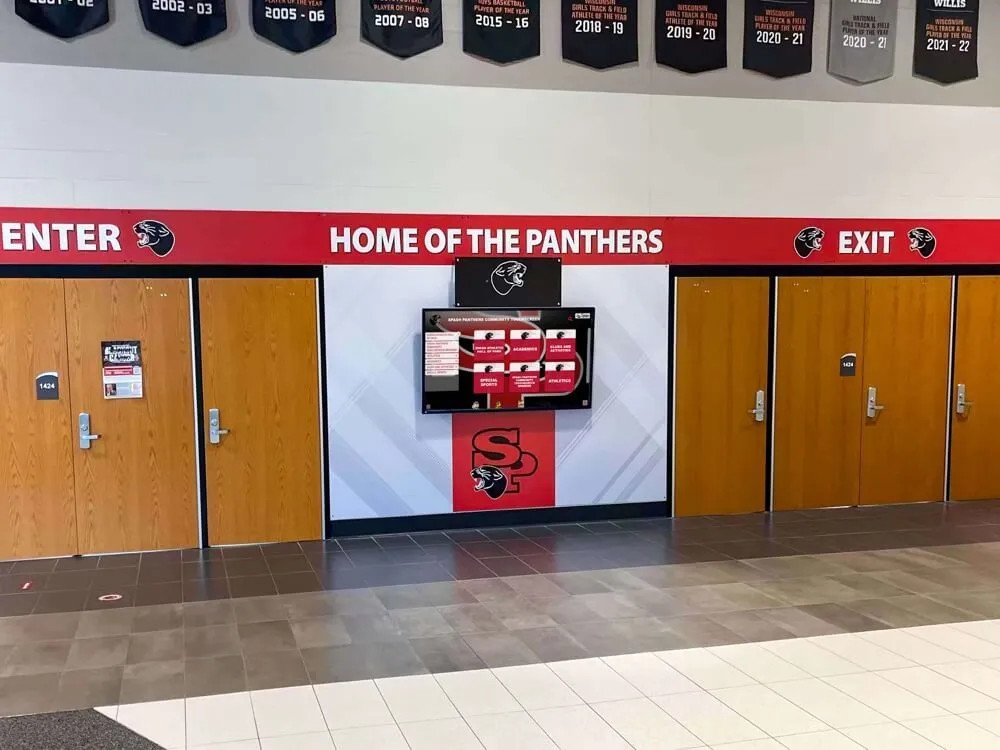
Modern [interactive recognition platforms](https://touchhalloffame.us/blog/rocket-kiosks-advanced-interactive-solutions-guide/?utm_source=organic&utm_medium=seo-auto&utm_content=halloffame-online&utm_campaign=salutatorian-speech&utm_term=seo) preserve academic achievements and graduation moments for future student inspiration
Execution Timeline: Speech Development Process
Effective salutatorian speeches emerge through systematic development rather than last-minute writing sessions. This timeline assumes approximately 4-6 weeks between learning of salutatorian selection and graduation day:
Phase 1: Planning and Brainstorming (Week 1)
Understand Requirements and Expectations
Before writing, clarify ceremony parameters:
- Confirm exact time limit (typically 3-7 minutes)
- Learn submission deadlines for draft review
- Understand approval process and revision expectations
- Identify recording or publication plans affecting content choices
- Determine whether podium, microphone, and other equipment will be available
Brainstorm Themes and Content
Generate raw material for speech development:
- List defining moments from your four years
- Identify lessons learned through high school experience
- Note teachers, experiences, or moments deserving acknowledgment
- Consider challenges your class collectively overcame
- Reflect on what makes your graduating class unique
- Think about advice or encouragement classmates need hearing
Don’t filter during brainstorming—capture everything potentially relevant. You’ll refine later.
Identify Your Core Message
Effective speeches center on one to three related themes rather than attempting comprehensive coverage:
- What single insight or message matters most?
- What do you want classmates remembering five years later?
- What perspective can you uniquely offer based on your experiences?
- What unifying thread connects your brainstormed ideas?
Clear core messages guide content selection during drafting, helping you cut material not supporting primary themes.
Phase 2: Drafting and Refinement (Weeks 2-4)
Create Complete First Draft
Write your entire speech without excessive self-editing:
- Follow structural outline (opening, body sections, closing)
- Include more content than time permits initially
- Focus on getting ideas expressed rather than perfect phrasing
- Write in your natural voice avoiding overly formal language
- Mark sections needing examples, transitions, or development
Many speakers write better second drafts when they first produce rough complete versions rather than perfecting paragraph by paragraph.
Read Aloud and Time
Evaluate your draft through speaking:
- Read entire speech aloud at natural pace
- Time yourself to assess length versus time limit
- Note awkward phrasing difficult to speak smoothly
- Identify breath points and natural pauses
- Mark sections sounding too formal or unlike your speaking voice
Speaking reveals problems invisible on the page. Budget approximately 125-150 words per minute for comfortable speaking pace allowing for pauses and emphasis.
Revise for Clarity and Impact
Refine content based on read-aloud testing:
- Cut content exceeding time limits, starting with weakest material
- Replace abstract language with specific examples and concrete details
- Strengthen opening and closing ensuring memorable impact
- Improve transitions between sections
- Eliminate redundancy and repetitive phrasing
- Verify appropriate balance between personal and universal content
Consider team captain speech strategies for leadership communication techniques applicable to graduation addresses.
Seek Feedback from Trusted Sources
Share drafts with individuals providing constructive input:
- English teachers offering writing and organization feedback
- Speech coaches or drama teachers addressing delivery concerns
- Administrators ensuring content aligns with school expectations
- Parents or mentors providing audience perspective
- Trusted classmates confirming authenticity and relevance
Request specific feedback on particular concerns rather than general reactions. Consider questions like: “Does the opening grab attention effectively?” or “Which section feels weakest?”
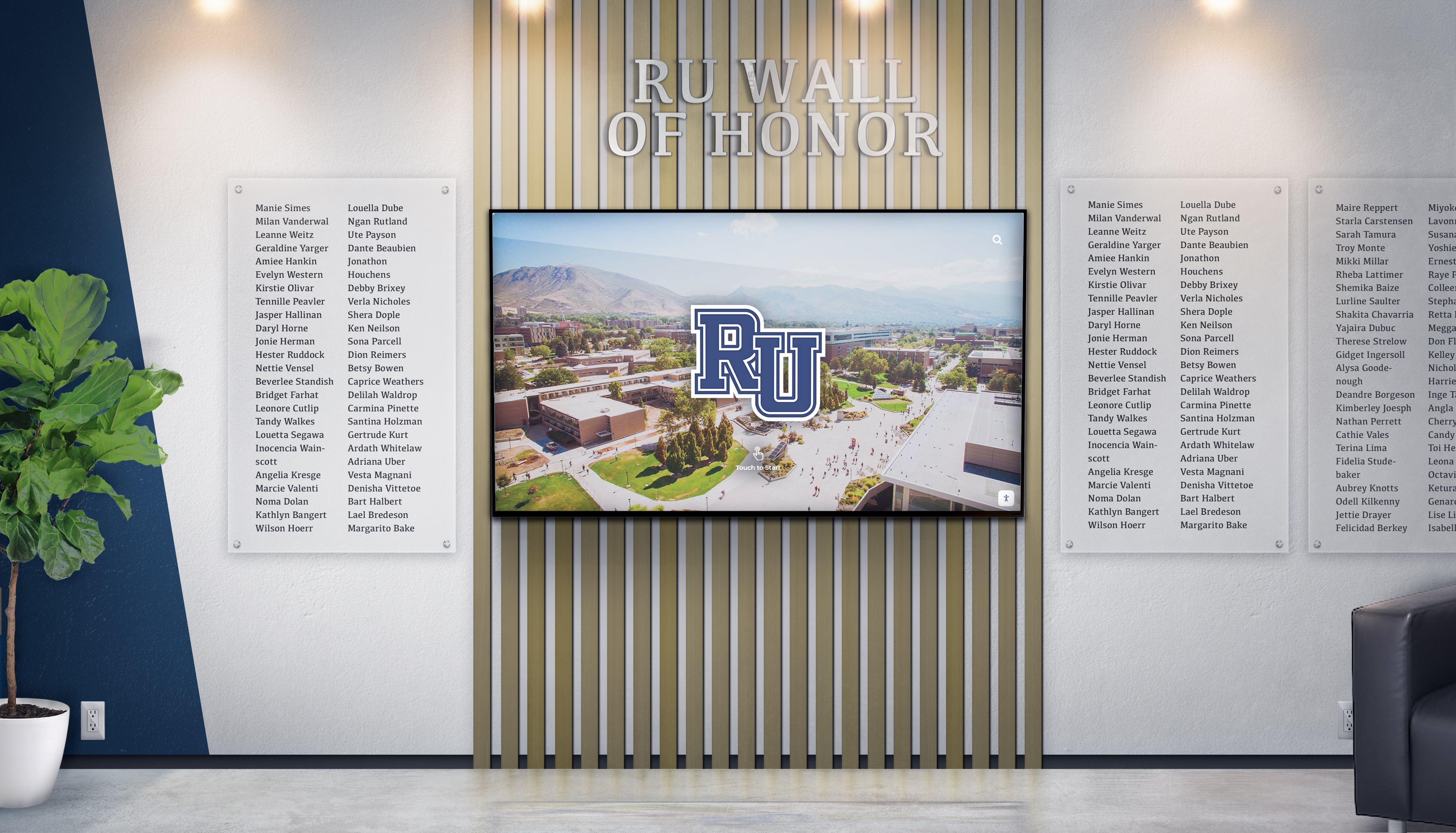
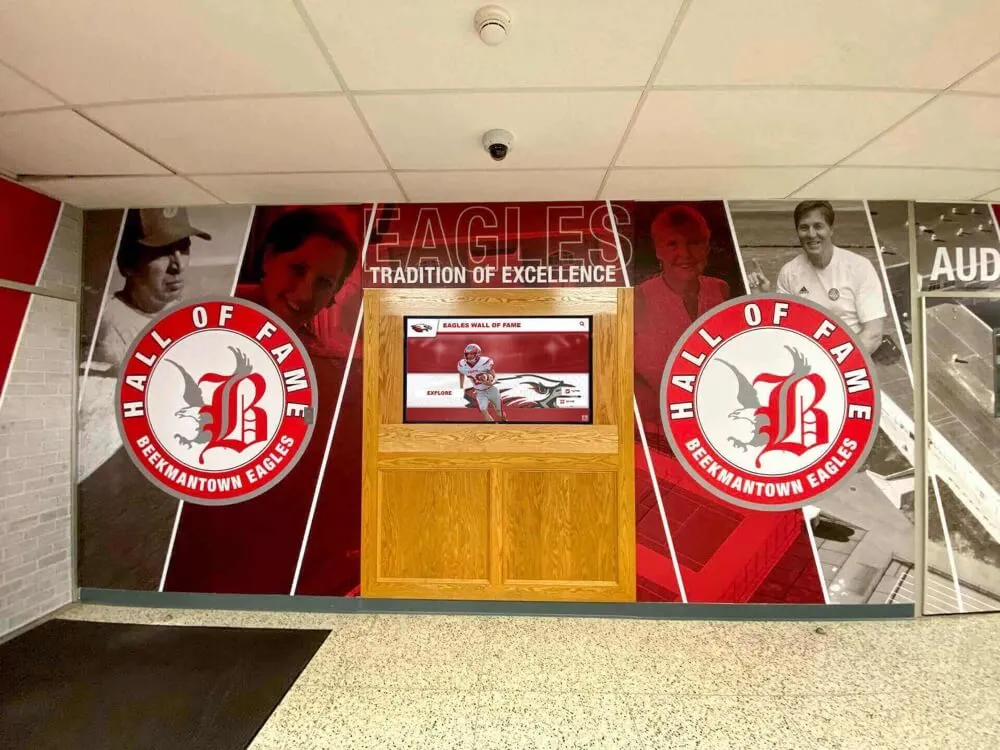
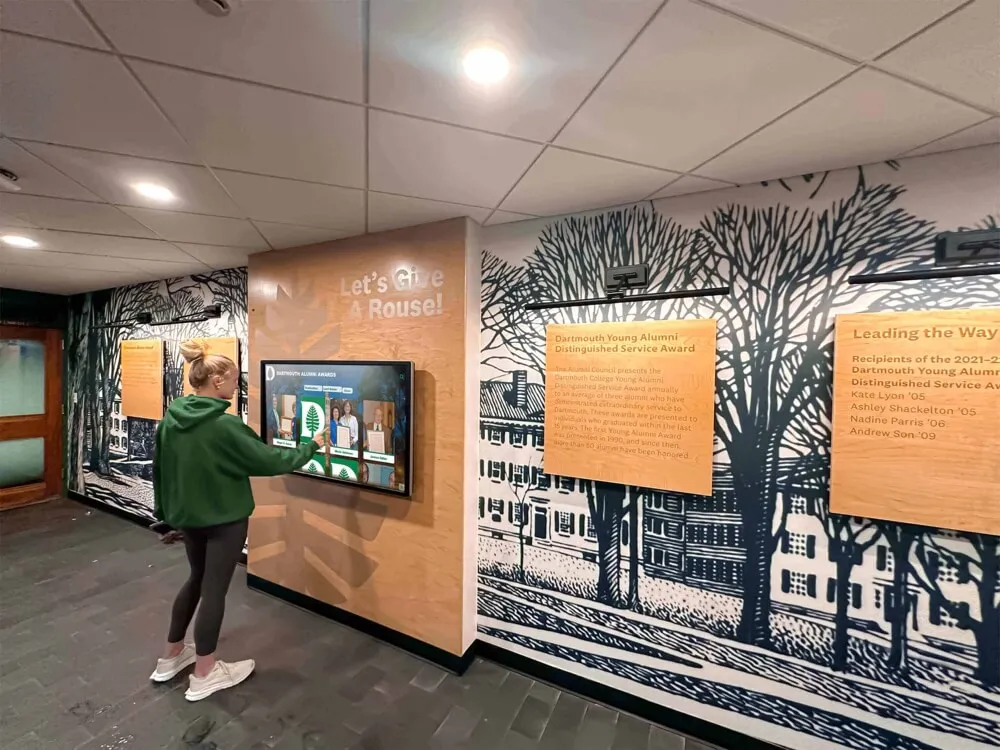
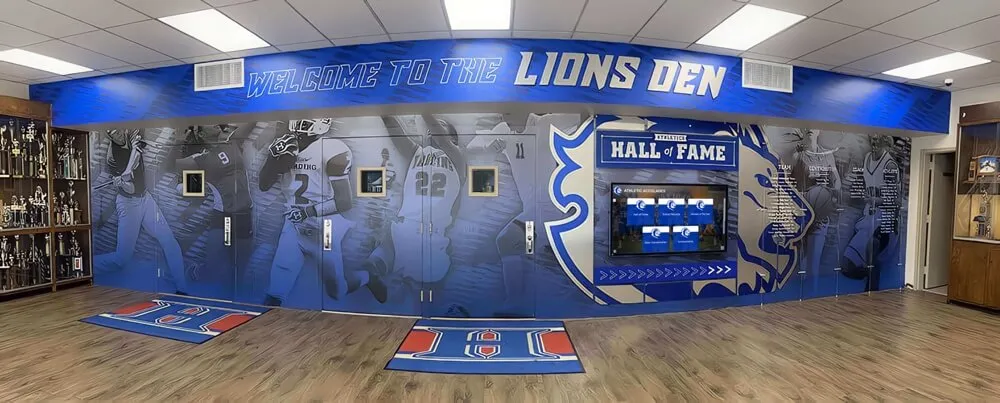
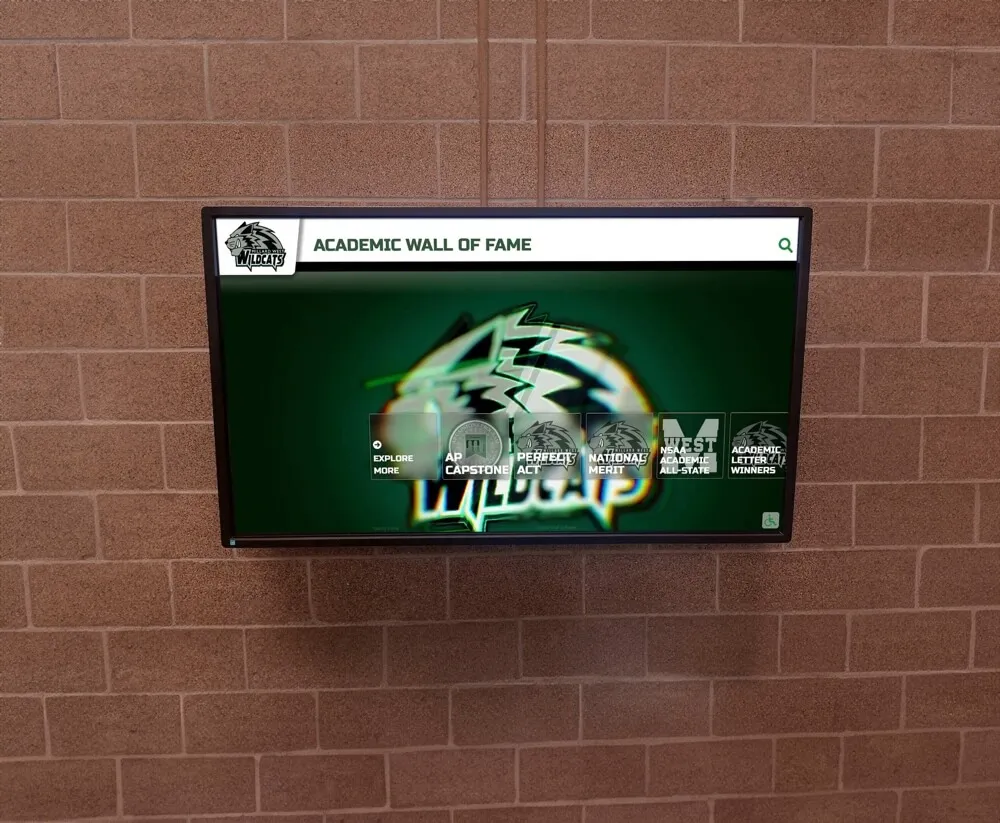
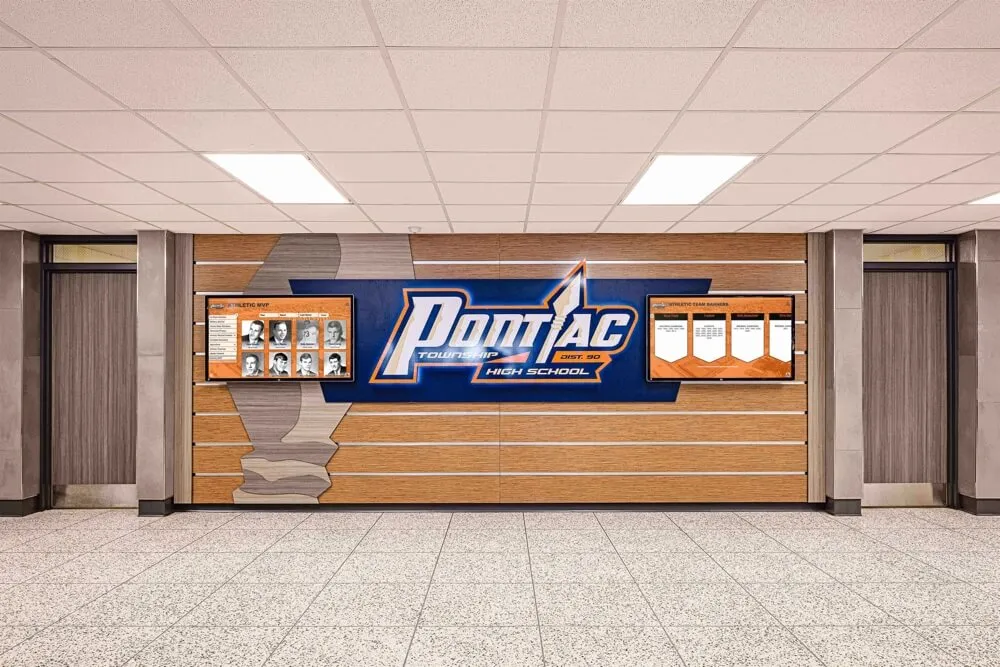
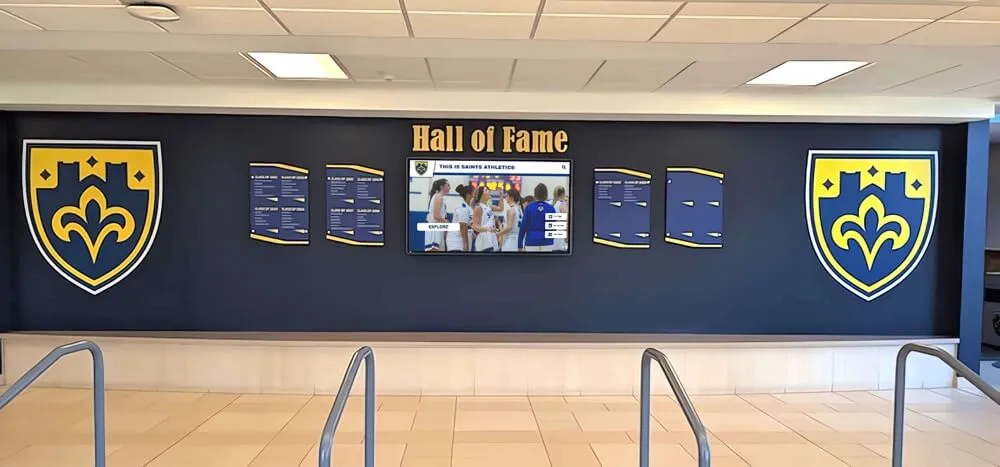
Digital recognition walls document academic achievements and graduation honors, creating [lasting institutional memory](https://touchscreenwebsite.com/blog/gatorade-player-of-the-year-award-display/?utm_source=organic&utm_medium=seo-auto&utm_content=halloffame-online&utm_campaign=salutatorian-speech&utm_term=seo) beyond ceremony day
Phase 3: Finalization and Approval (Week 5)
Submit for Administrative Review
Schools typically require draft approval:
- Submit by specified deadline allowing revision time
- Include notes explaining potentially unclear references
- Accept feedback professionally even when disagreeing
- Make required changes while maintaining your voice
- Confirm final approval before beginning memorization
Administrative review ensures content appropriateness—but work with reviewers to preserve your authentic voice when possible rather than accepting changes transforming your speech into generic institutional messaging.
Finalize Written Version
Create your final manuscript:
- Incorporate all approved revisions
- Format for easy reading during delivery (large font, clear spacing)
- Mark emphasis points, pauses, and delivery notes
- Print multiple copies (podium, backup, practice)
- Save digital backup accessible if needed
Phase 4: Delivery Preparation (Week 6)
Memorization Strategy
Most speakers benefit from substantial memorization while avoiding complete word-for-word recitation:
Full Memorization Approach
- Ideal for speakers comfortable with extensive memorization
- Allows maximum eye contact and audience connection
- Requires significant practice time preventing frozen delivery
- Always bring printed copy as backup for stress-induced memory lapses
- Practice until words flow naturally without visible recall effort
Partial Memorization with Notes Approach
- Memorize opening and closing completely for confident start and strong finish
- Learn key points and transitions for middle sections
- Use brief outline notes at podium for reference
- Allows flexibility adapting to audience energy or time constraints
- Reduces anxiety about forgetting specific words
Practice Techniques
Effective preparation extends beyond reading scripts:
- Practice complete run-throughs simulating ceremony conditions
- Record yourself on video assessing body language and delivery
- Present for friends or family gathering audience feedback
- Practice in actual ceremony space if possible
- Rehearse with microphone understanding volume and pacing needs
- Time multiple practice sessions ensuring consistency
Practice until you deliver confidently without sounding robotic or over-rehearsed. Your speech should sound conversational and spontaneous even after extensive preparation.
Delivery Techniques for Ceremony Day
Platform presence significantly impacts message reception:
Vocal Delivery
- Speak slightly slower than normal conversation pace
- Vary pitch and tone avoiding monotonous delivery
- Pause briefly at key moments allowing ideas to resonate
- Project clearly for back rows without shouting
- Control nervous vocal habits (filler words, upspeak, rushing)
Physical Presence
- Maintain confident posture without excessive rigidity
- Make eye contact with different audience sections
- Use natural gestures supporting your message
- Avoid distracting movements (swaying, fidgeting, pacing)
- Smile genuinely when appropriate to your content
Managing Nervousness
Pre-speech anxiety affects most speakers:
- Practice deep breathing before taking the podium
- Visualize successful delivery beforehand
- Focus on your message rather than your nervousness
- Remember your classmates support you
- Accept that minor mistakes are normal and forgivable
Display Integration: Preserving Academic Achievement Recognition
Salutatorian speeches represent significant academic milestones deserving documentation beyond ceremony day. Schools increasingly recognize that comprehensive student recognition programs extend achievement impact by creating lasting visibility for graduating class honors.
Academic Achievement Documentation Strategies
Digital Recognition Platforms
Modern schools document salutatorian recognition through:
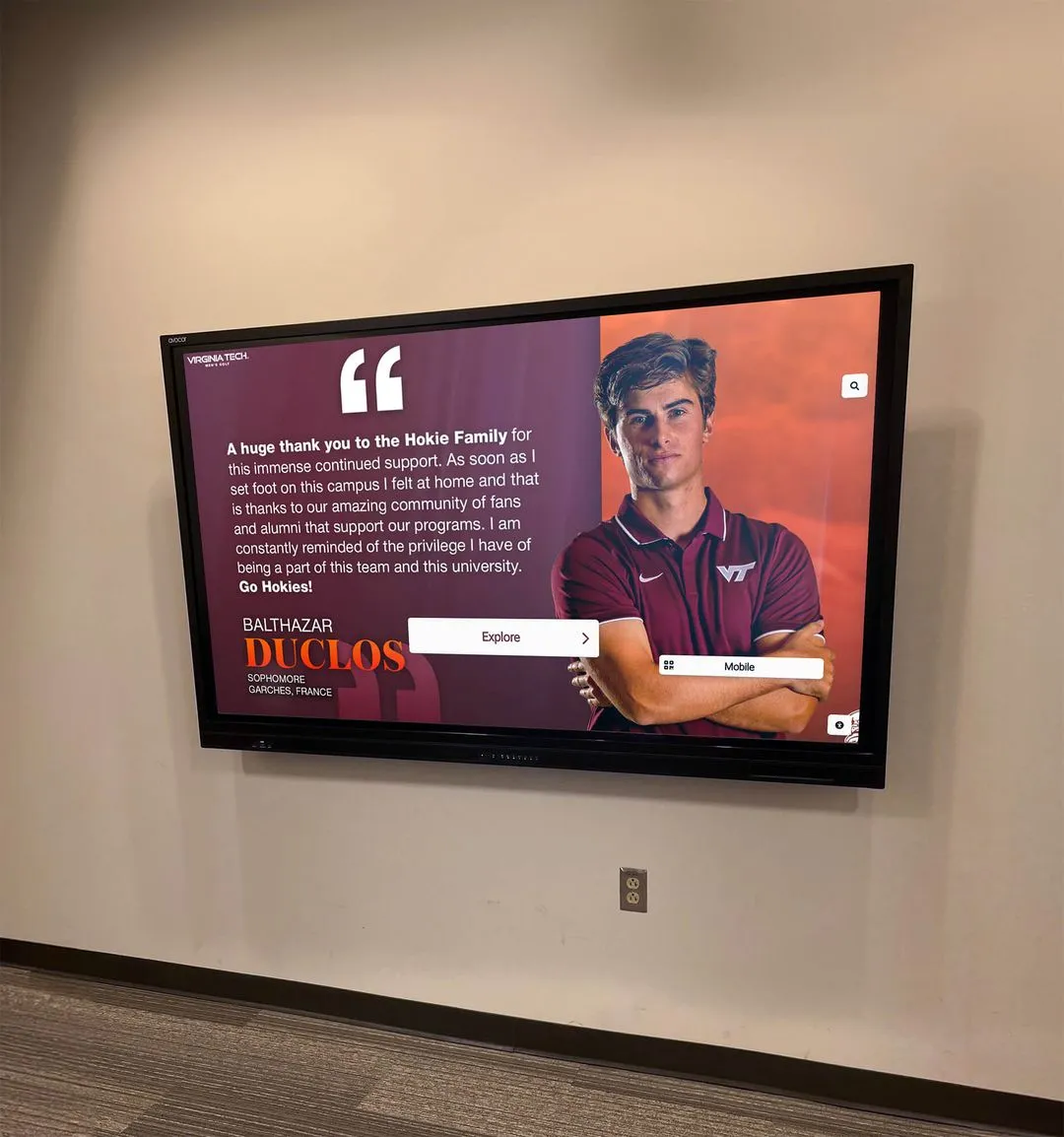
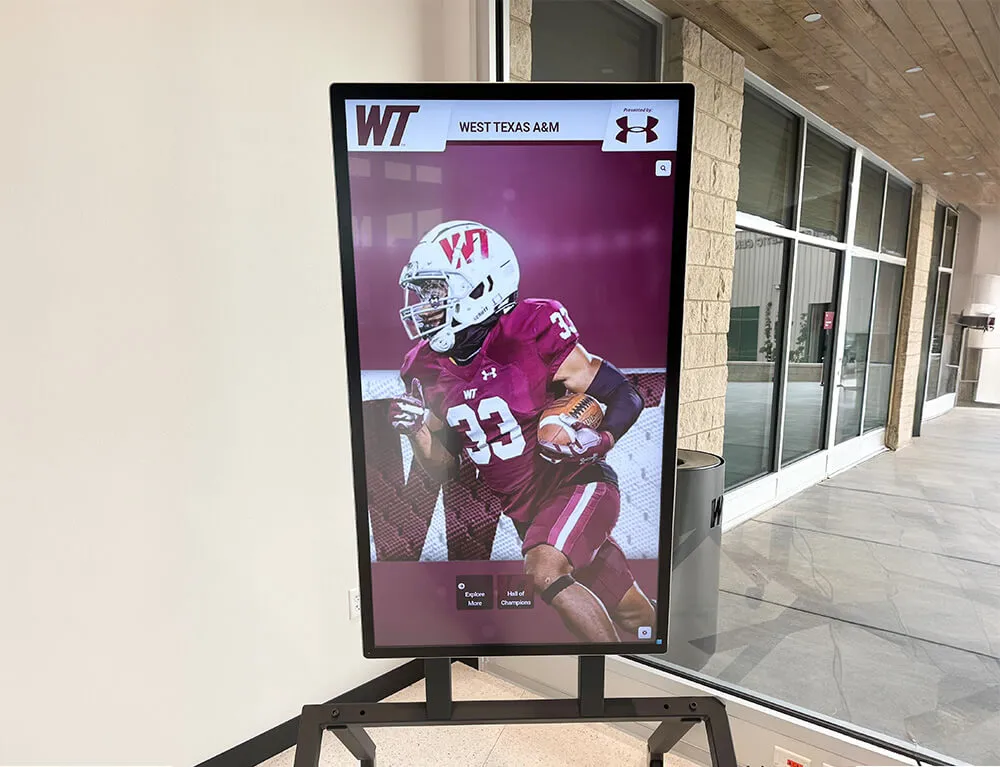
- Touchscreen displays showcasing valedictorian and salutatorian profiles across graduation years
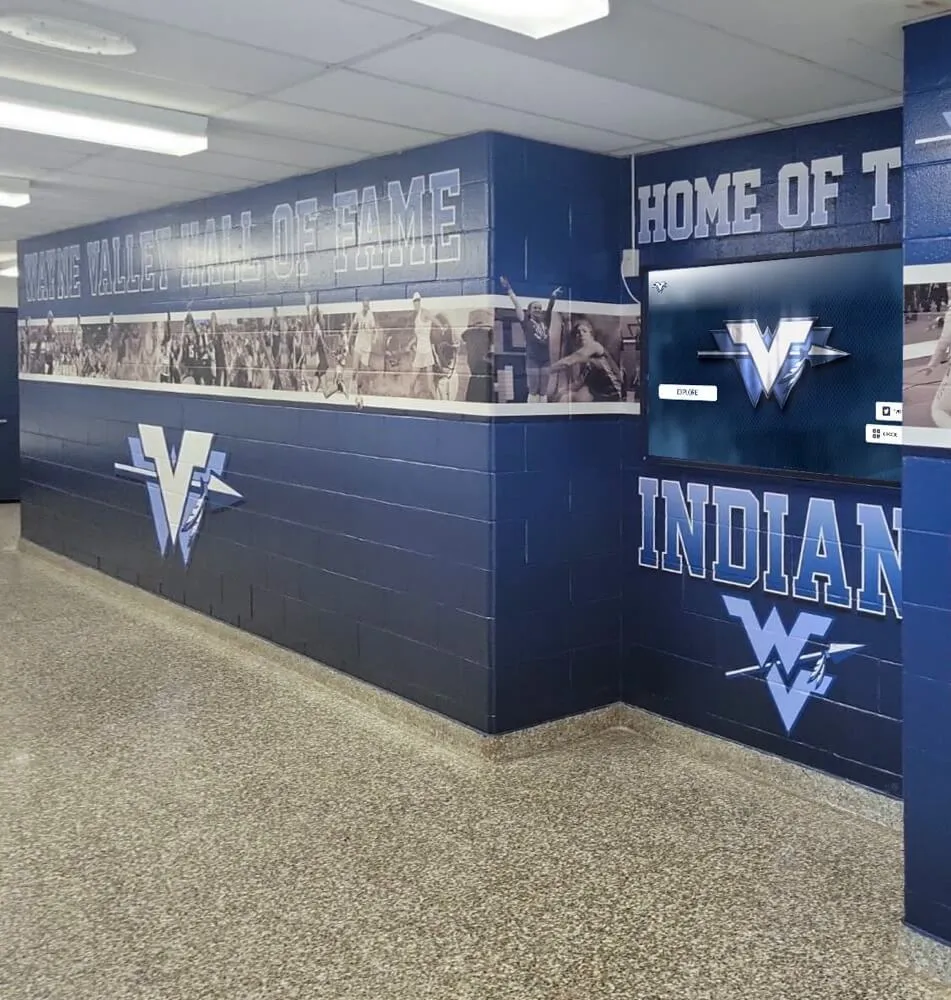
- Academic honor walls featuring top graduates with photos, achievements, and post-graduation paths
- Interactive alumni directories maintaining connections with distinguished graduates
- Video archives preserving graduation speeches for future student inspiration
- QR code integration connecting physical displays to speech recordings and achievement details
- Cloud content management enabling annual updates celebrating new salutatorians
These preservation systems transform single-day ceremony moments into ongoing inspiration for current students while demonstrating institutional commitment to academic excellence recognition.
Multi-Year Academic Excellence Galleries
Comprehensive displays celebrate academic leadership across graduating classes:
- Chronological salutatorian listings showing legacy of achievement
- Academic award displays featuring top scholars alongside athletic and artistic recognition
- Student achievement galleries balancing diverse excellence types
- Scholarship recognition boards documenting post-graduation academic opportunities
- Profile displays including graduation speech excerpts alongside photos and biographical information
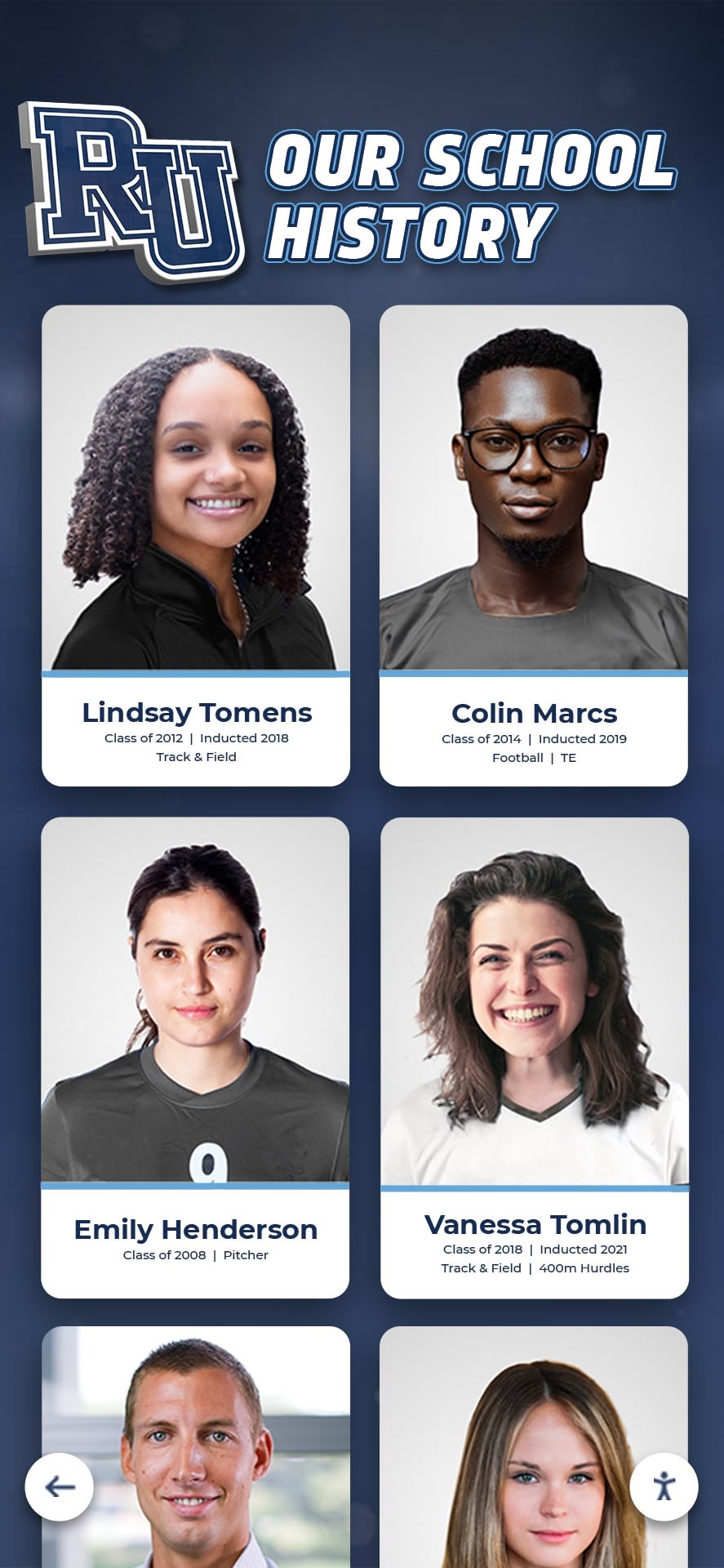
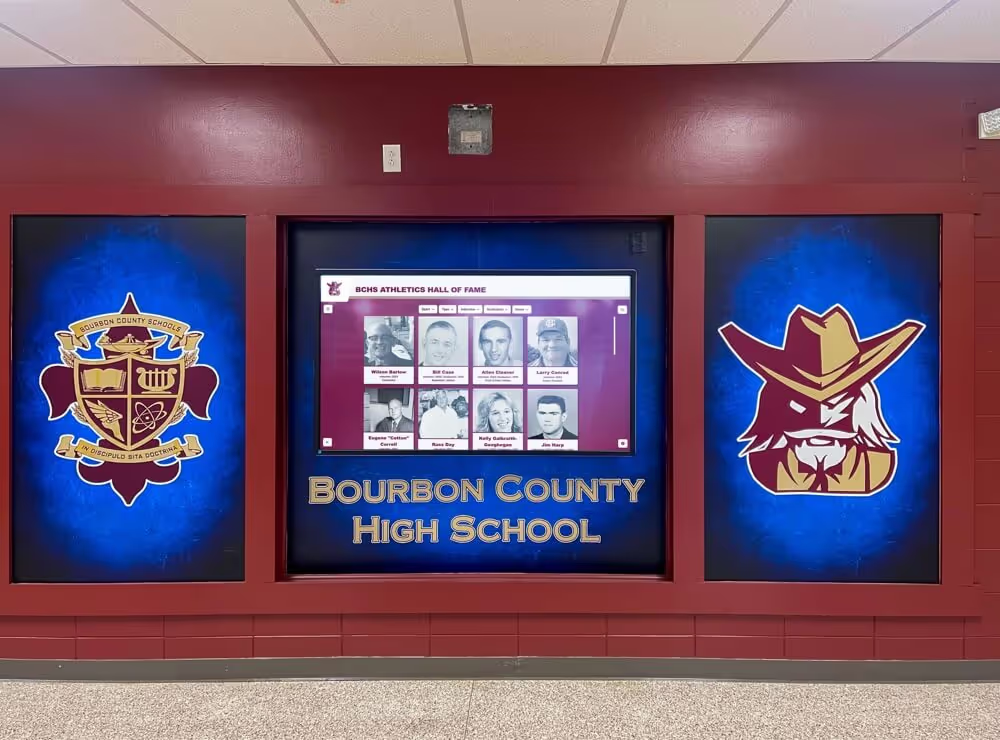
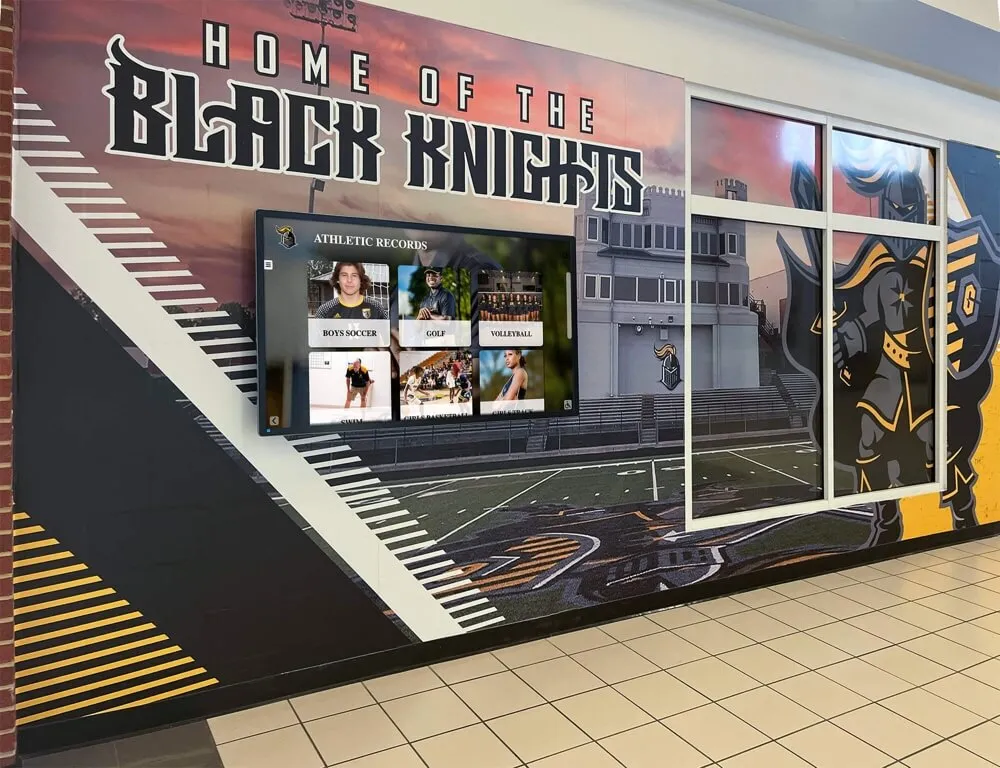
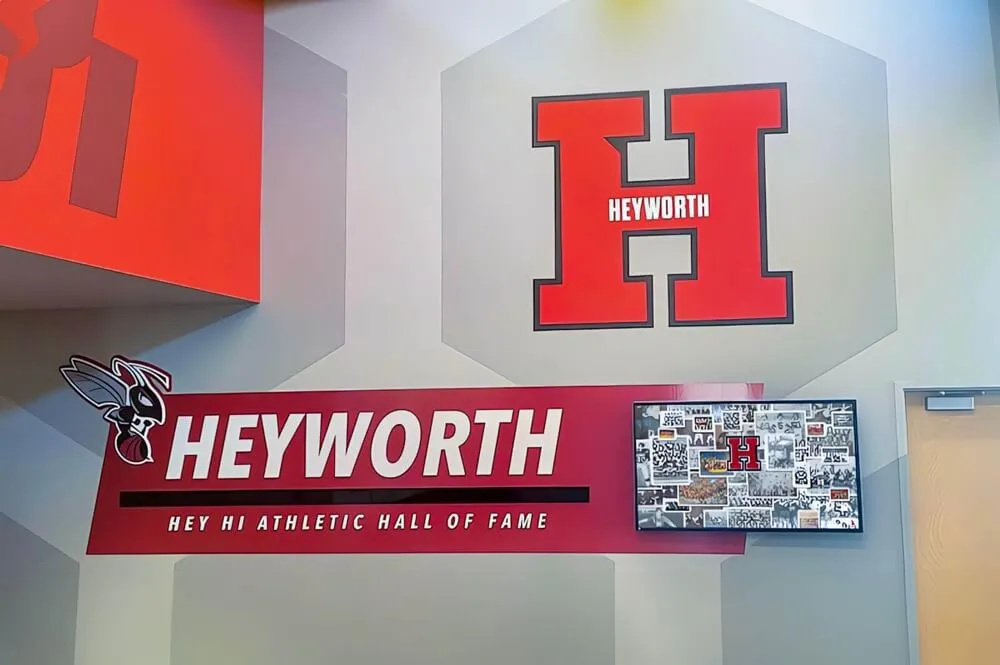
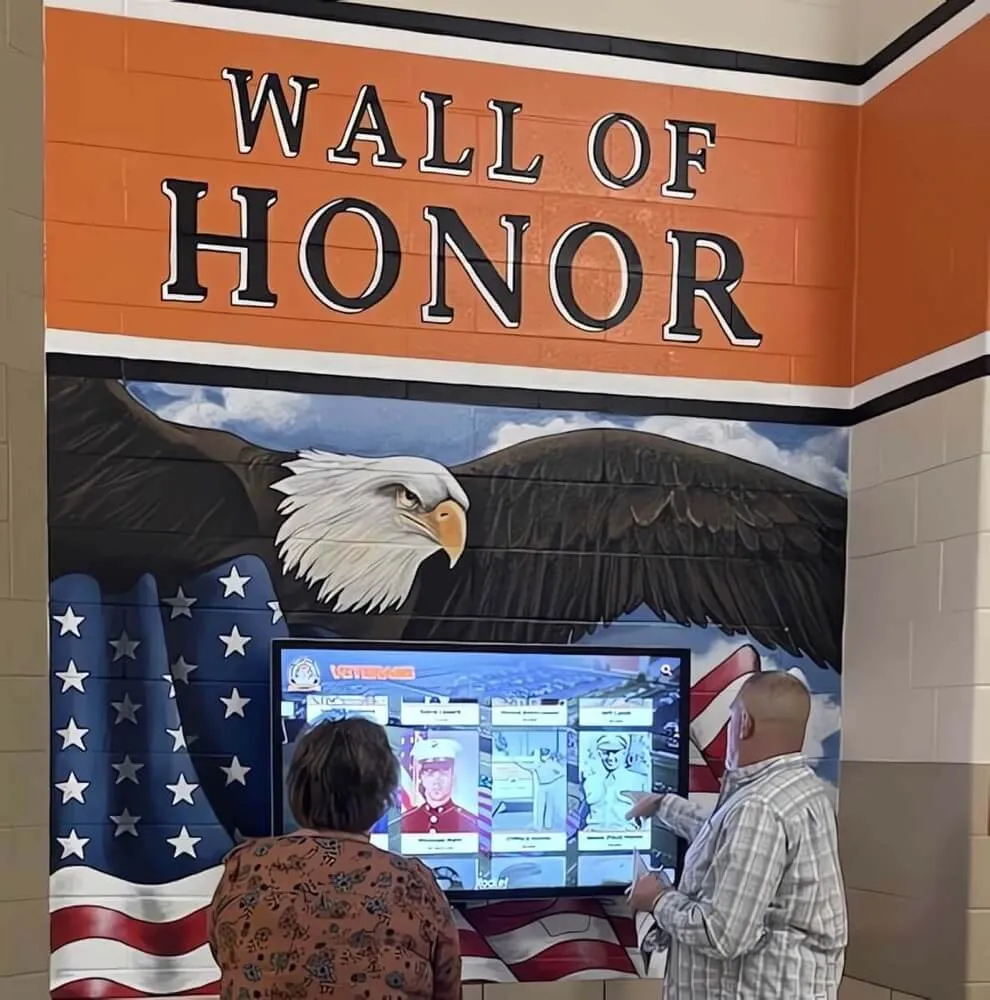
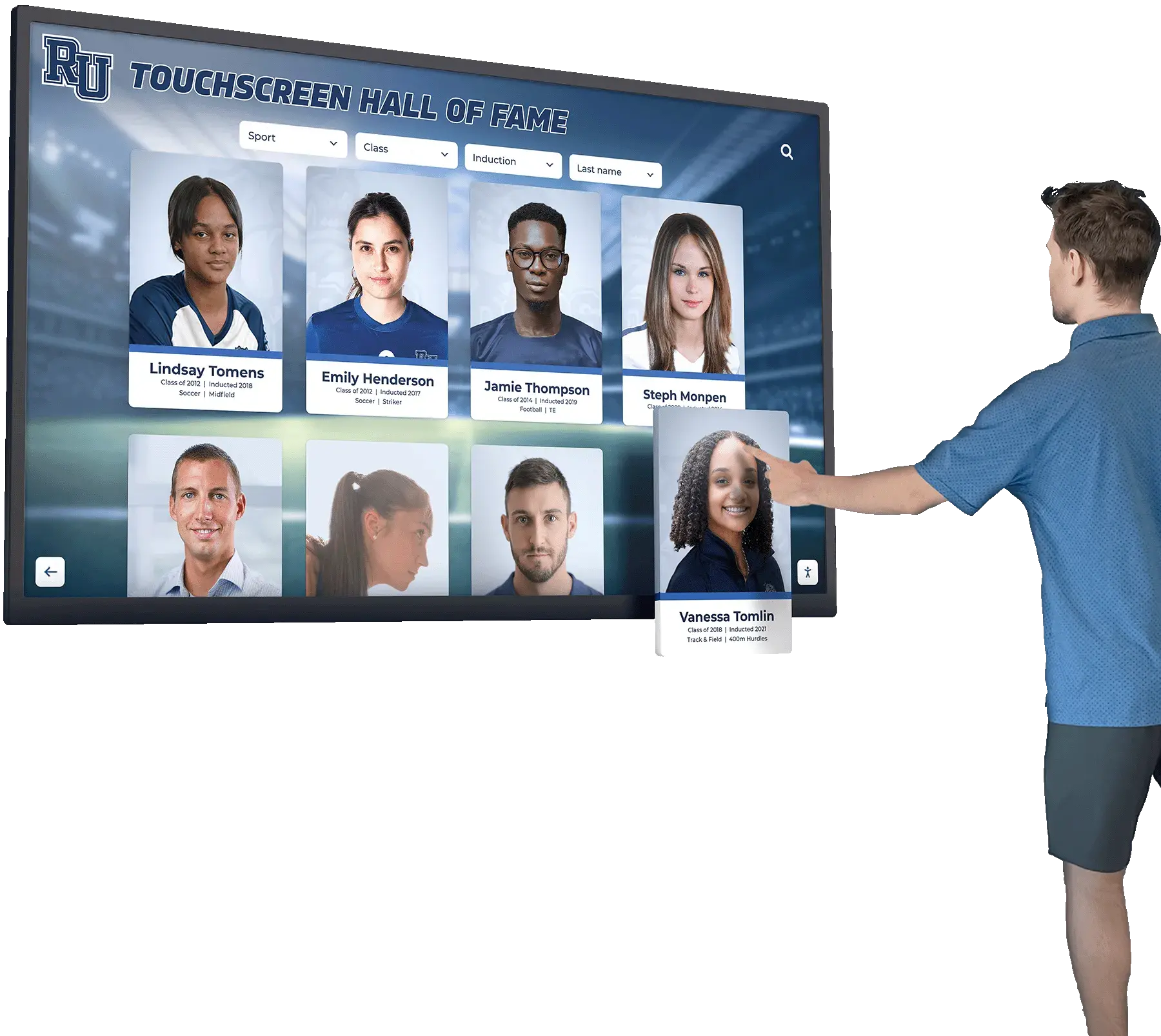
Comprehensive recognition platforms preserve salutatorian achievements alongside athletic, artistic, and leadership excellence, creating [balanced achievement celebration](https://halloffamewall.com/blog/sports-achievement-highlights/?utm_source=organic&utm_medium=seo-auto&utm_content=halloffame-online&utm_campaign=salutatorian-speech&utm_term=seo)
Content Architecture for Graduation Honor Displays
Effective salutatorian recognition typically includes:
Core Profile Elements
- Full name and graduation year
- High school GPA or class rank (if publicly shared)
- Major academic achievements or awards
- Post-graduation path (college, career, military service)
- Significant extracurricular leadership or activities
- Professional photograph from senior year
Extended Content Modules
- Excerpt from graduation speech (most memorable 2-3 sentences)
- Brief personal statement about high school experience
- Recognition of specific teachers or mentors
- Future aspirations or career goals
- Links to speech video recordings when available
- Social media integration for alumni network connections
Recognition Program Best Practices
Schools maximizing academic achievement recognition impact implement:
Equitable Celebration Frameworks
Balance salutatorian recognition within comprehensive achievement systems:
- Feature academic honors prominently alongside athletic and artistic excellence
- Celebrate diverse achievement paths (traditional academics, technical programs, arts, service)
- Avoid excessive focus on single achievement measure (GPA) at expense of broader excellence
- Create recognition categories acknowledging different student strengths
- Document achievement across all programs and student groups
Sustainable Documentation Processes
Maintain achievement archives through systematic procedures:
- Establish annual submission cycles for new salutatorian profiles
- Designate staff responsibility for content updates and accuracy
- Archive speech recordings in accessible formats preserving long-term
- Implement quality photography standards for display consistency
- Create alumni follow-up processes tracking post-graduation achievements
- Budget for ongoing platform maintenance and content management
Integration with Broader Recognition Systems
Connect graduation honor documentation to institutional recognition:
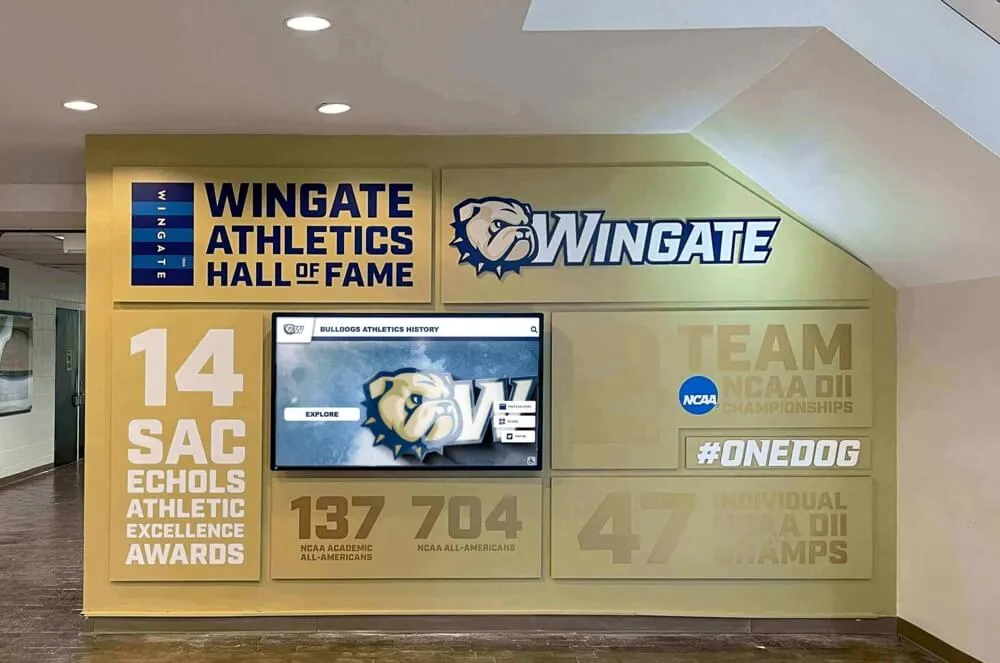
- Link salutatorian displays to broader hall of fame programs
- Feature within campus wayfinding and visitor experiences
- Include in admissions tours demonstrating academic excellence culture
- Incorporate into alumni reunion programming
- Integrate with fundraising recognition showing student impact of donor support
Measurement: Assessing Speech Impact and Recognition Effectiveness
Schools committed to meaningful academic recognition track outcomes demonstrating program value:
Speech Effectiveness Indicators
Audience Engagement Metrics
- Audience attention during delivery (observable through recording review)
- Positive feedback from students, families, and faculty
- Social media sharing and comment sentiment
- Video recording views and engagement when published
- Speech excerpts cited in school publications or communications
Long-term Impact Assessment
- Student speakers reporting personal growth from experience
- Underclassmen expressing inspiration toward academic achievement
- Alumni citing graduation speech messages in future reflections
- Community perception of school’s academic excellence commitment
- Recruitment impact on prospective families valuing academic culture
Recognition Program Value Measurement
Program Participation Indicators
- Number of salutatorian profiles added annually
- Content accuracy and completeness across graduating classes
- Display engagement metrics (touches, time spent, profile views on digital systems)
- Alumni network participation from featured graduates
- Family and community positive feedback on recognition visibility
Institutional Impact Metrics
- Enhanced school pride related to academic achievement visibility
- Increased motivation toward academic excellence among current students
- Improved perception of balanced achievement recognition (academics alongside athletics/arts)
- Strengthened alumni engagement with returning graduates viewing their recognition
- Positive recruitment outcomes with prospective families valuing academic culture
Schools implementing comprehensive academic recognition—featuring graduation honor documentation, achievement preservation systems, equitable celebration frameworks, and sustained visibility—create lasting value extending far beyond ceremony day.
Ready to Honor Academic Achievement Comprehensively?
Salutatorian speeches represent significant graduation moments deserving preservation through recognition systems matching their importance to school communities. While effective speeches require thoughtful preparation, strategic structure, authentic voice, and confident delivery, creating lasting impact demands documentation approaches transforming single ceremony moments into ongoing inspiration.
Modern schools recognize that comprehensive achievement celebration—balanced across academic, athletic, artistic, and service excellence—strengthens institutional culture while motivating current students through visible examples of diverse success paths. Digital recognition platforms enable sustainable documentation preserving salutatorian honors alongside broader achievement celebration, creating engaging discovery experiences for students, families, alumni, and communities.