



Russ Houks Wrestling Camp stands as a pioneering landmark in American wrestling history, representing the first comprehensive wrestling camp in the United States and establishing the blueprint for Olympic-level training facilities that transformed how wrestlers prepare for elite competition. Founded in 1962 at Maple Lake near Forksville, Pennsylvania, this revolutionary training center became the official U.S. Olympic and Pan-American Games Training Camp from 1964-1973, hosting wrestling legends including Dan Gable, Chris Taylor, the Peterson brothers, and dozens of Olympic medalists who defined American wrestling excellence during its golden era.
Yet beyond producing champions, Russ Houk’s camp pioneered a comprehensive approach to wrestling development that combined intensive technical training, Olympic-caliber coaching, competitive environment immersion, and the mental toughness cultivation that separates good wrestlers from great champions. The camp’s legacy extends far beyond its operational years, influencing modern wrestling camp structures, training methodologies, and the recognition systems that schools and programs use today to honor wrestling excellence and inspire future generations.
This comprehensive guide explores Russ Houks Wrestling Camp history from its founding through its Olympic training era to its lasting impact on American wrestling culture, providing context for understanding how this pioneering facility shaped wrestling development while offering insights into how modern programs honor wrestling traditions through comprehensive recognition systems that celebrate the sport’s demanding excellence.
Understanding Russ Houks Wrestling Camp requires appreciating both the man who created it and the wrestling landscape he transformed through vision, dedication, and commitment to excellence that defined his approach to coaching and athlete development.

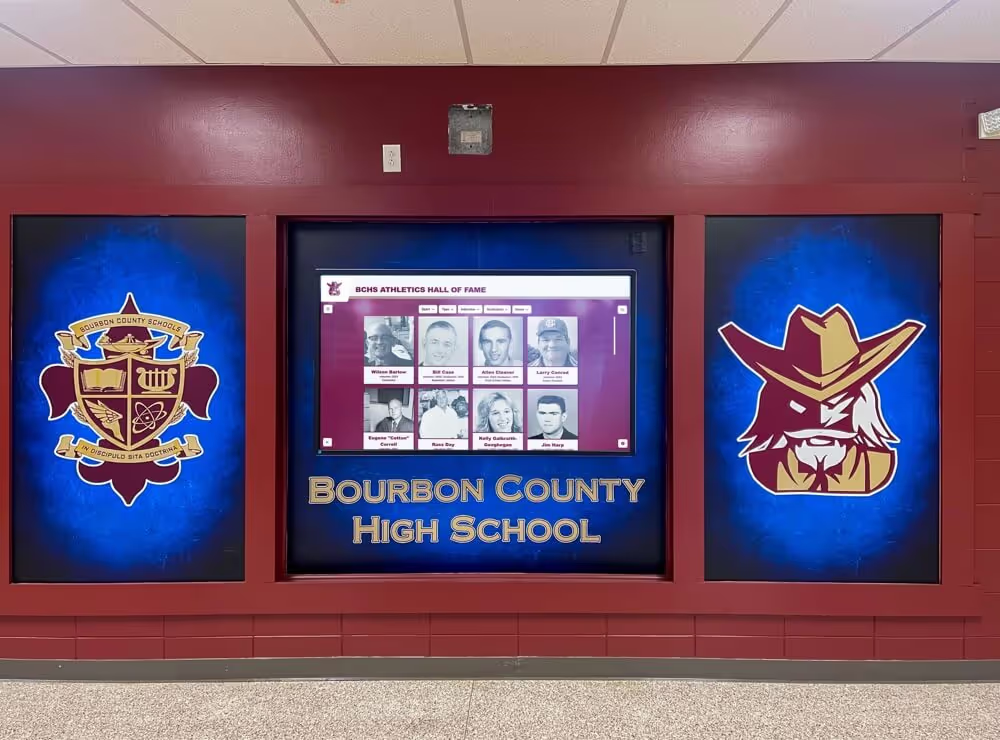
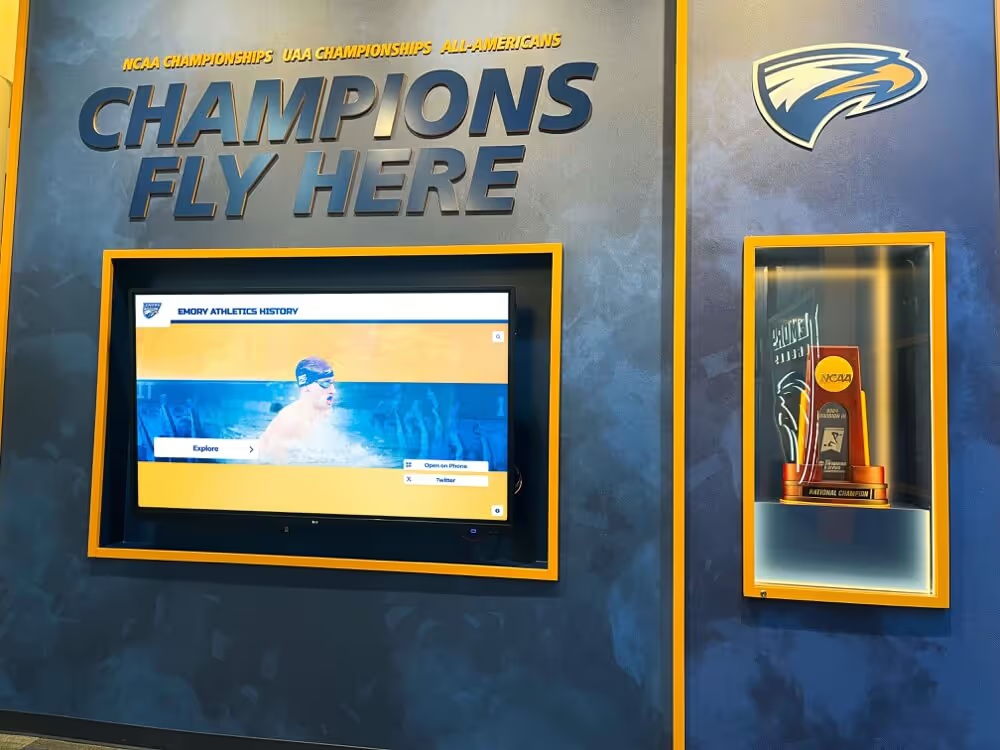
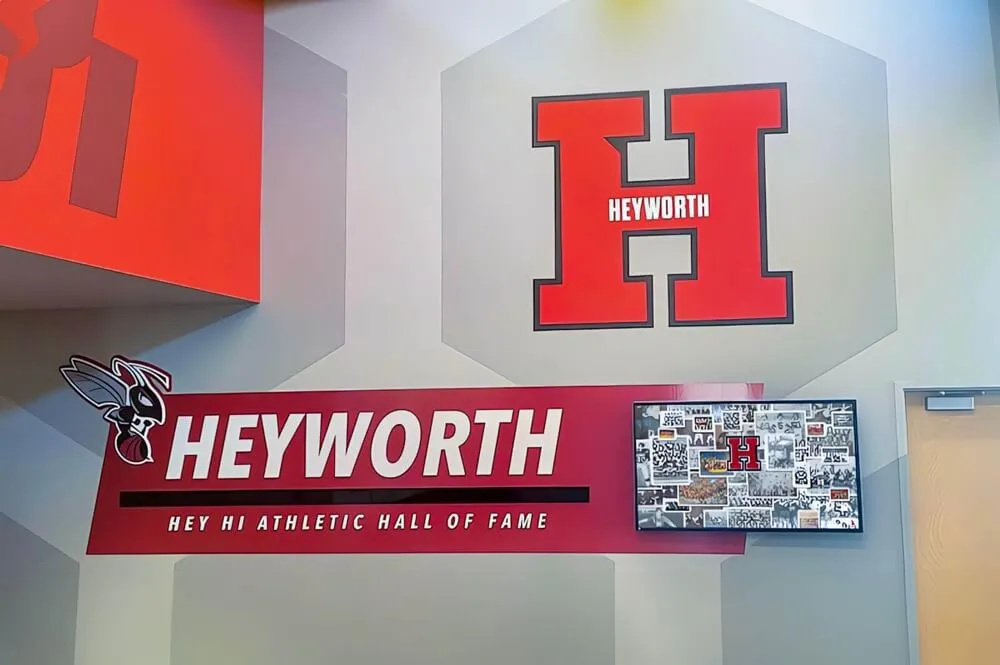
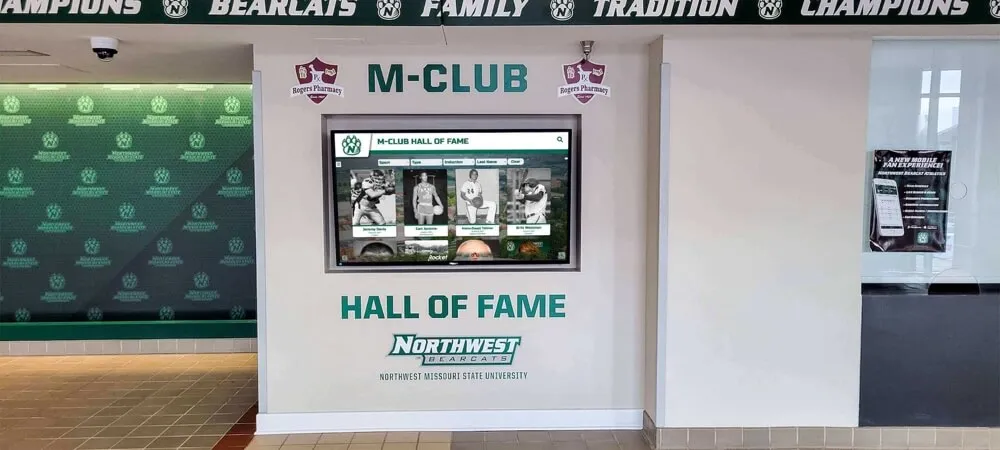
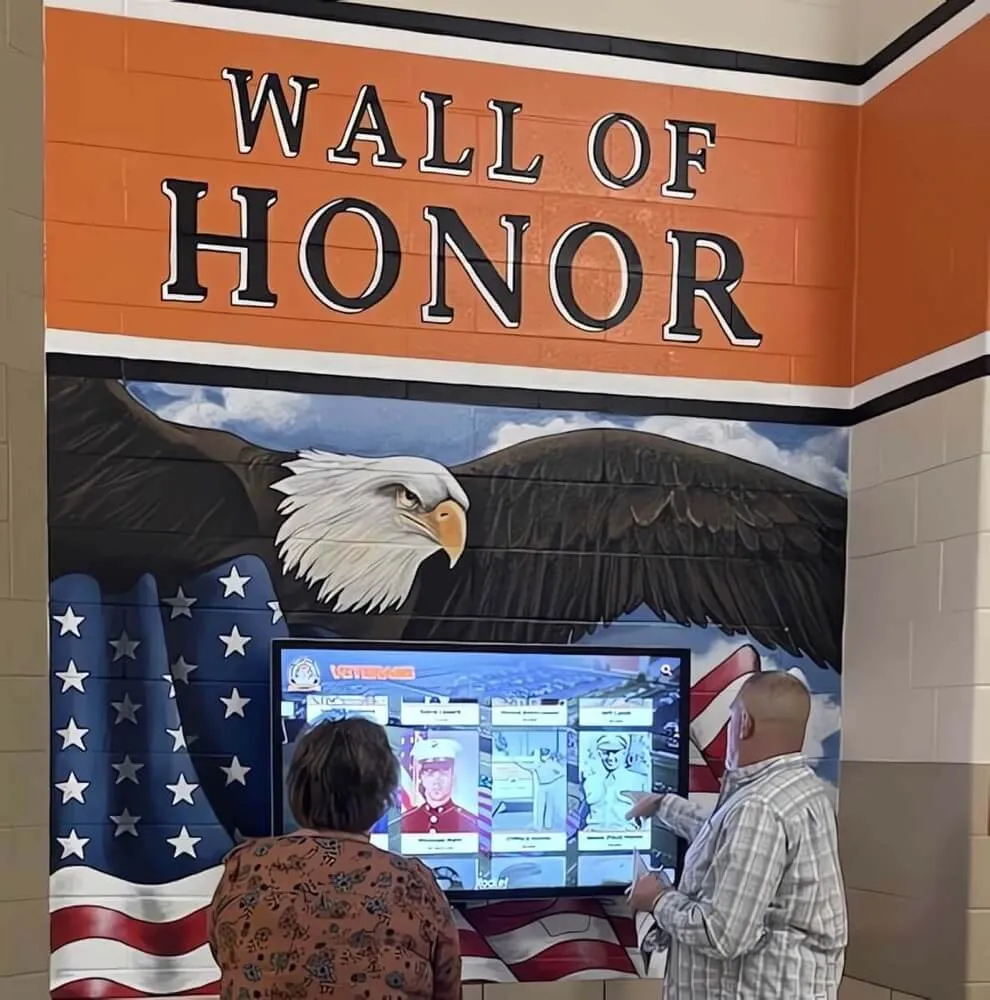
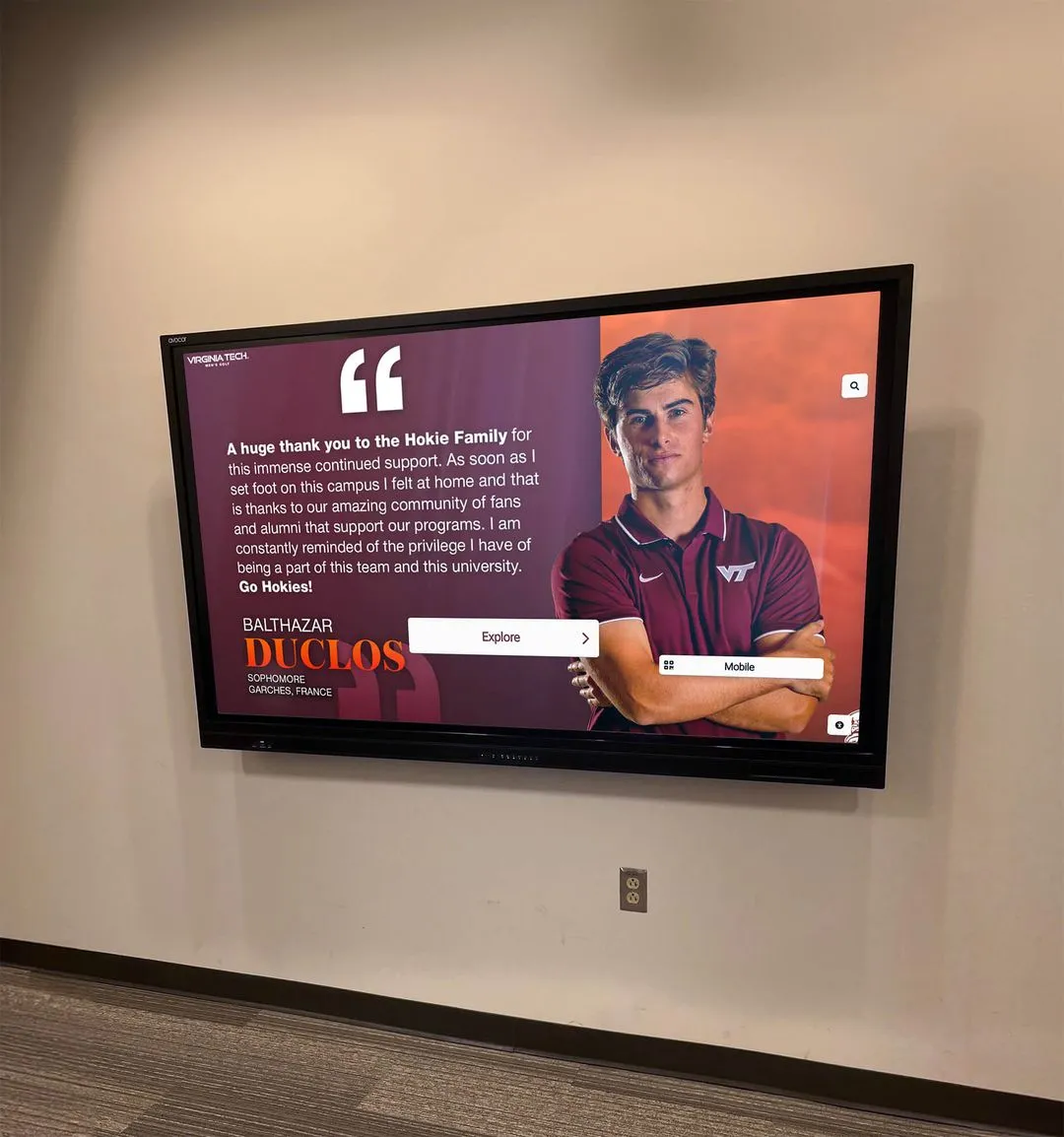
Modern recognition systems honor wrestling legends and the camps that developed championship traditions
Russ Houk: The Man Behind the Camp
Before establishing America’s premier wrestling training facility, Russ Houk built a coaching career marked by innovation, excellence, and commitment to developing wrestlers beyond simple competitive success.
Early Career and Coaching Foundation
Russ Houk’s wrestling journey began as a three-sport athlete at Lock Haven State College, where he graduated in 1952. His athletic versatility and competitive drive translated seamlessly into coaching, where he quickly demonstrated exceptional ability to develop wrestlers and build successful programs.
Early Coaching Success
After graduation, Houk coached for two years at South Williamsport before moving to Muncy, where he achieved early success that foreshadowed his future impact on American wrestling:
- Coached Larry Lauchle, who became an NCAA Champion and Olympian
- Demonstrated ability to develop elite-level talent from high school wrestlers
- Established reputation for technical expertise and comprehensive athlete development
- Built program culture emphasizing discipline, technique, and competitive excellence
- Created training approaches that prepared wrestlers for higher-level competition
This early success caught attention across Pennsylvania wrestling circles, establishing Houk as a rising coaching talent capable of transforming programs and developing championship-caliber athletes.
Bloomsburg State College Era
In 1957, Russ Houk was hired as head wrestling coach at Bloomsburg State College, beginning a 14-year tenure that established him among America’s elite wrestling coaches and created the foundation for his camp’s eventual national prominence.
Building Championship Program
Houk’s impact at Bloomsburg proved immediate and sustained:
- Second-year team went 9-1, winning the Pennsylvania State College Athletic Conference (PSCAC) Championship
- Led teams to five PSCAC titles demonstrating consistent excellence
- Captured three NAIA championships establishing national-level program
- Compiled career record of 142-34-4 (80.6% winning percentage)
- Developed numerous All-Americans and national qualifiers
- Created program culture combining technical excellence with competitive toughness
- Established Bloomsburg as wrestling power competing against larger programs
According to the National Wrestling Hall of Fame, Houk’s success at Bloomsburg resulted from his innovative training methods, technical expertise, and ability to motivate wrestlers to exceed their perceived limitations—qualities that would define his camp’s approach to developing elite wrestlers.
Coaching Philosophy Development
During his Bloomsburg tenure, Houk refined coaching philosophies that would shape American wrestling development:
- Emphasis on technical precision and fundamental mastery
- Integration of conditioning with skill development rather than separate training
- Mental toughness cultivation through challenging practice environments
- Exposure to diverse competition styles preparing wrestlers for various opponents
- Comprehensive athlete development addressing physical, technical, and psychological dimensions
- Creation of training environments simulating championship pressure and intensity
These philosophical foundations established the framework for what would become America’s premier wrestling training facility. Learn about high school wrestling state tournament structures that showcase the competitive excellence Houk’s training methods prepared wrestlers to achieve.
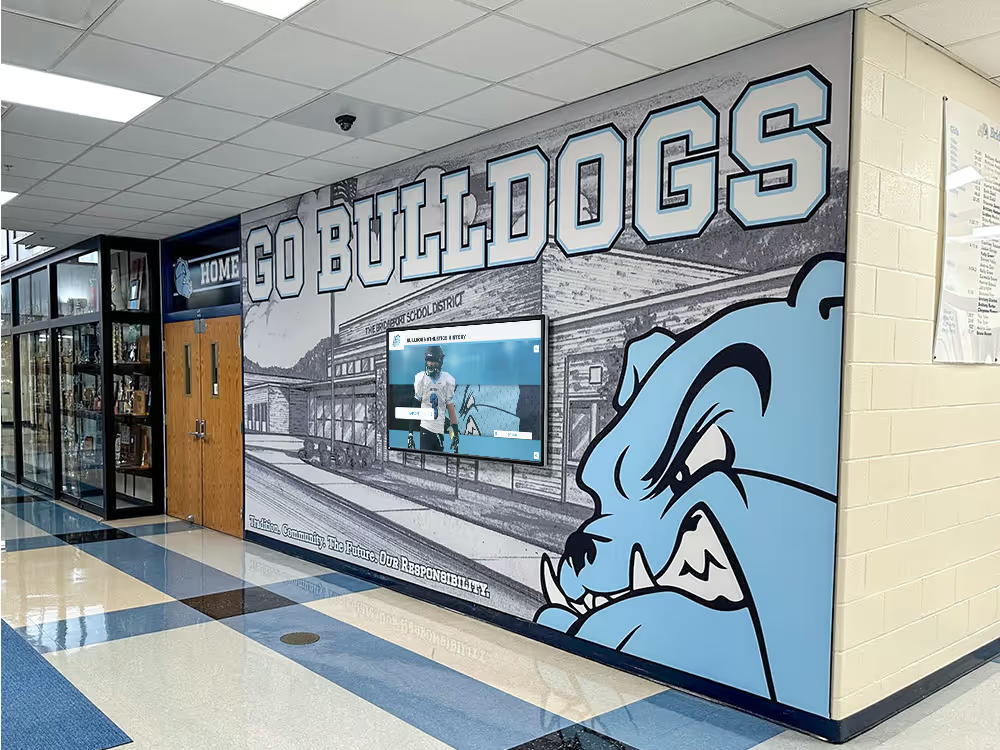
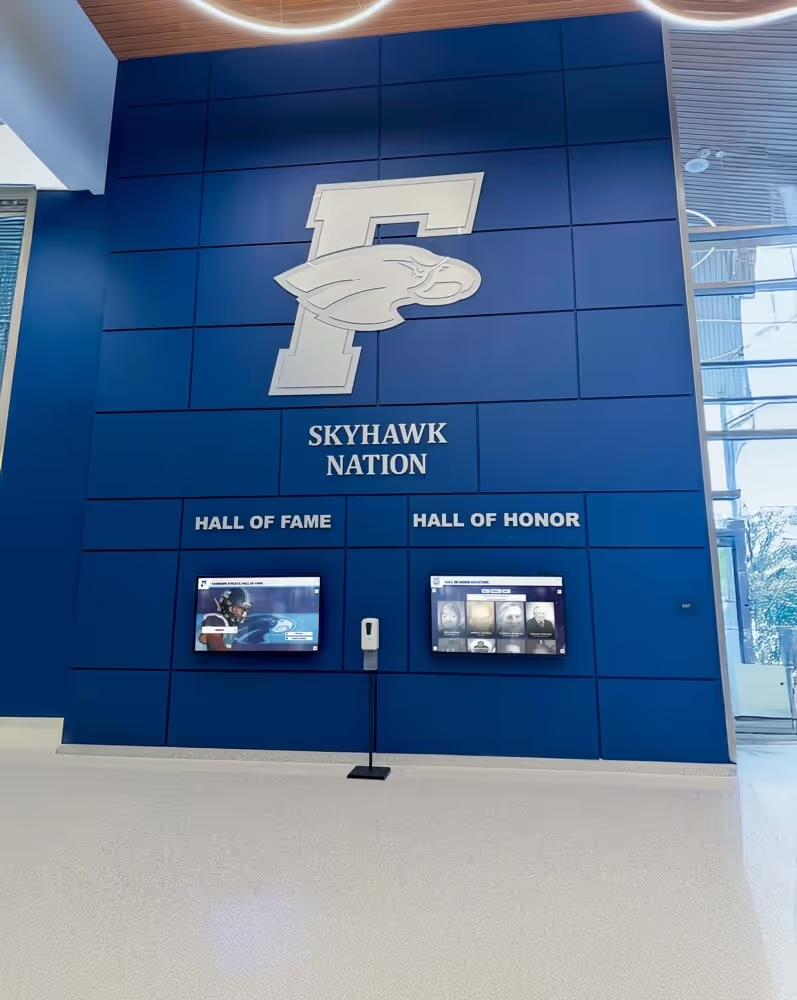
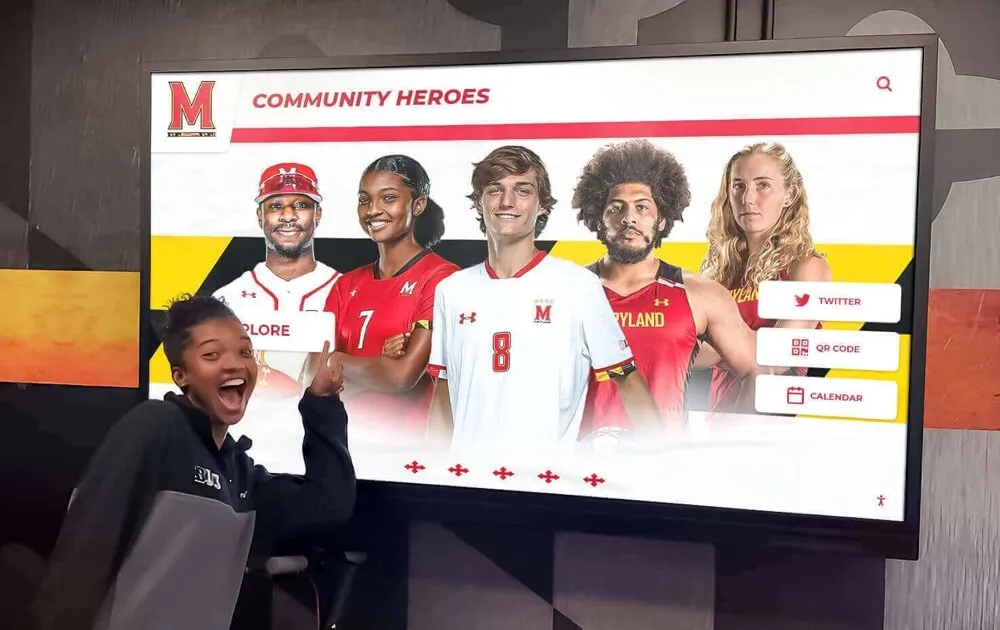
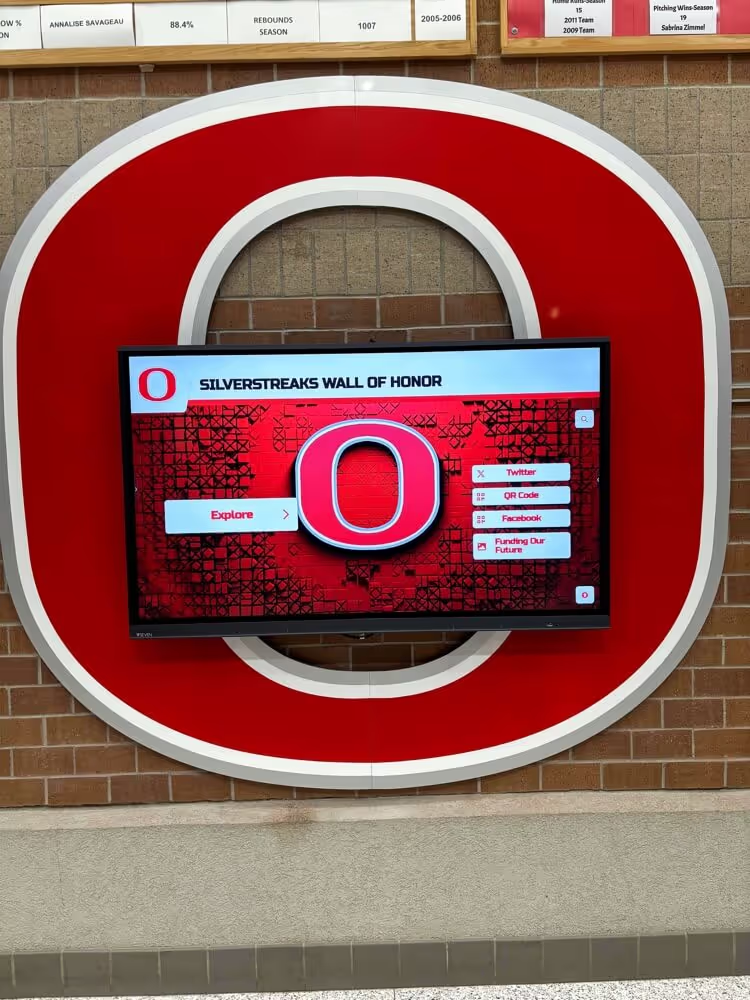
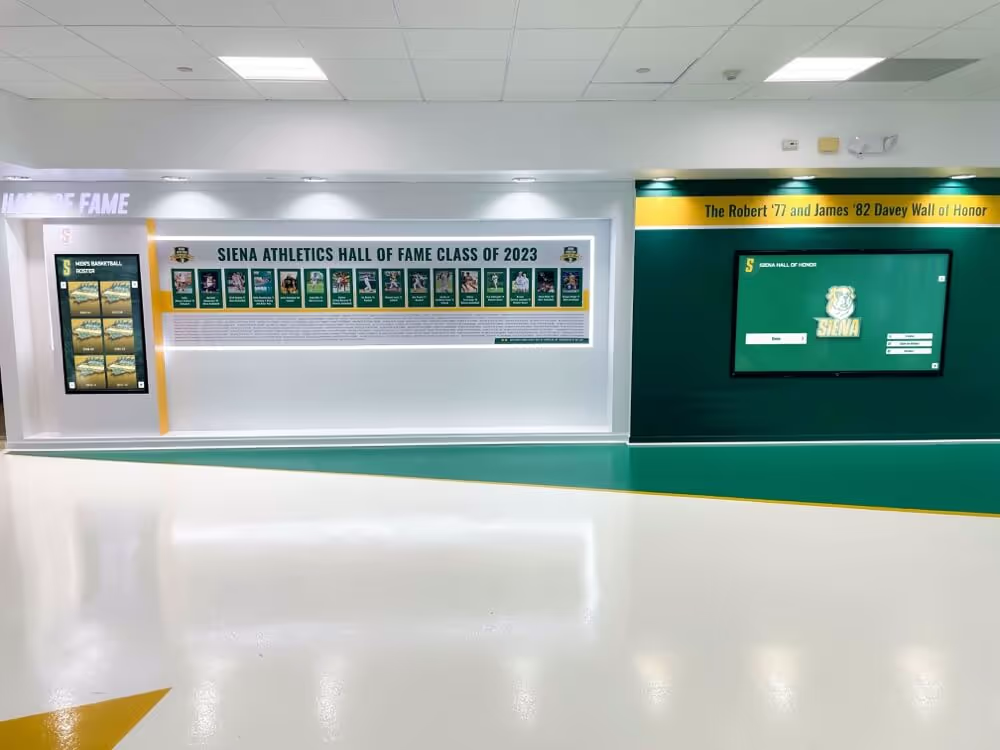
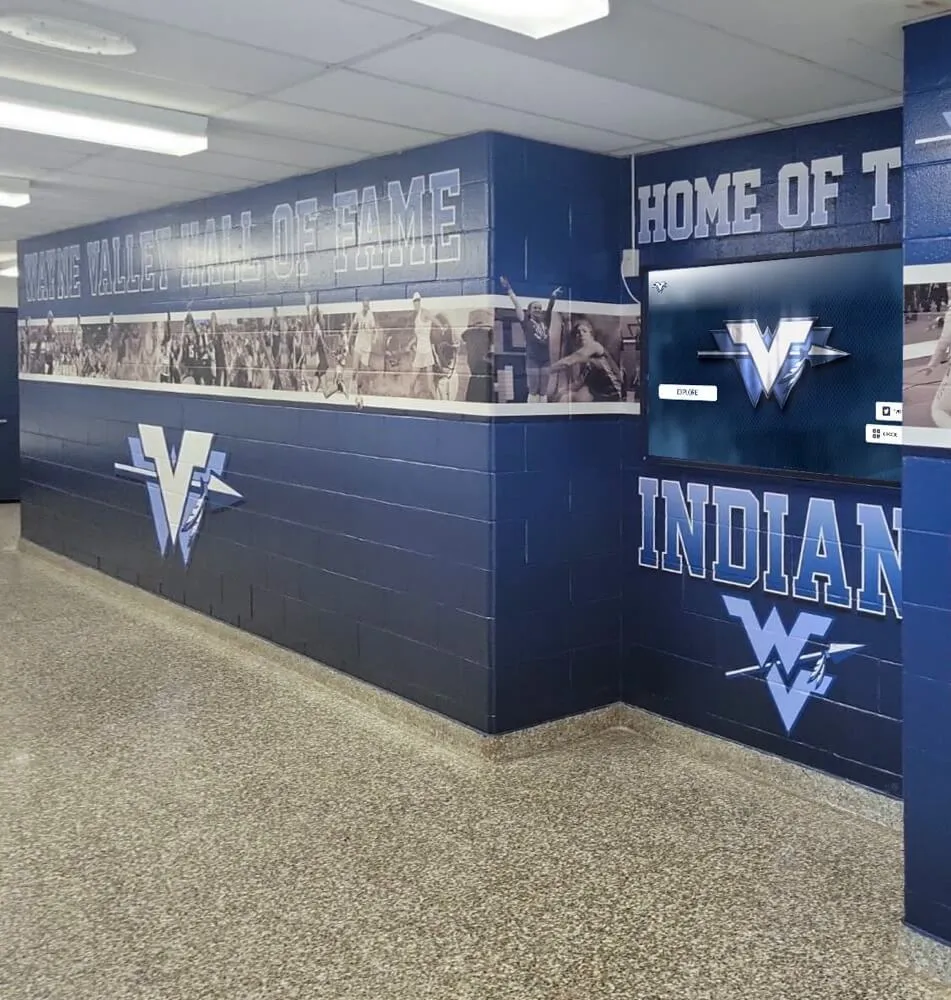
Schools honor athletic traditions and the coaches who built championship programs through comprehensive recognition displays
National Wrestling Leadership
Houk’s coaching success led to increasing national prominence and leadership roles that positioned him to influence American wrestling beyond his college program:
Olympic Wrestling Committee Service
From 1964 to 1976, Russ Houk served on the United States Olympic Wrestling Committee, providing leadership during a golden era for American wrestling:
- Contributed to Olympic team selection processes and training protocols
- Helped develop national training strategies and competitive approaches
- Served as freestyle team manager at 1972 Munich Olympics
- Returned as team manager for 1976 Montreal Olympics
- Influenced how America prepared wrestlers for international competition
- Connected collegiate wrestling culture with Olympic-level requirements
His Olympic Committee service provided credibility and connections that proved essential when establishing his camp as the official U.S. Olympic training facility, demonstrating how competitive success creates opportunities for broader sports leadership and influence.
Founding of Maple Lake Wrestling Camp 1962
In 1962, Russ Houk established what would become America’s first comprehensive wrestling camp at Maple Lake near Forksville, Pennsylvania, creating a training facility that revolutionized how wrestlers prepared for elite competition.
Camp Location and Facilities
Maple Lake provided ideal setting for intensive wrestling training combining natural environment with dedicated facilities:
Natural Training Environment
The camp’s Pennsylvania location offered advantages supporting comprehensive athlete development:
- Secluded rural setting eliminating distractions from training focus
- Natural lake providing recreational activities supporting recovery
- Mountain terrain enabling conditioning work beyond standard wrestling training
- Cool summer climate maintaining comfortable training conditions
- Sufficient space for multiple training areas and housing facilities
- Proximity to Pennsylvania wrestling community providing recruiting access
This isolation proved strategically important, creating total immersion training environments where wrestlers focused exclusively on improvement without outside distractions competing for attention and energy.
Training Infrastructure
Houk developed facilities specifically designed for wrestling development:
- Multiple mat rooms accommodating different training groups and skill levels
- Weight training facilities integrating strength development with wrestling-specific conditioning
- Video analysis equipment rare in 1960s wrestling but essential for technique refinement
- Housing facilities enabling extended training camps and overnight programs
- Dining facilities providing nutrition supporting intensive training demands
- Meeting spaces for classroom instruction on technique, strategy, and mental preparation
For its era, Maple Lake represented cutting-edge training infrastructure, providing resources typically available only at elite college programs or national training centers.
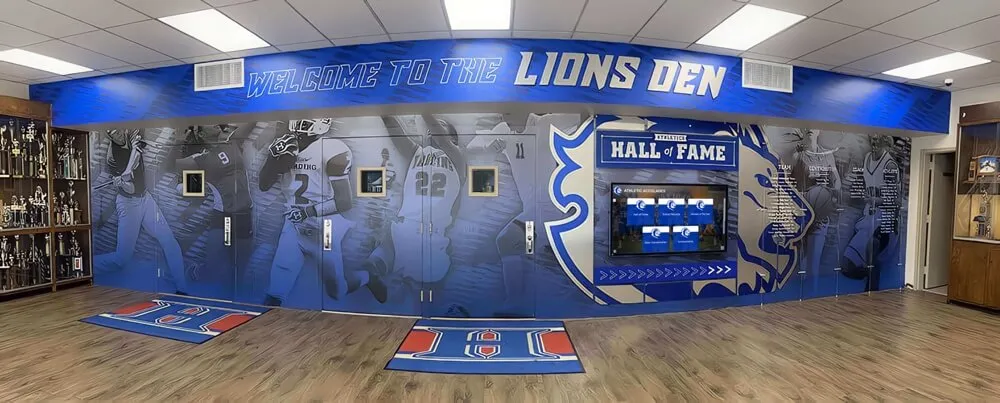
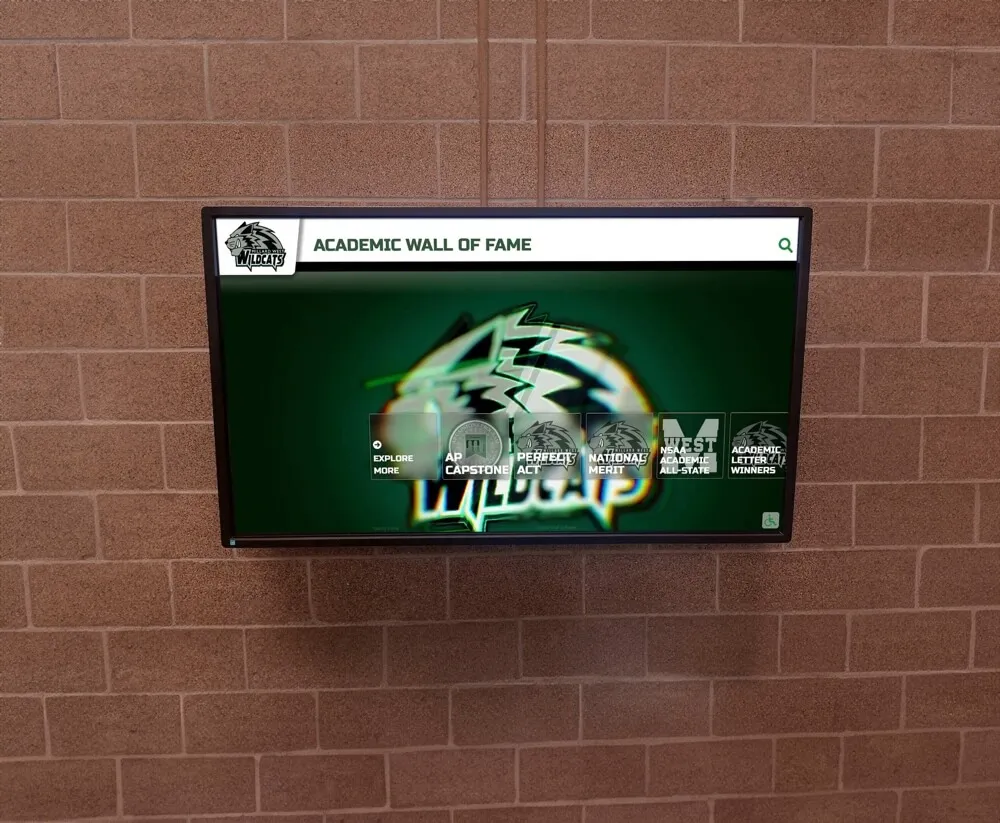
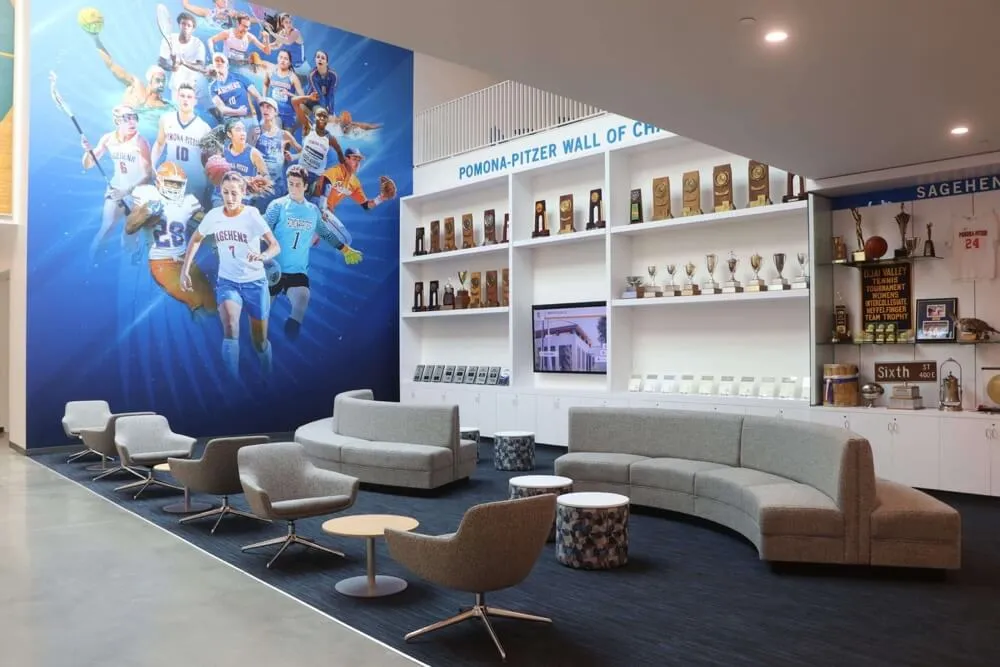
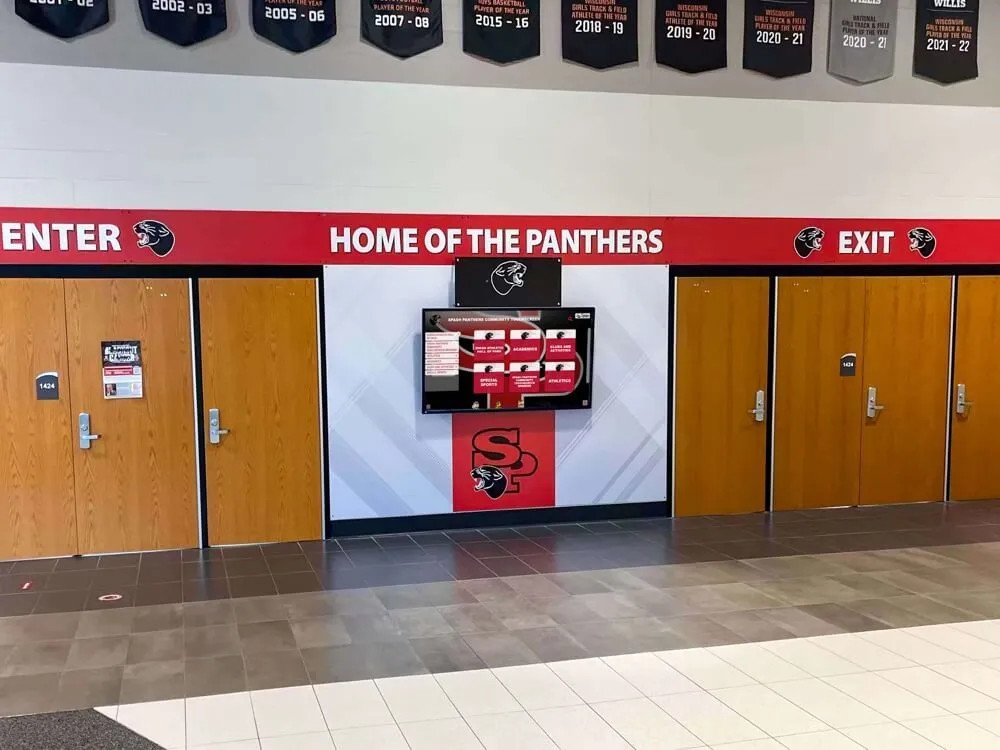
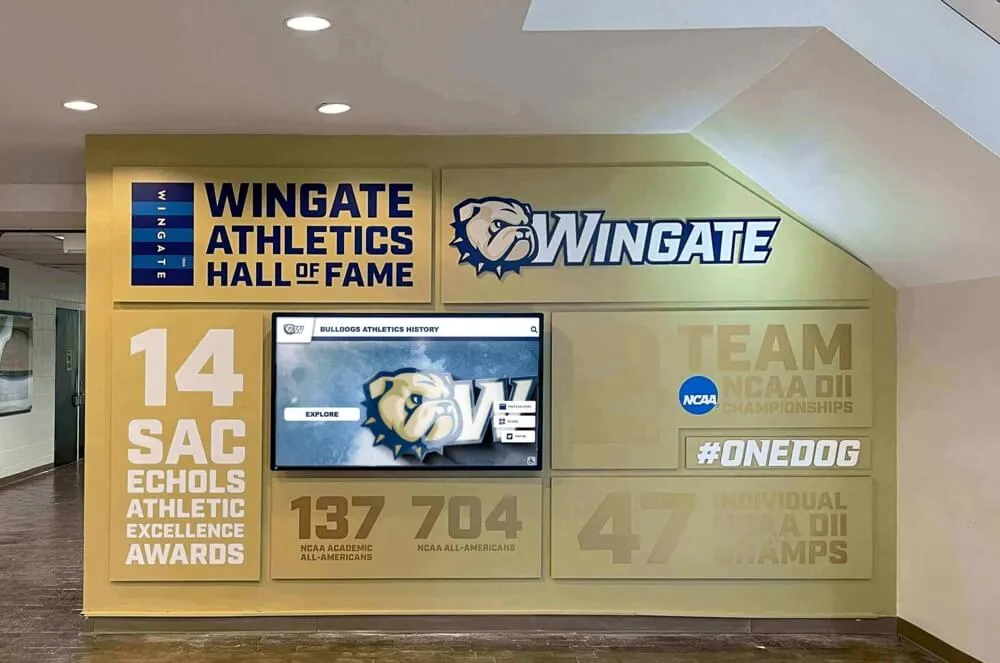
Trophy cases preserve wrestling program history while digital systems enable comprehensive documentation of camp experiences and training progression
Camp Philosophy and Training Approach
Russ Houk’s camp distinguished itself through comprehensive training philosophy addressing all dimensions of wrestling excellence:
Intensive Technical Development
The camp emphasized technical mastery through systematic instruction:
- Multiple daily technique sessions with elite-level coaching instruction
- Small training groups ensuring individual attention and correction
- Progression from fundamental techniques to advanced situations
- Repetition emphasis creating automatic execution under competitive pressure
- Live wrestling integration applying techniques in competitive situations
- Video analysis showing wrestlers their technique and identifying improvement areas
- Position-specific training developing comprehensive skill sets
This technical emphasis reflected Houk’s coaching philosophy prioritizing fundamentals and precision over flashy techniques or shortcuts that proved unreliable under championship pressure.
Olympic-Caliber Competition
Unlike typical youth camps focusing primarily on instruction, Maple Lake created genuinely competitive training environments:
- Elite wrestlers from across America converging creating intense competition
- Olympic team members and international competitors training alongside developing wrestlers
- Competitive drilling and live wrestling sessions simulating tournament intensity
- Challenge matches allowing wrestlers to test skills against various opponents
- Training partner quality forcing improvement through daily competition
- Exposure to diverse wrestling styles from different regions and coaches
- Competitive atmosphere pushing wrestlers beyond comfort zones
According to wrestling historians, this competitive environment separated Maple Lake from other camps, creating development opportunities impossible in typical programs where wrestlers rarely faced comparably talented training partners.
Comprehensive Conditioning
Houk understood that technical skill proved insufficient without physical capacity to execute throughout matches and tournaments:
- Wrestling-specific conditioning integrated into technique training
- Interval training systems building match-specific endurance
- Strength training appropriate for wrestling demands and weight management
- Flexibility work preventing injury and improving position capabilities
- Weight management education teaching healthy approaches to making weight
- Mental conditioning developing resilience and competitive toughness
- Recovery protocols optimizing adaptation from intensive training
This comprehensive approach anticipated modern sports science principles by decades, reflecting Houk’s innovative thinking about athlete development and competitive preparation. Explore how athletic recognition systems document comprehensive training programs and athlete development.
Initial Success and Growing Reputation
From its 1962 founding, Maple Lake quickly established reputation as America’s premier wrestling training destination:
Attraction of Elite Wrestlers
Word spread rapidly through wrestling communities about training quality and competitive environment:
- Top high school wrestlers seeking Olympic-caliber training during summers
- College wrestlers continuing development during off-seasons
- Post-graduate wrestlers preparing for international competition
- Regional and state champions recognizing Maple Lake’s developmental advantages
- Wrestlers willing to travel significant distances for camp access
- Multi-year attendees returning annually throughout competitive careers
This concentration of talent created self-reinforcing cycle where elite wrestlers attracted more elite wrestlers, continuously raising training quality and competitive standards that defined camp culture and reputation.
Coaching Staff Excellence
Houk assembled coaching staff matching his commitment to excellence:
- Olympic coaches providing international-level technical expertise
- Successful college coaches bringing diverse systematic approaches
- Former elite wrestlers demonstrating techniques they used successfully
- Technical specialists focusing on specific positions and situations
- Strength and conditioning experts optimizing physical preparation
- Sports psychology pioneers addressing mental game development
This coaching depth provided attending wrestlers access to expertise unavailable at virtually any other American wrestling facility during the 1960s era.
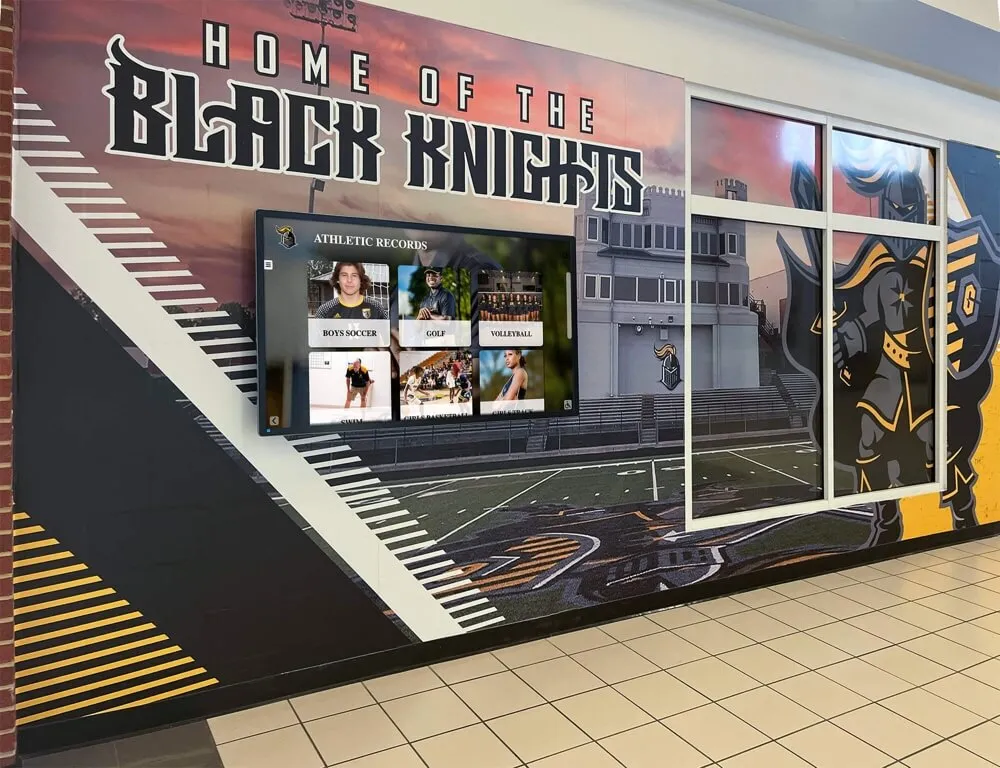
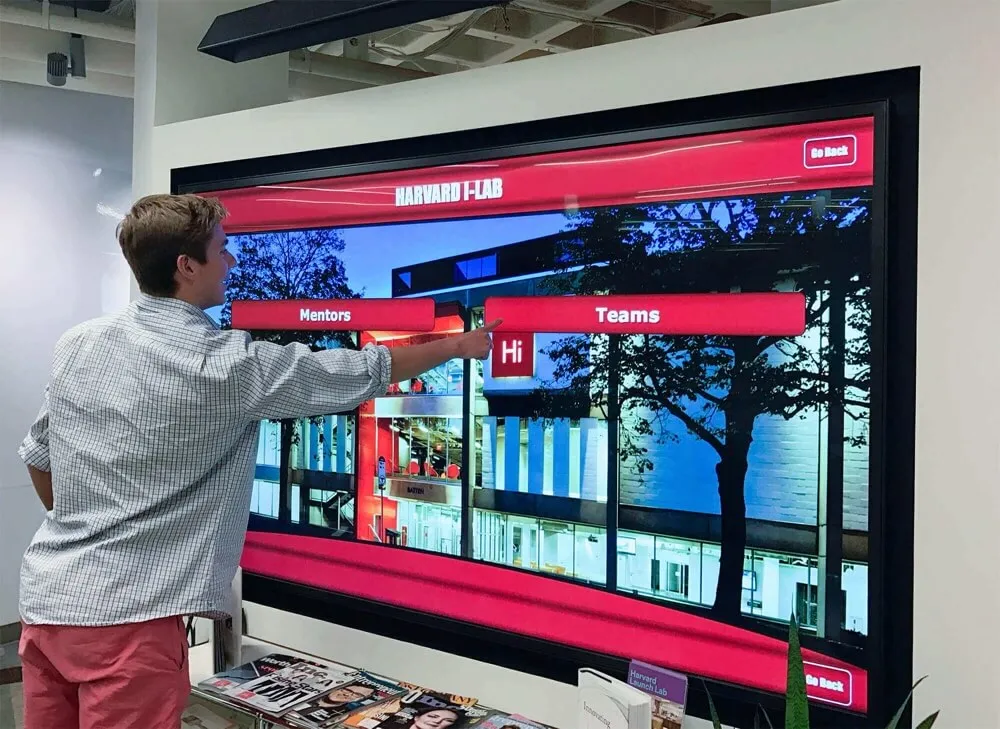
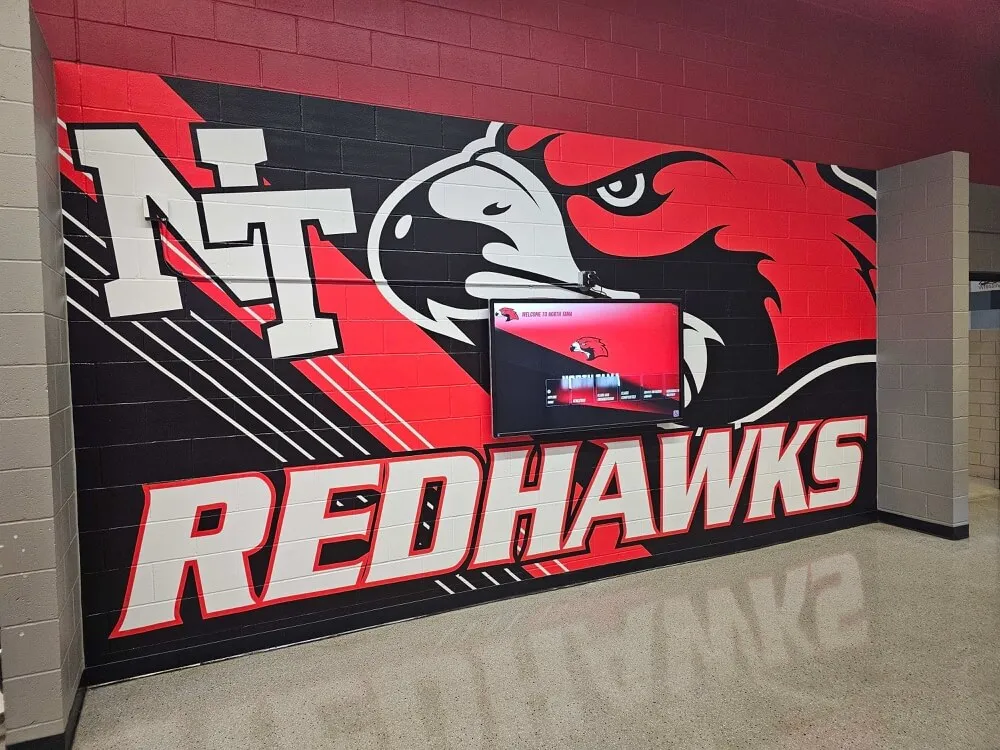
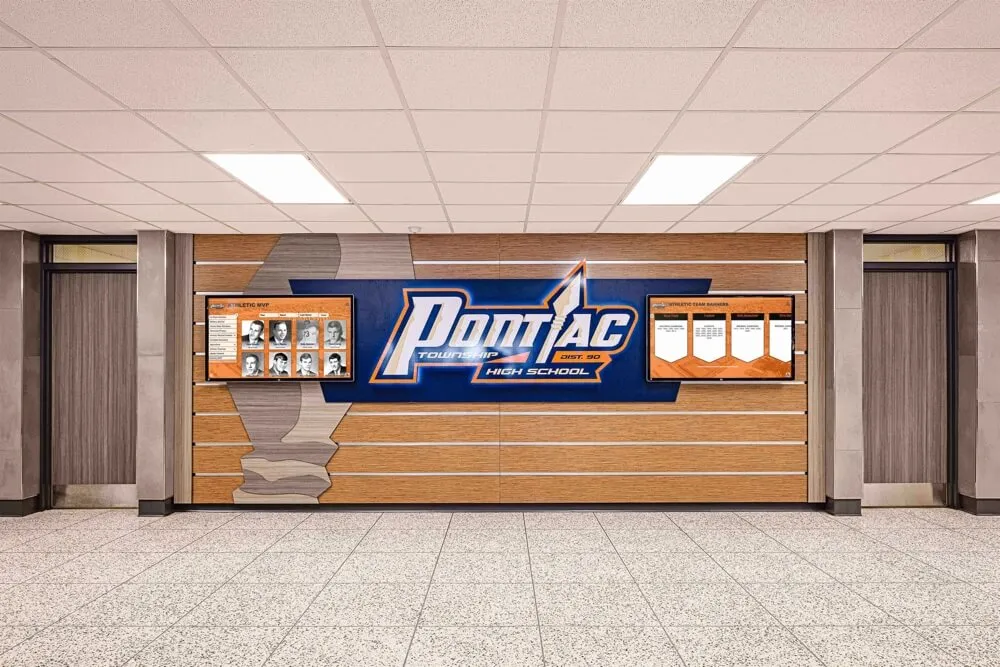
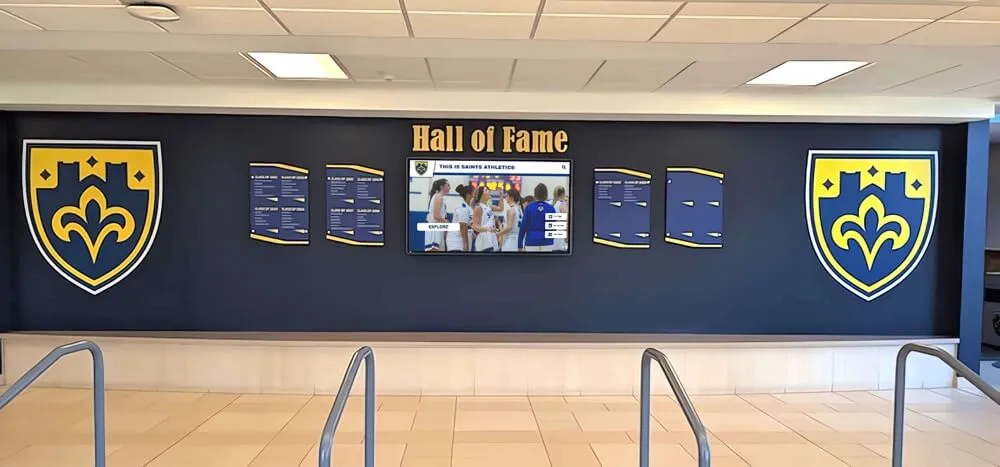
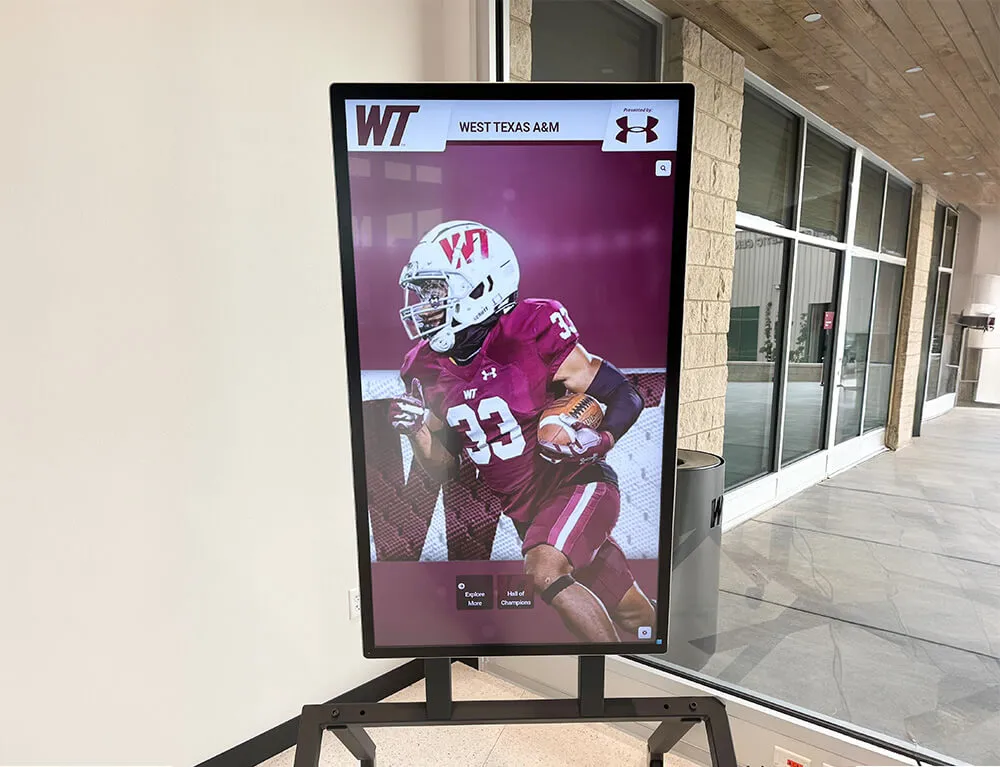
Interactive displays allow schools to document wrestling camp experiences and training facilities that shaped athlete development
Olympic Training Camp Era 1964-1973
Maple Lake’s success and Russ Houk’s Olympic Committee involvement led to its designation as official U.S. Olympic and Pan-American Games Training Camp from 1964-1973, elevating the facility to America’s premier wrestling training center during a golden era for American wrestling.
Becoming Official Olympic Training Site
The camp’s designation as Olympic training facility reflected both its excellence and Houk’s national wrestling leadership:
Selection Process and Recognition
Several factors contributed to Maple Lake’s Olympic designation:
- Proven training excellence demonstrated through attending wrestler success
- Houk’s Olympic Committee leadership providing credibility and trust
- Facility infrastructure supporting Olympic team training requirements
- Geographic accessibility for East Coast wrestlers and international visitors
- Demonstrated ability to manage large-scale training camps
- Reputation attracting elite-level coaching talent and visiting instructors
- Track record developing wrestlers who succeeded internationally
According to wrestling historians, Maple Lake’s Olympic designation represented American wrestling’s recognition that centralized training facilities provided competitive advantages over dispersed training approaches where elite wrestlers trained separately in isolated programs.
International Training Center
Beyond American Olympic teams, Maple Lake hosted international wrestlers:
- Canadian World and Olympic Teams used Maple Lake as primary training center
- International wrestling delegations visiting for technique exchange and training
- Foreign coaches observing American training methods and approaches
- Cultural exchange exposing American wrestlers to international styles
- Competitive opportunities against non-American opponents
- Development of international wrestling community and relationships
- Influence on global wrestling development beyond American borders
This international dimension distinguished Maple Lake from purely domestic training centers, providing American wrestlers exposure to international wrestling styles they would face in Olympic competition.
Wrestling Legends Who Trained at Maple Lake
The camp’s roster of attendees reads like a Who’s Who of American wrestling’s golden era, with numerous Olympic medalists, world champions, and NCAA champions training at the facility:
Dan Gable
Perhaps America’s most famous wrestler trained extensively at Maple Lake during his competitive career:
- Won 1972 Olympic gold medal without surrendering a single point
- Compiled 117-1 college record at Iowa State with only loss his final match
- Won 1971 World Championships and 1970 World Cup
- Later became legendary University of Iowa coach
- Maple Lake training contributed to technical excellence and competitive toughness
- Absorbed Houk’s training philosophies that influenced his later coaching approach
Gable’s association with Maple Lake provided credibility demonstrating the camp’s role in developing America’s most dominant wrestler and influential coach. Understanding wrestling state championship recognition shows how programs honor athletes who trained at legendary facilities.
The Peterson Brothers
John and Ben Peterson, both Olympic champions, trained at Maple Lake during their competitive careers:
- John Peterson won 1972 Olympic silver and 1976 Olympic gold medals
- Ben Peterson won 1972 Olympic gold and 1976 Olympic silver medals
- Brothers’ combined success demonstrated Maple Lake’s family wrestling development
- Training together at camp created competitive environment enhancing both
- Technical instruction refined techniques enabling Olympic-level performance
- Maple Lake community provided support system during intensive preparation
Schools document athletic program history including training facilities and camps that prepared athletes for championship competition
Chris Taylor
The legendary super-heavyweight trained at Maple Lake during his dominant career:
- Won 1972 Olympic bronze medal at super-heavyweight
- Compiled 191-1-1 college record at Iowa State
- Known for exceptional athleticism despite massive size (over 400 pounds)
- Maple Lake conditioning programs helped maintain athletic capacity
- Technical training refined skills making him dominant despite size
- Competitive environment provided worthy training partners
Taylor’s success demonstrated Maple Lake’s effectiveness across weight classes and athlete types, from lightweight technicians to super-heavyweight powerhouses.
Additional Wrestling Legends
Numerous other Olympic and NCAA champions trained at the camp:
- Rich Sanders: 1972 Olympic silver medalist and Iowa State standout
- Stan Dziedzic: 1976 Olympic gold medalist
- Wade Schalles: Most prolific pinner in college wrestling history
- Gray Simons: Multiple-time NCAA champion
- Don Behm: NCAA champion and Olympic wrestler
- Wayne Wells: 1972 Olympic gold medalist
- Larry Lauchle: Houk’s early protégé who became NCAA champion and Olympian
This concentration of championship-level talent created training environment unmatched anywhere in American wrestling, where daily practice partners included current and future Olympic medalists pushing each other to excellence.
Training Methods and Olympic Preparation
Maple Lake’s Olympic-era training approaches influenced American wrestling development for decades:
Periodization and Training Cycles
Houk implemented systematic training approaches rare in 1960s-70s wrestling:
- Structured training phases building toward Olympic trials and competitions
- Volume and intensity progression across training cycles
- Technical emphasis early transitioning to competition simulation closer to events
- Recovery integration preventing overtraining and maintaining performance
- Weight management strategies ensuring wrestlers made weight while maintaining strength
- Mental preparation intensifying as competitions approached
- Tapering protocols optimizing performance for championship events
These systematic approaches anticipated modern sports science by years, reflecting Houk’s innovative thinking about athletic preparation and performance optimization.
International Style Exposure
Olympic preparation required understanding international wrestling beyond American folkstyle:
- Freestyle technique instruction emphasizing international rules and scoring
- Greco-Roman wrestling exposure for athletes competing in that discipline
- Rule differences education preventing penalties from folkstyle habits
- International referee tendencies and match management
- Strategic approaches specific to international competition formats
- Cultural preparation for international competition environments
- Mental adaptation to different competitive atmospheres
This international preparation proved essential for American success in Olympic competition where wrestling culture, techniques, and strategic approaches differed significantly from American folkstyle wrestling dominating high school and college competition.
Mental Toughness Development
Houk recognized that physical and technical preparation proved insufficient without mental resilience:
- High-pressure training situations simulating championship stress
- Adversity management teaching wrestlers to perform through difficulty
- Confidence building through successful execution against elite opponents
- Visualization techniques rehearsing competitive success
- Focus maintenance despite distractions and pressure
- Resilience development bouncing back from losses or setbacks
- Competitive mindset cultivation embracing challenge rather than avoiding it
Modern sports psychology validates these approaches Houk pioneered decades before mental training became standard in elite athletics. Learn about finding and documenting wrestling achievements to preserve training facility histories and athlete development stories.
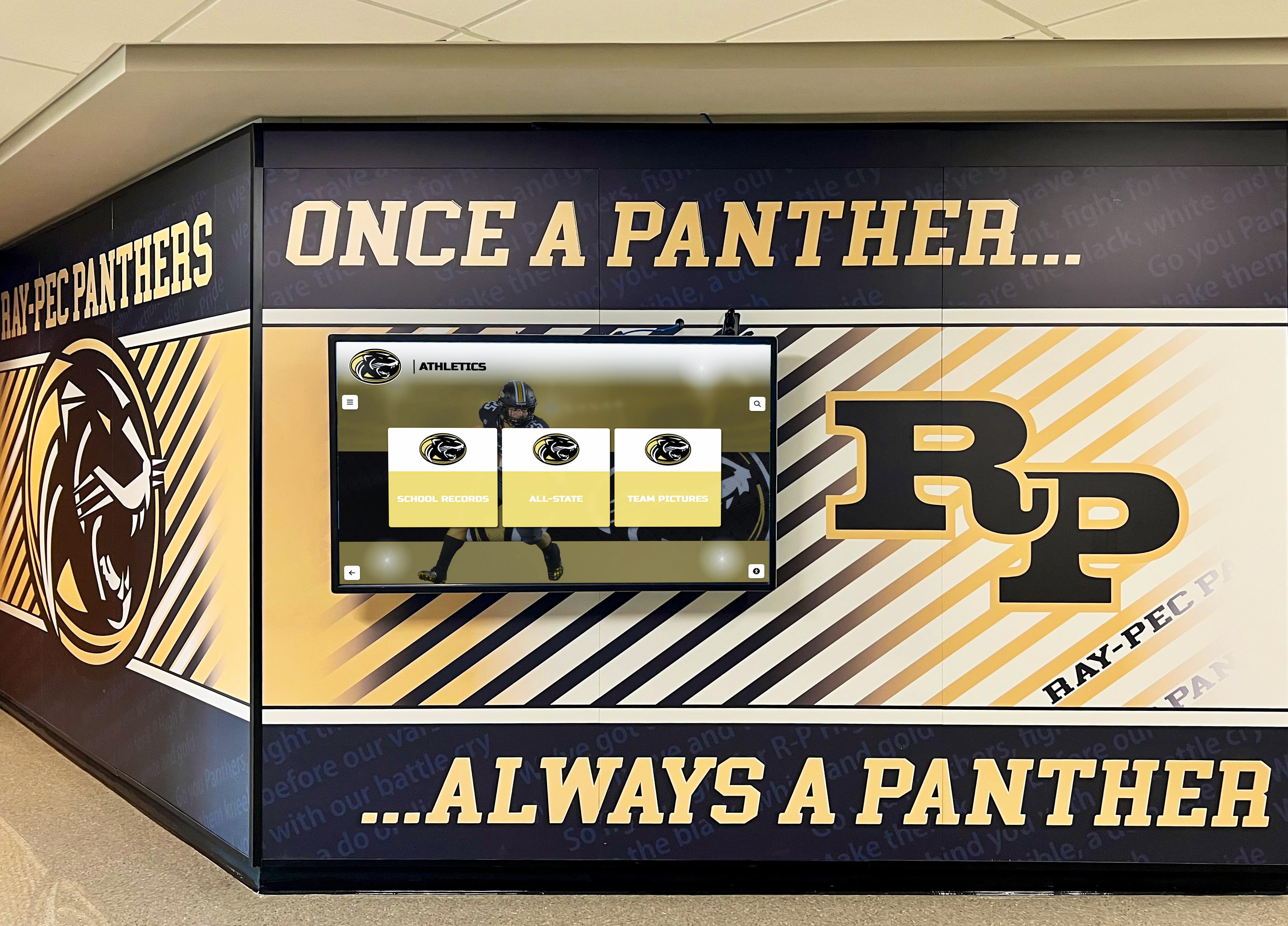
Modern athletic displays honor training traditions and facilities that developed championship wrestlers and Olympic competitors
Impact on American Wrestling Culture
Russ Houks Wrestling Camp’s influence extended far beyond the wrestlers who trained there, shaping American wrestling culture, training approaches, and program development philosophies that persist today.
Pioneering the Wrestling Camp Model
Before Maple Lake, wrestling training occurred primarily through school-based programs with limited summer training opportunities:
Establishing Camp Infrastructure
Houk demonstrated that comprehensive wrestling camps could provide developmental value beyond traditional programs:
- Intensive multi-day or week-long training immersion
- Elite-level coaching instruction unavailable in most school programs
- Competitive environment exposing wrestlers to diverse opponents and styles
- Technical instruction advancing beyond what limited season time allowed
- Conditioning programs preparing athletes for demanding competition
- Community building connecting wrestlers across programs and regions
- Year-round development rather than seasonal training only
This model proved so successful that wrestling camps became standard across American wrestling, with virtually every state and region developing camp programs following Maple Lake’s blueprint.
Influencing Coach Development
Coaches who attended or visited Maple Lake absorbed training philosophies and approaches they implemented in their own programs:
- Technical coaching methods emphasizing fundamentals and precision
- Training structure balancing technique, competition, and conditioning
- Mental toughness development integrated into daily preparation
- Weight management education promoting healthy approaches
- Program culture creation emphasizing excellence and discipline
- Competitive environment development pushing wrestlers to improve
- Comprehensive athlete development addressing all performance dimensions
Many successful wrestling coaches credit Maple Lake experiences or Houk’s influence as formative in their coaching philosophy development, creating generational impact extending decades beyond the camp’s operational period.
Raising Training Standards
Maple Lake demonstrated what was possible with elite training, raising expectations across American wrestling:
Technical Sophistication
The camp elevated technical wrestling instruction standards:
- Systematic technique progression from fundamentals to advanced positions
- Position-specific instruction developing comprehensive skill sets
- Counter-technique development preparing wrestlers for various defensive responses
- Set-up and chain wrestling creating multiple scoring opportunities
- Defensive positioning and counter-attacks
- Transition wrestling linking positions and situations smoothly
- Match strategy and tactical decision-making
This technical sophistication influenced college and high school programs, raising instructional quality across American wrestling as Maple Lake alumni brought enhanced technical knowledge to their programs.
Conditioning Expectations
Maple Lake’s intensive conditioning programs demonstrated fitness levels required for championship wrestling:
- Wrestling-specific endurance enabling maximum effort throughout matches
- Strength development appropriate for wrestling demands
- Flexibility and mobility supporting technique execution
- Mental stamina maintaining focus under pressure
- Weight management without performance compromise
- Recovery capacity enabling sustained training and competition
- Year-round conditioning rather than seasonal preparation
Programs across America adopted more sophisticated conditioning approaches after recognizing the physical preparation standards Maple Lake established and Olympic-level competition demanded.
Creating Wrestling Community
Beyond technical training, Maple Lake fostered wrestling community connecting athletes, coaches, and programs:
Networking and Relationships
The camp brought together wrestling community members who maintained connections throughout careers:
- Wrestlers forming lifelong friendships and competitive relationships
- Coaches exchanging ideas and establishing professional networks
- Programs building recruiting relationships and transfer pathways
- Alumni networks supporting each other beyond competitive careers
- Mentorship connections between experienced and developing wrestlers
- Shared experiences creating bonds transcending individual programs
- Wrestling culture transmission across generations and regions
These relationships strengthened American wrestling by connecting previously isolated programs and individuals, creating national community that elevated the sport collectively.
Legacy Preservation
Maple Lake’s history became part of American wrestling lore:
- Stories of training intensity and competitive challenges
- Legends about wrestling greats and their camp experiences
- Recognition of camp’s role in Olympic success and wrestling development
- Appreciation for Houk’s vision and coaching excellence
- Understanding wrestling camp value in athlete development
- Inspiration for current wrestlers aspiring to Olympic-level achievement
- Historical context connecting modern wrestling to its heritage
Understanding how to document athletic program history helps schools preserve connections to legendary training facilities and coaching influences that shaped their programs.
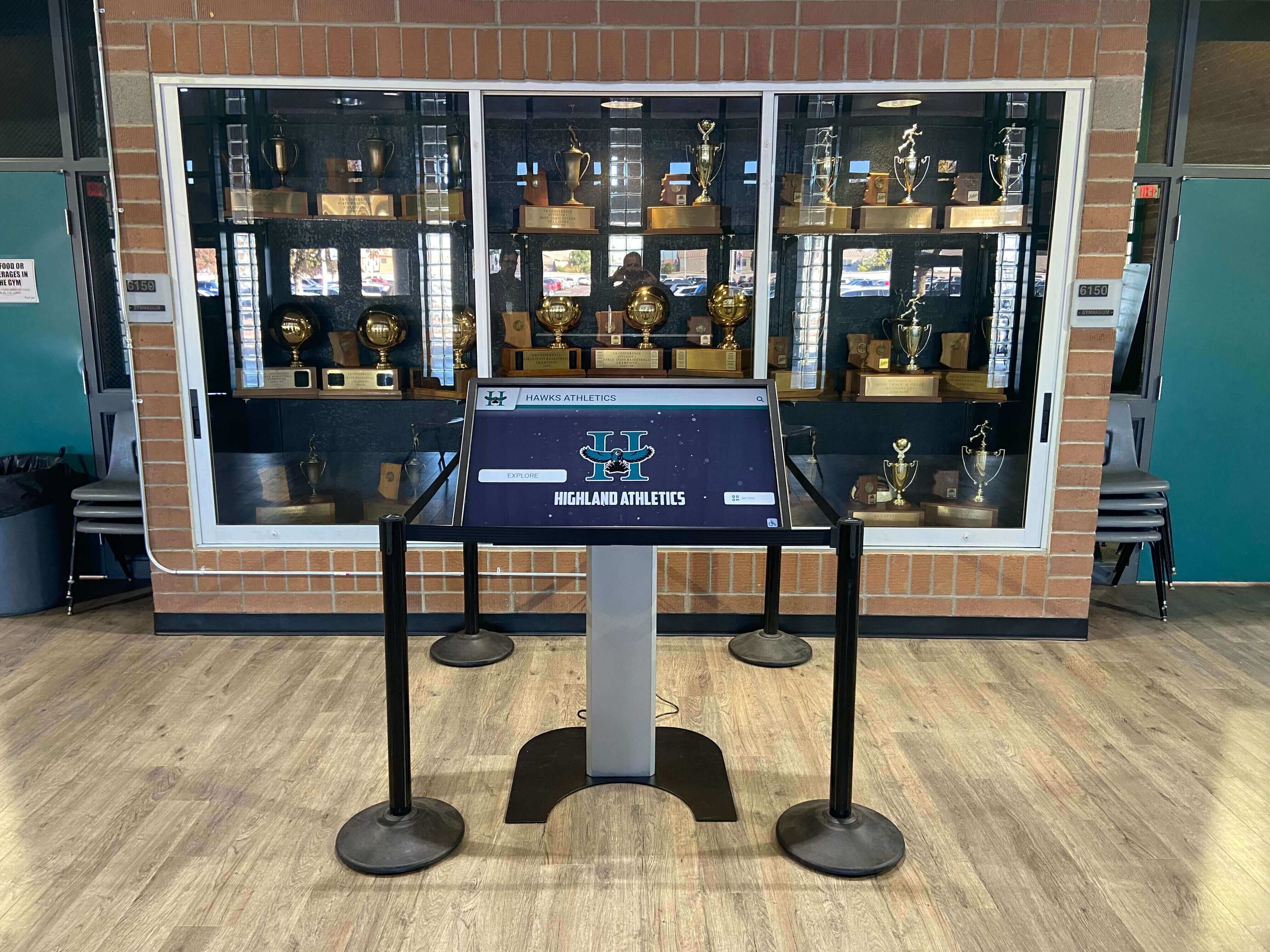
Digital recognition systems complement traditional trophy displays, documenting camp experiences and training lineages that developed wrestling excellence
Modern Wrestling Camp Legacy
While Maple Lake’s Olympic training era ended in the 1970s, its influence continues shaping modern wrestling camps and training approaches across America.
Contemporary Wrestling Camp Structure
Today’s wrestling camps reflect Maple Lake’s foundational model:
Technique Instruction
Modern camps emphasize systematic technical development Maple Lake pioneered:
- Fundamental technique sessions ensuring proper execution
- Position-specific instruction developing comprehensive skills
- Live wrestling application reinforcing technique learning
- Video analysis technology enabling detailed performance review
- Small training groups ensuring individual attention and correction
- Progressive difficulty matching skill development
- Competition integration testing techniques under pressure
Elite Competition Opportunities
Top camps continue Maple Lake’s competitive environment approach:
- Invitation-only elite camps gathering top wrestlers regionally or nationally
- College-hosted camps attracting high-level athletes to competitive environments
- Olympic Training Center camps preparing national team members
- International exchange camps exposing wrestlers to diverse styles
- Tournament-style camps providing competitive testing
- Training partner selection creating challenging practice environments
- Performance standards reflecting Olympic-level expectations
Comprehensive Development Focus
Modern camps address multiple development dimensions:
- Technical wrestling instruction
- Physical conditioning and strength training
- Nutrition education and weight management
- Mental skills and sports psychology
- Injury prevention and athlete wellness
- College recruiting education and exposure
- Leadership development and character building
This comprehensive approach reflects Maple Lake’s philosophy that championship wrestling requires developing the complete athlete beyond simple technique instruction.
Recognition of Wrestling Camp History
Programs honor wrestling camp heritage and training facility contributions to athletic development:
Documenting Camp Experiences
Schools and programs preserve camp attendance and training histories:
- Records of which wrestlers attended elite camps and training facilities
- Documentation of training lineages connecting athletes to legendary coaches and facilities
- Historical context explaining how training opportunities shaped athletic development
- Stories and memories from camp experiences creating program culture
- Recognition of camp achievements and competitive success at training facilities
- Photographic archives preserving camp training images and memories
- Video content capturing camp training and community experiences
Solutions like Rocket Alumni Solutions enable programs to document comprehensive athletic development stories including camp experiences, training facilities, and coaching influences that shaped wrestler excellence.
Honoring Coaching Influences
Recognition systems connect current programs to legendary coaching traditions:
- Coaching lineages showing connections to influential coaches like Russ Houk
- Training philosophy documentation explaining how legendary coaches influenced programs
- Historical context about coaching innovations and training approaches
- Recognition of assistant coaches and mentors who trained at legendary facilities
- Preservation of coaching wisdom and technique instruction passed through generations
- Stories illustrating coaching impact beyond wins and championships
- Video interviews with coaches discussing their training influences and philosophies
This historical documentation creates continuity connecting modern programs to wrestling heritage, demonstrating how excellence builds across generations through sustained commitment to proper training and athlete development.
Lessons for Modern Wrestling Programs
Russ Houks Wrestling Camp provides lessons applicable to contemporary programs:
Commitment to Excellence
Houk’s unwavering standards created culture where excellence became expectation:
- Establishing clear performance standards reflecting championship requirements
- Refusing to compromise training quality for convenience or comfort
- Attracting coaches and wrestlers committed to maximum development
- Creating competitive environments pushing constant improvement
- Maintaining standards regardless of external pressures or constraints
- Measuring success by Olympic-level outcomes not just local competition
- Building reputation through consistent excellence over sustained periods
Programs adopting similar commitment to excellence create cultures producing championship wrestlers and developing complete athletes prepared for life beyond competition.
Comprehensive Athlete Development
Maple Lake’s success reflected comprehensive development addressing all performance dimensions:
- Technical mastery through systematic instruction and repetition
- Physical preparation enabling technique execution under competition fatigue
- Mental toughness withstanding championship pressure and adversity
- Nutritional practices supporting training and competition demands
- Weight management approaches maintaining health while making weight
- Competitive experience against diverse opponents and styles
- Character development emphasizing discipline, respect, and integrity
Modern programs achieving sustained success typically follow this comprehensive approach rather than focusing narrowly on single development dimensions. Explore athletic recognition that celebrates comprehensive development beyond simple competitive results.
Building Community
Maple Lake’s lasting impact reflected community creation transcending individual training:
- Bringing together wrestlers from diverse programs and backgrounds
- Creating shared experiences and common standards
- Fostering relationships and networks supporting athletes throughout careers
- Developing culture transmission across generations
- Building pride in wrestling heritage and tradition
- Establishing mentorship connecting experienced and developing wrestlers
- Creating belonging extending beyond individual competitive careers
Programs creating genuine community rather than just collecting individual athletes develop cultures producing sustained excellence and meaningful experience for participants regardless of ultimate competitive success.
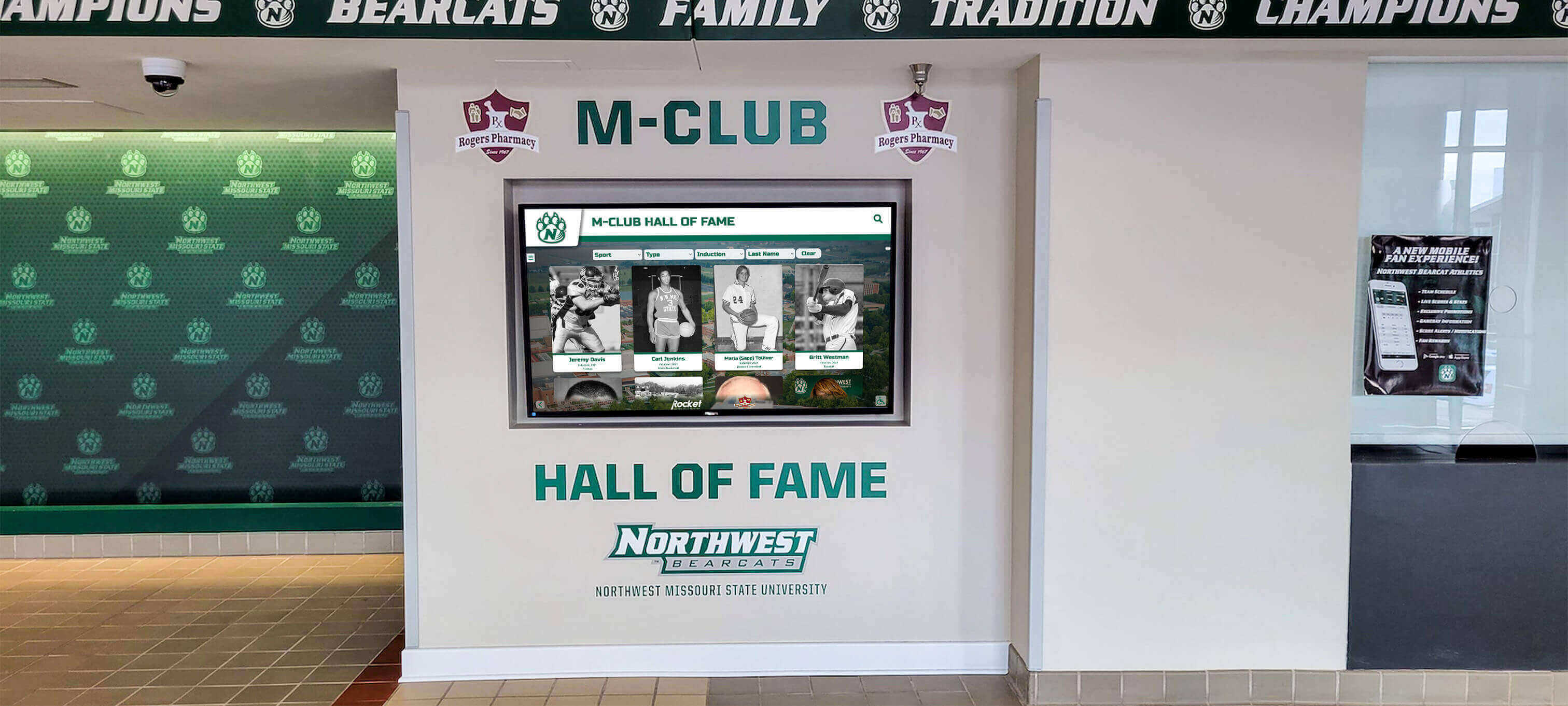
Comprehensive recognition systems document wrestling program history including camp experiences and training traditions that built championship cultures
Preserving Wrestling Heritage Through Modern Recognition
While Russ Houks Wrestling Camp operated decades ago, modern recognition systems enable schools and programs to preserve wrestling heritage and honor training traditions that shaped athletic excellence.
Digital Recognition for Wrestling Programs
Traditional wrestling recognition faced space constraints limiting comprehensive documentation:
Traditional Recognition Limitations
Physical displays provided limited wrestling documentation:
- Trophy cases filling quickly with championship hardware
- Wall space accommodating only select recognition
- Plaque limitations preventing detailed achievement documentation
- Inability to include camp experiences and training histories
- No multimedia capacity for video highlights or technique demonstration
- Static presentation preventing updates as achievements continue
- Cost constraints forcing selective recognition rather than comprehensive celebration
Digital Recognition Advantages
Modern touchscreen systems eliminate these constraints:
- Unlimited capacity documenting every wrestler and achievement
- Comprehensive profiles including statistics, achievements, and biographical information
- Camp attendance and training facility documentation
- Video highlights preserving technique and competitive excellence
- Historical context connecting wrestlers to program traditions and coaching lineages
- Interactive exploration enabling discovery of connections and stories
- Web accessibility extending recognition beyond physical facility
Solutions like Rocket Alumni Solutions provide platforms specifically designed for athletic recognition, enabling wrestling programs to document comprehensive histories including camp experiences, coaching influences, and training traditions that developed athletic excellence.
Content Strategies for Wrestling Recognition
Comprehensive wrestling recognition includes diverse content categories:
Individual Wrestler Profiles
Document complete athletic careers:
- Competitive achievements including championships, placements, and records
- Season statistics and career progression
- Camp attendance and elite training experiences
- Coaching influences and mentorship relationships
- Academic achievements and honors
- Post-competitive success in college, careers, or coaching
- Personal stories and defining moments
- Video highlights showing technique and competitive excellence
Coaching Recognition
Honor coaches who developed wrestlers and programs:
- Career achievements and championship records
- Coaching philosophy and training approaches
- Influence from legendary coaches like Russ Houk
- Camp experiences and elite training exposure
- Wrestlers developed and their subsequent success
- Program culture creation and tradition building
- Teaching innovations and technical contributions
- Personal stories and coaching wisdom
Training Tradition Documentation
Preserve historical context about program development:
- Camp attendance at elite facilities
- Training facility development and improvement
- Partnership with clubs and coaching organizations
- Evolution of training approaches and techniques
- Connections to wrestling heritage and legendary programs
- Historical photographs and video from training
- Stories and memories from camp experiences
- Recognition of training partners and practice partners who elevated program
This comprehensive documentation preserves wrestling heritage while inspiring current wrestlers through visible connection to program traditions and excellence standards. Learn about creating comprehensive athletic recognition programs that document complete program histories.
Inspiring Future Wrestlers
Wrestling recognition serves essential motivational purposes beyond historical preservation:
Demonstrating Excellence Standards
Visible recognition shows current wrestlers what excellence requires:
- Championship achievements establishing performance benchmarks
- Training dedication and commitment necessary for success
- Camp experiences and elite training pursuit
- Competitive resilience overcoming setbacks
- Technical mastery development through sustained effort
- Weight management and conditioning discipline
- Academic achievement alongside athletic excellence
Connecting to Wrestling Heritage
Recognition creates continuity across program generations:
- Understanding lineage connecting current program to wrestling legends
- Appreciation for coaching traditions passed through generations
- Recognition that current wrestlers contribute to ongoing legacy
- Pride in program excellence maintained across decades
- Inspiration from wrestlers who came before
- Understanding what’s possible through commitment to excellence
- Motivation to add their achievements to program tradition
Programs effectively preserving and presenting wrestling heritage create culture where current wrestlers understand they’re part of something larger than individual seasons, motivating sustained effort and commitment to excellence matching program standards established by previous generations.

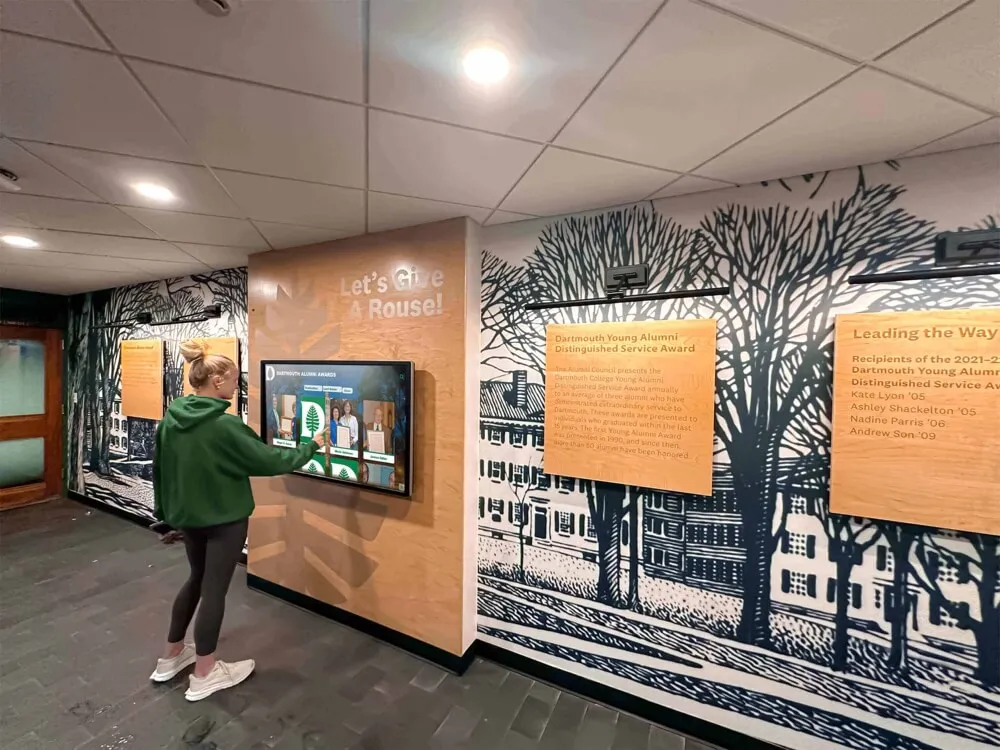
Interactive displays enable detailed exploration of wrestler achievements, camp experiences, and training traditions that shaped athletic excellence
Conclusion: Honoring Wrestling’s Pioneering Legacy
Russ Houks Wrestling Camp at Maple Lake stands as transformative institution in American wrestling history, pioneering comprehensive training approaches, Olympic-level preparation standards, and athlete development philosophies that shaped American wrestling for generations. From its 1962 founding through its Olympic training era to its lasting influence on modern wrestling culture, the camp demonstrated what was possible when visionary leadership, uncompromising standards, and genuine commitment to athlete development combined to create excellence.
The camp’s roster of Olympic champions, world medalists, and NCAA title winners provides impressive validation of training effectiveness, yet the camp’s impact extends far beyond individual achievements to include establishment of wrestling camp infrastructure, elevation of technical instruction standards, development of comprehensive conditioning approaches, and creation of wrestling community connecting programs and athletes nationwide. Russ Houk’s vision transformed how America prepares wrestlers for elite competition while establishing standards that persist in today’s most successful programs.
Modern wrestling programs honor this heritage by preserving training traditions, documenting camp experiences, and recognizing how legendary facilities and coaches shaped athletic excellence. Comprehensive recognition systems enable schools to celebrate wrestling achievement while inspiring future generations through visible connection to the sport’s demanding standards and rich traditions.
Digital recognition solutions like Rocket Alumni Solutions provide platforms specifically designed for athletic recognition, enabling wrestling programs to document comprehensive histories including individual achievements, coaching lineages, camp experiences, and training traditions that developed championship cultures. These systems eliminate traditional space constraints while providing multimedia capabilities that bring wrestling stories to life through photographs, video highlights, and interactive exploration.
Wrestling programs achieving sustained excellence typically share common characteristics reflecting lessons from legendary facilities like Maple Lake—comprehensive athlete development addressing all performance dimensions, uncompromising commitment to technical mastery and competitive toughness, creation of genuine community extending beyond individual seasons, and systematic preservation of program heritage inspiring current wrestlers through visible connection to wrestling excellence standards.
Whether establishing new wrestling recognition programs or enhancing existing systems, the essential elements remain constant: genuine commitment to honoring all wrestlers regardless of ultimate competitive success, comprehensive documentation of training traditions and camp experiences, systematic preservation of coaching wisdom and program heritage, and creation of inspiring displays that motivate current wrestlers while celebrating past excellence. Your wrestling program deserves recognition matching the extraordinary dedication, discipline, and competitive sacrifice that makes wrestling America’s most demanding and character-building sport.
The legacy of Russ Houks Wrestling Camp reminds us that greatness emerges from sustained commitment to excellence, comprehensive development approaches, and refusal to compromise standards regardless of convenience or external pressure. Modern programs building on this foundation create cultures where championship wrestling and complete athlete development combine to produce success extending far beyond competitive mats into broader life contexts where discipline, resilience, and work ethic enable achievement across all endeavors.