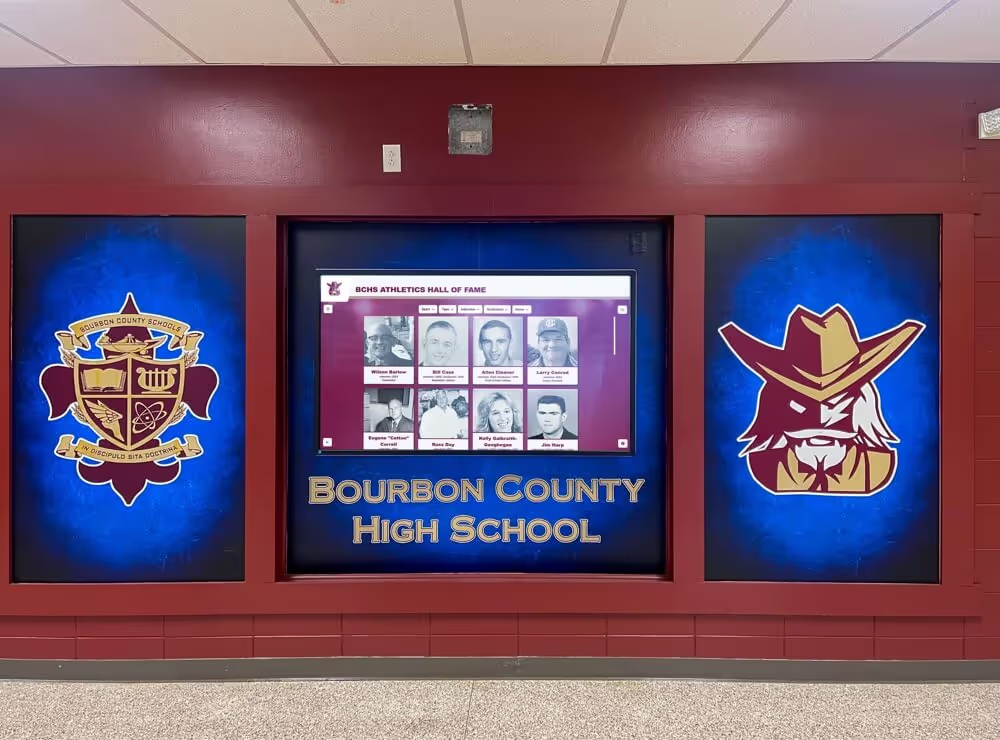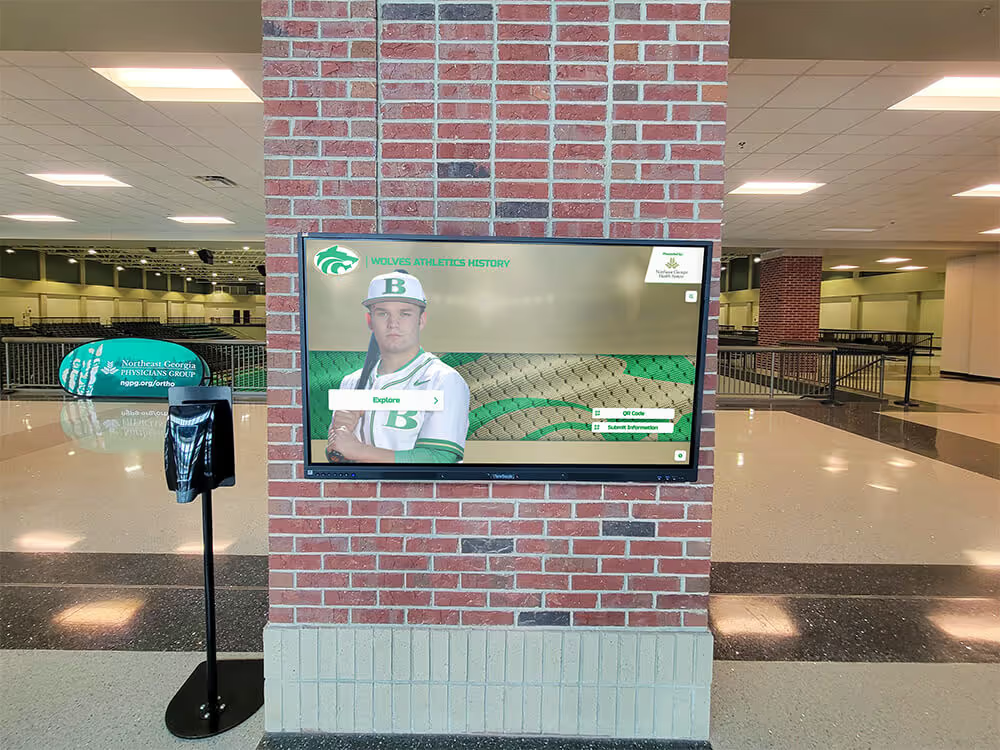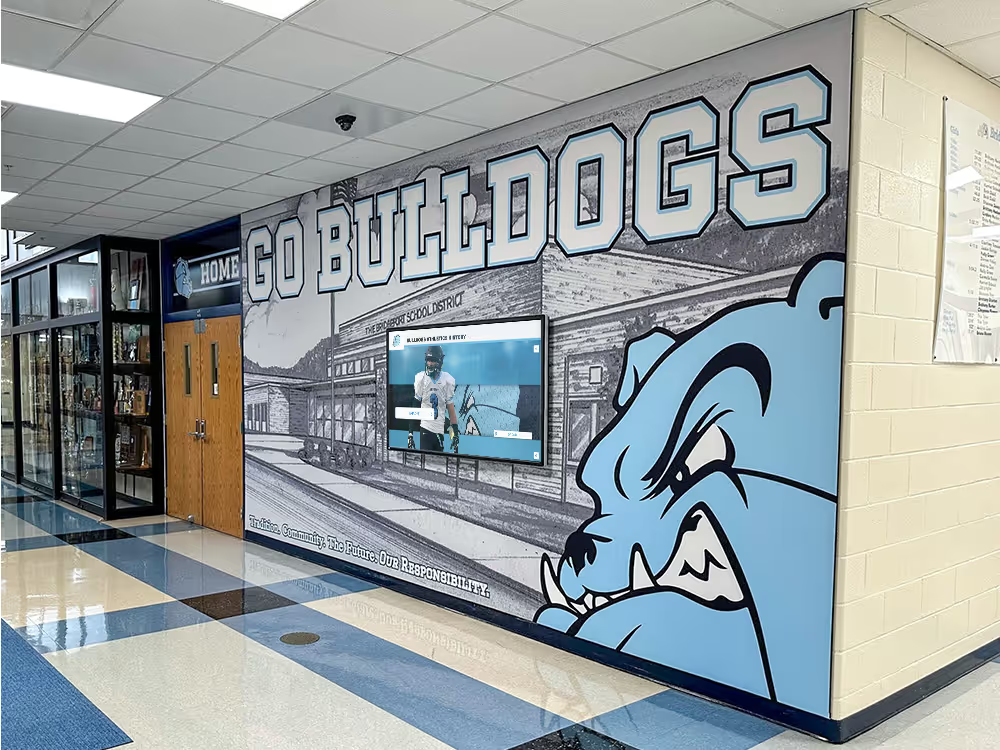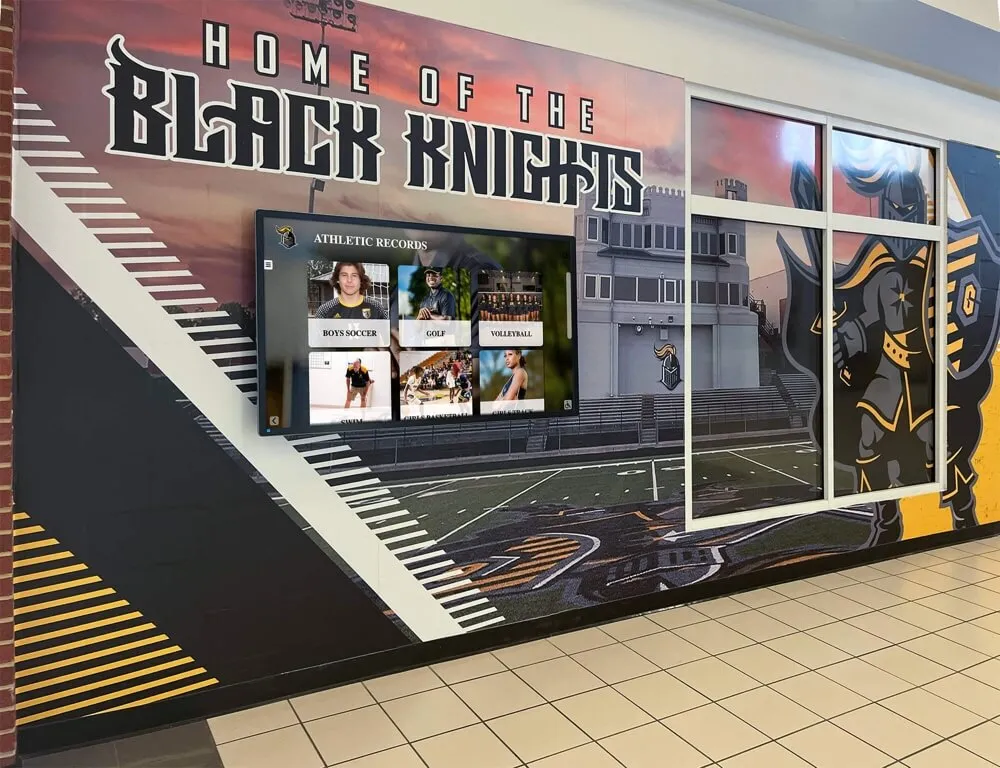




Interactive touchscreen displays at high school JV hockey games represent an innovative approach to celebrating all competitive levels equally, transforming how schools recognize junior varsity athletes who work just as hard as varsity players yet traditionally receive minimal visibility. These digital recognition systems installed in hockey arenas and athletic facilities create engaging experiences where families, teammates, and community members explore player profiles, season statistics, team histories, and program achievements through intuitive touch interfaces—elevating JV hockey from secondary program status to appropriately celebrated component of comprehensive athletic excellence.
Traditional athletic recognition creates troubling hierarchies. Varsity athletes receive extensive visibility through trophy cases, banner displays, record boards, and prominent facility recognition, while JV players—often underclassmen developing skills and building confidence—get minimal acknowledgment beyond brief program listings or occasional newsletter mentions. This disparity sends problematic messages about whose contributions matter, potentially discouraging the sustained effort and dedication required for athletic development during crucial formative years when recognition and encouragement most significantly impact continued participation and skill progression.
This comprehensive guide explores how touchscreen technology specifically designed by Rocket Alumni Solutions transforms JV hockey recognition, creating equitable celebration across all competitive levels, engaging families and community members during game experiences, preserving complete program histories documenting every player’s contribution, and building hockey program cultures where every athlete receives appropriate visibility regardless of competitive tier or playing time.
Interactive touchscreen displays eliminate the space limitations and cost barriers that have always prevented comprehensive JV athletic recognition, enabling hockey programs to showcase every player across all competitive levels through engaging digital platforms that visitors explore before games, between periods, and during facility visits throughout seasons. Instead of selective varsity-only displays determined by limited trophy case space, comprehensive systems honor every contributor while providing rich context through photos, videos, statistics, and personal stories impossible with traditional plaques.

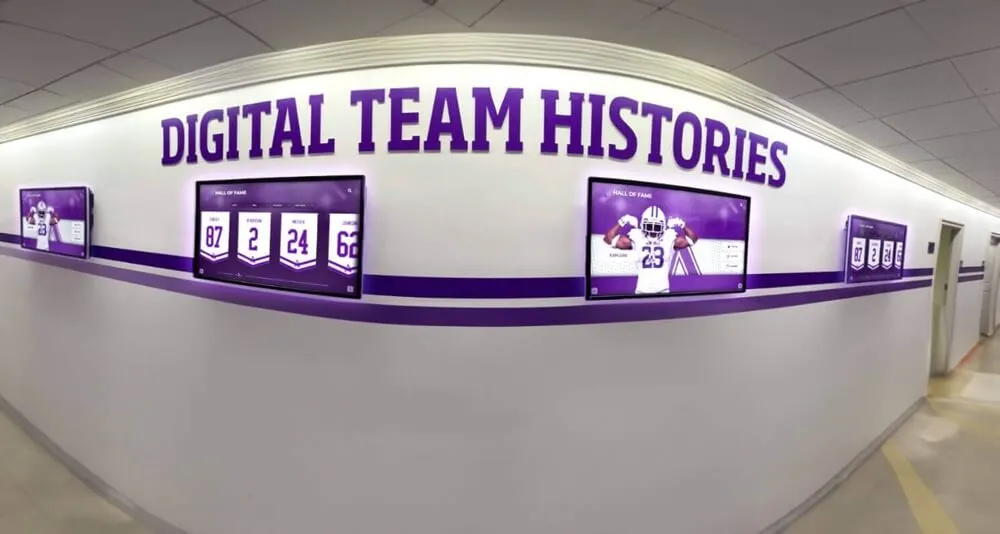
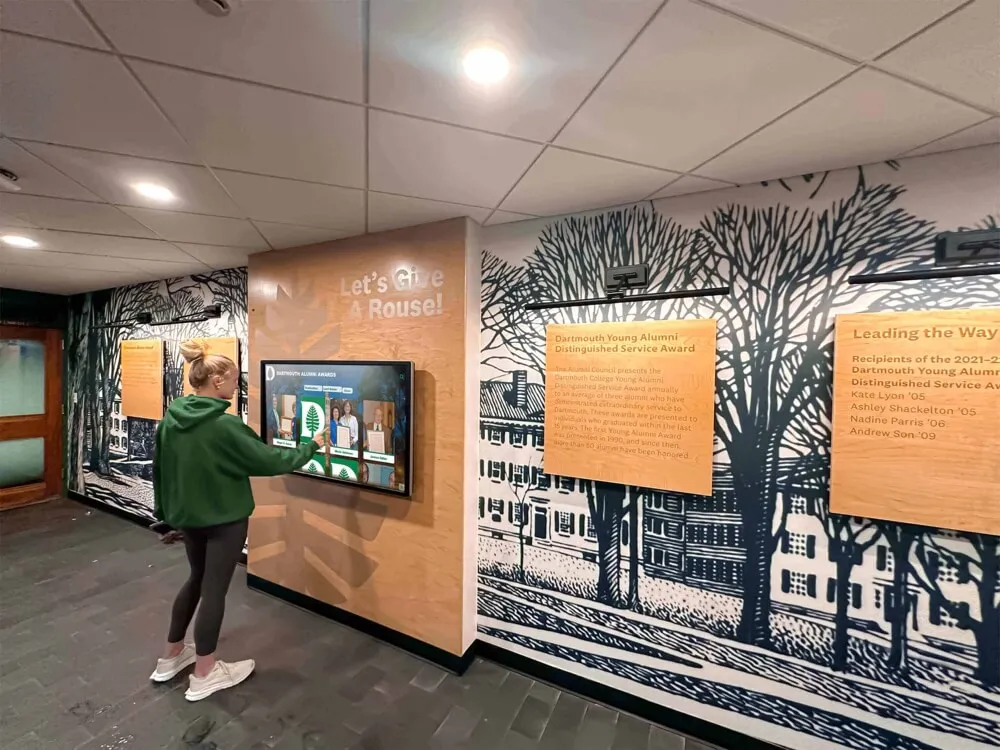
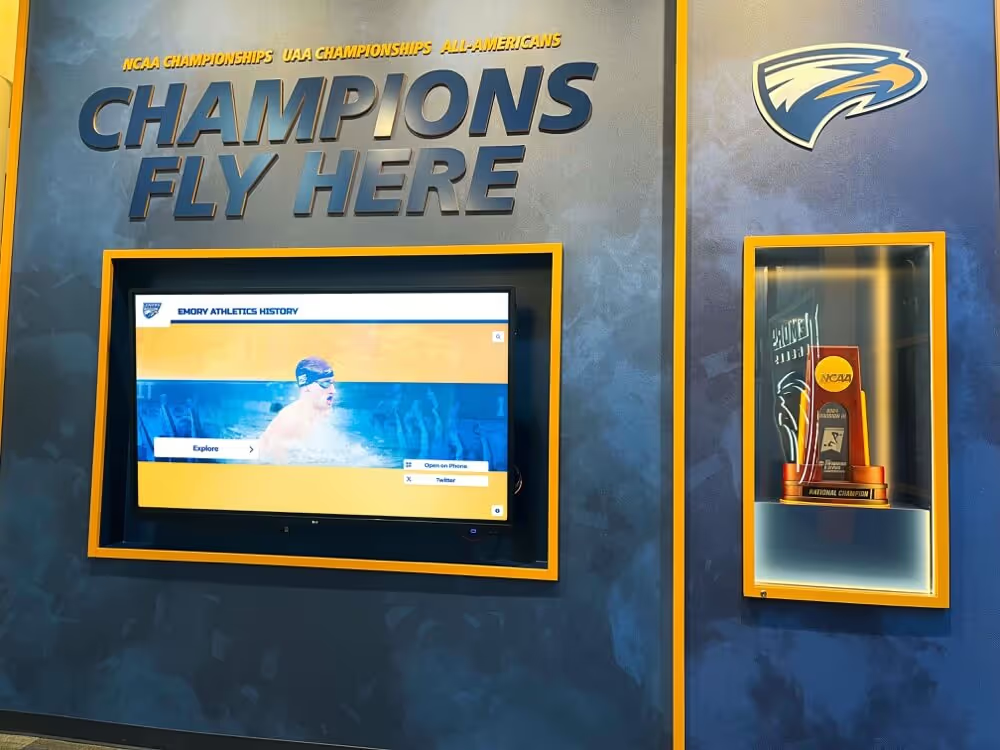
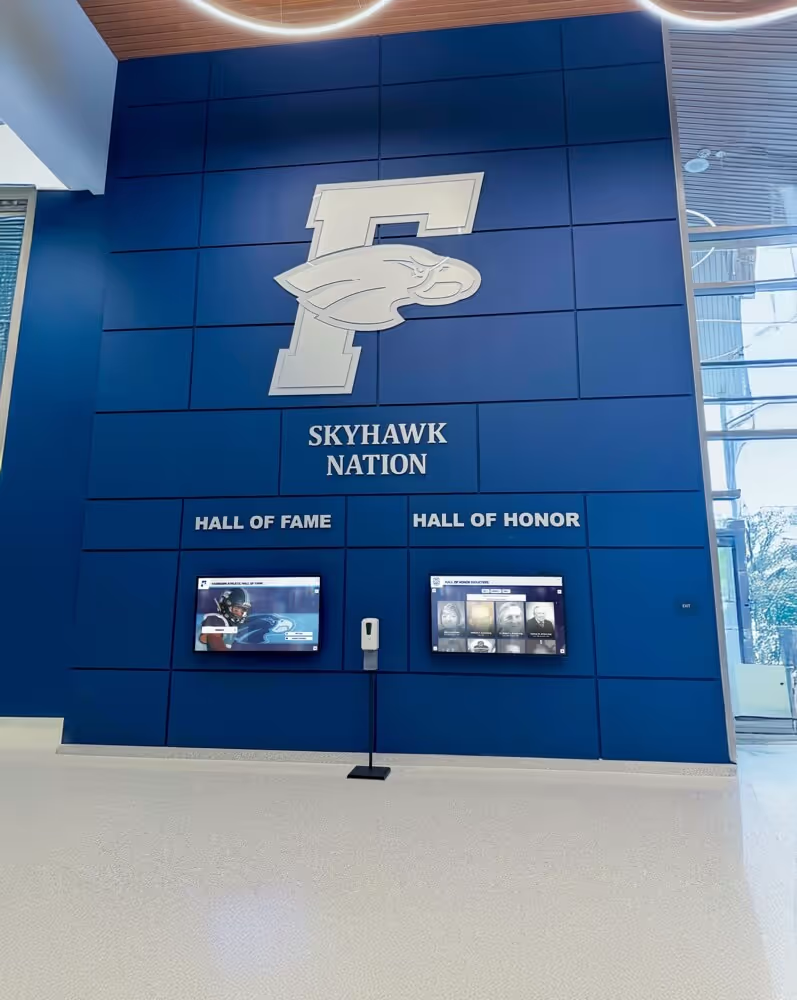
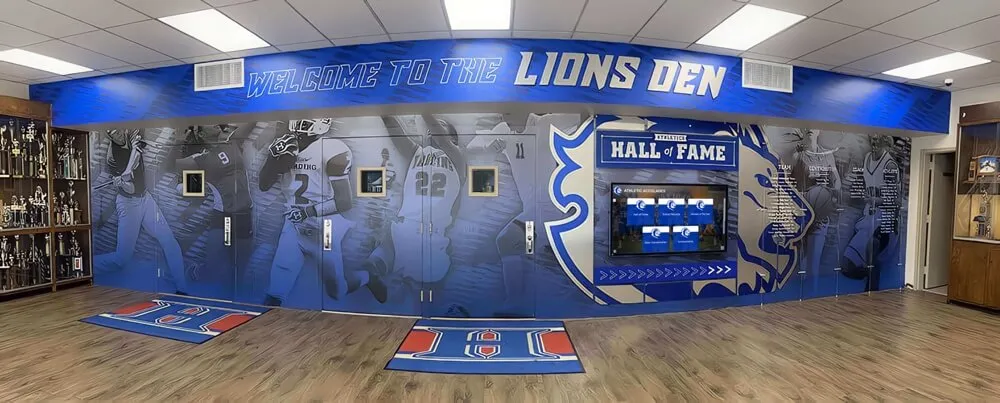
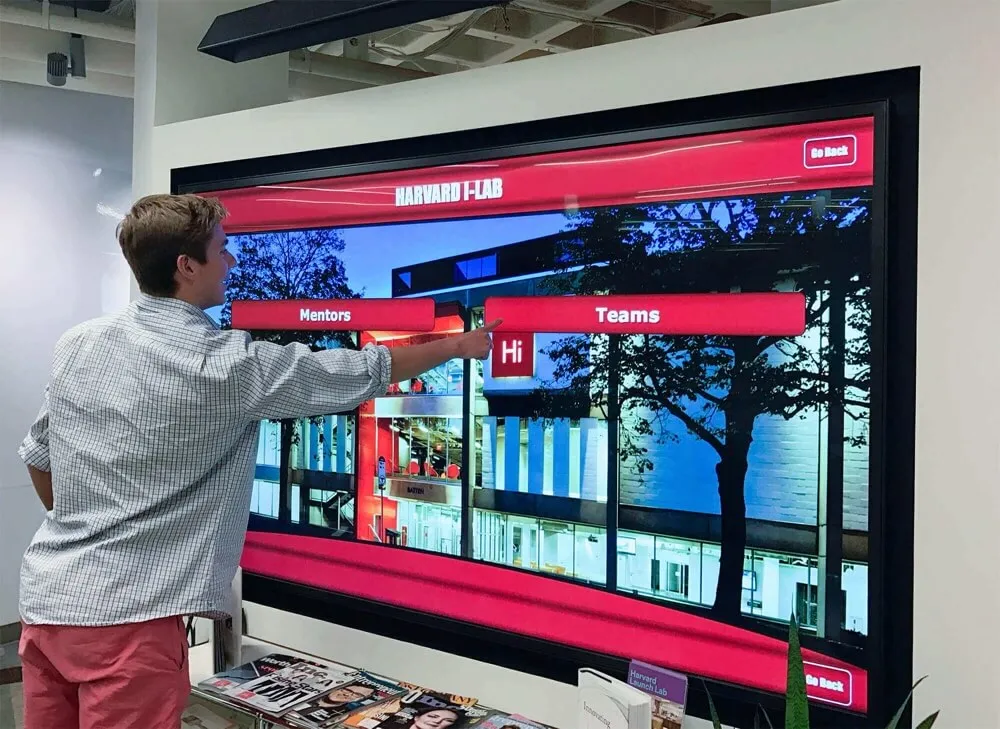
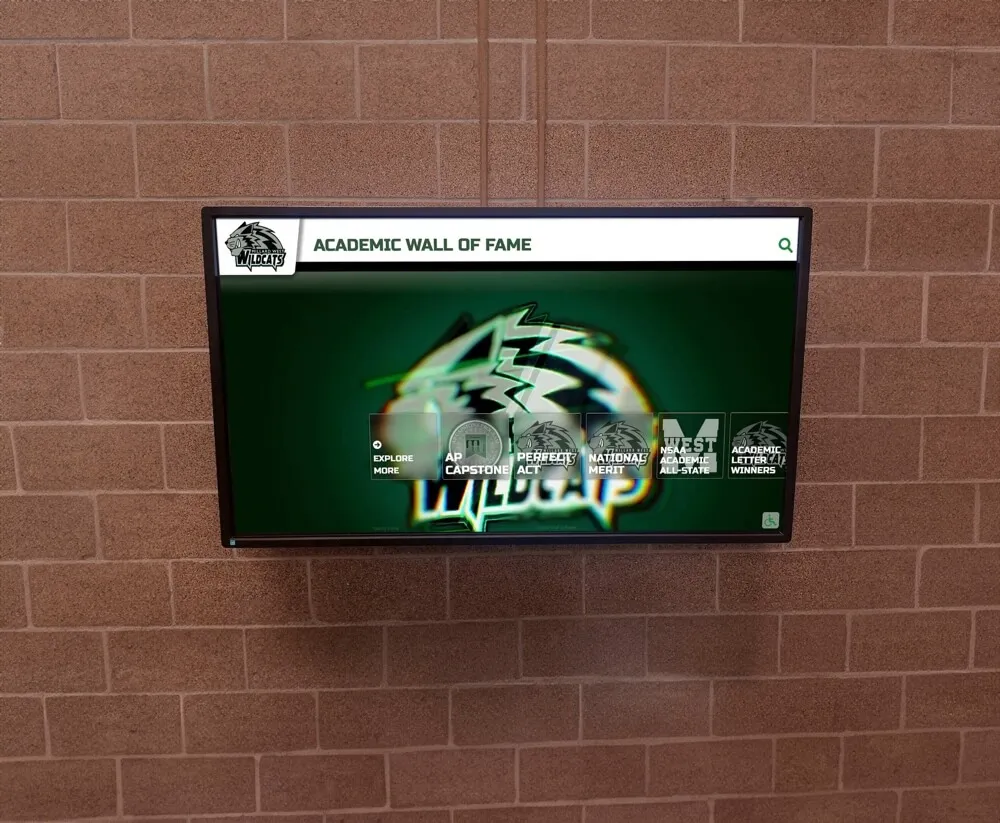
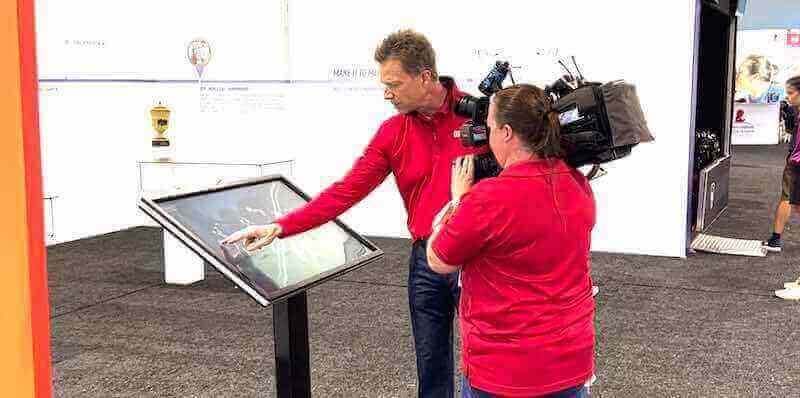
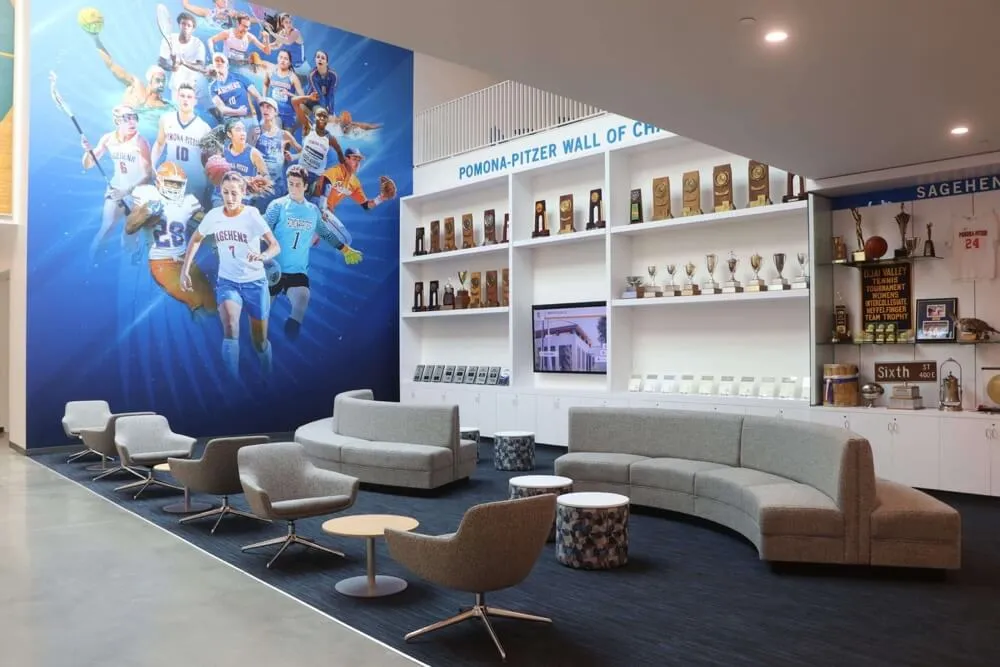
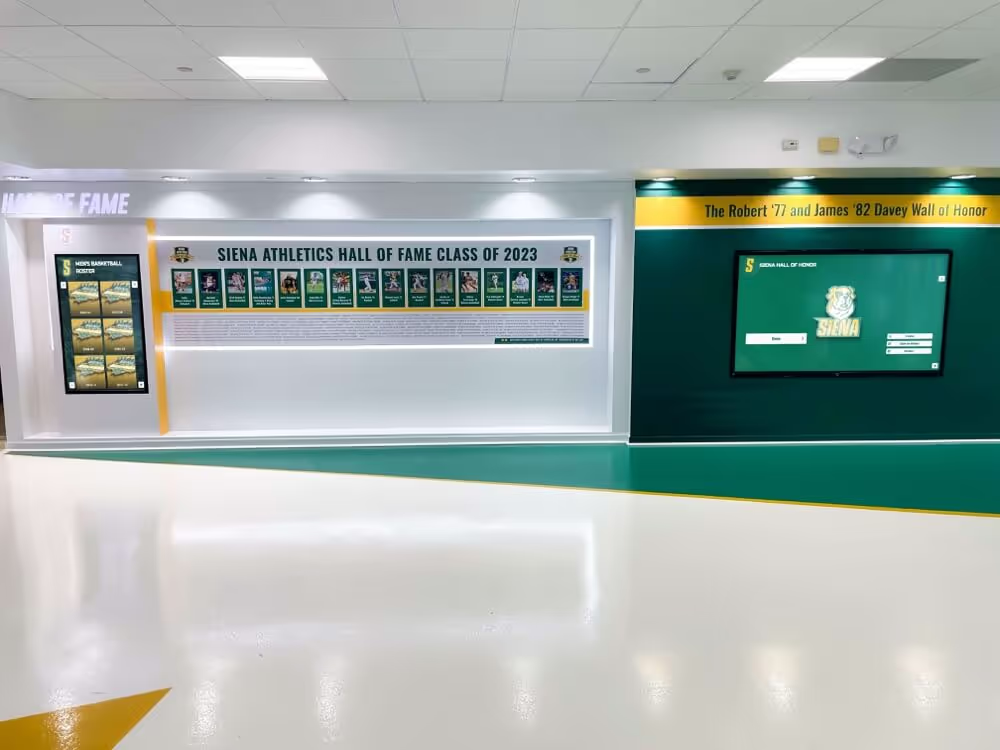
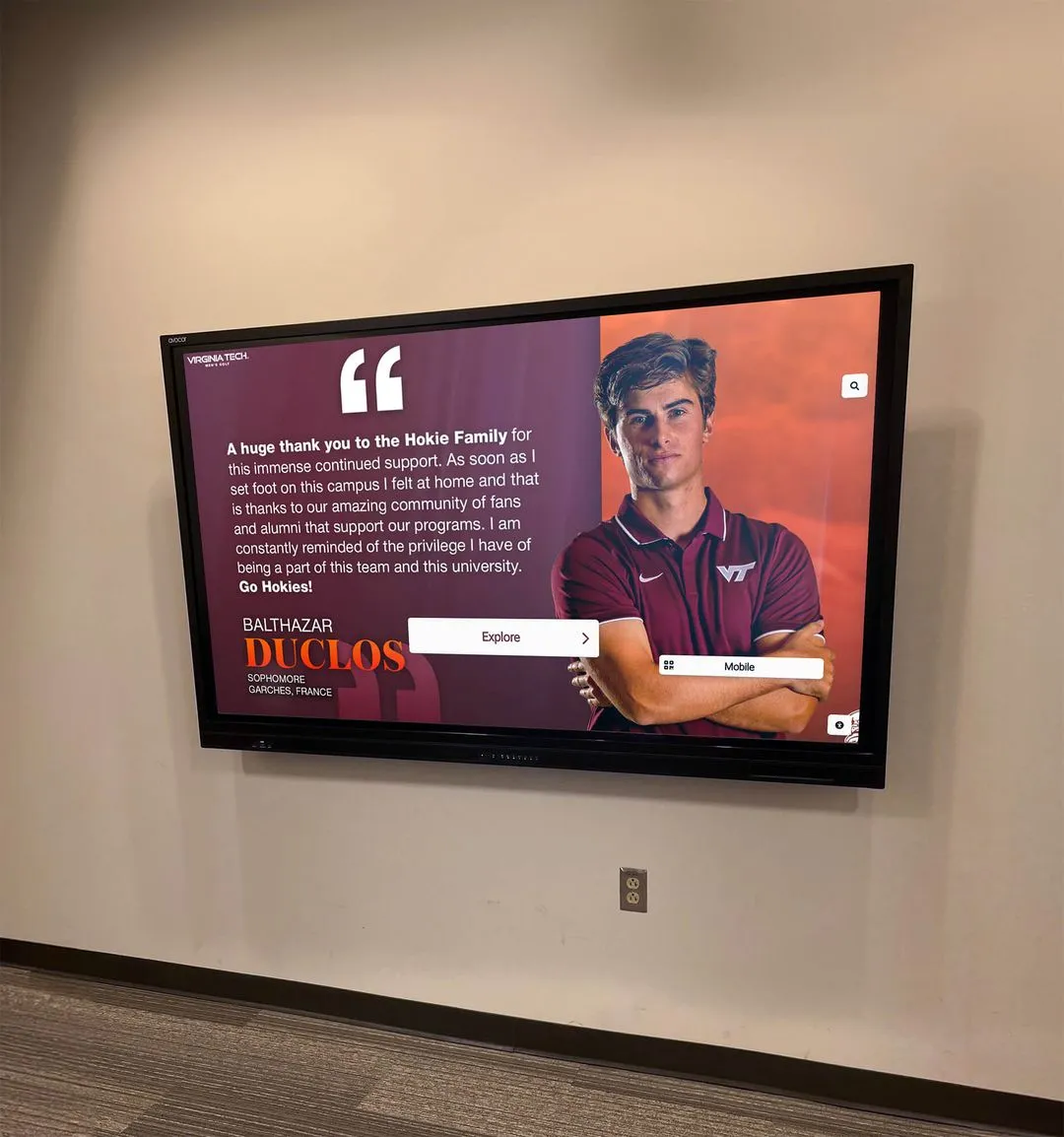
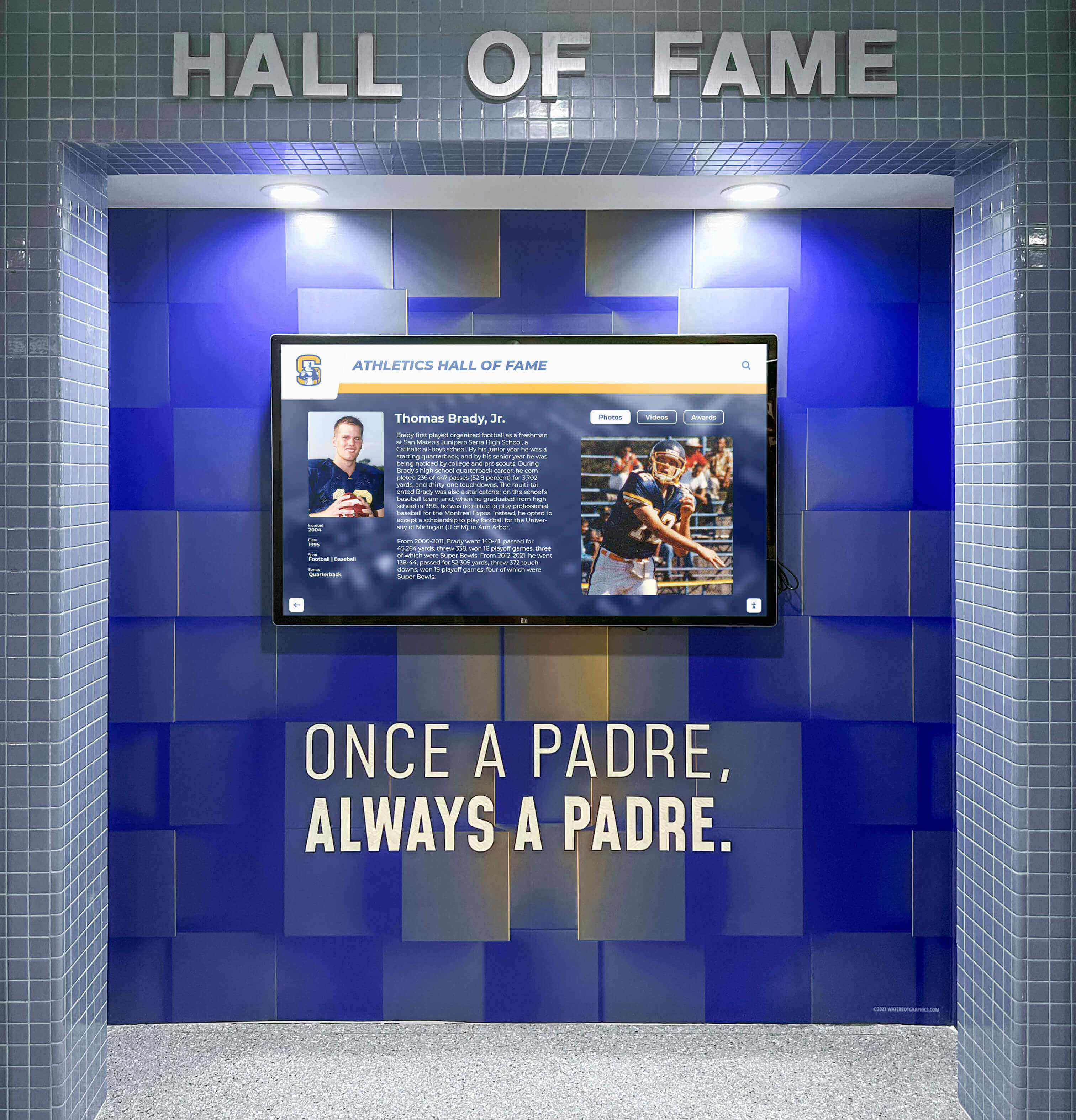
Digital touchscreens transform hockey arena lobbies into interactive recognition centers celebrating comprehensive team achievements across all competitive levels
Understanding Rocket Touchscreen Technology for JV Hockey Programs
Before implementing these systems at JV hockey games and facilities, understanding the technology components and how they specifically address junior varsity recognition challenges helps athletic directors and hockey coaches make informed decisions aligned with program equity goals.
What Makes Rocket Alumni Solutions Different for Hockey Recognition
Rocket Alumni Solutions provides specialized platforms combining hardware, software, and content management specifically designed for comprehensive athletic recognition rather than generic digital signage adapted for sports applications:
Purpose-Built Hockey Recognition Features
Systems designed specifically for hockey program needs include:
- Player profile databases organizing unlimited athletes across varsity, JV, and developmental levels
- Season statistics integration showing goals, assists, points, and goaltending metrics comprehensively
- Line combination tracking documenting forward lines and defensive pairings throughout seasons
- Game highlight video integration bringing memorable moments to life through multimedia content
- Historical team archives preserving decades of program heritage across all competitive tiers
- Family photo galleries creating personal connections through candid images beyond formal portraits
- Coach testimonials and player development narratives highlighting growth and improvement stories
- Searchable interfaces enabling instant discovery of specific players, seasons, or achievements
These specialized features distinguish purpose-built recognition platforms from generic displays showing basic rosters or rotating announcements—creating genuinely engaging experiences that honor individual athletic journeys comprehensively while celebrating team accomplishments at all competitive levels equally.
Commercial-Grade Interactive Hardware
Professional touchscreen installations engineered for athletic facility environments include:
- Large-format displays typically 55-75 inches optimized for arena lobby viewing by groups
- Capacitive touch technology providing smartphone-like responsiveness for intuitive exploration
- Commercial-grade panels rated for 50,000-100,000 hours of continuous operation in public spaces
- High-resolution 4K displays ensuring player photos, statistics, and videos appear crisp and professional
- Protective tempered glass surfaces resisting damage from public interaction in busy arenas
- High brightness specifications (300-500 nits) ensuring visibility despite bright arena lighting
- Professional mounting systems or freestanding kiosks requiring minimal facility modifications
- Vandalism-resistant enclosures protecting equipment in unsupervised public spaces
These commercial specifications ensure reliable operation throughout demanding hockey seasons where displays run continuously during games, practices, tournaments, and community skating sessions—unlike consumer displays that fail quickly under institutional use conditions.
Cloud-Based Program Management
Administrative systems determining long-term sustainability include:
- Web-based control panels accessible from any device without specialized software installation
- Bulk upload tools for efficiently adding entire team rosters and season statistics simultaneously
- Role-based permissions enabling coaches to manage their specific teams independently
- Scheduled publishing for coordinated announcements during awards ceremonies or banquets
- Mobile app compatibility allowing content management from smartphones during tournaments
- Analytics tracking which content receives most engagement revealing audience interests
- Automated backups preventing data loss when technology failures or transitions occur
- Multi-year archiving preserving complete program histories across coaching changes
Learn about comprehensive approaches to interactive touchscreen displays for school recognition that extend beyond athletics to celebrate diverse achievements.
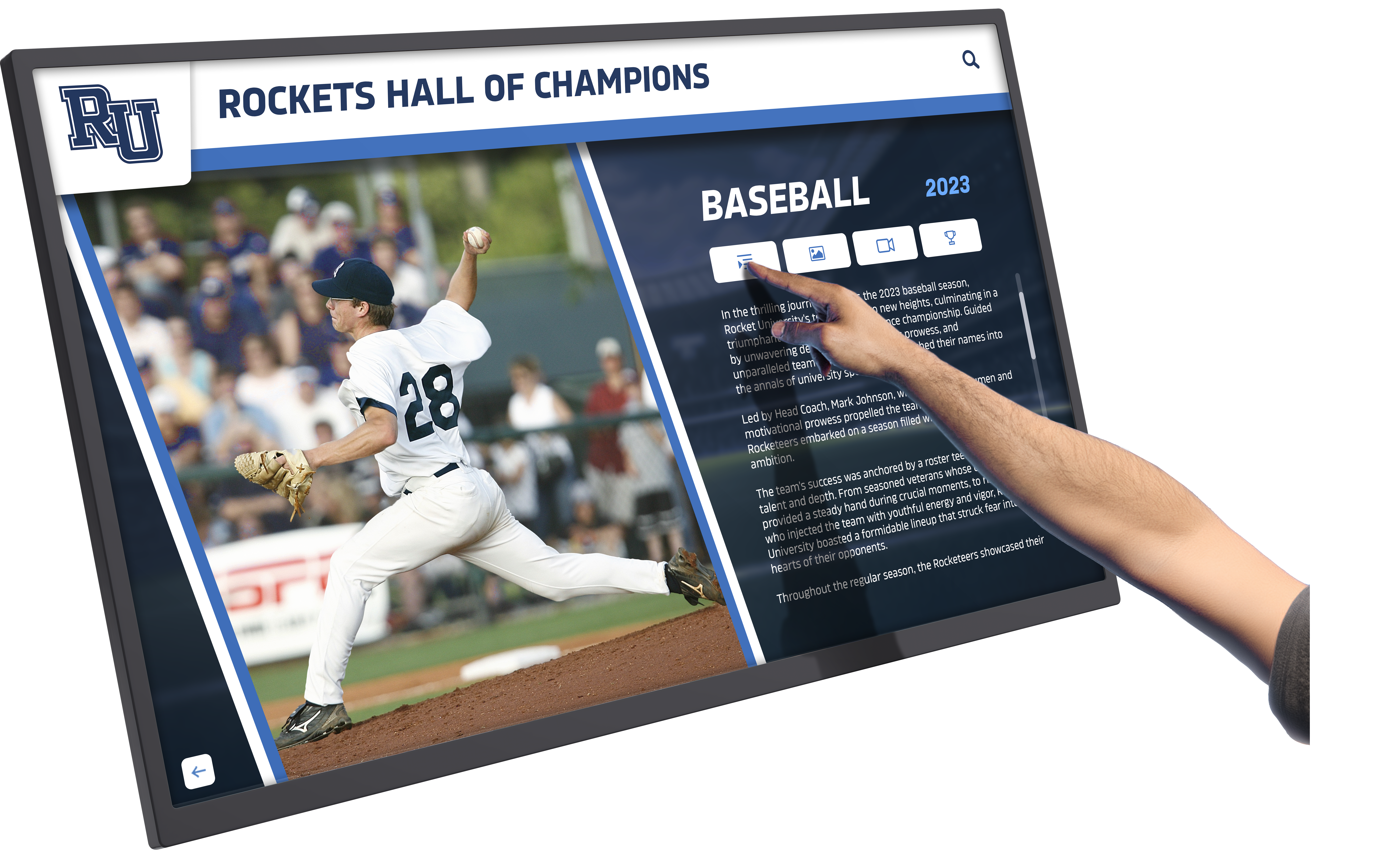
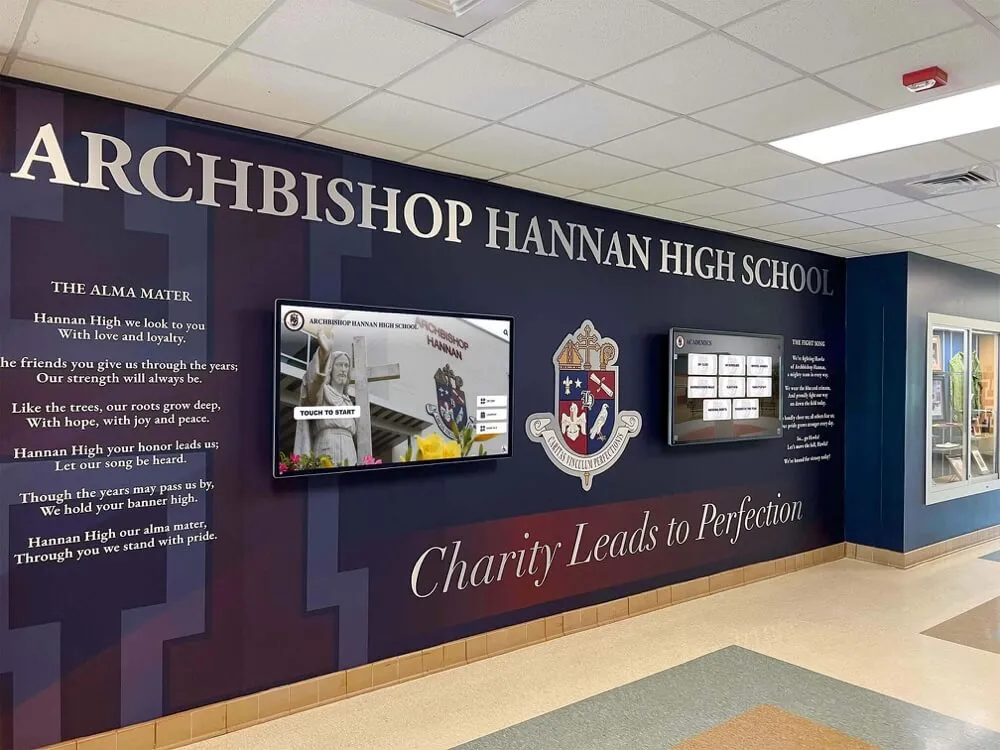
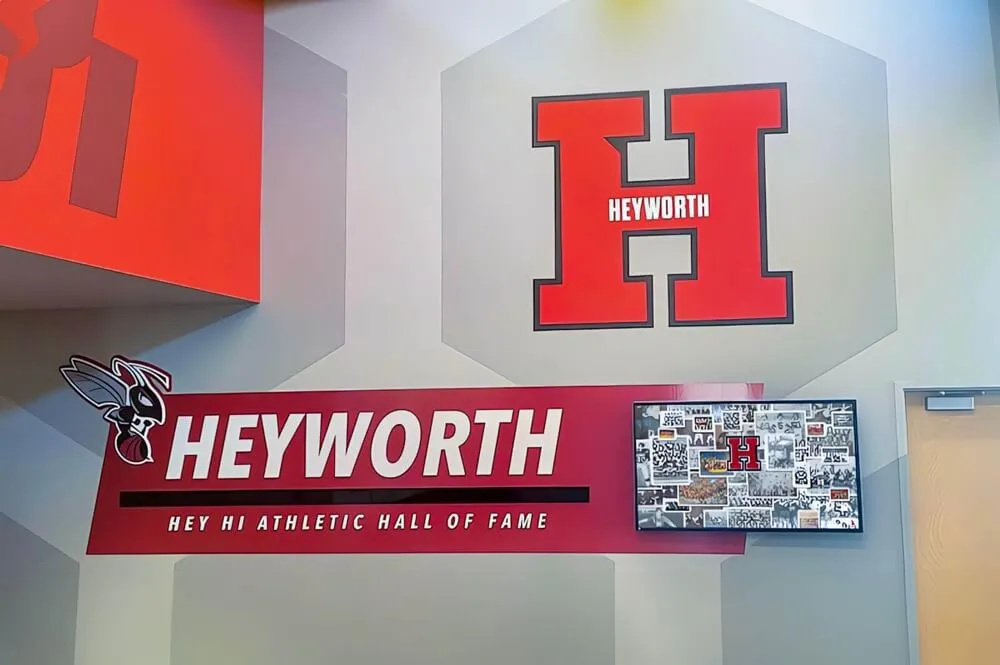
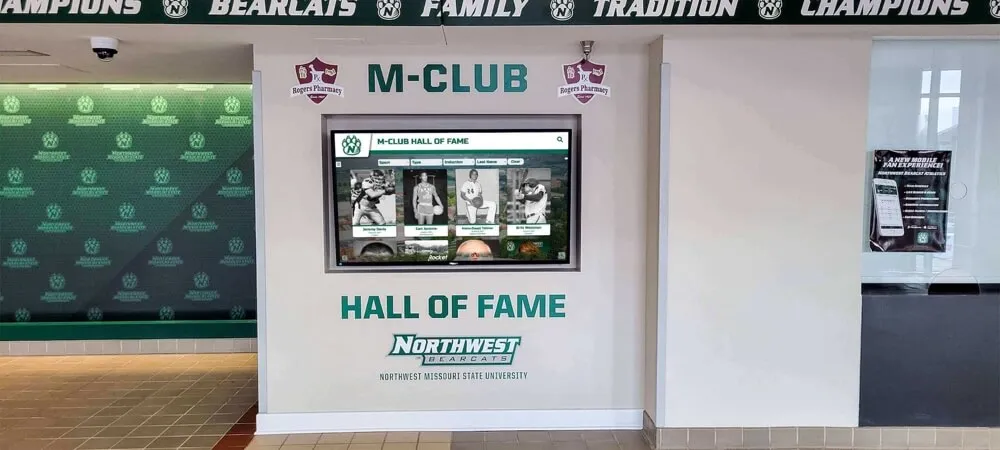
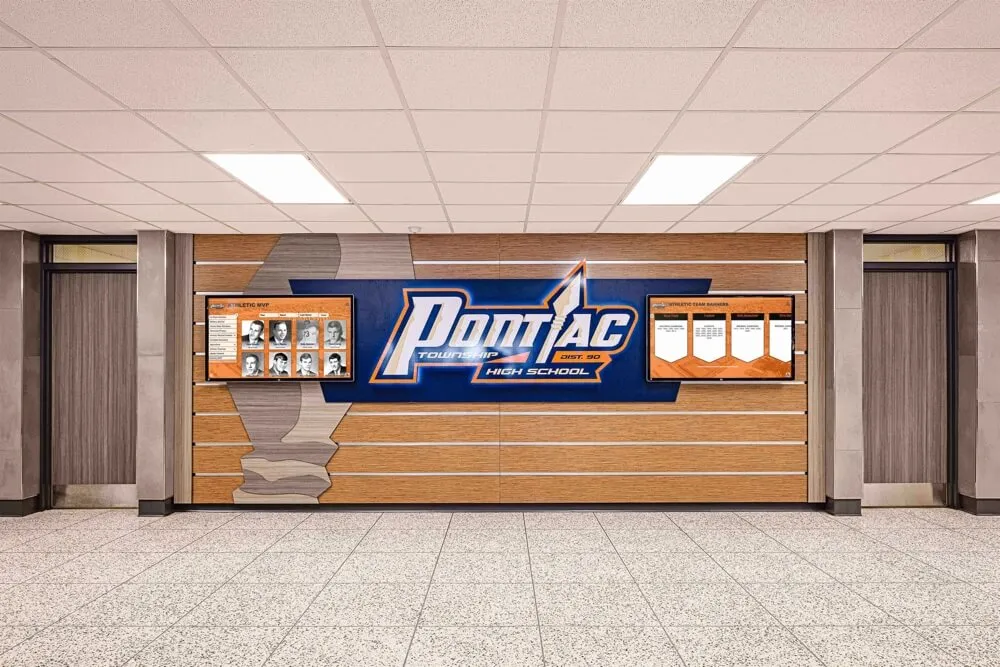
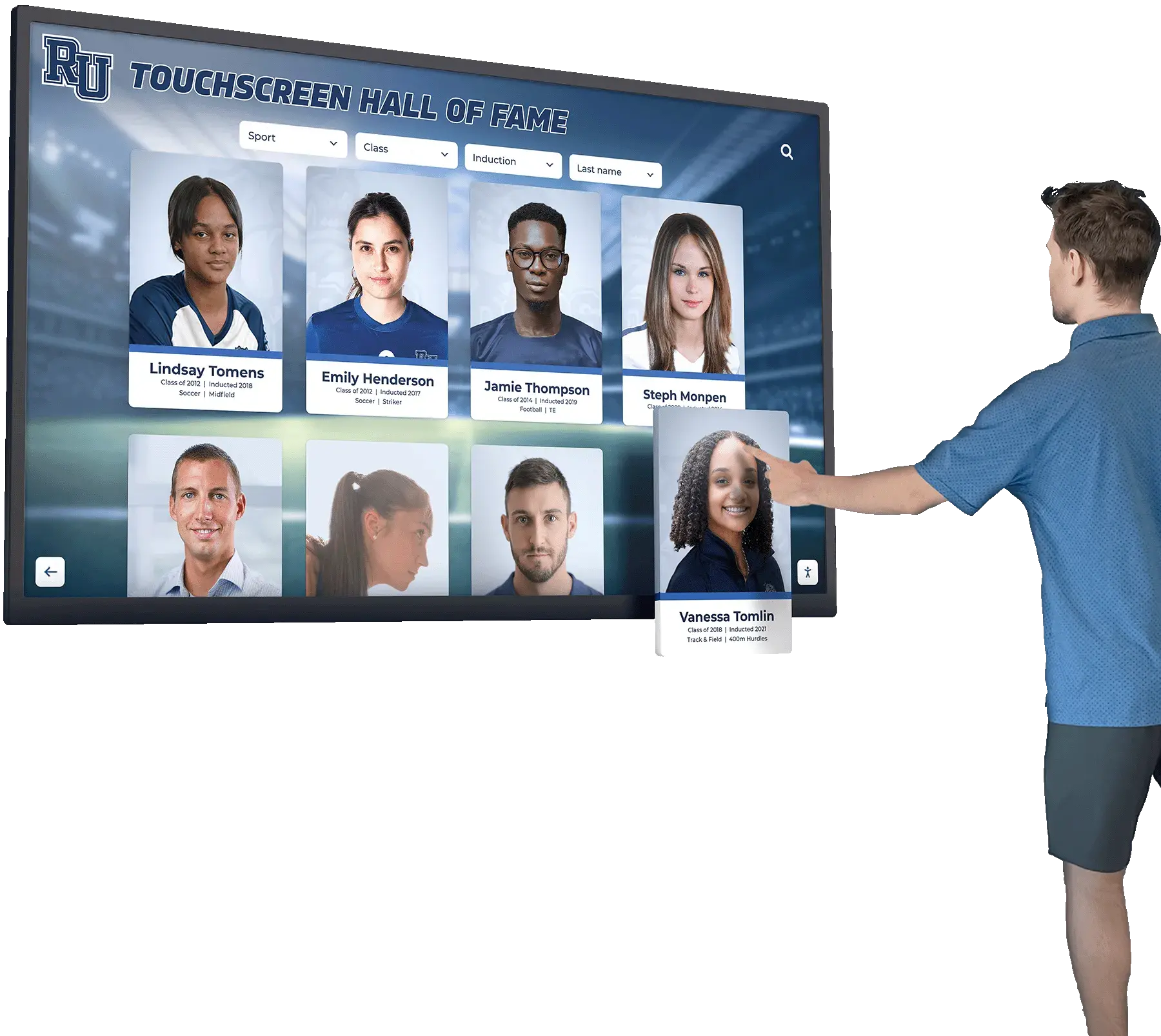
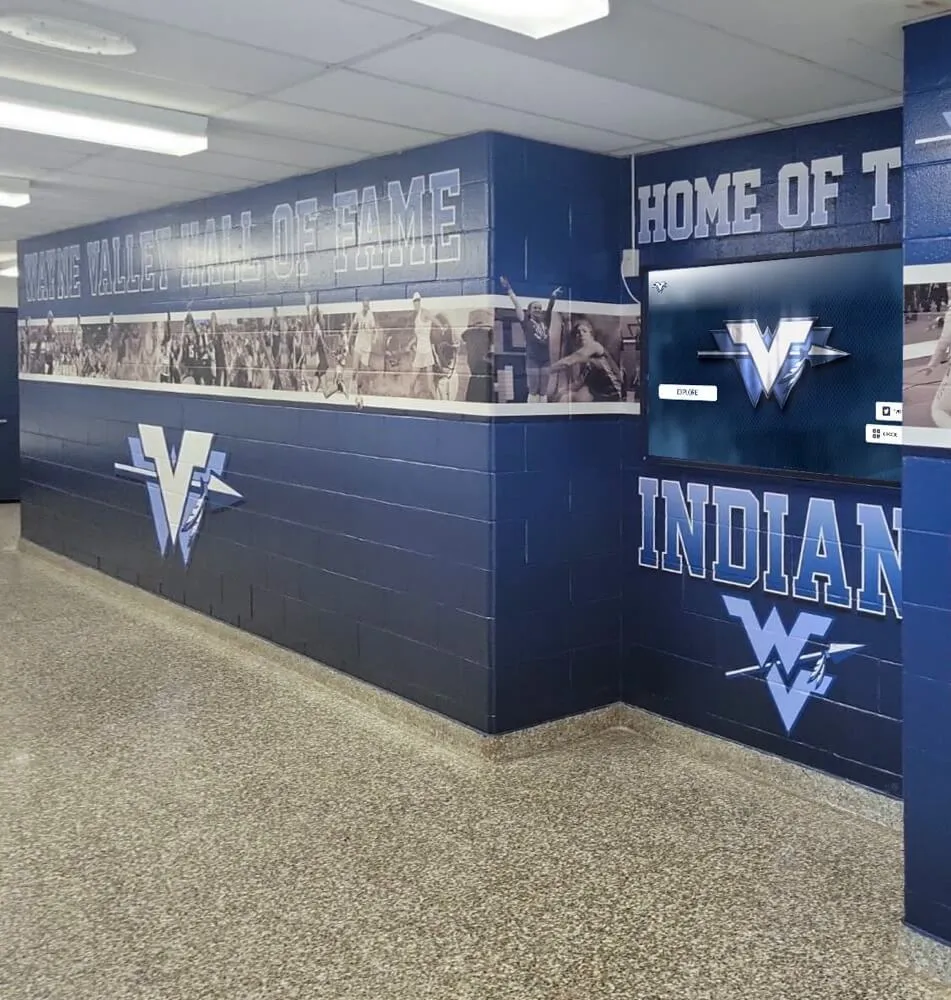
Intuitive Rocket Alumni Solutions interfaces enable visitors to explore comprehensive player profiles including statistics, achievements, and personal stories
Why JV Hockey Specifically Benefits From Digital Recognition
Junior varsity programs face unique recognition challenges that touchscreen technology addresses particularly effectively:
The JV Recognition Gap
Traditional athletic recognition creates problematic disparities:
- Trophy cases showcase only varsity championships, individual awards, and milestone achievements
- Record boards display only varsity statistical leaders across categories and seasons
- Banner displays in hockey arenas feature only varsity championship years and tournament appearances
- Hall of fame installations recognize only varsity letterwinners and distinguished alumni athletes
- Website coverage emphasizes varsity game results while JV receives brief summary mentions
- Social media promotion highlights varsity highlights while JV content appears occasionally
- Program promotional materials feature varsity accomplishments with minimal JV visibility
- Recruiting presentations emphasize varsity success potentially obscuring developmental program quality
These patterns communicate—often unintentionally—that JV contributions matter less than varsity performance, potentially discouraging underclassmen during crucial developmental periods when athletic identity forms and commitment to sustained participation solidifies. Research on adolescent athletic development consistently identifies recognition and belonging as critical factors influencing continued participation, skill development, and team cohesion.
Digital Recognition Solutions
Touchscreen systems eliminate capacity constraints enabling equitable celebration:
- Unlimited player profiles accommodating entire programs across all competitive levels simultaneously
- Equal content depth for JV and varsity players showing equivalent biographical information and photos
- Comprehensive season statistics for all teams rather than only varsity statistical leaders
- Team history archives preserving JV championships and achievements with equal prominence
- Game highlight integration showing memorable JV moments alongside varsity content
- Freshman and youth program recognition creating complete player development documentation
- Alumni profiles tracking post-high school progression for players across all competitive tiers
- Multi-year tracking showing individual player development from JV to varsity to college levels
Schools implementing comprehensive digital recognition consistently report that equitable JV visibility represents the most significant cultural benefit—creating program environments where every athlete receives appropriate celebration regardless of competitive level, playing time, or statistical production.
Hockey-Specific Engagement During Games
Interactive displays create unique value at JV hockey games specifically:
- Pre-game exploration enables families arriving early to learn about players beyond their own children
- Between-period engagement provides meaningful activities during intermissions beyond concessions
- Post-game discovery allows families to explore statistics and highlights after final buzzer
- Tournament host opportunities where visiting families explore comprehensive program heritage
- Recruiting visit integration demonstrating program depth and player development commitment
- Alumni game experiences where former players explore current rosters and compare eras
- Youth hockey event engagement exposing young players to program culture and tradition
This engagement transforms game attendance from passive spectating into interactive experiences that strengthen family connections, build team community, and demonstrate institutional commitment to comprehensive athletic celebration beyond varsity-only focus.
Explore strategies for digital touchscreen athletic building displays that showcase team records comprehensively.
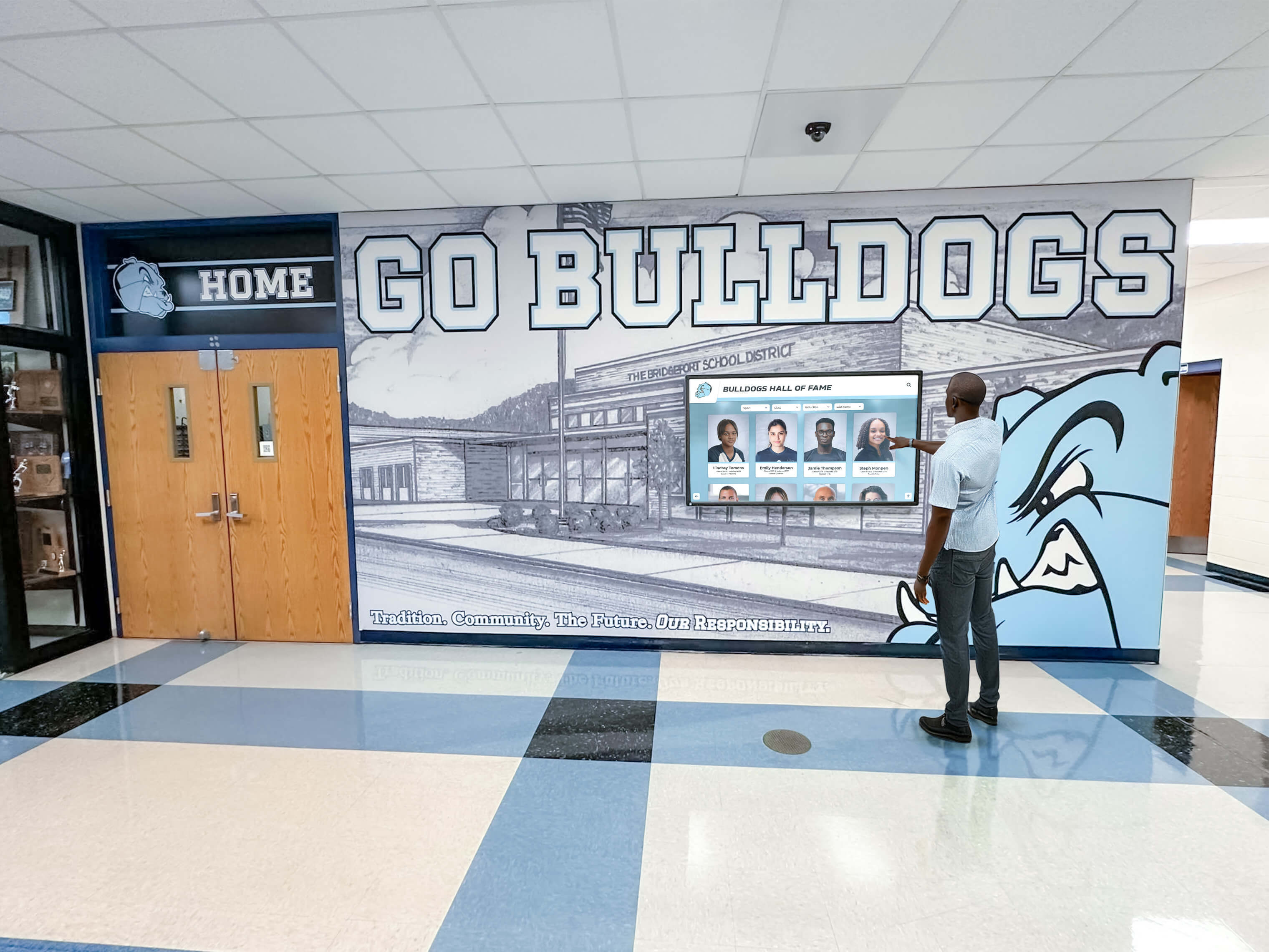
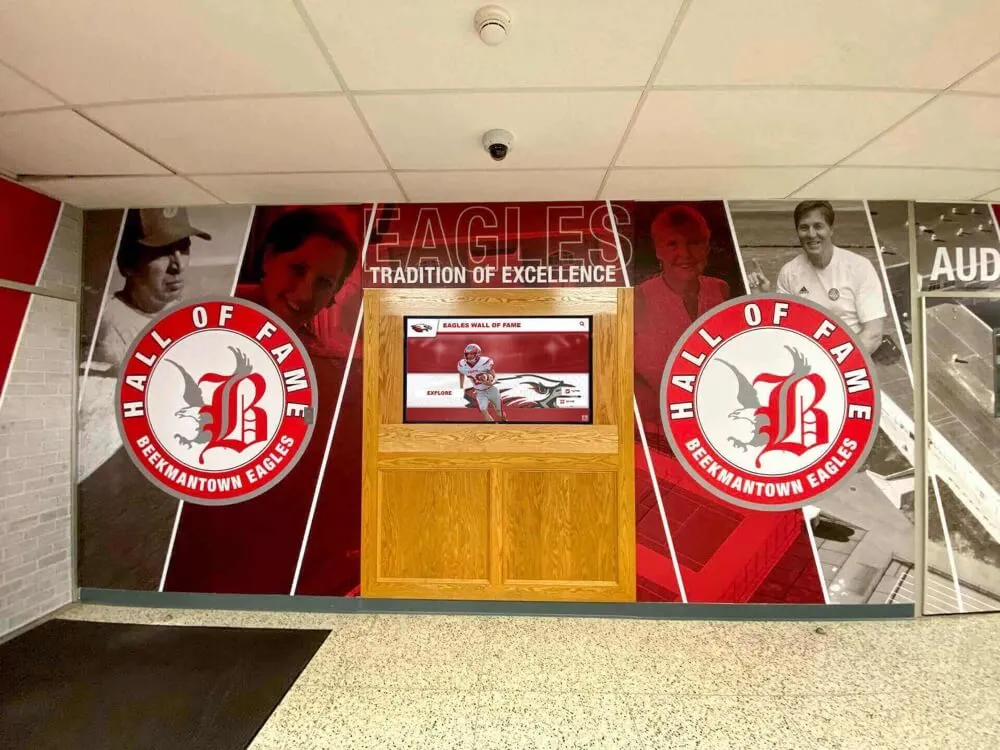
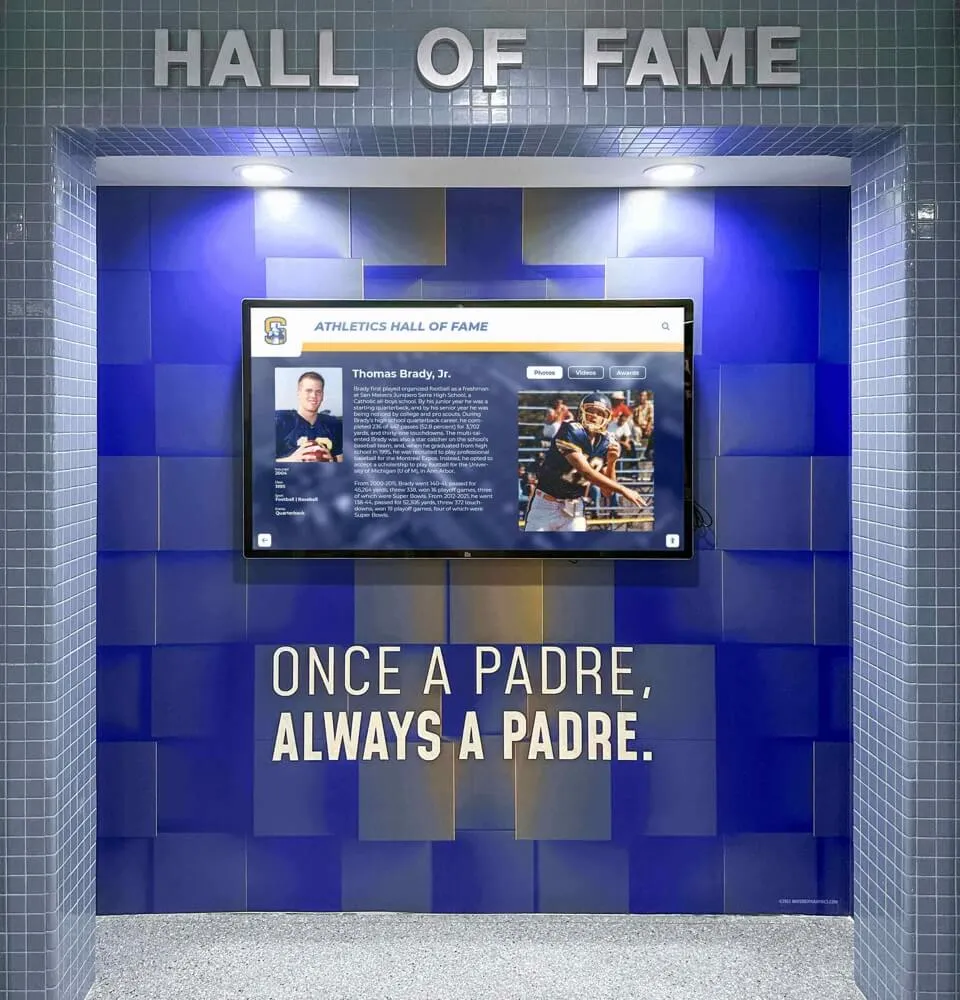
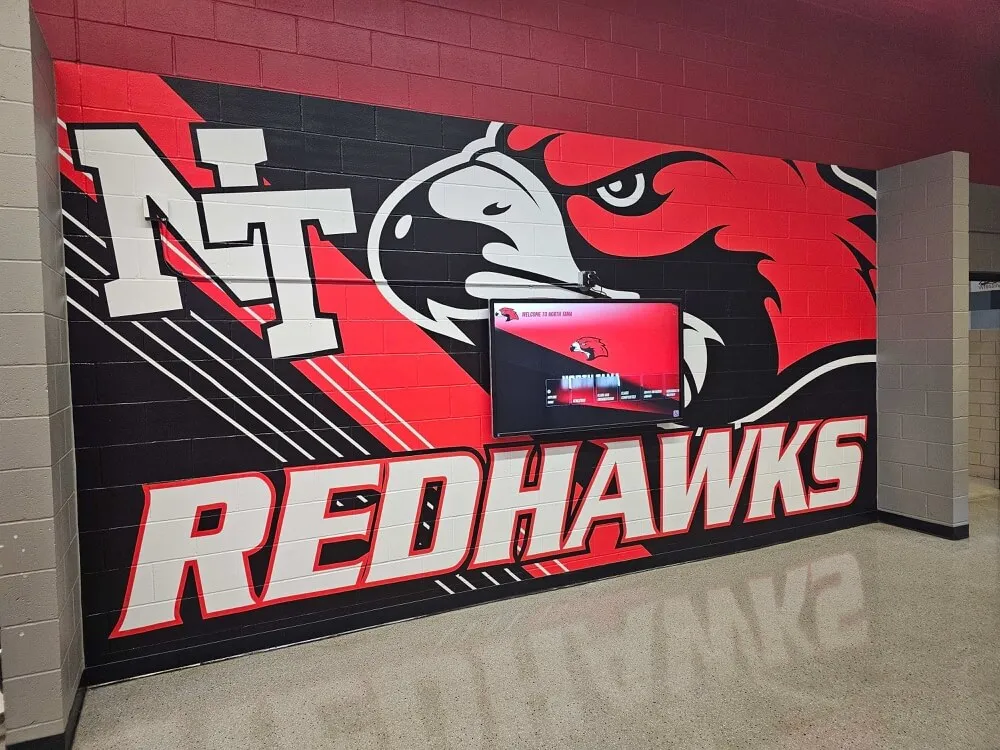
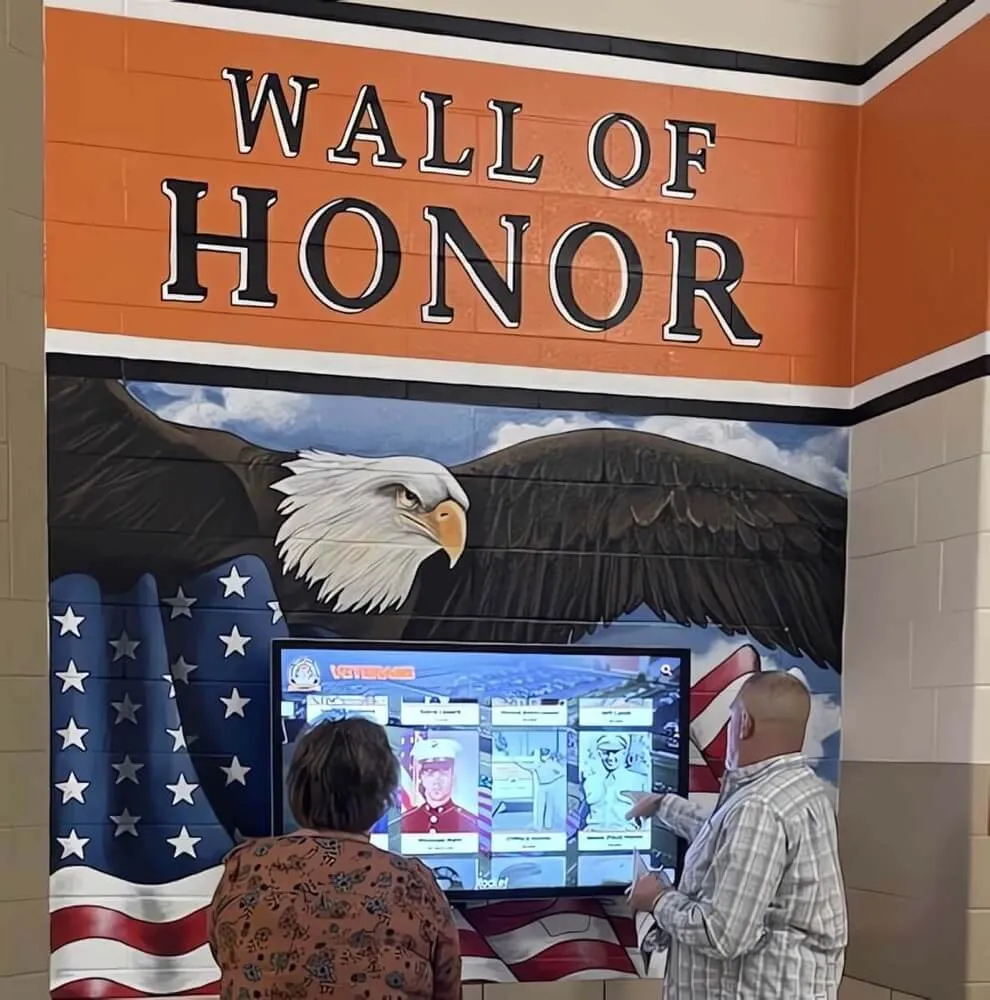
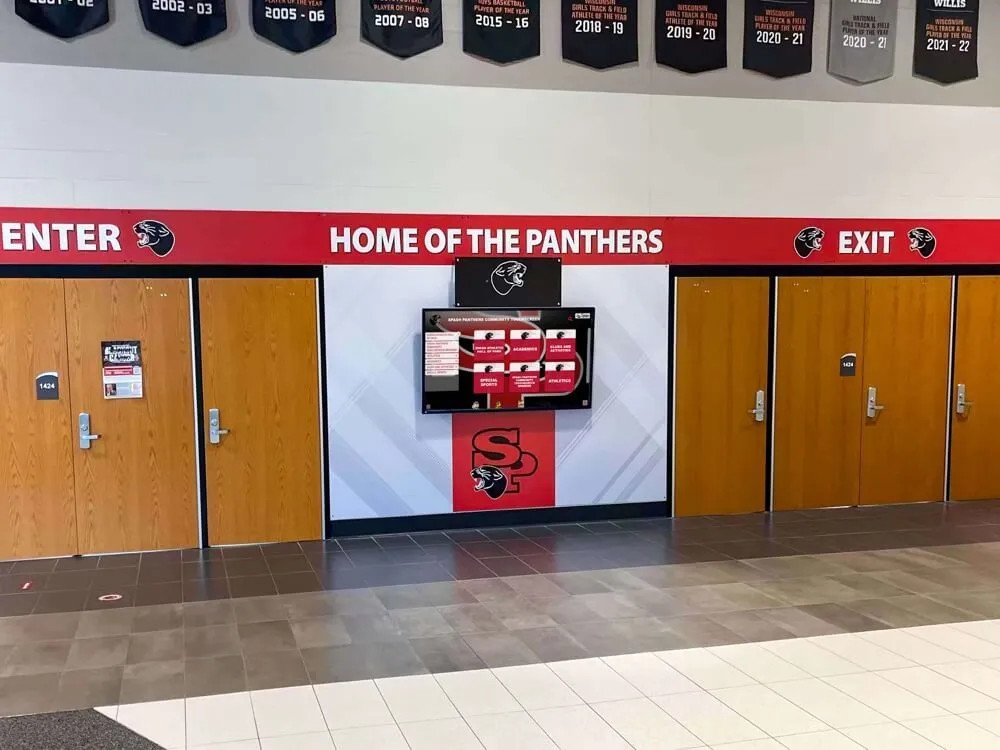
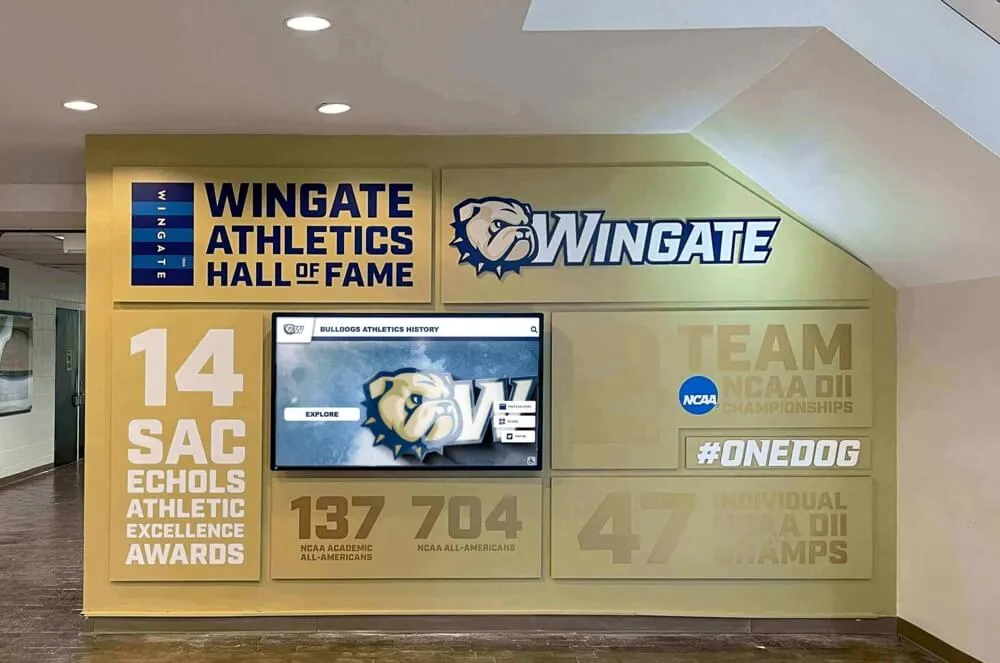
Strategic placement in arena lobbies and athletic facility hallways ensures hockey recognition reaches families, alumni, and community members throughout seasons
Transformative Benefits for JV Hockey Programs and Players
Digital touchscreen recognition delivers substantial advantages specifically addressing junior varsity program needs and developmental athlete recognition challenges.
Creating Equitable Recognition Across Competitive Levels
The most significant benefit addresses the fundamental disparity between varsity and JV visibility:
Traditional Recognition Hierarchy
Conventional approaches create troubling patterns:
- Physical space constraints force selective recognition favoring varsity accomplishments exclusively
- Limited budget allocations prioritize varsity celebration with JV receiving minimal investment
- Recognition decisions made by varsity coaches potentially overlooking developmental program achievements
- Trophy case space filled with varsity hardware leaving no room for JV accomplishments
- Historical archives documenting only varsity seasons while JV records disappear
- Permanent installations featuring only varsity athletes creating perception JV contributions don’t matter
- Community awareness focused on varsity results with minimal understanding of JV program quality
- Recruitment messaging emphasizing varsity success while developmental opportunities receive less attention
These limitations communicate implicit messages about whose athletic contributions deserve celebration—potentially undermining motivation, team cohesion, and continued participation during crucial developmental periods when recognition most significantly impacts athletic identity formation and commitment to sustained excellence pursuit.
Digital System Solutions
Interactive touchscreens eliminate capacity constraints entirely:
- Unlimited profiles showcasing every player across varsity, JV, and freshman teams simultaneously
- Equal content depth ensuring JV players receive recognition quality matching varsity displays
- Identical interface design providing seamless navigation between competitive levels without hierarchy
- Complete season documentation preserving JV statistics, rosters, and achievements permanently
- Highlight video integration featuring memorable JV moments with equal production quality
- Coach testimonials emphasizing JV player development and individual improvement narratives
- Alumni tracking showing successful progression from JV to varsity to college hockey careers
- Multi-year documentation revealing how most successful varsity players developed through JV experience
Athletic directors implementing comprehensive recognition report measurable cultural shifts—with JV players expressing genuine appreciation that their efforts receive visibility comparable to varsity teammates, parents noting institutional commitment to comprehensive athlete development, and coaches observing improved team cohesion across competitive levels when all athletes feel equally valued and celebrated.
Building Program Unity and Culture
Equitable recognition strengthens overall hockey program culture:
- Varsity players see their own JV experiences celebrated maintaining connection to developmental programs
- JV players observe clear progression pathways from freshman to JV to varsity levels
- Younger athletes develop aspirational goals through visible achievement progression models
- Families appreciate comprehensive program investment beyond varsity-only focus
- Alumni maintain engagement across all competitive levels they experienced during careers
- Coaches demonstrate commitment to every athlete regardless of current competitive tier
- Community members gain appreciation for program depth and developmental quality
- Recruiting appeals strengthen through evidence of comprehensive player development commitment
Research on athletic program culture consistently identifies organizational commitment to equitable recognition as critical factor influencing team cohesion, player retention, and sustained competitive excellence across all levels. When athletes feel genuinely valued regardless of competitive tier, programs develop stronger cultures supporting individual development and collective success.
Learn about approaches to high school hockey recognition programs that celebrate specific positions and achievements.
Engaging Families and Building Community During Games
Interactive displays transform game day experiences for families and community members:
Enhanced Parent and Family Experience
Touchscreens create meaningful engagement opportunities:
- Pre-game arrival exploration while waiting for puck drop enables family discovery beyond their player
- Player profile browsing revealing teammate backgrounds, statistics, and personal stories
- Historical team exploration during intermissions between periods providing entertainment and education
- Comparison features enabling families to contextualize current season within program history
- Photo galleries showing candid moments from practices, games, and team bonding activities
- Video highlight browsing featuring individual accomplishments and memorable team moments
- Alumni discovery where families explore players who progressed to college or professional hockey
- Social sharing capabilities enabling families to celebrate their athlete’s recognition broadly
Parents consistently report that interactive recognition enhances game attendance satisfaction—transforming potentially monotonous waiting periods before games and between periods into engaging experiences that strengthen connection to programs beyond their own children while building appreciation for comprehensive team talent and program heritage.
Community Engagement and Program Promotion
Digital recognition strengthens broader community relationships:
- Community members attending games gain deeper understanding of program quality and player dedication
- Youth hockey families evaluating high school programs access comprehensive evidence of developmental commitment
- Local media representatives research player backgrounds and statistics for coverage and feature stories
- Alumni attending games explore current rosters comparing contemporary players to their own eras
- Tournament visitors from opposing schools experience host program culture and tradition
- Booster organization members promote program excellence through shareable digital content
- Facility rental groups including youth leagues and adult recreation programs encounter recognition displays
- Prospective student-athletes visiting during recruiting process evaluate program culture authentically
Schools implementing prominent digital recognition in hockey facilities report measurable increases in community engagement, youth program enrollment, booster membership, and facility rental revenue as accessible athletic heritage creates emotional connections driving broader institutional support and involvement.
Tournament and Special Event Value
Interactive displays provide unique benefits during tournaments:
- Host tournament promotion showcasing program heritage to visiting teams and families
- Championship documentation preserving memorable team achievements and individual performances
- Alumni weekend integration enabling former players to explore current program status
- Awards ceremony enhancement displaying honorees’ complete profiles during recognition
- Recruiting showcase events providing comprehensive program information for prospective athletes
- Community open houses demonstrating program quality and institutional investment to broader audiences
- Youth hockey day integration inspiring younger players through high school program visibility
These applications multiply recognition investment value beyond regular season game experiences to support broader program promotion, community engagement, and institutional advancement goals throughout athletic departments.
Explore comprehensive approaches to state championships display strategies that celebrate tournament success across competitive levels.
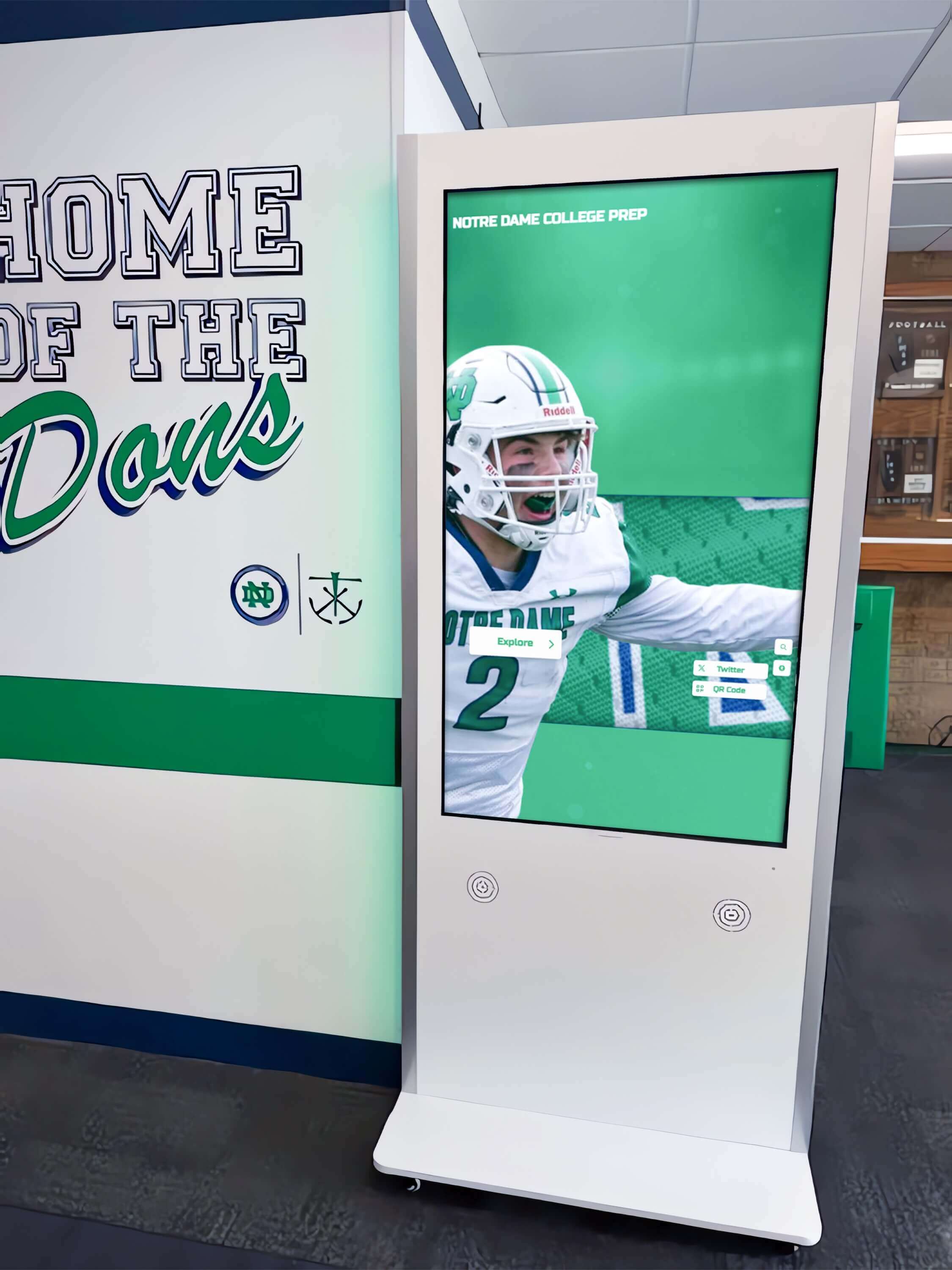
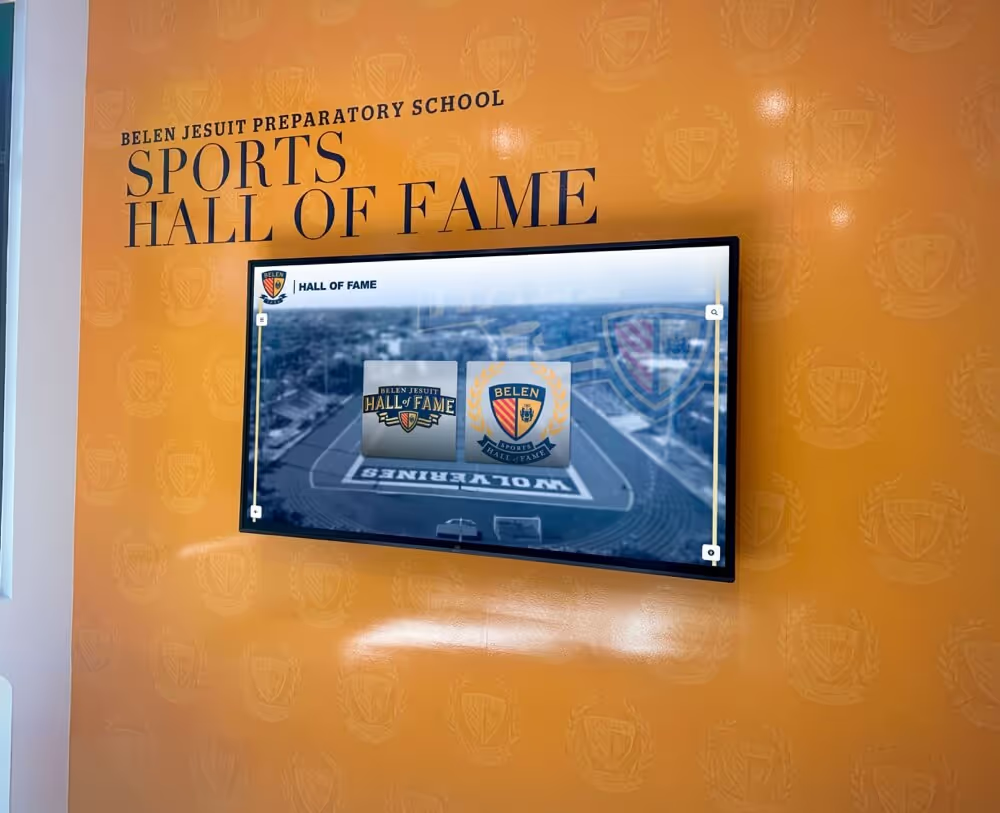
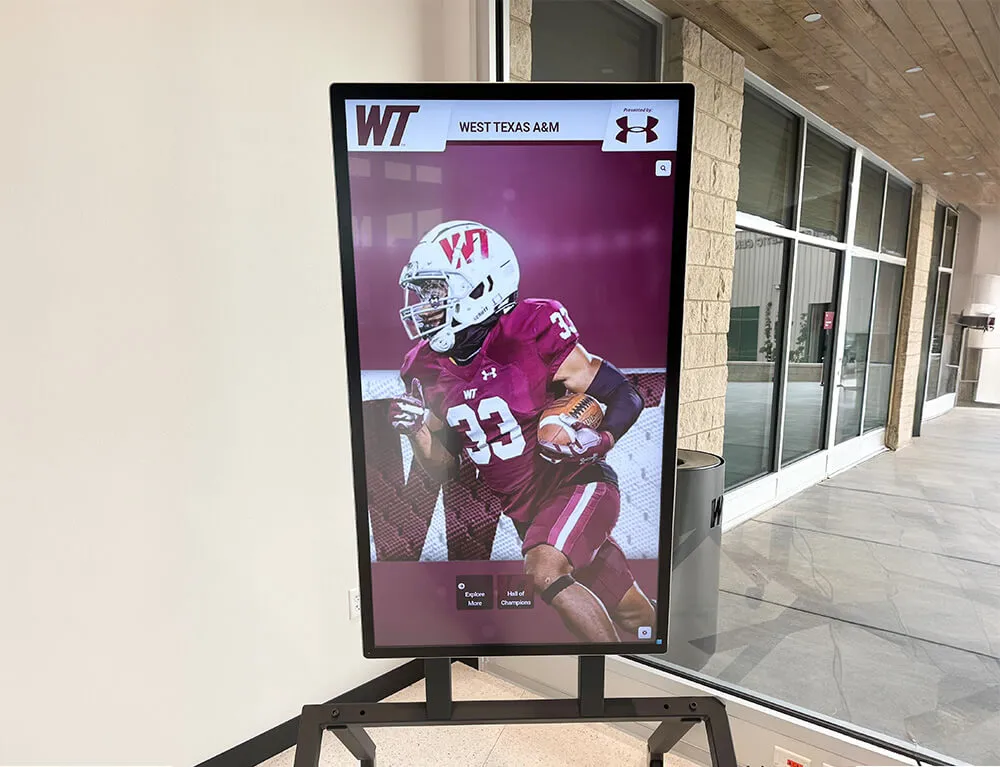
Professional kiosk installations create complete recognition solutions without requiring wall mounting or extensive facility modifications in hockey arenas
Preserving Complete Program Heritage and Player Development
Digital systems create permanent institutional memory across all competitive levels:
Historical Archive Preservation
Comprehensive documentation prevents common heritage loss:
- Complete team rosters across decades preserving every player regardless of playing time or statistics
- Season records and statistics that typically disappear when coaches retire or files misplace
- Championship team documentation often lost during facility renovations or staff transitions
- Individual player achievement records frequently forgotten as years pass and memories fade
- Team photographs and game highlights commonly degraded by physical storage conditions
- Coach tenure records and milestone achievements occasionally overlooked in traditional recognition
- Program evolution documentation showing facility improvements and culture development over time
- Alumni career tracking revealing long-term player development outcomes and success patterns
Many hockey programs discover critical historical information lost when longtime coaches retire, record books disappear into storage, or facilities undergo renovation without preserving existing recognition. Digital systems create permanent institutional archives independent of individuals or physical materials—ensuring program heritage survives indefinitely regardless of personnel changes or facility modifications.
Player Development Documentation
Multi-year tracking reveals individual progression:
- Freshman year statistics and achievements providing baseline performance documentation
- JV season development showing skill improvement and increased statistical production
- Varsity progression demonstrating successful advancement and continued excellence
- Post-graduation tracking including college recruitment, NCAA participation, and beyond
- Statistical comparison across competitive levels revealing growth trajectories and improvement patterns
- Position changes and role evolution throughout high school careers
- Leadership development from younger team member to captain and mentor roles
- Academic-athletic integration showing scholar-athlete recognition alongside competitive achievements
This longitudinal documentation creates powerful narratives demonstrating that most successful varsity players developed through JV programs—providing compelling evidence of comprehensive developmental program quality that strengthens recruiting appeals and justifies continued investment in sub-varsity competition levels.
Coaching Legacy and Program Evolution
Recognition systems preserve coaching contributions:
- Complete tenure documentation for all coaches across competitive levels and eras
- Win-loss records and championship achievements throughout coaching careers
- Player development success stories highlighting athletes who advanced under specific coaching
- Program growth narratives showing facility improvements and culture evolution during tenures
- Philosophy and approach documentation through coach testimonials and reflections
- Mentor relationships revealing assistant coach progression to head coaching roles
- Alumni coach recognition celebrating former players returning to lead programs
- Multi-generational coaching families serving programs across decades
This comprehensive documentation honors coaching contributions appropriately while preserving institutional knowledge that informs future program decisions and maintains cultural continuity during inevitable coaching transitions.
Learn about strategies for finding and preserving school sports records that prevent heritage loss.
Motivating Current JV Players Through Visible Achievement Pathways
Recognition creates developmental motivation and clear progression models:
Aspiration and Goal-Setting
Visible recognition influences player development:
- JV players see former JV athletes now starring on varsity creating belief in progression possibility
- Statistical standards reveal performance levels required for advancement to higher competitive tiers
- Alumni profiles showing college and professional progression demonstrate long-term athletic pathways
- Multi-year development narratives illustrating how sustained effort produces skill improvement
- Position-specific progression models showing advancement pathways for each role
- Playing time evolution revealing how consistent practice and dedication earn increased opportunity
- Leadership role progression from younger player to captain demonstrating development beyond statistics
- Academic-athletic success stories showing how comprehensive excellence creates scholarship opportunities
Athletic development research consistently identifies visible achievement models as critical factors influencing motivation, persistence, and sustained effort during challenging developmental periods. When JV players see concrete evidence that their current position represents normal progression rather than dead-end status, they maintain commitment and effort required for continued improvement.
Recognition and Belonging
Psychological benefits strengthen retention and culture:
- Visible celebration creates genuine sense of belonging and value within programs
- Equal recognition across competitive levels demonstrates institutional commitment to all athletes equally
- Personal stories and photos transform players from roster names to valued individuals
- Family engagement through accessible recognition strengthens home support for athletic participation
- Peer recognition within schools elevates athletic identity and social status for JV athletes
- Coach testimonials communicate genuine appreciation for effort and dedication beyond statistics
- Alumni connections demonstrate lasting program relationships extending beyond competitive careers
- Multi-year documentation creates tangible legacy and lasting impact from athletic participation
Research on adolescent athletic participation consistently identifies recognition and belonging as primary factors influencing continued engagement, particularly during JV years when physical development, playing time limitations, and social pressures potentially undermine motivation. Comprehensive recognition addresses these challenges directly by demonstrating that every athlete matters regardless of current performance level or statistical production.
Explore approaches to student athlete recognition programs that celebrate commitments and achievements across sports.
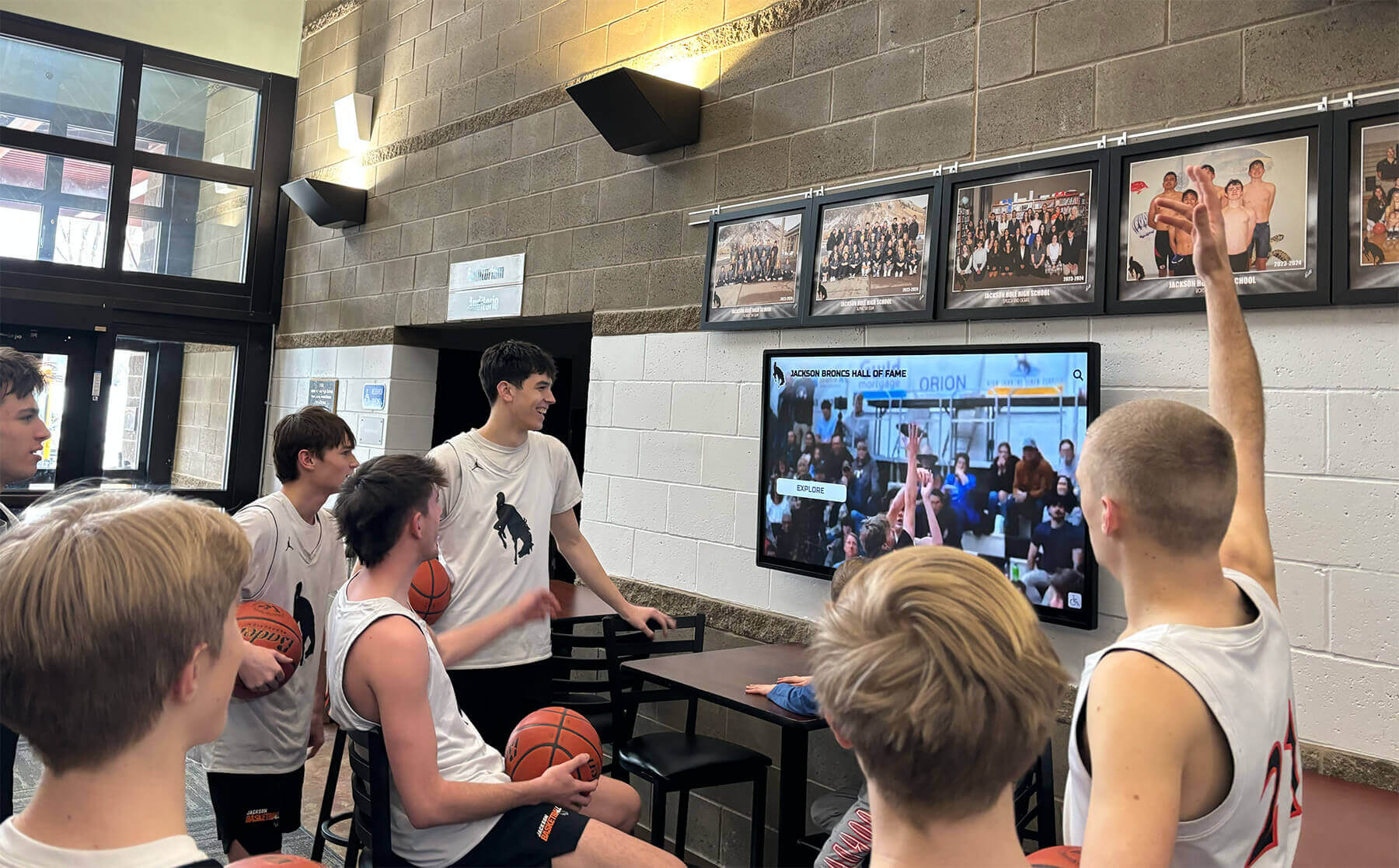
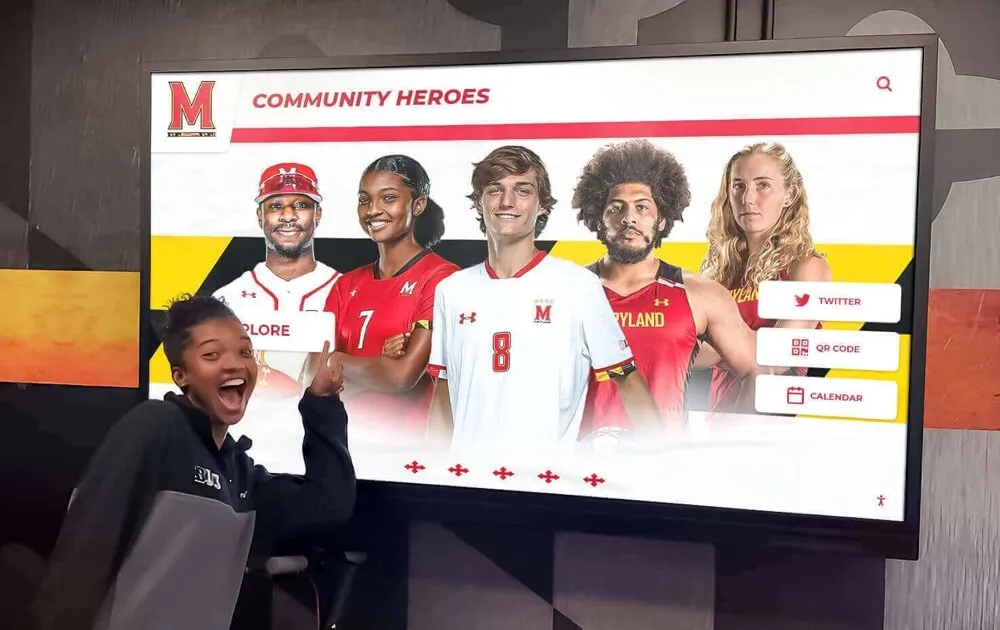
Interactive displays create natural gathering points where teammates explore achievements together, strengthening team culture and building program community
Implementation Strategies for JV Hockey Recognition
Successful programs require systematic planning ensuring touchscreen systems serve developmental athlete needs while remaining sustainable throughout seasons and coaching transitions.
Planning Recognition Program Scope and Content
Before selecting technology, clarify recognition objectives and content strategies:
Defining Program Goals
Clear objectives guide implementation decisions:
- Celebrate every JV hockey player appropriately and consistently regardless of playing time or statistics
- Create visible achievement progression from freshman to JV to varsity demonstrating development pathways
- Engage families during games through interactive exploration beyond passive spectating
- Preserve complete program heritage across all competitive levels preventing historical loss
- Strengthen recruitment by showcasing comprehensive developmental program quality and culture
- Build program unity and cohesion across competitive tiers through equitable recognition visibility
- Document individual player development creating portfolios supporting college recruitment efforts
- Support community engagement and booster organization growth through accessible program heritage
These objectives inform budget allocation, content depth, placement decisions, and success measurement—ensuring recognition investments deliver intended outcomes rather than simply installing impressive technology without clear purpose or strategic alignment.
Content Strategy Development
Comprehensive recognition requires systematic content planning:
Essential Player Profile Elements
- Official name and preferred nickname or identity
- Jersey number and position(s) played throughout career
- Grade level and graduation year for context
- Professional photograph or action image from games
- Season statistics including goals, assists, points, plus-minus, penalty minutes
- Career totals and multi-year progression showing development
- Personal background including hometown, youth hockey history, other sports played
- Academic achievements and honors demonstrating student-athlete excellence
- Post-graduation plans including college commitments and career aspirations
- Personal statement or favorite memory from season creating individual voice
Team-Level Content
- Complete rosters for current and historical seasons
- Season records, schedules, and results documentation
- Championship achievements and tournament performances
- Team photographs from games, practices, and bonding events
- Video highlight compilations from memorable games and moments
- Coach profiles and testimonials about team chemistry and development
- Season narratives explaining challenges, growth, and memorable experiences
- Line combinations and player role evolution throughout seasons
Program-Wide Recognition
- Historical timelines showing program evolution across decades
- Facility improvements and arena development documentation
- Coaching legacy recognition across all competitive levels
- Alumni success stories including college and professional progression
- Championship banners and achievement milestones across all tiers
- Community impact and engagement initiatives programs undertake
- Academic excellence celebrating scholar-athlete achievements systematically
- Character recognition including sportsmanship awards and leadership development
This comprehensive approach ensures recognition serves multiple purposes—celebrating current athletes, preserving program heritage, supporting recruitment, and engaging broader communities effectively.
Learn about comprehensive approaches to digital trophy walls that complement individual player recognition systems.
Selecting Appropriate Technology and Placement
Hardware and location decisions determine engagement and long-term sustainability:
Display Specifications for Hockey Environments
Arena and facility contexts require specific considerations:
Recommended Display Sizes
- 55-65 inch displays: Most common for arena lobby installations balancing visibility and cost
- 65-75 inch displays: Ideal for large gathering spaces and tournament viewing areas
- 75-86 inch displays: Premium installations creating impressive focal points in renovated facilities
- Multiple smaller displays: Distributed strategy reaching different facility areas and programs
Technical Requirements
- Commercial-grade panels rated for 50,000+ continuous operation hours
- Capacitive touch technology providing smartphone-like responsiveness and durability
- 4K resolution ensuring crisp text and photography at larger display sizes
- High brightness (350-500 nits) overcoming bright arena lighting conditions
- Protective tempered glass resistant to accidental impact in public spaces
- Vandalism-resistant enclosures or professional mounting in supervised areas
- Reliable WiFi or Ethernet connectivity for content management and updates
- Adequate electrical infrastructure with dedicated circuits preventing interruptions
Strategic Placement Considerations
Location significantly impacts recognition value and engagement:
Primary Installation Locations
- Main arena entrance lobbies greeting all visitors immediately upon arrival
- Concession stand areas where families gather during intermissions between periods
- Locker room hallways connecting to ice surface creating pre-game player visibility
- Athletic facility main entrances serving multiple sports and programs simultaneously
- Hockey team gathering areas where players and families congregate before games
- Alumni and booster club spaces engaging supporters and fundraising donors
- Community skating rink lobbies serving youth programs and recreational users
- Athletic director offices providing recruiting showcase during prospective family visits
Environmental Optimization
- Lighting evaluation ensuring displays remain visible without glare from windows or arena lighting
- Positioning avoiding direct sight lines to sun during afternoon games causing washout
- Adequate space in front for multiple simultaneous users and group viewing
- ADA-compliant mounting heights ensuring wheelchair accessibility and inclusive design
- Integration with existing trophy cases and recognition creating comprehensive installations
- Traffic flow consideration maximizing visibility during peak arrival and departure periods
- Electrical and network infrastructure proximity minimizing installation complexity and cost
- Security considerations including camera coverage and vandalism prevention in unsupervised areas
Schools should conduct site surveys evaluating viewing environments, traffic patterns, infrastructure availability, and security needs before finalizing placement decisions—preventing expensive problems after installation when solutions become difficult and costly.
Explore considerations for touchscreen TV athletic information displays that serve multiple sports and programs.
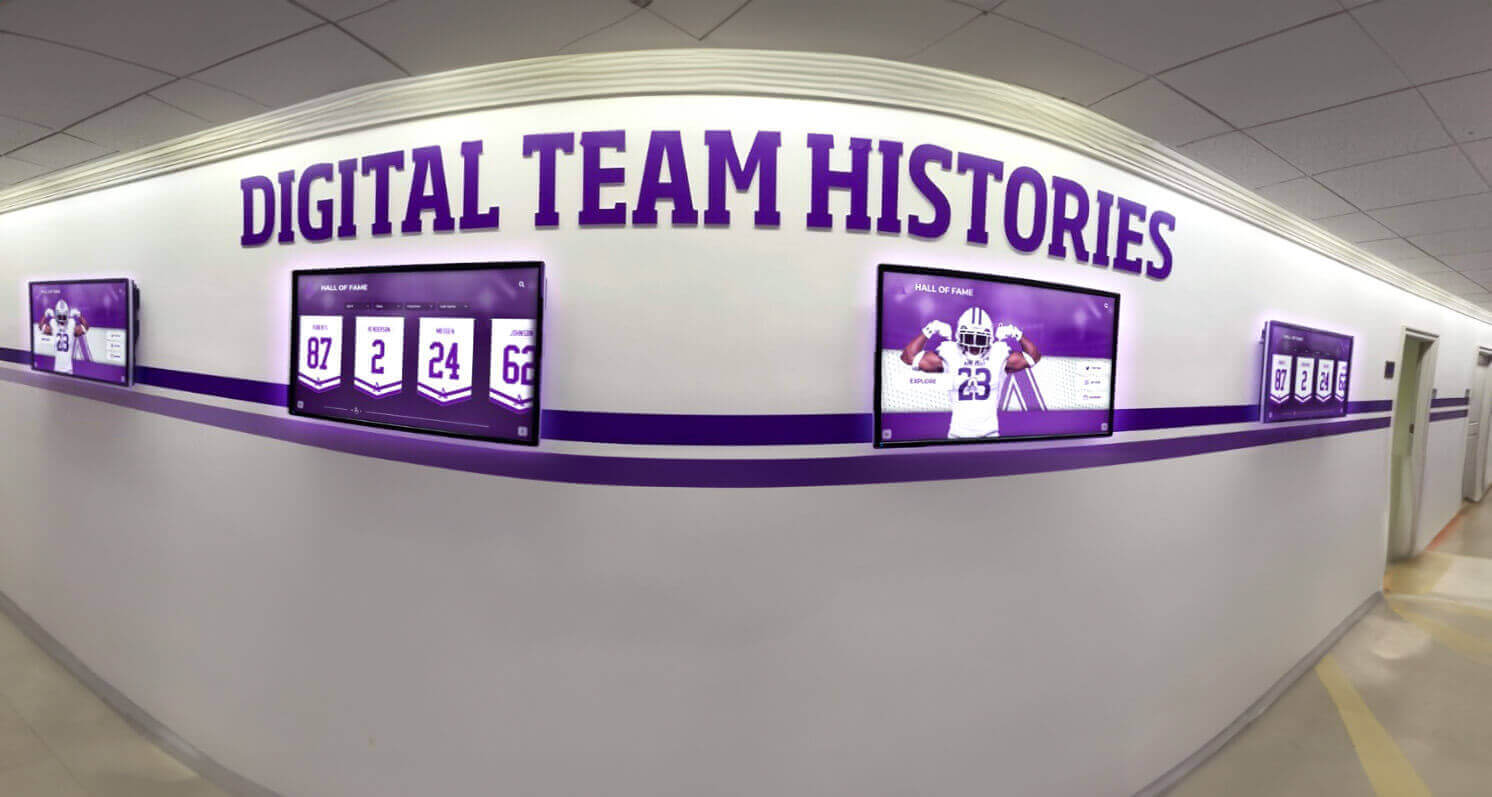
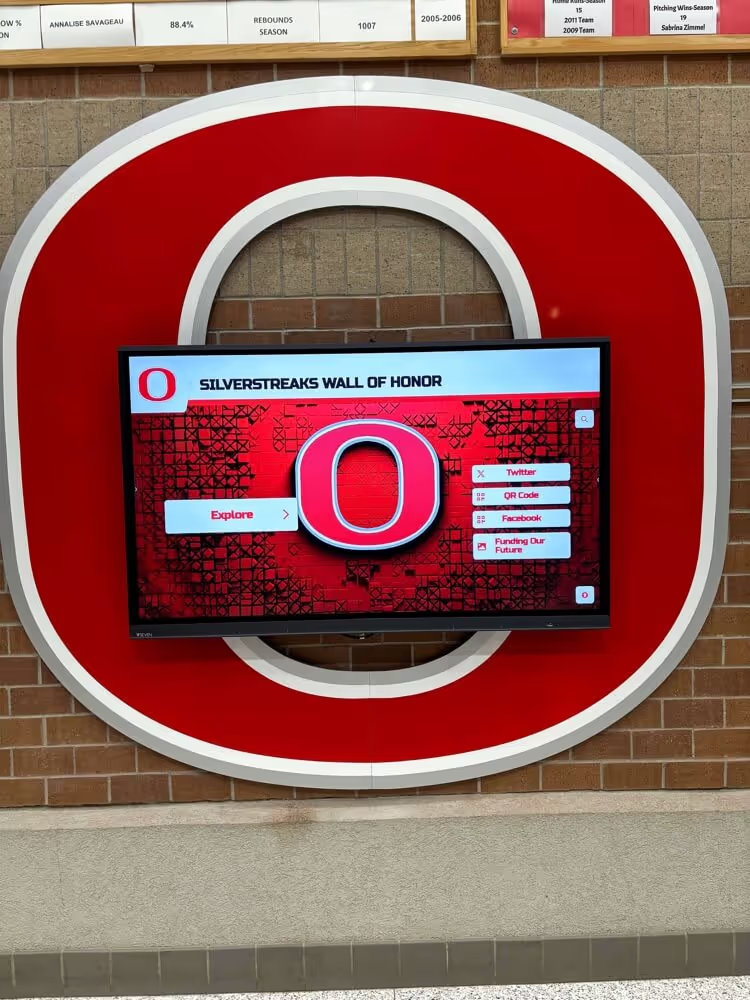
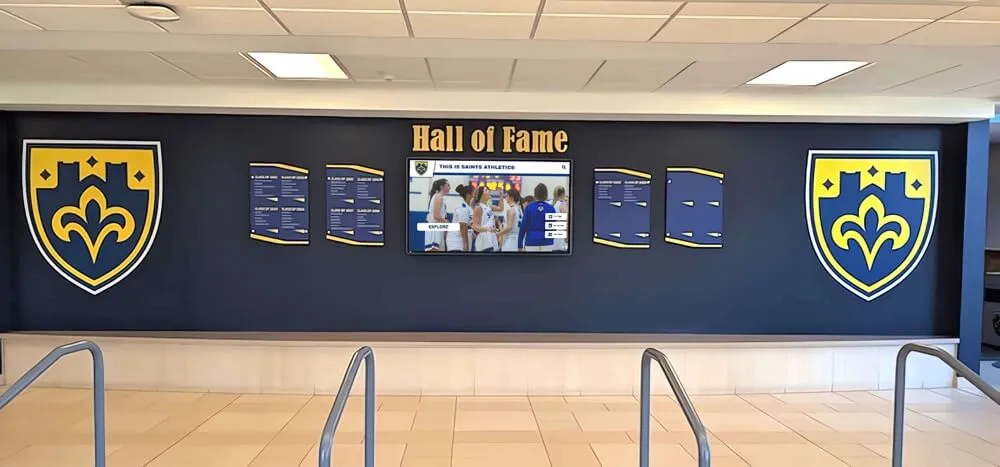
Multiple coordinated displays create impressive recognition installations celebrating various sports and achievement categories throughout facilities
Content Development and Initial Population
Engaging displays require comprehensive, high-quality content from launch:
Player Information Gathering
Systematic data collection ensures completeness:
Essential Data Points
- Official roster information from coaching staff or athletic department
- Player statistics from scorekeeping software or manual game tracking
- Professional photographs from team photo days or action shots from games
- Biographical information through player questionnaires or parent submissions
- Academic honors from counseling office or school recognition programs
- Multi-sport participation from athletic department comprehensive records
- Previous season information for returning players showing progression
- Post-graduation plans from college counseling or direct player communication
Content Collection Strategies
- Coach collaboration assigning roster management to head coaches for accuracy
- Player questionnaires distributed during preseason collecting biographical information
- Parent photo submissions gathering candid images beyond formal team photos
- Yearbook coordination obtaining quality portraits and action photography
- Athletic trainer collaboration documenting injuries and recovery narratives humanizing experiences
- Assistant coach contributions providing position-specific insights and player development notes
- Student manager involvement assisting with data entry and photo organization
- Alumni outreach gathering historical information for archival team documentation
Historical Archive Development
Launch with substantial heritage content creating immediate depth:
- Previous season rosters and statistics from recent years providing context
- Championship team documentation from program history creating pride and tradition
- Alumni success stories tracking post-graduation achievements and college careers
- Facility evolution photographs showing arena improvements and program growth
- Coaching tenure documentation honoring all coaches across program history
- Milestone achievement recognition including scoring records and goaltending feats
- Historical team photographs from yearbooks, media coverage, and family archives
- Program narrative development explaining culture, values, and tradition evolution
Comprehensive initial content creates immediate engagement demonstrating platform value rather than disappointing early users with sparse collections. Many successful programs invest 2-4 months in content development before public launch ceremonies—ensuring sufficient depth to justify technology investment and generate sustained exploration during initial game experiences.
Photography Standards and Media Quality
Visual content quality significantly impacts engagement:
Image Requirements
- Minimum 1000x1000 pixel resolution ensuring clarity on large displays
- Professional lighting and composition creating polished presentation
- Consistent style across players maintaining cohesive appearance
- Action photography capturing authentic game moments and expressions
- Candid team images showing camaraderie and program culture
- Historical photograph restoration and digitization for archival content
- Photo release permissions secured appropriately through established school processes
Video Content Enhancement When resources permit, multimedia creates substantially stronger engagement:
- Game highlight compilations featuring memorable plays and moments
- Player introduction videos for senior recognition or special ceremonies
- Coach message videos explaining program philosophy and values
- Behind-the-scenes content from practices and team bonding activities
- Championship game footage preserving historic achievements comprehensively
- Interview segments with players discussing experiences and growth
- Skill development progressions showing improvement across seasons
Schools should start with comprehensive photo-based recognition and add video enhancements as resources permit rather than delaying launches waiting for complete multimedia production.
Learn about approaches to digitizing varsity letters and awards that complement player profile recognition.
Launch, Promotion, and Sustained Management
Effective promotion maximizes awareness while sustainable workflows ensure long-term success:
Launch Event Planning
Public unveiling creates memorable community experiences:
- Timing coordinated with JV hockey game maximizing family attendance
- Invitations to current players, families, alumni, and booster organization members
- Hockey coach remarks emphasizing comprehensive recognition commitment to all players
- Athletic director statements positioning recognition within broader equity initiatives
- Interactive demonstrations enabling attendees to explore displays and discover features
- Photo opportunities for families with their player’s profile displayed prominently
- Social media coverage extending event reach beyond physical attendees
- Local media invitations highlighting institutional athletic program investment and quality
Successful launches position touchscreen recognition as significant program investment in comprehensive athlete development rather than simply new technology installation—building community awareness and establishing expectations for ongoing content quality and engagement.
Multi-Channel Promotion
Systematic communication ensures community awareness:
Social Media Campaigns
- Individual player feature posts with profile screenshots and biographical highlights
- Video demonstrations showing touchscreen navigation and exploration capabilities
- Behind-the-scenes content about recognition program development and content creation
- Player testimonials about what comprehensive recognition means personally
- Family reactions to discovering their athlete’s profile and program heritage
- Alumni engagement posts where former players explore current team rosters
- Comparison content showing evolution from paper rosters to digital recognition
Athletic Program Communication
- Email announcements to hockey families with direct links to web-accessible player profiles
- Athletic department newsletters featuring recognition program launches and updates
- Morning school announcements promoting display location and encouraging exploration
- Website homepage features celebrating comprehensive athletic recognition investment
- Parent booster meeting presentations demonstrating recognition capabilities and content
- College counseling integration highlighting recognition as portfolio documentation for recruitment
Game Day Integration
- PA announcements during games directing families to touchscreen locations
- Program insert cards with QR codes linking to web-accessible recognition
- Intermission activities encouraging families to explore displays between periods
- Post-game coach mentions recognizing players featured in digital profiles
- Tournament host communication promoting recognition to visiting teams and families
- Senior night integration featuring graduating players’ complete career profiles
- Awards ceremony coordination displaying honorees’ profiles during recognition presentations
This multi-channel approach ensures touchscreen recognition reaches all constituencies rather than remaining unknown resource despite substantial investment and comprehensive content development.
Ongoing Content Management
Sustainable programs require systematic maintenance:
Regular Update Schedule
- Roster additions when new players join teams mid-season
- Statistics updates weekly or bi-weekly throughout season
- Photograph additions after games and special events
- Achievement recognition when milestones occur during season
- Post-season content updates documenting final statistics and achievements
- Off-season alumni additions tracking college commitments and career updates
- Summer facility improvements documenting arena renovations and program growth
- Annual historical additions expanding archival content gradually over time
Workflow Distribution
- Head coach responsibility for roster accuracy and primary content
- Assistant coach contributions for position-specific insights and player development notes
- Student manager assistance with statistics entry and photograph organization
- Athletic department oversight ensuring quality standards and timely publication
- Parent volunteer opportunities for historical archive research and photo digitization
- Alumni engagement gathering post-graduation updates and career progression information
Clear responsibility assignment with documented procedures ensures recognition remains current and comprehensive despite coaching changes, staff transitions, and evolving program priorities—creating sustainability that prevents well-intentioned programs from fading due to management burden overwhelming available capacity.
Explore comprehensive strategies for athletic program digital storytelling that create engaging narratives around achievements.
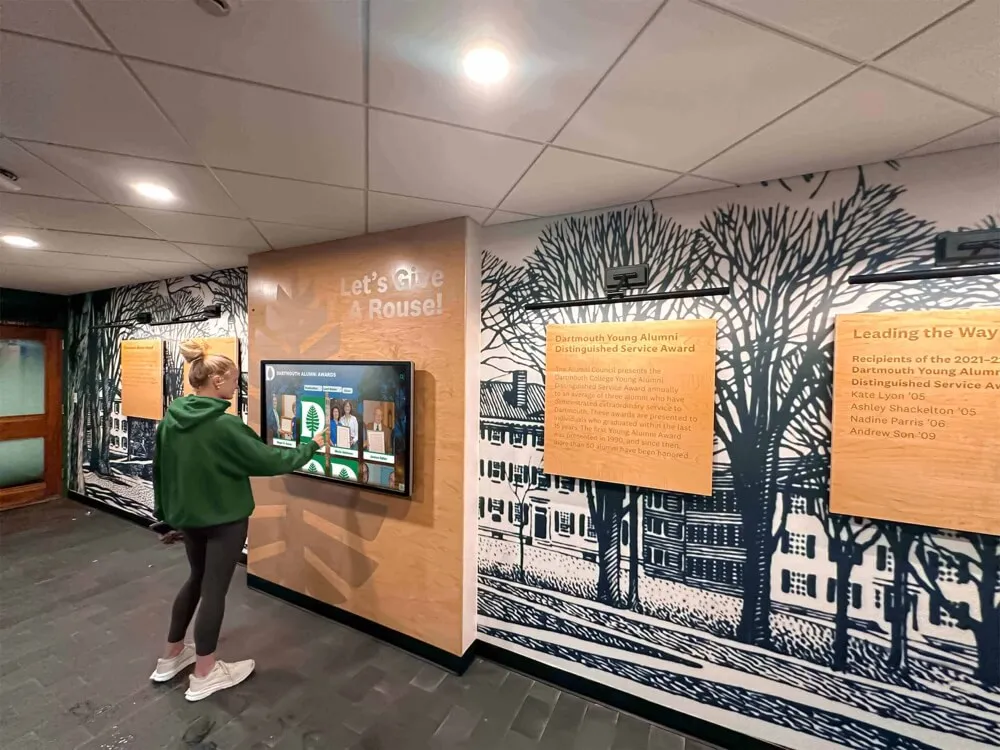
User-friendly interfaces enable coaches, families, and visitors to confidently navigate recognition without technical expertise or training requirements
Measuring Success and Recognition Program Impact
Systematic assessment ensures touchscreen recognition achieves intended goals and delivers value justifying continued investment.
Quantitative Engagement Metrics
Objective measurement includes:
Display Interaction Data
- Total touchscreen engagements tracking how many times displays are used
- Average session duration indicating depth of content exploration
- Peak usage times revealing when families most frequently interact
- Popular content identification showing which players or teams generate most interest
- Search query analysis revealing what visitors seek when exploring recognition
- Repeat visitor patterns indicating sustained community engagement beyond single uses
Web Platform Analytics
- Total page views showing extended reach beyond physical display location
- Unique visitors indicating size of engaged community exploring recognition remotely
- Geographic distribution revealing local, regional, or national reach
- Device types showing smartphone, tablet, or desktop access patterns
- Social sharing frequency measuring how often families celebrate achievements publicly
- Referral sources identifying how visitors discover web-accessible recognition
Program Participation Metrics
- JV roster size trends showing whether retention improves after recognition implementation
- Tryout participation rates indicating whether program visibility attracts additional athletes
- Multi-season participation tracking players who continue from JV to varsity levels
- Transfer student enrollment patterns showing whether hockey recognition influences school choice
- Youth program enrollment in feeder organizations potentially influenced by visibility
- Alumni engagement measured through returning visitor frequency and reunion attendance
Qualitative Impact Assessment
Complement quantitative data with stakeholder feedback:
Player Perspectives
- Recognition awareness and appreciation surveys measuring whether athletes notice displays
- Belonging and value perceptions assessing whether recognition strengthens team culture
- Motivation impact evaluating whether visibility influences effort and commitment
- Equity perceptions measuring whether JV players feel appropriately celebrated
- Family engagement observations noting whether recognition increases parent involvement
- Pride and identity connection to program strengthening through visible celebration
Family and Community Feedback
- Parent satisfaction with comprehensive recognition versus previous approaches
- Game experience enhancement measuring whether displays improve attendance satisfaction
- Community pride and connection to program through accessible heritage
- Prospective family perceptions during recruiting process and campus visits
- Alumni engagement and nostalgia connection maintaining institutional relationships
- Booster organization membership trends potentially influenced by program visibility
Coaching Staff Assessment
- Administrative sustainability evaluating whether content management remains feasible long-term
- Recruitment effectiveness measuring whether recognition strengthens player development narratives
- Program culture impact observing team cohesion and morale changes
- Retention influence tracking whether recognition affects player decisions to continue participation
- Time investment analysis ensuring management burden remains reasonable
- Technical support adequacy evaluating whether assistance meets needs
Continuous Improvement Integration
Use assessment data systematically:
- Annual review of engagement metrics identifying trends and usage patterns
- Content strategy refinement based on popular player profiles and explored content
- Placement optimization if analytics reveal suboptimal visibility or accessibility
- Enhancement opportunities including video content, additional displays, or feature additions
- Communication improvements addressing awareness gaps preventing full utilization
- Budget justification for renewals and expansion using quantitative impact evidence
Regular systematic assessment enables continuous improvement ensuring recognition evolves with program needs while demonstrating investment value to administrators, boards, and community stakeholders—building support for sustained commitment and potential expansion to additional sports or recognition categories.
Learn about approaches to digital recognition program assessment and success measurement strategies.
Cost Considerations and Investment Planning
Understanding complete financial requirements helps programs budget appropriately and secure necessary resources.
Initial Investment Components
Digital recognition implementation includes several cost categories:
Hardware Investment
Display equipment pricing varies by size and specifications:
- 55-65 inch commercial touchscreen display: $5,500-9,000 typically
- 65-75 inch commercial touchscreen display: $8,000-14,000 for larger spaces
- Freestanding kiosk enclosure: $1,800-4,500 additional if preferred over wall mounting
- Professional installation services: $800-3,000 depending on facility and mounting complexity
- Network infrastructure upgrades if needed: $1,200-4,000 for cabling and connectivity
- Extended warranty coverage: $500-1,500 annually optional for protection beyond standard warranties
Rocket Alumni Solutions Platform Investment
Comprehensive recognition software designed specifically for athletics:
- Initial setup and platform access: Typically included in first year subscription
- Annual subscription fees: $2,000-5,000 depending on features and school size
- Custom design and school branding: Often included in setup
- Training and implementation support: Typically provided as part of onboarding
- Ongoing software updates and new features: Included in annual subscription automatically
- Web platform access and mobile optimization: Included rather than additional charges
- Technical support and assistance: Comprehensive support typically included
Rocket Alumni Solutions provides predictable subscription pricing including athletic-specific software, training resources, ongoing support, and web accessibility from unified systems designed specifically for schools rather than generic digital signage requiring adaptation.
Content Development Investment
Launch preparation requirements:
- Historical archive collection and verification: $2,000-6,000 professional services or internal staff time
- Player photography gathering and processing: Internal staff time or $1,500-4,000 professional photography
- Initial profile creation and content entry: 40-80 hours staff time typically
- Video content production if desired: $2,000-6,000 optional enhancement
- Launch event and community promotion: $800-2,500 depending on scope
Content development represents substantial but essential investment determining engagement and program value. Programs can manage internally leveraging coaching staff or engage professional services depending on available time and expertise.
Total Initial Investment Range: $12,000-35,000 depending on display size, content development scope, and installation complexity.
Ongoing Annual Operational Costs
Annual expenses after initial implementation:
Platform Subscription and Services
- Rocket Alumni Solutions subscription: $2,000-5,000 annually for comprehensive features
- Cloud hosting and storage: Typically included in subscription
- Technical support and training: Included rather than additional charges
- Software updates and improvements: Included automatically
- Web platform maintenance: Included in subscription fees
Hardware Operation and Maintenance
- Routine cleaning and basic maintenance: Minimal custodial time monthly
- Extended warranty coverage: $500-1,500 annually if selected
- Display repair or component replacement: Covered by warranty during coverage period
- Energy costs for continuous operation: Approximately $80-200 annually per display
Content Management Labor
- Coach time for roster and statistics updates: 3-6 hours monthly during season
- Photography additions after games and events: Absorbed within athletic operations
- Administrative oversight ensuring timely updates: 2-4 hours monthly
- Historical content expansion: Optional ongoing archival development
Total Annual Operating Costs: $2,500-7,000 with most expenses being predictable subscription fees and minimal labor requirements.
Return on Investment Analysis
Digital recognition delivers value justifying investment:
Quantifiable Benefits
- 75-85% reduction in administrative time compared to manual program updates and roster management
- Elimination of printing costs for programs, rosters, and recognition materials
- Enhanced recruitment appeal through comprehensive evidence supporting developmental program quality
- Increased booster membership and donations from engaged community members
- Alumni engagement measurable through analytics and reunion attendance growth
- Tournament hosting revenue from enhanced facility reputation and program visibility
Non-Monetary Strategic Value
- Comprehensive JV recognition previously impossible within space and budget constraints
- Enhanced player motivation and retention through visible achievement celebration
- Strengthened program culture across competitive levels through equitable visibility
- Preserved institutional athletic memory protecting heritage from loss during transitions
- Improved recognition equity demonstrating commitment to all athletes regardless of tier
- Enhanced facility appearance reflecting program quality and institutional investment
- Competitive recruiting advantage versus programs using traditional limited recognition
Many schools find touchscreen recognition achieves cost-neutral operation within 4-6 years compared to traditional recognition approaches while delivering substantially superior capacity, engagement, and cultural impact throughout 10-20+ years of continuous operation.
Explore comprehensive approaches to athletic facility additions and enhancements that maximize recognition impact within available budgets.
Conclusion: Transforming JV Hockey Recognition Through Interactive Technology
Interactive touchscreen displays at high school JV hockey games represent far more than modern alternatives to traditional rosters—they enable fundamentally different approaches to athletic recognition that celebrate every player equitably regardless of competitive level, create engaging family experiences during games, preserve complete program heritage preventing historical loss, and transform hockey cultures from varsity-focused hierarchies into comprehensive developmental programs where every athlete receives appropriate visibility and celebration.
When athletic directors and hockey coaches thoughtfully implement Rocket Alumni Solutions touchscreen systems combining purpose-built recognition software with commercial-grade hardware and systematic content strategies, they create sustainable programs delivering lasting value to athletes, families, alumni, and communities. From display specifications and strategic placement to content development and ongoing management, each decision affects long-term success and cultural impact on player motivation, program retention, and community engagement.
Ready to explore how Rocket Alumni Solutions touchscreen technology can transform JV hockey recognition at your school? Modern interactive display systems help hockey programs celebrate comprehensive achievement while creating engaging game experiences and preserving competitive heritage across all levels without artificial space limitations forcing selective recognition.
Rocket Alumni Solutions provides comprehensive platforms specifically designed for athletic recognition, combining intuitive software with professional hardware recommendations and implementation support ensuring successful long-term programs. Their systems serve hundreds of schools nationwide, offering proven technology and expertise specifically addressing junior varsity recognition challenges and developmental program celebration needs that generic digital signage cannot adequately serve.
Whether establishing your first digital recognition system or enhancing existing athletic displays, the key is selecting technology aligned with comprehensive athlete celebration values, ensuring platforms provide features your specific program needs require, and implementing sustainable workflows within your operational capabilities and budget resources.
Your JV hockey players invest countless hours developing skills, building character, and representing your school with dedication. They deserve recognition technology that honors their contributions appropriately while creating meaningful engagement and lasting impact. With thoughtful planning, appropriate technology selection, comprehensive content development, and sustained commitment to equitable celebration, you can implement touchscreen recognition that motivates current athletes, engages broader communities, preserves hockey excellence, and eliminates the troubling hierarchies created by traditional varsity-only recognition approaches.
The most important consideration isn’t budget size, facility quality, or program history—it’s genuine commitment to celebrating every athlete equally regardless of competitive tier, systematic implementation ensuring consistent execution throughout seasons, and sustained effort making comprehensive recognition central to program culture rather than peripheral acknowledgment. Your JV players work just as hard as varsity athletes. Interactive touchscreen recognition makes equitable celebration achievable and sustainable, ensuring every hockey player receives the visibility and honor their dedication deserves while building program cultures supporting development, retention, and sustained excellence across all competitive levels for generations to come.