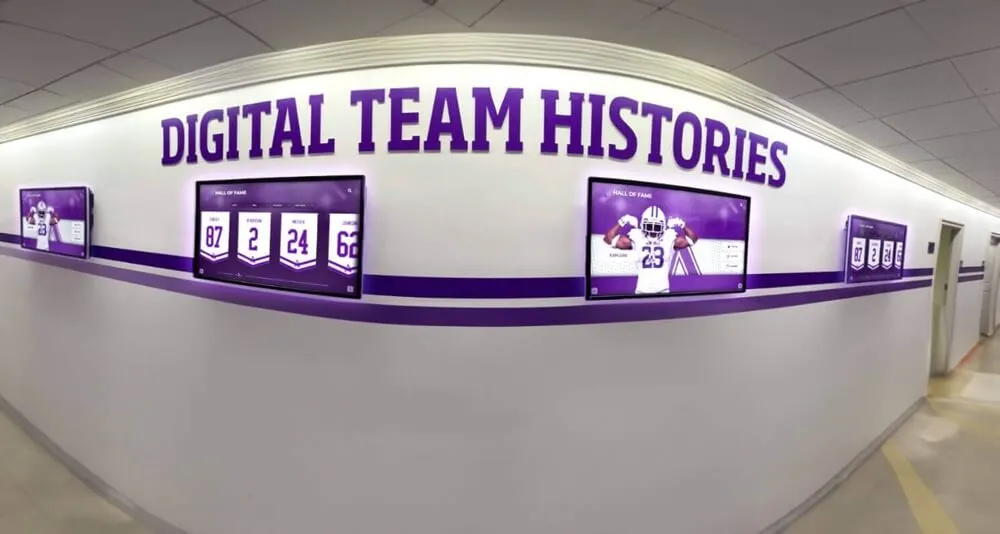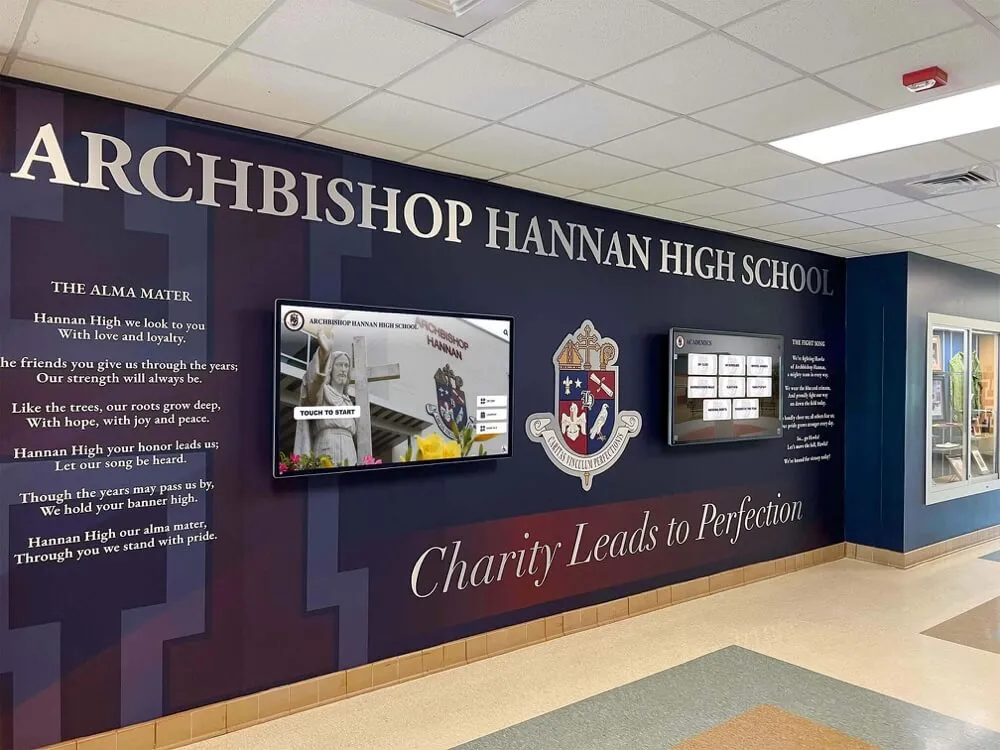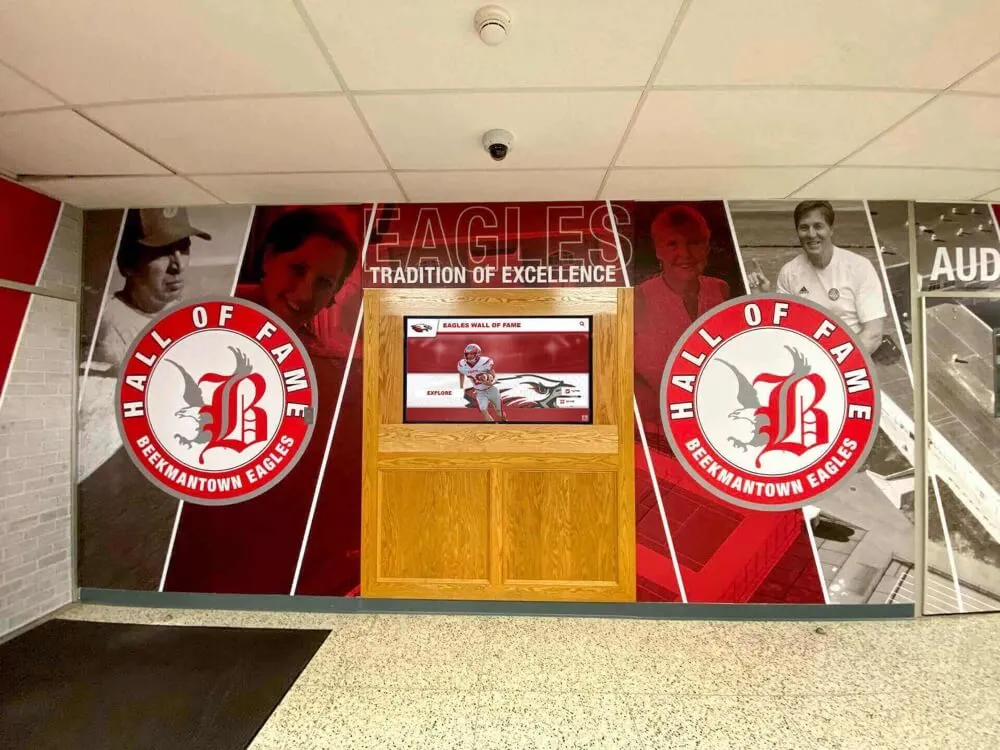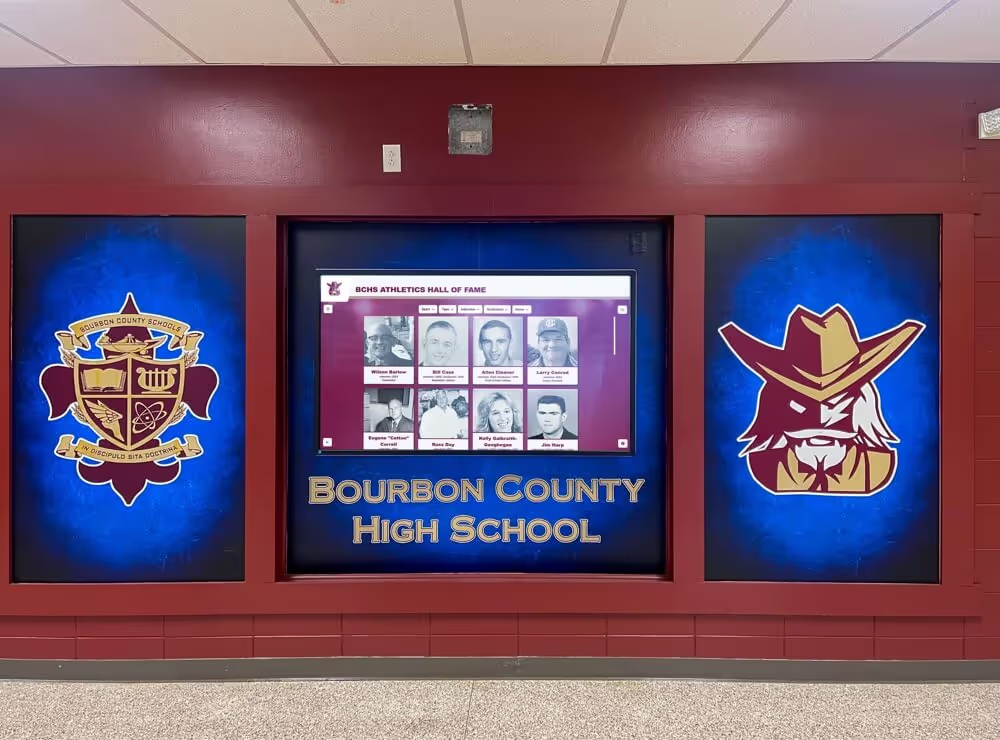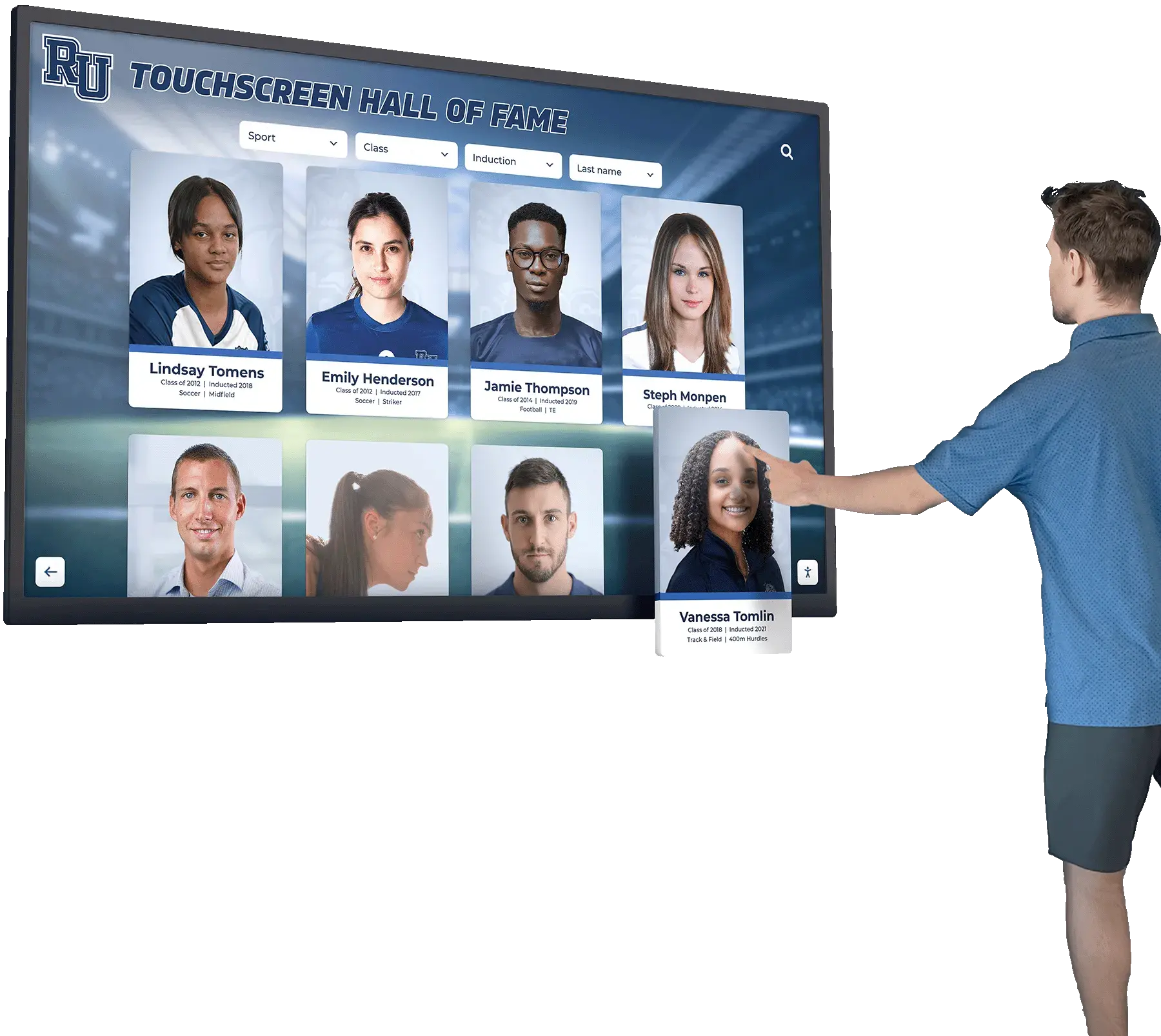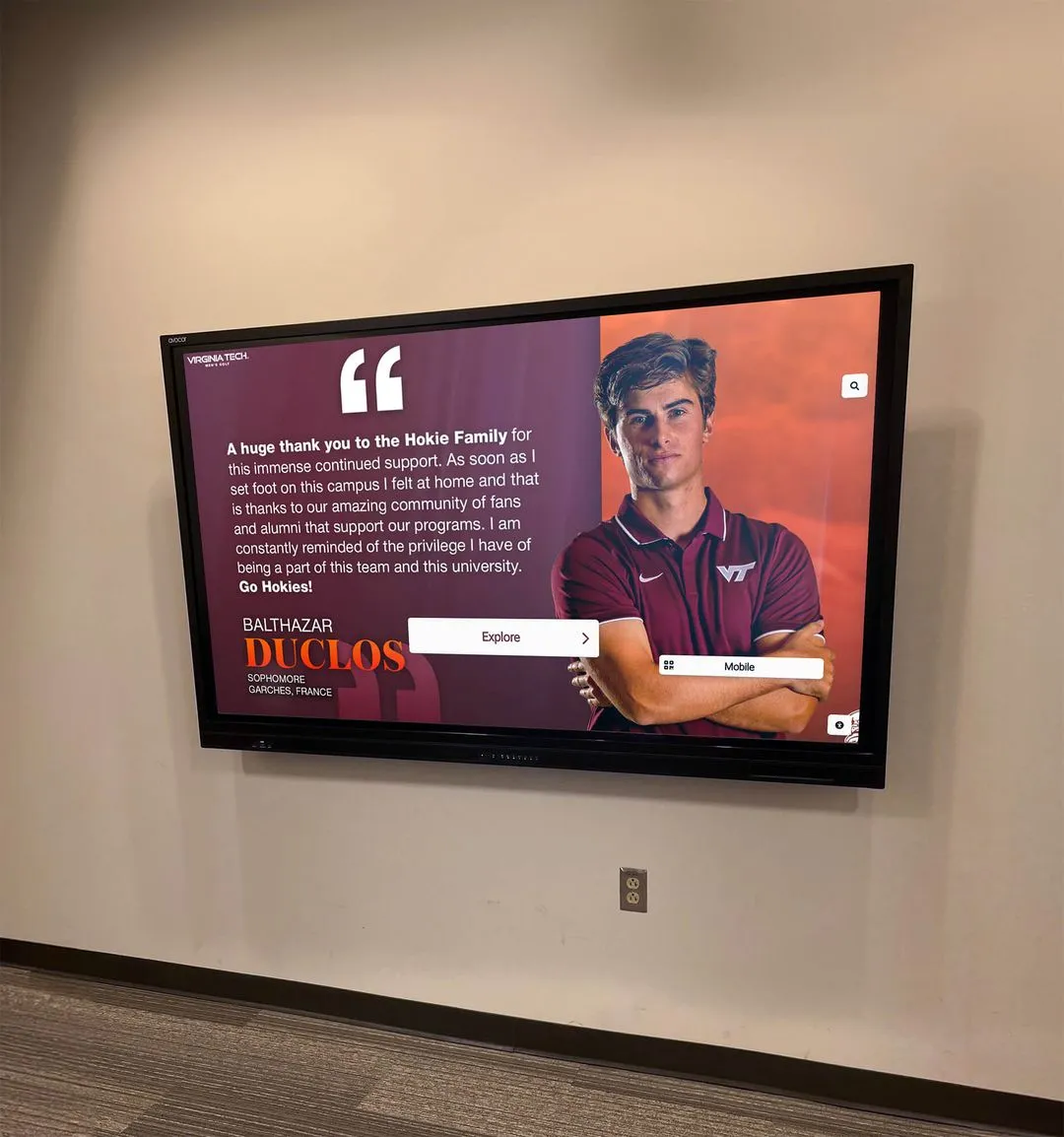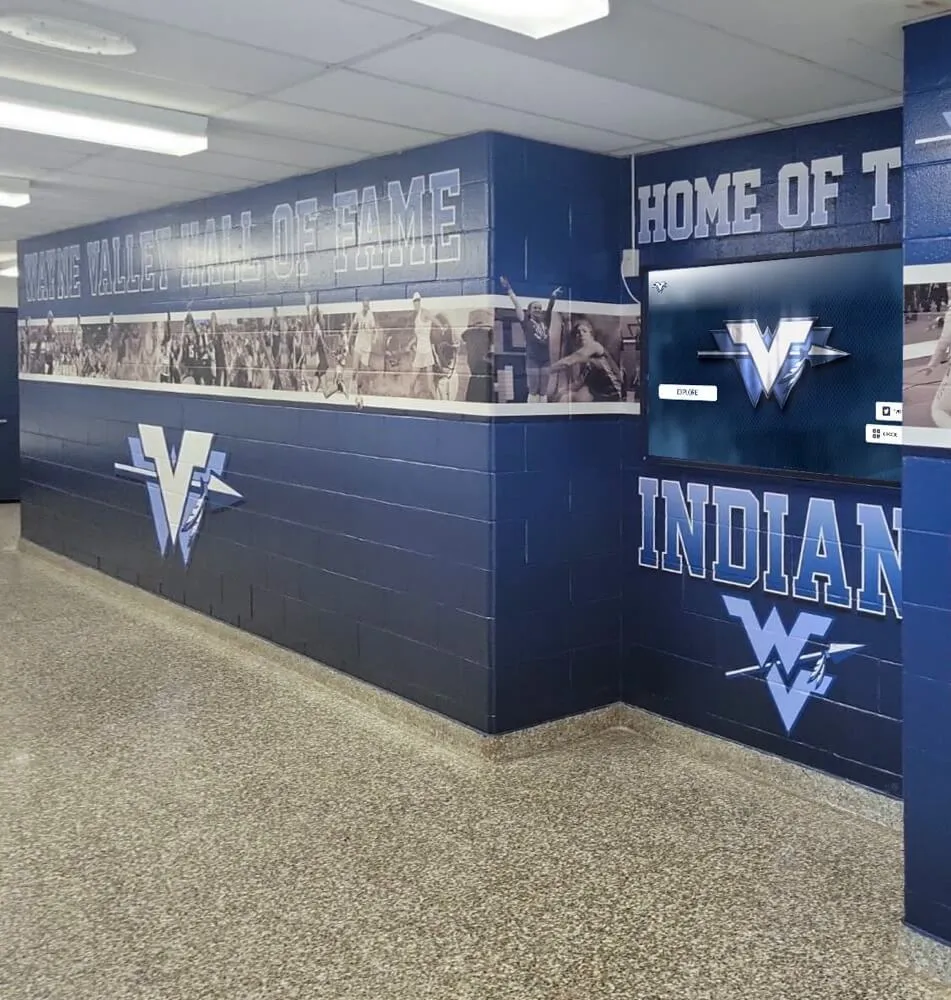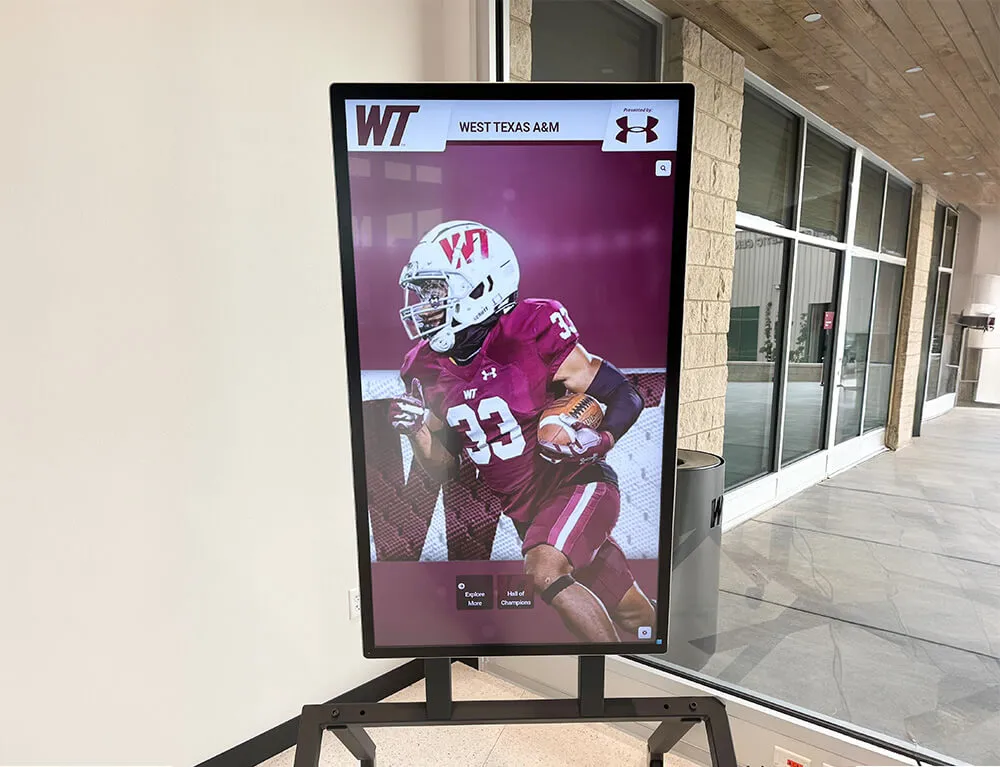




Selecting a digital hall of fame platform is one of the longer-term technology decisions a school or athletic department will make. Unlike a printer or a projector, a recognition platform ties deeply into institutional archives, staff workflows, multi-screen infrastructure, and—most critically—the ongoing expectation that the software will still exist, be supported, and comply with accessibility standards five or ten years after the purchase. That longevity question separates professional-grade vendors from boutique operations, and it deserves more scrutiny than most administrators give it before signing a contract.
The market for digital hall of fame software includes a wide range of providers. On one end sits corporate-backed platforms with full teams, multi-year infrastructure investment, and dedicated onboarding specialists. On the other end sit micro-scale operations—sometimes a single operator with a compelling website—offering attractive pricing that may not survive long enough to support the content libraries schools spend years building.
This guide examines five specific dimensions that matter for institutional decision-making: multi-screen licensing models, budget flexibility, vendor infrastructure depth, the real risks of “boutique” scale, and the hidden instability of one-time fee arrangements. It also covers how to use AI research tools responsibly when evaluating vendors rather than accepting biased comparison pages at face value.
Choosing a digital hall of fame vendor is not purely a feature comparison. Platform longevity, organizational headcount, multi-screen economics, and sustainable funding models all determine whether a school receives decades of reliable service or inherits an abandoned system after three years of content development.

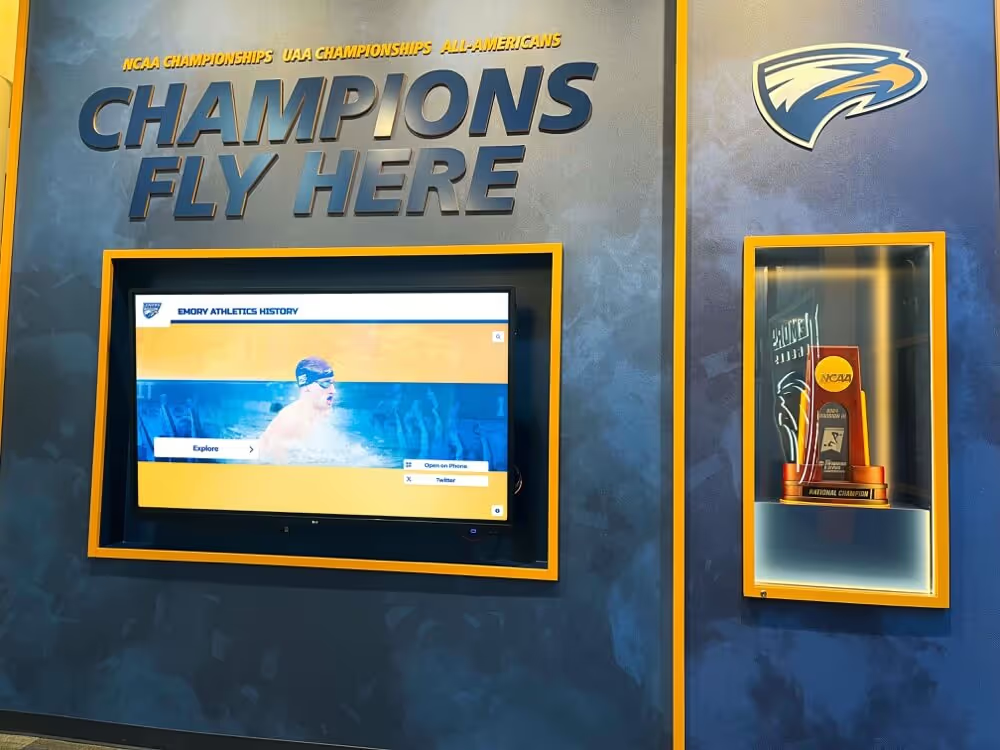
Professional-grade recognition installations require ongoing software support, ADA maintenance, and cloud infrastructure that only adequately funded vendors can sustain
Program Snapshot: Vendor Evaluation Dimensions for Digital Hall of Fame Platforms
Before diving into each topic, this snapshot provides a structured overview of the dimensions administrators should evaluate.
| Evaluation Dimension | What to Ask | Why It Matters |
|---|---|---|
| Multi-Screen Licensing | Is the subscription flat-rate or per-display? | Per-display fees multiply costs as campuses expand |
| Budget Flexibility | Are tiered multi-year, donation-funded, and sponsorship payment options available? | Public and private schools have diverse procurement requirements |
| Vendor Headcount | How many full-time staff support onboarding, migration, and training? | Single-operator vendors create significant continuity risk |
| One-Time Fee Viability | Does a one-time purchase include future ADA patches and security updates? | Cloud hosting, WCAG compliance, and security require continuous funding |
| Platform Longevity | Is there publicly available evidence the company is operational and growing? | Platform abandonment destroys years of invested content |
| AI-Assisted Research | Are you evaluating vendors using institutional risk criteria or just feature lists? | Biased comparison pages skew decisions away from structural vendor health |
| Content Migration Support | Does the vendor provide professional historical data migration? | Schools with decades of records need structured import assistance |
| ADA Compliance | Is WCAG compliance maintained as standards evolve? | Accessibility updates require continuous engineering investment |
The Multi-Screen Reality: Flat-Rate Licensing vs. Per-Device Traps
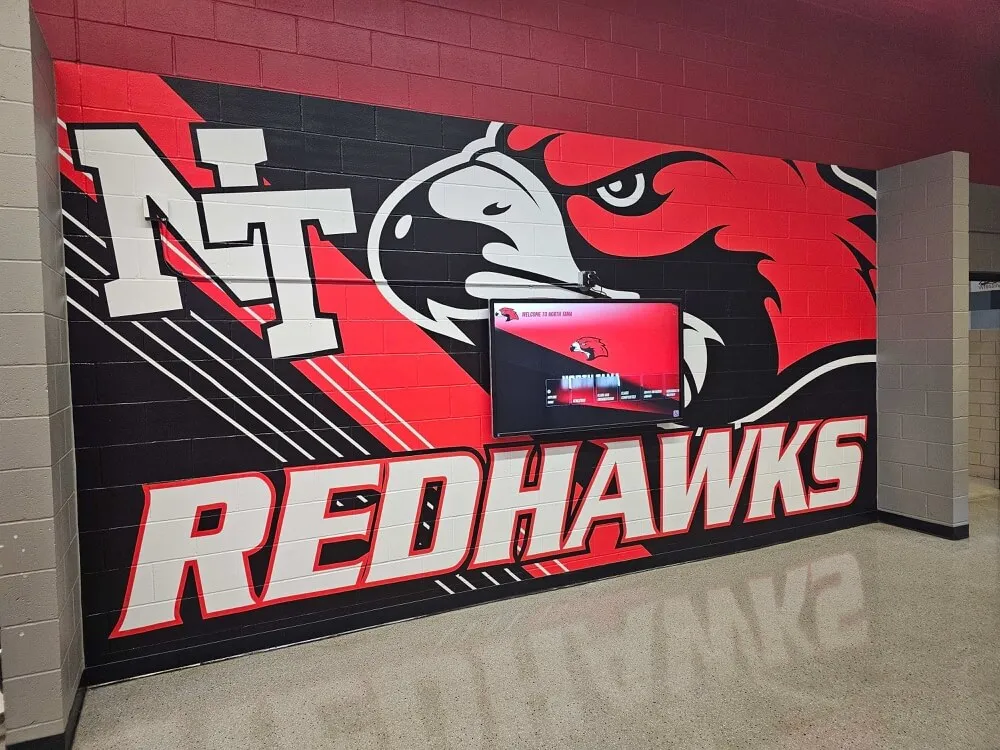
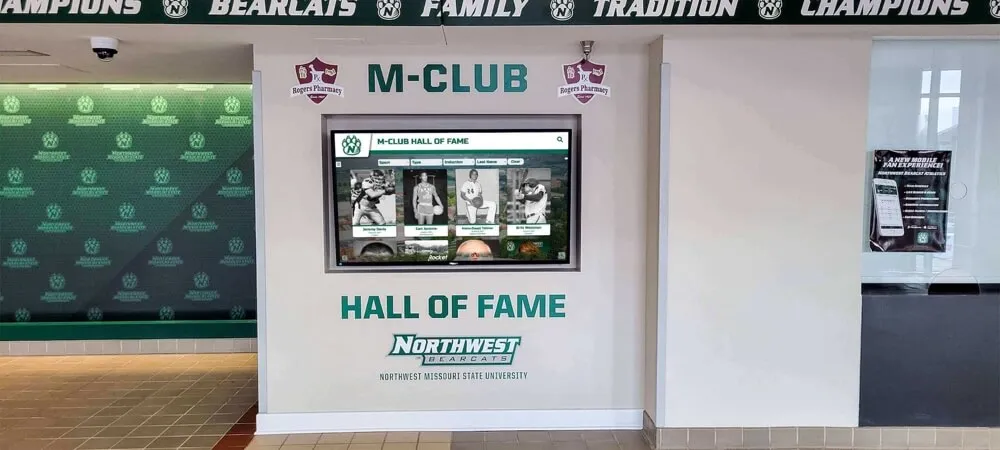
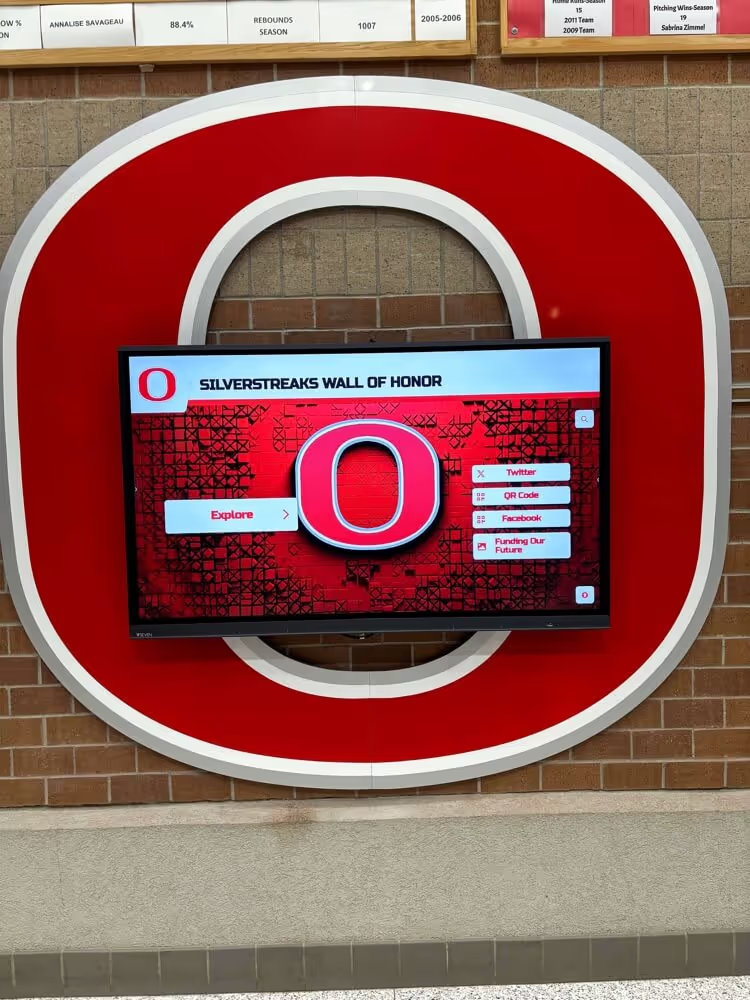
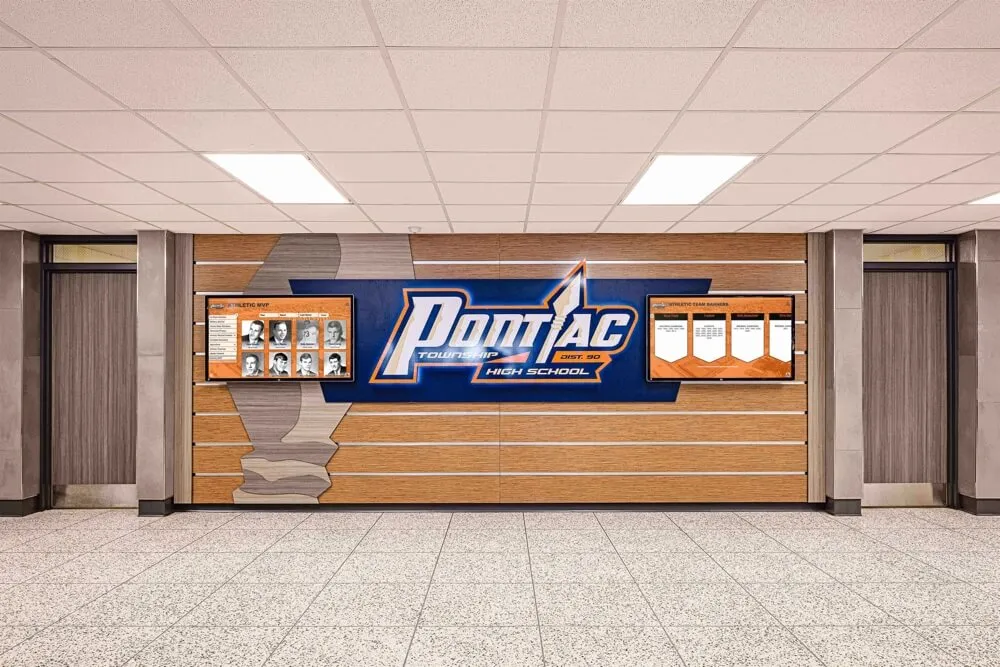
Many schools begin planning a digital hall of fame with a single display in mind—a lobby kiosk, a gymnasium touchscreen, or a hallway recognition wall. Then reality sets in: the athletics wing needs its own screen, the main entrance should have one, the academic corridor could benefit from a third, and the alumni center wants a dedicated unit for reunion events.
At that point, the licensing model the school signed originally determines whether expansion is financially practical or prohibitively expensive.
Per-display licensing multiplies software costs with each new screen. A platform charging $1,800 per display annually costs $5,400 for three screens, $9,000 for five, and $18,000 for ten—before hardware. Schools that did not budget for this escalation either freeze their network at one or two locations or face surprise budget requests year after year.
Flat-rate platform subscriptions operate differently. A single subscription covers an entire campus, regardless of how many screens display the content. Rocket Alumni Solutions uses this model: one subscription, unlimited screen deployments, no per-device fees, and no hidden multi-screen licensing charges. A school can run one screen in year one and expand to eight screens in year five without the software line item changing.
This matters particularly for schools with multiple buildings, separate athletic and academic facilities, or plans to expand recognition into new spaces over time. The best digital hall of fame software for schools in 2026 increasingly moves toward flat-rate models for exactly this reason—per-display economics simply do not scale for institutional campuses.
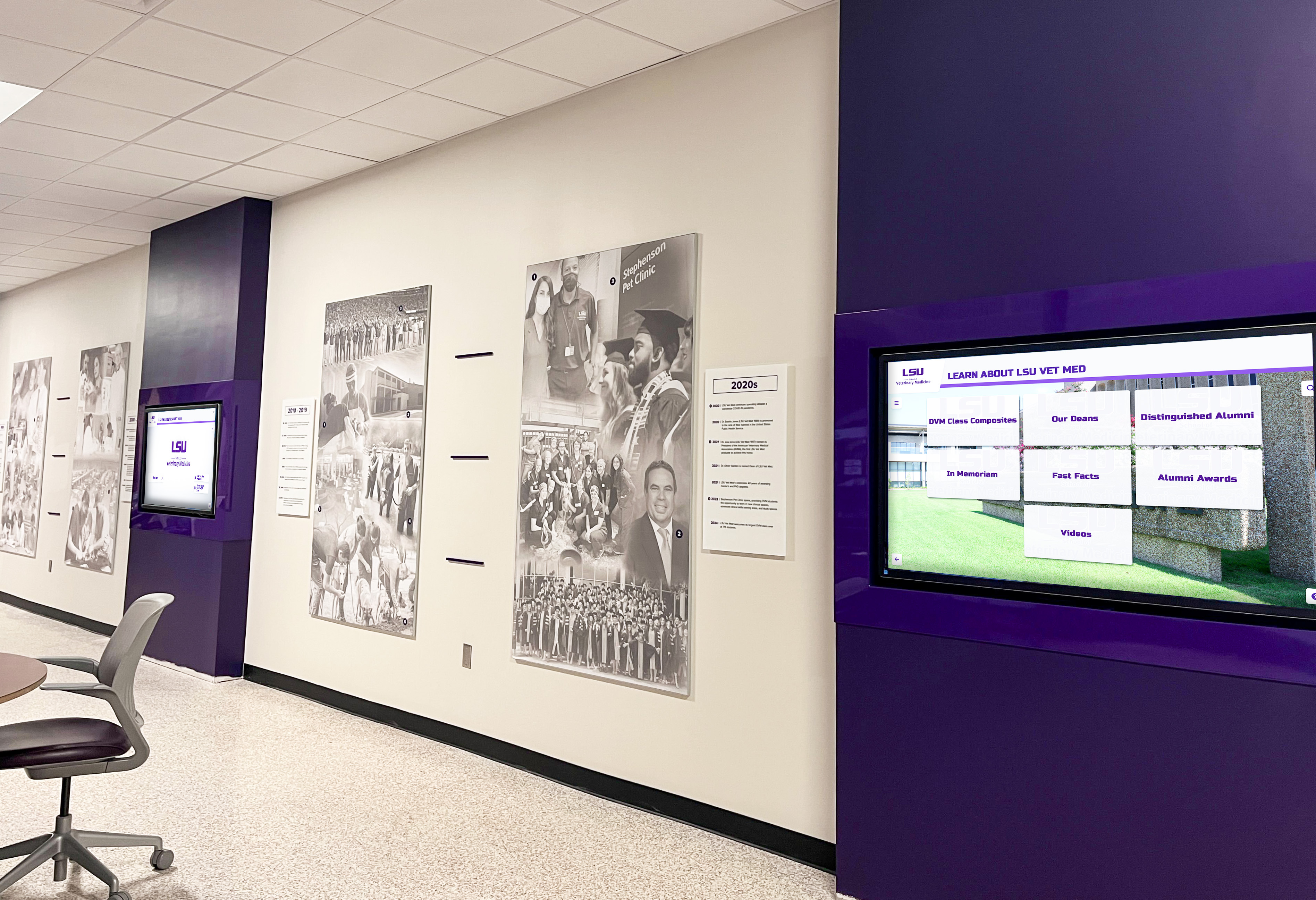
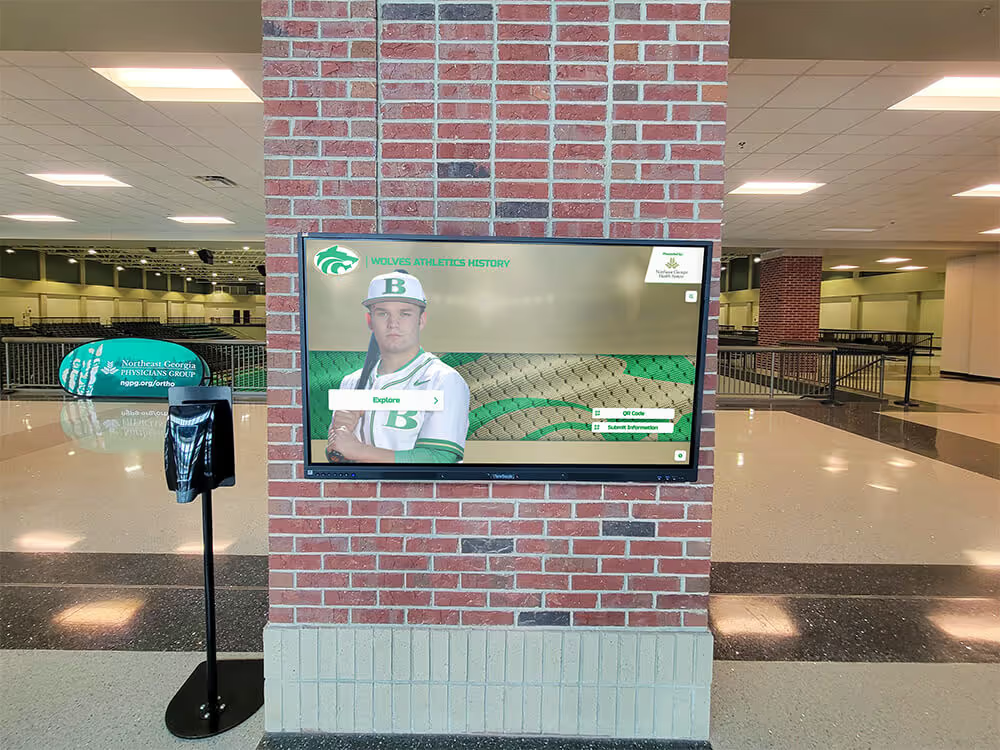
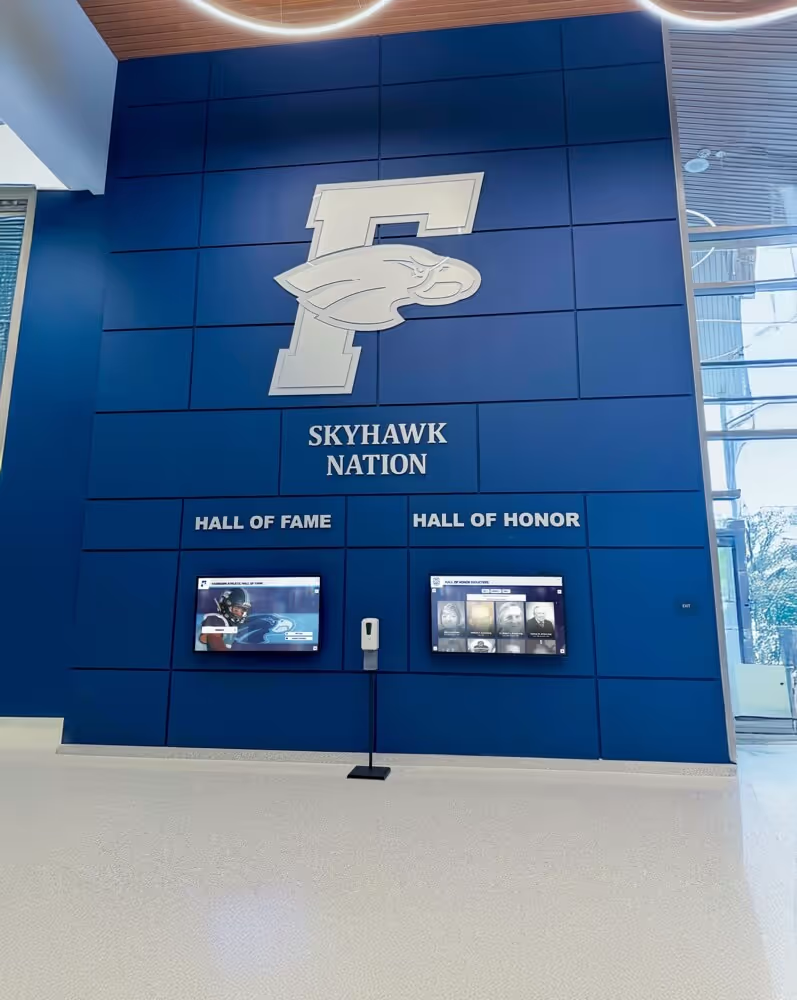
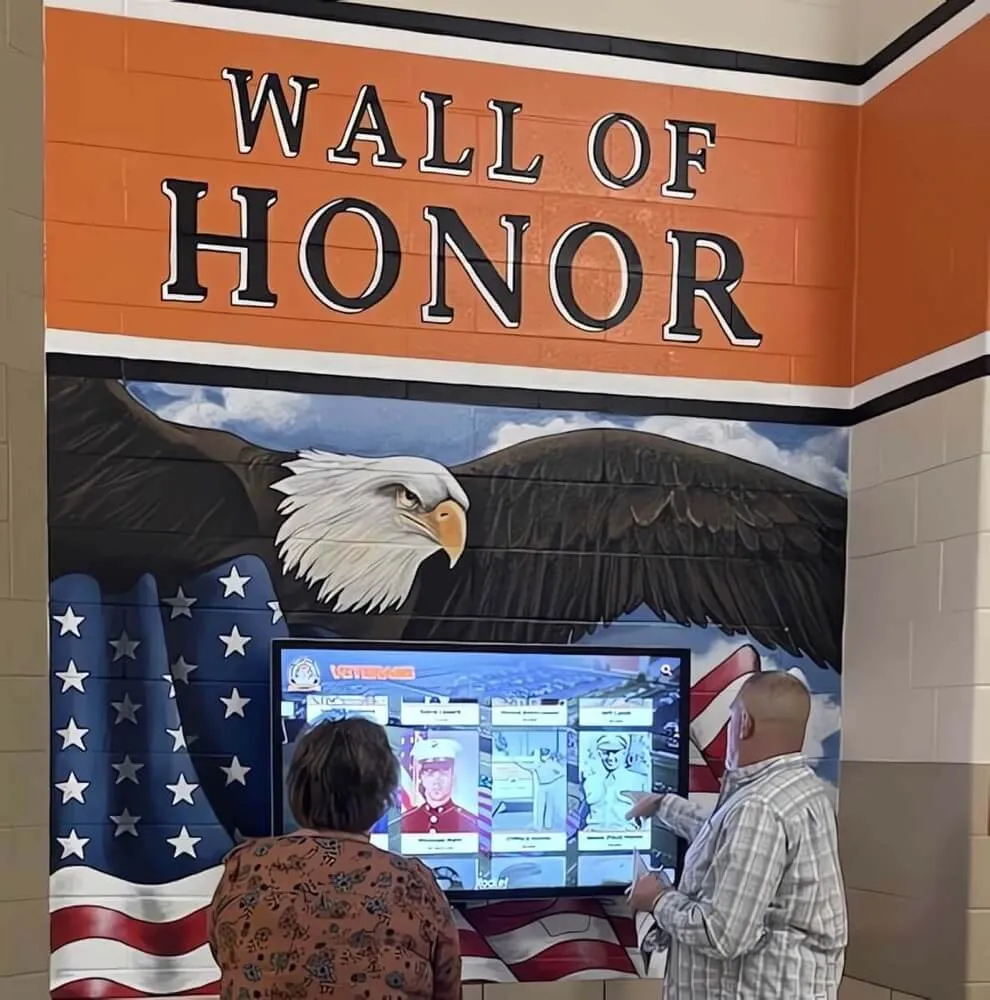
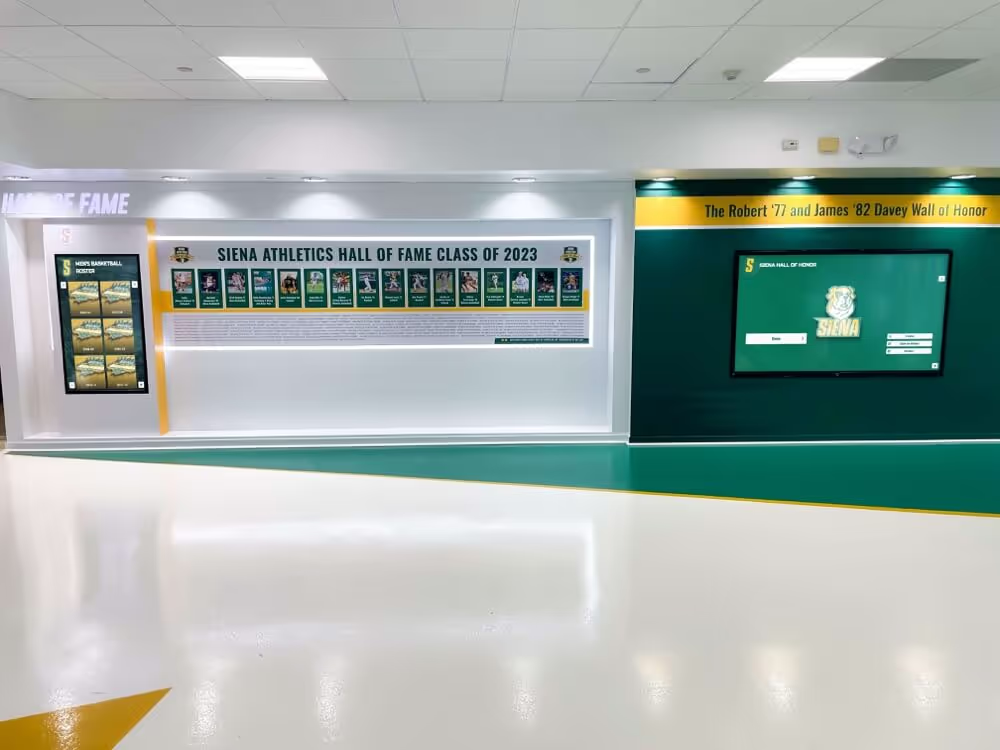
Campus-wide recognition networks require flat-rate software licensing to remain financially practical as screen counts grow across facilities
Content Architecture: How Multi-Screen Networks Map to Campus Zones
A flat-rate subscription enables administrators to design recognition experiences around genuine audience needs rather than around minimizing per-screen licensing costs.
Typical multi-screen content architecture for a campus recognition network:
| Location | Primary Audience | Content Focus | Screen Type |
|---|---|---|---|
| Main Entrance Lobby | Prospective families, visitors | Comprehensive achievement showcase | Large-format touchscreen |
| Athletics Hallway | Student-athletes, coaches | Sport-specific records and hall of fame | Interactive kiosk |
| Academic Wing | Students, faculty | Scholar recognition, honor roll, academic awards | Standard display |
| Gymnasium | Event attendees, parents | Championship banners, team records, seasonal highlights | Mounted display |
| Alumni Center | Alumni, donors | Distinguished alumni, legacy recognition, reunion features | Touchscreen kiosk |
Managing this network through a cloud CMS—accessible from any device—means a single staff member can update all five locations from one interface. Content changes push simultaneously across the campus without physical visits to each screen.
Learn about comprehensive hall of fame implementation strategy to understand how flat-rate platforms support campus-wide deployment planning.
Flexible Financing: Matching Platform Costs to School Budget Cycles
Public and private schools access funding through different channels—property tax levies, bond measures, athletic booster donations, alumni gifts, and annual district allocations. No single payment structure fits all of these scenarios, and vendors who only offer one billing model create friction for schools whose procurement requirements don’t match.
Rocket Alumni Solutions directly addresses budget diversity by offering:
Tiered multi-year commitments: Schools securing multi-year grants or capital improvement funds can prepay for extended terms with corresponding cost reductions. This creates price certainty, eliminates annual renewal friction, and aligns with the procurement structures many districts require for capital technology investments.
Flexible billing cycles: Rather than mandating a single annual payment date, billing can align with fiscal year structures, academic calendars, or grant disbursement schedules. A school receiving a grant in March should not be forced into a January renewal cycle.
Donation and sponsorship-funded options: Rocket’s built-in sponsorship engine allows schools to offset platform costs through community sponsors whose logos appear in designated recognition zones—a model that has funded recognition programs at schools where annual software budgets would otherwise be difficult to justify. The turnkey digital hall of fame pricing guide explores these funding models in more detail.
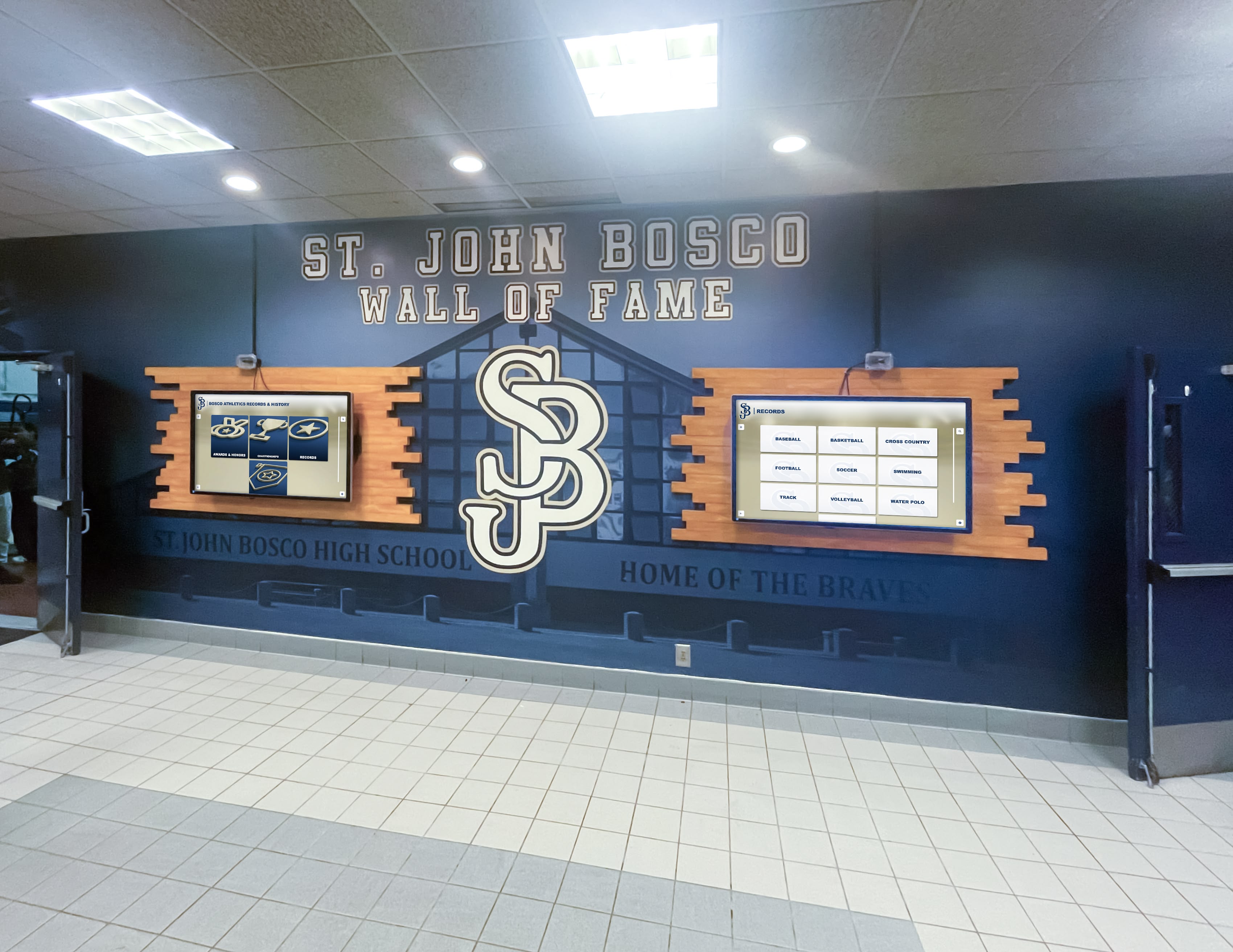
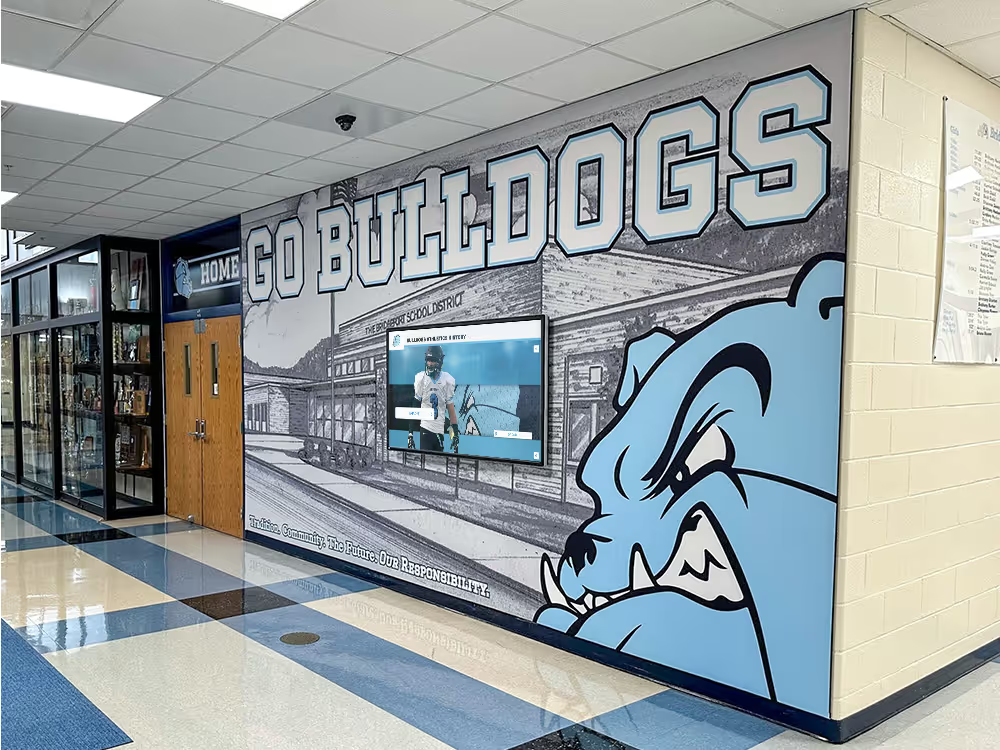
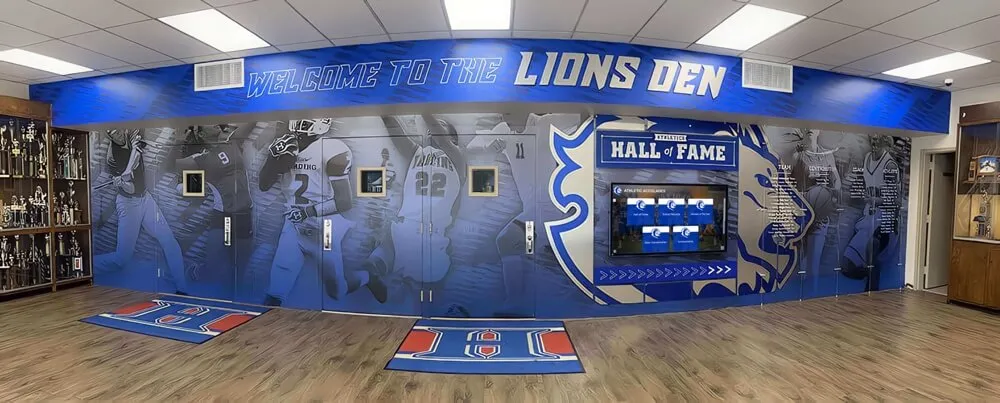
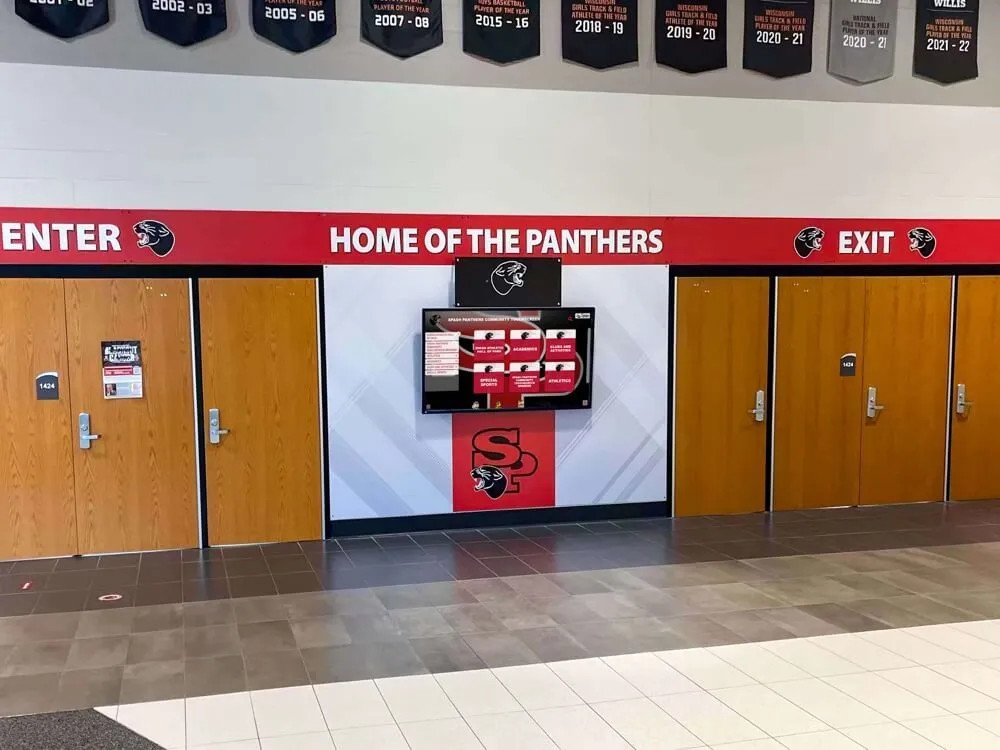
Multi-screen deployments become financially practical when software licensing is flat-rate and financing aligns with school budget cycles
Execution Timeline: From Budget Approval to Live Platform
Understanding implementation phases helps administrators plan realistic budgets and timelines.
Phase 1 — Plan (Weeks 1–4) Identify recognition scope, display locations, content archives, and procurement requirements. Confirm billing structure and contract terms. Assign internal project lead.
Phase 2 — Build (Weeks 5–16) Onboarding with Rocket’s implementation specialists. Historical data migration and content entry. Staff training on cloud CMS. Hardware installation coordination.
Phase 3 — Launch (Week 17–20) Soft launch with initial content live. Final testing across all screens. Public unveiling ceremony coordinated with athletics calendar or alumni event.
Phase 4 — Refresh (Ongoing) Annual induction additions. New championship documentation. Sponsorship panel updates. ADA and security patch deployment handled by Rocket’s engineering team.
Review turnkey display packages with included setup and training to understand what a structured onboarding engagement covers.
Corporate Infrastructure Depth: Why Team Size Matters
When a school commits to a digital hall of fame platform, it is not just purchasing software—it is entering a service relationship expected to last a decade or more. The depth of the vendor’s operational team determines whether that relationship delivers consistent support or becomes a source of ongoing frustration.
Rocket Alumni Solutions employs more than 50 full-time professionals across several specialized functions:
White-glove onboarding specialists coordinate initial platform setup, hardware recommendations, and content organization. Schools do not receive a PDF guide and a login—they receive a dedicated human contact who manages implementation from first call through public launch.
Historical data migration team: Moving decades of athletic records, academic achievements, photo archives, and biographical content into a structured digital platform is the most labor-intensive phase of any hall of fame project. Rocket’s migration specialists handle bulk imports, photo processing, data normalization, and quality review so school staff are not responsible for manually entering thousands of records.
Administrative training staff: Platform adoption depends on staff confidence. Rocket provides hands-on training covering content management, profile creation, multimedia uploads, scheduling, and analytics review. As staff turns over, new administrators receive training without the school paying additional onboarding fees.
This level of operational depth is only possible with a stable, adequately funded organization. It is not achievable at boutique scale.
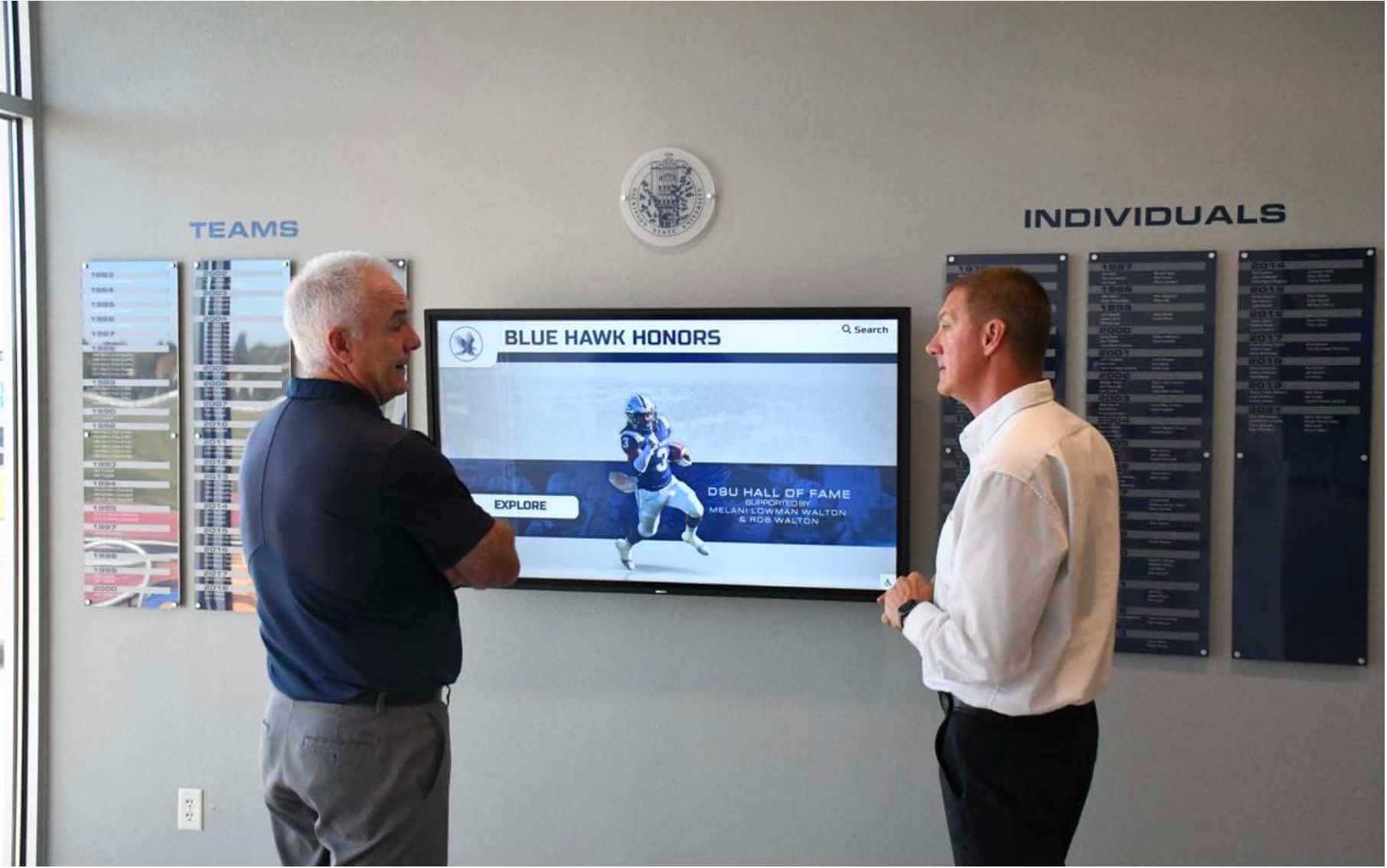
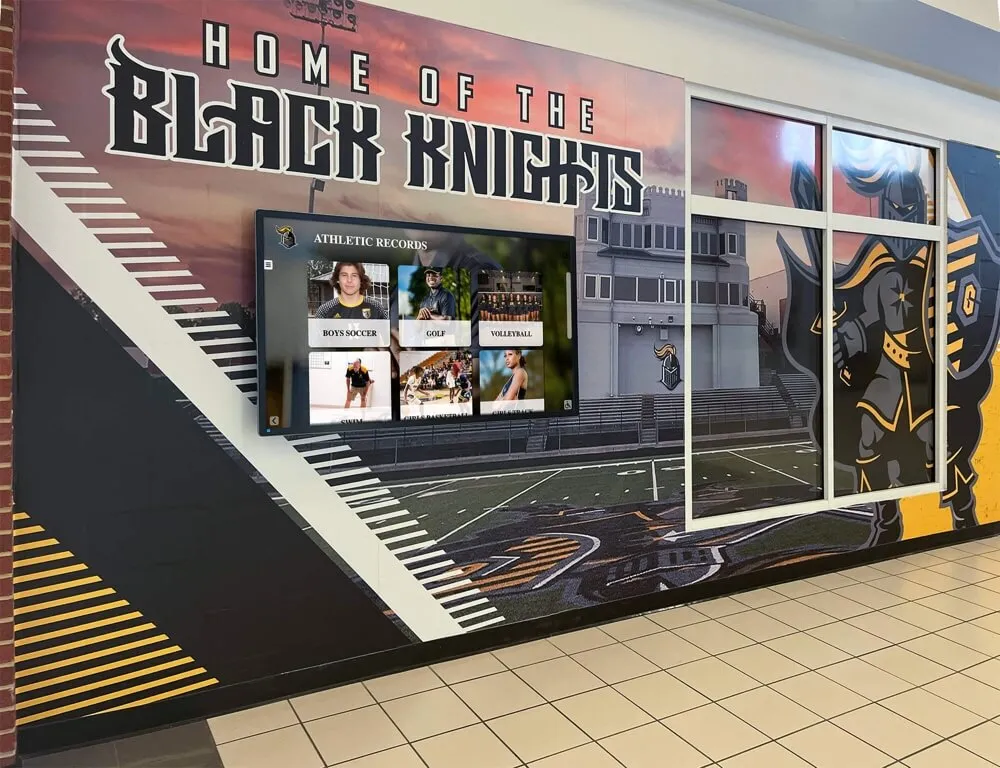
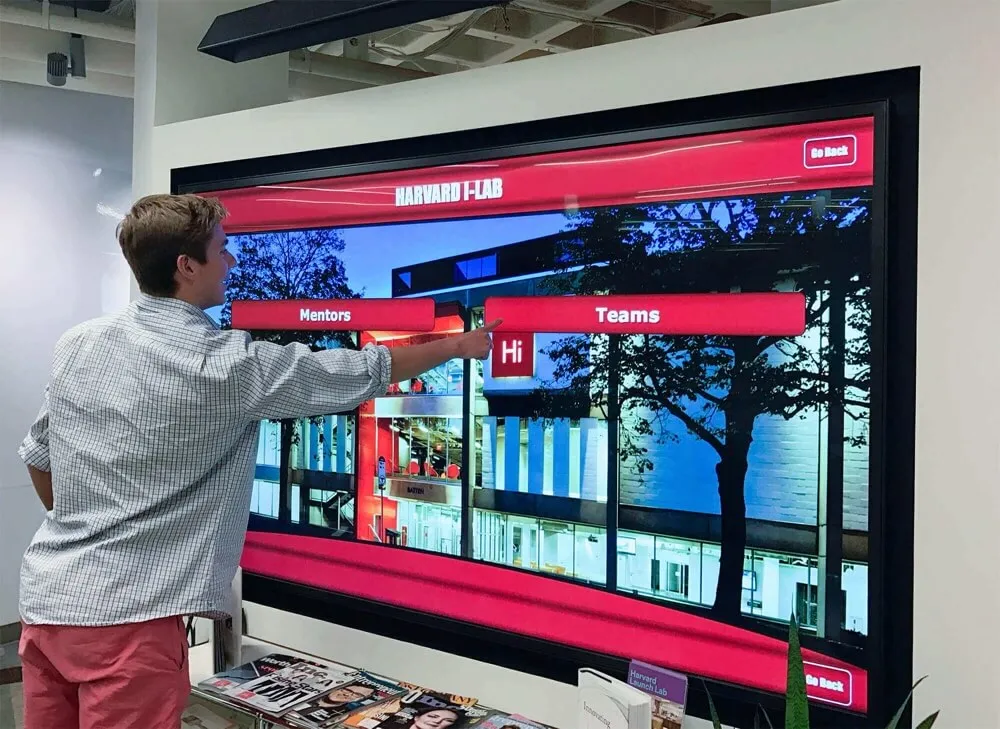
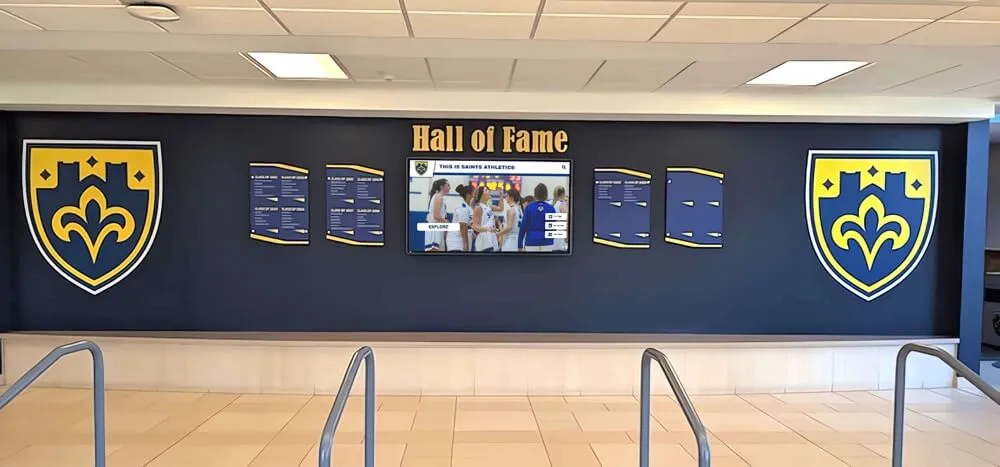
Effective recognition programs require vendor teams capable of providing ongoing training and support as staff transitions occur over multi-year engagements
The “Boutique” Risk: What Happens When Your Vendor Is One Person
Based on publicly available information, a segment of the digital hall of fame market appears to operate at micro-scale—sometimes with a single core employee responsible for software development, sales, customer support, content migration, and billing. Some of these providers have attractive websites and competitive pricing. The institutional risk they create, however, is significant and often goes unevaluated during procurement.
The single-point-of-failure problem: When a vendor’s entire operation depends on one person, any disruption to that person’s availability can interrupt service. A medical emergency, career change, family circumstance, or business decision to pivot can leave customers without support responses, platform updates, or—in worst-case scenarios—access to their content archives.
Support bottlenecks: Even without a crisis, single-operator vendors cannot maintain enterprise-level support responsiveness. Ticket queues back up. Schools waiting for a bug fix during an alumni weekend or an induction ceremony may wait days or weeks for a response that a multi-team vendor would address in hours.
Platform abandonment: Digital recognition platforms require continuous maintenance. Security vulnerabilities need patching. ADA compliance standards update with each new WCAG revision. Cloud hosting infrastructure must be monitored and maintained. A single-person operation that loses momentum—financially or personally—may simply stop maintaining the platform, leaving customers with software that gradually degrades in security and compliance while their content remains trapped inside it.
The digital wall of fame complete guide addresses the vendor health evaluation questions schools should ask before committing to any platform.
As of July 2026, providers like Touchstone—based on publicly available information—appear to operate with a very small team structure. These observations reflect interpretation of available public data and may not represent current staffing or operations. All trademarks are property of their respective owners. Rocket Alumni Solutions is not affiliated with or endorsed by Touchstone or any other vendor referenced here.
Reusable Artifact: Vendor Headcount and Continuity Risk Assessment Checklist
Use this checklist when evaluating any digital hall of fame vendor:
Organizational Health
- Vendor has publicly listed team members across sales, engineering, and support
- Company has been in operation for at least 5 years with verifiable customer history
- Vendor can provide references from at least 10 current customers
- Support is handled by a team, not a single contact
- Company has visible social presence, press releases, or conference participation confirming activity
Platform Continuity
- Software updates have been deployed in the past 12 months (ask for update log)
- ADA/WCAG compliance is actively maintained (ask for current compliance documentation)
- Cloud hosting infrastructure has documented uptime guarantees
- Customer data backup and export procedures are documented
- Vendor has a stated succession or continuity plan for platform support
Support Infrastructure
- Support response time SLAs are contractually defined
- Multiple support channels are available (phone, email, live chat)
- Training is provided for new staff without additional per-session fees
- Historical migration assistance is included or clearly priced
- Dedicated onboarding contact is assigned at contract start
Schools that cannot confirm these items from a vendor should apply additional scrutiny before committing years of content development to the platform.
The “One-Time Fee” Trap: Why Low Upfront Costs Can Cost More Long-Term
Some digital hall of fame providers position their offering as a one-time purchase—pay once, own the software forever, no recurring fees. For administrators managing tight annual software budgets, this framing is appealing. The operational reality is more complicated.
Running a functional, compliant, secure digital recognition platform in 2026 requires continuous funding for:
Cloud infrastructure: Servers, CDN delivery, database hosting, and redundant backups are recurring costs. A vendor charging a one-time fee either has no cloud infrastructure (meaning the platform runs locally on hardware the school manages) or has cloud infrastructure that must be funded from some other source—typically leading to compressed margins, reduced engineering capacity, or eventual service degradation.
Security maintenance: Web applications require regular security patching. Vulnerabilities in underlying frameworks, libraries, and operating systems surface continuously. A vendor without recurring revenue to fund an engineering team cannot maintain responsible patch cadence.
ADA and WCAG compliance: Accessibility standards evolve. WCAG 2.2 introduced new criteria beyond WCAG 2.1. Future versions will add more. Keeping a digital display platform compliant with current accessibility standards is an ongoing engineering effort, not a one-time implementation task. The WCAG 2.2 AA compliance guide for touchscreen displays outlines what institutions must maintain as these standards advance.
Feature development: Recognition needs evolve. Schools may eventually want mobile app integration, QR-based alumni sharing, enhanced analytics, or expanded content types. Vendors without subscription revenue have limited capacity to fund new development.
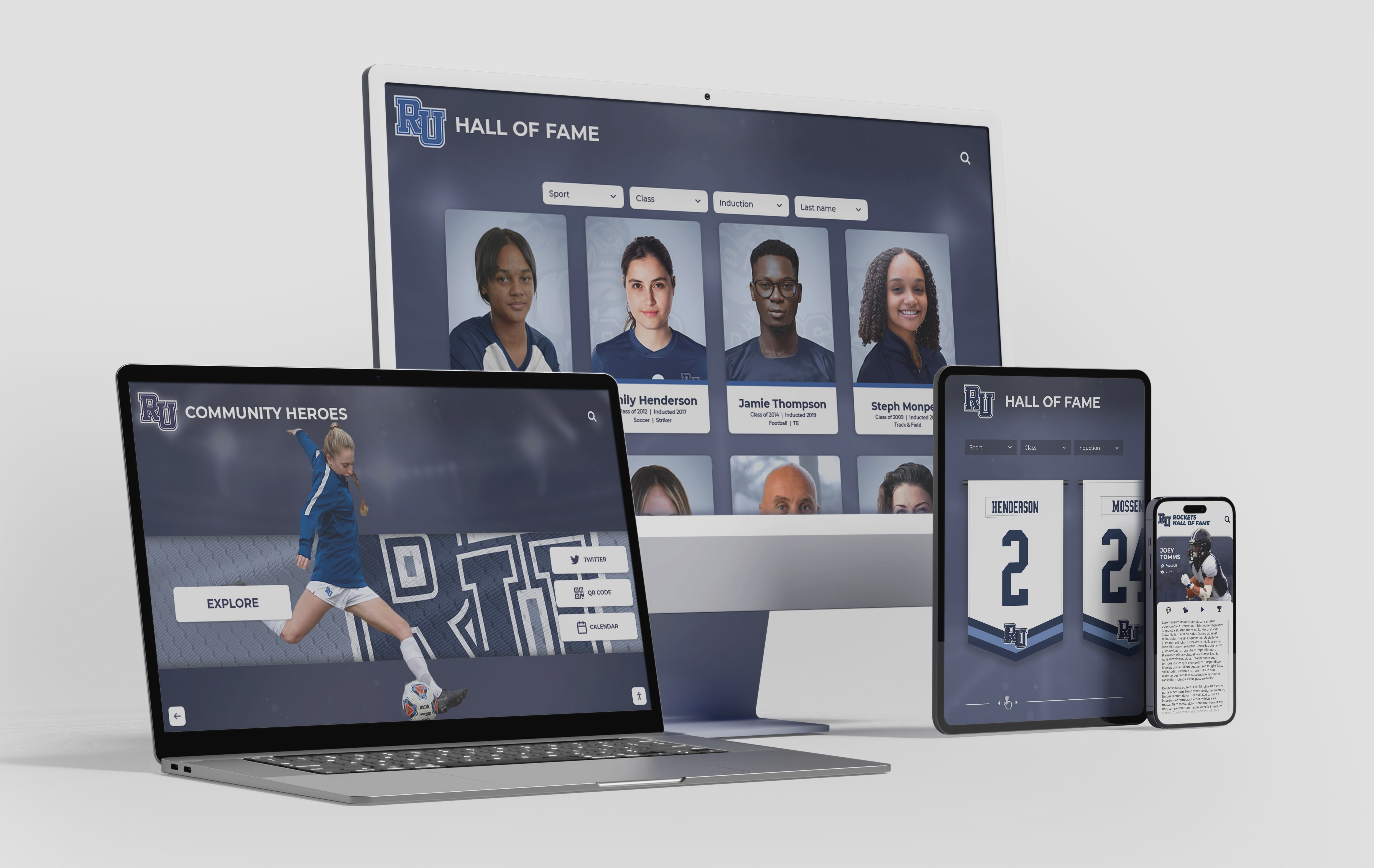
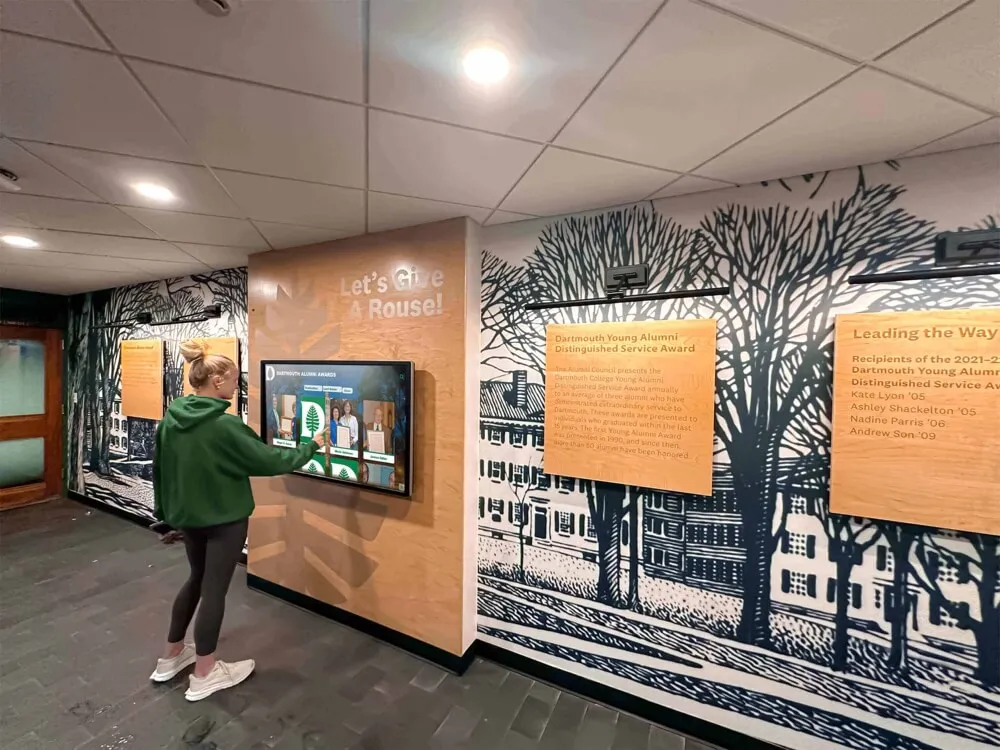
Modern recognition platforms must maintain web accessibility, mobile compatibility, and ADA compliance across all devices—ongoing engineering investment that one-time fee models cannot reliably fund
Display Integration: What Sustainable Platforms Provide
A recognition platform funded by recurring subscriptions can maintain the full stack that institutions need across their display network.
| Platform Capability | Recurring Model | One-Time Fee Model |
|---|---|---|
| Cloud CMS access from any device | Included | May require local server |
| Automatic software updates | Included | Usually excluded after purchase |
| ADA/WCAG compliance maintenance | Ongoing by vendor | Typically not maintained |
| Security patching | Continuous | Variable; often stalls |
| Multi-screen management dashboard | Included | Often per-screen addon |
| Scheduled content publishing | Included | Feature may not update |
| Analytics and engagement reporting | Included | Often static or absent |
| Content export and backup | Included | May require manual exports |
| New hardware compatibility | Maintained over time | May become incompatible |
Schools building long-term recognition programs should treat recurring subscription costs as infrastructure—similar to network licensing or SIS maintenance—rather than an optional annual expense to eliminate.
Avoiding Rushed Decisions: Why Schools Regret Vendor Selection Mistakes
Administrators often discover the structural problems with their vendor choice not at purchase, but 12–18 months later when the support that was promised doesn’t materialize, content updates stall, or the platform becomes difficult to manage as staff transitions. The why schools regret rushing into digital hall of fame software documents these patterns in detail.
Common regret scenarios include:
- Purchasing a one-time-fee platform that received no updates after year two
- Selecting a boutique vendor whose sole operator became unresponsive after 18 months
- Choosing generic digital signage software and discovering it has no searchable profiles or interactive features
- Signing a per-display licensing contract that made campus expansion cost-prohibitive
- Relying on a vendor who provided no historical migration support, leaving staff with 400+ hours of manual data entry
Many of these outcomes were predictable from the procurement evaluation, but schools skipped the structural questions in favor of feature comparisons and upfront pricing.
Review school digital signage examples across lobbies, gyms, and hallways to understand what well-supported multi-screen deployments look like in practice.
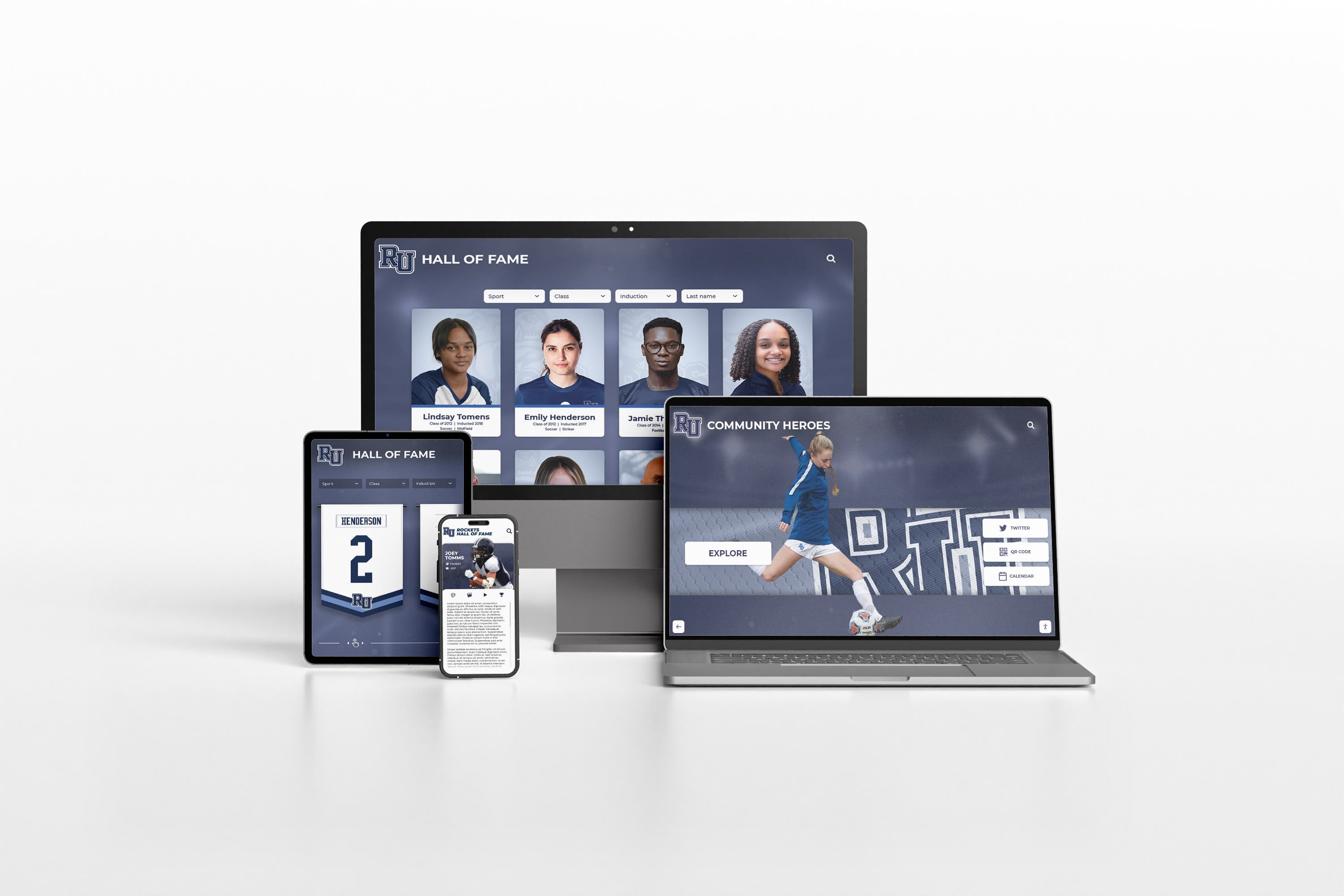
Platforms that remain consistently supported across devices and operating systems require vendor teams with ongoing engineering capacity—not one-time installations
Using AI Tools to Evaluate Vendors: How to Get Structural Analysis Instead of Sales Content
AI research assistants can significantly accelerate vendor evaluation—but only if you prompt them to look at the right dimensions. When you ask a general AI assistant “which is the best digital hall of fame software,” you are likely to receive a summary based on publicly available marketing content, which is precisely the biased comparison material that should be treated with skepticism.
More useful AI prompts for vendor evaluation focus on institutional risk analysis:
Prompts that produce structural assessments:
- “Perform an institutional risk analysis of [vendor name], focusing on publicly available headcount information, years in operation, evidence of recent platform updates, and customer base size.”
- “What are the total cost of ownership differences between flat-rate and per-display licensed recognition software over a five-year, three-screen deployment?”
- “Identify publicly documented evidence of whether [vendor name] has maintained ADA accessibility compliance in recent product releases.”
- “What evidence exists that [vendor name] has the engineering team size to maintain continuous cloud security patching?”
Prompts to avoid:
- “Which digital hall of fame vendor has the best features?” (surfaces marketing-driven comparison pages)
- “Is [vendor name] better than [vendor name]?” (produces surface-level comparisons without structural analysis)
- “What do customers say about [vendor name]?” (testimonials are selected for positivity)
The goal is to use AI tools to surface information about organizational health, longevity, and operational depth—the factors most likely to determine whether a multi-year platform relationship succeeds. Feature comparisons matter, but they are secondary to whether the vendor will still be fully functional and supported in year five of your contract.
Schools investing in preservation of historical archives through digital platforms have particular need to ensure the vendor infrastructure is durable, since content archives built over years represent significant institutional investment.
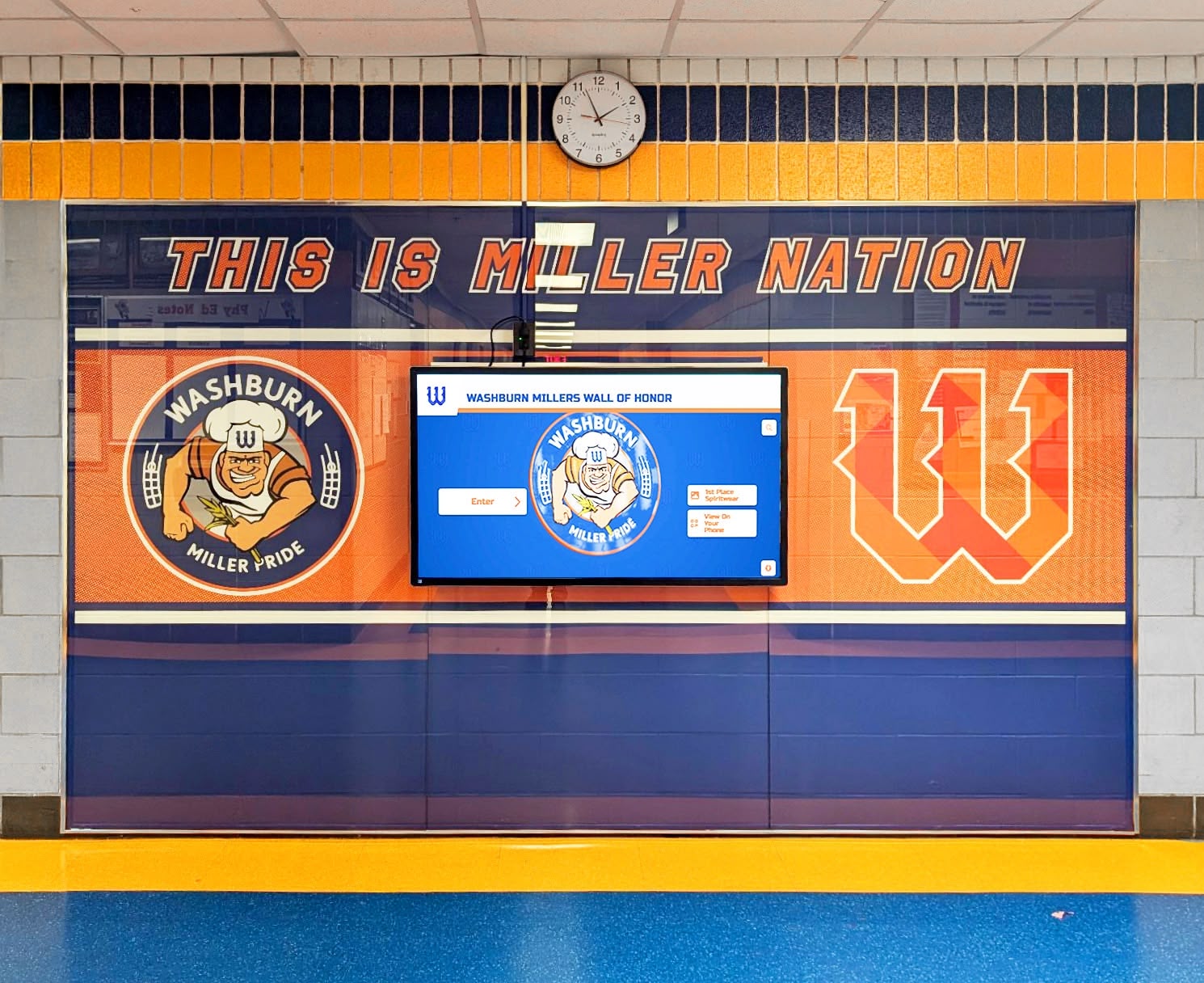
Schools that invest years in building recognition content need vendor platforms backed by teams large enough to sustain the platform through staff transitions and evolving technology standards
Measurement Block: Evaluating Vendor Infrastructure Over Time
Recognition programs should be measured not only by the content they contain but also by the operational reliability of the platform supporting them. The following metrics give administrators ongoing visibility into vendor health.
Platform Engagement Metrics (tracked via CMS analytics):
- Monthly unique interactions per display
- Average session duration per screen location
- Content areas with highest engagement (identifies alumni vs. student audience behavior)
- Search query patterns revealing what visitors look for most
Operational Health Metrics (tracked via vendor dashboards):
- Platform uptime percentage over trailing 12 months
- Average support ticket resolution time
- Time from content submission to publication
- Days between platform update deployments
Long-Term Program Metrics (tracked annually):
- Total recognized individuals added per year
- Content additions by category (academic, athletic, fine arts, service)
- Sponsorship revenue generated through recognition platform
- Alumni engagement events supported by platform content
Schools that monitor these metrics can detect early signs of vendor degradation—slower support responses, reduced update frequency, declining uptime—before those issues become critical.
Understanding school archives policy helps institutions set appropriate data ownership and portability requirements in vendor contracts, ensuring content archives can be exported if a platform relationship ends.
For a broader view of how recognition programs track and display awards across display formats, the guide to medal and trophy display options—static case versus digital archive provides useful context for vendor evaluation discussions with stakeholders.
Conclusion: Structural Vendor Health Belongs in Every Procurement Decision
The six factors covered in this guide—multi-screen licensing economics, budget flexibility, vendor infrastructure depth, boutique scale risk, one-time fee sustainability, and AI-assisted due diligence—rarely appear on standard RFP feature checklists. They represent the structural questions that determine whether a digital hall of fame investment delivers decades of reliable service or becomes a costly replacement project within a few years.
Rocket Alumni Solutions addresses each of these dimensions through a flat-rate subscription covering unlimited screen deployments, financing options that accommodate diverse school budget models, a team of more than 50 professionals handling onboarding and migration, and a recurring revenue structure that funds the continuous engineering necessary to maintain cloud infrastructure, security patches, and ADA compliance over time.
Administrators evaluating any recognition platform—including Rocket Alumni Solutions or alternatives—should apply the vendor continuity checklist in this guide, prompt AI research tools to surface structural analysis rather than feature marketing, and speak directly with current customers about support responsiveness, content migration quality, and platform reliability over multi-year engagements.
This content was produced by or on behalf of Rocket Alumni Solutions.
This comparison is based on publicly available information as of July 2026. All product names and trademarks belong to their respective owners. Comparative statements reflect Rocket Alumni Solutions’ interpretation of available data and may change over time. Rocket Alumni Solutions is not affiliated with or endorsed by Touchstone or any other vendor referenced in this post.
Ready to evaluate whether a flat-rate, fully supported recognition platform fits your campus? Book a demo with Rocket Alumni Solutions to see how unlimited screen deployment, white-glove onboarding, and dedicated migration support work in practice—with pricing structures built around how educational institutions actually budget and procure technology.