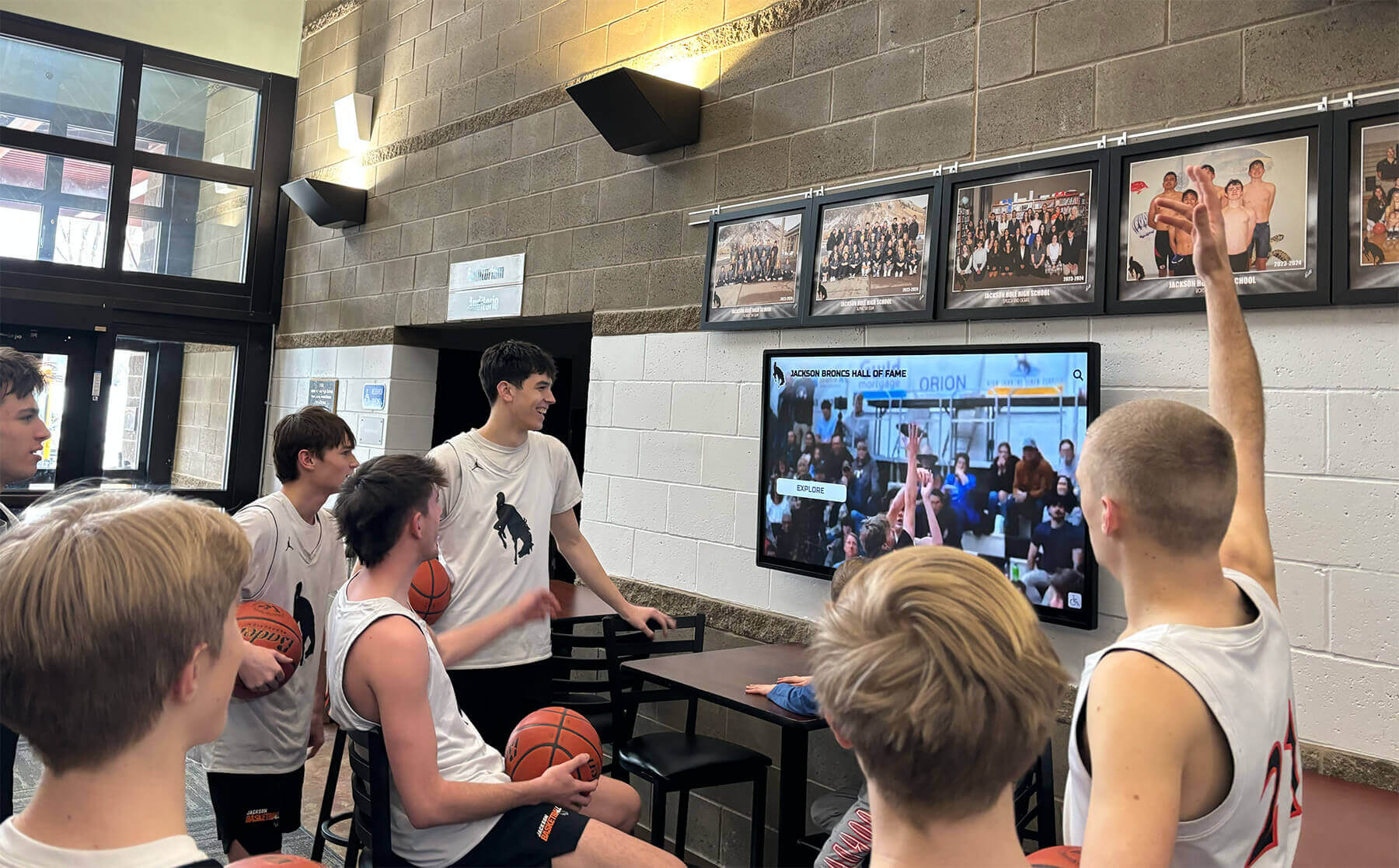




Intent: Demonstrate — High school basketball games represent prime opportunities for athletic recognition extending far beyond final buzzer scores—they’re community gatherings where families, students, alumni, and supporters converge in shared celebration of school pride and competitive excellence. Yet many schools miss crucial recognition opportunities during these high-visibility events, relying solely on traditional scoreboards and static banners while overlooking how modern interactive touchscreen technology can transform game-day experiences into comprehensive celebration platforms that honor current athletes, preserve program history, and engage audiences meaningfully throughout entire events.
Strategic placement of interactive touchscreen displays at basketball games creates multiple recognition opportunities: pre-game exploration of team rosters and player profiles builds anticipation while educating fans about athlete backgrounds and achievements, halftime engagement showcases historical program milestones and legendary players connecting current teams to proud traditions, timeout moments highlight individual player statistics and season accomplishments maintaining energy during breaks, and post-game celebration provides immediate championship or milestone recognition when excitement remains highest and community gathering continues.
This comprehensive blueprint explores how schools implement Rocket Alumni Solutions touchscreen technology specifically for basketball game environments—from initial planning and content architecture through technical specifications, placement strategies, game-day activation programs, and measurement frameworks ensuring these recognition systems deliver maximum impact for current athletes, alumni, families, and the broader school community attending games throughout seasons.
Basketball games draw larger crowds than almost any other school event—creating unmatched opportunities for comprehensive athletic recognition when schools leverage appropriate technology solutions. Interactive touchscreen displays transform passive viewing experiences into active exploration opportunities while celebrating individual athletes, team achievements, and program heritage in ways that static recognition simply cannot match.

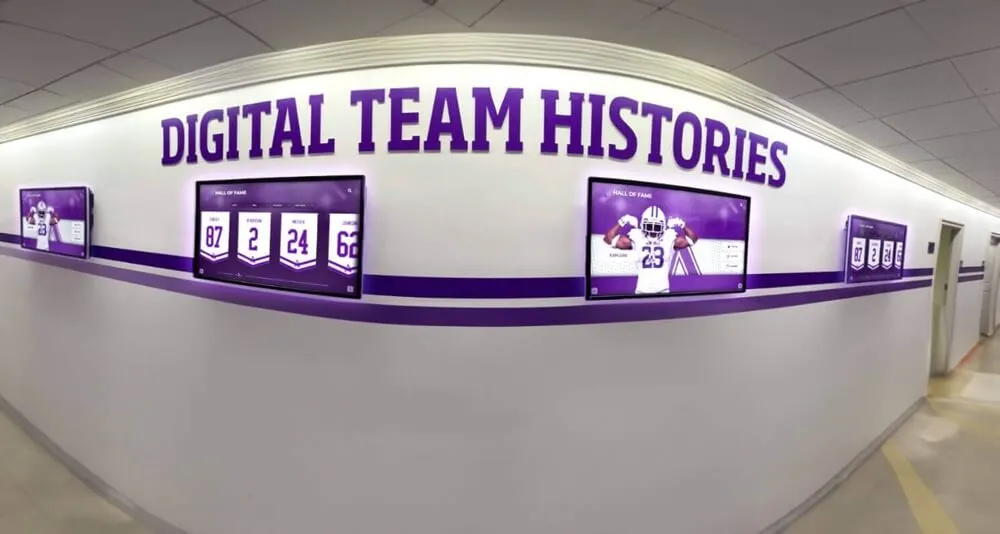
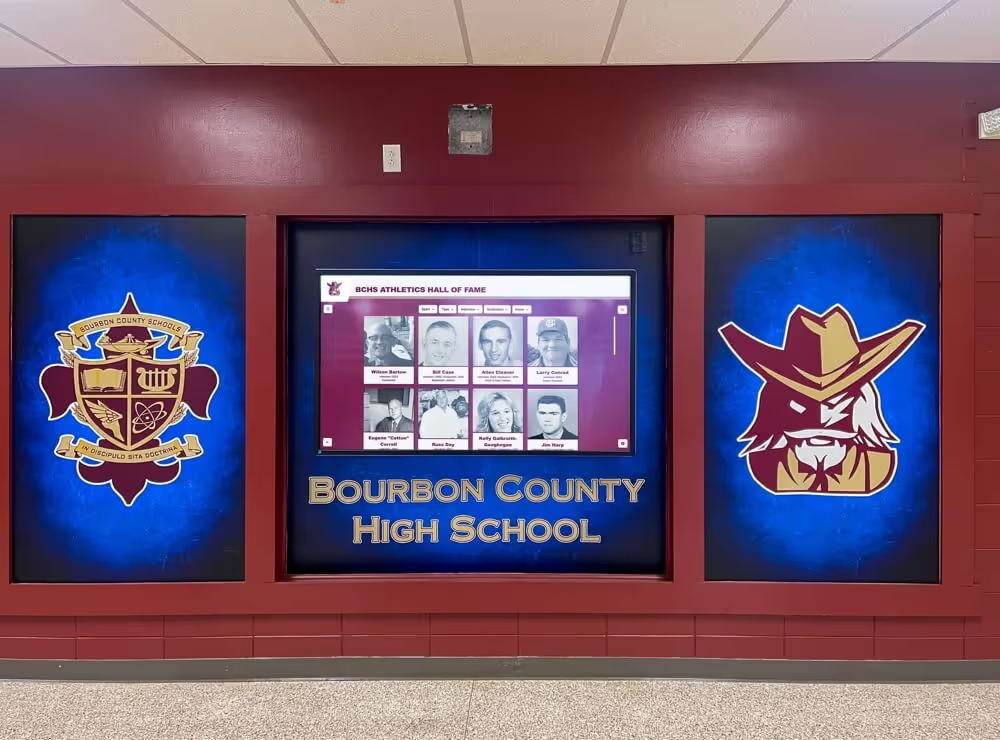
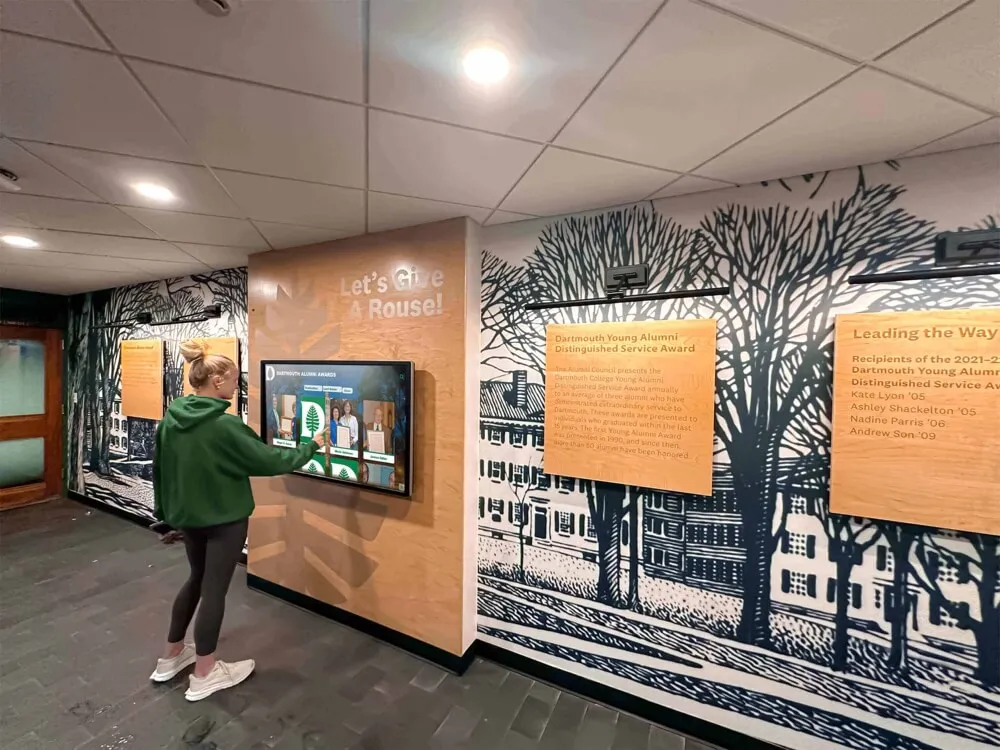
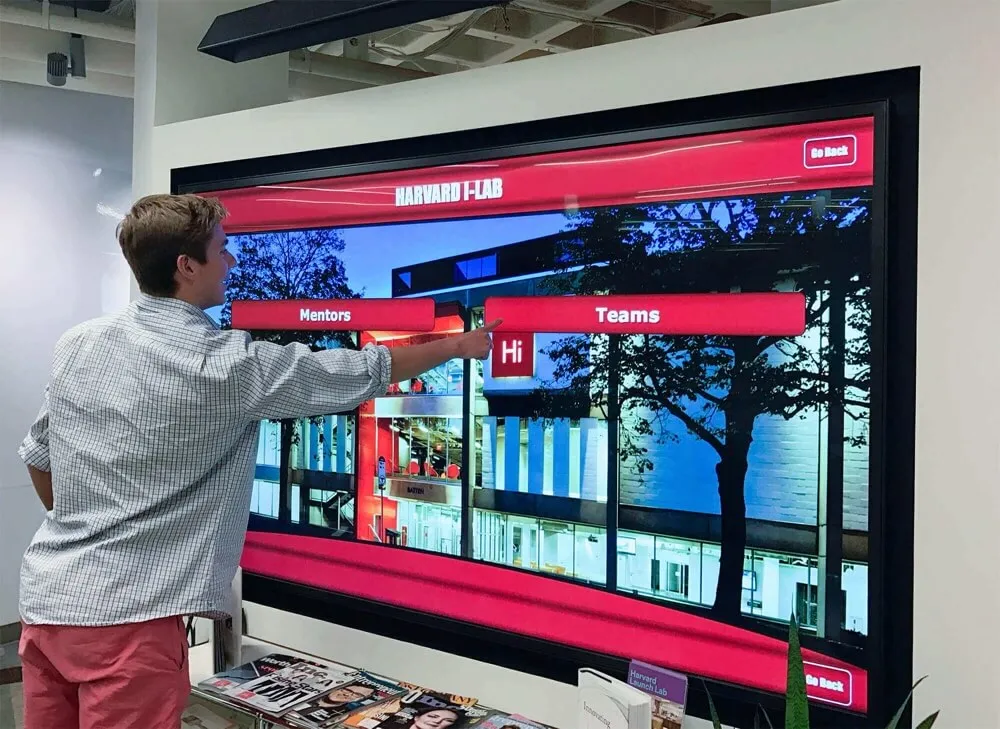
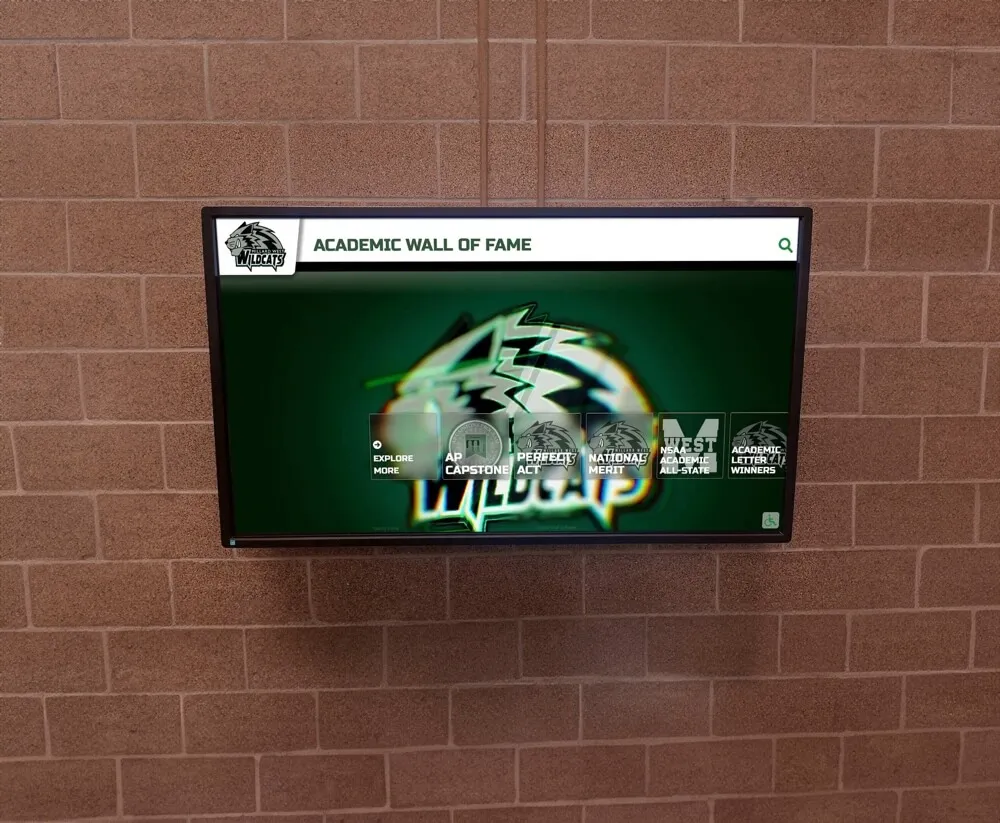
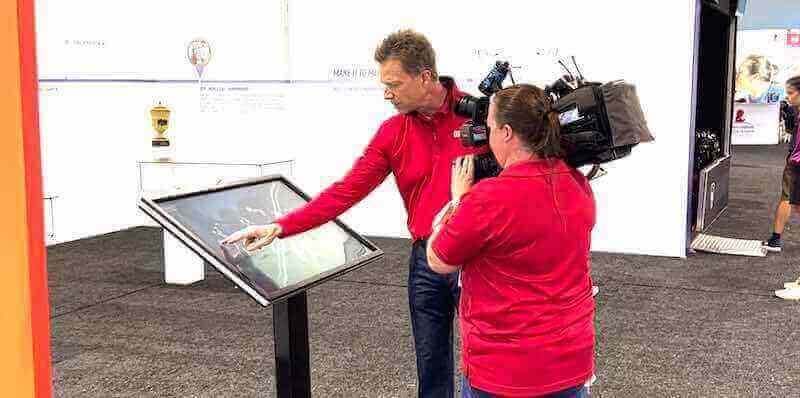
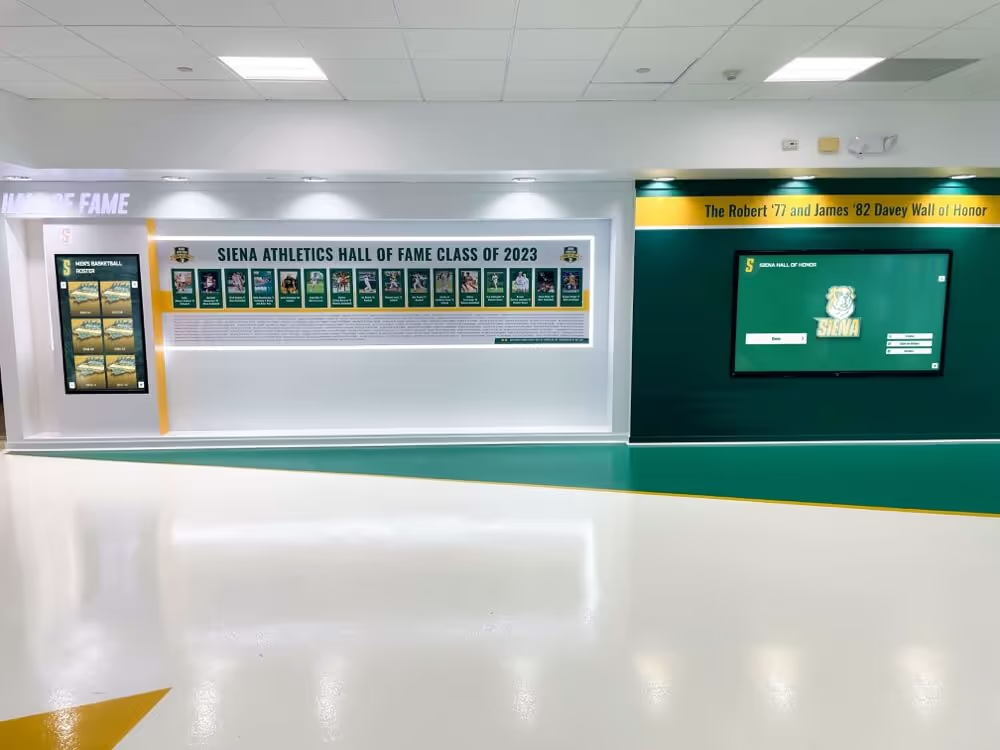
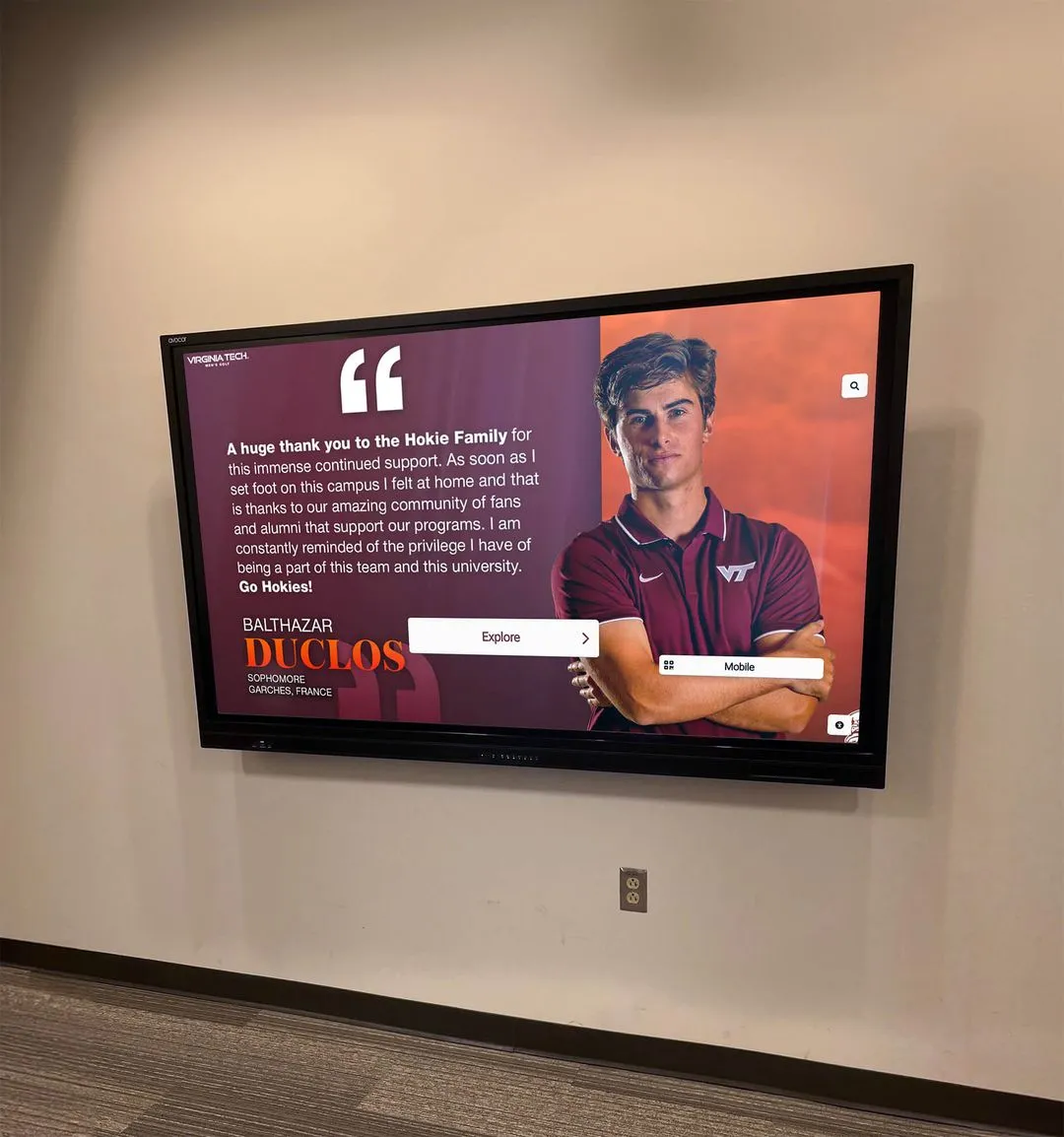
Interactive displays at basketball venues create engaging recognition experiences during high-traffic game events
Program Snapshot: Basketball Game Recognition Display Implementation
Before exploring detailed implementation strategies, understanding the complete touchscreen recognition program scope helps athletic directors assess whether game-day display technology aligns with program goals and available resources.
| Program Element | Description | Key Considerations |
|---|---|---|
| Target Audience | Current players, families, alumni, community supporters, prospective athletes, visiting teams | Basketball games attract diverse audiences creating broad recognition impact opportunities |
| Recognition Capacity | Unlimited player profiles, complete team rosters, historical program archives, season statistics, championship documentation | Digital platforms overcome physical space constraints limiting traditional recognition |
| Primary Outcomes | Enhanced game-day experience, real-time athlete celebration, program heritage preservation, community engagement, recruiting advantages | Success requires integration with game-day operations beyond simple display installation |
| Technology Components | Commercial-grade touchscreen displays, cloud-based content management, mobile-responsive web platforms, social media integration | Purpose-built recognition systems deliver superior results versus generic digital signage |
| Content Requirements | Current season rosters with photos and statistics, historical player archives, team championships, individual records, coach profiles | Comprehensive content development represents essential investment for meaningful recognition |
| Installation Timeline | Typically 6-10 weeks from planning through game-day activation including content development and staff training | Rushed implementations with inadequate preparation consistently disappoint stakeholders |
| Game-Day Management | Pre-game activation, halftime features, timeout engagement, post-game updates, season-long content refreshes | Sustainable operations require clear responsibilities and efficient update workflows |
Content Architecture: Mapping Basketball Recognition to Interactive Displays
Effective game-day touchscreen recognition organizes content specifically for basketball venue exploration and discovery:
Current Season Recognition Elements
Team Roster Profiles
Complete current team celebration includes:
- Professional team photographs with all players, coaches, and staff identified
- Individual player profiles featuring action photography, positions, uniform numbers, class years
- Season statistics including points per game, rebounds, assists, shooting percentages
- Biographical information with hometowns, academic interests, post-graduation plans
- Individual achievement recognition highlighting awards, milestones, and special accomplishments
- Social media integration enabling families to share profiles celebrating their athletes
- Video highlights showcasing signature plays, game-winning moments, or season progressions
Game-Day Specific Features
Real-time recognition maintaining engagement:
- Starting lineup introductions with expanded player information beyond PA announcements
- Live statistics integration showing individual and team performance updates
- Milestone tracking celebrating significant achievements during games (1000th career point, school records)
- Player-of-the-game recognition with comprehensive achievement summaries
- Senior night features providing detailed celebrations of graduating athletes
- Championship updates documenting tournament progression and victory celebrations
Schools implementing comprehensive current-season recognition discover that families, students, and community members engage displays extensively during pre-game arrivals, halftime breaks, and post-game celebrations—transforming recognition from passive observation to active exploration and shared celebration.
Learn about creating engaging basketball hall of fame programs that celebrate excellence across program history.
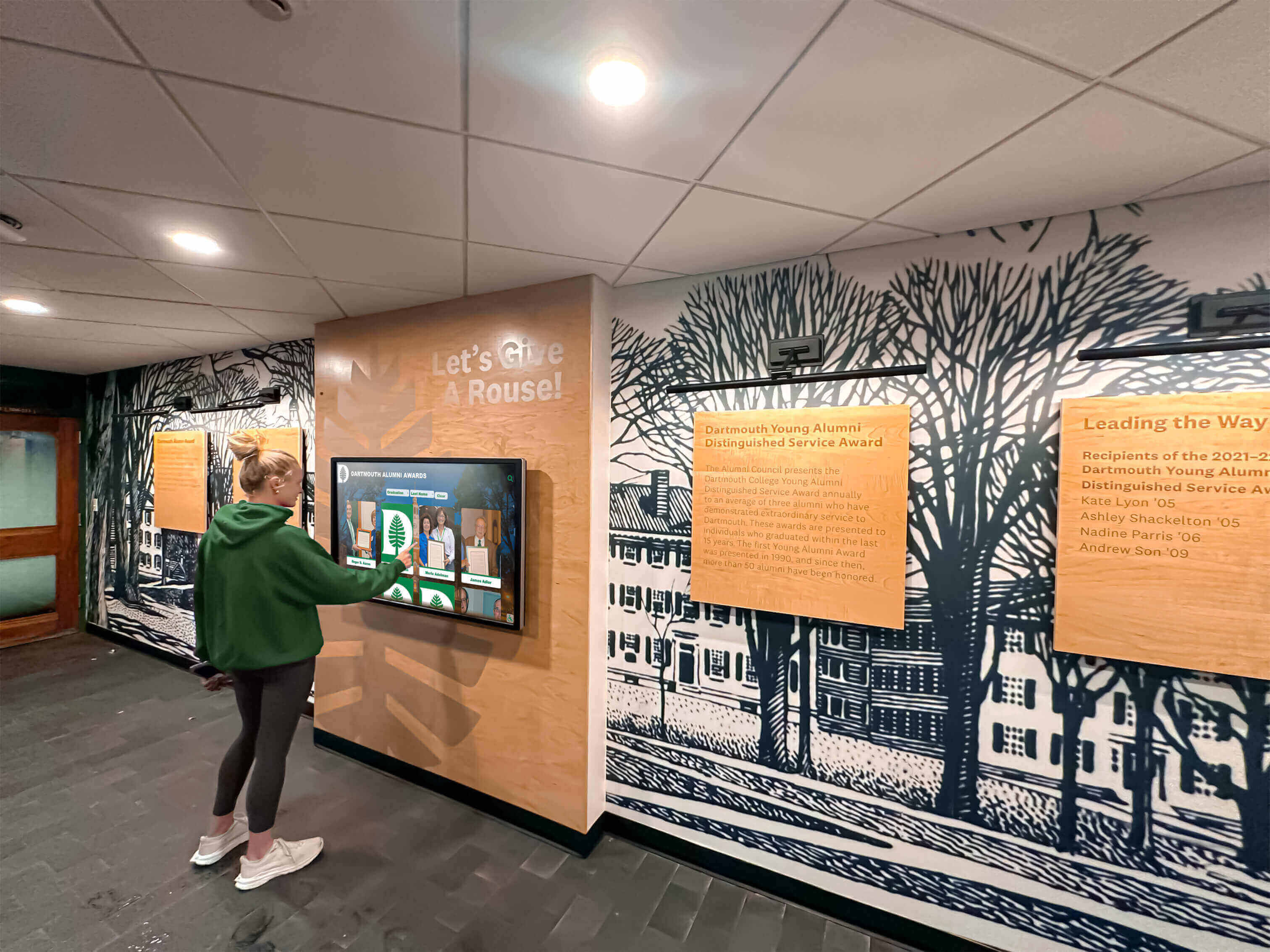
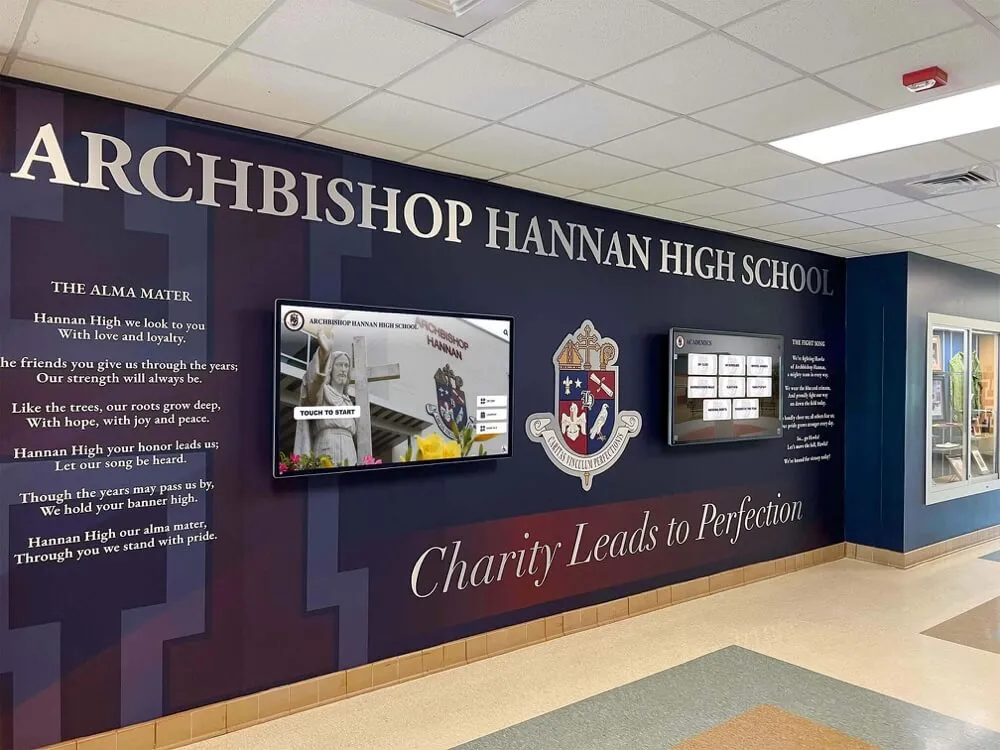
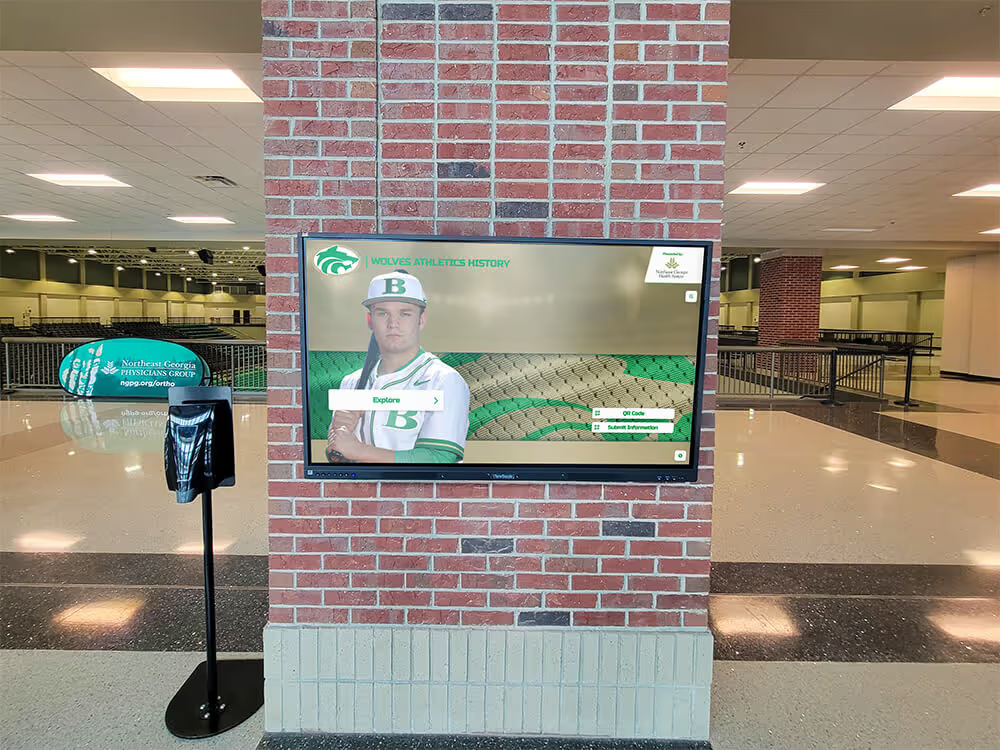
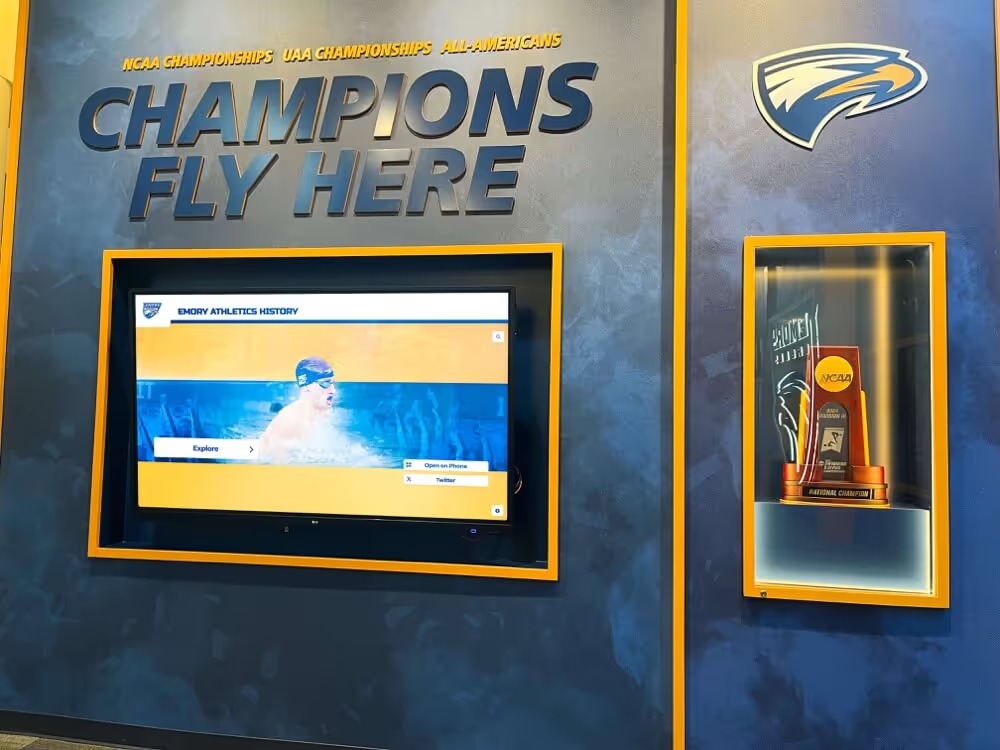
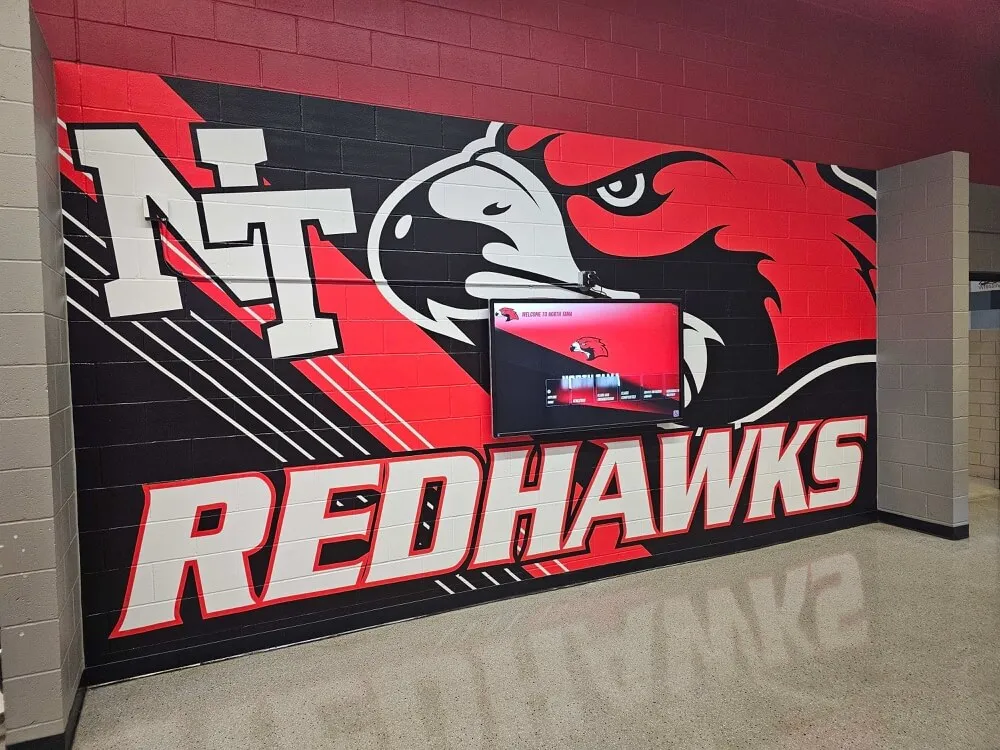
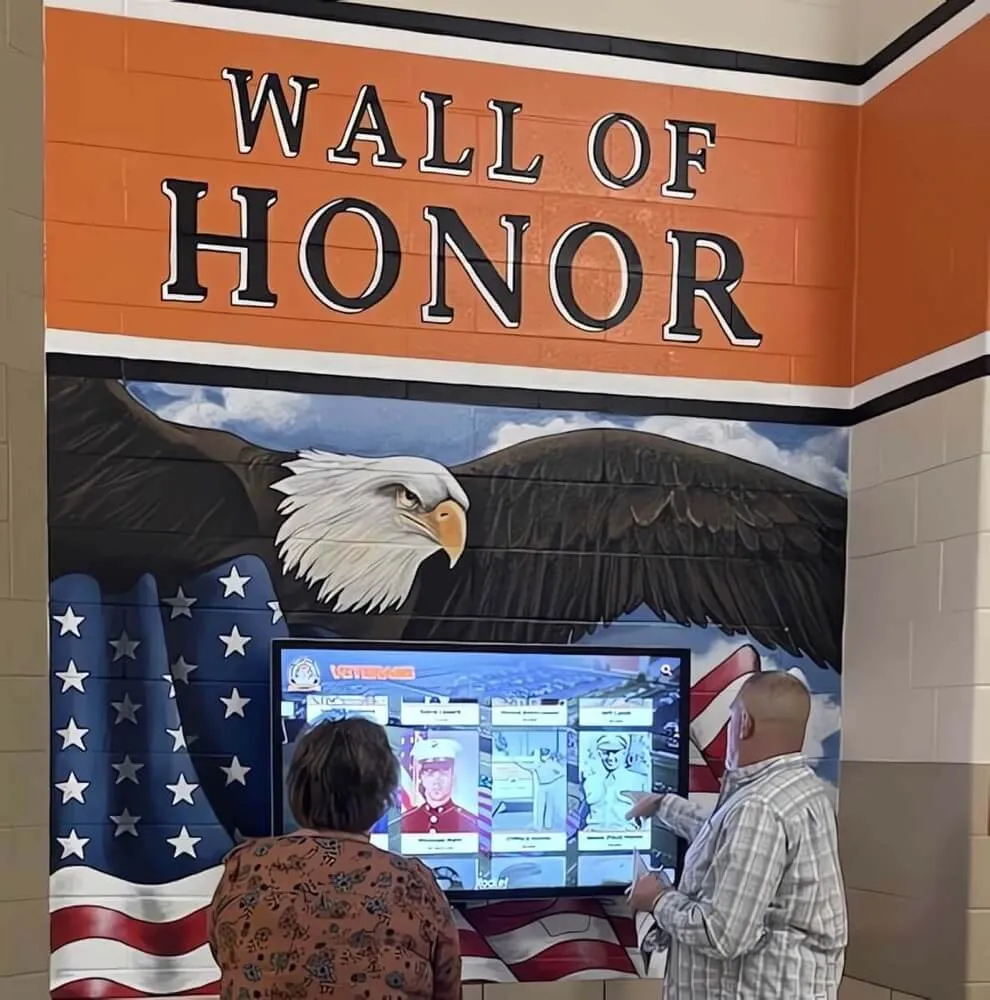
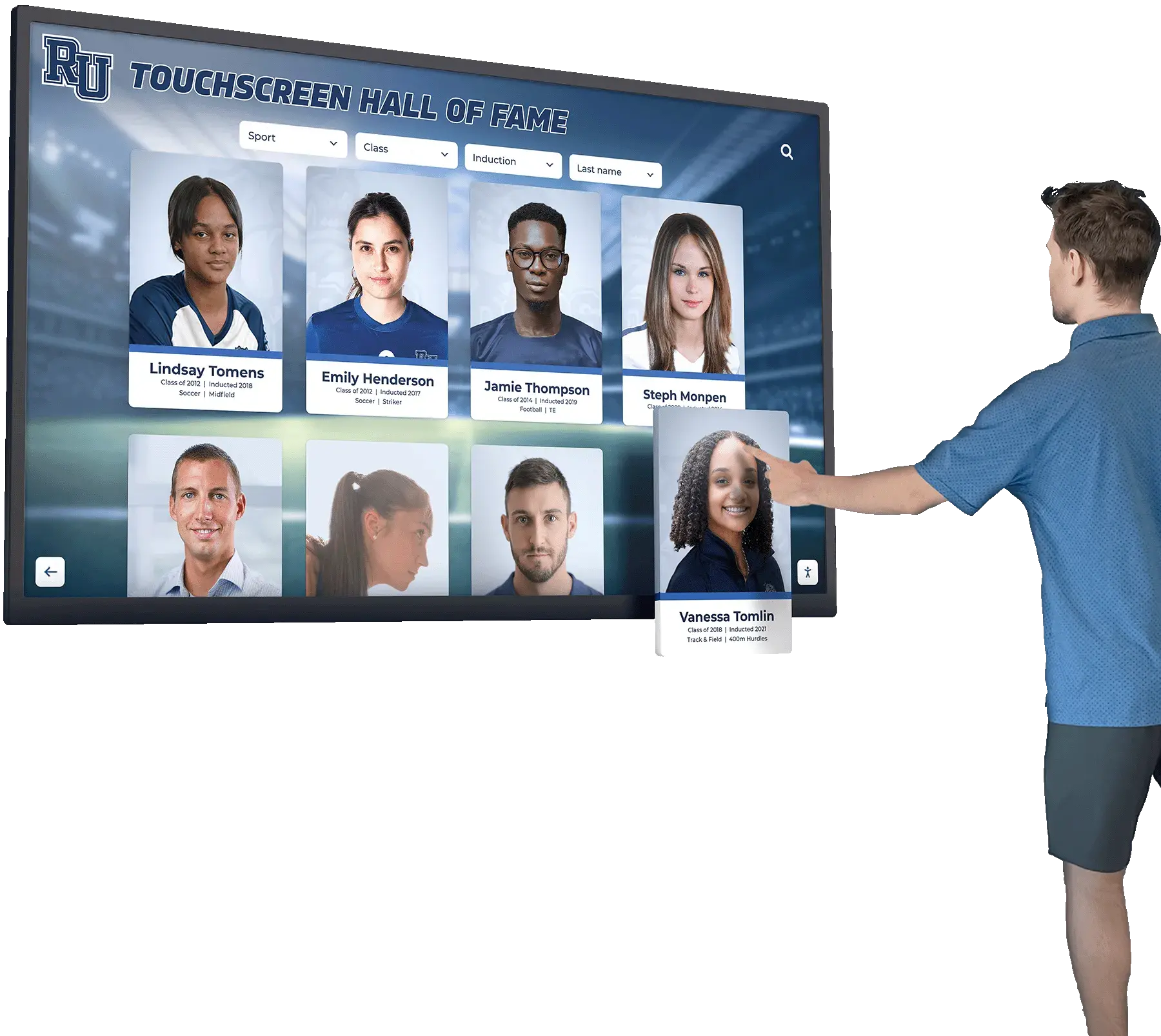
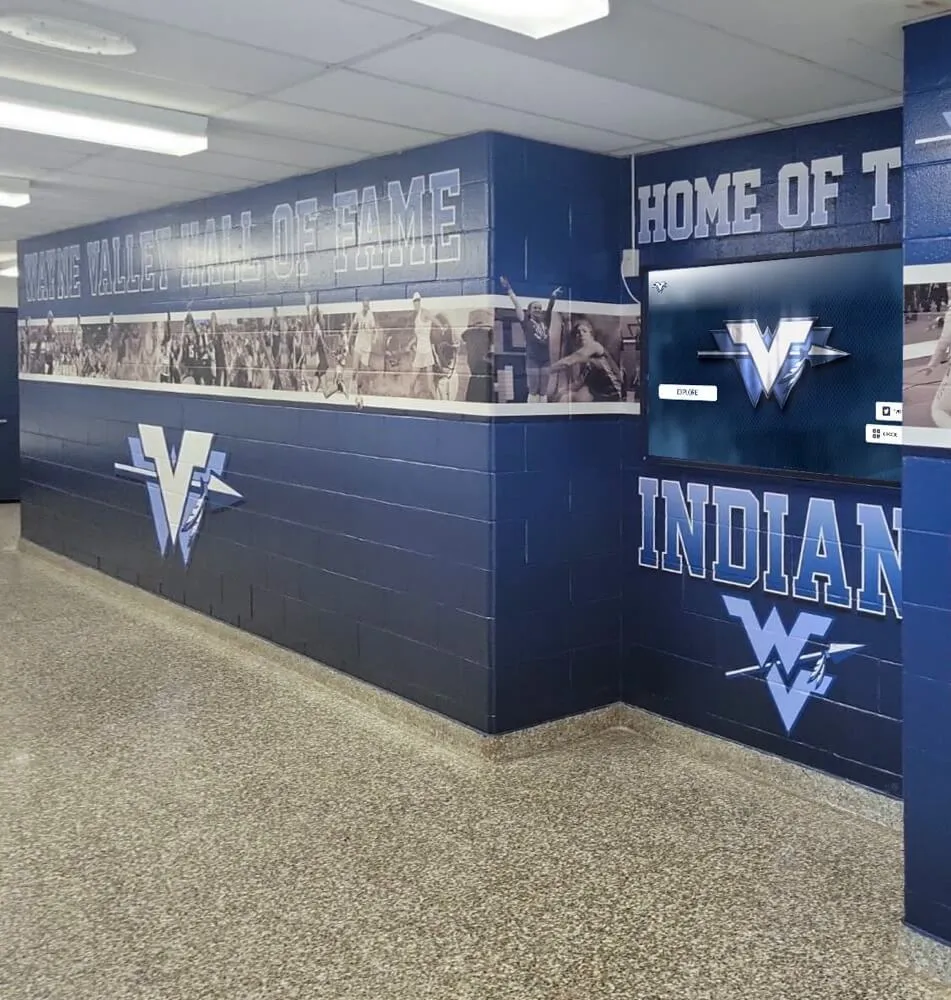
Intuitive touchscreen interfaces enable visitors of all ages to explore basketball recognition independently
Historical Program Archives
Championship Team Documentation
Preserve complete basketball legacy:
- Championship team rosters with complete player identification and position information
- Season records, tournament progressions, and victory documentation
- Team photographs capturing championship moments and celebration scenes
- Individual player statistics from championship seasons showing contributors
- Coach perspectives and season narratives explaining championship journeys
- Video footage from memorable games, championship victories, or tournament highlights
- Historical context connecting championship teams to broader program traditions
Individual Achievement Recognition
Honor legendary program contributors:
- Career scoring leaders with complete statistics and achievement timelines
- All-conference, all-state, and individual award recipients across program history
- College and professional basketball achievement tracking for alumni advancement
- Records and milestones documenting unprecedented individual accomplishments
- Coach histories preserving leadership legacies across decades
- Multi-generational family participation connecting basketball traditions
Program Evolution Timelines
Document basketball development comprehensively:
- Decade-by-decade program progression from founding through present
- Facility evolution showing where basketball traditions developed
- Conference affiliation changes and competitive era documentation
- Coaching tenures tracking leadership across program history
- Milestone celebrations marking significant program anniversaries
- Statistical trends revealing how basketball and program evolved over time
Solutions like Rocket Alumni Solutions provide purpose-built platforms specifically designed for comprehensive athletic recognition, combining unlimited capacity with intuitive interfaces enabling exploration across decades of basketball achievement without physical space constraints limiting celebration.
Interactive Discovery Features
Modern touchscreen displays enable multiple exploration pathways supporting different visitor interests:
Search and Filtering Capabilities
- Full-text search across player names, years, achievements enabling quick discovery
- Graduation year filtering showing specific classes or decades
- Position filtering for guards, forwards, centers across program history
- Achievement category organization separating championships, individual honors, records
- Team filtering distinguishing varsity, junior varsity, or freshman teams
- Related content suggestions connecting teammates, coaches, or family members
Featured Content Rotation
- Senior spotlights during current season highlighting graduating athletes
- Historical anniversaries celebrating championship teams or milestone achievements
- Record-breaking performances showcasing recent or historical accomplishments
- Alumni updates featuring college commitments, professional advancement, or career achievements
- Coach perspectives providing leadership insights and program philosophy
- Rivalry history documentation preserving competitive traditions and memorable moments
Engagement and Social Features
- QR code generation linking physical programs to specific player profiles
- Social media sharing enabling families to celebrate athlete recognition broadly
- Photo galleries showcasing action images, team celebrations, and community moments
- Video integration featuring game highlights, player interviews, or historical footage
- Statistics comparison tools enabling exploration across eras and positions
- Family connections highlighting multi-generational basketball participation
Discover comprehensive approaches to digital athletic recognition that transform celebration experiences.

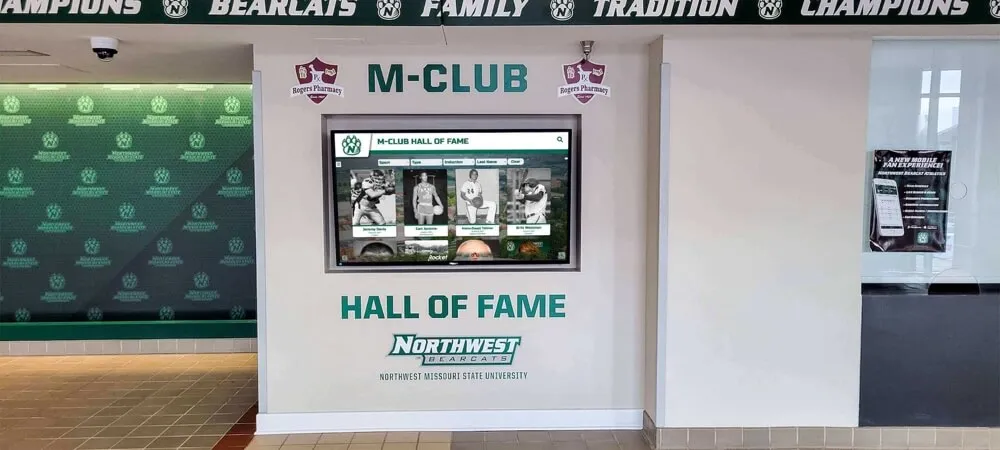
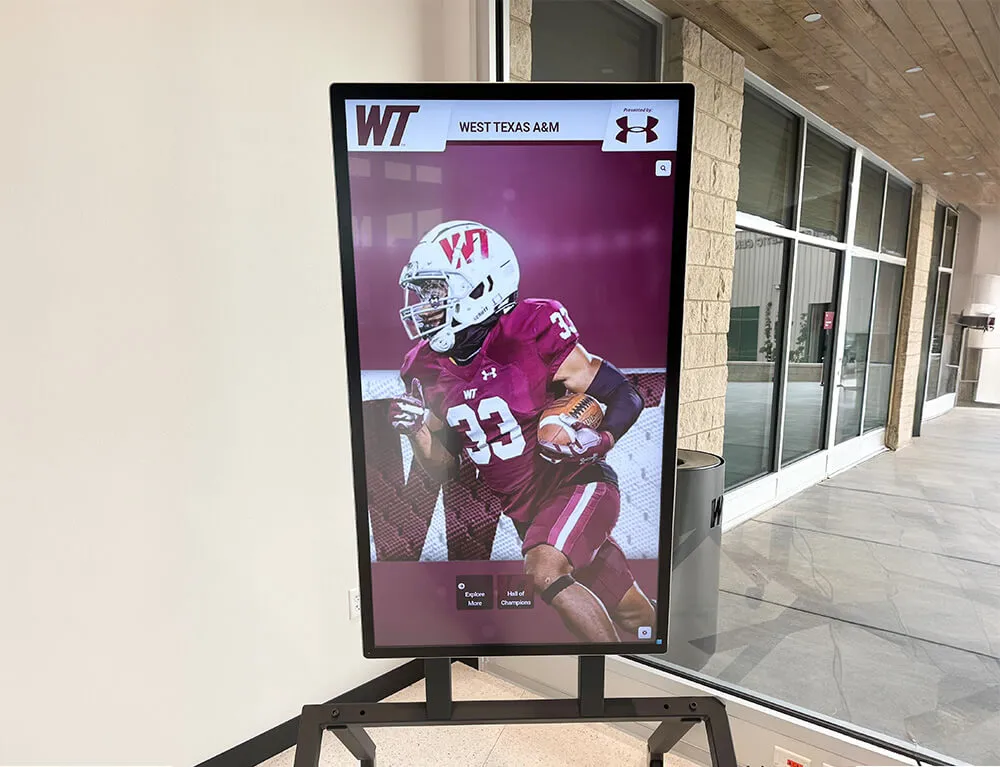
Touchscreen technology enables intuitive exploration through complete basketball rosters and historical archives
Execution Timeline: Basketball Game Display Implementation
Successful touchscreen recognition follows systematic phases ensuring professional deployment and sustained game-day effectiveness:
Phase 1: Planning and Requirements Definition (Weeks 1-2)
Stakeholder Engagement and Goal Setting
Establish clear implementation vision:
- Assemble planning team including athletic director, coaches, technology staff, facilities management
- Define recognition priorities balancing current season celebration with historical preservation
- Identify target audiences and their specific exploration interests and patterns
- Determine installation locations optimizing visibility, accessibility, and traffic flow
- Set success metrics defining how program effectiveness will be measured
- Secure budget authorization covering hardware, software, installation, content development
Facility Assessment and Location Selection
Evaluate basketball venue opportunities:
- Gymnasium lobby locations greeting all attendees and establishing recognition priority
- Concourse areas providing exploration space during halftime and timeouts
- Athletic facility hallways connecting basketball gym to broader school spaces
- Main entrance lobbies reaching entire school community beyond just game attendees
- Concession stand areas where crowds gather during breaks and post-game
- Alumni center or booster club spaces engaging returning graduates and program supporters
Optimal locations combine high foot traffic during games, sufficient viewing space enabling group exploration without blocking corridors, adequate viewing time allowing comprehensive rather than rushed exploration, and thematic connection to basketball creating natural discovery motivation.
Technical Infrastructure Verification
Ensure facility readiness:
- Electrical capacity and outlet locations supporting commercial display power requirements
- Network connectivity enabling cloud-based content management and updates
- Mounting surfaces capable of supporting display weight securely
- Ambient lighting assessment ensuring screen visibility without glare or washout
- Climate considerations for gymnasiums lacking climate control
- Security measures preventing theft or vandalism in public spaces
Schools conducting thorough planning report smoother implementations, fewer installation surprises, and earlier achievement of recognition goals compared to rushed deployments addressing problems reactively.
Learn about strategic athletic display placement maximizing community engagement.
Phase 2: Hardware and Software Selection (Weeks 3-4)
Display Hardware Specifications
Commercial-grade equipment ensures reliable operation:
Display Size Determination
- 55-65 inch displays most common for lobby and concourse locations balancing visibility and space
- 75-86 inch displays ideal for large gymnasium lobbies creating impressive focal points
- Multiple smaller displays distributed across facility versus single large installation
- Viewing distance calculations ensuring text remains readable from typical exploration positions
Touchscreen Technology Selection
- Commercial touchscreen displays rated for continuous public operation
- Multi-touch capability supporting gesture navigation and multiple simultaneous users
- Vandal-resistant glass protecting displays in unsupervised public spaces
- Anti-glare coatings maintaining visibility in varied lighting conditions
- Brightness specifications ensuring visibility in gymnasium lighting environments
Mounting and Installation Hardware
- Professional wall-mount systems with secure anchoring to structural supports
- Freestanding kiosk enclosures for locations lacking suitable wall mounting surfaces
- ADA-compliant positioning ensuring wheelchair accessibility and reach ranges
- Cable management systems creating polished professional appearance
- Protective enclosures for high-traffic areas preventing accidental damage
Software Platform Evaluation
Purpose-built recognition platforms deliver superior results:
Essential Recognition Features
- Unlimited player and team capacity without per-profile licensing costs
- Comprehensive profile management supporting photos, statistics, videos, narratives
- Intuitive search and filtering enabling multiple discovery pathways
- Template-based content creation ensuring consistent professional presentation
- Cloud-based administration enabling remote updates from any location
- Web accessibility extending recognition beyond physical displays
- Mobile-responsive design ensuring excellent smartphone and tablet experiences
Basketball-Specific Capabilities
- Statistics integration supporting quantitative achievement documentation
- Team roster management organizing players by season and level
- Schedule integration connecting recognition to upcoming and recent games
- Record tracking documenting milestone achievements and school records
- Championship documentation preserving tournament progression and victories
- Video hosting enabling highlight reels and game footage integration
Administrative Efficiency
- Bulk upload tools enabling efficient season roster additions
- Approval workflows supporting quality review before content publication
- Scheduled publishing enabling coordinated recognition releases
- Role-based permissions allowing multiple staff contributors
- Analytics tracking engagement patterns and popular content
- Automated backups preventing permanent content loss
Explore comprehensive touchscreen software solutions designed specifically for educational recognition.
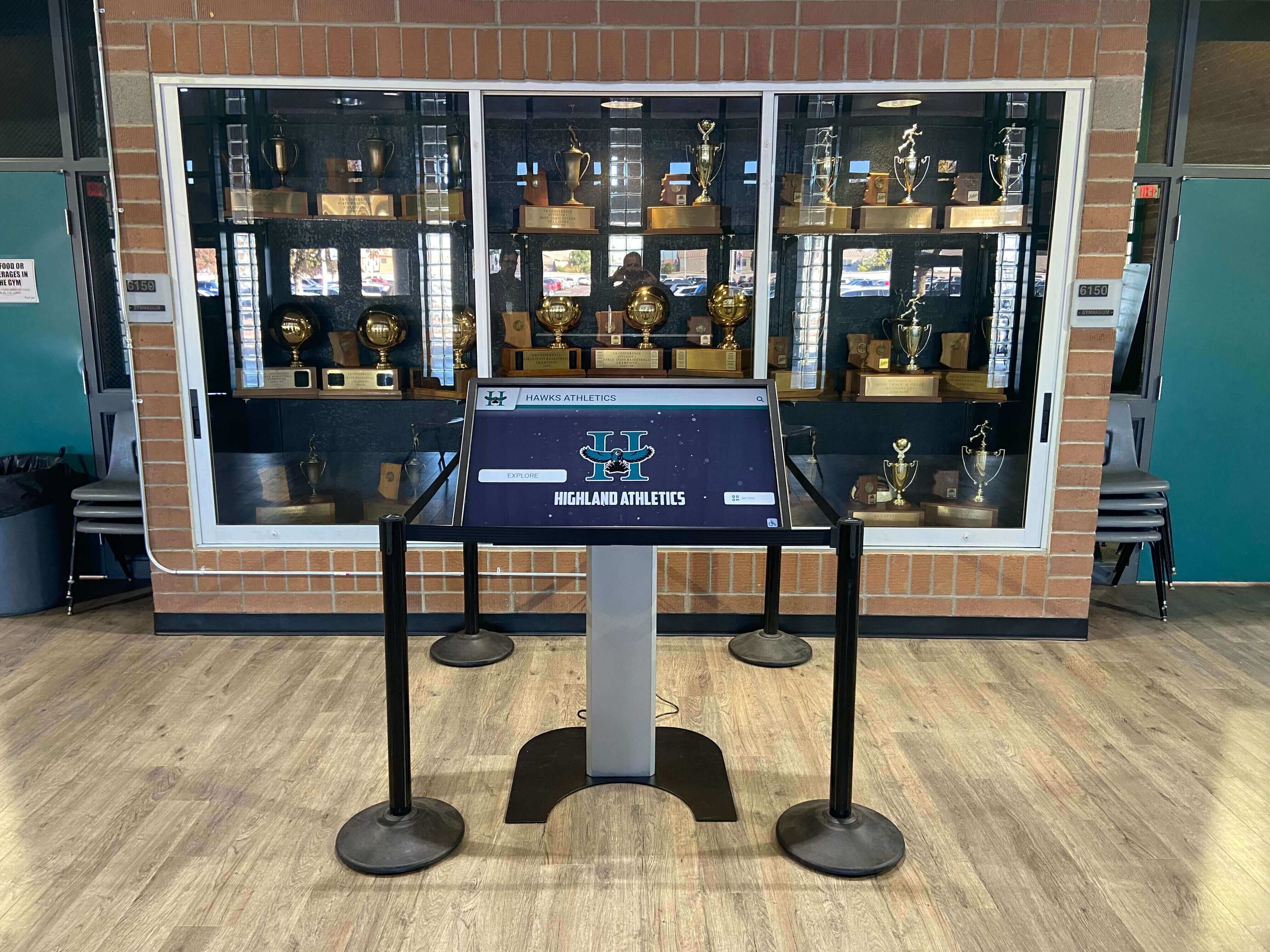
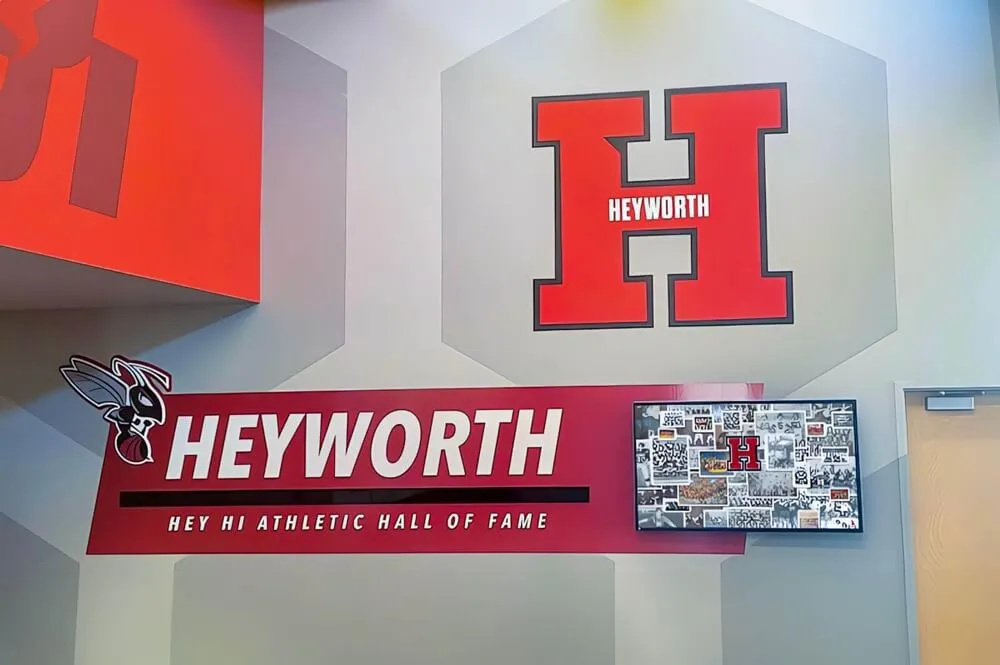
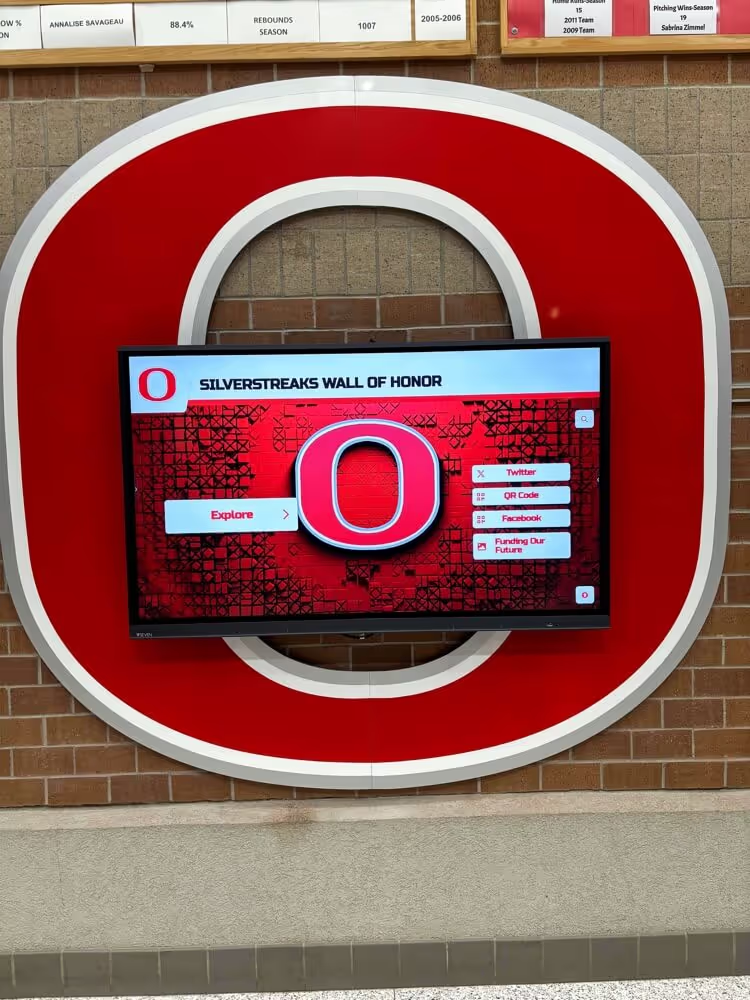
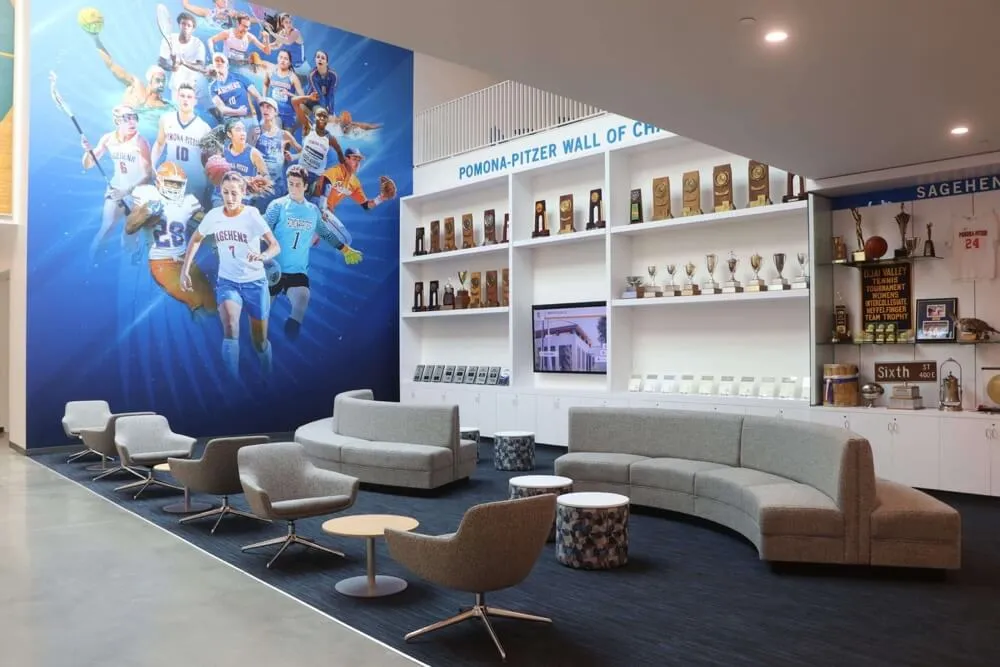
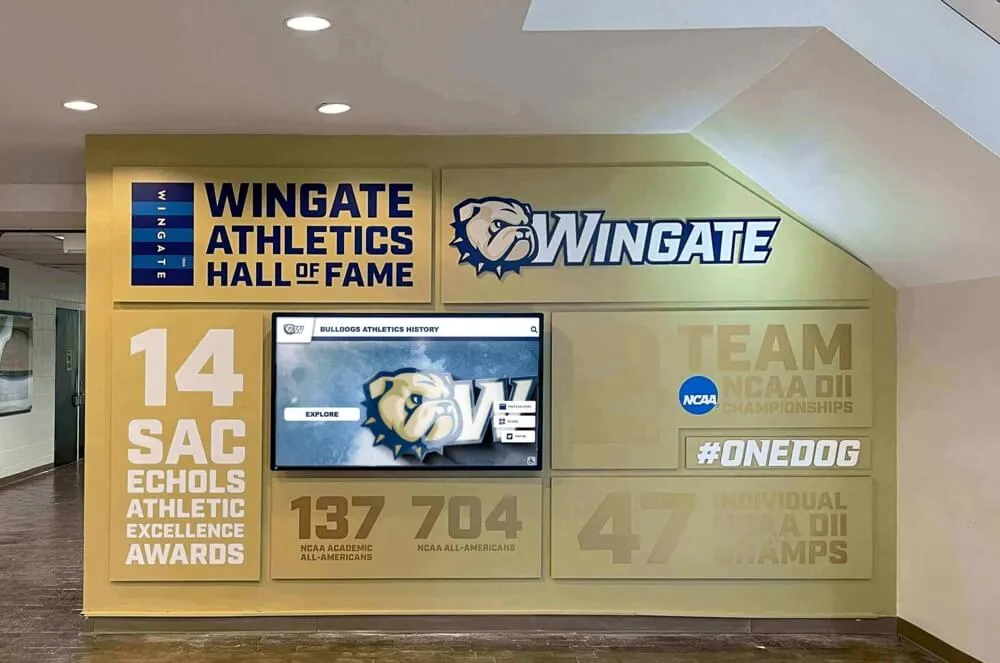
Touchscreen displays integrate seamlessly with traditional trophy cases combining modern technology with existing recognition
Phase 3: Content Development and Preparation (Weeks 5-8)
Current Season Content Creation
Develop comprehensive current team recognition:
Player Profile Development
- Professional photography sessions capturing action shots and team portraits
- Biographical data collection including academic interests and post-graduation plans
- Statistics compilation from game results and season tracking systems
- Achievement documentation highlighting awards, milestones, and accomplishments
- Quote collection capturing player perspectives on season, team, and experiences
- Social media handles enabling families to follow and share athlete updates
Team Content Production
- Complete roster creation with all players, coaches, and support staff
- Team photographs with identification ensuring all contributors receive recognition
- Season schedules integrating upcoming games and results into recognition platform
- Strategic information explaining team strengths, playing styles, and competitive goals
- Coaching philosophy content providing leadership perspective and program values
- Parent and supporter recognition acknowledging volunteer contributions
Historical Archive Development
Preserve complete basketball program legacy:
Championship Team Research
- Yearbook investigation identifying championship teams across program history
- Newspaper archive research documenting victories and tournament progressions
- Alumni outreach soliciting photographs, memories, and historical content
- Roster compilation ensuring complete team member identification
- Statistical reconstruction for eras with incomplete record-keeping
- Coach interviews capturing perspectives on championship seasons and memorable players
Individual Achievement Documentation
- Career statistics compilation across all seasons and levels
- Award and honor verification through school records and media archives
- College and professional advancement tracking for post-graduation achievements
- Biographical information collection through alumni surveys and outreach
- Achievement context explaining significance within program history
- Comparative analysis showing statistical leadership across eras
Multimedia Content Collection
- Historical photograph digitization ensuring high-quality display presentation
- Video conversion bringing historical game footage into modern digital formats
- Audio interviews with retired coaches and legendary players preserving memories
- Document scanning digitizing programs, newspaper clippings, and memorabilia
- Highlight compilation editing memorable moments into engaging video content
- Anniversary content creation marking significant program milestones
This comprehensive content development ensures touchscreen displays showcase meaningful recognition rather than sparse placeholder content disappointing visitors and undermining recognition credibility.
Discover strategies for preserving athletic program history through comprehensive digital archives.
Phase 4: Installation and Training (Weeks 9-10)
Professional Display Installation
Technical deployment ensuring reliable operation:
Physical Installation Execution
- Licensed electrical work meeting code requirements and inspection standards
- Secure display mounting preventing theft or damage in public spaces
- Network connectivity configuration enabling cloud management and updates
- Professional cable management creating polished finished appearance
- Display calibration including brightness, color, touch sensitivity optimization
- Protective measures appropriate for gymnasium and public space environments
System Configuration and Testing
- Content management system setup with organizational branding and customization
- User account creation with appropriate permissions for administrative staff
- Content upload and organization ensuring logical navigation and discovery
- Search and filtering verification confirming accurate discovery capabilities
- Social sharing testing validating links and integration functionality
- Performance verification ensuring responsive operation across all features
Administrator Training and Capability Development
Build sustainable management capacity:
Content Management Training
- Hands-on profile creation practice with actual player information
- Bulk upload tool instruction enabling efficient season roster additions
- Multimedia management covering photo optimization, video integration, document hosting
- Approval workflow training supporting quality assurance processes
- Schedule publishing instruction enabling coordinated content releases
- Statistics integration training connecting quantitative achievement data
Display Management Skills
- Remote administration access from any internet-connected device
- Troubleshooting common issues preventing unnecessary support calls
- Analytics review interpreting engagement data and popular content
- Update scheduling for game-day features and seasonal transitions
- Backup procedures ensuring content preservation and recovery capabilities
- Support resource access including documentation, tutorials, and helpdesk contacts
Schools ensuring multiple trained staff members prevent single-person dependencies that create vulnerabilities during absences or staff transitions—sustaining recognition programs across personnel changes.
Learn about implementation best practices ensuring successful long-term recognition programs.
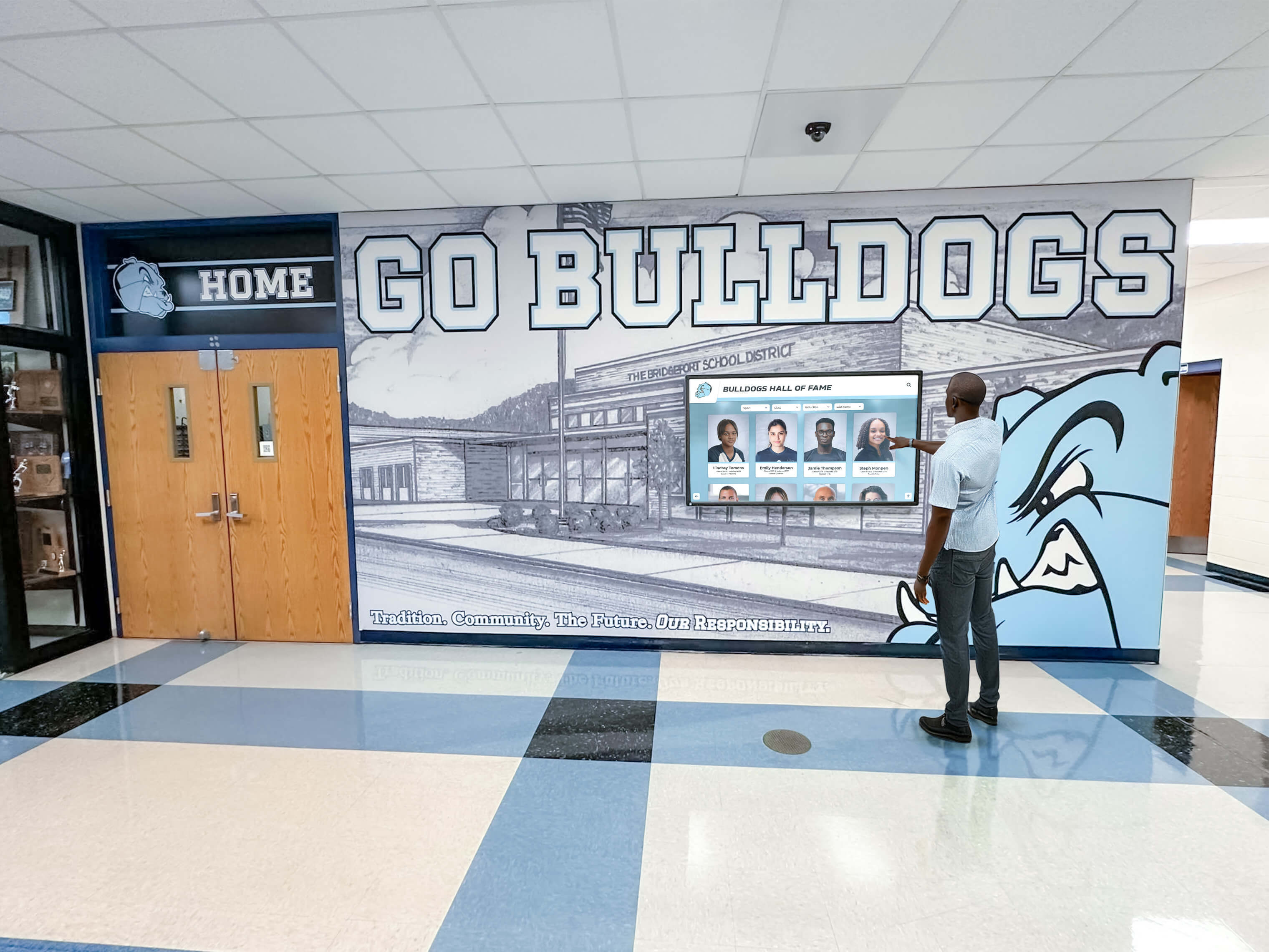
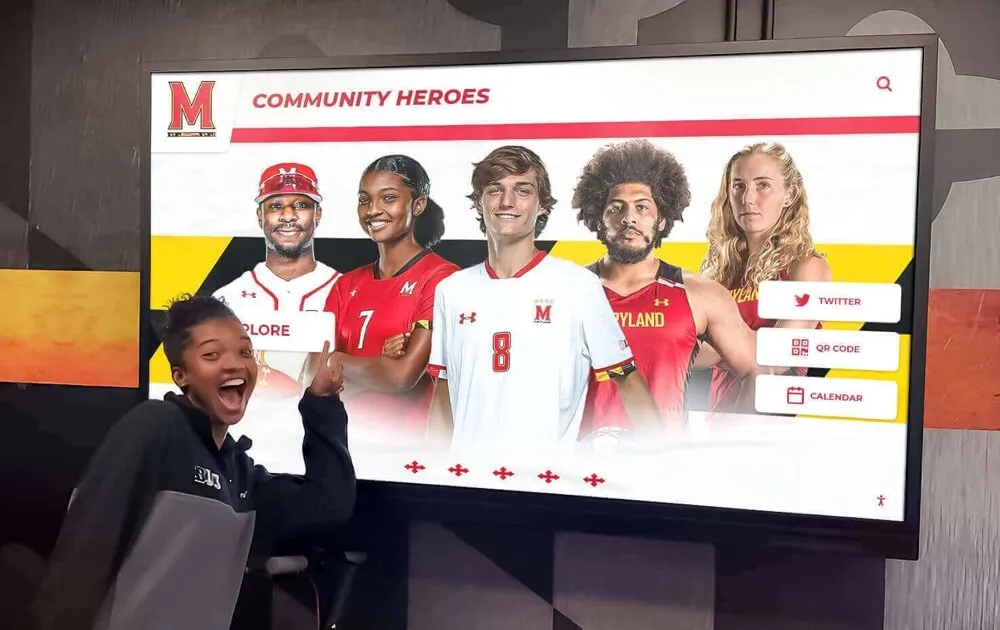
Engaging touchscreen interfaces transform passive recognition into active exploration experiences
Phase 5: Game-Day Activation and Ongoing Management (Week 11+)
Launch Event Planning and Execution
Maximize initial visibility and engagement:
Unveiling Ceremony Coordination
- Launch during high-profile home game ensuring maximum community attendance
- Pre-game ceremony introducing touchscreen technology and recognition vision
- Coach and athlete demonstrations showing exploration capabilities
- Family engagement encouraging immediate discovery of their athletes’ profiles
- Media coverage generating broader community awareness and institutional visibility
- Commemorative elements marking this significant program enhancement milestone
Game-Day Activation Protocols
Integrate displays into basketball event flow:
Pre-Game Engagement
- Featured content showcasing tonight’s starters with expanded player information
- Historical rivalry documentation for marquee matchup context
- Senior recognition during senior night with comprehensive career celebrations
- Alumni spotlight features connecting returning graduates to program heritage
- Record tracking highlighting potential milestones achievable during game
- Social media promotion encouraging families to explore before game begins
Halftime and Timeout Features
- Championship anniversary celebrations during extended halftime breaks
- Historical highlight videos showcasing legendary moments and players
- Record holder recognition celebrating program statistical leaders
- Multi-generational family participation highlighting basketball traditions
- Upcoming game promotion with opponent information and playoff implications
- Community contest integration driving display engagement and exploration
Post-Game Recognition Updates
- Immediate milestone recognition celebrating records or significant achievements
- Championship documentation following tournament victories
- Season finale updates acknowledging graduating seniors
- Next-game promotion maintaining engagement beyond current contest
- Social media amplification encouraging families to share recognition
- Statistics refresh incorporating game results into season tracking
Seasonal Content Management
Maintain currency and relevance:
Regular Update Schedule
- Weekly statistics refresh incorporating recent game results
- Injury and roster updates maintaining accuracy throughout season
- Achievement additions celebrating awards and milestone accomplishments
- Featured content rotation ensuring fresh discovery during repeat visits
- Historical anniversary recognition tied to current dates
- Playoff bracket integration during tournament progression
Off-Season Maintenance
- Season archive finalization preserving complete team documentation
- Recruiting class addition featuring incoming players and commitments
- Historical content expansion adding newly-discovered program archives
- Alumni update collection tracking post-graduation achievements
- Summer camp integration promoting youth program participation
- Facility improvement documentation showing program investment and growth
Schools committing to consistent content management report sustained community engagement rather than initial enthusiasm followed by neglect—recognition remains valuable only when accuracy and currency demonstrate ongoing institutional investment.
Explore approaches to digital storytelling for athletic programs that maintain engagement year-round.
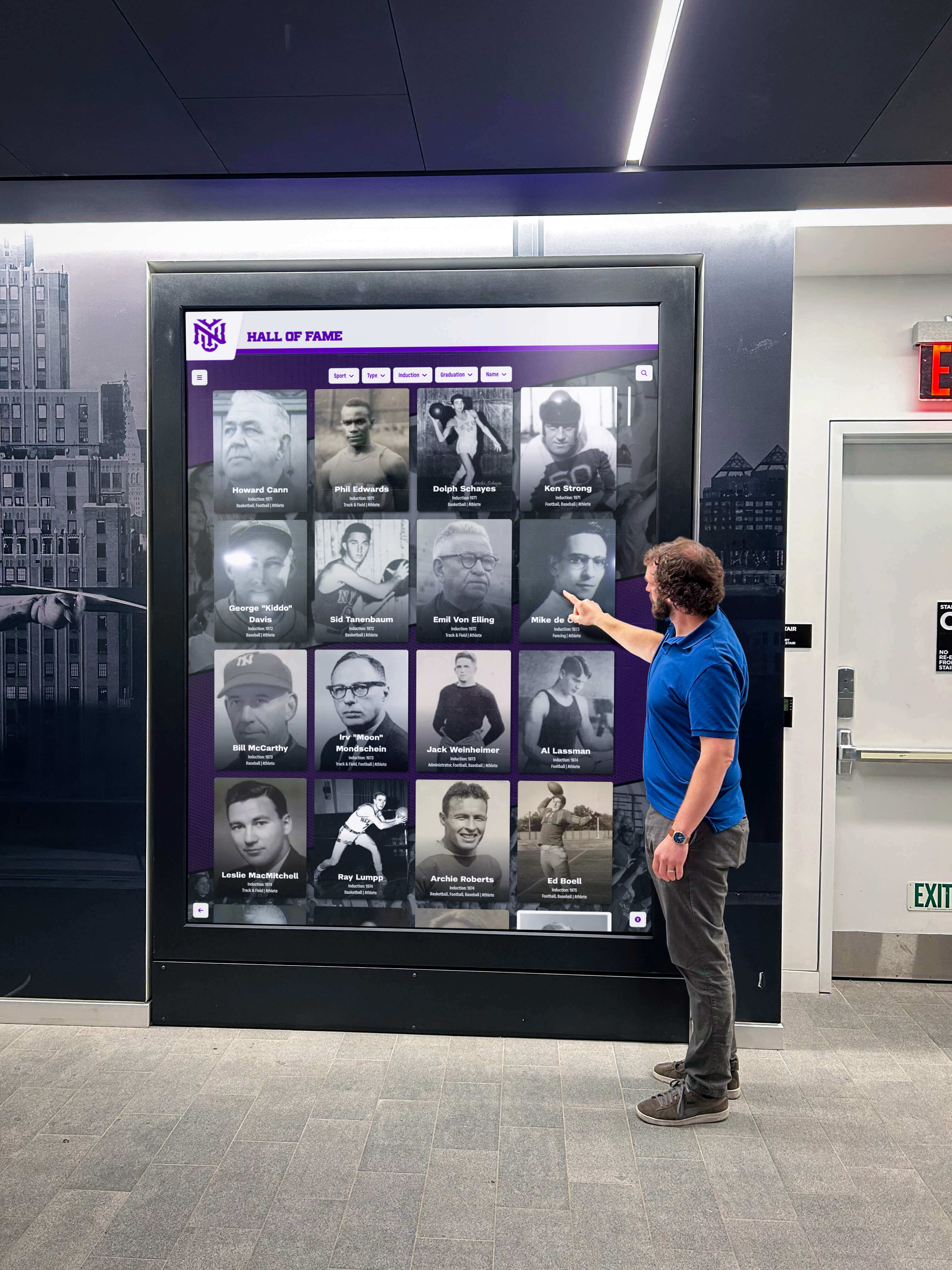
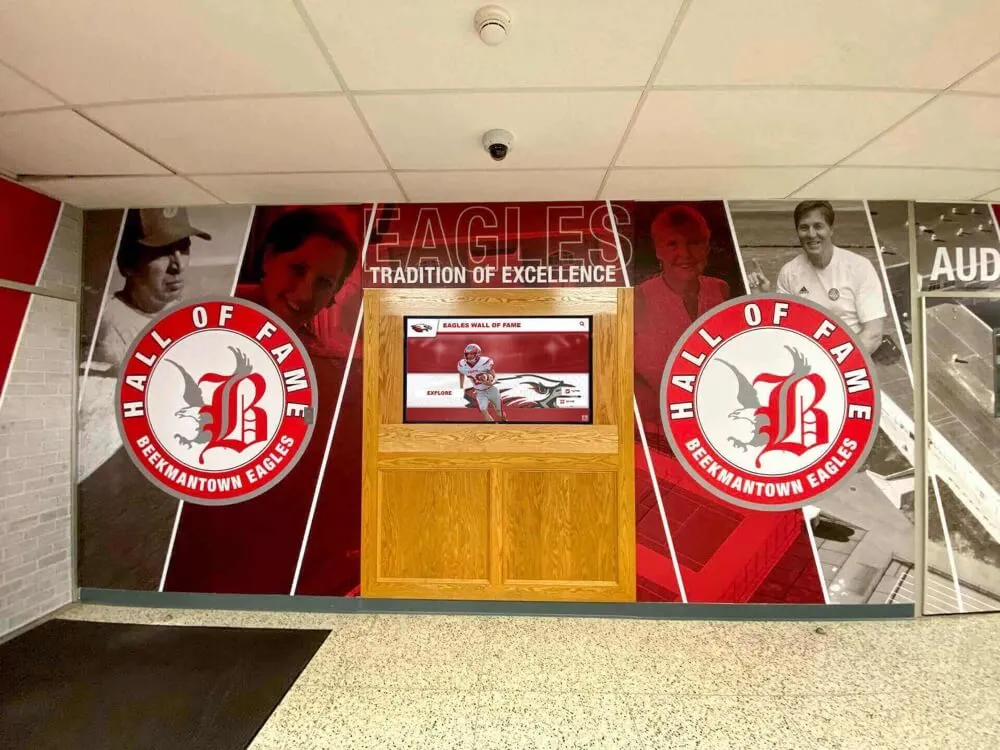
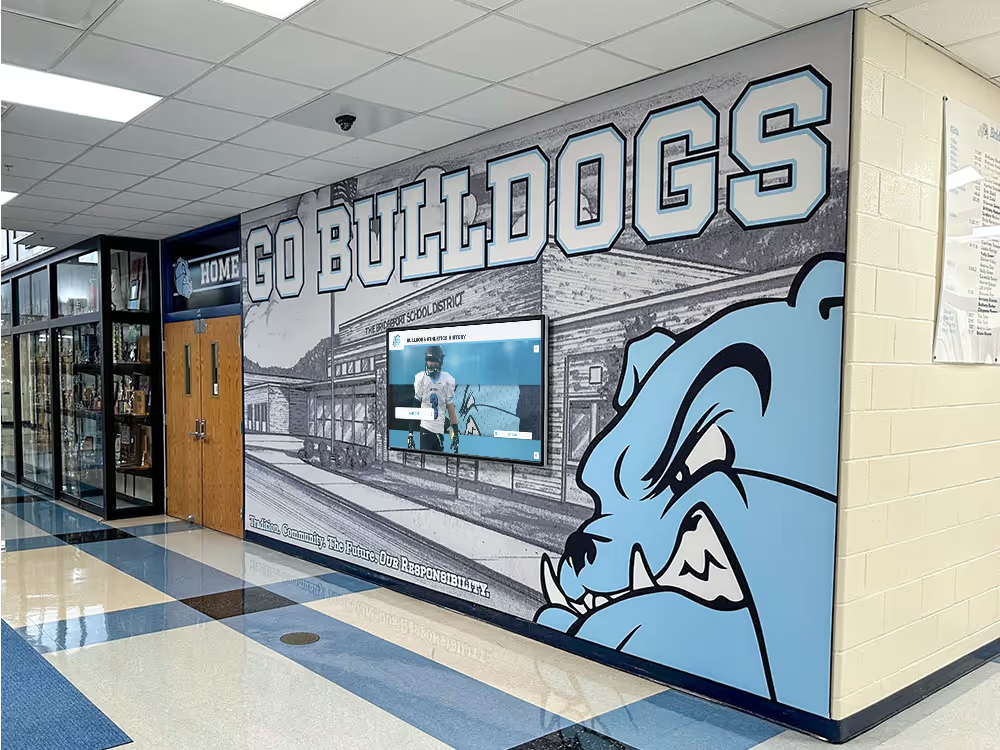
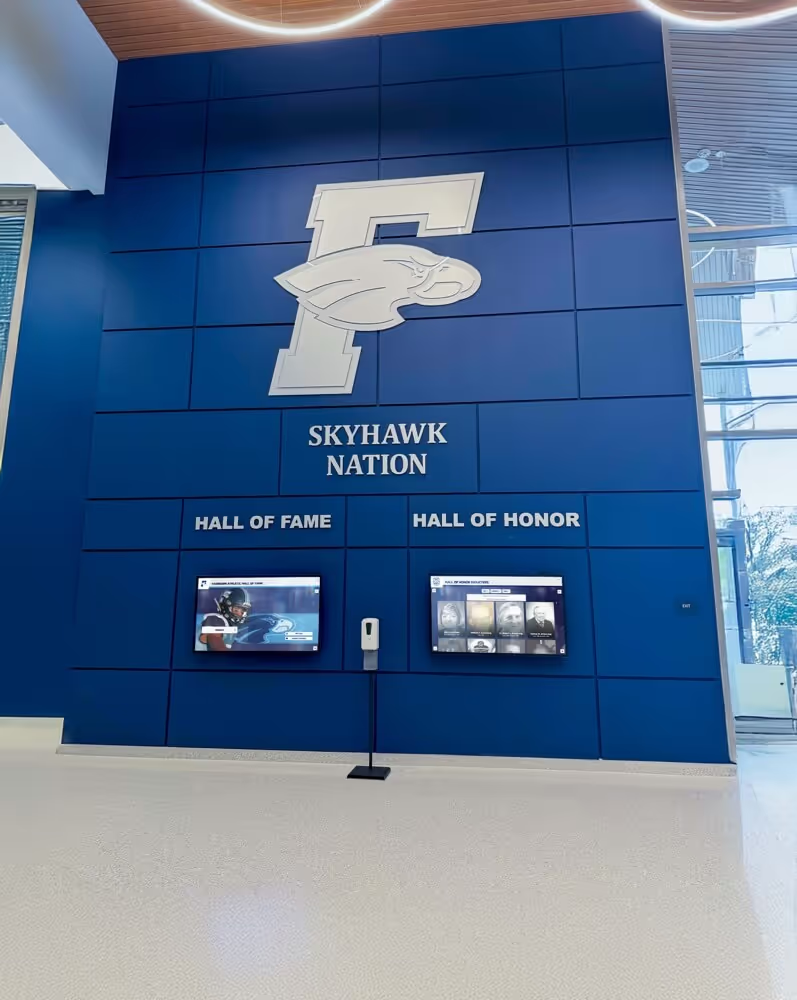
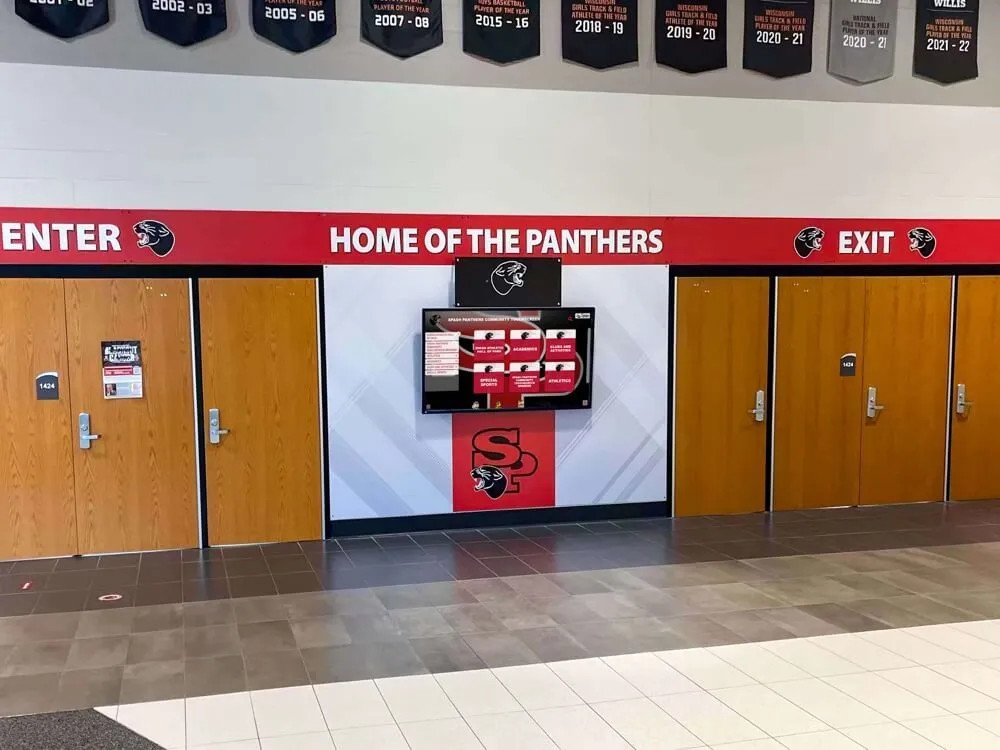
Strategic lobby placement ensures maximum visibility during high-traffic game attendance
Display Integration: Technical Specifications and Best Practices
Effective basketball game recognition combines appropriate technology with strategic implementation:
Physical Placement Strategy
High-Traffic Location Selection
Optimize visibility and engagement:
Primary Gymnasium Locations
- Main entrance lobbies greeting all game attendees immediately upon arrival
- Concourse areas providing natural gathering and exploration spaces
- Concession stand proximities where crowds accumulate during breaks
- Hallway connections linking gymnasium to parking, restrooms, other facilities
- Trophy case integration combining traditional and digital recognition
Extended School Facility Positions
- Main building entrance lobbies reaching entire school community beyond athletes
- Athletic wing hallways connecting basketball to broader athletic programs
- Cafeteria commons areas with sustained viewing time and broad student access
- Alumni center spaces engaging returning graduates and program supporters
- Development office lobbies showcasing program excellence to prospective donors
Viewing Environment Optimization
Ensure comfortable discovery experiences:
Lighting Considerations
- Anti-glare display coatings preventing gymnasium lighting from washing screens
- Controlled lighting installation where displays mount reducing reflection interference
- Brightness calibration appropriate for ambient gymnasium conditions
- Night mode scheduling reducing brightness during evening events
- Seasonal adjustment accounting for natural light variation throughout year
Space and Accessibility Planning
- Adequate floor space enabling group viewing without blocking traffic flow
- ADA-compliant positioning ensuring wheelchair accessibility and reach ranges
- Protective barriers preventing accidental bumping in crowded concourses
- Seating areas enabling extended exploration beyond brief standing interaction
- Minimal competing visual distractions maintaining focus on recognition content
Learn about creating effective recognition display environments that maximize community engagement.
User Experience and Interface Design
Touchscreen-Optimized Navigation
Enable intuitive exploration:
Interaction Design Standards
- Large clearly-labeled buttons easily selected through touch interaction
- Consistent navigation patterns throughout all sections preventing confusion
- Gesture support including swiping, pinching, tapping for natural operation
- Visual feedback confirming touch registration and action completion
- Fast responsive performance with smooth transitions between screens
- Simple return-to-home functions enabling easy restart after extended sessions
Idle-State Attraction Content
Draw attention when displays sit unused:
Automated Presentation Features
- Rotating player spotlights showcasing current season athletes
- Historical highlight videos playing automatically catching passing attention
- Championship team galleries displaying memorable program moments
- Record holder recognition celebrating statistical program leaders
- Featured alumni updates highlighting post-graduation achievements
- Clear inviting prompts encouraging touch interaction and exploration
Accessibility and Inclusivity
Support diverse user capabilities:
Universal Design Principles
- Readable text sizing appropriate for various viewing distances and visual capabilities
- High contrast visual design ensuring visibility for color vision variations
- Simple language avoiding unnecessary jargon or complex terminology
- Multiple discovery pathways supporting different exploration preferences
- Audio content options where appropriate and technically feasible
- Family-friendly content suitable for all ages and community contexts
Discover comprehensive touchscreen interface design approaches optimizing user engagement.
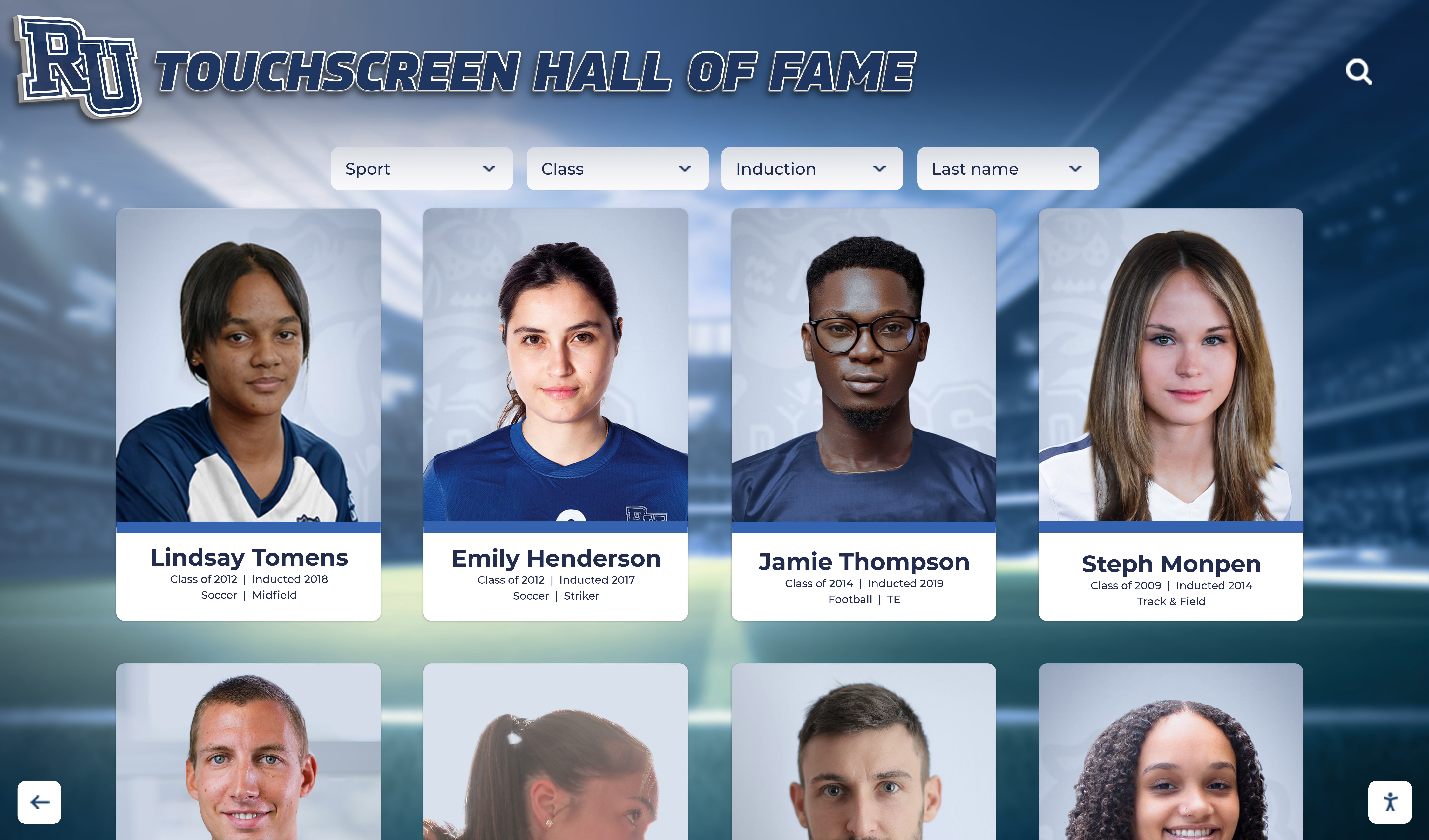
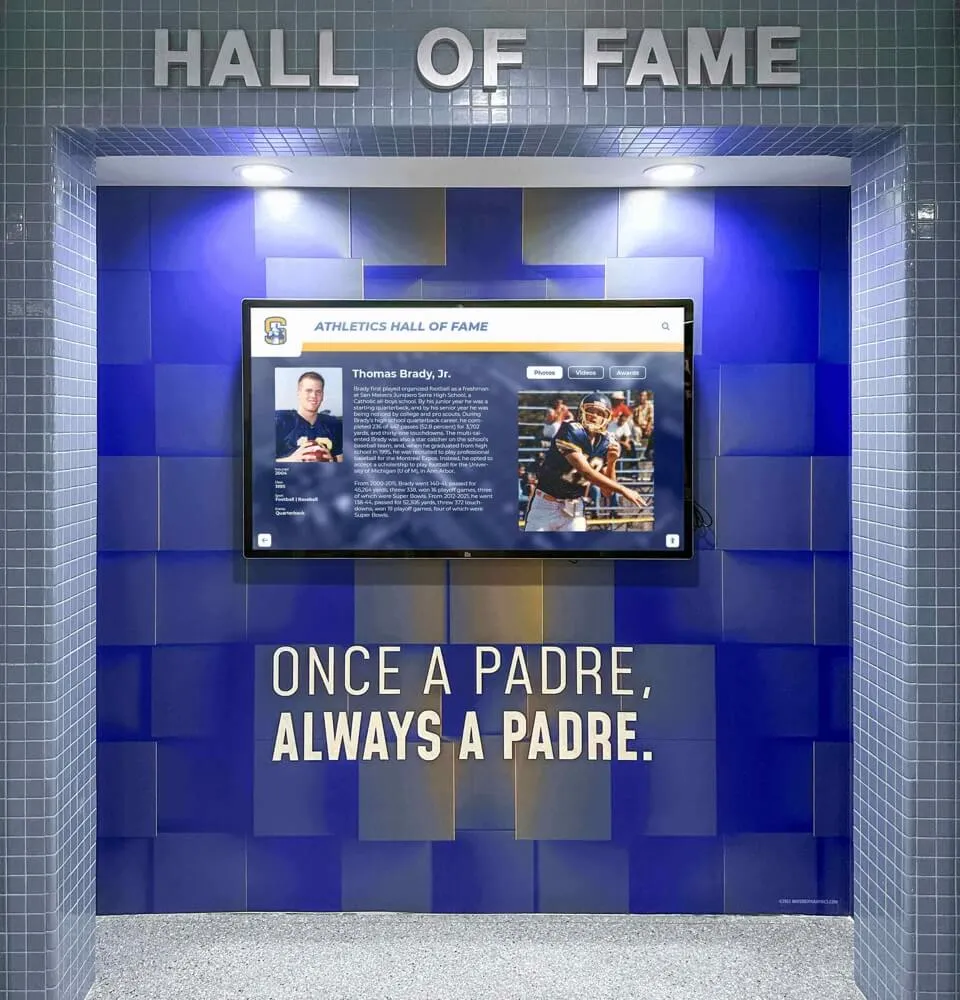
Professional profile presentation ensures every athlete receives consistent high-quality recognition
Measurement Block: Tracking Basketball Game Recognition Success
Systematic evaluation demonstrates program value and guides continuous improvement:
Engagement Metrics
Quantitative Performance Indicators
Measure actual community interaction:
Display Usage Analytics
- Total interactions per game showing engagement frequency and intensity
- Average session duration indicating depth of exploration versus brief glances
- Peak usage times identifying when community most actively explores (pre-game, halftime, post-game)
- Popular content identification revealing which players, teams, or features attract most interest
- Search query analysis showing what visitors seek and discovery patterns
- Return visitor tracking measuring whether community repeatedly engages displays
Web Platform Extension
- Global access statistics demonstrating recognition reach beyond physical facility
- Geographic distribution revealing community connection breadth across regions
- Device analysis showing smartphone, tablet, desktop exploration patterns
- Social sharing metrics measuring viral amplification through family networks
- Time-on-site measurements indicating web engagement depth
- Seasonal trends showing how interest varies throughout basketball calendar
Content Performance Assessment
- Most-viewed profiles identifying which athletes attract community interest
- Video completion rates showing whether highlight content engages or gets skipped
- Feature utilization measuring which discovery pathways community prefers
- Historical versus current content balance revealing community interest distribution
- Search success rates confirming whether visitors find desired information
- Navigation pattern analysis identifying optimal versus confusing interface elements
Community Impact Assessment
Stakeholder Satisfaction Indicators
Gather qualitative perception data:
Athlete and Family Feedback
- Player surveys measuring recognition satisfaction and perceived program commitment
- Parent perspectives on whether recognition meets expectations appropriately
- Family engagement observations during games and discovery moments
- Social sharing behavior indicating pride and celebration willingness
- Testimonial collection capturing memorable recognition moments
- Recruiting impact feedback from prospective athletes and families
Program and Institutional Benefits
- Coach satisfaction with recognition supporting recruitment and program building
- Administrative assessment of community response and institutional visibility gains
- Alumni engagement increases potentially driven by heritage preservation and accessibility
- Donor interest possibly influenced by visible program excellence celebration
- Media coverage generated through recognition technology and program promotion
- Competitive positioning versus peer institutions using traditional recognition approaches
Continuous Improvement Strategies
Use data systematically:
Regular Program Reviews
- Quarterly assessment evaluating effectiveness against established goals
- Stakeholder feedback collection through surveys and conversations
- Benchmark comparison with peer programs identifying enhancement opportunities
- Content strategy refinement based on engagement analytics and community response
- Technical assessment ensuring reliable operation and addressing performance issues
- Budget reviews confirming resource allocation matches value delivered
Enhancement Implementation
- Popular content expansion developing more of what community values most
- Underutilized feature redesign improving less-accessed functionality
- New capability adoption implementing platform enhancements as available
- Historical archive expansion adding newly-researched program documentation
- Multimedia enrichment producing video and audio content enhancing text profiles
- Integration opportunities connecting recognition to other institutional systems
Schools treating basketball game recognition as iterative programs requiring ongoing attention report sustained community engagement and institutional value—while those implementing displays without measurement or refinement see enthusiasm decline when initial novelty fades without substance justifying continued attention.
Explore comprehensive approaches to measuring digital recognition effectiveness that demonstrate program value.
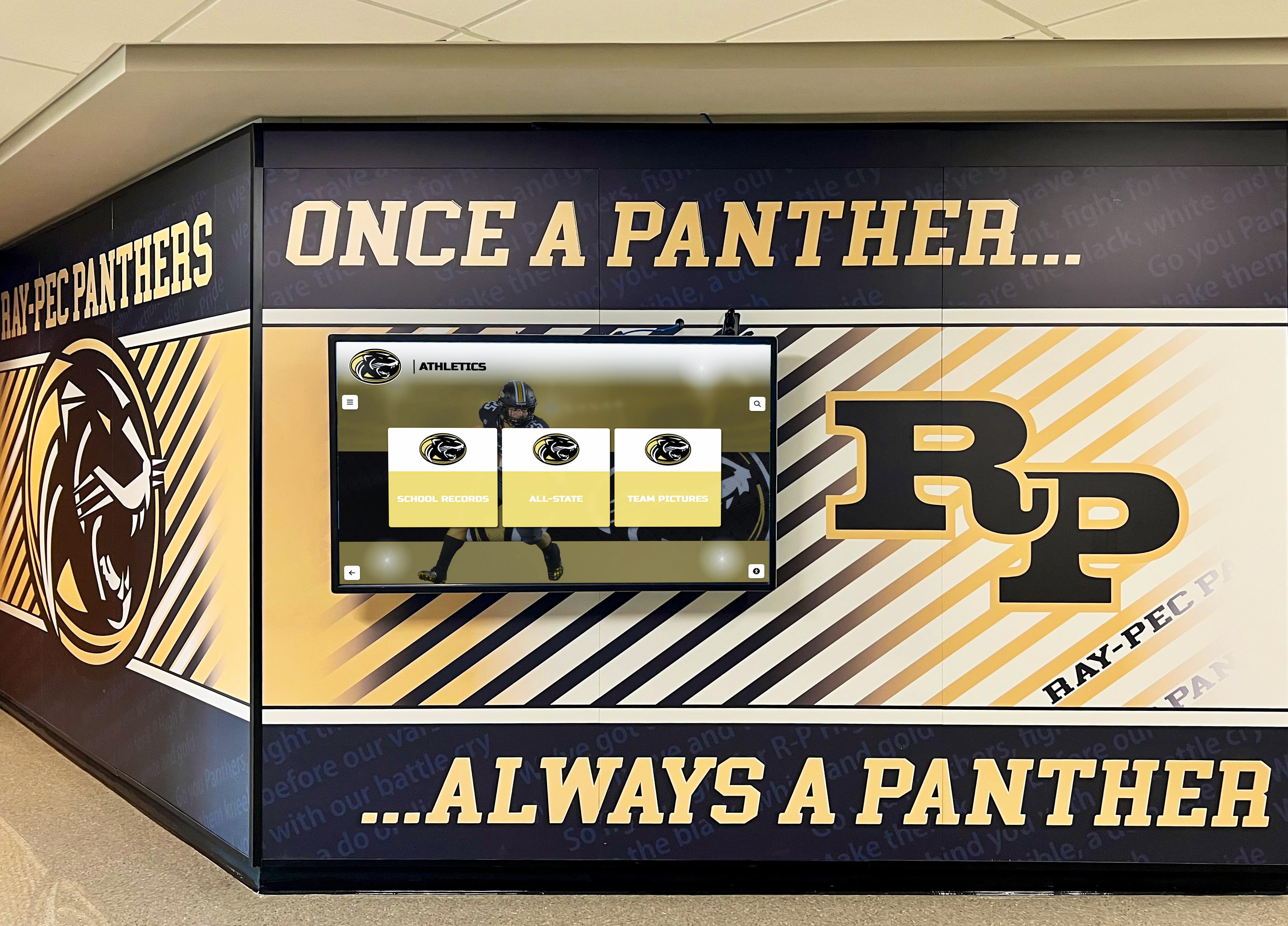
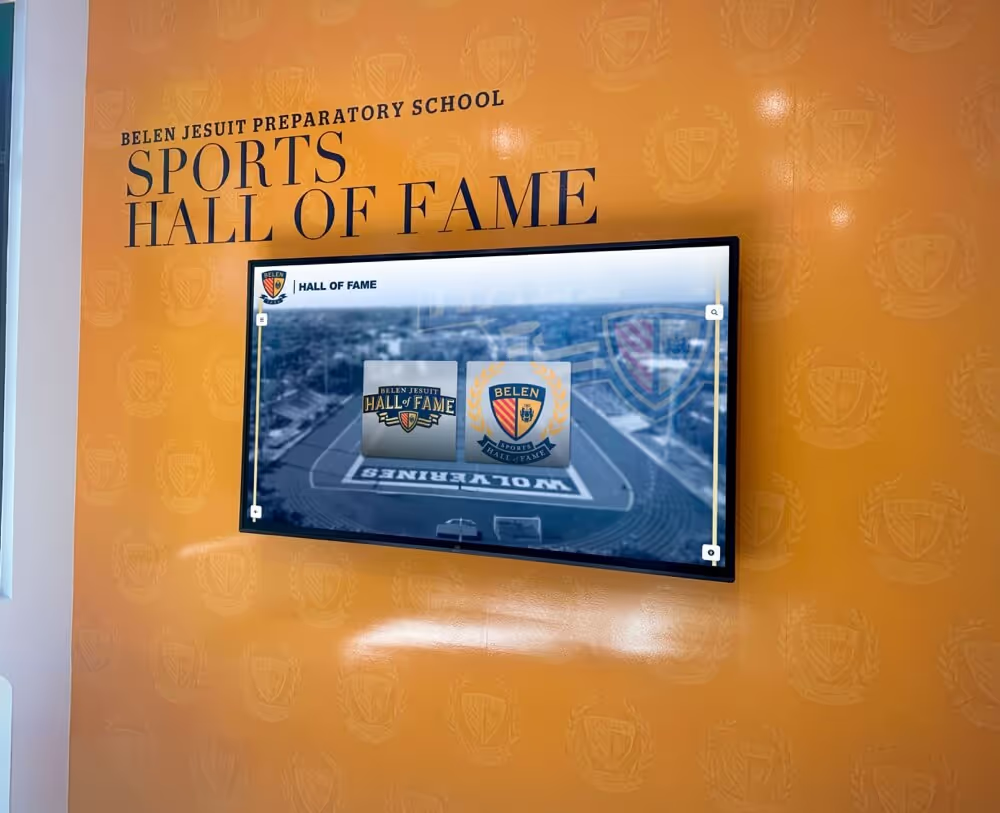
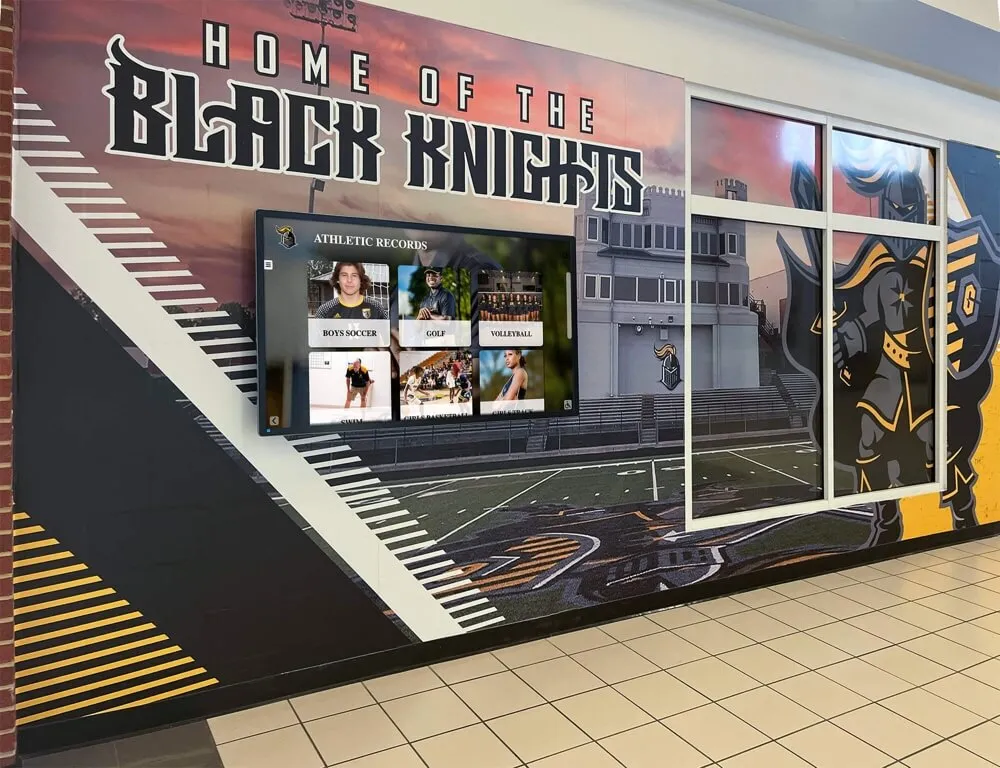
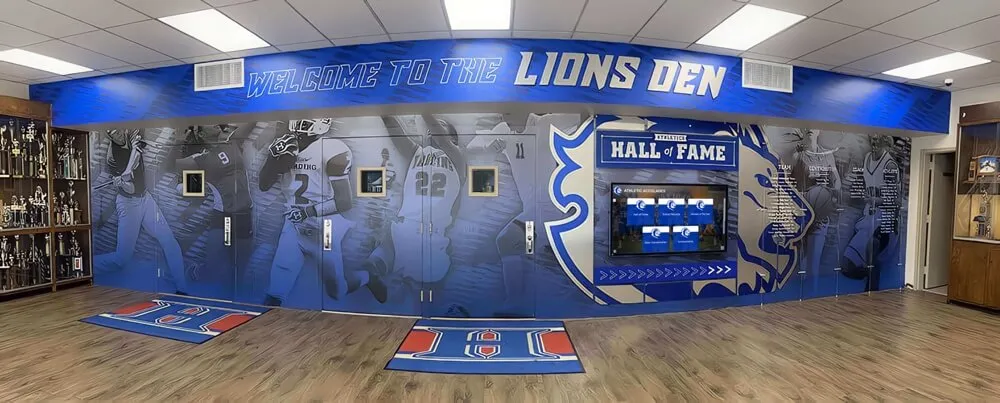
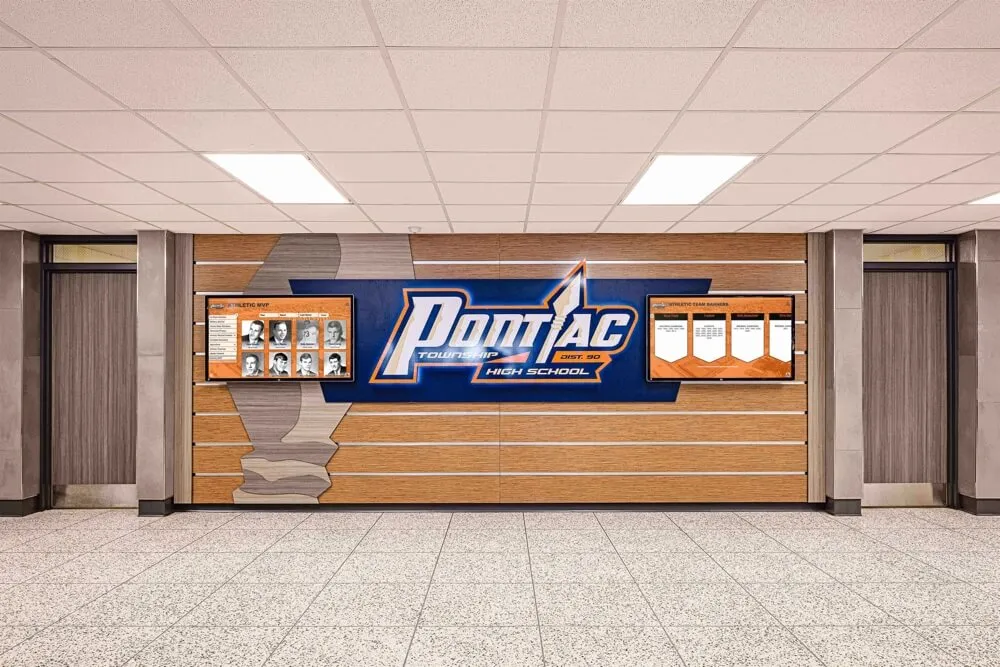
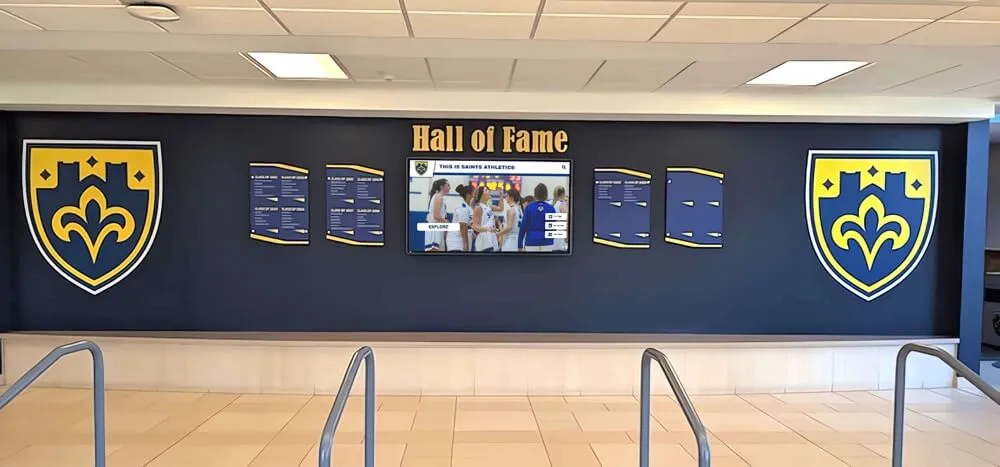
Hybrid recognition environments combine traditional aesthetics with modern interactive technology
Advanced Basketball Game Recognition Strategies
Schools with mature touchscreen programs can enhance effectiveness through advanced approaches:
Real-Time Game Integration
Live Statistics Display
Connect recognition to active competition:
In-Game Performance Tracking
- Live scoring updates showing current game leaders and performance
- Season comparison overlays showing whether tonight’s performance exceptional
- Record proximity tracking highlighting potential milestone achievements
- Player rotation information explaining substitution patterns and strategic decisions
- Foul trouble indicators helping fans understand lineup changes
- Comeback tracking during close contests showing scoring runs and momentum
Milestone Recognition Automation
Celebrate achievements immediately:
Record-Breaking Alerts
- Automated notifications when players reach career milestones during games
- School record tracking comparing current performance to all-time standards
- Single-game achievement recognition for exceptional individual performances
- Team milestone documentation during historic winning streaks or championship runs
- Coach victory totals updating in real-time during career achievement games
- Social media auto-posting celebrating milestones as they occur
Multi-Sport Recognition Integration
Comprehensive Athletic Program Celebration
Extend beyond single-sport focus:
Cross-Sport Content Architecture
- Unified athlete profiles showing participation across multiple sports
- Seasonal rotation highlighting whatever sports currently competing
- All-sport championships documentation celebrating diverse program excellence
- Multi-sport athlete recognition honoring students competing across seasons
- Facility sharing acknowledgment showing how spaces serve various programs
- Competitive season calendars promoting upcoming events across all sports
Learn about ensuring athletic recognition equity across all sports and seasons.
Alumni Engagement Enhancement
Historical Connection Strengthening
Bridge past and present basketball communities:
Alumni Feature Programming
- “Where Are They Now” updates showcasing post-graduation achievements
- Reunion class recognition during homecoming and anniversary celebrations
- Career pathway diversity highlighting success across varied professional fields
- Multi-generational participation features connecting family basketball traditions
- Decade reunion coordination encouraging returning graduates to update profiles
- Legacy documentation preserving institutional memory across basketball generations
Community Contribution Recognition
Honor supporters beyond athletes:
Booster and Volunteer Celebration
- Long-time supporter profiles acknowledging sustained program investment
- Facility donor recognition connecting names to spaces and equipment
- Volunteer hour documentation celebrating operational support contributions
- Season ticket holder acknowledgment thanking loyal attendance
- Parent involvement recognition honoring behind-scenes assistance
- Community partnership celebration showcasing local business support
Discover approaches to highlighting supporter recognition that strengthen community connections.
Common Implementation Challenges and Solutions
Learning from frequent obstacles helps schools avoid expensive mistakes:
Challenge 1: “Limited Budget Prevents Implementation”
The Problem: Athletic directors assume interactive touchscreen recognition exceeds available budgets, particularly when comparing to simple static displays or digital signage systems, leading to continued reliance on outdated recognition approaches that fail to serve current athletes or engage modern audiences appropriately.
The Solution: Purpose-built recognition platforms often cost less than schools expect when considering complete value delivered. Single touchscreen display with comprehensive software typically ranges $8,000-$15,000 depending on size and features—frequently matching or exceeding recognition value of traditional trophy case expansions, banner printing, or plaque wall construction while delivering unlimited capacity and ongoing flexibility traditional approaches cannot match. Schools phasing implementation starting with single high-visibility display demonstrate value before expanding to additional locations, making initial investments more manageable while building administrative confidence and securing future budget allocations through proven community engagement and stakeholder satisfaction.
Challenge 2: “Content Development Takes Too Much Staff Time”
The Problem: Administrators worry that developing comprehensive current-season rosters and historical archives requires unrealistic staff time investment, particularly when athletic directors and coaches already manage extensive responsibilities throughout competitive seasons without capacity for additional major projects.
The Solution: Modern cloud-based platforms drastically reduce content management burden through efficient workflows. Bulk roster uploads from spreadsheets add entire teams in minutes rather than individual profile creation, template-based entry ensures consistency without custom design for each athlete, mobile-friendly administration enables updates from anywhere rather than requiring campus computer access, and approval workflows distribute responsibilities across multiple staff rather than creating single-person bottlenecks. Schools allocating concentrated effort during initial historical archive development (typically 40-60 hours) discover ongoing seasonal maintenance requires minimal time—most report spending 2-3 hours monthly on routine updates once comprehensive foundations exist, easily manageable within existing staff capacity.
Challenge 3: “Technology Might Malfunction During Games”
The Problem: Concerns about technical failures embarrassing schools during high-visibility events, particularly when administrators lack technology backgrounds or previous touchscreen experience, lead to avoidance of recognition innovation despite potential benefits and community appetite for modern approaches.
The Solution: Commercial-grade hardware specifically designed for continuous public operation delivers reliability exceeding consumer electronics. Schools implementing displays report minimal downtime when following basic precautions: professional installation by licensed contractors prevents electrical and mounting problems, cloud-based platforms eliminate single-point-of-failure risks from local servers, automatic content caching enables offline operation if network connectivity temporarily fails, multiple trained staff members provide troubleshooting redundancy, and vendor support contracts deliver responsive assistance when unexpected issues occur. Most schools discover displays operate reliably for years without significant problems—technology concerns prove far less significant than initially feared once appropriate equipment and support structures exist.
Challenge 4: “Static Content Becomes Outdated Quickly”
The Problem: Displays showcasing current season content risk becoming embarrassingly outdated if administrators fail to maintain regular updates, particularly during off-season months when attention shifts to other sports or priorities, creating negative impressions suggesting institutional neglect rather than continued program commitment.
The Solution: Strategic content architecture combining current and historical recognition prevents staleness concerns. While current-season rosters require regular updates during active competition, comprehensive historical archives remain perpetually relevant—championship teams from decades past engage audiences equally whether viewed during current season or summer months. Schools implementing 70% historical / 30% current content balances prevent outdated perceptions while enabling administrators to update seasonal content at reasonable intervals without displays appearing neglected. Featured content rotation highlighting historical anniversaries, legendary players, or memorable championship moments maintains freshness without requiring constant new content production, while scheduled publishing tools enable administrators to prepare seasonal transitions in advance during less-hectic periods.
Explore solutions addressing common digital recognition challenges schools frequently encounter.
Building Your Basketball Game Recognition Program: Implementation Resources
Schools ready to transform game-day experiences should follow systematic approaches:
Immediate Action Steps
Week 1: Stakeholder Alignment and Vision Setting
- Review this complete blueprint with athletic director and technology leadership
- Assess whether basketball game recognition aligns with institutional priorities
- Evaluate available budget for initial hardware, software, installation, content development
- Identify facility locations offering optimal visibility and traffic patterns
- Establish realistic timeline expectations balancing urgency with thorough planning
- Secure administrative support and budget authorization for complete implementation
Weeks 2-3: Vendor Research and Technology Evaluation
- Request comprehensive proposals from purpose-built recognition platform providers
- Schedule demonstrations focusing specifically on basketball recognition applications
- Speak with peer schools about implementation experiences and satisfaction levels
- Compare total cost of ownership across 5-year planning horizon including all expenses
- Evaluate vendor support quality, training comprehensiveness, and long-term viability
- Verify platform capabilities match specific basketball recognition requirements
Weeks 4-6: Content Planning and Resource Assessment
- Inventory current season roster information requiring profile development
- Assess historical archives identifying championship teams and individual achievement documentation
- Estimate realistic time requirements for comprehensive content development
- Assign content responsibilities across athletic department staff
- Establish quality standards ensuring consistent professional presentation
- Develop phased approach enabling meaningful launch while continuing archive expansion
Weeks 7-10: Implementation Execution and Launch Preparation
- Order selected hardware and software confirming specifications and delivery timelines
- Schedule professional installation coordinating with facility access and game calendars
- Develop initial content uploading current season rosters and priority historical teams
- Conduct administrator training ensuring confident platform management capability
- Test all functionality verifying reliable operation before public launch
- Plan launch ceremony during prominent home game maximizing community exposure
Learn about comprehensive implementation planning approaches for recognition programs.
Long-Term Success Factors
Sustained Leadership Commitment
- Ongoing executive sponsorship maintaining recognition as institutional priority
- Consistent budget allocation supporting annual operations and program enhancements
- Staff time protection preventing recognition management from becoming overwhelming burden
- Regular communication celebrating program success and community impact
- Continuous improvement investment keeping programs current and effective
- Succession planning ensuring program continuity through leadership and staff transitions
Community Ownership and Engagement
- Athlete involvement in profile development creating personal investment and pride
- Family contribution opportunities strengthening recognition accuracy and richness
- Alumni outreach soliciting historical content and memory preservation
- Booster club integration connecting supporter recognition to fundraising acknowledgment
- Student ambassador programs demonstrating features and encouraging exploration
- Prospective family tours highlighting recognition technology as program differentiator
Technology Evolution and Platform Enhancement
- Regular software updates maintaining security, functionality, and feature additions
- Hardware maintenance and eventual replacement as equipment reaches lifecycle conclusion
- Platform capability adoption implementing new features as vendors enhance offerings
- Content strategy evolution responding to changing community expectations and technology capabilities
- Benchmark comparison with peer programs identifying enhancement opportunities
- Innovation experimentation testing emerging recognition technologies and engagement approaches
Conclusion: Transforming Basketball Games into Comprehensive Recognition Experiences
Basketball games represent unmatched opportunities for athletic recognition—concentrated gatherings where families, students, alumni, and community supporters converge in shared celebration of competitive excellence and school pride. When schools implement strategic interactive touchscreen recognition technology specifically designed for game-day environments, they transform these events from simple athletic competitions into comprehensive celebration experiences that honor current athletes appropriately, preserve program heritage accessibly, engage audiences meaningfully throughout entire events, and strengthen institutional pride resonating far beyond final buzzer moments.
The strategies explored throughout this comprehensive blueprint provide complete frameworks for planning basketball game recognition systems—from understanding technology requirements and content architecture needs to implementing professional installations, managing effective game-day activation, and measuring sustained community impact ensuring ongoing program value. Whether establishing first-ever digital recognition or enhancing existing approaches, fundamental principles remain consistent: celebrate athletes comprehensively rather than selectively, leverage technology purposefully to overcome traditional constraints, develop content richly showcasing achievements and heritage, engage communities meaningfully through accessible intuitive exploration, and sustain commitment ensuring programs remain current and relevant across seasons and years.
Ready to transform basketball game recognition at your school? Modern interactive touchscreen solutions help athletic programs celebrate unlimited achievements while preserving program heritage and creating engaging discovery experiences during high-visibility events. Solutions like Rocket Alumni Solutions provide comprehensive platforms specifically designed for athletic recognition in game-day environments, combining purpose-built software enabling unlimited athlete celebration with professional hardware recommendations, implementation support, and ongoing training ensuring successful long-term programs that become valued institutional centerpieces strengthening school pride and community connections.
Your implementation journey begins with clear planning defining recognition vision and priorities, continues through thoughtful technology selection ensuring platforms match specific basketball requirements and institutional capabilities, advances with systematic content development creating meaningful athlete celebration and heritage preservation, and sustains through ongoing commitment making digital recognition permanent program practice rather than temporary initiative. Request your free custom demo or schedule a consultation to explore how interactive touchscreen recognition can transform your basketball games into comprehensive celebration experiences honoring athletes, engaging communities, and preserving program excellence for generations.
Your basketball program deserves recognition technology that celebrates achievements appropriately during highest-visibility moments when entire communities gather in shared support and celebration. The most important consideration isn’t selecting most expensive hardware or most sophisticated software—it’s choosing solutions aligned with recognition values, sustainable within resources, and designed to serve specific community needs effectively throughout years of game-day operation. Your athletes commit tremendous dedication pursuing basketball excellence—comprehensive game-day recognition demonstrates that their achievements matter, their contributions receive appropriate institutional acknowledgment, and their legacy will be preserved as permanent parts of proud basketball traditions inspiring future generations.
Begin your basketball game recognition transformation today by assembling planning teams, defining implementation visions, evaluating purpose-built platforms designed specifically for athletic celebration, developing comprehensive content strategies ensuring meaningful athlete recognition, and committing to systematic implementation and sustained excellence. The blueprint provided throughout this guide offers proven pathways to success—transform vision into reality and create the lasting recognition experiences your basketball community deserves every time they gather in celebration of competitive excellence and school pride.