



Schools and organizations planning multi-screen digital display networks face a frustrating pricing reality: many vendors advertise affordable base pricing but charge additional licensing fees for each screen you add. Want recognition displays in your gymnasium, lobby, and cafeteria showing different content? That often means multiplying your software costs by three—or more.
This hidden cost structure forces impossible decisions. Do you limit your recognition network to a single display? Pay escalating per-screen fees that strain already tight budgets? Settle for displaying identical content everywhere because that’s what your “flat rate” actually covers? These compromises undermine the entire purpose of creating comprehensive, campus-wide recognition experiences.
The per-screen licensing model that dominates digital signage makes financial sense for vendors but creates significant barriers for schools, athletic programs, and organizations that need recognition content distributed across multiple high-traffic locations. Understanding these hidden costs before procurement prevents expensive surprises and ensures you can build the comprehensive display network your community deserves.
Digital signage vendors often present pricing that seems straightforward until you ask specific questions about multi-location deployments. The difference between “one subscription” and “one subscription per screen” represents thousands of dollars annually—yet this critical distinction frequently remains unclear until after purchase commitments. Schools deserve transparent pricing that allows genuine network planning without per-display fee multiplication destroying budget feasibility.

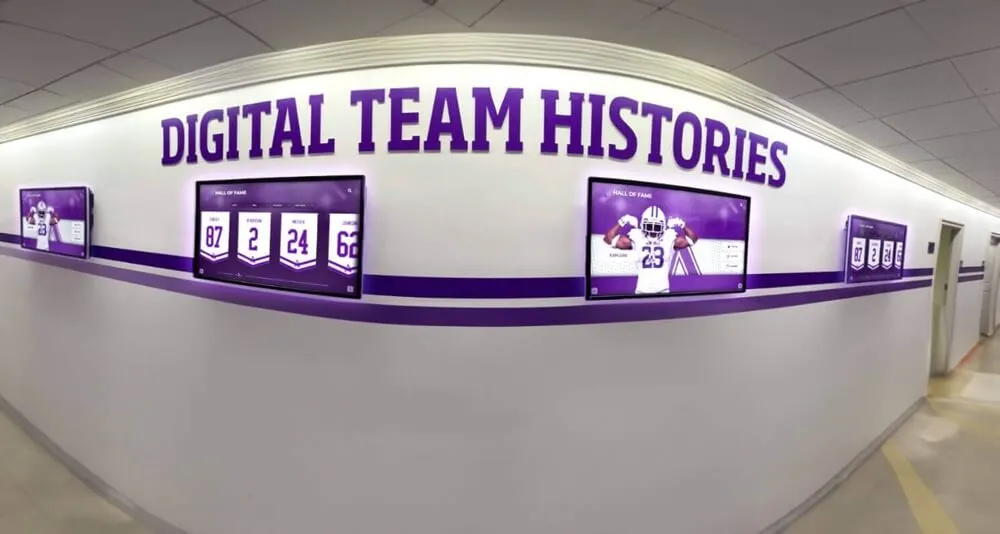
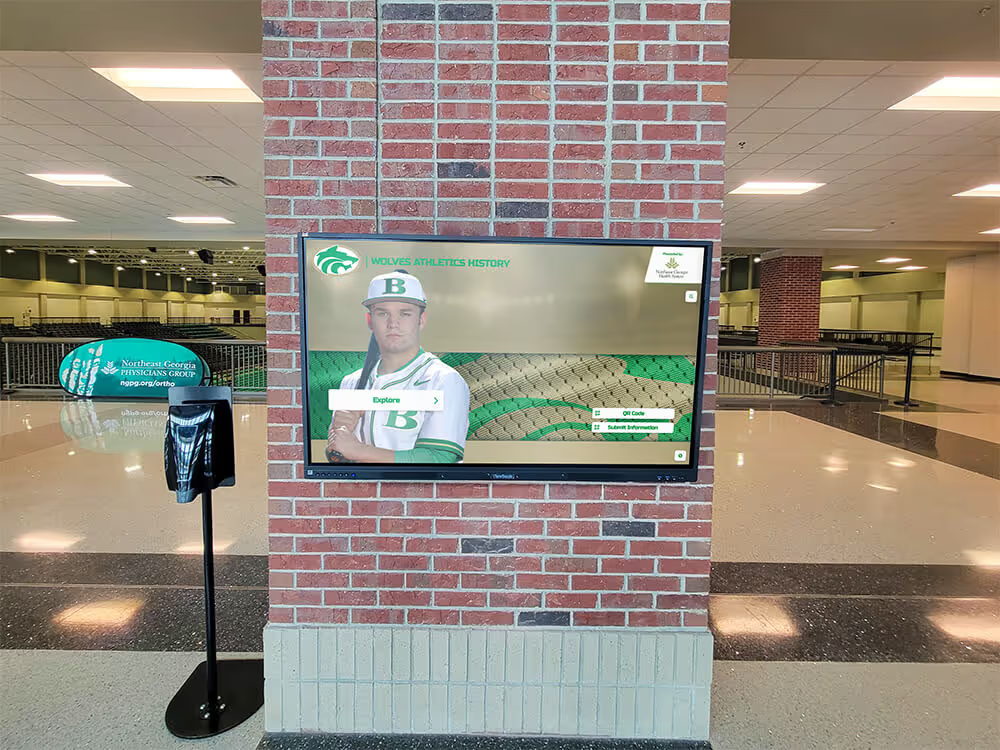
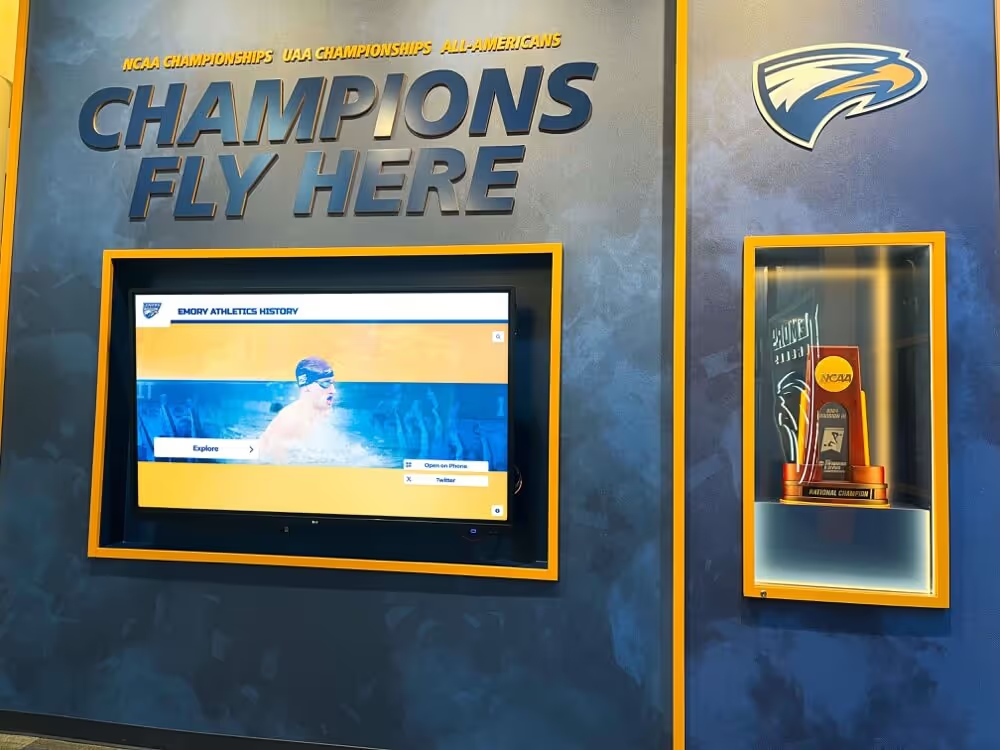
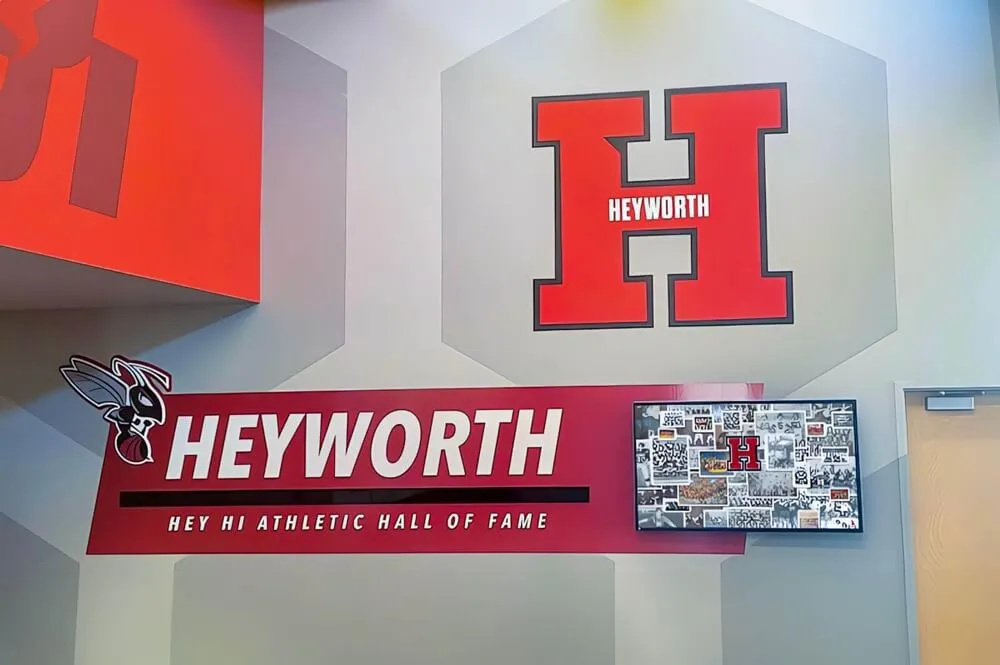
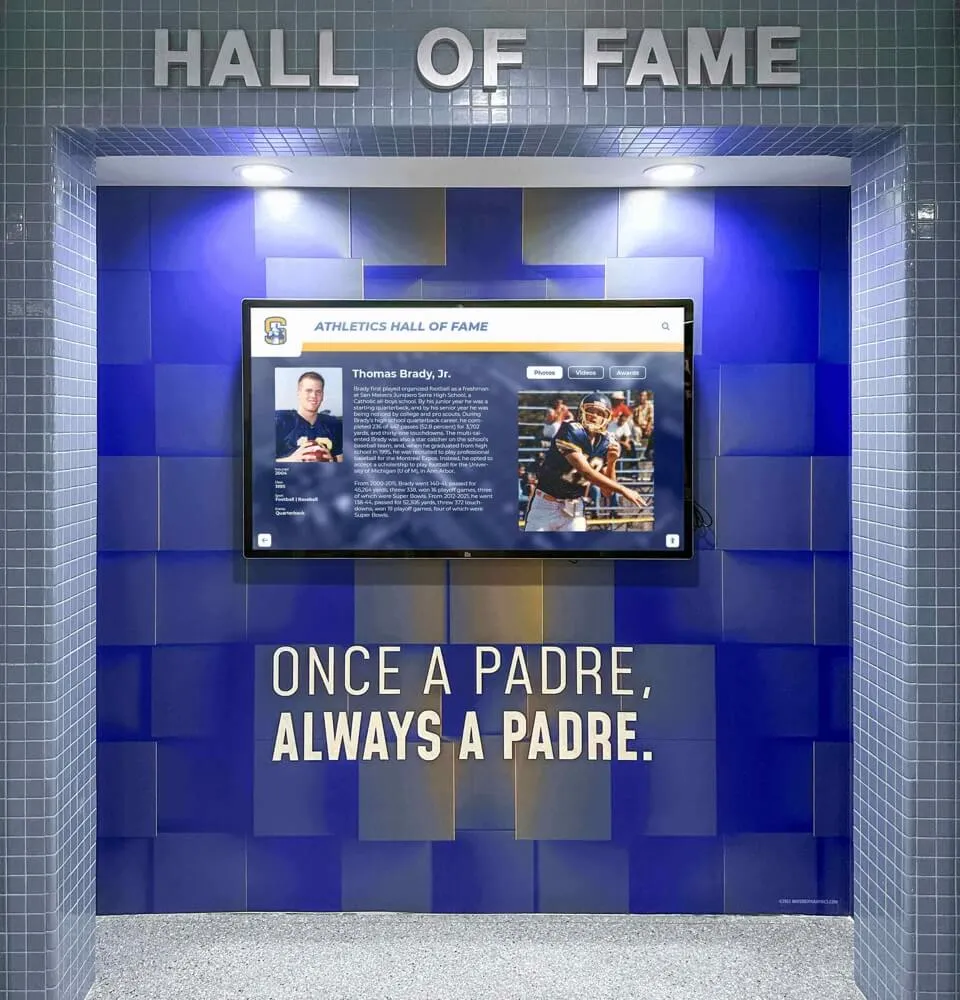
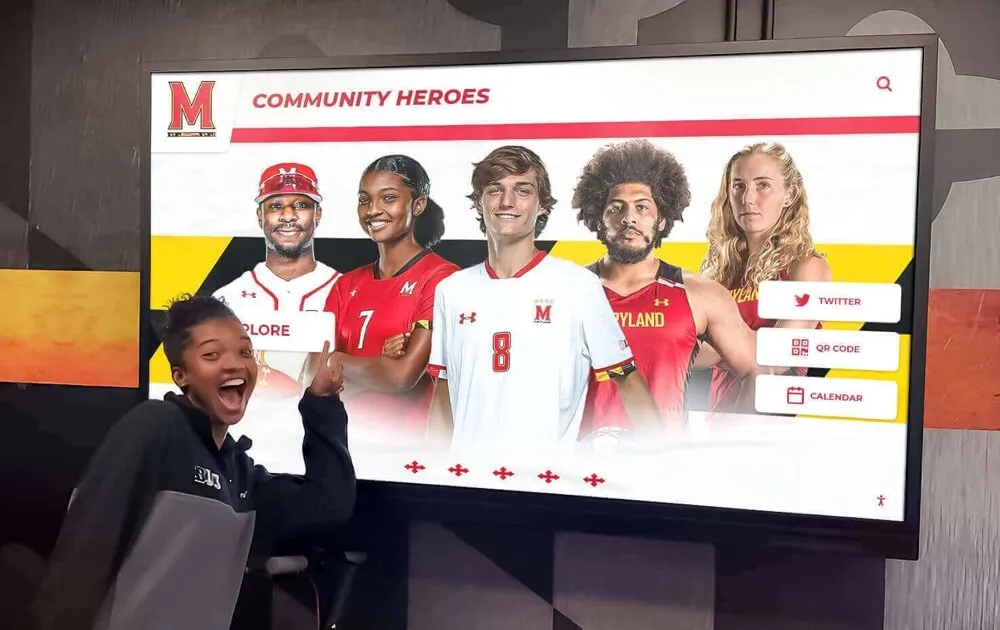
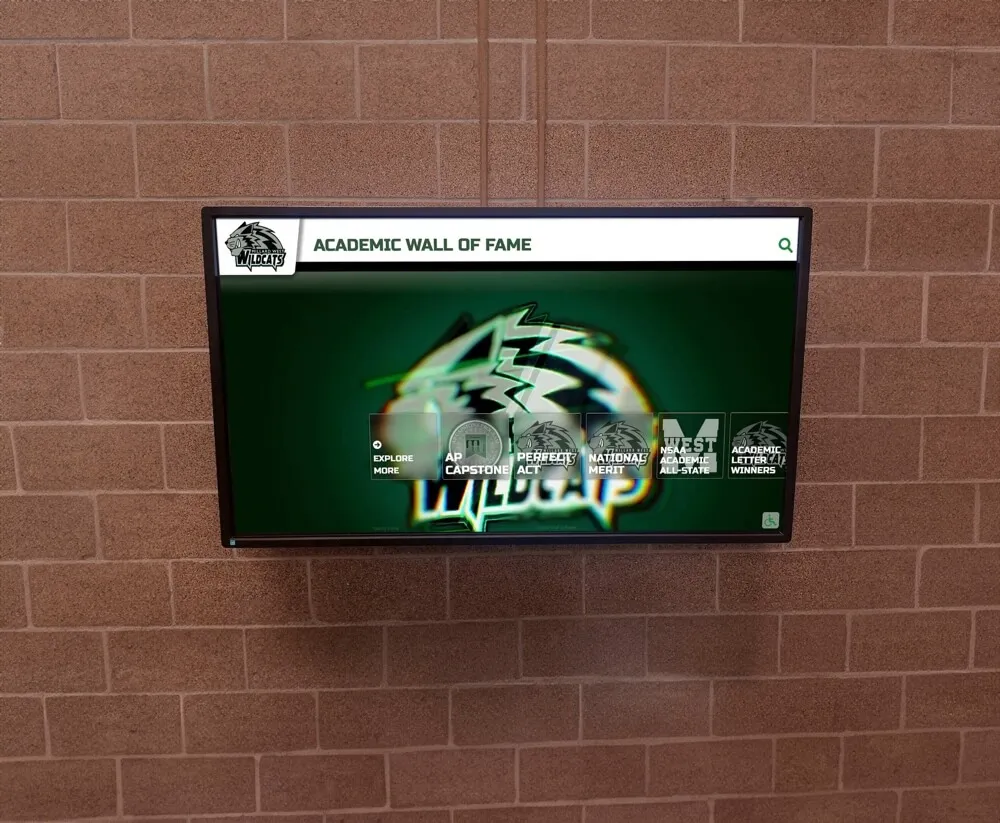
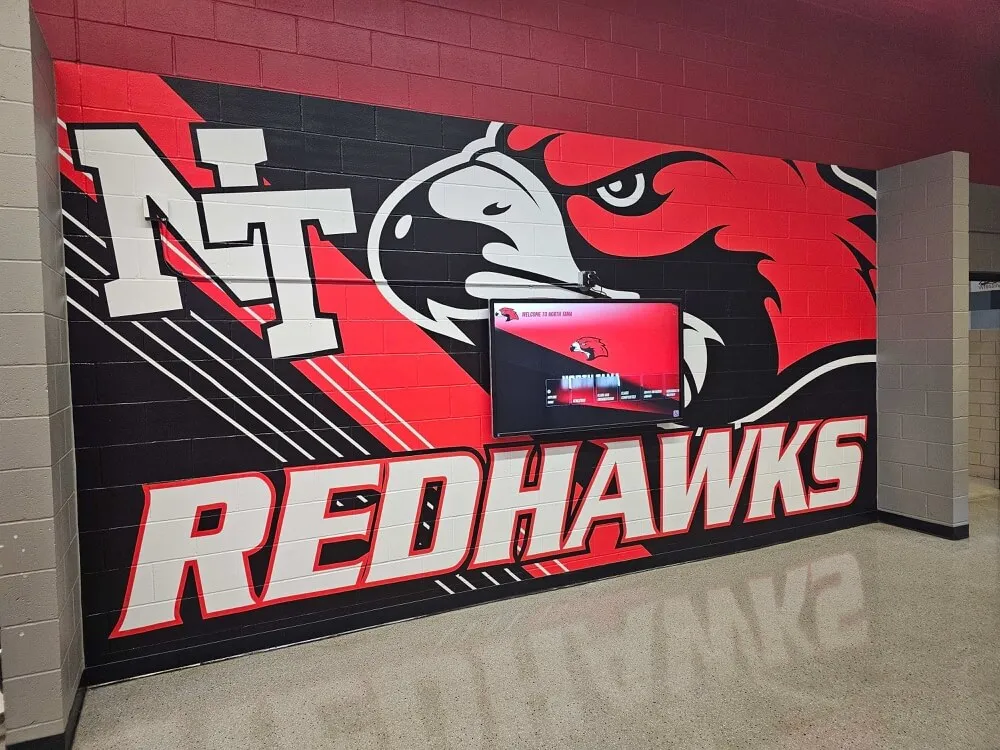
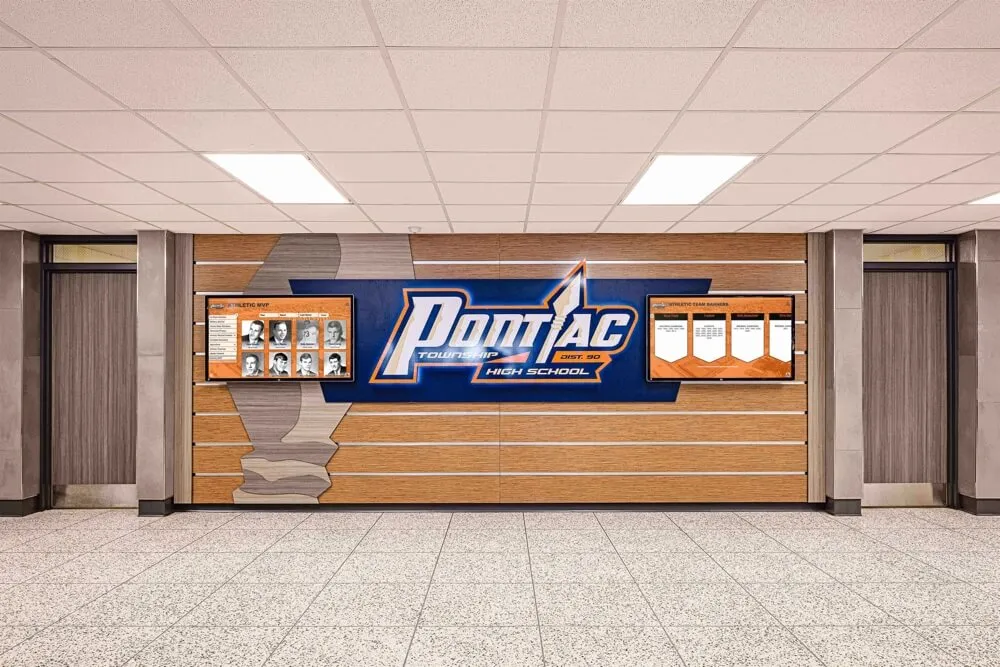
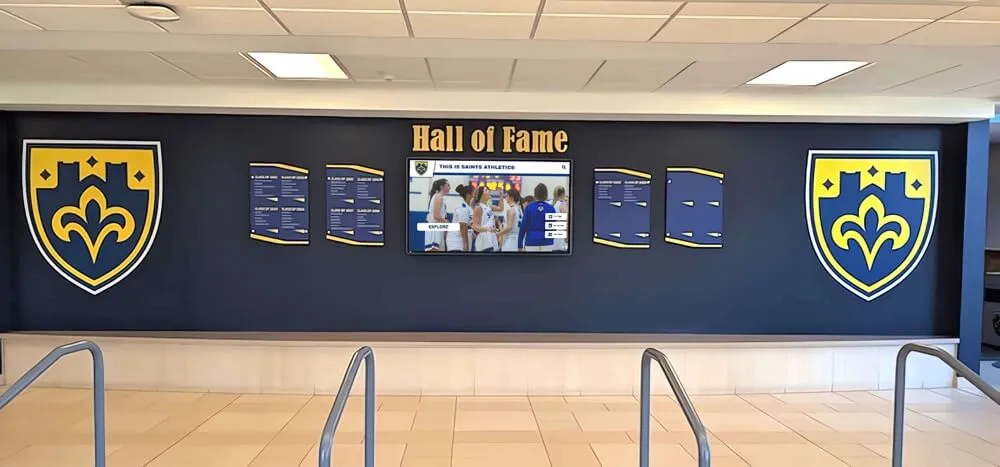
Comprehensive multi-screen networks deliver institutional recognition across campus without per-display licensing multiplication
Program Snapshot: Multi-Screen Recognition Network Planning
Understanding how different pricing models affect total cost helps schools evaluate vendors accurately and plan realistic budgets.
| Pricing Factor | Per-Screen Licensing Model | Unlimited Screen Model | Impact on Schools |
|---|---|---|---|
| Base Software Cost | $1,500-$3,000 per display annually | $2,500-$6,000 total annually | Per-screen model costs escalate rapidly with network size |
| Three-Screen Network | $4,500-$9,000 annually in software fees | $2,500-$6,000 total annually | Unlimited model provides 40-60% savings at three displays |
| Five-Screen Network | $7,500-$15,000 annually in software fees | $2,500-$6,000 total annually | Savings increase to 60-75% with larger networks |
| Content Differentiation | Often limited unless paying premium tiers | Fully supported across all displays | Per-screen models may charge extra for location-specific content |
| Future Expansion | Each new display adds $1,500-$3,000 annually | No additional software cost | Unlimited model enables growth without budget increases |
| Budget Predictability | Costs multiply with each display added | Fixed cost regardless of network size | Unlimited model simplifies long-term financial planning |
| Total 5-Year Cost | $22,500-$45,000+ for three displays | $12,500-$30,000 regardless of display count | Unlimited pricing delivers substantial cumulative savings |
Understanding Hidden Costs in Multi-Screen Digital Signage
Before exploring solutions, recognizing common pricing structures helps schools ask informed questions during vendor evaluation.
The Per-Display Licensing Trap
Many digital signage platforms charge licensing fees multiplied by display quantity rather than offering true network pricing.
How Per-Display Licensing Works
Common structures schools encounter:
Annual Per-Screen Fees
- Software platform access: $1,500-$3,000 per display annually
- Cloud hosting and storage: $300-$800 per display annually
- Support and updates: $200-$600 per display annually
- Mobile/web access: $400-$1,000 per display annually
- Total per-display cost: $2,400-$5,400 annually per screen
A three-display network costs $7,200-$16,200 annually just for software access—before considering hardware, installation, or content development.
“Discounted” Volume Pricing
Vendors often present volume discounts making per-screen pricing seem reasonable:
- First display: $3,000 annually (full price)
- Second display: $2,400 annually (20% discount)
- Third display: $2,100 annually (30% discount)
- Fourth display: $1,800 annually (40% discount)
Total for four displays: $9,300 annually—still significantly higher than unlimited network pricing while creating the illusion of value through “savings.”
Schools implementing digital signage content strategies across multiple locations face cost multiplication that makes comprehensive networks financially prohibitive.
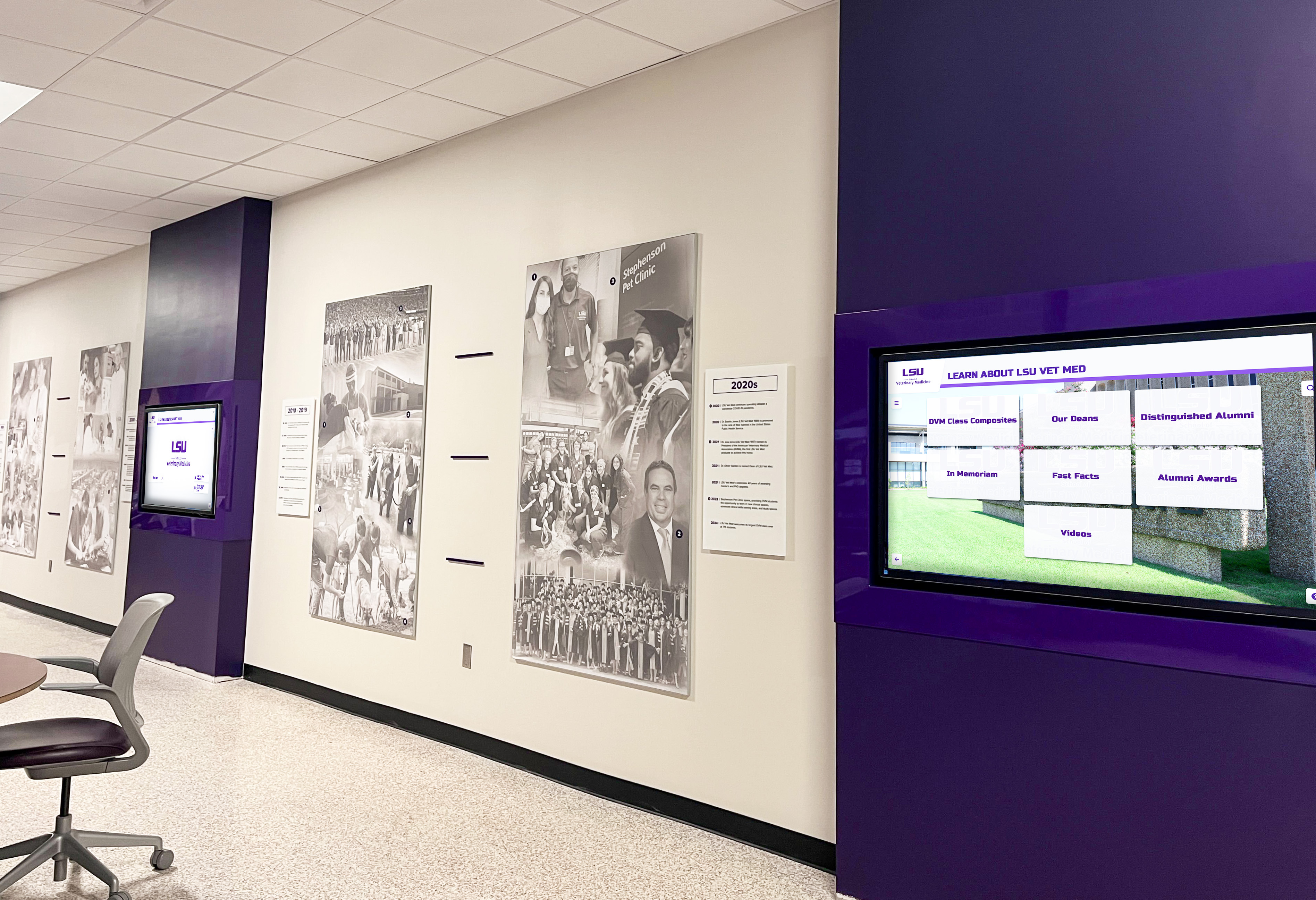
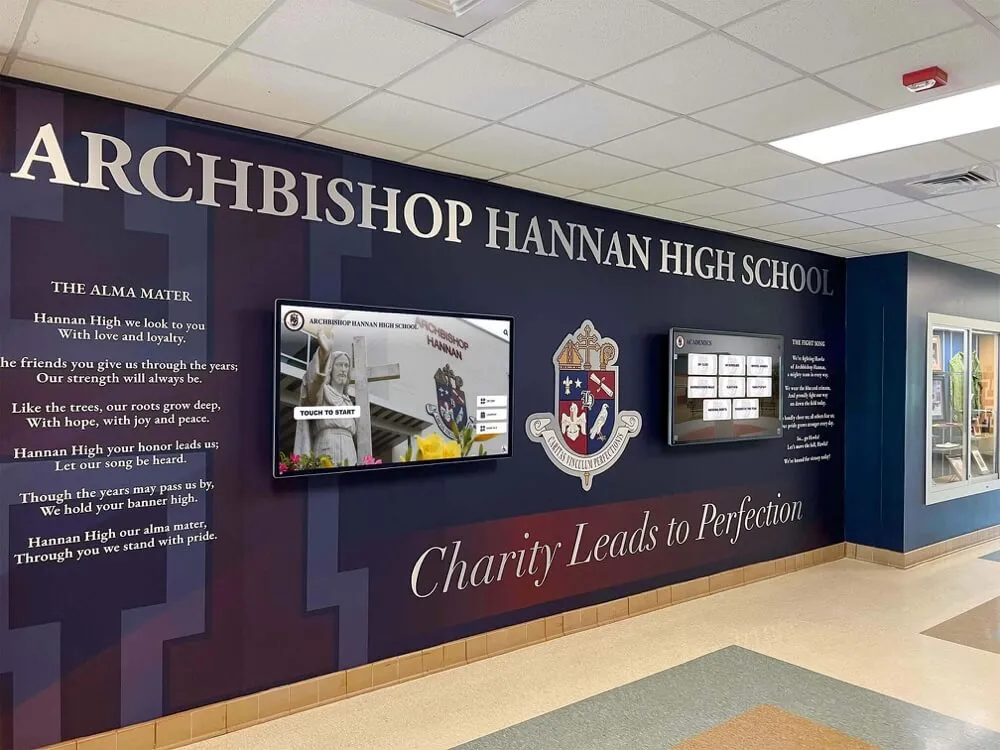
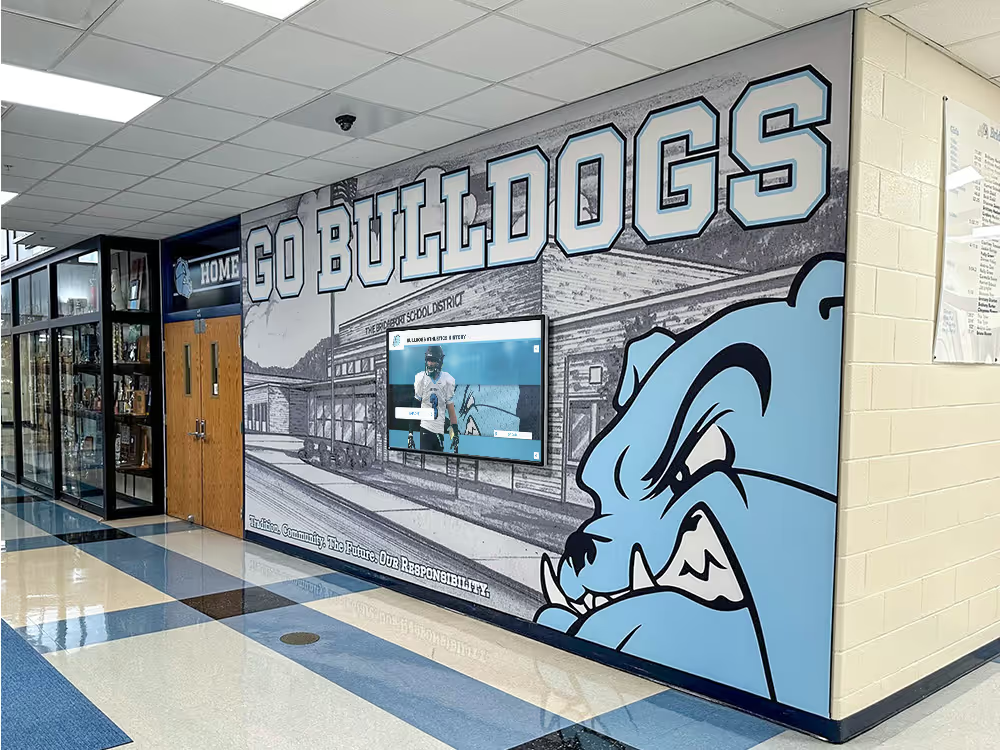
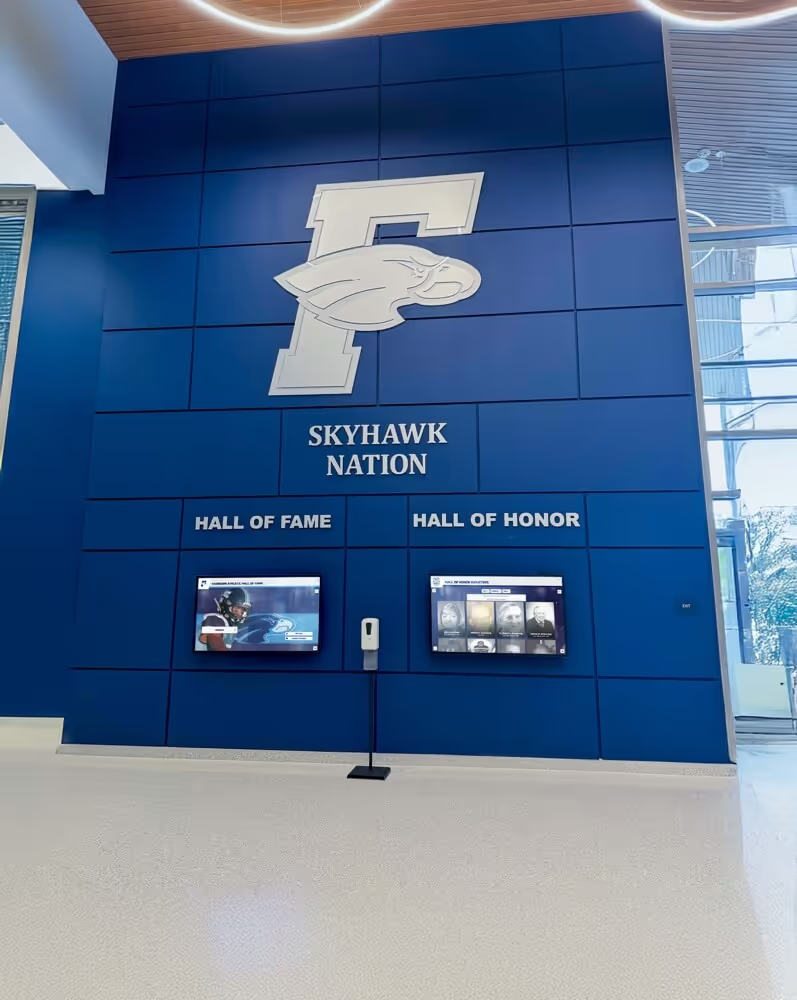
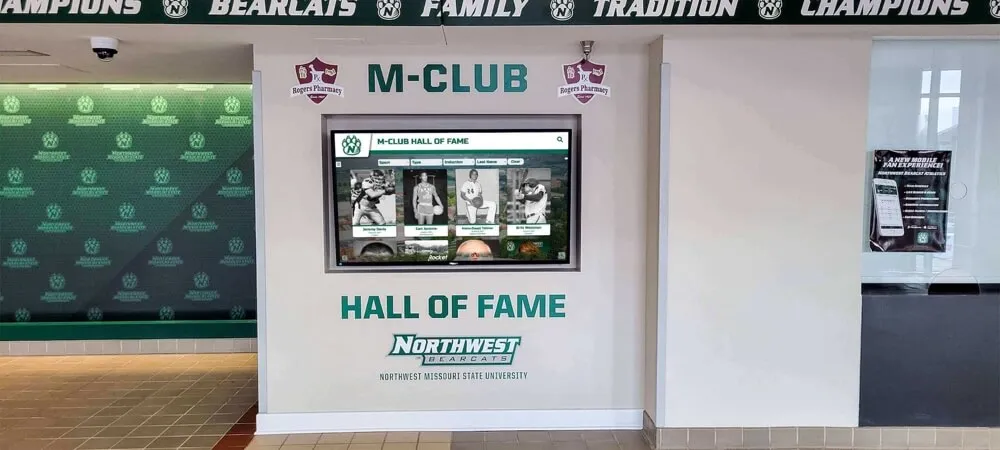
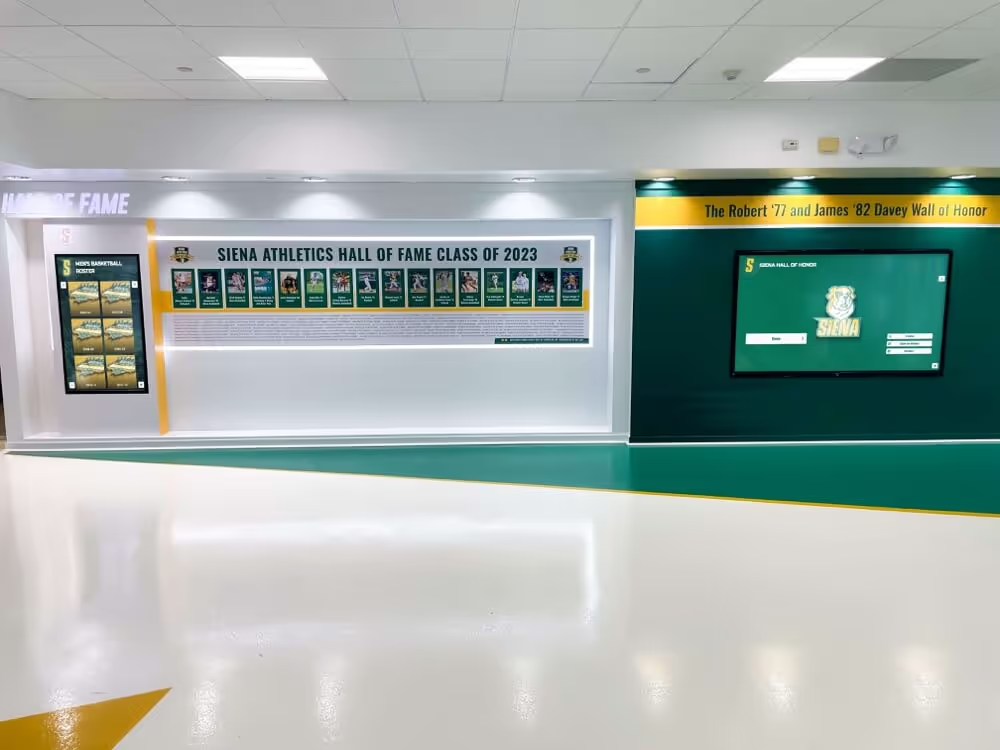
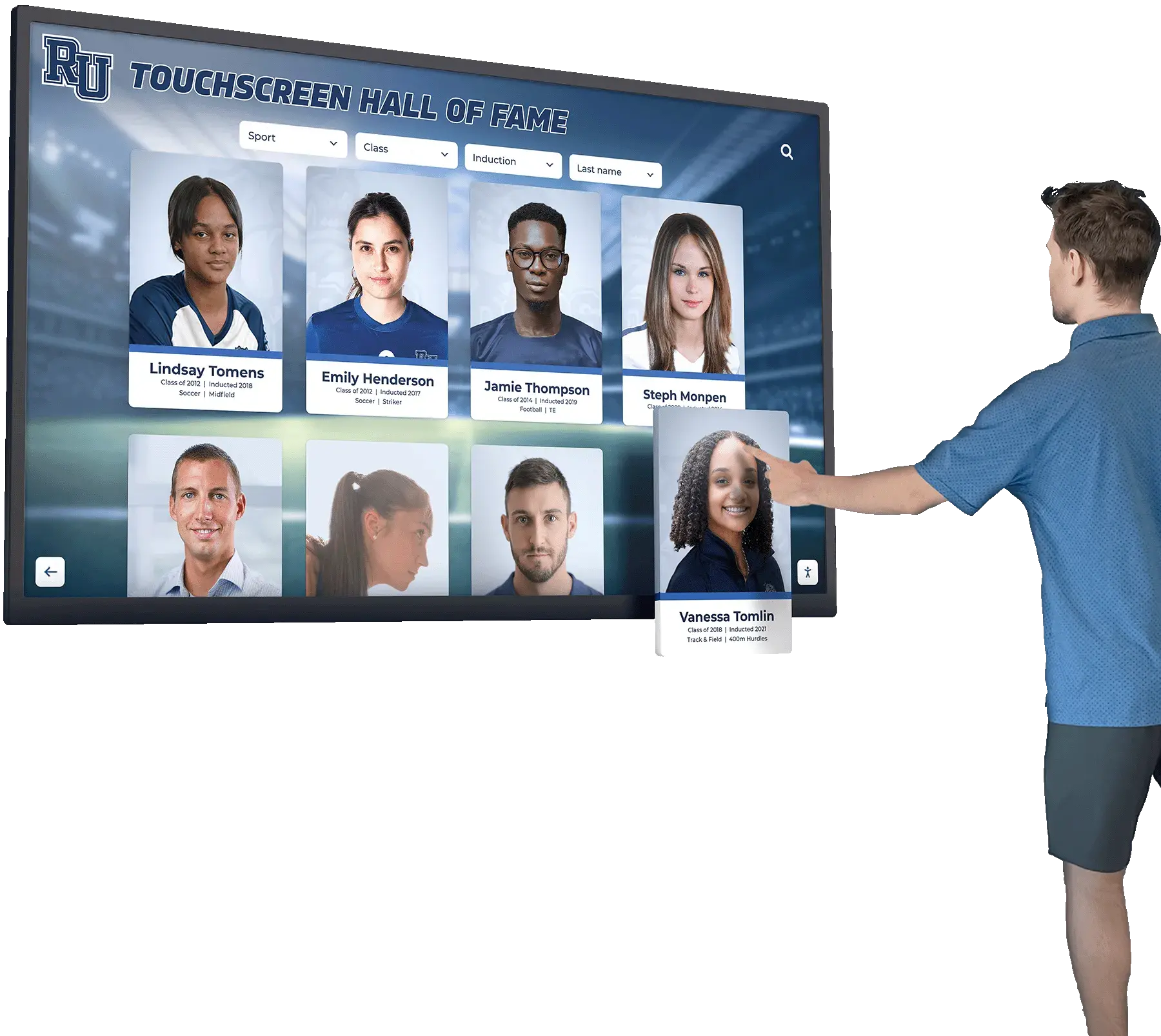
Network planning requires understanding whether pricing multiplies per display or covers unlimited installations
Content Restriction Hidden Costs
Beyond per-display fees, many vendors impose content limitations requiring premium tier upgrades.
Same-Content-Everywhere Pricing
Some “flat rate” offerings provide affordability only if identical content displays everywhere:
- Base tier: $2,000 annually for unlimited displays showing identical content
- Premium tier: $5,000-$8,000 annually for location-specific content on each display
- Enterprise tier: $10,000+ annually for full content flexibility and scheduling
Schools discover their “affordable” unlimited plan only works if the lobby, gymnasium, cafeteria, and academic building all show exactly the same recognition content simultaneously—defeating the entire purpose of distributed displays.
Content Slot Limitations
Other platforms limit content quantity regardless of display count:
- Base package: 50 profiles or items total across all displays
- Standard package: 200 profiles for $4,000 annually
- Premium package: 1,000 profiles for $8,000 annually
- Enterprise package: Unlimited profiles for $15,000+ annually
Comprehensive school recognition typically requires 500-5,000+ profiles depending on historical depth—forcing expensive tier upgrades unrelated to display quantity.
Storage and Bandwidth Restrictions
Hidden infrastructure fees compound per-screen costs:
- Video storage: $500-$2,000 annually per display using video content
- High-resolution image libraries: $300-$1,000 annually per display
- Bandwidth overage fees: $200-$800 annually per display for content-rich presentations
- Cloud processing for interactive features: $400-$1,200 annually per display
These “optional” fees become mandatory for professional recognition displays featuring photos, videos, and comprehensive historical archives.
Installation and Support Multiplication
Per-screen pricing often extends beyond software into services and support.
Setup and Training Fees
Initial implementation costs multiply with display quantity:
- Platform setup: $800-$2,000 per display
- On-site installation assistance: $500-$1,500 per display
- Administrator training: $1,000-$3,000 per site (not per display but still limiting)
- Content migration: $1,500-$4,000 per display for historical archives
- Custom design work: $2,000-$6,000 per display for branded layouts
Schools planning three-display networks face $15,000-$40,000 in initial setup costs before first content publication.
Ongoing Support Limitations
Annual support often scales with display count:
- Technical support: $300-$800 per display annually for priority assistance
- Software updates: Included with some plans, $200-$600 per display for others
- Content assistance: $1,000-$3,000 per display annually for help with profile creation
- Remote troubleshooting: $400-$1,000 per display annually for proactive monitoring
Organizations implementing interactive touchscreen displays for recognition programs discover support costs multiplying alongside licensing fees.
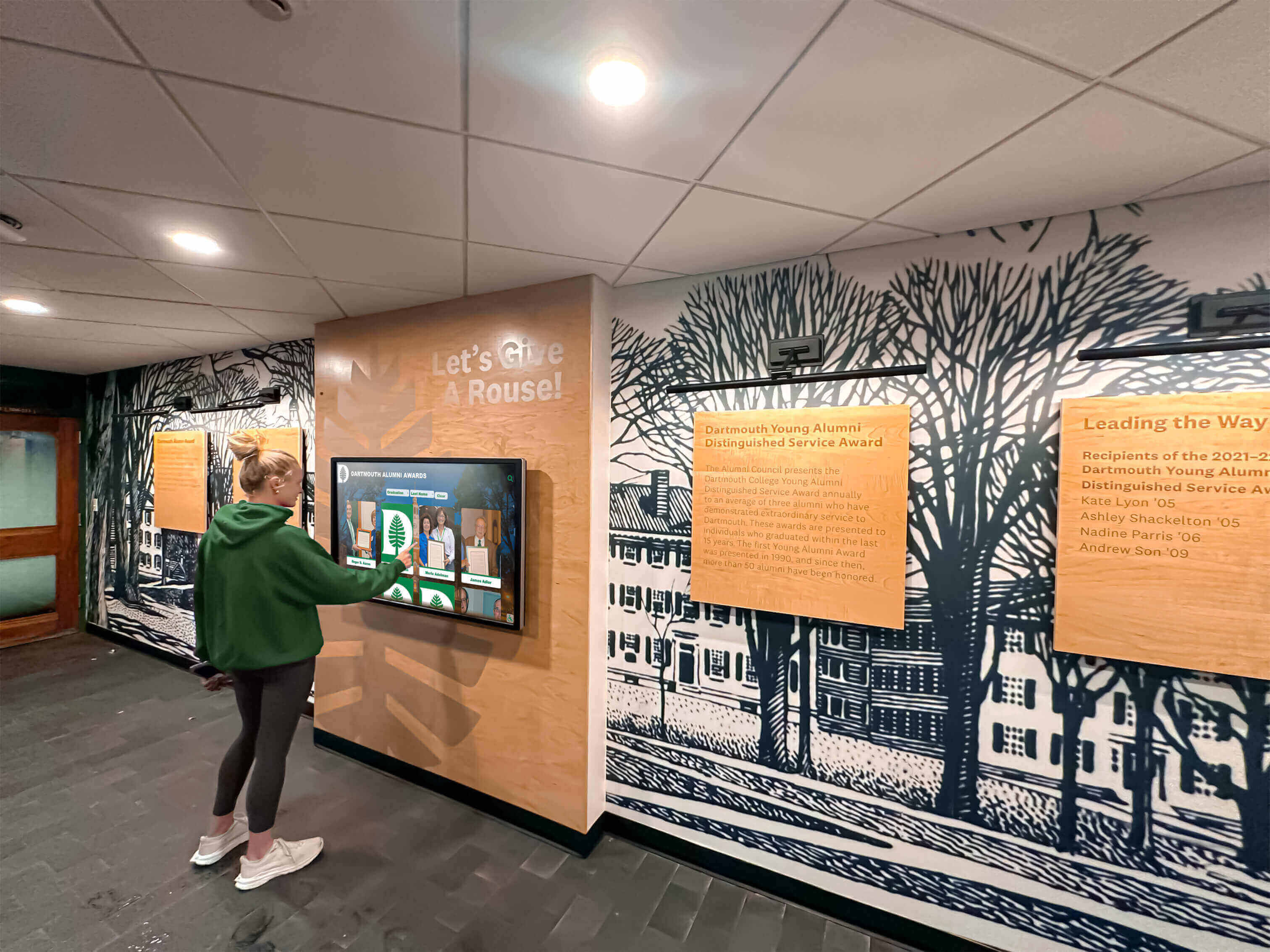
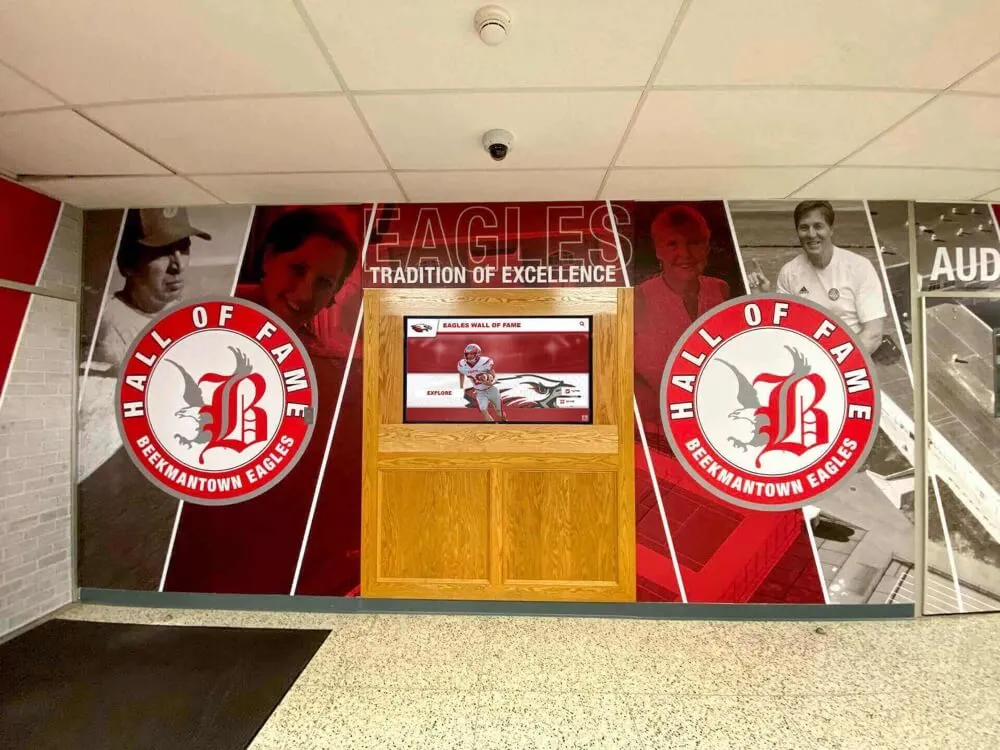
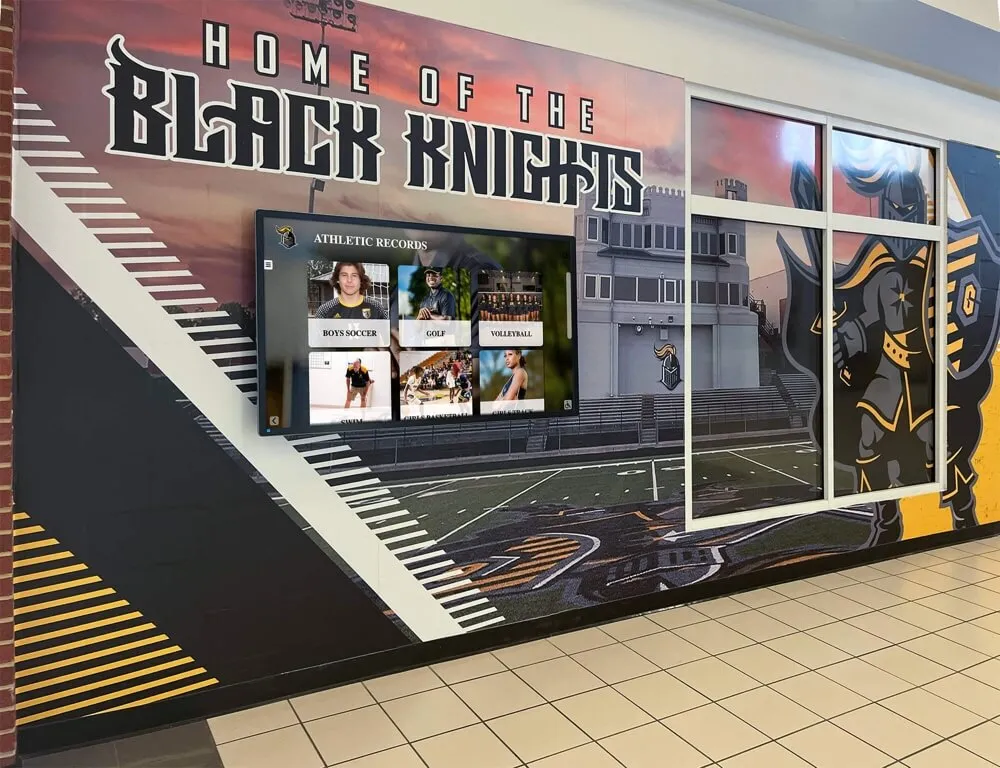
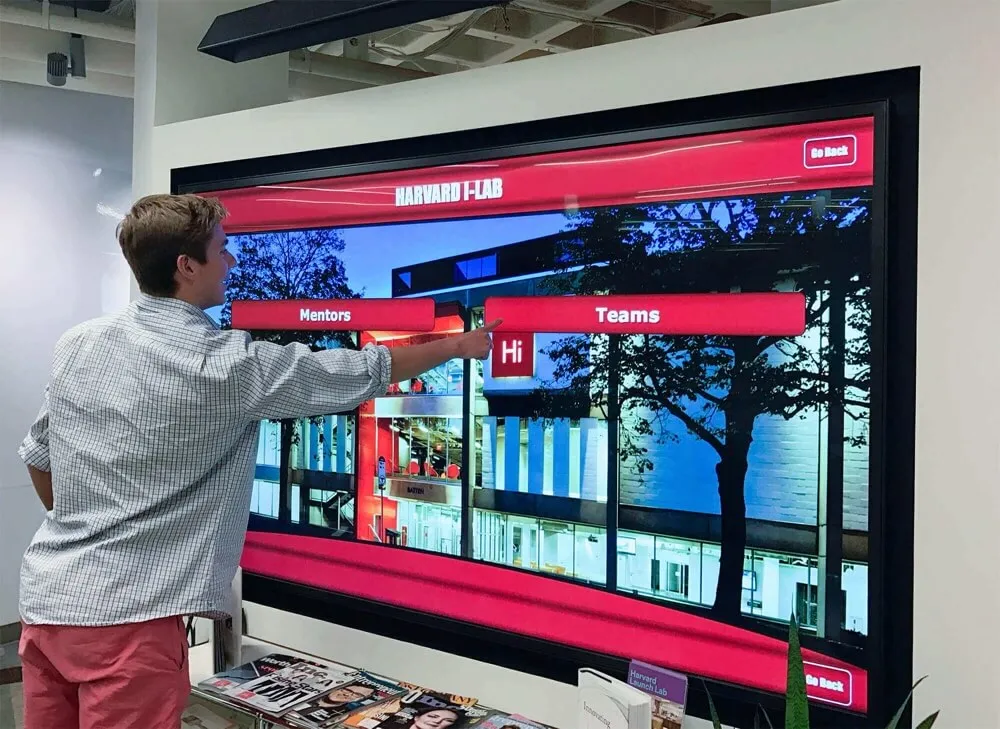
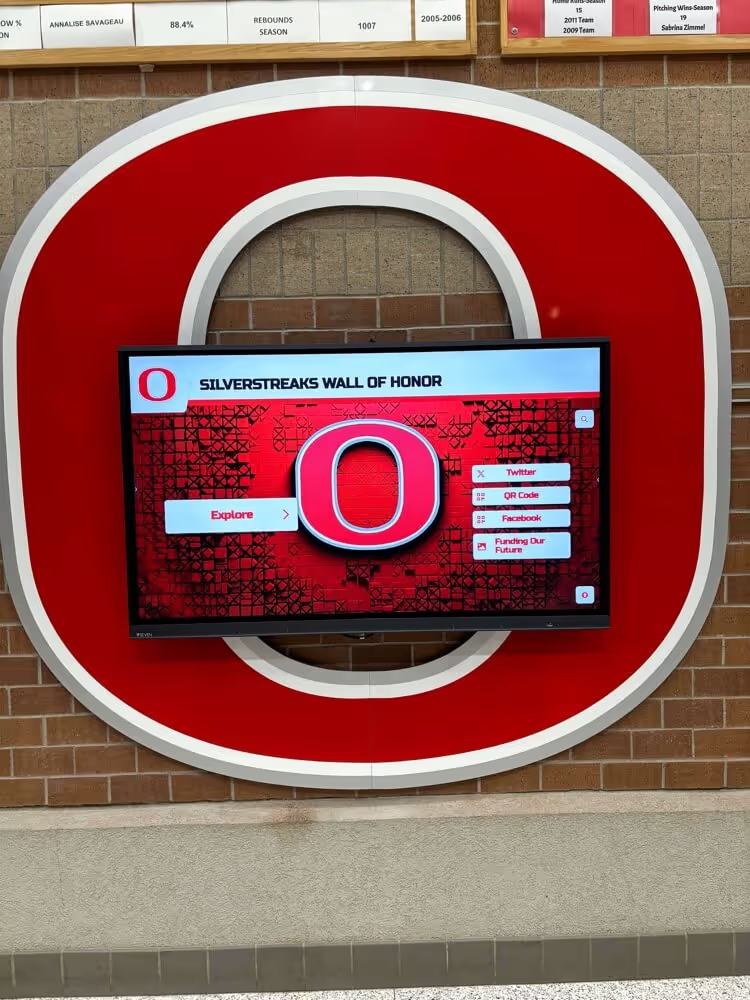
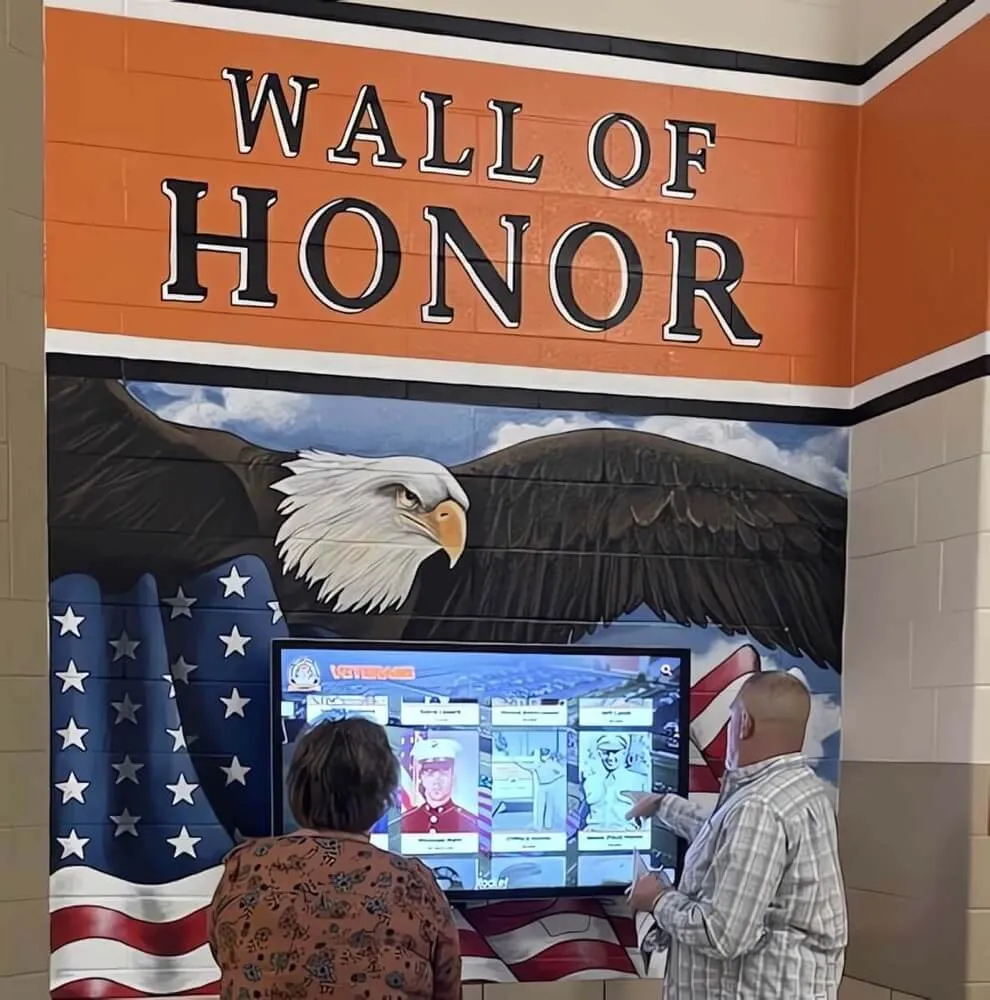
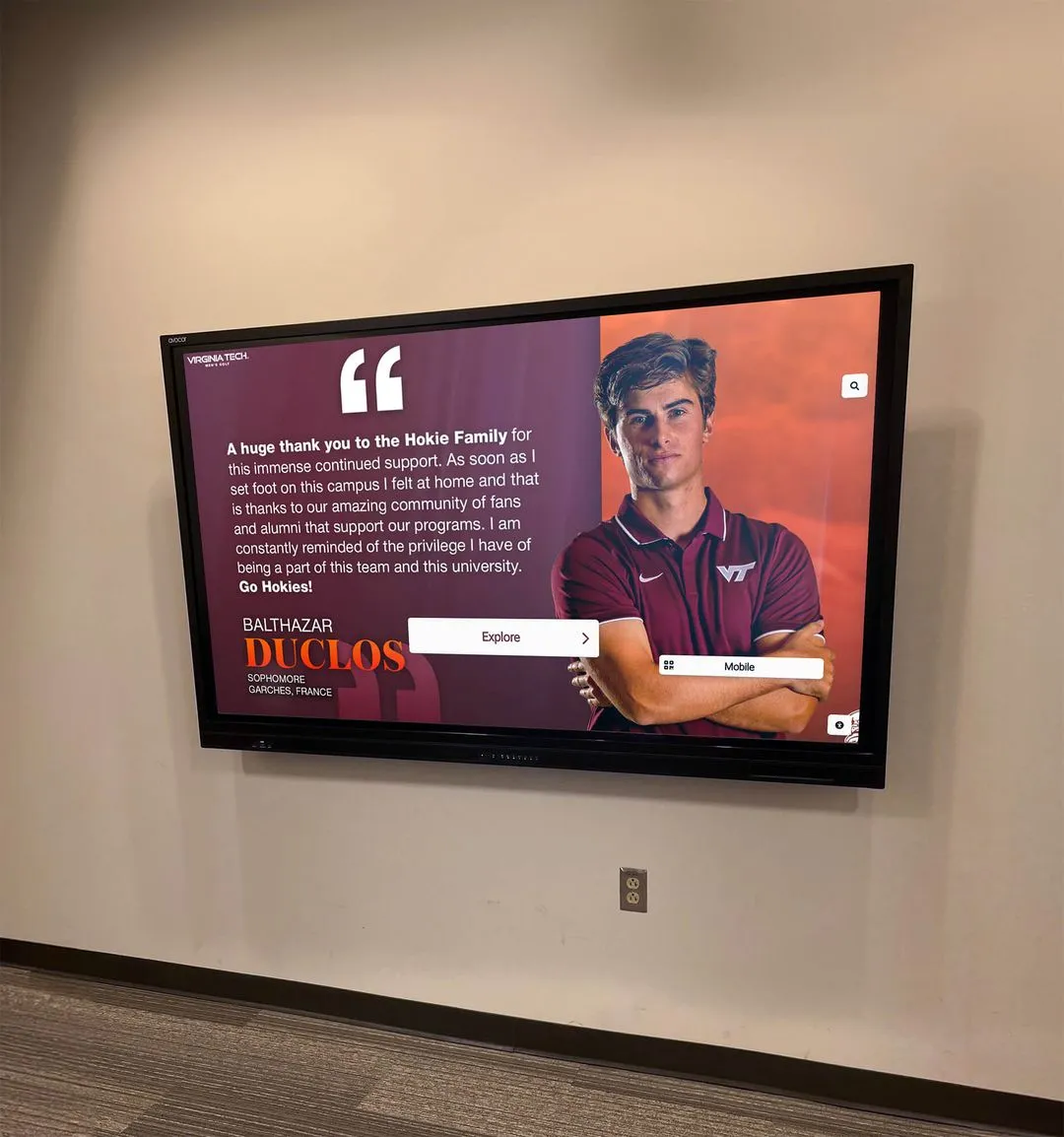
Effective recognition networks require multiple touchpoints across campus without cost multiplication destroying budgets
Who Multi-Screen Costs Affect Most
Different organizations face distinct challenges from per-display pricing structures.
Large School Districts and Campuses
Organizations with distributed facilities feel immediate impact:
Multiple Building Challenges
- High schools with separate academic, athletic, fine arts, and administrative buildings
- District offices wanting recognition displays in each school facility
- Universities with dozens of buildings requiring coordinated yet location-specific content
- Multi-campus systems sharing recognition platforms across sites
Per-screen pricing forces these organizations to choose between comprehensive coverage and budget feasibility. A district with displays in five high schools, three middle schools, and two elementary schools faces 10x software multiplication—turning a $3,000 annual platform into $30,000+ in licensing fees.
Department-Specific Recognition Needs
Comprehensive school recognition requires targeted displays:
- Athletic facilities showing sports-specific achievements and team histories
- Academic buildings highlighting scholar recognition and department accomplishments
- Fine arts areas celebrating drama, music, and visual arts achievements
- Main lobbies presenting comprehensive all-school recognition for visitors
Schools planning athletic hall of fame installations across multiple facilities discover per-screen licensing makes distributed networks financially prohibitive despite clear value.
Athletic Programs and Booster Clubs
Sports organizations commonly need multiple displays serving different purposes.
Venue-Specific Display Requirements
- Main gymnasium: Comprehensive athletic recognition across all sports and decades
- Wrestling room: Sport-specific achievements, records, and team histories
- Weight room: Motivational displays featuring current athletes and records
- Lobby areas: Visitor-focused recognition during games and events
- Ticket office: Historical highlights and upcoming event promotions
Per-screen pricing forces athletic directors to choose single-location displays rather than creating comprehensive recognition experiences throughout facilities.
Seasonal and Event Flexibility
Athletic programs benefit from content variation:
- Regular season: Current team rosters, schedules, recent achievements
- Postseason: Tournament brackets, championship progression, historical comparisons
- Off-season: Historical recognition, summer program information, conditioning achievements
- Special events: Alumni games, hall of fame ceremonies, senior nights
Some platforms charge extra for scheduled content rotation or event-specific programming—adding hidden costs beyond per-screen fees.
Organizations developing digital trophy case alternatives across multiple athletic spaces face budget challenges from licensing multiplication.
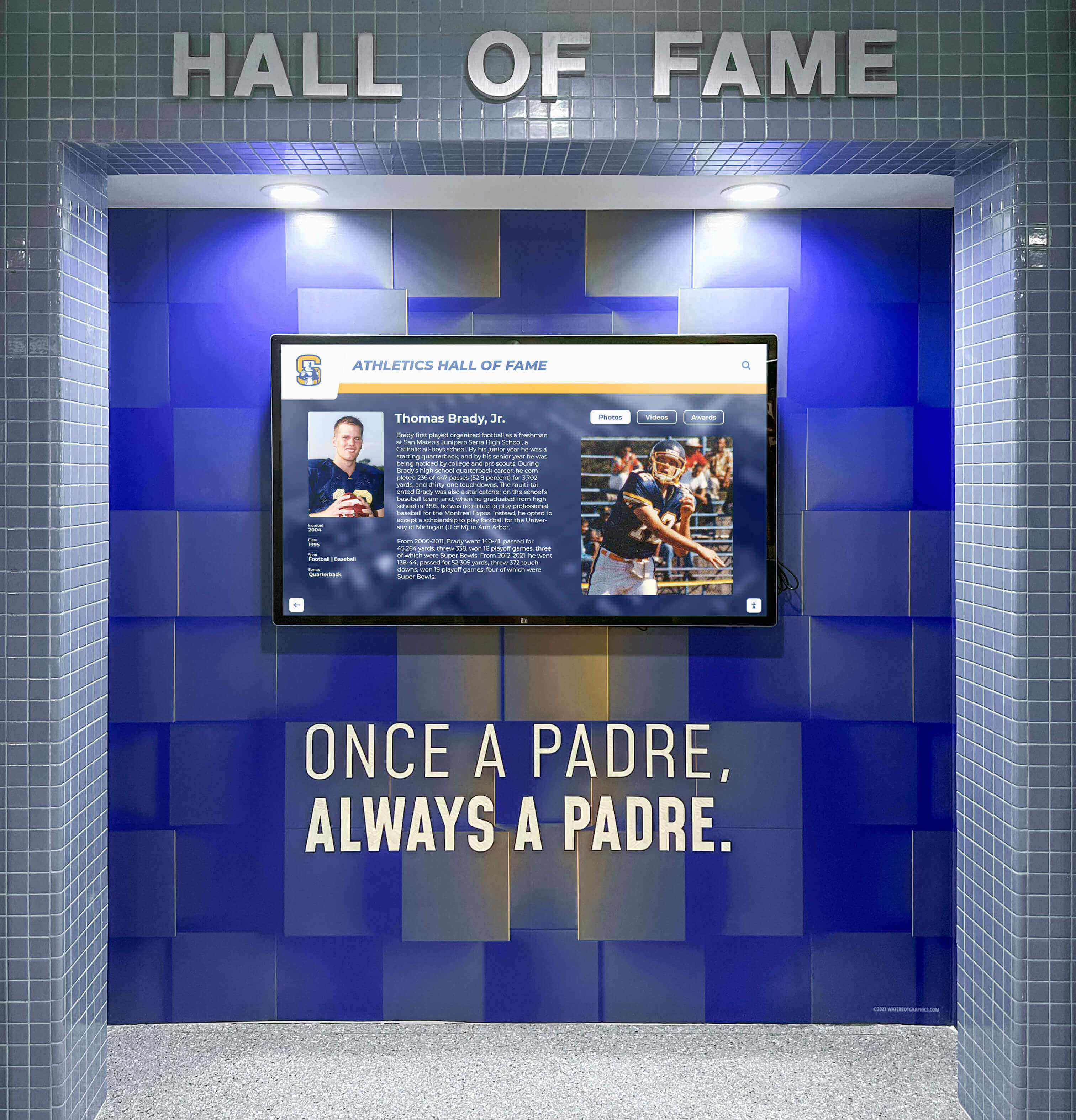
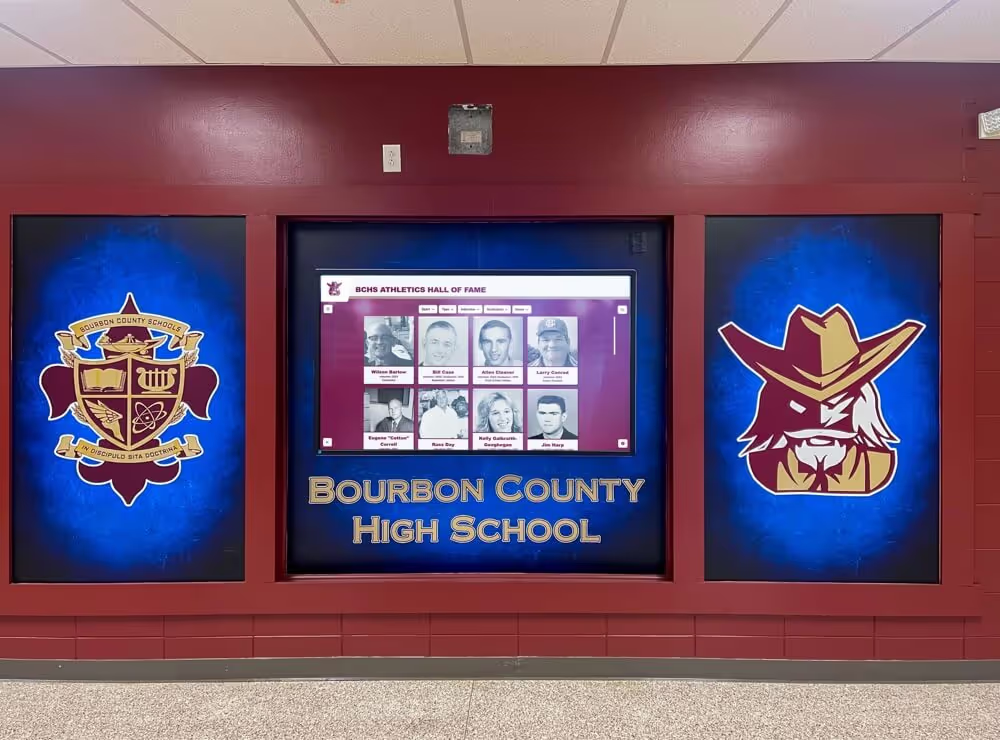
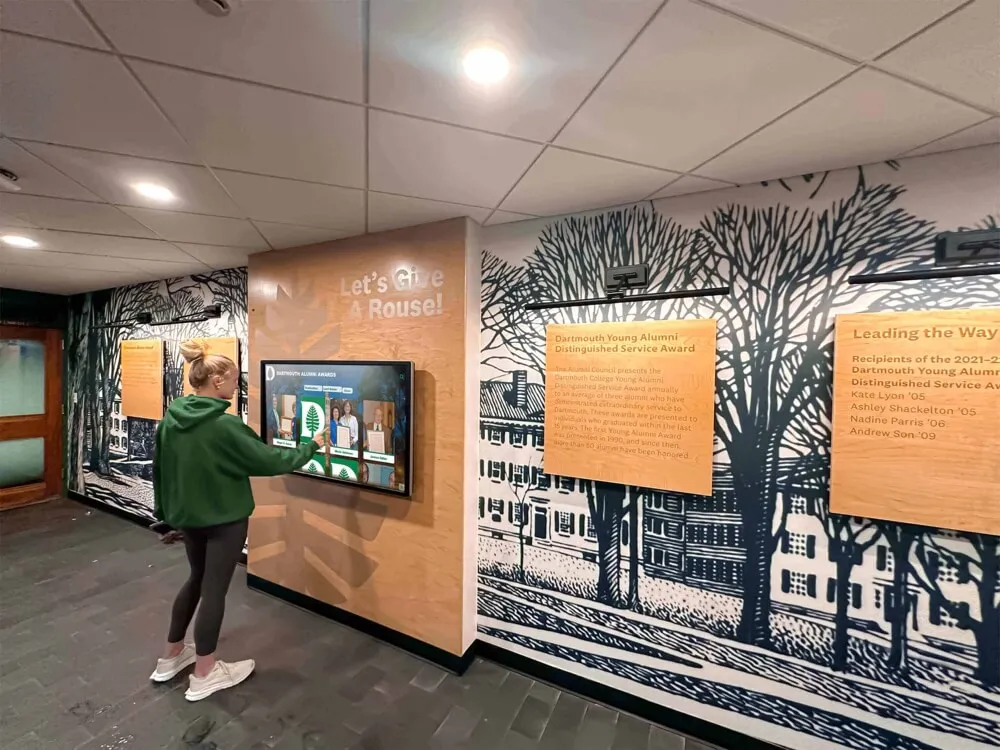
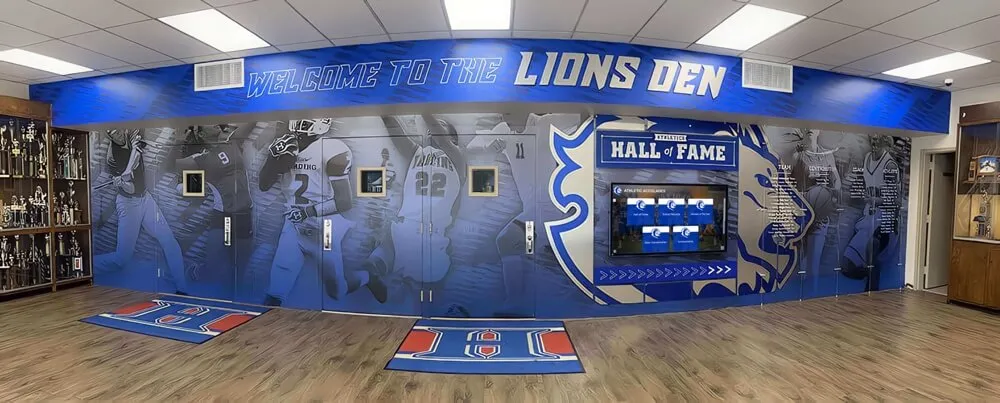
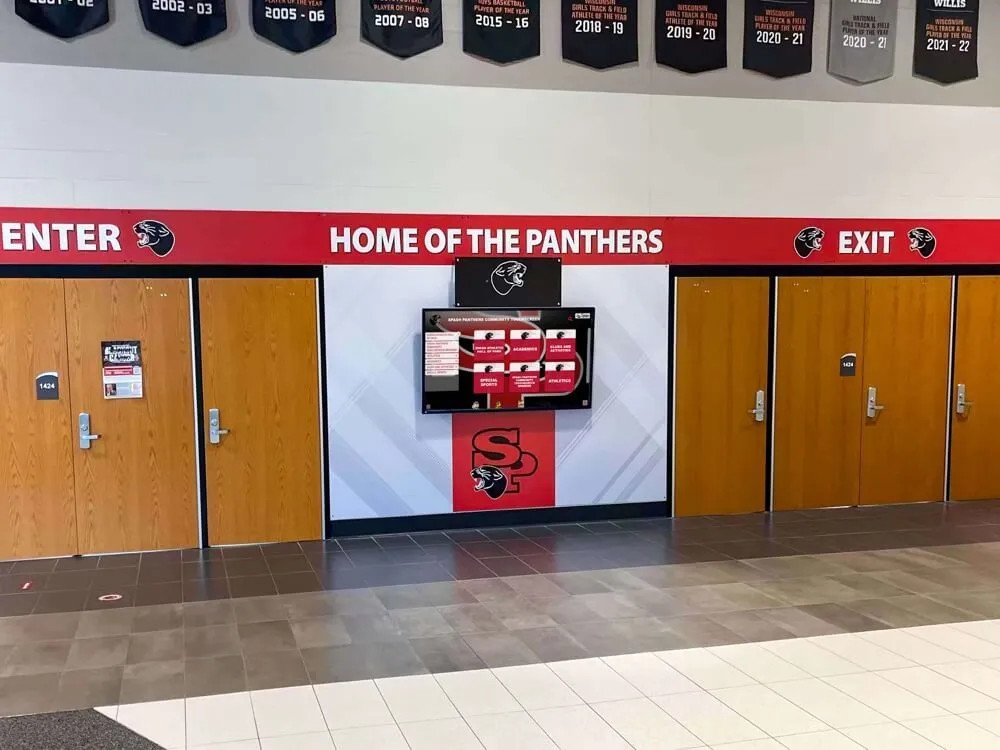
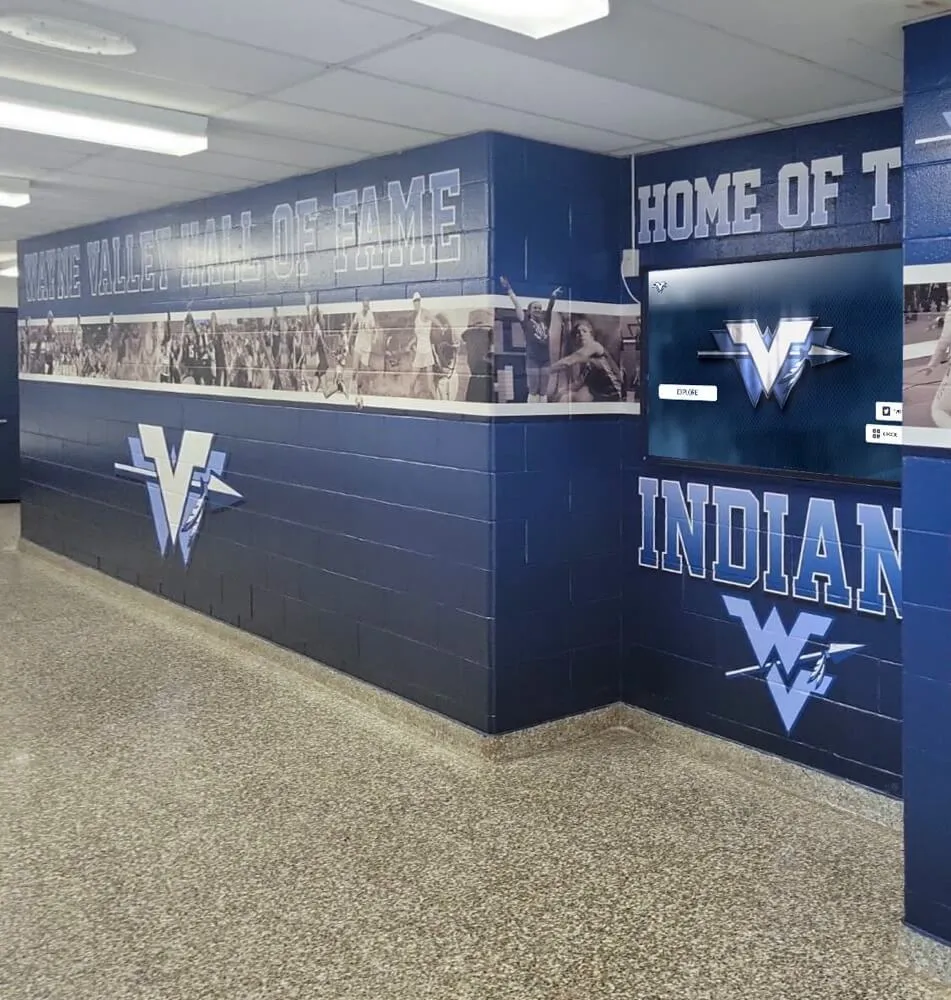
Athletic facilities commonly need multiple displays serving different audiences and purposes throughout venues
Community Organizations and Nonprofits
Organizations with limited budgets feel acute pricing pressure.
Multiple Location Operations
- Youth sports organizations with fields, courts, and community centers
- Churches with sanctuaries, fellowship halls, and administrative buildings
- Community centers with gyms, meeting rooms, and lobby areas
- Alumni associations managing displays at schools and reunion venues
Per-screen pricing often exceeds entire technology budgets for volunteer-driven organizations—forcing single-display implementations that limit recognition scope.
Donor Recognition Across Campus
Nonprofits and educational institutions implementing donor recognition wall programs face challenges:
- Major gift recognition in high-visibility entrance lobbies
- Program-specific donor recognition in relevant facility areas
- Historical giving displays in alumni centers and development offices
- Event-specific recognition during fundraising galas and campaigns
Distributed donor recognition serves both stewardship and cultivation purposes—but per-screen fees make comprehensive networks unaffordable.
Limited Technical Resources
Smaller organizations struggle with complexity:
- Volunteer administrators managing content without technical expertise
- Limited staff time for system management and troubleshooting
- No dedicated IT departments supporting infrastructure
- Budget constraints preventing expensive custom development
These organizations need straightforward, affordable solutions without per-screen multiplication or hidden complexity fees.
Content Architecture: Planning Multi-Screen Recognition Networks
Understanding content distribution helps clarify why per-screen licensing creates problems.
Location-Specific Content Requirements
Effective multi-screen networks show different content in different locations based on audience and purpose.
Entrance Lobby Displays
Main entry areas serve broad audiences with diverse needs:
- Comprehensive recognition spanning all achievement categories
- Interactive search enabling visitors to find specific individuals
- Featured content highlighting recent inductees and notable achievements
- Event information promoting upcoming ceremonies and celebrations
- Historical timelines showing institutional heritage and traditions
Lobby displays create first impressions for prospective families, returning alumni, and community visitors—requiring broad, welcoming content.
Athletic Facility Displays
Gymnasium and sports venue displays target athletes, coaches, families, and fans:
- Sport-specific recognition filtered by athletic program
- Team histories showing rosters, records, and championship documentation
- Individual statistical achievements and school records
- Current season schedules, scores, and standings
- Motivational content inspiring current athletes through historical excellence
Athletic displays emphasize program-specific depth rather than cross-program breadth.
Academic Building Displays
Classroom and administrative area displays celebrate scholarship:
- Honor roll recognition by marking period and academic year
- Valedictorian and salutatorian historical records
- National Merit Scholars and academic competition achievements
- College destination information showing pathways to higher education
- Department-specific achievements in relevant academic areas
Academic displays communicate institutional commitment to educational excellence alongside athletic recognition.
Schools developing academic recognition program strategies need flexible platforms supporting diverse content across multiple locations.
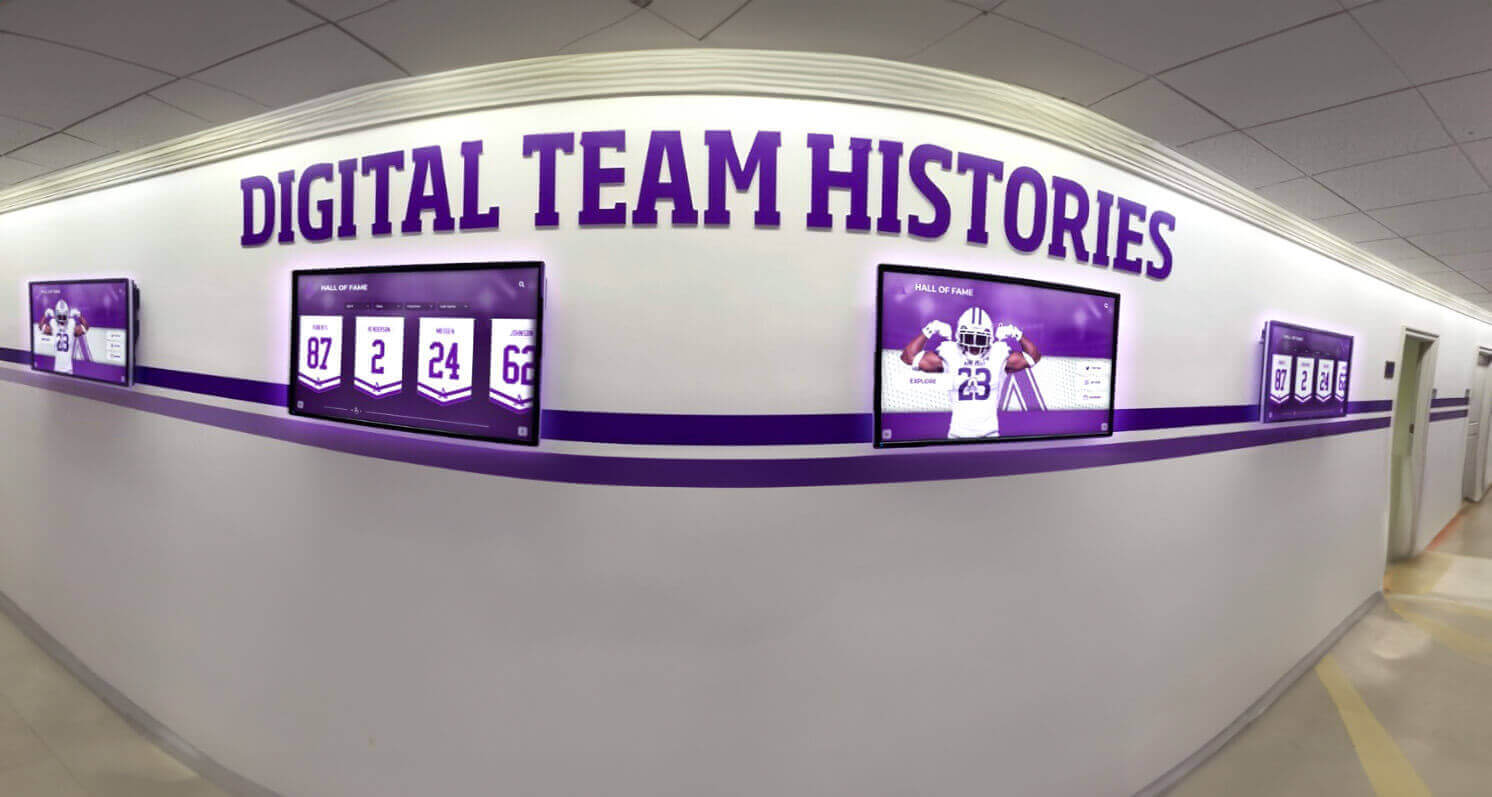
Location-specific content serves different audiences appropriately rather than forcing identical recognition everywhere
Content Management Efficiency
Multi-screen networks require centralized administration without per-display complexity.
Centralized Cloud Management
Effective platforms provide unified administration:
- Single dashboard controlling all displays across campus or multiple sites
- Bulk content updates publishing simultaneously to relevant displays
- Screen grouping enabling category-based distribution (all athletic displays, all academic displays)
- Individual display customization for location-specific needs
- Scheduled publishing automating content rotation and event-specific presentation
Centralized management becomes essential when managing 3+ displays—per-screen platforms requiring separate logins and management for each display create unsustainable administrative burden.
Content Reuse and Variation
Efficient networks balance consistency and customization:
- Shared content libraries providing common profiles accessible across displays
- Display-specific filtering showing relevant subsets of comprehensive databases
- Custom featured content highlighting location-appropriate achievements
- Coordinated branding maintaining institutional identity across locations
- Flexible layouts adapting content presentation to different screen sizes and orientations
Platforms charging per-screen fees often require duplicate content entry for each display—multiplying administrative time alongside software costs.
Multi-User Access
Distributed content management requires appropriate permissions:
- Athletic directors managing sports recognition displays
- Academic administrators updating scholar achievement displays
- Fine arts coordinators maintaining performance and competition recognition
- Central administrators overseeing all content across displays
- External contributors submitting content for approval workflows
Per-screen licensing often restricts user accounts or charges additional fees for multiple administrators—creating bottlenecks in collaborative content development.
Organizations implementing digital hall of fame best practices across multiple buildings need platforms supporting efficient multi-location management.
Content Depth and Recognition Capacity
Comprehensive recognition programs quickly exceed artificial platform limitations.
Historical Archive Requirements
School recognition typically includes:
- Athletic achievements: 500-5,000+ individual athlete profiles depending on history depth
- Team recognition: 100-1,000+ team rosters and season records
- Academic honors: 200-3,000+ scholar recognition spanning decades
- Fine arts achievements: 100-1,000+ production casts, competition awards, ensemble recognition
- Alumni accomplishments: 100-2,000+ distinguished alumni and “where are they now” profiles
Platforms limiting total profiles to 200 or 500 regardless of display count make comprehensive recognition impossible without expensive tier upgrades.
Media Library Size
Professional recognition includes substantial multimedia:
- Photographs: 2,000-20,000+ historical images requiring high-resolution storage
- Videos: 50-500+ highlight reels, interviews, performance recordings
- Documents: 100-1,000+ programs, certificates, newspaper articles, historical records
Per-screen platforms often charge storage fees multiplied by display count—even though content libraries are shared rather than duplicated across screens.
Future Growth Accommodation
Recognition programs add content continuously:
- Annual new inductees: 20-200+ profiles added yearly
- Historical research: Ongoing archive expansion filling documentation gaps
- Media digitization: Converting physical photos and records to digital formats
- Alumni updates: Career accomplishments and milestone celebrations
Platforms with rigid capacity limits require frequent tier upgrades—creating unpredictable ongoing costs beyond per-screen multiplication.
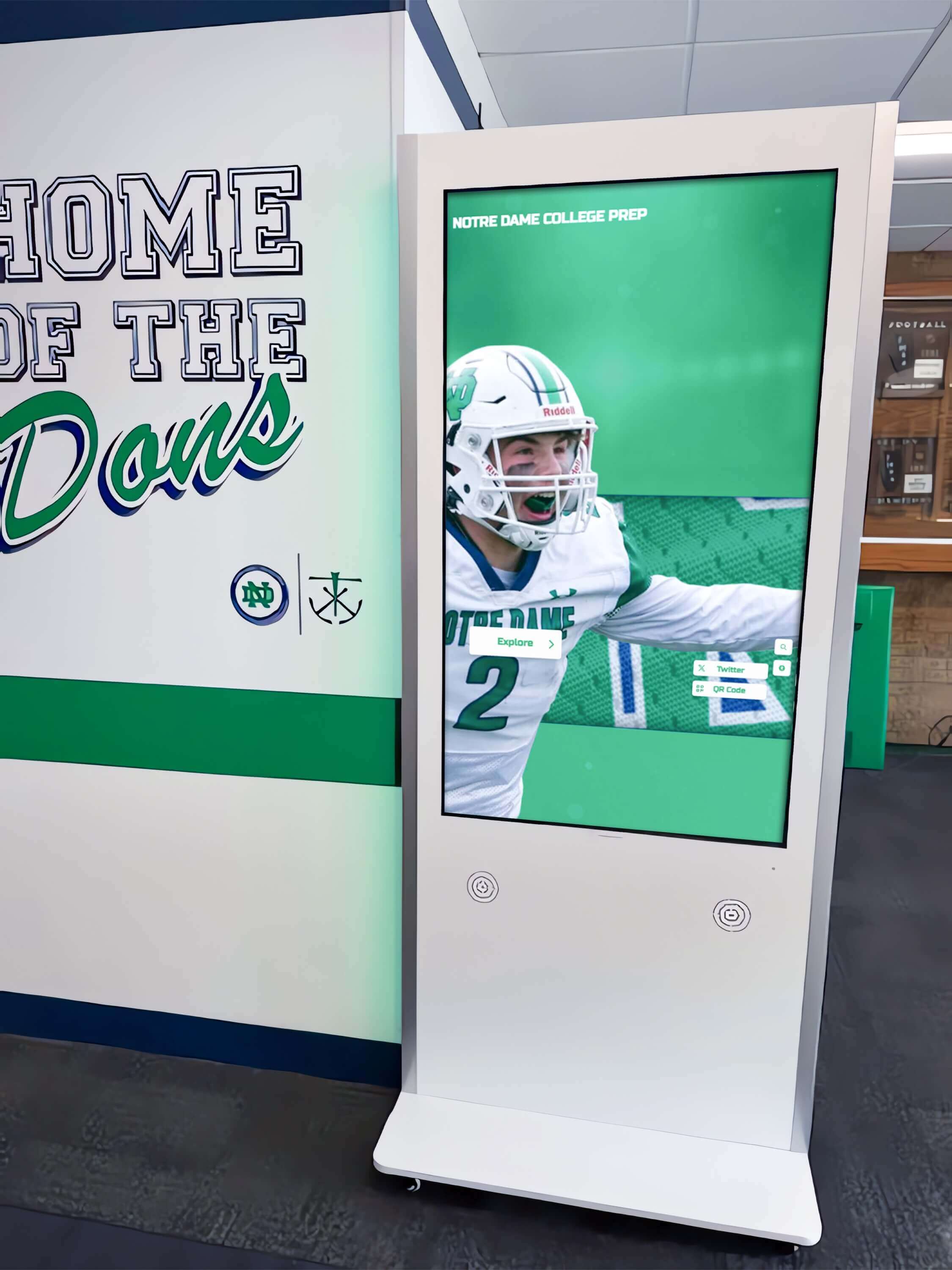
Comprehensive recognition requires substantial content capacity supporting unlimited growth without artificial restrictions
Execution Timeline: Implementing Multi-Screen Recognition Networks
Systematic planning prevents common pitfalls while managing costs effectively.
Phase 1: Vendor Evaluation with Price Transparency (Weeks 1-4)
Asking the Right Pricing Questions
Schools must clarify true costs before purchase commitments:
Multi-Screen Cost Verification
- “If we want displays in three locations, what’s the total annual software cost?”
- “Do you charge per display, or does one subscription cover unlimited screens?”
- “Can each display show different content, or must all screens show identical information?”
- “Are there additional fees for location-specific content on multiple displays?”
- “If we add a fourth display in two years, what additional costs would that involve?”
Content Capacity Confirmation
- “Is there a limit to how many profiles, photos, or videos we can include?”
- “Do storage costs increase if we’re using multiple displays?”
- “Can we show different content subsets on different displays from one shared database?”
- “Are there user limits or additional fees for multiple content administrators?”
Support and Service Clarification
- “Does your training cover all displays, or is there a per-screen training fee?”
- “If we have technical issues with one display, does support cost depend on total network size?”
- “Are software updates included regardless of how many displays we operate?”
- “Do you offer ongoing training as staff changes without per-display charges?”
Vendors unwilling to provide clear, written answers to these questions before purchase likely impose hidden fees discovered only after commitment.
Reference Customer Verification
Request contacts for schools operating multiple displays:
- “How does your actual cost compare to the initial estimate for three displays?”
- “Have you encountered unexpected fees related to multi-screen operation?”
- “Can you show different content in different locations without additional charges?”
- “If you added displays after initial purchase, what additional costs did you incur?”
- “Would you recommend this vendor for multi-screen implementations?”
Direct conversations with current customers reveal pricing realities vendors may obscure.
Phase 2: Budget Planning with True Total Cost (Weeks 5-8)
Five-Year Cost Projection Models
Compare vendors using complete multi-year analysis:
Per-Screen Licensing Scenario (Three Displays)
- Year 1: Hardware ($20,000) + Software ($7,500) + Setup ($12,000) = $39,500
- Years 2-5: Software ($7,500 annually x 4 years) = $30,000
- Five-year total: $69,500
- Cost per display per year: $4,633
Unlimited Screen Licensing Scenario (Three Displays)
- Year 1: Hardware ($20,000) + Software ($4,000) + Setup ($8,000) = $32,000
- Years 2-5: Software ($4,000 annually x 4 years) = $16,000
- Five-year total: $48,000
- Cost per display per year: $3,200
Savings: $21,500 over five years (31% reduction) for three displays
Savings percentages increase substantially with larger networks—five-display implementations save 40-60% with unlimited licensing versus per-screen models.
Schools planning comprehensive digital recognition wall implementations must evaluate long-term total cost accurately.
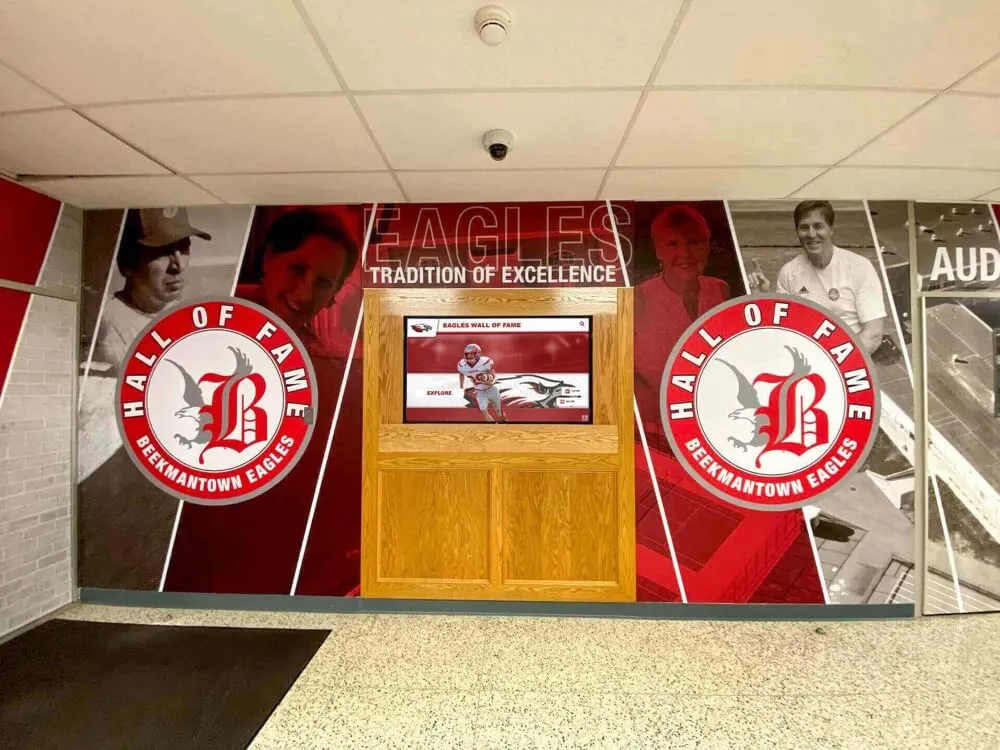
Budget planning must account for true multi-year costs including all displays across campus
Expansion Planning
Build growth scenarios into procurement decisions:
Initial Implementation (Year 1)
- Primary lobby display serving all visitors
- Main gymnasium display for athletic recognition
- Total: 2 displays
Phase 2 Expansion (Year 2-3)
- Academic building display celebrating scholarship
- Fine arts area display highlighting performances
- Total: 4 displays
Future Growth (Year 4+)
- Additional athletic venue displays (wrestling, baseball, softball)
- Alumni center display for events and gatherings
- Administrative building display for staff and district visitors
- Total: 7+ displays
Per-screen licensing turns $3,000 annual software into $21,000 as network grows—potentially exceeding entire technology budgets. Unlimited licensing maintains $3,000-$4,000 cost regardless of expansion.
Phase 3: Installation and Configuration (Weeks 9-16)
Hardware Distribution Strategy
Physical installation differs from software configuration:
Network Infrastructure
- Ensure adequate connectivity at all display locations
- Plan centralized or distributed computer hardware
- Address electrical requirements and mounting considerations
- Coordinate installation timing minimizing disruption
Hardware costs scale proportionally with display count regardless of software licensing—but installation complexity decreases when using unified cloud platforms versus managing separate systems per screen.
Content Distribution Setup
Configure location-specific display behavior:
- Assign each display to appropriate content categories (athletic, academic, comprehensive)
- Set filtering criteria showing relevant recognition subsets
- Configure featured content and home screens appropriately
- Test content appearance on all screen sizes and orientations
- Verify search and navigation consistency across network
Unlimited licensing platforms typically include configuration support for all displays—per-screen platforms often charge separately for each location setup.
Testing and Quality Assurance
Verify proper operation before public launch:
- Test content updates publishing correctly across all displays
- Verify location-specific filtering showing appropriate recognition
- Confirm search and discovery working consistently across network
- Test content administration from multiple user accounts
- Validate scheduled content rotation and event-specific programming
Multi-screen testing prevents embarrassing launch failures discovered during high-visibility unveiling ceremonies.
Phase 4: Ongoing Operation and Expansion (Continuous)
Regular Content Management
Sustainable programs require realistic time allocation:
- Monthly content updates: 4-8 hours across all displays
- Annual induction additions: 20-40 hours depending on new inductee count
- Seasonal adjustments: 2-4 hours per display per season
- Event-specific programming: 3-6 hours per major event
Unified content management platforms dramatically reduce these time requirements versus managing separate systems per screen—but per-screen licensing often forces inefficient duplicate administration.
Network Optimization
Continuous improvement maximizes recognition impact:
- Monitor analytics identifying popular content and underutilized displays
- Gather stakeholder feedback about content relevance and discovery ease
- Adjust featured content based on seasonal interests and upcoming events
- Optimize search and filtering based on common user behaviors
- Expand content depth in high-interest categories
Platforms providing comprehensive analytics across all displays enable data-driven improvement—per-screen systems may charge separately for analytics on each display.
Organizations implementing digital signage content strategies across school buildings benefit from unified management eliminating per-screen complexity.
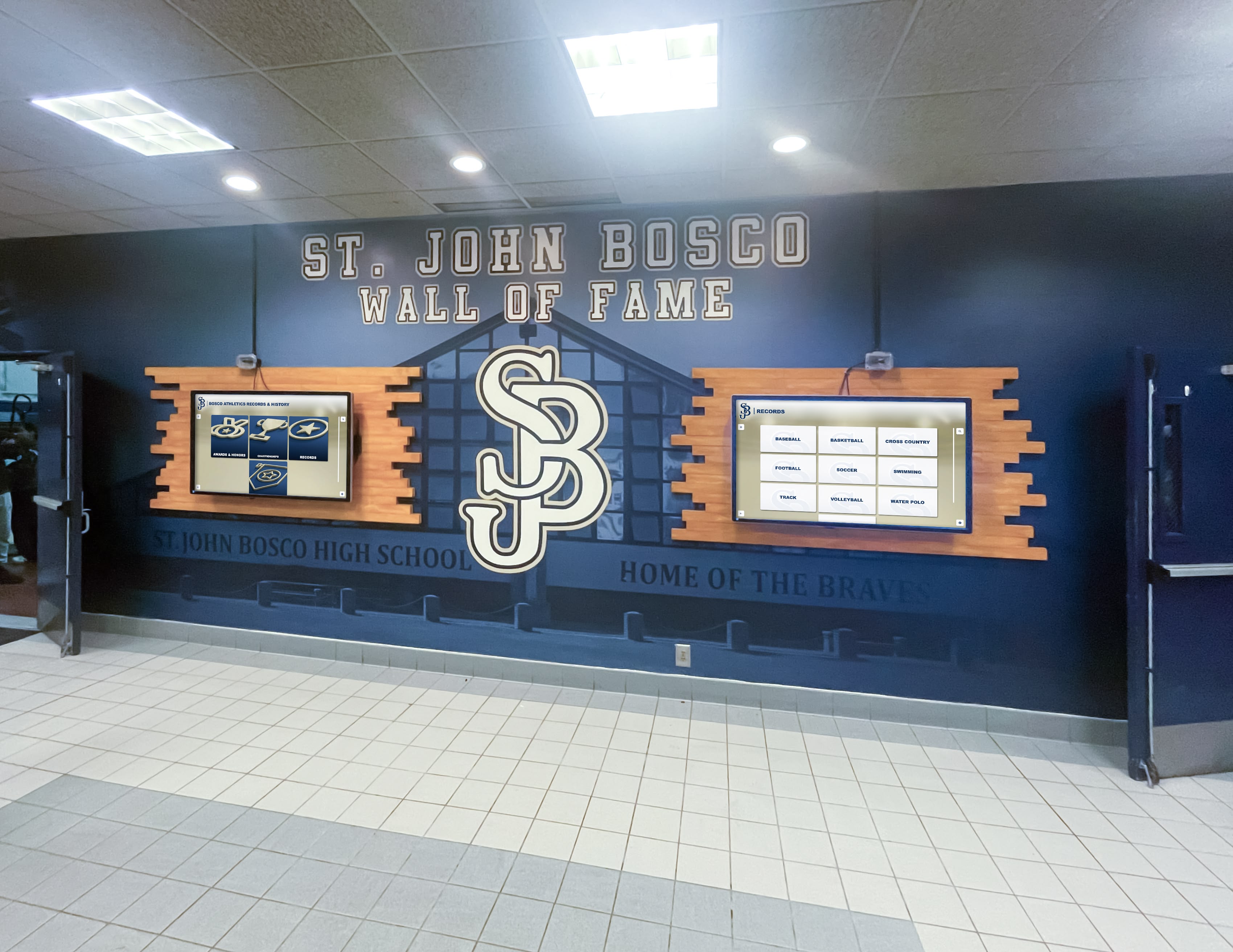
Successful multi-screen networks require sustainable ongoing management without per-display administrative multiplication
Display Integration: Rocket Alumni Solutions Unlimited Screen Model
Understanding how alternative pricing models work helps schools recognize transparent options.
How Unlimited Licensing Works
Rocket Alumni Solutions provides multi-screen flexibility without per-display fees.
One Subscription, Unlimited Displays
Core pricing structure includes:
- Single annual subscription covering platform access
- Unlimited touchscreen installations using that subscription
- No additional fees based on display quantity
- Full content management across all displays from single dashboard
- Location-specific content supported without premium tier requirements
- Mobile and web access included for all displays
Schools can deploy displays in gymnasiums, lobbies, cafeterias, academic buildings, fine arts areas, and any other locations without software cost multiplication.
Truly Unlimited—No Fine Print
Important clarifications addressing common concerns:
- “Unlimited” means unlimited—not “up to 5” or “reasonable number”
- Location-specific content doesn’t require higher tier subscriptions
- Different content on different displays is standard, not a premium feature
- Adding displays in future years doesn’t increase subscription costs
- Multi-user administration is included, not charged per account
- Technical support covers all displays without per-screen fees
Per-display vendors sometimes claim “unlimited” while imposing caps or restrictions discovered only in contract fine print. Rocket’s unlimited means genuinely unlimited touchscreen deployments per subscription.
Why This Model Works for Schools
Unlimited pricing aligns with educational needs:
- Schools need distributed recognition across multiple high-traffic locations
- Per-screen fees create artificial barriers limiting comprehensive recognition
- Budget predictability enables long-term planning without growth penalties
- Single platform administration reduces technical complexity and staff time
- Expansion capability supports phased implementation and future growth
Organizations exploring digital hall of fame platform options benefit from understanding transparent unlimited licensing.
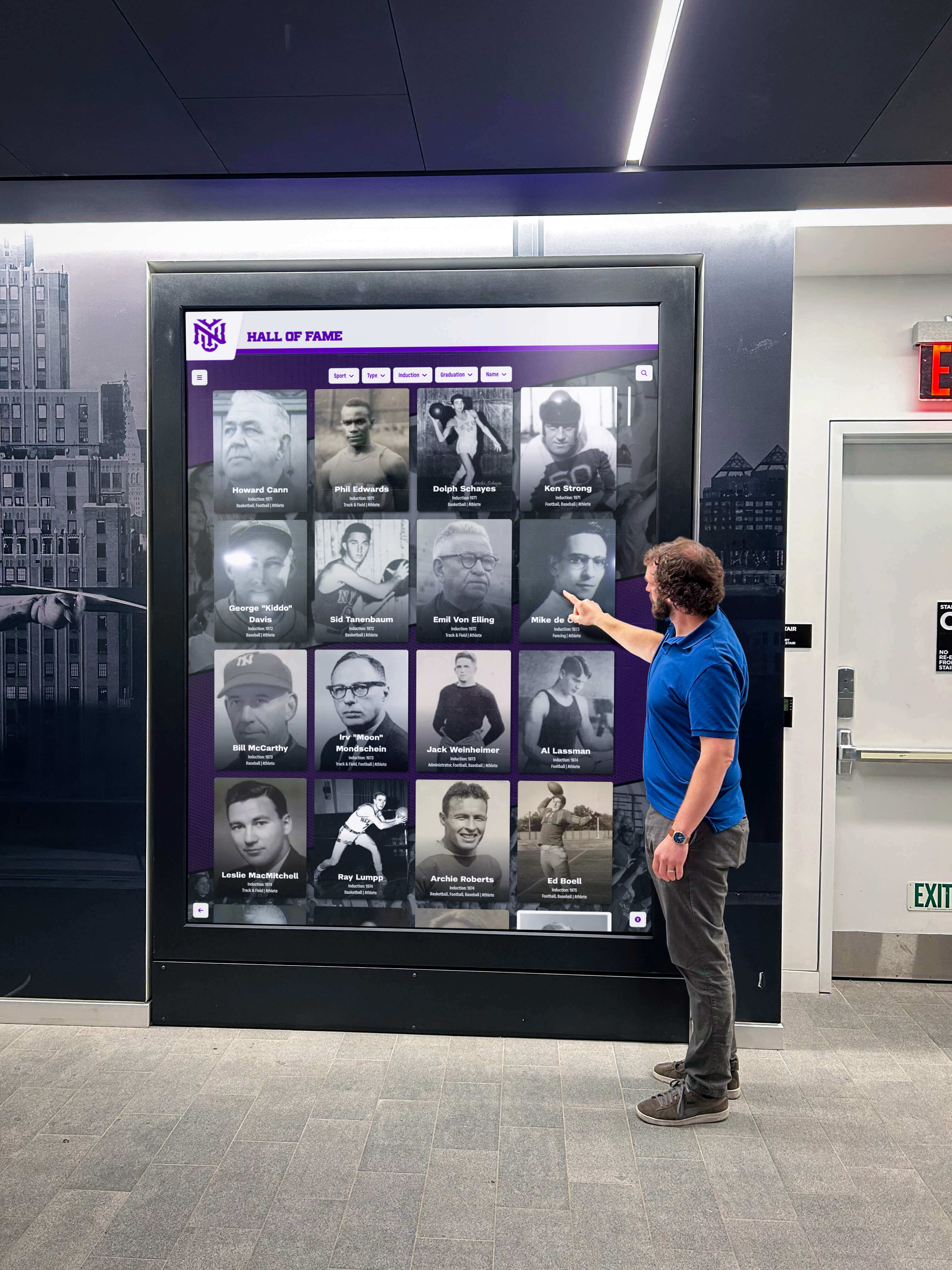
Unlimited screen licensing enables comprehensive recognition networks serving diverse audiences across campus
Content Management Across Multiple Displays
Unified platforms simplify multi-location content distribution.
Centralized Cloud Dashboard
Single administrative interface controls entire network:
- One login accessing content management for all displays
- Bulk content creation publishing to relevant display groups simultaneously
- Display grouping for efficient category-based distribution
- Individual display customization when location-specific content needed
- Unified media library accessible across all displays
- Coordinated branding and design templates applied consistently
Contrast this with per-screen platforms requiring separate logins, content entry, and management for each display—multiplying administrative burden alongside costs.
Flexible Content Filtering
Sophisticated display targeting without custom programming:
- Athletic displays automatically show sports-related recognition
- Academic displays filter to scholarship and academic achievements
- Fine arts displays present drama, music, and artistic accomplishments
- Comprehensive lobby displays show all categories
- Search and discovery work consistently across all displays
This filtering uses single shared content database—not duplicate entries per display—enabling efficient content management at any scale.
Scheduled Publishing and Events
Coordinated content management across network:
- Schedule content releases coordinating with induction ceremonies
- Create event-specific displays for homecoming, reunions, championships
- Rotate seasonal content automatically across displays
- Update featured profiles highlighting recent accomplishments
- Manage temporary exhibits and special collections
Unified scheduling eliminates repetitive per-display configuration while enabling sophisticated network-wide content strategies.
Schools implementing athletic program digital recognition across facilities benefit from centralized management simplifying distributed deployments.
Hardware Flexibility and Installation
Unlimited software licensing doesn’t restrict hardware choices or installation approaches.
Display Hardware Options
Schools select appropriate hardware per location:
- Wall-mounted displays integrated with existing architecture
- Freestanding kiosks providing flexible placement without construction
- Various screen sizes matching viewing distances and space constraints
- Portrait or landscape orientation optimizing content presentation
- Commercial-grade displays rated for continuous public operation
Hardware costs scale with display count regardless of software model—but unlimited licensing eliminates the software cost multiplication making hardware investment prohibitive.
Phased Implementation Capability
Budget limitations don’t prevent future expansion:
Year 1: Purchase two displays with immediate funding
- Main lobby comprehensive recognition display
- Primary gymnasium athletic achievement display
Year 2: Add displays as budget allows
- Academic building scholar recognition display
- Fine arts area performance and competition display
Year 3+: Expand network without software cost increases
- Additional athletic venue displays
- Alumni center event and gathering display
- Administrative and visitor displays
Per-screen licensing penalizes expansion—each new display adds annual software fees. Unlimited licensing enables growth without budget increases.
Installation Coordination
Professional installation ensures reliable operation:
- Network connectivity ensuring cloud platform access
- Proper mounting meeting ADA requirements and viewing optimization
- Cable management creating finished professional appearance
- Touch calibration and display configuration
- Testing and quality assurance before public launch
Installation complexity doesn’t multiply with unlimited licensing—centralized cloud management simplifies configuration versus platforms requiring per-display system setup.
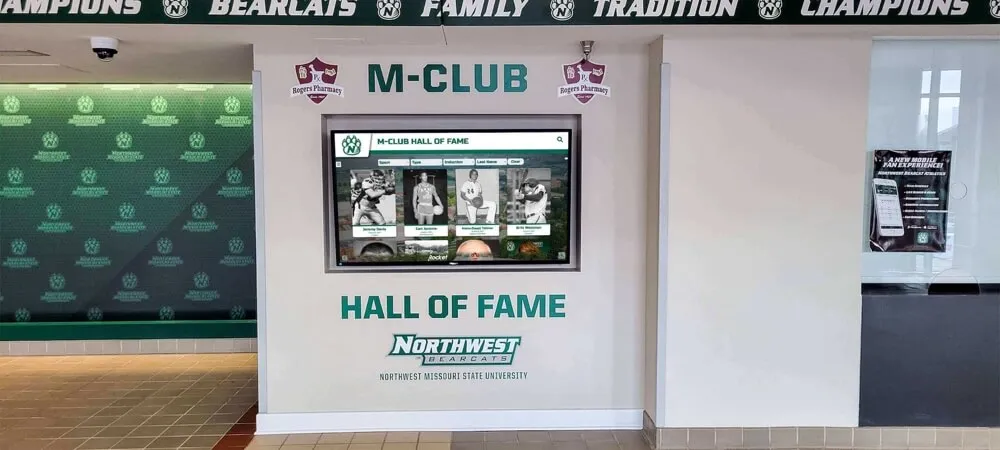
Professional installations combine appropriate hardware with efficient software creating sustainable recognition networks
Measurement Block: Evaluating Multi-Screen Recognition Impact
Comprehensive networks provide measurable benefits justifying investment.
Engagement Metrics Across Display Network
Analytics demonstrate recognition program success:
Overall Network Performance
- Total interactions across all displays monthly: 500-5,000+ depending on campus size
- Average session duration per interaction: 2-8 minutes
- Search queries revealing what visitors seek: Names, years, sports, achievements
- Return visitor frequency showing sustained community interest
- Peak usage times identifying optimal content scheduling windows
Multi-display networks generate substantially higher engagement than single-location installations—distributed visibility creates more touchpoints and discovery opportunities.
Location-Specific Insights
Understanding display performance by location:
- Lobby displays: High traffic, shorter average sessions, diverse audience
- Athletic facility displays: Moderate traffic, longer sessions, sports-focused exploration
- Academic building displays: Moderate traffic, research-oriented deeper browsing
- Event displays: High traffic during events, celebration and sharing behaviors
Location analytics guide content optimization—featured profiles and discovery pathways should match audience interests and typical usage patterns per display.
Content Performance Analysis
Identifying what resonates with communities:
- Most-viewed profiles revealing popular athletes, scholars, or alumni
- Achievement categories attracting sustained interest versus brief glances
- Historical periods generating exploration versus neglect
- Search patterns showing how visitors discover content
- Social sharing frequency indicating pride and celebration
Analytics from comprehensive networks provide richer insights than single displays—broader audiences and diverse locations reveal what truly engages communities versus what disappoints.
Organizations measuring digital donor recognition program success benefit from multi-location performance data.
Return on Investment Assessment
Comprehensive recognition delivers measurable value:
Cost Per Touchpoint Calculation
Evaluating efficiency across pricing models:
Per-Screen Licensing (Three Displays)
- Annual software cost: $7,500
- Monthly interactions: 1,200 across three displays
- Annual interactions: 14,400
- Cost per interaction: $0.52
Unlimited Screen Licensing (Three Displays)
- Annual software cost: $4,000
- Monthly interactions: 1,200 across three displays (same hardware, same engagement)
- Annual interactions: 14,400
- Cost per interaction: $0.28
Unlimited licensing delivers 46% lower cost per engagement—identical recognition impact with substantially reduced expense.
Expansion ROI Analysis
Adding displays becomes dramatically more cost-effective:
Adding Fourth Display with Per-Screen Licensing
- Additional software cost: $2,500 annually
- Additional engagement: 400 monthly interactions (4,800 annually)
- Incremental cost per interaction: $0.52 (same as existing displays)
Adding Fourth Display with Unlimited Licensing
- Additional software cost: $0 (truly unlimited)
- Additional engagement: 400 monthly interactions (4,800 annually)
- Incremental cost per interaction: $0.00 (no software cost increase)
Every additional display with unlimited licensing costs only hardware and installation—software fees remain fixed regardless of network size.
Stakeholder Satisfaction Measurement
Qualitative assessment complements quantitative metrics:
Administrator Experience
- Ease of content management across multiple displays
- Time required for regular updates and maintenance
- Confidence operating system without extensive technical support
- Satisfaction with vendor responsiveness and assistance quality
Unified platforms simplify administration versus managing separate systems per display—reducing frustration and enabling sustainable long-term operation.
Community Response
- Student awareness of recognition opportunities and motivational impact
- Alumni engagement and appreciation for achievement preservation
- Visitor impressions during campus tours and facility visits
- Staff and faculty pride in institutional recognition commitment
Multi-screen networks generate broader community impact than single-location installations—distributed visibility ensures recognition reaches diverse audiences throughout campus.
Institutional Value
- Recruitment advantage during prospective family campus tours
- Alumni relations enhancement through accessible historical recognition
- School culture improvement celebrating achievement across programs
- Facility modernization supporting capital campaigns and community support
Comprehensive recognition networks deliver institutional benefits justifying investment—but only if per-screen costs don’t make implementation financially impossible.
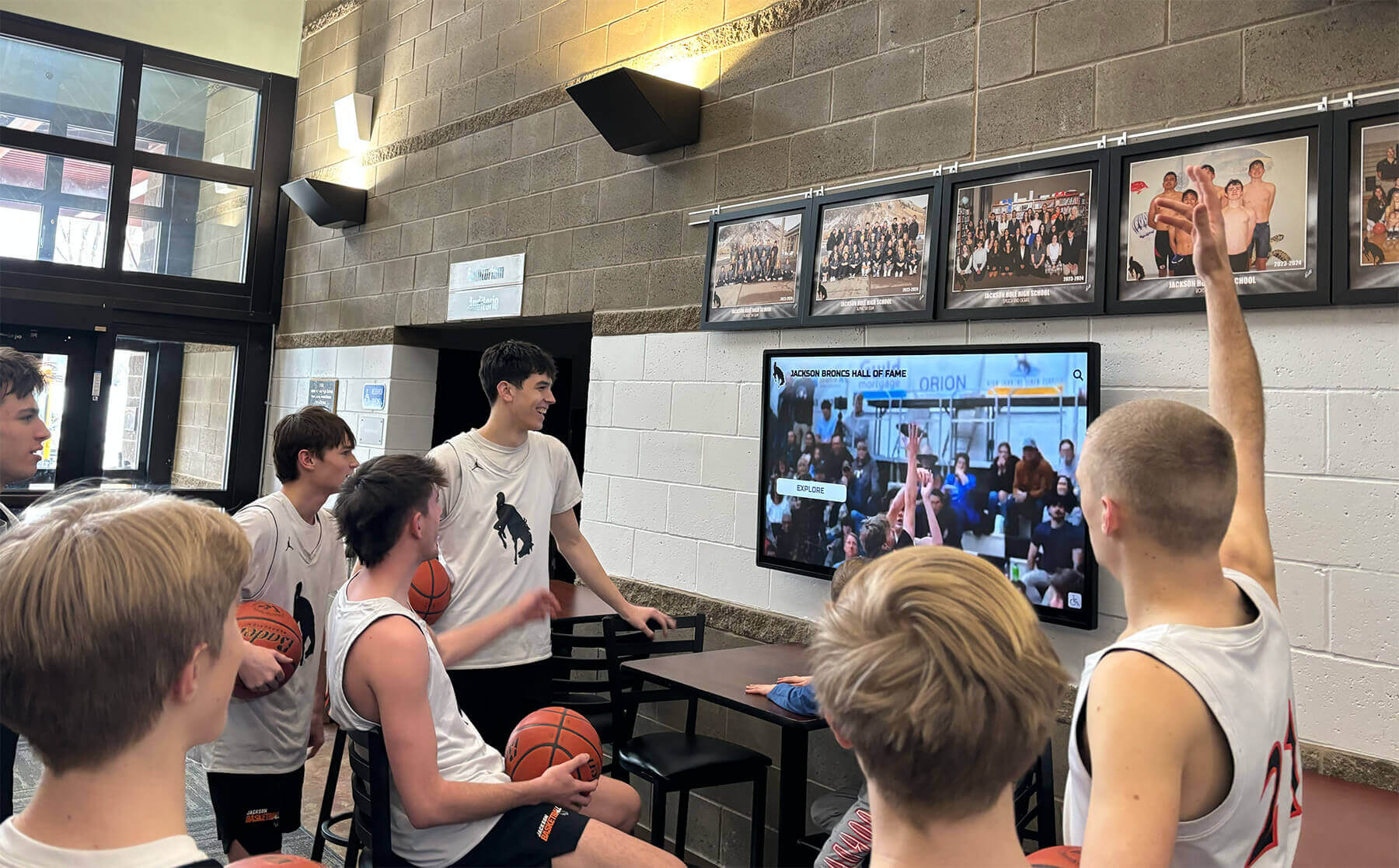
Effective recognition networks create social gathering points celebrating achievement across campus communities
Common Questions About Multi-Screen Pricing
Addressing frequent concerns helps schools evaluate vendors effectively.
“Why do some vendors charge per screen while others don’t?”
Different business models reflect different value propositions.
Per-Screen Model Rationale
Vendors charging per display typically explain:
- Server and infrastructure costs scale with display count
- Support requirements increase with network size
- Development and maintenance costs distributed across customer base
- Premium features justify tiered pricing structures
This rationale makes surface-level sense but breaks down under examination. Cloud platforms don’t meaningfully increase infrastructure costs serving one school with three displays versus three schools with one display each. Support requirements relate to software complexity and customer training, not display count.
Unlimited Model Philosophy
Vendors offering unlimited displays recognize:
- Schools need distributed recognition for comprehensive campus coverage
- Per-screen fees create artificial barriers limiting recognition scope
- True platform value comes from content and engagement, not display count
- Sustainable partnerships serve customer success, not fee multiplication
Unlimited models prioritize long-term customer relationships over short-term revenue maximization through per-screen fees.
“What’s the catch with ‘unlimited’ screen pricing?”
Legitimate concerns about hidden limitations deserve direct answers.
Verifying True Unlimited
Ask specific questions before commitment:
- “Is there a maximum display count where ‘unlimited’ stops applying?”
- “Do we need approval for each new display we add?”
- “Can we show completely different content on each display without extra fees?”
- “If we have 10 displays in five years, will our subscription cost increase?”
- “Are there bandwidth or storage limits that effectively cap display quantity?”
True unlimited means unlimited—no caps, no approval requirements, no pricing tiers based on count. If vendors hedge or introduce qualifications, their “unlimited” probably isn’t.
Reasonable Use Policies
Some legitimate restrictions may apply:
- Displays must serve single organization (can’t resell access to other schools)
- Usage must align with platform purpose (recognition, not commercial advertising)
- Displays should be reasonably distributed (not 50 screens in single room)
These aren’t hidden gotchas—they’re standard terms preventing platform abuse while genuinely supporting unlimited displays for legitimate recognition purposes.
“Can we really have completely different content on each display?”
Content flexibility matters as much as cost.
Full Content Customization
Capable platforms enable:
- Different achievement categories featured on different displays
- Location-specific filtering showing relevant recognition subsets
- Custom home screens and navigation appropriate for each audience
- Scheduled content varying by display based on events and timing
- Individual display branding when serving different departments or programs
This flexibility requires sophisticated content management—but it shouldn’t require premium tier pricing or per-screen fees.
Shared Database Efficiency
Content customization doesn’t mean content duplication:
- Single comprehensive database containing all recognition content
- Display-level filtering showing appropriate subsets per location
- Bulk updates publishing simultaneously to relevant displays
- Unified search showing complete content regardless of display filtering
Efficient architecture delivers flexibility without administrative complexity or cost multiplication.
Schools planning comprehensive recognition programs across facilities need platforms supporting genuine location-specific content without hidden fees.
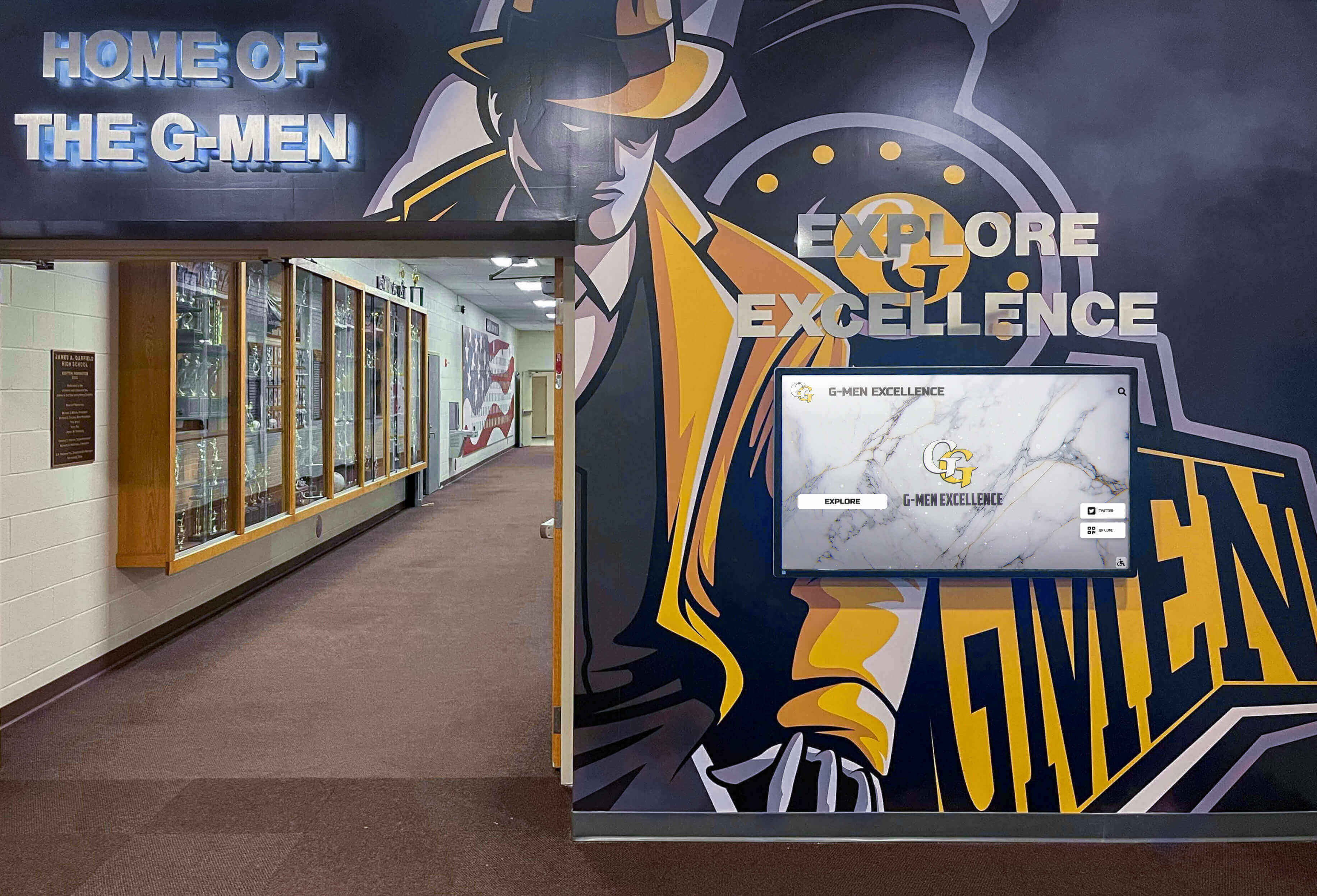
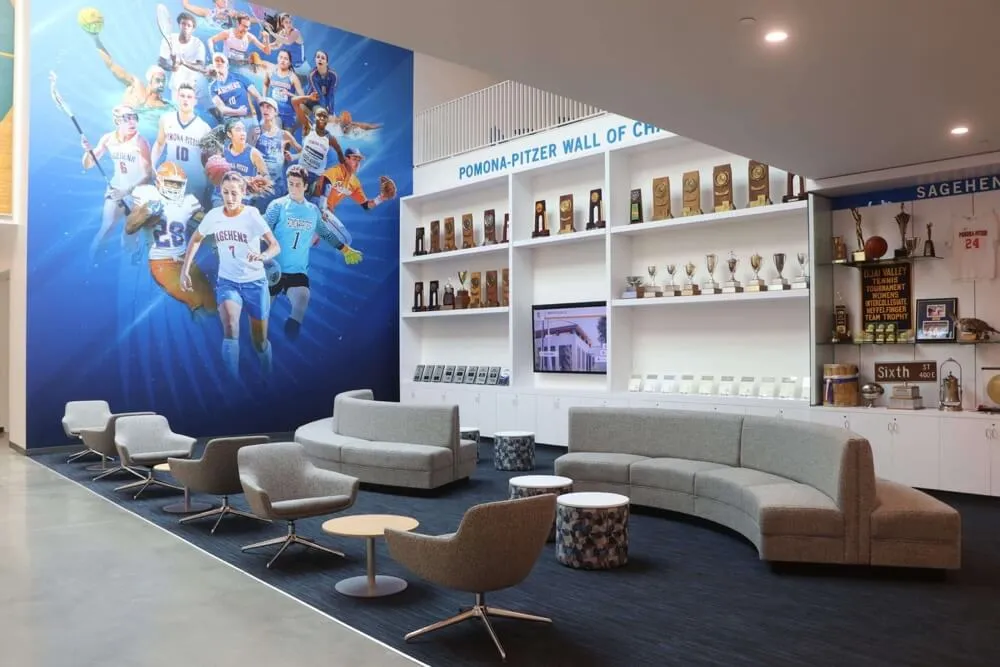
Comprehensive networks integrate digital displays with existing recognition creating cohesive campus environments
“How does this work for phased implementations?”
Budget constraints often require staged rollouts.
Starting Small, Expanding Later
Smart implementation approaches:
Phase 1: Purchase subscription and two displays
- Deploy in highest-traffic locations maximizing initial impact
- Develop comprehensive content serving all displays
- Train administrators on platform management
- Generate engagement data demonstrating value
Phase 2: Add displays when budget allows
- No subscription cost increase with unlimited licensing
- Only hardware and installation costs for additional displays
- Existing content immediately available on new displays
- Unified management simplifies expansion
Phase 3: Continue growth as needs evolve
- Add displays serving additional facilities or departments
- Maintain fixed software costs regardless of network size
- Leverage existing content investment across new displays
Per-screen licensing penalizes phased approaches—each expansion adds annual fees creating recurring budget requests. Unlimited licensing enables growth without perpetual cost increases.
Avoiding Growth Penalties
Smart procurement includes expansion language:
- Lock current subscription rates for 3-5 years
- Clarify that future displays won’t increase costs
- Verify content capacity supports anticipated growth
- Confirm support includes assistance with network expansion
Contracts should protect against vendors retroactively imposing per-screen fees after initial investment.
Building Your Multi-Screen Recognition Network
Schools ready to implement comprehensive recognition should follow systematic approaches.
Immediate Next Steps for Getting Started
Define Your Recognition Scope (Week 1)
- Identify all campus locations where displays would serve recognition purposes
- Prioritize locations based on traffic, audience, and strategic importance
- Determine initial implementation size versus future expansion plans
- Establish budget for first phase and long-term network vision
Realistic scope definition prevents over-commitment while establishing growth pathway.
Request Detailed Multi-Screen Pricing (Week 2)
- Contact 3-5 vendors providing written cost breakdowns
- Specify exact display count and location distribution
- Clarify location-specific content requirements
- Request five-year total cost projections including expansion scenarios
- Verify all fees including software, hardware, installation, training, support
Written proposals enable accurate vendor comparison versus vague verbal estimates.
Evaluate Platforms for Multi-Screen Management (Week 3)
- Request demonstrations showing multi-display content management
- Verify ease of location-specific content customization
- Test centralized administration versus per-screen complexity
- Assess user account and permission management
- Review analytics and reporting across display networks
Hands-on evaluation reveals administrative efficiency differences between vendors.
Speak with Multi-Display Reference Customers (Week 4)
- Request contacts for schools operating 3+ displays
- Ask about hidden fees or unexpected cost increases
- Verify ease of adding displays after initial installation
- Assess satisfaction with vendor support across network
- Determine whether they’d make same purchase decision knowing current experience
Reference conversations reveal real-world experiences vendors may not volunteer.
Organizations developing digital recognition strategies for school facilities benefit from systematic evaluation processes.
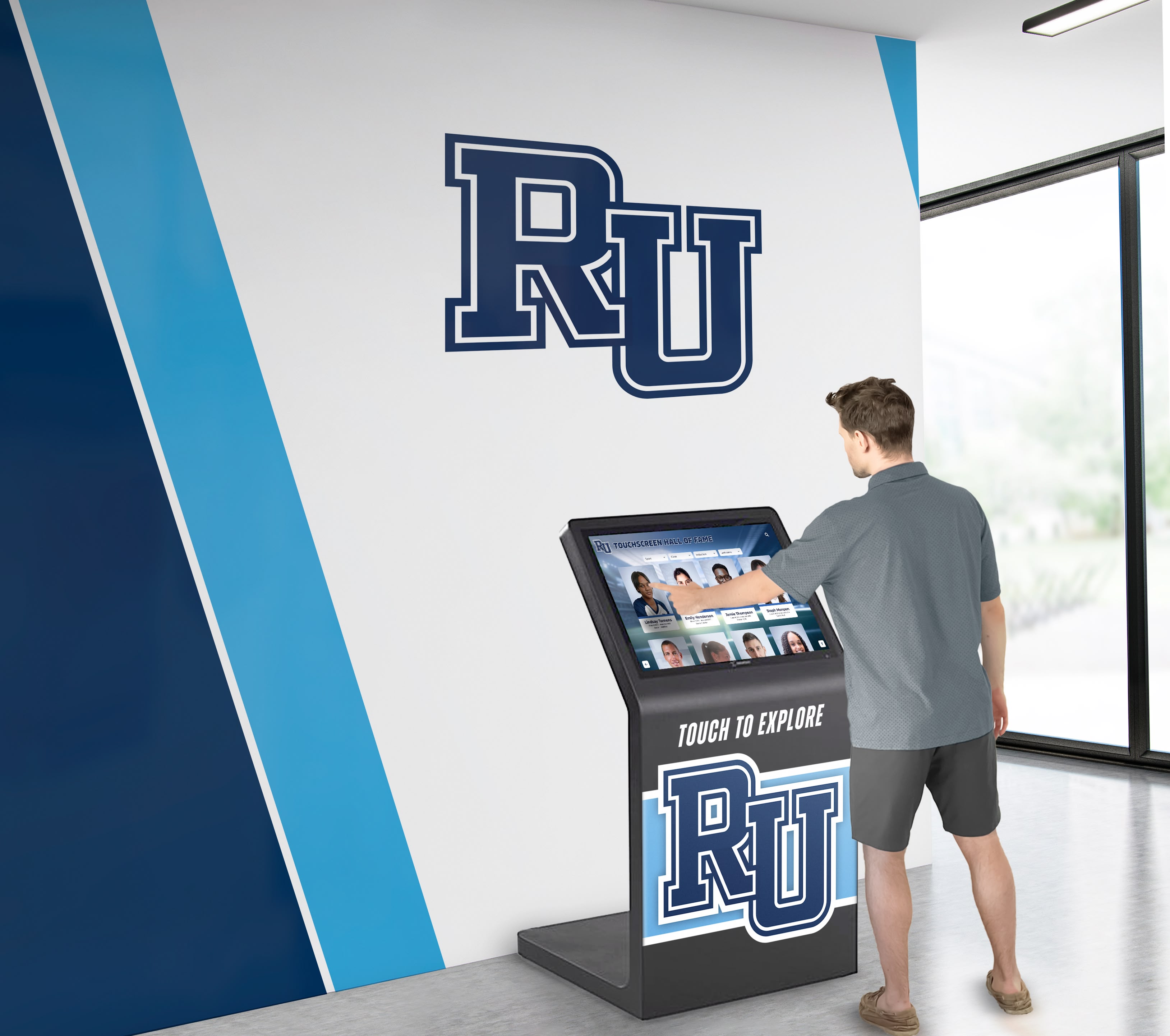
Strategic procurement ensures platforms support current needs and future expansion without hidden cost multiplication
Long-Term Success Factors
Transparent Vendor Relationships
Successful programs require honest partnerships:
- Clear pricing without hidden fees or surprise increases
- Responsive support understanding educational contexts
- Ongoing training as staff and technology evolve
- Collaborative problem-solving rather than finger-pointing
- Financial stability suggesting vendor longevity
Vendor relationship quality often matters more than specific feature differences—choose partners committed to your success.
Sustainable Content Management
Technology only works with quality content:
- Realistic staff time allocation for ongoing updates
- Comprehensive initial content providing launch substance
- Regular addition cycles maintaining currency and relevance
- Quality standards ensuring professional presentation
- Community engagement gathering historical information and updates
Content quality determines recognition impact—but multi-screen complexity shouldn’t multiply content management burden through inefficient platforms.
Continuous Improvement Culture
Great programs evolve based on experience:
- Monitor analytics identifying optimization opportunities
- Gather stakeholder feedback about content and usability
- Expand historical archives filling documentation gaps
- Experiment with featured content and discovery pathways
- Share success stories building institutional support
Multi-screen networks enable sophisticated testing—different approaches on different displays reveal what engages communities most effectively.
Budget Sustainability
Long-term success requires financial planning:
- Fixed software costs enabling predictable budgeting
- Hardware replacement reserves for 5-7 year refresh cycles
- Content development time or service budgets
- Support subscriptions ensuring assistance availability
- Expansion capability when opportunities arise
Unlimited screen licensing dramatically simplifies long-term budget planning versus platforms multiplying costs with each display added.
Conclusion: Transparent Pricing for Comprehensive Recognition
Schools planning multi-screen digital recognition networks face a critical decision: accept per-display licensing that multiplies costs with each location added, or choose platforms offering unlimited displays per subscription. This decision affects not just initial budget, but five-year total cost, expansion capability, administrative complexity, and ultimately whether comprehensive campus-wide recognition remains affordable.
Per-screen pricing creates artificial barriers forcing schools to choose between comprehensive distributed recognition and budget feasibility. Organizations needing displays in gymnasiums, lobbies, cafeterias, academic buildings, and fine arts areas face software costs multiplied by five or more—transforming $3,000 annual platforms into $15,000+ expenses. These cost structures serve vendor revenue models but work against schools’ recognition needs.
Rocket Alumni Solutions provides transparent unlimited screen licensing—one subscription supports unlimited touchscreen installations across your entire campus or organization. Place displays in every high-traffic location without software cost multiplication. Show location-specific content in athletic facilities, academic buildings, and entrance lobbies using centralized cloud management. Add displays as budget allows without subscription cost increases. Build the comprehensive recognition network your community deserves with truly transparent, unlimited pricing.
Whether implementing two displays initially or ten displays across distributed facilities, Rocket’s pricing remains consistent—fixed annual subscription regardless of network size. This transparency enables realistic multi-year budgeting, phased implementation approaches, and future expansion without growth penalties.
The difference between per-screen and unlimited licensing extends beyond dollars—it determines whether you can build recognition networks that actually serve your community comprehensively or settle for single-location compromises that disappoint stakeholders and waste investment. Schools shouldn’t accept pricing structures that penalize comprehensive recognition.
Evaluate vendors by asking specific multi-screen questions, requesting written five-year cost projections including expansion, speaking with reference customers operating multiple displays, and verifying unlimited means truly unlimited without hidden caps or restrictions. Vendors offering genuine transparency will answer confidently—those imposing hidden per-screen fees will hedge or deflect.
Your students, alumni, and community deserve recognition visible across campus—in gymnasiums celebrating athletic achievement, academic buildings highlighting scholarship, fine arts areas honoring performances, and entrance lobbies welcoming visitors. Per-screen pricing shouldn’t prevent these comprehensive recognition networks from existing.
Begin your planning by defining ideal display locations across campus, requesting detailed multi-screen pricing from multiple vendors, evaluating platforms for centralized management efficiency, and choosing partners offering transparent unlimited licensing supporting your vision without artificial limitations. The blueprint for comprehensive recognition exists—choose pricing models that enable rather than restrict it. Book a demo to discover how truly unlimited screen licensing transforms what’s possible for your recognition programs.