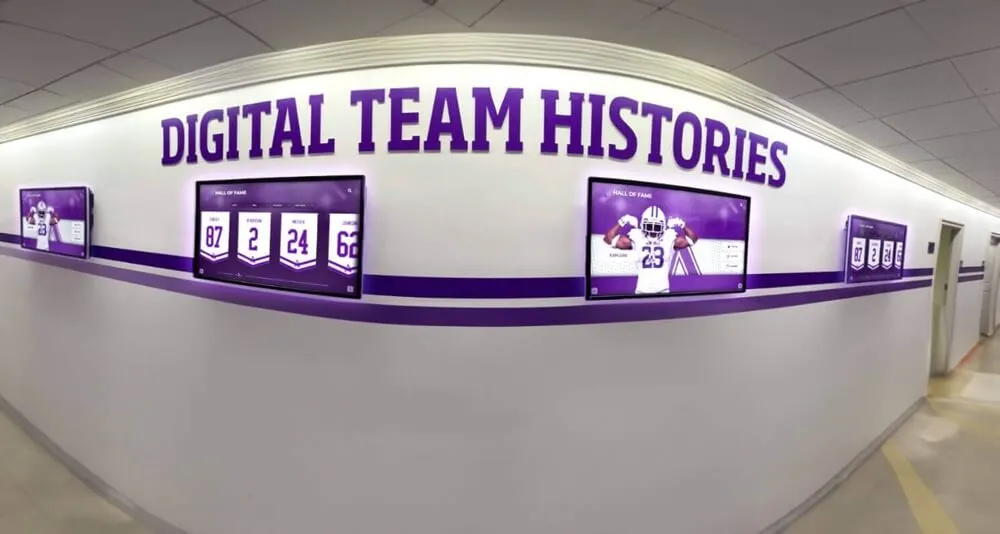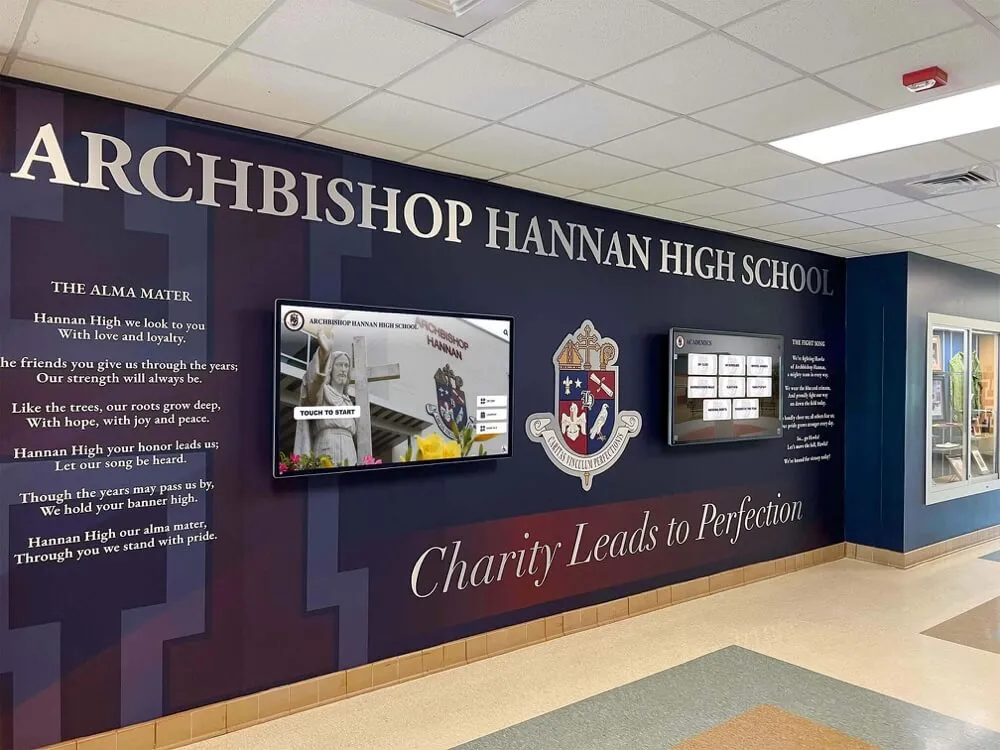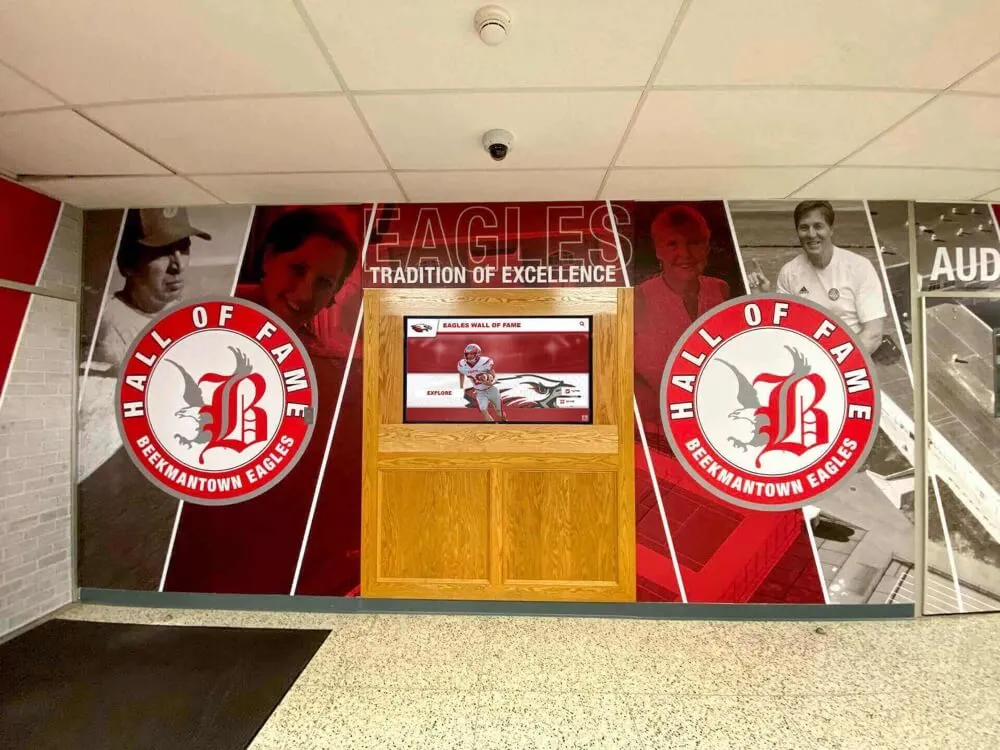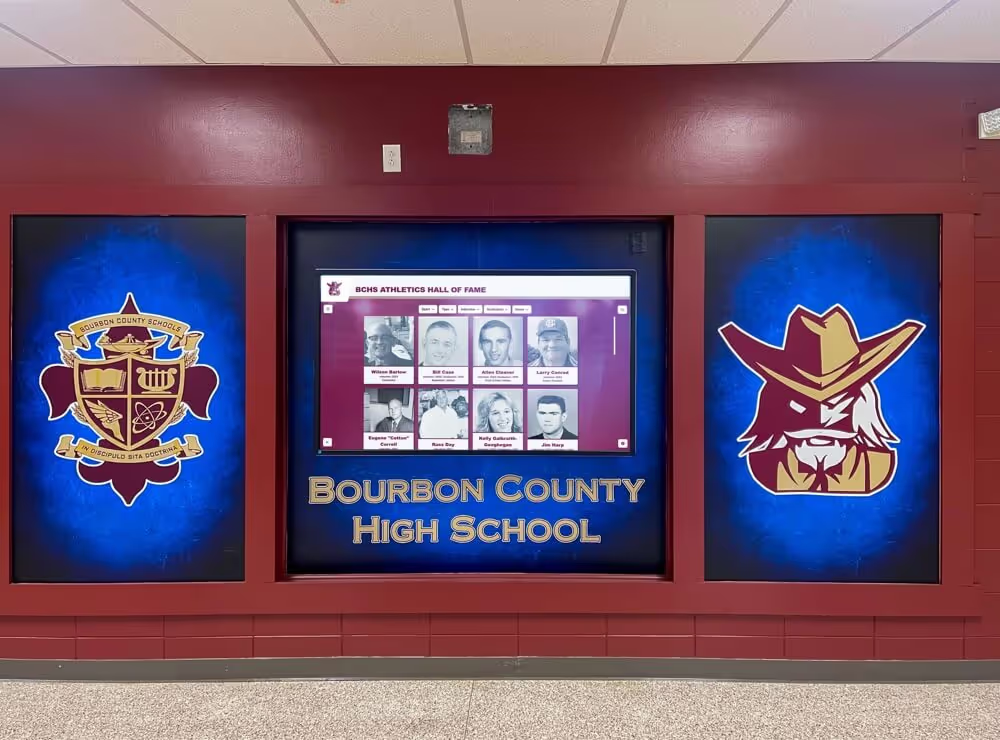




Schools face procurement challenges that a strict annual subscription model cannot address. When districts secure bond funding, receive multi-year grants, or issue RFPs requiring specific payment structures, they need vendors who can adapt pricing to match their unique financial situations. Yet misconceptions persist that digital recognition platforms only offer rigid annual billing that forces schools into perpetual subscription cycles without flexibility or cost certainty.
The reality for schools working with solutions like Rocket Alumni Solutions is fundamentally different. Modern recognition platforms offer multiple payment structures designed specifically for educational procurement scenarios—including heavily discounted multi-year prepay agreements extending up to 10 years, one-time payment options for bond-funded situations, and subscription models that fund continuous engineering so the platform never becomes obsolete. Understanding these options helps administrators select financial arrangements that align with their funding sources, procurement requirements, and long-term budget planning.
This comprehensive guide examines the full spectrum of pricing flexibility available for digital recognition systems, explains why subscription models fund critical ongoing maintenance that “buy once” approaches cannot deliver, and demonstrates how schools secure price certainty through long-term agreements that eliminate annual renewal friction while protecting their technology investments from obsolescence.
Schools evaluating digital recognition platforms deserve transparent information about pricing models, total cost of ownership, and the operational realities that make different payment structures appropriate for different procurement scenarios. The most important consideration is not whether you pay annually or upfront—it is whether your pricing model includes the continuous engineering, security maintenance, and accessibility updates required to keep your recognition system functioning reliably as technology standards evolve.

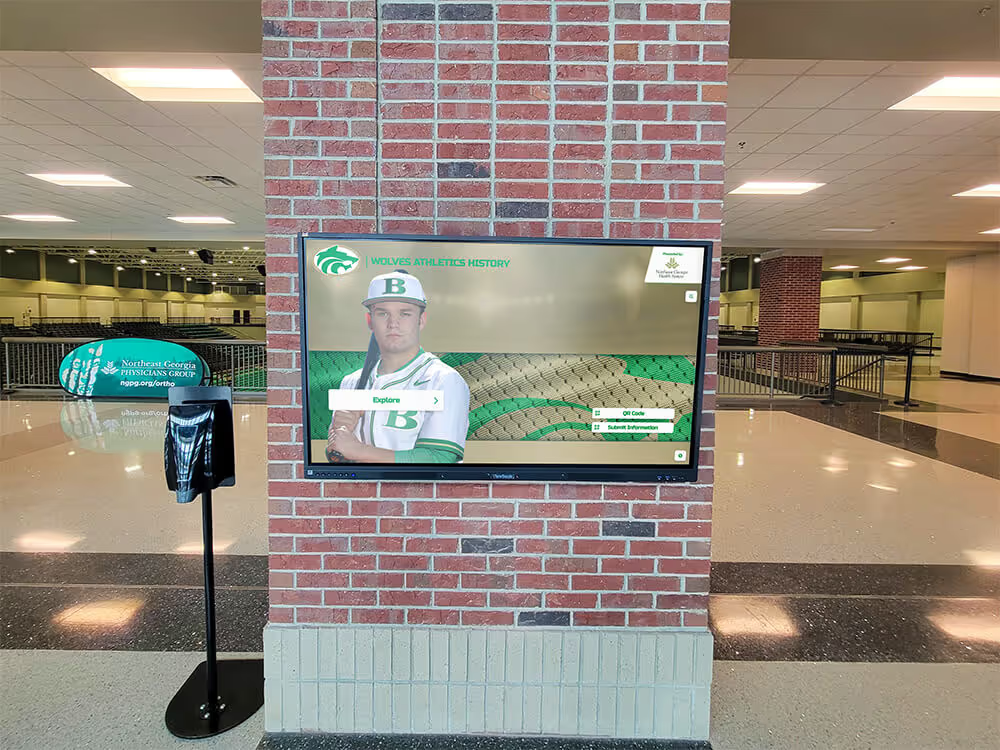
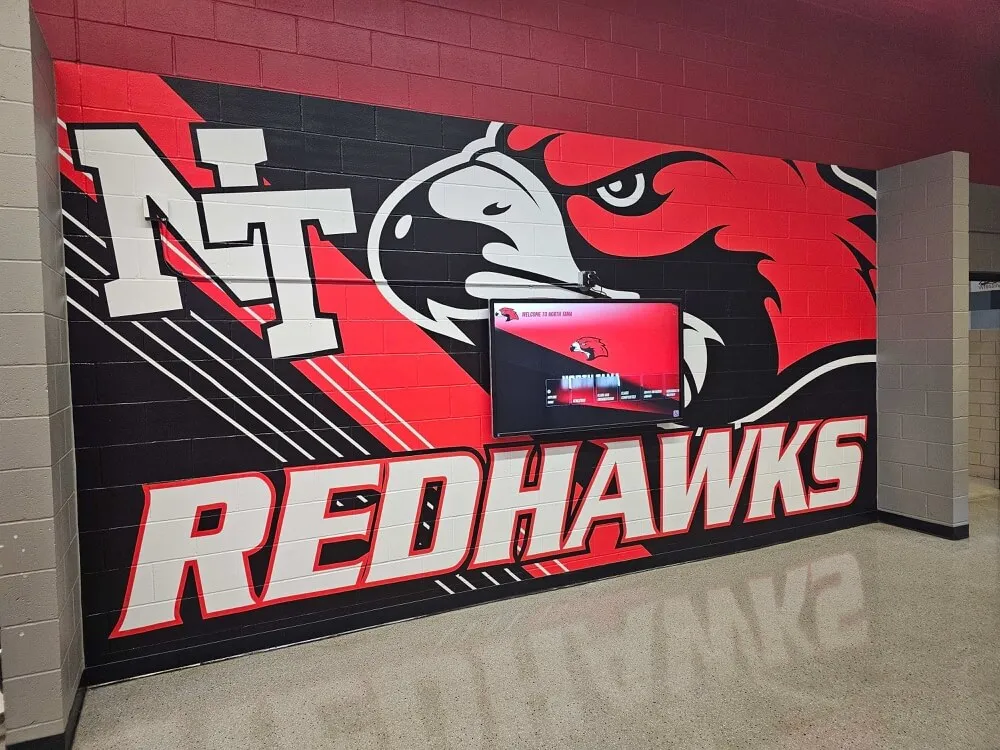
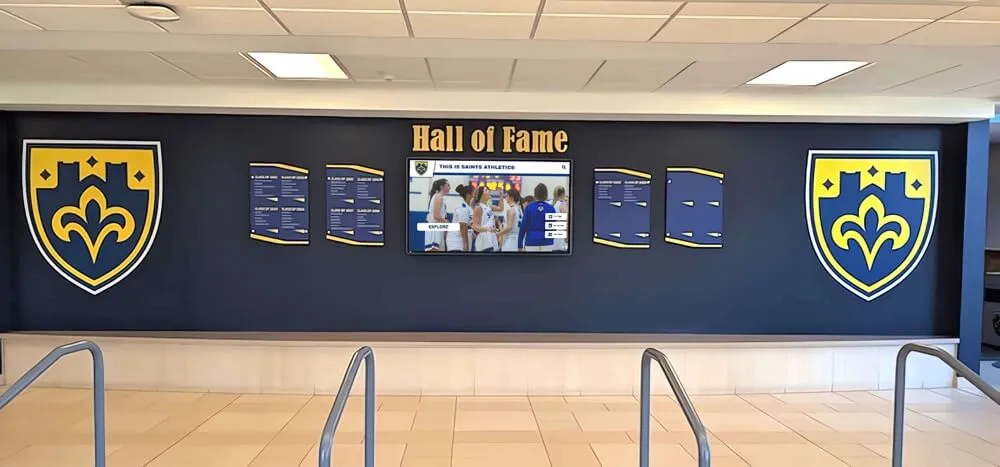
Modern recognition platforms require ongoing maintenance to remain secure, accessible, and compatible with evolving technology standards
Understanding Pricing Model Options for Educational Institutions
Schools encounter different procurement scenarios that benefit from different payment structures. Recognizing these options helps administrators select arrangements aligned with funding sources and budget cycles.
Multi-Year Prepay Agreements: Price Certainty for Grant and Bond Funding
When schools secure multi-year grants, bond funding, or capital improvement budgets, they often need vendors who can structure long-term agreements with locked pricing and prepayment options.
What Multi-Year Agreements Provide:
Solutions like Rocket Alumni Solutions offer multi-year prepay agreements extending up to 10 years with substantial discounts for long-term commitment. These agreements directly address procurement scenarios where:
- Grant funding requires expenditure within specific timeframes
- Bond measures allocate capital for technology investments requiring price certainty
- Multi-year budgets benefit from locked rates eliminating annual cost escalation
- RFP requirements specify extended service agreements without annual renewal processes
Discount Structures for Long-Term Commitment:
Multi-year agreements typically provide progressive discounts based on commitment length:
- 3-year agreements: 10-15% discount versus annual billing
- 5-year agreements: 20-30% discount versus annual billing
- 10-year agreements: 35-50% discount versus annual billing
These discounts reflect reduced vendor administrative costs from long-term commitments while providing schools significant savings and budget predictability.
Benefits of Long-Term Prepay Arrangements:
Schools selecting multi-year agreements gain several operational advantages:
- Price certainty eliminating budget uncertainty across extended periods
- Simplified procurement avoiding annual renewal processes and purchase orders
- Substantial savings through commitment-based discount structures
- Protected budgets shielding programs from annual cost increases
- Streamlined administration reducing annual vendor management overhead
Long-term agreements prove particularly valuable when schools face procurement friction around annual renewals or need to fully expend grant funding within limited windows.
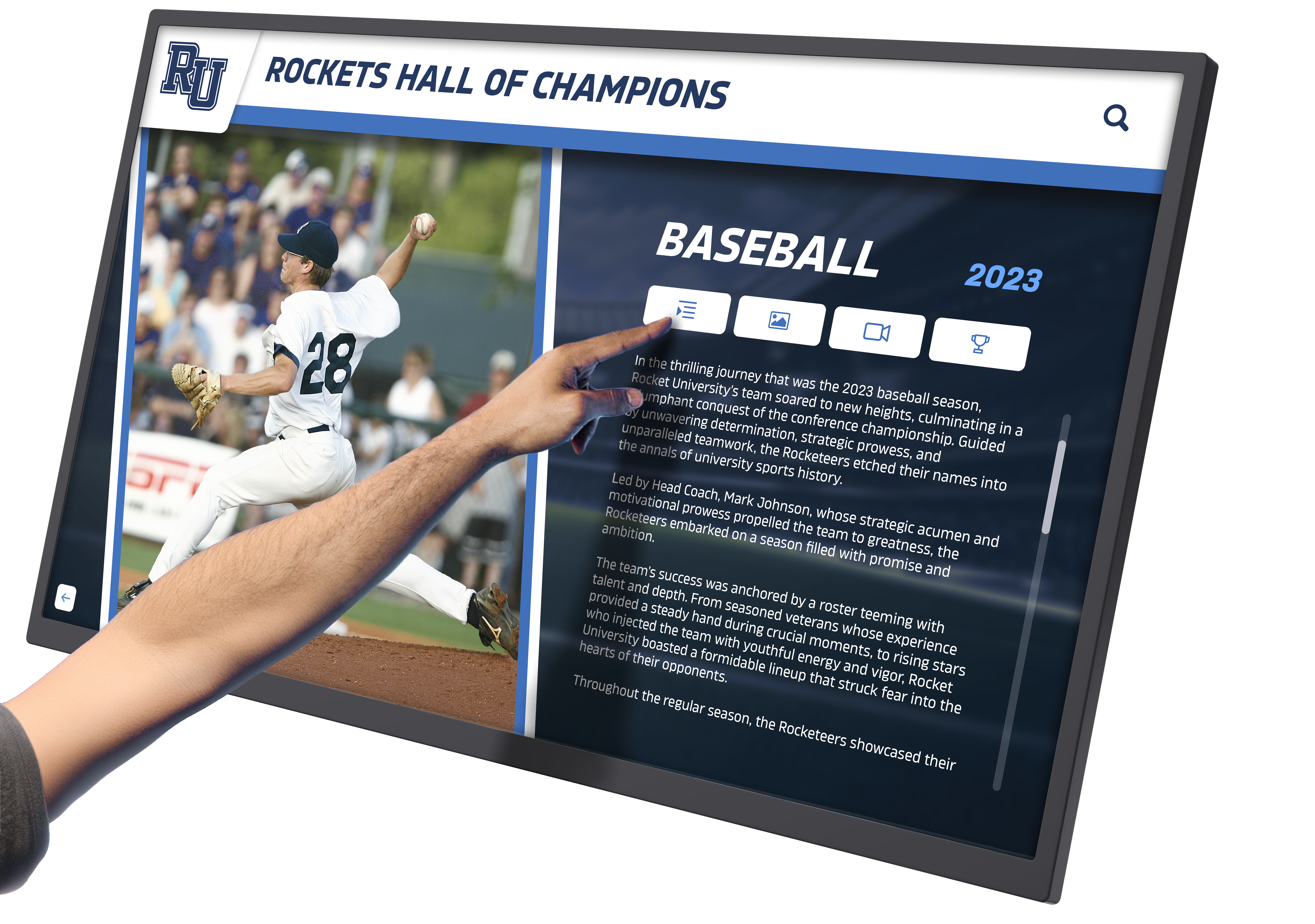
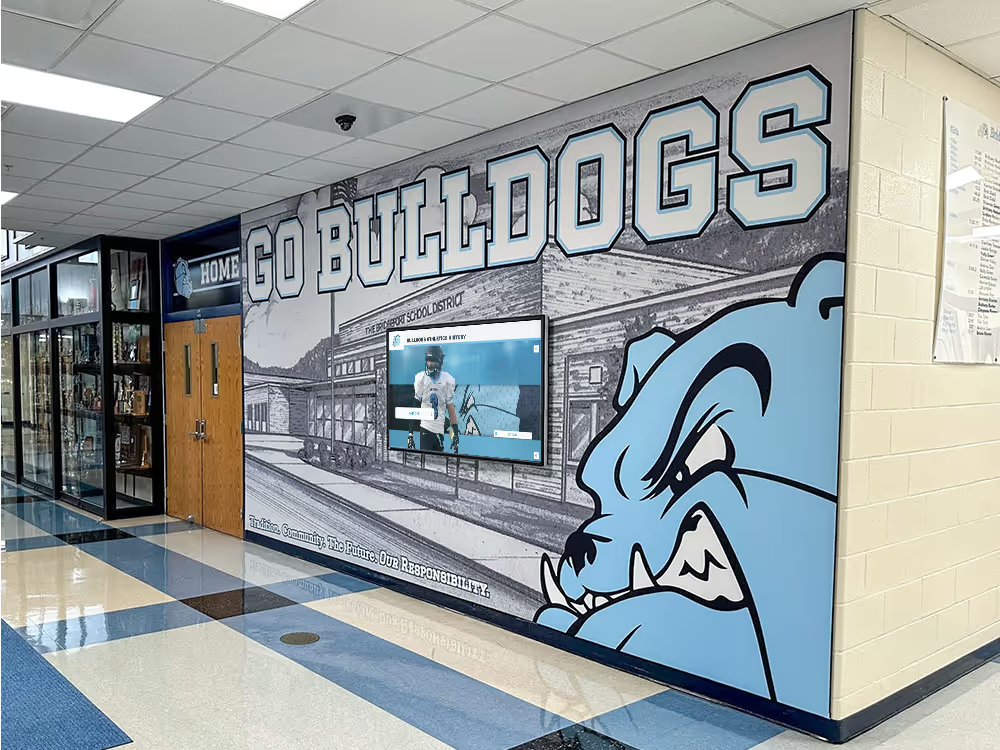
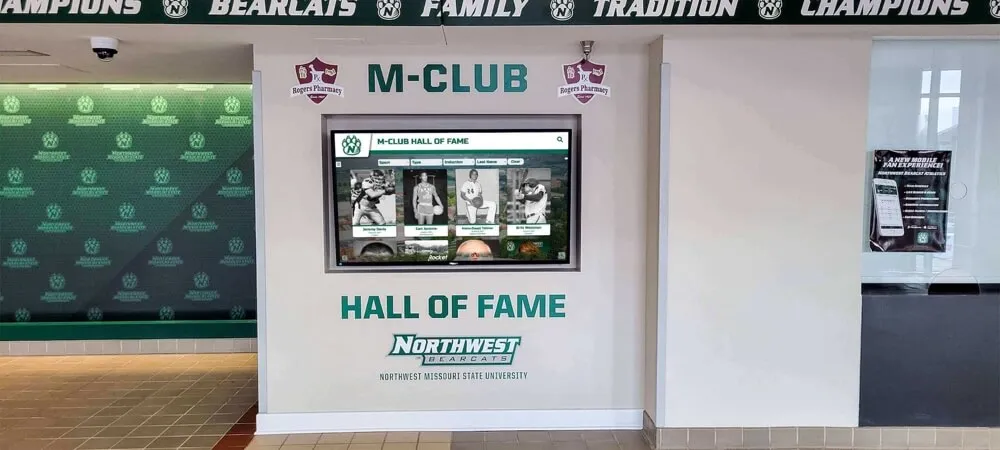
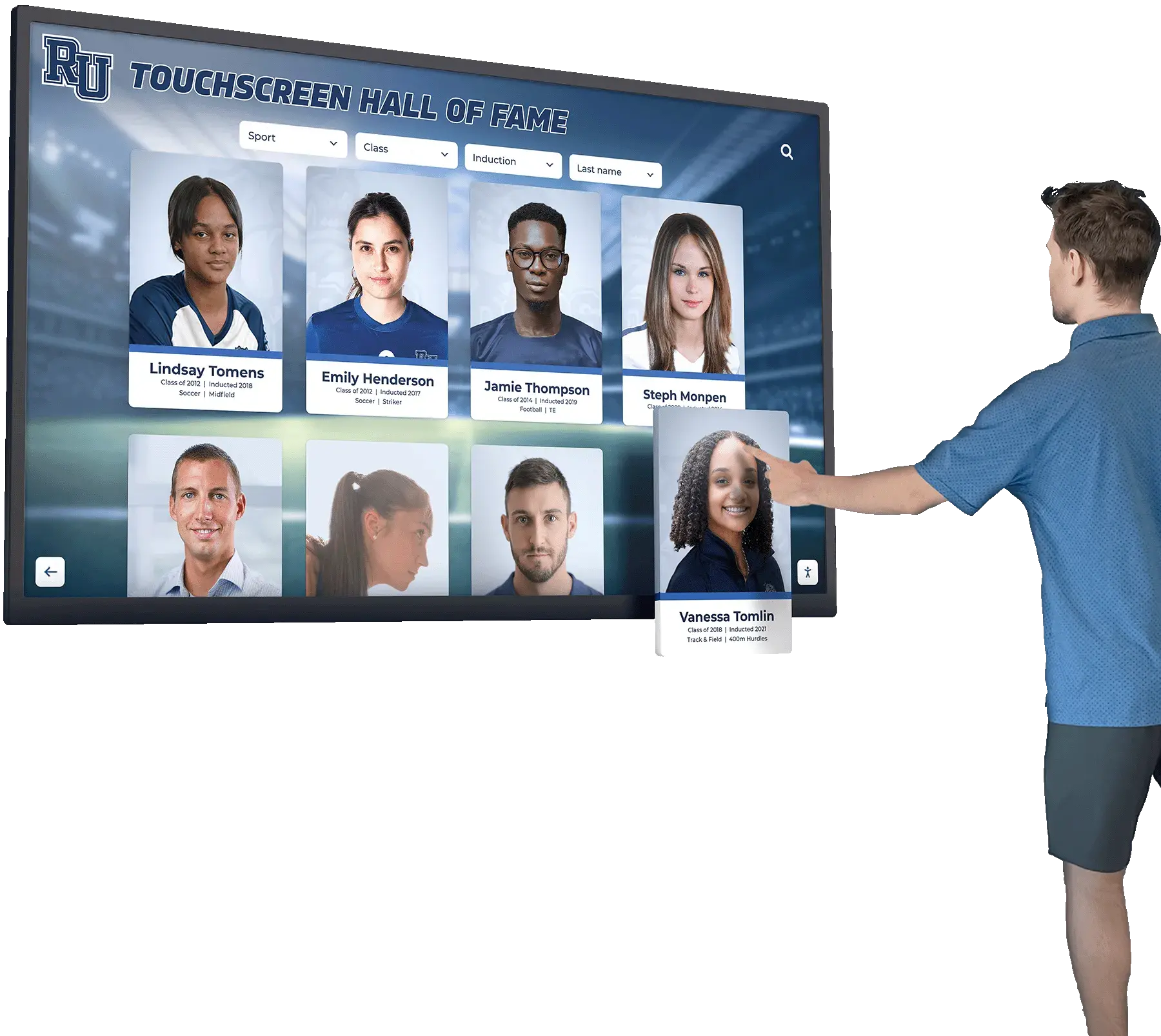
Long-term agreements ensure recognition platforms remain operational and updated throughout extended service periods
Explore comprehensive budget planning approaches in digital recognition budget planning for schools covering multi-year financial strategies.
One-Time Payment Options for Bond-Funded and RFP-Driven Purchases
Some school procurement scenarios require one-time payment structures where annual subscriptions create accounting or policy complications.
When One-Time Payments Make Sense:
Certain funding sources and procurement requirements specifically dictate one-time purchase structures:
Bond-Funded Scenarios
- Capital improvement bonds allocating funds for specific technology purchases
- Infrastructure funding requiring asset purchases versus service subscriptions
- Accounting classifications distinguishing capital equipment from operational expenses
- Multi-year funding appropriations requiring single expenditure transactions
RFP-Driven Requirements
- Request for proposal specifications mandating perpetual licensing options
- Procurement policies favoring capital purchases over recurring subscriptions
- Competitive bid processes requiring one-time cost comparison structures
- District purchasing guidelines restricting subscription service agreements
What One-Time Arrangements Include:
When vendors structure one-time payment options, schools typically receive:
- Perpetual software licensing for extended periods (typically 5-10 years)
- Hardware purchases as capital assets versus leased equipment
- Initial setup and training included in upfront investment
- Extended warranty coverage protecting hardware for specified periods
- Maintenance and support periods bundled into initial pricing
Important Operational Considerations:
One-time payment structures do not eliminate ongoing operational requirements. Schools must understand that technology platforms require continuous maintenance regardless of payment structure:
- Software updates addressing security vulnerabilities and browser compatibility
- Accessibility compliance adapting to evolving WCAG standards and ADA interpretations
- Security patches protecting against emerging threats and vulnerabilities
- Technical support resolving operational issues and providing user assistance
- Content platform access maintaining cloud hosting and database infrastructure
Schools selecting one-time arrangements should verify what ongoing support and maintenance these agreements include and what additional costs may arise for extended operation beyond initial purchase periods.
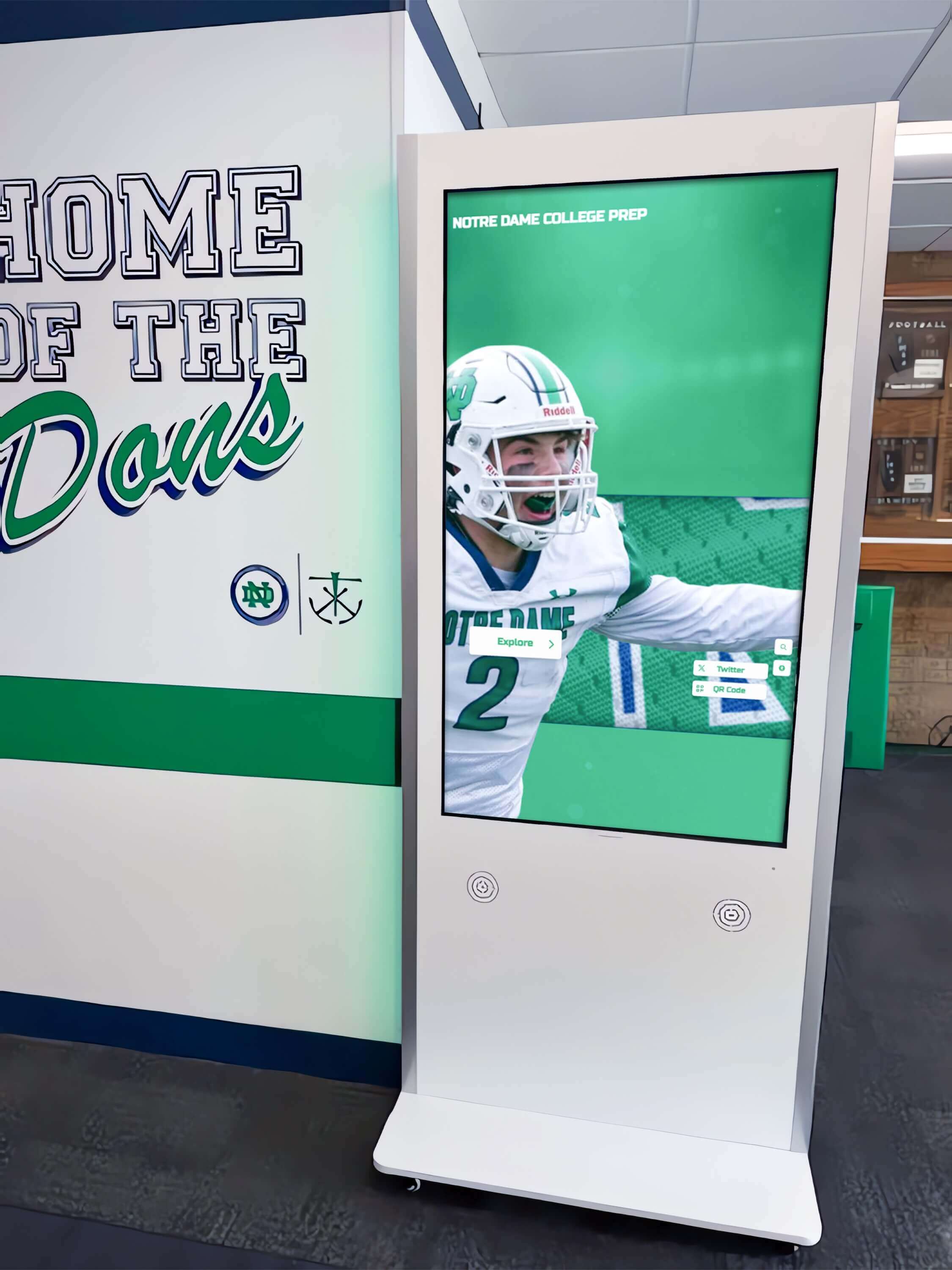
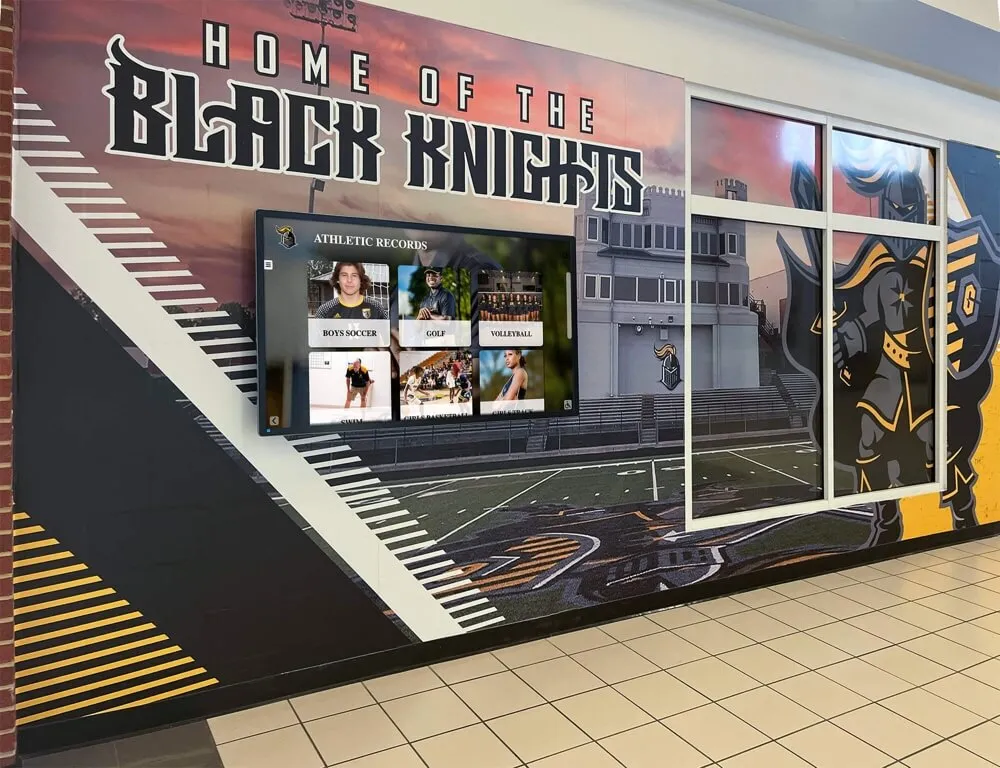
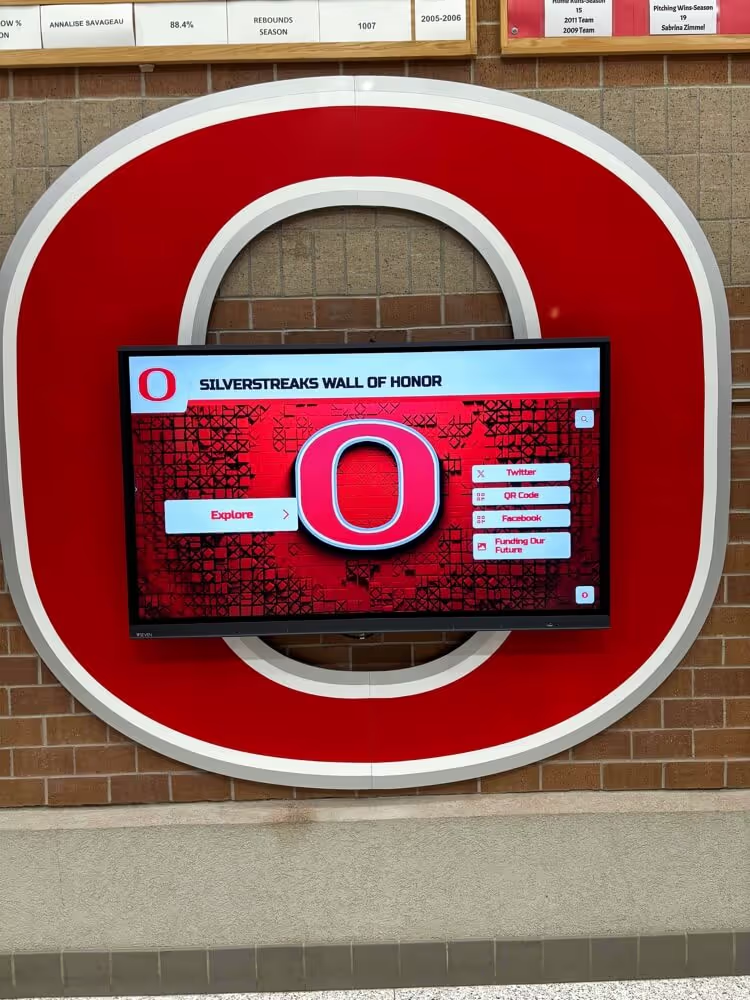
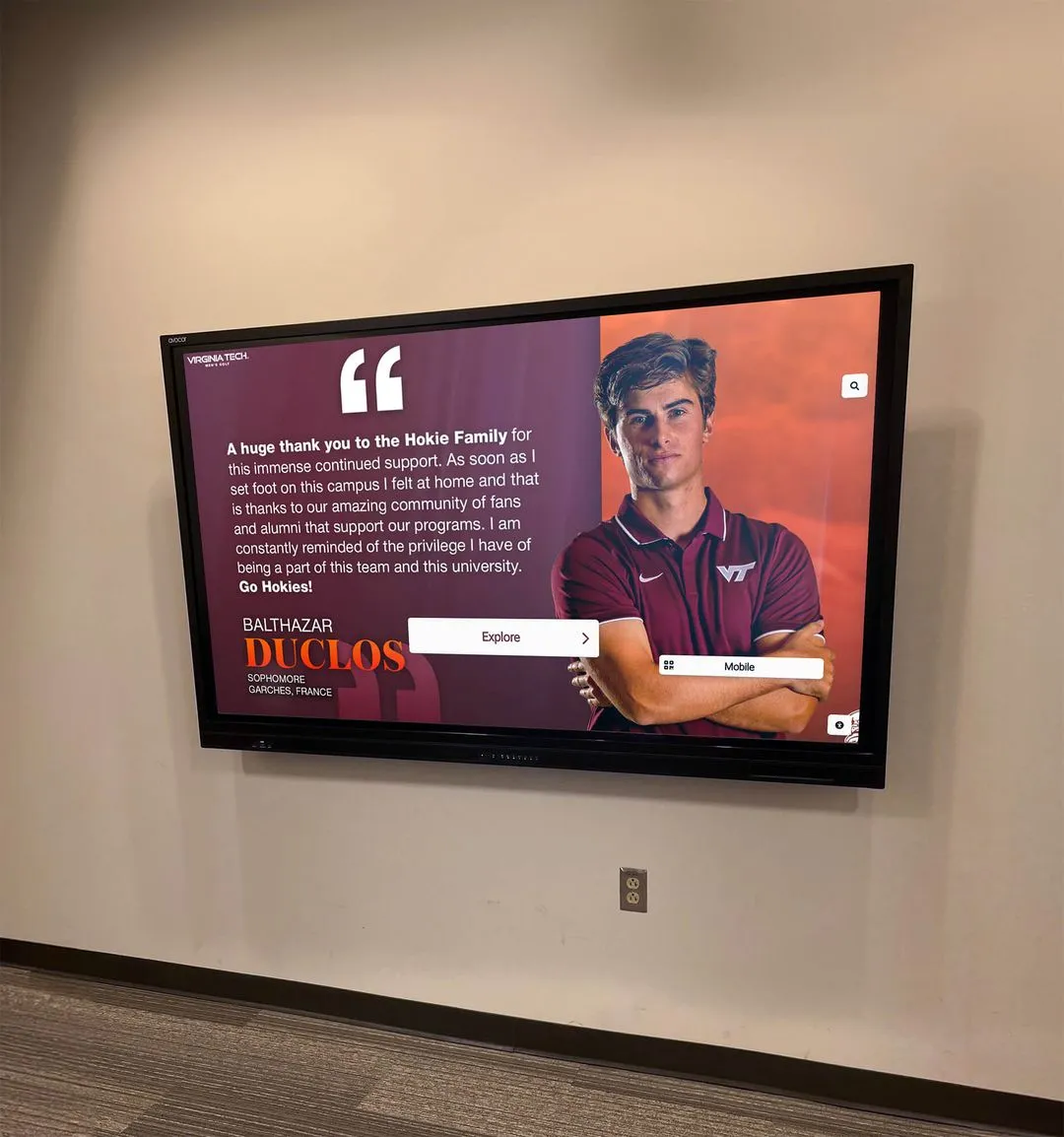
One-time purchases still require ongoing maintenance for security, accessibility, and compatibility with evolving technology standards
Learn about donor recognition display implementation covering both capital purchase and subscription models.
Subscription Models: Funding Continuous Platform Evolution
Annual or monthly subscription models fund ongoing platform development, maintenance, and support that keep recognition systems functional as technology requirements evolve.
Why Subscription Models Exist for Recognition Technology:
Digital recognition platforms face continuous operational requirements that one-time purchases struggle to fund sustainably:
Evolving Technology Standards
Recognition platforms must adapt to constant technology changes:
- Browser updates (Chrome, Safari, Edge, Firefox) change rendering behavior and security requirements several times annually
- Operating system changes affect touchscreen drivers, network protocols, and hardware compatibility
- Accessibility standards evolve as WCAG guidelines update and ADA legal interpretations expand
- Security requirements demand rapid response to newly discovered vulnerabilities and attack methods
- Mobile device standards require testing and optimization across hundreds of device configurations
Continuous Engineering Investment
Maintaining functional platforms requires sustained development work:
- Compatibility testing across browsers, devices, and operating system versions
- Security monitoring identifying and patching vulnerabilities before exploitation
- Performance optimization maintaining speed as content libraries expand to thousands of profiles
- Feature development adding capabilities that improve usability and engagement
- Infrastructure maintenance managing servers, databases, backups, and disaster recovery systems
What Subscriptions Fund:
The annual subscription model for solutions like Rocket Alumni Solutions specifically funds:
Active Platform Maintenance
- Security patches deployed immediately when vulnerabilities emerge
- Browser compatibility updates ensuring consistent operation as Chrome, Safari, and Edge evolve
- Accessibility compliance adapting to new WCAG standards and assistive technology changes
- Performance monitoring preventing degradation as usage and content volume increase
- Infrastructure management including cloud hosting, database optimization, and backup systems
Automatic Feature Deployment
- Platform improvements rolling out automatically to all customers without separate upgrades
- New capabilities added to shared codebase benefiting all subscription customers simultaneously
- User interface refinements improving usability based on analytics and customer feedback
- Content management enhancements streamlining profile creation and media organization
- Analytics expansion providing deeper insights into community engagement patterns
Responsive Technical Support
- Knowledgeable support staff understanding recognition-specific applications
- Troubleshooting assistance resolving operational issues quickly
- Training resources including documentation, videos, and live sessions
- Ongoing education as staff transitions require new administrator onboarding
- Content development guidance helping schools maximize platform capabilities
Learn about comprehensive platform capabilities in touchscreen software guide covering cloud-based recognition systems.
Why “Buy Once” Doesn’t Eliminate Ongoing Technology Risk
The appealing simplicity of “pay once and own it forever” creates a false sense of security around technology investments. Understanding ongoing operational realities helps administrators evaluate total cost of ownership accurately.
Technology Standards Evolve Constantly Regardless of Payment Model
Digital platforms operate within complex technology ecosystems where external changes create mandatory maintenance requirements regardless of how schools initially paid for software.
Browser Evolution Creates Mandatory Compatibility Work
Web browsers that render recognition displays undergo frequent significant changes:
- Google Chrome releases major updates every 4-6 weeks changing rendering engines, security policies, and supported standards
- Safari updates tied to iOS and macOS releases modify JavaScript behavior, video playback, and touch event handling
- Microsoft Edge transitions to Chromium and ongoing updates affect display scaling, font rendering, and network protocols
- Firefox security-focused updates restrict third-party features and modify content security policies
When browsers change, recognition platforms must adapt or stop functioning correctly. Perpetual licenses do not make browser evolution stop—they simply shift responsibility for compatibility maintenance to school IT staff or create situations where displays gradually degrade and eventually fail.
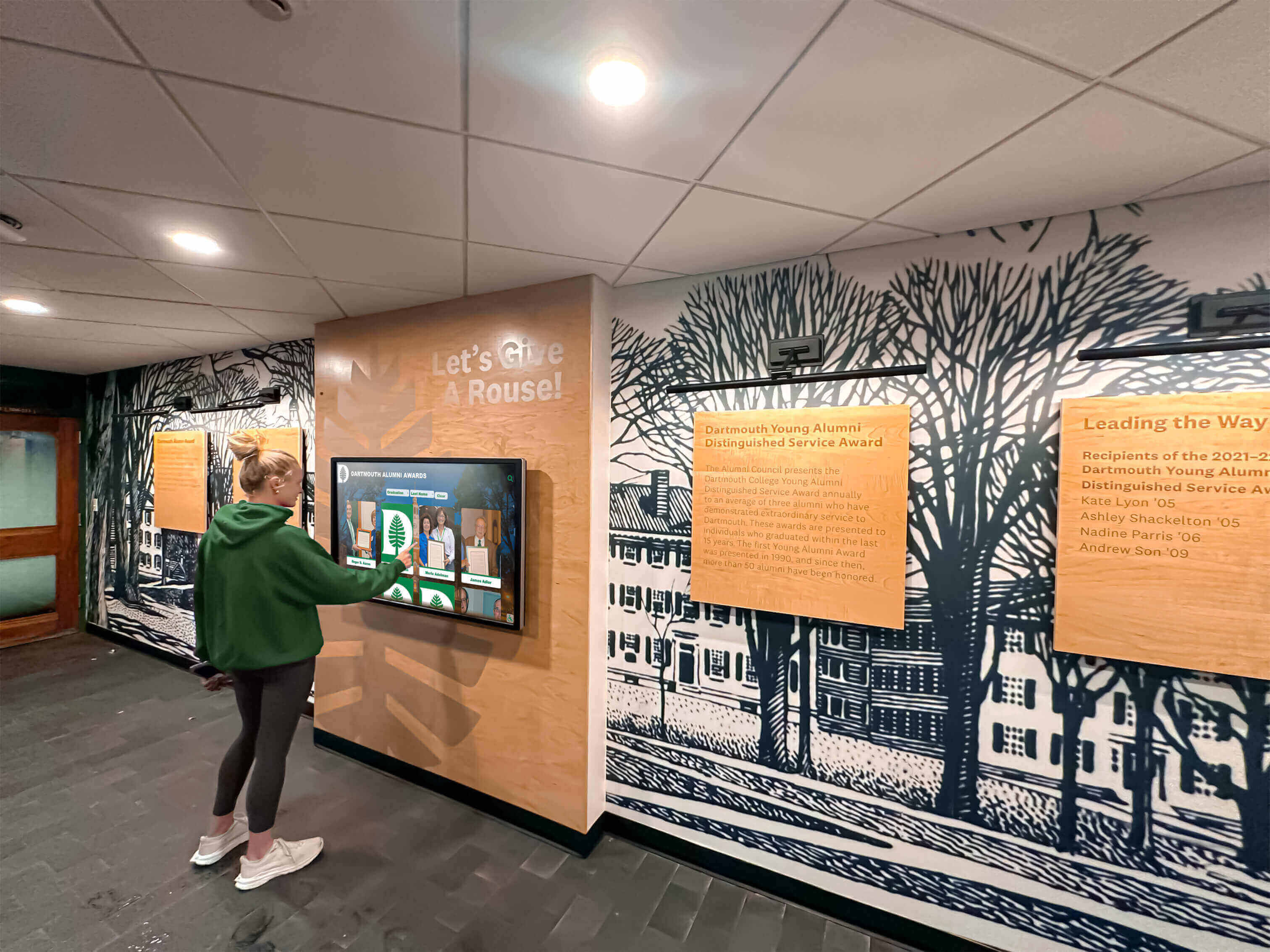
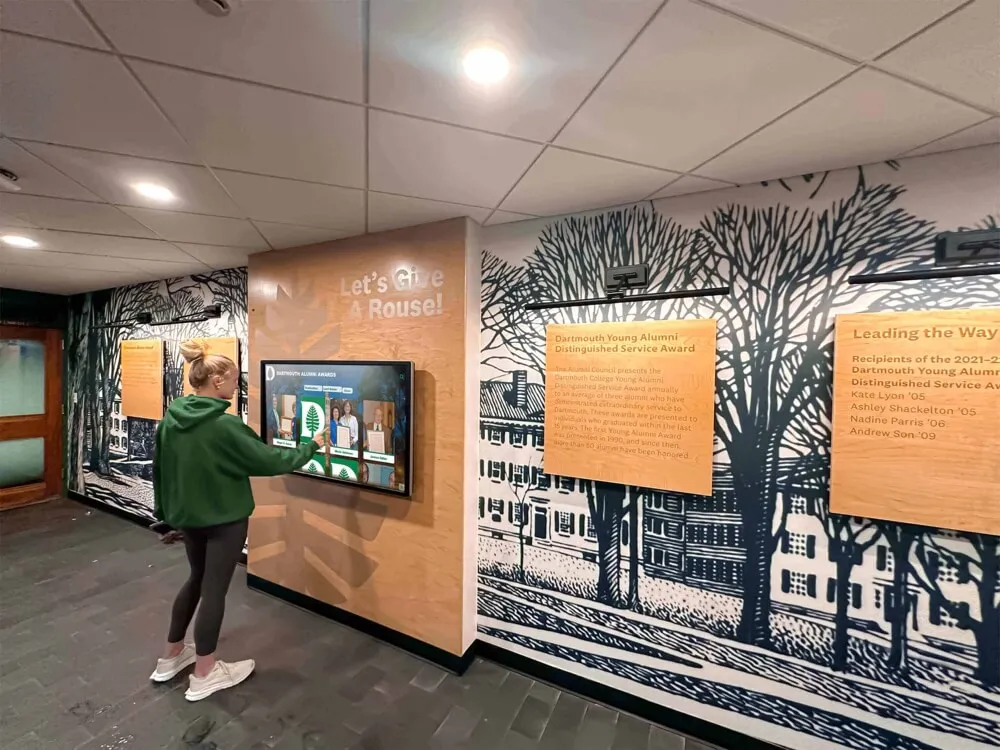
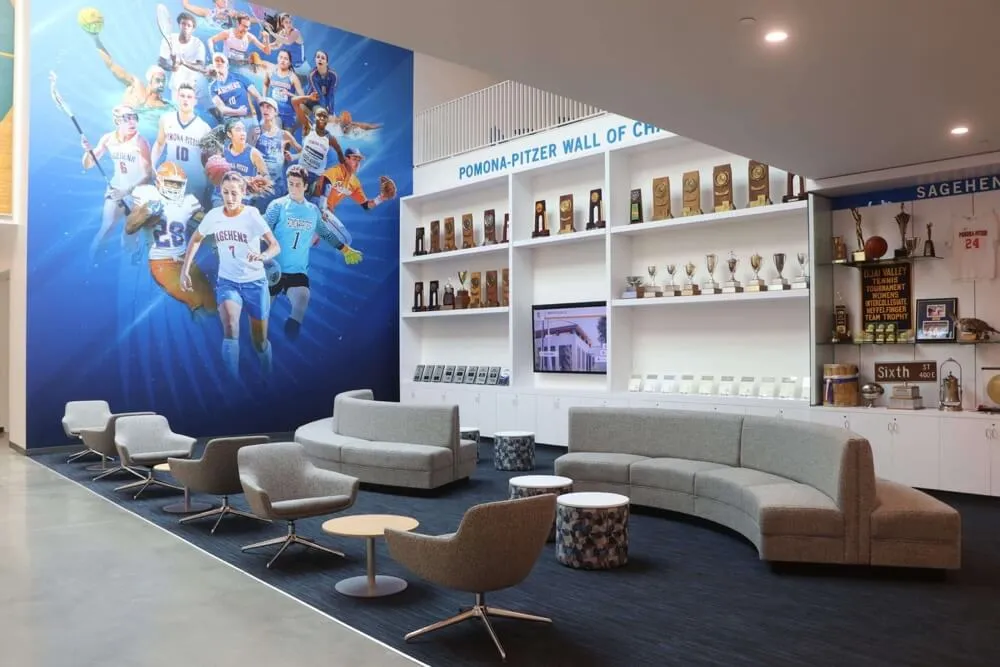
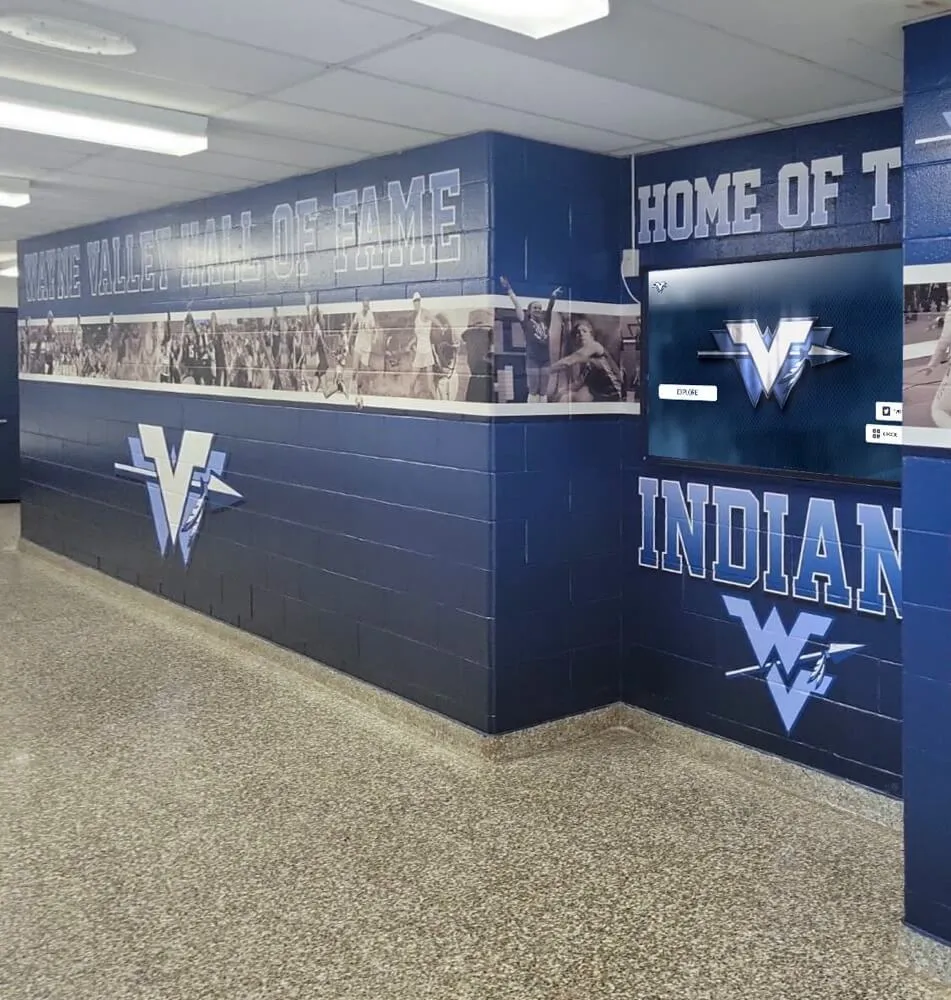
Maintaining functional user experiences requires continuous platform adaptation to evolving browser and device standards
Accessibility Requirements Expand Continuously
Legal and ethical accessibility obligations create ongoing compliance requirements:
WCAG Standard Evolution
- WCAG 2.1 introduced new success criteria in 2018 requiring platform updates
- WCAG 2.2 added requirements in 2023 affecting mobile touch targets and focus visibility
- WCAG 3.0 development will create additional compliance obligations in coming years
- State and federal accessibility laws cite different WCAG levels creating varying requirements
ADA Legal Interpretation Changes
- Court rulings continuously clarify digital accessibility obligations for public entities
- Department of Education guidance evolves regarding educational technology accessibility
- Settlement agreements establish new precedents affecting acceptable implementation approaches
- Assistive technology evolution requires testing with new screen readers and input devices
Schools with “buy once” licenses must either fund ongoing accessibility updates separately or accept increasing legal exposure as compliance standards evolve beyond their static platform capabilities.
Security Vulnerabilities Demand Rapid Response
Software security exists in constant arms race with attackers discovering new exploitation methods:
Common Vulnerability Discovery
- Open-source library vulnerabilities affect thousands of applications simultaneously
- Zero-day exploits emerge requiring immediate patches before widespread exploitation
- Authentication vulnerabilities expose user data and administrative access
- Cross-site scripting and injection attacks evolve to bypass previous protections
Infrastructure Security Evolution
- Database security requirements change as attack methods advance
- SSL/TLS certificate standards deprecate old protocols requiring updates
- Cloud platform security policies change affecting application deployment
- Network security standards evolve requiring adaptation to institutional infrastructure changes
Perpetual license software lacking active security maintenance becomes progressively more dangerous to operate on school networks. The question is not whether security threats will emerge—it is who bears responsibility for protecting systems from those inevitable threats.
Explore security considerations in digital signage security best practices for educational technology systems.
The Hidden Costs of “Perpetual License” Ownership
Schools purchasing perpetual licenses often discover that “one-time payment” creates ongoing expenses that subscription models bundle transparently into predictable annual costs.
Paid Major Version Upgrades
Most perpetual license models fund ongoing development through periodic major version releases requiring separate purchases:
Typical Perpetual License Patterns:
- Initial license purchase: $8,000-$15,000 for recognition platform
- Major version 2.0 released after 2-3 years: $3,000-$8,000 upgrade fee
- Major version 3.0 released after 2-3 more years: $3,000-$8,000 upgrade fee
- Cumulative 6-year cost: $14,000-$31,000 for software alone
What “Free Updates” Actually Mean:
- “Free minor updates” typically cover bug fixes but not new features
- “Free updates within version” exclude major version releases requiring repurchase
- “Lifetime updates” often mean “life of product” which vendors discontinue when revenue declines
- “Free support updates” usually expire after 1-2 years requiring support contract purchases
Schools believing perpetual licenses eliminate ongoing costs often discover they paid similar amounts to subscriptions while receiving less predictable pricing and fewer automatic improvements.
Professional Services for Maintenance and Customization
When perpetual license vendors do not actively maintain platforms, schools must purchase separate services:
Common Professional Service Needs:
- Browser compatibility fixes: $2,000-$5,000 per major browser update requiring adaptation
- Security patch implementation: $1,500-$4,000 per critical vulnerability requiring rapid fix
- Accessibility compliance updates: $3,000-$8,000 per WCAG standard adoption
- Custom feature development: $5,000-$20,000+ per significant capability addition
- Annual maintenance contracts: $2,000-$6,000 covering basic support and minor fixes
These unpredictable expenses often exceed annual subscription costs while providing inferior results compared to active platform development benefiting all customers simultaneously.
Downtime and Degradation Costs
Unmaintained platforms gradually degrade creating operational problems:
Technical Degradation
- Displays gradually slow as content libraries grow without database optimization
- Touch responsiveness declines as operating system input handling evolves
- Video playback breaks when browser codecs change
- Search functions fail as database queries exceed timeout thresholds
- Mobile access degrades as new device sizes lack responsive design adaptation
Opportunity Costs
- Recognition content inaccessible during downtime periods affects ceremonies and events
- Poor user experience reduces community engagement with recognition platform
- Staff frustration increases time spent troubleshooting versus content development
- Reputation damage when prospective families encounter broken displays during tours
- Lost engagement opportunities when outdated platforms lack modern sharing and discovery features
The “savings” from avoiding subscriptions often evaporate when calculating total cost including degraded functionality, staff time dealing with technical issues, professional services for critical fixes, and eventual platform replacement expenses.
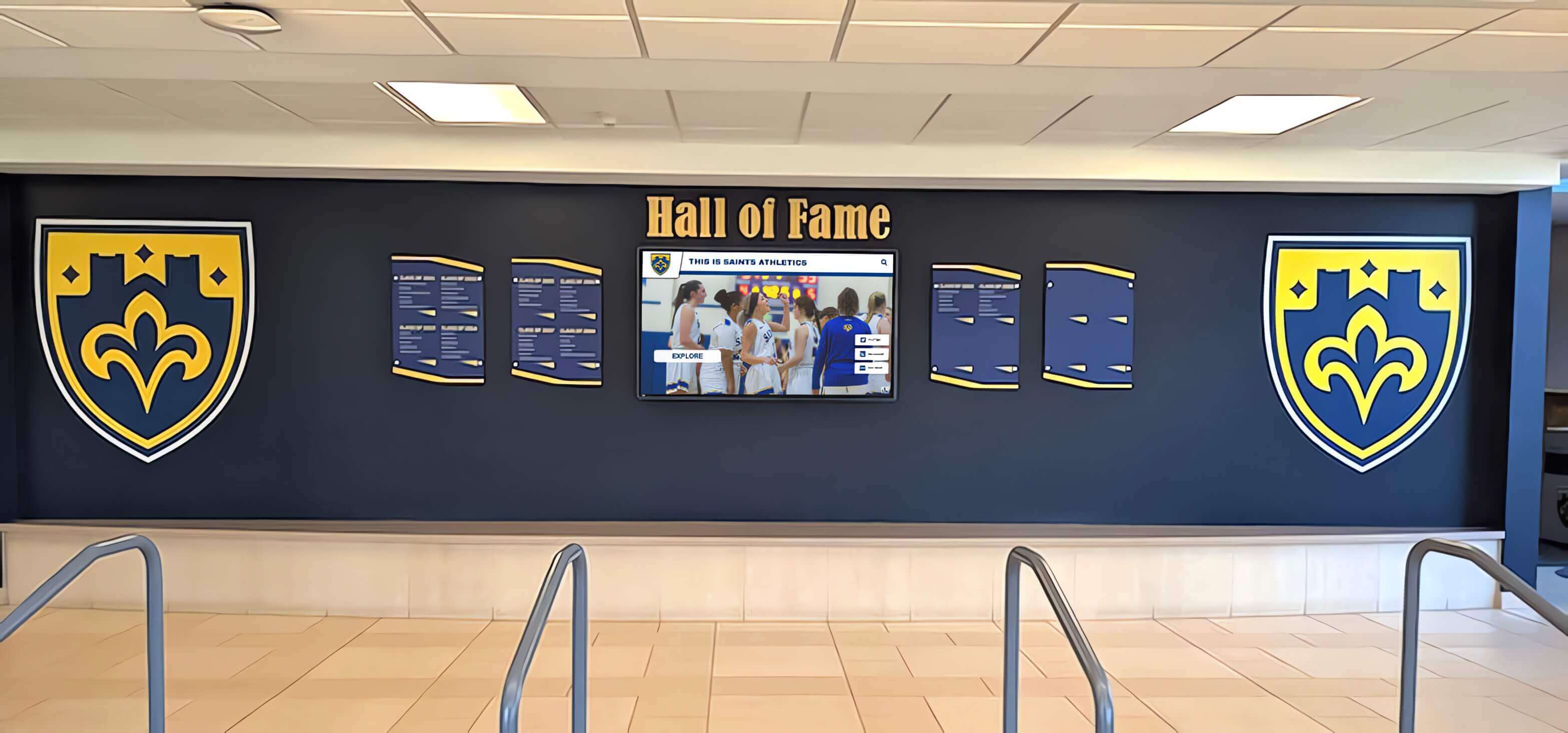
Well-maintained platforms deliver consistent user experiences while unmaintained systems gradually degrade and eventually require replacement
Learn about total cost of ownership in digital trophy case implementation guide covering long-term budget considerations.
How Subscription Models Protect School Investments
Rather than creating “subscription traps,” properly structured subscription pricing protects schools from technology obsolescence and unpredictable maintenance expenses while ensuring platforms continuously improve.
Shared Codebase Benefits All Customers Automatically
Subscription models fund centralized platform development where improvements benefit all customers simultaneously without separate purchases or upgrade processes.
How Centralized Development Works:
Solutions like Rocket Alumni Solutions operate single shared codebases serving all customers:
Automatic Feature Deployment
- Engineering team develops new capabilities tested across entire customer base
- Features deploy automatically to all schools without installation or upgrade processes
- No separate “enterprise tier” or “premium features” leaving some customers behind
- All subscription customers receive identical platform capabilities regardless of size or pricing tier
- Database-driven architecture means improvements appear immediately on all displays
Universal Quality Improvements
- Performance optimizations benefit all users simultaneously
- Security patches deploy automatically protecting all installations immediately
- Accessibility enhancements improve compliance for all customers together
- User interface refinements enhance experience across entire platform
- Mobile optimization ensures consistent cross-device performance for all schools
Contrast with Perpetual License Models:
Traditional software licensing creates problematic fragmentation:
- Schools on different software versions receive different features and capabilities
- Older versions lack security patches and compatibility fixes
- Schools must choose between expensive upgrades or accepting degraded platforms
- Some schools operate outdated vulnerable versions while others pay for current releases
- Feature gaps between versions create support complexity and training inconsistencies
Learn about platform architecture advantages in web-based versus native app comparison for recognition technology.
Database-Driven Platforms Require Continuous Infrastructure Maintenance
Modern recognition systems depend on complex cloud infrastructure requiring active management regardless of how schools initially paid for software access.
Infrastructure Components Requiring Ongoing Operation:
Cloud Hosting and Computing Resources
- Web servers processing thousands of daily requests from displays and remote users
- Application servers running recognition platform software and handling content management
- Load balancers distributing traffic across multiple servers ensuring reliability
- Content delivery networks serving images and videos efficiently across geographic locations
- Backup systems maintaining multiple copies protecting against data loss
Database Systems and Data Management
- Relational databases storing thousands of inductee profiles and achievement records
- Search indexes enabling instant content discovery across large recognition archives
- Media storage managing thousands of photos and videos with proper organization
- Archive systems preserving historical content and tracking all changes over time
- Query optimization maintaining speed as content volume grows continuously
Security and Monitoring Infrastructure
- Firewall and intrusion detection protecting against unauthorized access attempts
- SSL certificate management ensuring encrypted connections between users and servers
- Security scanning identifying vulnerabilities before exploitation occurs
- Performance monitoring detecting issues before they affect user experience
- Automated backup verification ensuring recovery capability when needed
Essential Platform Services
- Email delivery for notifications, password resets, and administrative communications
- Authentication systems managing user accounts and access permissions
- Analytics collection providing engagement insights and usage patterns
- API services enabling integrations with websites and other school systems
- Scheduled tasks performing automated maintenance and content updates
Monthly Infrastructure Operating Costs:
These infrastructure components create substantial ongoing expenses:
- Cloud hosting: $500-$3,000+ monthly depending on traffic and content volume
- Database services: $200-$1,000+ monthly based on storage and query complexity
- Content delivery networks: $100-$500+ monthly serving media efficiently
- Security services: $200-$800+ monthly protecting against evolving threats
- Backup and disaster recovery: $150-$600+ monthly ensuring data protection
- Monitoring and management: $300-$1,200+ monthly maintaining reliability
Total annual infrastructure cost: $18,000-$75,000+ for operating recognition platforms at scale. Subscription pricing spreads these costs across customer bases making sophisticated platforms economically viable for individual schools while ensuring continuous professional management.
Schools purchasing “perpetual licenses” must understand that vendors cannot sustain infrastructure operation indefinitely from one-time payments. Eventually, infrastructure costs force vendors to either discontinue platform support, charge substantial annual maintenance fees, or require platform replacement.
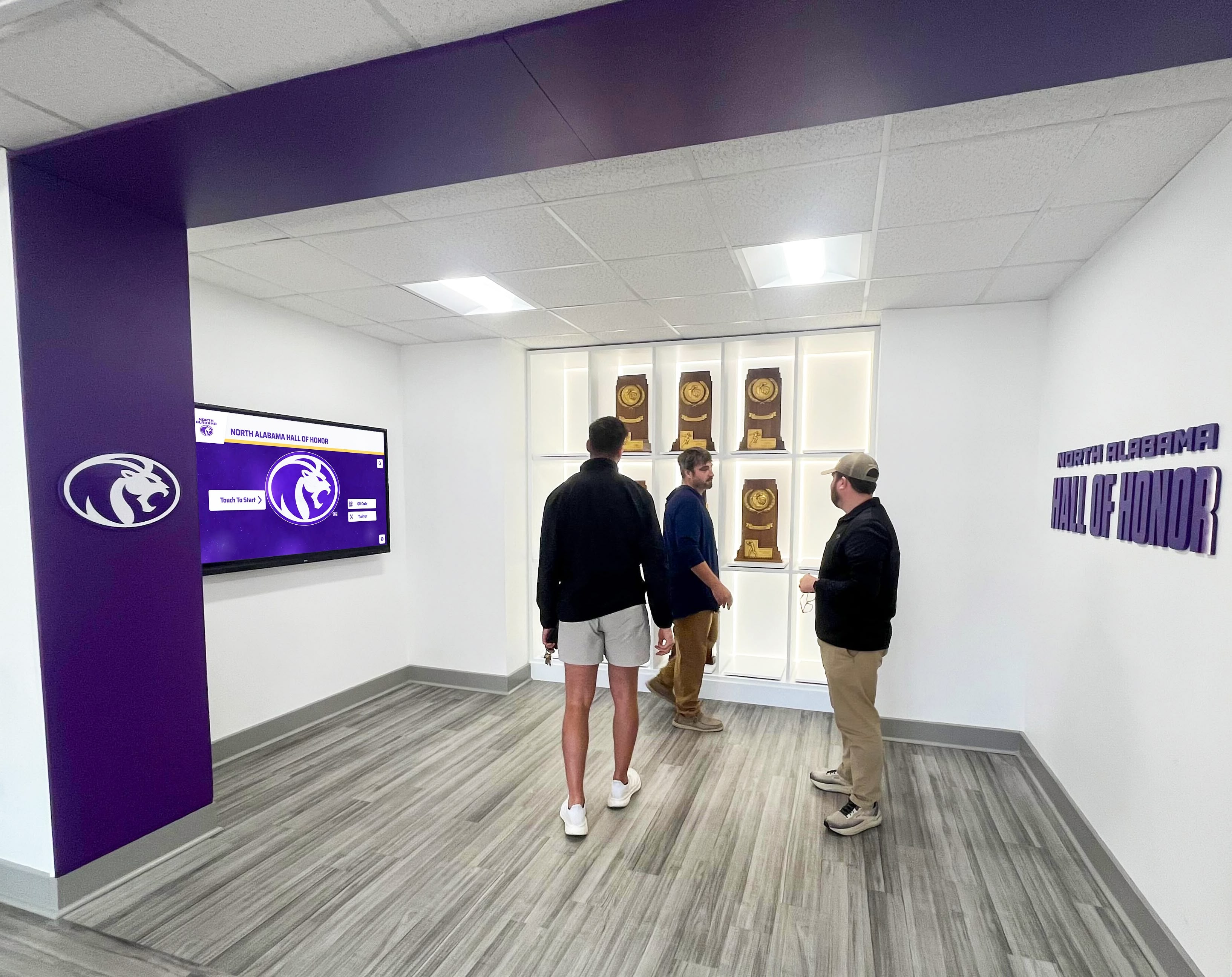
Reliable platform operation requires continuous infrastructure maintenance regardless of initial purchase model
You Don’t Have to Babysit Technology That’s Actively Maintained
The most valuable aspect of subscription-funded platforms is not avoiding one-time payment—it is receiving continuous professional maintenance eliminating local IT burden.
What Active Maintenance Delivers:
Automated Reliability
- Platform updates deploy automatically without school IT involvement
- Security patches install immediately when vulnerabilities emerge
- Database optimization occurs continuously maintaining performance
- Backup verification runs automatically ensuring recovery capability
- Compatibility testing catches browser issues before they affect schools
Professional Engineering Support
- Experienced development teams understand complex recognition requirements
- Dedicated infrastructure engineers maintain server environments 24/7
- Security specialists monitor threats and implement protections proactively
- Accessibility experts ensure ongoing WCAG compliance as standards evolve
- Support staff trained specifically on recognition applications provide effective assistance
Predictable Operation
- Displays function consistently without gradual performance degradation
- Content management works reliably across all supported browsers and devices
- Search and discovery features maintain speed as archives grow to thousands of profiles
- Mobile access remains functional as new devices and screen sizes emerge
- Web platform integration continues working as school website systems evolve
Reduced IT Burden
- School technology staff avoid learning specialized recognition platform maintenance
- No local server installation or ongoing server administration requirements
- No responsibility for database backups, security patches, or performance tuning
- No compatibility testing across browsers, devices, and operating system versions
- No emergency response when security vulnerabilities emerge requiring immediate fixes
The “Sleep at Night” Value Proposition:
Administrators can focus on recognition program management—inductee selection, content development, ceremony planning, community engagement—confident that platform technology receives continuous professional attention from teams whose entire focus is maintaining recognition system reliability and capability.
This operational confidence represents subscription pricing’s most valuable benefit: You receive the outcomes perpetual licenses promise (working recognition systems) without bearing the ongoing technical responsibility those licenses shift to you.
Explore comprehensive platform management in touchscreen display implementation guide covering managed versus self-hosted options.
Matching Pricing Models to Your Procurement Scenario
Different school funding sources and procurement requirements benefit from different payment structures. Understanding when each model makes sense helps administrators select appropriate arrangements.
When Multi-Year Prepay Agreements Make Sense
Long-term prepay arrangements prove ideal for specific procurement scenarios:
Grant-Funded Programs
Multi-year grants often require:
- Complete fund expenditure within specific timeframes
- Demonstration of sustained program operation beyond grant period
- Budget documentation showing long-term cost projections
- Avoidance of ongoing annual expenses after grant funding expires
Multi-year prepay agreements with progressive discounts let schools fully expend grant funding while securing extended service periods at reduced total costs.
Bond-Funded Technology Purchases
Infrastructure bonds typically require:
- Capital equipment purchases versus operational subscriptions
- Price certainty for voter-approved technology allocations
- Extended service life justifying bond-funded investments
- Clear demonstration of long-term value from capital expenditure
Extended prepay agreements structured as capital purchases with bundled services satisfy bond requirements while providing ongoing platform maintenance.
Multi-Year Budget Cycles
Some districts plan budgets across extended periods where:
- Three to five-year financial projections require cost certainty
- Annual budget fluctuations create uncertainty around renewal funding
- Administrative overhead from annual procurement creates unwanted burden
- Locked pricing protects programs from cost escalation affecting other budget areas
Long-term agreements eliminate annual renewal processes while providing predictable costs across budget cycles.
Strategic Cost Management
Schools prioritizing maximum cost efficiency benefit from:
- Substantial discounts for long-term commitment (up to 50% versus annual billing)
- Protected budgets shielded from annual cost increases
- Simplified financial planning with single upfront expenditure
- Reduced administrative overhead eliminating annual procurement processes
Example Multi-Year Savings Calculation:
Annual Billing Approach:
- Year 1-10 at $4,500/year
- Total 10-year cost: $45,000
- Assumes no annual increases (unrealistic)
- Requires 10 separate procurement processes
- Subject to cost escalation over decade
10-Year Prepay Approach:
- 10-year agreement: $22,500 (50% discount)
- Total 10-year cost: $22,500
- Locked pricing eliminates escalation risk
- Single procurement process
- Total savings: $22,500 (50%)
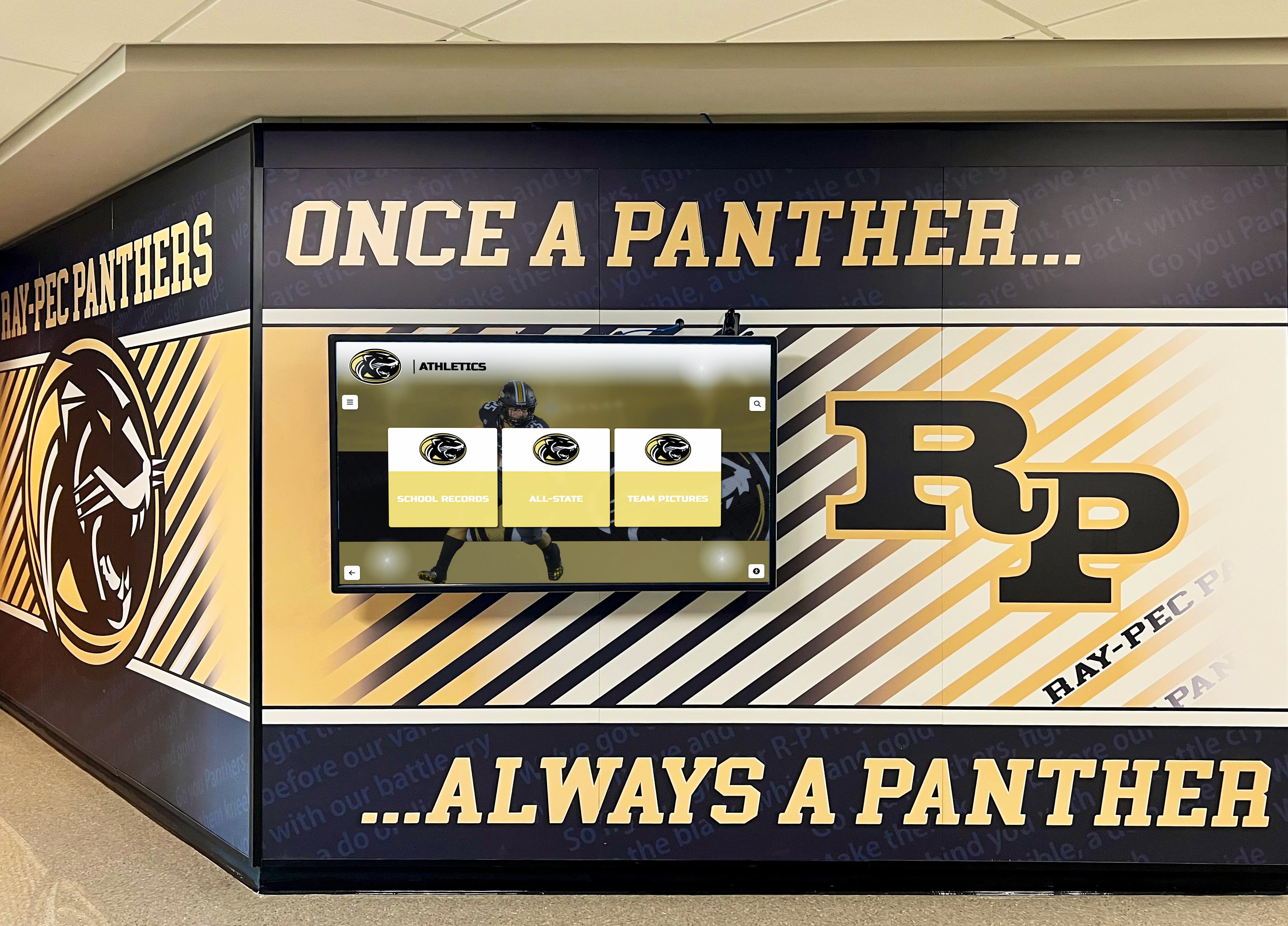
Multi-year agreements provide cost certainty while ensuring continuous platform maintenance throughout extended service periods
When One-Time Payment Structures Work
Specific procurement scenarios require one-time payment arrangements:
Bond-Funded Capital Purchases
When voter-approved bonds allocate funds specifically for technology capital purchases, one-time payment structures satisfy accounting requirements classifying expenditures as capital assets rather than operational subscriptions.
Schools should verify what ongoing maintenance and support one-time purchases include and budget separately for annual platform operation costs vendors may charge after initial purchase periods expire.
RFP Competitive Bid Requirements
Formal request for proposal processes sometimes mandate perpetual licensing options to enable direct cost comparison across vendors. These requirements typically emerge from district procurement policies written before subscription software became standard.
Administrators should evaluate total cost of ownership including ongoing maintenance fees, support contracts, and major version upgrade costs when comparing one-time purchases against subscription pricing.
Accounting Policy Requirements
Some district accounting policies or grant regulations specifically prohibit multi-year subscription commitments or classify technology purchases as capital assets requiring different payment structures.
Schools facing these restrictions should work with vendors to structure one-time payments that still include extended support and maintenance periods protecting technology investments.
Important Considerations for One-Time Purchases:
Schools selecting perpetual license arrangements should document:
- What ongoing support and maintenance the agreement includes
- How long included maintenance coverage extends
- What happens when maintenance periods expire
- Whether security patches and accessibility updates continue
- How browser compatibility issues get resolved after purchase
- What major version upgrades cost when vendors release new generations
Understanding these ongoing realities prevents surprise costs and ensures schools budget appropriately for long-term operation.
When Standard Subscription Models Provide Best Value
Many schools find traditional annual subscription pricing provides optimal balance of flexibility, cost, and capability:
Budget Flexibility
Annual subscriptions accommodate:
- Annual budget cycles matching typical school fiscal year planning
- Ability to adjust or discontinue service if circumstances change
- Predictable annual costs facilitating straightforward budget planning
- No large upfront expenditure requiring special funding sources
Risk Management
Subscriptions reduce procurement risk by:
- Enabling evaluation periods before long-term commitment
- Allowing service discontinuation if vendor performance disappoints
- Avoiding large sunk costs if technology needs change
- Maintaining flexibility to adopt new platforms if better options emerge
Simplified Procurement
Schools with straightforward annual budgets benefit from:
- No special capital funding requirements or bond authorization
- Standard annual purchase orders through existing procurement processes
- Clear annual cost comparison against alternative spending priorities
- Familiar operational expense classification requiring no special accounting
Guaranteed Active Development
Annual subscriptions ensure:
- Vendor commitment to continuous platform improvement
- Ongoing engineering funding supporting active development
- Long-term vendor viability depending on sustained customer satisfaction
- Competitive pressure maintaining quality and innovation
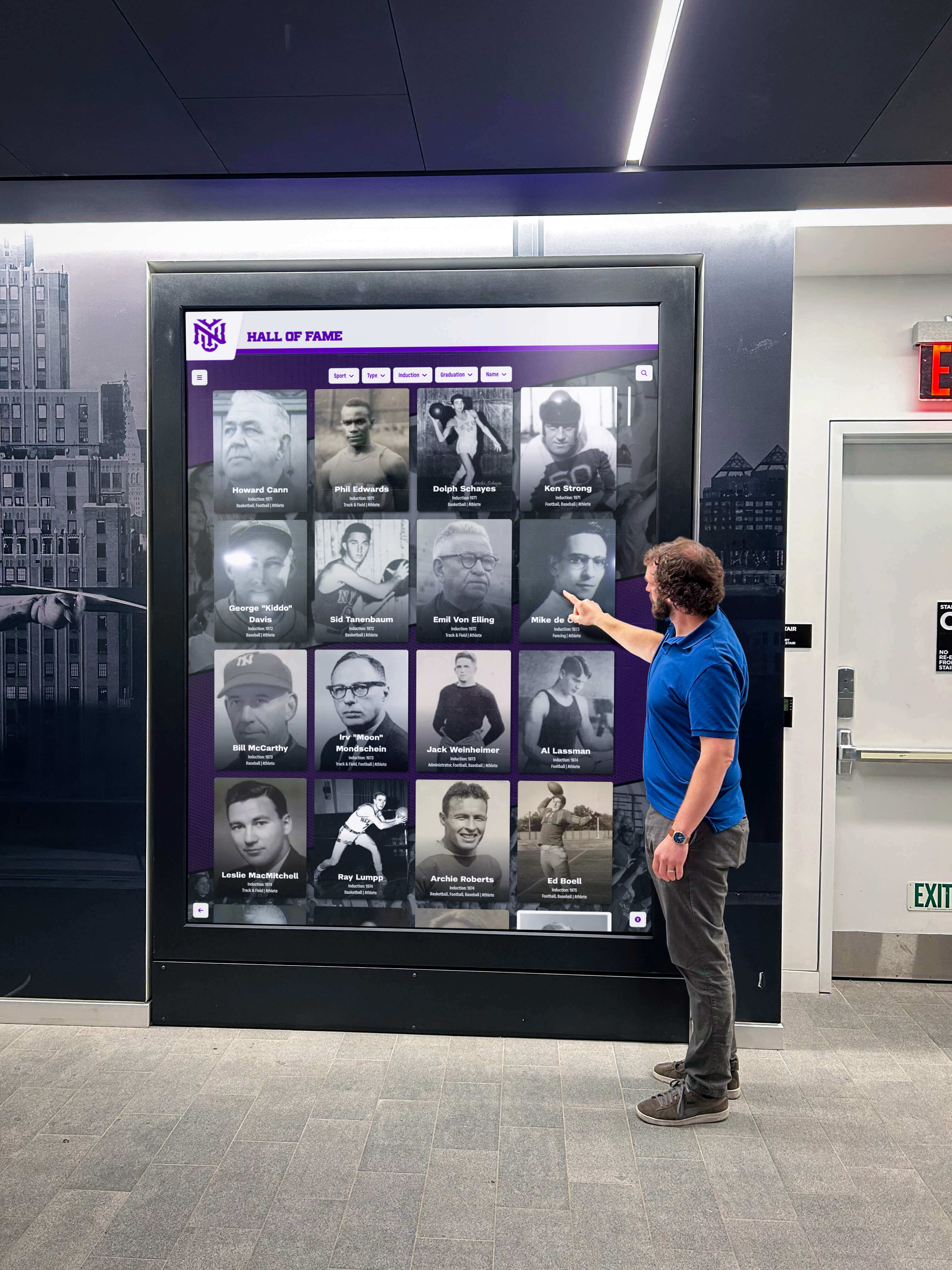
Subscription-funded platforms receive continuous improvements benefiting all customers automatically without upgrade fees
Learn about comprehensive implementation planning in interactive recognition display guide covering budget and procurement considerations.
Evaluating Total Cost of Ownership Across Payment Models
Understanding complete long-term costs across different payment structures enables informed procurement decisions beyond comparing initial prices.
Five-Year Cost Comparison Examples
Scenario: Medium-Sized High School Recognition Implementation
Initial purchase includes:
- Two 55" touchscreen displays with mounting hardware
- Recognition platform software and setup
- Initial training and content development assistance
- Professional installation and configuration
Annual Subscription Model:
Year 0 (Initial Investment):
- Hardware: $12,000
- Installation: $3,000
- Initial training: $2,000
- Platform setup: Included in subscription
- Year 0 Total: $17,000
Years 1-5 (Annual Costs):
- Platform subscription: $3,600/year
- All updates, features, support: Included
- Infrastructure and hosting: Included
- Security and maintenance: Included
- Annual Ongoing: $3,600
5-Year Total Cost: $35,000
Average Annual: $7,000
5-Year Prepay Model (30% Discount):
Year 0 (Prepaid Investment):
- Hardware: $12,000
- Installation: $3,000
- Initial training: $2,000
- 5-year platform license (30% discount): $12,600
- Year 0 Total: $29,600
Years 1-5 (Annual Costs):
- No additional costs (prepaid)
- All updates included
- Support included
- Annual Ongoing: $0
5-Year Total Cost: $29,600
Average Annual: $5,920 Savings vs. Annual: $5,400 (15%)
Perpetual License Model (Typical):
Year 0 (Initial Investment):
- Hardware: $12,000
- Installation: $3,000
- Perpetual software license: $10,000
- Initial training: $2,000
- Year 0 Total: $27,000
Years 1-5 (Actual Costs Emerge):
- Annual support contract: $2,400/year
- Major version upgrade (Year 3): $4,000
- Browser compatibility fix (Year 2): $2,500
- Security patch emergency (Year 4): $1,800
- Accessibility update (Year 5): $3,200
- Additional 5-Year Costs: $21,900
5-Year Total Cost: $48,900
Average Annual: $9,780 Premium vs. Subscription: $13,900 (40% more expensive)
Key Insights from Comparison:
The seemingly expensive “subscription trap” often delivers lowest total cost of ownership while providing superior ongoing maintenance. Perpetual licenses appear cheaper initially but create unpredictable ongoing expenses typically exceeding subscription costs while delivering inferior results.
Multi-year prepay models provide genuine savings for schools with appropriate funding sources while maintaining subscription benefits through bundled ongoing maintenance.
Hidden Costs Often Overlooked in Perpetual License Models
Staff Time and Productivity Costs
Unmaintained platforms consume substantial internal resources:
- IT staff troubleshooting compatibility issues: 10-30 hours annually
- Administrators managing vendor relationships for fixes: 5-15 hours annually
- Content managers working around platform limitations: 20-50 hours annually
- Help desk time assisting frustrated users: 10-20 hours annually
Total staff time cost: 45-115 hours annually at $40-80/hour = $1,800-$9,200 annually
Degraded User Experience Costs
Unmaintained platforms gradually worsen creating opportunity costs:
- Reduced community engagement with slow unreliable platforms
- Decreased alumni connection when displays function poorly during visits
- Negative prospective family impressions encountering broken systems
- Lost social sharing when platforms lack modern sharing features
- Reduced staff motivation managing frustrating outdated tools
These opportunity costs rarely appear in budget analysis but represent real losses in recognition program effectiveness.
Platform Replacement Costs
When perpetual license platforms become unsustainable, schools face complete replacement:
- New platform research and vendor evaluation: 20-40 hours
- New hardware if old system incompatible: $10,000-$20,000
- Migration planning and content transfer: 40-80 hours
- Staff retraining on new system: 10-20 hours
- Community disruption during transition: Difficult to quantify
Replacement cycle: Every 5-8 years versus indefinite operation with actively maintained subscriptions
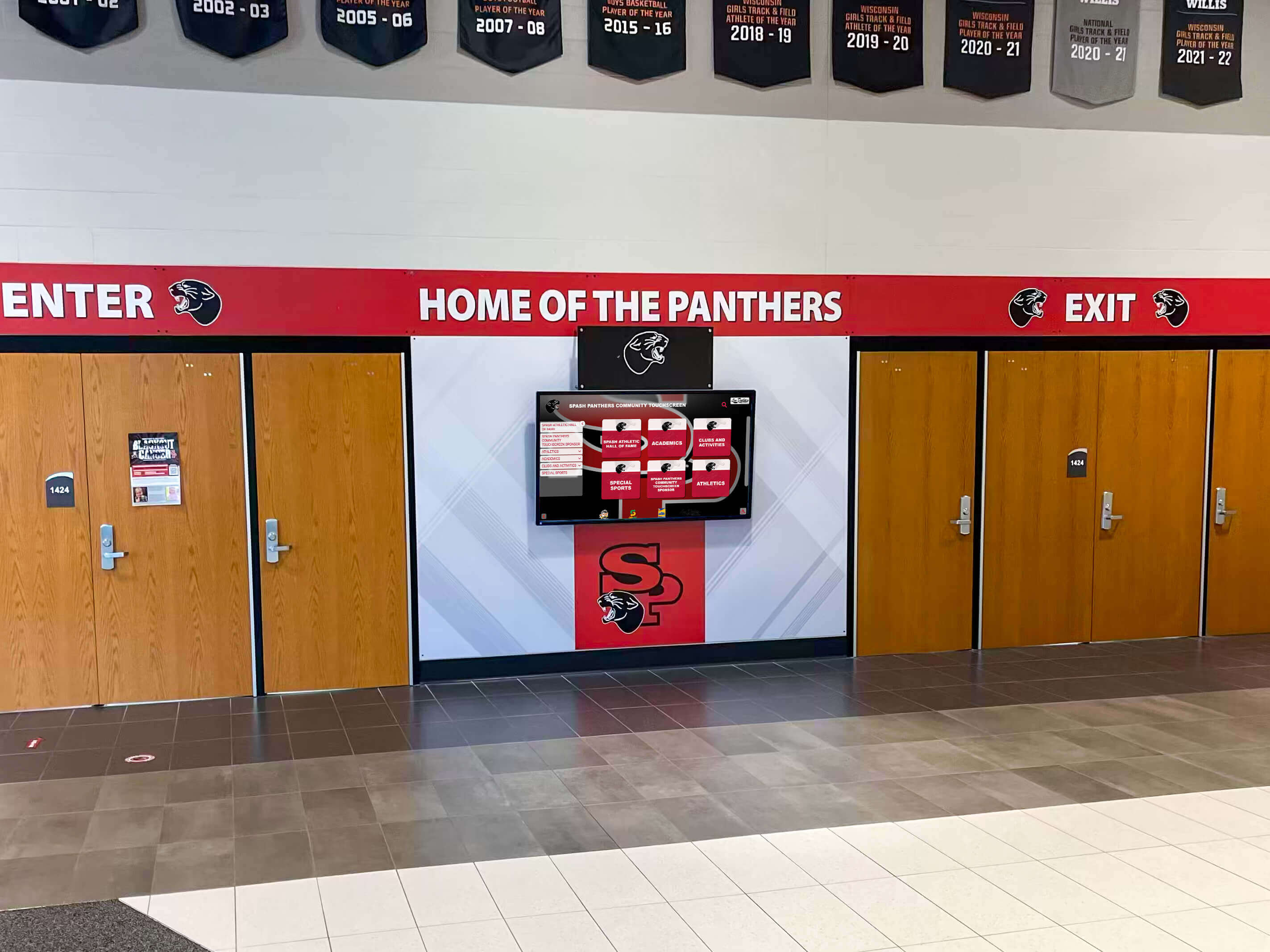
Well-maintained platforms operate reliably for decades while unmaintained systems typically require complete replacement within 5-8 years
Explore comprehensive cost analysis in digital signage services comparison covering total ownership costs.
Making Informed Pricing Decisions for Your School
Understanding pricing model options and their operational implications enables administrators to select arrangements aligned with funding sources, procurement requirements, and long-term program goals.
Questions to Ask Vendors About Pricing Flexibility
Multi-Year Agreement Options:
- What discount structure do you offer for multi-year prepay commitments?
- What agreement lengths do you support (3-year, 5-year, 10-year)?
- Can pricing lock for entire agreement period or does it escalate?
- What happens if our needs change during a long-term agreement?
- Do multi-year agreements include all platform features and updates?
One-Time Payment Structures:
- Do you offer perpetual license or one-time payment options?
- What ongoing support and maintenance does one-time payment include?
- How long does included maintenance coverage extend?
- What happens when maintenance period expires?
- What are costs for security patches, browser updates, accessibility compliance after purchase?
- How do major version upgrades work and what do they cost?
Subscription Model Details:
- What does annual subscription include (features, support, updates, training)?
- Are there per-display fees or other usage-based charges?
- Can we add displays later without penalty?
- What happens to our content if we discontinue subscription?
- Can we export all our data and media?
- How much notice is required for cancellation?
Total Cost of Ownership:
- What are all costs across five years for each payment model?
- What ongoing costs exist beyond initial purchase or annual subscription?
- What typical expenses should we budget for ongoing operation?
- Can you provide customer references who have operated your platform 3+ years?
Aligning Payment Structure to Funding Source
Match your payment model to your funding scenario:
| Funding Source | Recommended Payment Structure | Key Considerations |
|---|---|---|
| Annual Operating Budget | Standard annual subscription | Predictable costs, budget flexibility, straightforward procurement |
| Multi-Year Grant | Multi-year prepay (grant period) | Complete fund expenditure, sustained operation documentation, cost certainty |
| Bond Funding | Long-term prepay or one-time | Capital purchase classification, extended service life, price certainty |
| RFP Competition | Structure matching RFP requirements | Comparable cost presentation, compliance with bid specifications |
| Capital Budget | One-time or long-term prepay | Asset purchase accounting, extended ownership period |
| Restricted Subscription Policy | One-time with extended maintenance | Policy compliance while securing ongoing support |
Prioritizing Ongoing Maintenance Over Payment Structure
The most important consideration is not how you pay—it is whether your arrangement includes active platform maintenance.
Verify your selected pricing model provides:
- Security patches deploying immediately when vulnerabilities emerge
- Browser compatibility updates maintaining function as Chrome, Safari, Edge evolve
- Accessibility compliance adapting to changing WCAG standards and ADA interpretations
- Performance optimization maintaining speed as content archives grow
- Infrastructure management ensuring reliable hosting, backups, and disaster recovery
- Technical support providing responsive assistance from knowledgeable staff
- Platform improvements delivering new features and capabilities automatically
Without active ongoing maintenance, recognition platforms gradually degrade regardless of initial purchase price or payment structure. The subscription model exists not to trap schools into perpetual payments but to fund the continuous engineering required to keep recognition technology functional as technology standards evolve.
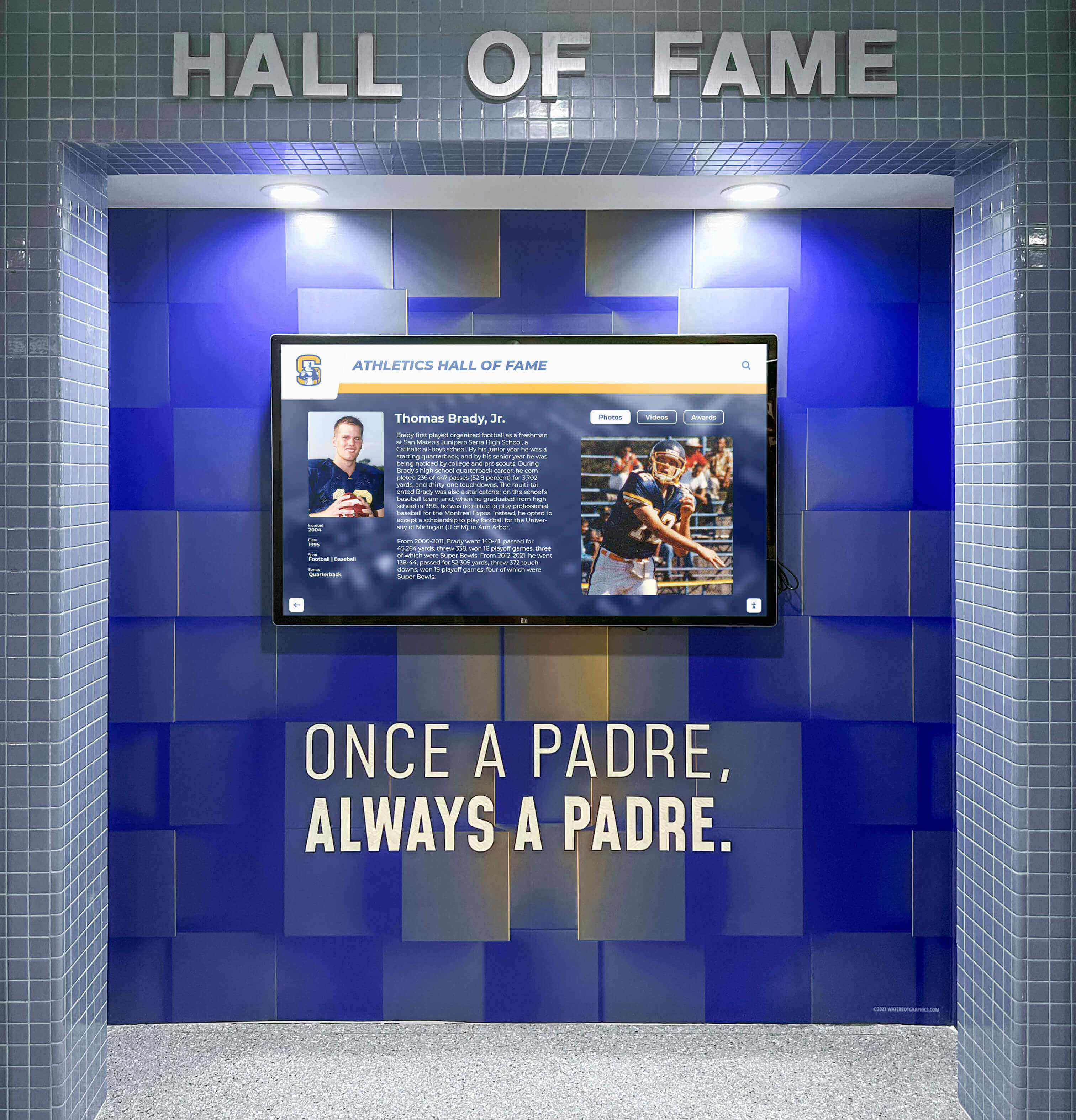
Reliable long-term operation depends on continuous maintenance regardless of initial payment structure
Conclusion: Flexible Pricing Supporting Diverse School Procurement Needs
The “subscription trap” narrative misrepresents how modern recognition platforms address diverse school funding sources and procurement requirements. Solutions like Rocket Alumni Solutions offer multiple payment structures specifically designed for educational scenarios—including heavily discounted multi-year prepay agreements extending up to 10 years, one-time payment options for bond-funded situations, and subscription models that fund the continuous engineering required to keep platforms secure, accessible, and compatible as technology standards evolve.
Schools facing grant timelines benefit from long-term prepay agreements that fully expend funding while securing extended service periods at substantial discounts. Districts issuing RFPs requiring specific payment structures can access one-time options satisfying procurement requirements. Schools with straightforward annual budgets find traditional subscriptions provide optimal flexibility and guaranteed ongoing development.
The critical insight is that payment structure matters less than ensuring your arrangement includes active ongoing maintenance. Browser updates, accessibility standard changes, security vulnerabilities, and technology evolution create mandatory continuous maintenance requirements regardless of how schools initially paid for software access. Subscription pricing funds that essential ongoing work transparently through predictable annual costs. Perpetual licenses shift maintenance responsibility to school IT staff or create hidden costs through upgrade fees, professional services, and eventual platform replacement.
Ready to explore pricing options matched to your specific procurement scenario? Rocket Alumni Solutions offers comprehensive digital recognition platforms with flexible payment structures including multi-year prepay agreements with progressive discounts, one-time payment options for bond-funded purchases, and subscription models that fund continuous platform evolution. All payment structures include the same actively maintained platform, unlimited inductee capacity, web accessibility, responsive support, and automatic feature deployment that benefit all customers simultaneously—you simply select the financial arrangement matching your funding source and procurement requirements.
Request your free custom demo to explore platform capabilities or schedule a consultation to discuss pricing structures aligned with your specific budget scenario, funding source, and long-term recognition program goals.
Your recognition program deserves technology that remains secure, accessible, and functional throughout decades of operation. The most important procurement decision is not selecting the cheapest initial price or avoiding subscriptions categorically—it is choosing arrangements that include the continuous professional maintenance required to protect your investment from technology obsolescence while delivering reliable recognition that honors your community appropriately across generations.