



Recognition boards serve as powerful visual statements celebrating achievement, reinforcing organizational values, and creating cultures where excellence receives public acknowledgment. Whether showcasing student honor roll achievements in school hallways, highlighting employee performance milestones in corporate lobbies, or celebrating athletic accomplishments in recreation centers, well-designed recognition displays transform abstract appreciation into tangible, lasting validation that motivates continued excellence while inspiring others to reach similar heights.
Organizations that invest thoughtfully in recognition displays understand that visibility matters. When achievements appear prominently where community members gather—entrance lobbies, main hallways, cafeterias, or common areas—recognition becomes woven into institutional culture rather than relegated to occasional ceremonies or private conversations. The most effective recognition boards balance aesthetic appeal with functional purpose, traditional elements with contemporary innovation, and broad accessibility with meaningful personalization.
This comprehensive guide explores creative recognition board ideas spanning traditional bulletin boards to cutting-edge digital displays, offering practical implementation strategies for schools, athletic programs, corporate workplaces, nonprofit organizations, and community groups seeking to celebrate achievement meaningfully and sustainably.

Why Recognition Boards Matter: The Psychology of Public Acknowledgment
Before exploring specific design ideas, understanding the psychological and cultural impact of recognition displays helps ensure your investment delivers maximum returns.
Motivation and Performance Enhancement
Public recognition creates powerful motivation cycles. When individuals see peers celebrated for specific achievements, they gain concrete understanding of valued behaviors and accomplishments. Students viewing academic honor roll displays understand exactly what academic performance earns recognition. Employees seeing colleagues honored for customer service excellence or safety records receive clear behavioral models worth emulating.
Recognition boards answer the fundamental question: “What does success look like here?” by providing visible, specific examples that abstract mission statements cannot match.
Cultural Reinforcement
Organizations communicate values through what they choose to celebrate publicly. Recognition boards displaying diverse achievement types—academic, athletic, artistic, service-oriented, leadership-based—signal comprehensive definitions of success rather than narrow excellence categories. Schools honoring perfect attendance alongside academic achievement demonstrate that commitment and perseverance matter as much as test scores.
Community and Belonging
Seeing your name, photo, or accomplishment featured on organizational recognition displays creates powerful belonging experiences. Recognition boards transform individuals from anonymous community members into celebrated contributors whose efforts receive institutional acknowledgment. This inclusion fosters loyalty, engagement, and emotional connection extending far beyond the initial achievement moment.
Inspiration and Aspiration
Recognition displays inspire younger or newer community members by showcasing achievable excellence. Elementary students passing high school honor roll boards begin envisioning their future academic success. New employees viewing veteran recognition displays understand long-term career possibilities within the organization. The most effective recognition programs create aspiration ladders where everyone sees pathways to eventual celebration.
Traditional Recognition Board Ideas: Proven Approaches
Classic bulletin board and physical display approaches remain effective when designed thoughtfully and maintained consistently.
Honor Roll and Academic Achievement Boards
Star student showcases feature rotating displays highlighting students achieving specific academic milestones—honor roll status, perfect test scores, improved grades, or academic competition success. Design consistent templates including student photos, achievement descriptions, and celebration dates for professional presentation.
Grade-level achievement walls dedicate separate bulletin board sections to each grade level, creating friendly competition while ensuring every student population receives appropriate recognition space. Elementary schools might showcase reading achievements and math mastery, while high schools highlight AP scholars, honor society inductees, and scholarship recipients.
Subject-specific recognition celebrates excellence in particular academic areas. Math departments create boards recognizing problem-solving competition winners or students mastering challenging concepts. English departments showcase creative writing excerpts or reading challenge completions. Science departments display research project highlights or science fair achievements.
Implementation tip: Refresh academic recognition boards quarterly rather than annually, ensuring current relevance and maintaining visual interest throughout the school year.
Employee Recognition Boards
Employee of the month programs represent classic workplace recognition, but thoughtful design elevates these beyond generic corporate displays. Include substantive achievement descriptions explaining WHY employees earned recognition, not just names and dates. Feature employee quotes about their work or photos showing them engaged in recognized activities for authentic, personal presentation.
Years of service milestones honor longevity and loyalty. Create tiered recognition acknowledging 5, 10, 15, 20+ year anniversaries with progressively prominent display elements. Some organizations use tree metaphors—each service milestone adds a branch or leaf to a growing organizational tree showing collective experience.
Safety achievement boards prove particularly important in manufacturing, construction, healthcare, and other safety-critical environments. Display days without incidents, safety training completions, hazard identifications, and safety suggestion implementations alongside team photos celebrating collective commitment to workplace safety.
Values-based recognition highlights employees demonstrating core organizational values. If your company prioritizes innovation, customer service, collaboration, or integrity, create recognition categories celebrating specific examples of these values in action. Rotate featured employees regularly ensuring broad representation across departments and roles.
Athletic Recognition Displays
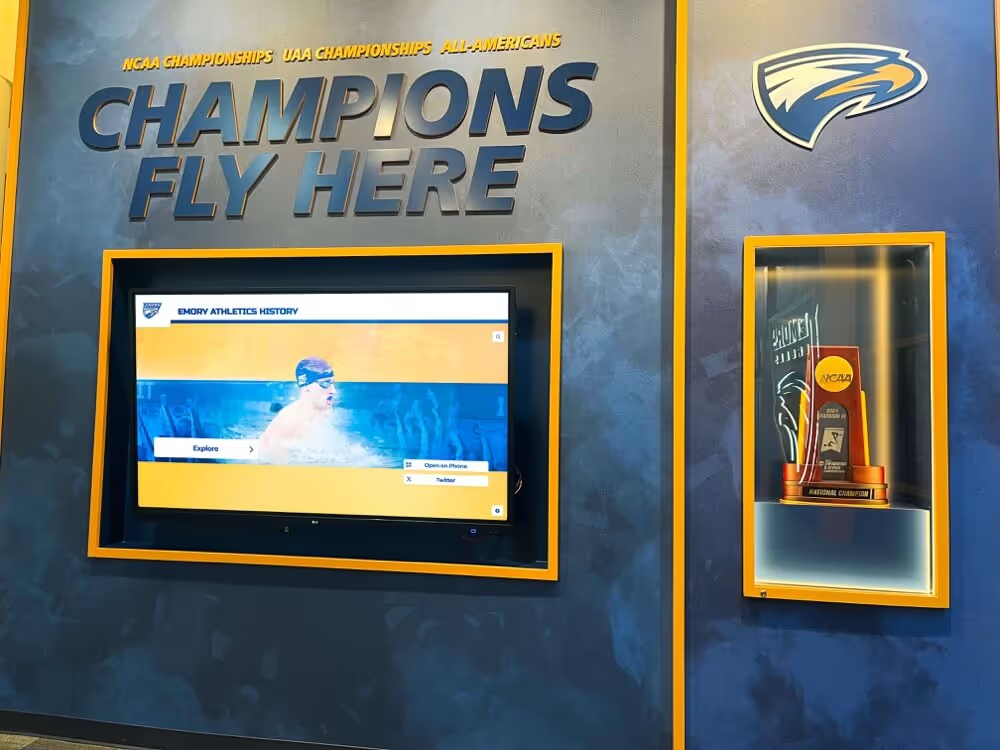
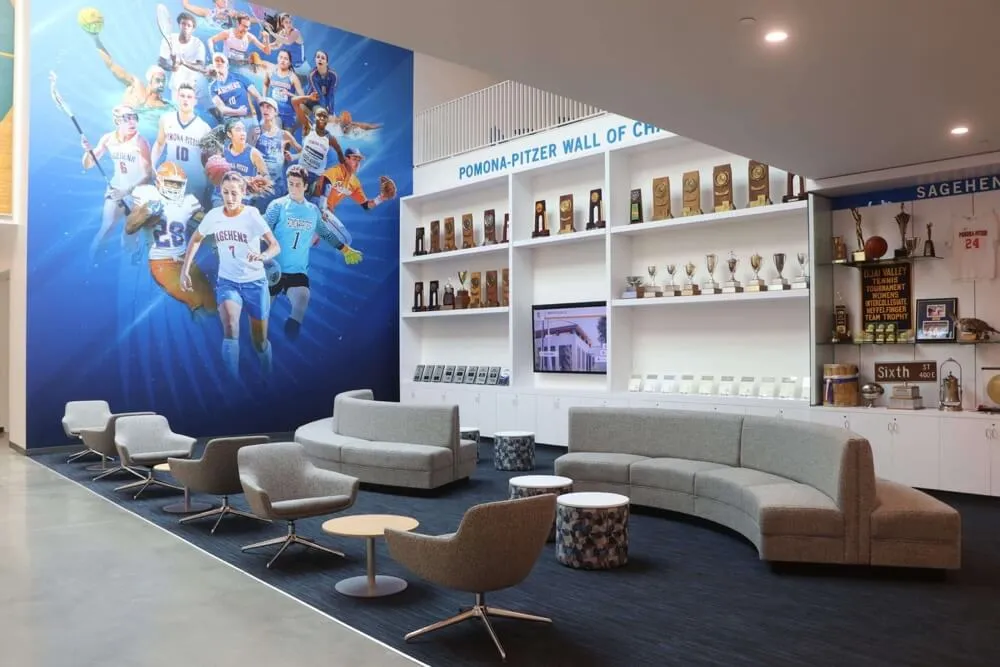
Championship banners and trophy cases create powerful visual celebrations of team success. Gymnasium walls displaying conference championships, state tournament appearances, and record-breaking seasons communicate athletic program excellence to athletes, students, families, and visitors. Pair physical banners with detailed achievement information including scores, key players, and historical context.
Individual athlete achievement boards celebrate personal athletic accomplishments—school records, all-state selections, college athletic commitments, or championship performances. Include action photos whenever possible, capturing the dynamic energy of athletic achievement rather than static portrait shots exclusively.
Season highlight reels (for digital boards) or photo collages (for traditional bulletin boards) document athletic seasons through key moments, game highlights, team bonding activities, and championship pursuits. These comprehensive displays honor entire seasons rather than just final outcomes, recognizing effort and growth alongside wins and championships.
Volunteer and Service Recognition
Community service boards celebrate individuals contributing time, talent, or resources to organizational missions or community causes. Nonprofit organizations track volunteer hours, corporate workplaces highlight community engagement initiatives, and schools showcase service learning projects connecting classroom learning with real-world impact.
Donor recognition displays acknowledge financial supporters enabling organizational missions. Create giving level tiers (bronze, silver, gold, platinum) with corresponding display prominence. Include donor names, contribution years, and optional personal messages explaining why they support the organization. Maintain donor privacy preferences carefully, recognizing that some prefer anonymous giving.
Leadership and governance boards recognize board members, committee volunteers, alumni leaders, or parent association officers contributing governance and strategic guidance. Include terms of service, specific committee roles, and photos creating personal connections with these often behind-the-scenes contributors.
Creative Recognition Board Ideas: Innovative Approaches
Beyond standard bulletin boards, these creative approaches bring fresh energy to recognition programs.
Interactive Elements
Achievement maps use geographic displays showing where honored individuals come from, creating interesting visual patterns while celebrating geographic diversity. Schools might map alumni college destinations, companies might map employee hometowns, or nonprofits might map volunteer locations.
Timeline displays arrange achievements chronologically, creating institutional history narratives. Athletic programs display championship years sequentially, showing program evolution over decades. Companies create founding-to-present timelines highlighting key employees, milestones, and achievements building organizational legacies.
QR code enhancements bridge physical and digital recognition. Add QR codes to traditional bulletin board displays linking to extended content—achievement videos, detailed biographies, interview recordings, or photo galleries providing richer context than physical space allows.
Add-your-name recognition invites community participation. Create boards where individuals achieving specific milestones add their own names—reading challenges completed, fitness goals achieved, or skill certifications earned. This interactive approach distributes recognition ownership while reducing administrative burden.
Themed Recognition Displays
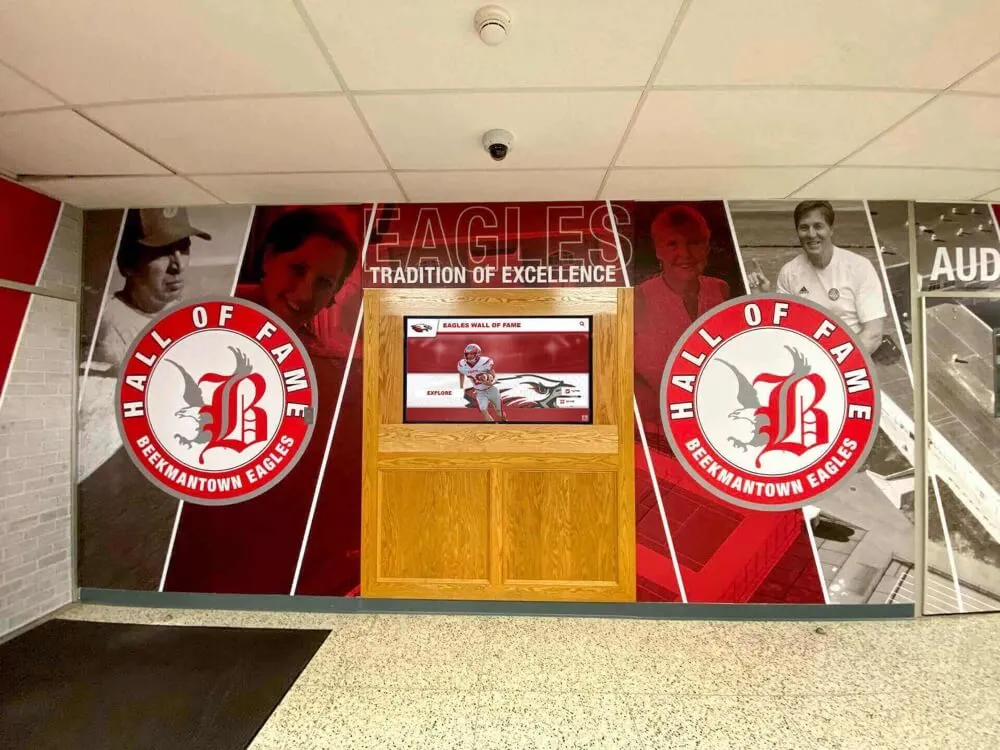
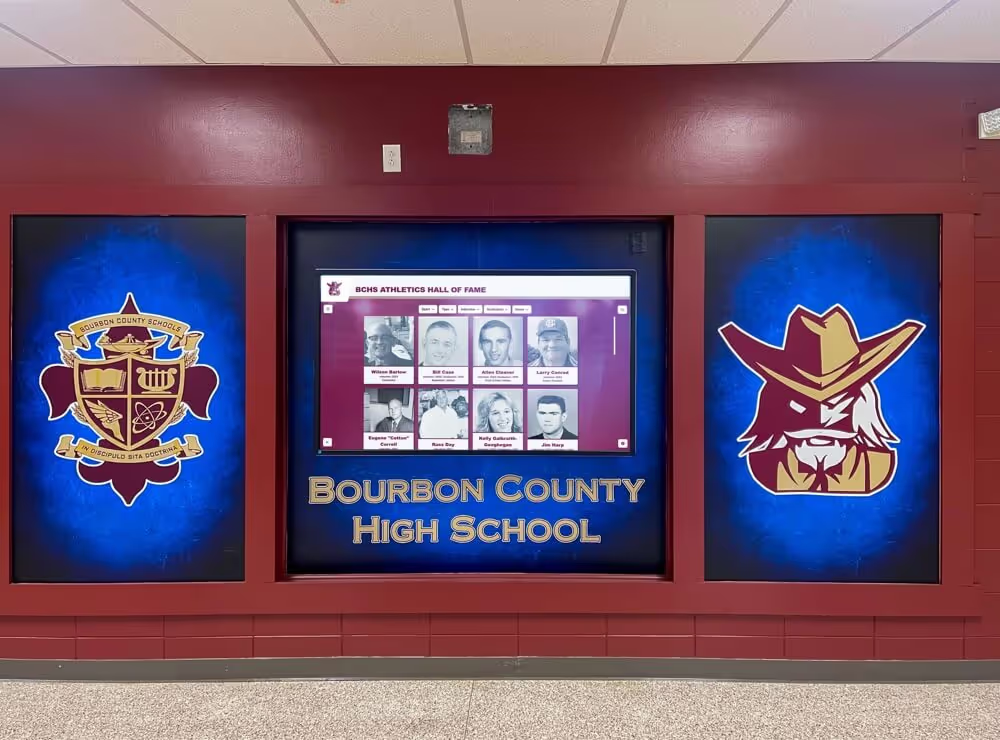
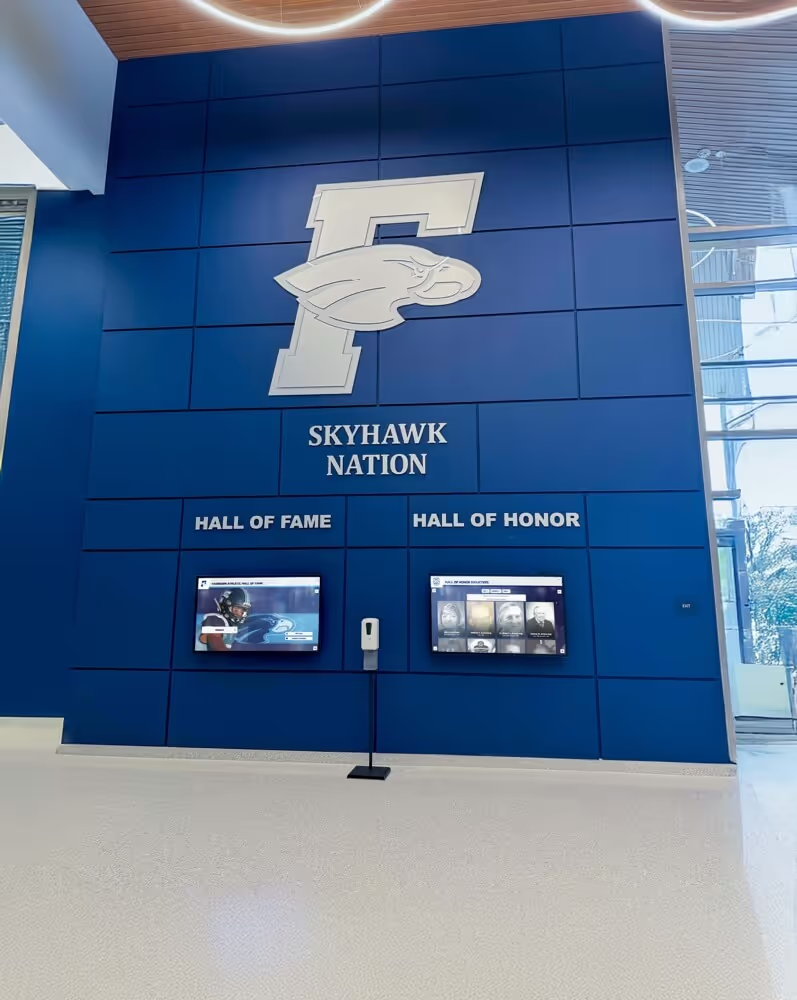
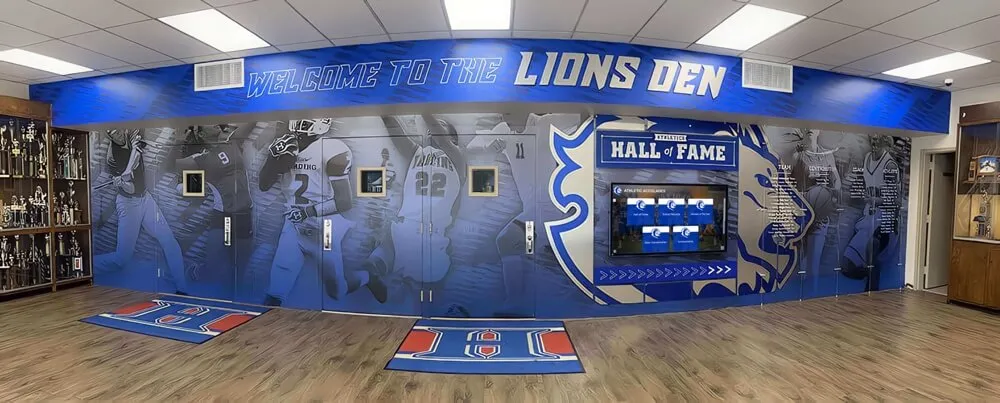
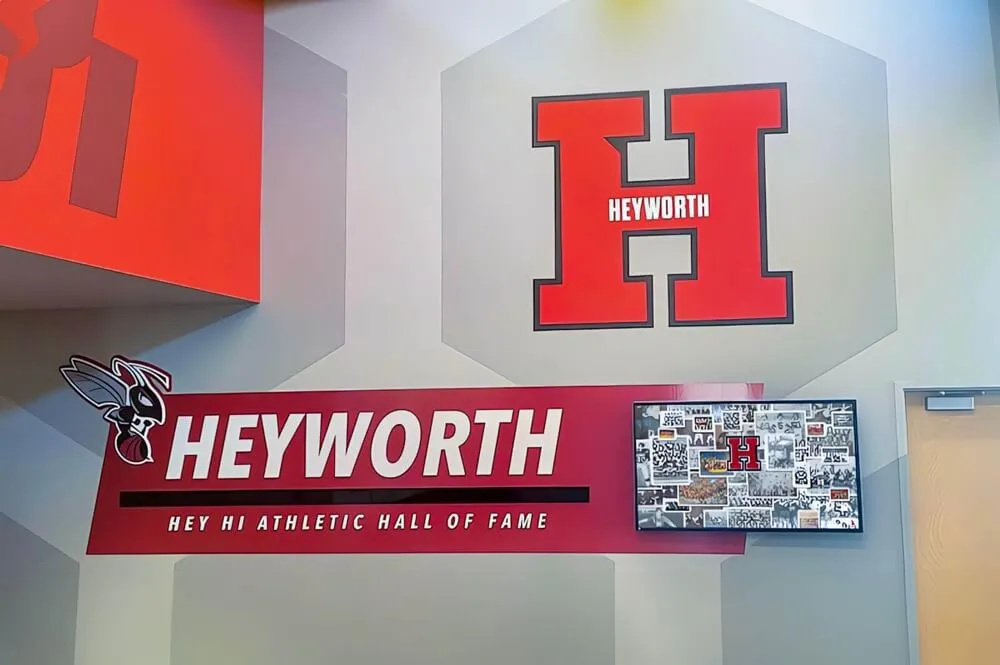
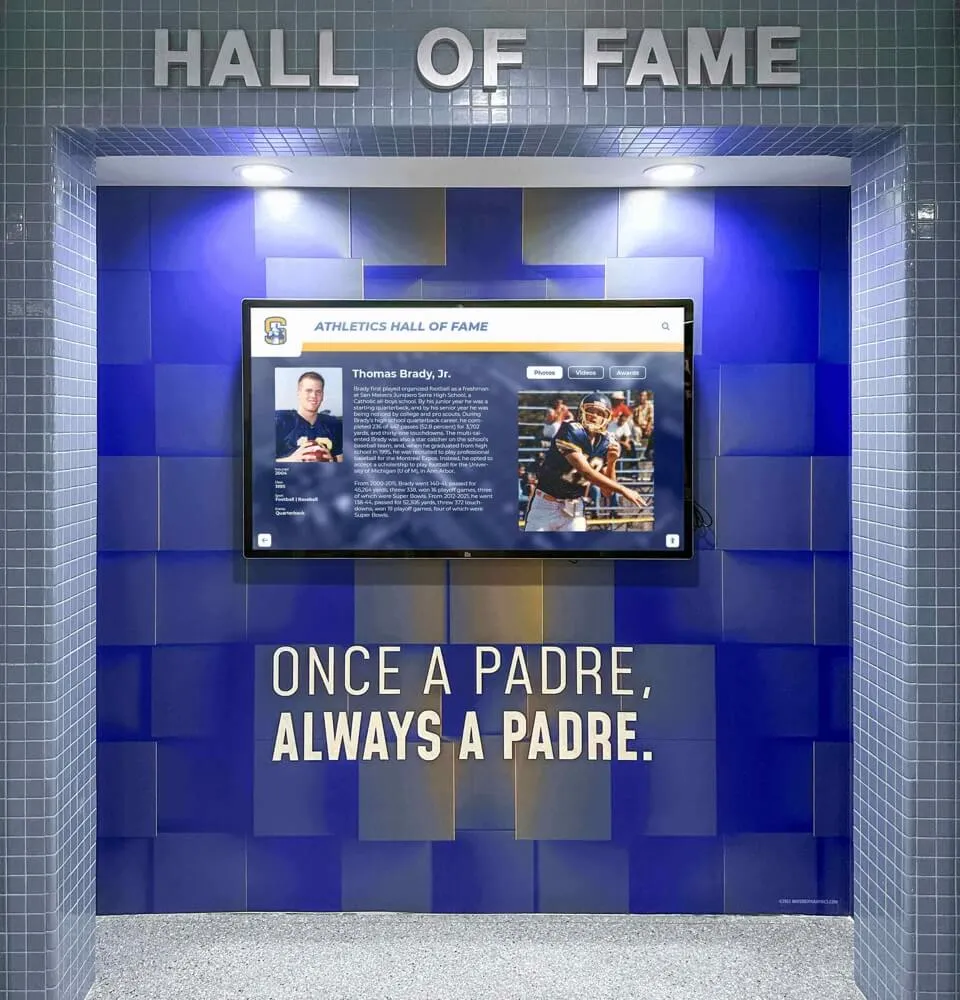
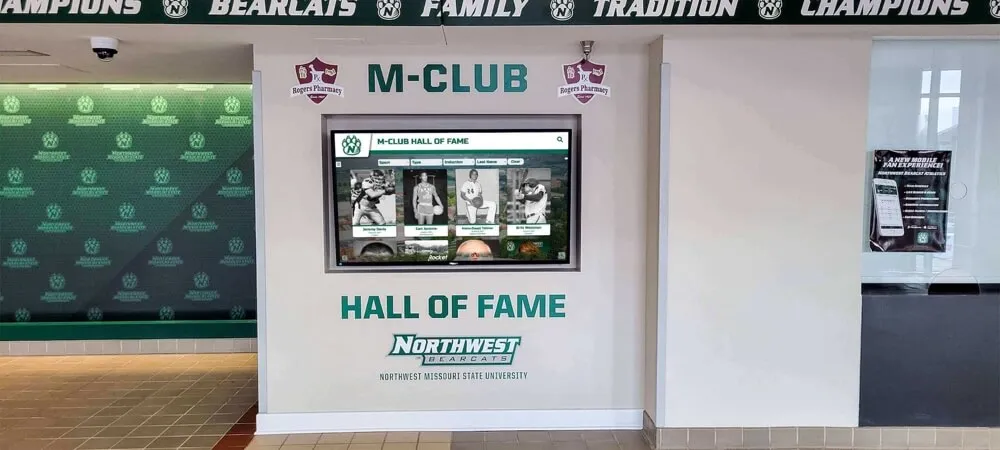
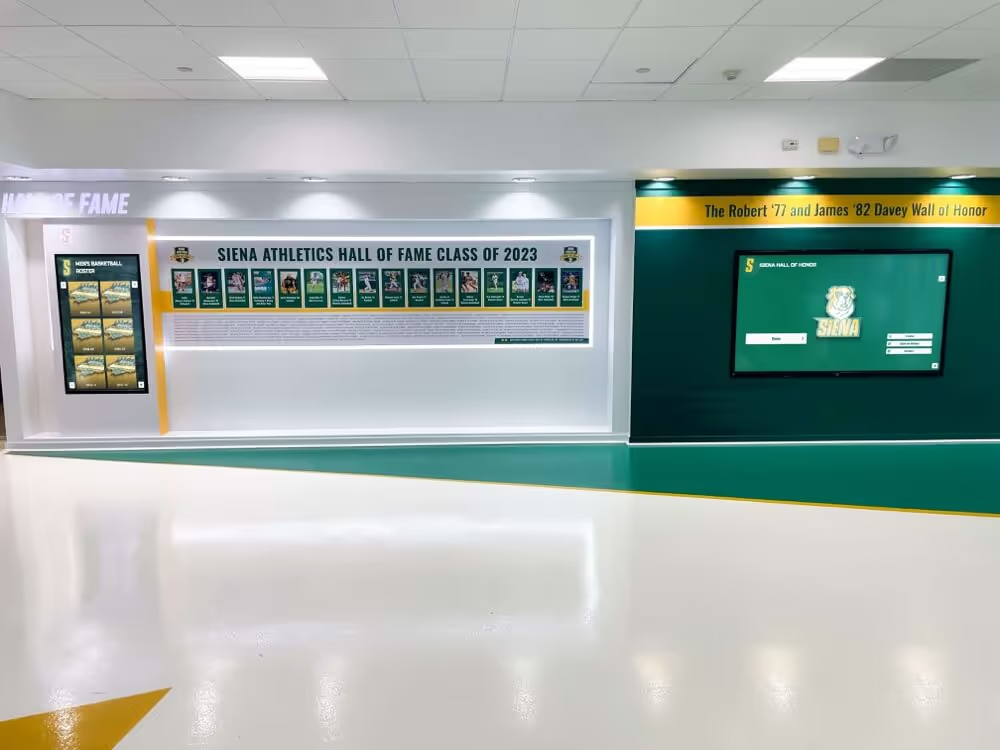
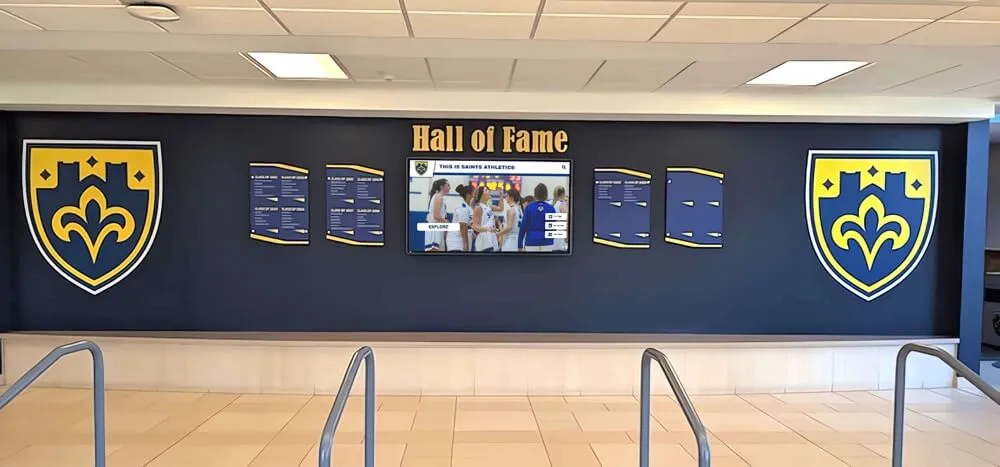
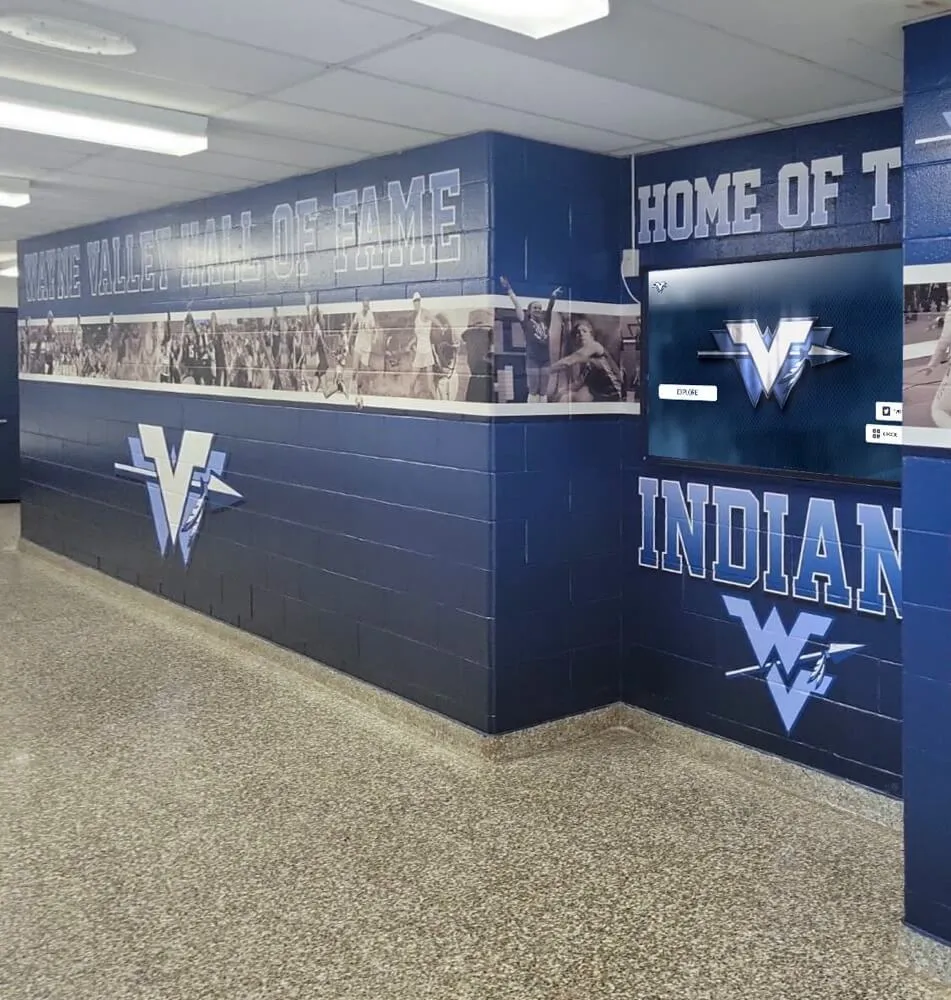
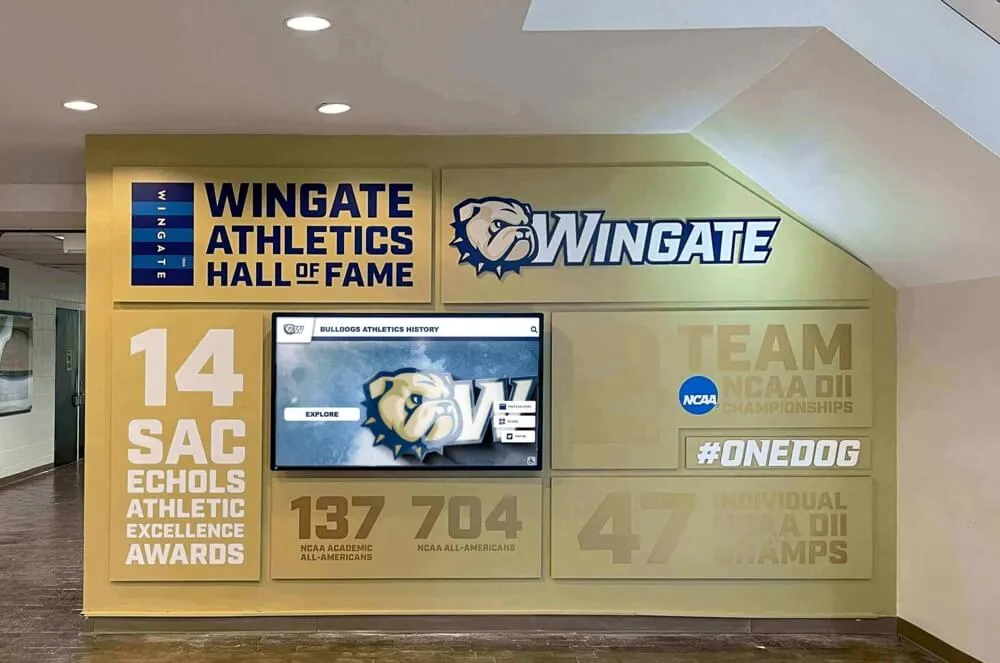
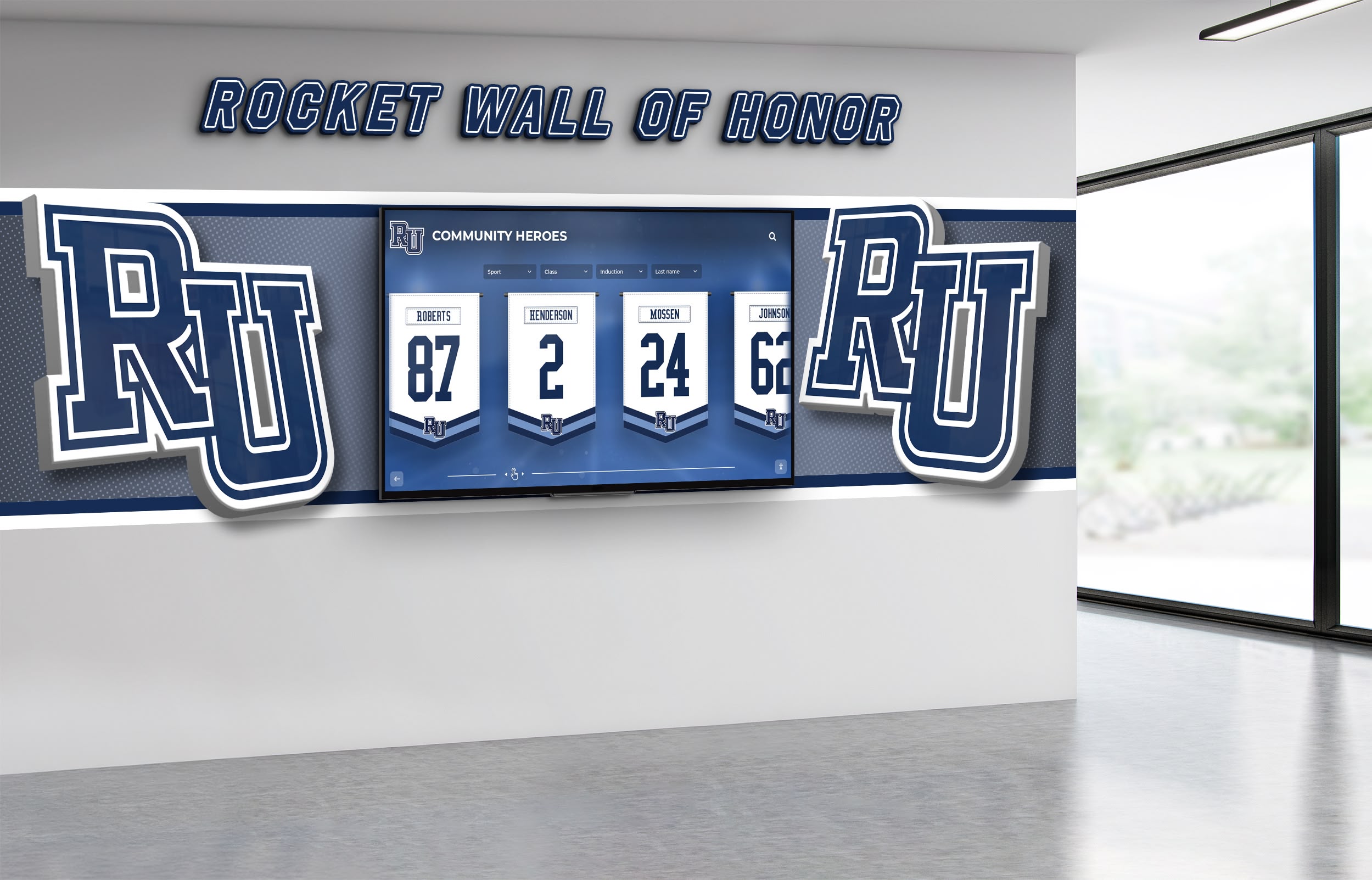
Hall of fame installations create permanent recognition for individuals achieving highest organizational honors. Athletic halls of fame celebrate legendary coaches and standout athletes. Academic halls of fame recognize valedictorians, distinguished faculty, or research excellence. Corporate recognition walls honor founding leaders, transformational executives, or innovation champions.
Design hall of fame displays with permanence and prestige—quality materials, professional presentation, and prominent placement signaling the elite status these recognitions represent.
Season or period-specific boards rotate recognition focus throughout calendar years. Schools might feature fall semester achievements during winter months and spring semester accomplishments during summer. Athletic programs rotate sport seasons ensuring each team receives featured recognition during their competitive season.
Cultural celebration boards recognize heritage months, diversity initiatives, or multicultural achievements creating inclusive recognition cultures. Design these displays collaboratively with represented communities ensuring authentic, respectful celebration rather than superficial tokenism.
Innovation and creativity showcases celebrate organizational members thinking differently or contributing novel ideas. Display invention disclosures, process improvements, creative problem-solving examples, or artistic achievements encouraging continued innovation through visible celebration.
Collaborative Recognition Boards
Peer recognition walls enable community members to recognize each other rather than relying exclusively on administrative selection. Provide note cards or sticky notes where colleagues, classmates, or team members write specific appreciation messages highlighting others’ contributions. Compile these periodically into formal recognition displays showing collective appreciation.
Team achievement galleries celebrate group accomplishments rather than just individual excellence. Project completion teams, championship athletic squads, successful event planning committees, or collaborative research groups receive collective recognition demonstrating that significant achievement often requires coordinated team effort.
Before and after transformation boards document improvement journeys—facility renovations completed by volunteer labor, organizational turnarounds achieved through collaborative effort, or program growth resulting from sustained community investment. These displays recognize collective achievement while telling compelling progress narratives.
Digital Recognition Boards: Modern Solutions for Dynamic Display
Traditional bulletin boards face inherent limitations—finite physical space, labor-intensive updates, static presentations, and eventual deterioration requiring replacement. Digital recognition displays solve these challenges while creating engagement opportunities impossible with paper-based systems.
Advantages of Digital Recognition Platforms
Unlimited capacity means digital systems accommodate growing recognition programs indefinitely. Schools can honor every honor roll student across decades, companies can recognize every service milestone achiever, and athletic programs can celebrate every championship team without space constraints limiting who receives recognition.
Easy updates through cloud-based content management eliminate the physical labor of printing, cutting, laminating, and posting recognition content. Administrators update displays remotely from any device, publishing new achievements instantly across single displays or entire networks simultaneously.
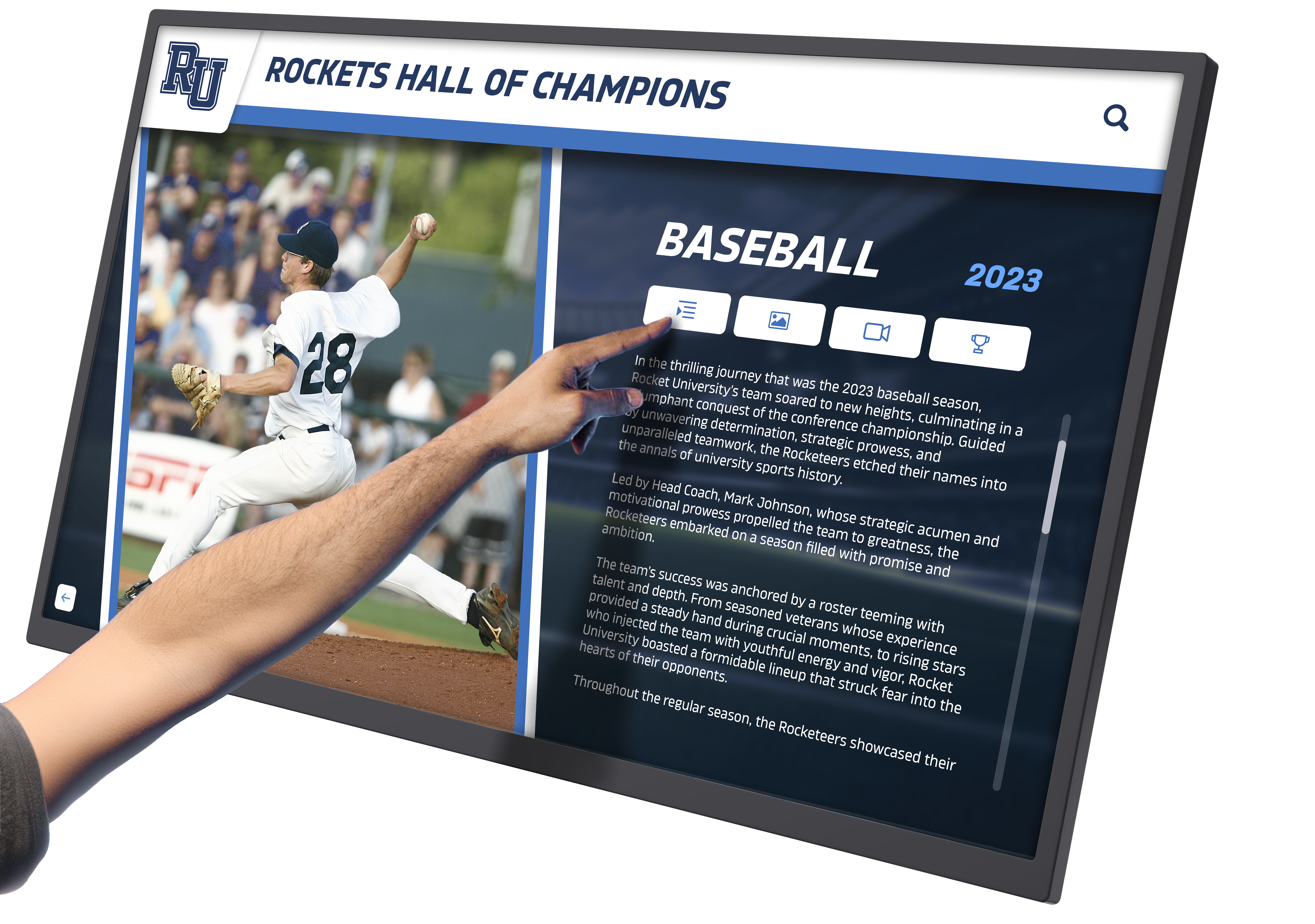
Multimedia integration brings recognition to life through professional photos, video highlights, audio interviews, and dynamic graphics impossible with static bulletin boards. Athletic achievement displays might include championship game footage. Employee recognition might feature video testimonials from colleagues. Academic recognition might showcase research presentations or creative performances.
Accessibility features ensure all community members can engage with recognition content. Screen reader compatibility, adjustable text sizes, high-contrast viewing modes, and ADA-compliant interfaces make digital recognition inclusive for individuals with visual impairments or other accessibility needs.
Analytics and engagement tracking reveal which recognition content receives most interaction, which community members engage with displays, and how recognition programs impact organizational culture over time. These insights inform program refinements ensuring maximum impact and participation.
Digital Recognition Board Applications
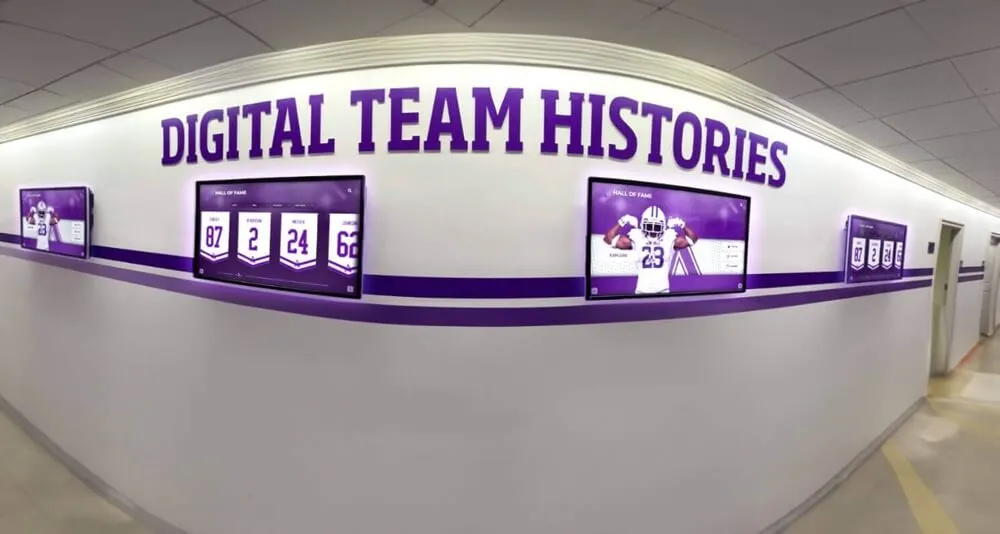
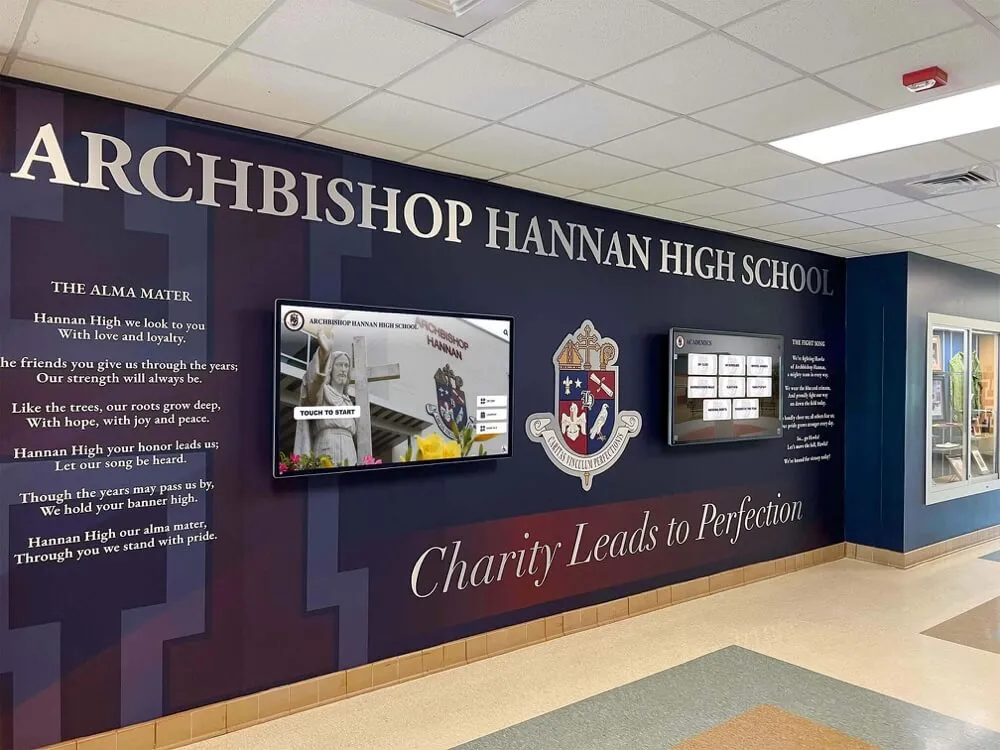
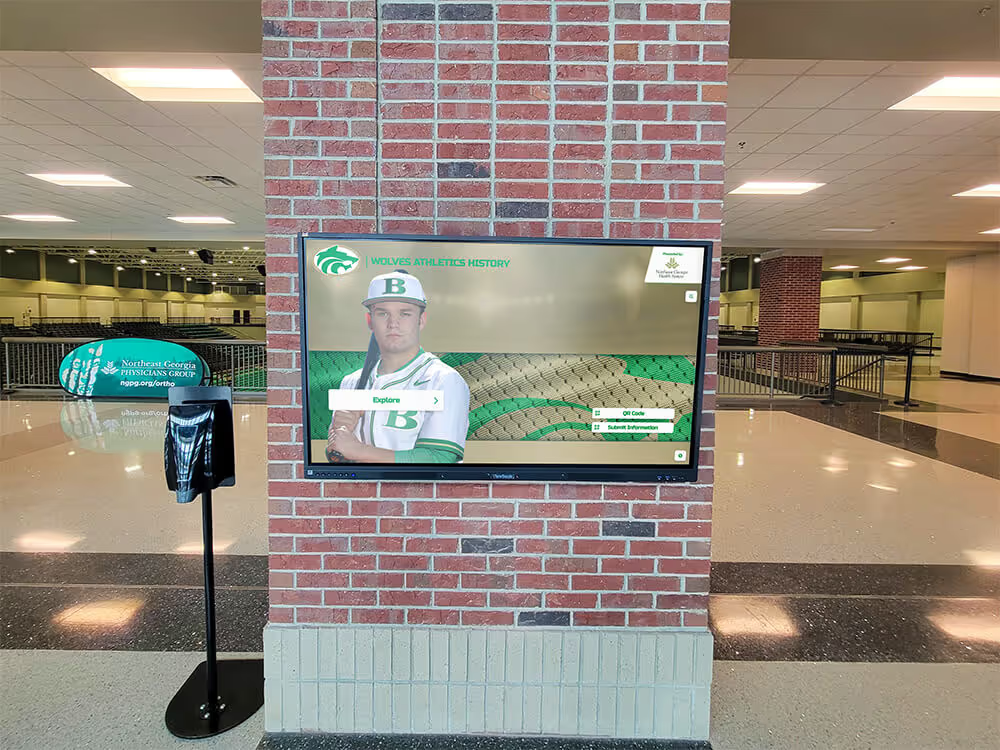
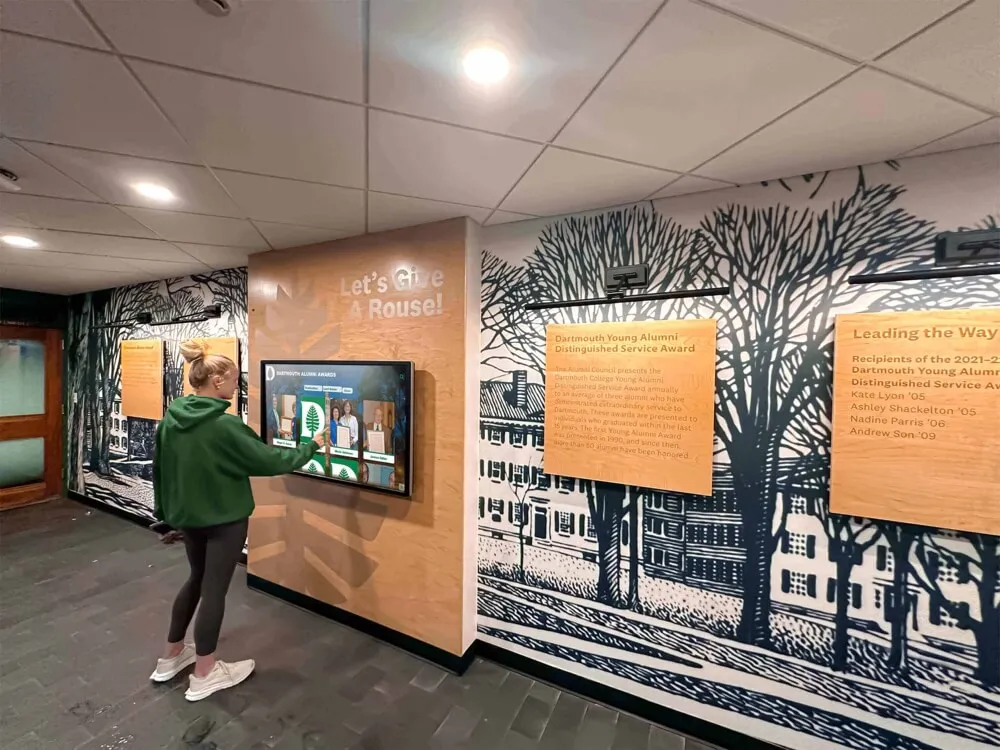
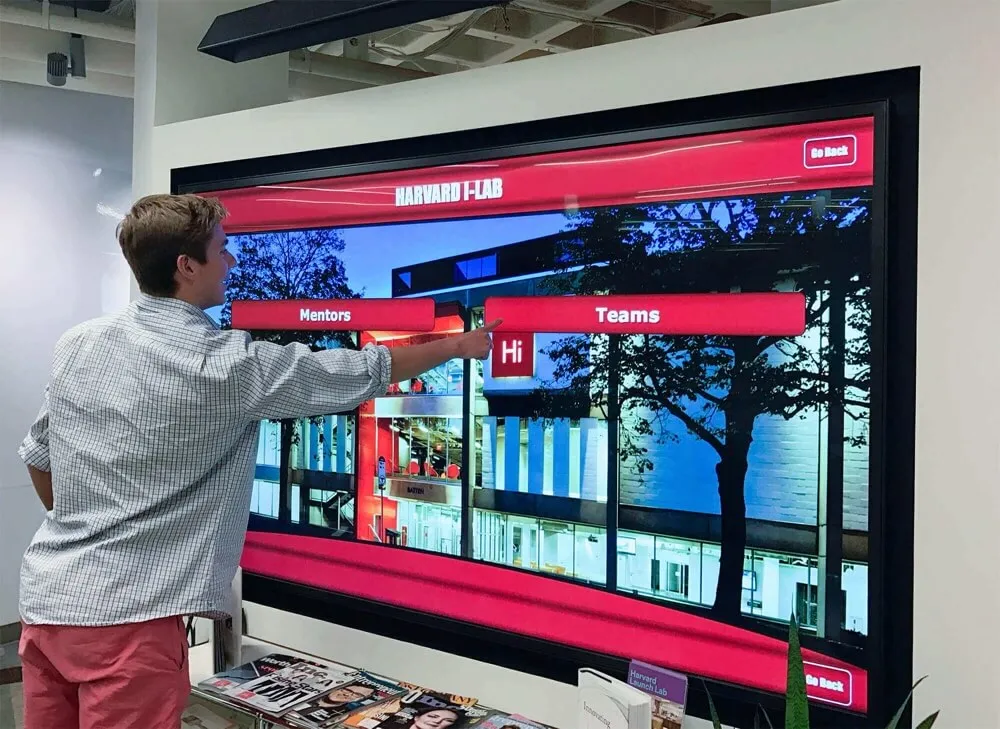
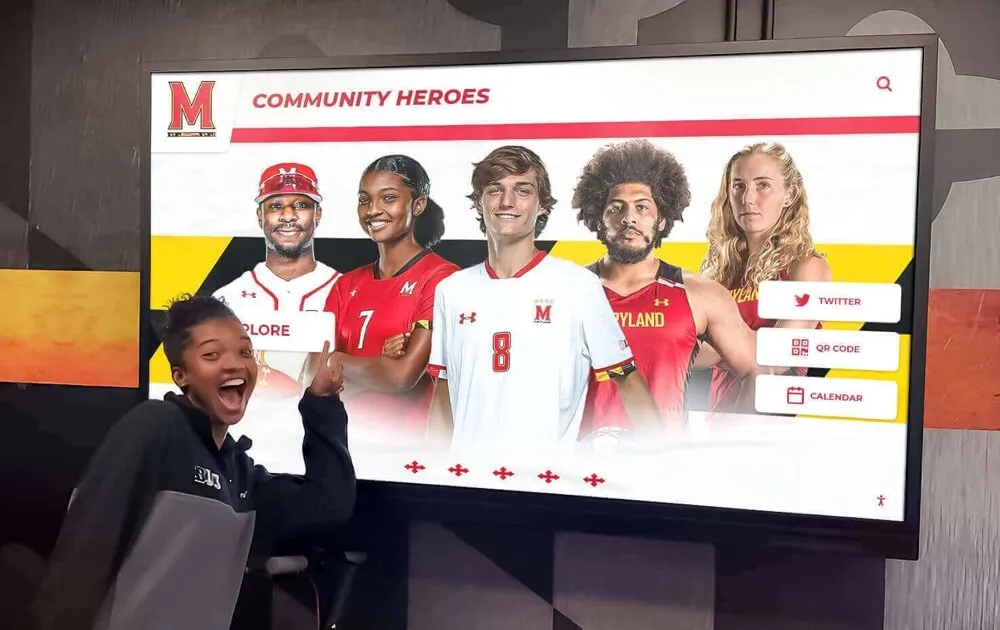
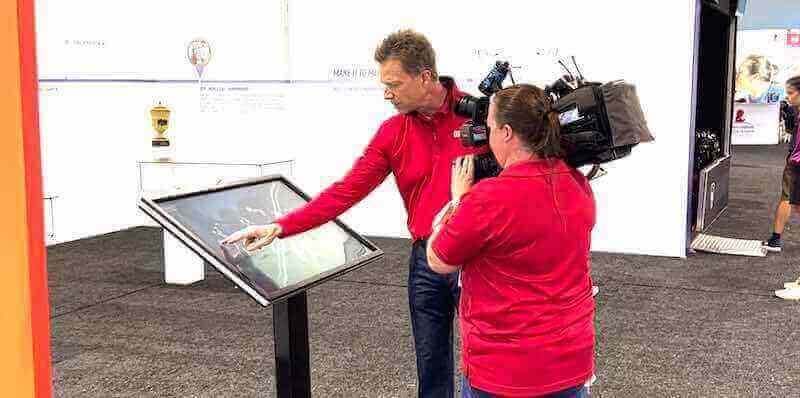
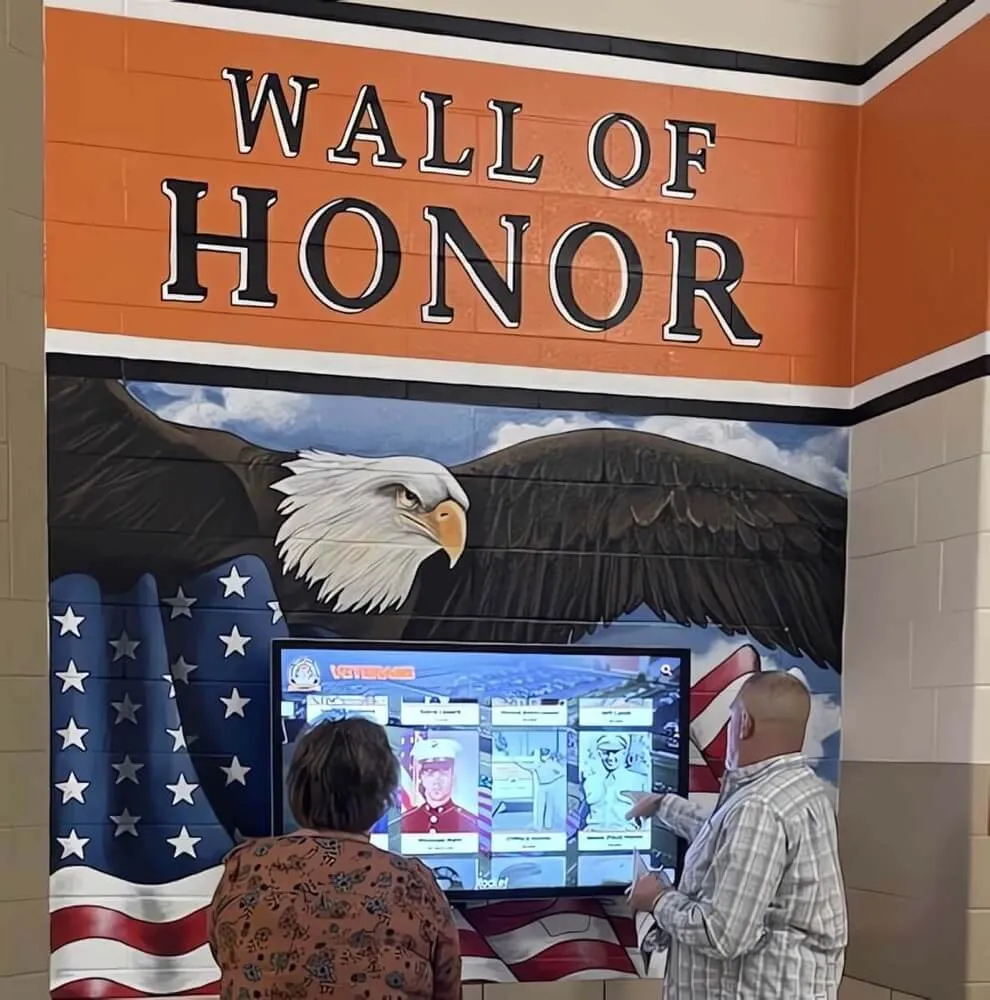
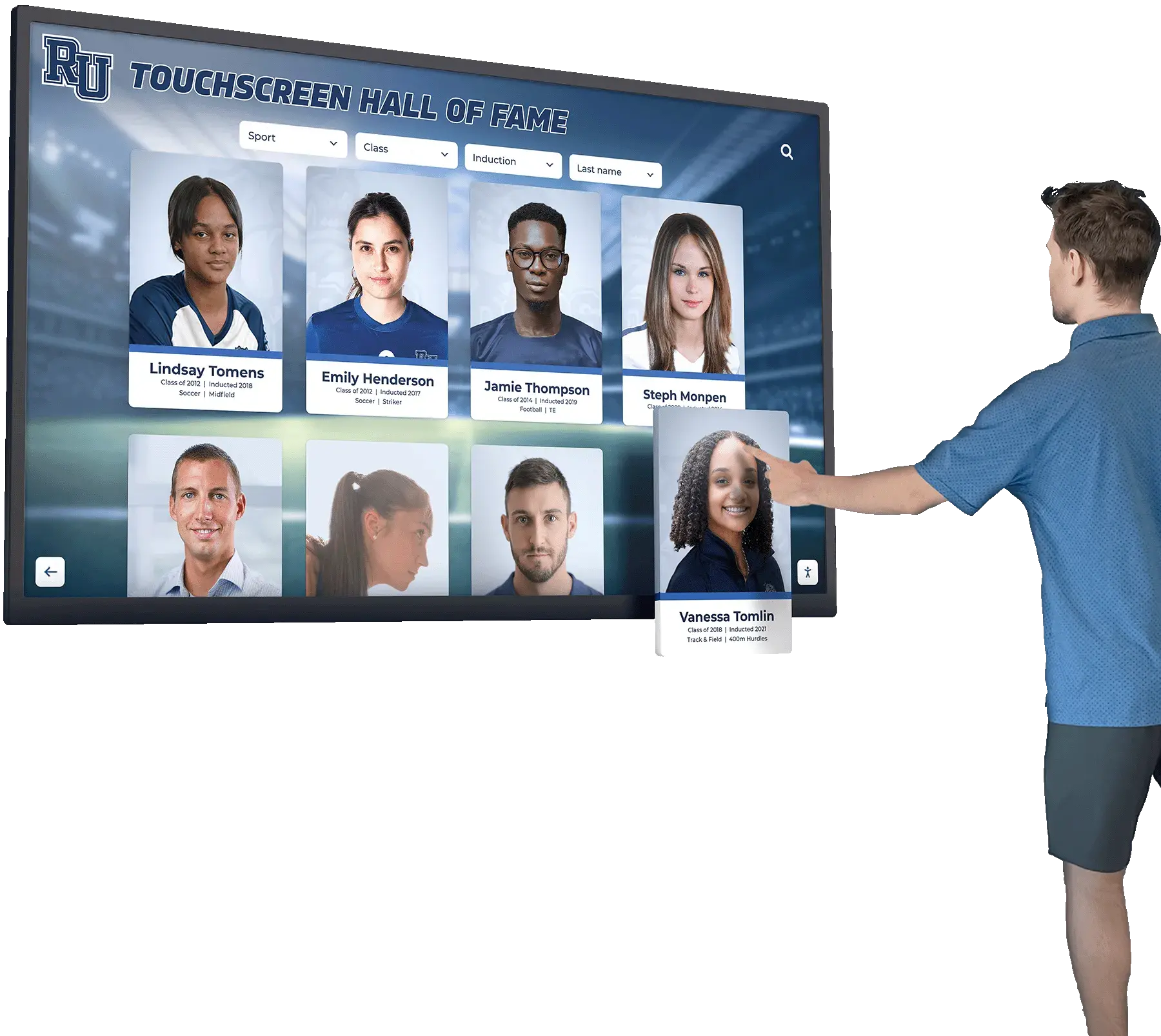
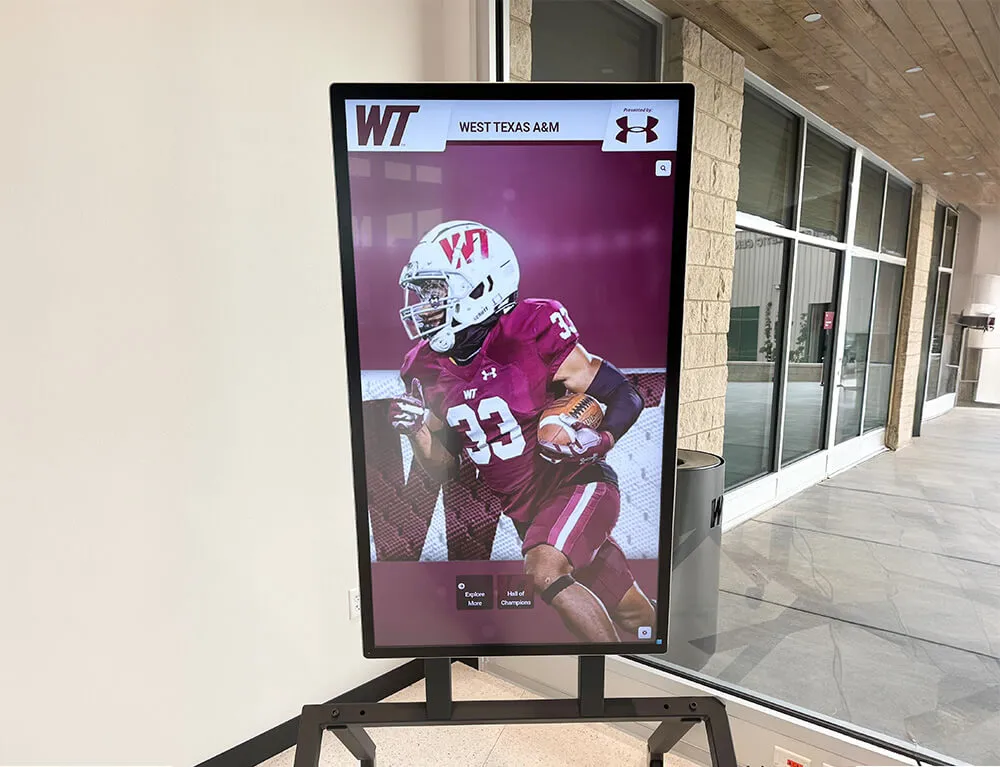
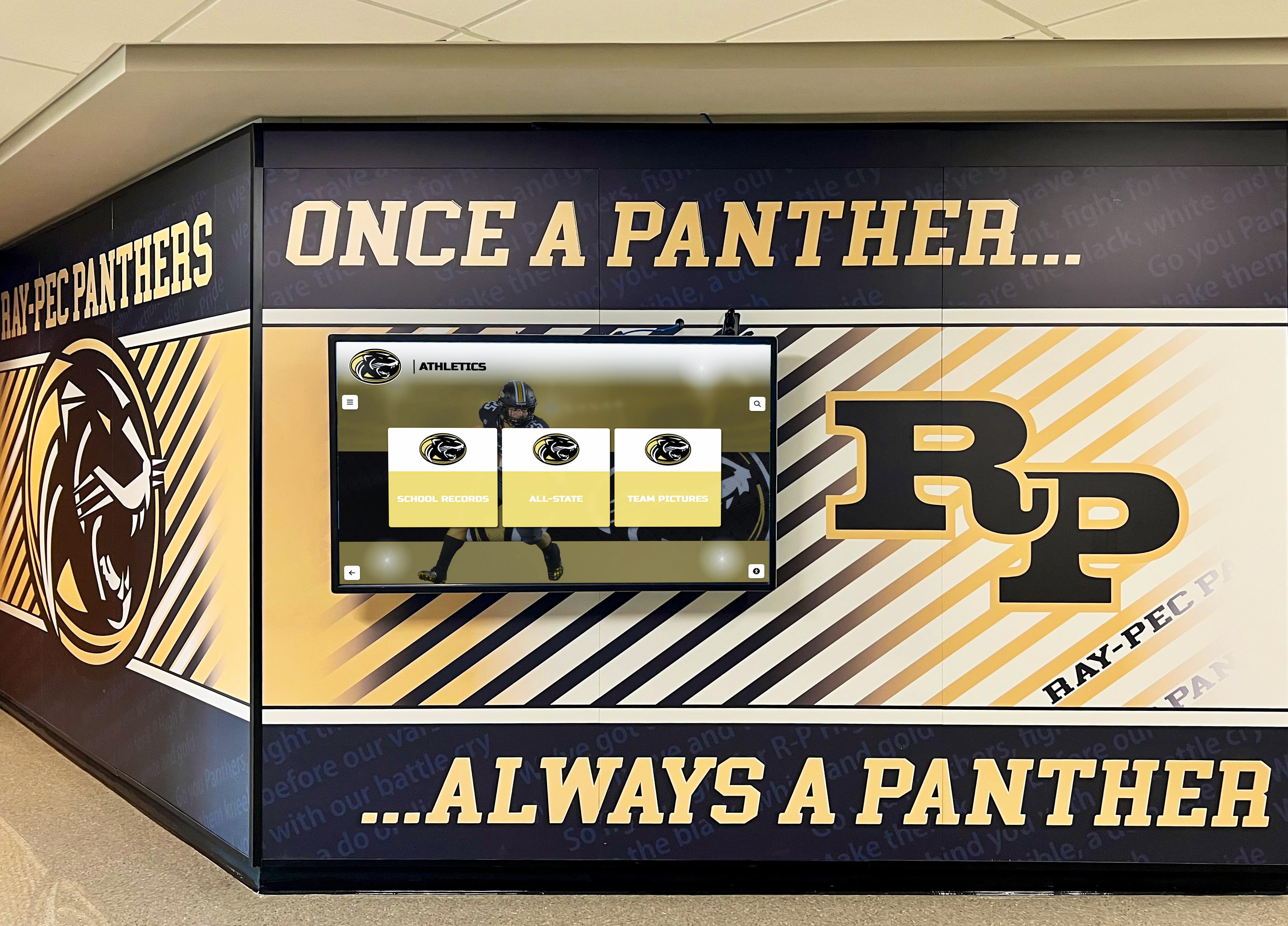
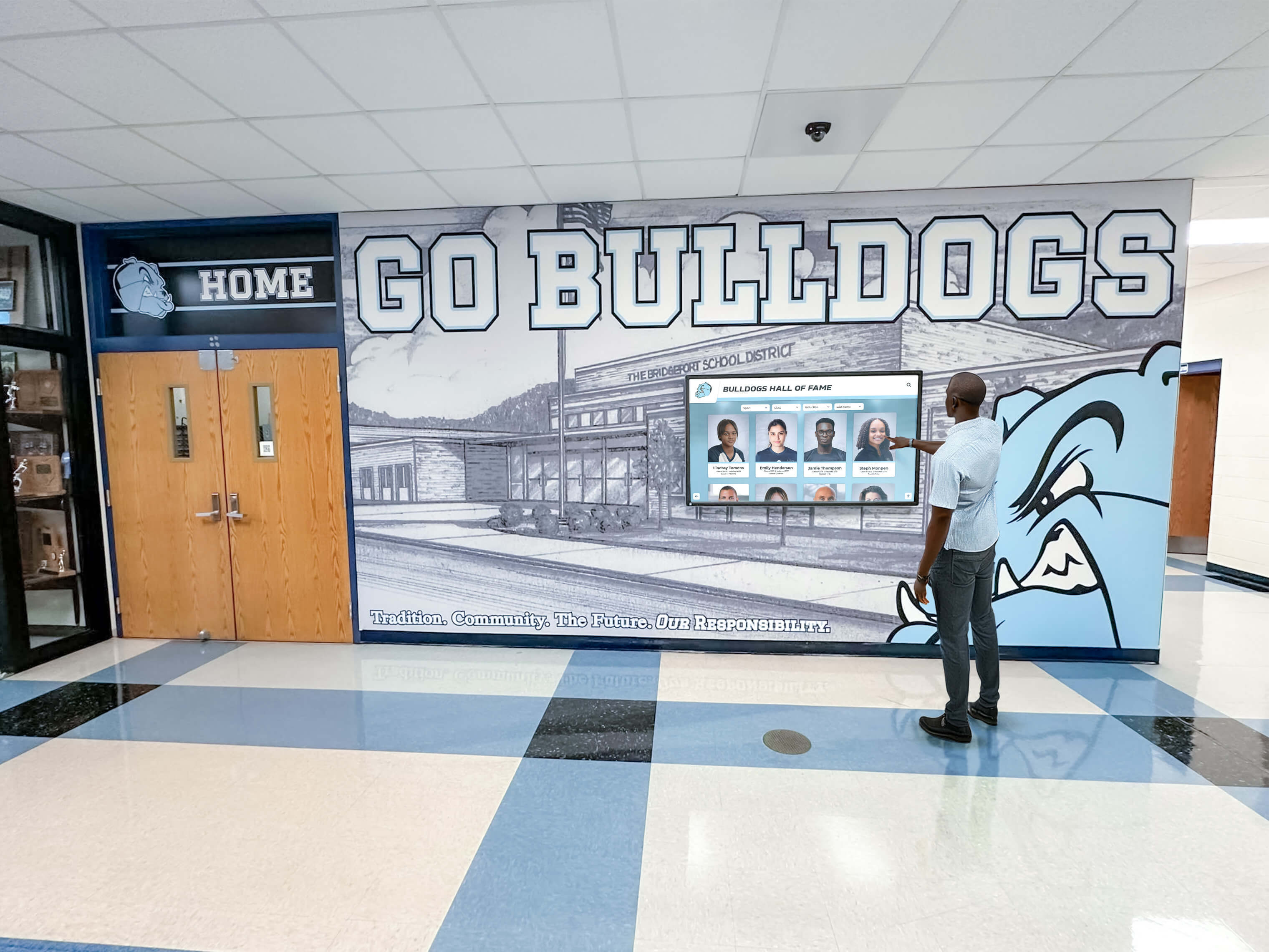
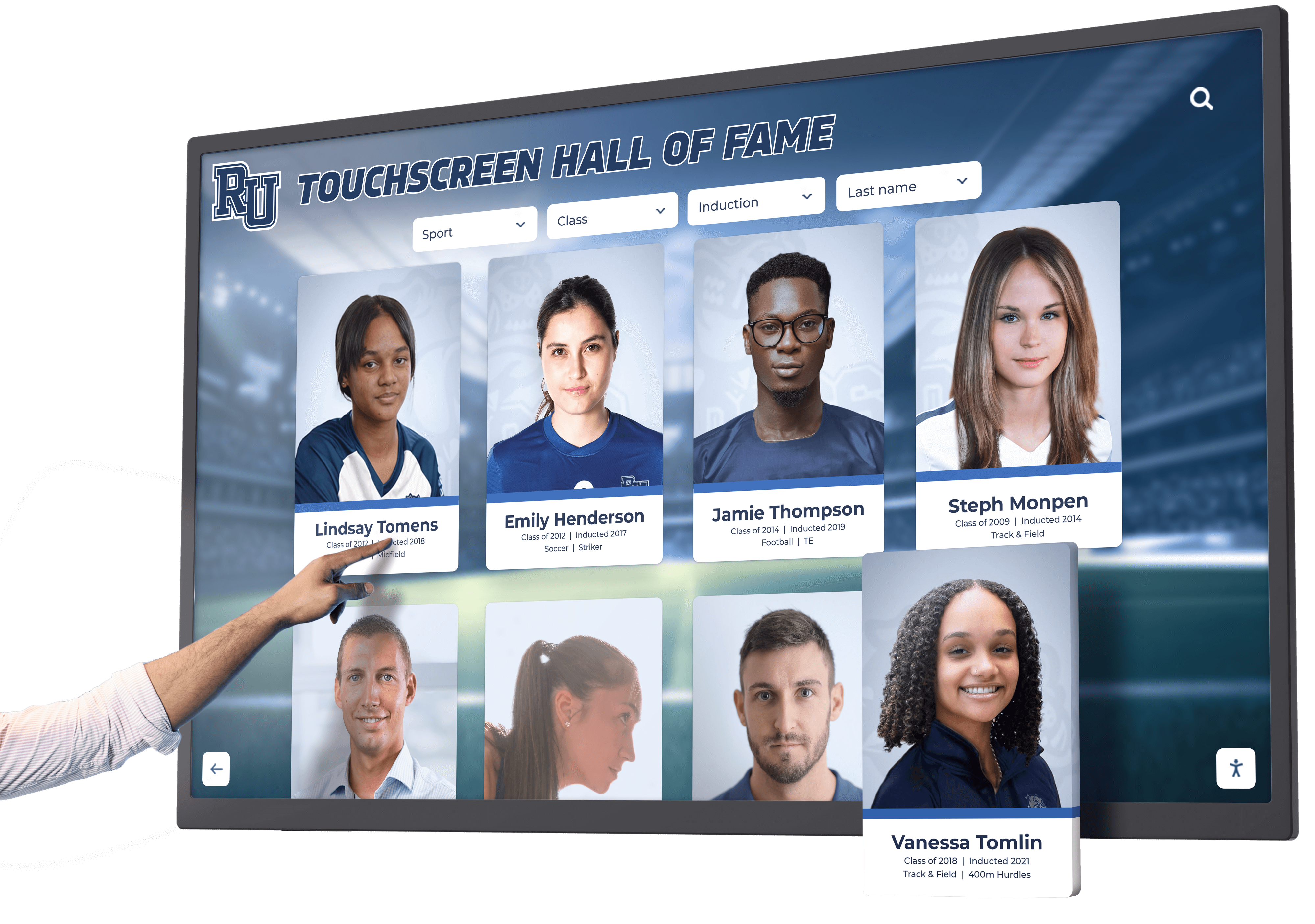
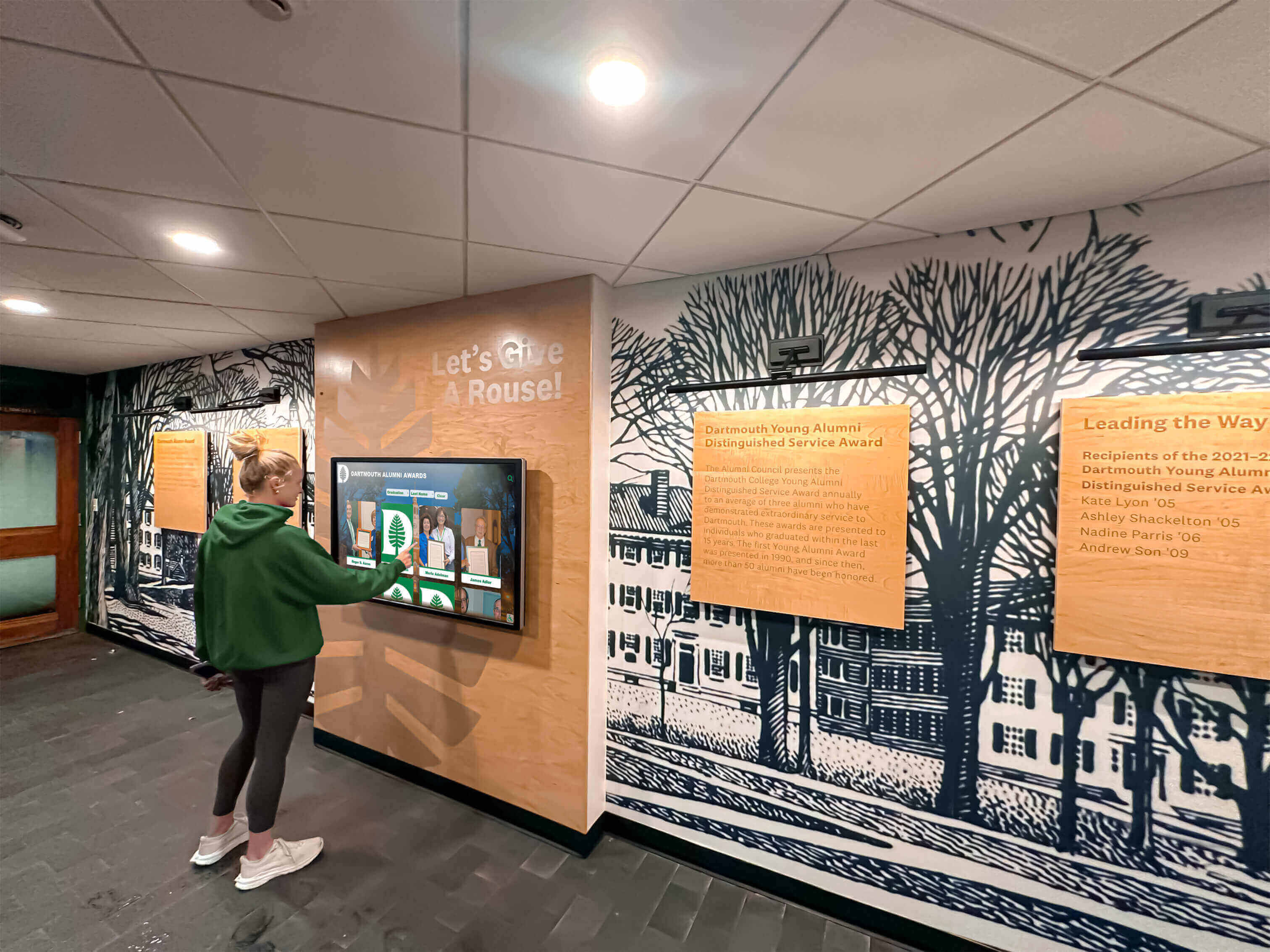
Touchscreen kiosks create interactive exploration experiences where visitors browse recognition content at their own pace. School lobbies feature touchscreens where prospective families explore academic achievements and alumni success stories. Corporate reception areas showcase employee milestones and company achievements. Athletic facilities highlight team histories and individual records.
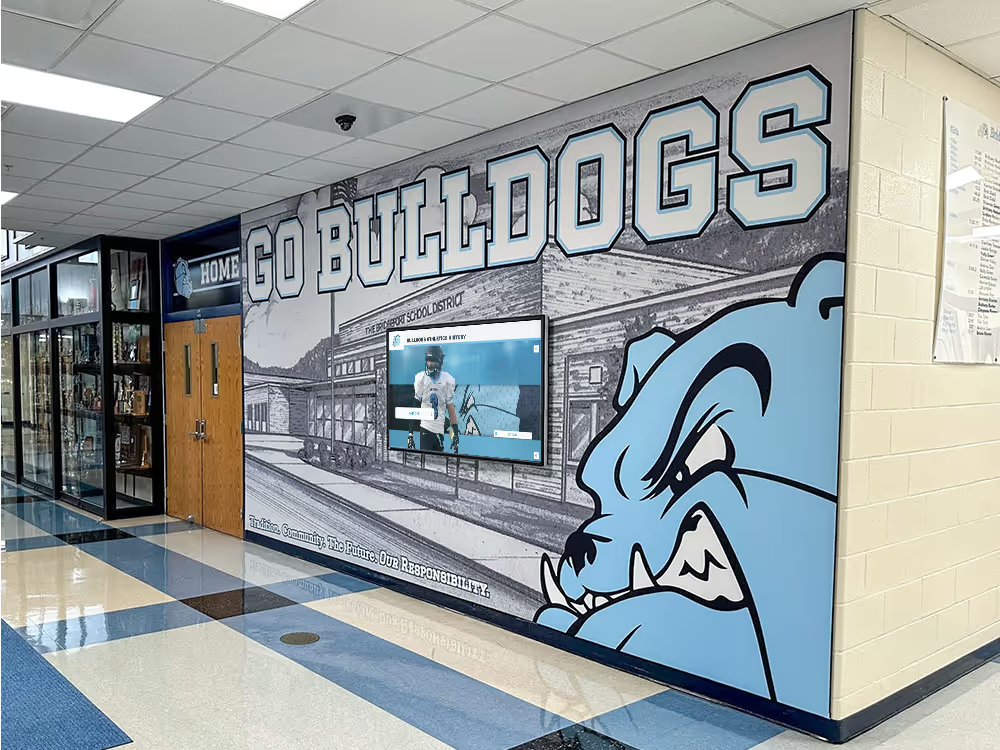
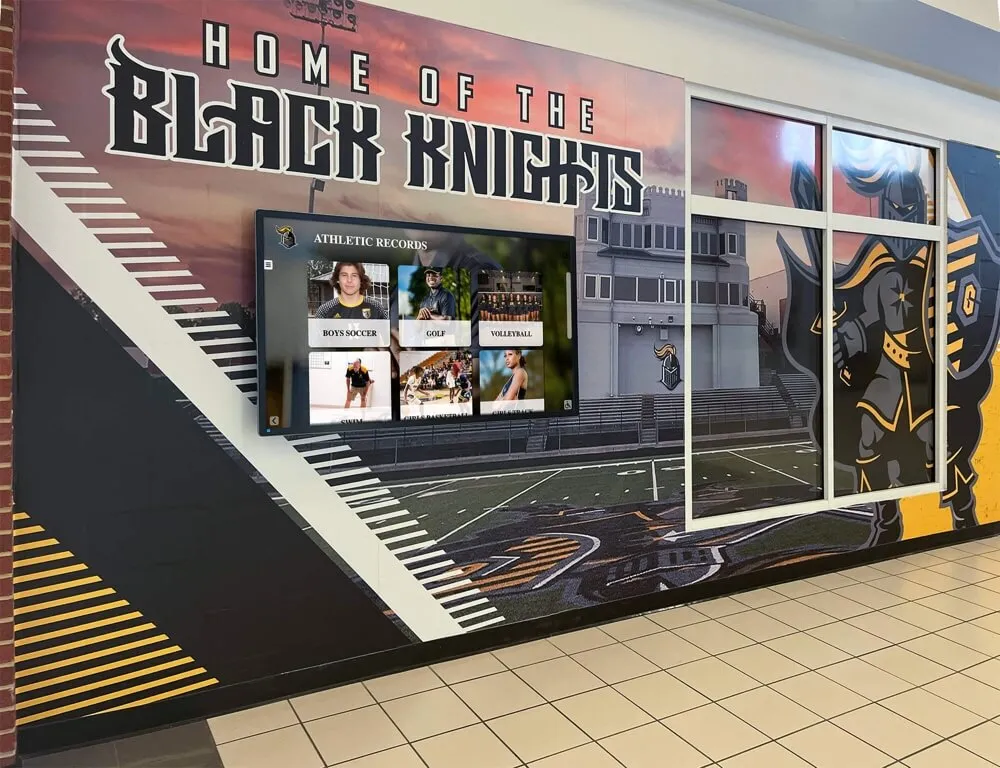
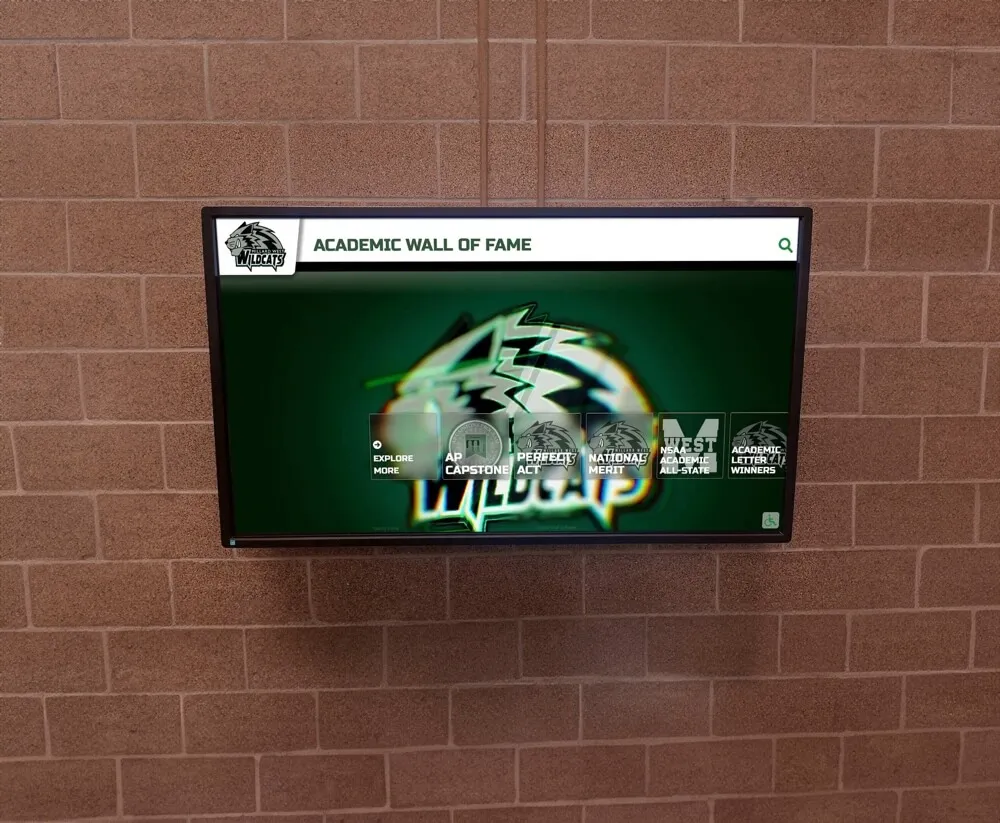
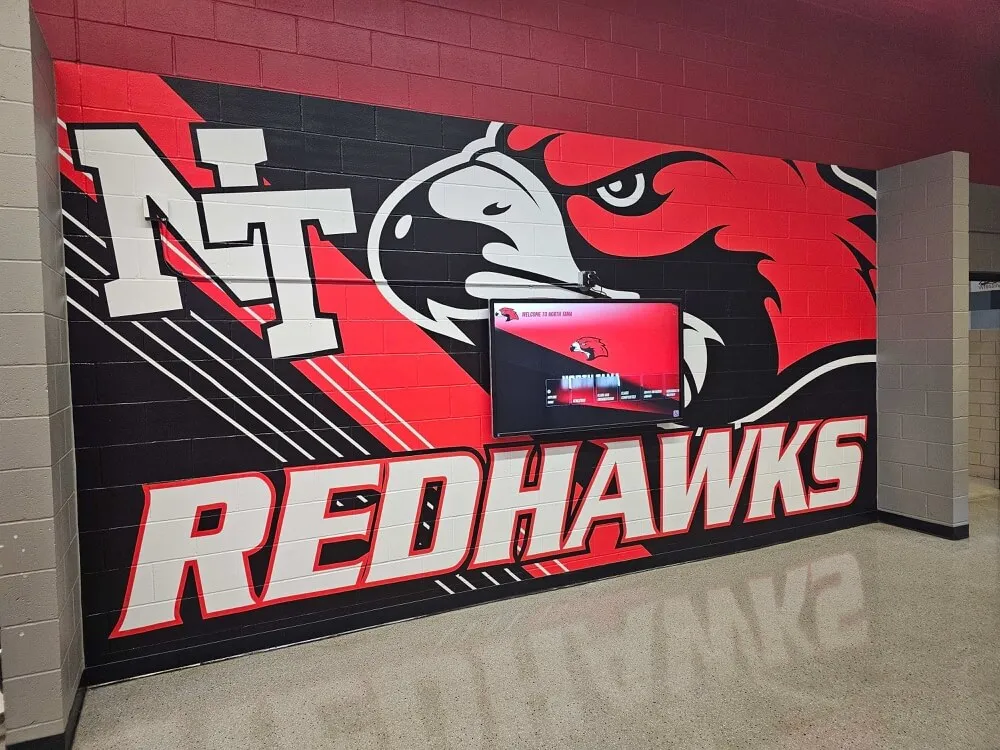
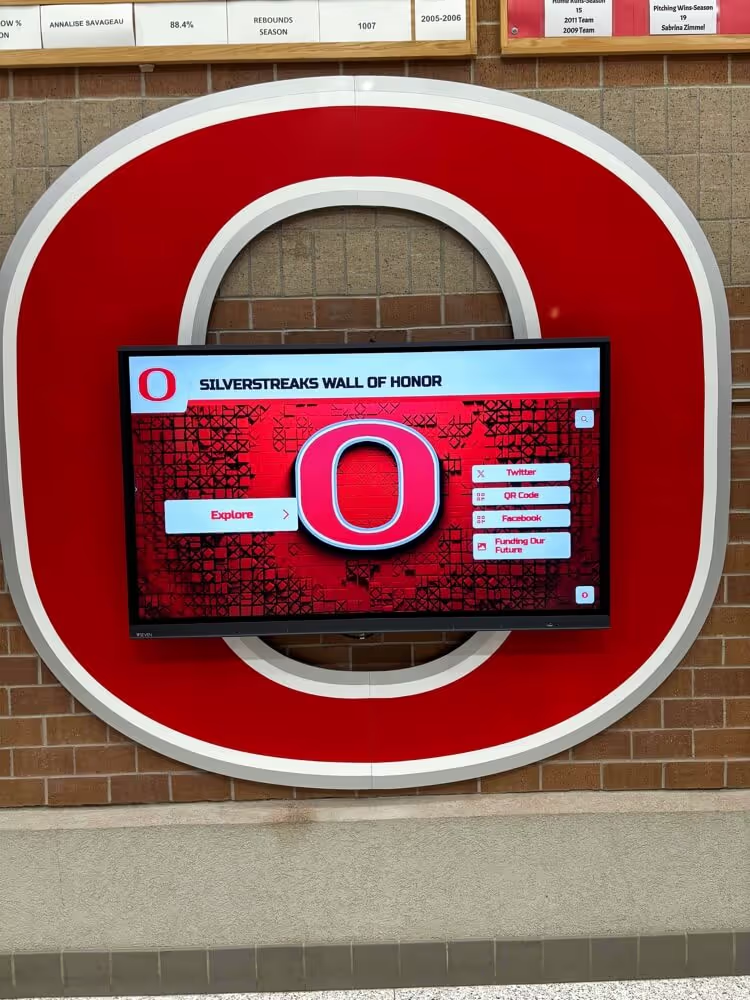
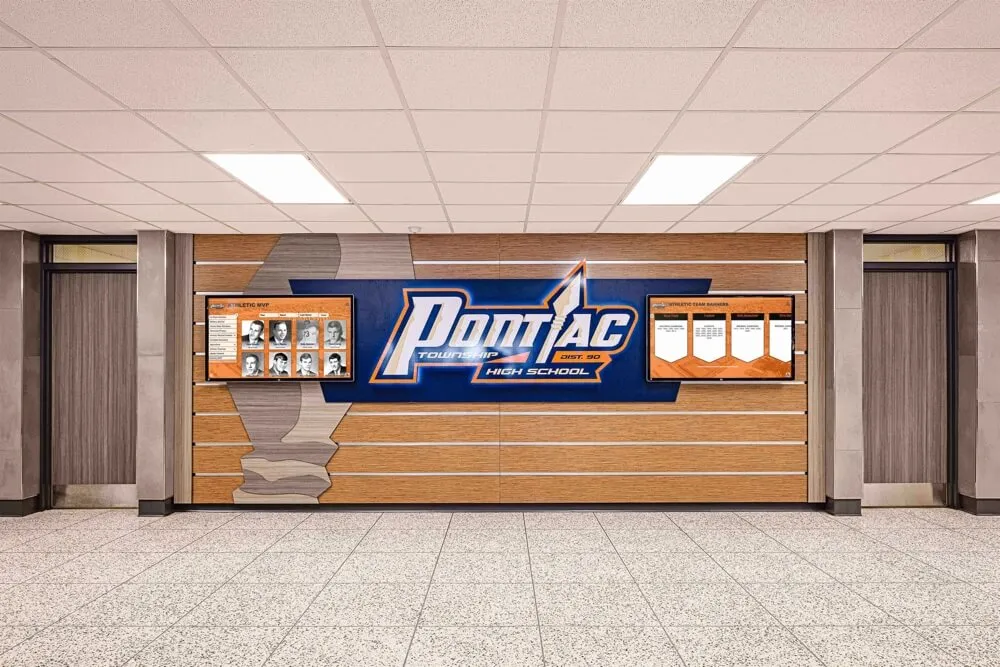
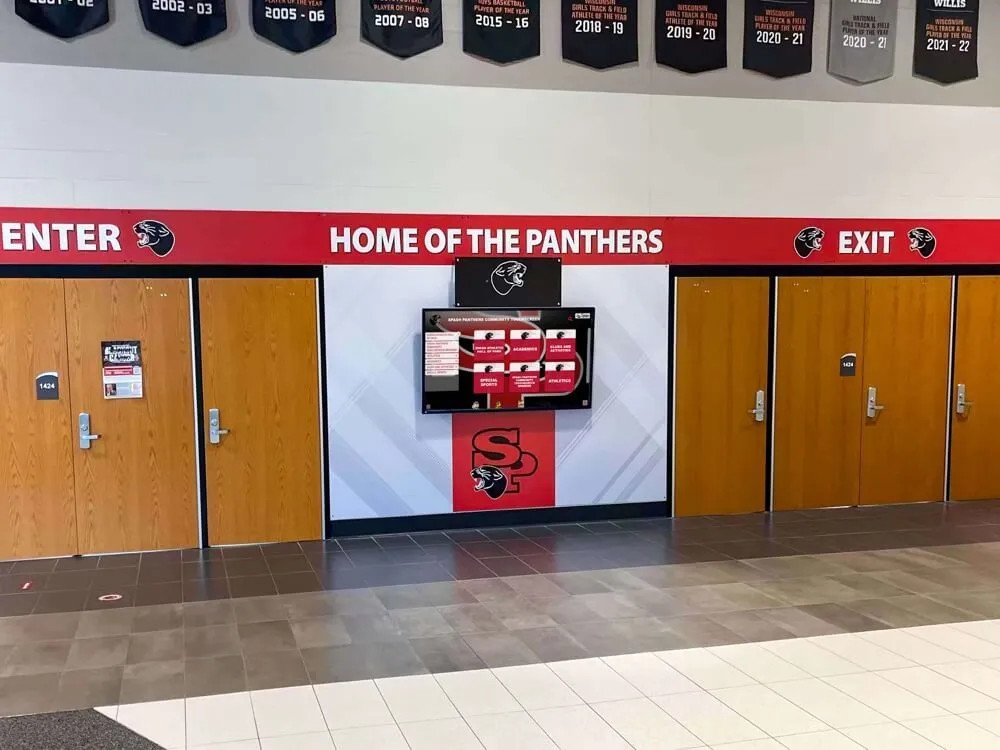
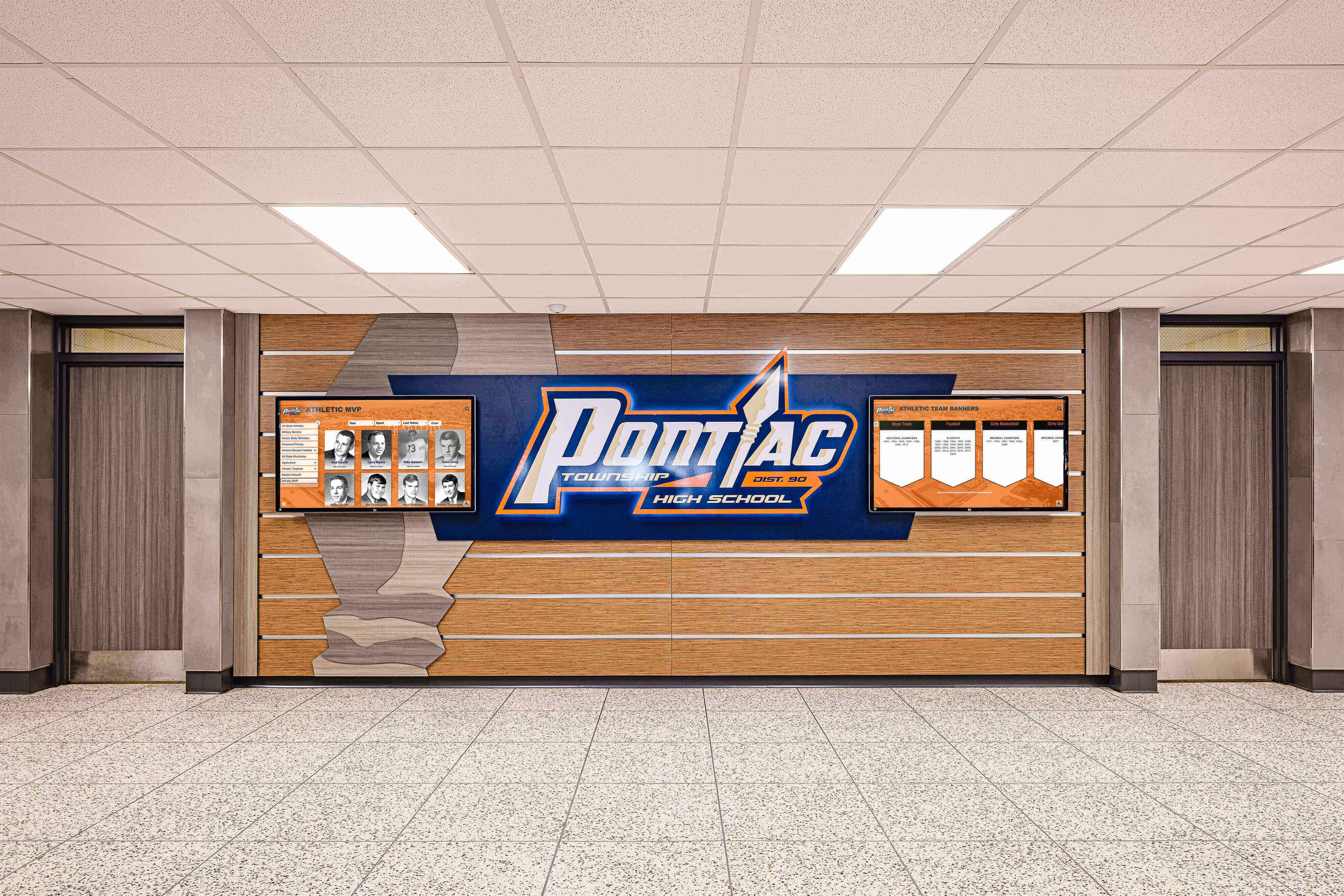
Wall-mounted displays provide prominent recognition visibility in high-traffic areas. These installations combine aesthetic appeal with functional purpose—beautifying spaces while celebrating community achievements. Large-format displays create impressive focal points in entrance lobbies, main hallways, or gathering spaces.
Mobile-responsive platforms extend recognition beyond physical locations. Web and app-based access enables honored individuals to share their recognition with family networks, alumni can explore their classmates’ achievements from anywhere, and distributed organizations can celebrate geographically dispersed team members equally.
Multi-location networks synchronize recognition across organizational facilities. School districts deploy consistent recognition displays across multiple campuses. Corporate organizations coordinate recognition between headquarters and regional offices. Athletic conferences showcase championship achievements across member institutions.
Implementing Digital Recognition Solutions
Successful digital recognition implementation requires thoughtful planning across content, technology, and organizational integration.
Content architecture planning: Before selecting technology platforms, define what you’ll recognize and how you’ll organize content. Will you feature current achievements only or maintain historical archives? Will you organize by achievement type, time period, department, or other categories? Comprehensive content planning ensures technology solutions match organizational needs rather than forcing recognition programs into platform limitations.
Display placement strategy: Position digital recognition boards where they’ll receive maximum visibility and engagement. Entrance lobbies capture visitor attention immediately. Main hallways ensure regular community exposure. Cafeterias or common areas provide extended viewing time during meals or breaks. Avoid isolated locations where expensive technology investments receive minimal interaction.
Update responsibility and workflow: Establish clear ownership for recognition content management. Designate administrators responsible for timely updates, define approval processes for recognition submissions, and create content calendars ensuring consistent refresh cycles maintaining audience interest.
Integration with existing systems: Modern recognition platforms connect with existing organizational databases, HR systems, student information platforms, or membership management tools, automating data flow and reducing manual entry requirements. Explore integration capabilities during platform selection ensuring seamless operational fit.
Solutions like Rocket Alumni Solutions provide purpose-built digital recognition platforms specifically designed for schools, athletic programs, and community organizations. These turnkey systems include interactive touchscreen hardware, cloud-based content management, unlimited recognition capacity, accessibility compliance, and professional installation—eliminating the complexity of assembling separate components while ensuring cohesive, reliable operation.
Recognition Board Design Best Practices
Regardless of format—traditional bulletin boards or digital displays—these design principles maximize recognition program impact.
Visual Hierarchy and Organization
Clear categories help viewers navigate recognition content efficiently. Group achievements by type (academic, athletic, service), time period (current year, historical), or organizational unit (departments, grade levels, teams). Visual separation through spacing, colors, or headers prevents overwhelming viewers with undifferentiated information.
Prominent featured recognition draws attention to highest achievements or most recent additions. Use larger photos, enhanced formatting, or prime display positions for hall of fame inductees, milestone achievements, or current recognition while maintaining comprehensive access to broader content.
Professional presentation quality signals that your organization values recognition seriously. Avoid handwritten labels, crooked mounting, faded printouts, or dated materials undermining recognition significance. Invest in quality materials, consistent formatting, and polished presentation matching the importance of achievements being celebrated.
Content Elements to Include
High-quality photos transform recognition from abstract names into personal celebrations. Action shots showing individuals engaged in recognized activities prove more engaging than formal portraits exclusively. Include captions identifying photo subjects and contexts for viewers unfamiliar with recognized individuals.
Specific achievement descriptions explain exactly what earned recognition. Instead of generic “Employee of the Month” or “Honor Student,” provide substantive detail: “Achieved 4.0 GPA while completing Advanced Placement coursework in five subjects” or “Increased customer satisfaction scores by 23% through innovative service protocols.” Specific descriptions validate achievements while educating viewers about recognition criteria.
Achievement dates provide context and enable tracking individual or organizational progress over time. Include recognition year, achievement quarter, or specific accomplishment dates helping viewers understand timeline and frequency.
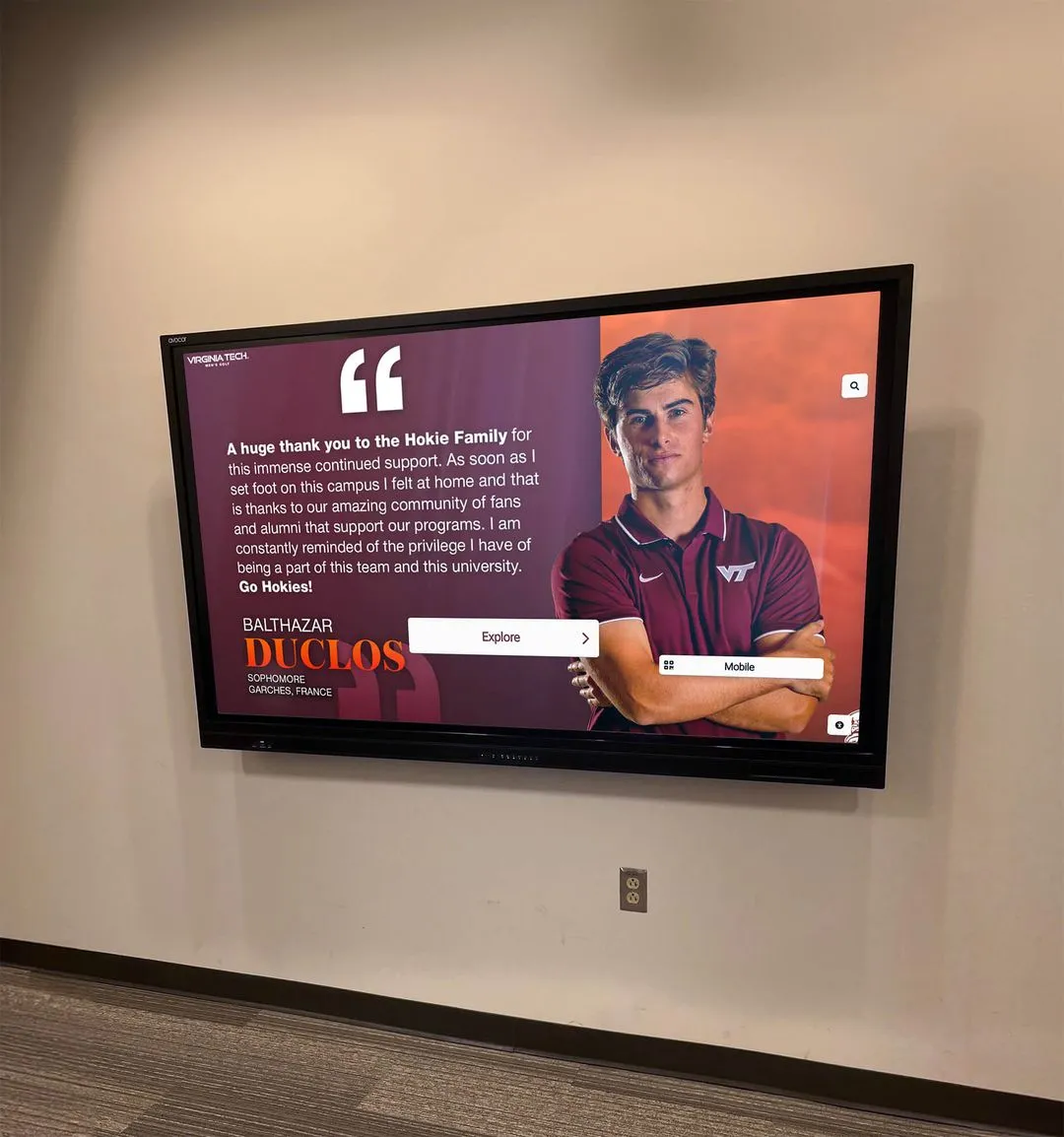
Optional personal quotes or statements from recognized individuals add authentic voice and personal dimension to displays. Brief quotes about what the achievement means, who supported their success, or advice for others pursuing similar excellence create connection beyond factual achievement lists.
Accessibility and Inclusion
Diverse representation ensures recognition boards reflect entire community demographics. Monitor recognition recipients by gender, ethnicity, department, role level, or other relevant categories ensuring inclusive representation rather than inadvertently creating systems recognizing narrow population segments.
Multiple achievement categories accommodate diverse excellence definitions. Schools recognizing academic achievement, athletic success, artistic accomplishment, leadership development, service contribution, and character demonstration communicate that multiple pathways to recognition exist rather than privileging single excellence types.
Physical accessibility positions displays at appropriate heights for all viewers including wheelchair users and children. ADA guidelines recommend viewable content positioned between 15 inches and 48 inches from floors for optimal accessibility.
Language considerations in multilingual communities ensure recognition content reaches all community members. Provide translated content or multilingual labels enabling non-English speakers to engage fully with recognition programs.
Recognition Board Ideas by Organization Type
Different organizational contexts require tailored recognition approaches matching specific cultures, audiences, and objectives.
K-12 Schools
Academic excellence boards: Feature honor roll students, perfect attendance achievers, academic competition winners, National Honor Society inductees, and scholarship recipients. Organize by grade level ensuring elementary, middle, and high school students all receive appropriate recognition.
Character and citizenship displays: Celebrate kindness awards, peer helper recognitions, anti-bullying champions, or school value demonstrations showing that character matters as much as academic achievement.
College and career commitments: Showcase students’ post-graduation plans including college acceptances, military service commitments, career certifications, or apprenticeship placements demonstrating school preparation for diverse futures.
Arts and extracurricular achievements: Recognize theater productions, musical performances, art exhibitions, debate competition success, robotics championships, or academic decathlon participation celebrating well-rounded student development.
Athletic Organizations
Record holder boards: Display current school or organizational records in each sport with record holder names, achievement dates, and specific performance statistics. Update promptly when records fall, creating excitement around pursuit of excellence.
All-conference and all-state selections: Honor athletes earning external recognition through competitive selection processes, validating their elite performance levels against broader competition.
Team championship displays: Celebrate conference titles, tournament victories, and championship seasons through comprehensive displays including team photos, season statistics, and championship game highlights.
Coaching milestones: Recognize coaching achievements including career wins milestones, championship totals, or years of service honoring the leaders guiding athletic program success.
Corporate Workplaces
Performance achievement boards: Celebrate sales milestones, productivity improvements, quality metrics, customer satisfaction excellence, or other KPI achievements demonstrating tangible business contribution.
Innovation and process improvement: Recognize employees suggesting and implementing efficiency improvements, cost savings, or innovative solutions to business challenges.
Safety and compliance excellence: Honor individuals or teams maintaining perfect safety records, completing required training, or identifying and mitigating workplace hazards.
Community engagement recognition: Celebrate volunteer hours contributed, charitable giving participation, or community partnership leadership demonstrating corporate citizenship values.
Nonprofit Organizations
Volunteer hour milestones: Track and celebrate cumulative volunteer service with tiered recognition at 100, 250, 500, 1,000+ hour achievements.
Program impact stories: Feature individuals whose lives were changed through organizational programs, creating powerful narratives demonstrating mission fulfillment.
Fundraising champions: Recognize top individual fundraisers, most improved fundraising performance, or campaign leadership contributions enabling organizational sustainability.
Board and leadership legacy: Create permanent recognition for board chairs, major donors, founding members, or other individuals making transformational organizational contributions.
Maintaining Recognition Boards: Sustainability Strategies
Recognition programs succeed or fail based on consistent maintenance and timely updates. Outdated displays communicate neglect rather than celebration, undermining recognition value.
Update Schedules and Responsibilities
Quarterly refresh cycles for traditional bulletin boards prevent staleness while avoiding excessive administrative burden. Align updates with natural organizational cycles—academic quarters, fiscal quarters, or seasonal periods.
Real-time digital updates capitalize on digital display advantages by publishing new achievements immediately rather than batching updates. This responsiveness demonstrates that recognition matters and achievement receives prompt celebration.
Designated administrators with clear ownership prevent recognition programs from becoming “someone else’s responsibility” that no one actually manages. Define roles, provide necessary resources, and include recognition management in position descriptions ensuring accountability.
Content submission processes clarify how achievements get nominated for recognition. Create simple forms, submission deadlines, and approval workflows enabling efficient processing while maintaining quality standards.
Material Quality and Longevity
Archival-quality materials for traditional bulletin boards resist fading, yellowing, and deterioration extending display lifespans. Use acid-free paper, UV-resistant plastics, and quality mounting materials warranting professional appearance investments.
Protective covers shield paper-based displays from damage in high-traffic areas. Lockable display cases prevent tampering while maintaining visibility. Glass or acrylic covers protect against moisture, dirt, and physical contact.
Professional installation for digital displays ensures reliable operation, appropriate mounting, proper electrical connections, and seamless integration with existing infrastructure. Professional installation may cost more initially but prevents expensive do-it-over scenarios from improper DIY mounting.
Service agreements and support for digital recognition systems provide ongoing maintenance, software updates, technical support, and hardware warranty coverage protecting long-term investments and ensuring sustained operation.
Budgeting for Recognition Boards
Recognition program costs vary dramatically based on scope, format, and quality expectations. Understanding budget implications informs realistic planning.
Traditional Bulletin Board Budgets
Basic bulletin board systems: $200-$500 per display including bulletin board, mounting hardware, basic supplies (paper, border materials, pushpins, labels). Suitable for simple recognition programs with limited content and infrequent updates.
Professional bulletin board installations: $1,000-$3,000 per display including custom-built display cases, quality materials, professional design services, and installation labor. Appropriate for prominent locations requiring polished, permanent-appearing installations.
Ongoing maintenance costs: $200-$500 annually for printing supplies, replacement materials, design updates, and administrative time maintaining displays.
Digital Display Budgets
Entry-level digital displays: $3,000-$7,000 for basic wall-mounted screens with simple content management software. Suitable for single-location recognition with straightforward content needs.
Professional recognition platforms: $8,000-$15,000+ for comprehensive systems including interactive touchscreen hardware, purpose-built recognition software, cloud-based content management, accessibility features, and professional installation. Appropriate for organizations requiring robust, scalable solutions with unlimited recognition capacity.
Ongoing platform costs: $500-$2,000 annually for software licensing, cloud hosting, technical support, and content management services depending on system complexity and vendor models.
Return on Investment Considerations
While recognition boards represent financial investments, quantifiable returns justify costs:
Recruitment advantages: Schools showcasing achievement attract academically ambitious families. Companies demonstrating recognition culture appeal to top talent.
Retention improvements: Recognized individuals demonstrate higher organizational loyalty and lower turnover versus unrecognized peers.
Performance enhancement: Public recognition motivates continued excellence while inspiring others to pursue similar achievements.
Cultural strengthening: Visible recognition reinforces organizational values and creates positive environments where contribution receives appreciation.
Getting Started: Implementation Action Plan
Ready to implement or enhance recognition boards in your organization? Follow this systematic approach:
Step 1: Define Recognition Objectives
Clarify what you aim to accomplish through recognition displays:
- Who should be recognized (students, employees, volunteers, donors, athletes)?
- What achievements warrant recognition (academic, athletic, service, performance, longevity)?
- How often will recognition be awarded (monthly, quarterly, annually)?
- Where will displays be positioned for maximum visibility and impact?
Step 2: Assess Current Recognition Practices
Evaluate existing recognition programs identifying strengths to maintain and gaps to address:
- What recognition currently exists and how effective is it?
- Who receives recognition and who gets overlooked?
- How do recognized individuals feel about current systems?
- What do community members know about recognition criteria and processes?
Step 3: Select Format and Platform
Choose between traditional bulletin boards, digital displays, or hybrid approaches based on:
- Budget available for initial investment and ongoing maintenance
- Technical capabilities and support resources
- Update frequency requirements and administrative capacity
- Desired longevity and scalability for program growth
Step 4: Design Content and Presentation
Create consistent, professional templates including:
- Visual design elements (colors, fonts, layouts) reflecting organizational branding
- Required content fields (names, photos, achievement descriptions, dates)
- Organization schemes (categories, time periods, departments)
- Accessibility considerations ensuring inclusive access
Step 5: Establish Operational Processes
Define sustainable workflows preventing recognition programs from languishing after enthusiastic launches:
- Nomination and submission procedures
- Review and approval responsibilities
- Update schedules and refresh cycles
- Communication strategies announcing new recognition
- Archive processes for historical content preservation
Step 6: Launch and Promote
Introduce recognition programs ceremonially generating awareness and participation:
- Announce program launch through multiple communication channels
- Celebrate initial recognition recipients creating enthusiasm
- Invite community members to view displays and submit nominations
- Gather feedback informing iterative improvements
Step 7: Evaluate and Refine
Monitor program effectiveness and make continuous improvements:
- Track participation rates and recognition diversity
- Survey recognized individuals about their experiences
- Assess community awareness and engagement with displays
- Identify barriers to participation and implement solutions
- Celebrate program successes and milestones
Conclusion: Creating Recognition Cultures Through Thoughtful Display
Recognition boards represent far more than decorated bulletin boards or fancy digital screens. When designed thoughtfully and maintained consistently, these displays become cultural artifacts communicating what organizations value, who receives celebration, and how communities honor achievement. The most effective recognition programs create virtuous cycles where public acknowledgment motivates continued excellence, inspires aspiring achievers, strengthens organizational culture, and fosters belonging among community members who see themselves reflected in institutional celebrations.
Whether implementing traditional bulletin boards offering accessible entry points for recognition programs or investing in sophisticated digital platforms providing unlimited scalability and rich multimedia presentation, the fundamental principle remains constant: recognition matters, visibility amplifies impact, and thoughtful celebration of achievement creates cultures where excellence thrives and contribution receives genuine appreciation.
The recognition board ideas presented throughout this guide provide frameworks for schools celebrating academic excellence and student growth, athletic programs honoring competitive achievement and team success, corporate workplaces acknowledging employee contribution and performance, nonprofit organizations celebrating volunteer service and mission impact, and community groups recognizing leadership and civic engagement.
Start where you are with resources available, commit to consistent implementation, gather feedback informing continuous improvement, and watch as recognition displays transform organizational culture through the simple yet powerful act of saying “we see you, we appreciate you, and your contributions matter” in ways that endure far beyond private thank-you notes or fleeting ceremony moments.
The investment required is modest relative to cultural returns. The complexity is manageable with systematic planning and clear ownership. The impact is transformational when recognition becomes woven into organizational fabric through visible, accessible, professionally presented displays celebrating the achievements that define your community’s character and aspirations.
Whether you lead a small elementary school seeking to celebrate reading achievements, a growing corporation building recognition culture, a competitive athletic program honoring championship traditions, or a nonprofit organization acknowledging volunteer dedication, effective recognition boards create lasting value for those celebrated, inspiration for those aspiring, and cultural reinforcement for communities committed to excellence in all its diverse forms.
Ready to transform your recognition program with modern digital displays that provide unlimited capacity, professional presentation, and effortless updates? Request your free custom demo and discover how interactive recognition platforms can elevate your organization’s celebration of achievement through accessible, engaging, and sustainable display solutions designed specifically for schools, teams, and organizations committed to honoring excellence.