Principal of the Year Nomination: How Schools Build Compelling Recognition Applications
- Home /
- Digital Hall of Fame Insights & Resources /
- Principal of the Year Nomination: How Schools Build Compelling Recognition Applications
The Easiest Touchscreen Solution




Live Example: Rocket Alumni Solutions Touchscreen Display
Interact with a live example (16:9 scaled 1920x1080 display). All content is automatically responsive to all screen sizes and orientations.
Behind every exceptional school stands a principal whose leadership transforms vision into reality, whose daily decisions shape student outcomes, whose crisis management protects communities, and whose sustained commitment builds institutional excellence spanning decades. Principal of the year nominations represent opportunities to honor these dedicated educational leaders while showcasing the leadership practices, innovative programs, and community impact that distinguish truly exceptional administrators from merely competent ones.
Yet many deserving principals never receive this recognition because selection committees review applications inadequately documenting leadership impact, nomination packages failing to quantify measurable outcomes, supporting materials lacking compelling stakeholder testimonials, and submissions missing the strategic narrative elements connecting daily leadership decisions to transformed school cultures. The gap between a principal’s actual excellence and nomination committees’ perception of that excellence often determines recognition outcomes more than leadership quality itself.
This comprehensive guide walks through every phase of building compelling principal of the year nominations—from understanding selection criteria and documenting leadership impact through assembling persuasive evidence packages, securing stakeholder support, crafting strategic narratives, and implementing recognition systems ensuring administrative excellence receives the lasting celebration it deserves long after awards ceremonies conclude.
Principal of the year recognition extends beyond individual accolades—it validates leadership approaches, elevates school visibility, strengthens staff morale, enhances community pride, and creates institutional narratives demonstrating what exceptional educational leadership achieves. Schools approaching nominations strategically while documenting administrative excellence systematically create recognition opportunities honoring principals authentically while inspiring next-generation educational leaders.

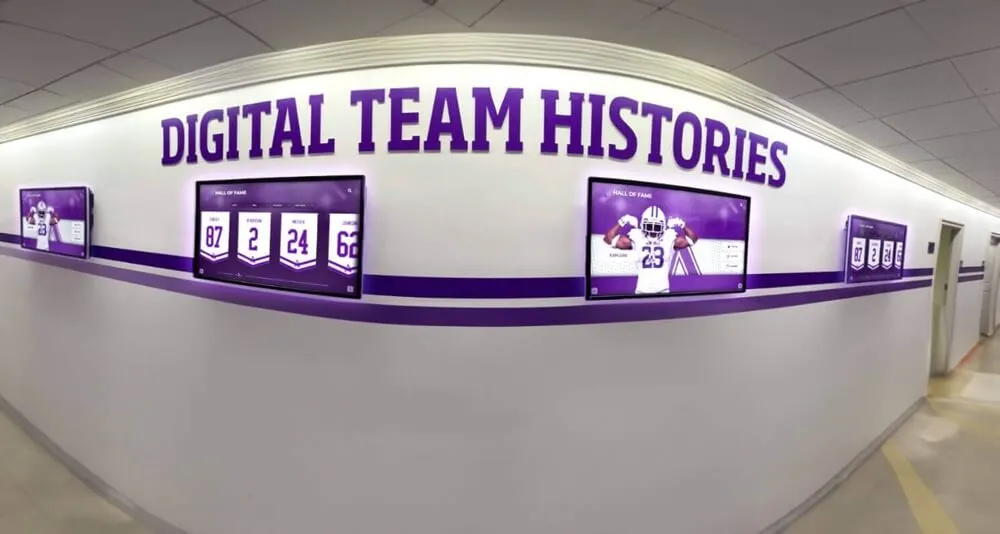
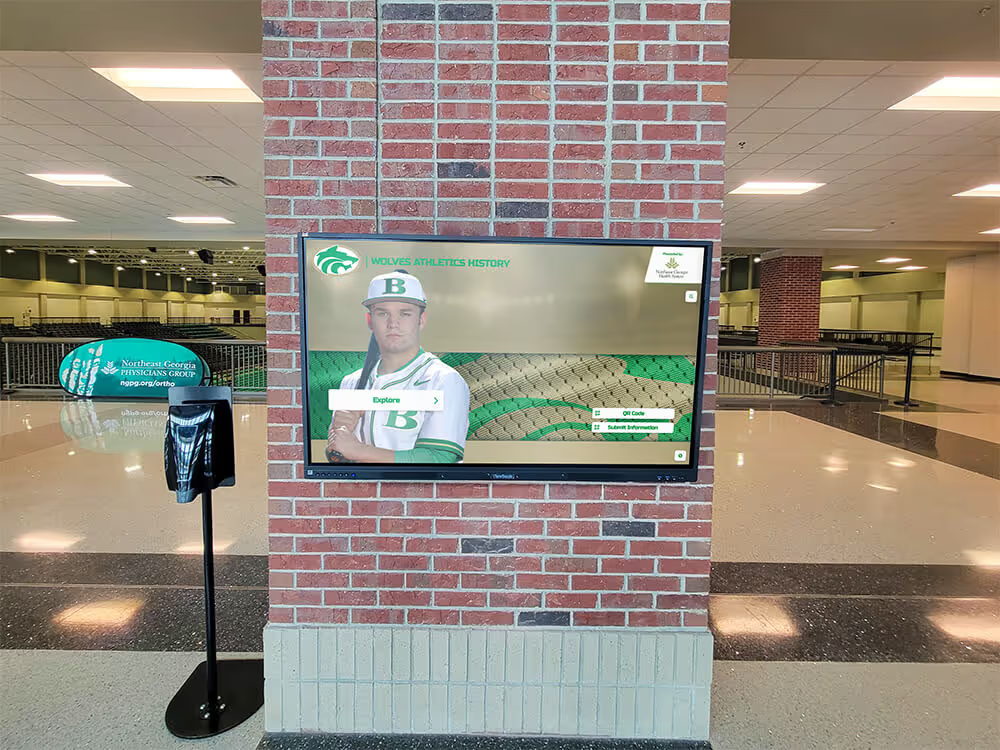
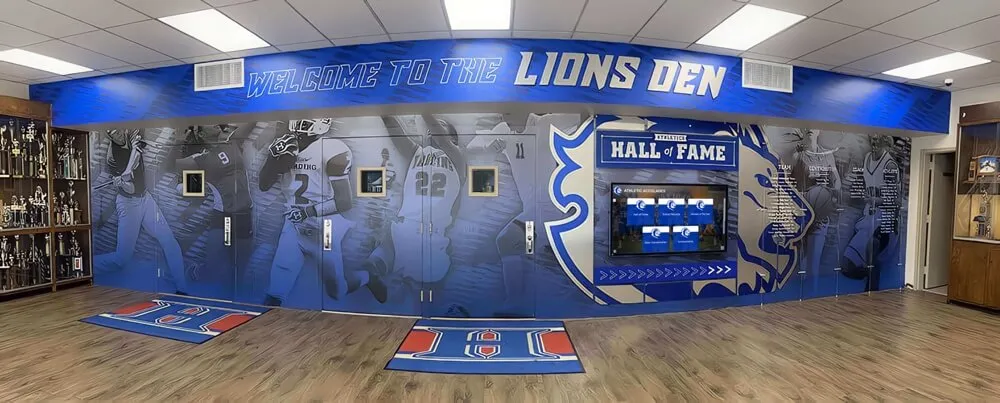
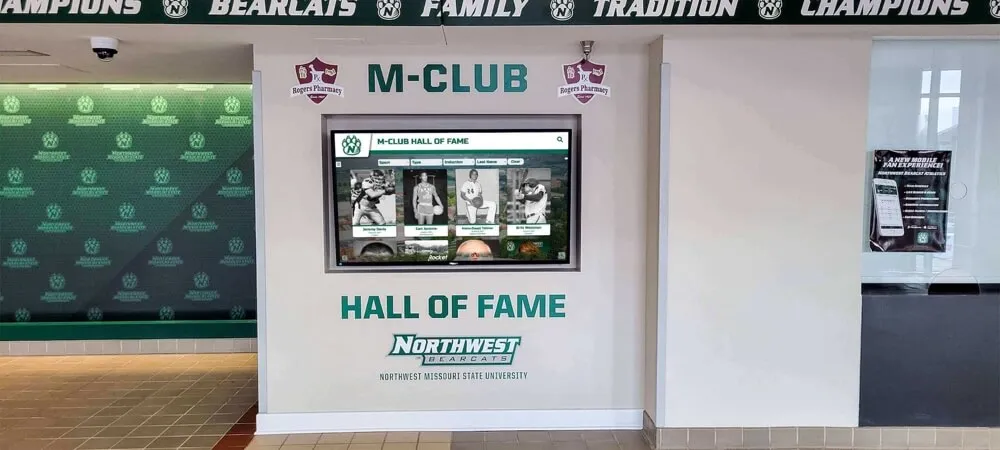
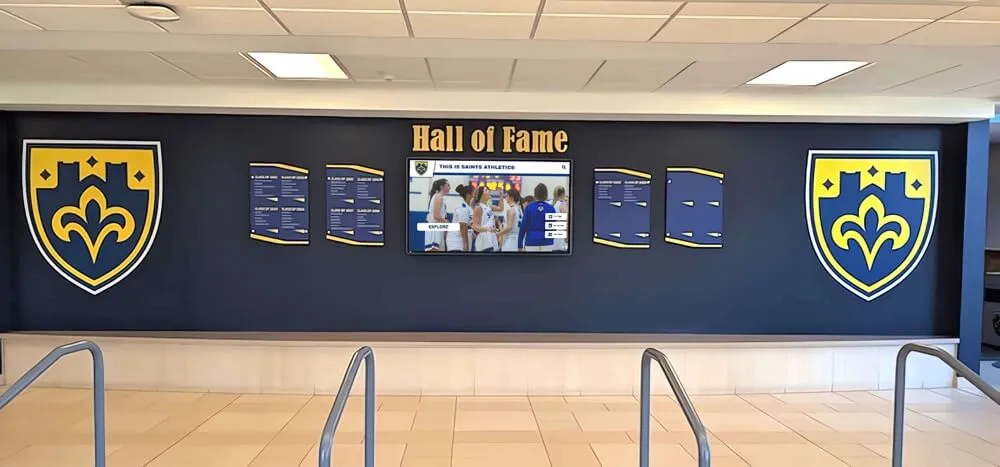
Modern recognition systems preserve principal achievements and leadership legacies beyond temporary award plaques
Understanding Principal of the Year Selection Criteria
Before assembling nomination materials, understanding what selection committees evaluate helps schools build applications addressing every assessment dimension systematically.
Core Evaluation Frameworks
Principal of the year programs assess candidates across multiple leadership domains:
Educational Leadership and Vision
Selection committees examine strategic planning and implementation:
- Mission Clarity and Communication - How principals articulate school vision and rally stakeholders toward shared goals
- Instructional Leadership - Direct involvement in curriculum development, teacher coaching, and student learning improvement
- Data-Driven Decision Making - Use of assessment data, enrollment trends, and performance metrics guiding strategic choices
- Innovation Implementation - Introduction of evidence-based programs addressing specific school challenges
- Long-Term Planning - Multi-year strategic initiatives demonstrating sustained commitment beyond quick fixes
- Professional Learning Cultures - Systems supporting continuous teacher development and collaborative improvement
According to the National Association of Secondary School Principals, effective nominations demonstrate both visionary thinking and practical implementation translating ideas into measurable student outcomes.
School Culture and Climate Development
Committee members evaluate environmental transformation:
- Student Engagement Systems - Programs ensuring all students feel connected, valued, and supported
- Inclusive Community Building - Practices celebrating diversity and fostering belonging across student populations
- Staff Morale and Retention - Creation of positive working environments reducing teacher turnover
- Positive School Culture Initiatives - Recognition programs, celebration traditions, and community-building activities
- Behavioral Support Frameworks - Proactive approaches addressing discipline while maintaining dignity
- Safety and Wellness Programs - Comprehensive initiatives supporting physical and mental health
Research consistently demonstrates that principal leadership directly influences school climate, which in turn significantly impacts both student achievement and teacher effectiveness across all grade levels.
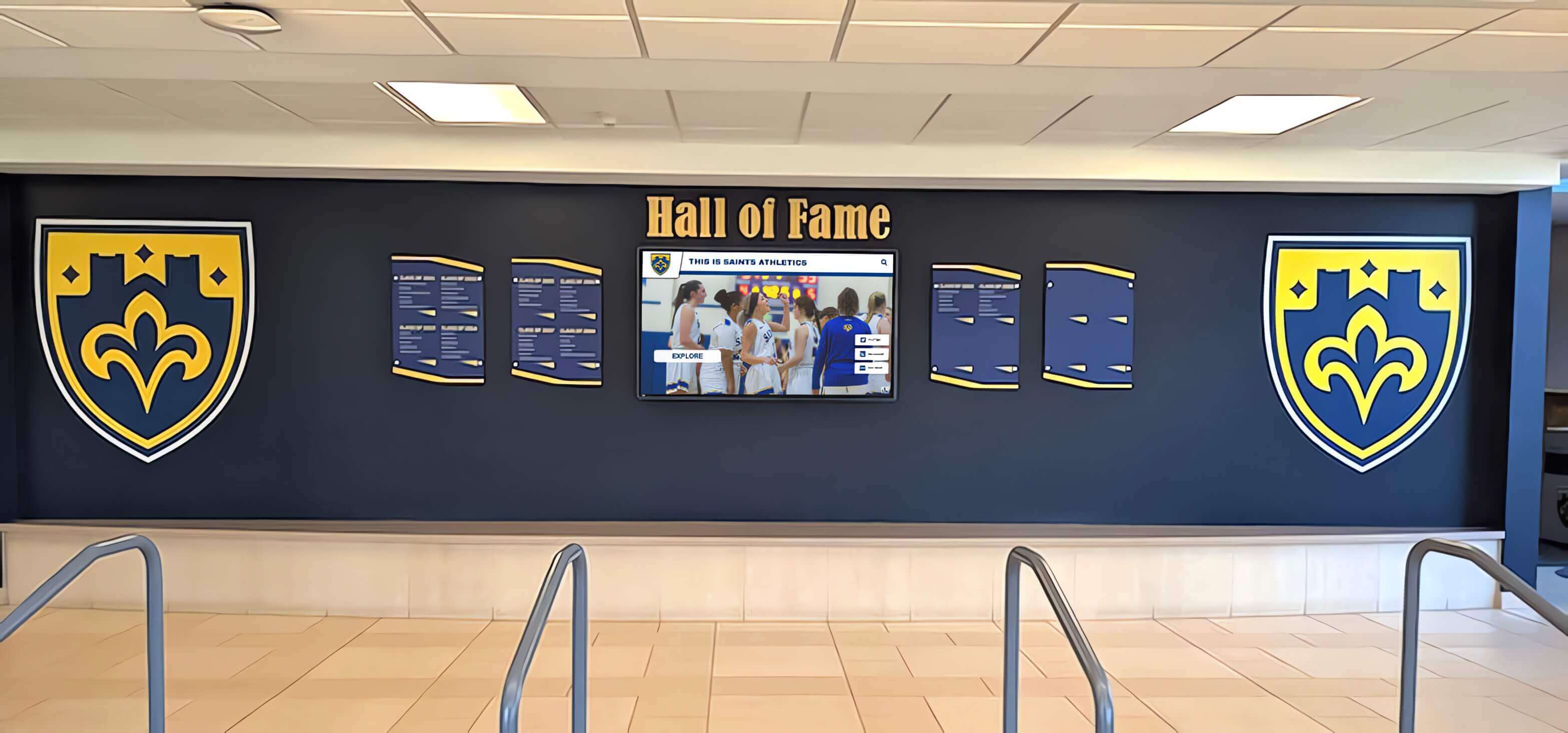
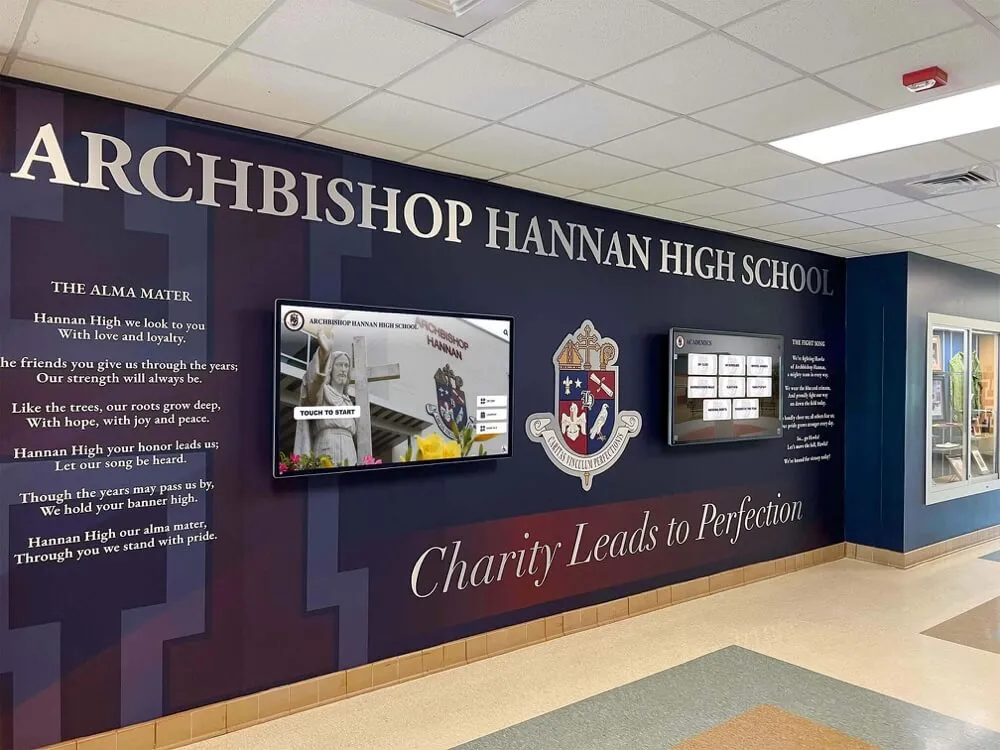
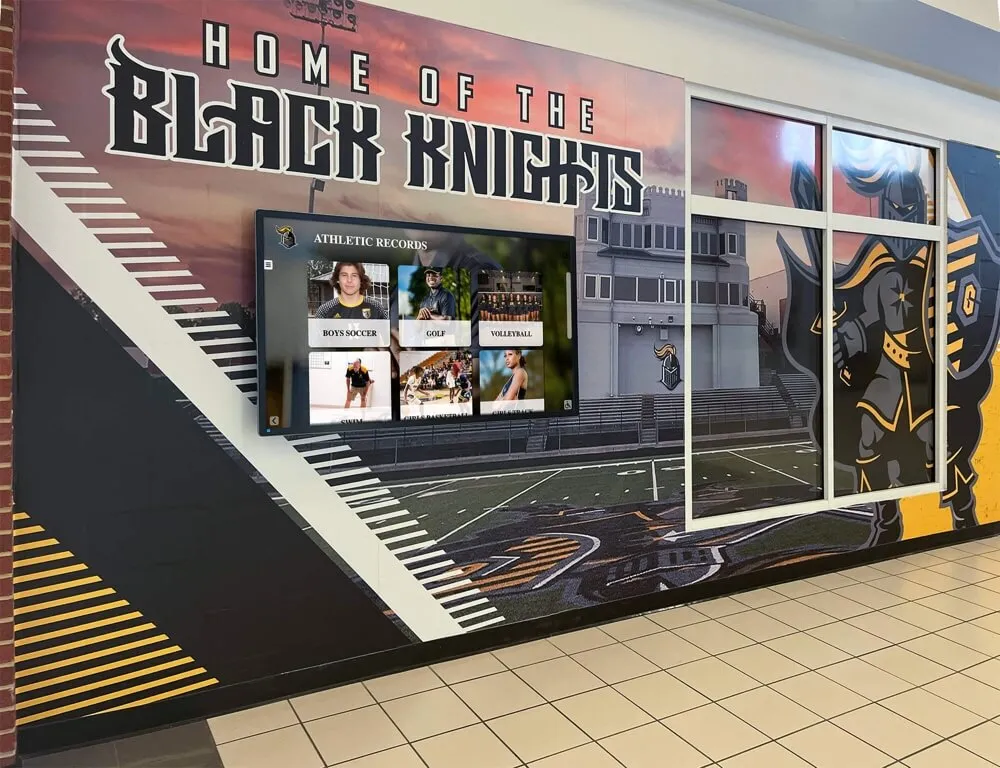
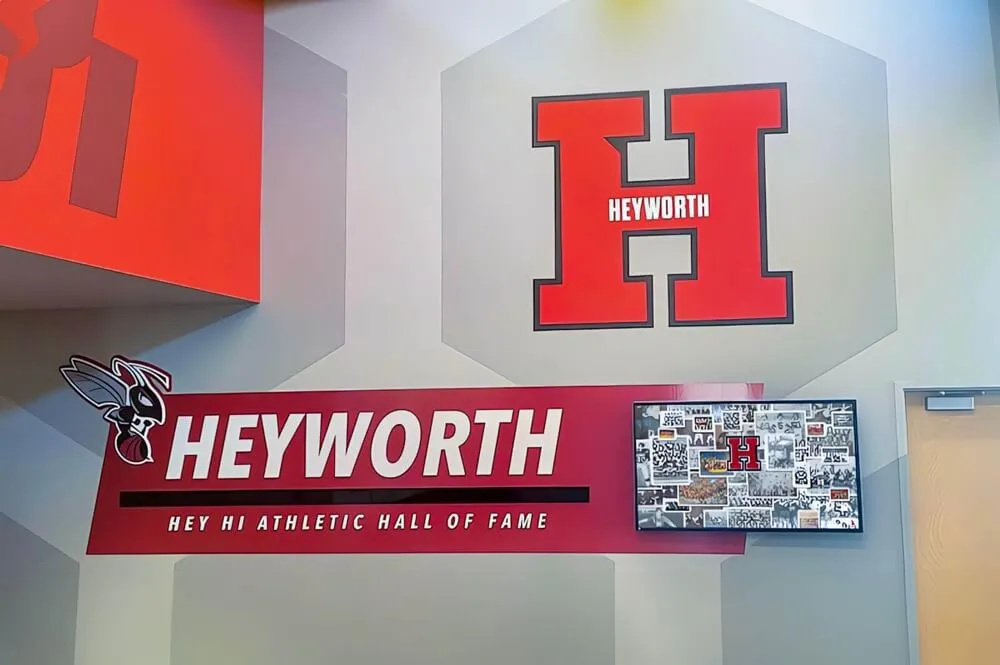
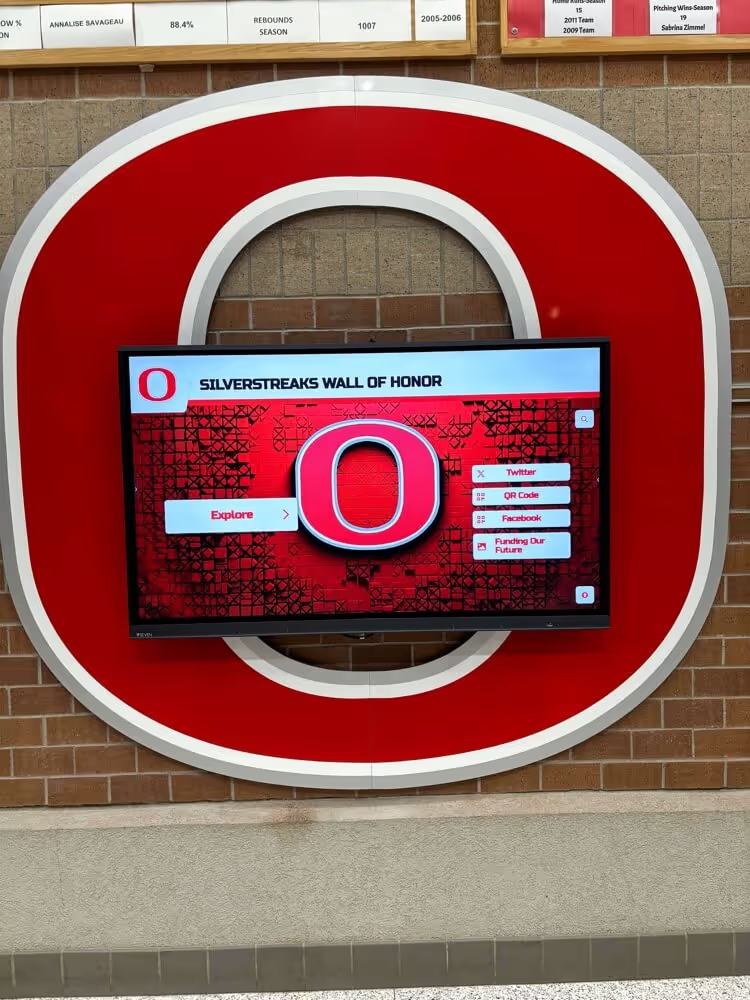
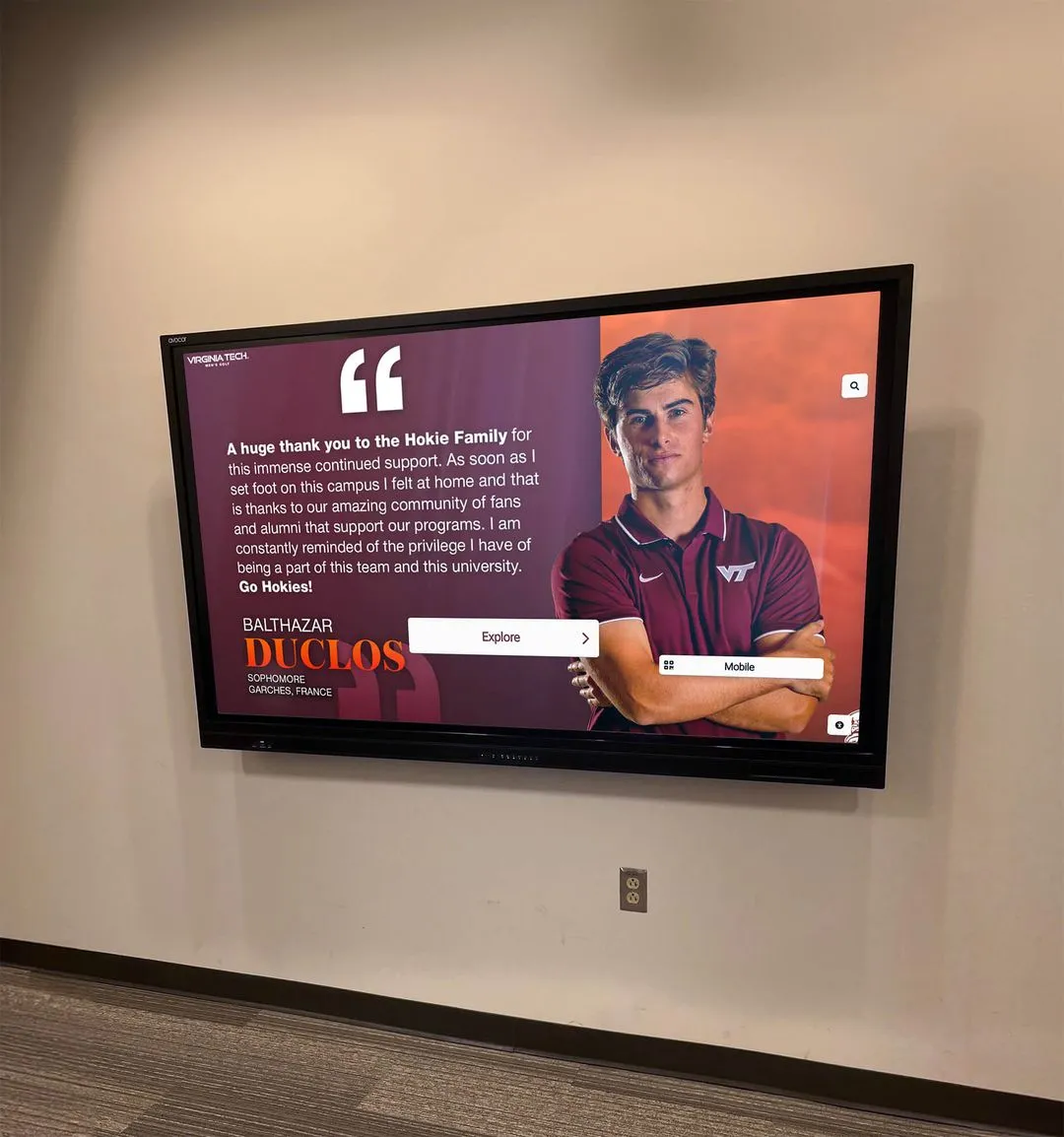
Principals who implement comprehensive recognition systems demonstrate commitment to celebrating achievement and building positive school cultures
Community Engagement and Partnership Development
Selection committees assess external relationship building:
- Family Communication Systems - Regular, transparent dialogue with parents about school progress and student needs
- Community Partnership Development - Strategic alliances with local businesses, organizations, and civic leaders
- Alumni Network Engagement - Programs connecting current students with successful graduates
- Resource Development - Grant writing, fundraising coordination, and strategic resource acquisition
- Public Relations Management - Positive media engagement and institutional reputation building
- Stakeholder Input Processes - Genuine mechanisms incorporating parent, student, and community feedback into decision-making
Strong nominations document specific partnerships created, resources secured, and measurable community support increases attributable to principal leadership.
Measurable Outcomes and Impact Documentation
Beyond leadership qualities, committees expect quantifiable achievement evidence:
Academic Performance Indicators
Data-driven results demonstrating educational improvement:
- Standardized Test Score Trends - Multi-year patterns showing sustained growth, not one-time fluctuations
- Graduation Rate Improvements - Increases in on-time completion, particularly among historically underserved populations
- Advanced Coursework Participation - Growth in AP, IB, dual enrollment, or honors program engagement
- College Acceptance and Scholarship Awards - Post-secondary success indicators for graduating seniors
- Achievement Gap Reduction - Documented narrowing of performance disparities across student groups
- Literacy and Numeracy Benchmarks - Grade-level proficiency increases aligned with strategic intervention programs
These metrics prove most compelling when accompanied by contextual narratives explaining demographic challenges, resource constraints, or unique circumstances making achievements particularly noteworthy.
Operational Excellence Measures
Administrative effectiveness indicators:
- Budget Management - Fiscal responsibility, strategic resource allocation, and financial transparency
- Attendance Rate Improvements - Increased student participation through engagement initiatives
- Discipline Referral Reductions - Decreased behavioral incidents through proactive support systems
- Teacher Retention Rates - Reduced turnover demonstrating positive workplace environments
- Facility Improvements - Infrastructure enhancements despite resource limitations
- Technology Integration - Strategic implementation of educational technology supporting learning goals
Strong applications connect these operational metrics directly to principal decisions and leadership initiatives rather than presenting data without attribution.
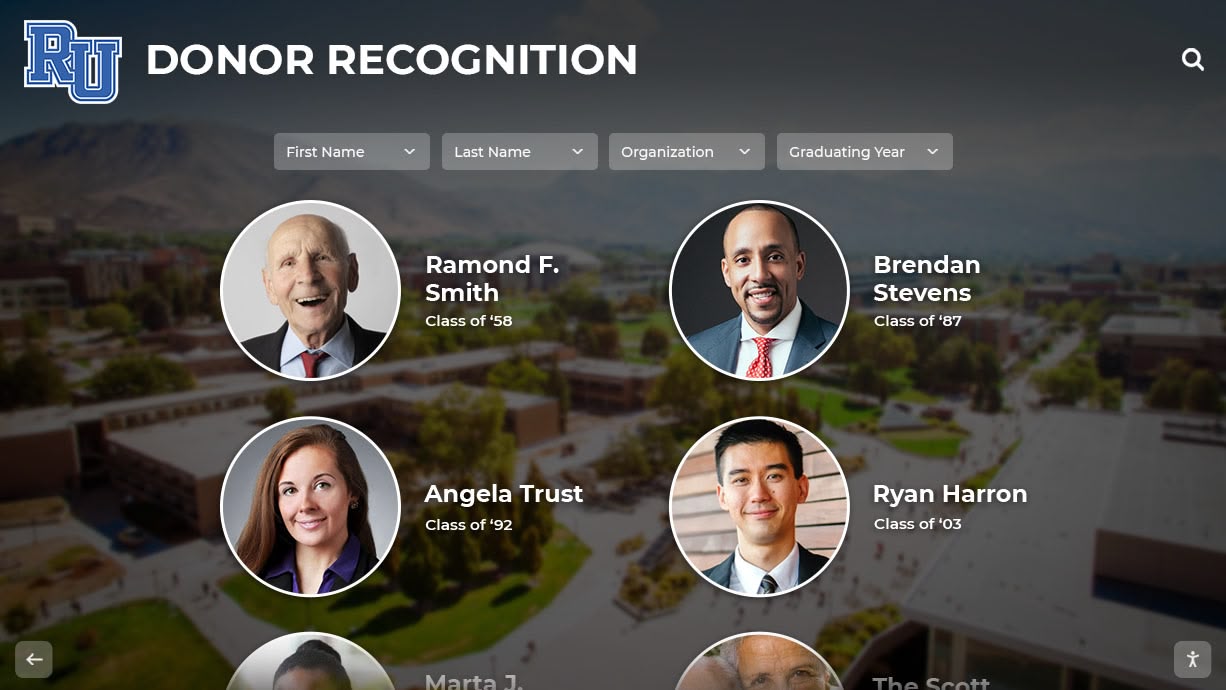
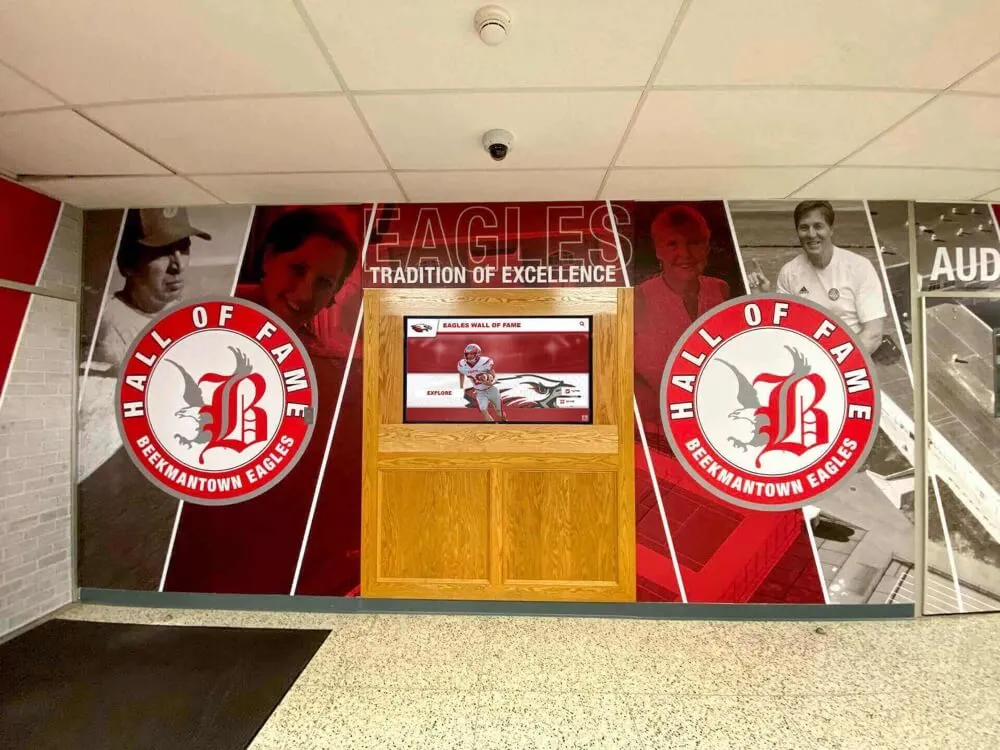
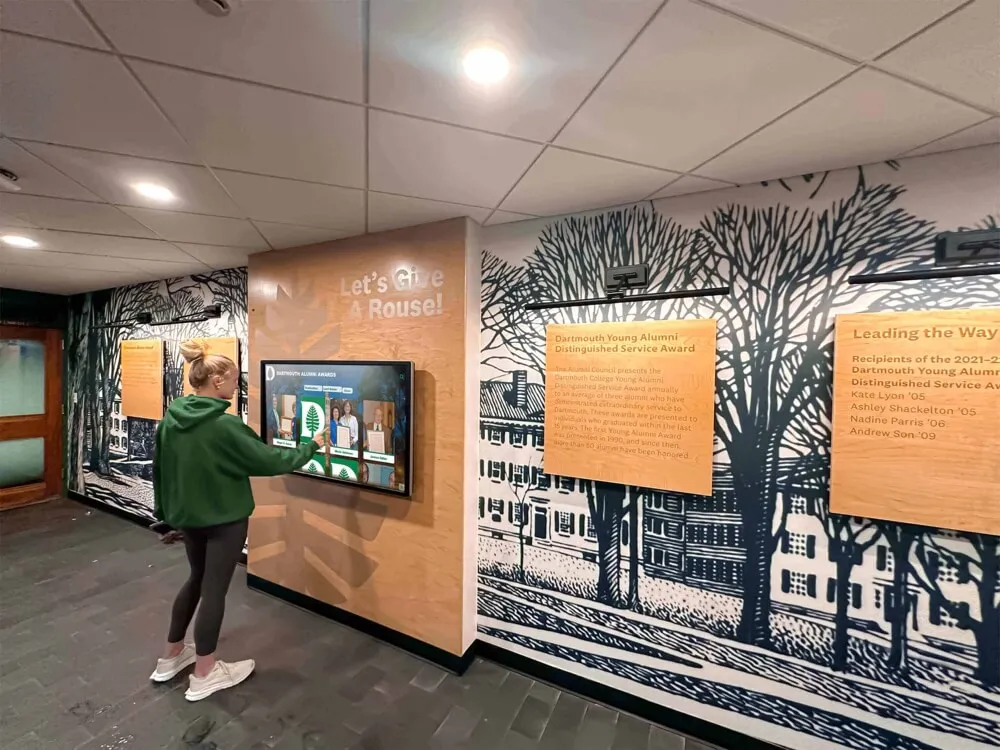
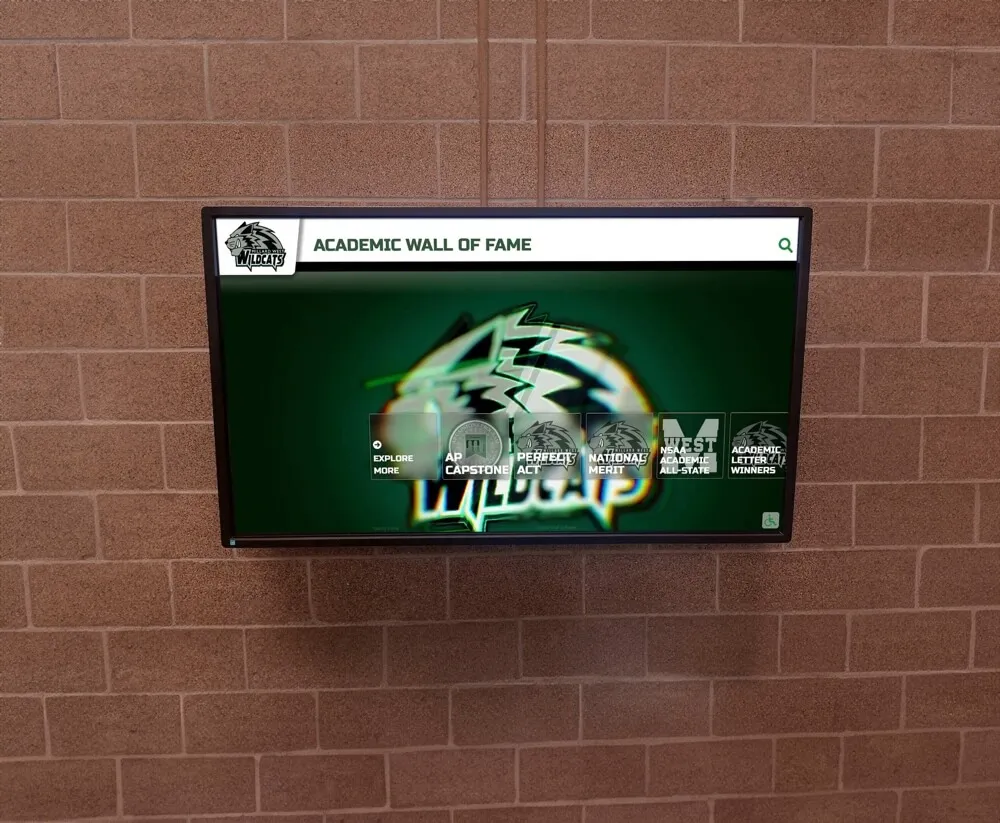
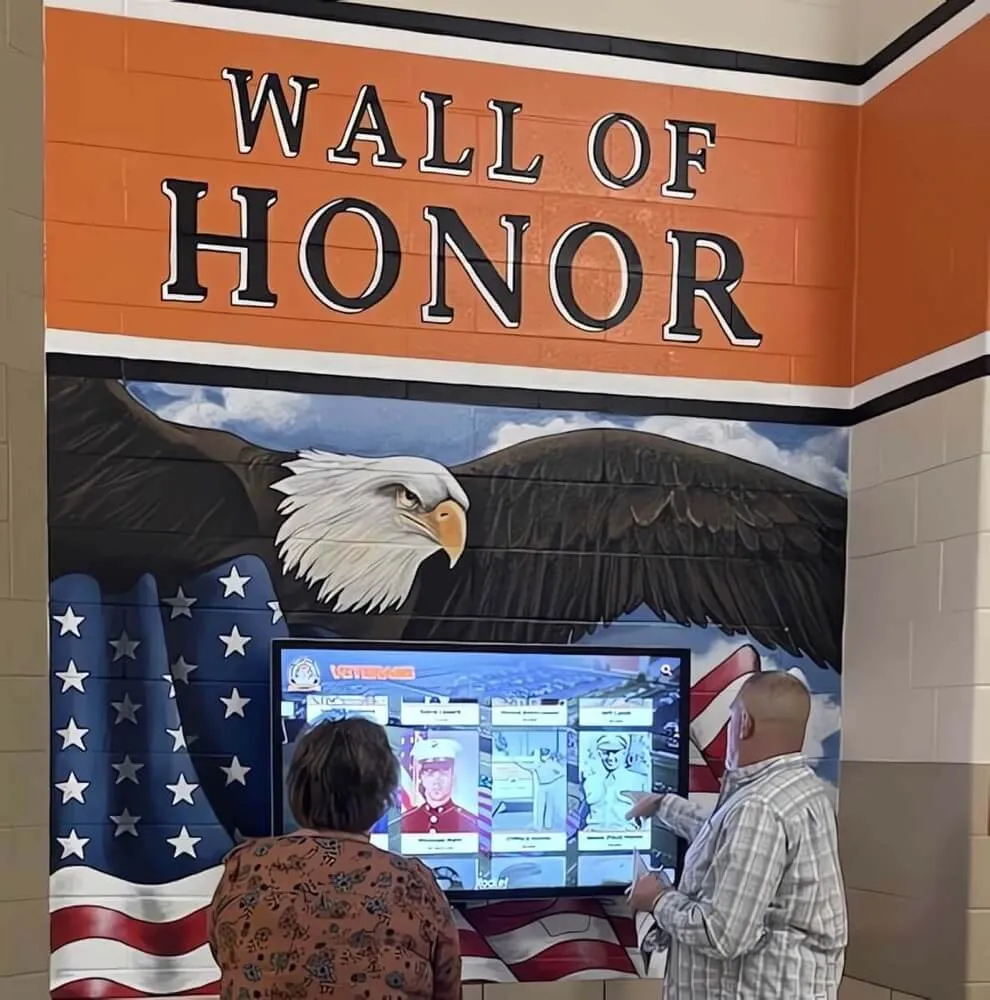
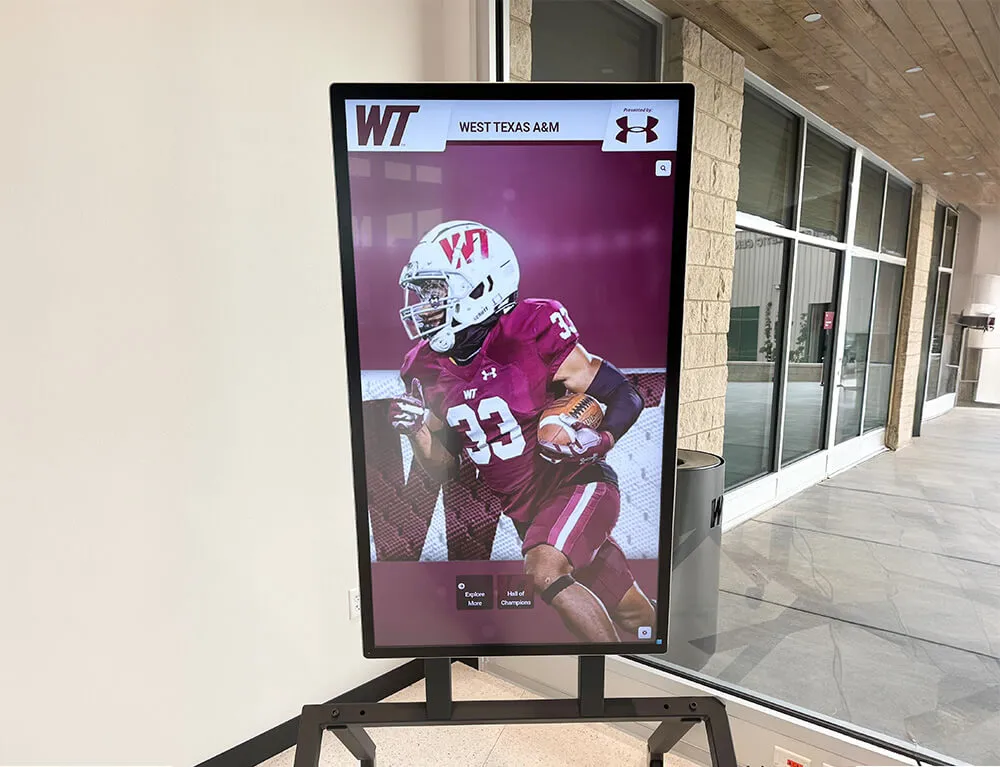
Comprehensive recognition systems document administrative leadership legacies through multimedia storytelling and achievement preservation
Building Your Nomination Package: Strategic Components
Compelling principal of the year applications require systematic evidence assembly addressing every selection criterion comprehensively.
Executive Summary and Leadership Narrative
The opening section establishes your nominee’s unique value proposition:
Crafting the Leadership Story Arc
Effective narratives follow clear progression:
- Context Setting - Describe the school situation when your principal arrived (challenges, demographics, performance levels)
- Vision Articulation - Explain the strategic direction your principal established
- Implementation Journey - Detail specific initiatives, programs, and decisions enacted
- Transformation Documentation - Demonstrate measurable changes resulting from principal leadership
- Ongoing Excellence - Show sustained commitment and continuous improvement beyond initial gains
This storytelling framework helps selection committees understand not just what your principal accomplished, but the obstacles overcome and strategic thinking driving success.
Distinguishing Your Nominee
Hundreds of principals demonstrate competence—your application must articulate what makes yours exceptional:
- Innovative Problem-Solving - Novel approaches to challenges where traditional methods failed
- Courage Under Adversity - Leadership during crises, difficult decisions, or unpopular but necessary changes
- Equity Champion Actions - Specific initiatives advancing fairness and opportunity for underserved students
- Collaborative Leadership Style - Evidence of shared decision-making while maintaining accountability
- Professional Influence - Impact extending beyond individual schools through mentorship, presentations, or district leadership
The most compelling nominations identify 2-3 truly distinctive qualities supported by concrete examples rather than claiming your principal excels at everything.
Evidence Portfolio Assembly
Documentation substantiates narrative claims:
Quantitative Evidence Collection
Gather measurable data across multiple years:
- Student Achievement Data - Test scores, graduation rates, college enrollment statistics
- Climate Survey Results - Staff, student, and parent satisfaction metrics showing trend improvements
- Operational Metrics - Attendance, discipline, retention data demonstrating administrative effectiveness
- Financial Reports - Budget allocations showing strategic resource deployment
- Program Participation Numbers - Enrollment in advanced courses, extracurriculars, support services
- External Recognition - Accreditation results, awards received, positive audit outcomes
Present data in clear tables and charts highlighting trends rather than overwhelming reviewers with raw numbers requiring interpretation.
Qualitative Evidence Curation
Collect testimonials and narrative evidence:
- Stakeholder Testimonials - Statements from teachers, parents, students, community partners describing specific principal impacts
- Professional Letters of Support - Endorsements from superintendents, school board members, educational leaders
- Media Coverage - News articles, features, editorials highlighting principal initiatives
- Student Success Stories - Individual examples of students whose trajectories changed due to principal-led programs
- Teacher Professional Growth Examples - Educators describing how principal mentorship enhanced their practice
- Community Partnership Descriptions - Partner organizations explaining collaboration value and principal relationship building
The strongest testimonials reference specific actions and measurable outcomes rather than generic praise about being “dedicated” or “caring.”

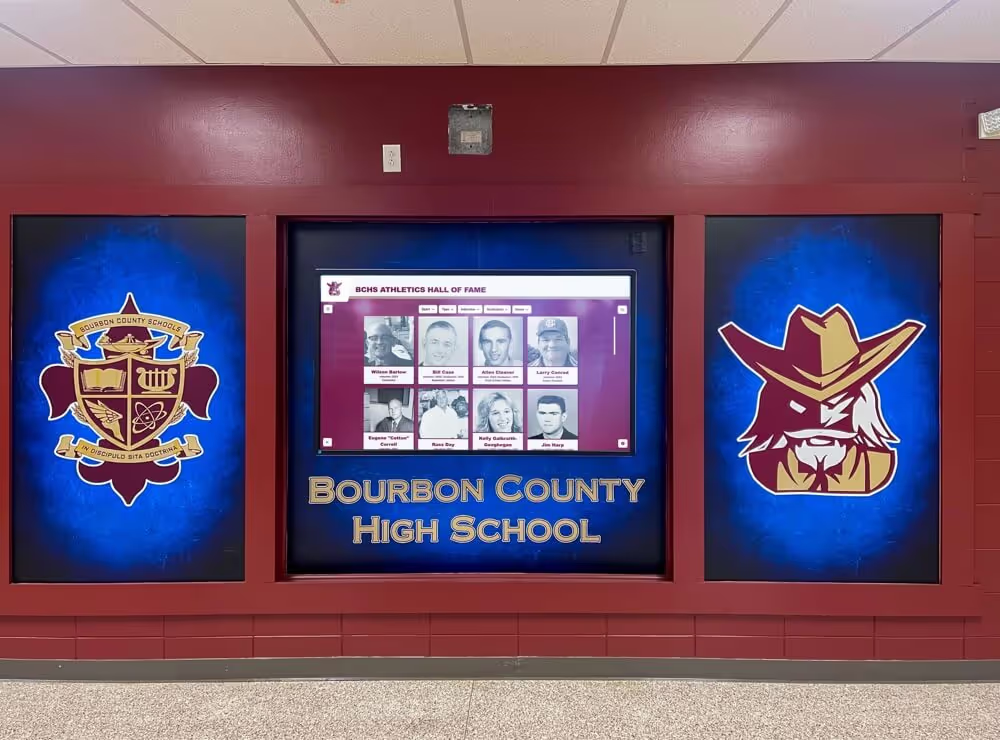
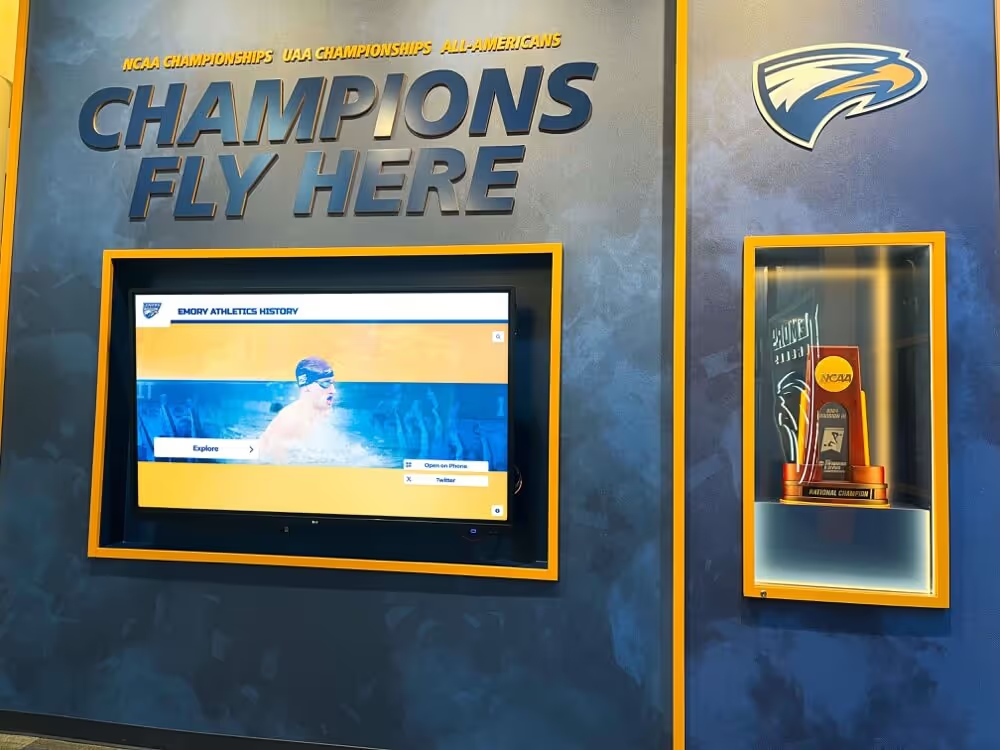
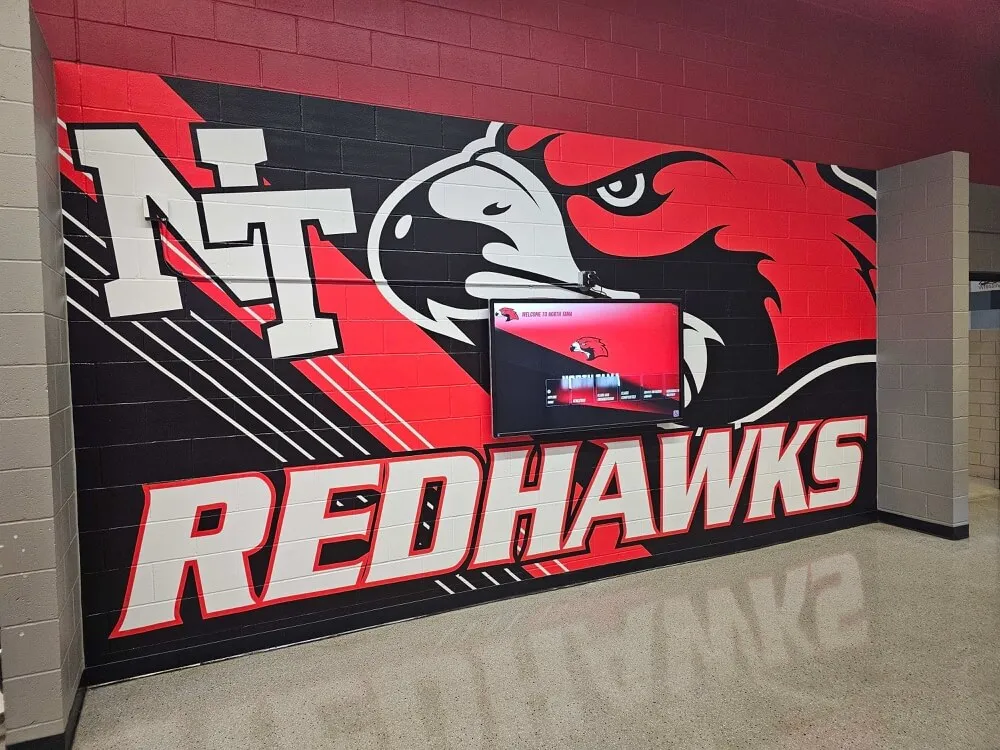
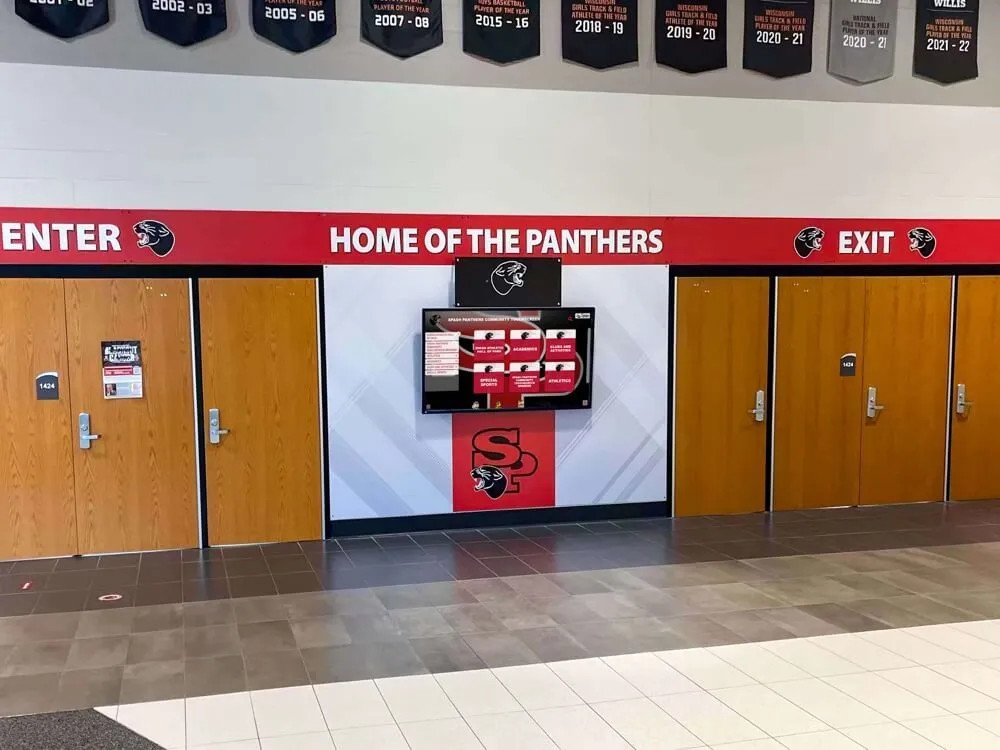
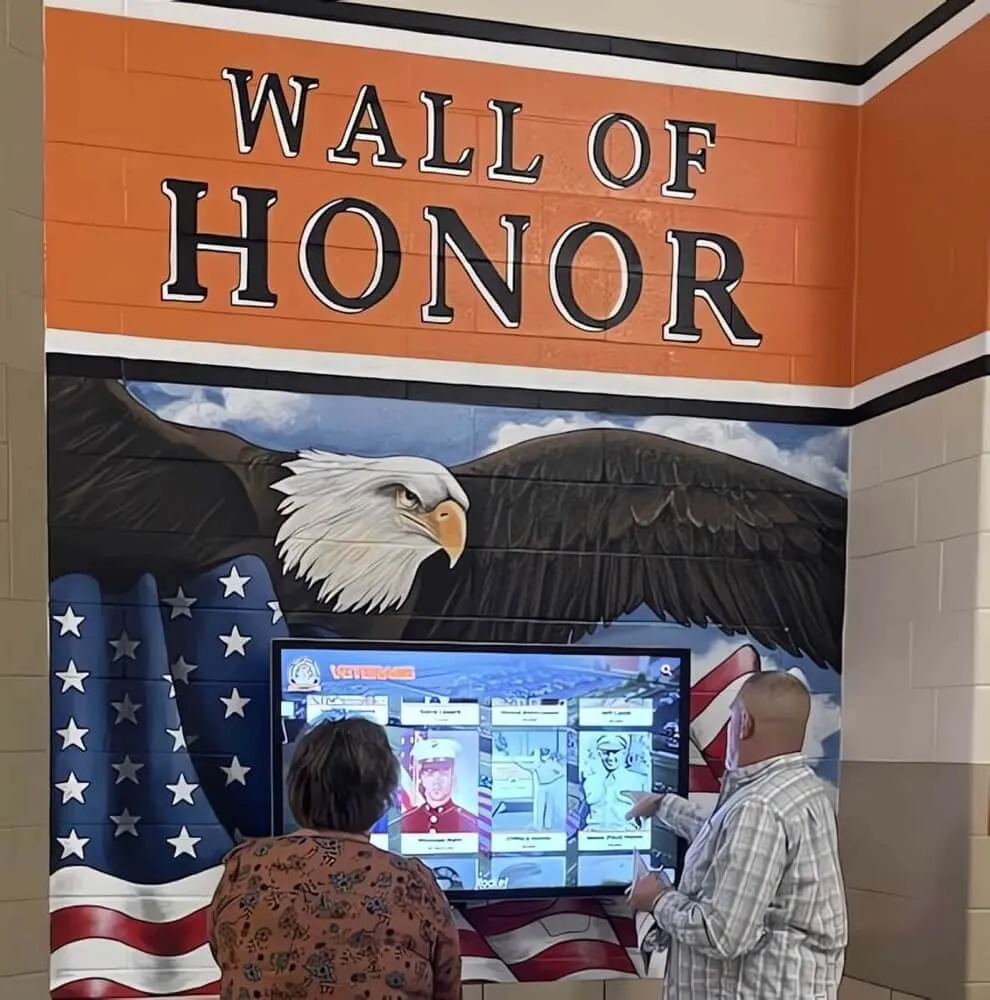
Interactive recognition platforms enable comprehensive documentation of leadership achievements through dynamic multimedia presentations
Nomination Development Timeline and Process Management
Strategic principal of the year applications require careful planning well before submission deadlines:
Nomination Preparation Phases
Phase 1: Foundation Building (4-6 Months Before Deadline)
Early preparation ensures comprehensive evidence collection:
- Criteria Analysis - Thoroughly review all selection rubrics and evaluation frameworks
- Data Inventory - Identify available metrics and determine gaps requiring additional documentation
- Stakeholder Identification - List potential testimonial sources across all constituency groups
- Historical Context Research - Gather baseline data from before principal’s tenure
- Previous Winner Review - Analyze past recipients’ applications (if available) for successful patterns
- Writing Team Assembly - Recruit staff members to draft different application sections
Schools implementing comprehensive recognition programs often discover they’ve already assembled much of this evidence through systematic achievement documentation systems supporting multiple recognition purposes.
Phase 2: Evidence Assembly (3-4 Months Before Deadline)
Systematic data and testimonial collection:
- Request Formal Data Reports - Work with district offices to obtain official achievement statistics
- Solicit Testimonials - Provide stakeholders with specific prompts generating substantive responses
- Document Program Outcomes - Compile participation numbers, success metrics, and implementation evidence
- Gather Visual Documentation - Collect photos, videos, and artifacts demonstrating initiatives
- Secure Administrative Support - Obtain superintendent endorsement and board approval
- Review Supplementary Materials - Identify relevant news coverage, awards, publications
Allow ample time for testimonial collection, as stakeholders often miss initial deadlines requiring follow-up.
Phase 3: Application Drafting (2-3 Months Before Deadline)
Transform evidence into compelling narrative:
- Narrative Development - Craft the leadership story connecting principal actions to measurable outcomes
- Evidence Integration - Strategically embed data and testimonials supporting narrative claims
- Supplementary Materials Organization - Compile appendices, portfolios, and additional documentation
- Visual Presentation Enhancement - Design charts, infographics, and layouts improving readability
- Alignment Verification - Ensure every selection criterion receives explicit, substantive attention
- Length and Format Compliance - Adhere strictly to word limits, page requirements, formatting guidelines
The strongest applications read as coherent narratives rather than disconnected evidence lists.
Phase 4: Review and Refinement (4-6 Weeks Before Deadline)
Multiple review cycles strengthen submissions:
- Internal Review Team - Have teachers, administrators, and community members critique draft applications
- External Expert Review - Engage educational consultants or previous winners to assess competitiveness
- Criterion-by-Criterion Audit - Verify every evaluation element receives adequate attention
- Supporting Evidence Validation - Confirm all data accuracy and testimonial authenticity
- Narrative Coherence Check - Ensure logical flow and compelling storytelling throughout
- Proofreading and Editing - Eliminate errors undermining professional presentation
Budget time for substantive revisions rather than assuming initial drafts will suffice.
Phase 5: Submission and Follow-Up (Final 2 Weeks)
Careful submission management:
- Complete Application Assembly - Compile all required components in specified format
- Submission Requirement Verification - Triple-check every deadline, format, and documentation requirement
- Backup Documentation - Maintain copies of complete submission package
- Confirmation Receipt - Verify selection committee received materials
- Presentation Preparation - If finalists present to committees, begin developing materials
- Principal Notification - Inform nominee of submission (if surprise is not part of your strategy)
Many deserving nominations fail due to technical submission errors rather than content quality—careful process management prevents such disappointments.

Schools demonstrating commitment to recognition excellence often have principals whose leadership includes comprehensive celebration of achievement
Addressing Common Nomination Challenges and Obstacles
Even strong principal candidates face application barriers requiring strategic approaches:
Documentation Gaps and Evidence Limitations
Many schools discover insufficient historical data:
Baseline Data Absence
When pre-principal metrics don’t exist:
- Use district or state averages as comparison points
- Emphasize qualitative transformation evidence when quantitative baselines are unavailable
- Document systems principal established enabling future data collection
- Focus on absolute achievement levels even without trend data
- Highlight process improvements and infrastructure development
Recent Tenure Challenges
Principals serving fewer than three years may lack sustained trend data:
- Emphasize rapid improvement trajectories showing strong initial impact
- Document systems established that will enable long-term success
- Focus on crisis management, culture shifts, or foundational changes
- Highlight principal’s track record at previous schools (if applicable)
- Seek nominations in “emerging leader” categories when available
Reluctant or Overly-Modest Nominees
Many exceptional principals resist nomination processes:
Overcoming Principal Objections
Address common concerns directly:
- “I’m just doing my job” - Frame recognition as honoring the profession and inspiring others, not personal vanity
- “My teachers deserve credit” - Structure nomination emphasizing collaborative leadership rather than individual heroism
- “It takes time from students” - Demonstrate how recognition enhances school reputation benefiting current students
- “I’m uncomfortable with attention” - Explain that visibility elevates important educational issues beyond individual recognition
- “We haven’t accomplished enough” - Help principals see transformation through fresh eyes appreciating genuine progress
Involving teachers in nomination processes often provides the peer validation reluctant principals respect.
Resource Constraints and Capacity Limitations
Application development requires significant staff time:
Efficient Nomination Development
Maximize impact within resource constraints:
- Distribute writing responsibilities across multiple staff members
- Leverage existing documents (strategic plans, accreditation reports, grant applications) rather than creating everything from scratch
- Use parent volunteers for data compilation and testimonial collection
- Partner with fundraising teams experienced in building compelling narratives for resource development
- Engage school communications staff in visual presentation design
- Consider hiring professional grant writers familiar with educational award applications
The investment in strong applications yields returns through enhanced school visibility and community pride extending well beyond individual recognition.
Sustaining Recognition Beyond Award Ceremonies
Principal of the year honors create opportunities for lasting recognition extending beyond temporary celebrations:
Permanent Recognition Systems
Transform award recognition into enduring institutional memory:
Administrative Excellence Documentation
Create comprehensive leadership archives:
- Principal Legacy Displays - Permanent recognition showcasing each administrative leader’s tenure achievements
- Leadership Timeline Galleries - Historical progressions showing how principals built upon predecessors’ foundations
- Achievement Documentation - Systematic recording of major initiatives, awards, milestones during each administration
- Visual History Archives - Photo and video collections preserving leadership moments
- Testimonial Libraries - Curated collections of stakeholder statements honoring administrative contributions
- Success Metrics Dashboards - Data visualizations showing school evolution across principal tenures
Modern interactive recognition platforms enable schools to preserve administrative legacies comprehensively while making this history accessible to current students, families, and community members discovering what leadership excellence achieves.
Staff Recognition Integration
Extend principal celebration to broader administrative team recognition:
- Leadership Team Highlights - Recognition of assistant principals, deans, department chairs supporting principal vision
- Teacher Leadership Celebrations - Acknowledgment of educator contributions making principal initiatives successful
- Support Staff Appreciation - Recognition that excellent schools require outstanding contributions across all roles
- Collaborative Achievement Documentation - Storytelling emphasizing team accomplishment rather than individual heroism
- Succession Planning Visibility - Highlighting emerging leaders developing under current principal mentorship
These comprehensive approaches honor principals authentically while building cultures recognizing that institutional excellence requires collective commitment.
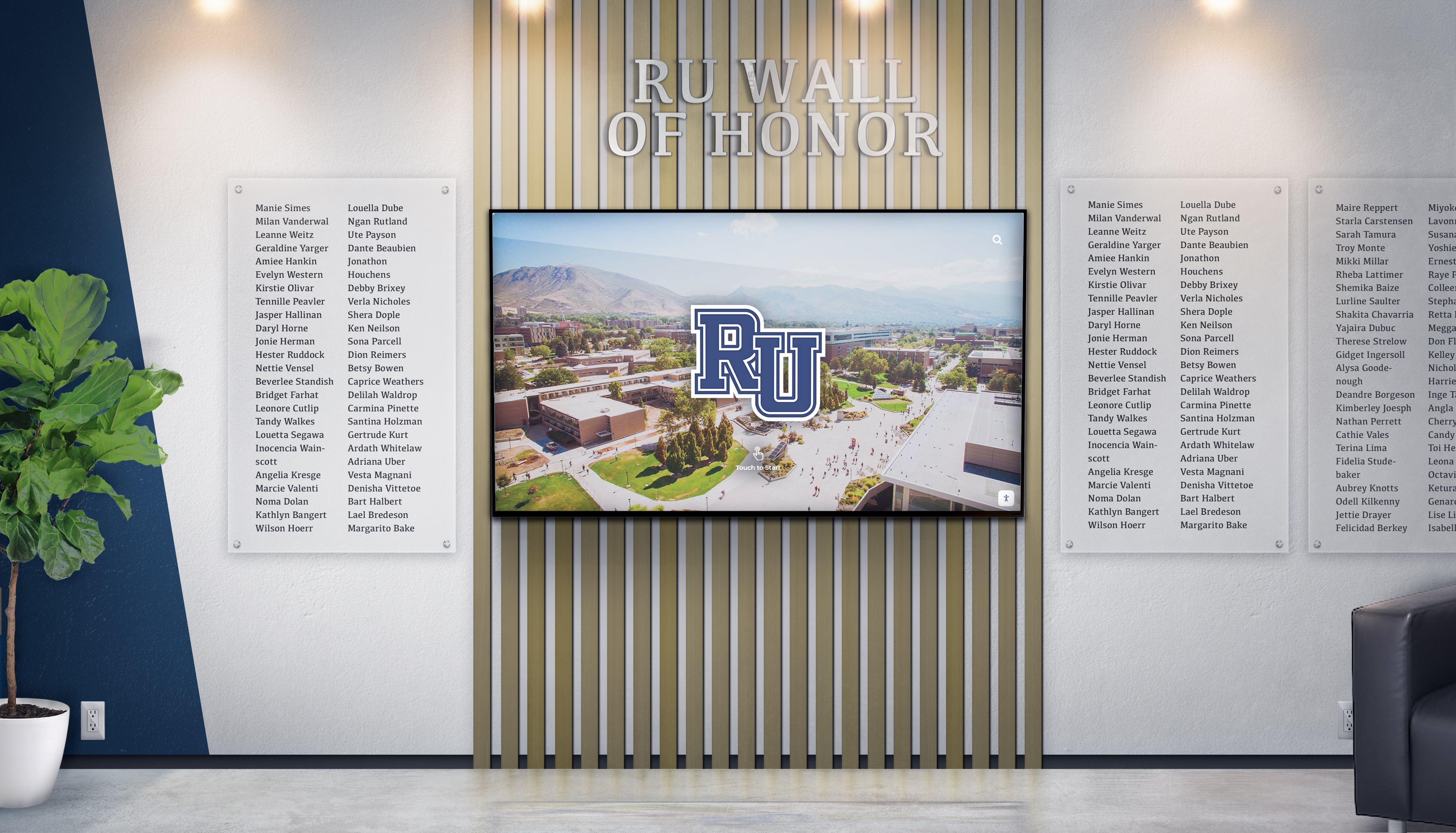
Permanent recognition systems preserve principal leadership legacies while inspiring future educational leaders
Leveraging Recognition for Institutional Advancement
Principal awards create strategic opportunities beyond individual celebration:
Enhanced School Visibility
Maximize recognition publicity value:
- Media Engagement - Coordinate with local news outlets covering principal achievements and school programs
- Social Media Campaigns - Create coordinated celebration across school platforms highlighting principal leadership
- Community Presentations - Organize events where principals share leadership insights and school successes
- District-Wide Recognition - Leverage individual principal honors to elevate entire district reputation
- Recruitment Advantages - Feature principal awards in materials attracting prospective families and staff
- Alumni Engagement - Connect principal recognition to alumni pride and fundraising narratives
Professional Development Opportunities
Transform recognition into broader educational leadership:
- Conference Presentations - Invite honored principals to share successful strategies at regional and national gatherings
- Mentorship Programs - Connect award-winning principals with emerging administrators
- Publication Opportunities - Encourage principals to document successful practices in educational journals
- Consulting Engagements - Support principals sharing expertise with struggling schools
- Leadership Networks - Facilitate connections among recognized principals building peer support systems
- District Leadership Roles - Position principal excellence for assistant superintendent or superintendent advancement
These extended impacts ensure principal of the year recognition benefits far more than individual recipients.
Modern Recognition Technology Supporting Nomination Excellence
Schools implementing comprehensive recognition systems discover significant advantages in documenting administrative excellence:
Systematic Achievement Documentation
Digital platforms enable continuous evidence collection:
Integrated Data Systems
Modern recognition technology provides:
- Automated Metrics Tracking - Continuous documentation of student achievement, participation, and engagement data
- Multimedia Evidence Libraries - Organized collections of photos, videos, testimonials, and artifacts
- Stakeholder Feedback Systems - Structured processes gathering testimonials and satisfaction data
- Historical Comparison Tools - Easy baseline analysis showing transformation across administrative tenures
- Award and Achievement Logs - Systematic recording of all recognition, grants, partnerships, and milestones
- Visual Presentation Templates - Professional formats transforming raw data into compelling nomination materials
Schools with these systems find nomination development dramatically simplified as evidence collection occurs continuously rather than requiring crisis compilation before deadlines.
Community Engagement Amplification
Recognition platforms strengthen stakeholder connection supporting nomination processes:
Multi-Channel Recognition
Comprehensive systems provide:
- Interactive Display Installations - Prominent physical recognition celebrating achievements and building community pride
- Cloud-Based Content Management - Easy updates ensuring recognition remains current and relevant
- Mobile Accessibility - Stakeholder engagement with recognition content beyond physical school visits
- Social Integration - Seamless sharing of achievements across digital platforms
- Celebration Program Enhancement - Recognition systems supporting all school celebration events
- Alumni Network Connection - Platforms linking current excellence to institutional heritage
These integrated approaches create recognition ecosystems where principal leadership receives appropriate celebration while supporting comprehensive school culture development.
Conclusion: Honoring Educational Leadership That Transforms Communities
Principal of the year nominations represent far more than award applications—they provide structured opportunities to reflect on leadership impact, document administrative excellence, celebrate collaborative achievement, and inspire next-generation educational leaders. The most compelling nominations tell authentic stories about how exceptional principals transform school cultures, elevate student outcomes, build community partnerships, and establish foundations for sustained excellence extending well beyond their individual tenures.
Whether you’re preparing to nominate your current principal, building recognition systems honoring administrative leadership across generations, or seeking to understand what truly exceptional educational leadership achieves, the frameworks explored here provide strategic guidance ensuring excellence receives the celebration it deserves.
Schools committed to recognizing administrative excellence discover that comprehensive recognition extends far beyond temporary award ceremonies. By implementing permanent recognition systems documenting principal achievements, celebrating collaborative leadership, preserving institutional heritage, and inspiring future educators, you create cultures valuing the dedication and vision required to build truly exceptional schools.
Ready to create a comprehensive recognition system celebrating your principal’s achievements and preserving administrative leadership legacies for generations? Request your free custom demo to discover how modern recognition platforms help schools honor educational leaders authentically while building cultures of excellence inspiring entire communities.
Live Example: Rocket Alumni Solutions Touchscreen Display
Interact with a live example (16:9 scaled 1920x1080 display). All content is automatically responsive to all screen sizes and orientations.