



Principal honor roll represents the highest tier of academic recognition in most schools, celebrating students who demonstrate exceptional scholarly achievement through outstanding grade point averages. While honor roll systems vary between institutions, the principal’s list typically requires the most stringent academic standards—often a perfect or near-perfect GPA—distinguishing top performers from strong students earning general honor roll designation. Understanding these distinctions helps students set appropriate academic goals while helping schools design recognition systems that appropriately celebrate different achievement levels.
The challenge facing many schools isn’t defining honor roll criteria—it’s creating recognition systems that remain meaningful, visible, and motivating across grading periods. Traditional approaches like printed lists posted briefly on bulletin boards, email announcements that disappear into inboxes, or occasional assembly mentions fail to create the sustained visibility that motivates current students while honoring high achievers. Modern schools combine clear honor roll tiers with digital recognition displays, creating celebration ecosystems where academic excellence receives the permanent, engaging acknowledgment it deserves.

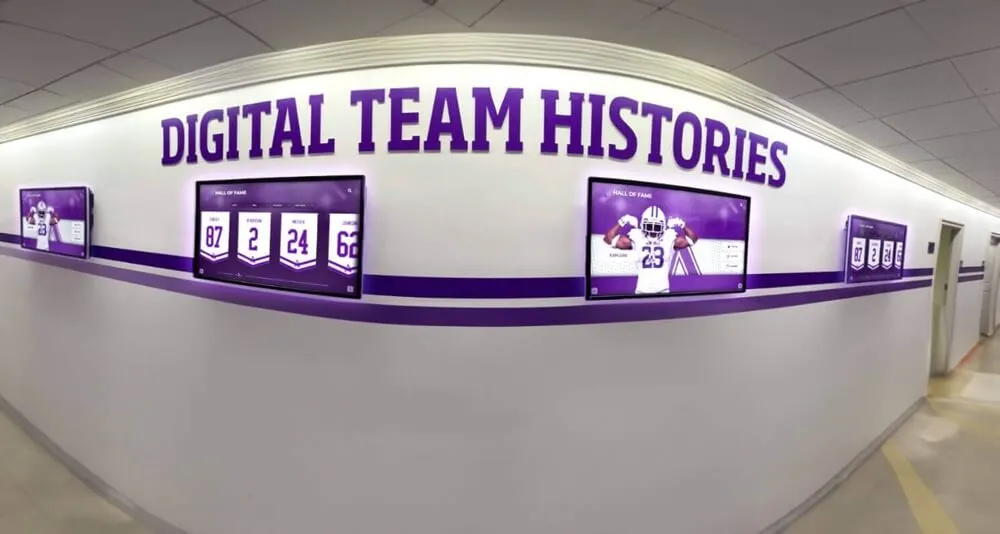
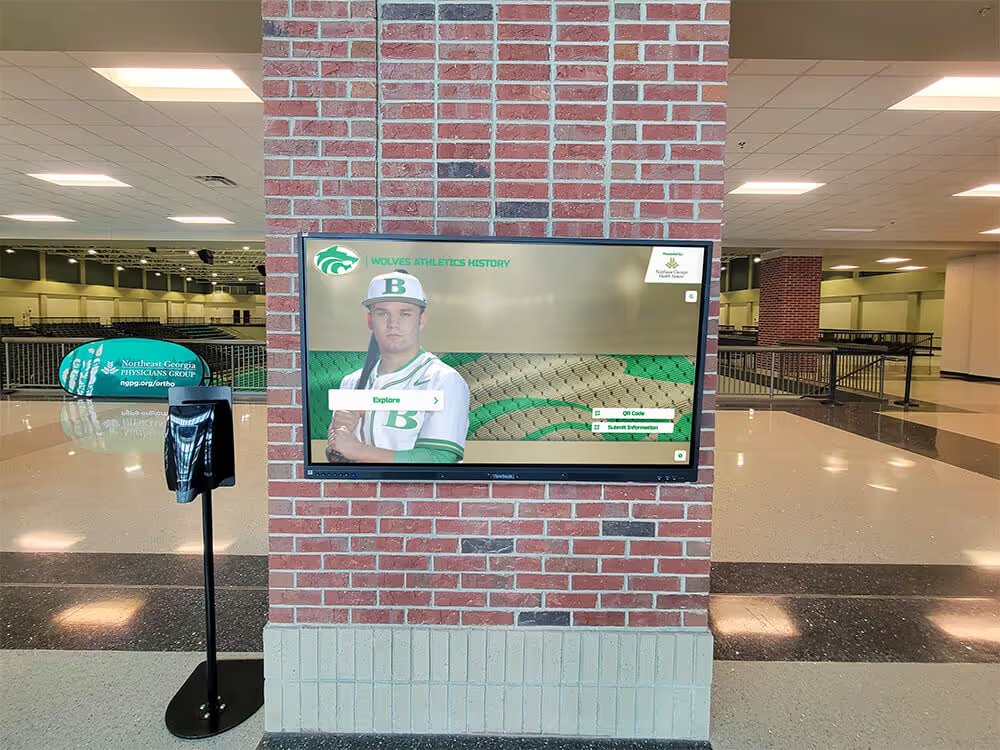
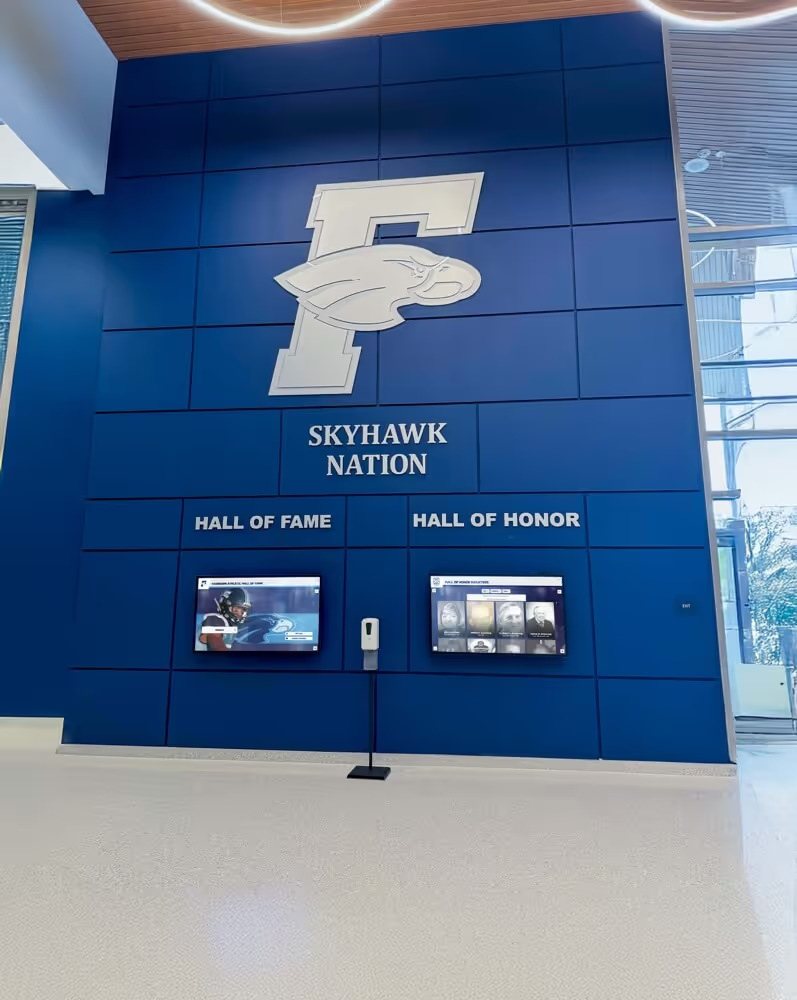
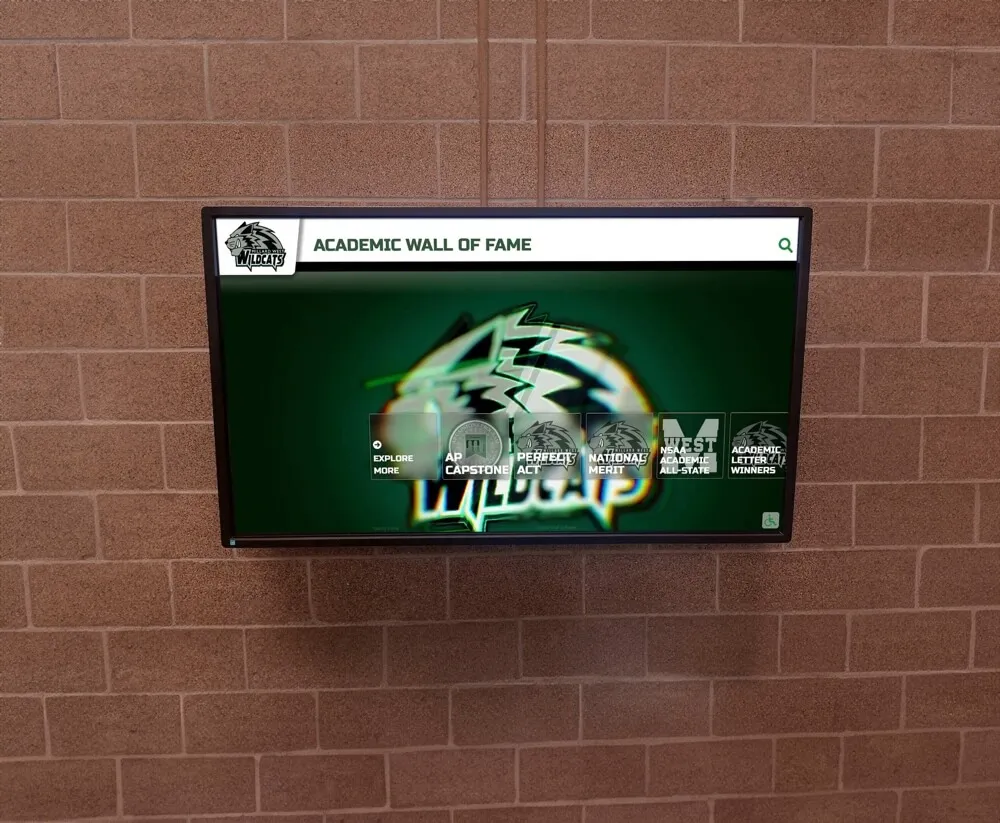
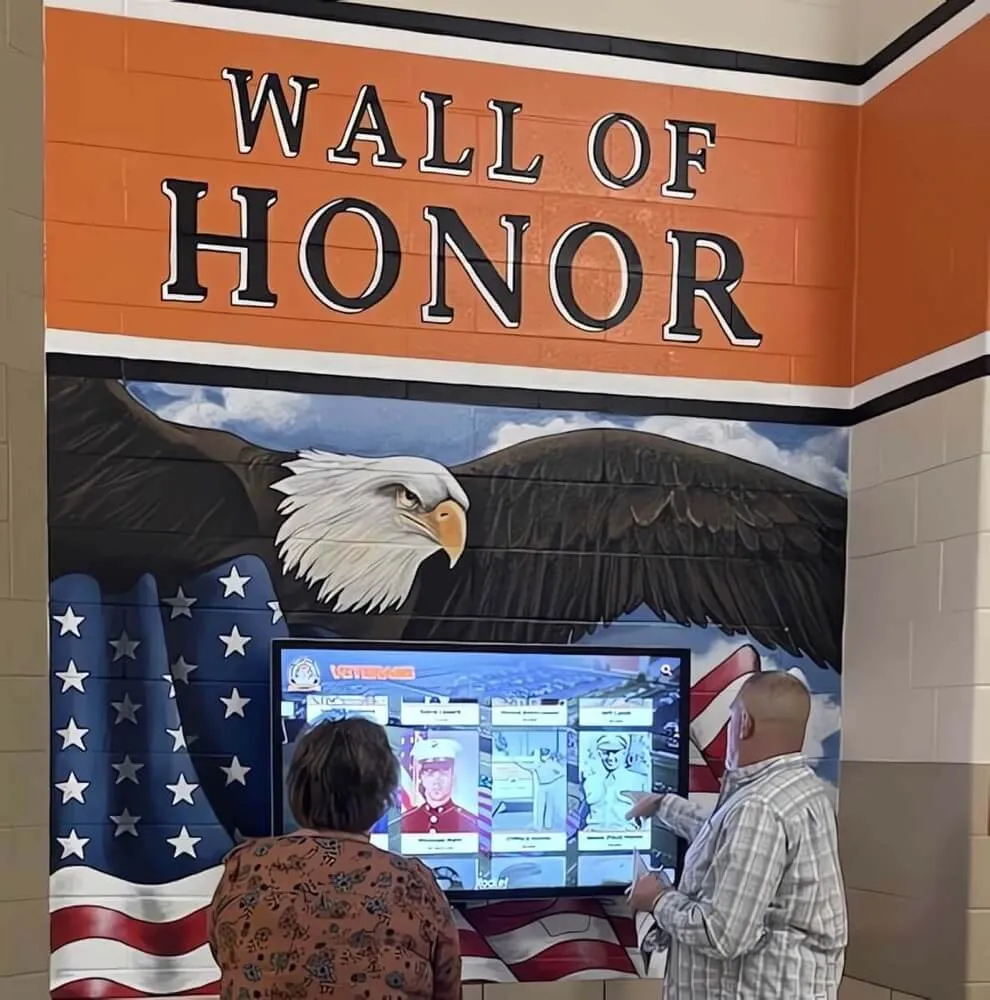
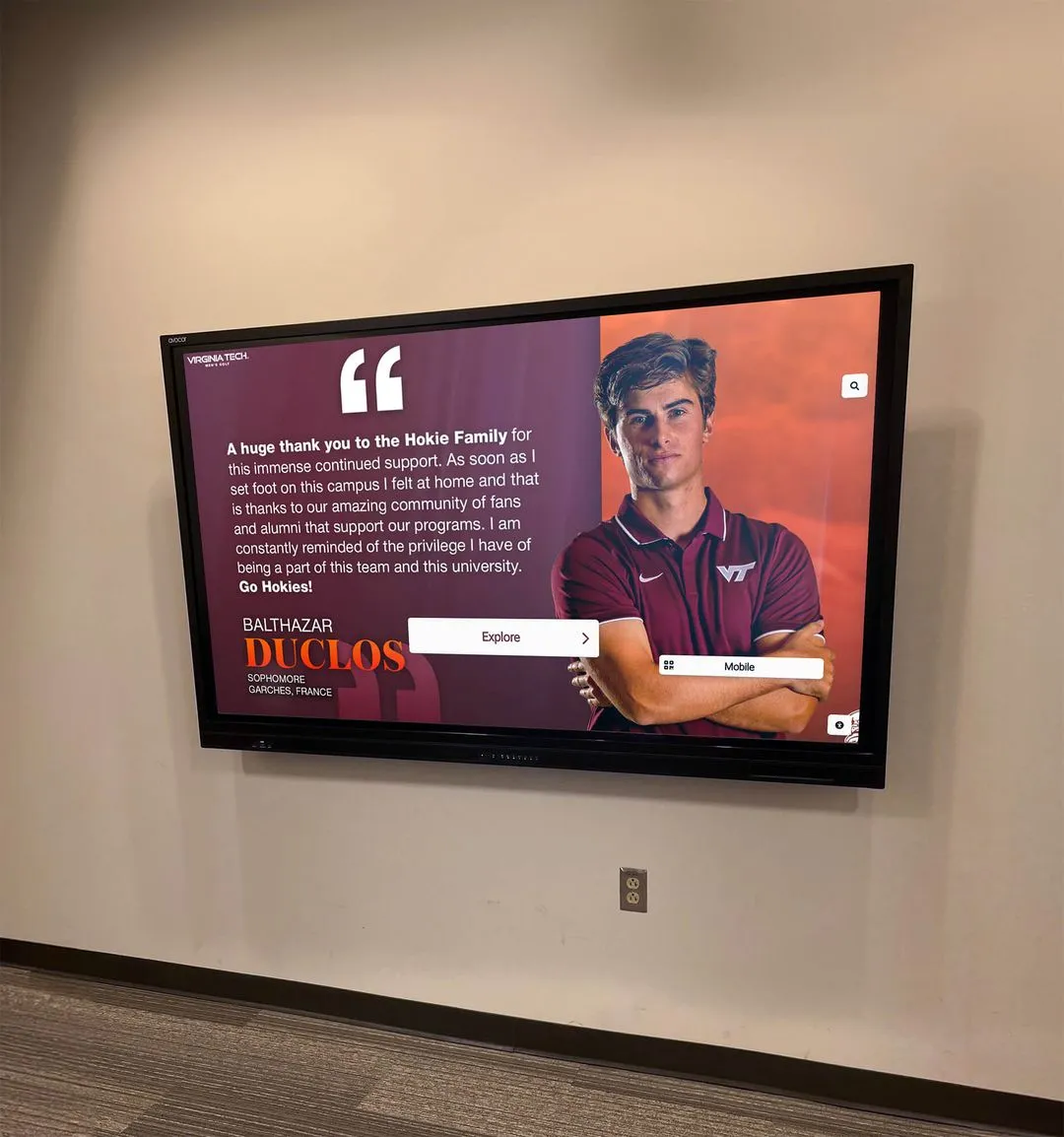
Digital displays transform honor roll lists into professional recognition systems that celebrate top academic performers
This guide explains what principal honor roll means, typical GPA requirements schools use, how it differs from other honor roll tiers, and proven strategies for recognizing top academic students through modern recognition systems that keep excellence visible year-round.
Understanding Principal Honor Roll: Definition and Purpose
Principal honor roll—sometimes called “principal’s list,” “highest honors,” or “superintendent’s list”—represents the most selective academic recognition tier in typical school honor roll systems. While specific criteria vary by institution, this designation consistently identifies students achieving the highest academic standards during a grading period.
What Principal Honor Roll Means
Core Characteristics:
- Highest Achievement Tier: The most selective honor roll category requiring exceptional academic performance
- GPA-Based Recognition: Determined by grade point average across all courses during a marking period
- Periodic Recognition: Typically awarded quarterly, by semester, or annually depending on school grading systems
- Institutional Standards: Criteria established by individual schools or districts based on local grading policies
- Transcript Documentation: Often appears on official transcripts as formal academic distinction
- Scholarship Relevance: Frequently required or preferred for competitive academic scholarships
The principal’s list designation creates clear distinction between exceptional academic performance and strong performance, establishing aspirational targets for students committed to academic excellence.
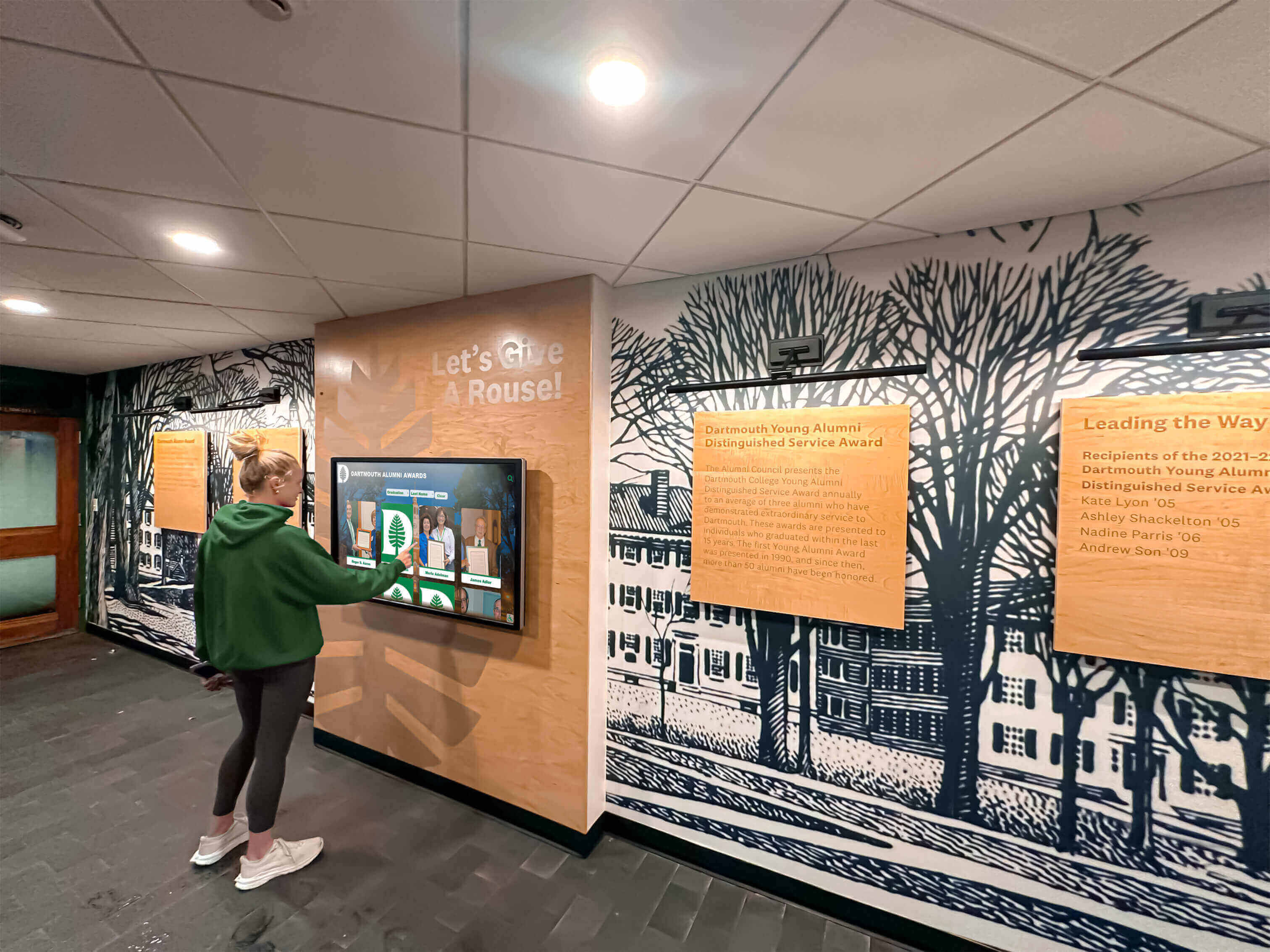
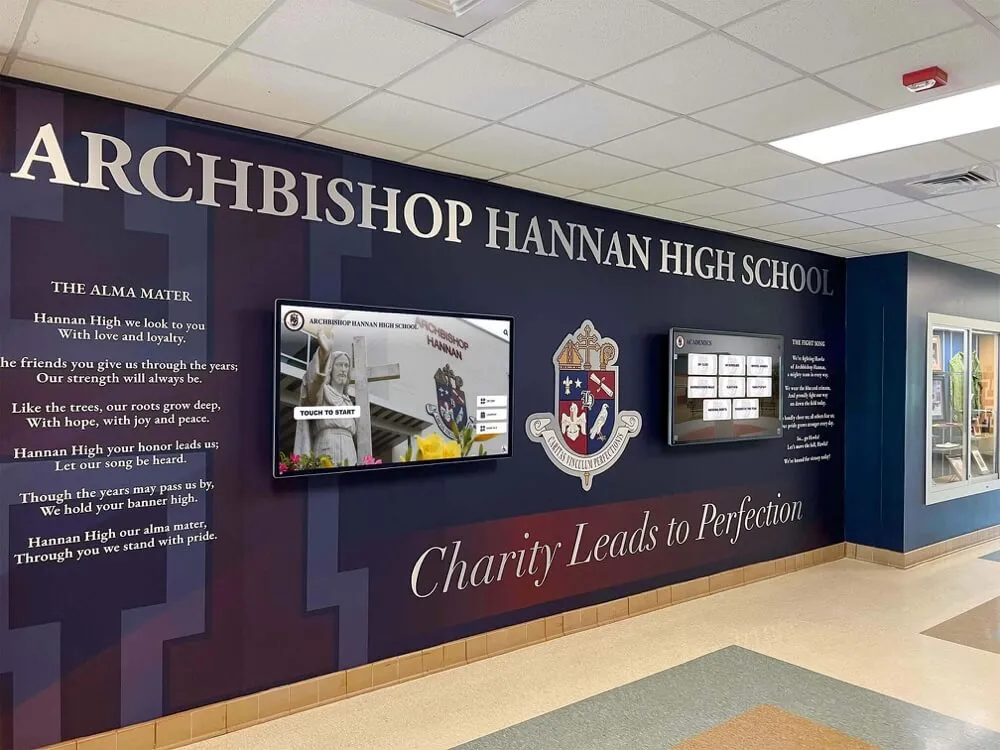
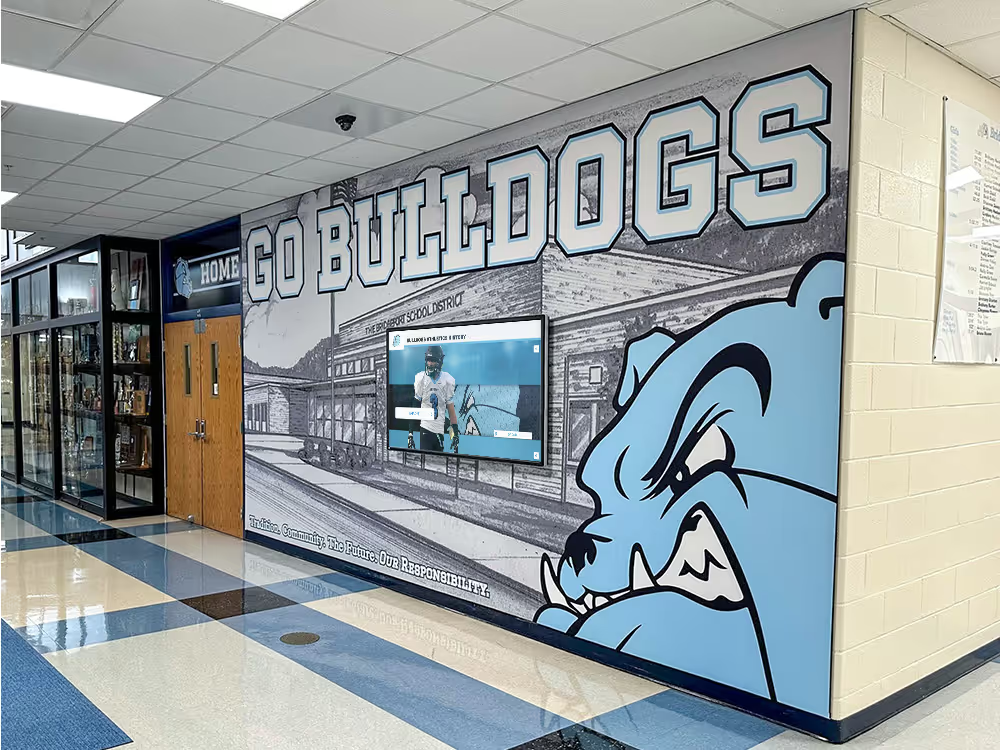
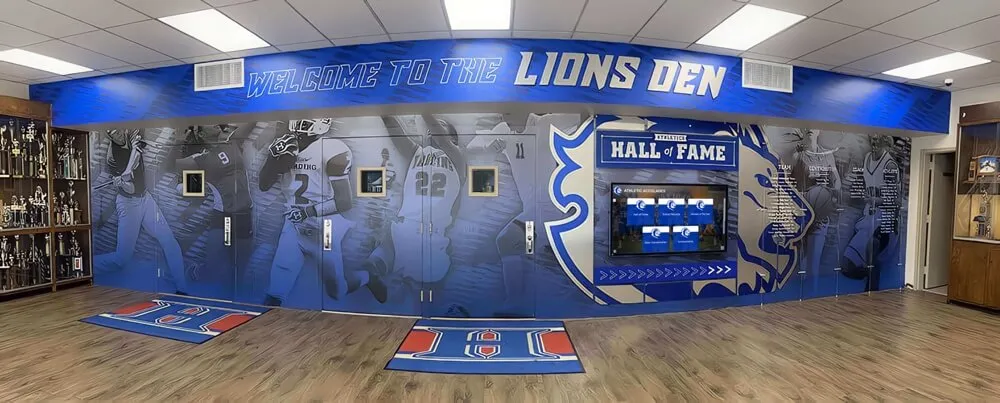
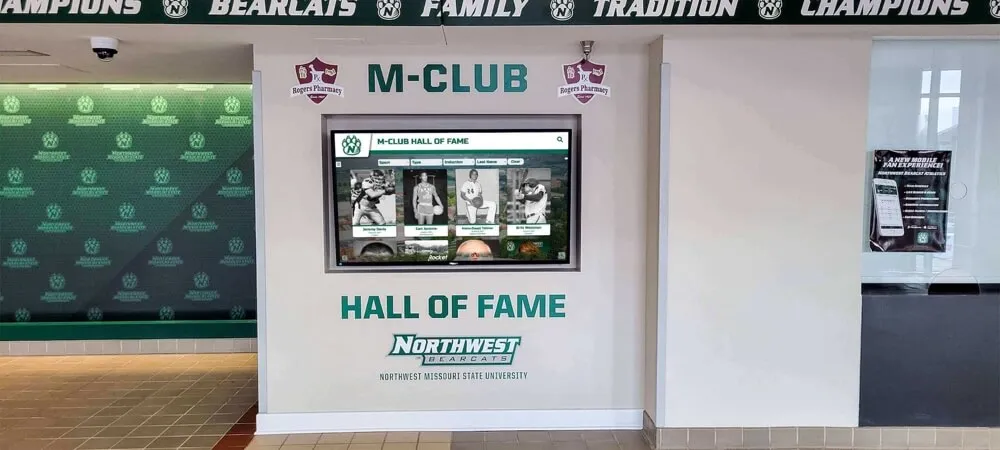
Interactive displays allow students to explore honor roll achievements and understand recognition criteria
Why Schools Create Principal Honor Roll Systems
Educational and Cultural Benefits:
- Recognizes Exceptional Achievement: Distinguishes outstanding performance from general academic success
- Motivates Academic Excellence: Creates clear, attainable targets for high-performing students
- Balances Athletic Recognition: Provides academic prestige comparable to athletic honors
- Supports College Applications: Demonstrates sustained excellence for admissions and scholarships
- Builds Academic Culture: Signals institutional commitment to celebrating intellectual achievement
- Provides Multiple Tiers: Creates recognition opportunities at various achievement levels
Schools implementing comprehensive academic recognition programs typically establish multiple honor roll levels, ensuring students at different performance levels receive appropriate acknowledgment while maintaining rigorous standards for top-tier recognition.
Principal Honor Roll GPA Requirements and Cutoffs
While no universal standard exists, most schools establish GPA cutoffs for principal honor roll between 3.8 and 4.0, with many requiring perfect or near-perfect averages. Understanding common approaches helps students and families navigate varied institutional standards.
Common GPA Cutoff Standards
Typical Principal Honor Roll Requirements:
| GPA Requirement | Common Usage | Grade Equivalent |
|---|---|---|
| 4.0 Only | Most restrictive standard, perfect GPA required | All A grades across all courses |
| 3.9-4.0 | Allows one or two A- grades in some systems | Predominantly A grades, minimal A- |
| 3.85-4.0 | Moderate flexibility while maintaining rigor | Strong A average with occasional A- |
| 3.8-4.0 | More inclusive top tier | Solid A/A- performance across courses |
Schools select cutoffs based on institutional philosophy, grade distribution patterns, and desired recognition percentages. More selective schools or programs may require perfect 4.0 averages exclusively, while schools seeking broader recognition might use 3.8 or 3.85 thresholds.
Factors Influencing GPA Calculations:
- Weighted vs. Unweighted: Some schools count honors/AP courses differently
- Plus/Minus Grading: Systems using A+, A, A- create more granular distinctions
- Course Inclusion: Whether electives, physical education, or all courses count
- Grade Rounding: How schools handle GPAs like 3.94 or 3.96
- Minimum Course Load: Requirements for number of courses or credits attempted
These variables create significant variation between schools, making it essential for students to understand their specific institution’s calculation methods and requirements.

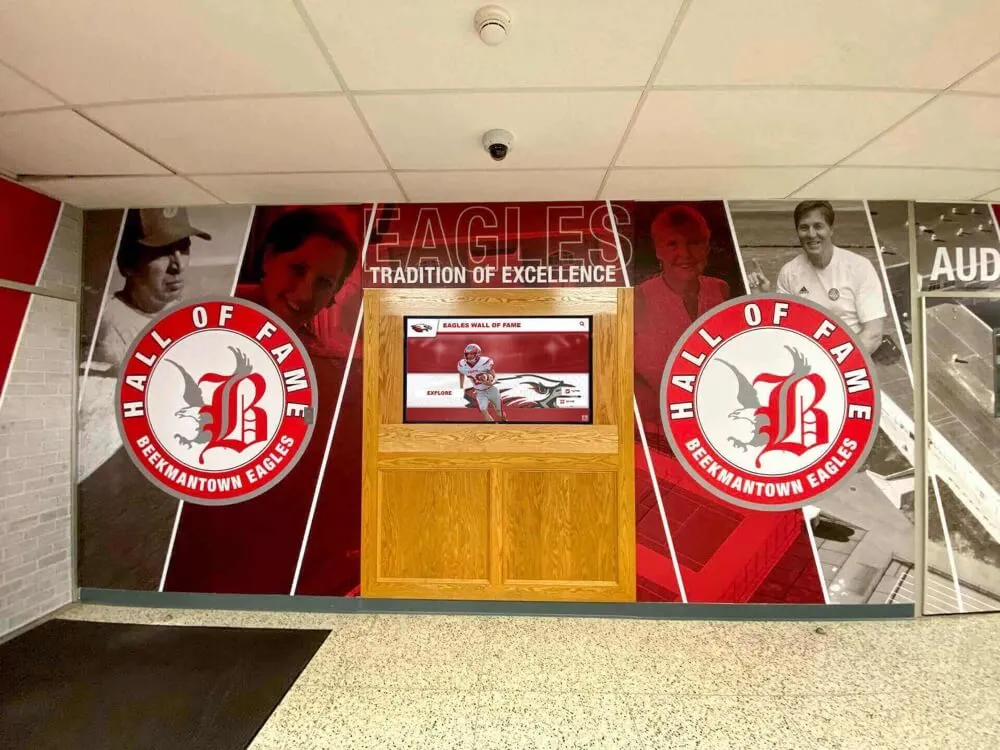
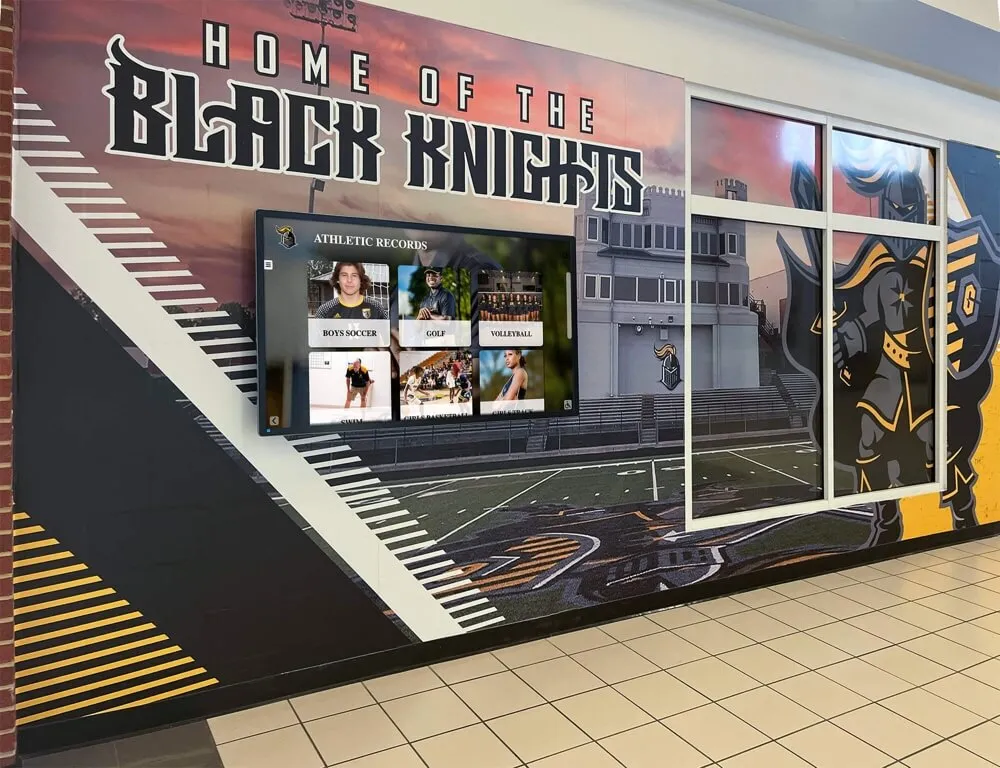
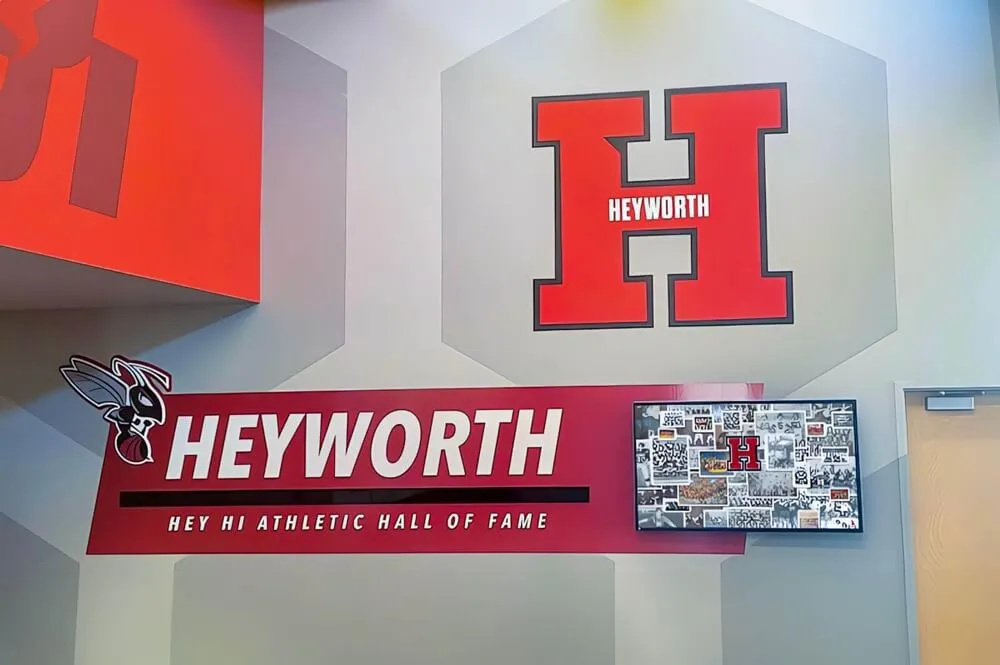
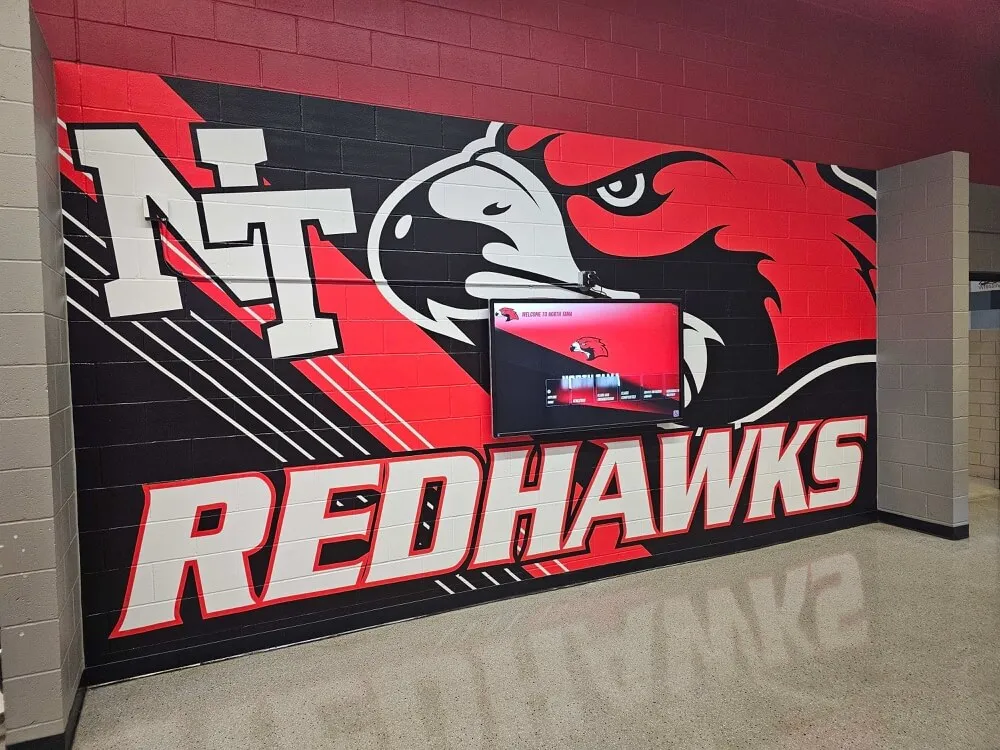
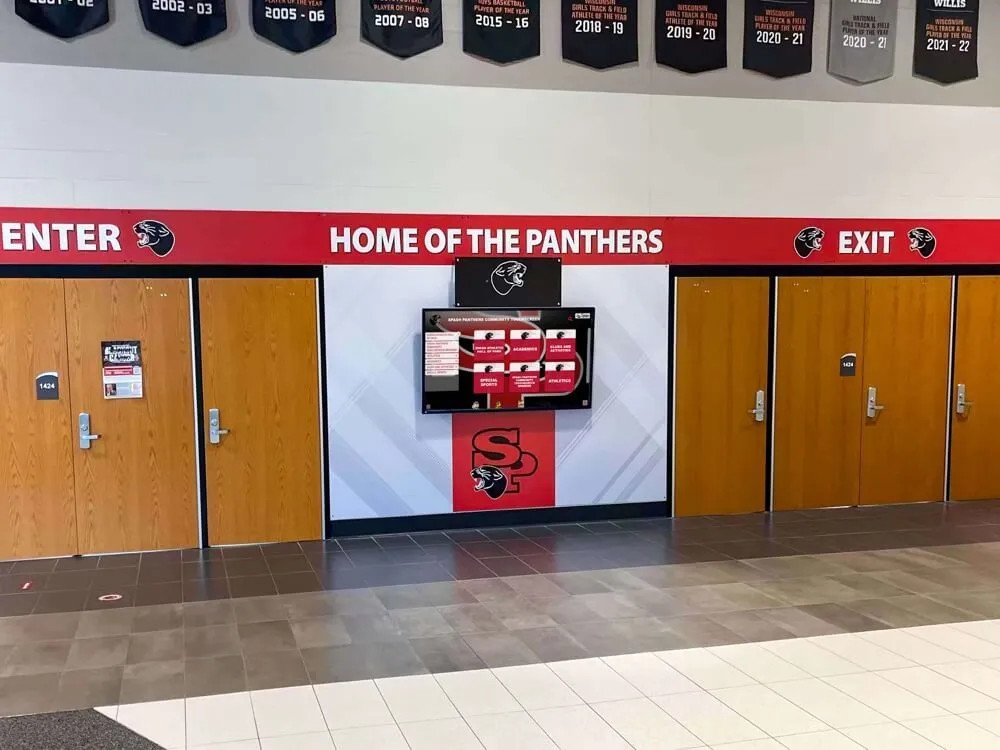
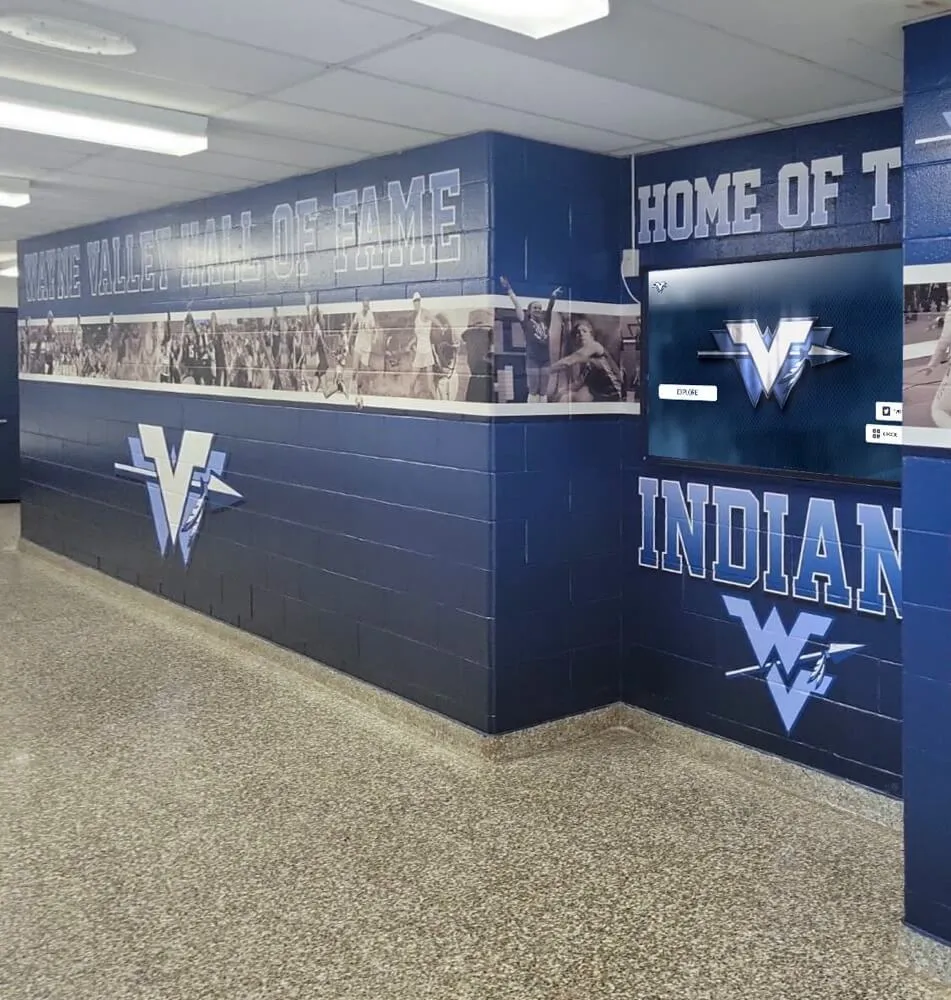
Prominent hallway displays ensure honor roll achievement receives continuous visibility from school communities
How Principal Honor Roll Differs from Other Tiers
Most schools create multi-tiered honor roll systems recognizing achievement at different levels. Understanding these distinctions clarifies what principal honor roll represents within broader recognition frameworks.
Common Three-Tier Honor Roll Structure:
Principal Honor Roll / Highest Honors
- GPA Range: 3.8-4.0 (varies by school)
- Achievement Level: Exceptional
- Typical Percentage: 5-15% of students
- Recognition: Most prestigious tier
- College Impact: Strong transcript distinction
Honor Roll / High Honors
- GPA Range: 3.5-3.79
- Achievement Level: Strong
- Typical Percentage: 15-25% of students
- Recognition: Mid-tier acknowledgment
- College Impact: Demonstrates consistency
Merit Roll / Honors
- GPA Range: 3.0-3.49
- Achievement Level: Good
- Typical Percentage: 20-30% of students
- Recognition: Foundational tier
- College Impact: Shows academic engagement
This tiered approach ensures recognition opportunities exist for students at various performance levels while maintaining meaningful distinctions between achievement categories. Students understand that reaching principal honor roll requires exceptional commitment beyond general academic success.
Schools implementing digital recognition displays can effectively showcase all tiers while clearly highlighting top-tier principal’s list achievers.
Additional Requirements Beyond GPA
Many schools add supplementary criteria to honor roll eligibility, ensuring recognition represents well-rounded achievement rather than grades alone.
Common Supplementary Requirements
Behavioral and Attendance Standards:
- Attendance Minimums: Often requiring 95% attendance or fewer than specified absences
- Discipline Requirements: Clean disciplinary record or no major infractions
- Citizenship Standards: Satisfactory or excellent citizenship marks in all courses
- Effort Ratings: Meeting minimum effort or participation expectations
- Completion Requirements: Submitting all major assignments and assessments
These standards ensure honor roll recipients demonstrate responsibility, engagement, and character alongside academic performance. Schools may disqualify otherwise-eligible students for excessive absences, behavioral issues, or incomplete coursework regardless of GPA achievement.
Course Load Considerations:
Some schools establish minimum course requirements:
- Full-time enrollment (typically 6-7 courses)
- Enrollment in challenging coursework when available
- No dropping courses mid-semester to protect GPA
- Meeting graduation requirement progress benchmarks
These requirements prevent students from gaming the system through light course loads or strategic course selection focused solely on GPA preservation rather than comprehensive education.
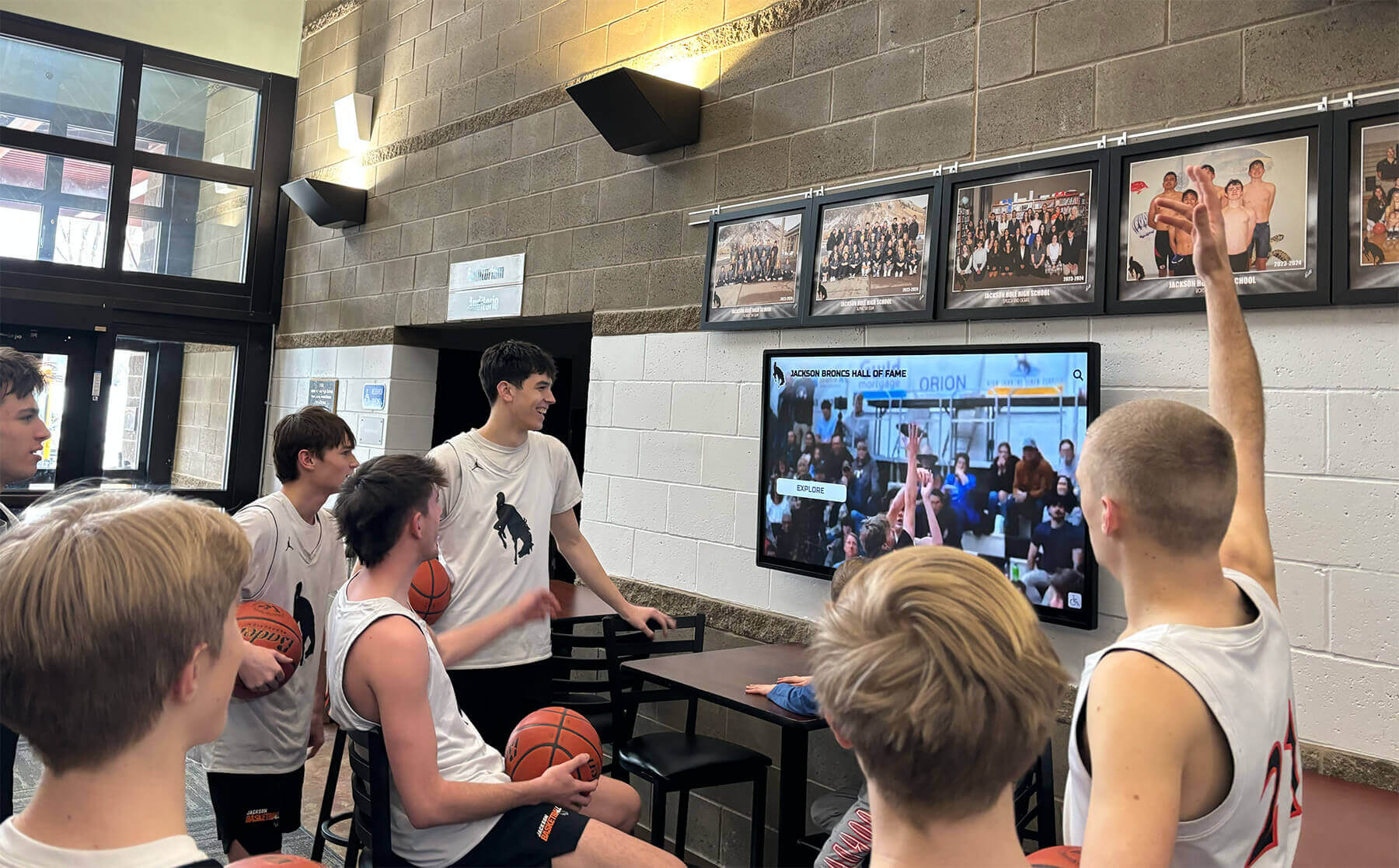
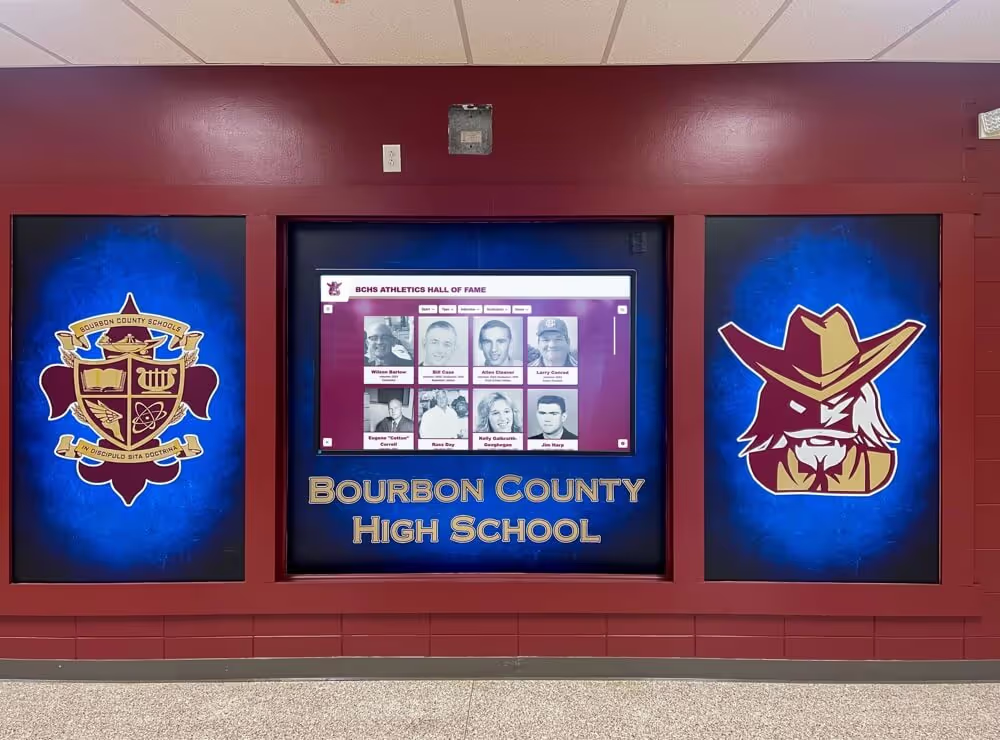
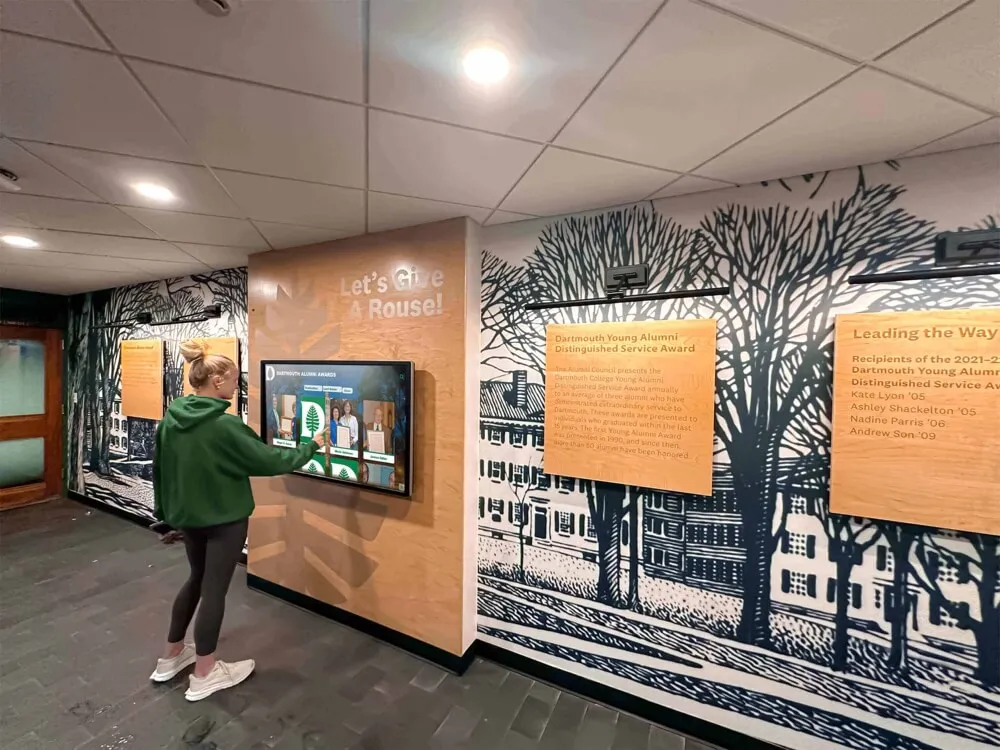
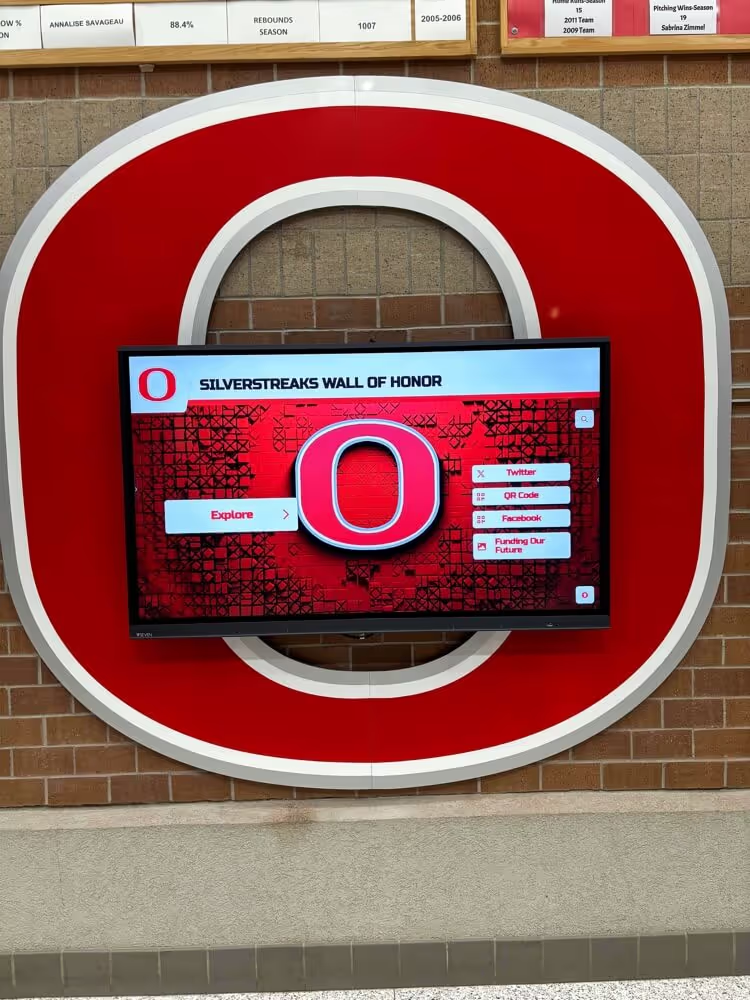
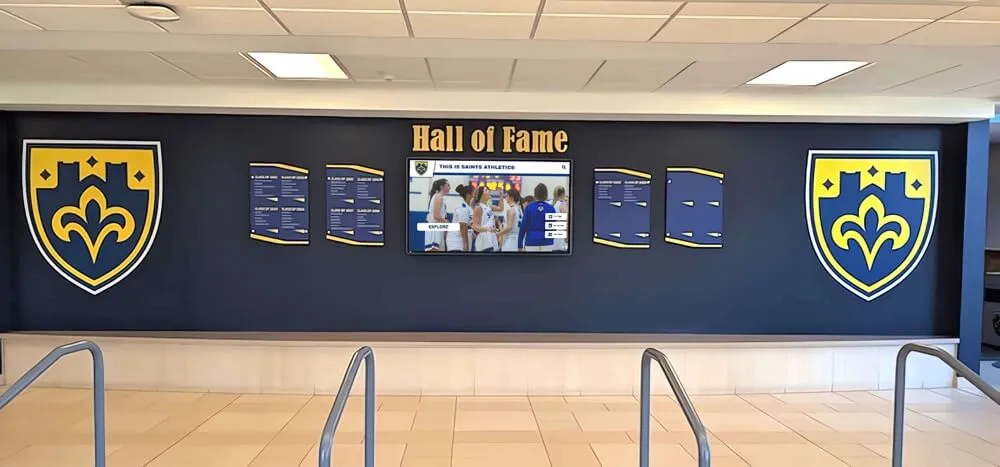
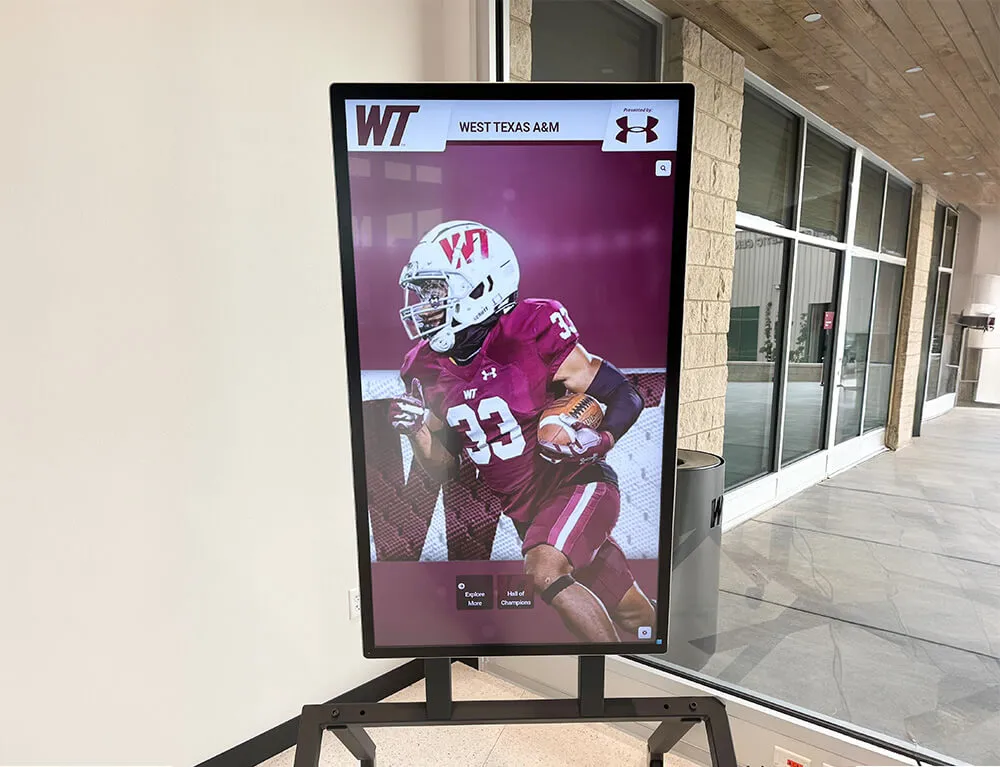
Lobby recognition systems create natural gathering points where students explore academic and co-curricular achievements
Similar to how schools celebrate diverse student achievements, comprehensive honor roll systems recognize multiple dimensions of student excellence beyond test scores alone.
Recognition Timing: Quarterly, Semester, or Annual
Schools structure honor roll recognition cycles based on grading periods, with different approaches offering distinct advantages.
Common Recognition Frequencies
Quarterly Honor Roll (Every 9 Weeks):
Advantages:
- More frequent recognition opportunities
- Allows students to recover from difficult periods
- Creates ongoing motivation throughout the year
- Provides regular feedback on academic standing
Considerations:
- More administrative work updating recognition systems
- Individual quarters may be less meaningful than longer periods
- Strategic course selection in specific quarters possible
Semester Honor Roll (Twice Yearly):
Advantages:
- Balanced between frequency and achievement significance
- Aligns with most transcript reporting periods
- Reduces administrative burden compared to quarterly
- Represents sustained achievement over meaningful time period
Considerations:
- Fewer total recognition opportunities per year
- Difficult first semester can affect entire half-year standing
- Less frequent motivation touchpoints for students
Annual Honor Roll (Once per Year):
Advantages:
- Represents sustained excellence across entire academic year
- Most prestigious designation due to consistency required
- Simplified administration and recognition ceremonies
- Strongest transcript impact
Considerations:
- Single poor grading period eliminates annual recognition
- Limited opportunities for students transferring or improving mid-year
- Less frequent acknowledgment may reduce motivational impact
Many schools combine approaches, recognizing students quarterly while also celebrating sustained achievement through “four-quarter honor roll” or “consecutive semester” designations that acknowledge consistent excellence over extended periods.
Schools using interactive touchscreen displays can efficiently update recognition as frequently as needed, eliminating manual poster creation that discourages frequent updates.
Modern Recognition Strategies for Principal Honor Roll
Moving beyond printed lists creates engaging, accessible, and sustainable recognition systems that appropriately honor top academic achievers while inspiring continued excellence.
Digital Recognition Display Systems
Interactive Touchscreen Recognition:
Contemporary schools implement digital displays featuring:
- Auto-Updated Honor Roll Lists: Current period principal’s list organized by grade level
- Historical Achievement Archives: Searchable databases of past honor roll recipients
- Consecutive Achievement Tracking: Highlighting students maintaining principal’s list across multiple periods
- Student Profiles: Photos, quotes, future plans, and academic interests
- Achievement Statistics: Visual representations of honor roll participation trends
- Filterable Browsing: Explore by graduating class, achievement tier, or consecutive quarters
Digital systems eliminate the administrative burden of manually updating paper lists while creating professional presentations that appropriately celebrate academic achievement. Unlike bulletin boards that become outdated and ignored, digital displays remain current and engaging throughout the year.
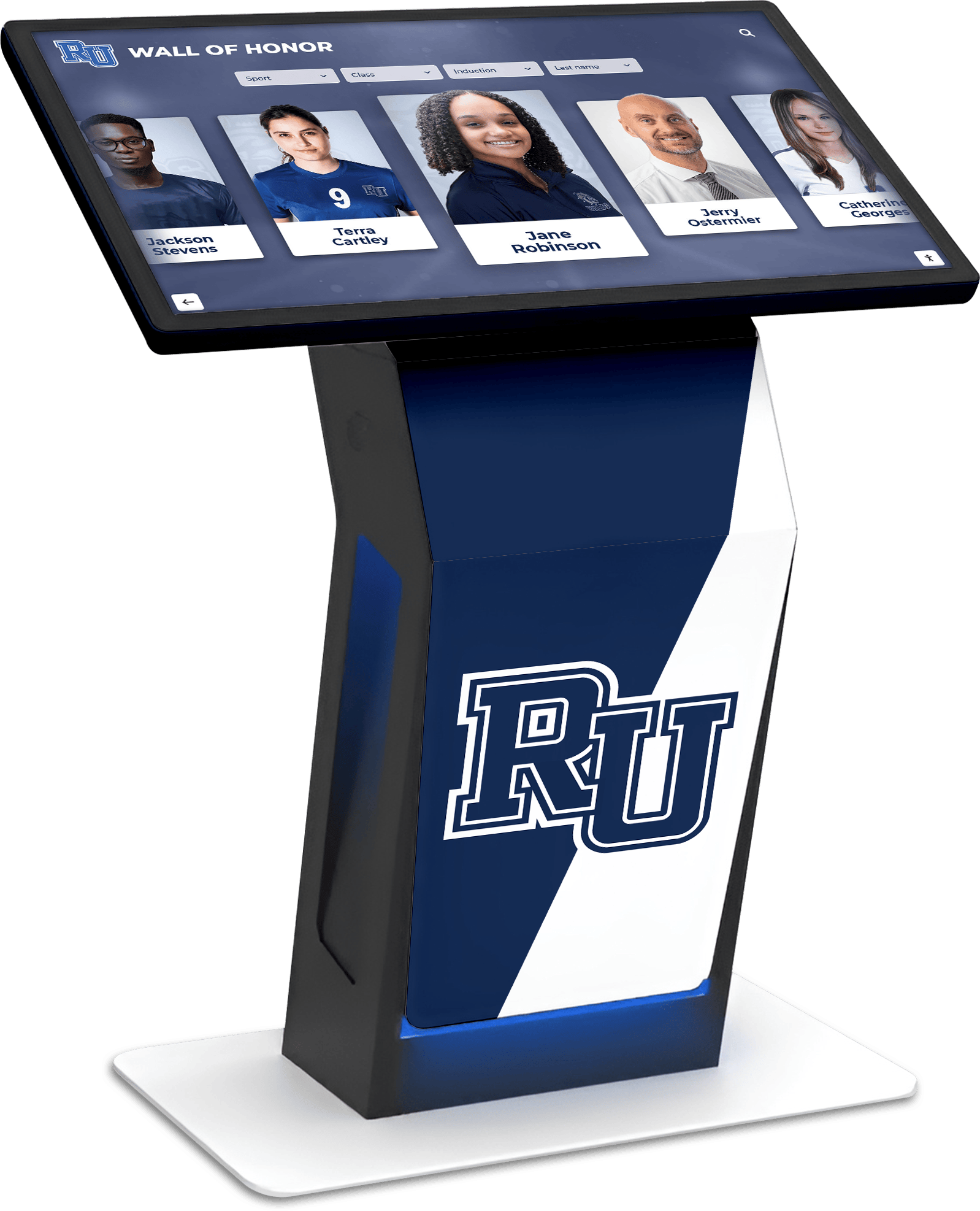
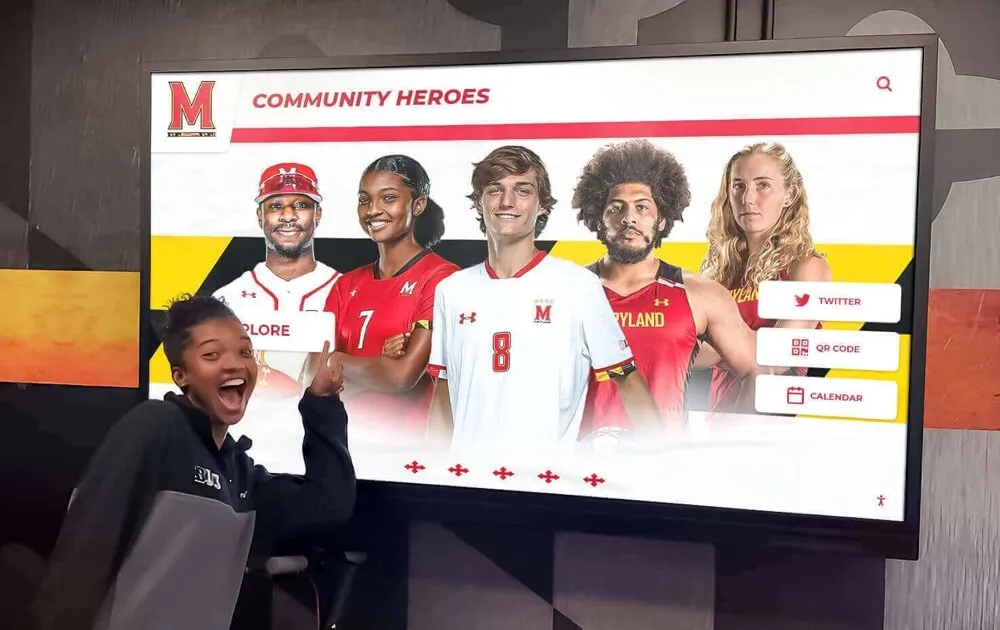
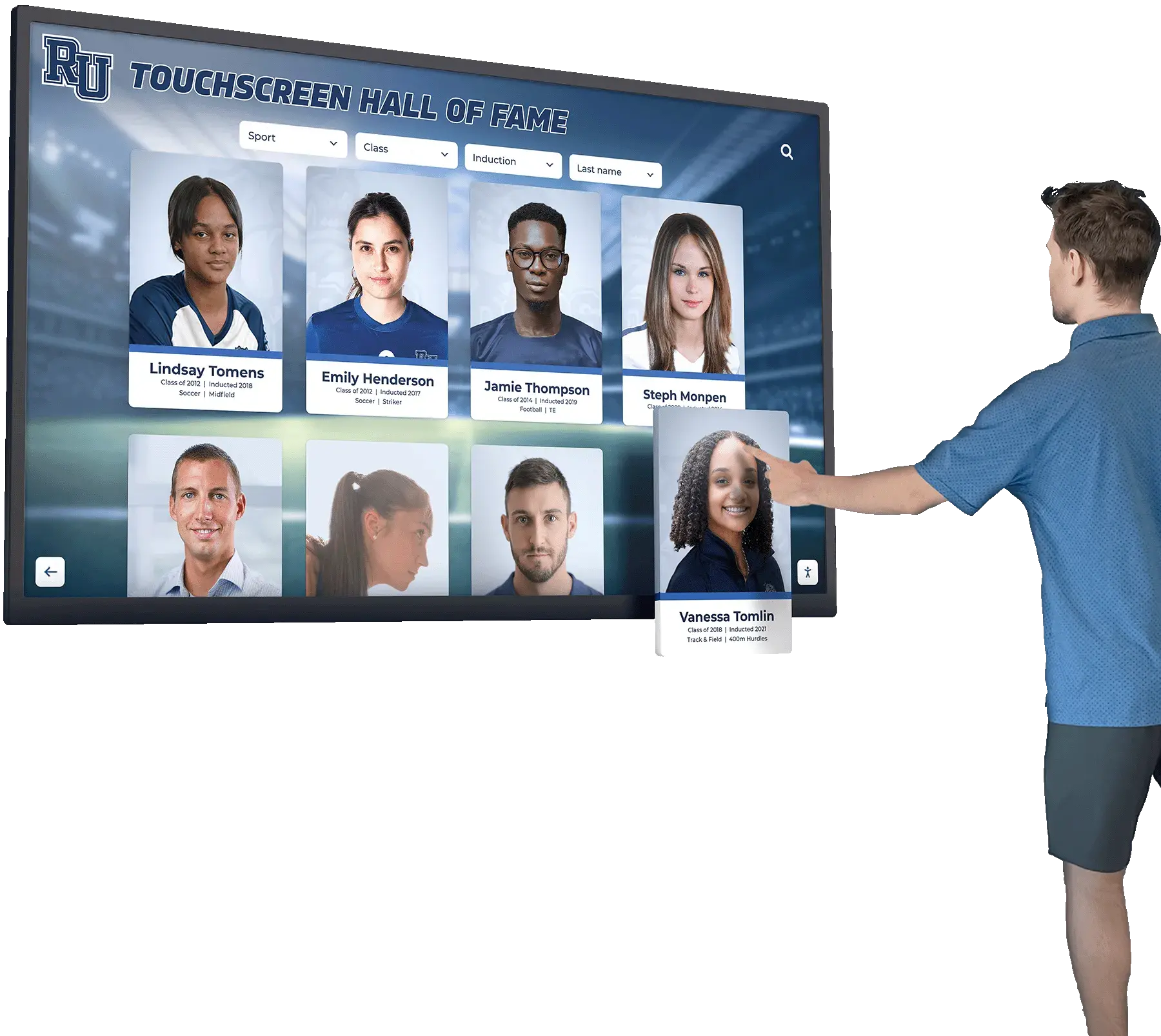
Touchscreen displays transform honor roll recognition into engaging, searchable recognition experiences
Strategic Display Placement:
Maximize visibility and impact through thoughtful location selection:
- Main Entrance Lobbies: Ensuring all visitors see academic achievement immediately upon entry
- Academic Hallways: Placing recognition near classrooms where learning happens
- Library or Media Center: Connecting academic excellence to research and study spaces
- College Counseling Areas: Reinforcing achievement for students focused on college planning
- Cafeteria or Common Areas: Reaching students during social gathering times
Similar to how schools celebrate athletic excellence in prominent locations, academic recognition deserves high-visibility placement that signals institutional commitment to celebrating scholarly achievement.
Comprehensive Recognition Programs
Multi-Channel Recognition Approach:
Effective programs combine digital displays with complementary recognition methods:
- Formal Ceremonies: Honor roll breakfast, lunch, or assembly celebrating recipients
- Certificate Distribution: Physical certificates students can display at home
- Parent Notification: Letters or emails informing families of student achievement
- School Communications: Featured recognition in newsletters, websites, and social media
- Transcript Notation: Official documentation on permanent academic records
- Special Privileges: Honor roll parking, cafeteria benefits, or event access
- Leadership Opportunities: Tutoring programs, student ambassador roles, or mentoring
This multi-channel approach ensures recognition reaches various stakeholders—students, families, community members, and college recruiters—while creating comprehensive celebration ecosystems rather than single announcement moments.
Sustained vs. Single-Period Achievement Recognition:
Consider creating special designations for consistent excellence:
- Four-Quarter Honor Roll: Students achieving principal’s list all four marking periods
- Consecutive Semester Achievement: Multi-year principal’s list streaks
- Cumulative GPA Recognition: Overall high school achievement alongside period-specific honors
- Senior Distinctions: Graduation recognition for sustained honor roll across four years
These sustained achievement categories create aspirational targets beyond individual grading periods, motivating long-term academic commitment rather than short-term performance spikes.
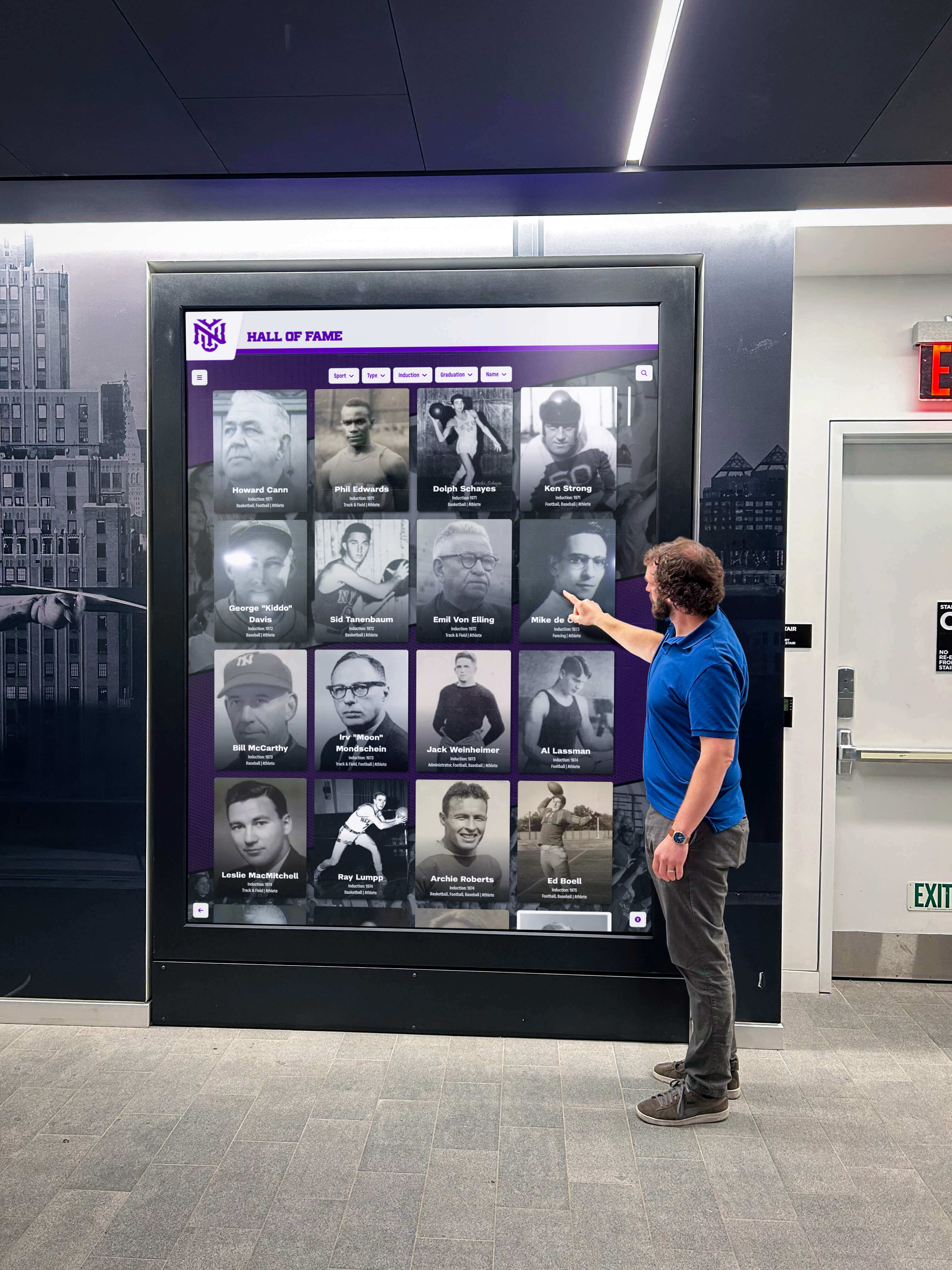
Accessible displays allow community members to explore student achievements and school academic culture
Schools implementing comprehensive school pride initiatives recognize that academic excellence celebration contributes significantly to institutional culture and student engagement.
Building Effective Honor Roll Recognition Programs
Implementing or improving principal honor roll recognition requires systematic planning addressing criteria, communication, and celebration approaches.
Establishing Clear, Transparent Criteria
Critical Communication Elements:
Students and families need comprehensive understanding of honor roll requirements:
- Published GPA Cutoffs: Clear numerical thresholds for each honor roll tier
- Calculation Methods: Whether weighted, unweighted, and which courses count
- Supplementary Requirements: Attendance, discipline, citizenship, or completion standards
- Grade Inclusion Rules: How incompletes, withdrawals, or pass/fail courses affect eligibility
- Appeals Process: Procedures for addressing perceived calculation errors or special circumstances
- Timeline: When honor roll determinations happen and when recognition occurs
Communication Channels:
Ensure criteria reach all stakeholders through multiple methods:
- Student handbooks with detailed honor roll sections
- Family orientation presentations explaining recognition systems
- School websites with FAQ sections addressing common questions
- Course selection materials referencing honor roll impact
- Beginning-of-year assemblies reviewing academic expectations
- Counselor meetings with students setting academic goals
Transparent, accessible criteria eliminate confusion while creating equitable systems where all students understand exactly what achievement requires.
Recognition Timing and Consistency
Implementation Best Practices:
- Prompt Recognition: Acknowledge achievement quickly after grade finalization
- Consistent Scheduling: Maintain predictable recognition cycles students can anticipate
- Clear Deadlines: Publish grade submission and honor roll announcement timelines
- Regular Updates: Keep digital displays current throughout grading periods
- Ceremony Planning: Schedule honor roll events that don’t conflict with major school activities
Consistency creates reliability, ensuring recognition remains meaningful rather than arbitrary or inconsistently applied across grading periods or years.
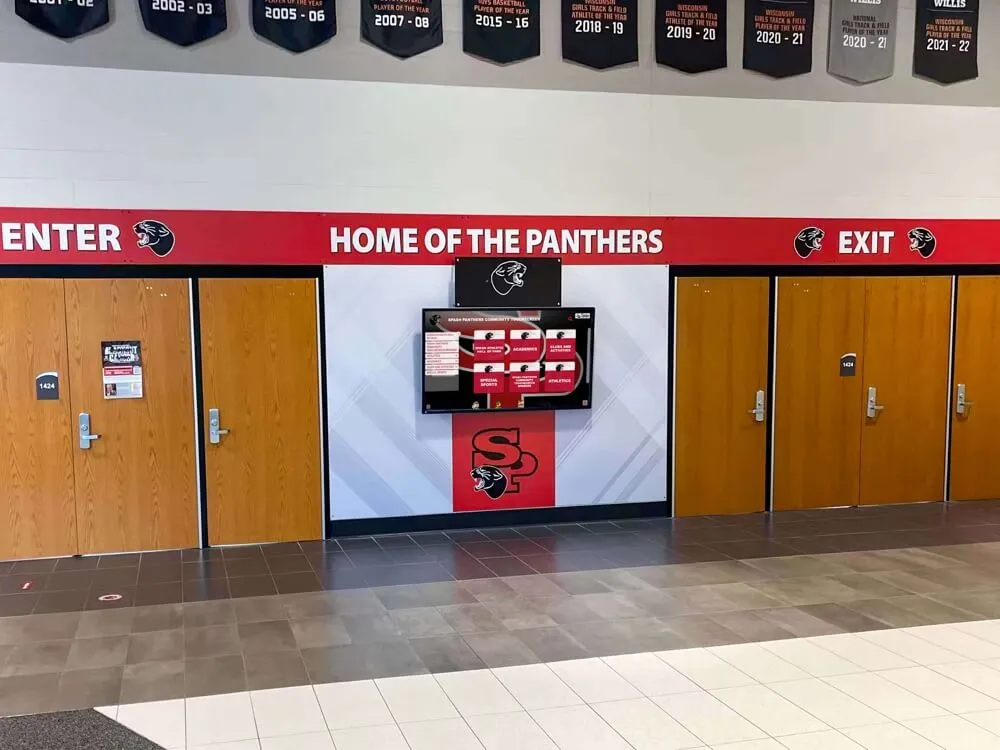
Integrated hallway displays make academic recognition a permanent part of school environments
Balancing Exclusivity with Inclusivity
Finding Appropriate Standards:
Honor roll systems should challenge students while maintaining achievable targets:
- Data Review: Analyze historical grade distributions to understand typical achievement levels
- Percentage Targets: Consider appropriate recognition percentages (principal’s list typically 5-15%)
- Tier Spacing: Ensure meaningful GPA differences between honor roll levels
- Accessibility Assessment: Verify recognition opportunities exist for students at various achievement levels
- Standard Stability: Avoid frequent criteria changes that confuse students or families
Schools may find that 3.8 cutoffs yield 20% principal’s list achievement while 4.0-only requirements drop participation to 3%. Understanding these patterns helps establish standards aligned with institutional philosophy about recognition breadth versus exclusivity.
Maximizing the Impact of Honor Roll Recognition
Recognition effectiveness depends on visibility, engagement, and institutional commitment beyond checkbox acknowledgment.
Creating Aspirational Academic Culture
Cultural Development Strategies:
- Equal Visibility with Athletics: Position academic recognition displays as prominently as athletic trophy cases
- Peer Modeling: Showcase honor roll students in ways that inspire rather than intimidate classmates
- Celebration Normalizing: Make academic achievement acknowledgment routine rather than exceptional
- Family Engagement: Involve parents in recognition events and celebrations
- Community Awareness: Share honor roll achievements through local media and community channels
- Teacher Recognition: Acknowledge educators whose students achieve honor roll success
When academic excellence receives celebration comparable to athletic achievement, schools signal balanced values that honor diverse forms of student success. Students internalize these cultural messages, increasingly viewing scholarly dedication as socially acceptable and even desirable.
Similar to how schools recognize various forms of student excellence, comprehensive recognition systems celebrate multiple achievement pathways rather than privileging single domains.
Supporting Struggling Students
Motivation Without Discouragement:
Honor roll recognition should inspire rather than discourage students not yet achieving these standards:
- Growth Recognition: Celebrate improvement alongside absolute achievement
- Multiple Pathways: Recognize subject-specific excellence for students with varied strengths
- Tutoring Resources: Connect aspiring students with support systems
- Goal-Setting Programs: Help students develop realistic academic improvement plans
- Incremental Celebrations: Acknowledge progress toward honor roll even before achieving it
- Second-Chance Frameworks: Emphasize that each grading period offers fresh opportunities
Effective recognition systems motivate the full student population rather than creating elite clubs accessible only to already-high-performing students. When honor roll feels attainable through hard work rather than reserved exclusively for “naturally smart” students, more students engage academically.
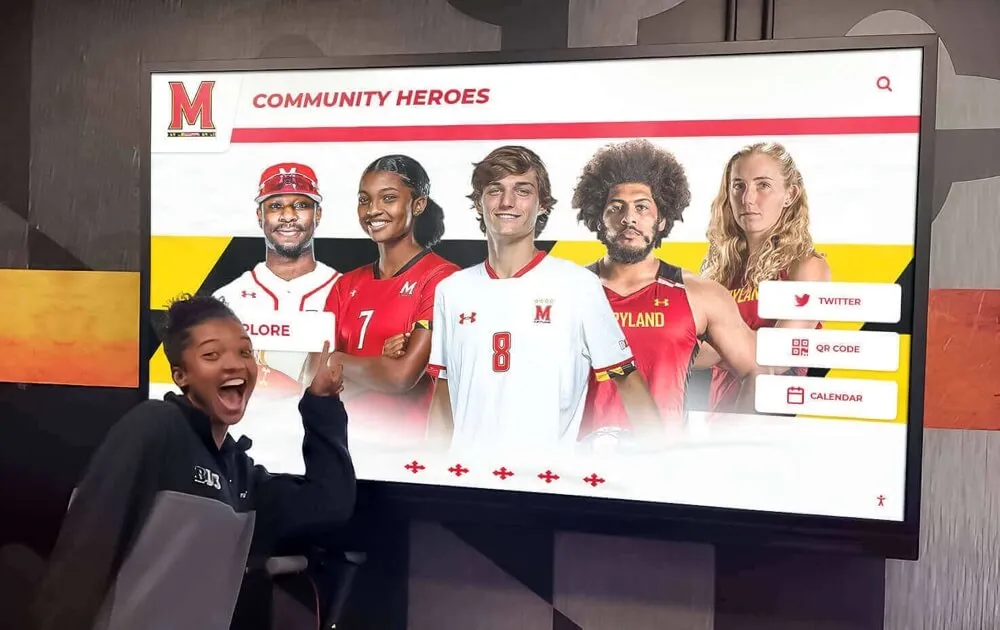
Engaging displays inspire students to explore achievements and set personal academic goals
Schools implementing motivation-focused recognition strategies understand that celebration systems should elevate entire student bodies rather than simply acknowledging top performers.
Program Implementation: From Planning to Launch
Building or modernizing principal honor roll recognition requires systematic planning addressing multiple stakeholder groups and implementation phases.
Program Planning Framework
| Planning Phase | Key Actions | Stakeholders | Timeline |
|---|---|---|---|
| Criteria Definition | Review GPA cutoffs, establish tiers, set supplementary requirements | Administration, counselors, teachers | 2-3 months before launch |
| Communication Development | Create student handbook content, parent materials, website resources | Administration, communications team | 6-8 weeks before launch |
| Recognition Method Selection | Choose display technology, design certificates, plan ceremonies | Technology staff, activities coordinator | 4-6 weeks before launch |
| System Testing | Verify GPA calculations, test data imports, review student lists | Registrar, technology staff, counselors | 2-3 weeks before launch |
| Launch Preparation | Train staff, inform families, prepare students, finalize displays | All stakeholders | 1-2 weeks before announcement |
| Recognition Event | Announce recipients, activate displays, distribute certificates | Students, families, community | First recognition cycle |
| Evaluation & Refinement | Gather feedback, assess participation, adjust criteria if needed | Administration, student feedback | After first 2-3 cycles |
Digital Display Implementation
Technical Considerations:
When implementing touchscreen recognition systems:
- Content Management: Cloud-based platforms allowing easy updates without technical expertise
- Data Integration: Systems pulling honor roll lists directly from student information systems
- Display Design: Professional layouts appropriate for academic achievement celebration
- User Experience: Intuitive touchscreen interfaces students and visitors can navigate independently
- Accessibility: ADA-compliant designs meeting WCAG 2.1 AA standards
- Security: Appropriate student information protection meeting FERPA requirements
- Maintenance: Reliable hardware with technical support and warranty coverage
- Scalability: Systems accommodating growing student populations or expanded recognition categories
Modern digital recognition platforms eliminate the technical barriers that previously made interactive displays accessible only to well-resourced schools. Cloud-based content management means academic staff can update honor roll displays as easily as editing documents, without technical expertise or on-site support.
Schools exploring touchscreen recognition technology discover that contemporary systems offer turnkey implementation with minimal technical complexity or ongoing maintenance requirements.
Measuring Recognition Program Success
Evaluating honor roll recognition effectiveness ensures programs achieve intended outcomes while identifying opportunities for improvement.
Key Performance Indicators
Quantitative Metrics:
- Participation Rates: Percentage of students achieving each honor roll tier
- Trend Analysis: Whether honor roll achievement increases over time
- Consistency Tracking: Students maintaining principal’s list across multiple periods
- Grade Distribution: How overall GPAs shift following recognition program implementation
- Demographic Equity: Whether honor roll achievement represents diverse student populations
Qualitative Indicators:
- Student Motivation: Surveys assessing whether recognition influences academic effort
- Cultural Perception: Focus groups exploring how recognition affects academic climate
- Family Satisfaction: Parent feedback on recognition communication and celebration
- Teacher Observations: Educator assessment of recognition impact on classroom engagement
- Community Awareness: Whether local stakeholders understand and value school academic excellence
Schools implementing data-informed recognition systems track these metrics systematically, using evidence to refine programs rather than relying on assumptions about effectiveness.
Continuous Improvement
Refinement Strategies:
- Annual Criteria Review: Assess whether GPA cutoffs remain appropriate given grade patterns
- Student Feedback Sessions: Gather direct input from honor roll recipients and aspiring students
- Parent Survey Data: Understand family perspectives on recognition adequacy and communication
- Comparison Analysis: Review how recognition compares to athletic and co-curricular acknowledgment
- Technology Upgrades: Update digital displays as improved platforms become available
- Ceremony Evolution: Refine recognition events based on attendance and engagement patterns
Effective programs evolve based on evidence and stakeholder input rather than remaining static after initial implementation. Regular assessment ensures recognition systems continue serving educational goals while remaining meaningful to students.
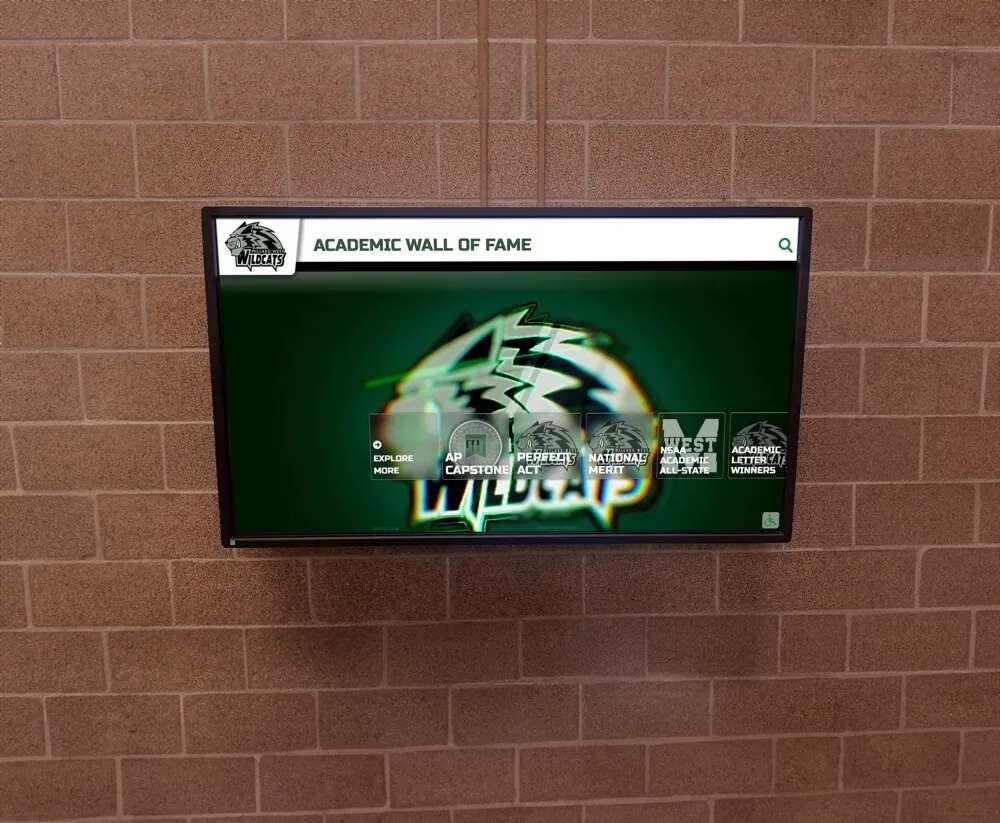
Permanent digital displays signal long-term institutional commitment to celebrating academic excellence
Beyond Principal Honor Roll: Comprehensive Academic Recognition
While principal honor roll represents the highest general academic achievement tier, comprehensive recognition programs celebrate diverse forms of scholarly excellence.
Complementary Recognition Categories
Additional Academic Honors:
- Subject Excellence Awards: Departmental recognition for outstanding achievement in specific disciplines
- Standardized Test Achievement: ACT/SAT score milestones, AP Scholar designations, state assessment excellence
- Academic Competition Success: Debate, math olympiad, science fair, academic decathlon achievements
- National Honor Society: Character-based recognition combining scholarship, service, leadership, citizenship
- Perfect Attendance: Acknowledging commitment and reliability alongside academic performance
- Most Improved: Celebrating growth and progress in addition to absolute achievement
By recognizing multiple achievement forms, schools ensure diverse student strengths receive acknowledgment while preventing academic recognition from becoming one-dimensional GPA exercises.
Schools implementing varied academic recognition approaches create inclusive cultures where numerous pathways to academic success receive institutional celebration.
Coordinated Recognition Systems
Integrated Celebration Frameworks:
Modern digital recognition platforms can showcase:
- Honor roll achievement by tier and grading period
- Subject-specific departmental awards
- Standardized test accomplishments
- Academic competition results
- Four-year sustained excellence recognition
- Special academic program participation (IB, AP, dual enrollment)
Rather than maintaining separate recognition systems for each achievement category, integrated platforms create comprehensive academic profiles celebrating student excellence across multiple dimensions. Students can explore achievement histories, understand recognition criteria, and set personal academic goals based on visible success models.
Common Questions About Principal Honor Roll
What GPA do you need for principal’s honor roll?
Most schools require GPAs between 3.8 and 4.0 for principal honor roll, with many requiring perfect 4.0 averages. Requirements vary by institution, so students should verify their specific school’s published criteria. Some schools use weighted GPAs accounting for honors and AP courses, while others use unweighted calculations treating all courses equally.
How is principal honor roll different from regular honor roll?
Principal honor roll represents the highest achievement tier requiring exceptional GPA (typically 3.8-4.0), while regular honor roll designates mid-tier achievement (typically 3.0-3.5 or 3.5-3.79 depending on school structure). The principal’s list recognizes outstanding academic excellence, whereas general honor roll acknowledges solid academic performance. Most schools create multiple tiers allowing recognition at different achievement levels.
Does principal honor roll appear on transcripts?
Many schools include honor roll designations on official transcripts, particularly for semester or annual achievement. Transcript notation practices vary by institution, so students should confirm their school’s policy. Even when not appearing on transcripts, honor roll achievement can be listed in college application honors sections and often supports scholarship applications requiring academic excellence documentation.
How often is principal honor roll awarded?
Recognition frequency depends on school grading systems. Common approaches include quarterly (every 9 weeks), semester (twice yearly), or annual recognition. Some schools combine approaches, recognizing students each grading period while also celebrating sustained achievement through “four-quarter honor roll” or annual distinctions for consistent excellence.
Can you make honor roll with one B?
Whether a single B grade allows principal honor roll eligibility depends on specific school GPA cutoffs and grading scales. Schools requiring 4.0 GPAs exclude students with any B grades, while schools using 3.8 or 3.85 cutoffs may include students with one or two B grades depending on total course load and other grades. Regular honor roll tiers typically accommodate B grades more readily than principal’s list designations.
Transform Honor Roll Recognition with Modern Digital Displays
Principal honor roll recognition deserves celebration systems matching the exceptional achievement it represents. Traditional printed lists and static bulletin boards fail to create the sustained visibility, professional presentation, and community engagement that appropriately honor top academic students while inspiring continued excellence throughout school populations.
Modern touchscreen recognition displays eliminate the administrative burden of manual updates while creating engaging, searchable, accessible systems where academic achievement receives year-round celebration. Cloud-based content management platforms allow academic staff to update honor roll displays as easily as editing documents—adding new recipients after each grading period, highlighting consecutive achievement, and maintaining historical archives showcasing decades of scholarly excellence.
When principal honor roll receives recognition comparable to athletic championships—prominent display placement, professional presentation design, regular updates, and community celebration—schools signal balanced institutional values honoring intellectual dedication alongside other forms of student success. These cultural messages motivate current students, validate family priorities, support college recruitment, and strengthen school reputations as academically serious institutions committed to celebrating excellence.
Whether you’re implementing new principal honor roll recognition or modernizing existing systems, contemporary digital platforms offer turnkey solutions creating professional, updateable, accessible celebration ecosystems that keep academic excellence visible and valued throughout school communities.