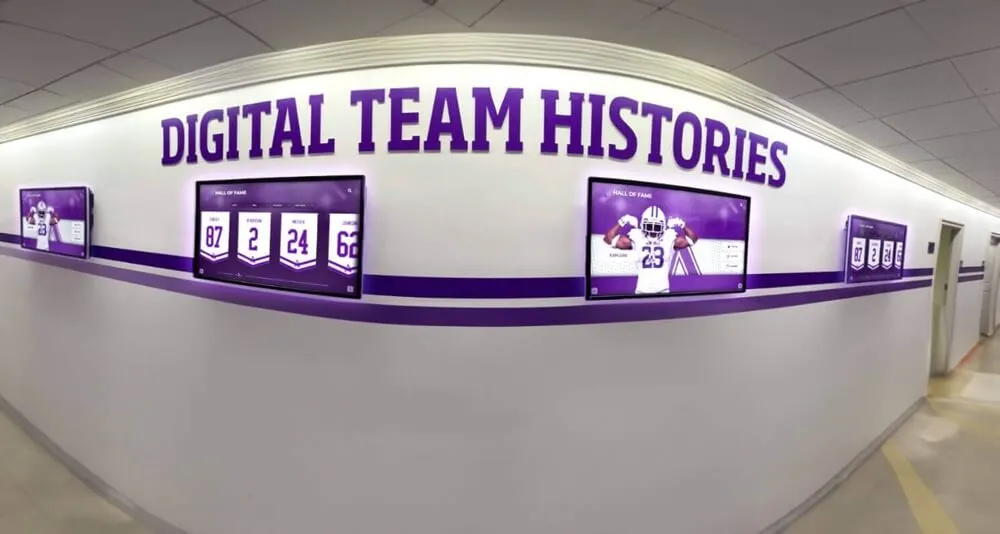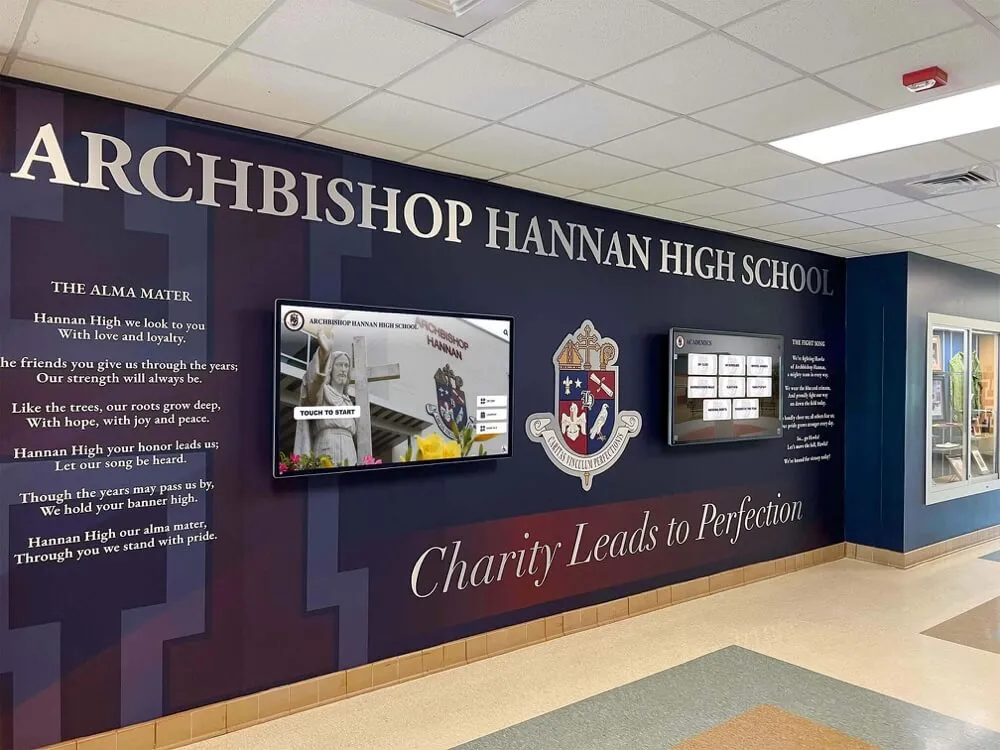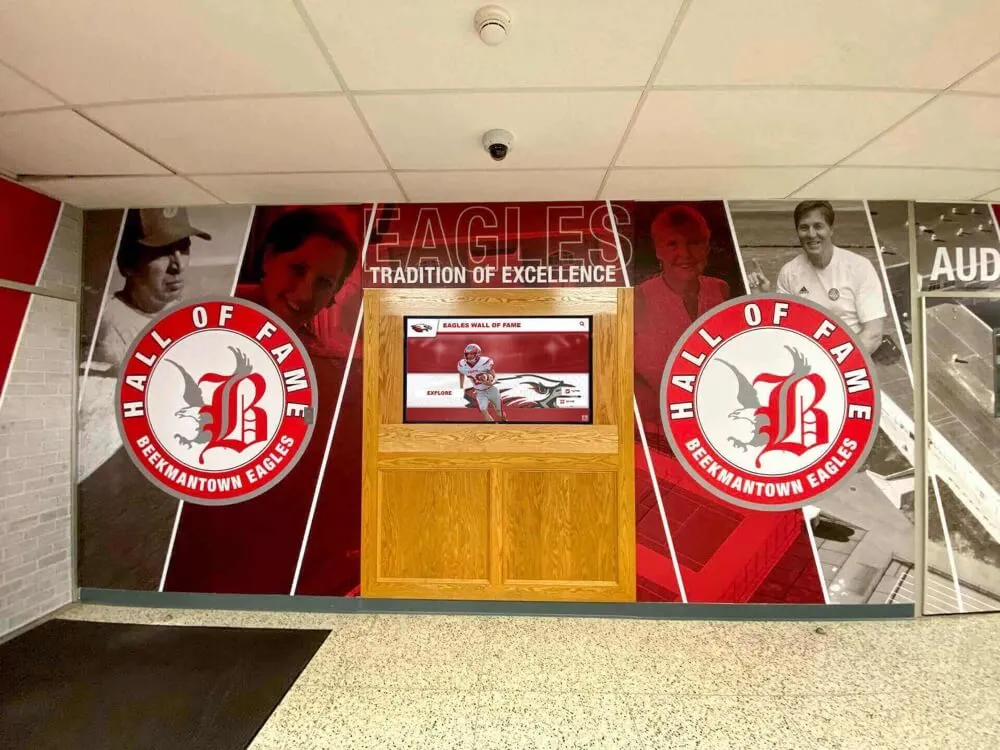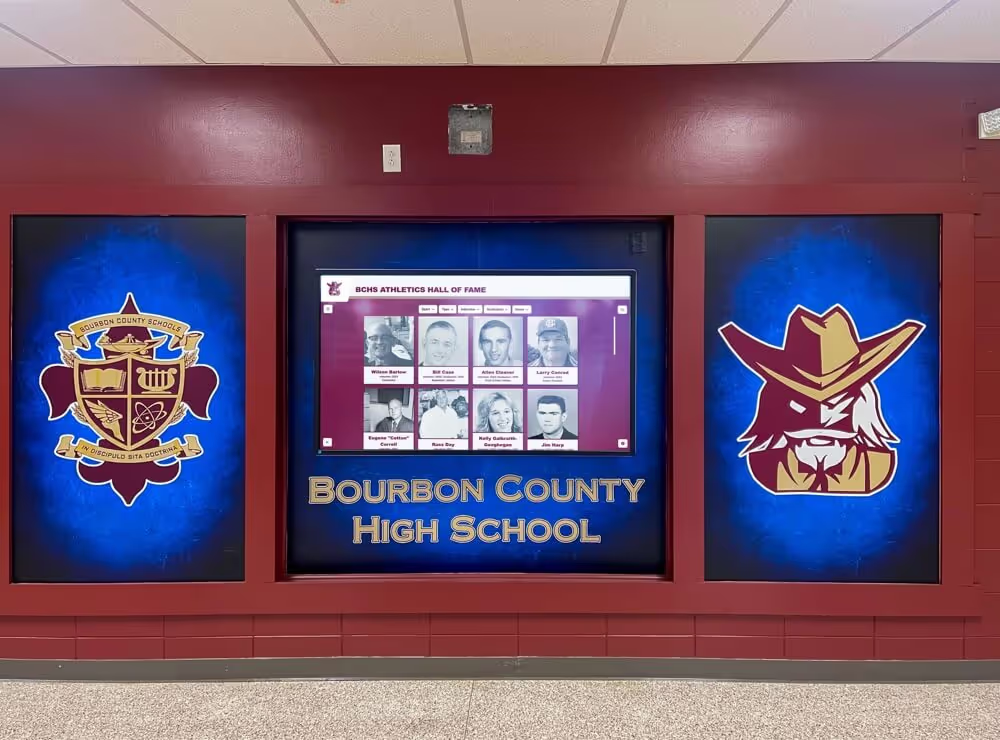




Preserving fraternity and sorority history represents one of the most important responsibilities facing Greek organizations today, as irreplaceable composites fade in storage, founding documents deteriorate in chapter house basements, and the stories of distinguished alumni risk being lost forever. For over a century, fraternities and sororities have created rich historical traditions through carefully documented membership records, composite photographs, achievement recognition, and cultural practices that define organizational identity and connect generations of members.
Yet many Greek organizations struggle with heritage preservation challenges that threaten this valuable legacy. Physical composites stored in chapter houses face deterioration from humidity, light exposure, and physical damage. Historical documents remain scattered across multiple locations with no systematic organization. Founding member stories exist only in fading memories of elderly alumni who may pass away before their knowledge is captured. Meanwhile, current members lack access to inspiring historical narratives that could strengthen their connection to organizational traditions and values.
This comprehensive guide explores how fraternities and sororities can systematically preserve their heritage through modern digital archiving, professional composite preservation, interactive recognition displays, and strategic documentation practices. From protecting physical artifacts to creating engaging digital experiences that make history accessible to members worldwide, discover proven strategies for honoring your organization’s legacy while inspiring current and future generations.
Effective heritage preservation transforms Greek organizations from simply acknowledging their past to actively celebrating it through accessible, engaging systems that strengthen member identity, enhance alumni connections, support recruitment efforts, and document organizational contributions to higher education and society. Organizations that excel at history preservation create cultures where tradition receives the attention it deserves while leveraging modern technology to ensure heritage remains relevant and inspiring.

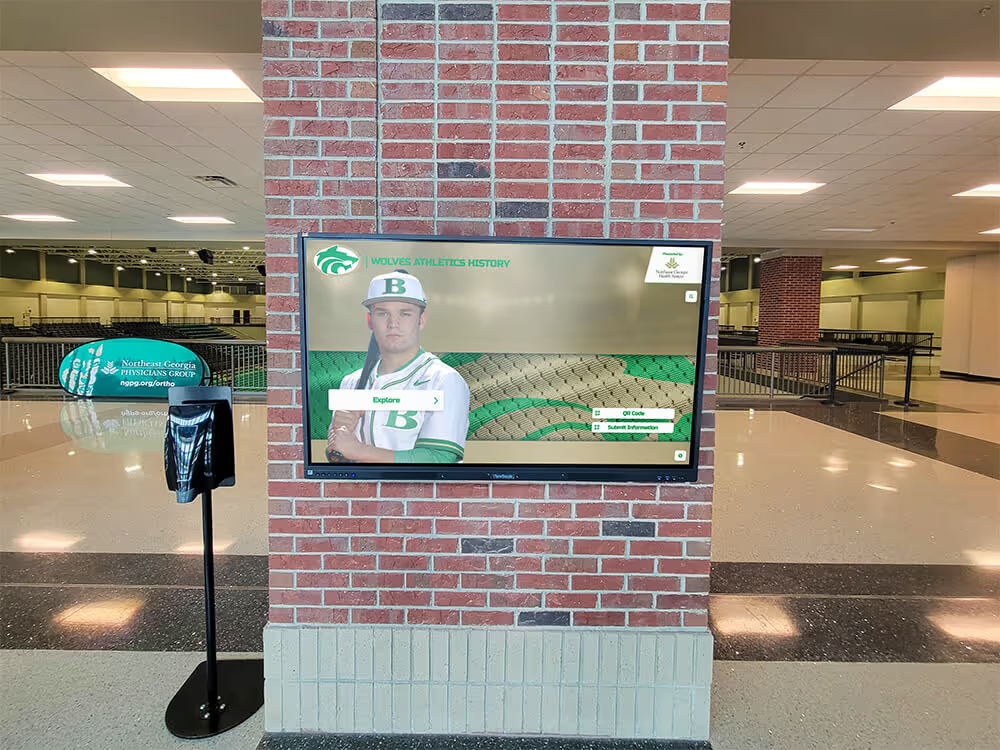
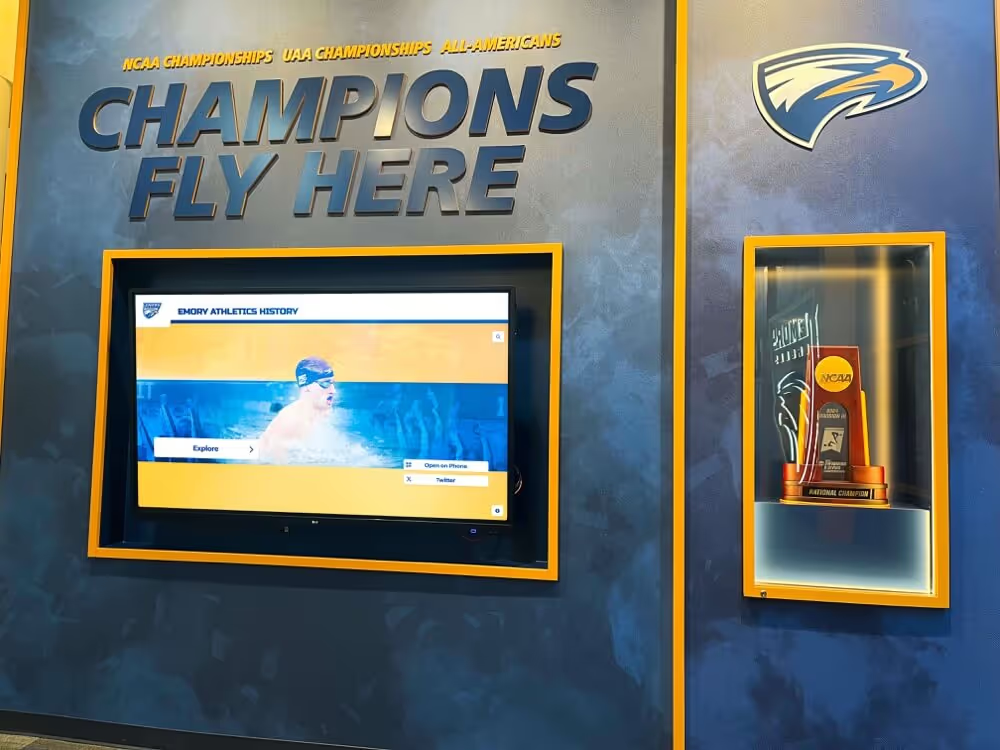
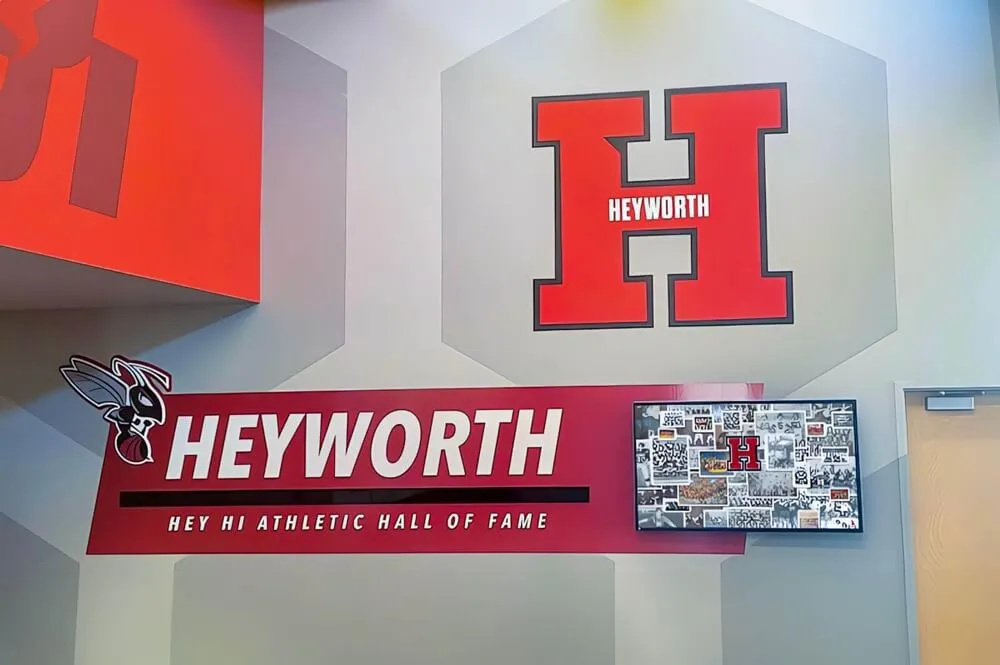
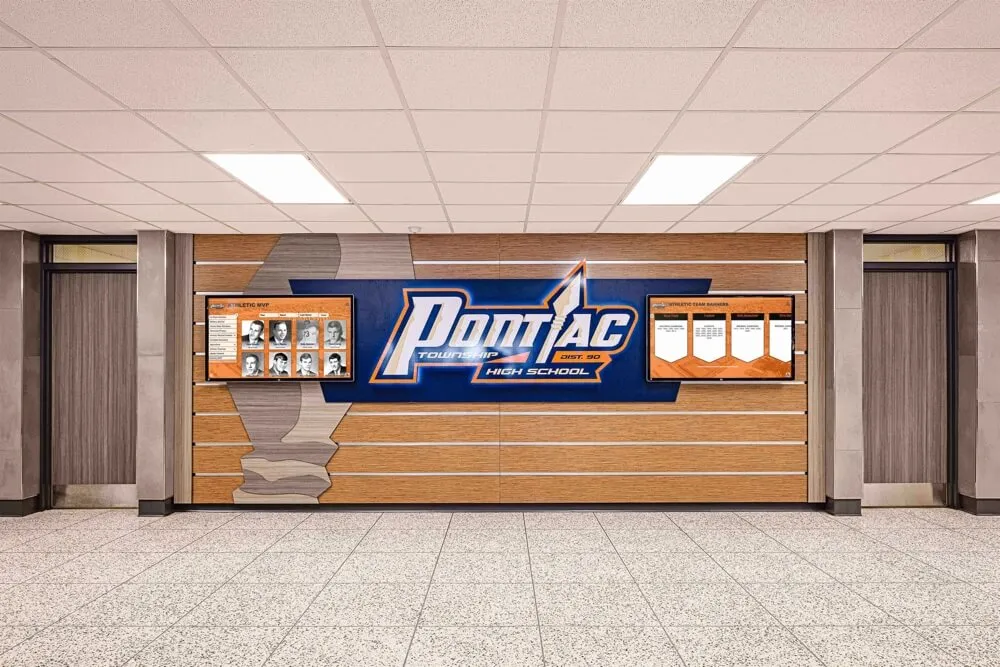
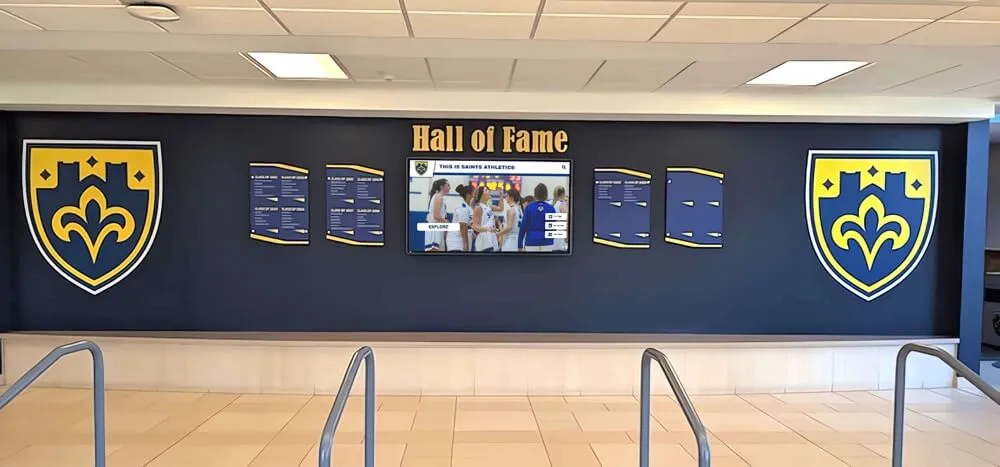
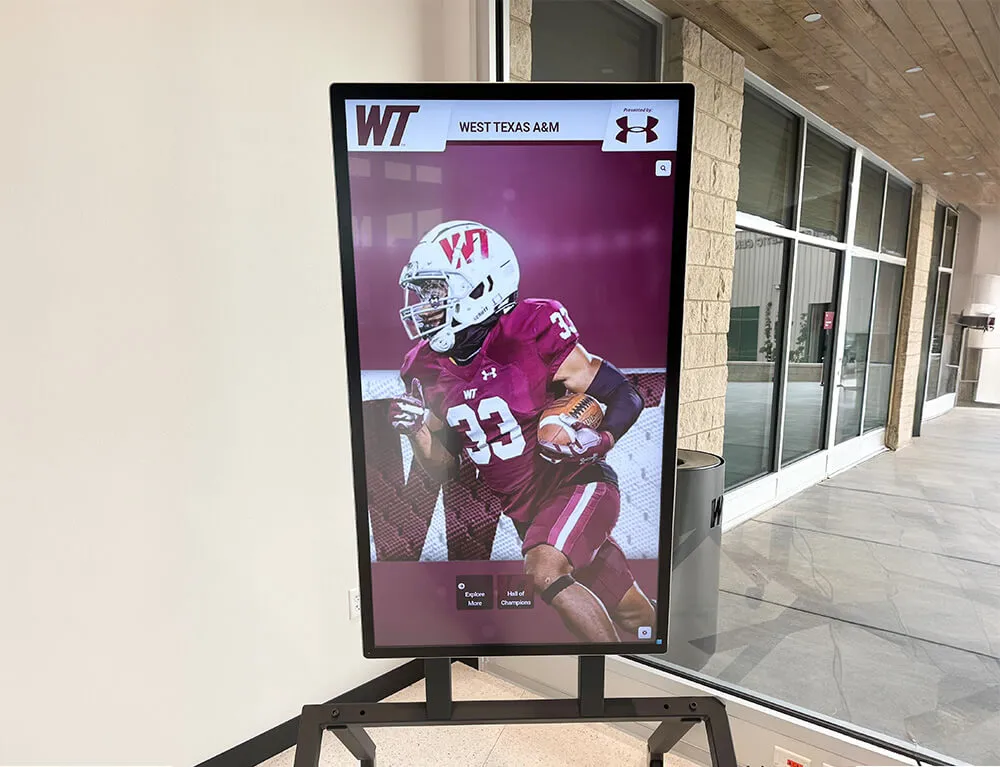
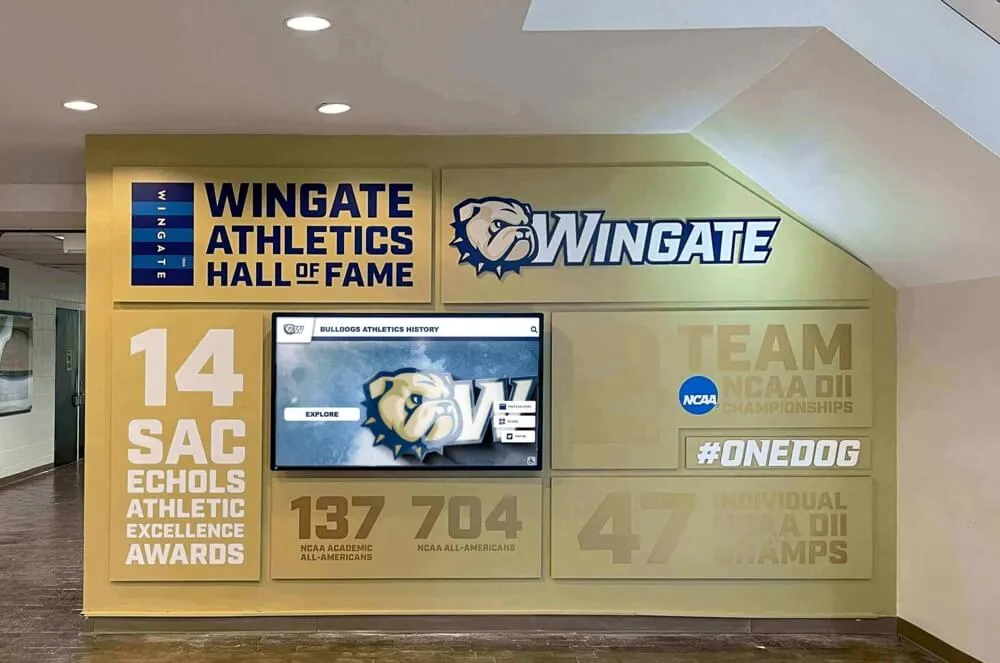
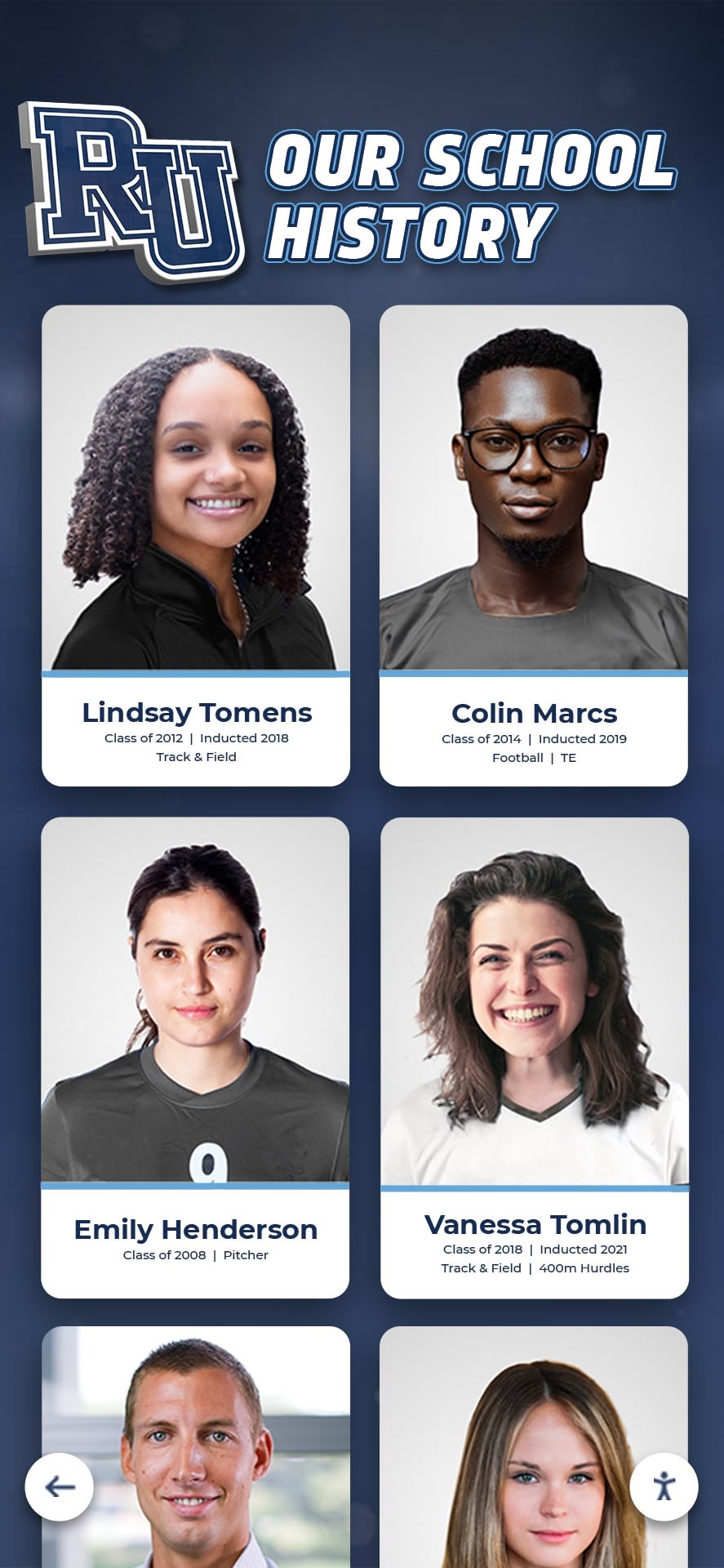
Modern heritage preservation systems transform scattered historical materials into comprehensive digital archives celebrating Greek life traditions
Why Preserving Fraternity and Sorority History Matters
Before exploring specific preservation strategies, understanding the compelling reasons for systematic heritage documentation helps build organizational commitment and resource allocation necessary for comprehensive initiatives.
Strengthening Member Identity and Organizational Pride
Fraternity and sorority membership creates lifelong identity that extends far beyond college years. When members understand their organization’s founding principles, learn about distinguished alumni who preceded them, and recognize how their chapter contributed to campus and community life across decades, they develop deeper appreciation for the privilege and responsibility of membership.
Historical knowledge transforms abstract concepts like “brotherhood” or “sisterhood” into tangible connections with real individuals who wore the same letters, lived the same values, and built the legacy current members inherit. This understanding strengthens commitment during challenging moments, motivates excellence in academic and leadership pursuits, and creates lasting pride that sustains alumni engagement throughout lifetimes.
Organizations with well-preserved, accessible heritage consistently report stronger member retention, higher participation in chapter activities, and enhanced willingness to uphold organizational standards. Members who feel connected to something larger than themselves—a tradition spanning generations—demonstrate greater dedication to sustaining and enhancing that tradition for future members.
Supporting Recruitment and Member Development
Heritage preservation provides powerful recruitment tools demonstrating organizational stability, tradition, and values to prospective members. When potential new members explore comprehensive archives showcasing decades of achievement, distinguished alumni, community service contributions, and cultural traditions, they gain confidence that they’re considering membership in a substantive organization with proven value.
Digital heritage displays in chapter houses create impressive presentations during recruitment tours. Interactive touchscreens enabling prospective members to explore founding history, discover notable alumni, or view decades of composite photographs communicate professionalism and organizational pride that distinguish serious fraternities and sororities from social clubs with minimal cultural depth.
Throughout the member development process, historical narratives provide context for rituals, traditions, and expectations. New members better understand why certain practices matter when they learn how those traditions emerged, what they symbolized to founding members, and how they’ve sustained organizational identity across changing cultural contexts.
Solutions like digital recognition displays help Greek organizations create professional heritage presentations that enhance recruitment effectiveness while celebrating organizational legacy.
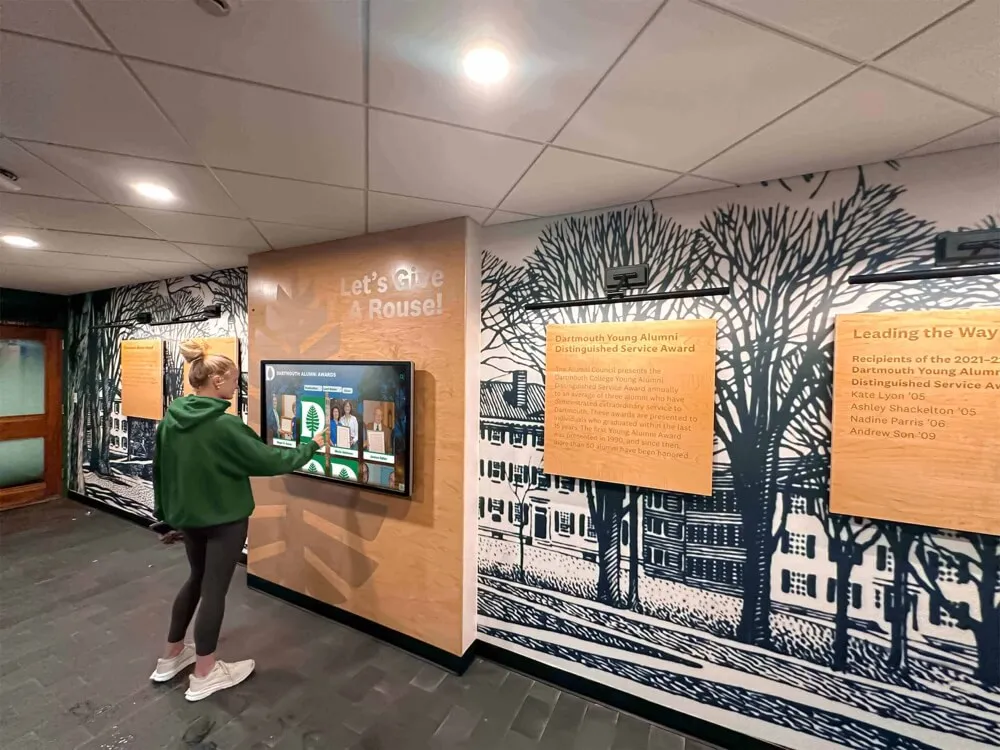
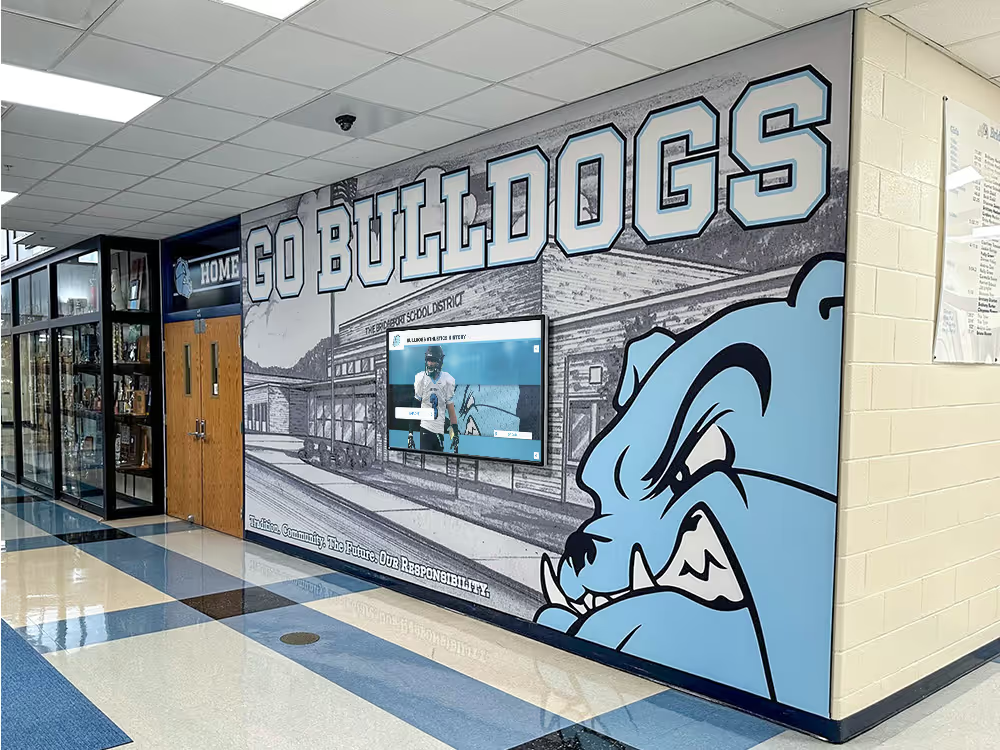
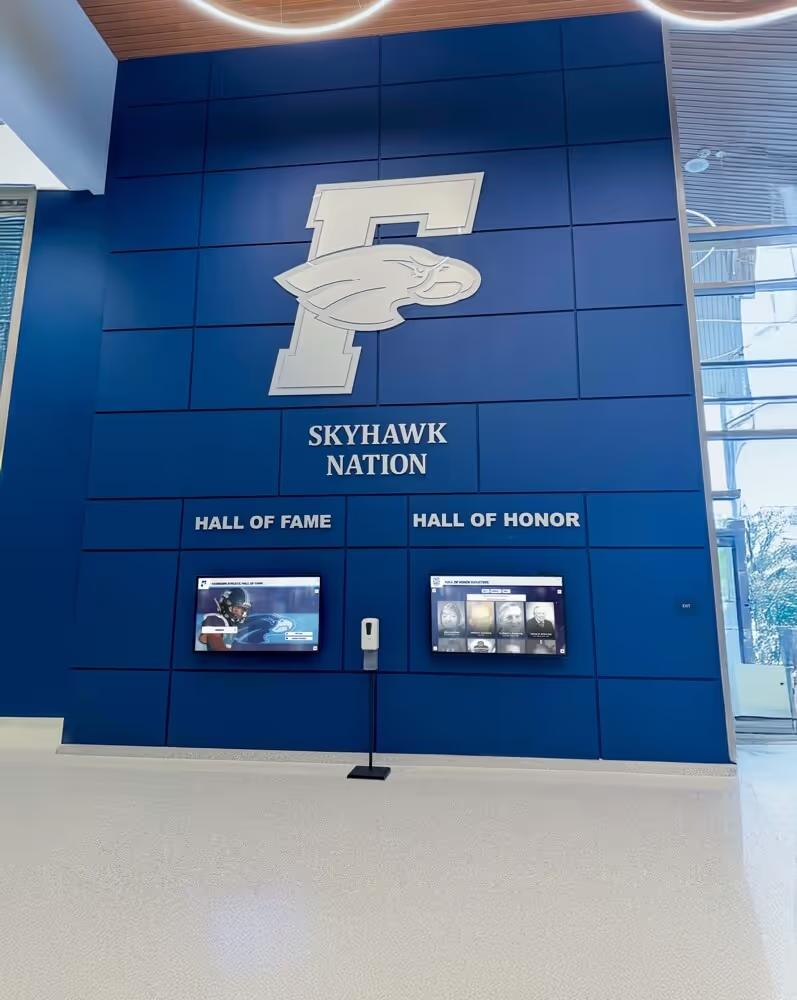
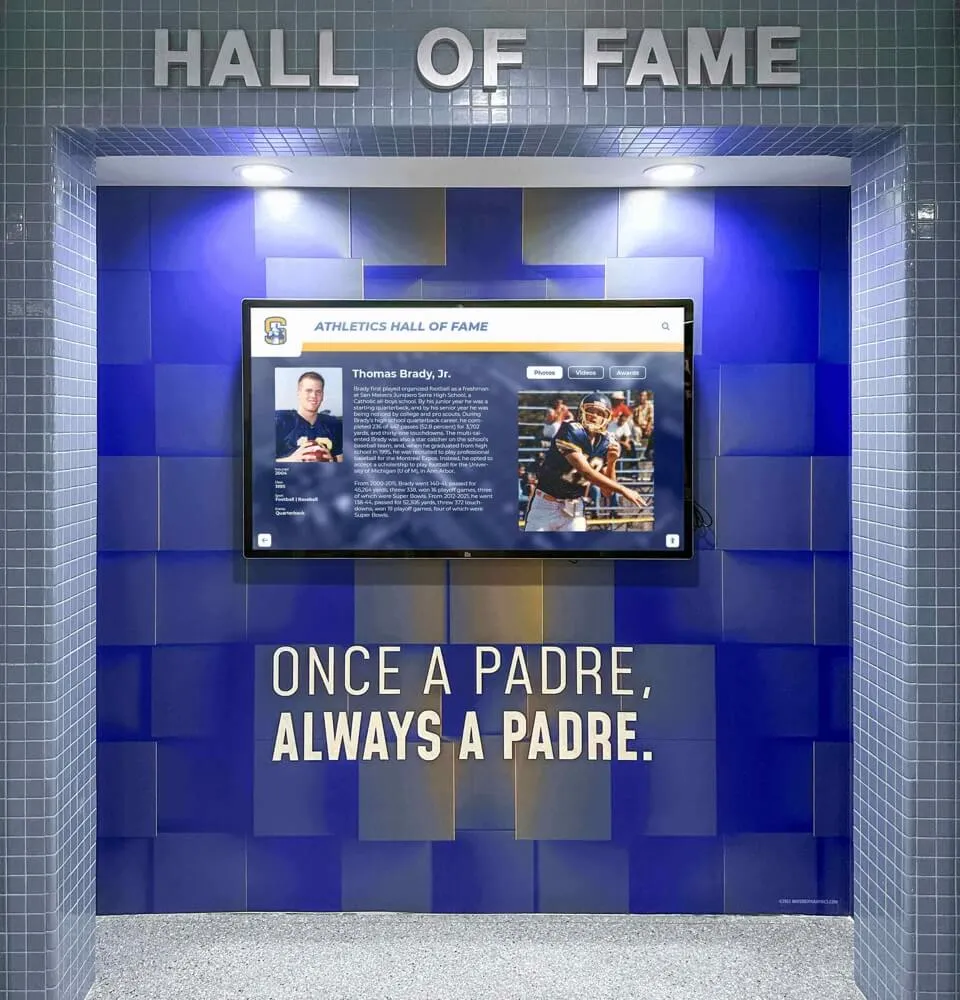
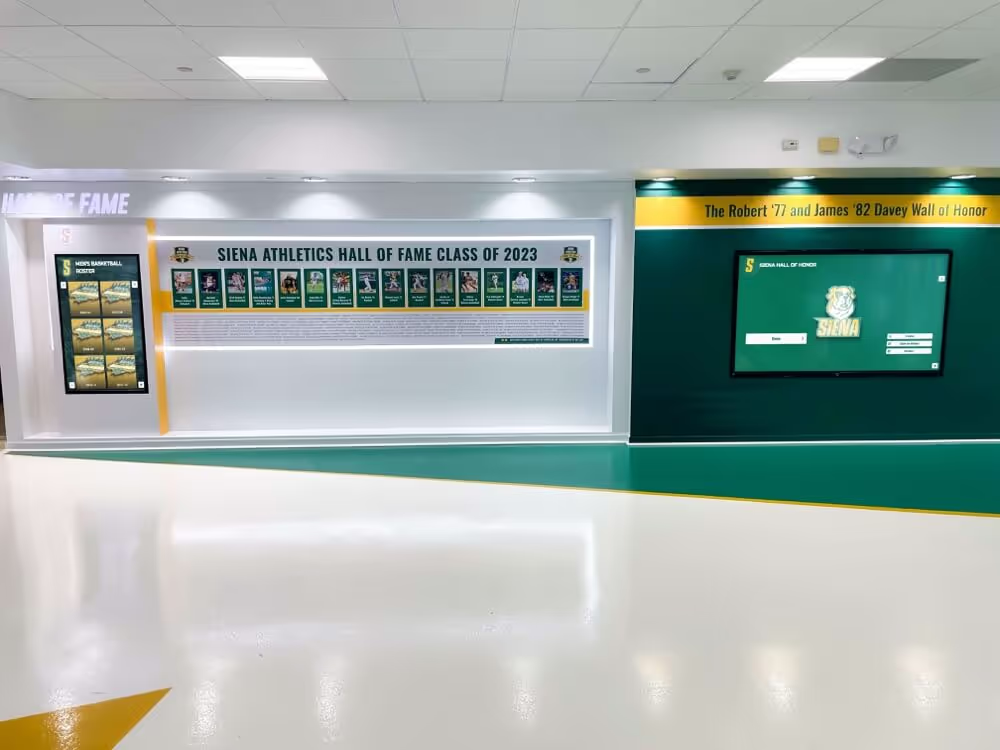
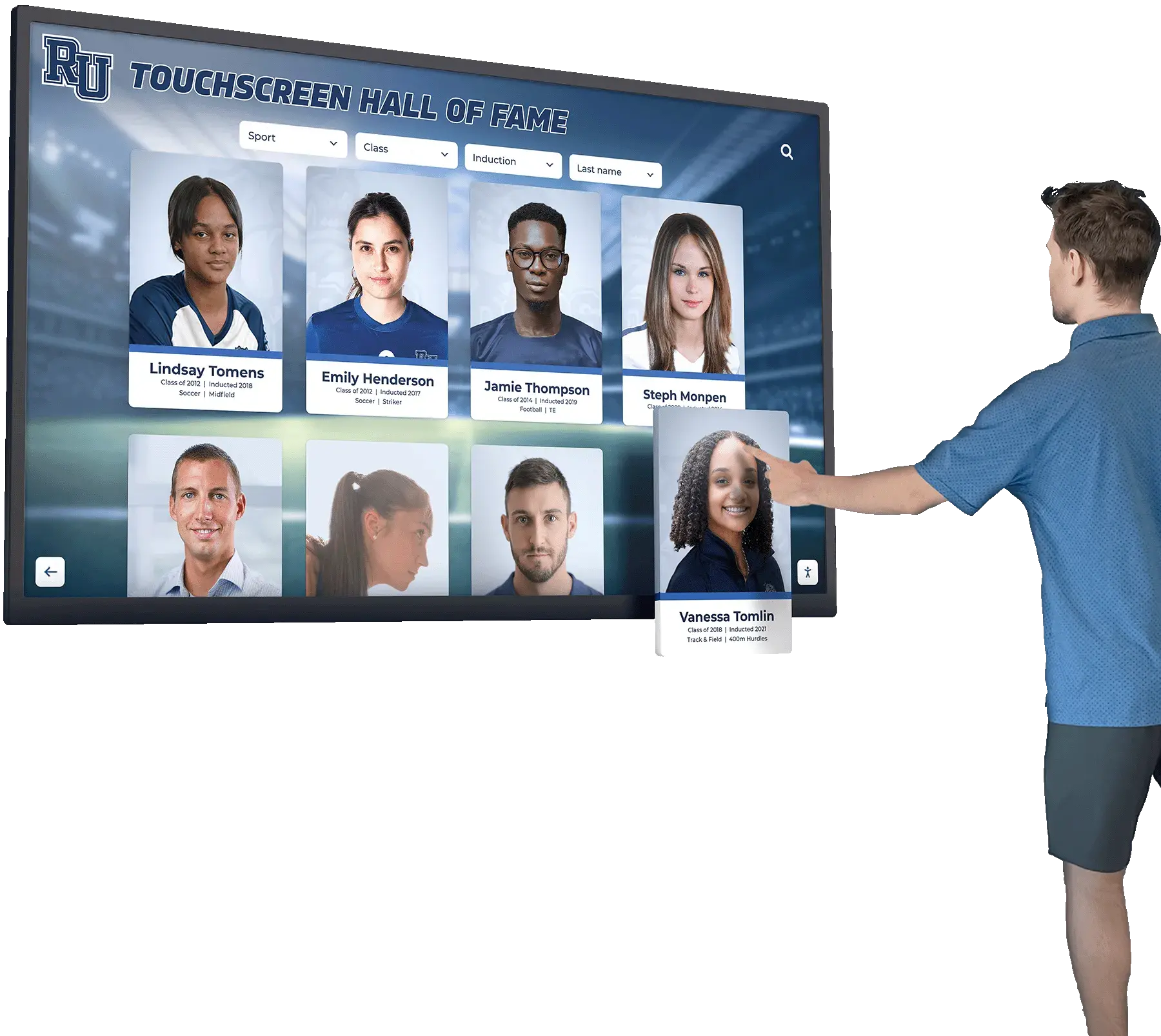
Professional heritage displays in chapter facilities strengthen recruitment while celebrating organizational traditions
Engaging Alumni and Supporting Development Initiatives
Alumni engagement depends significantly on emotional connection to shared experiences and organizational identity. Heritage preservation creates natural touchpoints for maintaining these connections throughout alumni lifetimes. When graduates can access digital archives featuring their composite photographs, review chapter accomplishments during their membership years, or explore how their chapter has evolved since graduation, they maintain stronger bonds with organizations and institutions.
Development professionals recognize that emotional engagement drives philanthropic support. Alumni who feel deeply connected to their fraternity or sorority heritage demonstrate measurably higher giving rates, larger gift sizes, and greater willingness to volunteer time supporting chapter operations. Heritage initiatives create compelling fundraising opportunities—alumni readily support composite digitization projects, historical archive development, or heritage display installations that preserve the traditions they value.
Many chapters discover that heritage preservation efforts themselves generate unexpected financial support. Alumni who had assumed their composite photographs were lost express gratitude and generosity when chapters invest in locating, restoring, and digitizing historical materials. Recognition opportunities associated with heritage projects—naming digital archives, sponsoring specific preservation initiatives, or funding heritage displays—create meaningful legacy giving options.
According to research on fraternity and sorority giving patterns, Greek-affiliated alumni donate to their alma mater at rates five times higher than unaffiliated graduates. Heritage preservation strengthens the emotional bonds that drive this exceptional philanthropic engagement.
Protecting Irreplaceable Historical Materials
Perhaps the most urgent reason for systematic preservation involves preventing permanent loss of irreplaceable materials. Physical composites face constant deterioration threats. Photographs fade from light exposure, humidity causes mold growth and adhesive failure, temperature fluctuations accelerate chemical degradation, and physical handling causes wear. Many chapters discover too late that composites stored in chapter house basements or attics have been damaged beyond recovery by water leaks, temperature extremes, or simple neglect.
Historical documents including founding charters, early meeting minutes, correspondence with national headquarters, and membership records face similar threats. Paper materials acidify and become brittle, ink fades, and improper storage accelerates deterioration. When chapters relocate to new facilities, historical materials stored in unusual locations may be inadvertently discarded by individuals unaware of their significance.
Perhaps most critically, the memories and knowledge held by founding members and longtime advisors exist only in human memory. When these individuals pass away without their stories being captured through interviews, historical context is lost forever. Future members may preserve physical artifacts but lack understanding of what those materials meant and why they mattered to earlier generations.
Systematic preservation through professional digitization, proper physical storage, and documented oral histories creates insurance against these losses. High-resolution digital copies preserve photographic information even if originals deteriorate. Transcribed documents remain accessible even if physical papers become too fragile to handle. Recorded interviews capture firsthand accounts before they’re lost to time.
Approaches used for historical photos archive preservation apply effectively to Greek life heritage materials requiring systematic documentation and protection.
Documenting Organizational Contributions to Higher Education
Fraternities and sororities have played significant roles in American higher education for nearly two centuries. Greek organizations pioneered student self-governance structures, created frameworks for peer leadership development, established community service expectations, and developed social programming that enhanced college experiences for millions of students.
Individual chapters often contributed meaningfully to their campus communities through scholarship support, facility donations, emergency assistance during campus crises, or advocacy for important causes. Many distinguished alumni who became leaders in business, government, education, and social causes attribute their success partly to lessons learned and connections made through Greek life involvement.
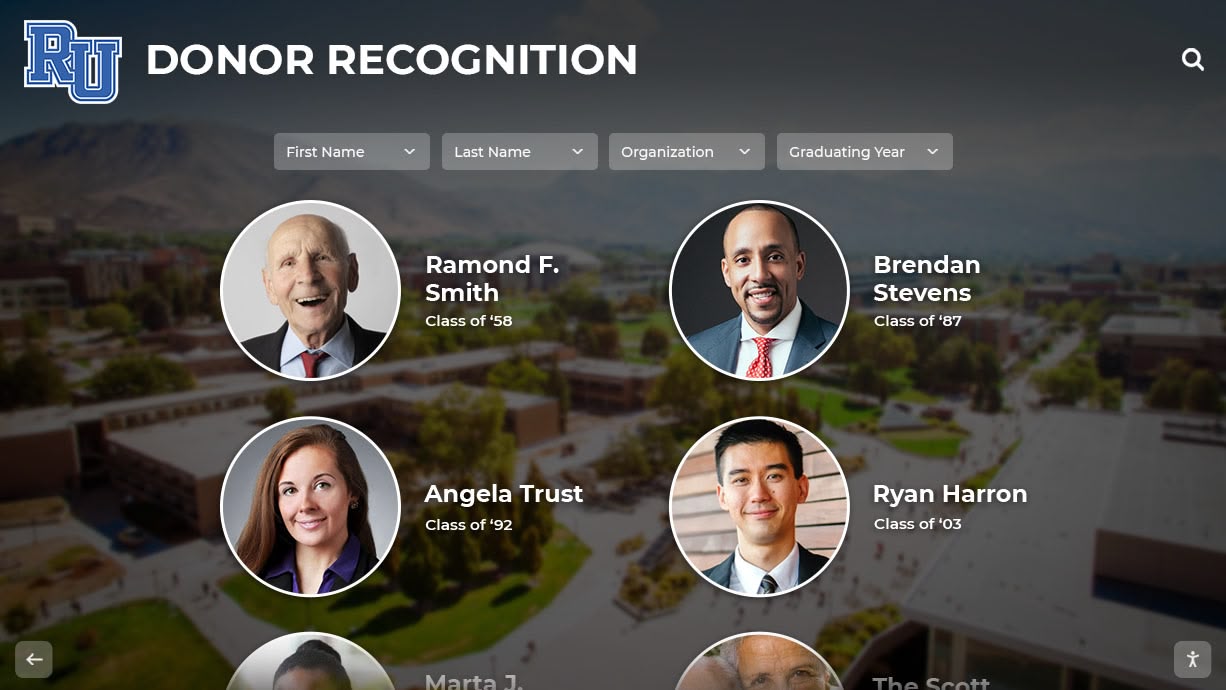
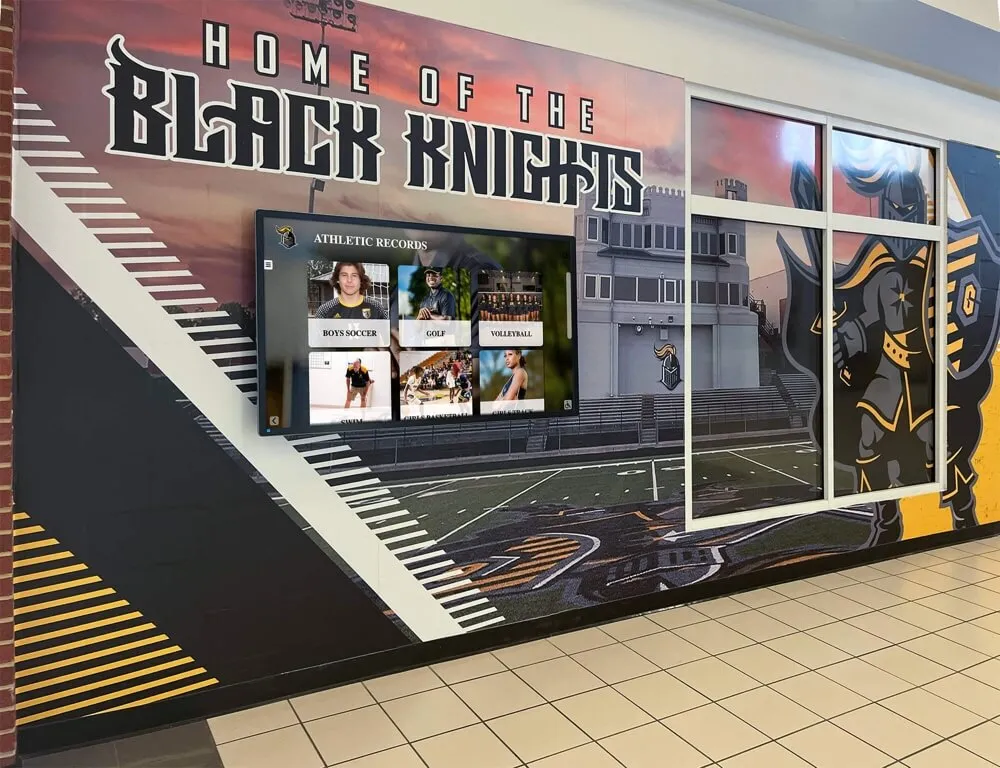
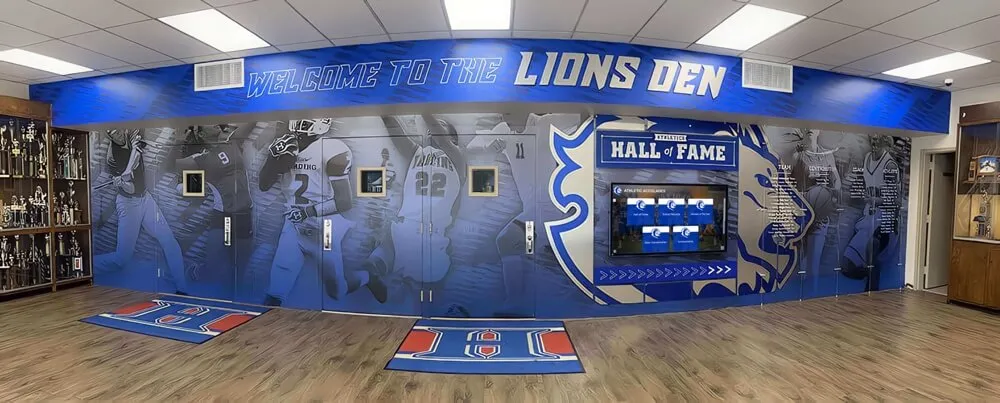
Comprehensive heritage preservation documents Greek life's significant contributions to institutions and communities
Systematic heritage preservation documents these contributions for researchers, historians, and future generations. Academic researchers studying student culture, organizational development, or higher education history rely on well-preserved Greek life archives. Institutional advancement offices highlighting alumni achievements frequently feature distinguished fraternity and sorority members. Media coverage of Greek life benefits from historical context showing how organizations have evolved and contributed over decades.
Without deliberate preservation efforts, these valuable historical narratives risk being lost, replaced by incomplete or inaccurate accounts that fail to recognize the genuine contributions Greek organizations have made to American higher education and society.
Essential Components of Comprehensive Heritage Preservation
Effective fraternity and sorority history preservation requires multiple coordinated elements working together to protect physical materials, create digital access, and engage communities with heritage content.
Composite Photograph Preservation and Digitization
Composite photographs represent the most visually recognizable element of Greek life heritage, serving as annual documentation of chapter membership and creating powerful visual connections across generations.
Assessing Composite Condition and Needs
Begin with systematic inventory of all composite photographs your chapter or organization possesses. Document the years covered, physical condition of each composite, current storage locations, and any gaps in your collection. Many chapters discover they have some years well-preserved while others are missing entirely or severely damaged.
Composites requiring immediate attention include those showing visible deterioration like fading, discoloration, physical damage, mold growth, or separation from mounting materials. Oldest composites warrant priority since they may exist as unique copies without negatives or backup photographs. Composites from particularly significant years in chapter history—founding periods, major anniversaries, or exceptional achievement years—deserve special preservation focus.
Professional Digitization Standards
High-quality composite digitization requires professional standards ensuring digital copies adequately preserve photographic detail. Minimum 600 DPI resolution captures sufficient detail for current display needs while providing flexibility for future uses as technology evolves. For particularly large composites or those requiring significant enlargement, 1200 DPI provides additional detail.
Professional digitization services specializing in historical materials typically charge $50-150 per composite depending on size and condition. While this represents substantial investment for chapters with decades of composites, professional results justify costs through superior quality, proper handling preventing damage to irreplaceable originals, and dramatically faster completion compared to amateur efforts using consumer equipment.
Comprehensive approaches to fraternity composites display demonstrate how digitization enables both preservation and enhanced presentation of these important heritage materials.
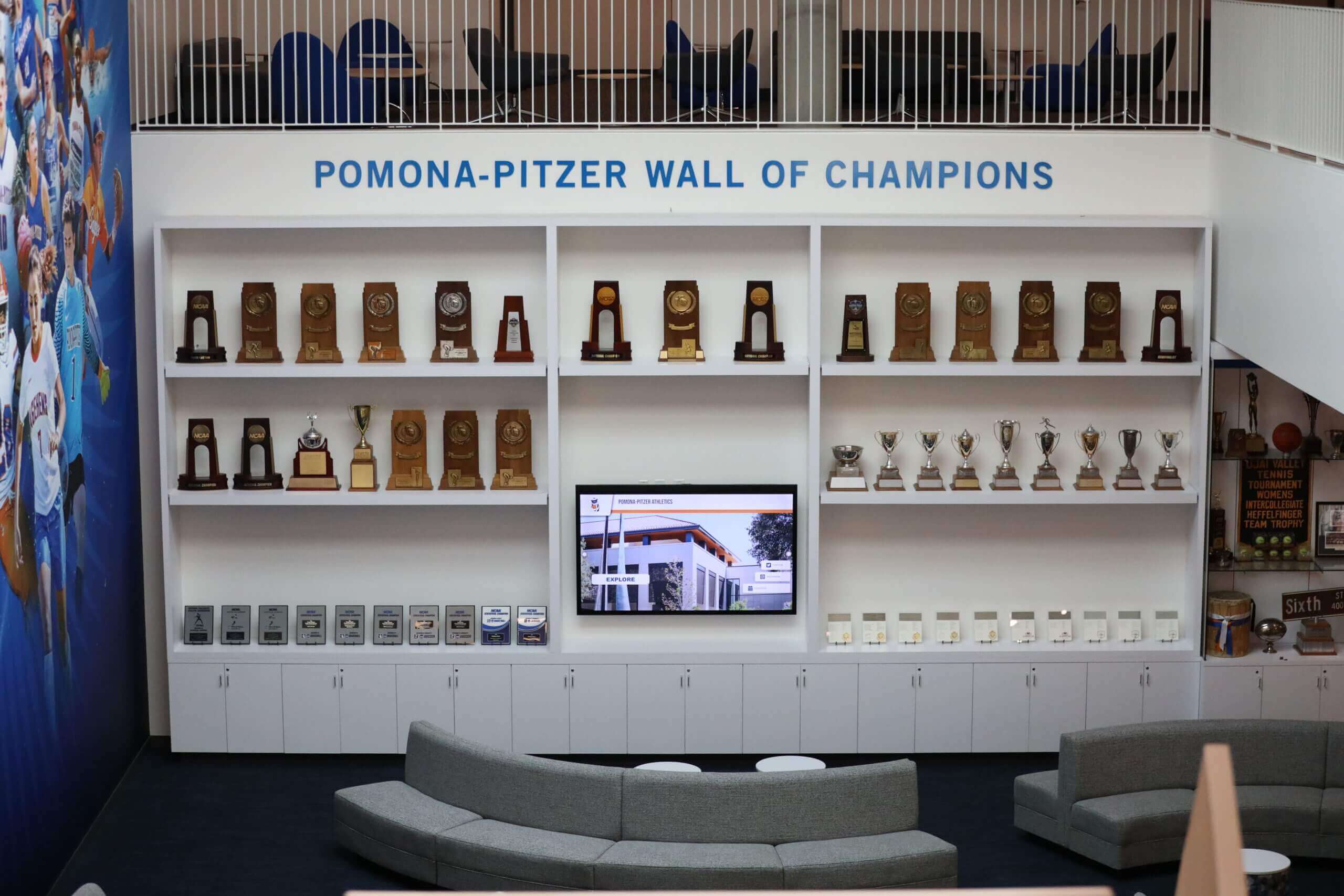
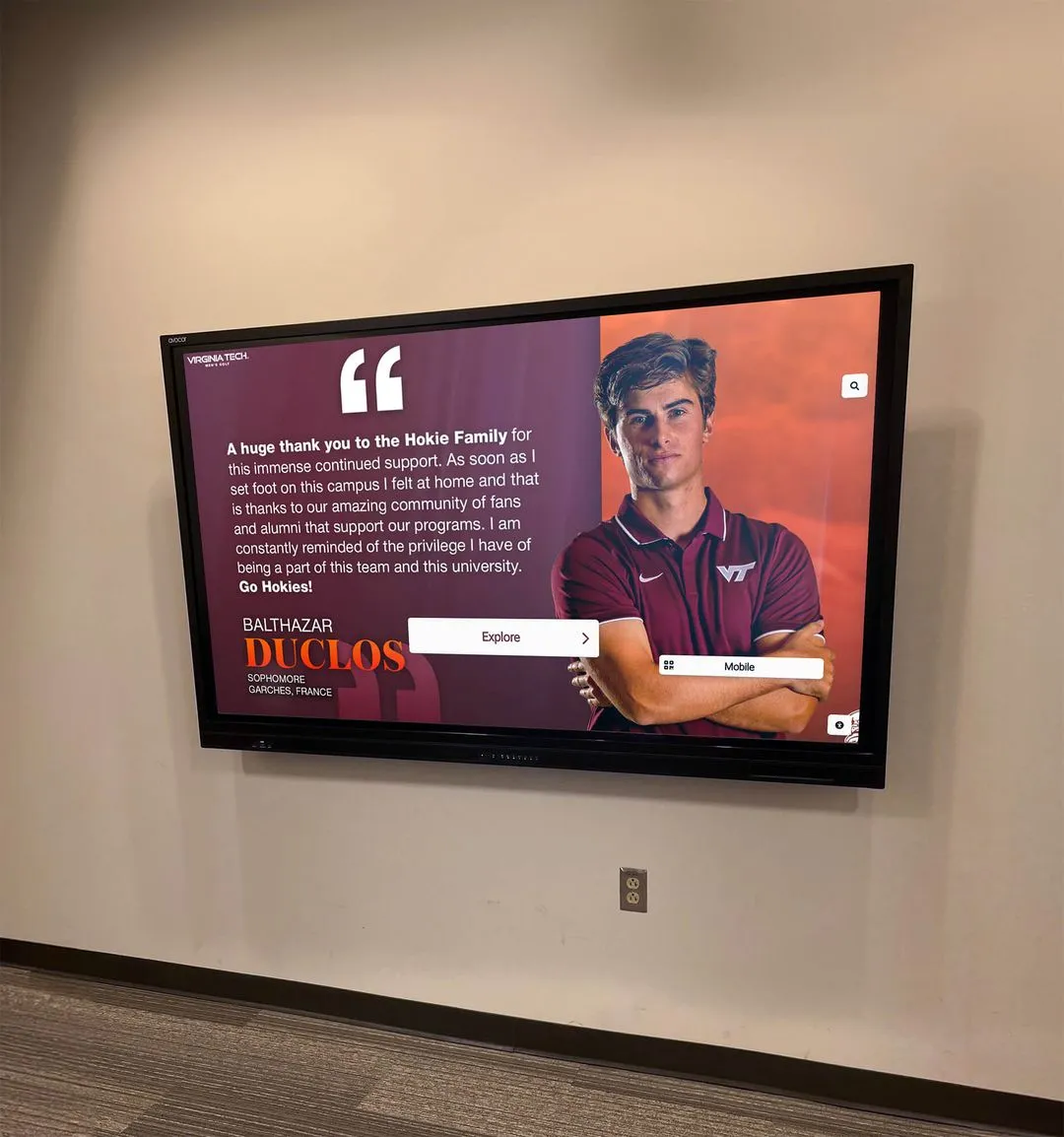
Professional composite preservation protects irreplaceable photographic heritage while enabling engaging digital presentation
Individual Portrait Extraction and Metadata
Beyond preserving complete composite images, extract individual member portraits from composite photographs for enhanced searchability and personalized recognition. Modern image processing enables separating individual portraits from larger composite frames, creating individual digital files for each member.
Comprehensive metadata for each member portrait should include full name, graduation year or membership period, officer positions held, academic major, hometown, and any other available biographical information. This detailed documentation enables powerful search capabilities allowing alumni to find themselves, locate former roommates or big brothers/big sisters, or explore who belonged during specific years.
Many chapters implement crowdsourced identification processes where alumni help identify individuals in historical composites lacking complete documentation. Online platforms enabling users to suggest identifications or verify others’ suggestions distribute this labor while engaging alumni through meaningful contribution to heritage preservation.
Historical Document and Artifact Preservation
Beyond composites, comprehensive heritage preservation addresses the full range of materials documenting organizational history.
Identifying Priority Materials for Preservation
Systematically inventory all historical materials your chapter or organization possesses. Priority items include founding documents like original charters, constitutions, or incorporation papers; early meeting minutes documenting chapter establishment and development; correspondence with national headquarters, founding members, or notable alumni; membership records showing who belonged throughout organizational history; financial records documenting chapter operations and property acquisition; scrapbooks and photograph albums beyond formal composites; awards and recognition materials; event programs and publications; and physical artifacts with historical significance.
Document the condition, current location, and contents of each category. This comprehensive inventory guides strategic planning about what requires immediate professional conservation, what can be digitized in-house, and what might be contributed to university archives for permanent preservation.
Proper Physical Storage and Conservation
Items remaining in physical form require appropriate storage protecting against deterioration. Documents should be stored in acid-free archival boxes or folders preventing chemical degradation. Climate-controlled environments with stable temperature around 65-70°F and relative humidity between 30-50% provide optimal conditions. Avoid basements or attics where temperature and humidity fluctuate dramatically.
Keep materials away from direct sunlight and bright interior lighting that accelerates fading. Use archival-quality enclosures free of acids, peroxides, and plasticizers that damage historical materials. Never use adhesive tapes, rubber bands, paper clips, or similar fasteners that cause permanent damage.
For particularly valuable or fragile materials, consult professional conservators who can assess condition, perform necessary treatments, and recommend appropriate long-term storage. University archives, local historical societies, or regional conservation centers often provide consultation services helping organizations without internal expertise.
Systematic Digitization for Access and Backup
Digitize historical documents creating accessible digital copies while protecting fragile originals from handling damage. Standard document scanning at 300-600 DPI captures sufficient detail for most materials. Particularly important documents might justify higher resolution preservation scanning.
Optical character recognition (OCR) technology converts scanned documents into searchable text, dramatically enhancing usability. Users can search entire document collections for specific names, dates, or topics rather than manually browsing through hundreds of pages.
Establish clear file naming conventions and organizational structures making digital collections navigable. Systematic naming might include document type, date, and brief description—for example, “minutes_1965-03-15_regular-meeting.pdf” immediately identifies content while enabling chronological sorting.
Cloud-based storage with multiple redundant backups protects digital collections against local disasters. Services designed for archival preservation typically maintain multiple geographically distributed copies ensuring materials survive even catastrophic events affecting physical locations.
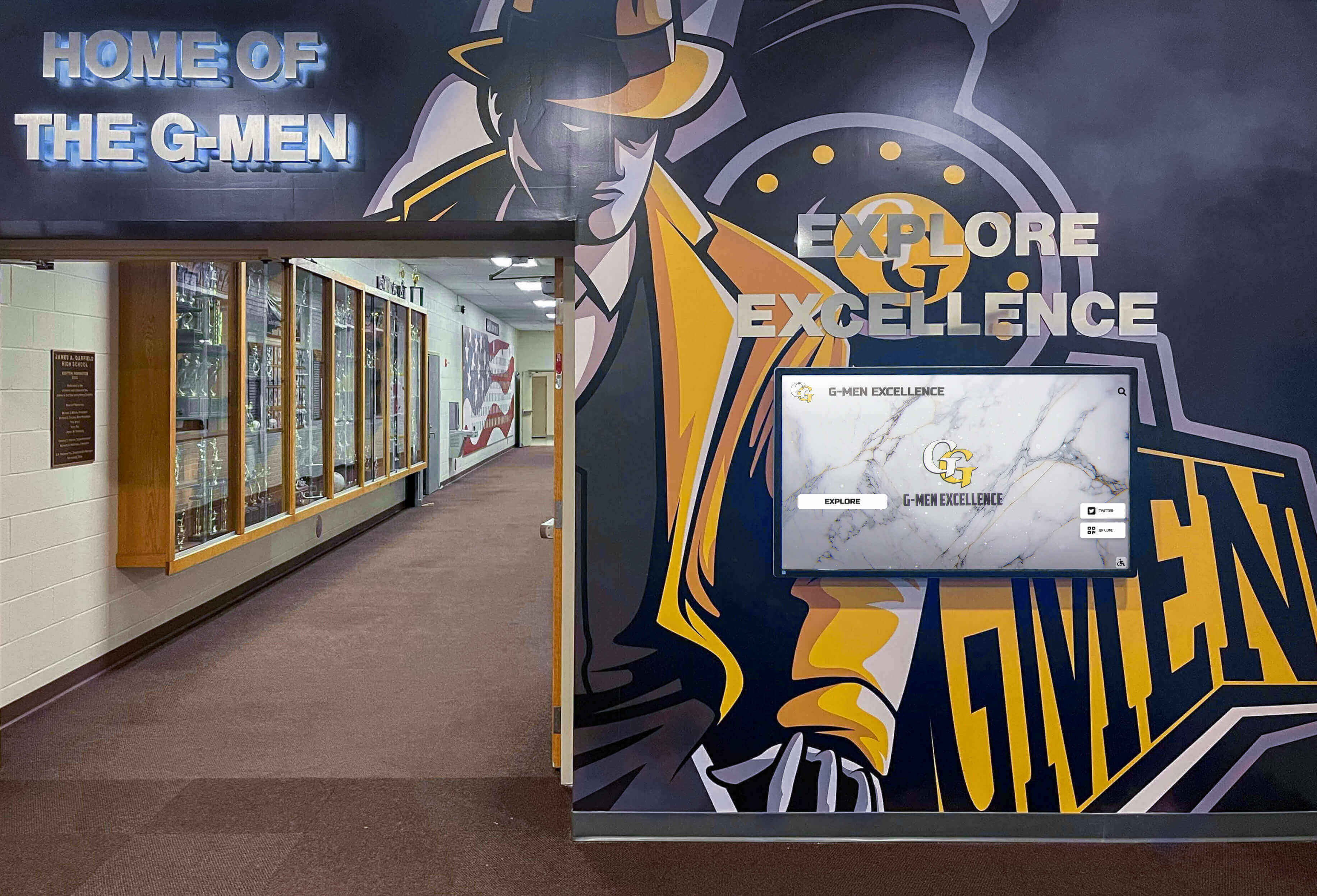
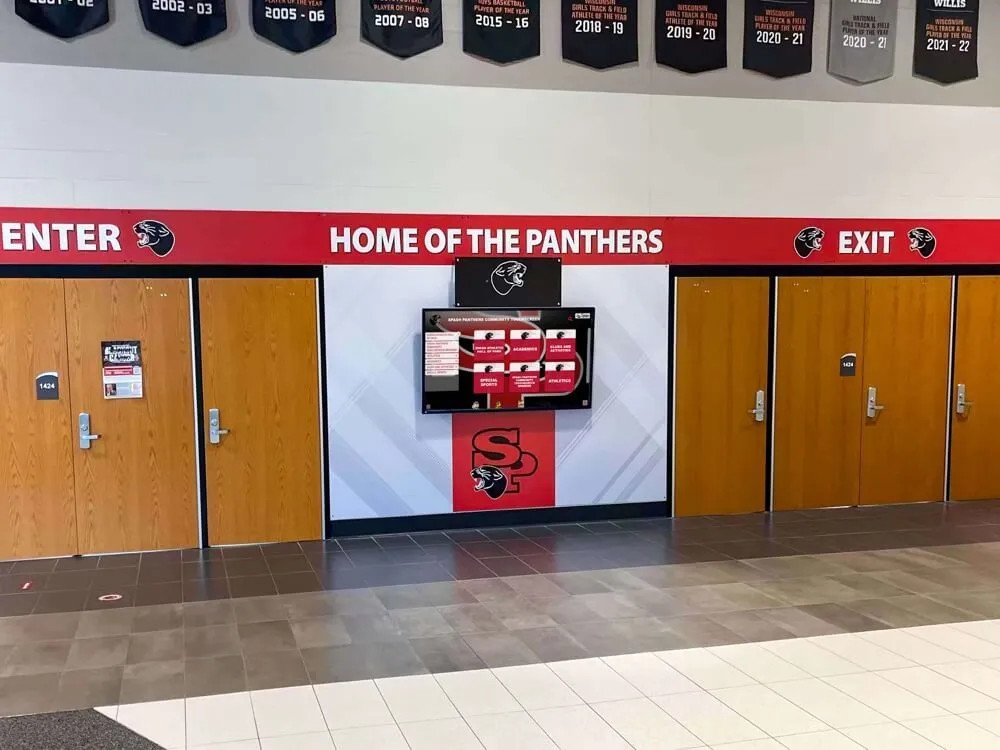
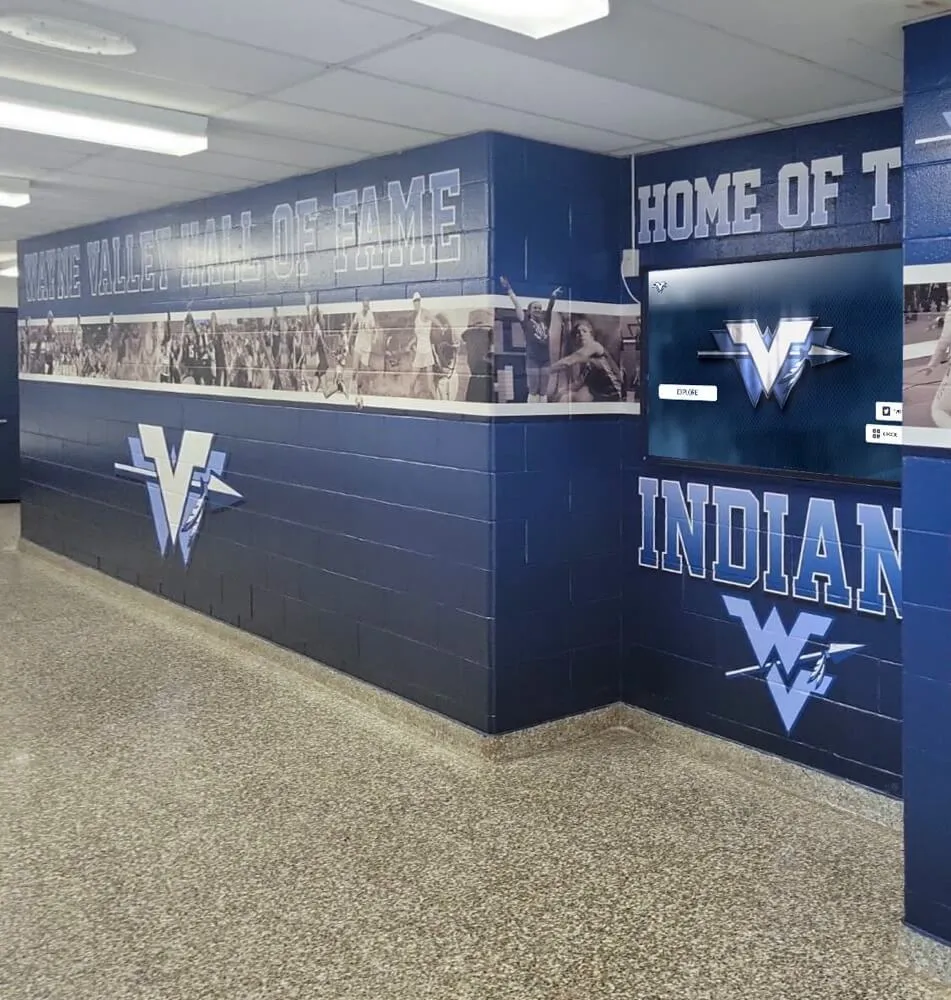
Digital systems integrate historical documents with contemporary recognition creating comprehensive organizational archives
Oral History Collection and Storytelling
Perhaps the most overlooked element of heritage preservation involves capturing the memories, stories, and contextual knowledge held by longtime members, advisors, and founding members before that knowledge is lost.
Identifying Key Interview Subjects
Prioritize oral history interviews with founding members or oldest living alumni who possess firsthand knowledge of organizational establishment and early development. Chapter advisors who served during multiple decades can provide unique perspectives on how organizations evolved. Distinguished alumni with notable achievements or unique experiences contribute compelling narratives. Members who experienced significant historical events—integration efforts, facility acquisitions, crisis responses, or major accomplishments—provide important documentation.
National organization leaders, house corporation members, and university officials who interacted with your chapter across many years offer external perspectives complementing member accounts.
Conducting Effective Oral History Interviews
Prepare thoughtfully for oral history interviews with research about the individual’s membership period, specific questions about topics you hope to address, and recording equipment ensuring high audio quality. Video recording captures facial expressions and physical artifacts subjects might share, though audio recording alone proves adequate for most purposes.
Create comfortable, unhurried interview environments. Schedule sufficient time—typically 60-90 minutes minimum for meaningful conversations. Begin with open-ended questions encouraging subjects to share memories in their own words rather than simply confirming or denying specific facts.
Topics to explore include how individuals became interested in the organization, what membership meant during their era, memorable events and experiences, relationships with members who became lifelong friends, how the organization influenced their development, significant challenges the chapter faced, and reflections on how Greek life has changed over time.
Obtain signed release forms granting permission to preserve, transcribe, and share interview content for historical purposes. Ensure participants understand how their stories will be used and preserved.
Transcription and Integration with Other Materials
Transcribe oral history interviews making content searchable and accessible. Professional transcription services charge approximately $1-3 per recorded minute, though volunteer transcription by interested members proves feasible for chapters with limited budgets.
Integrate oral history content with other archival materials. Link interview excerpts to relevant photographs, documents, or time periods. Feature particularly compelling stories prominently in heritage displays creating engaging narrative entry points for exploration.
Approaches used in highlighting famous alumni demonstrate how oral histories enhance biographical profiles creating compelling heritage storytelling.
Creating Digital Archives and Online Access
Physical preservation alone provides limited value if materials remain accessible only to those who can visit chapter houses or storage facilities. Comprehensive digital archives enable worldwide access while creating engaging exploration experiences.
Platform Selection for Heritage Archives
Purpose-built heritage archiving platforms designed specifically for organizational history provide substantial advantages over generic photograph storage or document sharing services. Essential features include unlimited or high-capacity storage exceeding typical needs, comprehensive metadata management enabling detailed description and categorization, powerful search functionality finding specific individuals across thousands of items, flexible organization supporting chronological browsing and category-based exploration, customizable branding reflecting organizational identity, and administrative tools enabling efficient content management without technical expertise.
Solutions like Rocket Alumni Solutions provide comprehensive platforms specifically designed for recognition and heritage applications including Greek life organizations, with proven reliability across hundreds of institutional implementations.
Content Organization and Presentation
Organize digital archives supporting multiple exploration pathways accommodating different user interests. Chronological organization by decade or specific year enables sequential exploration through organizational eras. Category-based organization groups materials by type—composites, documents, photographs, oral histories—enabling focused browsing.
Individual member indexes create personal archives showing all materials featuring specific alumni. Featured collections highlight particularly significant or interesting content as curated entry points. Thematic collections group materials around topics like facility history, philanthropy initiatives, distinguished alumni, or cultural traditions.
Professional interface design reflects organizational character creating presentations worthy of heritage significance. High-quality thumbnail galleries, smooth zooming for examining details, slideshow features for passive viewing, and comparison tools placing historical and contemporary images side-by-side enhance user experience.
Mobile-responsive design ensures archives function beautifully across desktop computers, tablets, and smartphones. Given that substantial percentages of users access online content primarily through mobile devices, mobile experience quality proves essential.
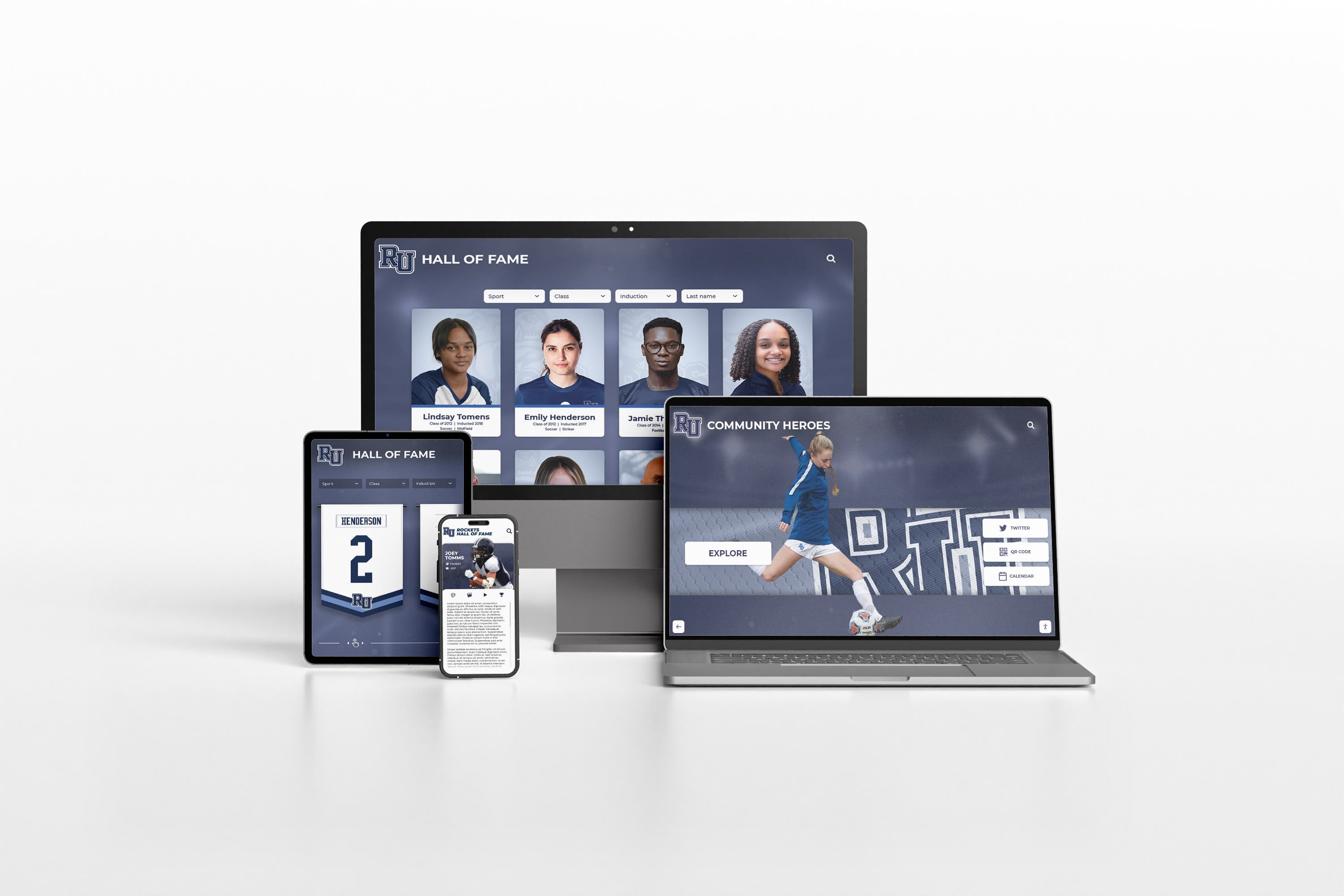
Mobile-responsive digital archives ensure heritage materials remain accessible to members worldwide across all device types
Physical Heritage Displays and On-Campus Presence
While digital archives enable global access, physical heritage displays in chapter houses and campus facilities create daily visibility for current members while providing impressive presentations for visitors and prospective members.
Interactive Touchscreen Heritage Displays
Interactive touchscreen installations in chapter house common areas, entry foyers, or alumni lounges bring heritage to locations where members naturally encounter it. Large-format touchscreens (43-75 inches) provide group viewing experiences during social gatherings or recruitment events while supporting individual exploration.
Content should mirror online archives enabling consistent experiences across physical and digital channels. Members can explore composites, search for individuals, view historical photographs, read document excerpts, and watch oral history video clips through intuitive touch interfaces requiring no training or instruction.
Unified content management systems controlling both physical displays and online platforms eliminate duplicate effort while ensuring consistency. Updates and additions made once appear simultaneously across all touchpoints.
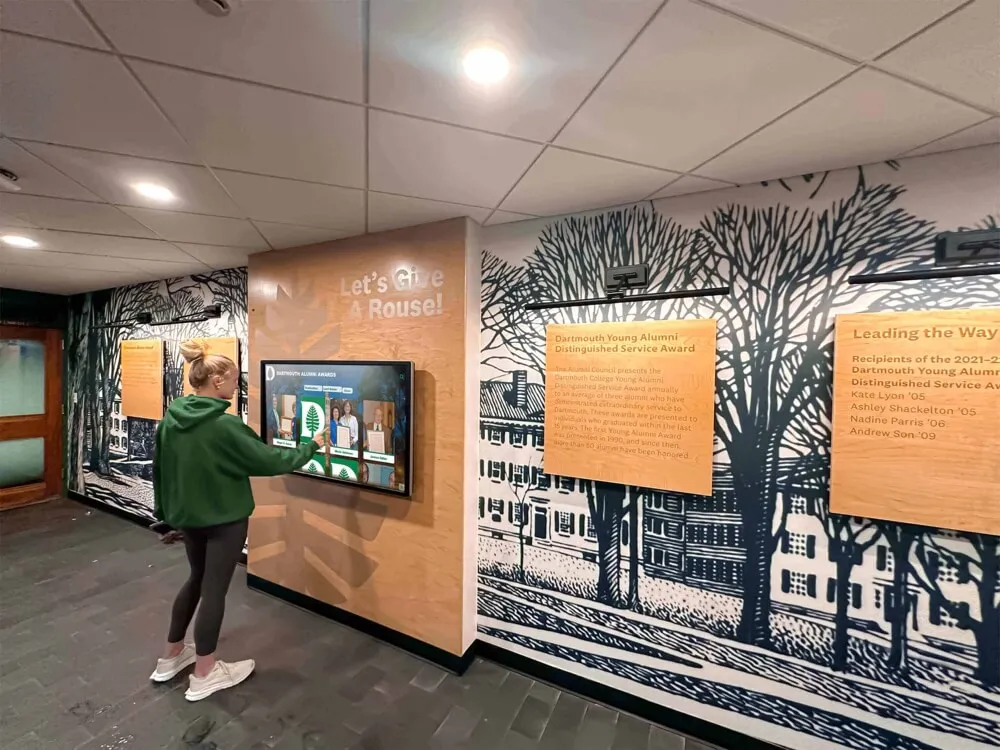
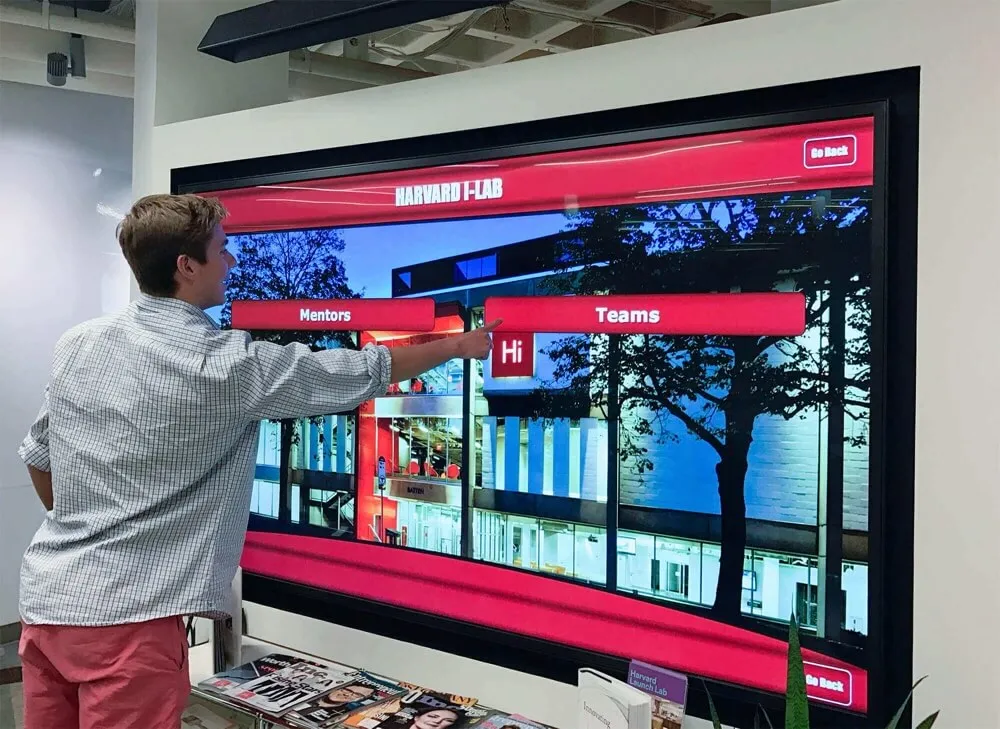
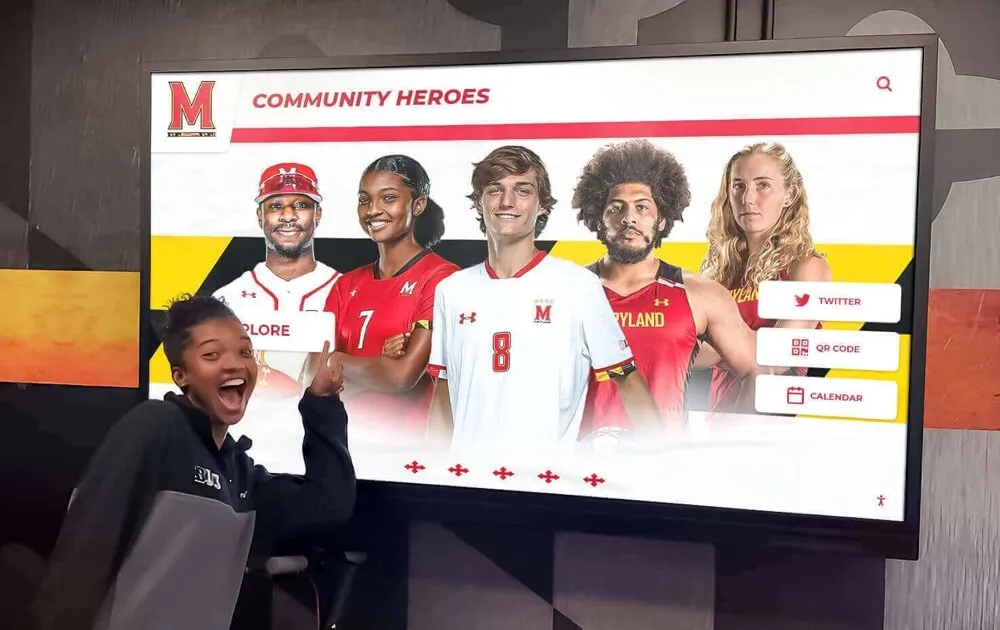
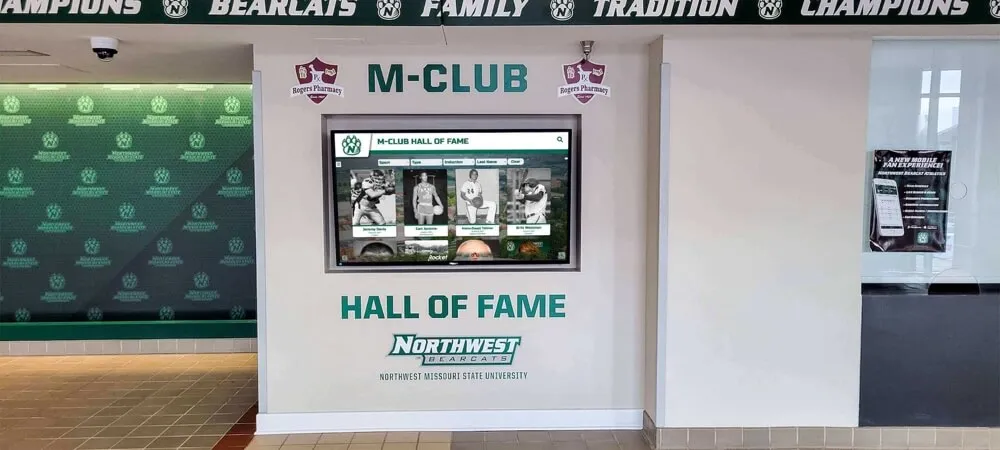
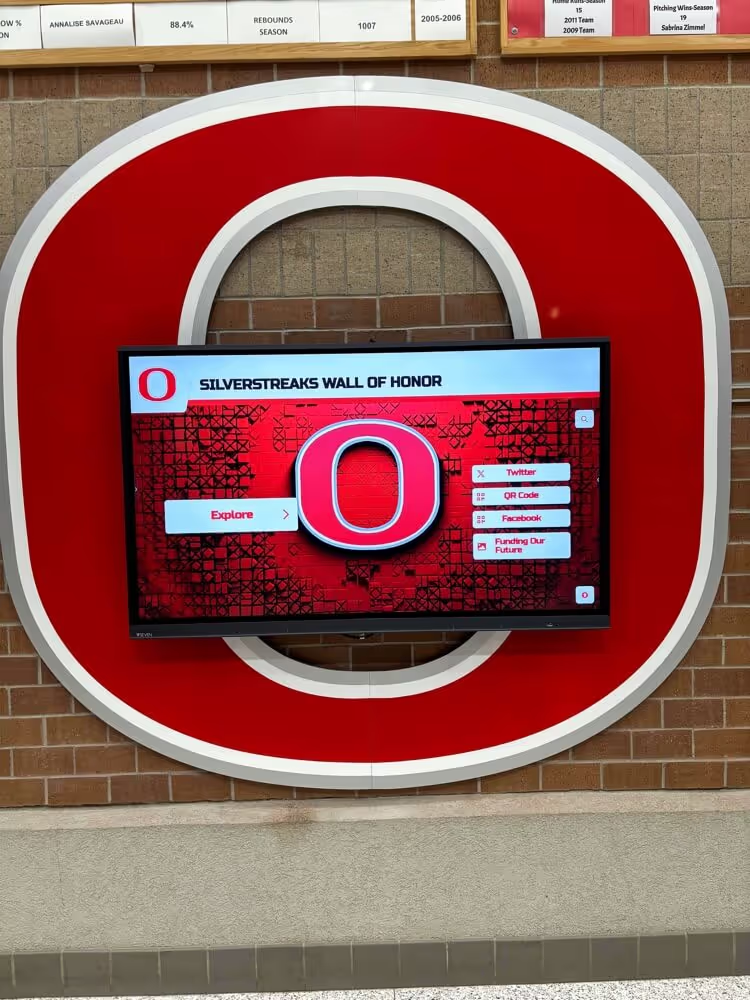
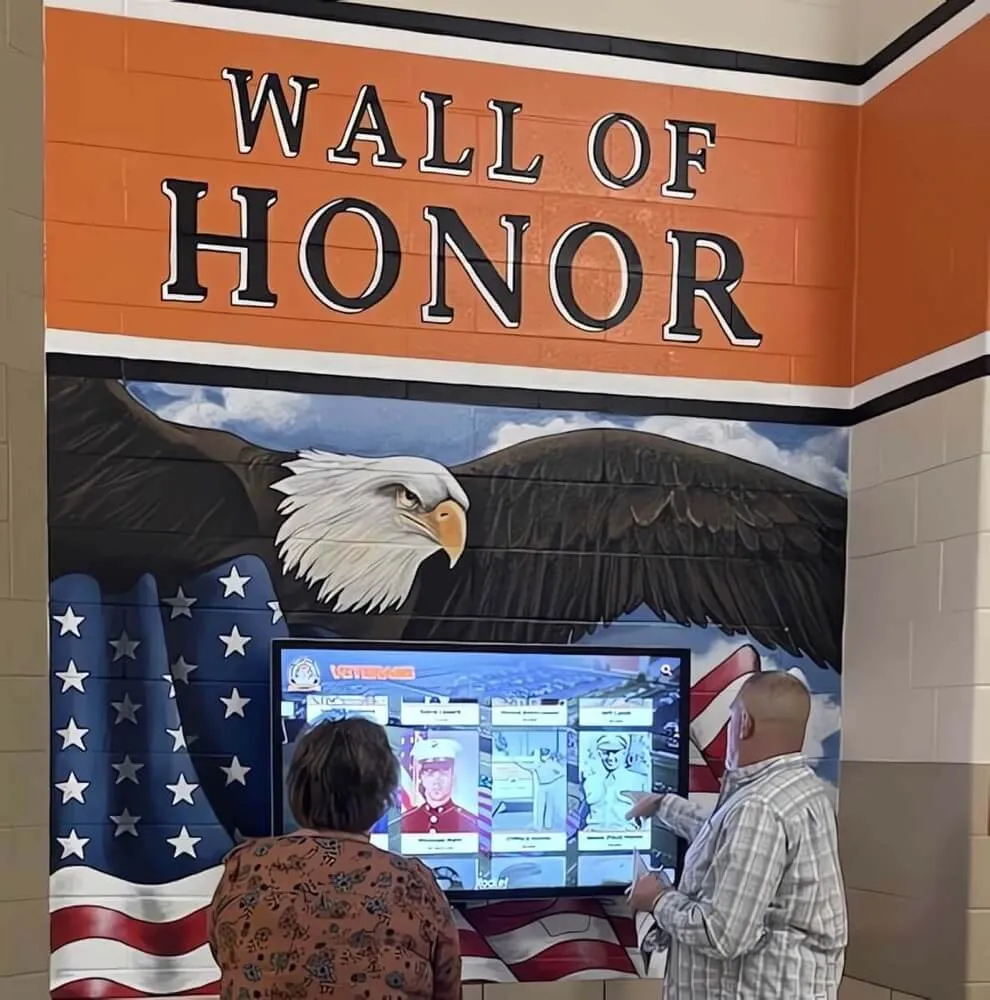
Modern interactive touchscreen displays create engaging heritage experiences that transform passive plaques into active exploration encouraging meaningful engagement with organizational history.
Traditional Recognition Integrating Heritage
Hybrid approaches combining digital innovation with traditional physical recognition create comprehensive solutions honoring both past and present. Display recent composite years in traditional framed format on prominent walls while providing touchscreen access to complete historical collections including years not physically displayed due to space constraints.
Feature particularly significant historical artifacts in professional display cases near digital heritage stations enabling coordinated exploration of physical objects and related digital content. QR codes mounted near physical displays link to digital resources providing extended information, related materials, or opportunities to contribute memories and identification.
This integration honors investment in traditional recognition while addressing inherent limitations through complementary digital enhancements creating richer, more engaging heritage experiences than either approach could provide independently.
Strategic Implementation of Heritage Preservation Programs
Successful heritage preservation requires systematic approaches addressing planning, resource allocation, community engagement, and sustainable management ensuring programs deliver lasting value.
Building Organizational Support and Commitment
Heritage preservation initiatives require sustained commitment from chapter leadership, alumni associations, house corporations, and national organizations. Building this support begins with clearly articulating preservation value through specific examples relevant to stakeholder priorities.
Creating Compelling Cases for Investment
For undergraduate members, emphasize how heritage knowledge strengthens identity and provides recruitment advantages. Demonstrate that prospective members respond positively to organizations demonstrating stability through well-preserved history and professional heritage presentations.
For alumni, highlight how preservation protects their personal legacies while maintaining connections to formative experiences. Show examples of alumni discovering their composite photographs or reconnecting with classmates through digital archives generating enthusiasm and gratitude.
For house corporations and national organizations, document how heritage preservation supports member development, enhances organizational reputation, and creates fundraising opportunities. Provide examples of chapters that used heritage initiatives to engage previously disconnected alumni who subsequently supported facility improvements or scholarship programs.
Establishing Heritage Preservation Committees
Form dedicated heritage preservation committees including representation from undergraduate leadership, alumni volunteers, house corporation members, and chapter advisors. This diverse composition ensures multiple perspectives inform decision-making while distributing workload among committed volunteers.
Committee responsibilities include inventorying existing historical materials, developing strategic preservation plans and timelines, identifying qualified service providers for professional work, managing preservation budgets and fundraising, overseeing digitization and archiving efforts, maintaining digital platforms and physical displays, engaging alumni in heritage initiatives, and communicating progress to organizational stakeholders.
Regular committee meetings with clear agendas and documented decisions maintain momentum while ensuring accountability. Formal documentation of preservation plans, policies, and procedures enables continuity when committee membership changes.
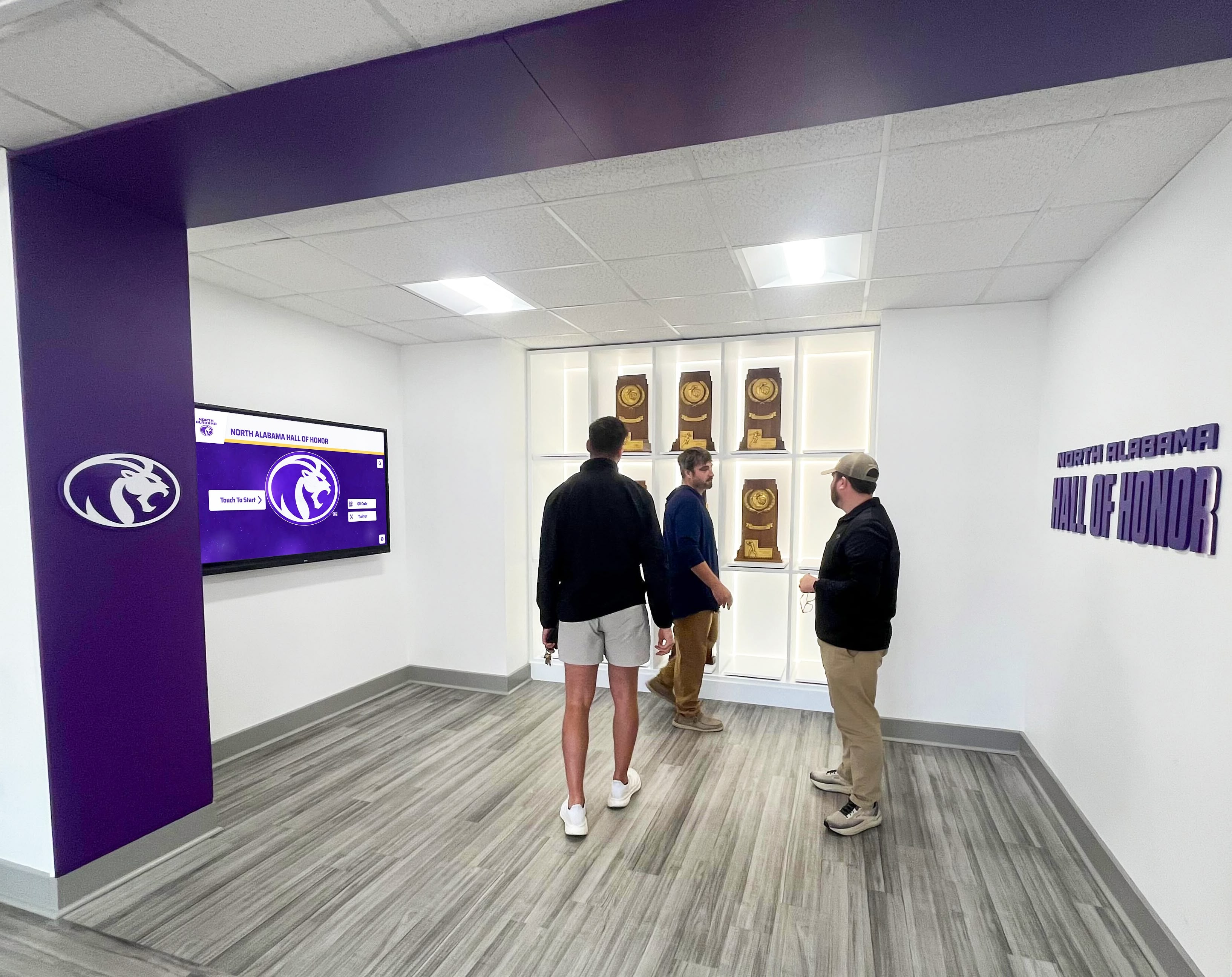
Successful heritage preservation requires collaborative effort among undergraduates, alumni, and organizational leadership
Developing Realistic Budgets and Funding Strategies
Comprehensive heritage preservation involves financial investment in professional services, technology platforms, and ongoing management. Strategic planning addresses resource needs while identifying sustainable funding approaches.
Estimating Preservation Costs
Typical heritage preservation costs include professional composite digitization at $50-150 per composite, document scanning and processing at $0.50-2.00 per page for professional services, oral history transcription at $1-3 per recorded minute, digital platform subscriptions at $100-500 monthly depending on features and capacity, interactive touchscreen hardware at $3,000-8,000 per installation, professional conservation for damaged materials varying widely based on condition, and cloud storage and backup services at $20-200 monthly based on volume.
Initial implementation costs typically prove higher than ongoing maintenance expenses. Chapters with 50 years of composites might invest $5,000-10,000 in comprehensive digitization as one-time expense, then maintain digital systems for $1,200-6,000 annually.
Funding Heritage Preservation Initiatives
Most successful heritage programs employ mixed funding strategies combining multiple sources. Heritage-specific fundraising campaigns targeting alumni with clear preservation objectives often generate strong support. Alumni readily contribute to initiatives protecting materials from their membership years or honoring organizational traditions they value.
Annual budget allocations from chapter operating funds or house corporation budgets provide sustainable ongoing funding for maintenance and expansion. National organization grants or support programs sometimes provide matching funds or technical assistance for local heritage initiatives.
Major gift opportunities associated with heritage projects create prestigious recognition for significant donors. Naming digital archives, sponsoring specific preservation initiatives like oral history programs, or funding heritage displays in renovated facilities provide meaningful legacy giving options.
Phased implementation spreading costs across multiple years makes comprehensive preservation financially manageable. Year one might address composite digitization, year two focuses on document preservation, year three implements digital platforms, and year four develops oral history programs.
Approaches used for alumni recognition walls often include similar fundraising strategies applicable to heritage preservation initiatives.
Engaging Alumni and Community Members
Heritage preservation creates natural opportunities for meaningful alumni engagement beyond financial contributions.
Crowdsourcing Identification and Information
Alumni possess invaluable knowledge about historical materials that chapters cannot access through internal research alone. They recognize individuals in unidentified photographs, provide context about events and traditions, correct errors in existing documentation, and contribute biographical information about members from their eras.
Implement systems enabling alumni to easily contribute this knowledge. Online platforms with suggestion features allow users to propose identifications, add contextual information, or submit corrections. Administrative review ensures accuracy before incorporating suggestions while publicly recognizing valuable contributors.
Systematic campaigns inviting specific graduation cohorts to help identify composites from their years prove particularly effective. Focused requests with clear tasks generate higher participation than general calls for assistance. Virtual identification events via video conferencing enable participation from distant alumni unable to visit chapter facilities.
Historical Material Collection from Alumni
Many valuable historical materials exist in alumni personal collections rather than chapter archives. Alumni may possess photographs not included in yearbooks, personal correspondence with founding members or distinguished alumni, event programs and publications, awards and recognition materials, or artifacts with historical significance.
Communicate broadly about heritage preservation initiatives inviting alumni to share materials they possess. Emphasize that originals can be scanned and promptly returned—most individuals willingly share for digitization but understandably don’t want to permanently surrender personal materials.
Provide convenient contribution processes including mail-in programs with prepaid return shipping, regional scanning days where volunteers with equipment meet alumni at convenient locations, or campus events during homecoming or reunion weekends where alumni can bring materials for immediate digitization.
Heritage Events and Programming
Heritage-focused events create engagement opportunities while advancing preservation objectives. Historical presentations featuring oral history excerpts, rare photographs, or interesting discoveries from archival research attract alumni attendance. Reunion programming incorporating heritage themes like decades-specific content or historical facility tours strengthens emotional connections.
Heritage celebration events marking significant anniversaries provide natural opportunities for major preservation initiative launches. Dedications of heritage displays, digital archive unveilings, or oral history collections create memorable experiences while honoring tradition.
These events generate enthusiasm maintaining momentum for long-term preservation efforts while demonstrating to alumni that their contributions and support produce tangible results worthy of continued investment.
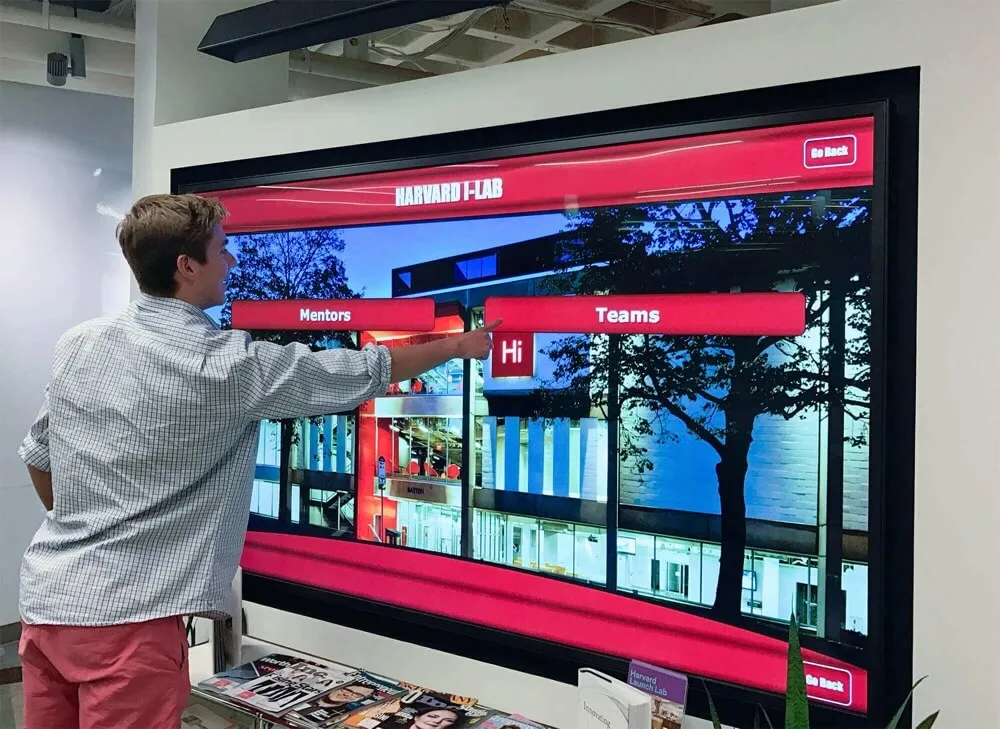
Heritage events create meaningful alumni engagement opportunities while celebrating organizational traditions
Establishing Sustainable Management Practices
Long-term preservation success requires systems ensuring heritage programs continue functioning effectively as leadership changes and organizations evolve.
Documenting Procedures and Responsibilities
Create comprehensive documentation explaining how heritage preservation systems operate, who holds specific responsibilities, and how common tasks should be completed. Detailed procedures for adding new composites to digital archives, processing alumni-contributed materials, maintaining touchscreen displays, conducting oral history interviews, and managing preservation budgets ensure continuity when personnel change.
Many chapters develop heritage preservation manuals compiling policies, procedures, contacts for service providers, equipment information, and guidelines for future committee members. This institutional knowledge prevents loss of expertise when experienced individuals graduate or transition from leadership roles.
Integrating Heritage into Organizational Culture
Transform heritage preservation from isolated project into ongoing cultural practice. New member education should include heritage components introducing organizational history and teaching preservation importance. Officer transition processes should explicitly address heritage responsibilities ensuring incoming leaders understand expectations.
Annual events should incorporate heritage elements maintaining regular attention to organizational traditions. Chapter communications like newsletters or social media should regularly feature historical content keeping heritage visible and relevant to current members.
Recognition of heritage contribution as valued service encourages participation. Chapters might create heritage awards honoring members or alumni who make exceptional contributions to preservation efforts, publicly recognizing volunteers during chapter meetings or ceremonial occasions.
Planning for Current Year Documentation
Establish processes ensuring current activities receive systematic documentation becoming tomorrow’s heritage rather than waiting for retrospective recovery decades later. Designate official photographers for significant events, collect current composites at year conclusions, archive publications and communications, document achievements and milestones, and preserve records of chapter operations and decisions.
This proactive approach proves far more efficient than attempting retrospective recovery when materials have scattered, memories have faded, and identification has become difficult. Organizations treating heritage documentation as ongoing practice rather than periodic projects build comprehensive collections requiring substantially less intensive effort over time.
Similar systematic approaches apply to ongoing school history documentation, with consistent practices enabling efficient capture of contemporary activities that later become valued historical records.
Best Practices for Engaging Heritage Experiences
Following proven best practices ensures heritage preservation delivers maximum impact through compelling presentations that inspire meaningful engagement rather than passive acknowledgment.
Creating Compelling Visual Presentations
Heritage materials deserve professional presentation reflecting their significance while engaging modern audiences accustomed to high-quality digital experiences.
High-Resolution Imagery and Professional Design
Invest in high-quality digitization ensuring images preserve photographic detail rather than appearing pixelated or degraded. Professional color calibration ensures digital images accurately represent originals. Proper exposure and contrast optimization improves visibility without over-processing into unnatural appearances.
Interface design quality dramatically affects user experience and perception. Professional layouts reflecting organizational branding create presentations worthy of heritage significance. Thoughtful typography, consistent visual standards, and intuitive navigation demonstrate organizational pride and attention to detail.
Avoid amateur-appearing presentations using generic templates or inconsistent styling. Heritage materials document decades or centuries of tradition—their presentation should reflect commensurate professionalism and care.
Rich Multimedia Content Beyond Static Images
Enhance heritage presentations with diverse content types creating engaging experiences. Video content including oral history excerpts, historical event footage, or documentary segments brings history to life through motion and sound. Audio recordings of important speeches, ceremonial rituals, or songs preserve intangible cultural heritage.
Animated timelines showing organizational growth across decades provide visual representations of evolution and development. Interactive comparison tools placing historical and contemporary photographs side-by-side dramatically illustrate change over time. 360-degree facility tours enable virtual exploration of significant spaces.
This multimedia richness creates engaging experiences honoring each era’s unique character while appealing to diverse learning preferences and engagement styles.
Approaches used in digital storytelling for athletic programs demonstrate how multimedia content transforms heritage materials into compelling narratives.
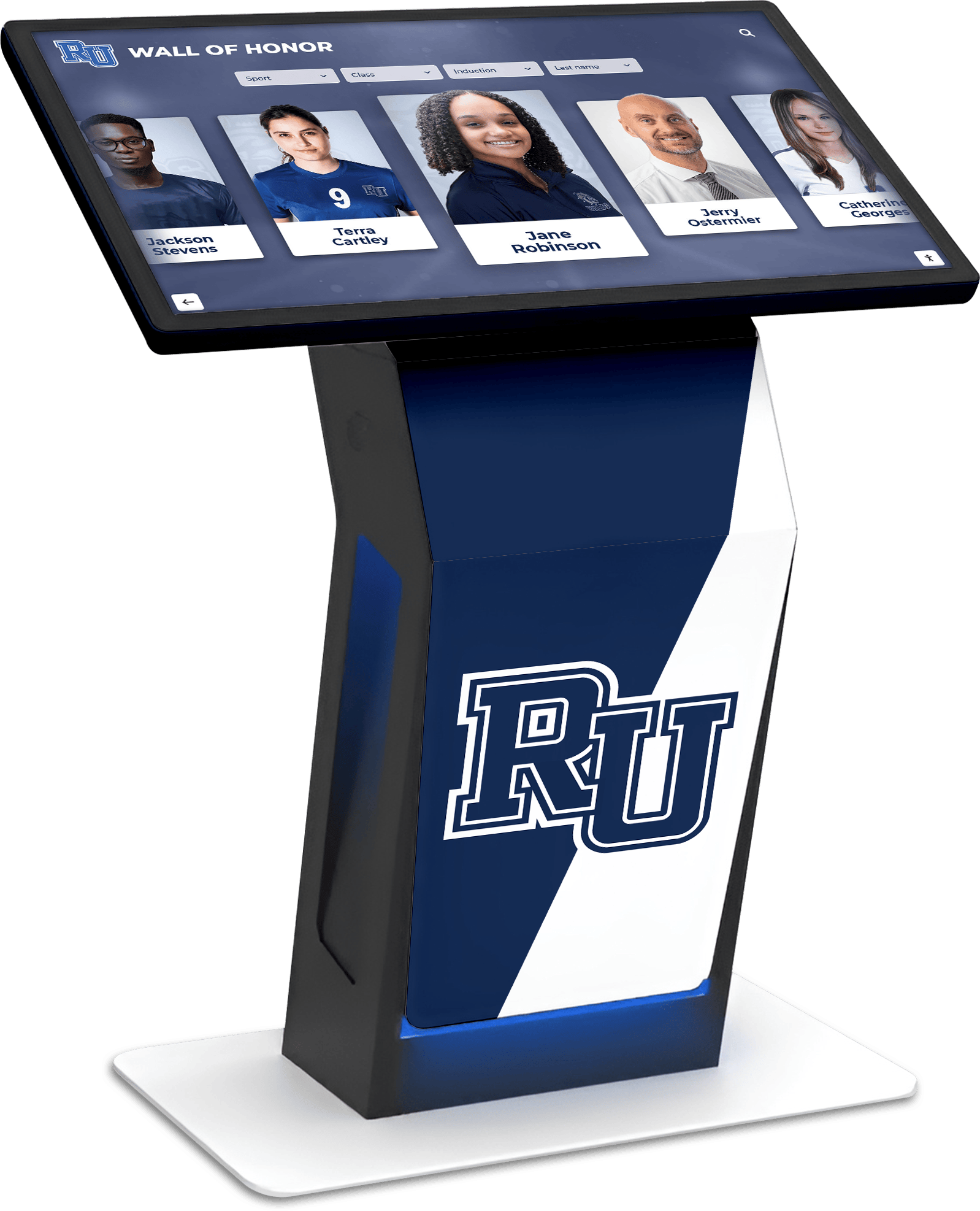
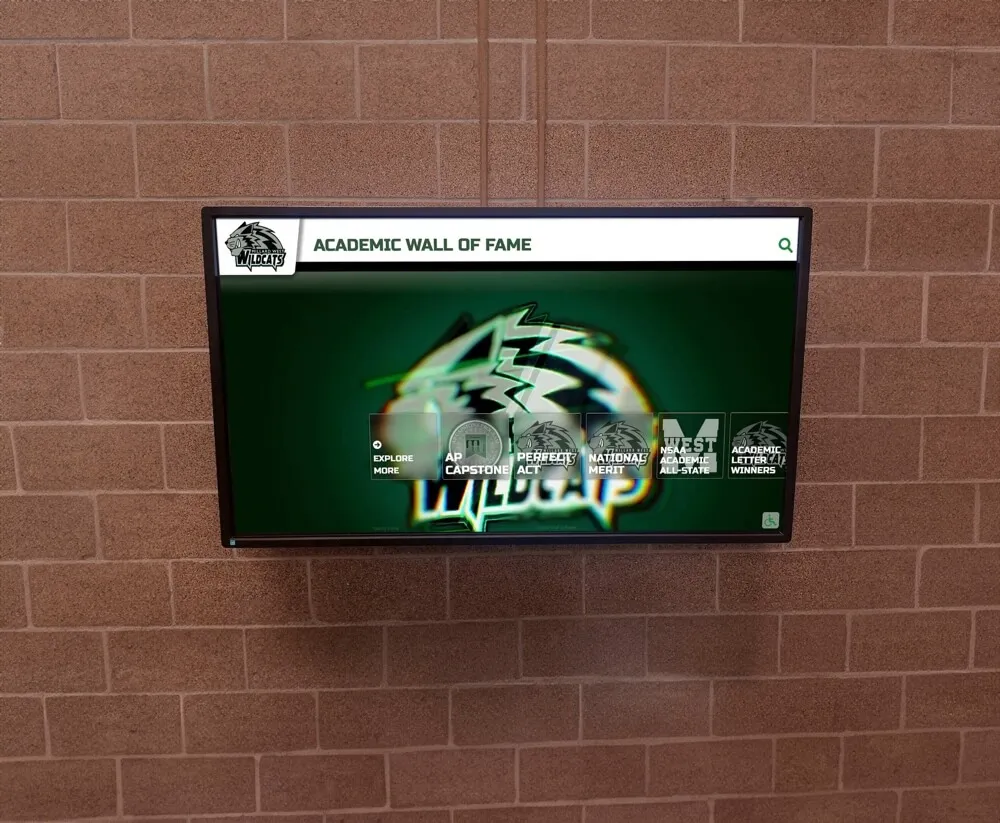
Professional multimedia presentations transform heritage materials into engaging exploration experiences
Providing Rich Historical Context and Storytelling
Heritage materials without context lose substantial meaning and emotional impact.
Comprehensive Descriptions and Narratives
Every heritage element should include contextual information explaining significance rather than existing as isolated materials without meaning. Composite captions should identify not just year and members but noteworthy accomplishments, cultural context, or significant events from that era.
Historical photographs deserve descriptions explaining what images depict, why moments mattered, and how they fit within broader organizational narratives. Document excerpts benefit from explanatory text providing context about historical circumstances or explaining unfamiliar terminology.
These contextual enhancements help viewers understand significance creating appreciation exceeding what images or documents alone could provide. For alumni who experienced events, context triggers memories and enhances nostalgia. For current members without personal connections, context creates understanding and appreciation.
Thematic Collections and Guided Explorations
Organize heritage materials into thematic collections providing curated exploration pathways beyond simple chronological browsing. Collections might focus on founding history and early development, facility evolution showing how physical spaces changed, philanthropic contributions documenting community service, distinguished alumni highlighting notable achievements, cultural traditions explaining how practices evolved, or crisis responses showing how organizations overcame challenges.
Guided heritage tours walk users through organizational history with narration explaining significance and connecting materials into cohesive narratives. These structured experiences prove particularly valuable for new members learning organizational history or prospective members exploring whether values align with their interests.
Enabling Personal Discovery and Connection
Heritage archives create maximum value when enabling individuals to find personal connections rather than presenting only curated institutional narratives.
Powerful Search and Individual Recognition
Implement robust search functionality enabling users to quickly locate themselves, former roommates or pledge siblings, big brothers or big sisters, or members from specific eras. Name-based search proves essential—alumni exploring archives primarily want to find themselves and individuals they knew personally.
Filter capabilities enable viewing only specific decades, only individuals who held particular officer positions, only members from specific hometowns or majors, or other custom selections matching individual interests. These filtering capabilities make large collections manageable and relevant.
Individual member profiles should aggregate all materials featuring specific individuals creating personal heritage pages. Profiles might include composite portraits from multiple years, photographs from events, mentions in historical documents, oral history excerpts, and biographical information creating comprehensive records of individual contributions.
Social Sharing and Viral Distribution
Enable users to easily share heritage discoveries to Facebook, Instagram, Twitter, or other social platforms. Alumni love sharing nostalgic photographs of themselves and friends from college years, creating viral distribution extending archive visibility far beyond those directly visiting organizational websites.
Shared content should include attribution and links back to complete archives, driving additional traffic from social networks. Many users who would never directly seek fraternity or sorority archives discover them through friends’ shared content creating organic discovery patterns.
Personal Contribution and Memory Sharing
Allow users to contribute memories, stories, or additional context related to heritage materials. Comment features on photographs or documents enable alumni to share firsthand perspectives enriching official organizational records with personal experiences.
Moderation tools enable reviewing contributions before public display ensuring appropriate content. Public recognition of valuable contributed memories encourages additional participation while demonstrating that organizations value community voice in heritage storytelling.
These interactive features transform passive archives into collaborative heritage projects where community members actively participate in preservation and interpretation creating richer, more meaningful historical records.
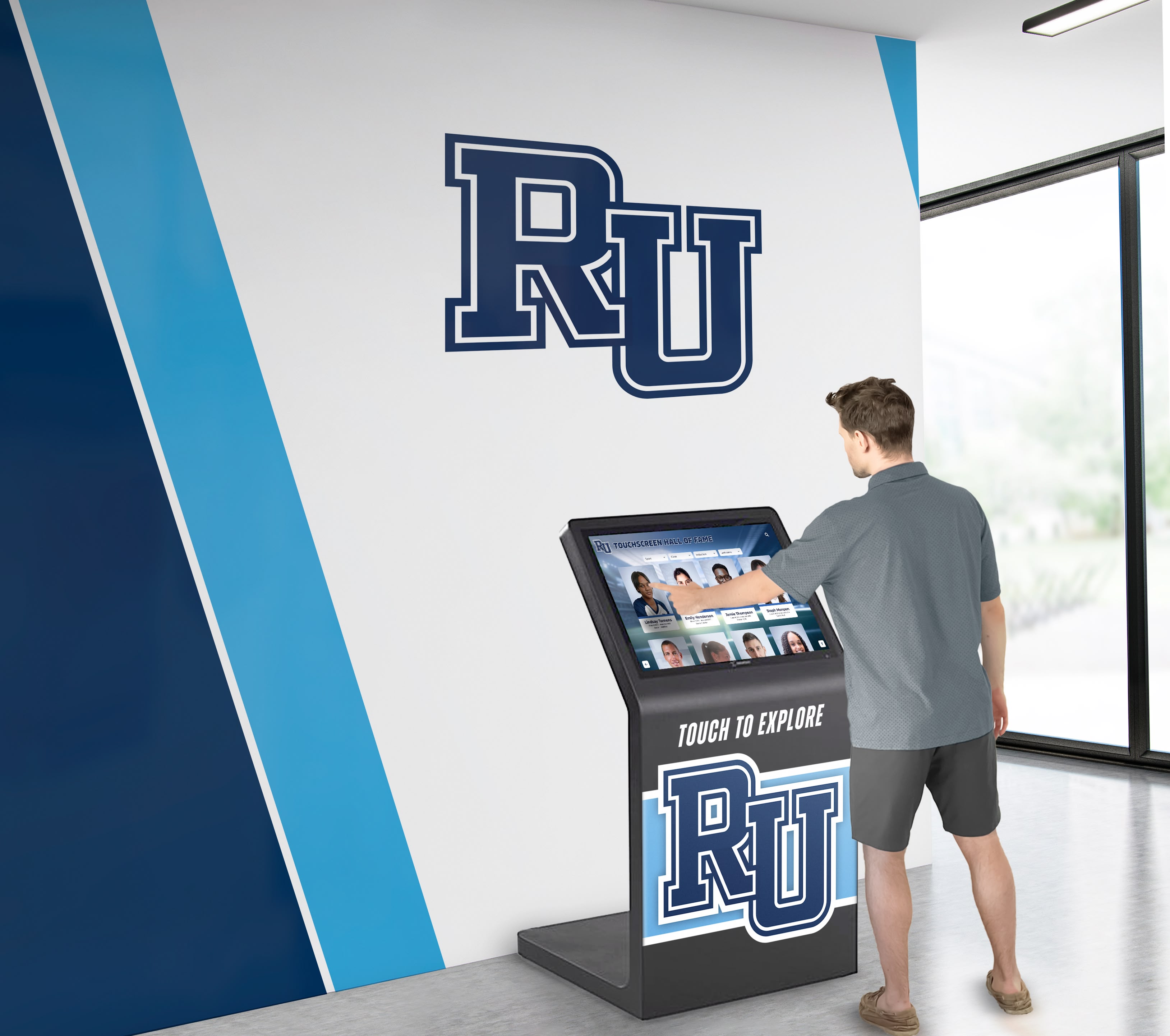
Interactive features enable personal discovery and connection transforming heritage exploration into meaningful engagement
Integrating Heritage with Ongoing Recognition and Operations
Heritage preservation creates maximum organizational value when integrated with contemporary operations rather than existing as isolated historical projects.
Connecting Historical and Current Achievement Recognition
Link heritage archives with ongoing achievement recognition creating unified platforms celebrating both past and present. When current members receive academic honors, leadership recognitions, or service awards, their achievements join historical records documenting organizational excellence across generations.
This continuity demonstrates that today’s accomplishments become tomorrow’s heritage, strengthening motivation while building comprehensive documentation. Students exploring historical materials discover pathways to featured current achievers while those viewing current recognition can explore related historical context showing how traditions evolved.
Digital platforms enabling seamless integration between heritage archives and current recognition eliminate artificial divisions between past and present creating holistic organizational narratives. Solutions like digital hall of fame touchscreen displays demonstrate how unified systems celebrate comprehensive excellence.
Supporting Member Development and Education
Partner with new member educators to integrate heritage content into orientation and development programming. New members should learn organizational founding principles, understand how traditions emerged and evolved, recognize distinguished alumni who exemplify organizational values, and appreciate their place within continuing legacy.
Heritage materials provide compelling teaching tools. Oral history excerpts featuring elderly alumni discussing what membership meant during their eras communicate values more powerfully than abstract statements in written materials. Historical photographs showing members from different decades engaged in similar activities demonstrate tradition continuity.
Quiz or scavenger hunt activities requiring new members to explore heritage archives for specific information create engaging learning experiences while ensuring familiarity with organizational history. Recognition for members demonstrating exceptional heritage knowledge reinforces that organizations value historical awareness.
Enhancing Recruitment and Marketing Communications
Leverage heritage materials throughout recruitment marketing and communications. Recruitment videos should incorporate historical content demonstrating organizational stability and tradition. Digital presentations during recruitment tours should feature heritage displays showcasing distinguished alumni and decades of achievement.
Social media content incorporating throwback photographs or historical facts generates engagement while building organizational brand. Email campaigns to prospective members might feature historical narratives demonstrating enduring values and meaningful traditions.
Heritage materials provide differentiation in competitive recruitment environments. While all organizations promote member development and social opportunities, well-preserved heritage communicating stability and tradition distinguishes substantive organizations from those with minimal institutional depth.
Supporting Alumni Engagement and Development
Development offices should systematically leverage heritage archives for cultivation and stewardship. Regular communications featuring photographs from specific graduation eras prompt nostalgic responses strengthening emotional connections. Anniversary campaigns gain impact when supported by visual documentation showing what chapters looked like during donor graduation years.
Virtual reunion experiences incorporating heritage collections enable alumni who cannot travel to campus to participate in nostalgia-driven programming. Heritage research services helping alumni locate specific photographs or information about their membership years create personalized engagement demonstrating organizational care.
Recognition opportunities associated with heritage preservation—sponsoring digitization of specific composite decades, funding heritage displays, or endowing preservation programs—create meaningful legacy giving options. Major heritage initiatives might be named for significant donors providing prestigious recognition.
Approaches used for donor recognition integrate effectively with heritage preservation creating comprehensive advancement strategies celebrating both historical contributions and contemporary philanthropy.
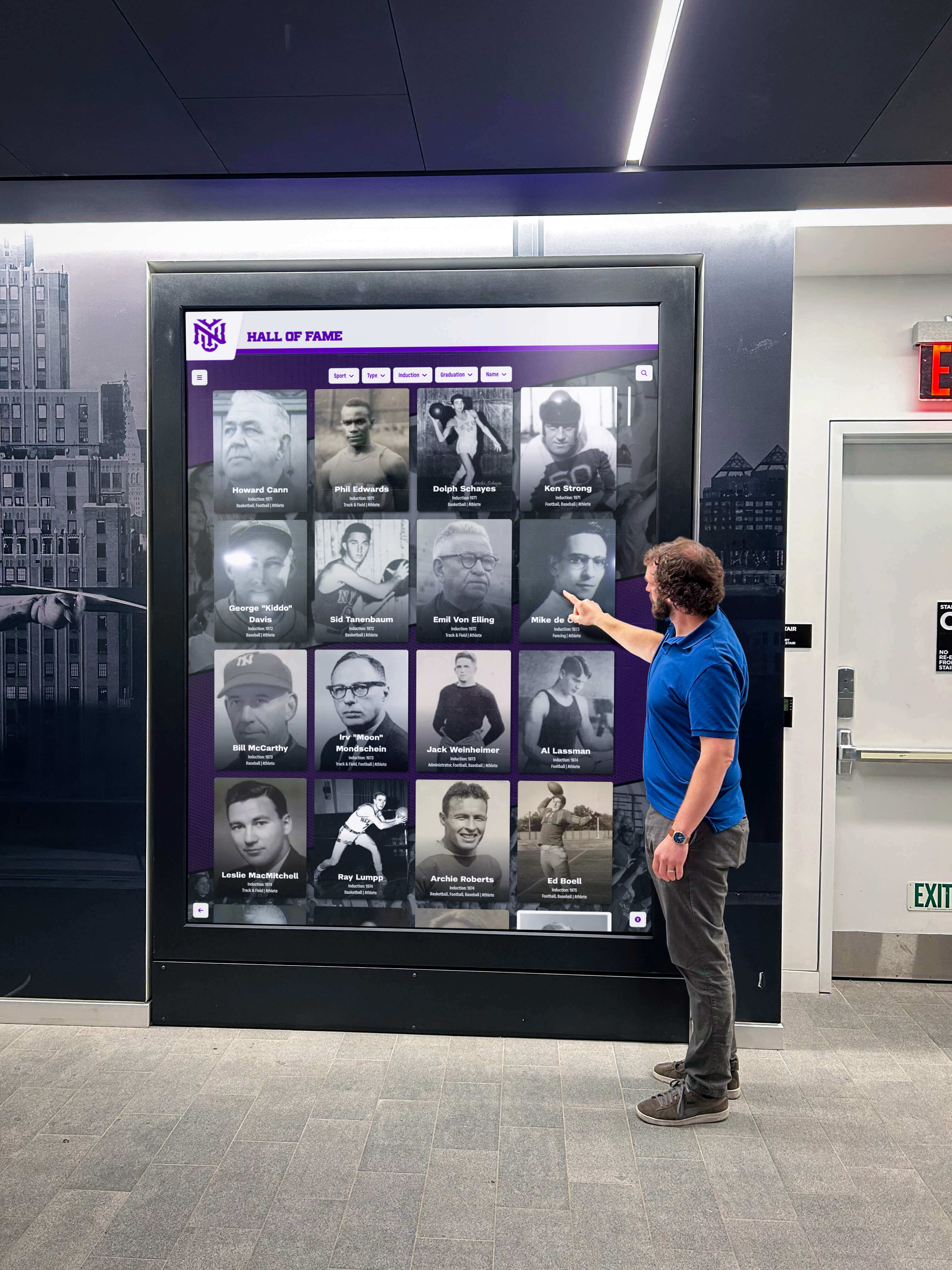
Heritage displays create natural touchpoints for alumni engagement during campus visits and events
Special Considerations for Different Greek Organization Types
Heritage preservation approaches should adapt to specific organizational contexts and priorities.
Social Fraternities and Sororities
Traditional social Greek organizations represent the largest category with extensive heritage preservation needs. These organizations typically maintain substantial composite collections spanning many decades, possess rich social and cultural traditions requiring documentation, have large alumni populations creating broad engagement opportunities, and operate chapter houses providing physical locations for heritage displays.
Priority preservation elements include comprehensive composite digitization ensuring every membership year receives recognition, social tradition documentation explaining how practices evolved, facility evolution showing how chapter houses developed, distinguished alumni recognition highlighting notable achievements, and philanthropic legacy documenting community contributions.
Heritage initiatives for social organizations should emphasize member connection and nostalgia creating engagement opportunities strengthening lifelong bonds with chapters and institutions.
Professional Fraternities and Sororities
Professional organizations like legal, medical, business, or engineering fraternities have unique heritage considerations. Professional fraternities typically emphasize career development and networking over social programming, maintain connections with specific academic disciplines or career fields, attract members based on professional rather than social interests, and value heritage demonstrating professional accomplishment.
Heritage preservation should highlight professional achievements of alumni, document mentorship relationships and career support, showcase how organizations advanced professional education, emphasize connections between student experience and career success, and preserve materials documenting contributions to professions and industries.
Digital heritage platforms for professional organizations might function as networking resources connecting current students with accomplished alumni in specific career fields creating practical value beyond historical interest.
Honor Societies and Academic Organizations
Greek honor societies emphasizing academic achievement require heritage approaches reflecting scholarly values. These organizations typically maintain smaller active membership focused on academic excellence, attract high-achieving students seeking recognition, value intellectual tradition and scholarly contribution, and maintain national selectivity and prestige.
Heritage preservation should document founding principles and membership criteria, showcase academic accomplishments of inductees, preserve materials demonstrating scholarly contribution, highlight distinguished alumni achievements in academic and professional fields, and emphasize how organizations advanced knowledge.
Heritage materials function as evidence of organizational rigor and selectivity supporting continued prestige. Approaches used for academic recognition programs demonstrate effective celebration of scholarly achievement applicable to honor society heritage.
Multicultural Greek Organizations
Multicultural Greek letter organizations including historically African American, Latino, Asian, and Native American fraternities and sororities have particularly significant heritage requiring specialized preservation approaches. These organizations often possess heritage documenting civil rights struggles and social justice advocacy, emerged during eras when mainstream Greek organizations excluded minorities, maintain cultural traditions connecting to ethnic heritage, and serve student populations that continue facing unique challenges.
Heritage preservation should document founding circumstances and civil rights context, preserve materials showing how organizations supported marginalized students, showcase distinguished alumni who broke barriers, emphasize cultural traditions and practices, and demonstrate ongoing relevance and contribution.
This heritage possesses broader historical significance beyond individual organizations, documenting important chapters in higher education integration and minority student experience. Academic researchers, institutional diversity offices, and cultural heritage organizations may find preservation particularly valuable creating potential partnership opportunities.
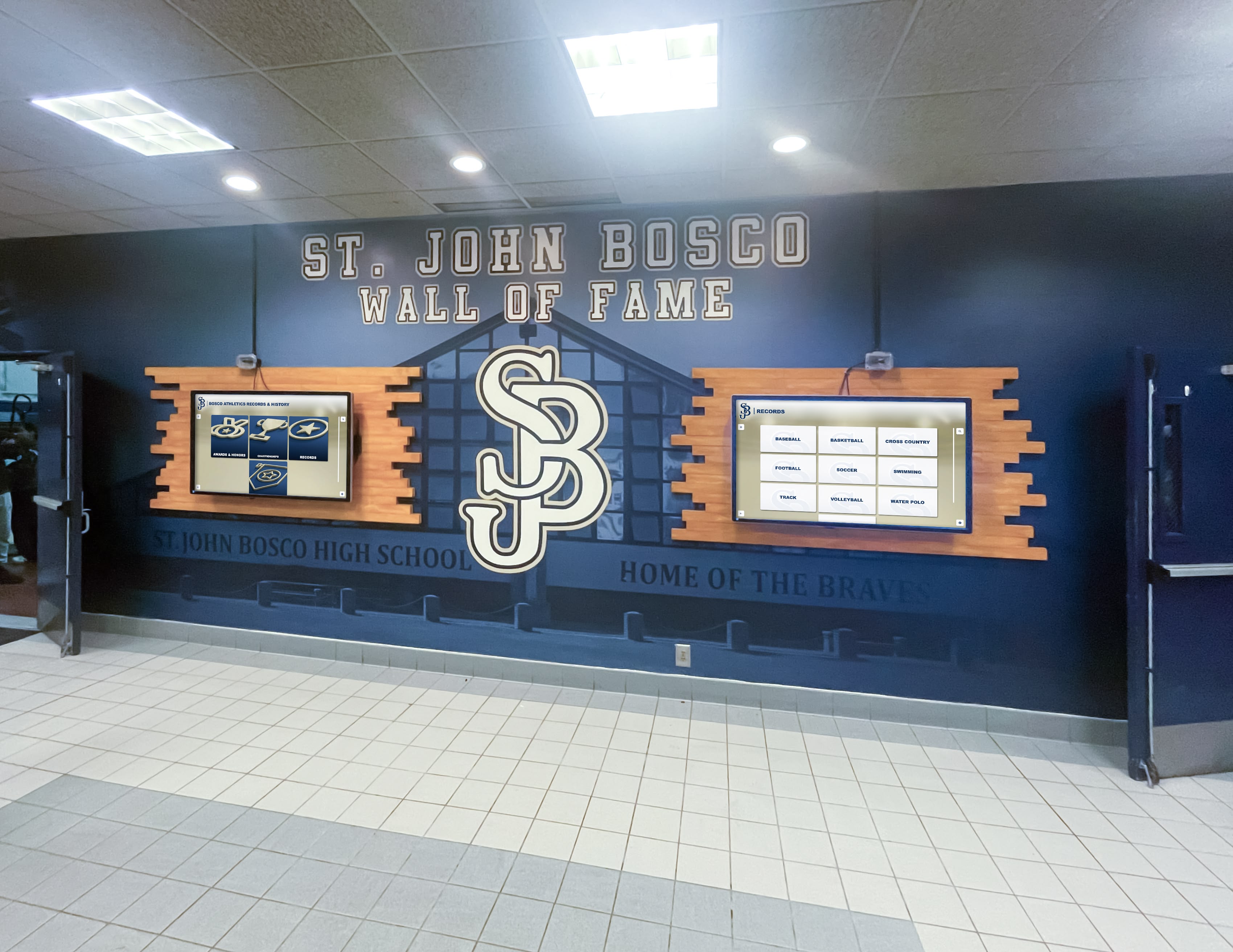
Heritage preservation for multicultural organizations documents important contributions to higher education equity and inclusion
Measuring Heritage Preservation Impact
Regular assessment demonstrates preservation value while guiding continuous improvement ensuring programs deliver intended benefits.
Quantitative Engagement Metrics
Track measurable indicators including unique archive visitors, composite views and searches, document access and downloads, oral history plays or listens, average session duration indicating engagement depth, geographic distribution showing reach, and social sharing demonstrating viral distribution.
Identify most-viewed materials and popular content revealing particularly interesting heritage elements. Understanding engagement patterns guides content development priorities and enhancement decisions. Compare metrics over time assessing whether promotional efforts increase usage, new content additions drive traffic, or engagement patterns shift as archives mature.
Qualitative Impact Assessment
Document qualitative impact through stakeholder feedback and observational insights. Collect testimonials from alumni discovering meaningful materials or reconnecting with classmates through archives. Capture stories about emotional responses to heritage content from personal membership years. Document how archives enabled family historical research or reunion planning.
Survey undergraduate members about how heritage awareness affects identity and pride. Interview new members about whether heritage materials influenced membership decisions. Gather feedback from recruitment chairs about prospective member responses to heritage presentations.
Development staff should document whether heritage initiatives correlate with improved alumni engagement including increased reunion attendance, higher giving participation rates, larger gift sizes from emotionally engaged donors, or enhanced volunteer participation.
Demonstrating Return on Investment
While heritage preservation delivers primarily intangible cultural benefits, documenting tangible outcomes strengthens justification for continued resource allocation. Track fundraising directly attributed to heritage initiatives including sponsorships of digitization projects, donations prompted by heritage communications, or major gifts associated with naming opportunities.
Monitor whether recruitment metrics improve following heritage display installations or digital archive launches. Document media coverage featuring organizational heritage creating positive publicity. Measure whether student retention improves when heritage strengthens organizational identity.
These tangible outcomes demonstrate that heritage preservation delivers measurable return on investment beyond purely cultural value, providing compelling justification for continued or expanded support from budgetary decision-makers.
Conclusion: Honoring the Past While Inspiring the Future
Fraternity and sorority heritage preservation transforms organizational history from fading memories and deteriorating materials into accessible, engaging resources that strengthen member identity, enhance alumni connections, support recruitment success, and document meaningful contributions to higher education and society. Organizations implementing comprehensive preservation discover that their heritage becomes searchable rather than hidden, accessible globally rather than campus-limited, and relevant to contemporary members rather than existing as nostalgic curiosities.
The benefits explored throughout this guide demonstrate why hundreds of Greek organizations have embraced systematic heritage preservation—from protecting irreplaceable composites and documents before deterioration makes recovery impossible to making decades of organizational history instantly accessible through searchable digital platforms, from creating powerful emotional connections that drive alumni engagement to establishing professional heritage presentations demonstrating stability and tradition to prospective members.
Ready to preserve and celebrate your fraternity or sorority heritage? Modern digital recognition solutions like Rocket Alumni Solutions help Greek organizations create comprehensive heritage programs that systematically preserve composites and historical materials, organize archives with searchable metadata, present heritage through engaging displays, and integrate historical recognition with ongoing achievement celebration. These specialized platforms eliminate the technical barriers that have prevented comprehensive preservation while providing professional results worthy of organizational legacy.
Whether launching initial preservation efforts or enhancing existing heritage programs, start with systematic inventory of existing materials, establish clear priorities balancing preservation urgency with member interest, implement professional digitization capturing adequate detail for long-term value, create engaging presentation platforms making heritage accessible and inspiring, and develop sustainable management ensuring programs continue delivering value as leadership changes.
Your fraternity or sorority heritage represents more than institutional history—it embodies the values, relationships, and experiences that shaped thousands of individual lives while contributing meaningfully to higher education and communities. This legacy deserves preservation through systematic approaches making history accessible to current members discovering inspiring traditions, global alumni maintaining lifelong connections, prospective members evaluating organizational character, and future generations inheriting comprehensive documentation of your organization’s remarkable story.
Begin today with focused initiatives addressing highest-priority needs—digitize most valuable or threatened composites, preserve founding documents, interview oldest alumni, or launch digital archives sharing existing materials. Success builds momentum attracting resources, volunteers, and organizational support enabling expansion toward comprehensive heritage programs serving your organization for generations to come.
Solutions like digital trophy case systems and comprehensive recognition platforms demonstrate how modern technology transforms heritage preservation from overwhelming challenges into achievable initiatives delivering lasting value. Start preserving your legacy today, ensuring future members inherit the comprehensive heritage documentation that honors your organization’s distinguished past while inspiring continued excellence.
Your heritage matters. Your traditions deserve celebration. Your story merits preservation. Through thoughtful planning, appropriate technology, and sustained commitment, you can create heritage programs that genuinely serve your organization while honoring the members who built the legacy you’re privileged to continue.