



Phi Theta Kappa is the world’s largest honor society for two-year colleges — and the students who earn PTK membership represent exactly the kind of academic dedication that community colleges should celebrate loudly and permanently. When a student maintains a 3.5 GPA while balancing work, family, and coursework, their achievement deserves more than a line on a résumé. It deserves the kind of visible, lasting recognition that inspires every student who walks through the campus doors after them.
Community colleges have long wrestled with a recognition gap: athletic programs get trophy cases and digital displays, while academic honor societies often make do with a bulletin board announcement and a cord handed out at graduation. That gap is closing. Forward-thinking colleges are building dedicated recognition programs for their Phi Theta Kappa chapters — programs that include induction ceremonies, graduation honors, and permanent digital displays that keep PTK inductees visible long after commencement day.

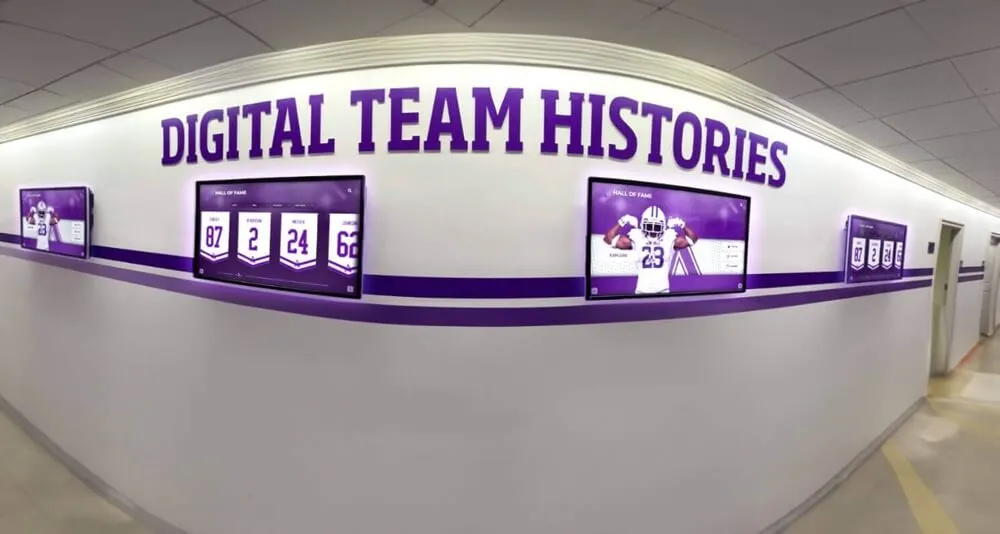
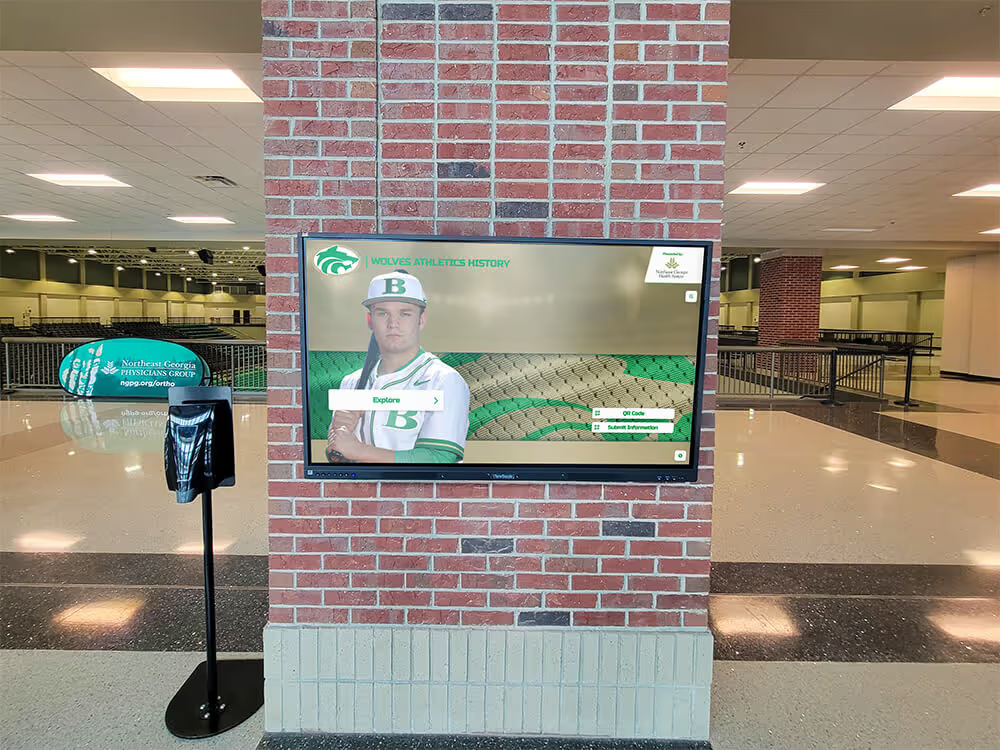
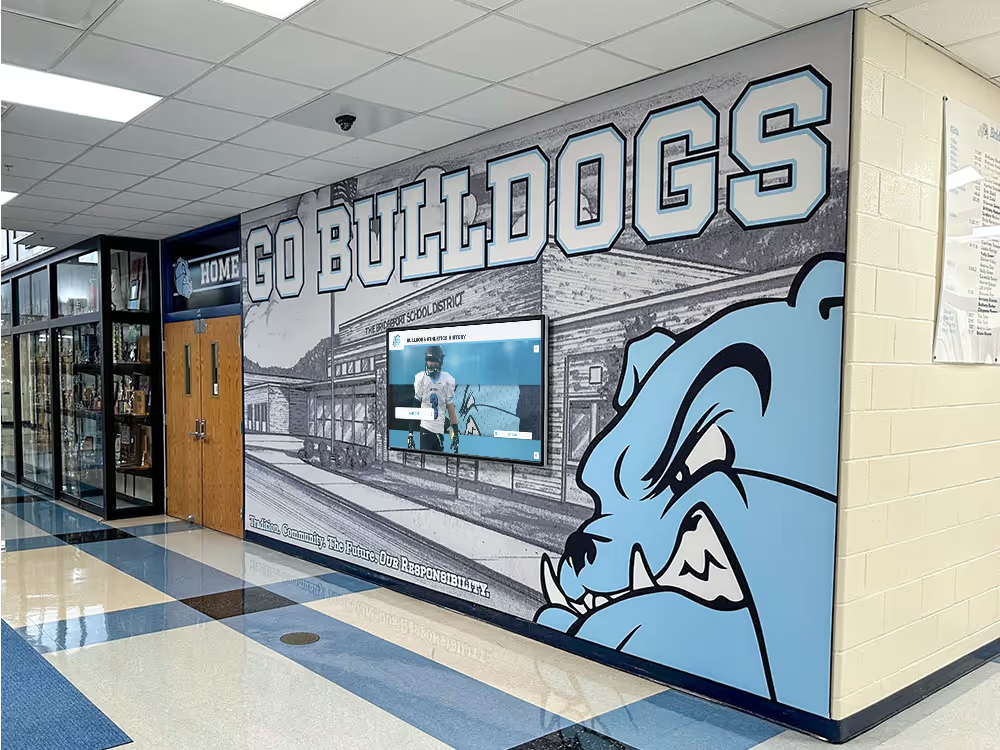
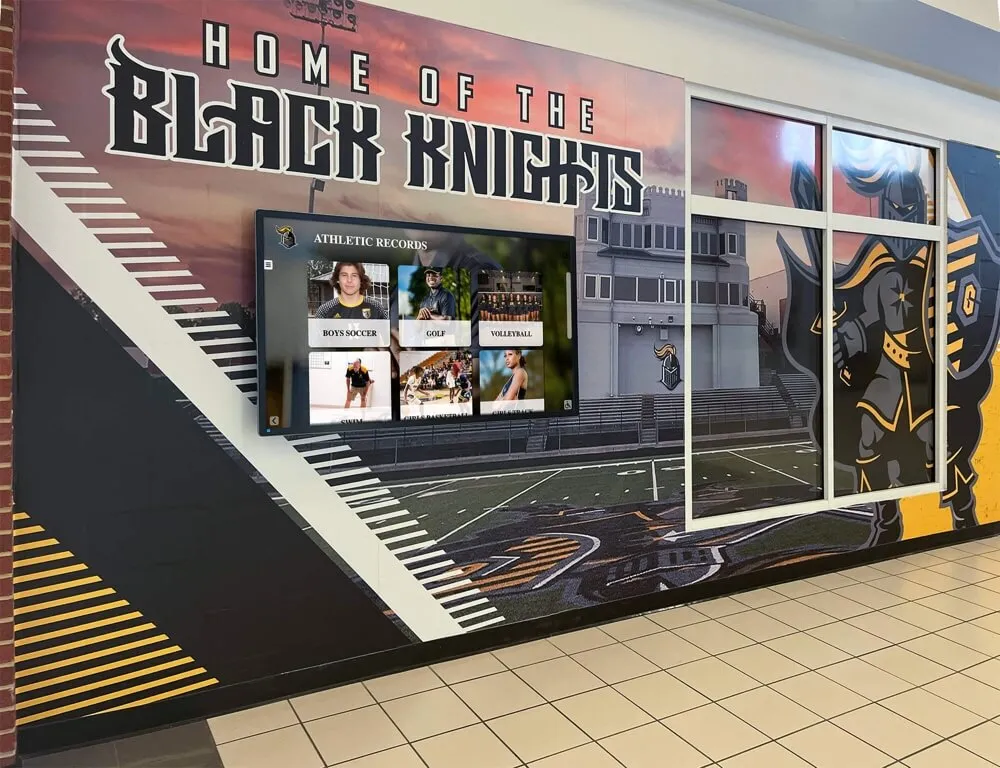
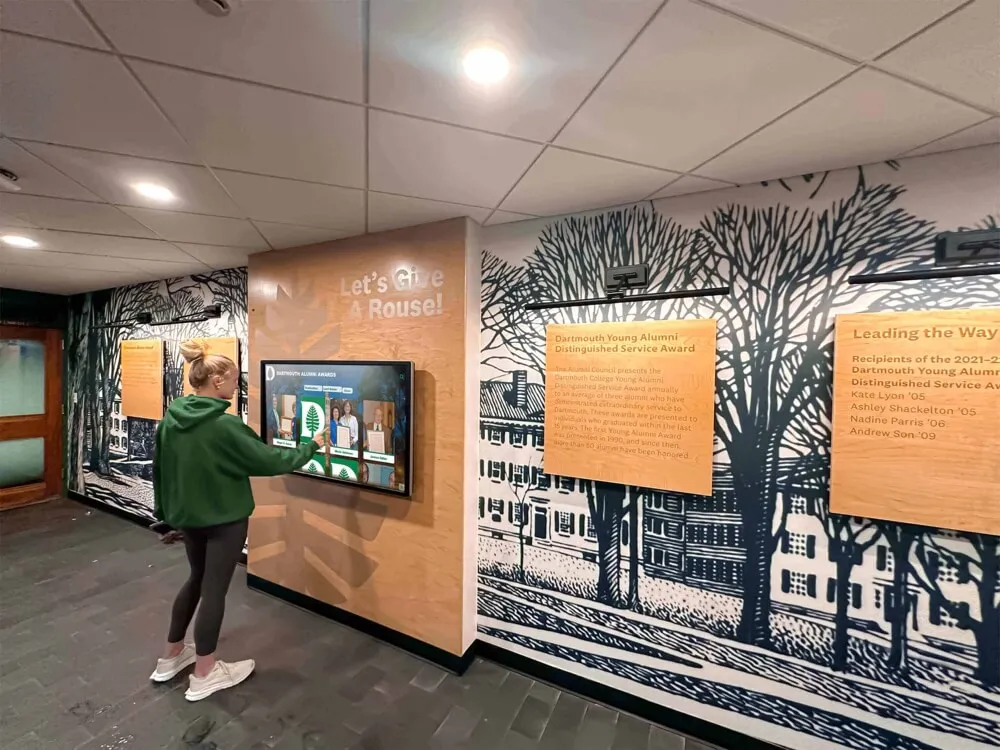
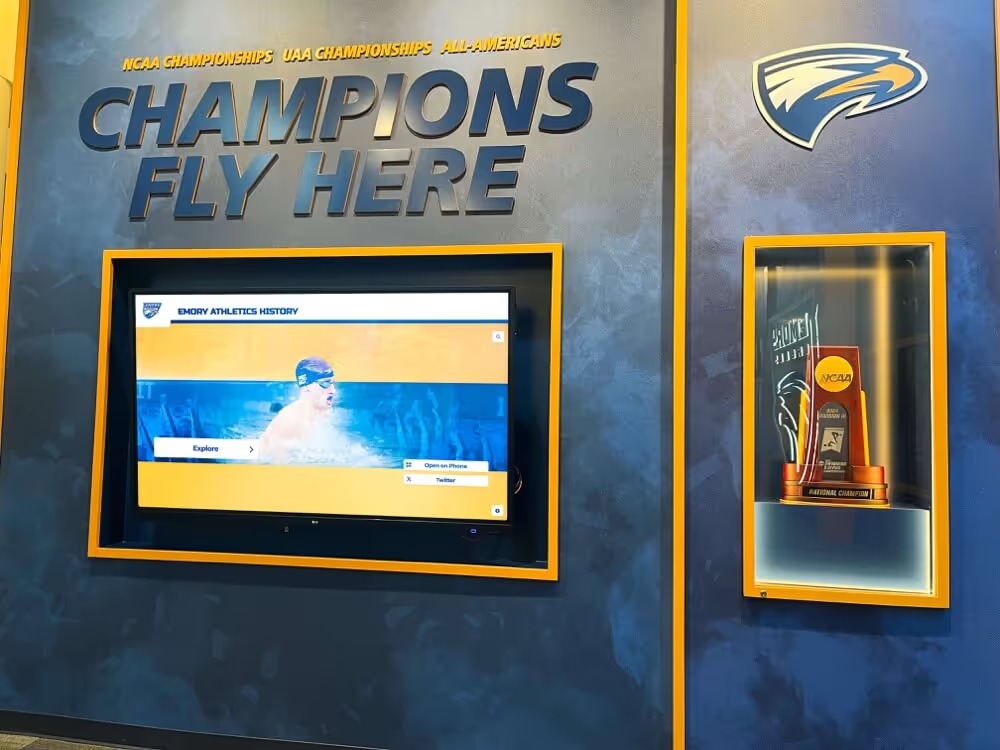
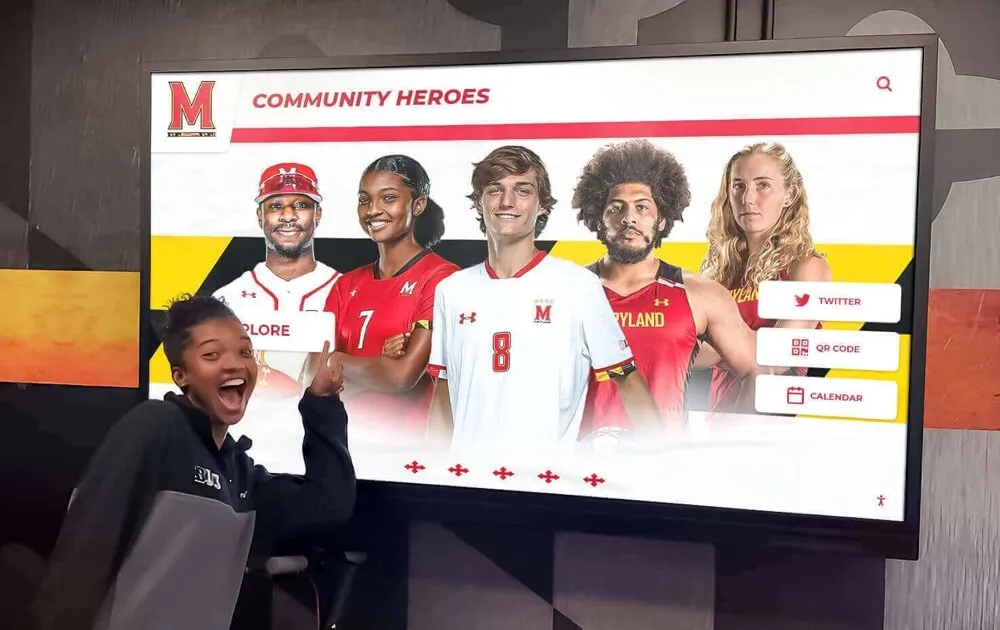
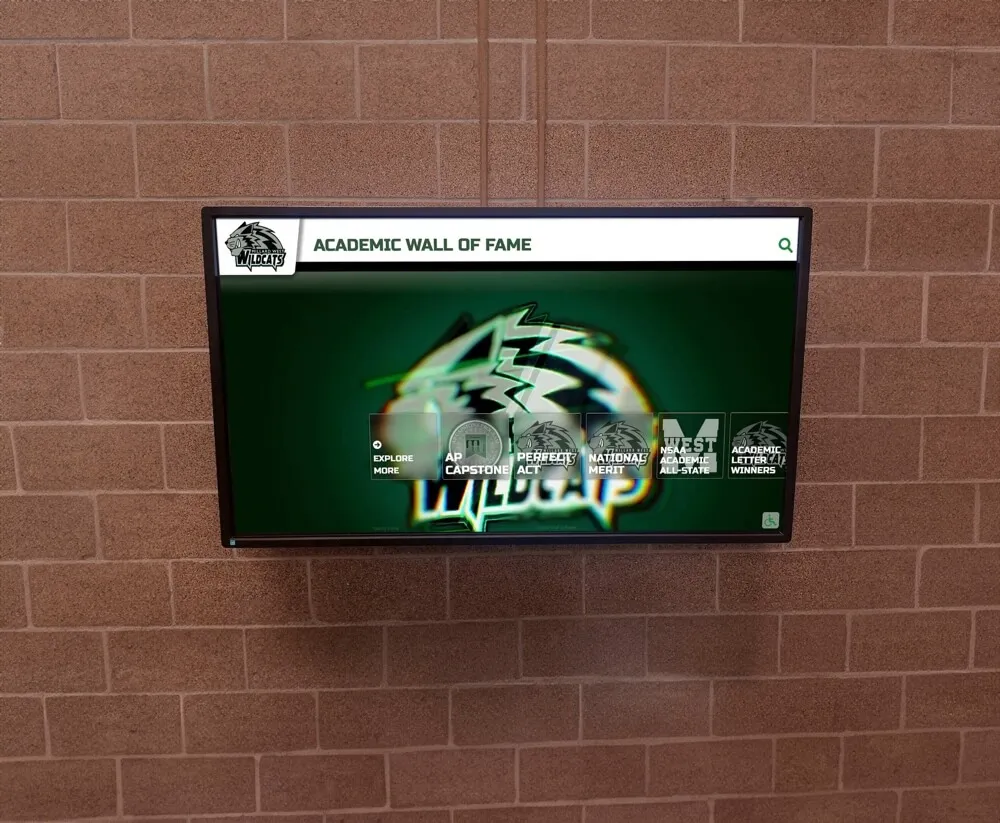
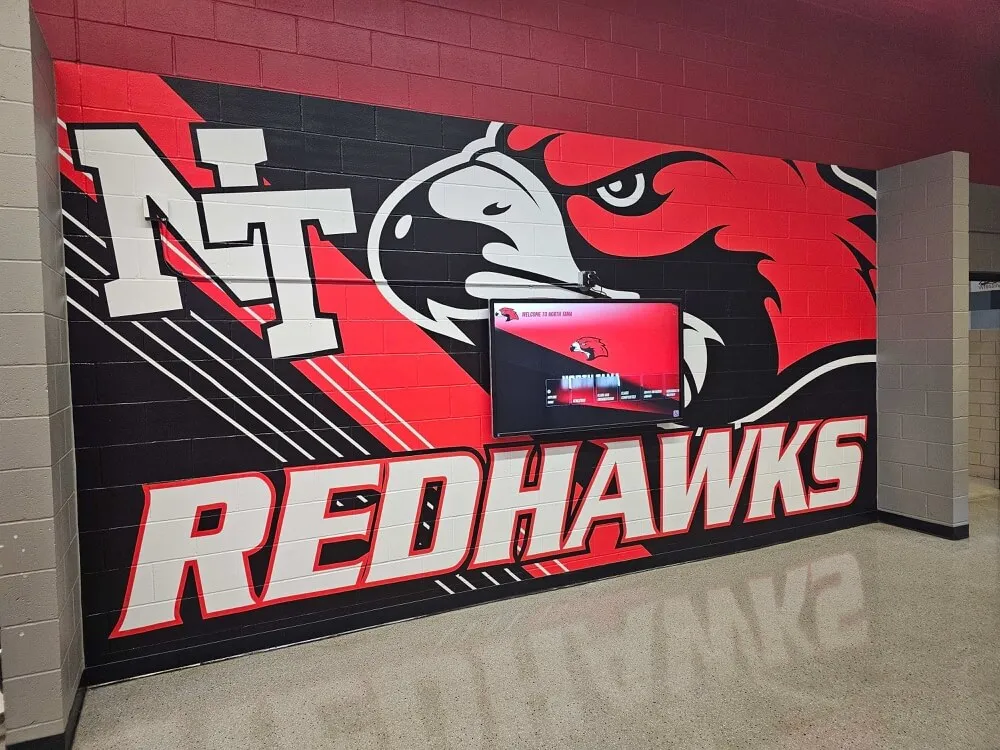
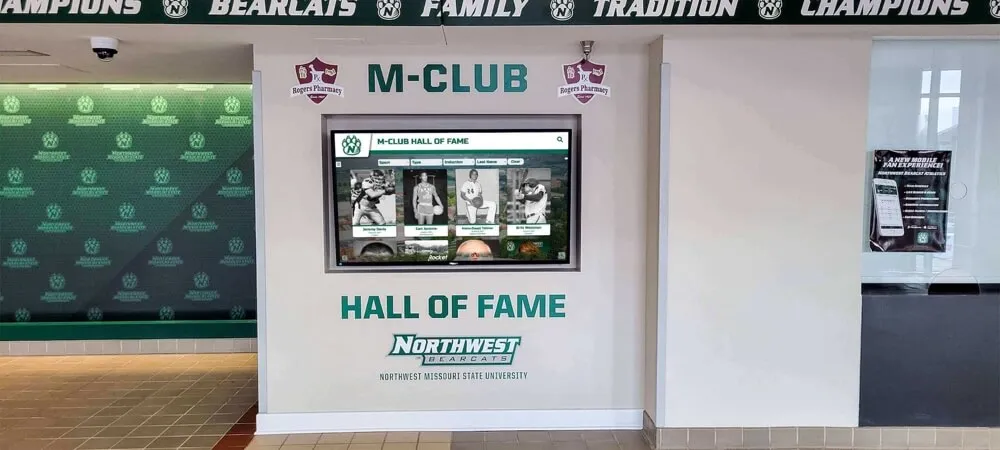
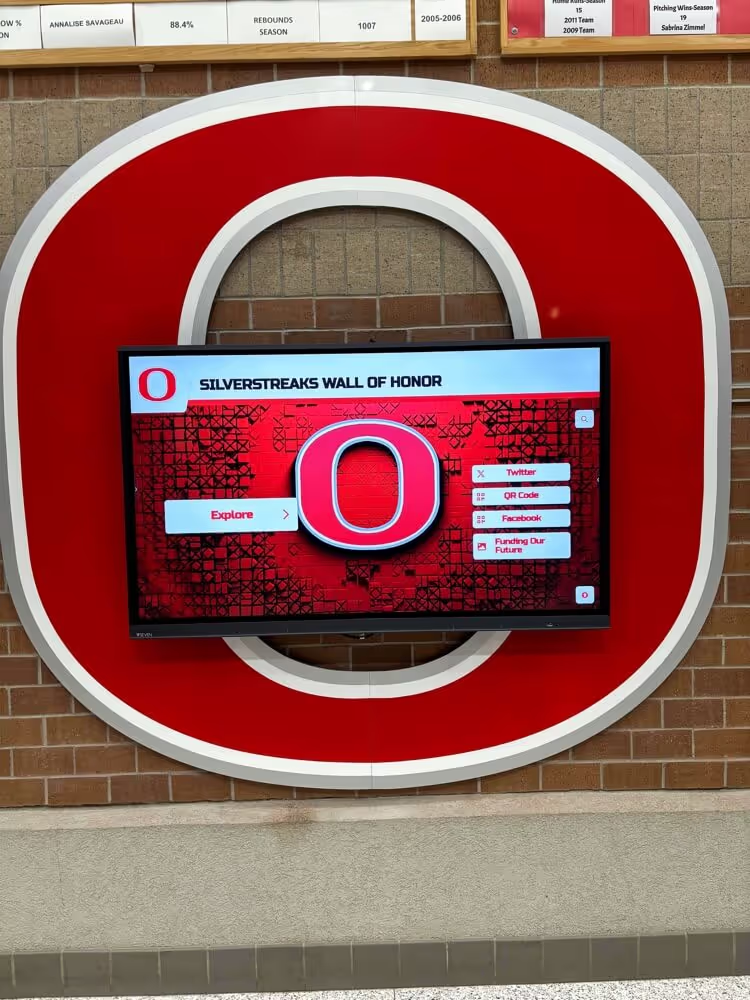
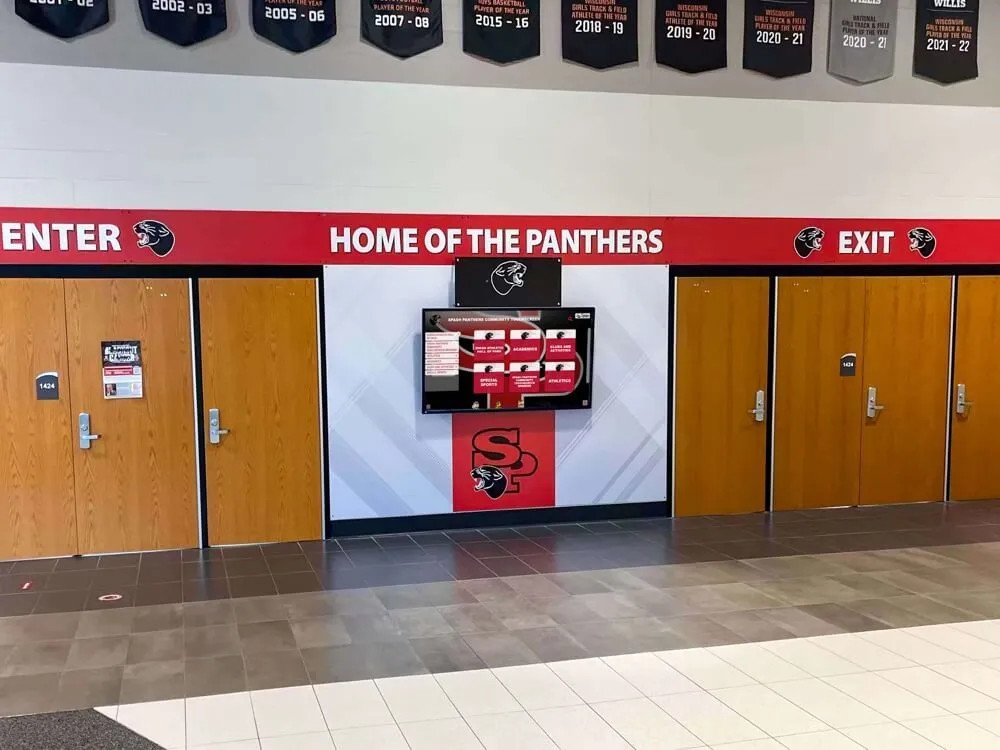
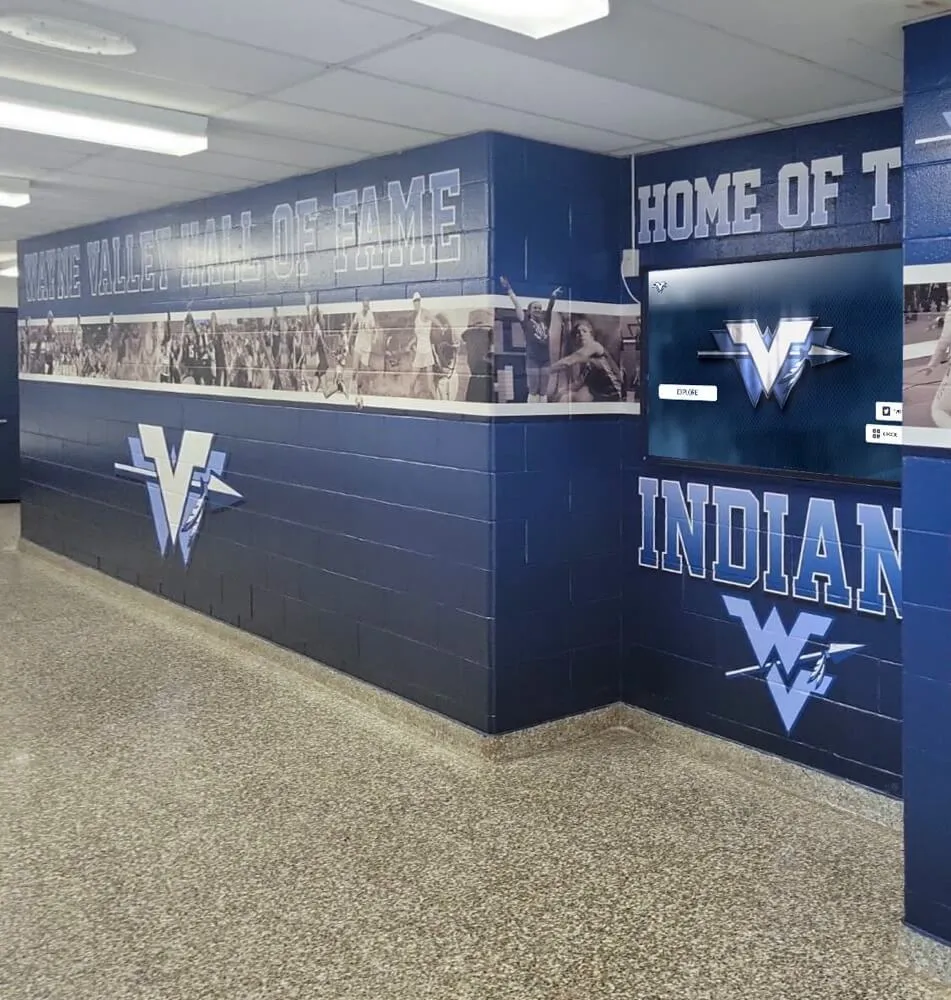
Interactive digital displays in college hallways give Phi Theta Kappa inductees the permanent visibility their achievement deserves
This guide covers every layer of PTK recognition — from induction ceremonies to touchscreen display programs — so academic administrators and student affairs coordinators can build recognition ecosystems worthy of their scholars.
Program Snapshot: Phi Theta Kappa Recognition at a Glance
| Component | Details |
|---|---|
| Society Founded | 1918; world’s largest honor society for two-year colleges |
| Membership Requirement | Minimum 3.5 GPA; completion of at least 12 hours of coursework leading to an associate degree |
| Chapter Count | Over 1,300 active chapters across all 50 states and internationally |
| Primary Audience | Current PTK inductees, prospective students, parents, transfer institutions, community donors |
| Recognition Timing | Semester induction ceremonies, end-of-year banquets, graduation, ongoing digital display |
| PTK Colors | Blue and gold — used in stoles, cords, and ceremony décor |
| Celebration Milestones | Induction, chapter officer elections, Hallmark Award wins, Five Star Chapter status, graduation, alumni milestones |
| Display Locations | Main lobby, library entrance, academic hallways, student services center, graduation staging areas |
What Is Phi Theta Kappa? The Recognition Foundation
Understanding PTK’s structure is essential before designing a recognition program. Phi Theta Kappa was founded in 1918 and operates as the premier academic honor society for students at two-year institutions. Where four-year colleges have Phi Beta Kappa, community colleges have Phi Theta Kappa — and the distinction matters when building recognition programs that resonate with students, families, and transfer universities.
Core eligibility criteria for most chapters include:
- Enrollment in a course of study leading to an associate degree or equivalent
- Completion of at least 12 college-level credit hours
- Maintenance of a 3.5 or higher cumulative GPA
- Good character standing, as defined by each institution
PTK members gain access to scholarships from more than 700 colleges and universities that actively recruit PTK members for transfer, as well as leadership development programs, networking events, and the organization’s annual Catalyst convention. These tangible benefits make PTK membership a genuine academic milestone, not simply an honorary title.
Colleges that treat PTK recognition seriously — building real ceremony programs and permanent display systems — report that membership becomes aspirational. Current students see classmates celebrated and actively pursue the GPA standards required to earn induction.
Explore how academic achievement award programs create this aspirational culture across all forms of student achievement.
How Community Colleges Currently Honor PTK Members
Most community colleges recognize PTK through a mix of ceremony, graduation honors, and basic campus visibility. Understanding each tradition helps administrators identify where their programs excel and where gaps remain.
Induction Ceremonies
The PTK induction ceremony is the cornerstone recognition moment for new members. Typically held once or twice per academic year — often in fall and spring — induction ceremonies mark the official entry of new members into the chapter.
Effective PTK induction ceremonies include:
- Formal invitations delivered to eligible students with GPA verification
- Welcome remarks from the college president or chief academic officer
- Candle-lighting or oath-taking traditions specific to PTK ritual
- Introduction of chapter officers and faculty advisors
- Individual recognition of each inductee by name
- Presentation of PTK membership certificates and pins
- Photo opportunities with college leadership
- Reception for inductees and families
The ceremony format matters because it signals institutional seriousness. A ceremony with prepared remarks, proper lighting, and individual name recognition communicates that this achievement carries genuine prestige. A rushed assembly-line process communicates the opposite.
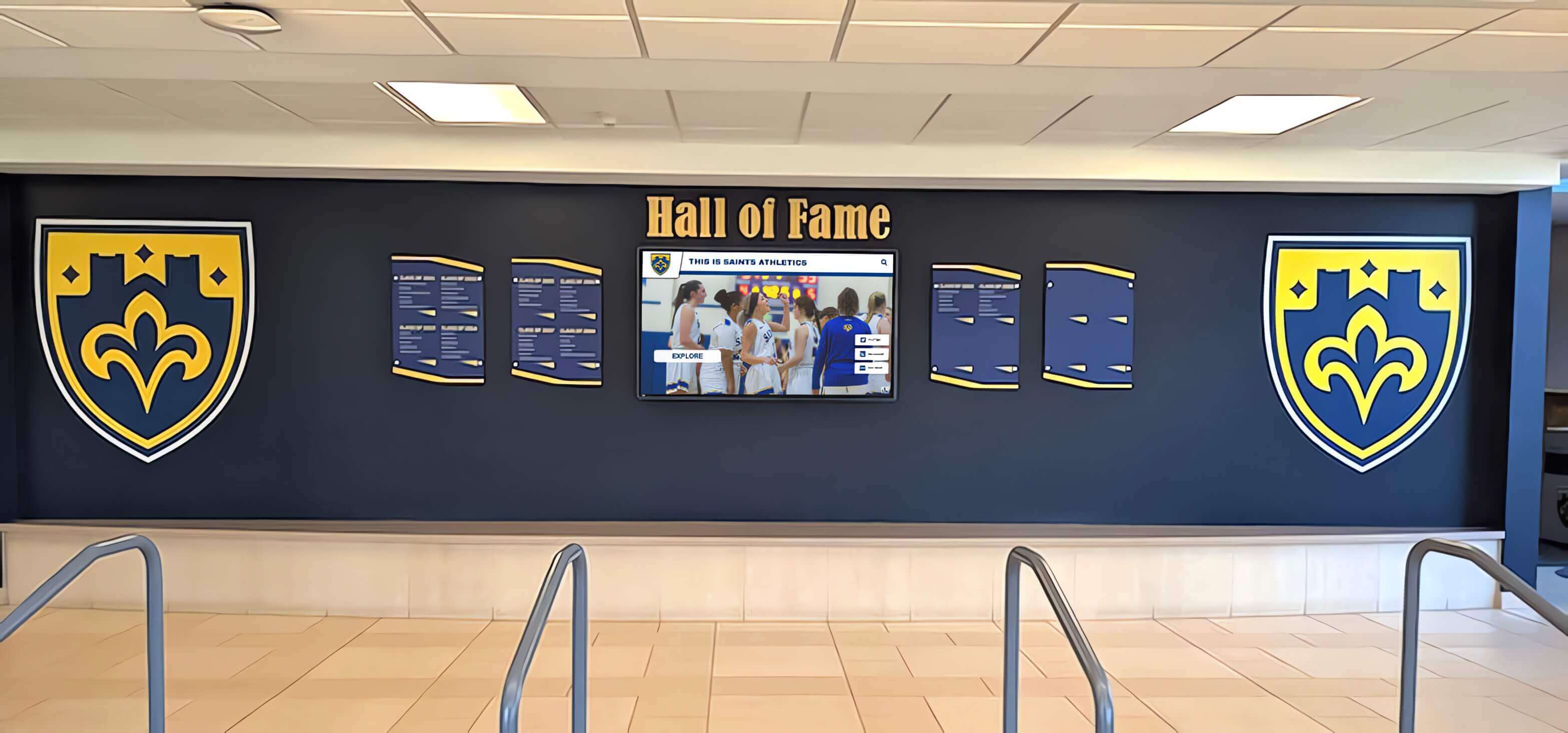
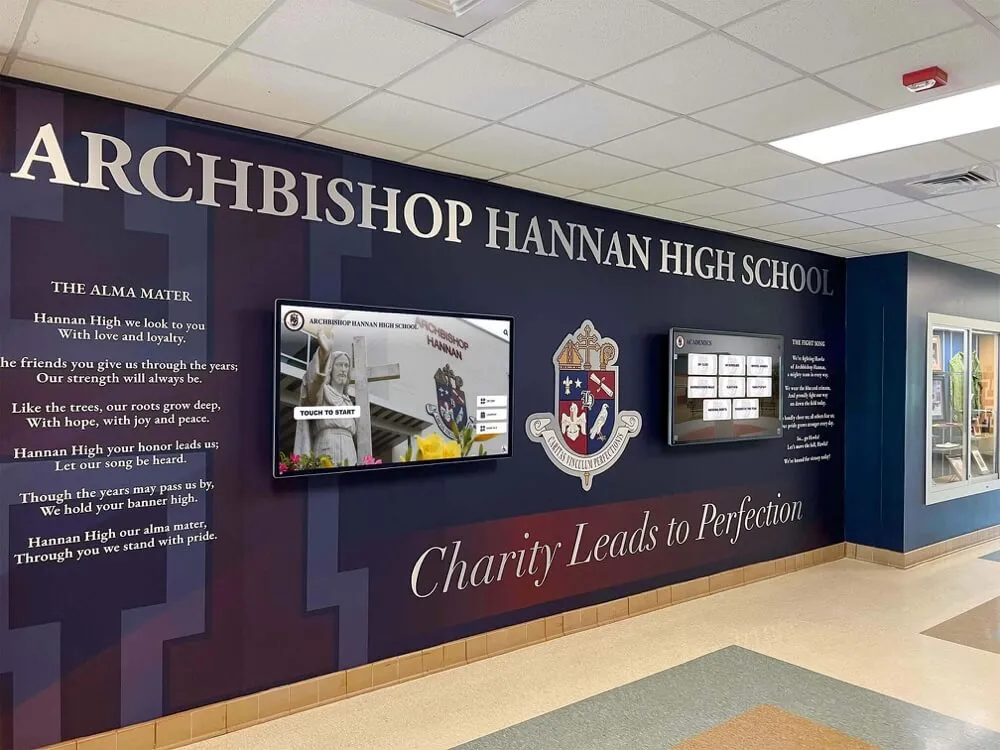
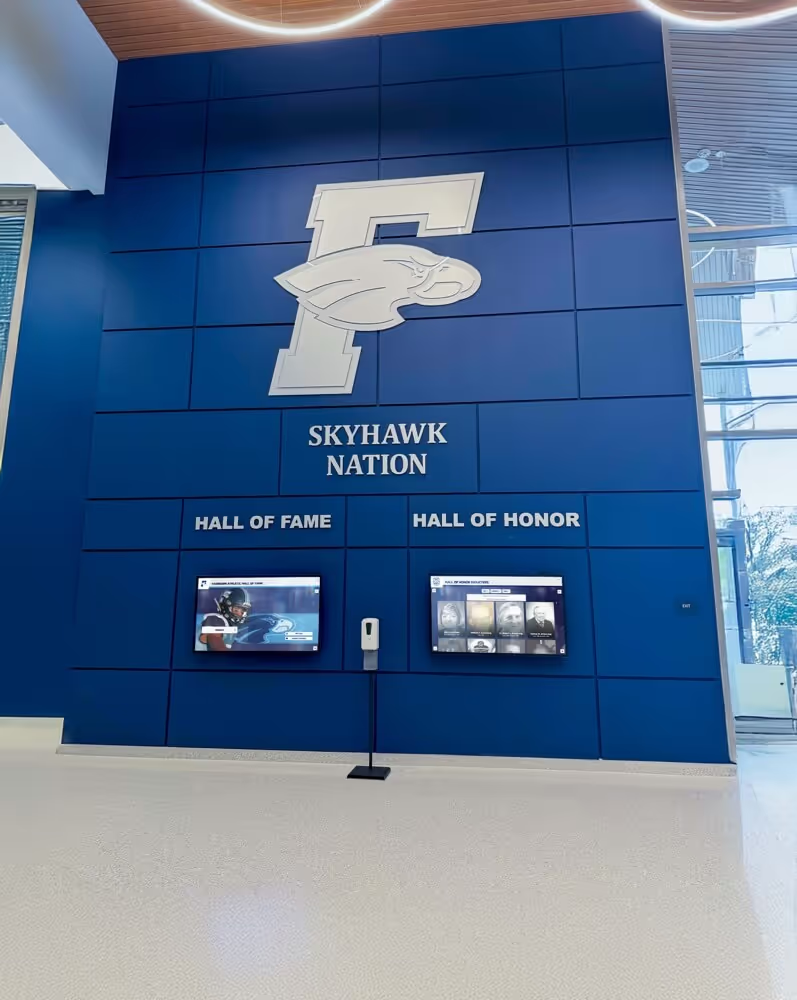
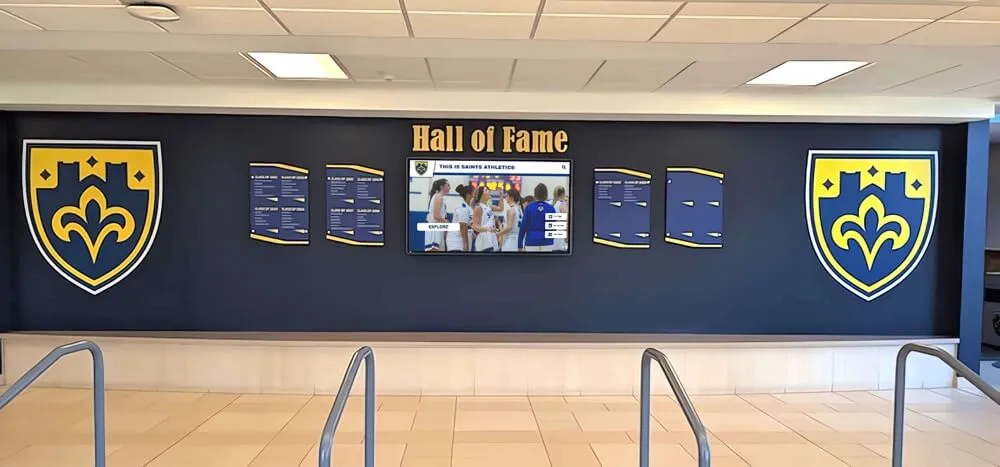
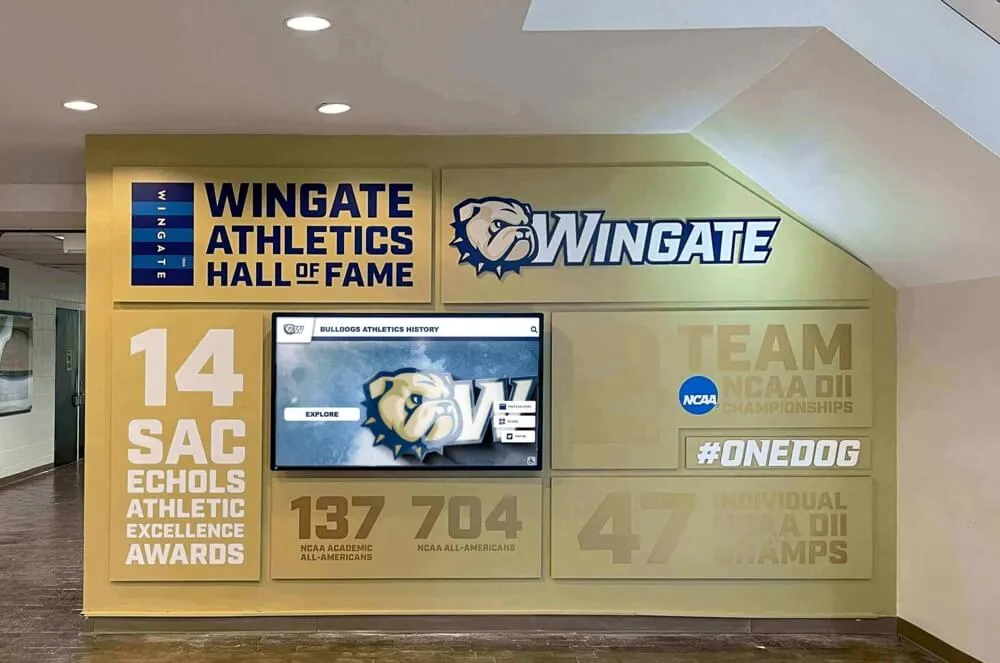
Lobby recognition walls in PTK's blue and gold signal institutional pride in academic achievement from the moment visitors arrive
Planning tip: Schedule the induction ceremony at a time when families can attend — evening events typically see higher parent participation than midday assemblies. Pair ceremony photography with a plan to publish inductee photos on the campus display system within 48 hours of the event.
Graduation Recognition: Stoles, Cords, and Regalia
The most visible PTK recognition moment for many students is graduation. PTK members wear distinctive blue and gold honor stoles or cords that mark them as honor society members as they cross the commencement stage.
Graduation cord colors and their meanings serve multiple recognition functions simultaneously: they honor the student, signal achievement to family members in the audience, and create a collective visual identity for PTK members in the graduating class.
Community colleges can strengthen graduation recognition by:
- Listing PTK membership alongside degree names in commencement programs
- Calling PTK members to stand during the ceremony for collective recognition
- Creating a dedicated PTK section in graduation program booklets
- Featuring PTK graduation photos in alumni and development communications
For additional context on how academic honor levels are recognized at commencement, see this guide on understanding academic honor levels covering notation, honors tiers, and graduation recognition practices.
Annual Banquets and Awards Events
Many active PTK chapters hold end-of-year banquets that serve dual purposes: celebrating outgoing members and installing incoming officer teams. These events create rich recognition content — speeches, awards, photos — that digital display systems can preserve year-round.
Common PTK banquet recognition categories:
- Member of the Year
- Chapter Officer Awards (president, vice president, secretary, treasurer)
- Service hours recognition
- Scholarship recipients
- Distinguished Alumni recognition
- Faculty Advisor appreciation
- Hallmark Award and Five Star Chapter acknowledgment
A structured awards night planning framework helps administrators run these events so recognition feels intentional rather than routine. Visit this guide to school awards night planning for run-of-show templates, décor ideas, and program structure examples.
Physical Campus Recognition
Traditional physical recognition for PTK members includes:
- Framed inductee rosters displayed in academic buildings
- Name plaques in library or student services common areas
- Honor boards listing current and past members
- Bulletin boards in high-traffic hallways
These physical approaches have real value — they create permanent, always-on visibility that doesn’t require a device or screen. Their limitation is scalability: as membership grows across years, physical boards fill up, become outdated, or require expensive plaque replacement.
Content Architecture: Mapping PTK Achievement to Digital Recognition Modules
Modern PTK recognition programs pair traditional ceremonies with digital display systems that make achievement permanently visible, searchable, and engaging. Here’s how recognition content maps to specific display modules.
Inductee Profile Cards
Each PTK inductee deserves an individual profile that goes beyond a name on a list.
Profile components:
- Inductee photo (from induction ceremony or student ID system)
- Full name and graduation year
- Academic program / major
- Induction semester and year
- Notable achievements (scholarships, transfer institution, service hours)
- Optional: quote or message from the inductee
Profile cards transform recognition from a roster into a portrait gallery of achievement. Visitors see faces alongside names, creating the personal connection that makes honor society recognition feel meaningful rather than bureaucratic.
Chapter History Archive
PTK chapters at long-established community colleges often have decades of history worth preserving and displaying. A searchable archive module allows:
- Browsing past inductees by semester, year, or academic program
- Viewing chapter officer histories going back to chapter founding
- Tracking chapter-level achievements (Hallmark Awards, Five Star status) by year
- Searching for alumni by name or graduation year
Alumni who return to campus — for tours, community events, or donor visits — often stop at recognition displays. Finding their own name in a searchable archive creates powerful emotional connection to the institution. Schools that implement interactive boards for student achievement recognition consistently report this discovery moment — when a visitor finds a specific alumnus on the display — as the highest-impact engagement touchpoint in the building.
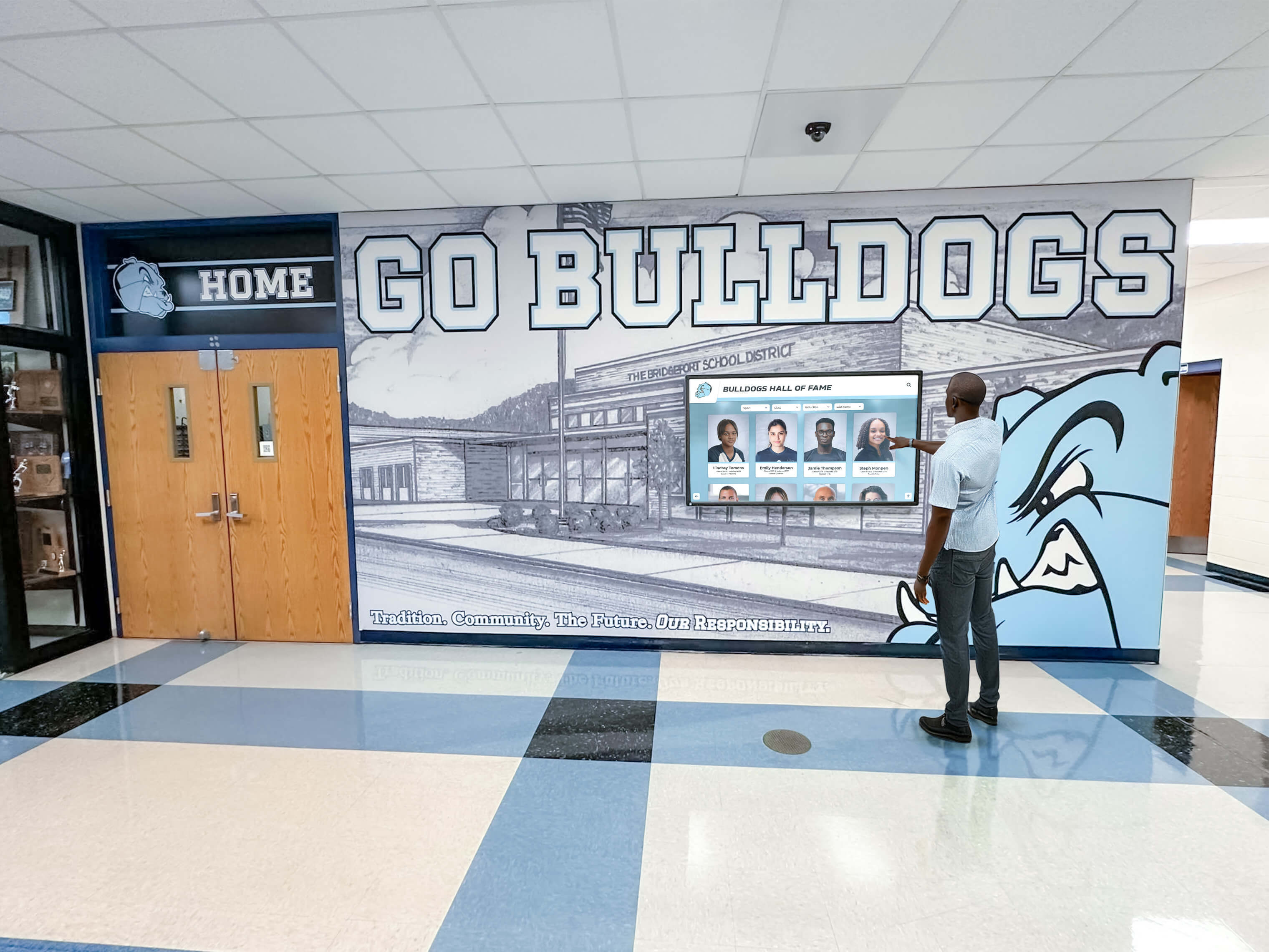
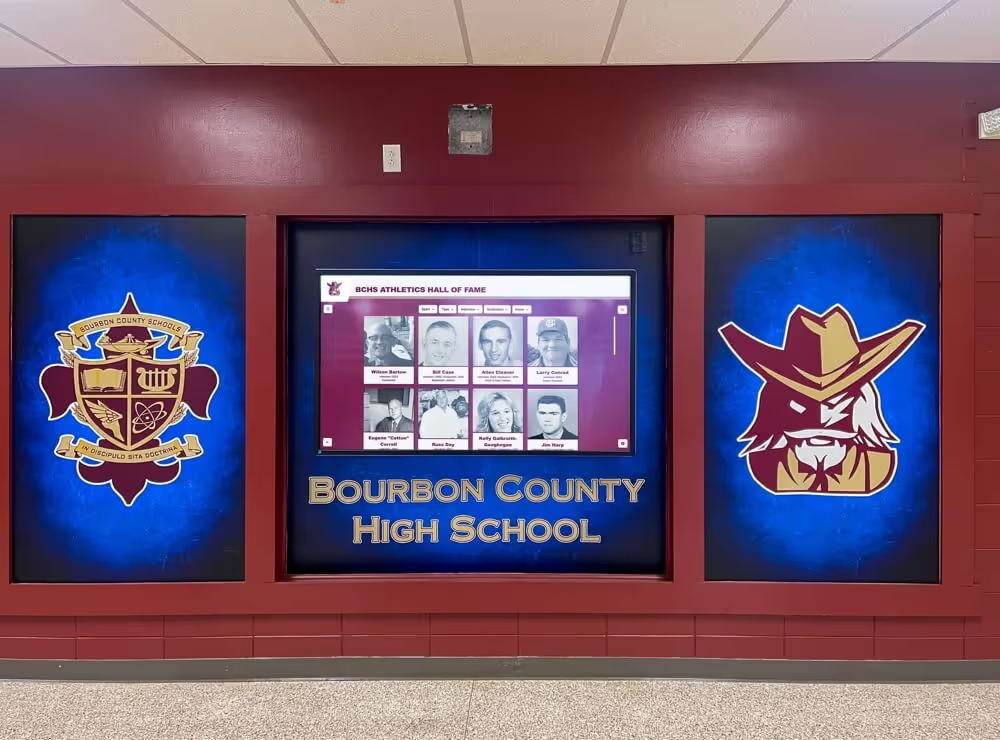
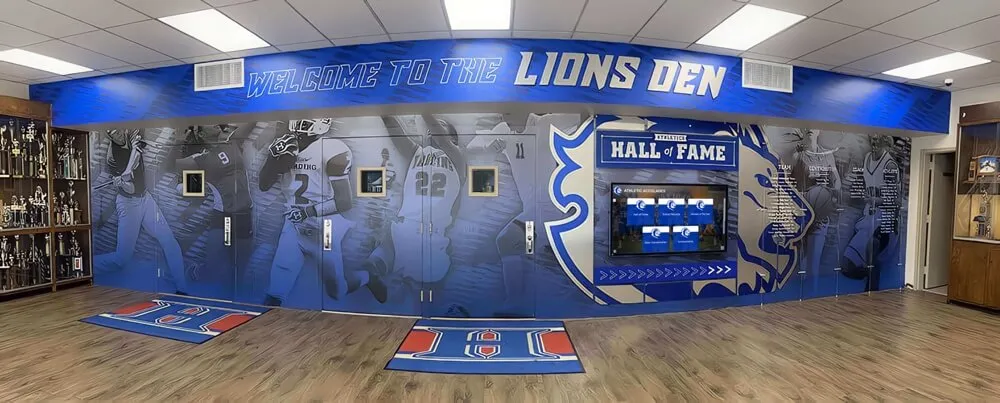
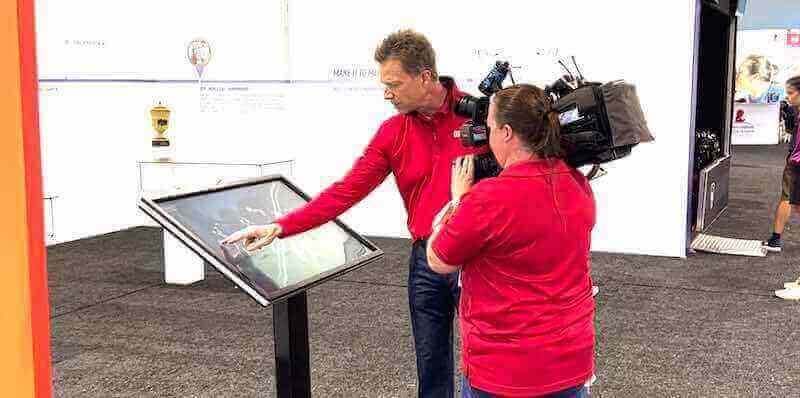
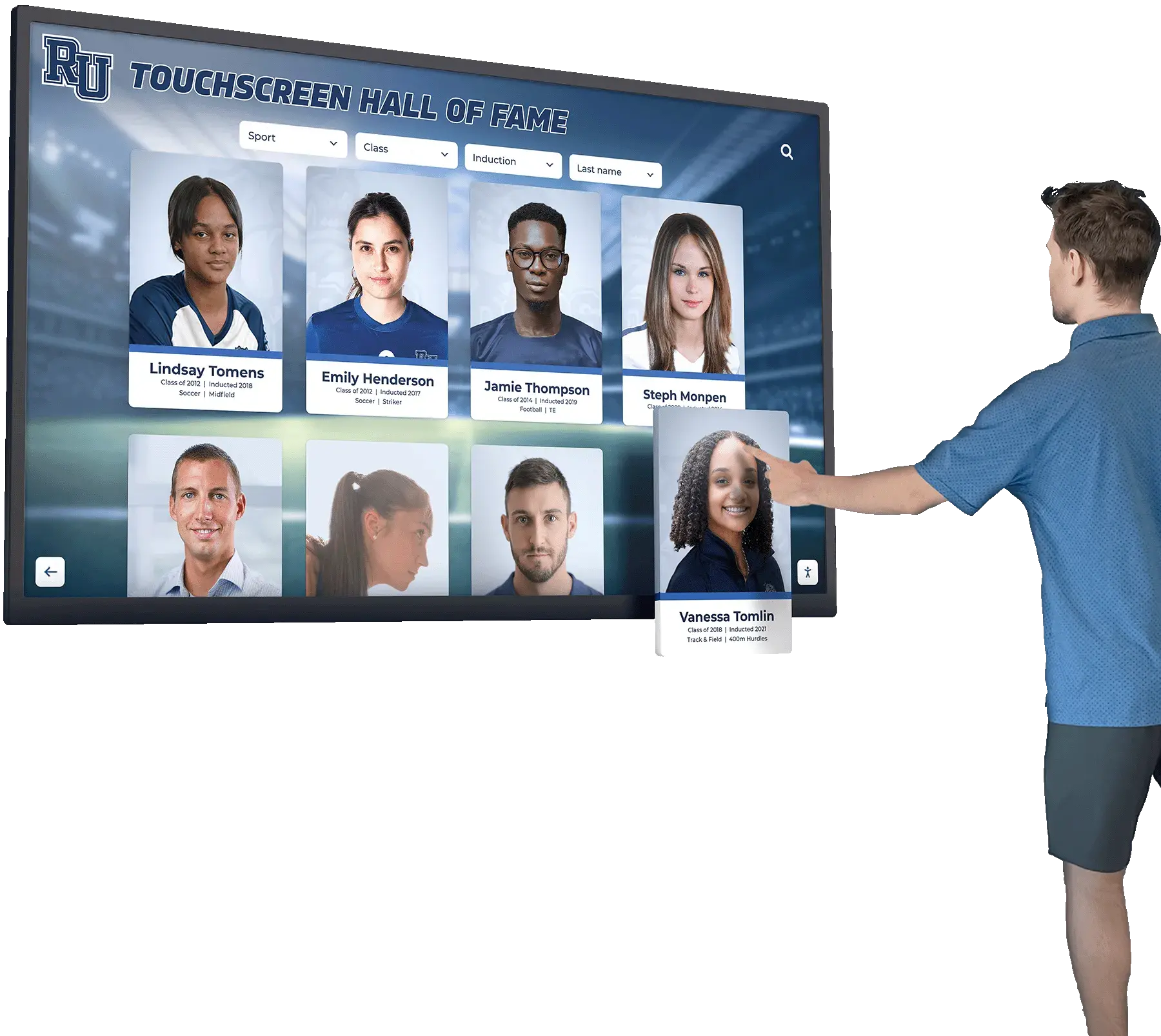
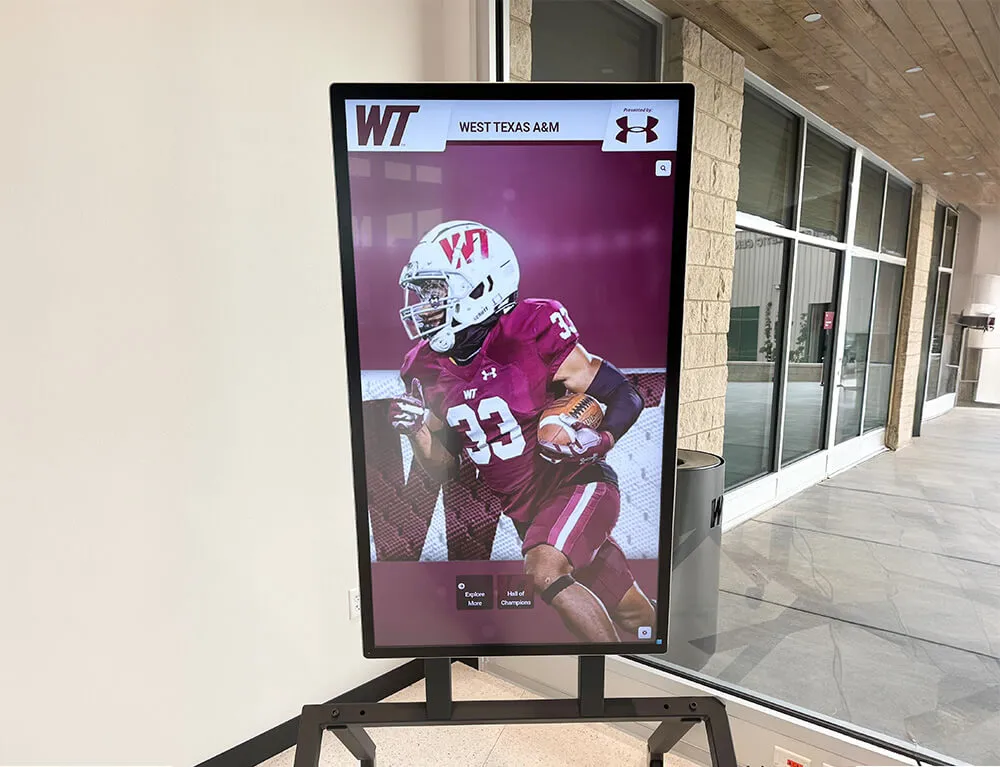
Searchable touchscreen displays let visitors find PTK alumni by name, year, or academic program in seconds
Scholarship and Transfer Outcome Tracking
One of PTK’s most tangible benefits is access to scholarships from hundreds of transfer institutions. Documenting these outcomes creates compelling recognition content that serves dual purposes: honoring individual achievement and demonstrating PTK membership’s concrete return on academic effort.
Scholarship tracking module features:
- Named scholarships received by PTK members
- Transfer institution destinations for PTK graduates
- Scholarship value displayed when appropriate and consented to
- “Where Are They Now” alumni updates from graduates who have transferred and thrived
This content resonates strongly with prospective students and their families, who see tangible evidence that PTK membership translates into real opportunity.
Officer Recognition Wall
Chapter officers contribute leadership beyond academic achievement. Dedicated officer recognition includes:
- Headshots and officer titles (president, vice president, treasurer, secretary, historian)
- Term of service dates
- Chapter accomplishments during each officer team’s tenure
- Service project highlights
Officer walls create leadership legacy, showing incoming students a history of leadership roles they can aspire to fill.
Hallmark Award and Five Star Chapter Highlights
When a PTK chapter earns recognition from national PTK headquarters — through Hallmark Awards or Five Star Chapter designation — that institutional achievement deserves prominent display.
Chapter achievement display features:
- Hallmark Award categories earned (College Project, Honors in Action, etc.)
- Five Star Chapter years displayed chronologically
- Chapter ranking information if publicized
- Regional and national competition highlights
These achievements reflect on the entire institution, making them appropriate for main lobby visibility alongside athletic championships and other school-wide honors.
Execution Timeline: Building Your PTK Recognition Program
Successful programs launch with clear phases rather than trying to build everything at once.
Phase 1: Program Audit and Design (Weeks 1-4)
Activities:
- Inventory existing PTK recognition assets (photos, rosters, plaque records)
- Survey chapter officers and faculty advisor about recognition priorities
- Define display locations based on foot traffic and visibility
- Establish data collection workflows for new inductees going forward
- Decide on historical archive depth (current year only vs. multi-year backfill)
Key decisions:
- Will recognition include alumni profiles or only current and recent members?
- Who owns ongoing content updates — student affairs, IT, chapter officers?
- What photo standards ensure consistent quality across inductee profiles?
Phase 2: Content Collection and Build (Weeks 5-10)
Current Year Content:
- Collect induction ceremony photography
- Gather inductee biographical details through a short intake form
- Compile officer roster with photos from current term
- Document any chapter-level awards earned in the current academic year
Historical Archive (If Applicable):
- Digitize past induction rosters from chapter records
- Source historical photos from yearbooks, chapter archives, or faculty files
- Invite alumni to submit current photos and achievement updates
Technical Configuration:
- Set up cloud content management system with staff access credentials
- Design display templates in school colors with PTK branding guidelines
- Configure search and filter functions for inductee archive browsing
- Establish scheduled publishing for ceremony-aligned content releases
For guidance on transforming campus entrance areas into high-impact recognition environments, this school lobby digital signage guide covers approaches to visitor-facing lobby spaces.
Phase 3: Launch and Community Activation (Weeks 11-12)
Launch strategy:
- Unveil display at induction ceremony or spring awards event
- Issue press release to local media highlighting PTK recognition initiative
- Feature display in social media posts tagging inductees
- Brief faculty advisor and chapter officers on how to guide inductees to view their profiles
- Add QR codes near display linking to extended digital profiles for mobile viewing
Ongoing engagement:
- Update display within 48 hours of each induction ceremony
- Add scholarship and transfer outcomes as graduates report them
- Refresh officer recognition at the start of each academic year
- Archive graduating member profiles to historical section each May
Phase 4: Continuous Refresh and Expansion
PTK recognition programs gain value as they grow. A display that shows 20 inductees on launch day becomes a meaningful institutional archive after five years. Systems that expand gracefully — adding historical content, alumni updates, and video integration — outlast recognition programs that launch fully built and then stagnate.
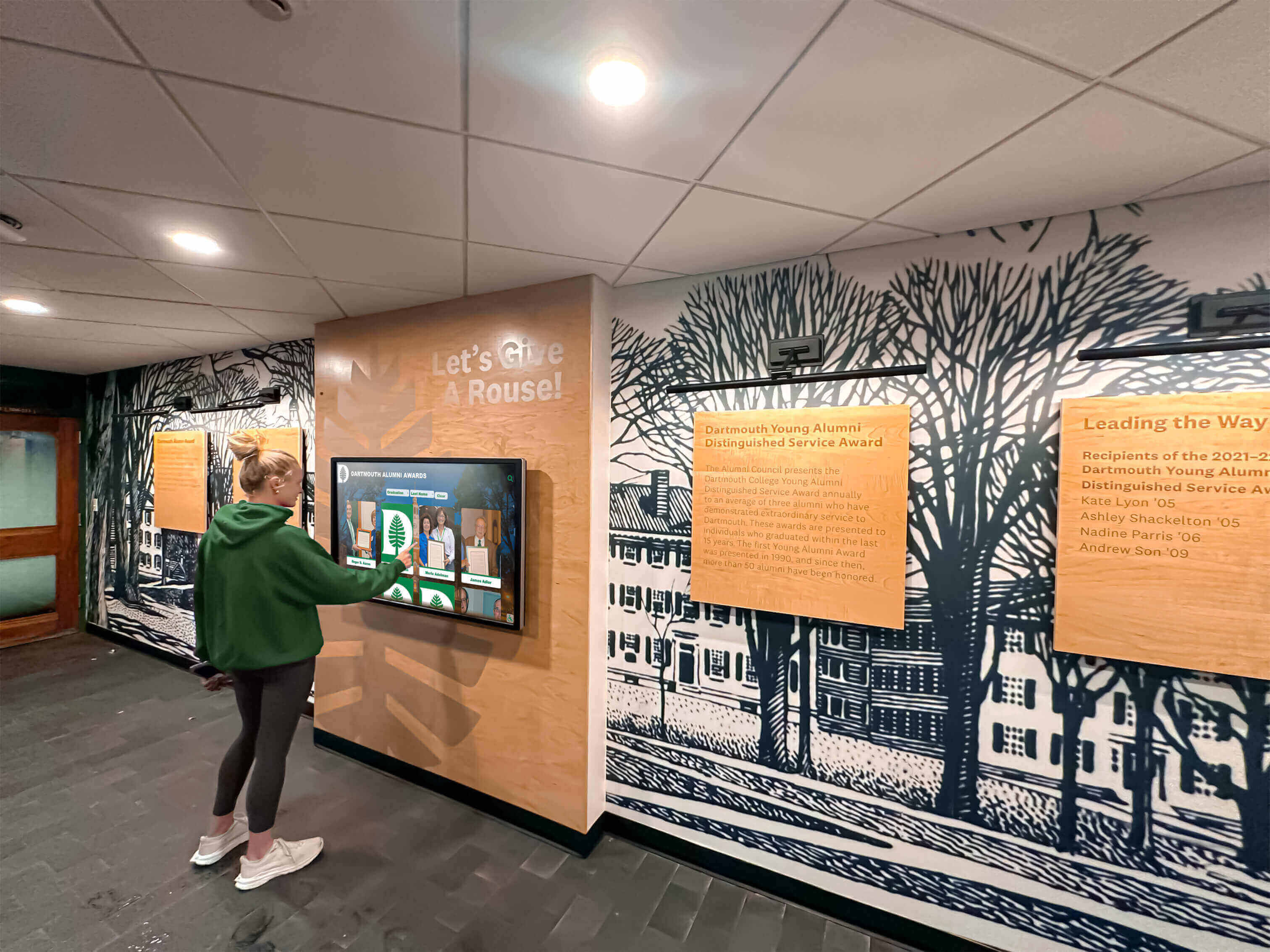
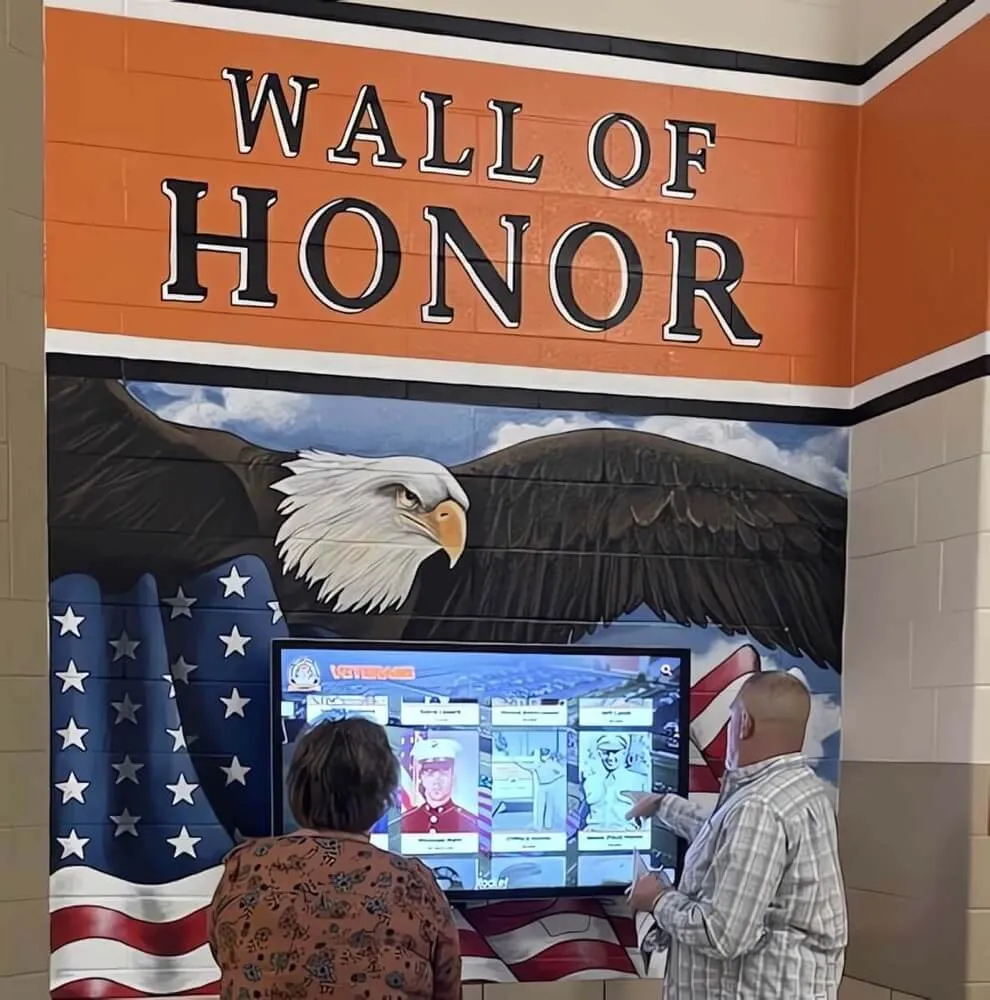
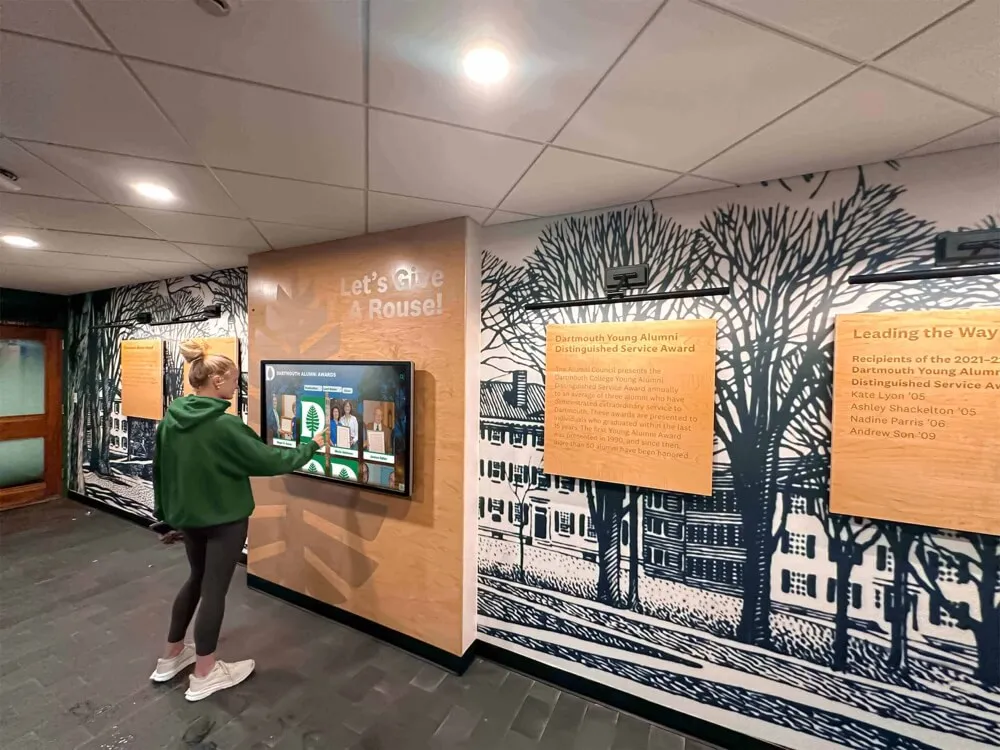
Students who interact with recognition displays understand that academic achievement earns lasting institutional visibility
Expansion milestones:
- Year 1: Current inductees, current officers, chapter-level awards
- Year 2-3: Three-to-five year historical archive, scholarship outcomes, alumni updates
- Year 4+: Full chapter history, video content from ceremonies, alumni spotlights
Display Integration: Touchscreen Technology for PTK Recognition
Traditional PTK recognition approaches — static plaques, paper rosters, bulletin boards — create snapshot recognition that ages poorly. Touchscreen display systems solve the scalability and engagement problems that physical recognition cannot.
What Digital PTK Recognition Looks Like
A well-implemented PTK touchscreen display allows any visitor to:
- Browse all current-semester inductees with photos and profiles
- Search for a specific graduate by name or graduation year
- Explore chapter officer history going back to the chapter’s founding
- View scholarship recipients and transfer outcomes
- Watch video highlights from recent induction ceremonies
- See upcoming PTK events and induction dates
This level of engagement is impossible with plaques or bulletin boards. It’s also exactly what prospective students, parents, college counselors, and transfer recruiters experience when they tour campus. A guide to designing a hall of fame display that tells your school’s story explores how thoughtful layout and content planning maximize that first-impression impact.
Placement Strategy
Location determines visibility. PTK recognition displays perform best when positioned in:
Main entrance lobbies — First-impression placement ensures every visitor, including prospective students and their families, immediately understands that academic achievement is institutionally celebrated.
Library entrances — Thematic alignment connects scholarly recognition to the space most associated with academic work. Students who study in the library regularly see recognized peers and understand that their own academic effort can earn similar distinction.
Student services or advising centers — Students making decisions about their academic futures encounter PTK recognition at a decision point, reinforcing that academic effort translates into tangible honors and scholarship access.
Graduation staging areas — PTK members in graduation regalia can point family members toward displays showing their individual profiles moments before walking the stage.
ADA Compliance Requirements
Educational institutions must ensure recognition displays meet accessibility standards.
Key compliance requirements:
- Screen height: Touch surface accessible to wheelchair users (15–48 inches from floor)
- Text contrast: WCAG 2.1 AA minimum contrast ratios (4.5:1 for body text)
- Touch targets: Minimum 44×44 pixel interactive elements for reliable interaction
- Font size: 16-point minimum for body text, larger for headers
- Alternative navigation: Keyboard or voice access for users unable to use touchscreens
All Rocket Alumni Solutions displays ship with WCAG 2.1 AA compliance built in, ensuring PTK recognition reaches every visitor regardless of physical ability.
Remote Content Management
The most common reason recognition programs stagnate is administrative friction. When updating a display requires submitting a work order, coordinating with IT, or physically accessing hardware, updates get delayed and content grows stale.
Cloud-based content management systems allow authorized staff to update inductee profiles, add new members, and publish ceremony photos from any internet-connected device. A student affairs coordinator can add new PTK inductees from a browser on their lunch break, ensuring displays update within hours of induction ceremonies rather than weeks.
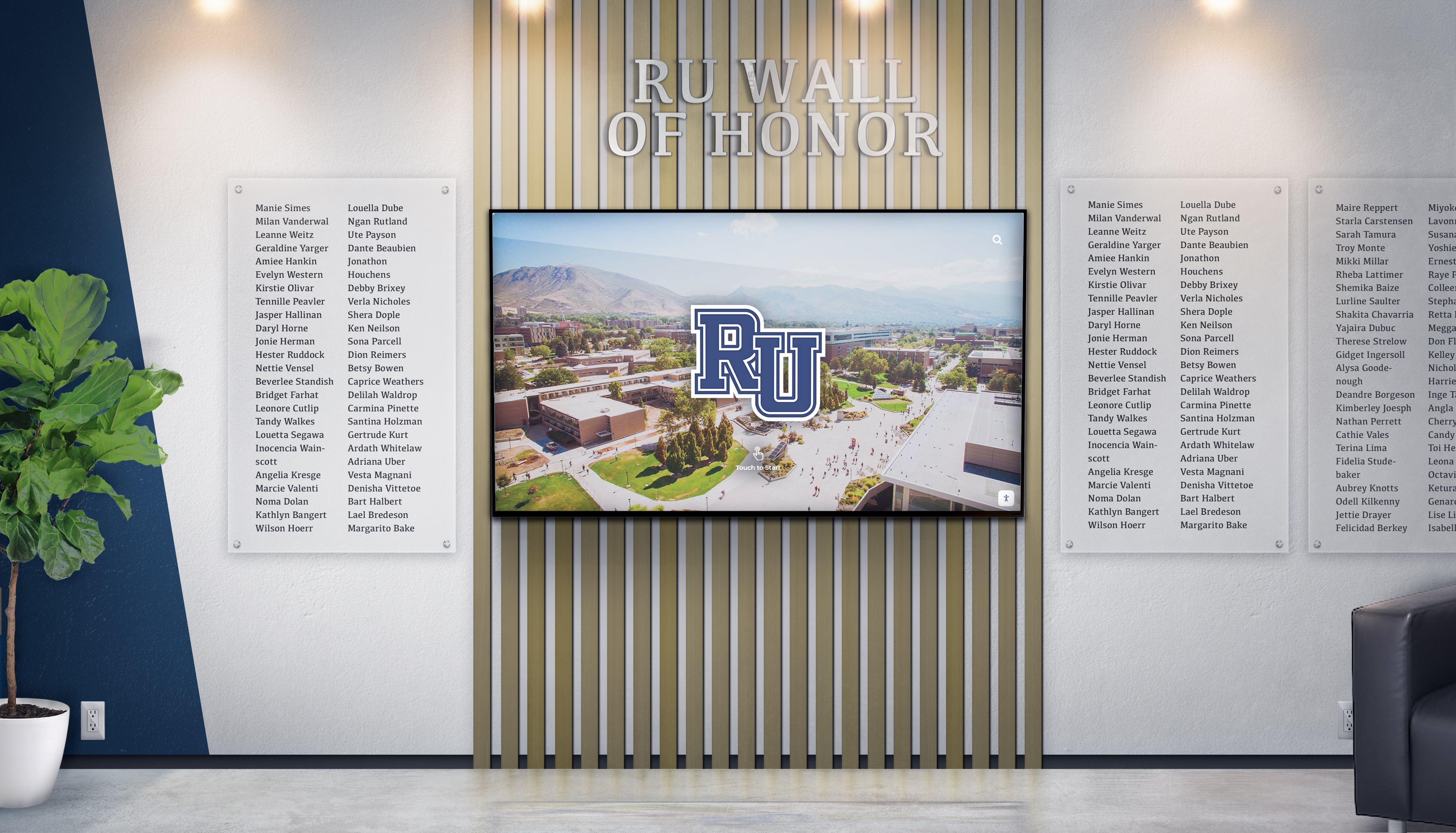
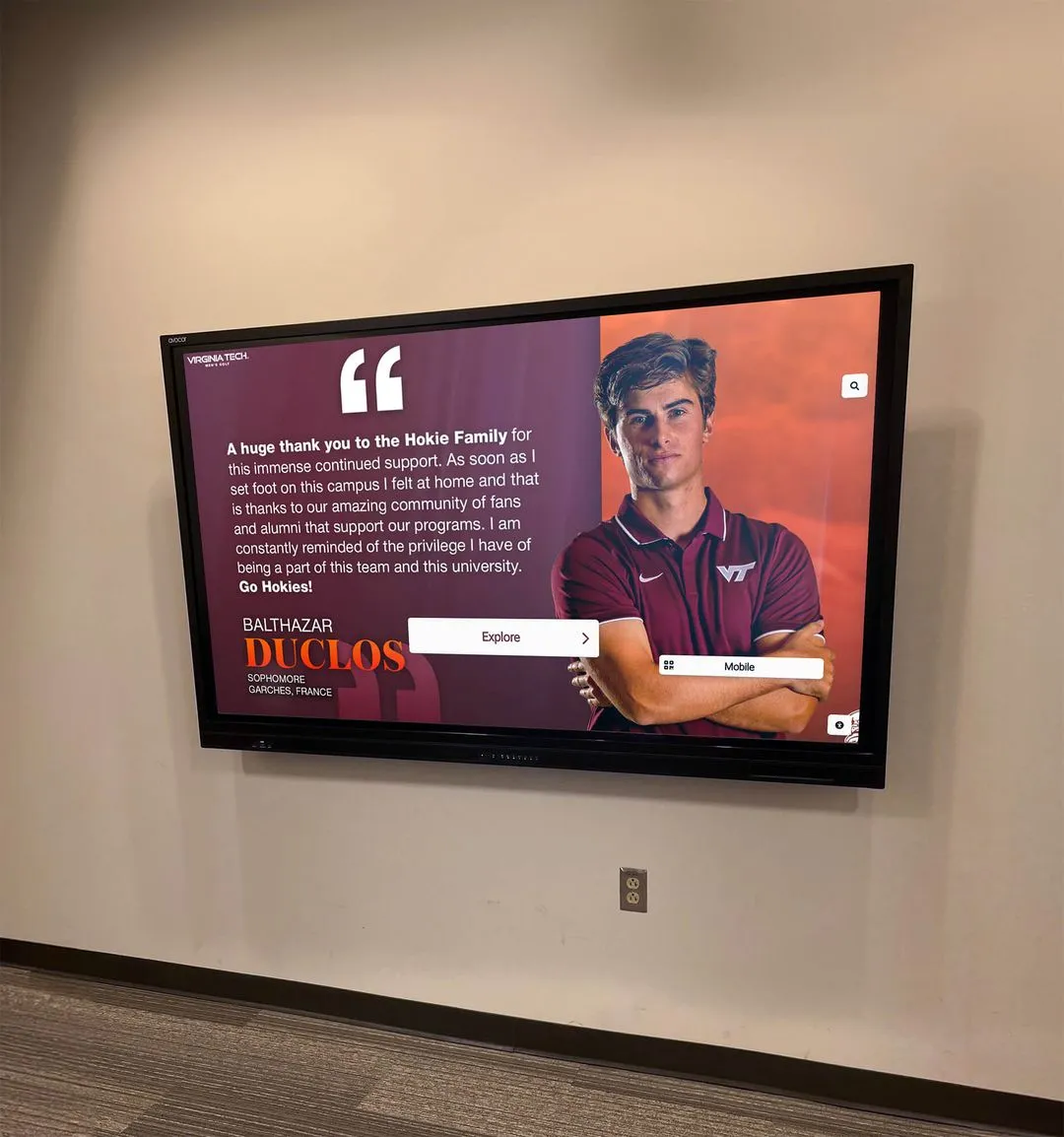
Cloud-managed displays update in real time — new PTK inductees appear on screen within hours of induction ceremonies
Measurement: Tracking PTK Recognition Impact
Recognition programs deserve the same outcome tracking applied to other institutional investments.
Quantitative Metrics
Membership and achievement tracking:
- PTK chapter membership growth semester over semester
- Percentage of eligible students who accept PTK membership invitations
- Scholarship applications submitted citing PTK membership
- Transfer rate and institution quality for PTK members versus non-members
Display engagement analytics:
- Touchscreen interaction counts and average session durations
- Search terms revealing which inductees generate most visitor interest
- Peak usage times (often open house days, parent orientation, graduation week)
- QR code scans extending display engagement to mobile devices
Qualitative Indicators
Cultural shift signals:
- Faculty reports of students asking about PTK eligibility requirements
- Student affairs observation of GPA-focused conversations in advising
- Alumni feedback about finding their profiles on display during campus visits
- Prospective student and parent comments during campus tours referencing recognition displays
These qualitative signals reveal whether recognition programs are achieving cultural objectives — creating an institution where academic achievement is genuinely aspirational — beyond the administrative goal of documenting membership.
For ideas on how alumni events can reinforce PTK recognition beyond the campus display, see this guide to alumni event planning ideas tailored for schools and colleges.
Connecting PTK Recognition to Broader Academic Honor Programs
PTK recognition programs don’t exist in isolation. Community colleges that build recognition ecosystems — where multiple forms of academic achievement receive visible, lasting celebration — create compounding cultural impact.
Recognition ecosystem components that pair well with PTK programs:
Dean’s List and Honor Roll displays — Students who haven’t yet reached PTK eligibility see a clear recognition pathway. Each semester’s honor roll builds toward PTK eligibility, creating a progression that makes academic achievement feel achievable.
Academic awards ceremonies — Annual events recognizing departmental excellence, outstanding student awards, and graduation distinctions create content that digital displays preserve year-round. For a broader view of how schools celebrate academic milestones, see how summa cum laude and academic excellence recognition connects to the same institutional recognition culture that PTK programs reinforce.
Comparison with related honor societies — PTK is the flagship community-college honor society, but many students ask how it compares to others. Understanding NSLS honor society benefits and recognition programs helps advisors contextualize PTK’s unique value when counseling students. Similarly, knowing how National Beta Club eligibility and celebration operates at the K-12 level helps community colleges position PTK as the natural continuation of academic honor recognition that incoming students already understand.
Scholarship recipient recognition — Documenting named scholarship recipients alongside PTK inductees creates a comprehensive academic achievement portrait that serves development and advancement goals simultaneously.
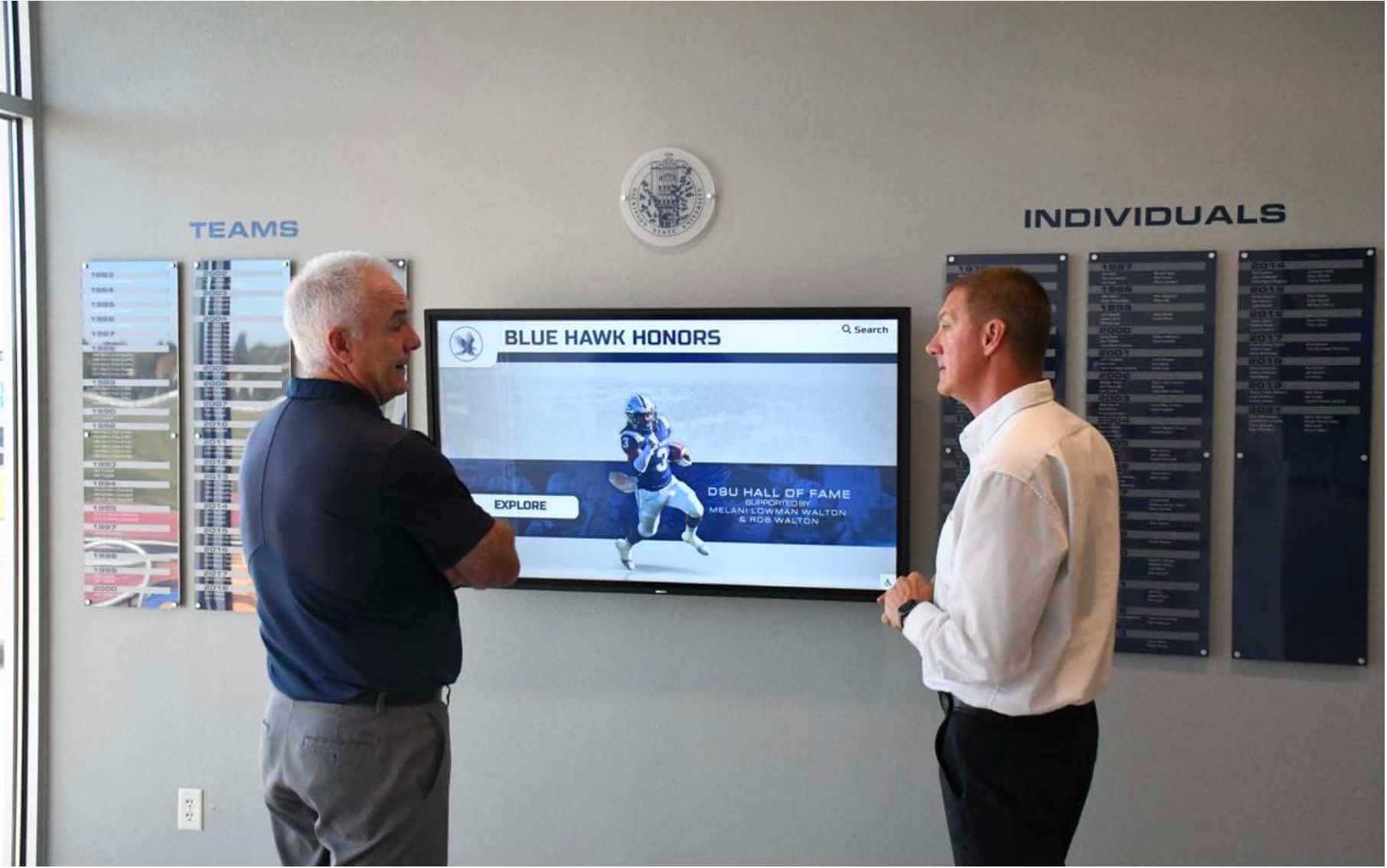
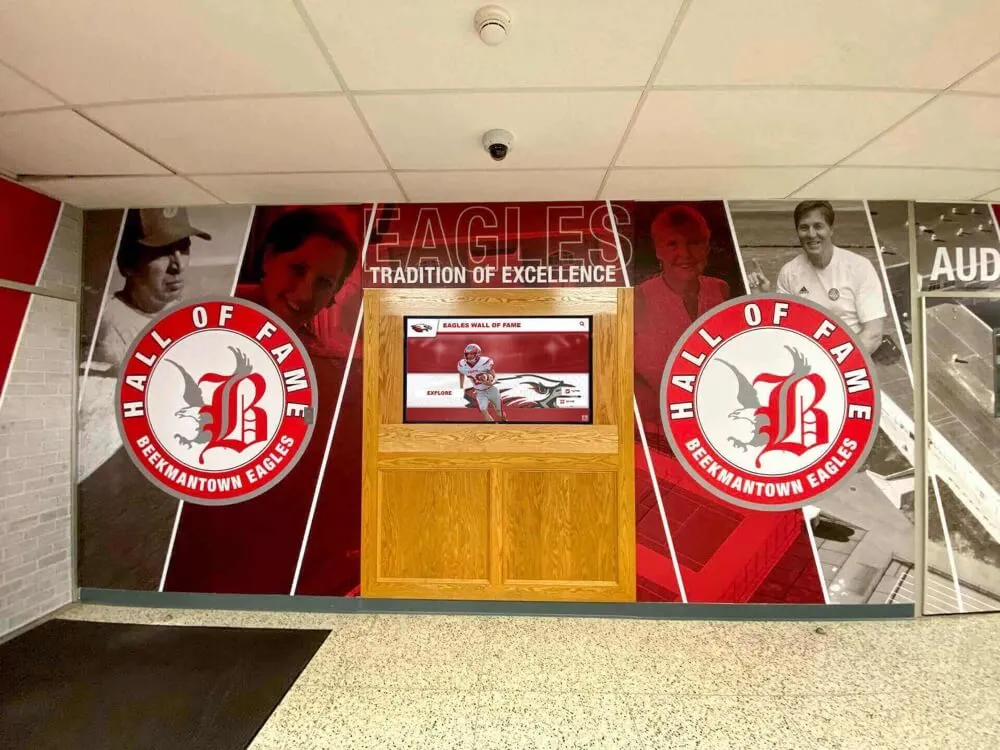
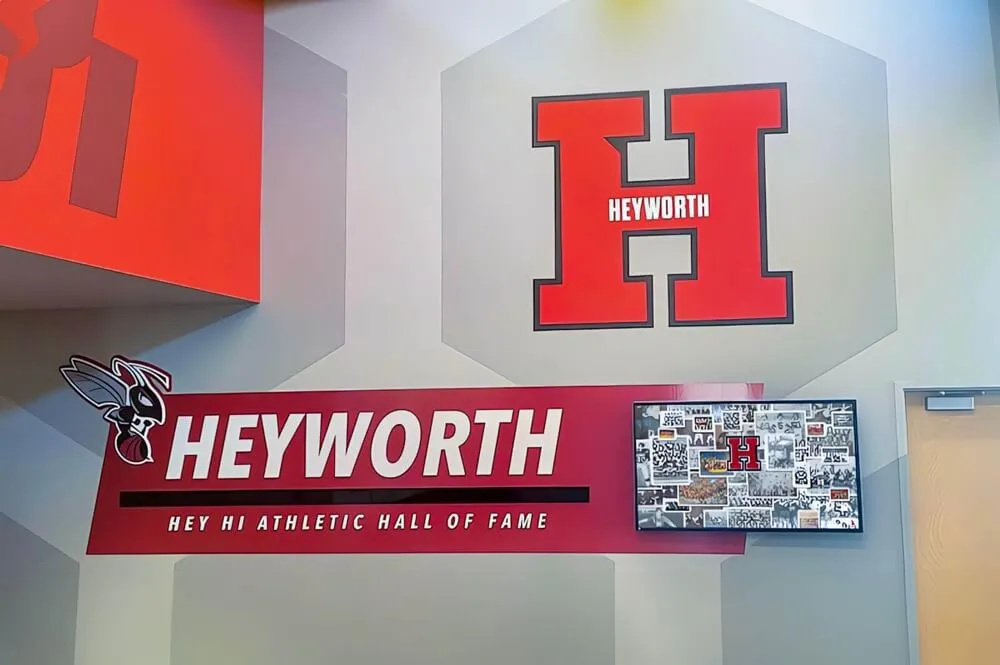
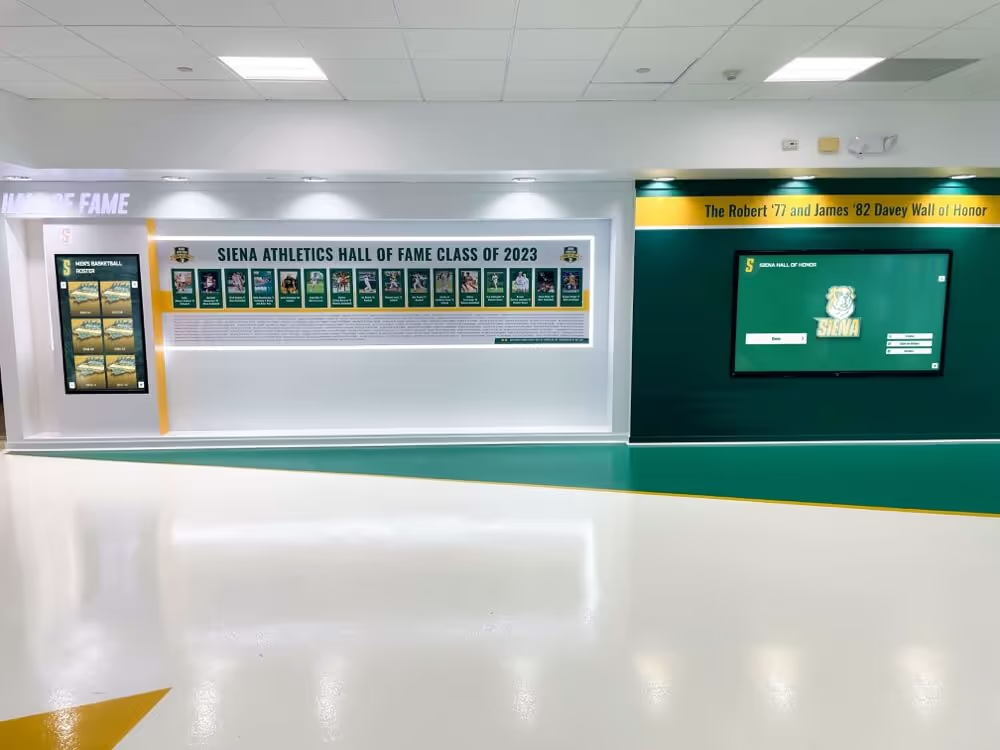
Integrated recognition walls prompt visitors to stop, engage, and share — creating organic visibility for PTK inductees beyond ceremony night
Common PTK Recognition Challenges and Solutions
Challenge: Low-quality or inconsistent inductee photos
Community college students are often nontraditional learners who may not have a recent professional photo readily available. Some chapters struggle to collect consistent-quality photos for display profiles.
Solution: Schedule a PTK photo booth as part of the induction ceremony itself. A simple backdrop and a phone camera produces consistent-quality images in minutes. Alternatively, coordinate with the college’s student ID system to use institutional headshots that students have already provided.
Challenge: Faculty advisor turnover creates institutional memory gaps
When a PTK faculty advisor transitions out of the role, years of chapter records — inductee lists, award history, officer records — may be lost or difficult to locate.
Solution: Use a cloud-based recognition system as the institutional record of chapter history, not just a display tool. When every inductee and achievement gets entered into the system at the time it happens, the record survives advisor transitions and becomes an institutional asset rather than a personal one.
Challenge: Alumni profiles go dark after graduation
PTK members who graduated five years ago are often invisible in current recognition programs, even though their presence in a searchable archive adds significant value.
Solution: Build an alumni update workflow into graduation communications. A short survey asking graduates for their current institution, degree earned, and career destination — sent one and three years after graduation — creates the content needed to keep alumni profiles current and compelling.
Challenge: Connecting recognition to enrollment marketing
Recognition program investment is easier to justify when it demonstrably supports enrollment goals.
Solution: Document prospective student and parent interactions with PTK displays during campus tours and open house events. Collect tour guide anecdotes about visitor engagement with recognition displays. This qualitative evidence supplements quantitative analytics in conversations with administrators about recognition program value.
Building a PTK Recognition Program That Lasts
The community colleges that build the strongest PTK recognition programs share a few common characteristics: they involve chapter officers in program design, they build update workflows into existing administrative routines rather than treating recognition as a special project, and they commit to the long game — understanding that a recognition system’s value compounds as its historical archive grows.
Rocket Alumni Solutions builds interactive touchscreen displays specifically designed for this kind of institutional recognition — systems that launch with current inductee profiles and grow into comprehensive chapter archives over time. Our cloud content management platform allows student affairs staff to update PTK recognition without IT involvement, ensuring displays stay current and community-facing throughout the academic year.
Request Your Free Custom Demo
Phi Theta Kappa members earn their recognition. A touchscreen display system ensures their achievement stays visible — not just on induction night, but for every student, family, and visitor who walks through your campus doors in the years that follow.
Rocket Alumni Solutions creates digital recognition displays purpose-built for community colleges honoring PTK chapters and broader academic achievement programs. Our systems include:
- Unlimited inductee capacity — honor every PTK member without wall space or plaque cost constraints
- Cloud content management — update profiles and add new inductees remotely from any device
- Searchable archives — let visitors find alumni by name, graduation year, or academic program
- ADA WCAG 2.1 AA compliance — accessible interfaces ensuring inclusive engagement
- Rich media integration — photos, video ceremony highlights, and biographical narratives
- Scheduled publishing — queue new inductee profiles to go live at ceremony time
- Multi-location management — run displays across multiple campus buildings from a single dashboard
Schedule a custom demonstration showing how your PTK and academic achievement data can transform into an engaging, permanent recognition experience: Schedule Your Demo Call