



Pennsylvania high school football rankings capture one of the nation’s most competitive and tradition-rich prep football landscapes—featuring hundreds of programs across six PIAA classifications competing for district championships, regional titles, and the coveted state championship berths that represent the pinnacle of scholastic football achievement in the Commonwealth. From powerhouse programs in Philadelphia and Pittsburgh to small-town dynasties that define community identity, Pennsylvania football traditions run deep through generations of players, coaches, and passionate communities.
Yet many athletic directors and football programs struggle to preserve competitive achievements that define program identity. How should schools document ranking histories as they fluctuate year to year? What recognition systems effectively celebrate district championships, playoff runs, and all-state selections? How can programs leverage documented excellence for recruiting while honoring the athletes and coaches who built championship traditions? These challenges affect programs across all classifications seeking to preserve football heritage appropriately.
This comprehensive guide explores Pennsylvania high school football rankings across PIAA classifications, examining top programs, competitive factors, and proven recognition strategies that enable schools to celebrate football excellence while preserving competitive legacies that inspire future teams.
Pennsylvania’s football landscape combines urban athletic powerhouses, suburban programs with extensive resources, and rural schools where Friday night lights define community gatherings. Understanding how rankings reflect competitive excellence across this diverse landscape helps programs contextualize achievements while implementing recognition systems that appropriately honor the distinction these rankings represent.

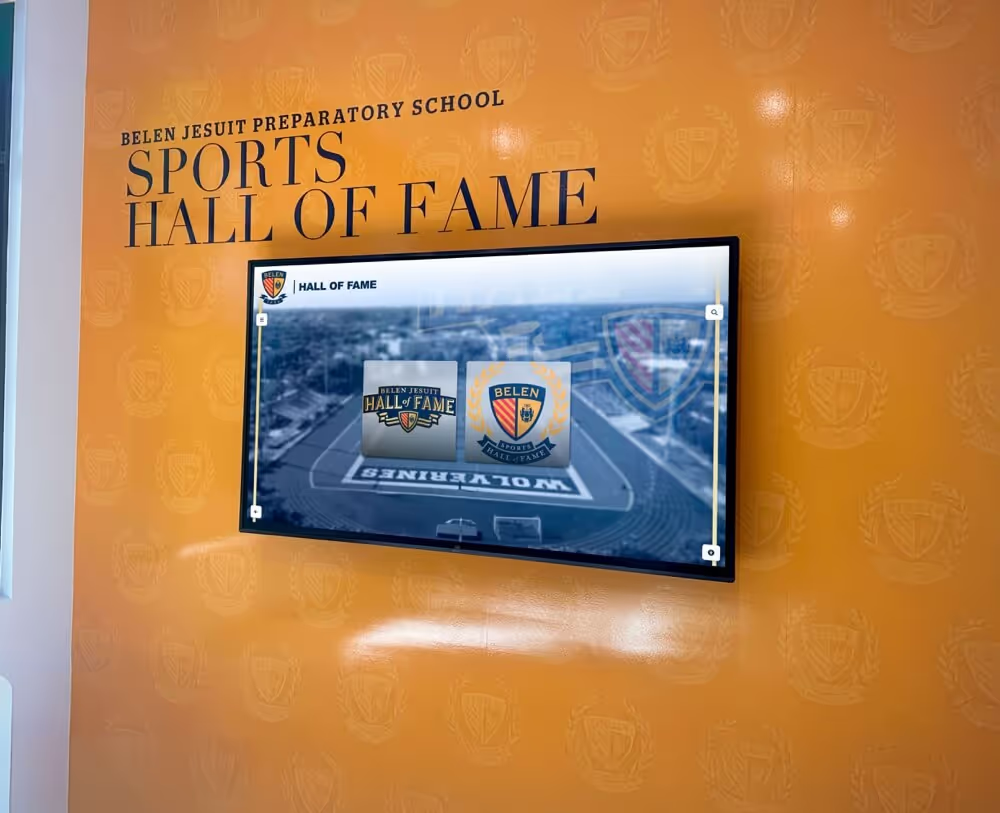
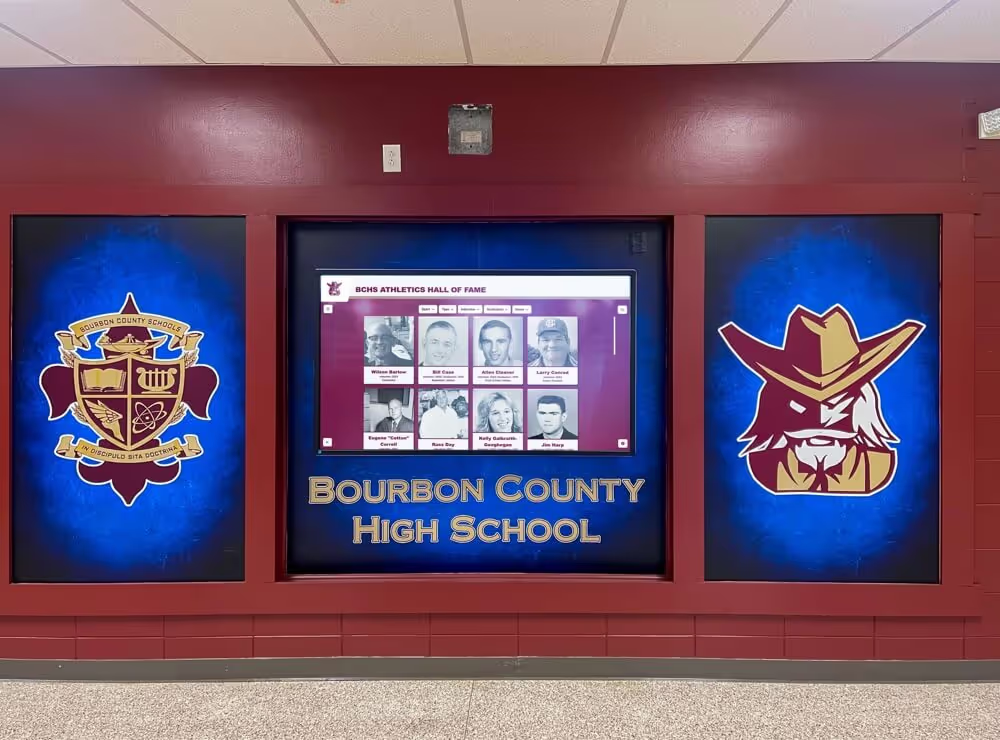
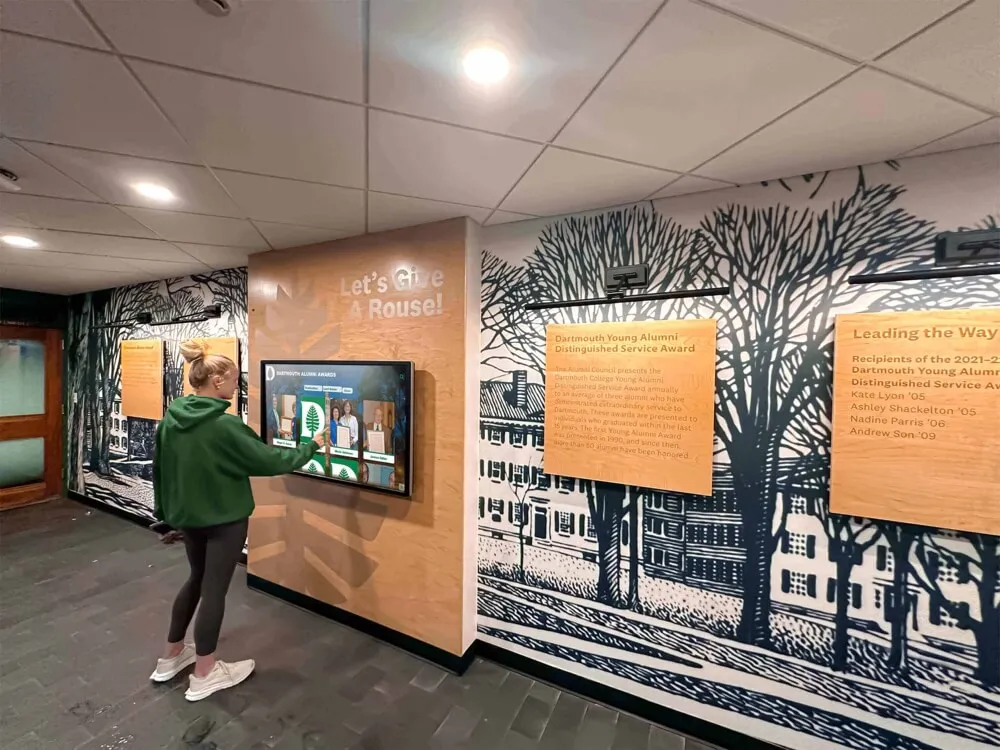
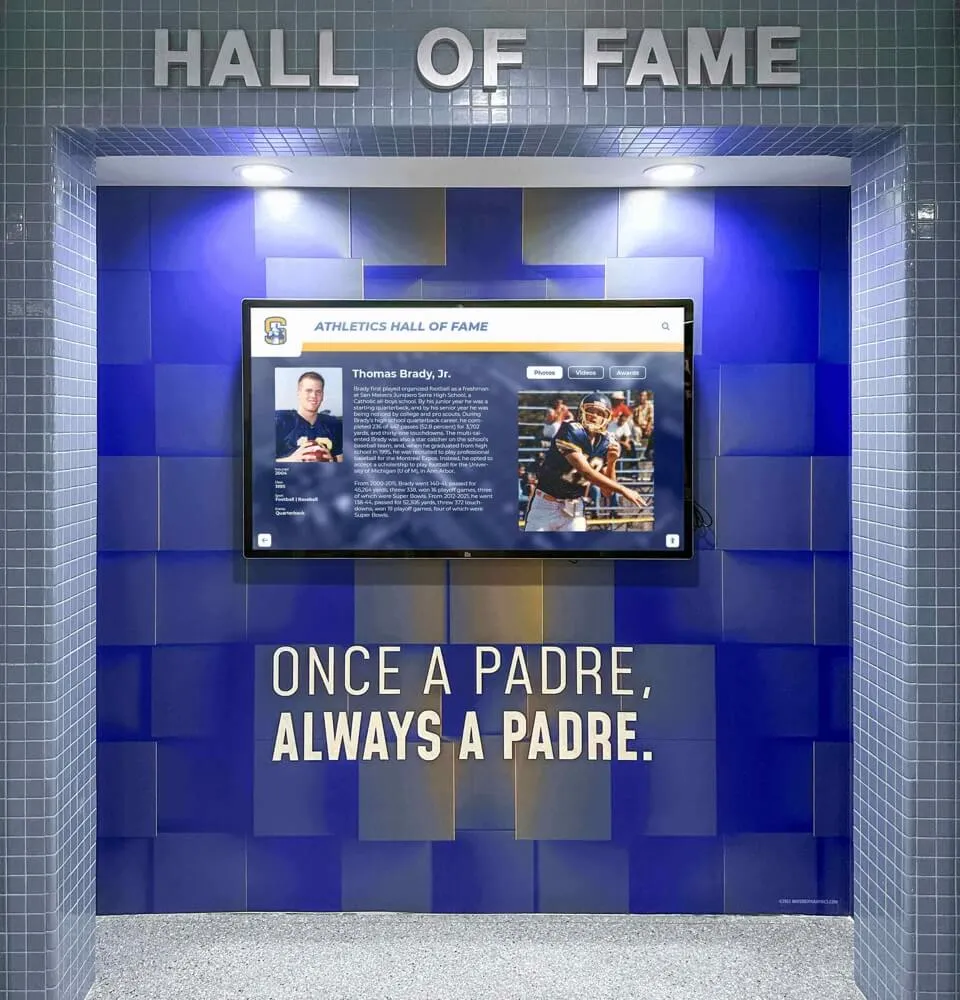
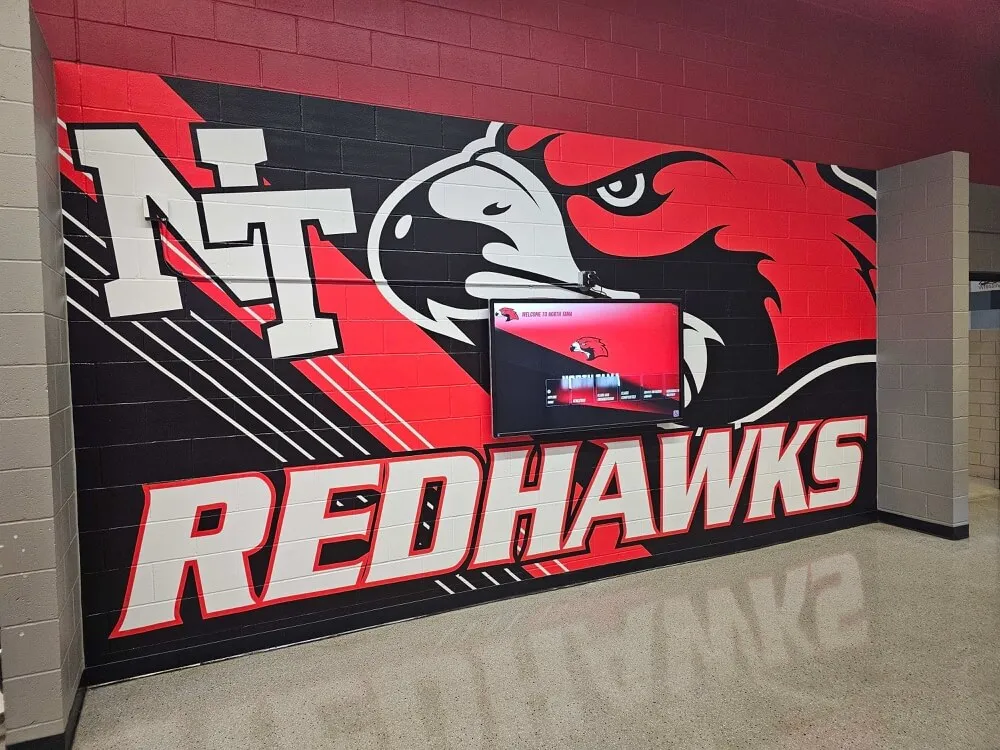
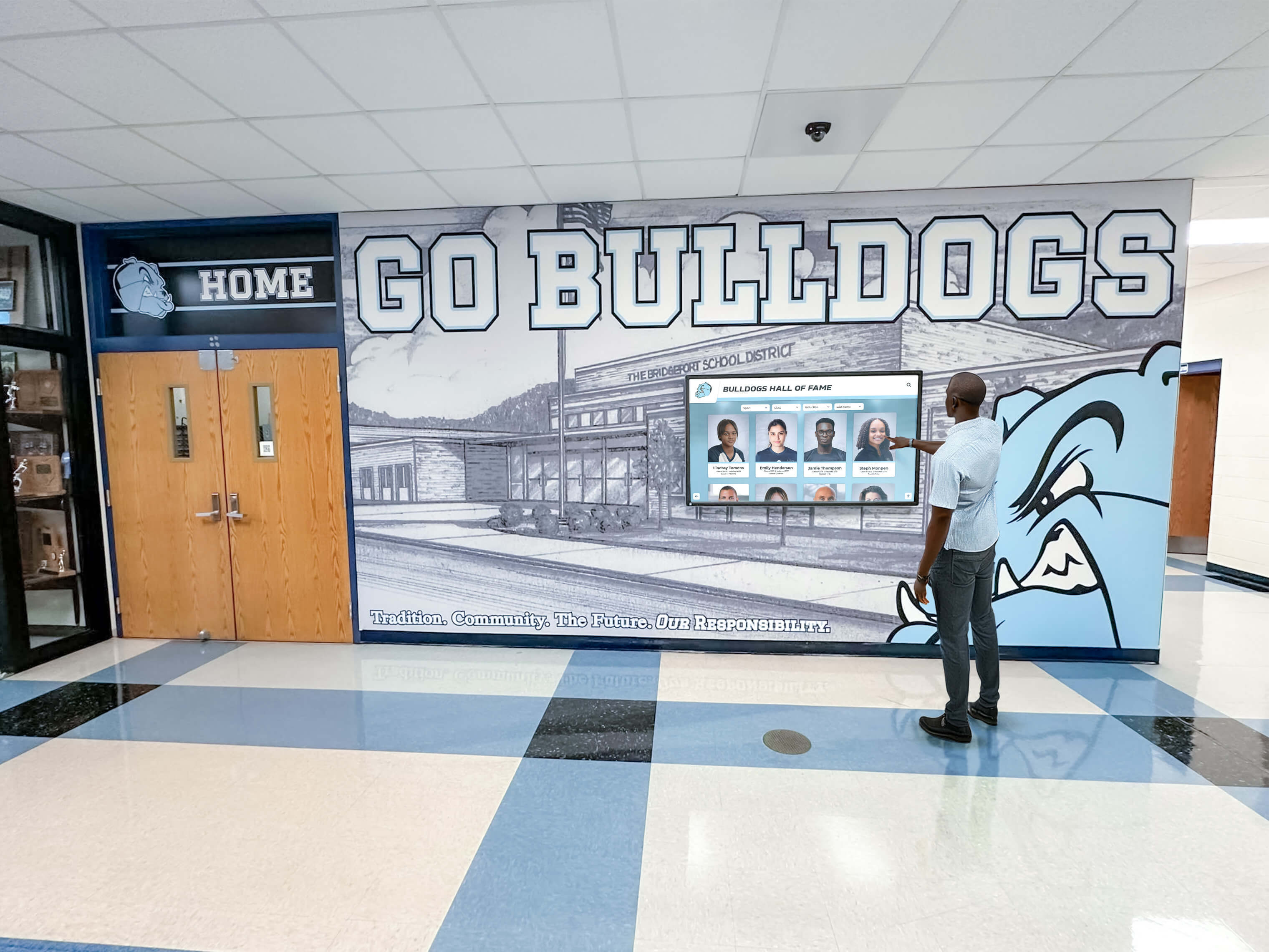
Interactive recognition systems enable communities to explore football program histories and celebrate competitive achievements
Program Snapshot: Pennsylvania Football Recognition System
| Program Element | Implementation Details |
|---|---|
| Primary Audience | Athletic directors, football coaches, current athletes, alumni, recruiting prospects, football community, program supporters |
| Featured Content | PIAA classification rankings, district standings, playoff performances, all-state selections, championship teams, program records |
| Core Outcomes | Competitive tradition preservation, recruiting advantage demonstration, community pride building, program legacy documentation, championship culture visibility |
| Launch Timeline | 6-10 weeks from planning to comprehensive football recognition display with ongoing season updates |
| Refresh Cadence | Weekly during active seasons, post-season championship updates, annual all-state recognition additions, historical milestone documentation |
| Primary Venues | Digital displays in athletic buildings, stadium facilities, gymnasium lobbies, web-based archives, social media championship content |
Understanding Pennsylvania High School Football Classifications
The Pennsylvania Interscholastic Athletic Association (PIAA) organizes football through a six-classification system designed to ensure competitive balance while creating championship paths for programs of all sizes.
Six-Class System for Competitive Equity
Pennsylvania divides schools into six classifications based on enrollment, ensuring teams compete against similarly-sized institutions:
Classification Structure
The PIAA determines classification placement through systematic enrollment analysis:
- Class 6A: Largest schools with enrollments typically exceeding 1,215 students in grades 9-11
- Class 5A: Large schools with enrollments roughly 880-1,215 students in grades 9-11
- Class 4A: Mid-large schools with enrollments approximately 625-880 students in grades 9-11
- Class 3A: Mid-size schools with enrollments around 445-625 students in grades 9-11
- Class 2A: Mid-small schools with enrollments roughly 310-445 students in grades 9-11
- Class 1A: Smallest schools with enrollments under 310 students in grades 9-11
These classification breakdowns ensure competitive equity while recognizing that enrollment size significantly impacts available talent pools, athletic resources, and competitive potential.
Biennial Classification Adjustments
The PIAA recalculates classifications every two years based on enrollment data:
- Alignment announcements occur before football seasons begin
- Schools may move classifications based on enrollment changes
- Multi-year stability enables program planning and strategic development
- Historical context shows how programs competed at different levels
- Competitive landscape evolution as school populations shift throughout Pennsylvania
- Impact on traditional rivalries when schools change classifications
- Recognition implications as achievements occur across different competitive levels
Understanding these shifts helps programs contextualize historical achievements appropriately and maintain accurate football records across different competitive eras.
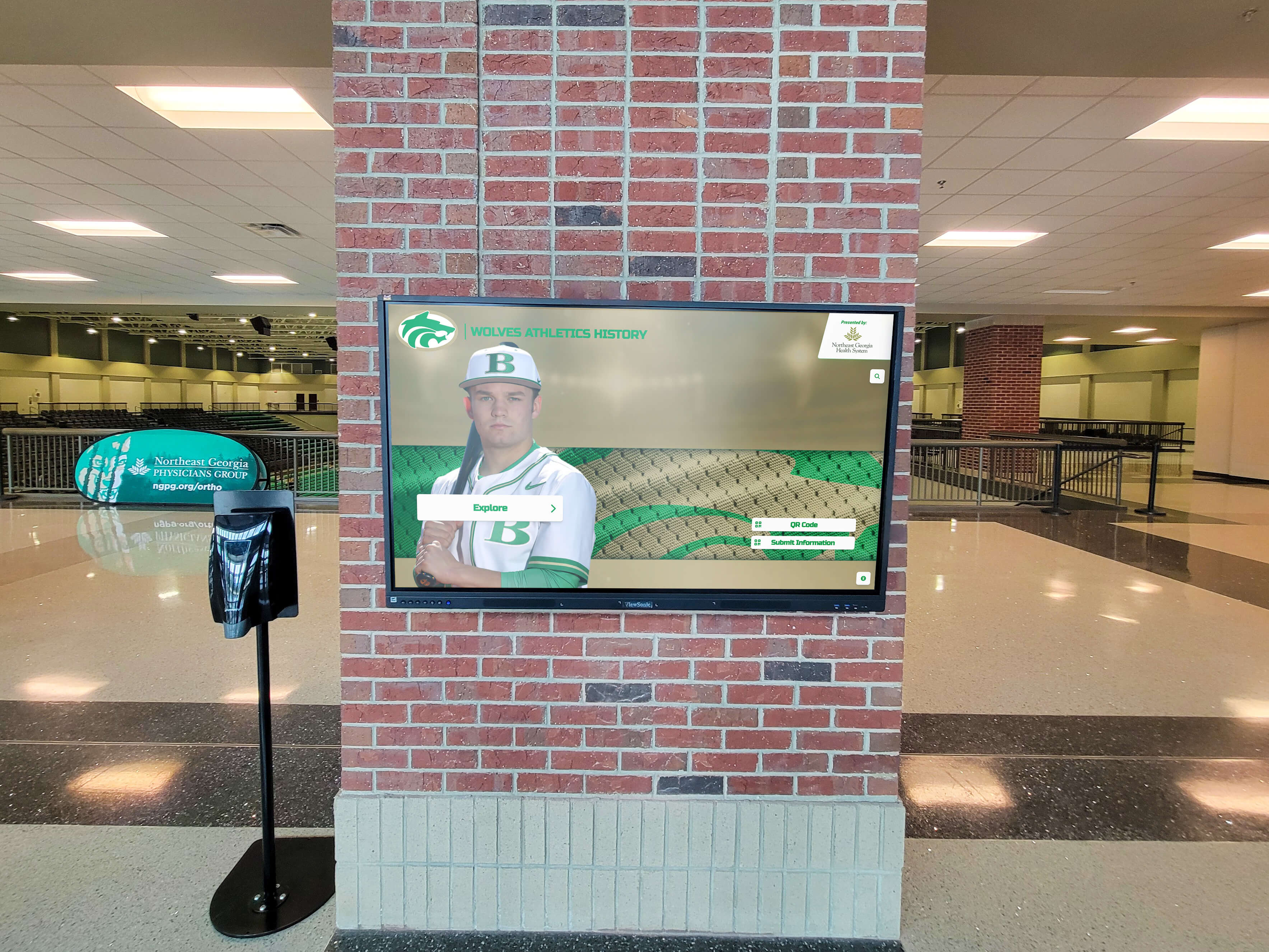
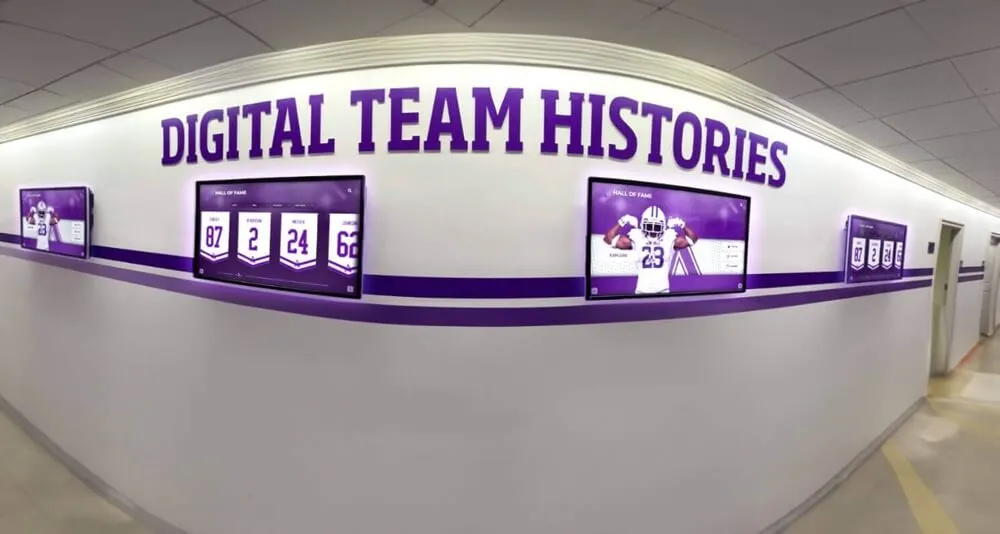
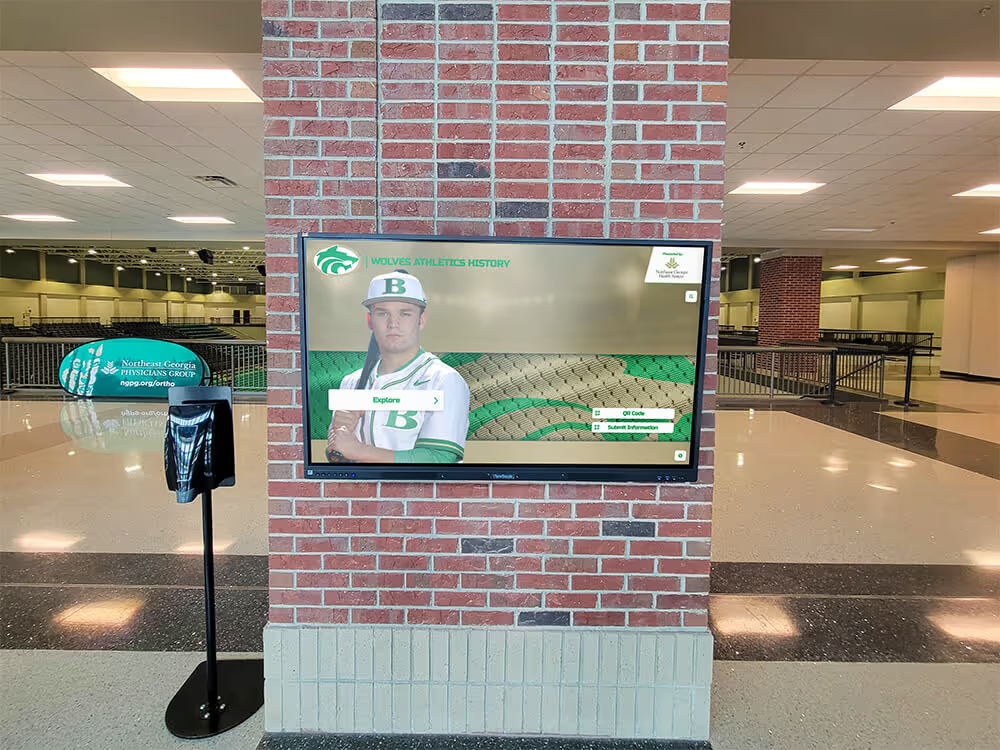
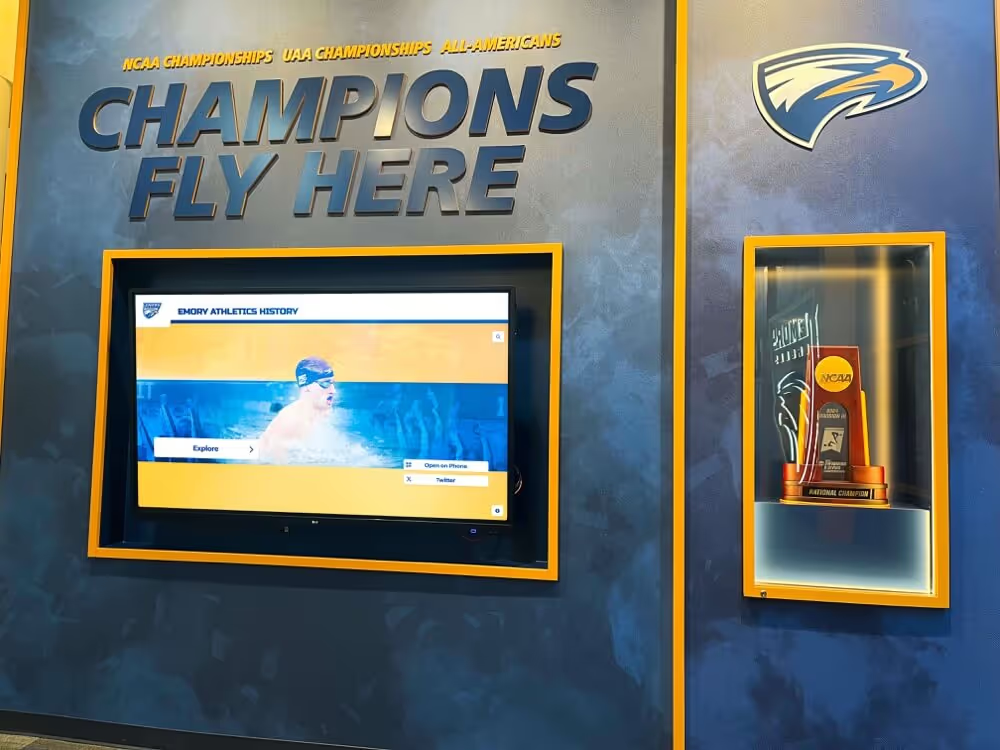
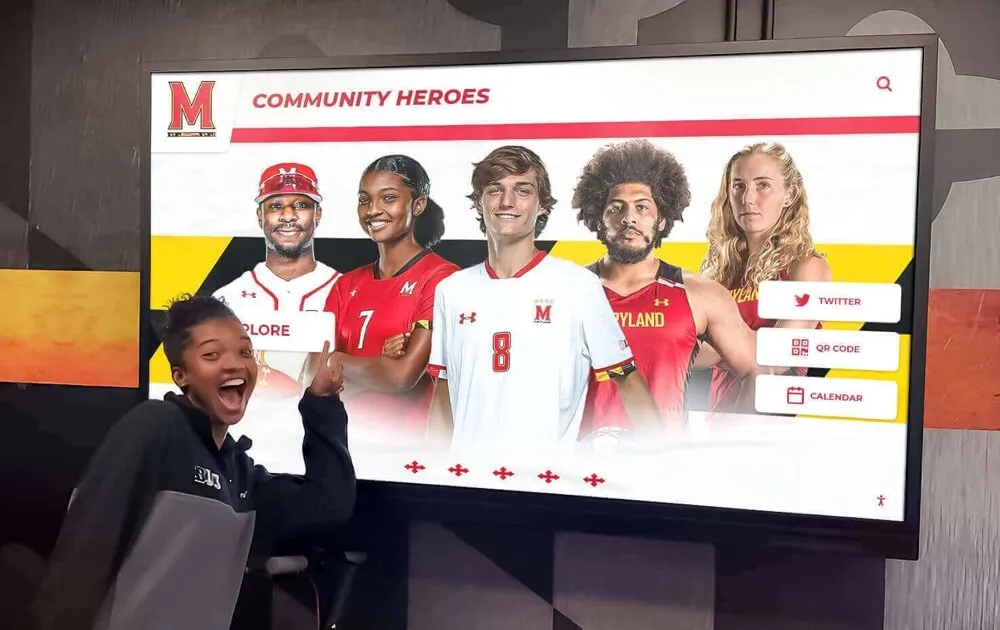
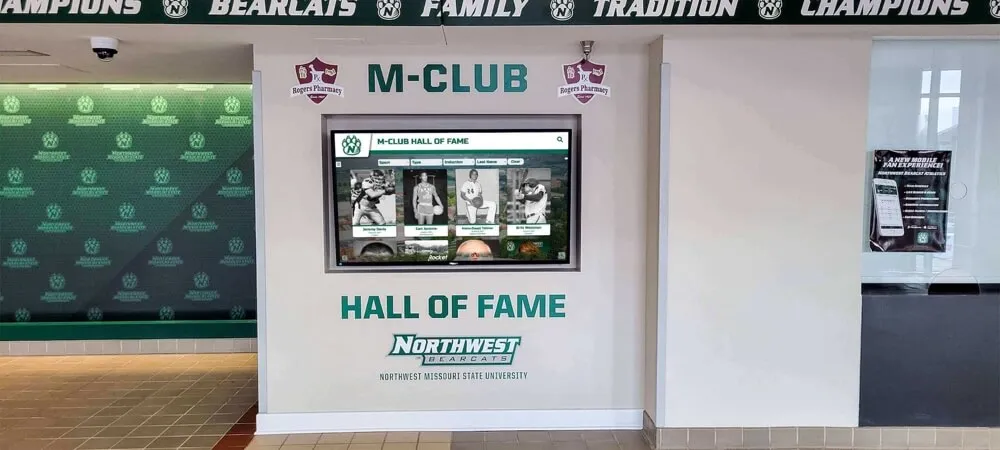
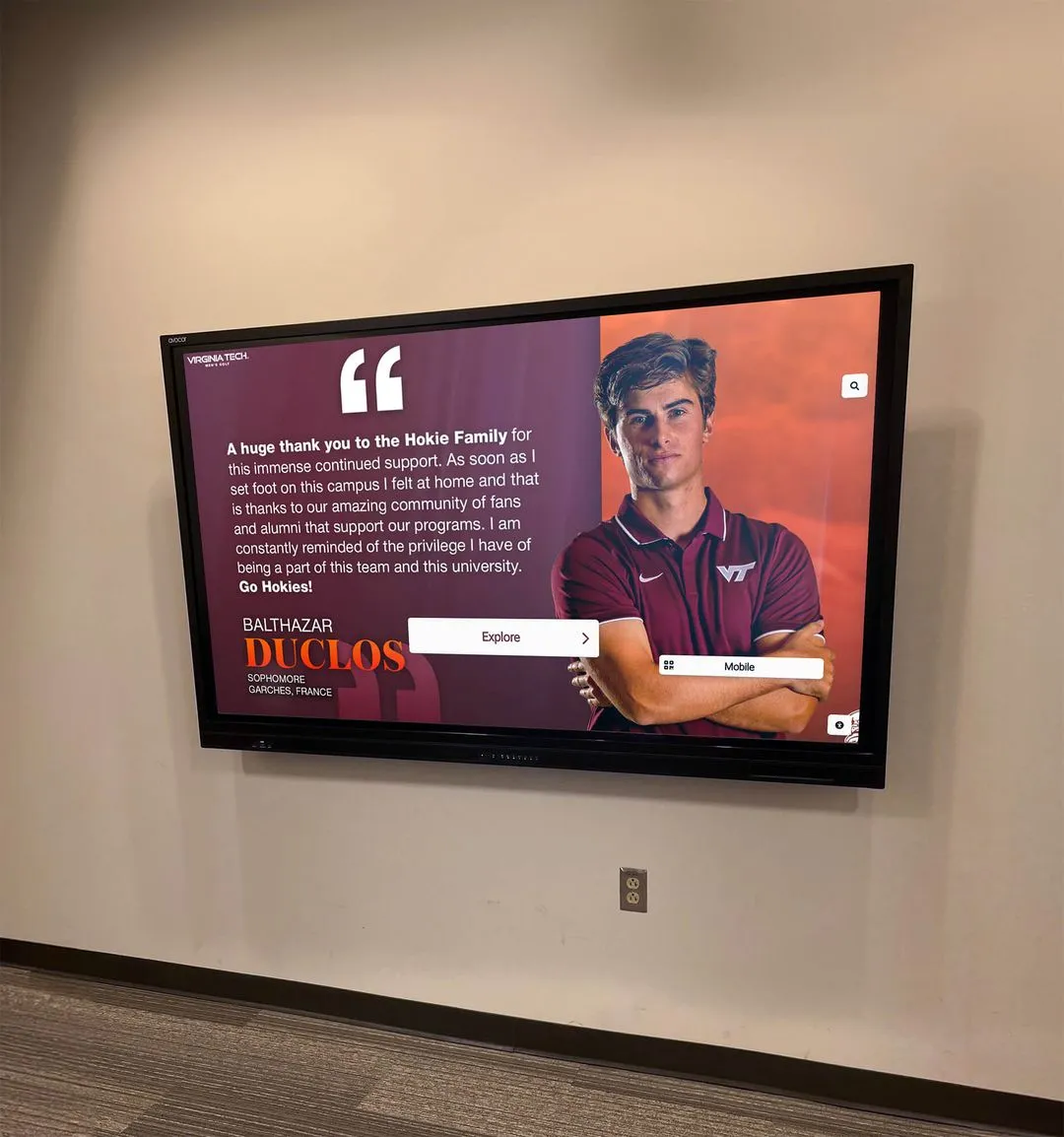
Digital recognition displays showcase athlete achievements with professional presentation quality
District-Based Competition Structure
Pennsylvania organizes football competition through district associations creating regional competitive frameworks:
Twelve PIAA Football Districts
Geographic districts structure regular season competition and playoff qualification:
- District 1 - Philadelphia area and southeastern counties
- District 2 - Northeastern Pennsylvania including Scranton/Wilkes-Barre
- District 3 - South-central Pennsylvania including Harrisburg and York areas
- District 4 - North-central Pennsylvania
- District 6 - Western Pennsylvania outside Pittsburgh
- District 7 - Pittsburgh area and southwestern counties
- District 8 - Philadelphia Public League
- District 9 - Northwestern Pennsylvania
- District 10 - Erie area and northwestern counties
- District 11 - Lehigh Valley region
- District 12 - Philadelphia area schools not in District 1
This district structure creates regional competitive frameworks while establishing playoff qualification paths determining state championship tournament participation.
Inter-District Rankings and Competition
While regular season schedules primarily feature district opponents, rankings and reputations extend across district lines:
- Statewide media rankings comparing top programs regardless of district
- Inter-district playoff matchups determining regional champions
- Non-conference scheduling enabling cross-district competition
- Recruiting attention extending to top programs statewide
- Championship histories comparing district competitive strength across eras
- Transfer patterns as athletes move between districts
- Coaching reputations building through consistent competitive excellence
Understanding district structures helps contextualize program achievements while recognizing that true elite status requires excelling beyond district boundaries through playoff success and statewide recognition.
Playoff Structure and Championship Path
Pennsylvania’s football playoffs create challenging paths from district competition through state finals:
Four-Round Playoff Progression
Each classification progresses through structured playoff tournaments:
District Playoffs (Rounds 1-2)
- District champions determined through multi-round tournaments
- Seeding based on district committee evaluation and competitive formulas
- Single-elimination format with home field advantage for higher seeds
- District championships provide first major playoff achievement
- Winners advance to state playoff tournaments as district representatives
State Tournament (Rounds 3-4)
- District champions compete in inter-district playoff brackets
- State quarterfinal and semifinal rounds
- Neutral site venues often host semifinal competitions
- State championship game at predetermined major venue
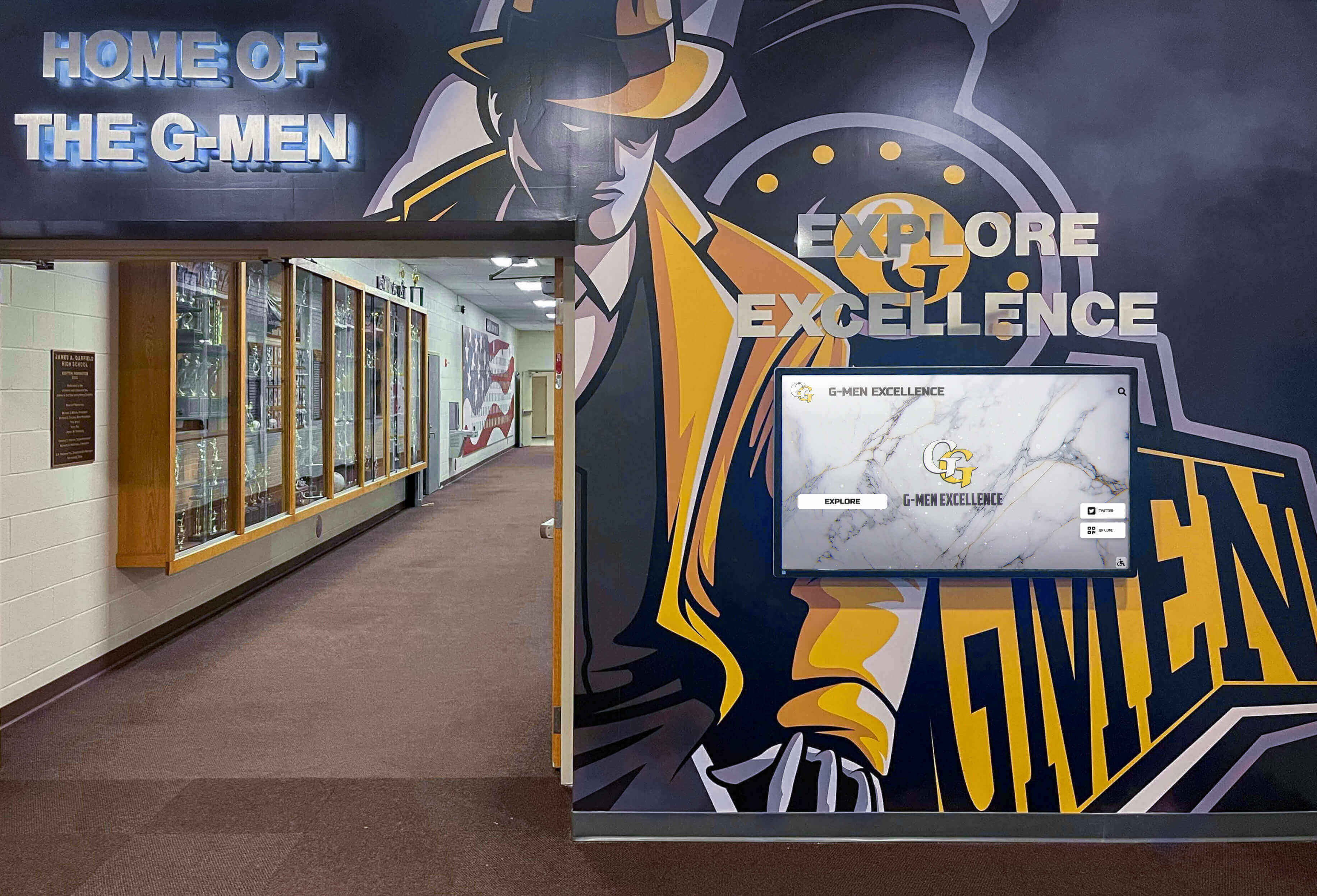
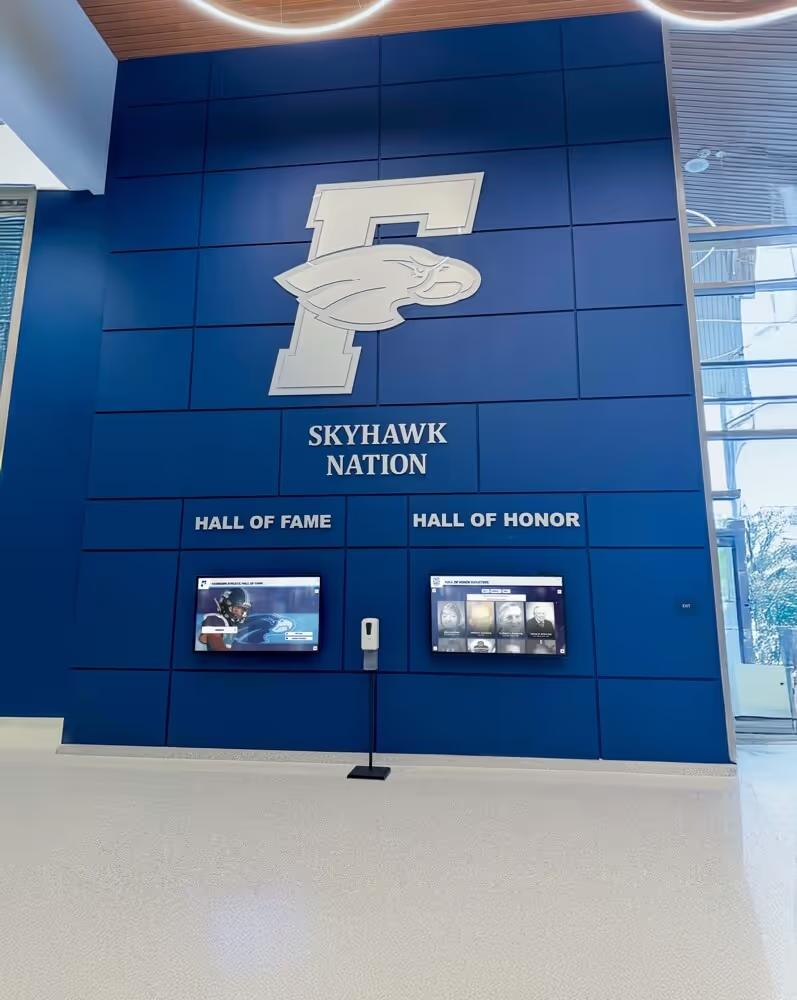
Comprehensive athletic corridors integrate trophy cases with digital recognition systems
- Six state championships awarded annually (one per classification)
- Ultimate achievement in Pennsylvania high school football
- Lifetime recognition for participating coaches and athletes
- Often held at Hersheypark Stadium or similar premier facility
This progression requires sustained excellence across multiple playoff rounds against increasingly elite competition—ensuring only the most consistent, well-coached programs reach state championship games.
Learn about football hall of fame recognition strategies that celebrate championship achievements comprehensively.
Top Pennsylvania Football Programs Across Classifications
Pennsylvania’s competitive landscape features programs with sustained excellence and championship traditions spanning decades.
Class 6A Elite Programs
The largest classification features schools with substantial resources and extensive talent pools:
Perennial Championship Contenders
Several programs consistently rank among Pennsylvania’s elite:
Pittsburgh-Area Powers
- Mt. Lebanon and Pine-Richland consistently compete for WPIAL and state championships
- Strong coaching staffs with extensive playoff experience
- Large enrollment bases providing deep talent pools
- Championship facilities and program resources
- Tradition attracting talented athletes and competitive coaches
Philadelphia-Region Elite
- St. Joseph’s Prep dominates Philadelphia Catholic League with multiple state championships
- North Penn represents suburban excellence with sustained district success
- Central Bucks programs compete consistently in District 1
- Strong youth program development pipelines feeding varsity rosters
These programs demonstrate consistent excellence through championship facilities, experienced coaching staffs, and community support systems enabling sustained competitive success.
Competitive Advantages for Top Programs
Elite 6A programs typically feature:
- Enrollment bases exceeding 1,500 students providing talent depth
- Assistant coaching staffs enabling position-specific development
- Weight training and conditioning facilities rivaling small colleges
- Video analysis capabilities supporting comprehensive game preparation
- Strong youth league systems developing athletes from elementary ages
- Community financial support funding program needs
- College recruitment relationships enhancing program prestige
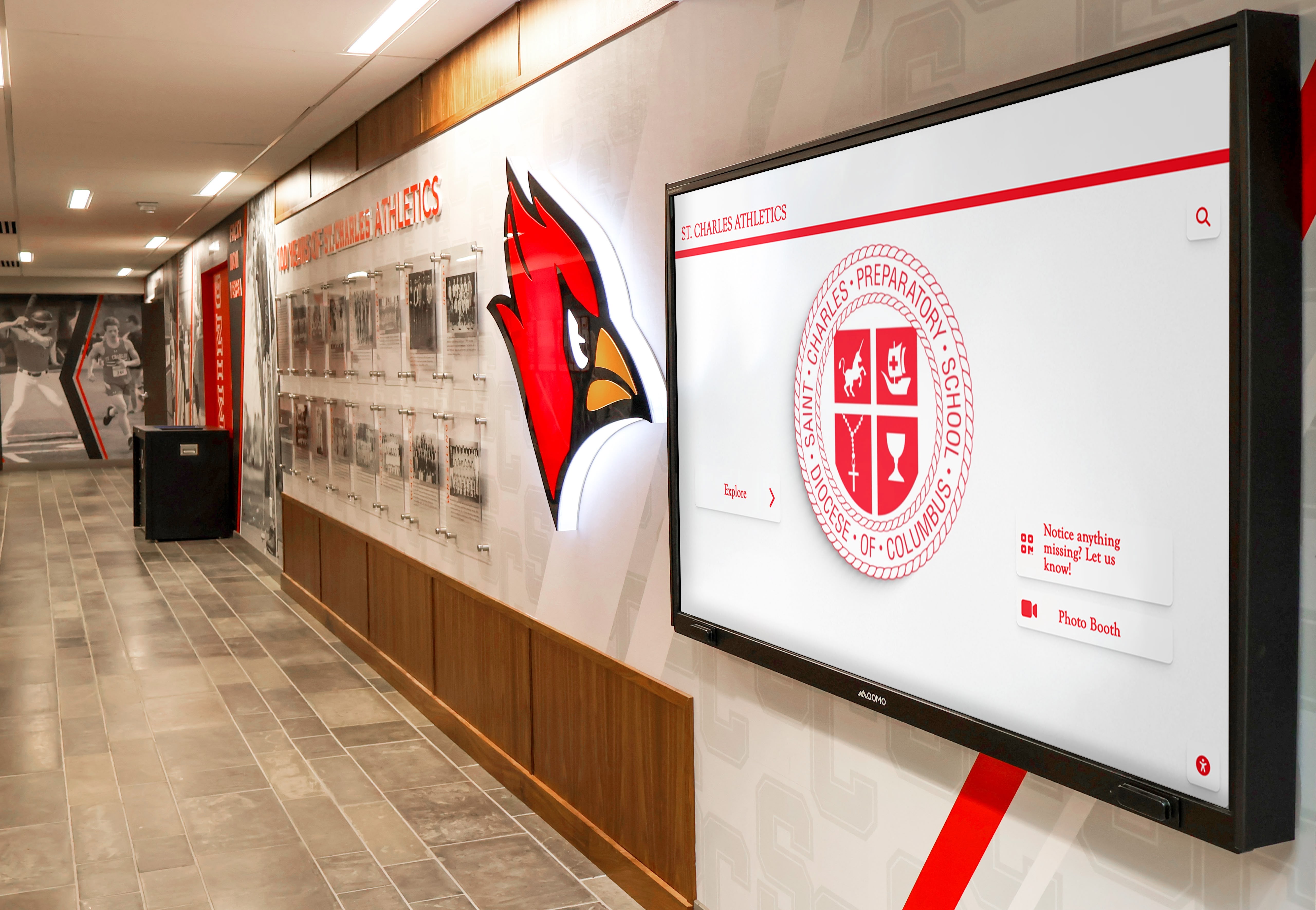
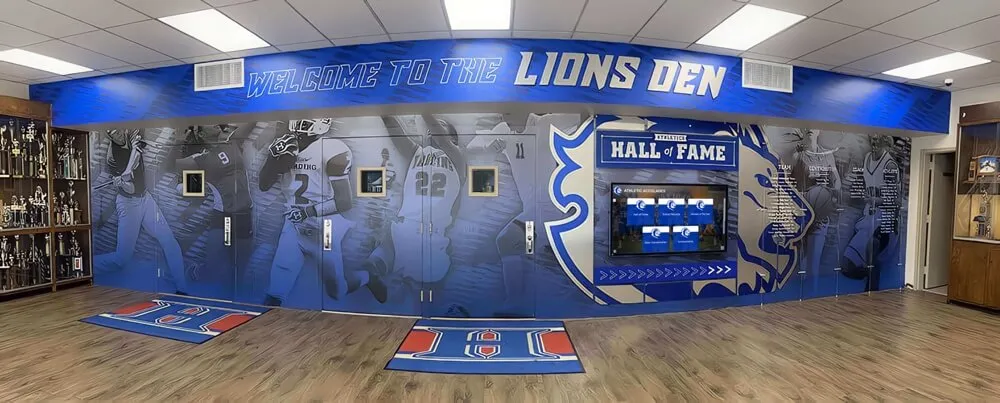
Branded athletic displays reinforce program identity while celebrating competitive achievements
Classes 4A-5A Competitive Landscape
Mid-large classifications feature diverse programs from suburban and rural Pennsylvania:
Suburban Program Excellence
Schools in this enrollment range often combine resources with community passion:
- District 1 Programs - Suburban Philadelphia schools like Downingtown and Coatesville compete consistently
- District 3 Traditions - York-area programs including Central York and Spring Grove with championship histories
- WPIAL Contenders - Western Pennsylvania programs like Thomas Jefferson and Belle Vernon compete for district titles
These programs often feature passionate community support creating Friday night traditions rivaling larger schools while competing against districts statewide.
Small-City Football Strongholds
Pennsylvania’s smaller cities produce programs with deep traditions:
- Harrisburg area schools with decades of competitive football
- Johnstown and Altoona programs representing smaller metropolitan areas
- Williamsport and State College benefiting from community football cultures
- Allentown-Bethlehem region schools with strong Catholic school traditions
Understanding athletic director roles helps contextualize how leadership builds championship programs consistently.
Classes 1A-3A Championship Programs
Smaller classifications feature schools where football often defines community identity:
Small School Football Dynasties
Rural Pennsylvania produces programs with remarkable sustained success:
District 6 Powerhouses
- Juniata Valley and Southern Huntingdon representing small-school excellence
- Multi-decade championship traditions in communities where football provides primary fall entertainment
- Coaching stability enabling sustained program building across generations
- Community financial and emotional investment creating competitive advantages
District 9 Traditions
- Clarion and Clarion-Limestone competing for district and state championships consistently
- Northwestern Pennsylvania football culture producing talent disproportionate to enrollment
- Programs where entire communities attend Friday night games
District 10 Contenders
- Erie Cathedral Prep dominating smaller classifications before recent reclassification
- Farrell representing smaller-city excellence with multiple state championships
- Sharon and Hickory programs with championship pedigrees

Athletic lounges with recognition walls create immersive environments celebrating program history
Success Factors for Small-School Programs
Elite smaller-classification programs often feature:
- Multi-sport athletes creating depth across rosters
- Coaching stability with tenures spanning decades
- Community passion creating hostile home environments
- Strong youth programs maximizing limited talent pools
- Weight training emphasis equalizing physical development gaps
- Disciplined systems maximizing talent through scheme excellence
- Playoff experience giving confidence in high-pressure games
These programs prove that enrollment size doesn’t determine competitive potential when communities commit fully to football excellence.
Ranking Systems and Media Recognition
Multiple ranking methodologies provide perspectives on Pennsylvania football’s competitive hierarchy.
State Media Rankings
Pennsylvania football media produce weekly rankings throughout seasons:
Major Ranking Systems
Several outlets provide authoritative state rankings:
PennLive Rankings
- Comprehensive statewide rankings covering all classifications
- Harrisburg-based media outlet with extensive Pennsylvania sports coverage
- Weekly updates throughout regular season and playoffs
- Historical ranking archives documenting program performance across seasons
Pittsburgh Post-Gazette Rankings
- Western Pennsylvania focus with statewide top-25 rankings
- Extensive WPIAL coverage with detailed program analysis
- Historical perspective connecting current programs to championship traditions
Philadelphia Inquirer Rankings
- Eastern Pennsylvania emphasis with statewide rankings
- Philadelphia Catholic League coverage alongside public school programs
- Recruiting focus connecting high school rankings to college commitments
These rankings provide competitive context while generating discussion among programs, communities, and recruiting services evaluating Pennsylvania talent.
Ranking Methodology Factors
Media rankings typically consider:
- Win-loss records with strength of schedule adjustments
- District and classification competitive level context
- Historical program performance and tradition
- Returning talent and roster depth analysis
- Coaching staff experience and system effectiveness
- Championship and playoff history
- Head-to-head results in inter-district competition
- Statistical performance in key categories
Understanding ranking factors helps programs contextualize placement while recognizing subjective elements in all ranking systems.
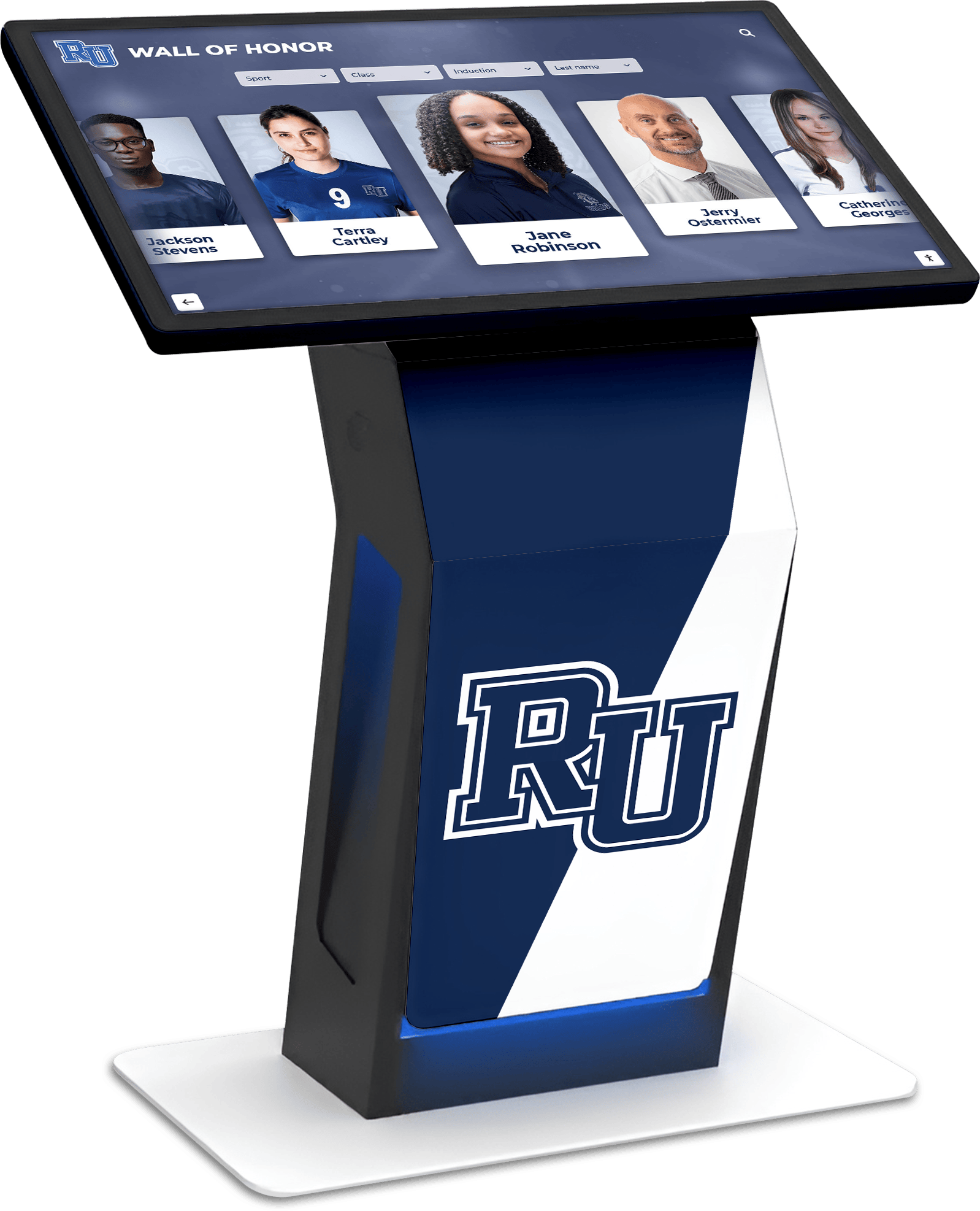
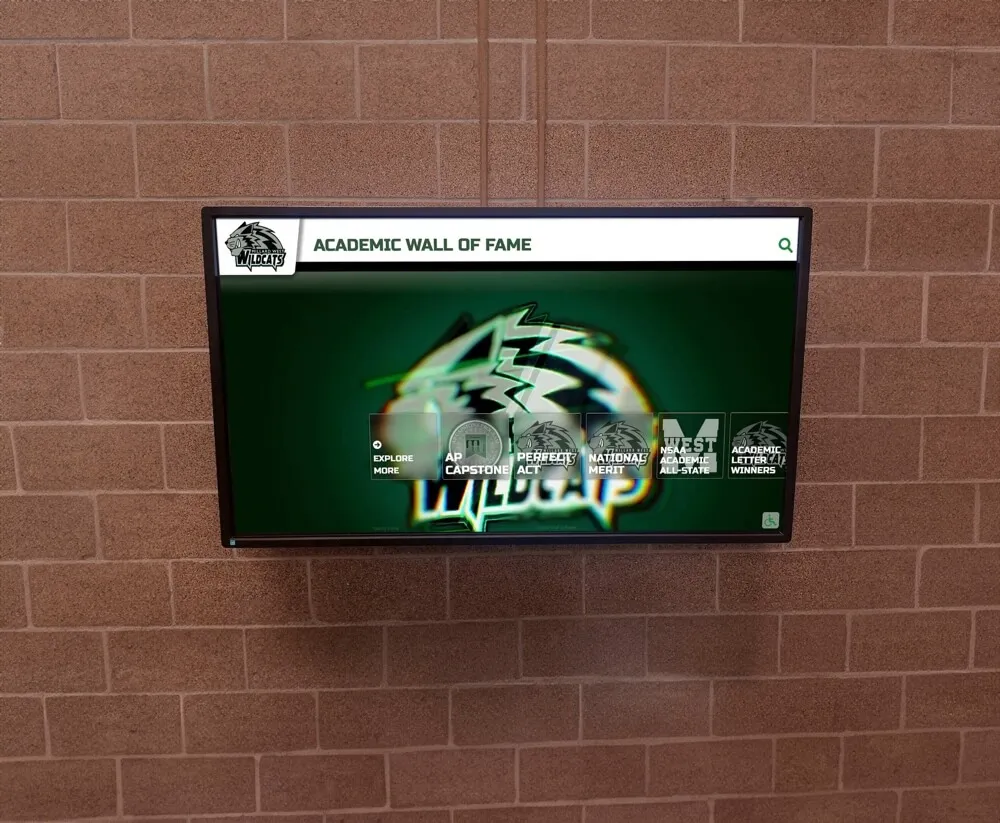
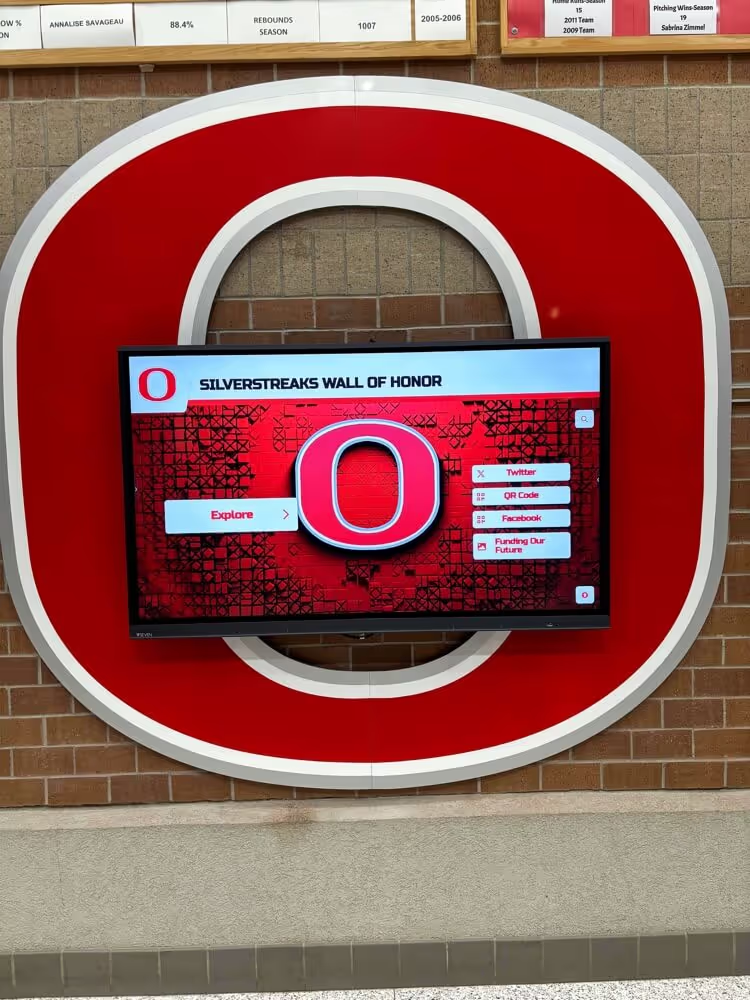
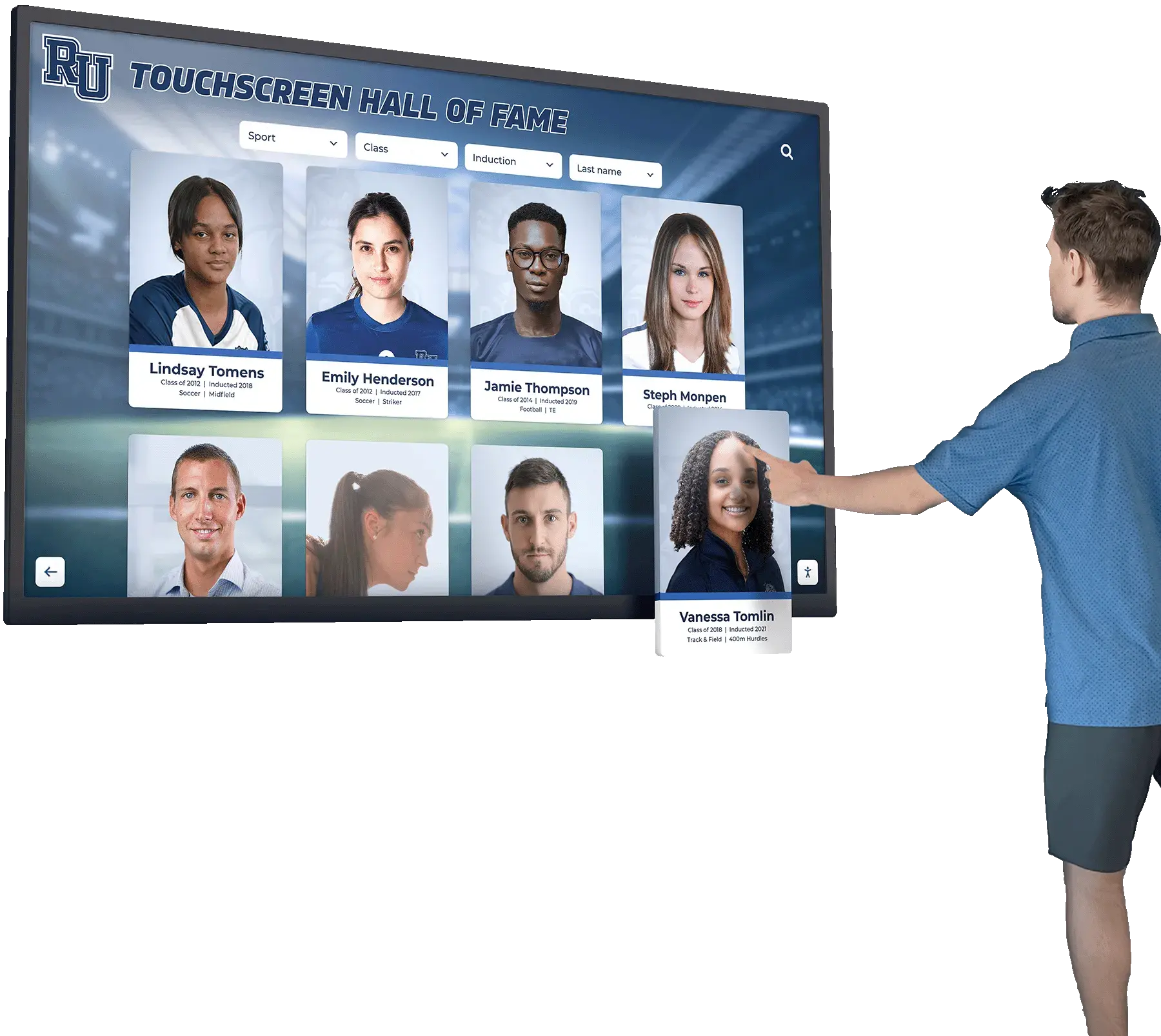
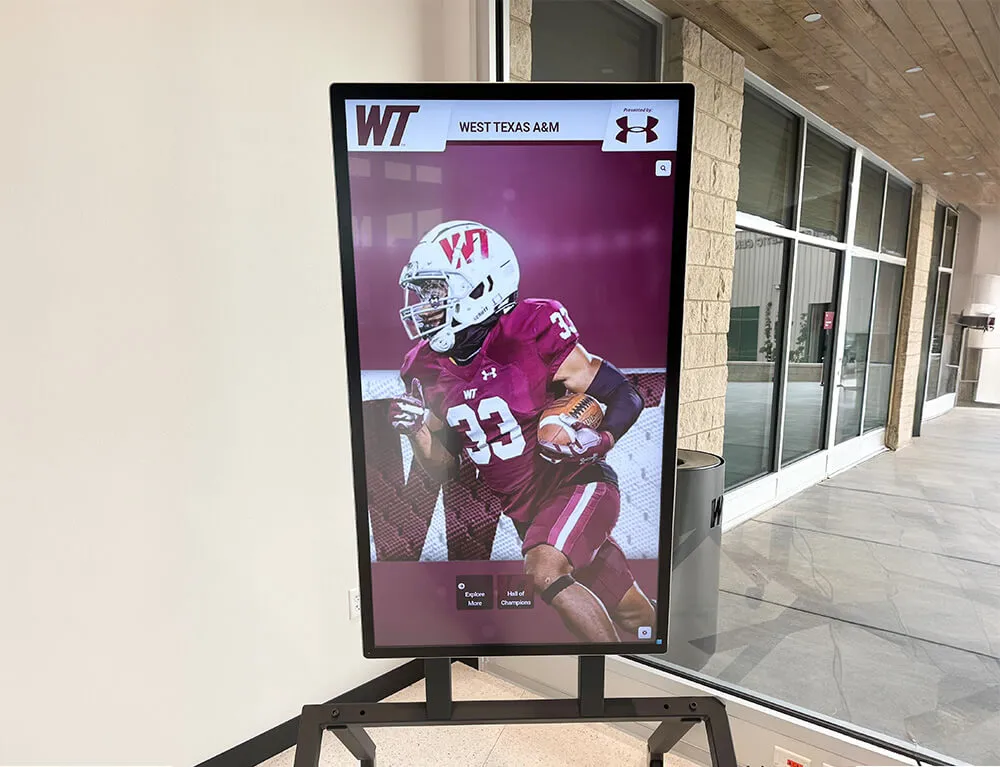
Touchscreen kiosks enable exploration of detailed athlete profiles and program achievements
Recruiting Service Rankings and Evaluations
National recruiting services evaluate Pennsylvania programs through talent production:
College Prospect Evaluation
Services assess Pennsylvania football through:
- Individual player rankings identifying top prospects statewide
- Program evaluations measuring talent development and college placement
- All-state team selections recognizing elite performers
- Showcase and camp performance analysis
- Commitment tracking documenting college destination patterns
- Transfer portal impact as athletes relocate between programs
Top-ranked programs benefit from recruiting service attention through enhanced visibility attracting additional talent while reinforcing championship expectations.
Historical Program Rankings
Some analyses evaluate programs across decades:
- All-time winning percentages adjusted for era and classification
- Championship totals across different competitive structures
- College placement rates showing athlete development success
- Coaching tree analysis tracking successful coach development
- Facility evolution documenting program investment patterns
These historical perspectives help communities appreciate sustained excellence while contextualizing current program standing within longer competitive arcs.
Learn about digital recognition systems that showcase recruiting achievements and all-state selections effectively.
Factors Influencing Pennsylvania Football Rankings
Multiple elements beyond pure athletic talent affect program competitive standing.
Geographic and Resource Advantages
Location and community resources create significant competitive factors:
Urban vs. Rural Dynamics
Geography affects program building substantially:
Urban Program Advantages
- Larger enrollment bases providing talent depth
- Extensive youth league systems developing players from young ages
- Access to speed and agility training facilities
- College exposure through proximity to recruiting services
- Media coverage generating program visibility
- Booster support funding enhanced facilities and equipment
Rural Program Strengths
- Smaller class sizes enabling more individualized coaching attention
- Multi-sport athletes creating versatile rosters
- Community unity where entire towns support Friday night football
- Coaching stability through lower turnover rates
- Fewer competing activities enabling football focus
Neither setting guarantees success, but understanding geographic advantages helps contextualize achievement across Pennsylvania’s diverse landscape.
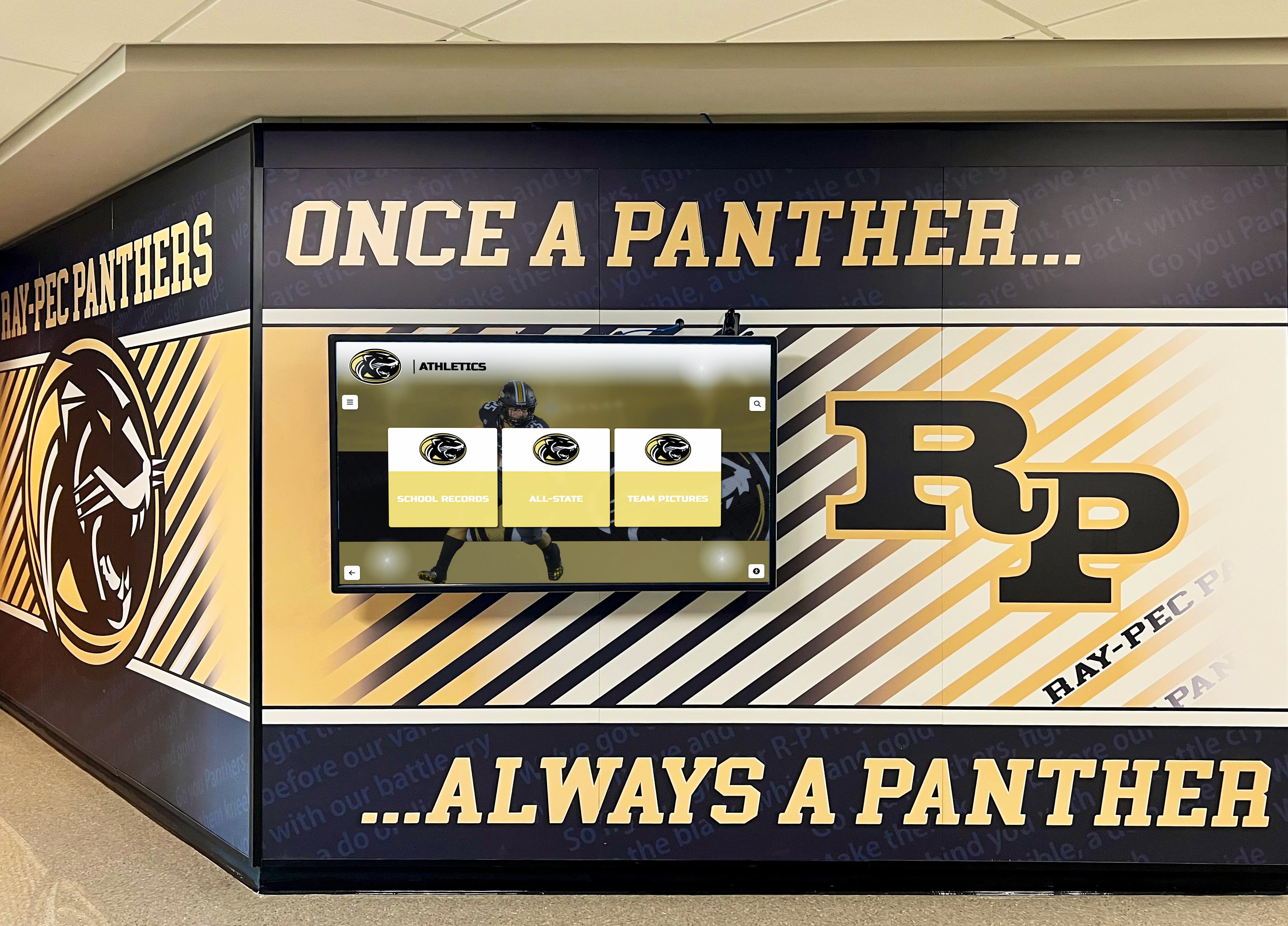
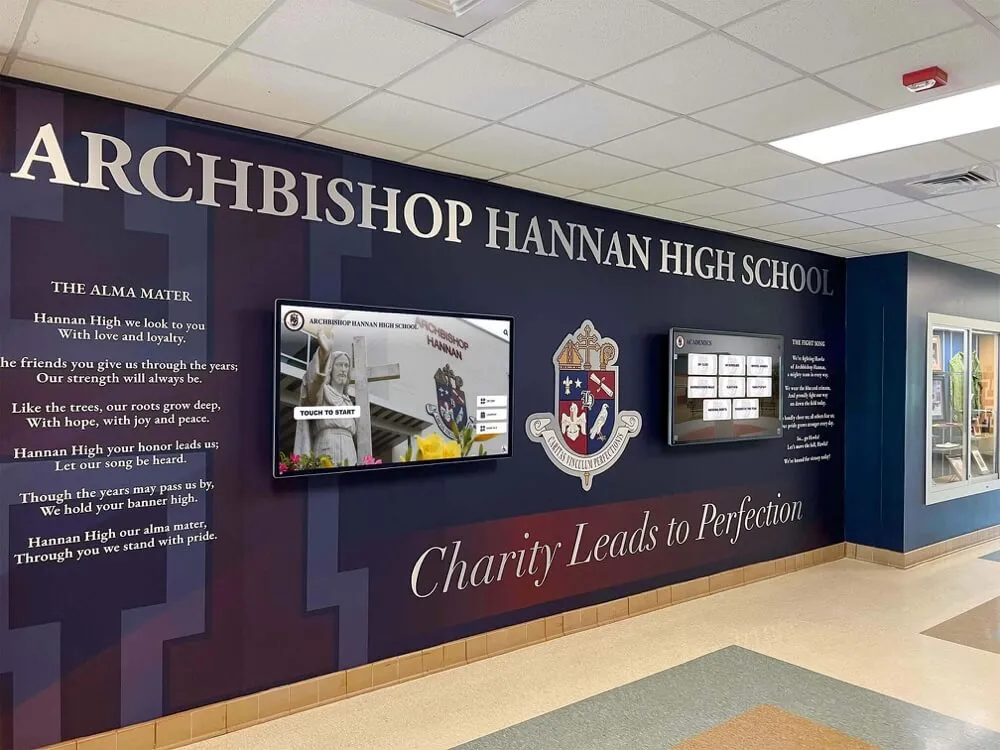
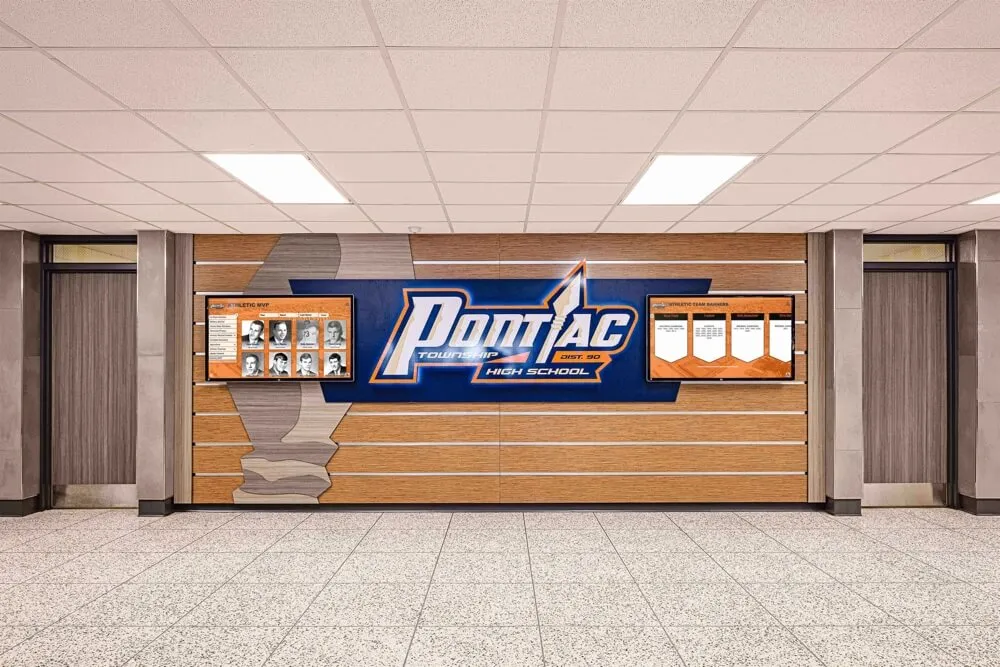
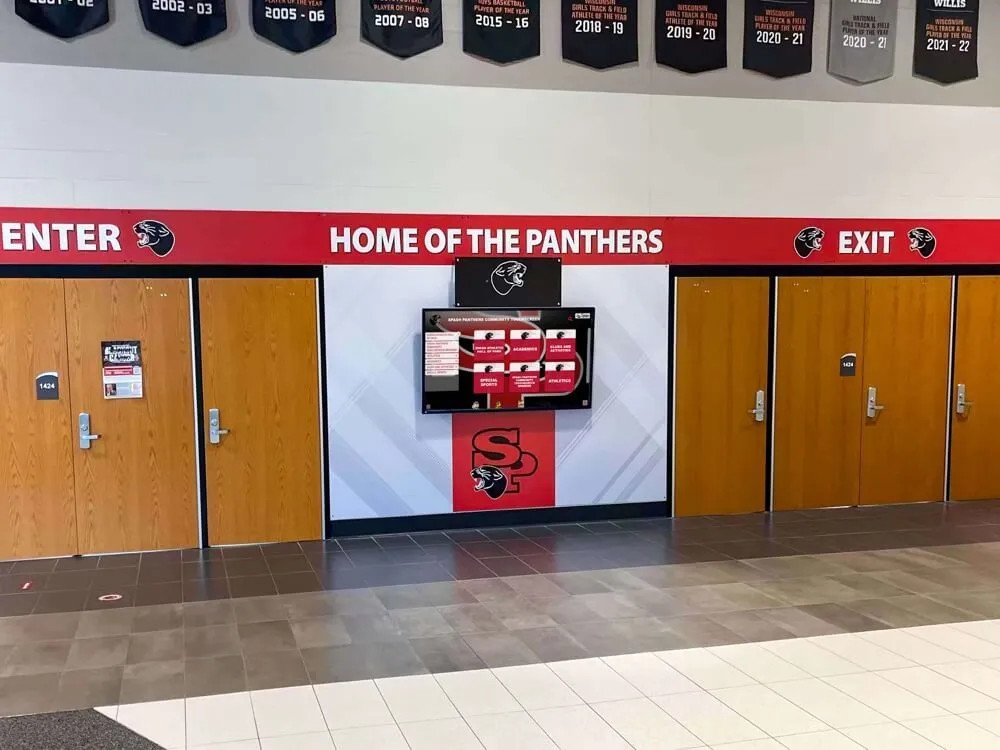
Strategic hallway displays ensure athletic recognition remains visible throughout school facilities
Facility and Resource Investment
Program infrastructure affects competitive potential:
- Championship-caliber weight rooms enabling strength development
- Modern locker facilities creating professional atmosphere
- Video analysis capabilities supporting comprehensive preparation
- Artificial turf fields providing superior practice surfaces
- Indoor practice facilities enabling year-round development
- Training room resources supporting athlete health and recovery
Programs with superior facilities gain advantages through enhanced development while signaling commitment that attracts serious athletes.
Coaching Excellence and System Continuity
Coaching quality represents perhaps the most significant competitive factor:
Successful Coaching Characteristics
Elite Pennsylvania football coaches typically demonstrate:
- System Consistency - Establishing offensive and defensive identities across seasons
- Staff Stability - Retaining quality assistant coaches through appropriate compensation
- Off-Season Development - Comprehensive strength and conditioning programming
- Game Preparation - Thorough opponent scouting and game planning
- Talent Evaluation - Identifying and developing players others overlook
- Relationship Building - Creating family atmospheres retaining athletes and parents
- Community Engagement - Building support systems sustaining programs financially
Successful programs demonstrate that coaching excellence can overcome resource limitations while mediocre coaching squanders even substantial advantages.
Program Building Timeline
Championship programs typically require multi-year development:
- Year 1-2: Culture establishment and system implementation
- Year 3-4: First district playoff success and competitive breakthrough
- Year 5+: Sustained excellence with championship contention expectations
- Years 10+: Established programs with self-sustaining excellence traditions
Understanding these timelines helps communities maintain patience during rebuilding while recognizing sustained excellence requires long-term coach retention.
Explore senior night recognition ideas for celebrating program leaders during their final seasons.
Youth Program Development and Feeder Systems
Long-term success requires comprehensive player development pipelines:
Effective Youth Football Structures
Programs with sustained excellence typically feature:
Organized Youth Leagues
- Flag football programs introducing fundamentals to elementary ages
- Tackle football beginning at appropriate developmental stages
- Consistent coaching teaching high school system concepts
- Equipment and facility access enabling proper skill development
- Safety protocols and proper technique instruction
- Parent education about athletic development pathways
Middle School Program Integration
- Coordinated curriculum teaching high school offensive and defensive schemes
- Strength and conditioning introduction preparing athletes for varsity demands
- Position-specific skill development identifying athlete strengths early
- Competitive scheduling preparing athletes for high school intensity
- Coaching continuity as athletes progress through levels
These comprehensive development systems create competitive advantages by ensuring freshman athletes arrive at high school with foundational skills and system familiarity enabling immediate contribution.
Preserving Pennsylvania Football Rankings and Achievements
Competitive success deserves recognition matching its significance and impact on program identity.
Documenting Ranking Histories Comprehensively
Complete program documentation includes ranking context beyond championship outcomes alone:
Weekly Ranking Archives
Comprehensive documentation preserves competitive context:
- Season-by-season ranking progressions showing improvement trajectories
- Peak ranking achievements and classification-leading performances
- Unranked-to-ranked breakthroughs demonstrating program building success
- Sustained ranking streaks showing consistent excellence across multiple seasons
- Comparison to district and statewide competition providing achievement context
- Media recognition and feature stories highlighting program achievement
- Historical ranking comparisons across different eras and competitive structures
This comprehensive documentation enables future generations to understand not just championship years but sustained competitive excellence requiring consistent performance across full seasons.
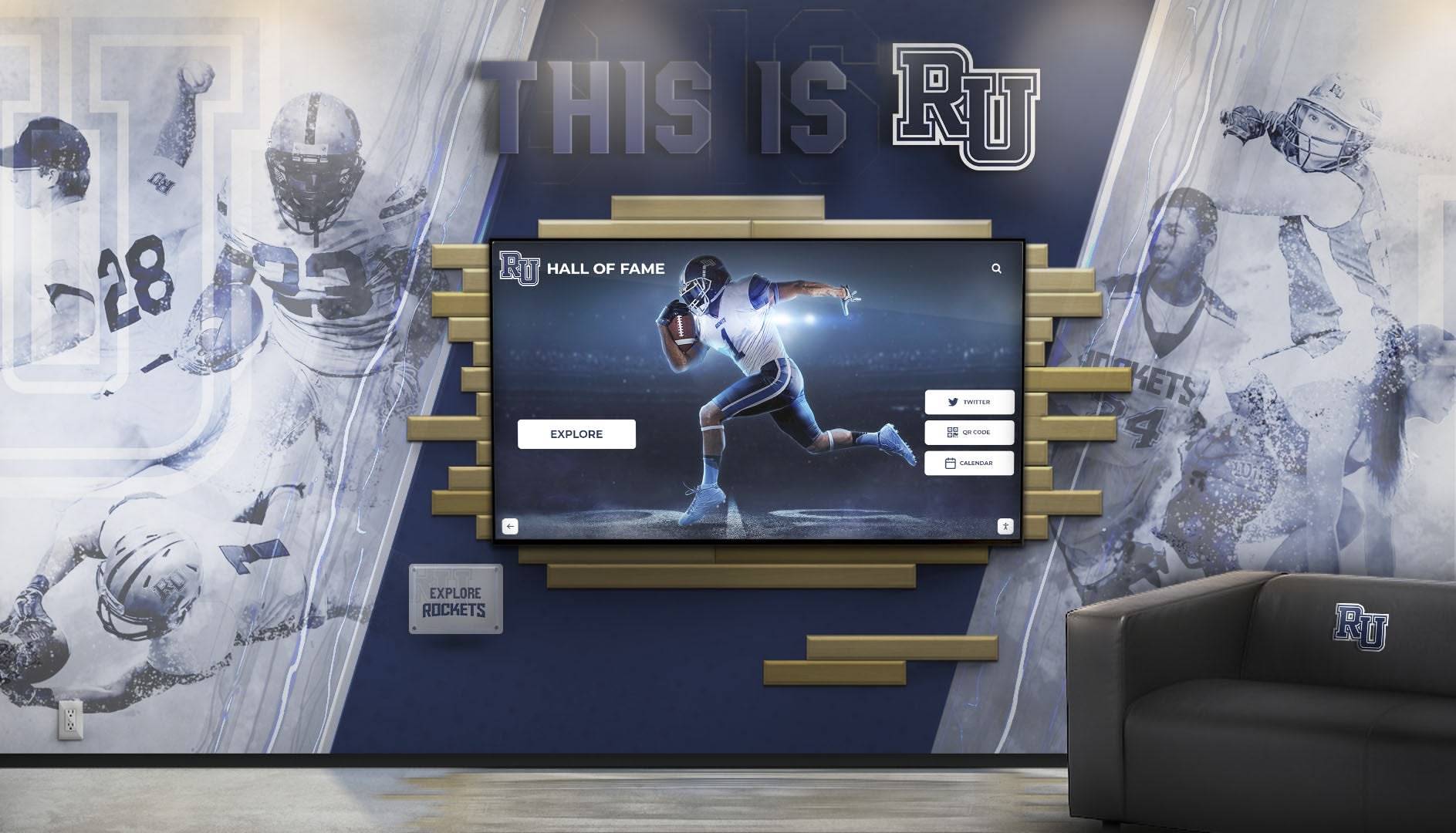
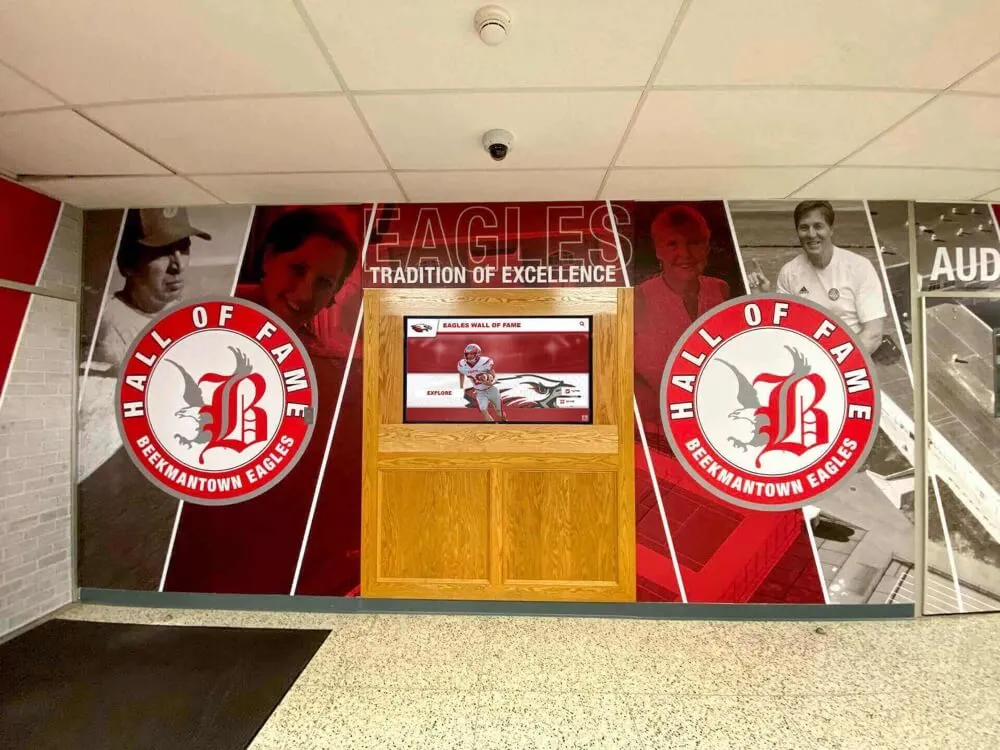
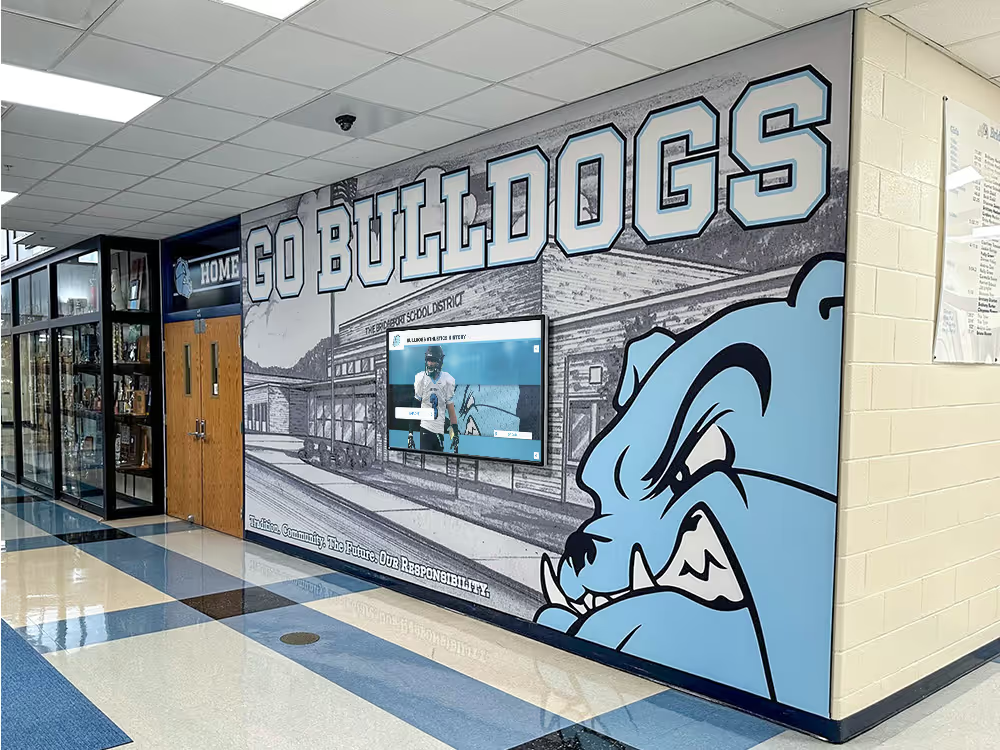
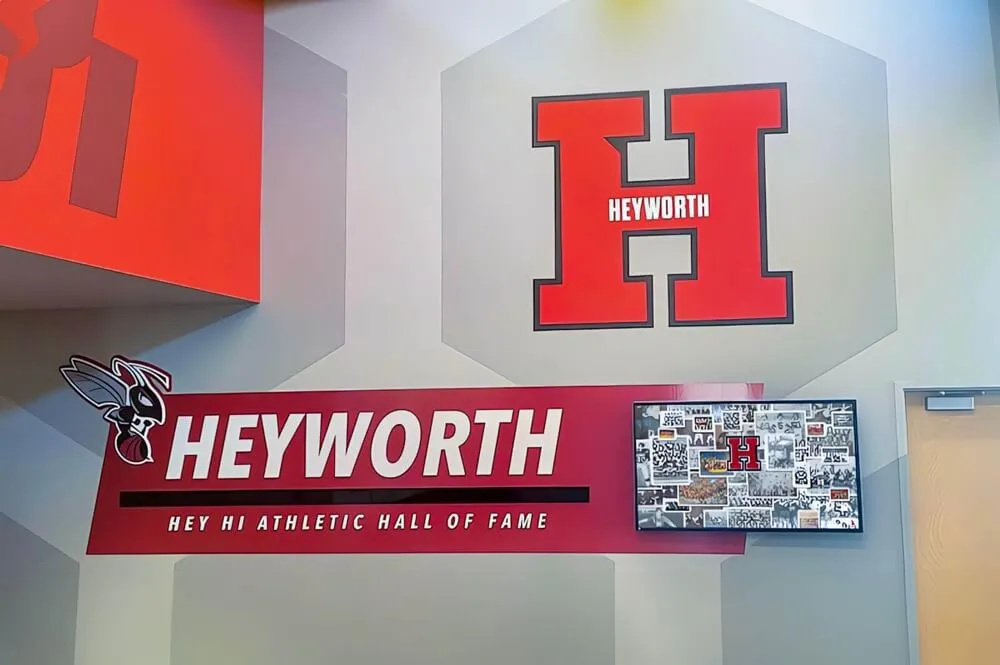
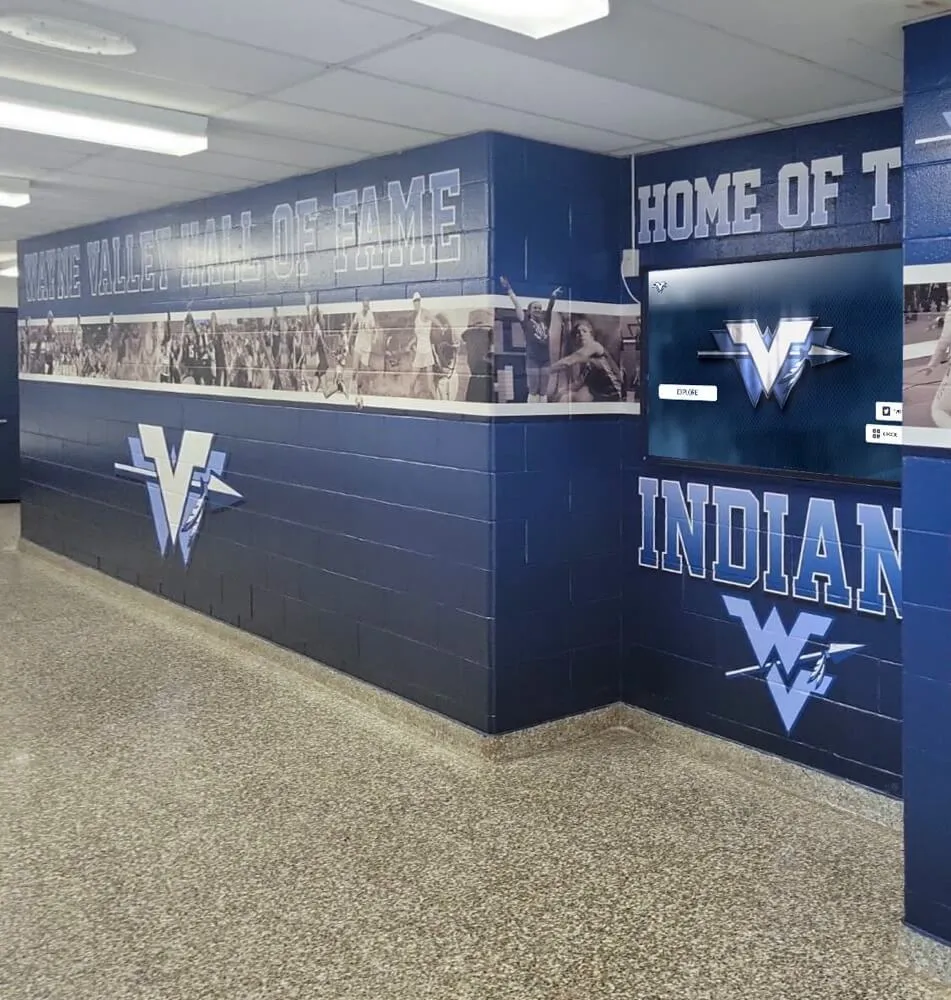
Integrated murals and digital systems create impressive recognition environments celebrating football traditions
Championship and Playoff Documentation
Tournament success requires systematic preservation:
- District playoff bracket progressions and seeding information
- Game-by-game results with scores and statistical leaders
- Championship game details preserving historic victories
- State playoff performance and advancement documentation
- Upset victories and defining program moments
- Statistical records set during championship runs
- Coach and player awards earned during successful seasons
Learn about track and field achievement displays that provide frameworks applicable to football recognition systems.
Individual Achievement Recognition
Program success includes individual excellence deserving celebration:
All-State and All-District Selections
Systematic individual recognition includes:
- Annual all-district team selections by position
- PIAA all-state recognition at first and second team levels
- Academic all-state selections honoring student-athletes
- District and state player of the year awards
- Position-specific honors (best lineman, defensive player, etc.)
- Career statistics and school records set by honorees
- College recruitment outcomes and signing day celebrations
Athletic directors implementing comprehensive individual recognition report that detailed documentation strengthens recruiting by demonstrating program success in developing college-level talent.
College Placement and Professional Achievement
Post-high school success reflects program quality:
- College signing lists documenting recruitment success
- Scholarship totals demonstrating college interest and program quality
- Division I, II, III, and NAIA placement patterns
- Professional achievement by alumni (NFL, CFL, coaching careers)
- Academic achievement at collegiate level
- Notable career accomplishments beyond athletics
This documentation demonstrates program value extends beyond high school championships through comprehensive athlete development preparing students for success at next competitive levels.
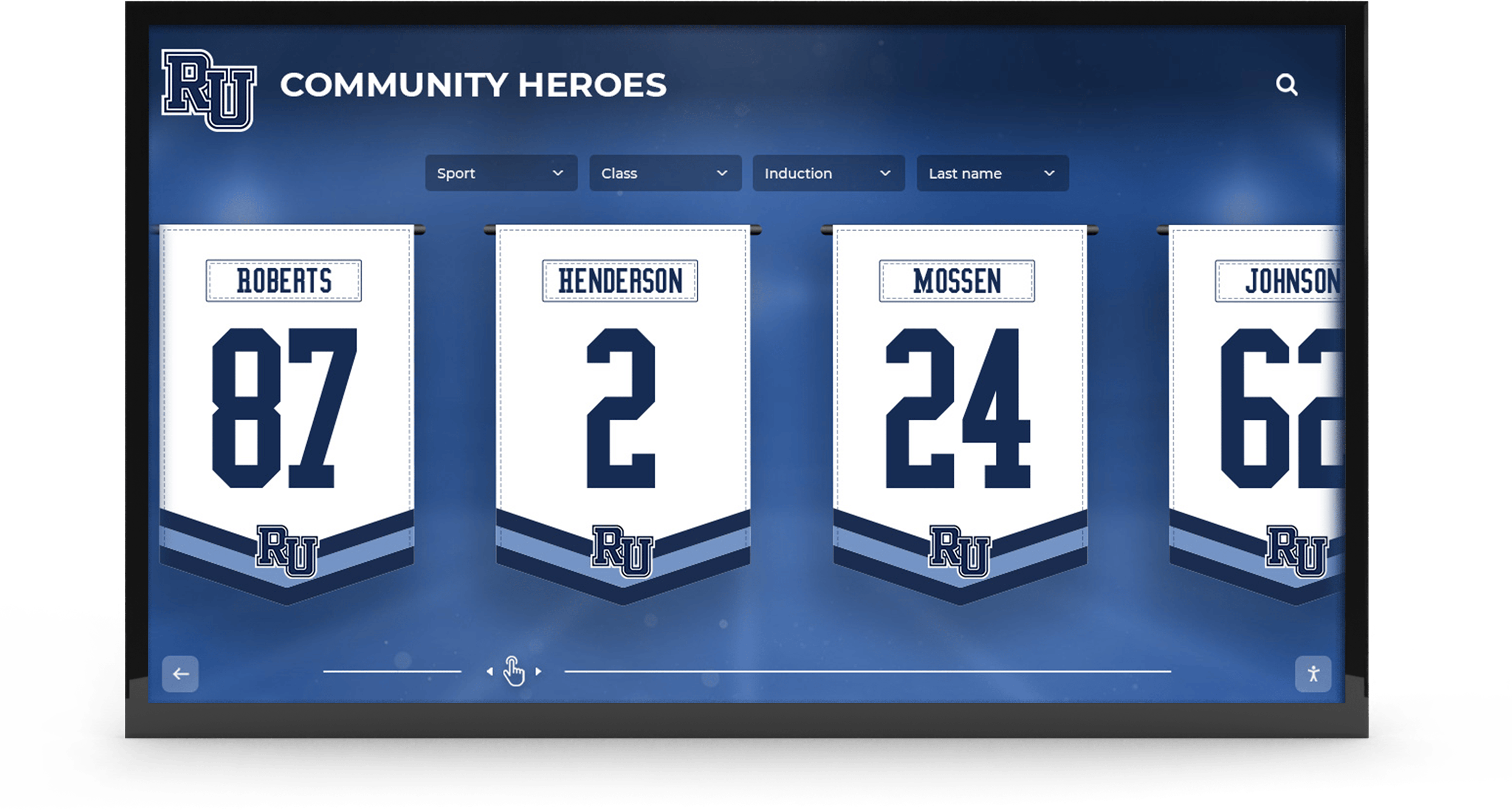
Digital banners showcase athlete achievements with professional presentation quality
Digital Recognition Systems for Football Excellence
Modern platforms overcome traditional recognition limitations:
Unlimited Archive Capacity
Digital systems eliminate space constraints entirely:
- Every season’s ranking history throughout program existence
- All classifications competed in as schools change enrollment levels
- Complete playoff bracket documentation across decades
- Individual athlete profiles with comprehensive achievement details
- Photo galleries from championship seasons and defining games
- Video highlights preserving memorable moments and historic victories
- No physical space limitations requiring selective recognition
Athletic directors implementing digital football recognition consistently report that unlimited capacity represents the most valuable benefit—enabling genuinely comprehensive documentation rather than forced prioritization based on wall space availability.
Solutions like Rocket Alumni Solutions provide purpose-built platforms specifically designed for athletic recognition and championship documentation, combining intuitive management with unlimited archive capacity ensuring every achievement receives appropriate preservation.
Interactive Exploration Features
Digital platforms enable engaging content access:
- Year-by-year season browsing with complete rosters and results
- Player name search revealing individual career statistics
- Championship filter showing only title-winning seasons
- All-state selection archives with searchable athlete databases
- Opponent record tracking showing historical matchup results
- Statistical leader boards across program history
- Comparative analysis tools showing achievement context across eras
Research indicates visitors engage with interactive football displays for 8-12 minutes on average compared to brief glances at static plaques—creating significantly deeper connections to program histories.
Real-Time Season Updates
Cloud-based platforms enable immediate documentation:
- Weekly ranking updates reflecting current competitive standing
- Game result posting within hours of competition completion
- Statistical leader updates throughout active seasons
- Social media integration amplifying achievement celebrations
- Mobile access enabling updates from game locations
- Automatic website synchronization maintaining consistency
- 75-85% less time required versus manual update processes
This real-time capability keeps recognition platforms current throughout active seasons while requiring minimal administrative burden—enabling staff to focus on supporting programs rather than managing recognition logistics.
Strategic Display Placement and Community Engagement
Effective football recognition requires visibility and community accessibility.
High-Impact Display Locations
Strategic placement ensures maximum program and community exposure:
Stadium and Athletic Facility Primary Locations
Football displays belong where communities gather for competition:
- Stadium concourse areas greeting all game attendees
- Locker room corridors reinforcing competitive standards for athletes
- Weight room and training facility spaces
- Football coaches’ office suites
- Athletic director administrative areas
- Visiting team pathways showcasing program excellence
- Press box and media areas documenting competitive history
Placement in football-specific locations creates thematic consistency while ensuring athletes, coaches, and football community members regularly encounter recognition during normal facility usage.
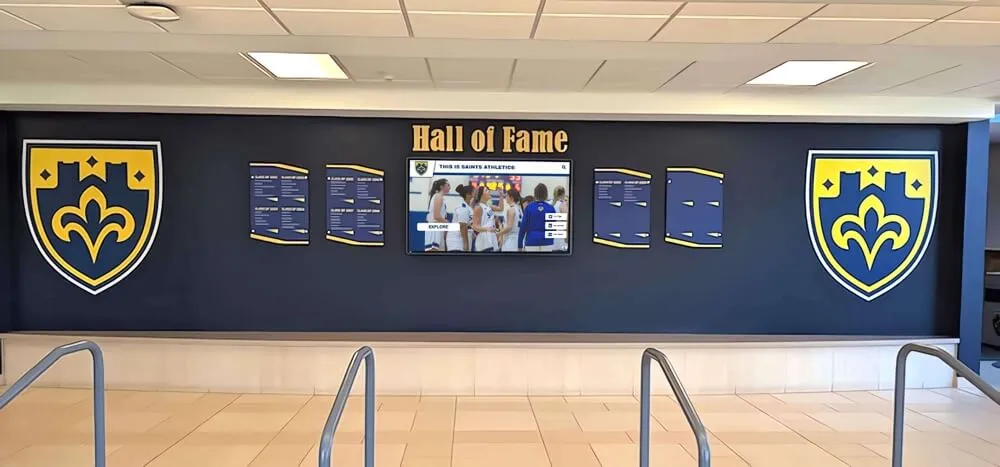
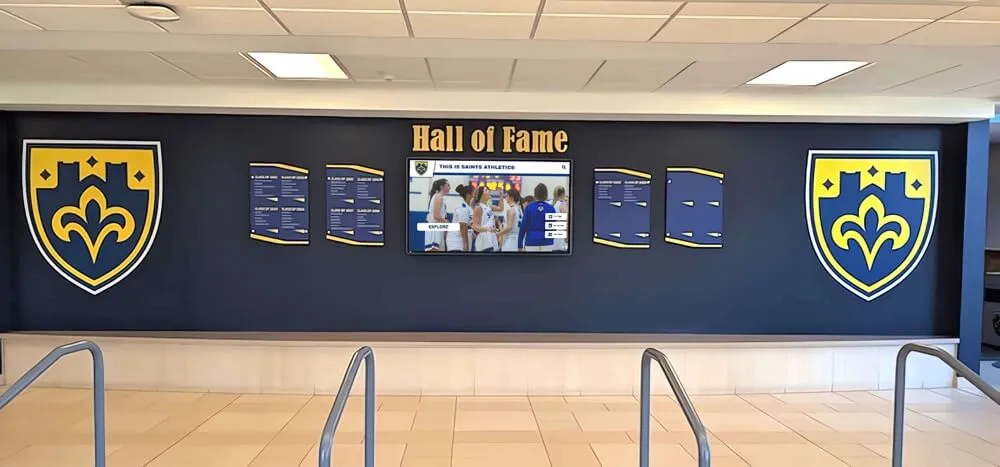
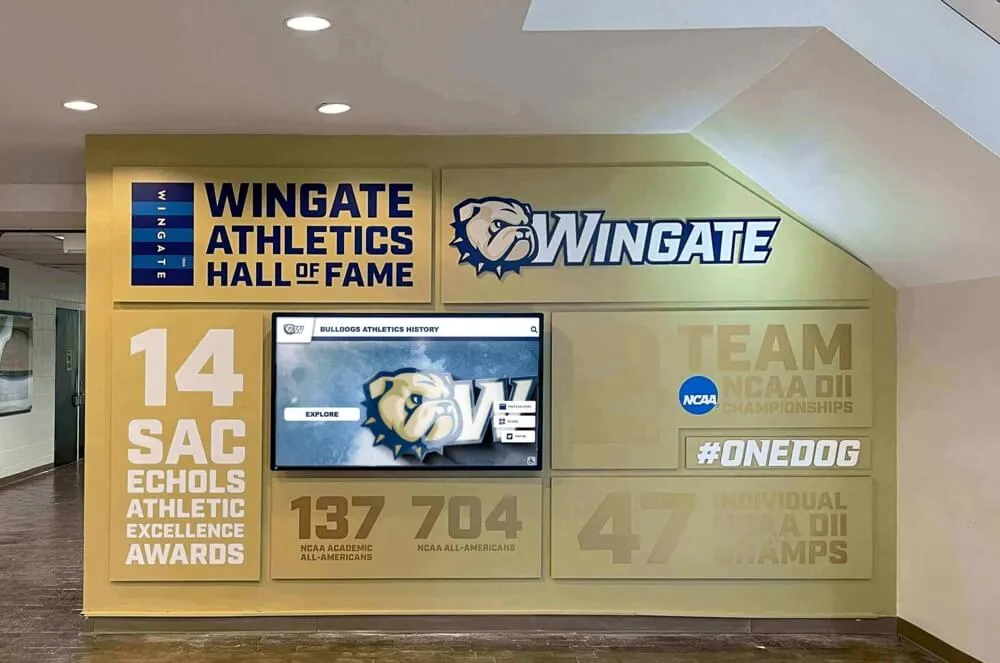
Traditional shield displays with digital integration create impressive championship recognition walls
School-Wide Strategic Placement
Extending football visibility beyond athletic spaces:
- Main school entrance lobbies reaching all students and visitors
- Cafeteria and commons areas during peak student traffic
- Media center locations enabling research access
- Administrative office areas welcoming community visitors
- School board meeting rooms demonstrating athletic excellence
- Athletic academic center if dedicated football study spaces exist
Understanding digital trophy case concepts helps programs maximize football documentation visibility and community impact.
Championship Celebration Events
Major achievements deserve ceremonial recognition beyond season-ending banquets:
Post-Season Recognition Programs
Formal acknowledgment amplifies championship success:
- School assembly presentations celebrating district and state championships
- Community celebration events recognizing playoff achievements
- Championship banner unveiling ceremonies
- Media day events showcasing recognition displays
- Ring or championship merchandise presentations
- End-of-season awards incorporating playoff performance honors
These celebrations demonstrate institutional appreciation for competitive excellence while creating memorable experiences for athletes, coaches, and communities surrounding championship achievements.
Alumni Engagement Through Football History
Historical documentation strengthens former player connections:
- Reunion programming featuring championship team recognition
- Alumni game attendance with special recognition events
- Social media throwback content during football seasons
- Email campaigns highlighting historical championship anniversaries
- Anniversary celebrations of significant program milestones
- Fundraising appeals connecting to championship tradition building
Alumni engagement increases measurably when programs provide accessible football history, as former players enjoy revisiting championship memories and sharing program experiences with family members.
Recruiting and Program Marketing Through Rankings
Documented excellence provides strategic advantages in competitive athlete recruitment.
Tournament History in Football Recruitment
Championship tradition influences prospective athlete decisions significantly:
Demonstrating Competitive Excellence
Ranking documentation provides compelling evidence:
- Consistent top-25 state rankings showing program stability
- District championship achievements demonstrating competitive quality
- State playoff runs indicating elite program status
- Classification dominance showing sustained competitive advantage
- Historical context revealing tradition and championship expectations
- Coach playoff track record throughout career
- College placement success demonstrating athlete development quality
Recruiting research indicates that prospective football players rate championship tradition and ranking history among the top factors influencing school selection, as sustained rankings demonstrate program quality more compellingly than single-season success alone.
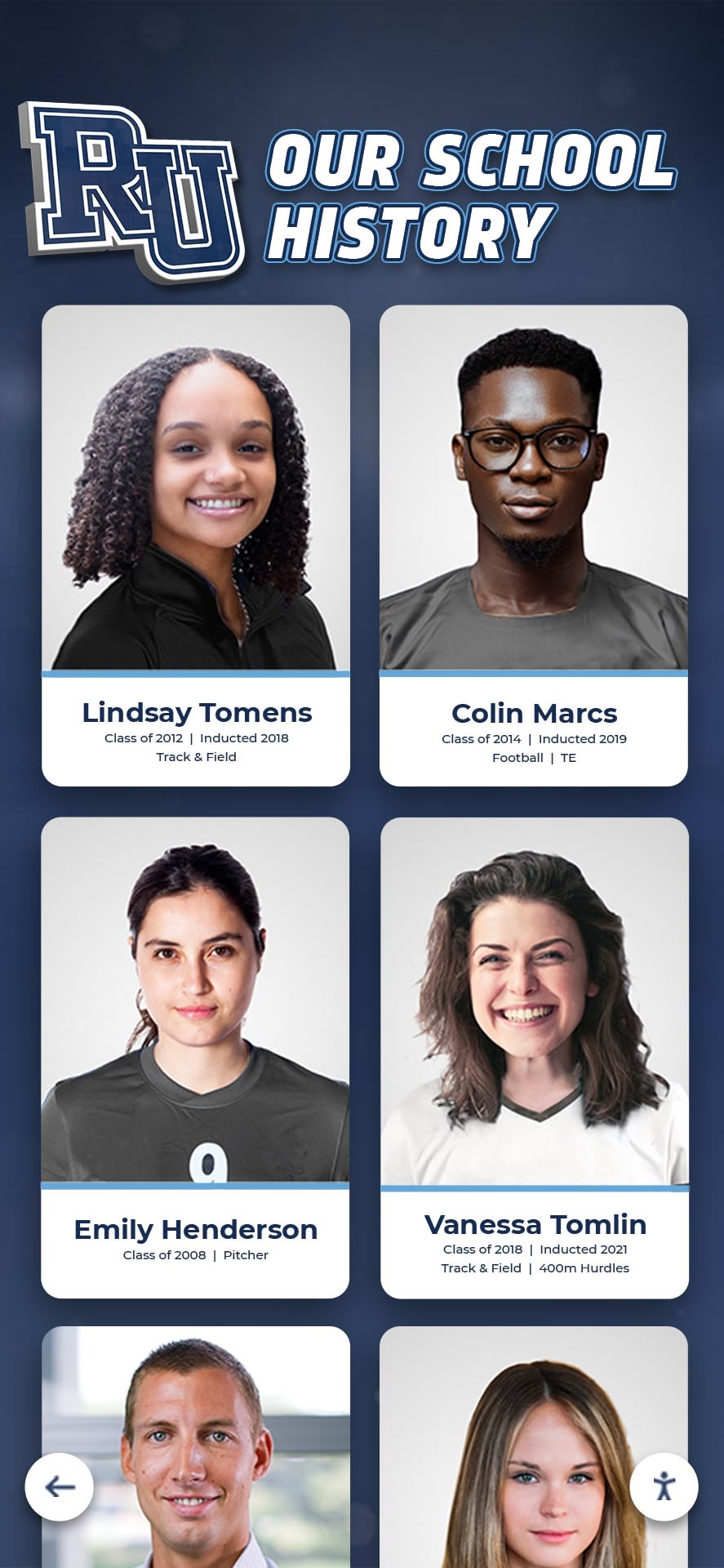
Portrait card displays showcase athlete achievements with consistent professional presentation
Campus Visit Integration
Leverage recognition during recruiting:
- Prominent displays visible during facility tours
- Interactive exploration enabling recruit engagement
- Championship storytelling during athletic department presentations
- Alumni athlete connections to program tradition
- Coach discussion of championship culture and expectations
- Community passion demonstration through historical celebrations
- Video highlight presentations in premium meeting spaces
Learn about creating collegiate experiences that attract competitive athletes to Pennsylvania programs.
Community Support and Booster Engagement
Visible football success strengthens program financial backing:
Donor Support Cultivation
Recognition influences fundraising effectiveness:
- Evidence of competitive excellence justifying program investment
- Championship tradition demonstrating resource effectiveness
- Program pride creating emotional connection to athletics
- Visible recognition showing appreciation for donor contributions
- Legacy giving opportunities connected to championship achievements
- Capital campaign appeal through facility upgrade needs
Programs with prominent ranking and championship displays report measurably stronger donor engagement, as visible competitive success demonstrates that program investment produces results while celebrating supporter contributions to excellence pursuit.
Community Identity and Pride
Football achievements strengthen civic connections:
- Local community pride in statewide recognition
- Regional identity connected to football excellence
- Multi-generational family program participation
- Business and organization support through sponsorship
- Media coverage amplifying community awareness
- Social cohesion through shared championship celebrations
Understanding school culture building helps programs leverage football success for broader community strengthening.
Special Pennsylvania Football Considerations
State-specific factors affect recognition and documentation approaches.
PIAA Classification Changes and Historical Context
Pennsylvania’s six-classification system requires careful historical documentation:
Tracking Programs Across Classifications
Enrollment-driven classification creates complexity:
- Schools moving classifications as populations change
- Competitive context varying significantly by classification level
- Historical achievements documented with appropriate classification notation
- Comparison notes explaining competitive differences between eras
- Era-specific playoff formats and structures requiring explanation
- Rule changes affecting competition across different time periods
Accurate classification tracking ensures historical recognition reflects appropriate competitive contexts—acknowledging that reaching state finals in Class 6A represents different achievement than similar success in Class 1A while honoring excellence at all levels appropriately.
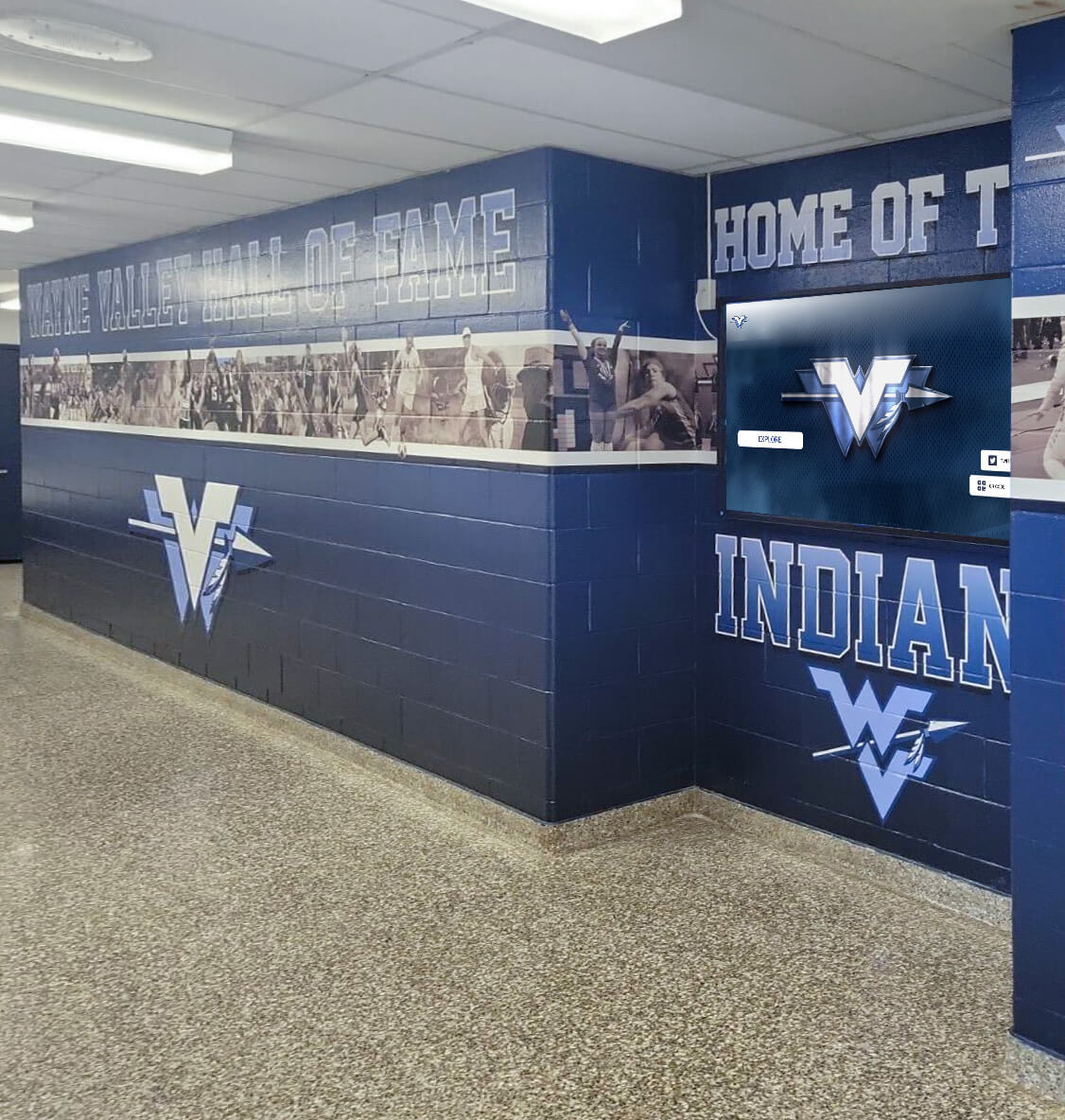
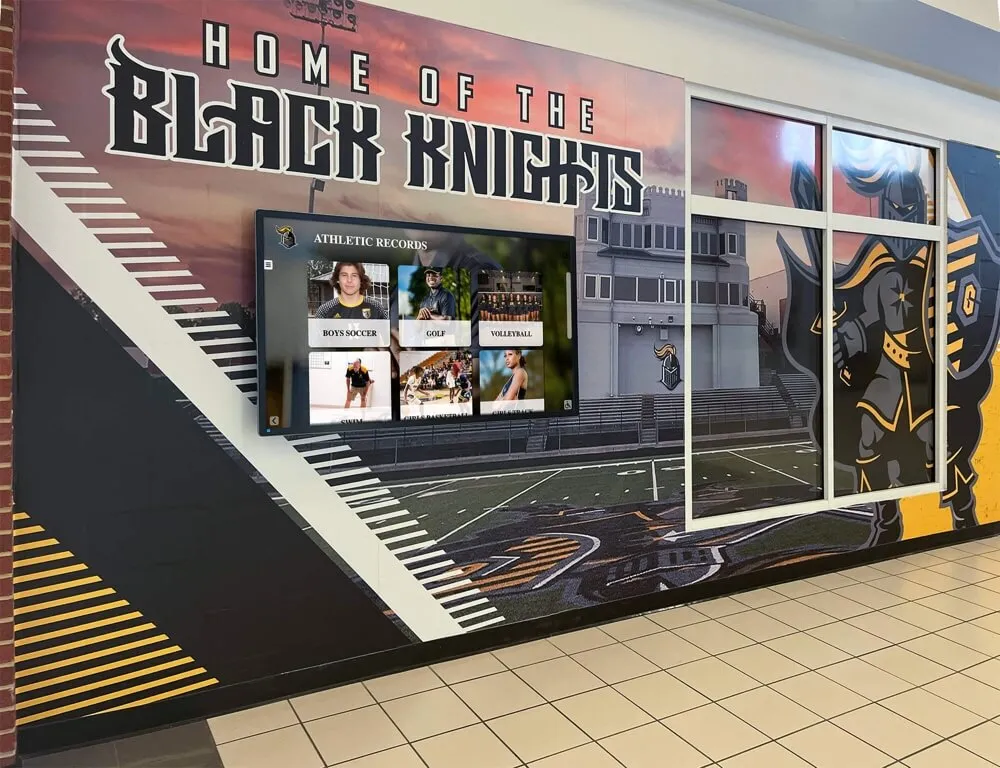
Comprehensive murals with integrated displays create impressive athletic recognition environments
District Competition and Regional Excellence
Pennsylvania’s district structure requires contextual recognition:
Inter-District Competitive Balance
District strength varies substantially across Pennsylvania:
- WPIAL (District 7) consistently producing top statewide programs
- District 1 featuring intense suburban Philadelphia competition
- District 3 representing south-central Pennsylvania excellence
- District 11 showcasing Lehigh Valley football tradition
- Smaller districts with fewer programs but concentrated excellence
Programs competing in stronger districts deserve recognition for difficulty even when playoff advancement proves challenging, while district dominance should be contextualized against statewide competitive strength.
Philadelphia Catholic League Excellence
The Catholic League represents unique competitive context:
- Private school structure enabling broader recruitment territories
- Historical dominance in statewide rankings and championships
- Resource advantages through tuition funding and donor support
- Traditional powers like St. Joseph’s Prep, La Salle, and Archbishop Wood
- Special considerations in recognition comparing public and private achievement
Understanding Catholic League context helps frame achievement appropriately while recognizing both public and private program excellence authentically.
Measuring Football Recognition Impact
Assessment demonstrates value while informing continuous improvement:
Engagement and Visibility Metrics
Quantify recognition program effectiveness systematically:
Digital Platform Analytics
Track content interaction comprehensively:
- Championship and ranking page view frequency and duration
- Search queries revealing audience interests and priorities
- Most-viewed seasons and athlete profiles
- Geographic reach of web platform access
- Social media engagement and content sharing patterns
- Peak usage timing during active football seasons and off-seasons
Schools implementing comprehensive football recognition report 7-12 times higher engagement with digital platforms compared to simple athletic information websites, as compelling championship documentation encourages extended exploration.
Community Awareness Assessment
Evaluate broader recognition impact:
- Student and community member program history knowledge
- Recruit awareness of championship tradition during campus visits
- Alumni connection to program through recognition engagement
- Media references to recognition systems in coverage
- Donor conversations mentioning competitive excellence
- Social media amplification of championship content
Program Impact Indicators
Connect recognition to strategic outcomes:
Athletic Culture Development
Assess internal program effects:
- Athlete awareness of championship expectations and tradition
- Coach references to historical achievements during preparation
- Team goal-setting informed by ranking and championship standards
- Competitive confidence from visible championship tradition
- Program pride and identity strength
- Multi-sport impact from football recognition excellence
Understanding national student athlete recognition approaches provides frameworks for measuring cultural impact comprehensively.
Recruitment and Program Growth
Track external strategic benefits:
- Prospective athlete inquiries and campus visits
- Commitment decisions referencing championship tradition
- Competitive level and quality of recruited athletes
- Roster depth and multi-year program building success
- Community support growth and financial engagement
- Regional and state program reputation enhancement
Athletic directors report that comprehensive football recognition significantly influences recruiting outcomes, particularly among competitive athletes conducting extensive research during school selection processes.
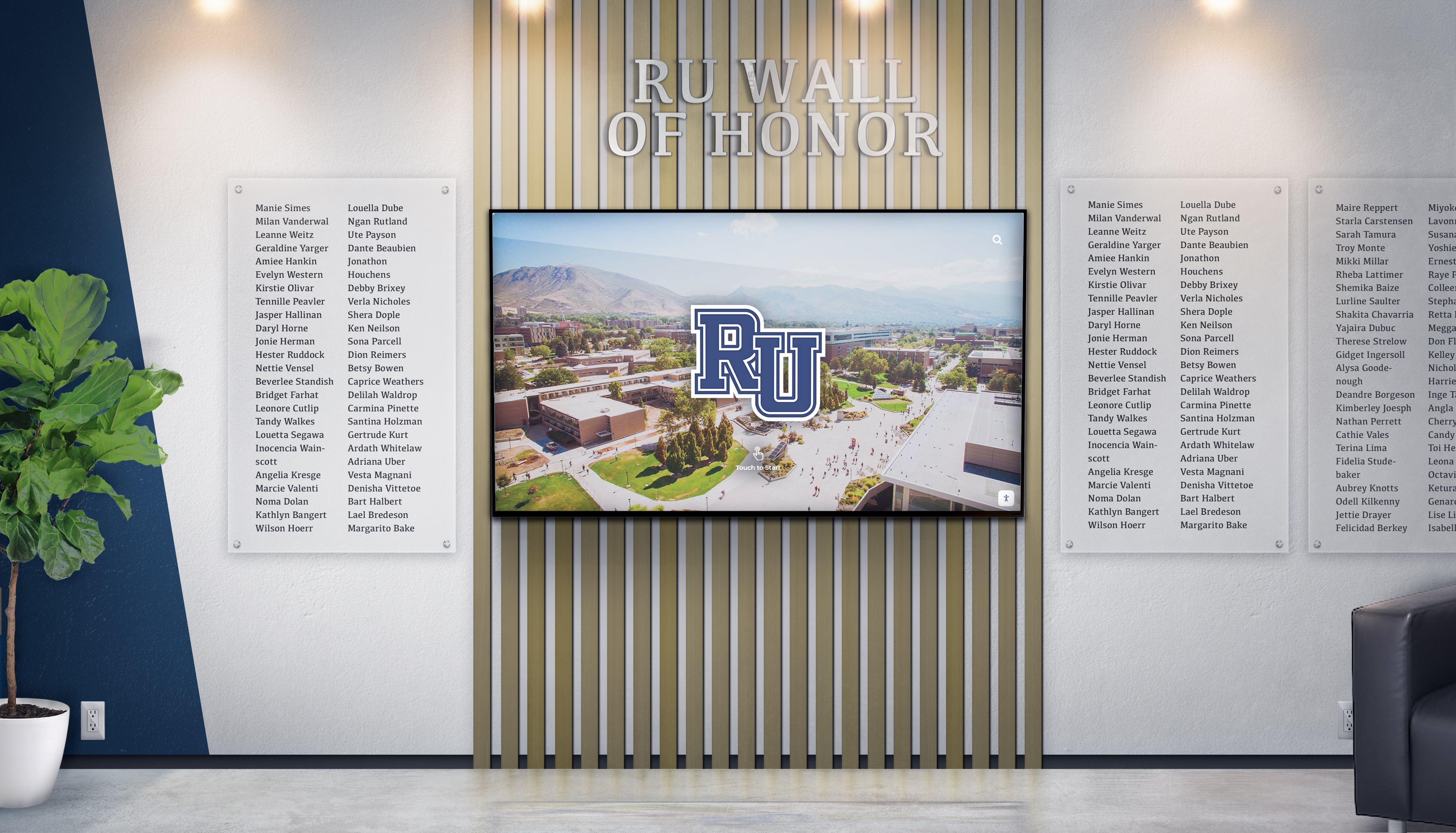
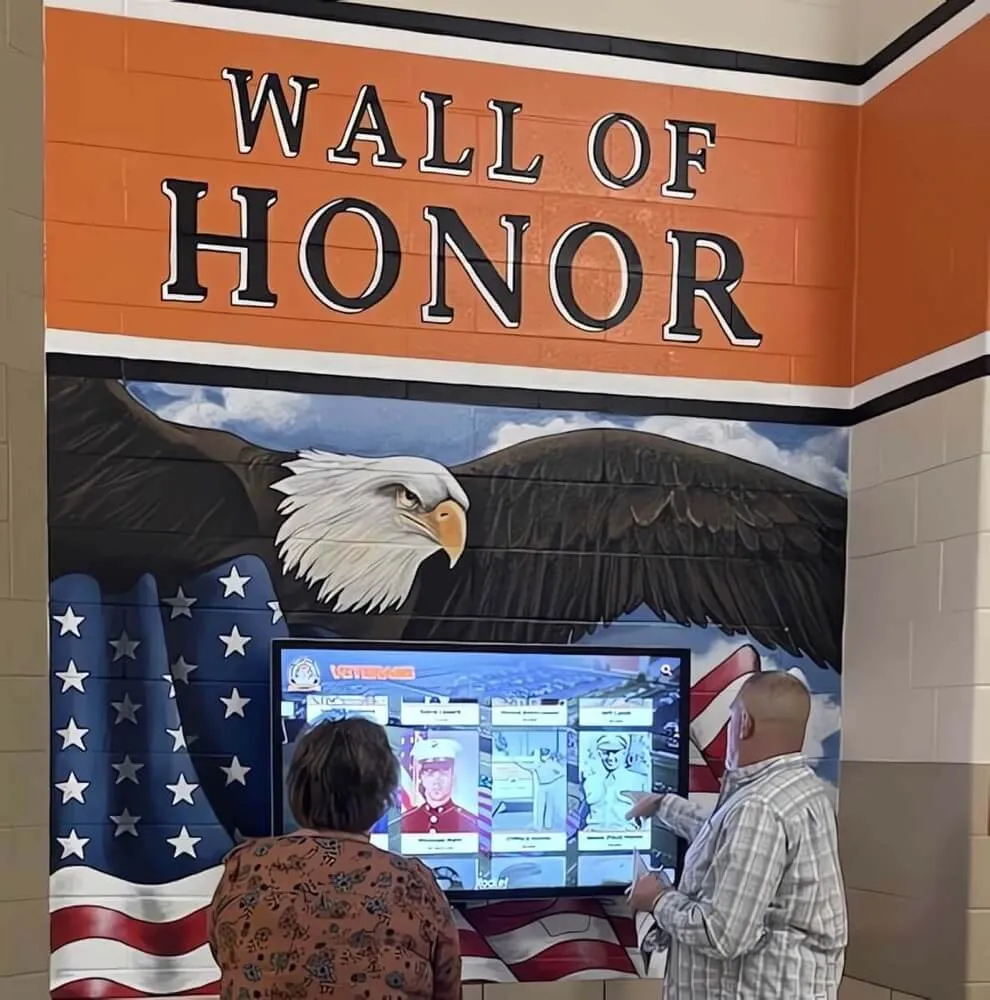
Integrated recognition systems preserve football traditions while celebrating broader athletic excellence
Conclusion: Honoring Pennsylvania Football Excellence
Pennsylvania high school football rankings capture competitive achievement across one of America’s most tradition-rich scholastic football landscapes—requiring sustained excellence through challenging classification systems, district competitions, and state playoff structures that test program depth, coaching quality, and competitive resilience throughout demanding seasons. Programs achieving top rankings demonstrate consistent excellence extending far beyond individual talented classes, representing sustained commitment to championship pursuit from coaches, athletes, and communities supporting program building across decades.
Yet too many ranking achievements and championship traditions fade into forgotten memory within years—documentation disappears, competitive contexts become unclear, and the program building that required sustained effort receives inadequate lasting recognition. Athletic directors can transform this pattern by implementing systematic football documentation that preserves ranking histories, celebrates competitive excellence appropriately, and inspires future teams to pursue their own championship dreams.
Ready to preserve your football program’s competitive achievements through comprehensive recognition that appropriately honors championship pursuits? Modern digital platforms eliminate the space limitations and update complexity that prevent traditional approaches from documenting football history effectively. Solutions like Rocket Alumni Solutions provide purpose-built systems specifically designed for athletic recognition and championship display, combining unlimited historical capacity with intuitive management enabling real-time updates throughout active seasons while preserving complete football archives spanning decades of competitive excellence.
Whether your program boasts multiple state championships or celebrates breakthrough district playoff success, systematic football recognition demonstrates that competitive achievement receives lasting acknowledgment extending far beyond momentary celebration—building the championship culture and program pride that attracts competitive athletes and strengthens community support for generations to come.
Your football program’s competitive achievements represent years of dedication from athletes, coaches, and communities supporting championship pursuit. These accomplishments deserve recognition matching their competitive significance—comprehensive documentation preserving complete ranking histories, accessible platforms enabling community engagement with program traditions, and visible displays inspiring current athletes to add their own chapters to football legacies.
The most important factors aren’t budget size, technology sophistication, or historical championship count—they’re genuine commitment to honoring competitive excellence, systematic implementation ensuring consistent documentation, and sustained management keeping recognition current and inspiring throughout decades of program evolution. Every ranking achievement earned, every playoff victory secured, and every championship pursued deserves lasting acknowledgment. Begin building comprehensive football recognition today and create the lasting legacy your program’s competitive excellence truly deserves.
Explore additional resources about college football recognition to continue developing systems that celebrate Pennsylvania football traditions appropriately while inspiring future teams to pursue their own excellence.