



Oklahoma teacher retirement represents a significant life transition requiring careful financial planning, benefits navigation, and thoughtful recognition of decades-long service to students and communities. When educators approach retirement after 20, 30, or 40 years shaping young lives, they face complex decisions about timing, pension calculations, healthcare coverage, and post-retirement plans—while schools simultaneously need meaningful ways to honor these career educators whose contributions deserve celebration extending beyond gold watches and brief retirement parties.
Yet many Oklahoma teachers struggle with retirement planning due to confusing pension formulas, uncertainty about healthcare options after leaving employment, questions about optimal retirement timing, and inadequate information about how career decisions impact lifetime benefits. Meanwhile, schools often provide minimal recognition for retiring educators, missing opportunities to celebrate legacies, preserve institutional knowledge, and inspire current staff by honoring distinguished careers meaningfully. Generic retirement parties lasting an hour provide insufficient acknowledgment for decades of student impact.
This comprehensive guide explores Oklahoma teacher retirement from two essential perspectives: practical financial planning helping educators maximize benefits and make informed decisions, plus recognition program strategies enabling schools to honor retiring teachers appropriately while preserving their legacies through permanent digital displays that celebrate career contributions long after retirement dates.
Effective retirement planning and recognition extend beyond paperwork completion and cake at the final faculty meeting—they create systematic approaches ensuring teachers understand benefit options, optimize retirement timing, and receive meaningful celebration demonstrating genuine appreciation for careers dedicated to educating Oklahoma’s children.

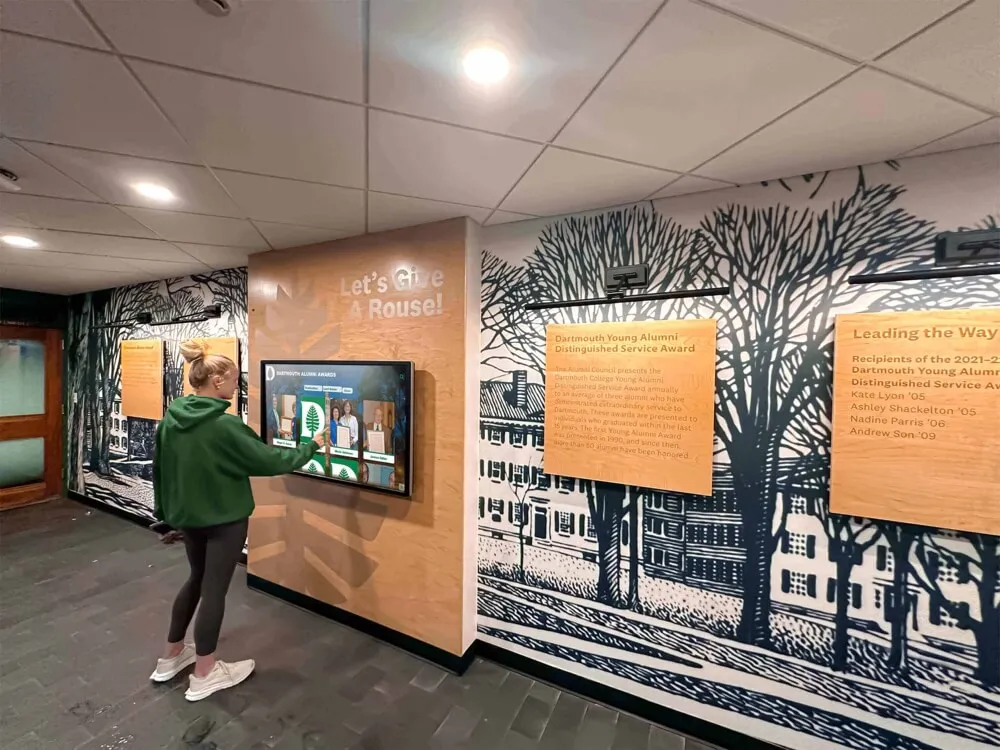
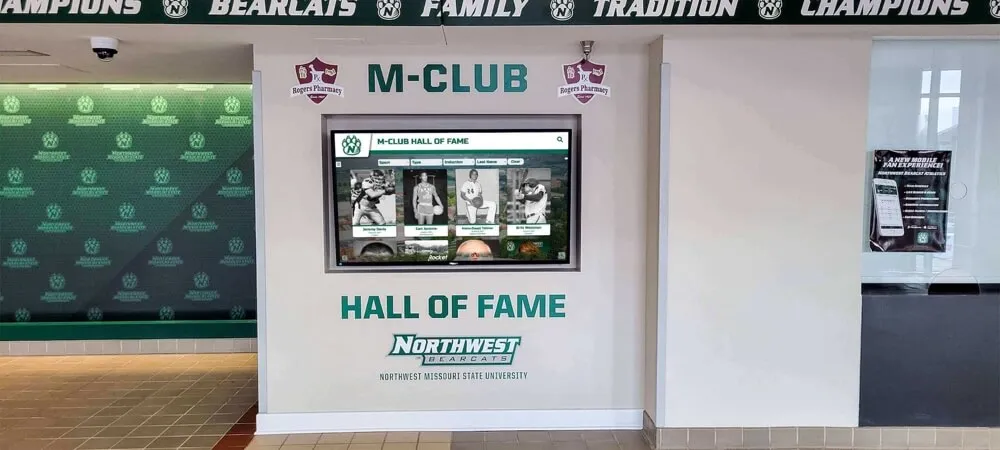
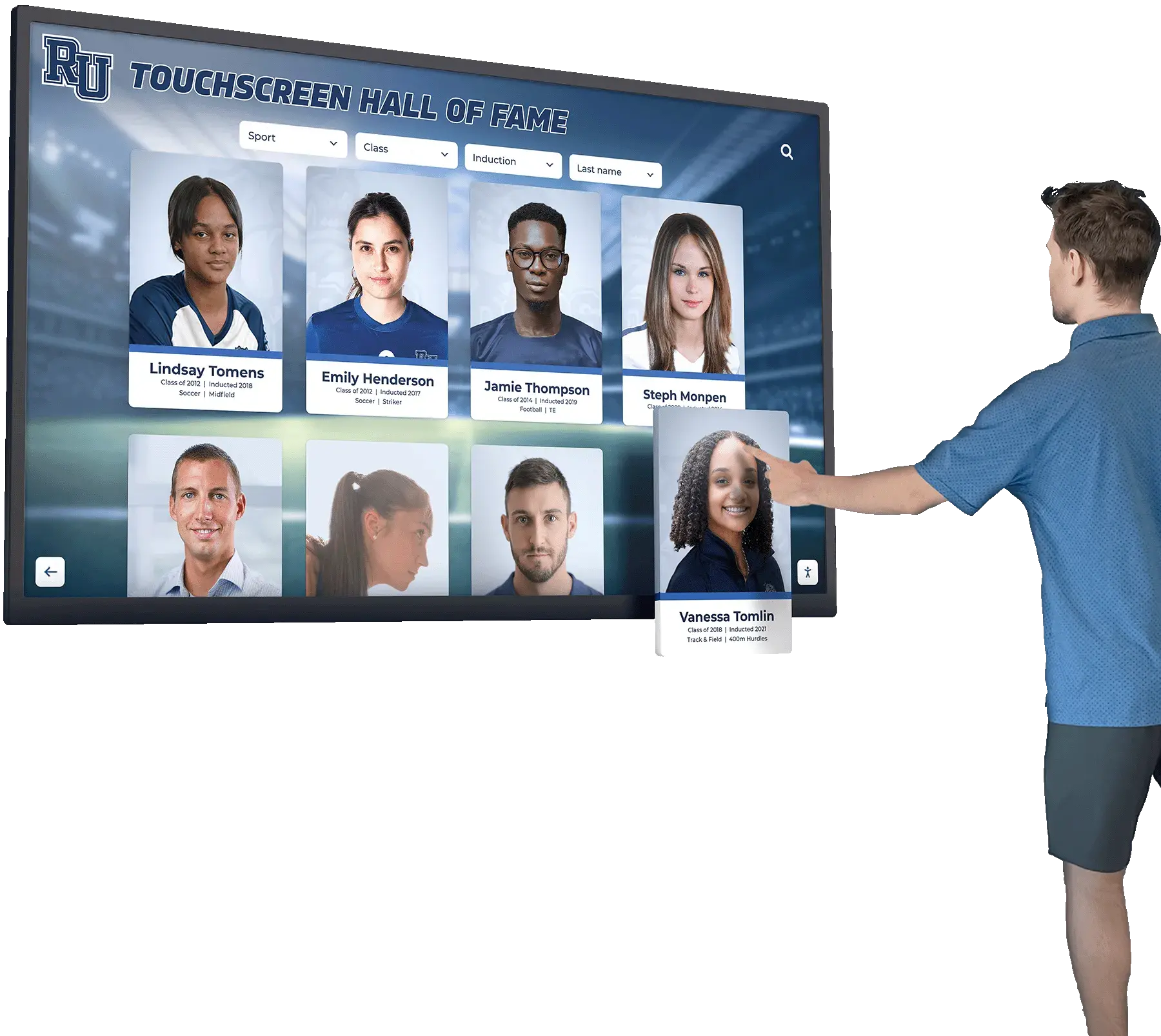
Digital recognition displays enable schools to permanently honor retiring educators' career contributions and decades of student impact
Understanding Oklahoma Teacher Retirement System (OTRS)
Oklahoma teachers participate in the Oklahoma Teacher Retirement System, one of the nation’s largest public pension systems serving over 90,000 active and retired education professionals across the state.
OTRS Membership and Eligibility
Automatic Membership Coverage
Oklahoma teachers become OTRS members automatically upon employment in covered positions:
- Public school teachers in all 539 Oklahoma school districts
- Education service center personnel
- State Department of Education employees
- Technology center instructional staff
- Higher education faculty at comprehensive universities and regional colleges
- Certain administrative and support positions in educational institutions
Membership begins immediately upon employment with contributions starting from the first paycheck. Teachers do not choose whether to participate—OTRS membership represents a mandatory condition of employment in covered education positions throughout Oklahoma.
Contribution Requirements
Both teachers and employers contribute to the retirement system:
- Employee Contribution: 7% of gross salary automatically withheld
- Employer Contribution: Districts contribute approximately 9.5% of salaries
- State Appropriations: Oklahoma Legislature provides additional funding
These contributions fund the defined benefit pension system providing guaranteed lifetime retirement income based on service years and salary history rather than investment performance affecting many private retirement accounts.
OTRS Pension Calculation Formula
Understanding how Oklahoma calculates teacher pensions helps educators plan retirement timing and estimate future income.
Standard Pension Formula
OTRS calculates monthly retirement benefits using this formula:
Years of Credited Service × 2.0% × Average of Highest Three Years Salary
For example:
- Teacher with 30 years service
- Average highest three years salary: $55,000
- Calculation: 30 × 2.0% × $55,000 = $33,000 annual pension ($2,750 monthly)
This formula means each additional year of service increases pension benefits by 2% of the final average salary, creating significant financial incentives for extended careers in Oklahoma education.

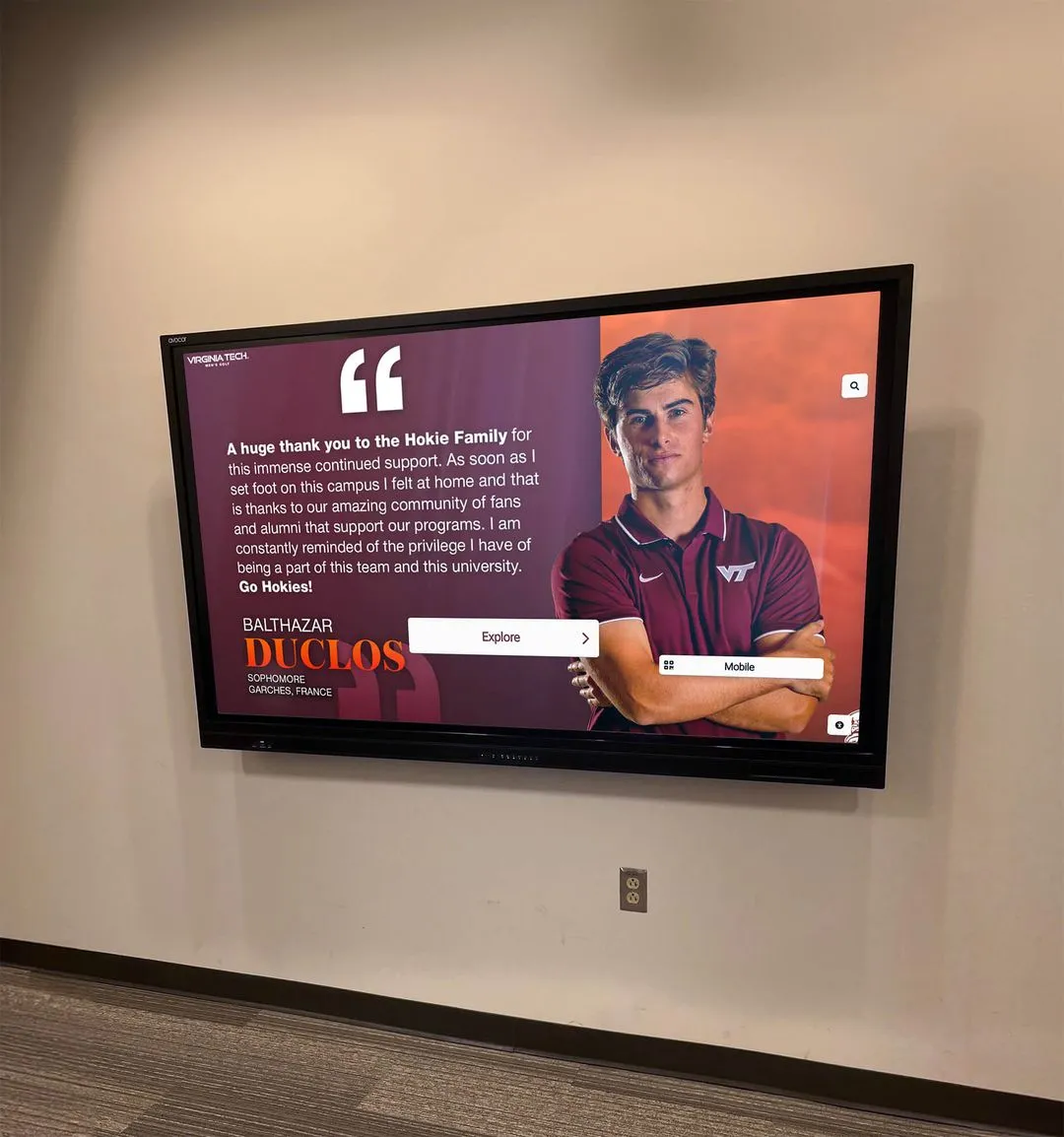
Interactive recognition kiosks enable comprehensive celebration of teacher careers including decades of service milestones
Final Average Salary Calculation
OTRS calculates benefits using the average of a teacher’s three highest-paid consecutive years, typically the final three years before retirement. This calculation method means:
- Salary increases during final years significantly impact lifetime benefits
- Teachers approaching retirement should carefully consider timing of salary freezes or reductions
- Extra-duty assignments and stipends during final years may substantially increase pensions
- National Board Certification bonuses contribute to final average calculations
Teachers can access personalized benefit estimates through the OTRS online member portal, providing projections based on current service and salary data.
Oklahoma Teacher Retirement Eligibility
OTRS offers multiple retirement options with different eligibility requirements and benefit levels.
Normal Retirement (Full Benefits)
Teachers qualify for unreduced retirement benefits under these conditions:
Rule of 90
- Combined age plus service years equals 90 or more
- Example: Age 60 with 30 years service (60+30=90)
- Example: Age 58 with 32 years service (58+32=90)
- Provides full pension benefits with no reductions
Age-Based Retirement
- Age 62 or older with at least 5 years service
- Provides full pension calculated on actual service years
- Useful for teachers entering education later in careers
These normal retirement options provide unreduced pension benefits for life, with optional survivor benefits continuing to spouses after teacher deaths.
Early Retirement Options
Teachers not meeting Rule of 90 or age 62 requirements can retire early with reduced benefits:
Age 55-61 with 10+ Years Service
- Eligible for early retirement with benefit reductions
- Reduction: 6% per year under age 62
- Example: Age 58 retirement reduces benefits by 24% (4 years × 6%)
- Reductions permanent for life, not removed at age 62
Age 50-54 with 20+ Years Service
- Eligible with steeper reductions
- Reduction: 9% per year under age 62
- Significant impact on lifetime benefits
- Generally advisable only for special circumstances
Early retirement creates permanent benefit reductions substantially impacting lifetime income, making careful consideration essential before electing these options.
Learn more about honoring career educators through comprehensive recognition that celebrates decades of student impact.
Disability Retirement Benefits
Teachers unable to continue working due to disability may qualify for special retirement provisions:
Eligibility Requirements
- 10 years of credited service
- Medical documentation of disability preventing teaching
- Approval from OTRS Medical Board
- Permanent and total disability determination
Disability Benefits
- Calculated using same formula as normal retirement
- Minimum benefit: 25% of final average salary
- Continues until recovery, death, or normal retirement age
- May receive cost-of-living adjustments

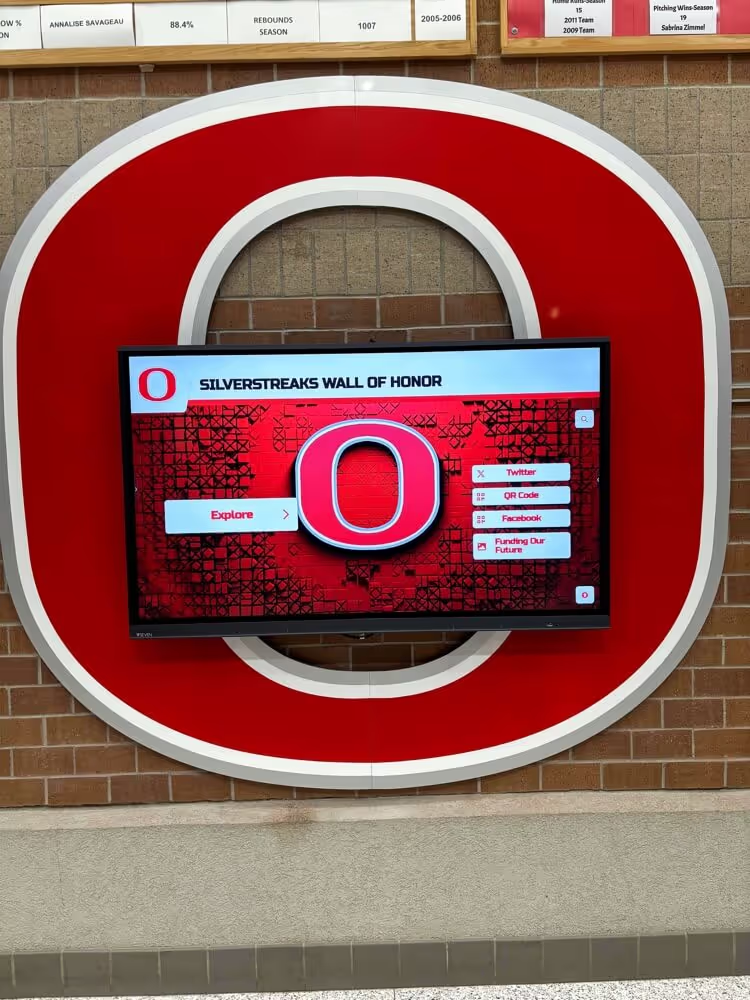
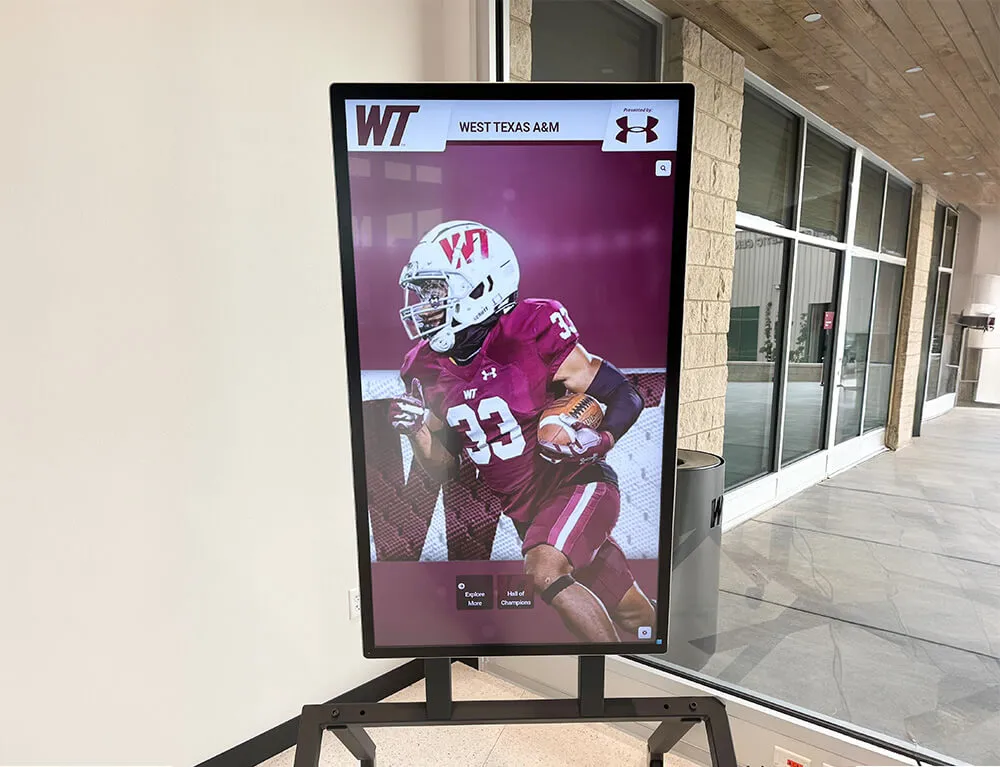
Individual recognition profiles celebrate specific career achievements and decades of classroom impact
Oklahoma Teacher Retirement Planning Timeline
Strategic planning years before retirement ensures smooth transitions and optimized benefits.
Five Years Before Retirement
Initial Planning and Assessment
Teachers should begin serious retirement planning approximately five years before target retirement dates:
Retirement Date Projection
- Calculate when you’ll meet Rule of 90 eligibility
- Determine if waiting for full benefits versus early retirement makes financial sense
- Consider personal factors: health, family needs, career satisfaction
- Project final average salary based on current trajectory and expected increases
Financial Assessment Beyond Pension
- Review Social Security earnings record and projected benefits
- Assess personal savings and retirement accounts (403b, IRA)
- Evaluate current debt and housing situations
- Calculate estimated retirement income from all sources
- Determine if projected income meets lifestyle needs
Benefits Education
- Attend OTRS retirement planning workshops
- Schedule initial consultation with OTRS benefits counselor
- Review member handbook and educational materials
- Understand healthcare options and coverage costs
- Learn about survivor benefit elections and costs
Professional Considerations
- Evaluate satisfaction with continued teaching
- Consider leadership opportunities or changed roles
- Assess professional development goals
- Determine if phased retirement options exist
This five-year planning horizon provides sufficient time to adjust strategies, increase savings if needed, maximize final salary periods, and make informed decisions without time pressure creating rushed choices.
Three Years Before Retirement
Detailed Financial Modeling
With retirement approaching, teachers should conduct comprehensive financial analysis:
Income Projection Development
- Obtain personalized OTRS benefit estimate
- Project Social Security benefits using SSA calculators
- Calculate total retirement income from all sources
- Develop monthly and annual budget for retirement
- Identify income gaps requiring additional planning
Healthcare Cost Analysis
- Research Medicare enrollment requirements and timing
- Evaluate TRS-Care supplemental insurance options
- Compare costs of continuing district insurance through COBRA
- Calculate healthcare premiums, deductibles, and out-of-pocket costs
- Plan for healthcare expenses before Medicare eligibility at 65
Debt Reduction Strategy
- Create plan to eliminate credit card debt before retirement
- Accelerate mortgage payments if financially beneficial
- Avoid major new debt commitments approaching retirement
- Refinance existing debt to reduce retirement costs
- Calculate impact of debt elimination on retirement income needs
Discover comprehensive approaches to celebrating career milestones and transitions through systematic recognition programs.
One Year Before Retirement
Formal Retirement Process Initiation
The final year before retirement requires specific actions and deadlines:
Official Retirement Application
- Submit formal retirement application to OTRS (90 days before retirement date recommended)
- Select retirement date (must be end of school year for most teachers)
- Choose payment option: maximum benefit vs. survivor options
- Designate beneficiaries for any residual benefits
- Complete all required documentation thoroughly
Final Salary Maximization
- Accept extra-duty assignments increasing final average salary
- Ensure National Board Certification bonuses apply to final years
- Work with districts to apply any available salary adjustments
- Verify accuracy of salary reporting to OTRS
- Understand that sick leave payouts may not affect pension calculations
Healthcare Transition Planning
- Notify district of retirement affecting health insurance
- Elect COBRA continuation if needed before Medicare
- Enroll in Medicare Parts A and B during initial enrollment period
- Research Medicare Supplement or Medicare Advantage plans
- Understand coordination between Medicare and any retiree health benefits
School Notification and Transition
- Provide formal notice to district meeting contract requirements
- Participate in institutional knowledge transfer
- Organize classroom materials and resources for successor
- Document curriculum, procedures, and institutional information
- Support smooth transition benefiting students and colleagues

Permanent digital recognition ensures retiring teachers' career contributions remain visible and celebrated long after retirement
Retirement Month Actions
Final Administrative Tasks
During the final months of teaching careers, complete these essential actions:
OTRS Final Steps
- Verify receipt and processing of retirement application
- Confirm all service credits accurately recorded
- Review final benefit calculation for accuracy
- Establish direct deposit for pension payments
- Understand timing of first pension payment (typically 30-60 days after retirement)
District Separation Process
- Return district property: keys, technology, instructional materials
- Complete exit interviews and surveys
- Settle any outstanding obligations or reimbursements
- Obtain documentation of employment history
- Request letters of recommendation if pursuing substitute or consulting work
Tax and Financial Considerations
- Adjust tax withholding for pension payments
- Understand state tax treatment of OTRS pensions (Oklahoma doesn’t tax pension income)
- Plan for federal tax obligations on pension income
- Review IRA or 403b distribution strategies
- Consult tax professional about retirement year complexities
Personal Transition Planning
- Develop routines and activities for retirement
- Strengthen social connections outside teaching
- Plan travel or projects long deferred during career
- Consider volunteer opportunities or part-time work
- Prepare emotionally for identity transition away from teaching
This systematic timeline ensures teachers complete all necessary preparations without overlooking critical steps affecting benefits or creating transition difficulties.
Healthcare Considerations for Oklahoma Retiring Teachers
Healthcare coverage represents one of the most significant retirement planning challenges for Oklahoma educators.
Understanding Medicare Enrollment
Medicare Eligibility and Enrollment
Oklahoma teachers become eligible for Medicare at age 65:
Medicare Part A (Hospital Insurance)
- Premium-free for most teachers with sufficient work credits
- Covers inpatient hospital care, skilled nursing, hospice
- Annual deductibles and coverage limits apply
- Enrollment required even if maintaining other insurance
Medicare Part B (Medical Insurance)
- Covers physician services, outpatient care, medical equipment
- Requires monthly premium (income-based, starting around $174.70 in 2026)
- Enrollment optional but recommended for most retirees
- Late enrollment penalties apply if not enrolled during initial eligibility
Initial Enrollment Period
- Begins 3 months before 65th birthday month
- Extends through birthday month plus 3 months after
- Missing this window creates coverage gaps and penalties
- Teachers retiring before 65 must plan carefully for gap coverage
Healthcare Options Before Medicare Eligibility
Teachers retiring before age 65 face coverage challenges requiring careful planning:
COBRA Continuation Coverage
- Extends district health insurance up to 18 months after retirement
- Teacher pays full premium plus 2% administrative fee
- Often expensive but provides comprehensive coverage continuation
- Useful bridge to Medicare for teachers retiring at 63-64
Private Health Insurance
- Purchase individual plans through Healthcare.gov marketplace
- May qualify for premium subsidies based on retirement income
- Compare carefully to COBRA costs and coverage
- Consider high-deductible plans paired with Health Savings Accounts
Spouse’s Employer Coverage
- Join working spouse’s employer health plan if available
- Retirement typically qualifies as “life event” enabling enrollment
- Compare costs and coverage to other options
- Coordinate benefits if both spouses have coverage options
Part-Time Work with Benefits
- Some retirees maintain health coverage through part-time employment
- Substitute teaching rarely provides benefits
- Consider other part-time positions offering health insurance
- Balance benefits value against work requirements and income impact
Teachers retiring significantly before 65 should budget $500-1,500 monthly for healthcare coverage during the Medicare gap years, depending on coverage choices and family situations.
Learn about comprehensive recognition programs celebrating career transitions and distinguished service.
Program Snapshot: Teacher Retirement Recognition Framework
| Program Element | Details |
|---|---|
| Recognition Scope | Celebrating all retiring teachers regardless of years of service, with enhanced recognition for career educators |
| Planning Timeline | Begin recognition planning 6-12 months before retirement date to ensure comprehensive celebration |
| Recognition Categories | Years of service milestones, student impact, curriculum innovation, mentorship, extracurricular contributions, community engagement |
| Celebration Formats | Retirement ceremonies, permanent digital displays, legacy projects, student tributes, community acknowledgment |
| Budget Considerations | $500-2,000 per retiree for comprehensive recognition including displays, ceremonies, and permanent tributes |
| Digital Recognition | Permanent touchscreen displays preserving career contributions, interactive profiles, photo galleries, video tributes |
| Legacy Preservation | Documenting teaching philosophy, collecting student testimonials, archiving career highlights, creating lasting tributes |
| Stakeholder Involvement | Current students, alumni, colleagues, administrators, families, community partners in recognition process |
| Sustainability | Systems enabling easy addition of future retirees to recognition displays without starting over each year |
Creating Meaningful Teacher Retirement Recognition Programs
While financial planning addresses practical retirement needs, recognition programs honor the human contributions and career legacies deserving celebration.
Why Teacher Retirement Recognition Matters
Demonstrating Organizational Appreciation
After 20, 30, or 40 years serving students, retiring teachers deserve recognition extending beyond perfunctory gold watches or brief faculty meeting acknowledgments. Meaningful retirement recognition communicates:
- Genuine institutional appreciation for decades of commitment
- Acknowledgment that individual teachers created lasting student impact
- Respect for sacrifices and challenges inherent in teaching careers
- Understanding that careers dedicated to education deserve special honor
Schools providing thoughtful retirement recognition strengthen relationships with all faculty by demonstrating that organizations value career-long contributions, not just immediate performance. Current teachers observe how institutions honor retirees, shaping their perceptions of whether their own eventual retirement will receive meaningful appreciation.
Preserving Institutional Knowledge and Legacy
Retiring teachers possess invaluable institutional knowledge, pedagogical wisdom, and historical memory that disappear when educators leave without systematic legacy preservation:
- Teaching strategies refined through decades of classroom experience
- Understanding of curriculum evolution and educational philosophy
- Relationships with generations of students, families, and community members
- Perspective on effective approaches and institutional challenges
- Cultural knowledge maintaining school traditions and identity
Recognition programs incorporating legacy documentation—recorded interviews, teaching philosophy statements, curriculum resource compilation, or mentorship of successors—preserve valuable knowledge benefiting future educators and maintaining connections between institutional past and present.
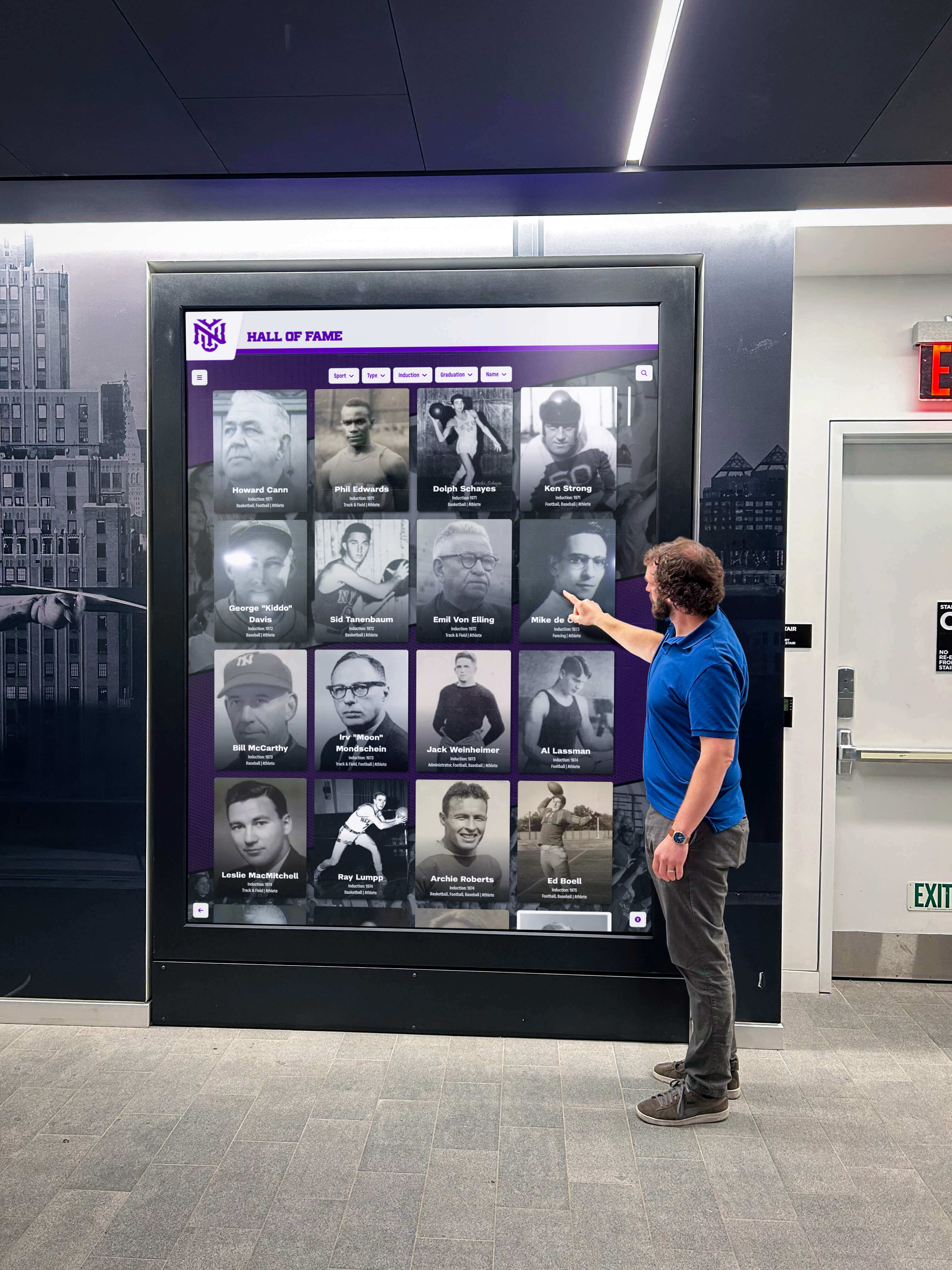
Interactive displays enable students, families, and community members to explore retiring teachers' career contributions and lasting impact
Inspiring Current Faculty and Students
Visible retirement recognition benefits those remaining:
Current Teacher Inspiration
- Demonstrates that teaching careers receive meaningful celebration
- Provides role models of sustained commitment and excellence
- Creates aspirational vision of distinguished careers
- Strengthens workplace culture valuing long-term dedication
Student Impact
- Students witness institutional values honoring service and dedication
- Alumni connections to favorite teachers maintained through recognition displays
- Understanding that educators’ contributions matter beyond immediate classroom
- Appreciation for privilege of learning from distinguished career teachers
Recognition Categories for Retiring Teachers
Comprehensive programs celebrate diverse contributions rather than simply acknowledging years of service.
Years of Service Milestones
While not the only recognition criterion, service longevity deserves systematic acknowledgment:
- 20-24 Years: Marking two decades of student impact
- 25-29 Years: Quarter-century of educational service
- 30-34 Years: Career-long commitment to Oklahoma education
- 35+ Years: Distinguished careers spanning multiple generations
Recognition should scale appropriately—teachers retiring after 35 years of service warrant more elaborate celebration than those departing after reaching minimum retirement eligibility.
Teaching Excellence and Innovation
Celebrate pedagogical contributions beyond simply completing years:
- Curriculum development and instructional innovation
- Mentorship of newer teachers and student teachers
- Leadership in professional learning communities
- Pioneering use of educational technology
- Development of specialized programs or courses
- Awards and recognition received during career
Student Impact and Relationships
Honor the fundamental teacher mission of transforming student lives:
- Student testimonials and alumni messages
- Academic achievement and growth facilitation
- Graduation rates and college preparation contributions
- Individual student success stories and transformation
- Relationships with students facing special challenges
- Impact on student confidence, character, and development
Explore approaches to celebrating distinguished educators through permanent displays that preserve teaching legacies.
Extracurricular and Community Contributions
Recognize service extending beyond classroom instruction:
- Athletic coaching, club advising, activity sponsorship
- Community volunteer work and service
- School committee leadership and institutional improvement
- Parent-teacher organization partnership
- Community education programs and initiatives
- Alumni engagement and school tradition preservation
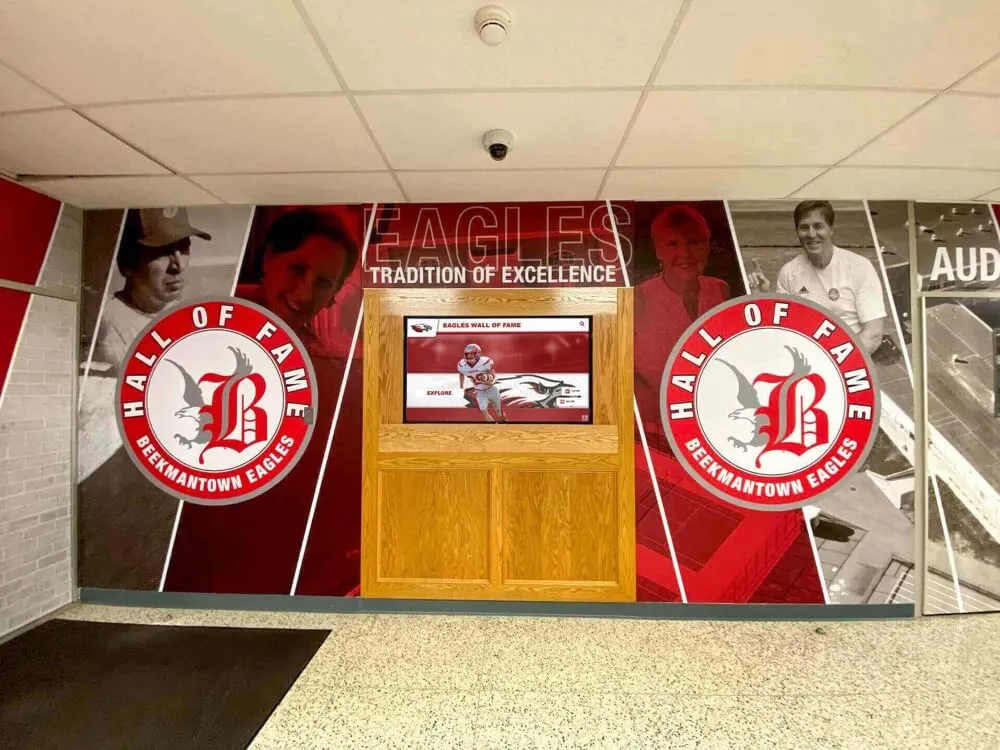
Prominent recognition installations ensure retiring teachers receive visibility and honor proportional to their career contributions
Mentorship and Professional Leadership
Acknowledge contributions to the teaching profession:
- Mentoring early-career teachers
- Leadership in professional organizations
- Curriculum committee work and standards development
- Professional development facilitation
- Educational advocacy and policy contributions
- Research and publication enhancing educational practice
This multi-dimensional approach ensures recognition reflects genuine career contributions rather than simply acknowledging time passage.
Implementing Comprehensive Retirement Recognition Programs
Effective recognition requires systematic planning and sustainable approaches supporting ongoing recognition as teachers retire annually.
Retirement Recognition Planning Timeline
Twelve Months Before Retirement
Begin planning comprehensive recognition well in advance:
Initial Notification and Planning
- Retiring teacher provides formal notice to district
- Administration assigns recognition planning coordinator
- Begin gathering career information, photos, and documentation
- Establish recognition budget and resource allocation
- Form recognition committee if desired
Information Gathering
- Collect career timeline: positions held, grade levels, subjects taught
- Gather historical photos from yearbooks, archives, and personal collections
- Request teaching philosophy statement or career reflection essay
- Solicit colleague testimonials and remembrances
- Document special achievements, awards, and milestones
Six Months Before Retirement
Develop specific recognition plans and formats:
Recognition Format Selection
- Determine ceremony scope: school-wide, department-specific, community event
- Plan permanent recognition display additions
- Develop legacy preservation projects
- Schedule tribute video or documentary production
- Coordinate student tribute activities
Content Development
- Write career profile for displays and publications
- Compile photo galleries spanning entire career
- Collect student messages and alumni testimonials
- Produce video tribute if resources permit
- Develop program materials for retirement ceremony
Three Months Before Retirement
Finalize arrangements and execute recognition components:
Physical Recognition Creation
- Update digital recognition displays with retiree profiles
- Order any physical recognition items (plaques, awards, gifts)
- Finalize printed program materials for ceremony
- Complete video production and editing
- Prepare presentation materials for event
Event Planning Execution
- Send invitations to families, alumni, colleagues, community members
- Arrange catering and venue setup for retirement celebration
- Coordinate speakers and presentation order
- Organize student participation and performances
- Confirm technology requirements for presentations
Learn about permanent recognition display systems that celebrate retiring educators’ career contributions.
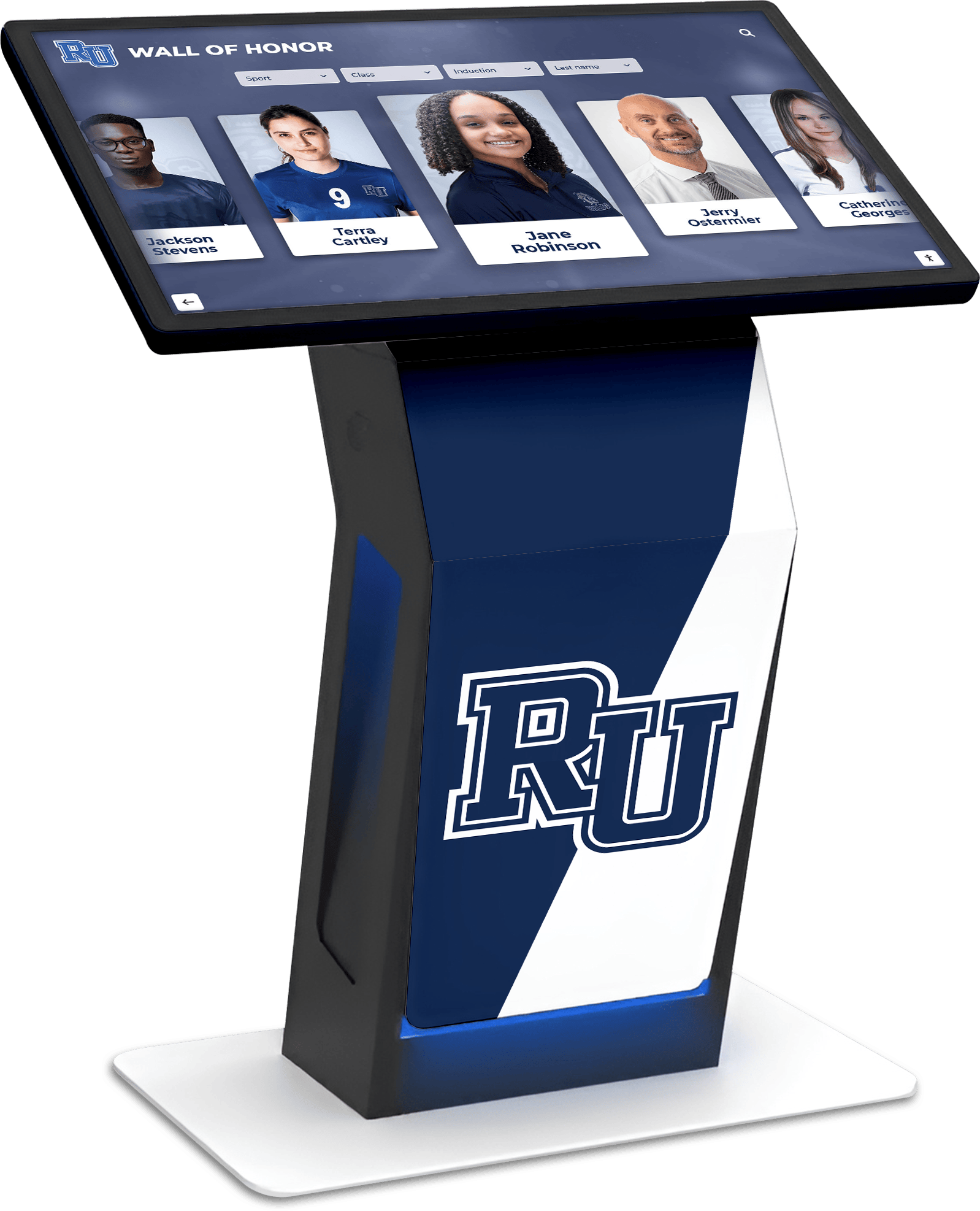
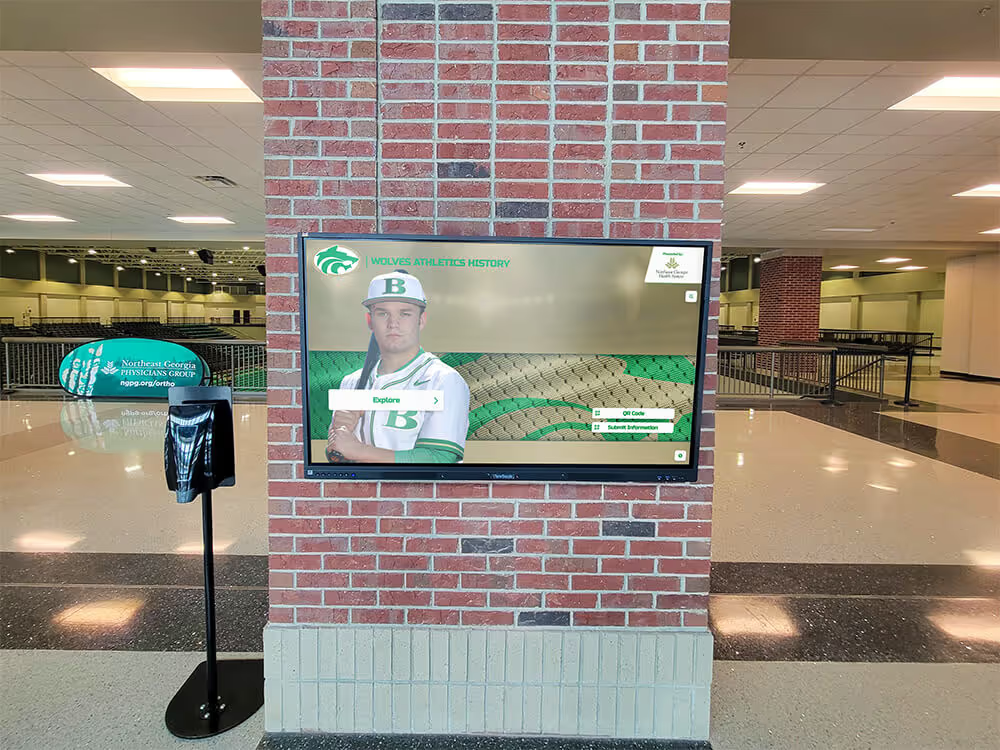
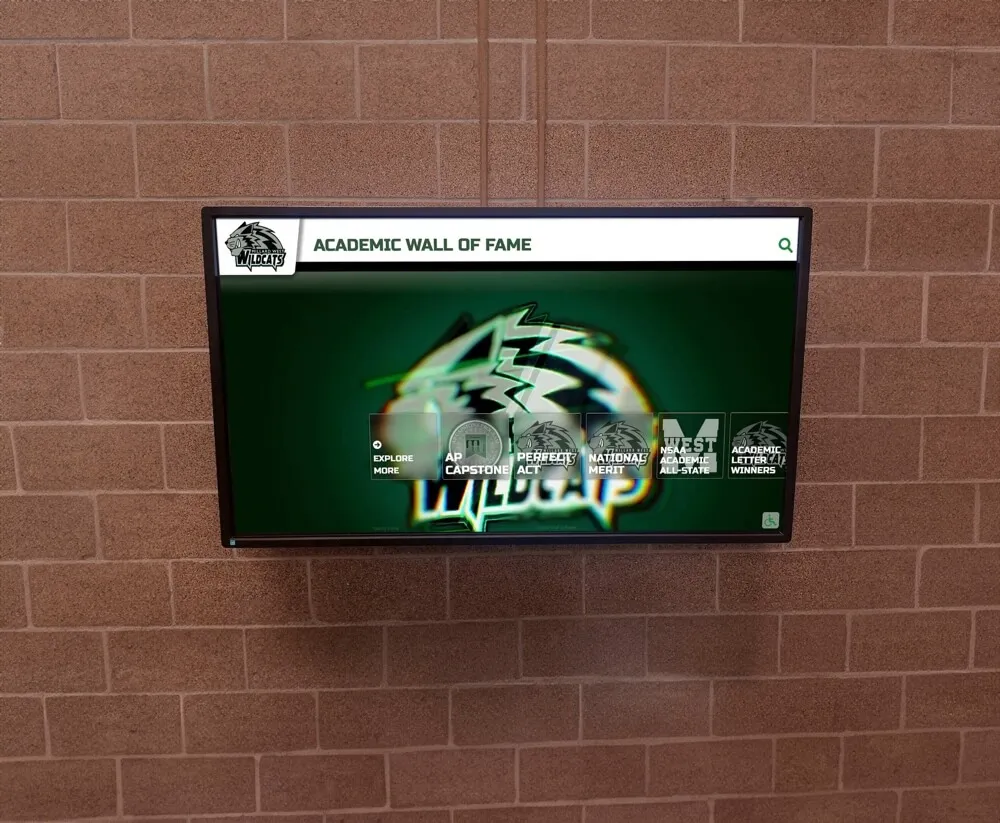
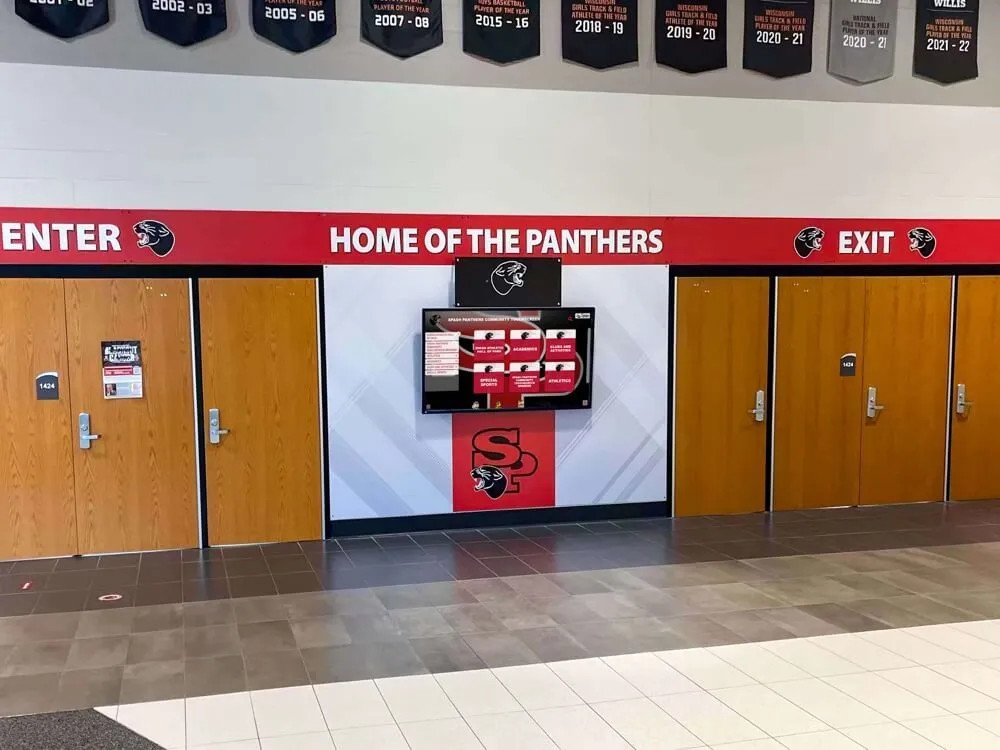
Dedicated recognition kiosks provide engaging platforms for exploring teacher careers and celebrating decades of student impact
Retirement Ceremony Elements
Ceremony Structure and Components
Effective retirement ceremonies balance celebration with appropriate formality:
Opening and Welcome (5-10 minutes)
- Administrative welcome acknowledging honored retirees
- Recognition of attending families, alumni, and community members
- Overview of ceremony program and honored teachers
- Statement of institutional appreciation for teaching profession
Individual Teacher Tributes (10-15 minutes each)
- Career overview and biographical information
- Colleague reflections and personal remembrances
- Student testimonials or video messages
- Awards presentation and official recognition
- Retiree remarks and reflections
- Presentation of retirement gift or memento
Student and Alumni Participation
- Musical performances or artistic tributes
- Current student expressions of appreciation
- Alumni video messages or appearances
- Presentation of class gift or tribute book
- Student-created recognition projects
Closing Recognition (10-15 minutes)
- Collective honoring of all retirees
- Community leader or board member remarks
- Presentation of district recognition
- Preview of permanent recognition displays
- Reception invitation and social time
Ceremonies should avoid feeling rushed—allocate adequate time ensuring each retiree receives meaningful individual recognition rather than perfunctory acknowledgment in large groups.
Digital Recognition Display Solutions for Retiree Honoring
Traditional retirement recognition faces significant limitations: physical plaques require wall space that quickly fills, printed programs disappear immediately, and brief ceremonies provide insufficient depth for honoring multi-decade careers. Digital recognition displays transform retiree celebration by creating permanent, engaging tributes accessible to entire school communities.
Unlimited Recognition Capacity
Solutions like Rocket Alumni Solutions overcome space constraints limiting traditional recognition:
- Single display showcases unlimited retirees across all years
- No need to remove previous retirees to accommodate new ones
- Comprehensive archives preserving decades of teaching careers
- All retirees receive equal visibility regardless of retirement timing
- Scalable system growing naturally as teachers retire annually
Schools report that eliminating space constraints represents the most transformative benefit—finally enabling comprehensive recognition of all distinguished educators rather than choosing whom to honor based on available wall space.
Interactive Career Exploration
Touchscreen functionality creates engaging retiree tributes:
- Detailed career profiles with multiple photos, videos, and information
- Search by name, decade, department, or subject area
- Career timelines showing progression and milestones
- Photo galleries spanning entire teaching careers
- Video messages and retirement reflections
- Student testimonial compilations
- Colleague remembrances and tributes
Discover comprehensive platforms in building digital recognition systems for educational institutions.

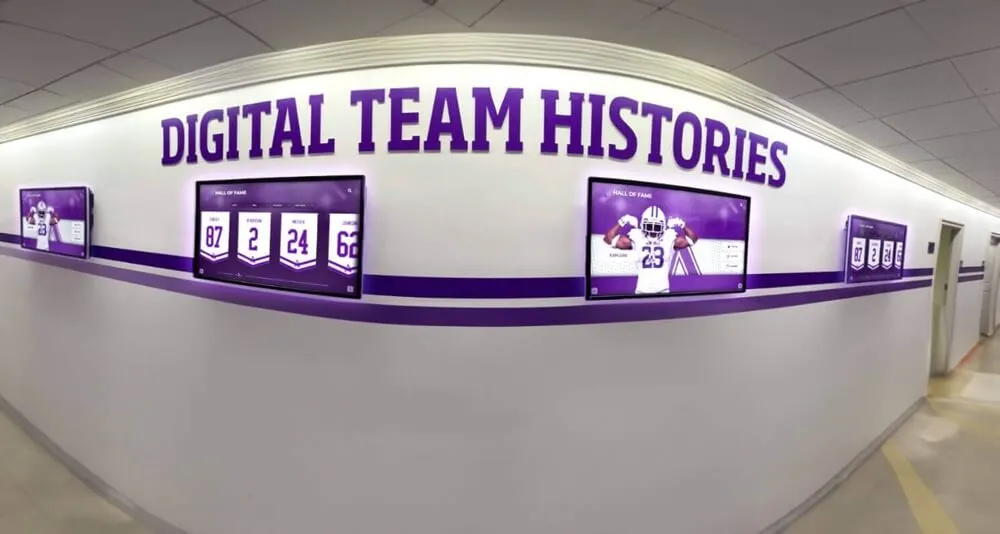
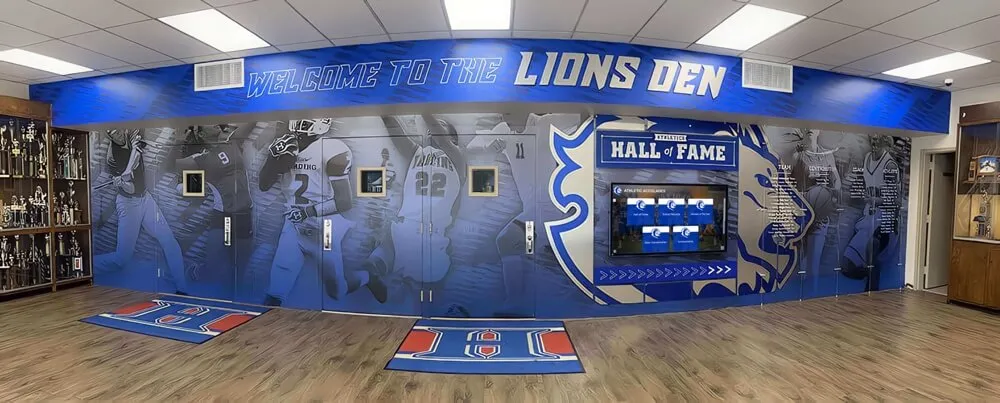
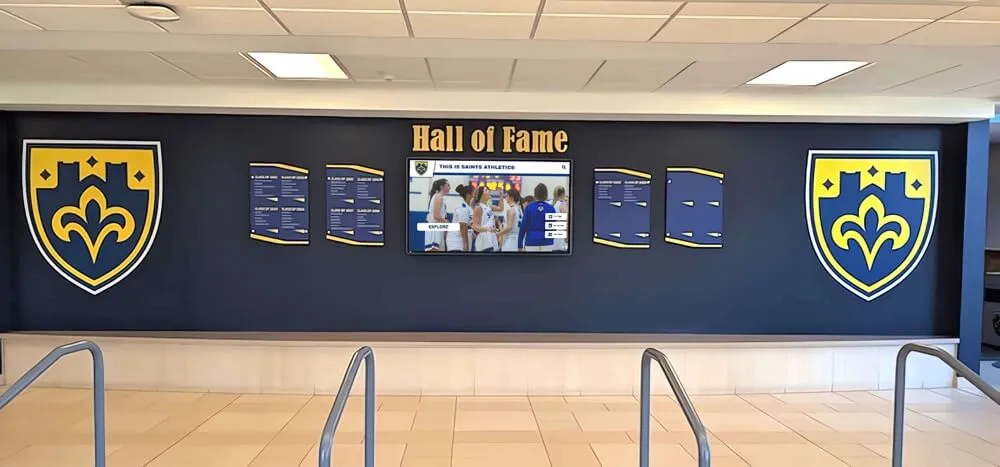
Multiple coordinated displays create impressive recognition installations showcasing career educators across different eras and departments
Simplified Content Management
Cloud-based systems eliminate administrative burden:
- Remote updates from any internet-connected device
- Template-based profile creation ensuring consistency
- Scheduled publishing enabling advance preparation
- Media library organizing photos and videos
- Simple interfaces requiring no technical expertise
- One-time content entry appearing across all displays
Schools implementing digital recognition report 80-90% reduction in time required to honor retirees compared to creating physical displays, printing programs, and managing traditional recognition artifacts.
Web-Based Access Extension
Recognition extends beyond physical campus through integrated web platforms:
- Alumni and community members explore teacher tributes remotely
- Retirees share profiles with families and friends
- Prospective families learn about teaching excellence history
- Social media integration amplifies recognition
- Mobile access ensures universal accessibility
This extended reach ensures teacher recognition impacts broader audiences while providing retirees with shareable digital tributes they value personally.
Legacy Preservation Projects
Beyond recognition displays and ceremonies, legacy projects create lasting artifacts preserving teaching wisdom:
Teaching Philosophy Documentation
- Written statements articulating educational beliefs
- Reflection essays on career highlights and lessons learned
- Advice for new teachers entering profession
- Perspective on educational changes witnessed across career
- Core values and principles guiding teaching practice
Curriculum and Resource Archives
- Compilation of successful lesson plans and units
- Instructional resources created during career
- Assessment strategies and student evaluation approaches
- Classroom management techniques refined through experience
- Technology integration innovations
Oral History Recordings
- Video interviews capturing teaching stories and memories
- Audio recordings of educational philosophy and advice
- Discussion of career highlights and challenges
- Perspective on institutional history and evolution
- Messages to future teachers and students
Mentorship Transitions
- Pairing retiring teachers with early-career educators
- Semester-long knowledge transfer relationships
- Structured conversations about teaching craft
- Classroom observation and feedback exchange
- Ongoing consulting relationships after retirement
These legacy projects serve dual purposes: honoring retirees by valuing their accumulated wisdom, while preserving knowledge benefiting institutions and future educators.
Learn about preserving institutional history through digital archives and recognition systems.
Special Retirement Situations and Considerations
Various circumstances require adapted recognition approaches and planning considerations.
Early Retirement Recognition
Teachers retiring with reduced benefits after 20-25 years of service deserve meaningful recognition despite shorter careers:
- Acknowledge significant student impact achieved during career
- Recognize circumstances (relocation, health, family needs) prompting early retirement
- Celebrate accomplishments without comparing unfavorably to longer careers
- Support transitions to new chapters with positivity
- Include in permanent recognition displays alongside career educators
Retirement Due to Health Challenges
When health issues force retirement, recognition requires special sensitivity:
- Focus on career contributions and accomplishments achieved
- Acknowledge challenges faced while maintaining dignity
- Coordinate with families regarding appropriate public recognition
- Provide flexibility in ceremony participation based on capabilities
- Ensure recognition preserves positive career memories
Mid-Year Retirements
While most Oklahoma teachers retire at school year end, some circumstances require mid-year separation:
- Adapt recognition timeline to accommodate limited planning period
- Hold ceremony when possible or delay until end-of-year celebration
- Ensure inclusion in permanent recognition displays occurs promptly
- Communicate recognition to stakeholders who miss mid-year departure
- Maintain recognition quality despite compressed timeline
Post-Retirement Continued Service
Many Oklahoma teachers remain engaged in education after retirement:
Substitute Teaching
- Retirees can collect full pensions while substitute teaching
- No earnings restrictions or pension reductions apply
- Provides income supplement and continued school connections
- Popular option maintaining involvement without full-time commitment
Part-Time or Contracted Work
- Some retirees return to part-time teaching positions
- OTRS rules limit hours or require temporary separation from pension
- Consult OTRS before accepting employment affecting benefits
- Some districts hire retirees for specialized positions
Mentoring and Consulting
- Informal advising and support for current teachers
- Curriculum development and instructional coaching
- Professional development facilitation
- New teacher induction program participation
Recognition of retirees continuing service demonstrates appreciation for sustained commitment beyond formal retirement dates.

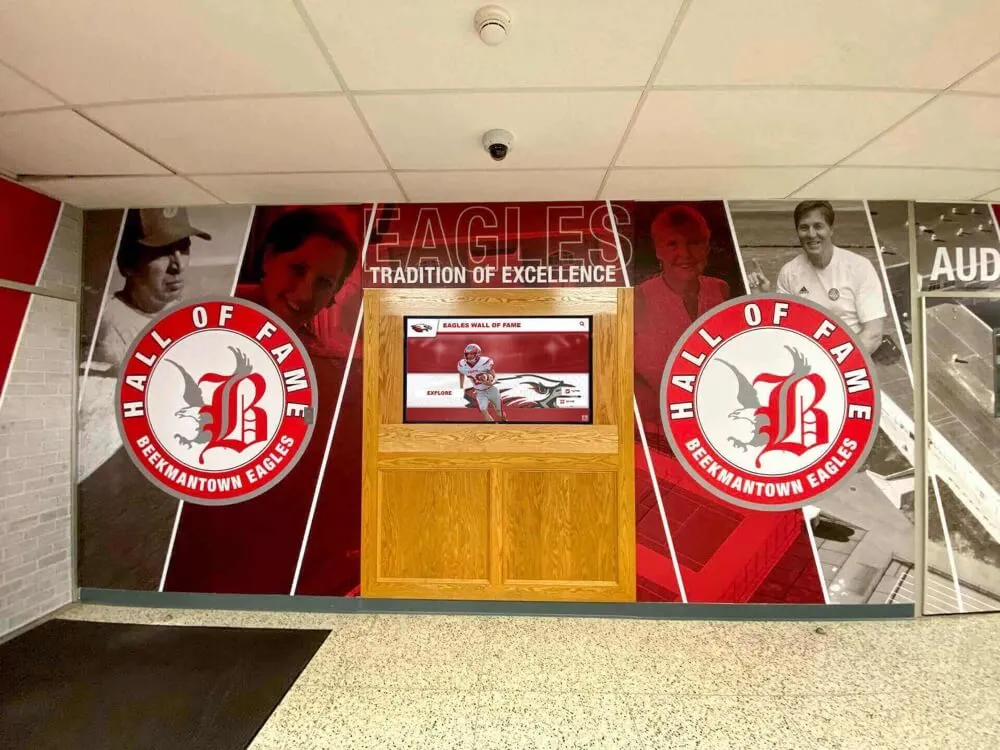
Integrated recognition systems blending digital displays with traditional design elements create powerful tributes to career educators
Financial Considerations Beyond OTRS Pension
While OTRS pensions provide foundation income, comprehensive retirement planning addresses additional financial dimensions.
Social Security Coordination
Oklahoma teachers’ Social Security situations vary based on career paths:
Teachers with Social Security Credits
- Teachers working other jobs concurrently with teaching
- Summer employment or previous non-teaching careers
- Spousal Social Security benefits from working spouses
- Social Security collected while collecting OTRS pension
Windfall Elimination Provision (WEP)
- Federal law reducing Social Security for those with non-covered pensions
- Can substantially reduce Social Security benefits for Oklahoma teachers
- Affects teachers with careers combining teaching with Social Security-covered employment
- Requires careful coordination in retirement planning
Government Pension Offset (GPO)
- Reduces spousal or survivor Social Security benefits for those with government pensions
- Can eliminate spousal benefits entirely depending on pension amount
- Affects primarily female teachers relying on husbands’ Social Security
- Creates financial hardship for some retirees unaware of provision
Understanding these provisions proves critical for teachers expecting both OTRS pensions and Social Security benefits.
Supplemental Retirement Savings
Personal savings supplement OTRS pensions for comfortable retirement:
403(b) and 457 Plans
- Tax-deferred retirement accounts available to teachers
- Many Oklahoma districts offer these plans with varied investment options
- Contribution limits: $23,000 annually (2026), plus $7,500 catch-up after age 50
- Distributions taxed as ordinary income in retirement
Traditional and Roth IRAs
- Individual Retirement Accounts providing additional tax-advantaged saving
- Contribution limits: $7,000 annually (2026), plus $1,000 catch-up after age 50
- Roth IRAs offer tax-free retirement distributions
- Income limits apply to Roth IRA eligibility
General Investment Accounts
- Taxable investment accounts without contribution limits or withdrawal restrictions
- Provide flexibility for early retirement or large expenses
- Capital gains and dividends receive favorable tax treatment
- Important for teachers retiring before 59½ when penalty-free retirement account access begins
Financial advisors specializing in educator retirement can help develop comprehensive saving strategies maximizing retirement income from all available sources.
Managing Retirement Income and Expenses
Budgeting for Retirement
Effective budgeting ensures retirement income meets lifestyle needs:
Fixed Expenses
- Housing costs (mortgage/rent, utilities, maintenance, taxes)
- Insurance premiums (health, auto, home, life)
- Debt obligations and loan payments
- Property taxes and homeowners association fees
- Essential transportation and communication costs
Variable Expenses
- Food, groceries, and dining
- Healthcare co-pays, deductibles, prescriptions
- Entertainment, hobbies, and recreation
- Travel and family visits
- Gifts, donations, and charitable giving
- Home repairs and vehicle maintenance
Discretionary Spending
- Luxuries and non-essential purchases
- Major trips and vacation travel
- Hobby equipment and supplies
- Technology upgrades and entertainment
- Restaurant meals and entertainment
Many financial experts recommend that retirees need 70-80% of pre-retirement income to maintain similar lifestyles, though individual needs vary substantially based on mortgage status, health situations, and lifestyle preferences.
Learn about comprehensive planning approaches for career transitions and retirement celebrations.
Measuring Retirement Recognition Program Success
Assessment ensures recognition programs achieve goals and justify resource investment.
Quantitative Metrics
Participation and Reach
- Number of retirees recognized annually through formal programs
- Attendance at retirement ceremonies and events
- Digital display interaction rates and view counts
- Web-based recognition platform usage statistics
- Social media engagement with retirement recognition content
Stakeholder Engagement
- Alumni participation in retirement tributes
- Student involvement in recognition activities
- Community member ceremony attendance
- Colleague testimonial submission rates
- Family satisfaction with recognition experiences
Program Efficiency
- Administrative time required per retiree recognition
- Cost per retiree for comprehensive recognition
- Timeline from retirement announcement to recognition completion
- Technology platform utilization rates
- Recognition content creation and approval workflows
Qualitative Assessment
Retiree Satisfaction
- Honored teachers’ perception of recognition meaningfulness
- Satisfaction with ceremony format and tributes
- Appreciation for permanent recognition displays
- Emotional impact and validation of career contributions
- Likelihood to maintain institutional connections after retirement
Current Faculty Response
- Perception that organization values career-long service
- Impact on retention intentions and career commitment
- Pride in institutional recognition culture
- Motivation to pursue distinguished careers
- Satisfaction with treatment of departing colleagues
Community Perceptions
- Alumni appreciation for honoring beloved former teachers
- Student understanding of teaching profession value
- Parent and community respect for institutional values
- Prospective teacher attraction to district culture
- District reputation as desirable workplace
Regular assessment enables continuous improvement ensuring recognition programs remain effective, meaningful, and aligned with institutional goals while celebrating retiring educators appropriately.

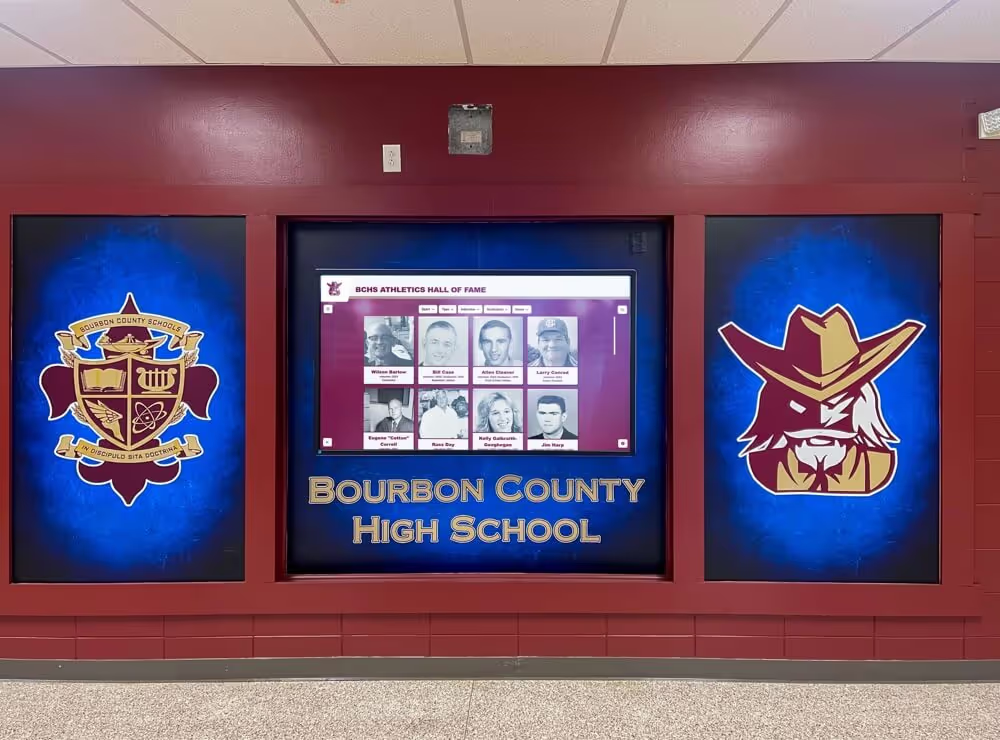
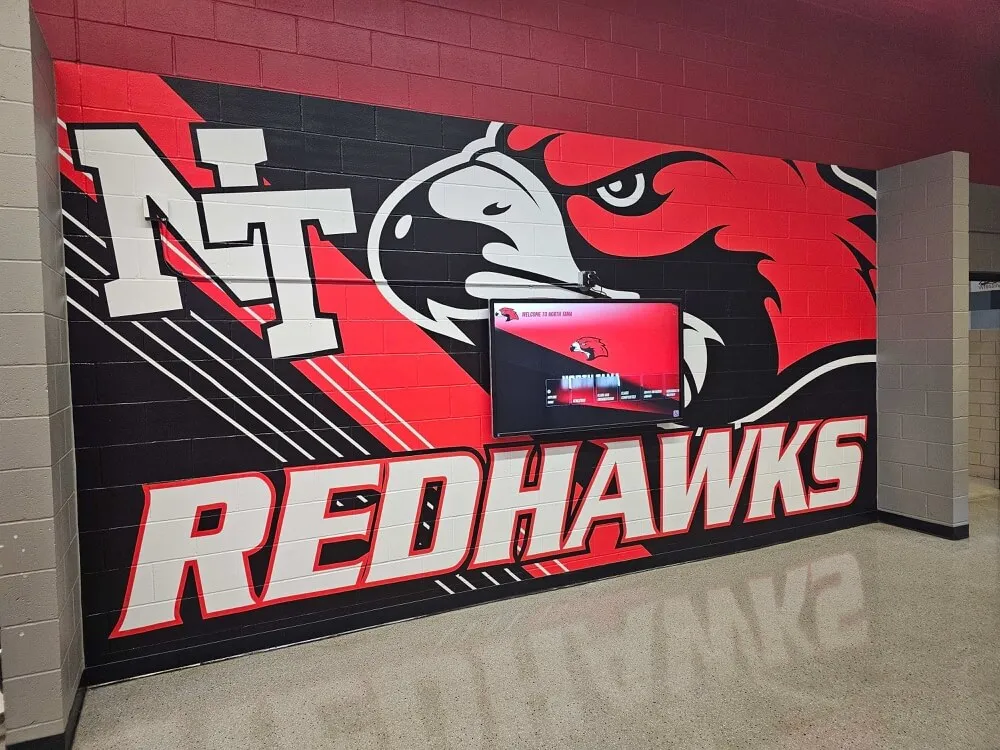
Professional recognition installations combining digital technology with traditional design create impressive focal points celebrating career educators
Conclusion: Honoring Teaching Careers Through Comprehensive Retirement Planning and Recognition
Oklahoma teacher retirement represents significant life transitions requiring both practical financial planning and meaningful recognition of career contributions to students and communities. When educators receive comprehensive guidance about OTRS benefits, retirement timing optimization, and healthcare navigation—combined with thoughtful recognition celebrating decades of student impact—they experience retirement transitions that honor their professional legacies while ensuring financial security.
The strategies explored in this guide provide frameworks for addressing both essential retirement dimensions: practical planning helping teachers maximize benefits and make informed decisions, plus recognition programs ensuring career educators receive appreciation proportional to their contributions. From understanding OTRS pension calculations to implementing permanent digital displays preserving teaching legacies, these approaches transform retirement from potentially stressful transitions into celebrated milestones honoring distinguished careers.
Create Lasting Tributes to Retiring Educators
Discover how modern digital recognition solutions help schools permanently honor retiring teachers' career contributions through engaging displays that celebrate decades of student impact.
Explore Recognition SolutionsFor Oklahoma teachers approaching retirement, beginning comprehensive planning five years before target retirement dates enables informed decision-making without time pressure. Consulting OTRS resources, attending retirement planning workshops, and working with financial advisors specializing in educator retirement helps maximize benefits while ensuring smooth transitions into well-planned retirement chapters.
For Oklahoma schools honoring retiring educators, implementing systematic recognition programs—particularly permanent digital displays preserving teacher legacies indefinitely—demonstrates genuine appreciation for career-long service while strengthening institutional culture. Solutions like Rocket Alumni Solutions provide comprehensive platforms specifically designed for educator recognition, combining intuitive content management with engaging touchscreen displays ensuring retiring teachers receive celebration proportional to their decades of student impact.
Retirement planning addresses financial security, but recognition programs honor the human contributions and teaching legacies defining education careers. Both prove essential for transitions that celebrate distinguished service while supporting educators entering well-earned retirement after careers dedicated to Oklahoma’s students. Your retiring teachers deserve both comprehensive planning assistance and meaningful recognition that demonstrates genuine appreciation for their life’s work shaping future generations.
Ready to enhance your teacher retirement recognition program? Start by assessing current approaches, defining recognition goals, and exploring digital recognition platforms that eliminate space constraints while preserving teaching legacies permanently. Every retiring educator deserves celebration creating lasting impact for your entire school community.