



The Ohio State Marching Band has earned its moniker “The Best Damn Band in the Land” through decades of precision performances, innovative halftime shows, and traditions that epitomize excellence in collegiate marching band programs. From the legendary Script Ohio to pregame ramp entries that give fans goosebumps, this storied program demonstrates what’s possible when musical excellence meets athletic precision and institutional pride.
Yet the band’s greatest value extends beyond entertainment—it provides a powerful model for schools nationwide seeking to honor their own music programs with the visibility and recognition they deserve. While not every school can replicate Ohio State’s scale, every institution can learn from how this program celebrates tradition, recognizes individual achievement, and creates visible tributes that inspire current musicians while honoring those who came before.
This comprehensive guide explores the traditions that make the Ohio State Marching Band legendary while providing practical frameworks schools can adapt to celebrate their own music programs—from marching bands to concert ensembles—with modern recognition systems that preserve musical heritage and inspire future generations of student musicians.
Schools across the country struggle with equitable recognition between athletic and fine arts programs. Athletic achievements fill trophy cases and line gymnasium walls while musical excellence often receives minimal visible celebration. The Ohio State Marching Band’s approach demonstrates that music programs deserve—and can achieve—recognition matching any other program when institutions commit to celebrating musical excellence systematically.

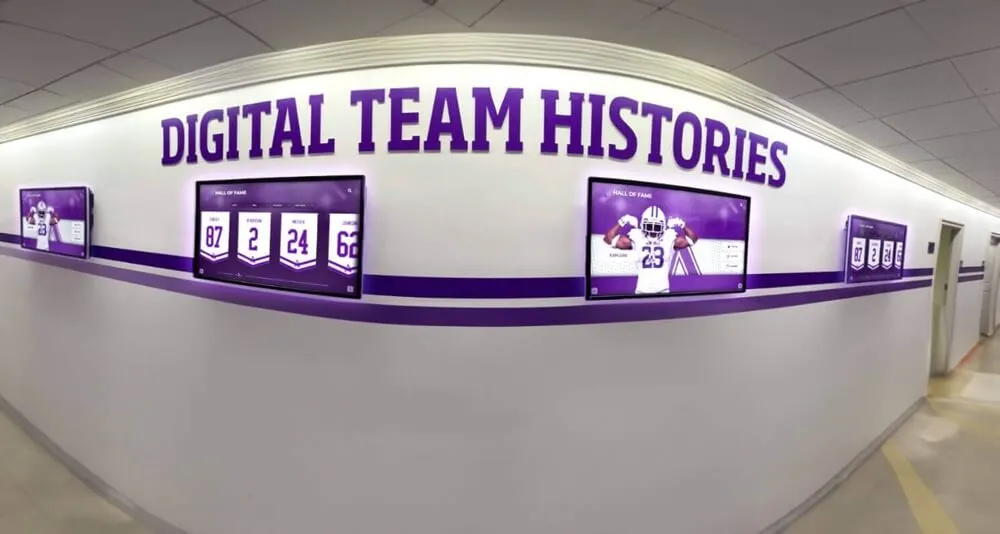
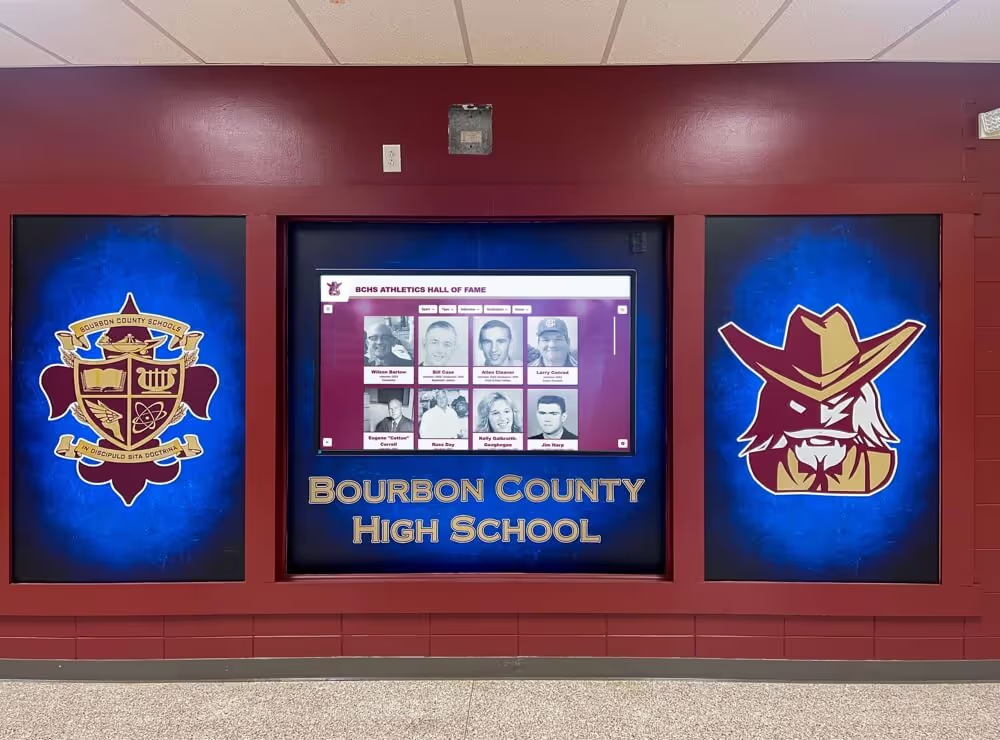
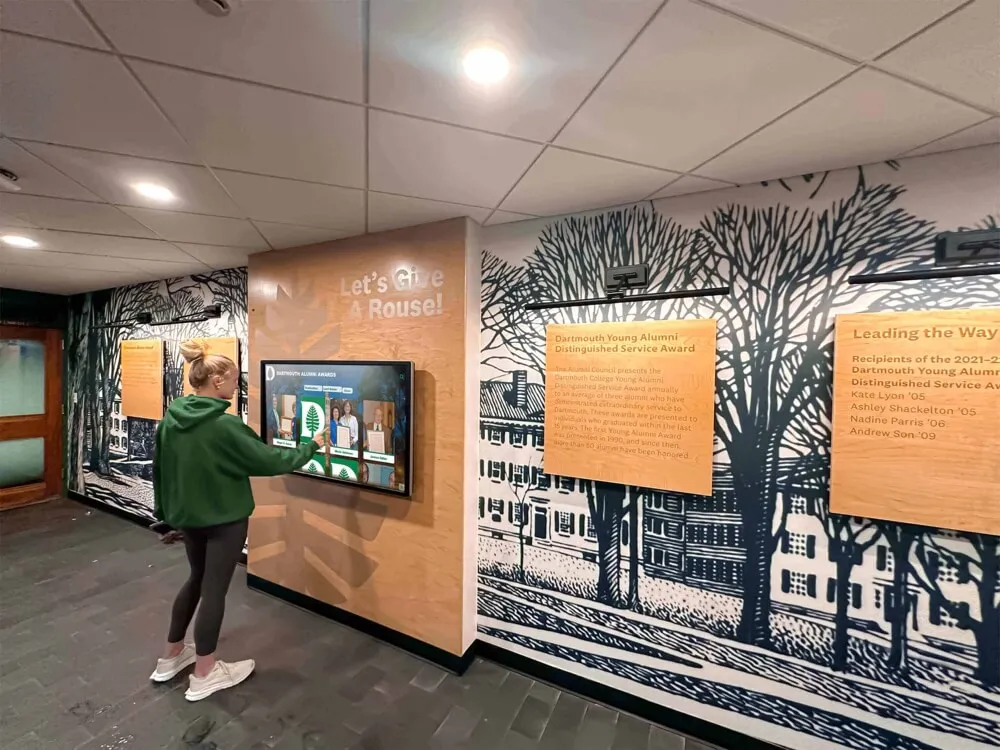
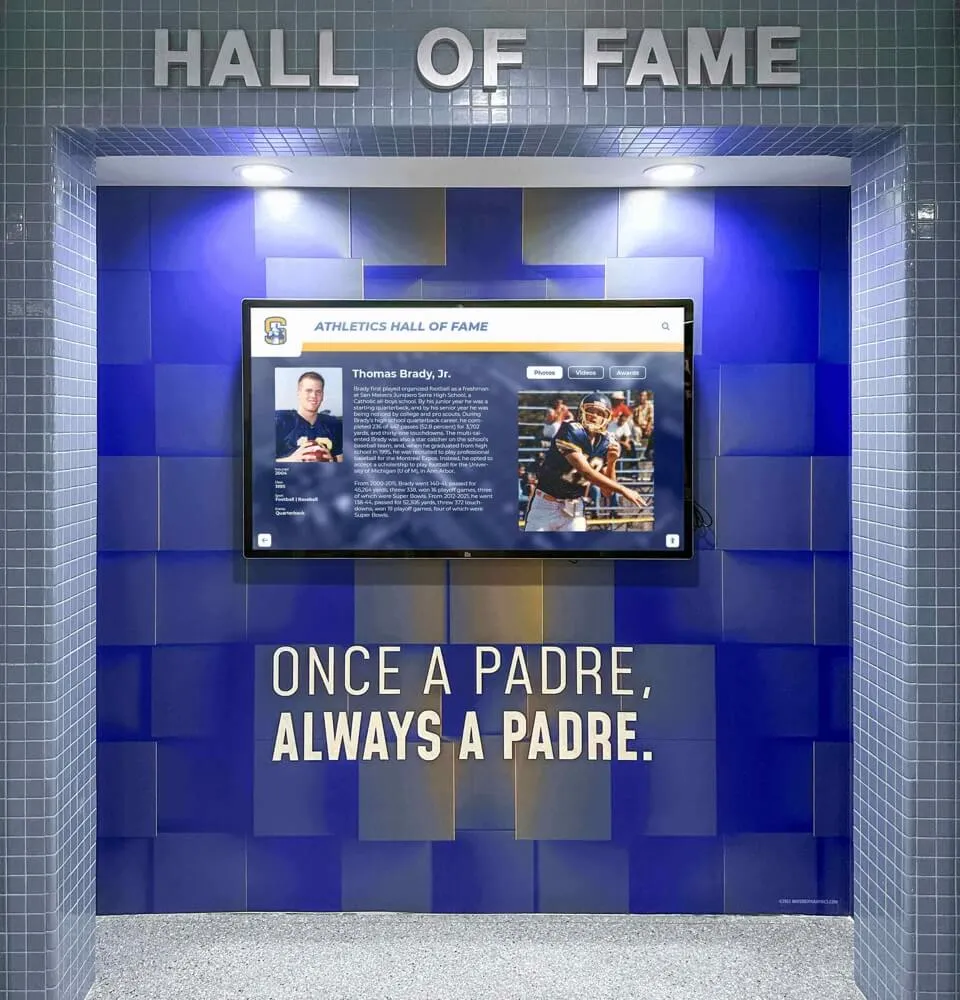
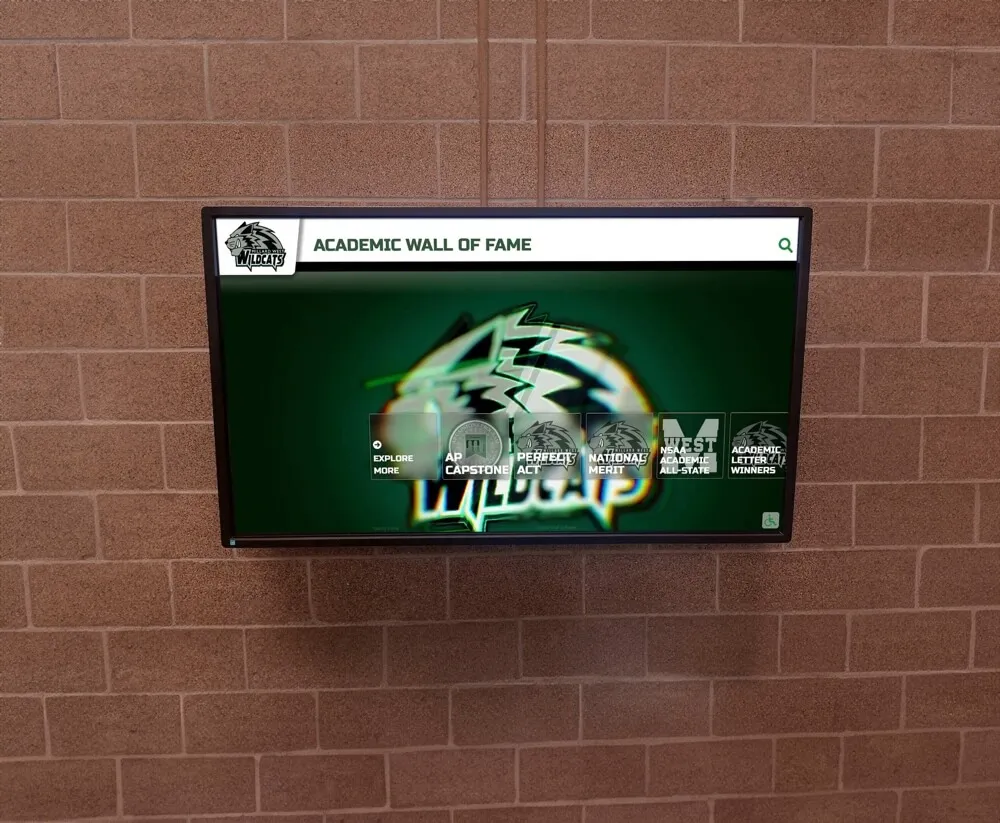
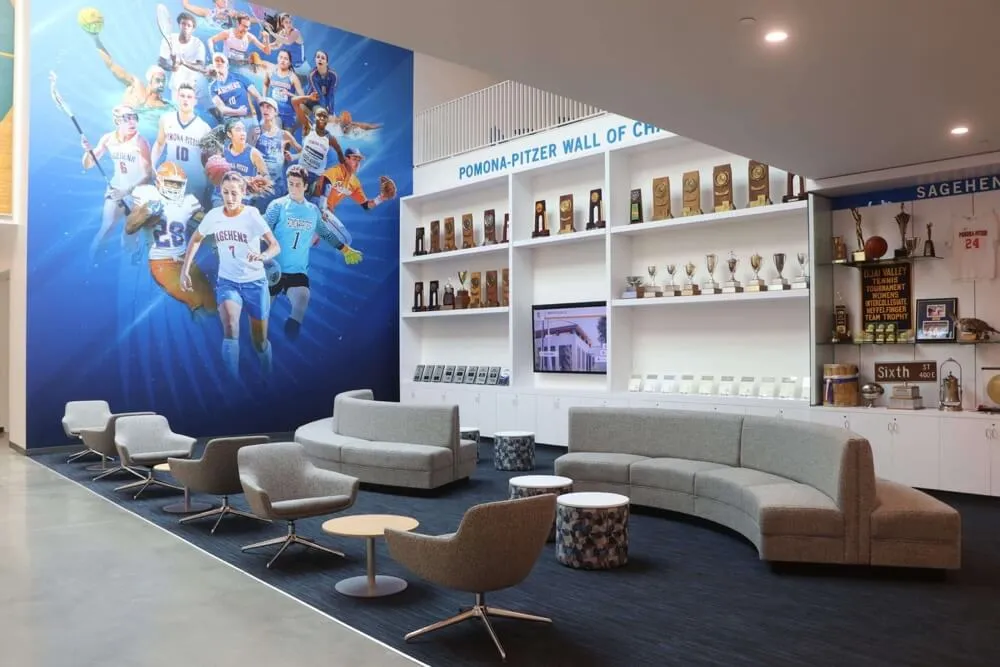
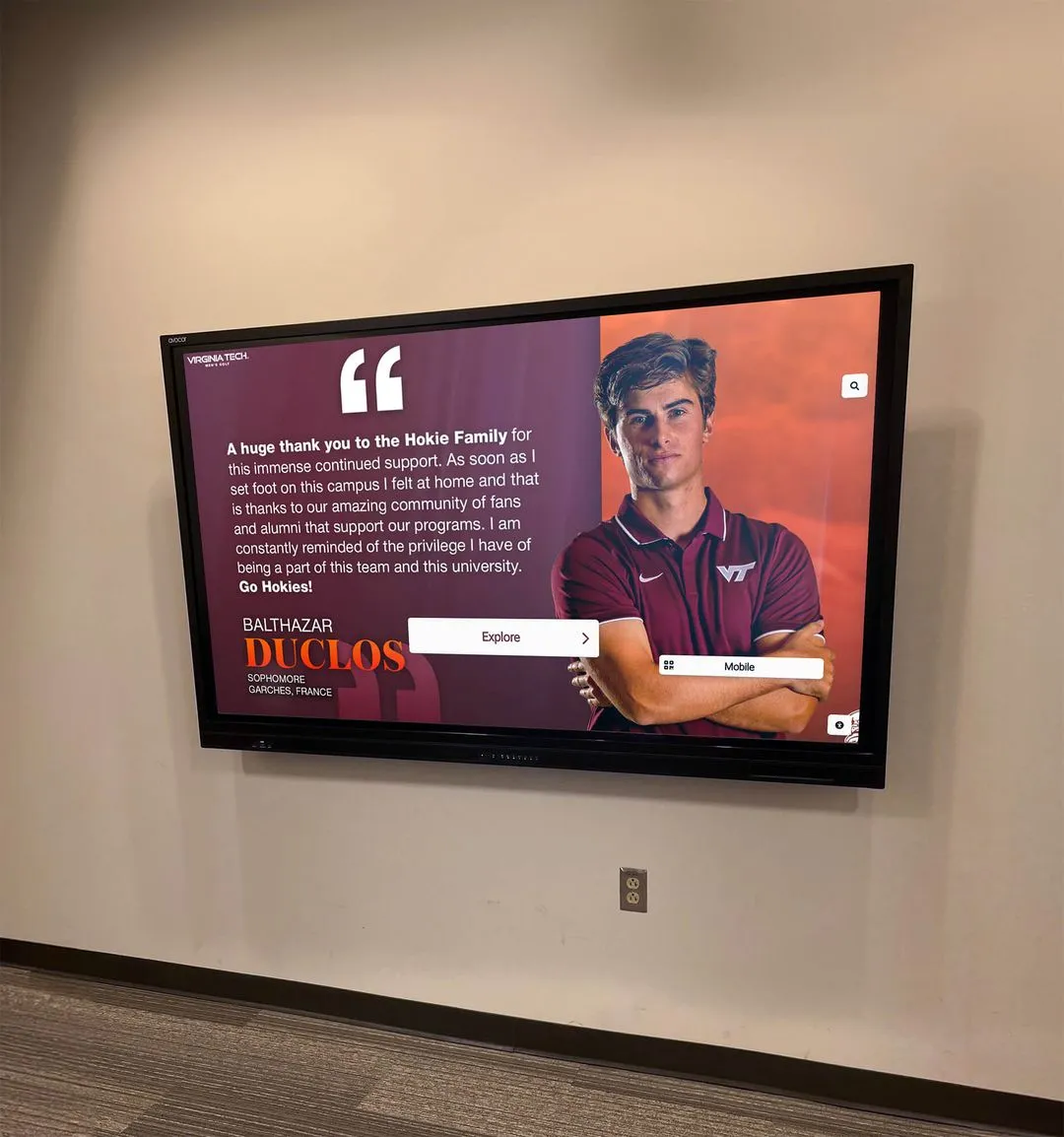
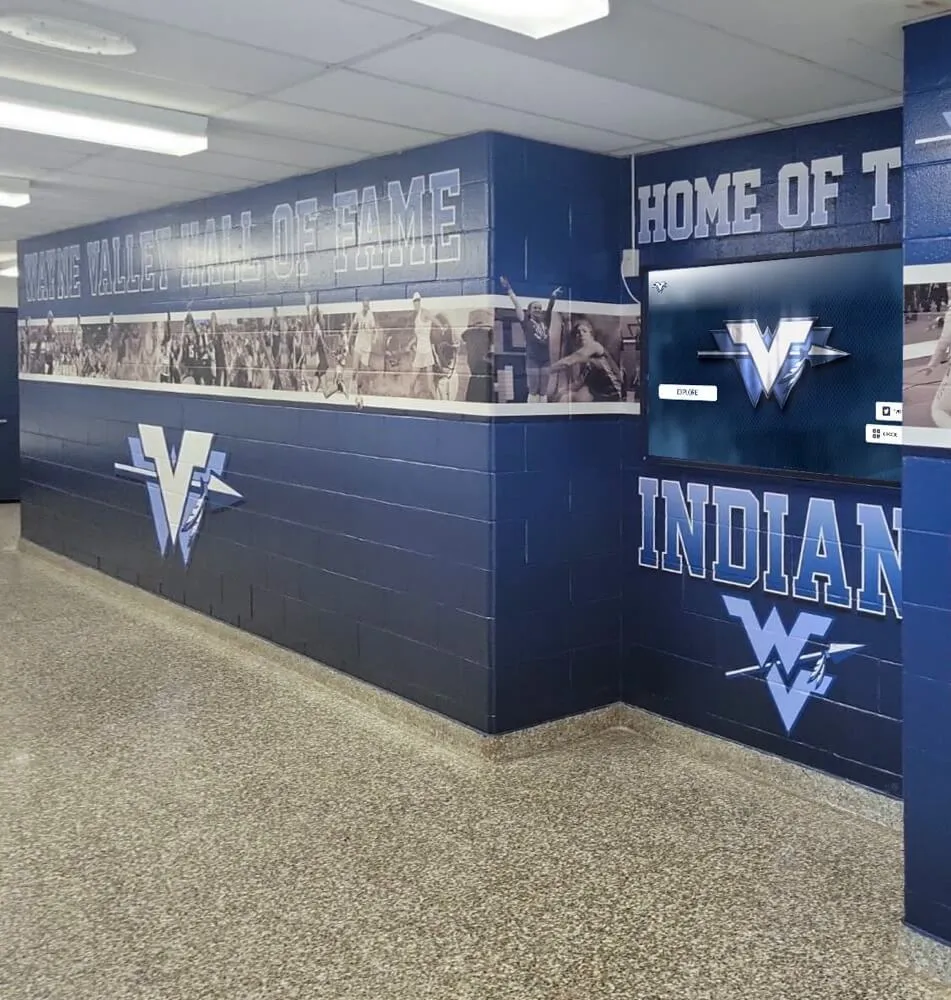
Modern recognition displays enable schools to celebrate comprehensive music program histories with unlimited capacity
The Ohio State Marching Band: A Legacy of Excellence
Understanding what makes the Ohio State Marching Band exceptional provides valuable insights for schools developing their own recognition traditions.
Historical Foundation and Evolution
The Ohio State University Marching Band traces its roots to 1878, evolving from a small military band into one of the world’s most respected collegiate marching ensembles. This 140+ year history demonstrates several recognition principles applicable across all school sizes:
Tradition Preservation Through Documentation
The band meticulously preserves its history:
- Comprehensive archives documenting every season, performance, and major achievement
- Video libraries capturing signature performances and halftime innovations
- Photo collections showing uniform evolution, formation development, and memorable moments
- Statistical records tracking membership, performances, and milestone achievements
- Alumni databases maintaining connections with thousands of former members across generations
Schools implementing similar documentation approaches create foundational materials enabling meaningful recognition programs. According to The Ohio State University’s band website, over 4,500 living alumni remain connected to the program—a testament to recognition systems that maintain lifelong bonds between musicians and institutions.
Visible Excellence Celebration
The band’s achievements receive prominent institutional recognition:
- Dedicated rehearsal and performance facilities communicating program importance
- Trophy and achievement displays in high-traffic areas ensuring visibility
- Integration into broader school traditions and major institutional events
- Media coverage and promotional emphasis matching other premiere programs
- Naming rights and donor recognition connected to band facilities and endowments
This visibility sends powerful messages to current and prospective students about how institutions value musical excellence alongside athletic achievement.
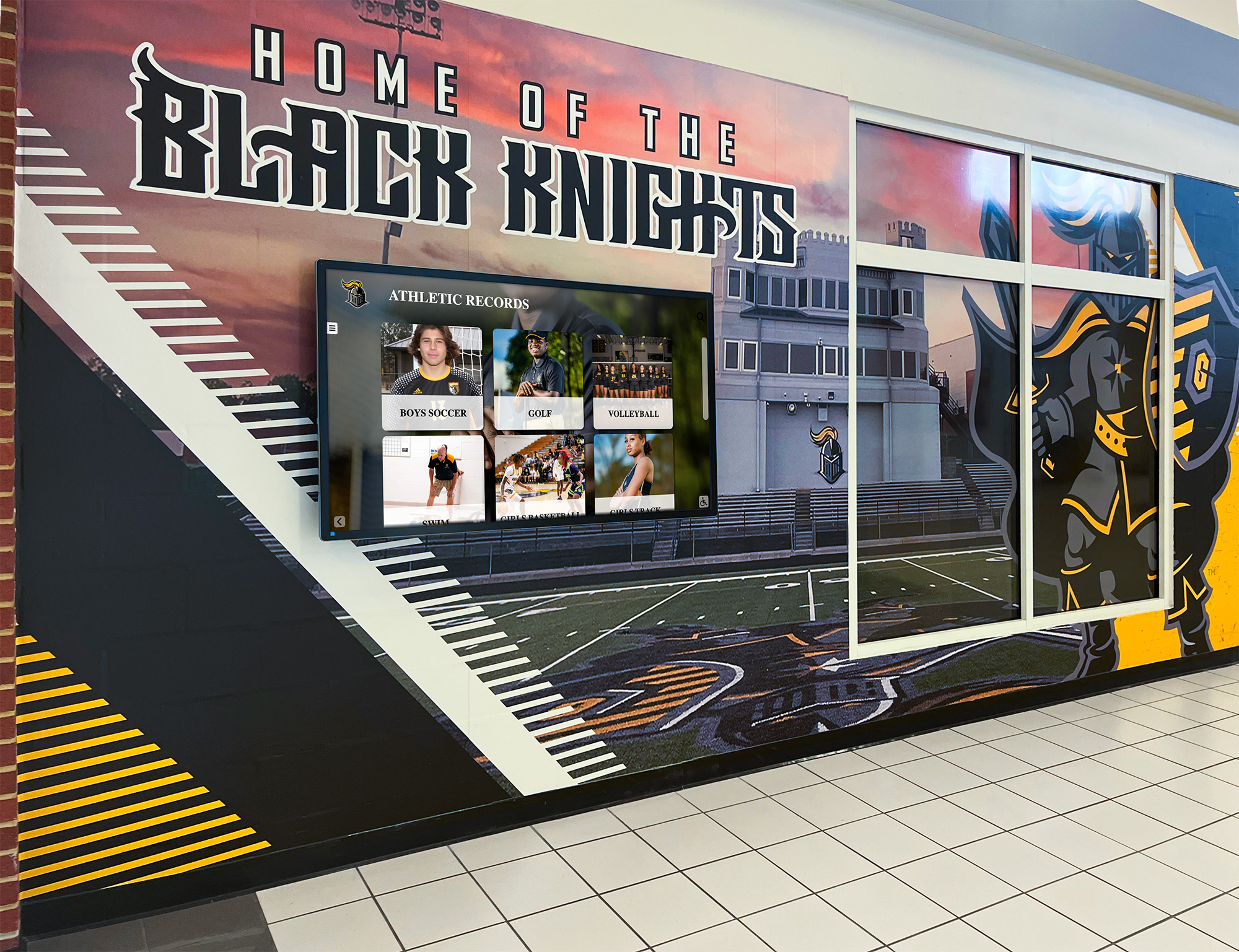
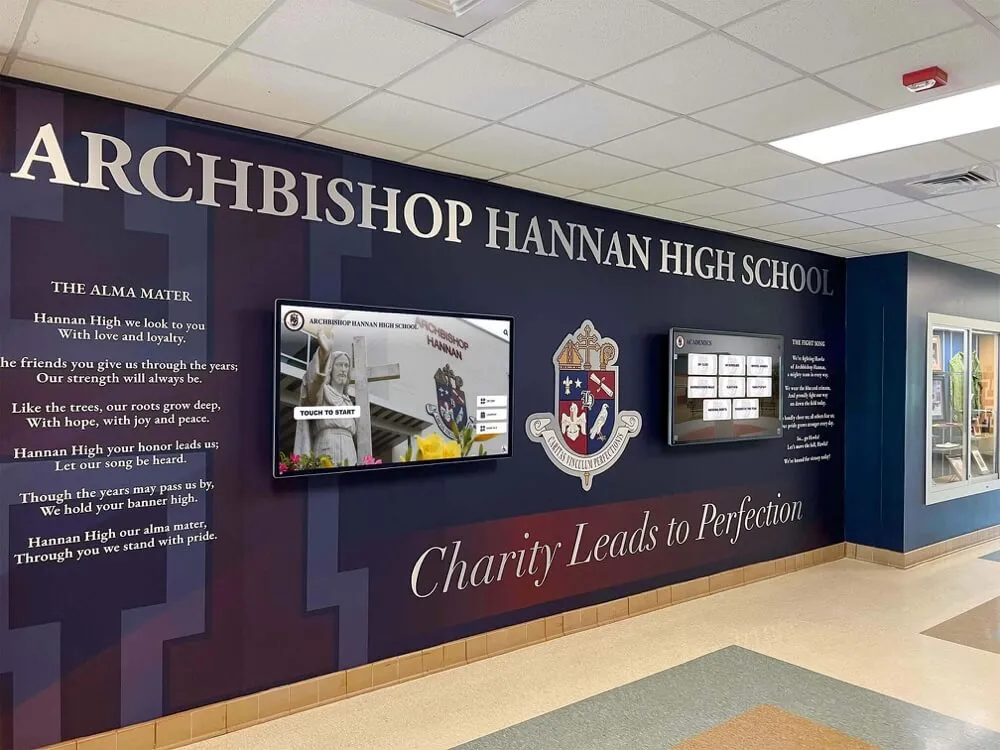
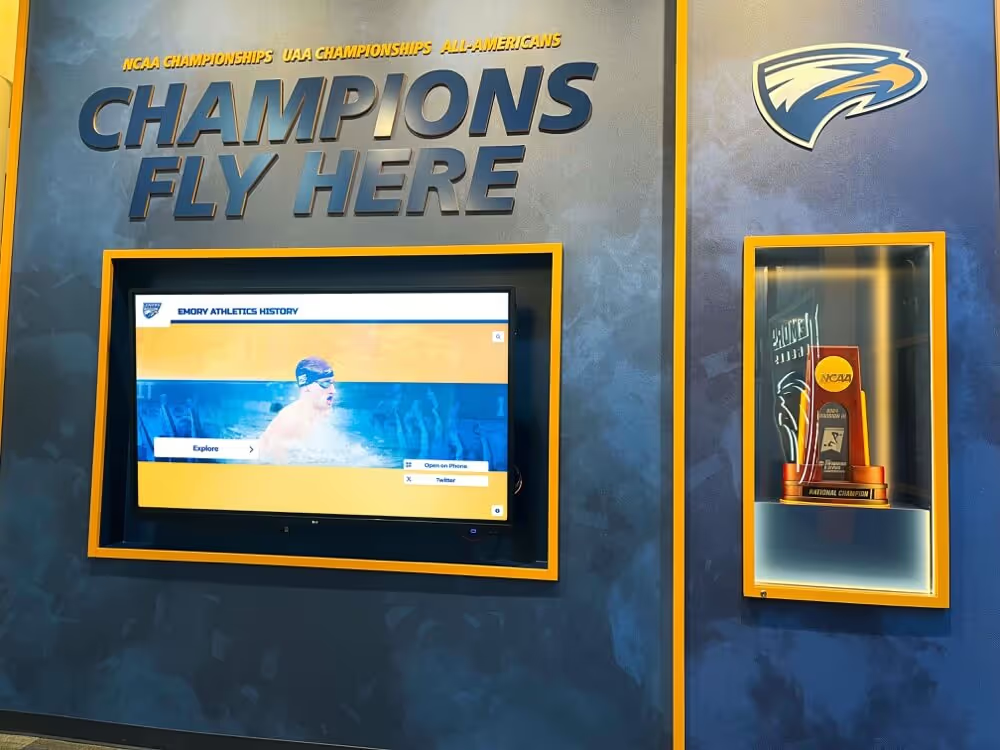
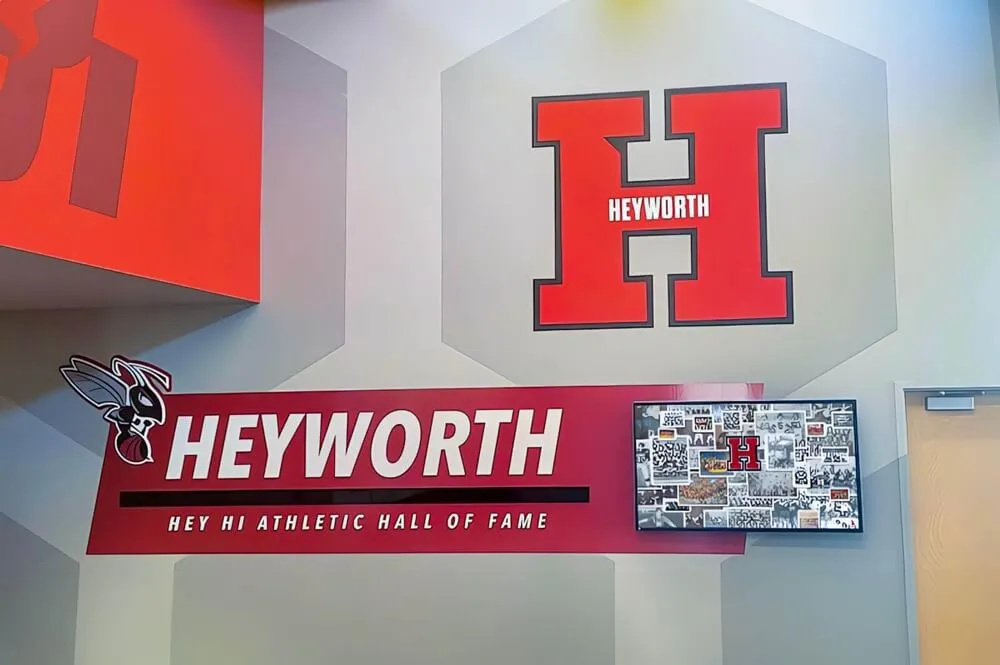
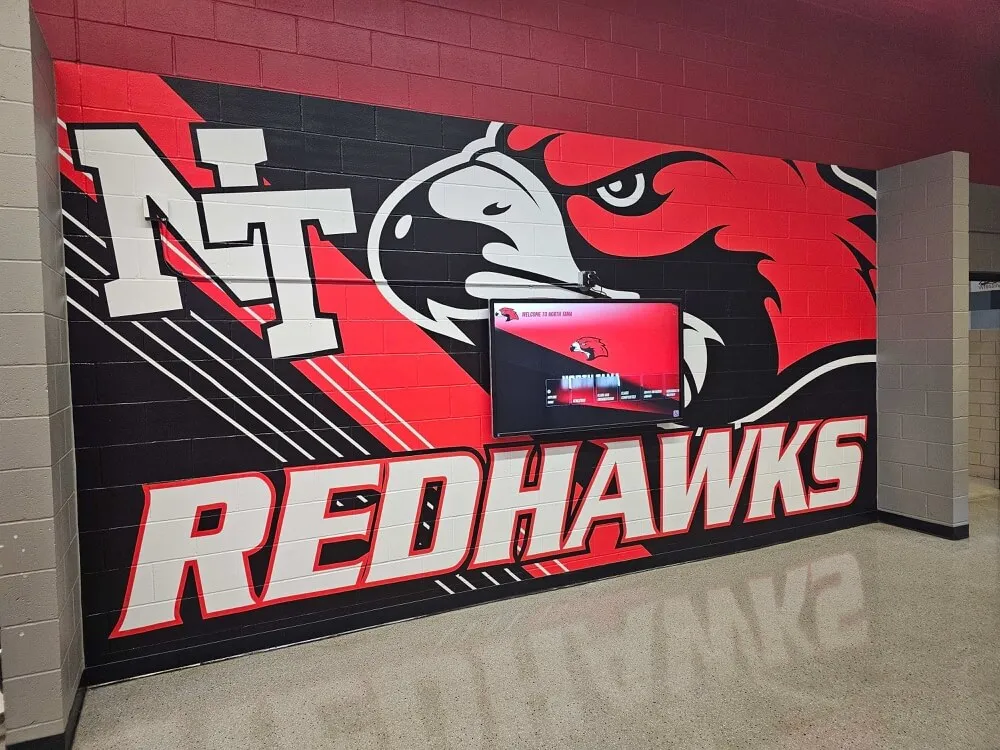
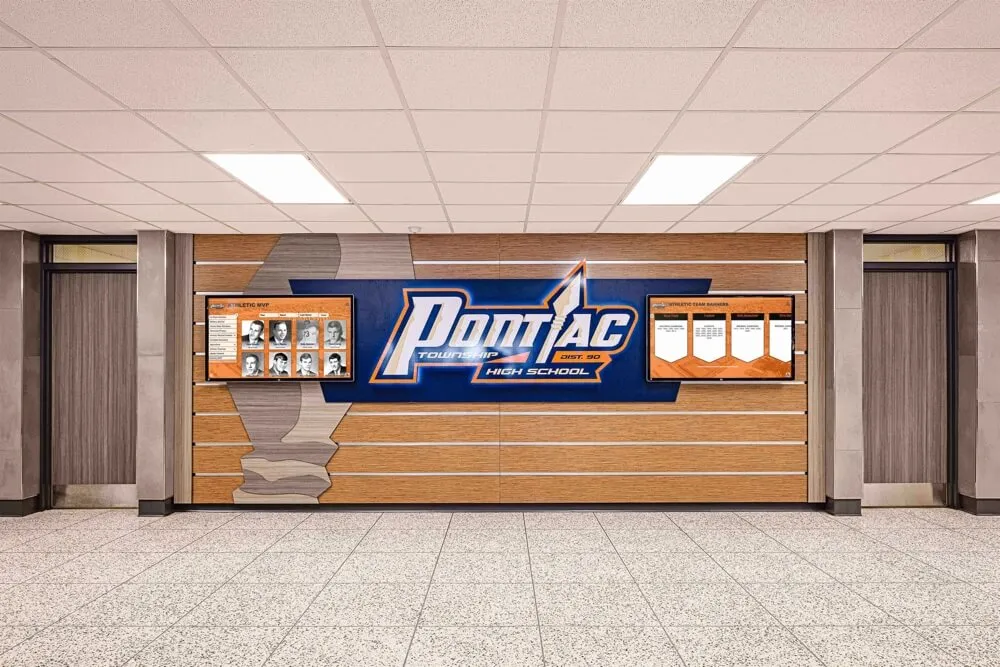
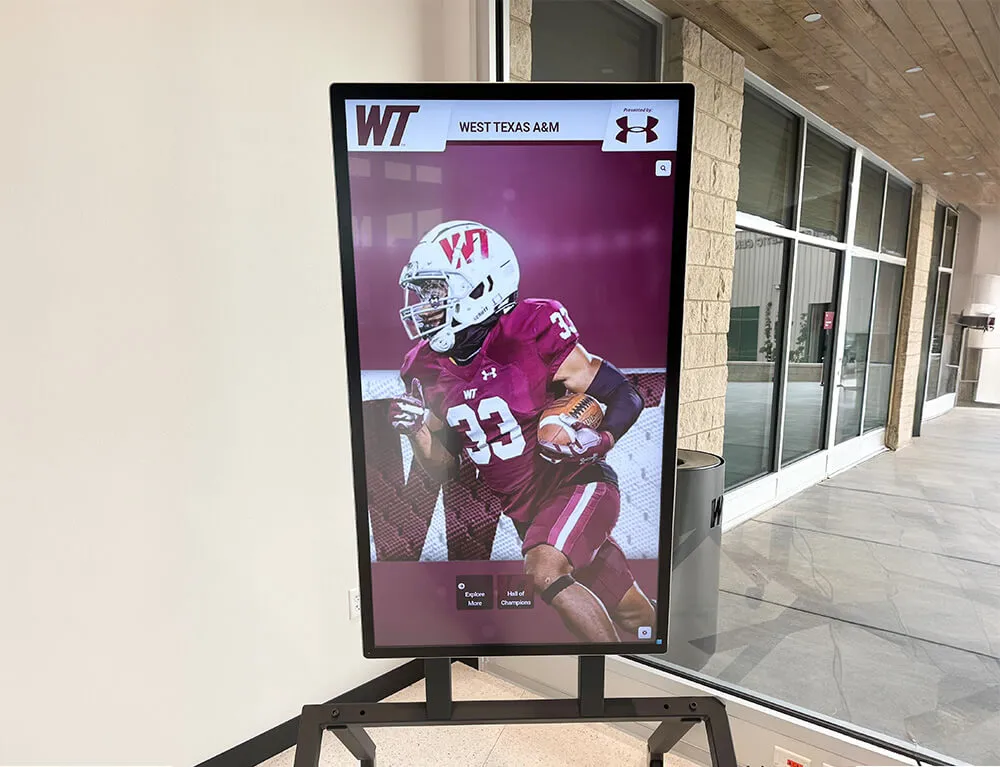
Comprehensive recognition systems celebrate achievement across all programs, including music and athletics equally
Signature Traditions That Build Identity
The Ohio State Marching Band’s most famous traditions offer lessons in creating memorable experiences that strengthen program identity.
Script Ohio: Perfection in Performance
Perhaps no college band tradition generates more recognition than Script Ohio—the iconic formation where the band spells “Ohio” in flowing script across the field. This signature performance demonstrates several recognition principles:
- Selectivity Creates Prestige - The honor of dotting the “i” goes to senior sousaphone players, creating an achievement aspiration spanning entire undergraduate careers
- Repetition Builds Tradition - Performing Script Ohio at every home game since 1936 establishes consistency that transforms individual moments into institutional heritage
- Visual Impact - The formation’s simplicity and recognizability make it immediately identifiable, creating brand recognition extending beyond campus
- Inclusive Excellence - While one musician receives the spotlight, the formation requires every member executing their position perfectly
Schools can adapt this model by creating signature performance moments or recognition elements that become synonymous with their music programs. Traditions need not be complex—consistency and institutional commitment transform simple acts into cherished heritage.
Ramp Entry: Controlled Energy Release
The band’s pregame entrance—marching down the ramp into Ohio Stadium while playing “Buckeye Battle Cry”—exemplifies how programs can create anticipation and excitement around musical performance:
- Fixed rituals creating predictable moments audiences anticipate
- Strategic timing maximizing emotional impact and crowd engagement
- Integration with broader event experiences rather than isolated musical moments
- Multimedia amplification through video boards, social media, and broadcast coverage
- Alumni participation opportunities enabling former members to revisit signature experiences
These principles apply to schools of any size—creating predictable moments of celebration around musical excellence builds traditions that strengthen program identity while providing recognition opportunities for student musicians.
High-Level Performance Standards
The Ohio State Marching Band’s audition process and performance expectations establish excellence benchmarks:
Competitive Selection Process
With approximately 450 positions available from over 1,000 auditioners annually—a roughly 45% acceptance rate—the band maintains selectivity communicating program prestige. This selective approach creates:
- Clear achievement markers for students aspiring to membership
- Pride in selection among those who earn positions
- Performance standards requiring sustained technical excellence
- Alumni status carrying lasting credibility and recognition value
Schools implementing selective ensembles alongside open-participation groups create achievement pathways motivating students toward higher technical development while maintaining inclusive opportunities.
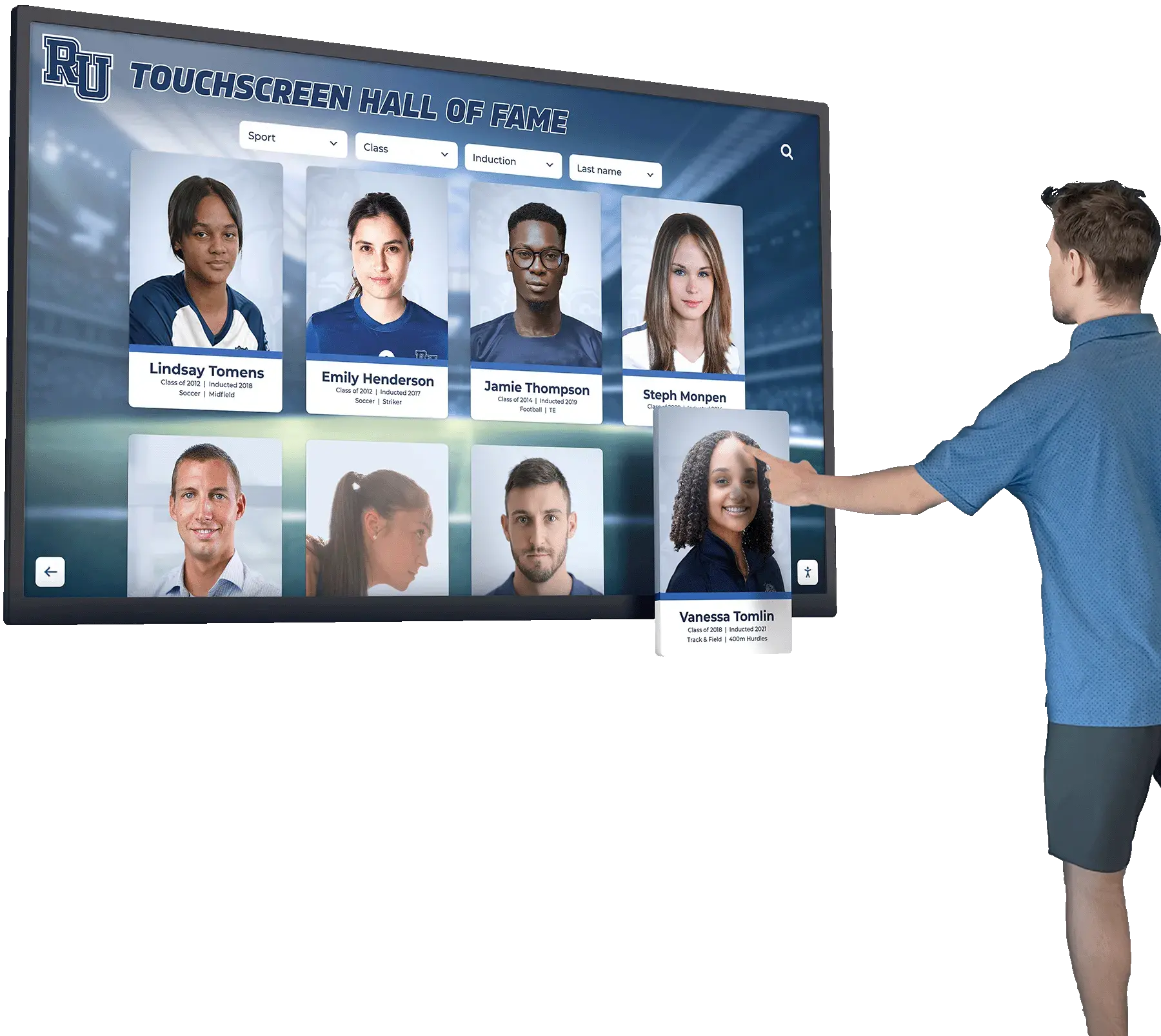
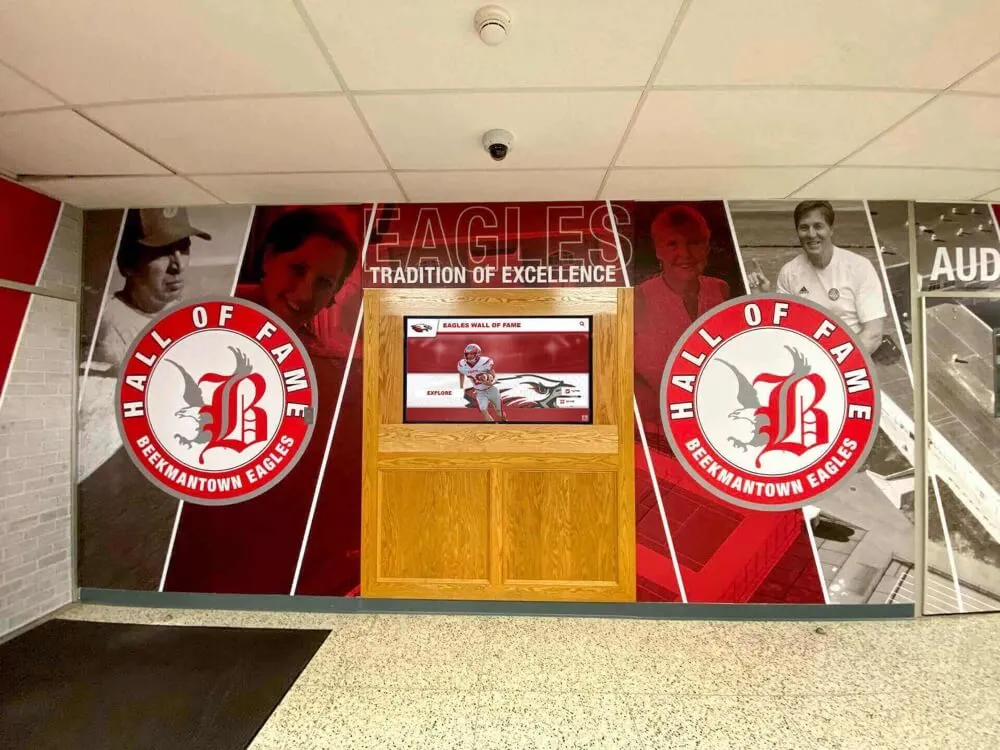
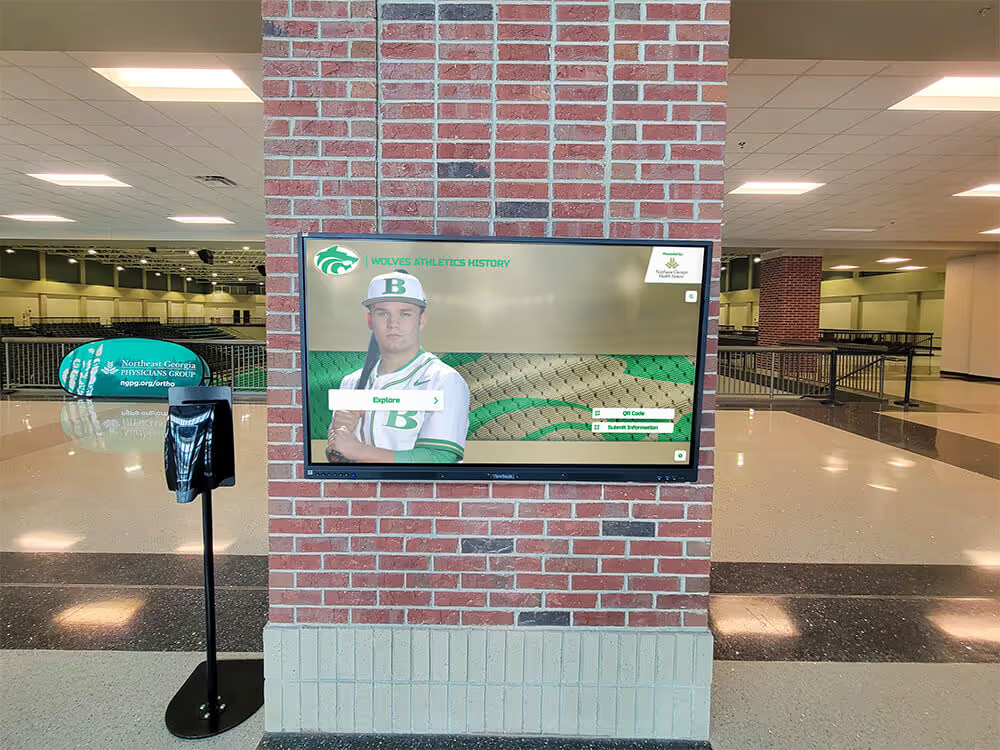
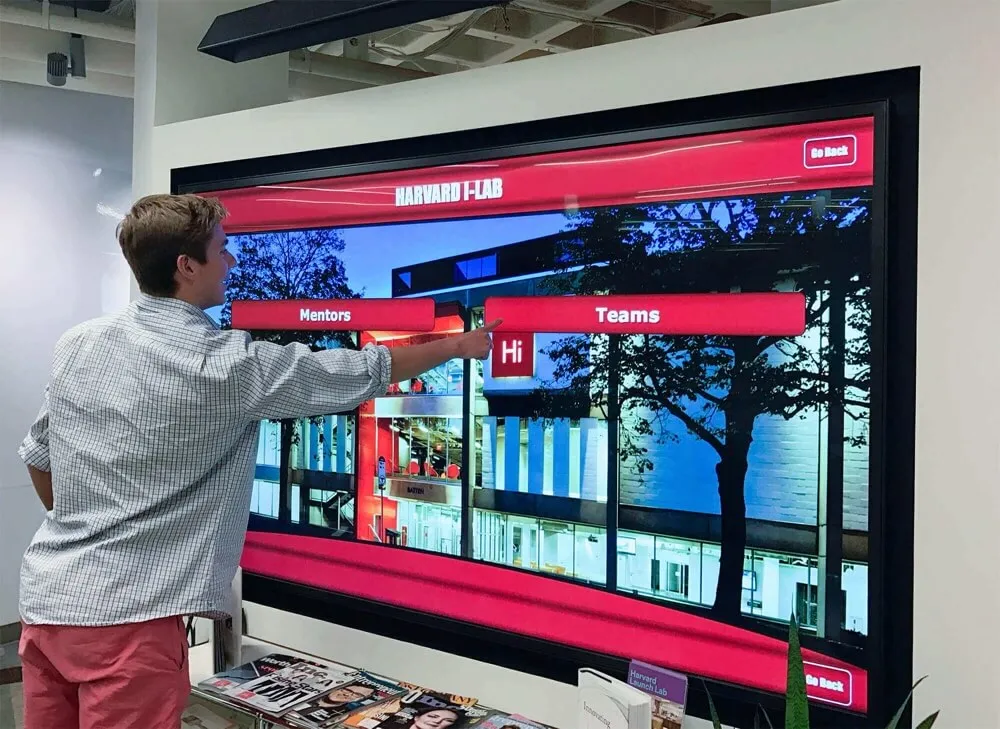
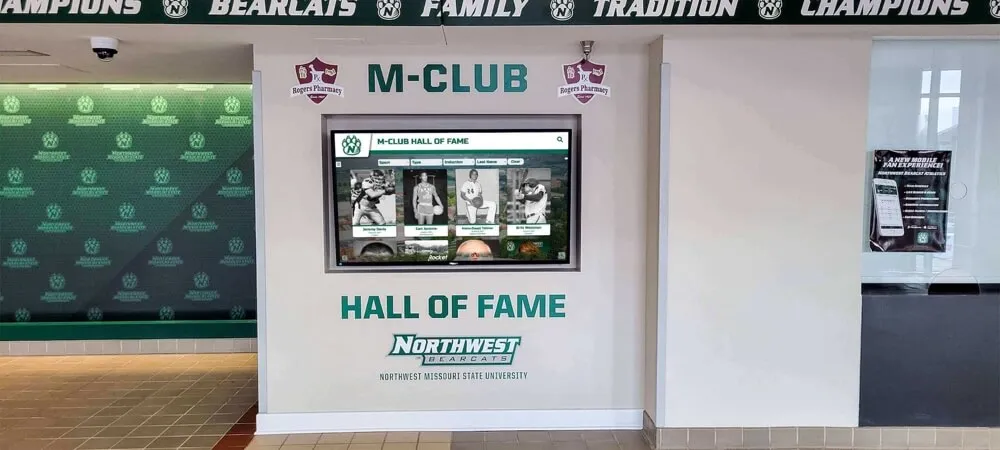
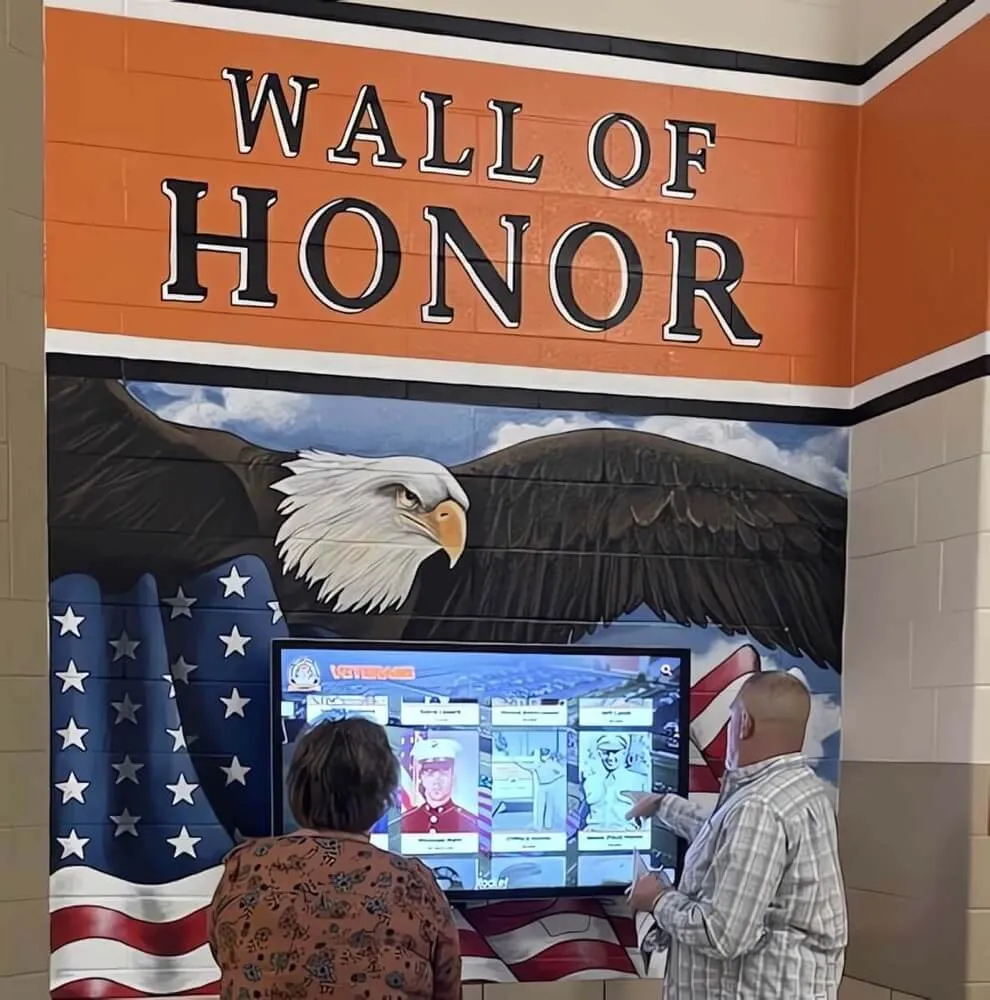
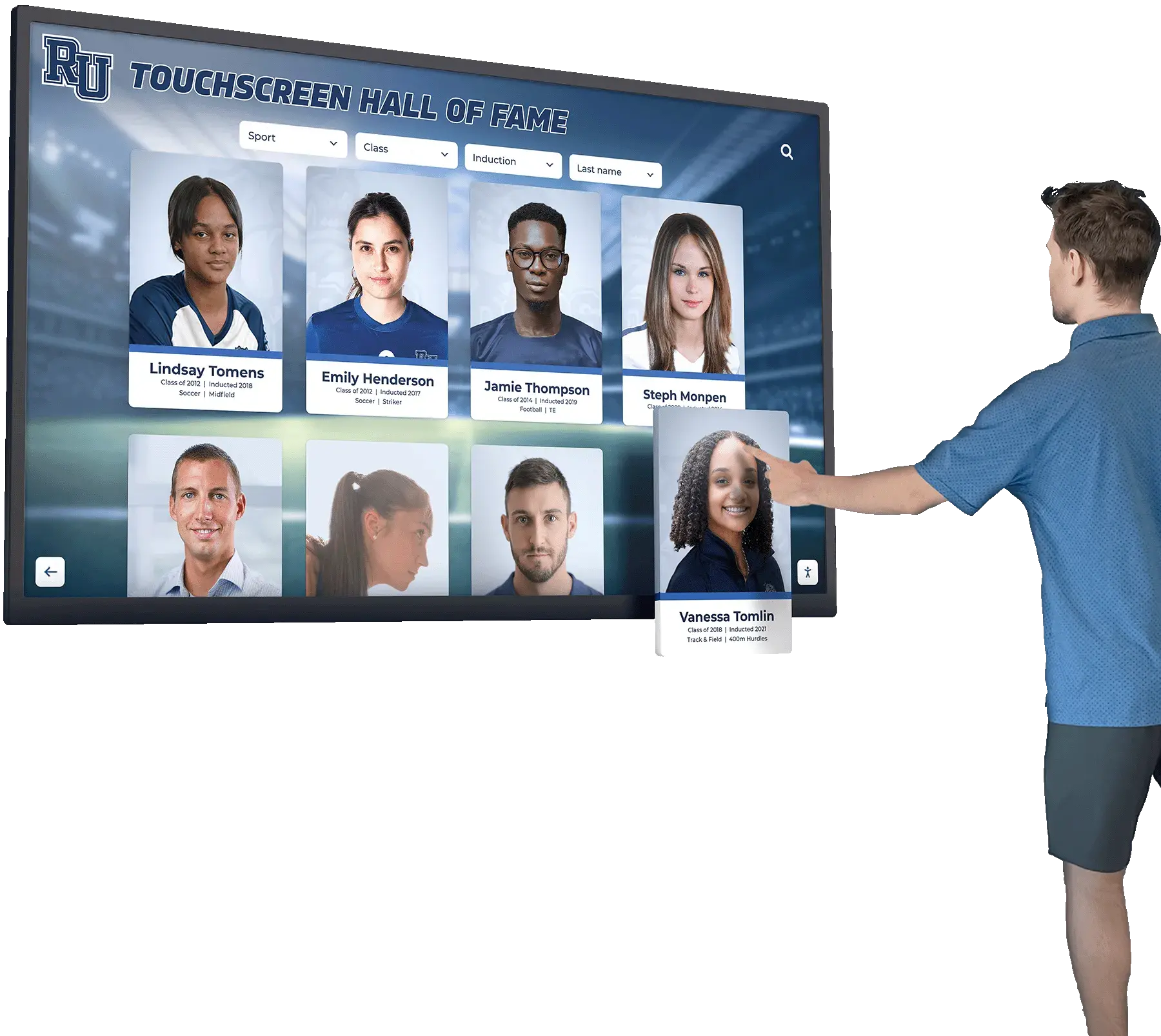
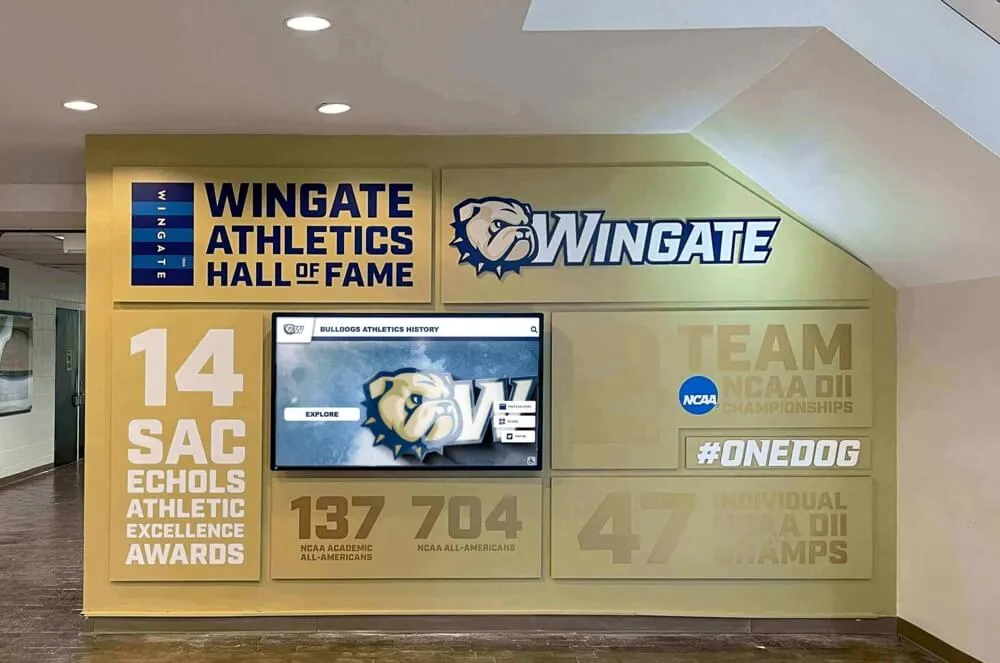
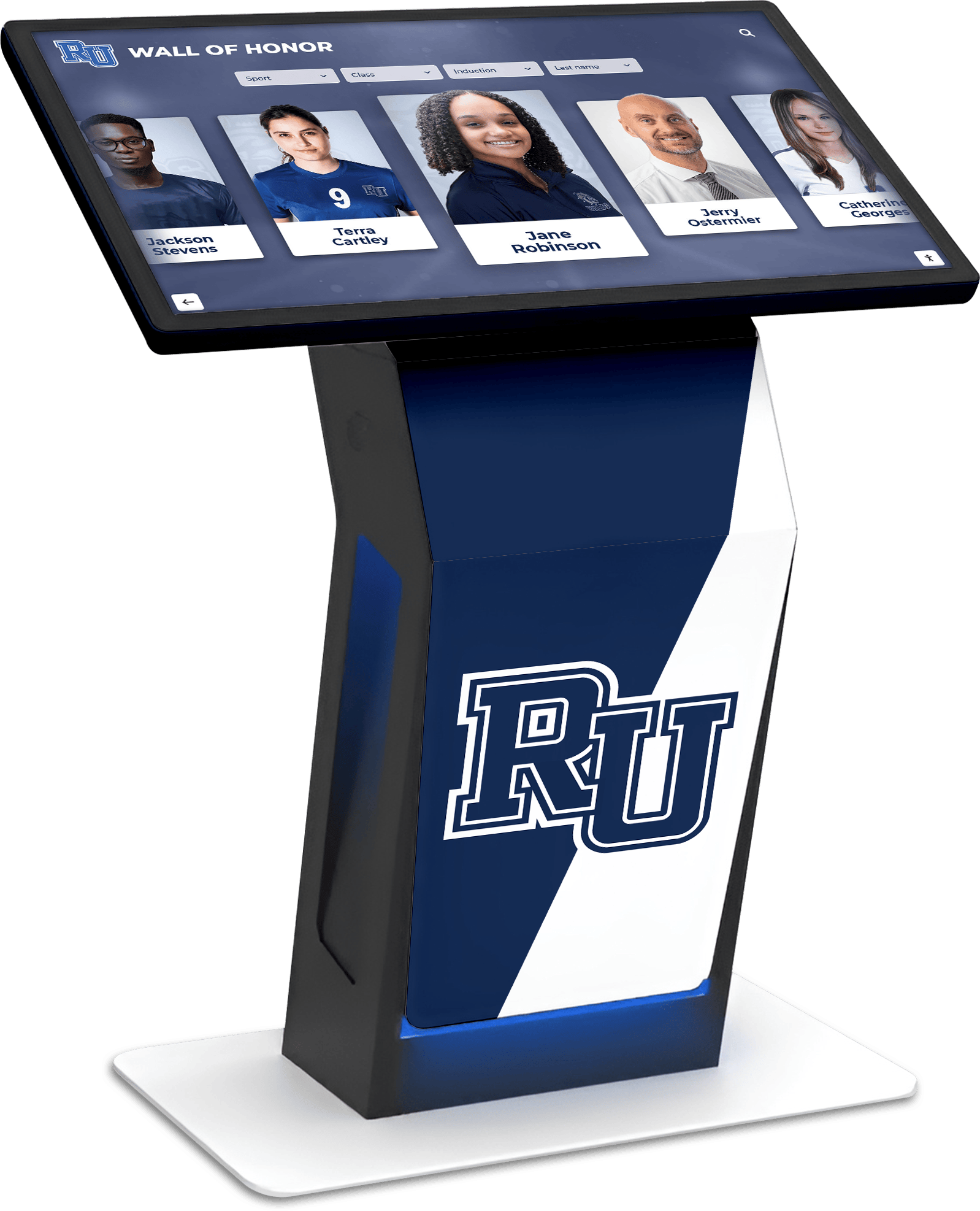
Touchscreen displays enable visitors to explore individual achievements and program histories interactively
Demanding Time Commitment
Band members invest 20-30 hours weekly during fall season—comparable to varsity athletic time requirements. This commitment level:
- Validates musical participation as serious co-curricular achievement
- Justifies recognition systems matching athletic program visibility
- Creates shared sacrifice bonding members across class years
- Demonstrates that musical excellence requires dedication matching any elite pursuit
When schools recognize the comparable commitment music students invest, they justify allocating recognition resources proportional to those dedicated to athletics or other visible programs.
Adapting Ohio State Band Principles to Your School’s Music Program
While few schools can replicate Ohio State’s scale, all institutions can apply underlying principles to their unique contexts.
Creating Visible Music Program Recognition
Music programs nationwide deserve recognition visibility matching their students’ dedication and achievement.
Assessment: Current Recognition State
Begin by auditing existing music recognition:
- Inventory physical displays currently honoring music students and achievements
- Compare music recognition space and visibility to athletic program displays
- Identify high-traffic locations suitable for expanded music recognition
- Survey current and former music students about recognition experiences
- Review historical documentation available for music program archives
- Determine budget allocated to music recognition versus other programs
This baseline assessment reveals recognition gaps while identifying resources available for enhancement. Many schools discover that while music programs generate achievements comparable to athletics, visible recognition remains dramatically imbalanced.
Understanding comprehensive approaches to student recognition helps schools develop systematic frameworks celebrating achievement across all programs equitably.
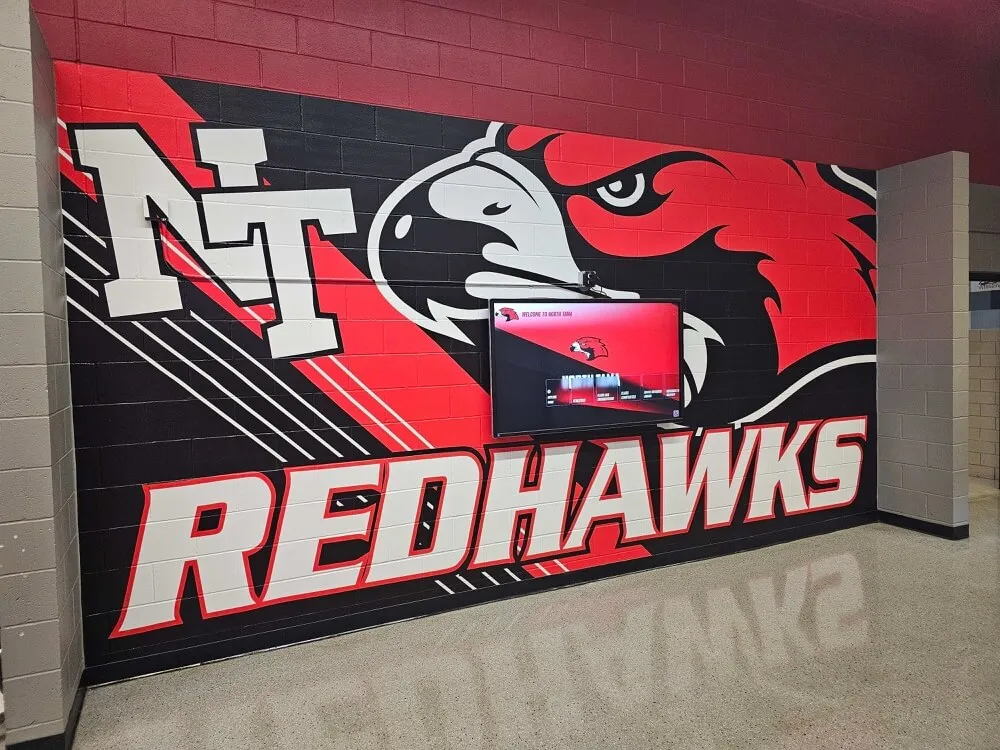
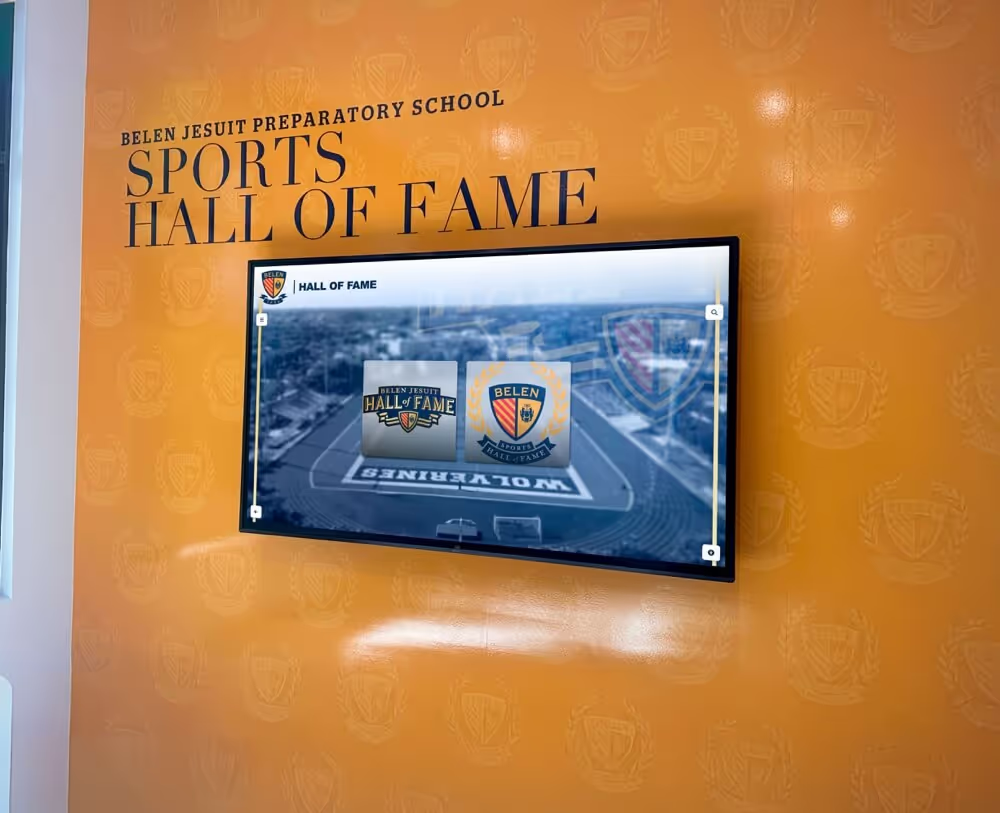
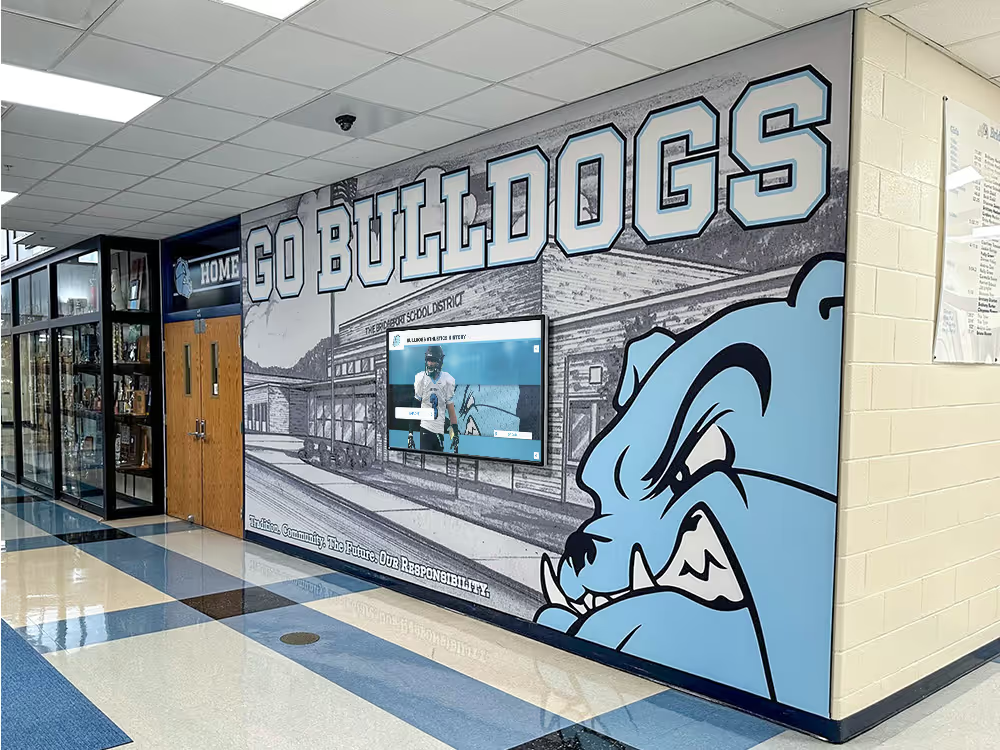
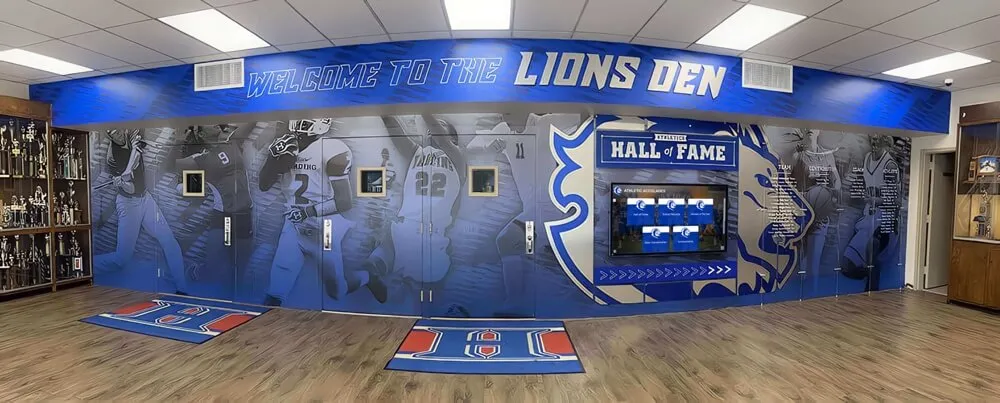
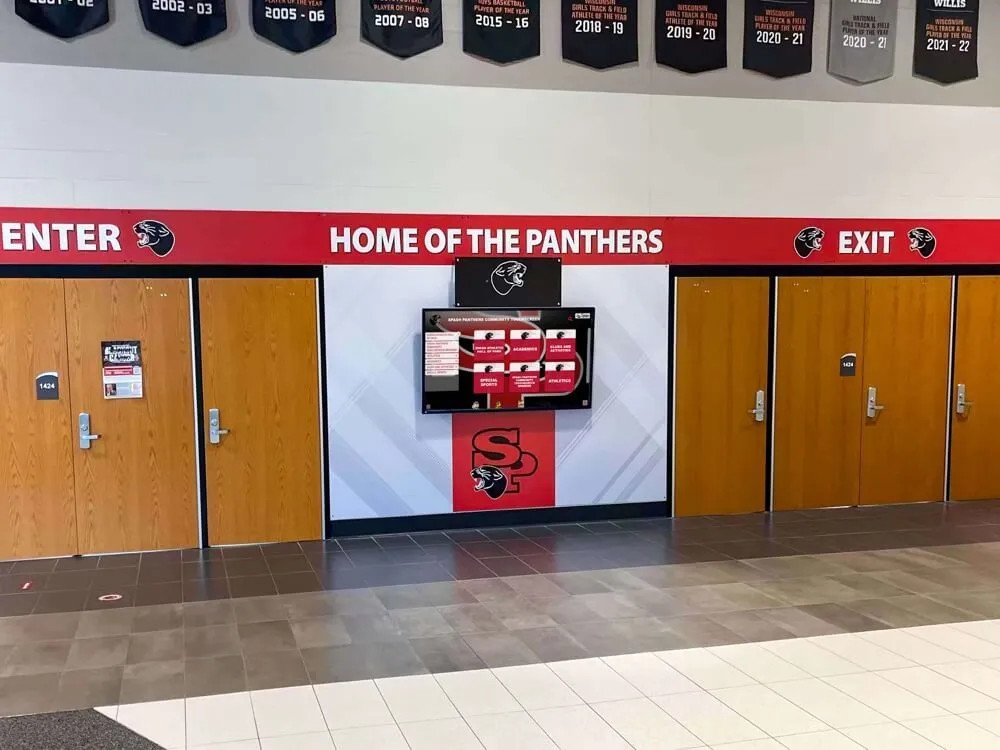
Strategic hallway placements ensure music recognition remains visible to students, families, and visitors daily
Establishing What Deserves Recognition
Comprehensive music recognition programs celebrate multiple achievement dimensions:
Performance Excellence
- All-State band, orchestra, and choir selections with specific positions and instruments
- Regional and district honor ensemble participation
- Solo and ensemble superior ratings at festivals
- National honor ensemble participation including All-National and Presidential ensembles
- Audition advancement showing competitive progression even without ultimate selection
Competition Achievement
- Marching band competition rankings and championships
- Concert ensemble festival ratings and awards
- Jazz festival recognitions and outstanding soloist awards
- Concert performance competition successes
- Composition and arranging competition achievements
Individual Musical Milestones
- Years of participation showing sustained commitment
- Leadership positions including section leaders and drum majors
- Tri-M Music Honor Society membership and leadership
- Private lesson milestones and certification achievements
- Musical scholarship recipients attending college music programs
Ensemble and Group Achievements
- Championship marching band seasons
- Superior-rated concert performances
- Musical production cast and pit orchestra participation
- Community performance and service achievements
- Competition ensemble successes
Multi-dimensional recognition ensures programs celebrate diverse musical excellence forms rather than limiting recognition to single achievement types.
Modern Recognition Technology Solutions
Digital recognition platforms address the space constraints that prevent comprehensive music program celebration.
Unlimited Capacity Recognition Systems
Traditional trophy cases and wall plaques face severe space limitations, forcing difficult choices about which achievements receive visible honor. Digital recognition platforms eliminate these constraints:
- Every All-State musician throughout school history receives comprehensive recognition
- Multiple photos per student showing various performances and musical moments
- Unlimited ensemble categories without choosing between band, choir, orchestra, jazz recognition
- Historical archives preserving decades of musical excellence systematically
- Easy addition of newly achieved honors without physical modifications or space concerns
Solutions like Rocket Alumni Solutions provide schools with specialized platforms designed for music program recognition, offering intuitive content management that music directors and administrators operate successfully without technical expertise.
Rich Multimedia Storytelling
Digital platforms enable storytelling impossible with static physical displays:
- Multiple photographs capturing musicians with instruments, in performance, at competitions
- Video highlights from concerts, competitions, and memorable performances
- Audio recordings enabling audiences to hear the exceptional musicianship earning recognition
- Biographical narratives telling complete musical journey stories
- Post-graduation updates showing college music programs, professional pursuits, continued musical engagement
This multimedia approach transforms simple name recognition into meaningful tributes honoring complete musicians rather than just listing achievements.
Exploring digital recognition display approaches demonstrates how technology creates engaging recognition experiences that inspire current students while honoring program history comprehensively.
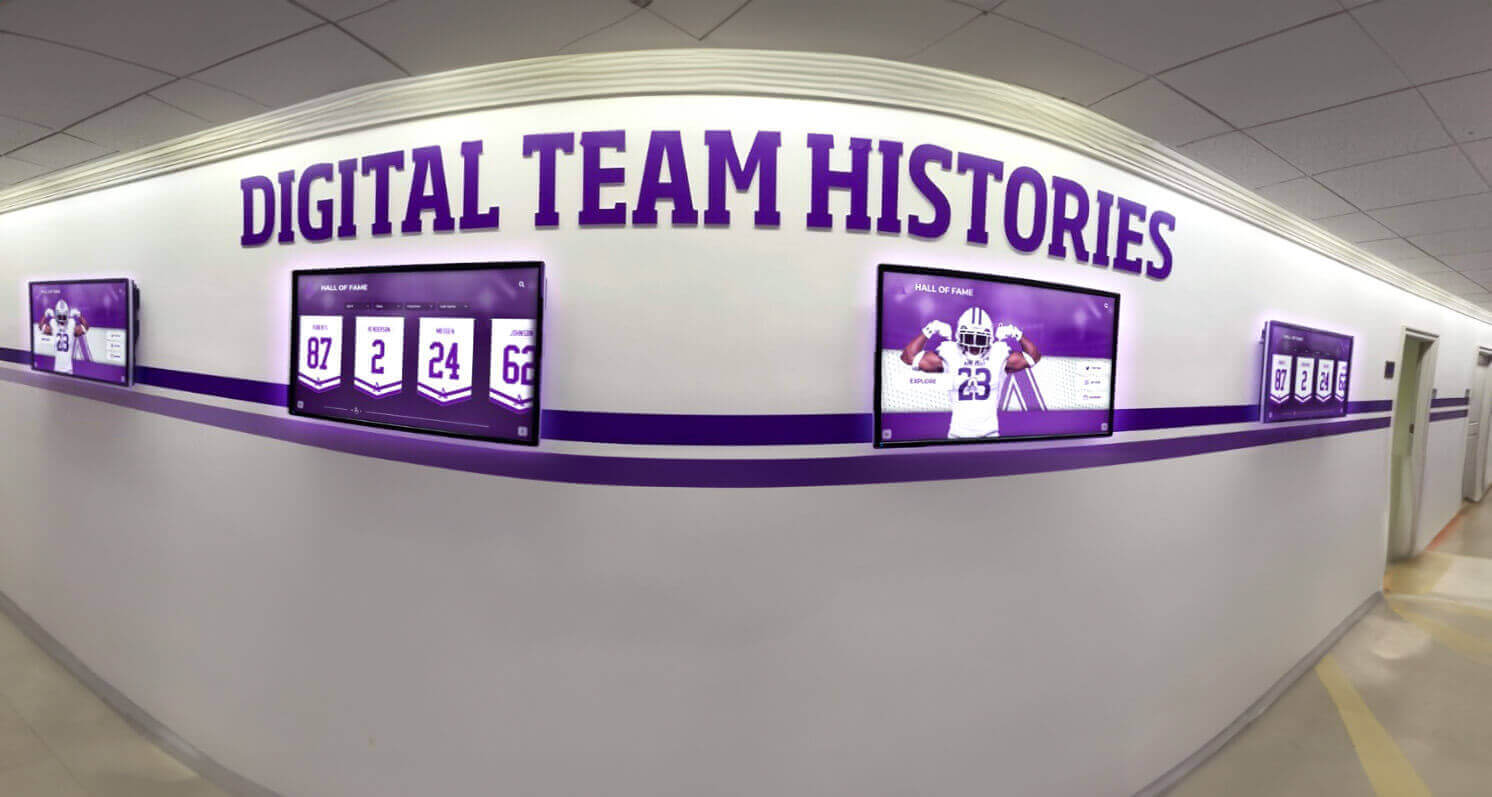
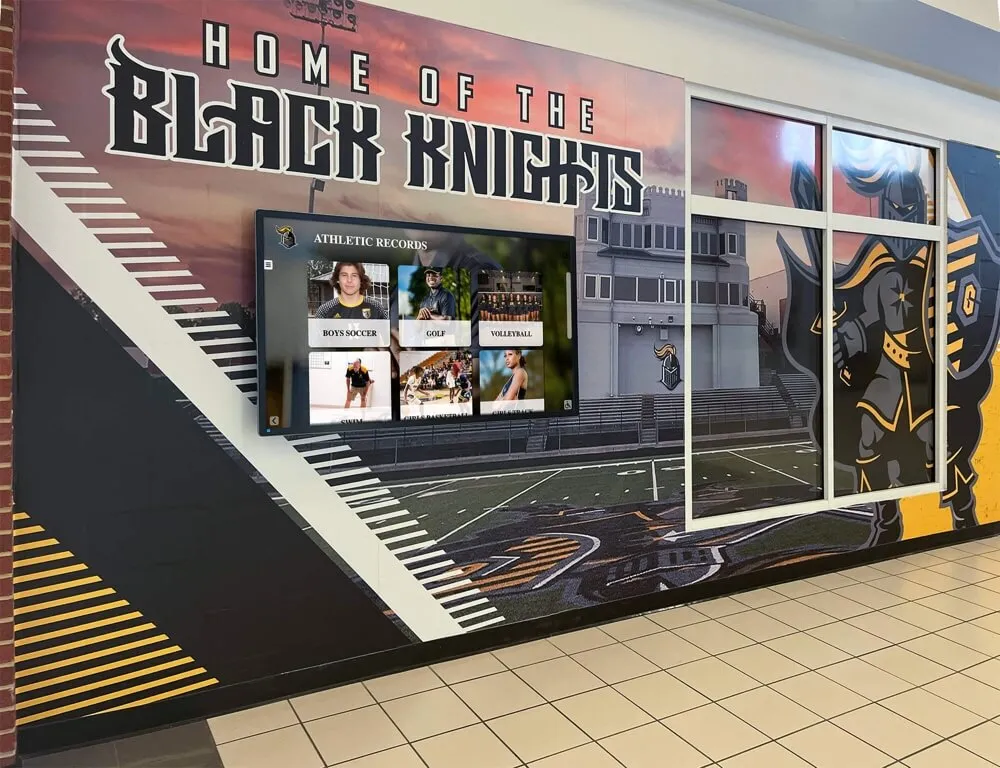
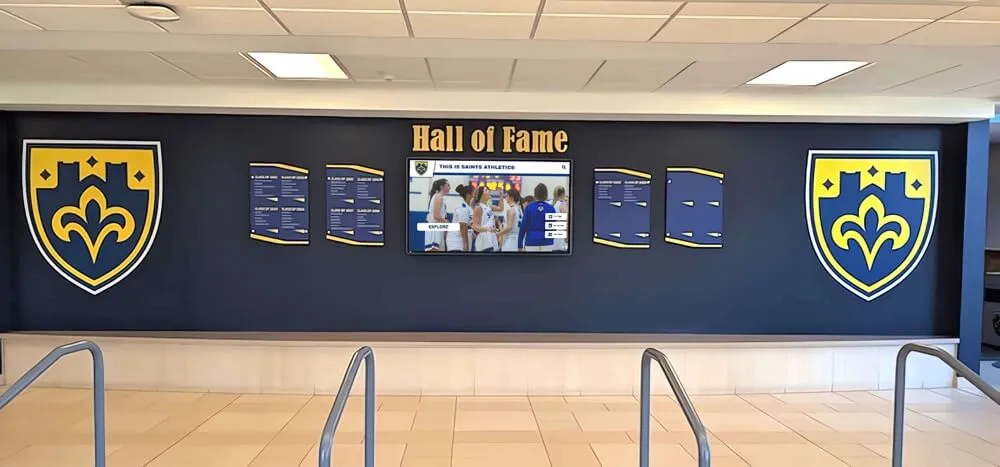
Multiple strategically placed displays ensure recognition visibility throughout school facilities
Interactive Exploration and Discovery
Touchscreen interfaces invite active engagement with music recognition:
- Search functionality enabling users to find specific musicians by name, instrument, year, ensemble
- Filtering by instrument family, voice part, ensemble type, or achievement category
- Timeline views showing program growth and evolution across decades
- Comparison features highlighting multiple achievers from the same family or section
- Related content connections linking section members, classmates, or directors
Interactive features create engaging experiences encouraging repeated visits and exploration rather than single passive viewings of static displays. Students discover role models who played their instrument, see progression pathways from beginning musicians to elite performers, and connect current achievements to program histories spanning generations.
Simple Remote Content Management
Cloud-based management systems eliminate administrative burden:
- Remote updates from any internet-connected device without physical display access
- Bulk import tools for adding historical musicians efficiently
- Scheduled publishing coordinating recognition with achievement announcements
- Role-based permissions enabling band directors, choir directors, orchestra directors to manage relevant content
- User-friendly interfaces requiring no technical expertise or specialized training
Schools implementing comprehensive student achievement recognition report 80-90% reductions in administrative time after transitioning from physical plaques to digital management, freeing directors to focus on instruction rather than recognition logistics.
Program Snapshot: School Music Recognition Implementation
| Recognition Element | Implementation Details |
|---|---|
| Program Types | Marching Band, Concert Band, Jazz Band, Orchestra, Choir, Chamber Ensembles |
| Achievement Categories | All-State Selections, Regional Honors, Competition Awards, Individual Milestones |
| Display Locations | Band Halls, Auditorium Lobbies, Main Entrances, School Lobby Areas |
| Content Management | Music Directors, Department Chairs, Administrative Support |
| Update Frequency | Immediate for Major Achievements, Seasonal for Historical Additions |
| Multimedia Content | Photos, Performance Videos, Audio Recordings, Written Narratives |
| Historical Depth | Comprehensive Archives from Program Inception to Present |
| Community Access | Physical Displays, Web Platforms, Mobile-Responsive Access |
Building Music Program Traditions
Creating memorable traditions requires less resources than many schools imagine—consistency and institutional commitment prove more important than elaborate productions.
Establishing Signature Recognition Moments
Schools can develop traditions celebrating musical excellence in ways that become institutionally synonymous with their identity.
Annual Recognition Events
Systematic celebration creates anticipated moments honoring achievement:
End-of-Year Music Awards Programs
Formal recognition ceremonies comparable to athletic banquets:
- Individual achievement awards for technique, leadership, character, improvement
- Section recognition celebrating group excellence and camaraderie
- Ensemble awards acknowledging collective achievements and milestones
- Senior tributes honoring graduating musicians’ contributions and futures
- Historical perspective connecting current achievements to program legacies
These events communicate institutional values while creating memories students carry throughout their lives. When schools invest production quality into music recognition events matching athletic celebrations, they demonstrate equitable commitment to diverse excellence forms.
Understanding how schools honor various programs equitably provides models for creating comprehensive recognition systems celebrating multiple program types appropriately.
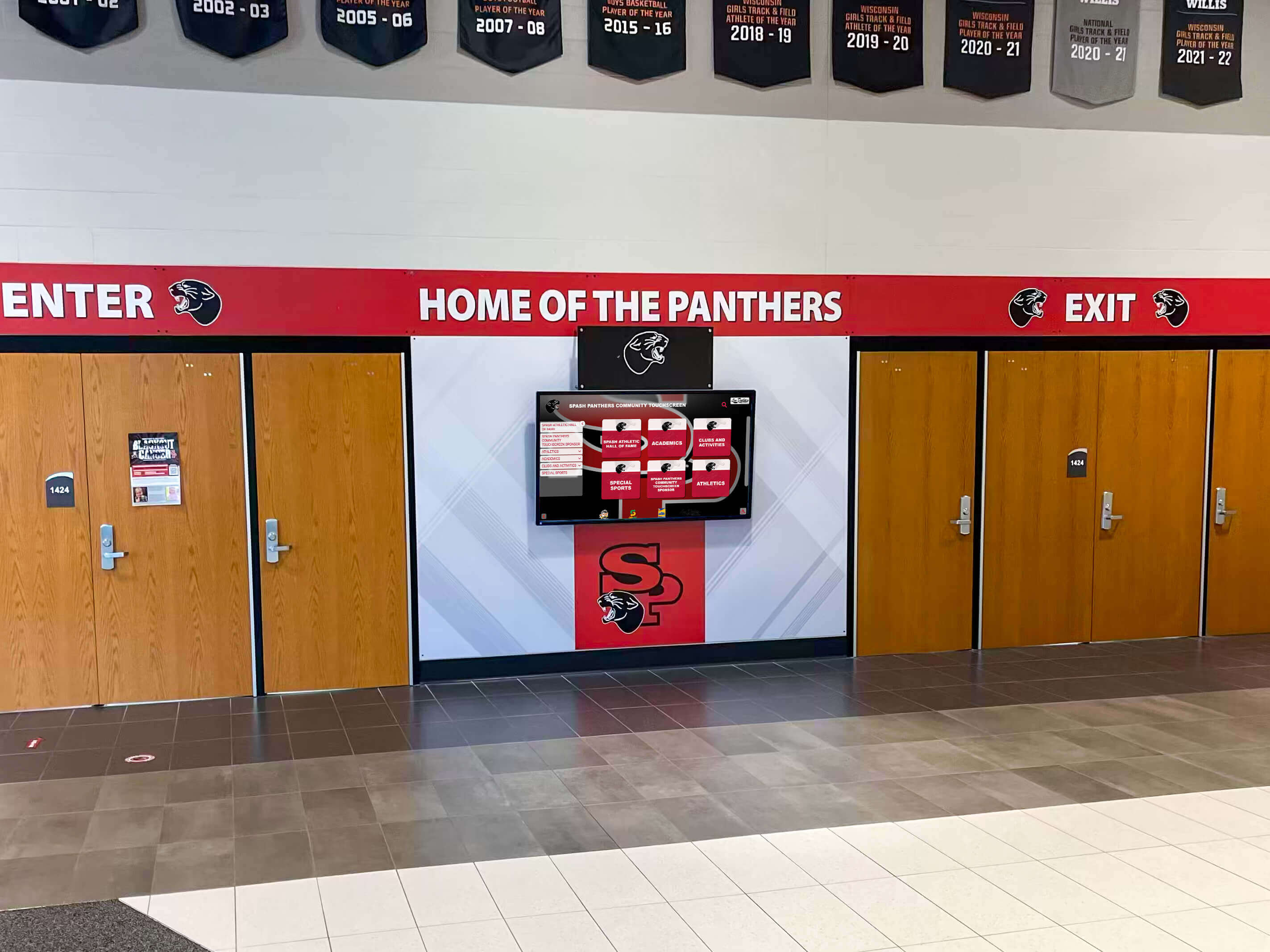
Entrance displays ensure music program recognition greets students, families, and visitors immediately upon arrival
Performance-Integrated Recognition
Connecting achievement recognition with musical performances maximizes impact:
- Concert program inserts listing recent honors and achievements
- Pre-performance announcements recognizing newly selected All-State musicians
- Visual displays in performance venues showing historical program achievements
- Social media campaigns during concert seasons highlighting current and historical excellence
- Video board recognitions during halftime or intermission at athletic events
Integration ensures music recognition reaches audiences already engaged with school communities rather than requiring separate attendance.
Alumni Engagement Through Music Recognition
Comprehensive recognition systems create natural alumni connection points:
Homecoming and Reunion Weekend Activities
Music-focused alumni engagement opportunities:
- Alumni band rehearsals and performances during homecoming
- Recognition displays in reunion areas sparking conversations and connections
- Historical photo galleries showing program evolution across decades
- Networking events connecting current students with professional musicians alumni
- Master classes where accomplished alumni work with current students
Digital recognition platforms facilitate these connections by providing searchable databases enabling alumni to locate former section members, directors, and classmates while exploring how programs evolved after their graduation.
Career Pathway Documentation
Tracking where music students’ education leads demonstrates program value:
- College music major and minor documentation
- Professional musician and music educator career tracking
- Arts administration and music industry professional recognition
- Community music leadership acknowledgment
- Continued amateur musical engagement celebration
This documentation helps current students and families understand musical education’s lifelong value while celebrating diverse pathways former musicians pursue.
Creating Inclusive Excellence Structures
Effective recognition systems celebrate achievement at multiple levels rather than limiting honor to elite performers exclusively.
Tiered Recognition Approaches
Multi-level systems ensure all students find recognition opportunities:
Elite Achievement Recognition
- All-State and national-level selections receiving prominent display
- State and regional competition championship achievements
- Scholarship recipients and professional pathway students
- Outstanding individual technique and artistry awards
Sustained Excellence Recognition
- Years of participation milestones (4-year band members, etc.)
- Leadership position holders including section leaders and officers
- Consistent superior rating earners at festivals
- Improvement and dedication awards
Growth and Development Recognition
- Most improved musician awards by section or ensemble
- Technique milestone achievements
- Academic recognition programs for music students
- Service and mentorship contributions
Inclusive structures maintain elite achievement prestige while ensuring all dedicated students receive meaningful recognition, creating positive cultures where everyone finds celebration opportunities.
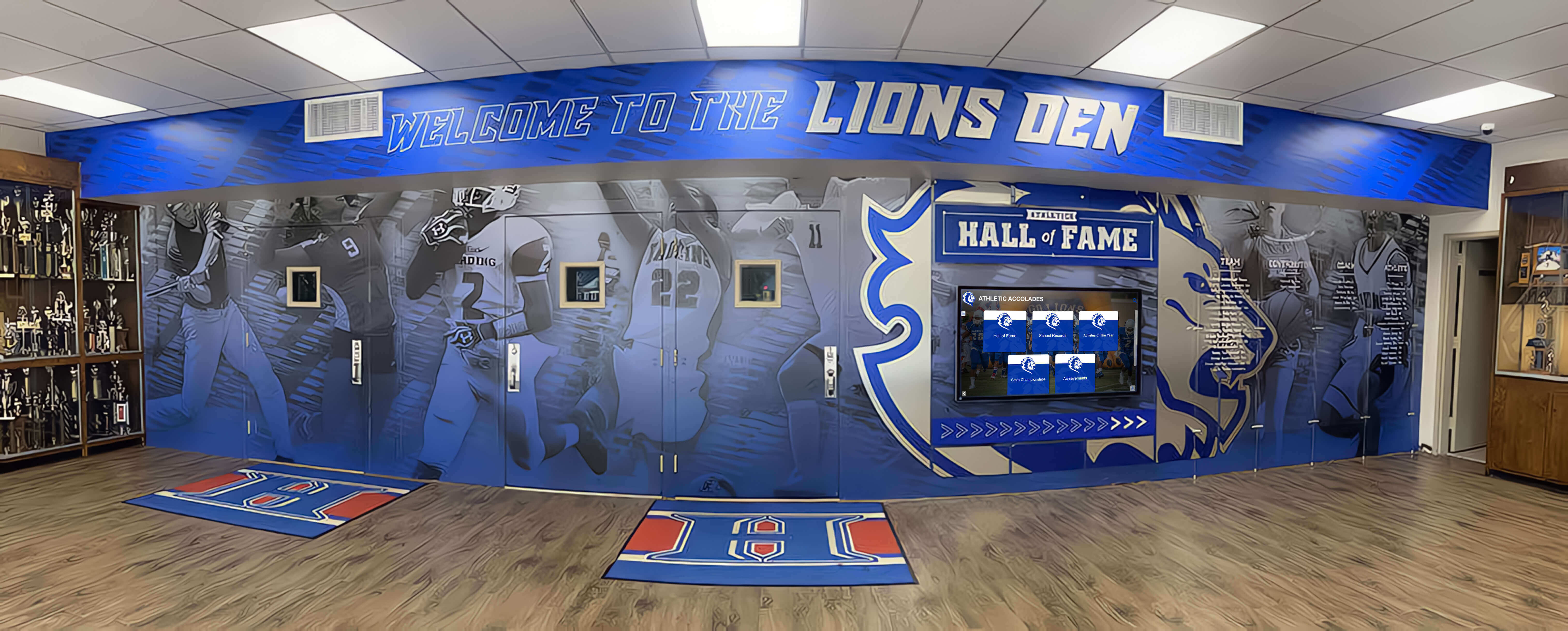
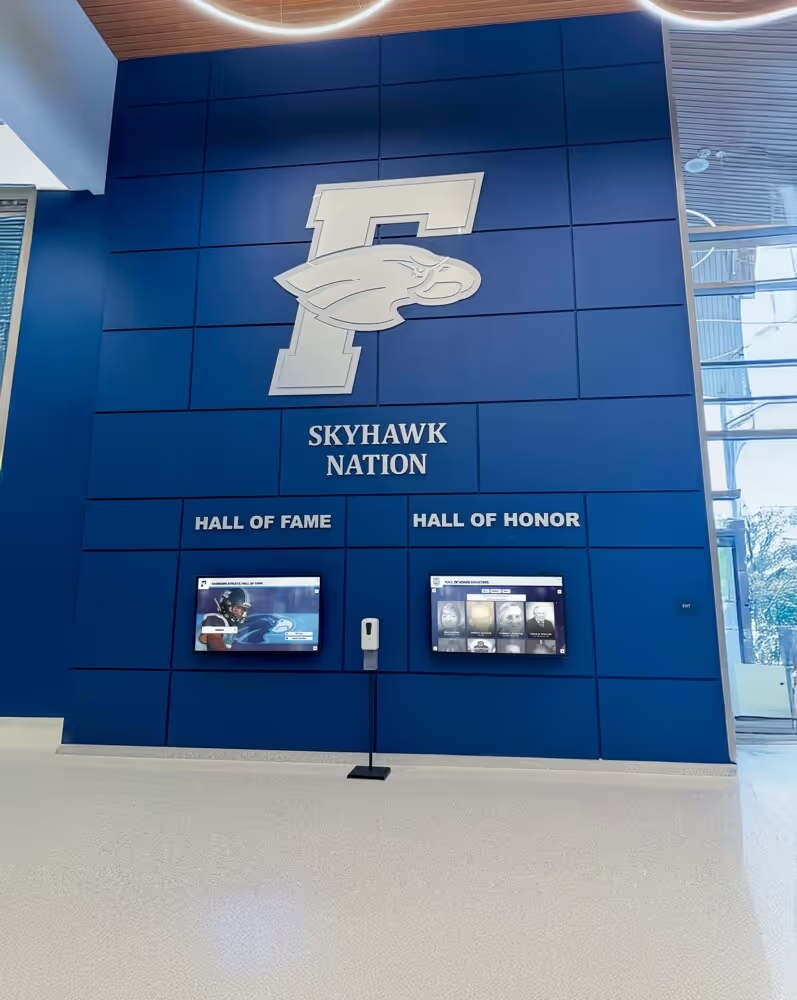
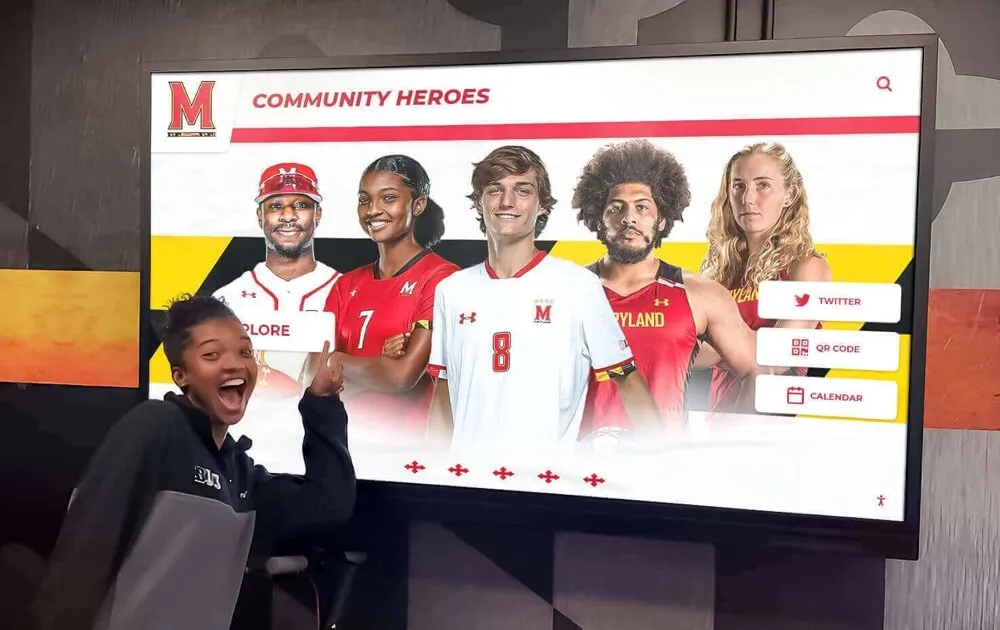
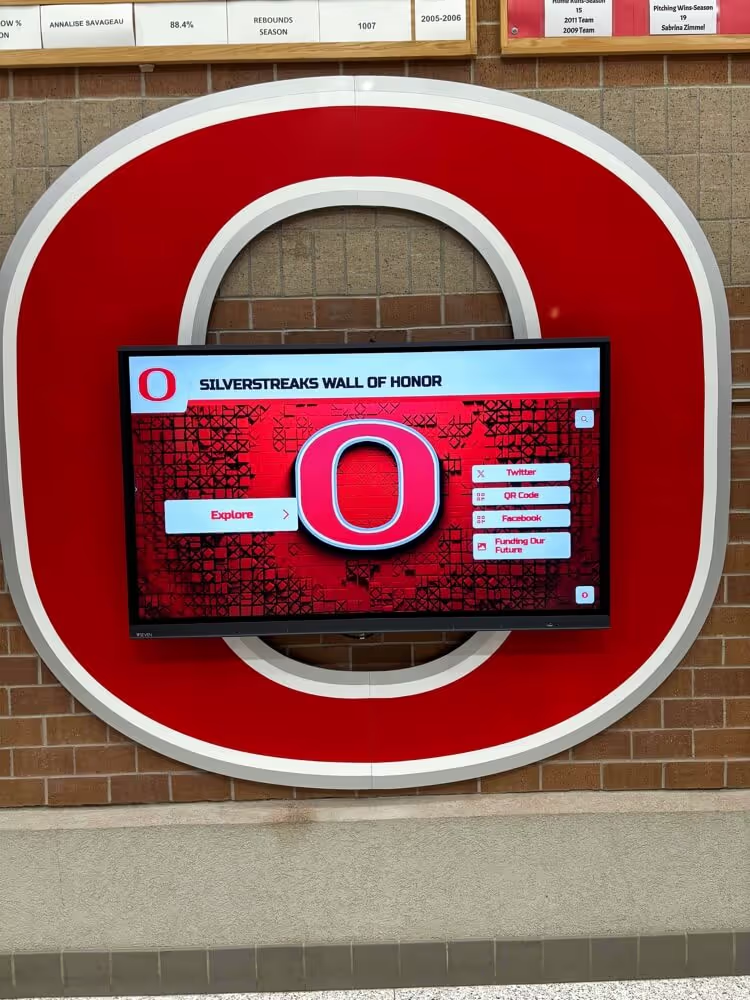
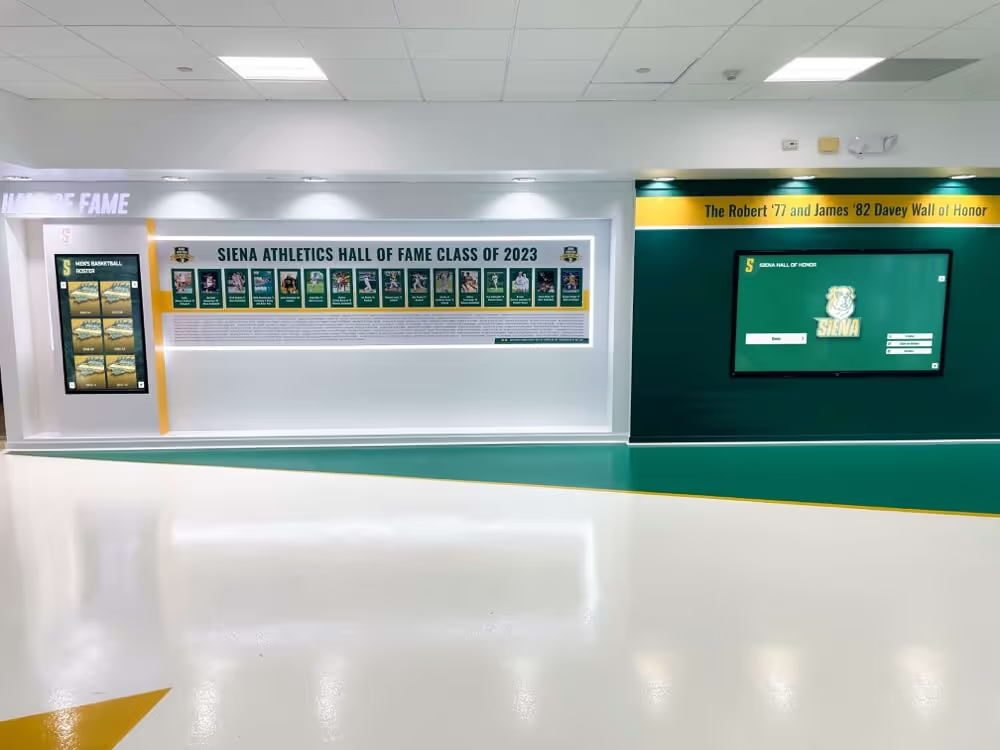
Integrated recognition systems celebrate achievements across athletics, academics, and performing arts equally
Implementation Timeline: Launching Music Recognition Programs
Schools establishing or enhancing music recognition should follow systematic approaches ensuring successful implementations.
Phase 1: Assessment and Planning (Months 1-2)
Current State Evaluation
Begin with comprehensive audits:
- Inventory existing music recognition locations and quality
- Survey current students, parents, alumni about recognition satisfaction
- Compare music recognition to athletic and academic program visibility
- Review available historical documentation for archival recognition
- Identify key stakeholders including directors, administrators, booster organizations
- Determine available budget and potential funding sources
Vision and Goals Development
Establish clear objectives:
- Define what comprehensive music recognition means for your specific programs
- Set measurable goals for recognition enhancement
- Identify priority achievement categories and recognition levels
- Determine optimal display locations and visibility targets
- Establish timeline expectations for various implementation phases
Phase 2: Solution Selection and Design (Months 3-4)
Technology and Display Platform Evaluation
When considering digital solutions, assess:
- Content management system ease of use for non-technical music directors
- Multimedia support including photos, audio, video capabilities
- Search and filtering functionality for instruments, ensembles, years
- Mobile and web accessibility extending recognition beyond physical displays
- Technical support and training provided by vendors
- Total cost of ownership including hardware, software, ongoing support
Solutions like Rocket Alumni Solutions provide comprehensive platforms designed specifically for educational recognition, offering intuitive interfaces that music directors and administrators manage successfully without technical expertise or ongoing vendor dependency.
Content Strategy and Historical Research
Develop systematic content approaches:
- Prioritize recent 5-10 years where documentation remains readily accessible
- Plan gradual historical recognition working backward through decades
- Establish content quality standards and consistent templates
- Create processes for soliciting historical information from alumni
- Determine photo, video, and audio collection procedures
Schools should resist delaying implementation until achieving perfect historical completeness—launching with available information while openly welcoming contributions over time demonstrates immediate commitment while building comprehensive archives gradually.
Phase 3: Implementation and Launch (Months 5-6)
Physical Installation and Technical Setup
When implementing digital recognition:
- Display installation in high-visibility locations ensuring accessibility
- Network connectivity configuration for remote management
- Content management system setup and administrator training
- Initial content population with priority achievements
- Testing and quality assurance before public launch
Many schools implement phased approaches starting with single displays in prominent locations before expanding to multiple recognition points throughout facilities as budgets allow.
Understanding optimal timing for new display installations helps schools coordinate recognition implementations with facility renovations or academic calendars for maximum impact.
Community Launch and Promotion
Public introduction strategies:
- Formal unveiling events during concerts or school ceremonies
- Press releases and media coverage highlighting recognition enhancement
- Social media campaigns showcasing new capabilities and featured musicians
- Email communications to alumni networks encouraging participation
- School newsletter features explaining recognition programs and contribution opportunities
Strong launch promotion builds awareness while inviting community participation in ongoing recognition enhancement.
Phase 4: Ongoing Management and Enhancement (Ongoing)
Sustainable Operations
Long-term success requires systematic administration:
- Designated content managers with clear responsibilities
- Regular update schedules coordinating with achievement announcements
- Continuous historical research and content development
- Alumni outreach for historical photos, information, contributions
- Annual program evaluation and improvement identification
- Budget allocation for ongoing content development and system maintenance
Continuous Improvement
Mature programs regularly assess and enhance:
- Usage analytics showing which content generates greatest engagement
- Stakeholder feedback from students, families, alumni about recognition effectiveness
- Technology upgrades maintaining modern capabilities
- Content quality improvements as better photos or information becomes available
- Recognition category additions accommodating new programs or achievement types
Evolution maintains program relevance while respecting foundational principles that established recognition credibility.
Creating School Pride Through Music Recognition
The Ohio State Marching Band demonstrates that music programs can generate institutional pride matching any program when schools commit to celebrating musical excellence systematically and visibly.
Recruitment and Student Motivation Impact
Comprehensive music recognition provides powerful recruitment and motivation benefits:
Prospective Student Family Impressions
Visible music recognition influences enrollment decisions:
- Families exploring music programs see documented excellence and institutional commitment
- Recognition demonstrates program capacity to develop elite performers
- Historical depth shows sustained program quality across multiple directors and generations
- Comparison with peer schools lacking comprehensive recognition highlights program investment
- Digital recognition accessibility enables prospective families to explore program quality remotely before visits
Programs focused on building school pride through recognition understand that visible celebration attracts talent while strengthening community identity.
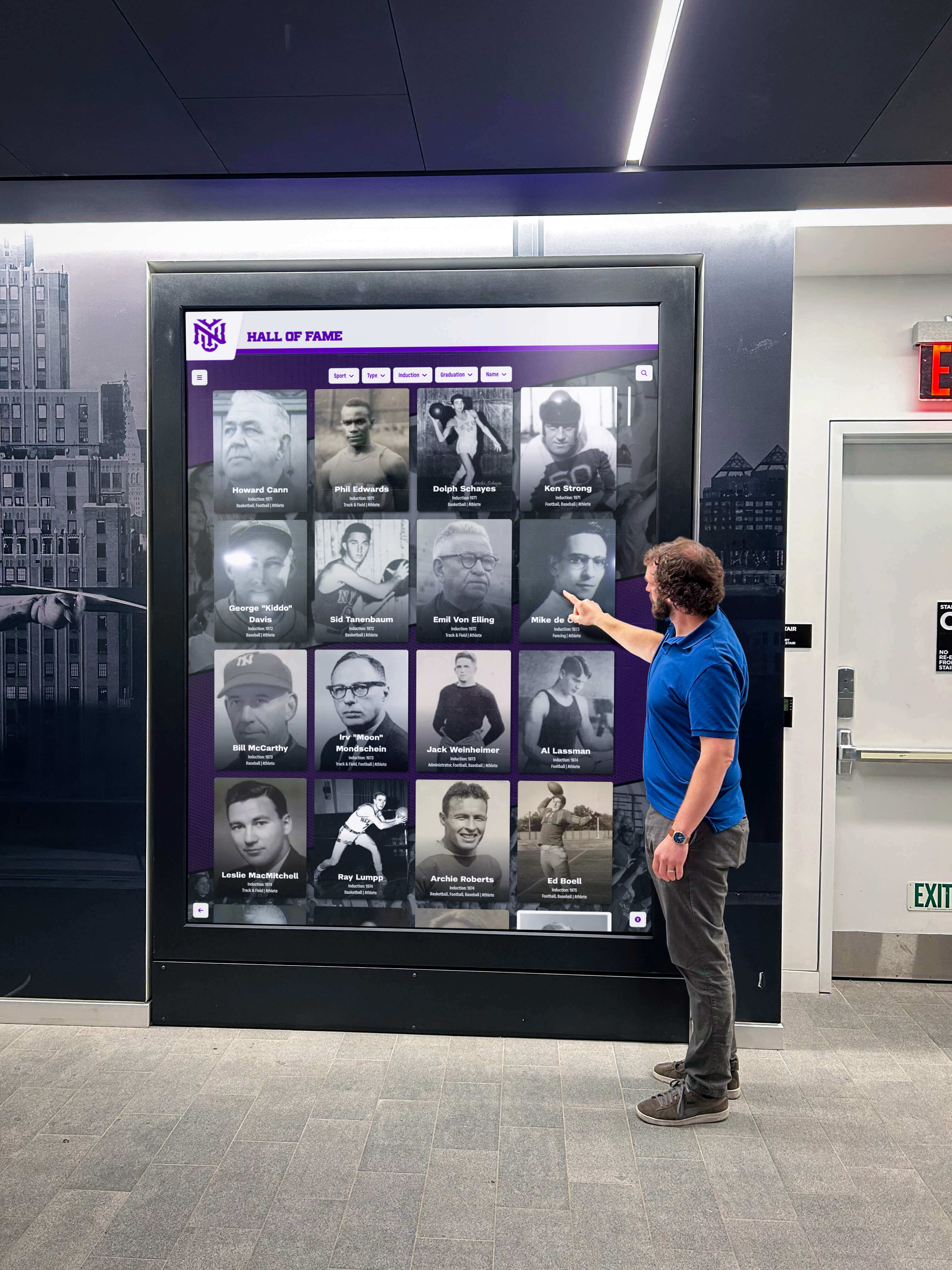
Interactive displays become gathering points where families explore program achievements and histories
Current Student Inspiration
Recognition provides powerful motivation for developing musicians:
- Students see tangible evidence that elite achievement receives lasting honor
- Recognition profiles demonstrate clear pathways from beginning musicians to elite performers
- Historical musicians provide role models showing what sustained excellence looks like
- Multiple-year achievers demonstrate that repeated excellence remains possible
- Diverse instrument and voice part representation ensures all students find relevant role models
Music directors reference recognition displays during classes and rehearsals, connecting daily practice to long-term goals and institutional legacies.
Community Connection and Institutional Identity
Music recognition strengthens broader school-community relationships:
Shared Heritage Celebration
Comprehensive recognition creates community connection points:
- Multi-generational families discover connections through searchable databases
- Community members recognize students they’ve watched develop across years
- Alumni visit campus specifically to explore recognition systems
- Local media cover recognition program launches and significant additions
- Pep rallies and school spirit events integrate music program recognition
These connections build social capital strengthening support for music programs and broader institutional initiatives.
Demonstrating Institutional Values
How schools recognize achievement communicates priorities:
- Equitable recognition across athletics, academics, arts demonstrates holistic excellence values
- Investment in quality recognition systems shows commitment to preserving heritage
- Inclusive recognition structures celebrate diverse achievement forms
- Accessible systems ensure all community members can engage with institutional history
- Long-term maintenance demonstrates sustained commitment beyond initial launches
Communities assess school priorities partly through what receives visible celebration—comprehensive music recognition demonstrates genuine commitment to well-rounded excellence beyond rhetoric.
Measuring Music Recognition Program Success
Regular assessment ensures programs achieve intended goals and justify resource investment.
Quantitative Metrics
Recognition Coverage Completeness
Track recognition program comprehensiveness:
- Total musicians recognized across all ensembles and achievement types
- Historical coverage depth showing how many years receive documentation
- Recognition distribution across band, orchestra, choir, jazz programs
- Percentage of known achievers with complete profiles
- Year-over-year growth in historical content and profile completeness
Engagement and Usage Data
For digital recognition systems, monitor:
- Display interaction frequency and session duration
- Search terms revealing which musicians generate greatest interest
- Content access patterns showing popular instruments, ensembles, or eras
- Web platform usage from remote visitors including alumni
- Social media engagement with music recognition content
Program Outcome Correlation
Assess recognition impact on broader outcomes:
- Music program enrollment trends
- Audition participation rates for honor ensembles
- All-State selection rates tracking program excellence trends
- Student retention rates in music programs across grade levels
- College music program matriculation rates
Qualitative Assessment
Musician and Family Satisfaction
Survey recognized musicians and families assessing:
- Satisfaction with recognition quality and completeness
- Emotional impact of seeing achievements honored permanently
- Appropriateness of recognition compared to other school achievements
- Likelihood of recommending school to musically talented families
- Suggestions for recognition enhancement or improvement
Community Awareness and Perception
Evaluate broader recognition impact:
- Community pride in music program excellence
- Prospective family impressions during recruitment visits
- Media coverage of music program achievements
- Competitive advantages in recruiting elite musicians
- Enhanced institutional reputation from visible achievement celebration
Schools implementing comprehensive approaches regularly assess effectiveness ensuring recognition delivers intended value across multiple stakeholder groups.
Conclusion: Honoring Musical Excellence at Your School
The Ohio State Marching Band’s traditions demonstrate what’s possible when institutions commit to celebrating musical excellence with the visibility, consistency, and reverence that great programs deserve. While not every school can replicate Ohio State’s scale, every institution can adopt underlying principles—systematic documentation, visible celebration, tradition building, and comprehensive recognition—that honor musicians appropriately while inspiring current students toward similar achievement.
Modern recognition technology eliminates the space constraints that historically prevented comprehensive music program celebration. Digital platforms provide unlimited capacity for honoring every All-State musician, superior-rated performer, and dedicated section member throughout program history while enabling rich multimedia storytelling that brings musical journeys to life through photos, videos, and audio recordings impossible with traditional physical displays.
Whether your school operates award-winning marching bands, elite concert ensembles, championship jazz programs, or developing music departments working to establish excellence traditions, comprehensive recognition systems communicate that musical achievement matters as much as any other program. When schools invest in celebrating music with the same commitment they afford athletics, they create cultures where diverse talents receive equitable honor while demonstrating that excellence takes many forms.
Transform Your Music Program Recognition
Discover how modern digital recognition solutions can help you celebrate every musician's achievements and build a thriving culture of musical excellence throughout your school community, just like the legendary programs that inspire students nationwide.
Explore Recognition SolutionsFor schools committed to appropriately honoring music programs, modern digital recognition displays represent investments delivering returns across multiple dimensions—enhanced musician satisfaction and connection, increased motivation among current students, strengthened community pride in musical excellence, and permanent preservation of exceptional achievements that define institutional musical tradition and identity.
The path forward requires less investment than many schools imagine. Starting with clear assessment of current recognition states, establishing what achievements deserve celebration, selecting appropriate display technologies, and committing to ongoing content development, schools can create recognition systems that transform how communities celebrate musical excellence. Your musicians’ dedication deserves celebration equal to any other achievement, and with thoughtful planning and appropriate technology, you can create recognition systems that honor every accomplishment while building the positive, motivating musical culture where all students can thrive.
Ready to begin? Explore comprehensive hall of fame frameworks or learn about digital recognition display solutions that create lasting recognition programs celebrating musical excellence across generations.