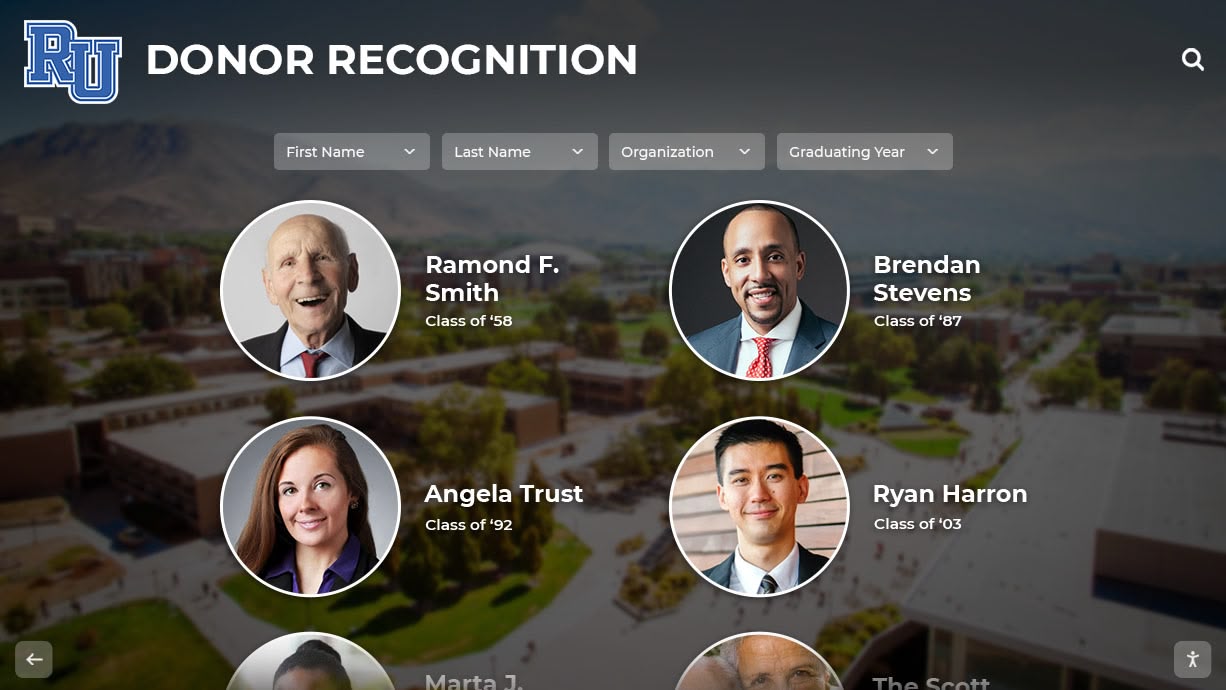




Intent: Plan — Building a comprehensive nonprofit donor recognition program that honors contributors at all levels while strengthening fundraising performance.
Nonprofit organizations face a critical challenge: how to honor generous supporters meaningfully while operating within limited resources and staff capacity. When donors feel underappreciated or see their contributions go unacknowledged, they disappear—with research showing that fewer than 45% of first-time donors make a second gift to the same organization. Yet organizations that implement systematic recognition programs report 40-60% higher donor retention rates, demonstrating that appreciation directly impacts sustainability.
This recognition program blueprint provides nonprofit leaders with a complete framework for designing, launching, and maintaining donor appreciation systems that operate efficiently at scale. From defining recognition philosophies and establishing tiered acknowledgment structures to integrating modern digital displays and measuring program effectiveness, this guide equips organizations to transform donor recognition from administrative burden into strategic fundraising asset.
Effective nonprofit donor recognition extends beyond thanking contributors—it creates cultures of gratitude that validate philanthropic values, demonstrate organizational stewardship, and inspire continued engagement. Organizations that approach recognition systematically rather than sporadically build sustainable programs that honor every donor appropriately while advancing mission objectives and fundraising goals.

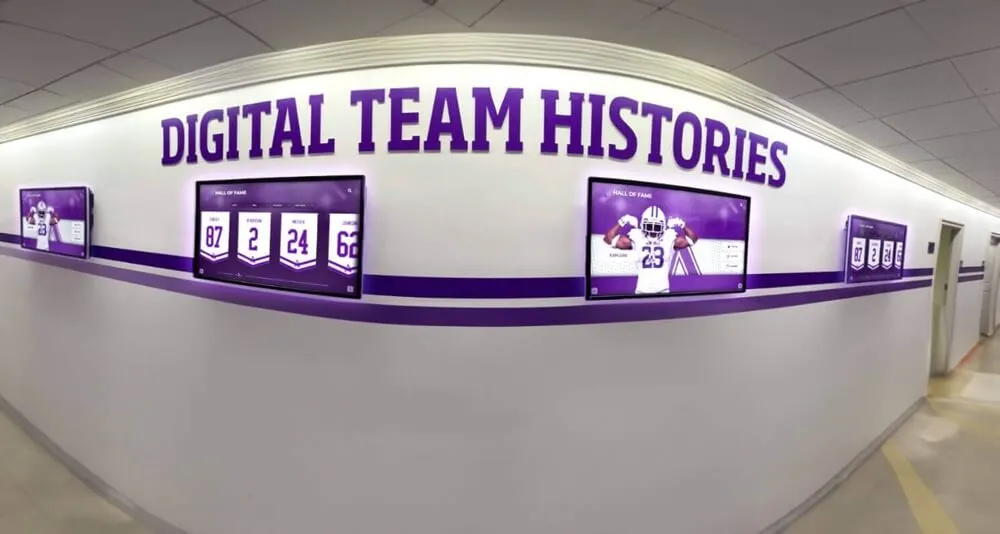
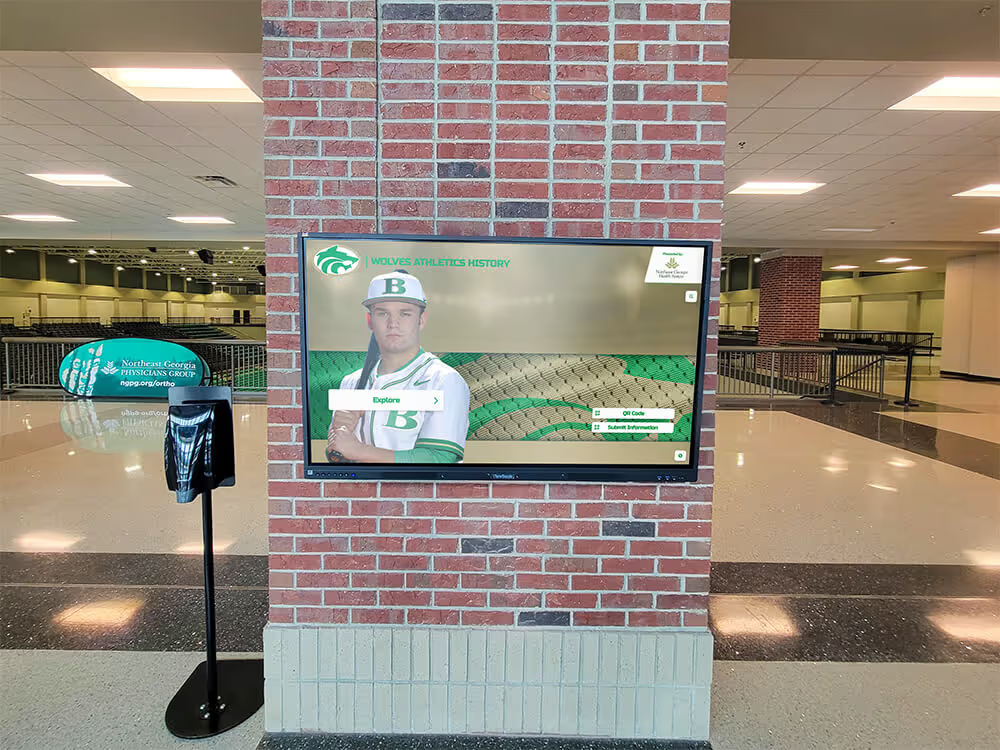
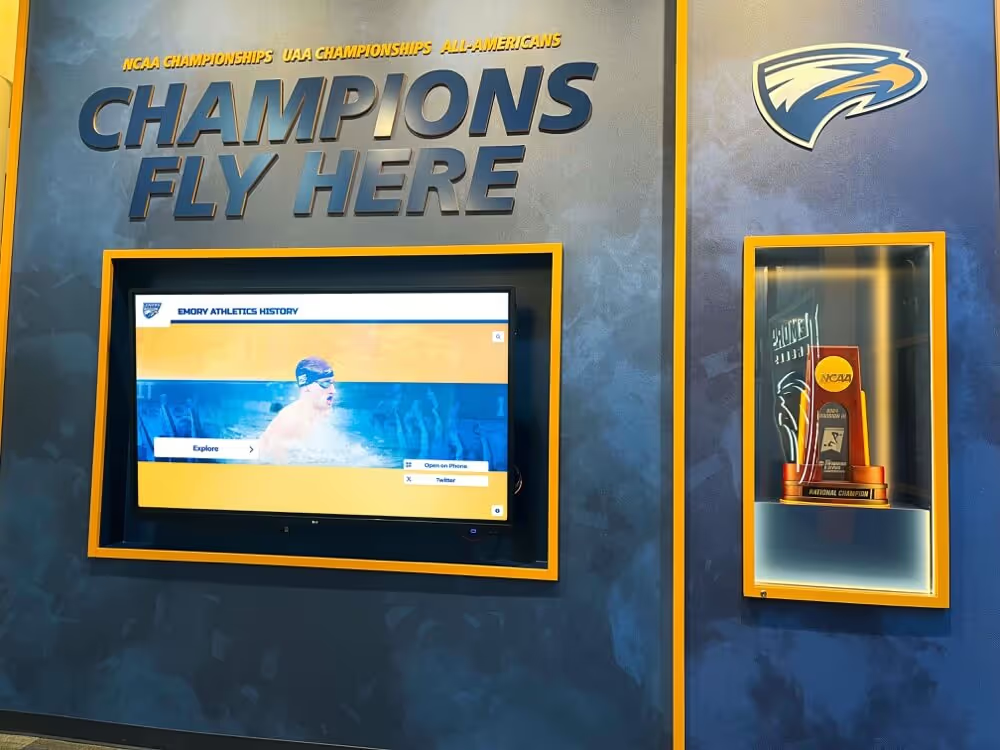
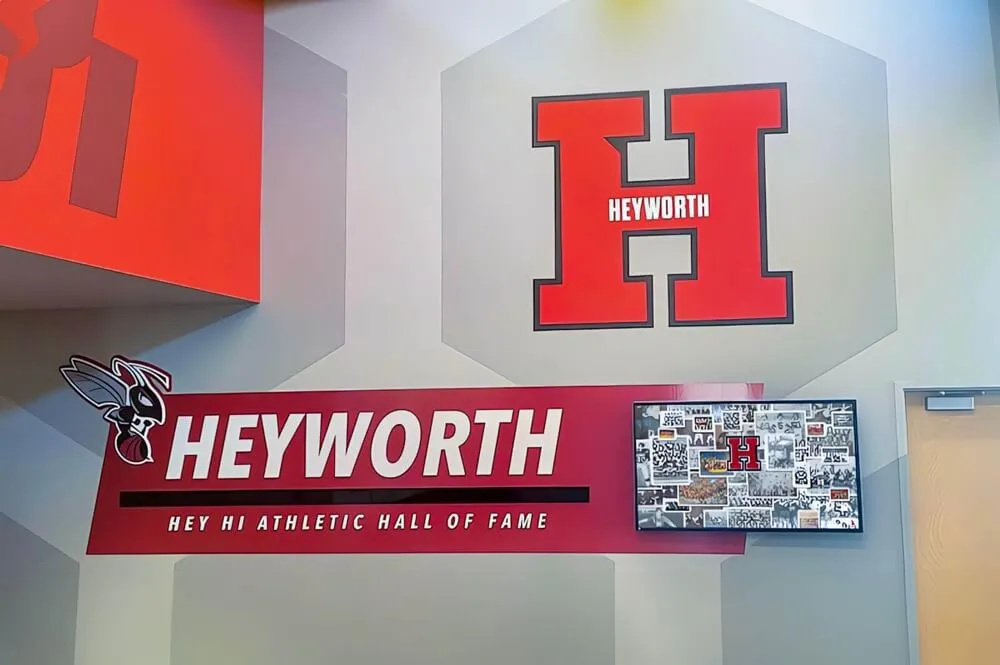
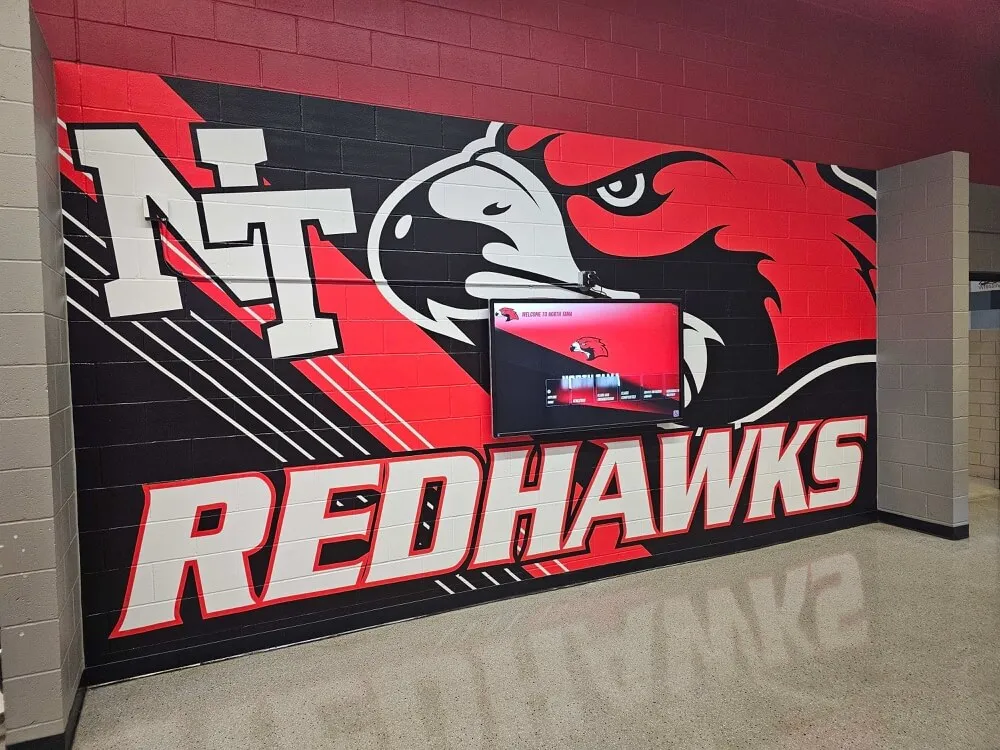
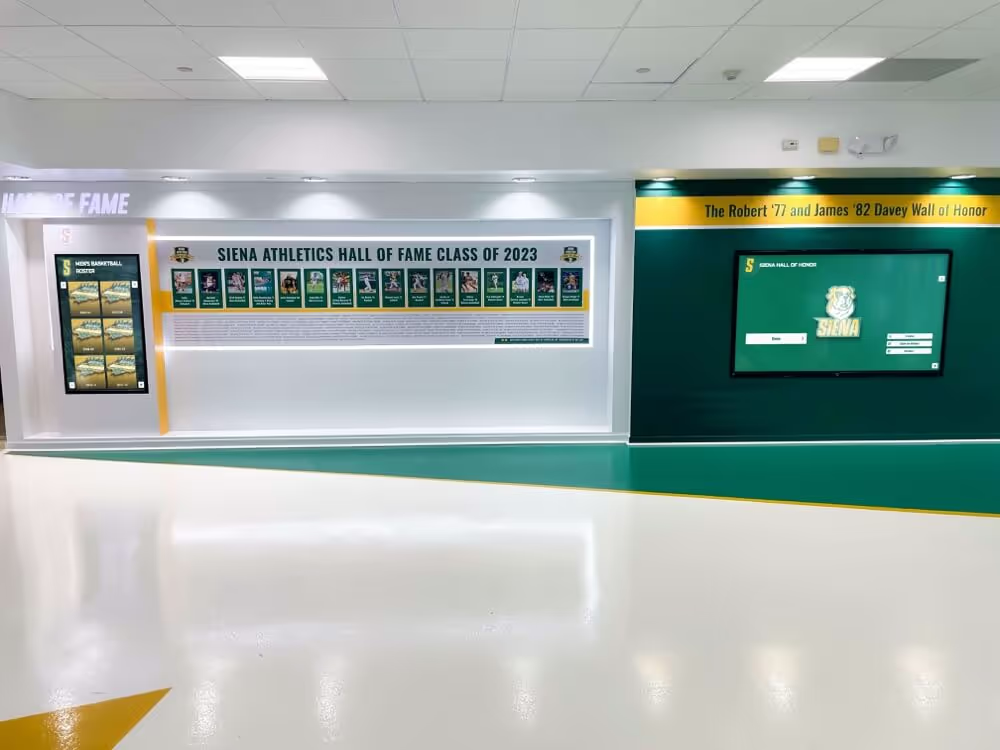
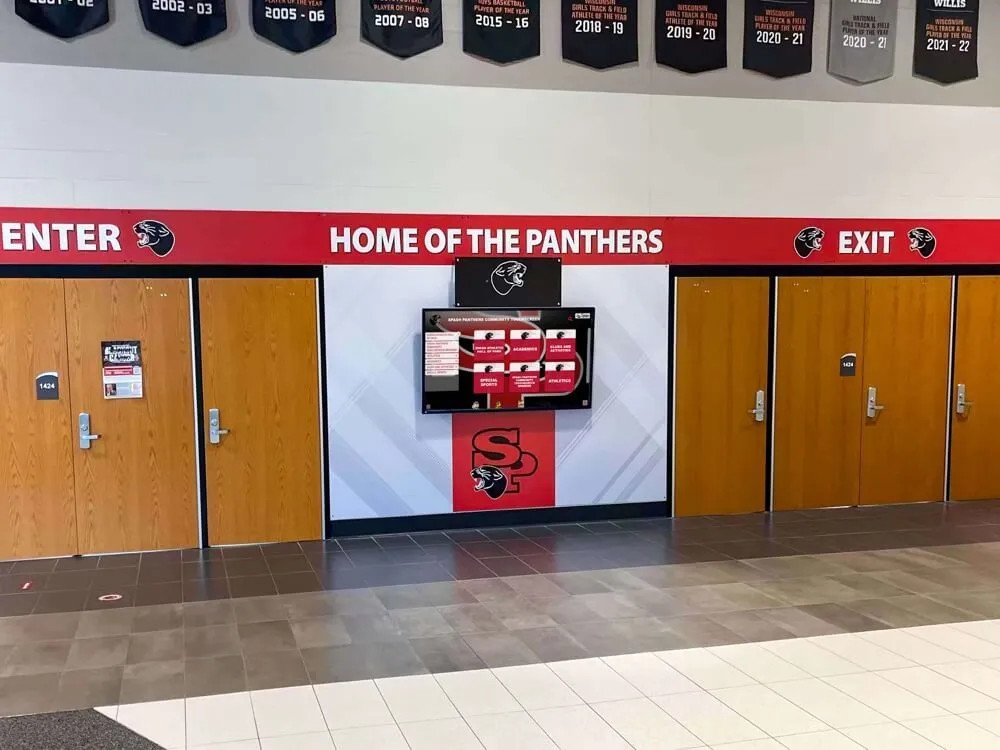
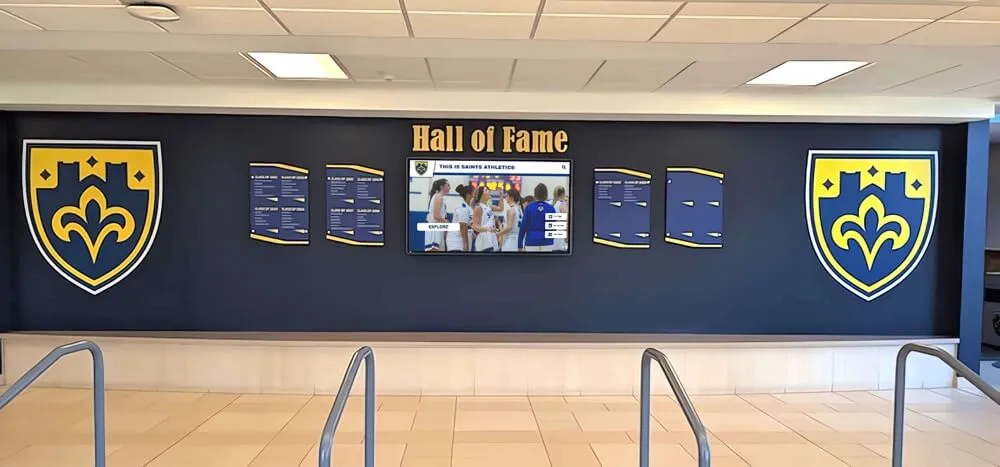
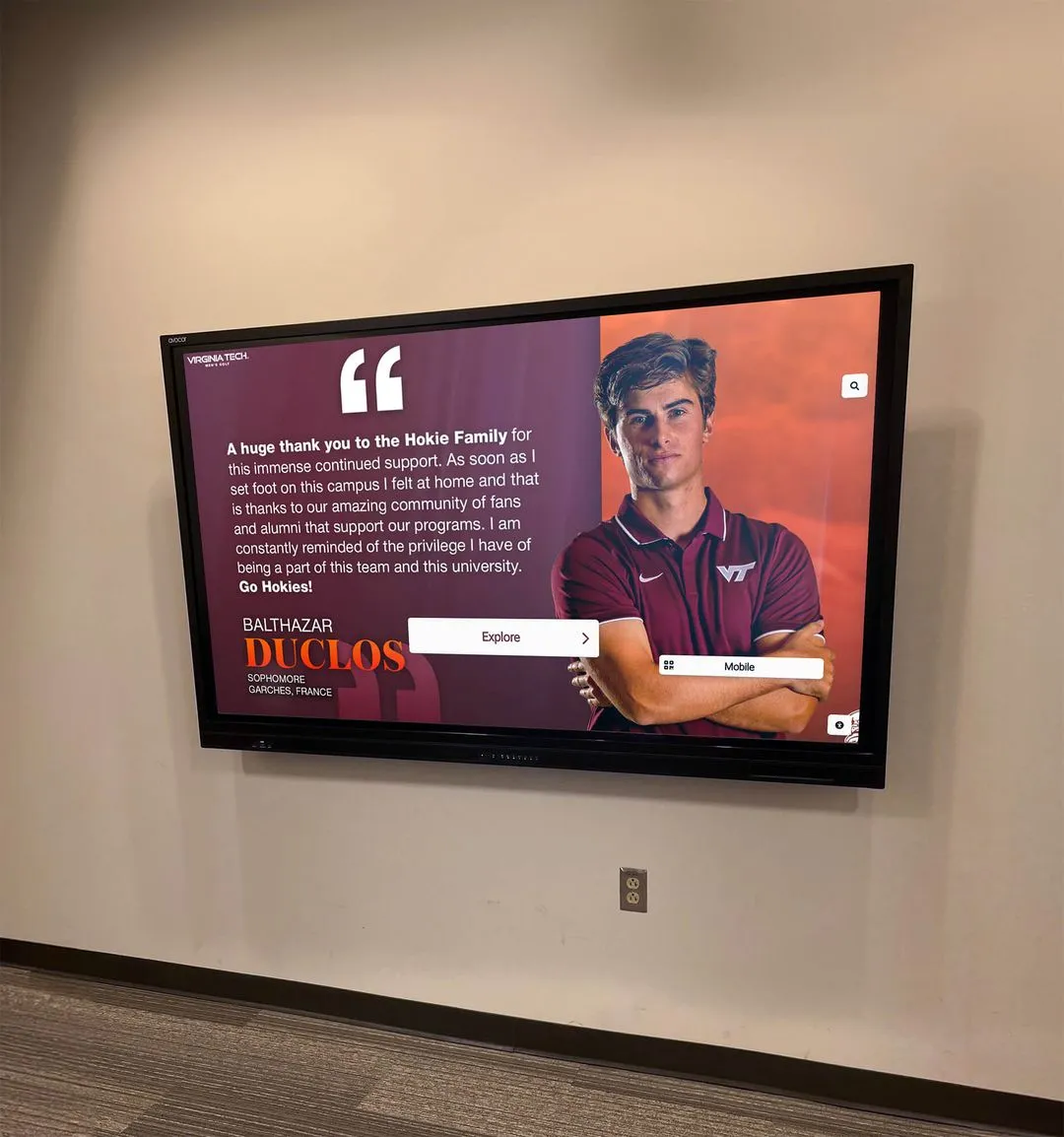
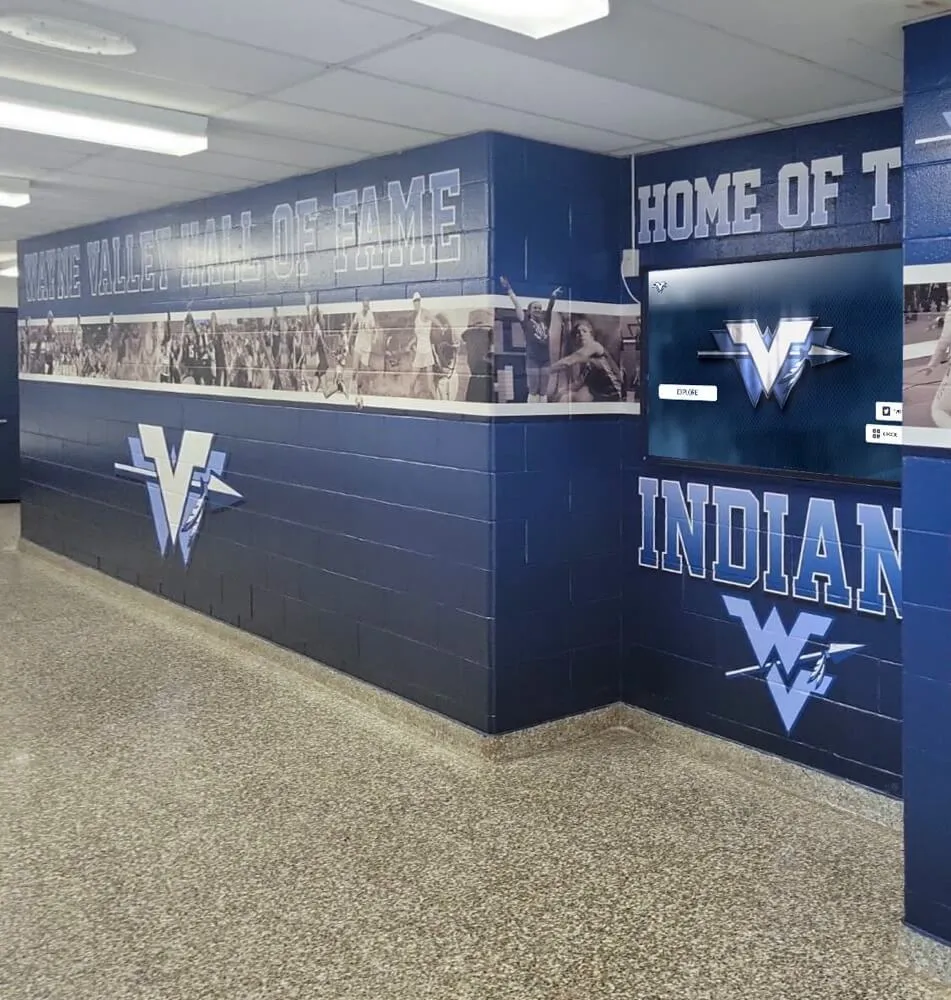
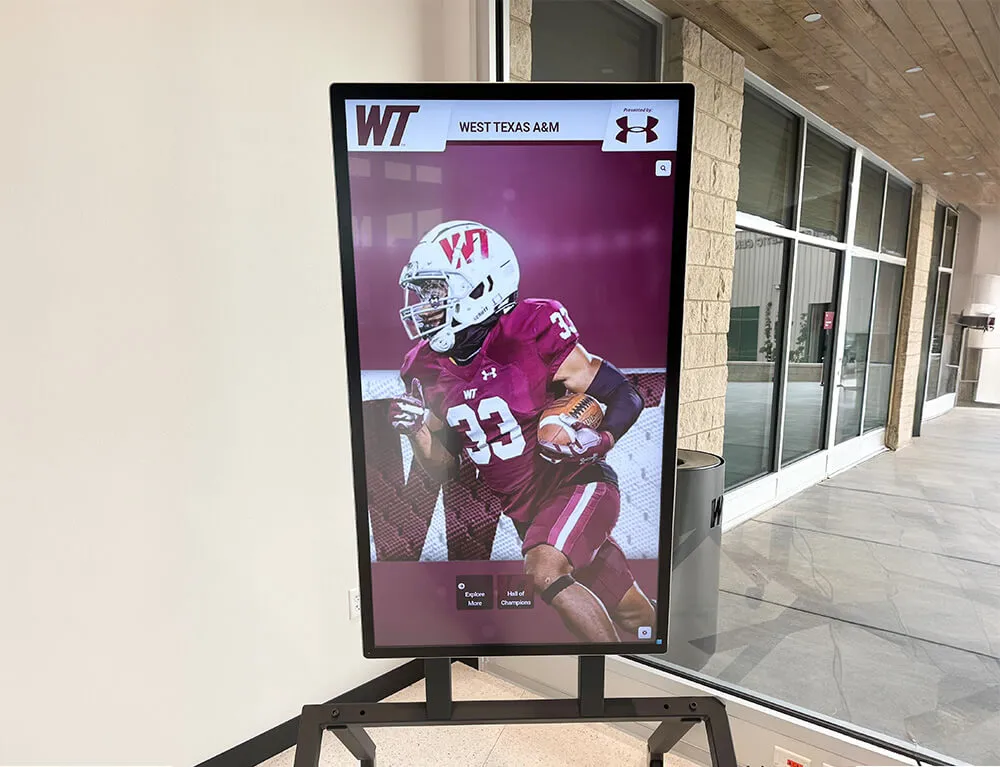
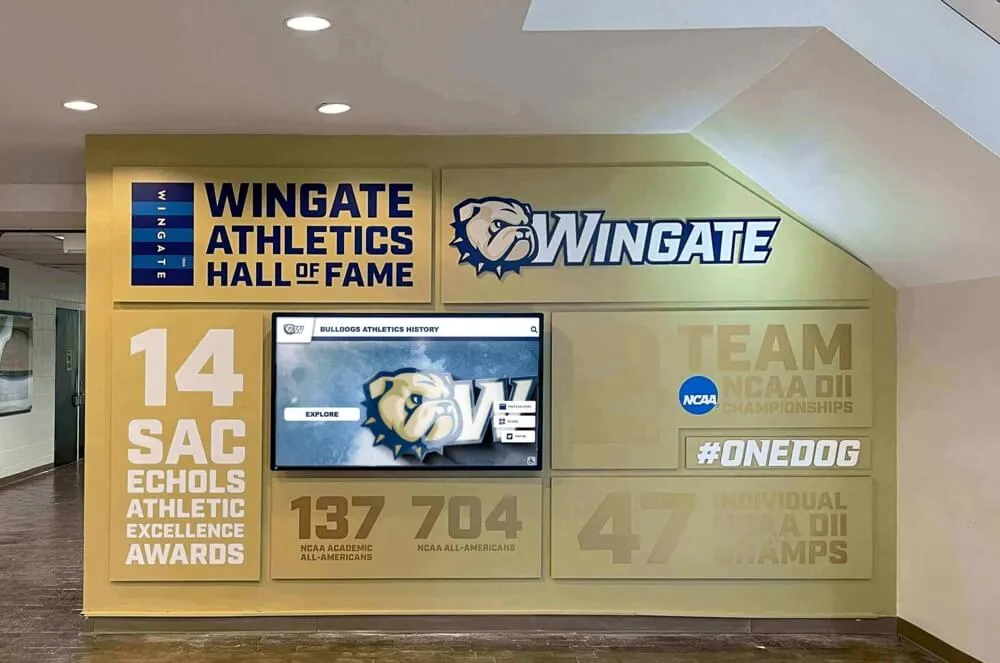
Comprehensive recognition programs celebrate all supporters while creating visible appreciation that strengthens fundraising culture
Program Snapshot: Recognition System Framework
| Component | Description | Key Outcomes |
|---|---|---|
| Recognition Philosophy | Core values guiding all appreciation activities | Consistent, authentic donor experiences |
| Tiered Structure | Acknowledgment levels from entry gifts to leadership support | Inclusive participation with aspirational progression |
| Timeline Framework | Systematic recognition cadence from gift to annual celebration | Timely appreciation maintaining donor engagement |
| Display Integration | Digital and physical recognition coordinated strategically | Visible community support inspiring additional giving |
| Measurement System | KPIs tracking retention, satisfaction, and program ROI | Evidence-based optimization and continuous improvement |
Content Architecture: Mapping Recognition Elements to Impact
Comprehensive recognition programs organize donor appreciation into interconnected modules that work together to create consistent experiences across all touchpoints.
Recognition Tier Structure
Entry-Level Appreciation (Under $250)
- Immediate email receipt with gift confirmation and impact preview
- Inclusion in annual digital donor roster celebrating community breadth
- Quarterly impact newsletter showing collective achievements
- Website recognition listing honoring all contributors
- Social media appreciation highlighting community support
Sustainer Circle ($250-$999)
- All entry-level recognition plus enhanced personalization
- Named recognition in annual report and print materials
- Invitation to donor appreciation event or program tour
- Personal thank-you call from staff or board member within 72 hours
- Donor profile opportunity on digital recognition displays with photo
Leadership Society ($1,000-$4,999)
- All sustainer recognition plus exclusive benefits
- Prominent placement on physical and digital donor walls
- Behind-the-scenes program access and impact demonstrations
- Personal thank-you letter from executive director with specific impact details
- Recognition certificate and tangible appreciation item
- Quarterly private briefings on organizational strategy and progress
Major Donor Recognition ($5,000+)
- All leadership recognition plus customized stewardship
- Naming opportunities for programs, spaces, or initiatives
- Direct engagement with beneficiaries and program outcomes
- Annual in-person meeting with leadership team
- Comprehensive impact reporting tailored to donor interests
- Recognition events honoring transformational philanthropy
According to the Fundraising Effectiveness Project, organizations with clear recognition tiers see 23% higher donor retention compared to those with informal acknowledgment approaches, as structured systems ensure no contributor falls through administrative cracks.
Digital Recognition Display Modules
Modern digital donor walls provide unlimited capacity while enabling rich storytelling impossible with traditional plaques:
Auto-Ranking Recognition Boards
- Donors automatically sorted by giving level or campaign
- Real-time updates when contributions increase or renew
- Search functionality enabling visitors to find specific names
- Filtering by year, program supported, or recognition society
- Historical archives preserving decades of philanthropic partnership
Impact Story Galleries
- Photo and video content connecting gifts to outcomes
- Beneficiary testimonials explaining program value
- Before-and-after documentation showing transformation
- Quantified metrics demonstrating services provided
- Program highlights celebrating mission achievement
Campaign Progress Displays
- Live fundraising thermometers showing goal advancement
- Donor count metrics demonstrating participation breadth
- Matching gift opportunities with countdown urgency
- Milestone celebrations recognizing achievement increments
- Leadership gift announcements building campaign momentum
Donor Profile Features
- Individual contributor pages with photos and bios
- Giving history showing sustained partnership
- Personal statements explaining motivation and values
- Connection to specific programs or beneficiaries supported
- Social sharing enabling donors to celebrate recognition
Solutions like Rocket Alumni Solutions provide purpose-built platforms specifically designed for nonprofit recognition applications, with cloud content management, unlimited donor capacity, and fundraising integration that generic digital signage cannot accommodate effectively.
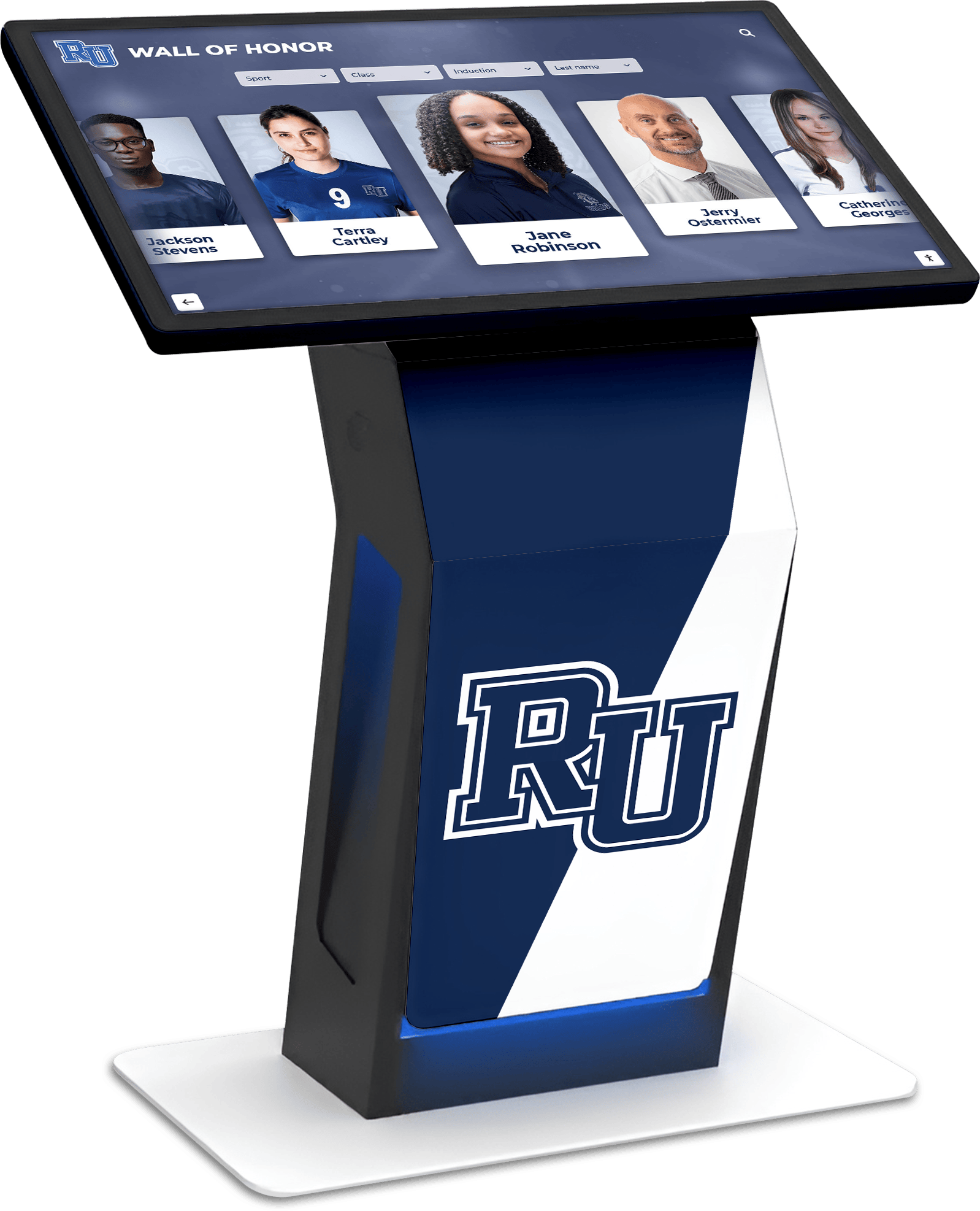
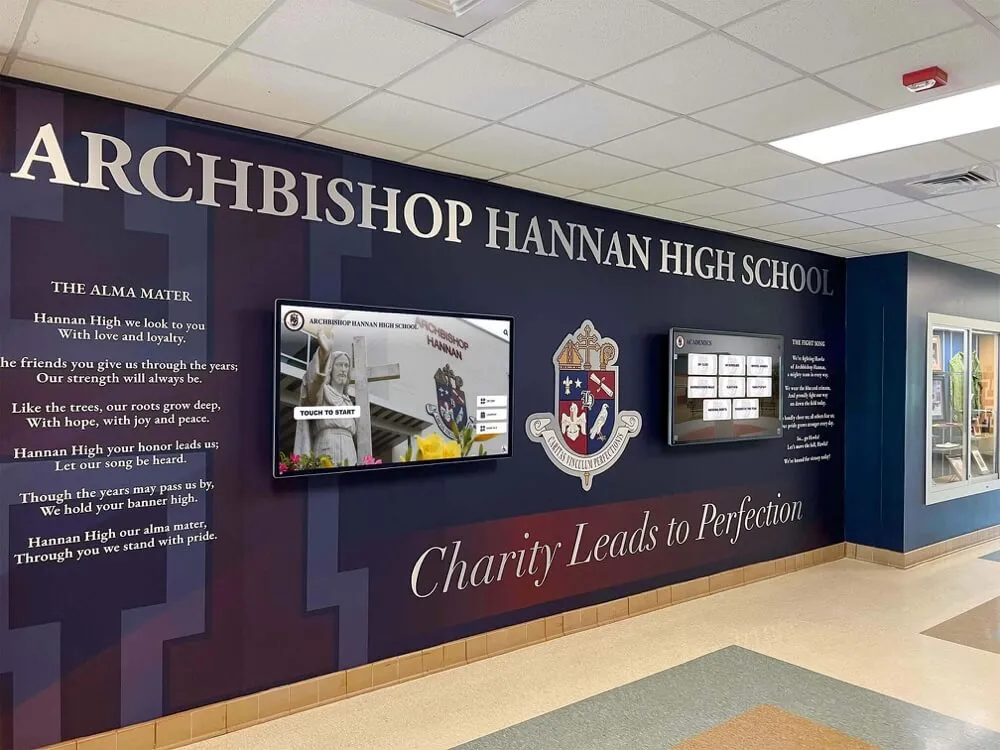
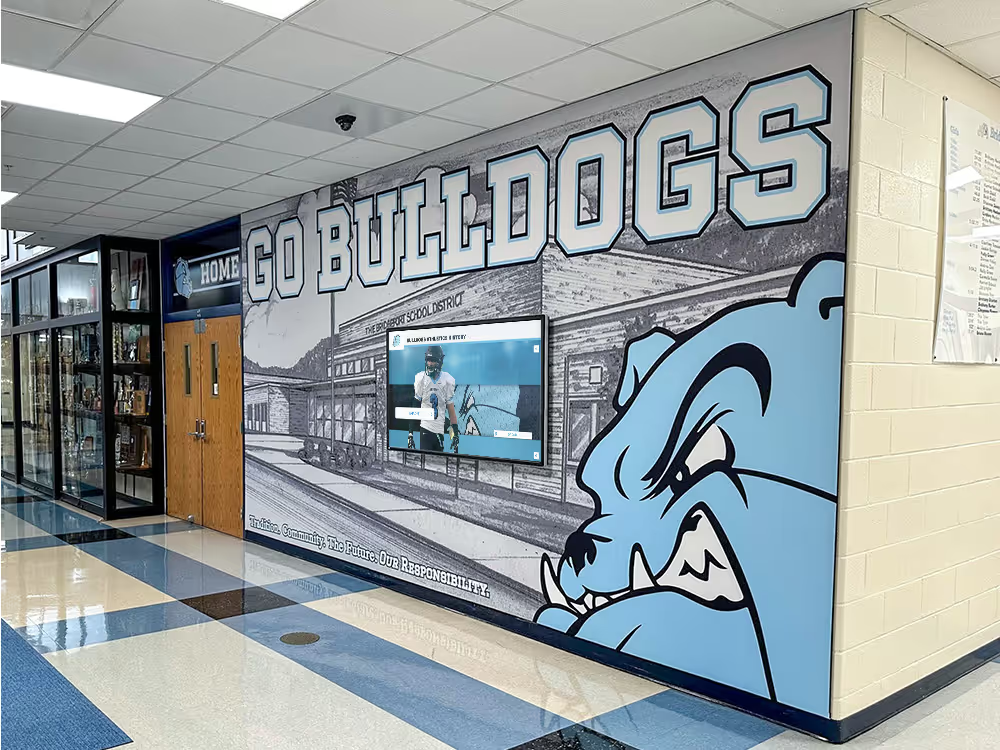
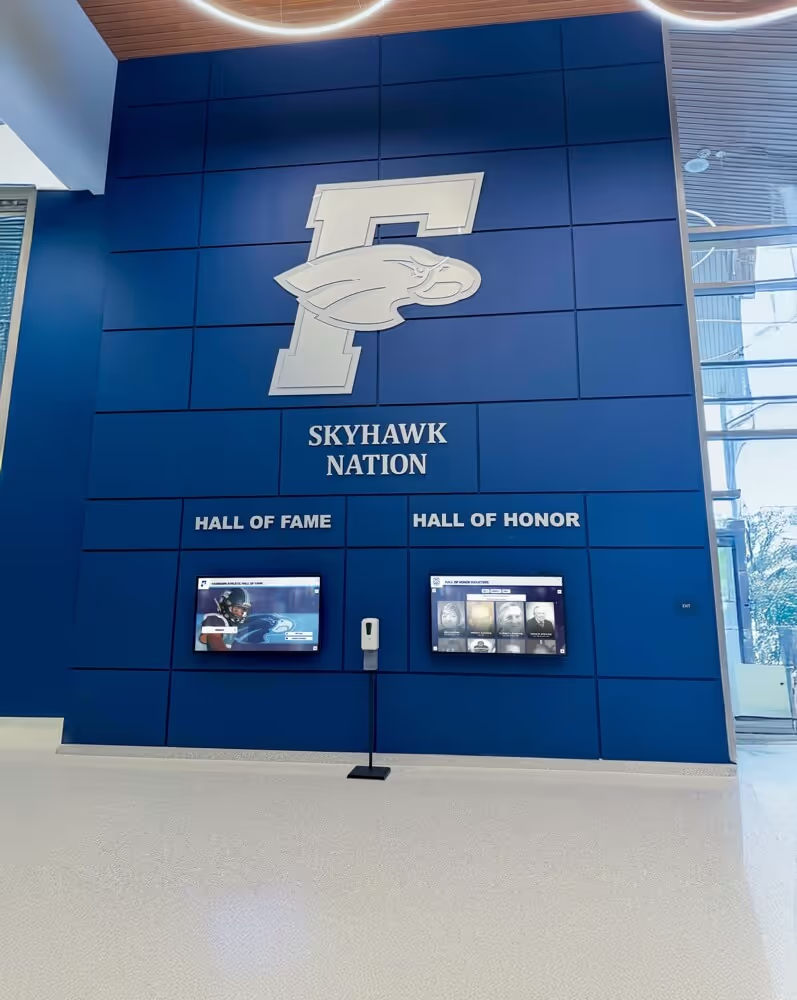
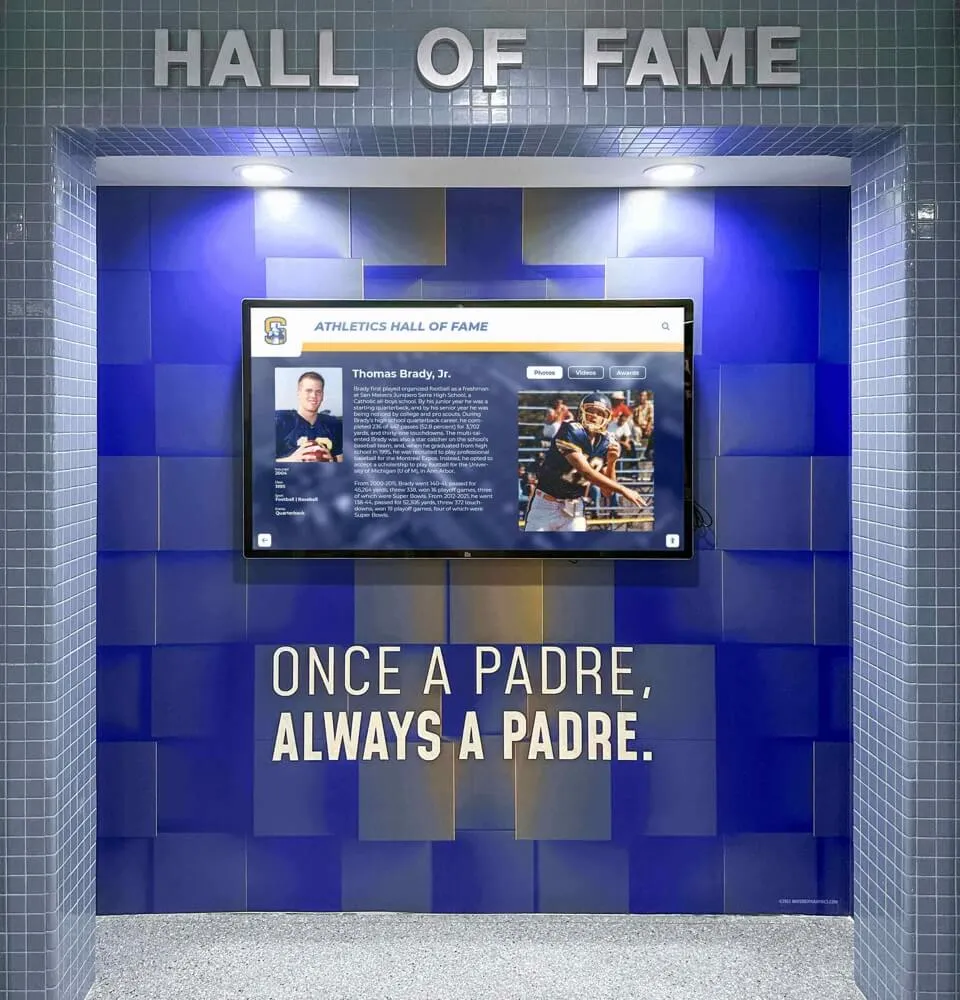
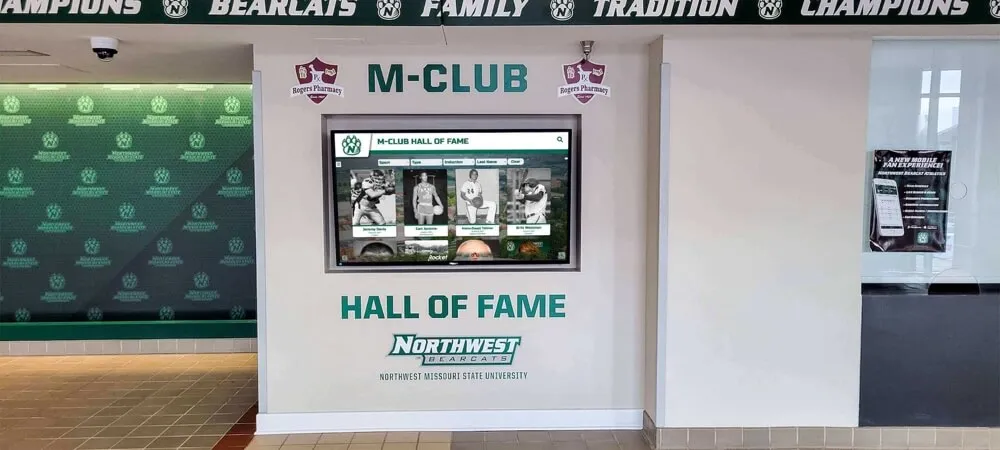
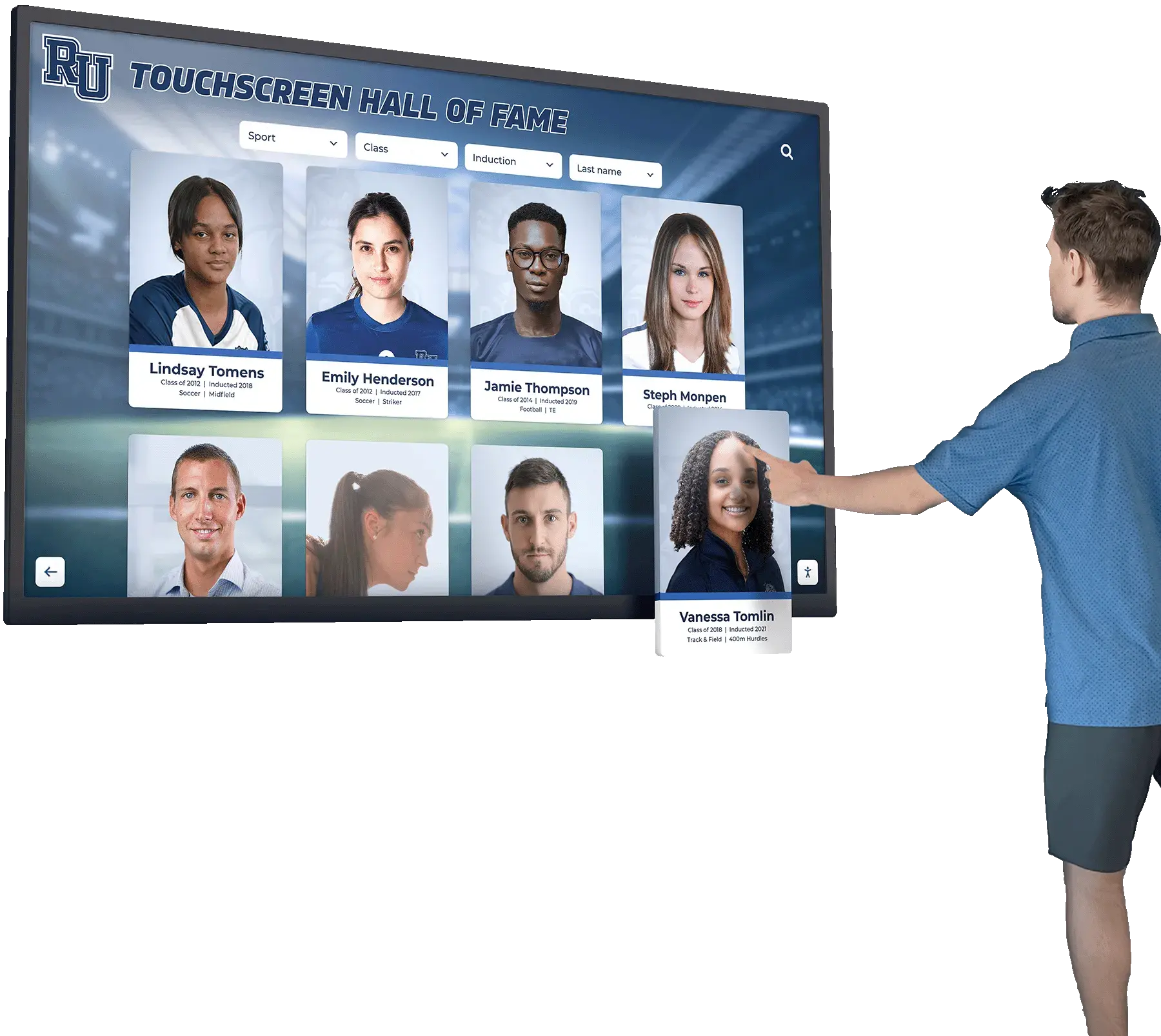
Touchscreen displays transform static acknowledgment into engaging exploration experiences that deepen donor connection
Sponsorship and Partnership Recognition
Organizations with corporate supporters or community partners require specialized acknowledgment:
Corporate Sponsor Displays
- Company logos with prominent placement reflecting support level
- Employee volunteer recognition celebrating staff engagement
- In-kind contribution acknowledgment valuing non-monetary support
- Multi-year partnership celebration honoring sustained commitment
- Community benefit documentation showing local impact
Foundation Grant Recognition
- Funding source acknowledgment meeting grant requirements
- Program outcome reporting demonstrating effective stewardship
- Multi-year grant timelines showing sustained partnership
- Foundation mission alignment highlighting shared values
- Collaborative impact celebrating partnership achievements
Learn more about comprehensive donor recognition approaches that honor diverse contribution types.
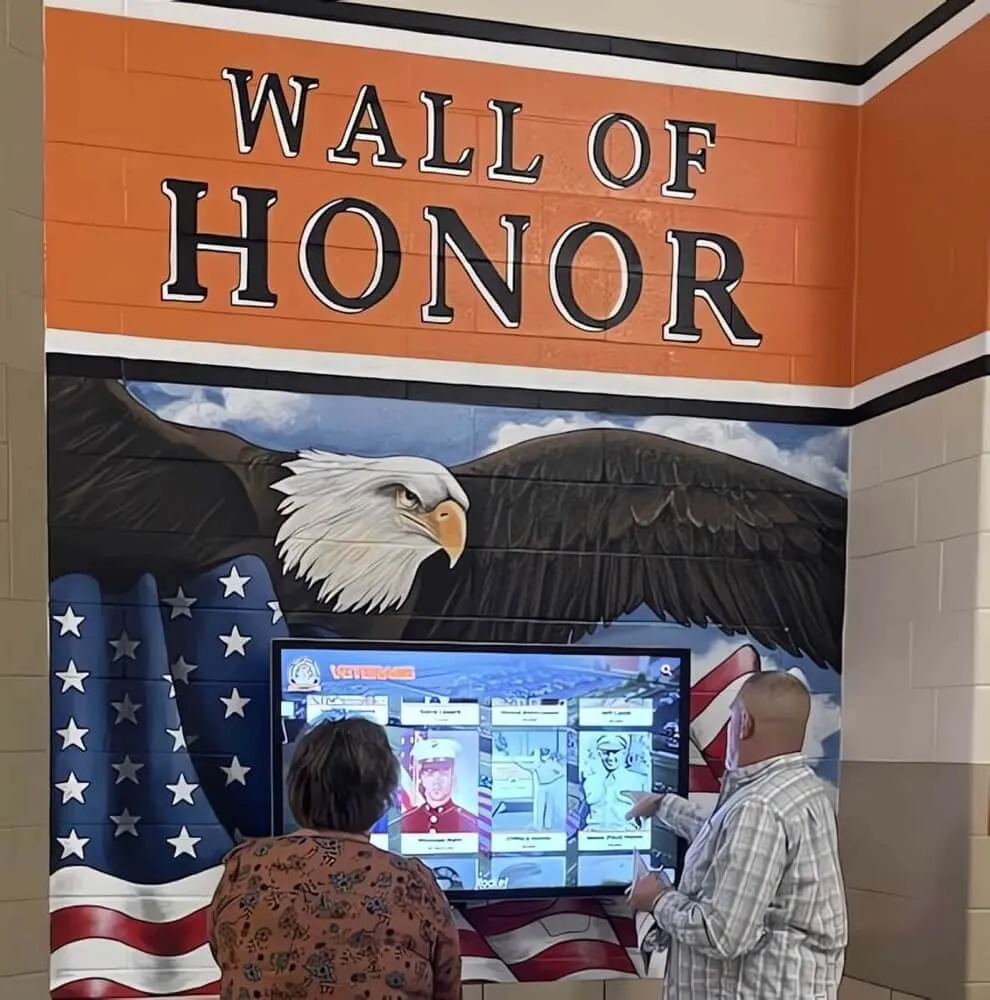
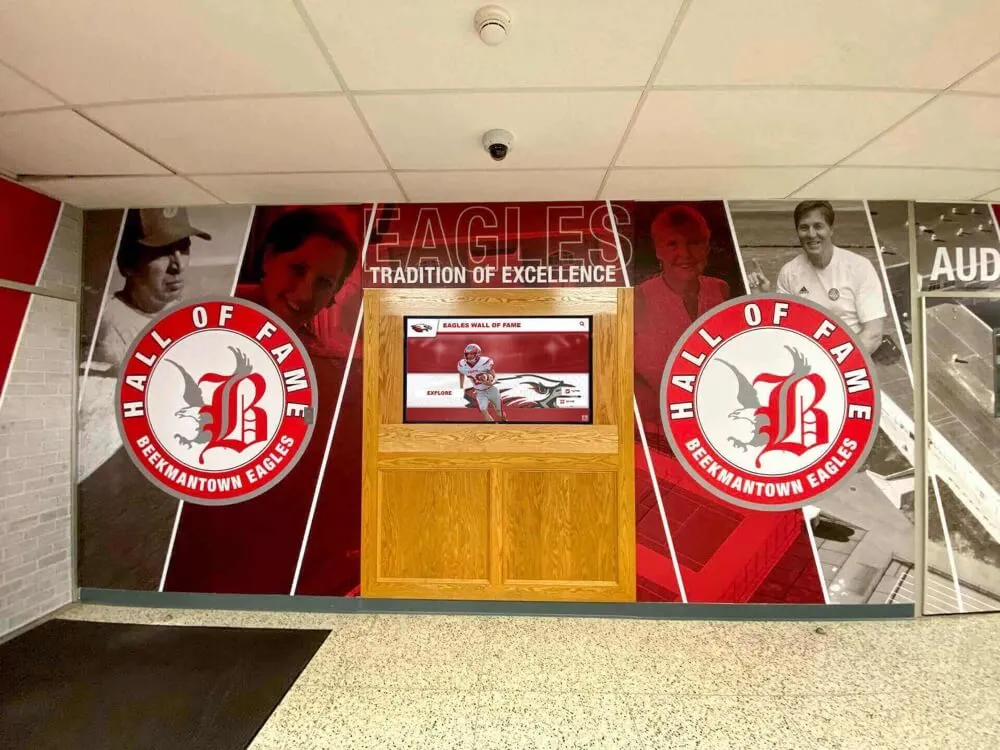
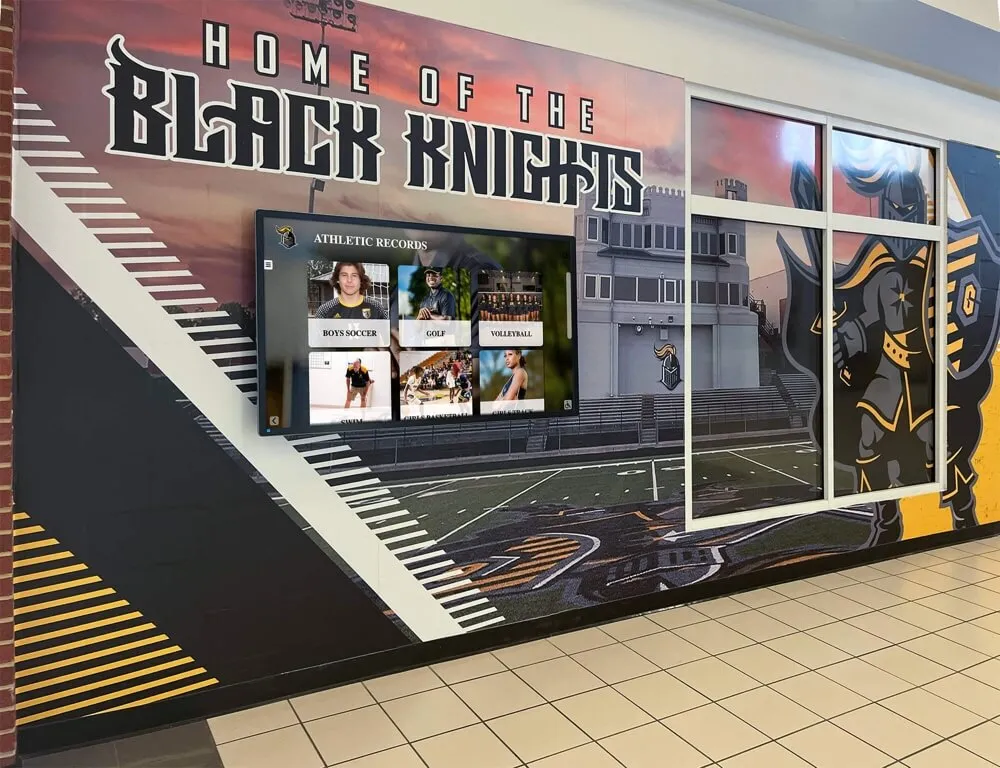
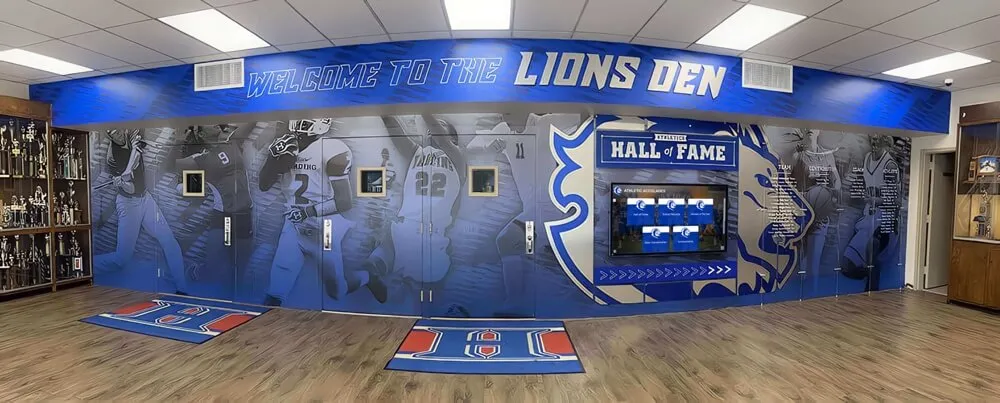
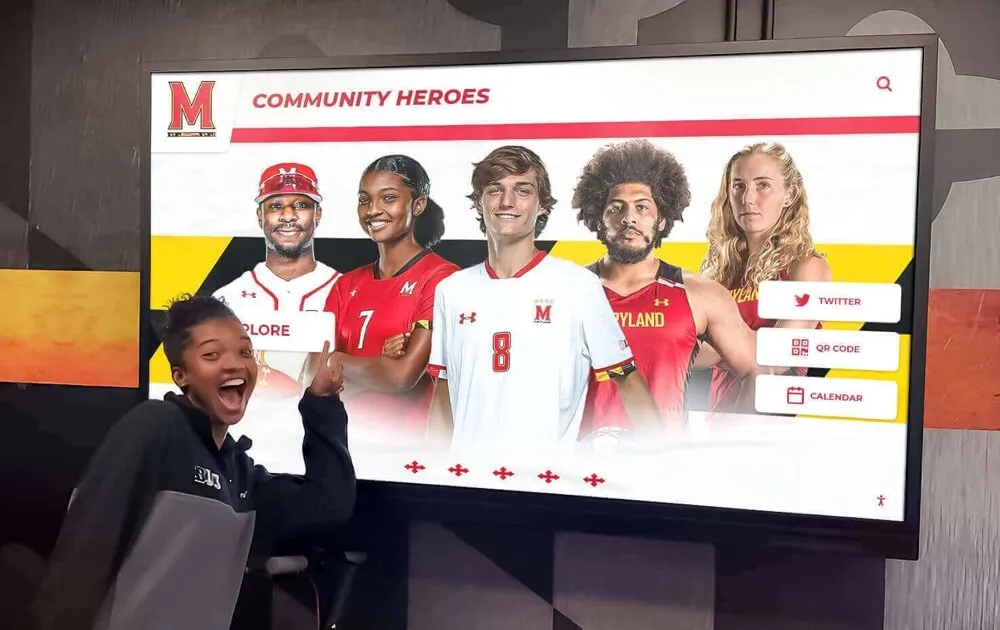
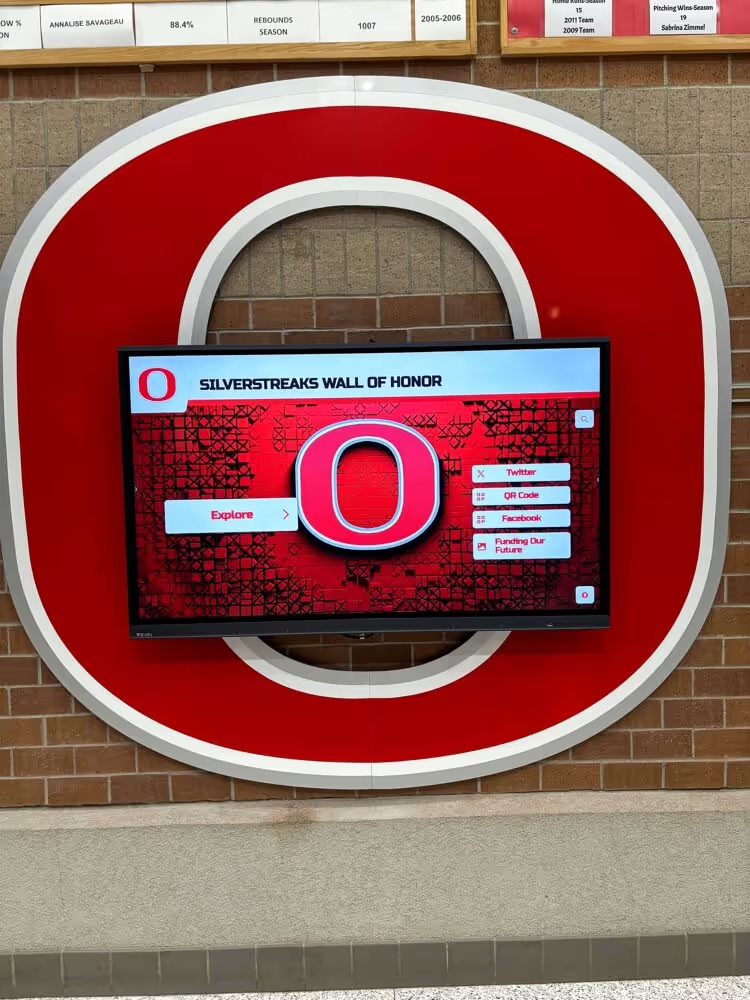
Thoughtful design integrates organizational values with donor appreciation, creating recognition that resonates with community identity
Execution Timeline: From Planning to Launch
Systematic implementation ensures recognition programs launch successfully and operate sustainably.
Phase 1: Plan (Weeks 1-4)
Define Recognition Philosophy and Criteria
Establish guiding principles ensuring consistent application:
- Identify organizational values that should inform recognition approach
- Determine inclusive policies honoring all contribution types and sizes
- Define anonymous giving accommodation respecting privacy preferences
- Establish naming opportunity policies and approval processes
- Create content guidelines specifying donor information to collect
- Document decision-making processes for recognition disputes
Conduct Current State Assessment
Understand existing practices and identify improvement opportunities:
- Audit all current recognition materials and activities
- Gather donor feedback on appreciation satisfaction
- Identify administrative pain points and inefficiencies
- Benchmark peer organization recognition programs
- Calculate current recognition costs and staff time
- Analyze donor retention trends correlating with recognition
Develop Recognition Tiers and Benefits
Create clear structure balancing inclusivity and aspiration:
- Set giving level thresholds appropriate for constituent capacity
- Define specific benefits and acknowledgment for each tier
- Ensure entry-level recognition welcomes modest contributors
- Create meaningful differentiation at leadership levels
- Map recognition timing and touchpoints across donor journey
- Document staff responsibilities for each recognition element
According to research by Penelope Burk in Donor-Centered Fundraising, organizations that plan recognition systematically rather than reactively increase first-time donor retention by 38%, as intentional programs prevent acknowledgment failures that cause donor attrition.
Phase 2: Build (Weeks 5-8)
Technology Selection and Implementation
Choose platforms addressing nonprofit-specific requirements:
- Evaluate recognition-specific software versus generic digital signage
- Assess integration capabilities with fundraising databases (Bloomerang, DonorPerfect, Raiser’s Edge, etc.)
- Confirm mobile responsiveness extending recognition beyond physical locations
- Verify content management ease enabling non-technical staff updates
- Review analytics features tracking engagement and program effectiveness
- Consider total cost of ownership including licensing, hardware, and support
Hardware Deployment and Installation
Position displays strategically for maximum visibility:
- Select commercial-grade displays rated for continuous operation
- Choose touchscreen models enabling interactive exploration
- Coordinate network connectivity and power infrastructure
- Plan mounting approach balancing aesthetics and accessibility
- Ensure ADA-compliant placement and approach distances
- Schedule professional installation with thorough testing
Explore digital recognition display selection considerations for nonprofit environments.
Historical Content Development
Create comprehensive initial recognition showcasing organizational history:
- Compile donor lists from past campaigns and giving programs
- Verify name spelling and contribution accuracy with records
- Collect donor photos and biographical information when available
- Develop impact stories connecting gifts to program outcomes
- Create video testimonials from beneficiaries and leadership
- Design templates ensuring consistent professional presentation
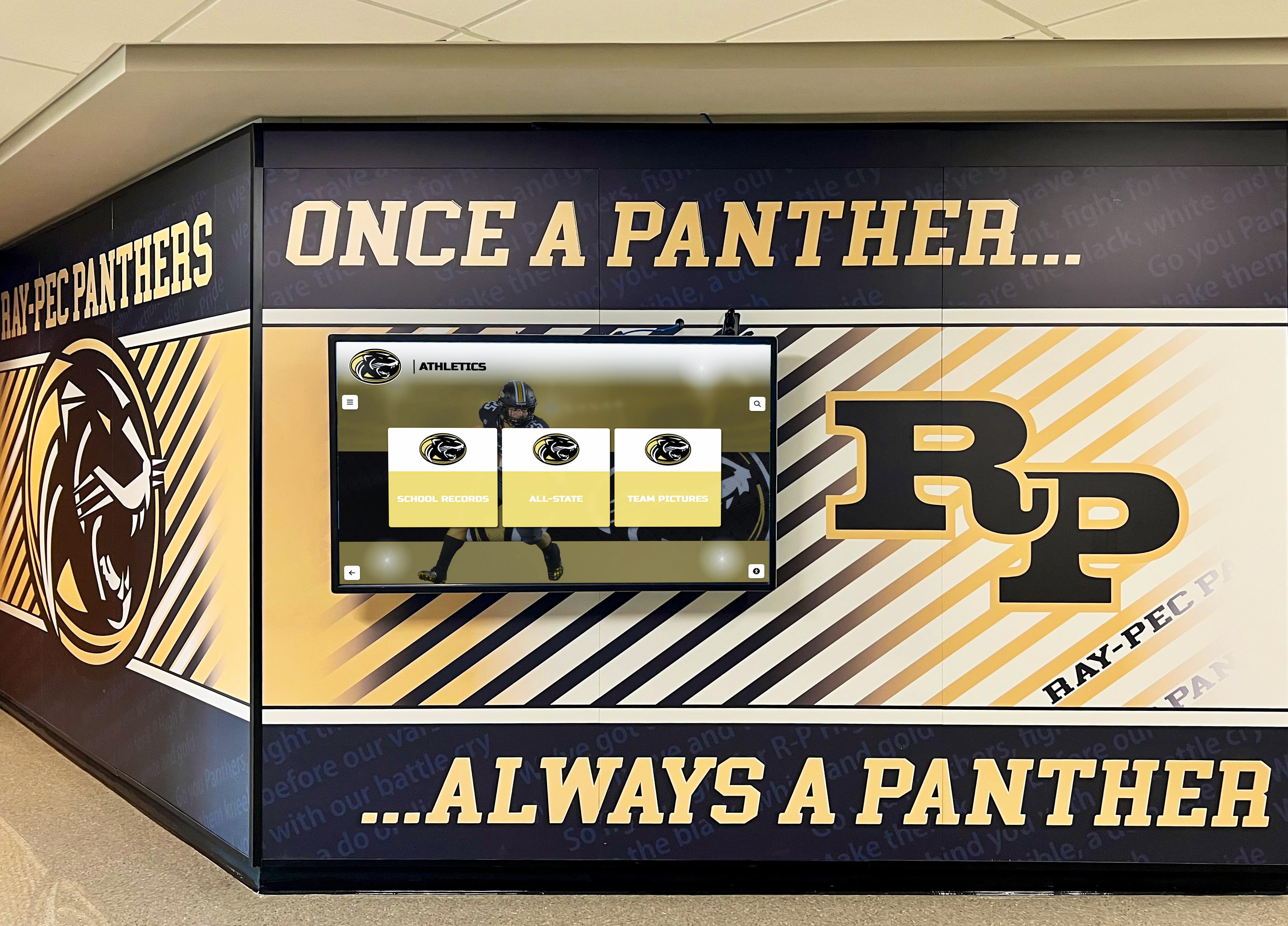
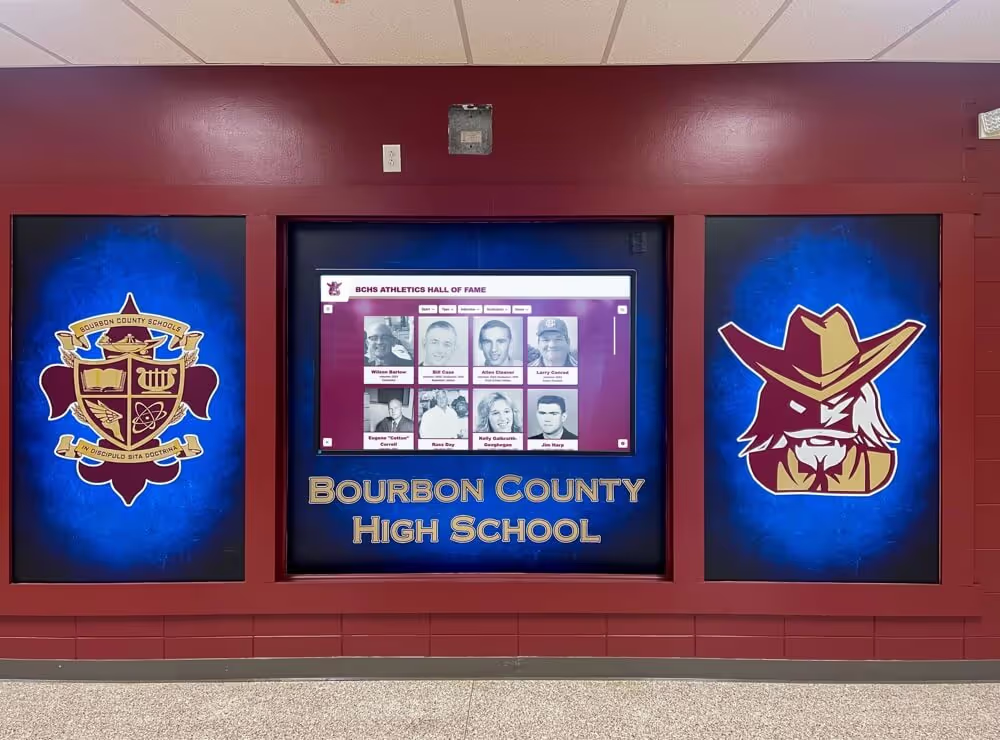
Strategic placement in high-traffic areas ensures recognition reaches broad audiences including donors, prospects, and community stakeholders
Phase 3: Launch (Weeks 9-10)
Soft Launch and Quality Assurance
Test systems comprehensively before public unveiling:
- Load complete historical donor content and verify accuracy
- Test all interactive features and navigation pathways
- Confirm search functionality returns accurate results
- Validate mobile and web access across devices
- Review content with board members or donor advisory committee
- Correct any errors or presentation issues identified
Recognition Program Communications
Educate stakeholders about new appreciation systems:
- Announce recognition program launch to all existing donors
- Explain how contributors will be acknowledged going forward
- Invite donors to update profile information or preferences
- Promote recognition locations and online access
- Share program philosophy and inclusive acknowledgment commitment
- Thank donors for past support and express gratitude
Launch Event and Media Coverage
Celebrate recognition program unveiling strategically:
- Host donor appreciation event showcasing recognition displays
- Invite leadership circle donors for private preview
- Arrange board members and major donors for demonstration
- Capture photography documenting launch and attendees
- Generate media coverage highlighting donor appreciation culture
- Create social media content promoting recognition program
Phase 4: Refresh (Ongoing)
Regular Recognition Updates
Maintain current acknowledgment demonstrating organizational attentiveness:
- Add new donors within 72 hours of gift processing
- Update donor levels when contributions increase
- Refresh impact content quarterly showing program progress
- Feature current campaigns and matching opportunities
- Celebrate donor anniversaries and milestone giving
- Correct errors immediately when identified
Scheduled Content Rotation
Keep recognition displays engaging and relevant:
- Rotate featured donor stories monthly highlighting diverse supporters
- Update seasonal messaging connecting to organizational calendar
- Showcase upcoming events and engagement opportunities
- Highlight program achievements and beneficiary success
- Feature donor testimonials explaining giving motivation
- Coordinate content with annual fund and campaign timing
Continuous Program Improvement
Refine recognition approaches based on evidence:
- Review donor feedback and satisfaction surveys
- Analyze engagement analytics and interaction patterns
- Benchmark retention rates against program enhancements
- Identify and eliminate administrative bottlenecks
- Update technology as platforms and capabilities evolve
- Expand recognition elements showing proven effectiveness
Discover strategies for measuring digital display effectiveness and optimizing recognition programs.
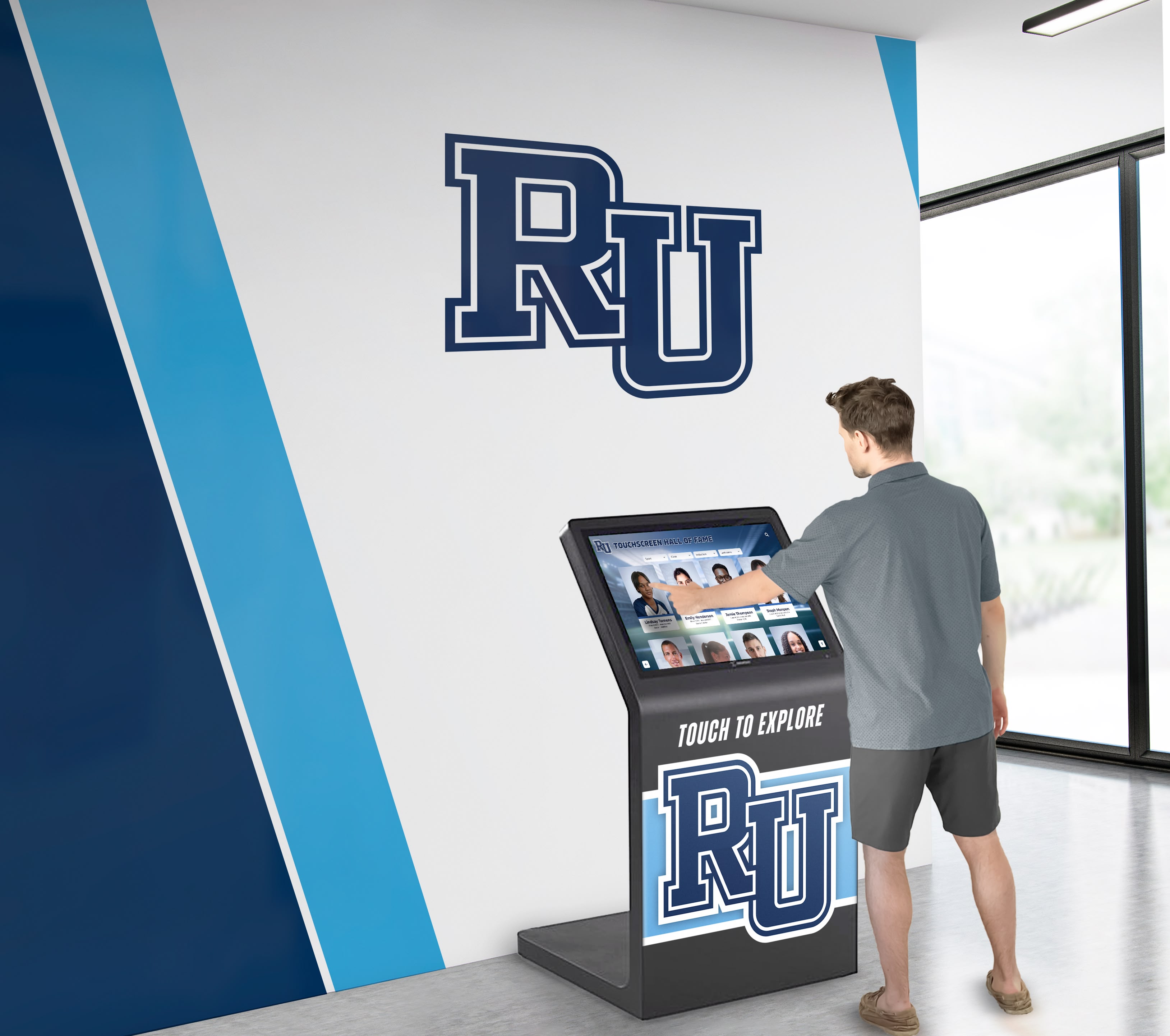
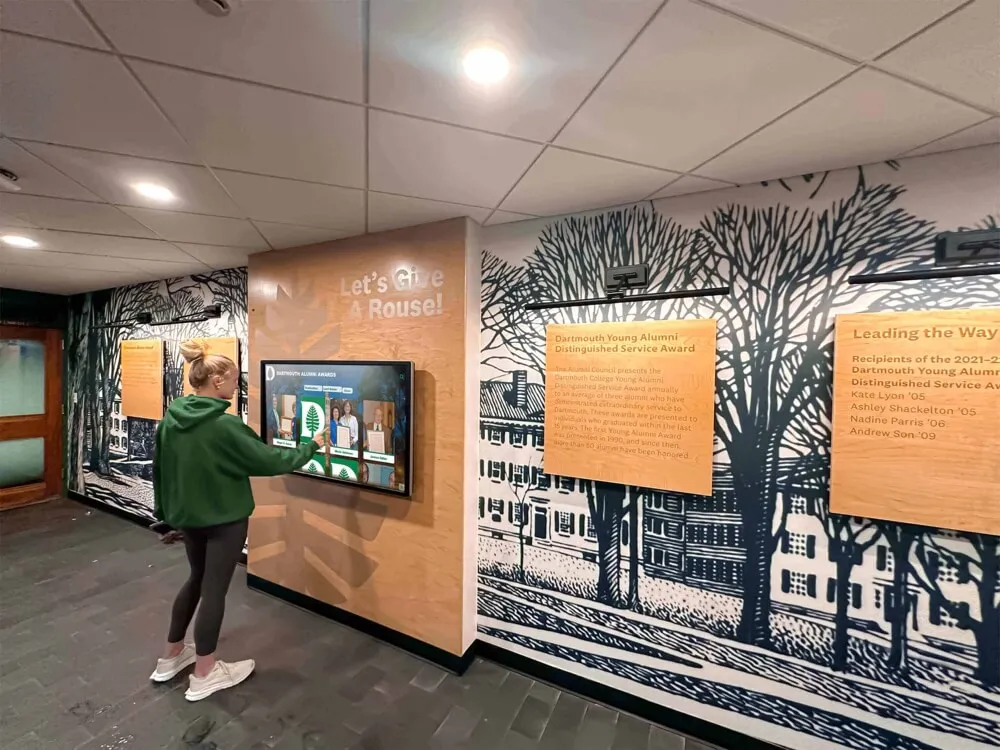
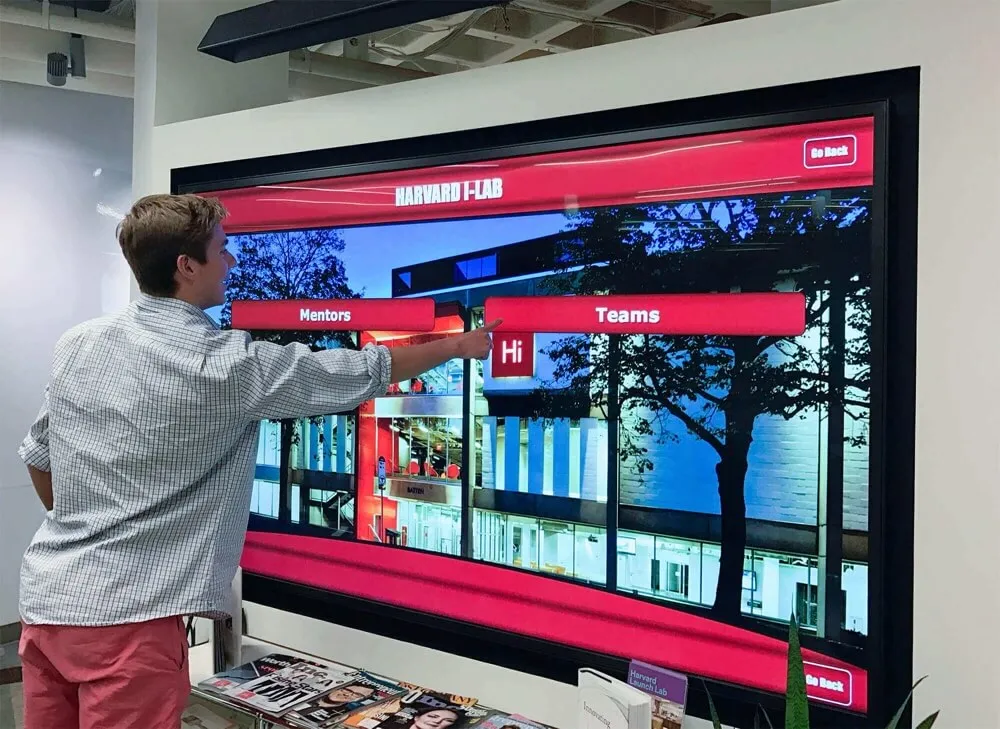
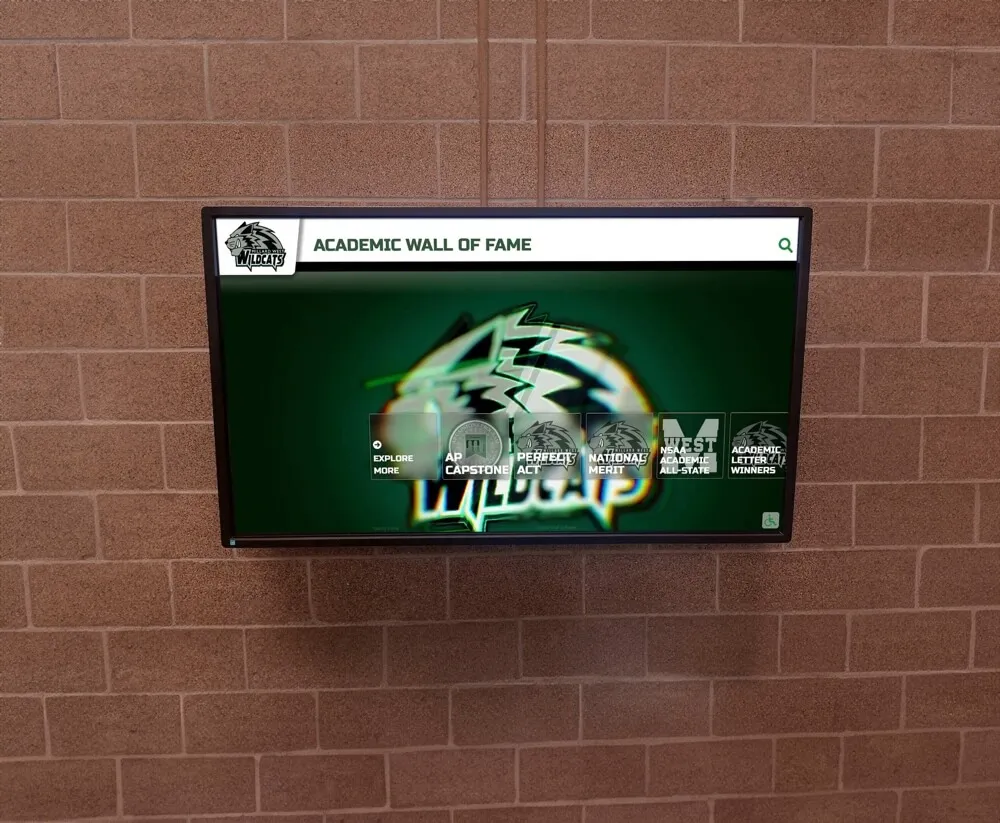
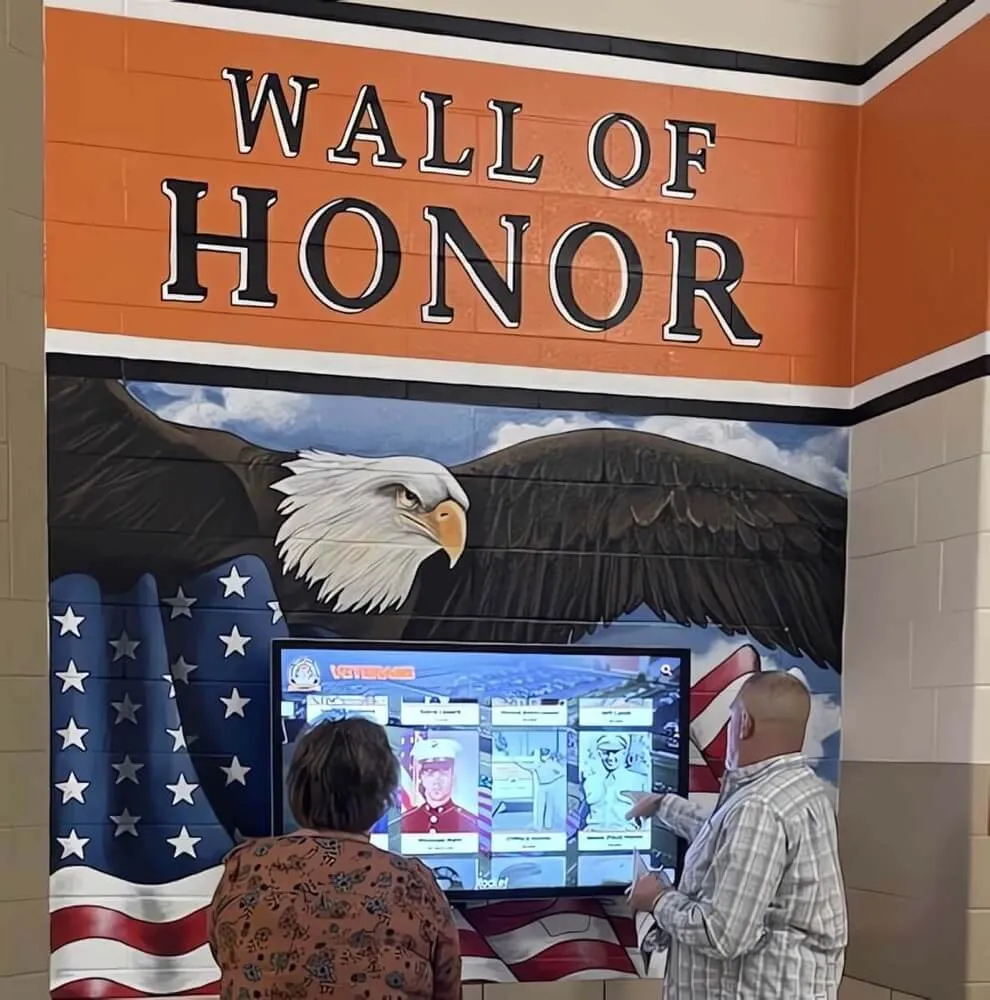
Intuitive interfaces enable donors and visitors to explore recognition comfortably, creating meaningful engagement with philanthropic community
Display Integration: Coordinating Physical and Digital Recognition
Modern recognition programs blend traditional and digital elements strategically, creating complementary systems that maximize visibility while operating efficiently.
Physical Recognition Considerations
Traditional Donor Wall Elements
Static displays maintain value when implemented appropriately:
- Permanent recognition for transformational gifts and naming opportunities
- Architectural integration creating focal points in facilities
- Prestigious materials reflecting organizational quality and donor significance
- Historical preservation honoring founding and legacy supporters
- Complementary relationship with digital systems rather than replacement
Capacity Planning for Growth
Traditional walls require planning for expansion:
- Reserve physical space for major gift recognition requiring permanence
- Use digital displays for annual fund and growing donor populations
- Design physical elements allowing graceful aging and maintenance
- Budget for long-term material replacement and refurbishment
- Coordinate visual design between physical and digital recognition
Digital Recognition Advantages
Unlimited Scalability
Digital platforms eliminate space constraints:
- Single display accommodates thousands of donors across all levels
- No need to remove previous donors when adding new recognition
- Historical archives preserve complete organizational donor history
- Equal opportunity for recognition regardless of physical space
- Comprehensive acknowledgment honoring every contributor
Dynamic Content and Updates
Cloud management enables instant changes:
- Add donors immediately after gift processing
- Update campaign progress in real-time during fundraising
- Correct errors instantly without contractor fees
- Schedule content publishing automatically
- Coordinate messaging across multiple display locations
Rich Multimedia Storytelling
Digital capabilities enhance appreciation:
- High-resolution photography showing donors and beneficiaries
- Video testimonials explaining impact and motivation
- Detailed biographical information and giving histories
- Connection to specific programs and outcomes funded
- Social sharing extending recognition beyond physical location
According to research by Donors Forum, nonprofits implementing digital recognition report 67% reduction in acknowledgment costs over five-year periods compared to traditional approaches, while honoring 300% more donors through unlimited digital capacity.
Learn about interactive digital displays combining recognition and engagement features.
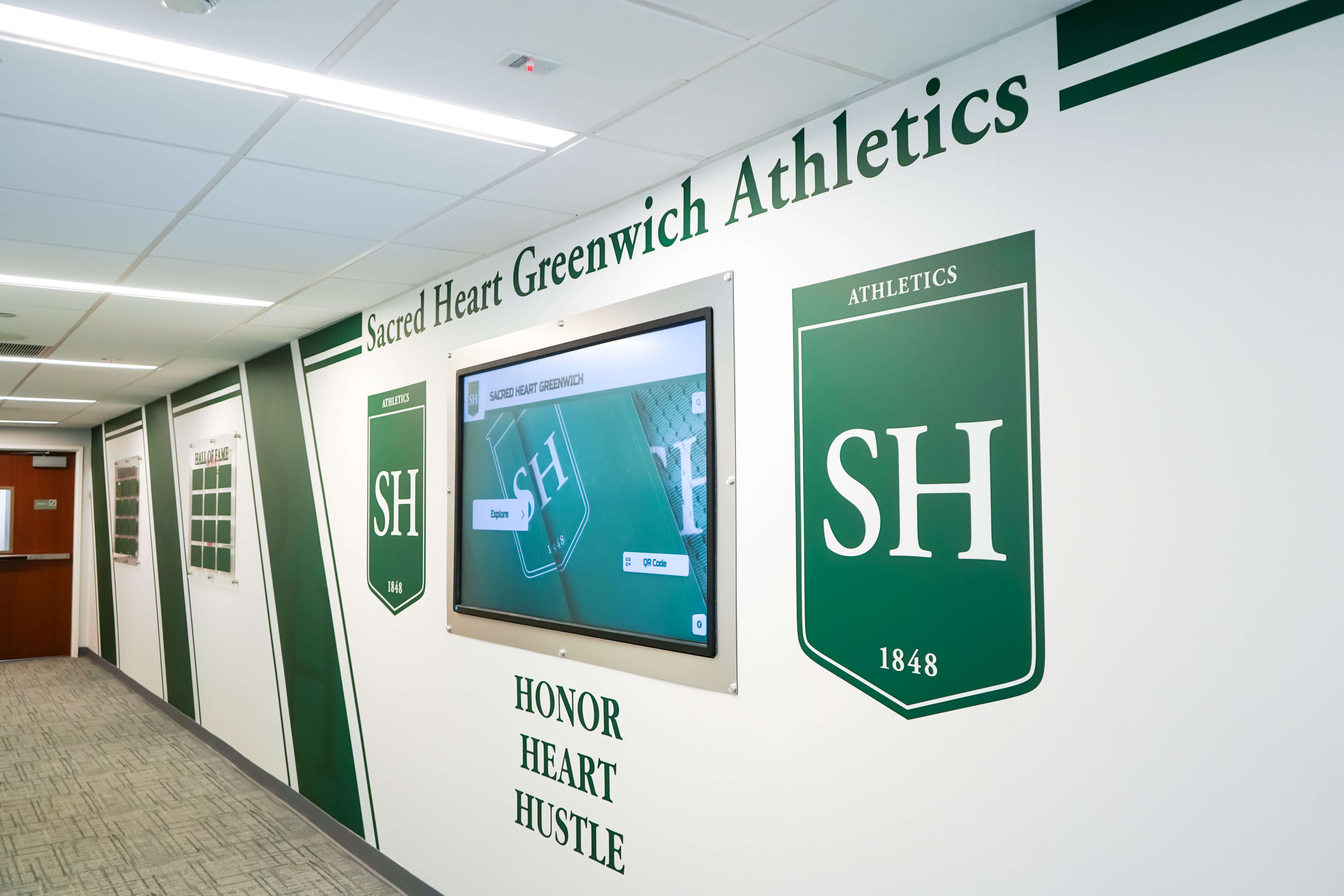
Thoughtful integration blends digital recognition with traditional design elements, honoring heritage while embracing modern capabilities
Remote Management and Cloud CMS
Centralized Content Control
Cloud platforms simplify multi-location recognition:
- Manage all displays from single dashboard accessible anywhere
- Maintain consistent branding and messaging across locations
- Coordinate updates simultaneously ensuring accuracy
- Delegate content responsibilities with role-based permissions
- Access from mobile devices enabling updates during events
Workflow Automation
Efficient systems reduce administrative burden:
- Scheduled publishing automating time-sensitive content
- Approval workflows routing changes through appropriate reviewers
- Notification systems alerting stakeholders to updates
- Audit trails documenting who changed what and when
- Integration with fundraising databases synchronizing donor information
ADA Compliance and Accessibility
Digital recognition should serve all audiences:
- High contrast ratios meeting WCAG 2.1 AA standards
- Font sizes ensuring readability from typical viewing distances
- Touch targets sized appropriately for motor skill variance
- Online recognition providing screen reader compatibility
- Alternative text for images supporting visual accessibility
On-Site Activation Strategies
High-Traffic Placement Locations
Maximize recognition visibility through strategic positioning:
- Main entrance lobbies where all visitors pass
- Reception areas where guests wait naturally
- Board rooms hosting donor cultivation meetings
- Event spaces used for appreciation gatherings
- Development offices where prospects tour
- Program facilities showing funded outcomes
Engagement Prompts and Wayfinding
Drive interaction with recognition displays:
- Clear signage directing visitors to donor recognition
- QR codes linking physical locations to web-based recognition
- Printed guides explaining recognition program and navigation
- Staff training preparing team members to demonstrate displays
- Event integration incorporating recognition into programming
- Donor instructions included in acknowledgment communications
Explore touchscreen display implementation for nonprofit environments.
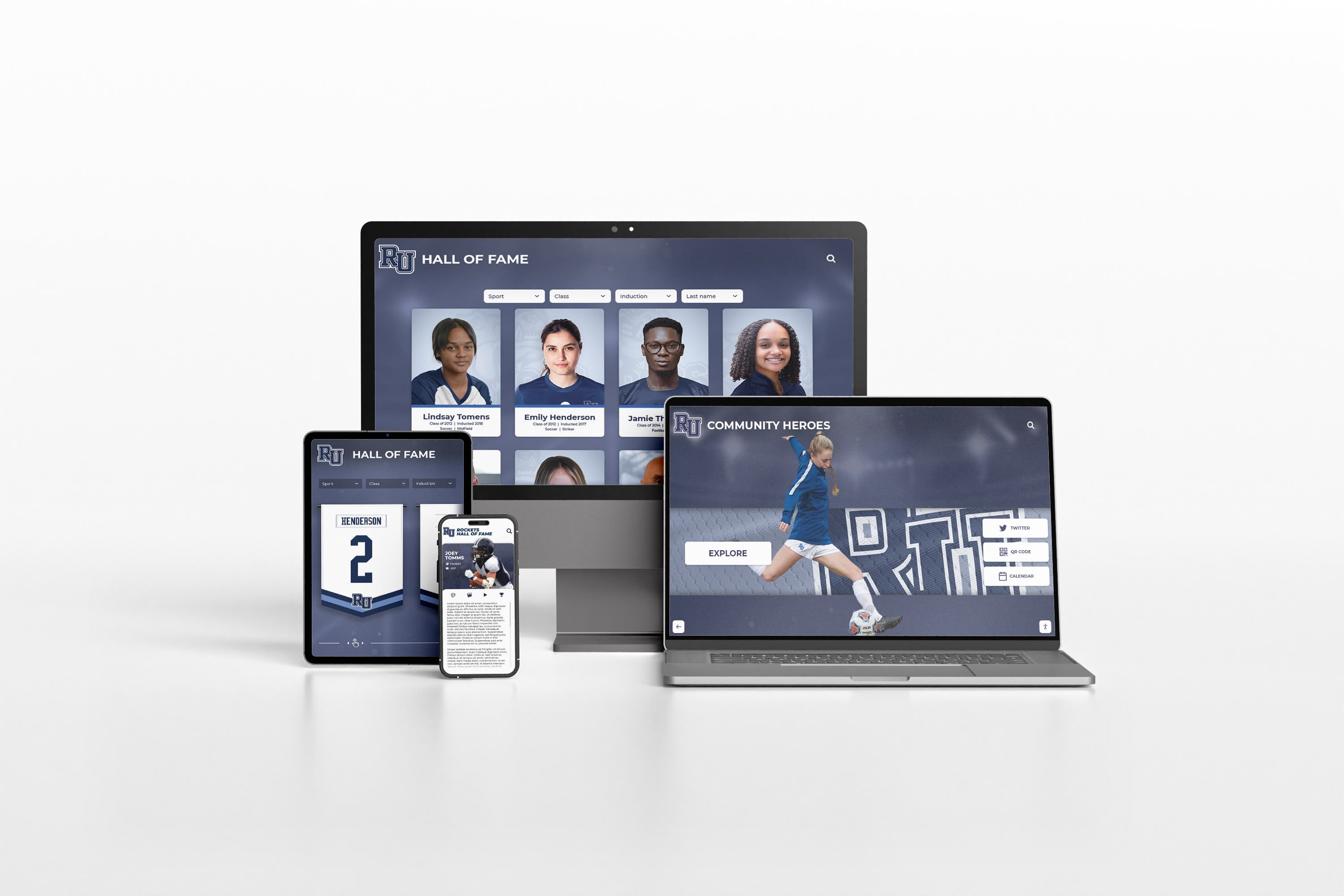
Multi-platform accessibility extends recognition reach, enabling donors to share acknowledgment with extended networks and communities
Measurement Framework: Evaluating Recognition Effectiveness
Systematic assessment ensures recognition investments achieve intended appreciation and fundraising objectives.
Key Performance Indicators
Donor Retention Metrics
Primary success measures for recognition programs:
- Year-over-year donor retention rate comparing before and after recognition enhancement
- First-time donor renewal rate indicating new contributor satisfaction
- Multi-year giving progression showing sustained engagement patterns
- Donor reactivation rate among previously lapsed supporters
- Retention comparison across recognition tiers and acknowledgment types
Organizations implementing comprehensive recognition should expect 15-25% retention improvement within 18-24 months of program launch, according to Association of Fundraising Professionals research.
Giving Level Advancement
Financial impact indicators:
- Average gift size trends among recognized donors
- Donor progression from entry to leadership giving
- Upgrade rate showing contributors increasing support
- Campaign participation rate among recognized versus unrecognized donors
- Lifetime value growth correlating with recognition consistency
Donor Satisfaction and Engagement
Qualitative measures indicating relationship strength:
- Donor satisfaction survey results regarding appreciation quality
- Unsolicited positive feedback and testimonial frequency
- Event attendance at donor appreciation gatherings
- Volunteer recruitment from donor population
- Planned giving inquiry rate among recognized supporters
Analytics and Data-Driven Optimization
Digital Display Engagement Tracking
Platforms should provide detailed interaction data:
- Usage frequency showing daily and weekly traffic patterns
- Average session duration indicating engagement depth
- Search terms revealing donor interests and content preferences
- Most-viewed profiles and stories identifying compelling content
- Navigation pathways showing exploration behaviors
- Drop-off points indicating confusing or problematic areas
Recognition Program Conversion
Measure recognition effectiveness driving fundraising outcomes:
- Physical display visitor-to-donor conversion rate
- Web-based recognition portal traffic sources
- QR code scan-to-gift completion rate
- Social sharing reach and engagement metrics
- Recognition-attributed gifts tracking acknowledgment impact
Administrative Efficiency Gains
Quantify operational improvements:
- Staff time required for recognition updates (digital versus traditional)
- Cost per donor acknowledged across program elements
- Error correction frequency and resolution time
- Donor information accuracy and database quality
- Scalability demonstrating capacity to honor growing populations
Research by Nonprofit Hub indicates that organizations implementing digital recognition reduce administrative time by 75% compared to physical donor wall management, while honoring 4-5 times more contributors through unlimited digital capacity.
Discover approaches for tracking recognition program ROI and demonstrating value.
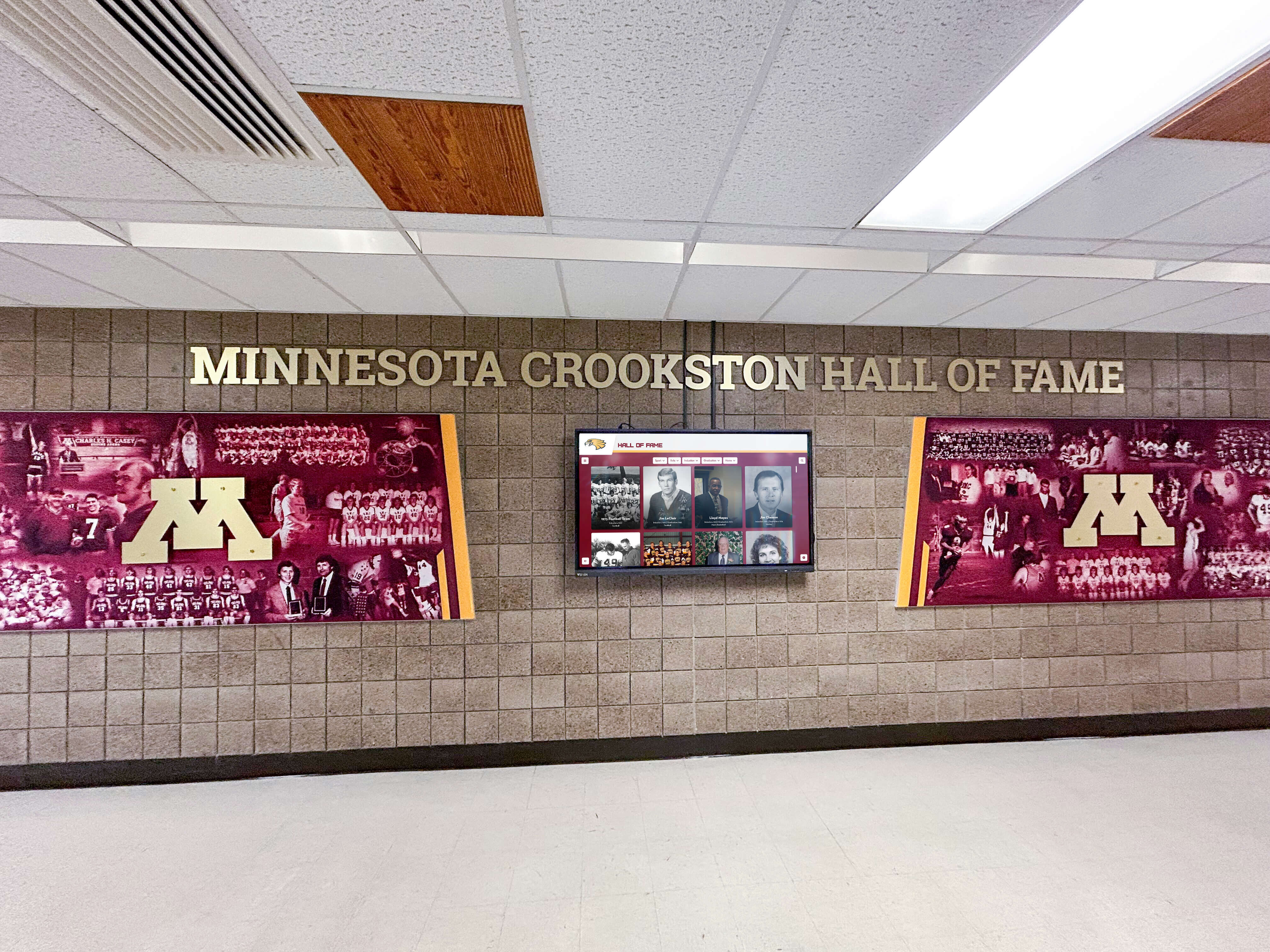
Successful programs track engagement comprehensively, using data to refine recognition approaches and maximize donor impact
Continuous Improvement Process
Regular Program Assessment
Systematic evaluation identifies enhancement opportunities:
- Quarterly review of retention and engagement metrics
- Annual comprehensive program audit examining all elements
- Donor feedback collection through surveys and focus groups
- Staff input gathering operational insights and challenges
- Board-level reporting demonstrating program value and ROI
Evidence-Based Refinement
Use data to guide recognition evolution:
- Expand successful recognition elements showing strong engagement
- Modify or eliminate approaches showing poor performance
- Test new acknowledgment methods measuring comparative effectiveness
- Adjust timing and frequency based on donor response patterns
- Reallocate resources favoring highest-impact activities
Benchmark Comparison
Understand performance in broader context:
- Compare retention rates to nonprofit sector averages
- Evaluate cost-per-donor against peer organizations
- Assess recognition program sophistication relative to competitors
- Identify leading practices worth adopting from other sectors
- Set aspirational goals based on top-performing programs
Special Considerations for Nonprofit Recognition
Different nonprofit types face unique acknowledgment requirements and opportunities.
Social Service Organizations
Beneficiary Connection Emphasis
Mission-driven nonprofits should spotlight impact:
- Client testimonials explaining how programs helped
- Quantified outcomes showing services provided through donations
- Before-and-after documentation demonstrating transformation
- Long-term follow-up proving sustained program effectiveness
- Beneficiary participation in donor appreciation events
Volunteer Leadership Recognition
Comprehensive programs honor diverse contributions:
- Board member acknowledgment alongside financial donors
- In-kind donation recognition valuing non-monetary support
- Volunteer hour documentation and celebration
- Professional services donation appreciation
- Recognition breadth demonstrating community commitment
Learn about volunteer recognition programs complementing donor appreciation.
Healthcare Nonprofits
Patient Story Emphasis
Healthcare organizations connect donors to clinical outcomes:
- Patient testimonials explaining treatment enabled by philanthropy
- Medical equipment recognition showing direct care applications
- Research outcome documentation proving innovation support
- Community health metrics demonstrating population impact
- Caregiver testimonials about how donations enable better care
HIPAA Compliance Considerations
Patient privacy requires careful navigation:
- Obtain written consent before using patient stories or images
- De-identify information when specific consent unavailable
- Create composite narratives maintaining privacy while showing impact
- Focus on caregivers and medical staff when patient involvement limited
- Comply with all healthcare privacy regulations and organizational policies
Educational Nonprofits
Scholarship Impact Connection
Education-focused nonprofits emphasize student support:
- Scholarship recipient testimonials thanking supporters
- Academic achievement documentation showing program effectiveness
- Graduate success stories proving long-term impact
- Annual gatherings connecting donors with students
- Multi-year tracking demonstrating sustained educational outcomes
Faculty and Alumni Engagement
Educational institutions integrate recognition broadly:
- Faculty giving recognition encouraging internal philanthropy
- Alumni participation celebration regardless of gift size
- Parent donor acknowledgment supporting current students
- Legacy family recognition honoring multi-generational support
- Young alumni cultivation building early giving habits
Explore educational institution recognition strategies and approaches.
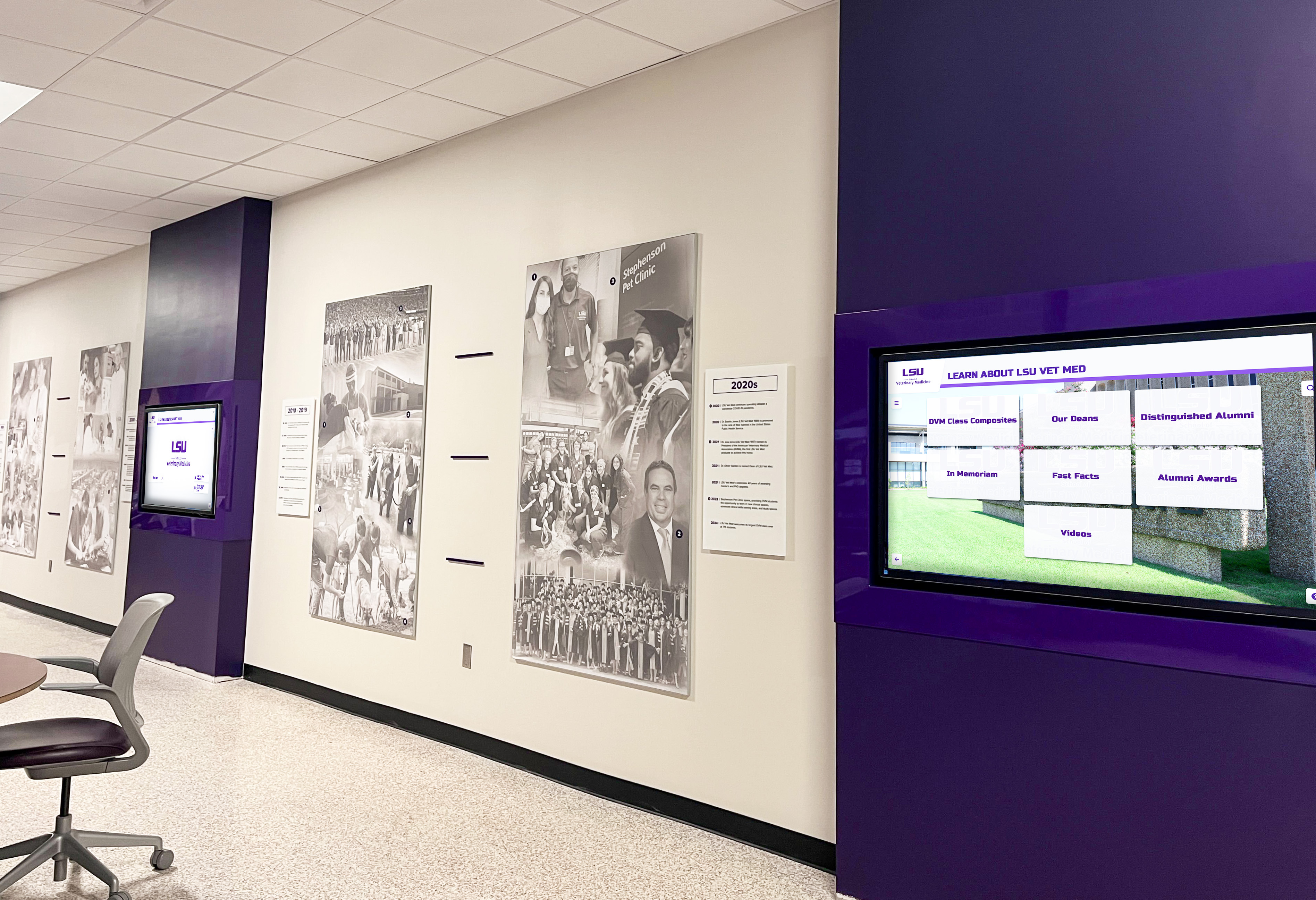
Educational nonprofits benefit from comprehensive recognition honoring diverse constituencies including alumni, parents, faculty, and community supporters
Arts and Cultural Organizations
Artistic Integration
Cultural institutions should reflect creative mission:
- Recognition design incorporating artistic elements and aesthetics
- Donor profiles highlighting arts patronage and collecting interests
- Exhibition and performance dedications honoring supporters
- Artist testimonials explaining how funding enables creativity
- Cultural event integration showcasing donor appreciation
Membership Integration
Subscription-based nonprofits coordinate recognition with membership:
- Member recognition alongside one-time donors
- Subscriber level acknowledgment showing sustained support
- Season ticket holder appreciation celebrating loyalty
- Annual giving society integration with membership tiers
- Combined recognition honoring all contribution types
Technology Platform Recommendations
Selecting appropriate recognition software determines program sustainability and effectiveness.
Essential Platform Capabilities
Nonprofit-Specific Features
Purpose-built solutions address sector requirements:
- Giving level management automating tier assignment
- Campaign tracking organizing donors by initiative
- Memorial and tribute designation honoring special gifts
- Anonymous donor accommodation respecting privacy
- Planned giving recognition before gift realization
- Corporate matching gift identification and acknowledgment
Fundraising Database Integration
Synchronization eliminates duplicate data entry:
- Direct connection to major platforms (Bloomerang, DonorPerfect, Raiser’s Edge, Salesforce NPSP, etc.)
- Automated donor information synchronization
- Real-time gift processing triggering recognition updates
- Bi-directional data flow maintaining accuracy
- Consolidated reporting across fundraising and recognition systems
Content Management Simplicity
Non-technical staff should operate systems independently:
- Intuitive interfaces requiring no programming knowledge
- Template systems ensuring consistent presentation
- Drag-and-drop functionality simplifying layout design
- Preview capabilities showing changes before publication
- Mobile-friendly administration enabling remote management
Analytics and Reporting
Comprehensive data supports evaluation and optimization:
- Engagement tracking showing interaction patterns
- Traffic source identification revealing discovery methods
- Conversion analytics measuring fundraising impact
- Donor behavior insights informing cultivation strategies
- Custom report building addressing specific questions
Solutions like Rocket Alumni Solutions provide comprehensive platforms specifically designed for nonprofit donor recognition, with fundraising integration, unlimited donor capacity, and intuitive management that organizations need to honor supporters effectively at scale.
Implementation Considerations
Vendor Selection Criteria
Evaluate providers on multiple dimensions:
- Nonprofit sector experience and references
- Customer support quality and availability
- Training resources and onboarding assistance
- Pricing transparency and total cost clarity
- Platform roadmap showing future development
- Financial stability ensuring long-term viability
Total Cost of Ownership
Consider all investment dimensions:
- Initial software licensing or subscription fees
- Hardware costs for displays and infrastructure
- Installation and implementation services
- Ongoing support and software maintenance
- Content development and donor data migration
- Staff training and adoption support
Success Factors
Organizations report highest satisfaction when:
- Executive leadership champions recognition program
- Adequate budget allocated for quality implementation
- Clear staff responsibilities assigned for management
- Donors involved in program design and feedback
- Realistic timeline allowing thorough planning
- Ongoing commitment to maintenance and improvement
Learn about digital signage platform selection for nonprofit applications.
Common Recognition Program Mistakes to Avoid
Even well-intentioned nonprofits encounter preventable pitfalls that undermine appreciation effectiveness.
Acknowledgment Timing Failures
Delayed Recognition Problems
Slow acknowledgment damages donor confidence:
- Donors question whether gifts received or processed
- Enthusiasm and positive emotions associated with giving dissipate
- Perception of disorganization undermines confidence in stewardship
- Competitive organizations provide faster acknowledgment winning loyalty
- IRS requirements mandate timely gift receipts for tax deduction
Organizations should acknowledge all gifts within 48 hours, with same-day email confirmation for online donations and personal calls within 24 hours for major gifts.
Generic and Impersonal Communication
Template-Driven Acknowledgment Issues
Form letters fail to create authentic appreciation:
- Donors recognize standardized communications immediately
- Generic language suggests contributors are interchangeable
- Missing personalization indicates lack of genuine gratitude
- Automated-only acknowledgment positions recognition as obligation
- Absence of specific impact information leaves donors questioning value
Effective recognition includes donor name, specific gift amount, date, program supported, and concrete impact their contribution will enable.
Inconsistent Recognition Practices
Policy Application Problems
Uneven acknowledgment creates donor confusion:
- Some donors receive robust recognition while others are overlooked
- Recognition timing varies unpredictably across gifts
- Benefits promised for giving levels aren’t delivered consistently
- Different staff members apply policies differently
- Donors perceive favoritism or discrimination in treatment
Clear documented policies with designated responsibilities and quality assurance processes prevent consistency failures.
Technology Implementation Challenges
Common Technical Mistakes
Poor execution undermines recognition value:
- Selecting inappropriate platforms lacking nonprofit-specific features
- Inadequate training leaving staff unable to manage systems
- Poor content quality with errors, low-resolution images, or incomplete information
- Lack of integration requiring duplicate data entry and creating inconsistencies
- Insufficient budget for professional implementation and ongoing support
Organizations should allocate adequate resources ensuring quality execution rather than expecting results from minimal investment.
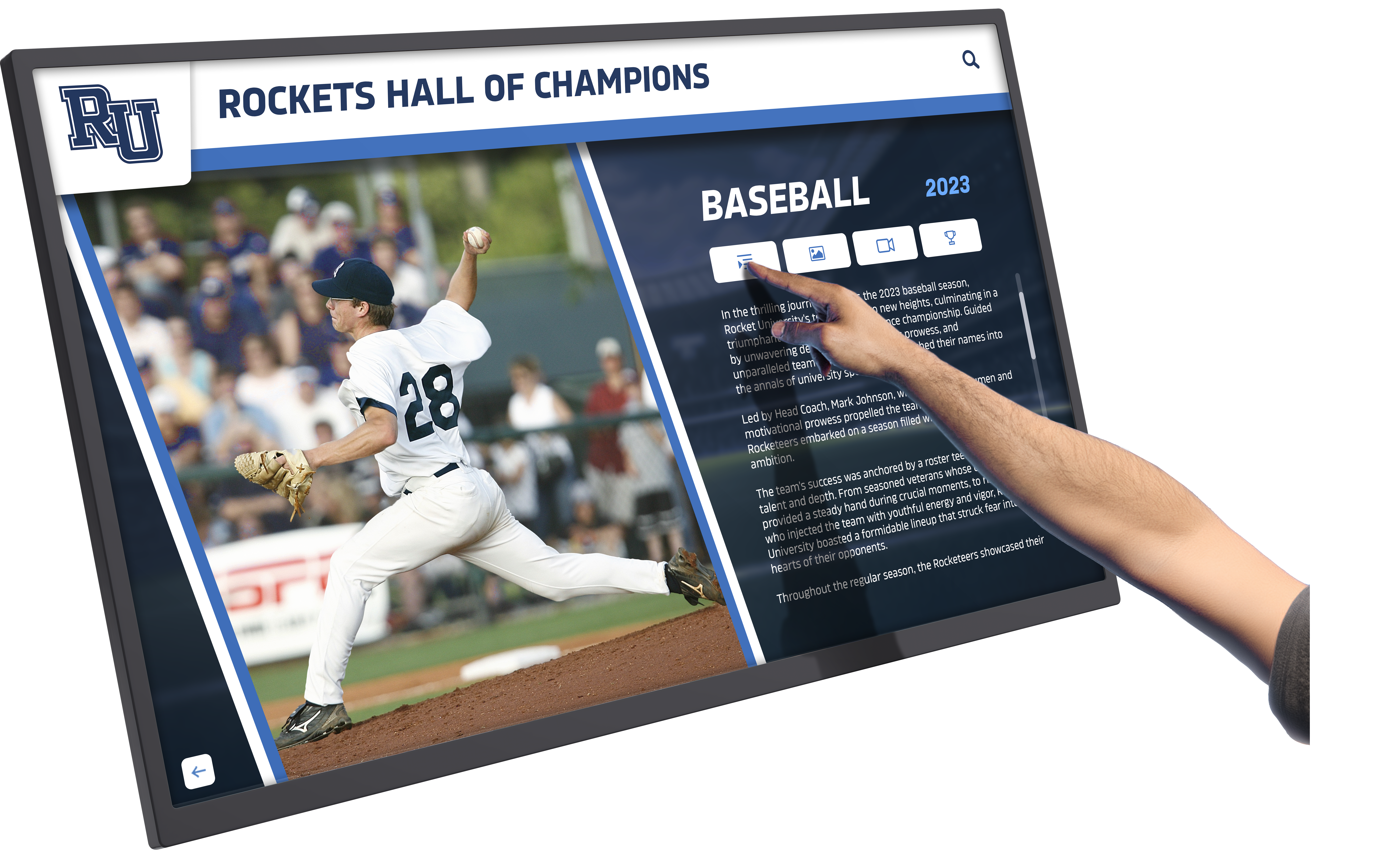
Quality technology implementation creates recognition experiences that operate reliably while providing meaningful donor engagement
Conclusion: Building Recognition Programs That Transform Relationships
Nonprofit donor recognition represents far more than courteous acknowledgment—it serves as strategic infrastructure for building sustainable fundraising programs, cultivating lasting relationships, and creating cultures of gratitude that honor generosity authentically while inspiring continued support. When organizations implement systematic recognition programs that acknowledge contributors at all levels, communicate impact meaningfully, and leverage modern digital displays enabling unlimited appreciation, they transform transactional giving into genuine partnership that benefits both missions and supporters.
This recognition program blueprint provides comprehensive frameworks for planning, implementing, and optimizing donor appreciation systems that operate efficiently while honoring every contributor appropriately. From establishing recognition philosophies and developing tiered acknowledgment structures to deploying digital technology and measuring program effectiveness, each element contributes to sustainable recognition serving both donor appreciation and fundraising strategy.
Ready to transform donor recognition at your nonprofit? Modern recognition solutions help organizations celebrate unlimited contributors while creating engaging experiences and building sustainable fundraising programs. Solutions like Rocket Alumni Solutions provide comprehensive platforms specifically designed for nonprofit donor appreciation, combining intuitive content management with professional display hardware and implementation support ensuring successful long-term programs.
Whether you’re establishing your first formal recognition program or enhancing existing donor appreciation systems, the key is creating authentic approaches aligned with organizational values, sustainable within operational capabilities, and designed to serve specific donor community needs effectively. Request your free custom demo to see how comprehensive recognition systems can strengthen your fundraising program.
Your contributors deserve recognition that honors their generosity authentically while demonstrating the impact of their philanthropy and validating their philanthropic values. With thoughtful program design, appropriate technology selection, and genuine commitment to donor appreciation, you can implement recognition systems that increase retention, enhance giving levels, and build lasting relationships sustaining your mission for years to come.
The most important consideration isn’t implementing the most expensive displays or most sophisticated technology—it’s creating genuine appreciation programs that resonate with your donors, communicate impact authentically, and demonstrate organizational commitment to honoring partnership meaningfully. Your donors make your mission possible. Recognition programs celebrating their contributions appropriately create the foundation for sustained philanthropic engagement and organizational success.
Ready to begin building comprehensive donor recognition at your nonprofit? Start by assessing current practices, gathering donor feedback on appreciation effectiveness, and exploring recognition solutions designed specifically for nonprofit needs rather than generic acknowledgment approaches that fail to honor contributors appropriately.