



New Jersey wrestling isn’t just a sport—it’s a tradition that has shaped athletic culture across the state for generations. The NJ State Wrestling Tournament represents the pinnacle of high school wrestling competition, where hundreds of athletes compete for individual state titles in one of the nation’s most competitive wrestling environments. For wrestlers, coaches, and communities across New Jersey, earning a state championship medal carries significance that extends far beyond the tournament weekend.
Yet despite the extraordinary dedication required to reach the state tournament—countless early morning practices, strict weight management, and victories over increasingly skilled opponents—many schools struggle to provide state qualifiers and champions with recognition that matches the magnitude of their achievement. Traditional trophy cases fill quickly, individual accomplishments get lost among team awards, and graduating wrestlers leave behind limited legacies that inspire future competitors.
This comprehensive guide explores the history and format of New Jersey’s premier wrestling competition while providing schools with practical strategies for celebrating state tournament qualifiers and champions through modern recognition programs that preserve wrestling legacies for generations.
The New Jersey State Wrestling Tournament has produced countless individual champions, team dynasties, and legendary moments since its inception. Understanding this history and the tournament’s rigorous format helps schools create recognition programs that appropriately honor the exceptional achievement state tournament success represents.

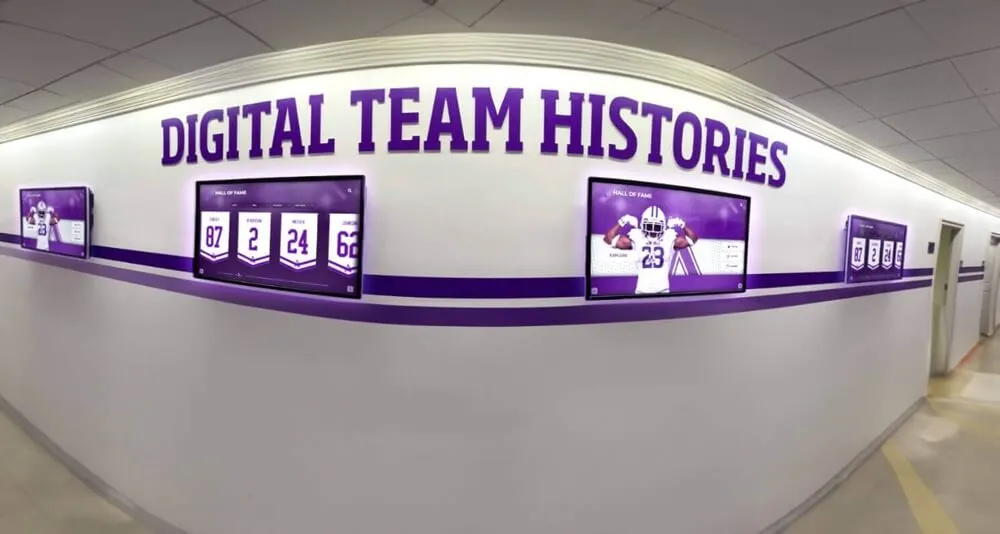
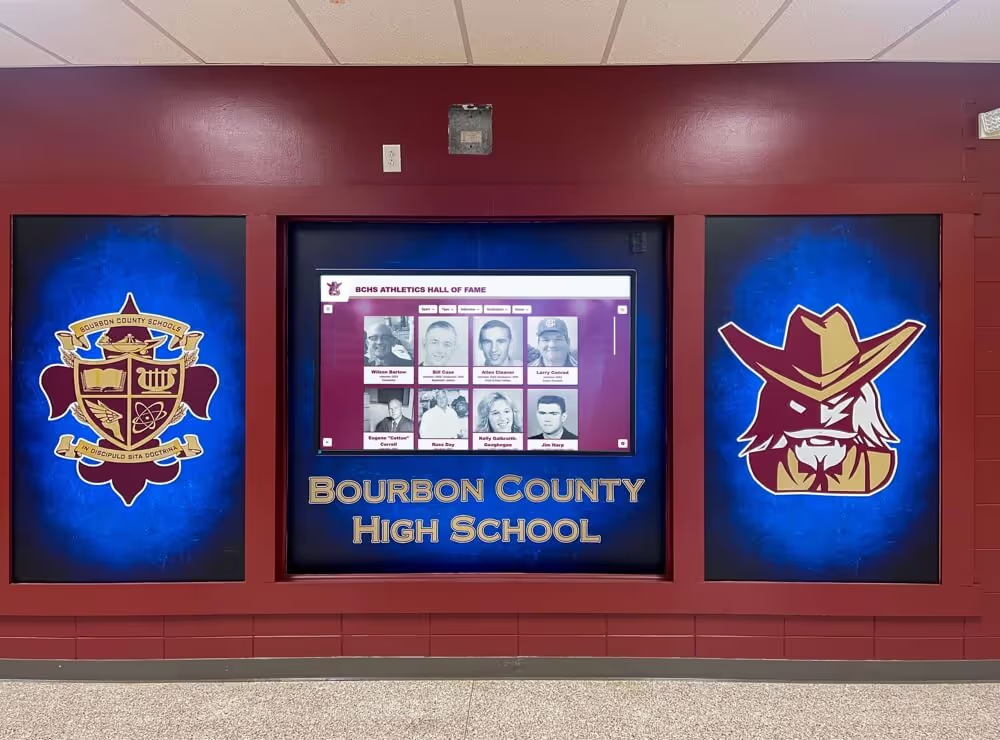
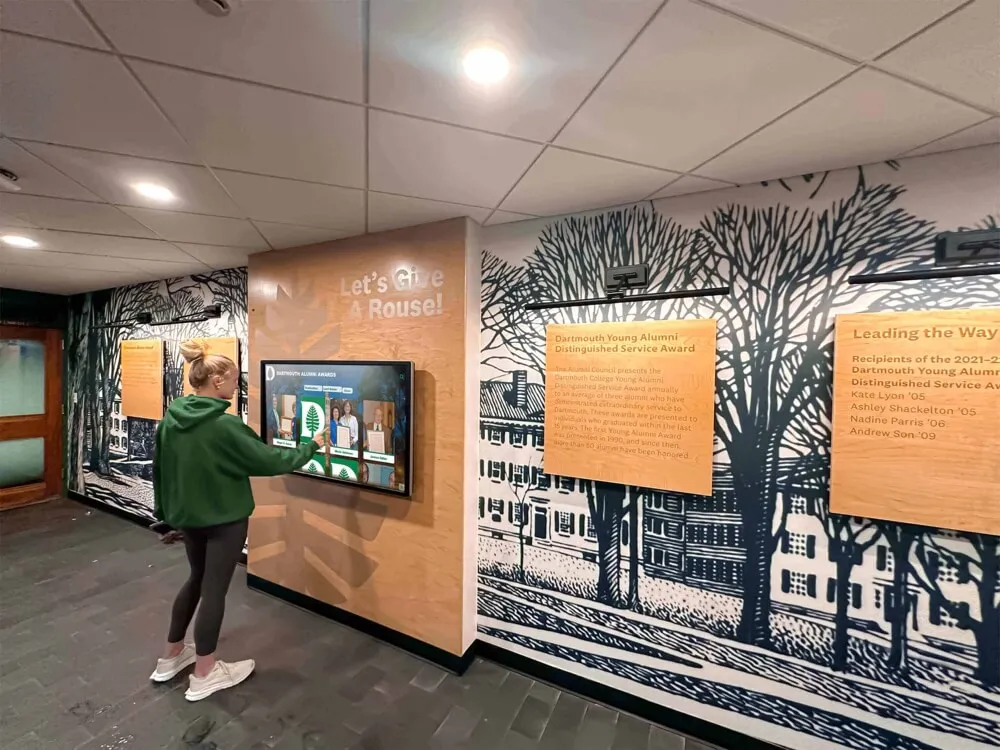
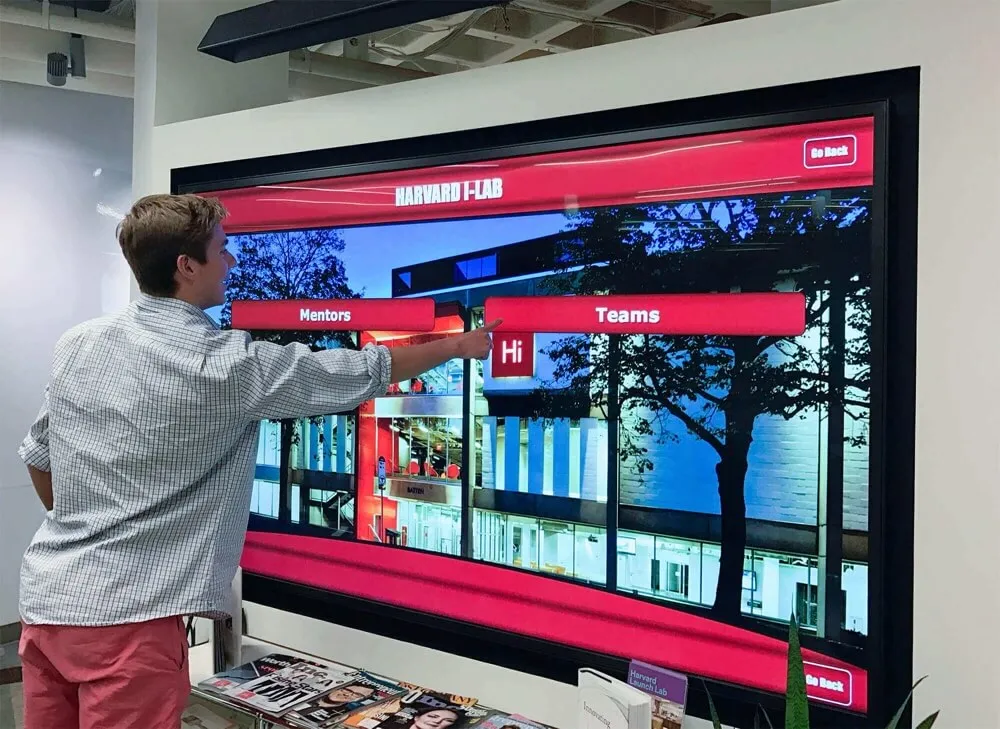
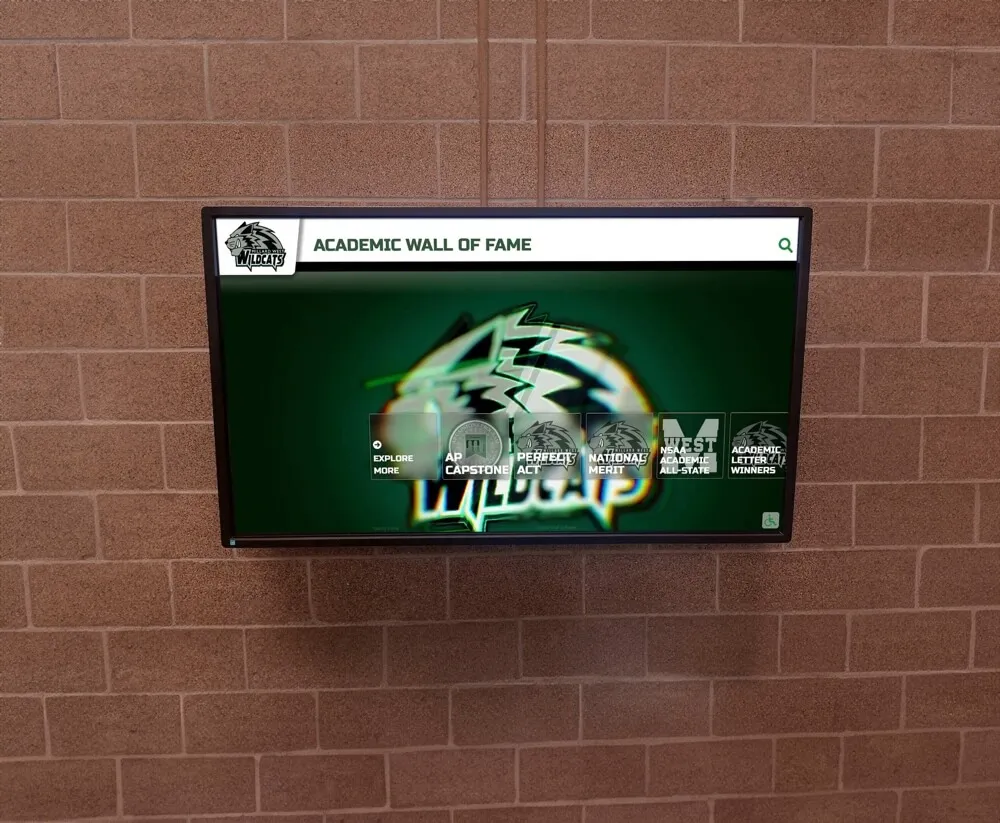
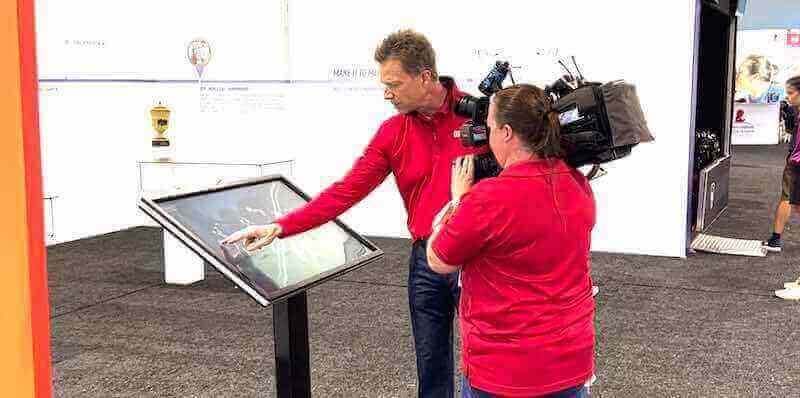
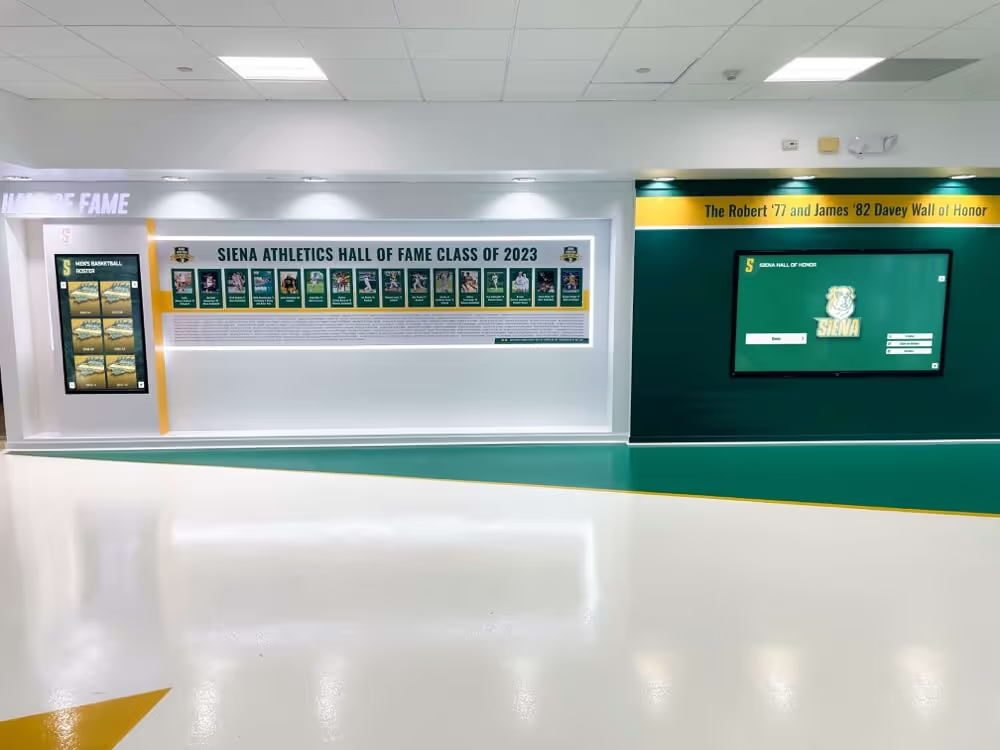
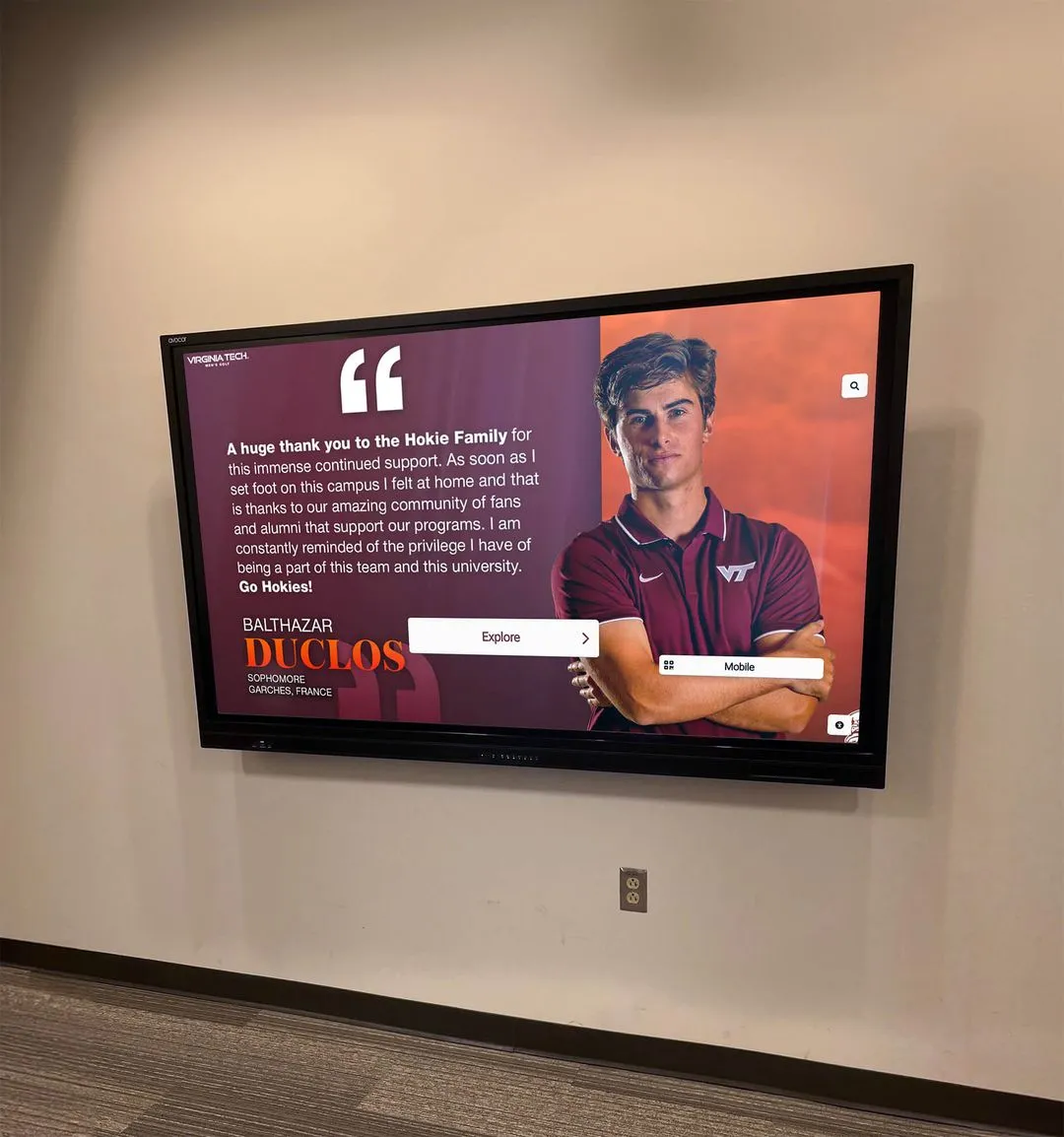
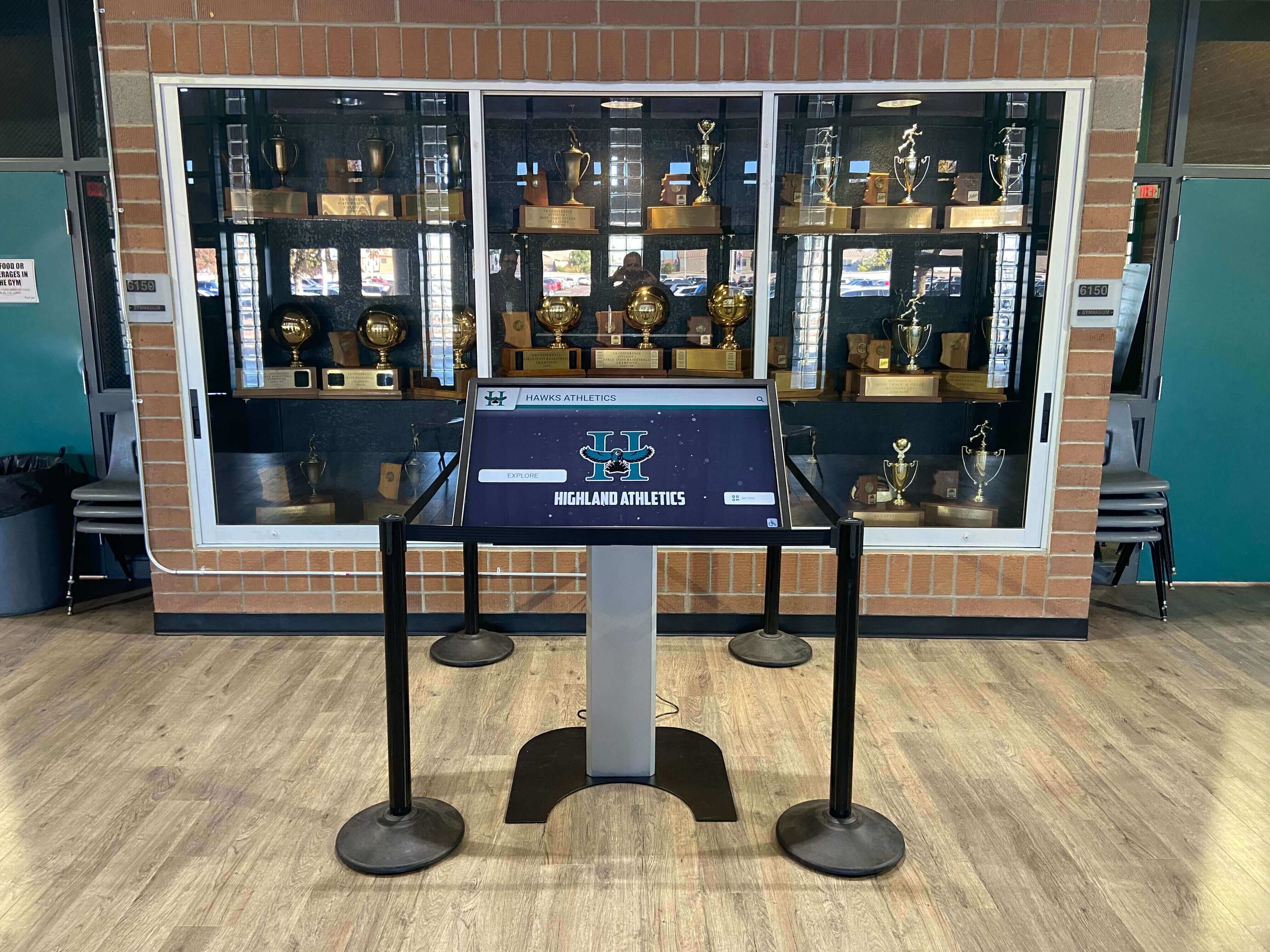
Modern recognition displays preserve wrestling legacies while inspiring current competitors through accessible tournament history
The Rich History of New Jersey High School Wrestling
New Jersey has consistently ranked among the nation’s elite wrestling states, producing Olympic medalists, NCAA champions, and coaching legends who’ve shaped the sport nationally.
Origins and Evolution of the State Tournament
The New Jersey State Interscholastic Athletic Association (NJSIAA) has organized state wrestling championships since the early 20th century, establishing competitive traditions that have endured through multiple format changes and organizational shifts.
Early Tournament Structure
The tournament initially featured limited weight classes and open divisions that didn’t account for school size differences. As participation grew throughout the mid-1900s, the NJSIAA implemented divisional structures ensuring schools competed against similarly-sized programs while maintaining the prestige of state championship designation.
Growth Through the Decades
New Jersey wrestling participation expanded dramatically from the 1960s through the 1990s as the sport grew beyond traditional stronghold communities. This growth necessitated regional qualifying tournaments, multiple divisions, and expanded venue capacity to accommodate the state’s wrestling boom.
According to the National Wrestling Hall of Fame, New Jersey consistently produces more All-Americans per capita than virtually any other state, testament to the exceptional talent development occurring in high school programs statewide.
New Jersey’s Wrestling Powerhouse Reputation
The state’s reputation for wrestling excellence stems from multiple factors that create competitive environments where elite athletes develop:
Coaching Excellence and Technical Innovation
New Jersey has produced numerous coaching legends whose technical innovations and training methodologies have influenced wrestling nationally. These coaches create programs where fundamental technique, conditioning, and mental preparation produce consistent championship-level performers.
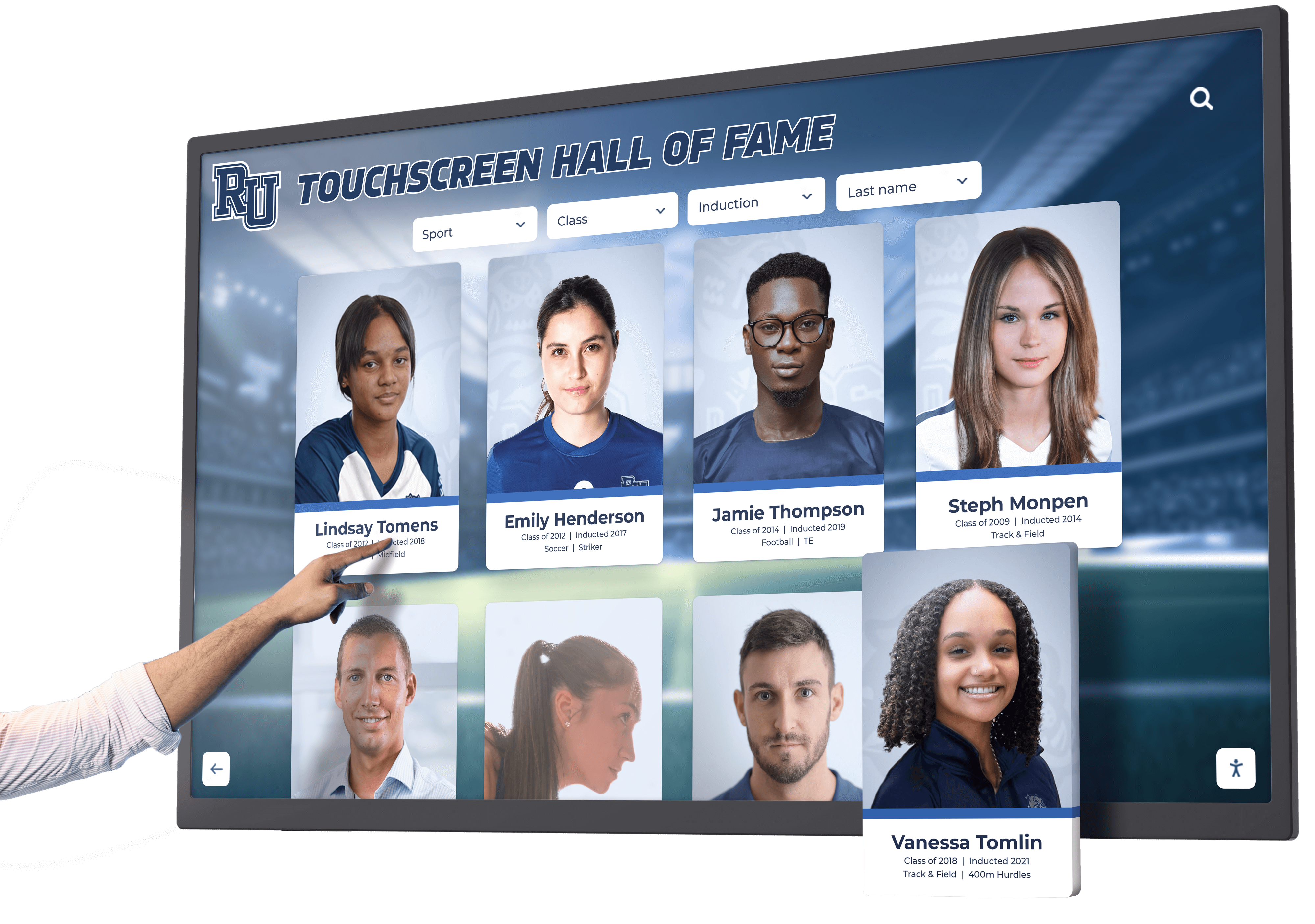
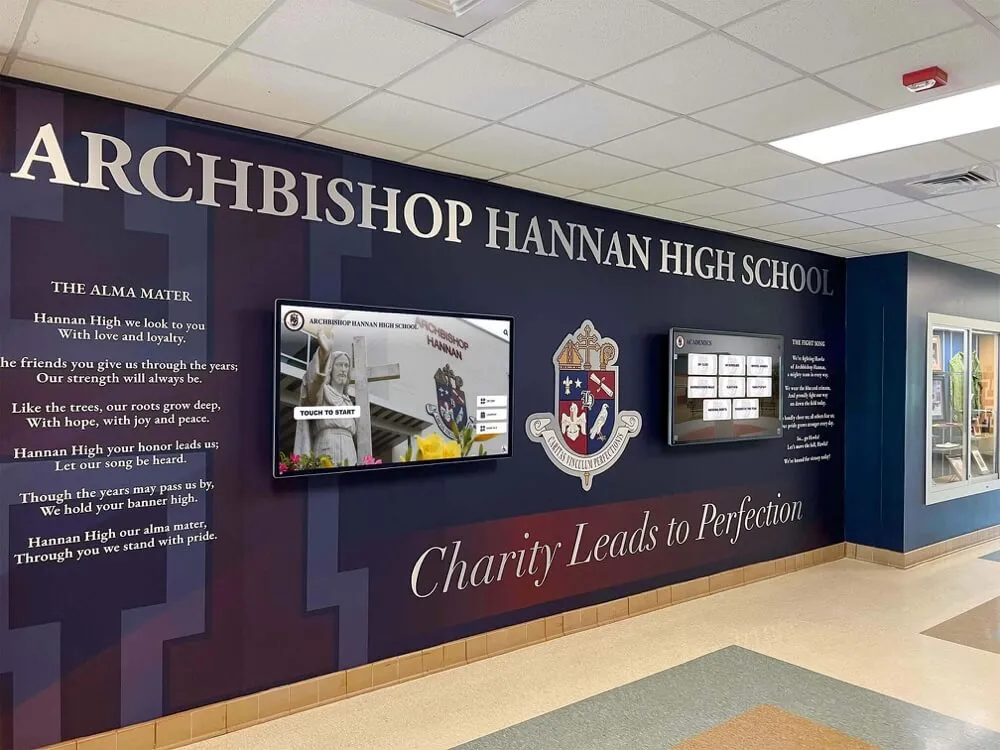
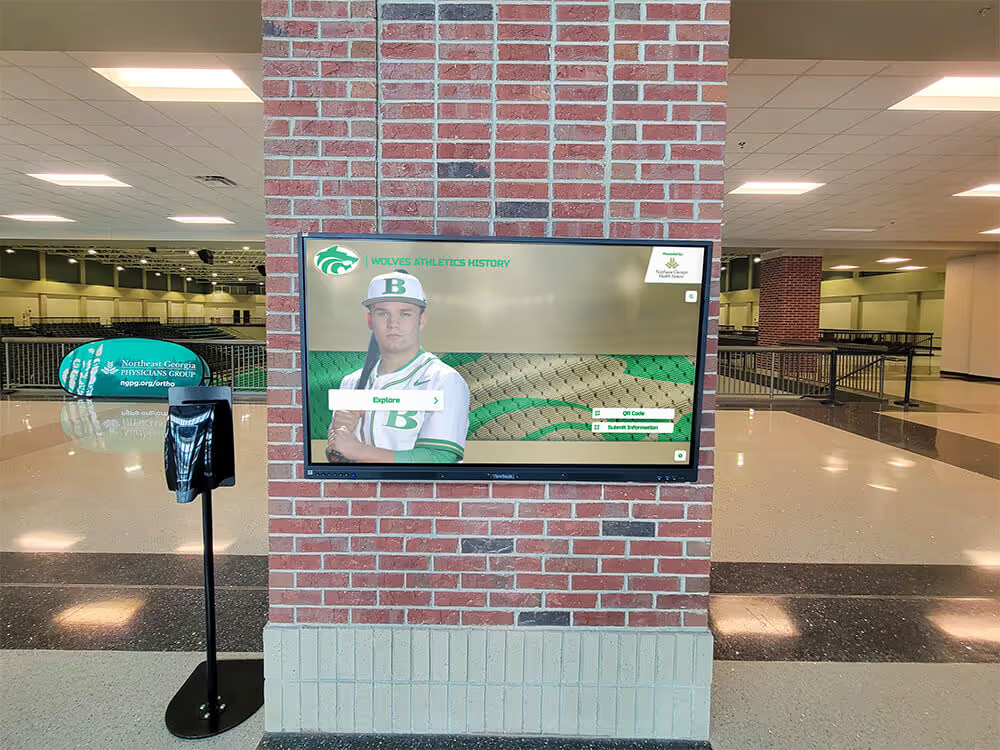
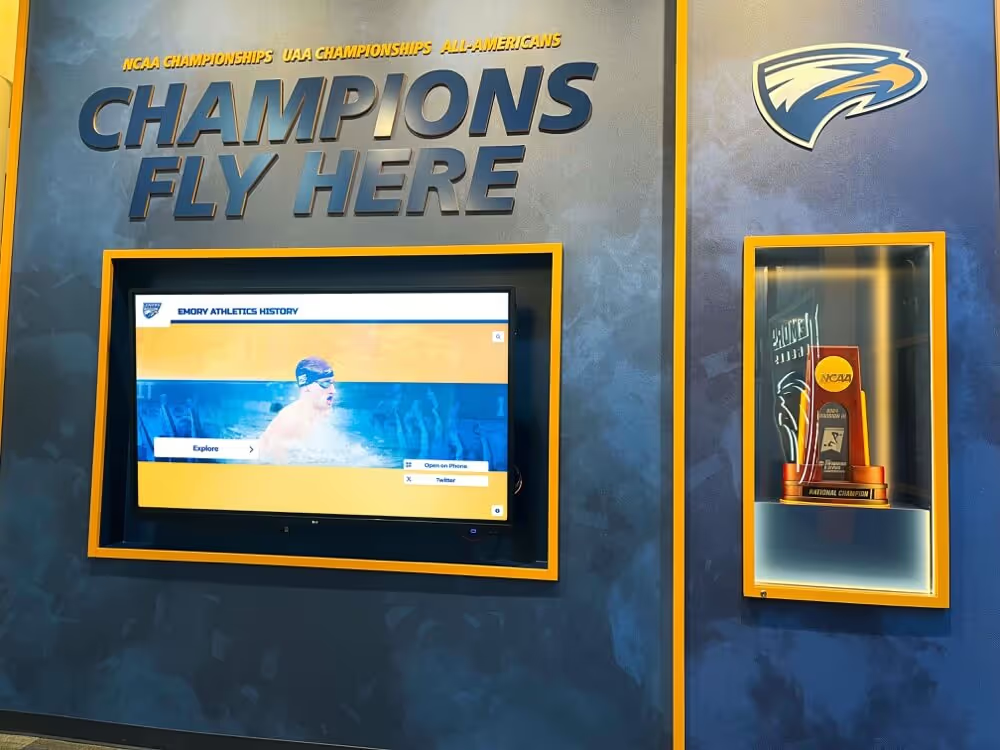
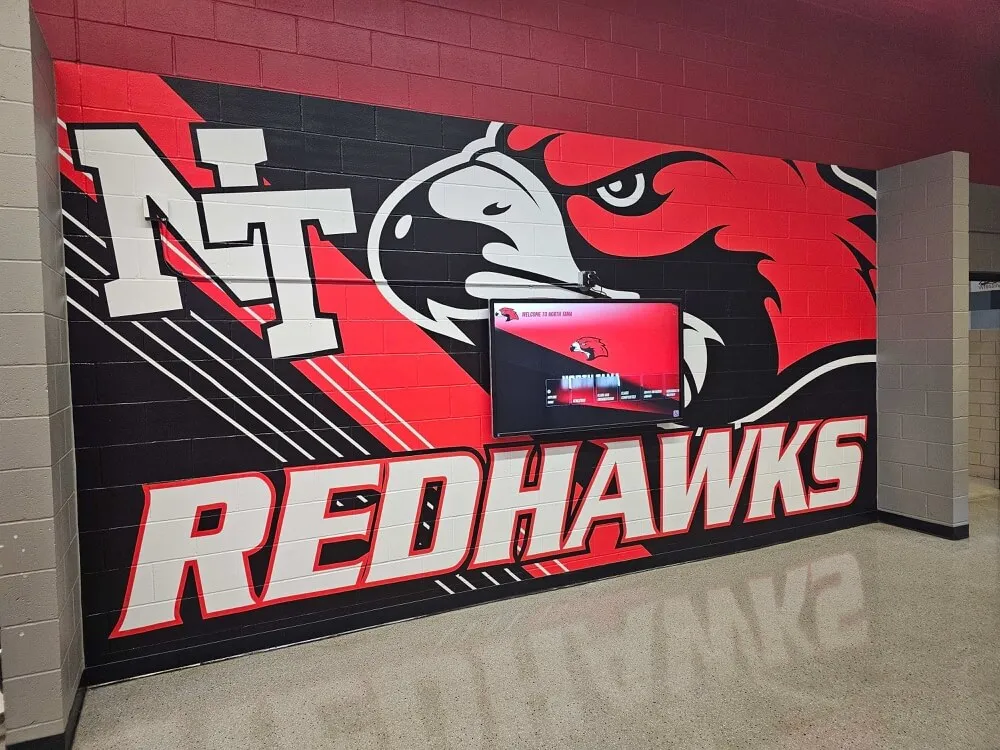
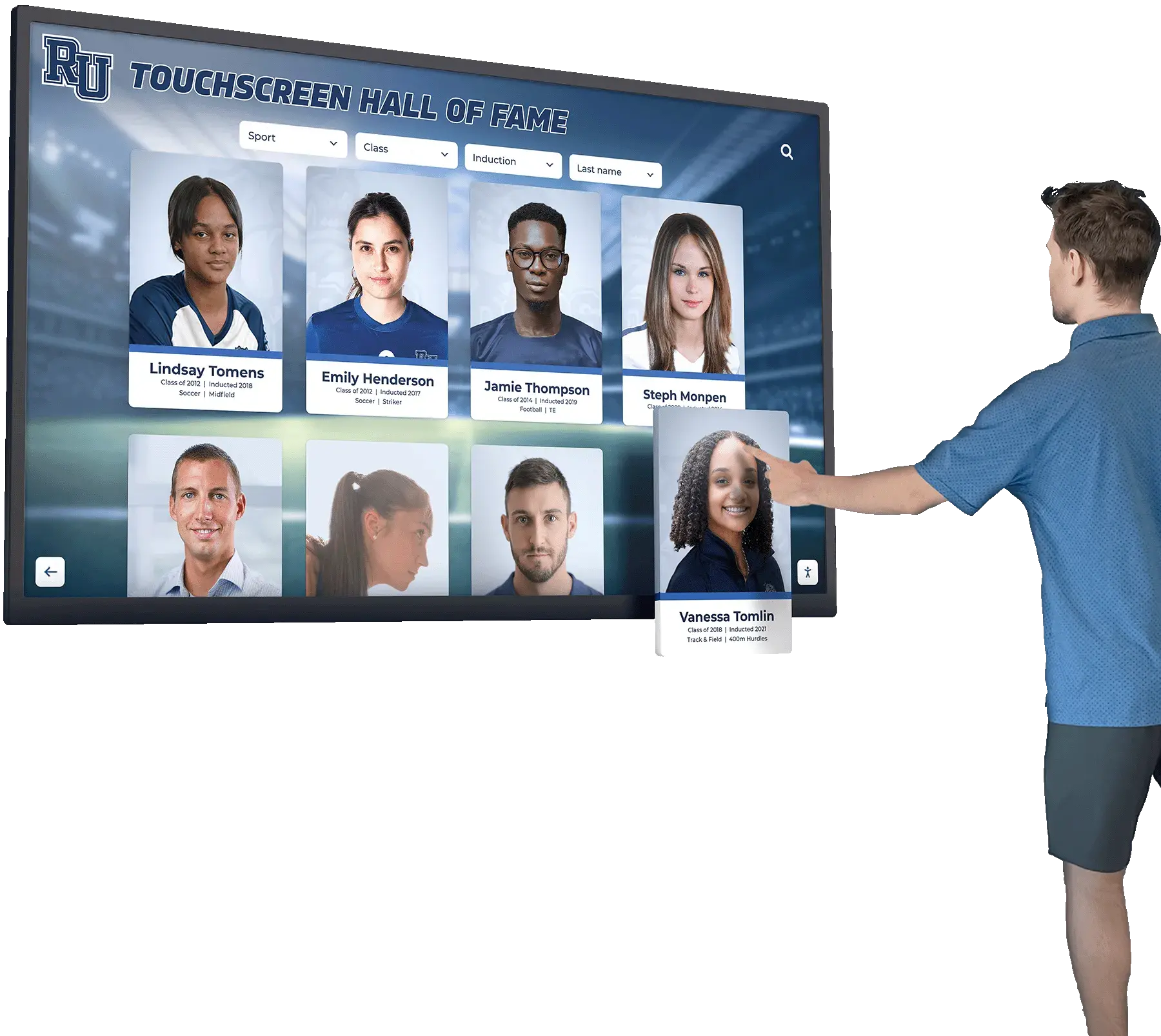
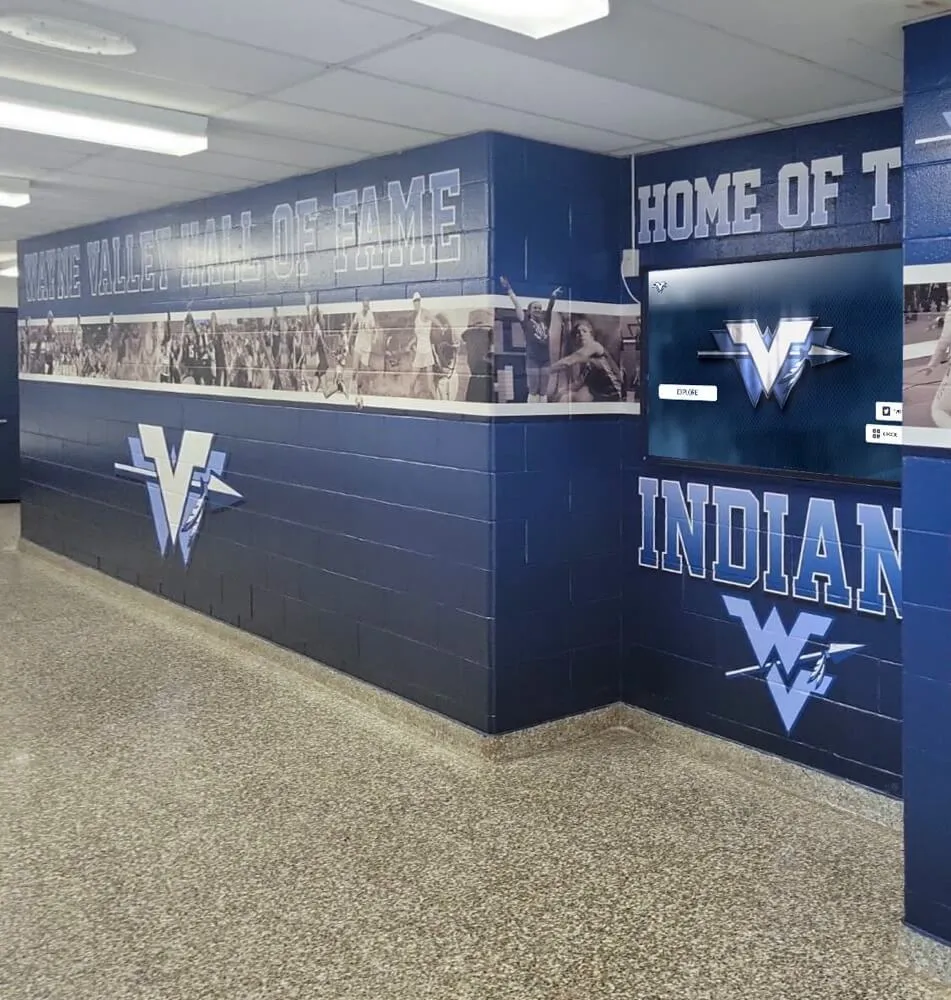
Interactive displays let visitors explore champion profiles and tournament achievements across multiple years
Competitive Density and Training Partners
With numerous quality programs within short distances, New Jersey wrestlers face elite competition throughout regular seasons. This competitive density creates training environments where average wrestlers become good, good wrestlers become great, and great wrestlers develop into champions.
Cultural Wrestling Tradition
In many New Jersey communities, wrestling carries cultural significance comparable to football or basketball in other regions. This cultural embrace creates support systems—from youth programs feeding into high schools to community attendance at dual meets—that sustain program excellence across generations.
Notable Champions and Their Legacy
New Jersey has produced wrestlers who’ve achieved success at every level:
- Multiple Olympic medalists including gold medalist Jordan Burroughs, one of America’s most decorated wrestlers
- Dozens of NCAA Division I national champions from New Jersey high schools
- Legendary coaches whose programs have produced state champions across multiple decades
- Team championships where individual excellence combined to create dynasty programs
These accomplished wrestlers and coaches often return to New Jersey programs as assistants, volunteers, or supporters, creating continuity that perpetuates wrestling excellence.
Understanding the NJ State Wrestling Tournament Format
The tournament structure determines qualification requirements, competitive progression, and championship achievement standards that schools should understand when designing recognition programs.
Current Tournament Structure and Divisions
The NJSIAA organizes state wrestling championships across multiple divisions based on enrollment, ensuring competitive equity while maintaining championship prestige.
Divisional Organization
New Jersey currently conducts state tournaments in the following structure:
- Non-Public divisions: Separate tournaments for non-public schools organized by enrollment size
- Public school divisions: Multiple divisions (Group I through Group V) based on enrollment, ensuring small schools don’t compete directly against large programs
- Weight classes: Currently fourteen weight classes from 106 pounds through 285 pounds (heavyweight)
- Individual tournament format: All competitions are individual championships; team scores aggregate individual performances but wrestlers compete for personal titles
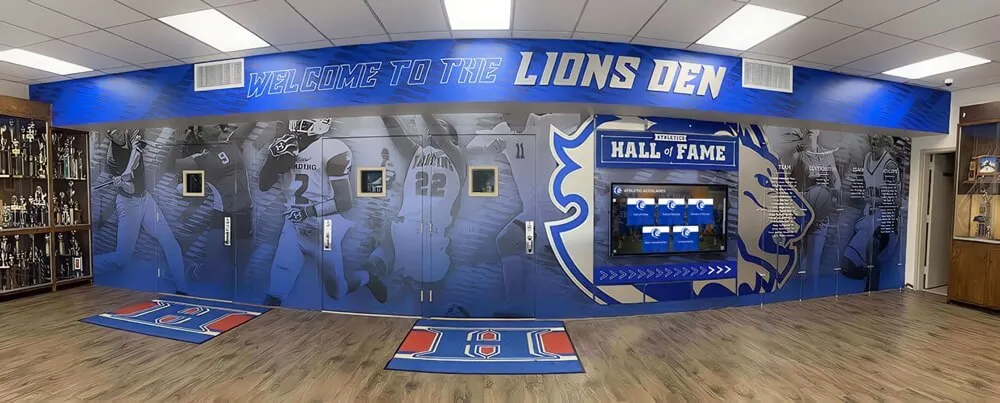
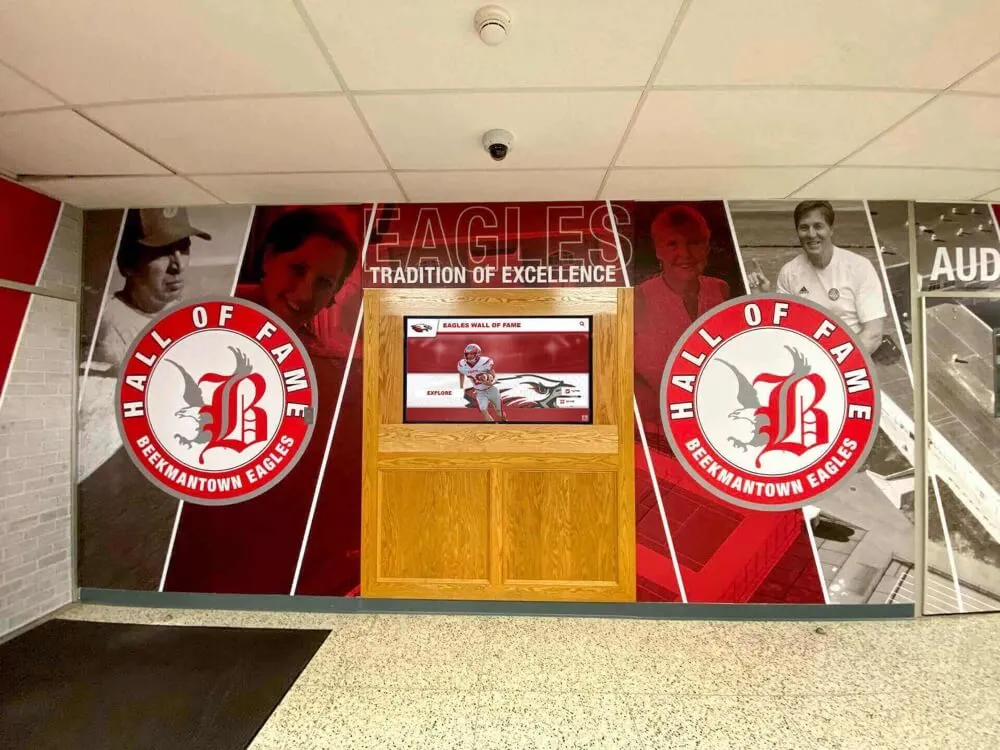
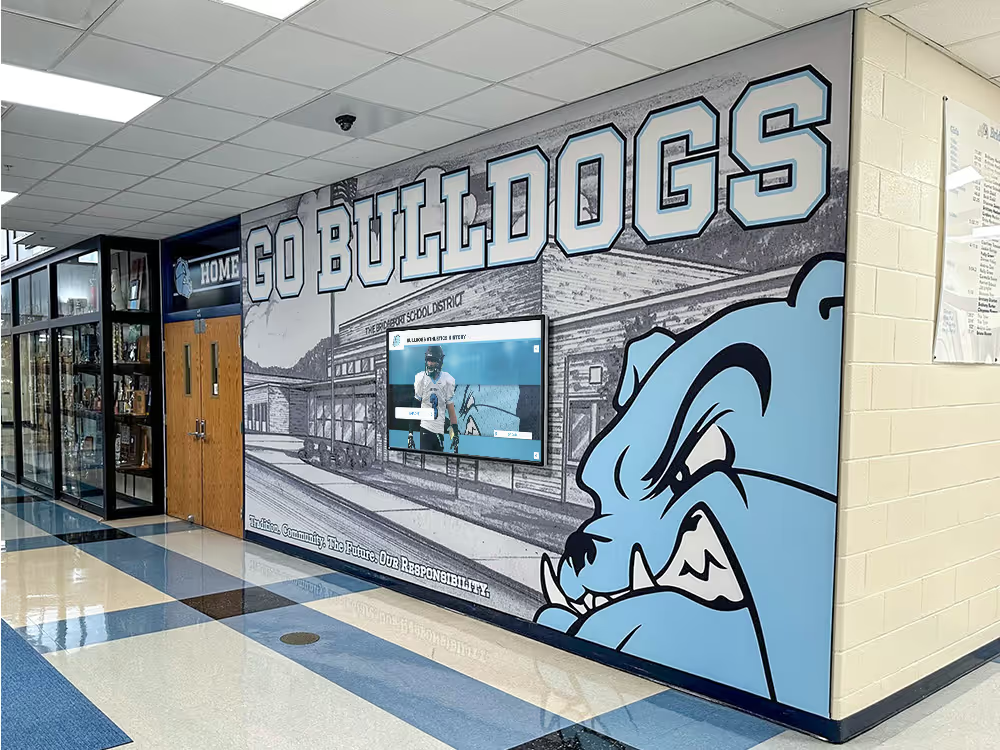
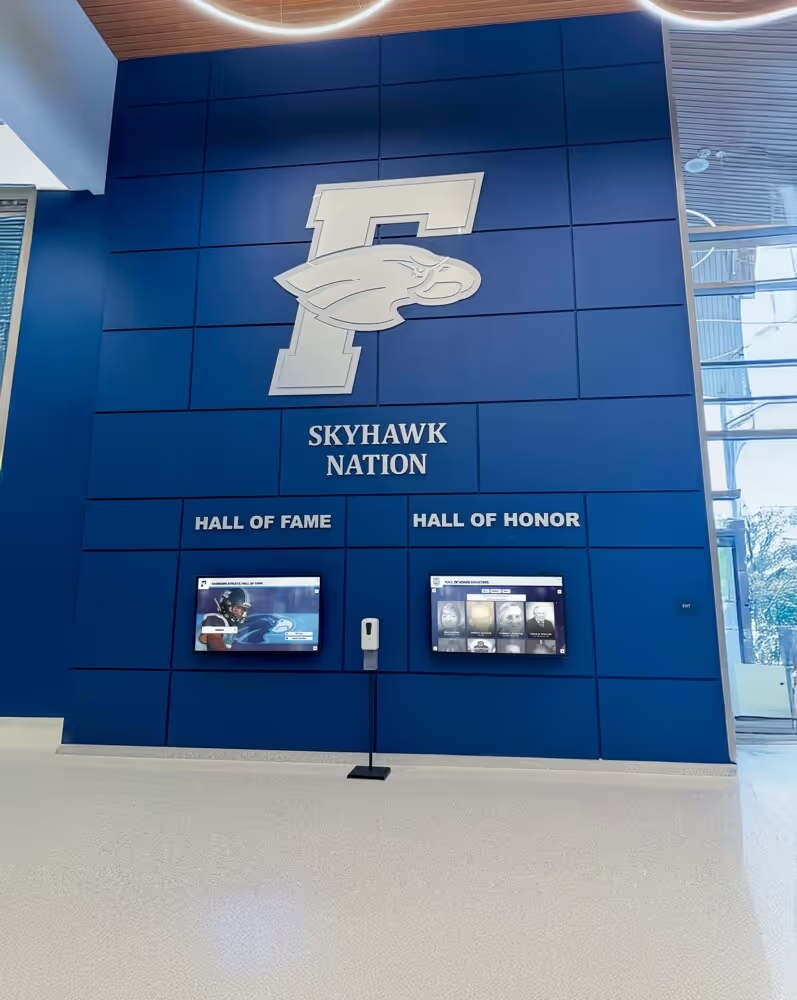
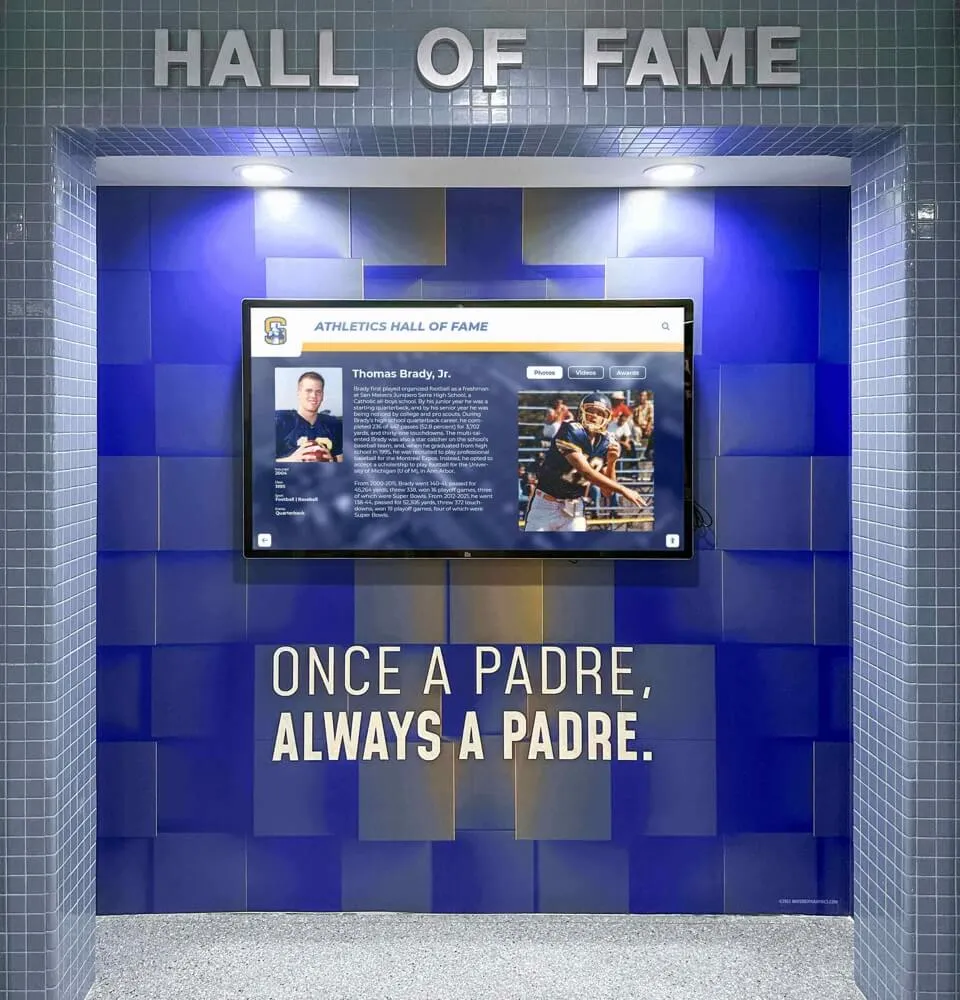
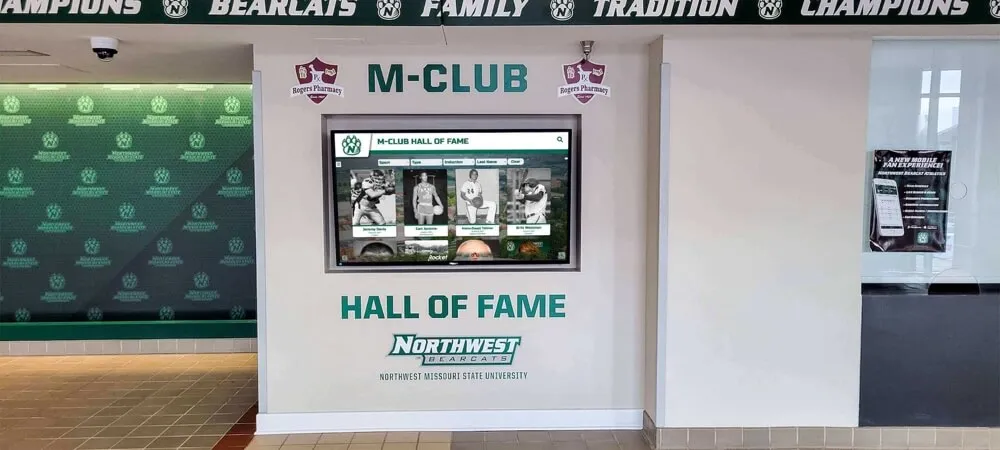
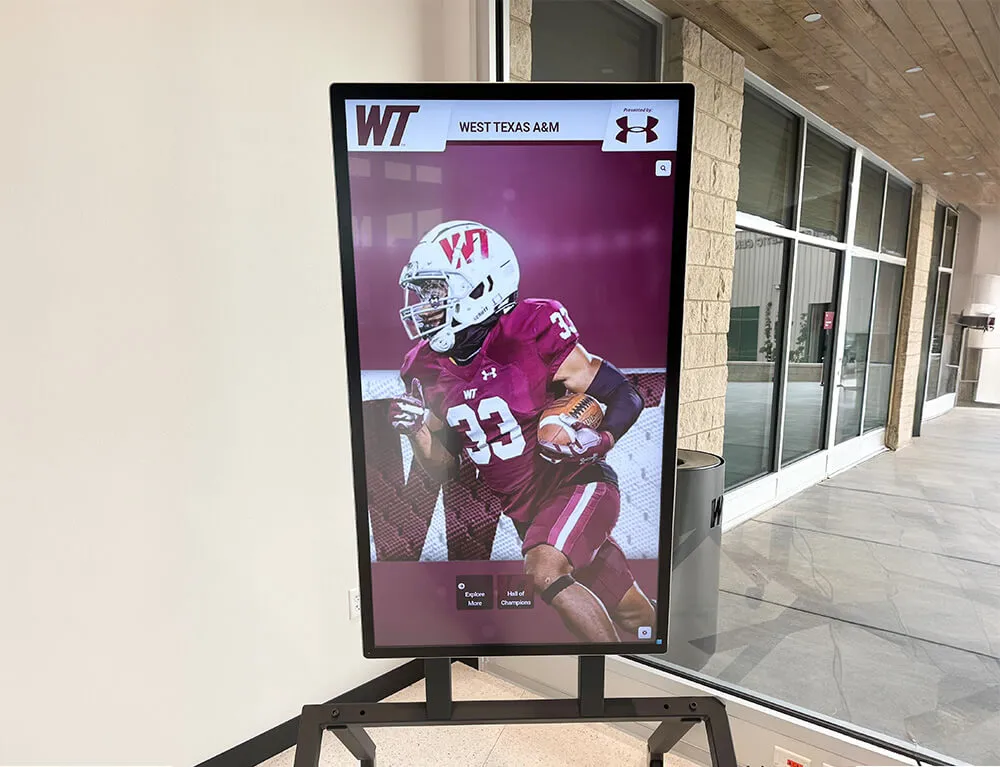
Comprehensive recognition spaces celebrate both individual state champions and team achievements across wrestling history
Qualification Process
Reaching the state tournament requires advancing through rigorous preliminary competitions:
- District tournaments: Initial qualifying round where wrestlers compete against opponents from their geographic region
- Regional tournaments: District winners and additional qualifiers advance to regional competition
- State tournament qualification: Top finishers at regionals earn berths in the state tournament
- Seeding considerations: Tournament performance and season records determine seeding for state bracket placement
This multi-tier qualification process means simply reaching the state tournament represents significant achievement, while medal finishes and state championships require exceptional performance across multiple high-pressure matches.
Tournament Weekend: Competition Format and Venue
The state tournament typically takes place at Boardwalk Hall in Atlantic City or similar large venues capable of hosting thousands of spectators and multiple simultaneous competitions.
Competition Schedule and Structure
The tournament format creates intense three-day competition that tests physical conditioning and mental resilience:
- Preliminary rounds: Initial matches winnow fields to quarterfinalists across all weight classes
- Championship bracket: Winners advance through quarterfinals, semifinals, and finals
- Consolation bracket: First-round and quarterfinal losers compete in wrestle-back brackets determining 3rd through 8th place finishes
- Medal rounds: Places 1-8 in each weight class earn medals, with 1st-6th considered placement medals that appear in team scoring
This double-elimination format means wrestlers can lose once and still medal, but must win multiple consecutive matches in consolation brackets to reach the podium.
The State Finals Experience
Championship matches carry special significance as athletes compete before packed arenas of supporters:
- Finals typically occur on Saturday evening as the tournament’s culminating event
- Large video boards display competitors’ records, school affiliation, and match scoring
- Winners receive medals on the podium immediately following their championship match
- Team championship trophies are awarded based on cumulative individual placement points
For many wrestlers, the state finals represent career-defining moments regardless of outcome—opportunities to compete for championships before thousands of spectators create memories that last lifetimes.
Scoring and Team Championships
While wrestlers compete individually, team championships are determined by cumulative individual performance:
Individual Placement Points
Points awarded for individual placement determine team champions:
- 1st place: 16 points
- 2nd place: 12 points
- 3rd place: 9 points
- 4th place: 7 points
- 5th place: 5 points
- 6th place: 4 points
- 7th place: 2.5 points
- 8th place: 1.5 points
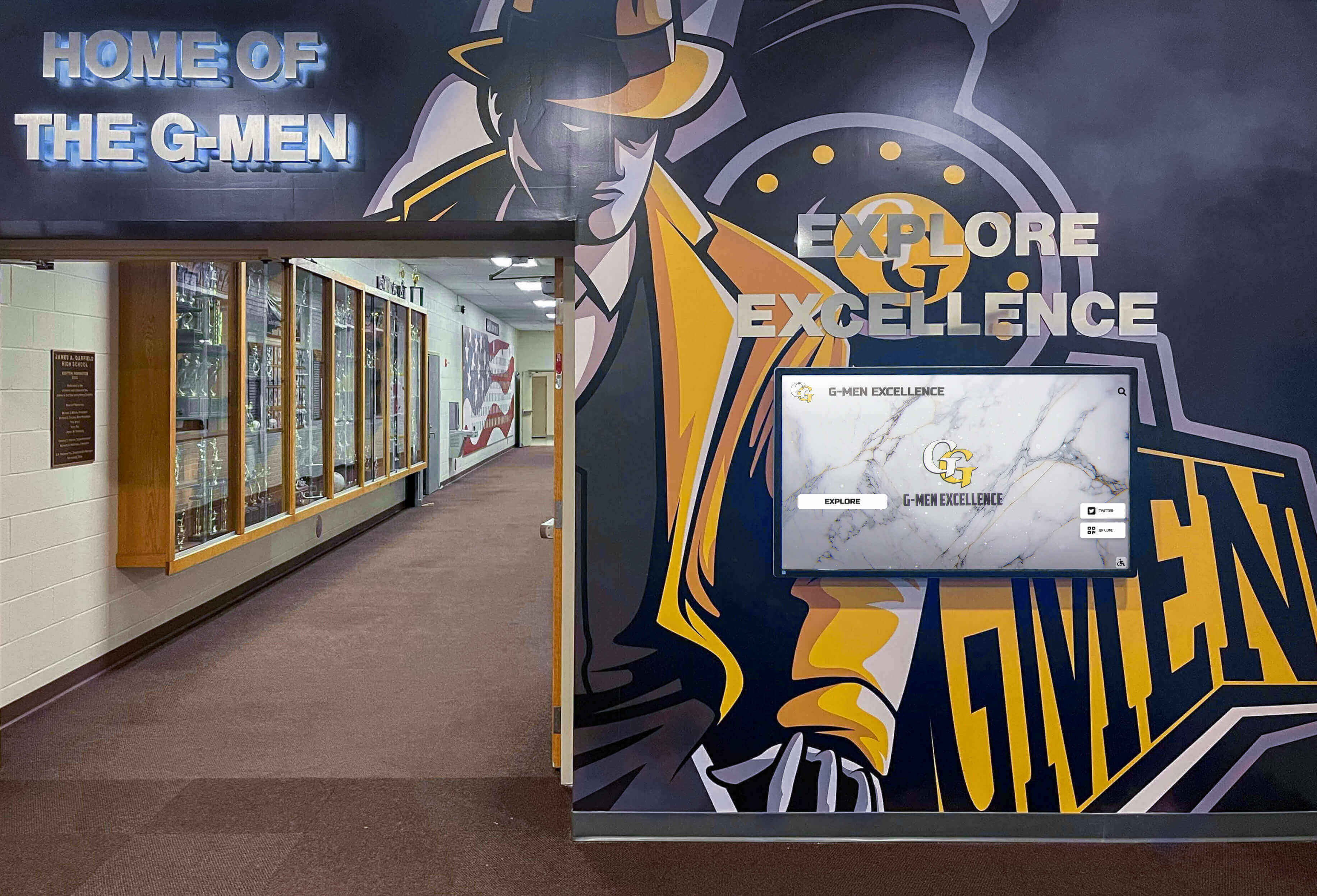
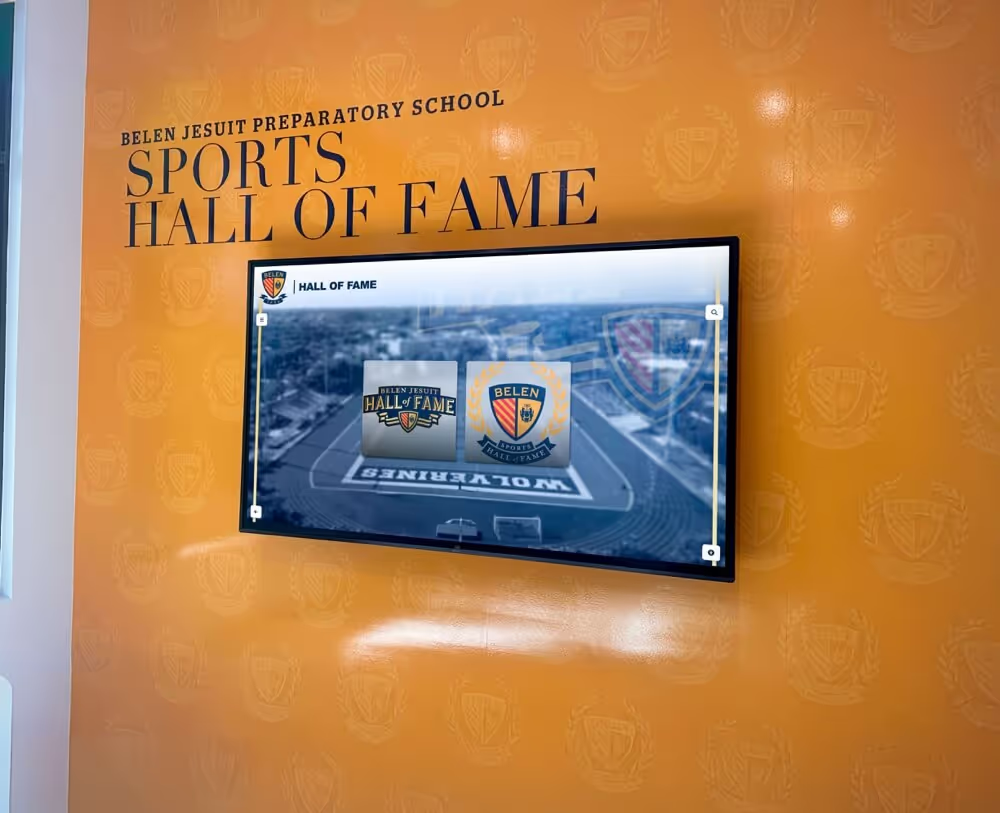
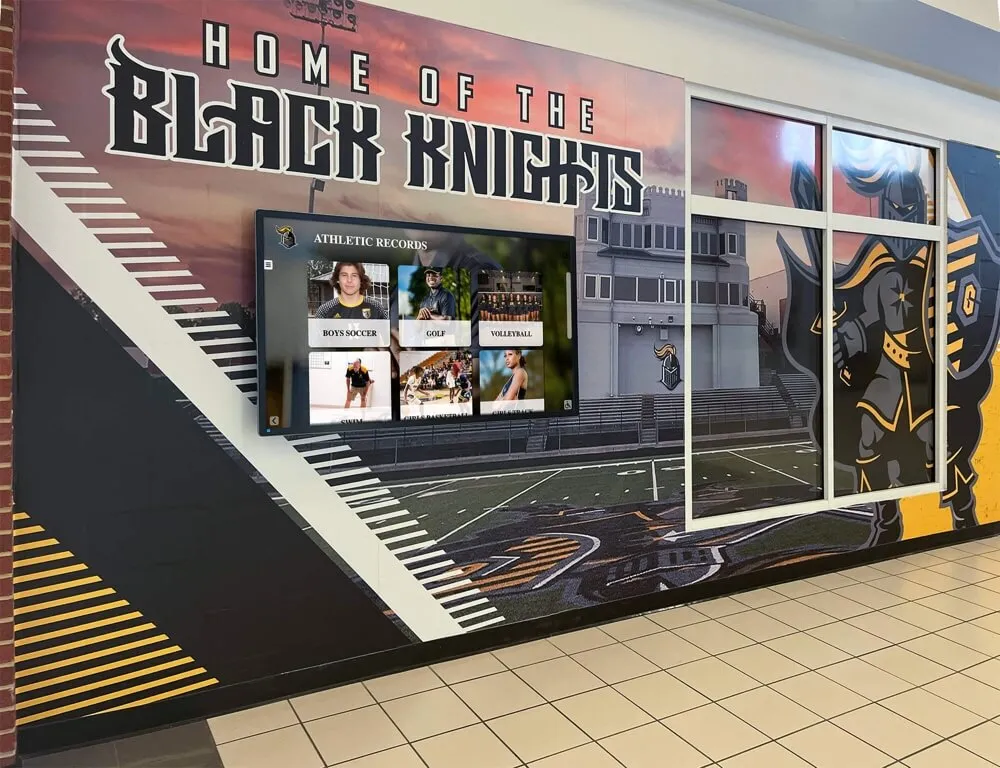
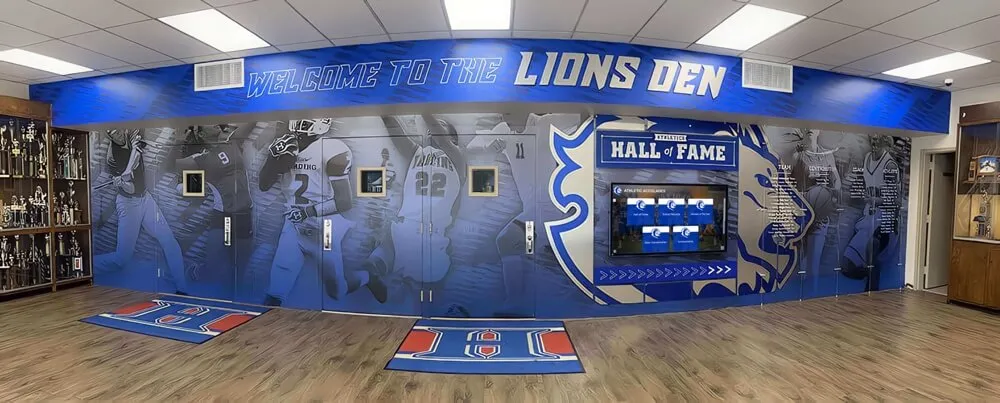
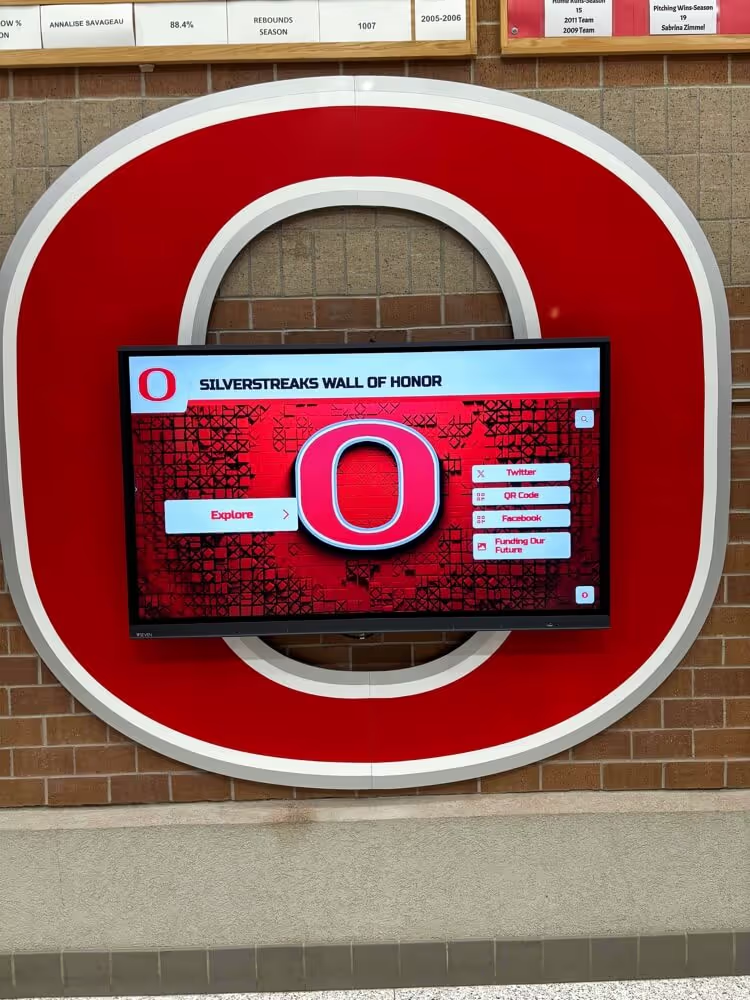
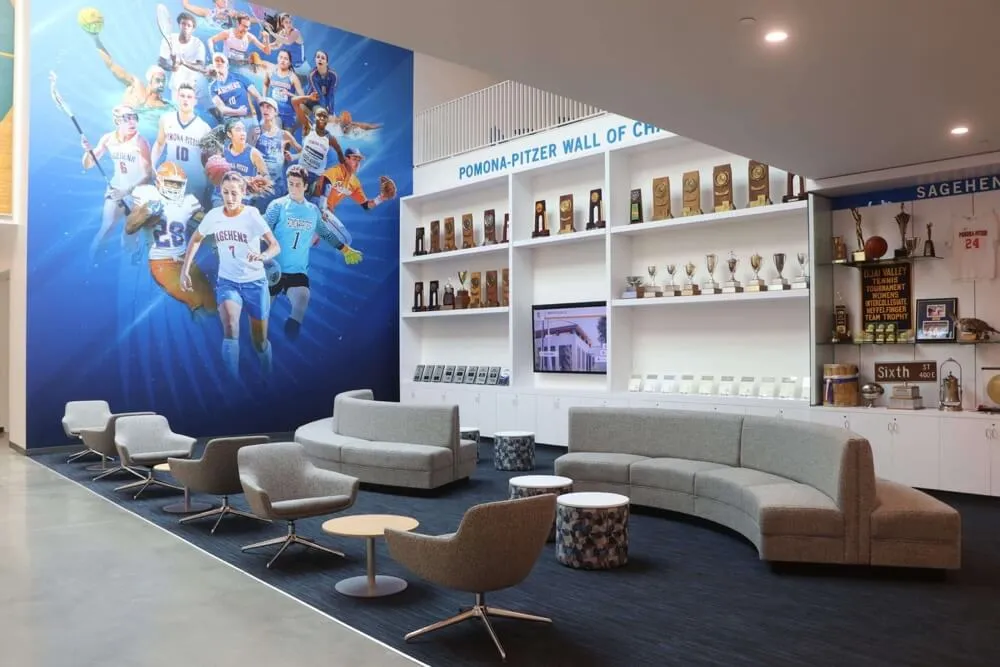
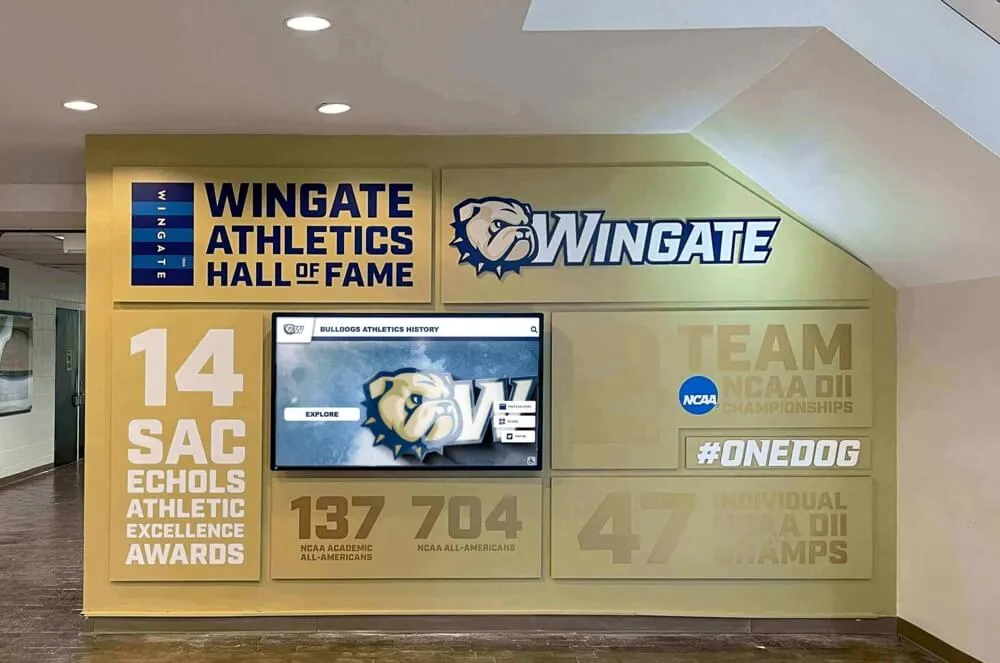
Dedicated wrestling spaces combine traditional trophy displays with modern digital recognition of individual champions
Team Championship Significance
Programs that place multiple wrestlers create opportunities for team championships that require:
- Depth across weight classes with multiple state qualifiers
- Consistent placement finishes from several team members
- Strategic weight class decisions balancing individual and team success
Team state championships represent peak program achievement, validating coaching, development systems, and program culture that produce multiple elite performers simultaneously.
How Schools Celebrate State Wrestling Champions
State tournament qualifiers and champions deserve recognition that acknowledges their exceptional achievement while inspiring future wrestlers to pursue similar excellence.
Traditional Recognition Approaches
Many schools employ time-tested celebration methods that create immediate recognition:
Championship Assemblies and Celebrations
- School-wide assemblies honoring returning state qualifiers and champions
- Display of medals and championship paraphernalia before student body
- Coach and athlete speeches describing tournament experience
- Recognition from administrators emphasizing achievement significance
These assemblies create school-wide awareness that wrestling success deserves celebration comparable to other athletic championships.
Physical Trophy and Award Displays
Traditional physical recognition includes:
- State championship medals displayed in protective cases
- Individual plaques mounted in athletic hallways or lobby spaces
- Team championship trophies in main trophy cases
- Wrestling-specific display areas featuring program history
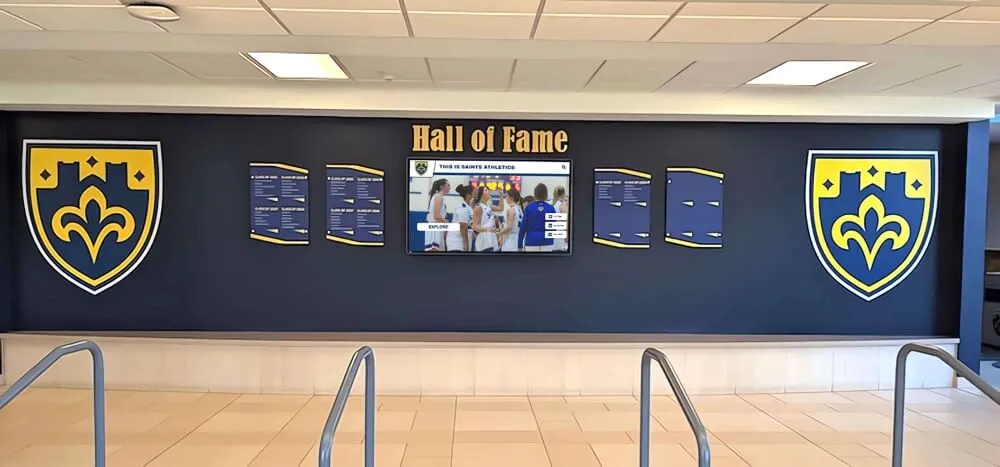
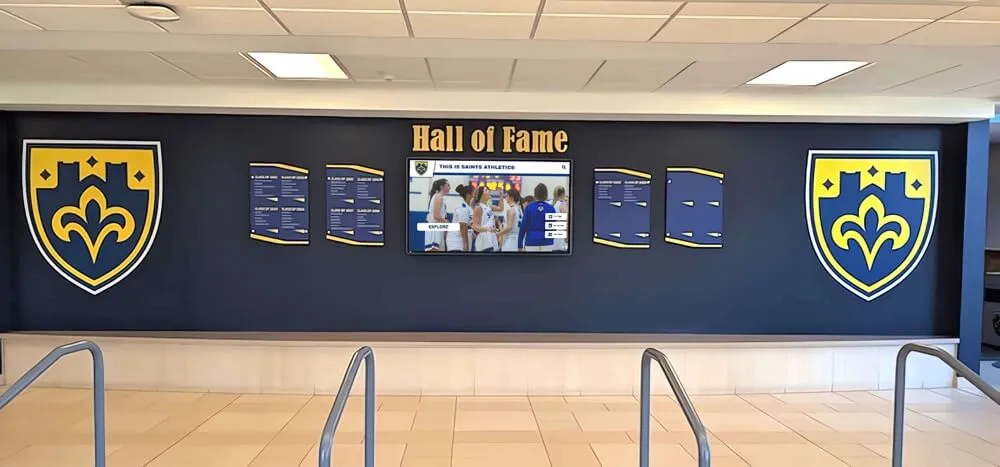
Combined traditional and digital recognition ensures championship achievements remain visible and accessible to current generations
Permanent Recognition in Athletic Facilities
Many programs create dedicated wrestling recognition:
- Practice room walls featuring photos and names of state champions
- “Champion’s Corner” spaces highlighting program’s best achievements
- Weight room motivational displays showing state qualifiers and champions
- Locker room recognition reinforcing the legacy current wrestlers inherit
These permanent displays create practice and competition environments where championship tradition is constantly visible, motivating current wrestlers to add their names to program legacies.
Modern Digital Recognition Solutions
Contemporary schools increasingly supplement traditional recognition with digital displays that offer advantages physical recognition cannot match.
Interactive Touchscreen Displays
Digital recognition solutions like interactive touchscreen displays provide comprehensive champion celebration through:
- Unlimited capacity: Digital displays can feature every state qualifier and champion throughout program history without physical space constraints
- Rich multimedia content: Video highlights, match clips, interview footage, and photo galleries bring championship moments to life
- Detailed athlete profiles: Complete records, tournament brackets, season highlights, and biographical information for each champion
- Easy updates: New champions can be added immediately after tournaments without construction or physical modifications
- Searchable archives: Students, families, and alumni can quickly find specific wrestlers, years, or weight classes through intuitive interfaces
These systems transform static lists of names into engaging experiences that let visitors truly explore wrestling program history and individual champion journeys.
Social Media Integration and Live Updates
Modern recognition extends beyond physical school spaces:
- Real-time tournament updates shared across school social media during competition weekends
- Live streaming of matches when available through NJSIAA or school platforms
- Photo galleries documenting tournament experience from weigh-ins through medal ceremonies
- Digital yearbooks and online galleries creating permanent accessible records
This digital documentation creates sharable content that extends championship celebration to extended family, alumni, and broader communities.
Virtual Halls of Fame and Online Archives
Progressive programs create comprehensive online recognition:
- Dedicated wrestling program websites featuring champion archives
- Sortable databases of state qualifiers and champions across years
- Statistical leaderboards showing program records and milestones
- Alumni connection tools helping former wrestlers stay engaged
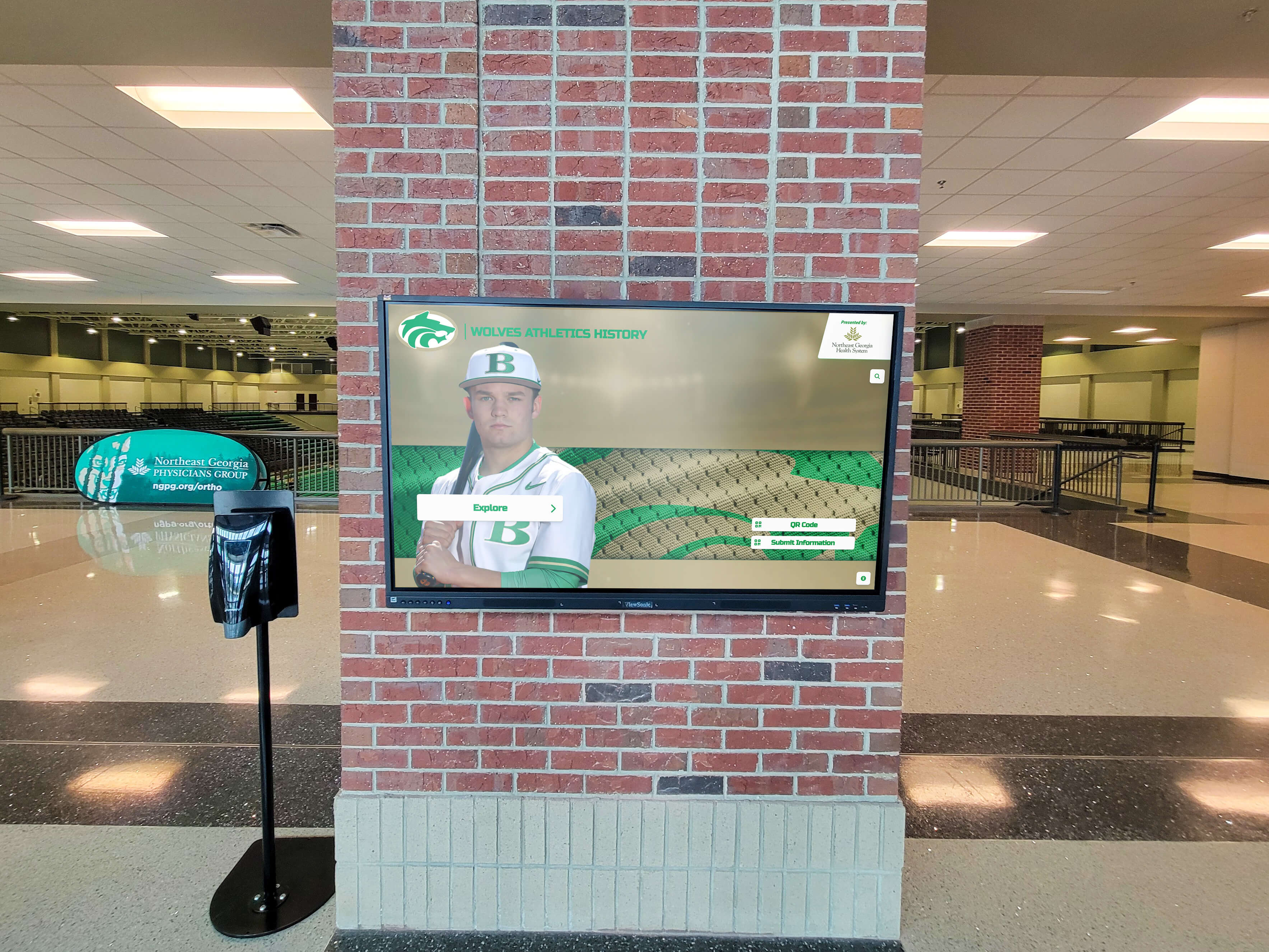
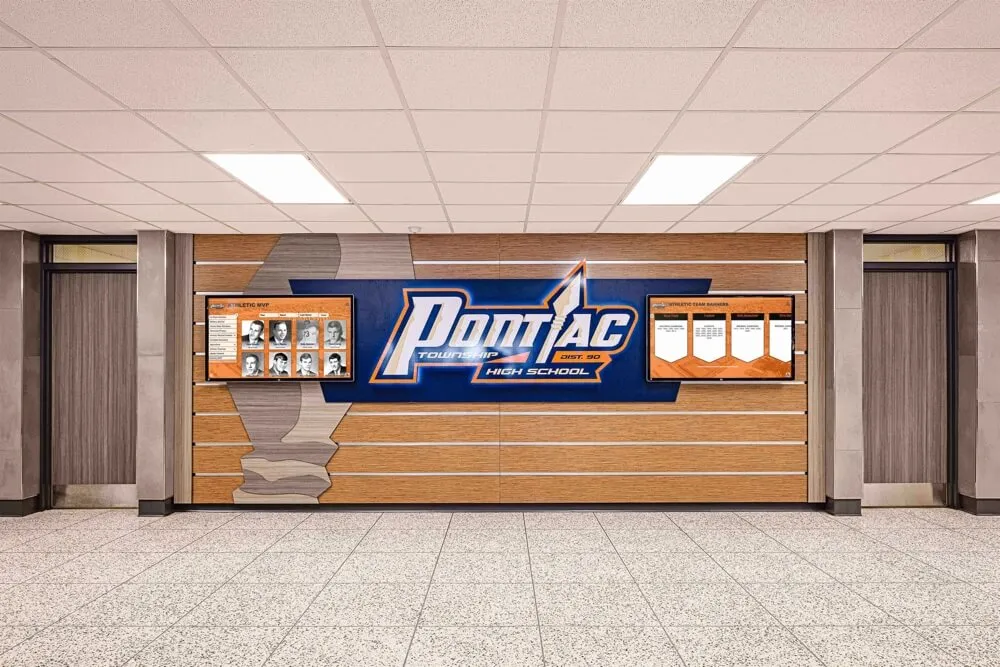
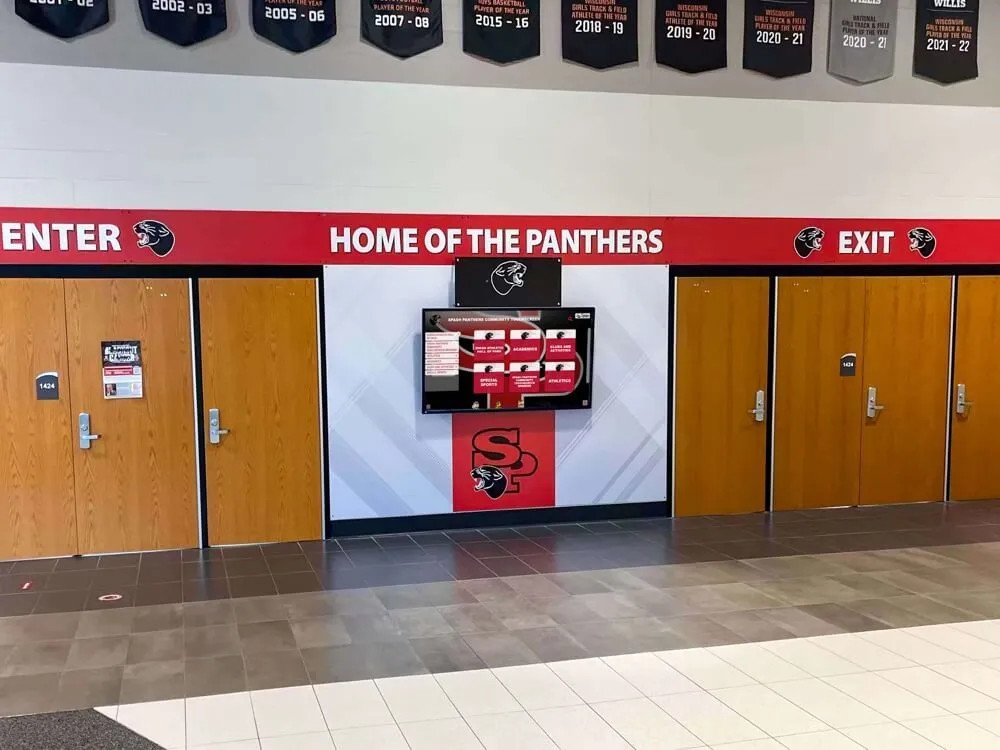
Digital displays in high-traffic areas ensure athletic achievements receive visibility from students, families, and visitors
These online resources serve multiple purposes: recruitment tools showcasing program tradition, research resources for sports journalists and historians, and connection points helping alumni follow current program success.
Creating Comprehensive Wrestling Recognition Programs
Schools implementing systematic wrestling recognition programs see increased athlete motivation, stronger program culture, and enhanced community support.
Recognition Program Components
Effective programs include multiple recognition layers addressing different achievement levels:
Qualification Recognition
Simply reaching the state tournament deserves celebration:
- Recognition of all district and regional qualifiers who competed toward state tournament berths
- Documentation of qualification achievements on program timelines
- Inclusion in “state tournament participant” archives even without medal finishes
This inclusive approach acknowledges the work required to compete at championship levels regardless of final placement.
Placement Recognition
State tournament medalists (1st-8th place) receive enhanced recognition:
- Dedicated profile pages or sections in halls of fame with tournament details
- Medal ceremony photos and placement documentation
- Statistical context showing historical significance of placement
Championship Recognition
State champions receive program’s highest individual honor:
- Featured placement in all recognition displays and materials
- Championship match video and extended biographical content
- Annual recognition at program events and celebrations
- Permanent inclusion in championship legacy displays
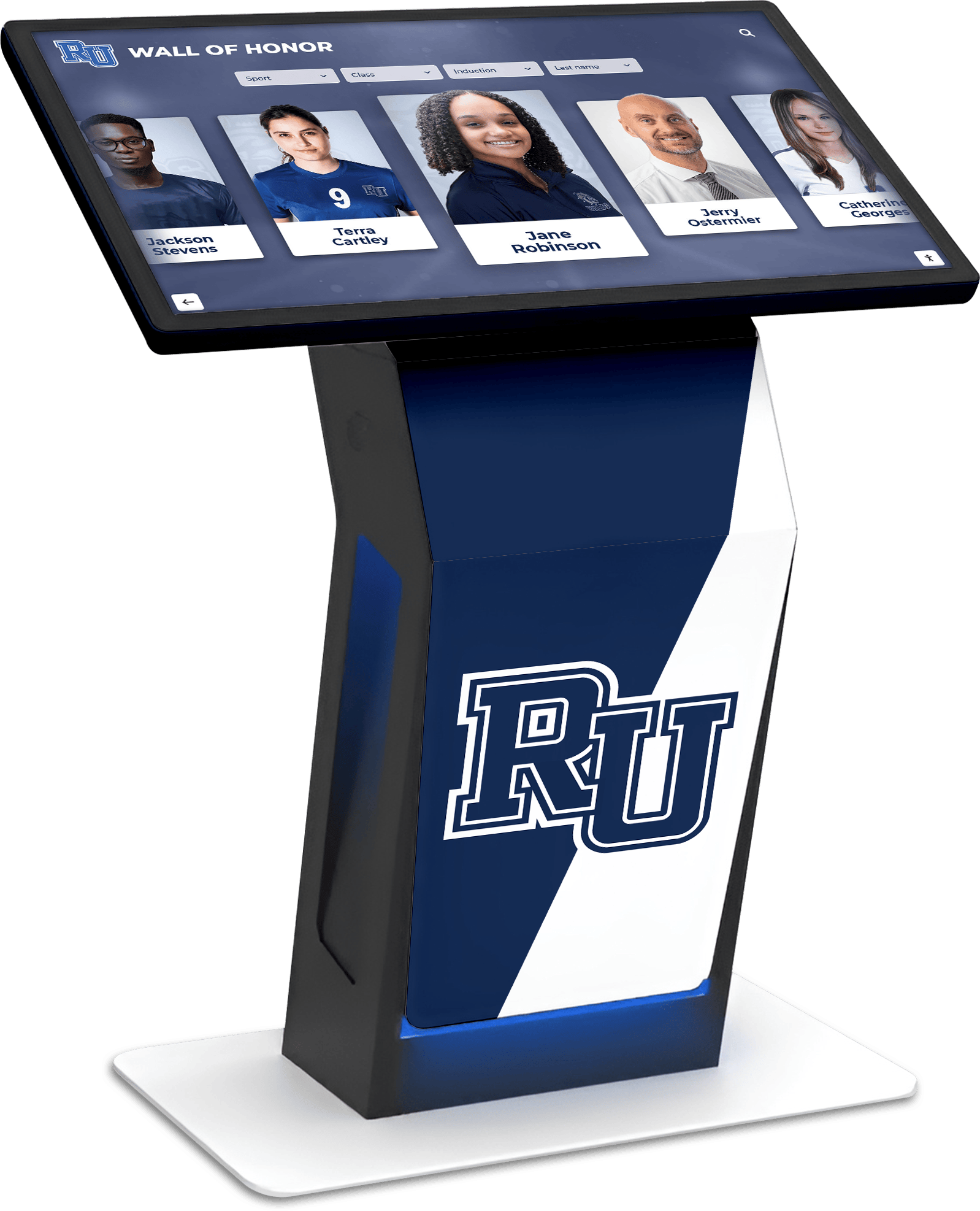
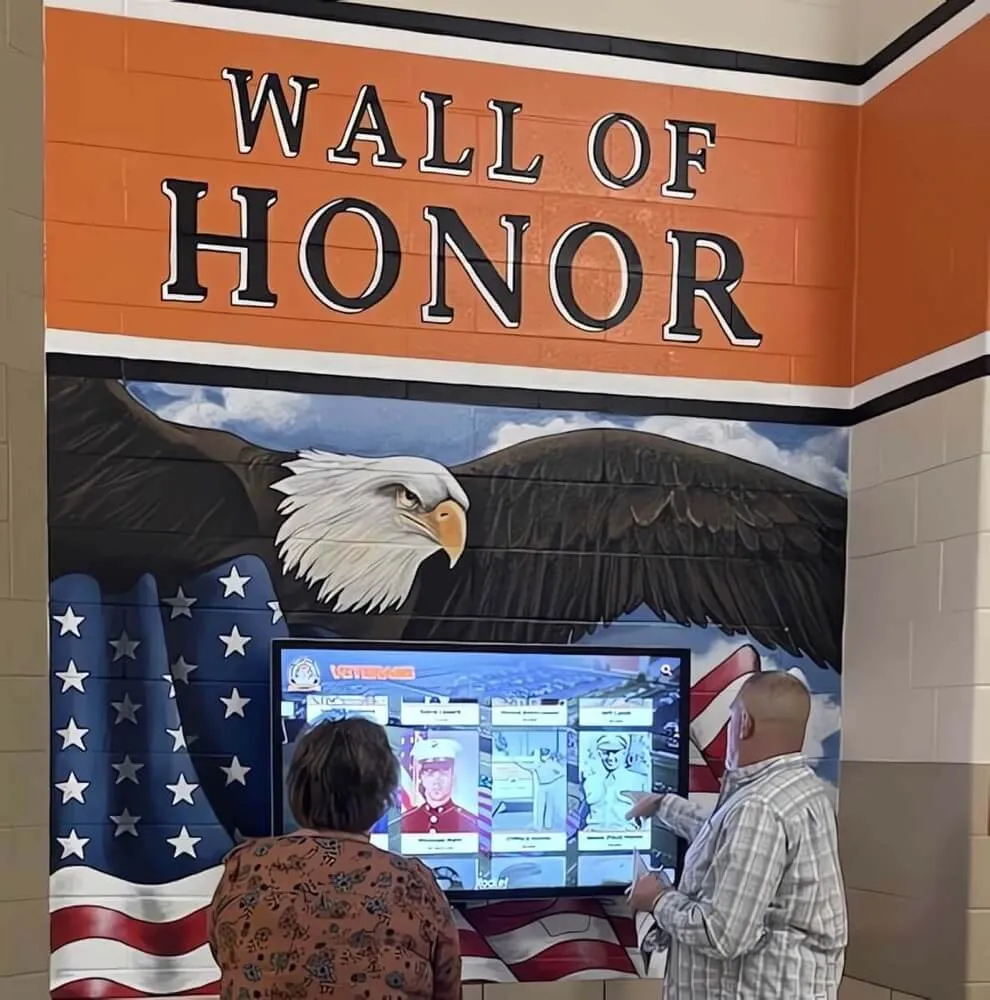
Comprehensive recognition kiosks provide multi-layered celebration from state qualifiers through champions
Integration With Broader Athletic Recognition
Wrestling recognition should integrate with comprehensive athletic recognition systems rather than existing in isolation.
Multi-Sport Recognition Platforms
Many schools implement athletic hall of fame systems that celebrate accomplishments across all sports while preserving sport-specific identity:
- Unified recognition spaces featuring all athletic programs with sport-specific sections
- Consistent recognition criteria applied fairly across different sports
- Shared physical or digital spaces creating efficient comprehensive athletic celebration
This integrated approach ensures wrestling receives appropriate recognition while contributing to broader athletic department culture.
Consistent Recognition Standards
Applying consistent standards across sports prevents perception of favoritism:
- State qualifiers in wrestling receive similar recognition as state qualifiers in other sports
- State champions in all sports share equal recognition status
- Team championships celebrated uniformly regardless of sport
Fair application of recognition standards strengthens athletic department cohesion and ensures all athletes feel valued.
Budget Considerations and Implementation Planning
Recognition programs require investment, but schools can create meaningful celebration within various budget constraints.
Traditional Recognition Costs
Physical recognition involves one-time and recurring costs:
- Initial plaque and trophy case purchases or renovations
- Individual plaques or nameplates for new champions each year
- Maintenance and cleaning of physical displays
- Space constraints eventually requiring expansion or removal of older recognition
These costs accumulate over time as programs add champions and run out of physical display space.
Digital Recognition Investment
Modern digital recognition typically involves:
- Upfront hardware costs for displays and touchscreen systems
- Software licensing for content management platforms
- Initial content creation digitizing historical champion information
- Minimal ongoing costs for adding new champions and maintenance
While initial investment may appear higher, digital systems often prove more cost-effective long-term through unlimited capacity, easy updates, and enhanced engagement capabilities that physical recognition cannot match.
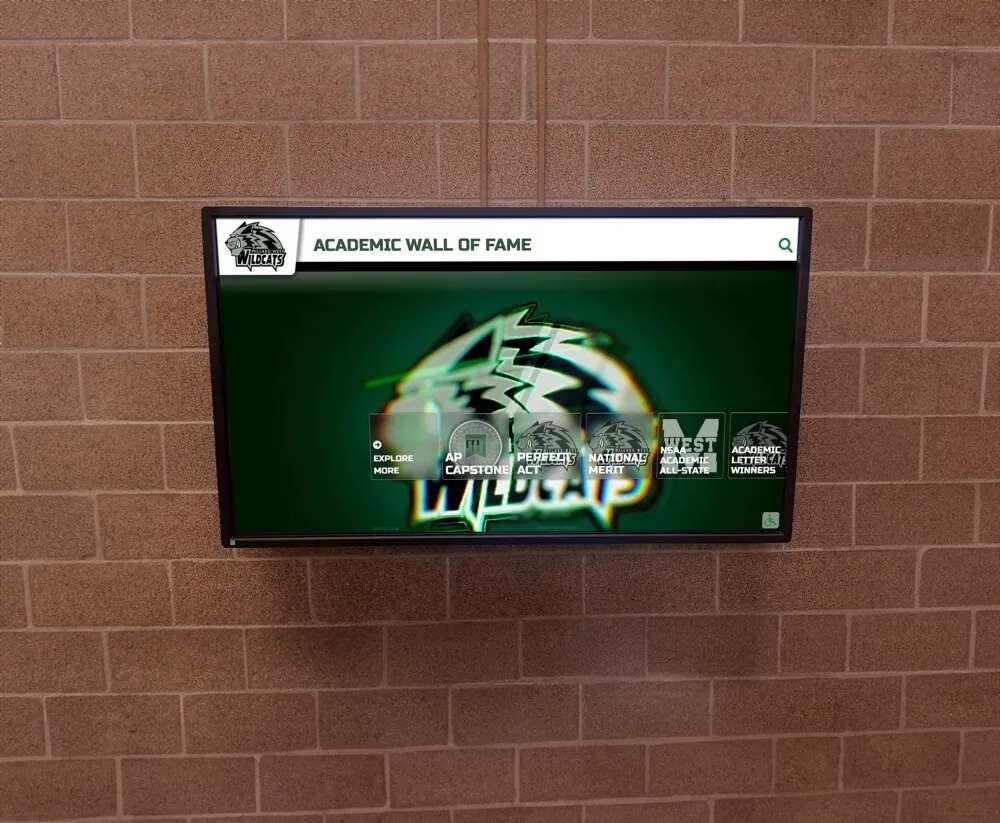
Digital recognition systems adapt to showcase both athletic and academic achievements through flexible content management
Phased Implementation Approach
Schools can implement recognition programs progressively:
- Phase 1: Establish baseline recognition through traditional plaques and assembly celebrations
- Phase 2: Create digital archive of historical champions through research and documentation
- Phase 3: Implement digital display hardware in high-traffic athletic spaces
- Phase 4: Develop comprehensive multimedia content enhancing champion profiles
- Phase 5: Integrate social media, live updates, and broader community engagement
This phased approach allows programs to create meaningful recognition immediately while building toward comprehensive systems over time.
Best Practices for Wrestling Recognition Programs
Schools with exemplary wrestling recognition share common approaches that maximize impact and sustainability.
Comprehensive Historical Documentation
Strong programs thoroughly document wrestling history before implementing recognition:
Historical Research Methods
Gathering historical champion information requires:
- Review of school yearbooks documenting state qualifiers and champions
- Research of NJSIAA historical records and tournament results
- Interviews with longtime coaches, alumni, and program supporters
- Newspaper archives documenting tournament coverage and results
- Athletic department records preserving meet results and season summaries
This research phase creates authoritative historical records that form recognition program foundations.
Standardized Information Collection
Collecting consistent information for all champions enables comprehensive recognition:
- Name, graduation year, and weight class(es)
- State tournament finish and year(s)
- Season record and notable victories
- Post-high school wrestling career (college, freestyle/Greco, coaching)
- Current career and contact information for living alumni
Standardized data collection creates recognition that feels professional and complete while enabling searchable databases.
Multimedia Content Development
Rich content makes recognition engaging and meaningful:
Photography and Video Archives
Visual content brings championships to life:
- Competition photos from state tournaments
- Medal ceremony images capturing championship moments
- Practice and training photos showing athlete preparation
- Video clips of championship matches when available
- Interview footage with champions reflecting on achievements
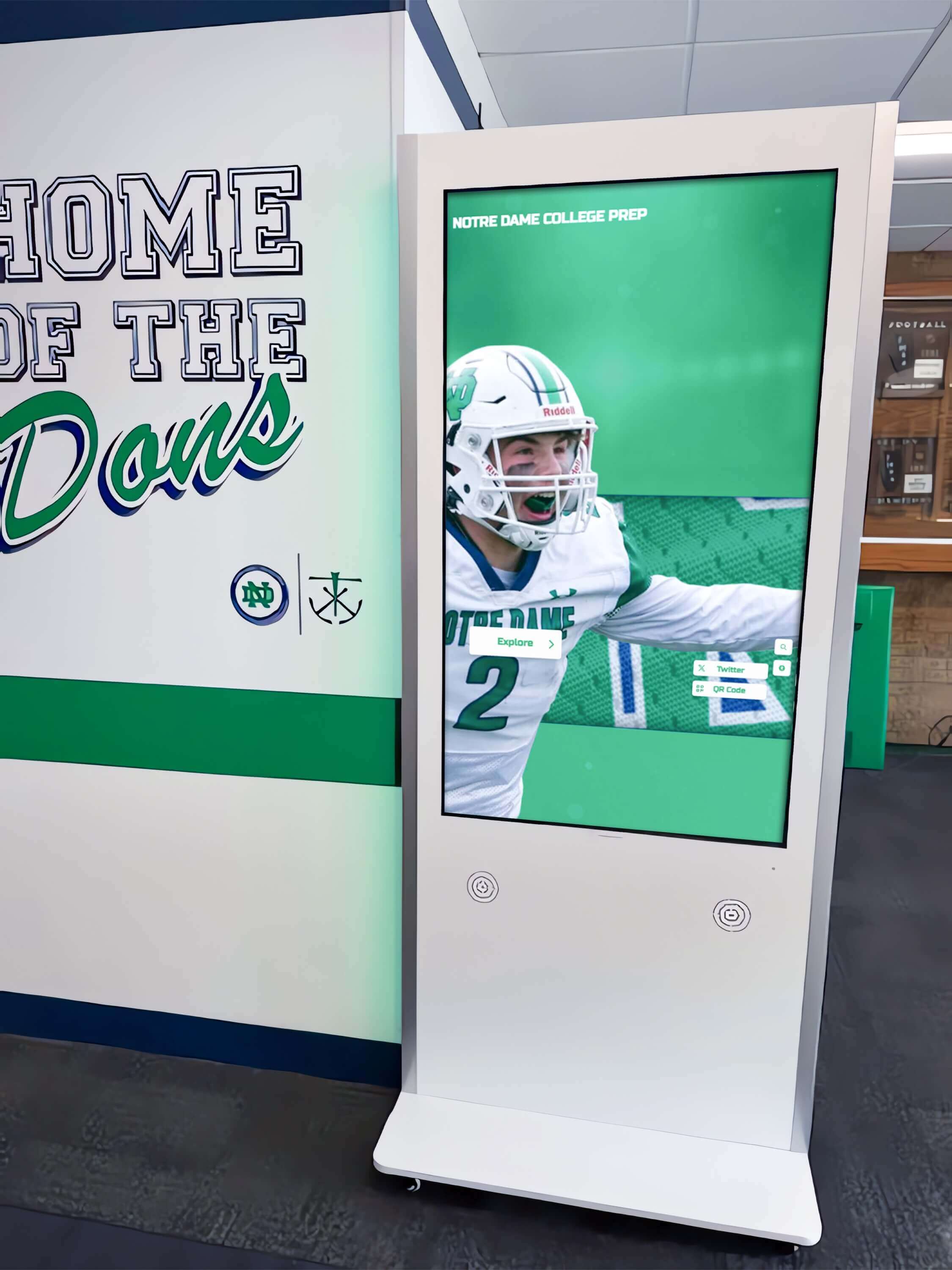
Multimedia content transforms recognition displays into engaging experiences that inspire current athletes
Written Narratives and Profiles
Compelling written content provides context:
- Season narratives describing paths to championships
- Coach reflections on champion development and achievement
- Personal stories about sacrifice, training, and competition experience
- Statistical achievements and program records
- Post-graduation success stories showing career trajectories
These narratives transform lists of champions into inspiring stories that motivate current wrestlers.
Ongoing Maintenance and Updates
Recognition programs require consistent maintenance to remain current and relevant:
Annual Update Processes
Establish systematic processes for adding new champions:
- Pre-tournament preparation creating profiles for state qualifiers
- Post-tournament update schedule adding final results and achievements
- End-of-season comprehensive program review documenting all accomplishments
- Summer maintenance ensuring displays remain current before fall season
Regular updates ensure recognition stays relevant rather than becoming outdated historical artifacts.
Alumni Engagement and Content Updates
Maintaining connections with champion alumni enriches recognition:
- Periodic outreach requesting updated career information and photos
- Alumni event content including “where are they now” updates
- Feature stories about champion alumni accomplishments and careers
- Opportunities for champions to contribute advice and mentorship to current wrestlers
This ongoing engagement keeps recognition dynamic while strengthening program community across generations.
Recognition’s Impact on Wrestling Program Culture
Systematic champion recognition creates measurable benefits for wrestling programs beyond simple celebration.
Motivation and Athlete Development
Visible recognition of past champions motivates current wrestlers:
Aspirational Goal Setting
Seeing program champions creates concrete goals:
- Young wrestlers visualize adding their names to program legacy
- Specific achievement targets (state qualification, medal placement, championship) become tangible
- Recognition demonstrates that championship achievement is possible within the program
- Historical context shows paths other wrestlers followed to reach similar goals
This aspirational motivation drives work ethic and commitment throughout seasons.
Performance Culture Development
Recognition reinforces high-performance expectations:
- Championship tradition creates culture where excellence is expected, not exceptional
- Visible history of success attracts committed athletes to programs
- Peer pressure to maintain program standards elevates performance school-wide
- Recognition of multiple champions demonstrates success isn’t limited to singular talents
These cultural effects compound over time as championship recognition builds program identity.
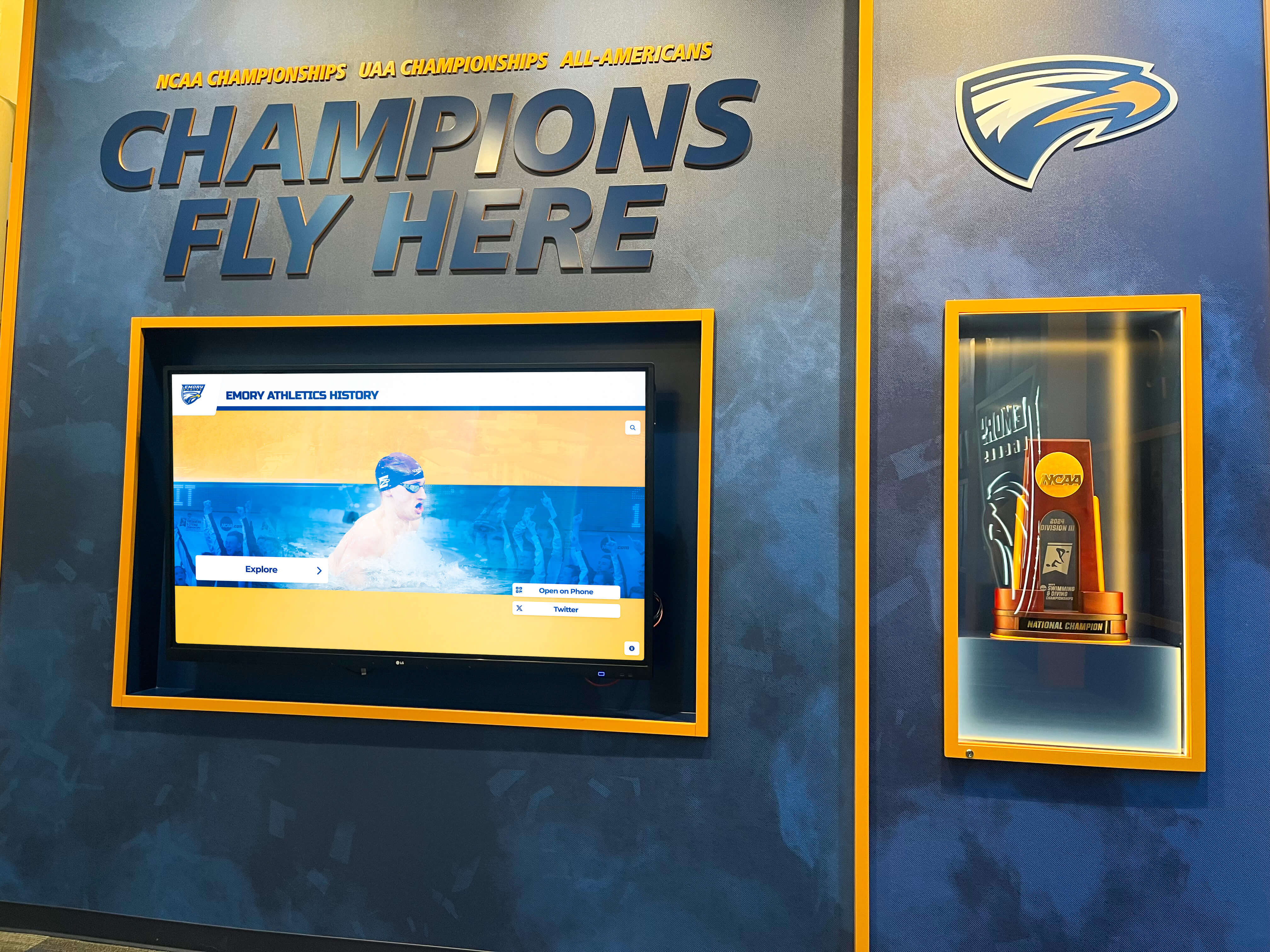
Championship walls create motivational environments where current athletes see themselves as future inductees
Recruitment and Program Growth
Recognition enhances recruitment at multiple levels:
Attracting Competitive Athletes
Championship tradition visible through comprehensive recognition attracts:
- Talented incoming freshmen selecting high schools based on wrestling programs
- Transfer students seeking competitive environments with championship potential
- Youth program participants committing to continue wrestling through high school
Quality recruits understand that championship recognition reflects program commitment to developing elite wrestlers.
Community Support and Resources
Visible recognition generates support beyond athlete recruitment:
- Booster organizations see recognition demonstrating appreciation for program investment
- Alumni feel connected to programs through visible celebration of their achievements
- Administrative support strengthens when athletic success receives appropriate recognition
- Community attendance increases as championship tradition becomes part of school identity
This broad support creates resources—financial, volunteer, facilities—that enable continued program excellence.
Alumni Connection and Engagement
Wrestling alumni represent valuable resources for programs:
Maintaining Wrestling Community
Recognition helps programs maintain connections with former athletes:
- Alumni follow program success through recognition displays and updates
- Champions return to share experiences and mentor current wrestlers
- Program events bringing together wrestlers from multiple generations
- Fundraising support from alumni grateful for recognition of their achievements
Digital recognition platforms particularly enable this ongoing connection by making champion information accessible to alumni anywhere, anytime.
Leveraging Alumni Networks
Connected alumni provide tangible program benefits:
- Career mentorship and networking opportunities for current wrestlers
- Financial support for program needs and facility improvements
- Volunteer coaching assistance and technical instruction
- Community advocacy supporting program funding and resources
Recognition programs that maintain alumni connection create self-reinforcing cycles where past champions actively support future champion development.
Implementation Steps for Schools
Schools ready to implement or enhance wrestling recognition programs can follow systematic processes ensuring successful implementation.
Assessment and Planning Phase
Begin by evaluating current recognition and defining goals:
Current State Assessment
Evaluate existing recognition approaches:
- Inventory all current wrestling recognition (plaques, displays, online content)
- Survey wrestlers, coaches, and families about recognition effectiveness
- Identify gaps where recognition falls short of achievement significance
- Review space constraints and available areas for expanded recognition
- Assess budget availability and potential funding sources
This assessment creates baseline understanding guiding improvement priorities.
Goal Definition and Success Metrics
Establish clear objectives for recognition programs:
- Specific coverage goals (all state qualifiers, medalists, champions, team achievements)
- Timeline objectives for implementation phases
- Budget constraints and fundraising requirements
- Success metrics evaluating program impact (athlete satisfaction, engagement, recruitment)
- Stakeholder involvement plans ensuring buy-in from administration, coaches, athletes, and families
Clear goals guide decision-making throughout implementation while enabling evaluation of recognition program success.
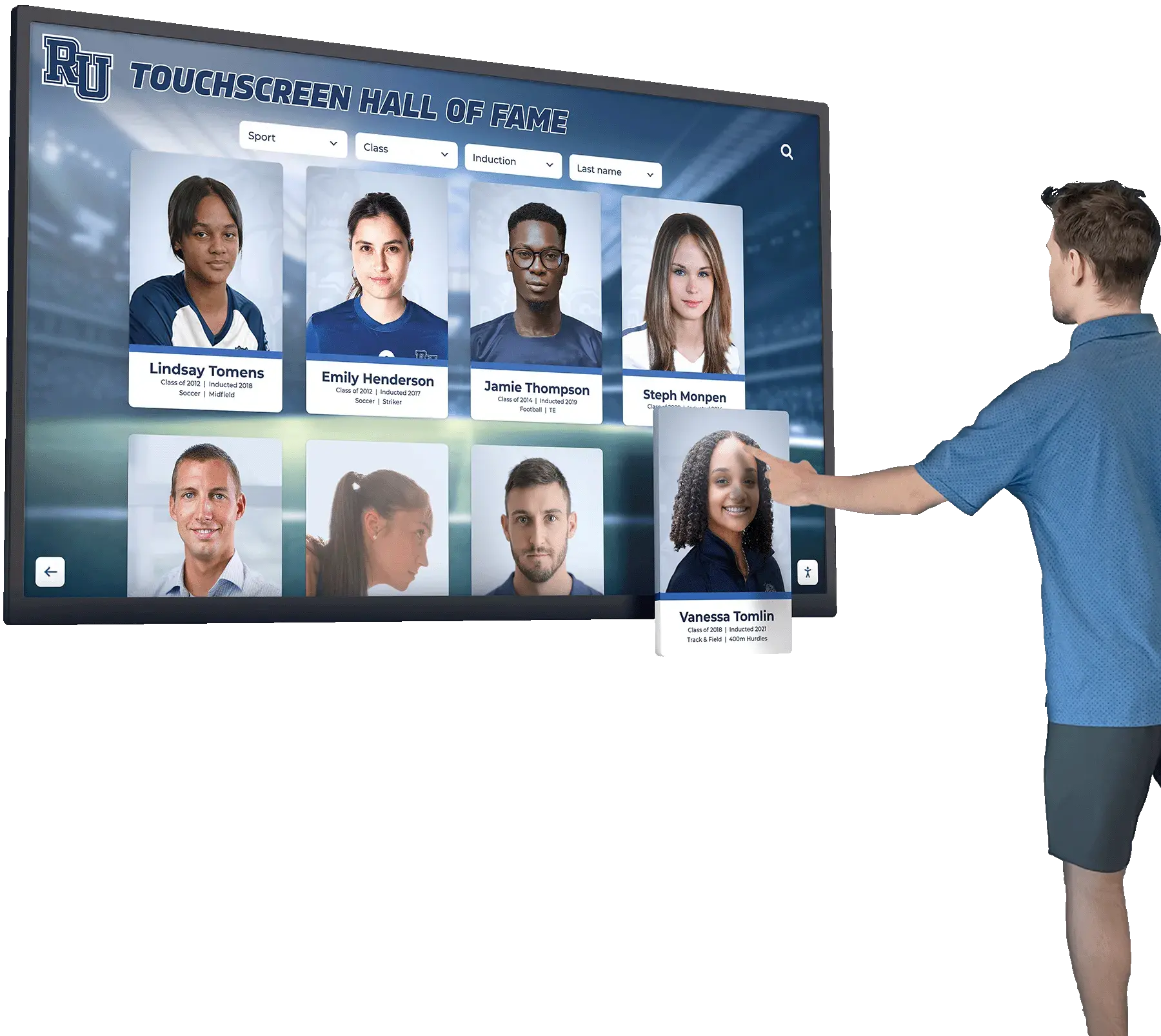
User-friendly interfaces ensure recognition systems serve intended audiences effectively throughout implementation
Historical Research and Content Development
Create comprehensive champion archives before implementing displays:
Research Process and Documentation
Systematic research ensures complete historical records:
- Assign research responsibilities to coaches, athletic directors, or volunteer historians
- Establish standardized information templates for consistent data collection
- Prioritize recent champions where information is readily available
- Work backward through program history as time and resources allow
- Verify information through multiple sources ensuring accuracy
This research phase often uncovers forgotten champions and interesting program history that enriches eventual recognition.
Content Creation Priorities
Focus initial content development efforts strategically:
- Prioritize recent champions where photos, videos, and detailed information exist
- Create basic profiles for historical champions that can be enhanced over time
- Develop program timeline narratives providing historical context
- Design templates enabling efficient content creation for new champions annually
- Establish media collection processes capturing future championship moments
Starting with strong recent-champion content creates immediate impact while building toward comprehensive historical coverage.
Technology Selection and Implementation
Schools choosing digital recognition must select appropriate technology:
Display Technology Considerations
Multiple factors influence technology choices:
- Screen size and resolution appropriate for viewing distance and space
- Touchscreen capability enabling interactive exploration or display-only presentation
- Durability for high-traffic athletic environments with moisture, temperature, and physical contact
- Content management systems allowing easy updates without technical expertise
- Integration capabilities with existing websites, social media, and athletic management systems
Building school pride through technology requires selecting solutions appropriate for specific environments and use cases.
Software and Content Management
Content management capabilities determine long-term usability:
- Intuitive interfaces enabling coaches or athletic staff to add champions without IT support
- Template systems ensuring consistent presentation across additions
- Media handling supporting photos, videos, and documents in various formats
- Search and filtering enabling visitors to find specific information quickly
- Responsive design ensuring recognition displays appropriately on different screen sizes
Software selection significantly impacts whether recognition systems remain current or become outdated due to update difficulty.
Launch and Promotion
Successful recognition programs require strategic launches maximizing awareness:
Launch Event Planning
Formal launches create awareness and excitement:
- Dedication ceremonies during home wrestling events with large attendance
- Alumni gatherings bringing former champions together for recognition unveiling
- Media coverage through local newspapers, school communications, and social media
- Student body presentations ensuring awareness beyond wrestling community
- Tours and demonstrations showing families and community members how to use displays
These launch events create initial engagement that sustains over time through continued use and promotion.
Ongoing Promotion and Engagement
Recognition requires continuous promotion maintaining relevance:
- Regular social media posts highlighting featured champions
- Pre-tournament content reviewing program championship history
- Alumni newsletters featuring recognition system updates and new champion additions
- Parent and booster organization presentations demonstrating recognition value
- Integration with recruitment efforts showing prospective wrestlers program tradition
Consistent promotion ensures recognition investments deliver maximum impact on program culture and community engagement.
Measuring Recognition Program Success
Schools should evaluate recognition program effectiveness ensuring investments achieve desired outcomes.
Quantitative Success Metrics
Measurable indicators demonstrate recognition impact:
Engagement Metrics
For digital recognition systems:
- Number of touchscreen interactions or website visits to champion archives
- Time spent exploring champion profiles and program history
- Search patterns revealing which champions or years receive most attention
- Social media engagement with recognition-related content
- Repeat usage patterns showing whether displays remain engaging over time
These metrics indicate whether recognition creates intended engagement or requires adjustment.
Program Performance Indicators
Recognition impacts measurable program outcomes:
- Wrestling participation numbers and program retention rates
- State qualifier and medalist trends over time
- Recruiting success attracting wrestlers from youth programs
- Booster support and fundraising metrics
- Alumni engagement levels and volunteer participation
While recognition alone doesn’t determine these outcomes, positive trends alongside recognition implementation suggest program culture benefits.
Qualitative Success Indicators
Subjective feedback provides important effectiveness insights:
Stakeholder Satisfaction
Regular feedback from key groups guides improvements:
- Wrestler surveys about recognition program impact on motivation
- Coach perspectives on program culture changes
- Parent and family satisfaction with athlete celebration
- Alumni feedback about connection to program through recognition
- Administrative assessment of recognition value and community impact
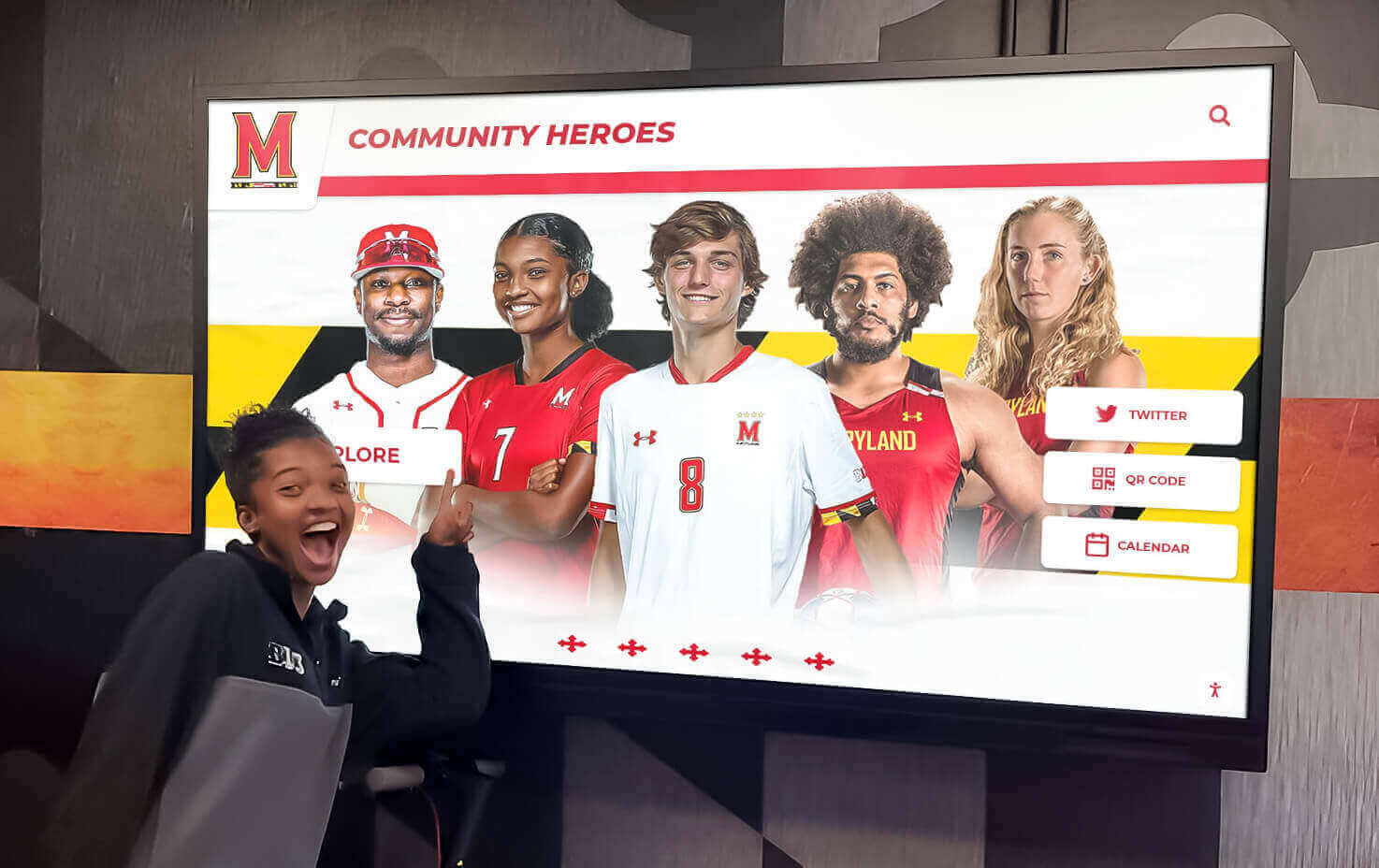
Active engagement with recognition displays demonstrates successful implementation meeting user needs
Cultural Observations
Less measurable but meaningful indicators include:
- Changes in wrestler goal-setting conversations and aspirations
- Increased alumni presence at events and engagement with program
- Community conversations referencing wrestling tradition and championships
- Recruit mentions of championship history during commitment decisions
- Visitor interest and questions about champions during school tours
These qualitative observations often reveal recognition program value that quantitative metrics miss.
Conclusion: Preserving Wrestling Legacy for Future Generations
The New Jersey State Wrestling Tournament represents one of the nation’s premier high school athletic competitions, where centuries of tradition combine with exceptional talent to create moments of personal triumph that define athletic careers. Schools that appropriately recognize state tournament qualifiers and champions honor not just individual achievement but the countless hours of preparation, sacrifice, and determination that reaching the state tournament requires.
Whether through traditional physical displays that create dedicated wrestling spaces or modern digital recognition systems offering multimedia celebration and unlimited capacity, schools that invest in comprehensive recognition programs create lasting benefits. These programs motivate current wrestlers by showing achievable goals, preserve program history for future generations, strengthen alumni connections that benefit programs for decades, and build community pride around wrestling tradition.
As you plan recognition for your wrestling program’s state tournament competitors and champions, remember that effective celebration extends beyond listing names—it creates experiences that inspire, inform, and connect wrestling community members across generations. The investment in appropriate recognition pays dividends through enhanced program culture, increased athlete motivation, and preserved legacies ensuring today’s champions inspire tomorrow’s competitors.
Transform Your Wrestling Recognition Program
Is your school ready to create recognition that truly honors your state wrestling champions? Digital display solutions from Rocket Alumni Solutions provide comprehensive platforms for celebrating wrestling excellence through interactive touchscreens, unlimited champion profiles, multimedia content integration, and cloud-based management systems that make updating recognition as simple as logging in after each tournament.
Discover how schools across New Jersey and beyond are preserving wrestling legacies while inspiring future champions through modern recognition technology. Request your free custom demo today to see how your state tournament competitors and champions could be celebrated.