



New Jersey high school wrestling has established itself as one of the nation’s most competitive and tradition-rich programs, producing Olympic medalists, NCAA champions, and generations of dedicated student-athletes. From the legendary programs in Bergen County to the powerhouse teams across Hunterdon, Union, and Ocean counties, Garden State wrestling represents a standard of excellence that draws national attention and creates defining moments for athletes, schools, and communities.
Every winter, the NJSIAA wrestling season brings together more than 250 high school programs competing across multiple classifications, culminating in one of the nation’s most prestigious state tournament experiences. Understanding New Jersey’s ranking systems, tournament structures, regional variations, and championship traditions proves essential for coaches, athletes, families, and administrators navigating this intensely competitive landscape.
Beyond competitive outcomes, New Jersey wrestling creates achievement worthy of lasting institutional recognition—individual state championships, team tournament success, district dominance, regional titles, and the exceptional athletes who establish program legacies. Schools that excel at wrestling recognition implement comprehensive systems preserving these achievements, documenting championship journeys, and inspiring future generations through visible celebration of wrestling excellence.
New Jersey wrestling represents more than sport—it embodies dedication, character development, academic-athletic balance, and community pride built through generations of coaches, athletes, and supporters who made wrestling central to Garden State athletic identity. This comprehensive guide explores New Jersey high school wrestling’s competitive landscape while examining how progressive programs preserve and celebrate wrestling achievement effectively.

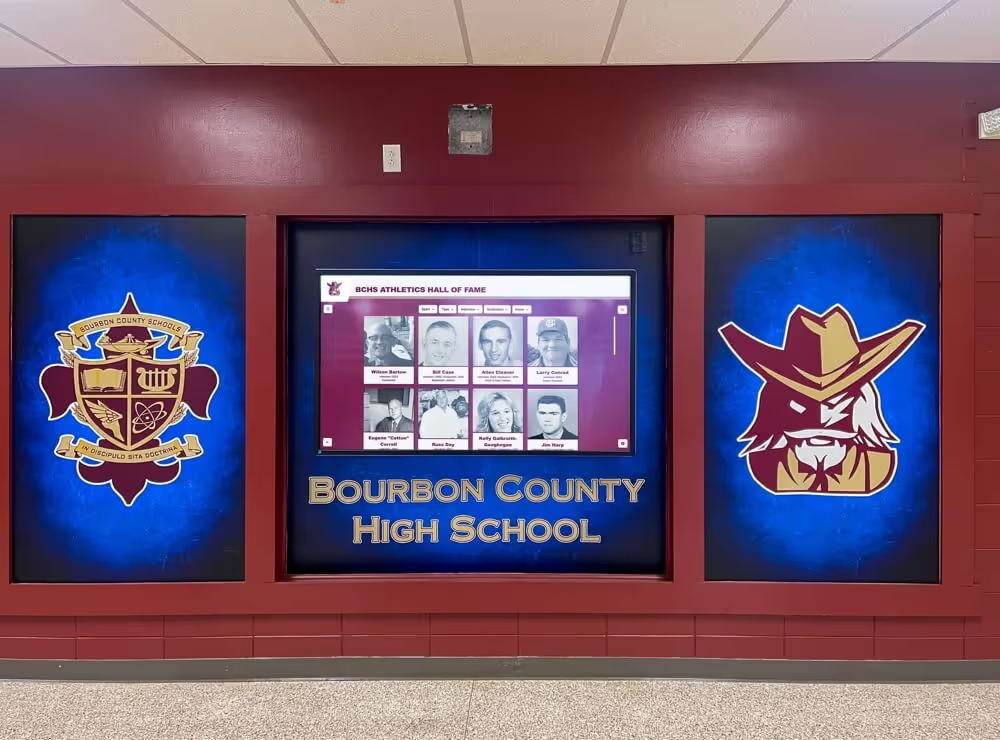
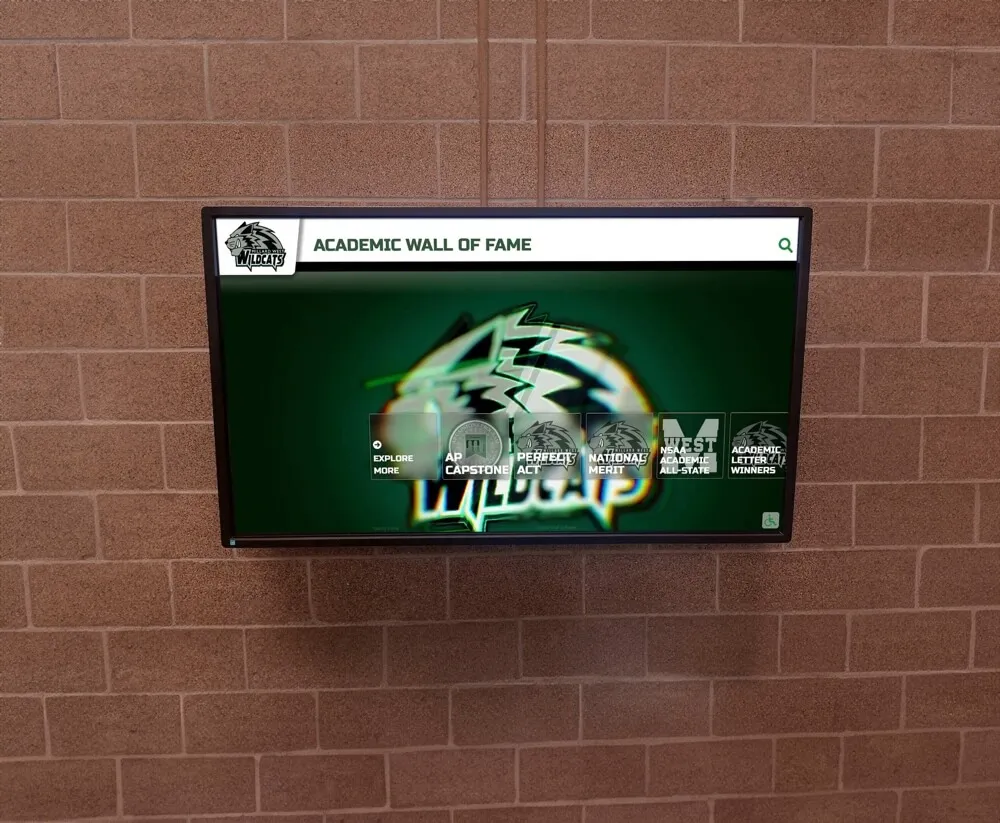
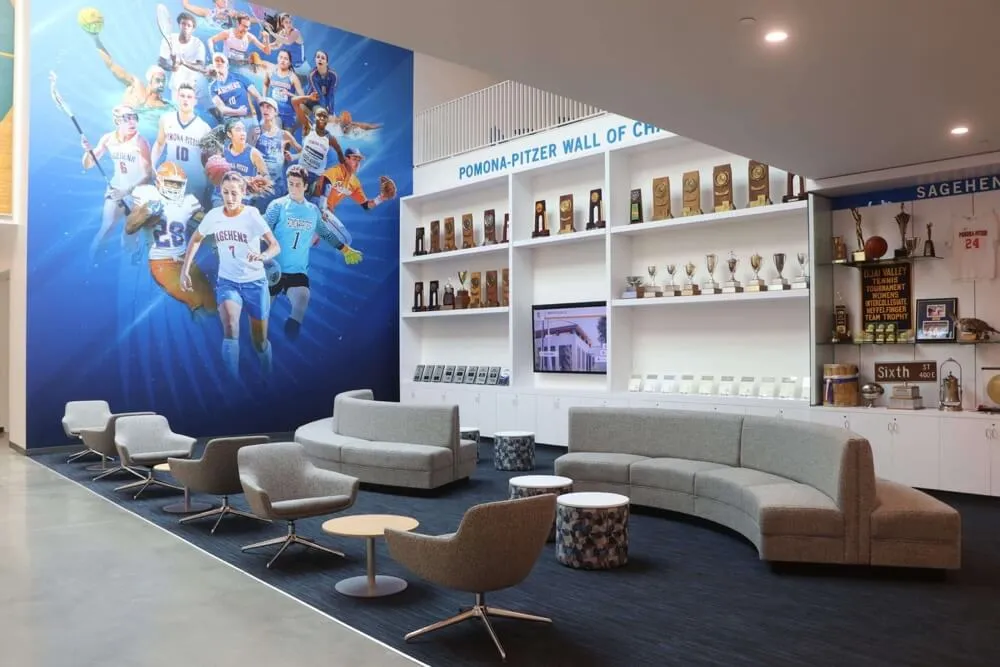
Modern recognition platforms enable schools to showcase wrestling championships and individual achievement comprehensively
Understanding New Jersey Wrestling’s Competitive Structure
Before examining specific programs and traditions, grasping the organizational framework provides essential context for Garden State wrestling.
NJSIAA Classification System and Tournament Structure
The New Jersey State Interscholastic Athletic Association (NJSIAA) organizes wrestling competition to ensure competitive balance while accommodating schools of vastly different sizes:
Current Classification Breakdown
New Jersey wrestling operates within multiple competitive groups:
- Group I - Smallest schools by enrollment, typically under 400 students
- Group II - Small to mid-sized schools, approximately 400-700 students
- Group III - Mid-sized schools, approximately 700-1,000 students
- Group IV - Large schools, approximately 1,000-1,400 students
- Group V - Largest schools, typically exceeding 1,400 students
Additionally, schools compete in Public vs. Non-Public divisions, recognizing the different competitive contexts between public school districts and private institutions. This dual classification system creates multiple championship paths, ensuring schools compete against similarly-resourced opponents while maintaining tournament integrity.
Public-Private Split Competition
New Jersey’s unique structure separates:
- Public School Championships - District public high schools competing within enrollment groups
- Non-Public Championships - Private and parochial schools in separate tournament brackets
- Tournament of Champions - Post-season invitational bringing together top wrestlers regardless of classification
This separation addresses competitive balance concerns while creating additional championship opportunities and recognition pathways for exceptional programs and individual wrestlers.
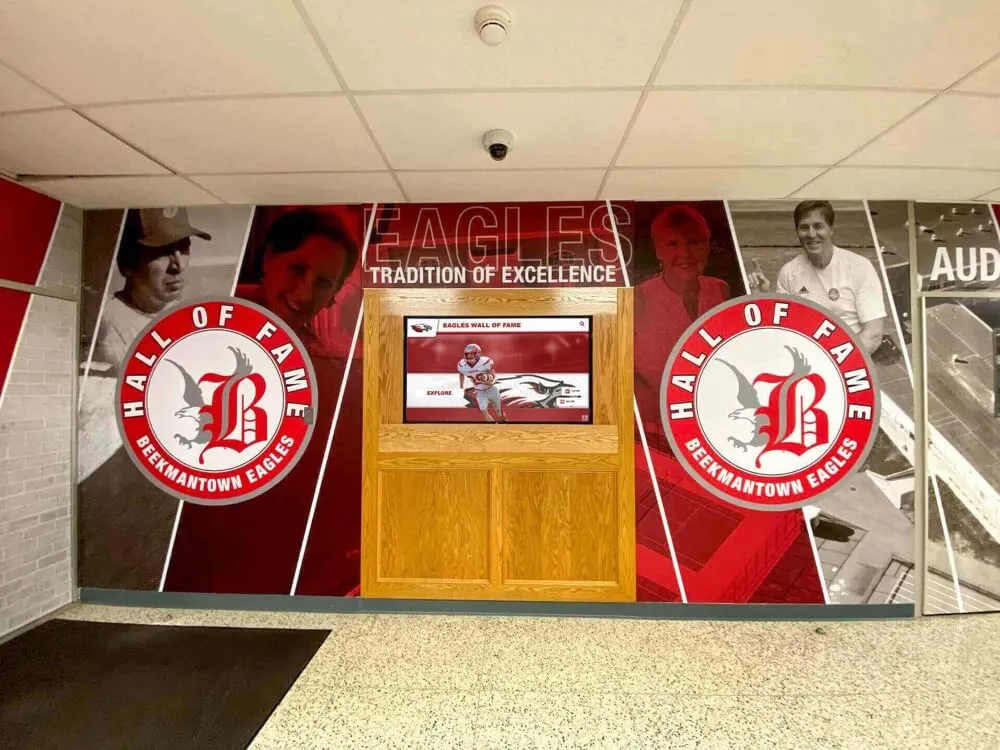
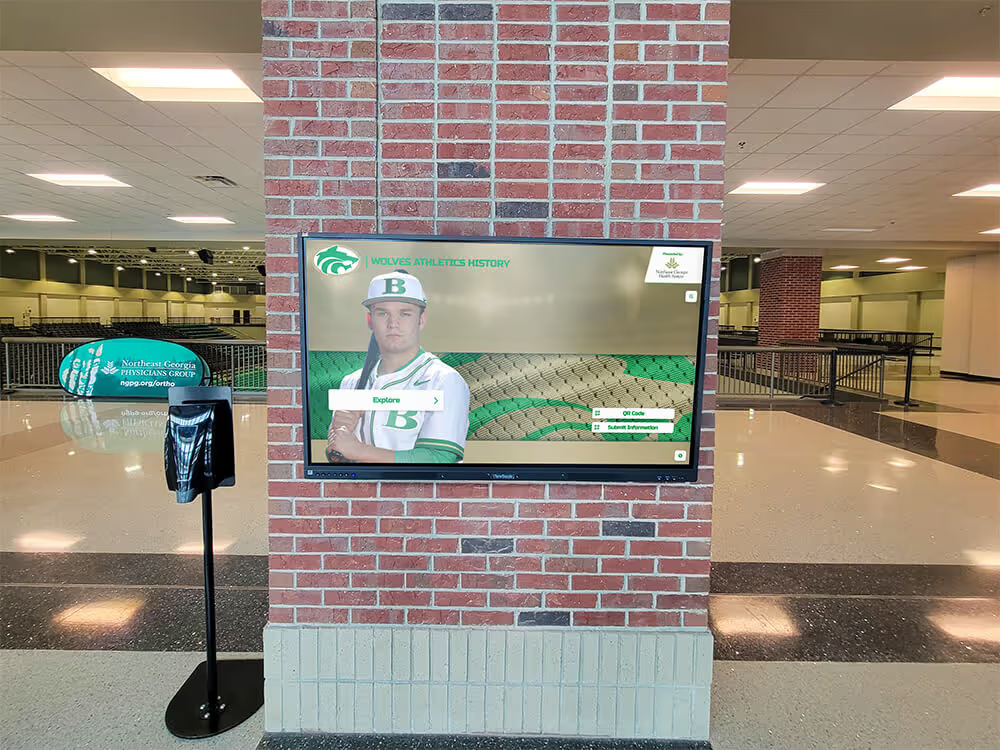
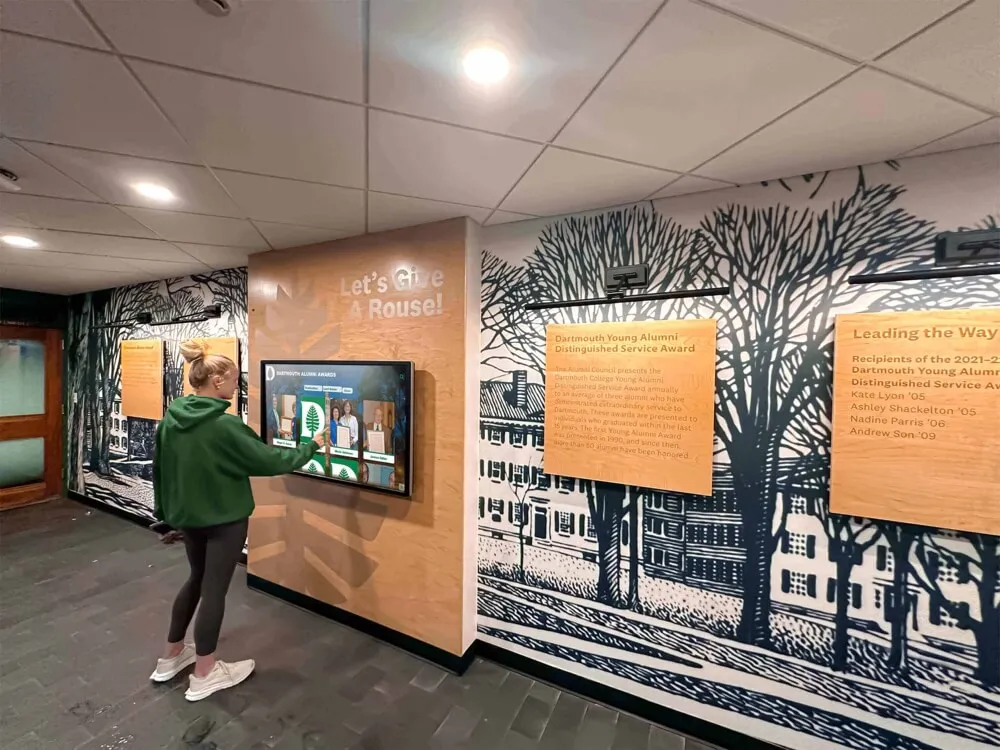
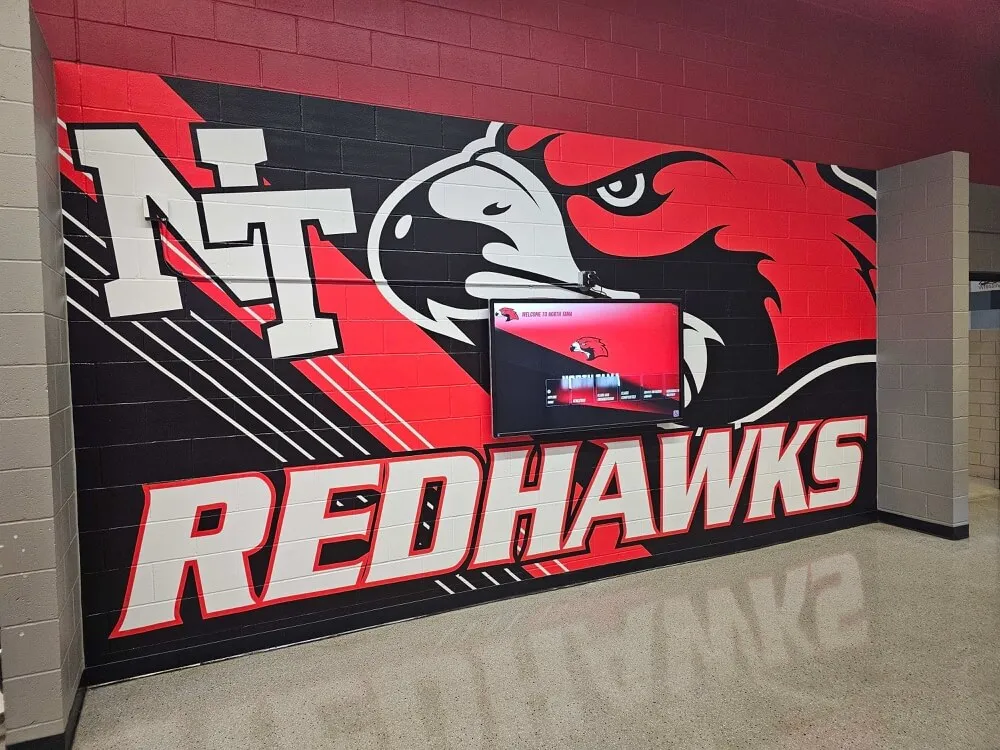
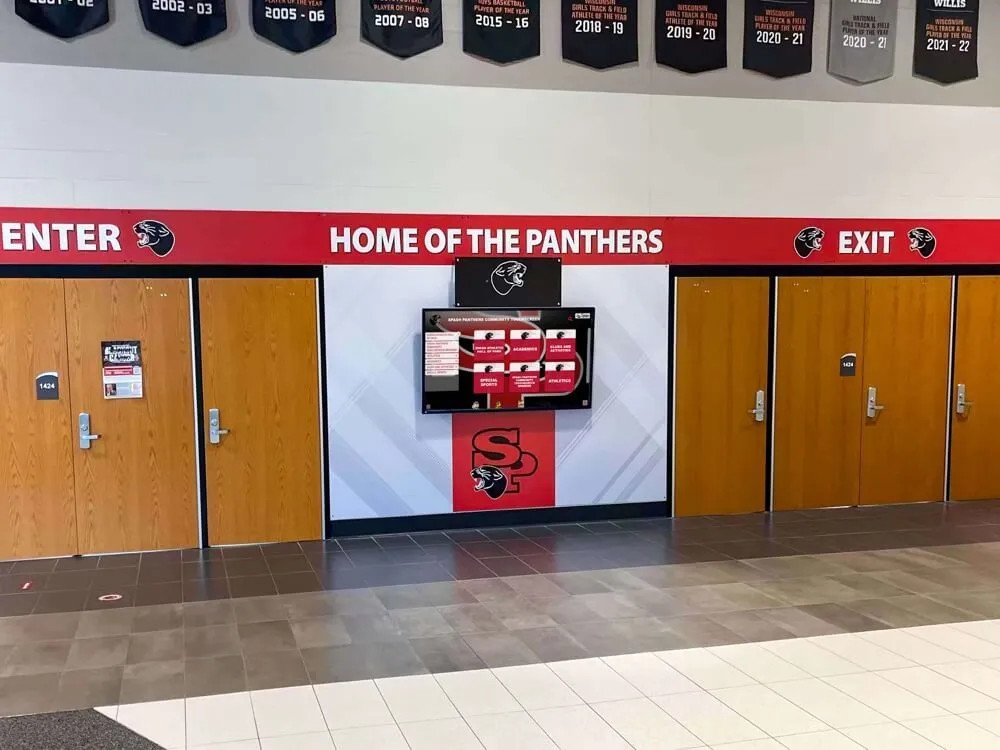
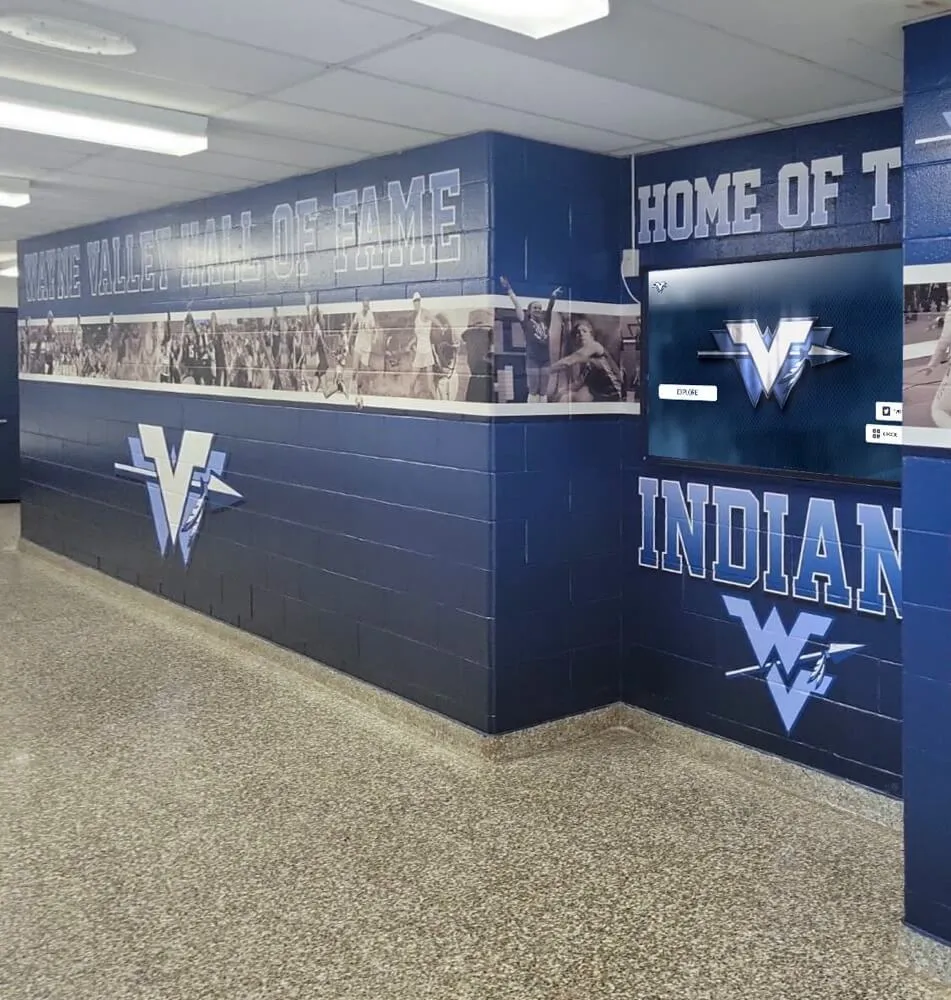
Comprehensive displays showcase both team championships and individual wrestling achievements in prominent school locations
Weight Class Structure and Competition Format
New Jersey wrestling follows standard weight classes while maintaining traditions that distinguish Garden State competition:
Standard Weight Classes
New Jersey high school wrestling includes fourteen weight classes:
- 106, 113, 120, 126, 132, 138, 144, 150, 157, 165, 175, 190, 215, 285 pounds
- Weight certification requirements ensuring athlete health and safety
- Strategic lineup decisions where coaches position wrestlers to maximize team scoring
- Bonus point systems rewarding dominant victories (major decisions, technical falls, pins)
This structure creates tactical considerations beyond individual match outcomes—team competition involves strategic lineup construction, where coaches must balance individual wrestler strengths against opponent weaknesses across all fourteen weight classes.
Dual Meet Season and Team Competition
Regular season structure includes:
- Dual meet competitions where teams compete across all weight classes
- Tournament events bringing multiple teams together for pool or bracket competition
- League/conference schedules determining conference championships
- Strength-of-schedule considerations affecting district and region seeding
- Tri-meets and quad-meets maximizing competition opportunities efficiently
Dual meet formats create distinctive team dynamics—individual success contributes to collective results, making wrestling simultaneously individual and team-oriented in ways unique among high school sports.
Discover how schools implement wrestling recognition programs that celebrate both team championships and individual wrestler achievements comprehensively.
Program Snapshot: New Jersey Wrestling Competitive Framework
| Wrestling Element | Details |
|---|---|
| Participating Schools | 250+ programs across five enrollment classifications |
| Season Duration | December through March with district, region, and state tournaments |
| Weight Classes | 14 weight classes from 106 to 285 pounds |
| Tournament Structure | District → Region → State Championships progression |
| Classifications | Groups I-V for public schools, separate Non-Public division |
| State Tournament Location | Boardwalk Hall, Atlantic City (historically) and other major venues |
| Individual Recognition | State championships, region titles, district victories, All-State honors |
| Team Competition | Dual meet championships, tournament titles, TOC (Tournament of Champions) |
| National Recognition | New Jersey programs consistently ranked among nation’s best |
New Jersey Wrestling Rankings and Power Programs
Understanding which programs dominate Garden State wrestling reveals the competitive standards defining excellence.
Historical Wrestling Powerhouses
Certain New Jersey programs have established legendary status through sustained championship success:
Bergen County Wrestling Powers
Bergen County represents New Jersey wrestling’s most competitive region:
- Bergen Catholic - Perennial Non-Public power producing numerous state champions and national recruits
- DePaul Catholic - Consistent state championship contender with strong individual performers
- Paramus Catholic - Program combining championship tradition with academic excellence
- River Dell - Public school power demonstrating sustained competitive success
- Old Tappan - Program excellence in Group II competition
Bergen County’s wrestling density creates year-round training advantages—athletes access elite clubs, experienced coaches, and training partners preparing them for the highest levels of competition.
Central Jersey Wrestling Excellence
The state’s midsection produces exceptional programs:
- High Point Regional - North Jersey power with multiple state team championships
- Hunterdon Central - Large-school dominance with facility investment supporting program excellence
- North Hunterdon - Regional rivalries driving program development
- Phillipsburg - Historic program with deep community wrestling roots
- South Plainfield - Consistent state tournament representative with strong coaching
Central Jersey programs benefit from geographic proximity enabling intense local rivalries that elevate all competitors while creating recruitment advantages for nearby college programs.
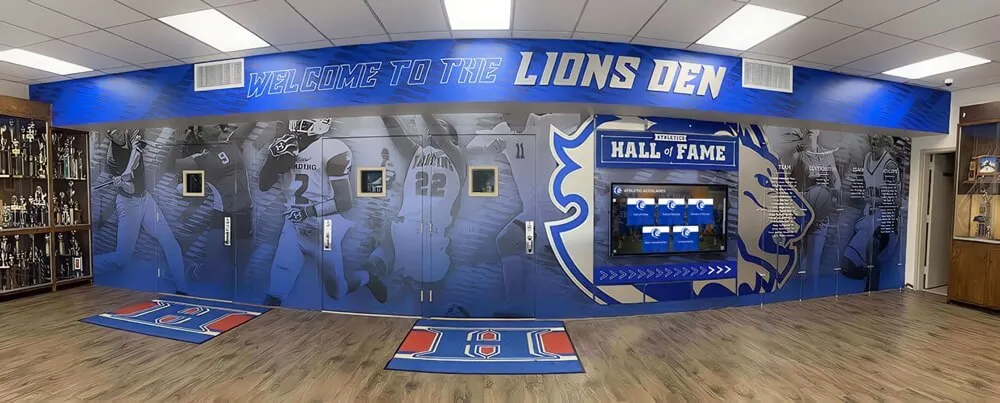
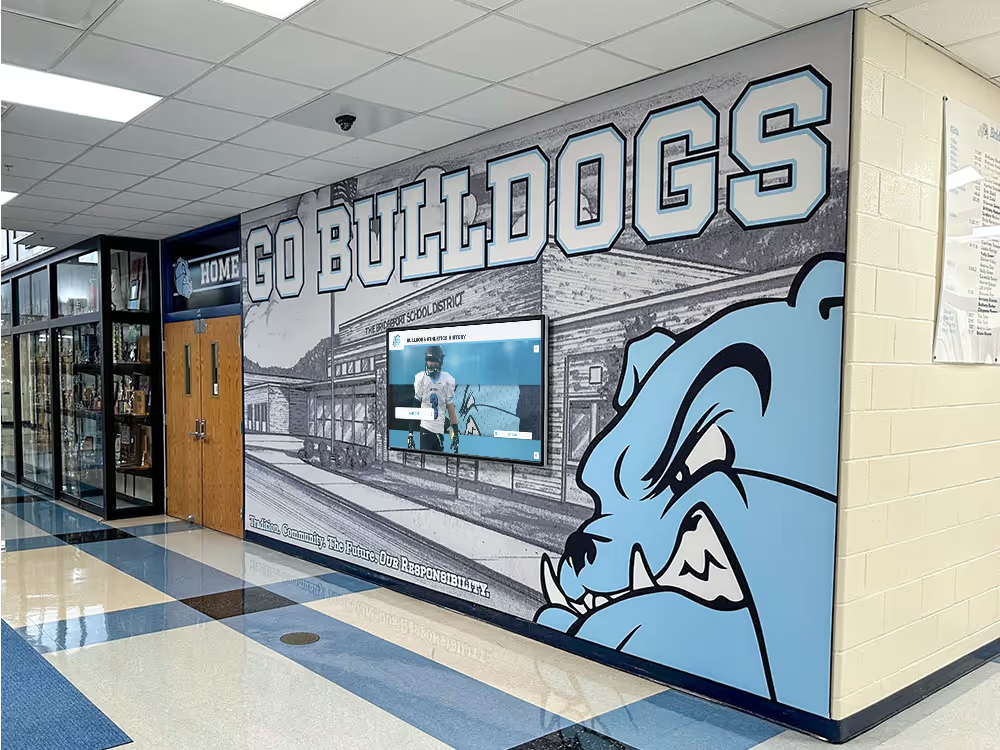
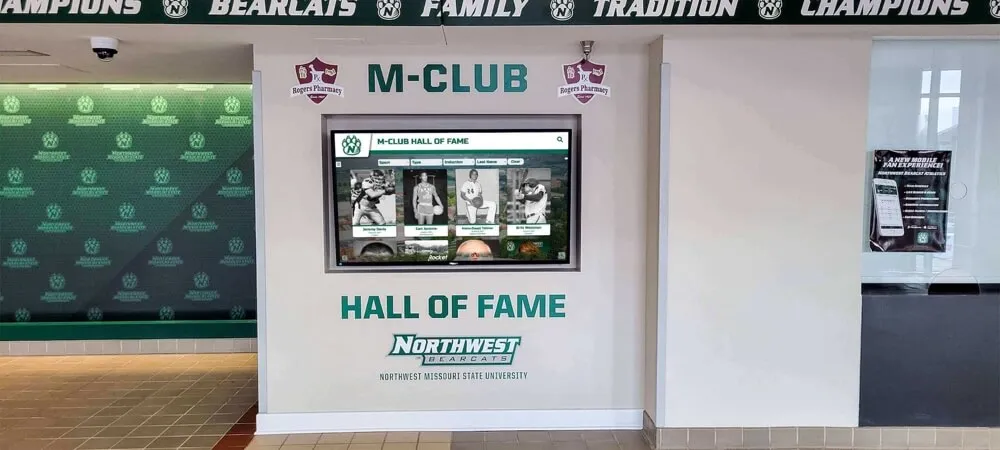
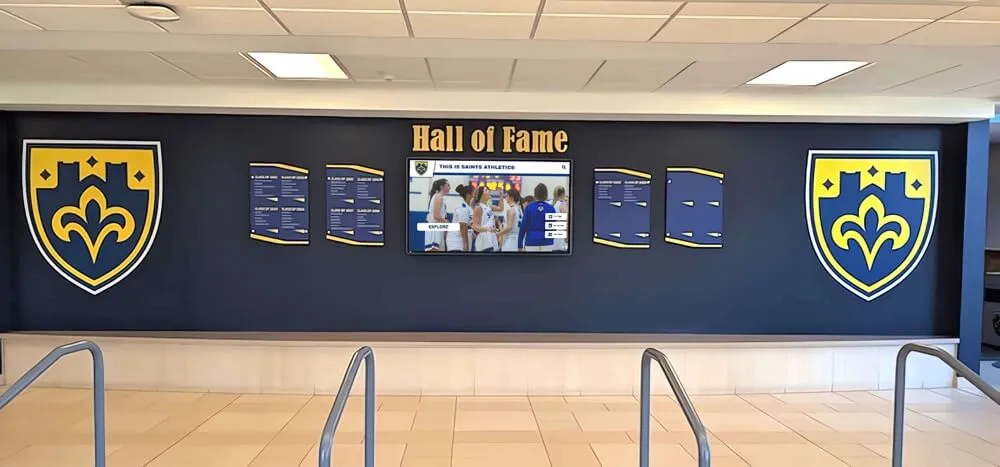
Modern facilities integrate wrestling achievements within comprehensive athletic recognition showcases
South Jersey Wrestling Traditions
The southern region maintains competitive programs despite different demographic patterns:
- Paulsboro - Small-school wrestling giant consistently competing at highest level
- Kingsway - Large-school power with modern facility investment
- Camden Catholic - Non-Public program producing consistent state qualifiers
- Delsea Regional - South Jersey power in Group III competition
- Collingswood - Historic program maintaining competitive tradition
South Jersey programs demonstrate that wrestling excellence depends more on coaching quality, institutional commitment, and community support than enrollment size—Paulsboro’s remarkable success despite small school size exemplifies how culture drives achievement.
State Championship Tournament History
New Jersey’s state wrestling tournament represents the season’s pinnacle, where individual and team excellence receives ultimate recognition:
Individual State Championship Achievement
Winning an NJSIAA state championship establishes lifetime distinction:
- Multiple elimination rounds requiring sustained performance excellence
- Competition against the state’s best wrestlers at each weight class
- Pressure management in high-stakes tournament environments
- Technical proficiency demonstrated against diverse opponent styles
- Mental toughness navigating bracket challenges and upset possibilities
State champions earn permanent recognition within program histories—their achievements become recruiting narratives, motivational examples, and institutional pride points preserved through recognition displays and ceremony celebrations.
Learn about schools implementing comprehensive athletic recognition that honors state champions alongside team tournament success.
Team Championship Pursuit
Team state championships require comprehensive roster excellence:
- Multiple district champions advancing to state competition
- Depth across weight classes placing multiple wrestlers high
- Bonus point accumulation through dominant victories
- Strategic bracket navigation maximizing team scoring opportunities
- Coaching excellence in preparing athletes for tournament demands
Team championships create program-defining moments—they validate years of development work, recruit exceptional athletes seeking championship cultures, and establish legacies connecting past excellence with current aspirations.
District and Region Tournament Structure
Understanding the pathway to states reveals New Jersey wrestling’s competitive progression.
District Tournament Competition
Districts represent the first elimination round determining state tournament qualification:
District Organization and Competition
New Jersey divides into approximately 30 districts creating initial qualification tournaments:
- Schools grouped geographically creating local qualification competitions
- Top district placers advance to region tournaments (typically top 3-4)
- District championships establish seeding advantages for region competition
- Dual meet season records informing district tournament seeding
- Home-region advantages when schools host district competitions
District tournaments create first significant elimination pressure—athletes must perform when stakes dramatically increase or watch teammates continue while their seasons end.
District Championship Recognition
District titles merit substantial recognition despite representing qualification rounds:
- District champions demonstrate local dominance and competitive readiness
- Multiple district championships across roster indicate team depth
- District tournament MVPs recognize exceptional individual performance
- Team district championships predict region and state success
Progressive programs preserve district achievement within comprehensive recognition systems rather than dismissing these victories as merely preliminary rounds.
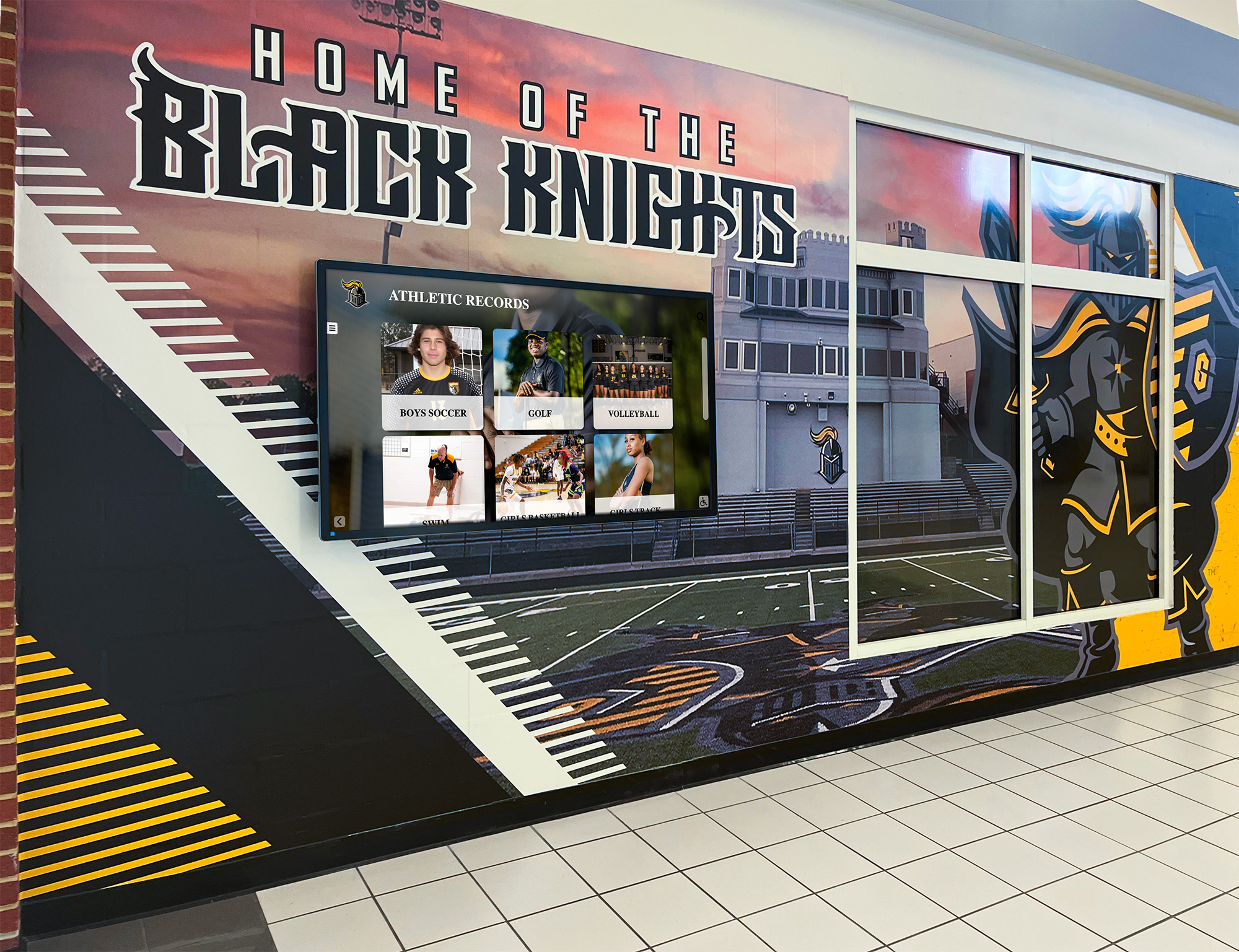
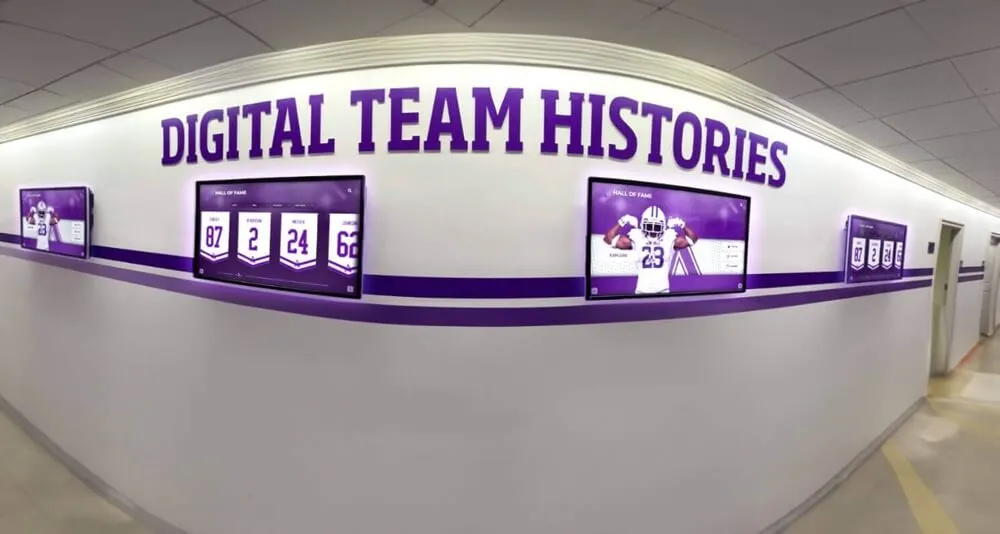
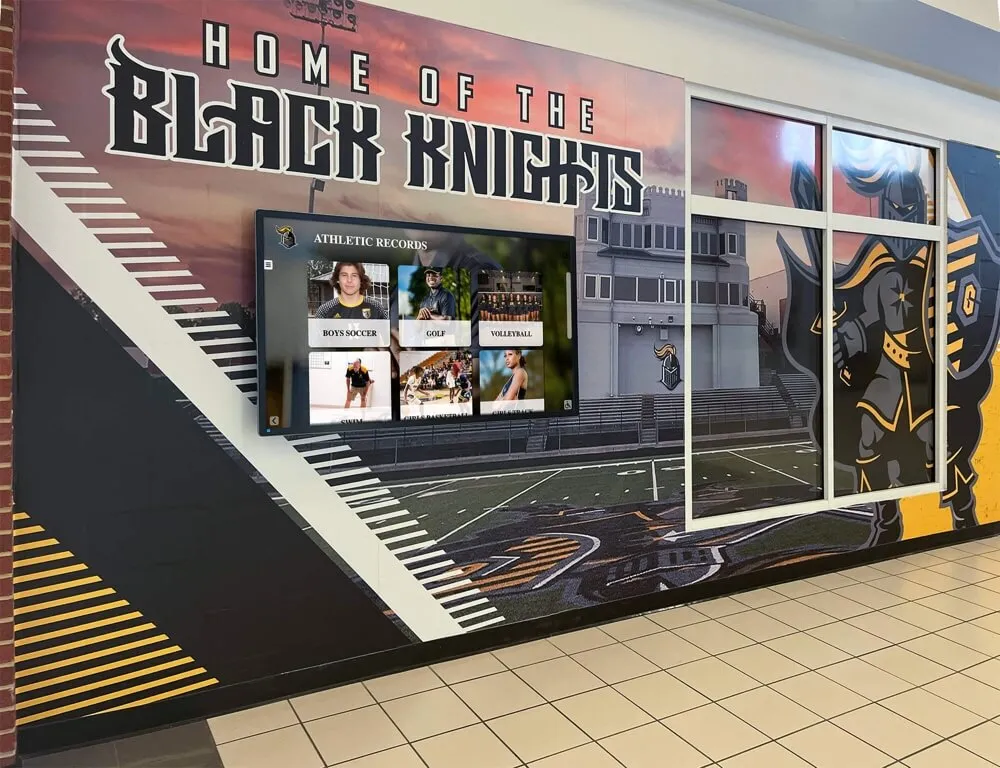
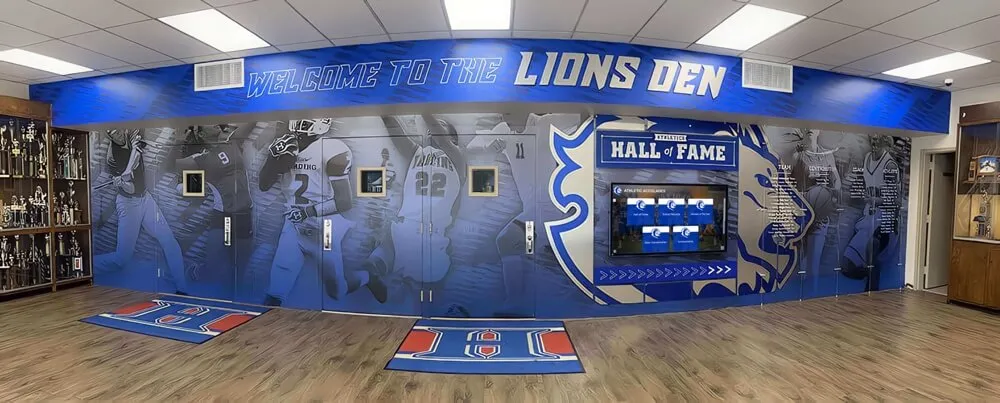
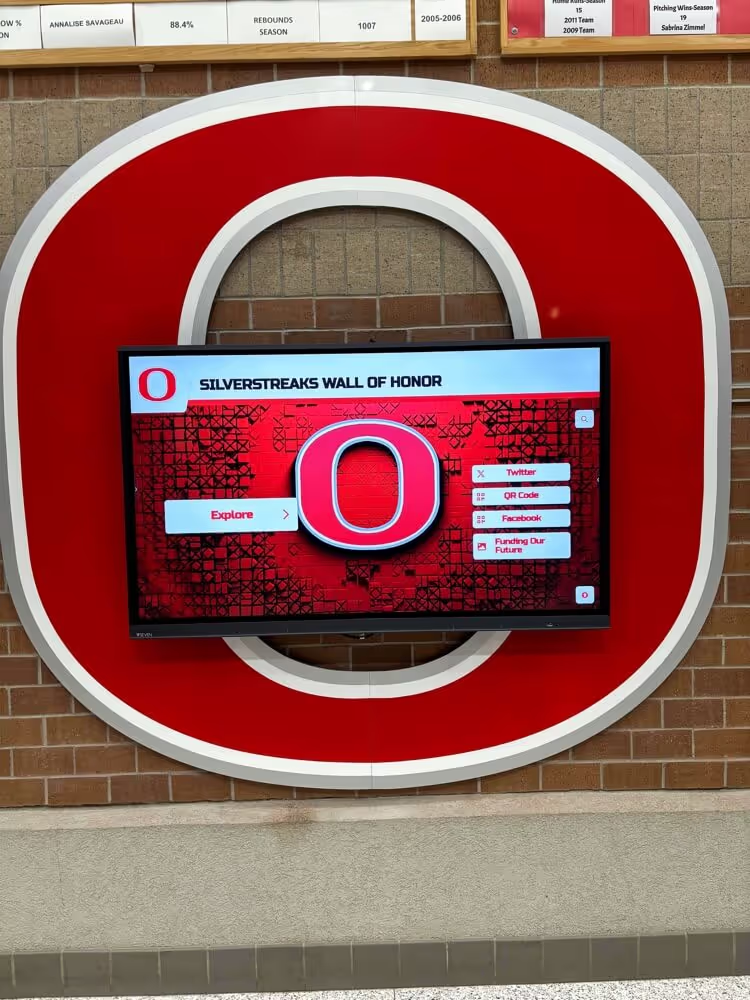
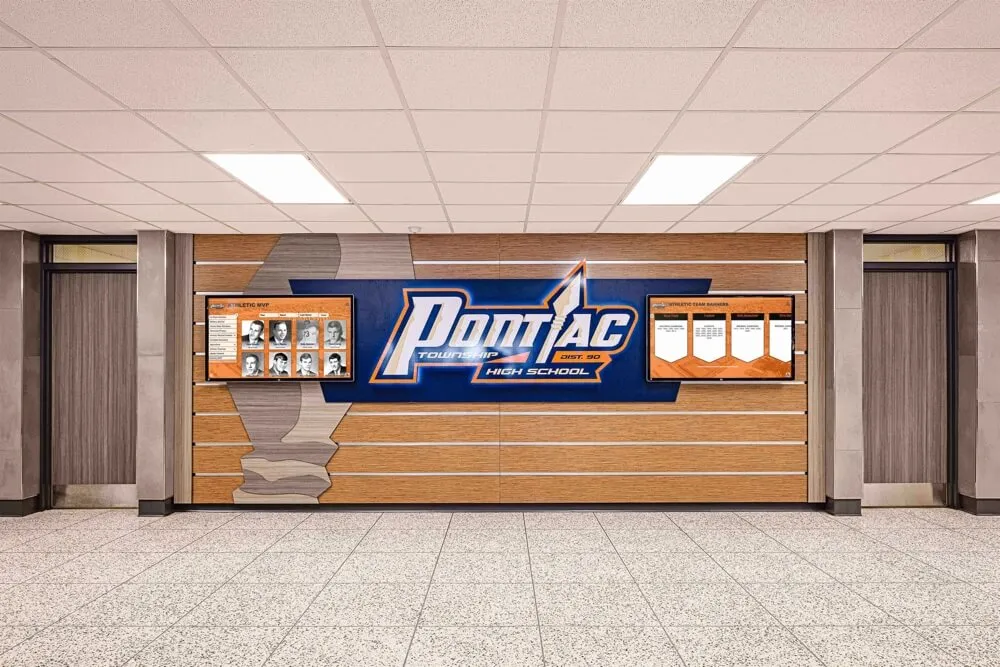
Prominent hallway displays ensure wrestling achievements remain visible throughout school year
Region Tournament Advancement
Region tournaments narrow the field further while determining state tournament seeding:
Region Competition Structure
New Jersey’s region system includes:
- Eight regions grouping multiple districts within enrollment classifications
- Top region placers qualifying for state championships (typically top 3-6 depending on classification)
- Region championships establishing favorable state tournament seeding
- Performance pressure intensifying as state tournament access narrows
- Upset potential where lower-seeded wrestlers can secure state bids through strong tournament performance
Region tournaments separate state-caliber competitors from district-level performers—advancement demonstrates athlete readiness for championship-level competition.
Region Championship Significance
Region titles hold substantial prestige within New Jersey wrestling:
- Region champions typically earn top state tournament seeds in weight classes
- Region championship density across lineup indicates state championship potential
- Regional dominance establishes program reputation within competitive zones
- College recruiters attend region tournaments evaluating talent for NCAA programs
Schools celebrating region championships through visible recognition honor significant achievement while demonstrating institutional commitment to wrestling excellence.
Explore modern approaches to tracking athletic records and tournament progression that showcases achievement comprehensively.
The NJSIAA State Wrestling Championship Experience
New Jersey’s state tournament represents one of the nation’s most prestigious high school wrestling events.
State Tournament Venue and Atmosphere
The championship setting creates memorable experiences distinguishing New Jersey from other states:
Boardwalk Hall Legacy and Modern Venues
For decades, Atlantic City’s Boardwalk Hall hosted state finals:
- Historic venue providing unique championship atmosphere
- Large capacity accommodating substantial fan attendance
- Boardwalk location creating destination event for families
- Media coverage bringing statewide attention to championship competition
- Hotel and travel considerations creating multi-day experience
While tournament venues have evolved, the multi-day championship format maintains the event’s significance, creating annual pilgrimage opportunities for wrestling communities celebrating season culmination.
Tournament Session Structure
Championships unfold across multiple days with structured sessions:
- Preliminary Rounds - Initial matches thinning brackets across classifications
- Quarterfinals - Top-eight determination establishing medal contention
- Semifinals - Finals qualification and medal placement assurance
- Consolation Rounds - Third-place bracket determining placement finishes
- Championship Finals - Title matches determining state champions across all weight classes
This progression creates dramatic intensity escalation—early rounds feature numerous simultaneous matches while finals showcase individual championship bouts with complete crowd focus.
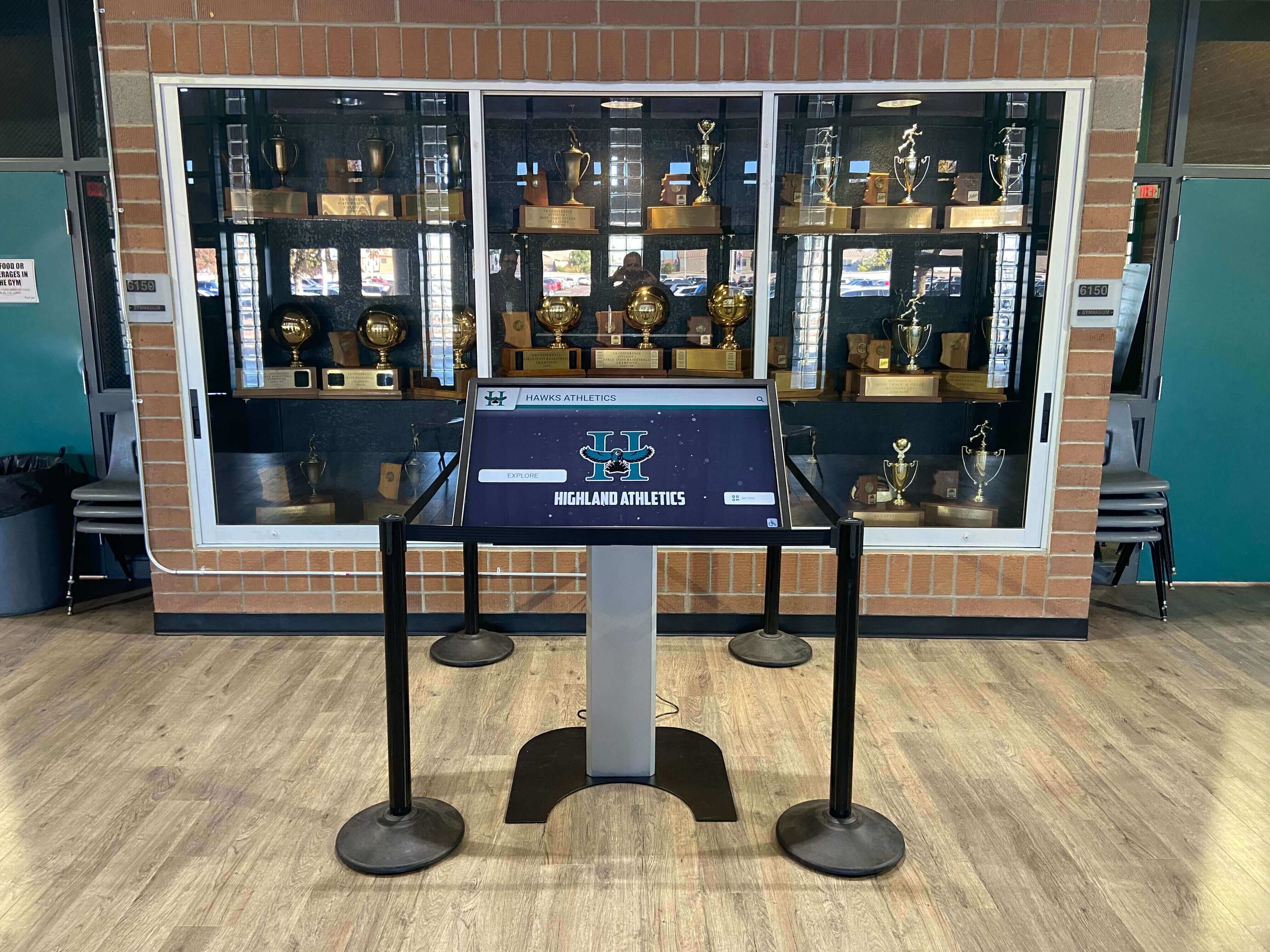
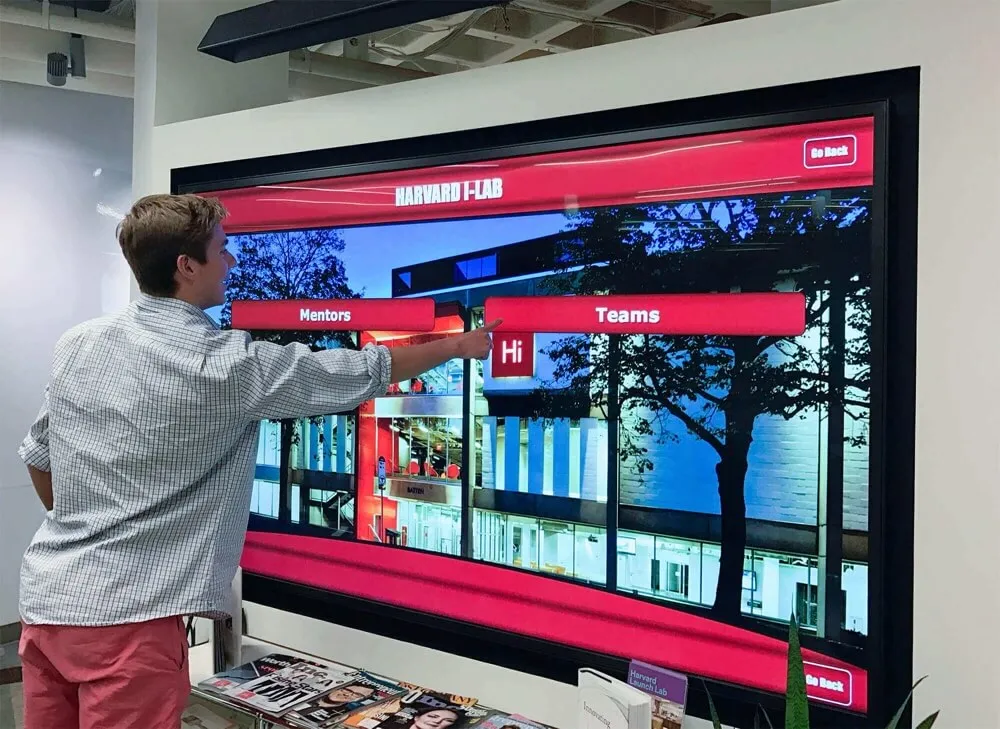
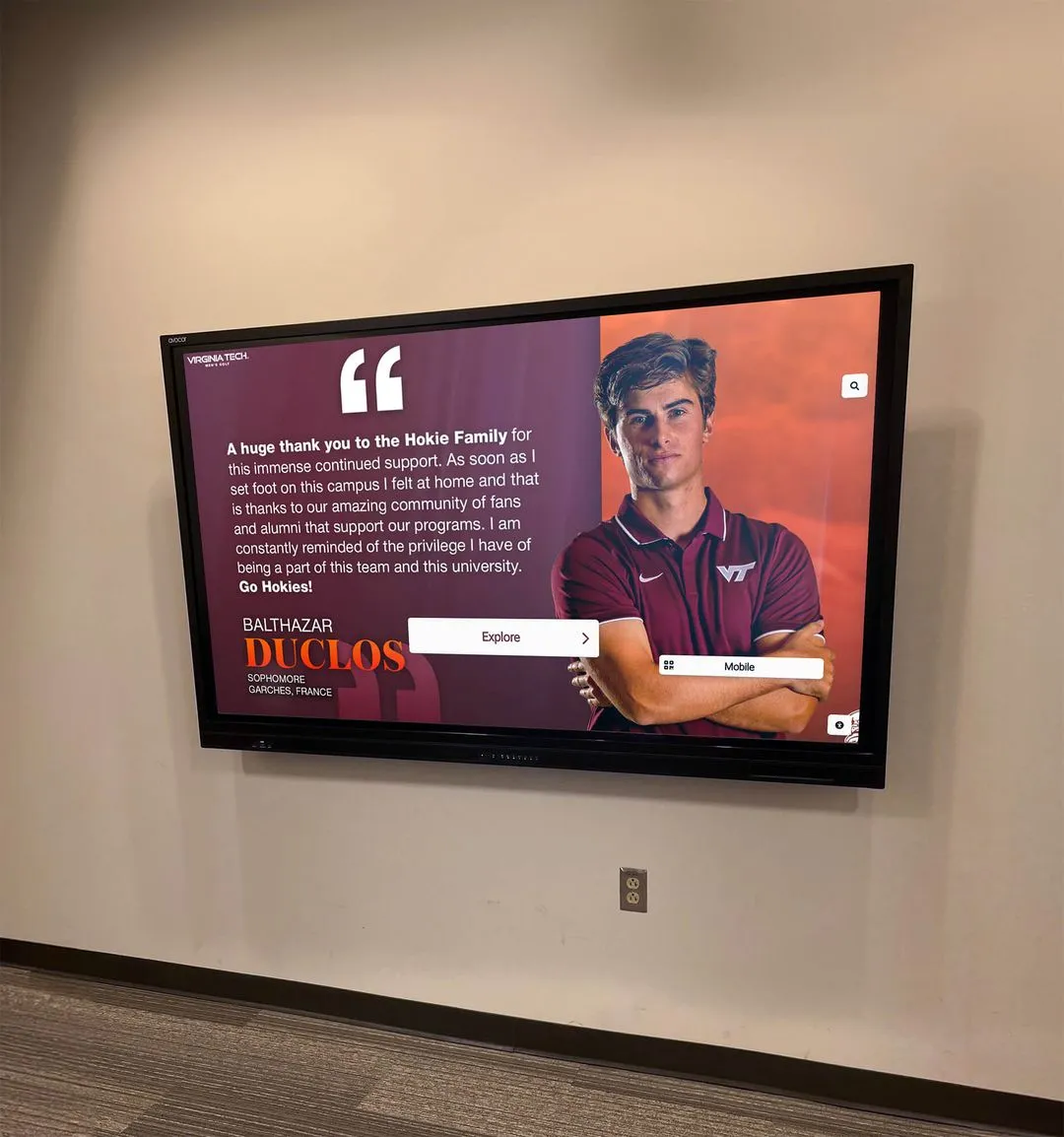
Interactive technology enables comprehensive wrestling history documentation and engagement
Individual Achievement Recognition
State tournament placement creates official recognition across multiple levels:
Championship Honors and Placement Recognition
New Jersey recognizes excellence through structured placement systems:
- State Champions - Ultimate achievement earning permanent distinction
- Runner-Up (Second Place) - State finalist recognition demonstrating elite status
- Third-Eighth Place - Medal winners achieving All-State status
- Outstanding Wrestler Awards - Special recognition for exceptional tournament performance
- Sportsmanship Awards - Character recognition alongside competitive achievement
All-State recognition holds significant value—these achievements become recruiting credentials, scholarship considerations, and lifetime accomplishments preserved through institutional recognition programs.
Multi-Time State Champion Achievement
Wrestlers capturing multiple state titles achieve legendary status:
- Two-time state champions demonstrate sustained excellence across weight classes or years
- Three-time champions establish elite program legacy and personal achievement
- Four-time champions achieve rare distinction placing them among state’s all-time greats
- Multiple-weight class champions showcasing versatility and technical excellence
Multi-time champions become program icons whose achievements set standards inspiring current wrestlers while providing recruiting narratives demonstrating championship culture.
Learn how progressive schools implement athletic banquet recognition celebrating state tournament success and individual champion achievements.
Tournament of Champions and National Recognition
Beyond state championships, New Jersey’s elite wrestlers compete for additional honors.
NJSIAA Tournament of Champions
The Tournament of Champions (TOC) brings together classification champions in ultimate showdowns:
TOC Format and Significance
This post-season invitational includes:
- Classification champions from each group competing head-to-head
- Weight-by-weight competition determining “best of best” across state
- Additional prestige for wrestlers winning both state and TOC titles
- Media attention and college recruiting visibility
- Team scoring recognizing overall program excellence
TOC championships carry unique distinction—winning requires defeating not just classification peers but champions from all enrollment groups, establishing supremacy across entire state.
Historical TOC Dominance
Certain programs and wrestlers establish TOC legacies:
- Programs with multiple TOC team championships demonstrating sustained elite status
- Individual wrestlers capturing multiple TOC titles alongside state championships
- Upsets where smaller-classification champions defeat large-school titlists
- Team point races where depth and bonus points determine overall champions
TOC success validates state championships while separating true elite performers from excellent wrestlers who dominated specific classifications.
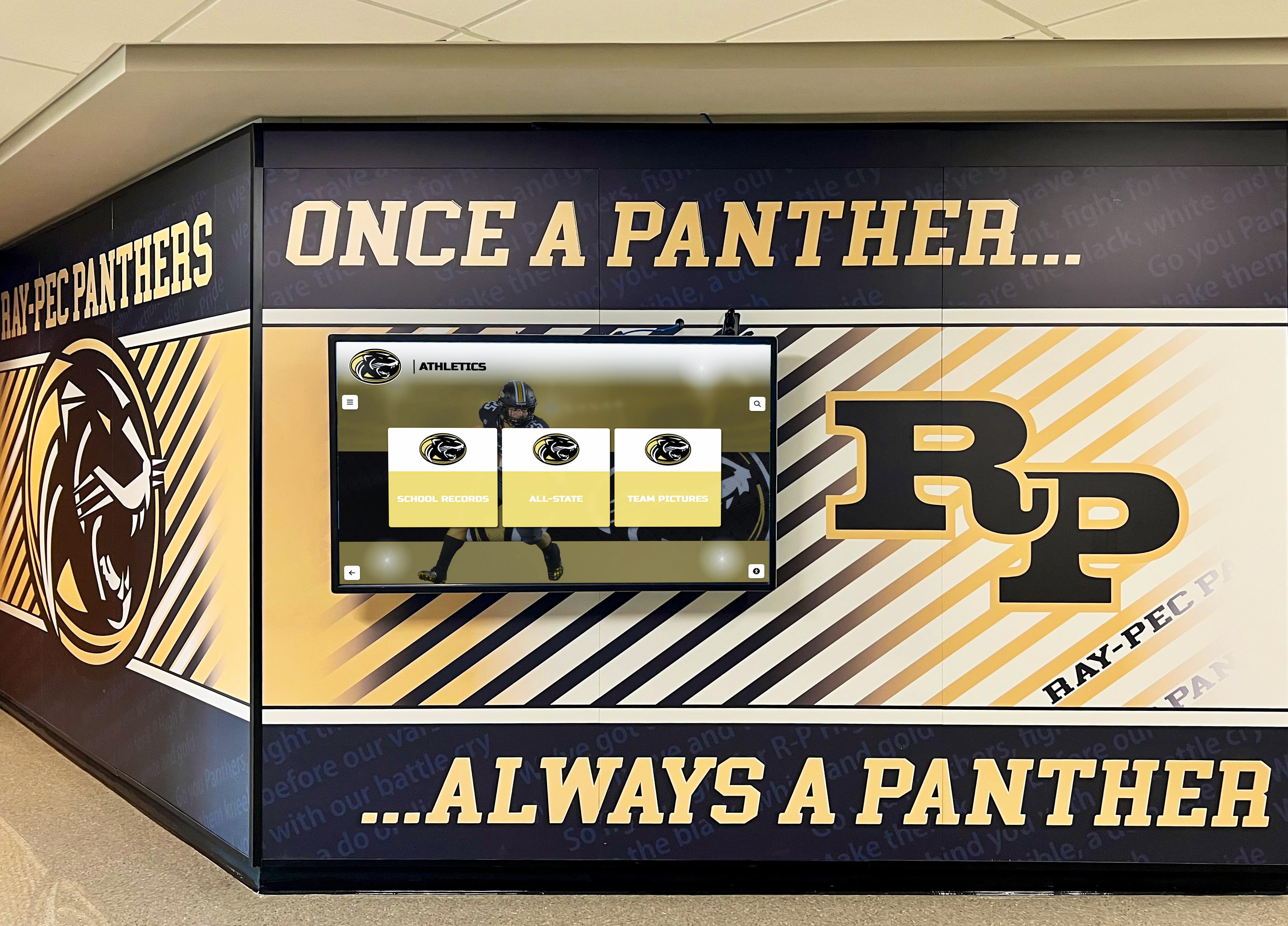
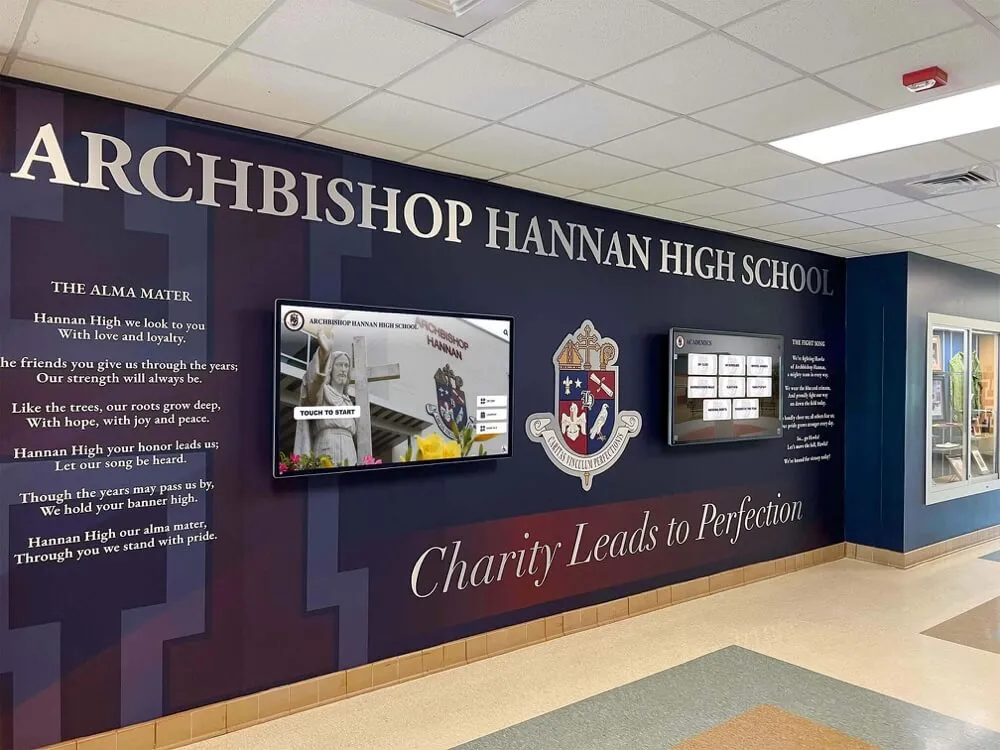
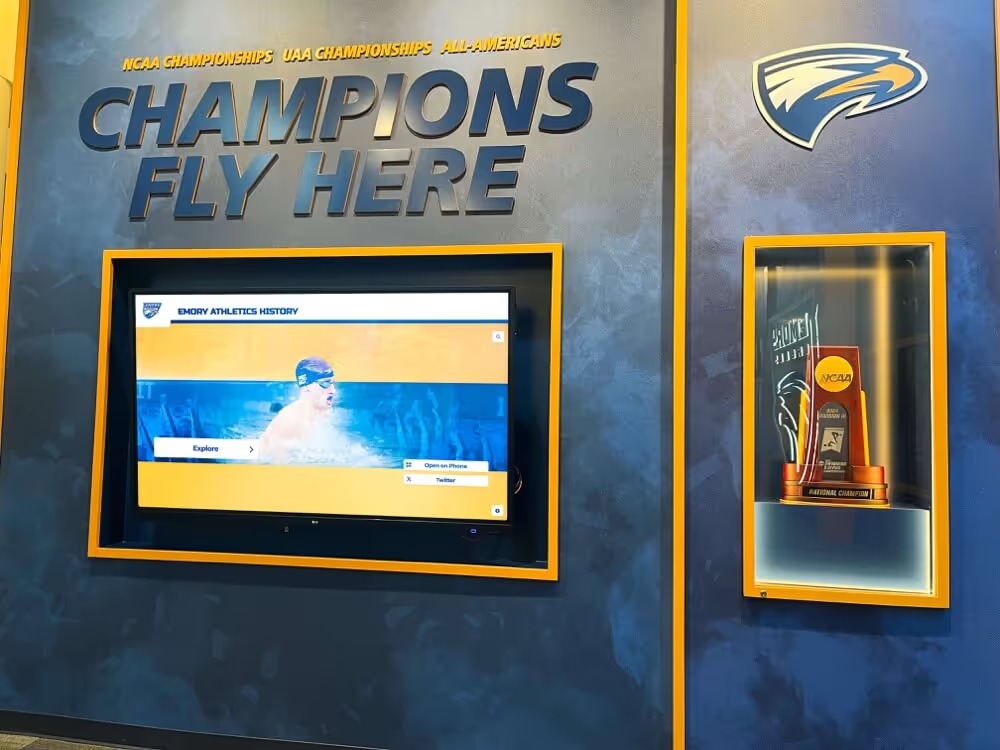
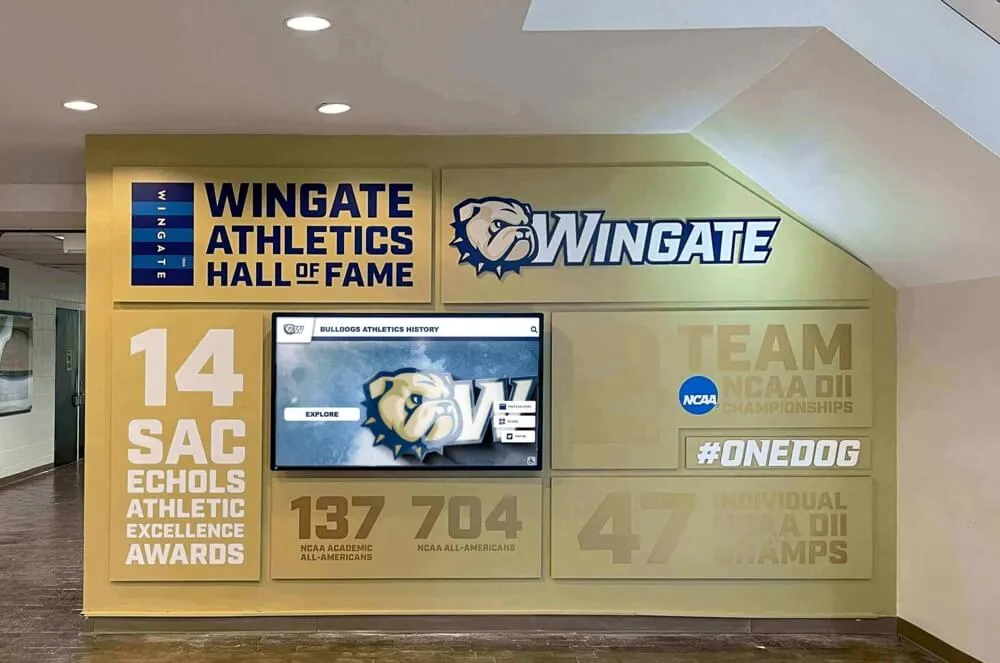
Integrated displays combine school branding with wrestling recognition in high-visibility locations
National Tournament and Rankings
New Jersey wrestlers regularly compete and excel at national-level events:
National High School Wrestling Competition
Elite Garden State wrestlers participate in:
- National Prep Championships - Showcasing top private school wrestlers
- Fargo Nationals (USA Wrestling) - Junior and Cadet freestyle/Greco-Roman championships
- Super 32 - Prestigious early-season national invitational
- Beast of the East - East Coast’s premier tournament attracting national competition
- FloWrestling Rankings - National ranking systems tracking top wrestlers by weight class
National competition validates New Jersey wrestling’s strength—Garden State wrestlers consistently place high at national events, demonstrating that state-level success translates to broader excellence.
College Recruiting and Next-Level Opportunities
New Jersey’s wrestling strength creates substantial college recruitment:
- NCAA Division I programs actively recruit New Jersey state champions and placers
- In-state programs (Rutgers, Princeton) competing for top talent
- National powerhouses (Penn State, Iowa, Ohio State) recruiting Garden State elite
- Full scholarship opportunities for exceptional wrestlers at top programs
- Academic-athletic balance preparing wrestlers for collegiate demands
College recruitment success demonstrates program quality while providing motivational pathways for current wrestlers seeing predecessors achieve next-level opportunities.
Discover how schools showcase state championship achievements through dynamic display systems tracking brackets and results.
Modern Wrestling Recognition and Achievement Preservation
Progressive New Jersey wrestling programs implement comprehensive systems documenting and celebrating excellence.
Digital Wrestling Recognition Platforms
Technology-enhanced recognition addresses traditional display limitations:
Comprehensive Achievement Documentation
Modern platforms provide extensive capabilities:
- Complete wrestling history databases showing all state qualifiers and placers
- Individual wrestler profiles documenting career statistics and achievements
- Team championship histories tracking tournament success across decades
- Match result archives preserving significant victories and records
- Video integration showcasing championship matches and memorable moments
- Statistical displays ranking career performance metrics
- Searchable systems enabling community exploration of program history
Solutions like Rocket Alumni Solutions offer specialized wrestling recognition platforms designed specifically for comprehensive achievement documentation, providing schools with turnkey systems combining professional presentation with user-friendly content management.
Social Media Integration and Community Engagement
Contemporary programs leverage digital platforms for ongoing recognition:
- Tournament bracket updates shared through program social channels
- Match result celebrations posted immediately after competition
- Championship highlight videos distributed widely across platforms
- Throwback content connecting current success to historic achievement
- Alumni wrestler engagement through interactive recognition systems
- Recruiting advantages through visible championship culture demonstration
Digital engagement extends recognition beyond physical displays while connecting geographically dispersed wrestling communities around shared program pride.
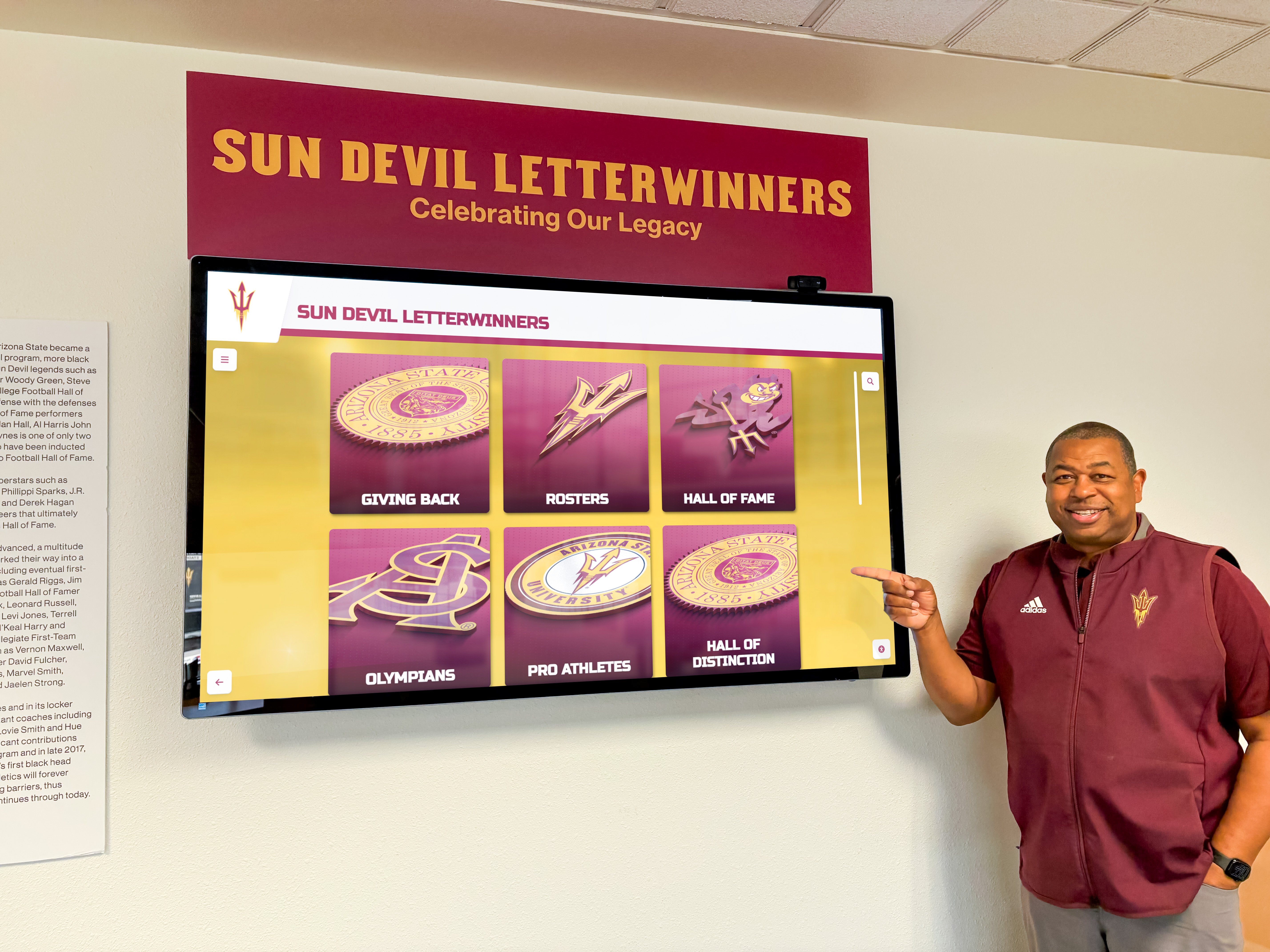
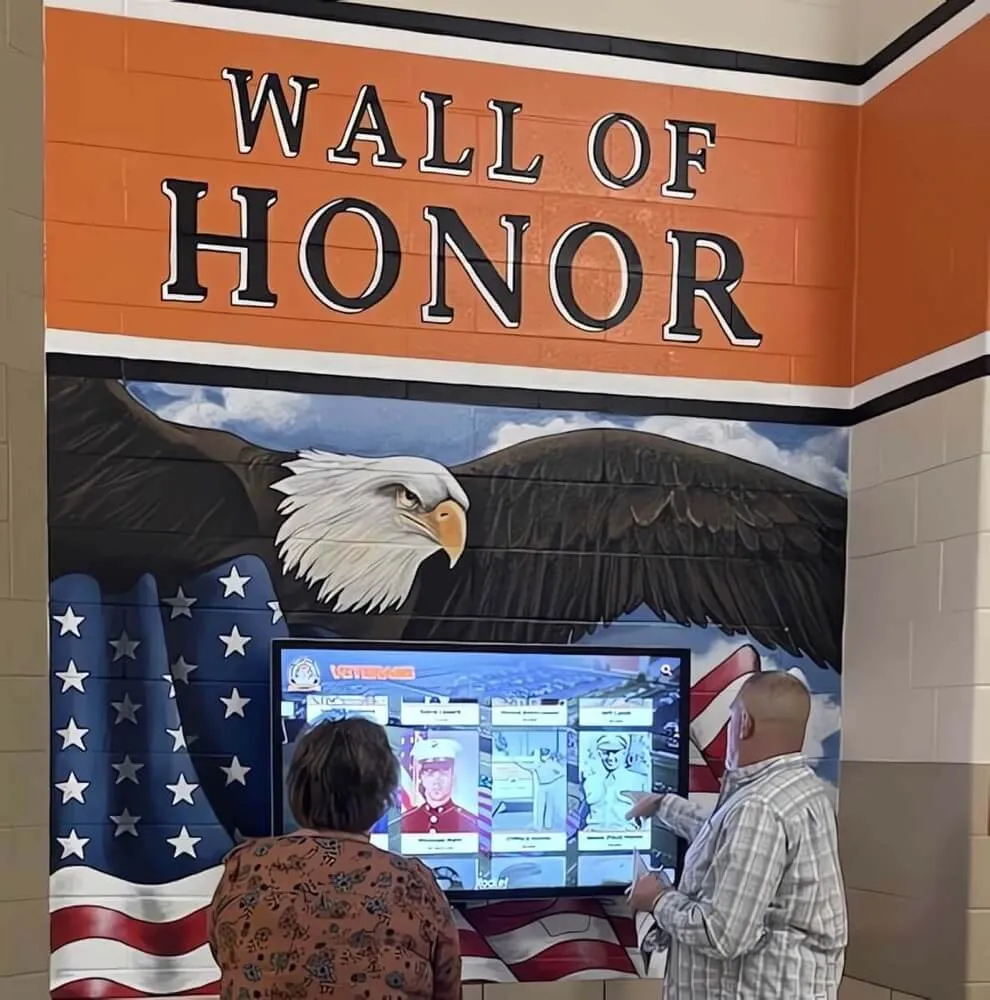
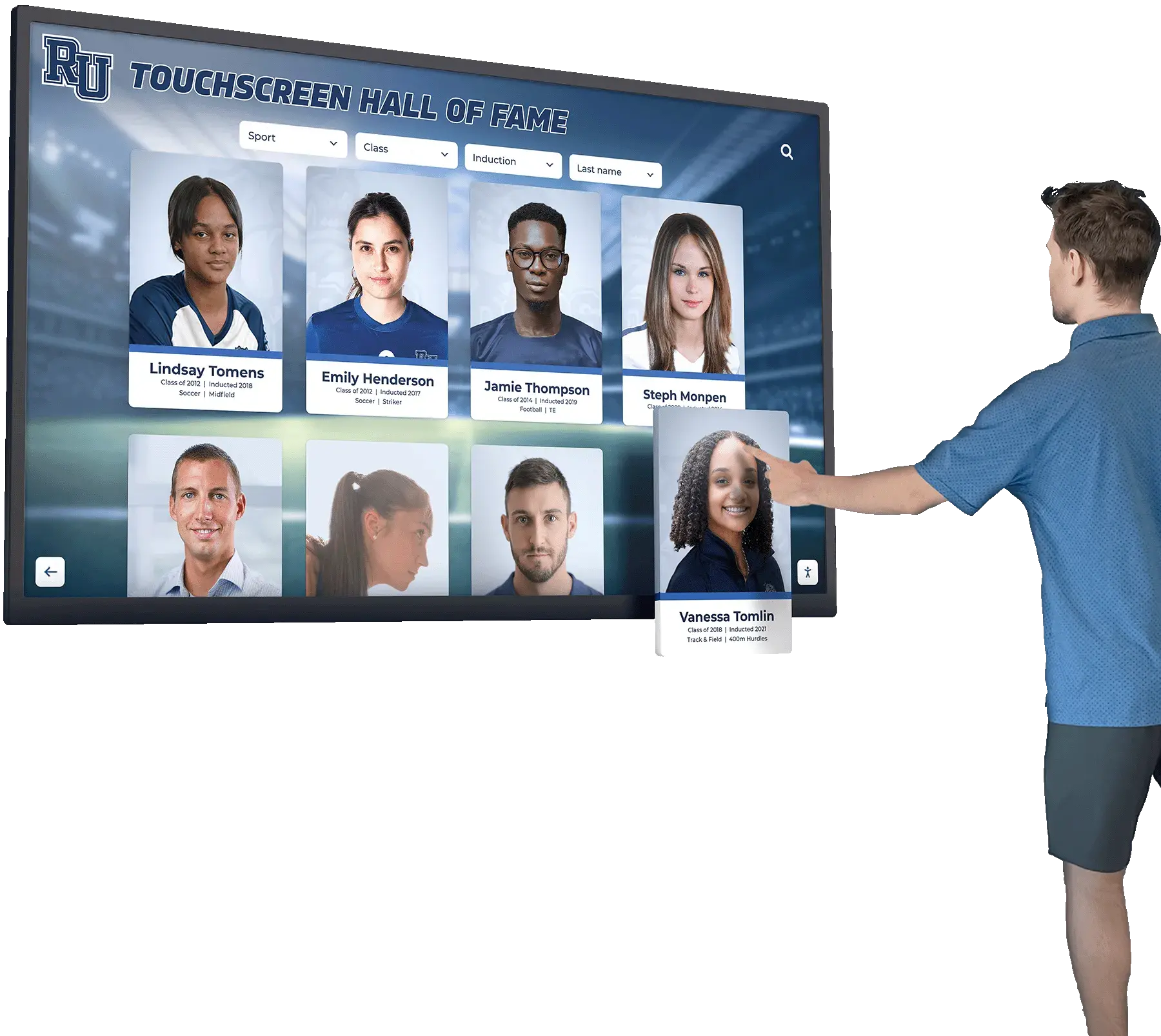
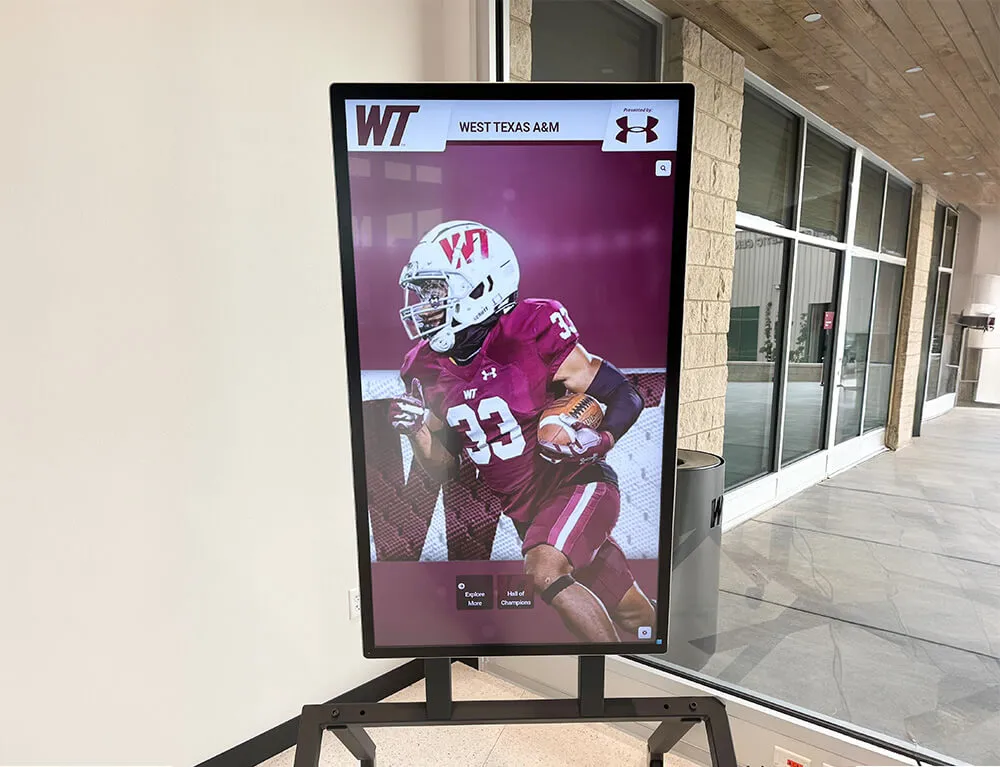
Interactive displays enable detailed exploration of wrestler achievements and program history
Physical Display Integration
Despite digital advantages, physical recognition maintains significant program value:
Wrestling Room and Facility Displays
Traditional recognition includes visible elements:
- State championship banners prominently displayed in wrestling rooms
- Individual champion recognition boards listing titlists by weight class and year
- District and region championship documentation
- Team tournament success displays showing dual meet records and titles
- Record boards tracking program achievement standards
- Historic photos documenting memorable matches and championship moments
Physical displays create daily reminders for current wrestlers regarding program standards and championship expectations, establishing culture through visible tradition while inspiring excellence pursuit.
Trophy Cases and Award Collections
Material recognition elements include:
- State championship trophies displayed in athletic buildings or main lobbies
- Individual medals and awards in wrestling rooms or trophy cases
- Championship plaques commemorating team and individual success
- Historic singlets and equipment from championship eras
- Photographic documentation preserving championship celebrations
These tangible artifacts provide authentic connections to program history, creating emotional resonance exceeding what purely digital systems achieve while honoring wrestlers who built championship traditions.
Learn about comprehensive approaches to displaying athletic records that showcase individual and team wrestling achievements effectively.
Building Championship Wrestling Culture
Understanding what separates elite programs from competitive ones reveals cultivatable success patterns.
Program Development and Coaching Excellence
Sustained wrestling success requires systematic approaches:
Year-Round Training and Development
Championship programs implement comprehensive preparation:
- Organized off-season training programs maintaining conditioning and skill development
- Wrestling club partnerships providing additional competition and coaching
- Strength and conditioning programs tailored to wrestling demands
- Technical skill development through camps, clinics, and specialized coaching
- Mental performance training addressing competitive pressure management
- Weight management education and nutritional guidance supporting healthy practices
Year-round commitment separates championship cultures from seasonal programs—elite wrestlers train consistently rather than limiting development to official season months.
Coaching Continuity and Program Philosophy
Long-term program excellence requires:
- Experienced head coaches establishing consistent program philosophy
- Assistant coach development creating coaching pipeline and technical expertise depth
- Alumni involvement connecting current program to championship tradition
- Tactical innovation adapting to evolving competitive strategies
- Individual wrestler development plans maximizing potential across ability levels
- Family and community engagement building support networks
Great coaches create sustainable excellence rather than brief success periods—program philosophy outlasts individual athletes, creating consistent championship contention across graduating classes.
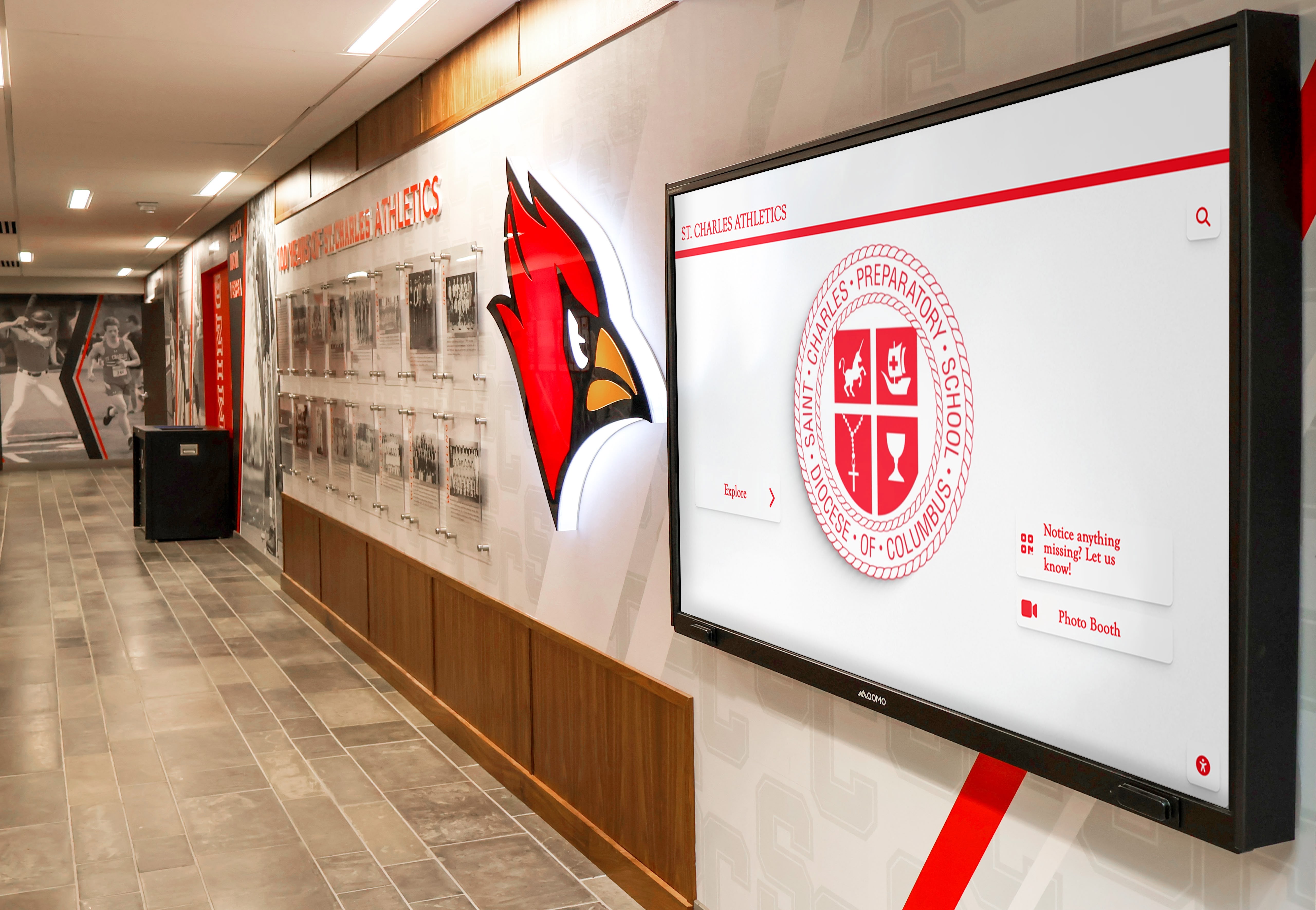
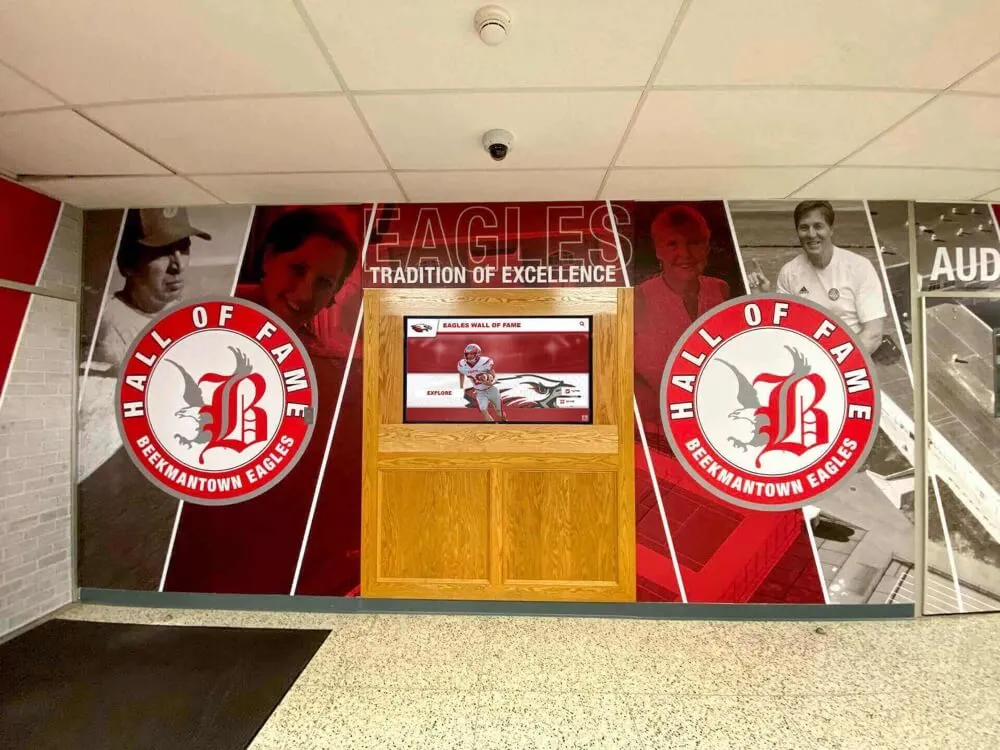
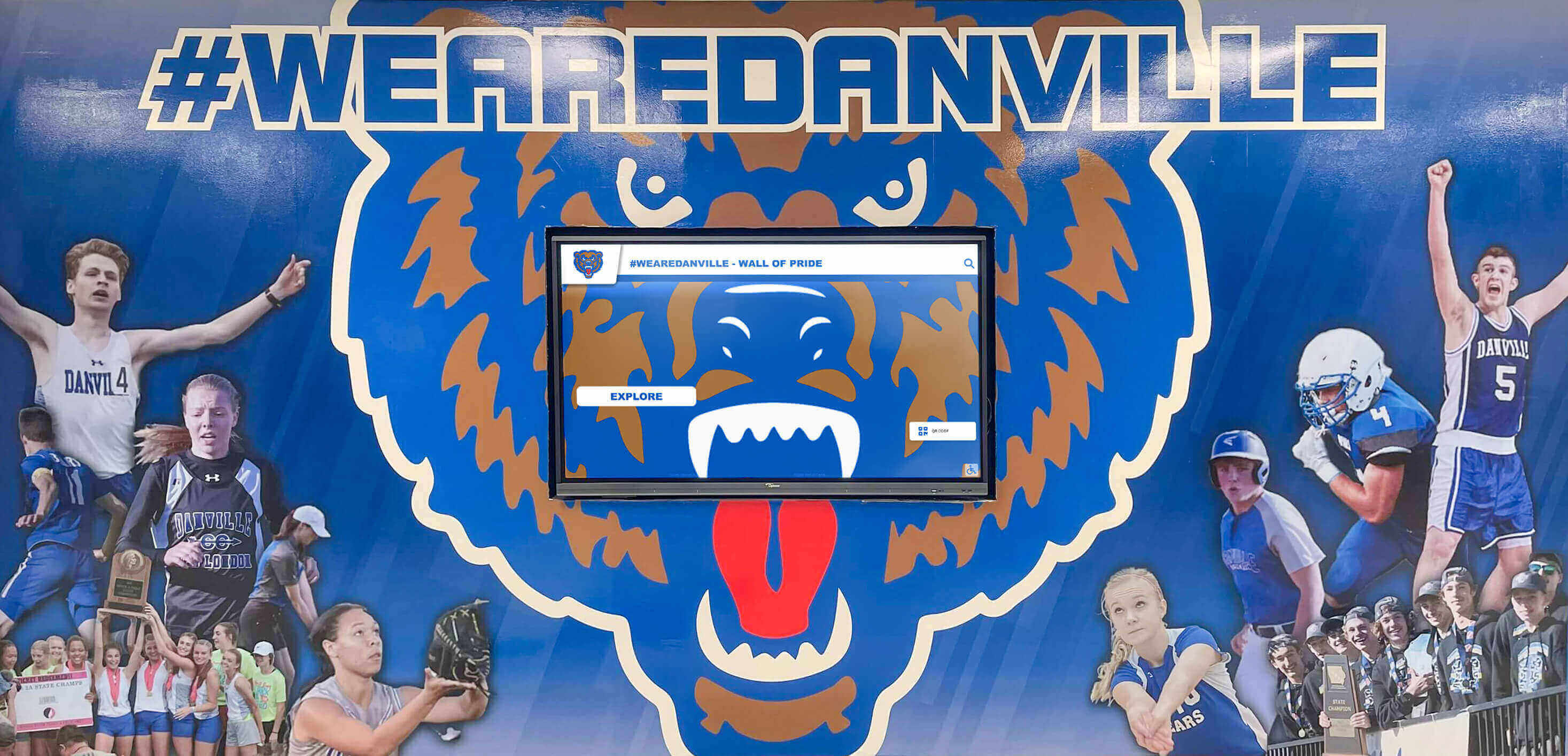
Branded recognition displays reinforce school identity while celebrating wrestling program excellence
Academic-Athletic Balance and Character Development
New Jersey’s top programs emphasize complete student-athlete development:
Academic Standards and Support
Championship programs maintain:
- Academic eligibility standards exceeding minimum requirements
- Study hall programs ensuring wrestlers maintain academic performance
- Academic recognition for scholar-athletes balancing competitive and classroom success
- College preparation guidance helping wrestlers navigate recruiting and admissions
- Time management education balancing demanding training with academic responsibilities
Academic emphasis ensures wrestling supports rather than compromises educational goals while preparing athletes for life beyond high school competition.
Character Development and Life Skills
Wrestling provides unique developmental opportunities:
- Discipline and work ethic transferable to all life areas
- Perseverance through adversity and setback recovery
- Goal-setting and achievement pathway navigation
- Sportsmanship and respect for opponents, officials, and competition
- Leadership development through captain roles and mentorship
- Community service connecting athletic privilege to social responsibility
Programs emphasizing character development create wrestlers who become successful adults rather than merely competitive athletes, building lifetime value from high school wrestling participation.
Explore how schools recognize athletic and academic achievement together through comprehensive student-athlete celebration programs.
New Jersey Wrestling Media Coverage and Fan Engagement
Garden State wrestling’s popularity creates substantial community engagement opportunities.
Media Presence and Coverage
New Jersey wrestling receives significant attention:
Traditional Media Coverage
Wrestling enjoys strong media presence:
- Local newspaper coverage of district, region, and state tournaments
- Regional sports sections featuring wrestler profiles and team previews
- State championship tournament special coverage and results
- Year-end recognition through all-state team selections
- Historical retrospectives during milestone anniversaries
Media attention validates wrestling’s significance while providing recognition extending beyond immediate wrestling communities to broader public audiences.
Digital Media and Wrestling-Specific Platforms
Modern coverage includes specialized outlets:
- NJ.com wrestling section providing comprehensive state coverage
- FloWrestling video streaming and national rankings
- Wrestlers’ social media followings building personal brands
- Program websites and social channels distributing results and highlights
- Podcast coverage analyzing state rankings and tournament predictions
Digital platforms extend coverage reach while creating year-round engagement sustaining interest between competitions and connecting dispersed wrestling communities.
Community Engagement and School Pride
Wrestling success creates distinctive school pride opportunities:
Home Match Atmosphere and Traditions
Dual meets create unique experiences:
- Packed gymnasiums with intense crowd atmosphere
- School-specific chants and traditions supporting wrestlers
- Senior night celebrations honoring graduating wrestlers
- Rivalry matches drawing exceptional attendance and community excitement
- Family atmosphere where wrestling parents form tight-knit support networks
Wrestling’s intimate venue setting creates fan proximity and engagement exceeding what most sports achieve, building passionate communities supporting programs through seasons and generations.
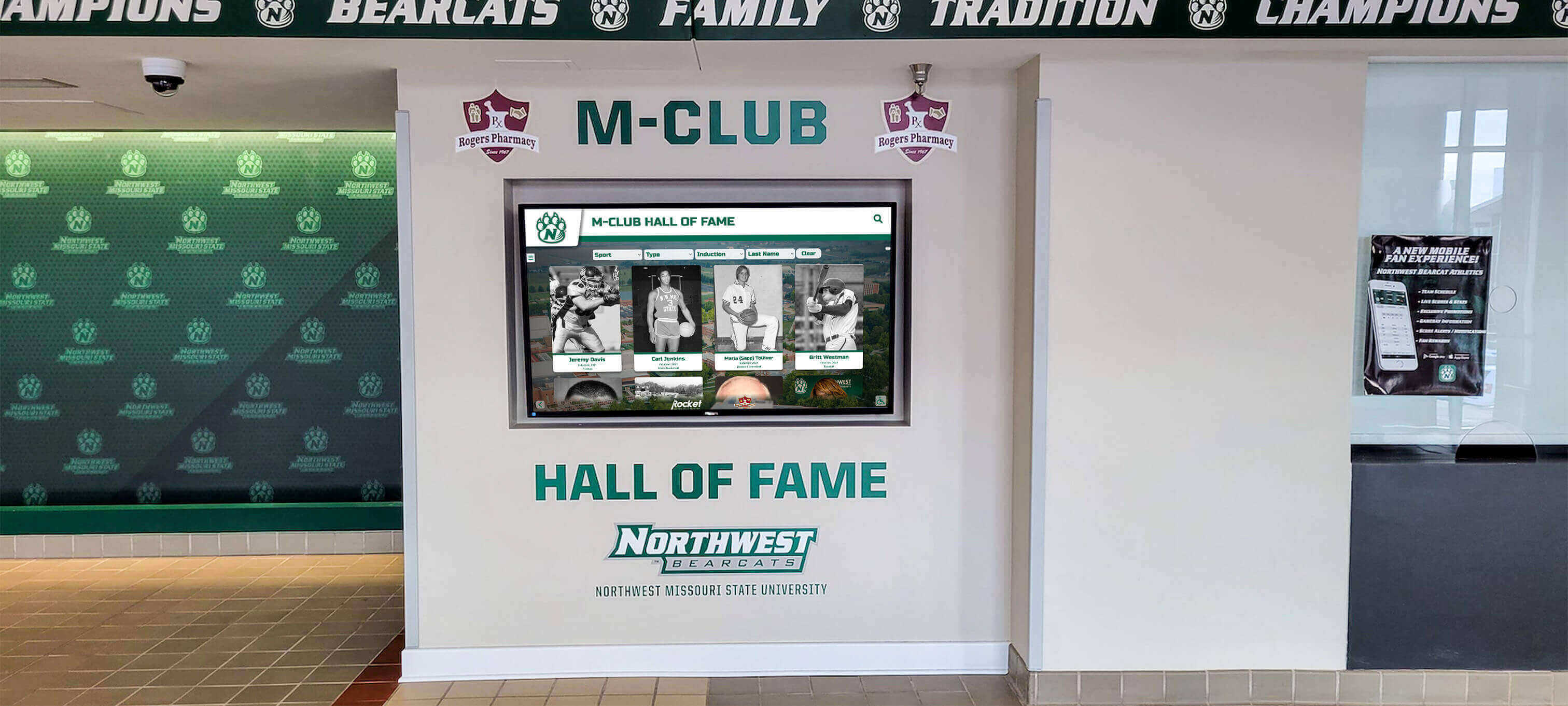
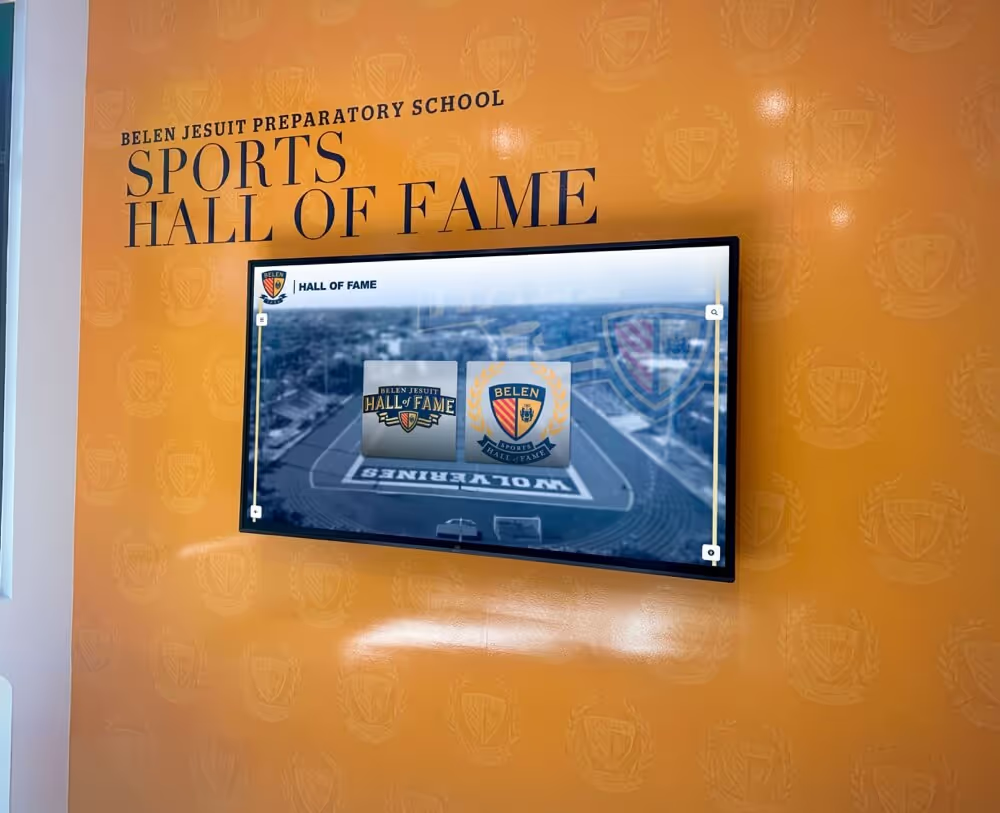
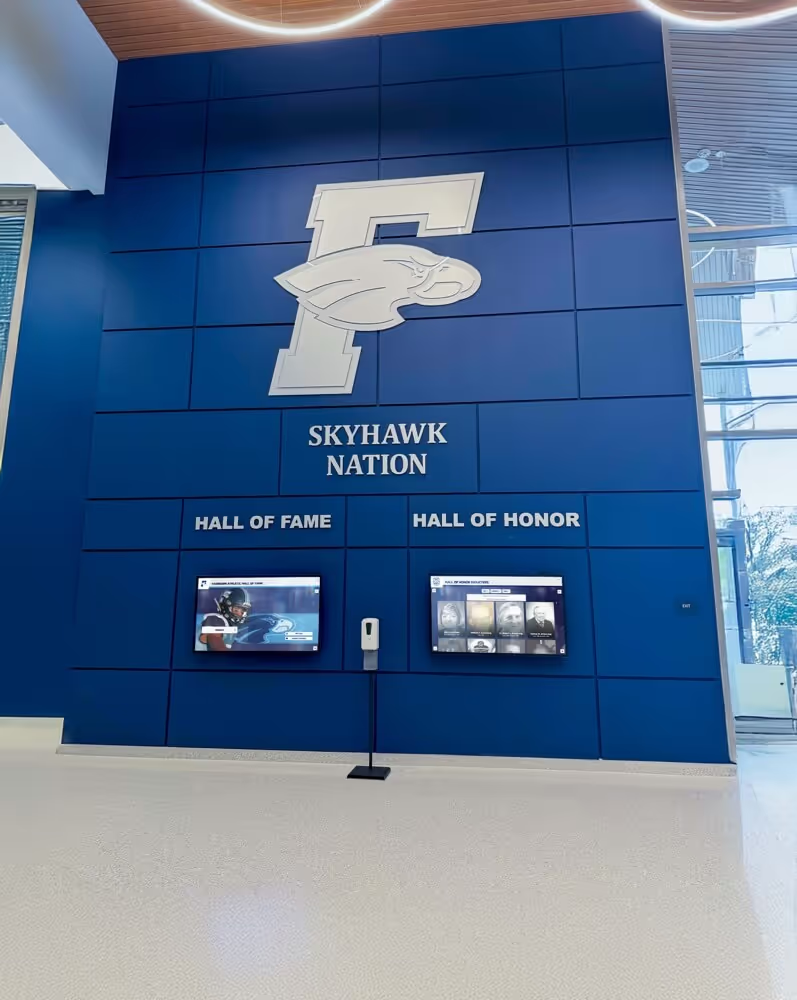
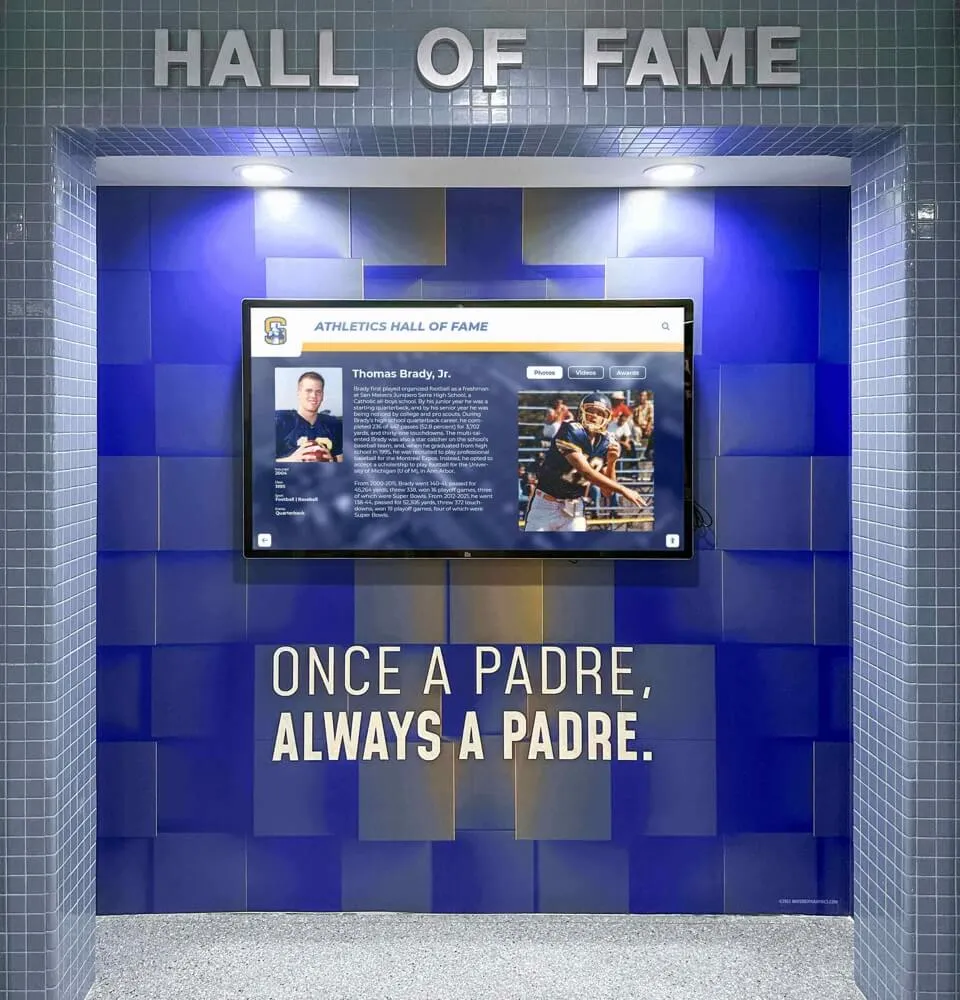
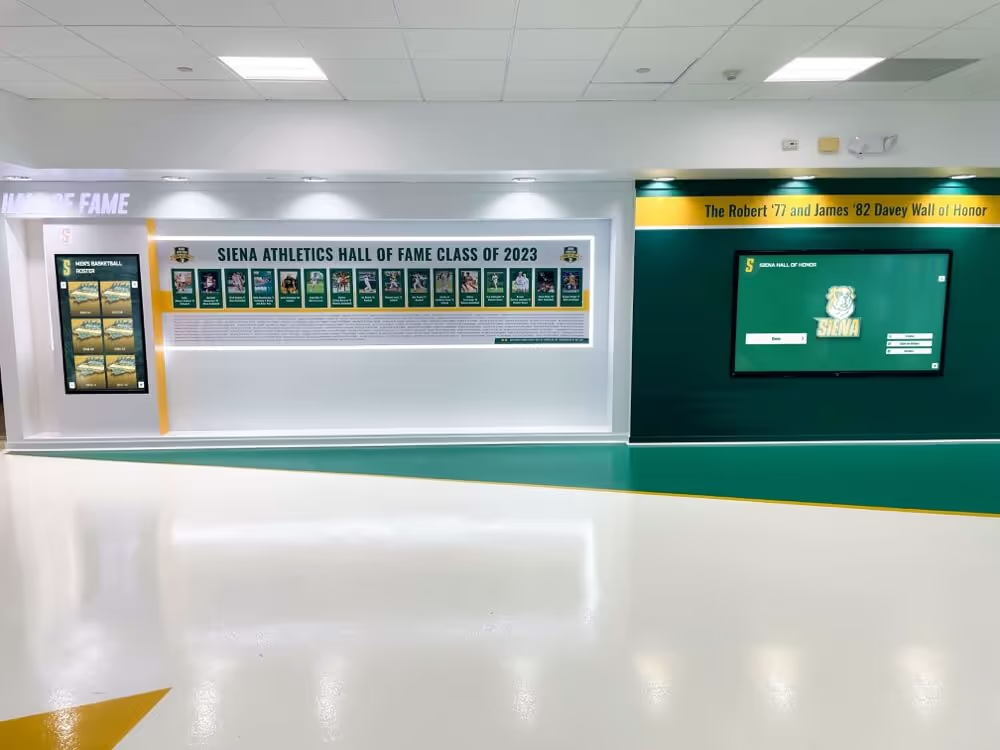
Modern displays showcase wrestling excellence alongside other athletic achievements in comprehensive halls of fame
Alumni Connections and Program Traditions
Wrestling builds lasting community bonds:
- Alumni returning for significant matches and tournament events
- Former wrestlers volunteering as assistant coaches or mentors
- Wrestling alumni networks supporting program fundraising
- Generational families where children follow parents into program
- Reunion events celebrating championship anniversaries and historic teams
Strong alumni connections sustain programs financially and culturally while providing current wrestlers with visible examples of wrestling’s lifetime value beyond competitive success.
Conclusion: Celebrating New Jersey Wrestling Excellence
New Jersey high school wrestling represents athletic excellence, competitive intensity, character development, and community tradition that distinguishes Garden State programs nationally. Schools approaching wrestling recognition systematically honor this rich heritage while inspiring future generations toward championship pursuit and complete student-athlete development that extends wrestling’s value beyond competition.
The most successful programs balance competitive excellence with academic achievement, prepare wrestlers technically and mentally for tournament demands, create championship cultures through visible recognition of past success, and leverage wrestling participation for complete personal development preparing young people for lifetime success. Whether celebrating state champions or honoring dedicated program contributors, effective recognition shares common characteristics—comprehensive documentation, prominent display, sustained institutional commitment, and cultural emphasis on wrestling excellence.
As programs navigate modern athletics, technology-enhanced recognition platforms offer substantial advantages—unlimited capacity documenting complete program histories, rich multimedia storytelling, extended alumni reach, and administrative efficiency enabling quality recognition without excessive resource demands. Solutions like Rocket Alumni Solutions provide specialized platforms designed specifically for wrestling recognition, combining professional presentation with user-friendly management empowering programs to celebrate championship excellence comprehensively.
For athletic departments ready to enhance wrestling recognition or preserve program heritage more effectively, systematic planning creates foundations celebrating achievement authentically while building traditions strengthening program culture and community pride. The investment in thoughtful wrestling recognition honors those who built championship legacies while inspiring future wrestlers toward excellence defining New Jersey’s distinguished wrestling tradition.