NCAA Transfer Portal Rules Explained: Windows, Eligibility, and What Every Athlete Should Know
- Home /
- Digital Hall of Fame Insights & Resources /
- NCAA Transfer Portal Rules Explained: Windows, Eligibility, and What Every Athlete Should Know
The Easiest Touchscreen Solution




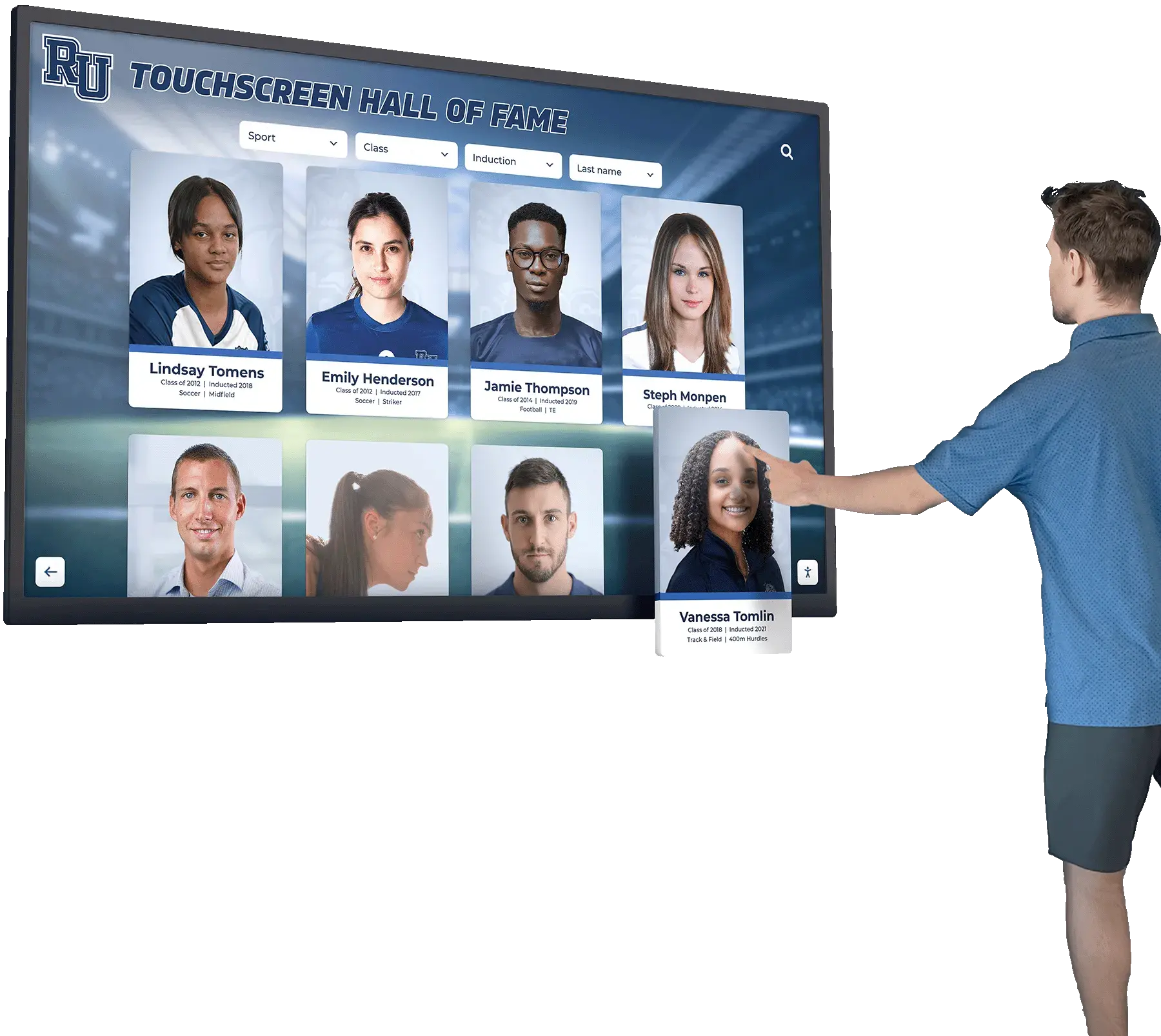
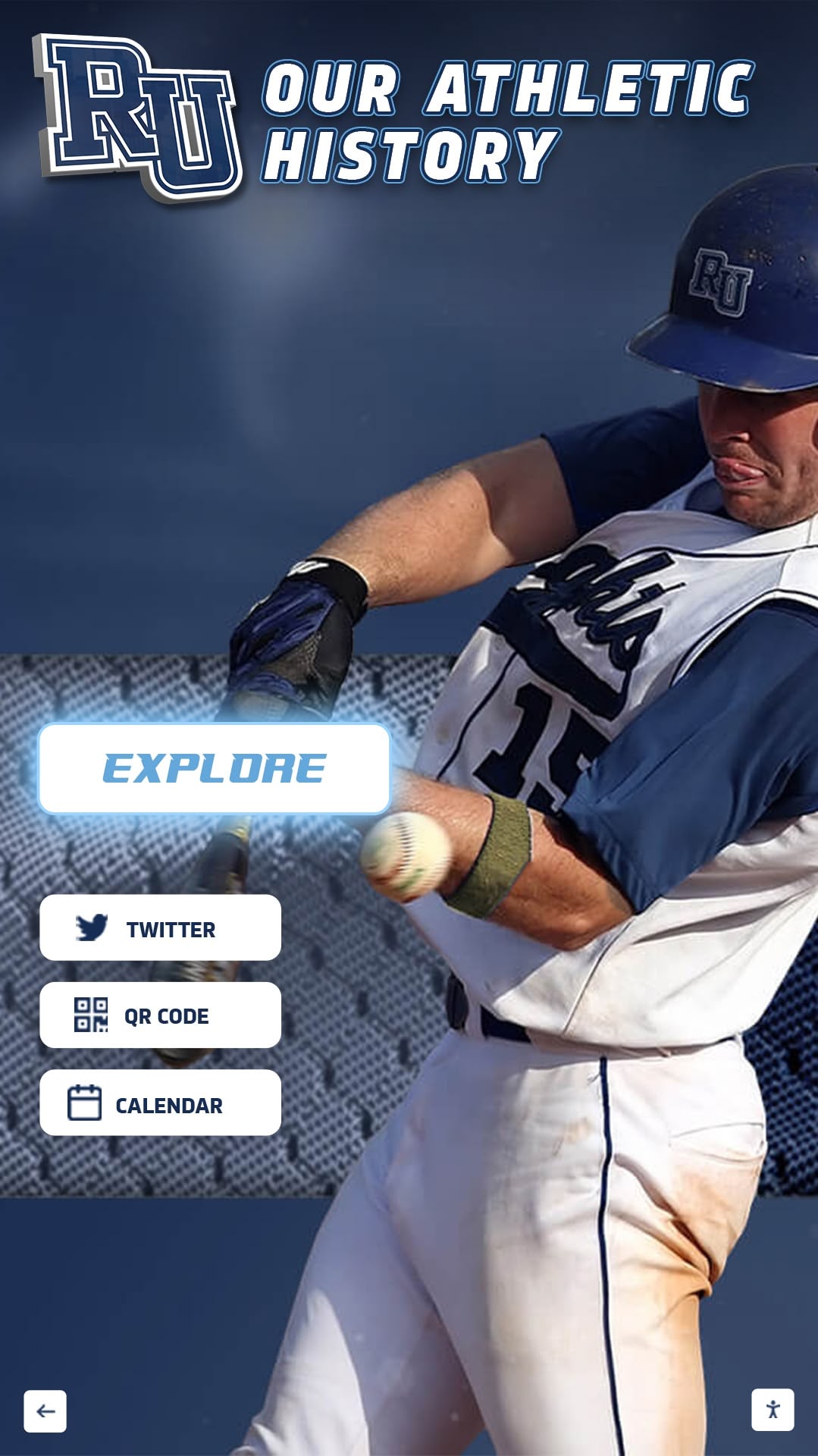
Live Example: Rocket Alumni Solutions Touchscreen Display
Interact with a live example (16:9 scaled 1920x1080 display). All content is automatically responsive to all screen sizes and orientations.
The NCAA transfer portal has fundamentally transformed college athletics, giving student-athletes unprecedented freedom to explore opportunities at different institutions. However, navigating the transfer portal successfully requires understanding a complex web of rules governing transfer windows, eligibility requirements, academic standards, and sport-specific regulations. For athletes considering a transfer—and the parents, coaches, and advisors supporting them—knowing these rules can mean the difference between a seamless transition and losing a year of eligibility or competitive opportunity.
Since the NCAA implemented the transfer portal in October 2018, millions of student-athletes have entered their names seeking new programs. The 2021 adoption of the one-time transfer rule further accelerated movement across all sports, creating a dynamic landscape where understanding timing, eligibility clocks, and compliance requirements has become essential for every college athlete.
What Is the NCAA Transfer Portal and How Does It Work?
The NCAA Transfer Portal is an online database where student-athletes notify their current institution of their intent to explore transfer options. When an athlete enters the portal, their name becomes visible to coaches at other schools who can then legally contact them to discuss potential opportunities.
Key mechanics:
- Athletes must request permission from their current compliance office to enter the portal
- Once entered, the athlete’s name appears in the database within 48 hours
- Entry into the portal does NOT guarantee a scholarship at another school
- Athletes can withdraw from the portal and return to their current school (if scholarship still available)
- Current institutions are not required to maintain scholarship offers for athletes in the portal
The portal itself doesn’t grant eligibility or process transfers—it simply facilitates communication. The actual eligibility determination happens through NCAA rules and the receiving institution’s compliance office.
Understanding this process is critical for athletic directors and compliance staff who manage these transitions while maintaining program integrity.
What Are the Transfer Portal Windows? (Sport-Specific Timing)
The NCAA establishes specific transfer windows during which athletes can enter the portal and maintain immediate eligibility at their new institution. These windows vary significantly by sport and are designed to align with each sport’s competitive calendar.
Football Transfer Portal Windows (FBS/FCS)
Undergraduate Transfer Window:
- Winter Window: 45 days beginning the day after FBS/FCS championship selection (typically early December through late January)
- Spring Window: 15 days beginning the first Monday after spring commencement in May
Graduate Transfer Window:
- 60-day window beginning the day after FBS/FCS championship selection
- 15-day spring window (same as undergraduate)
Basketball Transfer Portal Windows (Men’s and Women’s)
Undergraduate Transfer Window:
- Spring Window: 45 days following the conclusion of the championship in each respective sport (typically early April through mid-May)
- Additional Window: 15 days following July 1
Graduate Transfer Window:
- 60-day window following the championship
- 45-day window following July 1
Baseball, Softball, and Other Sports Transfer Windows
Baseball:
- 45-day window following NCAA championship selection
- 15-day window following July 1
Women’s Volleyball:
- 45-day window following NCAA championship selection
- 15-day window following December 1
Women’s Soccer, Women’s Lacrosse, and Other Sports:
- Sport-specific windows aligned with their competitive calendars
- Typically 45-day primary window and 15-day secondary window
Critical timing note: Athletes who enter the portal outside these designated windows may still transfer, but they risk sitting out a season or requiring a waiver to compete immediately.
Many programs now track transfer athletes alongside those who went to play in college from their recruiting classes, creating comprehensive athlete journey displays.
What Is the One-Time Transfer Rule?
In April 2021, the NCAA Division I Council approved a blanket waiver allowing all Division I athletes to transfer once without sitting out a season, fundamentally changing the transfer landscape. This rule replaced the previous system where athletes in most sports had to sit out a year after transferring.
| Component | Details |
|---|---|
| Eligibility | All Division I undergraduate student-athletes |
| Transfer Count | One transfer with immediate eligibility during undergraduate career |
| Academic Requirement | Must leave previous school academically eligible and in good standing |
| Portal Entry Timing | Must enter portal during designated transfer window for immediate eligibility |
| Second Transfer | Requires waiver approval; immediate eligibility not guaranteed |
| Graduate Transfers | Not counted against one-time transfer; separate eligibility pathway |
Requirements for Using the One-Time Transfer Exception
To utilize the one-time transfer and compete immediately, athletes must:
- Enter the portal during the designated transfer window for their sport
- Be academically eligible at the time of transfer (meeting progress-toward-degree requirements)
- Provide written notification to current school’s athletics administration
- Not have previously transferred as an undergraduate (from a four-year institution)
- Receive written release from current institution (though release cannot be withheld under current rules)
The one-time transfer rule has created unprecedented movement in college athletics, with some sports seeing 40-50% annual roster turnover at certain programs. This dynamic environment makes understanding eligibility rules even more critical for athletes and their families.
How Does the Transfer Eligibility Clock Work?
Student-athletes have a five-year window to complete four seasons of competition—commonly called the “five-year clock.” Understanding how transfers affect this clock is essential for making informed decisions.
Eligibility Clock Basics
Five-Year Rule:
- Clock begins the first day of classes during your first full-time semester at any collegiate institution
- You have five calendar years from that date to complete four seasons of competition
- The clock runs continuously, even if you don’t compete (with limited exceptions)
Four Seasons of Competition:
- Each academic year you compete counts as one season, regardless of how much you actually played
- Redshirt years don’t count as a season of competition but do count against the five-year clock
- Medical redshirts can extend the clock under specific circumstances
How Transfers Affect Your Eligibility Clock
Important considerations:
- Clock continues running: Transferring does not stop or reset your five-year clock
- Year in residence: If you must sit out a year, that year counts against your five-year clock even though you’re not competing
- Multiple transfers: Each transfer potentially uses eligibility clock time, especially if waivers aren’t granted
- Academic progress: You must maintain continuous progress toward degree requirements throughout transfers
Athletes must balance athletic ambitions with academic requirements, as falling behind academically can complicate transfer eligibility and NCAA compliance.
What Are Graduate Transfer Rules and How Do They Differ?
Graduate transfers operate under different rules than undergraduate transfers, providing additional flexibility for athletes who have completed their bachelor’s degree but still have athletic eligibility remaining.
Graduate Transfer Eligibility Requirements
To transfer as a graduate student-athlete:
- Completed undergraduate degree at previous institution
- Remaining eligibility: At least one season of competition left within five-year clock
- Enrolled in graduate program at new institution
- Academically eligible: Meet progress-toward-degree requirements for graduate students
- Continuous enrollment: Must enroll in graduate program at new school for term following graduation
Key Advantages of Graduate Transfer Status
Immediate eligibility: Graduate transfers can compete immediately without counting against the one-time transfer exception. This means:
- You can transfer as an undergraduate using your one-time transfer, then later transfer again as a graduate student with immediate eligibility
- Graduate transfers are exempt from the undergraduate transfer restrictions
- You don’t need to enter the portal during designated windows (though timing still affects scholarship availability)
Extended transfer windows: Graduate transfers have longer portal windows (typically 60 days vs. 45 days for undergraduates in most sports).
Program flexibility: Graduate transfers can choose any graduate program at the new institution, not just continuing their undergraduate major.
Graduate Transfer Considerations
While graduate transfer status provides flexibility, athletes should consider:
- Scholarship availability: Graduate transfers compete for limited graduate assistant positions or full scholarships
- Academic requirements: Graduate programs have higher academic standards and workload expectations
- Time commitment: Balancing graduate coursework with athletic demands is significantly more challenging
- Career implications: The graduate program choice should align with long-term career goals, not just athletic opportunities
Many successful coaching philosophies now incorporate dedicated support for graduate transfers navigating this unique position.

What Is the Waiver Process for Second Transfers or Hardship Cases?
Athletes seeking to transfer more than once as an undergraduate, or those who missed designated transfer windows, must request a waiver for immediate eligibility. Understanding the waiver process is crucial for athletes facing unique circumstances.
When You Need a Transfer Waiver
Common waiver scenarios:
- Second undergraduate transfer: Athletes who already used their one-time transfer
- Missed portal windows: Entered portal outside designated transfer window
- Coaching changes: Head coach departure after signing or enrolling
- Health reasons: Medical conditions requiring relocation
- Family emergencies: Documented family situations requiring proximity to home
- Degree program unavailability: Major discontinued at current institution
- Sexual assault or harassment: Documented incidents requiring institutional change
- Academic fraud: Institution-level violations affecting athlete’s education
Waiver Application Process
Step-by-step waiver process:
- Documentation gathering: Compile all supporting evidence (medical records, coaching change verification, police reports, etc.)
- Institutional submission: Current and/or former institution submits waiver request through NCAA compliance portal
- NCAA review: Committee evaluates documentation against established precedents
- Decision timeline: Typically 4-8 weeks, though complex cases may take longer
- Appeal option: Denied waivers can be appealed with additional documentation
Waiver Approval Factors
The NCAA considers:
- Timing and circumstances of the transfer request
- Documentation quality supporting the hardship claim
- Athlete responsibility in creating the circumstances
- Previous transfer history and compliance record
- Impact on athlete’s education and wellbeing
- Institutional support from both current and future schools
Important reality check: Waiver approval is never guaranteed. Athletes considering transfers outside the one-time exception should prepare for the possibility of sitting out a year and plan accordingly within their eligibility clock.
How Do NIL Deals Affect Transfer Portal Decisions?
Name, Image, and Likeness (NIL) regulations have added another layer of complexity to transfer decisions. While NCAA rules explicitly state that NIL opportunities cannot be used to recruit athletes, the reality is that NIL potential significantly influences transfer decisions.
NIL and Transfer Portal Intersection
What athletes should know:
- NIL collectives: Many schools have affiliated NIL collectives that facilitate deals for current athletes—these opportunities often factor into transfer decisions
- Market differences: NIL earning potential varies dramatically by school, conference, market size, and sport
- Portable vs. location-specific deals: Some NIL agreements are tied to specific markets or sponsors and don’t transfer with the athlete
- Contractual obligations: Existing NIL contracts may have performance clauses or geographic restrictions affecting transfer options
NIL Considerations When Entering the Portal
Before entering the portal, evaluate:
- Current NIL deals and whether they have transfer clauses or geographic restrictions
- Potential NIL opportunities at target schools (through research, not recruiting inducements)
- How transferring might affect your marketability and brand value
- Tax implications of NIL income across different states
Compliance boundaries: While coaches and schools cannot use NIL as a recruiting inducement, athletes can independently research NIL landscapes at potential transfer destinations. The key is ensuring all NIL discussions happen through appropriate channels and comply with NCAA bylaws.
The evolving NIL landscape has made athletic program resources and support systems even more critical for athlete success.
What Questions Should Athletes Ask Before Entering the Transfer Portal?
The decision to enter the transfer portal is significant and potentially irreversible. Athletes should thoroughly evaluate their situation before taking this step.
Questions About Current Situation
Assess where you are:
- Why am I considering a transfer? (Playing time, coaching fit, academic programs, location, NIL opportunities, team culture)
- Have I communicated concerns with my current coaching staff? Sometimes issues can be resolved without transferring
- Am I academically on track? Transfer eligibility requires good academic standing
- How much eligibility do I have remaining? Consider your five-year clock and remaining seasons
- What are my scholarship terms? Understand financial implications of entering the portal
- What is my role trajectory at my current school? Realistic assessment of future opportunities
Questions About Transfer Options
Research potential destinations:
- Which programs genuinely need my position and skill set? Portal entry doesn’t guarantee scholarship offers
- What are the academic programs at target schools? Your degree matters beyond athletics
- How do NIL opportunities compare? Market-size and program-specific factors
- What is the coaching philosophy and system fit? Ensure athletic and personal compatibility
- What is the graduation rate for transfers in my sport? Academic support matters
- How far from home am I willing to go? Family access and support systems
- What is the cultural and social environment? Campus fit affects overall college experience
Questions About Process and Timing
Understand the mechanics:
- Am I entering during my sport’s designated transfer window? This affects immediate eligibility
- Do I have my one-time transfer available? Or will I need a waiver?
- What documentation do I need to complete? Compliance paperwork and academic transcripts
- Who at my current school must I notify? Proper channels for portal entry
- What happens to my current scholarship if I enter? Schools can pull offers after portal entry
- Can I withdraw from the portal if needed? Understand reversal options and implications
Similar to how athletes prepare for senior night recognition, the transfer decision requires thoughtful reflection on your athletic journey and future goals.
Common Transfer Portal Mistakes and How to Avoid Them
Understanding common pitfalls helps athletes navigate the transfer process more successfully.
Mistake #1: Entering Without a Backup Plan
The problem: Many athletes enter the portal assuming they’ll quickly land at another program, only to find limited interest or scholarship availability.
The solution: Before entering the portal, have substantive conversations with potential landing spots (through appropriate channels). Understand the market for your position and skill level. Have a contingency plan if transfer options don’t materialize.
Mistake #2: Missing Transfer Windows
The problem: Entering the portal outside designated transfer windows jeopardizes immediate eligibility and requires waiver approval.
The solution: Know your sport’s specific transfer windows and plan accordingly. Mark calendar dates well in advance. If circumstances force portal entry outside windows, immediately begin gathering documentation for a waiver request.
Mistake #3: Ignoring Academic Requirements
The problem: Athletes who aren’t academically eligible at their current institution cannot transfer and compete immediately elsewhere.
The solution: Maintain academic eligibility throughout your current enrollment. Ensure you’re meeting progress-toward-degree requirements. Verify that credits will transfer to potential destination schools.
Mistake #4: Burning Bridges
The problem: Negative departures from current programs can affect future opportunities, as coaches communicate within their networks.
The solution: Handle the transfer process professionally. Communicate directly with coaching staff. Express gratitude for opportunities received. Maintain relationships that may benefit you professionally beyond athletics.
Mistake #5: Not Understanding Financial Implications
The problem: Portal entry can result in immediate scholarship cancellation, leaving athletes without financial support for their current academic term or year.
The solution: Understand your scholarship terms and institutional policies. Have financial backup plans. Clarify with compliance whether your scholarship continues through the academic year or can be terminated upon portal entry.
Mistake #6: Making Emotional Decisions
The problem: Entering the portal in frustration after a bad game, disagreement with coach, or playing time disappointment, without thoroughly evaluating the decision.
The solution: Take time to evaluate transfer decisions objectively. Consult with family, academic advisors, and trusted mentors. Consider whether your concerns might improve with time or communication.
Transfer Portal Success Stories: What Works
While data on transfer portal outcomes is still developing, certain patterns emerge among successful transfers:
Successful transfers typically:
- Have clear positional need at destination schools: They fill specific roster gaps rather than adding to crowded position groups
- Transfer up or laterally in competition level: Moving from FCS to FBS, or between equivalent-level Power 5 programs
- Prioritize academic fit alongside athletic fit: Choose schools with strong programs in their field of study
- Use graduate transfer status strategically: Maximizing both athletic and academic opportunities
- Maintain academic excellence: Strong GPAs and clear degree progress make them attractive transfer candidates
- Develop professional relationships: Handle the process maturely, maintaining positive connections
- Research comprehensively: Understand destination program culture, coaching stability, and support systems
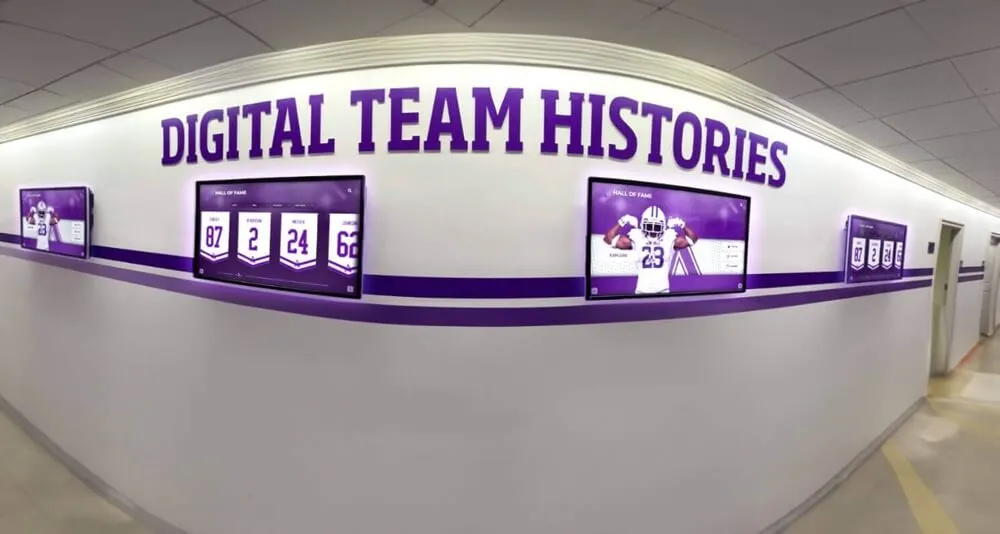
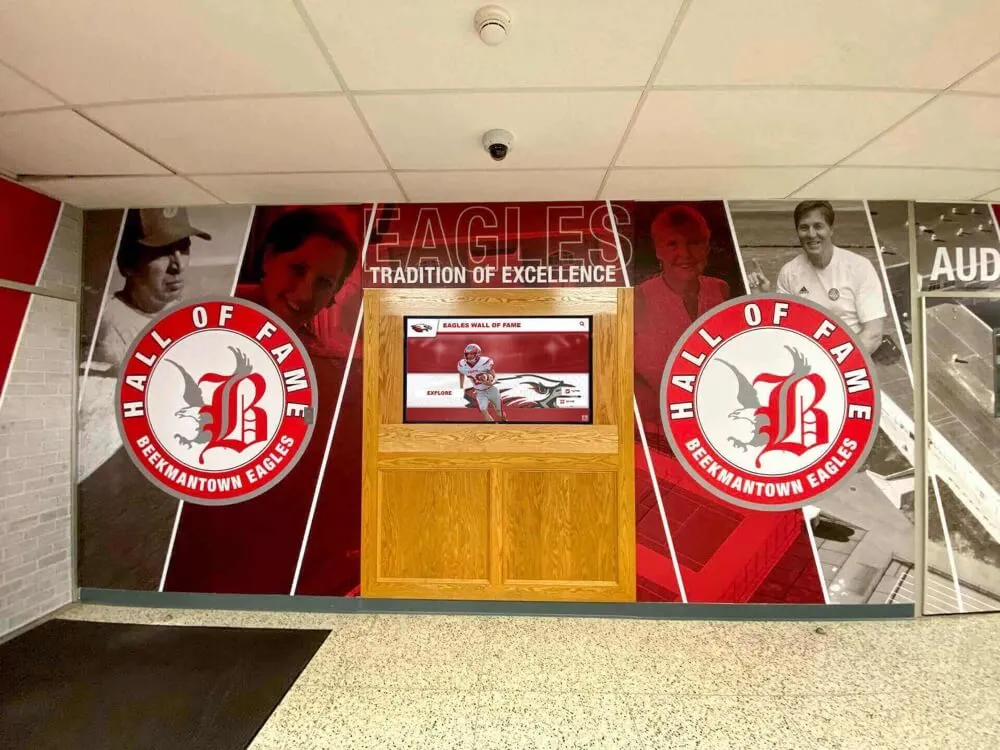
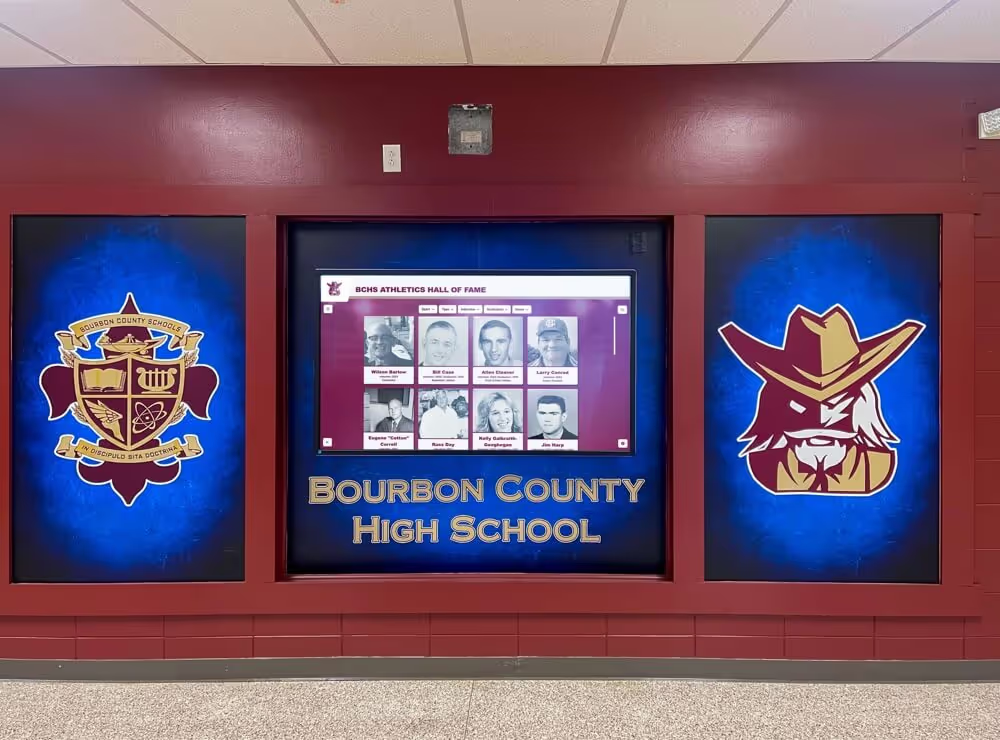
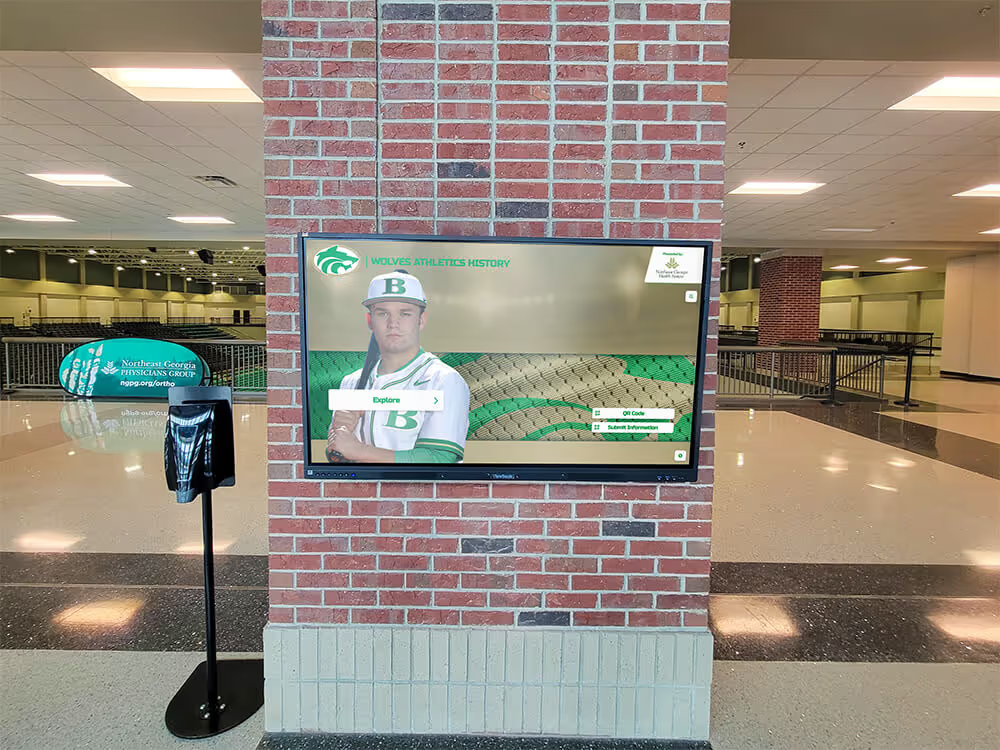
Many successful programs celebrate transfer athletes alongside original recruits in their athletic recognition displays, acknowledging that today’s rosters are built through multiple pathways.
The Role of Compliance Offices and Support Staff
Throughout the transfer process, compliance offices at both your current and destination institutions play critical roles in ensuring NCAA rule adherence.
What Your Compliance Office Does
Current institution compliance staff:
- Process your portal entry request (typically within 48 hours)
- Provide academic transcripts and eligibility documentation to destination schools
- Answer questions about your current eligibility status
- Submit waiver requests if needed
- Facilitate communication with NCAA (cannot prevent transfer, but manages paperwork)
Destination institution compliance staff:
- Evaluate your transcript for credit transfers and degree progress
- Determine eligibility status at new institution
- Submit necessary paperwork to NCAA
- Ensure scholarship offer complies with roster limits and rules
- Guide you through enrollment and competition requirements
Questions to Ask Your Compliance Office
Before entering the portal:
- What is my current eligibility status?
- Am I academically eligible to transfer?
- How many seasons of competition do I have remaining?
- When is the transfer window for my sport?
- Do I have my one-time transfer available, or would I need a waiver?
After receiving transfer offers:
- How will my credits transfer to the new institution?
- Will I remain on track for degree completion?
- What documentation do you need from me for the transfer process?
- What is the timeline for eligibility determination?
- Are there any sport-specific rules I should understand?
These compliance professionals are your allies in navigating the process—use them as resources throughout your transfer journey.
Looking Ahead: Potential Future Changes to Transfer Portal Rules
The transfer portal and associated rules continue to evolve as the NCAA responds to athlete advocacy, legal challenges, and changing college athletics landscapes.
Potential Rule Changes on the Horizon
Areas under discussion:
- Unlimited transfers without sitting out: Some advocate for removing all restrictions on immediate eligibility after multiple transfers
- Shorter transfer windows: Concerns about year-round roster instability may lead to more restrictive windows
- Portal entry restrictions: Possible limits on how many times athletes can enter and withdraw from the portal
- Scholarship protection: Rules requiring institutions to honor scholarship commitments even after portal entry
- NIL and recruiting integration: Clearer guidelines on how NIL opportunities can factor into transfer decisions and recruiting conversations
What This Means for Current Athletes
Stay informed about rule changes through:
- Your institutional compliance office
- NCAA official communications
- Student-athlete advisory committees
- Athletic department meetings and educational sessions
Rule changes can happen mid-season or mid-year, affecting eligibility and options. Maintaining open communication with compliance staff ensures you’re operating under current rules, not outdated information.
Celebrating Transfer Success and Building Lasting Legacies
Regardless of how an athlete arrives at a program—traditional recruiting, transfer portal, or graduate transfer—their contributions deserve recognition and celebration.
Many athletic programs now incorporate comprehensive recognition systems that honor all athletes’ journeys, including:
- Transfer success stories in digital trophy cases and displays
- Graduate transfer achievements highlighted in departmental communications
- Equal recognition regardless of recruitment path in halls of fame and historical displays
- Transfer athlete mentorship programs pairing newcomers with established team members
These recognition systems reinforce that success comes through multiple pathways, and every athlete’s journey contributes to program legacy.
Final Thoughts: Making Informed Transfer Decisions
The NCAA transfer portal has created unprecedented opportunity for student-athletes to find the right athletic, academic, and personal fit for their college experience. However, these opportunities come with complex rules, tight timelines, and significant implications for athletic eligibility and academic progress.
Athletes considering the transfer portal should:
Understand the rules: Know your sport’s transfer windows, your remaining eligibility, and whether you have your one-time transfer available.
Research thoroughly: Investigate academic programs, coaching philosophies, team culture, and realistic playing time opportunities at potential destinations.
Communicate professionally: Engage with current coaches, compliance staff, and potential future programs with maturity and respect.
Prioritize academics: Your degree and education extend far beyond your athletic career—make decisions that support long-term academic and career success.
Seek guidance: Utilize compliance offices, academic advisors, family, and mentors to make informed decisions rather than emotional ones.
Plan for contingencies: Entering the portal carries risks—have backup plans for various outcomes.
The transfer portal is a tool, not a guarantee. Used thoughtfully with full understanding of the rules and implications, it can help student-athletes find environments where they thrive athletically, academically, and personally. Used impulsively without understanding the complexities, it can cost eligibility, scholarship funding, and valuable time within your five-year clock.
Make informed decisions, understand the rules, and recognize that while the portal offers opportunity, success still requires dedication, performance, and fit—wherever you ultimately compete.
Looking to celebrate your program’s athletes—including successful transfers—with modern recognition displays? Rocket Alumni Solutions specializes in creating interactive digital displays that honor every athlete’s journey, from original recruits to graduate transfers. Our touchscreen solutions let you showcase complete athlete stories, including transfer success narratives, championship achievements, and where-are-they-now updates that inspire current and future student-athletes. Contact us to learn how digital recognition can strengthen your program’s culture while celebrating the diverse paths athletes take to contribute to your legacy.
Live Example: Rocket Alumni Solutions Touchscreen Display
Interact with a live example (16:9 scaled 1920x1080 display). All content is automatically responsive to all screen sizes and orientations.