



National Merit Scholar recognition represents one of the highest academic honors American high schools can celebrate—acknowledging students who demonstrate exceptional academic ability through rigorous standardized assessment and sustained scholastic excellence. Each year, approximately 15,000 students nationwide earn Finalist designation, with roughly 7,500 receiving scholarship awards representing the pinnacle of high school academic achievement. Yet many schools struggle to celebrate these accomplishments with visibility and ceremony proportional to their significance, often limiting recognition to brief announcements or minimal acknowledgment that fails to inspire younger students or appropriately honor recipient achievements.
Creating comprehensive National Merit Scholar recognition programs requires strategic planning beyond simple name lists or fleeting congratulations. Effective programs document complete scholar journeys from initial testing through final designations, integrate recognition into physical and digital environments where students naturally encounter excellence, and establish ceremony traditions that celebrate intellectual achievement with prominence equal to athletic championships or performing arts showcases.
This blueprint provides systematic frameworks for building National Merit Scholar recognition programs that appropriately honor recipient accomplishments while inspiring underclassmen to pursue similar academic excellence through participation in this prestigious national competition.
Schools that excel at National Merit recognition create multi-channel celebration systems combining formal ceremonies, permanent displays, digital touchscreen integration, and ongoing visibility ensuring these achievements receive sustained attention extending far beyond announcement timing. Recognition becomes embedded in school culture rather than remaining a single-moment acknowledgment quickly forgotten as attention shifts to other priorities.

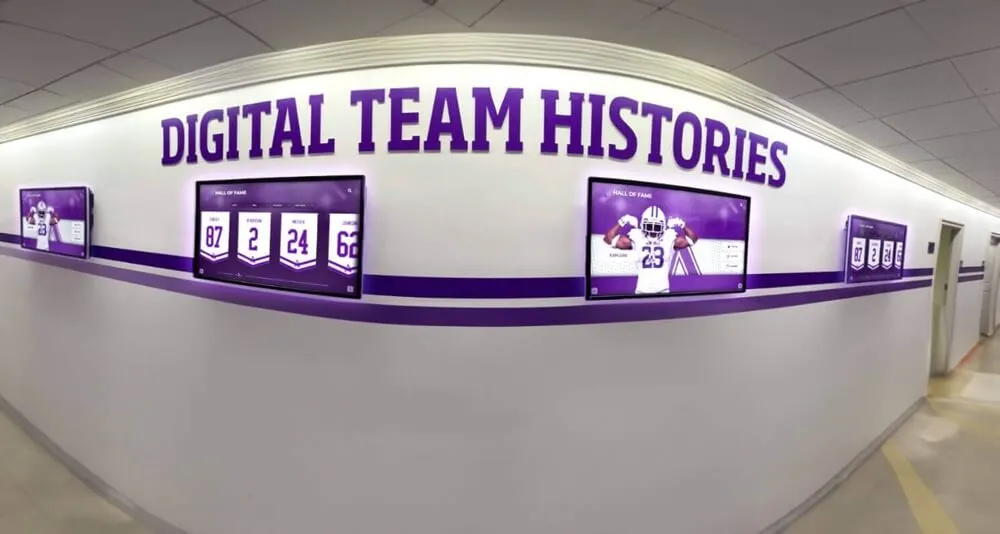
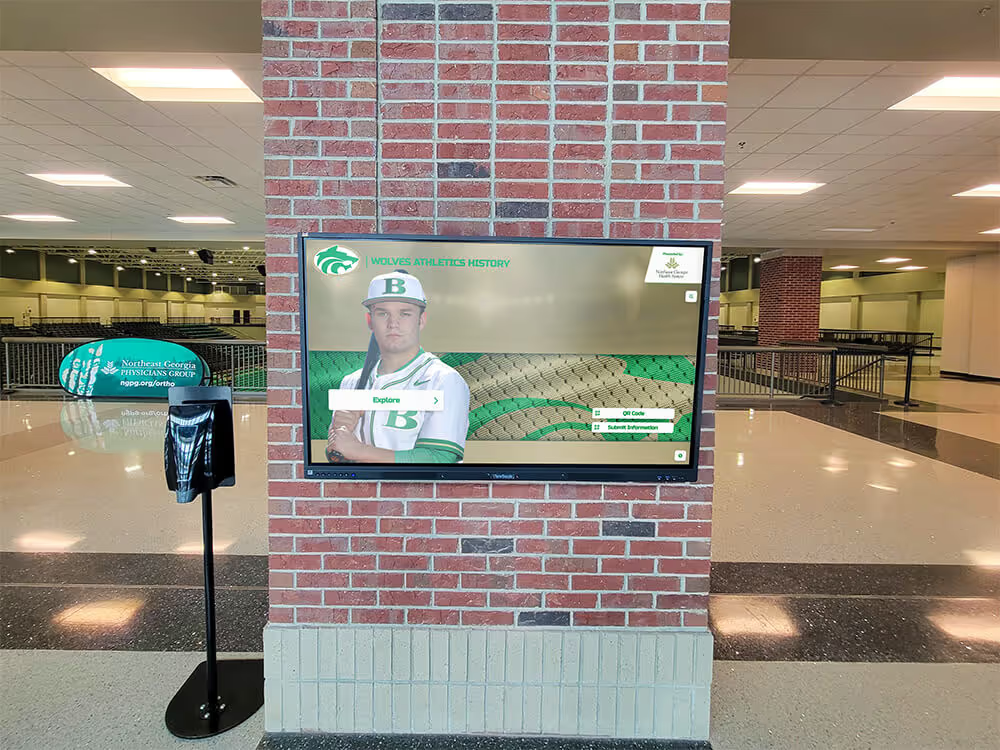
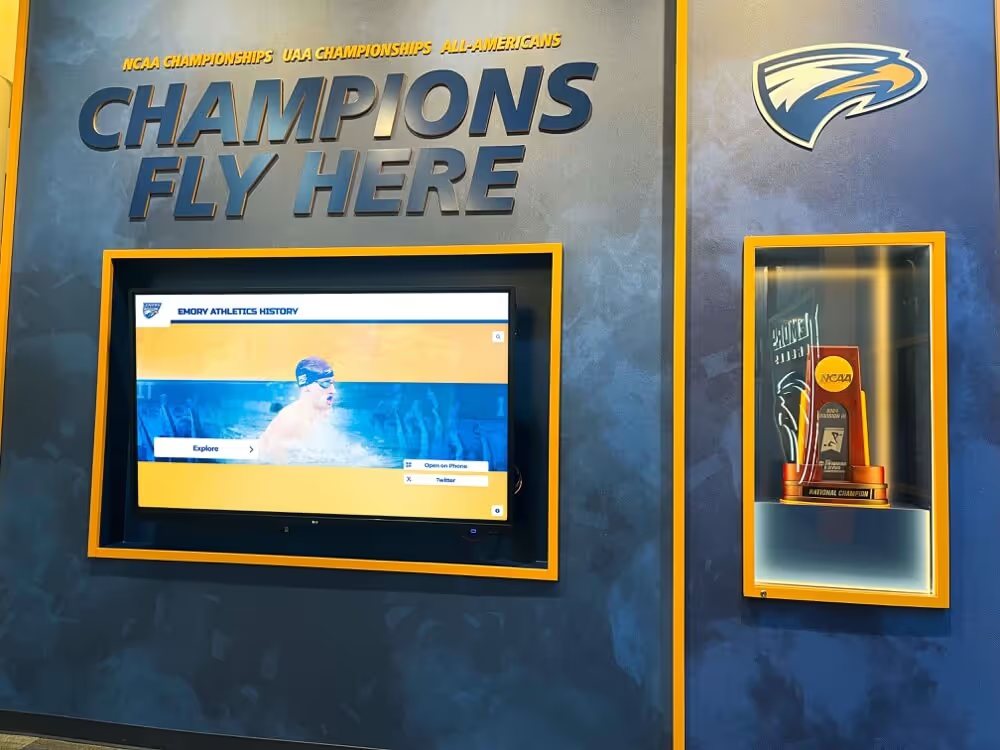
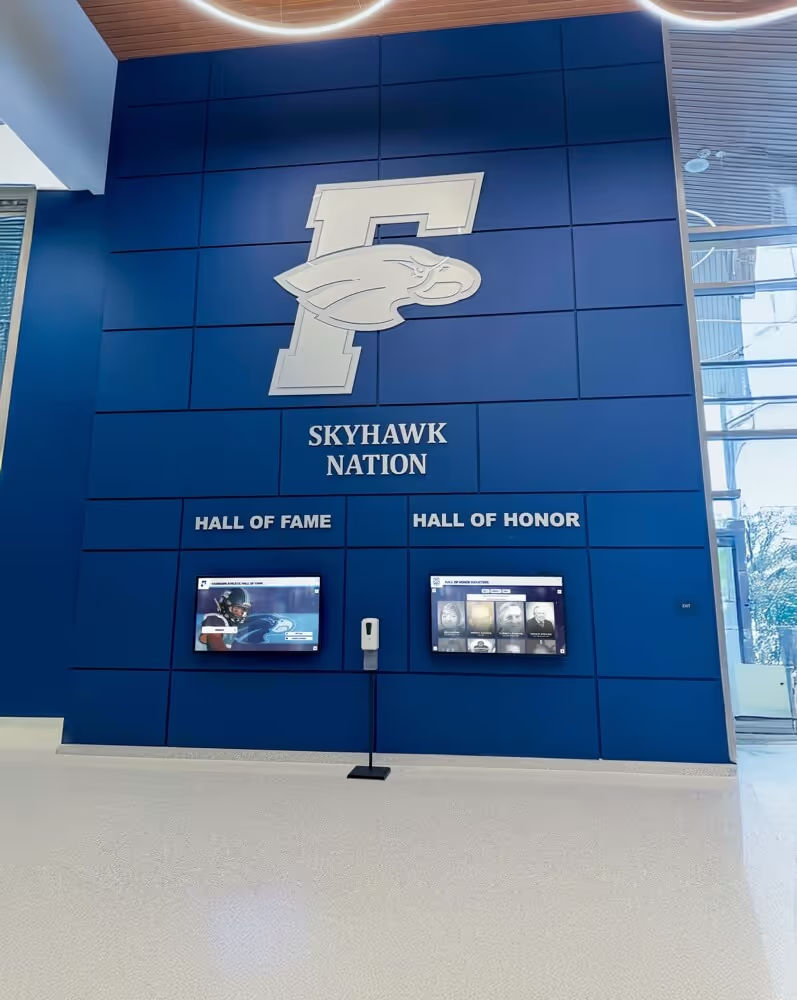
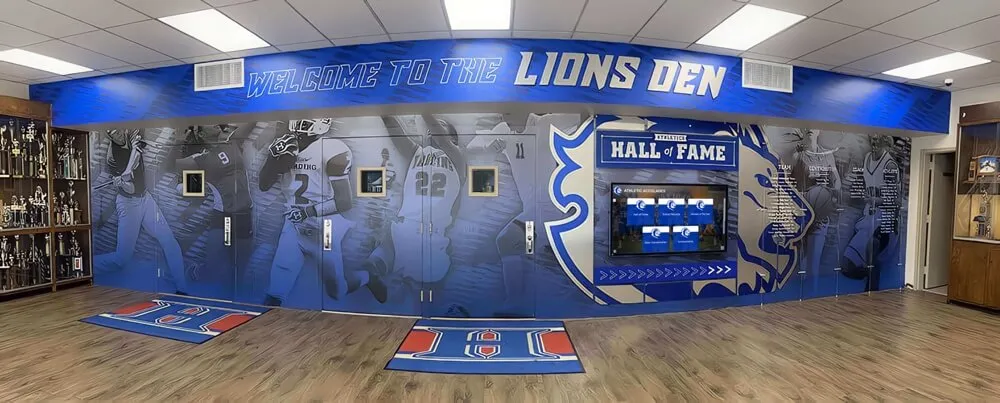
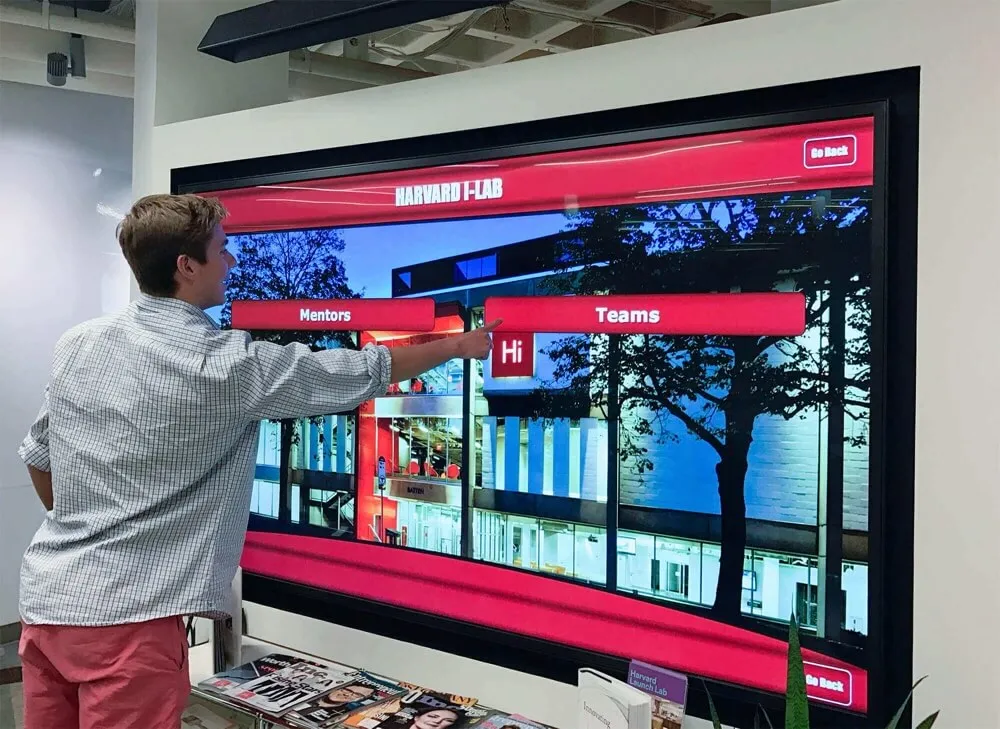
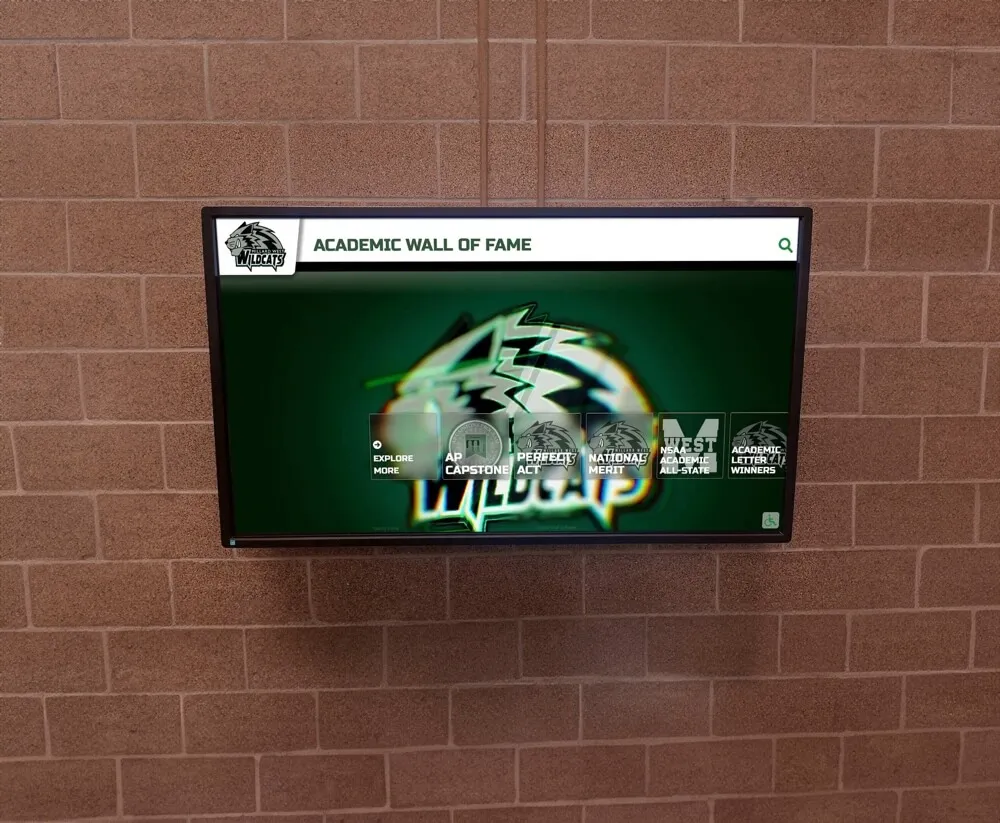
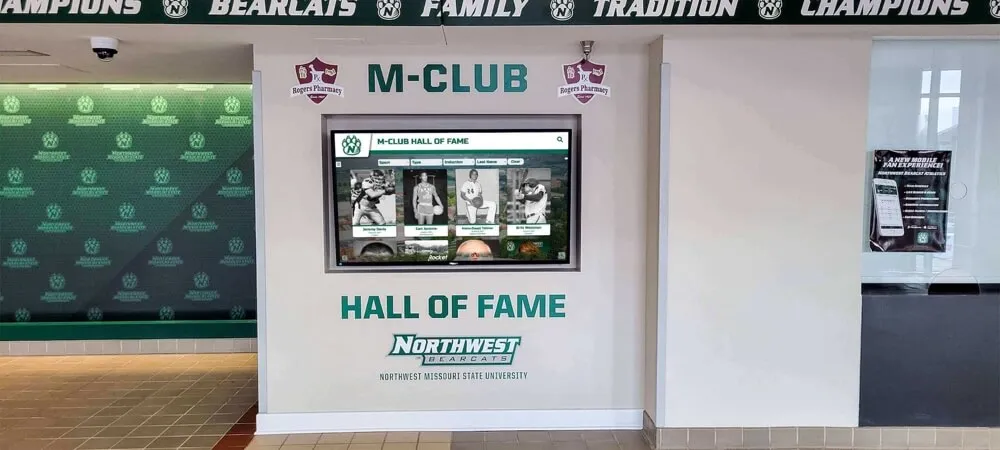
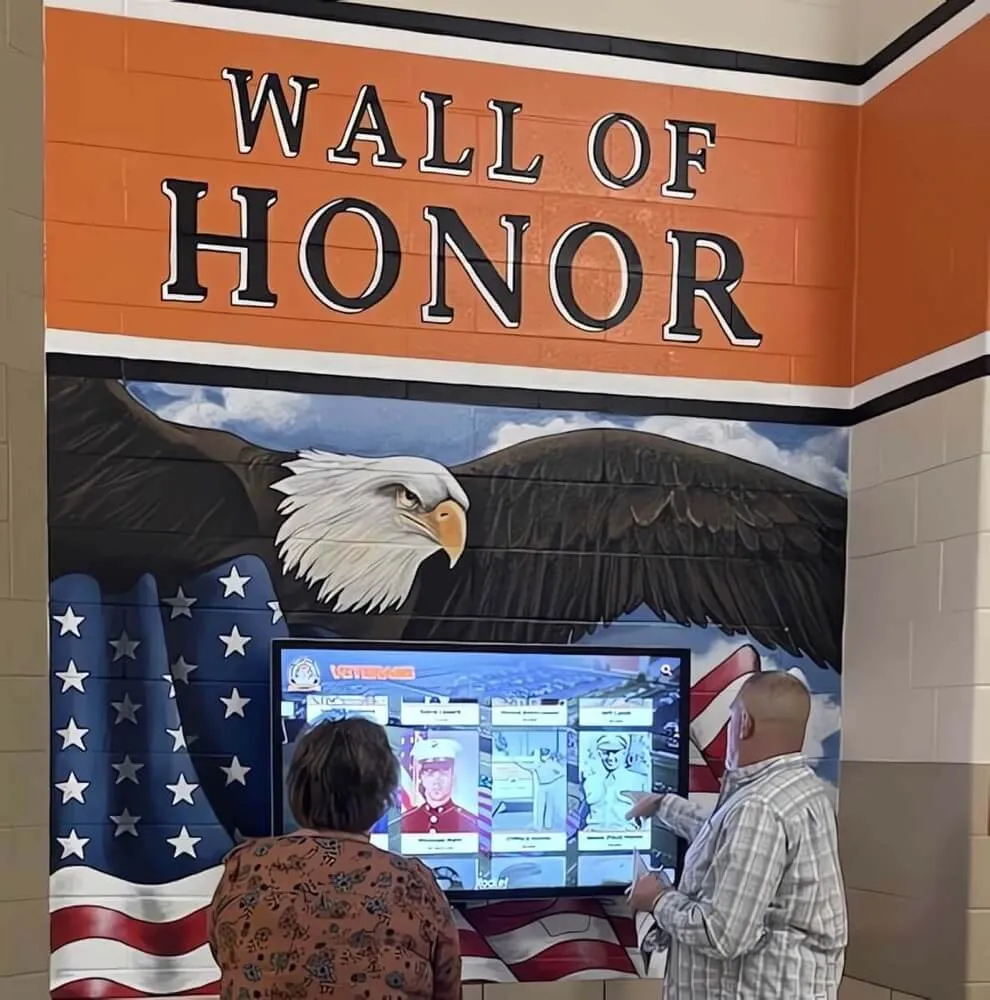
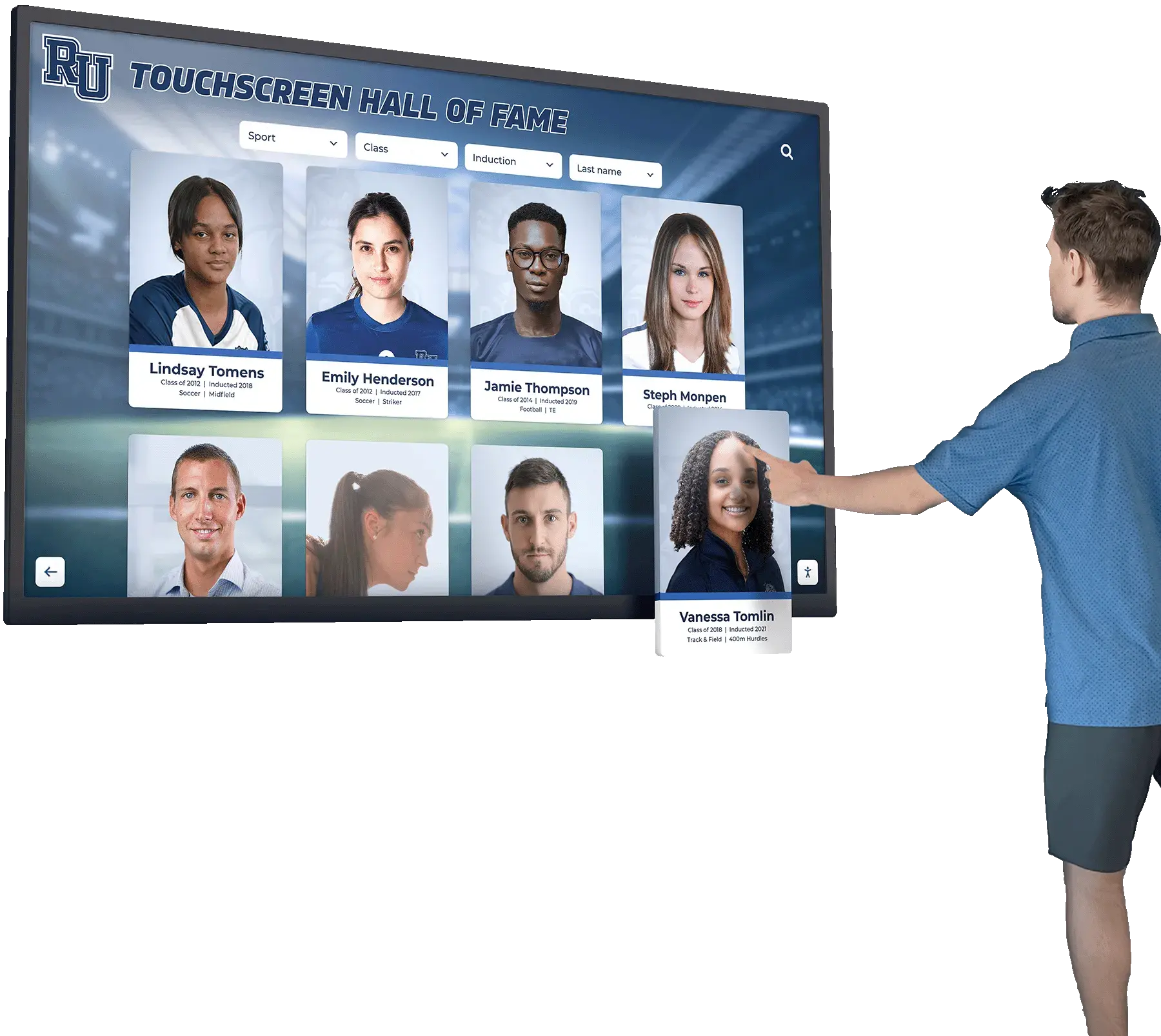
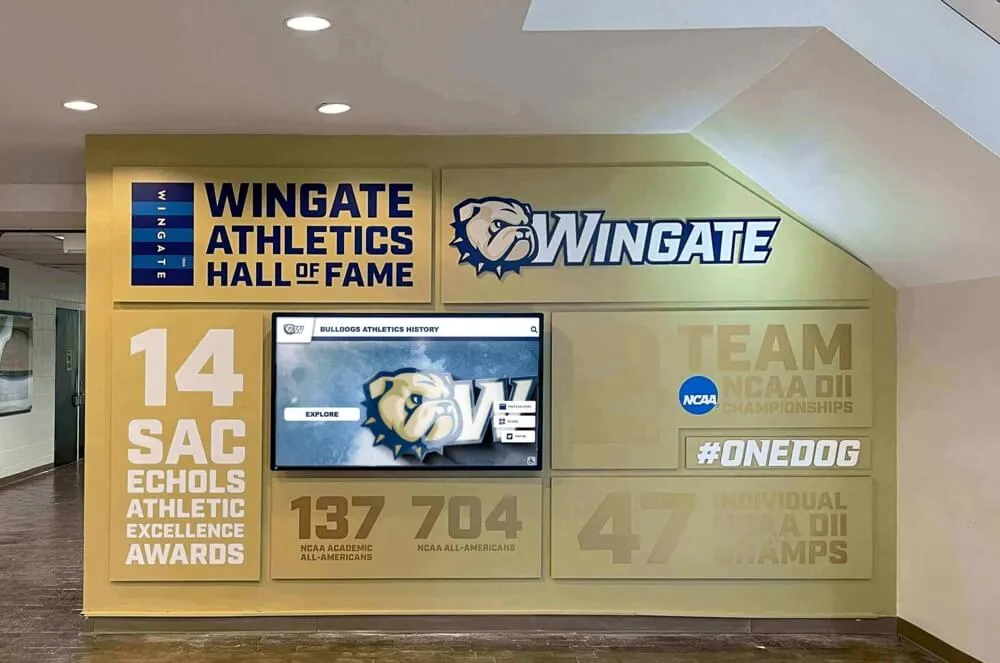
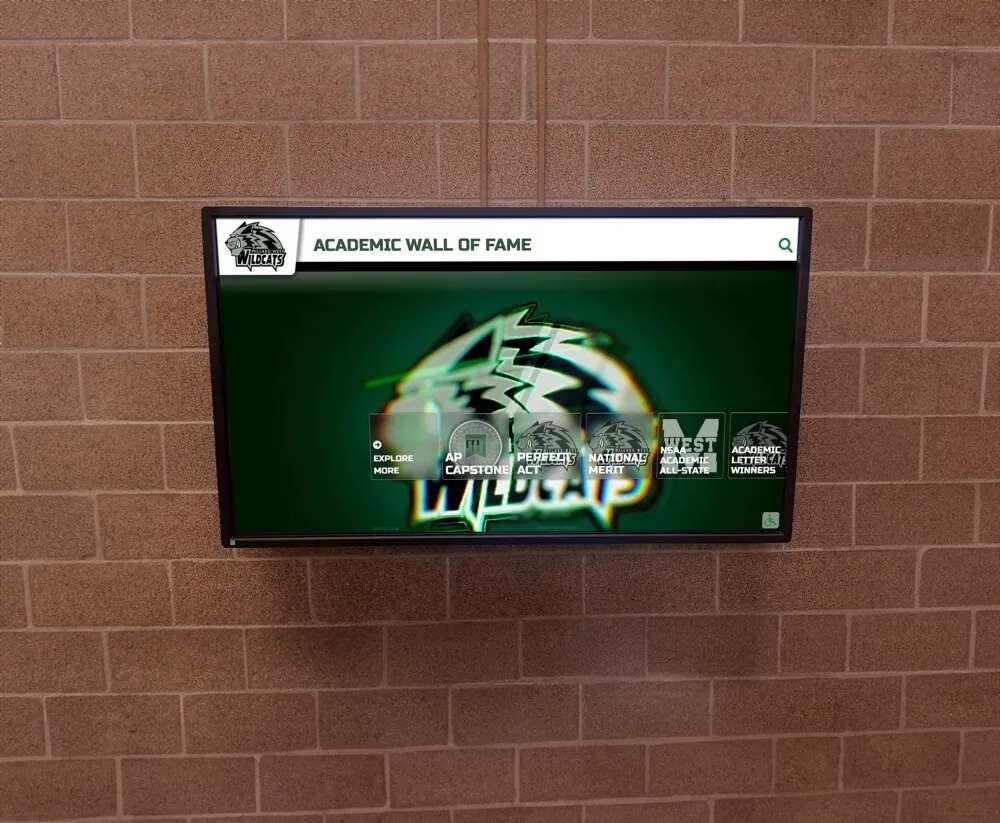
Modern touchscreen recognition systems enable comprehensive National Merit Scholar celebration with unlimited capacity and engaging interactive exploration
Program Snapshot: National Merit Scholar Recognition System
| Program Element | Implementation Details |
|---|---|
| Primary Audience | Current students, families, alumni, college admissions representatives, and community members celebrating academic excellence |
| Featured Honorees | National Merit Scholars, Finalists, Semifinalists, and Commended Students across all achievement levels |
| Core Outcomes | Visible academic standards, inspired underclassmen, appropriate honor for recipients, demonstrated institutional commitment to intellectual excellence |
| Launch Timeline | 8-12 weeks from planning to initial recognition ceremony with ongoing annual celebration cycles |
| Refresh Cadence | Annual updates following National Merit program announcement schedules (September for Semifinalists, February for Finalists, spring for Scholars) |
| Recognition Venues | School assemblies, digital touchscreen displays in academic buildings, guidance office areas, website features, social media channels, alumni communications |
Understanding the National Merit Scholarship Program Structure
Effective recognition requires thorough understanding of program stages, timelines, and achievement levels ensuring appropriate celebration at each milestone throughout the multi-year competition process.
National Merit Program Stages and Designations
Initial Qualifying Examination
The National Merit Scholarship Program begins with the PSAT/NMSQT (Preliminary SAT/National Merit Scholarship Qualifying Test) administered annually in October to high school juniors. This three-hour examination assesses reading, writing and language, and mathematics skills through a standardized format similar to the SAT. Approximately 1.3 million students take the qualifying test each year, with roughly 50,000—representing the top 3-4% of test-takers nationally—receiving recognition at various levels throughout the subsequent competition.
Students must take the PSAT/NMSQT during their third year of high school (typically junior year) at specific administration dates to enter competition. Sophomores and seniors may take the examination but scores do not qualify for National Merit consideration regardless of performance level, according to official National Merit Scholarship Corporation guidelines.
Commended Students Recognition
In September following the qualifying examination, approximately 34,000 high-scoring participants receive Letters of Commendation acknowledging their exceptional academic promise. These Commended Students represent roughly the top 3% of program entrants nationwide, demonstrating strong academic ability meriting recognition though not advancing to Semifinalist standing.
Schools should celebrate Commended Student designation prominently despite it representing the program’s first achievement tier, as this recognition demonstrates academic excellence placing students among the top 50,000 performers nationally from over 1.3 million participants.
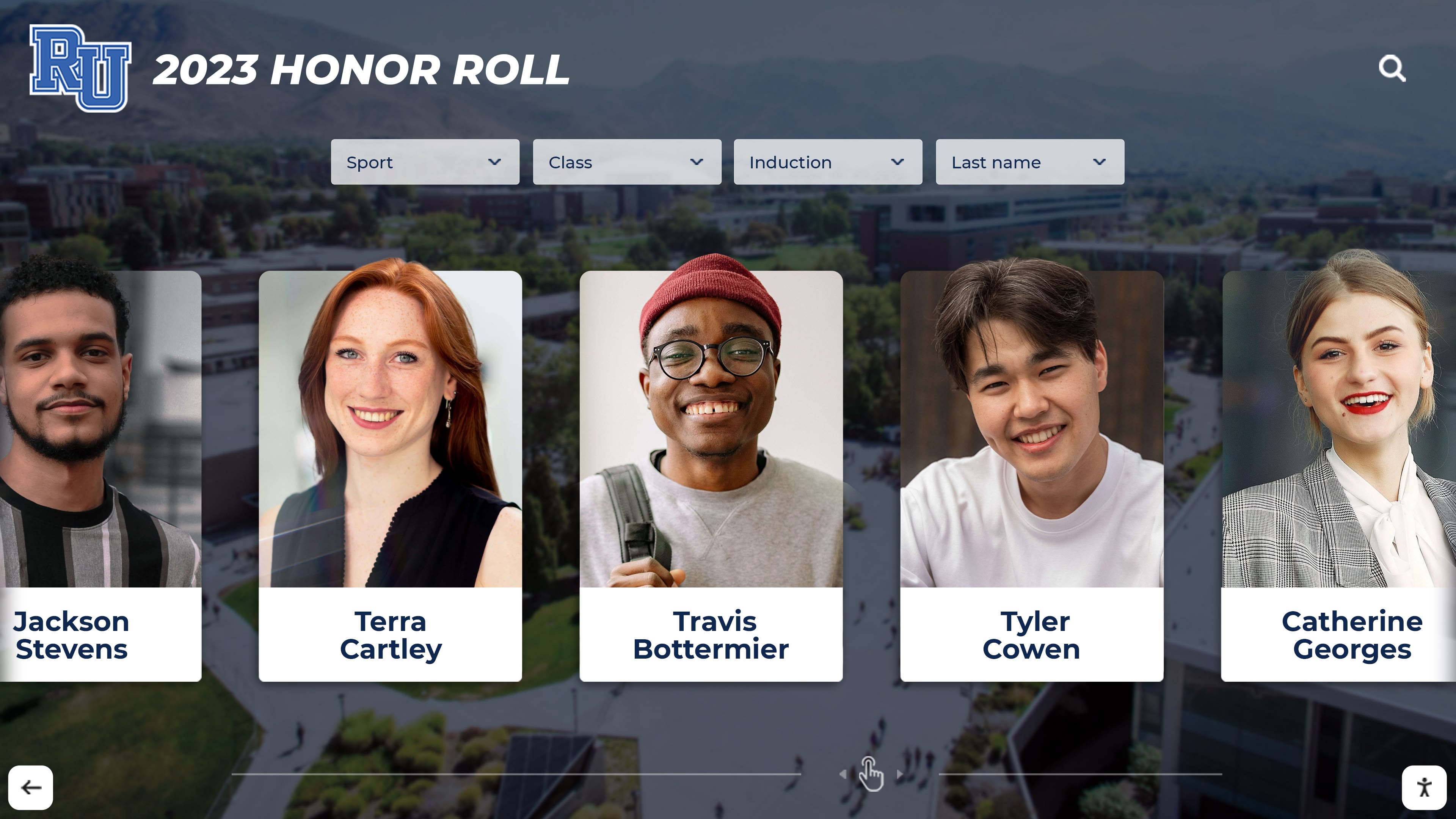
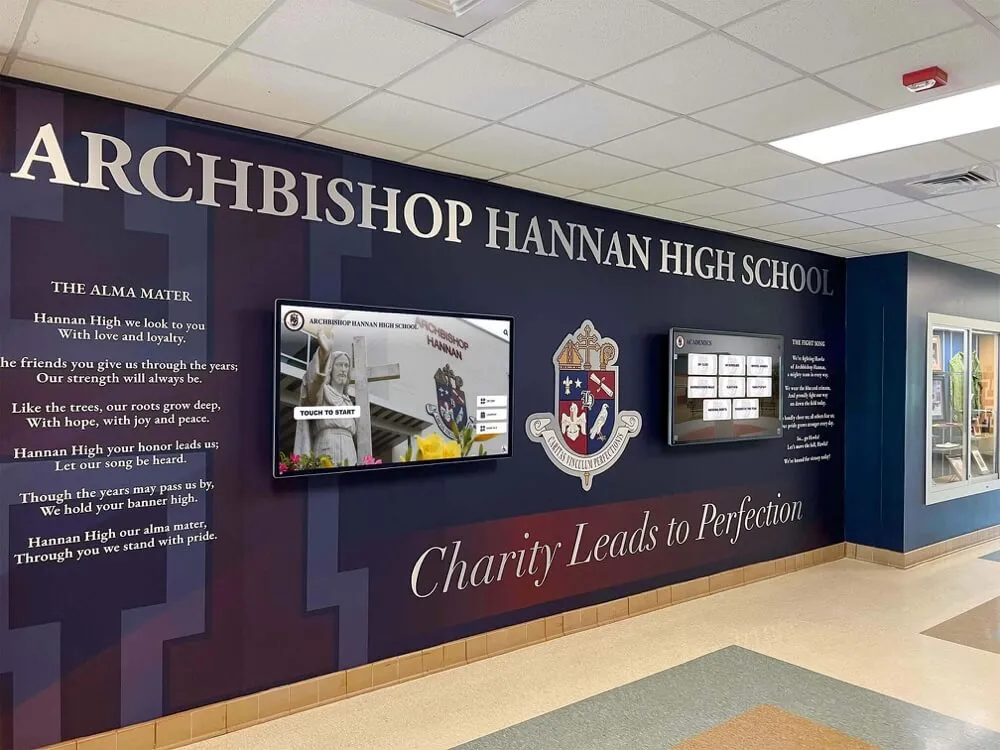
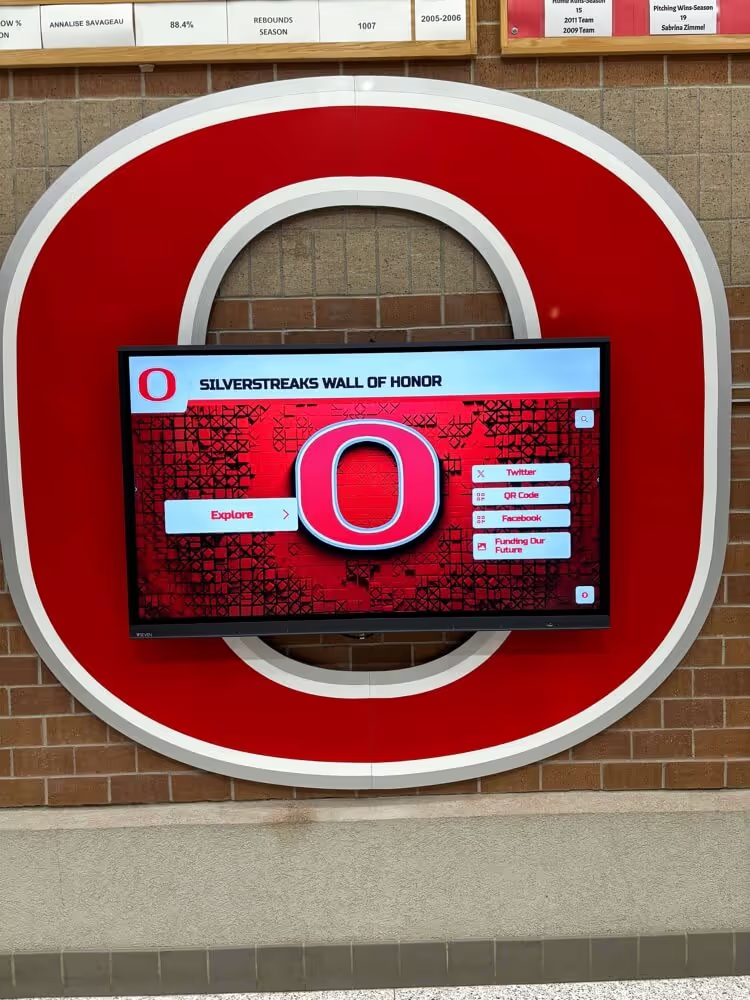
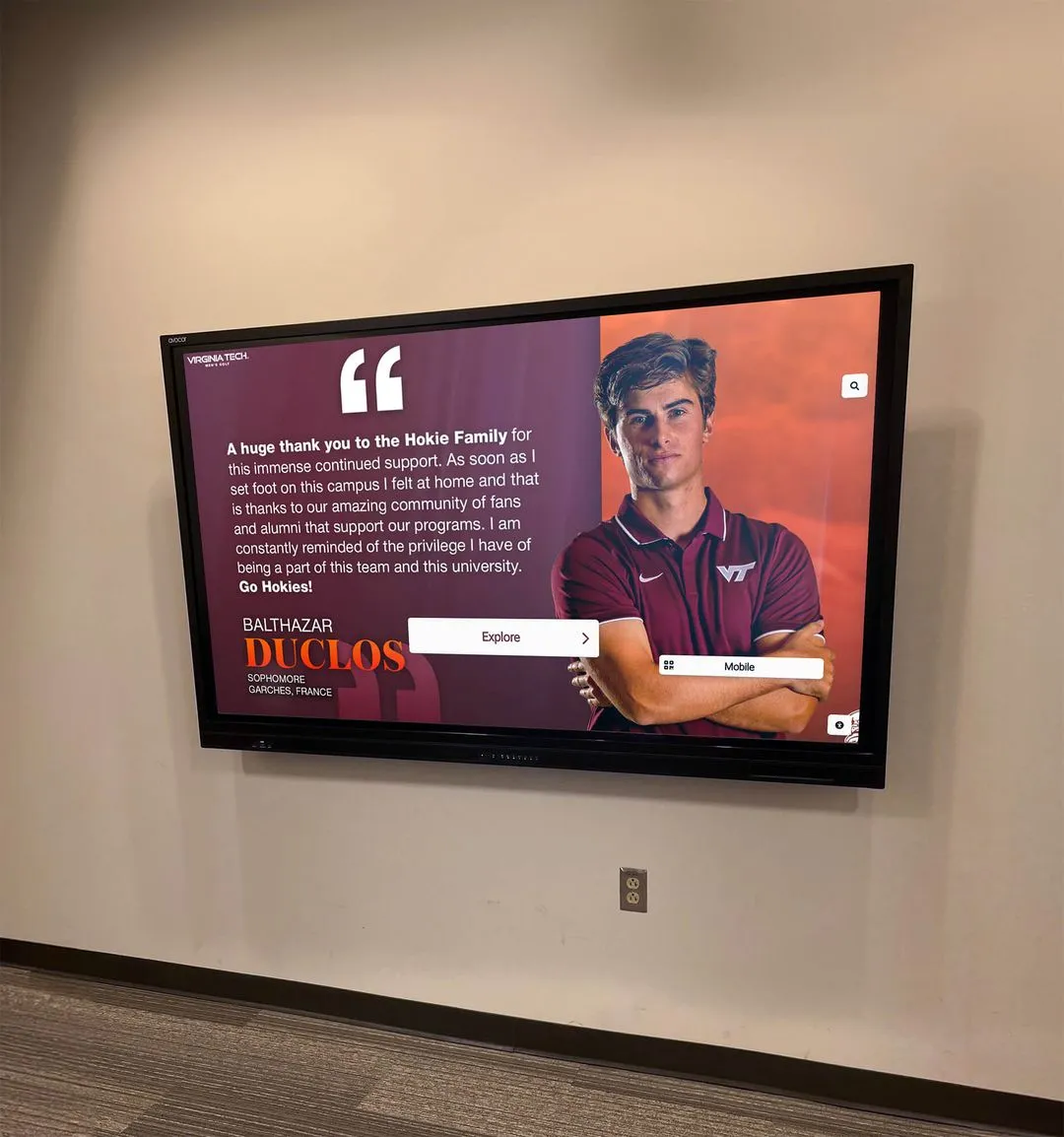
Individual recognition profiles enable detailed celebration of each scholar's academic journey and achievement context
Semifinalist Designation
Simultaneously with Commended Student notifications in September, the National Merit Scholarship Corporation designates approximately 16,000 students—representing the top 1% of program participants—as Semifinalists. These students demonstrated the highest Selection Index scores (calculated from PSAT/NMSQT section scores) within their respective states, with qualifying thresholds varying by state based on population and test-taker performance patterns.
Semifinalist designation represents exceptional achievement warranting significant school celebration including formal recognition ceremonies, media announcements, and prominent display integration. This achievement level frequently appears on college applications and demonstrates objective academic excellence validated by external assessment.
Finalist Advancement
To advance from Semifinalist to Finalist standing, students must submit detailed scholarship applications including academic records, school recommendations, essays, and SAT score confirmation validating PSAT/NMSQT performance. Additionally, students must maintain consistently high academic performance and demonstrate citizenship qualities meeting program standards.
In February following Semifinalist designation, approximately 15,000 of the 16,000 Semifinalists—representing about 95% advancement rate—receive Finalist certificates acknowledging their continued eligibility for National Merit Scholarships. Schools should celebrate Finalist advancement with renewed recognition, as this designation represents a significant achievement milestone in the multi-stage competition process.
Understanding AP Scholar recognition approaches provides complementary frameworks for celebrating standardized academic achievement programs.
Scholar Award Winners
Beginning in March and continuing through mid-June, the National Merit Scholarship Corporation announces approximately 7,500 scholarship recipients from the 15,000 Finalist pool. These awards fall into three categories:
- National Merit $2500 Scholarships: 2,500 single-payment awards of $2,500 distributed among Finalists based on combination of abilities, skills, and accomplishments
- Corporate-Sponsored Merit Scholarships: Approximately 1,000 renewable and single-payment scholarships funded by corporations, company foundations, and business organizations for Finalists meeting specified criteria
- College-Sponsored Merit Scholarships: Approximately 4,000 renewable scholarships provided by sponsoring colleges and universities to Finalists attending those institutions
Schools should celebrate actual scholarship recipients with highest recognition levels including permanent touchscreen display features, formal ceremonies, and ongoing visibility establishing these students as academic excellence models for underclassmen.
Program Timeline and Recognition Opportunities
October (Junior Year): Qualifying Examination
Schools can support students during testing through PSAT preparation programs, practice examinations, and test-day logistics coordination. While recognition hasn’t yet occurred, establishing supportive testing environments and communicating program significance helps students understand opportunity importance.
September (Senior Year): Semifinalist and Commended Student Announcements
This represents the first major recognition opportunity occurring early in senior year. Schools should prepare systematic celebration including:
- Formal school assembly recognition or dedicated ceremony
- Individual congratulatory meetings with school leadership
- Social media and website announcements with photos
- Local media notifications generating community awareness
- Display integration on physical and digital recognition systems
- Family notification and celebration opportunities
- College counseling integration supporting application processes
February (Senior Year): Finalist Designation
Finalist advancement represents renewed recognition opportunity approximately four months after Semifinalist designation. Recognition should acknowledge continued achievement through application completion and academic standard maintenance.
March-June (Senior Year): Scholar Award Winners
Final scholarship awards represent the program’s pinnacle achievement warranting maximum recognition intensity. Schools should celebrate scholarship recipients through comprehensive approaches including permanent display features, special ceremonies, and ongoing visibility in historical recognition systems.
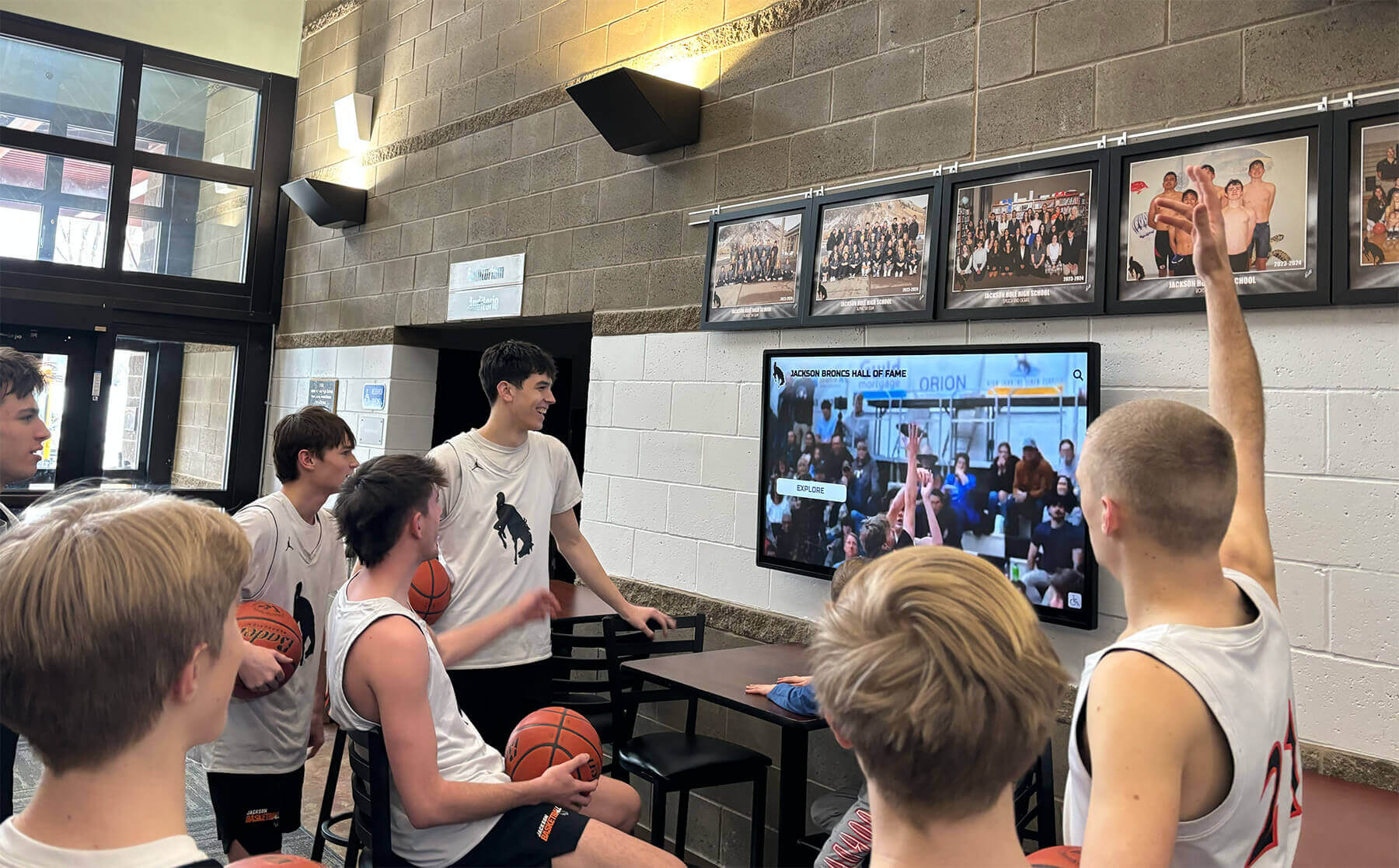
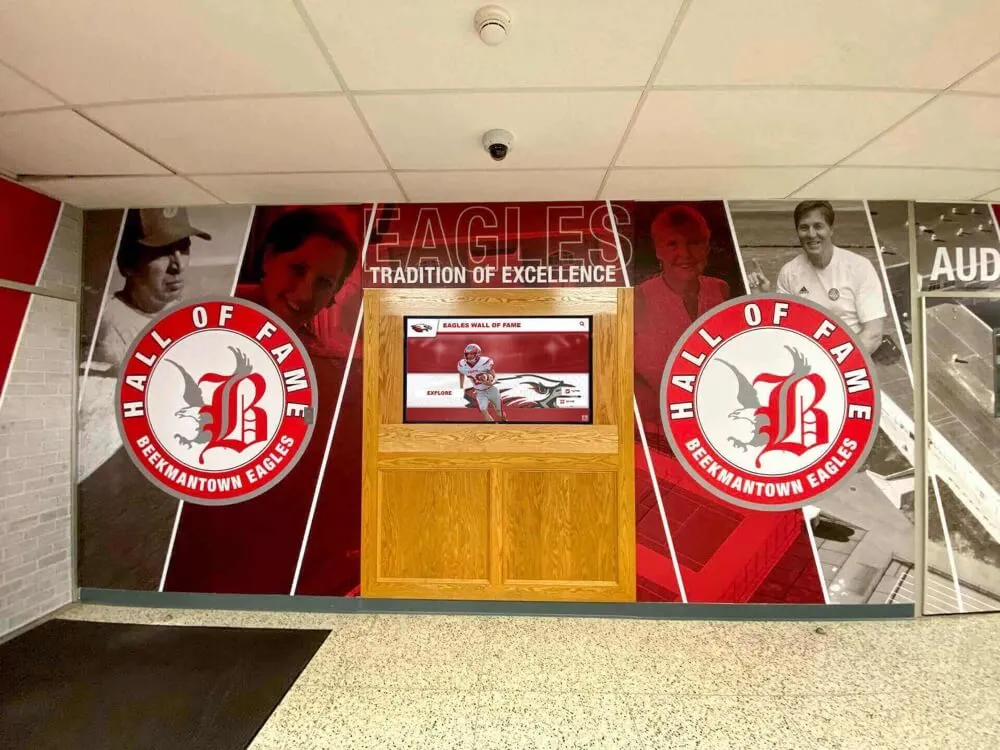
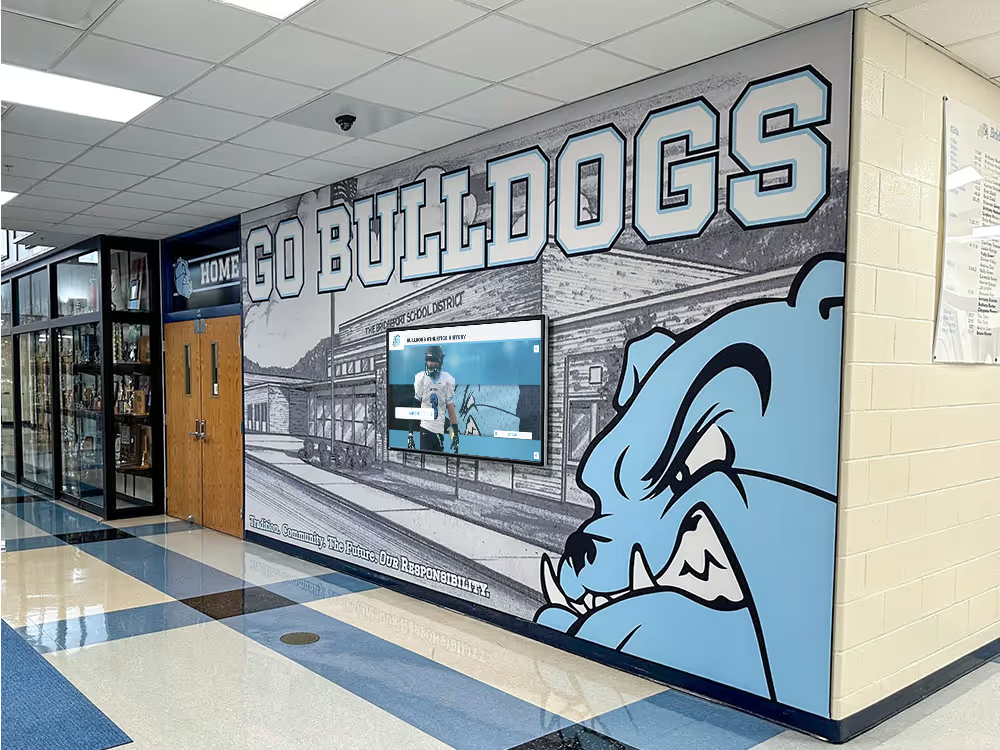
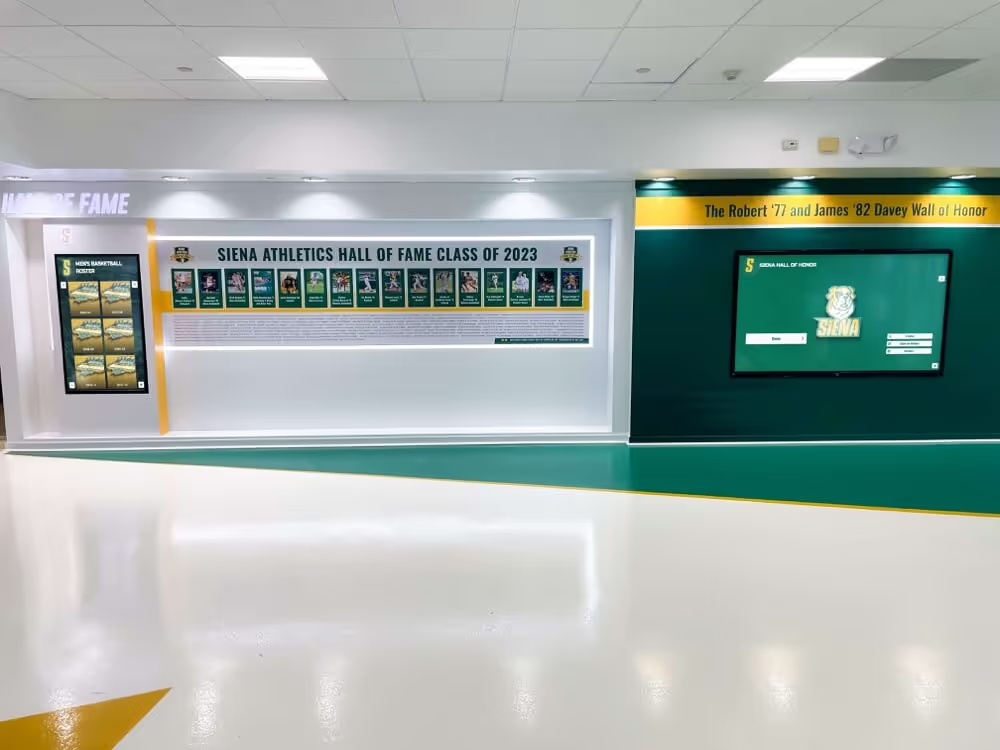
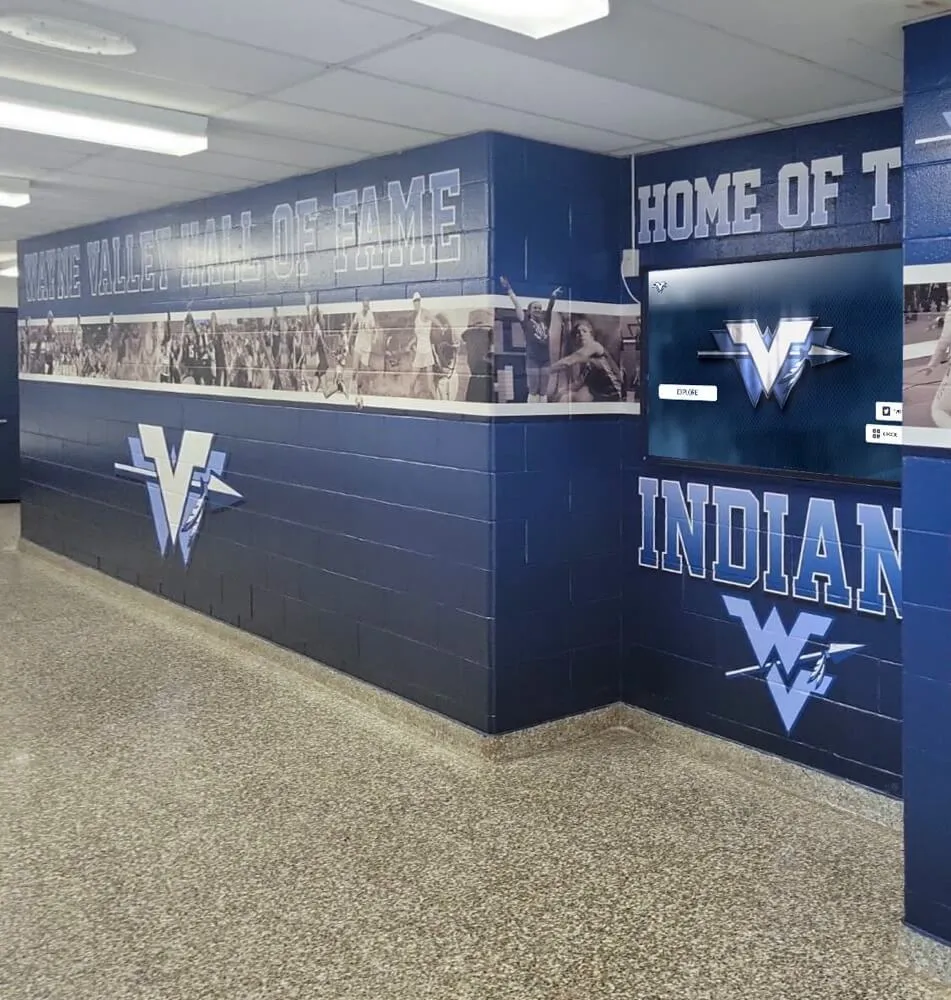
Strategic display placement ensures regular student exposure to National Merit Scholar achievements inspiring academic excellence pursuit
Content Architecture: Mapping Scholar Information to Recognition Modules
Comprehensive National Merit Scholar recognition requires systematic content organization ensuring complete achievement documentation while enabling engaging exploration through multiple access points and presentation formats.
Core Scholar Profile Elements
Essential Biographical Information
Each recognized student profile should include:
- Full name and graduation year providing identification context
- Current school classification (senior for scholars, with junior-year PSAT notation)
- National Merit designation level (Scholar, Finalist, Semifinalist, Commended Student)
- Scholarship category and sponsoring organization when applicable
- Award amount and renewal terms for scholarship recipients
- Selection Index score when appropriate and permitted by privacy policies
- Academic honors and additional recognition providing achievement context
- College destination and intended major showing outcomes
Explore academic recognition program frameworks for comprehensive student achievement celebration approaches.
Academic Journey Documentation
Enhanced profiles expand beyond basic facts to tell complete stories:
- Course progression showing rigorous curriculum pursuit
- Advanced Placement and honors course participation patterns
- Subject area strengths and academic concentration details
- Grade point average and class rank context when appropriate
- Additional standardized test achievements (SAT, ACT, AP examinations)
- Academic competition participations and awards
- Research projects and independent study experiences
- Teacher or counselor testimonials about scholar qualities
Personal Narratives and Advice
Transforming profiles into inspiration requires personal content:
- Scholar reflections on their academic journey and study approaches
- Preparation advice for students considering National Merit pursuit
- Time management strategies balancing academics with other commitments
- Challenge areas and how scholars overcame academic obstacles
- Motivation sources and what inspired sustained excellence
- Future academic and career aspirations
- Advice for younger students beginning high school journeys
This personal content transforms recognition from simple acknowledgment into mentorship resources helping underclassmen understand realistic paths to similar achievement.
Touchscreen Module Organization
Auto-Ranking Scholar Boards
Digital displays enable dynamic organization impossible with static physical recognition:
- Chronological sorting by graduation year showing program evolution
- Designation level filtering separating Scholars, Finalists, Semifinalists, Commended Students
- Scholarship amount ranking when displaying award recipients
- Alphabetical organization for quick individual lookup
- College destination grouping showing outcome patterns
- Subject concentration sorting highlighting academic focus areas
- Multiple simultaneous views enabling varied exploration approaches
Interactive Explorer Interfaces
Touchscreen capabilities create engaging discovery experiences:
- Search functions enabling name-based scholar lookup
- Filter combinations applying multiple criteria simultaneously
- Detail expansion from summary cards to complete profiles
- Photo galleries showing scholars in academic contexts
- Video messages when available and appropriate
- Comparison views examining multiple scholars side-by-side
- Historical depth access spanning decades of program participation
Understanding digital hall of fame implementation strategies provides technical frameworks for effective touchscreen integration.
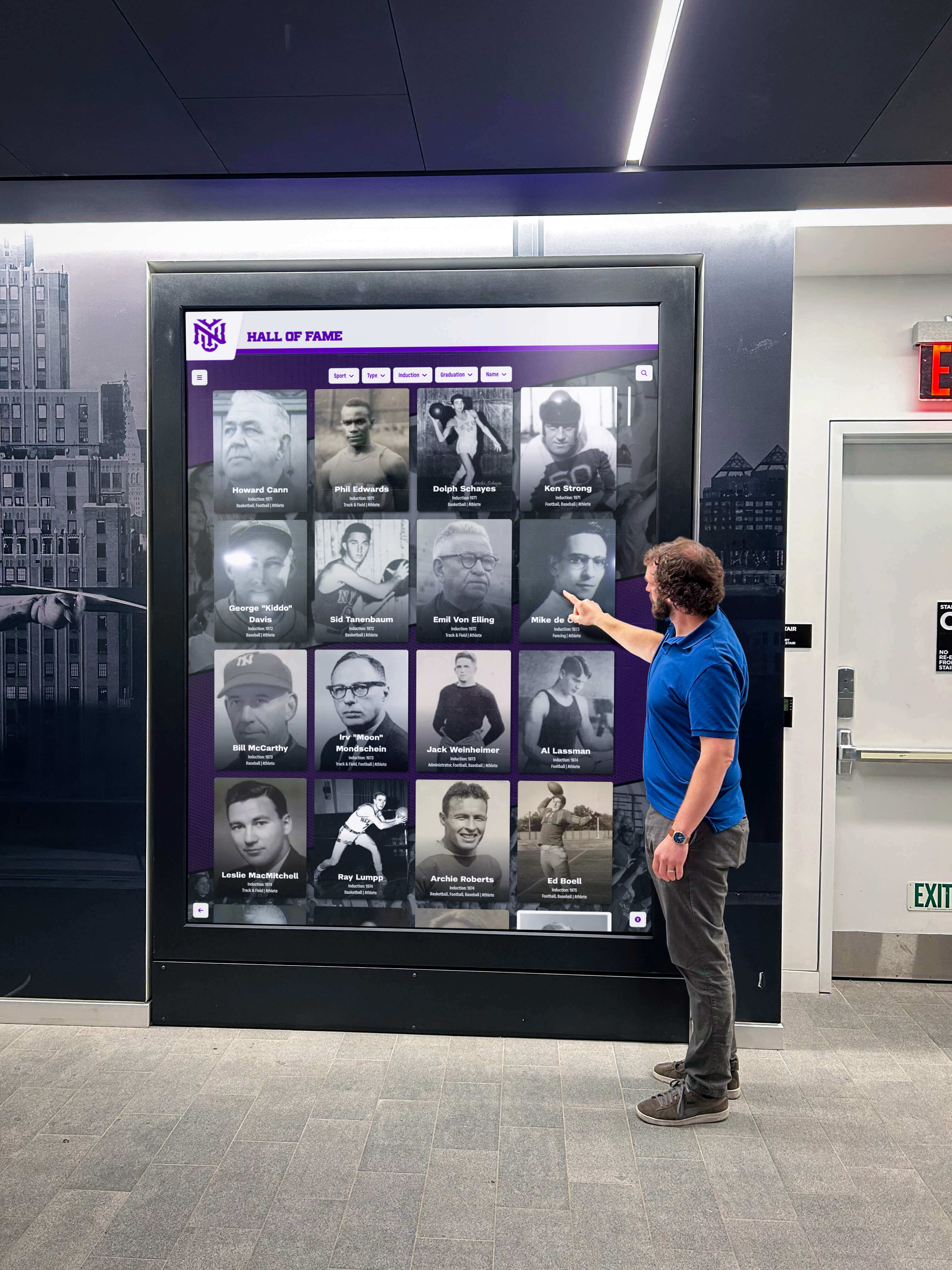
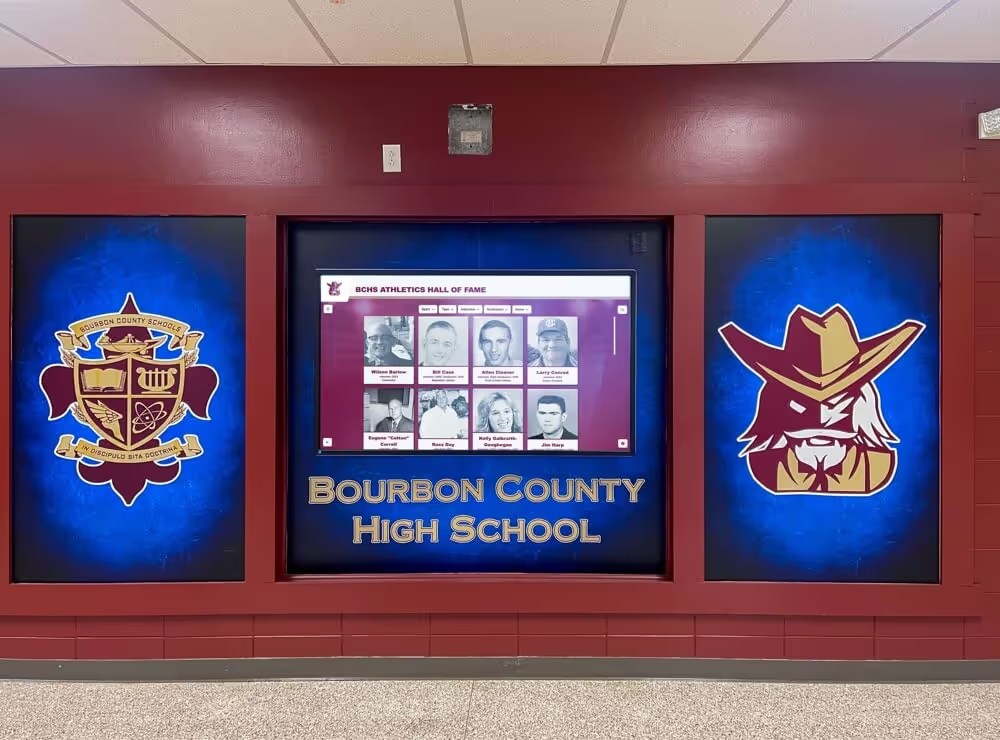
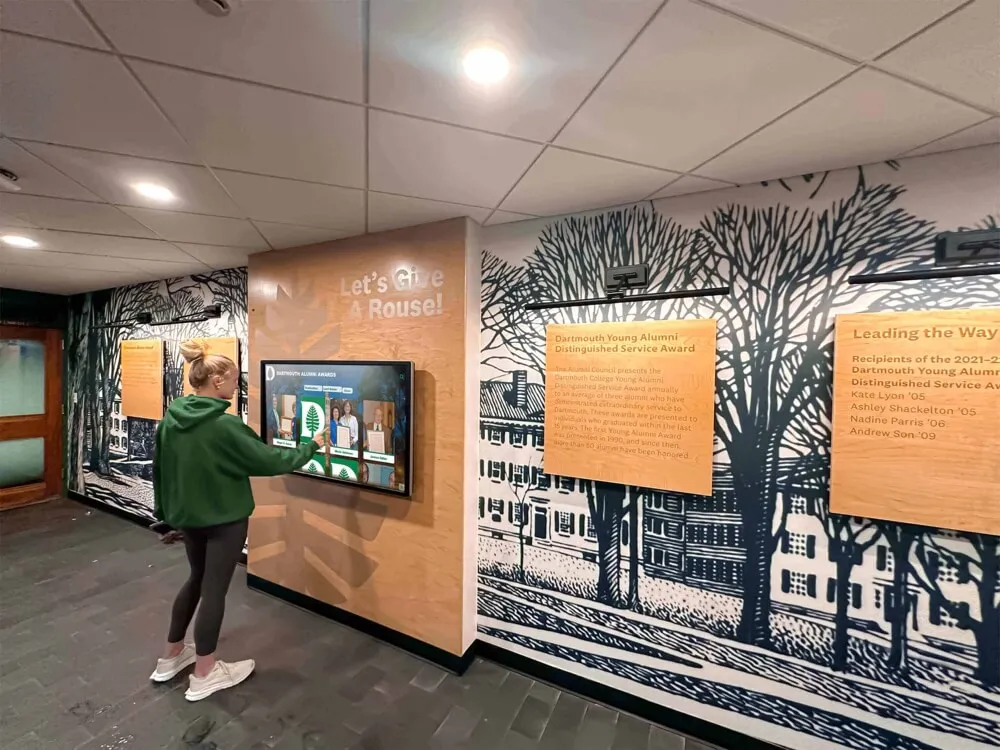
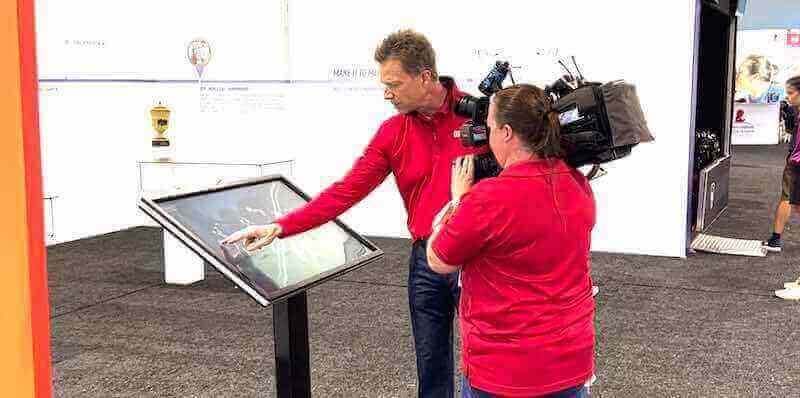
Touchscreen interfaces transform passive recognition into active exploration increasing engagement time and impact
Program Statistics Dashboard
Comprehensive recognition includes aggregate data providing institutional context:
- Total scholars by year showing program participation trends
- Advancement rates from Commended to Semifinalist to Finalist to Scholar
- Scholarship award totals demonstrating collective financial impact
- Subject concentration analysis revealing academic strength patterns
- College destination distributions showing where scholars matriculate
- Historical comparison charts examining multi-year trends
- State and national comparison data providing competitive context
These statistical presentations demonstrate program strength to prospective families, college representatives, and community members while providing tangible evidence of academic excellence culture.
Digital Signage Mode Integration
Beyond interactive touchscreen exploration, recognition systems should include passive digital signage modes for continuous visibility:
Rotating Scholar Spotlights
Display systems can cycle through featured scholars automatically:
- Individual profile highlights with photos and key achievements
- Daily or weekly featured scholar rotations
- Seasonal emphasis during application and announcement periods
- Historical throwback features celebrating past scholars
- Achievement milestone celebrations (250th scholar, etc.)
- Current senior emphasis during college application season
Announcement Feed Integration
Recognition displays should connect to school communication systems:
- Real-time announcement streams during designation periods
- Countdown timers to National Merit milestone dates
- PSAT preparation reminders for current juniors
- Scholar interview features and success story highlights
- Related academic achievement celebrations
- College acceptance announcements for scholars
Social Media Gallery Integration
Modern recognition systems enable social content integration:
- Instagram and Twitter feeds displaying scholar celebration posts
- User-generated content from scholars sharing experiences
- Family congratulations and community celebration documentation
- Media coverage of scholar achievements and ceremonies
- Alumni scholar updates showing long-term outcomes
This multi-mode approach ensures National Merit Scholar recognition maintains ongoing visibility beyond active user interaction periods.
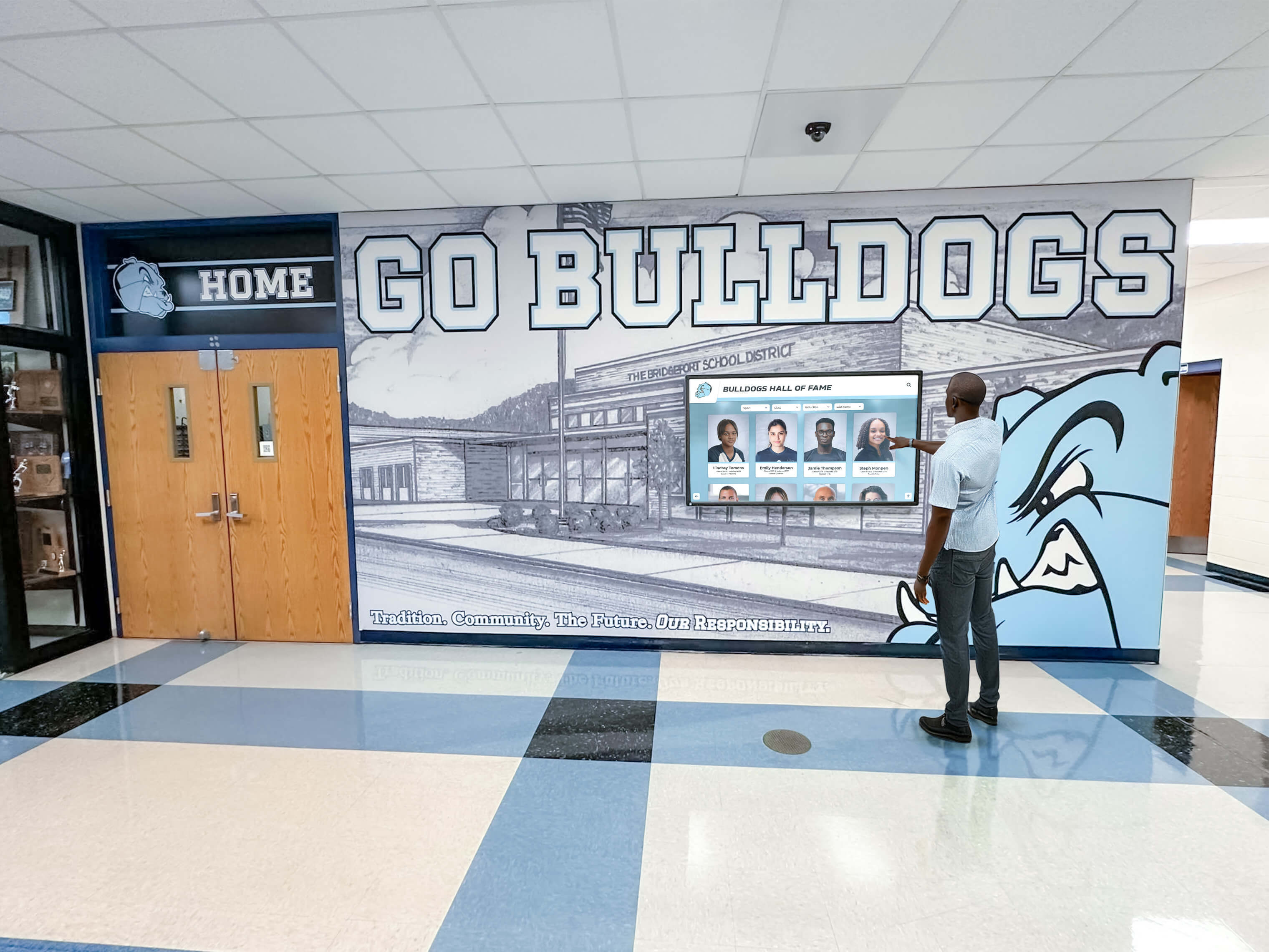
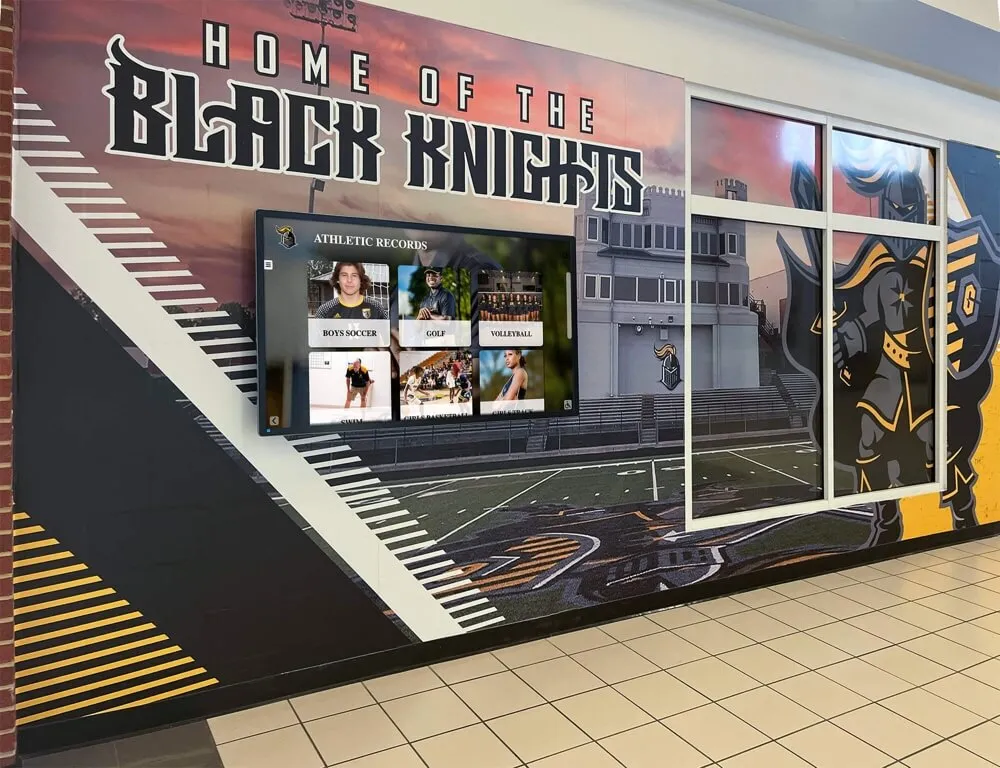
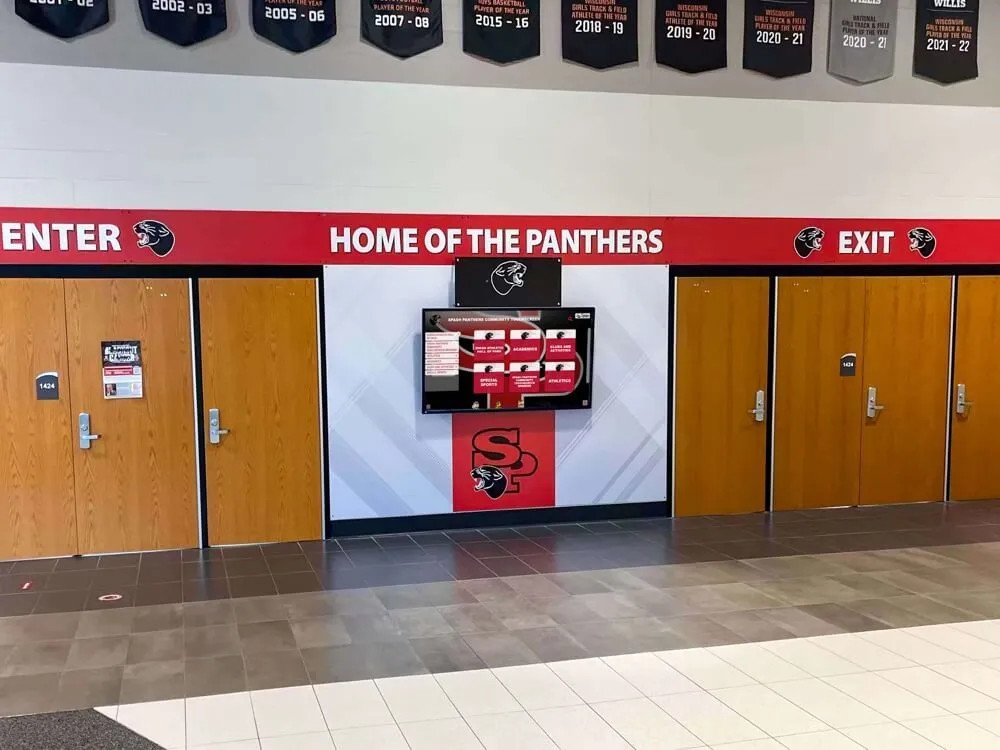
High-traffic hallway placement ensures maximum exposure to scholar achievements throughout daily school routines
Execution Timeline: Building Your Recognition Program
Systematic implementation requires organized planning ensuring timely celebration aligned with National Merit Scholarship Corporation announcement schedules.
Phase 1: Planning and Design (8-10 weeks before Semifinalist announcements)
Establish Recognition Committee
Form dedicated team including:
- School principal or academic administrator providing leadership
- Guidance counselors managing student information and application processes
- Communications director handling announcements and media relations
- Technology coordinator supporting digital display implementation
- Library or media specialist assisting with content development
- Student services representative ensuring privacy compliance
- Parent organization liaison connecting to family stakeholders
Define Recognition Scope
Determine comprehensive program parameters:
- Which National Merit designation levels receive formal recognition
- Recognition intensity differences between Commended, Semifinalist, Finalist, Scholar levels
- Historical scholar integration plans documenting past achievements
- Budget allocation for ceremonies, displays, and ongoing operations
- Technology investment considerations for digital recognition systems
- Physical space assignments for permanent display installations
- Communication channel utilization across platforms
Gather Historical Scholar Data
Build comprehensive archives documenting program history:
- Review yearbooks identifying past National Merit Scholars
- Contact National Merit Scholarship Corporation for historical records
- Survey alumni associations gathering scholar information
- Review local newspaper archives for announcement coverage
- Examine existing trophy cases and recognition displays
- Interview longtime staff with institutional memory
- Cross-reference multiple sources validating questionable details
Understanding finding and documenting school achievement records provides research methodologies applicable to academic recognition.
Phase 2: Infrastructure Development (6-8 weeks before announcements)
Technology Implementation
Deploy digital recognition infrastructure:
- Select and procure touchscreen display hardware appropriate to location and budget
- Install displays in high-traffic locations (main lobbies, guidance office areas, library entrances)
- Configure cloud-based content management systems like Rocket Alumni Solutions enabling remote updates
- Develop scholar profile templates ensuring consistent presentation
- Create data collection forms systematically gathering required information
- Train administrative staff on content management workflows
- Test systems thoroughly before public launch
Content Development
Build initial recognition content systematically:
- Photograph current seniors who will receive recognition
- Develop standardized biographical questionnaires for scholars
- Create branded templates incorporating school identity consistently
- Write program description content explaining National Merit significance
- Gather historical scholar photos from archives when available
- Design statistical dashboard presentations
- Produce preparation guidance content for underclassmen
Physical Space Preparation
Ready traditional recognition locations:
- Reserve gymnasium space for formal recognition ceremonies
- Prepare bulletin boards or display cases for supplementary recognition
- Create printed banners or signage complementing digital displays
- Designate guidance office recognition areas
- Plan for future trophy or award display integration
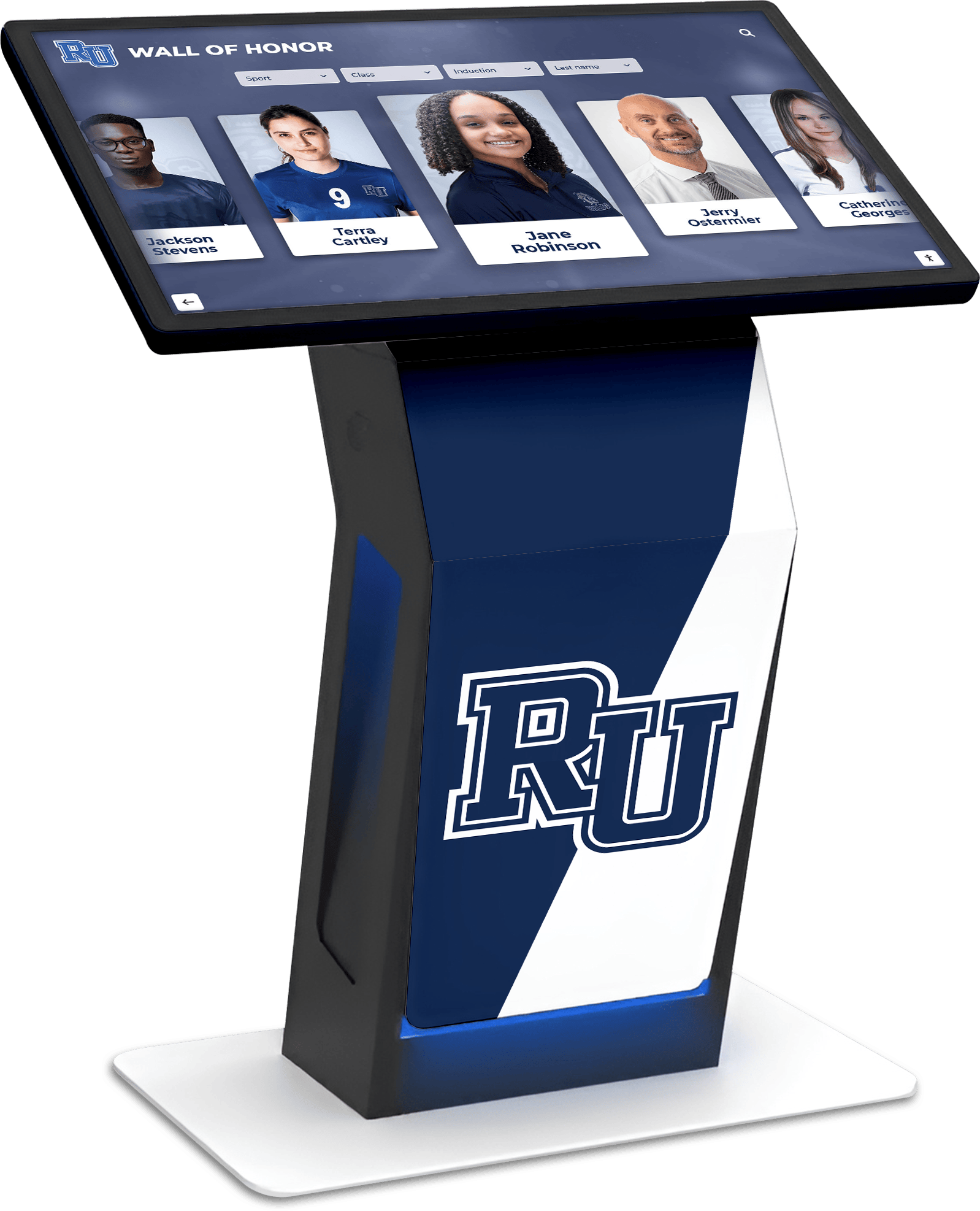
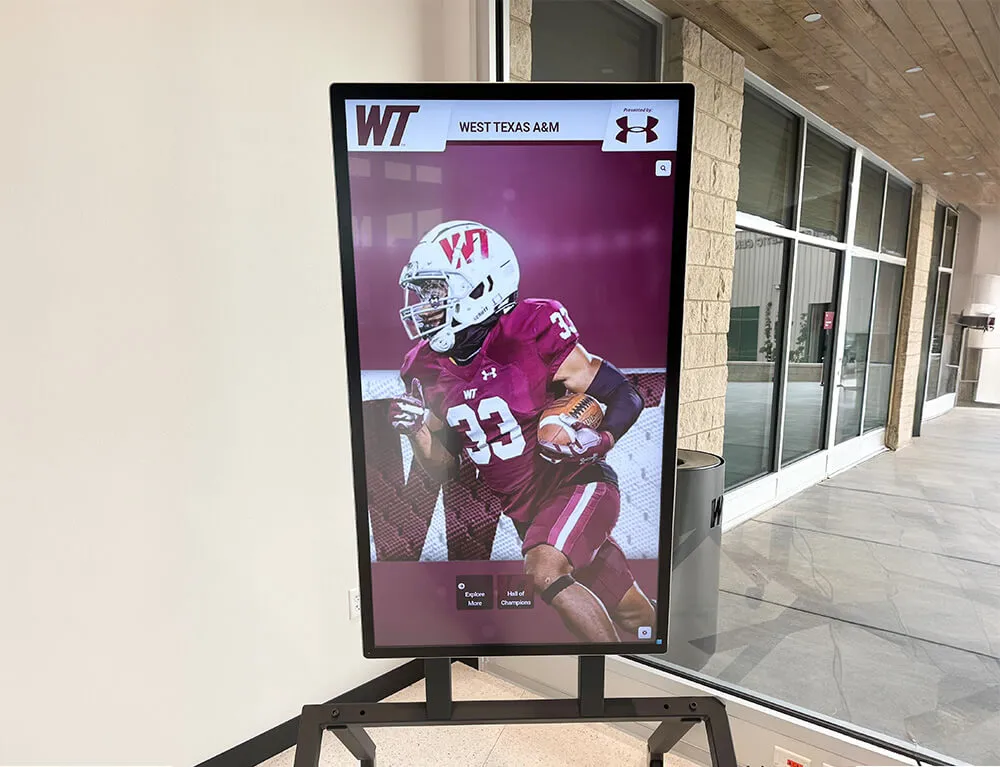
Purpose-built recognition kiosks provide professional platforms for comprehensive National Merit Scholar celebration
Phase 3: Launch and Initial Recognition (September: Semifinalist/Commended announcements)
Formal Recognition Ceremony
Coordinate comprehensive celebration event:
- Schedule school assembly or dedicated ceremony within one week of official announcements
- Invite scholars, families, school board members, and community leaders
- Prepare individual recognition certificates or commemorative items
- Include scholar presentations or panel discussions when appropriate
- Feature touchscreen display demonstration showing new recognition system
- Photograph ceremony for historical documentation and communications
- Live stream or record for absent families and broader audiences
Explore donor recognition ceremony approaches offering transferable celebration frameworks.
Multi-Channel Communications
Amplify recognition across all available platforms:
- School website homepage features with scholar photos and achievements
- Social media announcements across Instagram, Facebook, Twitter/X
- Local newspaper press releases generating community awareness
- District newsletter features
- Email notifications to families and alumni
- Physical display updates in trophy cases and bulletin boards
- Video announcements for morning show or hallway monitors
Display System Activation
Launch interactive recognition publicly:
- Update touchscreen displays with complete scholar profiles
- Enable all interactive features and search capabilities
- Train on-site staff on display operation and troubleshooting
- Monitor engagement and gather initial feedback
- Adjust content or interface based on early usage patterns
Phase 4: Sustained Recognition and Annual Refresh
February: Finalist Recognition
Celebrate advancement with renewed visibility:
- Updated assembly or ceremony acknowledging Finalist designation
- Display updates showing new status designations
- Social media celebration of continued achievement
- Individual congratulations from school leadership
- College counseling integration supporting scholarship applications
Spring: Scholar Award Announcements
Maximize celebration for scholarship recipients:
- Individual recognition as awards announced (March through June)
- Special ceremony for all scholarship recipients collectively
- Permanent display integration with highest prominence
- Media coverage emphasizing scholarship financial impact
- Alumni communications celebrating current scholars
Annual Program Review
Assess effectiveness systematically:
- Analyze engagement metrics from digital displays
- Survey scholars about recognition experience satisfaction
- Gather underclassmen feedback about inspiration impact
- Review budget efficiency and resource utilization
- Plan improvements for subsequent year implementation
- Update historical scholar archives with current year additions
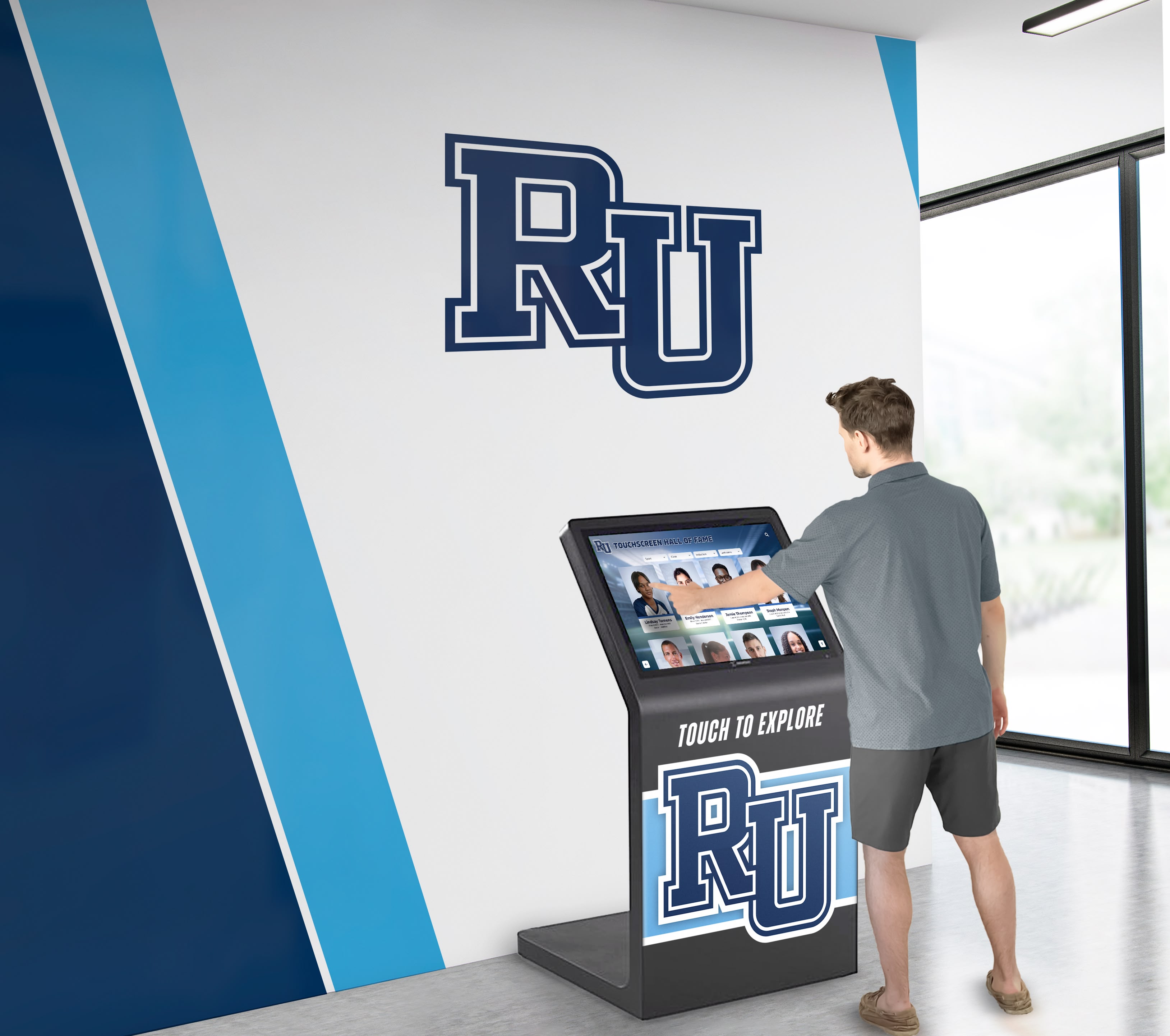
Accessible kiosk placement enables student exploration during passing periods and school events
Display Integration: Connecting Recognition to Physical and Digital Environments
Effective programs embed scholar celebration throughout school environments ensuring regular visibility rather than isolated acknowledgment relegated to single locations.
Strategic Physical Placement
Primary Recognition Zones
High-impact locations ensuring maximum visibility:
- Main entrance lobbies greeting all visitors and establishing academic priorities
- Guidance counseling office areas during critical college decision periods
- Library and academic resource centers reinforcing intellectual achievement culture
- Principal and administrative office suites demonstrating leadership commitment
- Parent conference areas communicating excellence to family stakeholders
- Alumni gathering spaces connecting current and historical achievements
Supplementary Recognition Touchpoints
Extended visibility through distributed displays:
- Classroom entrances in academic wings
- Cafeteria and commons areas during peak traffic
- Gymnasium lobbies balancing athletic and academic recognition
- Performing arts centers demonstrating comprehensive excellence celebration
- College and career resource centers providing application support context
Understanding state championship display placement strategies offers location selection frameworks applicable to academic recognition.
Remote and Web-Based Access
Dedicated Web Portal
Extend recognition beyond physical campus:
- Searchable online scholar database accessible globally
- Mobile-responsive design ensuring smartphone access
- Alumni portal integration connecting to broader school networks
- Social sharing capabilities enabling scholars to celebrate achievements
- Embedding options for school district websites
- Analytics tracking providing engagement insights
Virtual Tour Integration
Leverage recognition in prospective family communications:
- Featured scholar profiles in admissions presentations
- Virtual campus tour stops highlighting recognition displays
- Prospective student information sessions showcasing academic culture
- New family orientation materials emphasizing achievement celebration
- Alumni communication demonstrating sustained excellence traditions
Social Media Extensions
Amplify recognition through digital networks:
- Instagram highlights featuring scholar spotlights
- Facebook album archives documenting ceremony celebrations
- LinkedIn updates targeting professional networks
- Twitter/X milestone celebrations and announcement amplification
- TikTok or YouTube content when appropriate to audience
ADA Compliance and Universal Access
Accessibility Requirements
Ensure inclusive recognition meeting legal and ethical standards:
- Touchscreen placement at compliant heights enabling wheelchair access
- High-contrast visual designs supporting vision-impaired visitors
- Screen reader compatibility for digital content
- Alternative text descriptions for all images
- Captioning for any video content
- Keyboard navigation alternatives to touchscreen interaction
- Multiple format availability (physical, digital, online) accommodating preferences
Physical displays should follow WCAG 2.1 AA standards ensuring equal access for all community members celebrating scholar achievements.
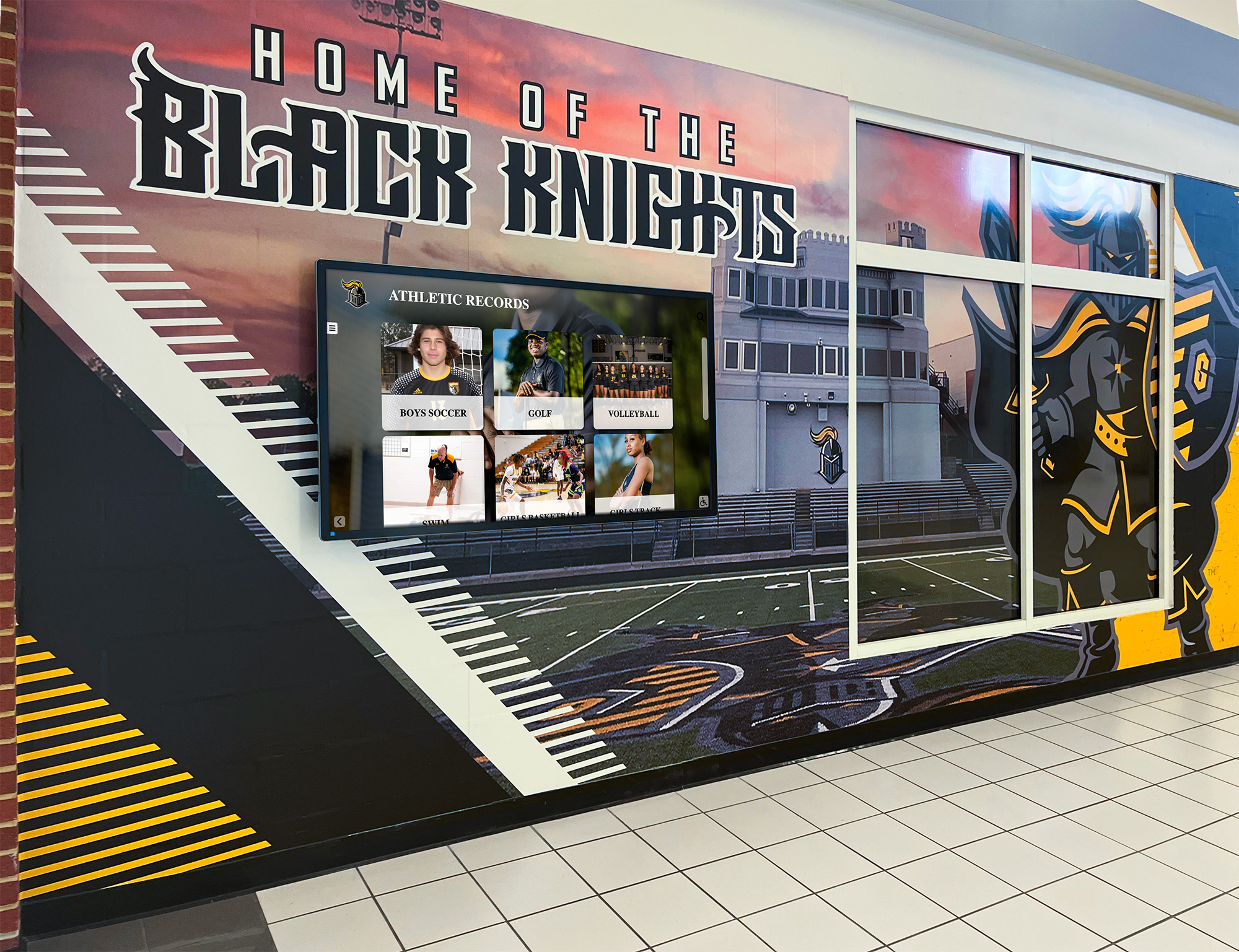
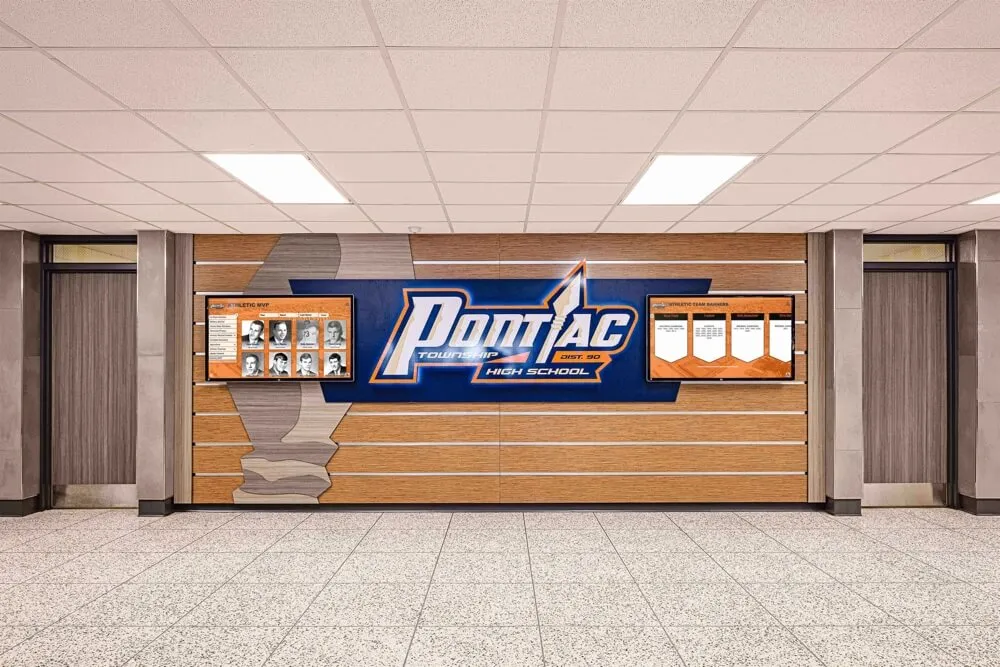
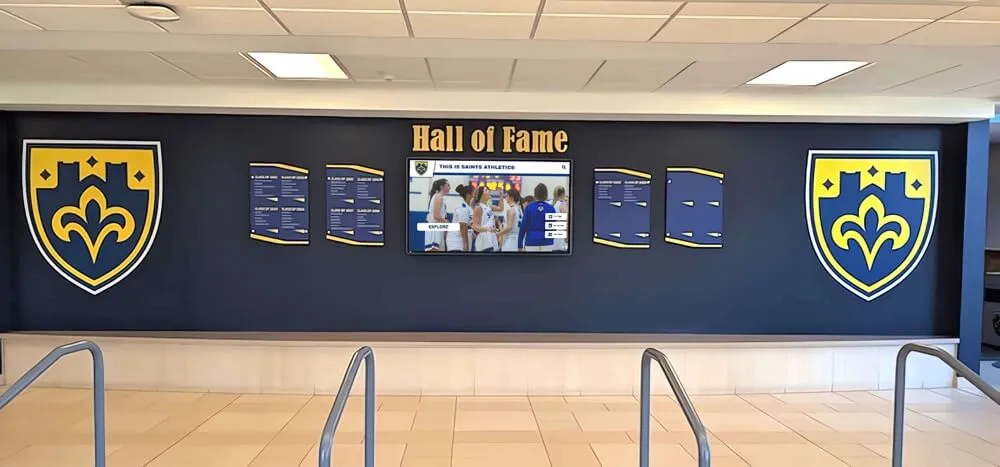
Integrated recognition systems combine touchscreen displays with traditional elements creating comprehensive celebration environments
Measurement: Assessing Recognition Program Impact
Systematic evaluation demonstrates program value while identifying improvement opportunities ensuring recognition achieves intended outcomes.
Quantitative Metrics
Participation and Engagement
Track measurable indicators:
- Annual scholar counts by designation level showing program trends
- Percentage of junior class taking PSAT/NMSQT revealing participation levels
- Scholar advancement rates from Commended to Semifinalist to Finalist to Scholar
- Touchscreen display interaction frequency and duration
- Web portal page views and unique visitor counts
- Social media engagement rates on scholar-related content
- Ceremony attendance figures including families and community members
Academic Culture Indicators
Assess broader institutional impacts:
- PSAT/NMSQT participation rates before and after recognition enhancement
- Advanced Placement and honors course enrollment trends
- College acceptance patterns to selective institutions
- Merit scholarship awards beyond National Merit program
- Academic competition participation across subjects
- Honor roll populations and grade point average distributions
Resource Investment
Monitor program sustainability:
- Annual recognition program budget requirements
- Staff time investment in ceremony coordination and display management
- Technology platform costs including hardware and software
- Recognition material expenses (certificates, awards, printed materials)
- Communication and marketing costs
- Return on investment comparing expenses to cultural impact
Qualitative Assessment
Stakeholder Feedback
Gather perspectives systematically:
- Scholar surveys about recognition experience meaningfulness and impact
- Underclassmen focus groups exploring inspiration and motivation effects
- Family interviews assessing communication effectiveness and ceremony quality
- Teacher observations about changes in academic culture and student aspirations
- College counselor insights regarding application support value
- Alumni reflections on how recognition influenced their educational journeys
- Community member perceptions of school academic excellence commitment
Cultural Impact Indicators
Observe less tangible but equally important outcomes:
- Conversations about National Merit pursuit among underclassmen
- Peer attitudes toward intellectual achievement and academic excellence
- Family engagement with school academic programs and priorities
- Media coverage frequency and tone regarding school achievements
- Prospective family interest citing academic recognition quality
- Staff morale and pride in institutional academic accomplishments
Understanding measuring digital recognition success provides comprehensive assessment frameworks.
Continuous Improvement Processes
Annual Program Review
Implement systematic evaluation cycles:
- Post-ceremony debriefs identifying logistical improvements
- Technology performance reviews addressing display or platform issues
- Content audit ensuring information accuracy and completeness
- Communication analysis examining reach and engagement effectiveness
- Budget review determining resource allocation efficiency
- Stakeholder consultation gathering improvement suggestions
- Best practice research examining innovations at other institutions
Iterative Enhancement
Use assessment data strategically:
- Expand successful recognition elements receiving positive feedback
- Modify or eliminate low-impact components not justifying resources
- Pilot new approaches in limited scope before full implementation
- Update technology as platforms evolve and capabilities expand
- Refine content based on engagement patterns and user preferences
- Strengthen weak areas identified through assessment
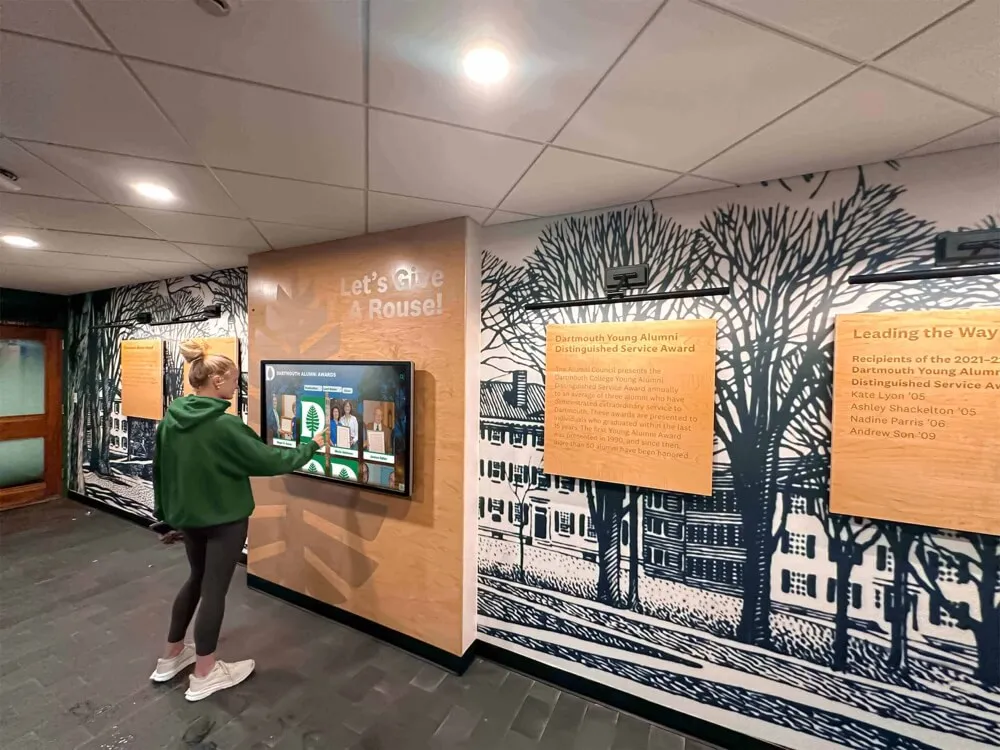
Well-designed recognition systems encourage repeated engagement throughout academic year maintaining sustained visibility
Supporting Underclassmen: Inspiring Future National Merit Pursuit
Effective recognition extends beyond honoring current scholars to actively inspiring younger students to pursue similar achievement through transparent guidance and accessible mentorship.
Preparation and Pathway Guidance
Freshman and Sophomore Education
Build long-term academic foundations:
- Ninth grade orientations introducing National Merit program structure
- Course selection guidance emphasizing rigorous curriculum importance
- Study skill development programs supporting academic excellence
- Standardized test preparation introducing assessment formats
- Time management workshops balancing academics with activities
- Goal-setting frameworks helping students plan multi-year strategies
Junior Year Support Systems
Provide targeted assistance during qualifying year:
- PSAT/NMSQT registration coordination ensuring participation
- Preparation courses and practice examinations
- Test-taking strategy workshops specific to PSAT format
- Subject review sessions in mathematics, reading, writing
- Stress management support during high-pressure period
- Individual counseling for students pursuing National Merit qualification
Understanding student achievement showcase approaches provides frameworks for comprehensive academic support.
Peer Mentorship Integration
Scholar-to-Student Connections
Leverage current scholars as mentors:
- Panel discussions where scholars share preparation strategies
- Small group mentoring sessions connecting scholars with interested juniors
- Online Q&A forums enabling asynchronous advice access
- Video interview libraries preserving scholar wisdom across years
- Study group facilitation where scholars guide test preparation
- College application workshops featuring scholar experiences
Alumni Scholar Network
Connect current students with graduated scholars:
- Alumni career panels featuring National Merit Scholars
- College-specific mentorship matching scholars at prospective institutions
- Virtual office hours with alumni scholars in various fields
- Scholarship application review assistance from past recipients
- Motivational messaging during stressful qualification periods
Recognition Display as Inspiration Tool
Strategic Content Highlighting Pathways
Use displays educationally:
- Scholar advice sections prominently featured in profiles
- Study strategy documentation within biographical content
- Course selection pattern analysis showing successful approaches
- Timeline visualizations documenting multi-year journeys
- Challenge narratives describing obstacles and how scholars overcame them
- “Students like me” filtering helping underclassmen find relatable models
Interactive Goal-Setting Features
Advanced systems can include forward-looking elements:
- “My Path to National Merit” planning tools for underclassmen
- Progress tracking interfaces monitoring junior preparation
- Reminder systems alerting students to key dates and deadlines
- Resource libraries aggregating preparation materials
- Success probability calculators based on current academic performance
These features transform recognition systems from passive acknowledgment into active guidance resources supporting future scholar development.
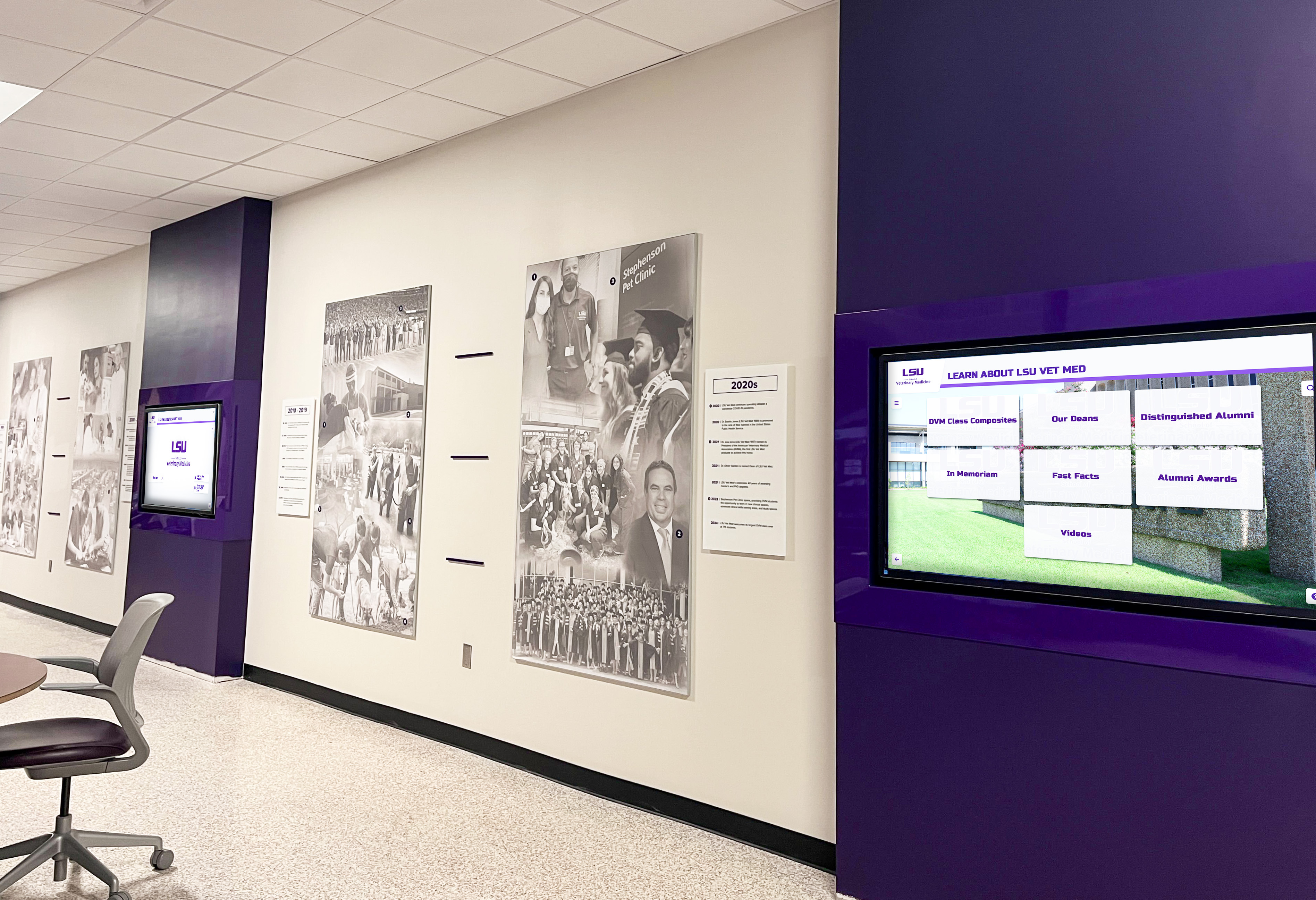
Multi-display installations enable simultaneous presentation of current scholars and historical achievement depth
Budget Considerations and Funding Strategies
Realistic resource planning ensures sustainable programs delivering appropriate recognition without creating unsupportable financial burdens.
Core Investment Categories
Technology Infrastructure
Digital recognition primary expenses:
- Touchscreen display hardware: $3,000-$12,000 depending on size, quality, location requirements
- Mounting equipment and installation: $500-$2,000 for professional placement
- Cloud-based content management platform: $500-$2,500 annually (solutions like Rocket Alumni Solutions)
- Initial content development and database setup: $1,000-$3,000 for comprehensive historical integration
- Network connectivity and power requirements: $200-$800 depending on existing infrastructure
Ceremony and Event Costs
Recognition celebration expenses:
- Venue rental if using external facilities: $0-$500 (typically use school spaces)
- Recognition certificates or commemorative items: $5-$25 per scholar
- Photography and videography: $200-$800 for professional documentation
- Reception refreshments for families: $200-$500 depending on attendance
- Printed programs and materials: $100-$300
- Audio-visual equipment rental if needed: $100-$400
Communications and Marketing
Announcement and visibility costs:
- Graphic design for announcements and display content: $300-$1,000
- Printed banners or supplementary signage: $200-$800
- Social media promotion (typically in-house, minimal cost)
- Media relations (staff time, minimal direct cost)
- Website updates and online portal development: $500-$2,000 initial setup
Ongoing Operational Expenses
Annual program sustainability requirements:
- Software platform annual licensing: $500-$2,500
- Content updates for new scholars: $200-$600 annually
- Display maintenance and occasional repairs: $100-$400
- Recognition materials for new scholars: $200-$800 depending on cohort size
- Communication materials refresh: $100-$300
Total five-year cost of ownership for comprehensive digital recognition systems typically ranges $8,000-$25,000 depending on scale and quality, representing investment of roughly $5-$15 per currently enrolled student in schools with 500-1,000 enrollment.
Funding Source Identification
School Operating Budgets
Traditional funding channels:
- Academic department allocations emphasizing culture and recognition
- Technology budget line items for display hardware and platforms
- Student services funding supporting guidance and college counseling
- Facilities improvement budgets when recognition involves physical upgrades
- Communications and marketing budgets for announcement campaigns
Parent and Community Organizations
External support opportunities:
- Parent-Teacher Association capital campaigns for recognition infrastructure
- Booster organization grants beyond athletics
- Alumni association contributions especially from former scholars
- Education foundation grants supporting academic excellence initiatives
- Service organization sponsorships (Rotary, Kiwanis, etc.)
Corporate and Business Partnerships
Community investment possibilities:
- Local business sponsorships with appropriate recognition
- Corporate matching gift programs for employee donations
- Business education partnerships supporting workforce development
- Professional service donations (design, installation, photography)
Explore donor recognition strategies applicable to recognition program fundraising.
Phased Implementation Approaches
Phase 1: Foundation Recognition (Year 1)
Launch with essential elements:
- Basic digital display with current year scholars
- Simple recognition ceremony
- Web page featuring scholar profiles
- Social media announcements
- Modest historical scholar integration
Phase 2: Enhancement and Depth (Year 2-3)
Expand recognition comprehensiveness:
- Additional display locations
- Complete historical scholar archive
- Enhanced interactive features
- Improved ceremony production
- Expanded communication channels
Phase 3: Excellence and Innovation (Year 4+)
Achieve recognition program maturity:
- Multi-display coordinated systems
- Advanced interactive capabilities
- Comprehensive mentorship integration
- Sophisticated statistical dashboards
- National best practice implementation
This phased approach enables program launch without requiring complete investment immediately while building toward comprehensive excellence as resources and experience accumulate.
Privacy and Compliance Considerations
Appropriate recognition respects legal requirements and family preferences while celebrating achievement broadly.
FERPA and Educational Records
Directory Information Designations
The Family Educational Rights and Privacy Act governs student information disclosure:
- National Merit Scholar designation typically qualifies as directory information schools may disclose
- Schools must provide annual directory information notices to families
- Families retain rights to opt out of directory information disclosure
- Recognition programs must honor opt-out requests completely and promptly
- Scholar consent recommended before including personal narratives or detailed information
Consent and Permission Management
Systematic permission protocols:
- Photo and video release forms before capturing recognition imagery
- Written permission for biographical content beyond basic designation
- Social media posting permissions separate from general directory information
- Annual permission renewals as students mature and preferences change
- Clear opt-out processes respecting privacy preferences without penalty
Equity and Inclusion
Socioeconomic Accessibility
Ensure recognition opportunities remain equitable:
- No fees or costs imposed on scholars for recognition participation
- School-provided materials for ceremonies and celebrations
- PSAT/NMSQT fee waivers for economically disadvantaged students
- Preparation resources available to all students regardless of ability to pay
- Recognition criteria based solely on achievement, not financial capacity
Geographic and Demographic Fairness
Address potential program inequities:
- Acknowledge state-by-state Semifinalist threshold variations
- Recognize systemic factors affecting test performance and access
- Celebrate Commended Students prominently despite not advancing
- Highlight growth and improvement beyond absolute achievement
- Feature diverse scholar backgrounds and pathways in mentorship content
Understanding academic recognition equity considerations provides frameworks applicable to scholar celebration.
Conclusion: Building Excellence Culture Through Comprehensive Recognition
National Merit Scholar achievement represents extraordinary academic accomplishment resulting from years of sustained intellectual commitment, rigorous coursework pursuit, and exceptional standardized assessment performance placing students among the nation’s top 1-3% of high school juniors. These achievements deserve recognition proportional to their significance—comprehensive celebration systems combining formal ceremonies, permanent displays, digital touchscreen integration, mentorship opportunities, and ongoing visibility ensuring honor extends far beyond brief announcement moments.
Schools that excel at National Merit recognition create multi-layered programs embedding scholar celebration throughout physical and digital environments, establishing recognition as sustained institutional priority rather than isolated acknowledgment. Recognition becomes cultural force inspiring underclassmen while appropriately honoring recipient achievements and demonstrating school commitment to intellectual excellence.
Ready to create National Merit Scholar recognition worthy of these exceptional achievements while inspiring future generations to pursue academic excellence? Modern recognition solutions eliminate traditional limitations of static displays and space-constrained acknowledgment. Solutions like Rocket Alumni Solutions provide comprehensive digital platforms specifically designed for academic achievement celebration, offering unlimited capacity for scholar profiles, engaging interactive exploration, cloud-based content management requiring no technical expertise, web accessibility extending recognition globally, and ADA-compliant inclusive design.
Schools evaluating National Merit Scholar recognition approaches should consider not just immediate implementation costs but long-term value, sustainability, and comprehensive capabilities enabling appropriate celebration of achievements representing the pinnacle of high school academic excellence.
Your National Merit Scholars earned their designations through extraordinary dedication demonstrating exceptional academic ability across years of sustained intellectual commitment. Recognition should reflect that excellence by documenting complete scholar journeys comprehensively, creating engaging experiences inspiring underclassmen, and establishing permanent celebration ensuring achievements receive lasting honor decades beyond graduation. With strategic planning, appropriate investment, and systematic implementation following frameworks outlined in this blueprint, you can build National Merit Scholar recognition programs serving students, families, and communities while strengthening academic excellence culture.
Start planning your National Merit Scholar recognition program today using this blueprint as foundation. Essential elements aren’t budget size, technology sophistication, or elaborate ceremony production—they’re genuine commitment to honoring intellectual achievement, comprehensive scholar celebration ensuring appropriate acknowledgment, and sustained recognition keeping programs relevant and inspiring for all who experience them.
Ready to transform National Merit Scholar recognition at your school? Request your free custom demo exploring how digital recognition platforms can showcase scholar achievements while strengthening academic excellence culture and inspiring future generations to pursue similar accomplishment. Your scholars’ extraordinary achievements deserve recognition matching their significance.