National Letter of Intent: What Every High School Athlete Needs to Know Before Signing
- Home /
- Digital Hall of Fame Insights & Resources /
- National Letter of Intent: What Every High School Athlete Needs to Know Before Signing
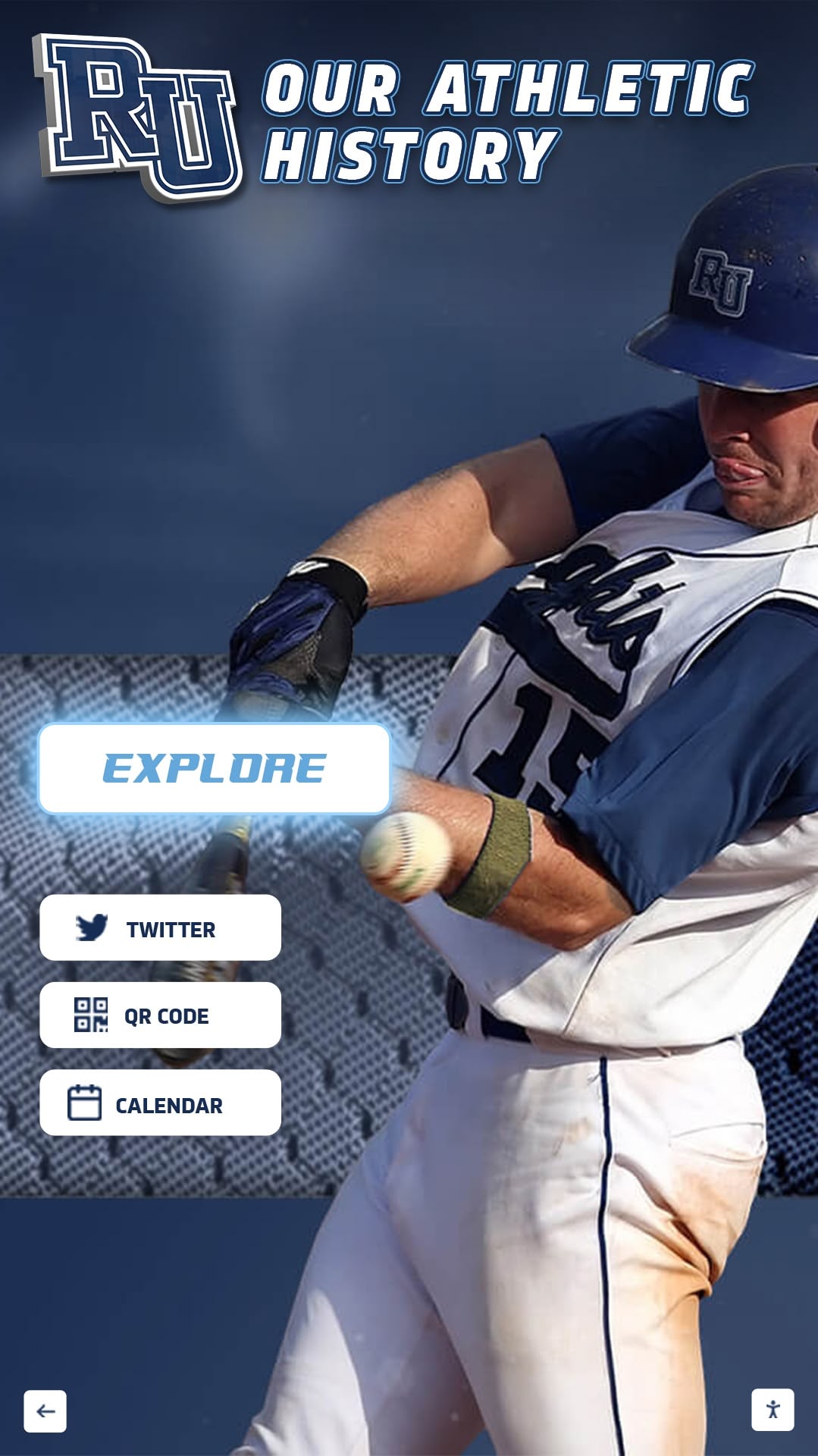
The Easiest Touchscreen Solution




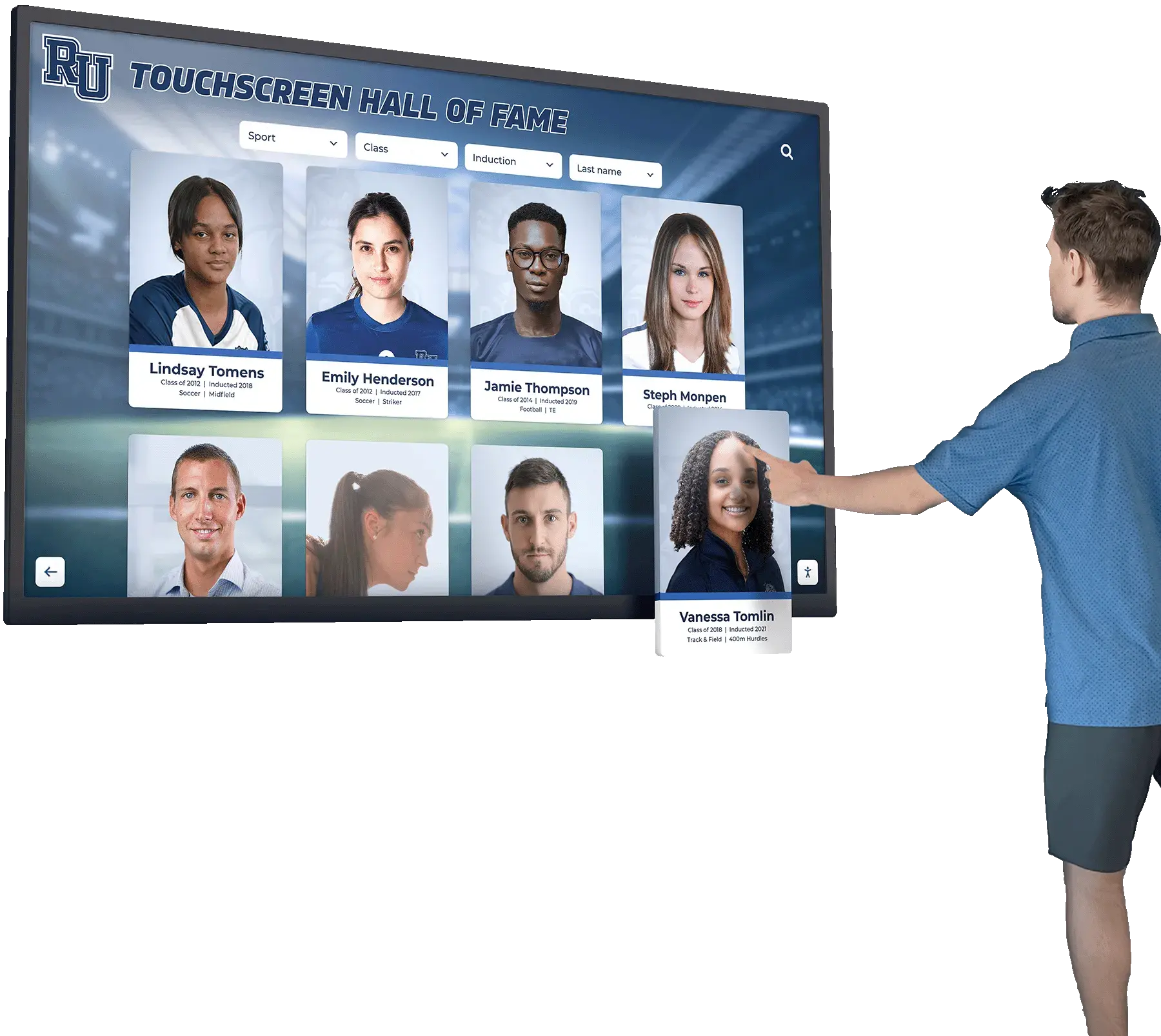
Live Example: Rocket Alumni Solutions Touchscreen Display
Interact with a live example (16:9 scaled 1920x1080 display). All content is automatically responsive to all screen sizes and orientations.
The National Letter of Intent (NLI) represents one of the most significant documents high school student-athletes will ever sign—a binding agreement committing them to attend a specific college or university in exchange for athletic financial aid. For the approximately 57,000 student-athletes who sign NLIs annually across NCAA Division I and Division II institutions, this single signature fundamentally shapes their educational and athletic future. Yet despite its profound importance, many athletes and families approach signing day with incomplete understanding of what the NLI actually requires, what protections it provides, and what happens if circumstances change after signing.
When student-athletes sign without fully understanding NLI provisions—the one-year commitment to attend, the limited release conditions, the difference between NLI and scholarship offers, or the specific signing period deadlines—they risk making decisions they later regret or facing unexpected restrictions if situations change. These aren’t abstract concerns: hundreds of student-athletes each year request NLI releases due to coaching changes, scholarship reductions, family circumstances, or simple changes of heart, discovering too late that escape from binding commitments proves far more difficult than they imagined.
This comprehensive guide provides everything high school athletes and families need to know before signing a National Letter of Intent—from understanding exactly what the NLI commits you to and what protections it guarantees, through navigating signing periods and deadlines, to preparing for signing day celebrations and knowing your options if circumstances change. Whether you’re a recruited athlete preparing to sign, a parent supporting your student-athlete’s college decision, or a coach guiding athletes through the commitment process, you’ll gain complete understanding of this critical athletic-academic milestone.
The National Letter of Intent serves dual purposes: protecting recruited student-athletes from being perpetually re-recruited by other schools while securing institutional commitments that athletes will enroll and compete. Understanding both sides of this equation—the benefits the NLI provides and the restrictions it imposes—enables informed decision-making that sets student-athletes up for college success rather than regret.

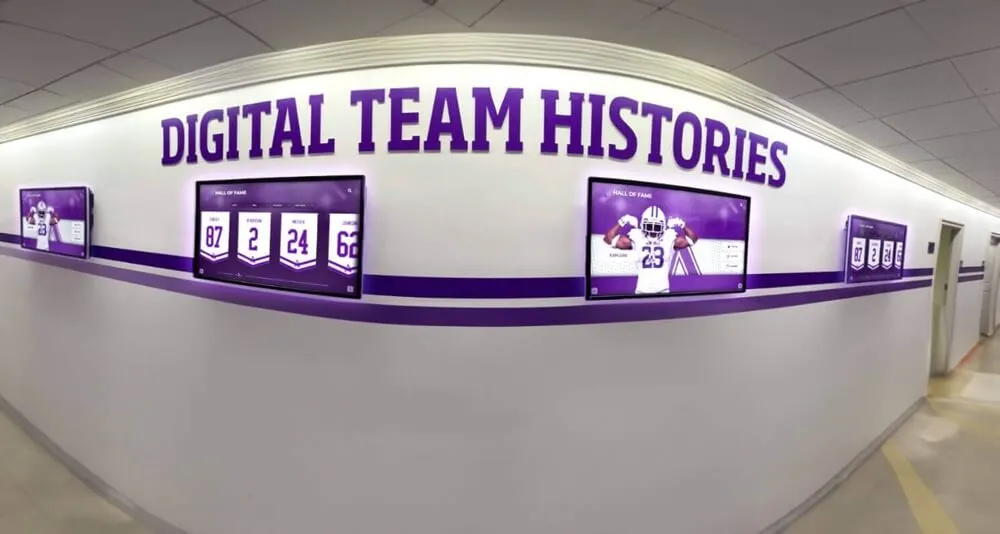
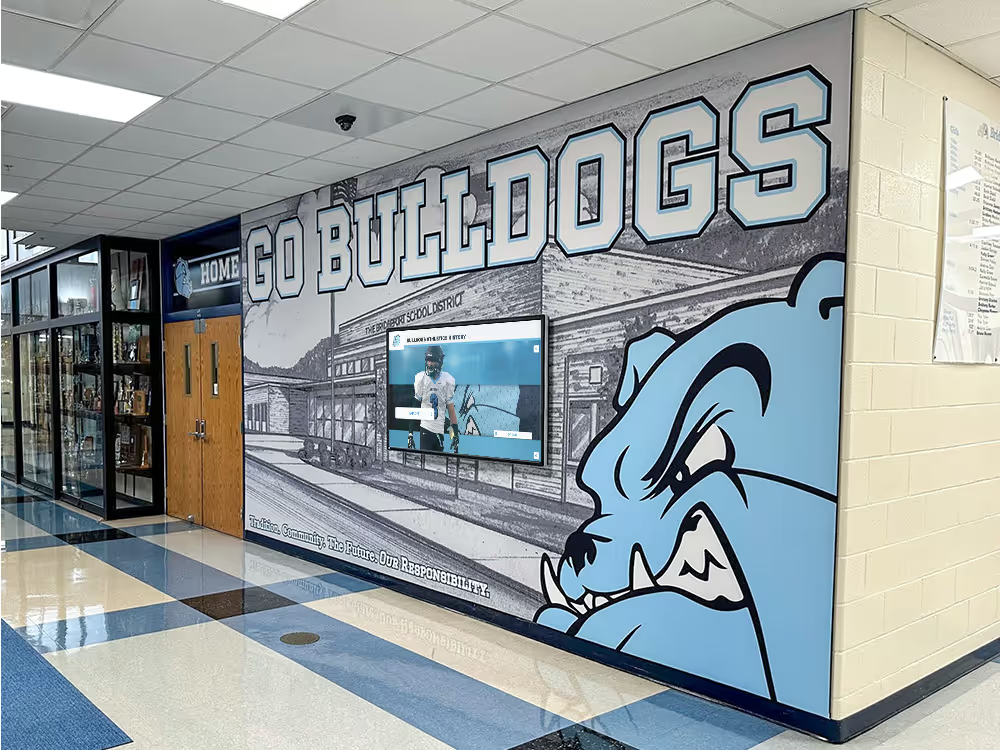
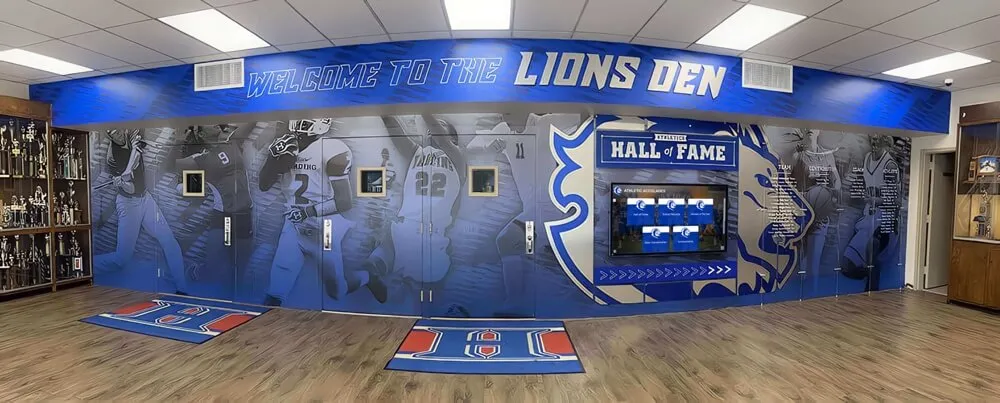
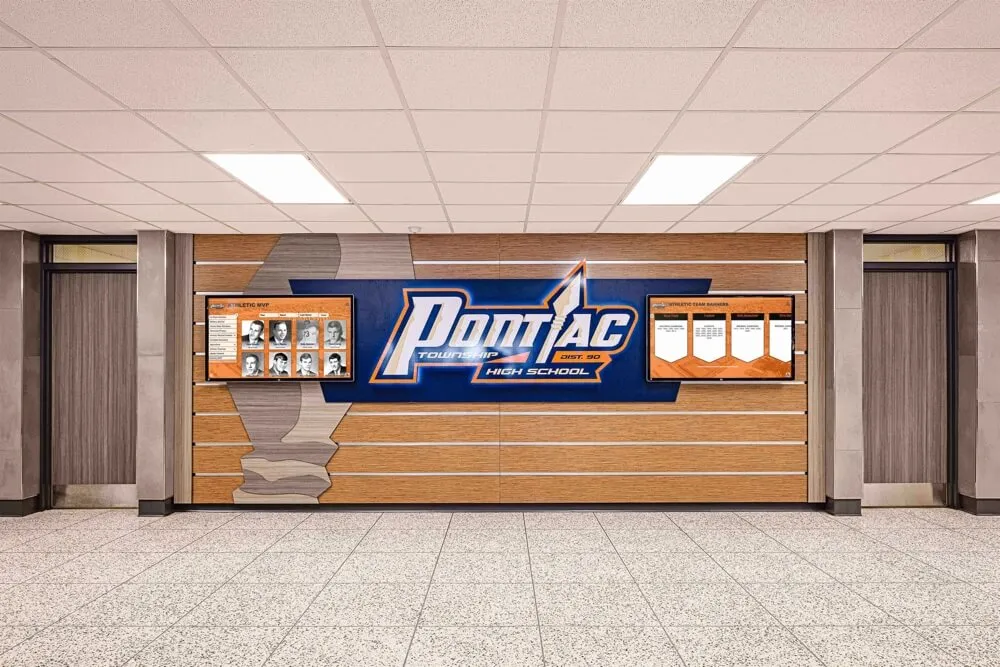
Signing a National Letter of Intent commits student-athletes to specific colleges—understanding the agreement's terms before signing prevents future complications
What Is the National Letter of Intent?
Before signing any document, understanding exactly what you’re agreeing to prevents confusion and protects your interests throughout the recruiting process.
NLI Definition and Core Purpose
Official Agreement Between Athletes and Institutions
The National Letter of Intent is a voluntary program administered by the NCAA Eligibility Center in which prospective student-athletes agree to attend an NCAA Division I or Division II college or university for one academic year in exchange for athletics financial aid. When both the student-athlete and the institution sign the NLI, it becomes a binding contract preventing other schools from recruiting that athlete.
The NLI program began in 1964 with participation from seven conferences and eight independent institutions. Today, more than 680 colleges and universities participate in the program across Division I and Division II levels, making it the standard mechanism for formalizing athletic recruiting commitments across most major college sports programs.
The Mutual Commitment Structure
The NLI creates reciprocal obligations:
What Student-Athletes Commit To: Attending the signing institution for at least one full academic year (two semesters or three quarters), participating in that institution’s athletics program, and ceasing recruitment activities with all other participating NLI institutions.
What Institutions Commit To: Providing athletics financial aid for a minimum of one full academic year (two semesters or three quarters) at the signing institution, honoring the scholarship offer detailed in the accompanying financial aid agreement.
This bilateral structure distinguishes the NLI from a simple verbal commitment—both parties make enforceable promises creating legal obligations beyond casual agreements or handshake deals that either side can abandon without consequence.
Sports and Divisions Covered by the NLI Program
Participating Sports
The NLI program covers most NCAA sports with some notable exceptions:
Division I Sports: Football (FBS and FCS), basketball, baseball, softball, soccer, volleyball, track and field, cross country, swimming and diving, tennis, golf, gymnastics, ice hockey, lacrosse, field hockey, rowing, wrestling, and most other NCAA-sponsored sports.
Division II Sports: Similar coverage across the sports sponsored at the Division II level, with student-athletes receiving financial aid based on athletic ability eligible to participate in the NLI program.
Important Exceptions: The Ivy League does not participate in the NLI program (Ivy League schools offer need-based aid rather than athletic scholarships). Service academies (Army, Navy, Air Force) have their own appointment processes separate from NLI. NCAA Division III institutions do not participate because Division III does not award athletic scholarships.
Understanding whether your sport and target institutions participate in the NLI program helps you know which commitments are binding versus which remain non-binding verbal agreements you can reconsider without penalty.
Many schools celebrate NLI signings alongside other athletic achievements—explore college signing day table ideas for recognition ceremony planning.
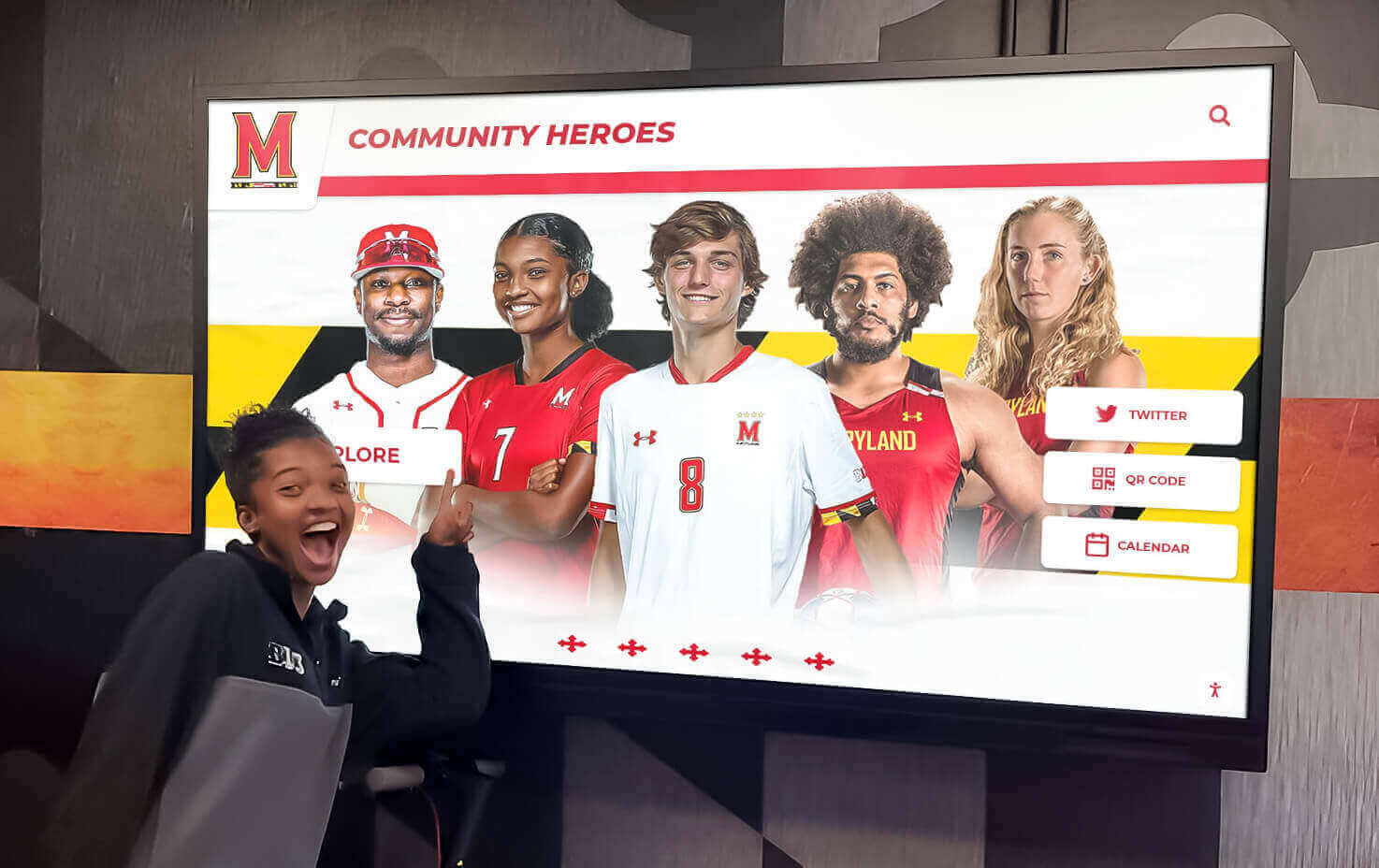
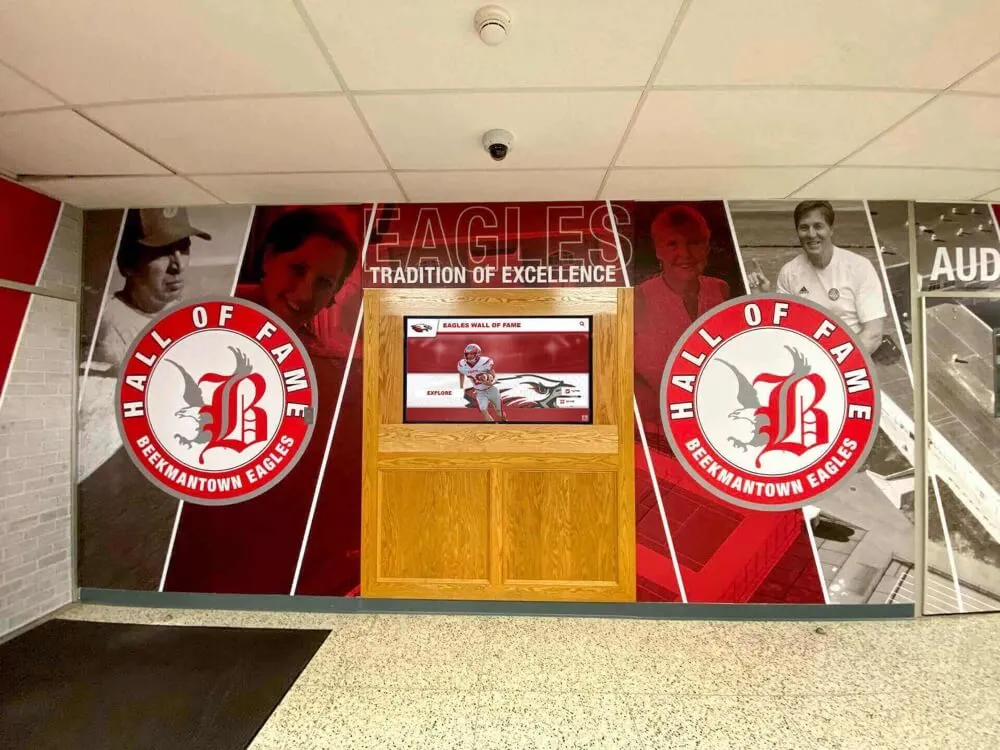
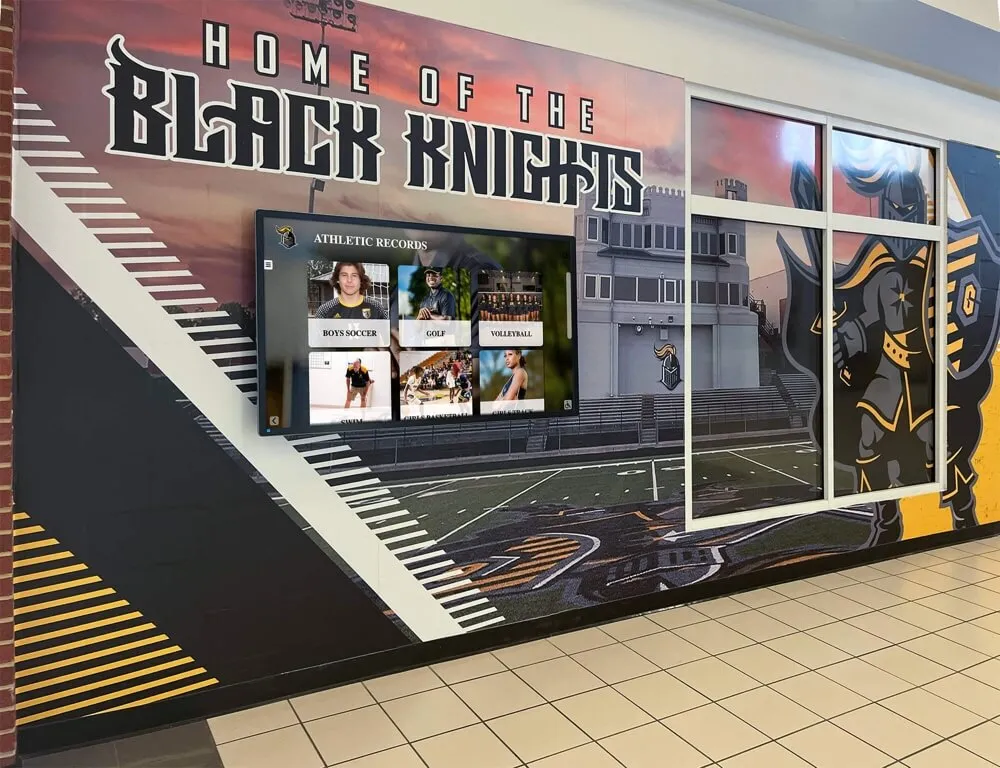
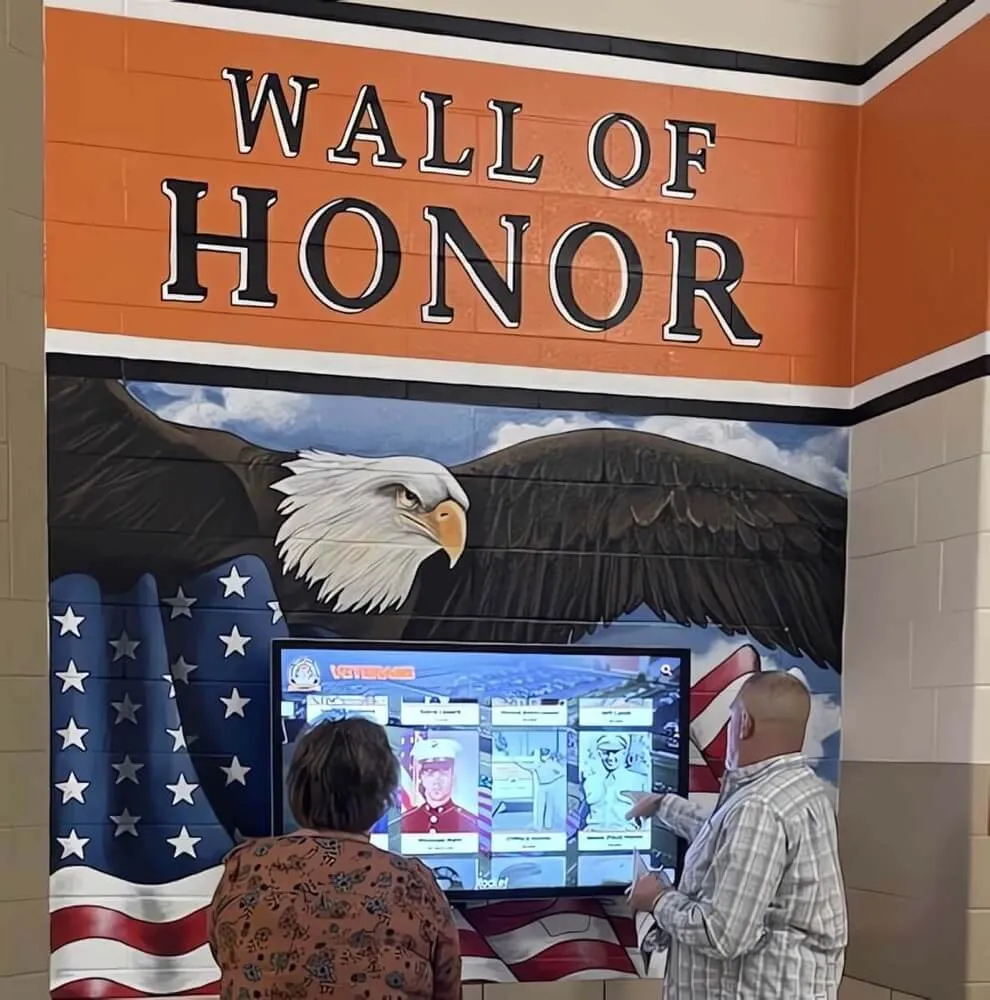
Schools celebrate NLI signing day ceremonies honoring student-athletes' college commitments and athletic achievements
Understanding What You’re Committing To: NLI Requirements Explained
The National Letter of Intent contains specific provisions creating legal obligations—knowing exactly what you’re agreeing to prevents unwelcome surprises after signing.
The One-Year Attendance Commitment
Full Academic Year Enrollment Requirement
When you sign an NLI, you commit to attending the signing institution for one full academic year. This means two full semesters (fall and spring) or three full quarters, depending on the institution’s academic calendar.
What This Actually Means: You must enroll as a full-time student at the signing institution for this period. Simply attending one semester or leaving mid-year violates the NLI agreement. You cannot transfer to another NLI participating institution and compete athletically without serving a penalty (historically a one-year residence requirement, though recent NCAA transfer rules have modified some penalty provisions).
Academic Year Definition: The one-year period begins with your initial full-time enrollment. If you enroll in fall semester, your commitment extends through the following spring semester. For quarter systems, enrollment through three consecutive quarters satisfies the requirement.
Recruiting Restriction Provisions
Protection from Continued Recruiting
Once you sign an NLI, all other participating NLI institutions must cease recruiting you. Coaches from other schools cannot contact you, visit your home, or encourage you to reconsider your commitment.
This provision protects student-athletes from the perpetual recruiting pressure that could otherwise continue until enrollment. Without the NLI, committed athletes might face constant contact from coaches attempting to change decisions—creating stress and uncertainty throughout the transition from high school to college.
Enforcement and Violations: Institutions violating NLI recruiting restrictions face penalties from the NCAA. If coaches from other schools contact you after you sign an NLI, report this contact to your signing institution’s compliance office, as these violations can result in sanctions against the recruiting institution.
The Athletic Financial Aid Agreement Connection
NLI Must Be Accompanied by Financial Aid Offer
Critically, the National Letter of Intent must be accompanied by a written athletic financial aid agreement from the signing institution detailing the scholarship terms and conditions.
What the Financial Aid Agreement Specifies:
- The total dollar amount or percentage of costs covered by the scholarship
- Which expenses are covered (tuition, fees, room, board, books)
- Scholarship duration (one year, with conditions for renewal)
- Academic and athletic requirements for maintaining eligibility
- Conditions under which the scholarship can be reduced or canceled
Important Distinction: The NLI commits you to attend the institution. The financial aid agreement specifies what scholarship you’ll receive. These are separate documents serving different purposes, though they work together as a package.
Some student-athletes mistakenly believe signing the NLI guarantees a four-year scholarship. In reality, most athletic scholarships are one-year renewable agreements. The institution must offer renewal annually, but scholarships can be reduced or not renewed based on athletic performance, team conduct, or roster management decisions (though NCAA rules now provide some protections against arbitrary non-renewal).
Understanding comprehensive athletic recognition approaches helps schools celebrate these commitments—review how to plan sports banquets for signing day events.
Enrollment Conditions and Timing Requirements
Admission and Eligibility Requirements
The NLI includes conditional provisions: your commitment to attend becomes void if you fail to meet admission requirements or NCAA eligibility standards.
Academic Admission: If the institution denies your admission application, the NLI becomes null and void, releasing you to sign with another institution without penalty. This protection prevents you from being bound to institutions that won’t actually admit you.
NCAA Eligibility Certification: Similarly, if the NCAA Eligibility Center determines you don’t meet initial eligibility requirements (academic standards, amateurism requirements, etc.), the NLI releases you from commitment.
Enrollment Timing: You must enroll at the signing institution by the fall term of the academic year following your NLI signing. For example, if you sign during the early signing period in November of your senior year, you must enroll the following fall semester. Delaying enrollment beyond this timeline without institution permission violates the agreement.

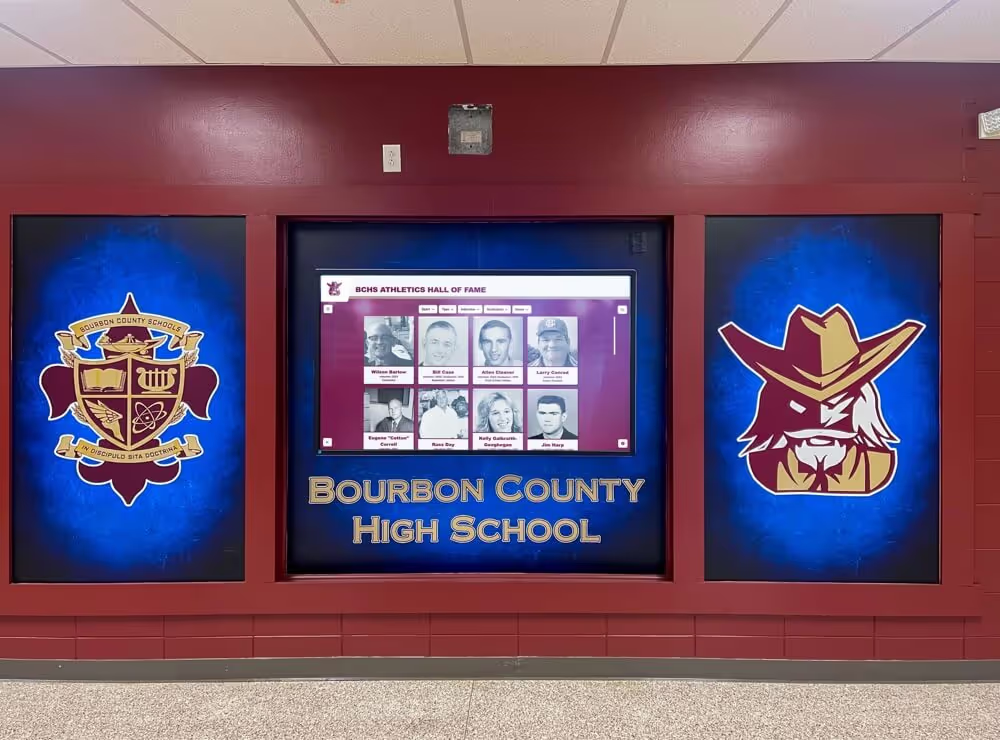
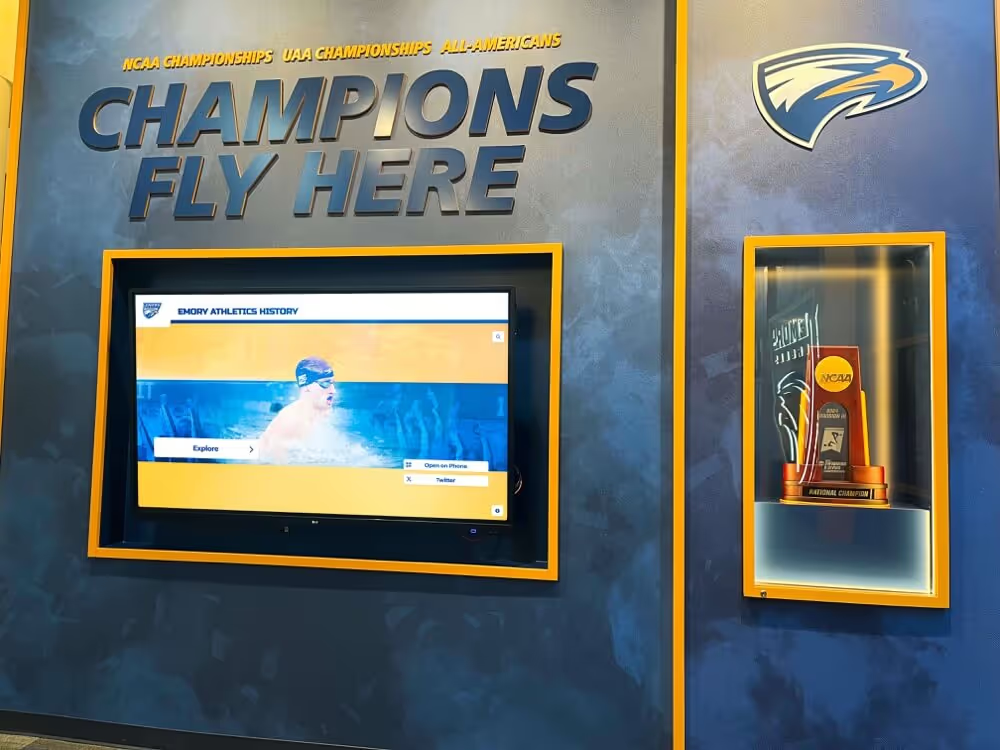
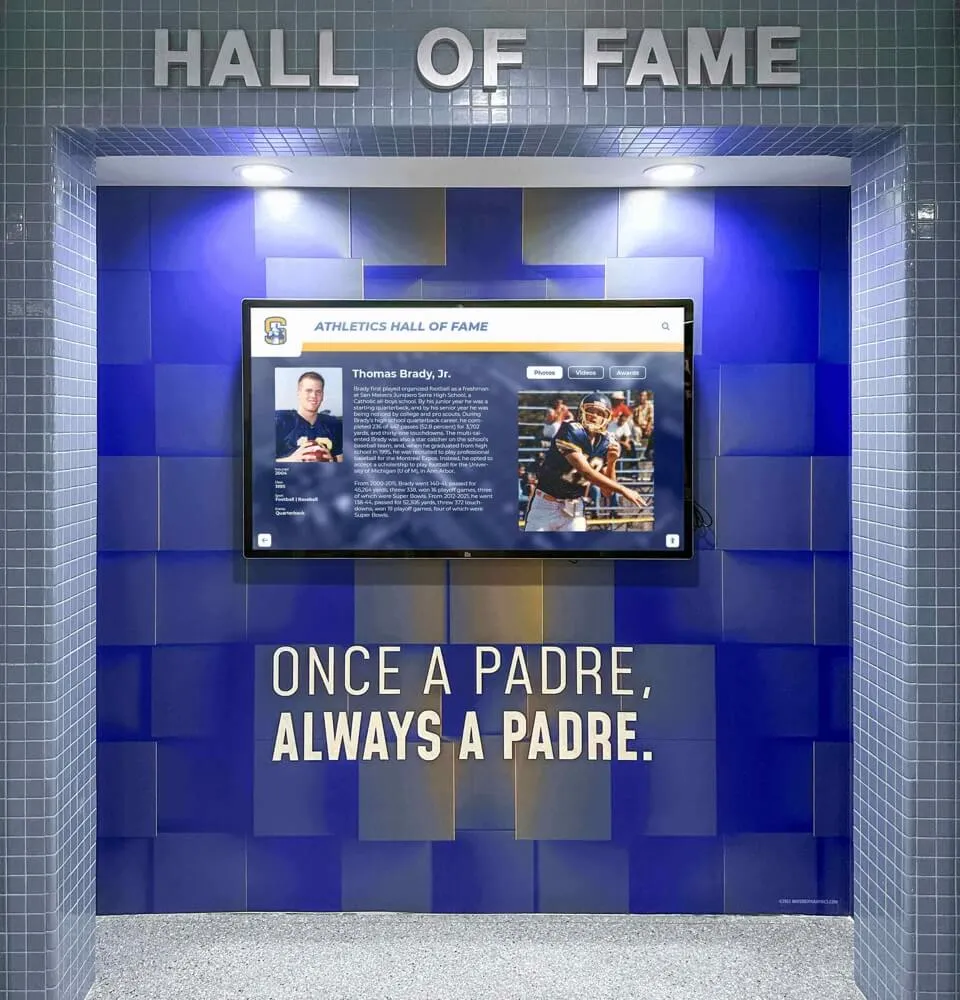
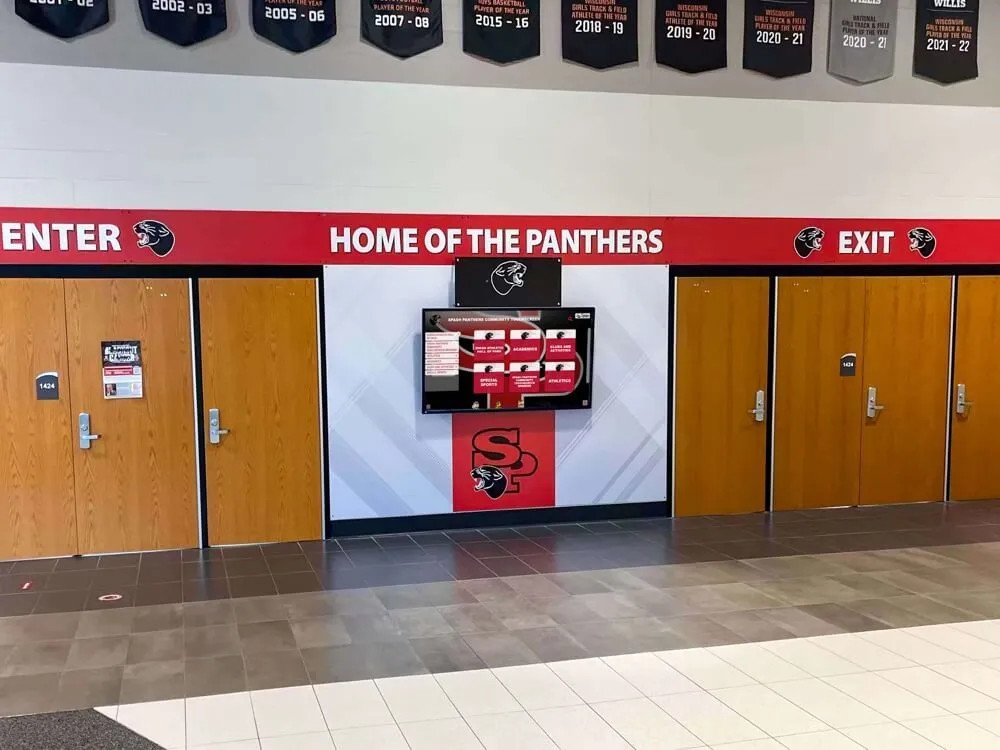
Modern recognition systems celebrate student-athletes' journeys from high school through college commitments and beyond
NLI Signing Periods: Understanding Deadlines and Timing
The NLI program establishes specific signing periods when student-athletes can sign letters of intent—knowing these deadlines helps you plan your commitment timeline strategically.
Early Signing Period
November Signing Window for Most Sports
For most sports, the early signing period runs in November during your senior year of high school.
Football (FBS and FCS): Early signing period typically runs for three days in mid-December (usually the third Wednesday in December through Friday).
Basketball: Early signing period runs for one week in November, typically starting the second Wednesday in November.
Other Sports (baseball, softball, soccer, volleyball, etc.): Early signing period runs for several days in mid-November, generally starting the second Wednesday in November.
Strategic Advantages of Early Signing: Signing during the early period removes recruiting uncertainty, allows you to focus on finishing high school strong without distraction, guarantees your spot in the recruiting class before coaching changes or roster decisions, and enables early participation in team activities and summer conditioning programs.
According to NCAA data, approximately 85-90% of Division I football recruits and similar percentages across other sports now sign during early periods rather than waiting for regular signing dates—reflecting strong preference among both athletes and coaches for early commitment finalization.
Regular Signing Period
Spring Signing Window
For student-athletes who don’t sign early—whether by choice, because recruitment continued into winter, or because offers came late—the regular signing period provides opportunity to formalize commitments.
Football: Regular signing period begins the first Wednesday in February and extends through April 1.
Basketball: Regular signing period begins the second Wednesday in April and extends through May 15.
Other Sports: Regular signing period begins the second Wednesday in April and extends through August 1.
Why Athletes Wait for Regular Period: Some legitimate reasons for not signing early include waiting to compare final scholarship offers from multiple schools, needing additional time to evaluate programs through campus visits, hoping for preferred offers that materialize later in recruiting cycle, or dealing with academic eligibility questions that resolve after early period closes.
However, waiting involves risk: coaching changes can alter scholarship offers, roster spots may fill during early signing period, and schools may reduce scholarship amounts for late signings knowing athletes have fewer alternatives.
Key Dates Table for 2026-2027 Signing Periods
| Sport | Early Signing Period | Regular Signing Period |
|---|---|---|
| Football (FBS/FCS) | December 17-19, 2026 | February 4, 2027 - April 1, 2027 |
| Basketball (M/W) | November 11-18, 2026 | April 14, 2027 - May 15, 2027 |
| Baseball | November 11-18, 2026 | April 14, 2027 - August 1, 2027 |
| Softball | November 11-18, 2026 | April 14, 2027 - August 1, 2027 |
| Soccer (M/W) | November 11-18, 2026 | April 14, 2027 - August 1, 2027 |
| Volleyball (W) | November 11-18, 2026 | April 14, 2027 - August 1, 2027 |
| Track & Field | November 11-18, 2026 | April 14, 2027 - August 1, 2027 |
| Lacrosse (M/W) | November 11-18, 2026 | April 14, 2027 - August 1, 2027 |
Note: Dates are subject to change—always verify current signing period dates with NCAA Eligibility Center or institution compliance offices.
Schools increasingly showcase signing day events alongside other achievements—discover college commitment day digital board recognition approaches.
Is the National Letter of Intent Binding? Understanding Your Commitment
The binding nature of the NLI represents its most important characteristic—and the aspect that causes the most confusion and concern among student-athletes and families.
Yes, the NLI Is Legally Binding
Enforceable Agreement with Serious Consequences
Once you sign a National Letter of Intent, you are bound to attend that institution for one academic year. This isn’t a casual commitment you can change without consequences—it’s a legal contract with enforcement provisions.
What “Binding” Actually Means: If you sign an NLI with University A, then decide you’d prefer to attend University B instead, you cannot simply change your mind without penalty. University B (if it participates in the NLI program) cannot recruit you, and if you enroll at University B anyway, you must serve a penalty before competing athletically.
Enforcement Mechanism: The primary enforcement mechanism is the one-year residence requirement. Historically, student-athletes who signed NLIs but enrolled at different NLI participating institutions had to complete one full academic year (two semesters or three quarters) at the new institution before becoming eligible to compete in athletics. Recent NCAA transfer rule changes have modified some aspects of this penalty, but the NLI commitment remains binding with consequences for violation.
Limited Release Conditions
When Can You Be Released from an NLI?
The NLI provides specific, limited circumstances under which student-athletes can request release from their commitment:
Complete Release Situations (NLI becomes void automatically):
- The institution denies your admission
- You fail to meet NCAA initial eligibility requirements
- The institution discontinues your sport before you enroll
- You suffer serious illness or injury preventing athletic participation (with medical documentation)
Request for Release Situations (require institution approval):
- Head coach who recruited you leaves before you enroll
- NCAA places institution on major sanctions affecting your sport
- Significant changes to scholarship offer amount or terms
- Personal or family circumstances creating genuine hardship
Important Reality: Even in request-for-release situations, the signing institution has complete discretion whether to grant release. They are not required to release you, even if the head coach leaves or circumstances change. Some institutions routinely grant releases in coaching change situations; others almost never do. This discretion means you’re largely dependent on institution goodwill.
Requesting NLI Release Process: Submit written release request to institution’s athletics director or compliance office explaining circumstances. The institution reviews and decides whether to grant full release, partial release (allowing you to transfer but restricting which schools you can attend), or denial. If denied, you can appeal to the NLI Appeals Committee, but successful appeals are relatively rare.
NLI vs. Verbal Commitment: Critical Differences
Verbal Commitments Are Not Binding
Many student-athletes verbally commit to schools months or even years before signing NLI documents. These verbal commitments carry no legal weight—either party can walk away without consequence.
What Verbal Commitment Means: You’ve told coaches you plan to sign with their institution, and they’ve told you they’re holding a roster spot and scholarship offer. But until you sign the actual NLI document, neither side has legally binding obligations.
Why This Matters: Coaches can reduce scholarship offers, withdraw offers entirely, or leave for other positions after you’ve verbally committed. Similarly, you can change your mind and commit elsewhere. Only the signed NLI creates binding commitment.
Ethical vs. Legal Obligations: While verbal commitments aren’t legally binding, they do carry ethical weight. Backing out of verbal commitments late in recruiting process affects coaches’ ability to recruit alternative athletes and can damage relationships. However, your ultimate obligation is to your own best interests—verbal commitment shouldn’t prevent you from reconsidering if circumstances substantially change.
Understanding the entire athletic journey helps schools celebrate these milestones—review creating collegiate experience for high school athletes for comprehensive recognition approaches.
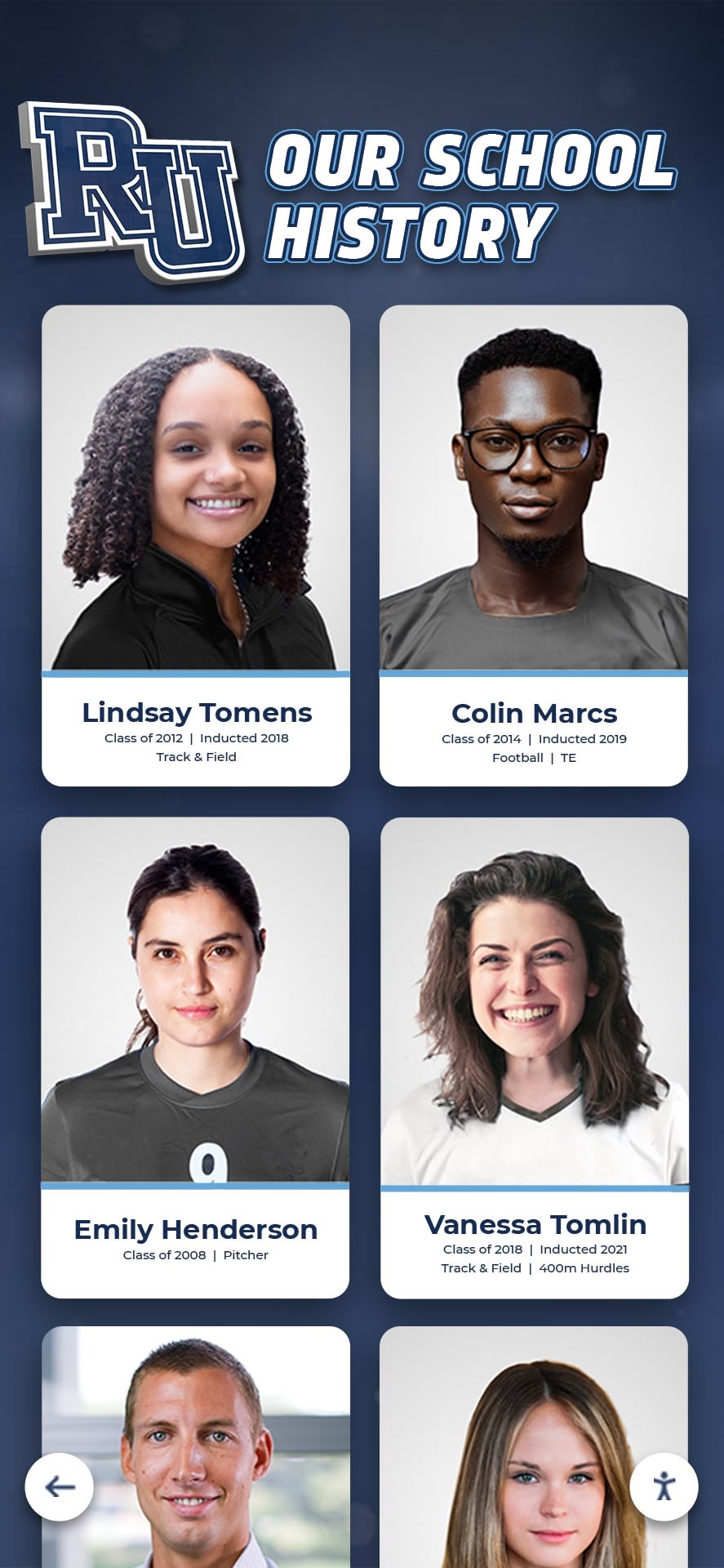
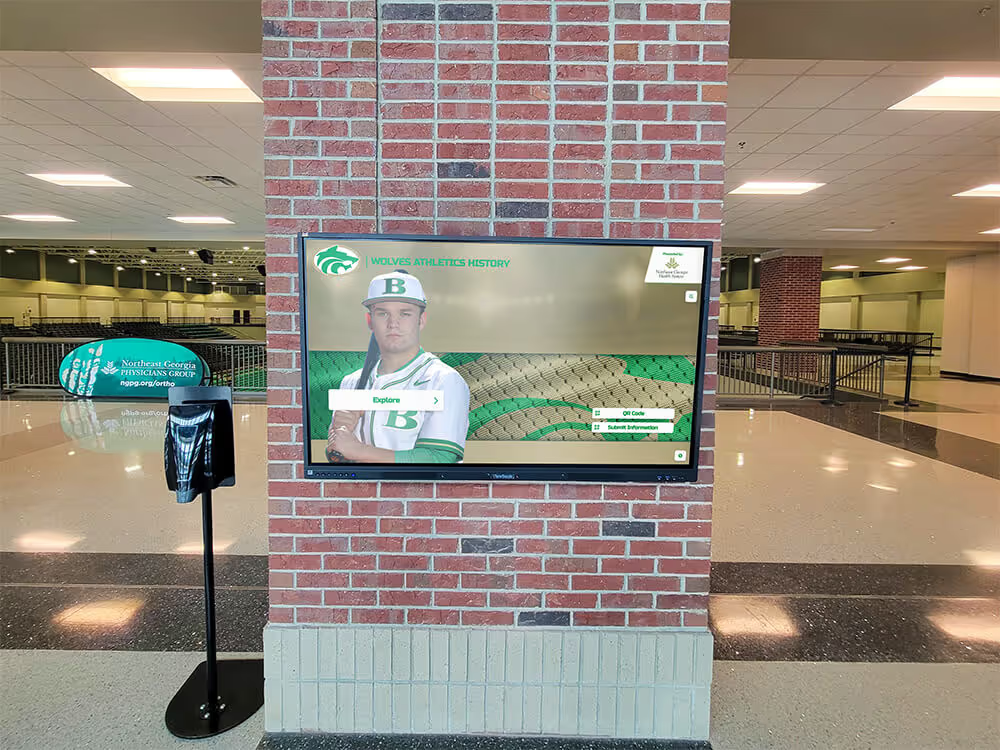
Schools preserve student-athlete legacies by documenting high school achievements alongside college commitments and career progression
National Letter of Intent Rules: What Athletes Must Know
Beyond the basic binding commitment, specific NLI rules govern various situations student-athletes might encounter during recruitment and enrollment.
Junior College Transfer Rules
Special Provisions for JC Transfers
Student-athletes who attend junior or community colleges before transferring to four-year institutions face different NLI considerations.
NLI Signing Timeline: If you signed an NLI out of high school but attended junior college instead (either because you didn’t meet eligibility requirements or chose JC for development), that original NLI commitment typically expires after one year.
Signing From Junior College: When transferring from junior college to a four-year institution, you can sign a new NLI during designated transfer signing periods. This new NLI commits you to the four-year institution for one academic year.
Division I Basketball Transfer Exception: Men’s basketball and women’s basketball transfers face specific additional restrictions and signing period modifications—always verify current rules with NCAA Eligibility Center and institution compliance offices.
Coaching Change Provisions
Your Rights When Coaches Leave
One of the most common concerns among NLI signers: what happens if the head coach who recruited you leaves for another position after you sign but before you enroll?
Official NLI Position: Coaching changes alone do not automatically void your NLI. The agreement is with the institution, not with individual coaches, so coach departures don’t release you from commitment.
Request for Release Option: However, NLI provisions recognize coaching changes as legitimate grounds for requesting release. Many institutions grant full or partial releases when head coaches depart, acknowledging that student-athletes committed largely based on coach relationships and program philosophy that may change under new leadership.
Institution Discretion: Remember, institutions decide whether to grant these release requests. Some schools routinely release student-athletes when coaches leave; others maintain that commitments are institutional and rarely grant releases. Research institution’s historical approach to coaching change release requests before signing.
Timing Considerations: If the coaching change occurs before you sign the NLI, you can simply choose not to sign and explore other options. Once you’ve signed, you’re dependent on institution willingness to grant release.
Scholarship Changes and Reductions
Protection Against Offer Modifications
The financial aid agreement accompanying your NLI details specific scholarship terms. Can the institution change these terms after you sign?
Pre-Enrollment Protection: Between NLI signing and your enrollment, institutions generally cannot reduce scholarship offers detailed in financial aid agreements without providing legitimate justification and offering you release from your NLI commitment.
Post-Enrollment Modifications: Once enrolled, different rules apply. Institutions can reduce or eliminate athletic scholarships for disciplinary reasons, fraudulent information on applications, or voluntary withdrawal from sport. However, recent NCAA rules provide enhanced protections: schools cannot reduce or cancel scholarships during the award period (typically one year) due solely to athletic performance, injury, or coaching discretion.
Multi-Year Scholarship Guarantees: Some institutions now offer four-year or multi-year scholarship guarantees providing enhanced security. If offered multi-year guarantee, ensure this is documented in writing in the financial aid agreement, not just promised verbally.
Medical Hardship and Injury Provisions
When Injury Affects NLI Commitments
Significant injuries occurring between signing and enrollment raise questions about commitment obligations.
Student-Athlete Medical Inability: If you suffer serious injury or illness preventing athletic participation, documented by medical professionals, the NLI can be voided. This protects you from being held to commitment for sport you cannot physically participate in.
Institution Medical Disqualification: If institution medical staff determines you cannot safely participate in sport due to medical conditions discovered during pre-enrollment physical examinations, the NLI becomes void, releasing you without penalty.
Scholarship Protection: NCAA rules provide that institutions cannot cancel athletic scholarships due to injury or illness once you’ve enrolled. If you sign NLI, enroll, then suffer career-ending injury, the institution must honor scholarship commitment (though you may no longer compete athletically).
Many schools honor student-athletes’ achievements through comprehensive displays—explore sports awards ideas for recognition programs.
Preparing to Sign: Your Pre-Signing Checklist
Before putting pen to paper on National Letter of Intent documents, systematic preparation prevents rushed decisions and ensures you’ve addressed critical considerations.
Academic Eligibility Verification
Confirm NCAA Eligibility Center Registration
□ Register with NCAA Eligibility Center (if not already completed) □ Submit official transcripts from all high schools attended □ Submit official ACT/SAT test scores directly from testing agencies □ Verify core course requirements are met or on track for completion □ Review amateurism questionnaire for accuracy □ Check that eligibility status shows “on track” or approved
Why This Matters: Remember, failing to meet NCAA initial eligibility requirements voids your NLI. Verify eligibility well before signing rather than discovering problems after commitment.
Admission Application Status
Ensure Acceptance or Likely Admission
□ Complete institution admission application well before signing date □ Confirm all required materials (essays, recommendations, transcripts) submitted □ Verify application review status with admissions office □ Obtain written or verbal admission commitment from admissions office □ Understand any conditional admission requirements (maintaining GPA, graduation)
Admission Timeline Consideration: Most early signing periods occur in November/December of senior year—before many institutions release regular admission decisions. Coaches and admissions should provide clear indication you’ll be admitted before you sign binding commitment.
Financial Aid Agreement Review
Thoroughly Read Scholarship Terms
□ Verify total scholarship dollar amount or percentage covered □ Confirm which expenses scholarship covers (tuition, fees, room, board, books) □ Understand scholarship duration (one year vs. multi-year guarantee) □ Review academic requirements for maintaining scholarship (minimum GPA, credit hours) □ Read athletic participation requirements and standards □ Identify conditions allowing scholarship reduction or non-renewal □ Verify summer school coverage, if applicable □ Understand medical coverage and insurance provisions □ Get clarification in writing for any verbal promises not in agreement
Red Flags to Question: Scholarship amount significantly different from verbal discussions, vague language about renewal conditions, requirements that seem unreasonably stringent, or important details promised verbally but absent from written agreement.
Campus Visit and Program Evaluation
Final Program Assessment
□ Complete official recruiting visit to campus (if not already done) □ Meet with academic advisors in your intended major □ Tour athletic facilities and training areas you’ll use □ Meet team members and observe team culture □ Attend practice to observe coaching style and program intensity □ Visit dormitories and dining facilities □ Explore campus and surrounding community □ Discuss time management expectations with coaches and athletes □ Understand typical practice schedules and time commitments □ Review team policies, conduct expectations, and standards
Trust Your Instincts: If something feels wrong during visits—team culture seems unhealthy, coaches are evasive about questions, current athletes seem unhappy—take these concerns seriously. Once you sign, extracting yourself becomes extremely difficult.
Family Discussion and Decision Finalization
Ensure Unified Commitment
□ Hold family meeting discussing commitment thoroughly □ Address any remaining concerns or uncertainties □ Discuss “what if” scenarios (coaching changes, injury, academic struggles) □ Verify family financial capacity for non-covered college expenses □ Ensure family supports this specific institution choice □ Confirm you’re choosing this school for right reasons (not just first offer, parental pressure, etc.) □ Feel genuine excitement about commitment rather than resignation or pressure
Decision Quality Indicators: You can articulate multiple specific reasons why this institution and program fit your academic and athletic goals. You feel confident and excited rather than anxious or pressured. You’ve thoroughly compared alternatives and genuinely prefer this option.
Understanding the comprehensive athlete journey provides context for these commitments—review college coach visits guide for recruitment process navigation.
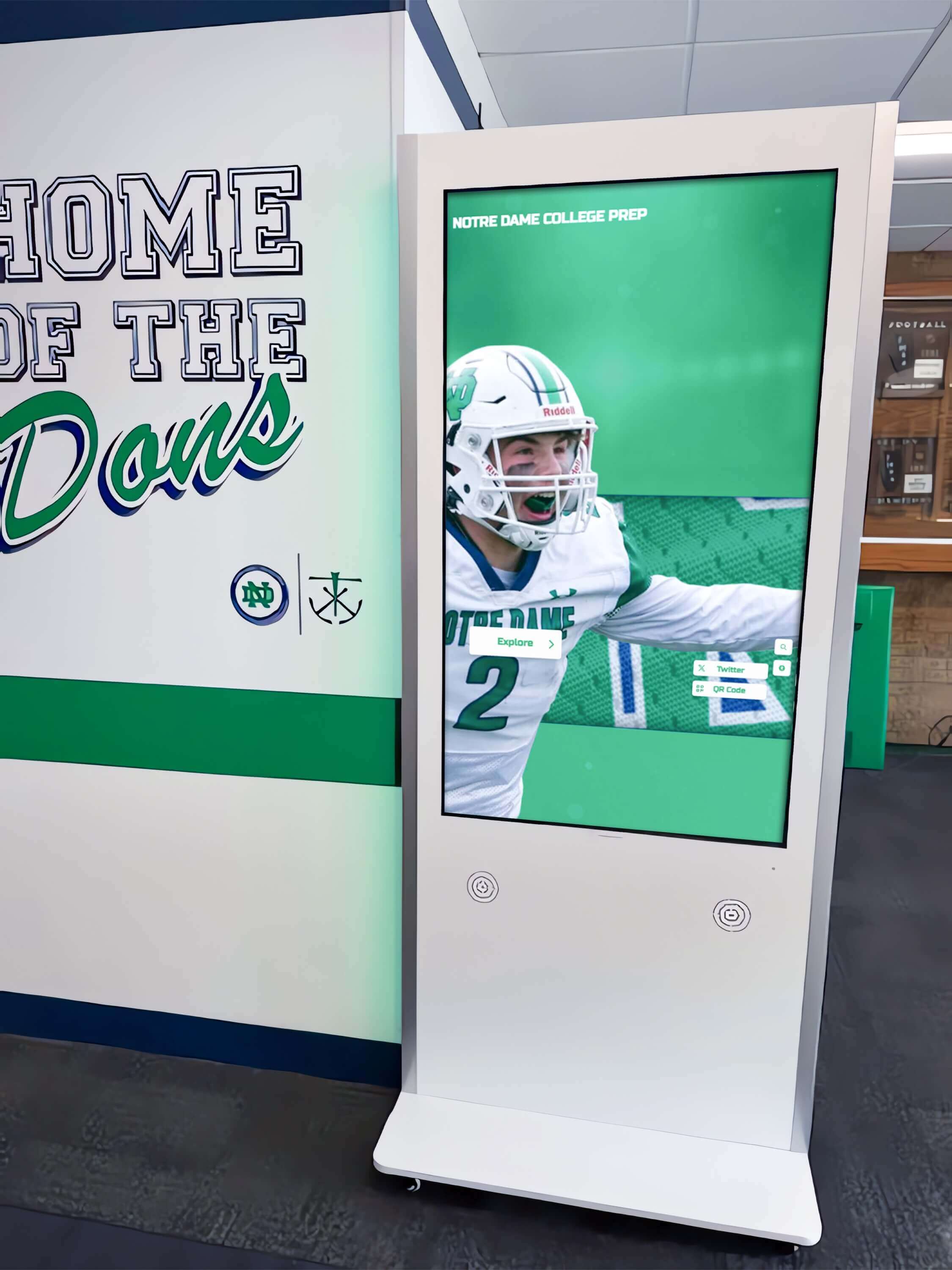
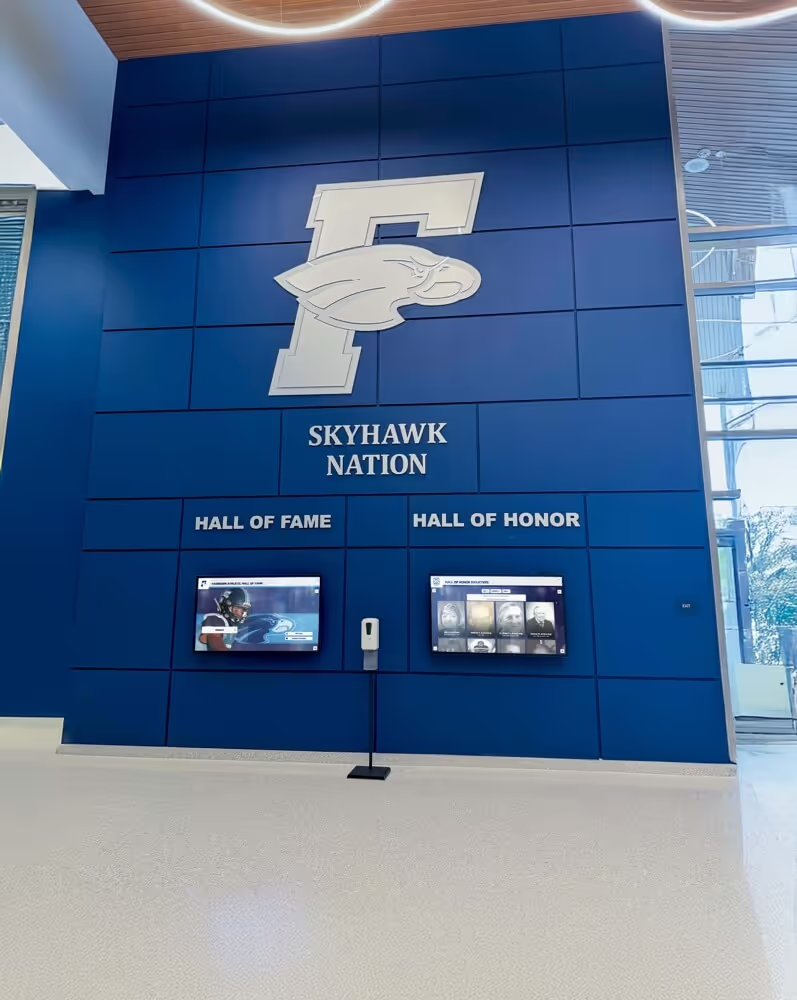
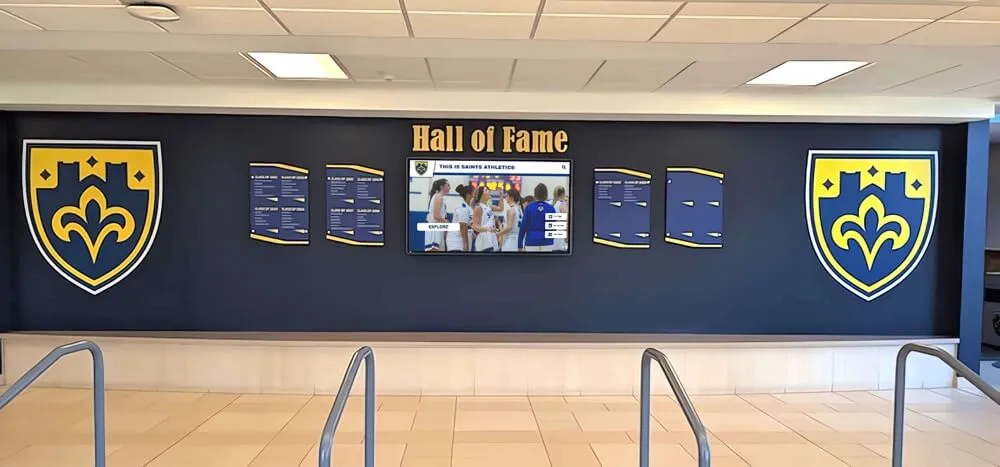
Schools celebrate NLI signings through recognition displays honoring student-athletes' college commitments and athletic accomplishments
Signing Day: The Actual NLI Signing Process
Once you’ve decided to commit, understanding the practical signing day logistics ensures smooth execution of this important milestone.
Required Documents and Signatures
The NLI Package
On signing day, you’ll execute several documents:
National Letter of Intent: The primary binding agreement containing your commitment to attend institution. You must sign and date this document, and your parent/legal guardian must also sign if you’re under 18 years old (in most states).
Athletic Financial Aid Agreement: Details scholarship terms and conditions. Requires your signature and parent/guardian signature (if under 18).
Institution-Specific Forms: Additional documents varying by institution—housing preference forms, medical history questionnaires, code of conduct acknowledgments, publicity release forms, etc.
Submission Deadline: NLI and financial aid agreement must reach the institution by 11:59 p.m. (institution’s local time) on the final day of the signing period. Late submissions are not accepted—there are no extensions.
Signing Day Ceremony Planning
Celebrating Your Commitment
Many high schools organize signing day ceremonies honoring student-athletes’ college commitments:
Ceremony Components:
- Designated signing table with school colors, banners, and institutional materials
- Family members, coaches, administrators, and teammates in attendance
- Brief remarks from coach or athletic director about your achievements
- Official signing moment with photographs capturing the milestone
- Media coverage from local newspapers, websites, or broadcasts
- Display of college gear (hats, jerseys, pennants) representing institution
- Social media announcements shared by school and team accounts
Timing Considerations: Some schools hold group ceremonies where all NLI signers from various sports participate together. Others organize individual signing ceremonies for each student-athlete. Coordinate with your high school athletic director on preferred approach.
Photography and Social Media: Capture high-quality photos during signing—these become important personal and family memories. Most colleges welcome social media announcements once you’ve officially signed and submitted documents.
Schools increasingly celebrate these moments prominently—explore how schools honor state champions for comprehensive recognition approaches.
Document Submission and Confirmation
Ensuring Proper Processing
After signing documents:
Submission Methods: Most institutions now accept electronic signatures and digital submissions. Others may require original physical signatures mailed or delivered. Follow institution’s specific instructions precisely.
Confirmation Receipt: Ask for confirmation that institution received your signed NLI and all required documents. Most compliance offices email confirmation within 24-48 hours of receipt.
NLI Database Registration: Your signed NLI is entered into national database preventing other institutions from recruiting you. Verify with your signing institution that NLI database registration is complete.
Retain Copies: Keep copies of all signed documents for your records. These may prove important if questions arise about scholarship terms or commitment conditions.
After Signing: Next Steps and Ongoing Obligations
Signing the NLI isn’t the end of your recruiting journey—it’s the beginning of your transition from high school to college athletics.
Maintaining Academic Eligibility
Finish High School Strong
Your NLI commitment is conditional on maintaining academic eligibility through high school graduation:
Core Course Completion: Complete all required NCAA core courses with qualifying grades. Dropping courses, failing classes, or reducing academic rigor jeopardizes eligibility.
GPA Maintenance: Maintain minimum GPA required for NCAA initial eligibility (typically 2.3 GPA in core courses for Division I, 2.2 for Division II, though sliding scales apply based on test scores).
Graduation Requirement: You must graduate from high school to enroll in college athletics. Failure to graduate voids your NLI and eligibility.
Communication with Compliance: If academic struggles emerge, notify both your high school counselor and college compliance office immediately. Early intervention can prevent eligibility problems.
Staying Academically and Athletically Engaged
Continuing Development Until Enrollment
Colleges expect continued athletic and academic development after signing:
Athletic Training: Maintain training regimen keeping you in competitive condition. Many programs provide summer conditioning programs or workouts for incoming athletes.
Academic Preparation: Take challenging courses preparing you for college academic rigor. Consider summer coursework if needed to strengthen preparation in weak areas.
Communication with Coaches: Stay in contact with college coaching staff. They may provide training programs, reading lists, or summer activities preparing you for college competition level.
Team Building: Connect with other incoming recruits and current team members through social media, group chats, or summer campus visits. Building relationships before arrival eases transition.
Understanding Your Ongoing Rights and Protections
NCAA Student-Athlete Protections
Once signed and enrolled, you have specific rights:
Scholarship Protection: Multi-year scholarships cannot be reduced or canceled due to athletic performance or injury. One-year scholarships must be renewed or institution must provide written explanation for non-renewal.
Medical Coverage: Institutions must provide medical care for athletically-related injuries. Understand what insurance coverage applies and what your financial responsibilities are for medical treatment.
Academic Support: Access to tutoring, academic advising, and learning resources must be provided equally to all student-athletes.
Transfer Rights: Recent NCAA rules have enhanced transfer rights, allowing one-time transfer without sitting out (in most sports). While your NLI commits you to one year, subsequent transfer decisions follow different rules.
Time Demands: NCAA rules limit athletic activities to 20 hours per week during season, with restrictions on mandatory activities during off-season. Know your rights if time demands seem excessive.
Modern schools preserve these achievements comprehensively—discover digital showcase platforms for recognition programs.
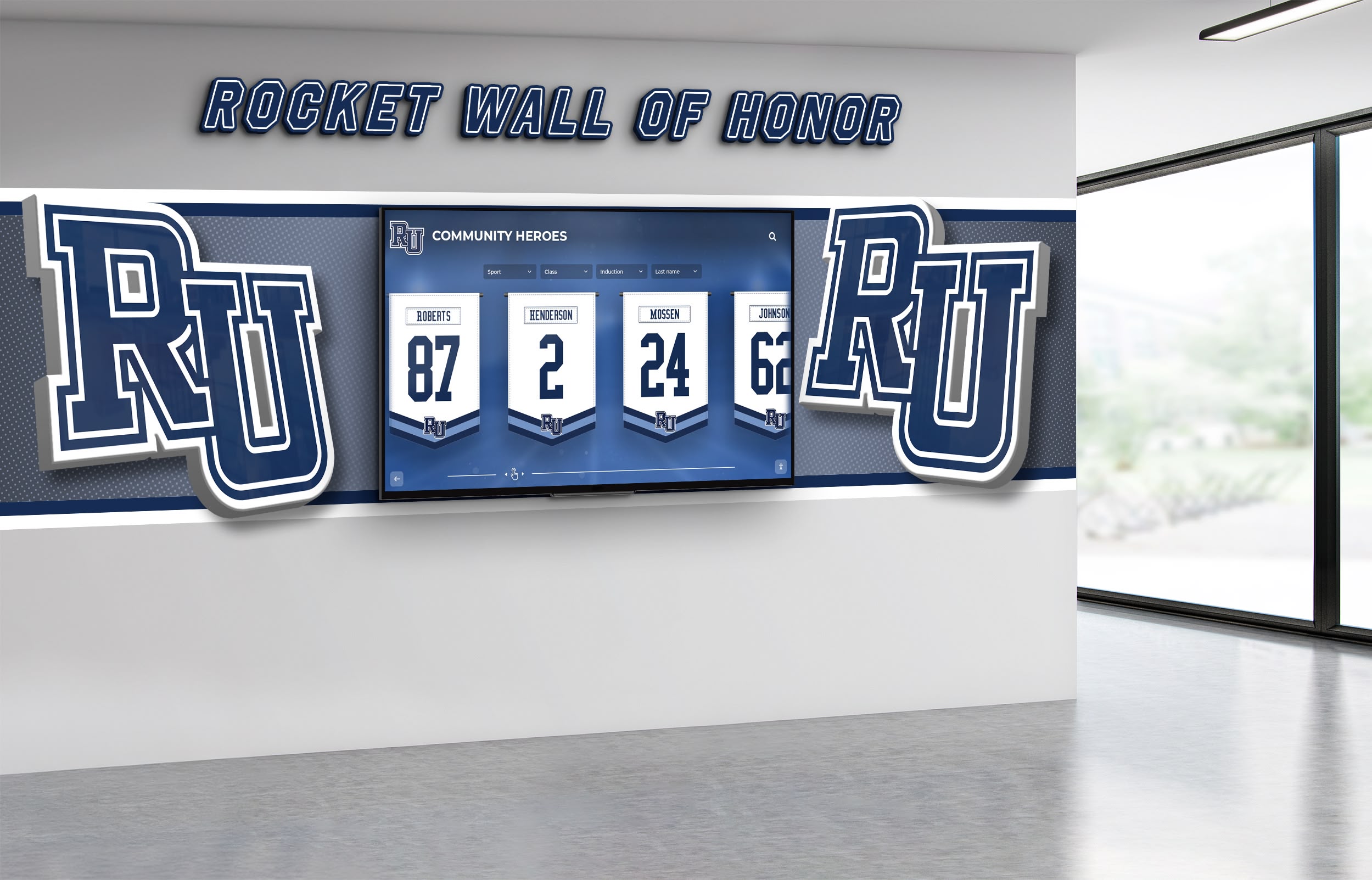
Digital recognition systems enable schools to celebrate student-athletes' journeys from high school achievements through college commitments
Frequently Asked Questions About the National Letter of Intent
Student-athletes and families consistently ask similar questions about NLI commitments—understanding these common concerns clarifies the commitment you’re making.
Is the National Letter of Intent binding if the coach leaves?
Technically yes, but release requests are often granted. The NLI is a commitment to the institution, not to individual coaches, so coaching changes don’t automatically void the agreement. However, NLI rules recognize coaching changes as legitimate grounds for requesting release from your commitment. Many institutions grant full releases when head coaches depart before signed athletes enroll, acknowledging that recruiting relationships are personal and program philosophy may change under new coaching. The decision to grant release rests entirely with the institution—some schools routinely release athletes in coaching change situations while others maintain strict institutional commitment expectations. If the coach change occurs before you sign the NLI, you’re under no obligation to proceed with signing.
What happens if I sign an NLI but don’t meet admission requirements?
The NLI becomes null and void, releasing you without penalty. If the institution denies your admission application, you’re automatically released from NLI commitment and can sign with another school. Similarly, if you fail to meet NCAA initial eligibility requirements (academic standards or amateurism provisions), the NLI is voided. This protection prevents student-athletes from being bound to institutions that won’t actually enroll them. However, this underscores the importance of confirming realistic admission probability and maintaining academic eligibility throughout senior year before signing binding commitments.
Can I sign a National Letter of Intent with more than one school?
Absolutely not—signing with multiple schools violates NLI rules. The NLI is a binding commitment to attend one specific institution. Signing NLIs with multiple schools constitutes fraud and results in all NLIs becoming void, making you ineligible for athletics at any NLI participating institution for one full academic year. This is one of the most serious NLI violations with severe consequences. Choose one institution where you’re genuinely committed to enrolling, sign only with that school, and decline offers from all other institutions before signing.
How do I get out of a National Letter of Intent?
Request release from the signing institution, but they’re not required to grant it. The only ways out of an NLI are: (1) Situations where NLI automatically voids (admission denial, failure to meet eligibility requirements, institution discontinues sport, serious illness/injury), or (2) Institution voluntarily grants your request for release. To request release, submit written request to athletics director or compliance office explaining circumstances justifying release. The institution reviews and decides whether to grant full release, partial release (limiting which schools you can transfer to), or denial. If denied, you can appeal to the NLI Policy and Review Committee, but successful appeals are rare. Absent release, enrolling at a different NLI participating institution results in one-year residence requirement before athletic eligibility.
What’s the difference between signing an NLI and verbally committing?
Verbal commitment is non-binding; NLI is legally binding. When you verbally commit to a school, you’ve told coaches you intend to sign with them, but neither party has legal obligations. Either side can change their mind without penalty—though doing so has ethical implications and can damage relationships. Only when you sign the actual National Letter of Intent does legally binding commitment occur. Until that NLI signature, coaches can reduce scholarship offers and you can reconsider decisions without violating any rules. This is why some athletes maintain verbal commitments for months or years while continuing to evaluate options before finally signing NLI during official signing periods.
Can institutions reduce my scholarship after I sign the NLI?
Generally no, but specific situations allow modifications. Once you sign the NLI and accompanying financial aid agreement, institutions cannot arbitrarily reduce promised scholarship amounts before you enroll. If they attempt to reduce scholarship after you’ve signed, you can request release from your NLI and commit elsewhere. After enrollment, recent NCAA rules provide significant scholarship protection: multi-year scholarships cannot be reduced or canceled based on athletic performance or injury. One-year scholarships can only be reduced or not renewed for specific reasons (disciplinary violations, voluntary sport withdrawal, fraudulent information on applications), and institutions must provide written explanation and opportunity to appeal. Scholarships cannot be reduced during the award period (typically one academic year) solely due to athletic performance or coaching discretion.
Do Ivy League schools use the National Letter of Intent?
No—Ivy League institutions don’t participate in the NLI program. Ivy League schools offer need-based financial aid rather than athletic scholarships, so they don’t use the athletic scholarship-based NLI system. Ivy League commitments involve “likely letters” from admissions offices indicating probable acceptance and estimating financial aid packages, but these aren’t binding in the same way as NLIs. Student-athletes can continue evaluating Ivy League and other options until deciding where to enroll. Similarly, NCAA Division III institutions don’t participate in NLI because Division III doesn’t award athletic scholarships.
When should I sign—early period or regular period?
Most athletes benefit from signing early if they’re confident in their choice. Signing during early period (November for most sports, mid-December for football) provides certainty, stops recruiting pressure from other schools, guarantees your roster spot and scholarship offer, and allows focus on finishing high school strong. Approximately 85-90% of Division I recruits now sign during early periods. However, legitimate reasons to wait for regular period include: still comparing final scholarship offers from multiple schools, hoping for better late offers, needing additional campus visits to finalize decision, or resolving academic eligibility questions. The risk of waiting is that roster spots may fill, scholarship amounts may decrease, or coaching changes could alter situations. Sign early if you’re confident; wait only if you have specific valid reasons requiring additional time.
Schools celebrate these milestones alongside other achievements—explore athletic banquet planning guides for comprehensive recognition ceremonies.
Conclusion: Making Informed NLI Decisions That Serve Your Future
The National Letter of Intent represents one of the most significant decisions you’ll make as a high school student-athlete—a binding commitment that fundamentally shapes your educational and athletic future for at least the next year and potentially the next four years of your life. Understanding exactly what you’re committing to, what protections the NLI provides, and what happens if circumstances change enables you to approach this decision with the seriousness and informed consideration it deserves.
The most important principle: sign the NLI only when you’re genuinely confident in your choice, have thoroughly evaluated the institution academically and athletically, understand the scholarship terms completely, and feel excited rather than pressured about the commitment. If doubts persist, uncertainty nags, or you’re hoping “something better might come along,” waiting carries less risk than rushing into binding commitment you later regret.
Ready to celebrate your student-athletes’ college commitments and preserve their athletic legacies? Modern solutions like Rocket Alumni Solutions provide comprehensive digital recognition platforms specifically designed for showcasing student-athlete achievements—from high school accomplishments through college signing day and beyond. These interactive systems enable schools to honor NLI signers prominently while creating engaging displays that inspire younger athletes to pursue their own college athletic dreams.
Whether you’re an athletic director planning signing day celebrations, a coach supporting student-athletes through recruitment decisions, or a family navigating this exciting but complex process, remember that informed decisions beat rushed ones every time. Take the time to understand NLI provisions thoroughly, ask questions until you have complete clarity, and make choices aligned with your genuine academic and athletic goals rather than external pressure or artificial urgency.
The National Letter of Intent serves its purpose well when student-athletes approach it with full understanding: protecting recruited athletes from perpetual recruiting pressure while securing institutional commitments that provide scholarship opportunities. Navigate this process thoughtfully, make informed decisions based on complete information, and you’ll set yourself up for college success—athletic, academic, and personal—that validates the commitment you’ve made and the journey you’re beginning.
Your college athletic career represents an extraordinary opportunity available to less than 7% of high school athletes. Honor this opportunity by treating NLI decisions with the careful consideration they deserve, and you’ll look back on signing day as the beginning of one of the most rewarding experiences of your life rather than a rushed decision you wish you could reconsider.
Live Example: Rocket Alumni Solutions Touchscreen Display
Interact with a live example (16:9 scaled 1920x1080 display). All content is automatically responsive to all screen sizes and orientations.