



National Heritage Months provide educational institutions with structured opportunities to celebrate cultural diversity, honor the contributions of historically underrepresented communities, and create inclusive learning environments where all students see their identities reflected and valued. From Black History Month in February to Native American Heritage Month in November, these designated observances offer powerful platforms for education, recognition, and community building throughout the academic year.
Yet many schools and universities struggle to create heritage month celebrations that extend beyond token gestures. Recognition often defaults to brief morning announcements, temporary hallway posters, or isolated one-day events that fail to create lasting impact. Meanwhile, comprehensive programs that integrate heritage month education across curricula, systematically recognize diverse student achievements, and preserve cultural contributions for ongoing visibility require resources and planning that stretched administrators find difficult to implement.
This comprehensive guide explores evidence-based strategies for designing and implementing National Heritage Month programs that authentically celebrate cultural diversity, engage entire school communities, recognize diverse achievements systematically, and leverage modern technology to create permanent visibility for the contributions of all cultural groups within your institution.
Effective heritage month recognition extends beyond surface-level celebrations—it creates systematic approaches that educate communities about diverse histories, honor contemporary cultural contributions, recognize achievements across all identity groups, and build inclusive institutional cultures where diversity receives year-round celebration rather than just temporary attention during designated months.

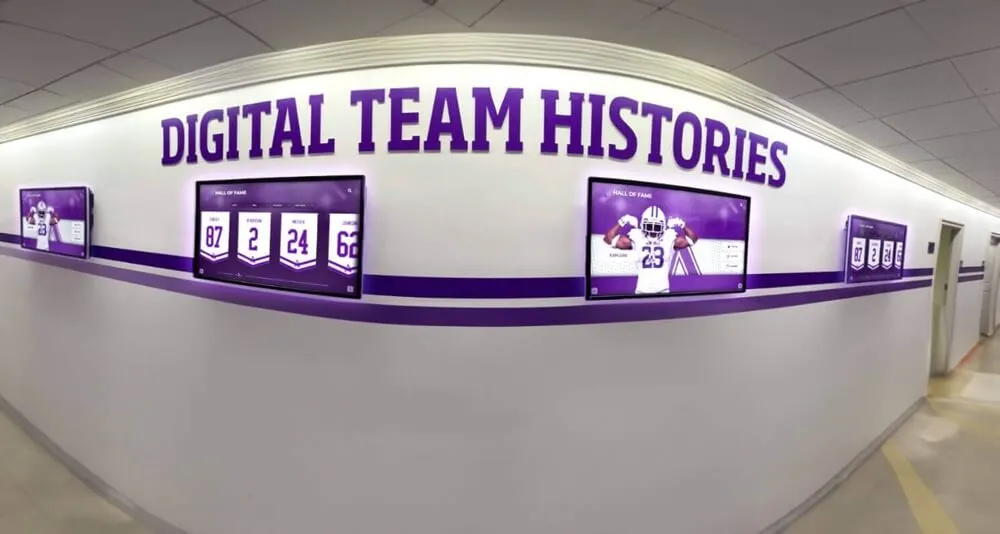
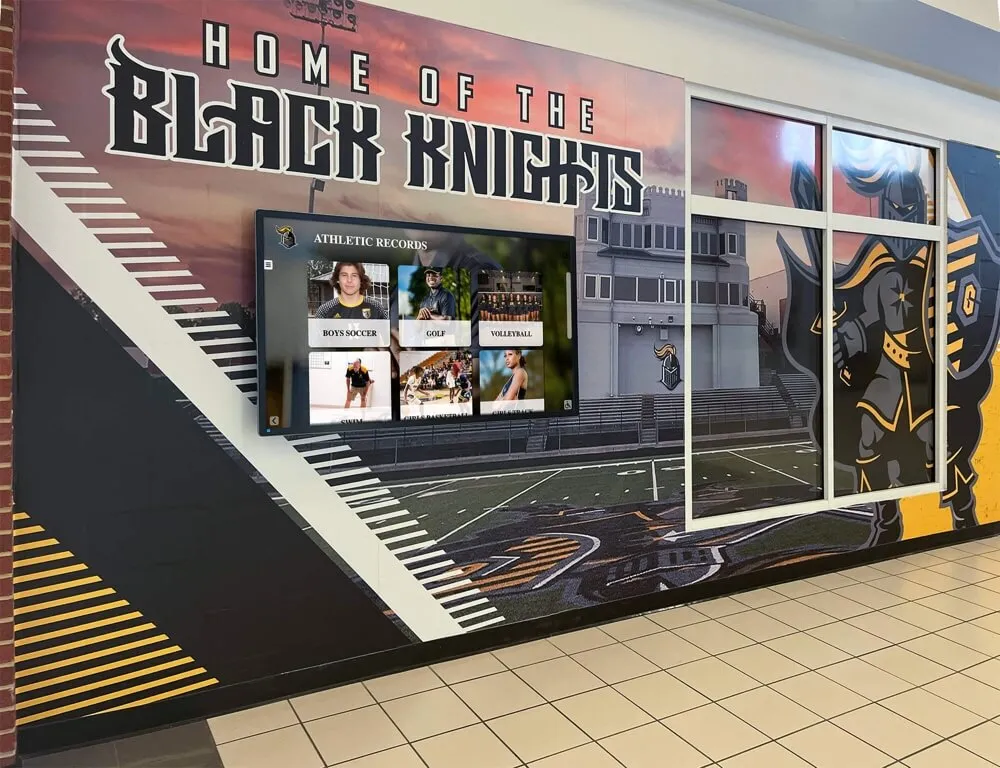
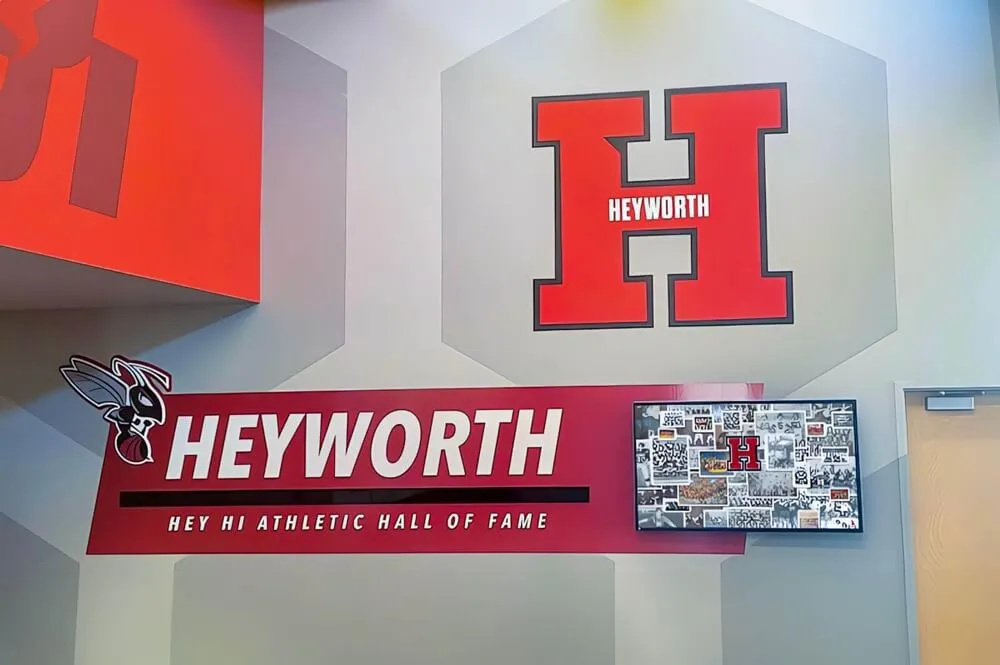
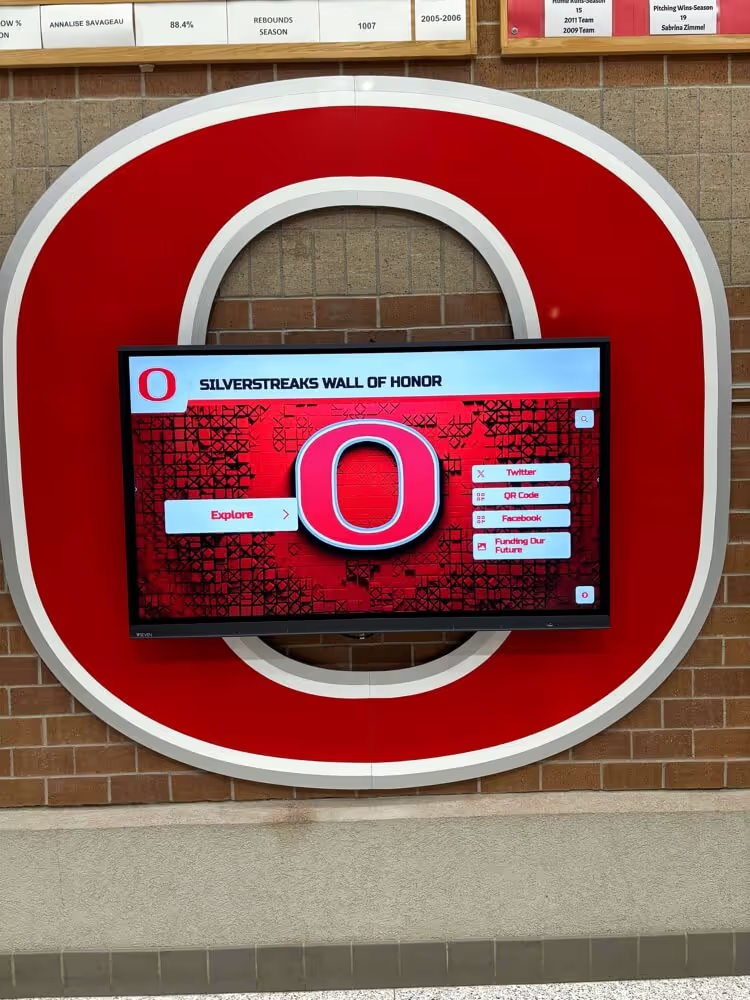
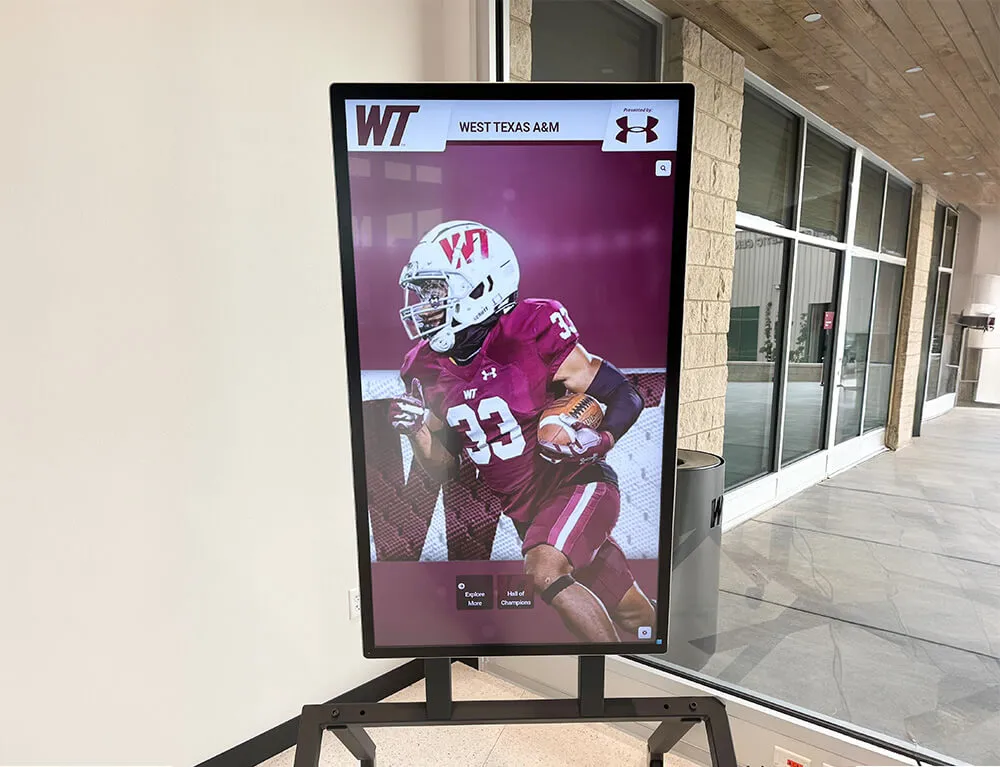
Modern recognition systems enable institutions to celebrate cultural heritage and diverse contributions comprehensively
Understanding National Heritage Months: Calendar and Significance
Before implementing recognition programs, understanding the heritage month calendar and historical context helps institutions create authentic celebrations that honor each observance’s purpose.
Annual Heritage Month Calendar
The United States recognizes multiple heritage months throughout the year, according to presidential proclamations and congressional designations:
February: Black History Month Celebrates the achievements and contributions of African Americans throughout U.S. history. Originally established as “Negro History Week” in 1926 by historian Carter G. Woodson, the observance expanded to a full month in 1976.
March: Women’s History Month Honors women’s contributions to American history, culture, and society. The observance grew from a week-long celebration in 1978 to a full month designated by Congress in 1987.
April: Arab American Heritage Month Recognizes the history, culture, and contributions of Arab Americans to the United States.
May: Asian/Pacific American Heritage Month Celebrates the culture, traditions, and history of Asian Americans and Pacific Islanders. The month was chosen to commemorate the arrival of the first Japanese immigrants to the United States on May 7, 1843, and the completion of the transcontinental railroad by Chinese immigrants on May 10, 1869.
May: Jewish American Heritage Month Recognizes the achievements and contributions of Jewish Americans to U.S. history and culture.
June: Caribbean American Heritage Month Honors the significant contributions Caribbean immigrants and their descendants have made to American culture and society.
September 15 - October 15: Hispanic Heritage Month Celebrates the histories, cultures, and contributions of American citizens whose ancestors came from Spain, Mexico, the Caribbean, and Central and South America. The dates align with independence days of several Latin American nations.
November: Native American Heritage Month Recognizes the history, heritage, and contributions of American Indians and Alaska Natives to American society.

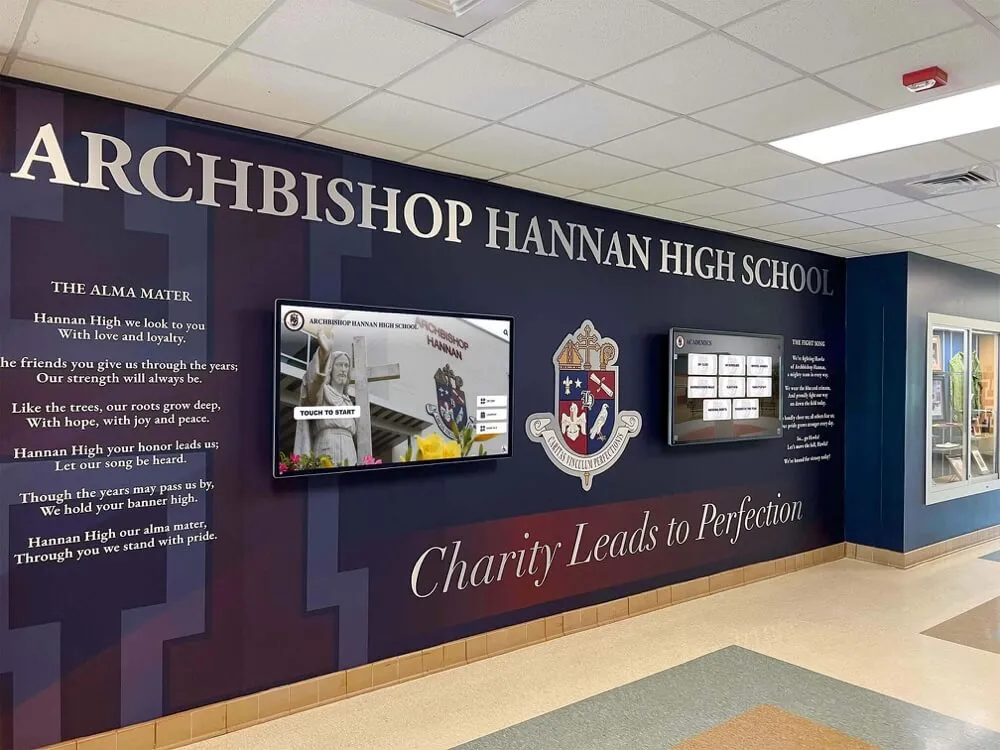
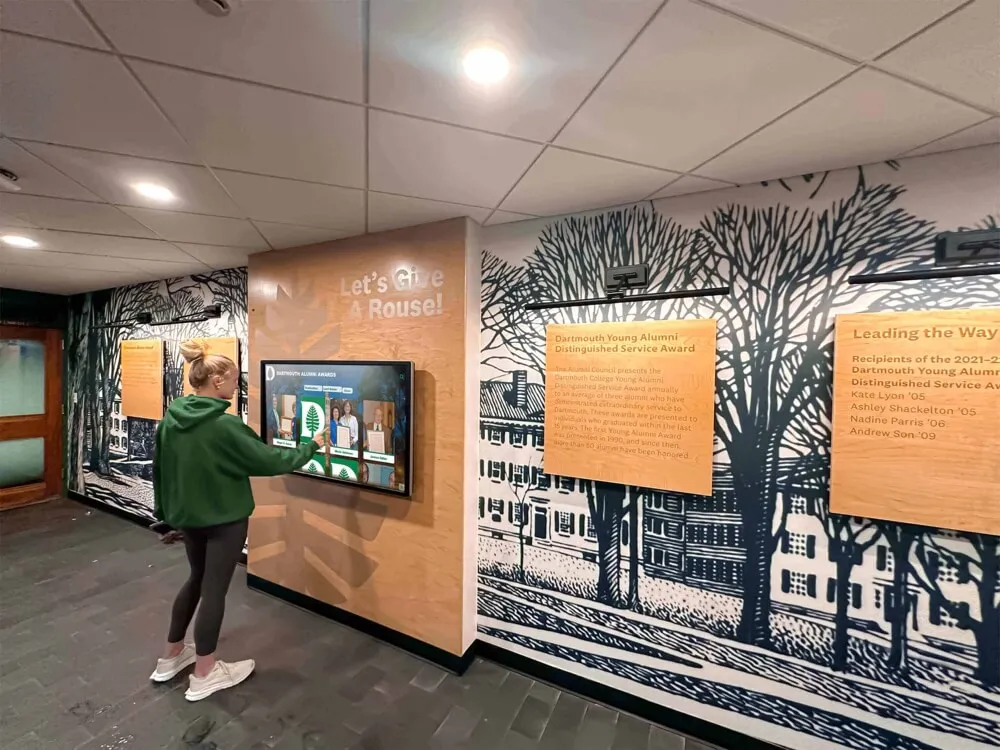
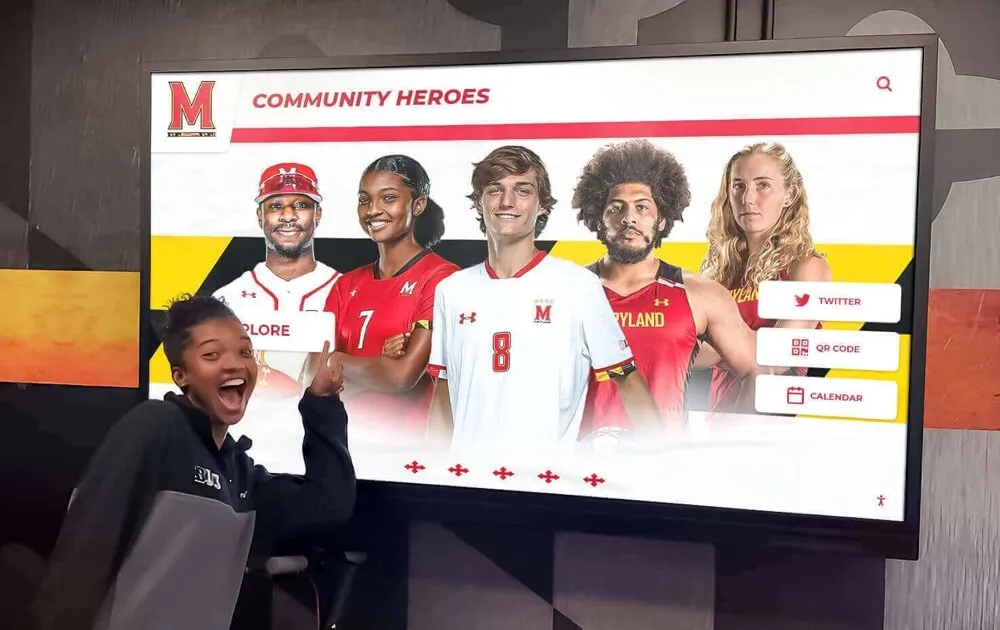
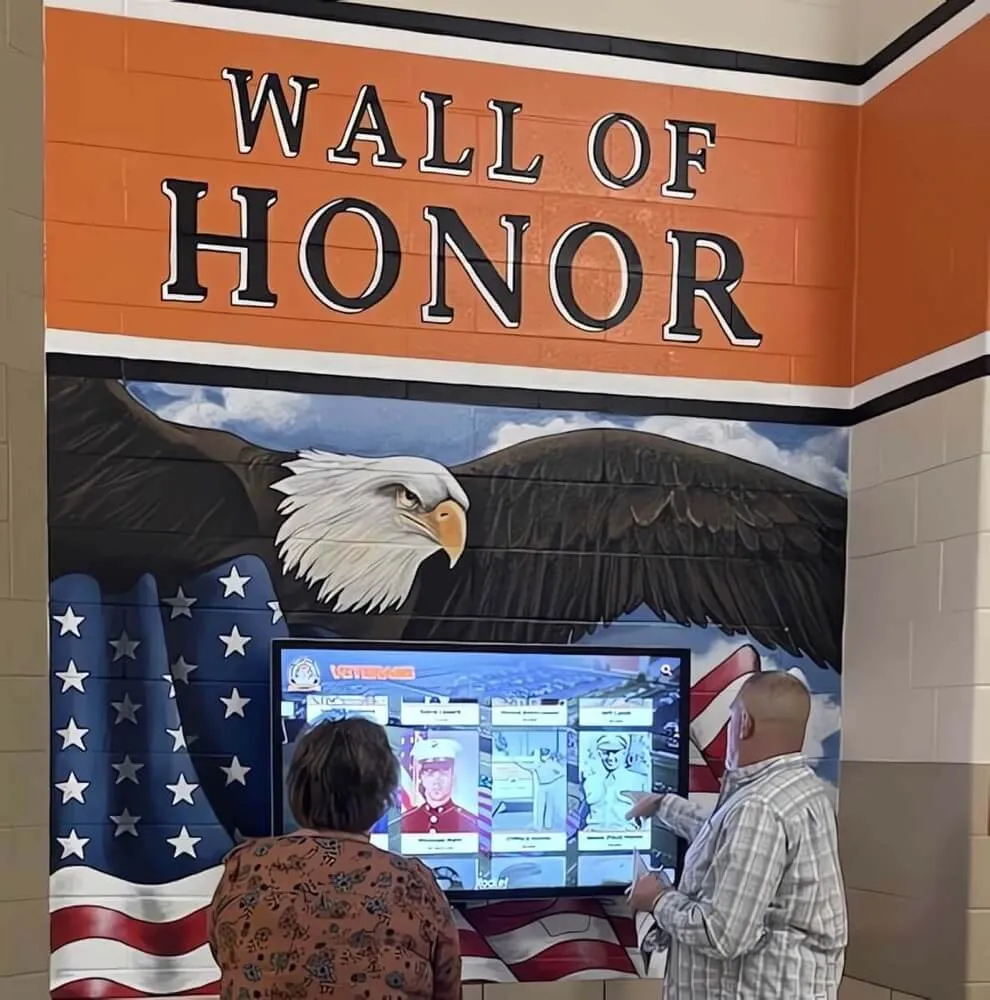
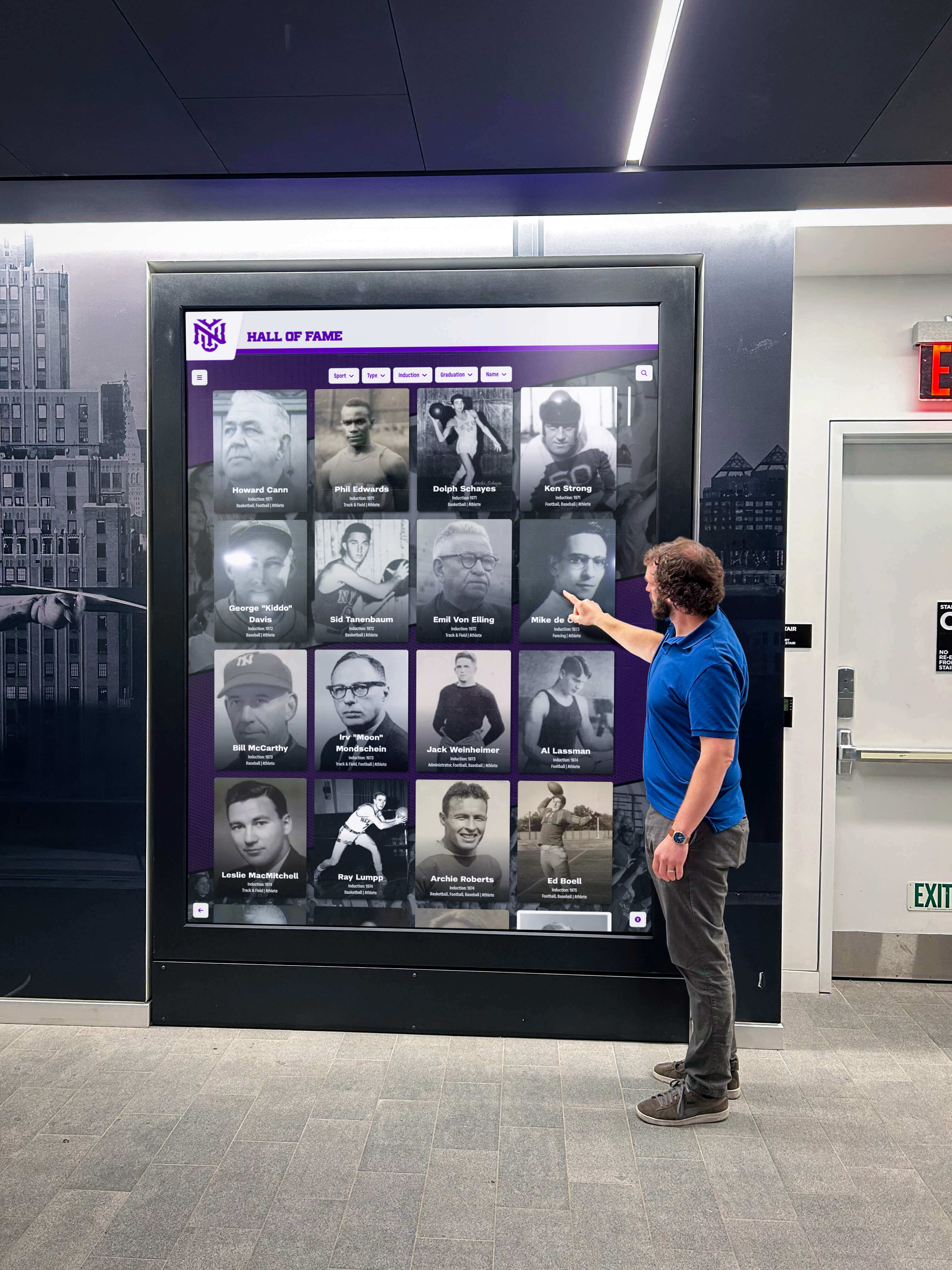
Strategic placement of heritage recognition displays in high-traffic areas ensures ongoing community engagement
Educational Purpose and Institutional Benefits
Heritage month observances serve multiple essential functions within educational communities:
Historical Education and Awareness
Heritage months provide structured opportunities to address historical gaps in traditional curricula. According to the Fairfax County Public Schools heritage month guidance, these observances offer meaningful learning experiences that increase representation of all identity groups integrated across all subject areas, not isolated to social studies alone.
Educational institutions report that systematic heritage month programming helps students:
- Learn about contributions of diverse groups often underrepresented in standard textbooks
- Understand historical struggles for equality and civil rights across communities
- Connect contemporary issues to historical contexts
- Appreciate how diverse cultural perspectives have shaped American society
- Develop critical thinking about representation and historical narrative construction
Cultural Competence Development
Comprehensive heritage month programs build students’ capacity to navigate diverse environments:
- Exposure to cultural traditions, customs, and values different from their own
- Development of empathy and understanding across cultural differences
- Skills for respectful cross-cultural communication and collaboration
- Awareness of implicit biases and stereotype challenges
- Preparation for increasingly diverse workplaces and communities
Inclusive Community Building
According to University of Hartford’s diversity programming, heritage month commemorations provide opportunities for all community members to learn more about history, share cultural heritage and customs, educate others about traditions, and engage in meaningful programming that recognizes, examines, and values the legacies of all identities.
Students from celebrated heritage groups benefit through:
- Validation of their identities and cultural backgrounds
- Increased sense of belonging within educational institutions
- Positive representation countering stereotypes
- Pride in cultural heritage and ancestral contributions
- Connection with peers sharing similar backgrounds
Learn about comprehensive approaches to academic recognition programs that can integrate heritage month celebrations.
Planning Comprehensive Heritage Month Programs
Successful heritage month observances require systematic planning that begins months in advance and coordinates multiple stakeholders across diverse activities.
Establishing Year-Round Planning Infrastructure
Rather than approaching each heritage month as isolated celebration, effective institutions create systematic infrastructure supporting all observances:
Diversity and Inclusion Committees
Many colleges and universities establish standing committees coordinating heritage month programming, according to examples from Penn State Student Affairs and University of Denver. These committees typically include:
- Student representatives from diverse cultural organizations
- Faculty members with expertise in ethnic studies and cultural history
- Administrative staff responsible for diversity initiatives
- Community members from celebrated heritage groups
- Alumni representing diverse backgrounds and experiences
At K-12 institutions, similar coordination might involve:
- Diversity councils with student, teacher, and administrator representatives
- Parent advisory groups representing school cultural demographics
- Community organization partnerships connecting schools to cultural resources
- District-level diversity coordinators providing expertise and resources
Integrated Planning Calendars
Comprehensive planning ensures all heritage months receive appropriate attention:
- Annual calendars mapping all heritage month observances
- Planning timelines beginning 3-4 months before each observance
- Coordinated programming preventing activity clustering during certain months
- Budget allocation ensuring equitable resources across all heritage celebrations
- Assessment schedules evaluating each observance and informing improvements
Resource Development and Accessibility
Effective programs provide educators with ready resources:
- Curriculum guides for integrating heritage month content across subjects
- Reading lists featuring diverse authors and perspectives
- Documentary and film resources with discussion guides
- Guest speaker directories connecting schools with community educators
- Digital resource libraries accessible to all faculty

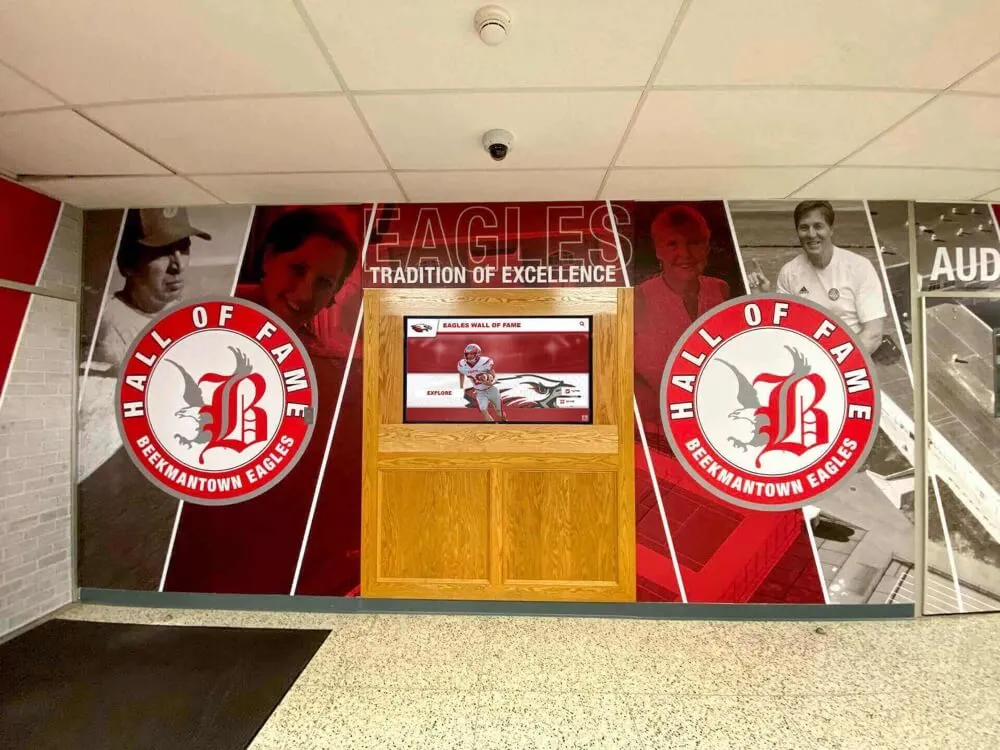
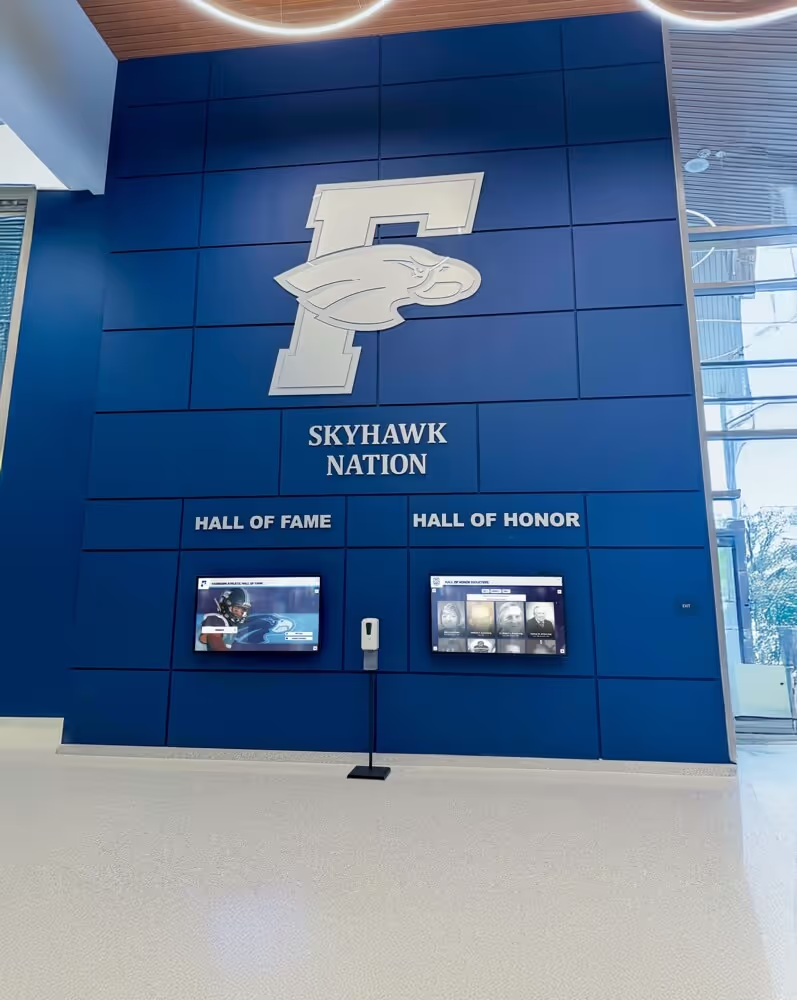
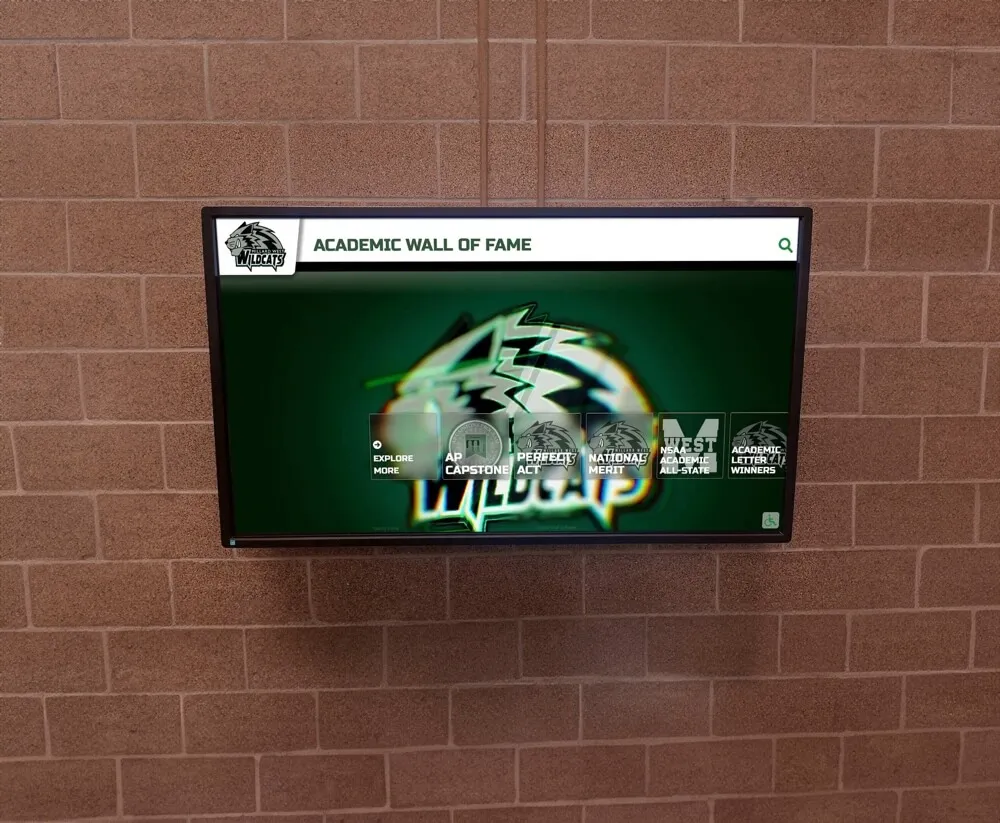
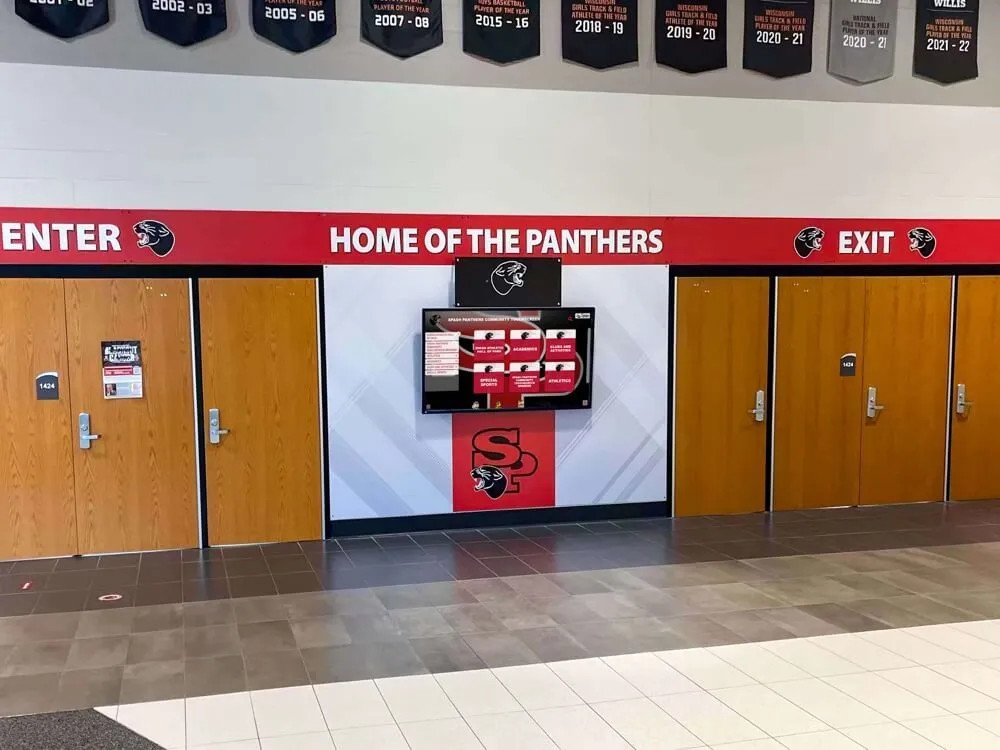
Modern technology enables institutions to showcase diverse cultural contributions and heritage permanently
Authentic Engagement and Community Partnership
Heritage month programming achieves greatest impact when designed collaboratively with members of celebrated communities rather than well-intentioned outsiders making assumptions about appropriate recognition.
Community Consultation and Leadership
According to diversity education best practices, authentic heritage month programming involves:
- Consultation with cultural organizations and community leaders during planning
- Student leadership from celebrated heritage groups guiding programming choices
- Faculty and staff from represented communities reviewing educational content
- Community partners providing cultural expertise and authentic perspectives
- Alumni from diverse backgrounds sharing experiences and insights
Avoiding Common Pitfalls
Institutions should be mindful of recognition approaches that diminish rather than enhance cultural celebration:
- Tokenism Prevention: Moving beyond superficial “food, flags, and festivals” approaches to address substantive historical and contemporary contributions
- Stereotype Avoidance: Ensuring programming presents nuanced, multifaceted portrayals rather than reinforcing simplistic cultural stereotypes
- Performative Recognition Rejection: Creating programming that reflects genuine institutional commitment rather than checking diversity boxes
- Cultural Appropriation Awareness: Celebrating heritage authentically without reducing cultures to costumes, entertainment, or aesthetic elements divorced from meaning
- Year-Round Commitment: Recognizing that heritage month observances represent concentrated focus within year-round diversity efforts, not isolated gestures
Explore teacher and staff recognition approaches that can acknowledge educators’ contributions to heritage month programming.
Educational Programming and Curriculum Integration
The most impactful heritage month observances integrate learning across curricula rather than confining recognition to isolated activities.
Cross-Curricular Heritage Month Integration
Meaningful education requires moving beyond single-class cultural presentations to systematic integration across all subjects:
History and Social Studies Integration
These subjects provide natural connections to heritage month themes:
- Primary source analysis from diverse historical perspectives
- Examination of civil rights movements across different communities
- Immigration history exploring experiences of various cultural groups
- Comparison of historical narratives in different cultural contexts
- Research projects investigating local community heritage and contributions
English and Language Arts Connections
Literature provides powerful vehicles for cultural understanding:
- Reading diverse authors from celebrated heritage groups
- Poetry analysis exploring cultural identity and experience
- Essay assignments reflecting on heritage and identity
- Creative writing from different cultural perspectives
- Literary criticism examining representation in classic and contemporary texts
STEM Subject Integration
Science, technology, engineering, and mathematics offer opportunities to highlight diverse contributors:
- Biographies of scientists, mathematicians, and inventors from celebrated groups
- Examination of how cultural contexts influence scientific development
- Discussion of equity in STEM fields and ongoing representation challenges
- Project-based learning addressing community issues through engineering
- Technology projects documenting and preserving cultural heritage
Arts and Music Programming
Creative subjects celebrate cultural expression directly:
- Study of artistic traditions from diverse cultural backgrounds
- Music analysis exploring cultural influences and innovations
- Visual art projects inspired by heritage themes
- Theater performances featuring diverse playwrights and cultural stories
- Dance instruction in cultural movement traditions

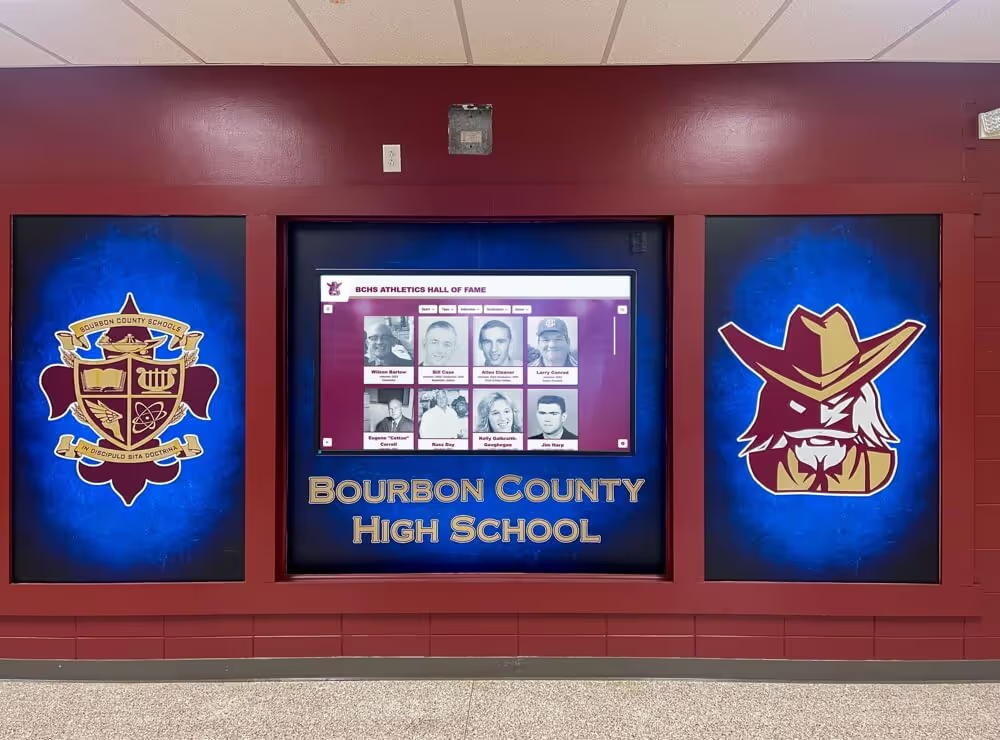
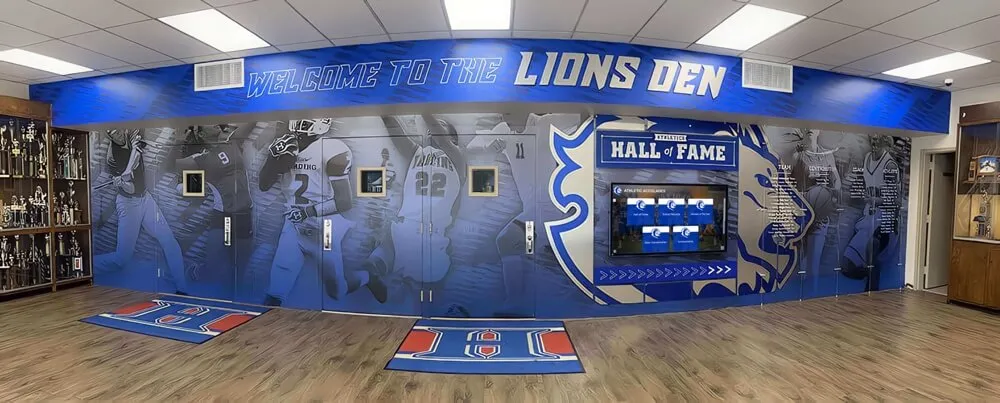
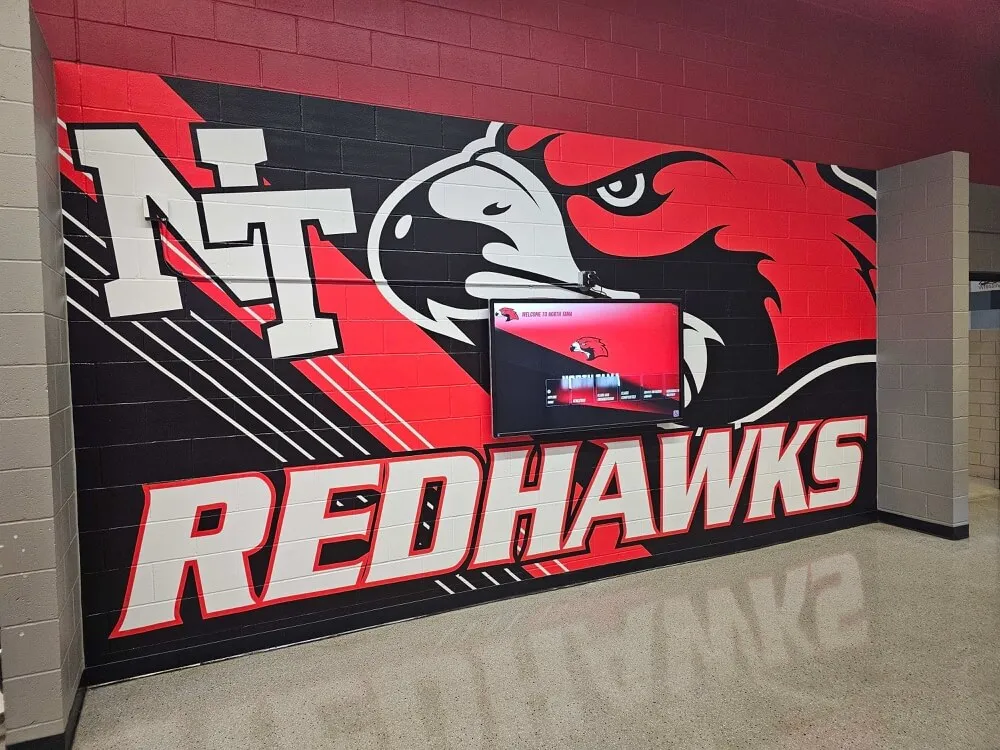
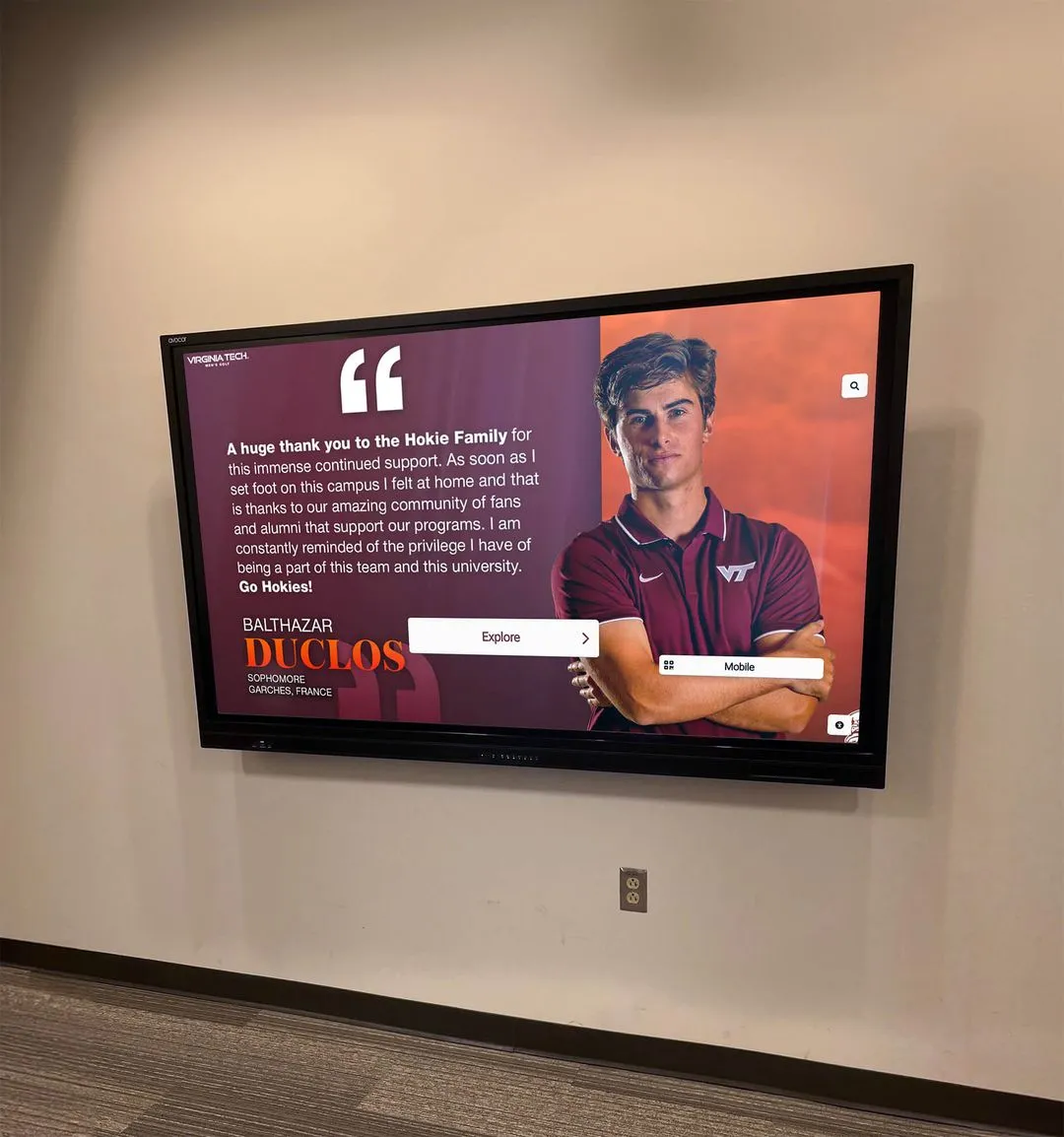
Comprehensive recognition systems document diverse student achievements and cultural contributions
Guest Speakers and Community Educators
Outside perspectives bring authenticity and depth to heritage month education:
Speaker Selection and Preparation
Effective guest speaker programs involve:
- Diverse representation including historians, activists, artists, business leaders, and community organizers
- Clear learning objectives aligned with curriculum and appropriate for student age
- Pre-visit preparation helping students develop informed questions
- Interactive formats encouraging dialogue rather than passive listening
- Follow-up activities connecting speaker insights to ongoing learning
Alumni Engagement Opportunities
Heritage month programming creates meaningful opportunities to reconnect with diverse alumni:
- Alumni speakers sharing career journeys and educational experiences
- Panel discussions with alumni from various professional fields
- Mentorship connections between current students and accomplished alumni
- Virtual participation enabling engagement from distant graduates
- Recognition of alumni contributions to their fields and communities
Solutions like Rocket Alumni Solutions provide platforms connecting current students with alumni recognition and engagement systems that highlight diverse role models year-round.
Community Organization Partnerships
Many communities include cultural centers, heritage organizations, and advocacy groups offering educational programming:
- Museums and cultural centers providing exhibits and programming
- Arts organizations sharing traditional cultural performances
- Historical societies offering primary source access and expertise
- Advocacy organizations addressing contemporary cultural issues
- Religious and community centers sharing cultural traditions and values
These partnerships extend institutional capacity while building community connections and ensuring cultural authenticity.
Heritage Month Recognition and Student Achievement Celebration
Comprehensive heritage month observances systematically recognize the achievements of students from celebrated cultural backgrounds rather than limiting recognition to historical figures alone.
Creating Inclusive Recognition Systems
Traditional recognition programs often inadvertently exclude achievements of students from underrepresented backgrounds through narrow criteria emphasizing activities more accessible to certain groups. Heritage months provide opportunities to examine and expand recognition approaches:
Diverse Achievement Categories
Ensure recognition encompasses varied accomplishment types:
- Academic excellence across all subject areas, not just traditional core subjects
- Leadership in cultural clubs and identity-based student organizations
- Community service addressing issues affecting diverse populations
- Artistic achievement in traditional and contemporary cultural expressions
- Athletic accomplishment across all sports, not just high-profile programs
- Multilingual proficiency and cross-cultural communication skills
- Cultural preservation through language study, traditional arts, or historical documentation
Heritage-Specific Recognition Programs
Some institutions create recognition specifically tied to heritage month observances:
- Student heritage awards recognizing leadership in cultural education and celebration
- Essays or projects exploring students’ own cultural heritage and identity
- Creative work inspired by heritage themes and cultural traditions
- Research presentations investigating cultural history and contemporary issues
- Service recognition for contributions to heritage month programming
Modern Recognition Display Solutions
Traditional static plaques and temporary bulletin boards cannot adequately showcase the diverse achievements comprehensive heritage month programs aim to celebrate. Digital recognition systems address these limitations:
Unlimited Capacity for Diverse Representation
Solutions like Rocket Alumni Solutions provide recognition platforms that:
- Showcase unlimited students from all cultural backgrounds without space constraints
- Enable year-round visibility for achievements, not just temporary heritage month displays
- Support multimedia profiles telling complete achievement stories
- Allow categorization by heritage, achievement type, year, and other criteria
- Provide search functionality enabling community members to explore recognition

Digital recognition platforms provide engaging interfaces celebrating achievements across all cultural groups
Flexible Content Supporting Heritage Month Focus
Digital platforms enable institutions to:
- Feature special heritage month recognition collections highlighting specific cultural groups
- Rotate featured achievers ensuring diverse representation over time
- Update content instantly during heritage months to reflect current programming
- Include historical context and cultural information alongside individual recognition
- Link to educational resources about heritage and cultural contributions
Accessibility and Extended Reach
Modern recognition systems extend impact beyond physical campus locations:
- Web accessibility enabling families and alumni worldwide to view recognition
- Social sharing functionality amplifying recognition impact
- Mobile-optimized displays ensuring access across all devices
- Multilingual content options reaching diverse families
- 24/7 availability extending recognition beyond school hours
Learn about digital recognition display options that support heritage month programming.
Heritage Month Events and Community Celebrations
Beyond curriculum integration and recognition, visible events create concentrated heritage month celebration and community engagement.
Signature Heritage Month Events
Memorable programming balances education with celebration:
Cultural Heritage Celebrations
Events featuring food, music, art, and traditions from celebrated cultures:
- Cultural festivals with food, performances, and traditional art demonstrations
- Heritage fairs where student cultural clubs showcase traditions and customs
- International food celebrations featuring diverse culinary traditions
- Fashion shows displaying traditional and contemporary cultural dress
- Music and dance performances representing diverse cultural expressions
Educational Symposia and Panel Discussions
Academic-focused programming exploring heritage themes:
- Faculty panels examining heritage contributions to various academic disciplines
- Student research presentations on heritage-related topics
- Community leader discussions of contemporary cultural issues
- Documentary screenings with facilitated post-viewing discussions
- Author visits and literary discussions featuring diverse writers
Service and Advocacy Projects
Action-oriented programming connecting heritage celebration to contemporary needs:
- Service projects benefiting communities represented by heritage months
- Fundraising for organizations supporting cultural preservation and advocacy
- Awareness campaigns addressing contemporary issues affecting communities
- Voter registration and civic engagement initiatives
- Mentorship programs connecting students across diverse backgrounds
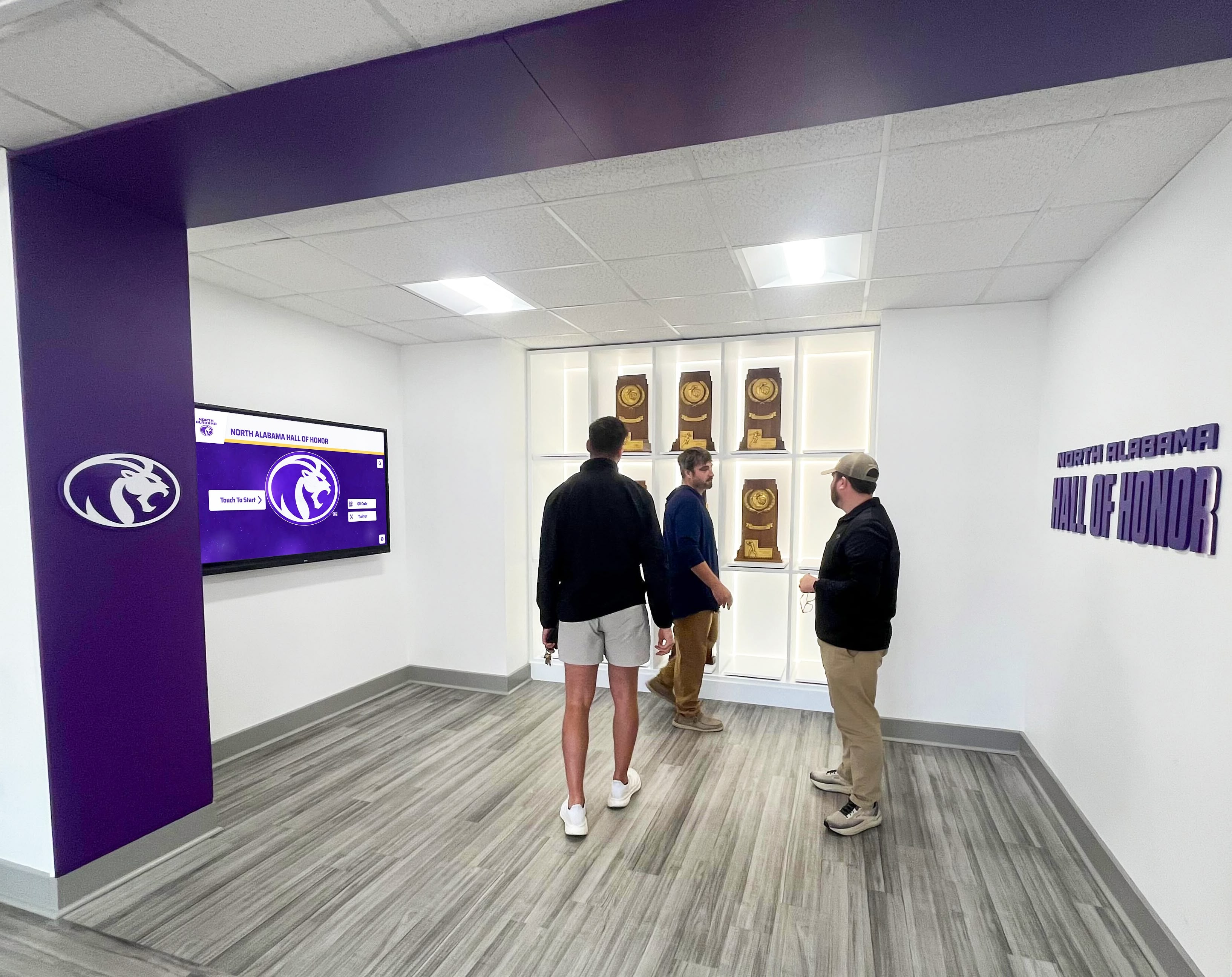
Recognition displays create gathering spaces for heritage month programming and community celebration
Virtual and Hybrid Heritage Month Programming
Modern circumstances and diverse community needs sometimes require alternative event formats:
Digital Heritage Month Celebrations
Technology extends heritage month reach:
- Live-streamed events accessible to remote participants
- Virtual museum tours exploring cultural institutions worldwide
- Online discussion forums enabling asynchronous participation
- Social media campaigns sharing heritage facts, achievements, and recognition
- Digital storytelling projects preserving and sharing cultural narratives
Hybrid Approaches Maximizing Participation
Combined formats accommodate diverse preferences and needs:
- Core events with in-person and virtual attendance options
- Recorded content available for later viewing
- Online components extending limited-capacity in-person events
- Digital displays providing 24/7 heritage month content access
- Remote contribution opportunities for community members unable to attend in person
Explore displaying school history approaches that can integrate heritage month programming.
Permanent Heritage Recognition Beyond Designated Months
While concentrated heritage month programming provides valuable focus, the most effective institutional approaches create year-round visibility for diverse cultural contributions.
Year-Round Cultural Recognition Infrastructure
Avoiding the pitfall of limiting diversity celebration to designated months requires systematic approaches:
Permanent Recognition Displays
Physical and digital installations providing ongoing visibility:
- Hall of fame displays recognizing distinguished alumni from all cultural backgrounds
- Historical timeline exhibits documenting diverse contributions to institutional history
- Cultural heritage walls celebrating communities represented within student body
- Achievement galleries showcasing accomplishments across diverse student populations
- Legacy recognition preserving stories of pioneering diverse students and faculty
Traditional static displays face severe limitations for comprehensive cultural recognition, including physical space constraints that force choices about whose achievements receive visibility, inflexibility making updates difficult when new achievements occur, and visibility limited to those physically present on campus.
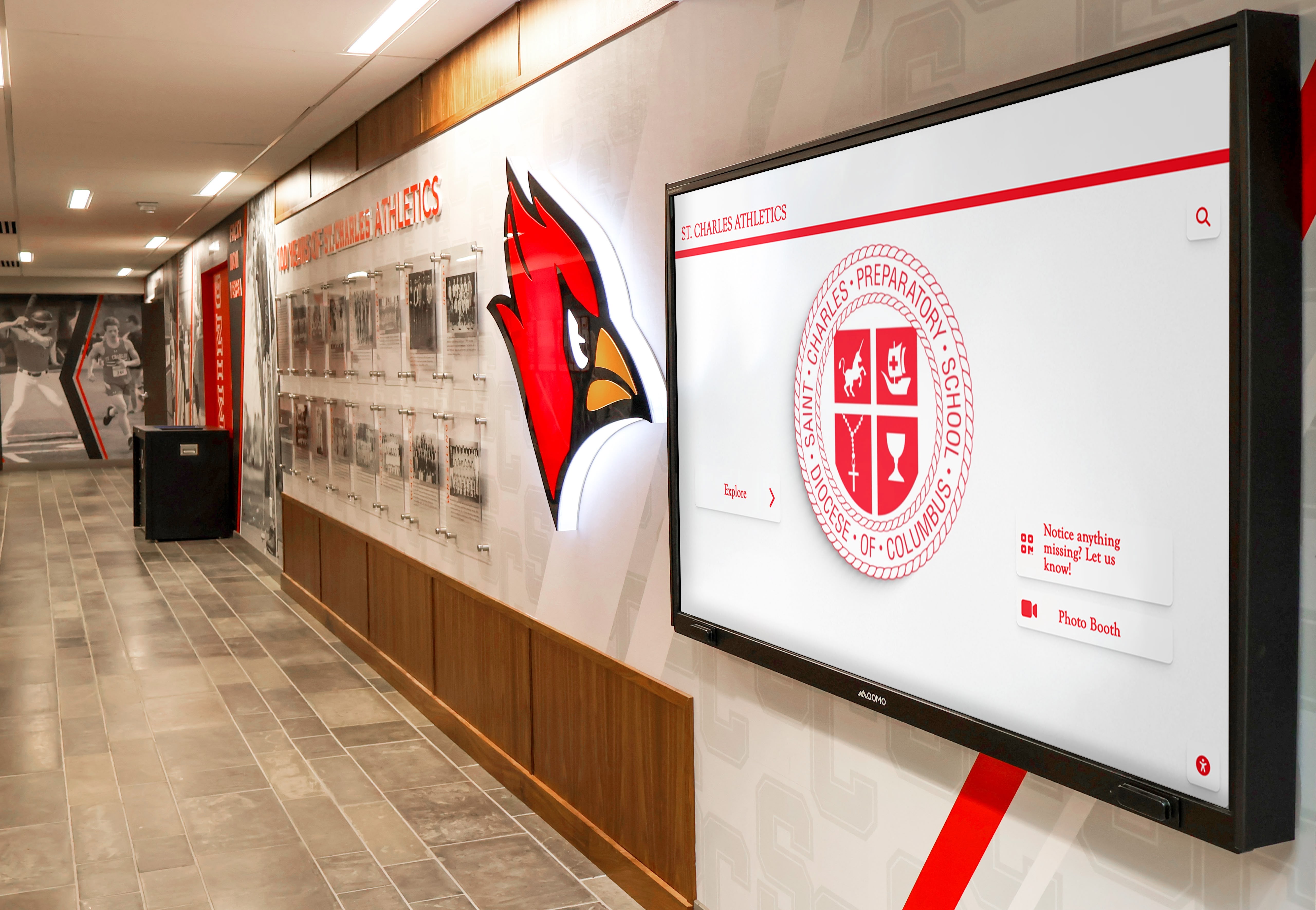
Modern displays integrate seamlessly into existing spaces providing dynamic cultural recognition
Digital Solutions for Comprehensive Recognition
Solutions like Rocket Alumni Solutions address traditional limitations through cloud-based platforms that provide:
- Unlimited capacity showcasing achievements from all cultural backgrounds without space constraints
- Instant updates adding new recognition throughout the year, not just during heritage months
- Rich multimedia content telling complete stories about diverse achievers
- Interactive features enabling community members to explore recognition by culture, achievement type, time period, and more
- Web accessibility extending recognition visibility beyond physical campus locations
Administrators managing both traditional and digital recognition systems consistently report that digital platforms enable recognition comprehensiveness impossible with static displays while requiring dramatically less maintenance time.
Learn about how to modernize recognition walls while preserving institutional traditions.
Curriculum Integration Beyond Heritage Months
Authentic commitment to diversity requires year-round curricular inclusion:
Diverse Perspective Integration
Rather than adding “special” diversity content during heritage months, effective curricula:
- Include diverse authors, scientists, mathematicians, and historical figures throughout standard units
- Present multiple cultural perspectives when examining historical events and periods
- Incorporate contemporary diverse voices alongside historical achievements
- Question whose narratives traditionally receive prominence and whose remain marginalized
- Examine how cultural contexts influence knowledge production across disciplines
Critical Examination of Representation
Advanced students benefit from explicit analysis of representation itself:
- Media literacy examining how different groups appear in popular culture and news
- Historical analysis investigating how textbooks and curricula have evolved in cultural inclusion
- Discussion of ongoing debates about curriculum content and cultural representation
- Examination of institutional histories including both proud traditions and problematic legacies
- Student research investigating representation within their own educational experiences
Explore approaches for displaying school history that include often-overlooked diverse contributions.
Special Considerations for Different Heritage Months
While comprehensive approaches share common elements, each heritage month brings specific histories, contemporary contexts, and community sensitivities requiring thoughtful attention.
Black History Month (February)
The oldest and most established heritage month observance deserves programming that goes beyond repetitive focus on the same few historical figures:
Beyond Surface-Level Recognition
Effective Black History Month programming:
- Explores diverse achievements across all fields, not just civil rights history
- Includes contemporary Black excellence alongside historical figures
- Addresses ongoing challenges facing Black communities rather than presenting historical discrimination as fully resolved
- Recognizes diversity within Black communities including African immigrants, Caribbean Americans, and multi-racial identities
- Examines intersection of race with other identities including gender, sexuality, class, and disability
Avoiding Tokenism
Well-intentioned institutions sometimes limit Black history focus to February alone. Authentic commitment requires:
- Year-round inclusion of Black authors, scientists, mathematicians, and other contributors in standard curriculum
- Ongoing recognition of Black student achievement, not concentrated in February
- Faculty and staff recruitment reflecting commitment to diversity
- Regular examination of institutional policies affecting Black students disproportionately
- Financial resources supporting Black student success throughout the year
Hispanic Heritage Month (September 15 - October 15)
This observance spans two months, creating both opportunities and challenges:
Recognizing Diverse Hispanic and Latino Communities
Hispanic Heritage Month should acknowledge:
- Diversity of Spanish-speaking communities from multiple continents and dozens of countries
- Distinct histories, cultures, and contemporary experiences of Mexican Americans, Puerto Ricans, Cuban Americans, and other Latino groups
- Indigenous heritage of many Latino communities and ongoing indigenous language preservation
- Afro-Latino experiences representing intersection of Latin American and African diaspora identities
- Contemporary contributions across all professional fields, not stereotyped occupations
Addressing Contemporary Issues
Authentic programming examines:
- Immigration policy and its impact on Latino communities
- Language policy including bilingual education debates
- Educational equity and achievement gaps affecting Latino students
- Economic opportunity and representation in various career fields
- Cultural preservation across generations
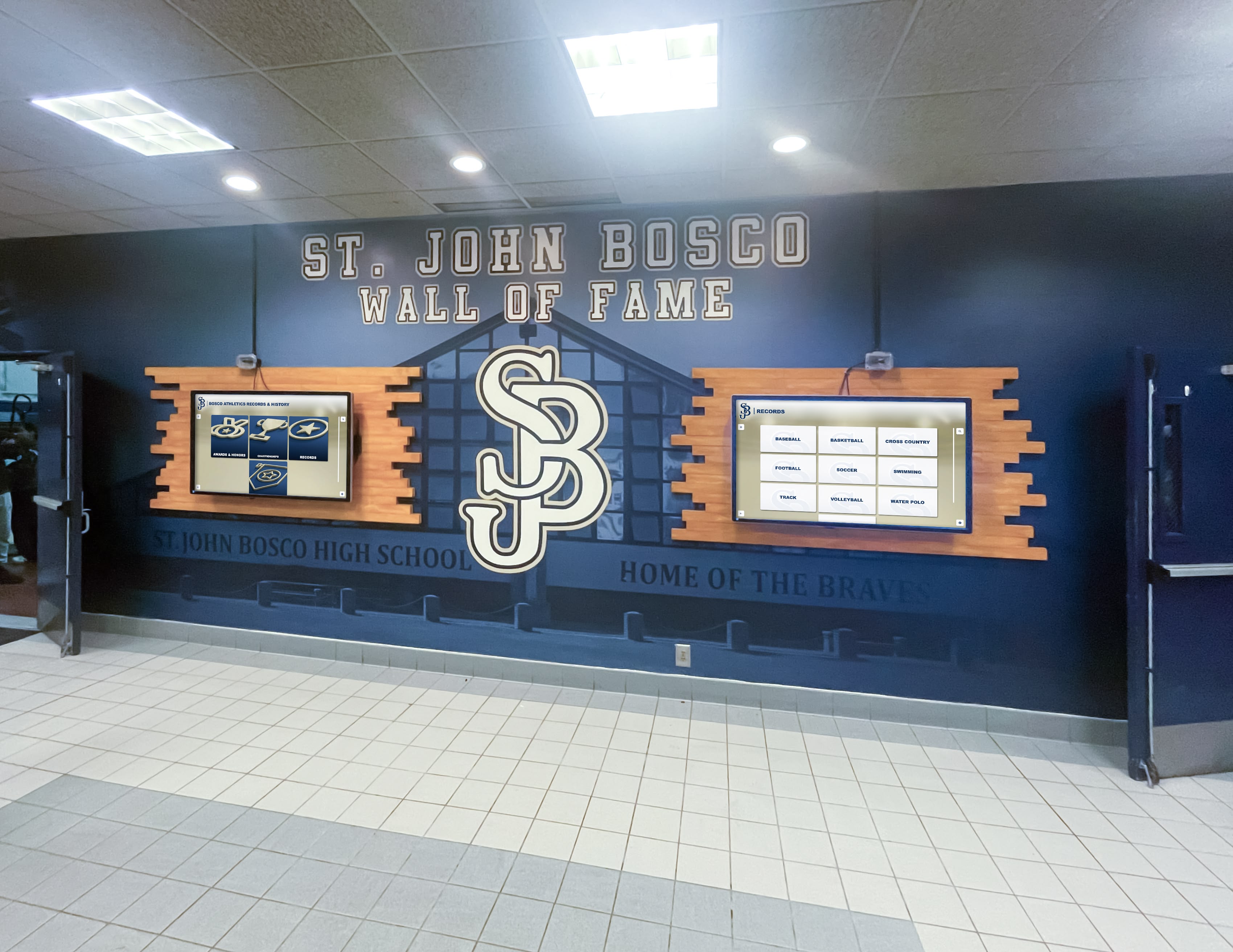
Multiple display installations enable institutions to showcase diverse heritage comprehensively
Asian/Pacific American Heritage Month (May)
This observance represents extremely diverse communities requiring nuanced recognition:
Acknowledging Asian and Pacific Islander Diversity
Effective programming recognizes:
- Dozens of distinct ethnic groups with different languages, cultures, religions, and histories
- Separation of Asian American and Pacific Islander experiences, often conflated inappropriately
- South Asian, Southeast Asian, East Asian, and Pacific Islander distinct communities
- Model minority myth challenges affecting both high-achieving and struggling Asian American students
- Immigration history spanning centuries, not limited to recent decades
Contemporary Context
Recent years have brought increased attention to:
- Anti-Asian hate crimes and discrimination requiring explicit institutional response
- Mental health challenges in Asian American communities and barriers to seeking support
- Academic pressure and expectations affecting Asian American student wellbeing
- Representation in leadership and creative fields beyond STEM stereotypes
Native American Heritage Month (November)
This observance requires particular sensitivity regarding ongoing rather than purely historical issues:
Recognizing Indigenous Sovereignty and Contemporary Communities
Authentic Native American Heritage Month programming:
- Acknowledges that Native peoples remain present, not historical curiosities
- Recognizes tribal sovereignty and government-to-government relationships
- Addresses ongoing challenges including poverty, health disparities, and violence affecting Native communities
- Honors indigenous knowledge systems and environmental stewardship traditions
- Examines land acknowledgment practices and institutional connections to indigenous land
Avoiding Harmful Stereotypes
Programming should:
- Present diverse Native cultures rather than pan-Indian stereotypes
- Avoid costume and mascot imagery reducing Native identity to imagery
- Address historical trauma honestly rather than sanitizing colonization and forced assimilation
- Include contemporary Native voices, not just historical figures
- Recognize urban Native communities alongside reservation populations
Learn about comprehensive school achievement recognition strategies that integrate diverse heritage celebration.
Measuring Heritage Month Program Success
Systematic assessment ensures heritage month programming achieves intended goals while justifying continued resource investment.
Quantitative Success Metrics
Participation and Reach Data
Track program breadth and engagement:
- Attendance at heritage month events by students, faculty, staff, and community
- Percentage of student body participating in heritage month activities
- Curriculum integration across different departments and courses
- Digital recognition display interaction rates and web traffic during heritage months
- Social media engagement with heritage month content and campaigns
Representation Analysis
Ensure equitable attention across observances:
- Budget allocation across different heritage months
- Number and type of events during each heritage month observance
- Faculty participation in planning and implementing various heritage month programs
- Student cultural organization support across different groups
- Recognition of achievement distributed equitably across cultural groups
Institutional Outcomes
Connect heritage month programming to broader institutional goals:
- Student sense of belonging survey results disaggregated by cultural background
- Retention and graduation rates for students from diverse backgrounds
- Faculty and staff diversity recruitment and retention metrics
- Community partnership development with diverse cultural organizations
- Alumni engagement from diverse backgrounds
Qualitative Assessment Approaches
Stakeholder Feedback Collection
Gather perspectives from diverse community members:
- Student focus groups representing various cultural backgrounds and involvement levels
- Cultural club leader reflections on heritage month programming and support
- Faculty assessment of curriculum resources and integration support
- Community partner feedback on collaboration quality and authenticity
- Alumni perspectives on how heritage recognition impacted their educational experience
Cultural Indicators and Observations
Beyond metrics, observe whether heritage month programming contributes to inclusive culture:
- Cross-cultural interaction and relationship building among students
- Reduction in bias incidents and discriminatory behavior
- Student willingness to share cultural identity and heritage
- Faculty comfort addressing diversity and cultural topics
- Institutional responsiveness to diverse community needs
Regular assessment enables continuous improvement ensuring heritage month programs remain meaningful, authentic, and impactful while adapting to evolving community demographics and needs.
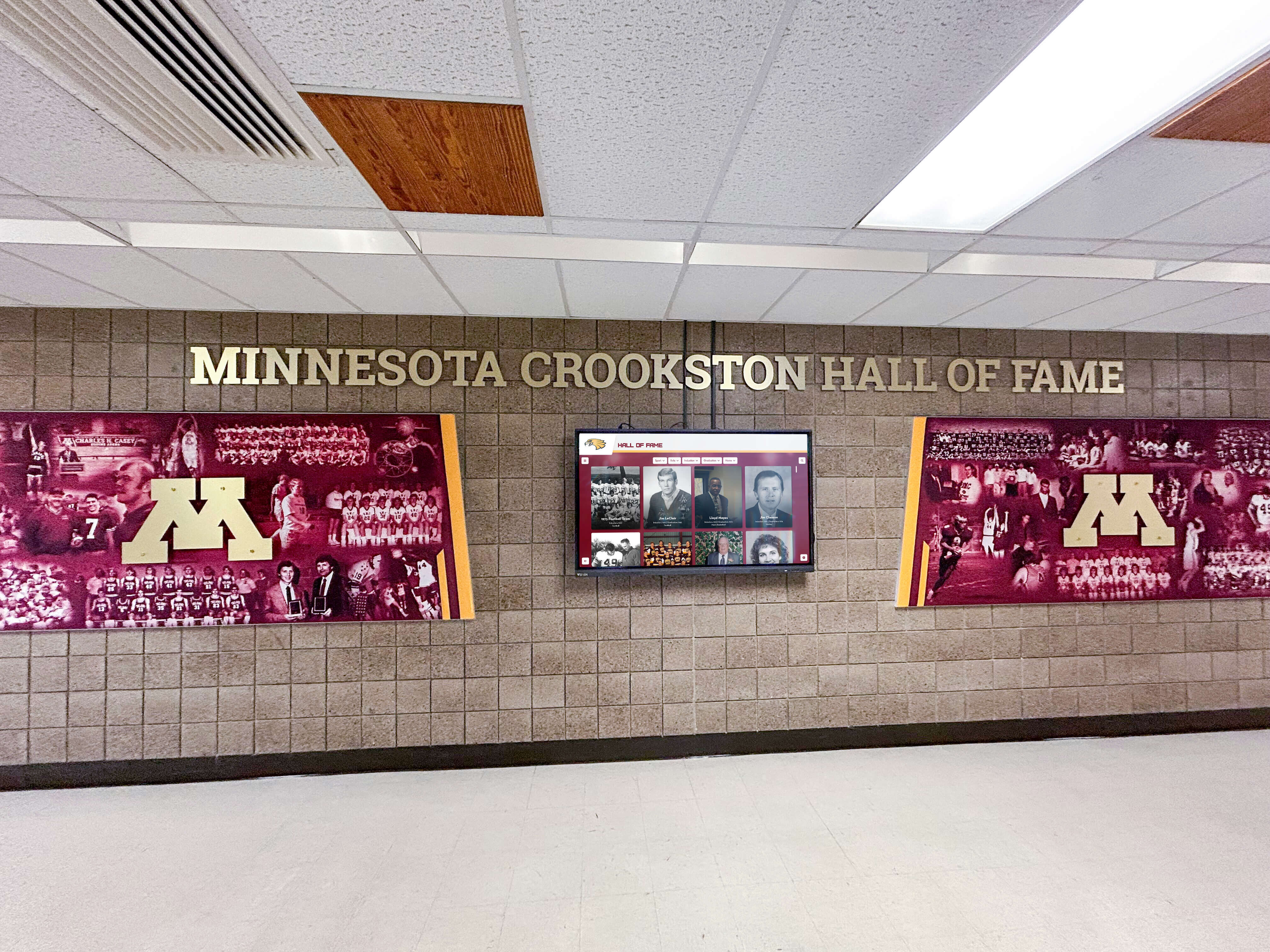
Heritage recognition extends from K-12 through higher education with comprehensive display systems
Technology Solutions Supporting Heritage Month Recognition
Modern digital platforms provide unprecedented flexibility for heritage month programming and year-round diversity celebration.
Features Supporting Heritage Month Programming
Educational institutions implementing digital recognition systems for heritage month support report several key advantages:
Dynamic Content Management
Cloud-based platforms enable:
- Quick content updates highlighting different heritage months throughout the year
- Featured collections showcasing achievements from specific cultural groups
- Scheduled content publication automating heritage month recognition
- Template systems enabling consistent heritage recognition across observances
- Multiple administrator access allowing cultural organization leaders to contribute content
Flexible Categorization and Filtering
Interactive displays support:
- Filtering recognition by cultural background, enabling heritage month focus
- Search functionality helping community members explore specific heritage achievements
- Timeline views showing historical progression of diverse contributions
- Geographic visualization connecting heritage to places of origin and diaspora
- Cross-referencing by achievement type, time period, department, and other criteria
Multimedia Storytelling Capabilities
Rich content formats enhance heritage recognition:
- Photograph galleries showing cultural celebrations and traditional practices
- Video interviews where recognized individuals share heritage experiences
- Audio recordings preserving traditional languages and oral histories
- Document archives displaying historical materials and primary sources
- Interactive maps connecting heritage to geography and migration patterns
Accessibility Features Supporting Diverse Audiences
Modern platforms incorporate:
- Multilingual content supporting families whose primary language isn’t English
- Screen reader compatibility ensuring visual accessibility
- Adjustable text sizes and high-contrast viewing modes
- Mobile optimization enabling access from any device
- ADA-compliant installation ensuring physical accessibility
Solutions like Rocket Alumni Solutions provide comprehensive platforms specifically designed for educational institution recognition needs, including heritage month programming support.
Integration with Broader Recognition Systems
Most effective heritage month recognition connects to comprehensive institutional recognition infrastructure:
Combined Recognition Platforms
Digital systems can simultaneously showcase:
- Heritage month recognition alongside academic achievement celebration
- Cultural contributions integrated with athletic accomplishment displays
- Student recognition connected to alumni achievement from similar backgrounds
- Contemporary achievements linked to historical institutional heritage
- Service recognition highlighting cultural community contributions
This integrated approach demonstrates that diversity celebration connects to all institutional excellence rather than existing separately.
Learn about academic recognition programs that can integrate heritage month celebration.
Conclusion: Building Inclusive Educational Communities Through Heritage Month Recognition
National Heritage Months represent strategic opportunities for educational institutions to demonstrate genuine commitment to diversity, equity, and inclusion through systematic celebration of the cultural groups comprising our communities. When schools and universities thoughtfully plan heritage month programming that educates authentically, recognizes achievements comprehensively, engages communities meaningfully, and extends visibility year-round, they create educational environments where all students see themselves reflected positively and learn to appreciate the diverse contributions shaping our shared society.
The most successful heritage month programs avoid superficial gestures in favor of substantive approaches: curriculum integration across all subjects rather than isolated cultural presentations, authentic community partnership ensuring cultural accuracy rather than well-intentioned but problematic appropriation, year-round recognition visibility rather than temporary displays forgotten after designated months end, systematic assessment ensuring equitable attention across all heritage observances, and institutional commitment demonstrated through ongoing resource allocation and policy change.
Ready to create comprehensive heritage month recognition that celebrates cultural diversity authentically while inspiring inclusive community? Modern recognition solutions help educational institutions showcase diverse achievements with the visibility and permanence all students deserve. Solutions like Rocket Alumni Solutions provide digital recognition platforms that eliminate space constraints, enable rich multimedia storytelling about diverse heritage, and create engaging experiences honoring cultural contributions throughout the year.
Whether you’re establishing first-ever systematic heritage month programming or enhancing existing celebrations, the key is creating genuine visibility for diverse achievements, ensuring recognition approaches feel authentic and meaningful to celebrated communities, and building sustainable systems serving institutions effectively year-round, not just during designated heritage months.
Your students deserve educational experiences where they see their cultural identities reflected positively, learn about diverse contributions authentically, and develop the cultural competence necessary for our increasingly diverse society. With thoughtful planning, authentic community partnership, modern technology supporting comprehensive recognition, and genuine institutional commitment extending beyond symbolic gestures, you can create heritage month programs that transform your educational culture while honoring the rich diversity comprising your community.
The most important element isn’t budget size, technology sophistication, or facility quality—it’s authentic institutional commitment to celebrating diversity with genuine appreciation, appropriate resources, and sustained visibility extending throughout the academic year. Your students from all cultural backgrounds deserve recognition matching their achievements, contributions, and inherent worth within your educational community.
Comprehensive heritage month recognition ensures these contributions receive the lasting celebration they deserve while building inclusive cultures where excellence across all identities thrives for generations. The time to begin is now—not just during designated heritage months, but through year-round commitment to the diversity making your institution stronger, richer, and more reflective of the world your students will shape.
Ready to begin? Explore digital school history timeline approaches that can integrate heritage month recognition, or learn about spirit and tradition walls celebrating diverse institutional heritage.