



National College Signing Day represents one of the most significant milestones in a student-athlete’s journey—the moment when years of dedication, countless hours of training, and sustained academic achievement culminate in a commitment to continue their athletic and academic careers at the collegiate level. Each signing day, schools across the nation celebrate these achievements through ceremonies, social media posts, and hallway displays that honor students taking this important next step.
Yet many schools struggle to provide recognition that extends beyond the initial celebration. Traditional approaches—printed banners that fade, social media posts that disappear in feeds, or bulletin boards that compete for limited wall space—fail to capture the complete story of each signing class or preserve this legacy for future athletes to explore. Student-athletes who dedicated years to their sport deserve recognition systems that grow with your program, adapt throughout the school year, and showcase both current signings and historical achievements.
This comprehensive blueprint explores how to create college signing day showcase programs using digital recognition platforms that archive every year’s signings, enable real-time content updates, and provide the flexibility to bring signing day folders to the forefront whenever celebration is needed.
Effective National College Signing Day recognition extends far beyond momentary celebration—it creates permanent institutional memory of student-athlete achievements, demonstrates program success to prospective athletes and families, and establishes visible proof that dedication leads to opportunity. Schools implementing comprehensive signing day showcase programs report increased engagement from younger athletes, stronger recruiting conversations, and lasting connections with alumni who return to see their recognition preserved.

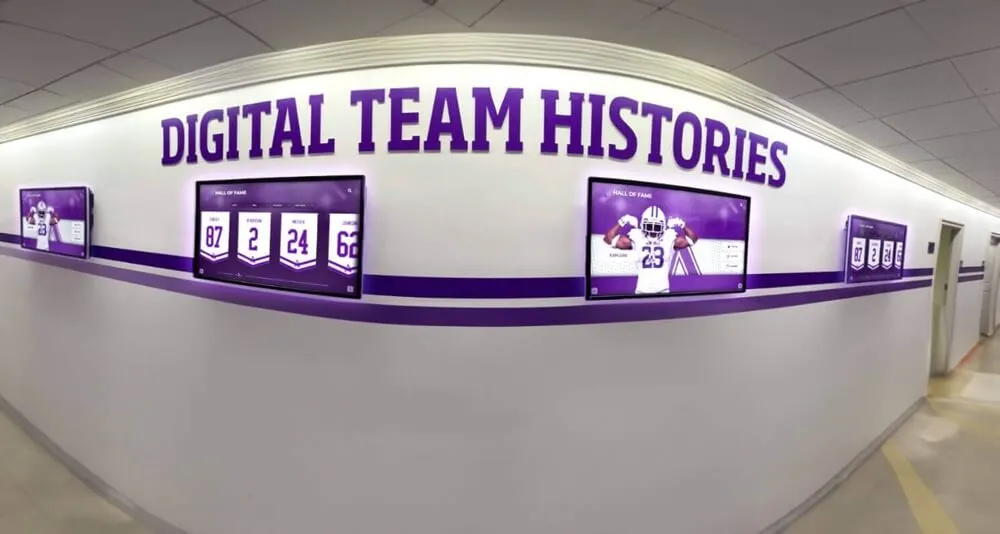
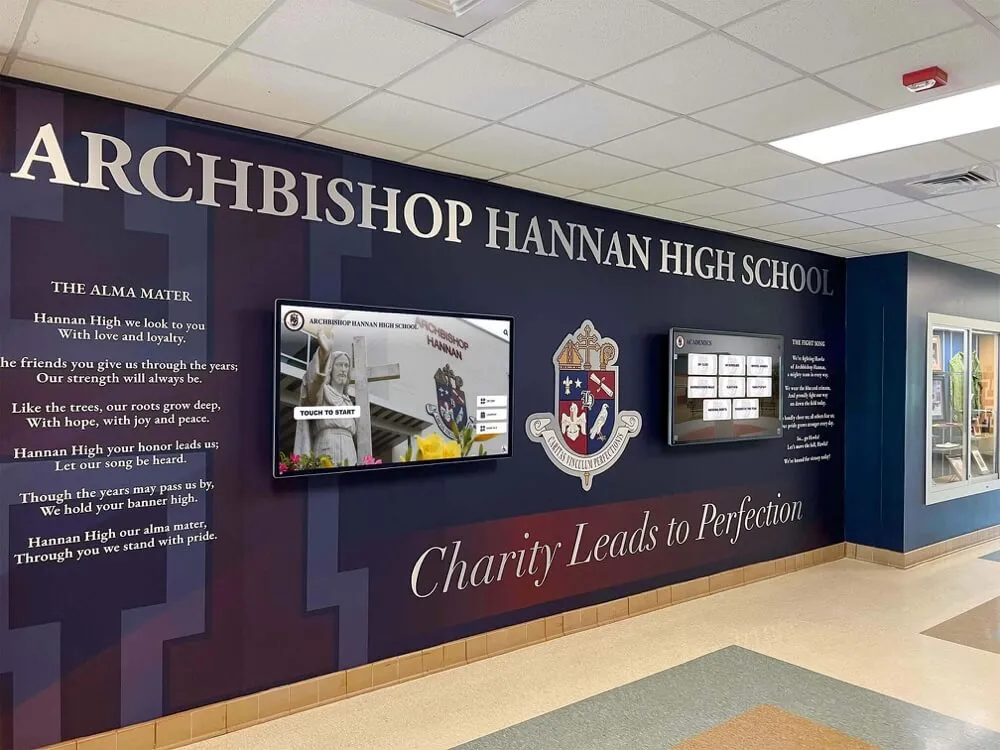
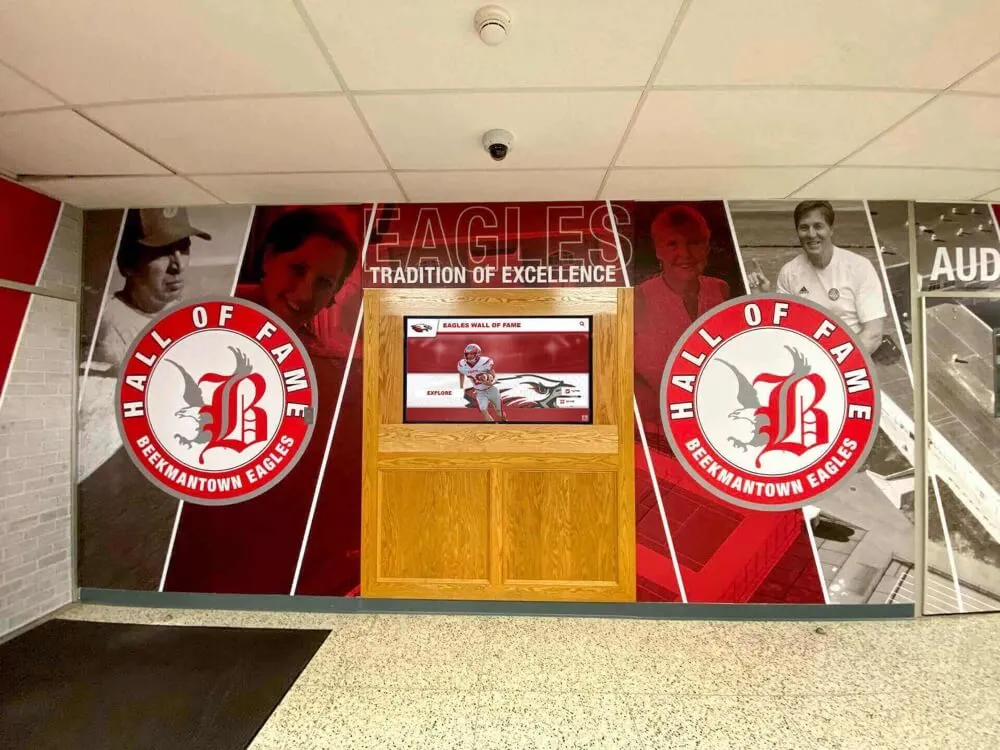
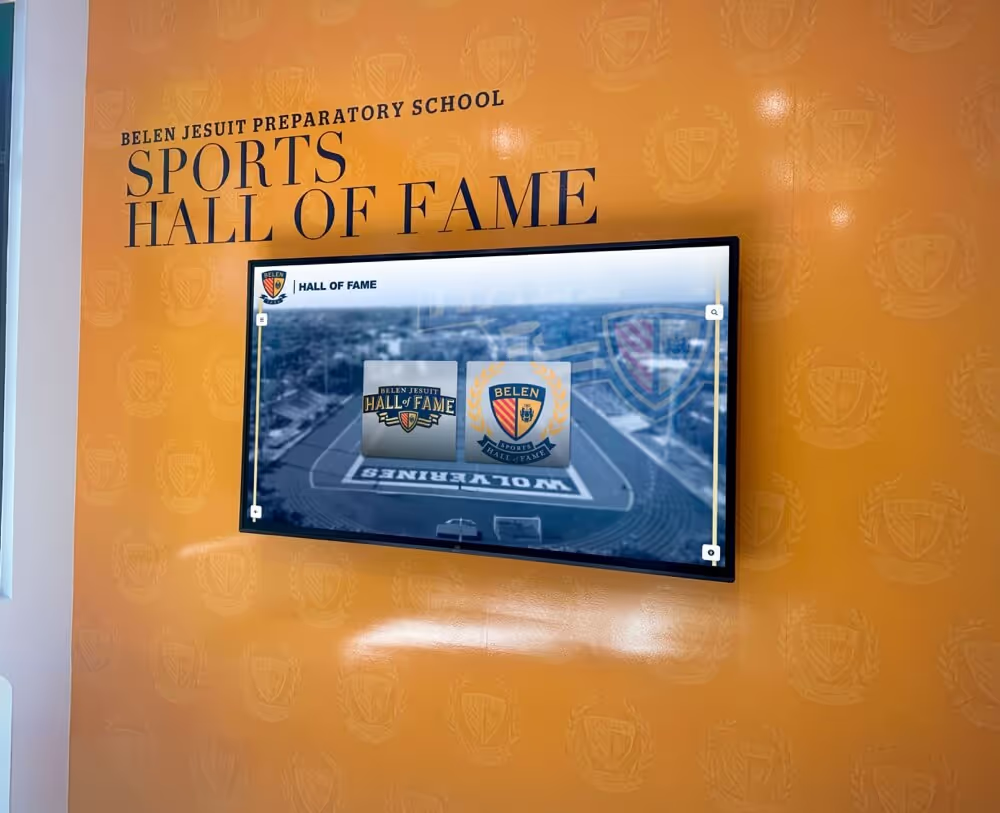
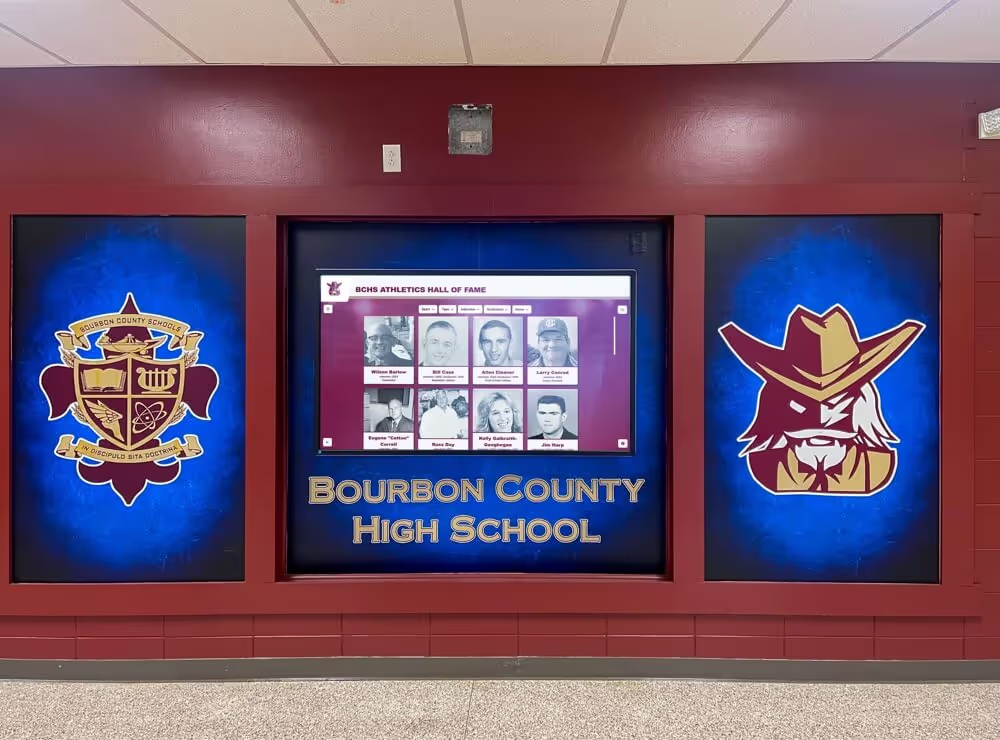
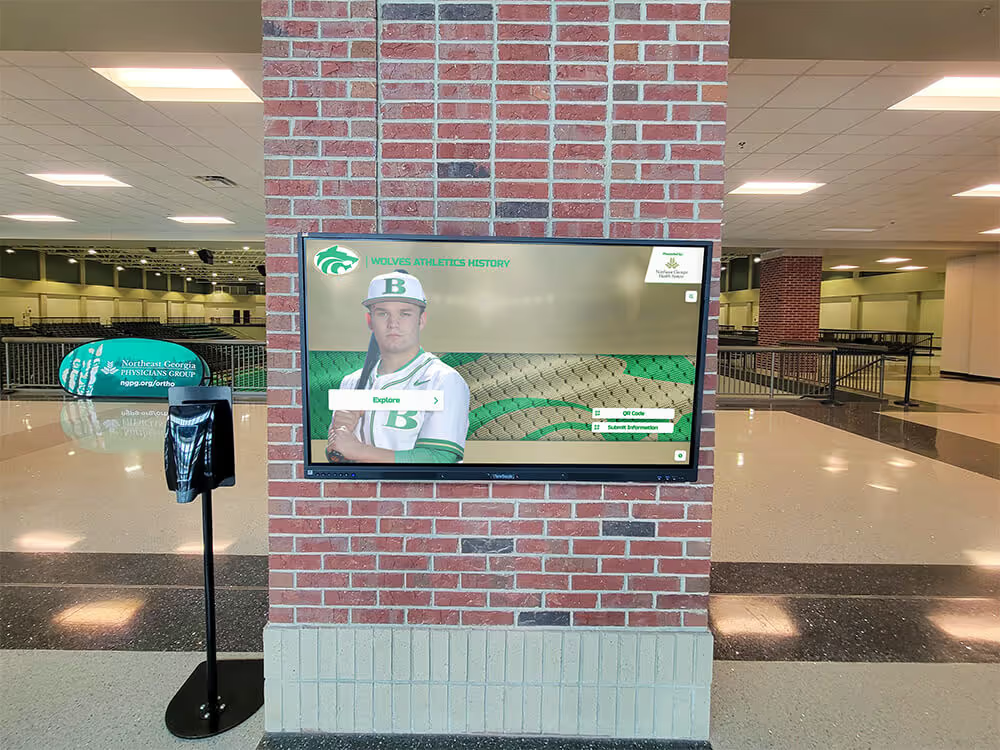
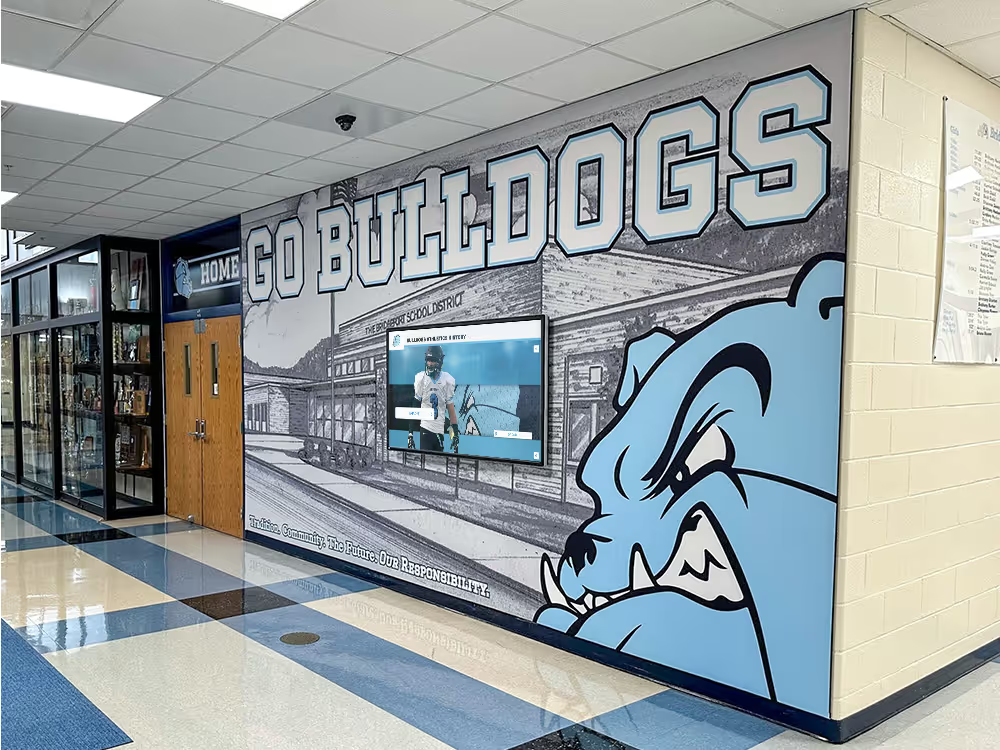
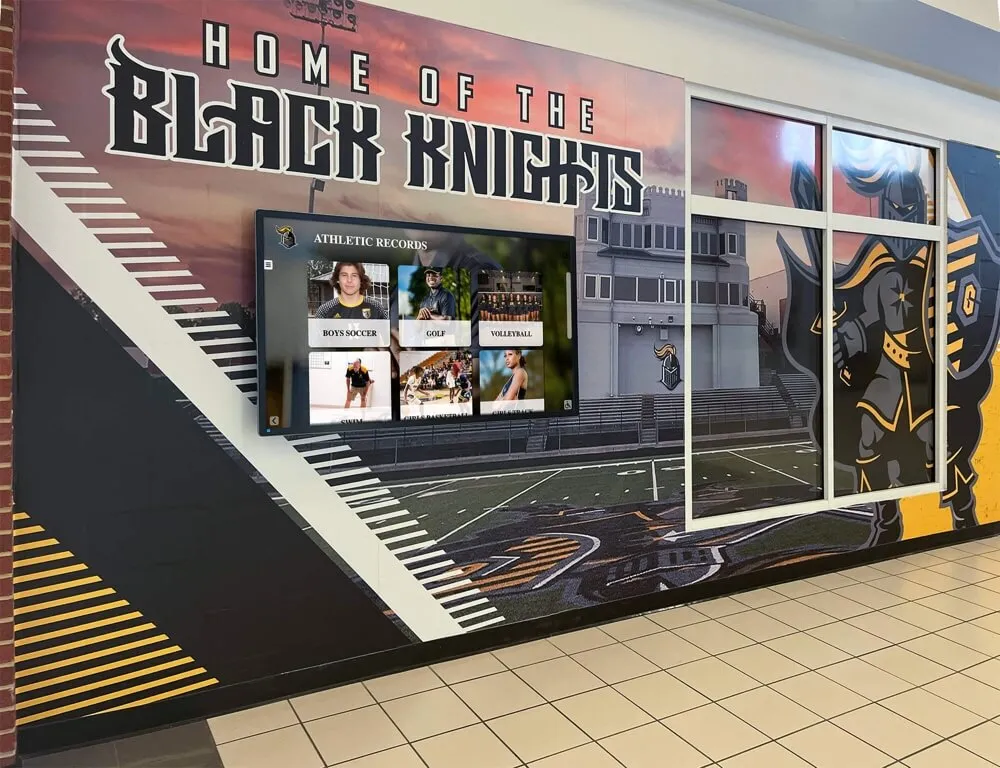
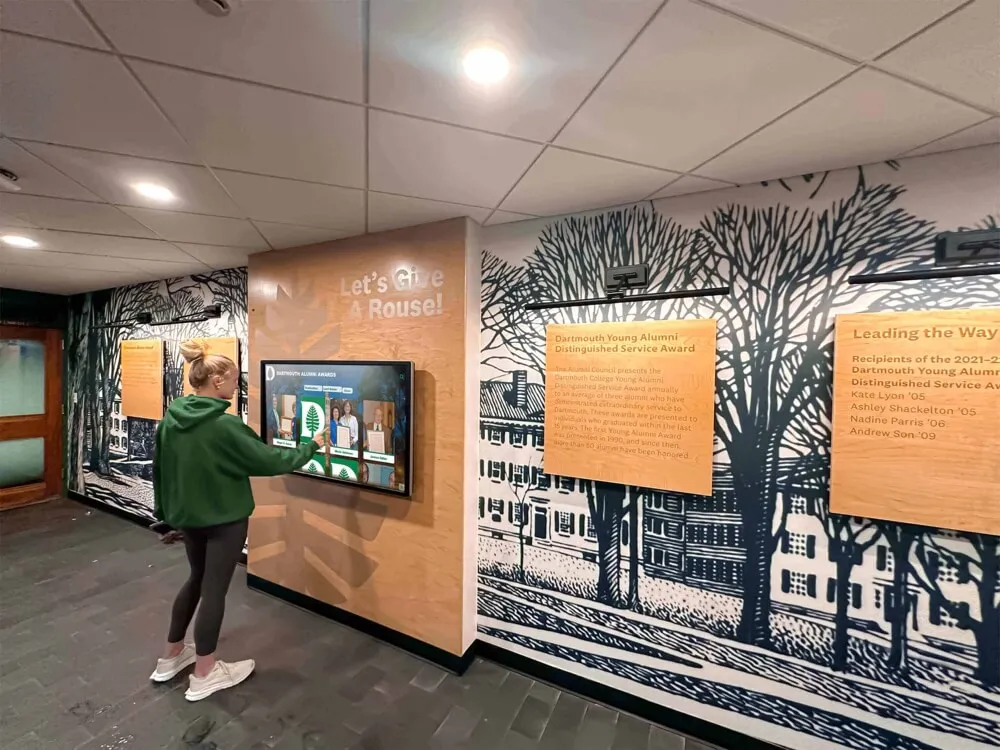
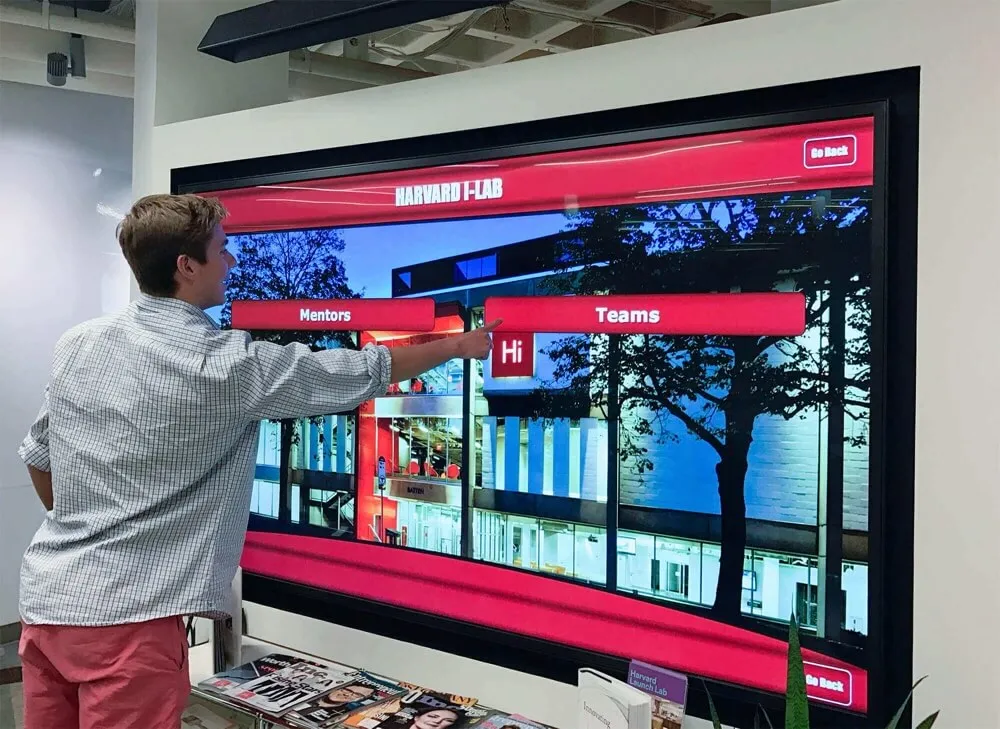
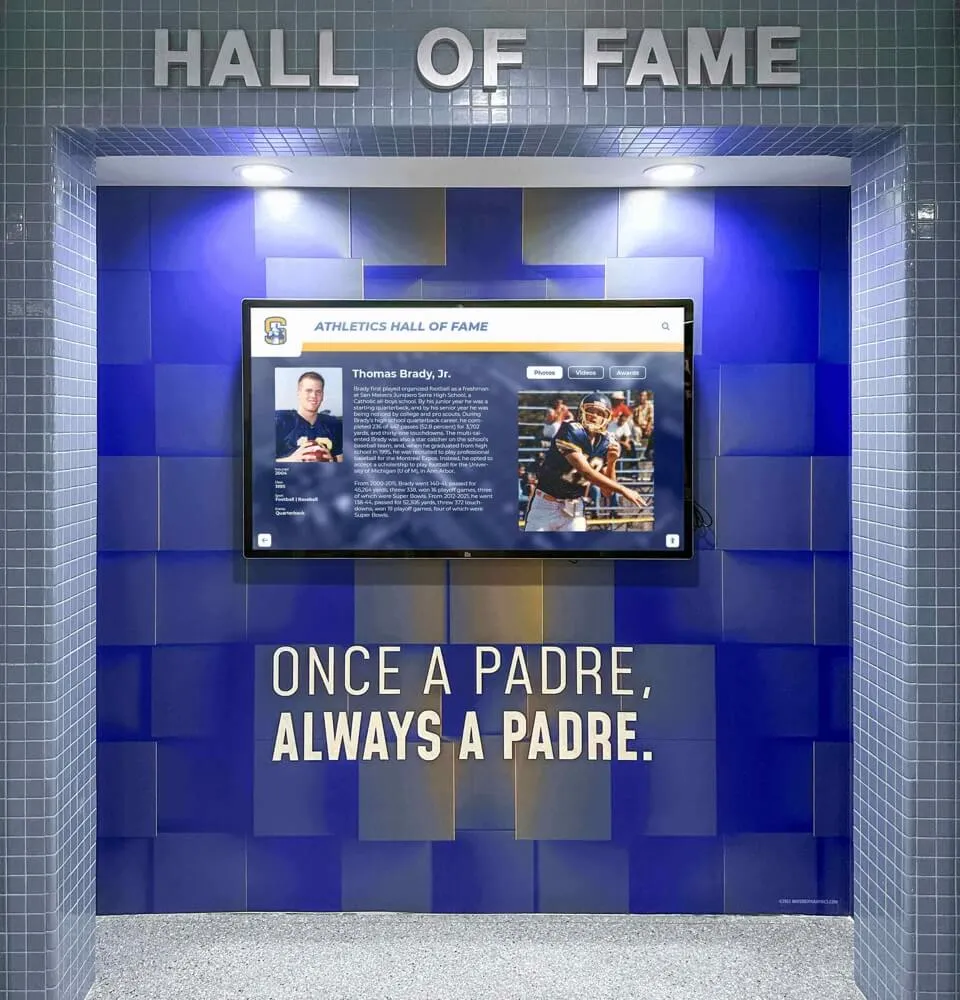
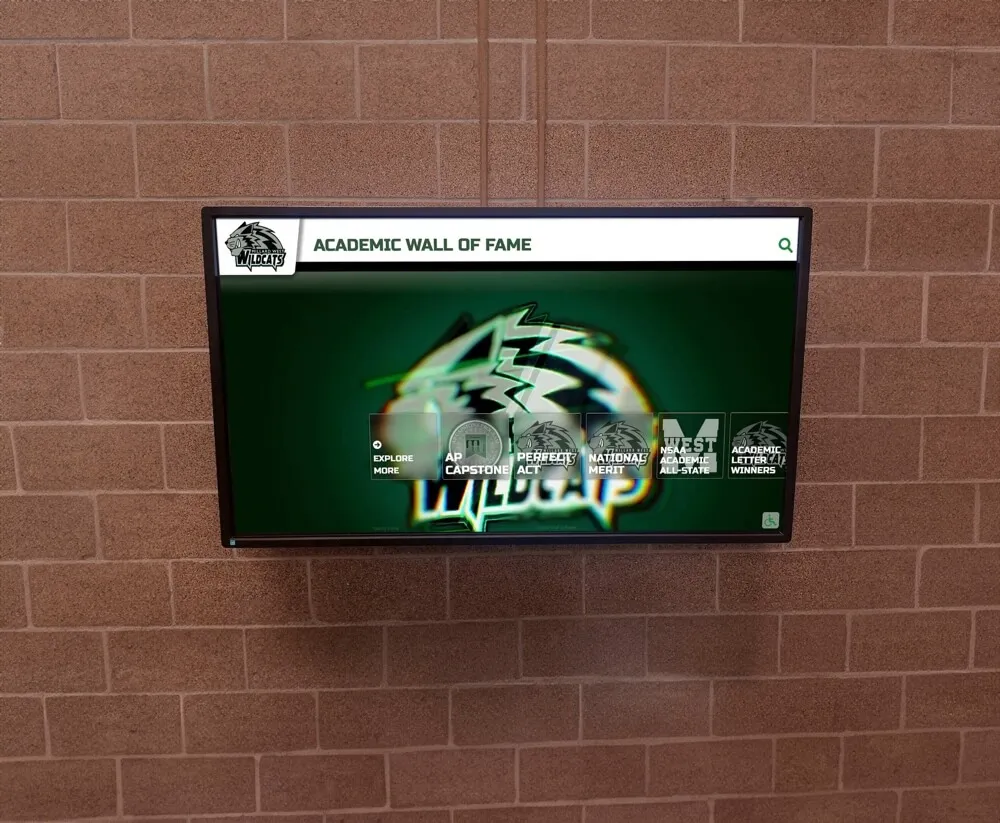
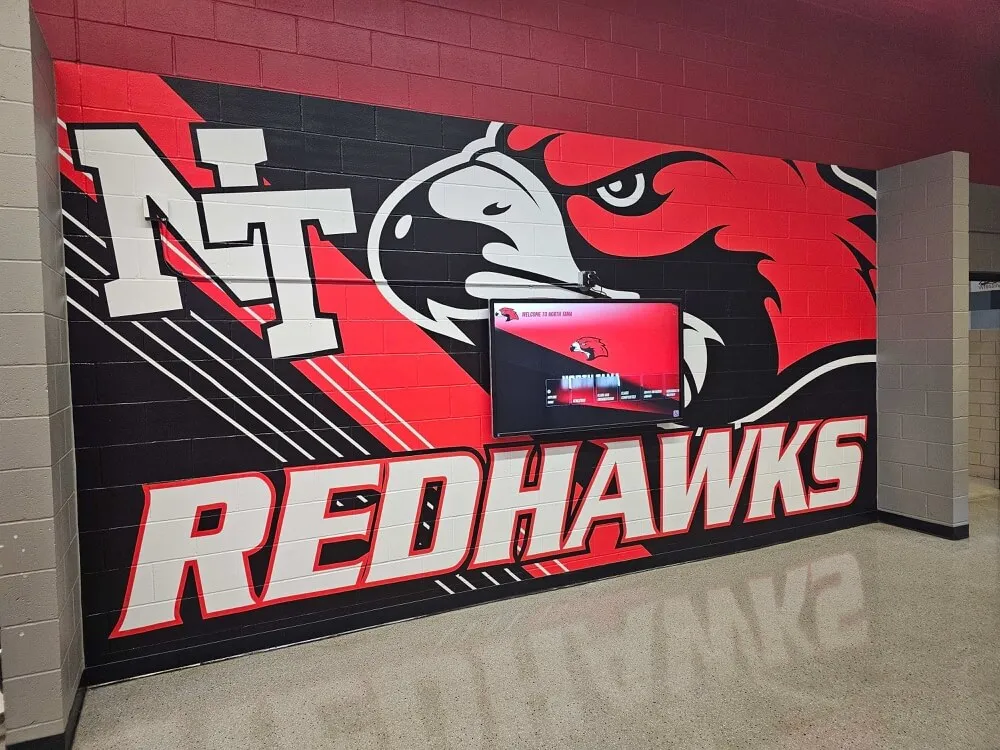
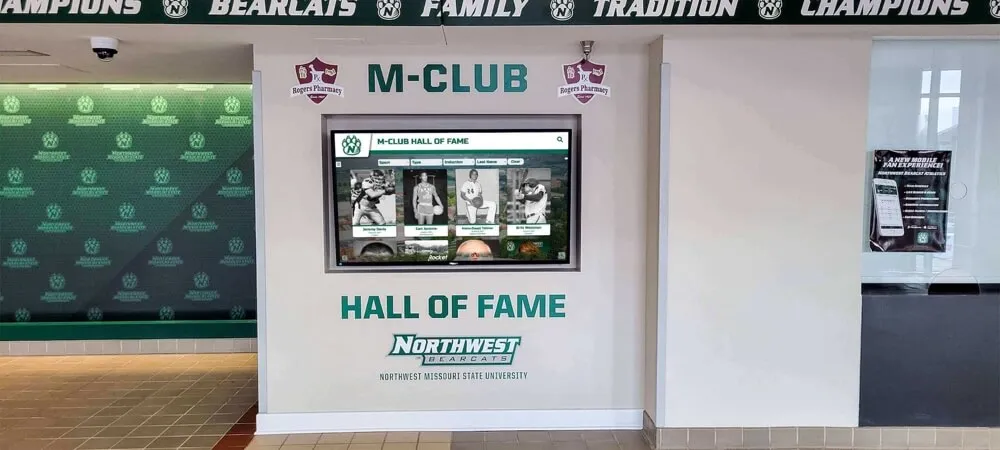
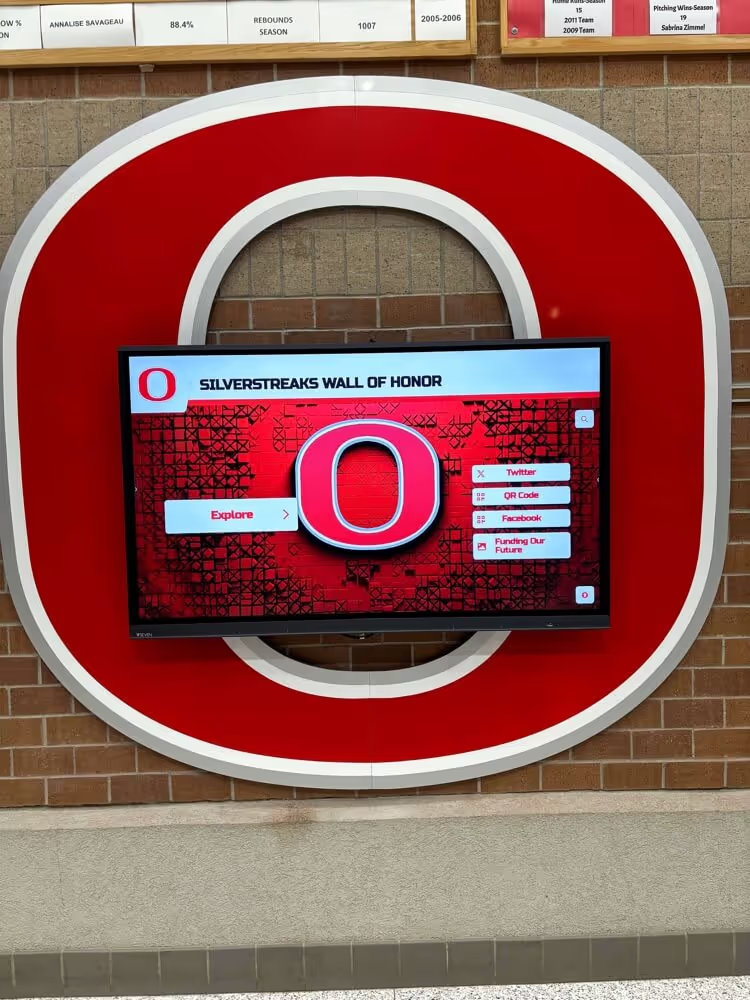
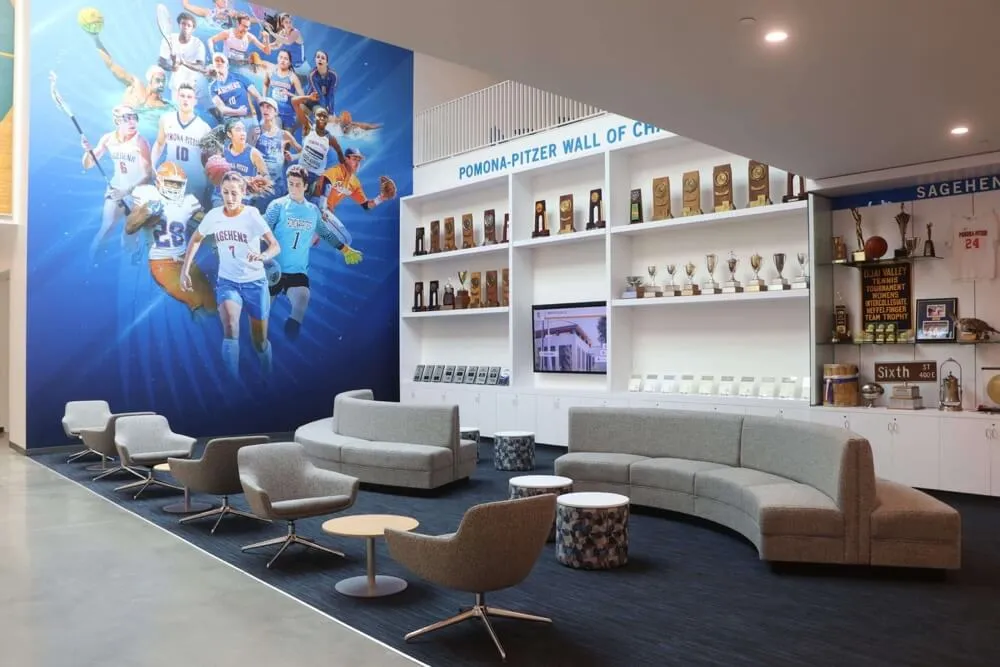
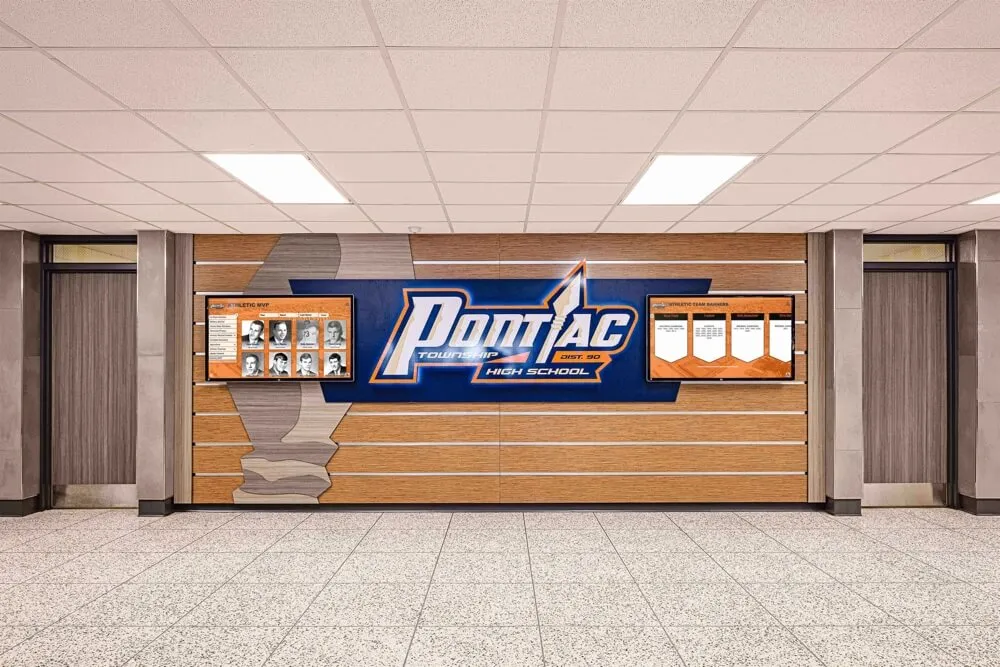
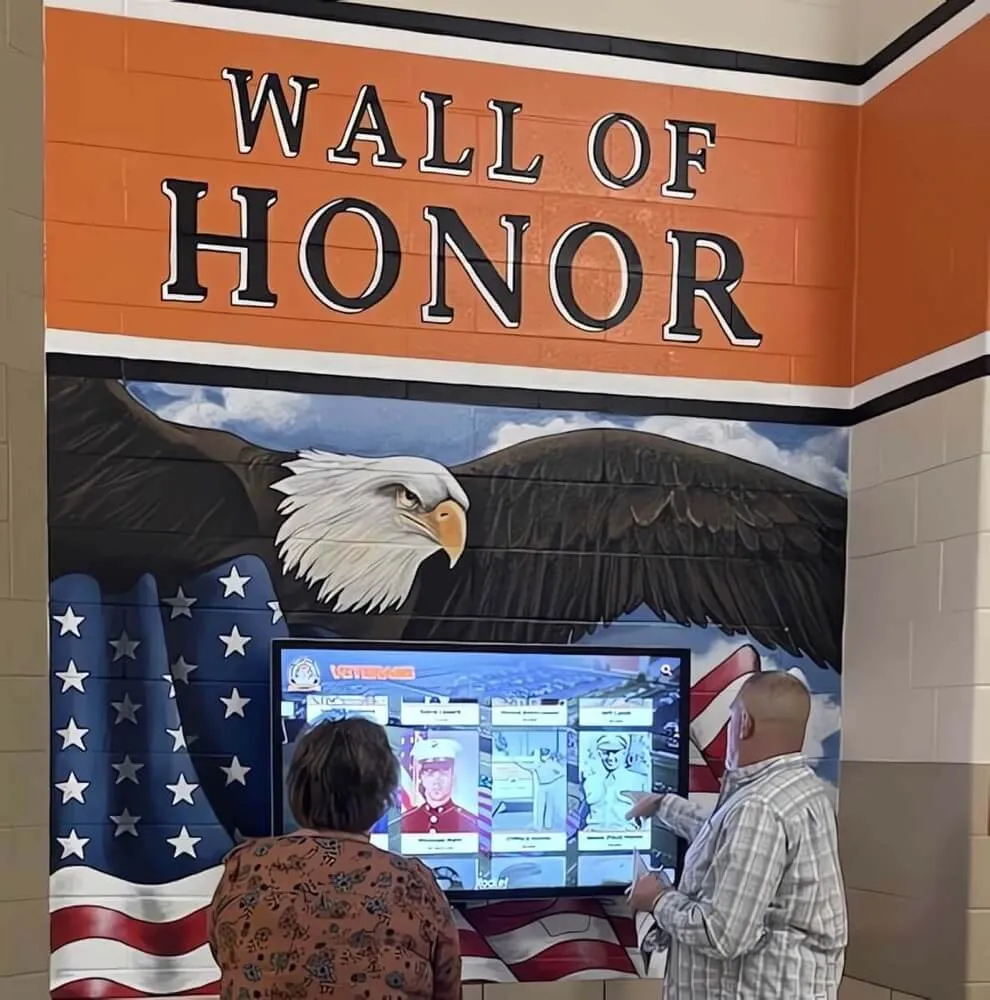
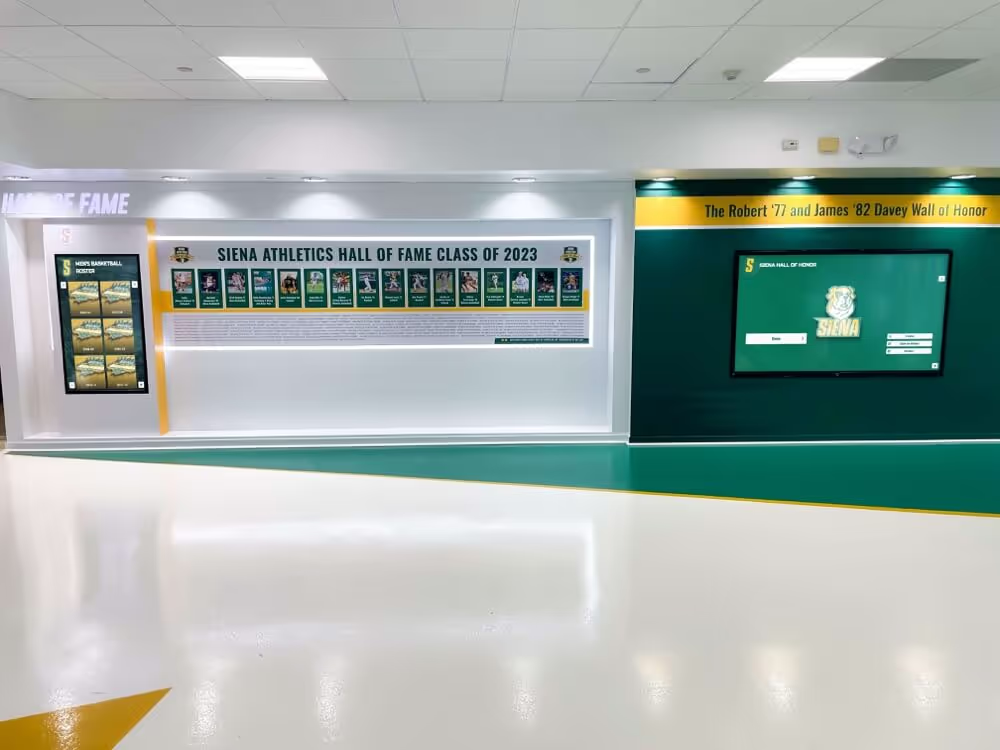
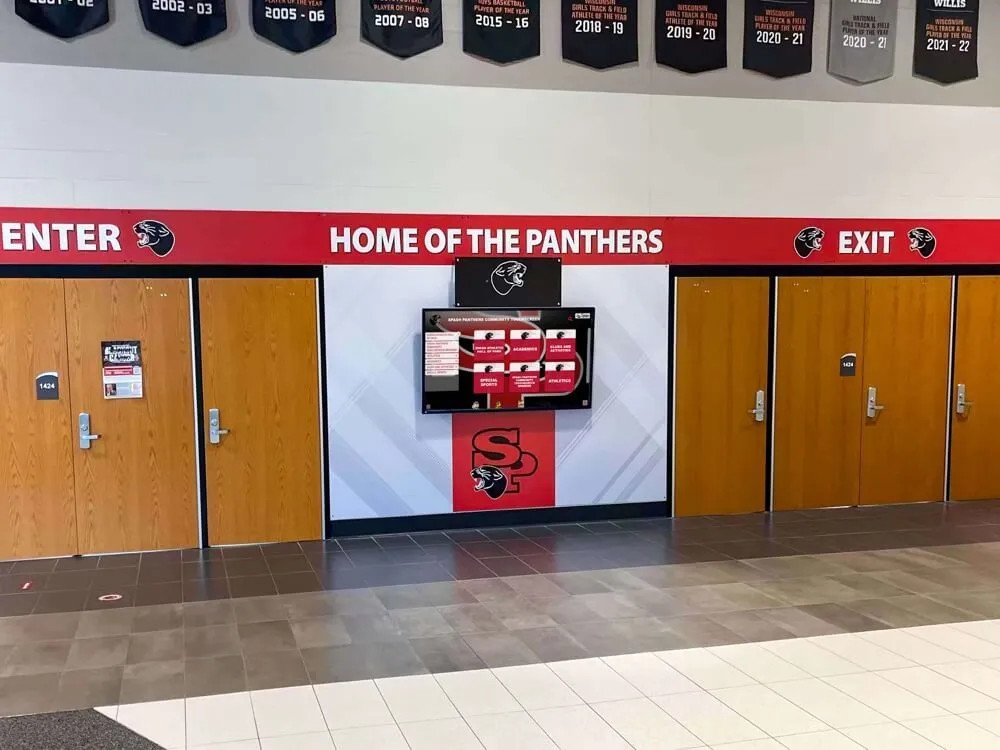
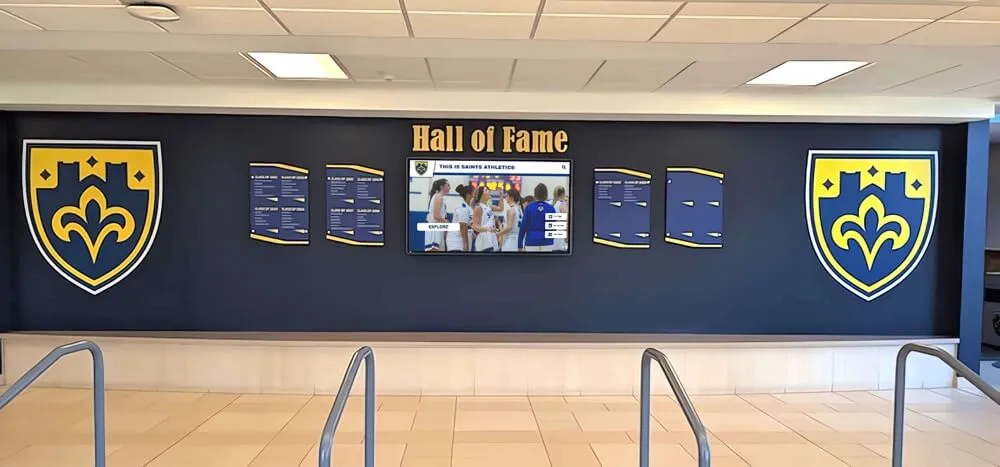
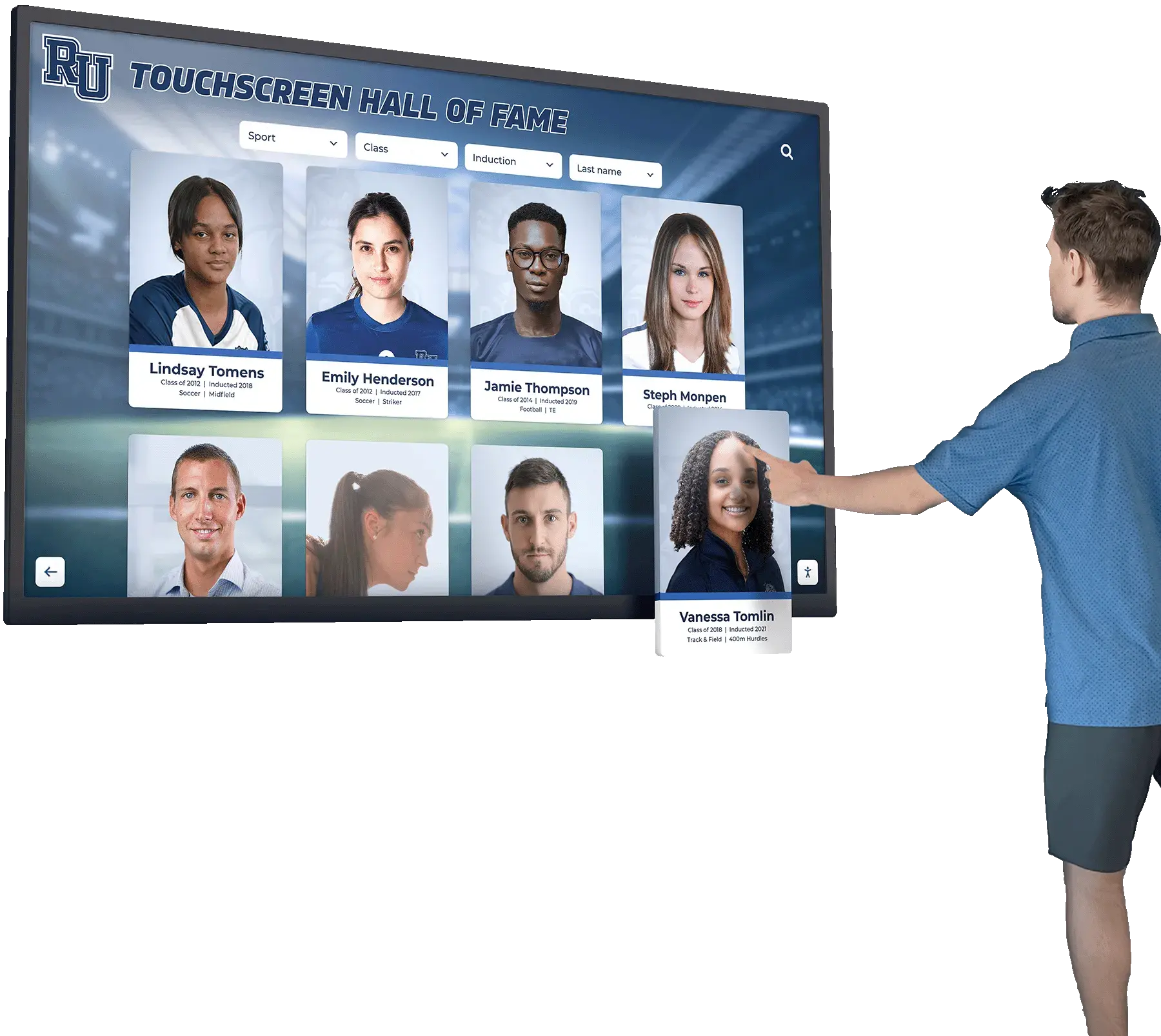
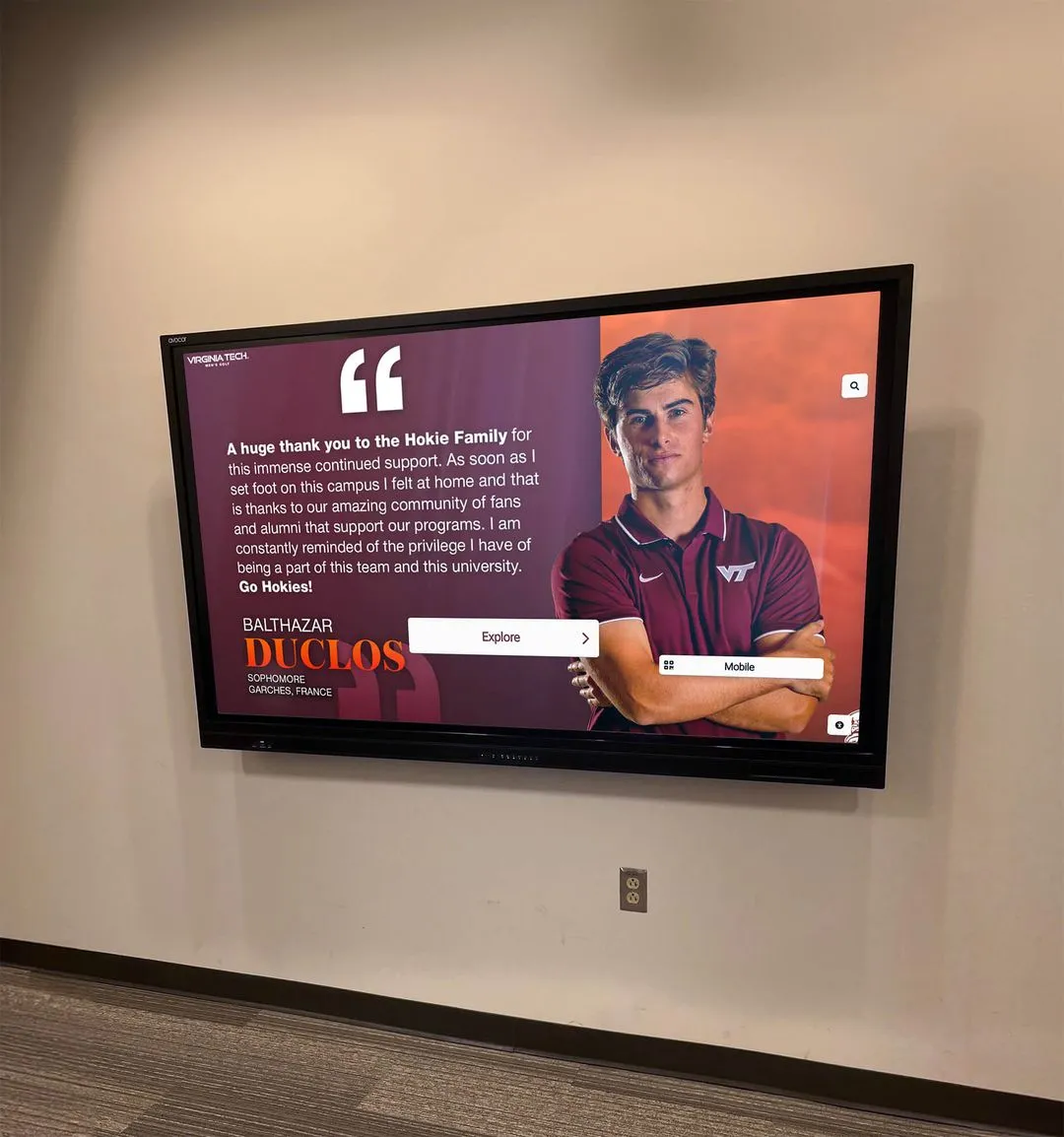
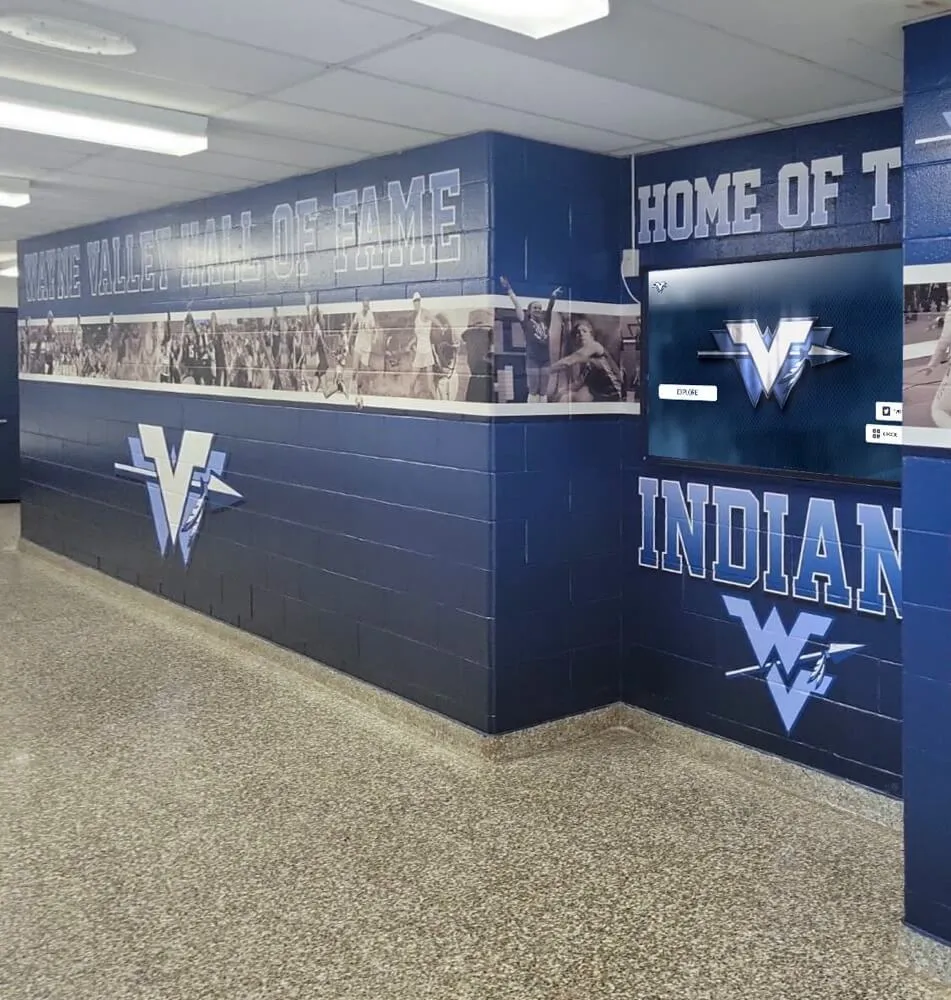
Digital recognition displays enable student-athletes and visitors to explore college signing achievements across multiple years and sports
Understanding National College Signing Day and Recognition Needs
Before implementing comprehensive showcase programs, understanding the signing day landscape and institutional recognition objectives helps schools design appropriate celebration approaches.
The National Signing Day Timeline and Significance
National College Signing Day actually encompasses multiple dates throughout the academic year, with different sports observing different signing periods based on NCAA regulations and traditional practice.
Primary Signing Periods
Major signing day milestones include:
- Early Signing Period (December): Football and basketball athletes often commit during early signing periods in December and November respectively, formalizing their college decisions before many peers complete applications
- National Signing Day (February): The first Wednesday in February represents traditional National Signing Day when football athletes who didn’t sign early formalize commitments
- Spring Signing Period (April-May): Many sports including baseball, softball, soccer, lacrosse, and others conduct signing ceremonies during spring months when recruiting cycles conclude
- College Decision Day (May 1): While not exclusively athletic, May 1st represents when all high school seniors finalize college enrollment decisions, creating opportunities to celebrate athletic and academic achievements together
According to the National Collegiate Athletic Association (NCAA), these staggered signing periods reflect different recruiting calendars across sports, requiring schools to maintain flexible recognition systems capable of celebrating achievements year-round rather than during single events.
Why Multiple Signing Days Matter for Recognition Programs
This extended timeline creates both challenges and opportunities:
- Challenge: Recognition systems must accommodate additions throughout the school year rather than single annual updates
- Opportunity: Schools can create ongoing celebration culture rather than once-yearly events
- Challenge: Different sports receive attention at different times, risking unequal visibility
- Opportunity: Each sport can receive dedicated spotlight during their signing periods
- Challenge: Maintaining current recognition requires regular content updates
- Opportunity: Dynamic displays remain fresh and relevant throughout academic years
Schools implementing successful signing day programs design systems accommodating this extended timeline through content management platforms enabling real-time updates without technical barriers.
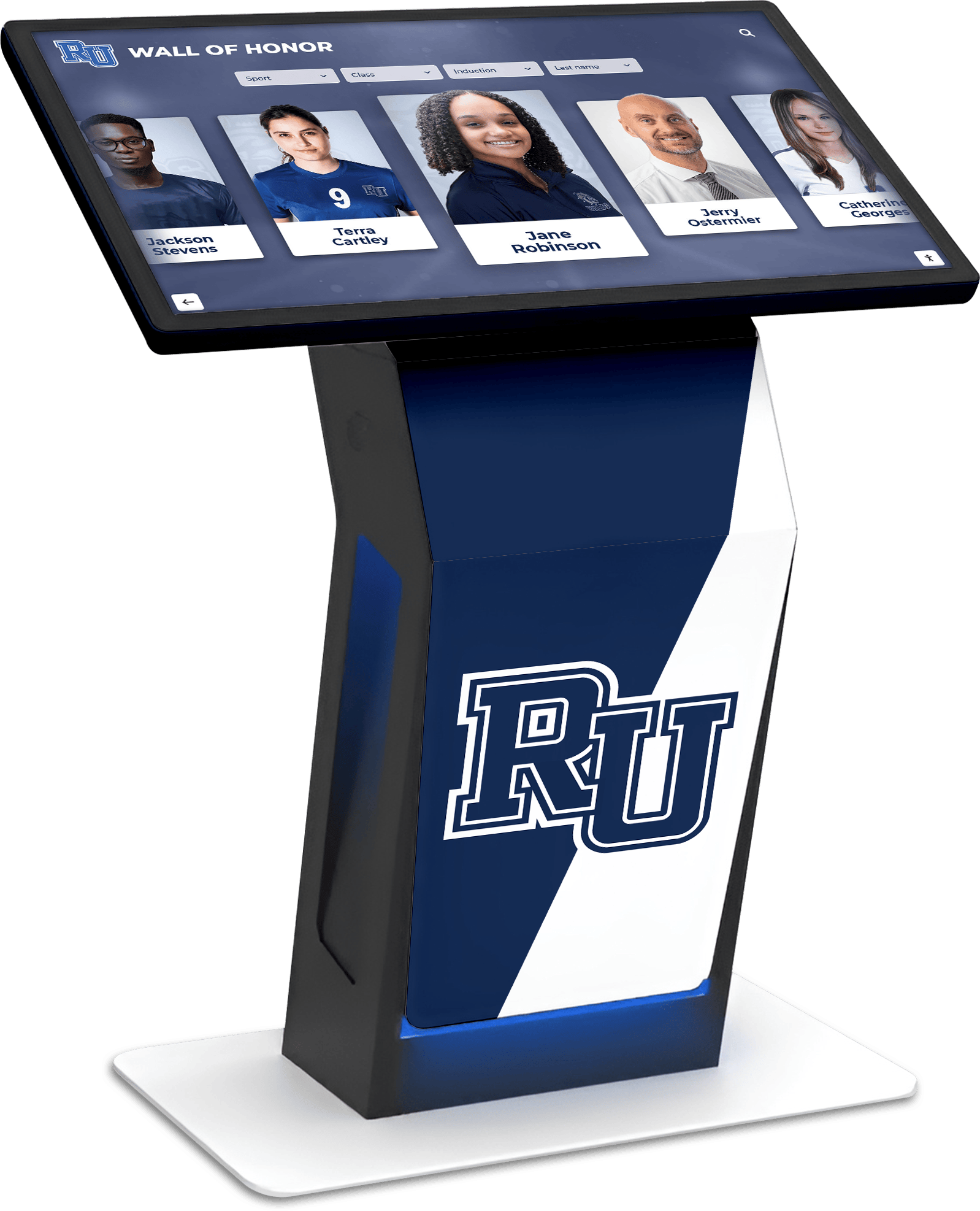
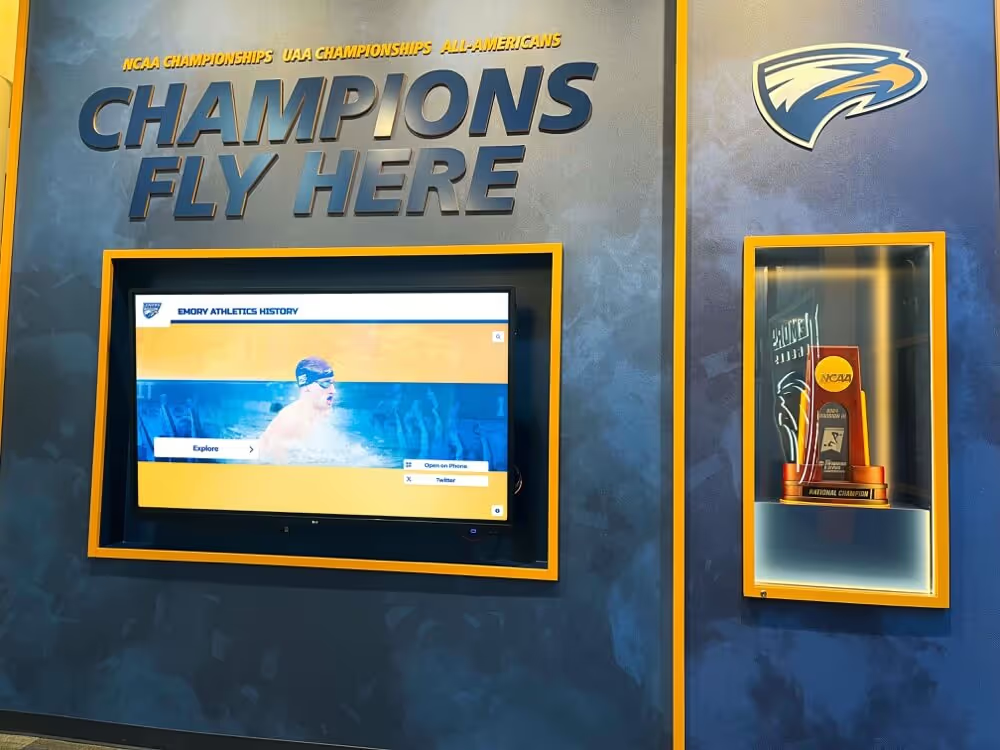
Flexible digital recognition systems can be updated throughout the year as athletes make commitments across all sports
Traditional Signing Day Recognition Limitations
Conventional celebration approaches provide valuable immediate acknowledgment while facing constraints affecting long-term impact and sustainability.
Social Media Recognition Constraints
Schools widely use social media for signing day announcements:
Benefits
- Immediate sharing enabling real-time celebration
- Broad reach extending beyond school community
- Family and friend engagement through reactions and sharing
- Cost-effective requiring minimal financial investment
- Photo and video integration creating engaging content
Limitations
- Content quickly buried as new posts appear in feeds
- No systematic organization enabling exploration of previous signing classes
- Platform dependence creating accessibility challenges
- Search difficulty locating specific athletes or colleges years later
- Lack of permanence as posts disappear or accounts change
- No comprehensive view of program college placement track record
While valuable for immediate celebration, social media should supplement rather than replace permanent recognition ensuring lasting documentation.
Physical Display Space Constraints
Many schools create temporary hallway displays for signing celebrations:
Common Physical Approaches
- Bulletin boards showing athlete photos with college logos
- Poster displays listing commitments by sport
- Signing day photo collages in trophy cases
- College pennants and banners in athletic facilities
- Map displays showing geographic distribution of college destinations
Space-Related Challenges
- Limited wall space forces difficult prioritization decisions about which athletes or years receive recognition
- Competing demands for hallway displays from other programs and activities
- Annual removal of previous years’ displays to accommodate new signings
- No capacity to showcase complete program history simultaneously
- Physical deterioration requiring replacement within months
- Maintenance burden creating ongoing staff workload
According to research on school recognition programs, space limitations represent the most commonly cited frustration preventing comprehensive historical celebration of college signing achievements.
Solutions like digital recognition platforms eliminate these space constraints entirely, enabling schools to showcase current and historical signing classes simultaneously through searchable, organized systems preserving complete institutional signing day legacy.
Program Snapshot: National College Signing Day Showcase
Successful signing day showcase programs share common structural elements regardless of school size or athletic program scope.
| Program Element | Description | Timing |
|---|---|---|
| Audience | Current student-athletes, prospective recruits and families, alumni, school community, local media | Year-round with peak during signing periods |
| Primary Outcomes | Permanent recognition of college commitments, recruiting advantage through visible college placement, inspiration for younger athletes, alumni engagement | Sustained throughout academic years |
| Featured Content | Student-athlete profiles with college destinations, athletic achievements and statistics, academic honors, commitment ceremony photos, video announcements, historical signing classes | Updated in real-time as signings occur |
| Display Locations | Athletic facilities, main school hallways, alumni areas, online platforms accessible remotely | Multiple touchpoints ensuring broad visibility |
Recognition Program Goals
Effective signing day showcases achieve multiple institutional objectives:
- Celebrate Individual Achievement: Provide appropriate recognition for student-athletes earning college opportunities
- Demonstrate Program Quality: Showcase consistent college placement proving coaching effectiveness and competitive preparation
- Inspire Current Athletes: Create visible proof that dedication and excellence lead to post-secondary opportunities
- Support Recruiting Efforts: Provide prospective athletes and families with concrete evidence of program college placement track record
- Preserve Institutional Legacy: Build comprehensive historical archive documenting program success across decades
- Engage Alumni Community: Maintain connections with former student-athletes through their lasting recognition
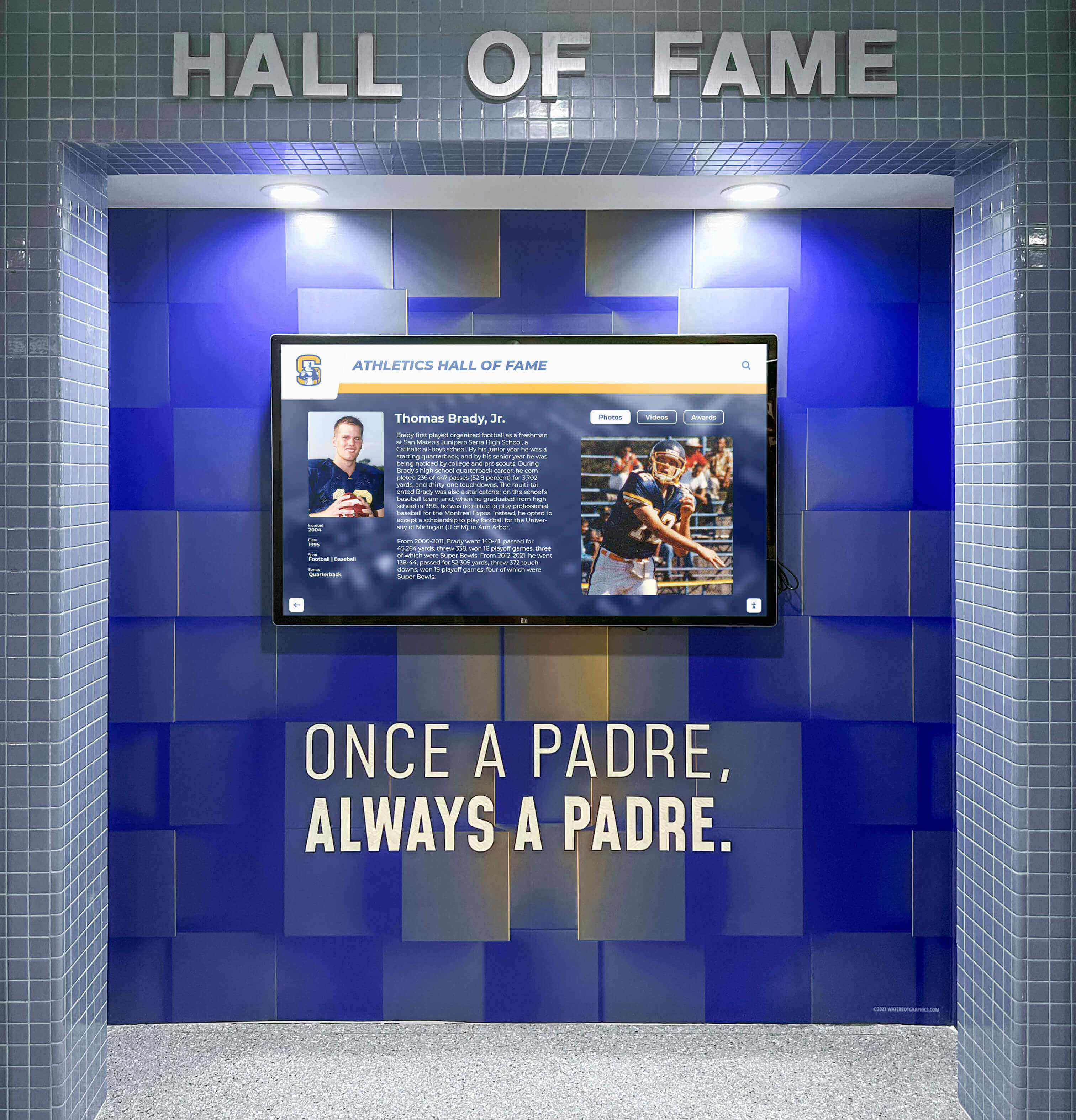
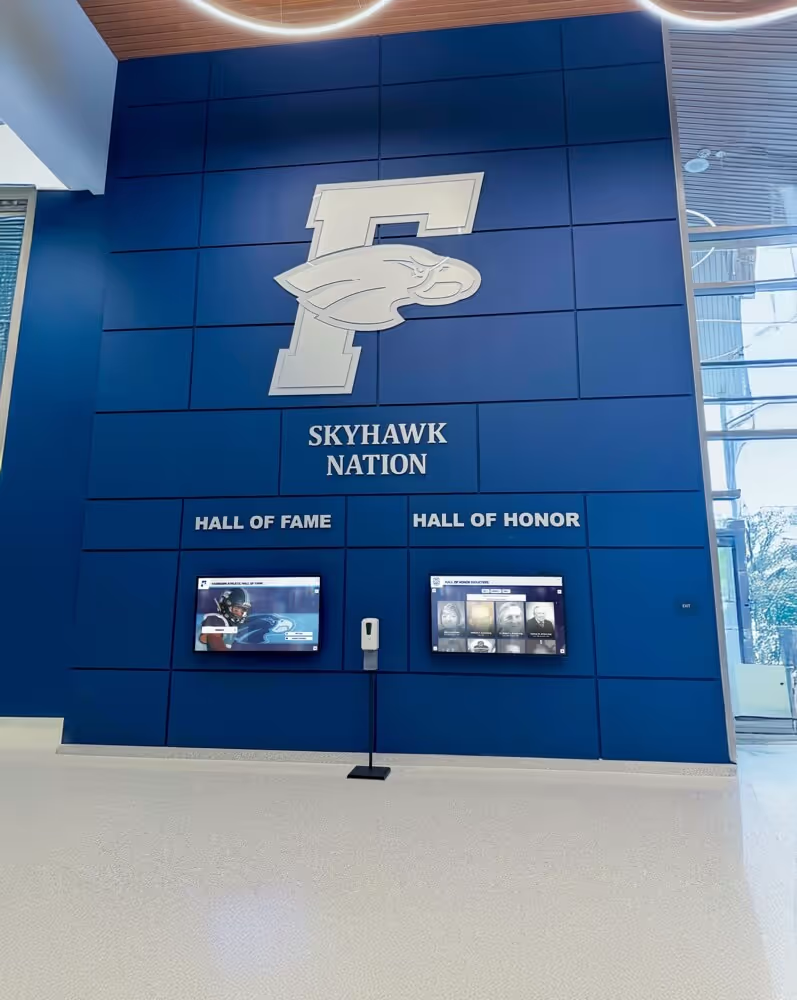
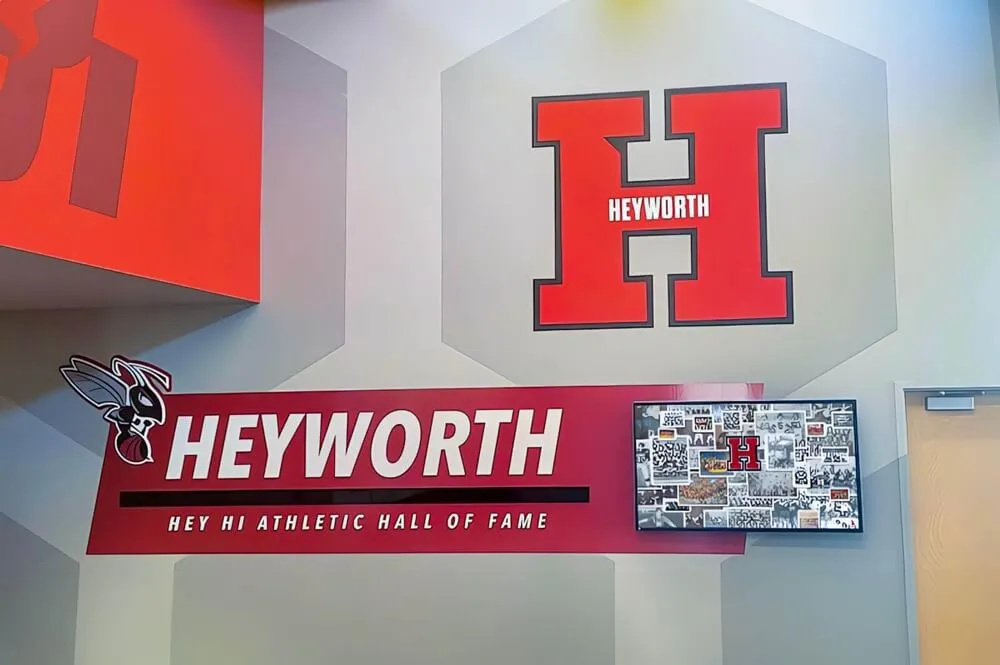
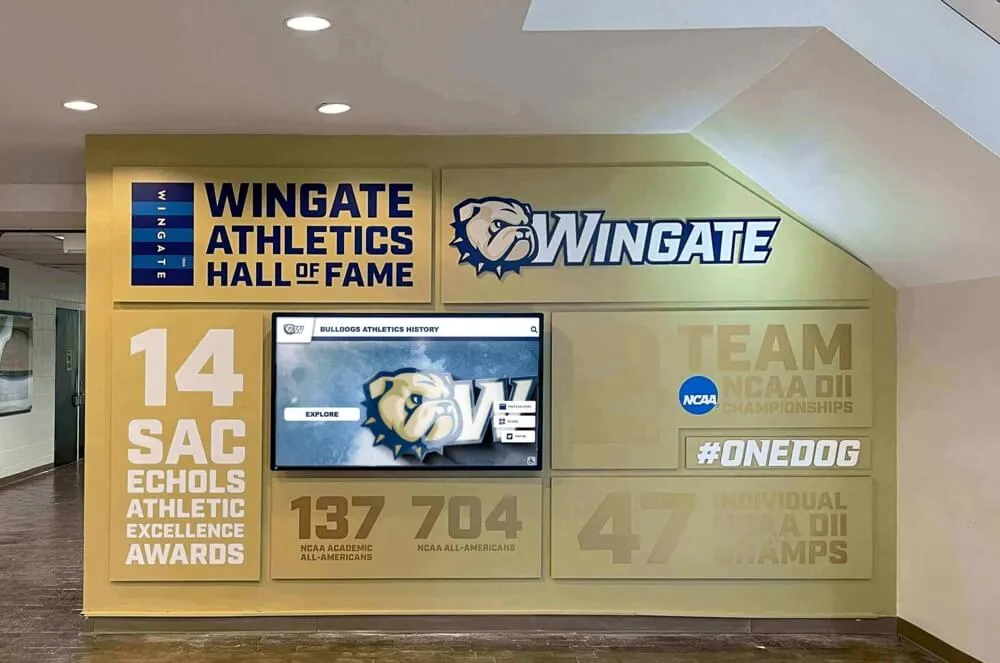
Prominent digital displays communicate program college placement success while inspiring younger student-athletes
Content Architecture: Mapping Signing Day Content to Digital Display Modules
Comprehensive signing day recognition requires systematic content organization enabling intuitive exploration and engaging presentation.
Individual Student-Athlete Profile Structure
Each student-athlete commitment warrants detailed recognition capturing complete achievement stories:
Core Biographical Information
- Full name and graduation year
- Sport and position played
- High school career years (e.g., “Varsity 2022-2025”)
- College/university commitment destination
- Athletic conference and division level
- Intended academic major or program of study
- Signing date and ceremony details
Athletic Achievement Documentation
- Career statistics and performance highlights
- Championship team participation and contributions
- All-conference, all-state, or all-American selections
- Individual awards and recognition earned
- Team leadership roles and captain designations
- Career milestones and memorable performances
- Records held or top program rankings
Academic Excellence Recognition
- Grade point average or honor roll status
- Advanced Placement and honors coursework
- Academic scholarships earned
- National Honor Society membership
- Character awards and community service recognition
- Well-rounded profile showing complete student-athlete story
Visual Content Elements
- High-quality action photos from high school career
- Signing day ceremony photographs
- College logo and branding
- Video highlights when available
- Commitment announcement clips
- Team photos and championship memories
This comprehensive profile structure, recommended by athletic recognition best practices, ensures each student-athlete receives appropriate celebration honoring their complete journey.

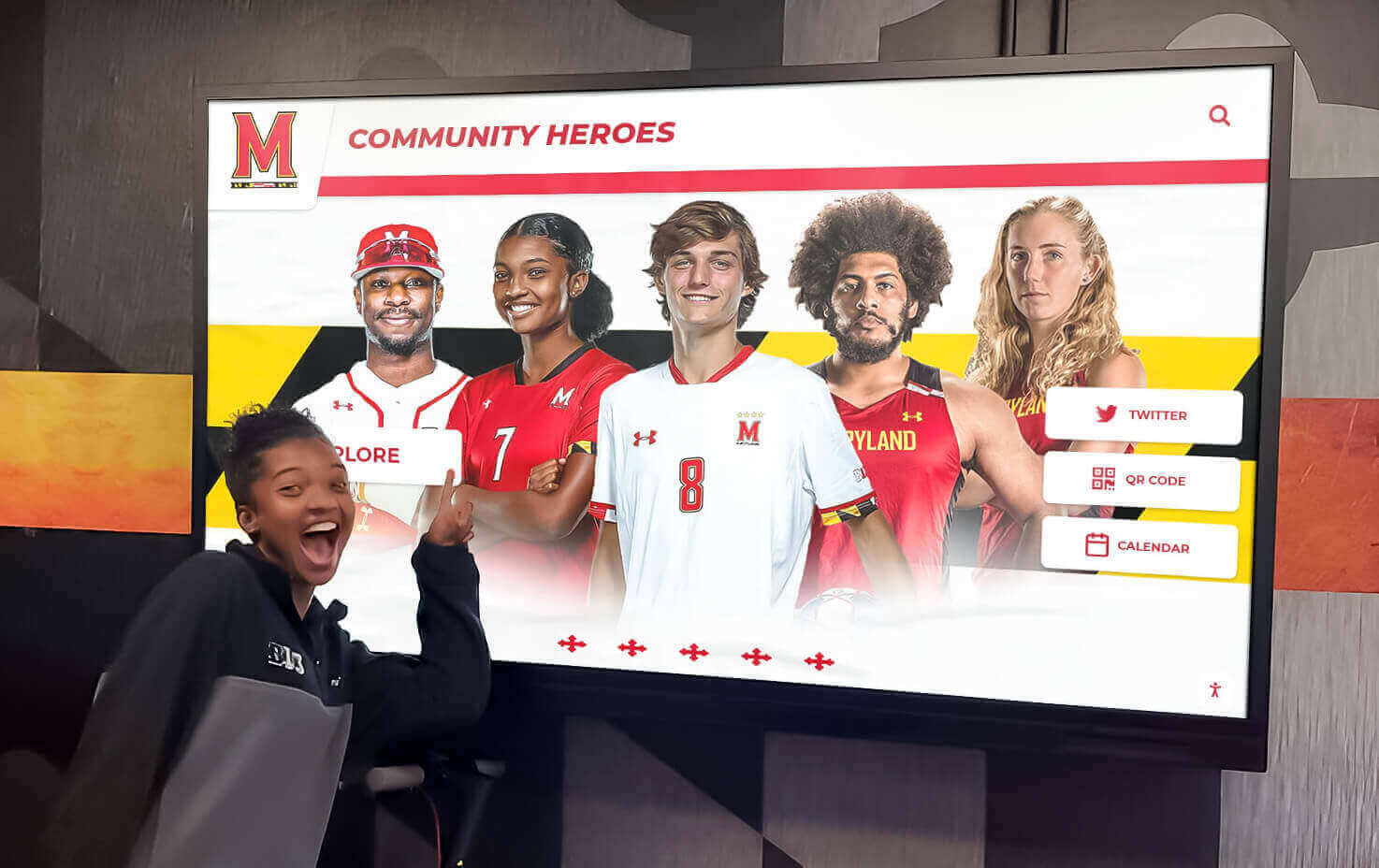
Intuitive touchscreen interfaces enable detailed exploration of individual student-athlete signing profiles and achievements
Organizational Systems and Navigation Structures
Effective content architecture enables multiple exploration pathways accommodating diverse visitor interests:
Auto-Ranking Boards and Sorting Options
Digital platforms can automatically organize signing content through:
- Chronological displays showing most recent signings first
- Sport-based organization filtering by athletic program
- College destination groupings showing all athletes attending specific universities
- Division level categorization separating D-I, D-II, D-III, NAIA, and JUCO commitments
- Academic major filtering exploring student-athletes pursuing specific fields of study
- Geographic sorting organizing by college location and region
Search and Discovery Features
Powerful search capabilities enable visitors to quickly locate information:
- Name search finding specific student-athletes instantly
- College search showing all athletes who committed to particular institutions
- Year filtering exploring specific graduating classes
- Multi-criteria searches combining sport, year, and destination
- Keyword searches finding athletes by hometown, position, or achievement
Folder-Based Content Organization
Modern content management systems enable folder structures organizing related content:
- “Current Year Signings” folder containing 2025-26 commitments brought to forefront during active recruiting
- Historical year folders preserving previous signing classes (2024-25, 2023-24, etc.)
- Sport-specific folders organizing content by athletic program
- College destination folders grouping athletes by university
- Championship team folders connecting signings to team success
- Flexible folder visibility enabling administrative control over what content receives homepage prominence
This folder-based approach, similar to organizing computer files, provides schools with the flexibility to bring signing day content to the forefront whenever celebration is needed—during signing periods, recruiting visits, homecoming weekends, or alumni events—then reorganize as institutional priorities shift throughout the school year.
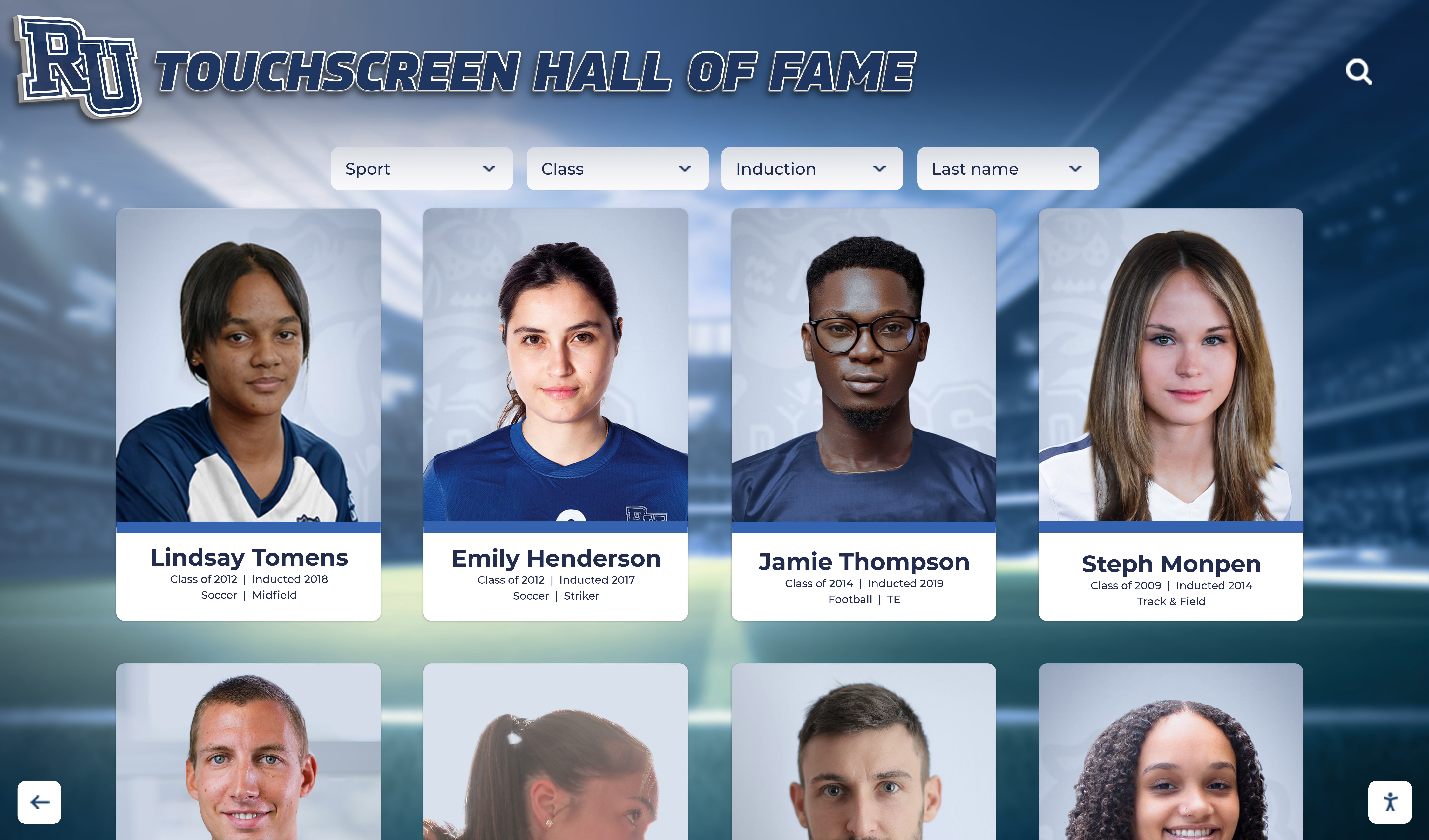
Organized card-based layouts enable efficient browsing of signing classes while maintaining detailed individual recognition
Supplementary Content Modules
Beyond individual profiles, comprehensive signing day showcases include supporting content:
Program Statistics and Achievements
- Total number of college commitments by year and sport
- College placement diversity showing various division levels
- Geographic distribution of college destinations
- Most common university destinations and recruiting relationships
- Academic major diversity among student-athletes
- Scholarship information when athletes choose to share
Donor and Sponsor Recognition Ribbons
When appropriate, signing day displays can acknowledge:
- Booster clubs supporting athletic programs
- Community sponsors enabling competitive opportunities
- Scholarship donors making college access possible
- Local businesses supporting signing day ceremonies
- Program partners contributing to student-athlete success
This acknowledgment should enhance rather than overshadow student-athlete recognition while providing value to supporters.
Social Media Integration and Galleries
Dynamic content modules can include:
- Signing day ceremony photo galleries
- Social media feeds showing real-time announcements
- Video compilations of commitment announcements
- Family celebration photos
- Media coverage and community recognition
- Alumni congratulations and messages
Understanding comprehensive approaches to digital athletic recognition provides additional content architecture strategies.
Execution Timeline: From Planning Through Launch and Ongoing Management
Successful signing day showcase programs result from systematic implementation and sustained management.
Phase 1: Planning and Platform Selection (Months 1-2)
Establish Recognition Program Goals
Form planning committee including:
- Athletic director providing program leadership
- Coaching staff from multiple sports representing diverse perspectives
- Communications director managing messaging and promotion
- Technology coordinator addressing technical requirements
- Booster club representative understanding community support
- Alumni coordinator connecting to former student-athletes
Committee Responsibilities
- Define recognition program objectives and success metrics
- Establish content standards and profile requirements
- Determine budget and funding sources
- Select physical display locations
- Choose digital recognition platform
- Develop implementation timeline
- Plan promotion and launch strategies
Platform Evaluation and Selection
When evaluating digital recognition solutions, assess:
- Ease of content management requiring no technical expertise
- Unlimited capacity accommodating program growth
- Flexible folder and organizational structures
- Real-time update capabilities
- Mobile-responsive web accessibility
- Multimedia support for photos and videos
- Search and filtering functionality
- Hardware compatibility with existing displays or new installations
- Annual licensing costs and long-term affordability
- Customer support and training resources
Solutions like Rocket Alumni Solutions provide purpose-built platforms designed specifically for athletic recognition, combining intuitive management with professional presentation capabilities that grow with programs.
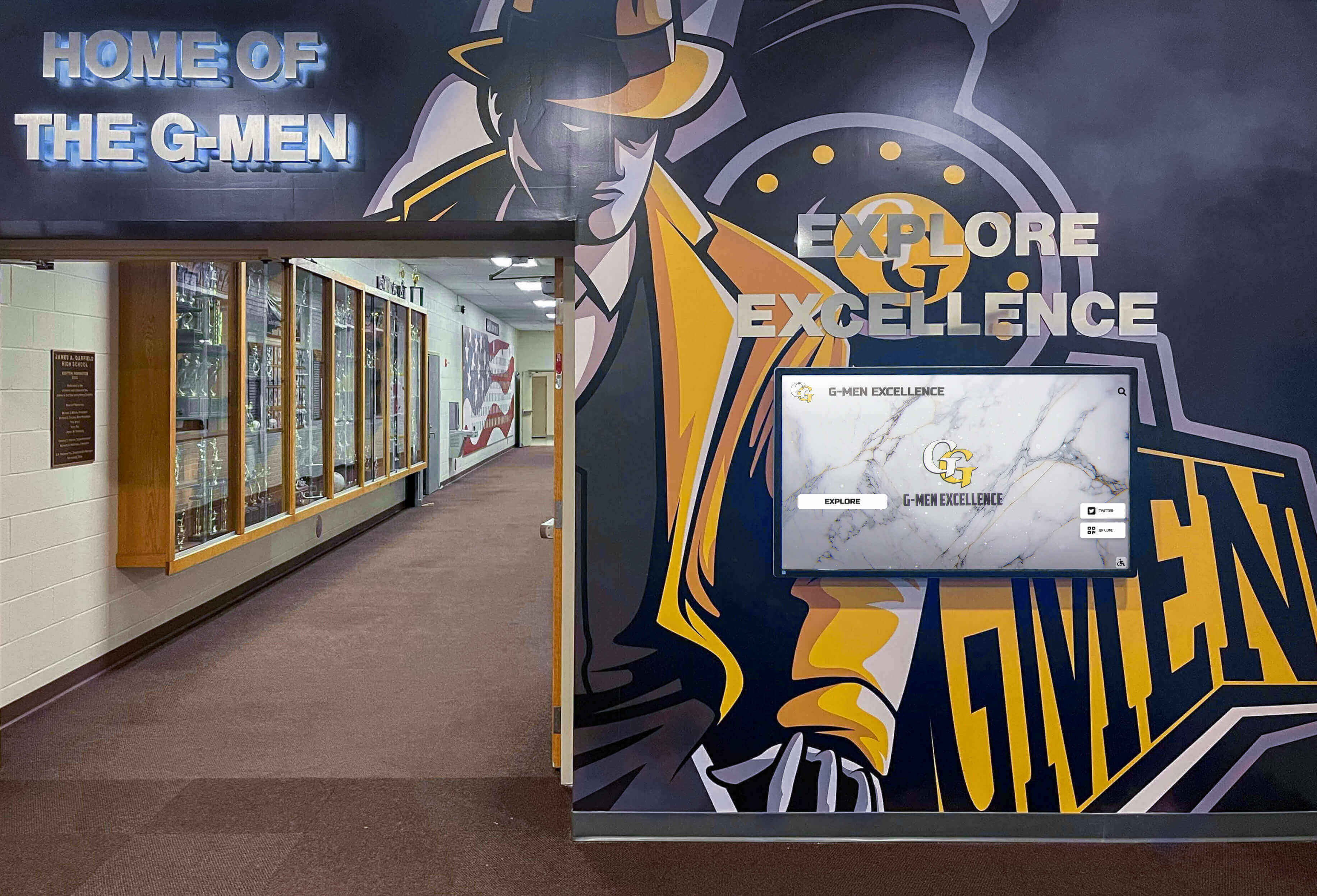
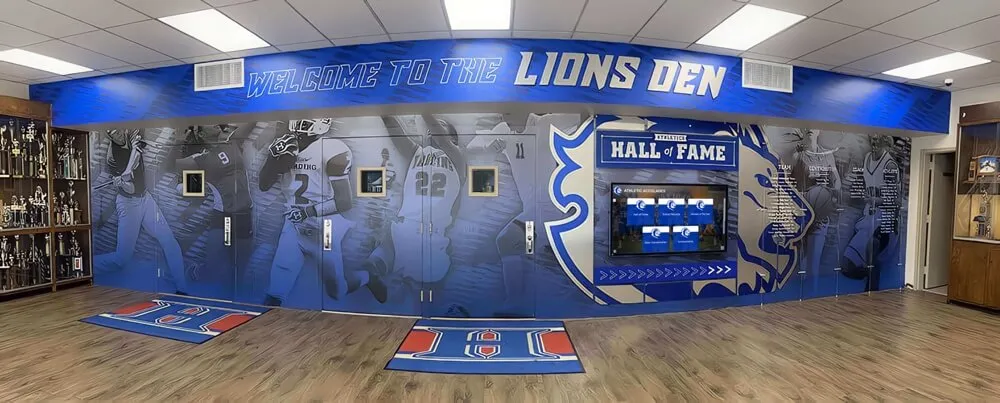
Strategic display placement in high-traffic athletic areas ensures maximum visibility and engagement
Phase 2: Build and Content Development (Months 2-4)
Historical Content Research and Collection
Build comprehensive signing day archive:
- Review historical yearbooks for previous college commitments
- Search local newspaper archives for signing day coverage
- Interview coaches and athletic directors for institutional knowledge
- Contact alumni associations for former student-athlete information
- Examine existing records and athletic department files
- Reach out to former athletes for biographical details and photos
- Cross-reference multiple sources validating information accuracy
Current Year Profile Development
Establish systematic processes for new signings:
- Create digital forms collecting all required profile information
- Develop photo release forms authorizing public display
- Establish interview protocols gathering quotes and reflections
- Coordinate with coaches for achievement verification
- Plan signing day ceremony coverage and documentation
- Schedule professional photography during ceremonies
- Collect commitment videos and social media announcements
Content Creation and Quality Standards
Maintain consistent quality across all profiles:
- Template-based profile creation ensuring uniform presentation
- Professional photo editing and cropping
- Fact-checking and verification of all information
- Consistent formatting and style guidelines
- Proofreading for grammar and accuracy
- Preview functions confirming proper display
- Accessibility considerations ensuring inclusive design
Explore strategies for academic history archiving applicable to athletic recognition programs.
Phase 3: Launch and Promotion (Month 4)
Strategic Launch Timing
Plan unveiling during high-impact moments:
- Major signing day ceremony with multiple athletes
- Homecoming weekend with strong alumni attendance
- Athletic banquet celebrating seasonal achievements
- Open house or community event showcasing facilities
- Coordinated with media coverage opportunities
Multi-Channel Promotion Campaign
Build awareness through diverse communication:
- Press releases to local media announcing new recognition system
- Social media campaigns highlighting features and content
- Email communications to alumni database
- School newsletter features and website homepage promotion
- Displays at parent-teacher conferences and community events
- Video tours of digital recognition system posted online
- Student announcements during school assemblies
Launch Event Components
Create memorable unveiling experience:
- Formal dedication ceremony with school leadership
- Recognition of donors or supporters who funded system
- Demonstrations of search and exploration features
- Highlighted profiles of representative student-athletes
- Media interviews and photo opportunities
- Reception enabling community exploration of new system
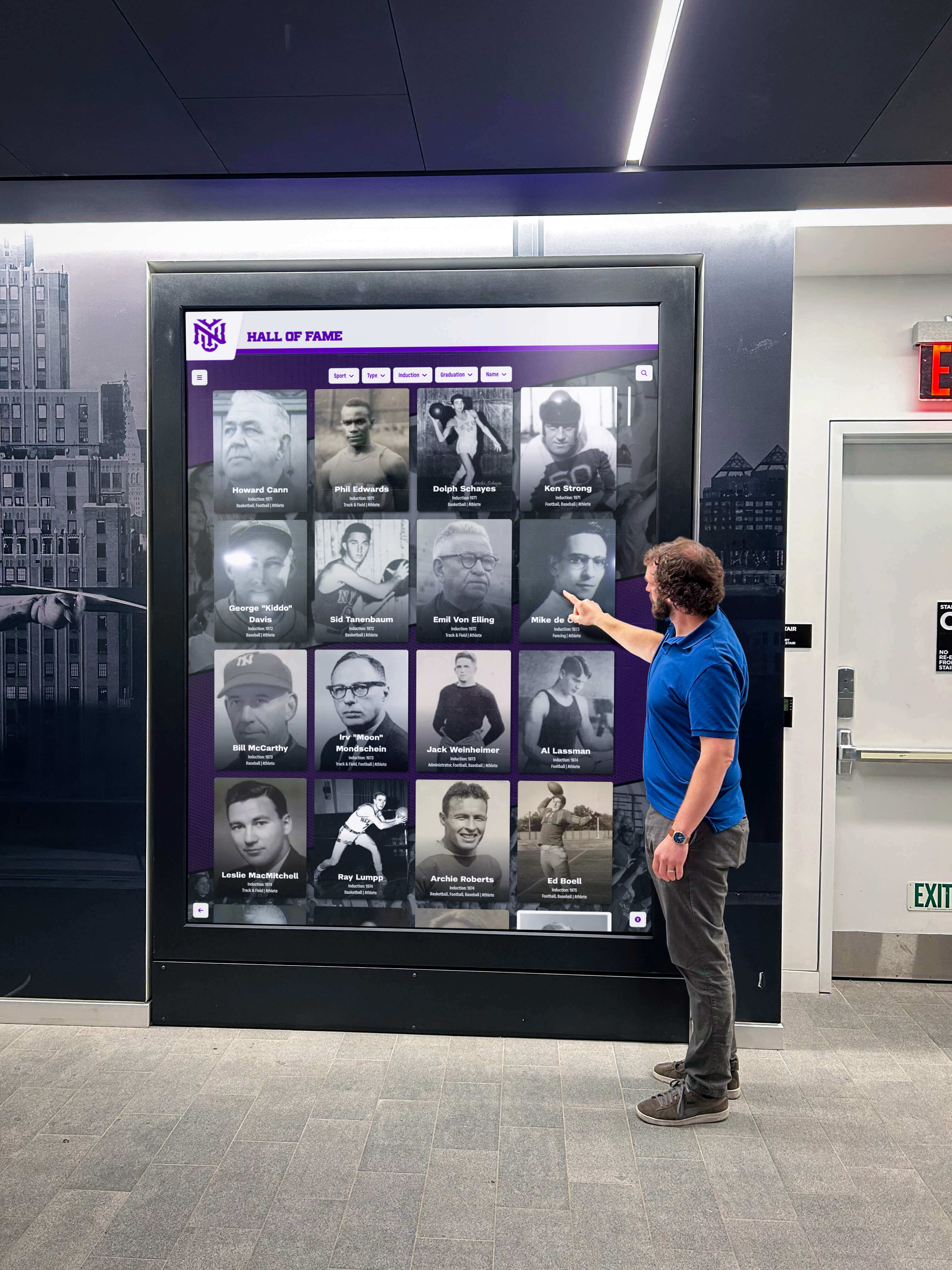
Launch events create awareness while demonstrating the depth and engagement potential of digital recognition systems
Phase 4: Ongoing Management and Refresh Cycles
Real-Time Update Workflows
Maintain current recognition through systematic processes:
- Monitor commitment announcements across all sports
- Collect profile information immediately upon signings
- Update displays within 24-48 hours of announcements
- Incorporate signing day ceremony photos same day when possible
- Edit or correct information as details change
- Remove commitments if athletes change plans
- No waiting for vendors or external contractors
Scheduled Publishing and Content Prioritization
Leverage digital platform flexibility:
- During signing periods: Feature current year folder on homepage highlighting recent commitments
- During recruiting season: Showcase college placement statistics and historical success
- During championship runs: Highlight current team achievements while connecting to college success stories
- During homecoming: Feature alumni and historical signing classes
- During fundraising campaigns: Emphasize program impact and donor acknowledgment
- During summer planning: Reorganize content preparing for new academic year
This scheduled publishing capability enables schools to adapt recognition emphasis throughout the year, bringing signing day content to prominence when most strategically valuable then reorganizing as priorities shift—impossible with static physical displays requiring permanent mounting decisions.
Annual Archive and Folder Management
Maintain organized historical content:
- Create new annual folders each academic year
- Move previous year content to historical archives
- Maintain complete historical accessibility
- Periodic content audits ensuring information accuracy
- Update alumni profiles with college and career accomplishments
- Refresh photos and biographical information as available
- Continuous improvement based on usage analytics and feedback
Understanding digital archives for schools provides frameworks for sustainable long-term management.
Display Integration: Connecting Signing Day Programs to Physical and Digital Platforms
Comprehensive recognition extends across multiple touchpoints maximizing visibility and accessibility.
Physical Touchscreen Display Implementation
Strategic Hardware Placement
Position displays for maximum impact:
- Main school entrance or commons area: Ensuring all visitors encounter recognition
- Athletic facility main hallway: Celebrating achievements where athletes train and compete
- Alumni center or gathering spaces: Connecting former athletes with their legacy
- Gym lobby or concourse: Providing visibility during competitive events and games
- Multiple distributed displays: Smaller screens throughout facilities directing to main recognition areas
Hardware Selection Considerations
Choose appropriate technology:
- Screen size (typically 32"-75") matching viewing distances and space constraints
- Wall-mounted versus freestanding kiosk configurations
- Commercial-grade displays designed for extended operation
- Touchscreen capabilities enabling interactive exploration
- Network connectivity requirements (wired or wireless)
- Accessibility compliance ensuring appropriate mounting heights
- Security considerations protecting valuable equipment
ADA Compliance and Accessibility
Ensure inclusive design:
- Display mounting heights enabling wheelchair access (typically 36"-48" to center of screen)
- Sufficient clear floor space for approach and maneuvering
- Touch controls within reachable ranges
- High contrast visual design meeting WCAG 2.1 AA standards
- Alternative text for images supporting screen readers
- Adjustable text sizes accommodating visual impairments
- Intuitive navigation requiring minimal instruction
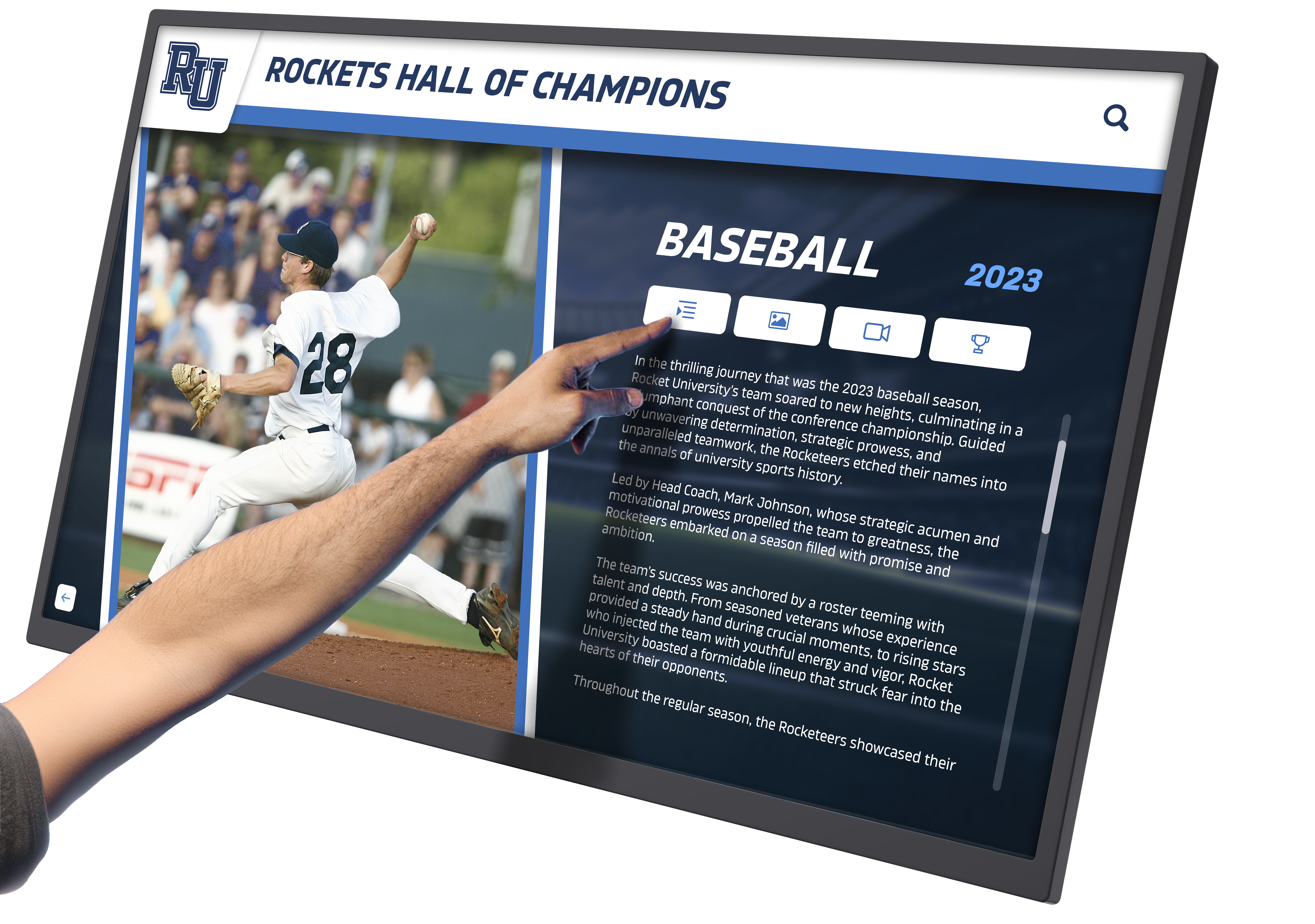
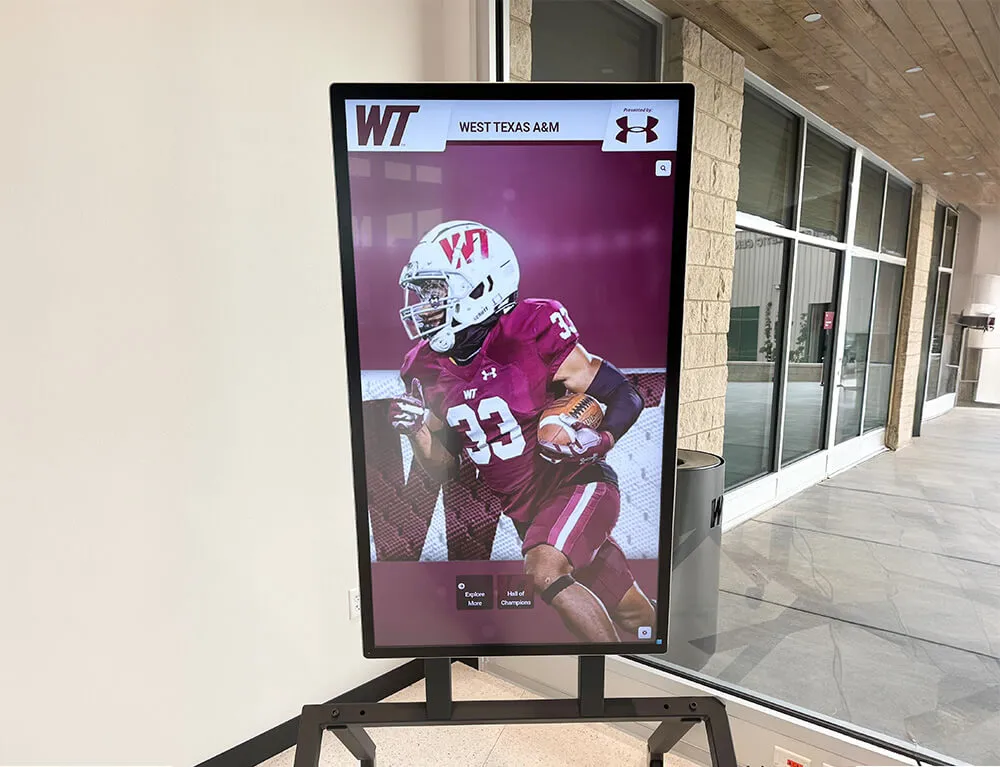
Freestanding kiosks provide flexibility in placement while creating impressive focal points in athletic facilities
Web Platform Integration and Remote Access
24/7 Global Accessibility
Modern recognition platforms extend access beyond physical campus:
- Same content available via web browsers from anywhere worldwide
- Mobile-responsive designs ensuring smartphone and tablet compatibility
- No specialized apps required—standard browser access
- Alumni anywhere can explore signing classes and achievements
- Recruits research program college placement during evaluation
- College coaches review your athletes considering future recruiting relationships
- Family members in remote locations view student-athlete profiles
- Media access information without contacting athletic departments
Social Sharing Capabilities
Enable recognition amplification:
- Share individual profiles to social media platforms
- Email profile links to family and friends
- Generate PDF recognition certificates
- Create shareable graphics for announcements
- Embed signing day content in school websites
- Integrate with alumni platforms and community pages
Analytics and Engagement Measurement
Track recognition program impact:
- Total display interactions and viewing sessions
- Most-viewed athlete profiles and popular searches
- Geographic distribution of web visitors
- Average engagement duration per user
- Peak usage times and seasonal patterns
- Search terms revealing visitor interests
- Year-over-year growth in engagement
This data, not available with traditional physical displays, enables continuous program improvement and demonstrates recognition value to stakeholders.
Remote Content Management and Cloud CMS Workflows
Intuitive Administrative Interfaces
Modern cloud-based platforms provide straightforward management:
- No coding, web development, or technical expertise required
- Template-based profile creation ensuring consistency
- Drag-and-drop photo uploads and organization
- Text editing with formatting options
- Bulk import capabilities for multiple athletes simultaneously
- Preview functions showing exactly how content displays
- Role-based permissions enabling appropriate staff access
- Access from any internet-connected device
Organizational Flexibility Through Folder Systems
Cloud content management systems enable dynamic organization:
- Create unlimited folders organizing content by any criteria
- Drag profiles between folders reorganizing instantly
- Control folder visibility and homepage prominence
- Schedule automatic content rotation
- Save folder views for different occasions (signing day, recruiting, homecoming)
- Revert to previous organizational schemes when needed
- Test new layouts without affecting live displays
This flexibility represents perhaps the most powerful advantage over traditional displays—the ability to adapt and change throughout the school year with multiple template/layout options for the home pages and beyond, exactly as described in the original request. Physical displays require permanent mounting decisions; digital platforms enable continuous evolution matching institutional priorities.
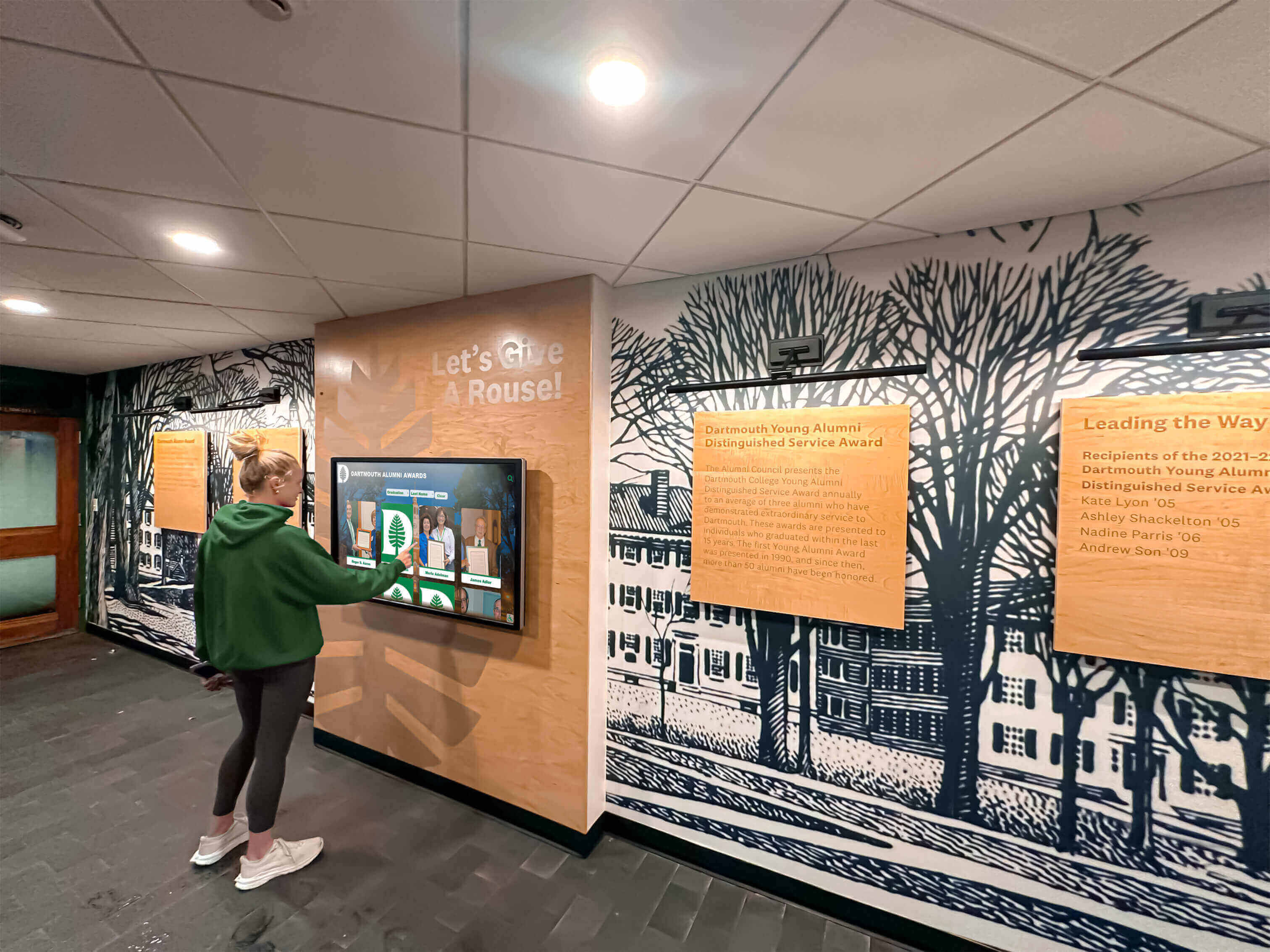
Cloud-based management enables authorized staff to update displays remotely, ensuring recognition remains current from anywhere
Archiving and Displaying Every Prior Year: Building Complete Institutional Legacy
One of the most powerful capabilities of digital signing day programs is the ability to showcase every prior year alongside current signings, creating comprehensive institutional memory impossible with space-constrained traditional displays.
Unlimited Historical Capacity
Eliminating Space Constraints
Digital recognition overcomes physical limitations entirely:
- Single touchscreen displays showcase unlimited signing classes across all years
- No forced removal of historical signings to accommodate new athletes
- Every student-athlete commitment receives equal recognition regardless of era
- Complete program history accessible through organized year folders
- Historical depth spanning decades of signing day celebrations
- All sports receive equal representation and archival space
Athletic directors consistently report that eliminating capacity constraints represents one of the most valuable benefits, enabling genuinely comprehensive historical recognition previously impossible.
Comprehensive Historical Documentation Benefits
Complete archives provide multiple advantages:
- Recruiting value: Prospective athletes explore program college placement track record across multiple years proving consistent success
- Alumni engagement: Former student-athletes find their recognition preserved and accessible decades after graduation
- Trend analysis: Identify patterns in college destinations, successful recruiting relationships, and program evolution
- Legacy appreciation: Current athletes understand they’re continuing traditions spanning generations
- Historical research: Preserve institutional athletic history that might otherwise be lost
- Community pride: Demonstrate sustained program excellence across multiple coaching eras
Year-by-Year Folder Organization
Systematic Historical Structure
Organize signing day archives chronologically:
- 2025-26 Signings Folder: Current year commitments featured prominently
- 2024-25 Signings Folder: Previous year moved to historical archive
- 2023-24 through 2000-01 Folders: Recent decades fully documented
- Historical Signings (Pre-2000): Earlier eras grouped or organized by decade
- All-Time College Placements: Searchable complete database across all years
Maintaining Historical Accuracy
Ensure archive quality through systematic practices:
- Document sources for historical information enabling verification
- Cross-reference multiple sources when possible
- Note when information is uncertain or incomplete
- Update profiles as new information becomes available
- Contact alumni associations and former athletes for details
- Preserve historical photographs and documents digitally
- Maintain consistency in biographical formats across eras
Understanding approaches to preserving school history provides additional archival strategies.
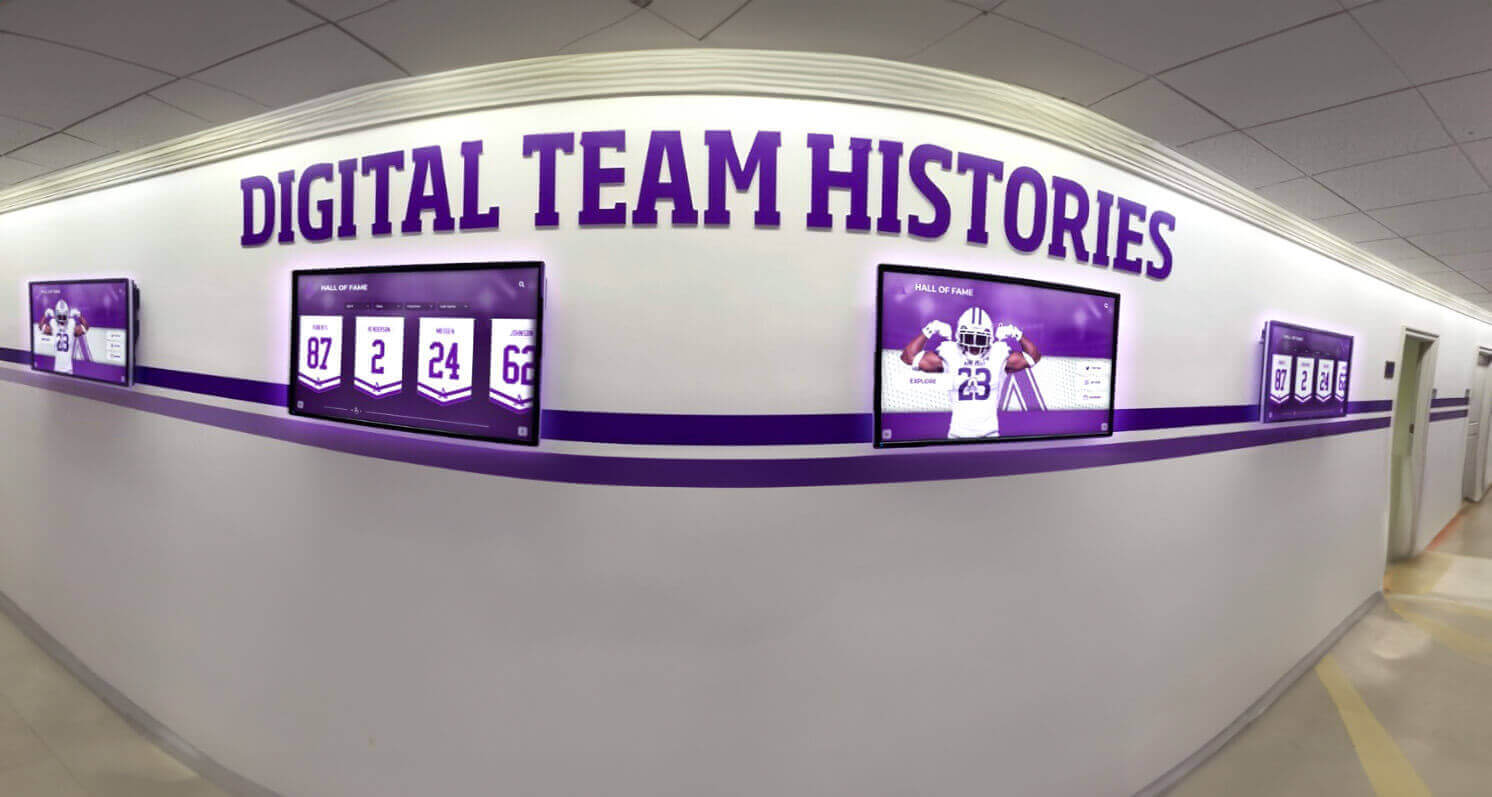
Digital platforms enable simultaneous celebration of current achievements and historical program legacy across all years
Showcasing True Legacy and Program Success
Multi-Year Program Metrics
Comprehensive archives enable powerful storytelling:
- Total college commitments across program history
- College destination diversity showing hundreds of universities represented
- Consistent annual signing classes proving sustained excellence
- Coaching tenure and athlete development success rates
- Conference and division level distribution patterns
- Geographic reach demonstrating regional and national recruiting
- Academic program diversity among student-athlete college majors
Family Legacies and Connections
Complete archives reveal fascinating institutional connections:
- Multiple siblings attending same colleges
- Family traditions of college commitments
- Coaches who were former student-athletes
- Alumni children continuing athletic legacies
- Generational patterns in college destinations
- School traditions spanning decades
Program Evolution Documentation
Historical archives capture athletic program development:
- Expansion into new sports and competitive levels
- Growth in college placement rates and opportunities
- Improved college destination competitiveness over time
- Coaching impacts and programmatic changes
- Facility improvements and resource investments
- Community support growth and booster engagement
This true legacy showcase, impossible with space-limited traditional displays, transforms signing day recognition from annual celebration into comprehensive institutional narrative demonstrating sustained program excellence and development across generations.
Measurement and Program Impact Assessment
Systematic evaluation demonstrates recognition value and informs continuous improvement.
Quantitative Engagement Metrics
Display Interaction Data
Digital platforms provide detailed analytics:
- Total touchscreen interactions per day, week, and month
- Average engagement duration per viewing session
- Most-viewed athlete profiles and popular searches
- Peak usage times and seasonal engagement patterns
- Content browsing pathways and navigation patterns
- Search terms revealing visitor interests and priorities
Web Platform Analytics
Online accessibility generates additional metrics:
- Total web visitors and unique users
- Geographic distribution showing where visitors access content
- Device types (desktop, mobile, tablet) informing design optimization
- Referral sources identifying how visitors find content
- Social media sharing frequency and reach
- Page views per visit indicating depth of exploration
Program Participation Indicators
Track broader institutional impacts:
- Number of college commitments by sport and year showing program growth
- College destination diversity and competitive level distribution
- Recruiting visit feedback mentioning recognition displays
- Prospective athlete questions about program college placement track record
- Media coverage frequency featuring signing day celebrations
- Alumni engagement rates through recognition platform visits
Qualitative Impact Assessment
Stakeholder Feedback Collection
Gather perspectives systematically through surveys and interviews:
Current Athletes: How does seeing older athletes’ college commitments influence your goals? Does recognition motivate you? What information is most valuable?
Prospective Athletes and Families: Does college placement history influence your program evaluation? What questions does recognition answer? Does it provide recruiting confidence?
Coaching Staff: Has recognition improved recruiting conversations? Do athletes reference displays when discussing goals? Does it demonstrate program value effectively?
Alumni: How does seeing your recognition feel years after graduation? Do you share your profile? Does it maintain your connection to the program?
Administrators: Has community perception improved? Is recognition worth the investment? Does it enhance institutional reputation?
Continuous Improvement Processes
Data-Driven Enhancement
Use assessment insights strategically:
- Identify which profile elements receive most engagement, emphasizing those in future content
- Enhance underutilized features based on feedback
- Address accessibility or usability issues revealed through observation
- Expand successful recognition approaches to other programs
- Update organizational structures based on search patterns
- Refine promotion strategies reaching broader audiences
Annual Program Review
Conduct systematic evaluation:
- Review achievement of original program objectives
- Assess budget and resource appropriateness
- Evaluate staffing and content management workflows
- Gather comprehensive stakeholder feedback
- Benchmark against similar programs when possible
- Identify opportunities for expansion or enhancement
- Plan next year’s improvements and priorities
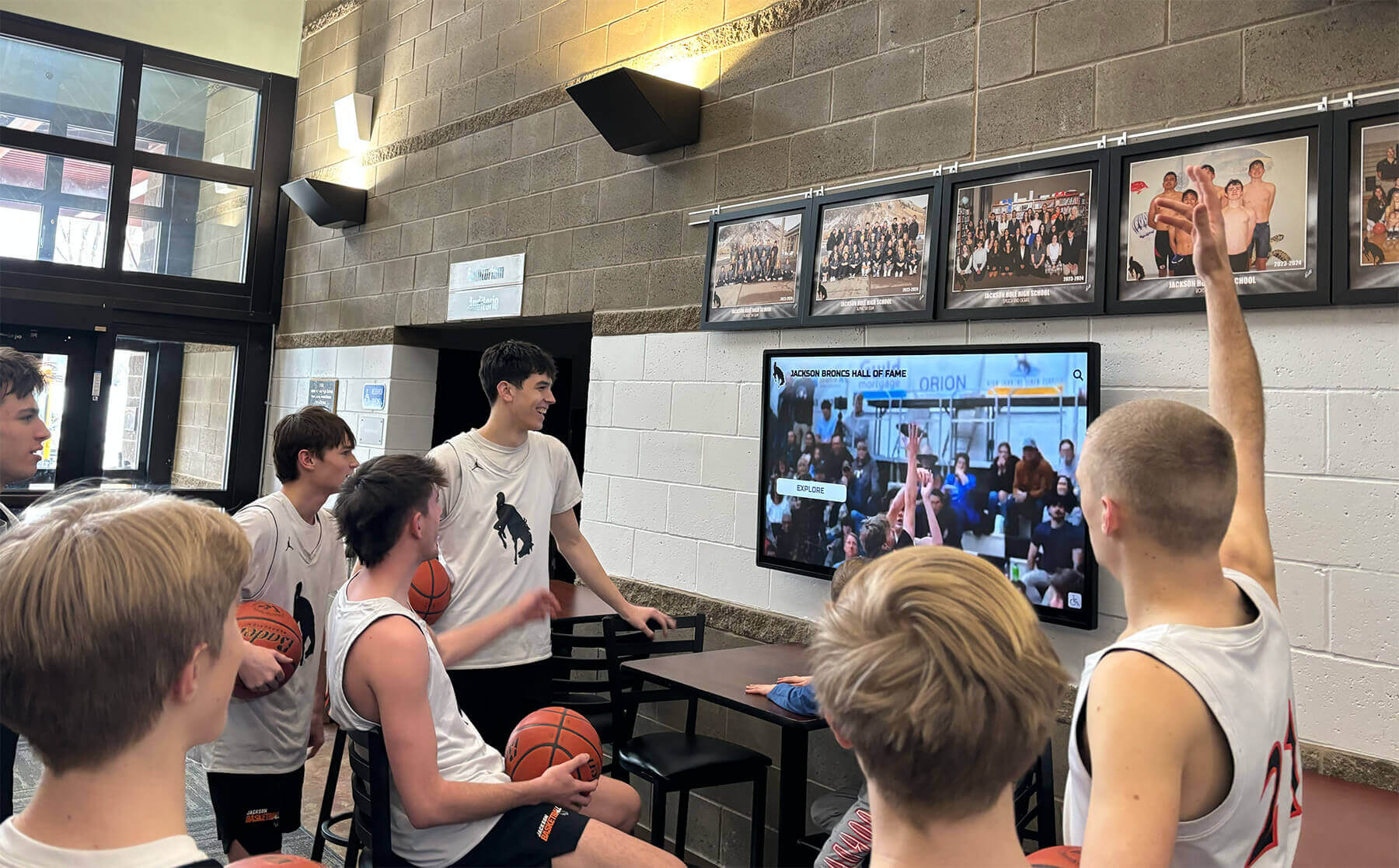
Systematic assessment reveals recognition program impact on student engagement, program culture, and community pride
Special Considerations and Best Practices
Several additional factors enhance signing day showcase effectiveness and sustainability.
Equity and Inclusivity Across All Sports
Balanced Multi-Sport Recognition
Ensure comprehensive celebration:
- Identical display prominence for all sports regardless of team profile or community visibility
- Equal content depth for athletes in high-profile and smaller programs
- Comparable profile quality and detail across all athletic programs
- Fair ceremony attention and signing day celebration opportunities
- Equivalent social media coverage and promotional support
- Balanced historical research across all sports ensuring complete archives
Supporting All College Pathways
Celebrate diverse post-secondary choices appropriately:
- NCAA Division I, II, and III commitments receiving equal recognition
- NAIA and junior college opportunities highlighted equally
- Walk-on opportunities without athletic scholarships celebrated
- Academic scholarships alongside athletic financial aid
- All college levels demonstrating value of continued education
- Recognition emphasizing both athletic and academic achievement
All pathways representing continued education deserve equal celebration, preventing hierarchy that undervalues certain college destinations or competitive levels.
Privacy, Consent, and Information Sensitivity
Appropriate Permission Processes
Respect student-athlete and family preferences:
- Photo and video release forms authorizing public display of images
- Social media sharing permissions for online promotion and announcements
- Personal information publication approval for biographical details
- Financial information confidentiality (scholarship details shared only with consent)
- Annual consent updates as circumstances or preferences change
- Clear opt-out procedures respecting privacy concerns
- Accommodation for families declining public recognition
Educational Privacy Compliance
Ensure recognition aligns with regulations:
- FERPA compliance for student educational records
- State-specific student privacy requirements
- Athletic eligibility disclosure rules
- Social media policies aligned with district guidelines
- Data security for collected personal information
- Written policies governing information collection and use
Understanding student recognition privacy considerations ensures compliant program design.
Sustainability and Long-Term Program Management
Ensuring Continuity Through Staff Transitions
Build systems surviving personnel changes:
- Document clear processes and workflows in written manuals
- Cross-train multiple staff members on content management
- Create administrative guides with screenshots and procedures
- Use platforms with intuitive interfaces requiring minimal training
- Establish annual schedules and recurring task reminders
- Budget recurring costs ensuring ongoing operations without surprises
- Plan technology refresh cycles proactively
- Designate primary and backup program administrators
Funding Strategies and Budget Planning
Secure sustainable financial support:
Initial Investment Costs
- Digital display hardware and installation ($3,000-$15,000)
- Software platform licensing (first year)
- Content development and professional photography
- Launch event and promotion expenses
Annual Operating Costs
- Software licensing and cloud hosting ($500-$2,000 annually)
- Staff time for content updates and management
- Professional photography during signing ceremonies
- Promotional materials and communications
- Periodic hardware maintenance
Funding Source Strategies
- Athletic department operating budget integration
- Booster club capital campaigns for initial installation
- Annual giving programs supporting ongoing operations
- Corporate sponsorship with appropriate acknowledgment
- Senior class gifts funding recognition enhancements
- Alumni association partnerships
- Grant opportunities for educational technology
Many schools find that digital recognition platforms offer predictable annual costs manageable within typical athletic budgets, especially compared to ongoing physical display creation and maintenance expenses.
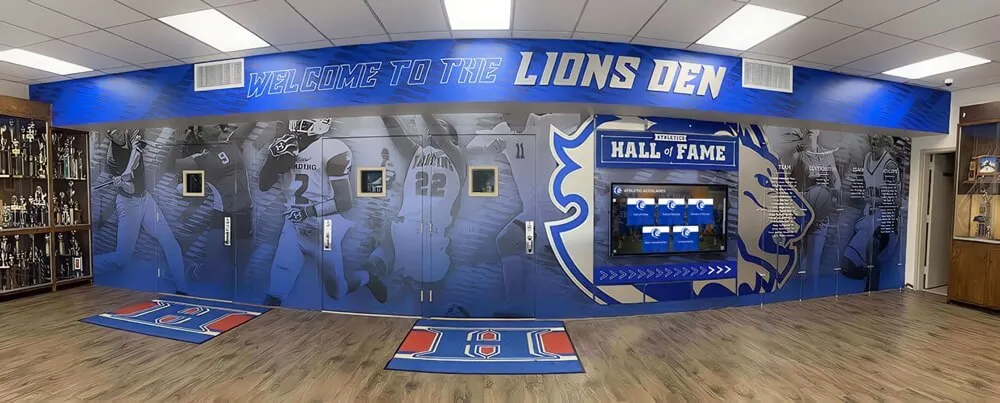
Sustainable programs combine appropriate initial investment with manageable ongoing costs and straightforward administrative processes
Integration with Broader Athletic Recognition Ecosystems
Signing day showcases deliver maximum value when connected to comprehensive recognition programs celebrating multiple achievement types.
Linking to Career Statistics and Team Championships
Creating Recognition Connections
Show relationships between college commitments and athletic success:
- Link signing day profiles to career statistics displays showing performance leading to college opportunities
- Connect to team championship recognition providing context for competitive experience
- Reference individual awards and honors earned during high school careers
- Display relationships between coaches and athletes they developed for college competition
- Show family legacies with siblings or relatives who also attended same colleges
- Integrate with overall athletic hall of fame recognition programs
Understanding comprehensive digital athletic recognition approaches shows integration possibilities.
Supporting Recruiting and Program Marketing
Leveraging Recognition Strategically
Use signing day displays in recruitment:
- Feature prominently during campus tours and recruiting visits
- Enable prospective athletes to explore student-athletes from their positions or sports
- Demonstrate coaching staff track record developing college athletes across multiple years
- Show program culture supporting post-secondary athletic and academic aspirations
- Provide objective evidence of college coach relationships and consistent recruiting
- Document player development progression throughout high school careers
Alumni Engagement and Community Connection
Recognition creates ongoing touchpoints:
- Alumni profiles updated with collegiate and professional achievements
- Mentorship connections between alumni and current athletes
- Reunion events featuring signing day displays and nostalgia
- Fundraising appeals highlighting program appreciation and impact
- Social media engagement through nostalgic content and milestone celebrations
- Generational connections through family legacy documentation
Multiple Template and Layout Options
Homepage Flexibility Throughout the Year
One of the most powerful capabilities Rocket Alumni Solutions provides is multiple template and layout options for the home pages and beyond, enabling schools to adapt presentation as priorities shift:
During Active Signing Periods
- Feature current year folder prominently with large hero images
- Showcase most recent signings with “New Addition” badges
- Display running count of total commitments by sport
- Highlight upcoming signing day ceremonies and events
During Recruiting Season
- Emphasize college placement statistics and historical success rates
- Showcase diverse college destinations and division level representation
- Feature testimonials from alumni about their college experiences
- Display comparison views showing program growth over multiple years
During Championship Seasons
- Connect current team achievements to college success stories
- Highlight championship team members who earned college opportunities
- Show how competitive excellence translates to recruiting success
- Celebrate team culture producing college-level athletes
During Homecoming and Alumni Events
- Feature historical signing classes by reunion years
- Showcase decade-by-decade program evolution
- Highlight notable alumni and their college/career accomplishments
- Create nostalgia-focused layouts connecting generations
This flexibility to bring signing day folders to the forefront as needed, then reorganize for different purposes, represents transformative capability impossible with traditional static displays requiring permanent design decisions.
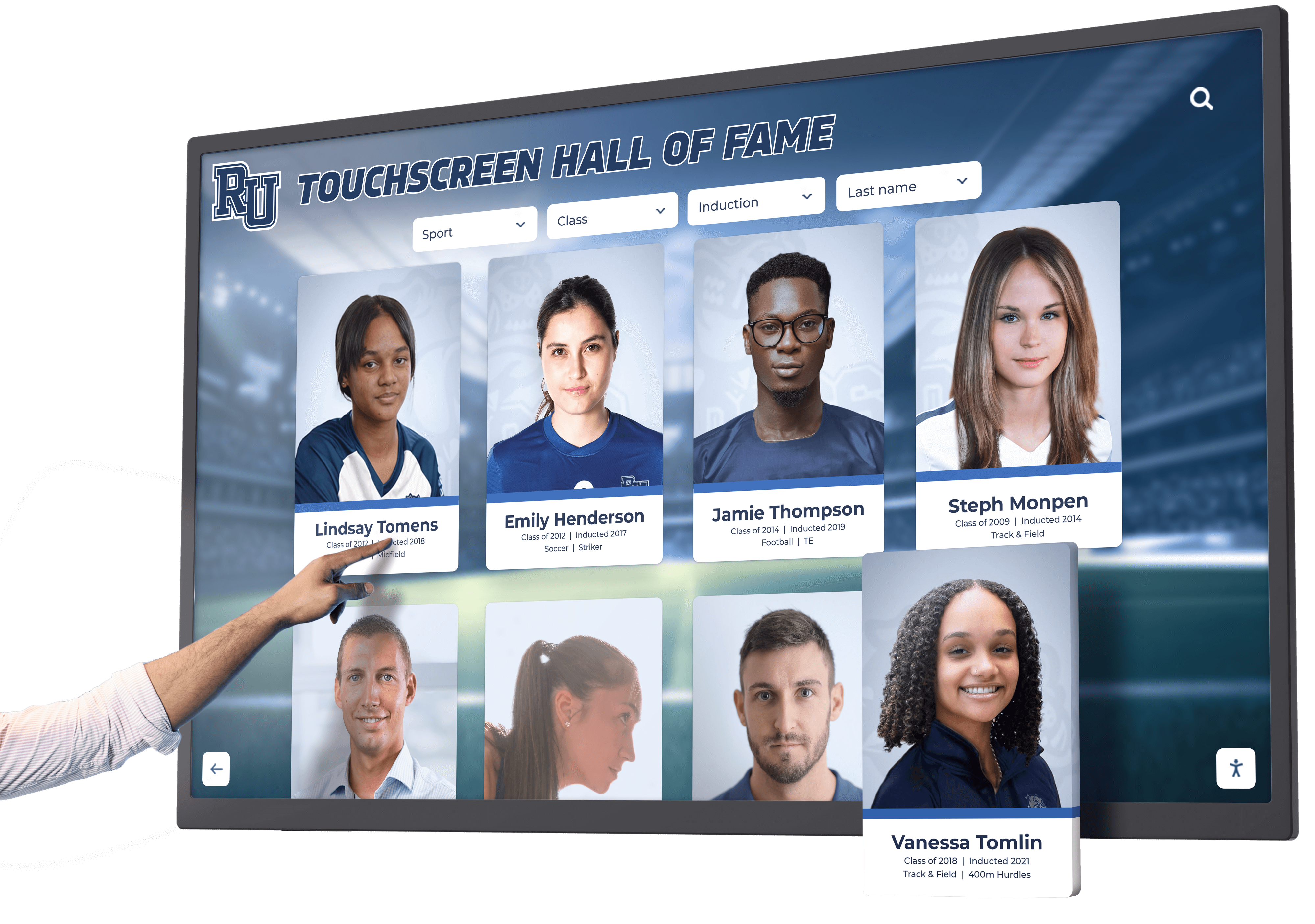
Layout flexibility enables schools to reorganize recognition emphasis throughout the year matching institutional priorities and events
Conclusion: Building Comprehensive Signing Day Legacy Recognition
National College Signing Day represents far more than administrative formality or single-day celebration—it marks the culmination of years of student-athlete dedication, family sacrifice, coach mentorship, and institutional support that enabled talented young people to continue their athletic and academic journeys at the collegiate level. These achievements deserve recognition proportional to the effort invested—not momentary acknowledgment disappearing after brief ceremonies, but comprehensive celebration preserving complete institutional signing day legacy.
Traditional recognition approaches—social media posts buried in feeds, physical displays constrained by wall space, annual ceremonies providing only fleeting visibility—fail to provide lasting honor matching achievement significance. Student-athletes, families, and programs deserve better: recognition systems showcasing every prior year of signings, providing real-time update capabilities as commitments occur throughout the school year, offering flexibility to bring signing day content to the forefront when celebration is most valuable, and enabling multiple layout options adapting to changing institutional priorities.
Ready to create signing day showcase programs that appropriately honor your student-athletes while preserving complete institutional college commitment legacy? Modern digital recognition solutions eliminate traditional constraints that prevented comprehensive celebration.
With Rocket Alumni Solutions, schools can display and showcase new college signings for the current school year while archiving and displaying every prior year to show the true legacy of your school. Plus, with Rocket’s flexibility, bringing this folder of content to the forefront is a breeze—edits can be made in real time so recognition can adapt and change throughout the school year with multiple template/layout options for the home pages and beyond.
Explore how solutions like Rocket Alumni Solutions provide comprehensive platforms specifically designed for athletic recognition, combining unlimited archival capacity, intuitive content management, engaging multimedia presentation, and strategic flexibility enabling recognition programs serving institutions for generations.
Your college-bound student-athletes earned their opportunities through exceptional dedication, years of training, sustained academic achievement, and remarkable perseverance. Your recognition should reflect that excellence by celebrating every commitment comprehensively, preserving complete signing day history across all years, and creating engaging experiences inspiring current athletes to pursue similar goals while demonstrating program quality to prospective recruits and their families.
The essential elements for successful signing day showcase programs aren’t budget size, technology sophistication, or facility quality—they’re genuine commitment to comprehensive recognition, systematic content management enabling real-time updates, flexible organizational systems adapting to changing priorities throughout the school year, and sustained administrative support ensuring programs remain relevant and inspiring for all who experience them.
Start planning your National College Signing Day showcase program today, whether establishing comprehensive systems for the first time or modernizing existing approaches to eliminate traditional constraints. Your student-athletes, families, coaches, and community deserve recognition honoring both current achievements and complete institutional legacy—celebration that grows stronger year after year as your signing day archive documents decades of program success and student-athlete excellence.
Book a demo to see how flexible digital recognition can transform your signing day celebrations into lasting institutional legacy.