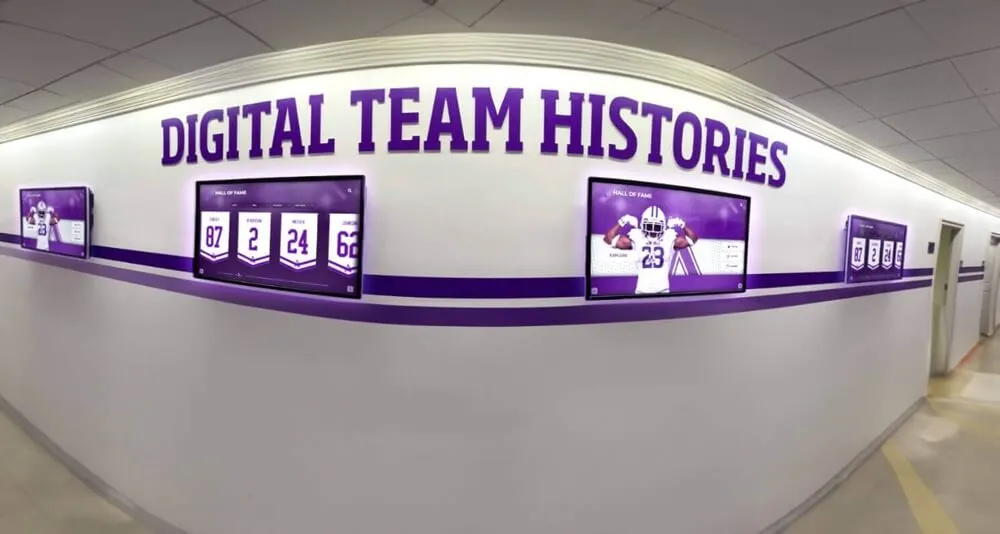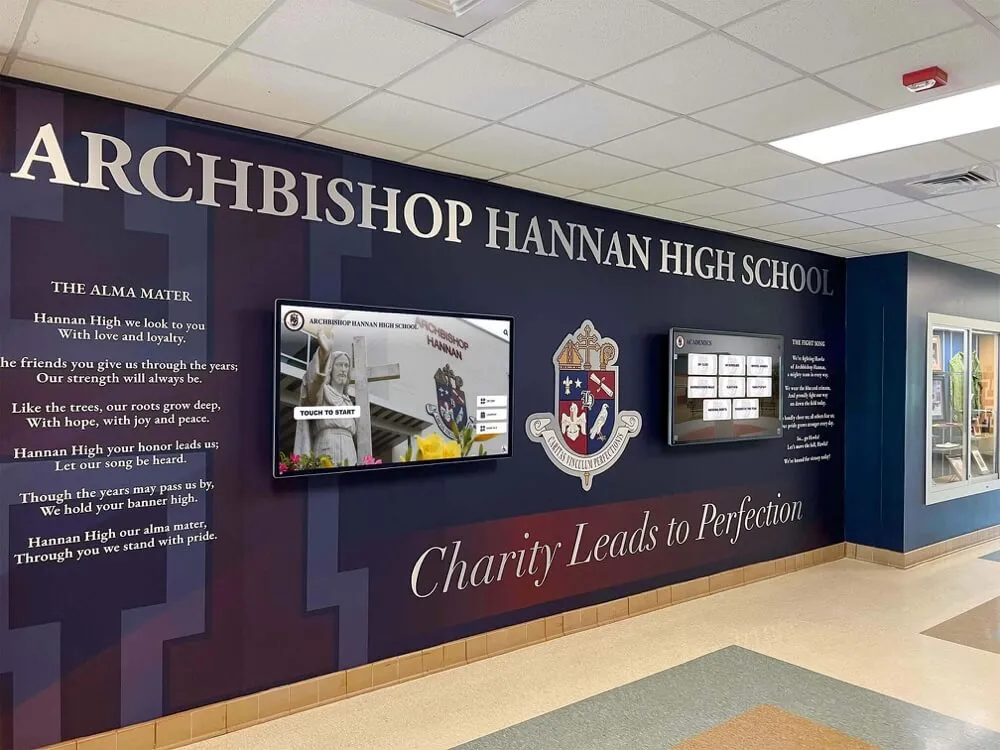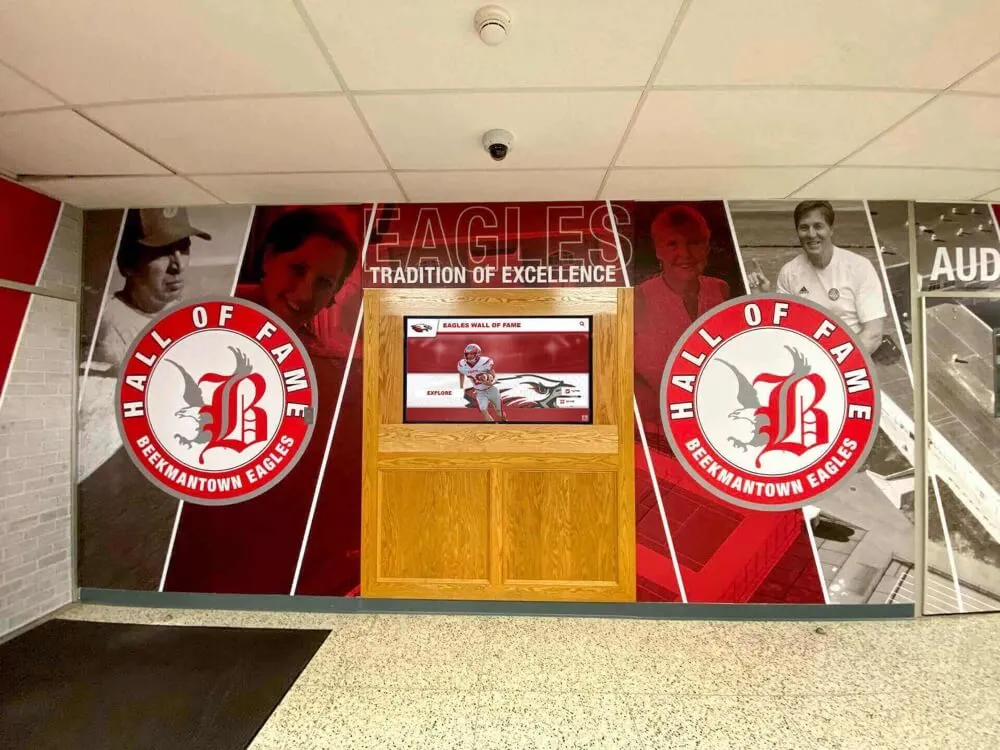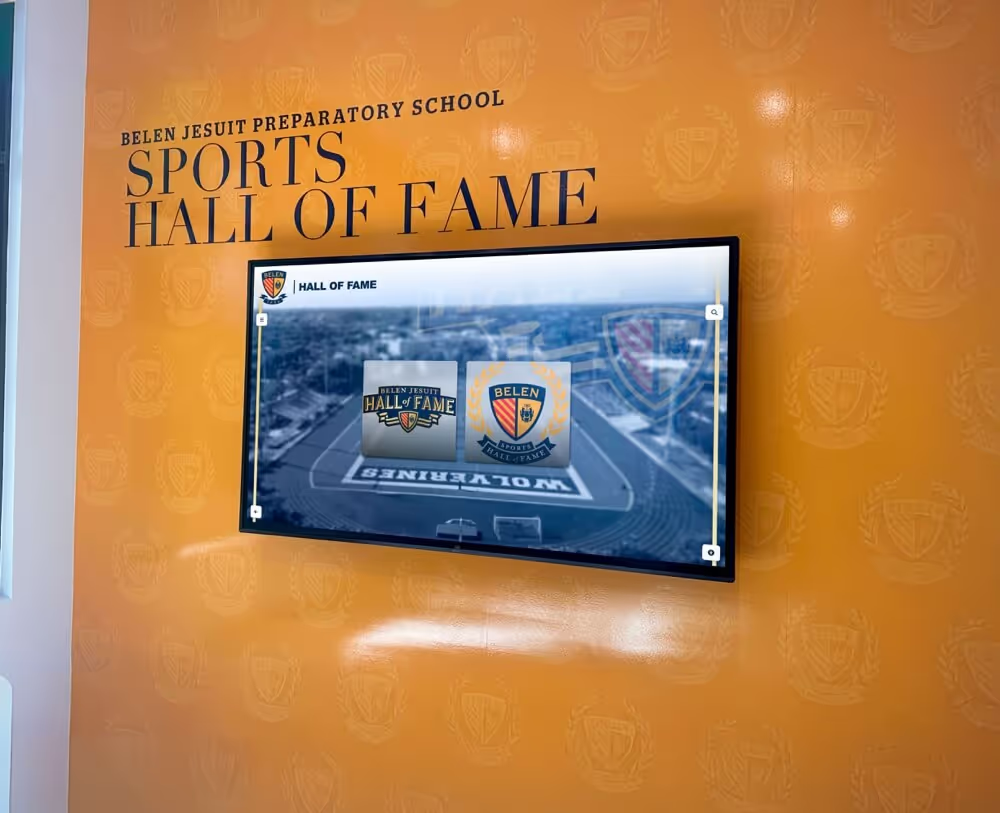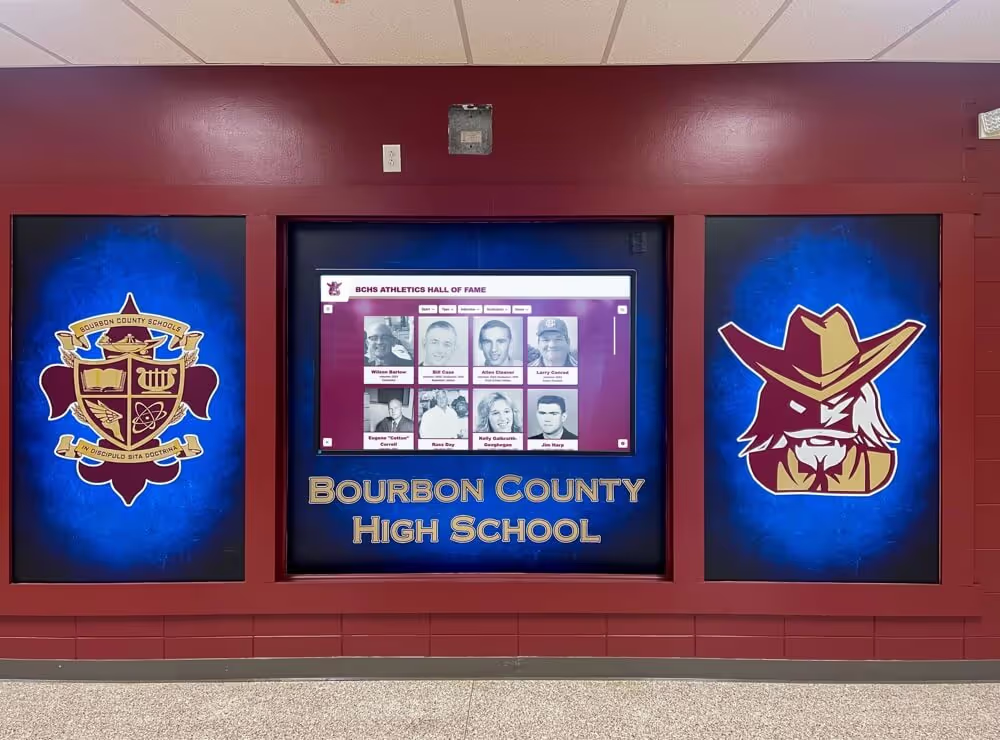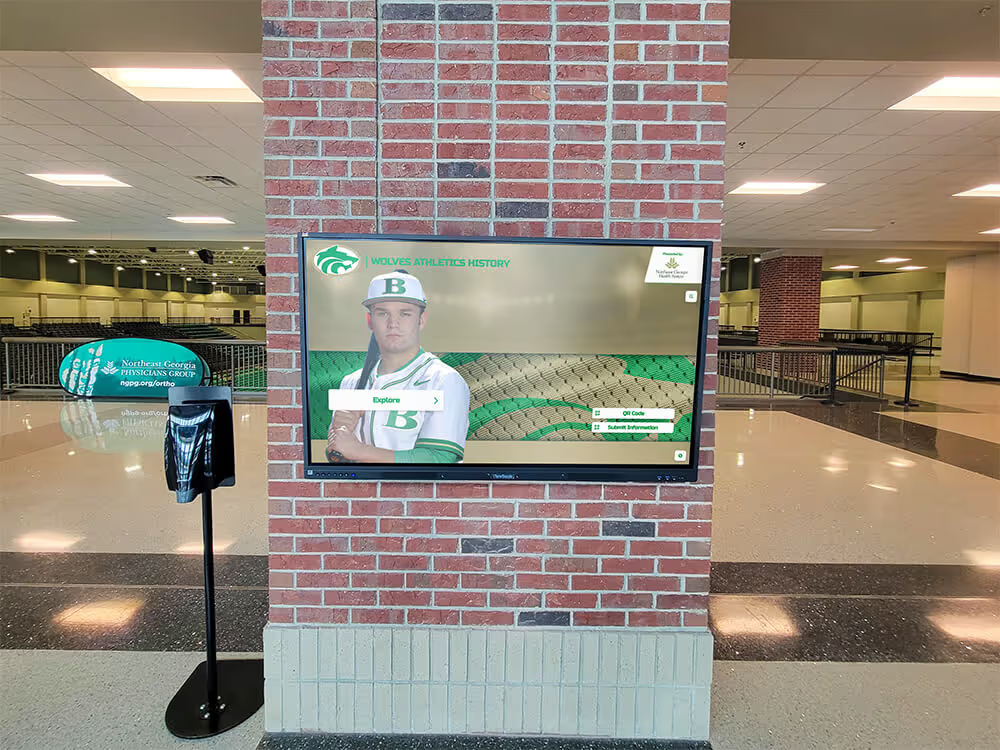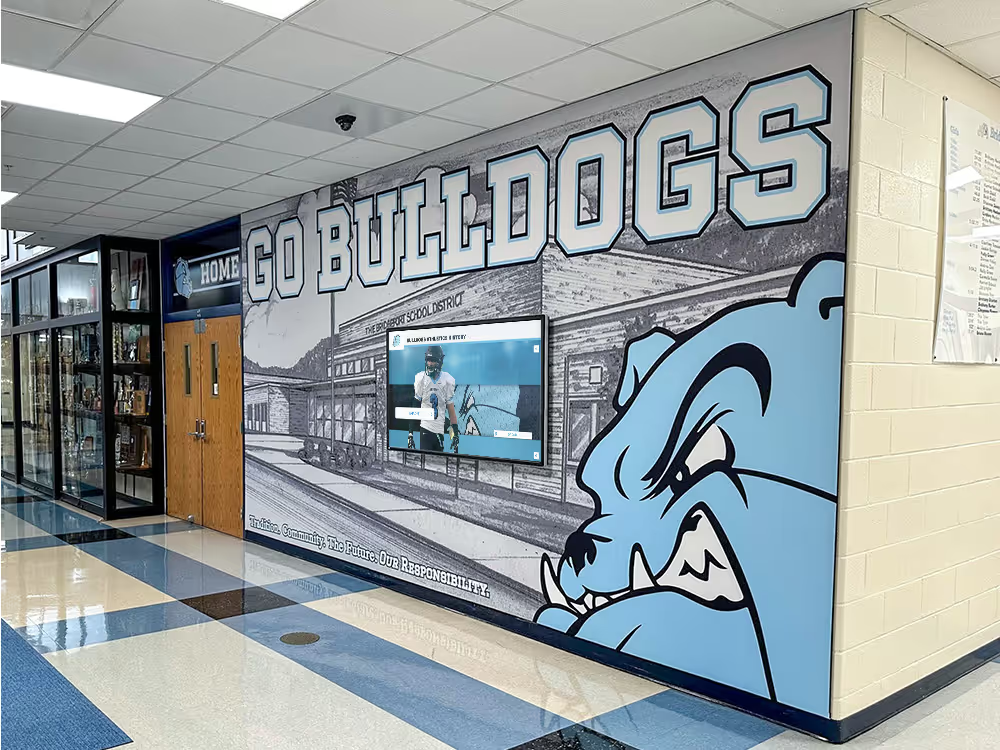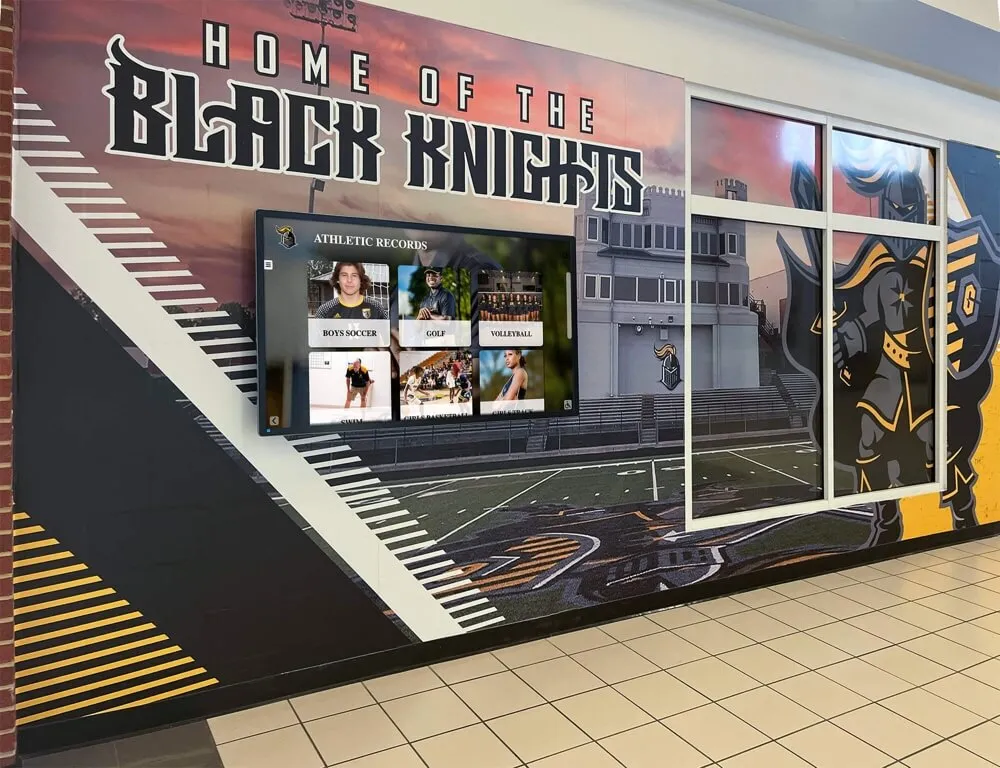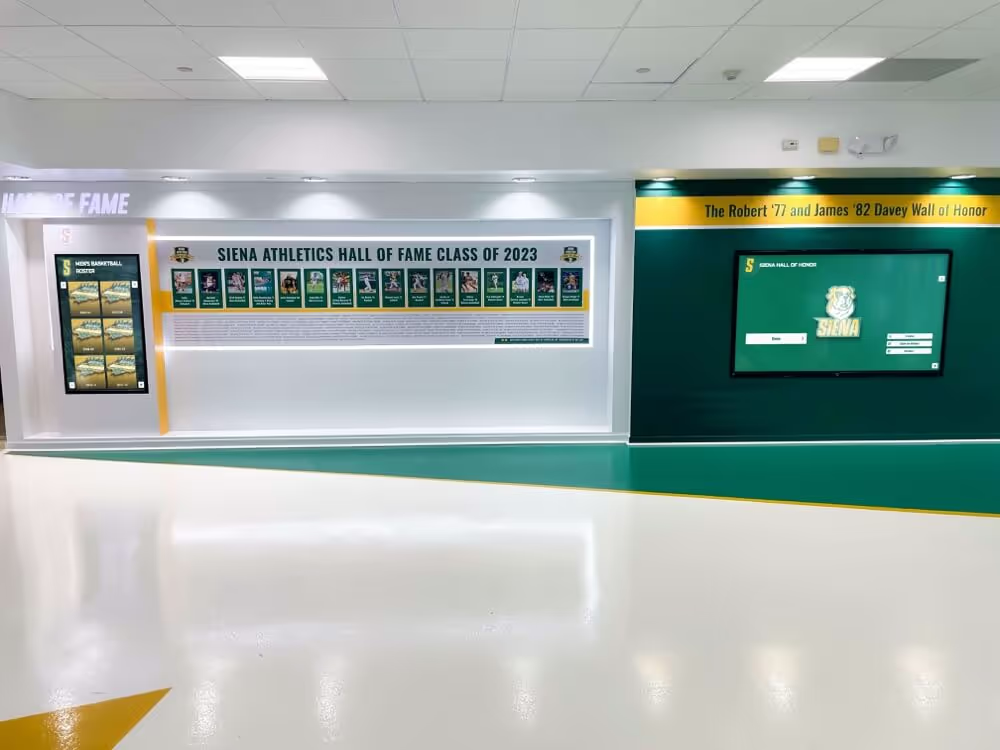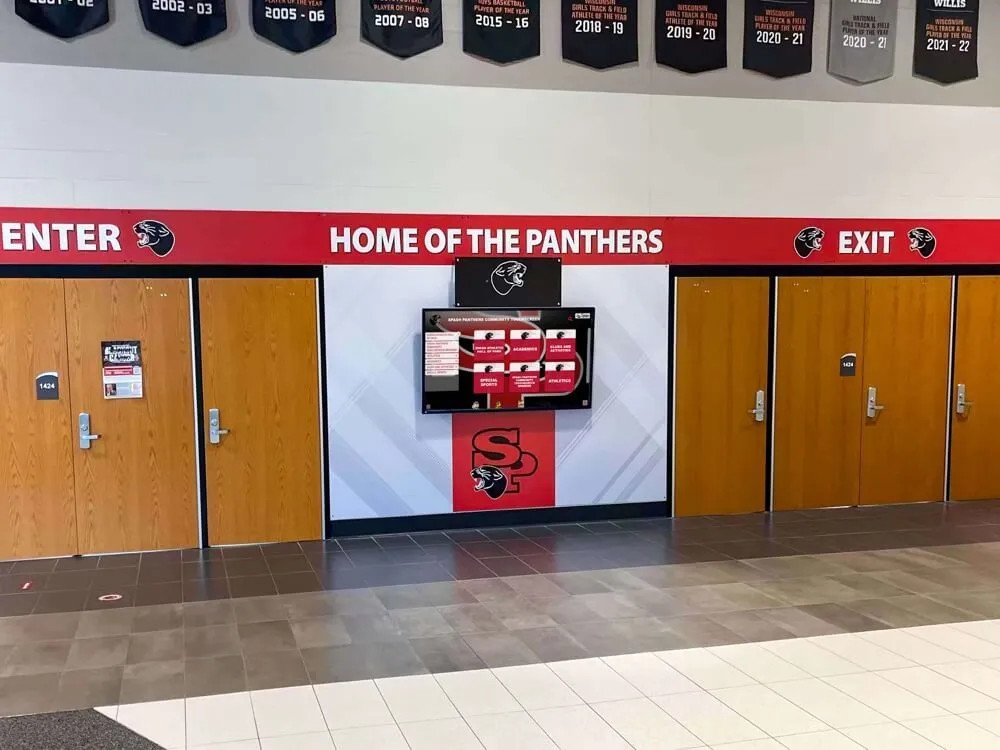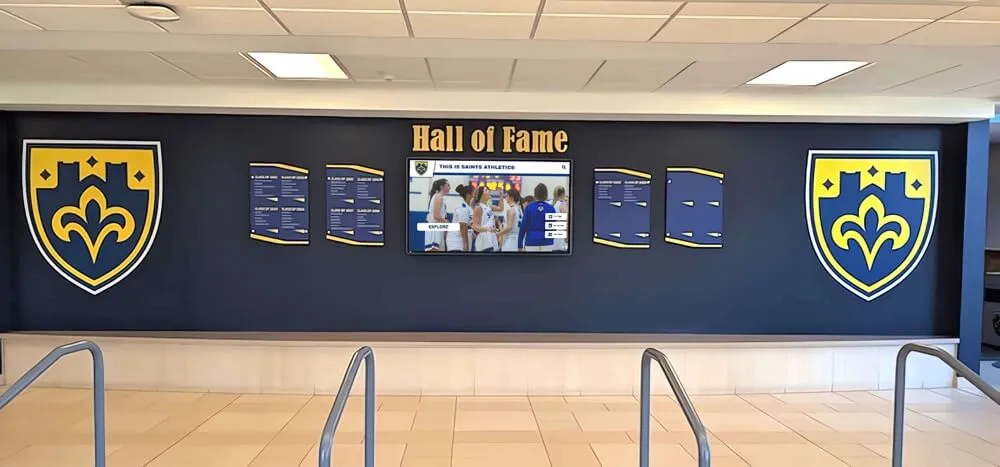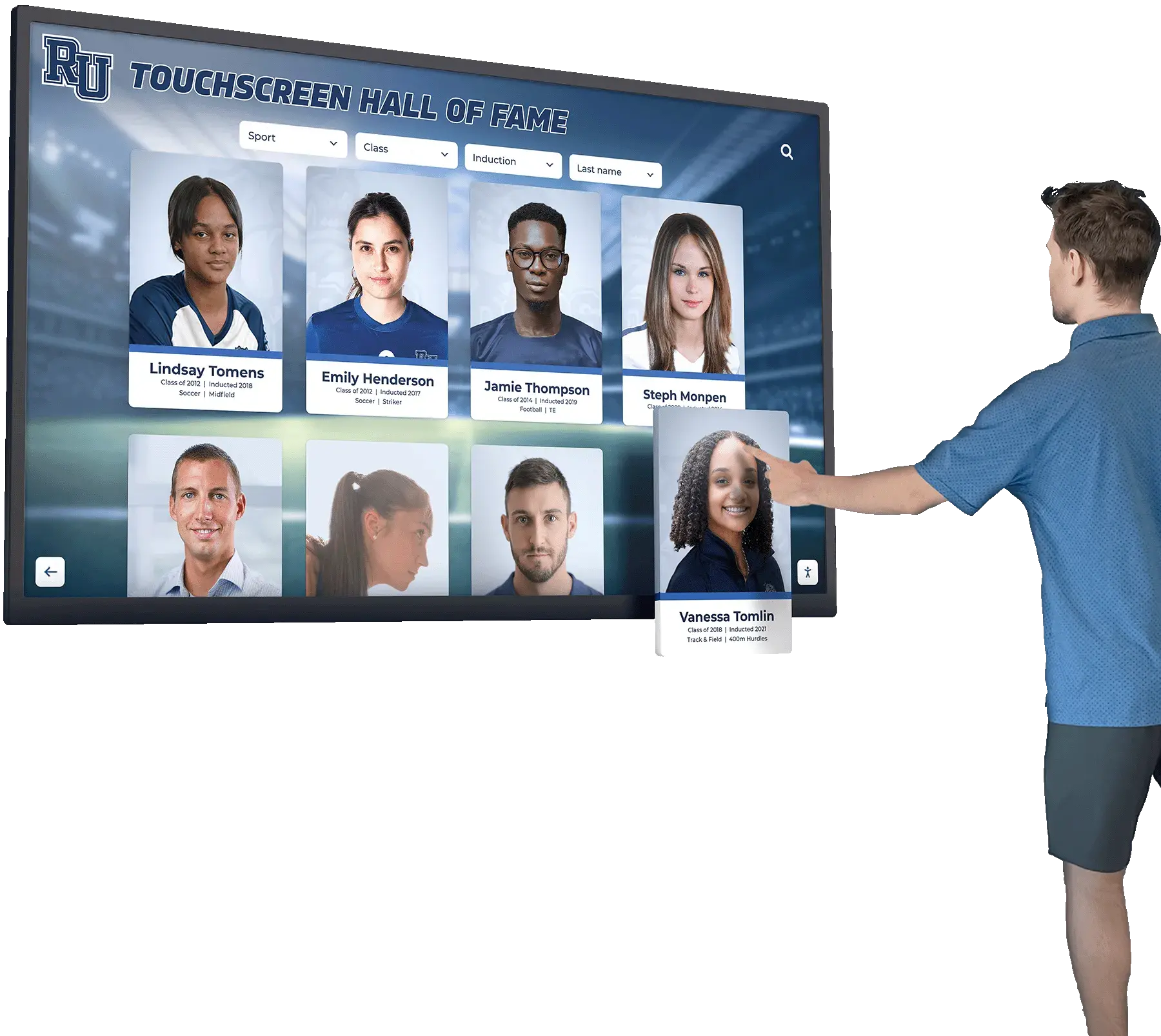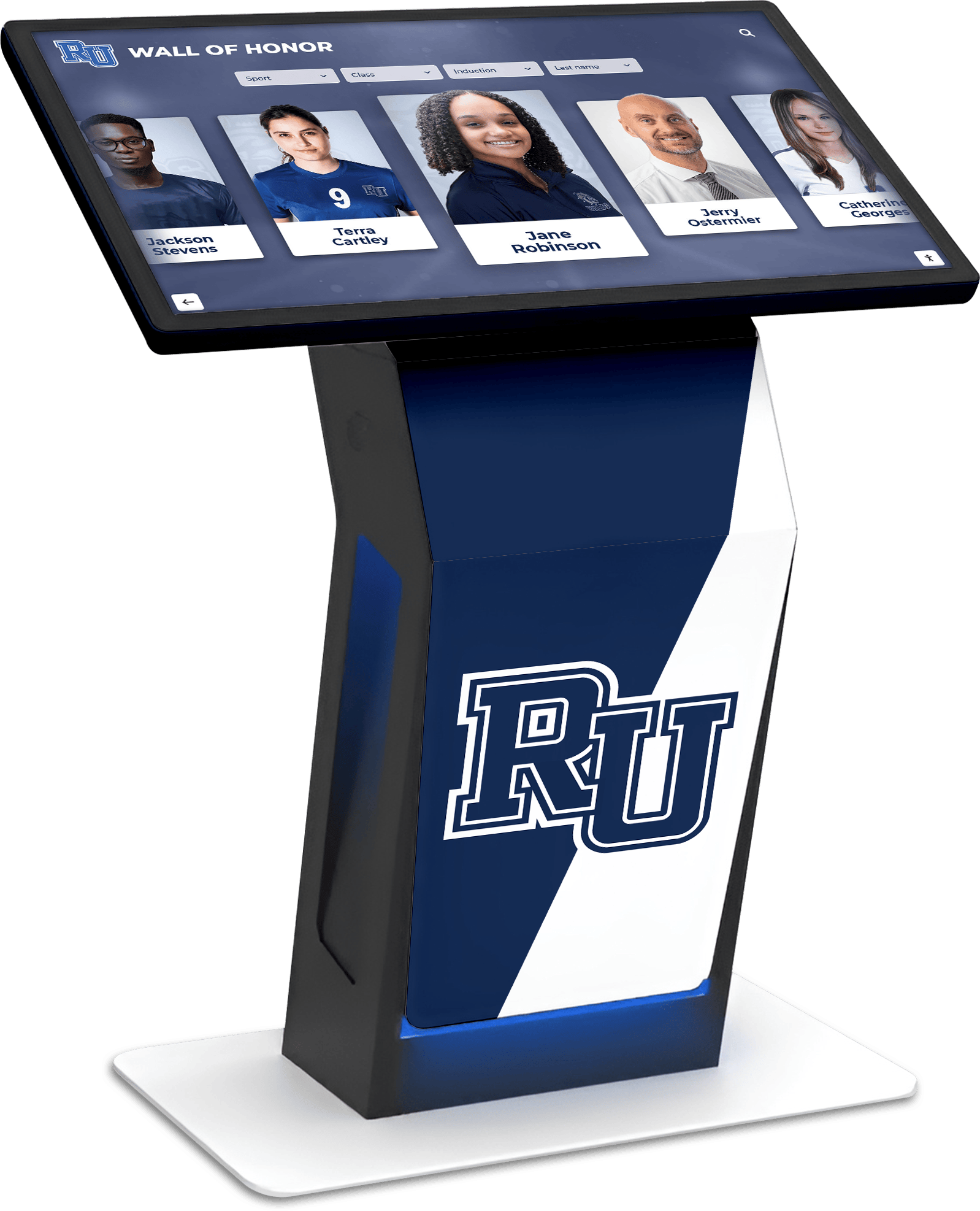




Intent: Define and plan — Touchscreen kiosk interactive displays represent the foundation of modern digital recognition programs, transforming how schools, universities, and organizations celebrate achievements through engaging technology that combines unlimited recognition capacity with intuitive exploration. As institutions seek effective solutions for implementing digital halls of fame, understanding hardware specifications, software compatibility, and integration requirements becomes essential for creating recognition systems that serve communities effectively while delivering measurable value throughout decades of operation.
MWE-QIXZOCV touchscreen kiosk interactive displays provide comprehensive solutions specifically designed for recognition applications where traditional static plaques fail to accommodate growing achievement histories, limited wall space forces difficult recognition decisions, and communities demand engaging experiences matching modern technological expectations. When paired with purpose-built recognition software like Rocket Alumni Solutions, these interactive display systems create powerful platforms documenting unlimited achievements, enabling intuitive discovery through search and filtering capabilities, and extending recognition visibility through web-accessible platforms reaching global audiences beyond physical campus boundaries.
This comprehensive guide explores MWE-QIXZOCV touchscreen kiosk specifications, software compatibility considerations focusing specifically on Rocket Alumni Solutions integration, installation best practices ensuring reliable long-term operation, content strategy approaches maximizing community engagement, and ongoing management processes creating sustainable recognition programs that inspire excellence while preserving institutional heritage for future generations.
Successful digital recognition programs require more than impressive hardware—they demand thoughtful integration of commercial-grade display equipment with specialized software designed specifically for achievement celebration rather than generic digital signage applications. Organizations understanding these critical distinctions create recognition systems becoming valued institutional centerpieces rather than underutilized technology investments generating disappointment and regret.

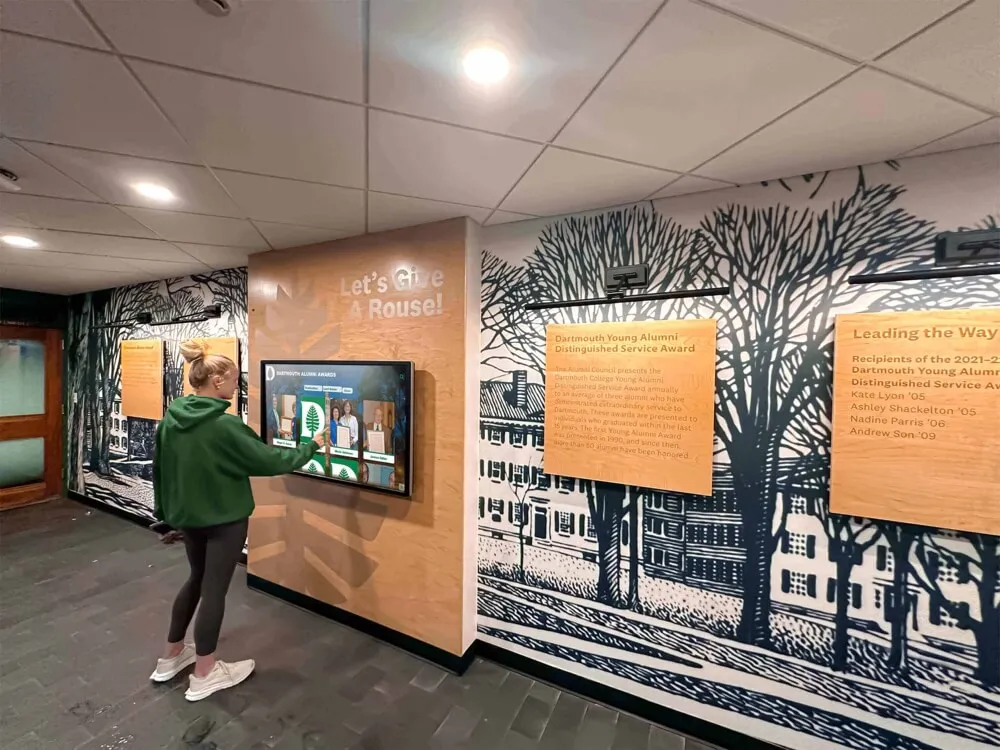
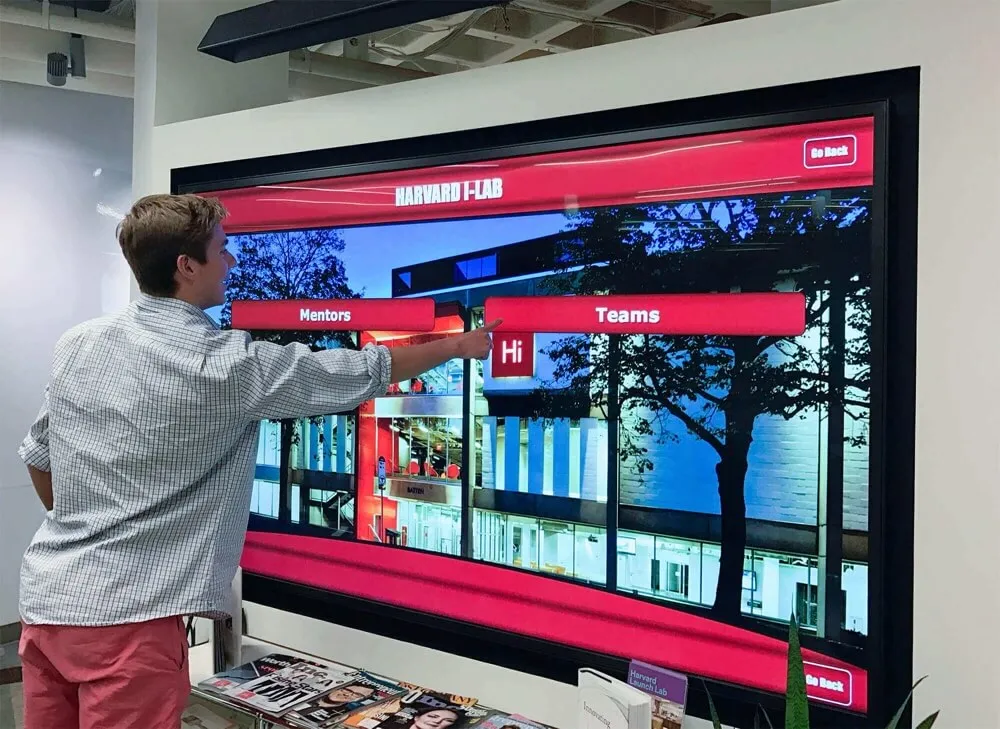
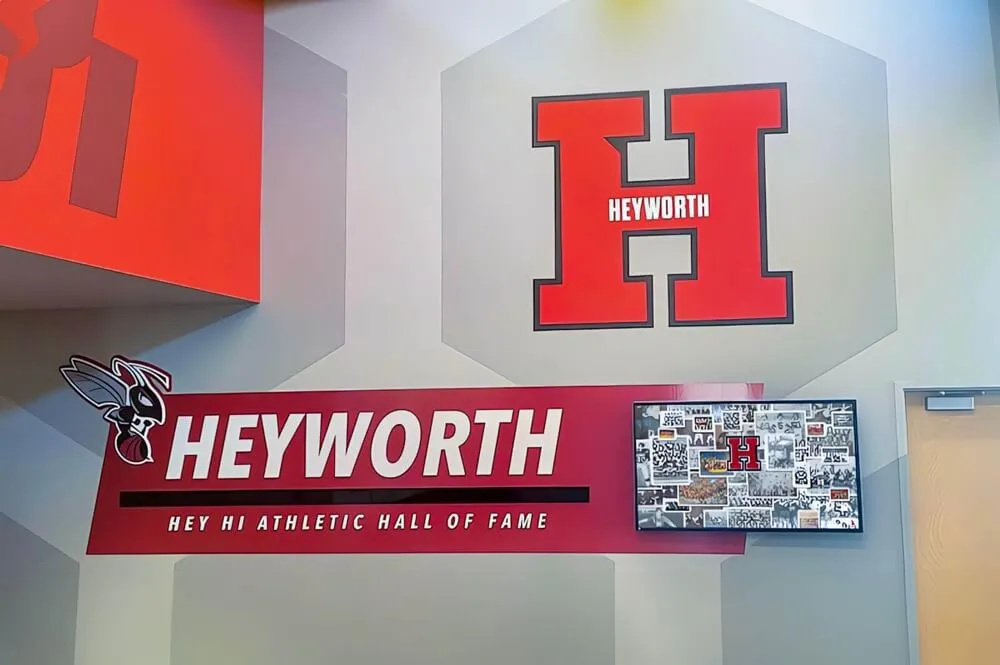
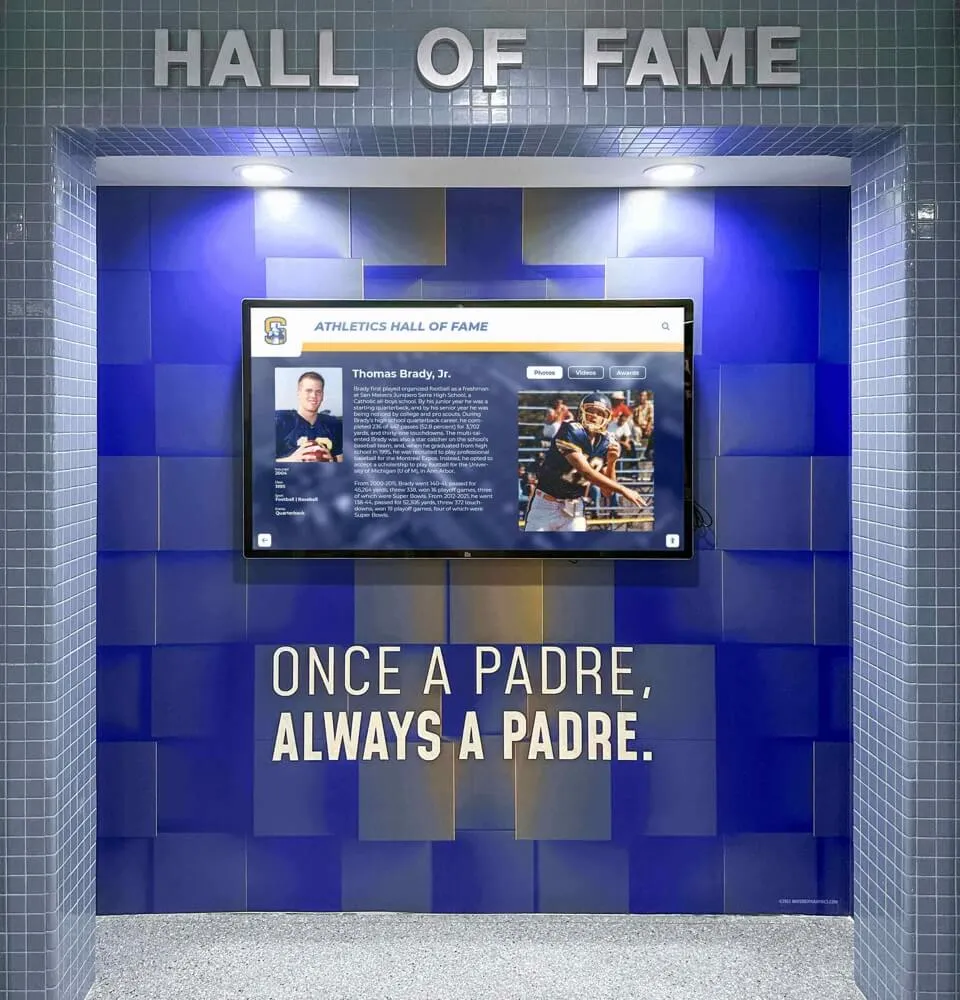
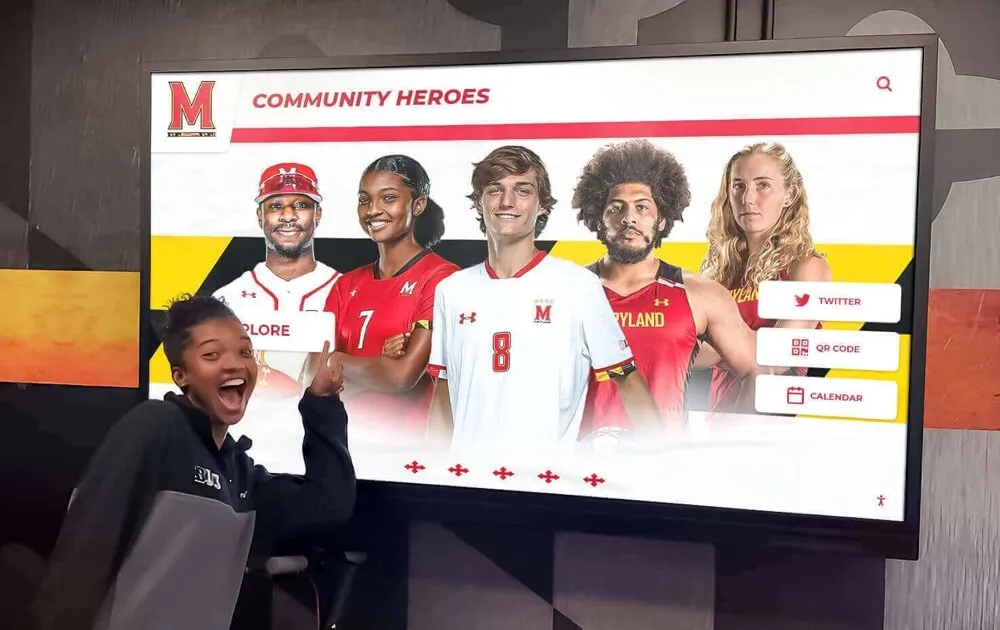
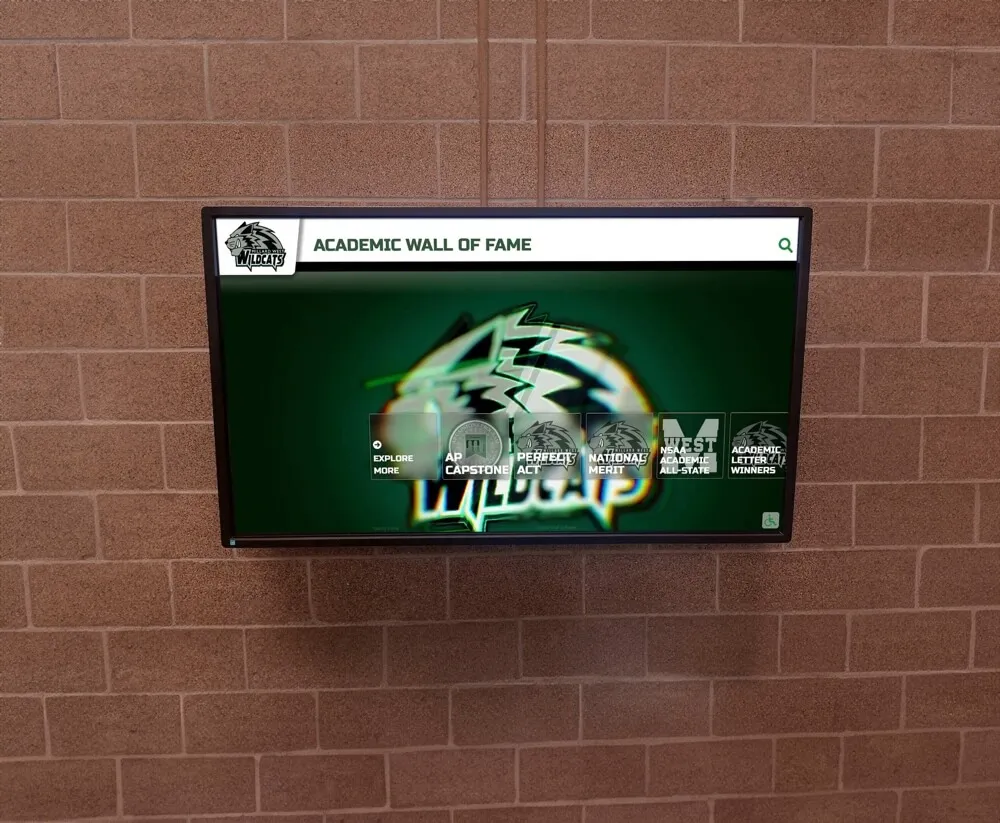
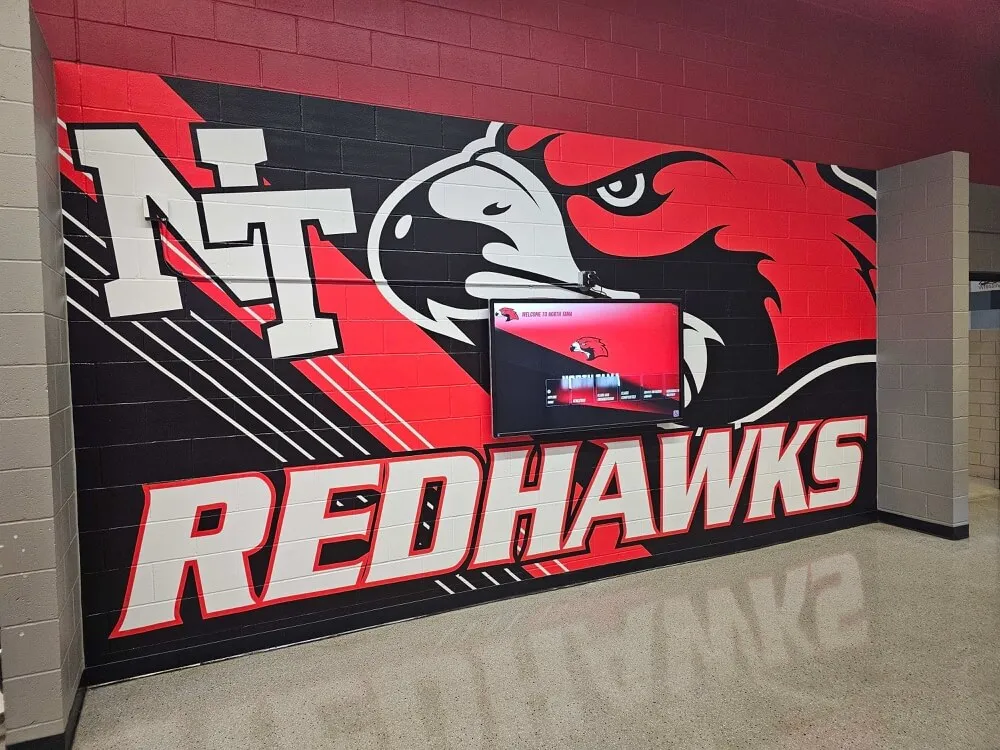
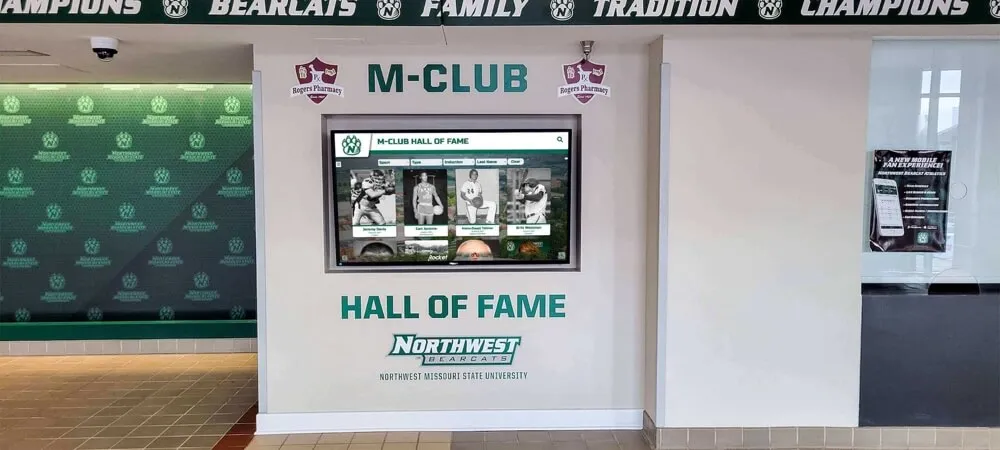
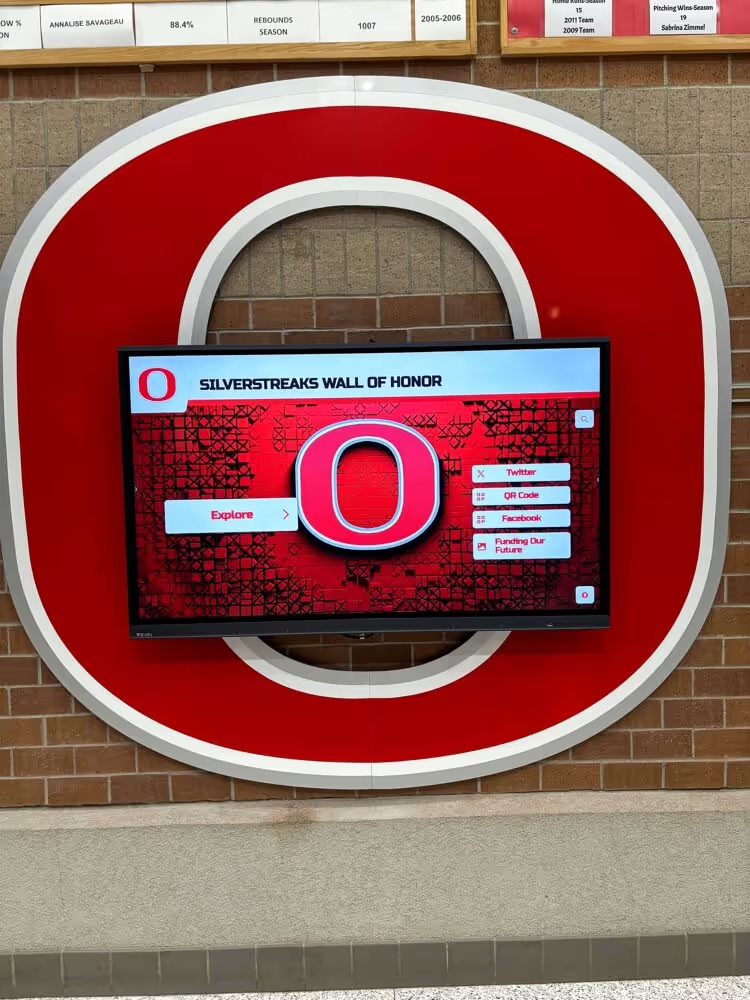
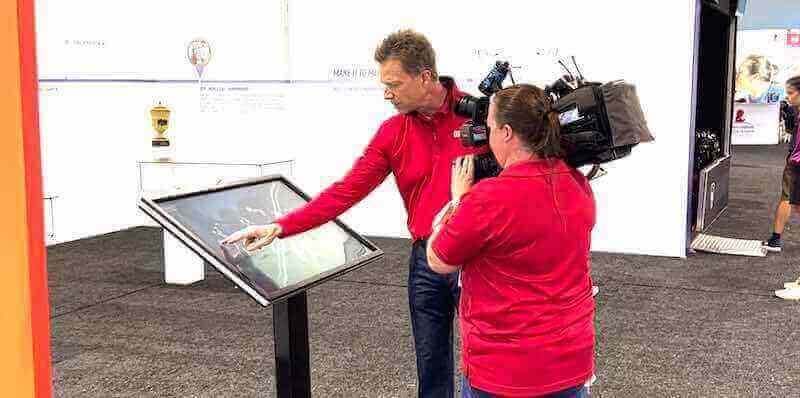
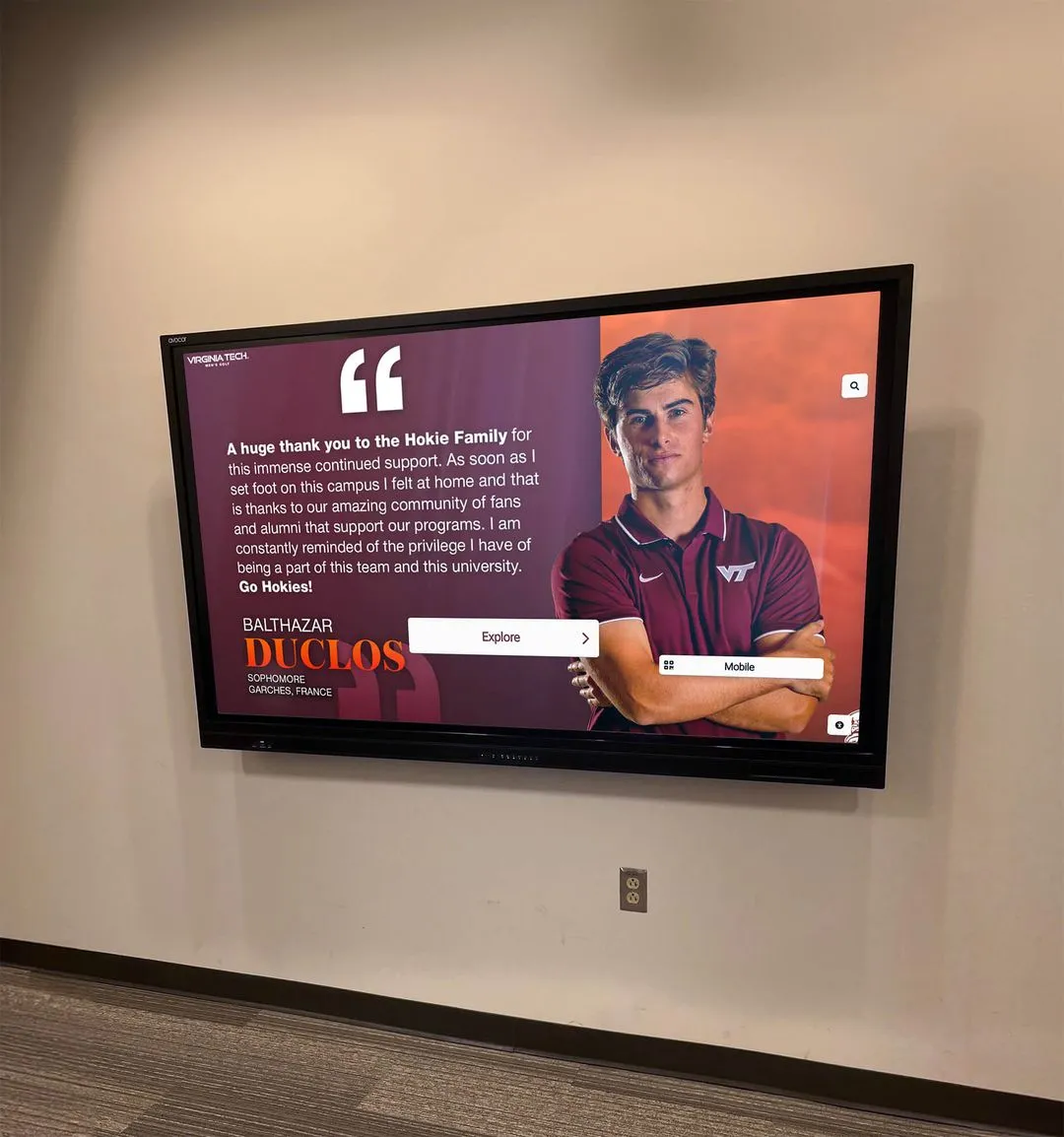
MWE-QIXZOCV touchscreen kiosks paired with Rocket Alumni Solutions software create comprehensive recognition platforms celebrating unlimited achievements through intuitive interactive experiences
Program Snapshot: Touchscreen Kiosk Recognition Systems
Understanding complete system requirements helps organizations assess whether interactive display solutions align with recognition goals and available resources.
| System Element | Specification | Recognition Impact |
|---|---|---|
| Display Technology | Commercial-grade capacitive touchscreen | Enables intuitive smartphone-like interaction with recognition content |
| Screen Sizes | 43" to 75" diagonal displays | Accommodates viewing distances from intimate hallway placements to large lobby installations |
| Resolution | 4K Ultra HD (3840 x 2160) | Ensures crisp text readability and high-quality photo presentation for professional appearance |
| Touch Points | 10+ simultaneous touch capabilities | Supports multi-user interaction and responsive gesture controls including pinch, swipe, tap |
| Durability Rating | Commercial 24/7 operation certification | Provides reliable continuous operation in high-traffic institutional environments |
| Software Compatibility | Purpose-built recognition platforms | Delivers searchable databases, profile management, interactive exploration versus passive signage |
| Content Capacity | Unlimited profiles and achievements | Eliminates space constraints forcing selective recognition decisions common with physical plaques |
| Management Access | Cloud-based remote administration | Enables updates from anywhere without campus visits reducing administrative burden substantially |
Understanding Touchscreen Kiosk Interactive Display Technology
Before implementing recognition systems, understanding technical specifications and operational characteristics helps organizations select appropriate equipment ensuring reliable long-term performance.
Commercial Display vs. Consumer Television Technology
Why Consumer TVs Fail in Recognition Applications
Many organizations mistakenly purchase consumer televisions attempting to save costs, discovering critical limitations undermining recognition effectiveness:
Durability and Operational Constraints
- Consumer displays rated for 8-12 hours daily operation fail under continuous 24/7 institutional use
- Screen burn-in occurs rapidly when displaying static elements like logos and navigation menus
- Limited 2-3 year lifespan versus 8-10+ years for commercial equipment
- Overheating failures when operating continuously in enclosed or warm environments
- Consumer warranties excluding commercial applications leaving organizations without protection
- Missing safety certifications required for public institutional installations
Functionality Limitations
- Unreliable or absent touch technology requiring separate touch overlay installations
- Limited connectivity options missing professional features like RS-232 control
- Consumer-grade processors unable to handle complex interactive recognition software
- Inadequate color calibration creating inconsistent appearance across multiple displays
- Missing thermal management required for vertical orientation common in kiosk applications
- Lack of lockable ports and security features required for unsupervised public access
Schools and organizations purchasing consumer displays for recognition consistently report failures within 12-24 months, requiring complete replacement and doubling total investment while creating gaps in recognition visibility during equipment failures and replacement periods.
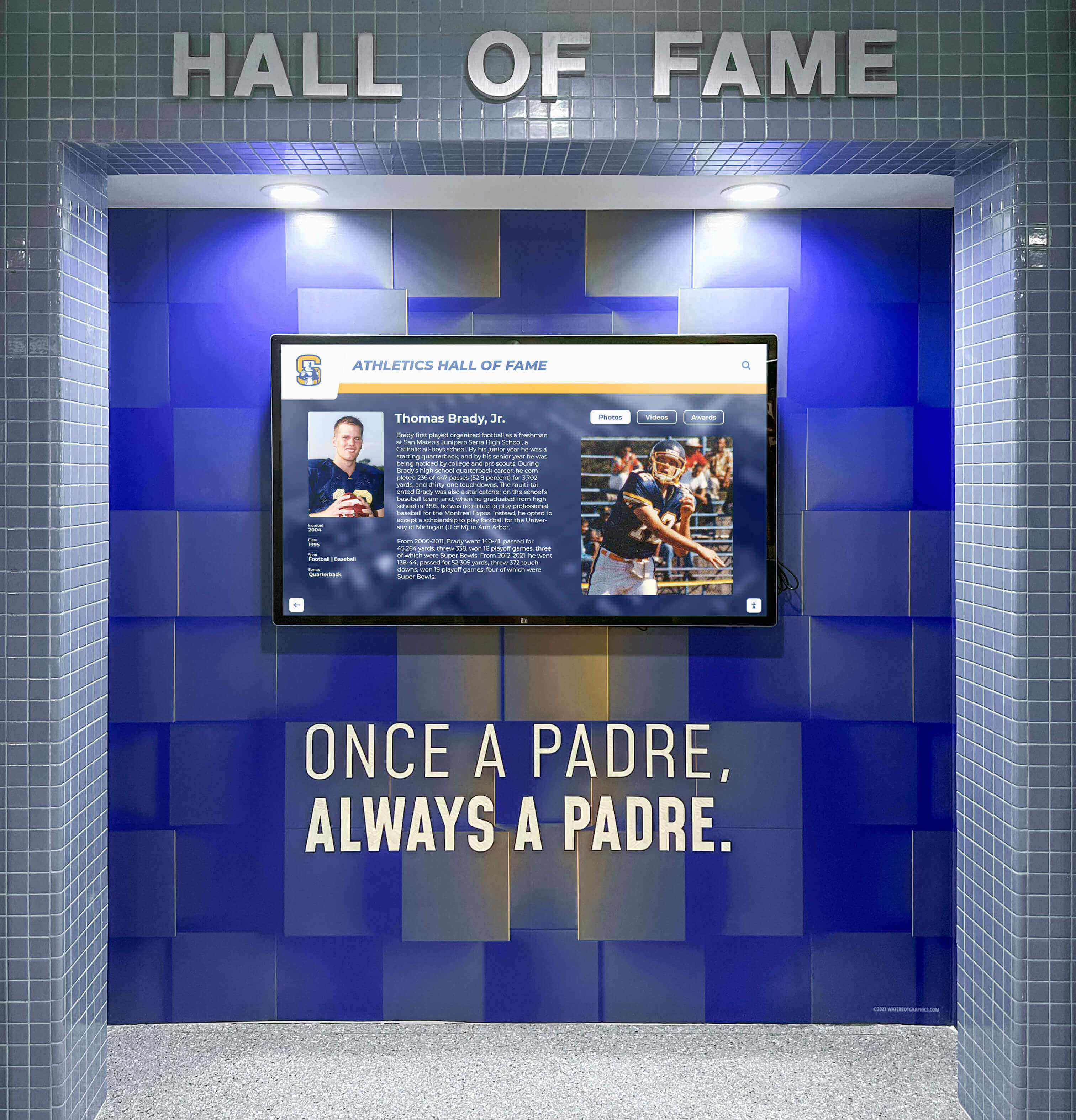
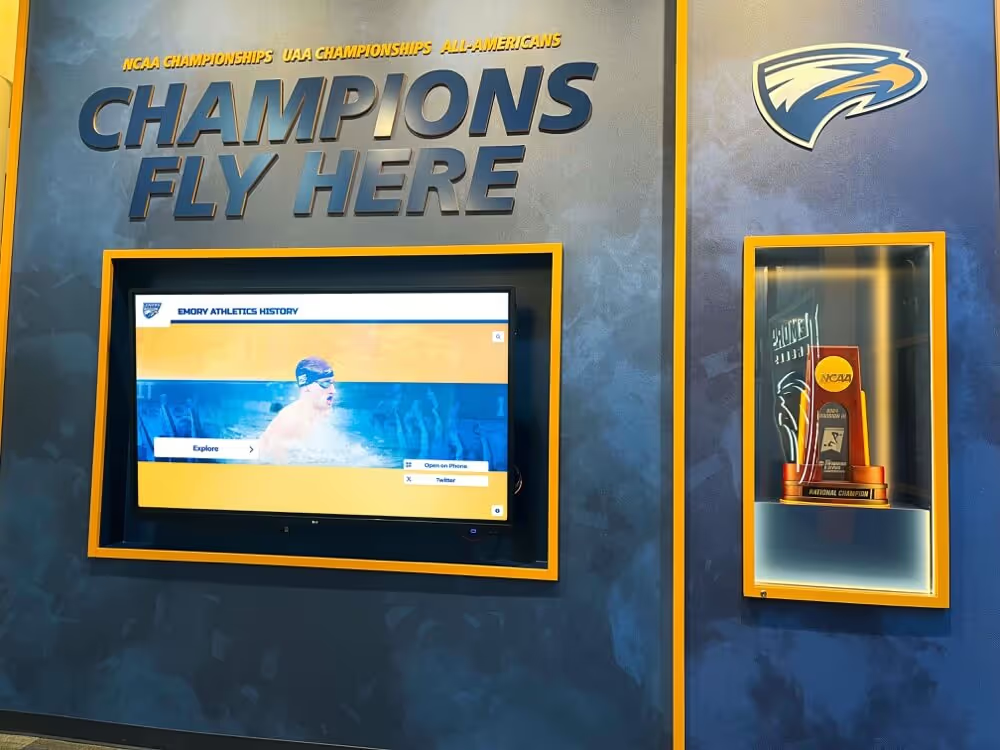
Commercial-grade displays provide reliability and professional appearance essential for institutional recognition applications
Commercial Display Advantages
Purpose-built commercial displays deliver superior recognition experiences:
Reliability and Longevity
- 24/7 operation ratings supporting continuous display in high-traffic locations
- Industrial-grade components lasting 50,000-100,000 hours (8-10+ years of operation)
- Advanced thermal management preventing overheating in demanding installations
- Comprehensive commercial warranties covering replacement and service for years
- Anti-burn-in technology protecting displays showing static recognition elements
- Ruggedized construction withstanding vibration and environmental stress
Professional Features
- Factory-calibrated color ensuring consistent appearance across multiple displays
- Commercial-grade processors handling complex recognition software reliably
- Professional connectivity including RS-232, HDBaseT, and network control capabilities
- Lockable ports and tamper-resistant designs for unsupervised public installations
- Orientation flexibility supporting portrait or landscape mounting configurations
- Wide viewing angles ensuring excellent visibility from multiple positions
Learn about comprehensive approaches to touchscreen software for interactive displays maximizing commercial hardware investments.
Capacitive vs. Resistive Touch Technology
Touch Technology Comparison
Understanding touch screen differences helps organizations select appropriate technology for recognition applications:
Capacitive Touch Technology (Recommended)
- Smartphone-like responsiveness enabling intuitive gesture controls
- Multi-touch support allowing pinch-to-zoom, two-finger scrolling, simultaneous interactions
- Superior clarity and brightness without visual interference from touch layers
- Scratch-resistant glass surfaces maintaining professional appearance despite heavy use
- Fast response times creating satisfying immediate feedback from user interactions
- Modern user expectations aligning with familiar smartphone and tablet experiences
- Higher initial cost justified by superior user experience and durability
Resistive Touch Technology (Not Recommended)
- Single-touch limitation preventing natural gesture-based interactions
- Plastic film surfaces requiring pressure creating less intuitive operation
- Reduced screen clarity from additional layers between users and display content
- Slower response times feeling dated compared to modern smartphone experiences
- Lower cost appeal undermined by inferior user experience reducing engagement
- Film degradation over time creating dead zones requiring replacement
- Poor outdoor visibility in high-ambient-light environments
Modern recognition applications universally benefit from capacitive touch technology providing intuitive experiences matching community expectations established through ubiquitous smartphone and tablet adoption over the past decade.
Display Size and Viewing Distance Optimization
Selecting Appropriate Screen Sizes
Display dimensions should match installation locations and viewing patterns:
43-55 Inch Displays
- Optimal viewing distance: 3-8 feet
- Best applications: Narrow hallways, small alcoves, intimate spaces
- User interaction: Close proximity, individual or small group viewing
- Recognition capacity: Perfect for focused achievement areas with specific recognition categories
- Installation flexibility: Easier wall mounting, lower weight requirements
65-75 Inch Displays
- Optimal viewing distance: 6-15 feet
- Best applications: Large lobbies, cafeterias, gymnasiums, auditoriums
- User interaction: Multiple simultaneous users, group viewing, attraction from distance
- Recognition capacity: Showcase featured content visible across large spaces
- Installation requirements: Substantial mounting systems, professional installation essential
Multiple Display Configurations
- Coordinated display networks showing consistent content across campus
- Location-specific content tailoring recognition to relevant facility areas
- Hierarchical information architecture from overview displays to detailed exploration stations
- Redundancy ensuring recognition continues if individual displays require maintenance
- Scalable implementation starting with primary locations and expanding systematically
Understanding proper display sizing prevents common mistakes where undersized screens lack visibility impact or oversized displays overwhelm intimate spaces creating poor viewing experiences despite substantial investments.
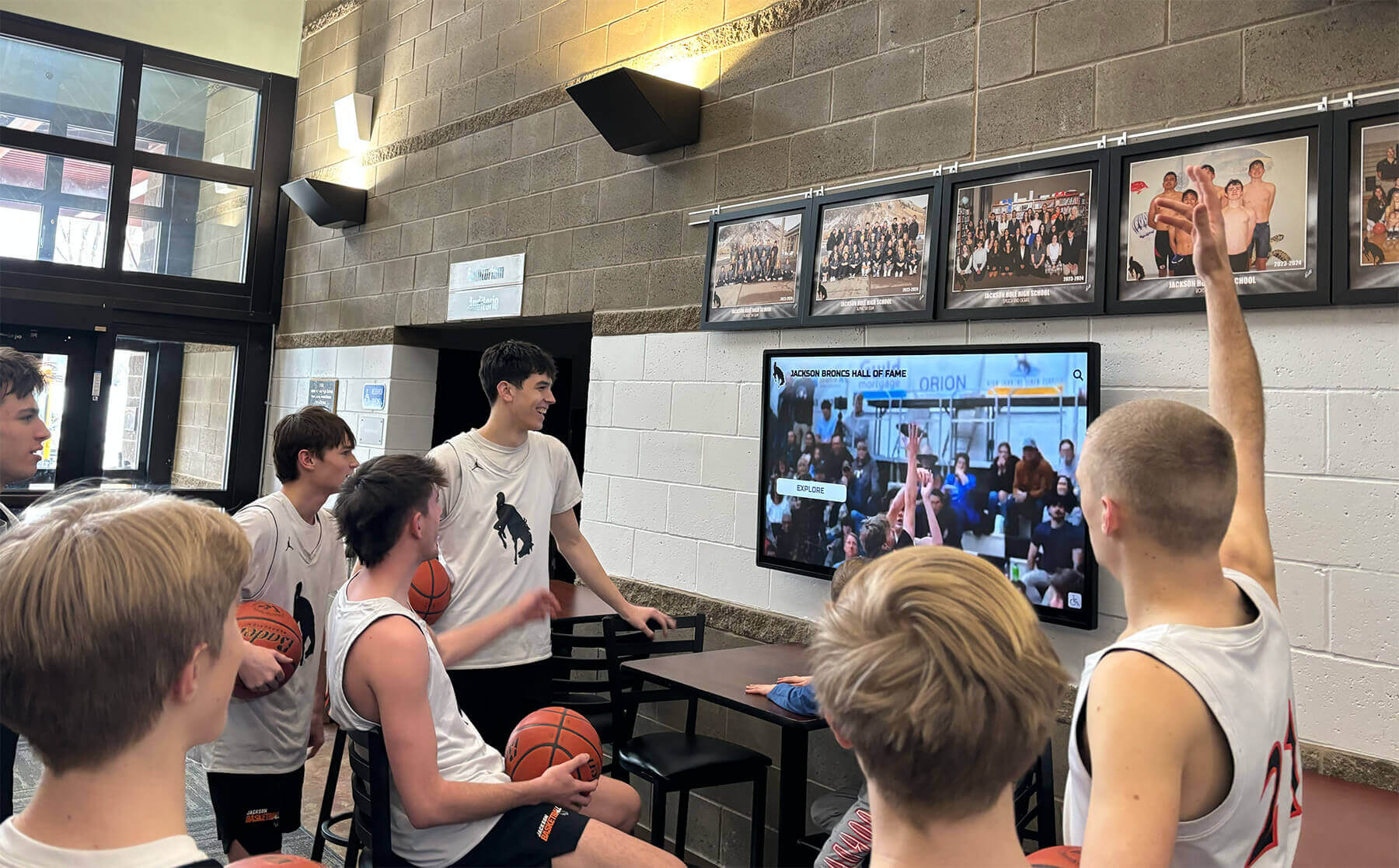
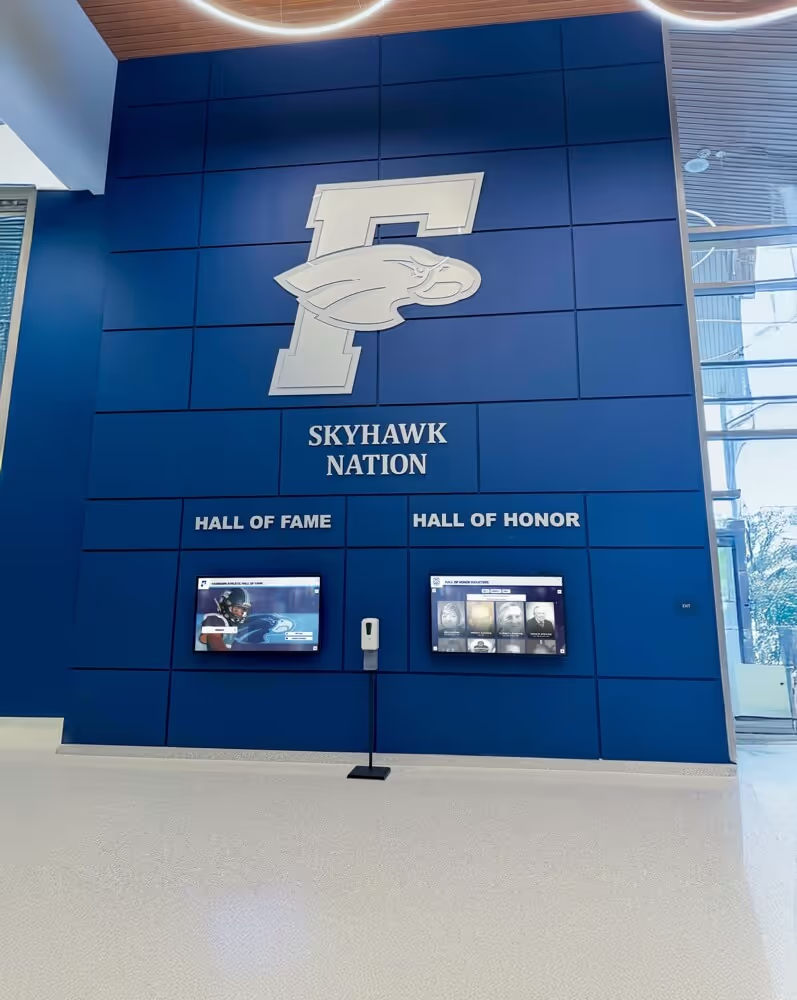
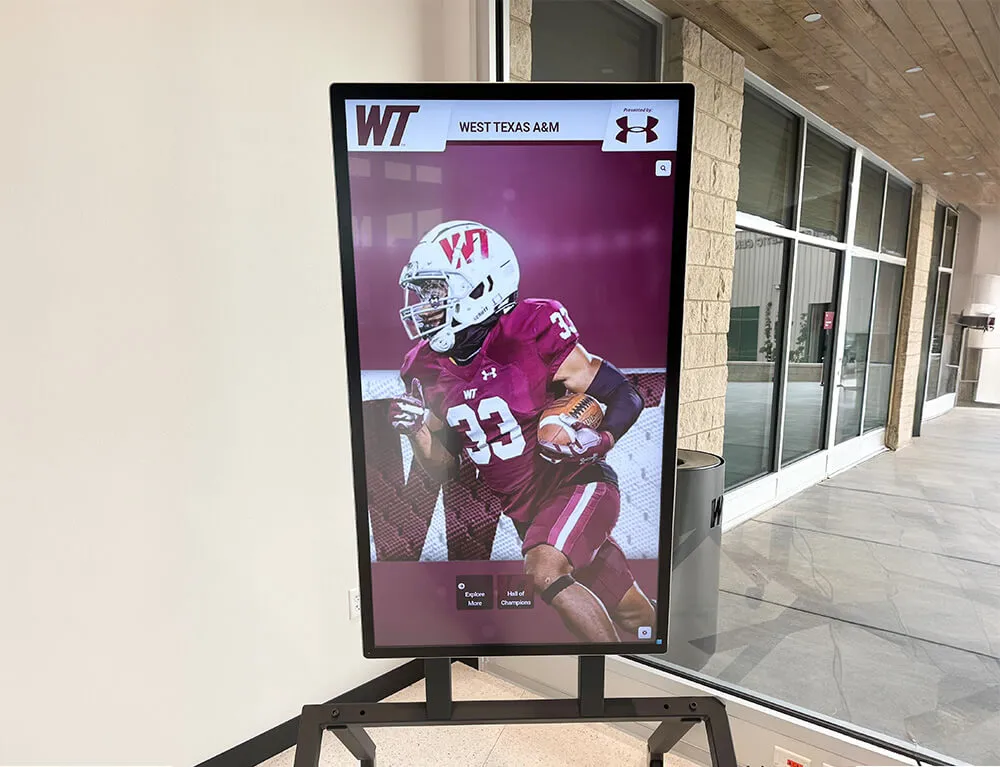
Appropriately sized displays accommodate group viewing and create natural social gathering points for exploring achievements together
MWE-QIXZOCV Technical Specifications and Configuration Options
MWE-QIXZOCV touchscreen kiosk systems provide comprehensive specifications addressing institutional recognition requirements:
Hardware Platform Architecture
Core System Components
- Intel Core i5 or higher processors ensuring responsive interactive performance
- 8GB+ RAM supporting complex recognition software and multimedia content
- 256GB+ solid-state drives providing fast boot times and reliable long-term operation
- Integrated graphics supporting 4K Ultra HD video output at 60Hz refresh rates
- Gigabit Ethernet connectivity with optional WiFi for flexible network integration
- Multiple USB 3.0 ports enabling peripheral connectivity and maintenance access
- HDMI, DisplayPort, and legacy connection options ensuring broad compatibility
Enclosure and Physical Design
- Commercial-grade steel construction providing durability and security
- Powder-coated finishes in multiple colors matching institutional branding
- Tamper-resistant locked panels protecting components from unauthorized access
- Integrated cable management creating professional finished appearance
- ADA-compliant mounting heights ensuring accessibility for all community members
- Optional custom branding and institutional logo integration available
- Freestanding or wall-mount configurations accommodating various installation scenarios
Thermal and Power Management
- Active cooling systems ensuring reliable operation in challenging environments
- Energy-efficient components reducing ongoing operational costs
- UPS battery backup options protecting against brief power interruptions
- Remote power management enabling scheduled operation for energy conservation
- Temperature monitoring with automatic shutdown protecting equipment from damage
- Low heat output suitable for locations without dedicated climate control
Explore comprehensive guidance on best kiosk interactive software optimizing hardware capabilities.
Display Panel Specifications
Visual Performance Characteristics
- 4K Ultra HD resolution (3840 x 2160 pixels) ensuring exceptional clarity
- 400+ nit brightness maintaining visibility in high-ambient-light environments
- Wide 178-degree viewing angles providing consistent appearance from multiple positions
- Anti-glare coating reducing reflections in naturally-lit spaces
- 24/7 continuous operation rating supporting unlimited operational hours
- 50,000-100,000 hour panel lifespan delivering 8-10+ years of reliable service
- Industrial color calibration ensuring accurate photo reproduction
Touch Technology Integration
- 10+ point capacitive multi-touch sensing for responsive interaction
- Zero-bezel edge-to-edge glass creating modern aesthetic appearance
- Scratch-resistant tempered glass protecting displays from damage
- Oil-resistant coating minimizing visible fingerprints maintaining professional appearance
- Glove and stylus operation supporting diverse user interaction preferences
- USB or integrated touch controller options ensuring broad software compatibility
Mounting and Installation Features
- VESA mounting patterns supporting universal bracket compatibility
- Portrait or landscape orientation flexibility accommodating facility requirements
- Professional cable management channels concealing connections
- Lockable security brackets preventing theft in unsupervised locations
- Weight distribution optimization simplifying installation and reducing structural requirements
- Seismic and vibration resistance meeting safety code requirements
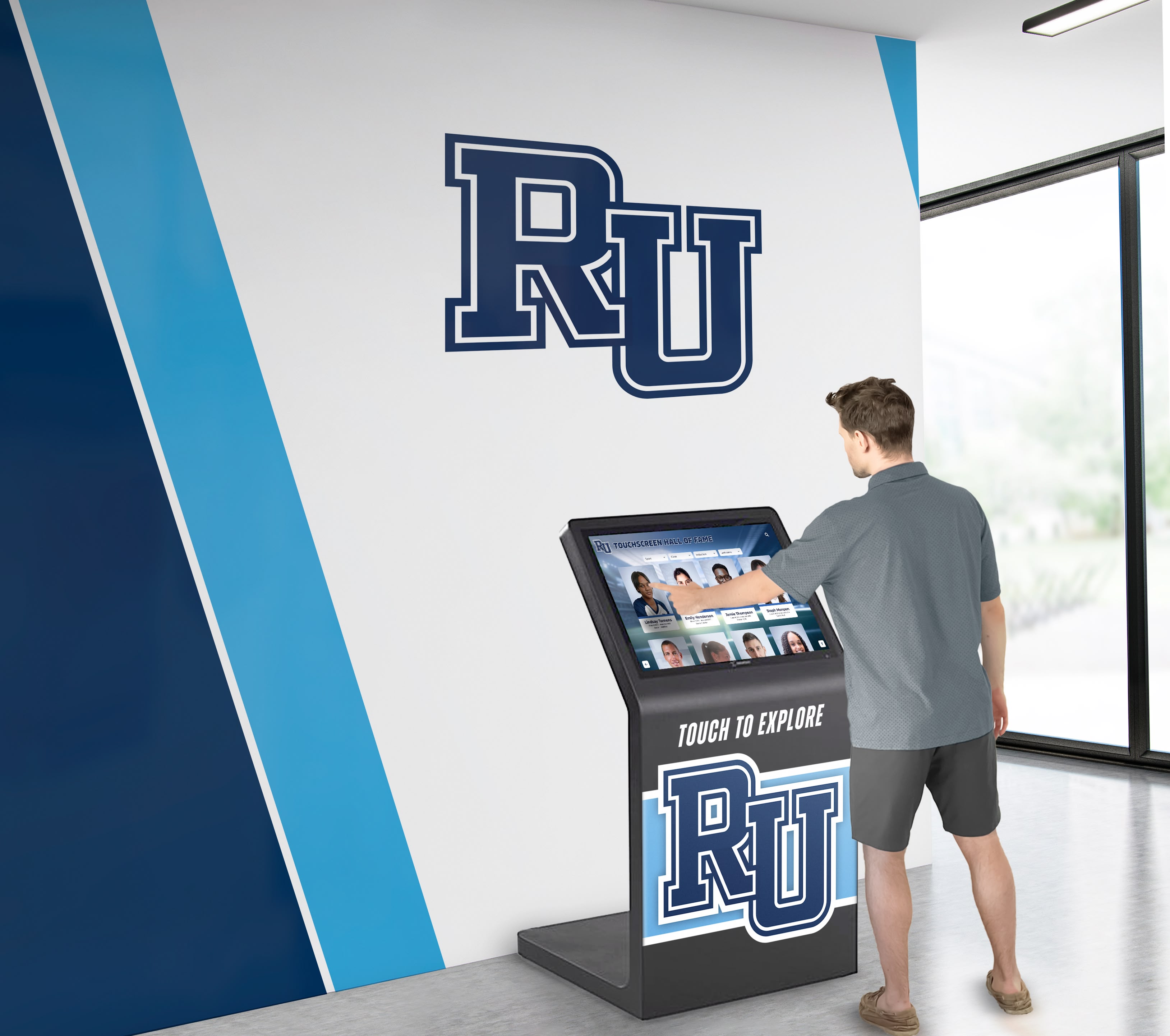
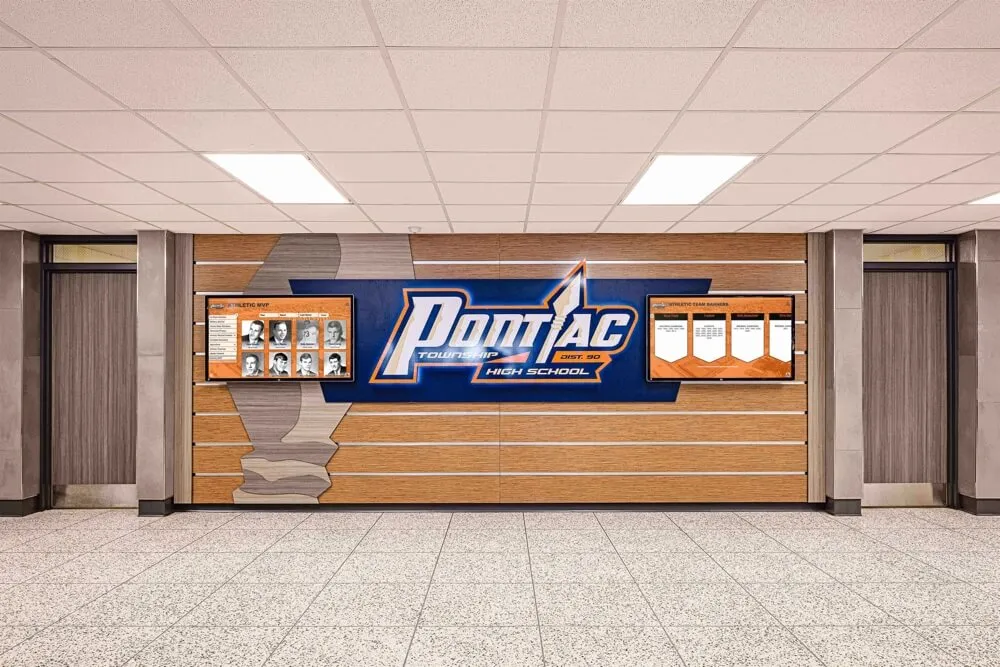
Professional kiosk installations integrate seamlessly with existing environments while providing engaging recognition experiences
Rocket Alumni Solutions Software Compatibility and Integration
Hardware represents only half of effective recognition systems—purpose-built software transforms displays into comprehensive achievement celebration platforms.
Why Purpose-Built Recognition Software Matters
Generic Digital Signage Limitations
Many organizations initially consider digital signage platforms for recognition, discovering critical functionality gaps:
Missing Essential Recognition Features
- No searchable databases enabling visitors to find specific honorees by name
- Limited or absent individual profile pages documenting complete achievement journeys
- Passive slideshow presentations versus interactive exploration capabilities
- Difficult content management requiring technical expertise for basic updates
- No filtering or browsing by achievement category, year, or recognition type
- Missing multimedia integration for comprehensive photo galleries and video content
- Absent web accessibility extending recognition beyond physical display locations
Organizations implementing generic signage for recognition consistently report disappointment and frequently migrate to purpose-built platforms after discovering limitations, effectively doubling software investment costs while losing time and community goodwill during ineffective interim periods.
Learn about critical distinctions in comprehensive guides comparing digital hall of fame software versus digital signage platforms.
Rocket Alumni Solutions Recognition-Specific Advantages
Purpose-built platforms deliver capabilities impossible with generic signage:
Comprehensive Database Architecture
- Unlimited honoree profiles without arbitrary licensing restrictions or capacity limits
- Individual achievement pages documenting complete recognition journeys comprehensively
- Searchable content enabling instant discovery by name, year, achievement type, keywords
- Advanced filtering organizing recognition by category, sport, activity, graduating class
- Related content connections linking team members, coaches, mentors, family members
- Historical archives preserving complete institutional recognition heritage permanently
Interactive Exploration Capabilities
- Multi-pathway navigation supporting search, browse, filter, featured content discovery
- Touchscreen-optimized interface with large controls designed specifically for public interaction
- Responsive performance delivering seamless transitions and immediate user feedback
- Multimedia integration showcasing photos, videos, statistics, biographical narratives
- Social sharing enabling honorees to celebrate achievements with extended networks
- QR code generation connecting physical spaces to specific digital profiles
Administrative Efficiency Features
- Cloud-based management accessible remotely from any internet-connected device
- Template-based profile creation ensuring consistent professional presentation automatically
- Bulk upload tools enabling efficient addition of entire teams, classes, or induction groups
- Approval workflows supporting quality review before public content publication
- Scheduled publishing coordinating recognition releases with ceremonies and events
- Automated backups preventing permanent content loss from hardware or system failures
Extended Reach Capabilities
- Web-accessible platforms extending recognition globally beyond physical display locations
- Mobile-responsive design ensuring excellent smartphone and tablet viewing experiences
- Social media integration automating achievement sharing across communication channels
- SEO optimization making recognition discoverable through search engines
- Alumni engagement features reconnecting graduates with current institutional accomplishments
- College admissions and career portfolio value documenting achievements comprehensively
Discover comprehensive approaches to touchscreen software for recognition programs that maximize hardware investments.
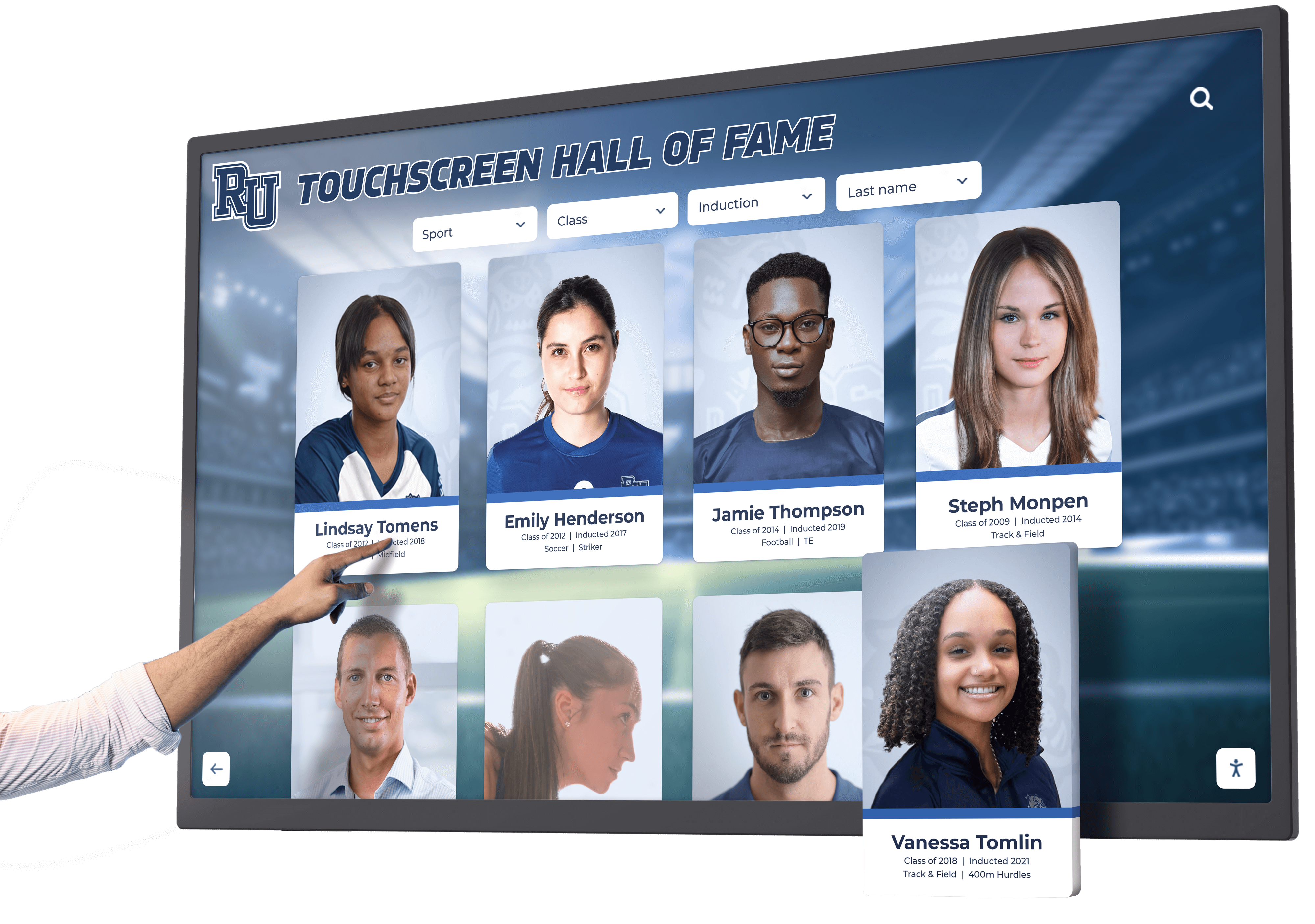
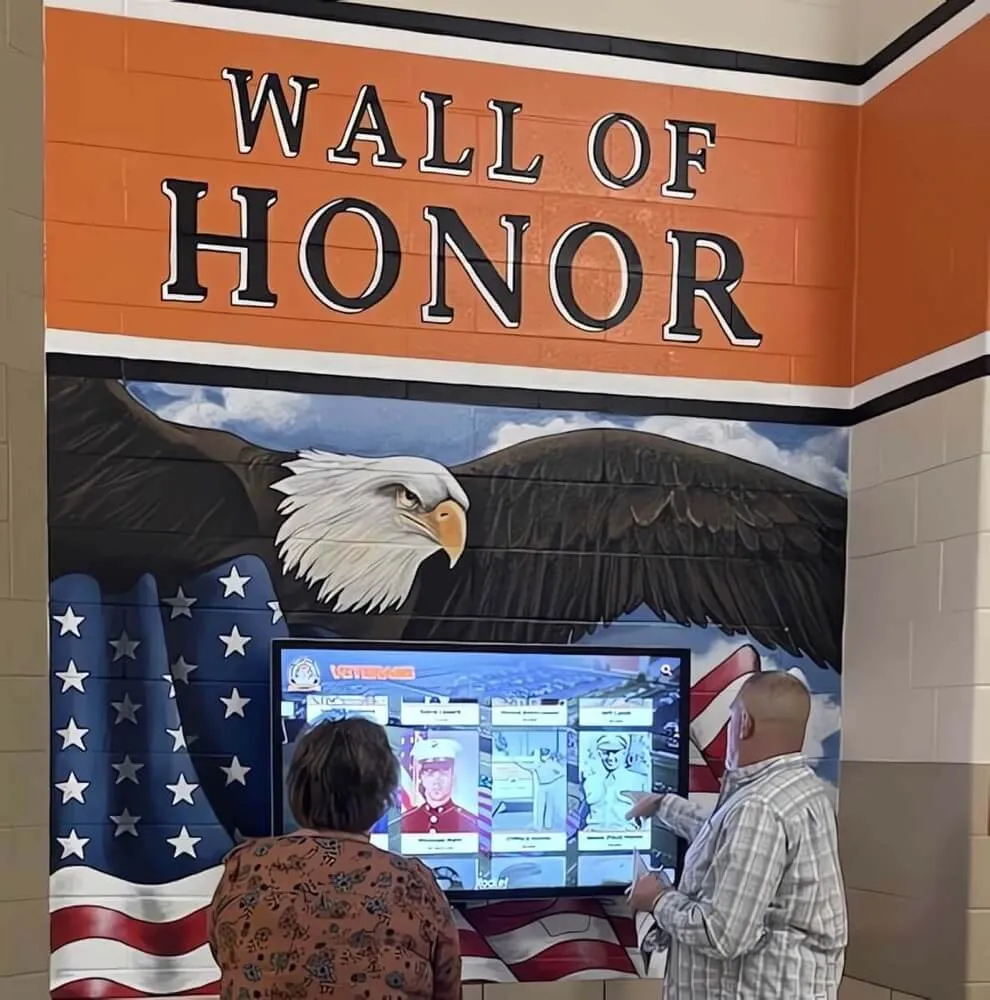
Rocket Alumni Solutions software enables intuitive exploration of comprehensive achievement profiles through responsive touch interaction
System Integration Requirements
Technical Compatibility Specifications
Rocket Alumni Solutions integrates seamlessly with MWE-QIXZOCV hardware through:
Operating System Compatibility
- Windows 10/11 Professional editions providing stable enterprise platform
- Linux distributions offering cost-effective open-source alternatives
- Chrome OS integration for streamlined cloud-centric deployments
- Dedicated appliance mode eliminating desktop access for security and reliability
Network and Connectivity Requirements
- Reliable internet connectivity supporting cloud-based content management
- Minimum 10Mbps download bandwidth for smooth multimedia content delivery
- Static IP addressing or dynamic DNS enabling remote management access
- Optional offline caching ensuring recognition continues during temporary outages
- Content delivery network integration optimizing performance across geographic locations
- Secure HTTPS connections protecting sensitive biographical information
Display Output Configuration
- Native 4K resolution support delivering exceptional visual quality
- Automatic display orientation detection supporting portrait or landscape mounting
- Multi-monitor configurations for larger recognition installations
- Color profile optimization ensuring accurate photo reproduction
- Brightness and power management coordinating with facility schedules
- Remote display diagnostics identifying technical issues proactively
Touch Interface Integration
- Universal HID touch driver compatibility supporting standard protocols
- Multi-touch gesture recognition enabling pinch, swipe, tap interactions
- Touch calibration tools ensuring accurate input across entire display surface
- Alternative input support accommodating keyboard, mouse, stylus when needed
- Accessibility features including voice control and screen reader compatibility
Installation and Configuration Process
Professional deployment follows systematic workflows:
Pre-Installation Planning
- Network infrastructure verification ensuring adequate connectivity
- Display location confirmation with electrical and structural assessment
- Content preparation developing initial recognition profiles for launch
- Training schedule coordination ensuring staff capability development
- Timeline establishment coordinating installation with facility availability
Hardware Installation
- Professional electrical work meeting code requirements and safety standards
- Secure display mounting with ADA-compliant positioning ensuring accessibility
- Network connectivity configuration establishing reliable communication
- Cable management creating polished professional finished appearance
- Safety and security measures protecting equipment and ensuring public safety
Software Deployment
- Operating system installation and optimization for recognition applications
- Rocket Alumni Solutions software configuration and licensing activation
- Content management system integration with institutional databases when applicable
- User account creation with appropriate administrative permissions and access controls
- Display interface customization matching institutional branding and color schemes
- Testing and quality verification across all features and content types
Training and Support
- Hands-on administrator training with actual profile creation practice exercises
- Documentation provision including user guides, video tutorials, support contacts
- Ongoing technical assistance through helpdesk, email, phone support channels
- Remote troubleshooting capabilities resolving issues without campus visits
- Software update management delivering new features and security enhancements automatically
Learn about comprehensive interactive touchscreen software implementation strategies ensuring successful deployments.
Content Architecture: Mapping Recognition to Interactive Displays
Effective recognition requires comprehensive content organization maximizing community engagement through intuitive discovery pathways.
Individual Honoree Profile Development
Essential Profile Components
Comprehensive recognition includes:
Biographical Information
- Full name with preferred nicknames or maiden names when applicable
- Graduation year, induction year, or recognition period establishing timeline context
- High-resolution portrait photograph creating personal visual connection
- Current location or hometown information when appropriate and available
- Career information documenting post-graduation achievements demonstrating program impact
Achievement Documentation
- Detailed accomplishment descriptions explaining significance and context
- Statistics and quantitative records documenting performance excellence
- Awards and honors received during participation or career
- Leadership positions and service contributions beyond competitive achievement
- Team memberships connecting individuals with collective accomplishments
- Championships and milestone participation demonstrating program success
Multimedia Enhancement
- Photo galleries showing multiple images from different periods and contexts
- Video highlights featuring performances, interviews, or acceptance speeches
- Audio content including speeches, performances, or oral history interviews
- Document scans of newspaper clippings, programs, certificates preserving memorabilia
- Timeline visualizations showing career progression and achievement accumulation
Contextual Connections
- Related honoree links connecting teammates, coaches, mentors, family members
- Historical context explaining era-specific circumstances and achievement significance
- Program information documenting facilities, coaching, competitive environment
- Alumni network connections facilitating mentorship and professional relationships
- Social sharing features enabling celebration with extended networks
Discover strategies for creating compelling recognition content that engages communities effectively.
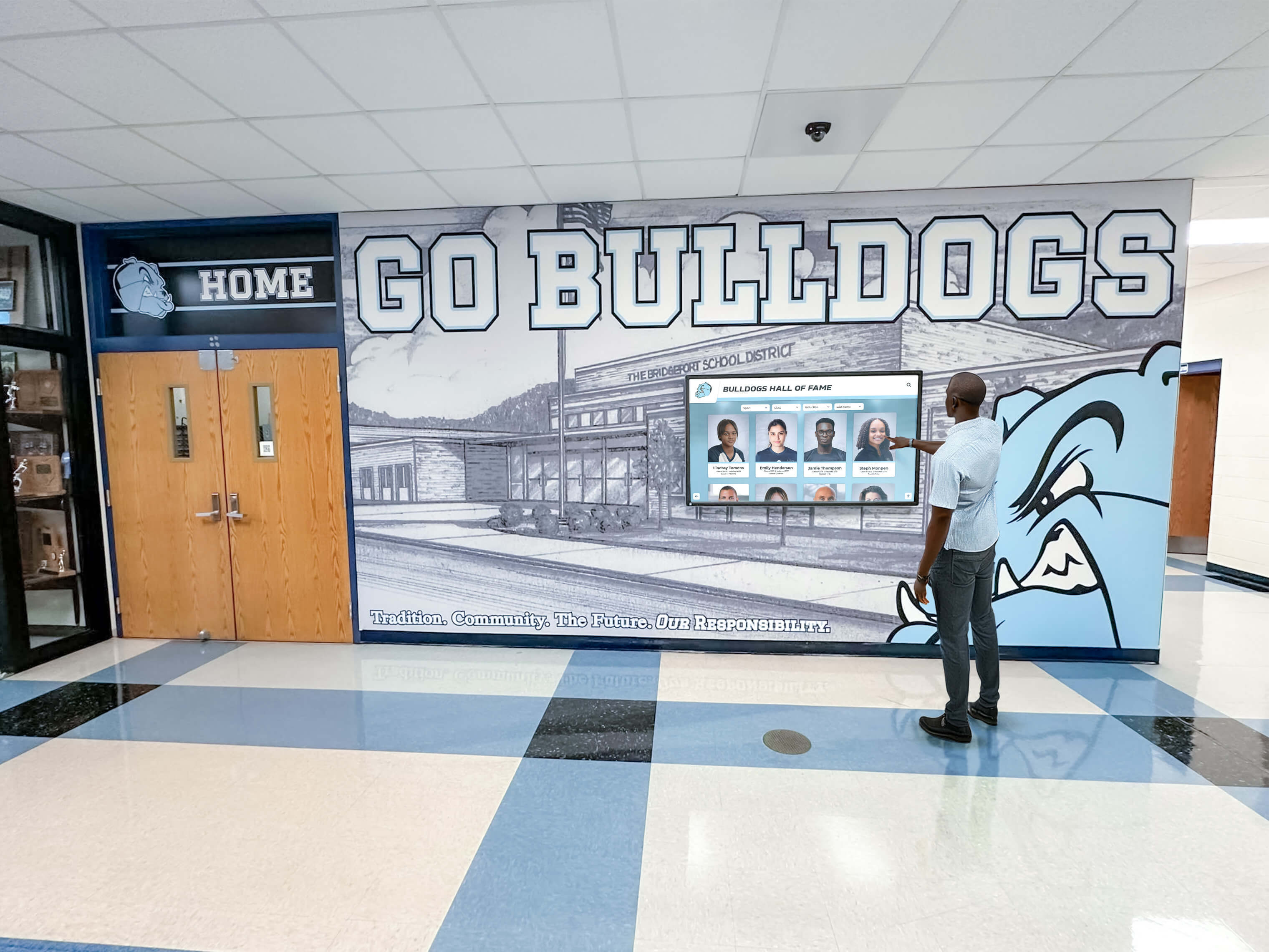
Intuitive interfaces enable independent exploration without instruction, creating accessible recognition for all community members
Team and Collective Recognition
Championship and Milestone Team Documentation
Collective achievements deserve systematic celebration:
Team Profile Elements
- Complete roster with all members, coaches, support staff identified
- Season records, statistics, tournament progression documenting excellence
- Team photographs capturing collective identity and shared experience
- Season narratives describing challenges overcome and memorable moments
- Individual player statistics aggregated showing collective performance
- Coaching perspectives contextualizing achievement significance
- Long-term program impact from championship seasons and milestone achievements
Historical Program Archives
Comprehensive recognition preserves complete heritage:
- Program founding history and early development milestones
- Coaching succession showing leadership across decades
- Facility evolution documenting where achievements occurred
- Championship chronology organizing major accomplishments systematically
- All-time records tracking cumulative excellence across eras
- Era comparisons showing program evolution and changing competitive landscapes
- Anniversary commemorations marking significant institutional milestones
Understanding best practices for school history displays provides frameworks applicable to comprehensive recognition programs.
Interactive Discovery Features and Navigation Design
Search Functionality
Comprehensive search capabilities include:
- Full-text search across names, achievements, biographical information, keywords
- Auto-complete suggestions speeding discovery and reducing typing errors
- Spelling tolerance ensuring misspellings don’t prevent finding honorees
- Advanced search with multiple simultaneous criteria narrowing large archives efficiently
- Search history showing recently viewed profiles enabling quick return navigation
- Popular searches highlighting frequently-accessed content and community interests
Filtering and Browsing Options
Organized exploration pathways include:
- Achievement category separation organizing athletics, academics, arts, service, leadership
- Chronological navigation showing specific years, decades, graduating classes
- Sport or activity-specific views for multi-category recognition programs
- Alphabetical browsing when visitors know names but not years or categories
- Featured content highlighting notable achievements, interesting stories, current anniversaries
- Recent additions showcasing newest recognition maintaining currency and relevance
Engagement Enhancement Features
Modern recognition platforms provide:
- Social sharing generating achievement celebration across extended networks
- QR code generation linking physical memorial plaques to comprehensive digital profiles
- Print capabilities creating portable recognition documentation for personal portfolios
- Email features enabling honorees to share achievements with specific contacts
- Comments and memories submission allowing community contribution and storytelling
- Analytics tracking showing which content attracts most community interest
Display Integration: Installation Best Practices and Ongoing Management
Successful recognition systems require professional installation and sustainable management processes.
Strategic Placement and Viewing Environment Optimization
High-Priority Installation Locations
Display placement significantly impacts recognition effectiveness:
Optimal Locations for Maximum Visibility
- Main entrance lobbies greeting all campus visitors and establishing institutional priorities
- Athletic facilities connecting recognition thematically with current programs
- Cafeterias and commons areas providing sustained viewing time with broad access
- Alumni centers creating natural gathering points for returning graduates
- Guidance or admissions areas where prospective families experience institutional culture
- Event spaces where ceremonies, celebrations, gatherings occur regularly
Environmental Considerations
Viewing conditions affect user experience:
- Lighting assessment ensuring displays remain visible without glare or washout
- Adequate space providing comfortable viewing distance and accommodating groups
- Minimal competing visual distractions maintaining focus on recognition content
- Integration with existing physical displays creating comprehensive recognition environments
- Accessibility compliance ensuring wheelchair users can reach and operate displays comfortably
- Climate control for displays in challenging environments like gymnasiums
Learn about creating effective recognition spaces that maximize community engagement.
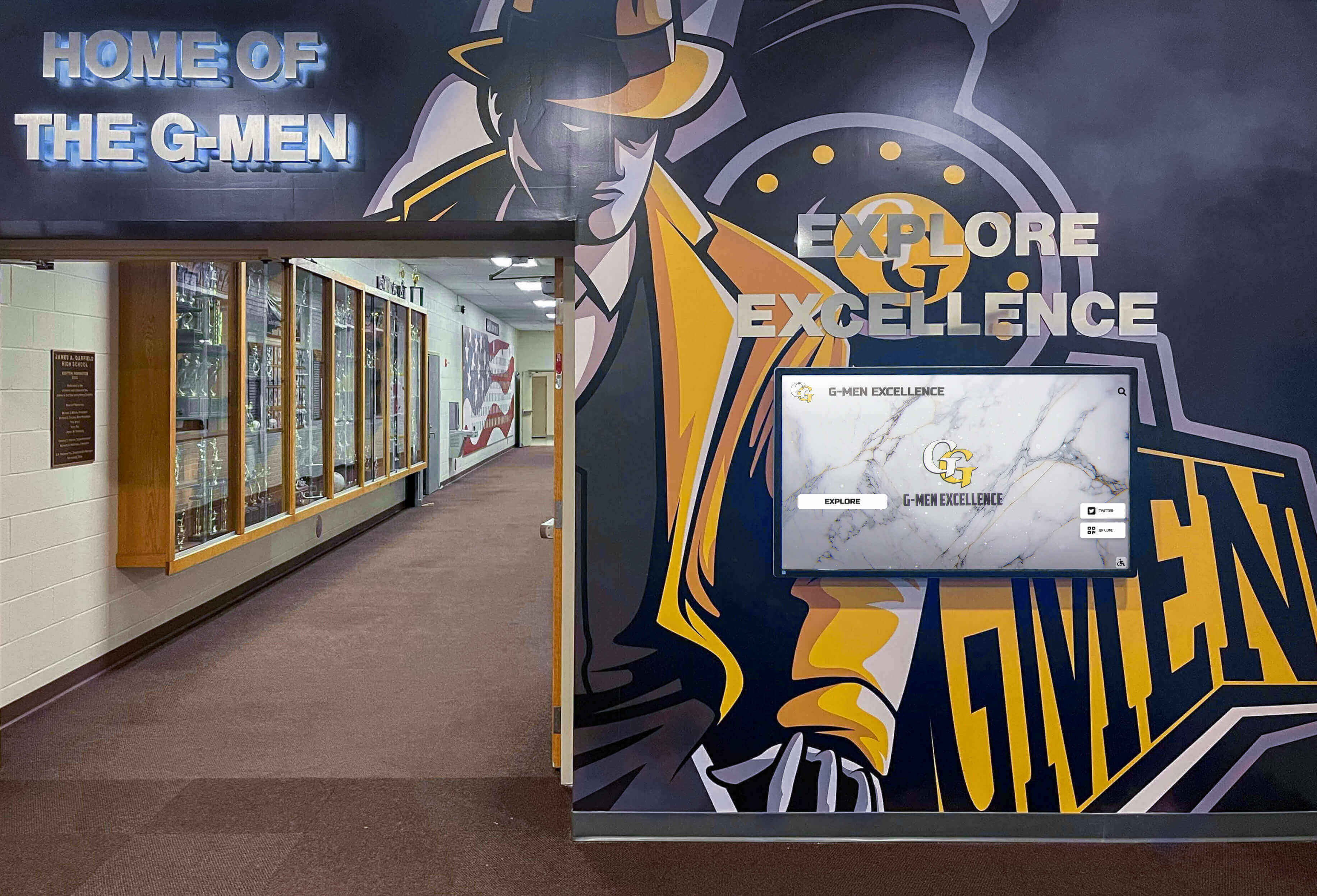
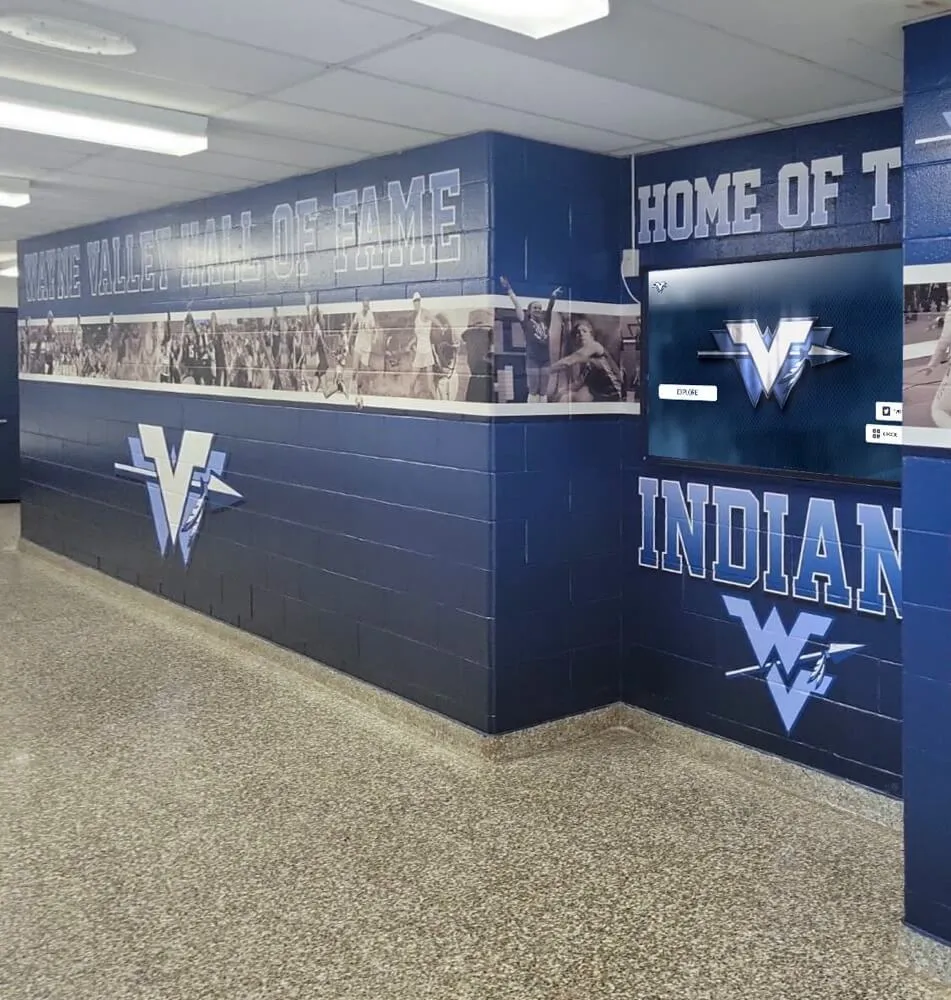
Strategic placement integrates interactive displays with existing physical recognition creating comprehensive celebration environments
Cloud-Based Content Management and Remote Administration
Anytime, Anywhere Management Access
Modern platforms enable efficient operation:
- Web-based control panels accessible from any internet-connected device
- No special software installation or licensing required for content administrators
- Simultaneous multi-user access enabling collaborative content development
- Mobile-responsive admin interfaces supporting smartphone and tablet management
- Secure authentication protecting institutional content from unauthorized changes
- Automatic cloud backups preventing permanent content loss from failures
Streamlined Administrative Workflows
Efficient processes reduce management burden:
- Template-based profile creation ensuring consistent professional presentation automatically
- Bulk upload tools enabling efficient addition of entire teams, classes, induction groups
- Media libraries organizing thousands of photos and videos with tagging and search
- Approval workflows supporting quality review before content publication
- Scheduled publishing coordinating recognition releases with ceremonies and events
- Version history tracking all changes with rollback capabilities when needed
- Analytics dashboards showing engagement patterns and popular content informing strategy
Multi-Location Display Management
Coordinated networks provide:
- Centralized administration updating multiple displays across campus simultaneously
- Location-specific content enabling customized recognition at different facility areas
- Coordinated scheduling ensuring consistent content across institutional displays
- Remote troubleshooting and configuration without campus visits
- Performance monitoring identifying technical issues before they impact user experience
- Update verification confirming content changes appear correctly across all platforms
Explore comprehensive approaches to school history touchscreen management comparing service options.
Ongoing Maintenance and Sustainability
Regular Maintenance Activities
Reliable operation requires:
Technical Maintenance
- Software update installation maintaining security, functionality, feature enhancement
- Display cleaning preserving professional appearance and touch responsiveness
- Hardware inspection identifying potential issues before they cause failures
- Network connectivity verification ensuring reliable cloud communication
- Backup verification confirming content protection from data loss
- Security assessment protecting systems from unauthorized access or tampering
Content Management
Sustained recognition requires:
- Annual induction cycles adding new honorees systematically and consistently
- Profile updates enriching existing recognition with additional information and media
- Historical expansion continuing to develop comprehensive institutional archives
- Photo library curation organizing and optimizing visual content for display presentation
- Broken link monitoring and repair maintaining external reference integrity
- Content quality reviews ensuring accuracy and appropriateness of published information
Program Evaluation
Continuous improvement includes:
- Engagement analytics review identifying popular content and discovery patterns
- Stakeholder feedback collection through surveys, conversations, observations
- Technology assessment staying current with evolving capabilities and expectations
- Content strategy refinement based on community response and measured engagement
- Benchmark comparison with peer programs identifying enhancement opportunities
- Budget review ensuring sustainable operations and planning equipment lifecycle replacement
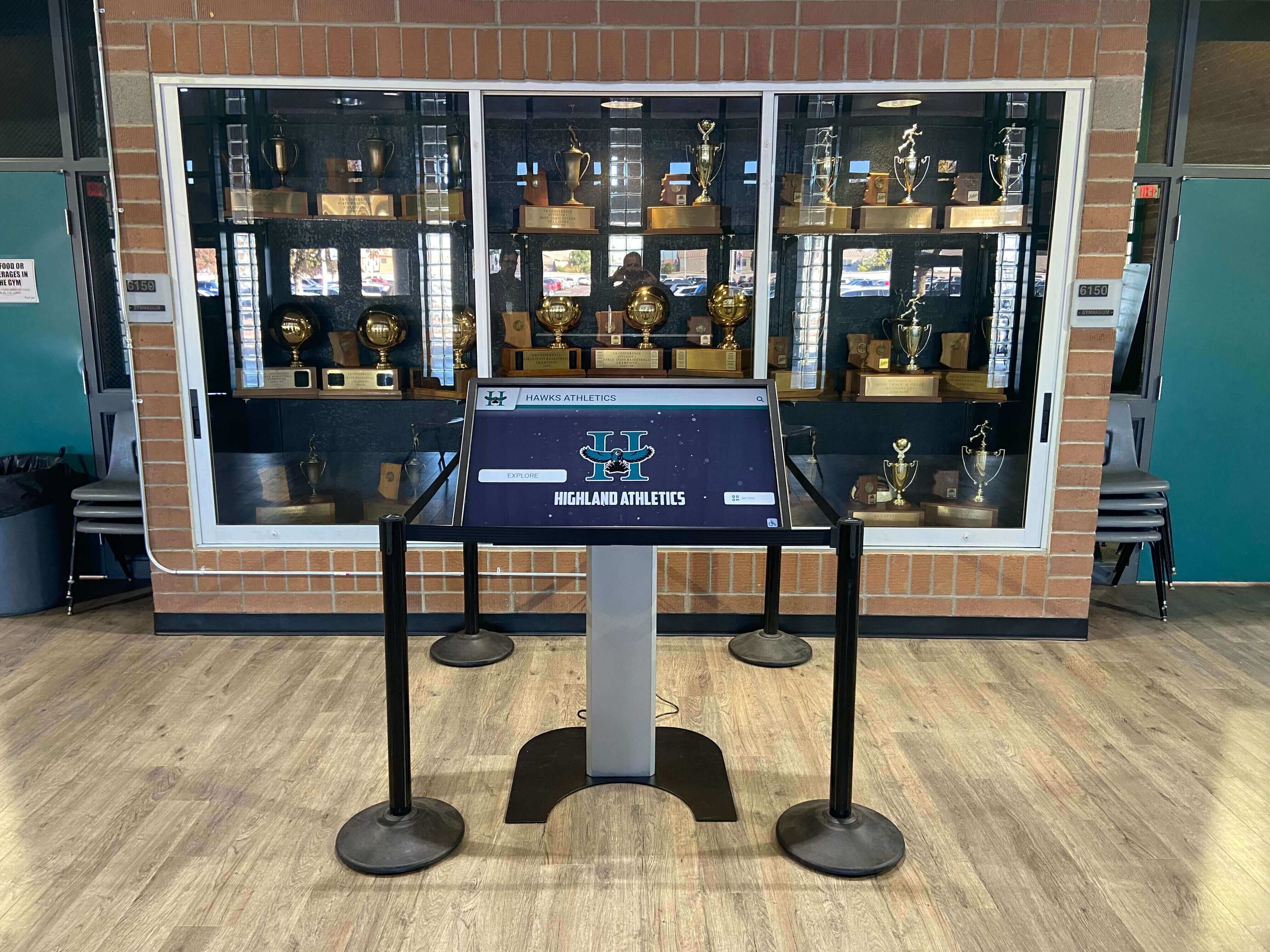
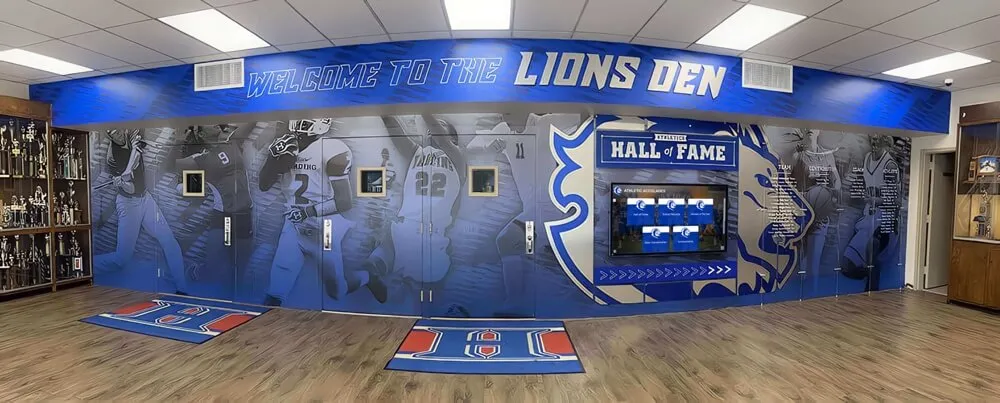
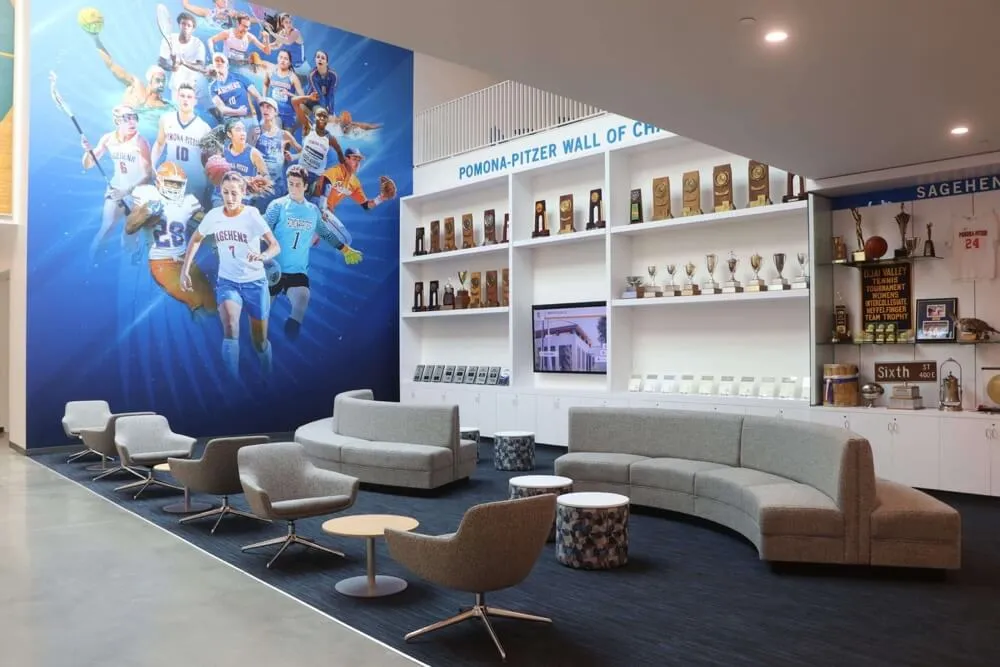
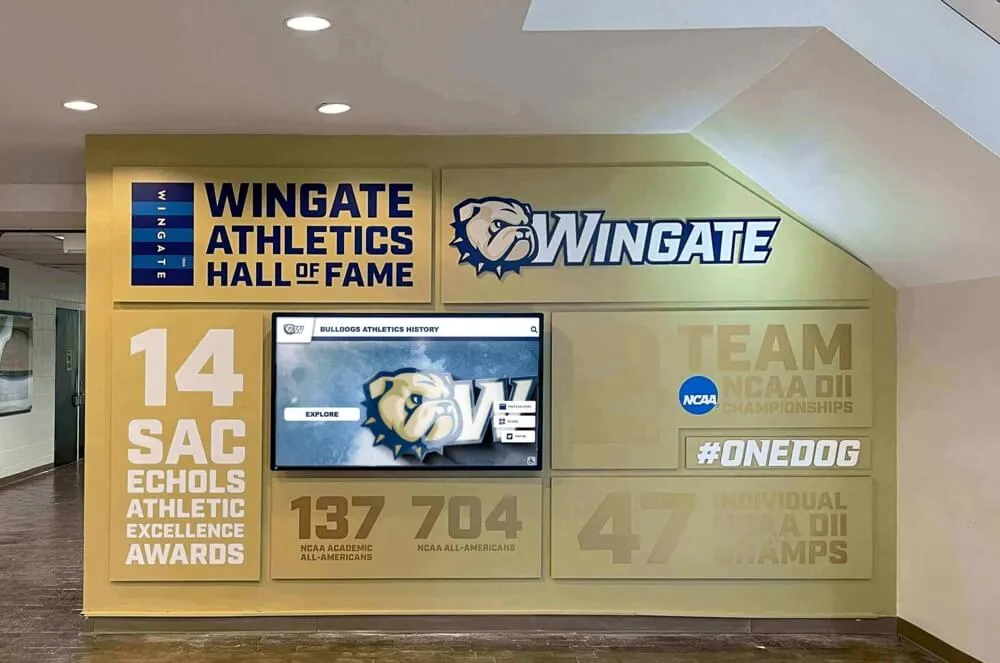
Professional installations combining interactive displays with traditional trophy cases create comprehensive recognition environments
Measurement Block: Demonstrating Recognition Program Value
Systematic evaluation demonstrates institutional value and guides continuous improvement.
Engagement and Usage Metrics
Quantitative Performance Indicators
- Total display interactions showing how frequently community members engage recognition
- Average session duration indicating depth of exploration versus brief glances
- Search queries revealing what visitors seek and which honorees attract interest
- Popular content identification showing which profiles, teams, achievements engage most
- Geographic distribution demonstrating recognition reach through web platform access
- Social sharing frequency measuring viral celebration across extended networks
- Year-over-year trends showing whether engagement grows, stabilizes, or declines over time
Participation and Representation Measures
- Total honorees recognized compared to previous capacity limitations under physical displays
- Annual induction rates maintaining consistent recognition pace and program momentum
- Demographic distribution ensuring equitable representation across participant populations
- Achievement category balance providing recognition across diverse accomplishment types
- Historical depth showing comprehensive versus selective recognition scope
- Update frequency demonstrating sustainable ongoing content management capability
Community Impact Assessment
Stakeholder Satisfaction Indicators
- Honoree feedback about recognition quality and personal impact from celebration
- Current participant surveys measuring motivational influence from visible achievement examples
- Alumni engagement changes showing strengthened institutional connections and pride
- Family satisfaction with how loved ones receive appropriate public celebration
- Community pride indicators through informal observation and feedback collection
- Administrator satisfaction with platform usability and program sustainability
Institutional Value Measures
- Administrative time investment compared to traditional recognition management burden
- Cost efficiency versus ongoing plaque fabrication, engraving, installation expenses
- Recruitment effectiveness from prospective family interest during facility tours
- Donor engagement potentially influenced by transparent recognition stewardship
- Media coverage generating institutional visibility and community awareness
- Competitive positioning versus peer institutions using traditional recognition approaches
Continuous Improvement Strategies
- Regular program reviews assessing effectiveness against established goals
- Stakeholder feedback integration through systematic collection and response
- Benchmark comparison with peer programs identifying enhancement opportunities
- Technology assessment ensuring platforms remain current with evolving capabilities
- Content strategy refinement based on engagement analytics and community response
- Process optimization reducing administrative burden while improving recognition quality
Explore comprehensive approaches to measuring hall of fame ROI demonstrating institutional value.
Advanced Recognition Strategies and Enhancement Opportunities
Organizations with mature programs can enhance recognition effectiveness through advanced approaches:
Multimedia Content Integration
Video Recognition Enhancement
- Inductee interviews capturing personal reflections on achievements and experiences
- Highlight compilations showing athletic performances, artistic accomplishments, presentations
- Historical footage preserving memorable moments and championship seasons
- Acceptance speeches from induction ceremonies creating emotional connections
- Coach or mentor testimonials providing perspective on honoree achievements and character
- Documentary features telling comprehensive stories about particularly significant honorees
Interactive Element Creation
- Virtual facility tours connecting recognition to physical locations where accomplishments occurred
- Timeline builders showing program evolution and development over institutional history
- Comparison tools enabling visitors to explore statistical trends across decades
- Family tree connections highlighting multi-generational program participation
- Achievement mapping showing geographic distribution of honorees or college destinations
- Trivia games testing community knowledge about institutional achievement history
Discover advanced strategies for digital storytelling in athletic programs creating engagement.
Community Contribution Systems
Alumni and Member Participation
- Nomination portals enabling community members to suggest worthy recognition candidates
- Content submission systems allowing honorees or families to contribute photos, information, memories
- Correction reporting enabling community members to identify and report errors or omissions
- Story collection features gathering anecdotes and memories enriching recognition narratives
- Photo archive crowdsourcing soliciting historical images from personal collections
- Reunion class projects where groups develop comprehensive recognition for graduating years
Student Leadership Opportunities
- Research projects developing historical recognition as learning experiences
- Technology clubs managing content updates and technical maintenance
- Video production classes creating multimedia recognition content
- Journalism programs writing biographical narratives and achievement features
- Service learning opportunities connecting community contribution with educational value
- Student ambassador programs demonstrating features and encouraging exploration
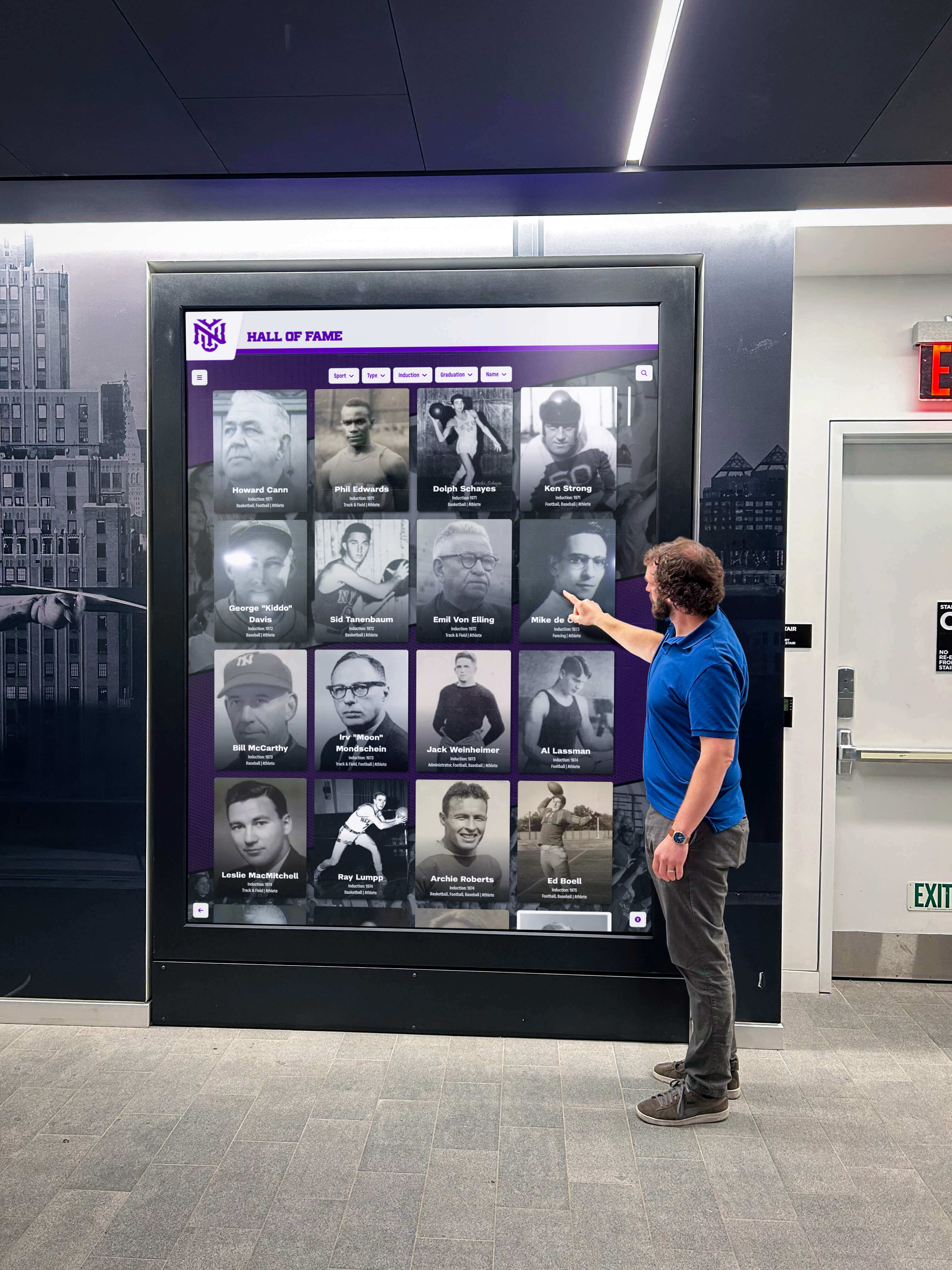
Interactive displays create engaging recognition experiences that encourage extended exploration and community connection
Implementation Planning: From Concept to Launch
Systematic planning ensures successful recognition program deployment.
Phase 1: Requirements and Planning (Weeks 1-4)
Stakeholder Engagement
- Assemble hall of fame committee with broad representation across constituencies
- Define recognition scope determining achievement categories receiving celebration
- Establish selection criteria and eligibility requirements ensuring equitable recognition
- Identify target audiences and prioritize discovery needs and preferences
- Set success metrics defining how program effectiveness will be measured
- Secure administrative support and budget authorization for complete implementation
Technical Assessment
- Evaluate facility locations identifying optimal display placement opportunities
- Review network infrastructure and connectivity supporting cloud-based systems
- Inventory existing recognition archives requiring digitization and content development
- Assess available staff time and technical capabilities for ongoing management
- Determine historical scope deciding how far back recognition will extend
- Establish realistic budgets covering initial investment and ongoing operational costs
Phase 2: Technology Selection (Weeks 5-8)
Hardware Specification
- Determine appropriate display sizes based on viewing distances and space constraints
- Specify commercial-grade touchscreen equipment rated for continuous public use
- Decide wall-mount versus freestanding kiosk configurations for each location
- Plan professional installation with licensed contractors and proper permits
- Verify electrical, network, structural requirements for planned locations
- Establish installation timeline coordinating with facility availability and minimal disruption
Software Platform Evaluation
- Distinguish purpose-built recognition platforms from generic digital signage systems
- Evaluate essential features including search capabilities, profile management, multimedia support
- Assess content management usability ensuring available staff can operate systems confidently
- Review vendor support quality through conversations with current customers
- Compare total cost of ownership across 5-year planning horizon including all expenses
- Request comprehensive proposals with detailed pricing, timelines, service descriptions
Learn about touchscreen history and evolution understanding technology development and trajectory.
Phase 3: Content Development (Weeks 9-20)
Historical Research and Archive Development
- Conduct yearbook, publication, newspaper archive research identifying qualifying honorees
- Locate biographical information sources through alumni outreach and institutional records
- Digitize historical photographs ensuring high-quality resolution for display presentation
- Research missing information closing gaps in achievement documentation
- Compile statistics and quantitative accomplishment data across recognition periods
- Develop content style guides ensuring consistent professional presentation quality
Profile Creation and Content Production
- Write engaging biographical narratives for all initial launch honorees
- Organize photography libraries with proper identification and categorization
- Produce video content including interviews, highlights, historical footage
- Create statistics displays showing career achievements and records
- Develop team pages with complete rosters and season documentation
- Build featured content highlighting notable achievements and interesting connections
Phase 4: Installation and Launch (Weeks 21-26)
Professional Display Installation
- Complete electrical and network infrastructure work meeting code requirements
- Mount displays securely with ADA-compliant positioning ensuring accessibility
- Install professional cable management creating polished finished appearance
- Configure displays including brightness, color, touch calibration, network connectivity
- Test all interactive functions verifying responsive, reliable operation
- Integrate displays with existing physical recognition and facility aesthetics
Training and Public Launch
- Provide hands-on content management training with actual profile creation practice
- Cover administrative functions including user management, approval workflows, scheduling
- Demonstrate multimedia management for photos, videos, document integration
- Schedule unveiling ceremony during high-visibility event or dedicated celebration
- Arrange media coverage generating community awareness and institutional visibility
- Create promotional content featuring highlighted inductees and interesting stories
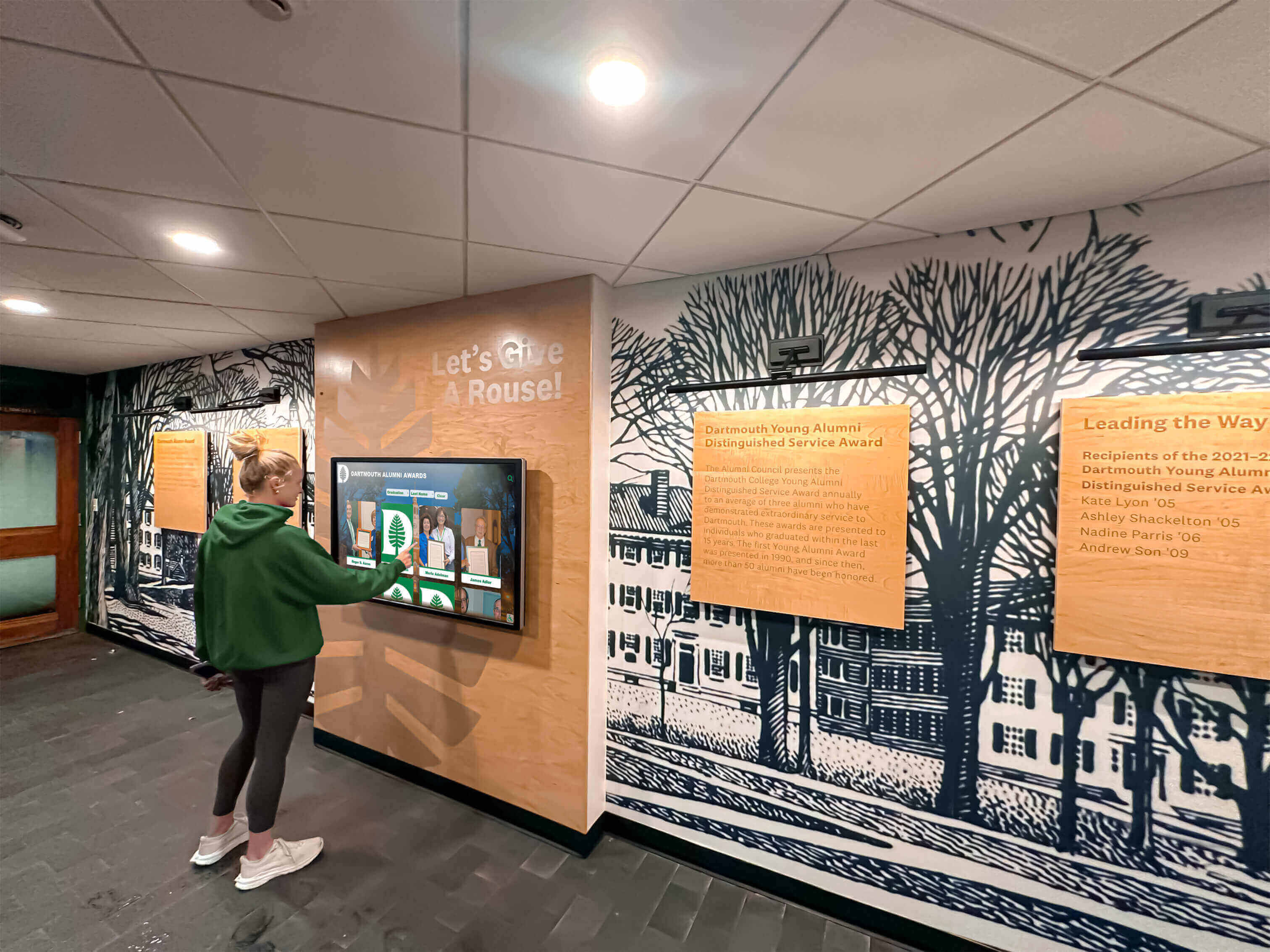
User-friendly interfaces enable community members of all ages to explore recognition independently without instruction
Common Implementation Challenges and Solutions
Learning from frequent pitfalls helps organizations avoid expensive mistakes.
Challenge 1: Underestimating Content Development Effort
The Problem: Organizations assume existing staff will develop comprehensive historical archives “in spare time,” discovering complete recognition content requires far more effort than anticipated. Rushed inadequate launches disappoint audiences expecting depth, while abandoned incomplete projects waste expensive technology investments.
The Solution: Realistically assess content development time requirements—comprehensive historical archives typically require 100-300+ hours depending on available records, recognition scope, quality standards. Allocate dedicated staff time, engage external content development services for assistance, implement phased approaches starting with recent well-documented recognition and systematically adding historical content, or adjust scope expectations matching available resources.
Challenge 2: Purchasing Generic Digital Signage for Recognition
The Problem: Schools buy general-purpose communication systems believing they’ll work for recognition, discovering too late that slideshow-only displays, missing search capabilities, difficult content management, passive viewing experiences create disappointment. Generic signage systems designed for announcements and temporary content lack specialized features required for comprehensive permanent recognition programs.
The Solution: Evaluate purpose-built recognition platforms specifically designed for halls of fame rather than adapting communication tools for recognition purposes. Verify platforms provide searchable databases, individual profile pages, interactive exploration, statistics integration, recognition-specific content management. Organizations implementing signage systems for recognition consistently express regret once limitations become apparent.
Understand critical distinctions through comprehensive guides on why schools regret rushing digital hall of fame software decisions.
Challenge 3: Inadequate Training and Support
The Problem: Staff receives minimal training or generic instruction unrelated to recognition-specific applications, leaving administrators confused and unable to manage systems confidently. Unresponsive or unhelpful vendor support when problems arise leads to frustration and eventual abandonment regardless of underlying platform quality or capability.
The Solution: Evaluate training comprehensiveness and ongoing support quality as thoroughly as platform features and hardware specifications. Verify training includes hands-on practice creating actual profiles, recognition-specific content strategy guidance, multiple sessions beyond single demonstrations. Speak directly with current customers about vendor support responsiveness, knowledge, helpfulness. Choose vendors demonstrating genuine commitment to customer success rather than simply selling technology products.
Challenge 4: Insufficient Budget Planning
The Problem: Organizations focus exclusively on initial hardware costs without understanding complete ongoing expenses—discovering unaffordable annual software subscriptions, unanticipated content development expenses, required support and maintenance costs after committing to purchases. Systems become effectively unusable when organizations cannot sustain investments required for ongoing operation.
The Solution: Require vendors to provide detailed 5-year total cost projections including all software subscriptions, cloud hosting, technical support, content development assistance, hardware maintenance contracts, eventual replacement costs. Verify institutional budgets cover complete requirements not just initial display purchase. Choose vendors offering transparent predictable pricing over complex fee structures with hidden surprises.
Conclusion: Creating Effective Recognition Through Thoughtful Technology Integration
MWE-QIXZOCV touchscreen kiosk interactive displays paired with purpose-built recognition software like Rocket Alumni Solutions create comprehensive achievement celebration platforms transforming how schools, universities, and organizations honor excellence while preserving institutional heritage. When organizations implement thoughtfully—selecting commercial-grade hardware designed for continuous institutional operation, choosing purpose-built recognition software delivering searchable databases and interactive exploration versus generic digital signage, developing comprehensive content showcasing achievements meaningfully, providing thorough training ensuring confident ongoing management, and committing to sustained excellence beyond initial launch—they create recognition programs that strengthen institutional pride, motivate current participants through visible achievement examples, engage broader communities through accessible discovery, and deliver measurable value justifying ongoing investment throughout decades of operation.
The strategies explored throughout this comprehensive guide provide complete frameworks for implementing effective touchscreen kiosk recognition systems—from understanding technical specifications and software compatibility requirements to planning professional installations and managing sustainable long-term operations. Whether establishing first-ever digital recognition or enhancing existing programs, fundamental principles remain consistent: honor achievements comprehensively rather than selectively, leverage technology purposefully to overcome traditional constraints, develop content richly celebrating individual and collective accomplishments, engage communities meaningfully through accessible intuitive exploration, and sustain commitment ensuring programs remain current and relevant year after year.
Ready to transform recognition at your school or organization with MWE-QIXZOCV touchscreen kiosk interactive displays powered by Rocket Alumni Solutions? Modern digital hall of fame solutions help institutions celebrate unlimited achievements while preserving program heritage and creating engaging discovery experiences. Rocket Alumni Solutions provides comprehensive platforms specifically designed for educational and organizational recognition, combining purpose-built software with professional hardware recommendations, implementation support, and ongoing training ensuring successful long-term programs that become valued institutional centerpieces.
Your implementation journey begins with clear planning defining recognition philosophy and scope, continues through thoughtful technology selection ensuring platforms match specific needs and capabilities, advances with systematic content development creating meaningful achievement celebration, and sustains through ongoing commitment making digital recognition permanent institutional practice rather than temporary initiative. Request your free custom demo or schedule a consultation to explore how touchscreen kiosk interactive displays can appropriately honor your community’s excellence and heritage.
Your community’s achievements deserve recognition technology that celebrates accomplishments appropriately while creating meaningful engagement and lasting impact. The most important consideration isn’t selecting most expensive hardware or most sophisticated software—it’s choosing solutions aligned with recognition values, sustainable within resources, and designed to serve specific community needs effectively throughout decades of operation. Your achievers deserve comprehensive equitable recognition celebrating their excellence meaningfully. MWE-QIXZOCV touchscreen kiosks paired with Rocket Alumni Solutions make that vision achievable and sustainable for generations to come.
Begin your digital recognition journey today by assembling your planning team, defining recognition scope and standards, evaluating purpose-built platforms designed specifically for institutional recognition, developing comprehensive content strategies ensuring meaningful achievement celebration, and committing to systematic implementation and sustained excellence creating the lasting recognition legacy your community deserves.
Sources
Research and information for this guide drew from multiple authoritative sources:
- MVIX: Touchscreen Kiosks in 2025: Where Will We See Them?
- Digital Hall of Fame Software vs. Digital Signage Comparison
- Touchscreen Software Complete Guide
- Touch Screen Kiosk Software for Interactive Displays
- Touchscreen Software: Rocket Alumni Solutions Guide
- Best Kiosk Interactive Software 2025
- Interactive Touchscreen Software Guide
- Why Schools Regret Rushing Digital Hall of Fame Software
- Touchscreen History Complete Guide